Actors Who Refused to Take Roles That Mocked Their Heritage

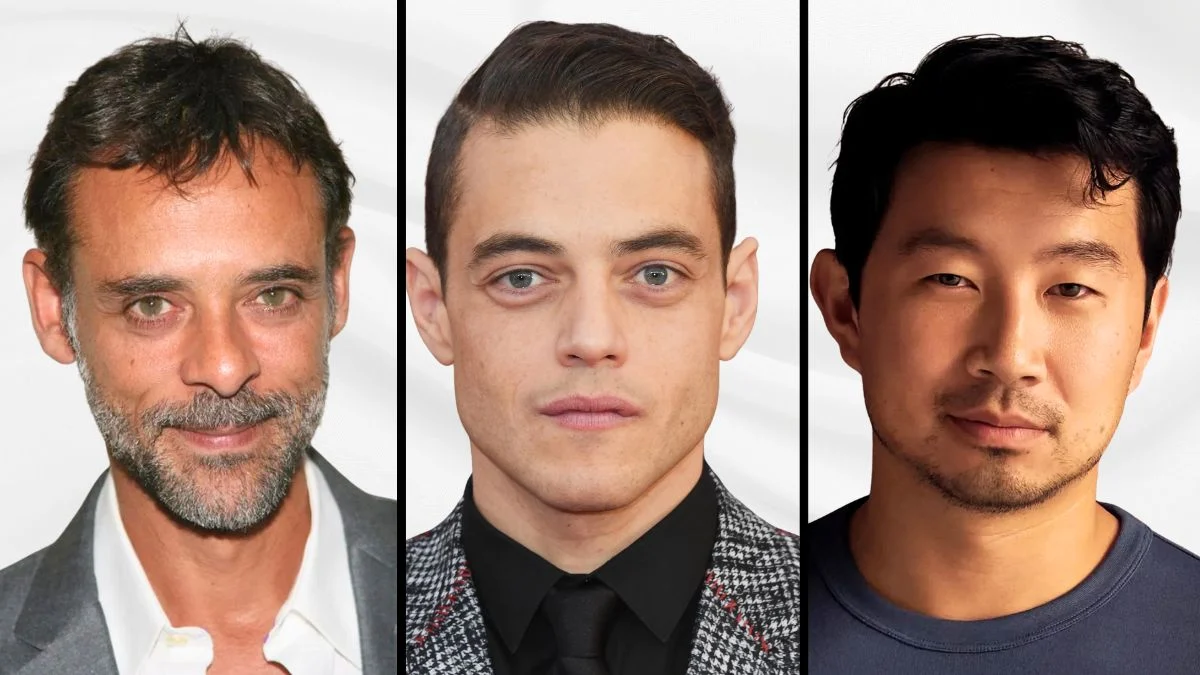

Many male actors in the entertainment industry have faced the difficult choice of taking a high-paying job or maintaining their cultural integrity. For decades performers of color were often relegated to caricatures and offensive stereotypes that served as the punchline for mainstream audiences. To combat this systemic issue several male actors have famously turned down lucrative roles that would have mocked or misrepresented their heritage. These decisions helped shift the landscape of cinema and television toward more authentic and dignified portrayals. Their commitment to representation ensures that future generations of performers do not have to compromise their identity for a career.
Riz Ahmed
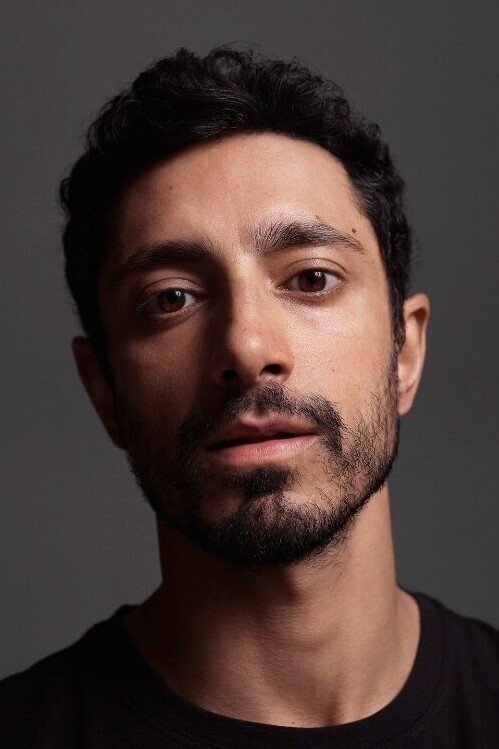
Riz Ahmed has been vocal about his refusal to accept roles that lean into damaging Muslim stereotypes. Early in his career he decided to avoid auditions for characters that were defined solely by their religion or extremist tendencies. He believes that playing two dimensional villains only serves to reinforce negative cultural narratives. By holding out for complex characters like those in ‘The Night Of’ and ‘Sound of Metal’ he has paved a path for more nuanced representation. His advocacy for authentic storytelling continues to influence how studios approach South Asian characters.
Rami Malek
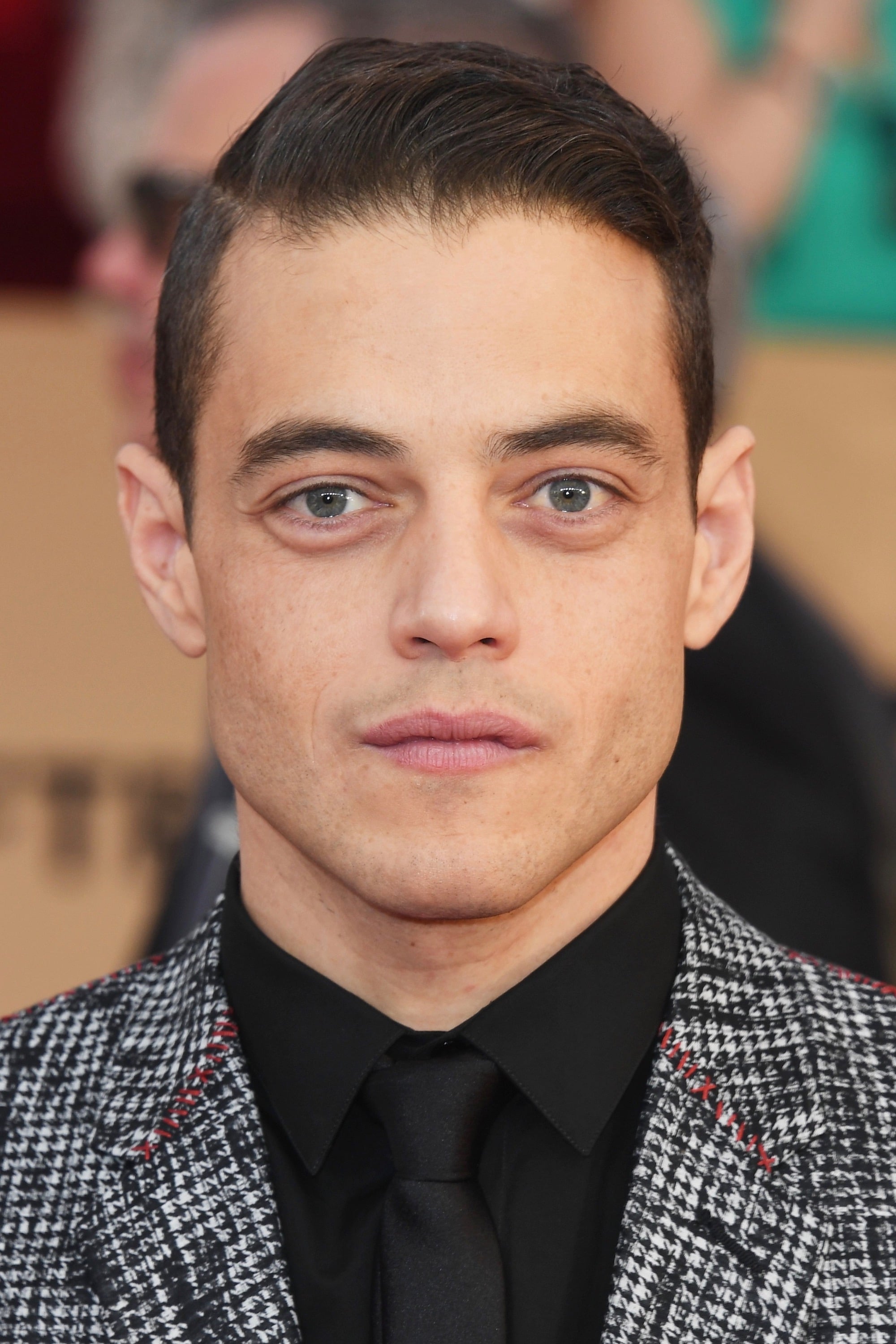
Rami Malek made headlines when he insisted on specific conditions before accepting the villain role in ‘No Time to Die’. He spoke with the director to ensure the character would not be linked to any specific religion or ideology. Malek wanted to avoid playing a Middle Eastern terrorist which he felt would be a lazy and offensive trope. He prioritizes roles that offer depth rather than those that rely on cultural or ethnic clichés. This stance allowed him to craft a more unique and terrifying antagonist for the James Bond franchise.
John Cho
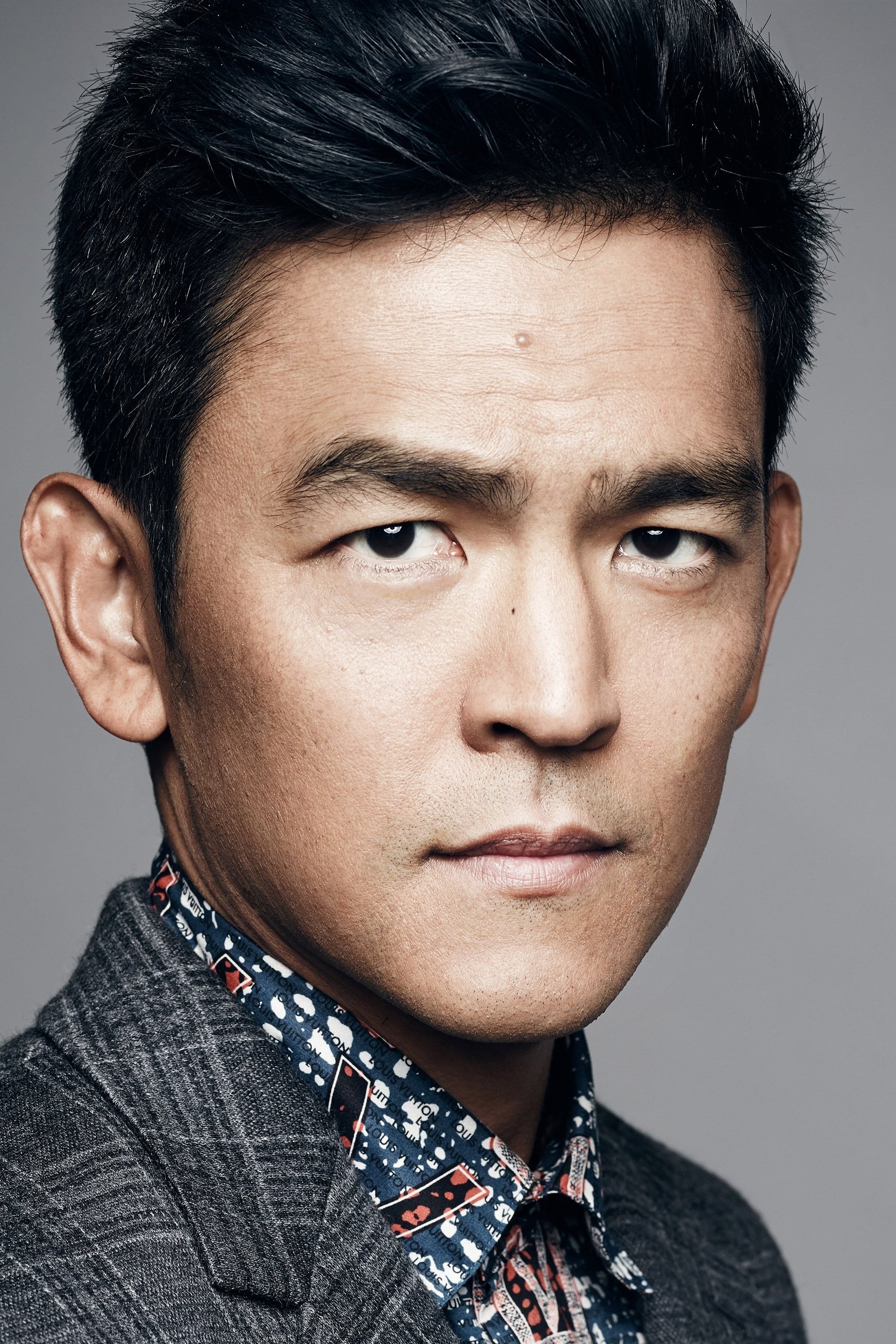
John Cho has consistently rejected roles that require him to use a forced or exaggerated Asian accent. Throughout his career he has fought against the nerdy or foreign stereotypes that often dominate roles for East Asian men. He famously turned down parts that lacked character depth or relied on mocking cultural differences for humor. His work in films like ‘Searching’ and ‘Columbus’ proves that Asian American men can lead stories without their ethnicity being the primary plot point. Cho remains a pioneer for Asian representation in Hollywood by demanding roles with emotional complexity.
Kumail Nanjiani
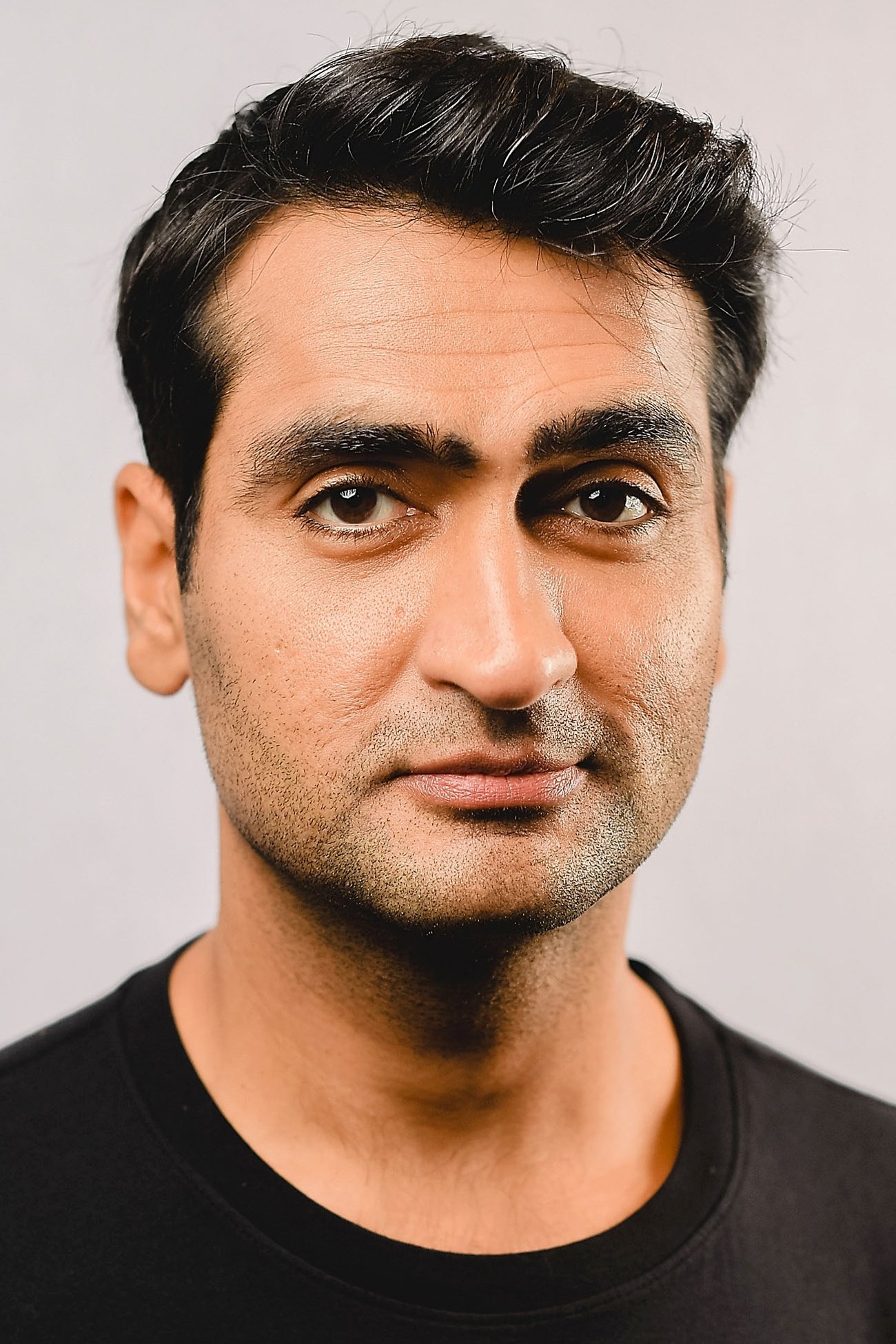
Kumail Nanjiani spent years turning down roles that portrayed South Asian men as cab drivers or convenience store workers. He realized early on that Hollywood often tried to put him in a box that relied on his background for cheap laughs. Nanjiani worked hard to create his own opportunities to ensure he could play well rounded individuals. His success with the film ‘The Big Sick’ demonstrated that his personal experiences could be shared with dignity and humor. He continues to select projects that challenge the preconceived notions of what a leading man can look like.
Kal Penn
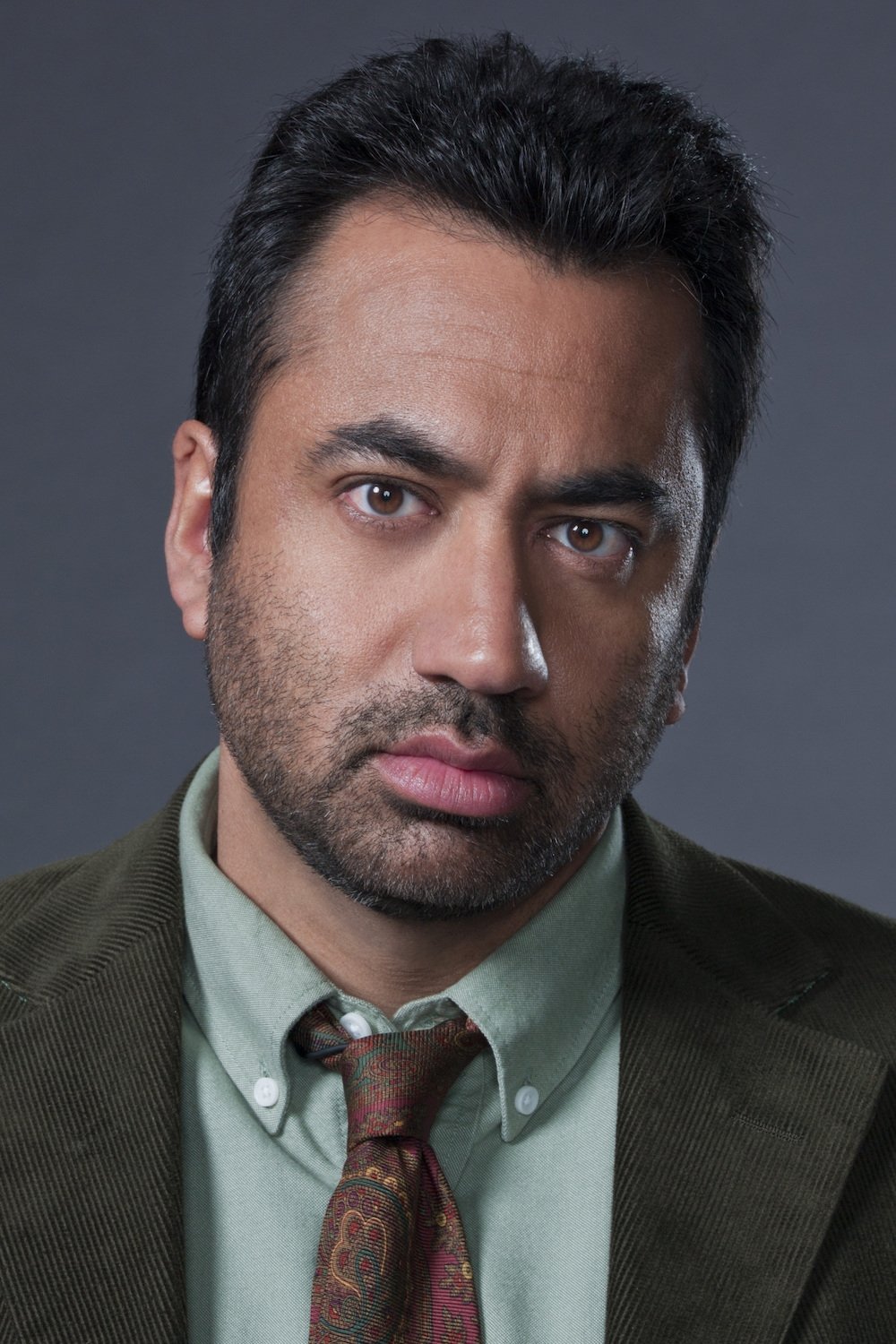
Kal Penn once shared several scripts from early in his career to highlight the offensive stereotypes he was expected to play. He frequently encountered roles that required a thick accent or portrayed Indian characters as intellectually inferior or socially awkward. Penn chose to walk away from many of these opportunities to maintain his self respect and cultural pride. His roles in ‘Harold & Kumar Go to White Castle’ and ‘House’ broke away from these molds by showing diverse characters in everyday situations. He has since transitioned into politics and producing while remaining a critic of industry biases.
Simu Liu
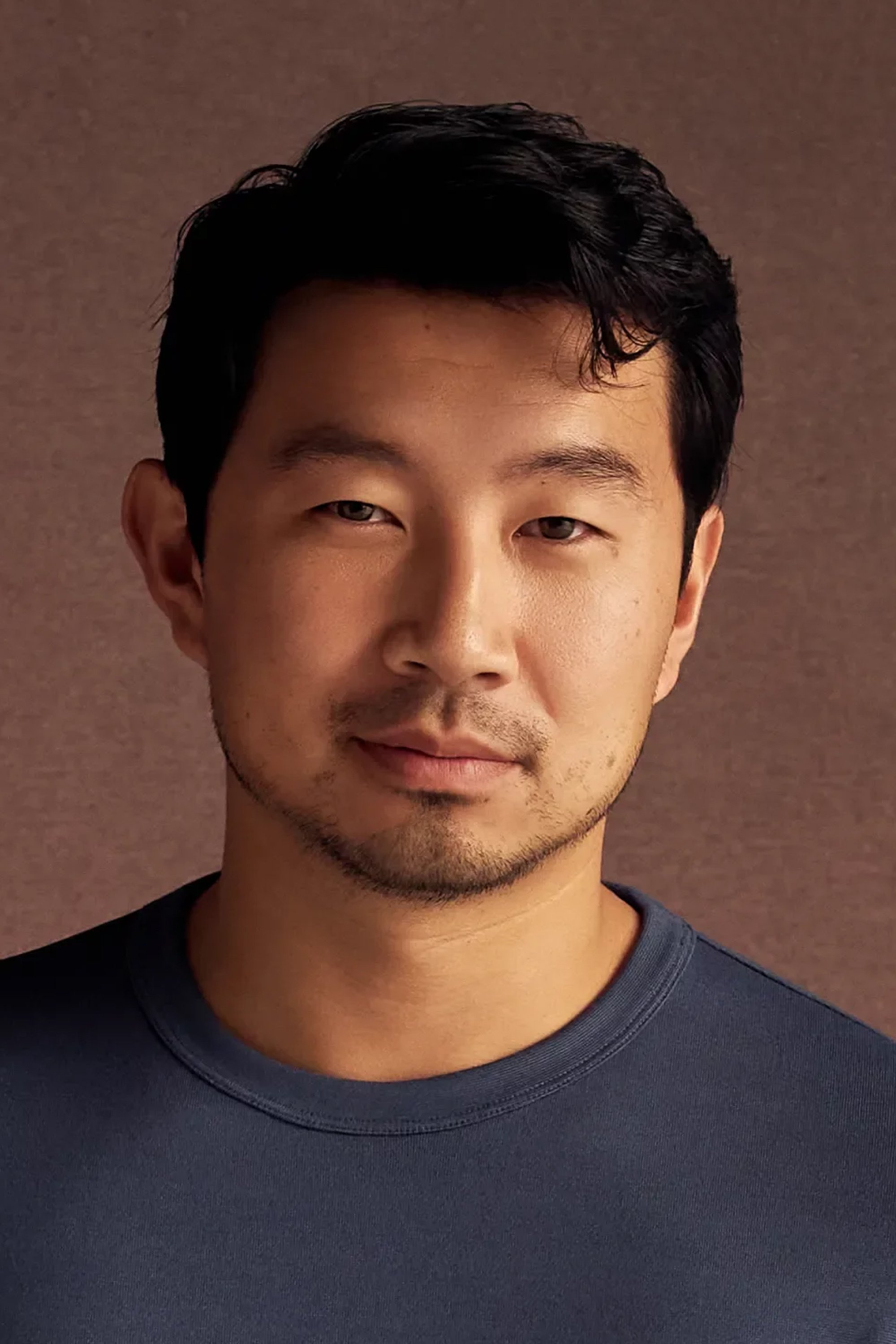
Simu Liu has been very open about his refusal to play roles that portray Asian men as weak or desexualized. Before landing his breakout role in ‘Shang-Chi and the Legend of the Ten Rings’ he often encountered auditions that felt like caricatures. He criticized past projects for using Asian culture as a backdrop without giving the characters true agency or respect. Liu uses his platform to advocate for more diverse and powerful depictions of Asian heritage in Western media. He believes that refusing stereotypical roles is essential for changing how the world perceives his community.
Dev Patel
Dev Patel faced a surge of stereotypical offers following his breakout success in ‘Slumdog Millionaire’. He was often approached to play the tech support guy or other variations of the humble Indian trope. Patel decided to be highly selective and refused to take roles that did not feel authentic or substantial. This led to a period of waiting for the right project which eventually resulted in his acclaimed performance in ‘Lion’. He continues to seek out stories that offer a sophisticated look at heritage and human emotion.
Hasan Minhaj
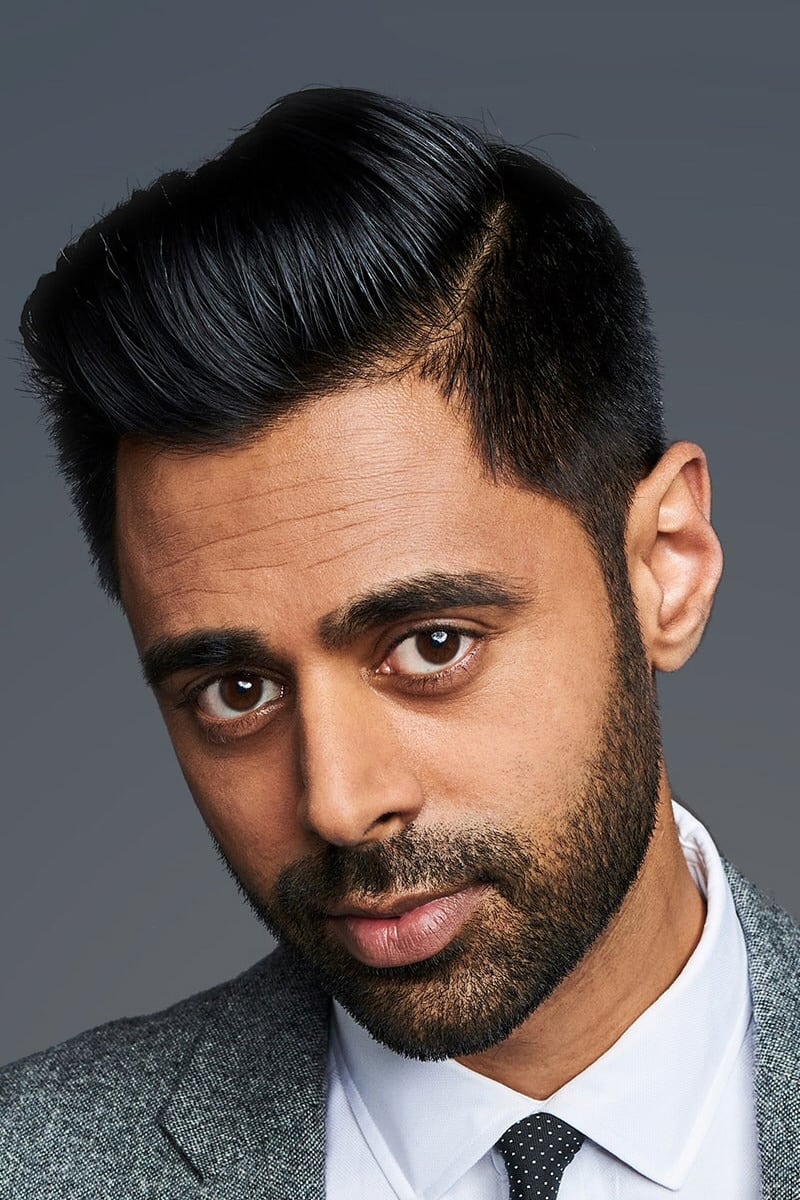
Hasan Minhaj has frequently discussed the pressure on South Asian actors to accept roles as terrorists or sidekicks. During his early days in stand up and acting he rejected numerous auditions that felt like they were mocking his upbringing. He chose to focus on his own narrative through projects like ‘Homecoming King’ where he could control the portrayal of his identity. Minhaj emphasizes that saying no to bad roles is a form of power for marginalized performers. His career serves as a blueprint for how to maintain cultural integrity while achieving mainstream success.
Mena Massoud
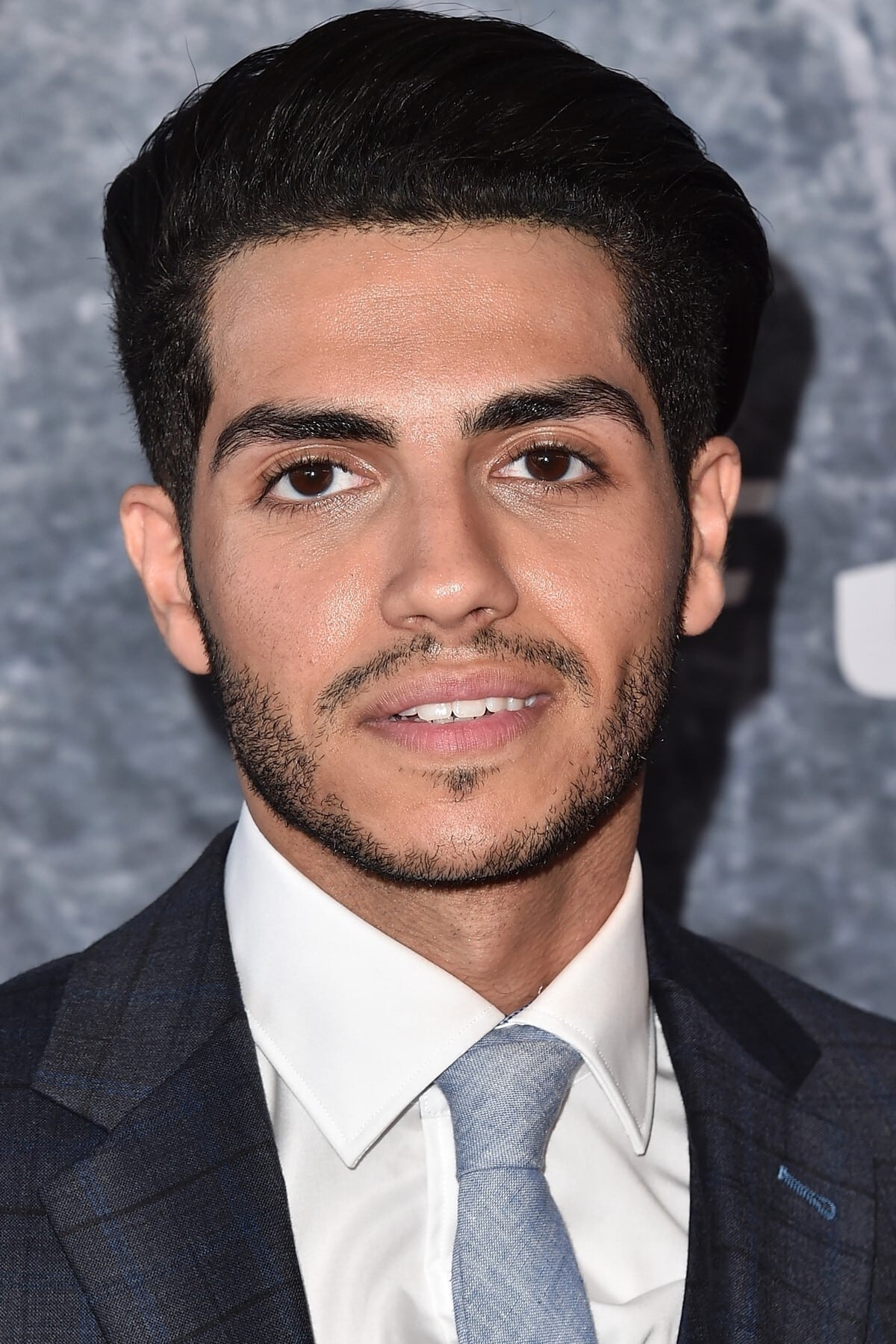
Mena Massoud struggled to find meaningful work even after starring in the live action version of ‘Aladdin’. He noted that many of the offers he received were for roles that leaned heavily into Middle Eastern stereotypes. Massoud has been vocal about the lack of opportunities for diverse actors that do not involve playing villains or caricatures. He chooses to wait for roles that offer the same range as his peers rather than settling for offensive tropes. His persistence highlights the ongoing challenges faced by actors who refuse to compromise their heritage.
Danny Pudi
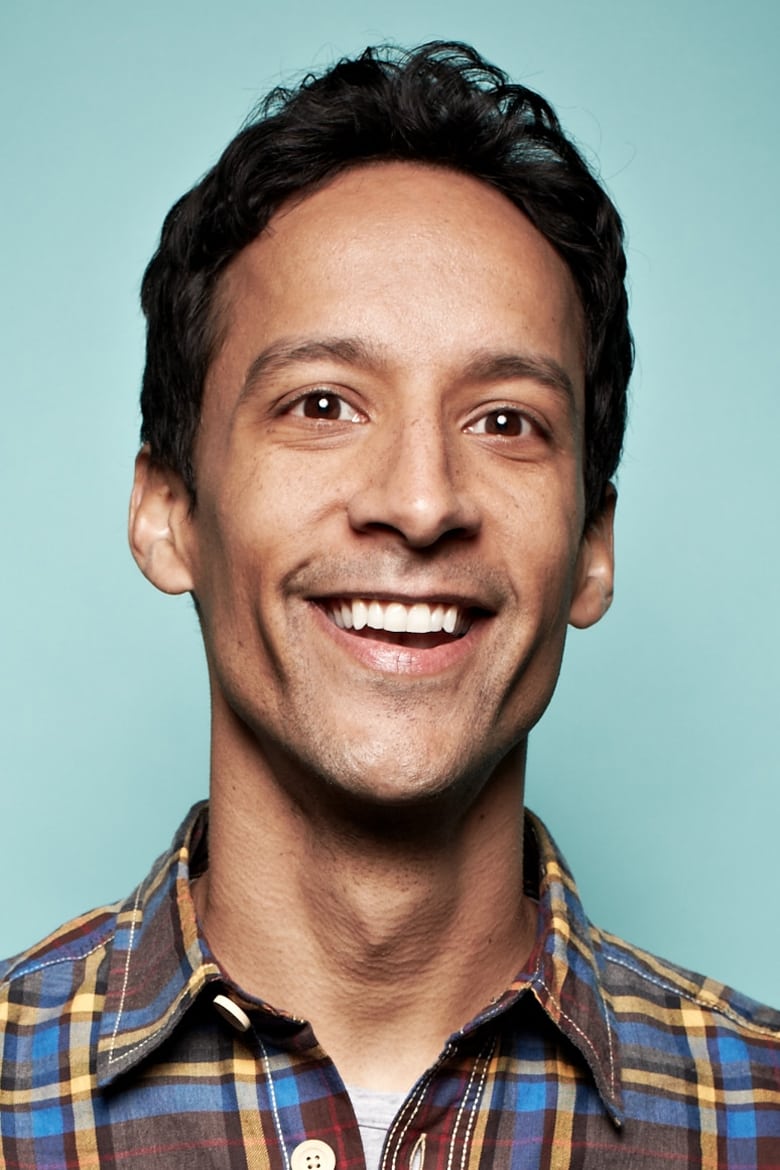
Danny Pudi has avoided roles that treat his Indian heritage as a punchline or a gimmick. While he rose to fame on the show ‘Community’ he was careful to ensure his character was more than just a collection of tropes. Pudi has turned down scripts that required him to play into foreigner stereotypes that he felt were harmful. He looks for roles that allow him to use his comedic talents without sacrificing the dignity of his background. His career choices reflect a commitment to seeing more nuanced representation for South Asian performers in comedy.
Mahershala Ali
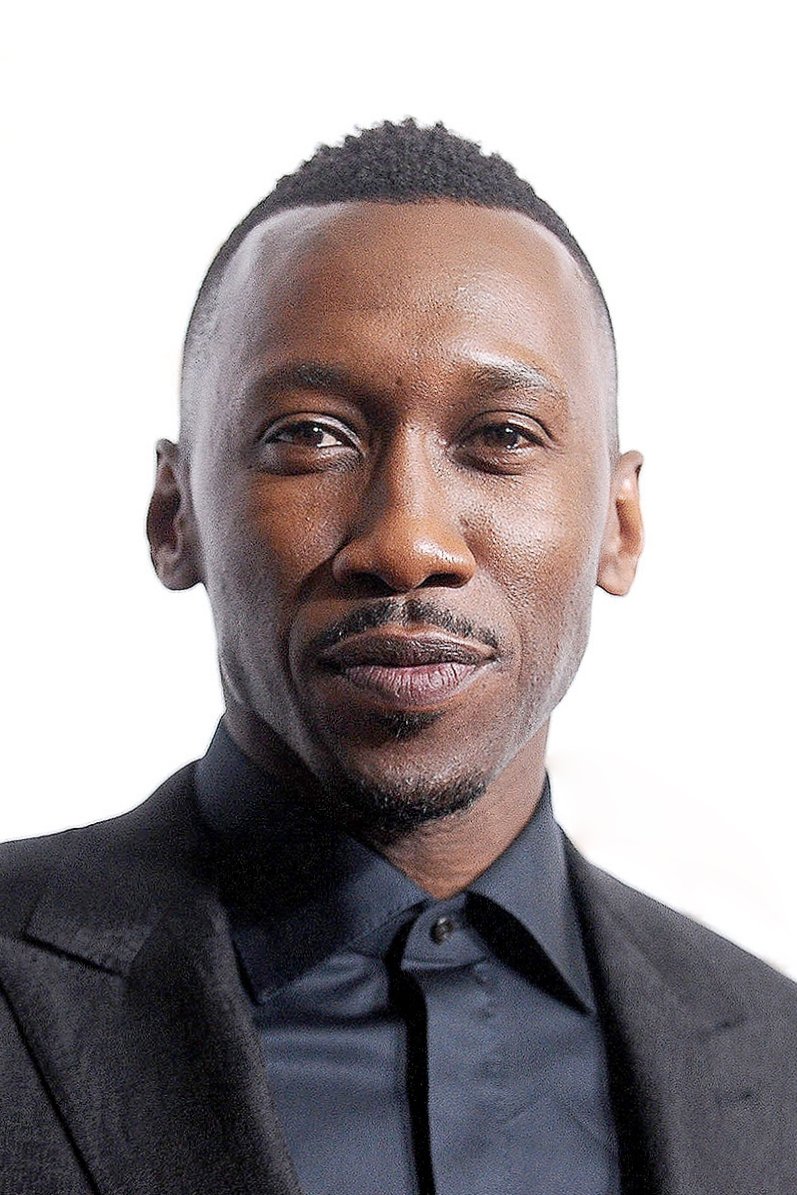
Mahershala Ali is known for his selective approach to roles and his refusal to play characters that are defined by negative tropes. Early in his career he turned down a role in ‘The Curious Case of Benjamin Button’ because of a specific scene that conflicted with his religious beliefs. He consistently seeks out characters that have depth and humanity regardless of their ethnic background. Ali has used his success to advocate for better scripts that avoid lazy racial or religious stereotyping. His two Academy Awards are a testament to his ability to find excellence while maintaining his principles.
Irrfan Khan
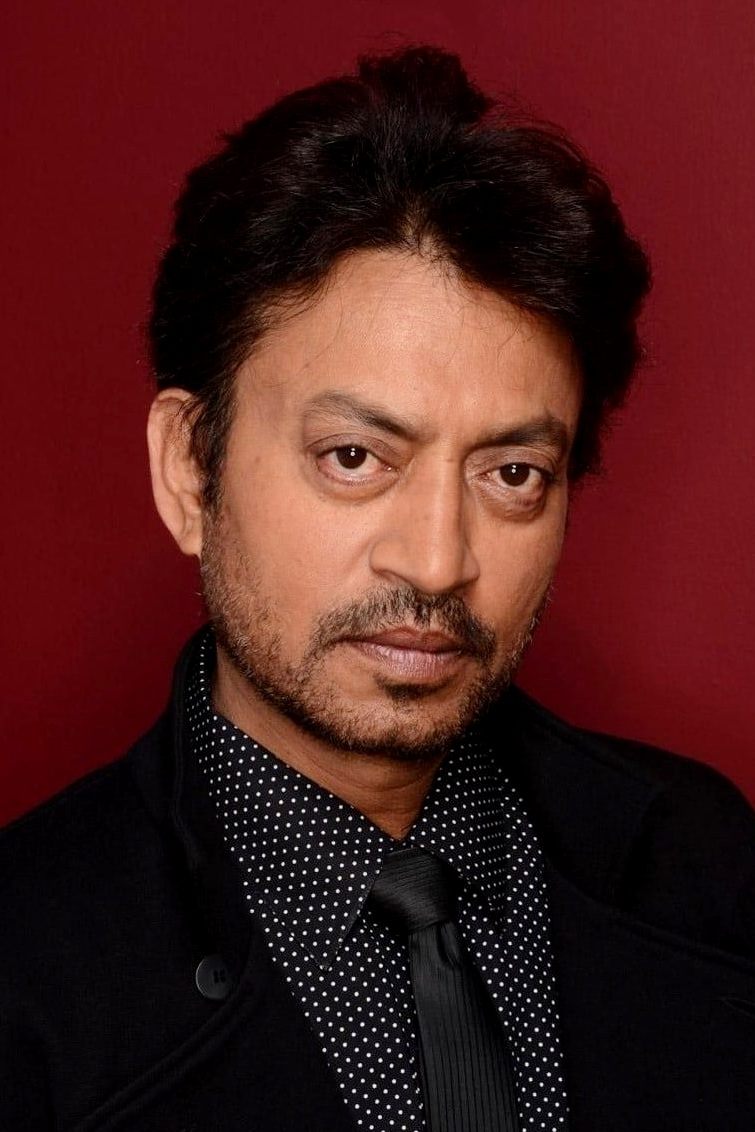
The late Irrfan Khan was a legendary actor who often refused Hollywood roles that he felt were beneath his talent or culturally insensitive. He was frequently offered parts that relied on South Asian caricatures which he flatly rejected in favor of more substantial work. Khan preferred to work in Indian cinema rather than accept Western roles that mocked his heritage. When he did take international projects like ‘Life of Pi’ he ensured they were stories of depth and international appeal. His legacy remains one of dignity and artistic excellence across global borders.
Aasif Mandvi
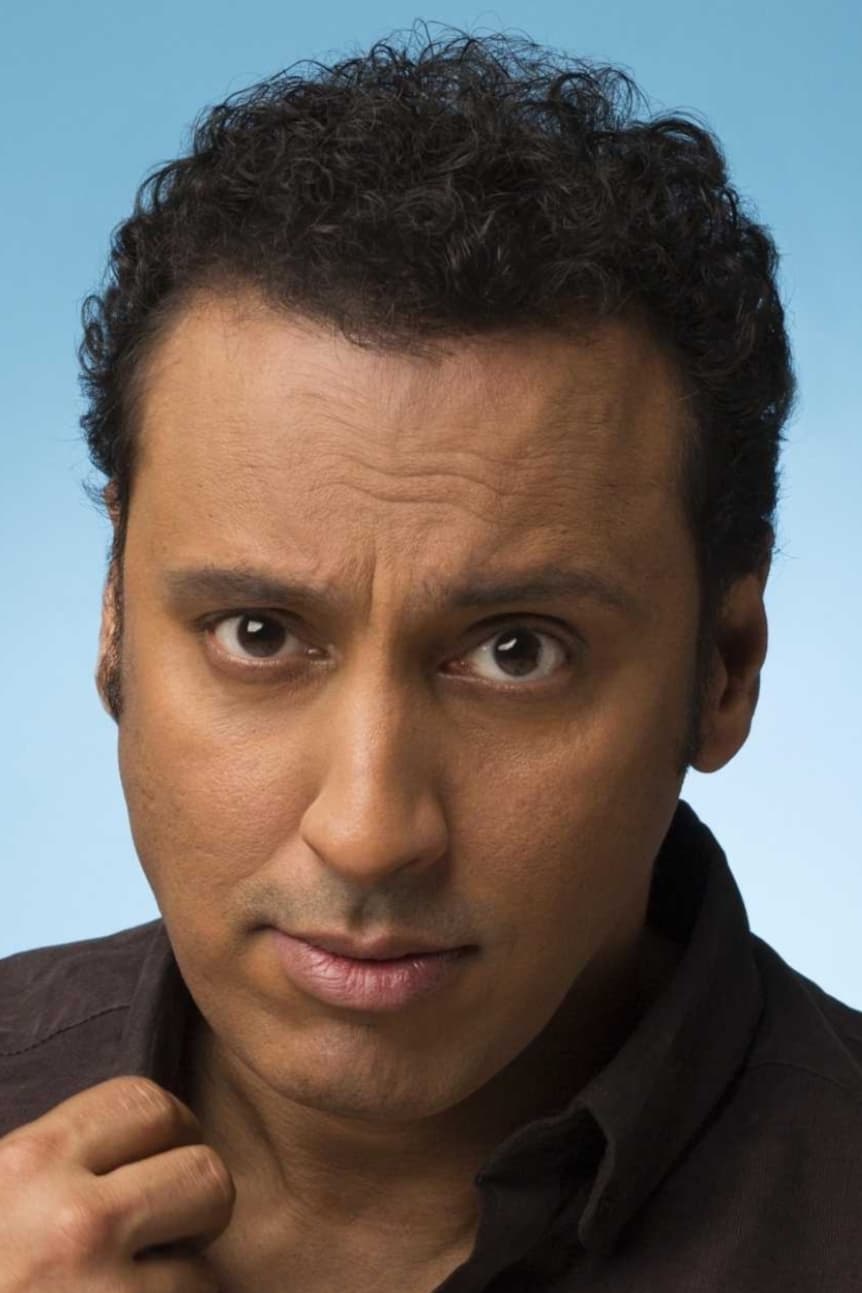
Aasif Mandvi has spent much of his career critiquing the way Hollywood portrays people of South Asian and Middle Eastern descent. He has spoken about turning down countless auditions for characters that were written as terrorists or accented comic relief. Mandvi wrote a play and a book that addressed these frustrations and the narrow mindedness of the casting process. He strives to play characters who are fully realized human beings rather than symbols of a specific ethnicity. His work on ‘The Daily Show’ and in various dramatic roles has challenged the industry to do better.
Faran Tahir
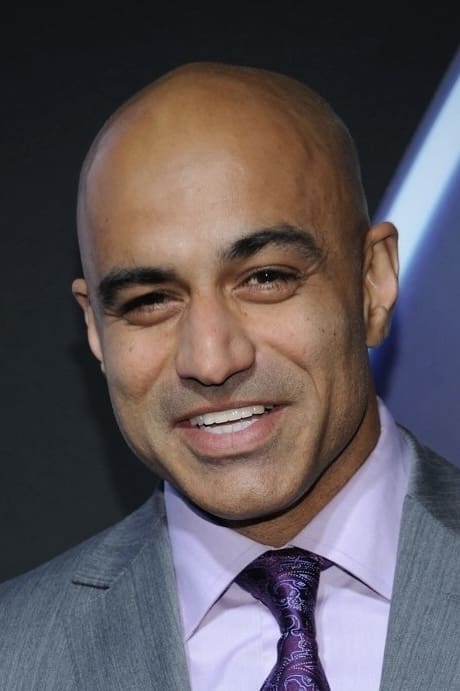
Faran Tahir is an actor who actively works with writers and directors to improve the portrayal of Muslim characters. When he was cast in ‘Iron Man’ he insisted on making his character a complex individual rather than a religious fanatic. He has turned down many roles that he felt were offensive to his Pakistani heritage or his faith. Tahir believes that actors have a responsibility to challenge scripts that promote harmful misconceptions. By doing so he has managed to build a diverse filmography that includes science fiction and classic drama.
Alexander Siddig
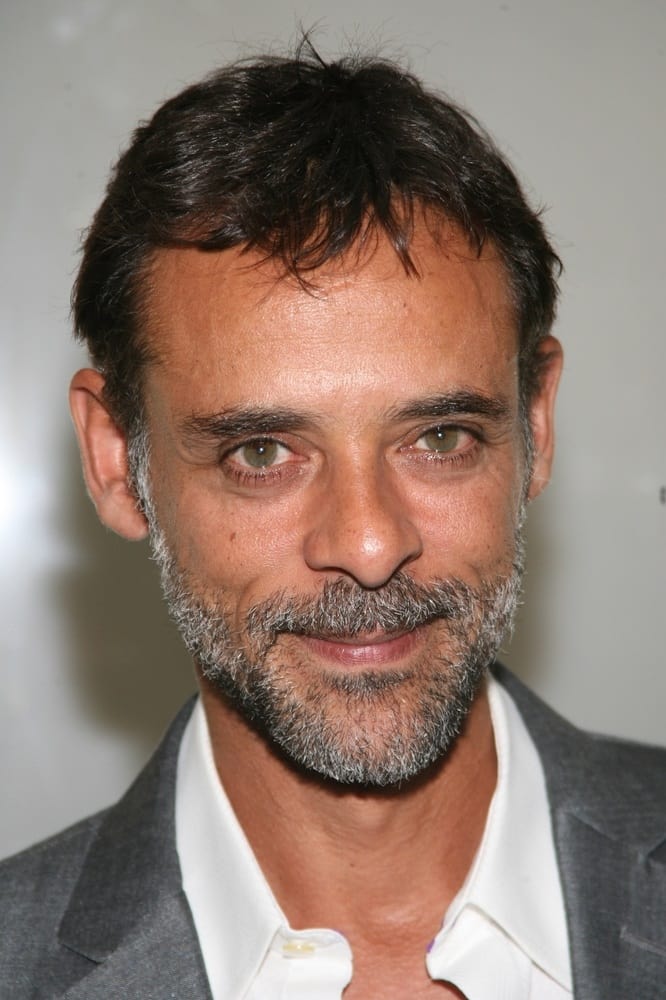
Alexander Siddig has been outspoken about his dislike for scripts that feature stereotypical Arab characters. He has often found himself being offered roles that involve terrorism or regional conflict which he finds reductive. Siddig has turned down several high profile opportunities because they did not align with his desire for nuanced representation. He achieved international recognition in ‘Star Trek Deep Space Nine’ where his character was defined by his profession and personality. He continues to advocate for scripts that treat characters of Middle Eastern descent with the same complexity as anyone else.
Sayed Badreya
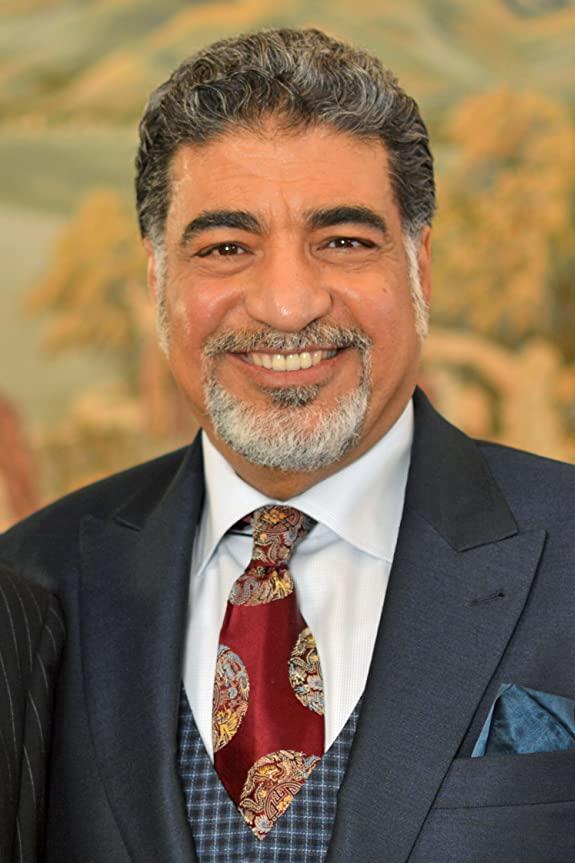
Sayed Badreya is an Egyptian American actor who famously fought against the typecasting of Arab men as villains. He spent years in Hollywood refusing roles that he felt were an insult to his culture and heritage. Badreya even created his own production company to tell stories that humanize the Arab experience. He has been a vocal critic of the industry for its historical reliance on offensive tropes to create tension. His career is marked by a constant struggle to bring dignity to the screen for Middle Eastern performers.
Maz Jobrani
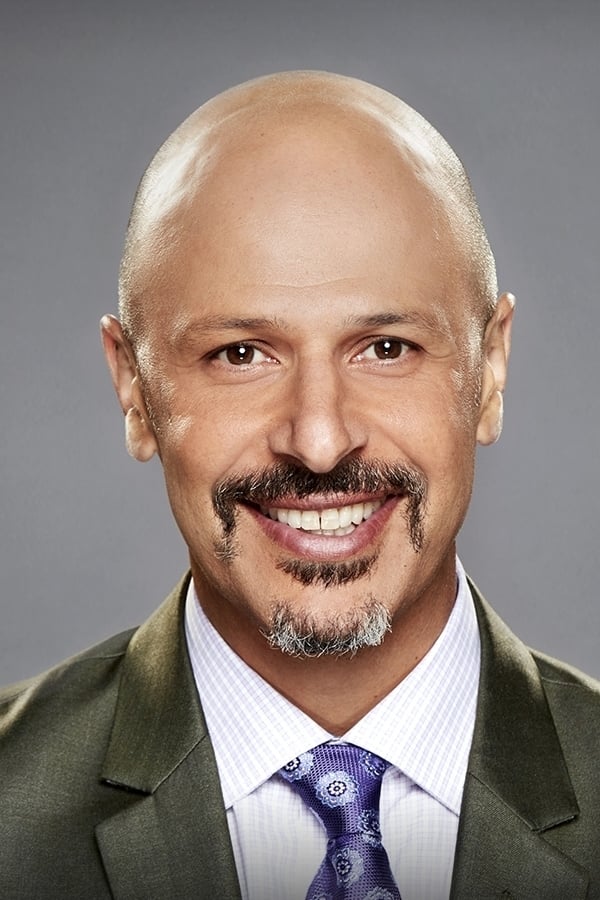
Maz Jobrani is a comedian and actor who has made it a point to never play a terrorist. He has turned down many lucrative acting jobs because they required him to portray a negative stereotype of Iranian or Middle Eastern people. Jobrani believes that comedy can be used to bridge cultural gaps rather than widen them through mockery. He often jokes about these experiences in his stand up specials to raise awareness about industry bias. By refusing these roles he has maintained a career that celebrates his heritage in a positive light.
Naveen Andrews

Naveen Andrews has spoken about the difficulty of finding roles that do not rely on his Indian heritage for stereotypical reasons. He rose to fame in ‘Lost’ where his character was a former soldier with a complex and tragic past. Andrews has been careful to avoid roles that are one dimensional or that mock the culture of his parents. He prefers to play characters that are defined by their actions and emotional states rather than their ethnicity. His choices have led to a career filled with diverse and challenging performances.
Utkarsh Ambudkar
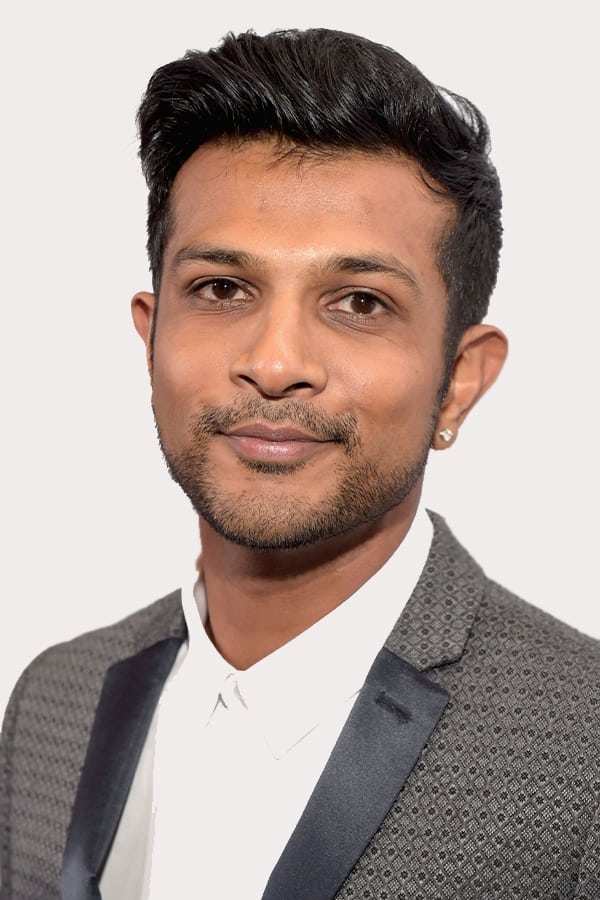
Utkarsh Ambudkar has been very clear about his refusal to use a fake Indian accent for comedic effect. He has recounted stories of walking out of auditions when casting directors asked him to sound more like a stereotype. Ambudkar wants to be seen as an American actor who happens to be of South Asian descent rather than a caricature. His roles in ‘Ghosts’ and ‘Free Guy’ show his ability to play contemporary characters without relying on ethnic tropes. He remains a strong voice for modern representation in film and television.
Rahul Kohli
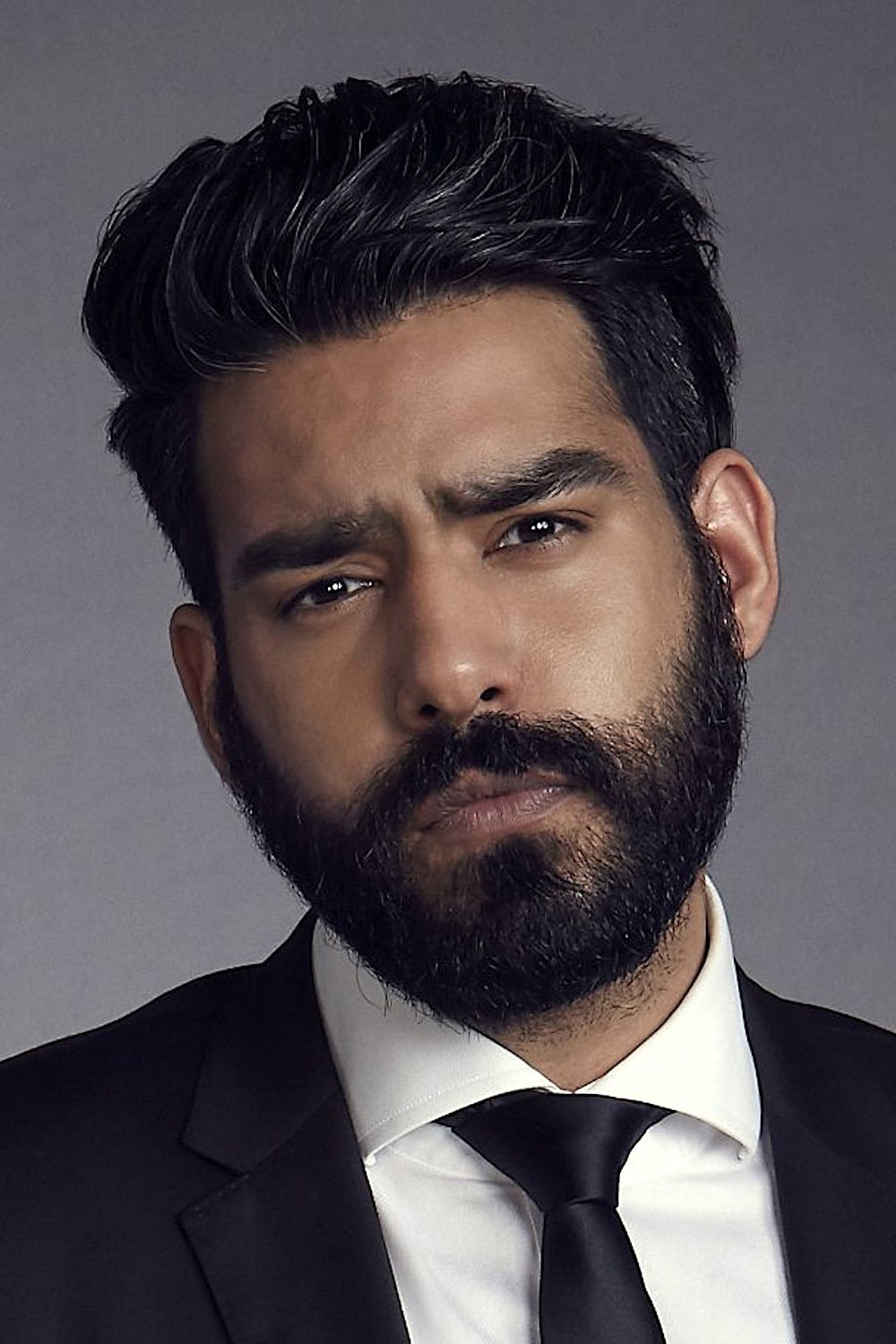
Rahul Kohli is an actor who explicitly avoids roles that are written as stereotypical South Asian characters. He has stated that he will not take parts that require him to be the tech support or the nerdy doctor if they lack depth. Kohli uses his social media presence to talk about the importance of diverse casting that does not involve mocking heritage. He has found success in projects like ‘iZombie’ and ‘Midnight Mass’ by playing roles that are not defined by his ethnicity. His commitment to quality storytelling has earned him a loyal following.
Randall Park

Randall Park has navigated his career by avoiding roles that make Asian Americans the butt of the joke. He has been selective about his projects to ensure that he is not contributing to the long history of mocking Asian heritage in cinema. Park has played a wide range of characters from a suburban father in ‘Fresh Off the Boat’ to a government agent in the Marvel Cinematic Universe. He often collaborates with other Asian American creators to produce content that is authentic and respectful. His success proves that actors do not need to rely on stereotypes to be successful in comedy.
BD Wong
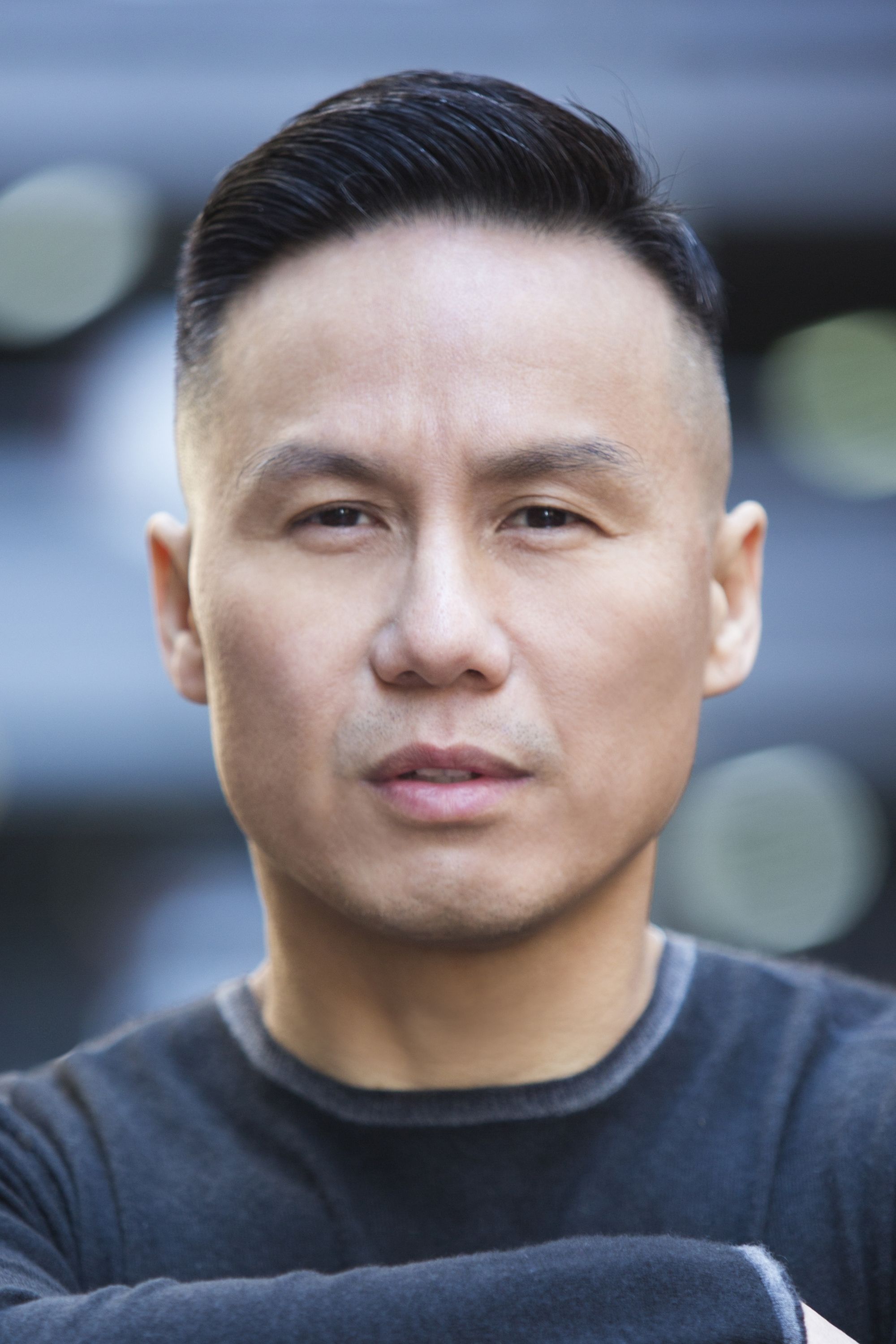
BD Wong has been a tireless advocate for Asian American actors for several decades. He famously protested the casting of a non Asian actor in a leading role on Broadway and has continued to fight for authenticity. Wong refuses to take roles that he considers to be modern versions of yellowface or cultural caricatures. He has built a legendary career in television and film by playing authoritative and complex characters. His work in ‘Law & Order Special Victims Unit’ and ‘Mr. Robot’ showcases his incredible range and dedication to his craft.
George Takei
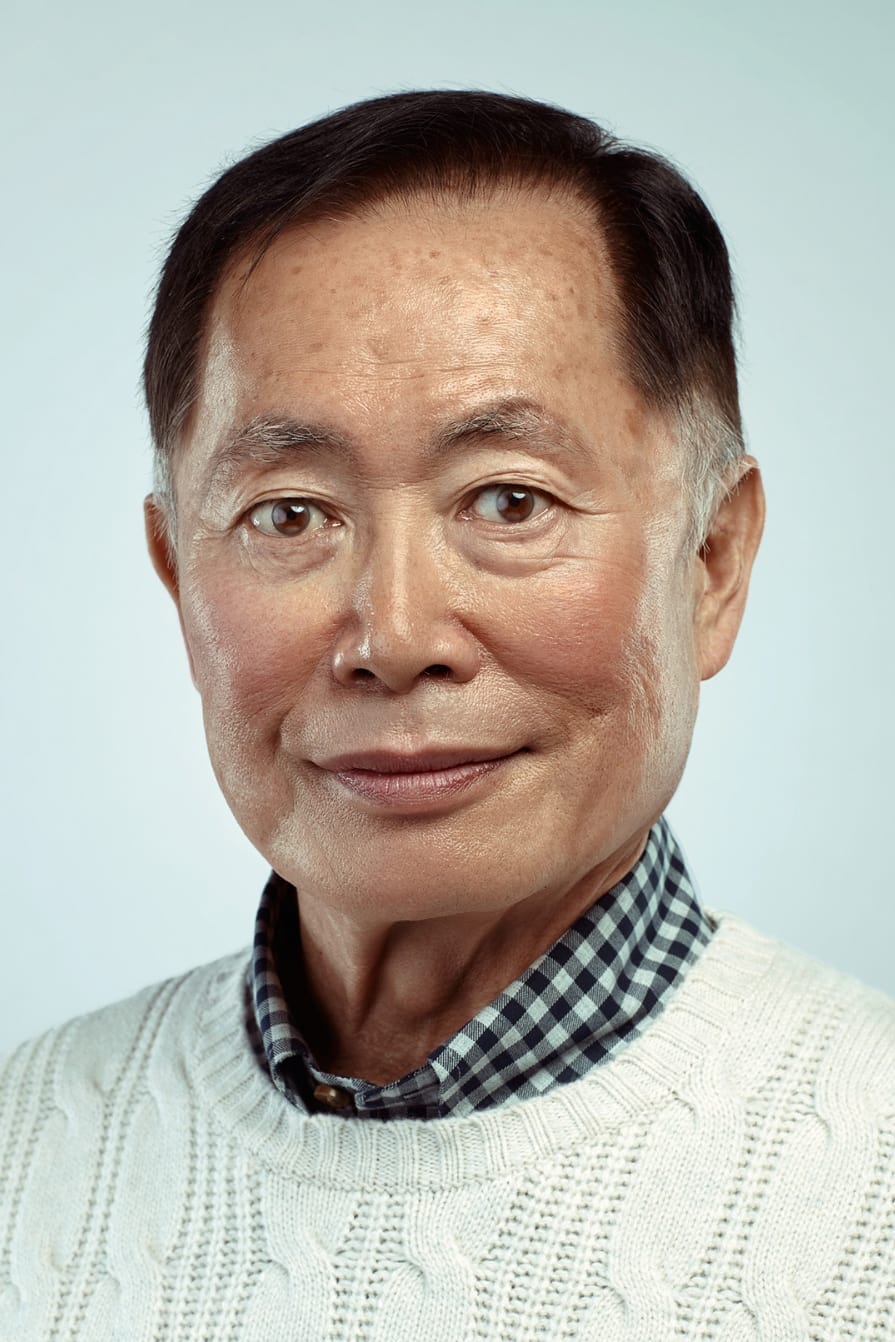
George Takei spent years fighting against the stereotypical roles that were available to Asian actors during the early part of his career. He famously took the role of Sulu in ‘Star Trek’ because it was a rare example of an Asian man in a position of authority and respect. Takei has consistently spoken out against projects that mock Japanese culture or history. He has used his fame to educate the public about the internment of Japanese Americans and the harm of cultural mockery. His career is a testament to the power of using one’s platform for social change.
Oscar Isaac
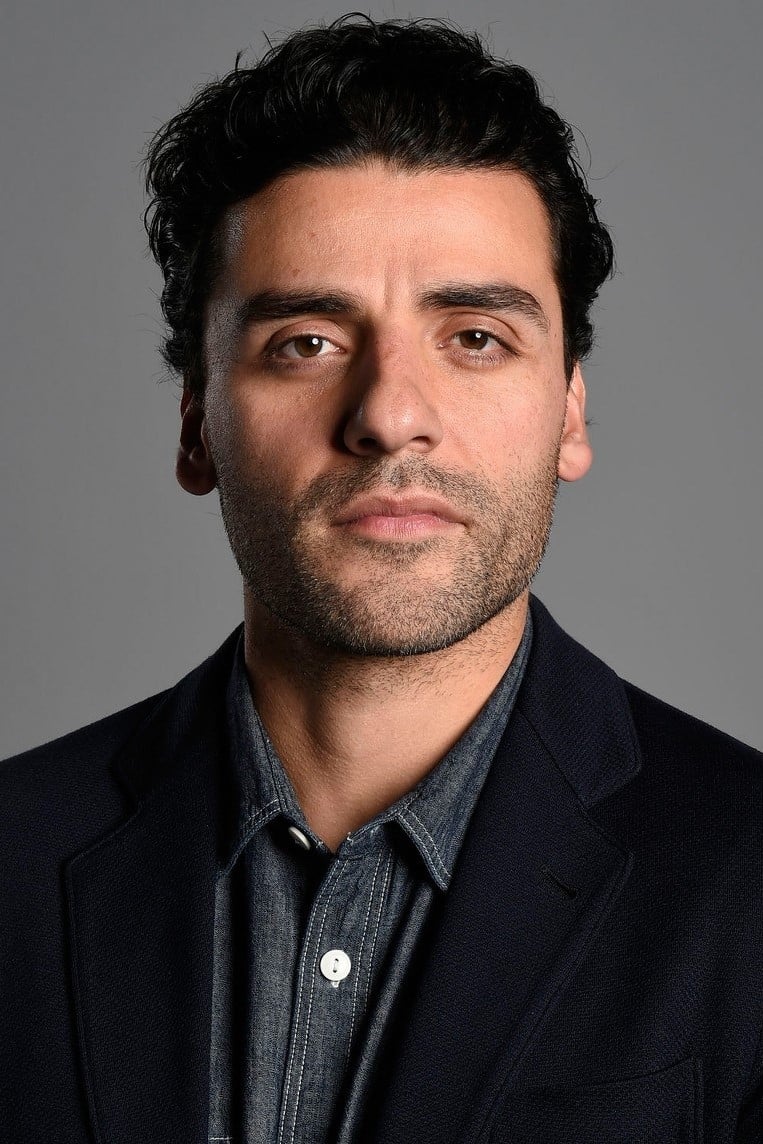
Oscar Isaac has been very intentional about avoiding the stereotypical roles that are often offered to Latino actors. He has played characters of many different backgrounds and ethnicities because he refuses to be pigeonholed. Isaac has turned down scripts that portrayed Latino men as generic criminals or uneducated laborers. He looks for roles that offer a high level of artistic challenge and psychological depth. His performances in films like ‘Inside Llewyn Davis’ and ‘Ex Machina’ have made him one of the most respected actors of his generation.
Edward James Olmos
Edward James Olmos famously turned down a major role in the film ‘Scarface’ because he felt it was a negative portrayal of the Latino community. He has spent his entire career advocating for stories that show the diversity and humanity of Chicano culture. Olmos often produces his own projects to ensure that the stories being told are accurate and respectful. He believes that actors have a moral obligation to consider the impact of the roles they choose to play. His work in ‘Stand and Deliver’ and ‘Battlestar Galactica’ remains iconic for its integrity.
John Boyega
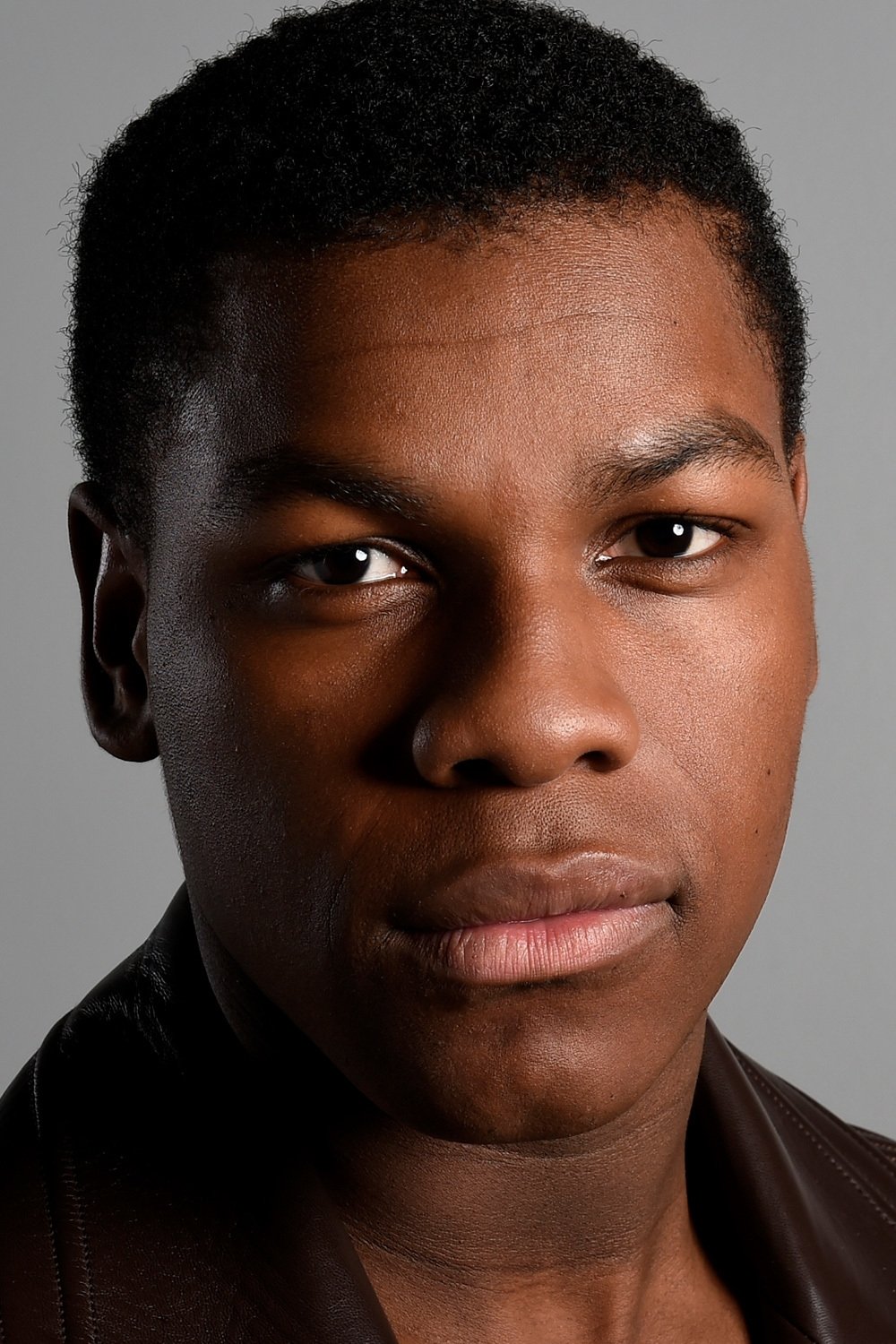
John Boyega has been vocal about his experiences with the ‘Star Wars’ franchise and the treatment of characters of color. He has criticized the industry for sidelining diverse actors after using them for marketing purposes. Boyega has stated that he is no longer interested in roles that do not give his characters a meaningful arc or that rely on racial tropes. He chooses to support independent filmmakers and stories that center on the Black British experience with dignity. His activism has made him a leading figure in the fight for better representation in Hollywood.
Djimon Hounsou
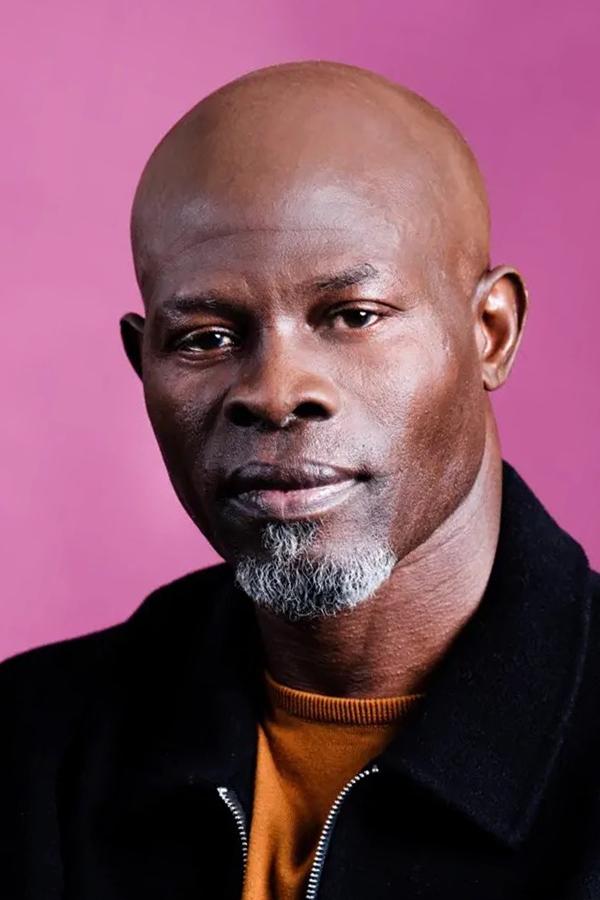
Djimon Hounsou has often spoken about the struggle of being an African actor in a Western film industry. He has turned down many roles that portrayed African people as primitive or as mere background characters in their own stories. Hounsou seeks out projects that highlight the rich history and complexity of the African continent. His performances in ‘Amistad’ and ‘Blood Diamond’ brought international attention to important historical and social issues. He remains committed to finding roles that treat his heritage with the respect it deserves.
Chiwetel Ejiofor
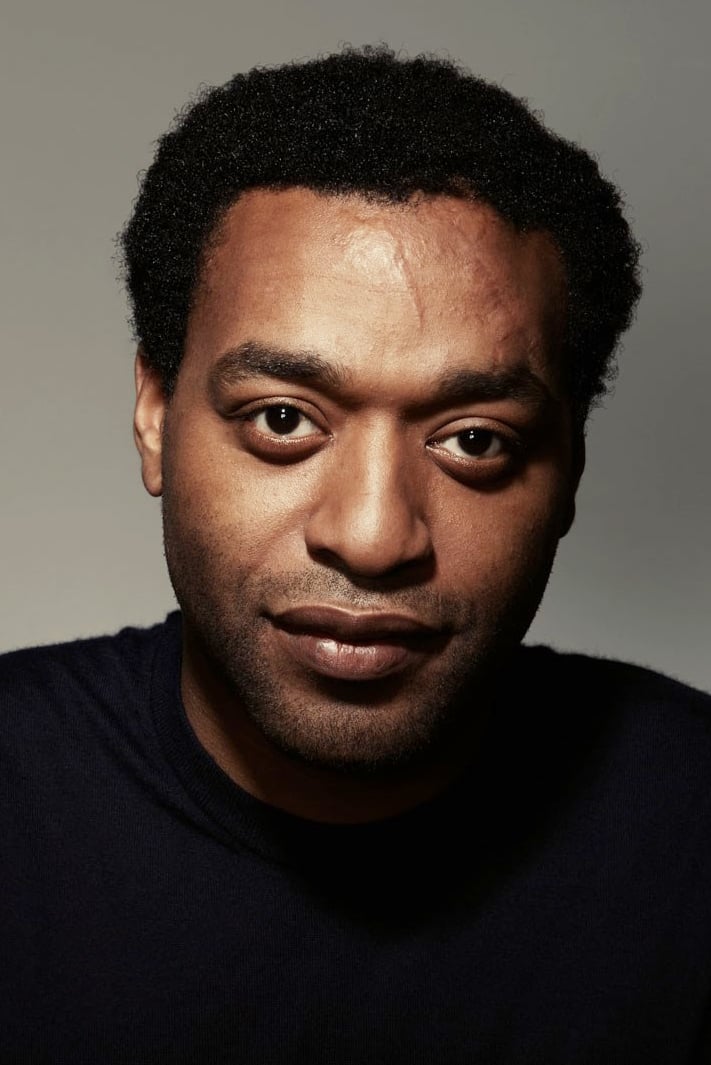
Chiwetel Ejiofor is known for his incredibly thoughtful approach to choosing roles and his dedication to craft. He avoids characters that are written as caricatures of Black heritage or that lack emotional depth. Ejiofor has built a career on playing men with great dignity and intellectual power in both stage and film. His Academy Award nominated performance in ’12 Years a Slave’ showed his ability to handle heavy historical subject matter with grace. He continues to be a respected voice in the industry for his commitment to authentic representation.
Idris Elba
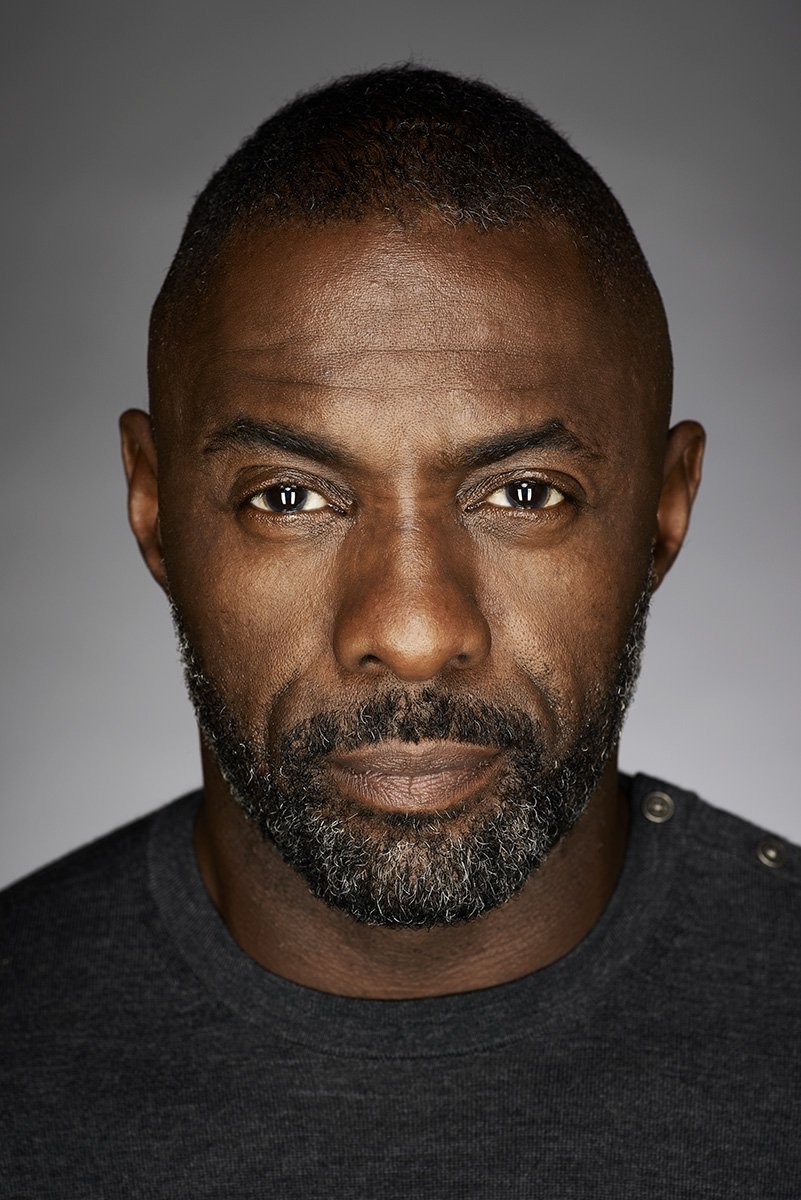
Idris Elba has consistently fought against being defined by his race when it comes to casting. He has stated that he does not want to be known as a Black actor but simply as an actor. This philosophy has led him to refuse roles that are based on racial stereotypes or that mock his West African heritage. Elba has successfully transitioned between roles in gritty dramas and major blockbusters while maintaining his artistic integrity. His career demonstrates that a performer can achieve global stardom without conforming to limited industry expectations.
David Oyelowo
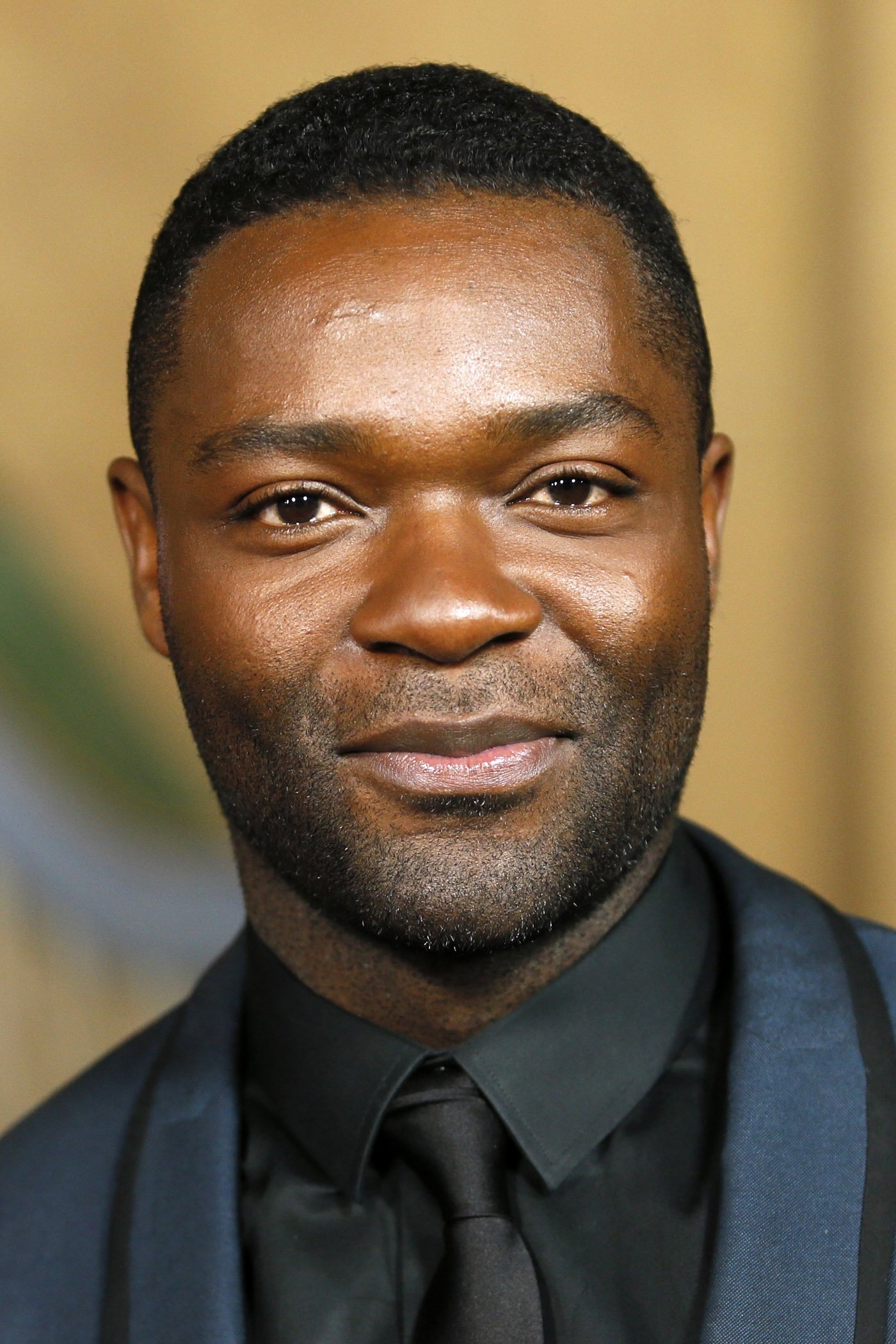
David Oyelowo is a classically trained actor who has been vocal about the lack of opportunities for Black actors in period dramas. He has turned down roles that he felt were undignified or that ignored the complexity of the Black experience throughout history. Oyelowo worked for years to bring the story of Martin Luther King Jr. to the screen in ‘Selma’ with the proper weight and respect. He continues to seek out projects that challenge the way history is viewed and portrayed. His dedication to his heritage is evident in every role he chooses to take.
Michael B. Jordan
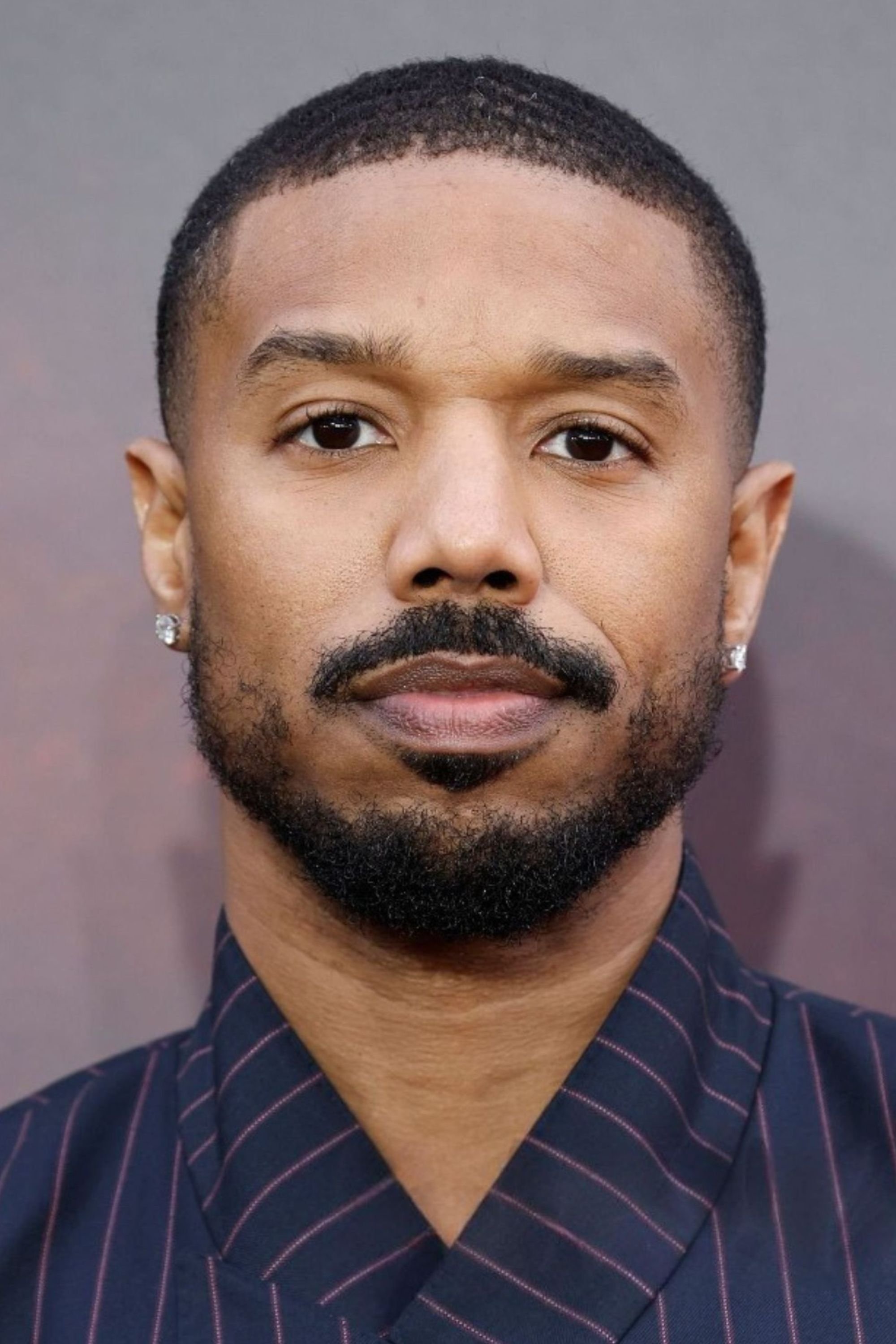
Michael B. Jordan instructed his agents early in his career to only send him roles that were not written specifically for a Black actor. He wanted to compete for leading roles that were traditionally reserved for white performers to break down barriers. Jordan has avoided roles that rely on urban stereotypes or that mock the Black American experience. His work in ‘Creed’ and ‘Black Panther’ has helped redefine what a modern action hero can look like. He also uses his production company to implement inclusion riders and ensure diverse voices are heard.
Forest Whitaker
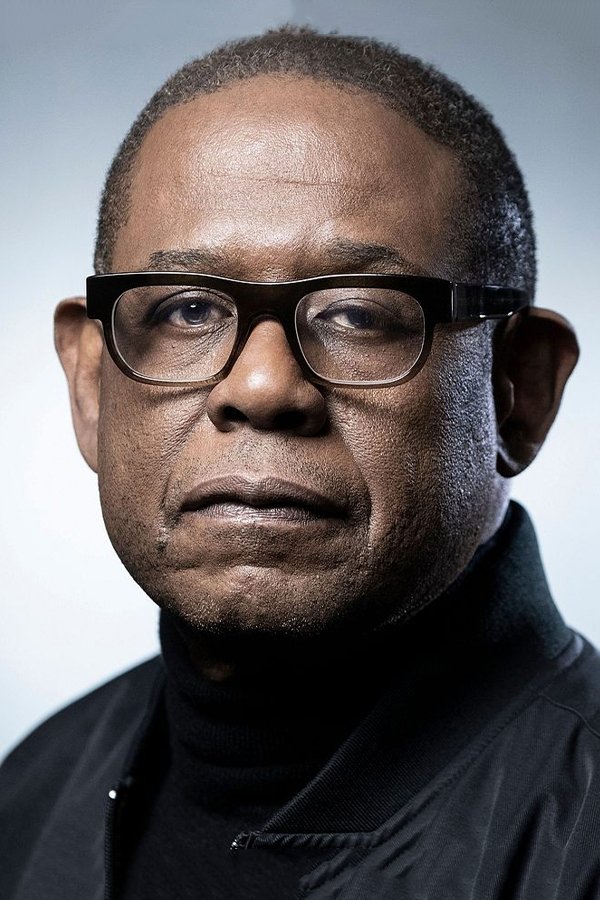
Forest Whitaker is an actor and director who has always prioritized the humanity and depth of his characters. He has steered clear of roles that could be seen as mocking or reductive toward his heritage. Whitaker often plays characters with a quiet intensity and a complex internal life which challenges common tropes. His performance as Idi Amin in ‘The Last King of Scotland’ was a masterclass in humanizing a historical figure without excusing his actions. He remains a highly respected figure in cinema for his artistic choices and humanitarian work.
Jackie Chan
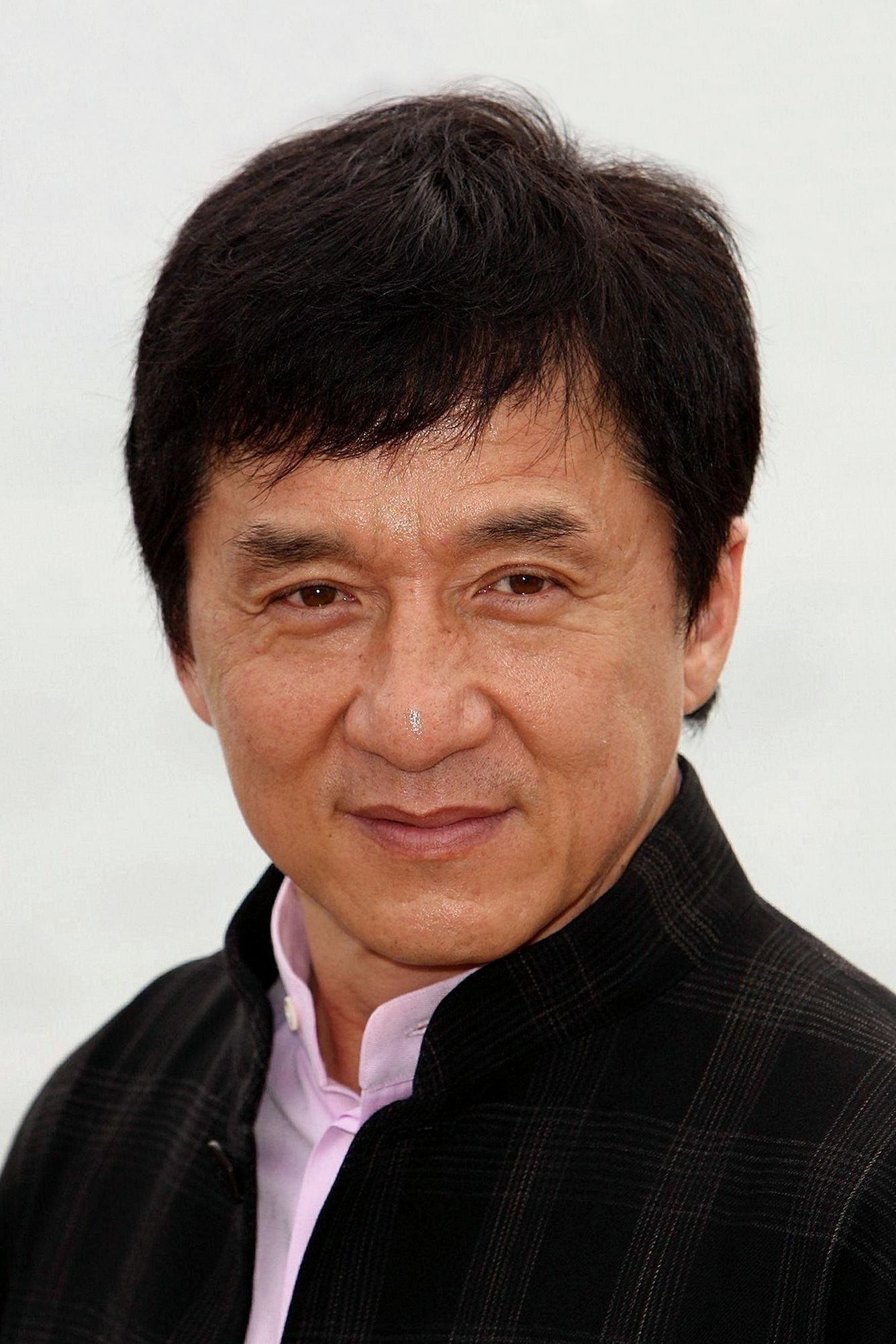
Jackie Chan turned down many roles in Hollywood early in his career because they were often stereotypical villains. He did not want to be cast as the mysterious or evil martial artist who existed only to be defeated by a Western hero. Chan insisted on bringing his unique blend of action and comedy to the screen on his own terms. He eventually found massive success by playing characters that were heroic and funny rather than caricatures. His influence on the action genre is global and he has always maintained a strong connection to his Chinese roots.
Bruce Lee
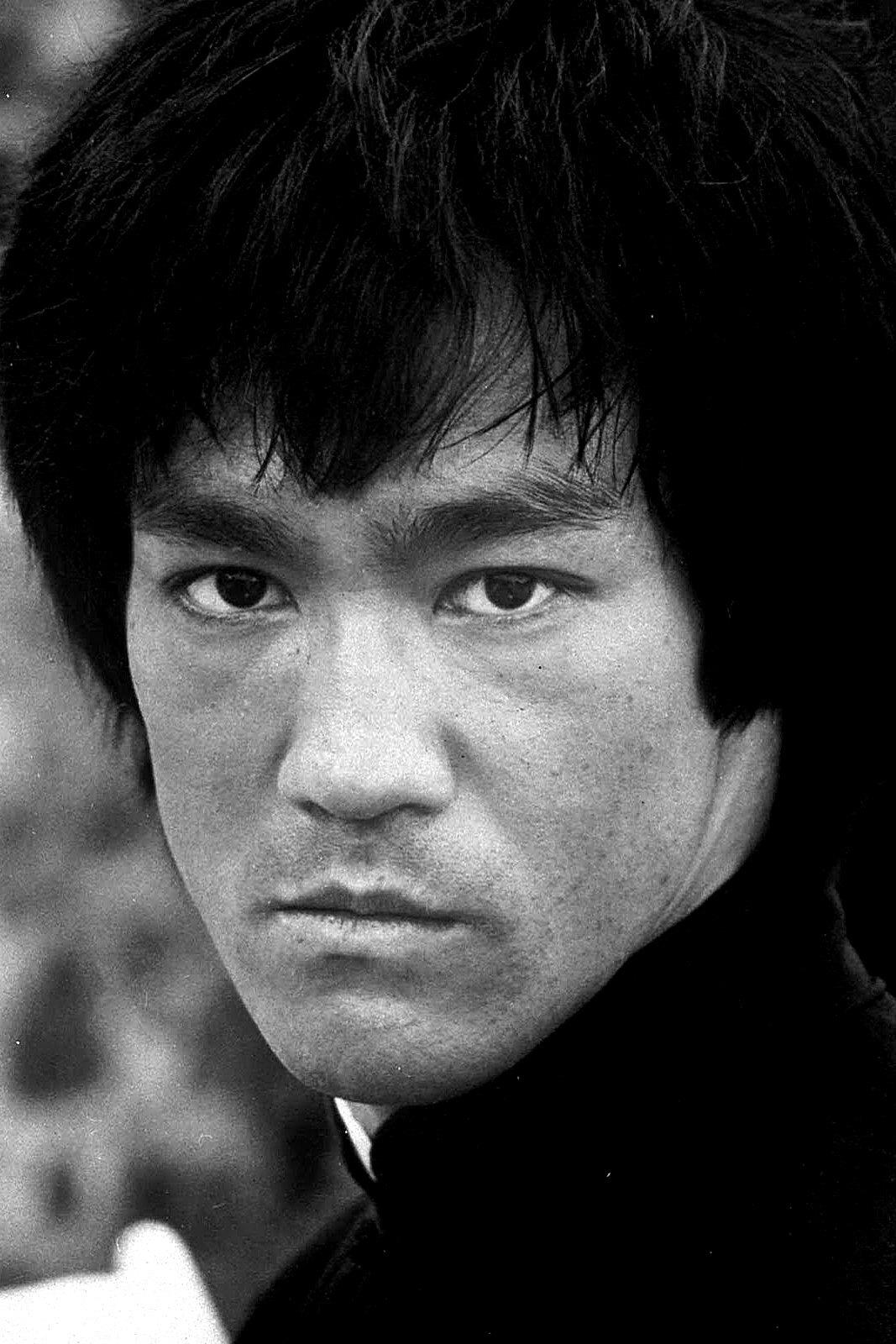
Bruce Lee famously left Hollywood to return to Hong Kong because he was tired of being offered stereotypical servant roles. He refused to play the quiet and submissive Asian character that was common in American television at the time. Lee wanted to show the world the power and beauty of Chinese martial arts and culture through a strong lead character. His work in films like ‘Enter the Dragon’ changed the way Asian men were perceived in Western media forever. He remains the ultimate icon for those who refuse to compromise their dignity for a paycheck.
Sidney Poitier
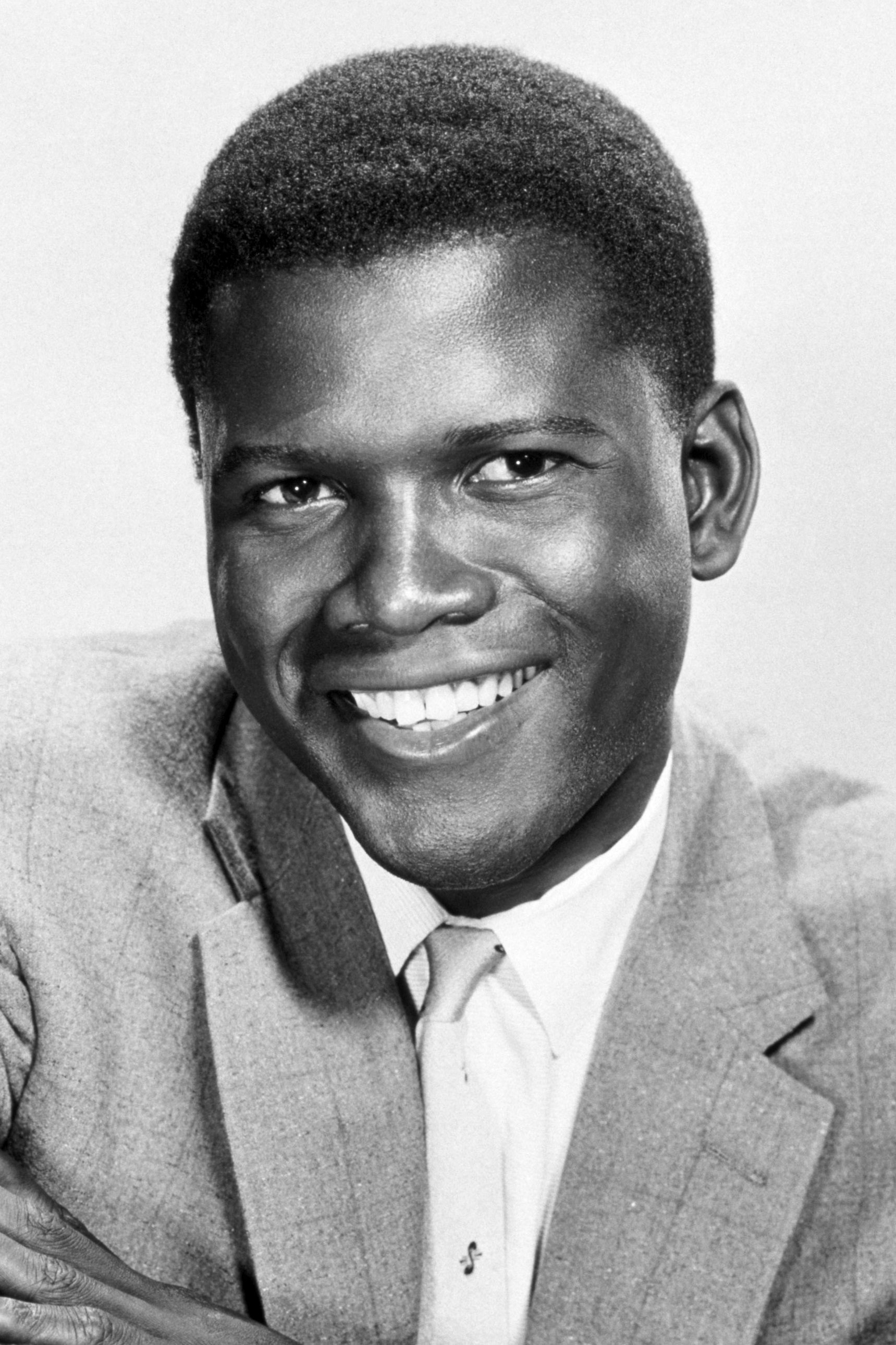
Sidney Poitier was the first Black actor to win an Academy Award for Best Actor and he did so by refusing to take undignified roles. Throughout the 1950s and 1960s he famously rejected scripts that were offensive or that portrayed Black men as subservient. Poitier became a symbol of grace and intelligence by playing characters who were often the most capable people in the room. His career paved the way for every Black actor who followed him and he never wavered in his commitment to his principles. He is remembered as one of the most important figures in the history of cinema.
Harry Belafonte

Harry Belafonte was not only a legendary singer but also an actor who was very selective about his film roles. He turned down many opportunities in Hollywood that he felt were insulting to his Caribbean and African heritage. Belafonte was a major figure in the Civil Rights Movement and his acting choices reflected his political and social convictions. He preferred to work on projects that had social relevance and that portrayed people of color with dignity. His legacy is one of activism and artistic integrity that continues to inspire.
James Hong
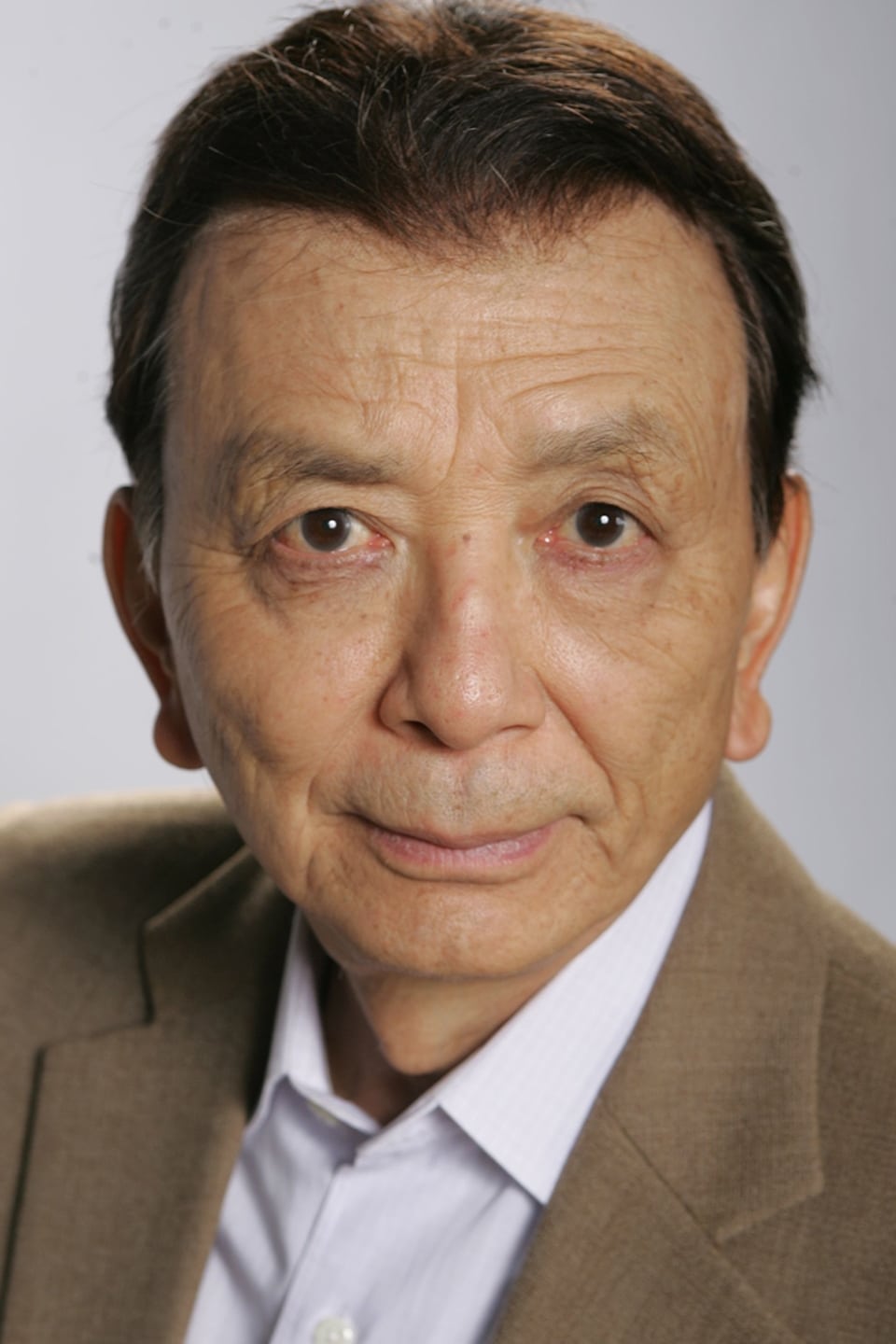
James Hong has one of the longest and most prolific careers in Hollywood history and has seen the industry change significantly. In his early years he often had to take roles that were limited but he worked tirelessly to found the East West Players to create better opportunities. He has spoken about the pain of being asked to play caricatures and how he fought to bring humanity to every role. Hong eventually reached a point where he could be more selective and celebrate his heritage in films like ‘Everything Everywhere All at Once’. He is a pioneer who has spent seven decades fighting for Asian American representation.
Ken Jeong
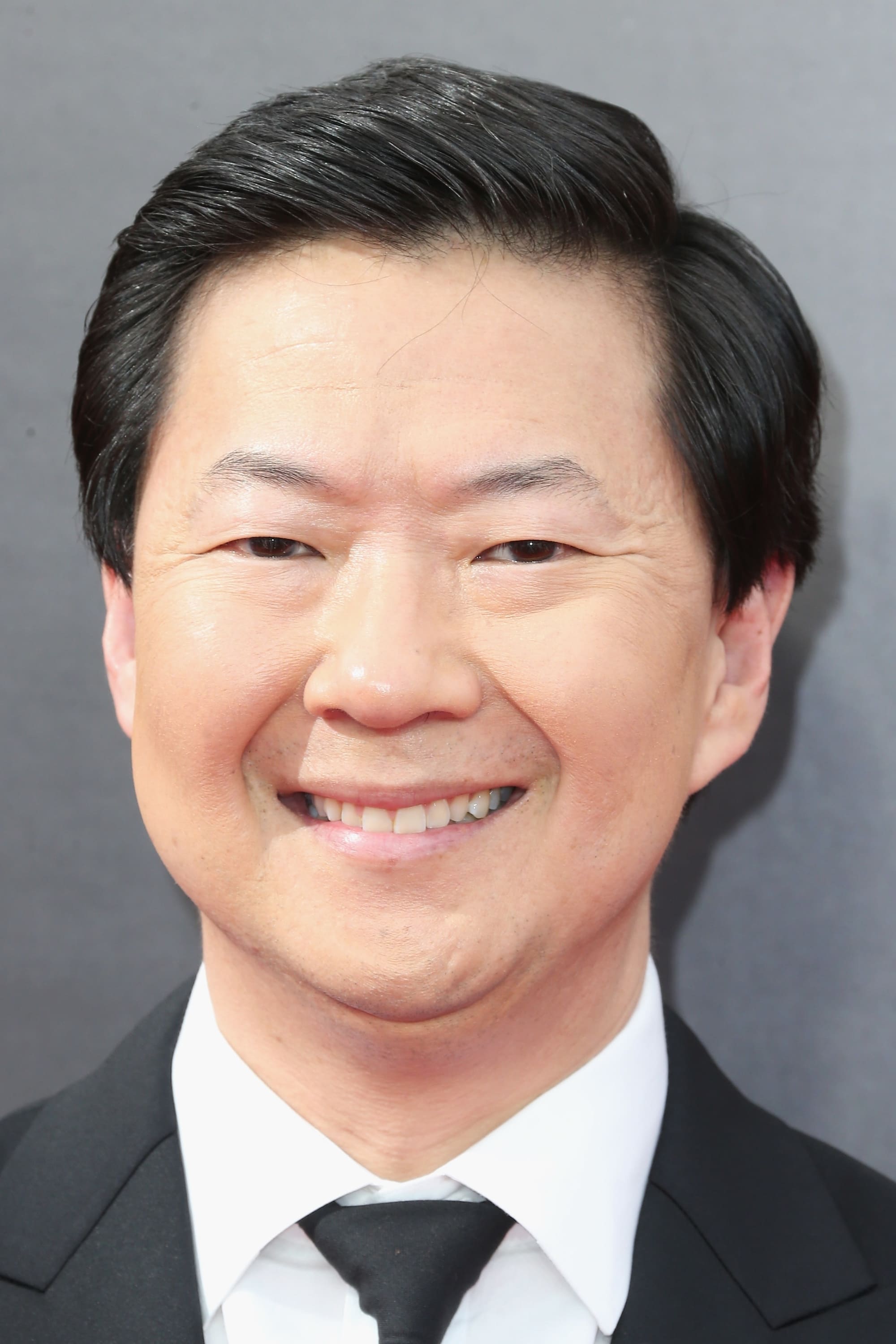
Ken Jeong has discussed the evolution of his career from playing broad comedic characters to more nuanced roles. He has become more mindful of the roles he accepts and has spoken about turning down scripts that he felt mocked his Korean heritage. Jeong uses his background as a physician and his life experiences to ground his comedy in reality. He has become a prominent voice in the Asian American community and often advocates for more authentic storytelling in comedy. His career shows the importance of growth and the power of saying no to harmful tropes.
Sendhil Ramamurthy
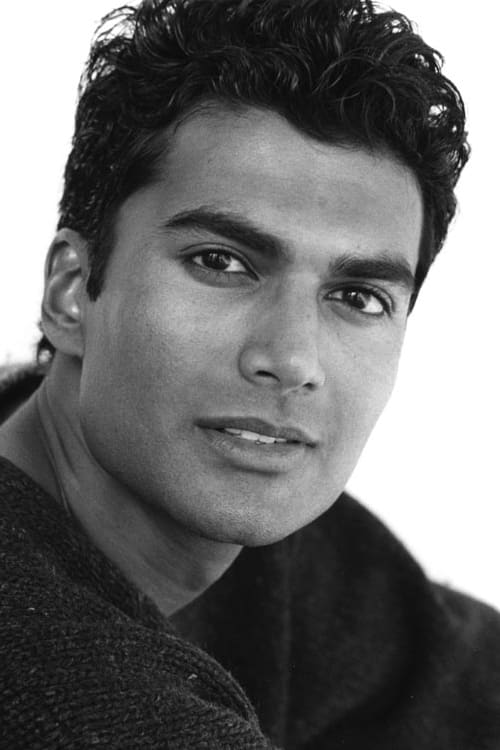
Sendhil Ramamurthy is an American actor who has consistently refused to use a thick Indian accent for his roles. He believes that South Asian actors should be able to play a wide range of characters without being defined by their parents’ birthplace. Ramamurthy has walked away from projects that wanted him to play into the nerdy or foreign scientist stereotype. His role in ‘Heroes’ was a breakthrough because it portrayed a South Asian character as a leading man with a complex story. He continues to advocate for more diverse and realistic portrayals of the South Asian diaspora.
Haaz Sleiman
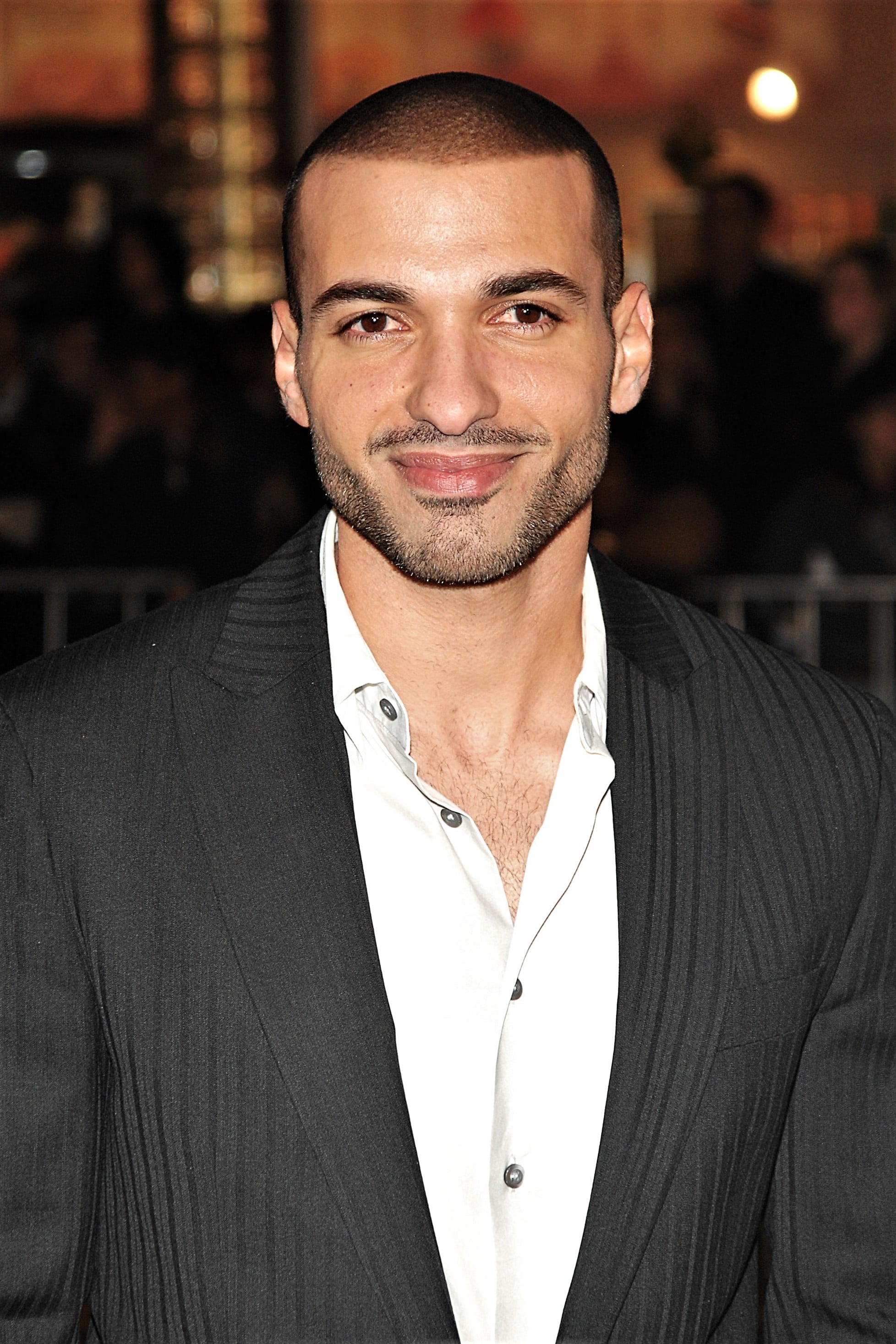
Haaz Sleiman is a Lebanese American actor who is very careful about the roles he chooses in relation to his heritage and identity. He has turned down many roles as terrorists or religious extremists because he believes they are damaging to the Middle Eastern community. Sleiman seeks out characters that are defined by their humanity and their personal struggles rather than their ethnicity. He has been a vocal advocate for LGBTQ+ representation within the Middle Eastern community as well. His career is marked by a commitment to telling stories that are authentic and inclusive.
Share your thoughts on which of these actors has had the most significant impact on representation in the comments.