Anime Villains Who Had Better Character Development Than The Heroes

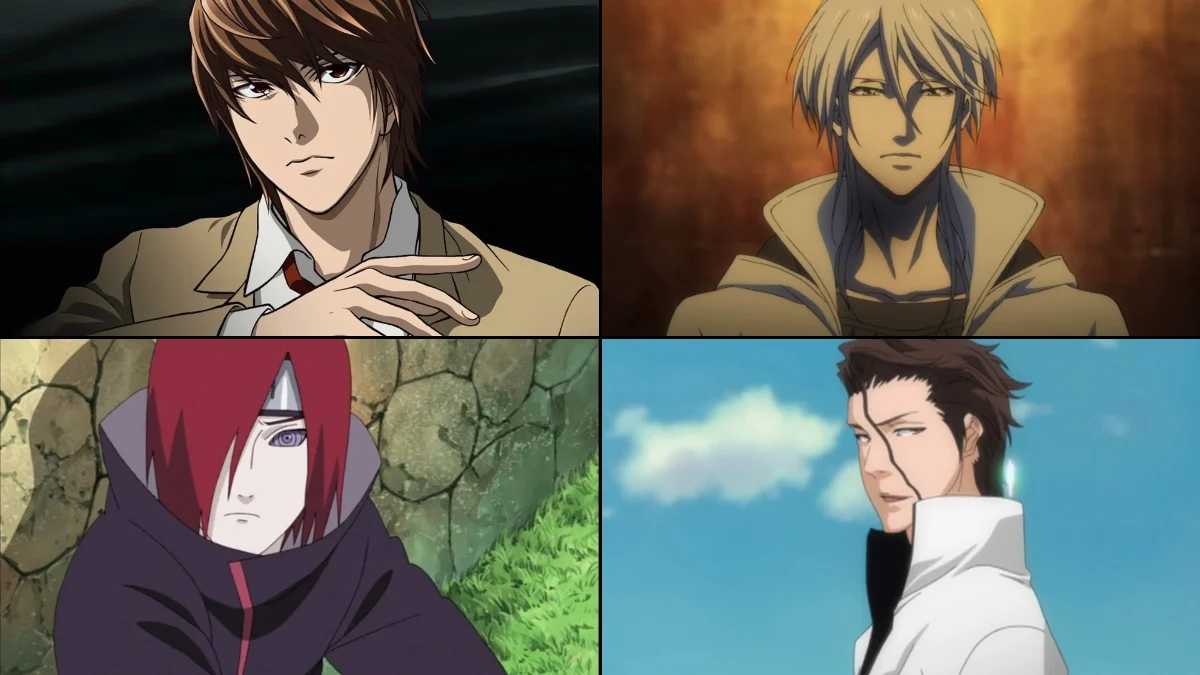

In many anime series, the growth of the antagonist often serves as the narrative’s emotional and philosophical backbone, sometimes surpassing the development of the main protagonists. These characters are frequently given intricate backstories, shifting motivations, and complex moral dilemmas that challenge the traditional hero-versus-villain dynamic. By exploring the circumstances that led to their descent into villainy, creators provide a depth that allows the audience to understand the logical progression of their actions. The following list highlights villains whose character arcs are notable for their complexity and evolution throughout their respective series.
Meruem

Born as the ultimate lifeform in ‘Hunter x Hunter’, Meruem initially views humans as inferior beings intended only for consumption. His character shifts significantly after meeting Komugi, a blind Gungi player who consistently defeats him in the strategic board game. This interaction forces the Chimera Ant King to acknowledge human potential and develop a sense of individual identity and empathy. By the conclusion of the Chimera Ant arc, his priorities shift from global domination to seeking personal connection and a peaceful end.
Askeladd
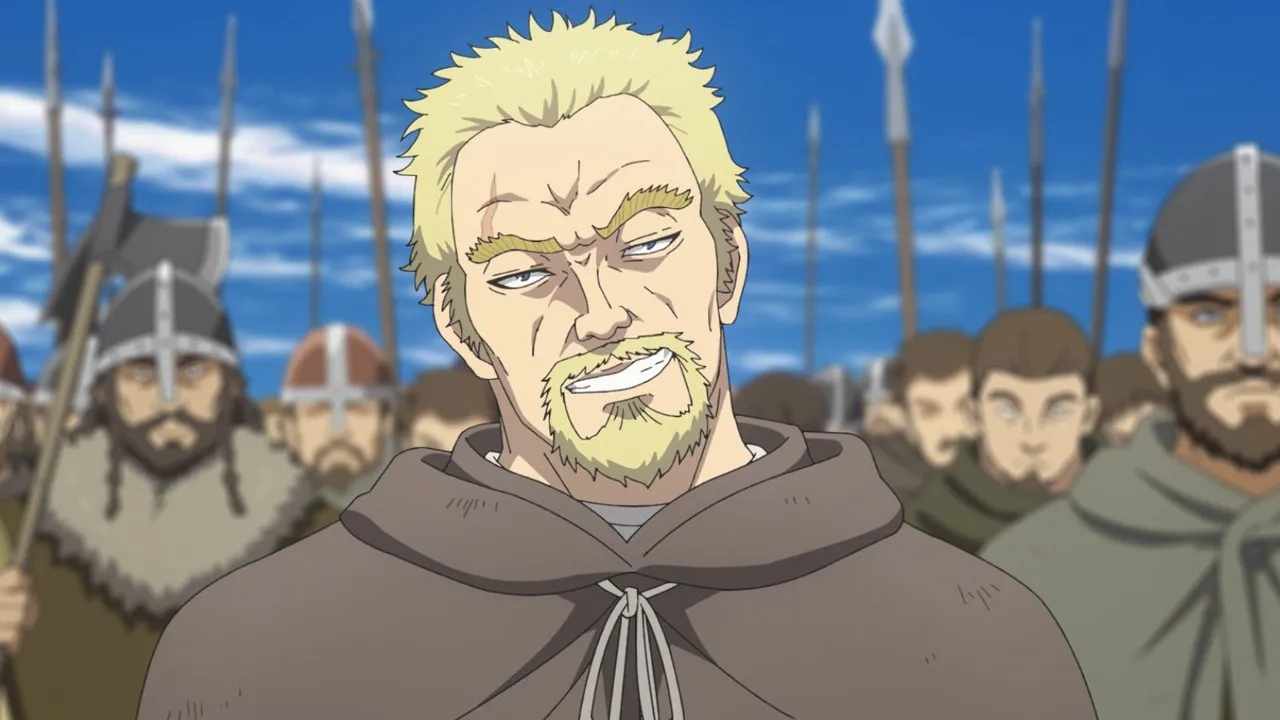
As a central antagonist in ‘Vinland Saga’, Askeladd is a mercenary leader whose actions are driven by a complex hidden agenda regarding his lineage. He is revealed to be a descendant of a legendary Welsh king, and his primary goal is to protect Wales from Viking raids by manipulating the Danish throne. His relationship with Thorfinn is rooted in cold pragmatism, yet he eventually sacrifices himself to secure a stable future for his homeland and the young prince he mentors. This multifaceted motivation provides a level of depth that contrasts with the protagonist’s early, singular focus on vengeance.
Shogo Makishima
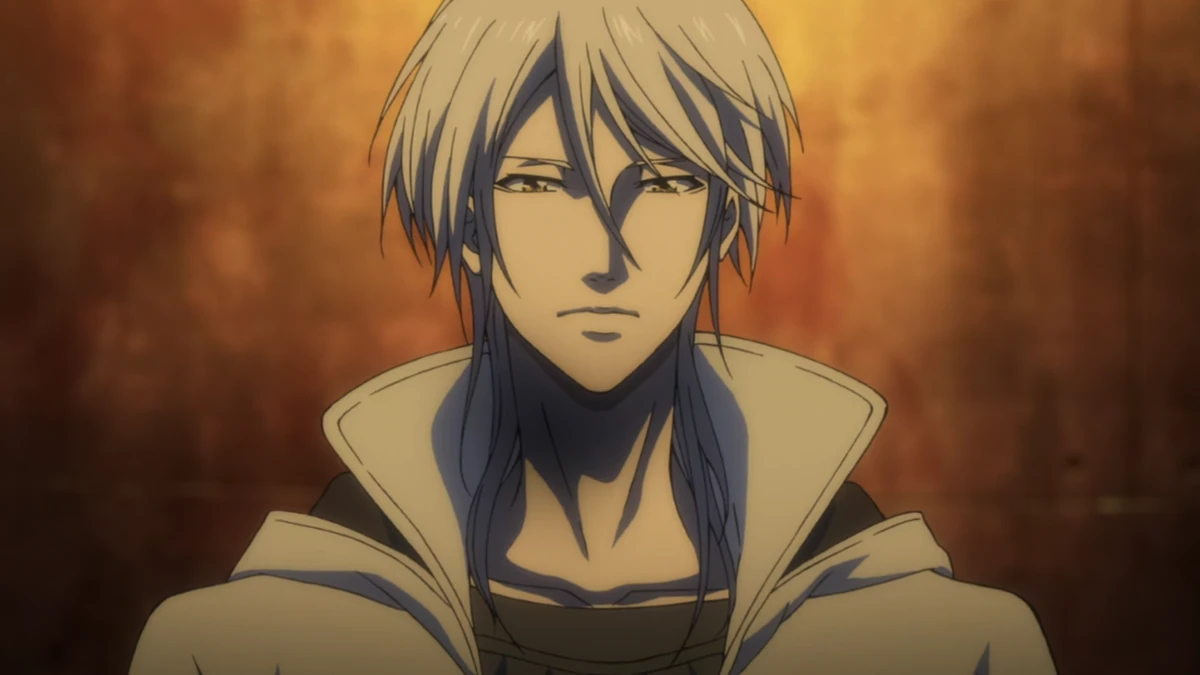
In ‘Psycho-Pass’, Shogo Makishima is a criminally asymptomatic individual who cannot be detected or judged by the automated Sibyl System. He seeks to liberate society from this mechanical judgment by encouraging people to exercise their own free will, even through violent means. His intellectual depth is explored through his frequent references to classical literature and his critique of a soul-less, technological society. His commitment to his philosophy remains consistent, forcing the protagonists to question the morality of the world they protect.
Madara Uchiha

A legendary figure in ‘Naruto: Shippuden’, Madara Uchiha’s backstory details his attempts to achieve peace through conflict during the Warring States Period. He co-founded the Hidden Leaf Village alongside Hashirama Senju but eventually defected due to differing ideologies on how to maintain long-term stability. His ultimate plan to cast the Infinite Tsukuyomi is rooted in a desire to end all suffering by placing humanity in a permanent dream state. His life story spans generations, illustrating a slow descent into radicalism fueled by personal loss and a cynical view of human nature.
Garou

Known as the “Human Monster” in ‘One-Punch Man’, Garou hunts heroes to challenge the unfair social dynamics he observed during his childhood. He believes that by becoming an absolute evil, he can force humanity to unite against him and achieve a forced global peace. His physical and psychological transformations are documented through intense battles that push him to transcend his human limitations. Garou’s motivations are deeply personal, reflecting a nuanced critique of the hero-worship culture prevalent within his society.
Isabella
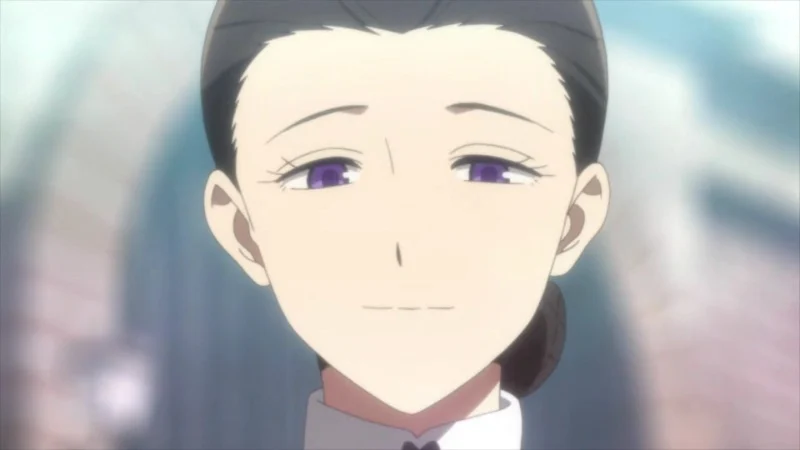
As the primary caretaker of Grace Field House in ‘The Promised Neverland’, Isabella is initially presented as a cold and calculating antagonist who serves demons. Her history reveals that she was once an orphan who attempted to escape the same system she now enforces. She chose to become a “Mama” to survive, concluding that providing children with a happy life before their inevitable death was the only mercy she could offer. This backstory provides a tragic context to her villainy and explains her complex, protective feelings toward the children she ultimately betrays.
Johan Liebert
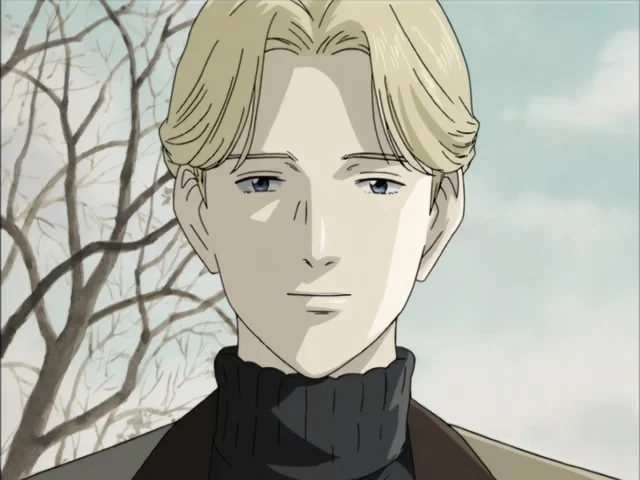
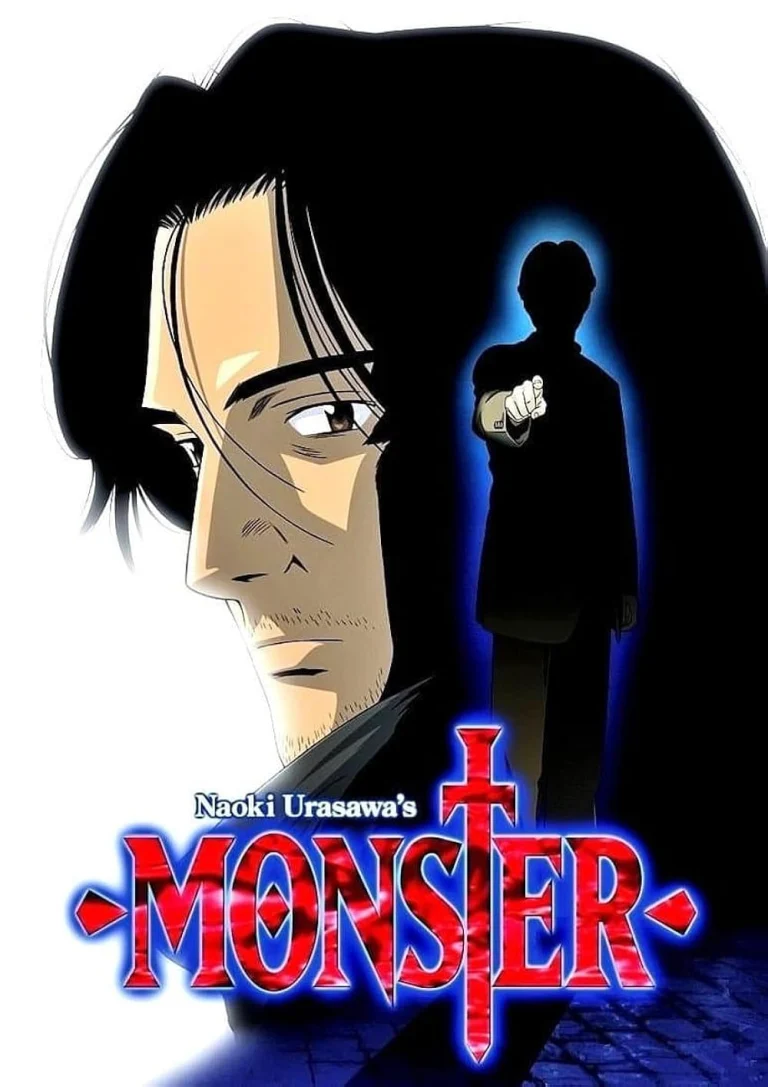
The central antagonist of ‘Monster’, Johan Liebert is a product of psychological experimentation and a chaotic upbringing in post-war Europe. He manipulates those around him into committing horrific acts, aiming to be the last person standing at the end of a nihilistic world. His character is explored primarily through the perspectives of the people he has influenced, painting a picture of a man who lacks a traditional identity. His descent into darkness is portrayed with a level of psychological detail that drives the entire narrative toward its conclusion.
Griffith
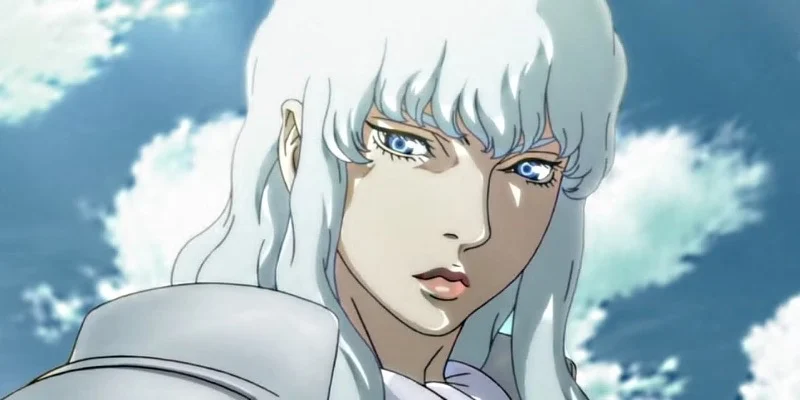
In ‘Berserk’, Griffith begins as the charismatic leader of the Band of the Hawk, driven by a dream to obtain his own kingdom. His transition from a beloved hero to the demonic Femto is triggered by his own vulnerability and the fear of losing his status after losing Guts. The series meticulously tracks his mental decline during a year of imprisonment and his ultimate decision to sacrifice his comrades for power. His evolution represents a profound exploration of how absolute ambition can override individual morality and loyalty.
Toguro
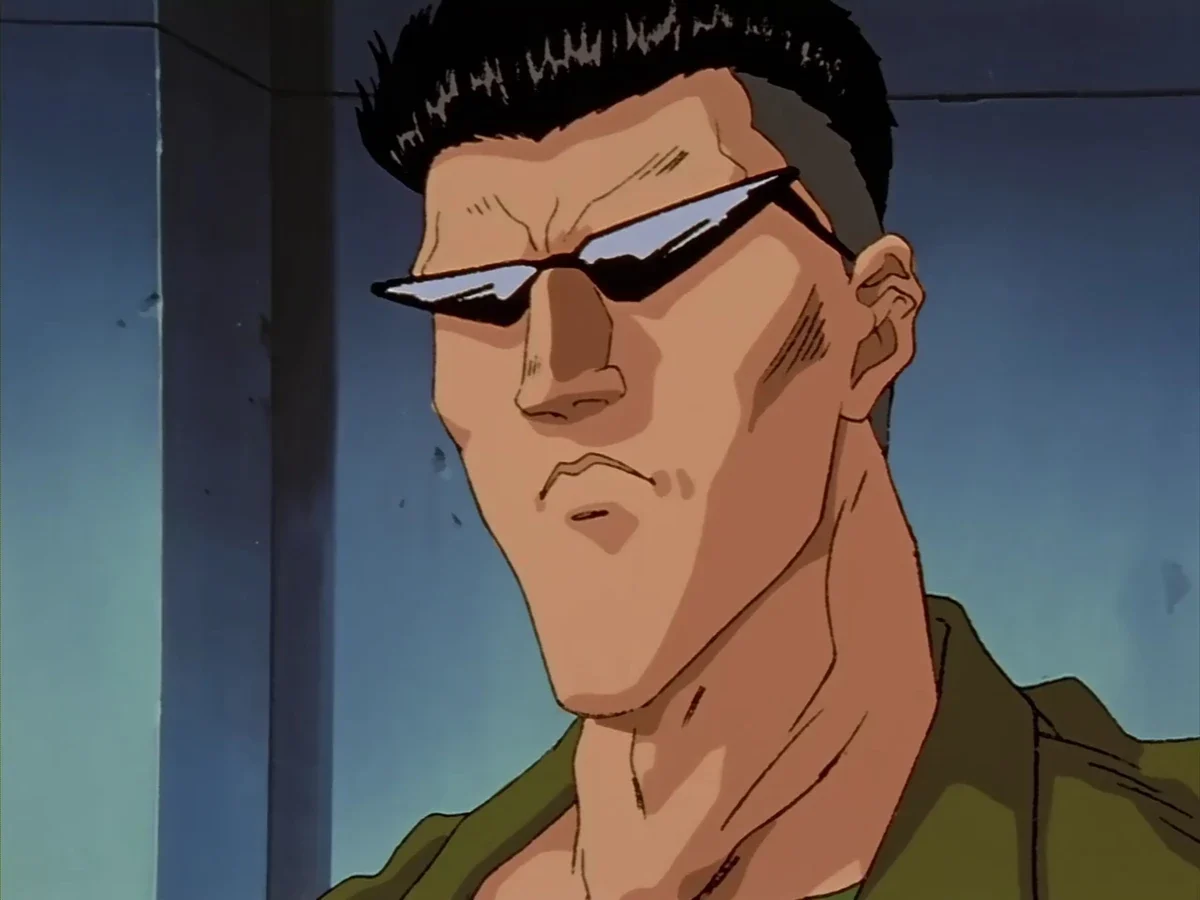
A former martial arts master in ‘YuYu Hakusho’, Toguro sold his soul to become a demon to avoid the degradation of old age and the weakness of mortality. His backstory reveals a man deeply traumatized by the death of his students at the hands of a demon, leading him to believe that only absolute strength matters. He acts as a catalyst for the protagonist’s growth, purposefully pushing Yusuke Urameshi to reach his full potential through brutal challenges. His eventual choice of punishment in the afterlife confirms that his villainous persona was a self-imposed penance for his past failures.
Dio Brando
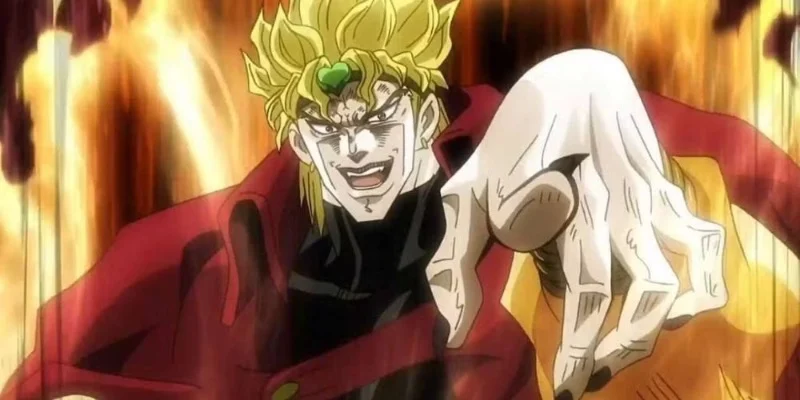
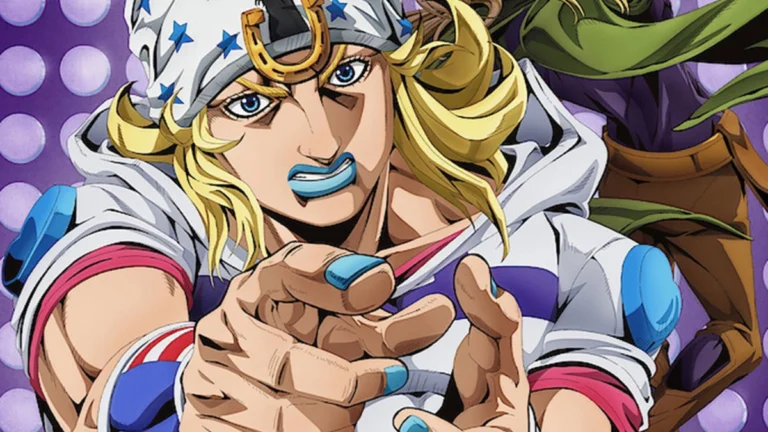
Spanning multiple generations in ‘JoJo’s Bizarre Adventure’, Dio Brando evolves from a spiteful orphan into a vampire with an obsession for global dominion. His motivations shift from petty greed in the late 19th century to a philosophical desire to achieve “Heaven” and rewrite the fate of the world. His presence influences the lives of the Joestar family long after his physical body is destroyed, showing a lasting ideological legacy. His character is defined by a consistent pursuit of power and a total rejection of his own humanity.
Stain

Known as the Hero Killer, Stain introduces a radical ideology to the society of ‘My Hero Academia’. He believes that the current generation of heroes is corrupted by fame and financial gain, and he seeks to purge those he deems “fake.” His actions spark a major societal shift, inspiring other villains and forcing the professional heroes to reflect on their own true intentions. His conviction and the historical context of his failure as a hero student provide a significant ideological contrast to the series’ main protagonists.
Lelouch vi Britannia
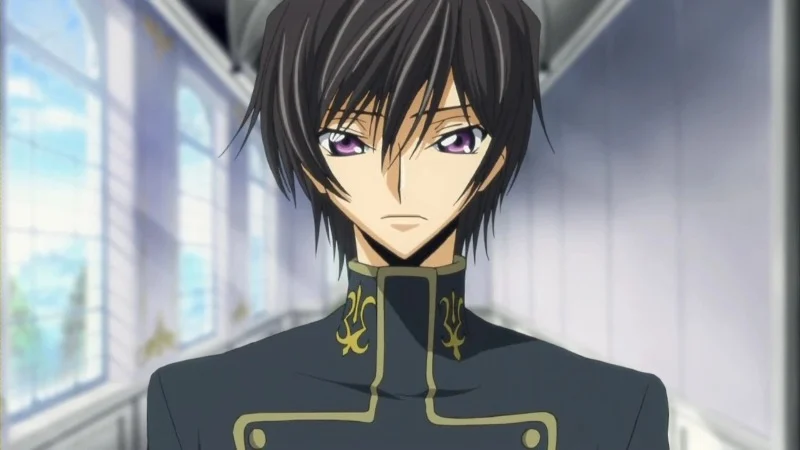
Acting as both the protagonist and an antagonist in ‘Code Geass’, Lelouch uses the power of Geass to dismantle the oppressive Britannian Empire. His growth involves moving from a vengeful student to a calculated world leader willing to sacrifice his own reputation for the sake of peace. He orchestrates a global conflict to unify humanity against himself, culminating in a planned public assassination that he labels the Zero Requiem. His character arc is a thorough examination of the “ends justify the means” philosophy and the personal cost of revolution.
Reiner Braun

Initially introduced as a dependable ally in ‘Attack on Titan’, Reiner Braun is later revealed to be the Armored Titan working for a foreign nation. His character development centers on his fractured psyche and the immense guilt he feels for betraying the people he grew to care for. The series explores his childhood in Marley, where he was brainwashed into believing that the people of Paradis Island were a threat to humanity. His struggle to reconcile his duty as a soldier with his conscience makes him one of the most layered characters in the story.
Nagato
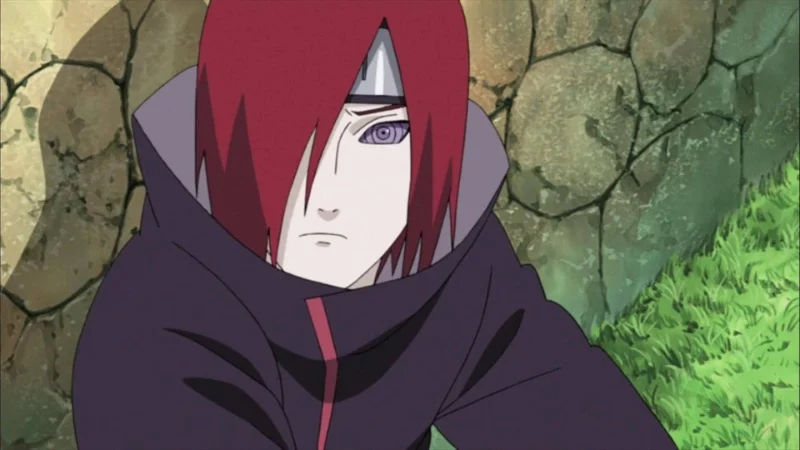
As the leader of the Akatsuki in ‘Naruto: Shippuden’, Nagato’s philosophy is shaped by the trauma of surviving war in the Hidden Rain Village. He believes that true peace can only be achieved through a shared experience of pain, which would serve as a deterrent for future conflicts. His history as an orphan trained by the legendary Jiraiya provides a thematic mirror to Naruto Uzumaki’s own journey. His eventual change of heart comes after a deep ideological confrontation that forces him to reconsider his methods for achieving world peace.
Takasugi Shinsuke
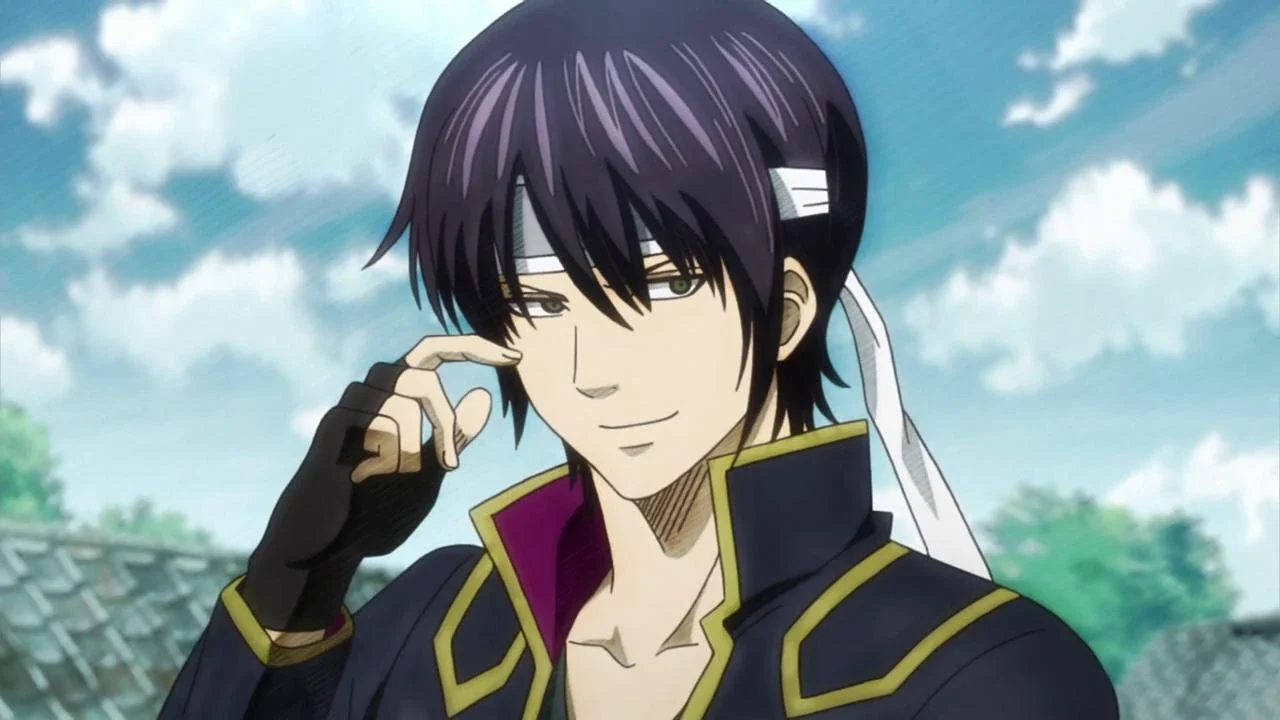
A major antagonist in ‘Gintama’, Takasugi Shinsuke is driven by a desire to destroy the world that took away his beloved teacher. Unlike other villains who seek power or wealth, his motivation is rooted in profound grief and a refusal to move on from the past. His development is showcased through frequent flashbacks to his time as a samurai during the Joui War. His eventual reconciliation with his former comrades adds a tragic layer to his destructive path and provides closure to his long-standing resentment.
Esdeath

In ‘Akame ga Kill!’, Esdeath is a high-ranking general who lives by the creed that the strong survive and the weak perish. Despite her ruthless nature on the battlefield, she experiences genuine romantic feelings for the protagonist, creating a complex dual nature. Her backstory in a frontier clan explains her harsh world-view and her total lack of empathy for those she defeats in combat. Her character remains consistent in her beliefs until the very end, showing a dedication to her philosophy that defines her entire existence.
Gilgamesh
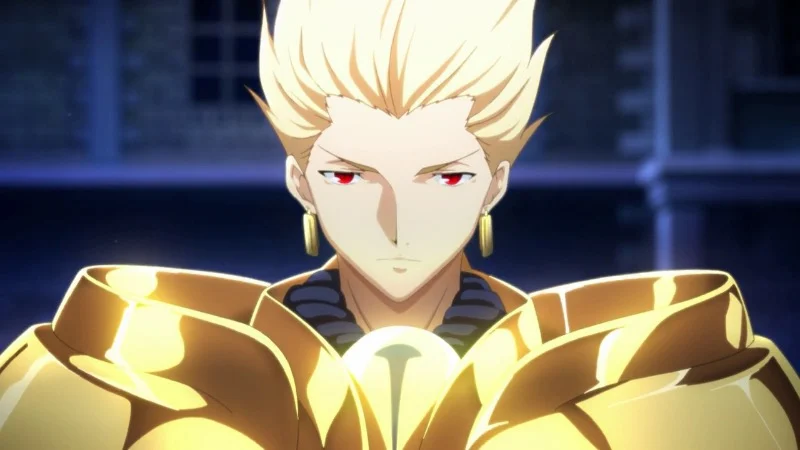
Appearing across the ‘Fate’ series, Gilgamesh is an ancient king who views himself as the sole owner of all the world’s treasures. His development in ‘Fate/Zero’ explores his boredom with the modern era and his interest in observing the psychological struggles of other participants in the Holy Grail War. In ‘Fate/stay night’, his role shifts as he attempts to “cleanse” humanity of its perceived weaknesses through a catastrophic event. His regal perspective provides a unique philosophical counterpoint to the idealistic goals of the series’ heroes.
Sosuke Aizen

The primary antagonist for much of ‘Bleach’, Sosuke Aizen is a former Soul Reaper captain who seeks to overthrow the Soul King. His intricate planning and manipulation of the Soul Society span centuries, revealing a character of immense intellect and patience. His motivation is eventually suggested to be a deep-seated loneliness born of his own overwhelming power and a desire to find someone who could truly challenge him. His evolution from a soft-spoken captain to a god-like being is central to the series’ thematic exploration of power.
Bondrewd
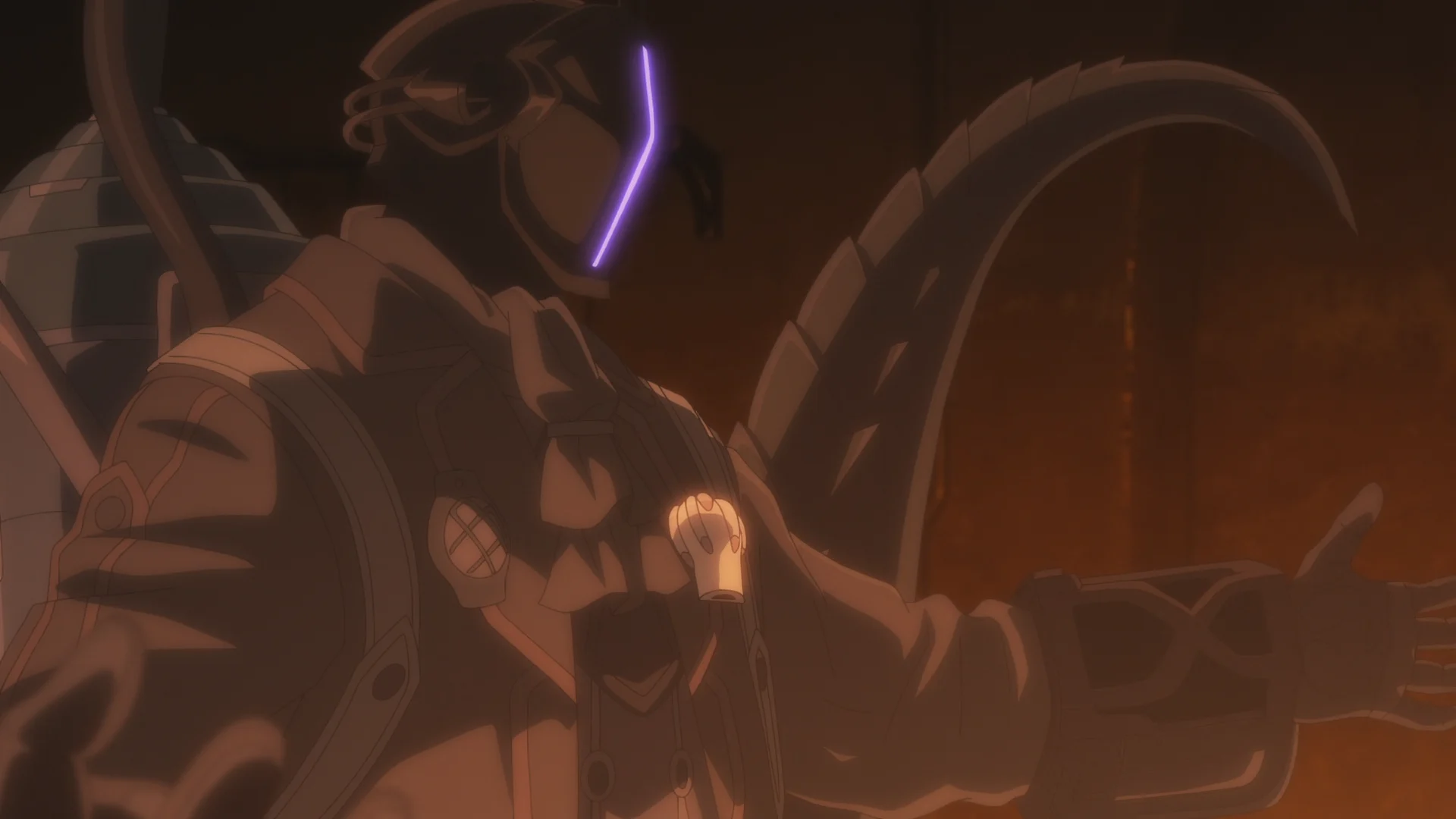
In ‘Made in Abyss’, Bondrewd is a Sovereign of Dawn who conducts horrific experiments on children to uncover the secrets of the Abyss. He views himself as a pioneer for humanity, believing that his atrocities are necessary for the scientific advancement of the species. His total lack of traditional malice makes him a disturbing figure, as he maintains a perverse form of love for the subjects he sacrifices. His character development challenges the boundaries of ethics and explores the extremes of scientific obsession.
Light Yagami
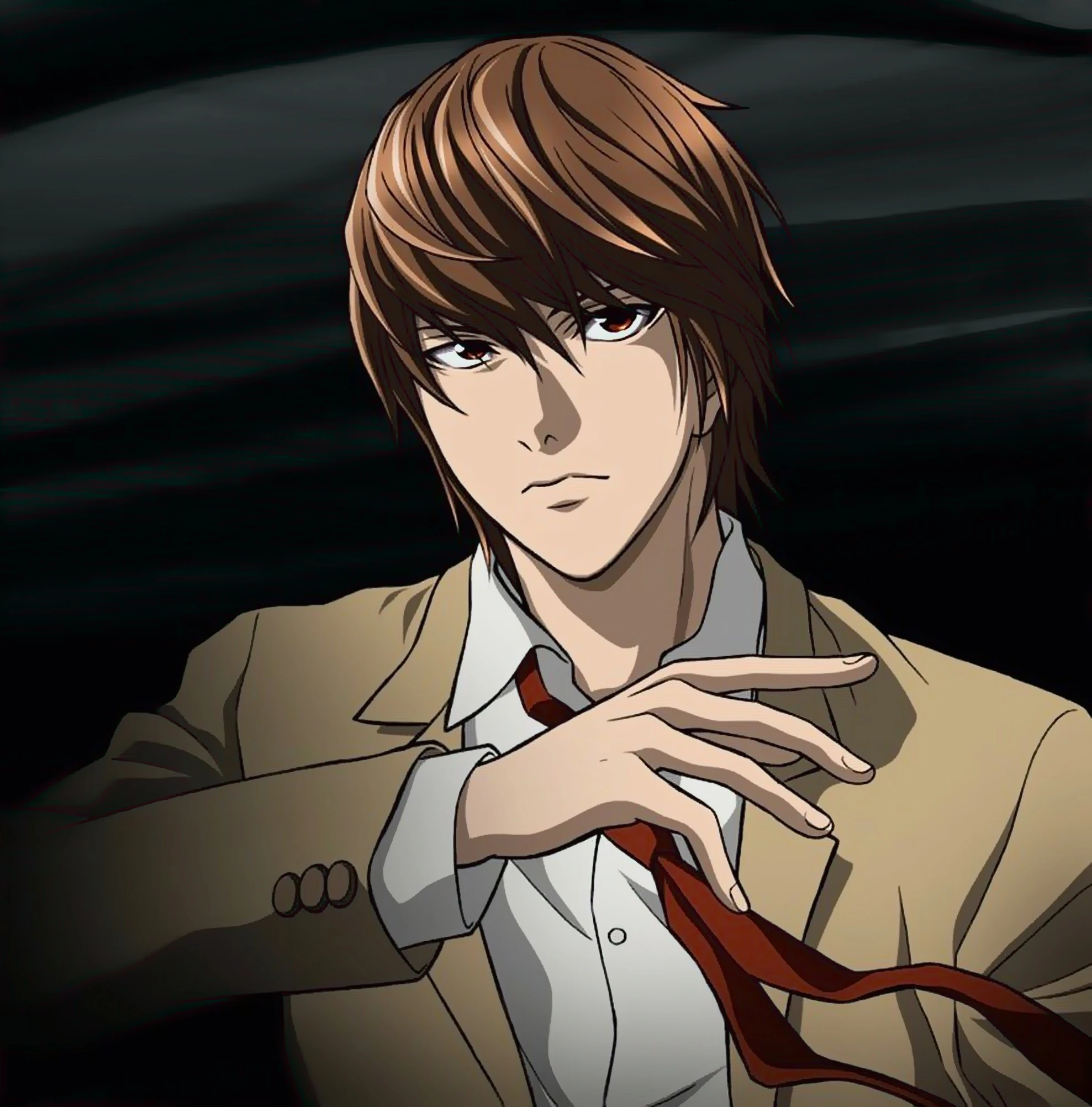
The protagonist of ‘Death Note’ who serves as the story’s own villain, Light Yagami’s descent into megalomania is meticulously documented from the moment he finds the notebook. He begins with a desire to rid the world of criminals but eventually starts killing anyone who threatens his self-proclaimed role as a god. His intellectual battles with the detective L highlight his strategic brilliance and his growing detachment from human emotion and morality. By the end of the series, his transformation from a bored high school student to a cornered tyrant is complete.
Please share your thoughts on which anime villains you believe had the best character arcs in the comments.