Celebrities Who Completely Refused to Promote Their Own Movies


The relationship between a film studio and its stars is often defined by a contractual obligation to market the finished product to the public. However, creative differences, personal convictions, or disputes over compensation sometimes lead high-profile actors to walk away from these duties entirely. When a celebrity refuses to participate in a press tour, it often generates more headlines than the promotional campaign itself. These instances reveal the significant behind-the-scenes tensions that can arise during the production and distribution of major motion pictures.
Edward Norton
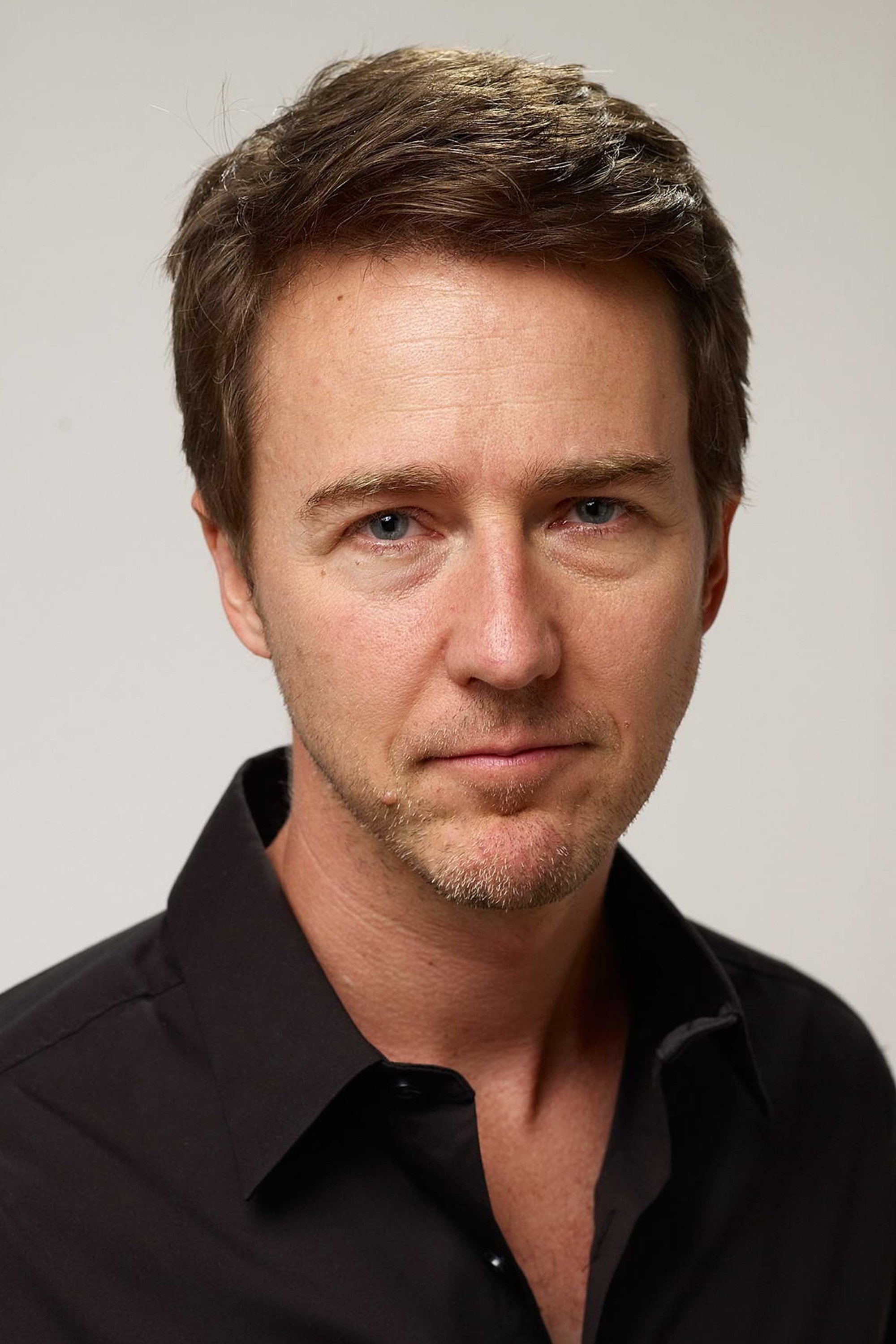
During the production of ‘The Incredible Hulk’, Norton engaged in a public dispute with Marvel Studios over the final cut of the film. The actor had rewritten significant portions of the script and wanted a longer, character-driven narrative. When the studio opted for a shorter version, Norton largely abstained from the traditional press tour. He notably chose to go on a trip to Africa during the film’s premiere and major promotional push. This conflict ultimately led to the role of Bruce Banner being recast with Mark Ruffalo for future appearances.
Jim Carrey
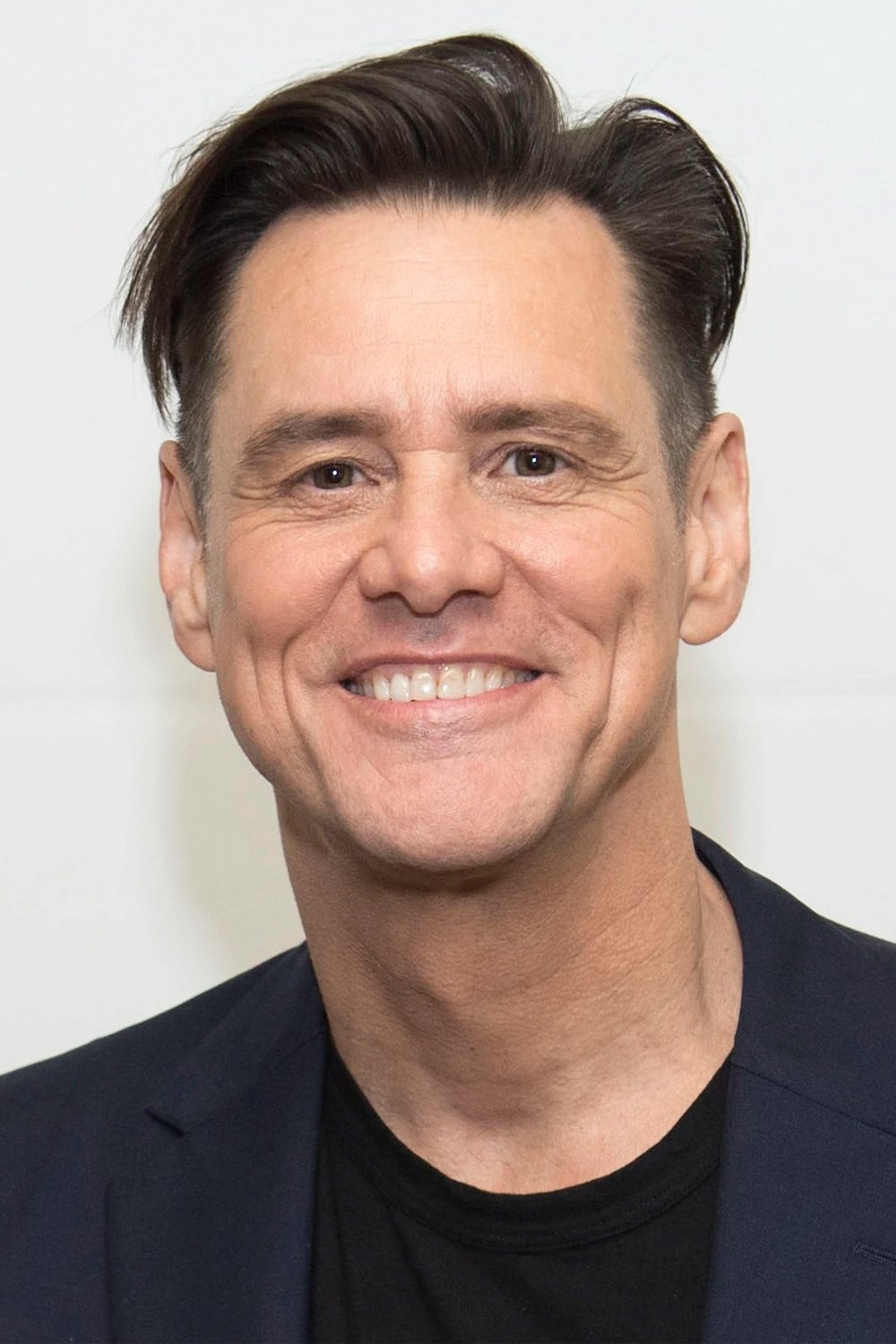
Carrey took to social media shortly before the release of ‘Kick-Ass 2’ to withdraw his support for the project. Following the tragic Sandy Hook Elementary School shooting, the actor stated he could no longer justify the level of violence depicted in the film. While he remained in the final cut of the movie as Colonel Stars and Stripes, he refused to participate in any interviews or promotional appearances. Carrey clarified that he was not ashamed of the work but that his conscience had changed after the real-world events. Producers acknowledged his decision while defending the film’s satirical nature and his performance.
Mo’Nique
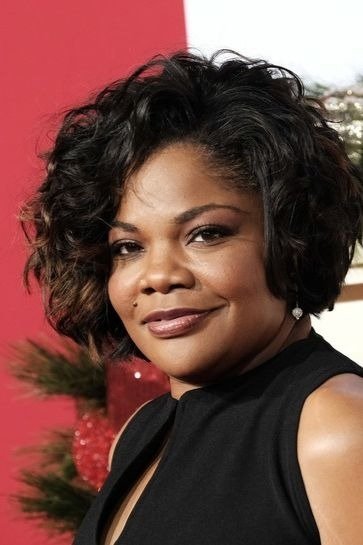
Mo’Nique famously refused to promote the film ‘Precious’ during the 2009-2010 awards season unless she was compensated for her time. She argued that since she had already completed her acting duties, being asked to travel for press junkets and festivals constituted additional work. Her stance sparked a significant debate in Hollywood regarding the expectations placed on actors during Oscar campaigns. Despite her lack of traditional promotion, her performance as Mary Lee Johnston earned her the Academy Award for Best Supporting Actress. However, director Lee Daniels later stated that her refusal to participate led to her being “blackballed” in the industry for several years.
Peter Sellers
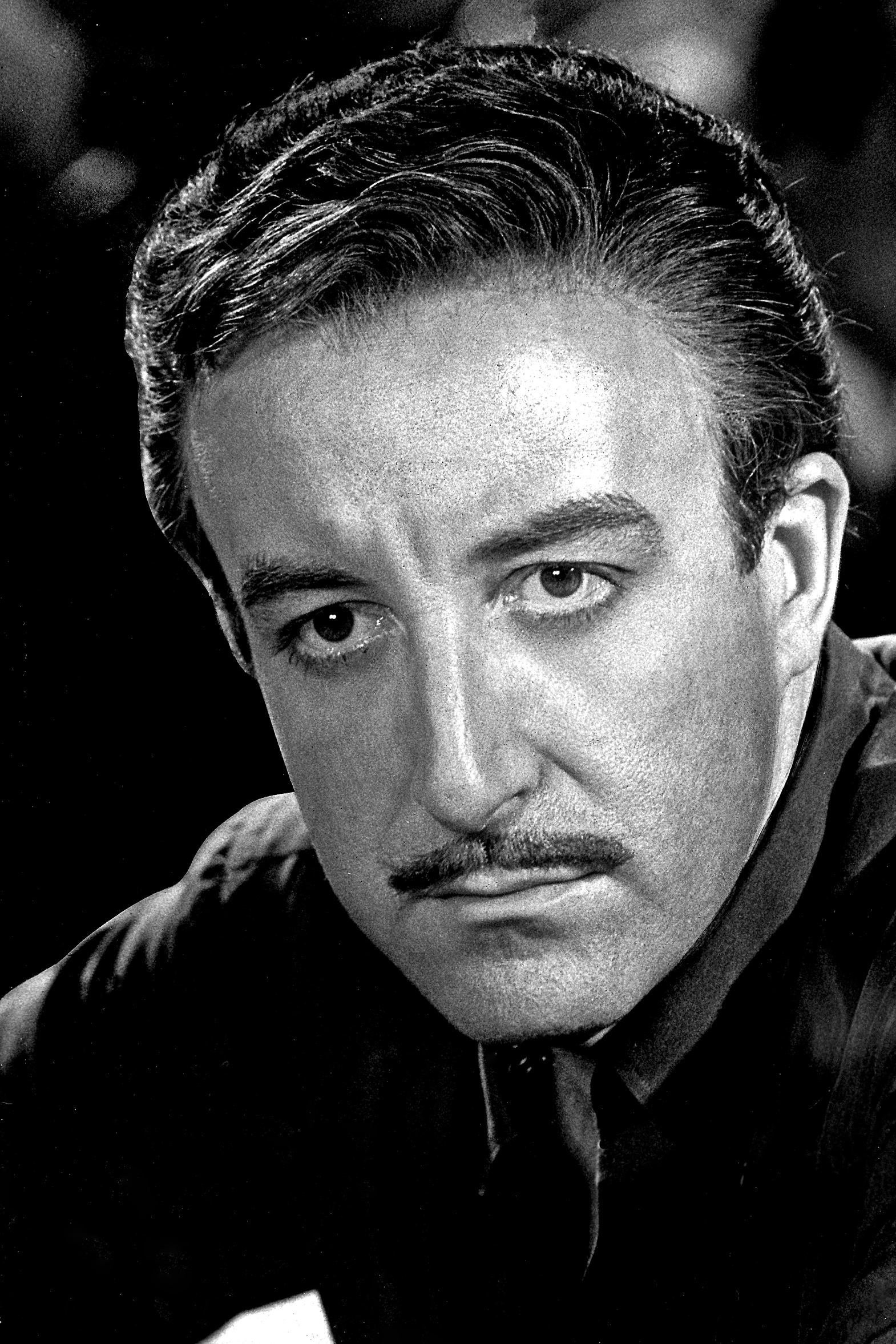
During the chaotic production of ‘Casino Royale’, Sellers engaged in a bitter feud with the directors and fellow actors, eventually leaving the set before his scenes were finished. His departure forced the filmmakers to edit around his absence and use a body double for many of the remaining shots. Consequently, Sellers refused to participate in any promotional work or interviews for the film’s release. He famously disowned the project, which had transitioned from a standard thriller into a disjointed spoof during filming. His absence from the marketing campaign became as legendary as the film’s troubled production history.
Christopher Eccleston
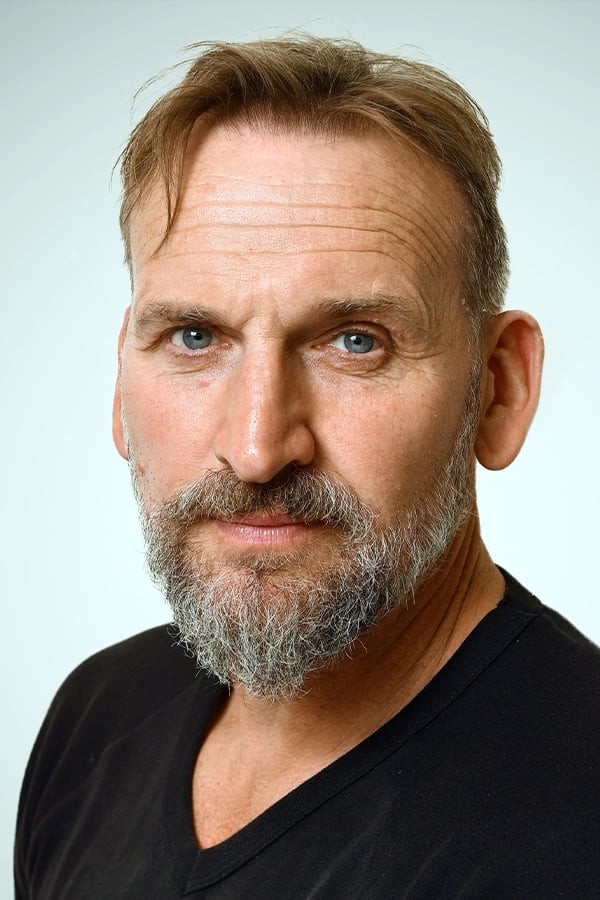
Following his experience on ‘G.I. Joe: The Rise of Cobra’, Eccleston largely distanced himself from the project and its promotion. He played the villainous Destro but later described the filming process as a miserable experience that made him want to quit acting. The actor has noted that the project was purely for financial reasons and that he felt “empty” while on set. Consequently, he did not participate in the enthusiastic marketing campaigns typically associated with high-budget blockbusters. He has since been very selective about taking on roles in major Hollywood franchises.
Woody Allen
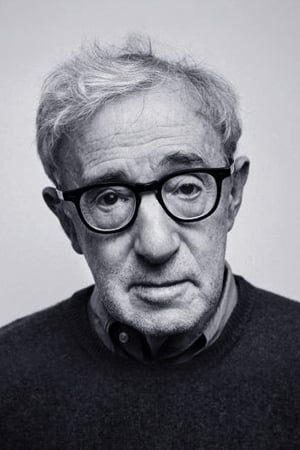
Allen is legendary for his refusal to participate in the traditional Hollywood promotion and awards machine. He famously avoids attending the Academy Awards, even when his films are nominated for or win major categories like Best Picture. The filmmaker typically skips press junkets and prefers to let his work speak for itself through the final edit. On the rare occasions he does engage with the media, it is usually through curated interviews rather than standard promotional tours. His absence from the limelight has become a defining characteristic of his long career.
Lindsay Lohan
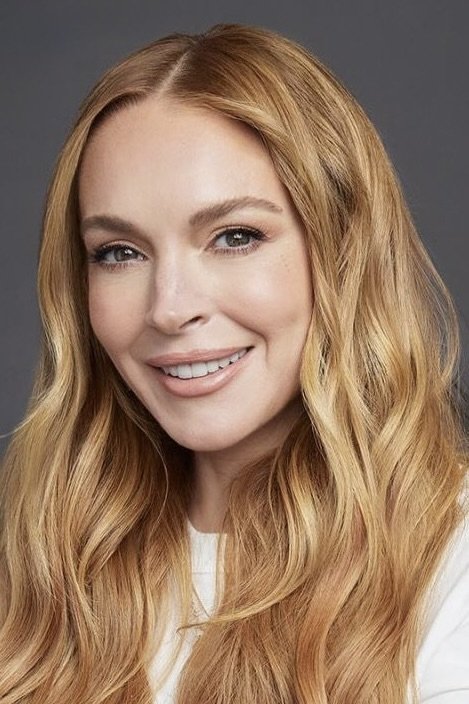
The production of the independent film ‘The Canyons’ was fraught with tension, leading Lohan to skip the movie’s premiere at the Venice Film Festival. Director Paul Schrader expressed his disappointment publicly, noting that her absence hindered the film’s visibility. While the actress filmed a significant amount of footage for the project, she reportedly struggled with the demands of the promotional schedule. Her refusal to attend key screenings and press events became a major talking point during the film’s limited release. The situation highlighted the difficulties faced by the production in managing its lead star during the marketing phase.
Josh Brolin
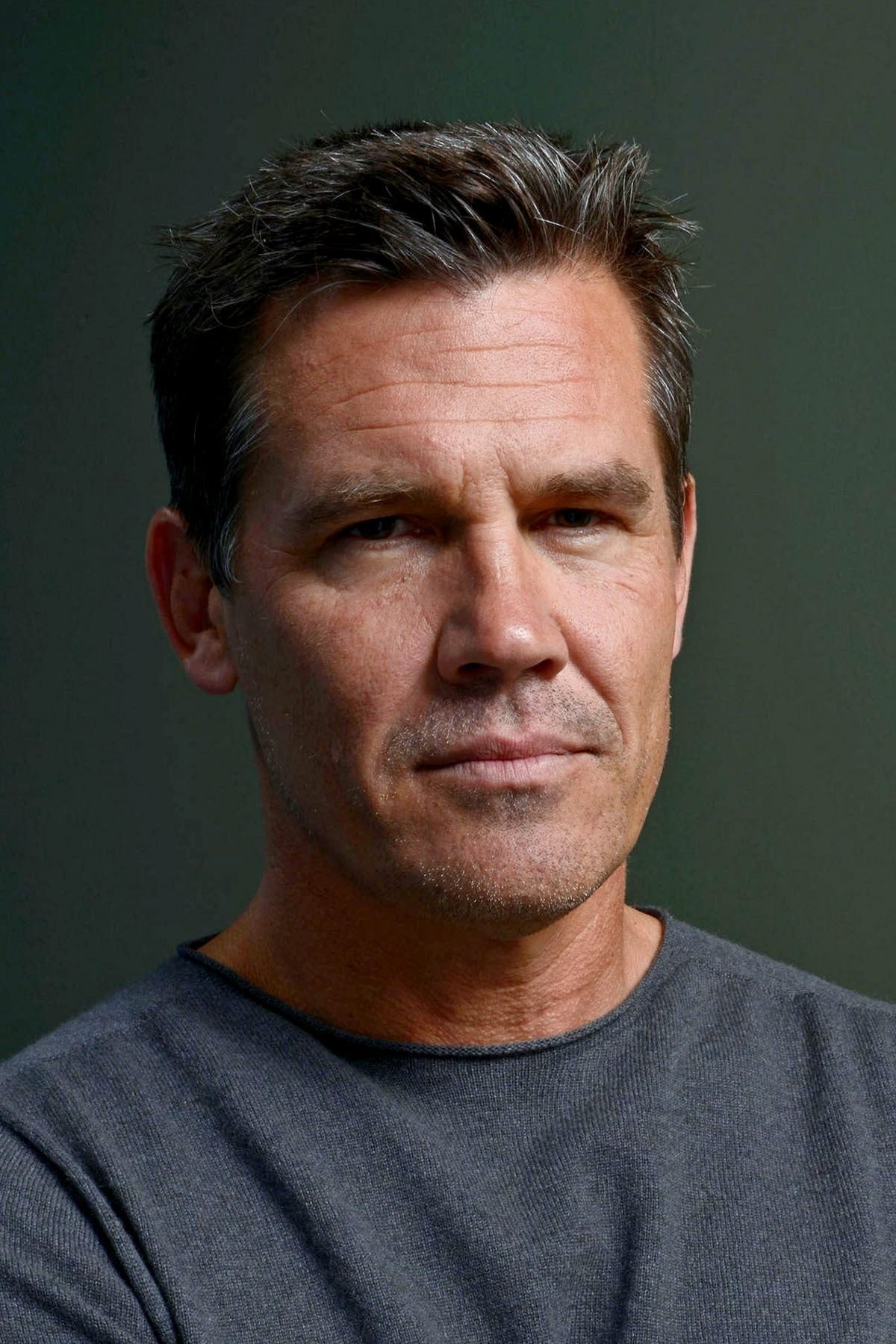
Brolin was notably silent and even dismissive during the lead-up to the release of the American remake of ‘Oldboy’. He expressed dissatisfaction with the final edit of the film, which had been significantly cut down from director Spike Lee’s original vision. When asked about the movie in interviews, Brolin encouraged journalists to watch the original South Korean version instead of his own. He refrained from the typical celebratory tone of a leading man during a press tour, making his lack of enthusiasm clear. The film ultimately struggled at the box office and with critics, mirroring Brolin’s own outlook.
Sean Connery
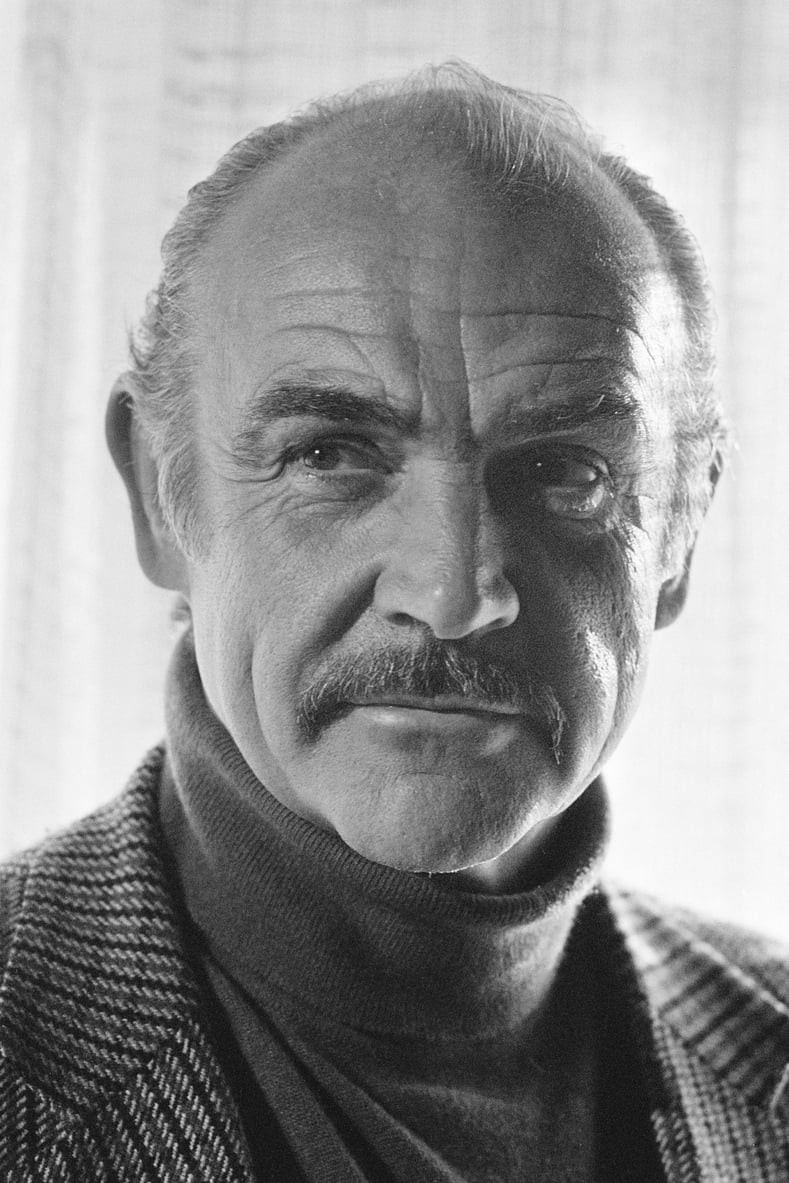
Connery’s experience filming ‘The League of Extraordinary Gentlemen’ was so negative that it led to his permanent retirement from acting. He clashed frequently with director Stephen Norrington, at one point nearly coming to blows on set. Following the completion of the film, the legendary actor refused to participate in the usual promotional activities or attend the world premiere. He famously stated that the experience of the director had soured him on the industry. The movie’s critical and commercial failure only reinforced his decision to step away from Hollywood forever.
John Cusack
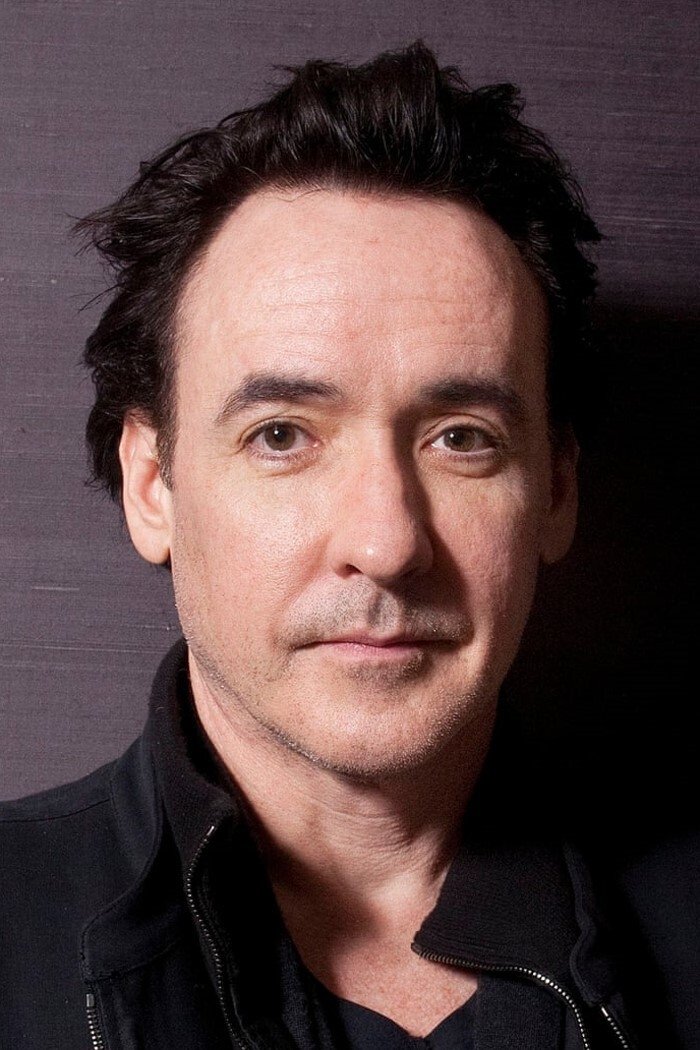
After viewing a screening of ‘Better Off Dead’, Cusack reportedly walked out and told director Savage Steve Holland that he would never trust him again. The actor felt the film was “juvenile” and was deeply unhappy with the final comedic tone. For years, Cusack refused to discuss the movie in interviews or participate in any retrospective promotions or reunions. He effectively distanced himself from the project, despite it becoming a cult classic among fans of 1980s cinema. It was only much later in his career that he began to acknowledge the film’s enduring popularity.
Bill Murray
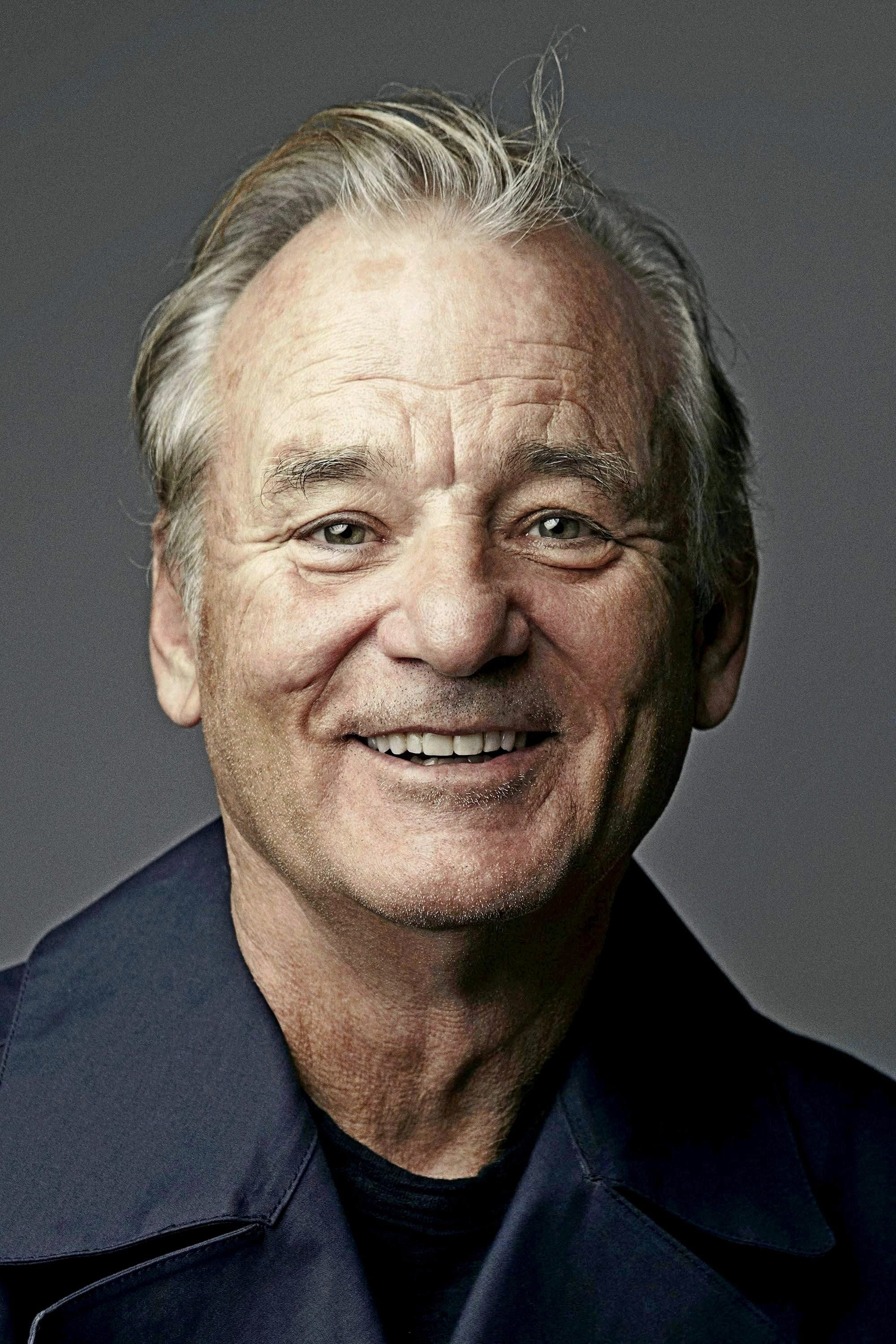
Murray famously refused to engage in the standard promotional circuit for ‘Charlie’s Angels’, leading to reports of friction on set. Tensions between the actor and the production team were so high that he did not return for the sequel, ‘Charlie’s Angels: Full Throttle’. He notably lacked a publicist for much of his career and utilized a 1-800 number to manage offers, making him nearly impossible for studios to reach for marketing events. His absence from the film’s press junkets became a major story during the movie’s release. Murray has since maintained a reputation for prioritizing his personal interests over industry obligations.
Share your thoughts on which celebrity boycott was the most justified in the comments.