How does The Last of Us series differ from the game?

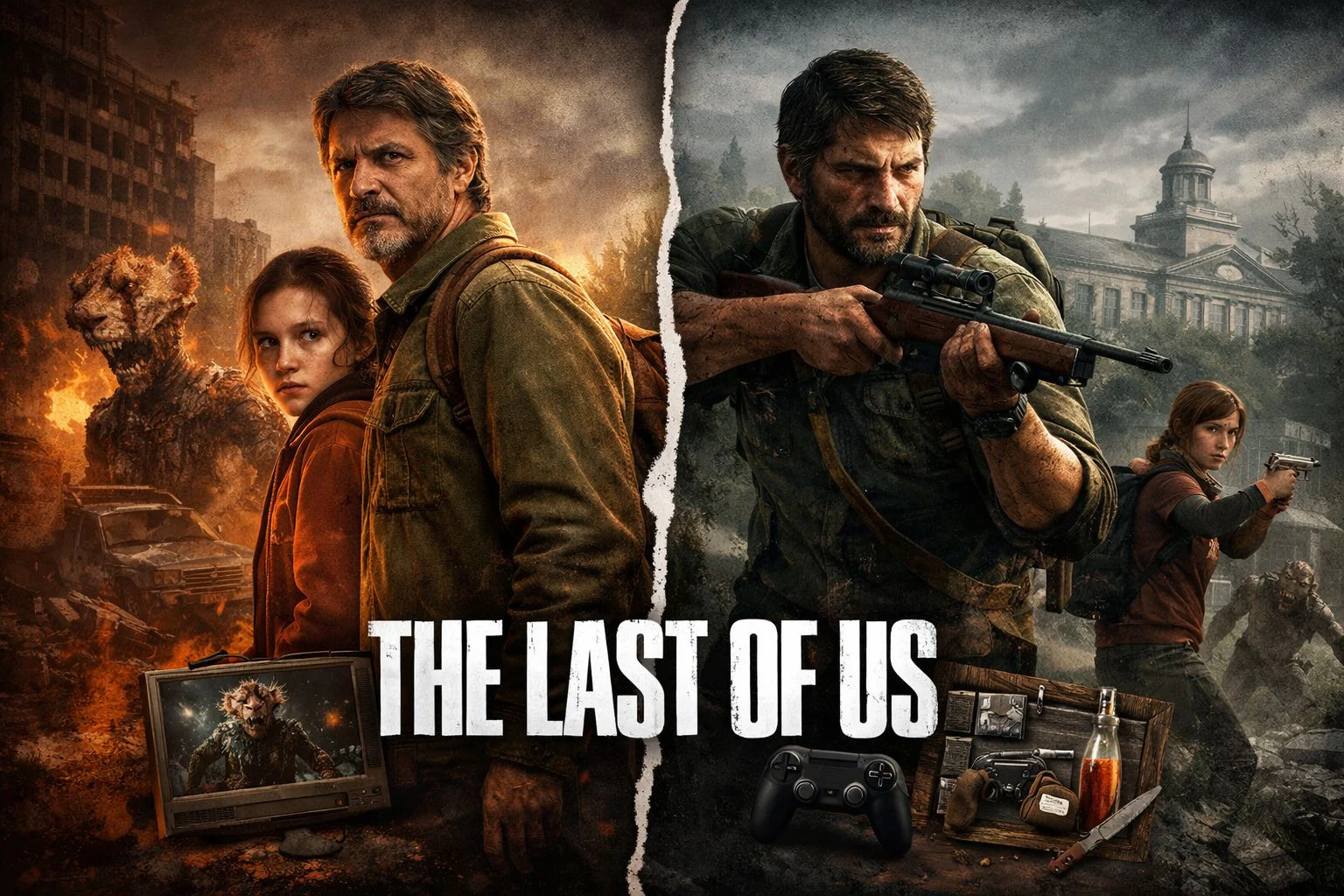

The television version of The Last of Us builds on the 2013 video game, yet it does not copy it scene for scene. Both works follow Joel and Ellie across a post-pandemic United States, but each medium shapes the story through different tools and constraints.
Online gambling platforms operate under their own rules and structures. The online casino casinacho casino functions as a digital betting platform that offers games of chance such as slots, table games, and live dealer formats. Players access such platforms through web interfaces or mobile applications, create accounts, deposit funds, and participate in games that rely on random number generation or live-streamed dealers. Operators manage user verification, payment systems, and regulatory compliance in jurisdictions where gambling laws allow such services. This environment depends on user interaction, financial transactions, and structured risk, which contrasts sharply with narrative-driven entertainment like television drama or video games.
The game and the series differ because of their medium. The game depends on player control, stealth mechanics, crafting systems, and direct engagement with enemies. The series relies on scripted scenes, actor performance, and editing rhythm. These structural contrasts shape pacing, character portrayal, and even the emotional weight of certain events.
Narrative Structure and Pacing
The game divides its story into seasonal chapters. Players guide Joel through cities, forests, and abandoned facilities. Long stretches of exploration connect major plot points. Combat encounters appear frequently, and resource management influences tension.
The series removes player interaction. Writers condense travel sequences and focus on key emotional beats. Instead of spending hours crossing ruined areas, viewers move through episodes that center on dialogue and character conflict.
Several structural contrasts define the adaptation:
- The game uses extended playable segments between cinematic scenes.
- The series organizes events into episodes with clear dramatic arcs.
- The show reduces repetitive encounters with infected and hostile survivors.
- The adaptation rearranges some scenes to strengthen emotional timing.
- The series adds original material that the game never explored.
The game allows players to set their own pace during exploration. The series controls rhythm through editing and script structure. This shift changes how tension builds. In the game, uncertainty often arises from limited ammunition or hidden enemies. In the series, tension grows from conversations and moral choices.
Character Development
Joel and Ellie anchor both versions, yet their portrayal shifts in tone and detail.
In the game, Joel maintains emotional distance for much of the story. Players observe his growth through dialogue exchanges and gameplay actions. Combat reinforces his survival mindset. His bond with Ellie develops during shared danger and gradual trust.
The series presents Joel with greater visible vulnerability. He discusses fear, trauma, and aging more openly. He admits doubt and expresses concern about his physical decline. This portrayal places stronger emphasis on his psychological state rather than solely his competence.
Ellie also changes slightly. The game portrays her as curious, sharp, and guarded. The series emphasizes her anger and fascination with violence at earlier stages. She challenges Joel directly and questions his decisions more openly. The show highlights her emotional intensity through close-up dialogue scenes rather than player-controlled banter.
Supporting characters gain additional depth in the series. The game limits screen time for many of them because gameplay drives forward momentum. The series devotes entire episodes to characters who appeared briefly in the source material.
Bill’s storyline illustrates this change clearly. In the game, he assists Joel reluctantly and focuses on survival tactics. The series constructs a long-term relationship arc that explores his personal life in detail. This adjustment shifts the tone of that segment from tense cooperation to reflective drama.
Changes to Specific Events
The adaptation modifies several key moments to suit television structure.
Important differences include:
- The series offers a clearer explanation for the fungal outbreak, connecting it to global food supply systems.
- The opening episode extends Sarah’s perspective, allowing viewers to spend more time with her before chaos erupts.
- Tess faces infected attackers in a way that highlights vulnerability rather than pure action.
- Sam appears younger and deaf in the series, which alters his connection with Ellie.
- The university sequence reduces prolonged combat and emphasizes Joel’s injury more directly.
These changes shift emphasis from mechanical challenge to emotional impact. The game builds tension through player struggle. The series concentrates on character reactions and dialogue.
Combat and the Absence of Gameplay
Gameplay defines the original experience. Players gather supplies, craft weapons, and decide how to approach encounters. Stealth, resource scarcity, and enemy patterns create constant pressure.
The series removes these mechanics entirely. Viewers do not control movement or tactics. Writers therefore reduce the number of large-scale confrontations. Each violent scene carries narrative purpose rather than serving as a gameplay obstacle.
The removal of gameplay leads to several outcomes:
- Fewer action sequences overall.
- Greater focus on conversations and ethical debate.
- Limited attention to crafting and scavenging.
- Reduced emphasis on enemy variety.
In the game, players expect frequent threats. In the series, threats appear less often but hold greater dramatic significance. This difference changes how audiences process danger.
World-Building and Setting
Both versions depict a fungal pandemic that collapses modern society. The series expands scientific and political context in its opening scenes. Experts discuss infection patterns before the outbreak spreads. The game introduces the world with less explanation and allows environmental storytelling to fill gaps.
The series also changes certain locations. Kansas City replaces Pittsburgh. This adjustment introduces a resistance movement and a new antagonist with personal motives. The show explores community politics in greater detail, while the game often uses cities as stages for action.
The table below summarizes structural contrasts:
| Element | Game | Series |
| Player control | Direct interaction | No interaction |
| Combat frequency | High | Moderate |
| Travel sequences | Extended and playable | Condensed |
| Side character focus | Brief arcs | Expanded arcs |
| Outbreak explanation | Limited detail | Clear scientific framing |
These contrasts reflect the needs of each format. Interactive design encourages constant engagement. Television storytelling emphasizes dialogue and performance.
Emotional Tone and Moral Focus
Both versions examine grief, survival, and moral compromise. The game places players in Joel’s position during critical decisions. When Joel fights through the hospital at the end, players control his actions directly. This involvement creates personal accountability for his choice.
The series presents the same event through observation. Viewers watch Joel act without influencing events. The moral debate remains strong, yet the emotional experience differs because viewers do not participate physically in the outcome.
The series also devotes more time to quiet conversations. Characters discuss fear, guilt, and hope in extended scenes. The game often conveys similar ideas through brief exchanges during exploration.
Episode Structure and Expanded Arcs
The series dedicates full episodes to certain side stories. These expansions allow deeper exploration of relationships that the game only outlines.
Examples include:
- A complete life story for Bill and Frank.
- Greater detail in Riley’s backstory.
- Extended focus on Henry and Sam’s family dynamic.
The game touches on these arcs but moves forward quickly to maintain pacing. Television allows space for reflection and character study.
Visual Presentation
The game relies on digital rendering and player perspective. Designers construct environments that balance realism with technical performance. Lighting and animation serve interactive clarity.
The series uses physical sets and real-world locations. Camera framing, actor movement, and natural light shape tone. Practical effects and makeup bring infected creatures into live-action form. The show also introduces fungal tendrils as a communication network, which the game does not emphasize.
These visual differences stem from medium constraints rather than narrative intent.
Audience Experience
Players influence tempo in the game. They explore optional areas and experiment with strategies. The experience depends on individual skill and choice.
Viewers follow a fixed structure in the series. Writers determine pacing and sequence. This difference shapes engagement. The game demands active participation. The series invites focused observation.
Conclusion
The Last of Us series differs from the game in structure, pacing, character portrayal, and thematic delivery. The game builds tension through player agency, combat systems, and exploration. The series builds tension through dialogue, expanded backstories, and controlled episode arcs.
Major differences include:
- Removal of interactive mechanics.
- Expanded roles for supporting characters.
- Reduced combat frequency.
- Added scientific context for the outbreak.
- Reordered or modified key events.
Both versions tell the same core story of Joel and Ellie confronting loss and survival in a fractured society. Each medium uses its own strengths to shape that narrative. The game places responsibility in the player’s hands. The series guides viewers through a scripted interpretation that emphasizes character psychology and moral conflict.