The Best Mystery Novels Adaptations of All Time

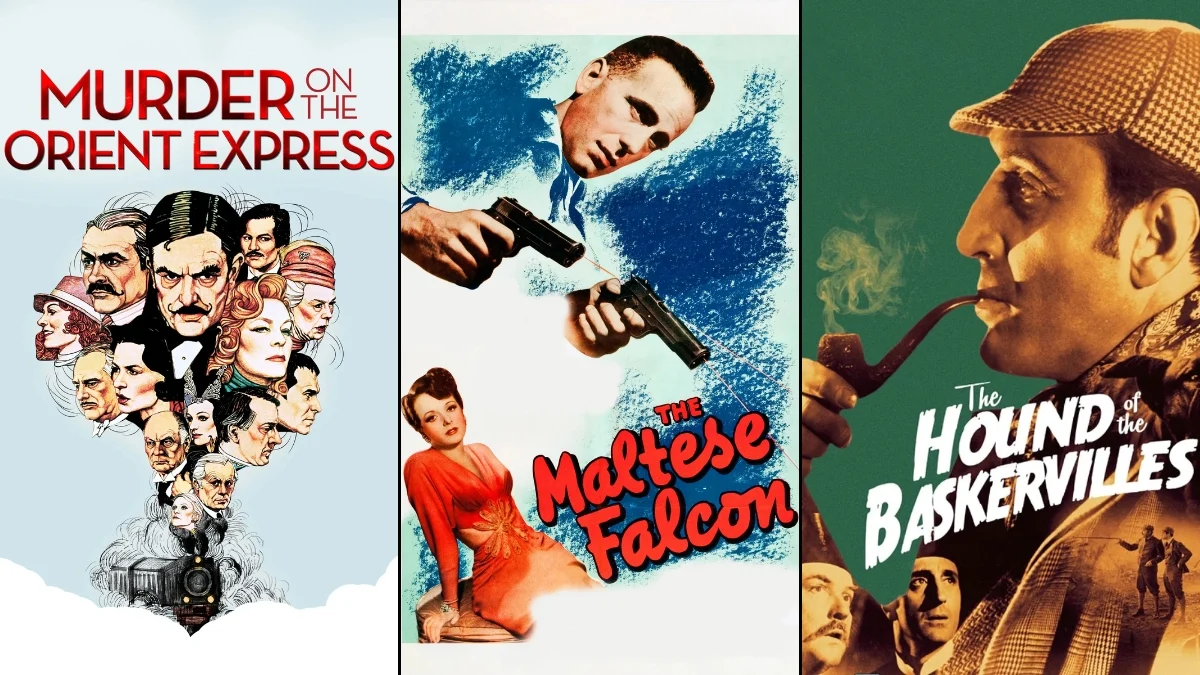

Mystery literature has long provided a fertile ground for cinematic and television adaptations, offering intricate plots and compelling character studies that translate effectively to the screen. From the hard-boiled detectives of the mid-20th century to the psychological thrillers of the modern era, these adaptations have redefined visual storytelling. This list explores the most significant mystery novels that have successfully transitioned from the page to a visual medium.
‘The Silence of the Lambs’ (1991)
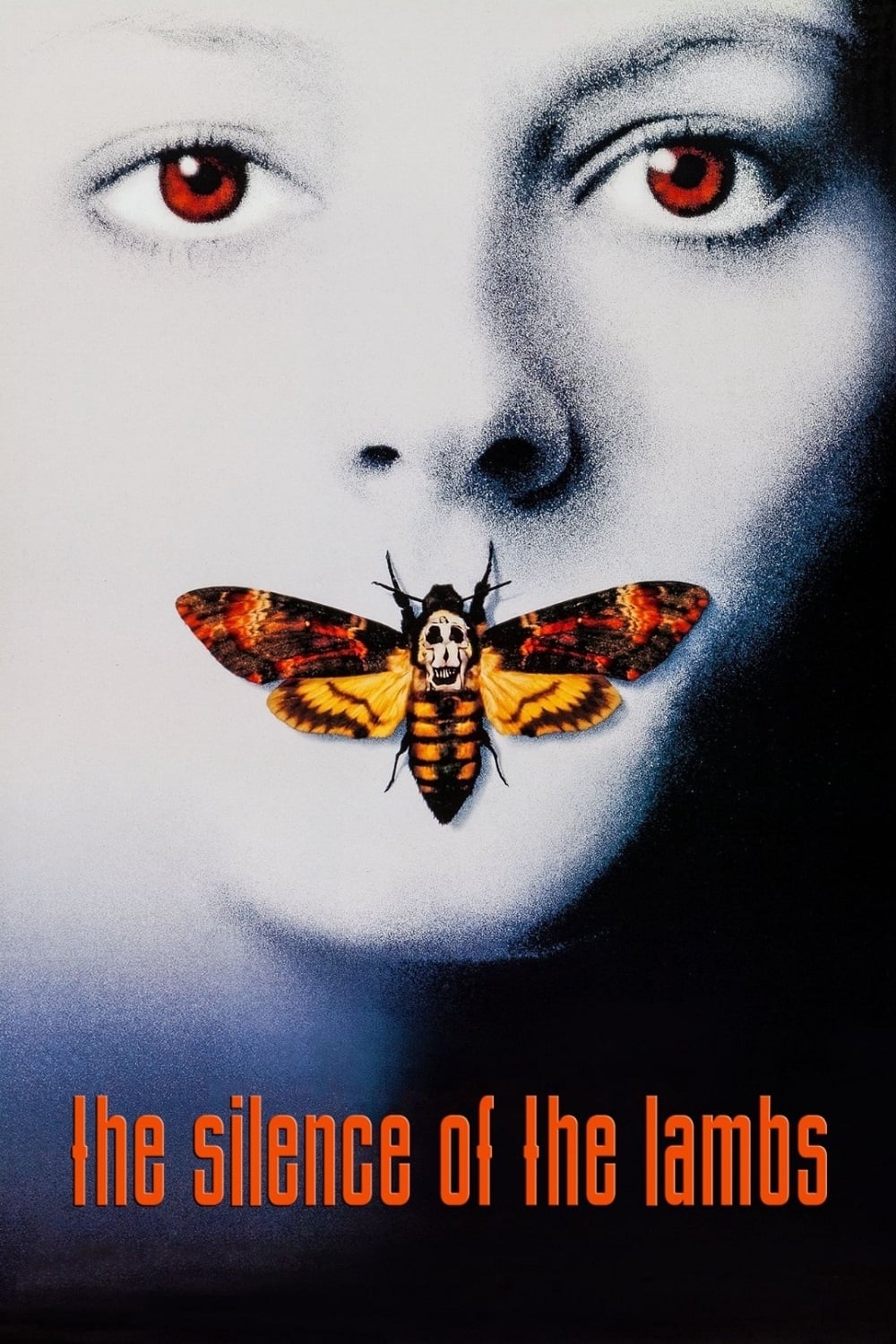
Based on the novel by Thomas Harris, this adaptation follows FBI trainee Clarice Starling as she seeks the assistance of the incarcerated Dr. Hannibal Lecter. Starling’s primary goal is to gain psychological insights that will help her capture a serial killer known as Buffalo Bill. The narrative explores the complex dynamic between the young agent and the brilliant, cannibalistic psychiatrist. It became a rare genre film to win the five major Academy Awards, including Best Picture and Best Adapted Screenplay.
‘The Girl with the Dragon Tattoo’ (2011)

This film is based on the first installment of Stieg Larsson’s Millennium series and was directed by David Fincher. The story involves journalist Mikael Blomkvist, who is hired to investigate the disappearance of a wealthy industrialist’s niece that occurred forty years prior. He is joined by Lisbeth Salander, a highly skilled computer hacker with a troubled past and a distinct sense of justice. Together, they uncover a dark history of violence and corruption hidden within a powerful Swedish family.
‘Gone Girl’ (2014)
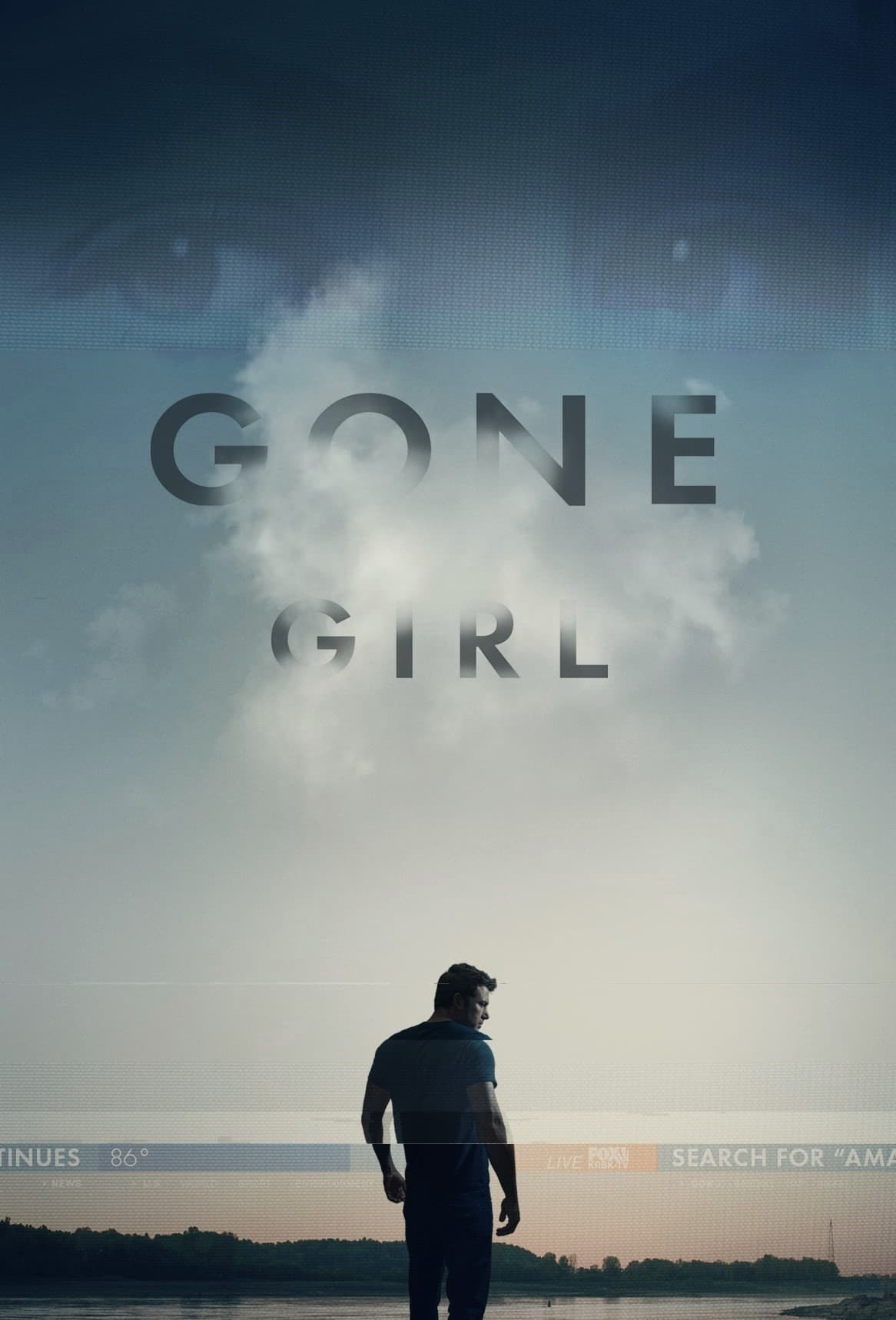
Adapted by Gillian Flynn from her own bestselling novel, this mystery centers on the sudden disappearance of Amy Dunne on her fifth wedding anniversary. Her husband, Nick, becomes the focal point of a media frenzy and the lead suspect in a potential murder investigation. The plot utilizes a shifting narrative structure to reveal the complexities and deceptions within the couple’s marriage. The film is noted for its exploration of public perception and the performative aspects of modern relationships.
‘Rebecca’ (1940)
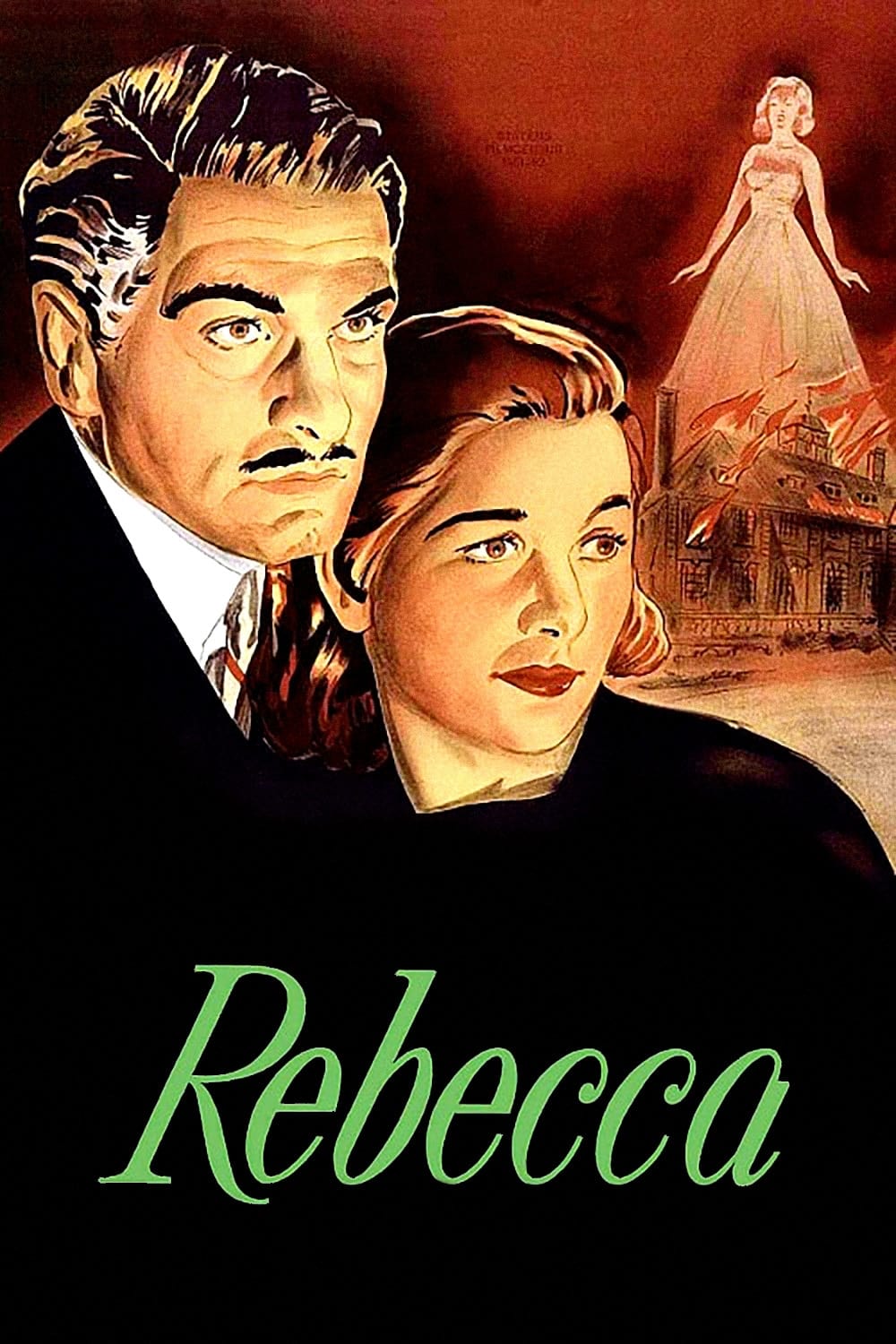
Directed by Alfred Hitchcock and based on the novel by Daphne du Maurier, this gothic mystery follows a young woman who marries a wealthy widower. Upon arriving at his vast estate, Manderley, she finds herself living in the shadow of his first wife, Rebecca, who died under mysterious circumstances. The housekeeper, Mrs. Danvers, remains obsessively loyal to the deceased woman and seeks to undermine the new bride. The film explores themes of memory, jealousy, and the secrets hidden within a grand household.
‘The Maltese Falcon’ (1941)
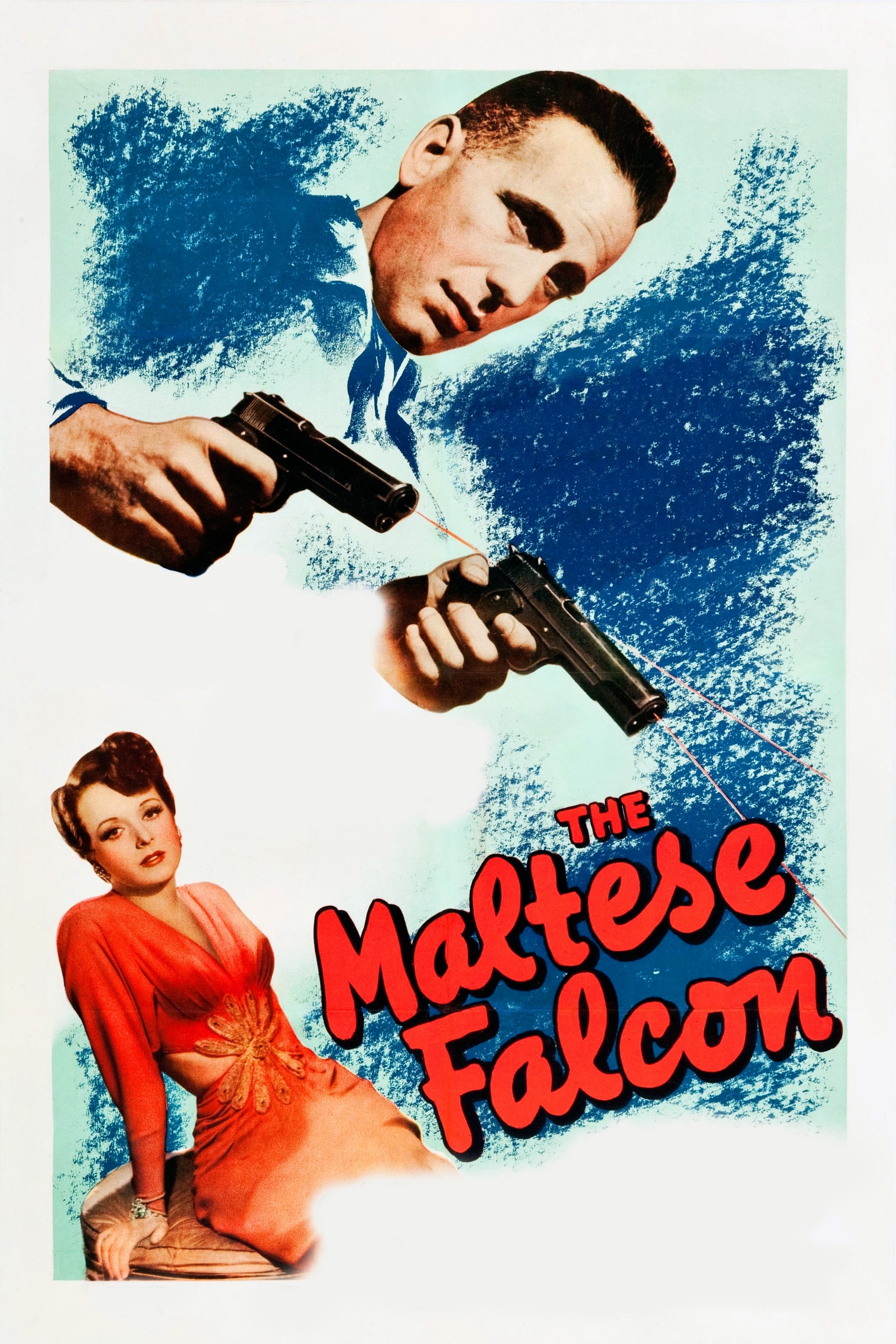
This adaptation of Dashiell Hammett’s novel features private investigator Sam Spade, who gets drawn into a deadly hunt for a jewel-encrusted statuette. After his partner is murdered, Spade must navigate a web of criminals, including a mysterious femme fatale and a group of ruthless treasure hunters. The story is a quintessential example of hard-boiled detective fiction and helped establish the film noir genre. It focuses on Spade’s cynical worldview and his strict adherence to a personal professional code.
‘The Big Sleep’ (1946)
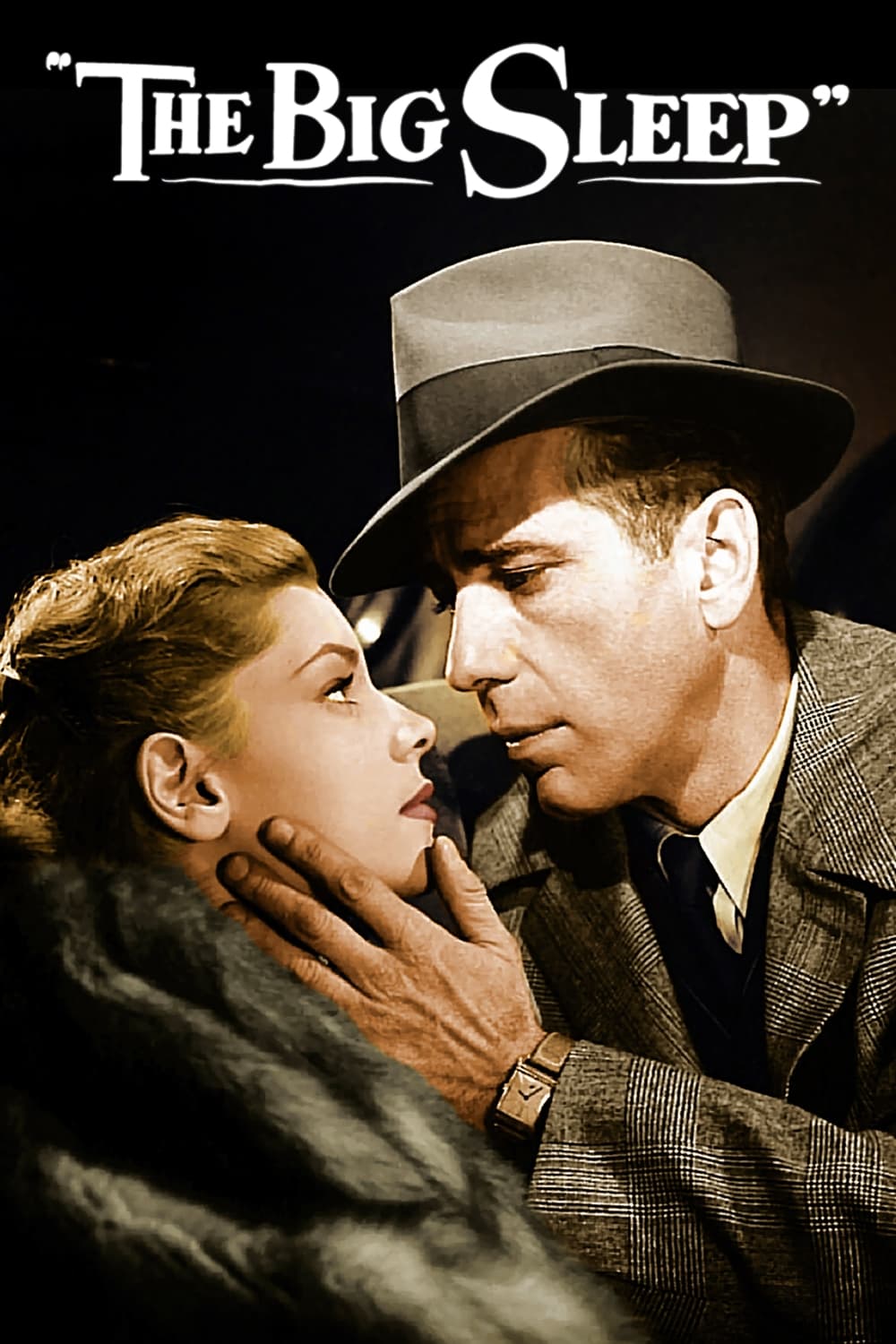
Based on Raymond Chandler’s debut novel, the film stars Humphrey Bogart as private investigator Philip Marlowe. Marlowe is hired by a wealthy general to investigate a blackmail attempt involving his younger daughter, but he soon discovers a series of murders and kidnappings. The narrative is famously complex, involving various underground criminal figures and family secrets. This adaptation is celebrated for its atmospheric cinematography and the chemistry between its lead actors.
‘L.A. Confidential’ (1997)

Adapted from James Ellroy’s novel, this film examines police corruption and celebrity scandals in 1950s Los Angeles. Three very different detectives find themselves investigating a massacre at a diner, which leads them toward a massive conspiracy involving the police department. The story highlights the contrast between the glamorous image of the city and its dark, violent reality. It received critical acclaim for its intricate screenplay and for staying true to the grim tone of the original book.
‘Murder on the Orient Express’ (1974)
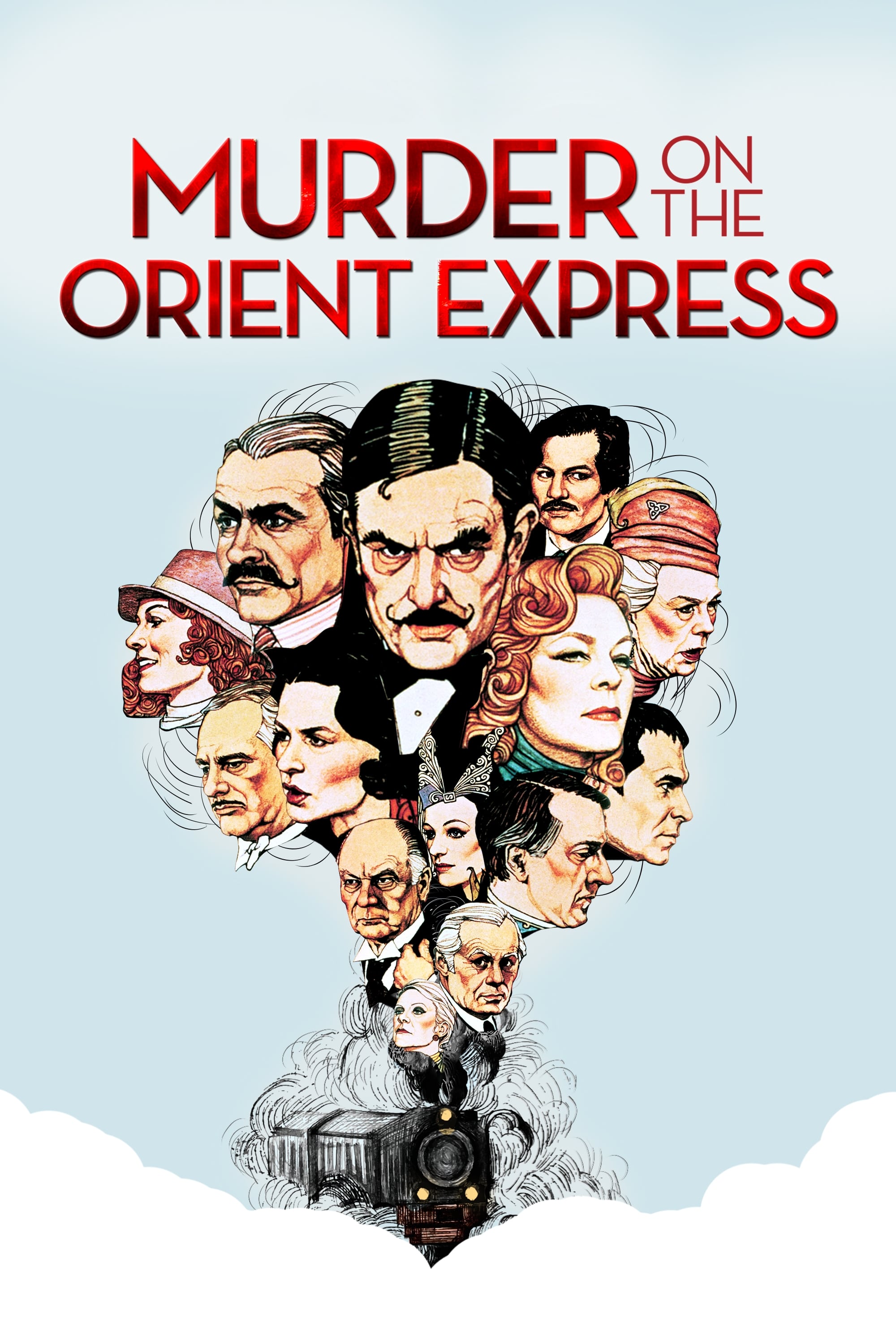
This adaptation of Agatha Christie’s famous novel features detective Hercule Poirot investigating a murder aboard a luxurious transcontinental train. After the train is stalled by a snowdrift, a wealthy American businessman is found stabbed to death in his compartment. Poirot must interview a diverse group of passengers, all of whom seem to have a motive for the crime. The film is recognized for its star-studded ensemble cast and its faithful recreation of the novel’s classic whodunit structure.
‘Shutter Island’ (2010)
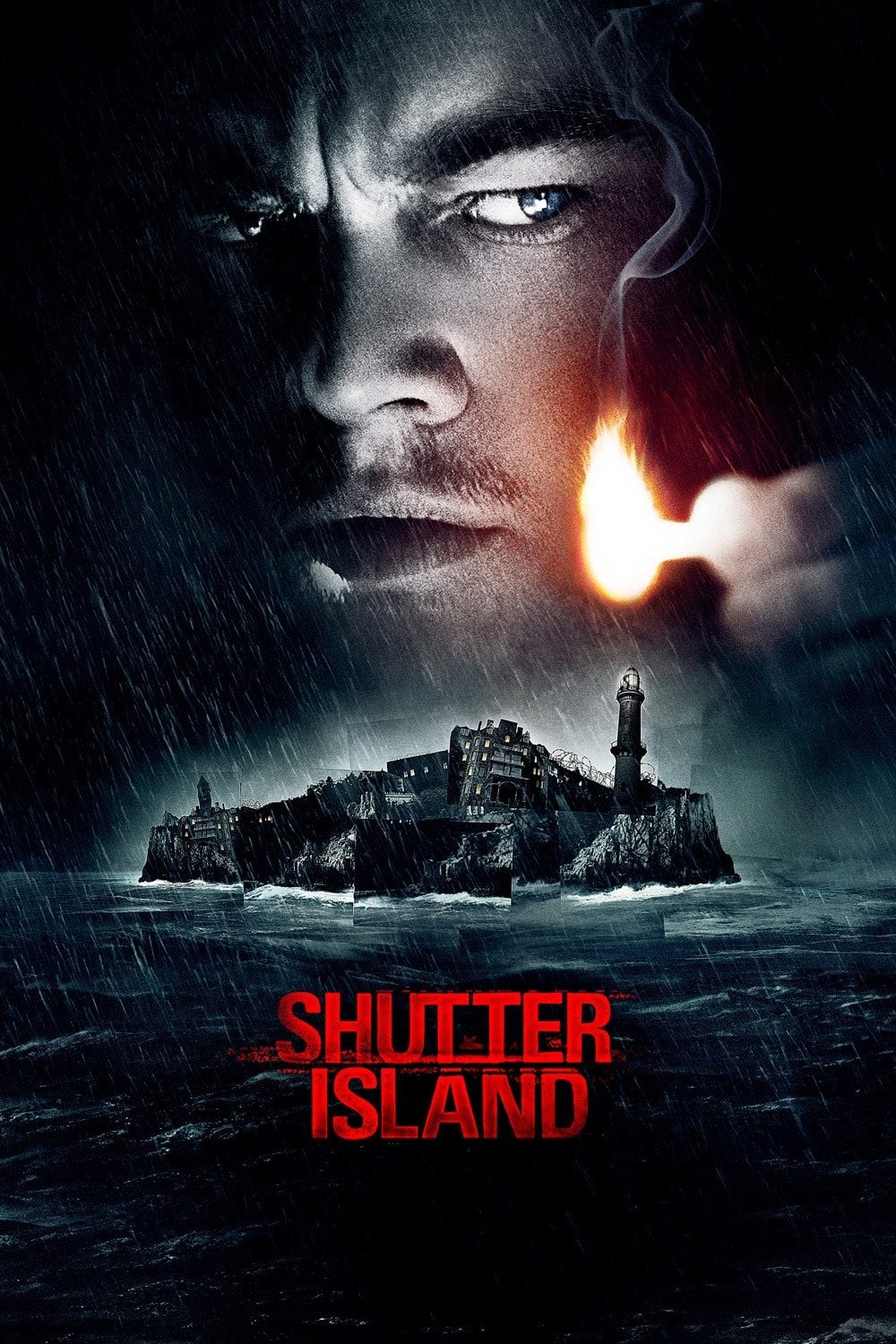
Directed by Martin Scorsese and based on the novel by Dennis Lehane, this mystery is set in 1954 at an asylum for the criminally insane. U.S. Marshal Teddy Daniels arrives at the island to investigate the disappearance of a patient who seemingly vanished from a locked room. As he delves deeper into the investigation, he begins to question the hospital’s treatments and his own grasp on reality. The story is known for its atmospheric tension and its psychological twists regarding the protagonist’s past.
‘Mystic River’ (2003)

Based on the novel by Dennis Lehane, this film explores the lives of three childhood friends in Boston who are reunited by a tragic murder. When the daughter of one of the men is found dead, one friend becomes the lead investigator while the other becomes a primary suspect. The mystery serves as a vehicle to examine the long-term effects of trauma and the breakdown of community ties. It received significant awards for its performances and its stark portrayal of grief and suspicion.
‘Double Indemnity’ (1944)
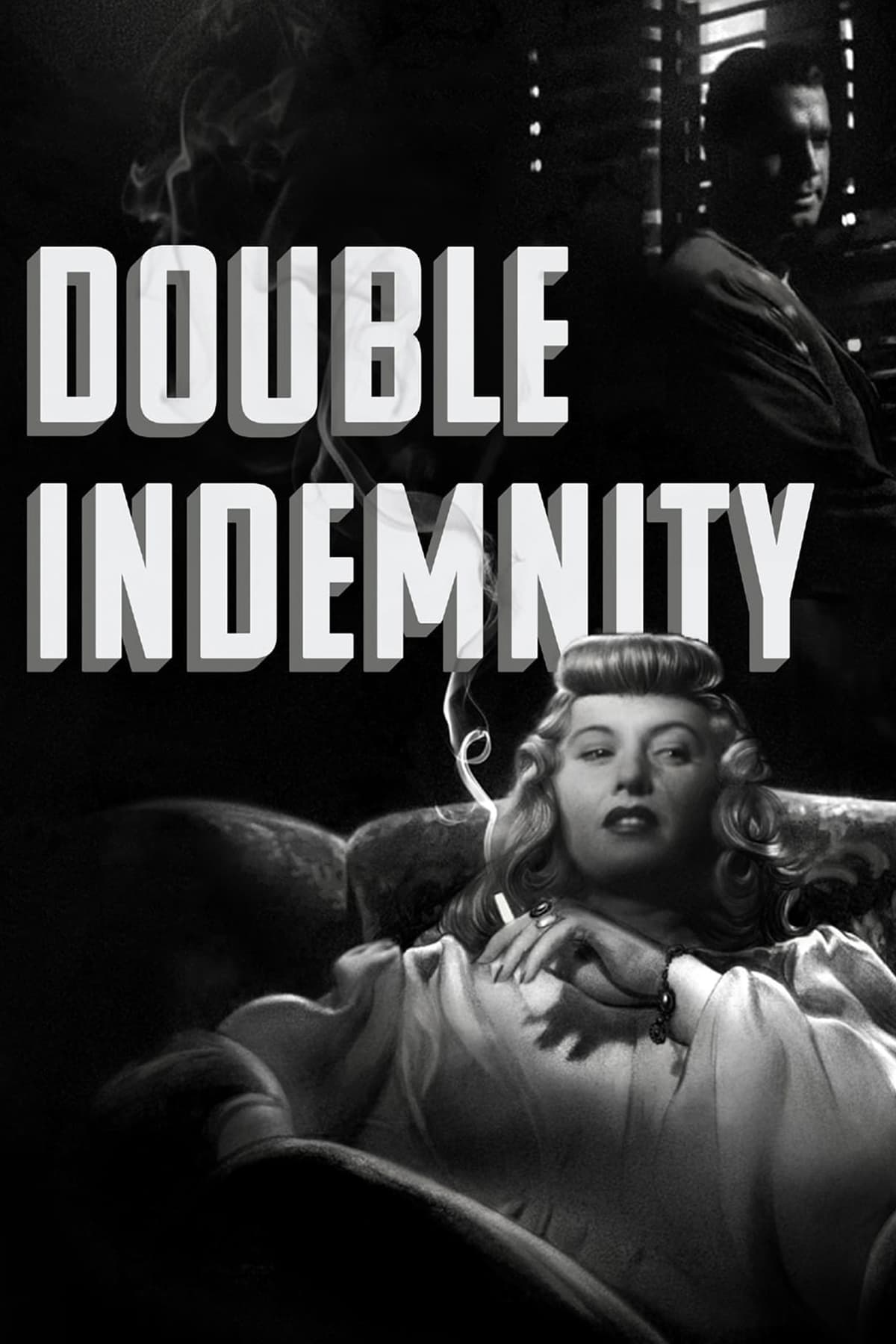
This film noir classic is based on the novella by James M. Cain and follows an insurance salesman who conspires with a client’s wife to murder her husband. The pair aims to collect a double indemnity payout, which requires the death to occur under specific accidental circumstances. Their plan is complicated by a persistent claims adjuster who begins to suspect foul play. The narrative is told through a flashback as the protagonist confesses his crimes, emphasizing the inevitability of his downfall.
‘The Talented Mr. Ripley’ (1999)
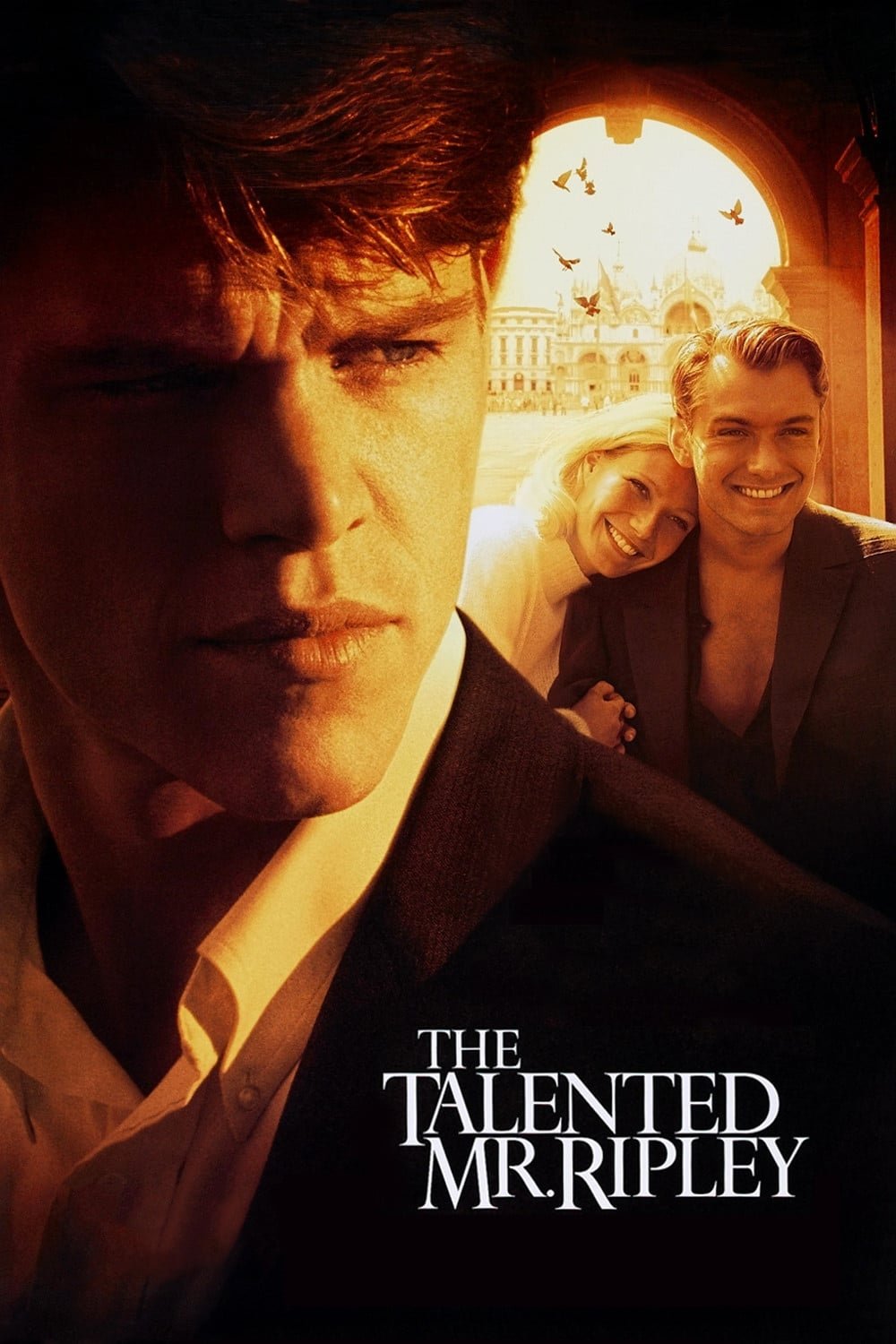
Adapted from Patricia Highsmith’s psychological thriller, the story follows Tom Ripley, a young man sent to Italy to retrieve a wealthy socialite named Dickie Greenleaf. Ripley becomes enamored with Dickie’s lifestyle and begins to manipulate his way into the social circle through deception and forgery. When his lies are threatened, Ripley resorts to increasingly desperate and violent measures to maintain his new identity. The film explores themes of class envy, identity theft, and the moral vacuum of its protagonist.
‘Tinker Tailor Soldier Spy’ (2011)
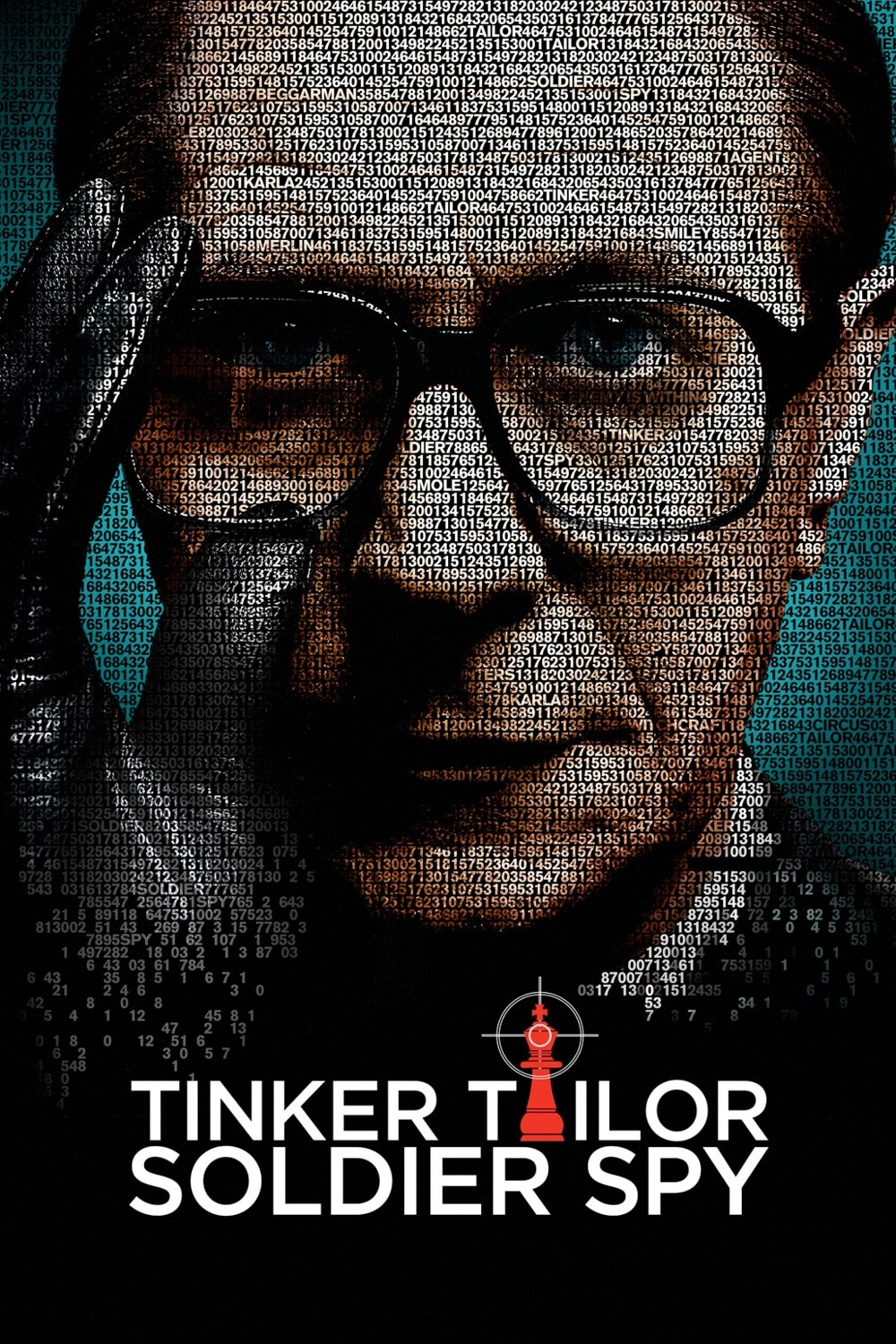
Based on the novel by John le Carré, this Cold War mystery centers on semi-retired intelligence officer George Smiley. He is tasked with identifying a Soviet mole hidden within the highest levels of the British Secret Intelligence Service. The investigation requires Smiley to meticulously re-examine old files and conduct clandestine interviews to uncover a traitor among his former colleagues. The adaptation is praised for its deliberate pacing and its realistic, unglamorous depiction of espionage.
‘In the Heat of the Night’ (1967)
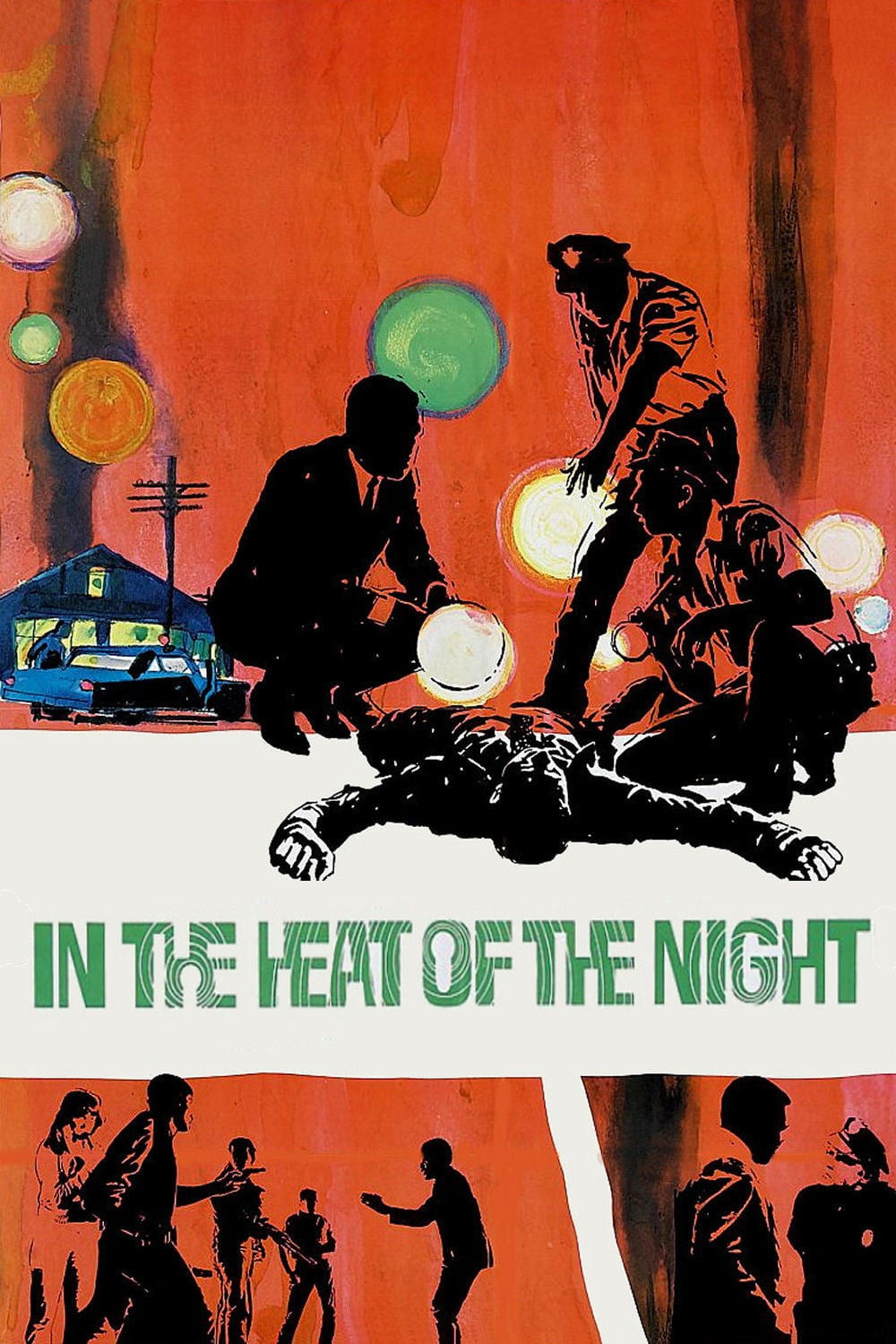
Adapted from the novel by John Ball, this mystery focuses on Virgil Tibbs, a Black detective from Philadelphia who becomes involved in a murder case in a small Mississippi town. Tibbs is forced to collaborate with the town’s prejudiced police chief to solve the killing of a local businessman. Their investigation must overcome systemic racism and local hostility while navigating complex forensic evidence. The film is a landmark work that combined social commentary with a procedural mystery.
‘Strangers on a Train’ (1951)
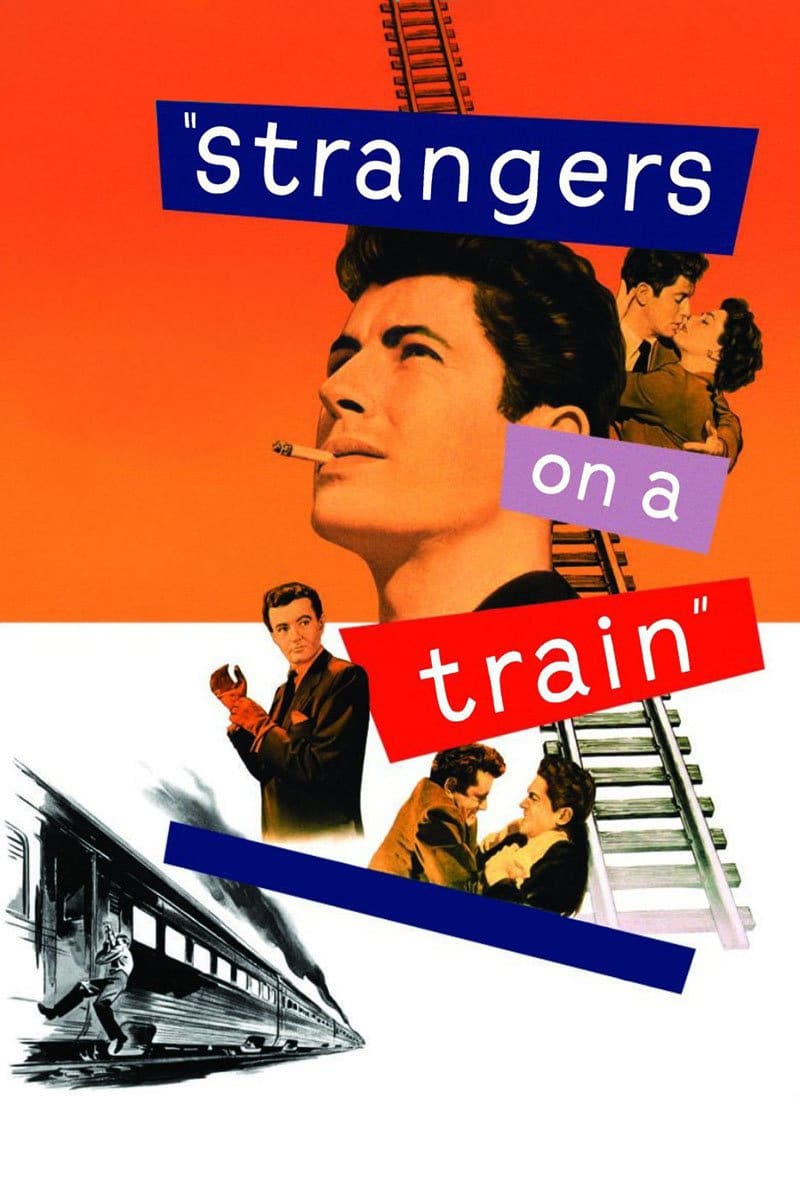
Directed by Alfred Hitchcock and based on the novel by Patricia Highsmith, the plot involves two strangers who meet on a train and discuss the idea of “crisscross” murders. One man, a wealthy socialite, takes the proposition seriously and murders the other man’s estranged wife, then demands the favor be returned. The story follows the terrified tennis star as he is stalked and pressured into committing a crime he never intended to authorize. It is widely considered one of the definitive suspense thrillers of the 1950s.
‘No Country for Old Men’ (2007)
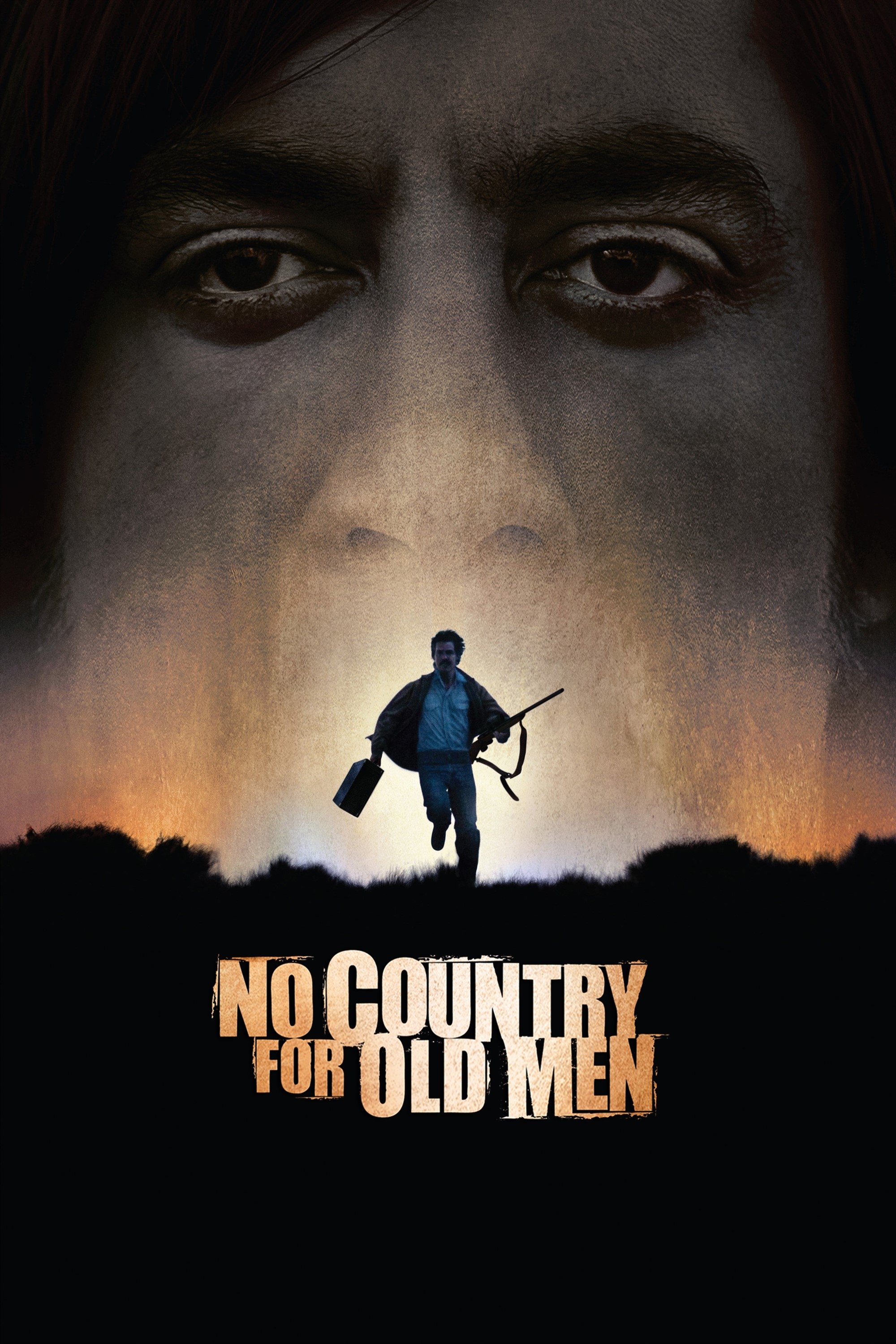
Based on the novel by Cormac McCarthy, the story begins when a hunter stumbles upon a botched drug deal and a suitcase full of cash in the Texas desert. He is pursued by Anton Chigurh, a relentless and enigmatic hitman who uses a coin toss to decide the fate of those he encounters. A veteran sheriff investigates the escalating violence while reflecting on the changing nature of crime in the modern world. The film is noted for its lack of a traditional musical score and its stark, philosophical tone.
‘Misery’ (1990)
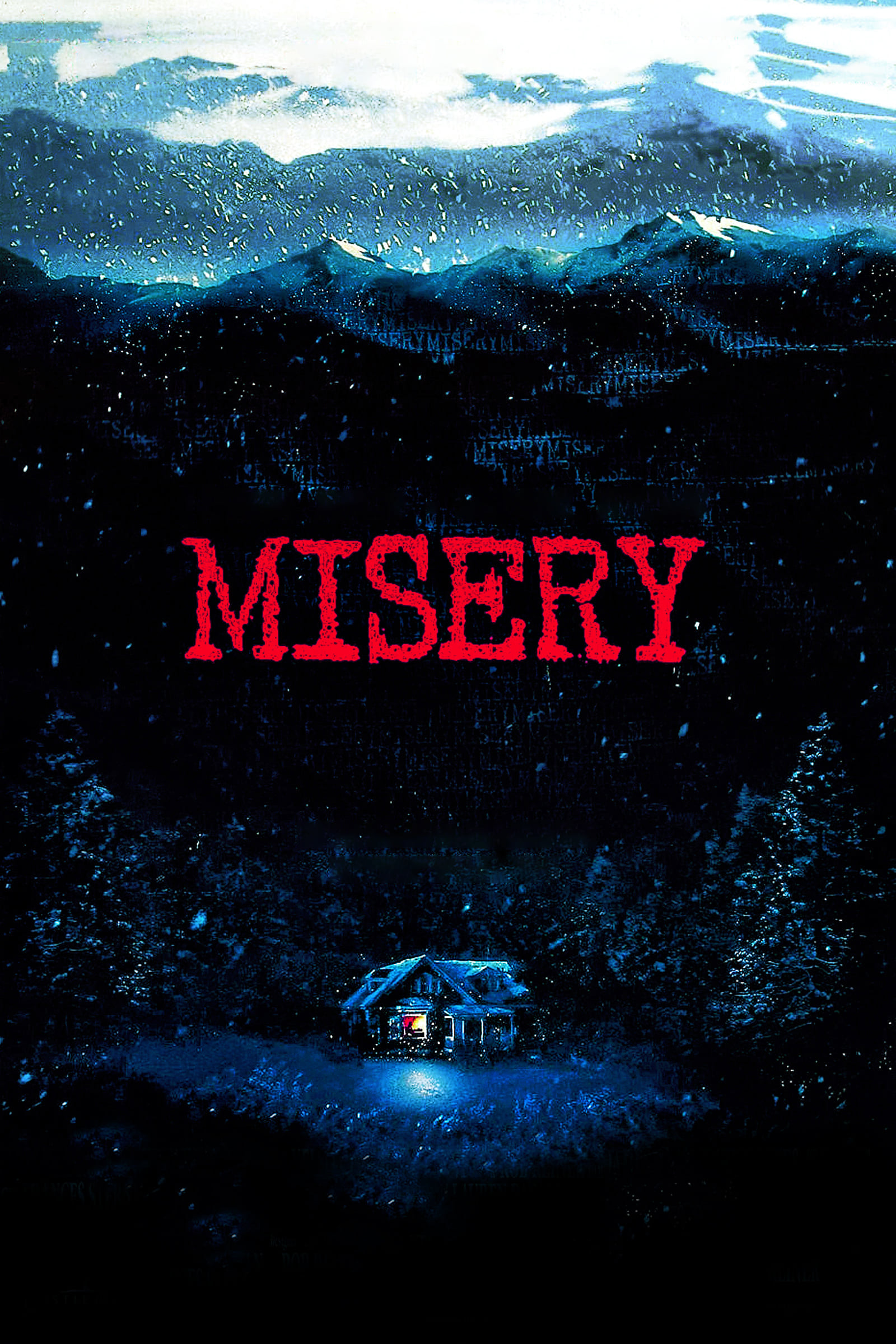
Adapted from Stephen King’s novel, the mystery centers on famous author Paul Sheldon, who is rescued from a car crash by his self-proclaimed “number one fan,” Annie Wilkes. Sheldon soon discovers that Wilkes is a mentally unstable woman who holds him captive and demands he rewrite his latest novel to her satisfaction. As he attempts to escape, he discovers the dark history of his captor’s past through newspaper clippings. The film is a tight psychological thriller that focuses on the tension between the two characters in a confined space.
‘Anatomy of a Murder’ (1959)
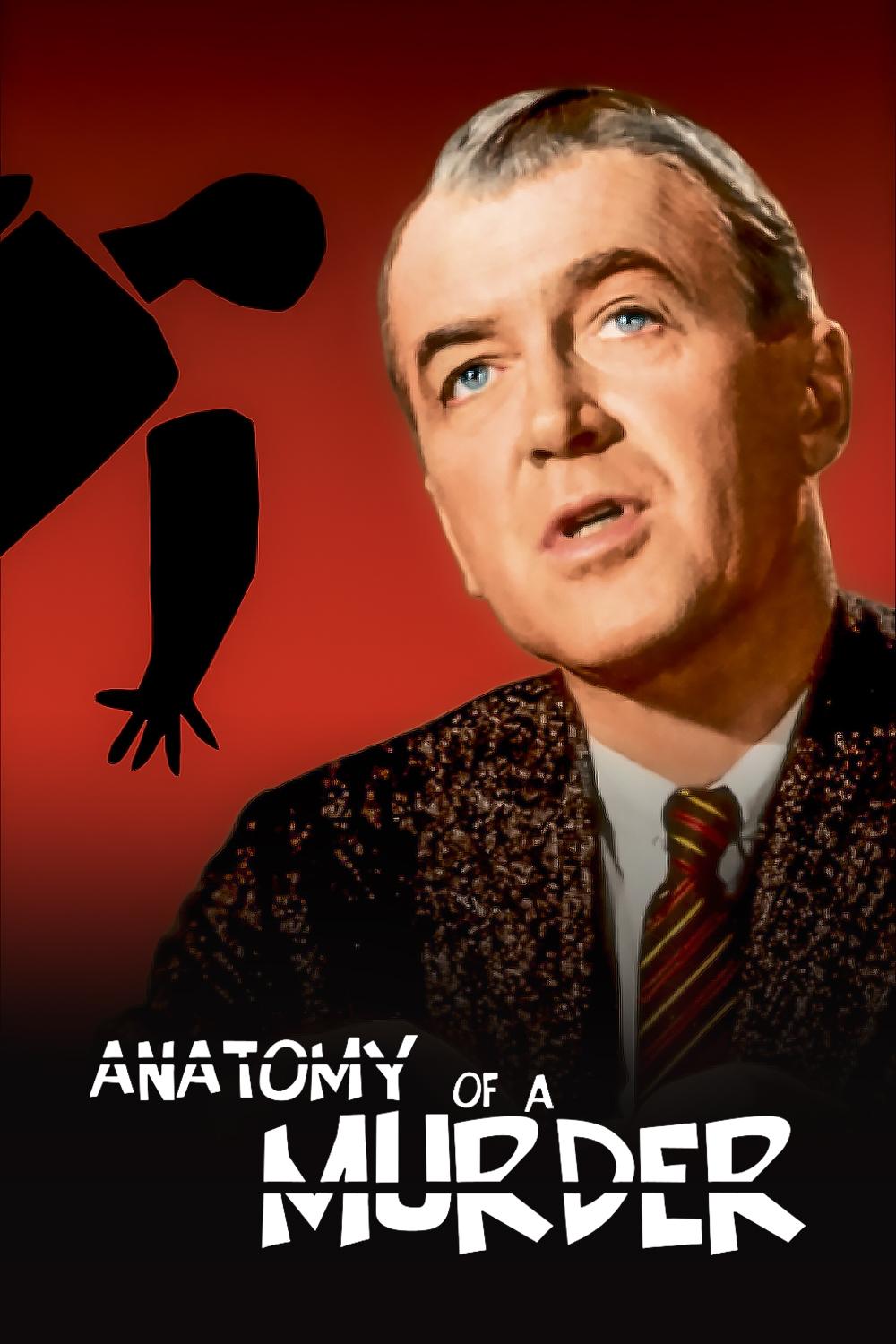
Based on the novel by Robert Traver, this courtroom mystery follows a small-town lawyer who defends an Army lieutenant accused of murdering a local innkeeper. The defendant claims he acted in the heat of passion after the victim allegedly assaulted his wife. The lawyer must navigate complex legal maneuvers and shifting testimonies to uncover the truth behind the conflicting accounts. It is recognized for its frank depiction of sexual assault and its realistic portrayal of the judicial process.
‘The Name of the Rose’ (1986)
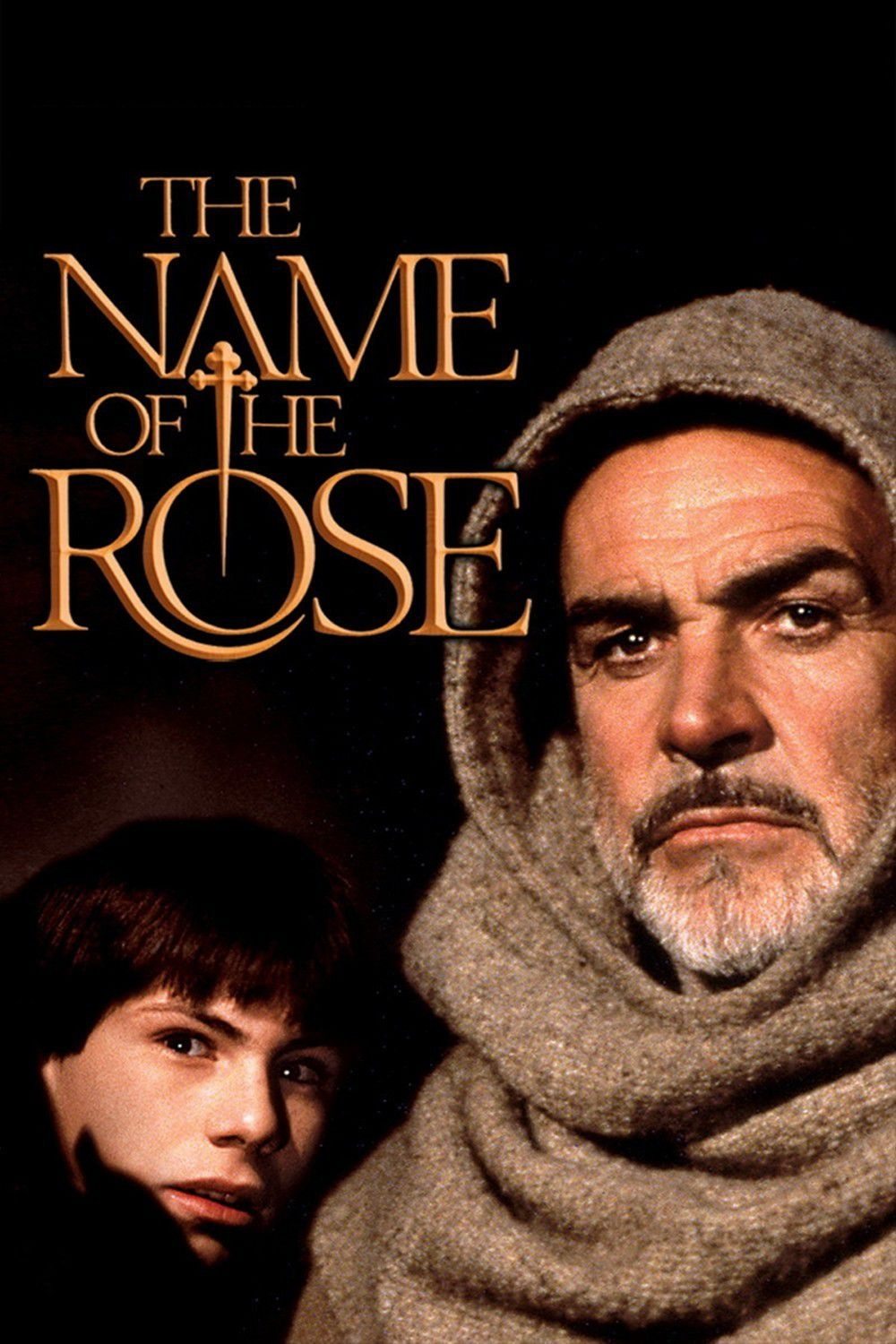
Adapted from Umberto Eco’s historical mystery, the story is set in a 14th-century Italian monastery where a series of bizarre deaths occur. Franciscan friar William of Baskerville and his young novice arrive at the abbey to investigate the potential murders while attending a theological debate. Their inquiry uncovers a hidden library and a conspiracy involving forbidden knowledge and the Inquisition. The film blends historical drama with a traditional detective narrative.
‘Red Dragon’ (2002)
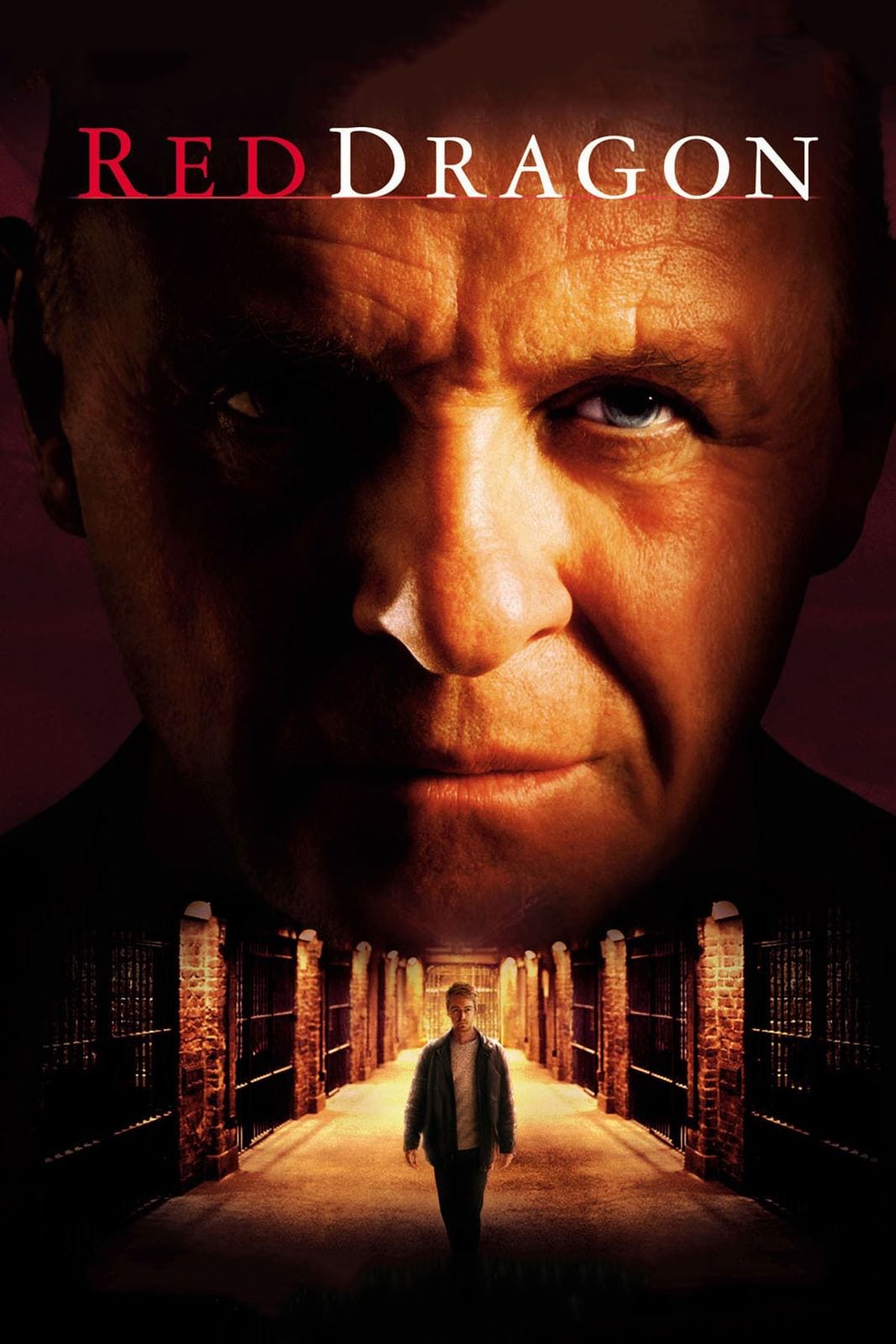
This film is based on Thomas Harris’s novel and serves as a prequel to ‘The Silence of the Lambs’. It follows FBI agent Will Graham, who comes out of retirement to track down a serial killer known as the Tooth Fairy. Graham utilizes his unique ability to empathize with killers, a trait that previously led him to capture Hannibal Lecter. To solve the current case, Graham is forced to consult with Lecter, leading to a dangerous psychological game.
‘Gone Baby Gone’ (2007)
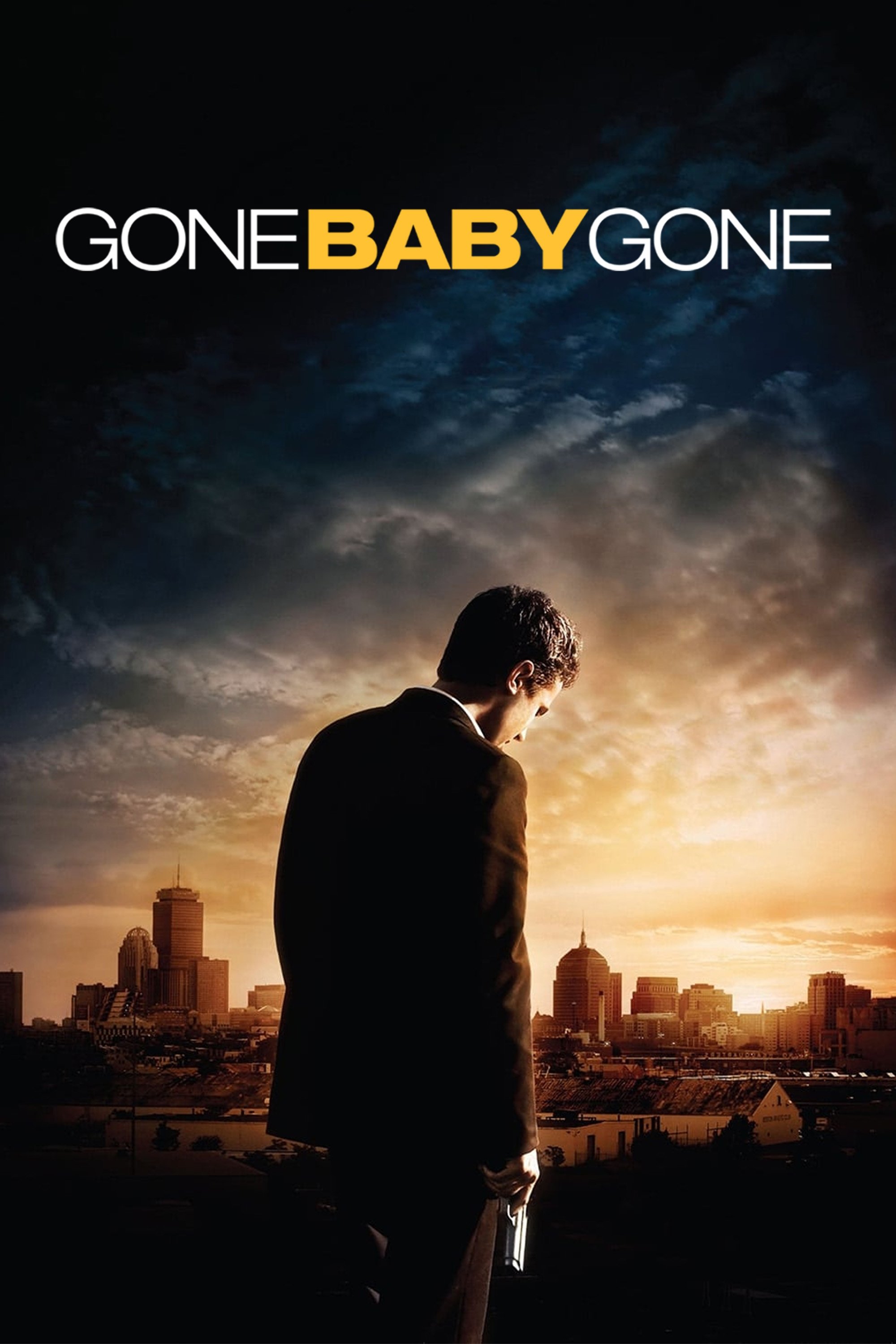
Based on the novel by Dennis Lehane, the story follows two private investigators hired to find a missing four-year-old girl in a rough Boston neighborhood. As they delve into the local underworld, they discover a complex web of drug addiction, child abuse, and police corruption. The investigation forces the protagonists to make difficult moral choices that challenge their concepts of law and justice. The film is noted for its gritty realism and its focus on the ethical dilemmas inherent in the case.
‘The Girl on the Train’ (2016)
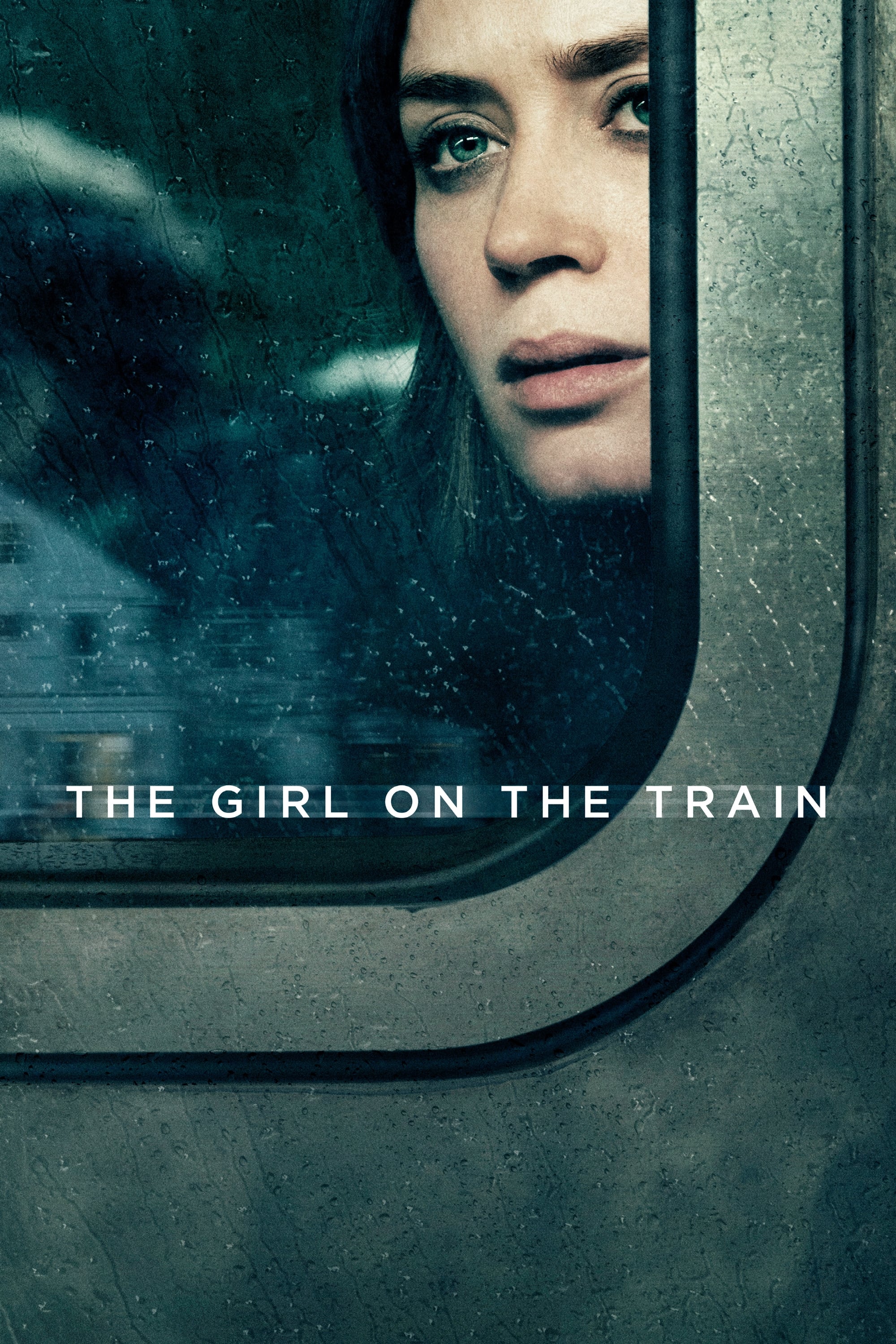
Adapted from Paula Hawkins’s bestseller, this mystery centers on Rachel Watson, an alcoholic who becomes obsessed with a couple she observes from her daily commuter train. When the woman she has been watching goes missing, Rachel becomes entangled in the investigation while struggling with her own memory gaps. The narrative explores themes of domestic gaslighting, addiction, and the unreliability of perception. It uses a fragmented structure to mirror the protagonist’s confused mental state.
‘The Da Vinci Code’ (2006)

Based on Dan Brown’s novel, the plot follows symbologist Robert Langdon as he investigates a murder at the Louvre Museum in Paris. The victim leaves behind a series of cryptic clues that lead Langdon and a cryptologist toward a secret society and a historical cover-up. They are pursued by a religious extremist while attempting to decode messages hidden in the works of Leonardo da Vinci. The film popularized the genre of the “historical conspiracy thriller.”
‘Big Little Lies’ (2017–2019)

This television series is based on Liane Moriarty’s novel and is set in a wealthy coastal community in California. The story begins with a mysterious death at a school fundraiser and then flashes back to examine the lives of several women in the town. Their seemingly perfect lives are gradually revealed to be complicated by secrets, domestic abuse, and social rivalries. The mystery of the victim and the killer’s identity is maintained until the conclusion of the first season.
‘Sharp Objects’ (2018)

Based on the debut novel by Gillian Flynn, this limited series follows crime reporter Camille Preaker as she returns to her hometown to cover the murders of two young girls. Camille must stay in her childhood home, where she is forced to confront her estranged, overbearing mother and her own history of self-harm. The investigation uncovers the dark underbelly of the small town and the toxic nature of Camille’s family history. The production is praised for its atmospheric editing and psychological depth.
‘A Time to Kill’ (1996)
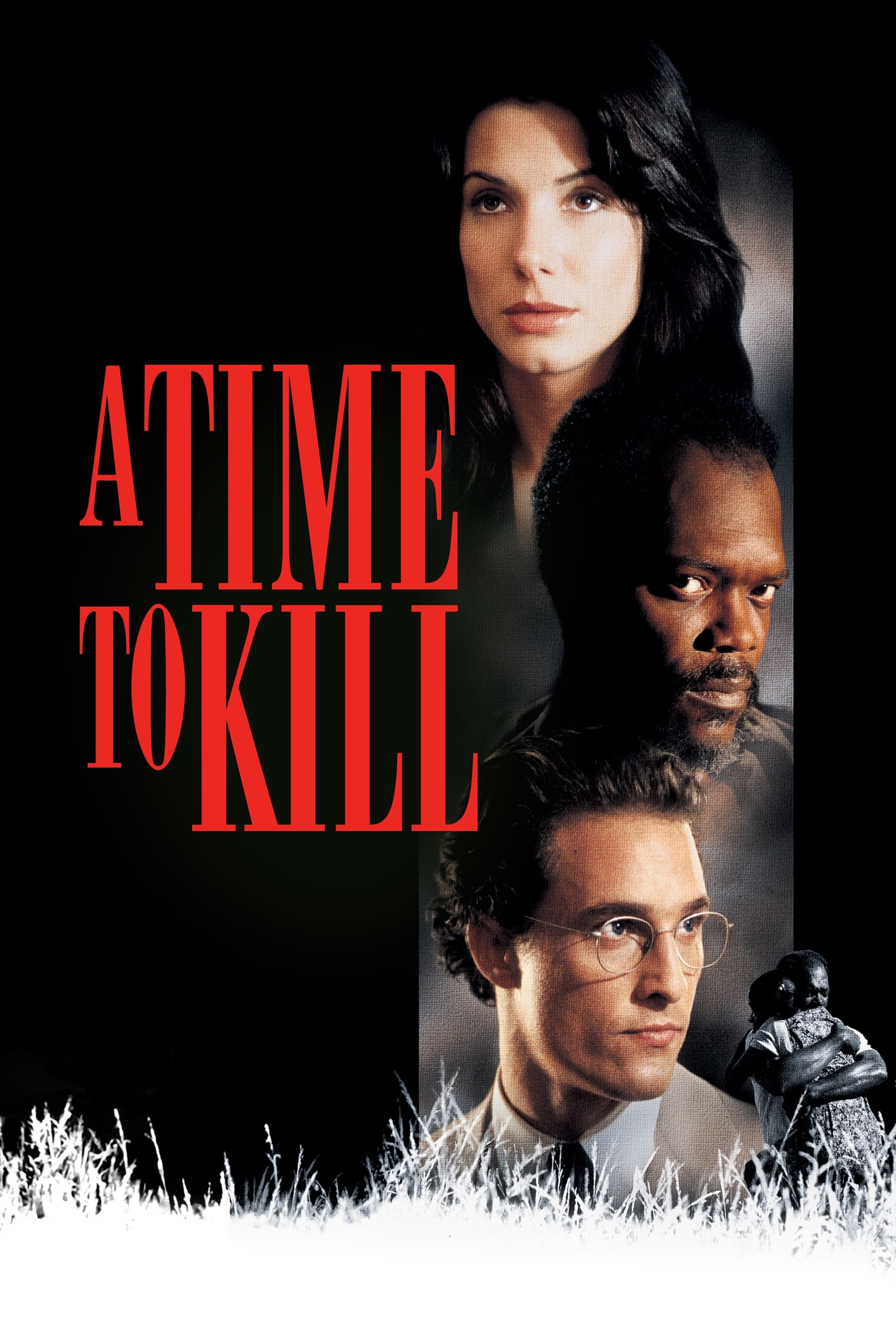
Adapted from John Grisham’s first novel, this legal mystery takes place in a racially divided Mississippi town. A Black man is put on trial for the murder of two men who assaulted his young daughter, leading to a massive legal and social conflict. A young lawyer takes on the case, facing threats from the Ku Klux Klan and a hostile local community. The film examines the intersection of justice, revenge, and racial politics in the American South.
‘Devil in a Blue Dress’ (1995)
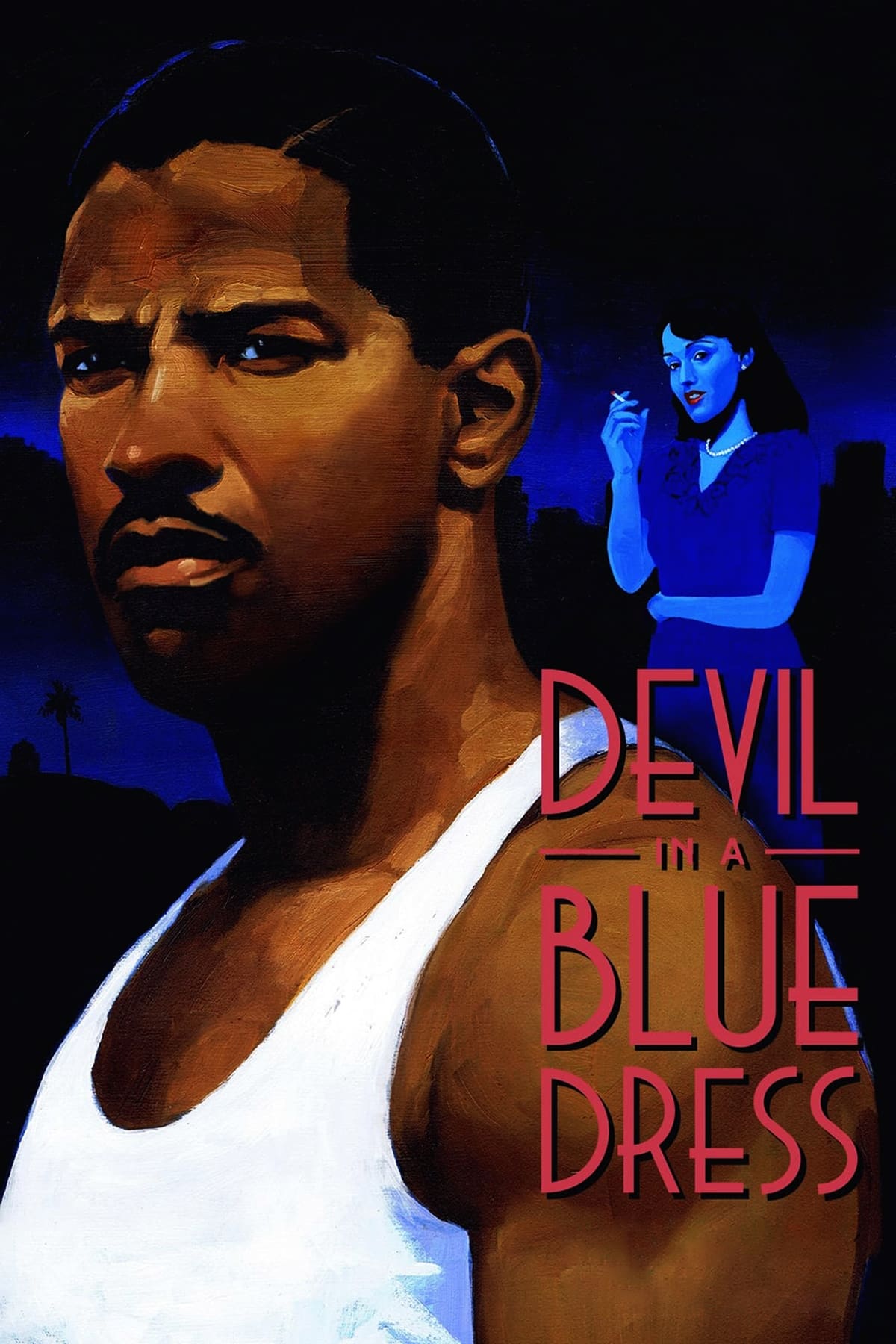
Based on the novel by Walter Mosley, this mystery is set in 1948 Los Angeles and follows Ezekiel “Easy” Rawlins, a Black war veteran who has recently lost his job. Rawlins is hired to find a mysterious white woman who is known to frequent jazz clubs in the city’s Black neighborhoods. The investigation draws him into a world of political corruption, murder, and racial tension. The film is a modern take on the classic detective noir, focusing on the perspective of an outsider.
‘The Postman Always Rings Twice’ (1946)
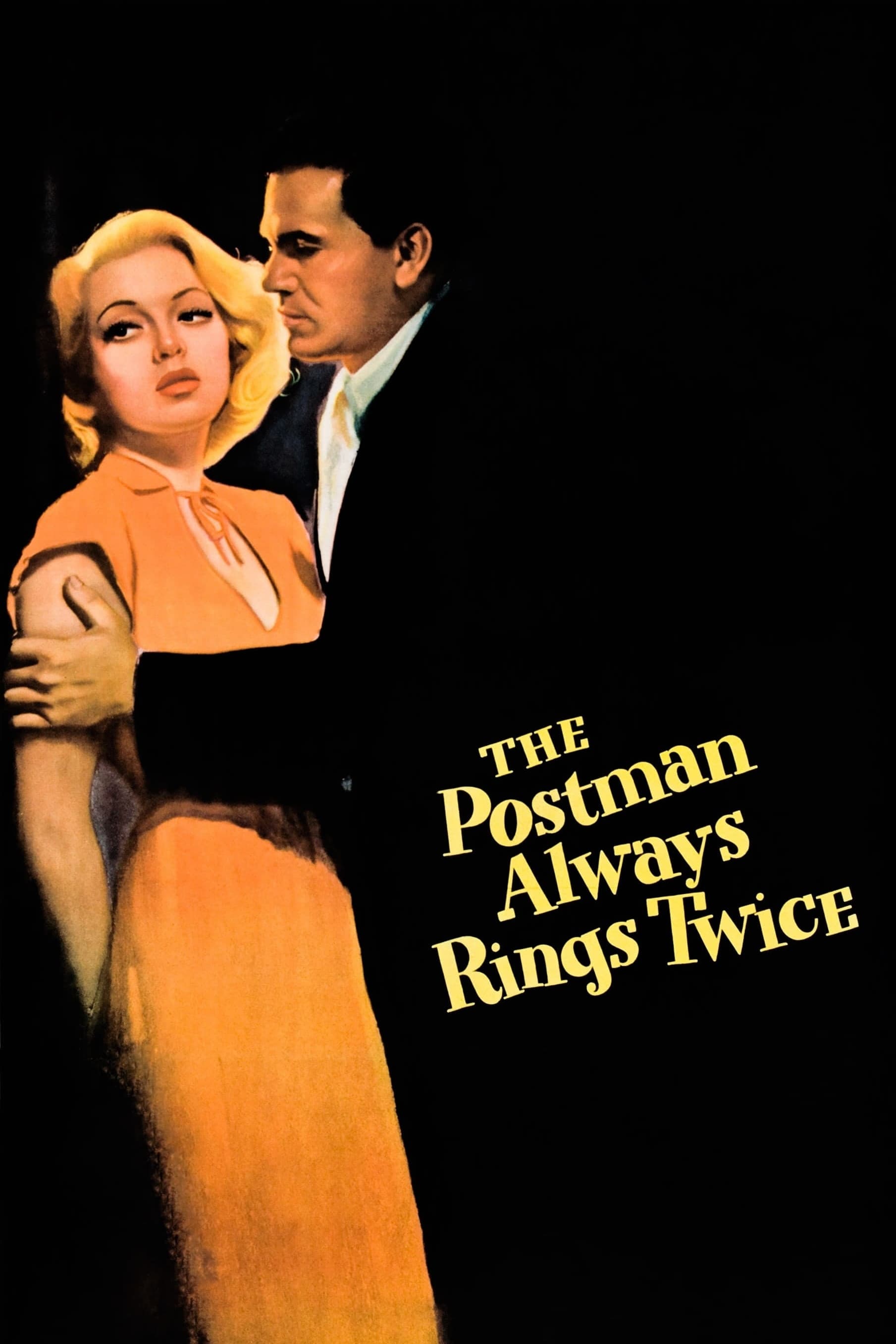
This adaptation of James M. Cain’s novel follows a drifter who takes a job at a roadside diner and begins an affair with the owner’s wife. The two conspire to murder the husband to secure the business and a life together, but their plan is plagued by bad luck and legal scrutiny. The story is a prime example of the “doomed lovers” trope within the noir genre. It explores the themes of obsession and the inevitable consequences of criminal actions.
‘The Lincoln Lawyer’ (2011)
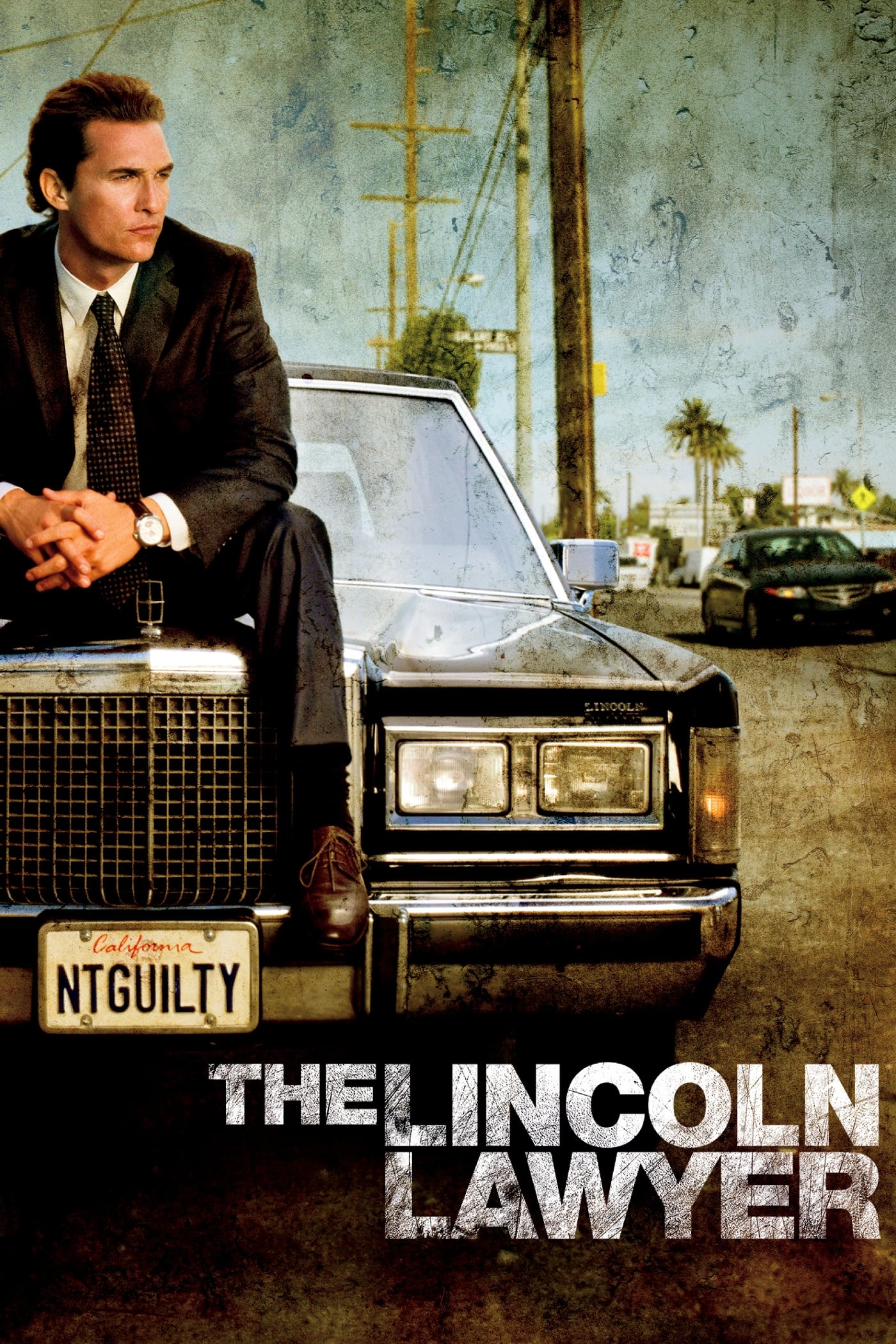
Based on Michael Connelly’s novel, the film centers on Mickey Haller, a defense attorney who operates his practice out of the back of a Lincoln Town Car. Haller is hired to defend a wealthy real estate agent accused of assault, but he soon realizes the case is linked to a previous client’s conviction. He must navigate ethical boundaries and physical threats to uncover the truth without violating attorney-client privilege. The film is recognized for its charismatic lead and its procedural accuracy.
‘Death on the Nile’ (1978)
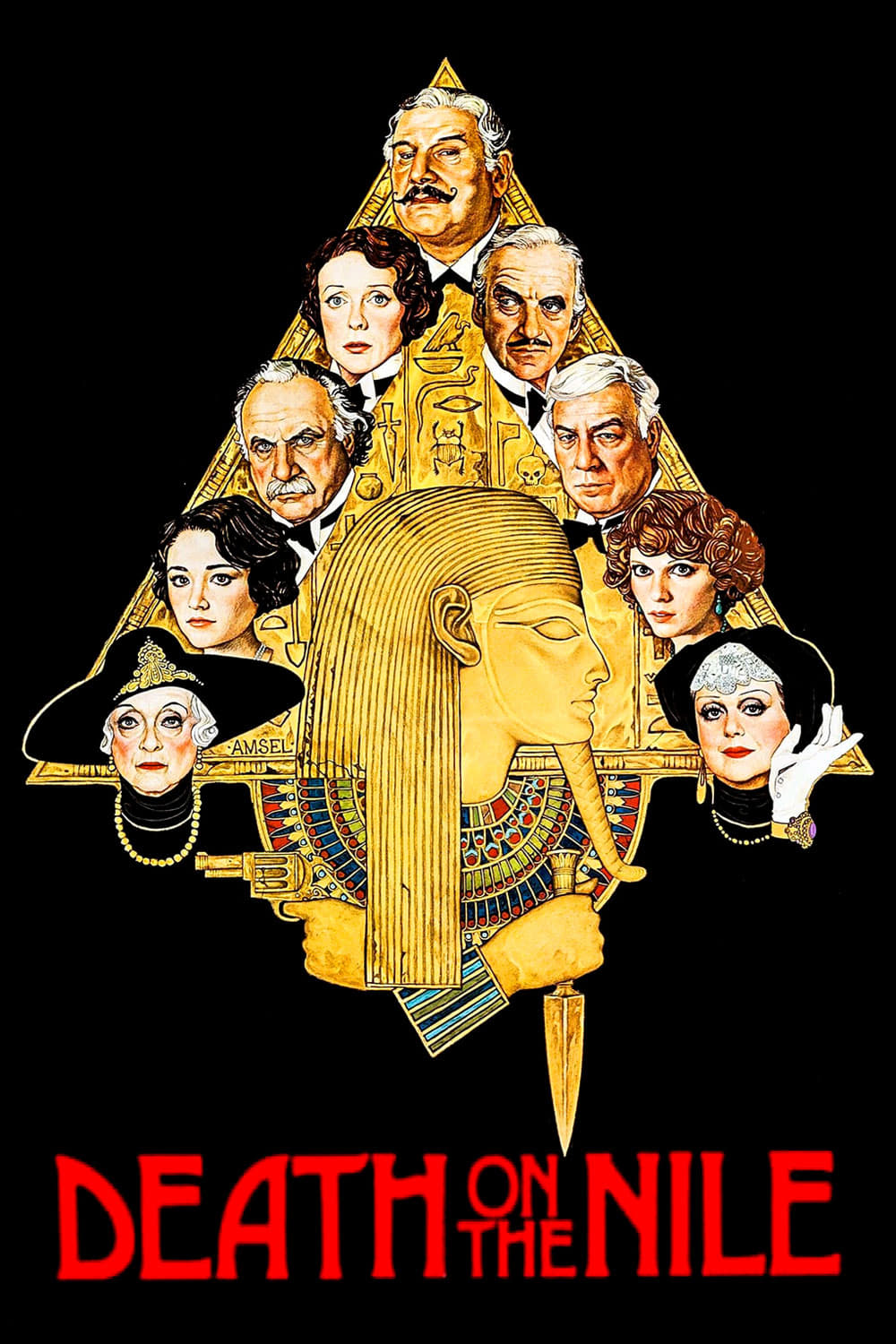
Adapted from the Agatha Christie novel, this film features Hercule Poirot vacationing on a luxury steamer in Egypt. When a wealthy heiress is found murdered, Poirot must investigate the various passengers, many of whom have clear motives for the crime. The production is known for its exotic locations and its large cast of internationally recognized actors. It follows the traditional mystery format of a confined setting and a systematic elimination of suspects.
‘And Then There Were None’ (2015)
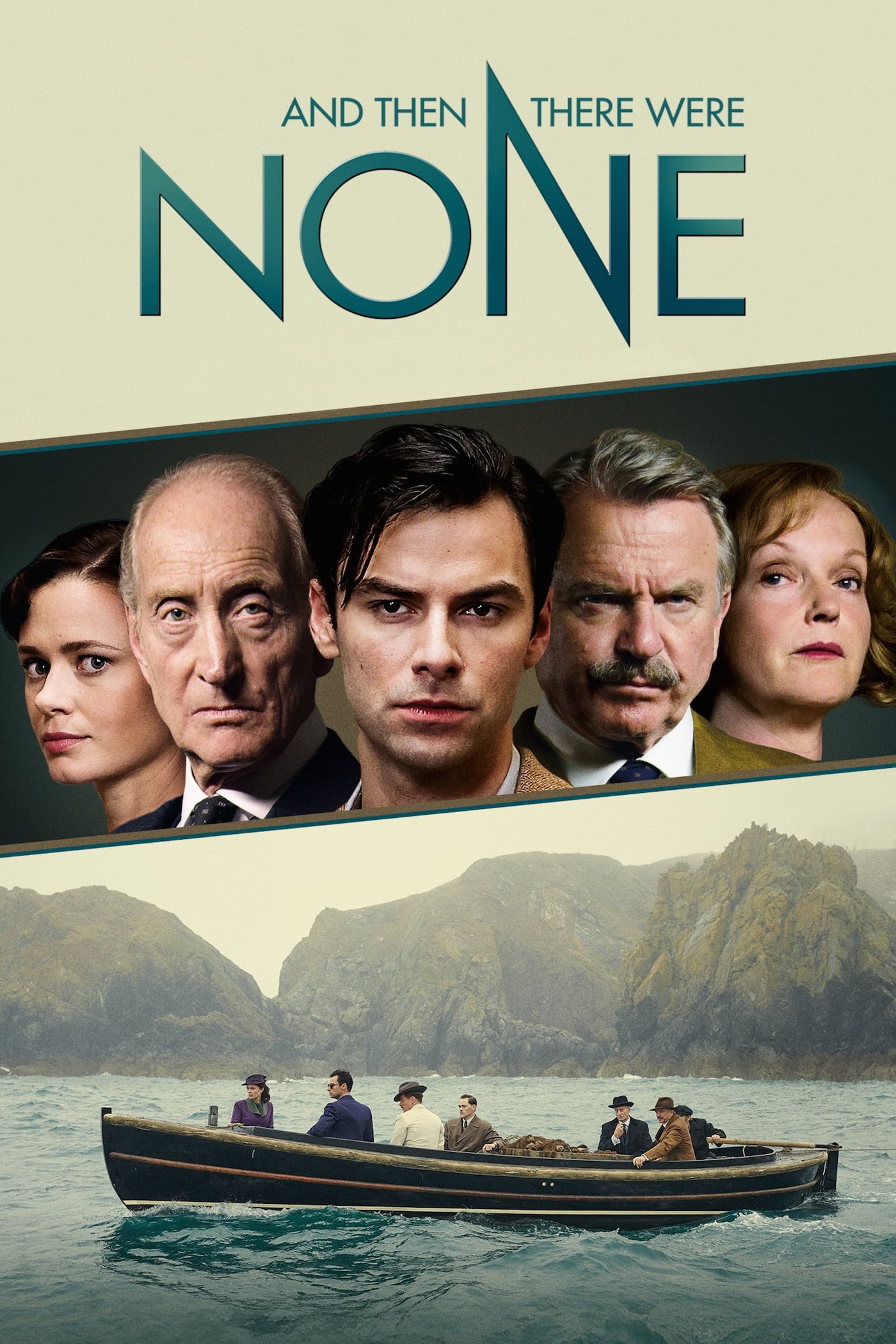
This television miniseries is a faithful adaptation of Agatha Christie’s bestselling mystery novel. Ten strangers are invited to an isolated island by a mysterious host, only to be accused of past crimes for which they were never punished. One by one, the guests are killed in a manner that mirrors a nursery rhyme displayed in the house. The narrative focuses on the growing paranoia and guilt among the survivors as they realize the killer is among them.
‘The Day of the Jackal’ (1973)
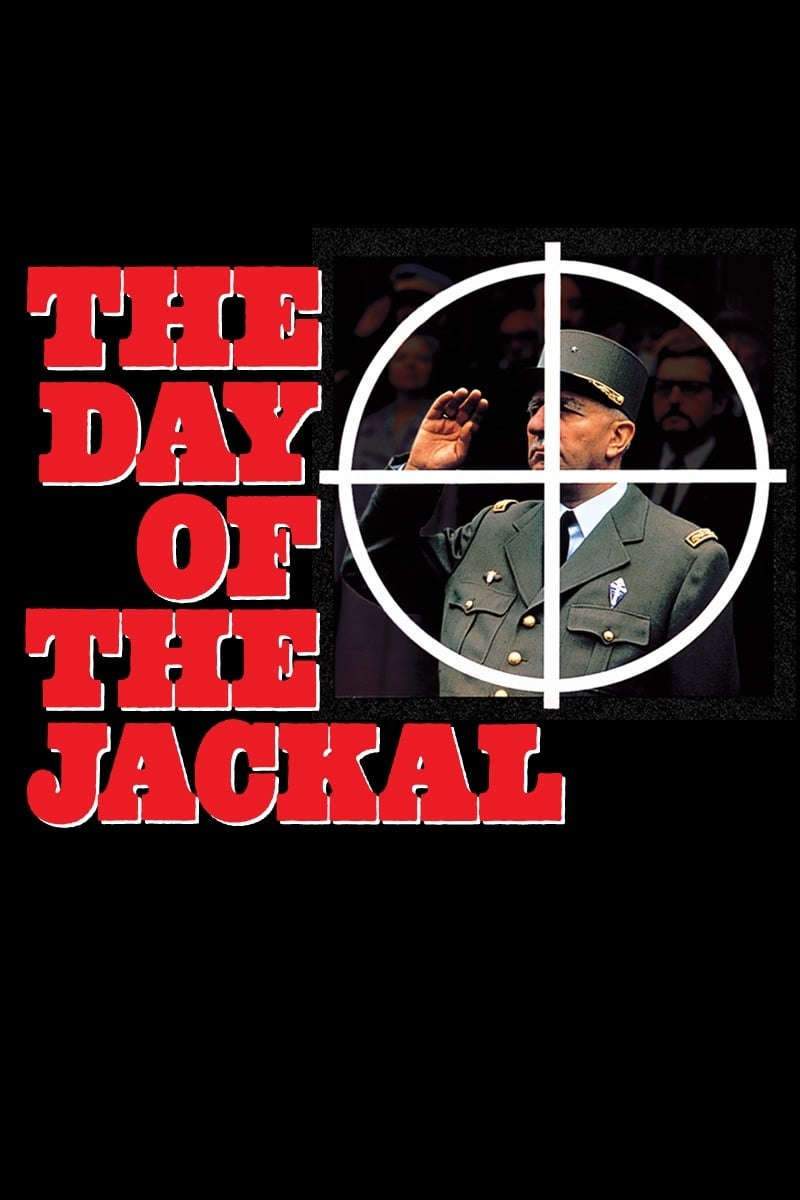
Based on the novel by Frederick Forsyth, this mystery focuses on a professional assassin known only as the Jackal. He is hired by a French paramilitary group to assassinate President Charles de Gaulle in the early 1960s. The film follows both the meticulous preparations of the assassin and the desperate efforts of the French police to identify and stop him. It is celebrated for its realistic procedural detail and its high-stakes tension.
‘The Long Goodbye’ (1973)
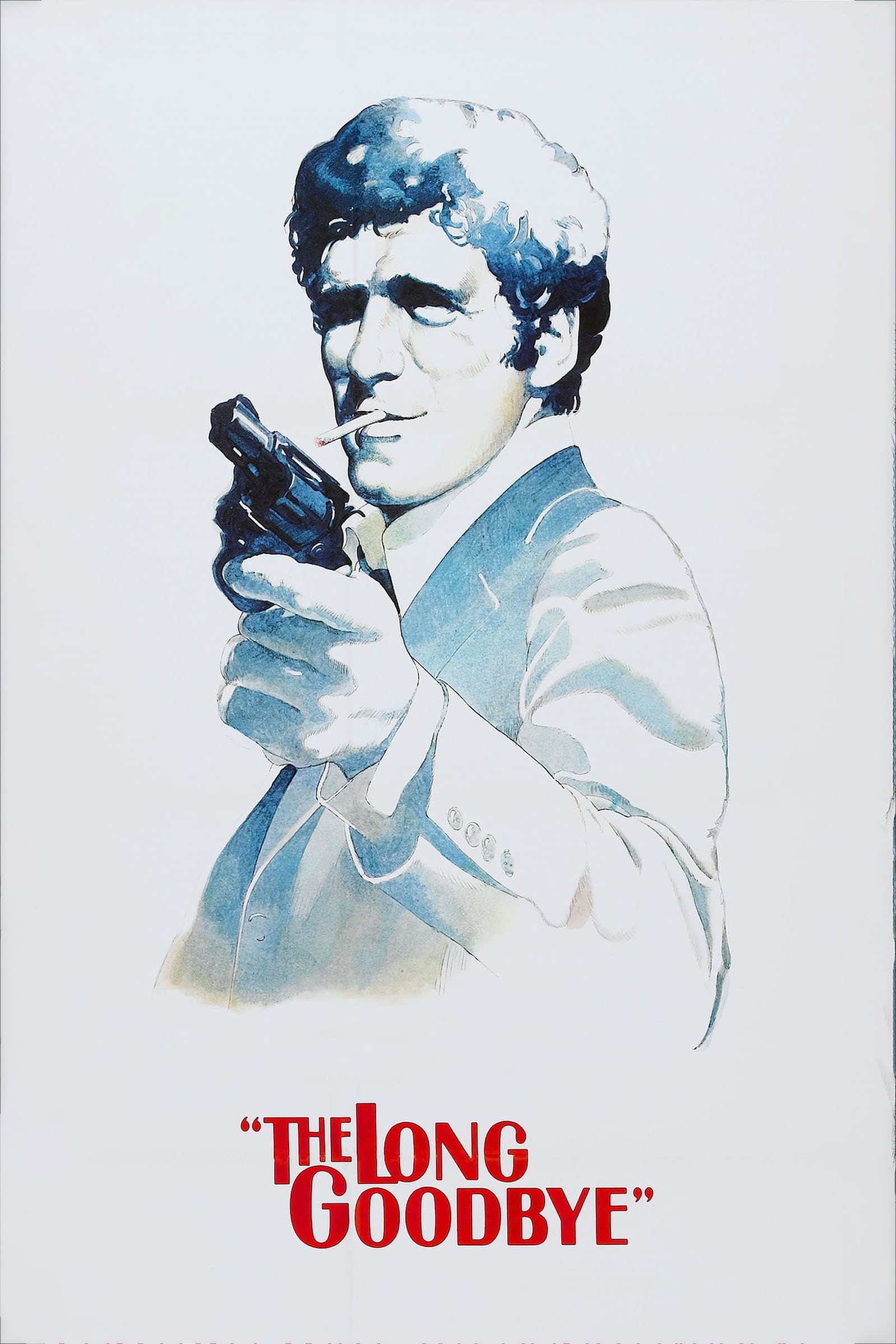
Directed by Robert Altman and based on Raymond Chandler’s novel, this film updates Philip Marlowe to 1970s Los Angeles. Marlowe is asked by a friend to help him flee to Mexico, but he later discovers the friend is a suspect in his wife’s murder. The story subverts traditional detective tropes, presenting Marlowe as an anachronistic figure in a cynical, modern world. It is noted for its wandering narrative style and its critical reception as a “neo-noir” classic.
‘The Thin Man’ (1934)
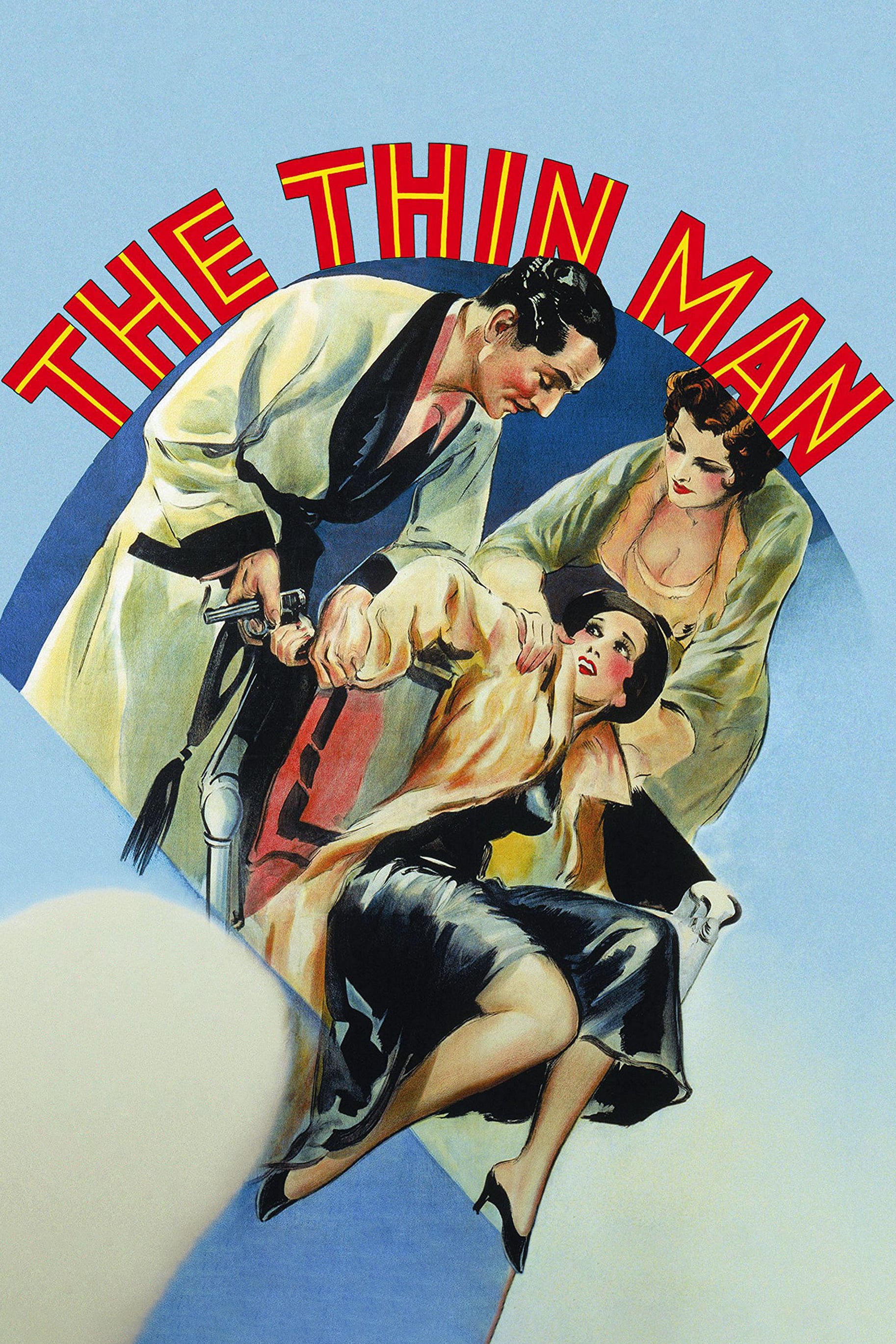
Based on the novel by Dashiell Hammett, this mystery introduces Nick and Nora Charles, a wealthy, retired detective and his socialite wife. While in New York for the holidays, they are drawn into the investigation of a missing inventor and a subsequent murder. The film is famous for its witty dialogue, the sophisticated relationship between its leads, and the presence of their dog, Asta. It successfully blended the mystery genre with sophisticated screwball comedy elements.
‘Presumed Innocent’ (1990)
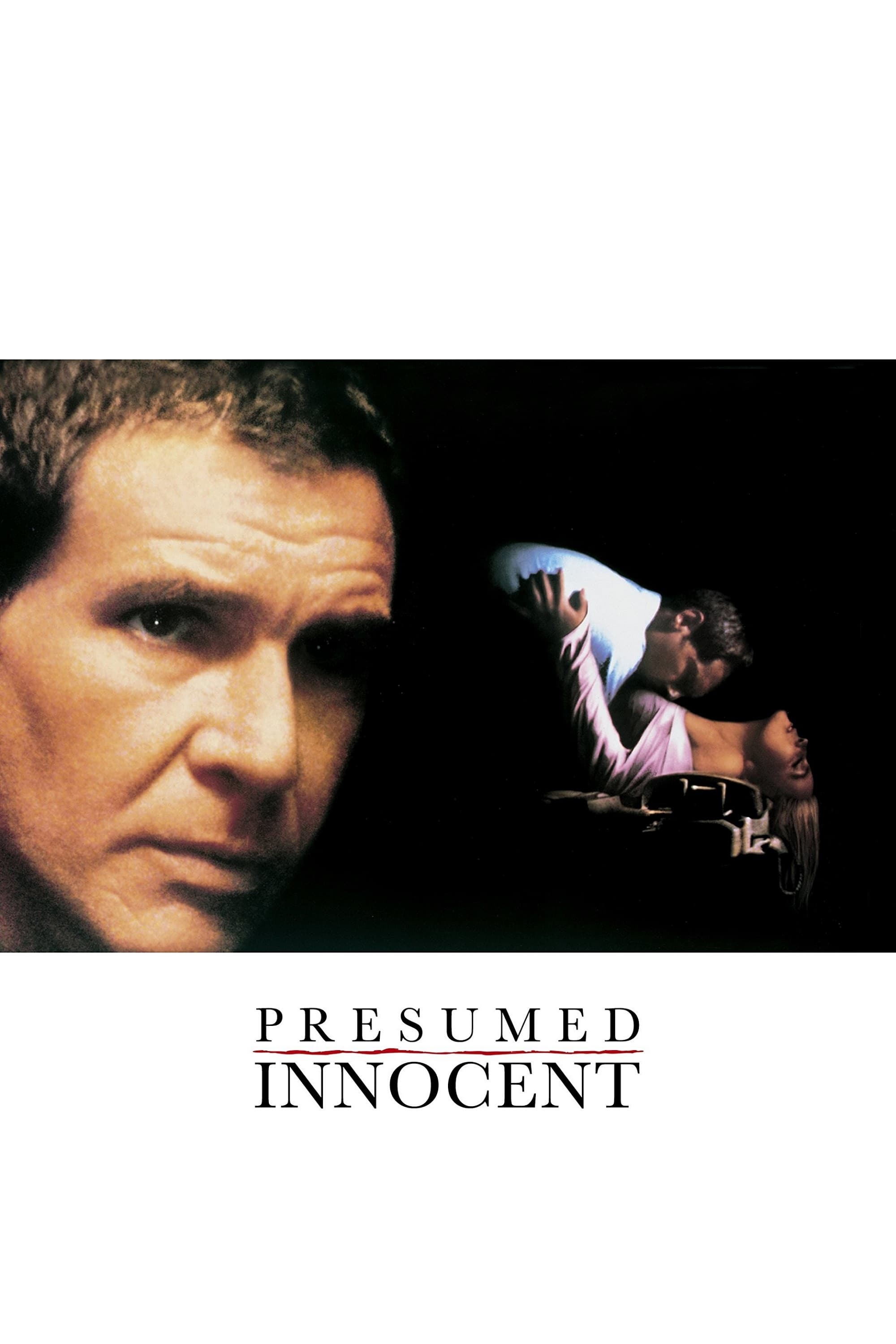
Adapted from the novel by Scott Turow, this legal mystery follows prosecutor Rusty Sabich, who is tasked with investigating the murder of a female colleague. Evidence soon points toward Sabich himself, leading to his indictment and a high-profile trial. The story examines themes of obsession, political corruption, and the fallibility of the legal system. The narrative relies on a shocking final revelation that challenges the audience’s assumptions about the case.
‘The Night of the Hunter’ (1955)

Based on the novel by Davis Grubb, this thriller follows a corrupt preacher who marries a widow to find the money her late husband hid. When the widow is murdered, her two young children flee with the cash, pursued by the relentless and menacing preacher. The film is renowned for its expressionistic cinematography and its fairy-tale-like atmosphere. It remains a unique example of a Southern Gothic mystery that explores the struggle between good and evil.
‘Sherlock Holmes’ (2009)
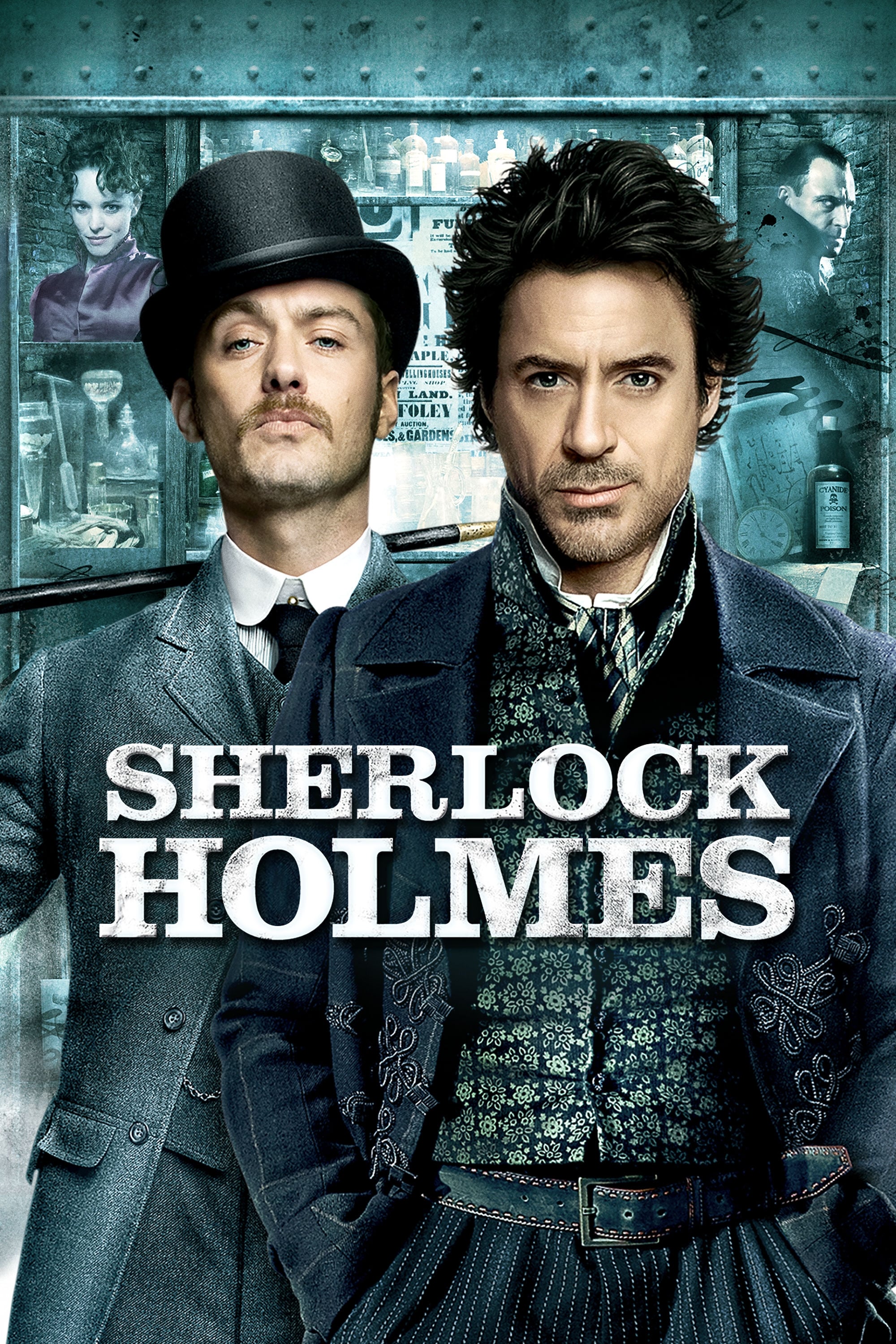
Directed by Guy Ritchie and inspired by the characters created by Arthur Conan Doyle, this film presents a more action-oriented version of the detective. Holmes and Dr. Watson investigate a series of ritualistic murders linked to a secret society and a villain who seemingly returns from the dead. The story emphasizes Holmes’s analytical abilities through high-speed mental calculations portrayed visually. It modernized the franchise while retaining the Victorian setting and core mystery elements.
‘The Outsider’ (2020)
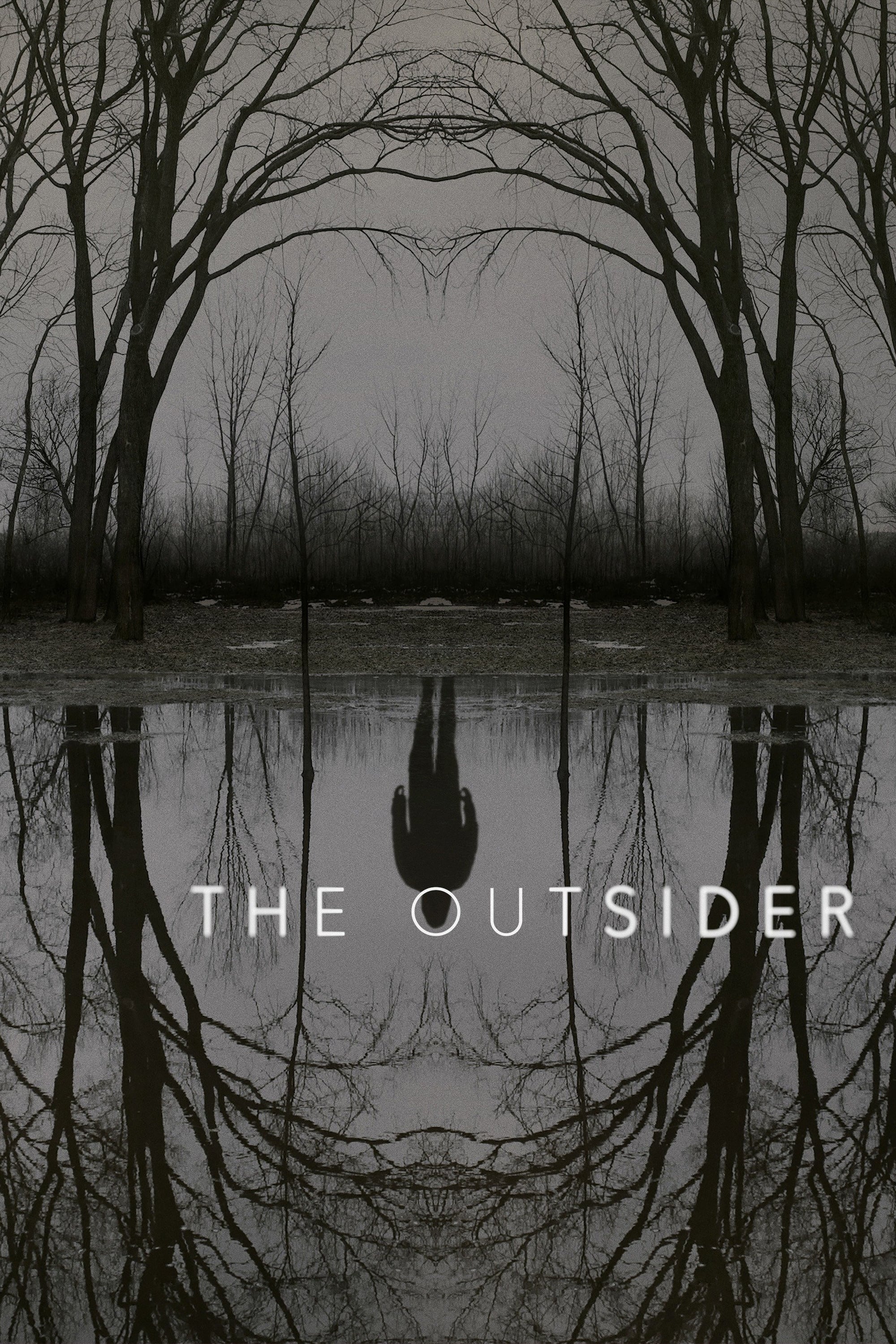
Based on the novel by Stephen King, this miniseries begins with the investigation into the horrific murder of a young boy in Georgia. While forensic evidence clearly points to a local teacher and coach, eyewitnesses place the man miles away at the time of the crime. The detective in charge is forced to consider supernatural explanations as the case becomes increasingly inexplicable. The series is noted for its somber tone and its blend of procedural mystery with horror.
‘Defending Jacob’ (2020)
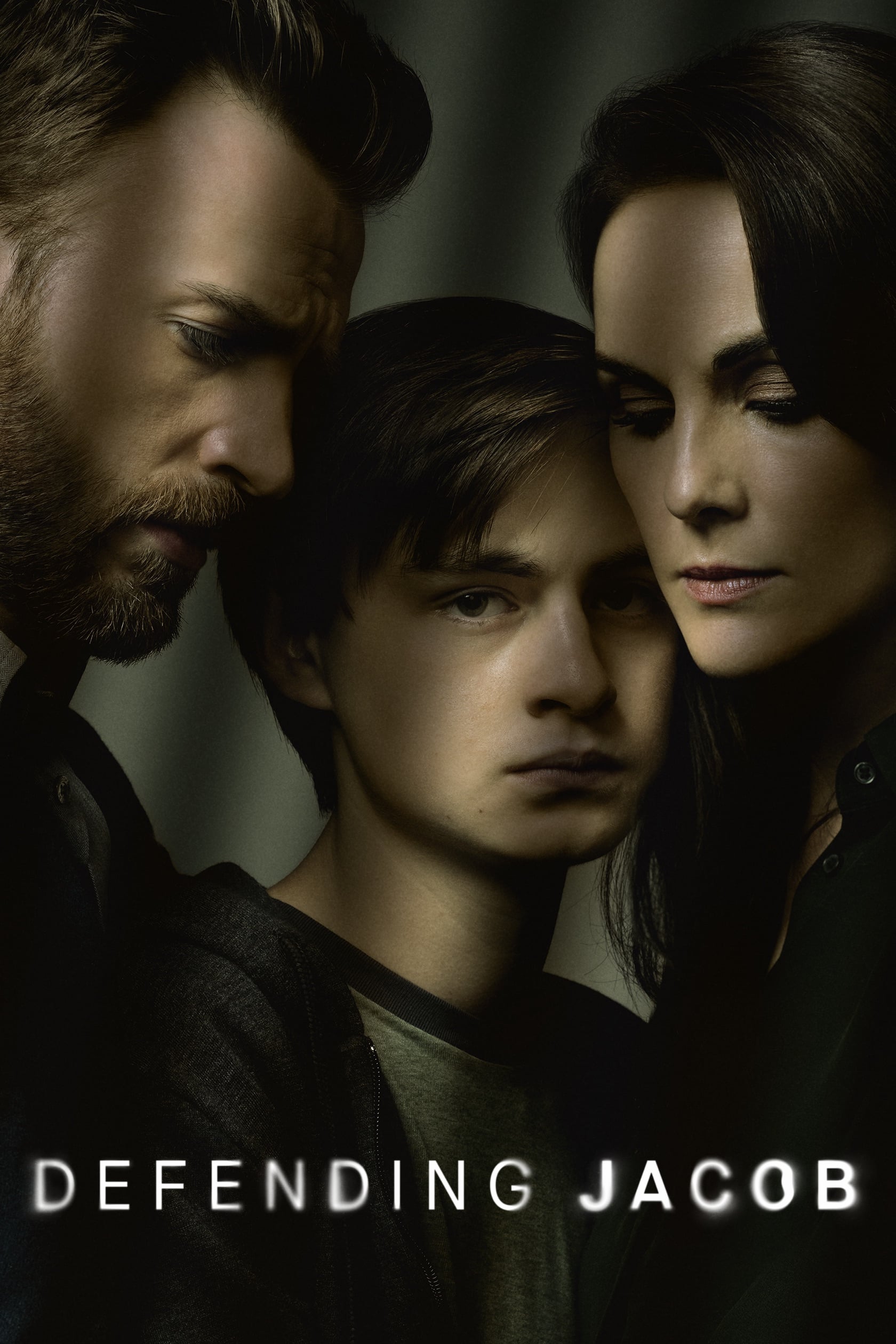
Adapted from the novel by William Landay, this limited series centers on an assistant district attorney whose teenage son is accused of murdering a classmate. The father must balance his professional responsibilities with his desperate attempts to prove his son’s innocence. As the trial progresses, family secrets emerge that force the parents to question how well they truly know their child. The story focuses on the psychological toll of the investigation on the entire family unit.
‘Alias Grace’ (2017)
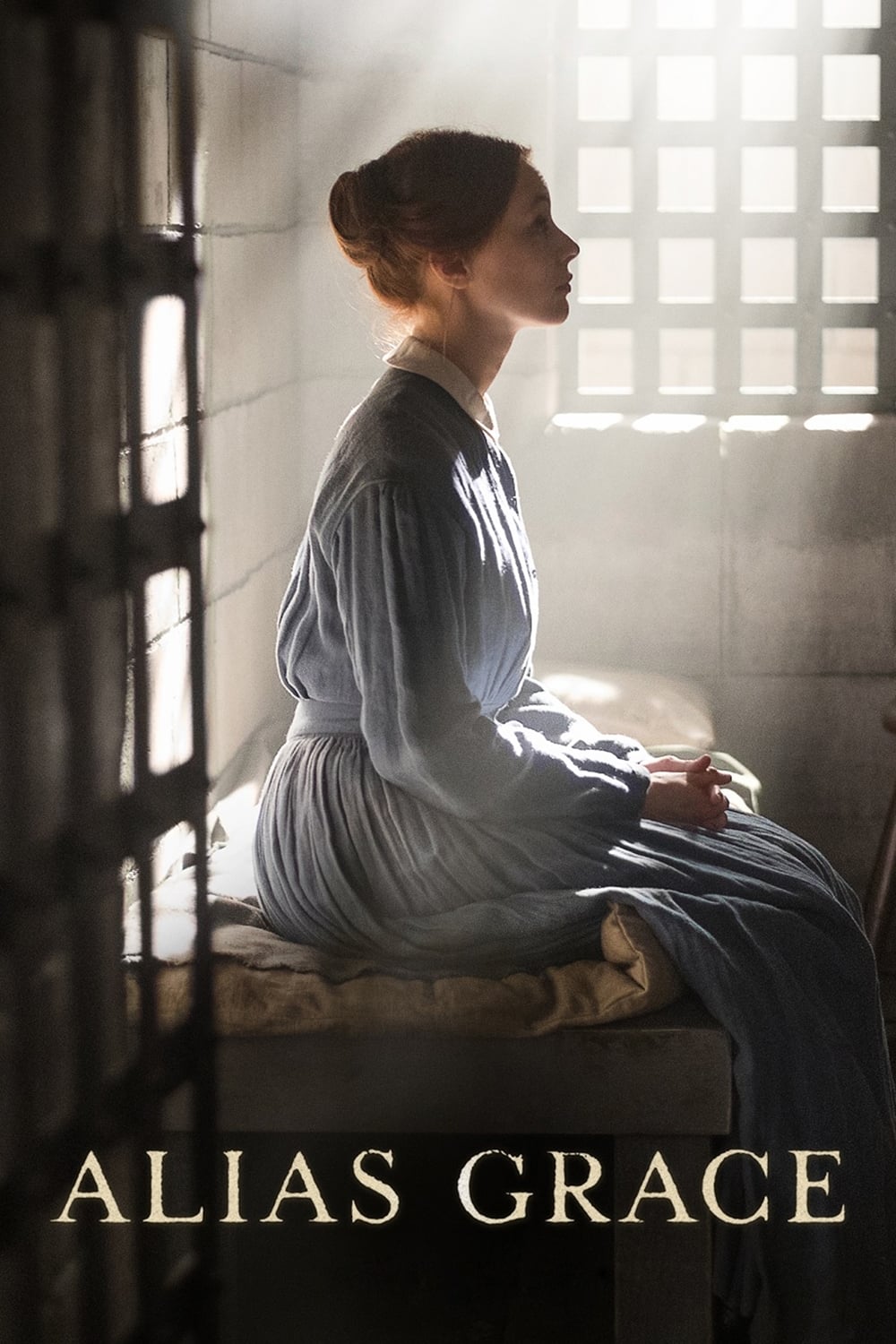
Based on Margaret Atwood’s historical fiction novel, this miniseries explores the true story of Grace Marks, a servant convicted of a double murder in 1843 Canada. A psychiatrist interviews Grace years later to determine if she should be pardoned based on her mental state. Grace recounts her life story, but her unreliable narration leaves the truth of her involvement in the crimes ambiguous. The series examines themes of class, gender, and the subjectivity of memory.
‘A Walk Among the Tombstones’ (2014)
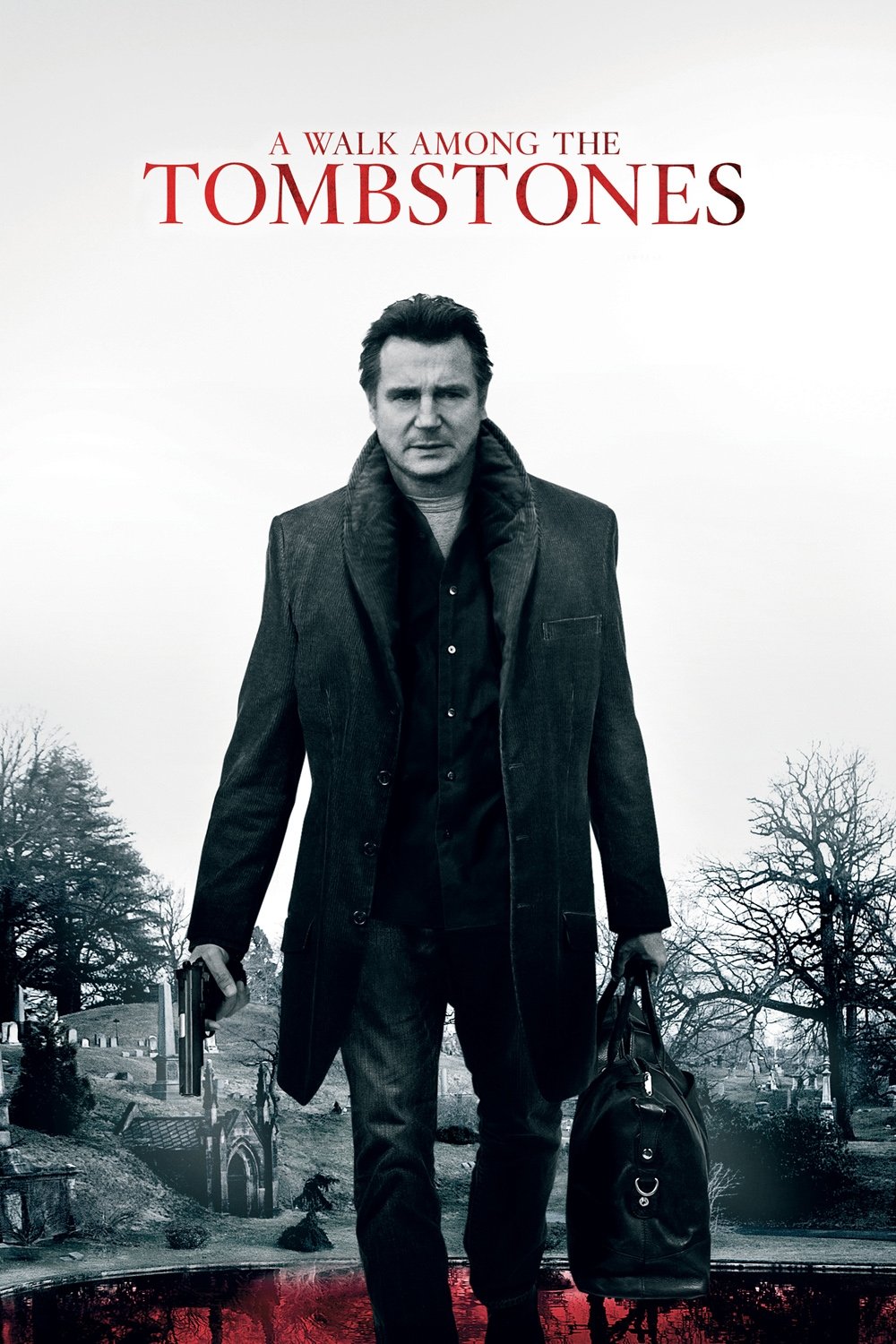
Based on the novel by Lawrence Block, the film follows Matthew Scudder, an unlicensed private investigator and recovering alcoholic. He is hired by a drug trafficker to find the men who kidnapped and murdered his wife. Scudder’s investigation leads him into the dark fringes of New York City, where he discovers a pattern of brutal abductions targeting criminals. The film is recognized for its grim atmospheric tension and its focus on a flawed, gritty protagonist.
‘Tell No One’ (2006)
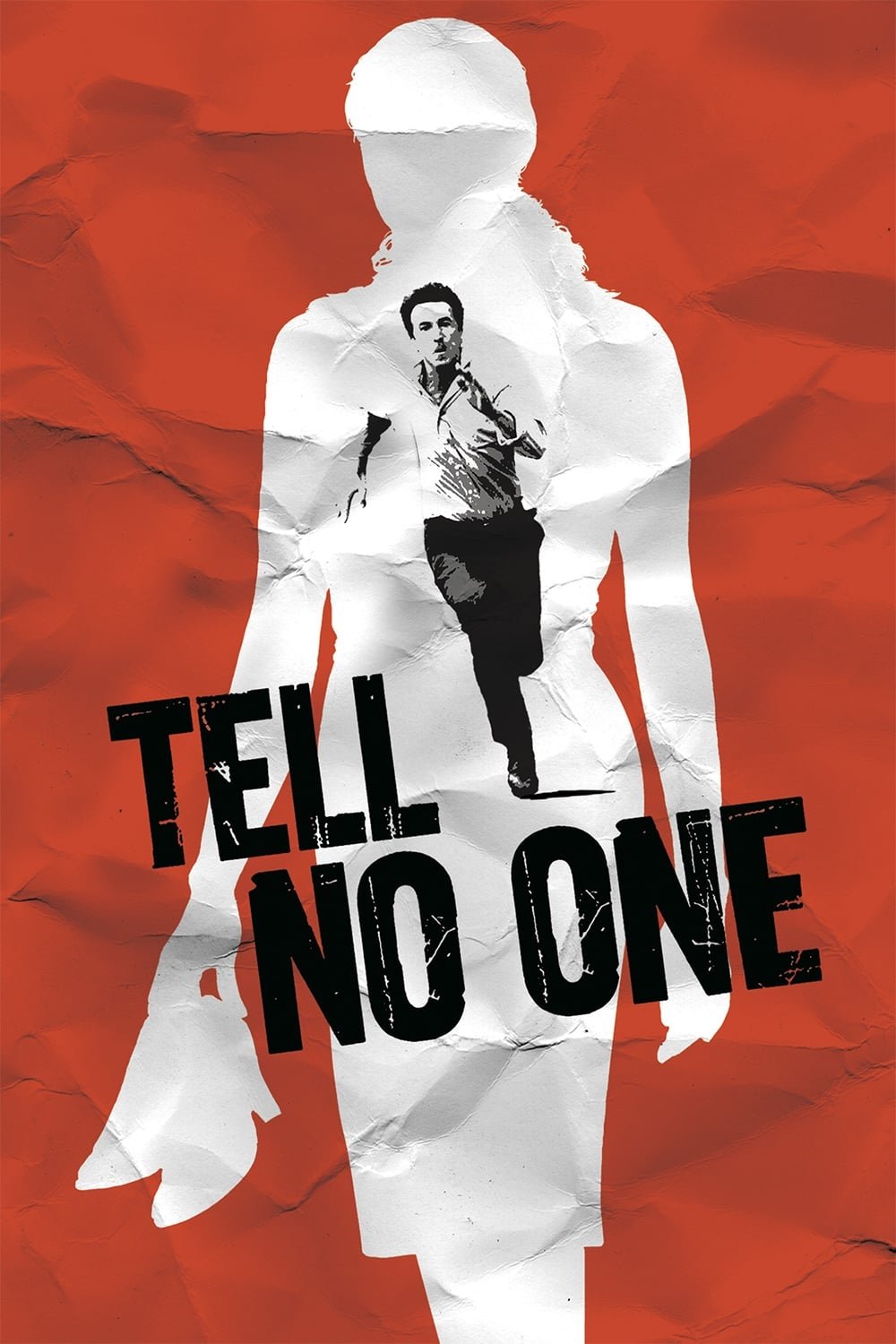
This French film is based on the novel by American author Harlan Coben. It follows a pediatrician who is still grieving the murder of his wife eight years prior. He receives a mysterious email containing a link to a recent video that appears to show his wife alive and well. As he attempts to find her, he is framed for two new murders and must go on the run to uncover a vast conspiracy.
‘The Woman in White’ (2018)
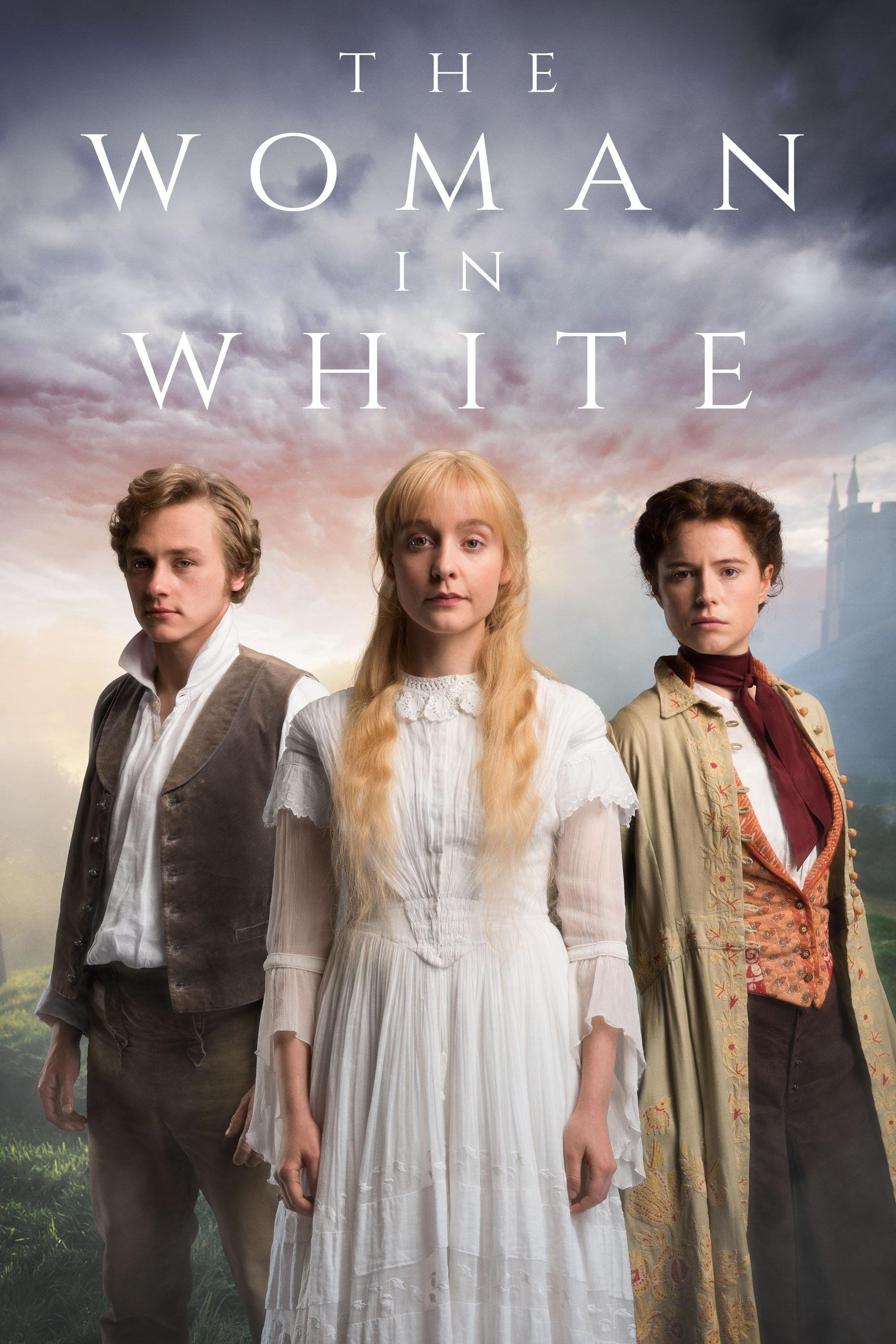
Based on the classic sensation novel by Wilkie Collins, this television adaptation follows a young drawing master who encounters a mysterious woman dressed in all white on a moonlit road. He later takes a job tutoring two sisters at a remote estate and finds himself entangled in a web of identity theft and financial fraud. The story involves a villainous count and a plot to steal an inheritance through institutionalization. It is considered one of the earliest examples of the detective and mystery genre.
‘Cape Fear’ (1991)

Directed by Martin Scorsese and based on the novel ‘The Executioners’ by John D. MacDonald, the film follows a lawyer whose family is stalked by a convicted rapist. The criminal, Max Cady, was recently released from prison and blames the lawyer for his conviction due to the withholding of evidence during the trial. Cady uses psychological warfare and legal loopholes to terrorize the family without initially breaking the law. The mystery lies in the family’s desperate attempts to find a way to stop him before he resorts to violence.
‘The Black Dahlia’ (2006)

Adapted from the novel by James Ellroy, this film is a fictionalized account of the real-life 1947 murder of Elizabeth Short. Two police officers and former boxers become obsessed with the case, which leads them into a world of Hollywood corruption and family depravity. The investigation puts a strain on their personal lives and uncovers secrets involving high-society figures. The story blends historical facts with Ellroy’s signature dark, conspiratorial fiction.
‘The Hound of the Baskervilles’ (1939)
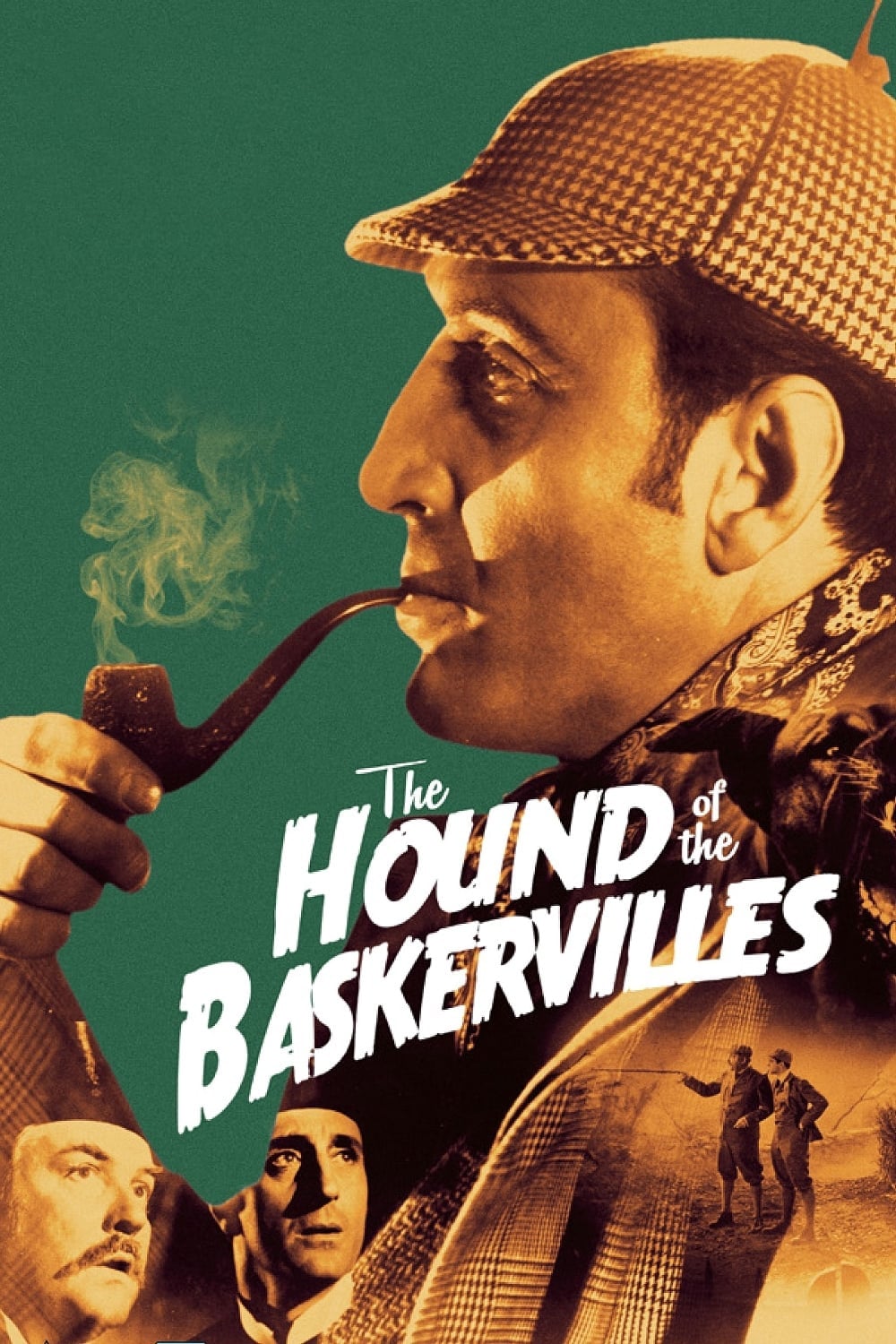
This is one of the most famous screen adaptations of Arthur Conan Doyle’s Sherlock Holmes novels. Holmes and Watson are called to Dartmoor to investigate a family curse involving a giant, demonic hound that reportedly kills members of the Baskerville family. The investigation focuses on the fog-drenched moors and the various neighbors who might have a motive to stage the supernatural events. It established many of the visual tropes associated with the Sherlock Holmes character for decades.
‘The Pelican Brief’ (1993)
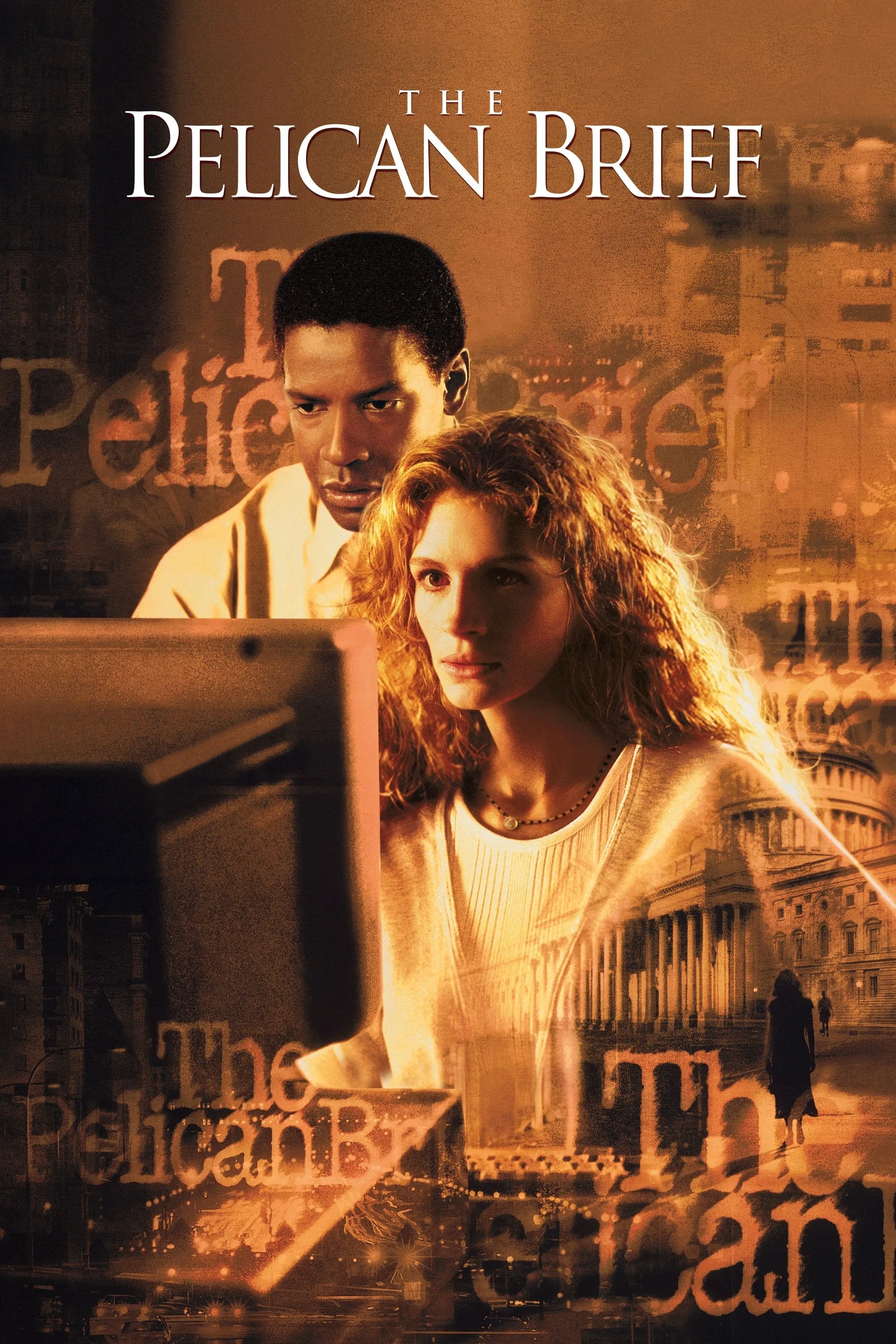
Based on the novel by John Grisham, the plot follows a law student who writes a legal brief theorizing the motive behind the assassination of two Supreme Court justices. Her theory proves to be correct, making her a target for the professional killers responsible for the murders. She teams up with an investigative journalist to expose the conspiracy, which reaches the highest levels of the United States government. The film is a fast-paced political mystery that explores corporate greed and government corruption.
‘The Lovely Bones’ (2009)

Adapted from Alice Sebold’s novel, this mystery is told from the perspective of Susie Salmon, a young girl who has been murdered by a neighbor. From the afterlife, Susie watches her family struggle with their grief while her father becomes obsessed with identifying her killer. The narrative follows the police investigation and the father’s amateur detective work as the killer remains a threat in the community. It blends elements of the supernatural with a traditional suburban mystery.
‘Perfume: The Story of a Murderer’ (2006)
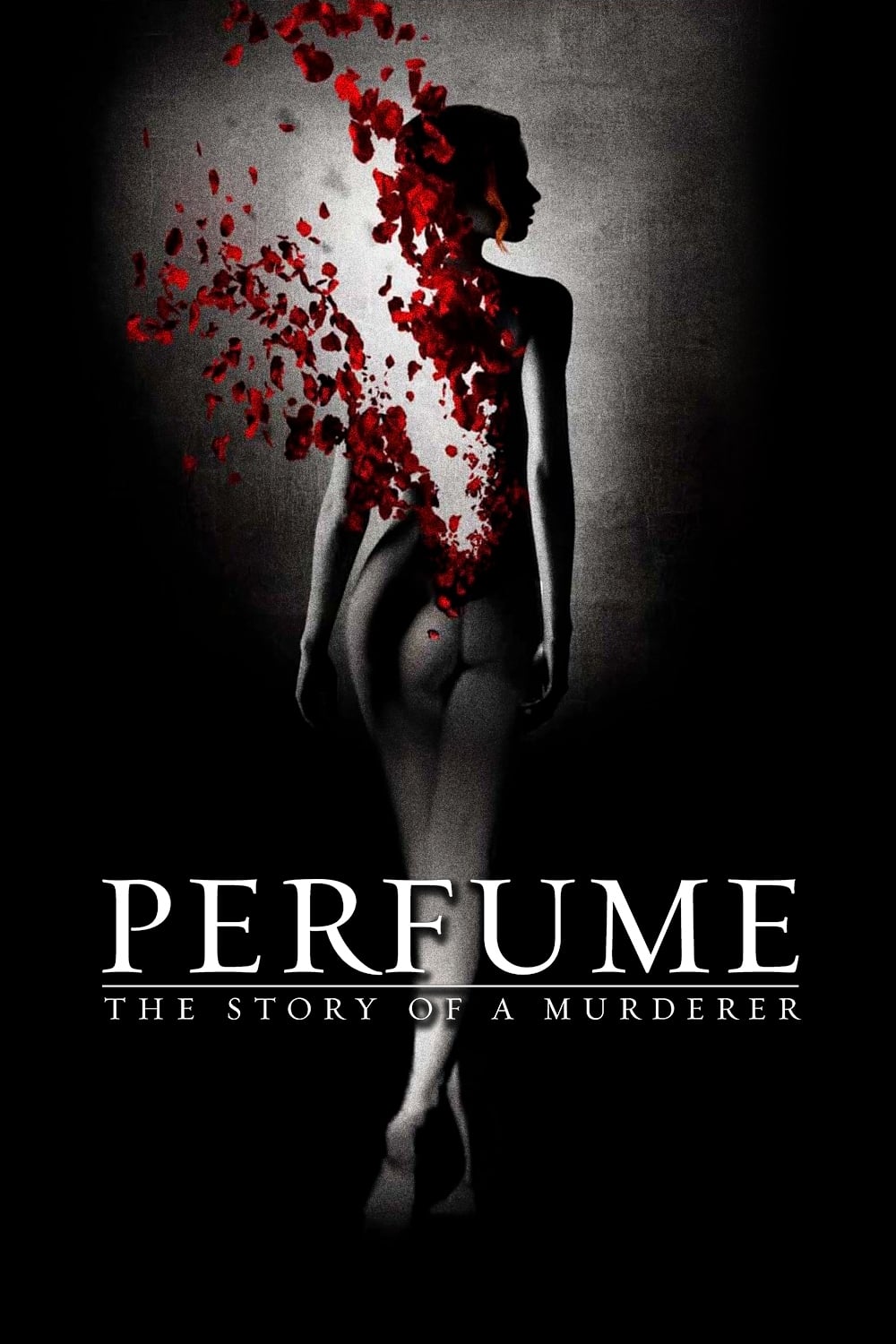
Based on the novel by Patrick Süskind, this historical mystery is set in 18th-century France and follows Jean-Baptiste Grenouille, a man with a heightened sense of smell. Grenouille becomes obsessed with capturing the scent of young women to create the world’s most powerful perfume, leading him to commit a series of murders. An investigator attempts to track down the killer as panic spreads through the city of Grasse. The story is noted for its unique focus on sensory perception and the psychology of obsession.
‘The Pale Blue Eye’ (2022)
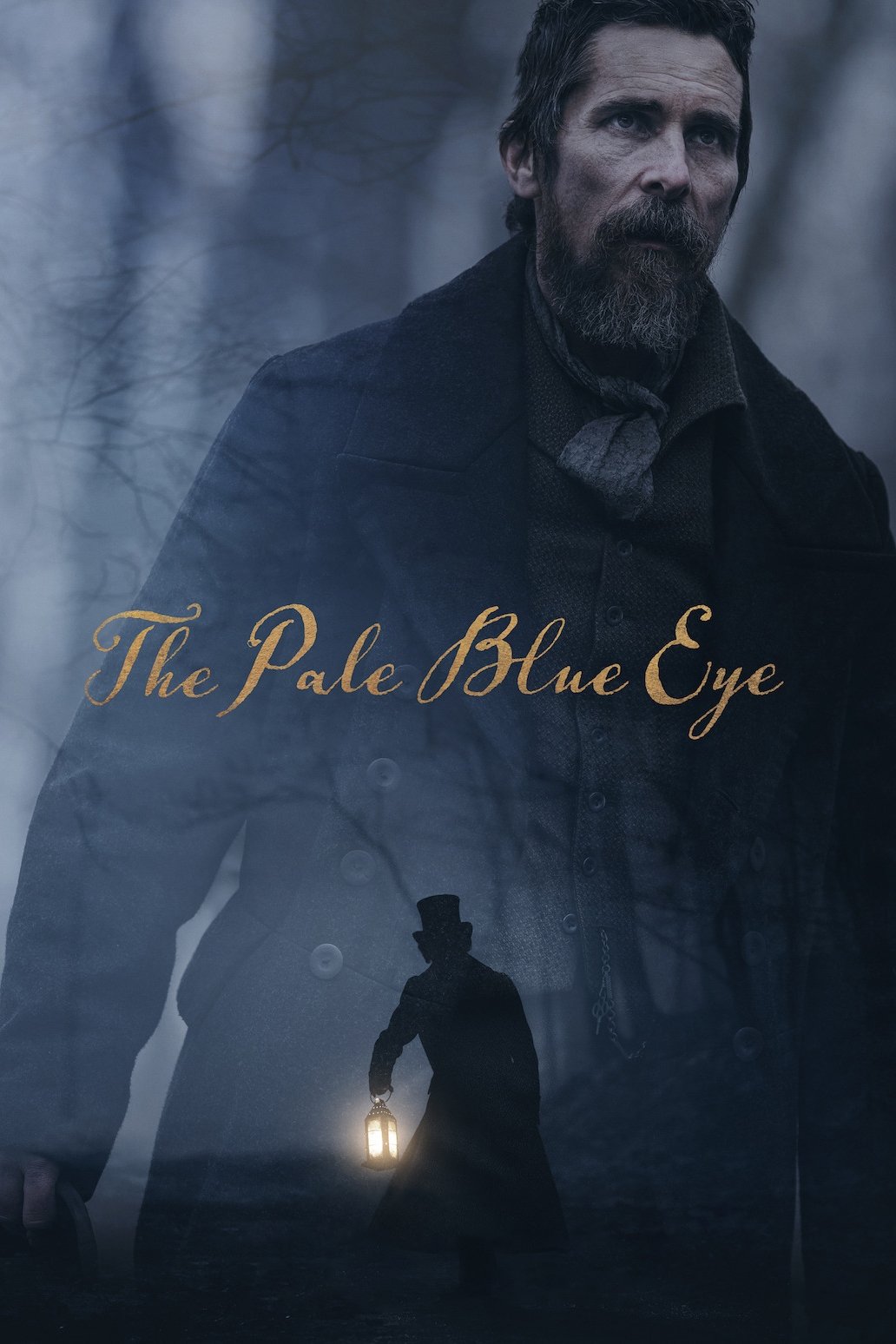
Based on the novel by Louis Bayard, this mystery is set in 1830 at the United States Military Academy at West Point. A veteran detective is hired to investigate the gruesome murder of a cadet, whose heart was removed after his death. The detective enlists the help of a young cadet and aspiring poet named Edgar Allan Poe to navigate the academy’s strict code of silence. The investigation uncovers a dark plot involving occultism and secret student rituals.
Share your favorite book-to-screen mystery adaptations in the comments.