Explosive New Docuseries Reveals Alleged Scams and Controversies Behind ‘Dr. Phil’

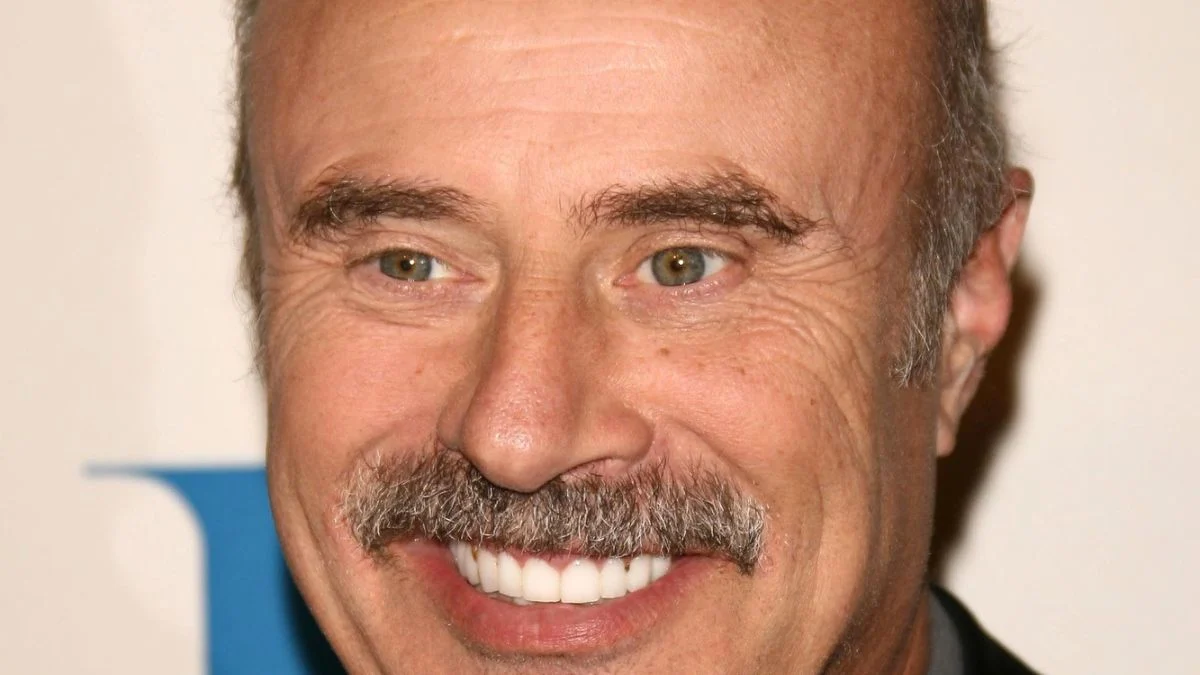

A new documentary series is shining a harsh light on the career of Dr. Phil McGraw, exploring allegations of scams, lawsuits, and behind-the-scenes controversies that many viewers never saw. The two-part docuseries, titled Dirty Rotten Scandals, aired on March 4 and features interviews with former employees and guests who claim the daytime TV icon’s show created a toxic environment.
Dr. Phil hosted his show for more than two decades, helping countless people work through personal challenges on national television. But the series claims that the reality behind the cameras was very different. Former staff and guests, some speaking anonymously, described a workplace filled with manipulation, intimidation, and public humiliation.
Dr. Phil’s lawyers have strongly denied the claims. In a statement to Us Magazine, they said he “categorically denies the allegations referenced in this film.” They added, “These claims are not new and have previously been raised, thoroughly addressed, and refuted. They are false, misleading, and lack factual foundation. Any implication that Dr. McGraw or the production of the program engaged in improper, unethical, or unlawful conduct is inaccurate … the program operated with established standards and with the intent of providing resources, information, and support to participants and audiences.”
The docuseries traces McGraw’s career from before his fame on The Oprah Winfrey Show in the late 1990s to the lawsuits and investigations that affected the program before it ended in 2023.
One early controversy involves McGraw’s time managing the Grecian Health Spa while completing his psychology PhD. Investigators say the spa sold expensive memberships, ranging from $150 to $700, and then abruptly closed. Journalist Evan Allen, who contributed to the docuseries, said, “They were like $150 to $700 memberships. They’re advertising these memberships in the newspaper — and they suddenly shut the doors and just vanish.”
The series also connects this incident to a later controversy over McGraw’s weight loss supplement, Shape Up. Customers claimed the pills were ineffective, resulting in a $10.5 million settlement. McGraw has repeatedly denied any wrongdoing related to this case. Allen explained, “A few years later, he had to pay a $10.5 million settlement to people who had purchased Shape Up because they didn’t do anything.”
On the set of Dr. Phil, the docuseries highlights allegations of a toxic work environment. Anonymous former employees described verbal abuse and manipulation, claiming that the show’s culture was hostile. According to Allen, some staff called McGraw a “manipulative egomaniac” and described the program as “dysfunctional and immoral.”
Guests also shared disturbing stories. Some said they felt pressured to appear on the show, only to be publicly embarrassed. Legal documents referenced in the series warn that Dr. Phil does not provide therapy during the show, and participants must waive their rights to sue. Allen stated, “You give up all your rights to go on the show before you go on it. Then you go on a show and you’re horrifically humiliated in front of America. Then you’re like, ‘Oh, I signed away the rights to do anything about this. I can’t even talk about it.’”
Another major point in the documentary is the alleged relationship between the show and various treatment centers. Guests were sometimes sent to these facilities, which were promoted on air.
Allen claims these referrals may have enriched people involved with the show. She explained, “All of these segments with the plug for the treatment facility, it was just obvious advertising. The show has a predictable arc … Dr. Phil passes judgment and then he says, ‘I’m going to send you to the best addiction treatment facility in the country.’” McGraw’s attorneys reject any wrongdoing in these referrals, but the series also raises questions about a former employee, Anthony Haskins, who allegedly continued business with one of these centers after the show.
The docuseries revisits lawsuits as well, including a 2015 case in which former segment producer Leah Rothman sued Dr. Phil for emotional distress and false imprisonment. Rothman said McGraw locked a room of staff to investigate leaks to reporters. The lawsuit was eventually settled in 2018.
Allen also spoke about media investigations that were reportedly shut down due to pressure from executives. She said the Boston Globe investigation into the show’s practices was closed after a letter threatened expensive litigation. “It was a pretty clear financial threat. This was the only time in my career that’s ever happened but the Globe told us there was no appetite for a legal fight. So that was it,” Allen claimed.
The Boston Globe has strongly denied this account, stating, “Having published two comprehensive articles that we stand by up to this day. The allegation is absolutely false.”
Dr. Phil’s story, as presented in Dirty Rotten Scandals, paints a stark contrast between his public persona as a supportive psychologist and the allegations of mistreatment and financial exploitation behind the cameras. While the show offered help to millions, the series suggests that many participants and staff felt misused or silenced.
This documentary raises important questions about the responsibilities of talk shows and the treatment of both guests and employees. Personally, I think it’s crucial to examine these claims seriously, even as legal outcomes and denials are considered. Transparency in media, especially in programs dealing with vulnerable individuals, is vital.
What do you think about the allegations raised in Dirty Rotten Scandals? Do you believe the claims, or do you side with Dr. Phil’s denial? Share your thoughts in the comments.