The Greatest LGBTQ+ Stories in Film

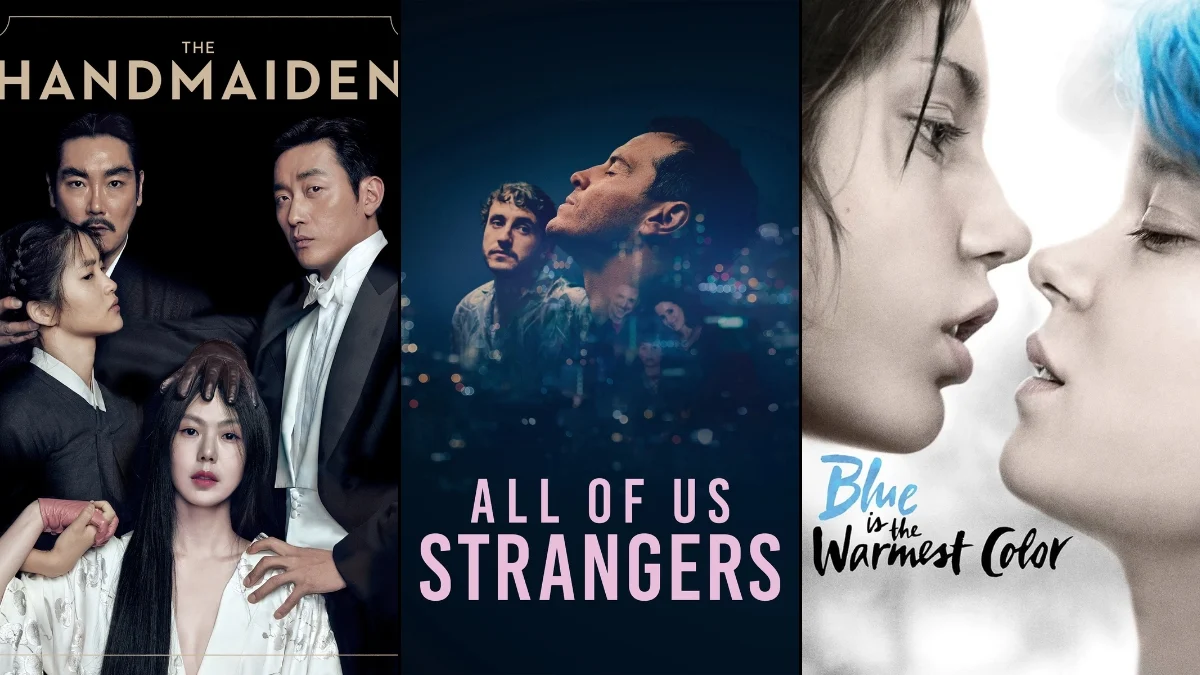

The landscape of cinema has been profoundly shaped by narratives that explore the complexities of human identity, desire, and the quest for belonging within the LGBTQ+ community. Over the decades, filmmakers have transitioned from coded representation to bold, authentic storytelling that centers queer experiences with honesty and depth. These films have not only challenged societal norms and sparked vital conversations about equality, but they have also provided essential representation for audiences worldwide. From intimate coming-of-age dramas to sweeping historical romances, the following selection highlights some of the most critically acclaimed and influential works that have defined the genre. Each story serves as a testament to the power of film in fostering empathy and reflecting the diverse, often underrepresented, realities of the human condition.
‘Moonlight’ (2016)
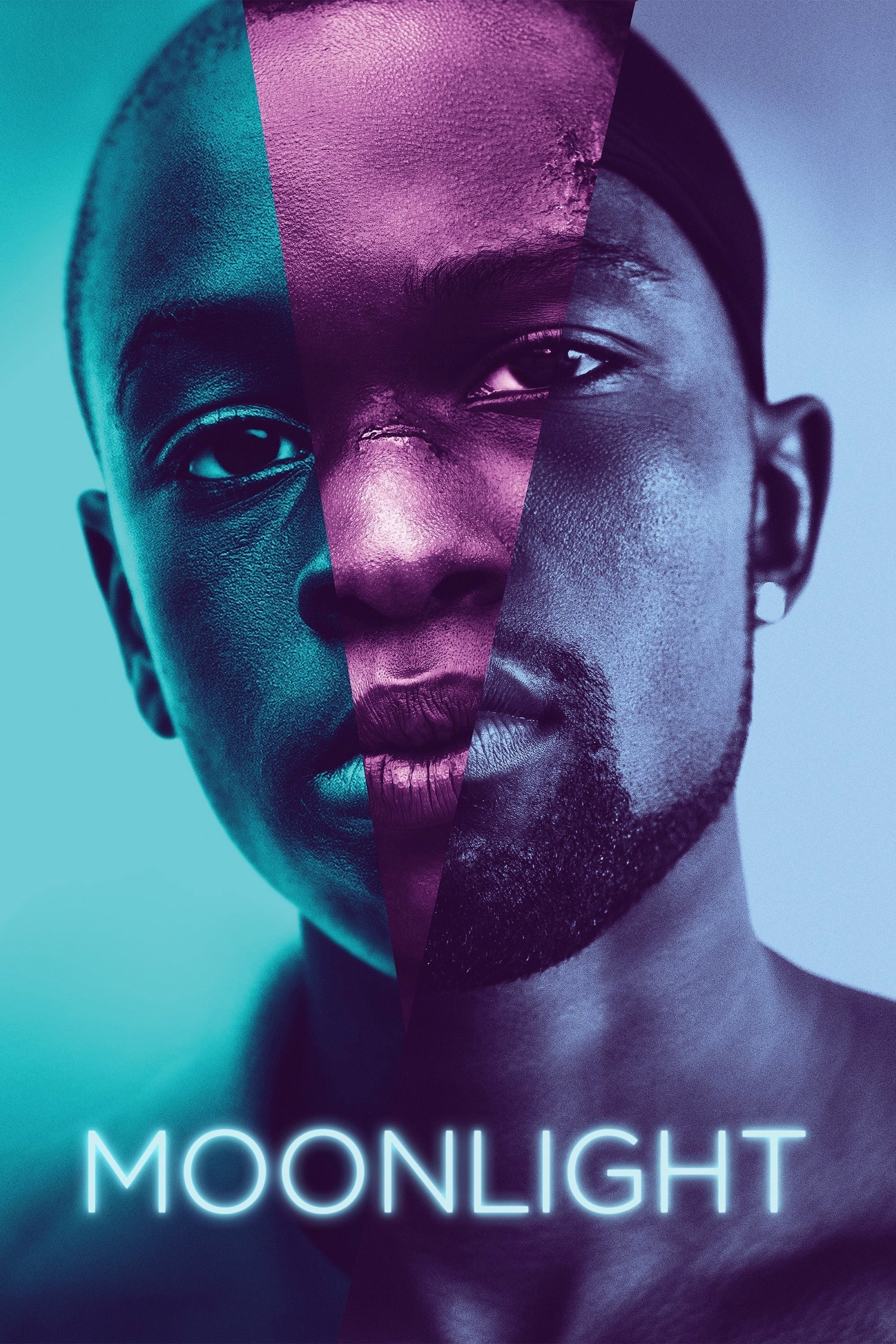
This film chronicles the life of a young Black man across three distinct chapters: his childhood, adolescence, and adulthood. As he navigates the challenges of growing up in Miami, he grapples with his sexuality and the complexities of his identity while facing bullying and a strained home life. The narrative offers an intimate and empathetic look at his search for belonging and his struggle with masculinity. It received significant critical acclaim and won the Academy Award for Best Picture.
‘Carol’ (2015)
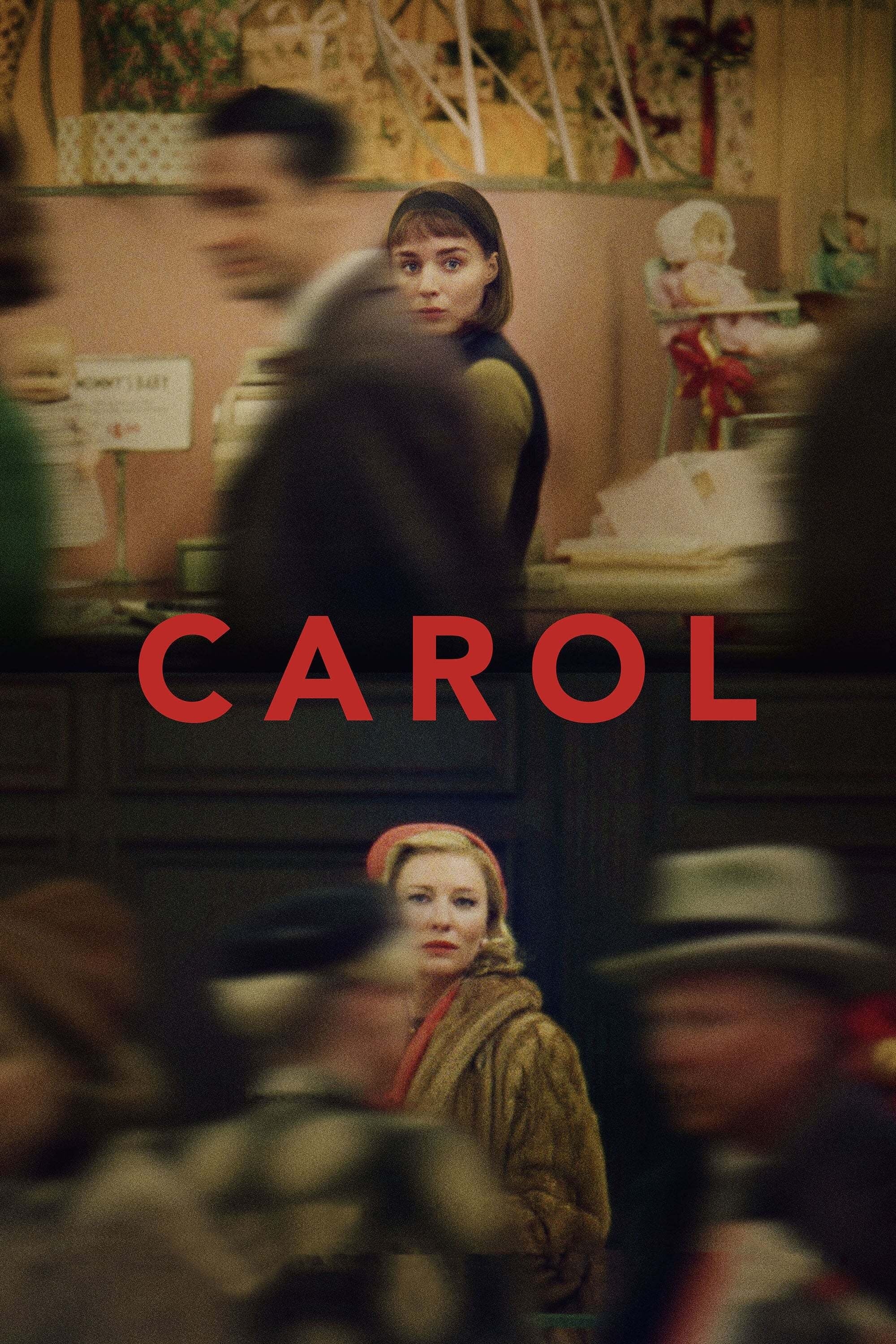
Set in 1950s New York City, this drama follows the burgeoning attraction between a young, aspiring photographer and an older, elegant woman going through a difficult divorce. Their relationship develops against a backdrop of societal constraints and personal risks during an era that was largely intolerant of their love. The film is noted for its lush cinematography and refined performances that capture the quiet intensity of their connection. It stands as a landmark exploration of forbidden romance and self-discovery.
‘Brokeback Mountain’ (2005)

This landmark film depicts the complex and tragic bond between two sheep herders who fall in love while working in the rural American West during the 1960s. Over the course of two decades, the pair struggles to maintain their connection while navigating their respective marriages and the societal pressures of their time. The story highlights the profound impact of repression and the difficulty of living an authentic life in an environment defined by traditional expectations. Its cultural impact remains significant for its role in bringing queer narratives into the mainstream.
‘Portrait of a Lady on Fire’ (2019)
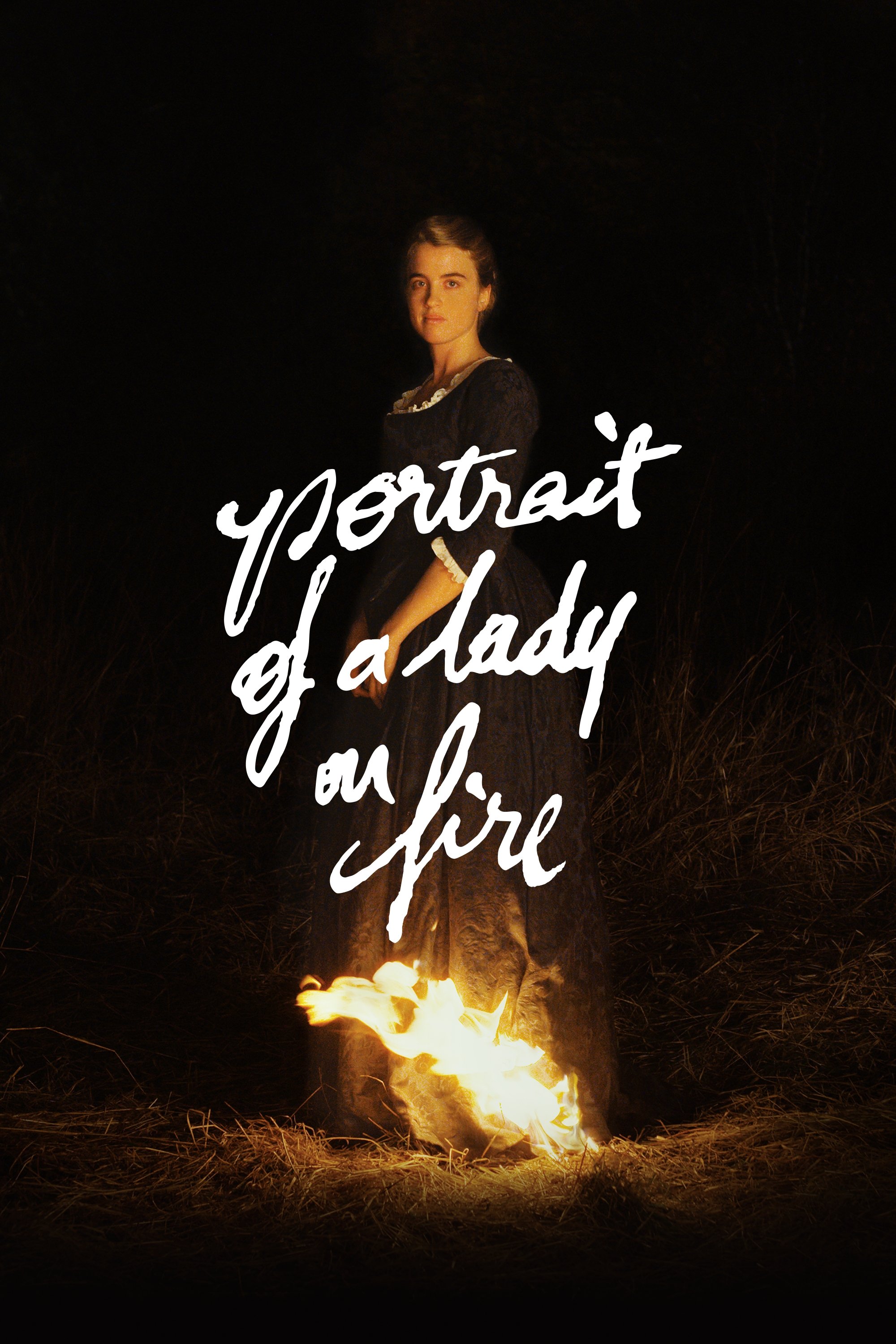
Set on a remote island in 18th-century Brittany, this film tells the story of an artist commissioned to paint a wedding portrait of a young woman without her knowledge. As the painter observes her subject to capture her likeness, the two women develop a deep, forbidden relationship that is constrained by the circumstances of the time. The narrative is noted for its masterful use of the female gaze and its exploration of the transient nature of love. The film build tension and emotional resonance through its deliberate, atmospheric direction.
‘Call Me by Your Name’ (2017)

In the sun-drenched Italian countryside of the 1980s, a 17-year-old boy spends a transformative summer living with his family and a visiting graduate student. The two develop an intense and intellectual romantic bond that forces the teenager to confront his burgeoning identity and desires. Eschewing traditional tragedy, the film focuses on the emotional honesty and beauty of a first love. It is widely praised for its poetic script and evocative setting.
‘Pariah’ (2011)

This coming-of-age drama follows a 17-year-old girl in Brooklyn who is navigating her identity as a lesbian while dealing with the pressures of her family and peers. She attempts to embrace her true self and find acceptance, even as she faces significant conflict at home and social alienation. The film is recognized for its raw, authentic performance and its compassionate portrayal of a young person’s journey toward self-actualization. It remains a powerful depiction of resilience within the African American queer experience.
‘Blue Is the Warmest Colour’ (2013)

A young woman begins to question her life path and identity after experiencing an intense, transformative attraction to a blue-haired art student. The film chronicles their passionate relationship over the course of several years, exploring themes of growth, desire, and the emotional pain of drifting apart. Its exploration of female intimacy and the maturation of the protagonist garnered international acclaim and the prestigious Palme d’Or. The narrative provides a visceral and deeply personal look at the evolution of a romantic bond.
‘The Handmaiden’ (2016)

Set in 1930s Korea during the Japanese colonial period, this psychological thriller follows a young woman hired as a handmaiden to a wealthy Japanese heiress. As part of a complex con man’s scheme to defraud the woman, the handmaiden finds herself drawn into a clandestine and increasingly passionate relationship with her employer. The plot is filled with intricate twists and shifting power dynamics that keep the audience engaged. It is celebrated for its opulent visual style and its subversion of traditional cinematic tropes.
‘Milk’ (2008)
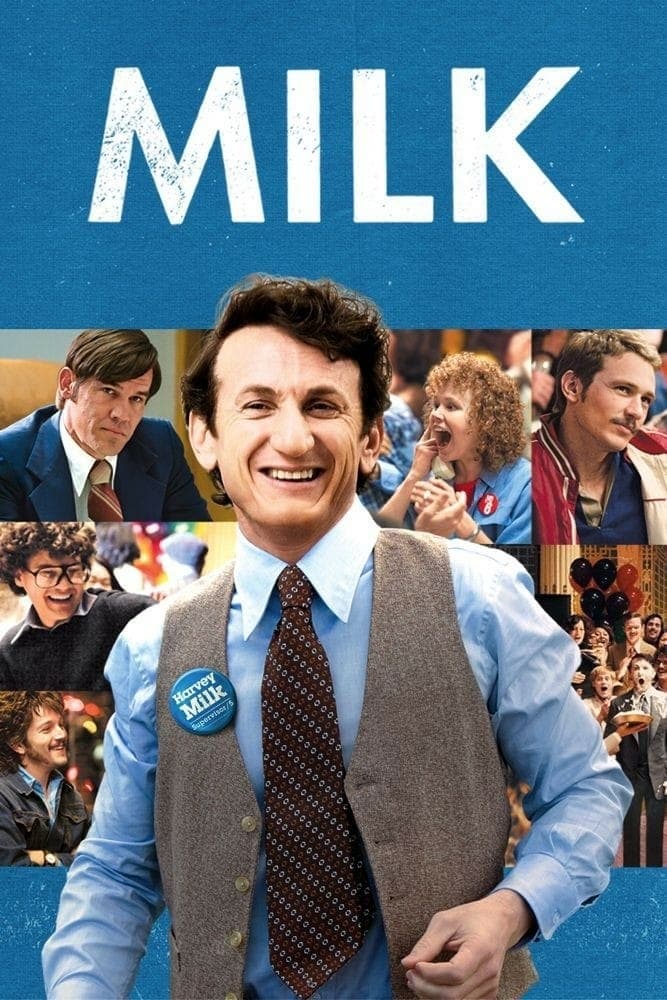
This biographical film chronicles the life and political activism of Harvey Milk, the first openly gay man elected to public office in California. The narrative focuses on his efforts to secure equal rights for the LGBTQ+ community in San Francisco during the 1970s. His work culminates in a series of historic legislative victories before his untimely assassination. The film provides a detailed look at the political landscape and the grassroots movement that defined this pivotal era in civil rights.
‘Pride’ (2014)
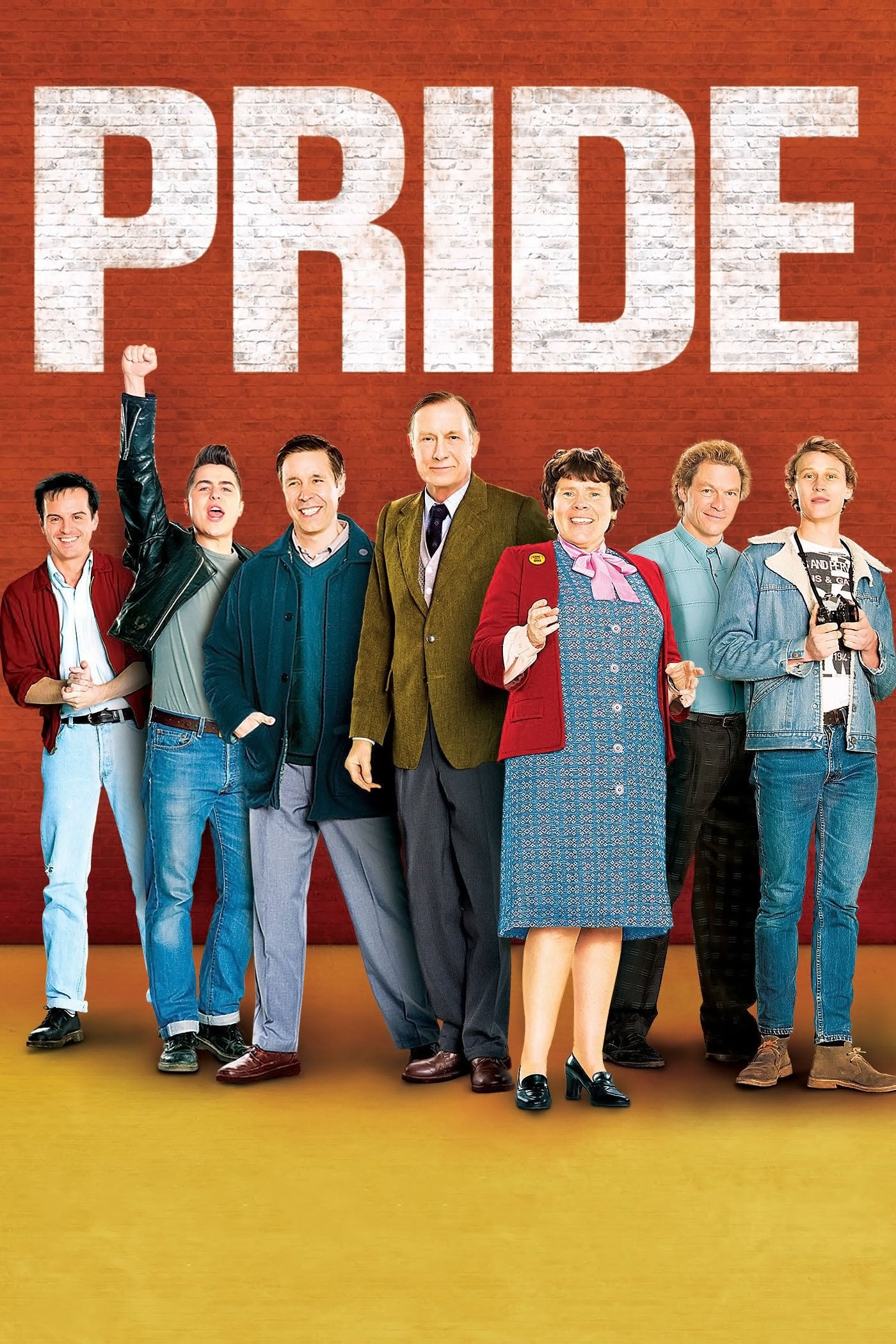
Based on a true story, this film depicts the unlikely alliance between a group of LGBTQ+ activists and a community of striking miners in a small Welsh village during the 1980s. Despite their vastly different backgrounds, the two groups form a supportive and powerful bond that bridges social divides. The film blends humor with historical drama to highlight the importance of solidarity and shared struggle. It is widely regarded for its uplifting message of empathy and common cause.
‘Tangerine’ (2015)

Shot entirely on smartphones, this energetic comedy-drama follows a transgender sex worker who traverses Los Angeles on Christmas Eve. She seeks to confront her unfaithful boyfriend and his new partner while dealing with a series of chaotic and interconnected encounters. The film is recognized for its unique visual style and its fast-paced, ground-level perspective of a marginalized community. It offers a vibrant and often raw look at friendship and survival in the urban landscape.
‘All of Us Strangers’ (2023)

A screenwriter living in near-empty contemporary London finds himself drawn back to his childhood home where he discovers his parents living just as they were on the day they died. Simultaneously, he begins an intimate relationship with a neighbor who is also grappling with his own sense of isolation. The narrative uses these supernatural encounters to explore themes of grief, memory, and the longing for connection. It is praised for its emotional depth and atmospheric, dreamlike quality.
‘The Favourite’ (2018)

In the early 18th century, a frail Queen Anne occupies the throne of Great Britain while her close friend, Lady Sarah, governs in her stead. The arrival of a new, ambitious servant creates a fierce rivalry between the two women as they compete for the Queen’s favor and influence. The film features dark humor and biting wit to navigate the machinations of court politics and romantic intrigue. It provides a stylized and unconventional look at power and desire in a historical setting.
‘God’s Own Country’ (2017)

A young sheep farmer in Yorkshire struggles to cope with the isolation of his life and the pressure of running his family’s business while his father recovers from a stroke. The arrival of a migrant worker to assist during the lambing season sparks an unexpected and intense relationship between the two men. The film is noted for its gritty, realistic depiction of rural life and the transformative power of human connection. It explores how one person’s presence can challenge another’s emotional walls.
‘Paris Is Burning’ (1990)
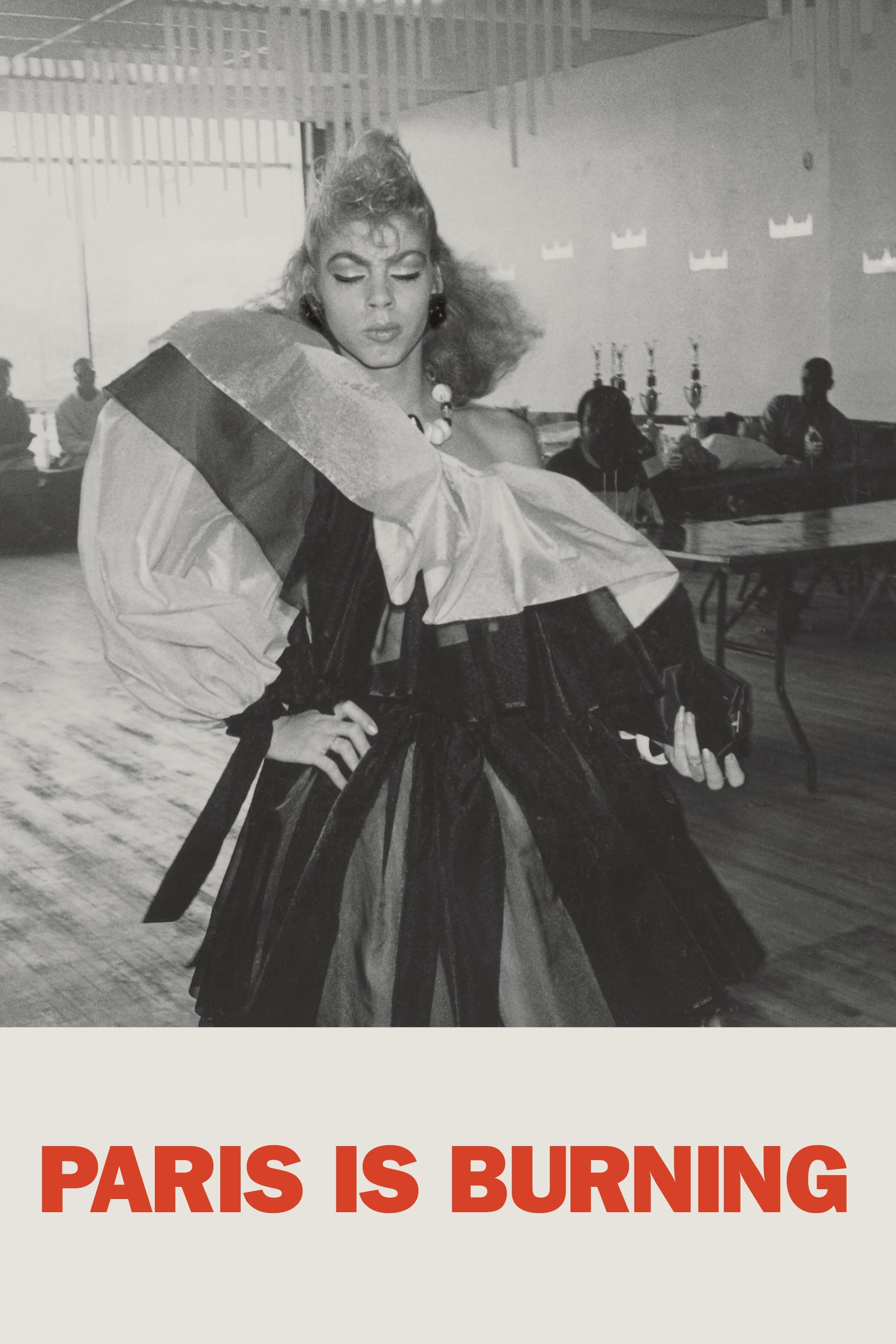
This influential documentary provides an intimate and vibrant look at the New York City ball culture of the late 1980s. It features the lives of African American and Latino gay and transgender performers who find a sense of family and belonging in the drag scene. The film captures their struggles with racism, poverty, and the AIDS epidemic, while also celebrating their creativity and defiance. It stands as a vital record of a marginalized community and its significant cultural contributions.
‘A Single Man’ (2009)

Set in 1962 Los Angeles, a British professor struggling with the recent death of his long-time male partner navigates a single, significant day in his life. He encounters various people, including a student and an old friend, as he grapples with profound grief and considers his future. The film is visually stylized to reflect the protagonist’s internal emotional state and his detached view of the world. It is an exploration of the quiet, personal toll of loss.
‘The Normal Heart’ (2014)

Based on a play, this drama tells the story of the early days of the AIDS epidemic in New York City during the 1980s. A writer and activist attempts to raise awareness and demand action from a government and society that are largely indifferent to the crisis. The narrative focuses on the personal and professional toll on the individuals who led the charge for medical research and social recognition. It is a powerful chronicle of a public health tragedy and the courage of those who fought it.
‘But I’m a Cheerleader’ (2000)
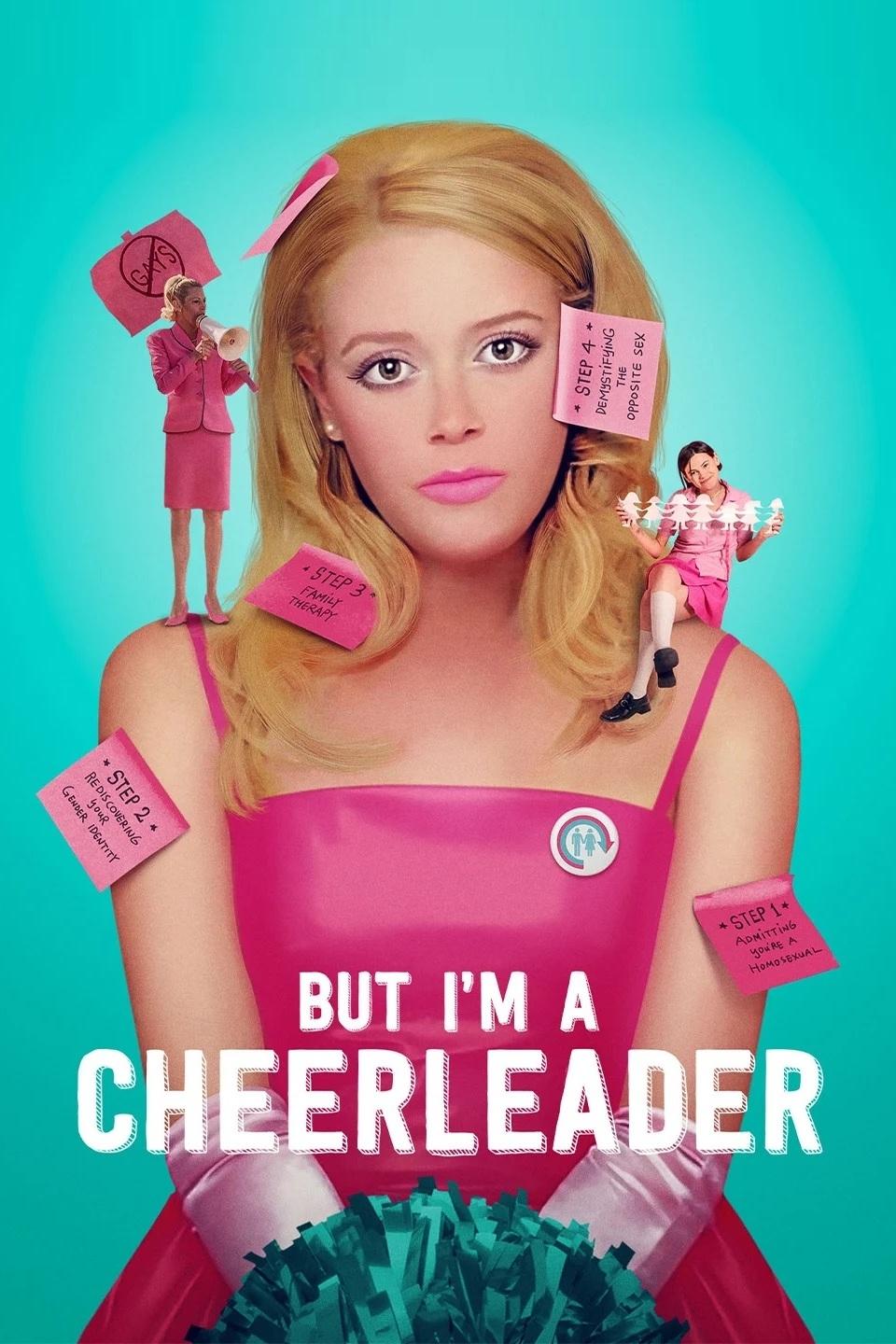
A high school cheerleader who is suspected of being a lesbian by her friends and family is sent to a rehabilitation camp meant to cure her of her sexual orientation. While at the camp, she meets a girl who challenges her preconceptions and helps her embrace her true self. The film uses a colorful and satirical tone to critique the absurdity of conversion therapy programs. It remains a cult classic for its humorous and lighthearted approach to a serious subject.
‘Mulholland Drive’ (2001)
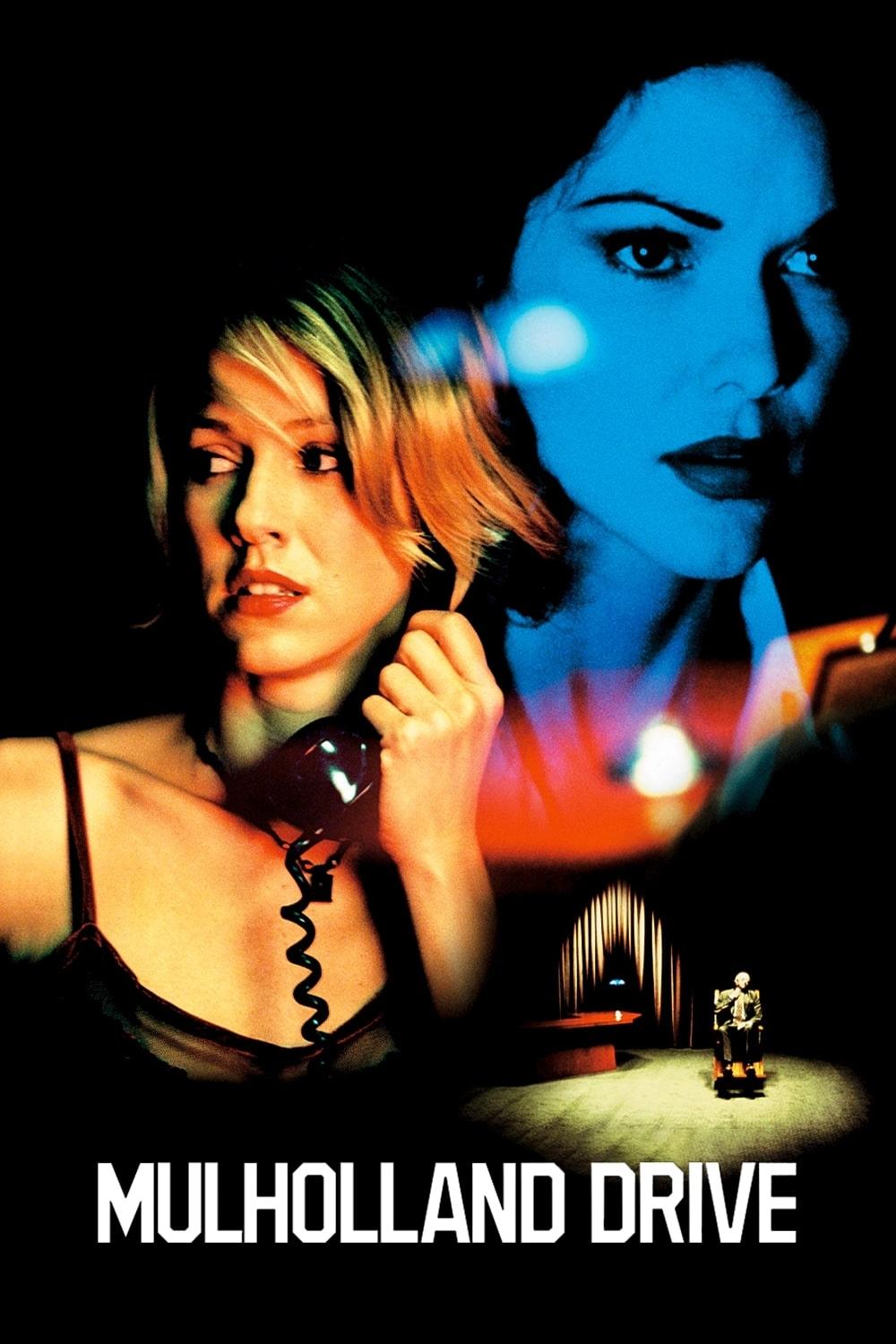
A young, hopeful actress arrives in Los Angeles to find fame and meets an amnesiac woman who has survived a car accident. Together, they attempt to solve the mystery of the woman’s identity while traversing the surreal and dreamlike landscape of Hollywood. The film weaves multiple storylines and identity-shifting elements into a complex, noir-inspired narrative. It is widely praised for its atmosphere, symbolism, and non-linear structure.
‘Beats Per Minute’ (2017)

This French drama follows the members of the ACT UP-Paris activist group as they fight to bring attention to the AIDS crisis in the early 1990s. The members organize protests and debates to demand government and pharmaceutical action, while also navigating personal relationships and the impact of the disease on their community. The film captures the energy, urgency, and heartbreak of a movement driven by survival. It is lauded for its realistic depiction of political mobilization.
Share your thoughts on these influential films in the comments.