Actresses Who Are Leading the Fight for Strict “No White Savior” Contract Clauses

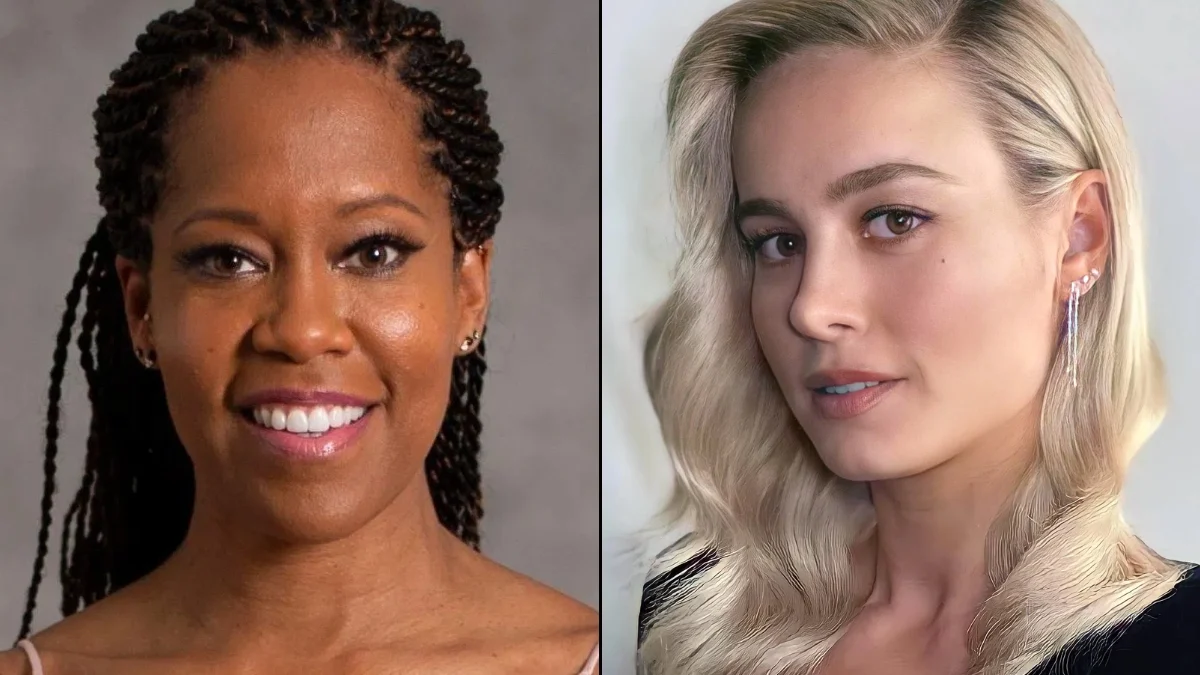

The landscape of Hollywood is undergoing a significant transformation as several high-profile actresses demand more than just diversity on screen. These industry leaders are using their contractual leverage to advocate for the inclusion rider and other specific clauses that prevent the use of the “white savior” trope. By insisting on creative control and diverse production teams, they ensure that stories about marginalized communities are told with authenticity and agency. These efforts are designed to dismantle systemic hierarchies and prioritize narrative integrity over outdated cinematic formulas.
Viola Davis
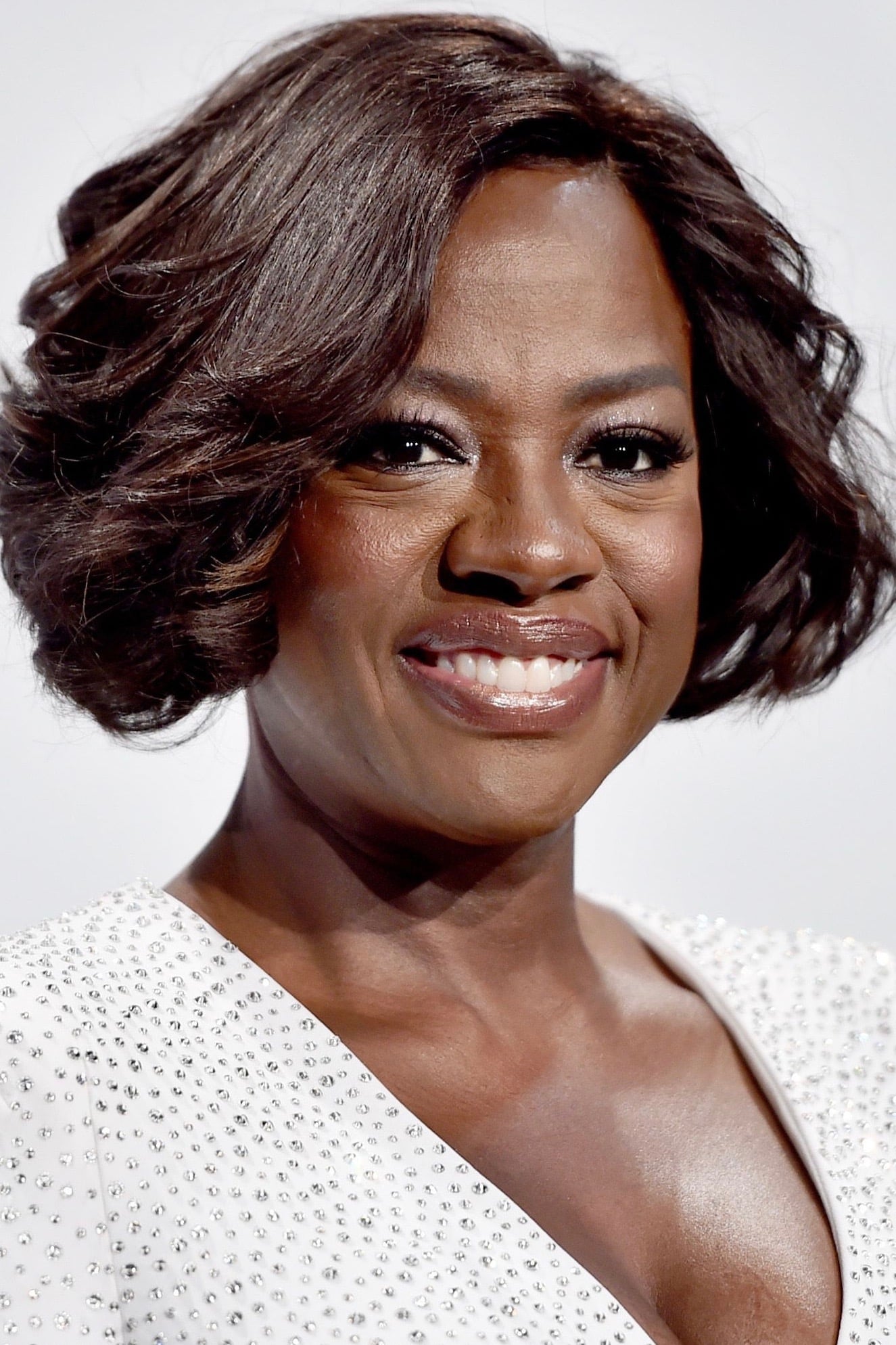
She has publicly expressed regret for her role in ‘The Help’ because the story was ultimately told through a white perspective. Through her production company, JuVee Productions, she implements specific contractual requirements to ensure BIPOC characters are the protagonists of their own stories. Davis advocates for narratives that provide Black characters with full agency rather than serving as catalysts for a white lead’s growth. This commitment to storytelling integrity has made her a prominent figure in the push for more equitable Hollywood contracts.
Frances McDormand
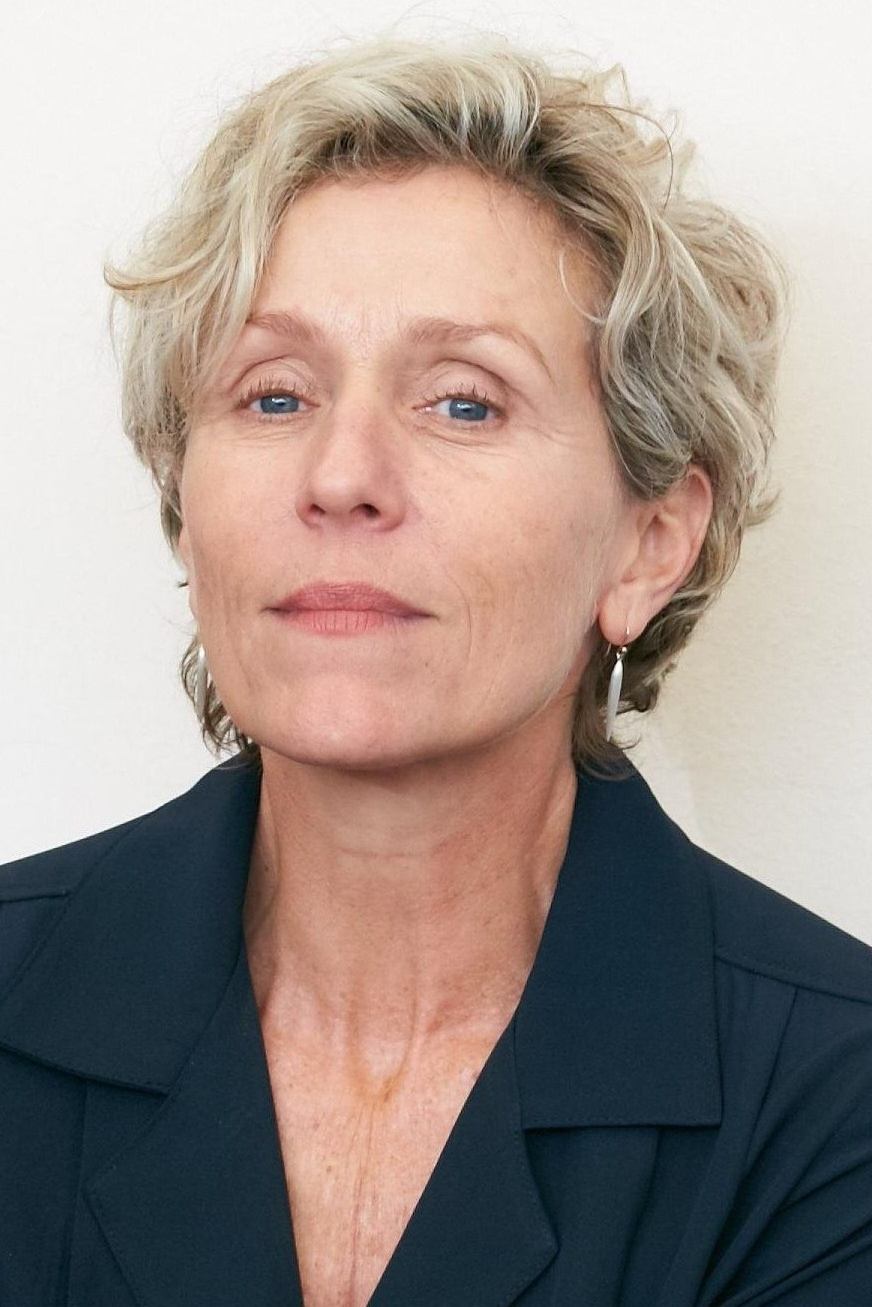
During her 2018 Academy Award acceptance speech, she introduced the concept of the inclusion rider to a global audience. An inclusion rider is a legal provision in an actor’s contract that requires a certain level of diversity in the film’s cast and crew. This contractual tool is designed to dismantle systemic biases, including the white savior trope, by ensuring that marginalized voices are present both on-camera and in the writers’ room. McDormand’s advocacy has paved the way for other high-profile actors to demand similar stipulations in their professional agreements.
Brie Larson
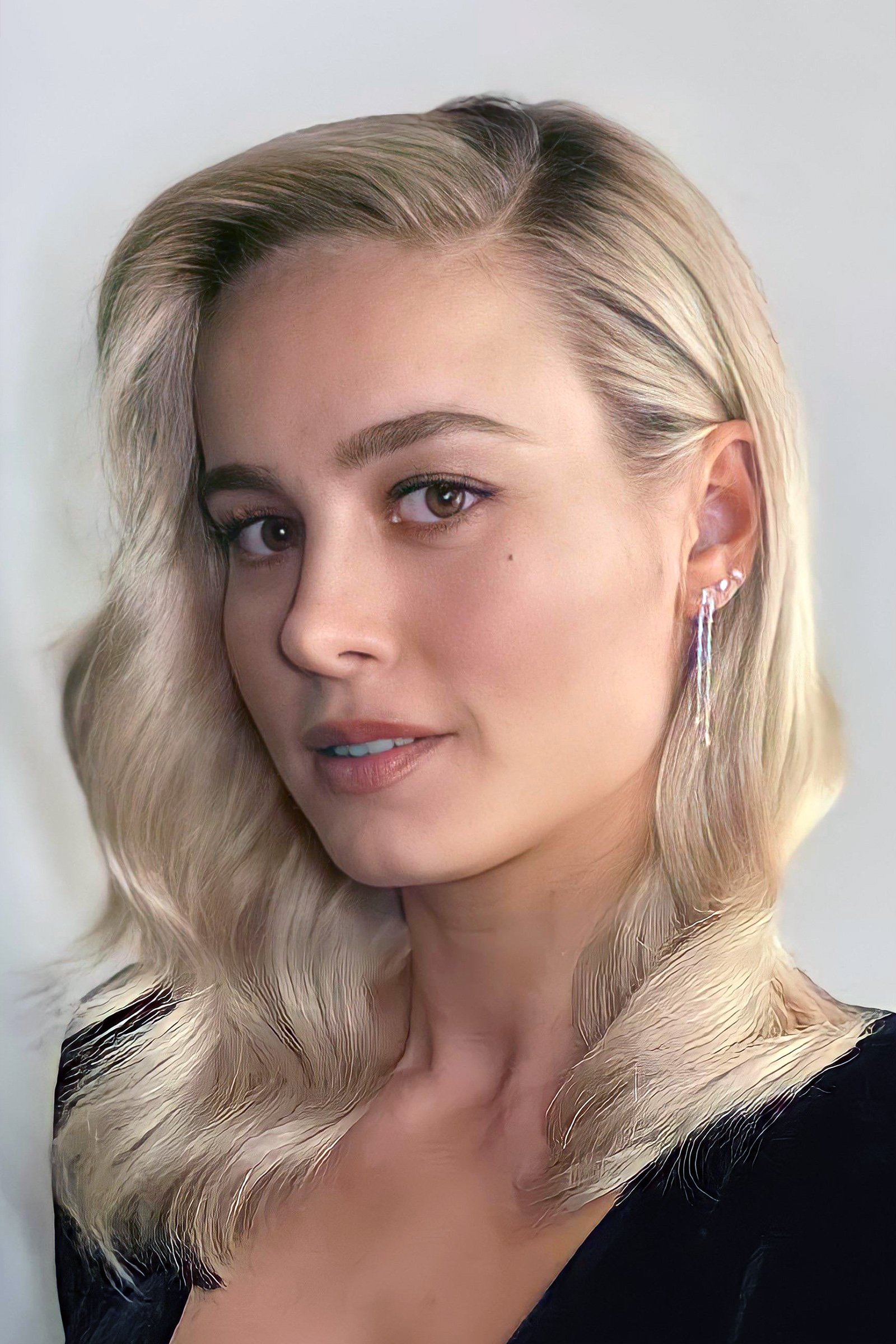
The ‘Captain Marvel’ star has been a vocal proponent of using her platform to demand diversity in all aspects of film production. Larson has utilized her contract negotiations to ensure that press junkets and production crews are representative of the real world. By mandating a diverse workforce, she effectively challenges the structural hierarchies that often lead to white-centric narratives. Her efforts extend to ensuring that the stories she participates in do not rely on outdated or harmful racial tropes.
Zendaya

Zendaya has consistently used her influence to push for more authentic representation and the elimination of stereotypical roles for Black women. She has spoken about being intentional with the projects she chooses, often requesting that her characters be developed with depth and independence. In her role as an executive producer on ‘Euphoria’, she has significant input into the narrative direction of her character. By asserting creative control, she ensures that her performances do not fall into the trap of supporting a white-led moral arc.
Regina King
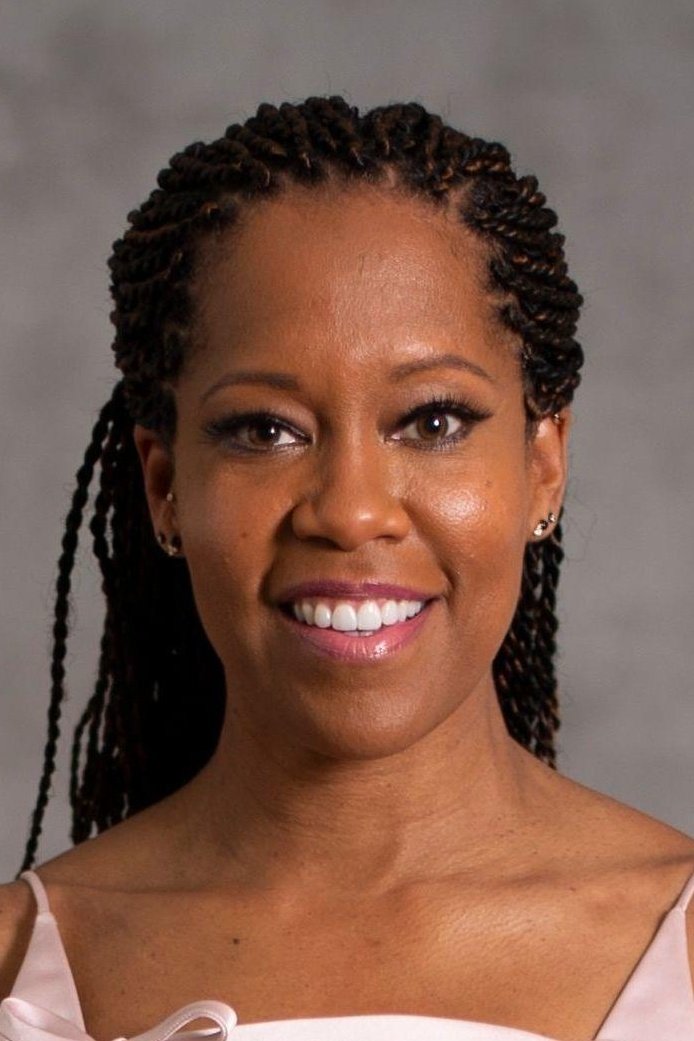
As an Academy Award-winning actress and director, she has committed to a challenge pledging that 50 percent of her production staff will be women. This mandate is often integrated into her professional agreements to foster an environment where diverse perspectives are prioritized. King’s leadership in this area directly impacts how stories are framed, preventing the centering of white narratives in stories about marginalized communities. Her work on ‘One Night in Miami…’ demonstrates her focus on centering Black intellectualism and brotherhood.
Octavia Spencer
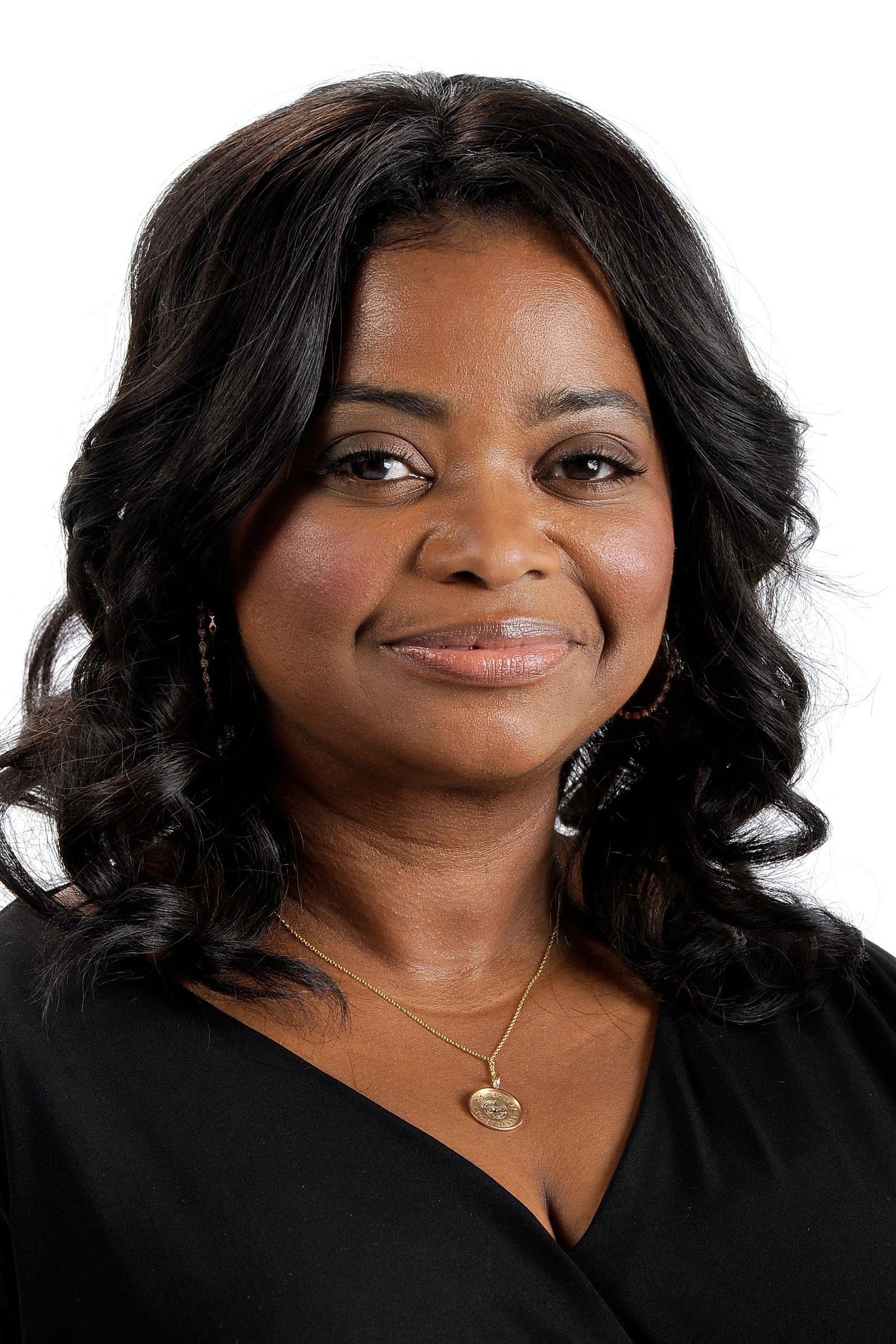
Following her experience in ‘The Help’, she has become more vocal about the necessity of pay equity and narrative control for Black actresses. She famously collaborated with Jessica Chastain to negotiate five times her initial salary for a project, demonstrating the power of collective bargaining. Spencer focuses on roles that provide her characters with significant backstories and motivations that are independent of white protagonists. Her production choices reflect a desire to tell stories that are historically accurate without relying on the white savior archetype.
Jessica Chastain
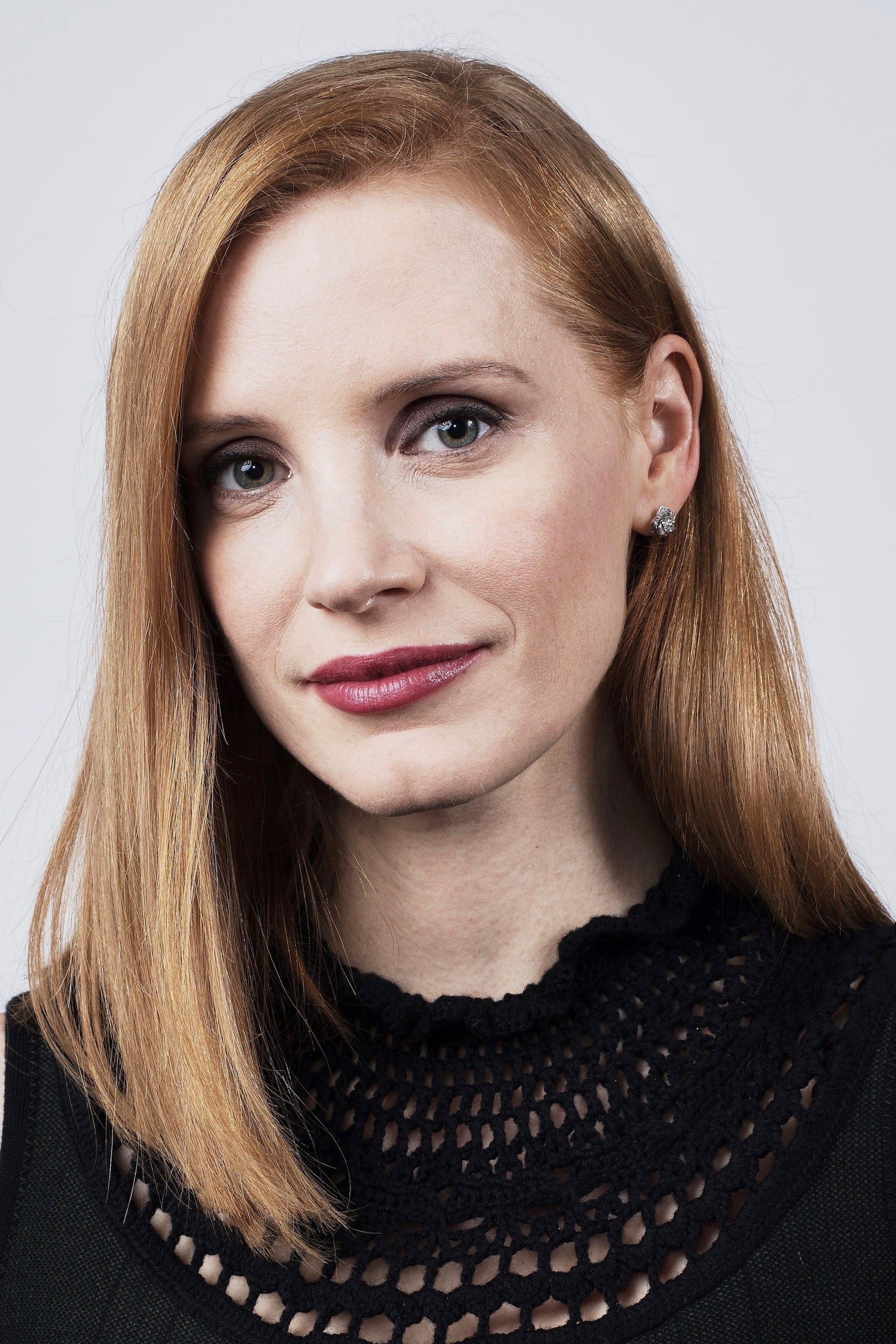
A strong advocate for gender and racial parity, she often makes diversity a prerequisite for her involvement in a project. She has used her leverage to ensure that her co-stars from marginalized backgrounds receive equal pay and prominent billing. By supporting the inclusion rider, she helps create a production environment where the white savior trope is actively discouraged. Chastain’s commitment to these clauses ensures that the stories she helps bring to life are more inclusive and narratively balanced.
Tracee Ellis Ross
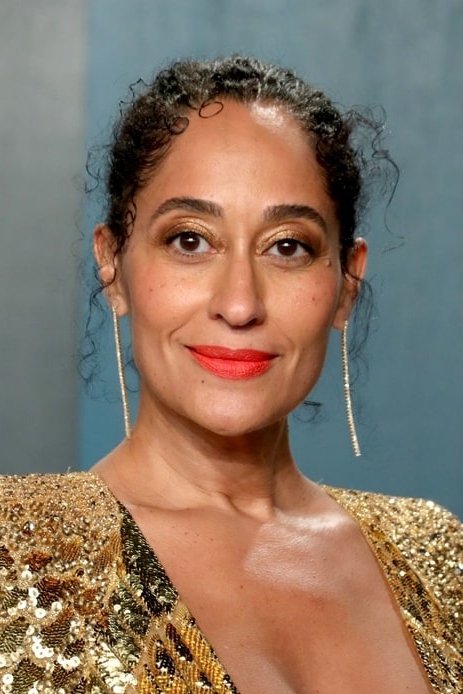
Throughout her career on ‘Black-ish’ and as an executive producer of ‘The Hair Tales’, she has championed the importance of the Black gaze. She often negotiates for creative input to ensure that the experiences of Black women are portrayed with nuance and authenticity. Ross emphasizes that her characters must exist within their own cultural contexts rather than serving as tools for white enlightenment. Her advocacy for these standards is reflected in her contracts and her choice of projects.
America Ferrera
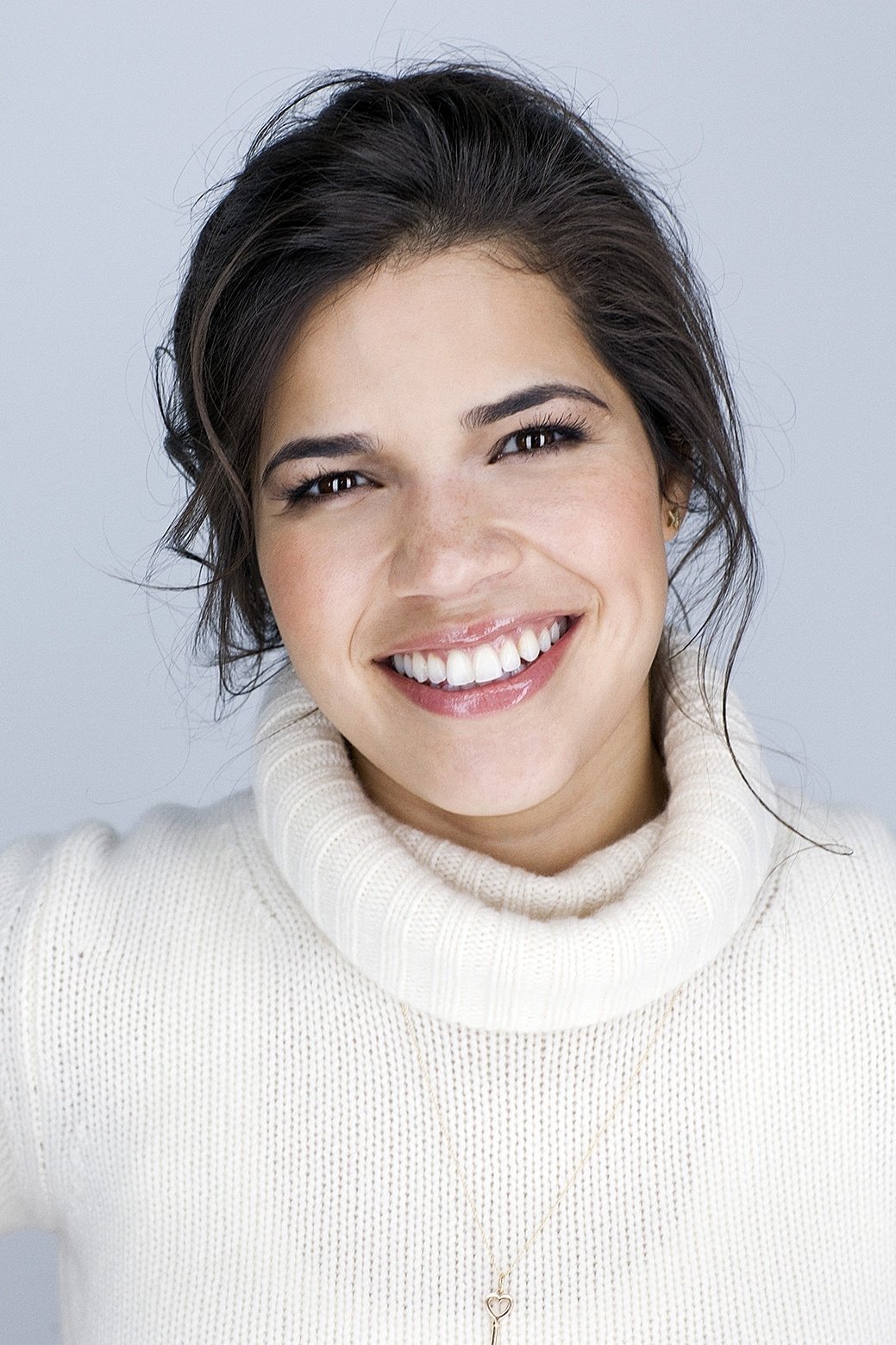
She has been a leading voice in the movement for better Latinx representation through her work with the organization Harness. Ferrera often utilizes her roles and production titles to ensure that Latinx stories are told from an insider’s perspective. By pushing for diverse writers’ rooms and casting, she mitigates the risk of characters being relegated to sidekicks or beneficiaries of white heroism. Her contractual demands focus on systemic changes that prioritize authentic cultural storytelling.
Thandiwe Newton

The ‘Westworld’ star announced her commitment to the inclusion rider following the 2018 Academy Awards. She has stated that she will not work on projects that do not have a contractual commitment to diversity and inclusion. Newton uses her position to advocate for stories that reflect the global majority without defaulting to white-centric perspectives. Her approach ensures that the narratives she is part of are grounded in equity from the pre-production phase.
Kerry Washington
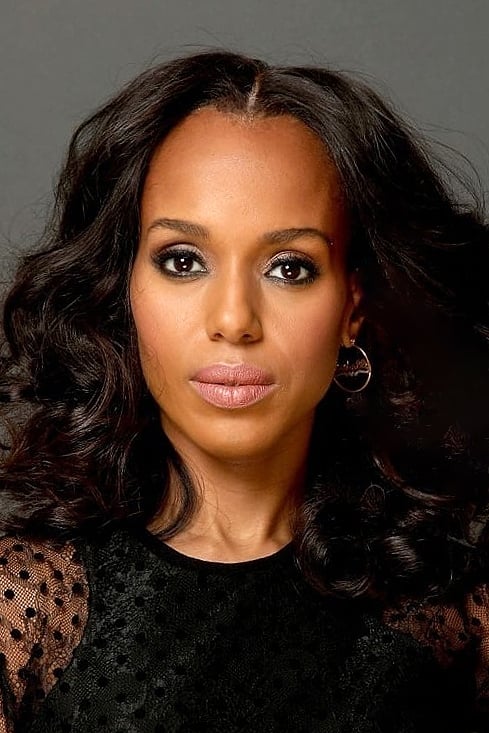
Through her production company, Simpson Street, she prioritizes projects that center the experiences of women of color. Washington uses her contractual power to ensure that these stories maintain their cultural integrity and do not lean on traditional white-centric tropes. Her work on ‘Little Fires Everywhere’ explored the complexities of race and motherhood without offering easy moral resolutions for its white characters. She advocates for a production environment where marginalized voices have final creative say.
Mindy Kaling

Kaling has utilized her positions as an actress, writer, and producer to create spaces for South Asian representation in mainstream media. In projects like ‘The Mindy Project’ and ‘Never Have I Ever’, she centers Indian-American protagonists who are driving their own narratives. She often includes provisions in her production agreements to ensure diverse representation in the writers’ room, which prevents the use of white savior archetypes. Her success has allowed her to mandate high standards for inclusivity across all her streaming and television ventures.
Let us know which of these actresses you admire most for their commitment to authentic storytelling in the comments.