Actors Who Were Excluded From Major Cultural Movements Because of Their “Privilege”

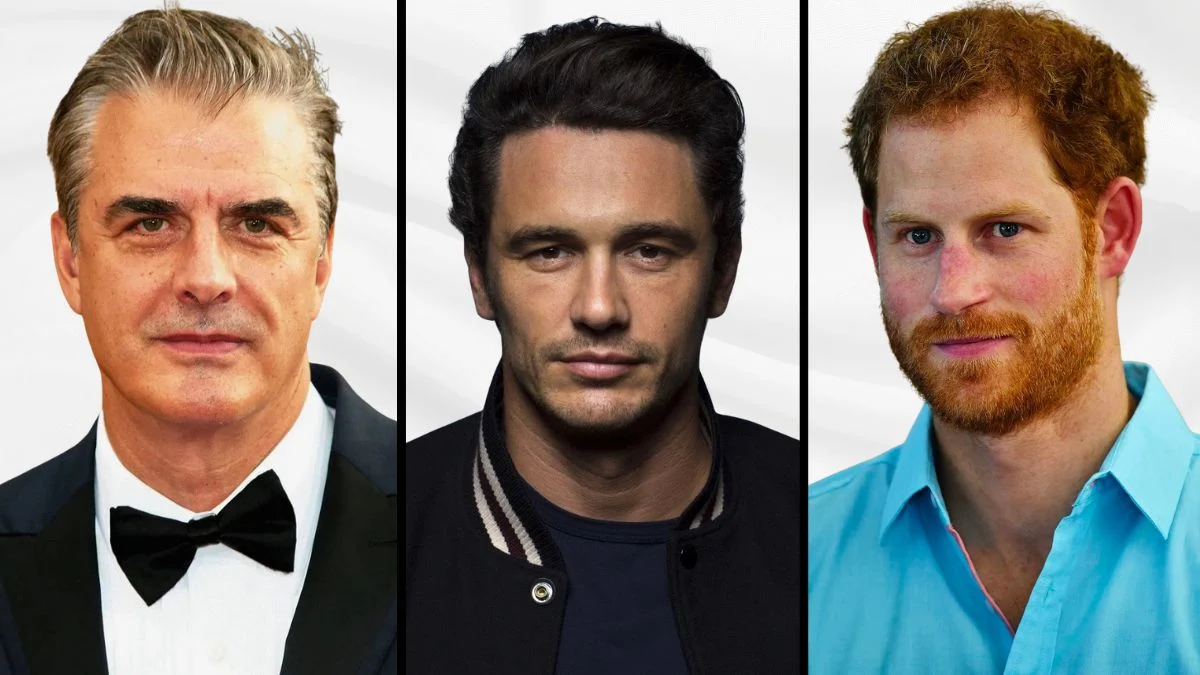

The entertainment industry has undergone significant shifts as various cultural movements demand greater accountability and representation for all voices. Certain male actors have found themselves distanced from these social progress milestones due to perceptions of their inherent privilege and status. Whether stemming from wealthy backgrounds or long established industry connections these figures faced intense scrutiny during moments of social reckoning. Their careers often stalled as the public and peers reevaluated the influence of their status in an evolving landscape.
Armie Hammer
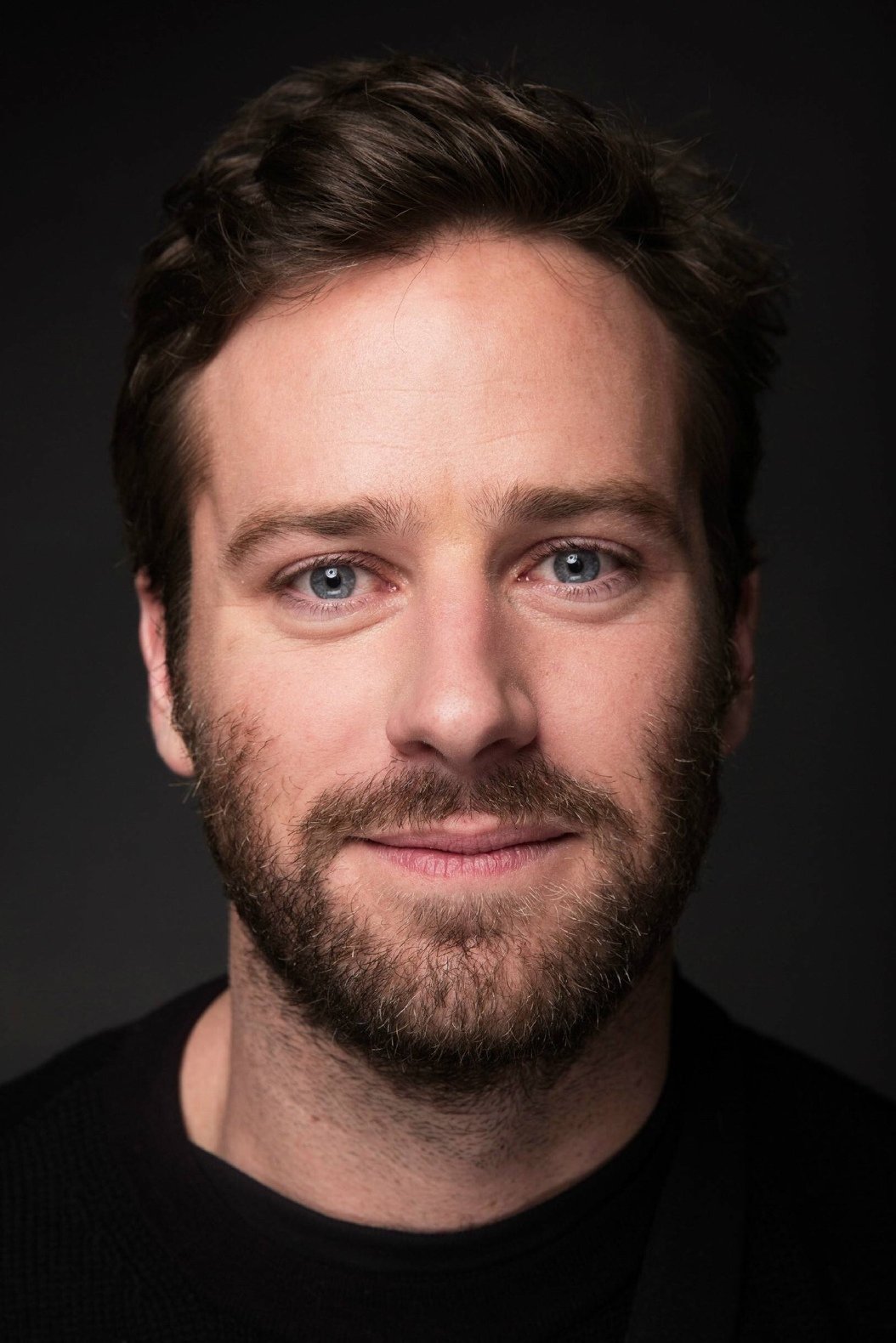
Hammer belongs to a dynasty of wealth and influence that many believe protected him for several years. When serious allegations surfaced the public discourse focused heavily on how his privilege allowed him to navigate the industry unchallenged. His exclusion from major projects like ‘Shotgun Wedding’ marked a significant shift in cultural tolerance for those with elite backgrounds. This fallout demonstrated that status no longer guarantees immunity during social movements aimed at total accountability.
Kevin Spacey
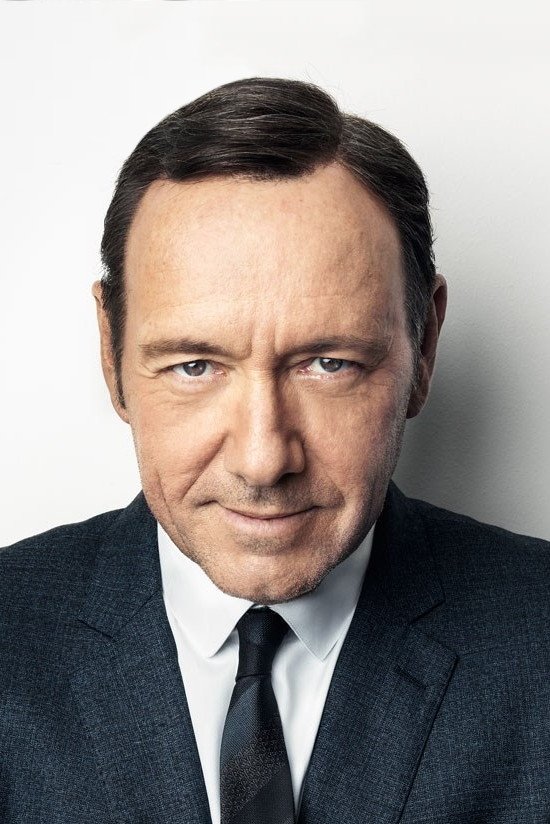
As a highly decorated and powerful figure in Hollywood he occupied a position of immense professional privilege. His career came to an abrupt halt when the #MeToo movement empowered individuals to speak out against established icons. He was famously removed from ‘All the Money in the World’ and his leading role in ‘House of Cards’ was terminated. This exclusion highlighted a cultural refusal to protect even the most celebrated actors when their conduct is questioned.
Harvey Weinstein
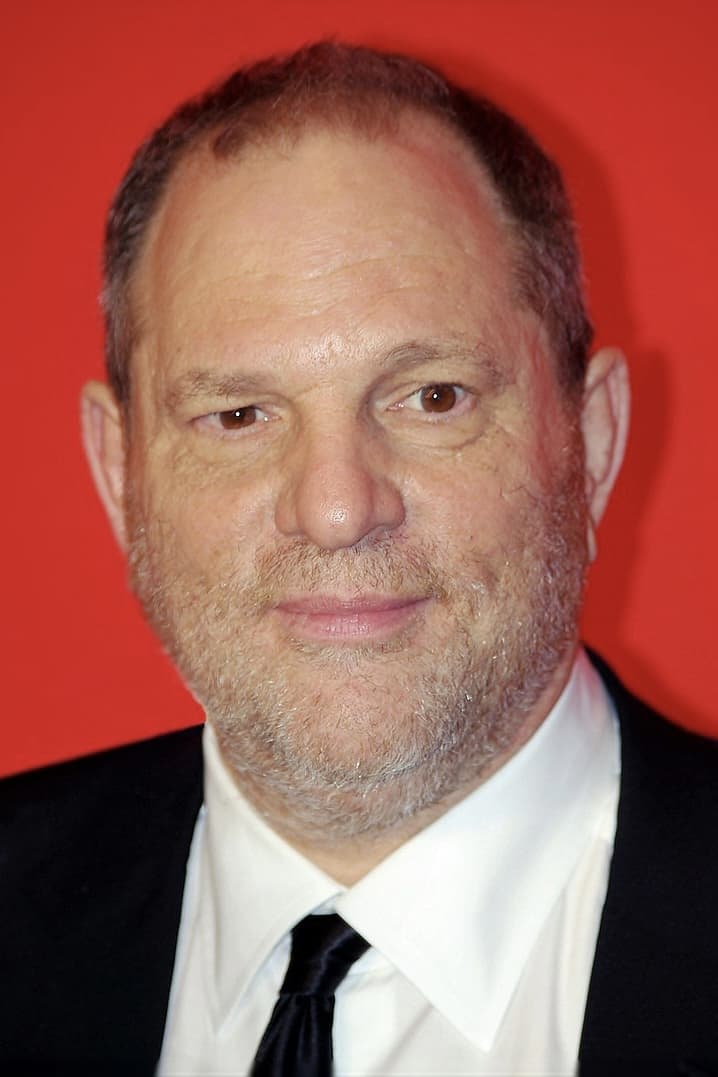
Though primarily a producer his occasional acting roles and massive industry influence made him the face of systemic privilege. The cultural shift following the revelations about his behavior redefined the boundaries of power in entertainment. He was systematically excluded from the Academy of Motion Picture Arts and Sciences and the broader industry he once dominated. His downfall remains the most significant example of a cultural movement dismantling the protections of professional status.
Louis C.K.
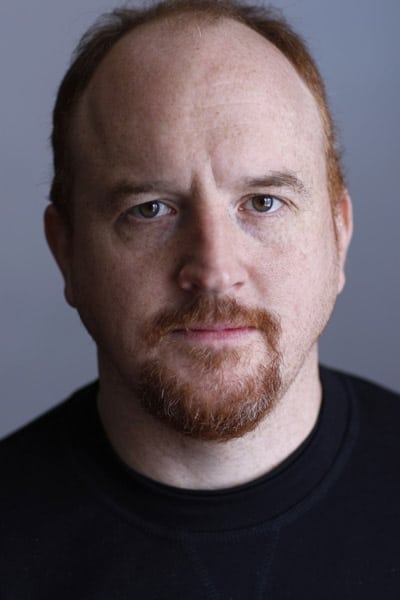
The comedian and actor built a career on observational humor while maintaining a position of significant gatekeeping power in the industry. His career suffered a massive blow when he was excluded from various platforms and production deals following reports of misconduct. This exclusion occurred during a time when the industry began prioritizing the safety and comfort of all workers over the status of its stars. His departure from the mainstream spotlight reflected a major cultural push for better workplace standards.
James Franco
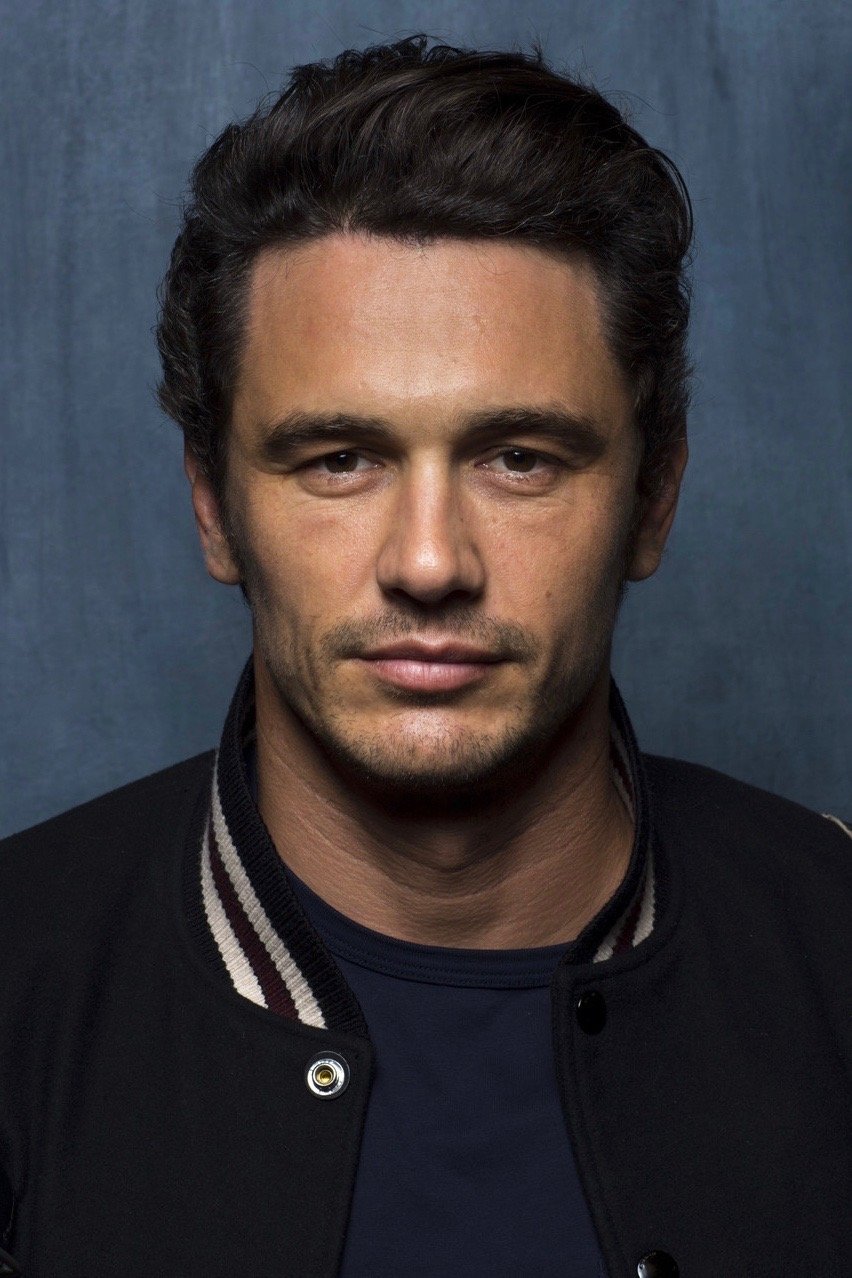
Franco enjoyed a career characterized by artistic freedom and academic privilege that many felt shielded him from criticism. During the rise of the #MeToo movement he faced significant backlash that led to a noticeable distancing from major industry events and roles. Critics pointed to his position of authority over students and young actors as a primary concern. His exclusion from certain award circles and projects signaled a change in how the industry views the intersection of power and mentorship.
Ansel Elgort
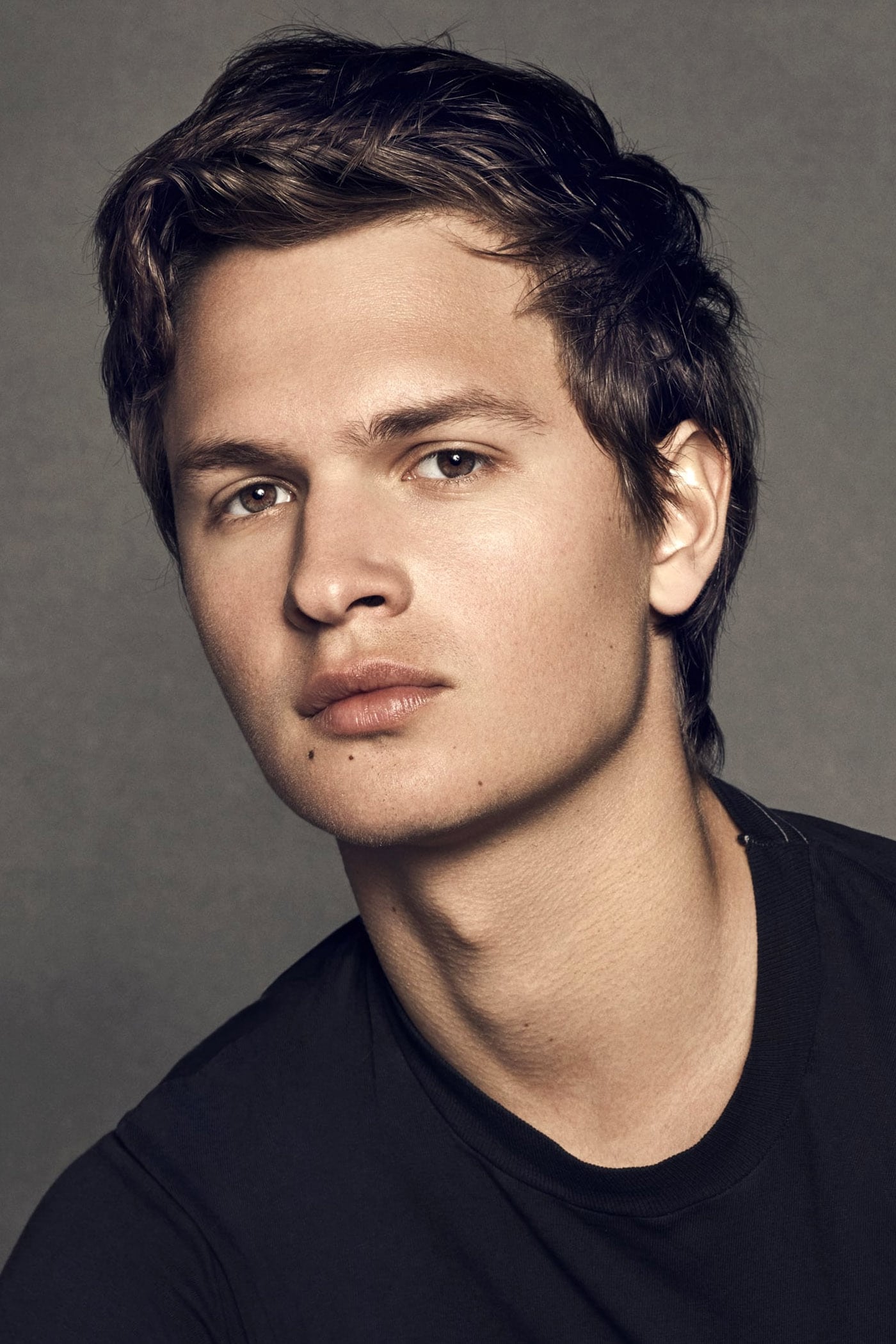
As an actor from a well connected family he was often cited in discussions regarding the advantages afforded to those with industry ties. When personal controversies emerged the conversation shifted toward how his privilege might have impacted his career trajectory. He faced a period of relative exclusion and intense public scrutiny during the promotion of major films like ‘West Side Story’. This situation emphasized the growing public demand for accountability regardless of an actor’s background or connections.
Shia LaBeouf
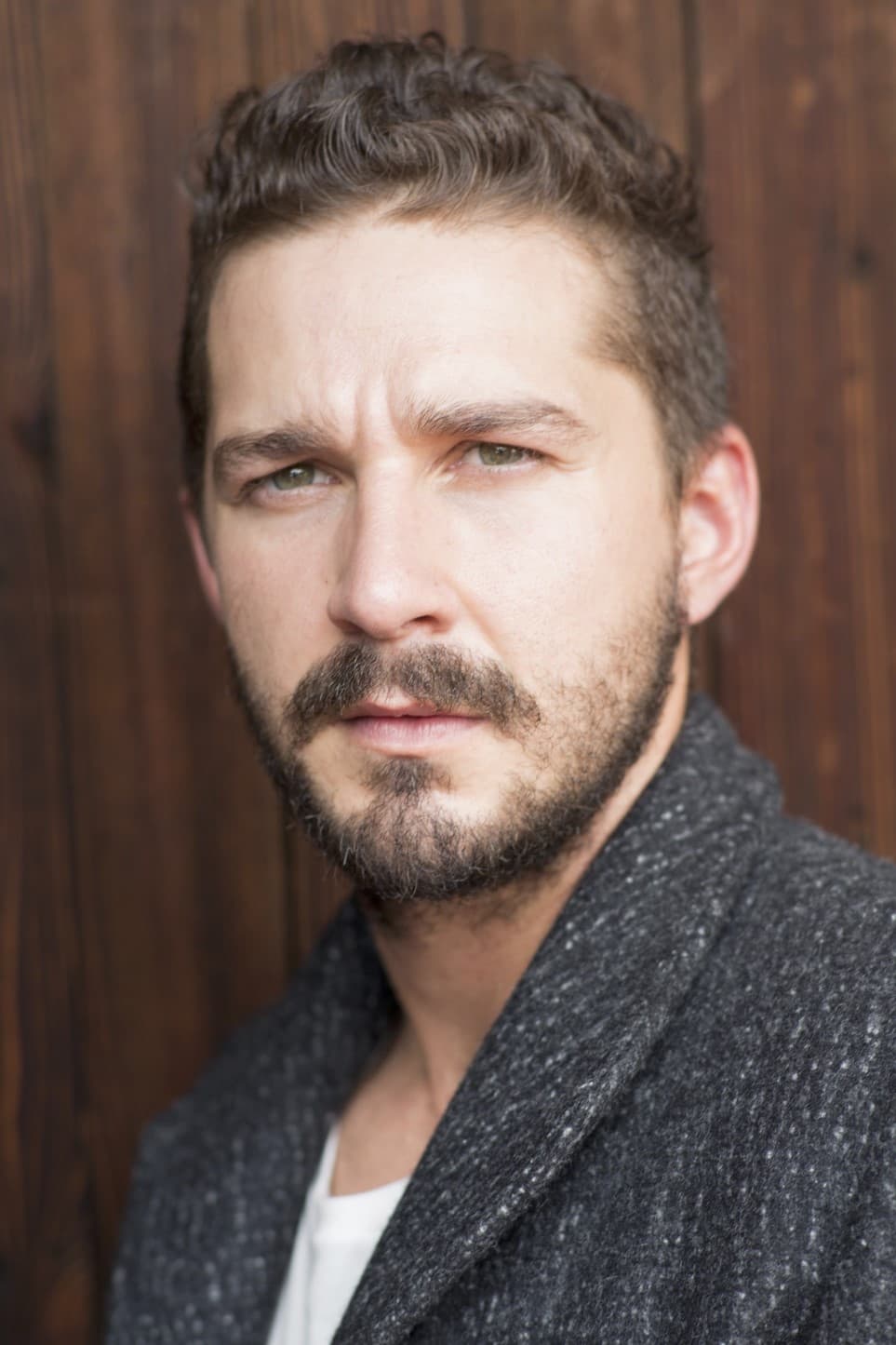
LaBeouf has long been known for his method acting and a career supported by major blockbusters and critical darlings. His history of legal issues and personal conduct eventually led to his exclusion from certain high profile projects and marketing campaigns. Cultural movements focusing on domestic safety and professional decorum contributed to his distancing from the mainstream. The industry move to sideline him showed that creative talent is no longer a sufficient shield for problematic behavior.
Prince Harry, Duke of Sussex
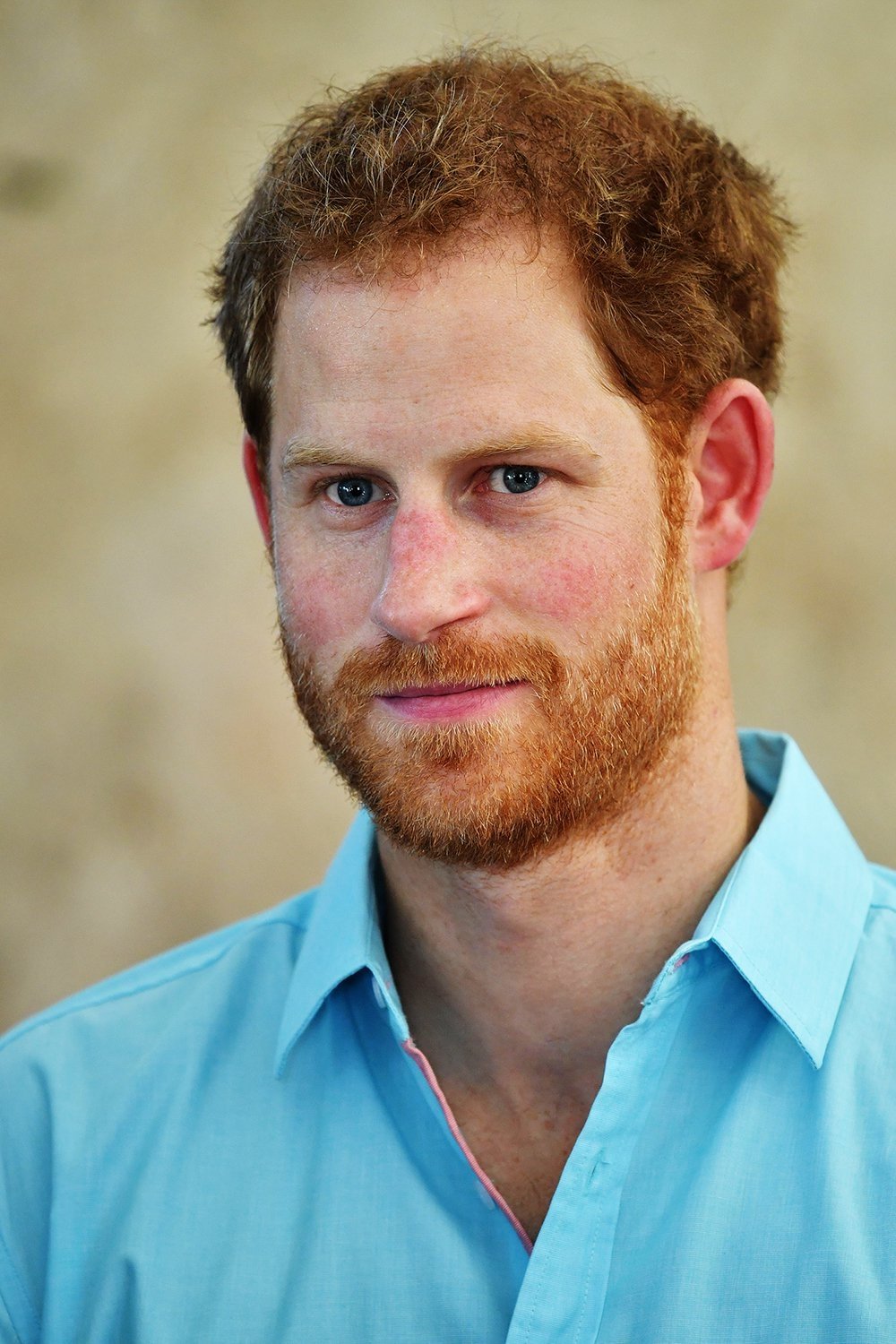
While his exclusion was largely a personal choice it was heavily influenced by cultural discussions regarding the privilege and constraints of the monarchy. His transition away from senior royal duties sparked a global conversation about the expectations placed on those born into wealth and status. He found himself sidelined from traditional royal movements and institutional functions as he pursued a separate public identity. This shift reflects a broader cultural interest in the personal agency of those within privileged systems.
Bill Cosby
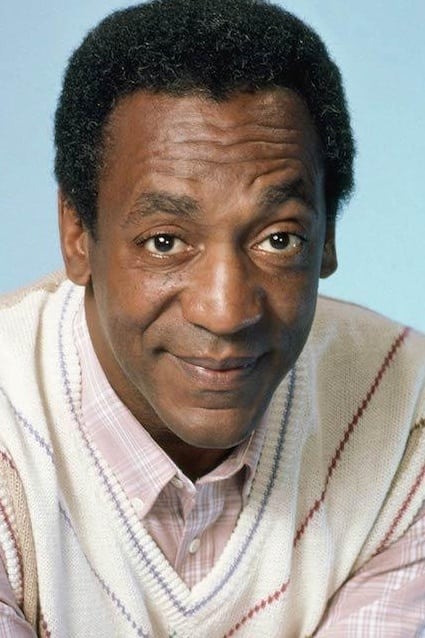
Cosby was once considered a foundational figure in American television and a symbol of paternal success. His eventual exclusion from the industry and the removal of his shows from syndication marked a total cultural rejection. This occurred as society moved toward a zero tolerance policy for the actions he was accused of committing. The loss of his honorary degrees and industry standing remains a landmark moment in the history of cultural accountability.
Woody Allen
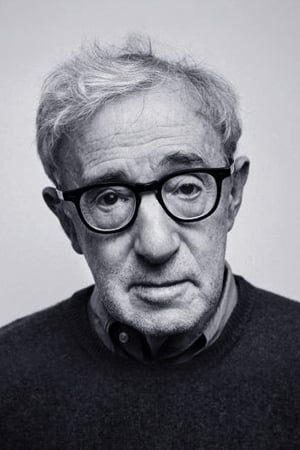
The legendary director and actor has faced a long history of controversy that recently culminated in a more permanent exclusion from the American film industry. As cultural movements focused on historical accountability gained momentum many collaborators chose to distance themselves from his work. Major distributors and studios have largely moved away from his projects in response to public pressure. This exclusion highlights the shift in how legacy and past allegations are weighed against modern social standards.
Roman Polanski
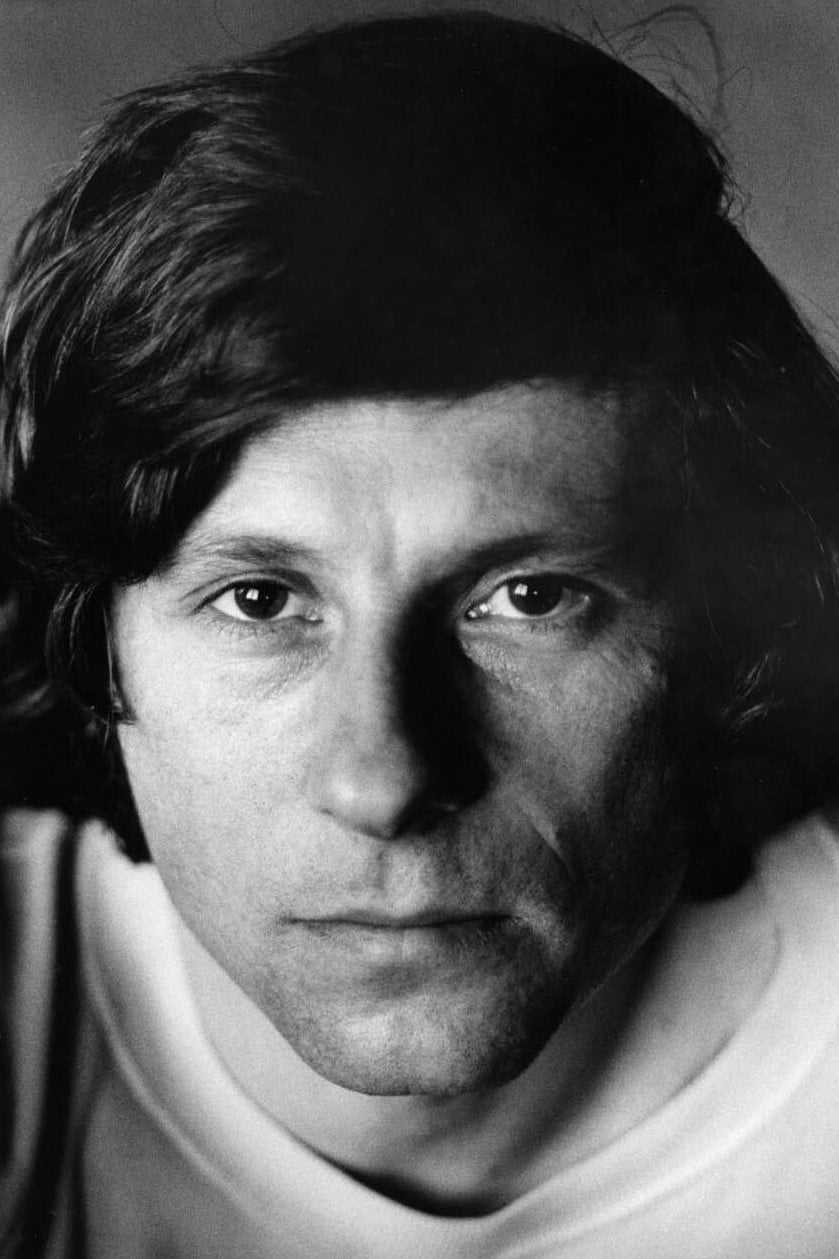
Polanski has lived in a state of professional exclusion from the American film industry for decades due to his legal history. Despite his early critical success he is largely absent from modern cultural movements that celebrate film history in the United States. His continued presence in international cinema often sparks intense debate and protest from advocacy groups. This enduring exclusion serves as a reminder of the industry’s evolving stance on legal and moral accountability.
Jeffrey Tambor
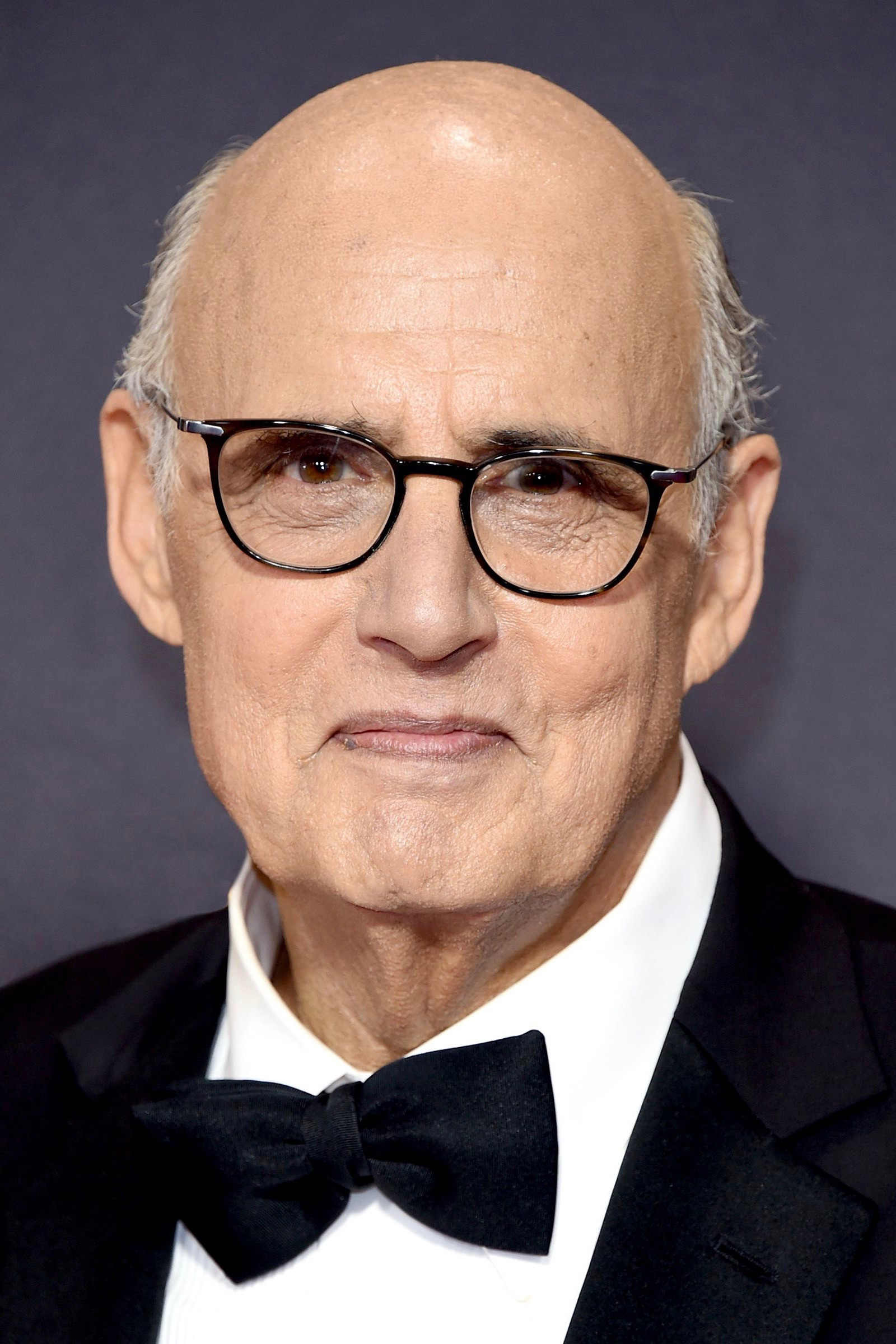
Tambor was a celebrated actor whose career was significantly impacted by the shift toward safer and more inclusive workplace environments. He was excluded from the production of ‘Transparent’ following allegations about his conduct on set. This move was supported by a cultural movement within the industry to protect marginalized voices in the workplace. His departure from the show marked a turning point in how veteran actors are held to modern standards of behavior.
Danny Masterson
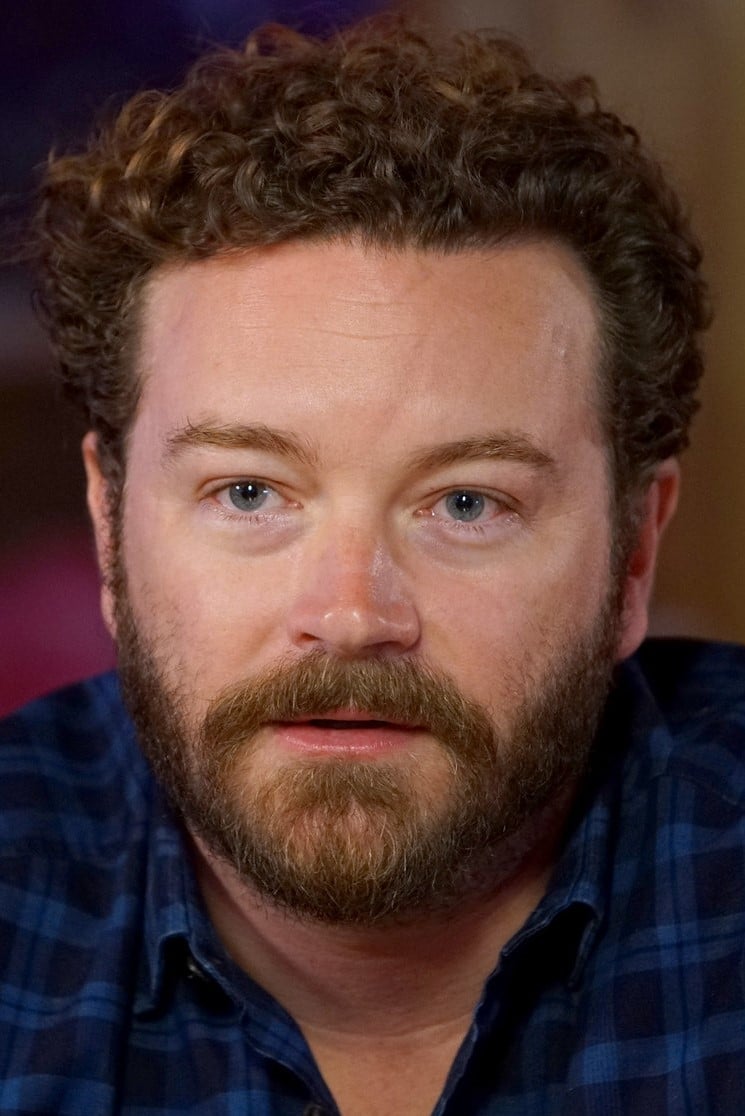
The actor was a prominent figure on television before facing severe legal challenges that led to his total exclusion from the industry. He was written out of the show ‘The Ranch’ and has not returned to mainstream acting since the allegations surfaced. This exclusion was a direct result of a cultural environment that increasingly prioritizes the voices of survivors over the status of celebrities. His situation illustrates the high stakes of professional accountability in the current era.
Chris Noth
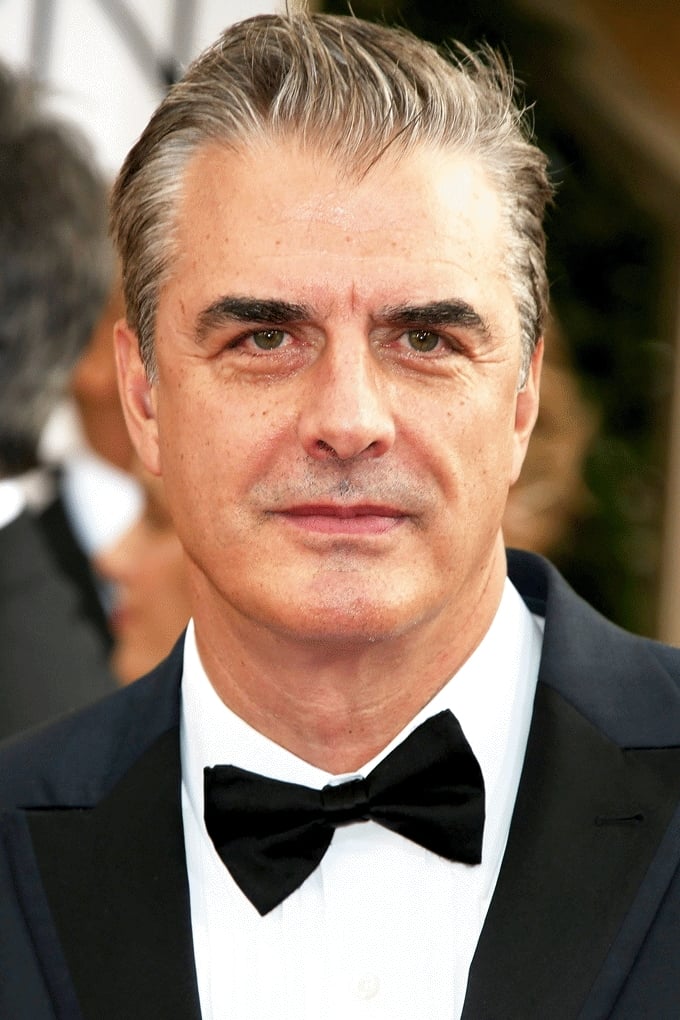
Noth was a major television star whose return to a famous franchise was cut short by sudden and serious allegations. He was excluded from future episodes of ‘And Just Like That…’ and lost several high profile endorsement deals. This rapid distancing occurred as a result of the industry’s commitment to responding quickly to reports of misconduct. His exclusion from the conclusion of a major television narrative demonstrated the power of modern social movements.
T.J. Miller
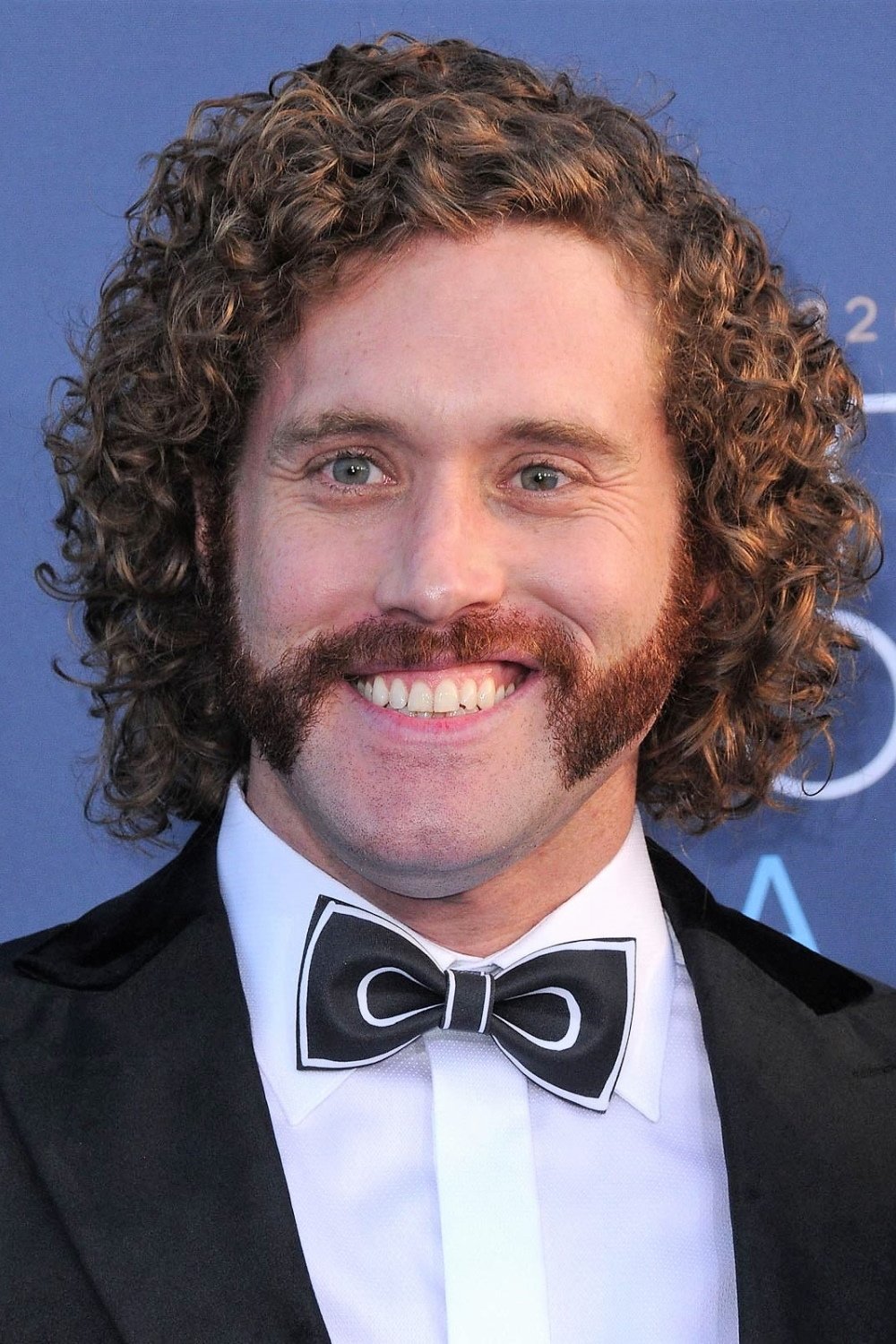
The comedian and actor was once a rising star in television and film before being sidelined following reports of problematic behavior. He was excluded from the final seasons of ‘Silicon Valley’ and saw a decrease in major film opportunities. This shift happened as the industry began to value professional stability and respectful conduct over comedic talent. His career trajectory serves as a cautionary tale about the limits of professional privilege.
Jeremy Piven
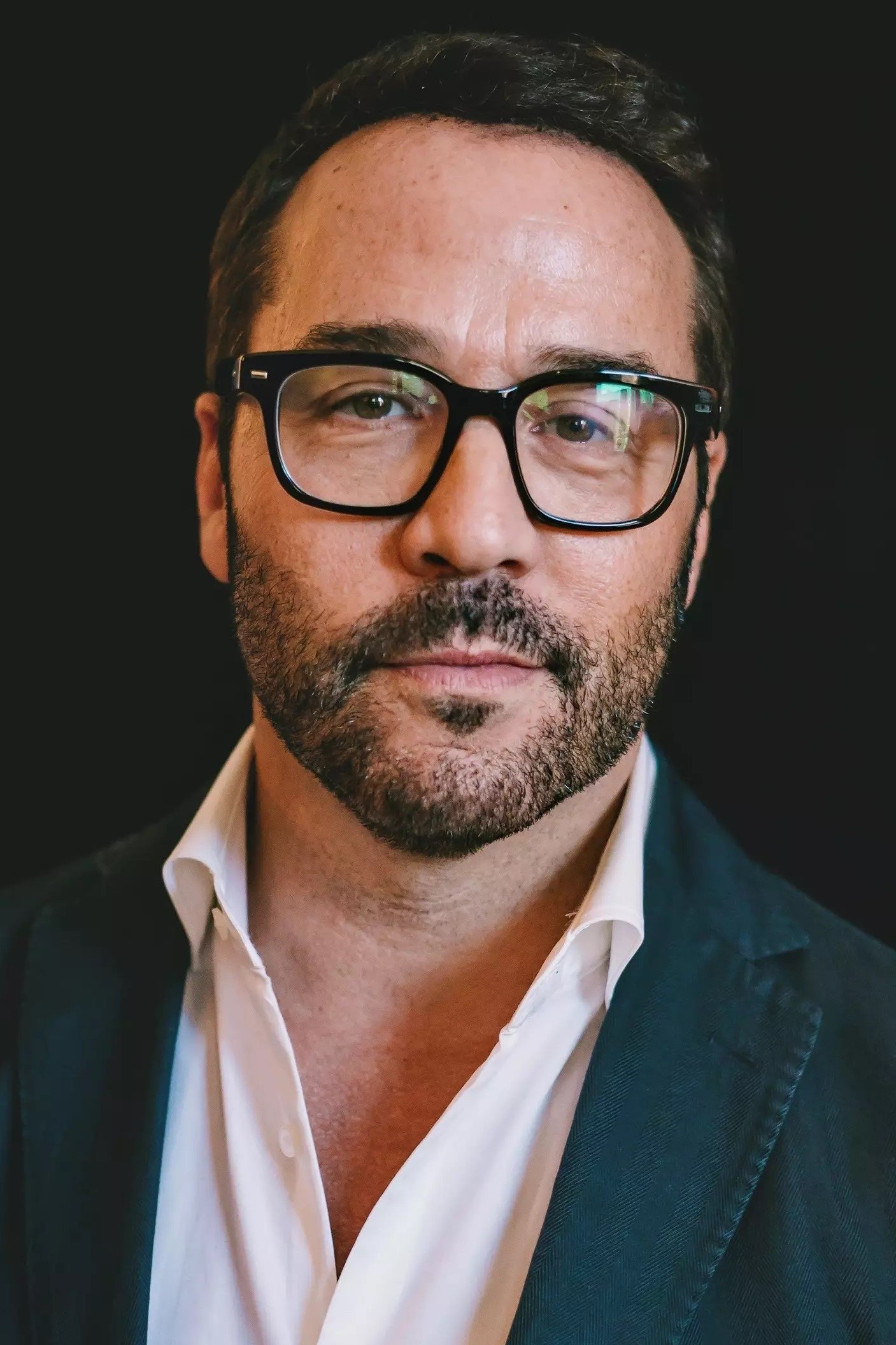
Piven enjoyed significant success and industry power during his time on the series ‘Entourage’. He faced a period of professional exclusion after multiple individuals came forward with allegations during the #MeToo movement. While he has continued to work in smaller capacities he has been largely absent from the major awards and projects that defined his earlier career. This transition reflects the cultural shift away from the hyper masculine and privileged archetypes he often portrayed.
Brett Ratner
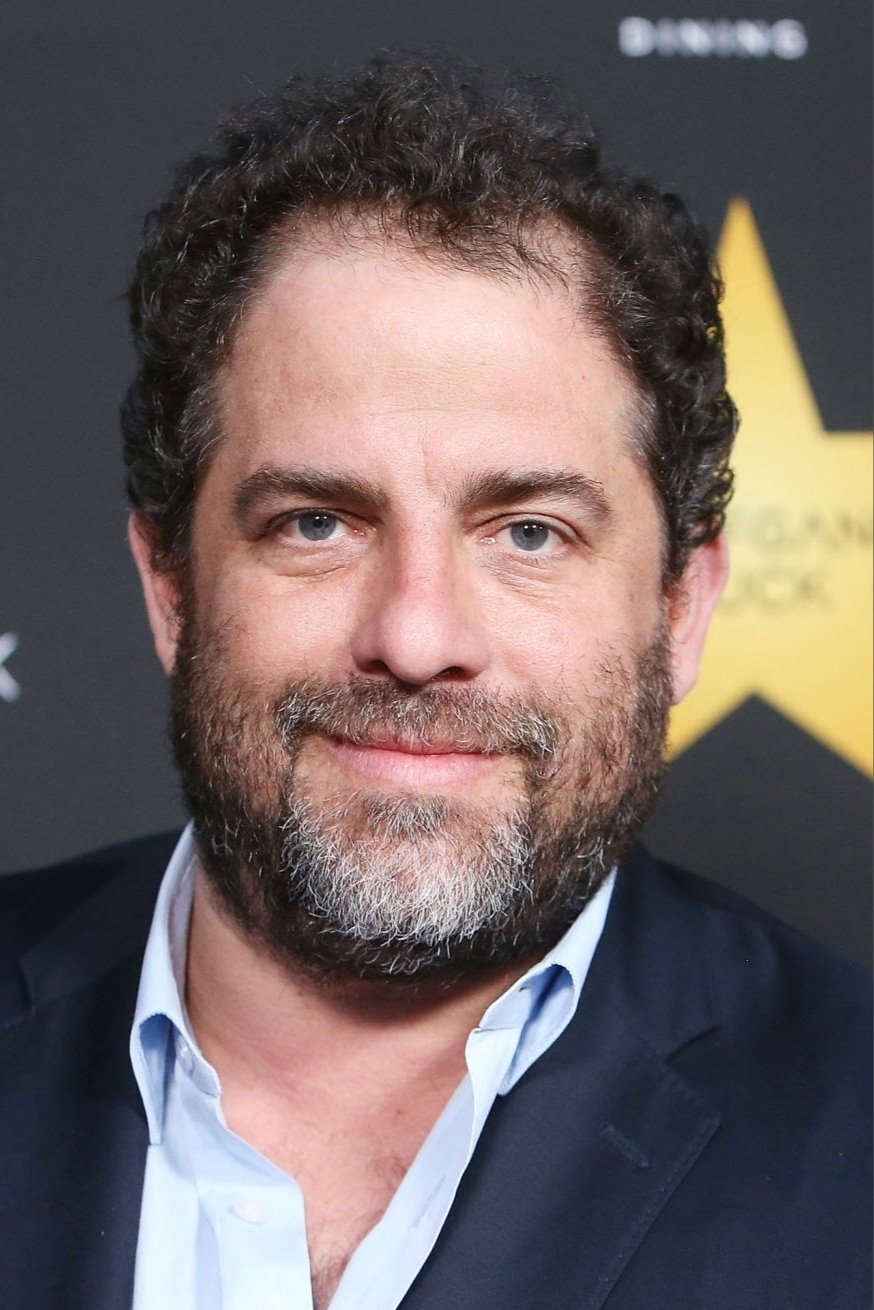
As a director and actor with significant influence he was a major player in the Hollywood studio system. He was excluded from major production deals and industry partnerships after serious allegations were made public. This exclusion was a significant victory for movements aiming to dismantle the boys club atmosphere of high level filmmaking. His loss of status showed that even the most well connected individuals can be removed from power.
Bryan Singer
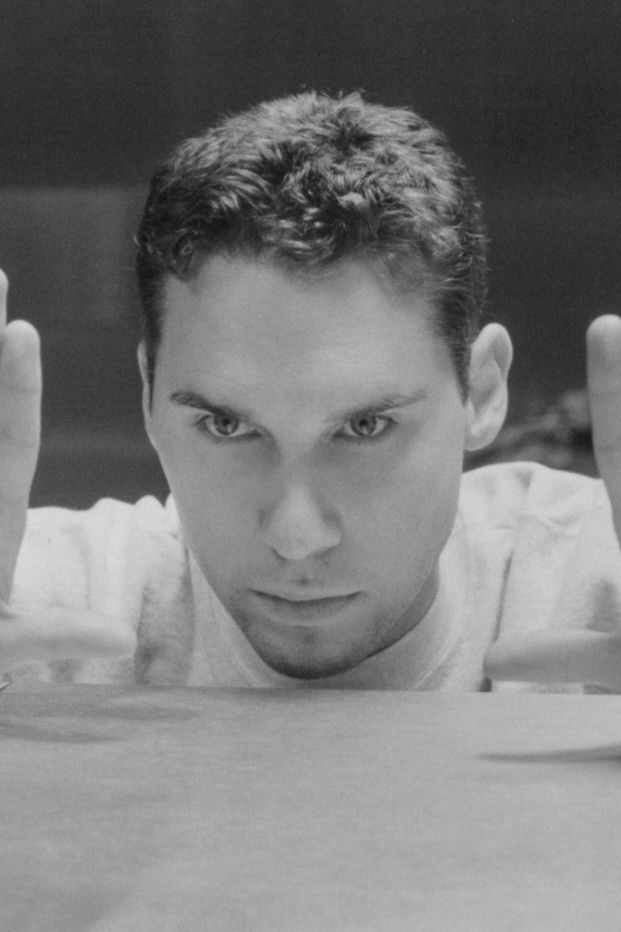
Singer was a powerhouse director and occasional actor who was central to the success of major superhero franchises. He faced a series of professional setbacks and exclusion from high profile projects due to ongoing allegations and reports of his behavior. The industry’s decision to distance itself from him highlighted a growing commitment to ethics over commercial success. His exclusion remains a prominent example of the consequences of losing public and professional trust.
Matt Lauer
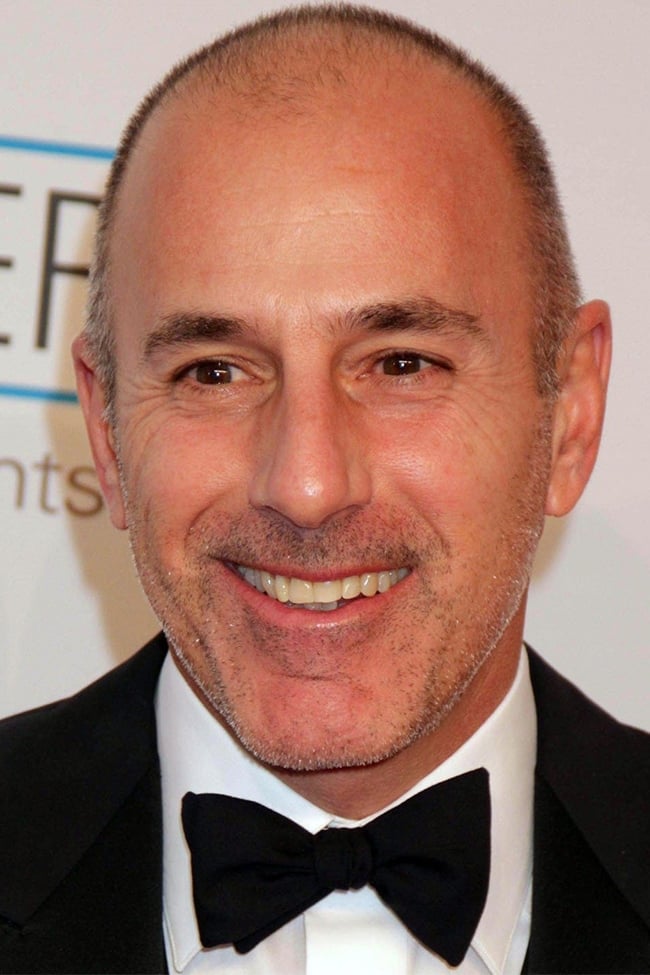
Lauer was one of the most visible figures in American media and possessed a level of professional privilege that few could match. He was excluded from his longtime position at NBC and the broader media landscape following a detailed report of misconduct. This exclusion happened during a pivotal moment of the #MeToo movement and sent shockwaves through the industry. His sudden removal demonstrated that no one is too big to fail in the face of serious accusations.
Charlie Rose
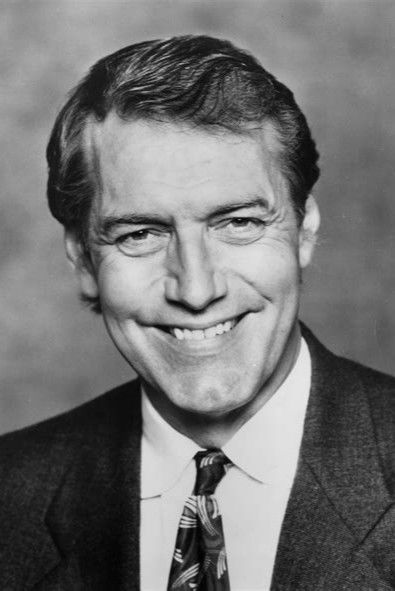
The veteran journalist and occasional actor was a staple of intellectual discourse before his career ended abruptly. He was excluded from his roles at CBS and PBS after a cultural movement for workplace accountability brought his past behavior to light. His removal from the airwaves marked the end of an era for a certain type of elite media privilege. The industry’s refusal to reintegrate him shows the lasting impact of such cultural reckonings.
Scott Baio
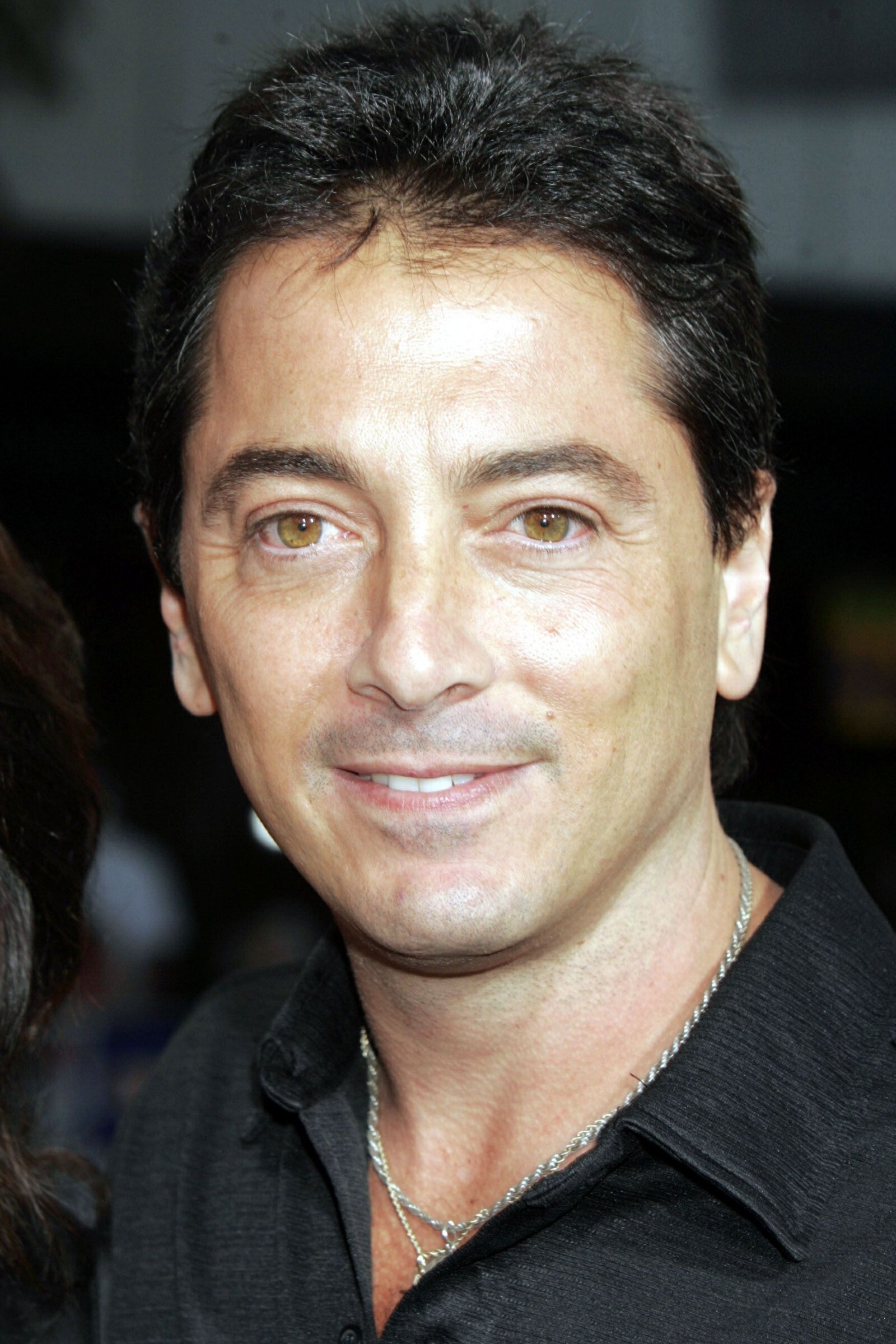
Baio has faced exclusion from various industry circles and movements due to his outspoken political views and personal conduct. His stance on several social issues has put him at odds with the prevailing cultural movements in Hollywood. This has led to a decrease in mainstream acting opportunities and a distancing from major industry events. His career path highlights the tension between individual beliefs and the collective values of the entertainment community.
Mel Gibson
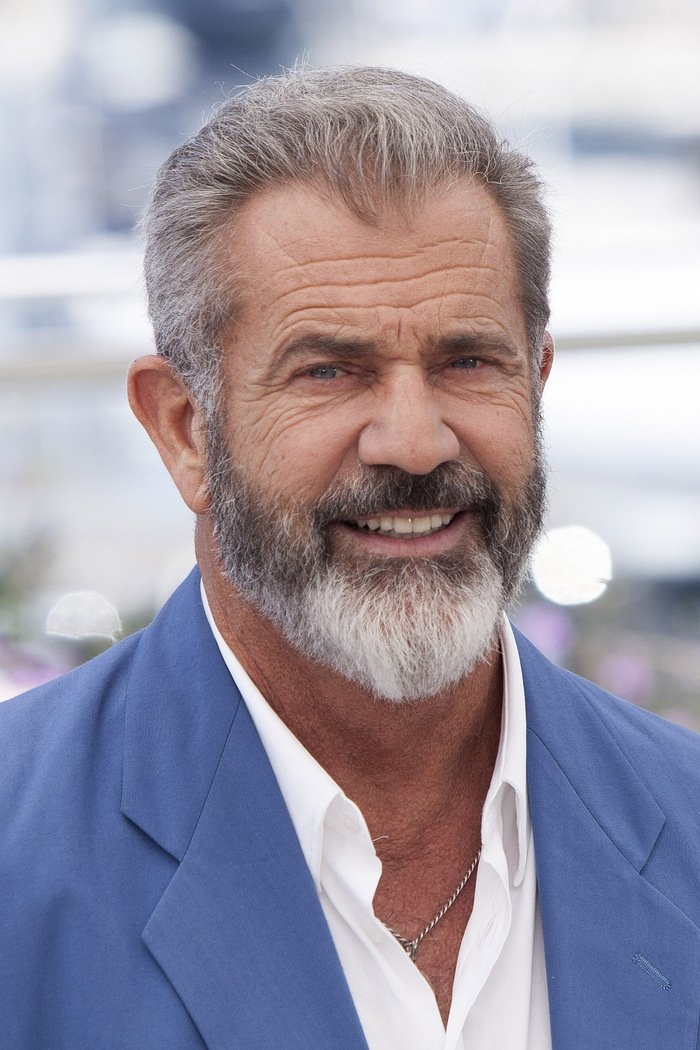
Gibson experienced a significant period of exclusion from major Hollywood circles following a series of highly publicized outbursts. While he has made a partial return his status remains complicated by his past actions and comments. Cultural movements focusing on diversity and inclusion have often cited his history as a reason for continued scrutiny. His ongoing struggle for full reintegration shows how long the shadow of professional and personal misconduct can be.
Charlie Sheen
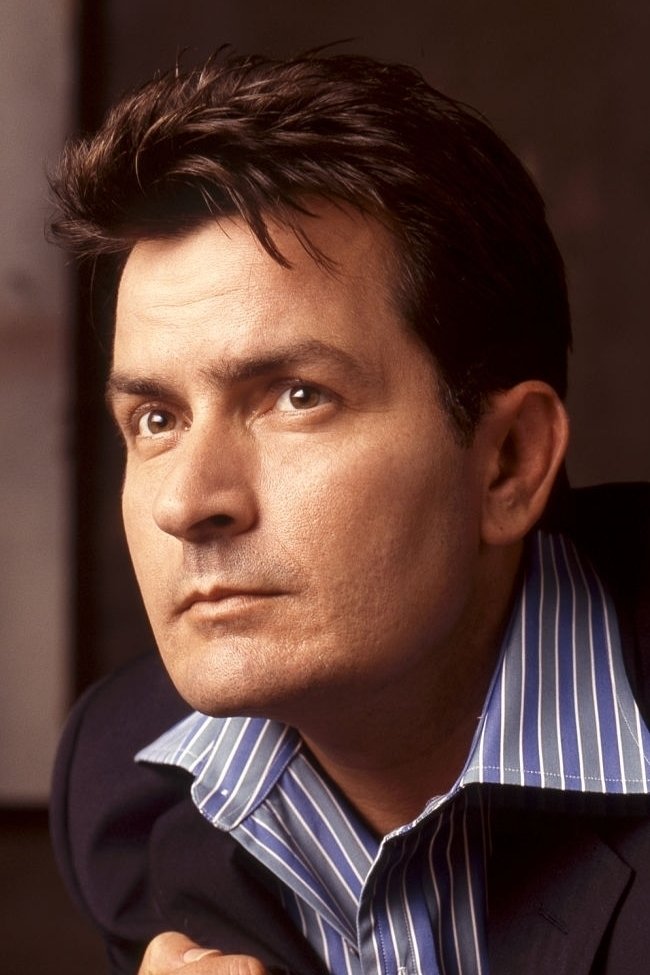
Sheen was once the highest paid actor on television and a member of a prominent acting family. His career was derailed by a series of personal crises and public conflicts with industry leaders. He was excluded from his hit show ‘Two and a Half Men’ during a time when the industry began to tire of erratic star behavior. This exclusion marked a shift in how much disruption a production is willing to tolerate from a privileged lead actor.
Dustin Hoffman
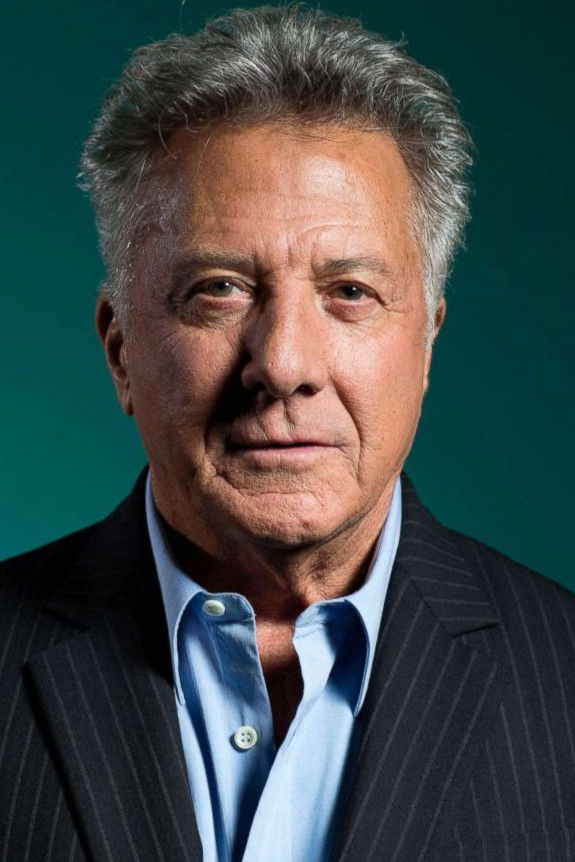
The legendary actor faced a historical reckoning when several individuals came forward with allegations from earlier in his career. This led to a period of critical reevaluation and a distancing from some of the celebratory movements in the industry. While he remains a respected figure for his past work his modern legacy has been complicated by these discussions. His experience shows that even established legends are not immune to the scrutiny of contemporary social movements.
Geoffrey Rush
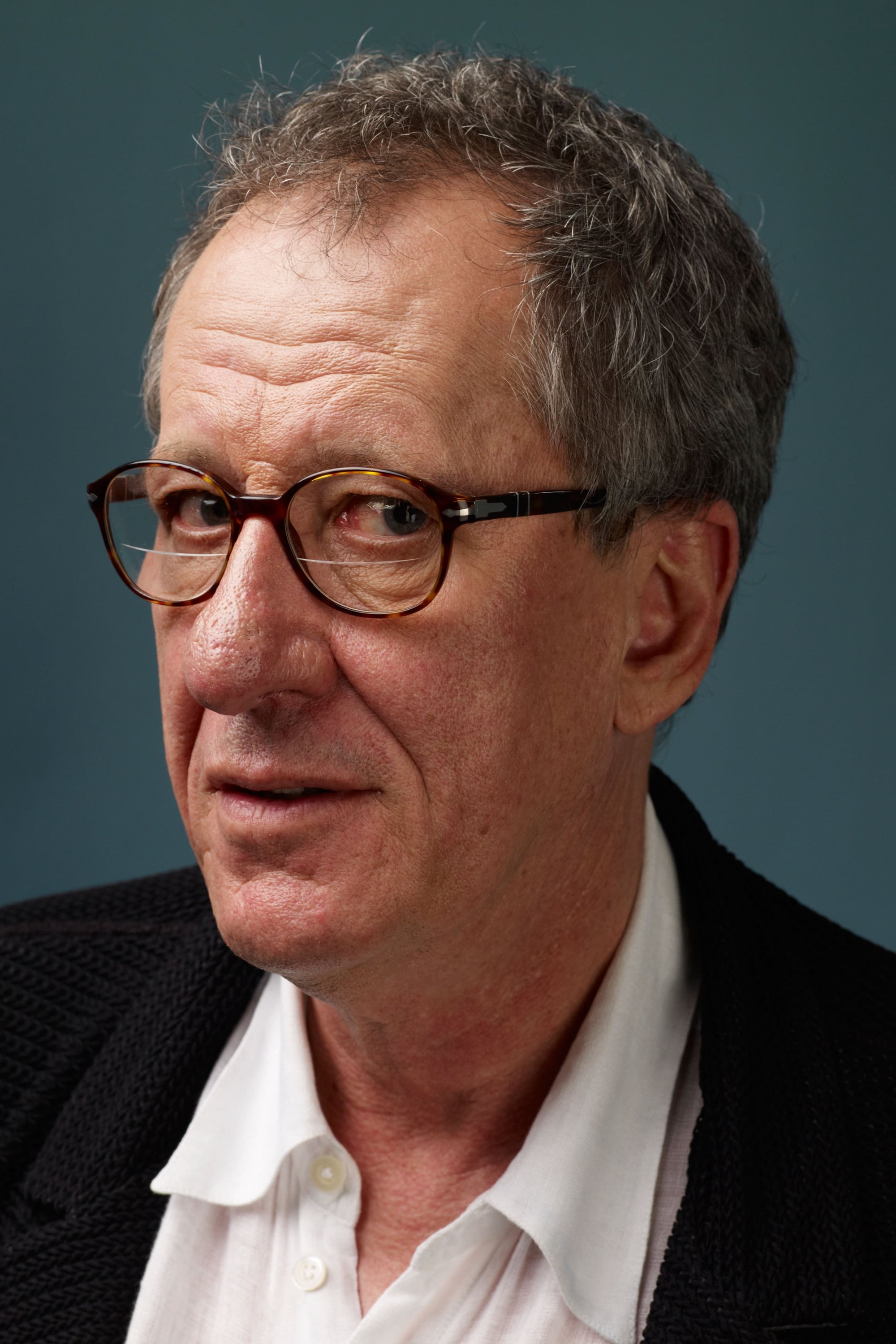
Rush is a highly respected actor who faced a legal and professional battle that led to a period of exclusion from the Australian film and theater industry. While he ultimately won a defamation case the initial fallout impacted his standing in major cultural movements. The situation highlighted the complexities of addressing allegations within the professional arts community. His experience remains a significant case study in the intersection of law and social accountability.
Casey Affleck
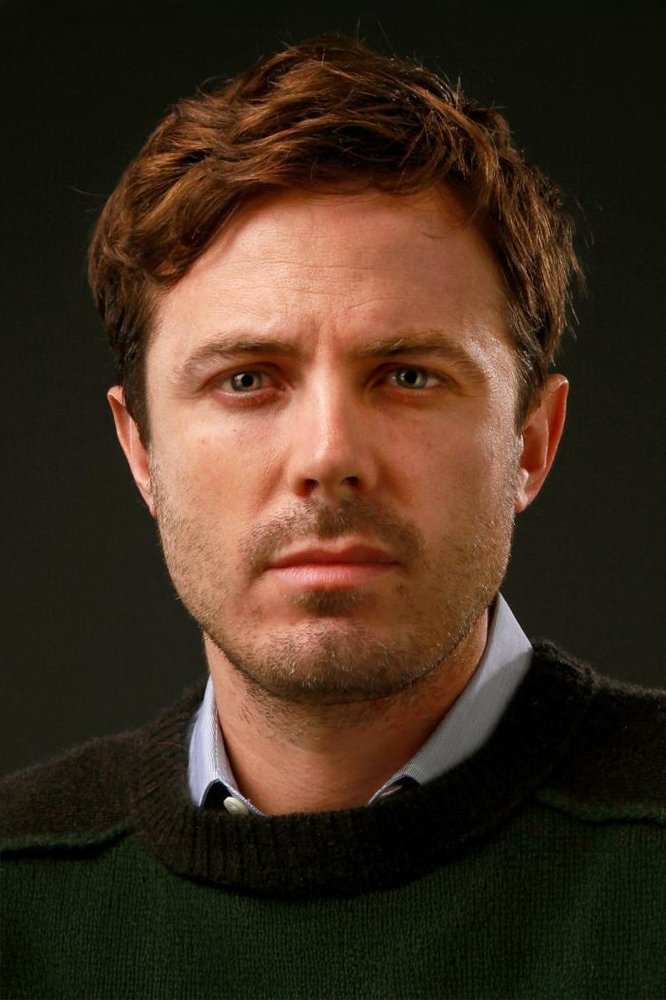
Affleck faced significant scrutiny and a degree of exclusion during the awards season for ‘Manchester by the Sea’. This was due to past legal settlements that were brought back into the public eye by modern cultural movements. While he won an Oscar his presence at subsequent industry events was notably minimized. This demonstrated that the industry was becoming more sensitive to the history of its most honored performers.
Justin Timberlake
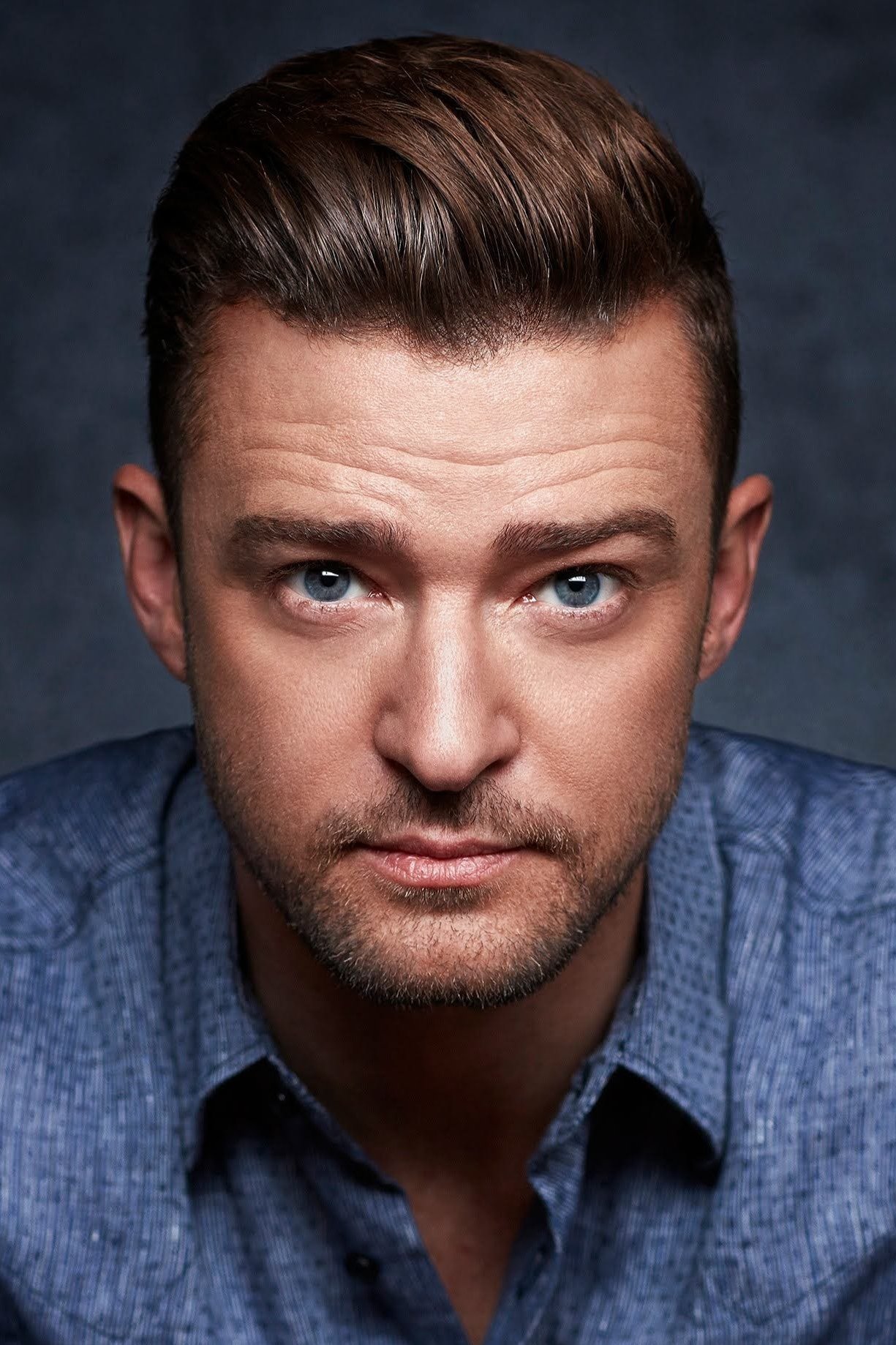
Timberlake faced a cultural reckoning for his role in the treatment of female pop stars during the early two thousands. Critics argued that his privilege as a male artist allowed him to thrive while his female peers were unfairly targeted by the media. This led to a period of public criticism and a temporary exclusion from the celebratory narrative of his career. He has since addressed these concerns as the industry moves toward a more equitable understanding of its past.
Adam Levine
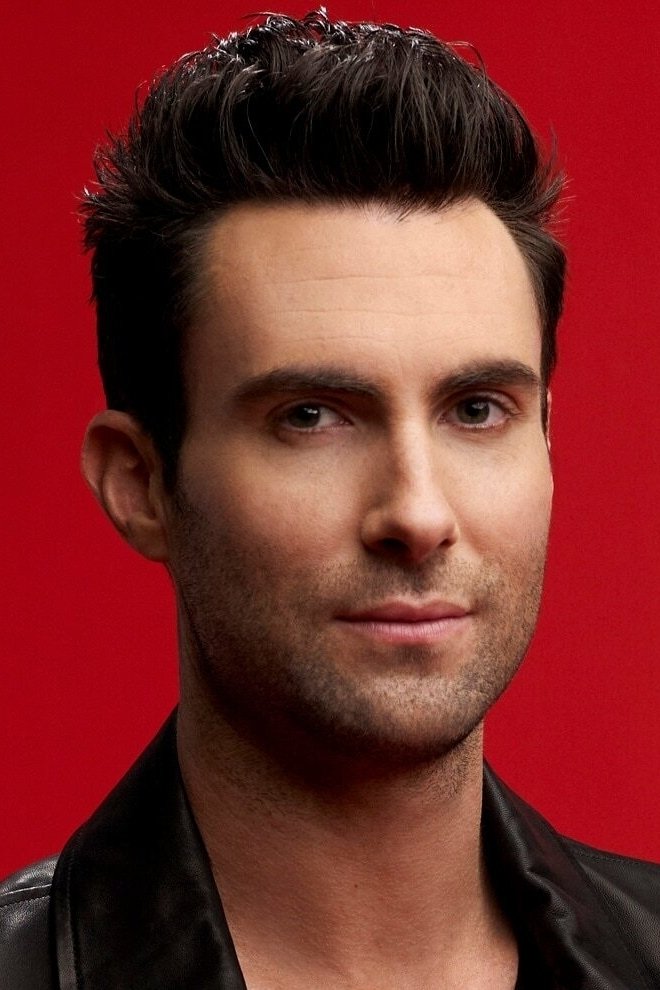
The singer and actor faced a wave of criticism and a degree of cultural distancing following revelations about his personal conduct. Many argued that his status and public image as a family man made the reports particularly impactful. This resulted in a temporary shift in his public standing and his involvement in certain cultural movements. The backlash he received showed the increasing demand for personal integrity from major public figures.
Will Smith
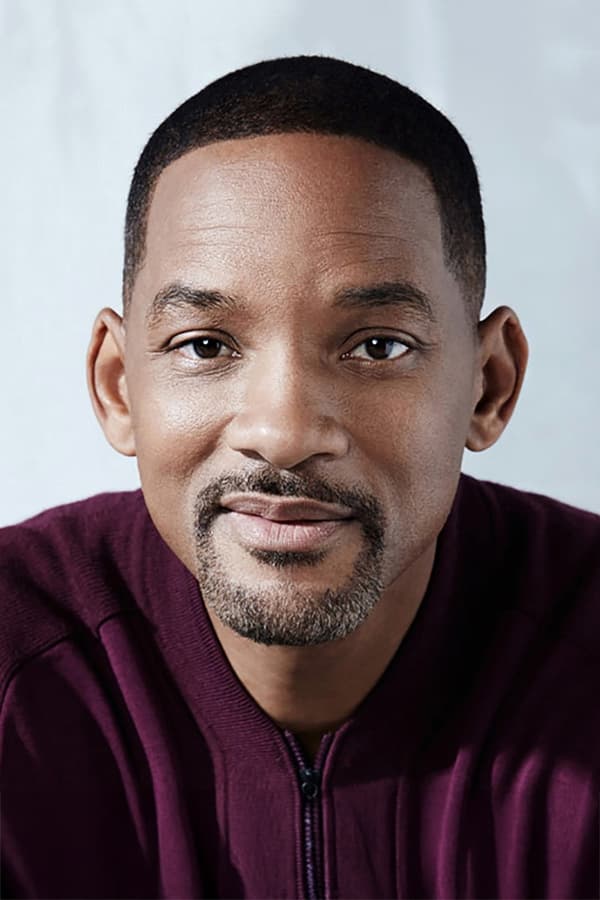
Smith experienced a sudden and significant exclusion from major industry functions after an incident at the Academy Awards. He was banned from attending the Oscars for a decade and several of his projects were placed on hold. This exclusion was a dramatic turn for an actor who had long been the face of mainstream success and privilege. It served as a clear message that the industry would enforce strict standards of conduct even for its biggest stars.
Liam Neeson
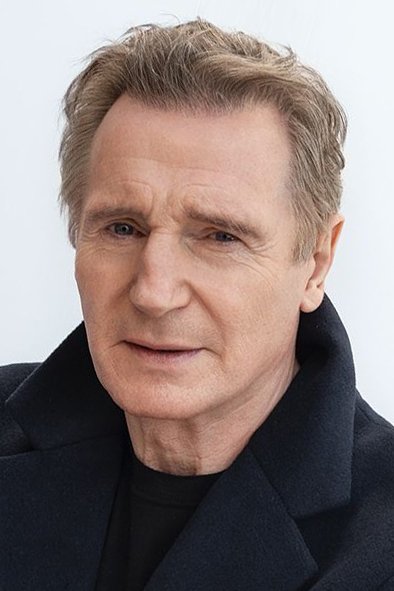
Neeson faced a brief but intense period of cultural exclusion following controversial comments he made during a press tour. His remarks sparked a debate about race and privilege that led to the cancellation of red carpet events for his film ‘Cold Pursuit’. While he continued to work the incident changed how he was perceived by the public and his peers. This moment highlighted how quickly an actor’s status can be challenged by their own public statements.
Ezra Miller
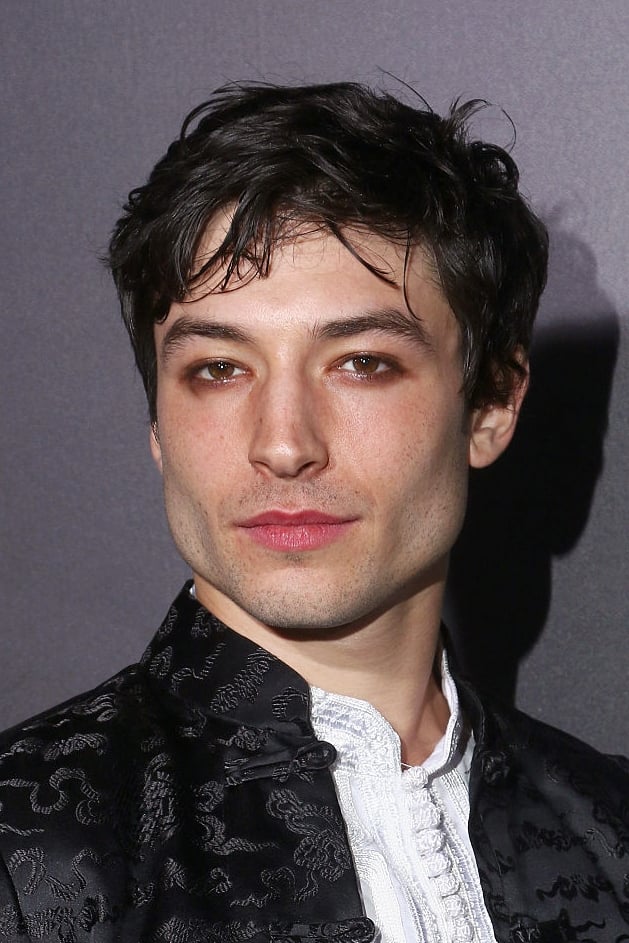
The actor has faced a series of legal and personal issues that led to their exclusion from the typical promotional cycles for major films like ‘The Flash’. Their status as a lead in a massive franchise made the situation a central point of discussion regarding industry accountability. Cultural movements focused on safety and community responsibility called for a reevaluation of their role in the industry. The resulting distancing showed the difficulty of balancing franchise investments with modern social expectations.
Alec Baldwin
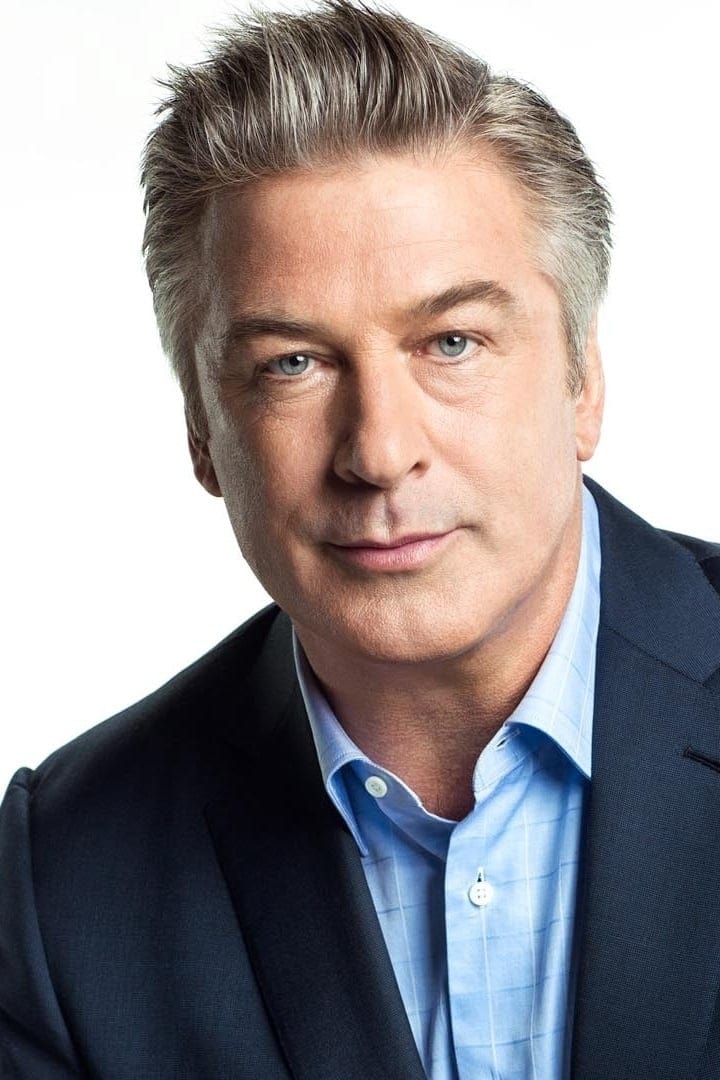
Baldwin has been a prominent figure in several cultural movements but has recently faced exclusion due to tragic events on a film set. The ongoing legal and professional discussions regarding his role as a producer and actor have significantly impacted his career. This situation has sparked a broader movement for set safety and accountability for those in leadership positions. His exclusion from certain industry circles reflects the serious nature of these ongoing investigations.
Benedict Cumberbatch
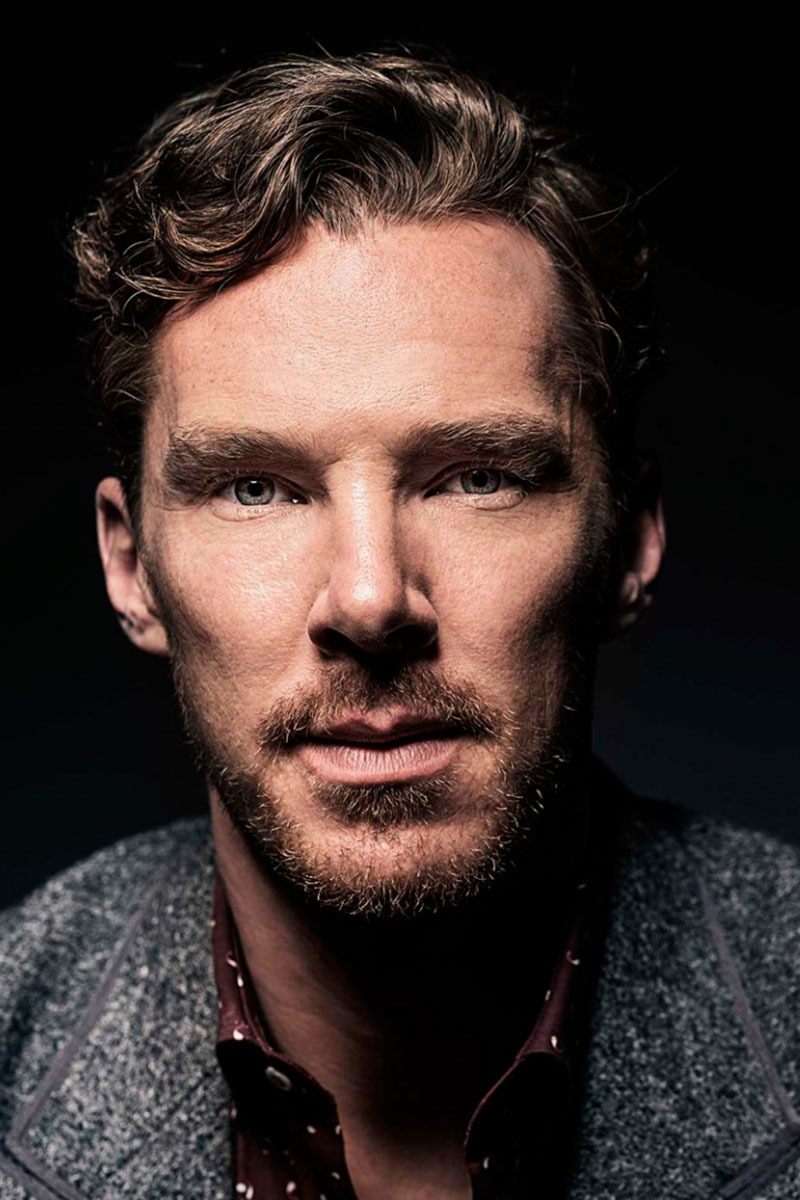
Cumberbatch has often been cited in discussions regarding the dominance of posh and privately educated actors in the British arts. Critics argue that his elite background at Harrow School provided him with a level of privilege not available to working class actors. He has publicly acknowledged these advantages and expressed concern over the lack of diversity in his profession. His career highlights the ongoing debate about social mobility within the global entertainment landscape.
Eddie Redmayne
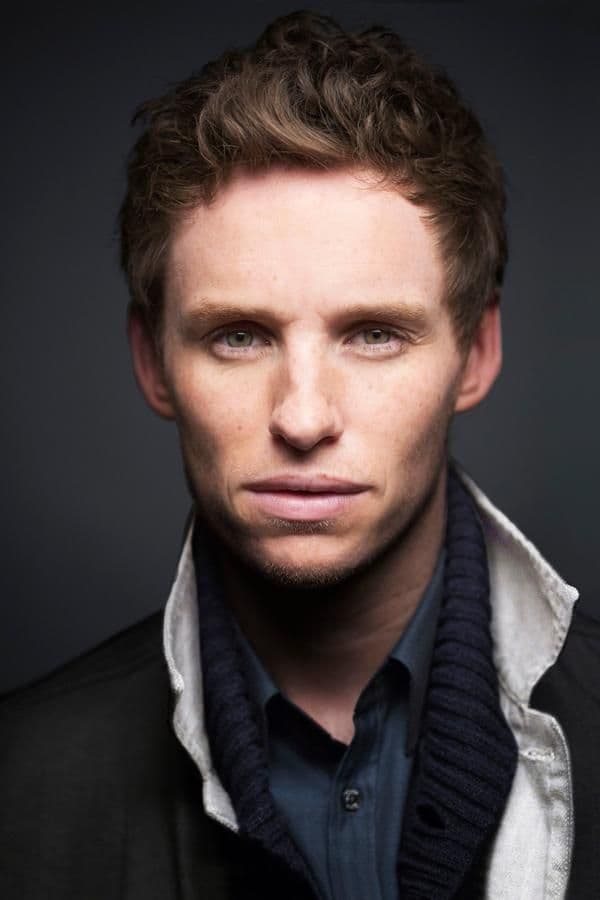
As another prominent actor from an elite educational background he has faced criticism regarding the concentration of privilege in the industry. He has been a frequent subject of discussions about why certain types of actors are more likely to receive top tier opportunities. While he remains very successful he is often excluded from the narrative of the self made working class actor. This scrutiny is part of a larger cultural push to broaden access to the performing arts.
Tom Hiddleston
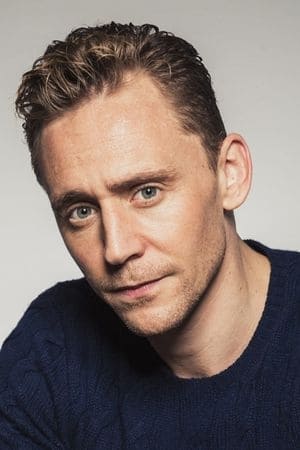
Hiddleston has faced similar critiques regarding his privileged upbringing and education at Eton College. This background has sometimes led to a perceived distance between him and cultural movements focused on social equity. Critics often point to him when discussing the systemic advantages that favor wealthy actors in the United Kingdom. He has navigated these discussions by supporting various charitable causes and advocating for wider industry access.
Damian Lewis
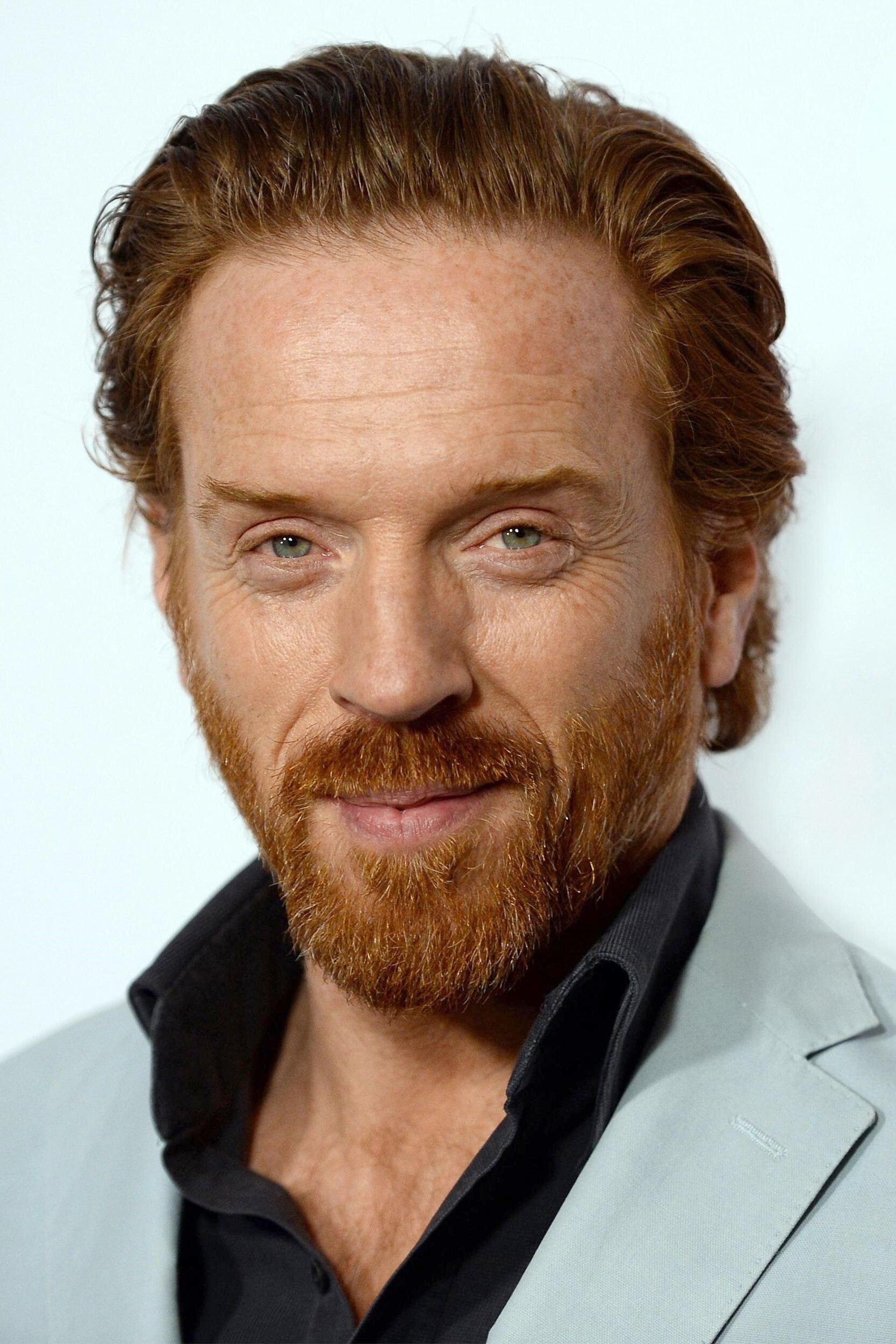
Lewis is frequently included in the group of British actors whose elite education is seen as a sign of industry privilege. This has led to his exclusion from certain discussions about the struggles of entering the acting profession. The cultural movement toward greater class diversity in the arts has brought increased attention to his background. His career serves as a focal point for debates about how class and status shape the entertainment world.
Dominic West
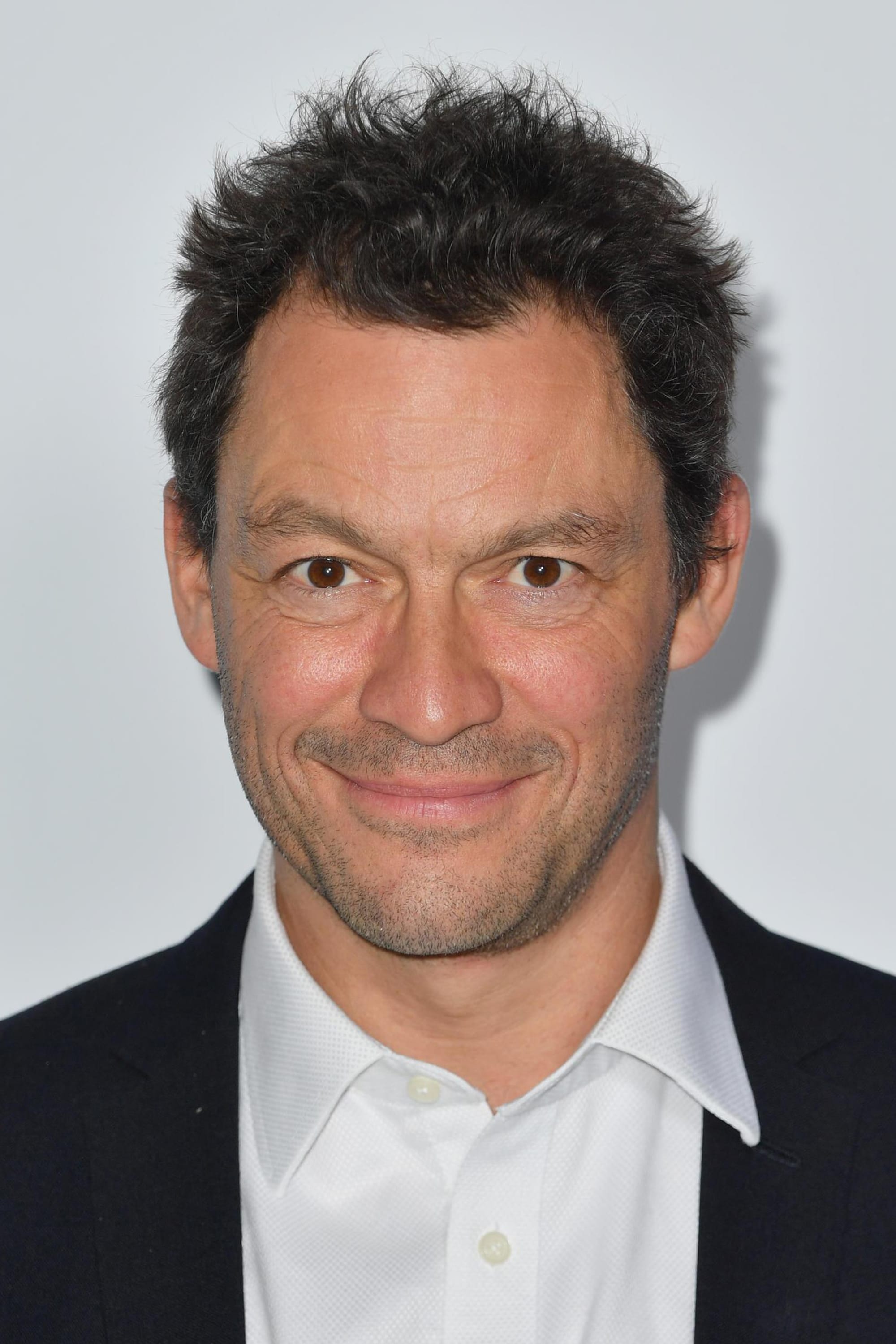
West has also been a target of criticism regarding the prevalence of Eton educated men in major acting roles. This has caused him to be sidelined in conversations about the need for more authentic working class representation in film and television. The public discourse around his privilege has become a recurring theme in his career profile. This reflects a growing cultural awareness of the barriers faced by those without his social advantages.
Henry Cavill
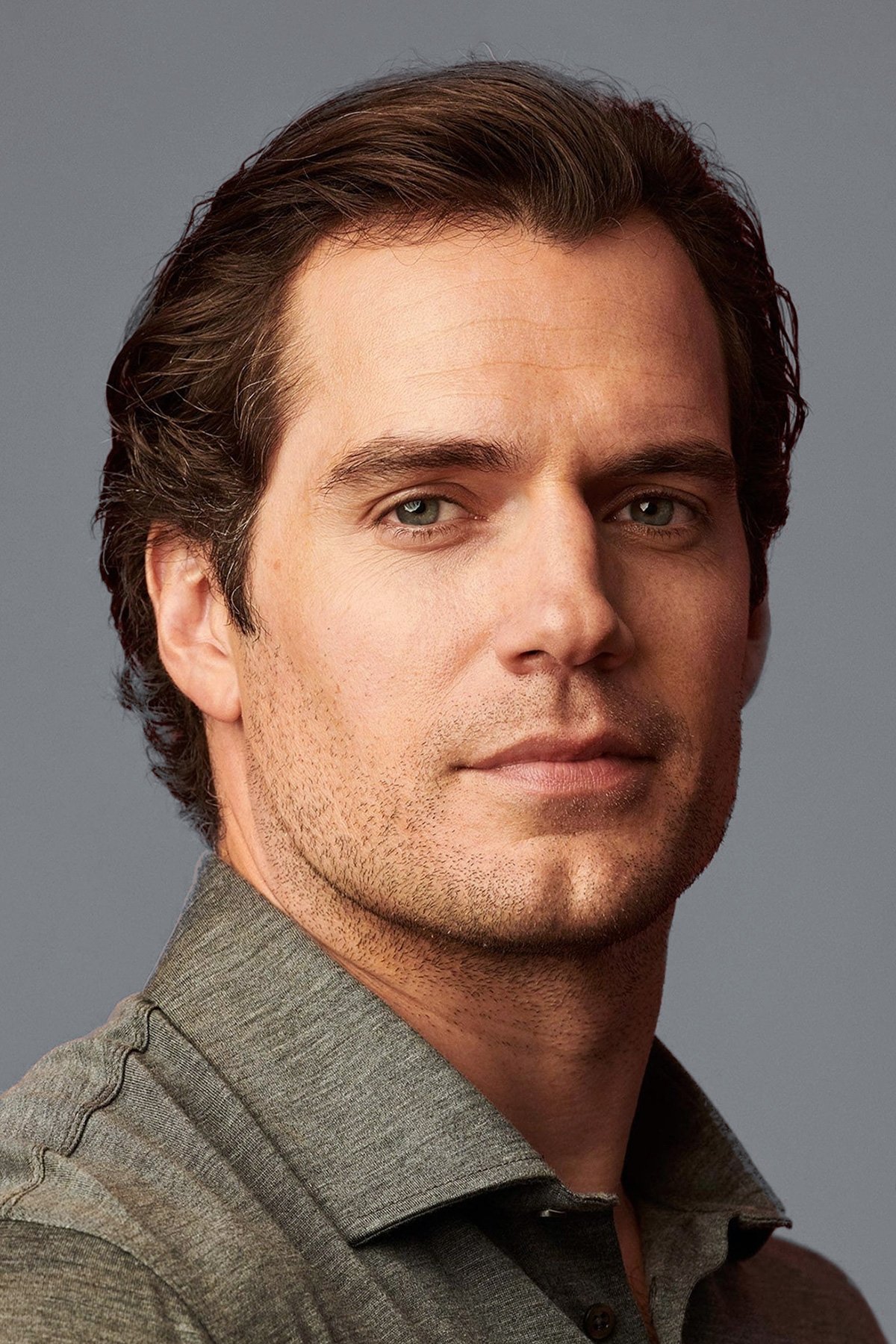
Cavill is often mentioned in the context of the posh actor debate due to his background and schooling. This privilege has led to his exclusion from the narrative of the struggling artist that many audiences find compelling. Critics argue that his path to stardom was smoothed by his social status and early advantages. This ongoing conversation is a significant part of the cultural landscape in which he operates.
Hugh Grant
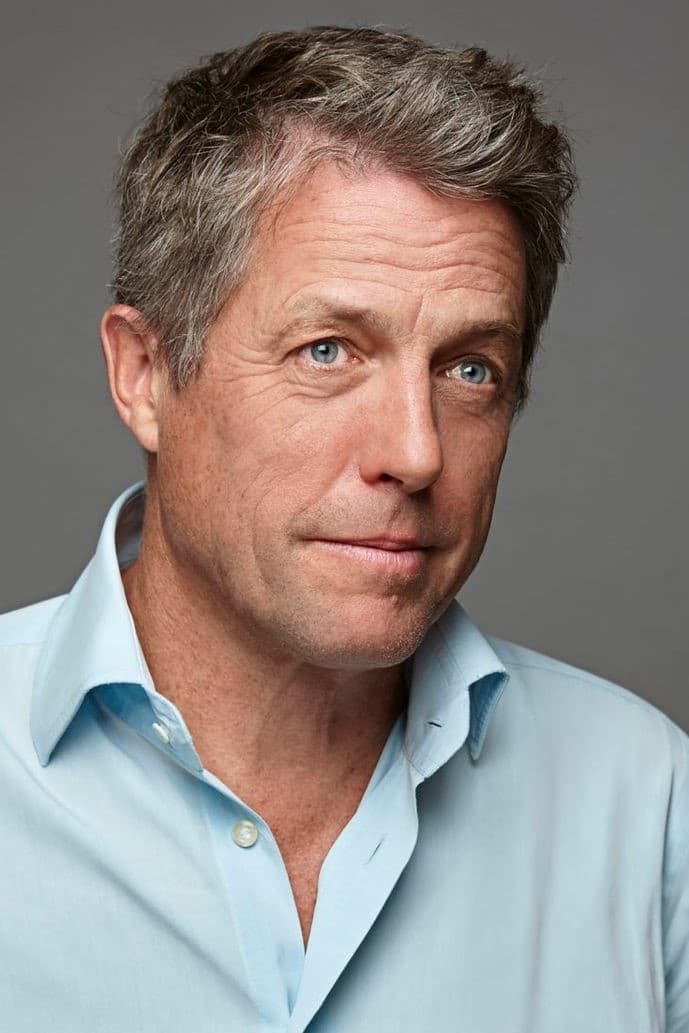
Grant has long been the face of a certain type of upper class British charm in the global film industry. In recent years he has faced criticism for how this privilege defined his early career and limited the diversity of the roles he played. He has been vocal about the need for change in the industry and has distanced himself from his earlier privileged persona. His evolution reflects a broader cultural shift away from celebrating traditional elite archetypes.
King Charles III
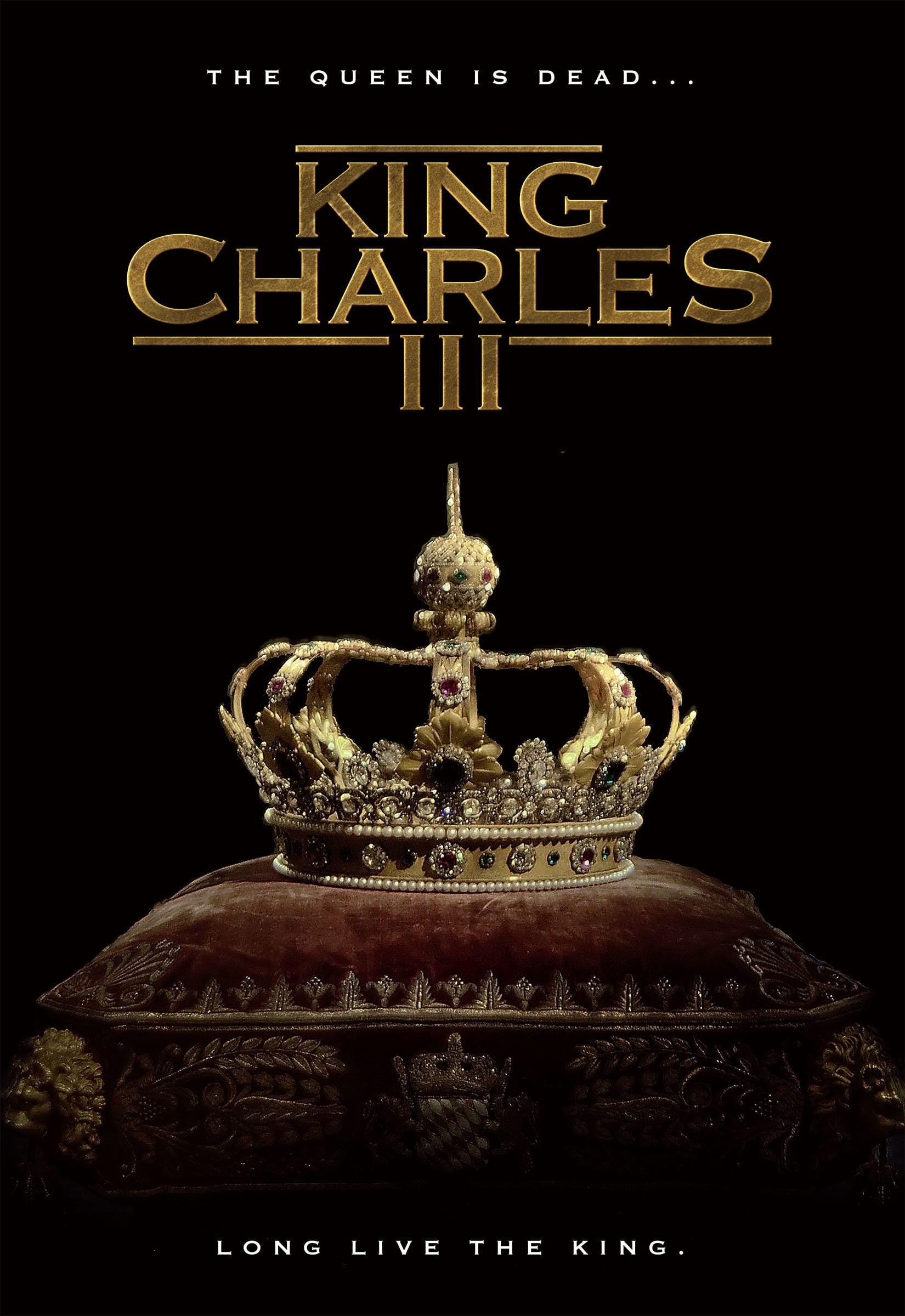
As the reigning monarch he represents the ultimate form of inherited privilege and institutional power. His role has been increasingly scrutinized during global movements focused on decolonization and the historical impact of the monarchy. While he remains a central figure he is often excluded from modern progressive movements that reject the concept of hereditary rule. His public image continues to adapt as society reevaluates the relevance of traditional structures of authority.
William, Prince of Wales

As the heir to the throne he occupies a position of significant privilege that is frequently the subject of public debate. He is often sidelined from cultural movements that prioritize grass roots activism and the dismantling of class structures. His efforts to engage with modern social issues are sometimes viewed through the lens of his status and background. This dynamic shows the challenge of navigating contemporary movements from a position of ultimate privilege.
Jonah Hill

Hill has recently faced a wave of criticism regarding his personal conduct and how his status in the industry impacted his relationships. This led to a period of public distancing and a reevaluation of his involvement in certain cultural movements. Critics pointed to his privilege as a successful male actor when discussing the power dynamics in his personal life. The resulting backlash demonstrated the high expectations for emotional intelligence and accountability in the modern era.
Jeff Garlin
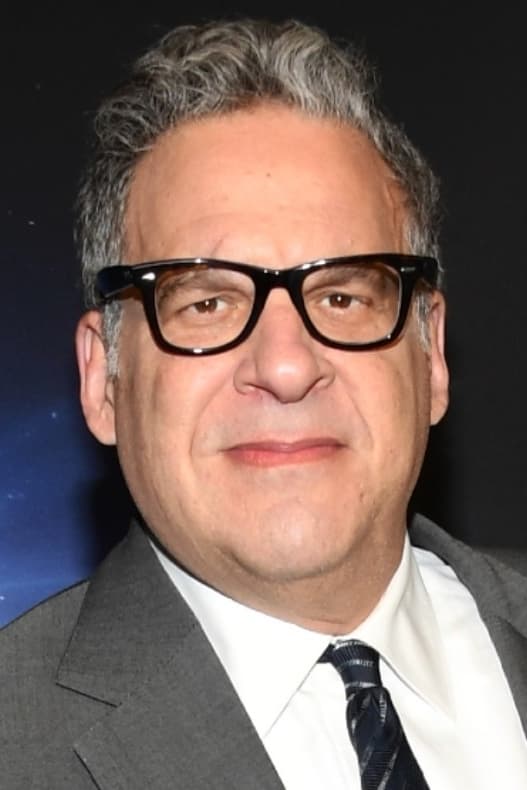
Garlin was a key figure in the comedy world before his departure from the show ‘The Goldbergs’ following reports of his behavior on set. This exclusion was part of a larger movement to ensure a respectful and safe working environment for all television staff. His status as a veteran actor and producer did not protect him from the consequences of these reports. His experience highlights the industry’s decreasing tolerance for disruptive behavior from privileged figures.
Fred Savage
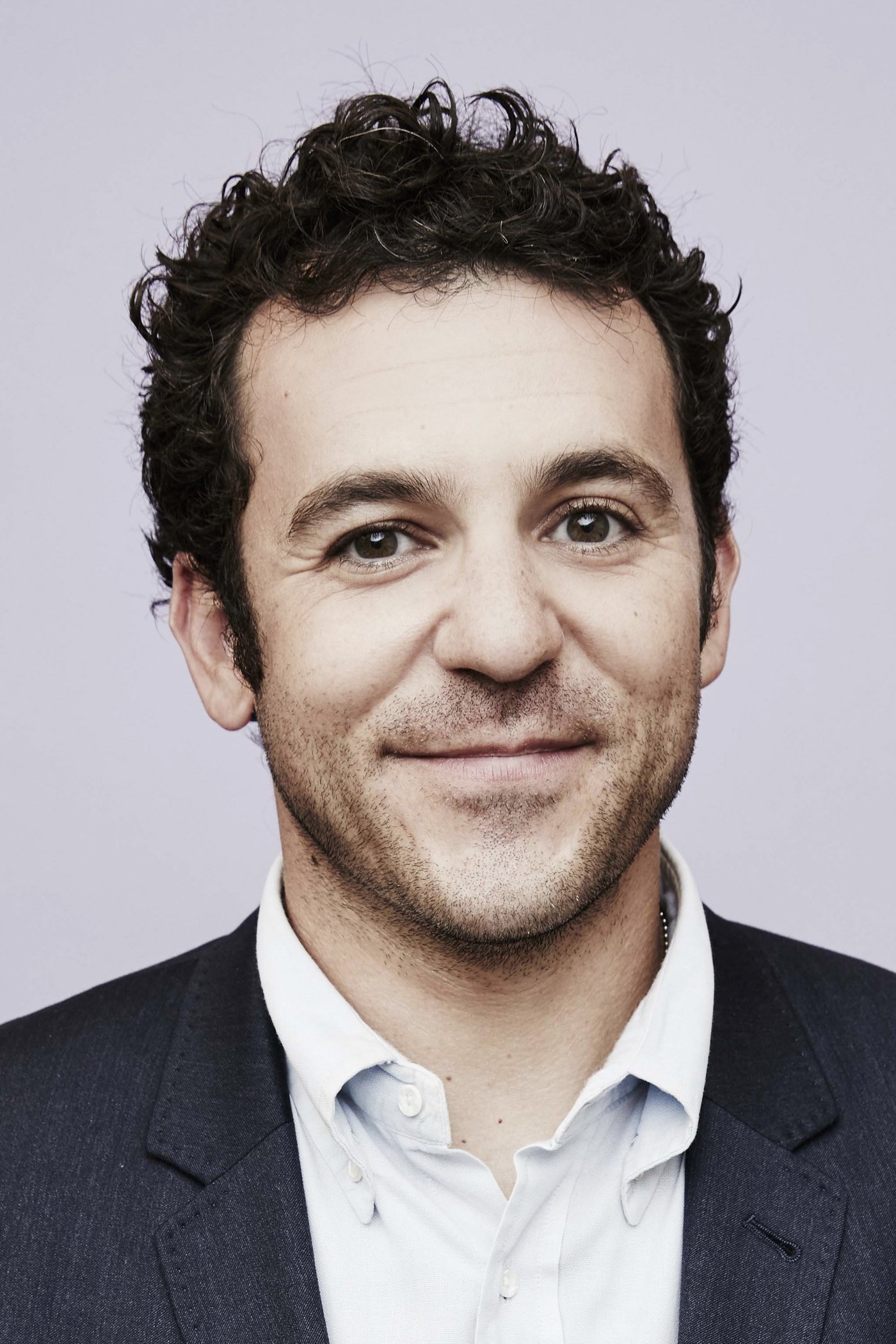
Savage was a beloved former child star who faced exclusion from his role as a director and executive producer on the reboot of ‘The Wonder Years’. This followed reports of misconduct that led to his termination from the project. His removal was a significant moment for a movement focused on improving the culture of television production. It showed that even long standing industry figures are subject to the same standards as everyone else.
Frank Langella
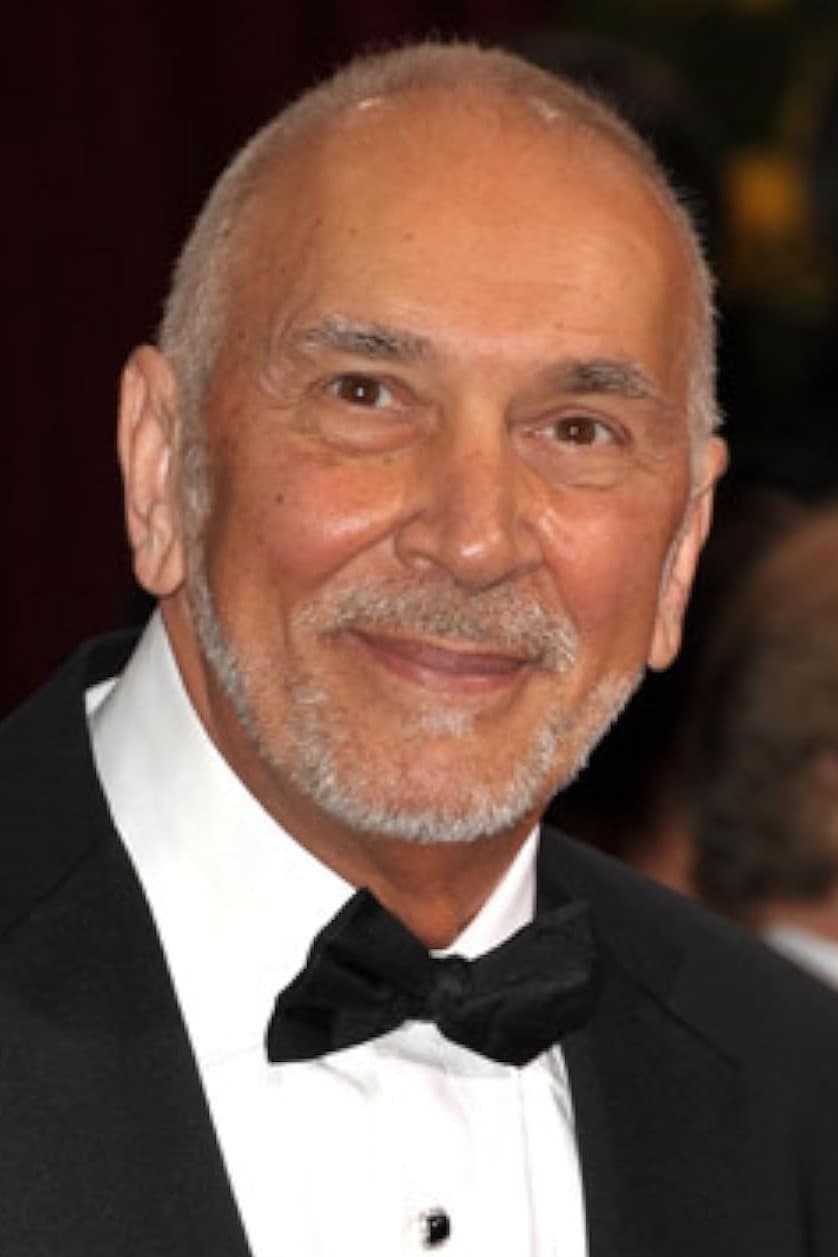
Langella is a veteran actor who was excluded from a major project following reports of inappropriate behavior on set. He was removed from ‘The Fall of the House of Usher’ during production as the industry prioritized the safety of the cast and crew. This exclusion of a high profile veteran sent a clear message about the current priorities of major studios. His experience serves as a reminder that status does not grant immunity from modern workplace standards.
Cary Joji Fukunaga
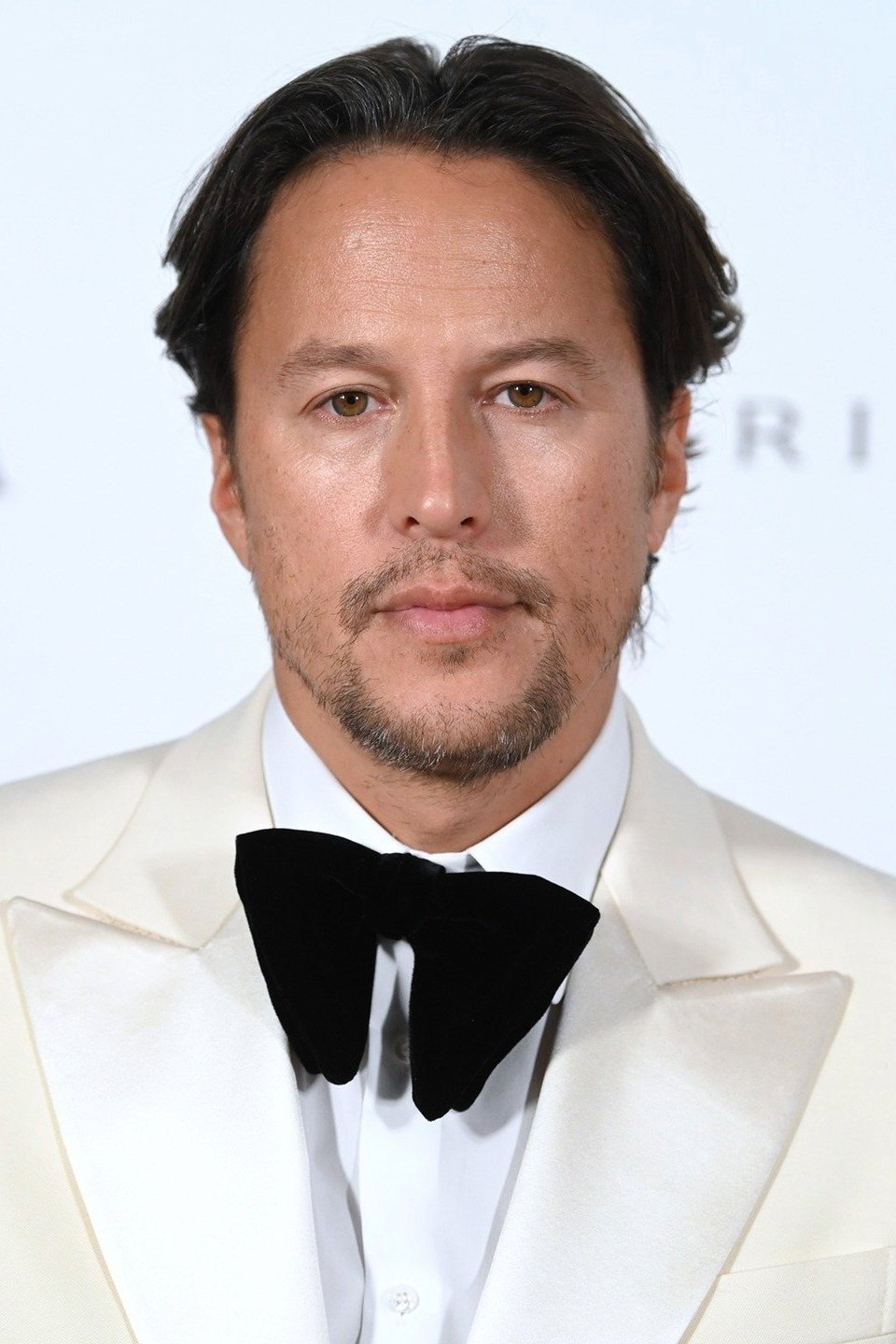
The director and actor faced a period of professional exclusion and intense scrutiny following reports about his conduct on various sets. This occurred after he had reached a new level of industry privilege with the success of ‘No Time to Die’. Cultural movements focused on the fair treatment of crew and young actors brought these issues to light. The resulting distance from major projects showed the power of collective voices in demanding professional accountability.
Johnny Depp
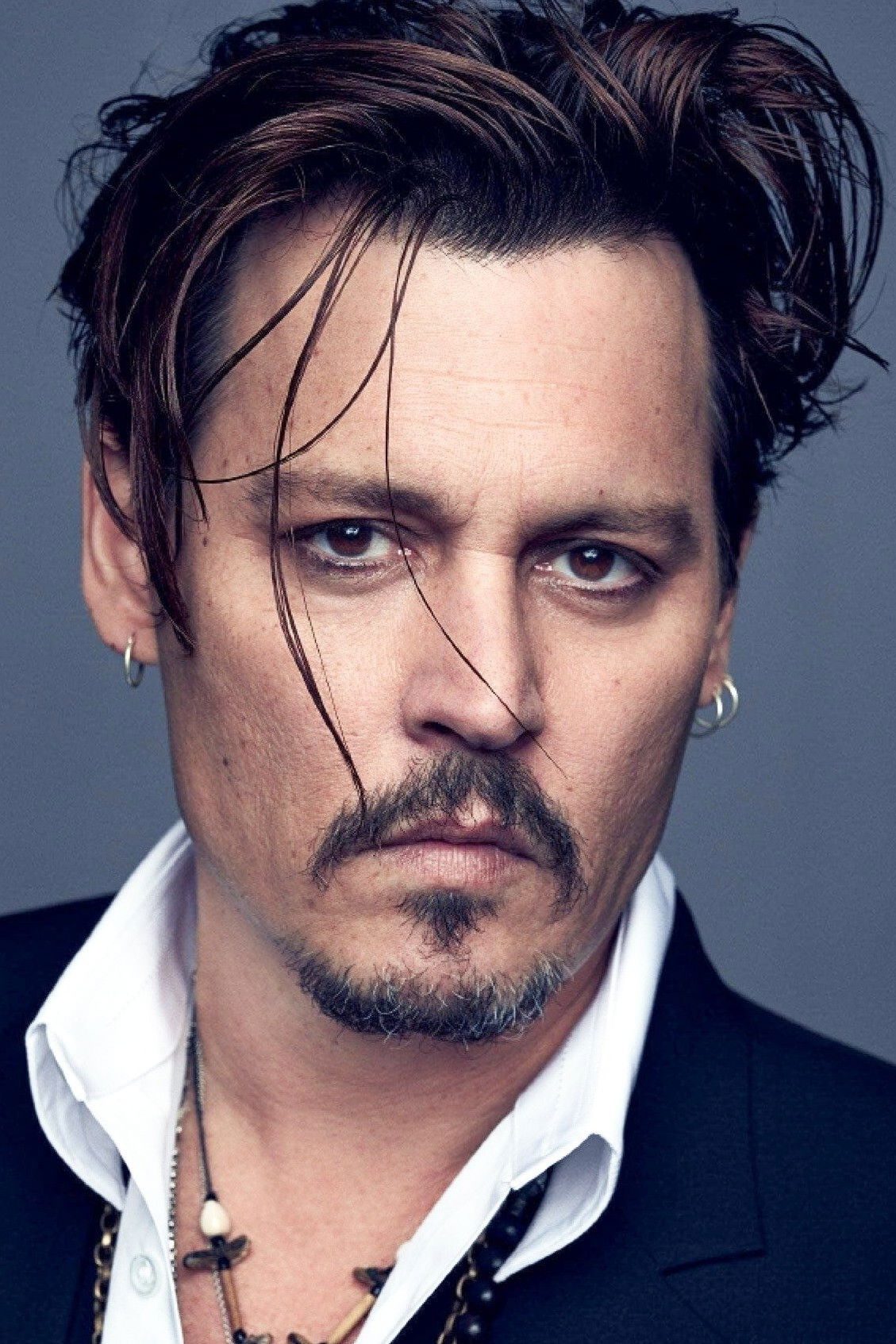
Depp became a central and polarizing figure in global discussions regarding domestic issues and industry accountability. His legal battles led to his exclusion from major franchises like ‘Fantastic Beasts’ and ‘Pirates of the Caribbean’. This exclusion was a direct response to the cultural movements that demand a high level of personal integrity from franchise stars. While he remains a significant figure his career trajectory was permanently altered by these public reckonings.
Ben Affleck
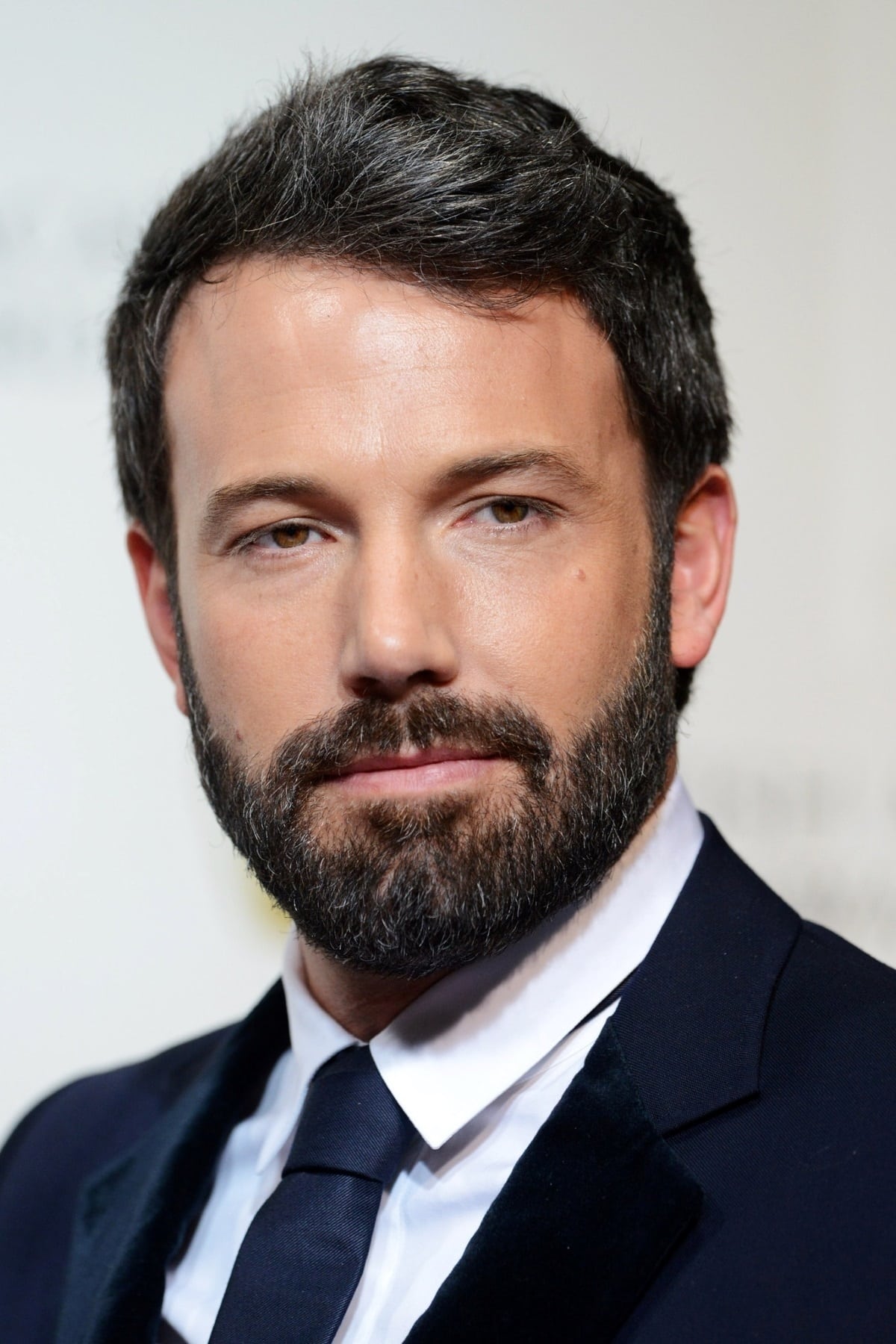
Affleck has often been at the center of cultural debates regarding male privilege and the ways in which it manifests in Hollywood. His career has faced periods of intense scrutiny and a degree of exclusion during movements that prioritize new and diverse voices. Critics have often pointed to his early success and industry connections as factors that shaped his opportunities. He has navigated these challenges by taking on more behind the scenes roles and supporting various social causes.
John McEnroe
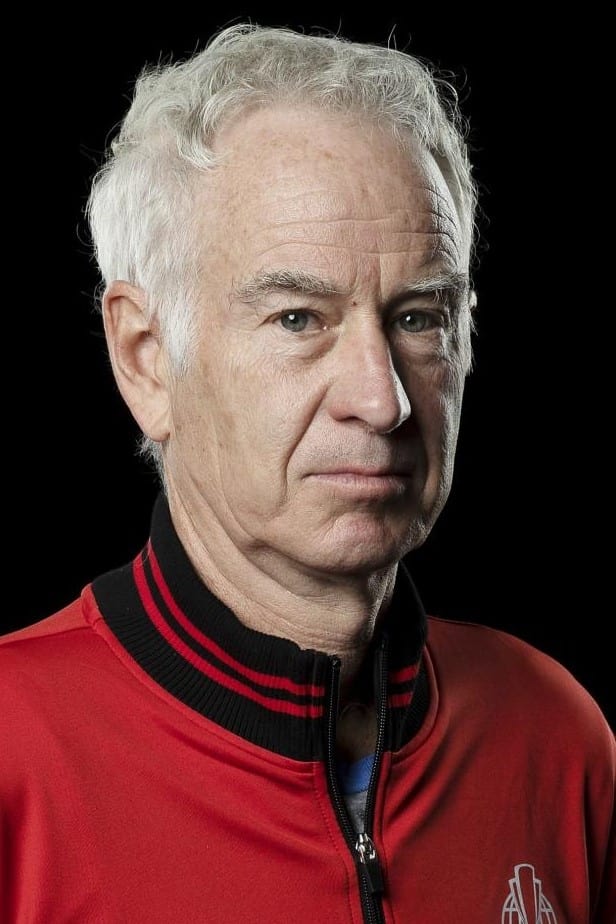
McEnroe built a career on a persona of privileged outbursts and elite status in the world of sports and entertainment. In the modern era this behavior has led to his exclusion from certain cultural movements that value professional decorum and inclusivity. While he remains a popular commentator his past actions are often cited as examples of what is no longer acceptable in the public sphere. His legacy is now viewed through a lens that criticaly examines the influence of his status.
Share your thoughts on these cultural shifts in the comments.