Actresses Who Faked Tragic Backstories Just to Gain Public Sympathy


The entertainment industry is often built on compelling narratives that help stars connect with their audience on a personal level. Some actresses have been accused of embellishing or entirely fabricating their life stories to foster a sense of relatability or sympathy. These controversies often come to light when journalists or internet investigators find inconsistencies in past interviews or official records. Public reaction to these revelations is usually swift and can have a lasting impact on a performer’s reputation. Examining these instances reveals the complex relationship between celebrity branding and personal truth in Hollywood.
Hilaria Baldwin
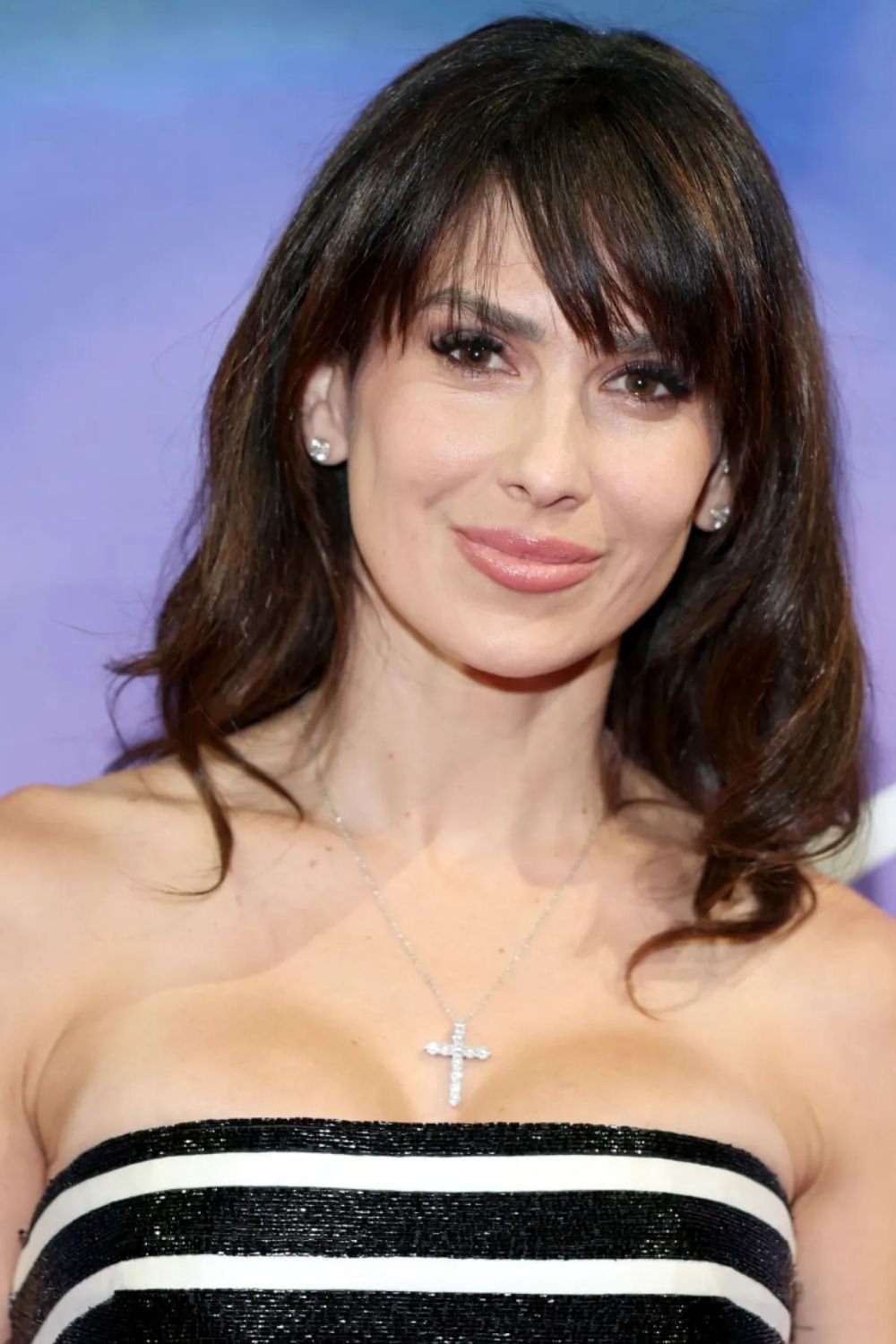
Hilaria Baldwin became the subject of intense public debate when her claims of Spanish heritage were scrutinized by social media users. The actress and lifestyle influencer often spoke with a prominent accent and claimed she was born in Mallorca. It was later revealed that she was born and raised in Boston with the name Hillary Hayward-Thomas. She frequently used this exoticized backstory to explain her cultural perspective and to gain a following in the wellness community. This situation led to widespread criticism regarding the ethics of claiming a foreign identity for personal gain.
Rebel Wilson
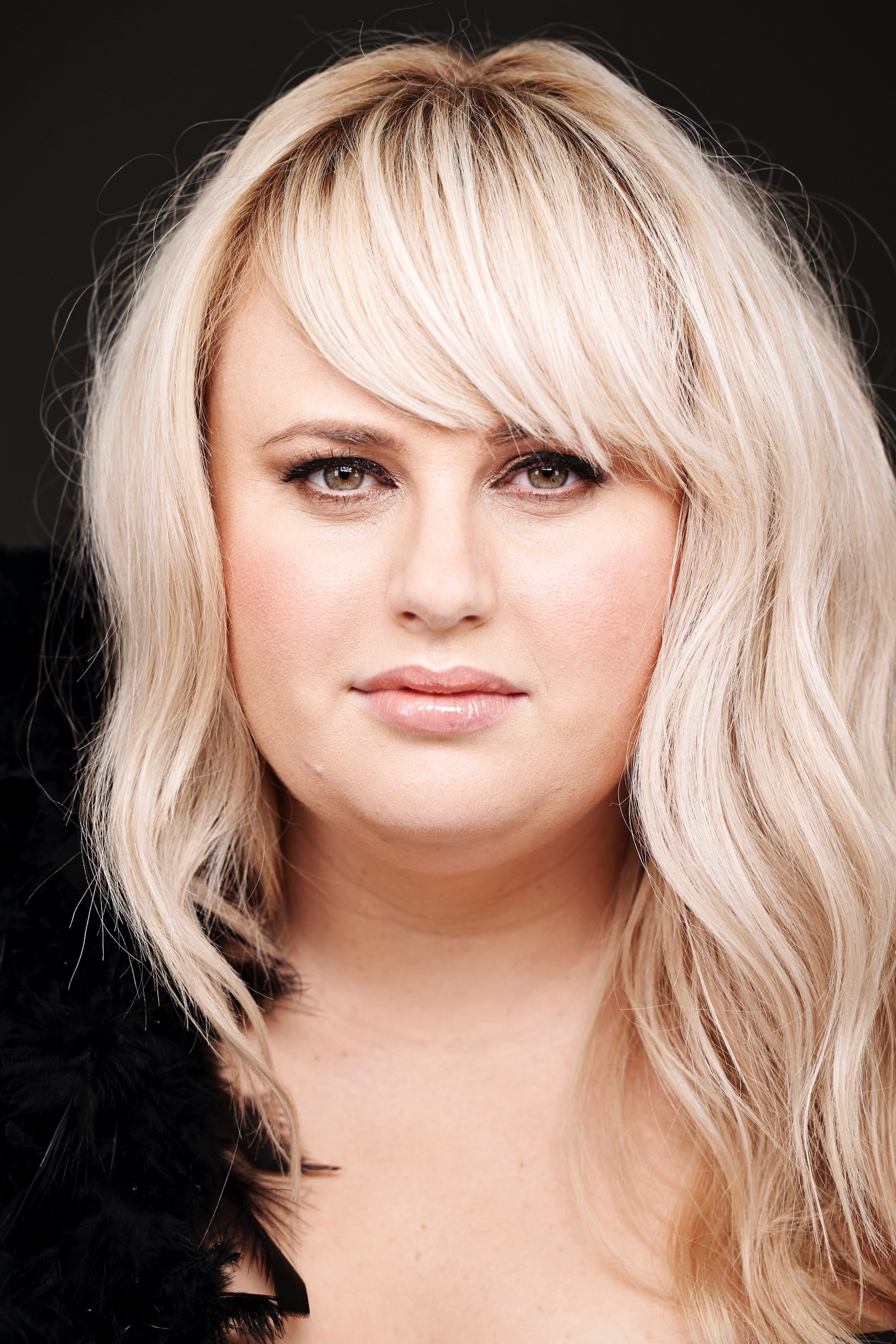
Rebel Wilson faced a significant controversy in Australia when a magazine published an exposé regarding her real age and upbringing. The actress had previously claimed to be younger than she actually was and shared stories about a rugged childhood in the bush. Records indicated that she grew up in a comfortable middle-class suburb and attended a prestigious private school. Wilson eventually sued the publication for defamation and won a substantial settlement. Despite the legal victory, the discrepancy between her public persona and her actual history remains a point of discussion.
Meghan, Duchess of Sussex
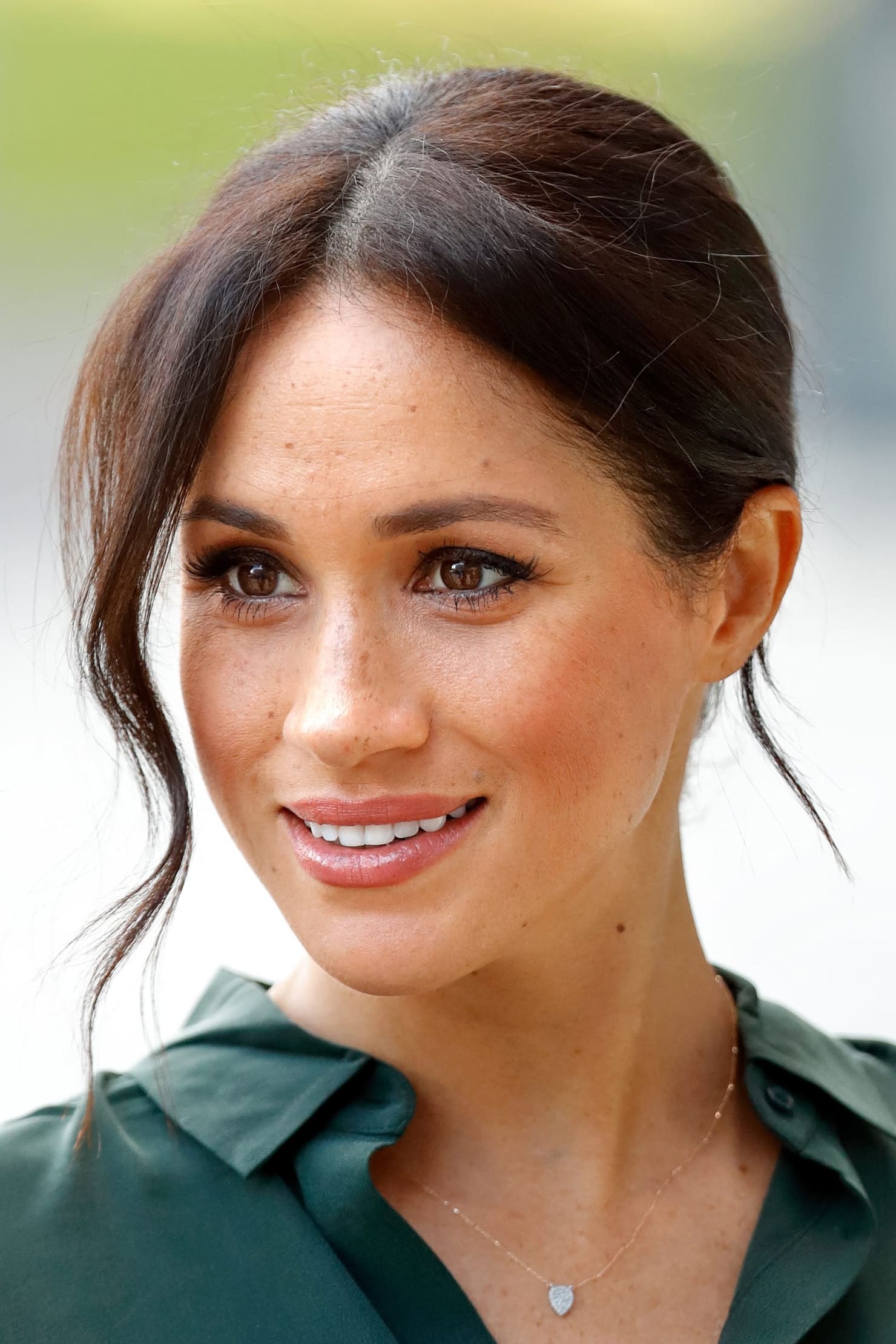
Meghan, Duchess of Sussex has faced ongoing scrutiny regarding the details of her life before joining the British Royal Family. During high-profile interviews, she described a childhood of extreme financial hardship and recalled eating at a low-cost salad bar to save money. These claims were publicly challenged by her father and other relatives who provided evidence of her private school education and stable upbringing. Critics argue that these stories were framed to increase her relatability to a global audience. The inconsistencies between her accounts and her family’s records have fueled much of the media coverage surrounding her.
Jameela Jamil

Jameela Jamil has been frequently accused by social media users of exaggerating various health crises and physical accidents. The actress from ‘The Good Place’ has detailed a long list of ailments including multiple bouts with cancer and various rare conditions. Some observers have pointed out inconsistencies in her timelines and the sheer number of traumatic events she has survived. Jamil has consistently defended her accounts and stated that her transparency is intended to help others suffering from similar issues. The public debate over her claims has centered on whether her stories are authentic or a form of attention-seeking behavior.
Mila Kunis
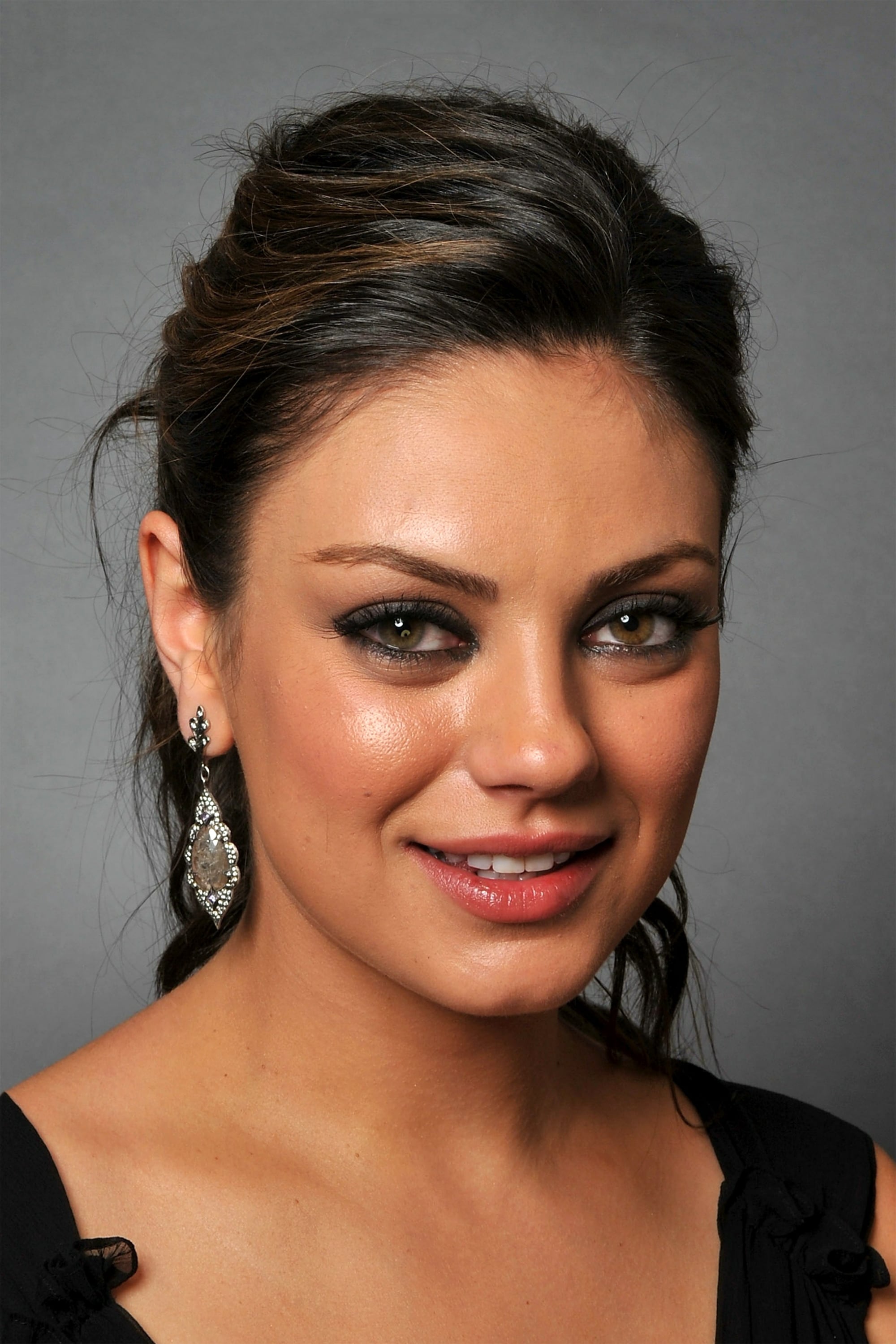
Mila Kunis has often spoken about her difficult childhood as an immigrant from the Soviet Union. She described her family as being extremely poor and arriving in the United States with only seven hundred dollars. These stories of hardship were intended to highlight her journey to stardom in films like ‘Black Swan’ and ‘Forgetting Sarah Marshall’. However, some reports have suggested that her family was actually part of the intellectual elite in Ukraine and lived a relatively comfortable life. The tension between her narrative of struggle and her actual family background has been a recurring theme in celebrity profiles.
Jennifer Lopez

Jennifer Lopez built a significant portion of her brand on her upbringing in the Bronx and her image as a relatable girl from a tough neighborhood. Her hit song ‘Jenny from the Block’ solidified this narrative and suggested she remained unchanged by her massive wealth. Investigative reports later revealed that her childhood was spent in a middle-class home with two parents and a stable environment. Critics have noted that her marketing often leans into a narrative of struggle that does not fully align with her actual experience. This perceived lack of authenticity has occasionally led to backlash from residents of the community she claims to represent.
Salma Hayek Pinault
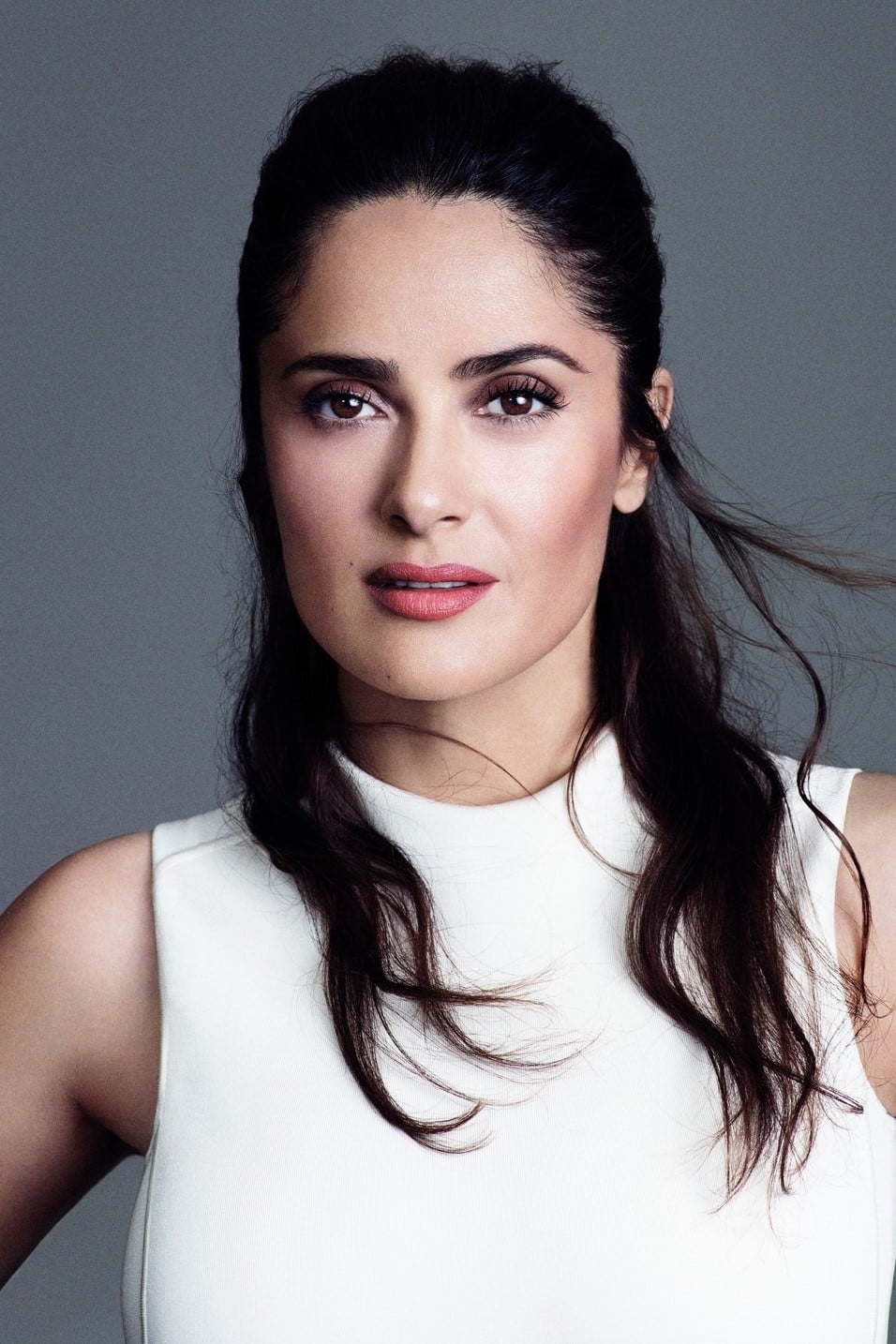
Salma Hayek Pinault once claimed in a high-profile interview that she was an undocumented immigrant in the United States early in her career. She described a period of great fear and uncertainty while trying to establish herself as an actress. It was later clarified that she had actually overstayed a visa and was never in the dire legal situation she had initially suggested. Given her wealthy background in Mexico, many felt that this story was an attempt to gain sympathy from the immigrant community. The actress eventually walked back the severity of the claim during subsequent media appearances.
Charlize Theron
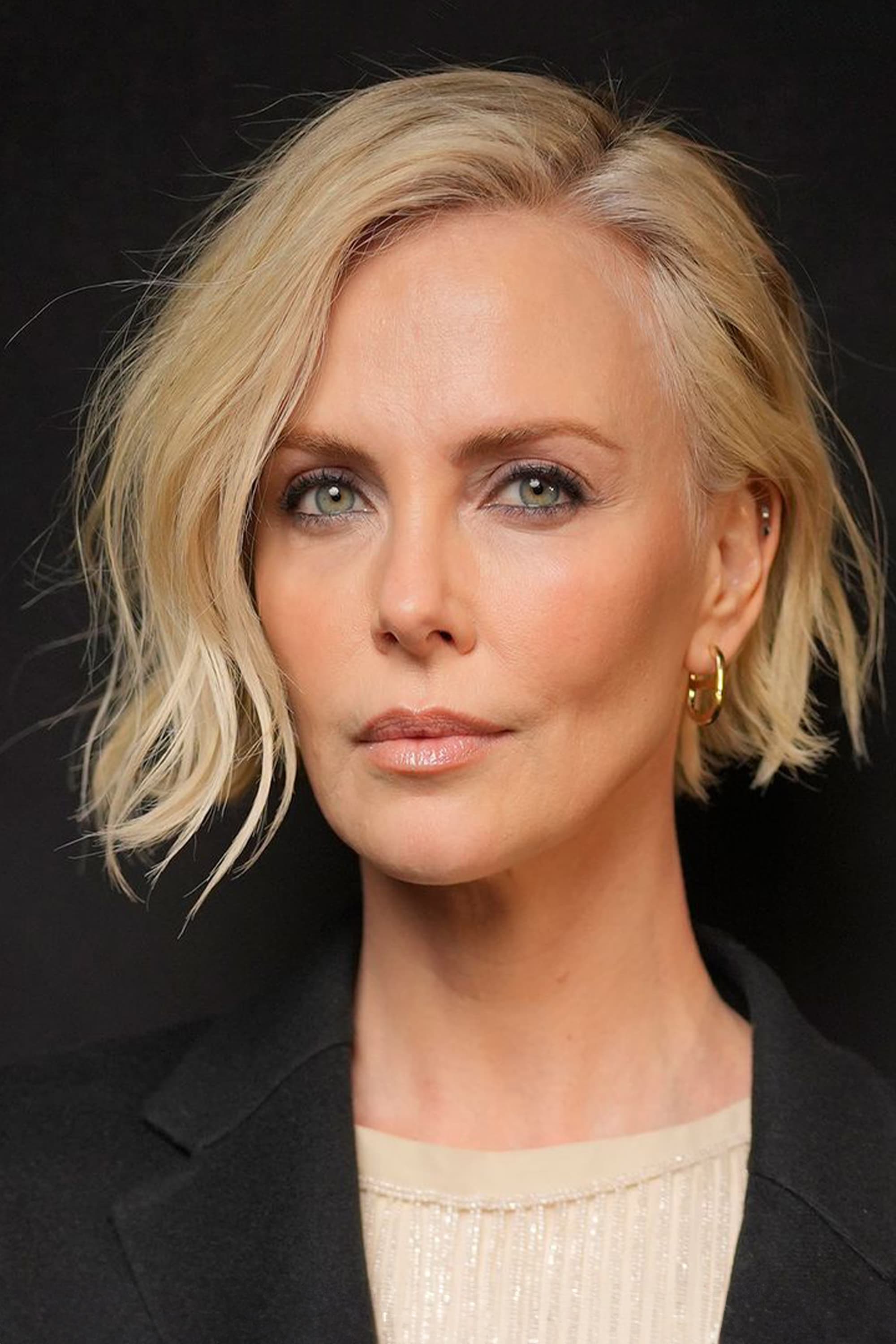
Charlize Theron initially told the press that her father died in a tragic car accident when she was a teenager. This version of events was shared during her early years in Hollywood as she rose to fame in movies like ‘The Devil’s Advocate’. Years later, it was revealed that her mother had actually shot and killed her father in an act of self-defense during a domestic dispute. Theron explained that she hid the truth for a long time because she did not want to be viewed as a victim. The shift in her narrative highlighted the pressure celebrities feel to manage their personal tragedies for public consumption.
Lena Dunham
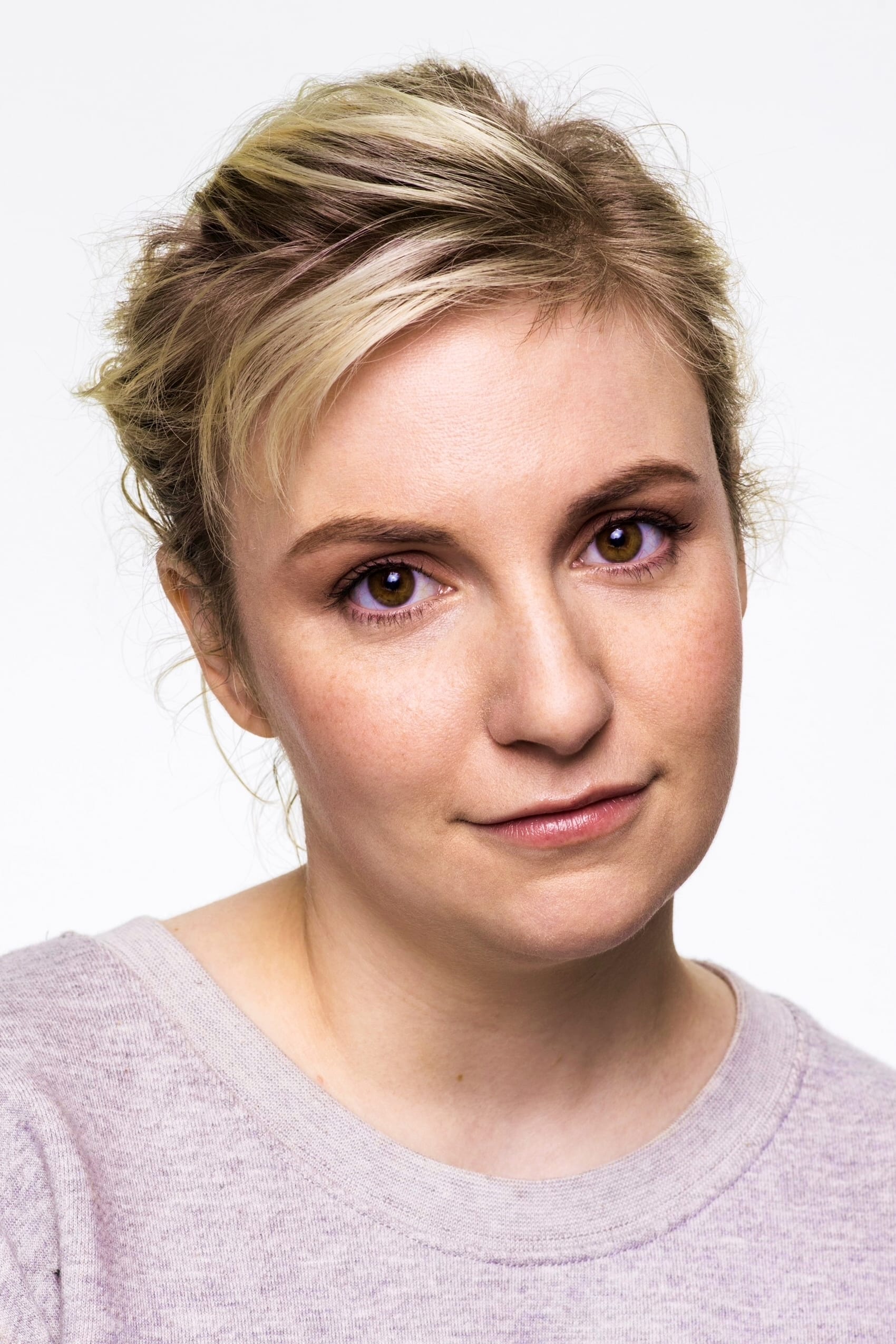
Lena Dunham faced severe backlash after including a story in her memoir about an alleged assault during her college years. The actress and creator of ‘Girls’ was accused of fabricating or misremembering significant details about the individual she identified. After the person mentioned in the book hired legal counsel, Dunham issued a public apology and clarified the account. This incident raised questions about the accuracy of her autobiographical writing and her use of personal trauma for narrative impact. Many critics felt the inclusion of the story was a way to gain sympathy and political capital within the industry.
Whoopi Goldberg
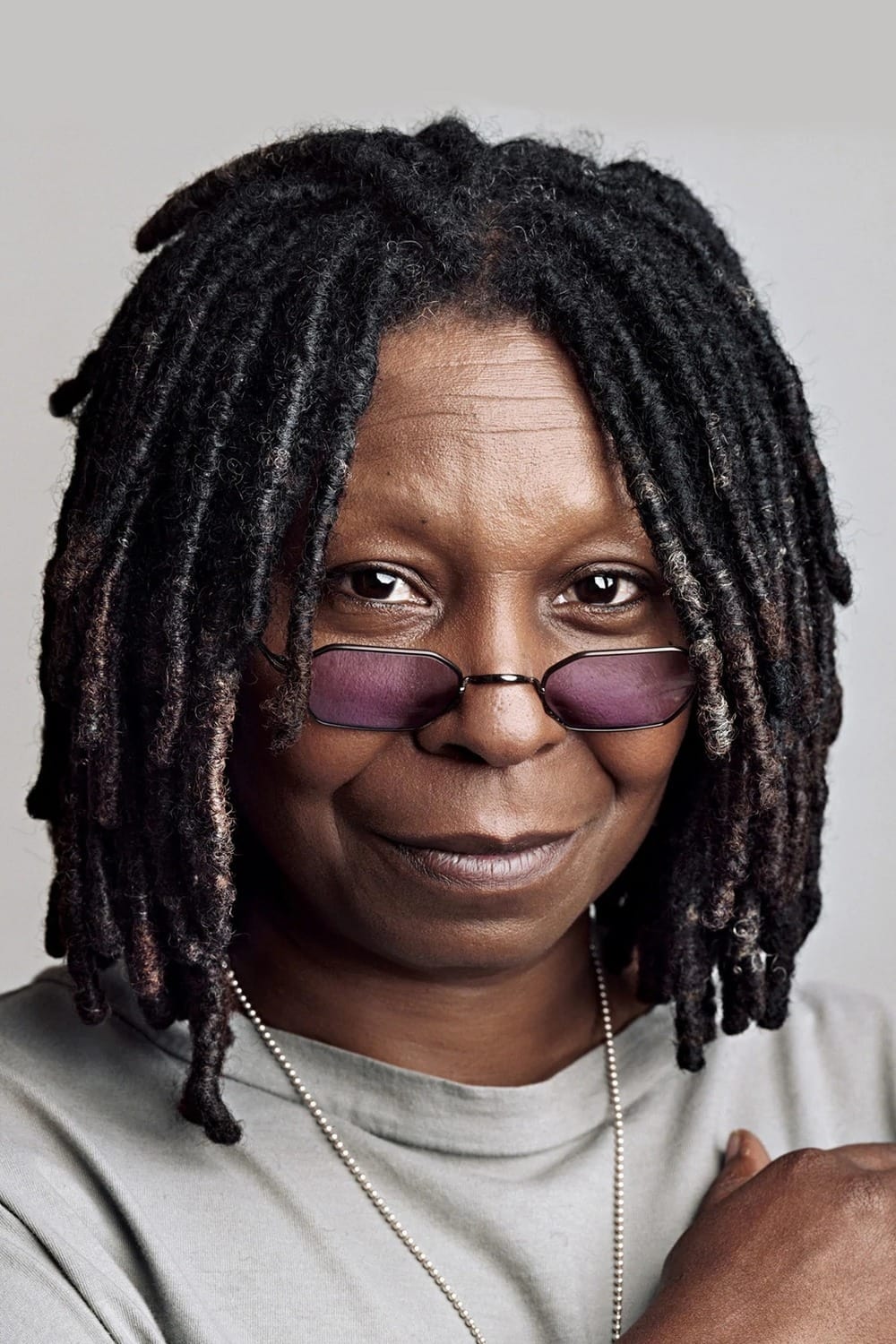
Whoopi Goldberg has faced questions for decades regarding her choice of stage name and her claims of Jewish heritage. Born Caryn Elaine Johnson, she adopted the name Goldberg and suggested that she had Jewish ancestors on her mother’s side. Genealogical investigations have found no evidence of Jewish lineage in her family history. Goldberg has defended her identity by stating that she feels a spiritual connection to the culture regardless of her DNA. This has led to accusations that she adopted a specific cultural identity to stand out in the competitive world of acting.
Awkwafina
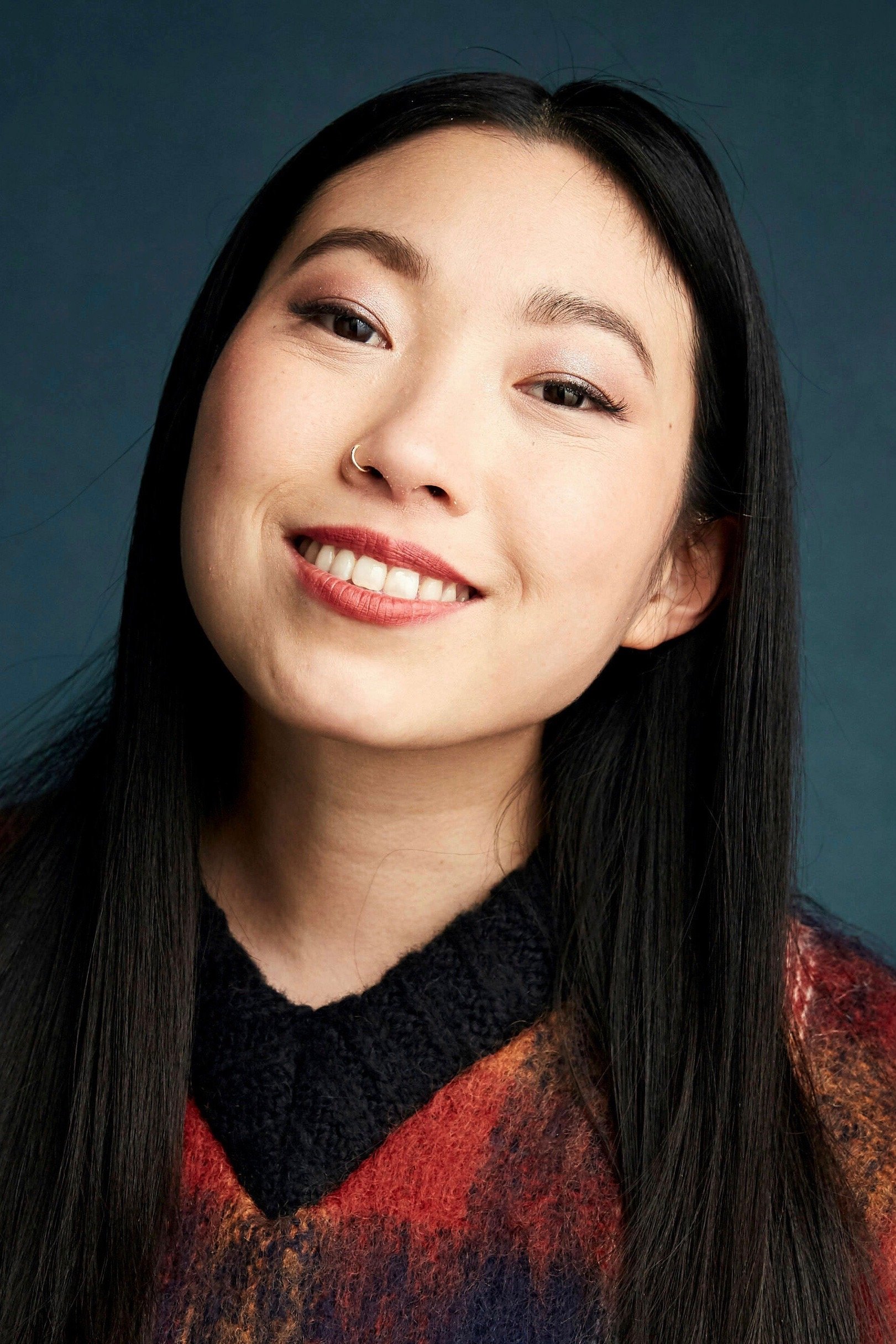
Awkwafina, born Nora Lum, rose to prominence using a specific dialect and persona that many critics labeled as a blaccent. She often shared stories of her upbringing in Queens to justify her speech patterns and cultural style. It was later revealed that she grew up in an affluent household and attended prestigious educational institutions. This led to accusations that she was performing a caricature of a specific struggle to gain street soul and public sympathy. The controversy followed her even as she transitioned into more serious roles in films like ‘The Farewell’.
Halle Berry
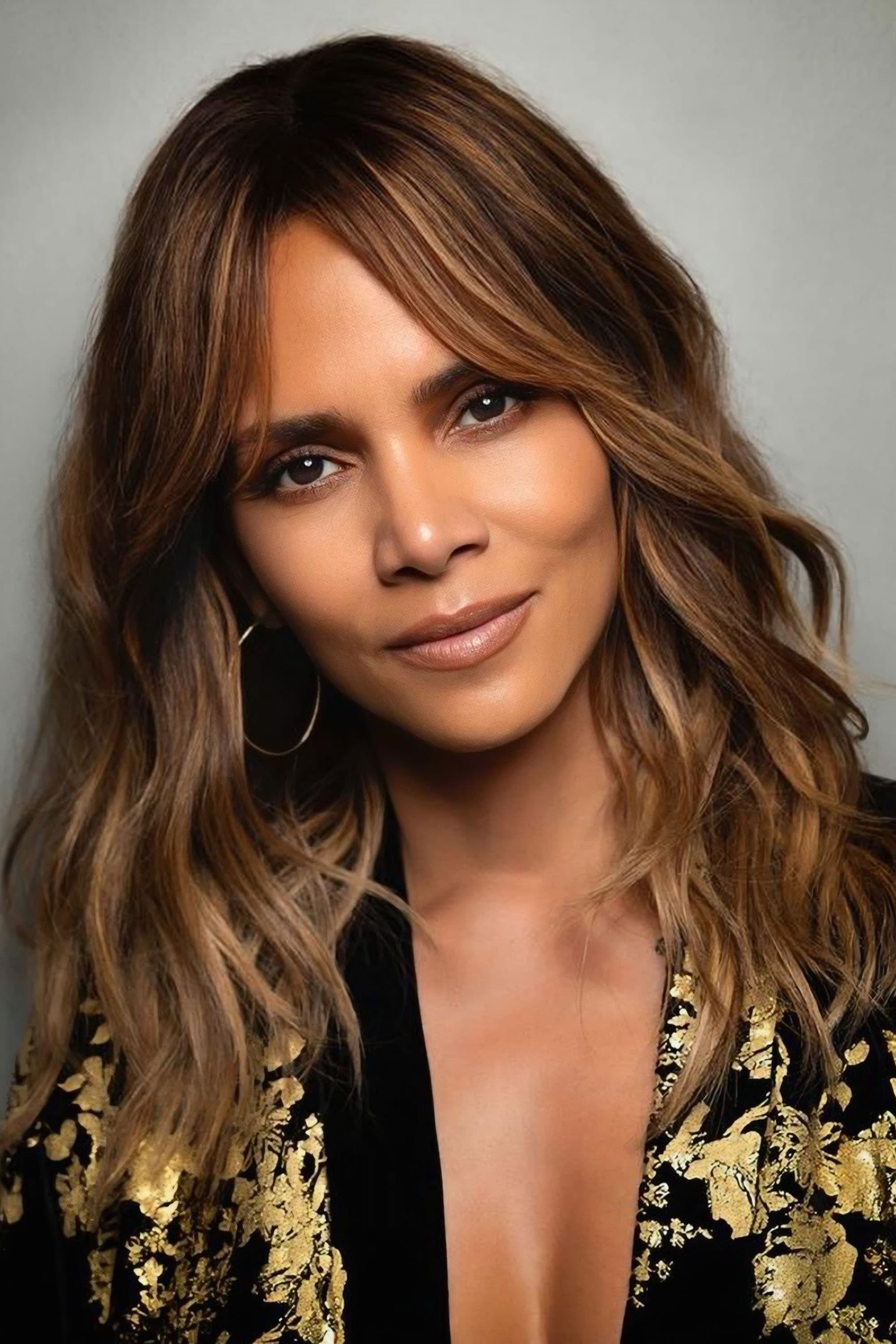
Halle Berry has frequently shared a story about living in a homeless shelter in New York City while she was a struggling young actress. She used this narrative to emphasize her perseverance and the obstacles she overcame before winning an Academy Award. Some of her family members have publicly disputed the severity of this story and claimed she was never truly without resources. They suggested that she stayed in a shelter for a very brief period and always had a safety net available to her. This discrepancy has led to accusations that the story was embellished to create a more dramatic rags to riches story.
Julia Fox
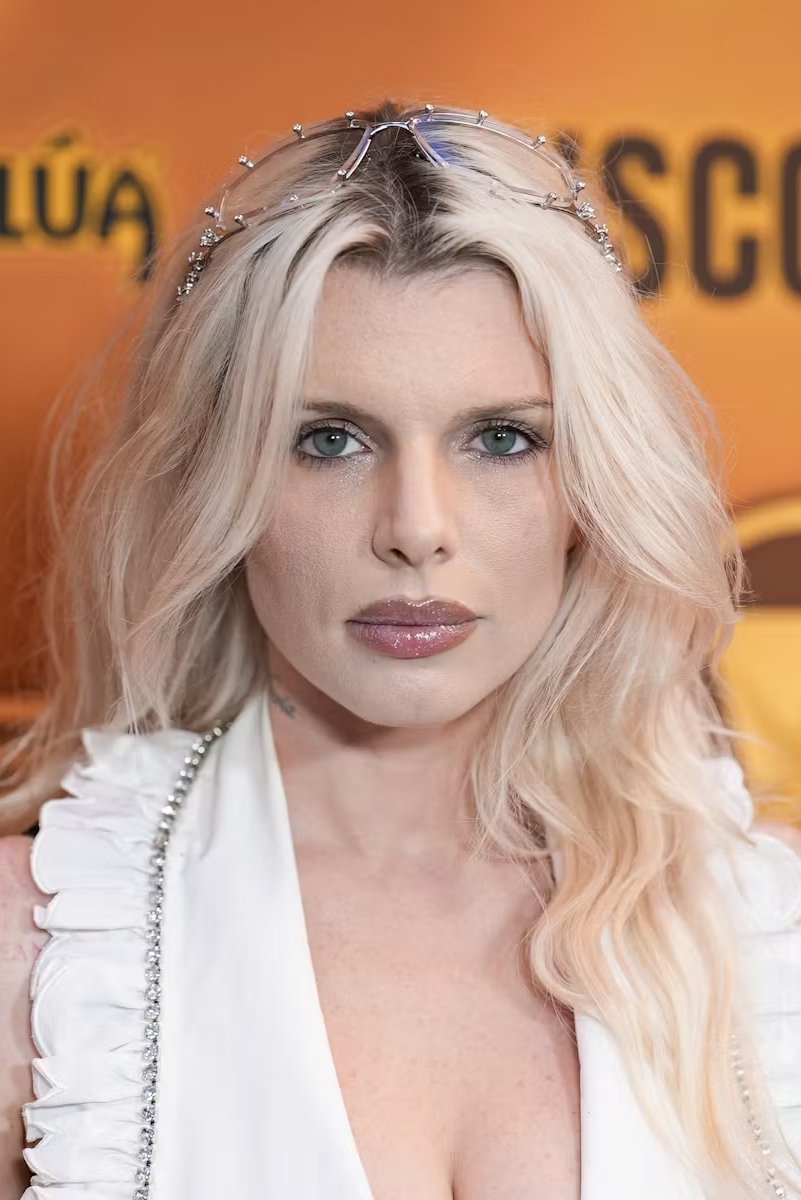
Julia Fox gained widespread attention for her brief relationship with Kanye West and her subsequent media interviews. She often detailed a very dark and troubled youth involving heavy drug use and legal issues. While some parts of her history are documented, other claims have been viewed as inconsistent or exaggerated for dramatic effect. Critics have noted that her backstory seems to shift depending on the audience she is addressing. The actress has used these narratives to build a persona of a gritty survivor in the New York art and film scene.
Mischa Barton

Mischa Barton has often discussed her personal struggles and the trauma she experienced during the height of her fame on ‘The O.C.’ in various interviews. She frequently shifted the narrative regarding her mental health crises and legal issues to place the blame on the pressures of the industry. Some observers have pointed out that her accounts of these events have changed significantly over time. This has led to perceptions that she uses her past difficulties to gain public sympathy whenever she attempts a career comeback. The lack of a consistent timeline has made it difficult for the public to fully embrace her narrative.
Lindsay Lohan
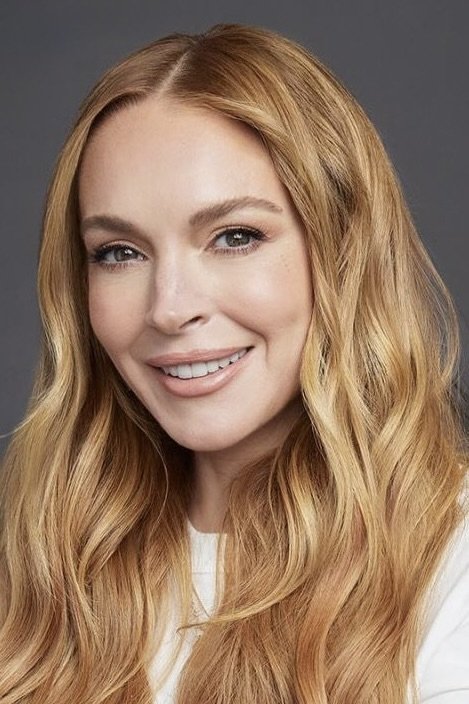
Lindsay Lohan has been the subject of numerous headlines involving her family life and personal health since her time as a child star in ‘The Parent Trap’. She has shared conflicting stories about her relationship with her parents and the nature of her upbringing. On several occasions, she claimed to be the victim of specific familial traumas that were later retracted or disputed by other family members. This pattern of behavior has led many to believe that she uses tragic narratives to distract from her professional setbacks. Her public image has been heavily shaped by these varying and often unverified accounts of her personal life.
Rose McGowan

Rose McGowan became a central figure in the MeToo movement after sharing her experiences in the film industry. She also gained sympathy for her stories about being raised in the Children of God cult during her childhood. While her involvement in the group is factual, some former members and researchers have questioned the specific details of her accounts. They suggested that her memories of the events may have been colored by her later experiences as an adult. The controversy surrounding the accuracy of her childhood stories has occasionally overshadowed her activism.
Asia Argento
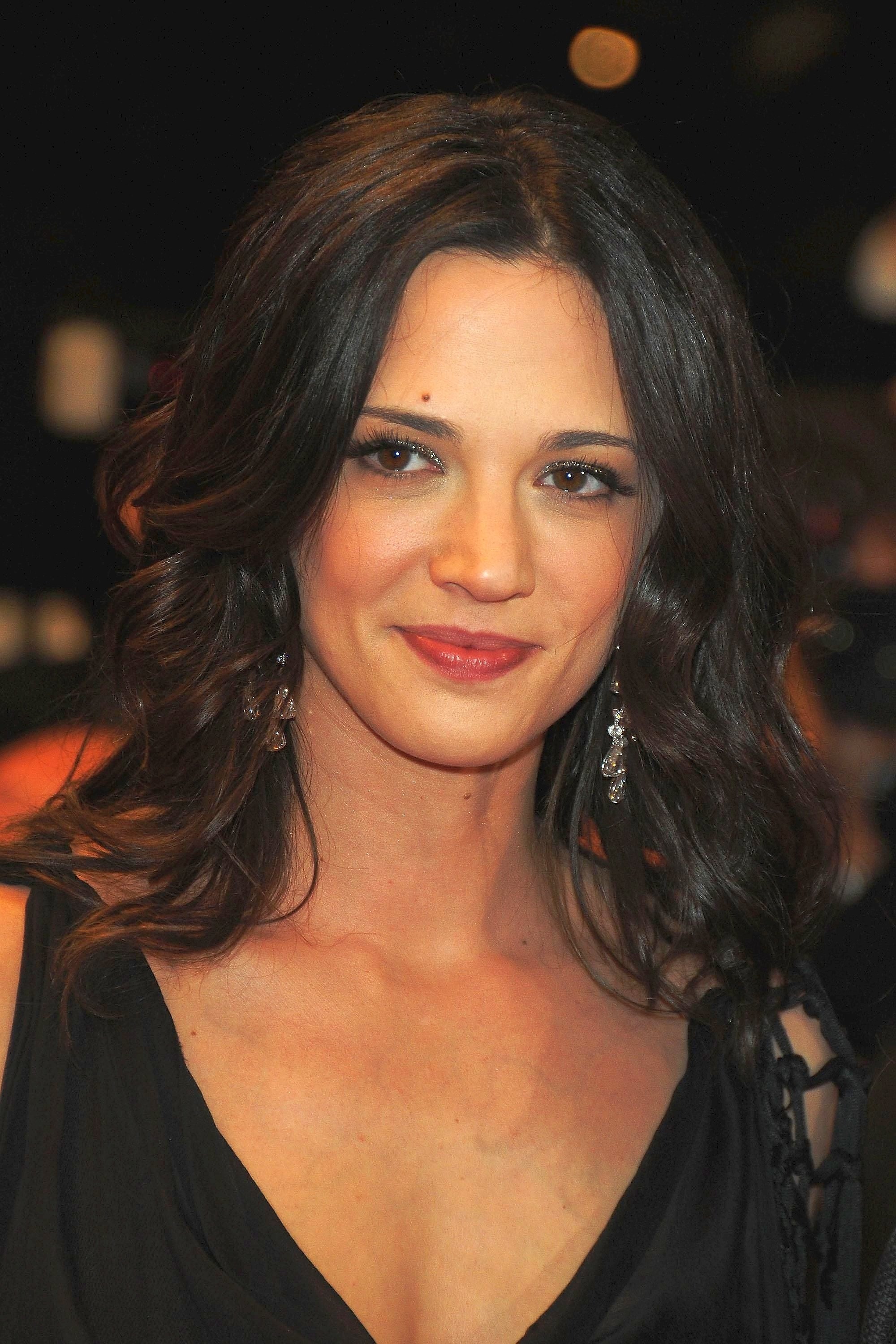
Asia Argento was one of the first high-profile actresses to come forward with allegations against Harvey Weinstein. Her position as a victim advocate was later complicated by her own legal and personal history. Conflicting stories about her interactions with other actors and her past behavior led to a decline in public support. Many felt that she had leveraged a narrative of victimhood to shield herself from her own controversies. This situation created a major divide in the public perception of her credibility and her past.
Rosanna Arquette
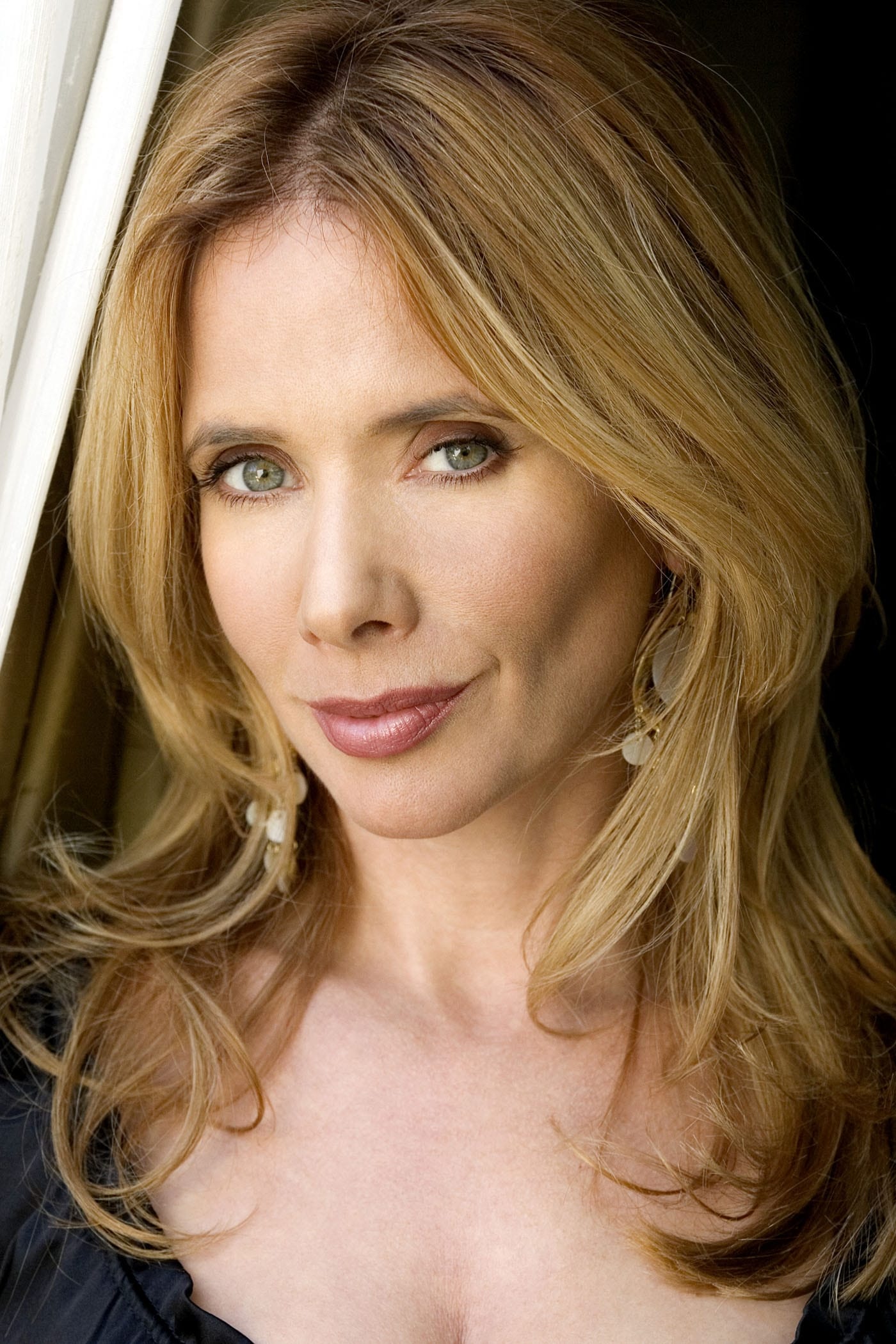
Rosanna Arquette has frequently spoken about the difficulties she faced in Hollywood due to her age and her outspoken nature. She claimed that her career was intentionally sabotaged by powerful figures after she rejected their advances. While many believe her accounts of industry misconduct, some insiders have suggested that her career decline was due to other professional factors. This has led to a debate about whether she uses her status as a victim of the system to explain away her personal career choices. Her narrative often emphasizes the tragic loss of her stardom as a result of her integrity.
Amber Heard
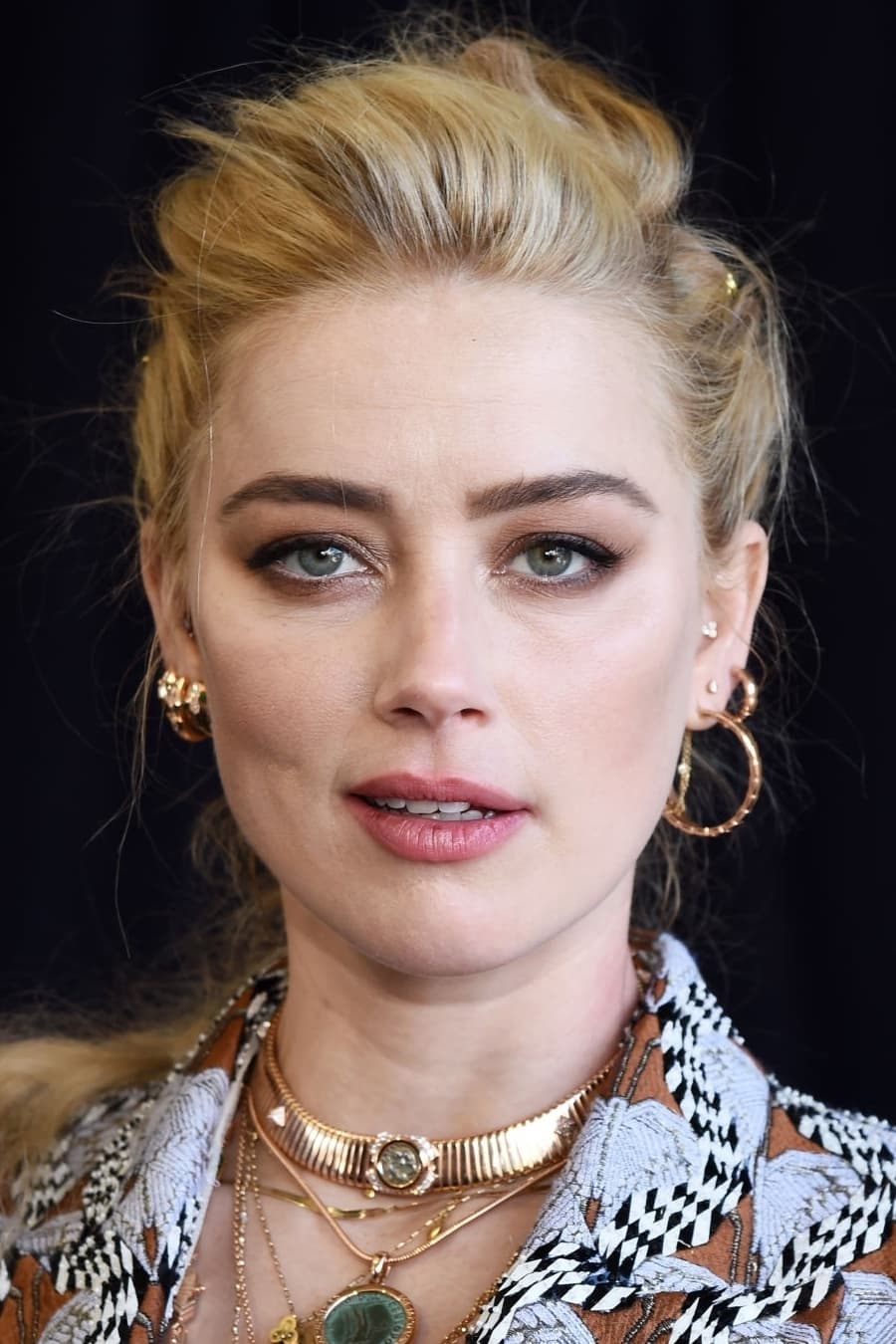
Amber Heard became a polarizing figure during her legal battles with Johnny Depp where she detailed extensive abuse. Throughout the trials, her personal history and past relationships were dissected by the media and legal teams. Several witnesses and pieces of evidence suggested that her accounts of her background and the events in her life were not always accurate. This led to a massive loss of public sympathy and accusations that she had fabricated a tragic narrative for personal gain. The fallout from the trial had a significant impact on her career and public standing.
Shailene Woodley
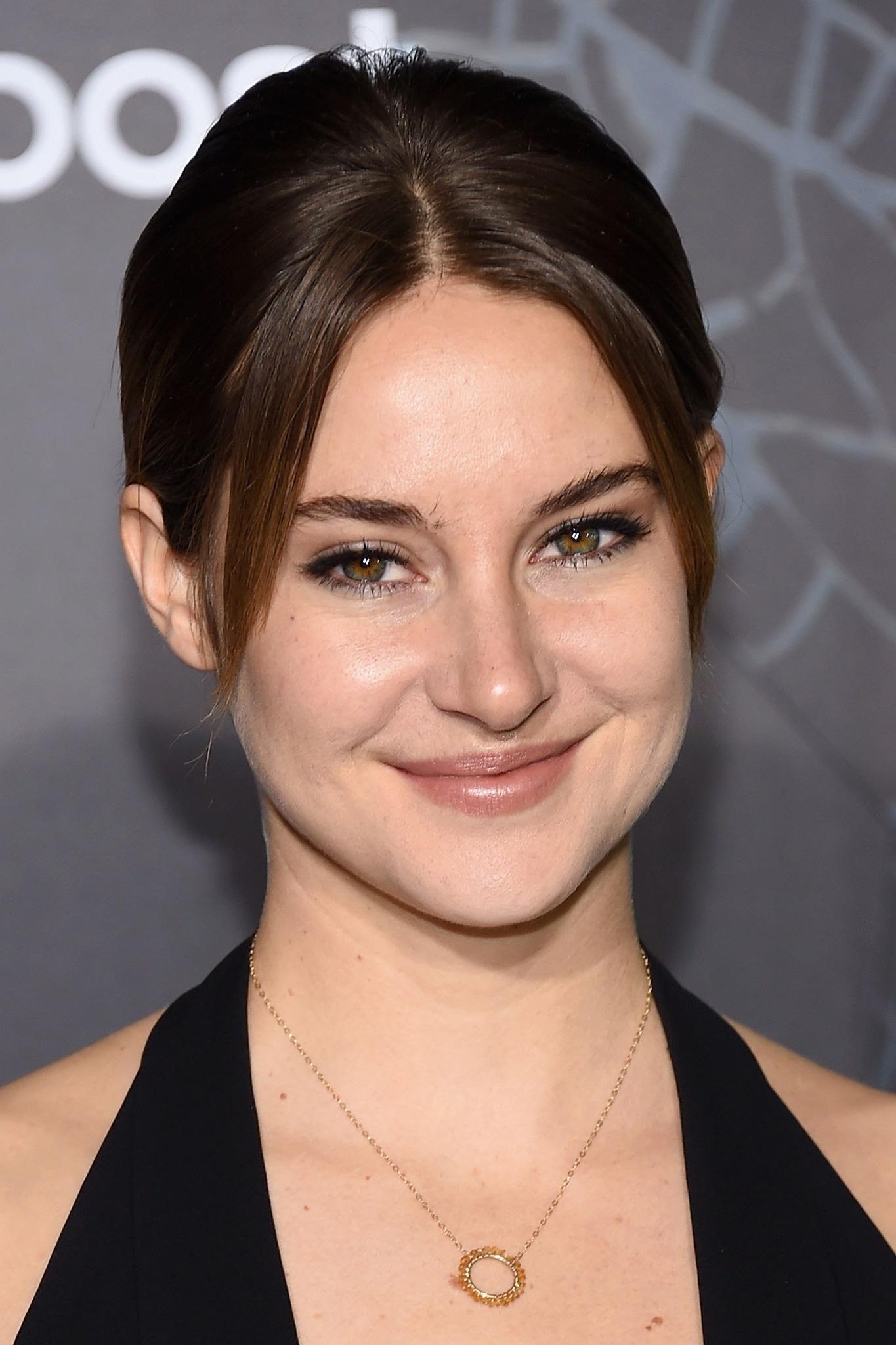
Shailene Woodley has long cultivated a public image centered on environmentalism and a minimalist lifestyle. She once claimed to be homeless and living out of a carry-on suitcase while filming major movies like ‘Divergent’. These stories were often shared to show her lack of interest in the trappings of fame and her relatability to younger fans. Critics pointed out that her version of homelessness included staying with wealthy friends and living in high-end trailers. Many felt that her attempt to frame a privileged lifestyle as a hardship was a calculated PR move.
Anna Kendrick
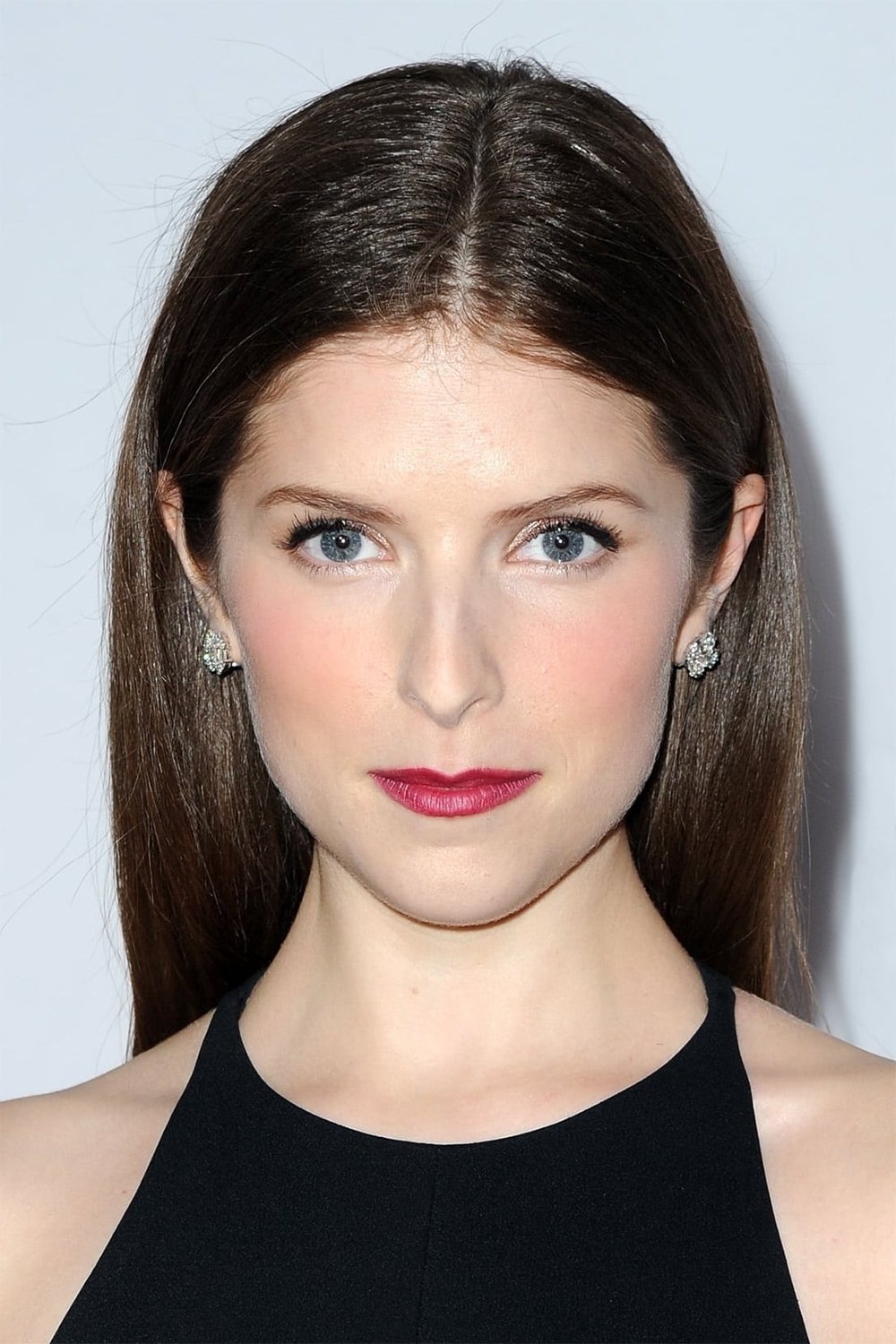
Anna Kendrick once shared a story in an interview about being so financially unstable that she could not afford to buy shoes for a press event. This occurred despite her having already starred in ‘Up in the Air’ and other successful projects. Many industry observers found this claim to be highly unlikely given the typical pay scales for actors at her level of fame. The story was widely seen as an attempt to maintain a relatable persona as she transitioned into becoming a major star. The discrepancy between her actual earnings and her narrative of poverty was a point of ridicule online.
Gwyneth Paltrow
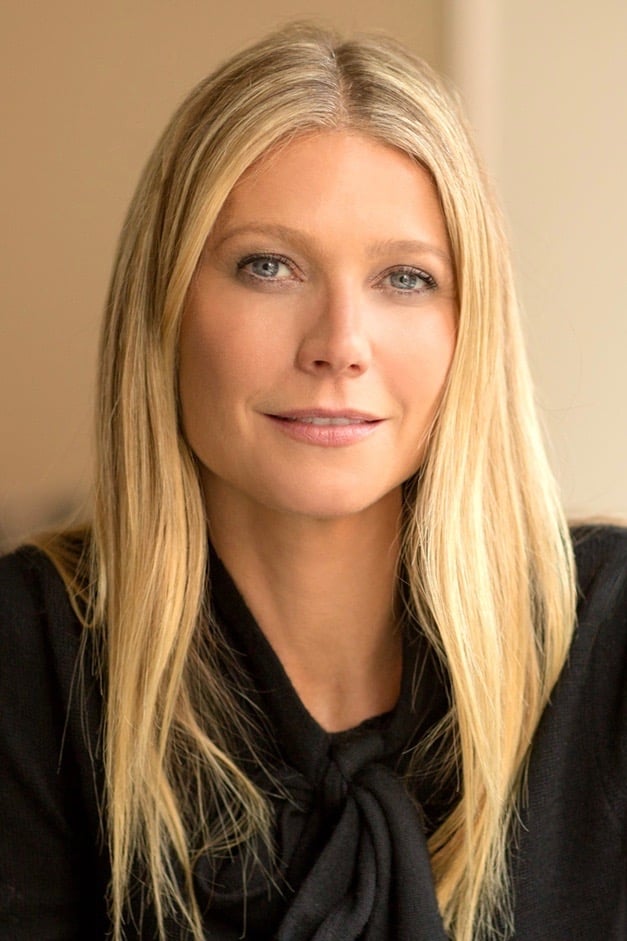
Gwyneth Paltrow faced a wave of criticism after claiming she was completely broke and unsupported after her father stopped paying her bills. She shared this story to emphasize her self-made status and the hard work she put into her early acting career. Given that she is the daughter of a famous director and an award-winning actress, the claim was met with widespread skepticism. Most people felt that her definition of being broke was vastly different from the reality of the average person. This narrative was seen as an attempt to distance herself from her privileged background.
Mindy Kaling

Mindy Kaling faced a unique controversy when her brother publicly claimed that he had faked a different racial identity to get into medical school. While Kaling was not directly responsible for his actions, her own narratives about the struggles of her family and their immigrant experience were called into question. Some critics felt that her family’s history of utilizing various narratives for advancement reflected on her own public image. Kaling has often discussed her feelings of being an outsider in Hollywood in ‘The Mindy Project’ and her books. The incident with her brother cast a shadow over her discussions of identity and hardship.
Constance Wu
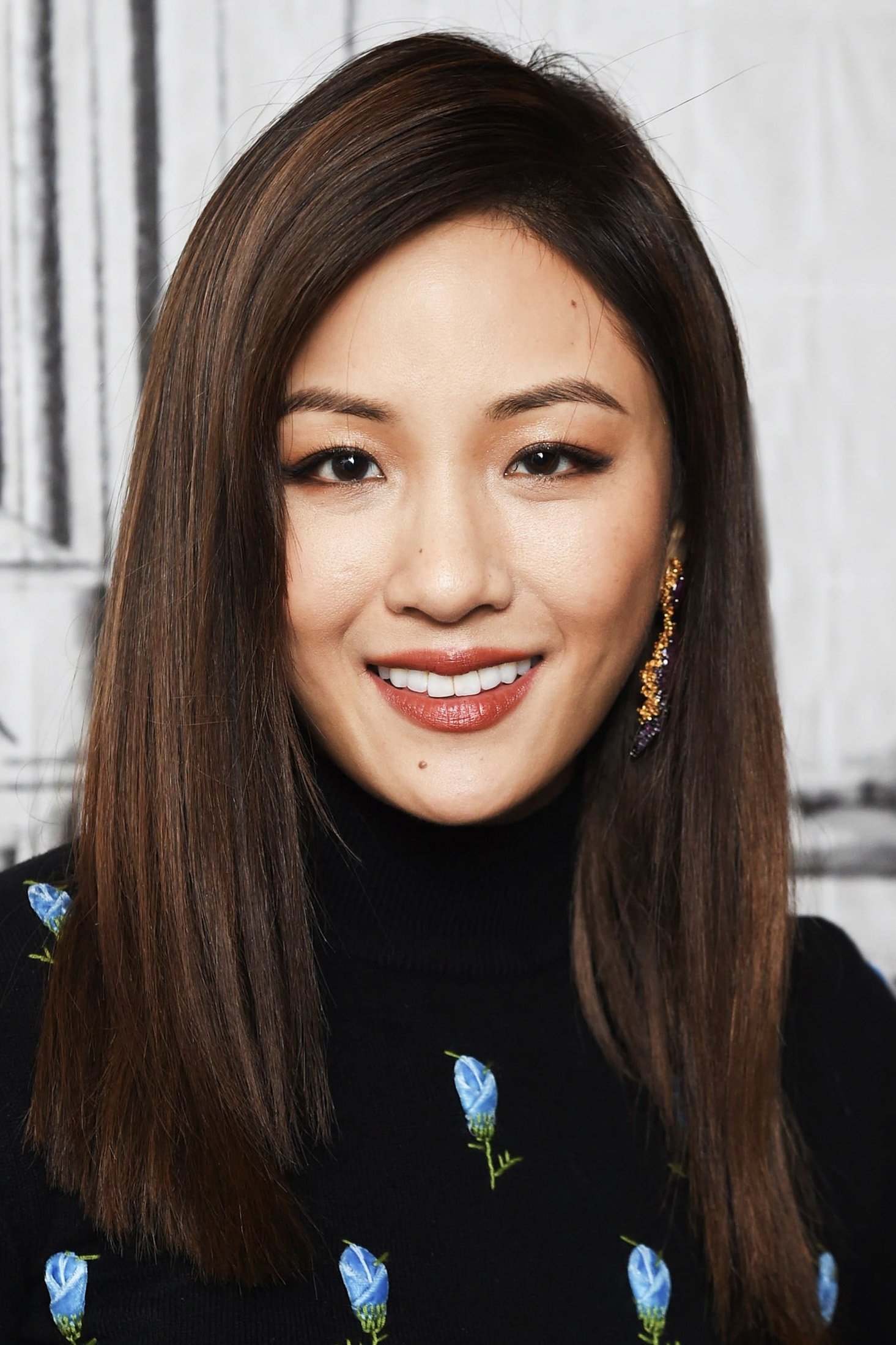
Constance Wu became the face of a major movement for representation after starring in ‘Crazy Rich Asians’. She often shared stories about her early years of struggle and the financial difficulties she faced as an Asian-American actress. Some former colleagues and acquaintances suggested that her narrative was more curated than she led the public to believe. They pointed out that she had a relatively steady stream of work and a supportive environment throughout her career. This led to discussions about the performance of struggle within the context of diversity and inclusion.
Priyanka Chopra Jonas
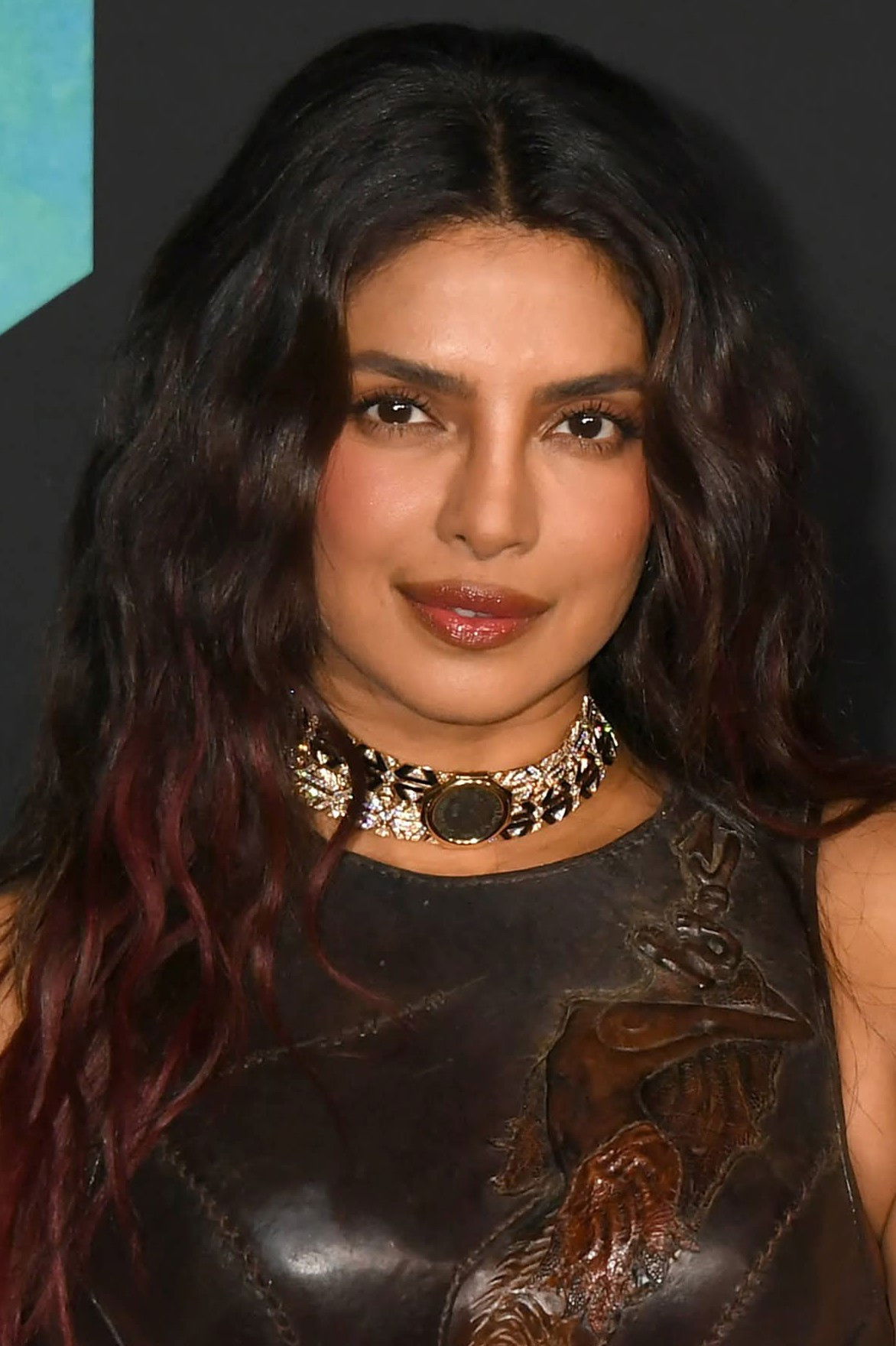
Priyanka Chopra Jonas has shared multiple stories about being bullied and facing racism during her time at an American high school. She used these accounts to highlight her resilience and her journey to becoming a global icon in shows like ‘Quantico’. Some social media users found inconsistencies in her descriptions of the events and the locations where they allegedly took place. This led to accusations that she was tailoring her history to fit a specific narrative of trauma for Western audiences. Despite the questions, she continues to be a prominent voice for international performers.
Elizabeth Hurley
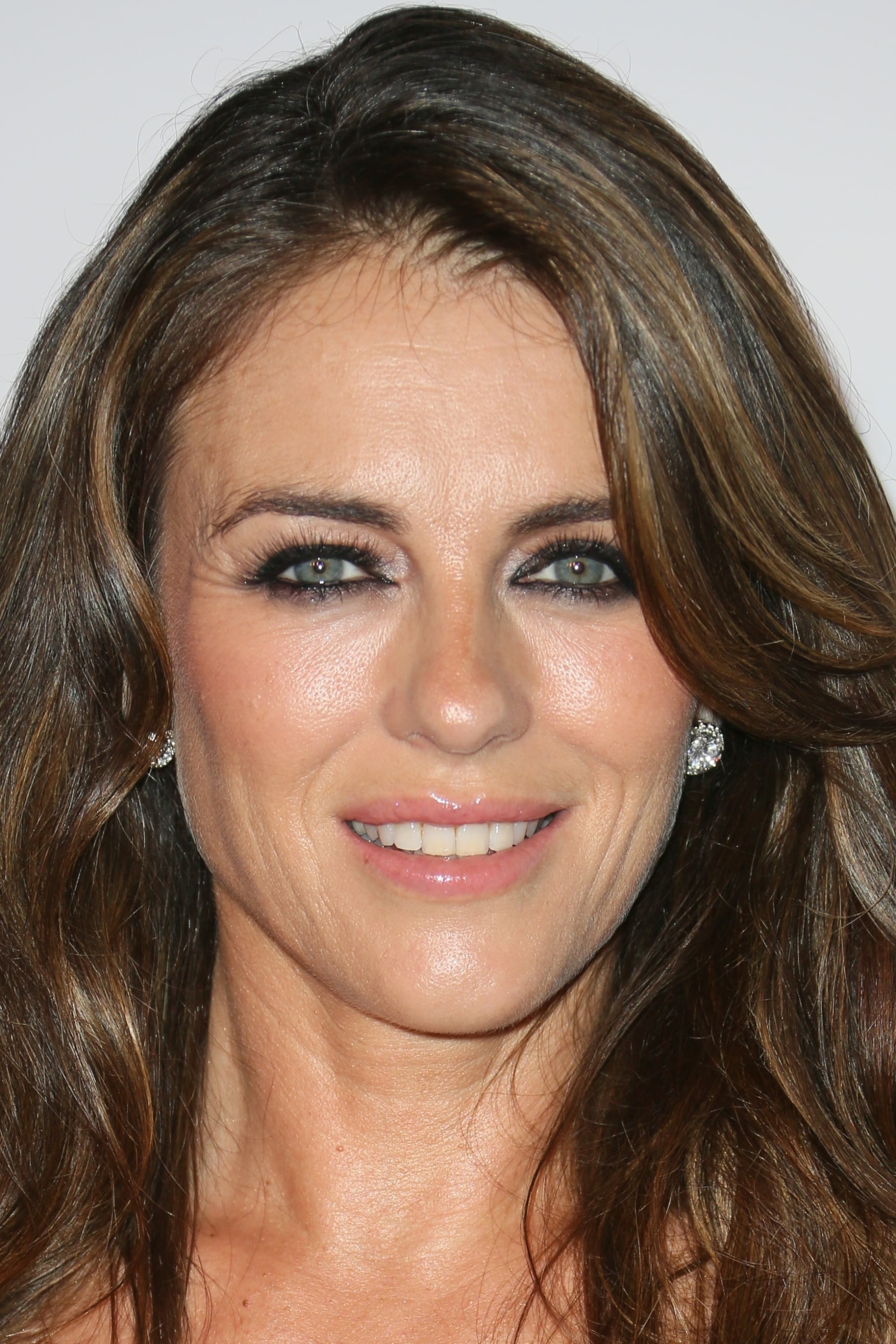
Elizabeth Hurley has often been criticized for how she portrays her early life and the start of her modeling and acting career. She frequently emphasized the lack of opportunities she had and the financial risks she took to enter the industry. Some reports have suggested that her background was much more comfortable and connected than she has publicly admitted. This has led to perceptions that she exaggerated her early hardships to make her eventual success seem more impressive. Her public persona remains tied to an image of glamour that some feel is built on an embellished past.
Jane Fonda
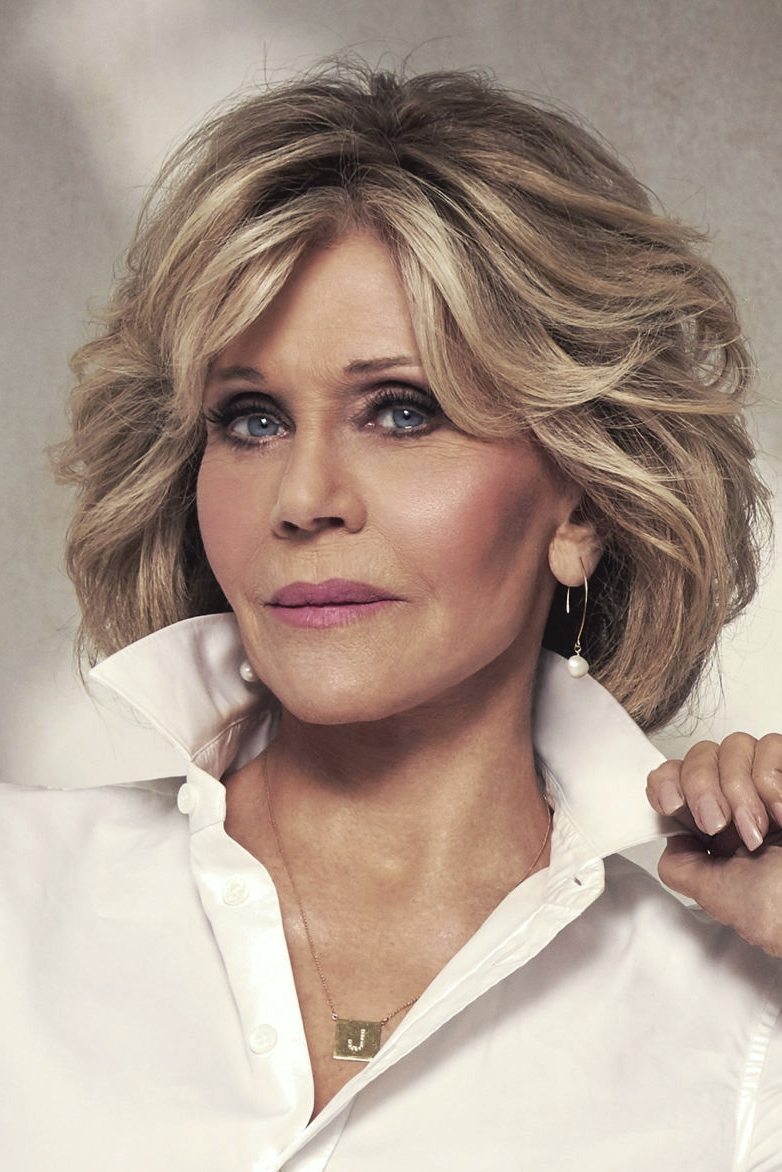
Jane Fonda has been a controversial figure for decades due to her activism and her high-profile personal life. During various periods of her career, she has claimed to experience financial hardship or personal isolation despite her wealthy upbringing and successful film roles. Biographers have occasionally pointed out that her accounts of these periods do not align with the financial realities of her life at the time. This has led to accusations that she adopts narratives of struggle to align herself with the political causes she supports. Her story remains a complex mix of genuine activism and carefully managed public perception.
Angelina Jolie
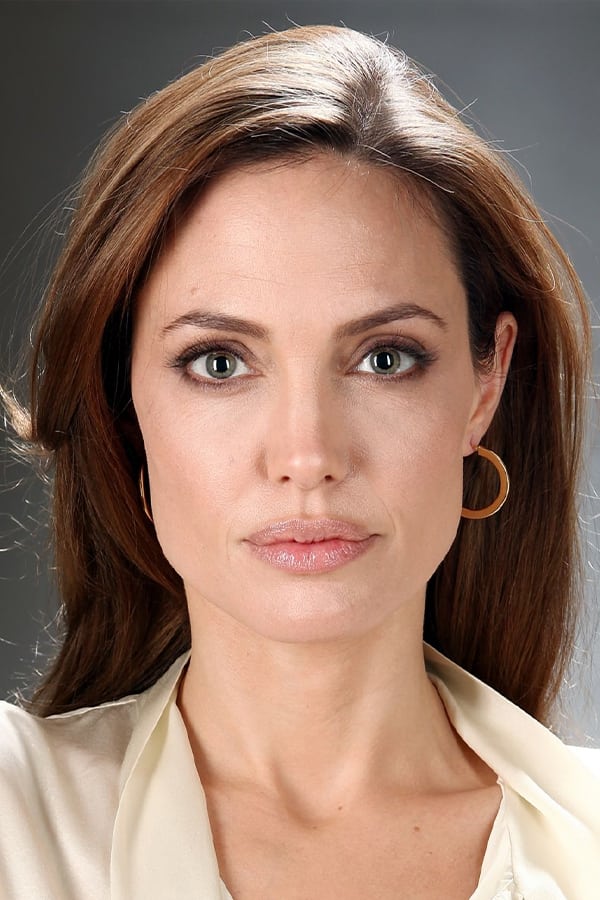
Angelina Jolie was famously known for her rebellious and self-destructive image during the early stages of her career. She frequently shared stories of extreme behavior and personal trauma in interviews to explain her public persona. Many PR experts have since suggested that this wild child narrative was a deliberate way to create a distinct brand in a crowded market. As she transitioned into a humanitarian role, her previous stories were often viewed through a more skeptical lens. The shift in her public image has been one of the most successful rebrandings in Hollywood history.
Dakota Johnson
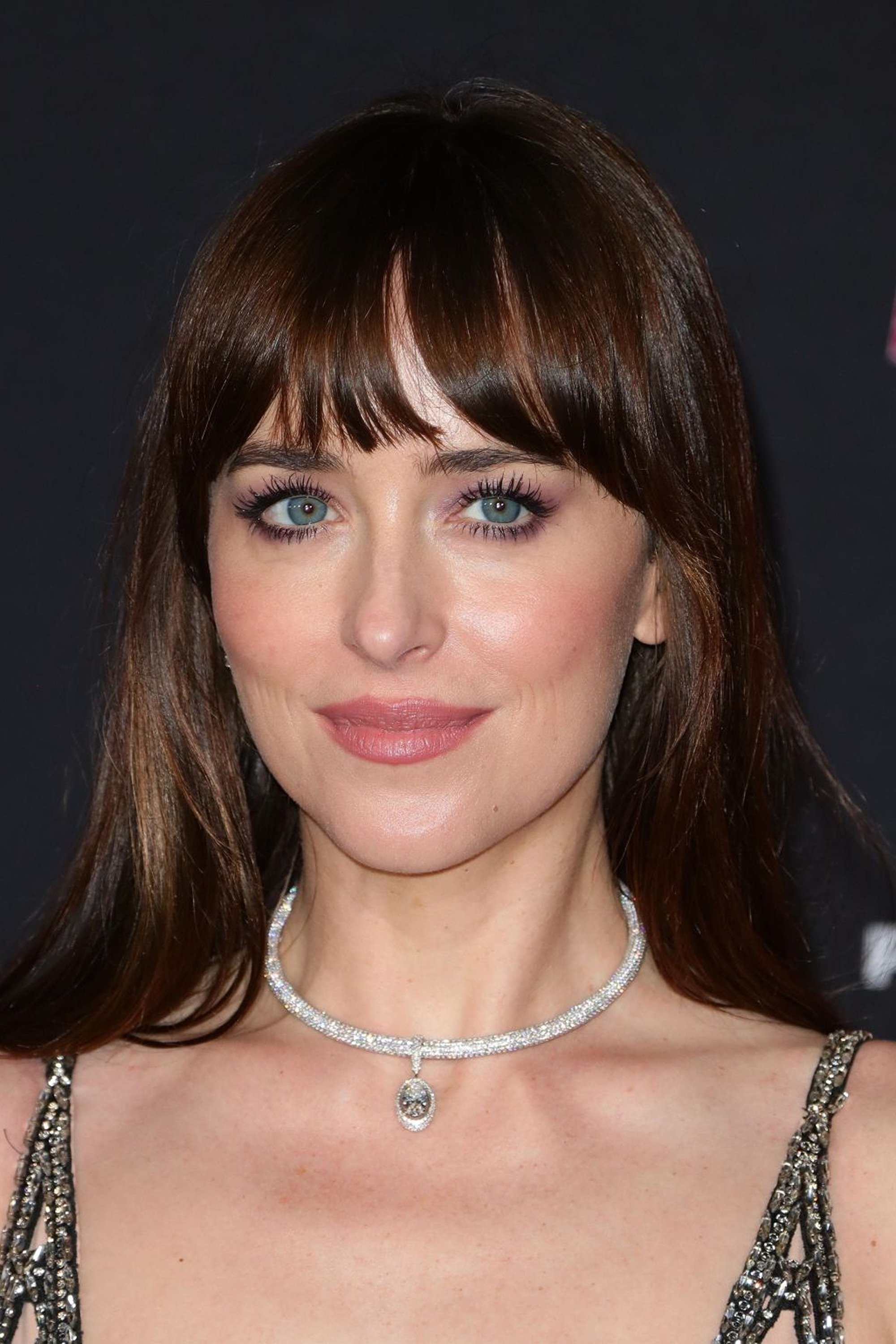
Dakota Johnson once told an interviewer that her father, Don Johnson, cut her off financially after she decided not to go to college. This story went viral as it suggested she had to struggle significantly to make it as an actress in ‘Fifty Shades of Grey’. Her father later clarified that while he stopped her allowance, she was never in any true financial danger and always had access to family resources. The discrepancy made the story seem like a minor exaggeration that was used to gain sympathy for her career beginnings. It highlighted the common Hollywood trope of the self-made celebrity.
Roseanne Barr
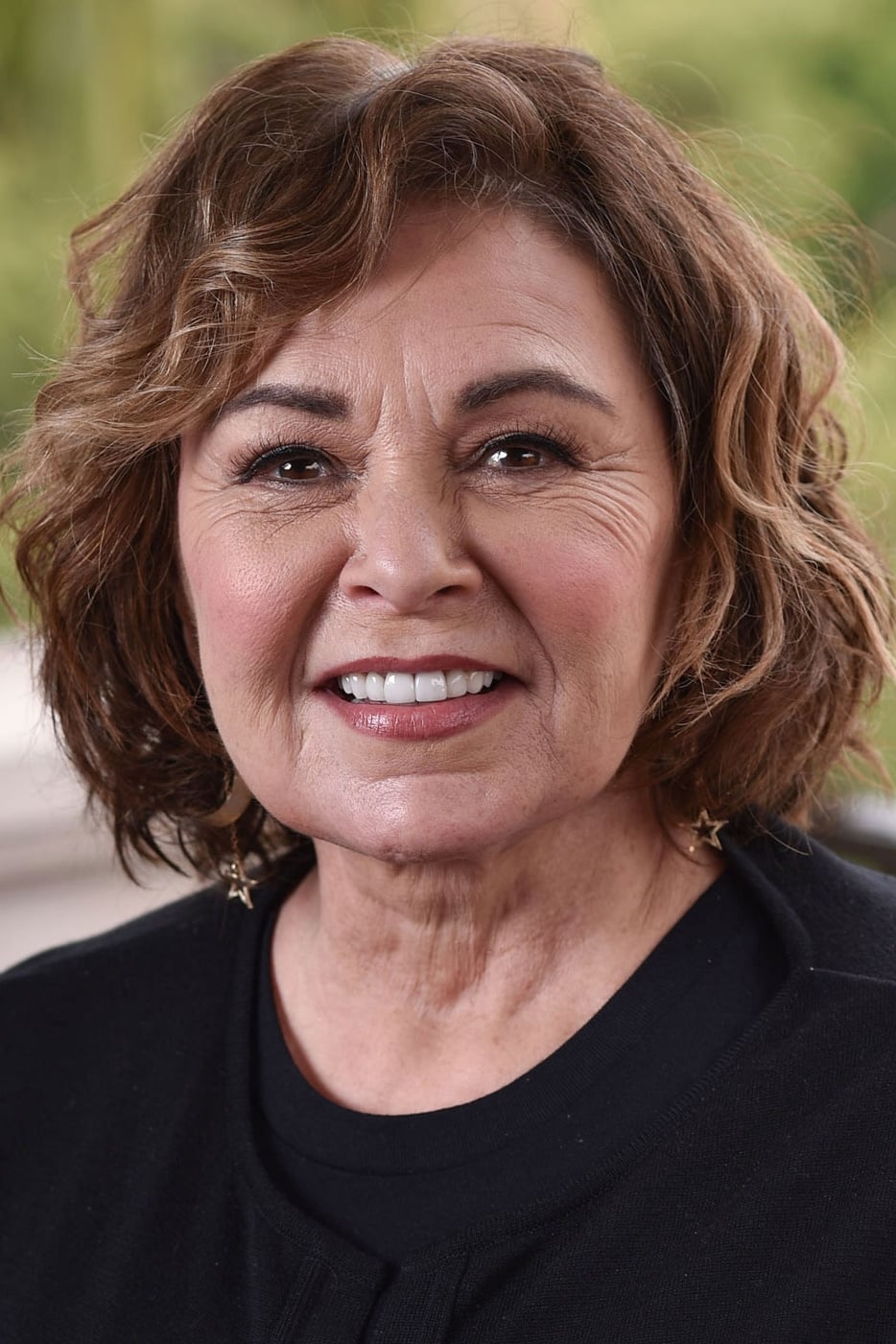
Roseanne Barr built her entire career on being a representative of the working-class struggle in her sitcom ‘Roseanne’. She often shared personal stories of mental health issues and a traumatic upbringing to bolster this image. Over the years, many of her family members have come forward to dispute the accuracy of her claims regarding her childhood. This has led to a long-standing public debate about the truth of her personal history and her use of these stories for comedic and dramatic impact. Her narrative of being a victim of the system has been a central part of her public identity.
Tell me which of these celebrity stories surprised you the most in the comments.