Celebrities You Never Knew Were Contractually Banned From Coming Out


The entertainment industry has long been a landscape where public image is meticulously crafted and legally protected. For decades, major film studios, record labels, and talent agencies utilized morality clauses and specific contractual language to ensure stars adhered to heteronormative standards. These legal documents often made it professionally impossible for LGBTQ+ celebrities to live openly without risking breach-of-contract lawsuits or the termination of their careers. From the rigid Studio System of the 1950s to the high-stakes pop music industry of the 1990s, the pressure to maintain a specific persona was often a written requirement.
Rock Hudson
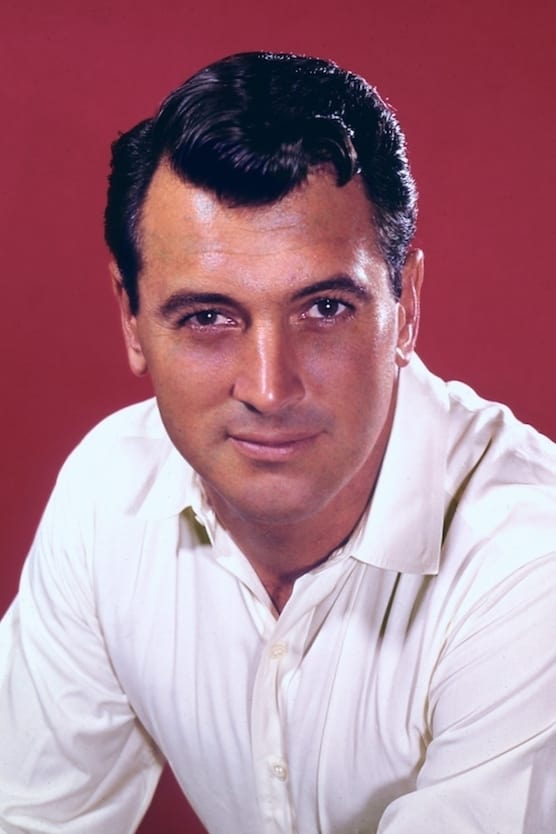
Rock Hudson was the quintessential leading man at Universal Pictures during the 1950s and 1960s. His studio contract included a strict morality clause that required him to maintain a wholesome, heterosexual public image to appeal to female audiences. Studio head Henry Willson orchestrated a marriage between Hudson and his secretary, Phyllis Gates, specifically to dispel rumors about the actor’s private life. This arrangement was a documented practice used by studios to protect their financial investments in major stars. Hudson only publicly acknowledged his private life shortly before his passing in 1985.
William Haines
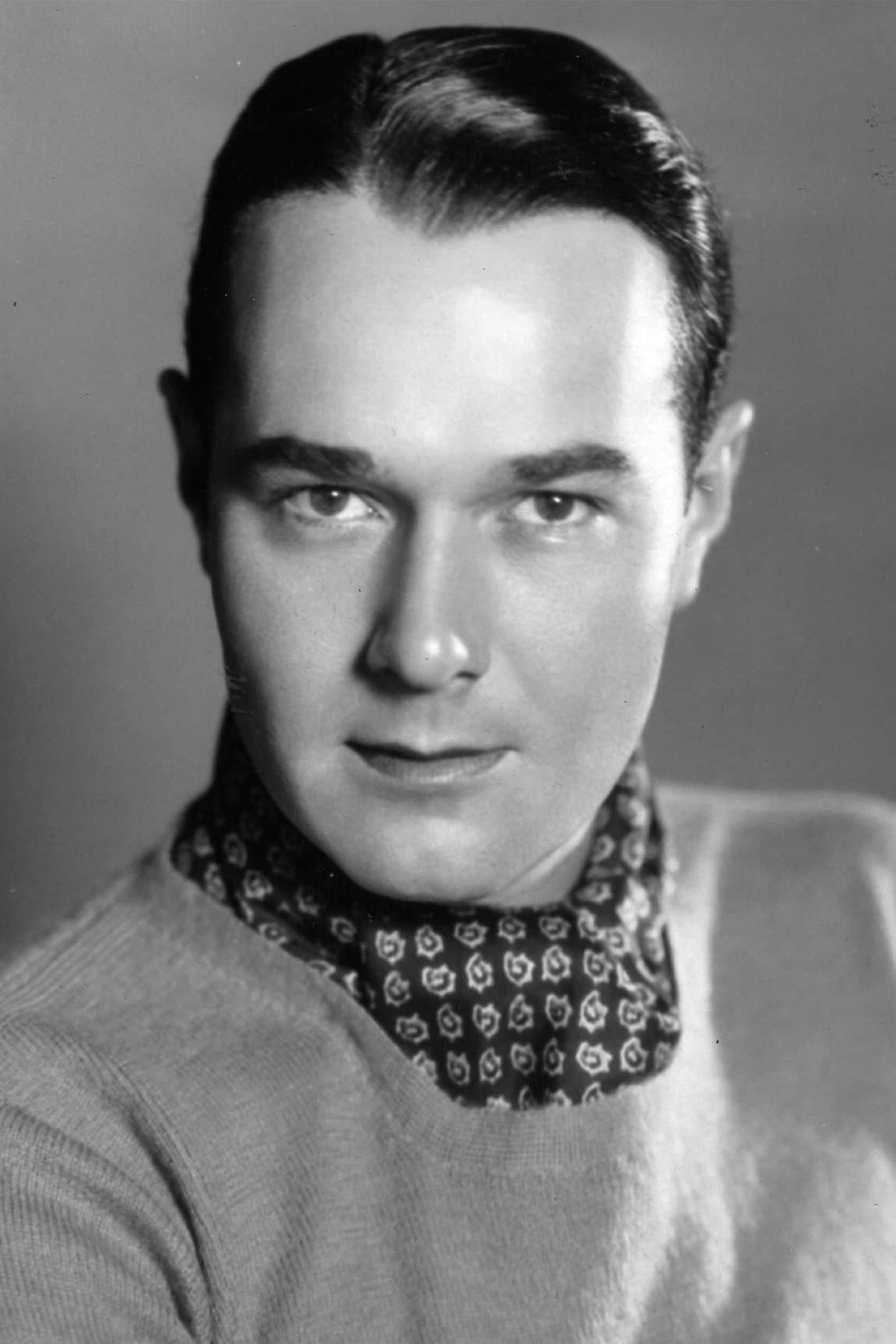
William Haines was a top box-office draw for MGM during the silent film era and the transition to talkies. In 1933, studio head Louis B. Mayer reportedly gave Haines an ultimatum to enter a “lavender marriage” or lose his career. Haines refused to abandon his partner, Jimmie Shields, leading to the immediate termination of his lucrative contract. This event effectively ended his acting career, though he found later success as a prominent interior designer. He is historically recognized as one of the first major stars to choose personal integrity over a studio mandate.
Tab Hunter
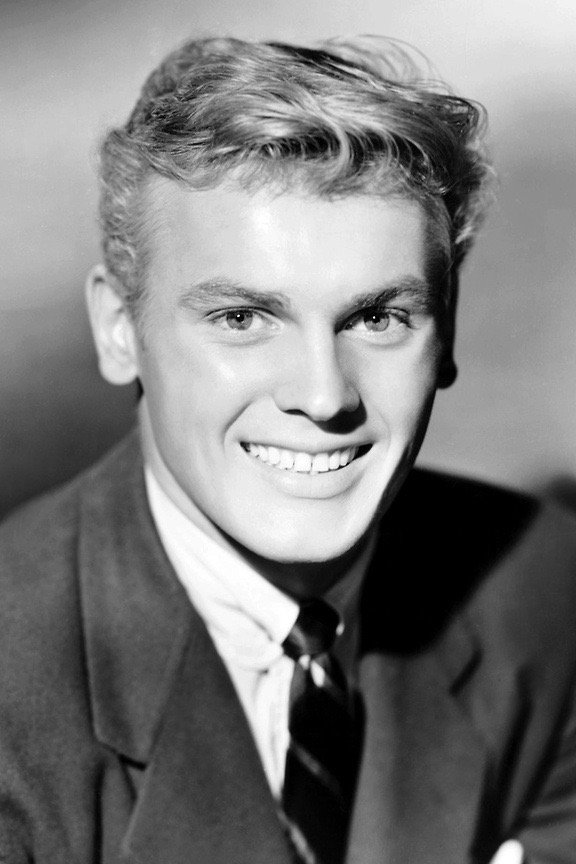
Tab Hunter was a massive teen idol and major star for Warner Bros. in the 1950s. His contract was governed by morality clauses that prohibited him from being seen in any context that would damage his “all-American” brand. When gossip magazines like ‘Confidential’ threatened to expose his private life, the studio worked aggressively to plant fake stories about his romantic life with female stars. Hunter later detailed the suffocating nature of these legal and professional obligations in his autobiography. He remained closeted to the general public until his memoir was published decades later in 2005.
Ramon Novarro
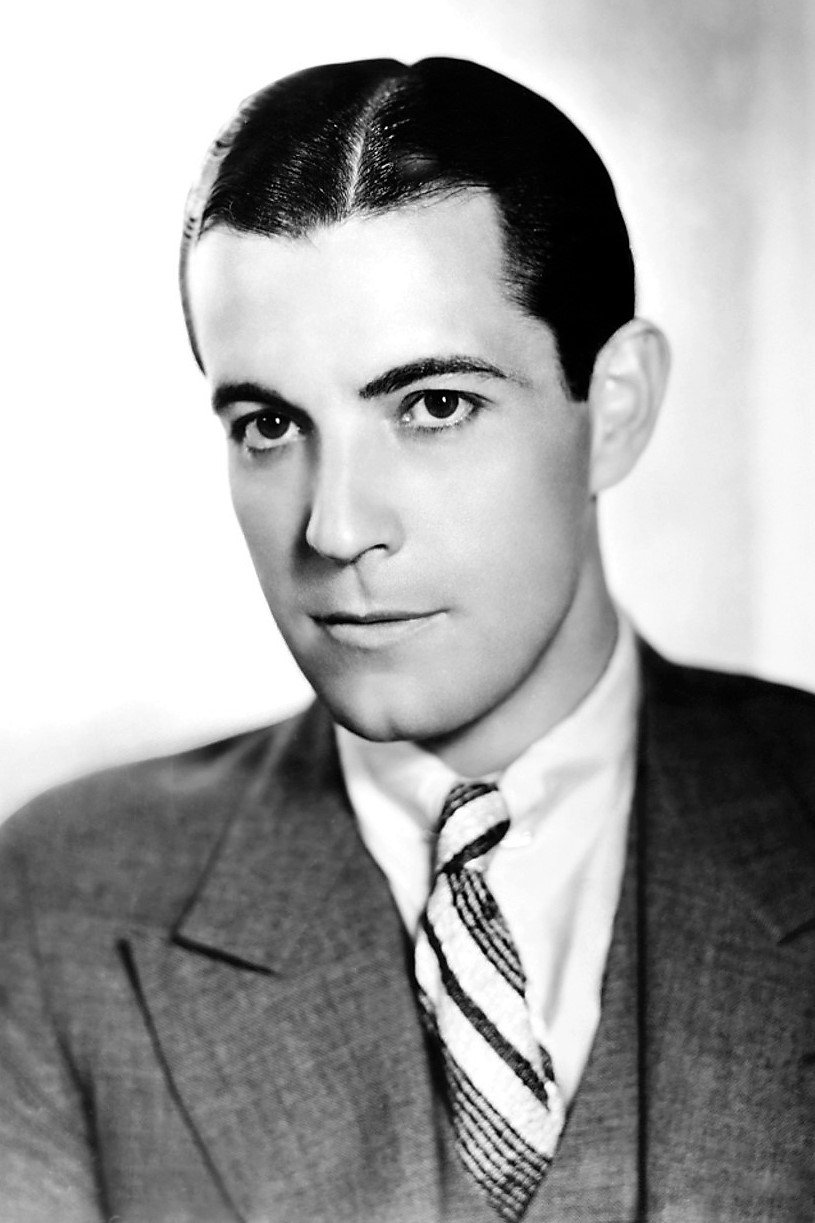
Ramon Novarro was one of the most famous “Latin Lovers” of the silent screen and a major star at MGM. Like many of his contemporaries, his contract required him to adhere to strict moral standards to maintain his romantic appeal. Louis B. Mayer reportedly offered Novarro a significant sum of money to enter into a fake marriage to hide his sexuality from the public. Novarro refused the proposal, which led to a gradual decline in the high-profile roles he was offered by the studio. His private life remained a closely guarded secret during the height of his international fame.
Richard Chamberlain
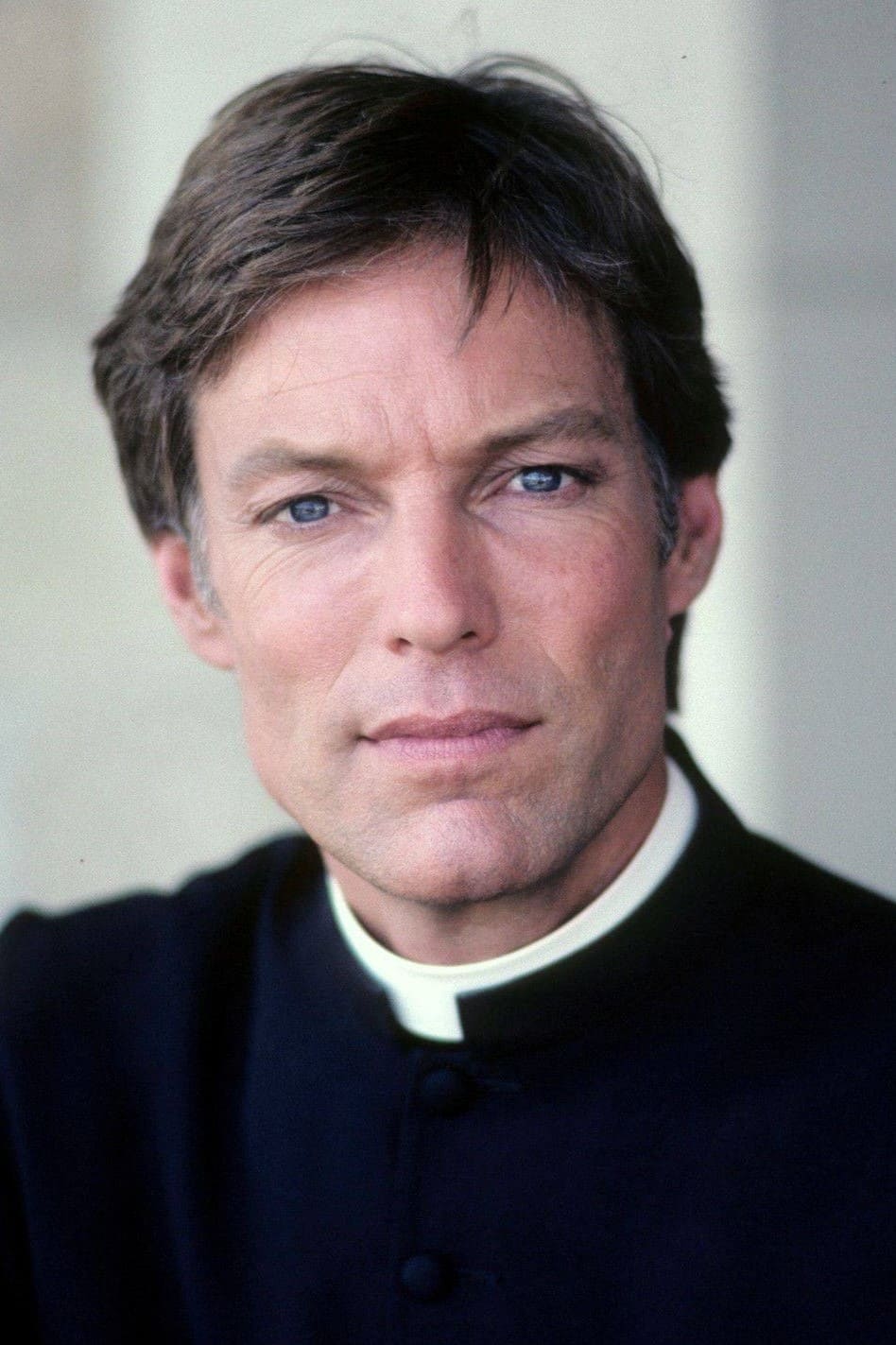
Richard Chamberlain became a household name starring in the television series ‘Dr. Kildare’ in the early 1960s. During this era, MGM and television executives warned him that any revelation about his private life would result in the immediate cancellation of his show and the end of his career. These professional mandates forced him to maintain a public persona as a bachelor for several decades. Chamberlain later explained that the fear of losing his livelihood was a direct result of the industry’s strict cultural and contractual expectations. He finally came out publicly in 2003 with the release of his memoir.
Anthony Perkins
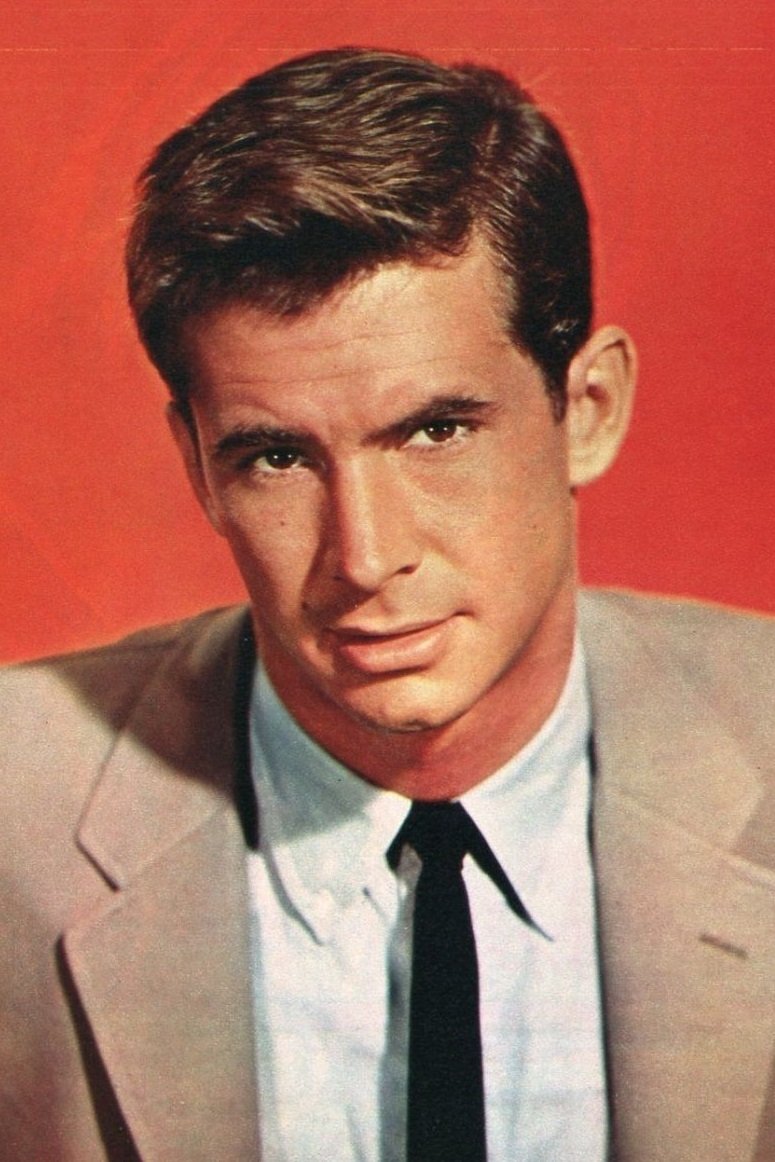
Anthony Perkins is best known for his role as Norman Bates in the film ‘Psycho’. Throughout his career at Paramount and other studios, he was subjected to intense pressure to maintain a traditional leading-man image. This pressure included orchestrated dates with female stars and constant monitoring of his public appearances. Perkins was forced to undergo conversion therapy treatments as part of the industry’s attempt to “fix” his public-facing persona. He remained largely private about his personal life until his death in 1992.
James Dean
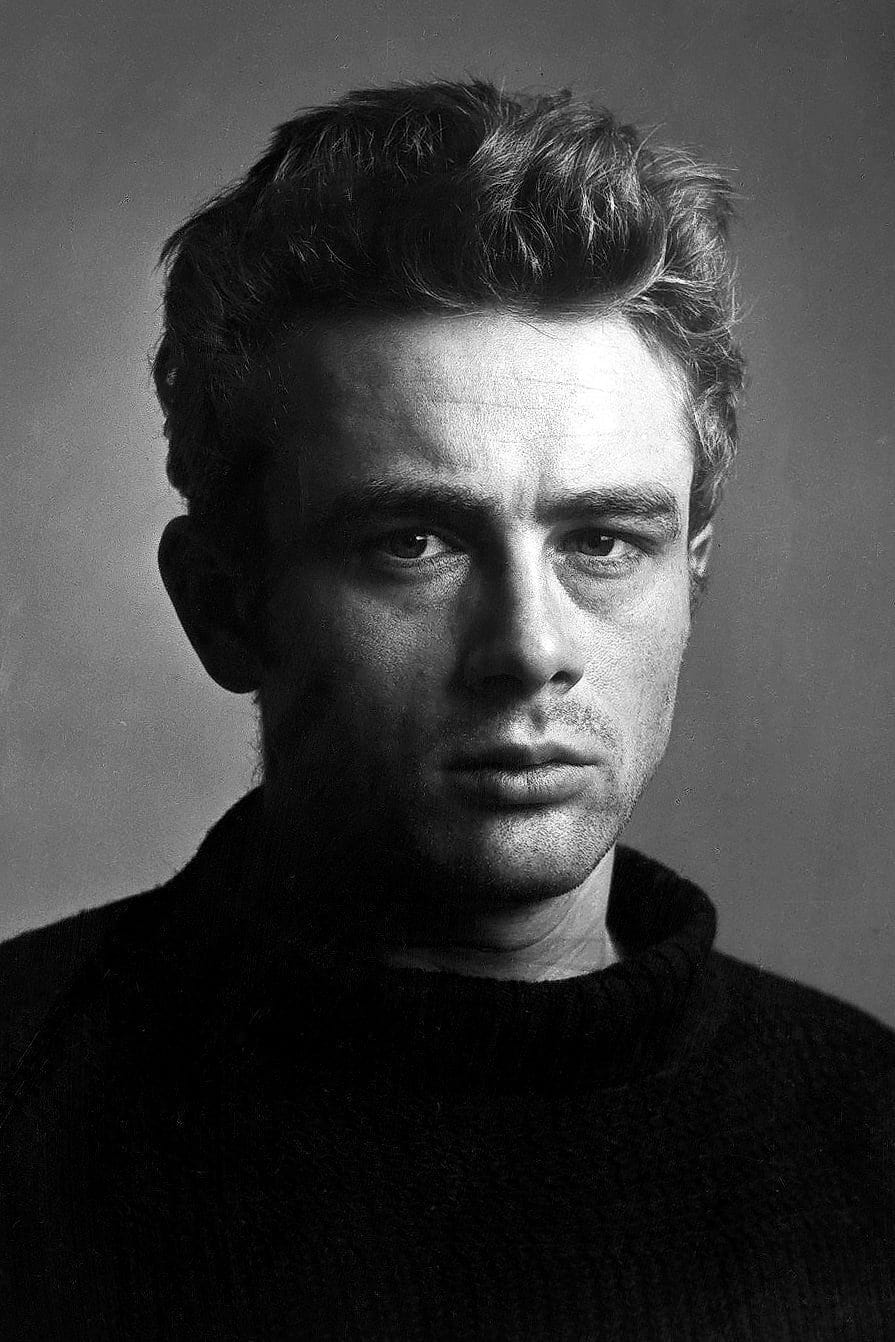
James Dean became a cultural icon after starring in ‘Rebel Without a Cause’ and ‘East of Eden’. His contracts with Warner Bros. included standard “decency” clauses that empowered the studio to manage his public behavior and reputation. While Dean was known for his rebellious nature, the studio actively suppressed reports regarding his fluid sexuality to protect his image as a misunderstood youth. Agents and studio fixers worked behind the scenes to ensure that his public romantic interests remained focused on women. His early death in 1955 solidified his image as a heterosexual heartthrob for generations.
Montgomery Clift
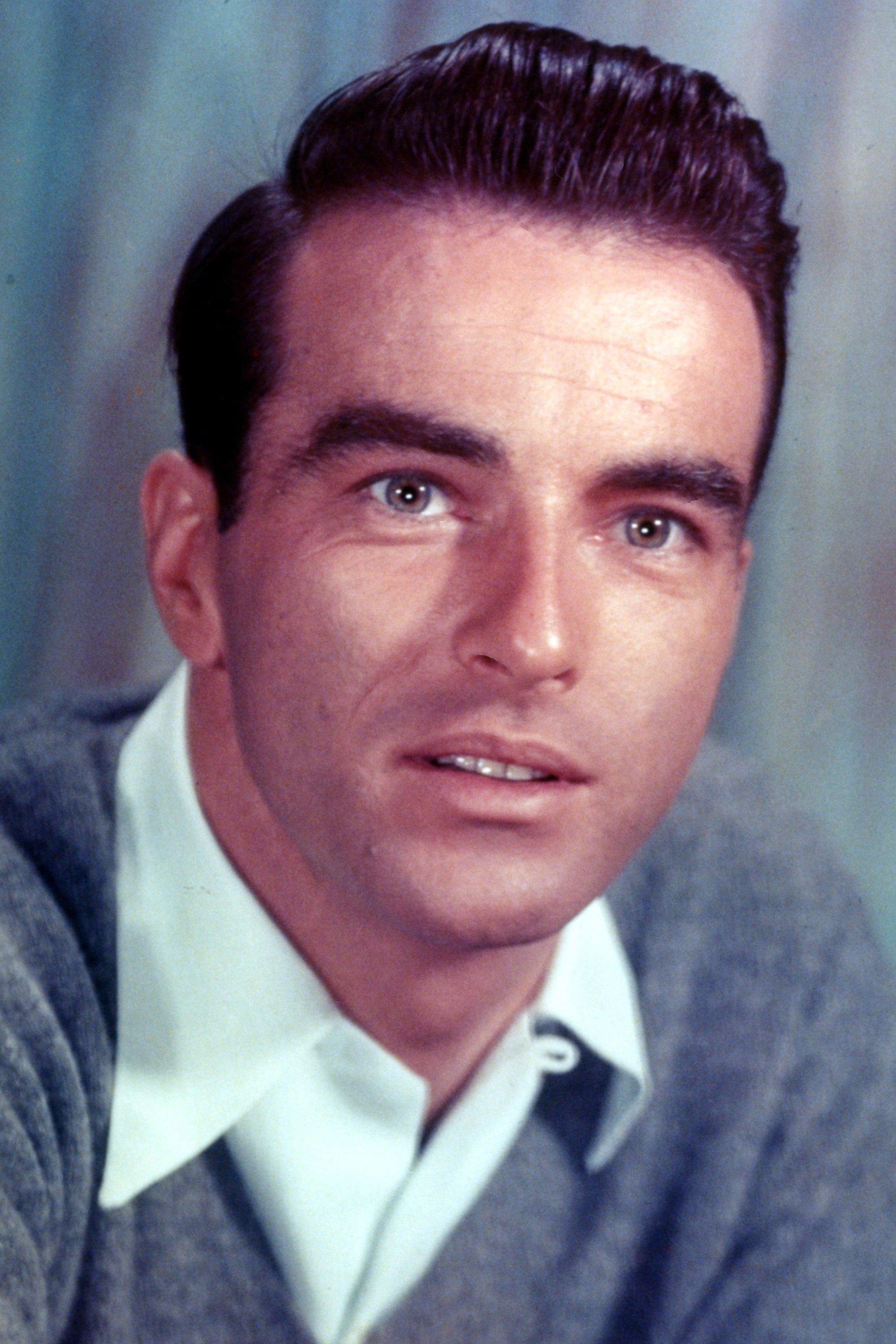
Montgomery Clift was a four-time Academy Award nominee who worked under the strict gaze of Paramount Pictures. The studio maintained a high level of control over his public image, often arranging dates with female co-stars like Elizabeth Taylor to satisfy the press. Clift’s contracts and the general industry climate at the time made it clear that any deviation from the expected norm would be professionally fatal. This internal conflict is often cited by biographers as a source of the emotional distress he faced throughout his career. He never publicly addressed his private life before his death in 1966.
George Takei
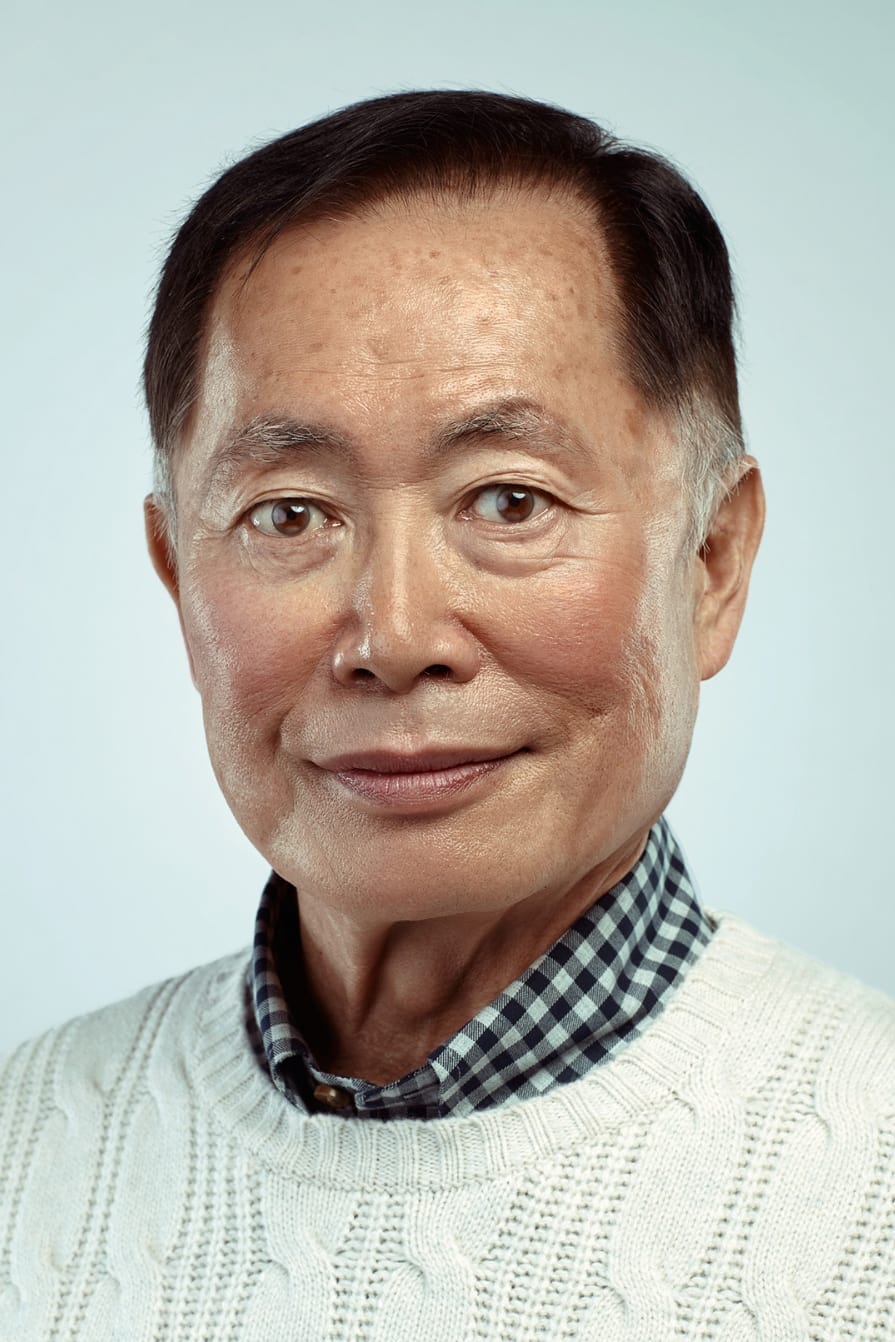
George Takei gained international fame playing Sulu in the original ‘Star Trek’ series. During the 1960s, Takei believed that coming out would not only end his career but also jeopardize the future of the show itself. Producers and network executives at the time expected actors to maintain a public image that reflected the traditional values of the era. Takei remained closeted for decades to ensure he could continue working in an industry that was notoriously unforgiving. He eventually chose to come out in 2005 to advocate for marriage equality.
Robert Reed
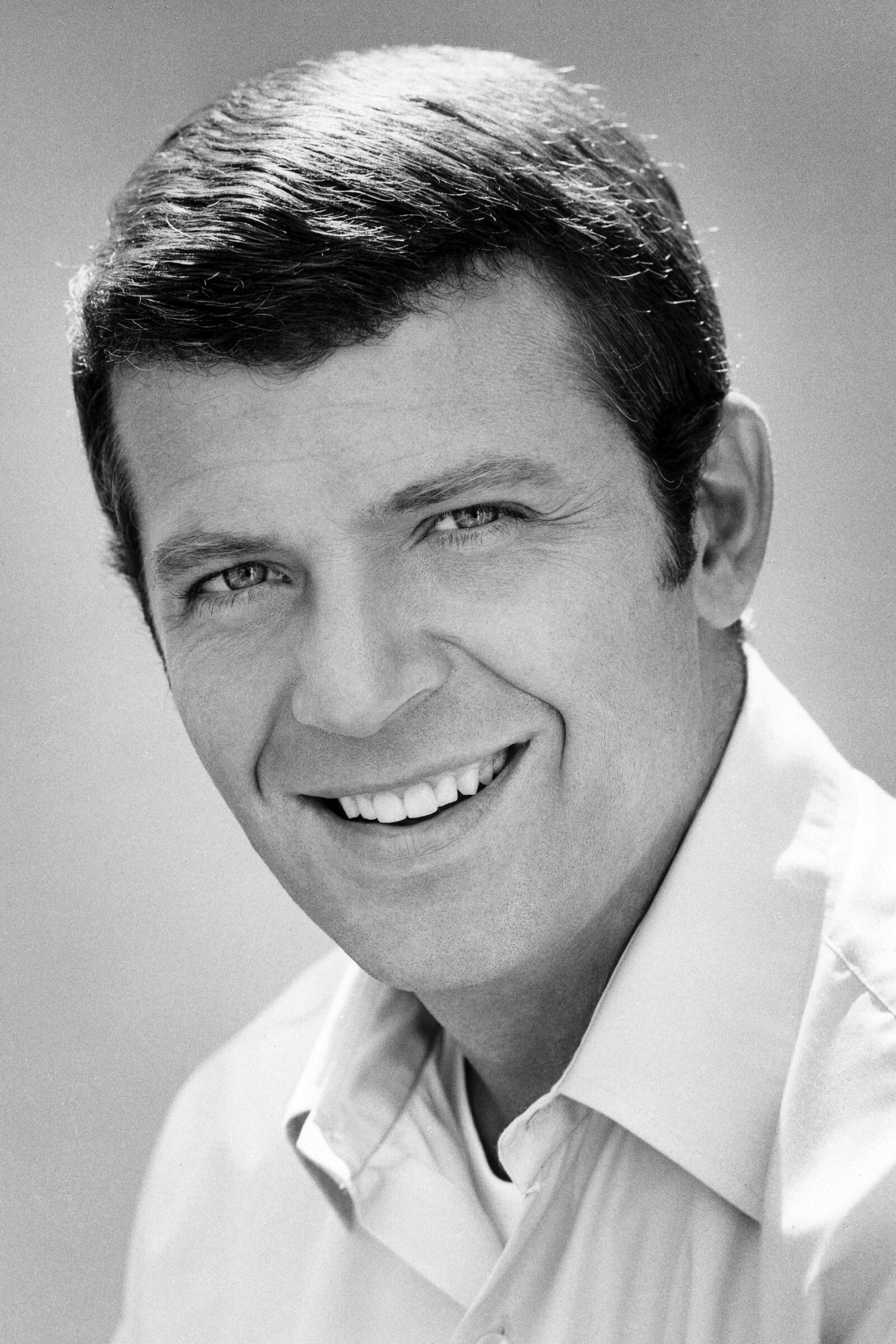
Robert Reed was the beloved patriarch of the television series ‘The Brady Bunch’ during the late 1960s and early 1970s. As the face of a wholesome family show, his contract and the expectations of ABC necessitated that he maintain a strictly traditional public image. Reed feared that if his sexuality became public knowledge, the show would be cancelled and his career as a dramatic actor would be over. He kept his private life entirely separate from his professional world, often clashing with producers over the show’s realism. Reed passed away in 1992 without ever publicly coming out.
Jim Nabors

Jim Nabors was a television staple who starred in ‘Gomer Pyle, U.S.M.C.’ and ‘The Andy Griffith Show’. His career thrived on a persona of southern simplicity and wholesome values, which were protected by network standards and moral clauses. During the 1970s, an urban legend about a marriage between Nabors and Rock Hudson nearly derailed his career, leading to heightened scrutiny from executives. To protect his professional standing, Nabors remained private about his personal relationships for most of his life. He only publicly confirmed his marriage to his longtime partner in 2013.
Ricky Martin
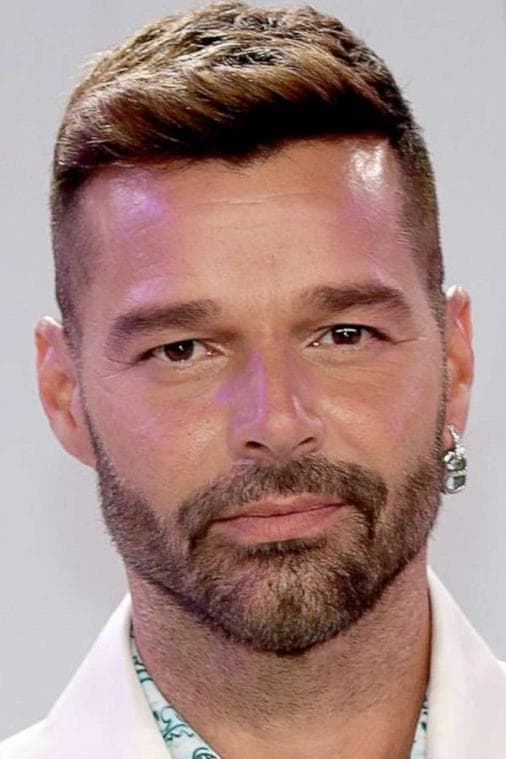
Ricky Martin became a global sensation in the 1990s with hits like ‘Livin’ la Vida Loca’. His record label and management team aggressively marketed him as a heterosexual sex symbol to female fans worldwide. Biographers have noted that Martin was advised that coming out would be a “career killer” that would void the commercial appeal of his brand. This professional pressure kept him in the closet for years while he was at the height of his fame. He eventually came out in 2010, stating that the years of hiding had become an unbearable burden.
Lance Bass
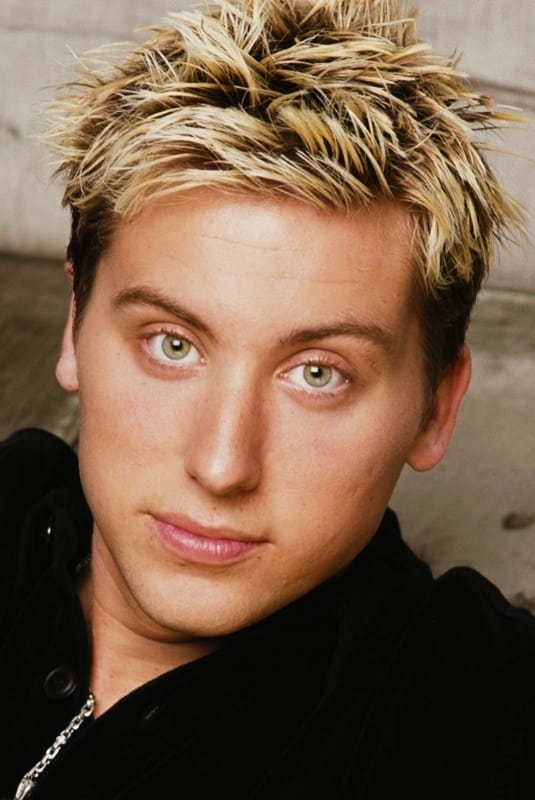
Lance Bass was a member of ‘NSYNC’, one of the most successful boy bands of all time. During the height of the band’s popularity, their management and record label enforced a strict image that relied on the romantic availability of the members to female fans. Bass later revealed that he felt he would jeopardize the careers of his bandmates if he were to come out. The legal and financial implications of the “boy band brand” acted as a functional ban on his personal life. He publicly came out in 2006, shortly after the group went on an indefinite hiatus.
Clay Aiken
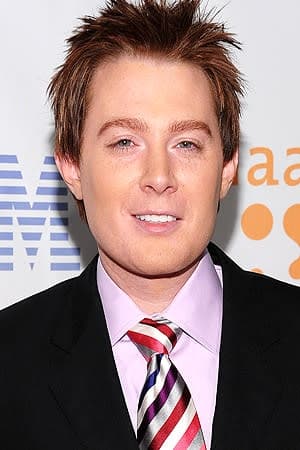
Clay Aiken rose to fame as the runner-up on the second season of ‘American Idol’. Following the show, his contracts with RCA Records and his management focused on his image as a wholesome, church-going singer. There was significant concern from his professional team that revealing his private life would alienate his core demographic. Aiken spent years dodging questions about his sexuality while maintaining his commercial viability as a pop star. He eventually came out in 2008 after the birth of his son.
Jonathan Knight
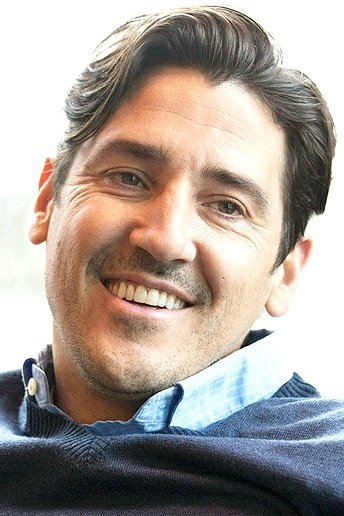
Jonathan Knight was a member of the 1980s pop group ‘New Kids on the Block’. As a teen idol, his image was carefully curated by management to appeal to young girls, making any mention of his true sexuality a breach of the group’s marketing strategy. The pressure of maintaining this façade eventually led Knight to quit the group and the music industry entirely in 1994. He suffered from severe anxiety attacks as a result of the constant need to hide his private life. Knight was eventually outed by a former associate in 2011 and has since embraced his identity openly.
George Michael
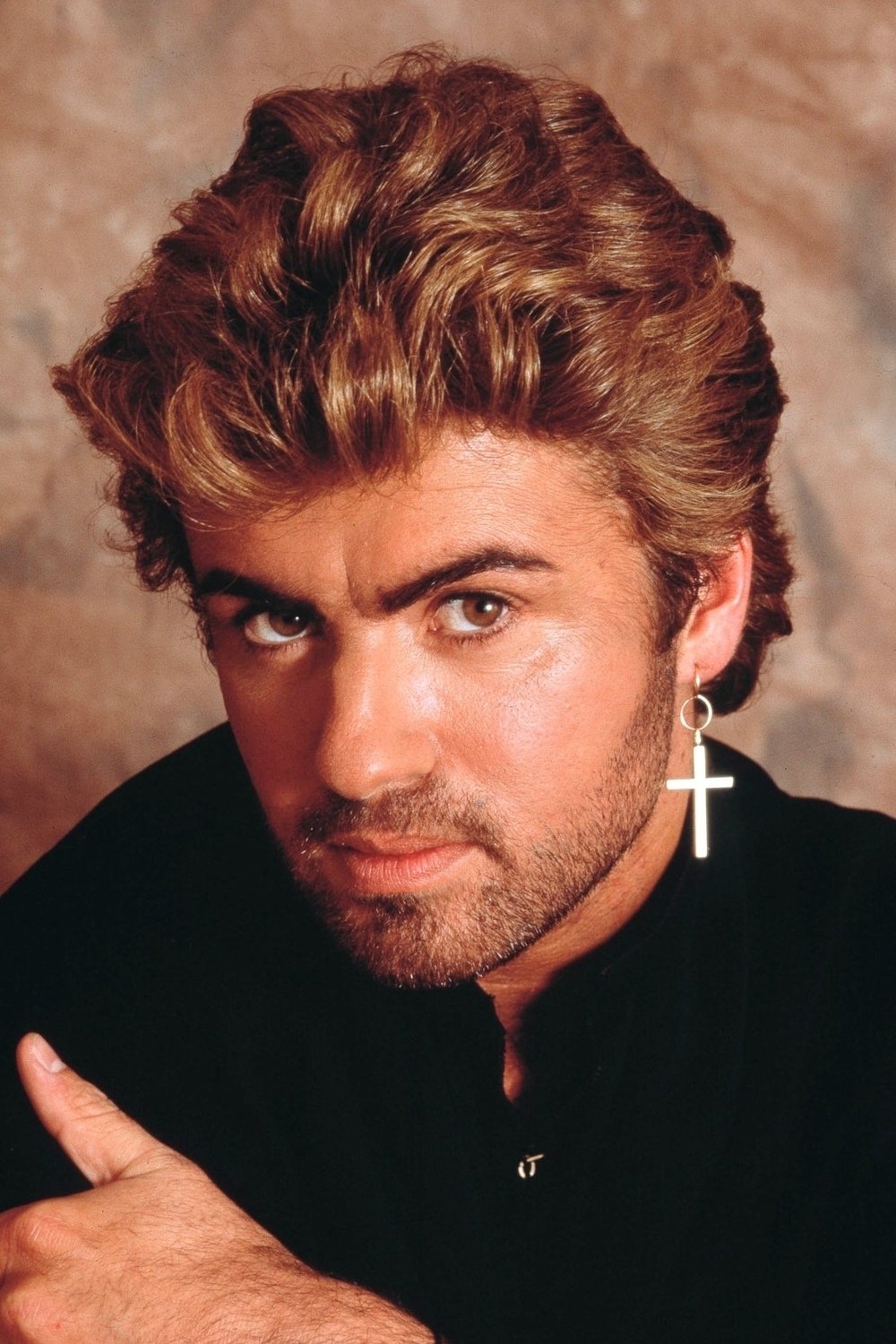
George Michael faced immense pressure from Sony Music to maintain his image as a heterosexual heartthrob during the 1980s. His contract gave the label significant control over his public persona, leading to a massive legal battle in the early 1990s over creative and personal autonomy. Michael argued that the label’s marketing of his image amounted to “professional slavery” that prevented him from being himself. The label’s insistence on protecting his commercial appeal to female fans kept him from coming out earlier. He was eventually forced to come out publicly in 1998 following an arrest in Los Angeles.
Matt Bomer
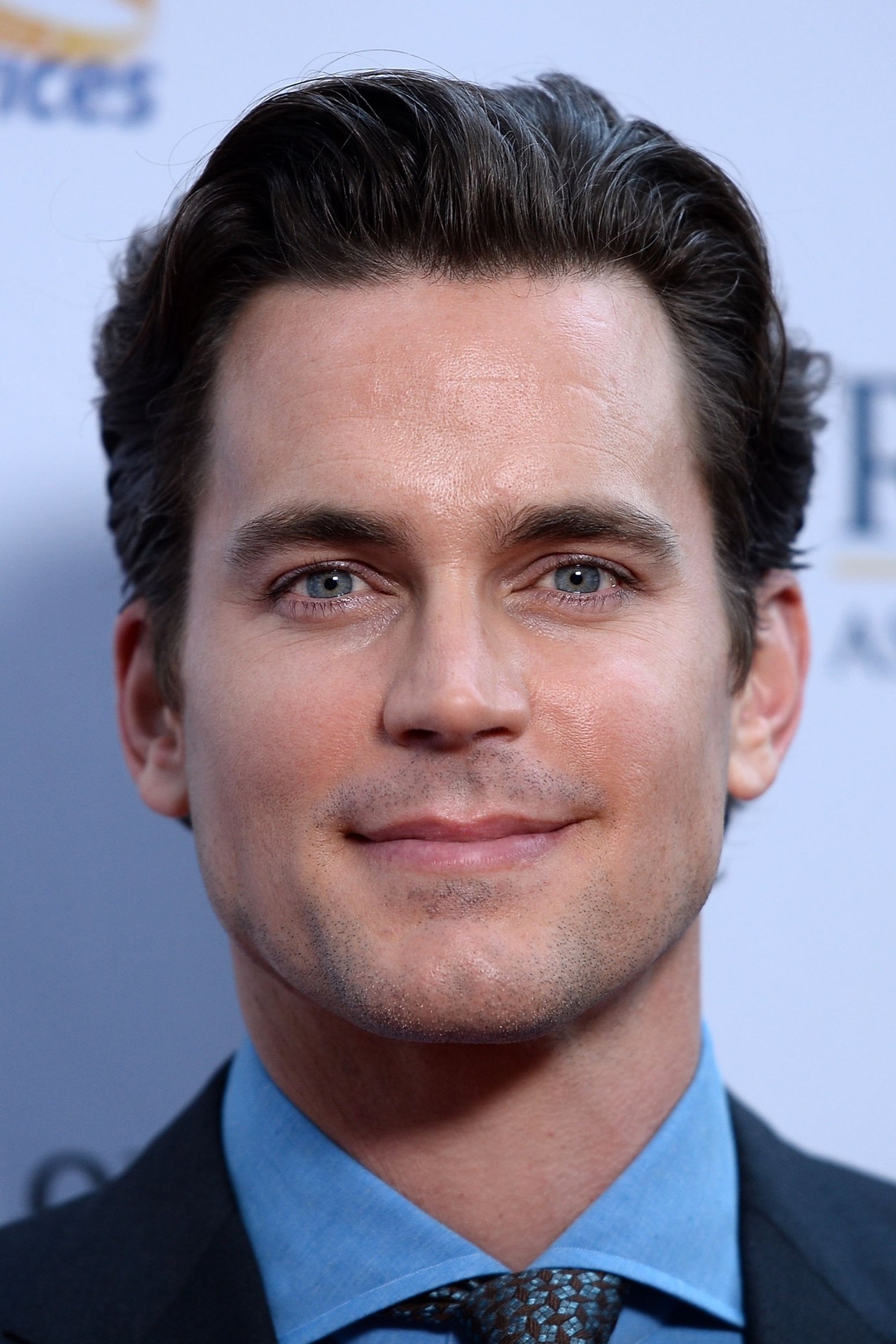
Matt Bomer is a successful actor known for his roles in ‘White Collar’ and ‘Magic Mike’. Early in his career, he was advised by industry professionals that being an openly gay leading man was a professional impossibility. Agents and managers often steered actors toward maintaining a “mysterious” personal life to ensure they remained castable in romantic roles. Bomer worked for years while keeping his private life away from the headlines to protect his rising star status. He eventually acknowledged his partner and family publicly during an awards ceremony in 2012.
Colton Haynes

Colton Haynes gained popularity on shows like ‘Teen Wolf’ and ‘Arrow’. Early in his career, he was reportedly told by management that his sexuality would prevent him from finding success as a leading man. This led to his team allegedly planting fake stories and photos to suggest he was dating female co-stars. The mental health toll of this forced deception led Haynes to take a break from acting to prioritize his well-being. He publicly came out in 2016 and has since been vocal about the pressures faced by young actors in Hollywood.
Rupert Everett
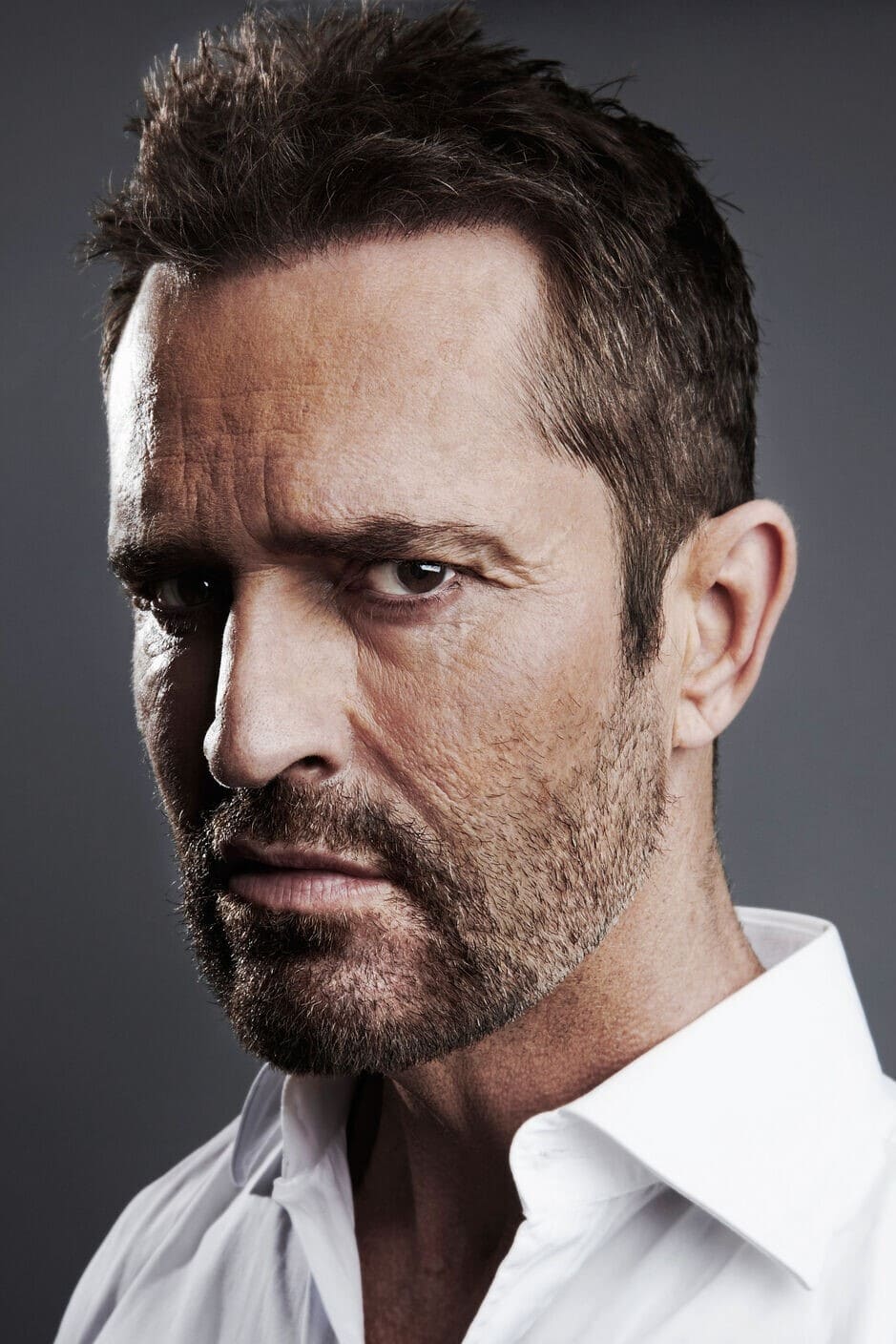
Rupert Everett became a breakout star after his role in ‘My Best Friend’s Wedding’. Despite his success, Everett has frequently spoken about how his management and studio executives warned him that coming out would destroy his career. He noted that after he became more open about his identity, he was no longer considered for leading roles in major studio films. Everett has stated that the industry’s “unspoken” contractual and professional bans are designed to protect the international marketability of films. He has since become a vocal critic of Hollywood’s treatment of LGBTQ+ actors.
Luke Evans
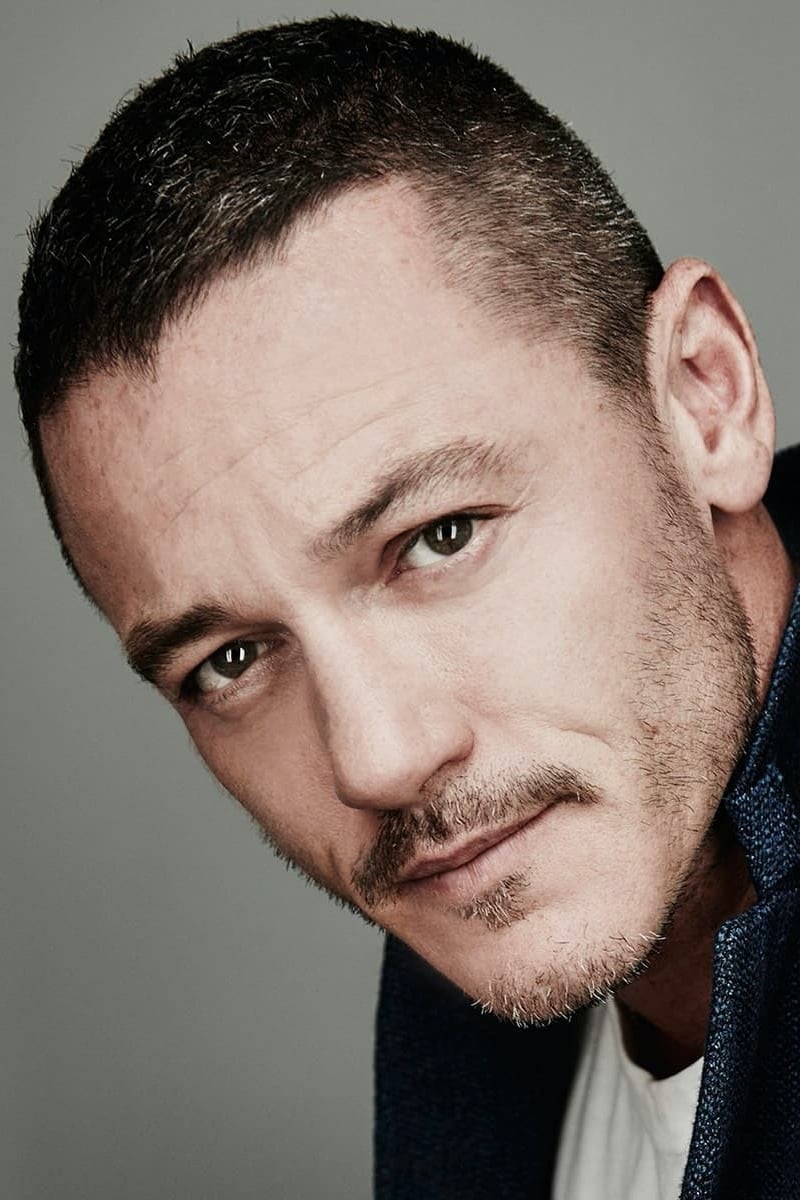
Luke Evans is known for his roles in ‘The Hobbit’ and ‘Beauty and the Beast’. Early in his career in London, Evans was relatively open, but as he transitioned to Hollywood leading roles, he became notably more private. Many industry insiders suggested that this shift was a strategic move necessitated by the demands of major studio contracts. Maintaining a neutral public persona is often seen as a requirement for actors seeking to lead large-scale action franchises. Evans has consistently navigated his career with a focus on his professional work while maintaining his privacy.
Zachary Quinto
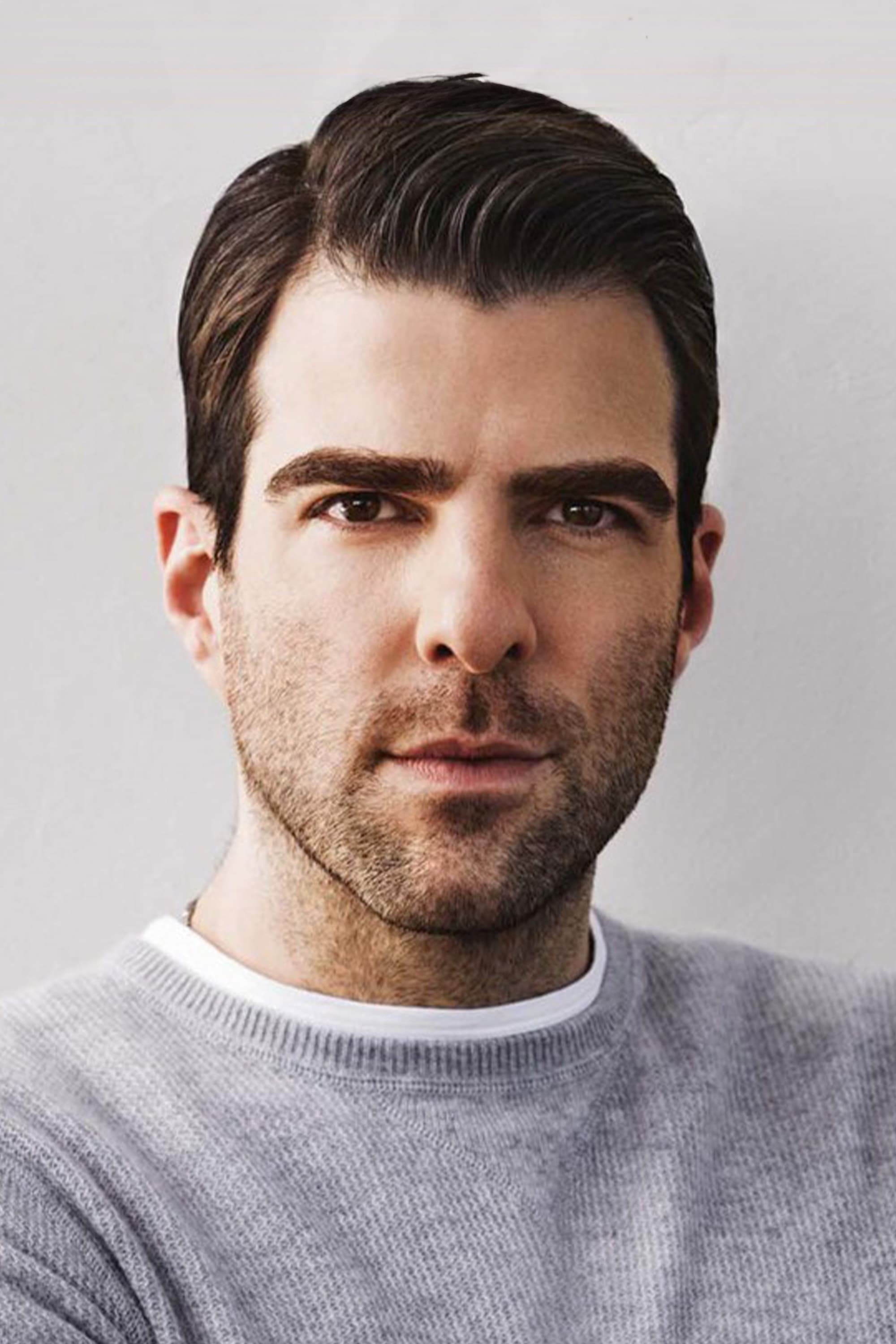
Zachary Quinto became a star through the series ‘Heroes’ and his role as Spock in the ‘Star Trek’ films. For several years, Quinto remained private about his personal life while his career reached its peak. Industry experts often point to the high financial stakes of blockbuster franchises as a reason why actors are encouraged to keep their private lives secret. The perception was that a lead in a major sci-fi franchise must appeal to a broad, global audience. Quinto eventually chose to come out in 2011 following a series of tragic events that moved him to seek transparency.
Barry Manilow
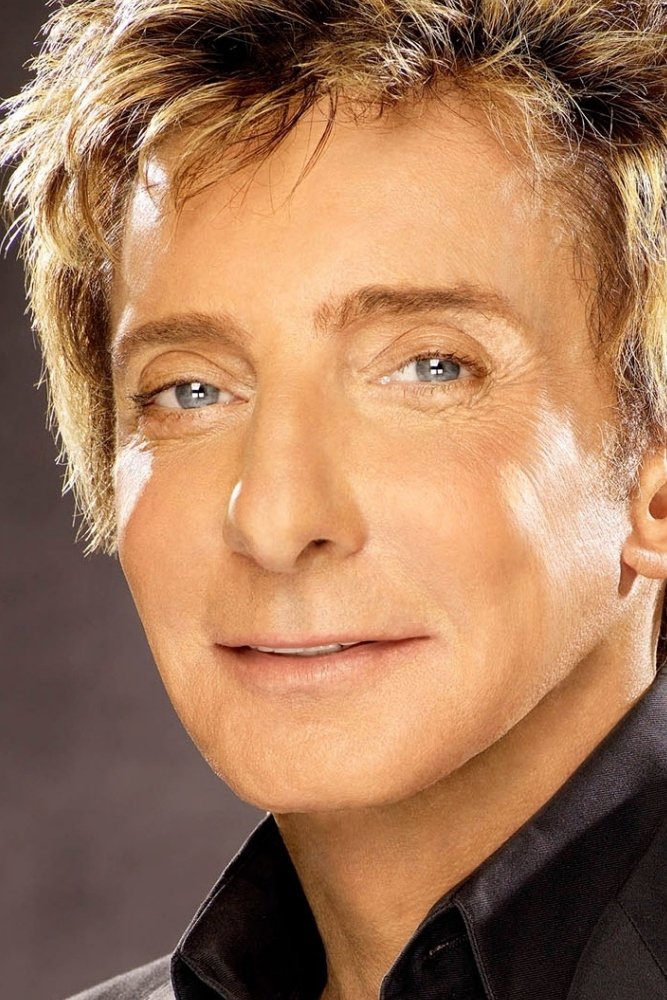
Barry Manilow spent decades as one of the most successful romantic balladeers in music history. His career was closely managed by Clive Davis and Arista Records, who focused on his appeal to a massive female fanbase. Manilow later revealed that he was concerned that coming out would disappoint his fans or damage his career. This professional apprehension resulted in him keeping his long-term relationship with his manager, Garry Kief, a secret for nearly 40 years. He publicly came out in 2017, expressing relief at the positive reaction from his supporters.
Liberace
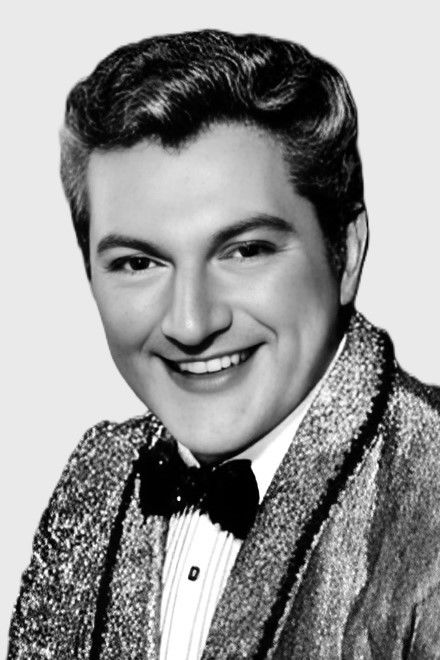
Liberace was one of the highest-paid entertainers in the world during his residency in Las Vegas. He utilized aggressive legal tactics and contractual image protections to maintain that he was “not a homosexual.” This included winning a famous libel lawsuit against the ‘Daily Mirror’ in 1959 for suggesting he was gay. Maintaining this public image was essential for his contracts with television networks and family-oriented venues. Liberace never publicly came out and continued to sue those who challenged his public persona until his death.
Cesar Romero
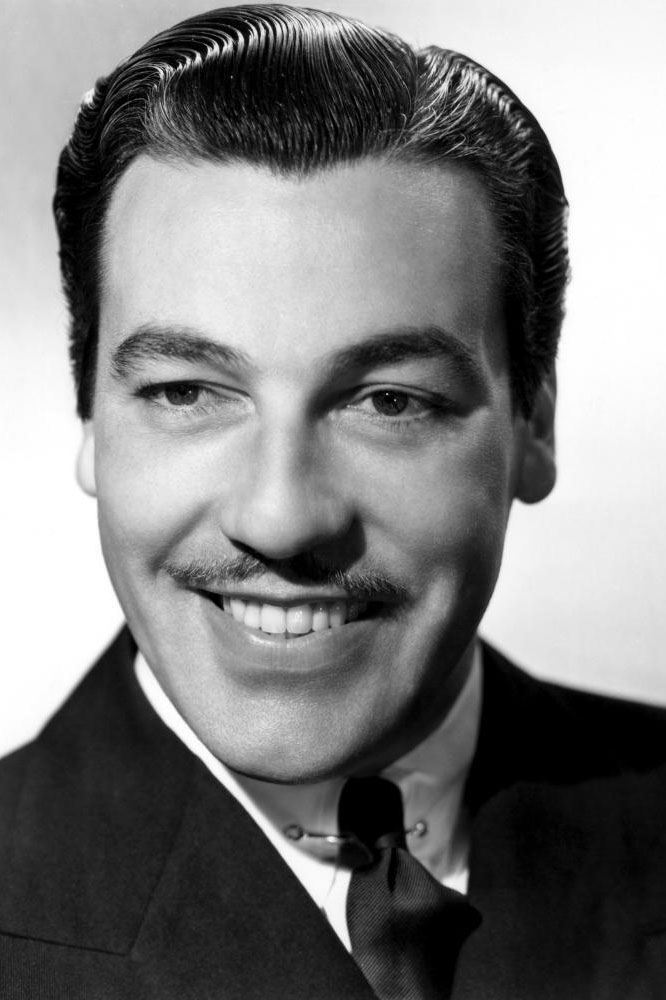
Cesar Romero was a prolific actor known for his role as the Joker in the ‘Batman’ television series and his “Latin Lover” roles. Throughout his long career at 20th Century Fox and other studios, he was contractually expected to maintain a “confirmed bachelor” image. This was a common industry euphemism that allowed actors to remain single while avoiding public scandal. Romero was a fixture in Hollywood social circles but never officially came out during his lifetime. He successfully navigated the industry’s morality expectations for over six decades.
Agnes Moorehead
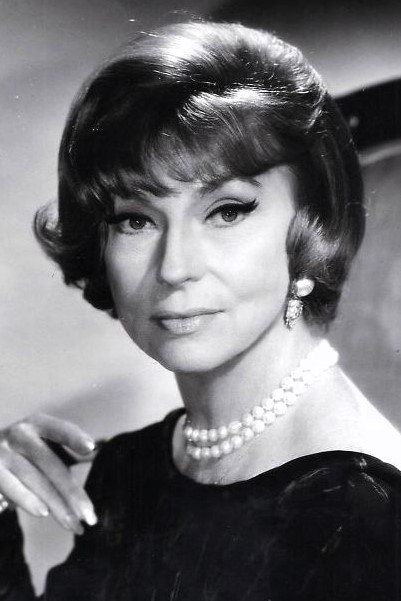
Agnes Moorehead was a celebrated actress best known for her role as Endora on ‘Bewitched’. Working during a time when morality clauses were standard in television contracts, Moorehead was famously private about her personal affairs. Biographers and co-stars have noted that she maintained a very strict professional boundary to protect her career. The industry’s rigid standards during the 1940s through the 1960s meant that any deviation from the norm was a liability. She remained a mysterious figure to the public until her death in 1974.
Barbara Stanwyck
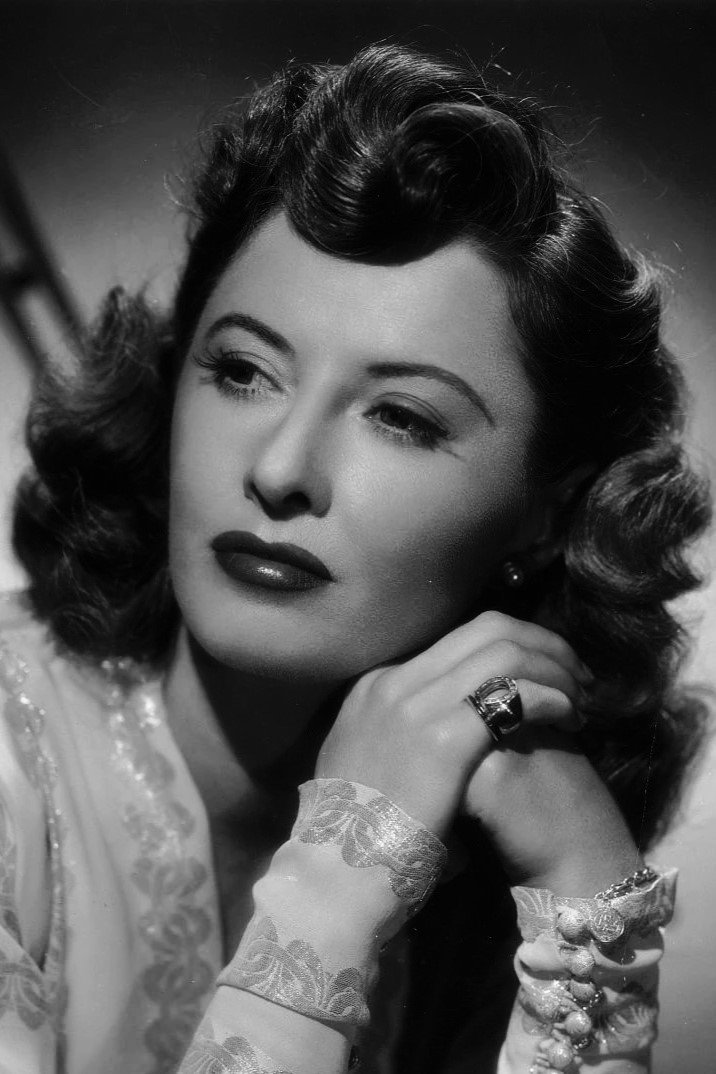
Barbara Stanwyck was one of the most powerful and versatile actresses of the Golden Age of Hollywood. Her contracts with MGM and Warner Bros. required her to project an image of strength and traditional femininity. Like many stars of her era, she entered into marriages, such as the one with Robert Taylor, that many biographers believe were encouraged by the studios to protect their public images. Stanwyck was known for her intense privacy and never commented on rumors regarding her sexuality. She remained a dedicated professional who followed the industry’s rules of conduct until her retirement.
Clifton Webb
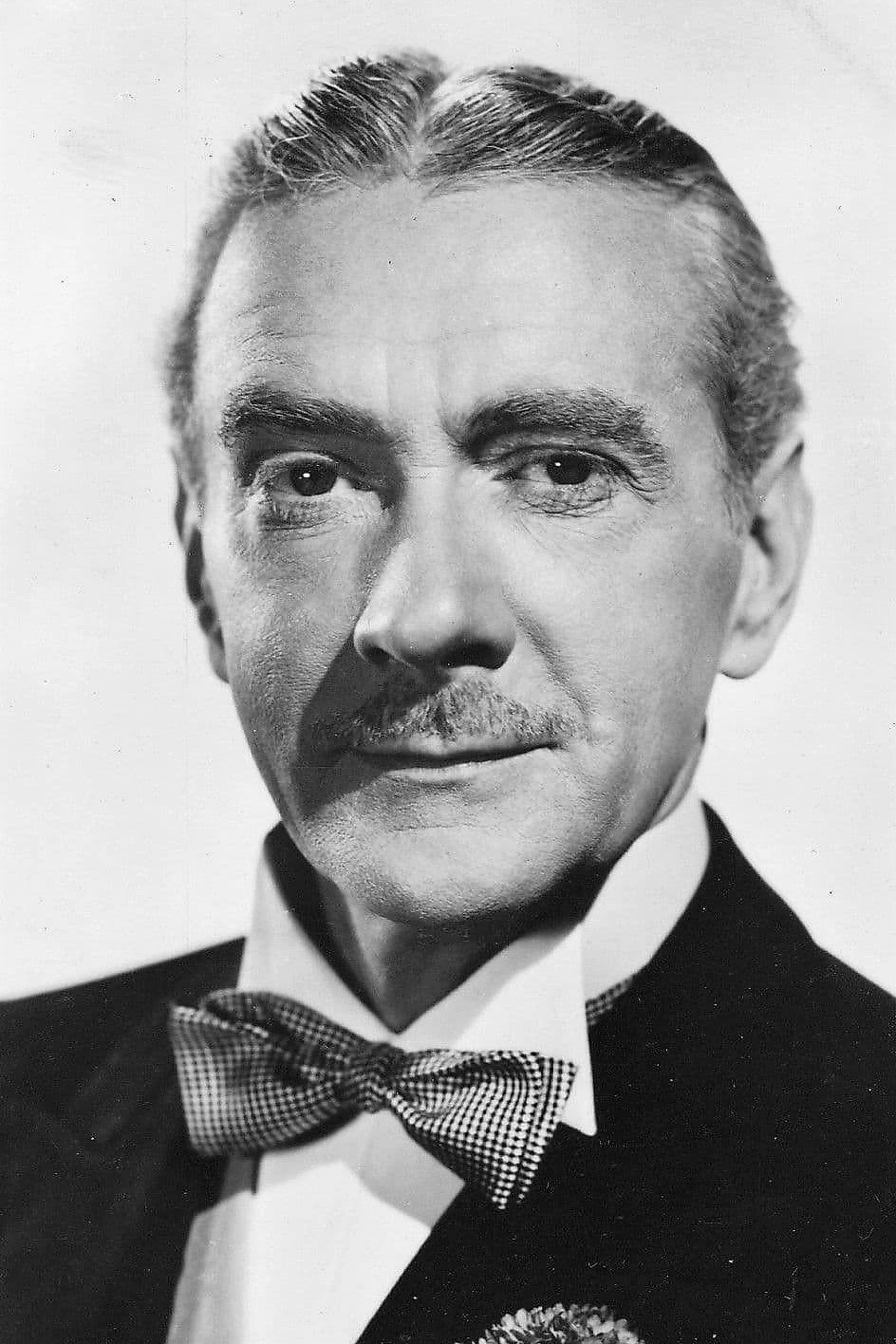
Clifton Webb was an Academy Award-nominated actor known for his roles in ‘Laura’ and ‘Sitting Pretty’. At 20th Century Fox, he was marketed as a sophisticated, elegant bachelor, which fit the studio’s need for a specific type of character actor. While his personal life was an open secret within Hollywood, he was contractually bound to maintain a respectable public image. This meant he often attended premieres with his mother, Maybelle, to satisfy the press’s need for a social narrative. Webb never officially came out to the public during his successful career.
Paul Lynde
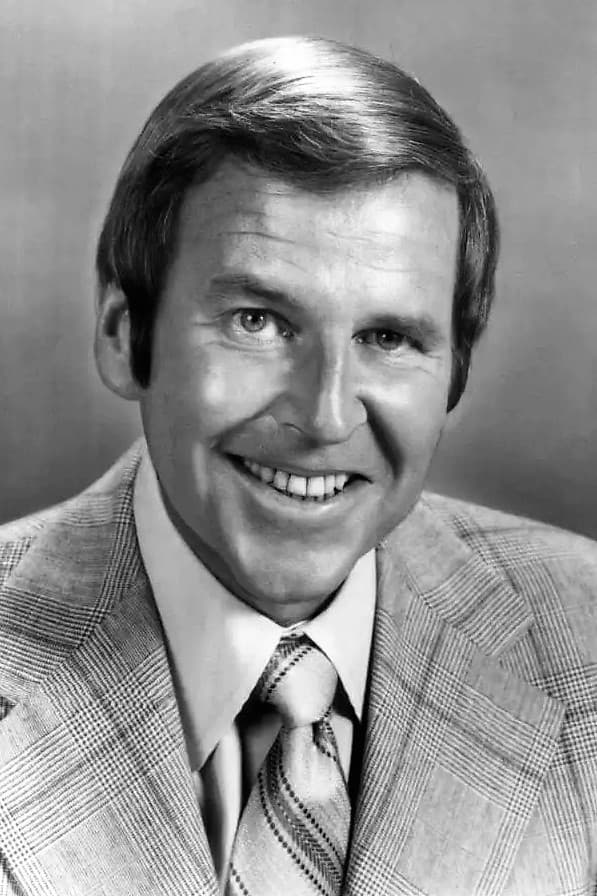
Paul Lynde was a comedic genius and a regular on the game show ‘The Hollywood Squares’. Despite his campy and flamboyant screen persona, Lynde was never allowed to officially come out due to the standards of the television networks and his show contracts. He often used double entendres and humor to hint at his identity, but he remained within the “confirmed bachelor” category in the eyes of the public. The risk of losing his mainstream appeal kept him from being fully transparent. Lynde’s career was defined by this tension between his public humor and his private reality.
Tyrone Power
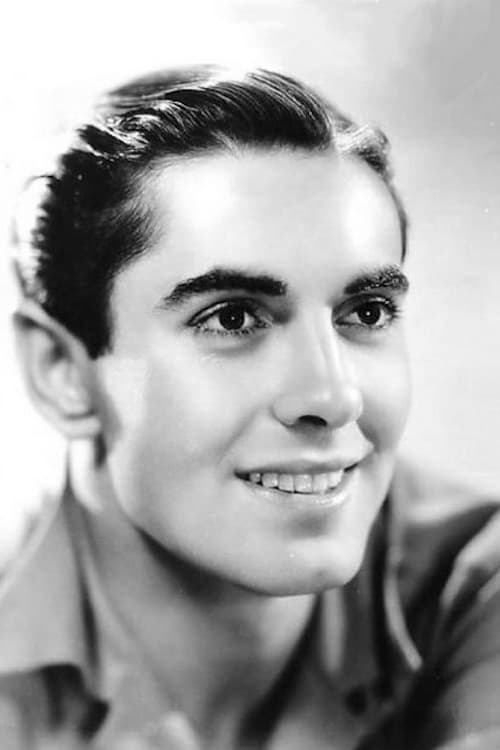
Tyrone Power was one of the biggest stars at 20th Century Fox during the 1930s and 1940s. The studio invested heavily in his image as a romantic swashbuckler and traditional leading man. To protect this investment, the studio closely monitored his social life and encouraged his high-profile marriages to actresses. Power’s contracts ensured that he remained a symbol of heterosexual masculinity for his global audience. He died suddenly at the age of 44, never having lived a life outside of the studio’s carefully crafted persona.
Danny Kaye
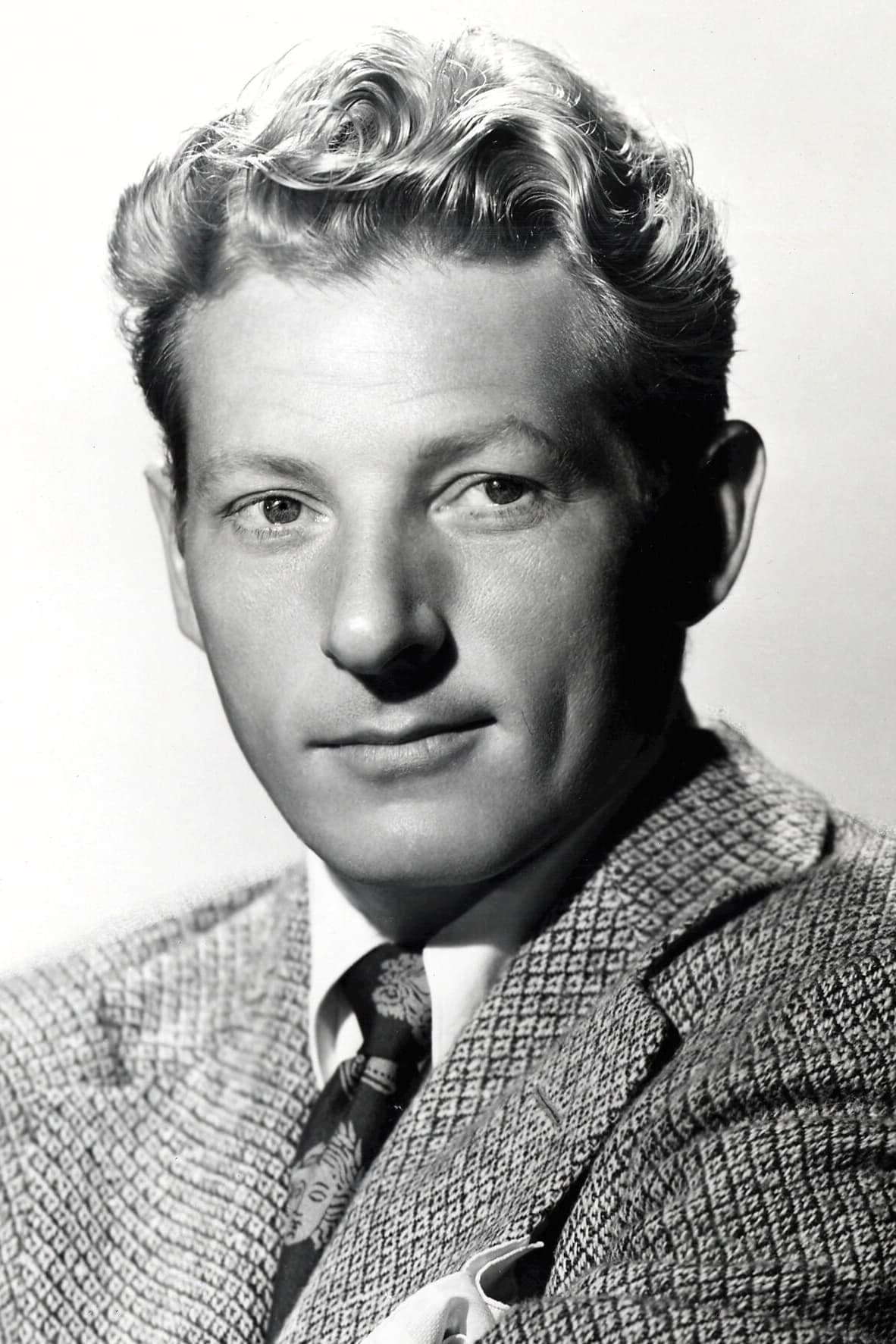
Danny Kaye was a beloved multi-talented entertainer who had a long-term contract with Samuel Goldwyn. The studio marketed him as a wholesome family man, often featuring his wife and daughter in publicity materials to cement this image. Biographers have suggested that Kaye’s private life was significantly more complex than his public image allowed. The professional consequences of straying from his “family man” brand were significant during the 1940s and 1950s. Kaye remained focused on his philanthropic work and entertainment career, keeping his private life strictly guarded.
Charles Laughton
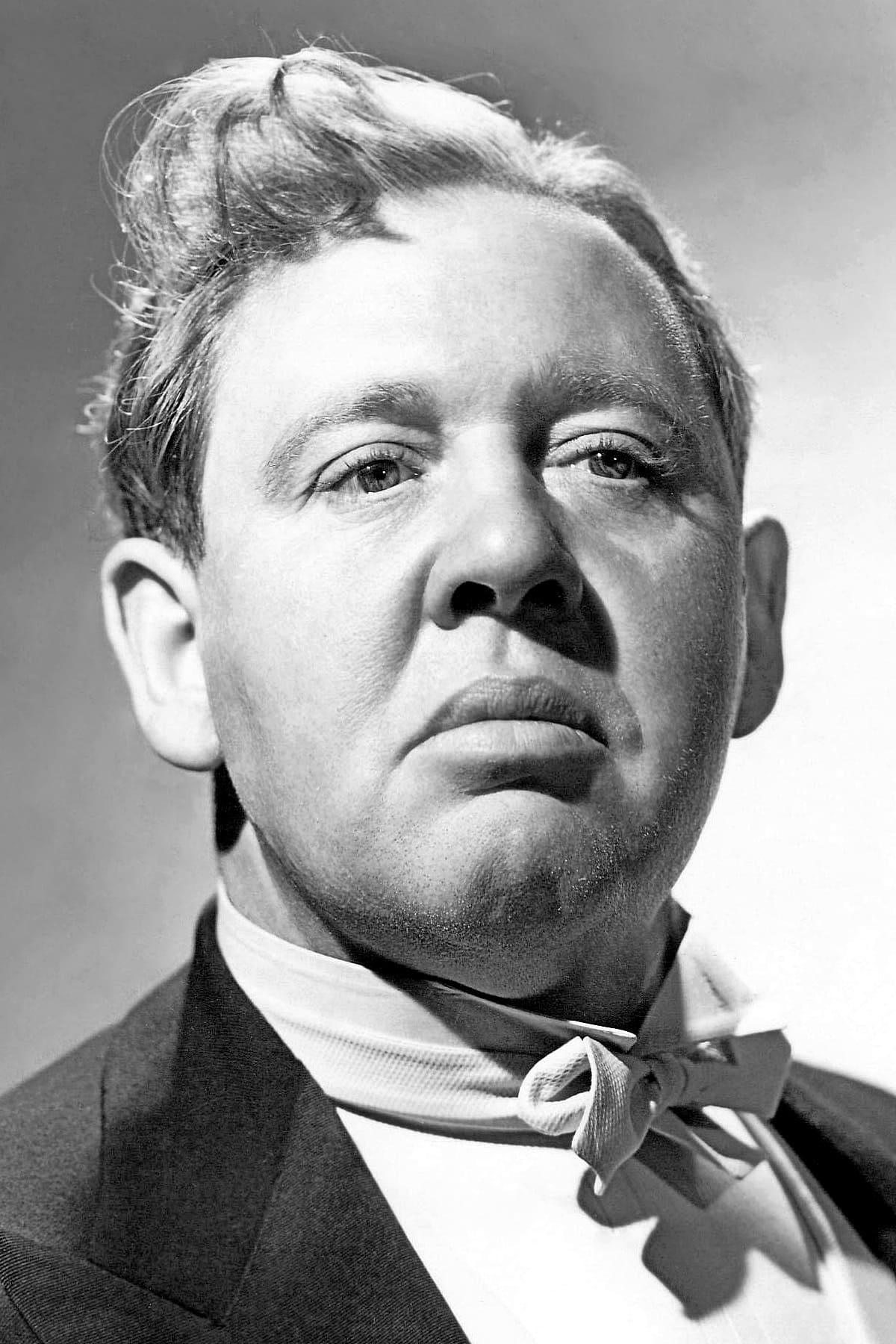
Charles Laughton was an acclaimed actor and director who won an Oscar for ‘The Private Life of Henry VIII’. During his years under contract with major studios like Paramount and MGM, Laughton’s private life was a source of great anxiety for him and his employers. He was married to Elsa Lanchester, an arrangement that provided a necessary public shield against the strict morality of the time. Laughton lived in constant fear that a public scandal would void his contracts and end his career. He remained a respected figure in the industry until his death in 1962.
Sal Mineo
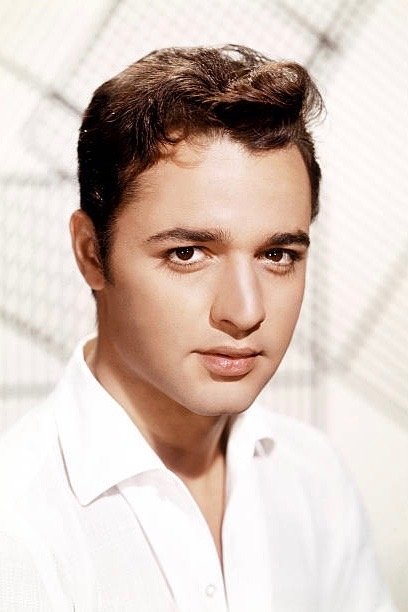
Sal Mineo was a two-time Oscar nominee who rose to fame in ‘Rebel Without a Cause’. After he became more open about his identity in the late 1960s, he noticed a significant drop in the roles he was offered by major studios. Mineo later stated that the industry was not ready for an actor who did not conform to traditional standards. His experience served as a cautionary tale for other actors who were under pressure to stay in the closet. He was working to rebuild his career when he was tragically murdered in 1976.
George Maharis
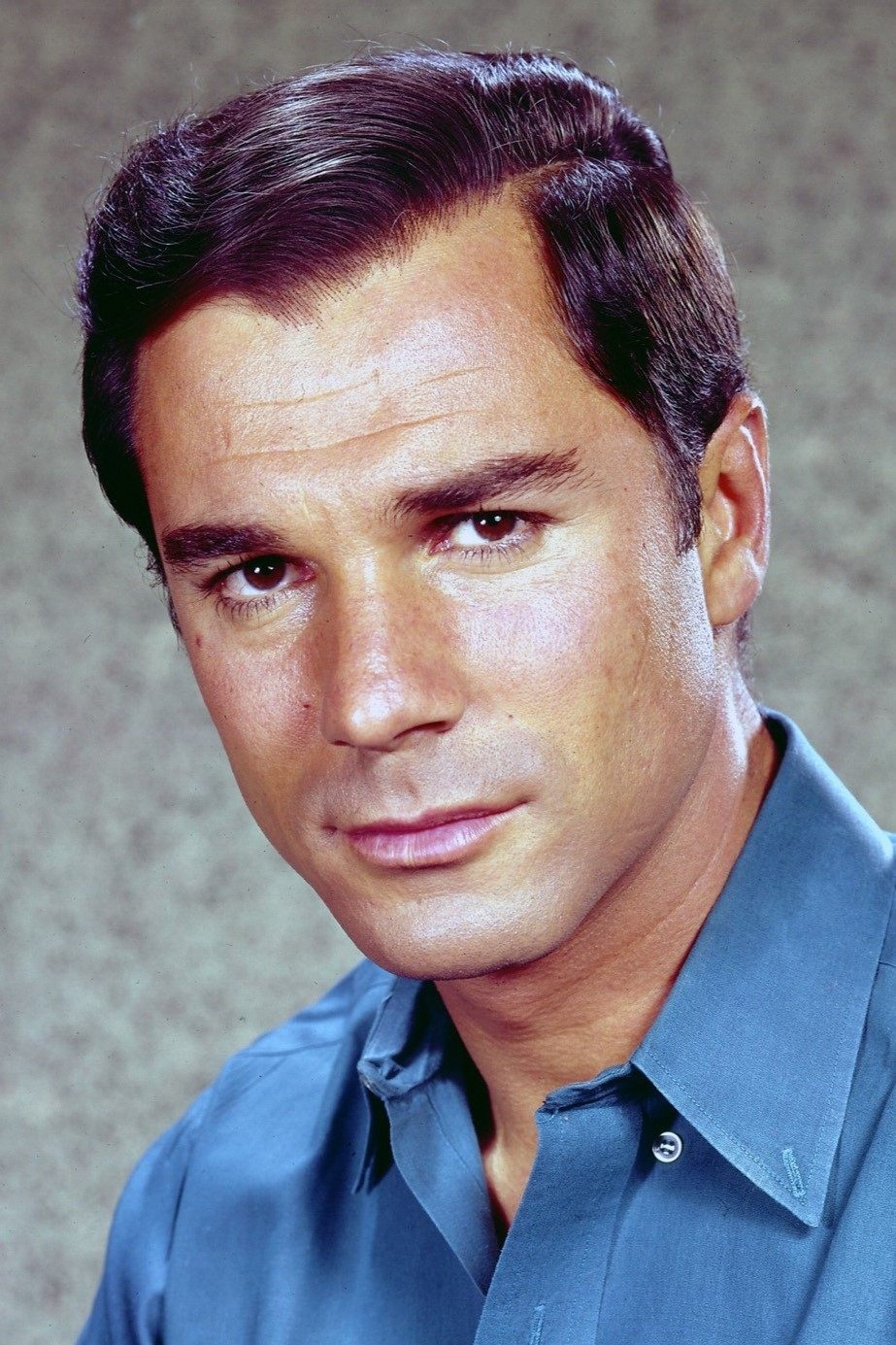
George Maharis was the star of the hit television series ‘Route 66’ in the early 1960s. His career was severely impacted after he was arrested in a situation that challenged the morality clauses of his contract. Following the incident, he left the show under a cloud of controversy, and his status as a leading man never recovered. The studio and the network were quick to distance themselves from any star who threatened their wholesome brand. Maharis’s experience highlighted the very real legal and professional risks faced by stars of that era.
Van Johnson
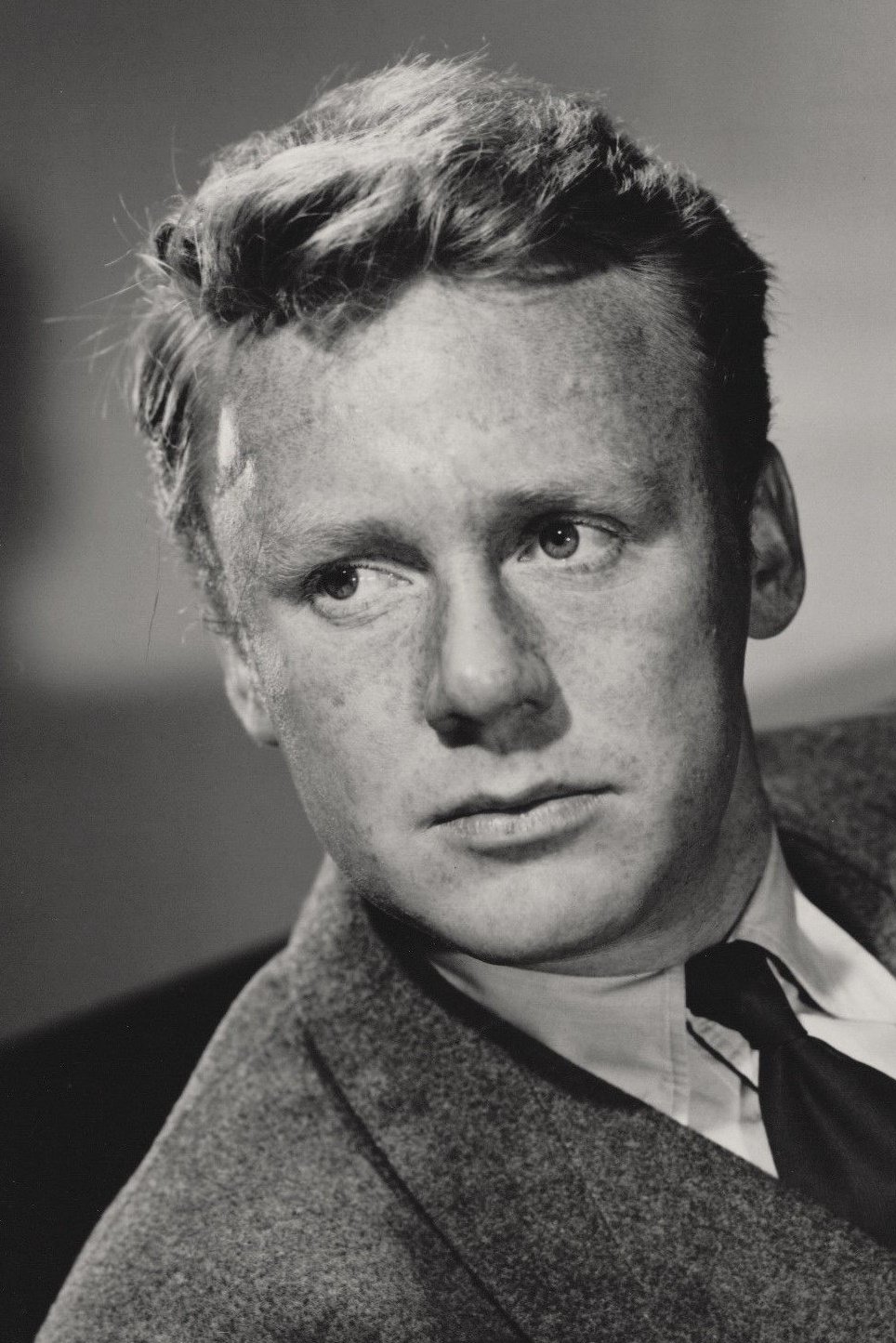
Van Johnson was a top star at MGM during the 1940s and was known as the “boy next door.” To suppress rumors and protect his lucrative contract, studio head Louis B. Mayer reportedly forced Johnson to marry Eve Abbott, the former wife of his friend Keenan Wynn. This forced marriage was a calculated move to maintain Johnson’s popularity with his massive female fan base. Johnson followed the studio’s instructions and remained one of their most reliable stars for years. He lived much of his later life in seclusion, away from the Hollywood spotlight.
Dirk Bogarde
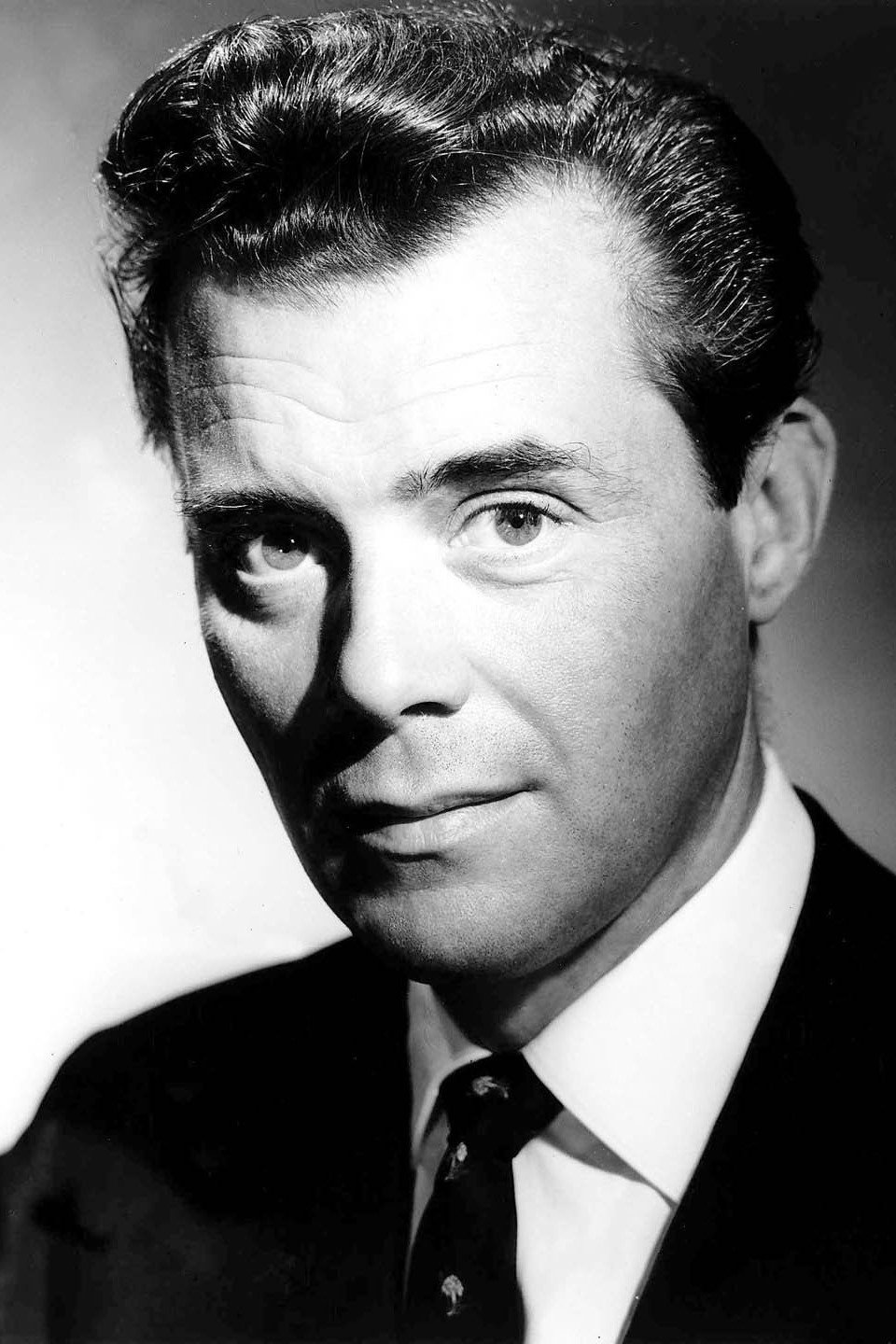
Dirk Bogarde was a major matinee idol in Britain during the 1950s, under contract with the Rank Organisation. He was the “Idol of the Odeons,” and his contracts required him to maintain a romantic, bachelor persona. When he chose to take a role as a closeted man in the 1961 film ‘Victim’, it was considered a massive professional risk. While the film was a landmark for LGBTQ+ cinema, Bogarde himself never publicly came out in his lifetime. He spent his later years in France with his long-term partner and manager, Anthony Forwood.
Ian McKellen
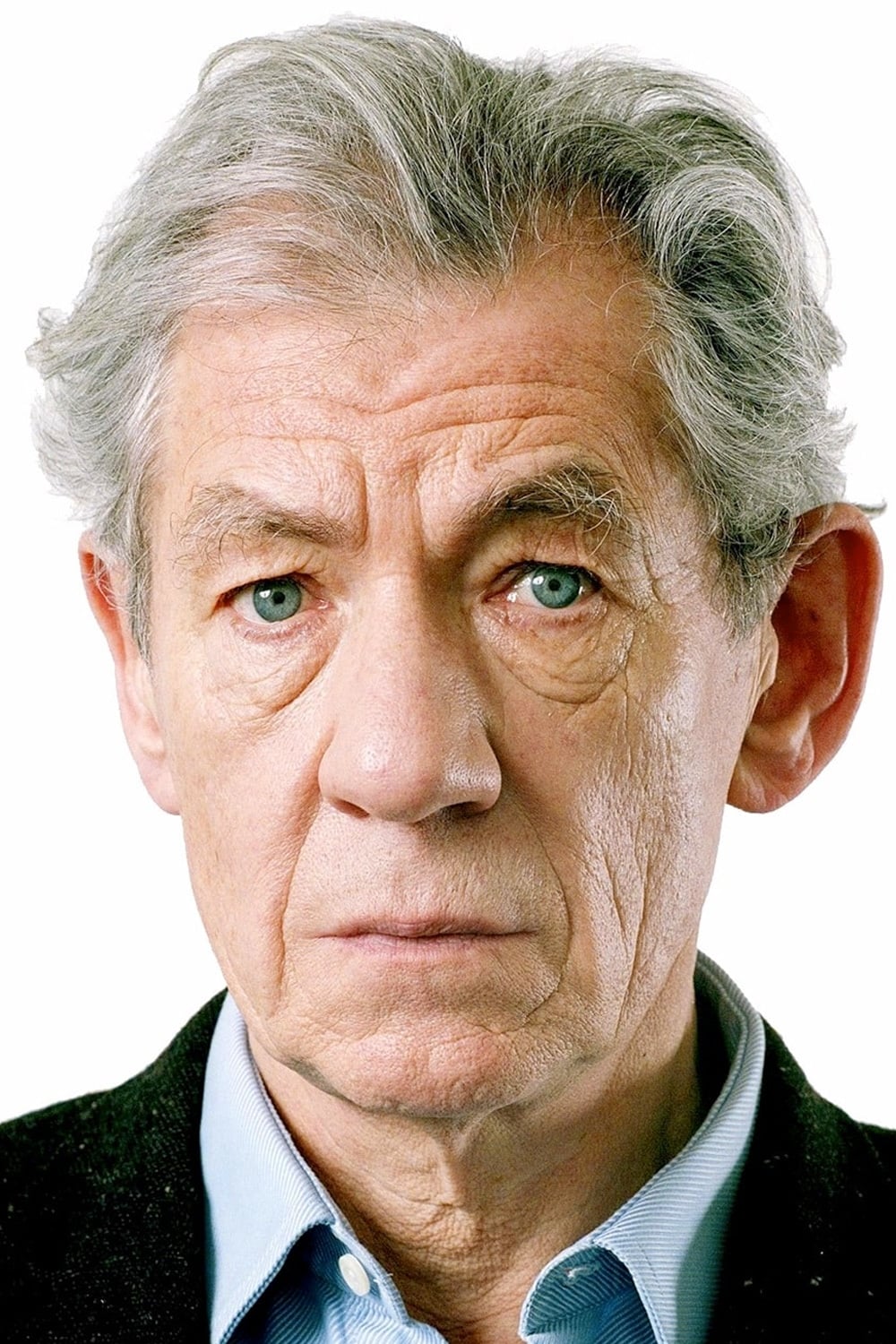
Ian McKellen is now one of the most prominent openly gay actors in the world, but he did not come out until 1988 at the age of 49. Early in his career, the legal climate and the professional expectations of the theater and film industries encouraged discretion. He has spoken about how actors were advised that their careers would be limited to specific types of roles if they were open. McKellen eventually chose to come out to protest Section 28, a piece of anti-gay legislation in the UK. His career thrived after coming out, proving many of the industry’s old fears wrong.
Neil Patrick Harris
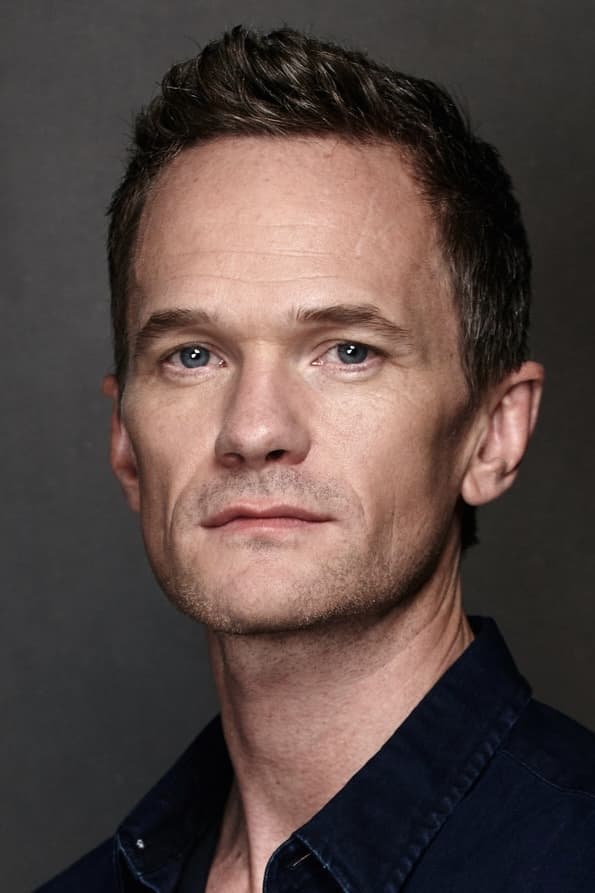
Neil Patrick Harris was a child star on ‘Doogie Howser, M.D.’ and later a successful stage actor. For years, he was advised by publicists and industry insiders to keep his private life quiet to ensure he could continue to be cast in various roles. There was a prevailing belief that an openly gay actor could not play a convincing heterosexual womanizer, like his character Barney Stinson on ‘How I Met Your Mother’. Harris eventually came out in 2006, stating that he wanted to live his life authentically. His continued success helped challenge long-standing Hollywood myths about castability.
T. R. Knight
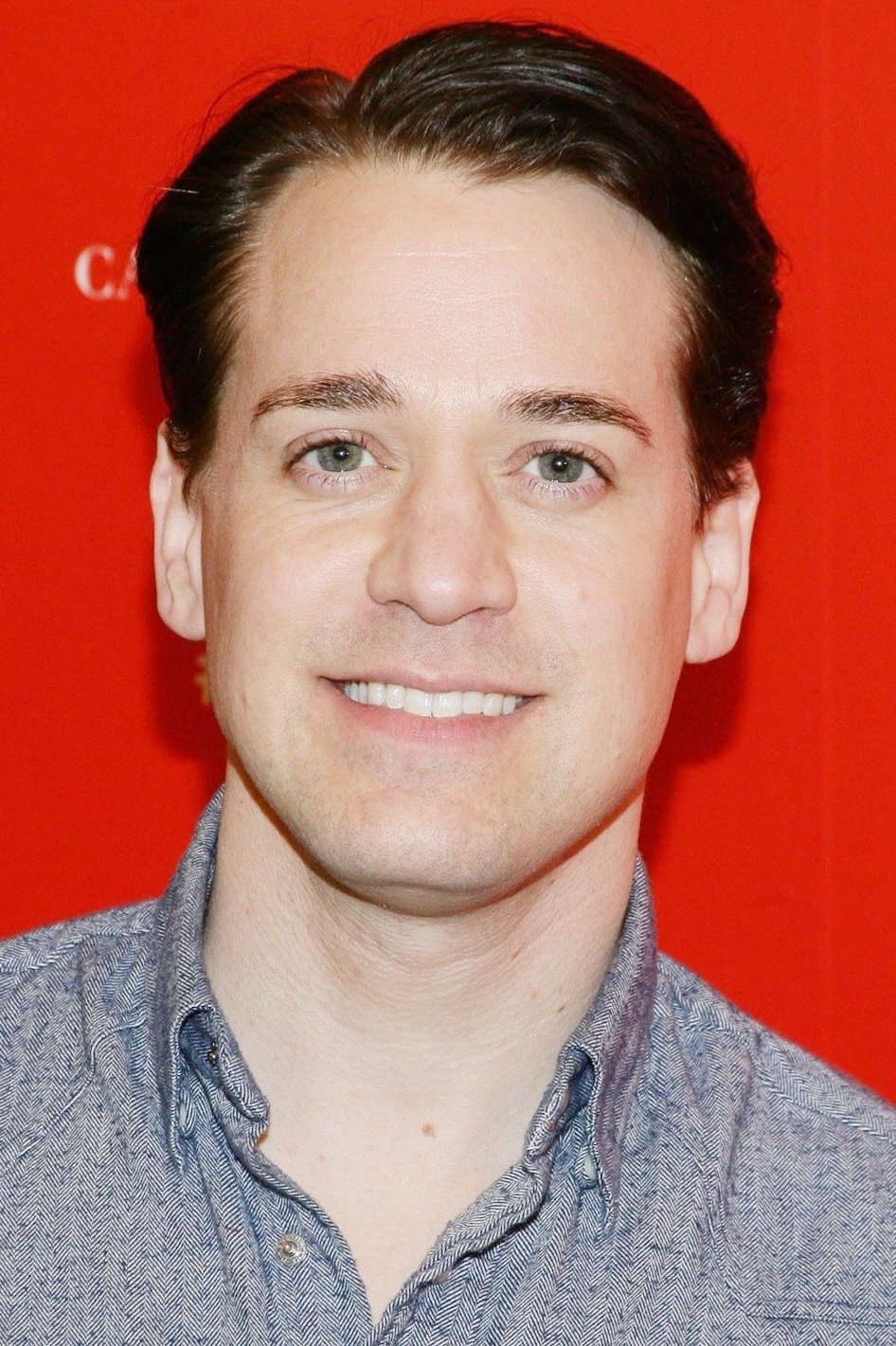
T.R. Knight became famous for his role as George O’Malley on ‘Grey’s Anatomy’. Following an on-set incident involving a co-star using a slur, Knight felt compelled to come out publicly to control his own narrative. He later expressed that he felt the show’s producers and the network were not supportive of his decision to be open. This tension eventually led to his departure from the hit series at the height of its popularity. Knight’s experience showed that even in the 2000s, coming out could still lead to professional friction.
Sean Hayes
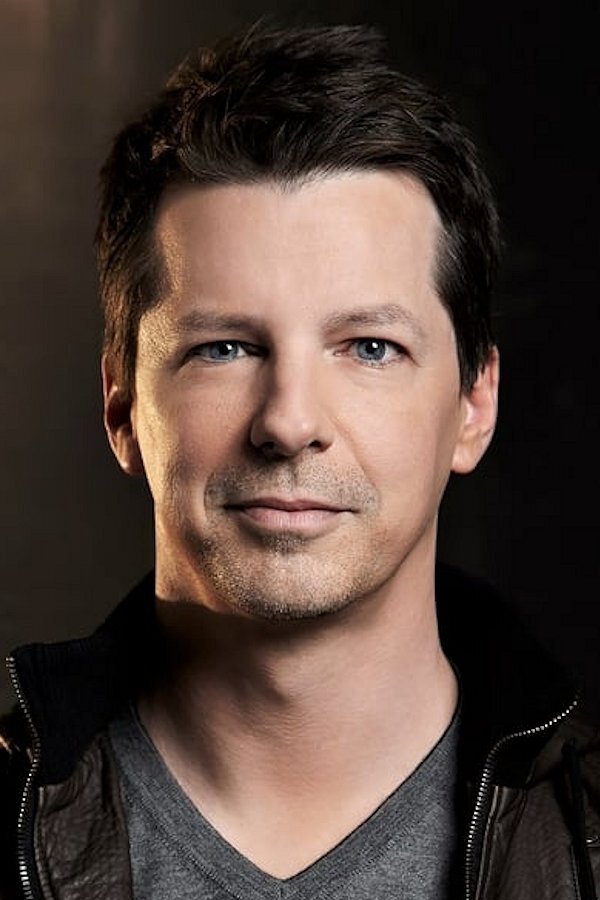
Sean Hayes played the iconic role of Jack McFarland on ‘Will & Grace’. Despite playing an openly gay character, Hayes remained private about his own life for the duration of the show’s original run. He later explained that he felt a professional obligation to keep his private life separate to protect his ability to play other roles in the future. The pressure of being a “representative” for the community while under the scrutiny of a major network was a significant burden. He publicly came out in 2010 and has since expressed regret for not doing so sooner.
Victor Garber
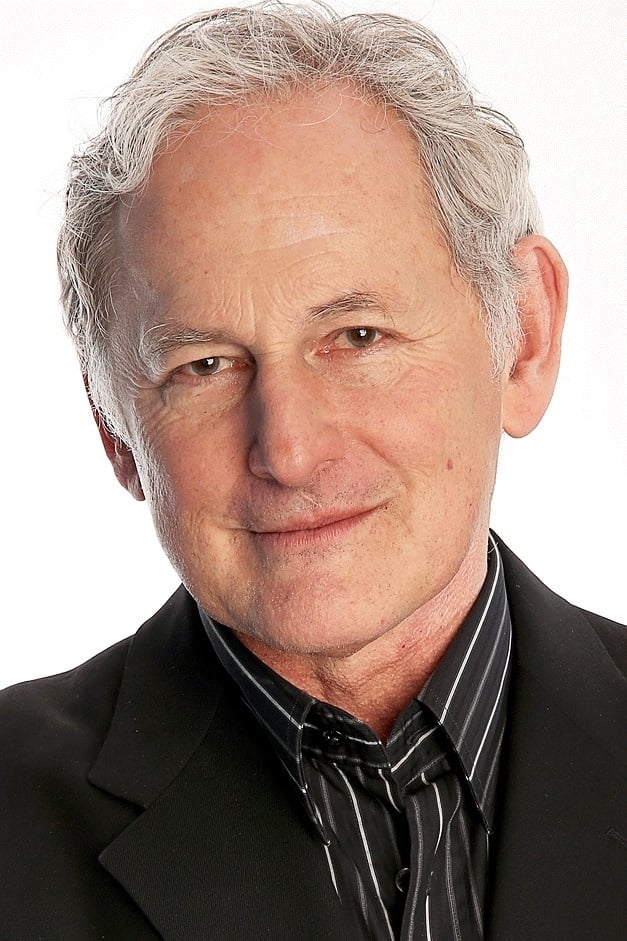
Victor Garber is a veteran of stage and screen, known for ‘Titanic’ and the series ‘Alias’. For the majority of his career, Garber followed the traditional industry path of keeping his personal life away from the press. He worked steadily for decades while his private life remained a non-issue in the headlines, a common strategy for actors of his generation. It wasn’t until a 2013 interview that he casually confirmed his long-term relationship. Garber’s approach reflects a shift from the era of “bans” to a time where actors can choose their own level of transparency.
Share your thoughts on these historic industry practices in the comments.