Black Celebrities You Never Knew Were Targeted by the “Not Black Enough” Narrative

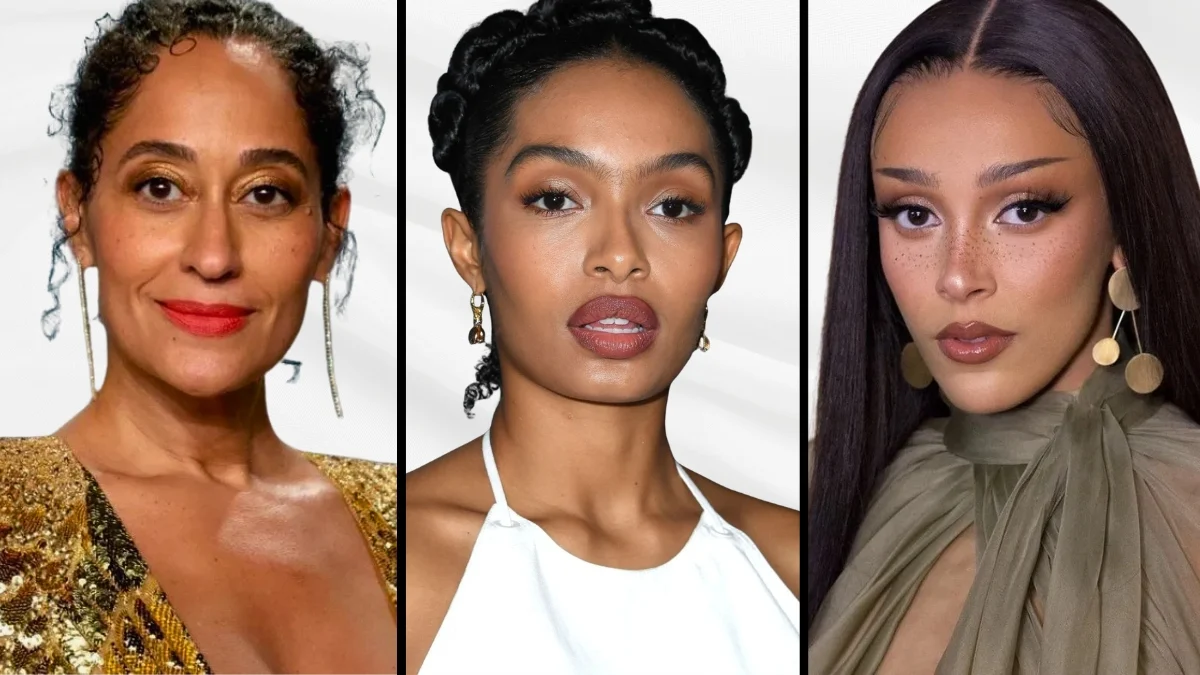

The “not Black enough” narrative is a form of cultural gatekeeping that has targeted numerous high-profile individuals across the entertainment and political sectors. This phenomenon often involves public scrutiny of a person’s biracial heritage, physical appearance, or socioeconomic background to question their authenticity. Many celebrities have spoken out about the emotional toll of having their identity debated by both fans and critics alike. These stories highlight the ongoing complexities of racial identity and the diverse experiences within the Black community.
Doja Cat
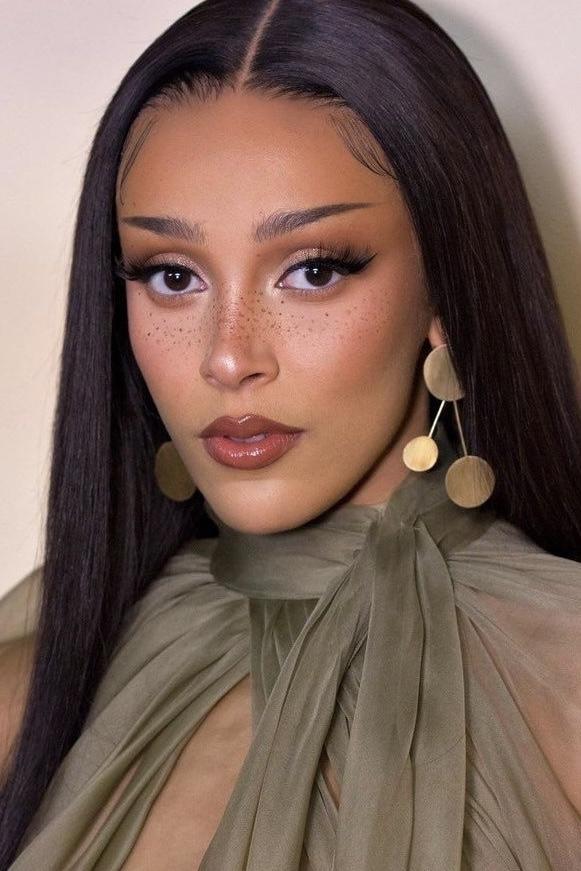
Amala Ratna Zandile Dlamini has faced recurring scrutiny regarding her racial identity and her connection to Black culture throughout her rise to fame. Critics on various social media platforms have frequently questioned her authenticity due to her biracial heritage and her engagement with internet subcultures. She has responded to these critiques by asserting her identity and pointing to her upbringing in a diverse environment. The discourse surrounding her often centers on her musical versatility, which some claim deviates from narrow expectations of Black female artists.
Zendaya

The ‘Euphoria’ actress has been vocal about the privilege she experiences as a light-skinned biracial woman in the film industry. She has acknowledged that her appearance often makes her a “safe” version of Blackness for Hollywood casting directors, leading to internal and external debates about representation. Despite using her platform to advocate for darker-skinned actresses, she has still encountered rhetoric suggesting she is not representative of the Black experience. Zendaya continues to navigate these conversations by acknowledging her position while maintaining her personal identity.
Halle Berry
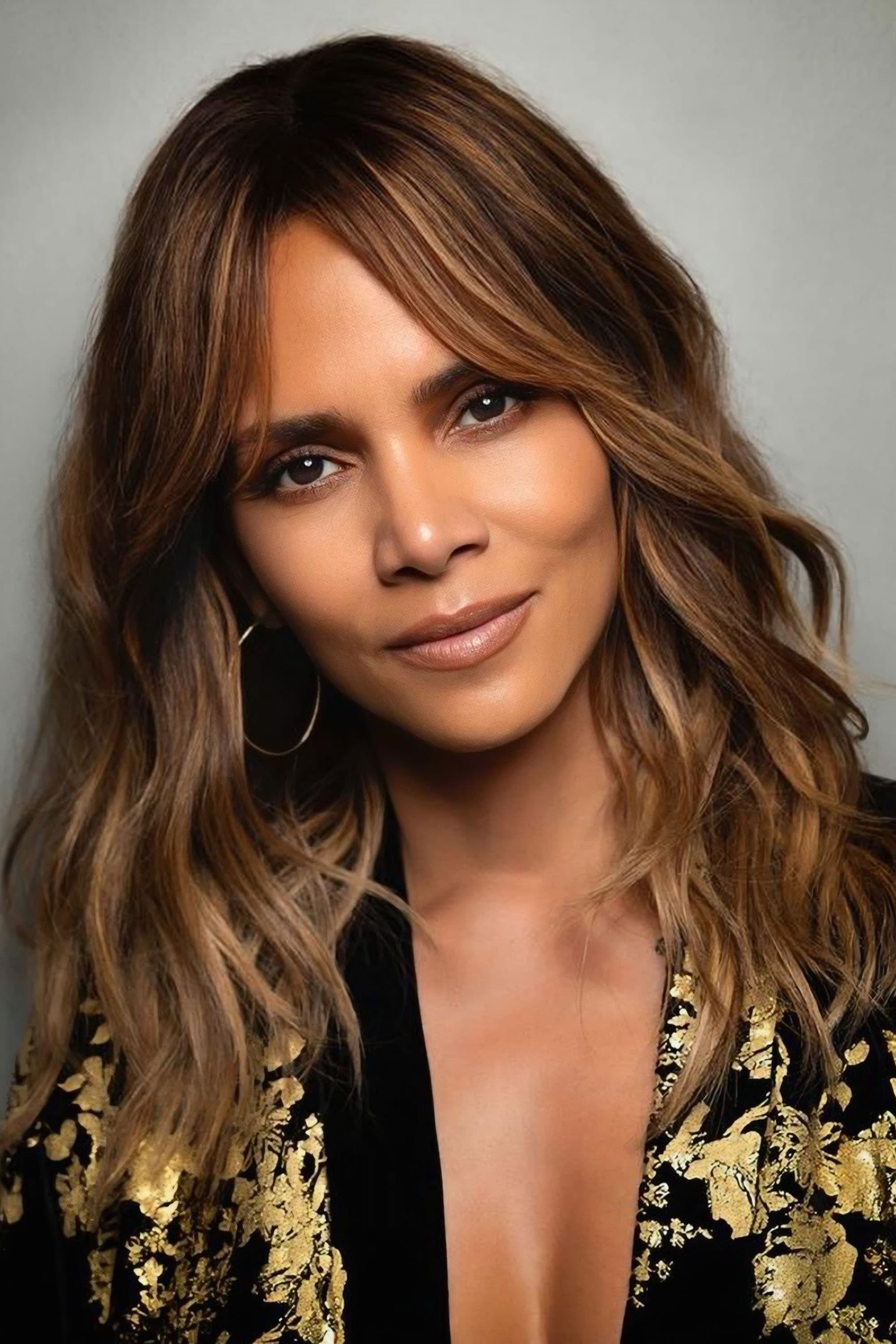
As the first Black woman to win the Academy Award for Best Actress, Halle Berry has often dealt with questions regarding her biracial background. Early in her career, she reportedly faced challenges from audiences and industry professionals who scrutinized her mixed heritage. In various interviews, she has described the pressure of being caught between two worlds and the effort required to establish her place. Berry has consistently identified as a Black woman, citing her mother’s early advice that she would be perceived as such by society regardless of her lineage.
Drake
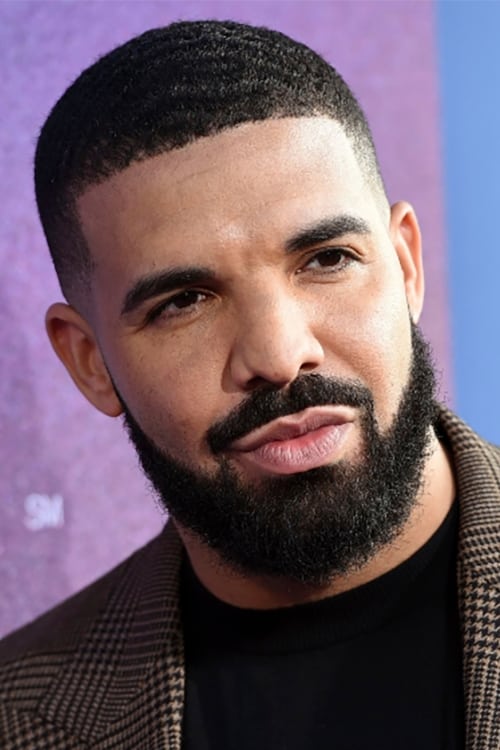
The Canadian rapper and singer is a frequent target of critiques regarding his “street cred” and his biracial identity. Critics often point to his middle-class upbringing in Toronto and his past as a child actor on ‘Degrassi: The Next Generation’ to question his place in hip-hop. These narratives frequently suggest that his background makes him “less Black” than peers who grew up in different circumstances. Drake has addressed these themes in his lyrics, often reflecting on the dualities of his heritage and his meteoric rise to fame.
Barack Obama
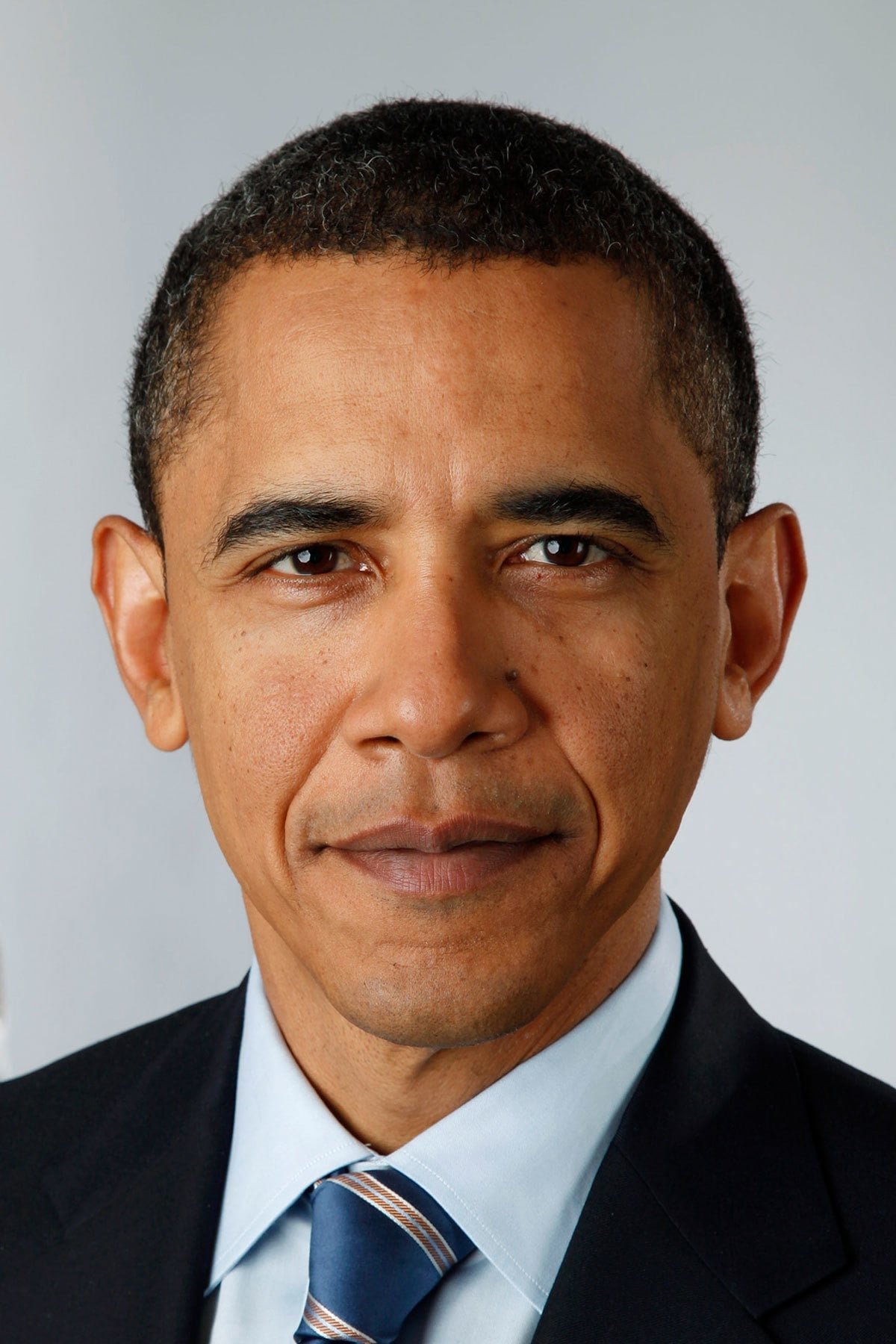
During his 2008 presidential campaign, Barack Obama faced significant questioning from commentators about whether he was “Black enough” to represent African American interests. Because his father was from Kenya and his mother was white, some argued that his lack of a lineage tracing back to American slavery distanced him from the typical experience. These discussions often ignored his extensive work as a community organizer in Chicago and his own self-identification. Ultimately, his presidency forced a national conversation on the evolving definitions of Black identity in the United States.
Rashida Jones
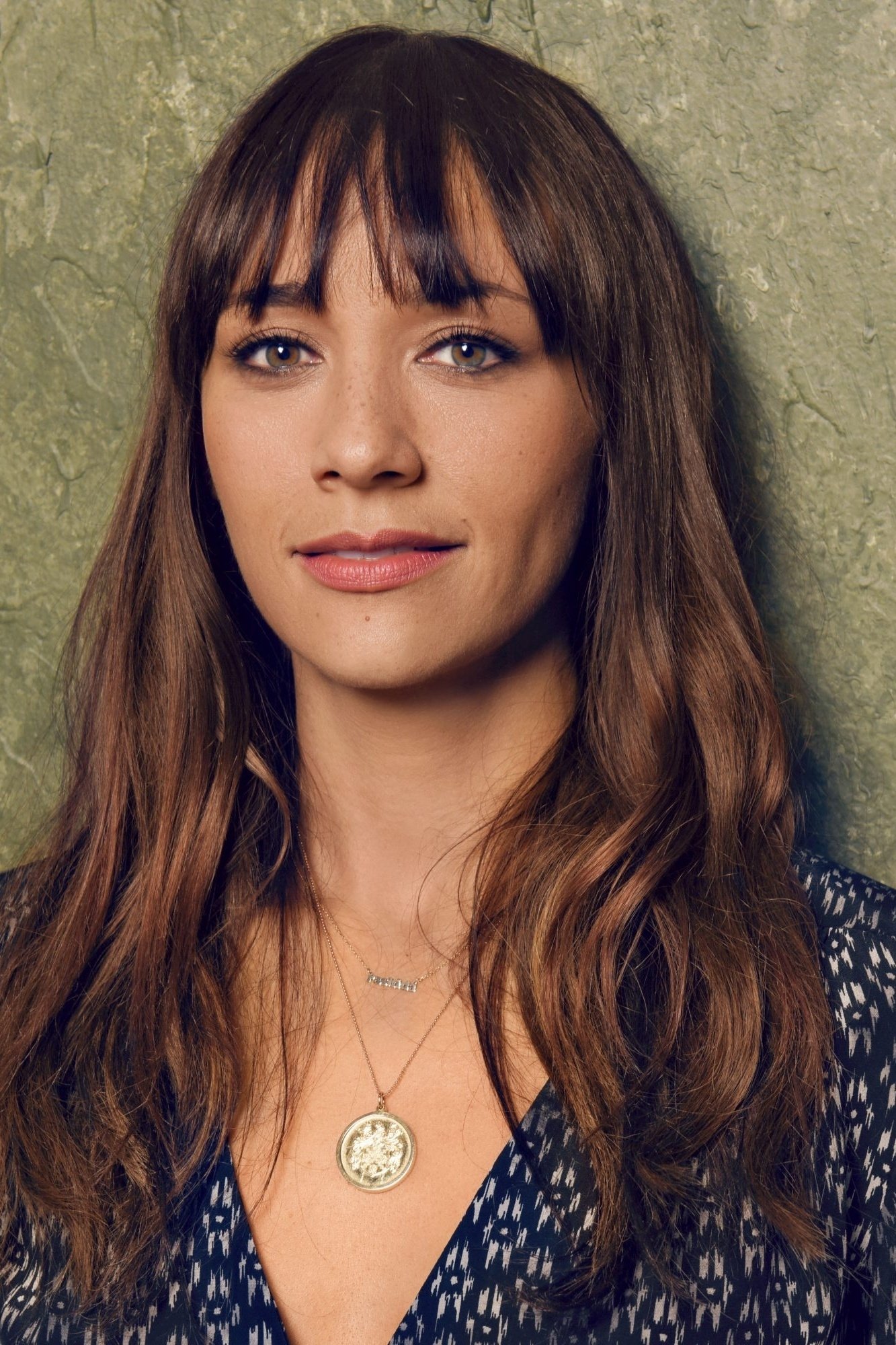
The ‘Parks and Recreation’ star, who is the daughter of music legend Quincy Jones and actress Peggy Lipton, has often spoken about her “white-passing” appearance. Throughout her career, she has encountered situations where her Blackness was overlooked or dismissed by both the public and casting agents. Jones has discussed the frustration of having to constantly explain her lineage and the feeling of being an outsider in different communities. Her experiences highlight the specific challenges faced by biracial individuals whose physical features do not align with rigid societal stereotypes.
Zoe Saldaña
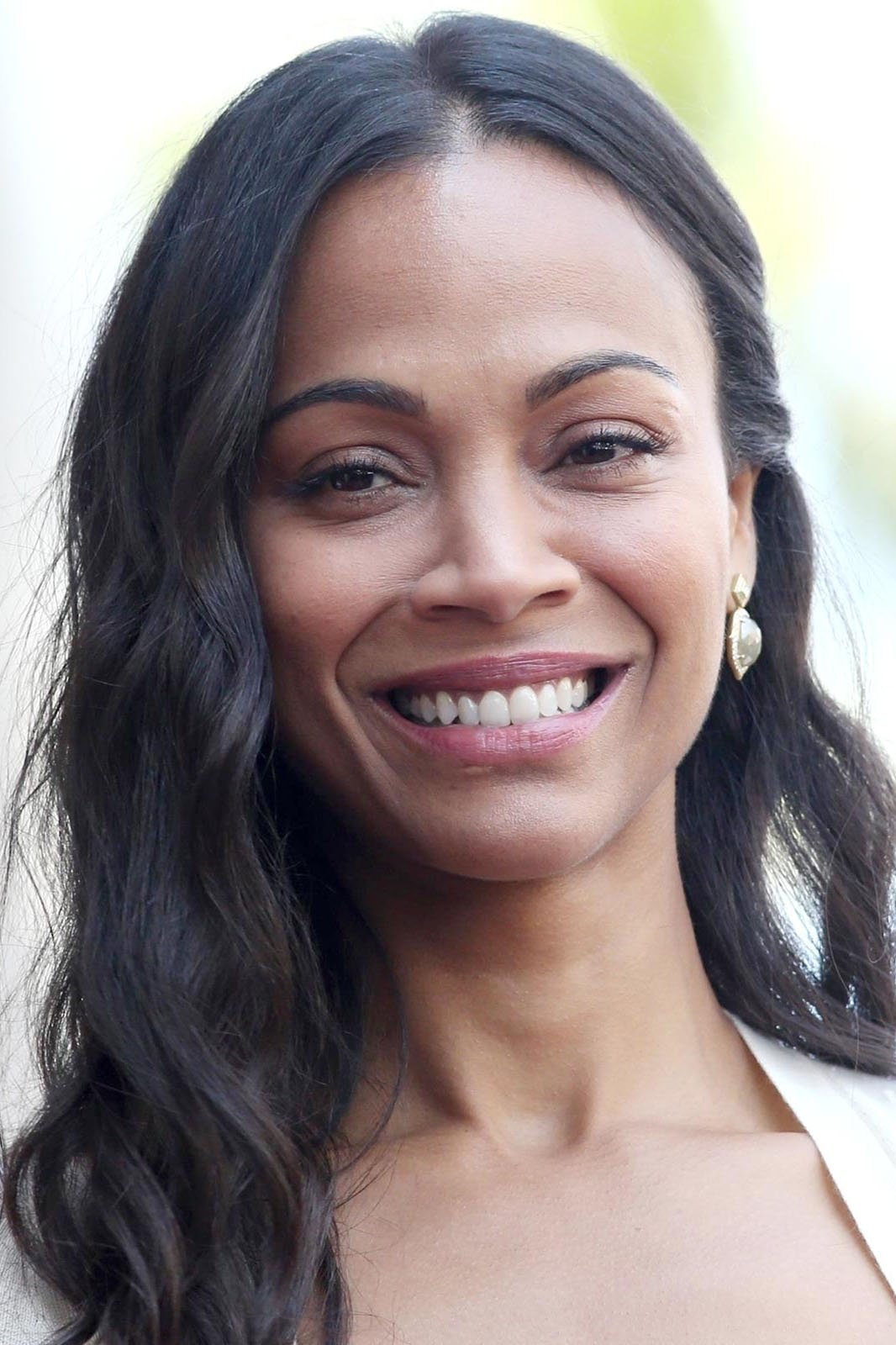
Controversy erupted when Zoe Saldaña was cast as the legendary singer and activist in the film ‘Nina’. Critics argued that Saldaña, who is of Dominican and Puerto Rican descent, was “not Black enough” for the role and criticized the use of skin-darkening makeup. This sparked a broader debate about colorism and the erasure of darker-skinned Black women in cinema. Saldaña later expressed regret over taking the role, acknowledging that she should have used her influence to ensure a more representative casting choice.
Tracee Ellis Ross
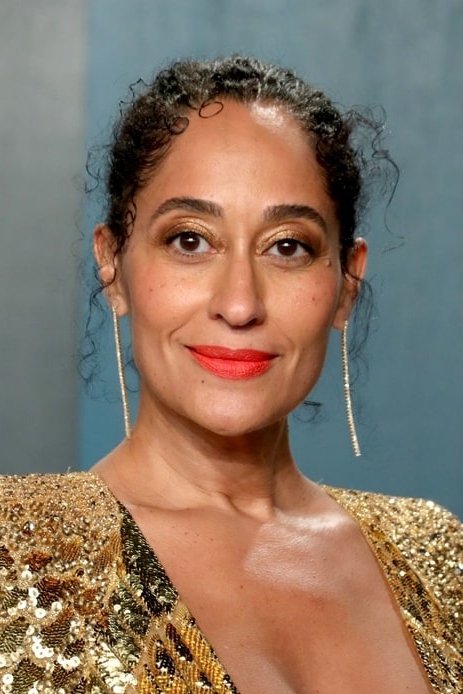
Known for her roles in ‘Girlfriends’ and ‘Black-ish’, Tracee Ellis Ross has frequently addressed her identity as the daughter of Diana Ross and Robert Ellis Silberstein. She has shared anecdotes about being told she was not “Black enough” for certain roles early in her professional life. Ross has used her public platform to challenge the monolithic view of Blackness and celebrate the diversity within the community. Her work often explores the nuances of being a biracial woman navigating the complexities of modern American society.
Donald Glover
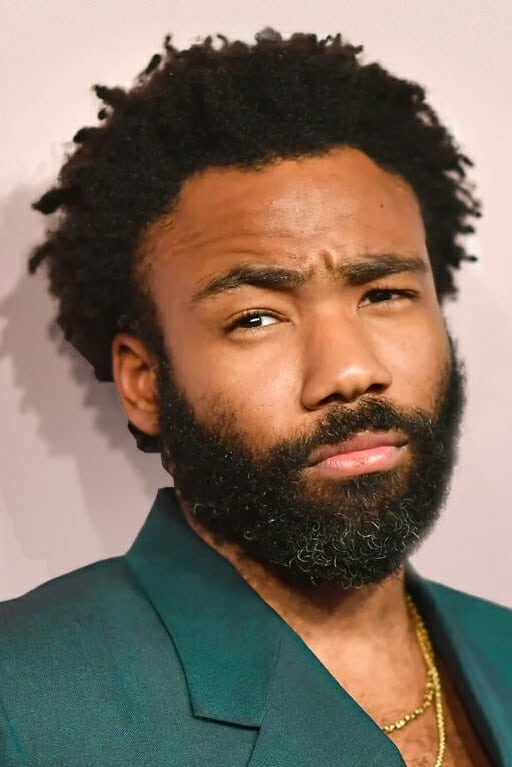
Early in his career as a stand-up comedian and a musician, Donald Glover faced criticism for his “nerdy” persona and suburban background. Some detractors claimed his interests and style meant he was trying to “act white” or was disconnected from Black culture. He addressed these criticisms head-on in his music and during his television appearances, highlighting the restrictive nature of such labels. Glover eventually shifted these narratives by creating ‘Atlanta’, a show praised for its surreal and authentic exploration of the Black experience.
Tiger Woods
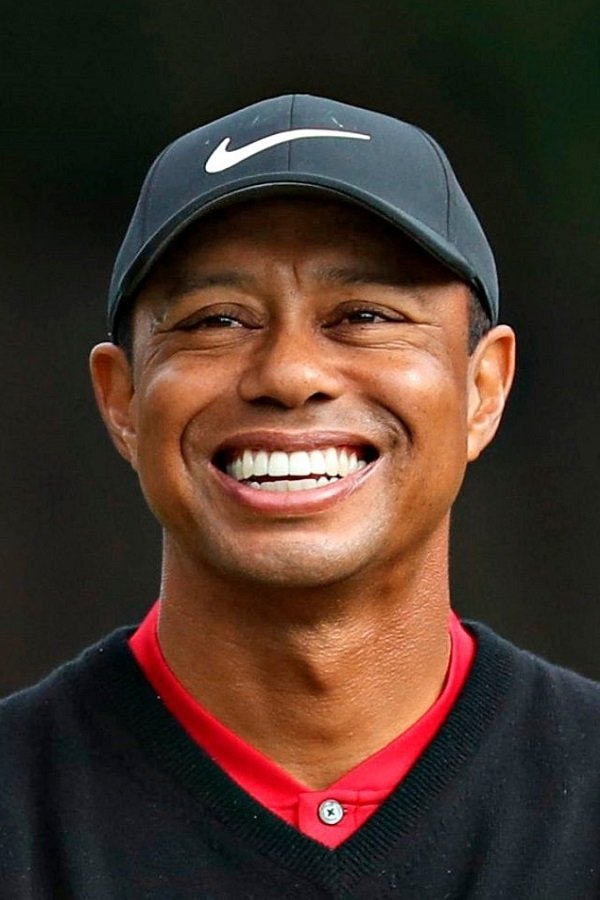
The professional golfer sparked a massive debate in 1997 when he referred to himself as “Cablinasian” to describe his Caucasian, Black, Indian, and Asian heritage. This rejection of a singular Black identity led to significant backlash from those who felt he was distancing himself from the Black community. Critics argued that despite his mixed heritage, the world would always view and treat him as a Black man. Woods has maintained his stance on his multi-ethnic identity while acknowledging the impact he has had as a person of color in a predominantly white sport.
Amandla Stenberg
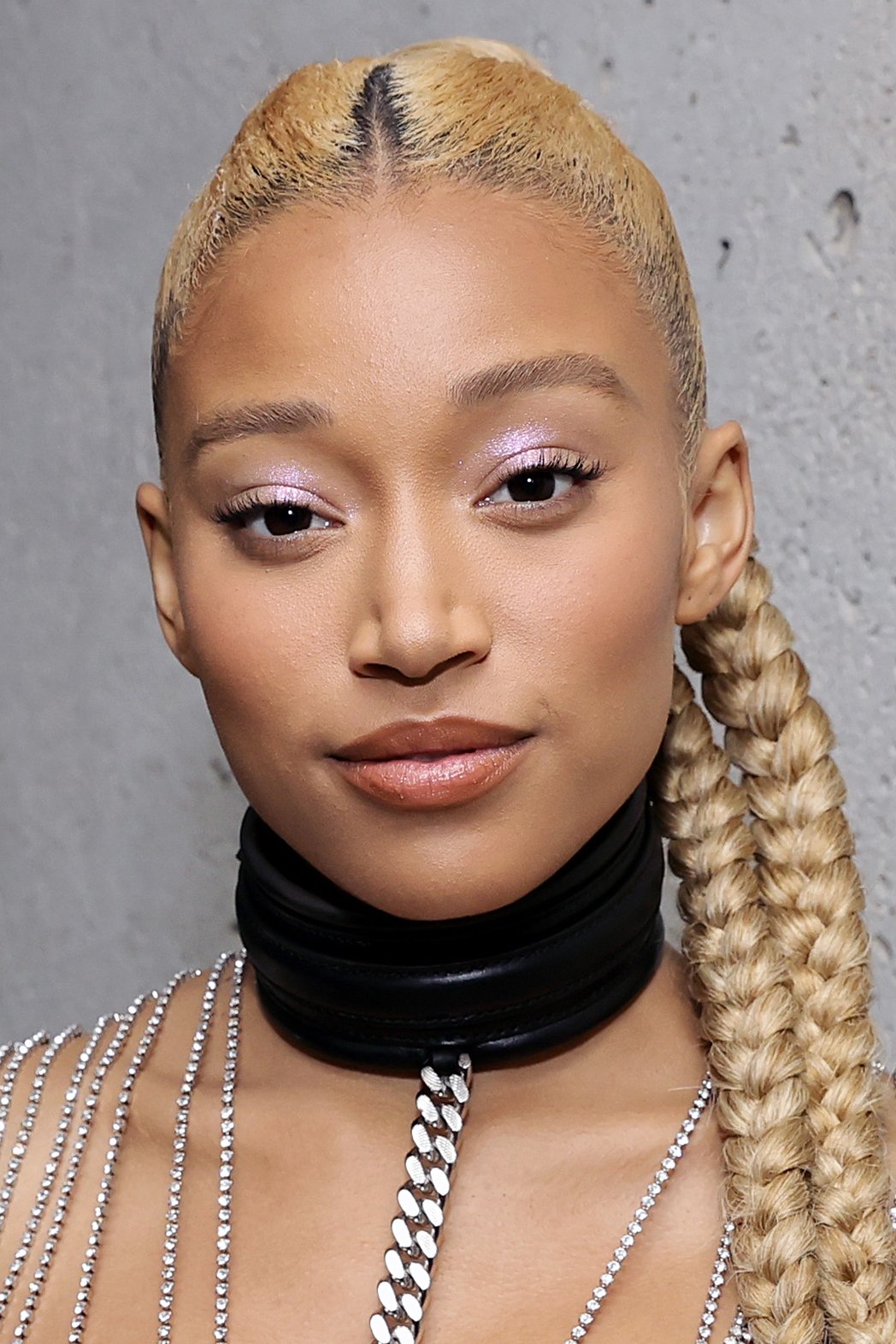
The actress faced intense scrutiny after being cast in ‘The Hate U Give’, a role based on a character many readers envisioned as darker-skinned. This casting choice led to accusations that she was benefiting from colorism and was not the appropriate choice to represent the protagonist’s struggle. Stenberg, who identifies as non-binary and biracial, has been active in discussing these issues and the importance of varied representation. She has acknowledged the complexities of her position in Hollywood while continuing to advocate for social justice and inclusion.
J. Cole

The rapper has frequently used his music to explore the intricacies of his biracial identity and the feeling of being caught between two cultures. In several tracks, he touches on the insecurities and societal pressures that come with not fitting a specific mold within the hip-hop community. J. Cole has faced comments throughout his career regarding his upbringing and how it informs his songwriting perspective. Despite this, he has become one of the most respected figures in modern music, often focusing on themes of resilience and Black excellence.
Yara Shahidi
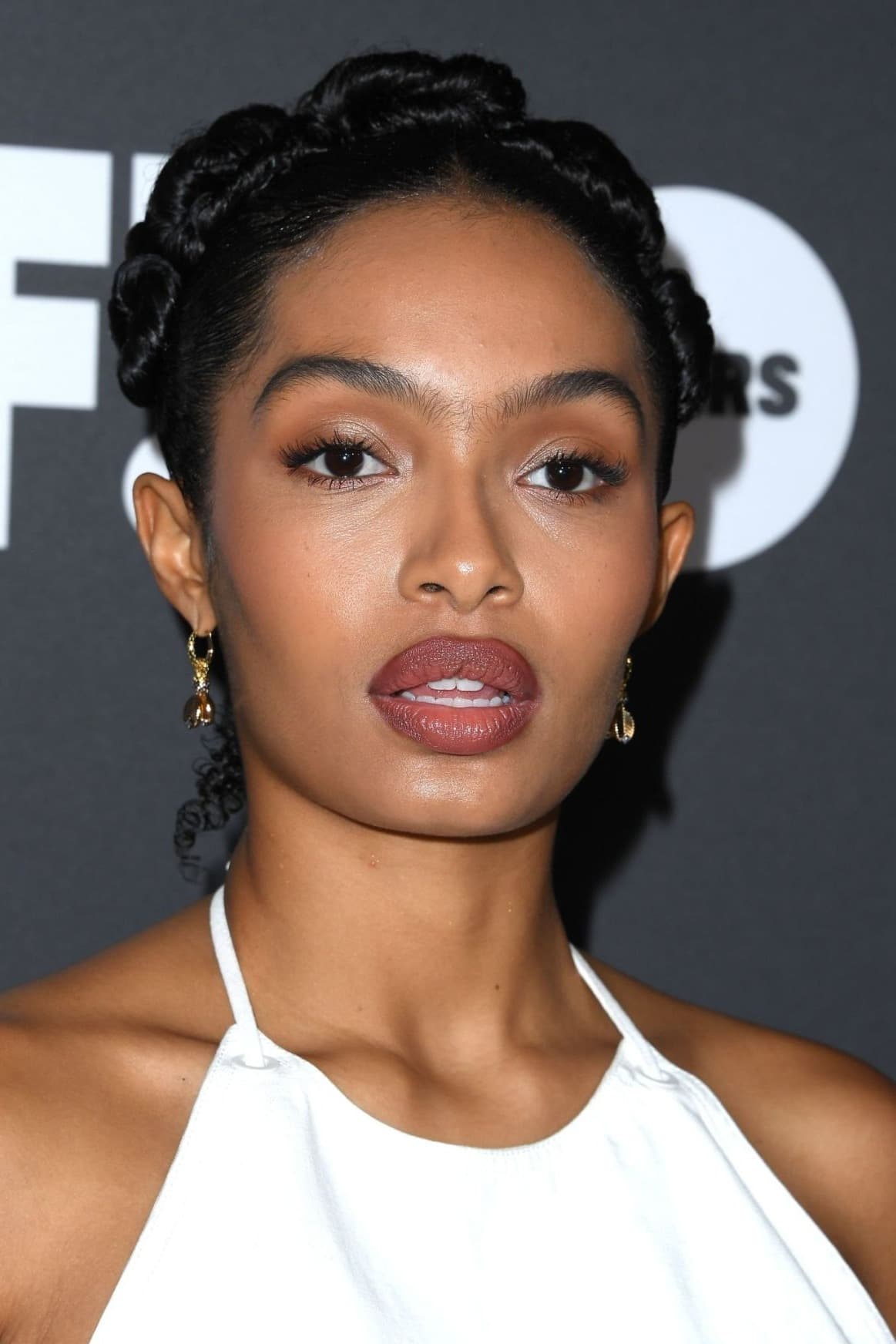
The ‘Grown-ish’ star has been a prominent voice for her generation, but she has not been exempt from discussions regarding colorism. Some critics have suggested that her success is partly due to her being a light-skinned, biracial woman who fits a specific aesthetic preferred by mainstream media. These narratives often question whether she can truly represent the full breadth of the Black experience. Shahidi has responded by being an outspoken advocate for all Black voices and using her scholarship to study the intersections of race and society.
Boris Kodjoe
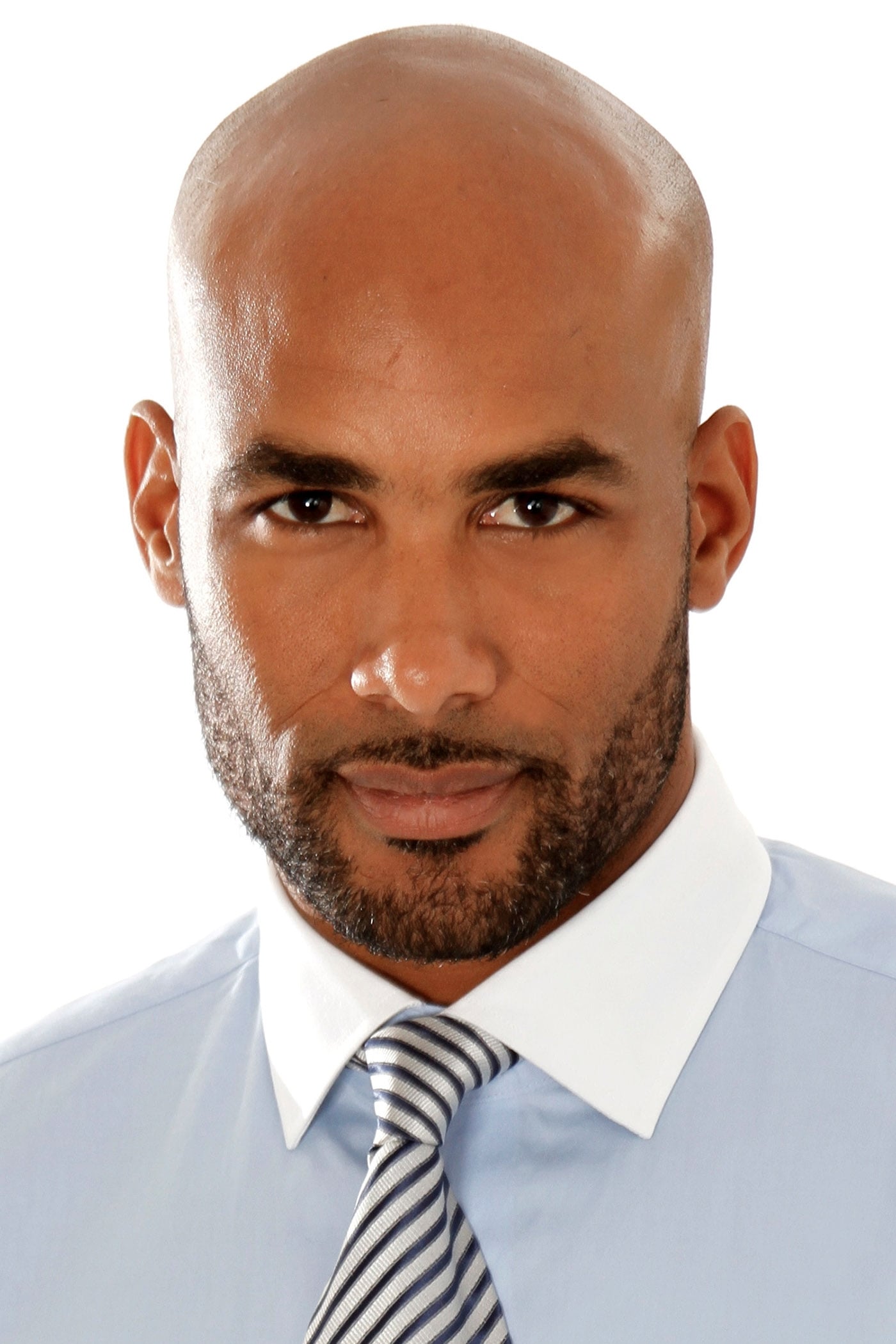
Born in Germany to a Ghanaian father and a German mother, Boris Kodjoe has often spoken about the “not Black enough” narrative he encountered upon moving to the United States. His European accent and biracial background initially made it difficult for some to categorize him within the American racial landscape. He has shared stories of being questioned about his authenticity when auditioning for roles that were specifically written for African American actors. Kodjoe has since established a successful career, often playing leading men while embracing his diverse international heritage.
Vanessa Williams
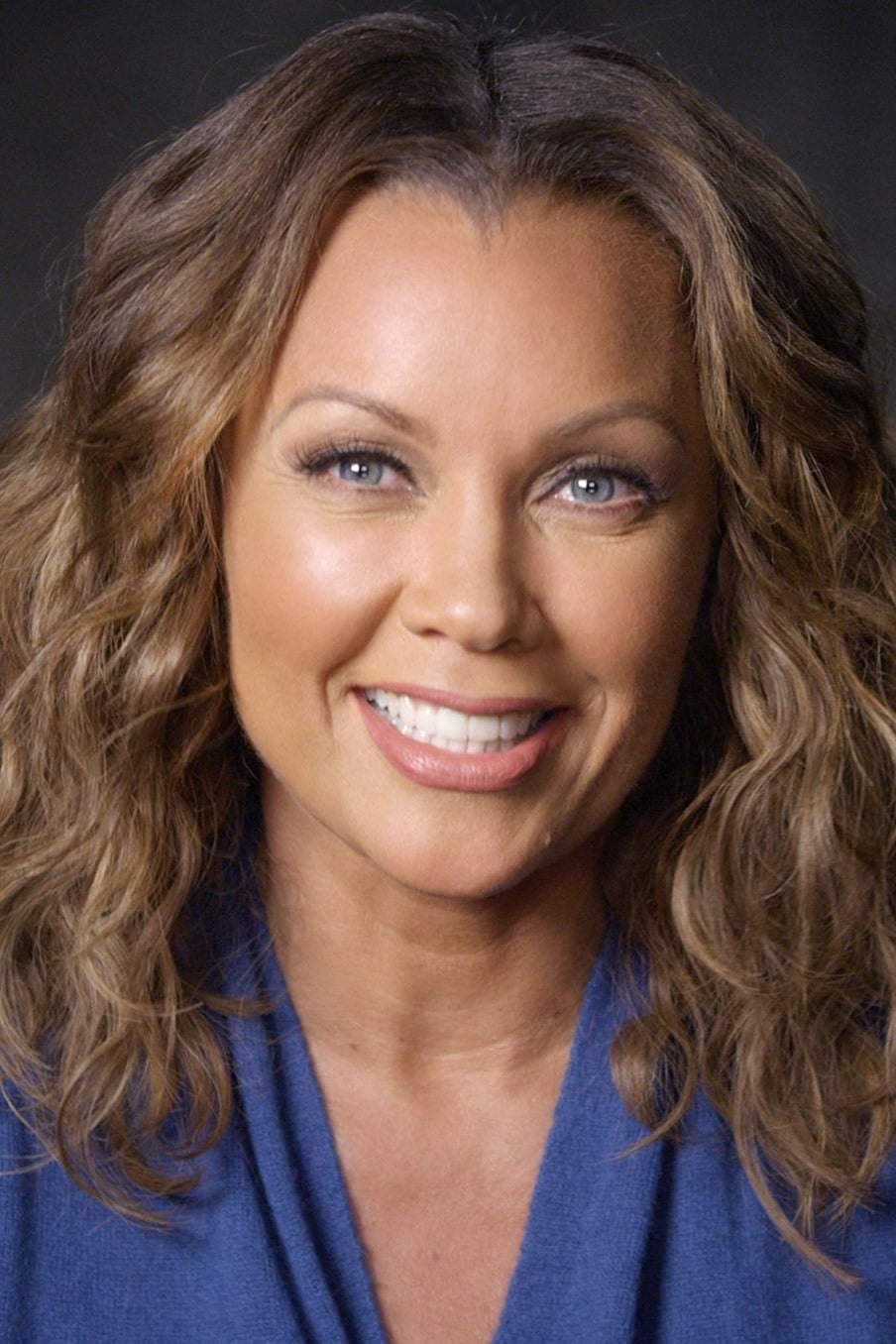
In 1983, Vanessa Williams became the first Black woman to be crowned Miss America, but her victory was met with significant vitriol from various groups. Many within the Black community criticized her for her light skin and light-colored eyes, claiming she did not represent the aesthetic of the average Black woman. This narrative suggested that she was only chosen because she appeared “more white” to the pageant judges. Despite the scandal that followed her reign and the initial rejection, Williams went on to have a highly successful career in both music and acting.
Thandiwe Newton

The British actress has been candid about her experiences with the “not Black enough” label throughout her years in international film. She has expressed a sense of guilt regarding the roles she has been offered, noting that lighter-skinned actresses are often preferred over darker-skinned peers. Newton has also recounted times when her own heritage was questioned by critics who viewed her as being outside the traditional Black experience. She continues to advocate for more inclusive casting practices while reflecting on the complexities of her own identity.
Shemar Moore
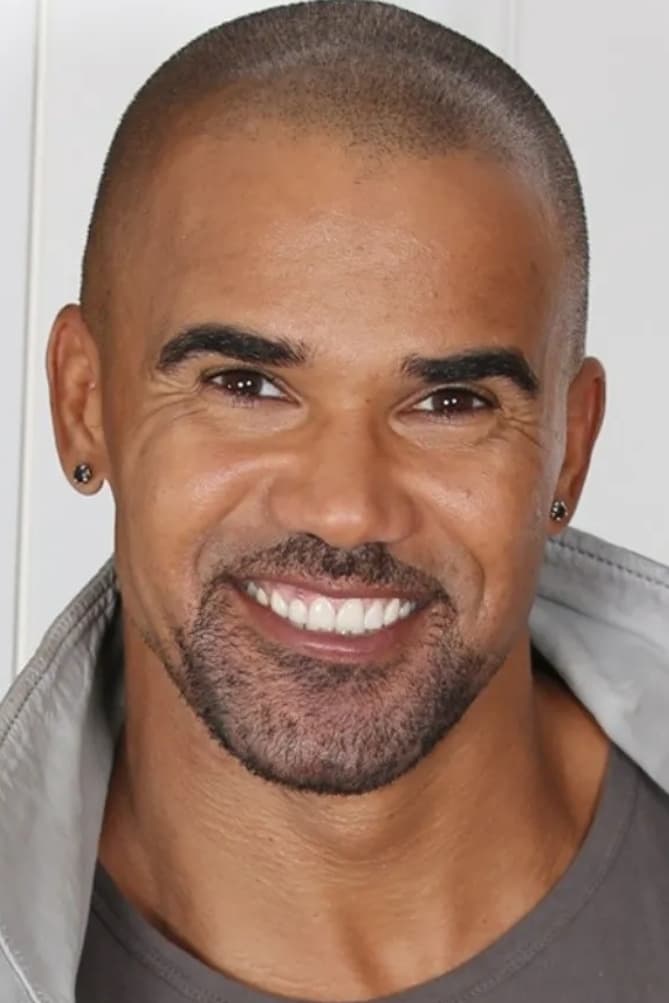
The ‘S.W.A.T.’ actor has frequently addressed the “pretty boy” trope and how it has intersected with his biracial identity. He has spoken about facing rejection early in his career from people who felt he was not “hood” or “Black enough” for certain gritty roles. Moore has been vocal about his pride in both his mother’s Caucasian heritage and his father’s African American heritage. His public image has often been a point of discussion regarding the perceived toughness associated with Black masculinity in media.
Eartha Kitt
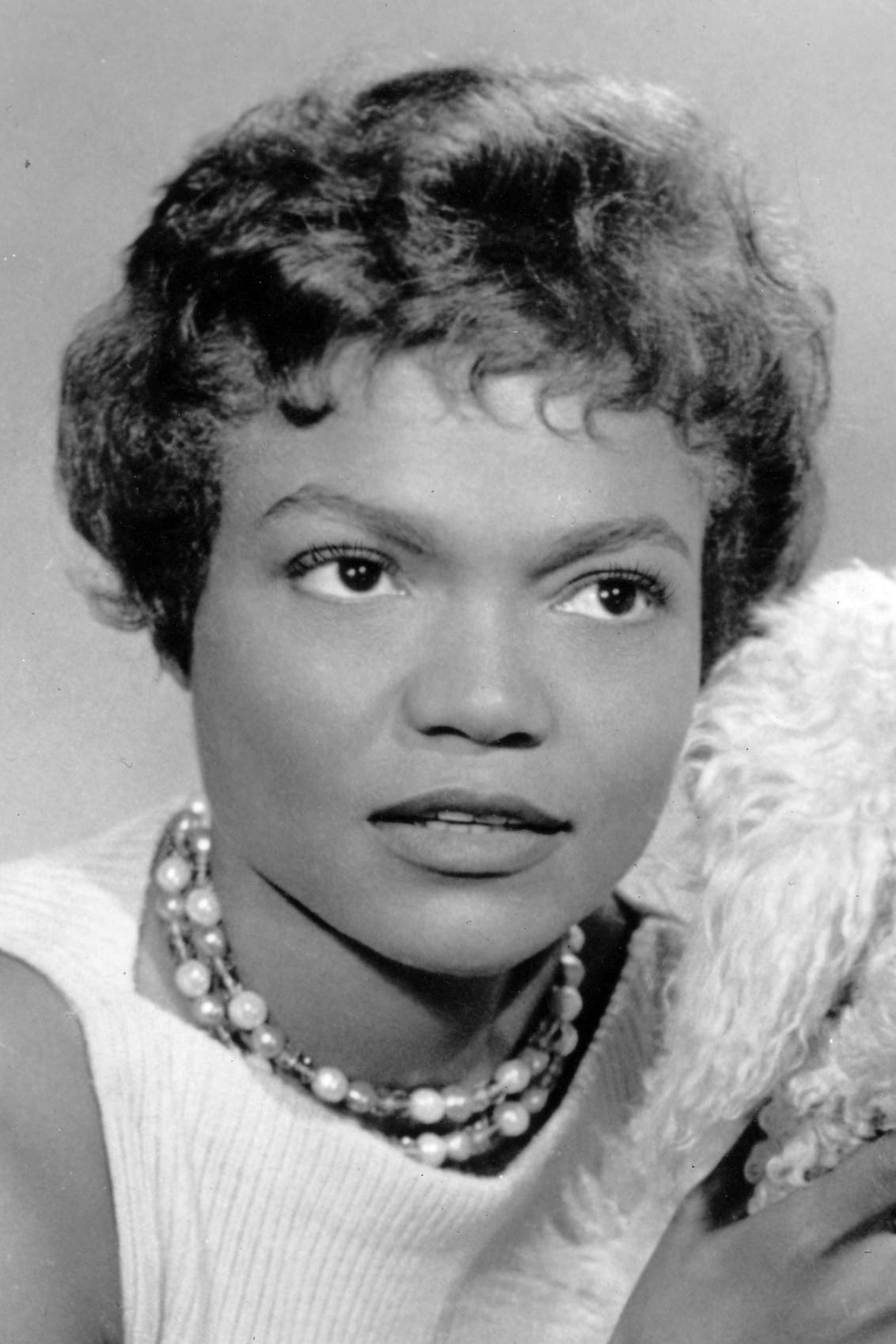
The legendary performer faced immense scrutiny during her career for her multi-ethnic background and her sophisticated, worldly persona. Critics often labeled her as being “too European” or not sufficiently aligned with the civil rights movements of the era. Kitt, who was of Cherokee, German, and African descent, frequently felt like an outsider within her own community. Her refusal to conform to societal expectations of how a Black woman should behave or speak made her a target for identity-based criticism for decades.
Trevor Noah
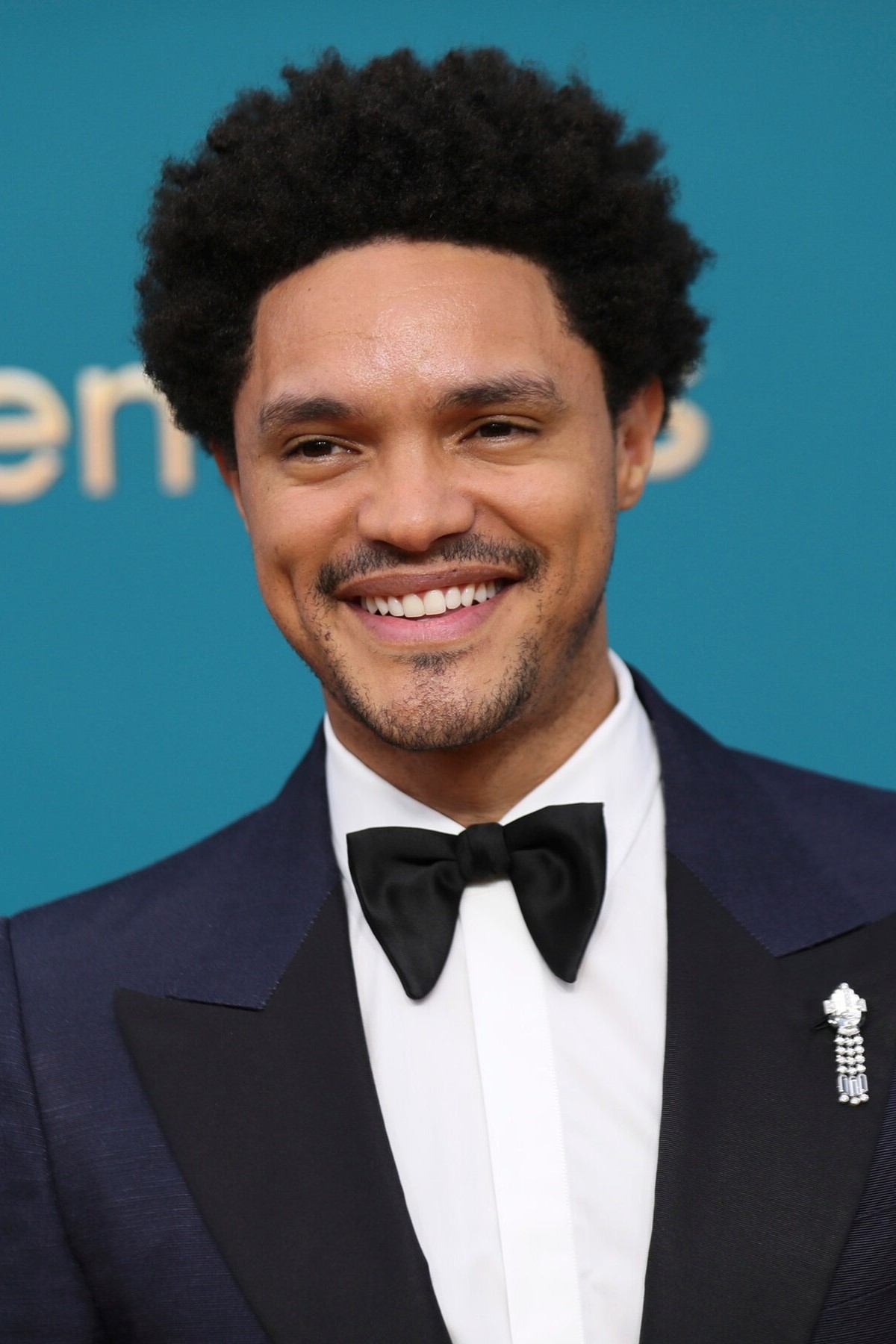
The former host of ‘The Daily Show’ was born in South Africa during apartheid to a Black Xhosa mother and a white Swiss-German father. Upon moving to the United States, Noah had to navigate a different set of racial dynamics where his South African identity did not translate directly to American standards. He has often discussed being told he is not “Black enough” for American audiences or the specific culture of hip-hop. His unique global perspective has allowed him to critique international racial issues even while facing questions about his own belonging.
Meghan Markle
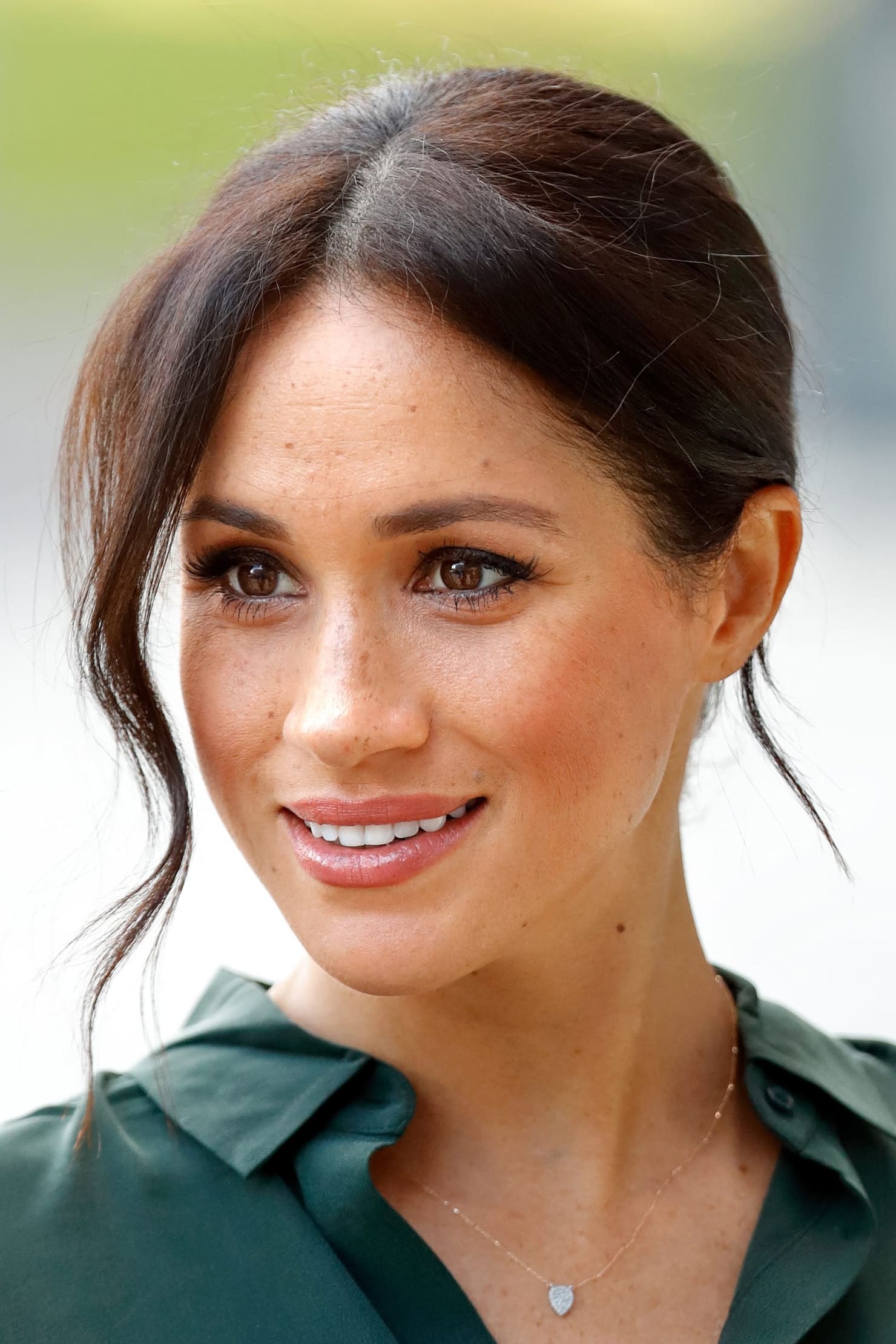
Since entering the British Royal Family, Meghan Markle has been the subject of intense global scrutiny regarding her racial identity. While facing blatant racism from some quarters, she has also encountered critics who questioned her Blackness because of her light skin and past public life. Some argued that she only highlighted her Black identity when it became a point of contention within the royal institution. Markle has addressed these challenges by discussing her life as a biracial woman and the complexities of being “othered” by different societies.
Please share your thoughts on these celebrities and the narratives they face in the comments.