Actors Who Refuse to Take Roles in “White Savior” Script Archetypes


The “white savior” narrative, a cinematic trope where a white character rescues people of color from their plight, has faced increasing scrutiny in modern Hollywood. Many leading men are now actively avoiding these scripts to ensure that marginalized stories are told with authenticity and agency. By selecting roles that subvert these expectations or by moving into production to center diverse voices, these actors are reshaping the industry’s landscape. This shift reflects a broader commitment to narrative equity and the deconstruction of the traditional hero archetype.
Viggo Mortensen
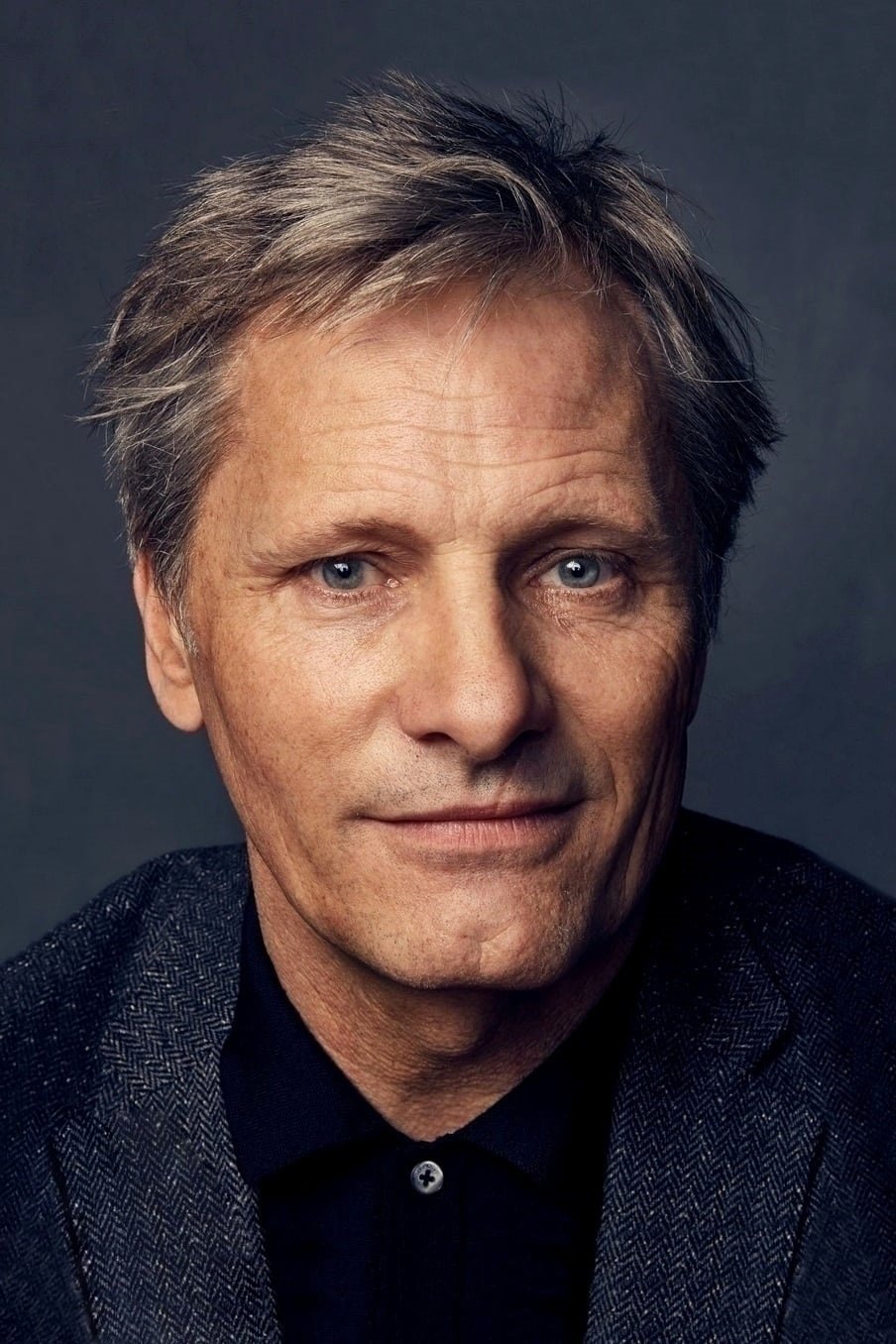
Viggo Mortensen has consistently chosen roles that challenge traditional Western narratives and emphasize cultural immersion. In films like ‘Jauja’, he explores the futility of the colonizer’s journey rather than presenting a heroic intervention. While his role in ‘Green Book’ faced scrutiny, he defended the project as a specific character study rather than a broad systemic commentary. Mortensen’s personal commitment to indigenous rights often informs his selection of projects that prioritize historical accuracy over trope-driven storytelling. He remains one of the most selective actors in Hollywood regarding the political implications of his characters.
Mark Ruffalo
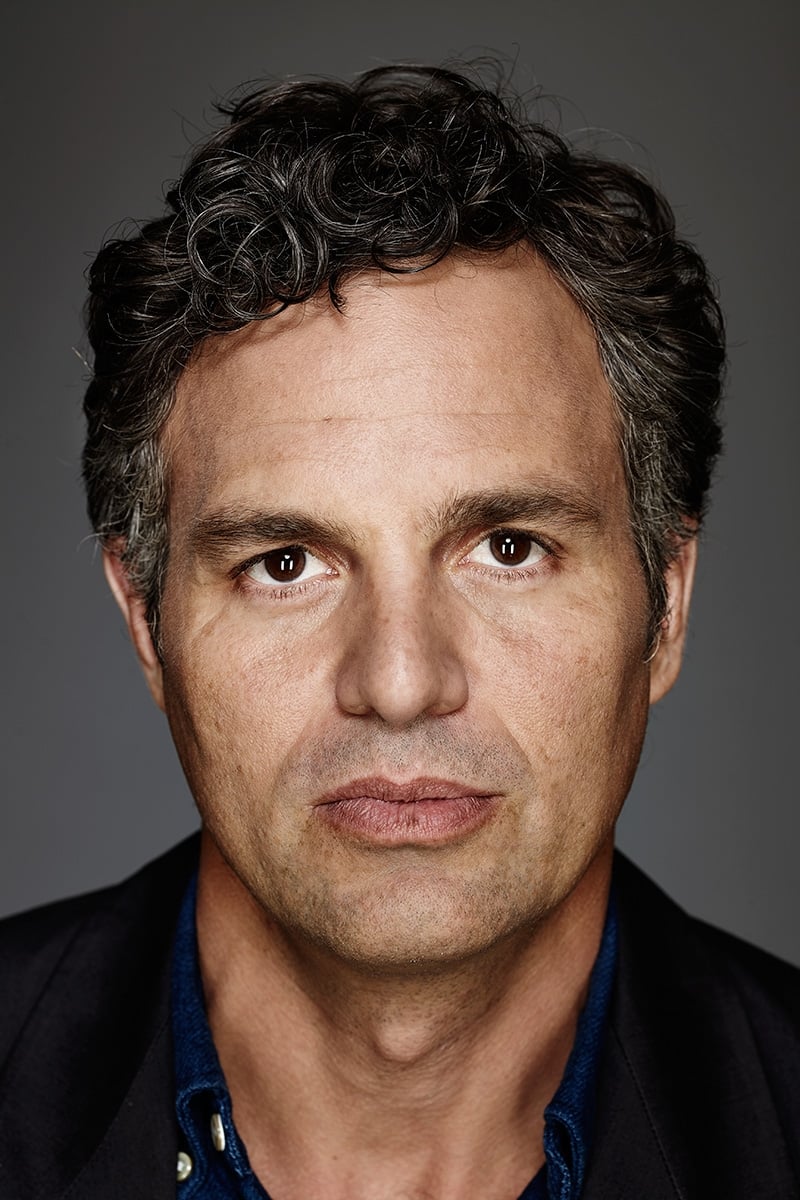
Mark Ruffalo is well-known for his environmental and social activism, which translates directly into his film choices. He often portrays characters who are part of a collective effort or whistleblowers rather than singular “savior” figures. In the film ‘Dark Waters’, he highlights the legal and systemic struggle against corporate greed rather than a heroic individual triumph. Ruffalo has frequently advocated for better representation of indigenous peoples and has avoided roles that would displace their voices in historical or contemporary narratives. His career reflects a commitment to stories that require systemic change rather than a one-man solution.
Brad Pitt
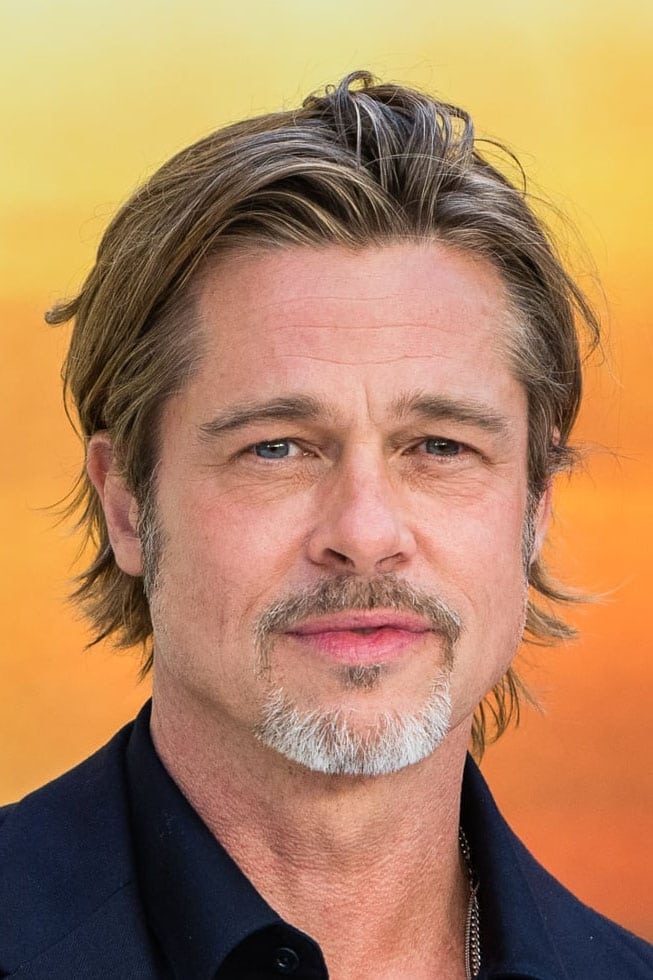
Brad Pitt has utilized his production company, Plan B Entertainment, to foster stories that center on diverse perspectives where he often takes a back seat. In films like ’12 Years a Slave’, he played a small supporting role that facilitated the story without overshadowing the protagonist’s agency. His work as a producer on ‘Moonlight’ and ‘Selma’ demonstrates a deliberate effort to use his influence to fund projects that do not feature white leads at all. As an actor, he has moved toward playing flawed, supporting, or ensemble characters in his later career. This shift highlights a conscious avoidance of the “lone hero” archetype that dominated his early years.
George Clooney
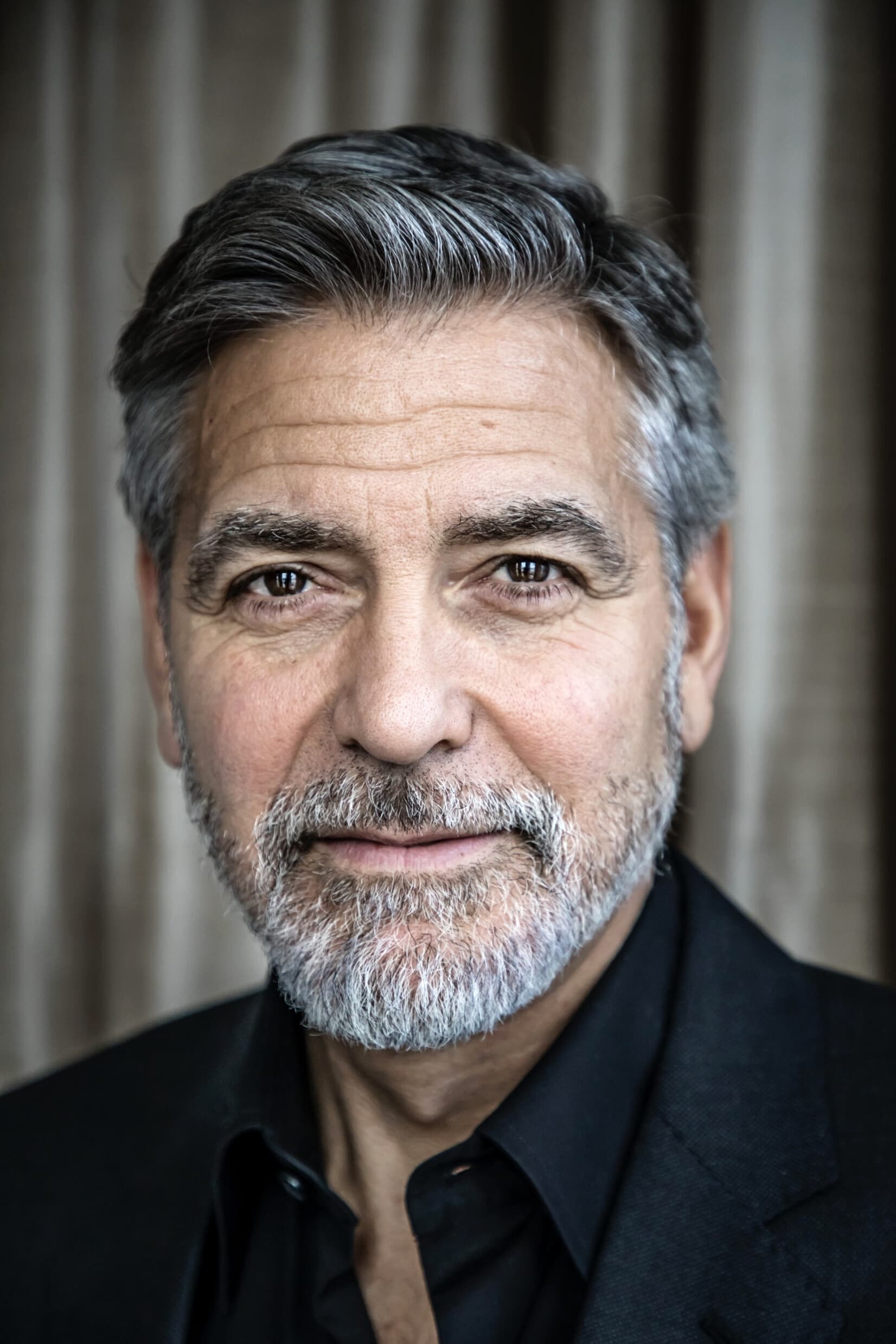
George Clooney has often used his platform to produce and star in political thrillers that emphasize the complexity of international relations. Films such as ‘Syriana’ and ‘Michael Clayton’ focus on systemic corruption where the protagonist is often powerless to enact major change. Clooney has expressed a preference for stories where the Western perspective is framed as part of the problem rather than the ultimate solution. He frequently avoids roles that involve “saving” foreign cultures, opting instead for narratives about institutional failure. His directorial efforts also tend to focus on historical moments of collective action or moral ambiguity.
Edward Norton
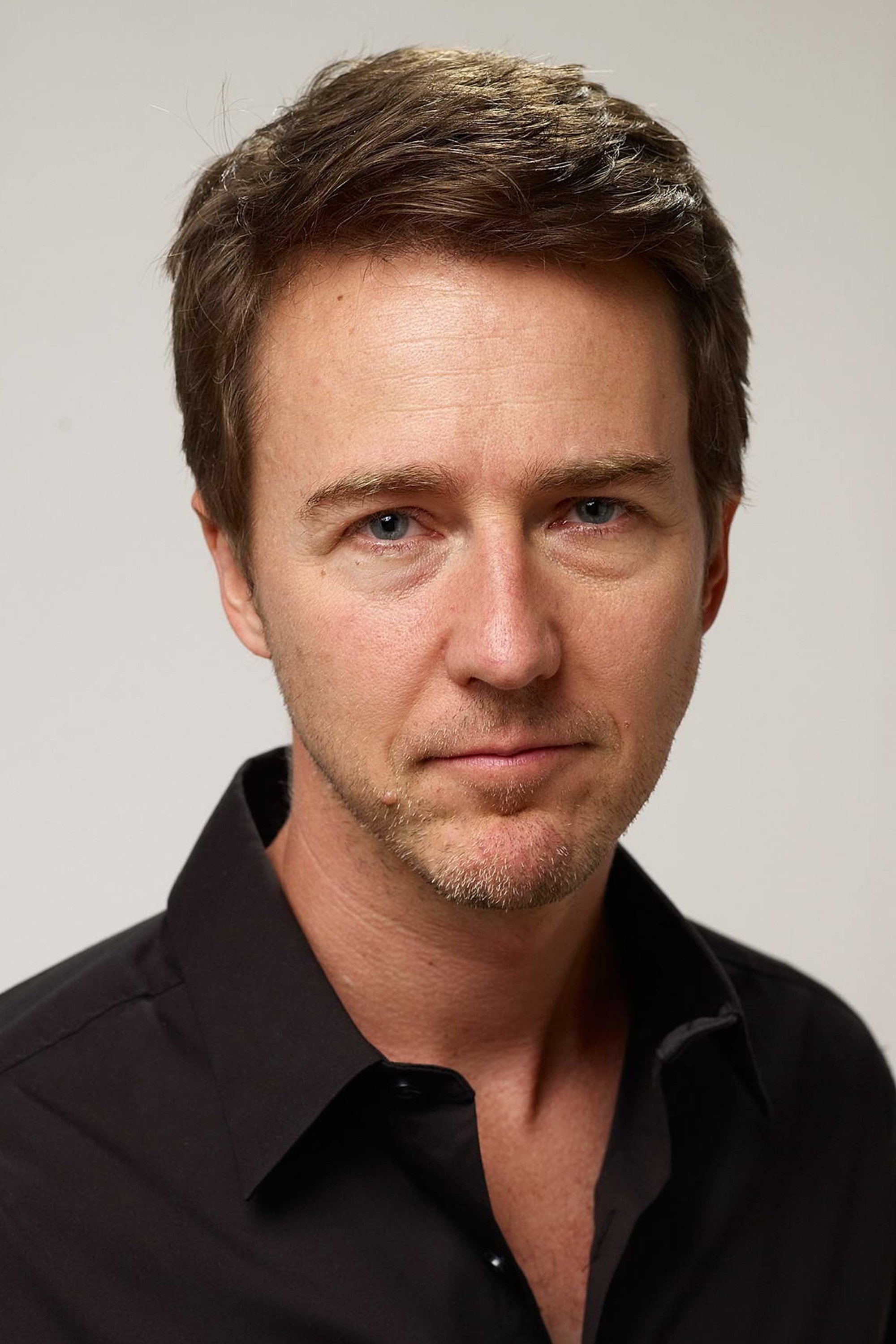
Edward Norton is famously meticulous about the scripts he chooses and often performs uncredited rewrites to add depth to his characters. He has a reputation for rejecting roles that follow predictable or trope-heavy paths, including the “white savior” narrative. Norton tends to gravitate toward characters who are morally compromised or intellectually driven, such as in ‘American History X’ or ‘Motherless Brooklyn’. By focusing on the internal psychological struggles of his characters, he avoids the externalized heroics common in mainstream cinema. His filmography reflects a career-long dedication to subversive and intellectual storytelling.
Robert Pattinson

Following his massive success in the ‘Twilight’ series, Robert Pattinson has almost exclusively worked in independent cinema. He has avoided blockbuster roles that would cast him as a conventional hero, preferring to play gritty, marginalized, or unlikable characters. In ‘The Lighthouse’ and ‘Good Time’, he portrays men who are driven by desperation rather than a desire to help others. This deliberate career shift has allowed him to avoid the “savior” trope entirely by focusing on the “anti-hero” or the “outcast.” Pattinson’s choices show a clear preference for auteur-driven projects that deconstruct traditional masculine roles.
Daniel Radcliffe

Daniel Radcliffe has utilized his ‘Harry Potter’ fame to support experimental and independent films that deviate from traditional hero journeys. He has openly discussed his desire to work on projects that offer unique perspectives and avoid the “chosen one” narrative he grew up with. Films like ‘Swiss Army Man’ and ‘Guns Akimbo’ showcase his commitment to the bizarre and the subversive. Radcliffe often chooses roles where he is the underdog or a supporting player in a much larger, stranger world. He remains vocal about the need for Hollywood to move away from outdated character archetypes.
Ethan Hawke
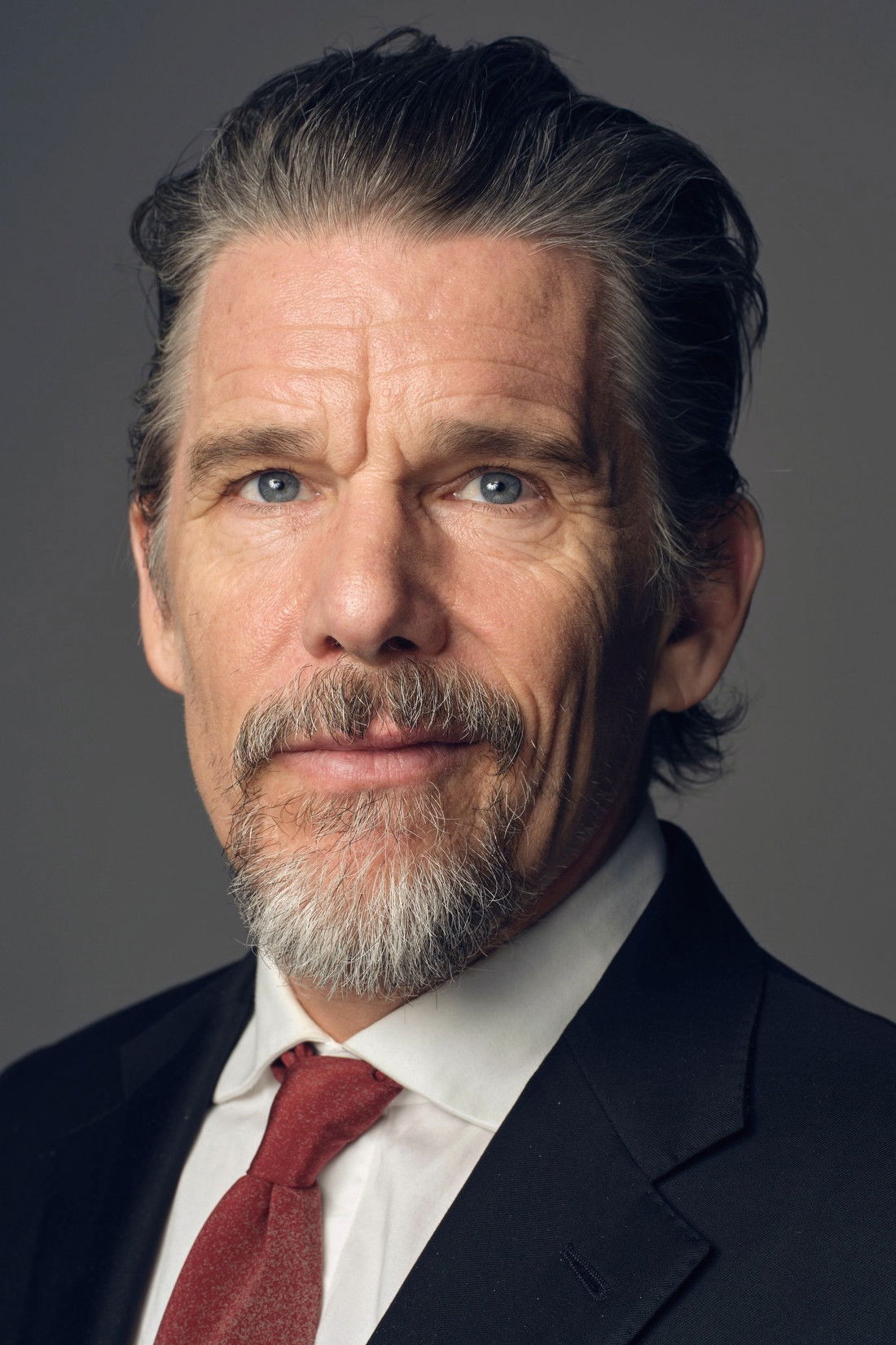
Ethan Hawke has long been a critic of the “hero” myth in American filmmaking, often choosing roles that emphasize human vulnerability. He frequently collaborates with directors who prioritize dialogue and character development over action-driven plots. In ‘First Reformed’, he plays a man struggling with despair and climate change rather than a figure of salvation. Hawke has stated in interviews that he is more interested in the “poetry of failure” than the “clichés of success.” His career is a testament to the pursuit of artistic truth over the repetition of comfortable cinematic tropes.
Joaquin Phoenix
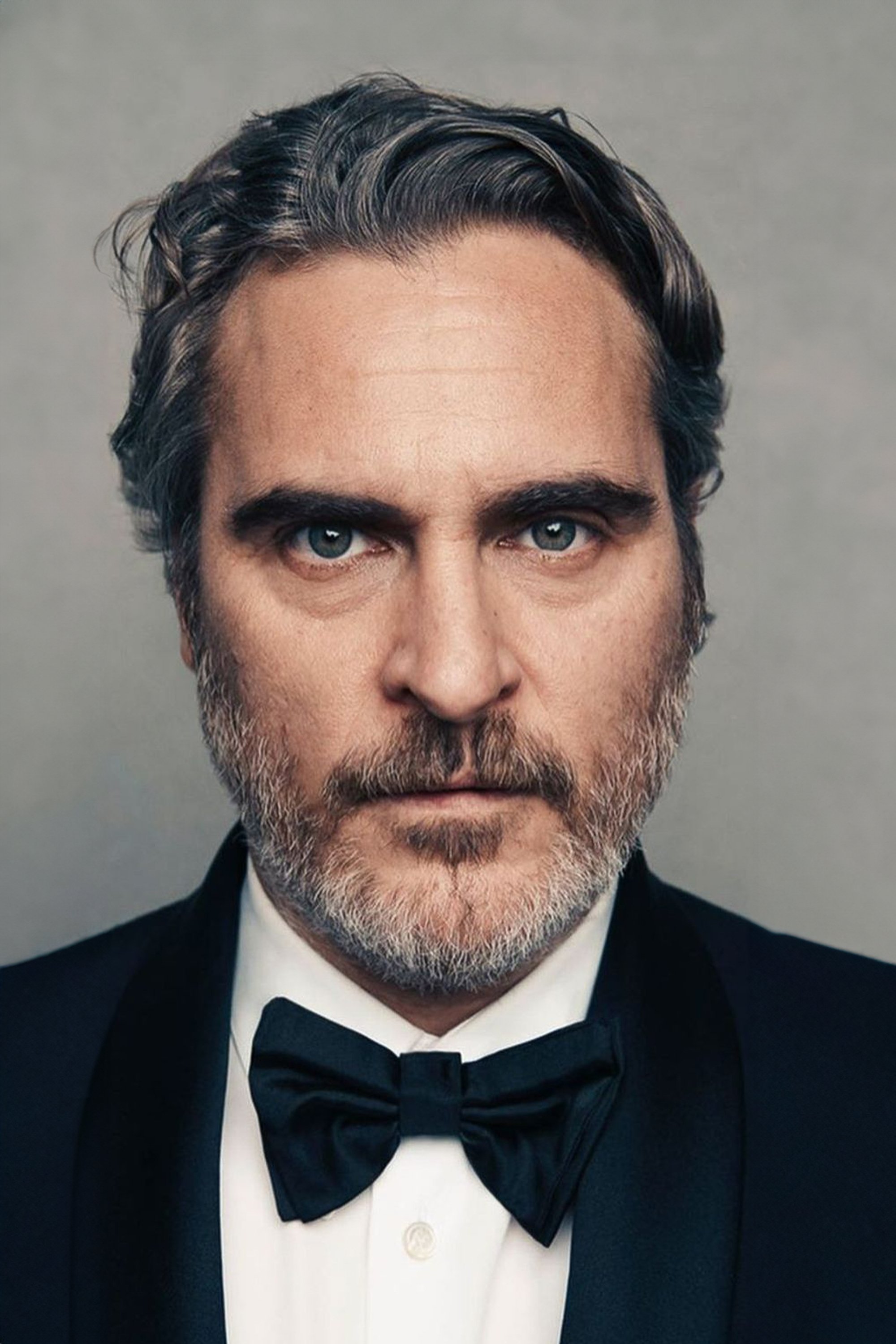
Joaquin Phoenix is known for playing characters who are deeply alienated and often in need of saving themselves. From ‘The Master’ to ‘Joker’, his roles focus on the fringes of society and the psychological breakdown of individuals. He rarely, if ever, accepts roles that position him as a moral compass or a rescuer of others. Phoenix’s approach to acting involves a total immersion into the flaws of a character, which inherently rejects the “savior” archetype. He has maintained a career that prioritizes the complexity of the human condition over traditional narrative satisfaction.
Cillian Murphy
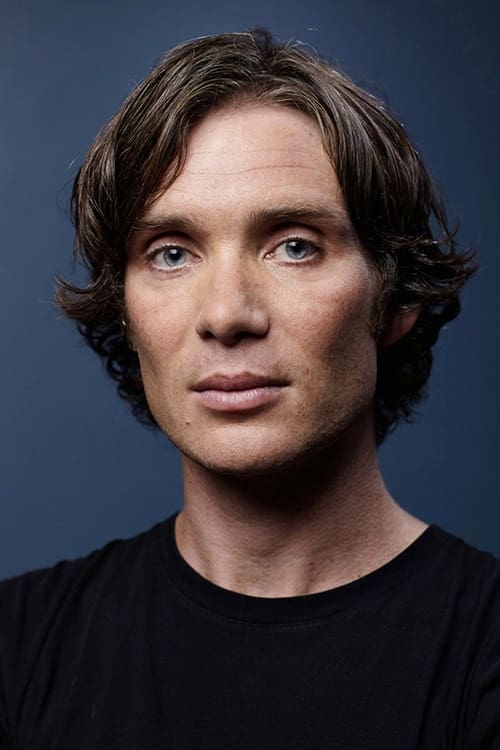
Cillian Murphy has built a career on playing intense, often morally ambiguous characters in both independent and big-budget films. He frequently works with Christopher Nolan, often playing characters who are cogs in a larger machine or antagonists. In ‘Peaky Blinders’, his character is a criminal whose actions are driven by trauma and ambition rather than altruism. Murphy tends to avoid roles that are purely heroic, preferring to explore the darker or more cerebral aspects of his subjects. His filmography is devoid of the typical “savior” narratives that characterize many leading men of his stature.
Adam Driver
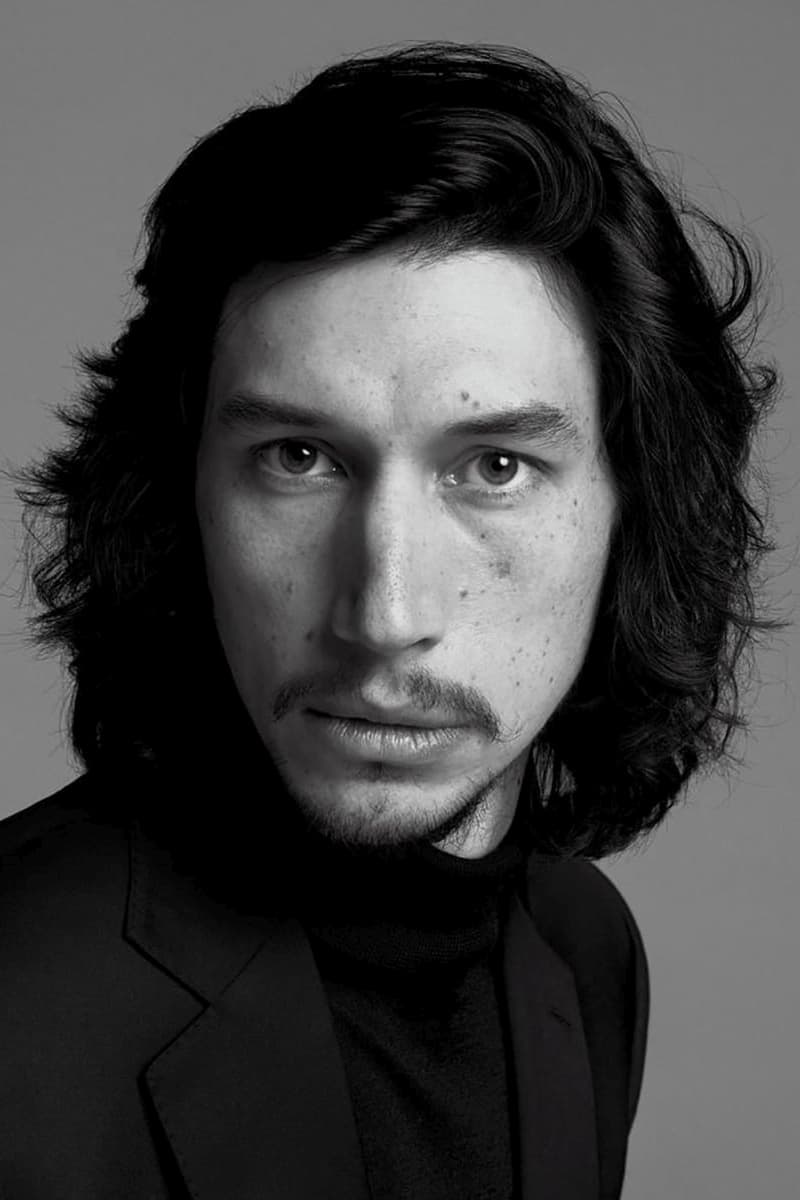
Adam Driver has a history of working with directors like Martin Scorsese and Spike Lee who actively deconstruct the role of the white protagonist. In ‘Silence’, his character is forced to confront the failure of his missionary work rather than being celebrated for it. In ‘BlacKkKlansman’, he plays a supporting role to the Black lead, serving as a tool for the investigation rather than the mastermind. Driver’s choices reflect a modern sensibility that understands the importance of narrative framing. He consistently avoids roles that rely on the “great man” theory of history.
Andrew Garfield
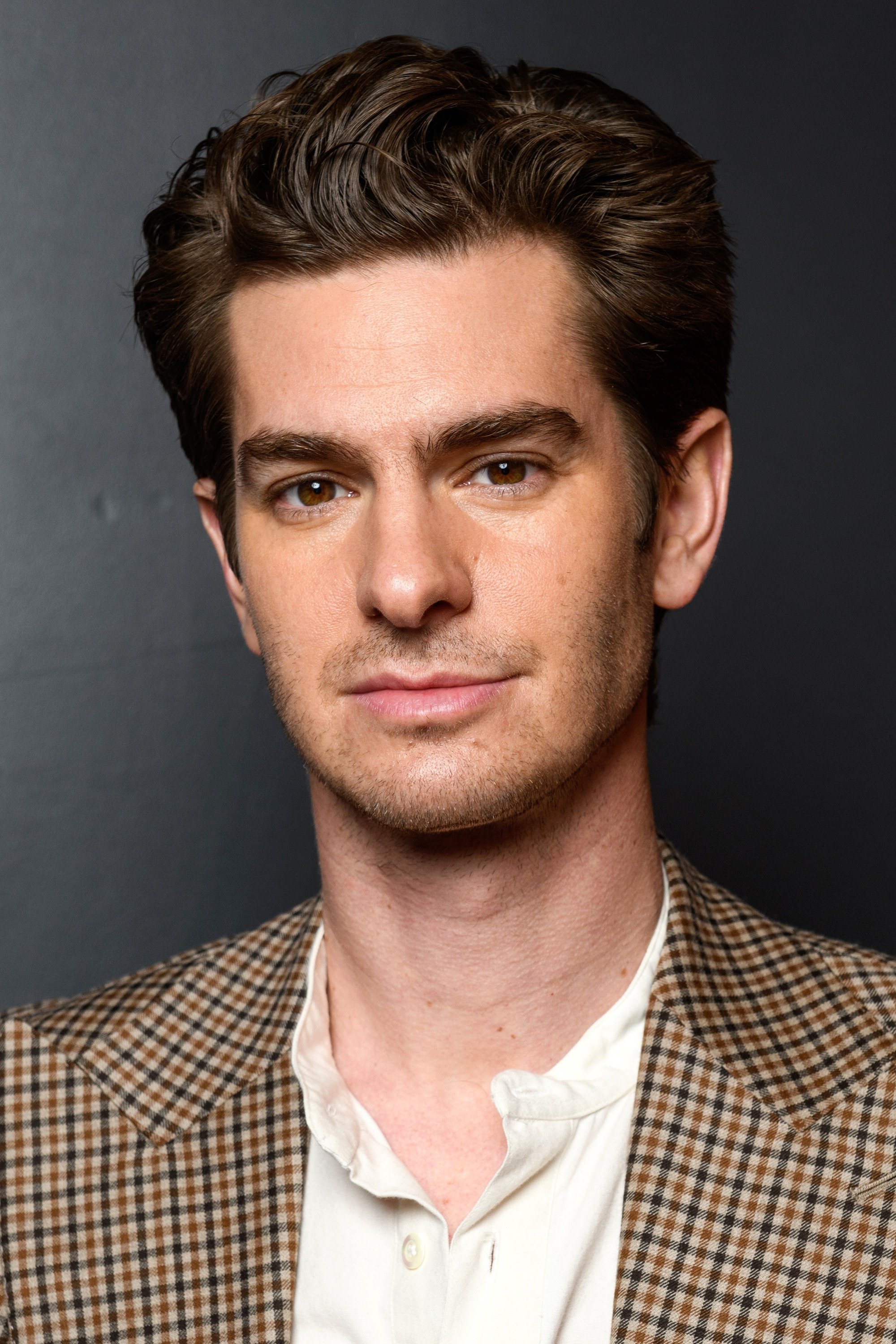
Andrew Garfield has spoken about his responsibility as an actor to choose stories that are meaningful and socially conscious. In ‘Silence’, he explored the theme of religious doubt and the arrogance of colonial missions alongside Adam Driver. He has expressed a desire to avoid roles that feel repetitive or that center his experience at the expense of others. Garfield’s work in ‘Hacksaw Ridge’ focused on a pacifist’s internal conviction rather than a traditional warrior’s triumph. He continues to seek out roles that challenge his own perspective and the audience’s expectations.
Willem Dafoe
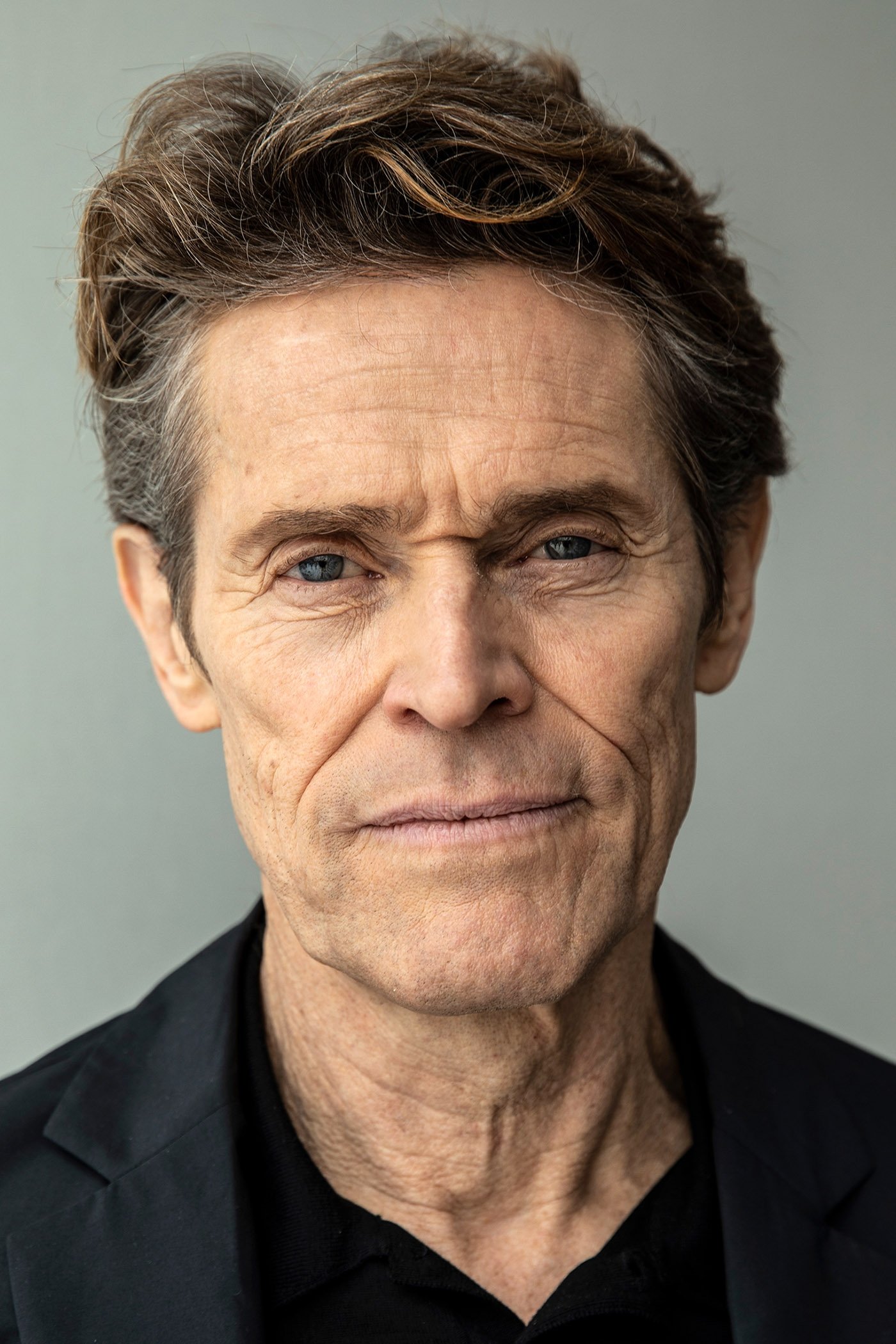
Willem Dafoe has one of the most eclectic filmographies in Hollywood, often choosing to work with international auteurs over domestic studios. He frequently plays characters who are eccentric, villainous, or deeply spiritual, such as in ‘The Last Temptation of Christ’. Dafoe avoids the “white savior” archetype by choosing projects where the narrative is driven by atmosphere and philosophy rather than plot-based heroics. His long-standing collaboration with directors like Lars von Trier and Robert Eggers highlights his interest in the macabre and the experimental. He remains a stalwart of cinema that prioritizes art over archetypal comfort.
Mads Mikkelsen
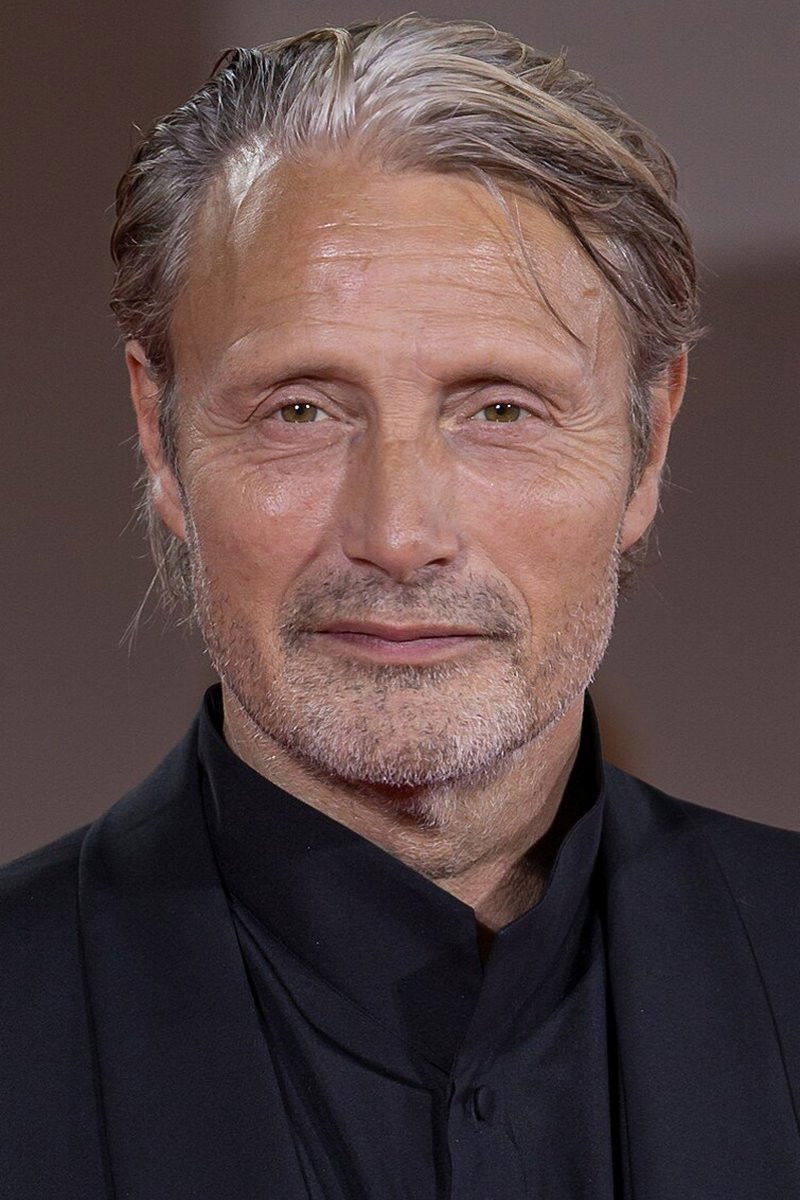
Mads Mikkelsen has transitioned between European art-house films and Hollywood blockbusters while maintaining his integrity. In his Danish films, like ‘The Hunt’ or ‘Another Round’, he portrays men who are victims of circumstance or struggling with mundane life. When he takes on Hollywood roles, he is often cast as the antagonist, which allows him to avoid the “savior” trope. Mikkelsen has expressed a preference for roles that have a “dual nature” and lack easy moral answers. His career demonstrates a clear avoidance of the “standard hero” path in favor of more nuanced portrayals.
Jake Gyllenhaal
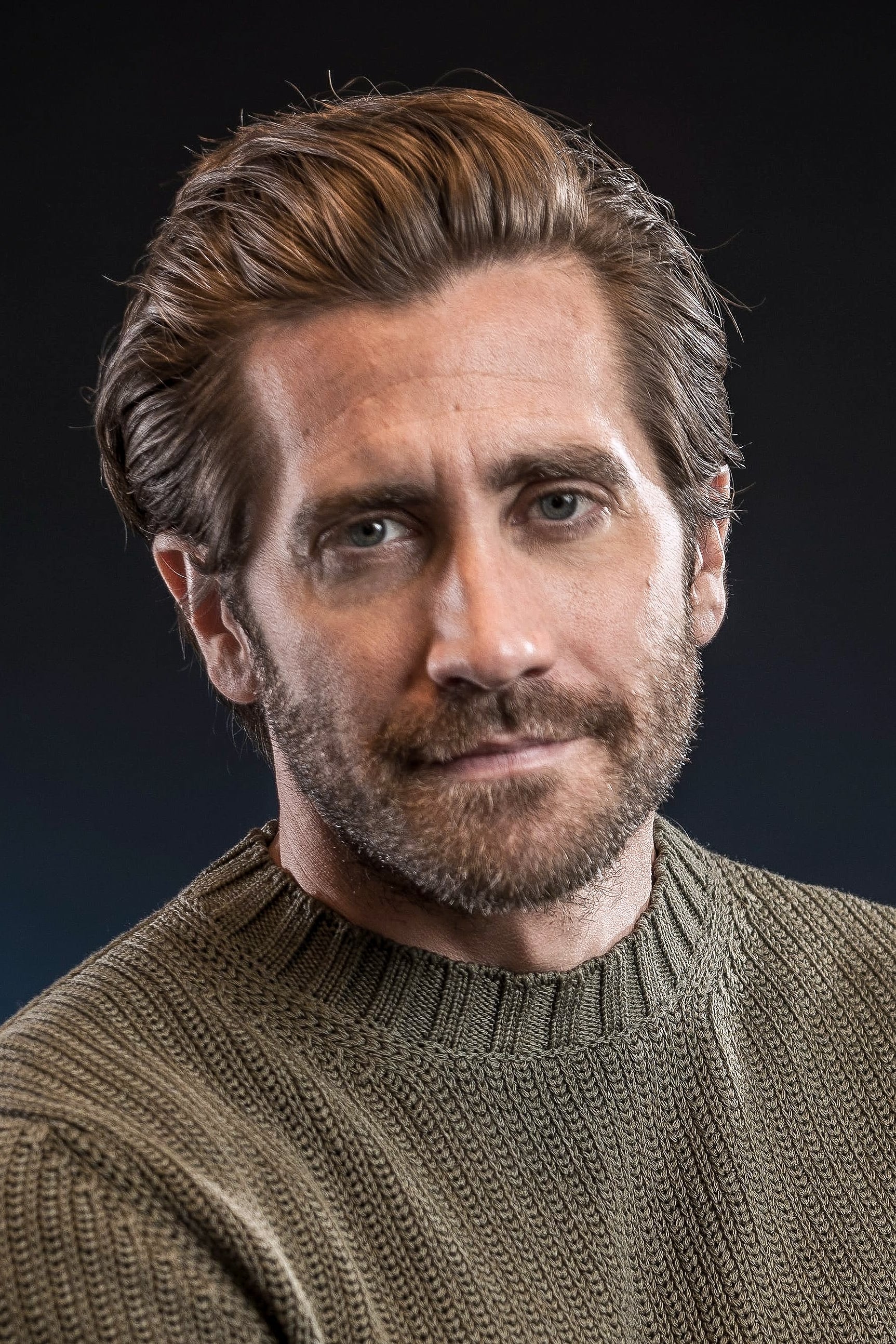
Jake Gyllenhaal has spent much of his career subverting the expectations of a leading man by playing obsessive or unhinged characters. In ‘Nightcrawler’, he portrays a predatory videographer who exploits the suffering of others for personal gain. His role in ‘Zodiac’ focuses on the futility of an obsession rather than the successful capture of a killer. By choosing roles that highlight the darker side of human ambition, Gyllenhaal avoids being cast as the traditional “good guy.” He has consistently steered his career toward psychological depth rather than narrative tropes.
Jesse Eisenberg
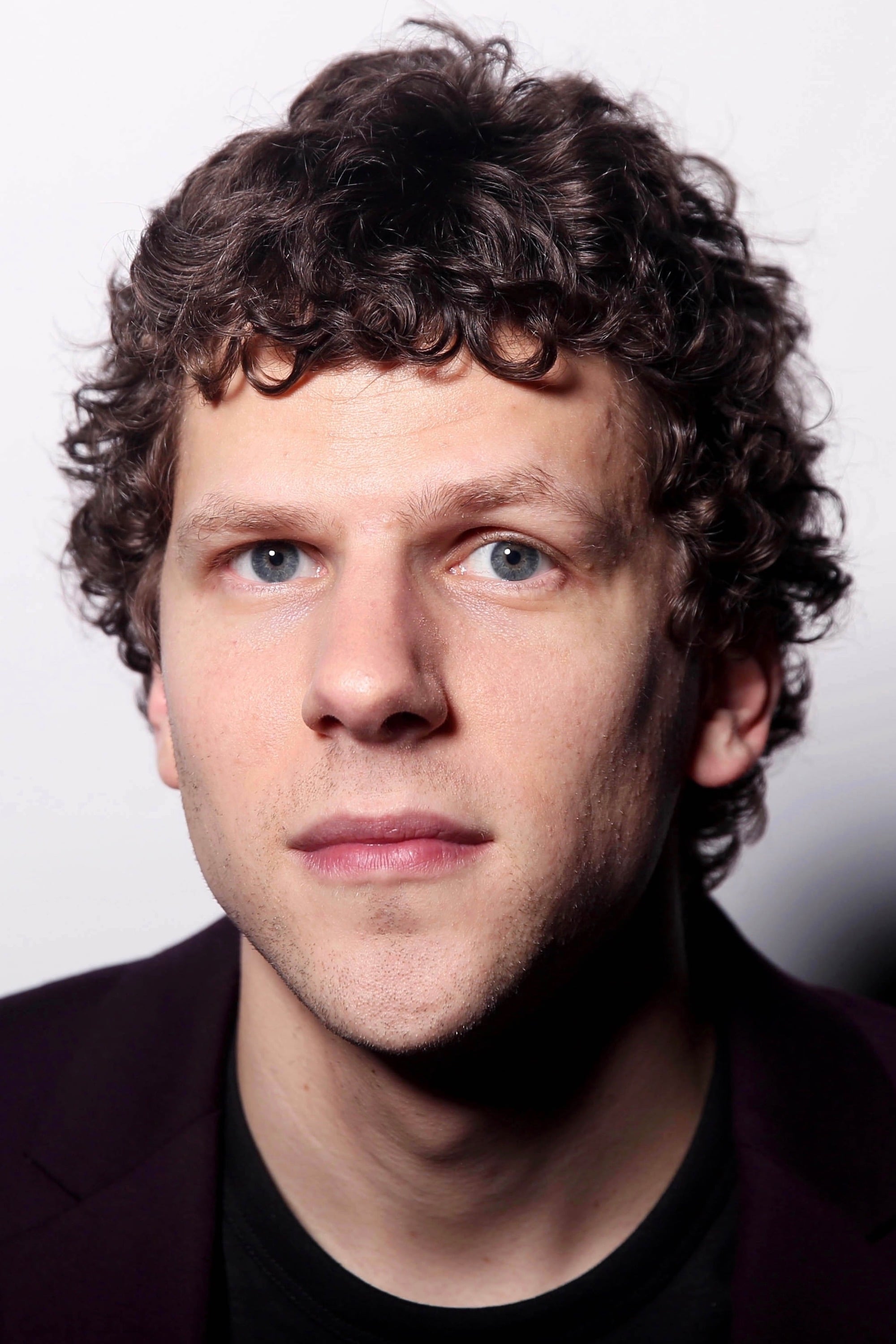
Jesse Eisenberg has carved out a niche playing characters who are intellectually gifted but socially inept or morally questionable. From ‘The Social Network’ to ‘The Art of Self-Defense’, his roles often examine the toxic aspects of modern masculinity. He avoids “savior” roles by playing characters who are often the source of their own problems or who are completely detached from the hero’s journey. Eisenberg’s work tends to be self-aware and critical of the archetypes it inhabits. He continues to choose projects that focus on the complexities of the ego rather than external altruism.
Timothée Chalamet
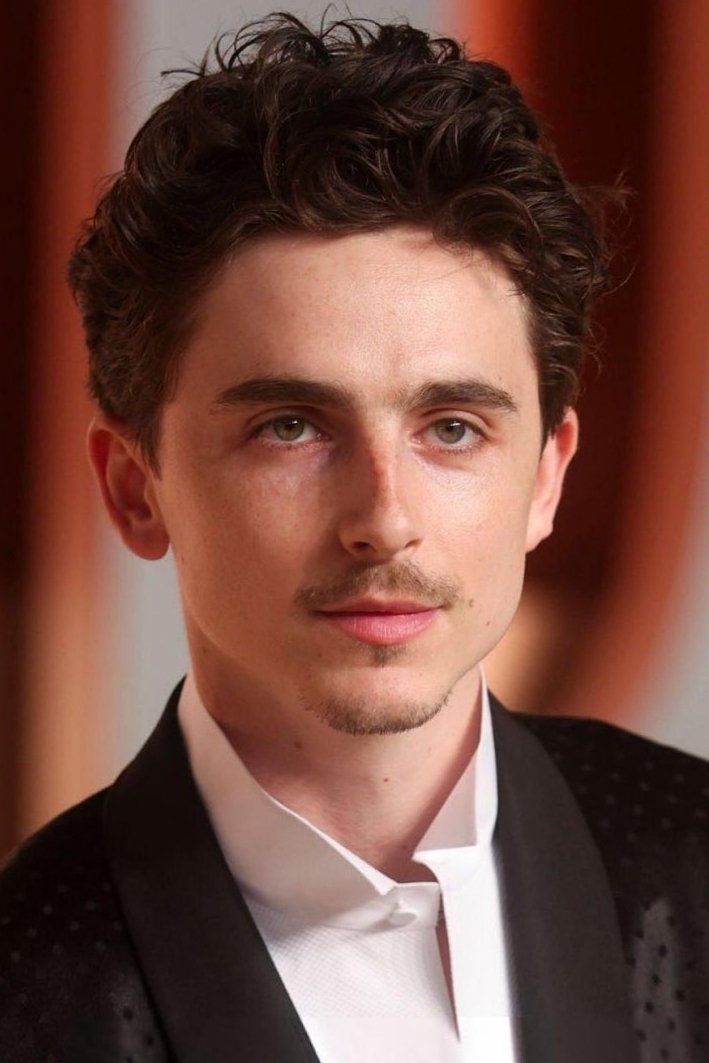
Timothée Chalamet has become a major star by choosing roles that emphasize emotional vulnerability and coming-of-age struggles. In ‘Call Me by Your Name’ and ‘Beautiful Boy’, his characters are defined by their internal growth and relationships rather than external heroics. He has avoided the typical “action hero” or “savior” scripts that are often offered to young leading men. Even in ‘Dune’, the narrative specifically critiques the “messiah” trope and the dangers of the “savior” figure. Chalamet’s filmography reflects a new generation of actors who are conscious of the impact of their roles.
Colin Farrell
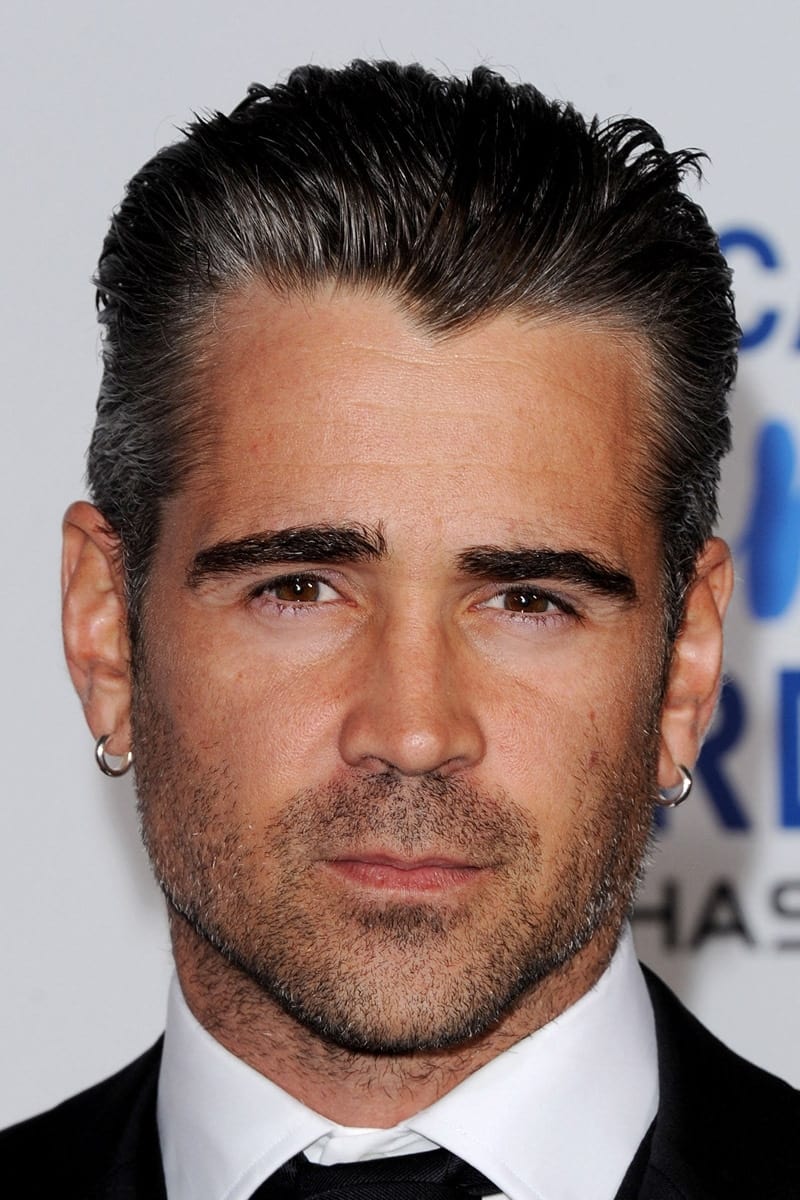
Colin Farrell has shifted from being a traditional Hollywood leading man to a versatile character actor in independent films. He has collaborated extensively with director Yorgos Lanthimos on films like ‘The Lobster’ and ‘The Killing of a Sacred Deer’, which deconstruct societal norms. Farrell often plays characters who are pathetic, confused, or part of a bizarre ensemble, effectively avoiding the “savior” archetype. His recent work in ‘The Banshees of Inisherin’ focuses on the breakdown of a friendship in a small community. This career trajectory shows a deliberate move away from the “action hero” roles of his early years.
Benedict Cumberbatch
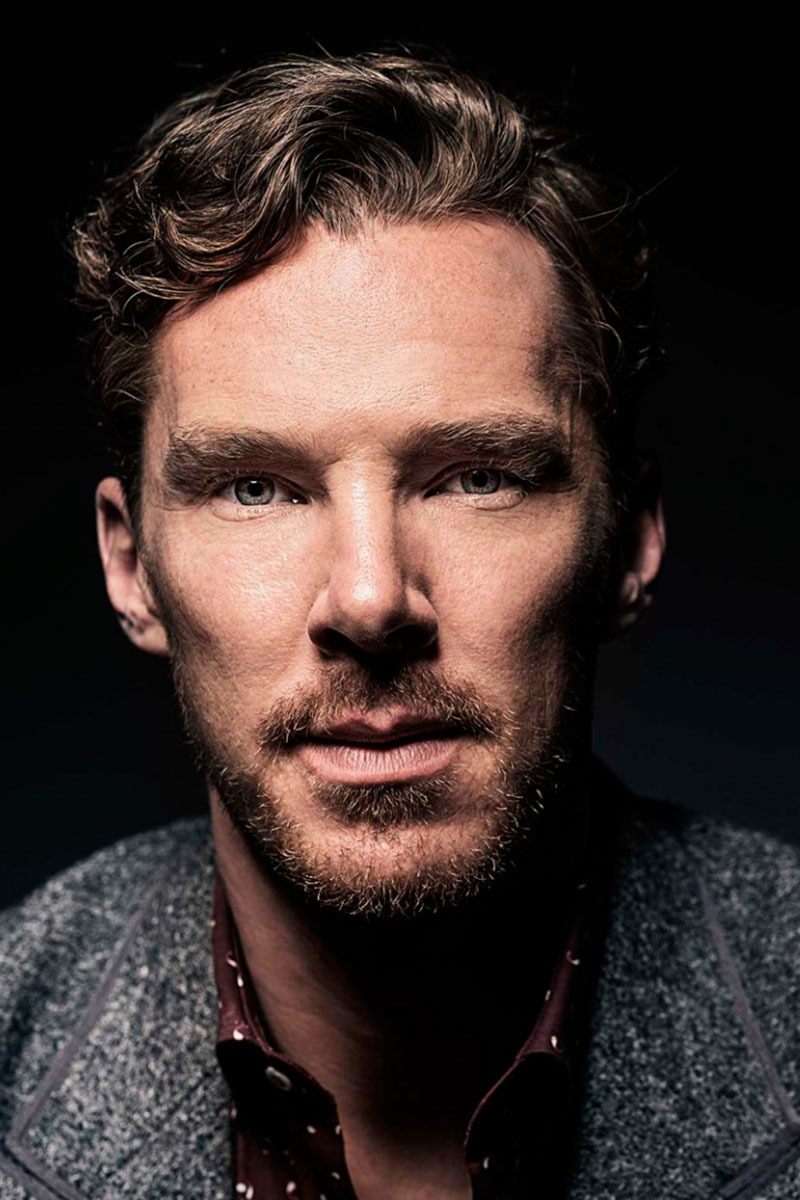
Benedict Cumberbatch often plays characters who are highly intelligent but emotionally stunted, such as in ‘Sherlock’ or ‘The Imitation Game’. In ‘The Power of the Dog’, he portrayed a deeply repressed and cruel rancher, a role that explicitly deconstructed Western myths. He has been vocal about his commitment to projects that feature gender and racial parity behind the scenes. Cumberbatch avoids the “white savior” trope by selecting roles where his intellect is a flaw or where the narrative focus is shared with a diverse cast. His production company, SunnyMarch, also prioritizes stories with social relevance and diverse perspectives.
Tom Hardy
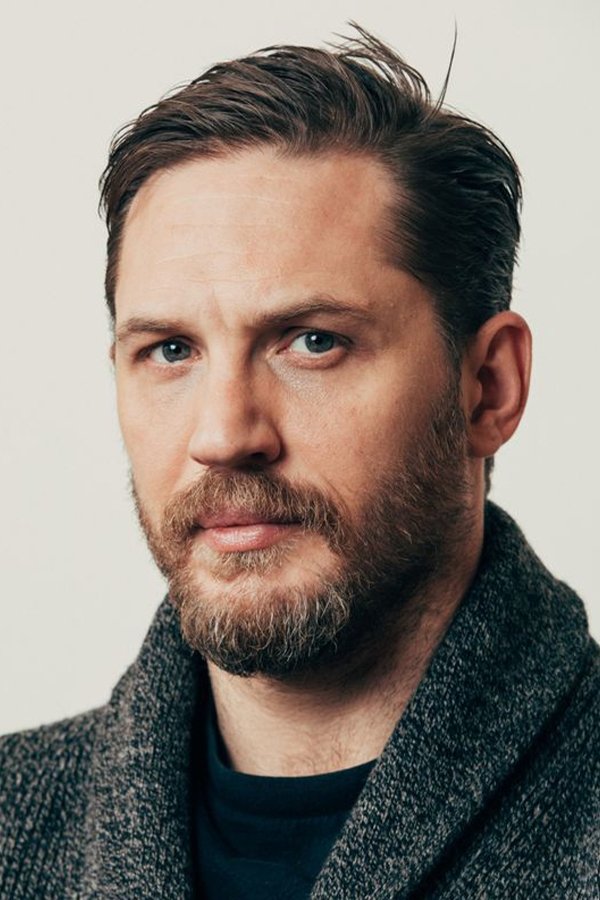
Tom Hardy is known for his physical transformations and his preference for playing anti-heroes or complex antagonists. In ‘Mad Max: Fury Road’, his character is essentially a passenger in Furiosa’s journey, a choice that subverted the “male savior” expectation. Hardy often chooses roles where his character’s motivations are internal and survival-based rather than altruistic. He has played a variety of outcasts and criminals, from ‘Bronson’ to ‘Legend’, that stay far away from traditional heroic archetypes. His career is defined by a refusal to play the “clean-cut” hero in favor of something more visceral.
Share which actor you believe has the most impact on modern storytelling in the comments.