Actors Who Refused to Let Writers Turn Their Iconic Classic Heroes Into Villains

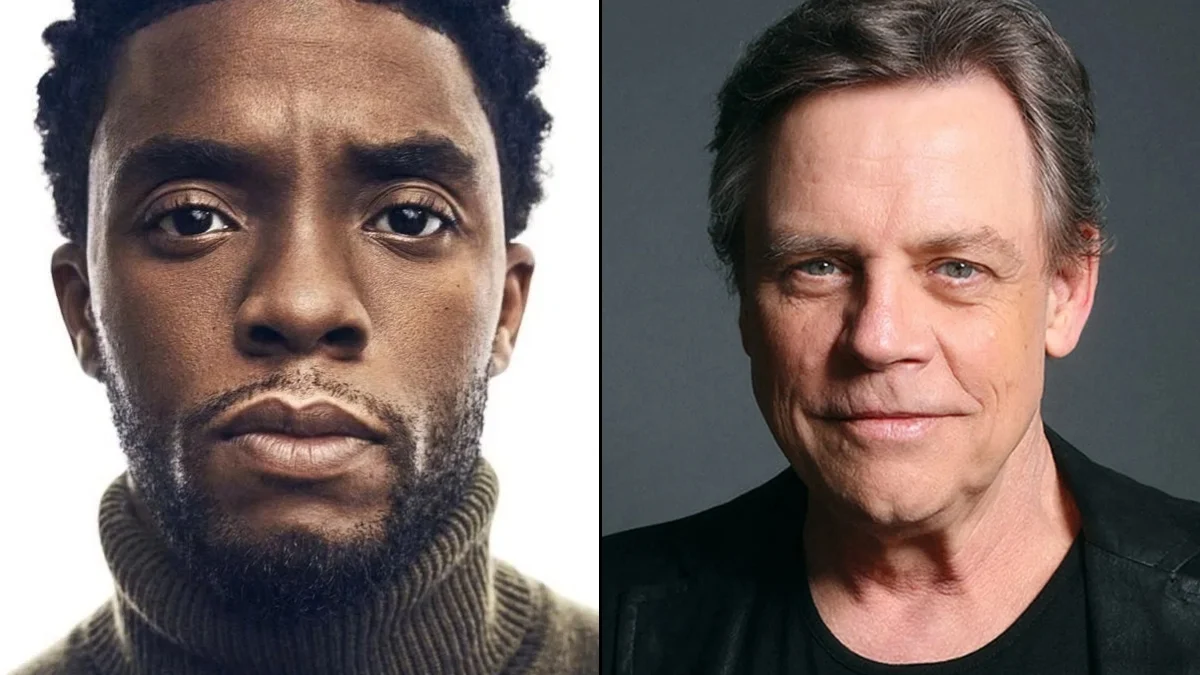

Maintaining the integrity of a beloved character often requires a firm hand from the actors who embody them on screen. While writers and directors sometimes seek to subvert expectations by deconstructing heroes or pushing them toward villainy, certain stars have famously intervened to protect their characters’ moral legacies. These actors leverage their creative influence to ensure that their iconic roles remain symbols of heroism and virtue for their audience. By refusing to let their characters succumb to darker narrative trends, they preserve the fundamental essence of the legends they helped create.
Sylvester Stallone
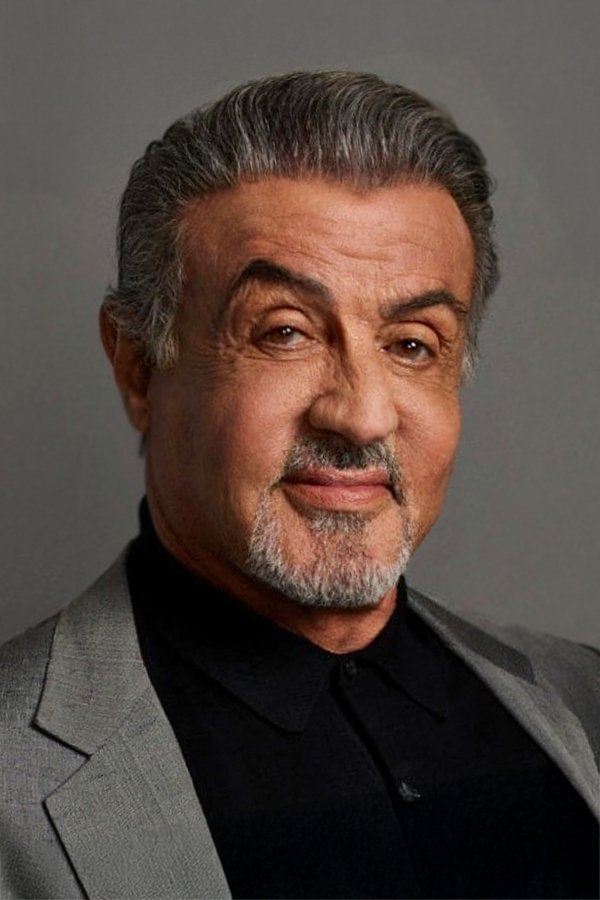
In the original script for ‘First Blood’, John Rambo committed suicide at the end of his standoff with the authorities. Stallone insisted on changing this conclusion, arguing that the character deserved to survive and that a heroic path was more fitting for a veteran. This choice prevented the character from being remembered as a tragic villain or a cautionary tale of terminal violence. His intervention allowed the character to evolve into a cinematic icon of resilience across multiple sequels.
Henry Cavill
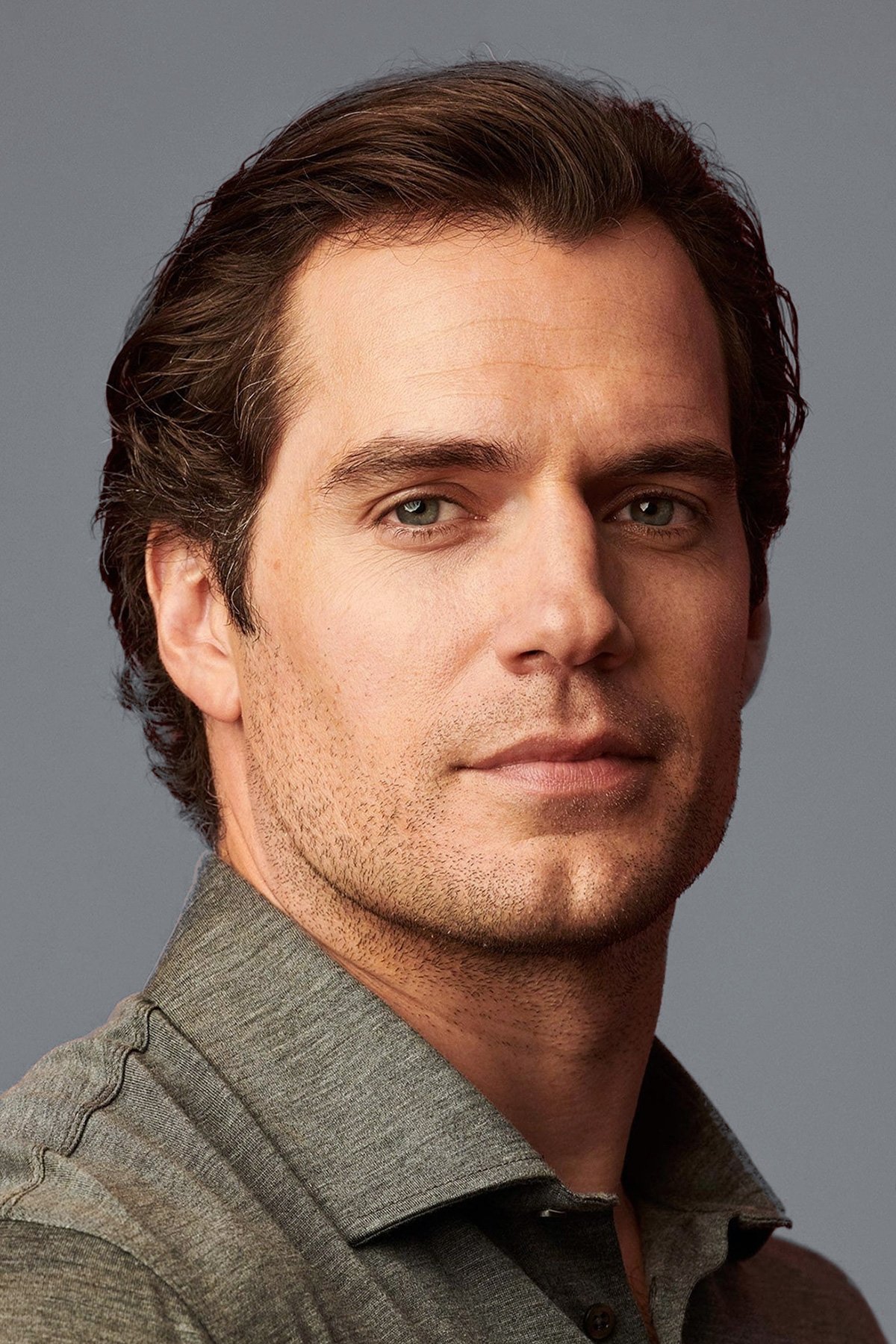
Throughout the production of ‘The Witcher’, Cavill frequently advocated for a portrayal of Geralt of Rivia that honored the noble qualities found in the original books. He reportedly pushed back against script changes that aimed to make the character more cynical or stripped away his intellectual and heroic depth. Cavill was vocal about his desire to keep the character grounded in a specific moral code that writers occasionally sought to bypass. His commitment ensured that the “White Wolf” remained a principled hero despite the dark world around him.
Mark Hamill
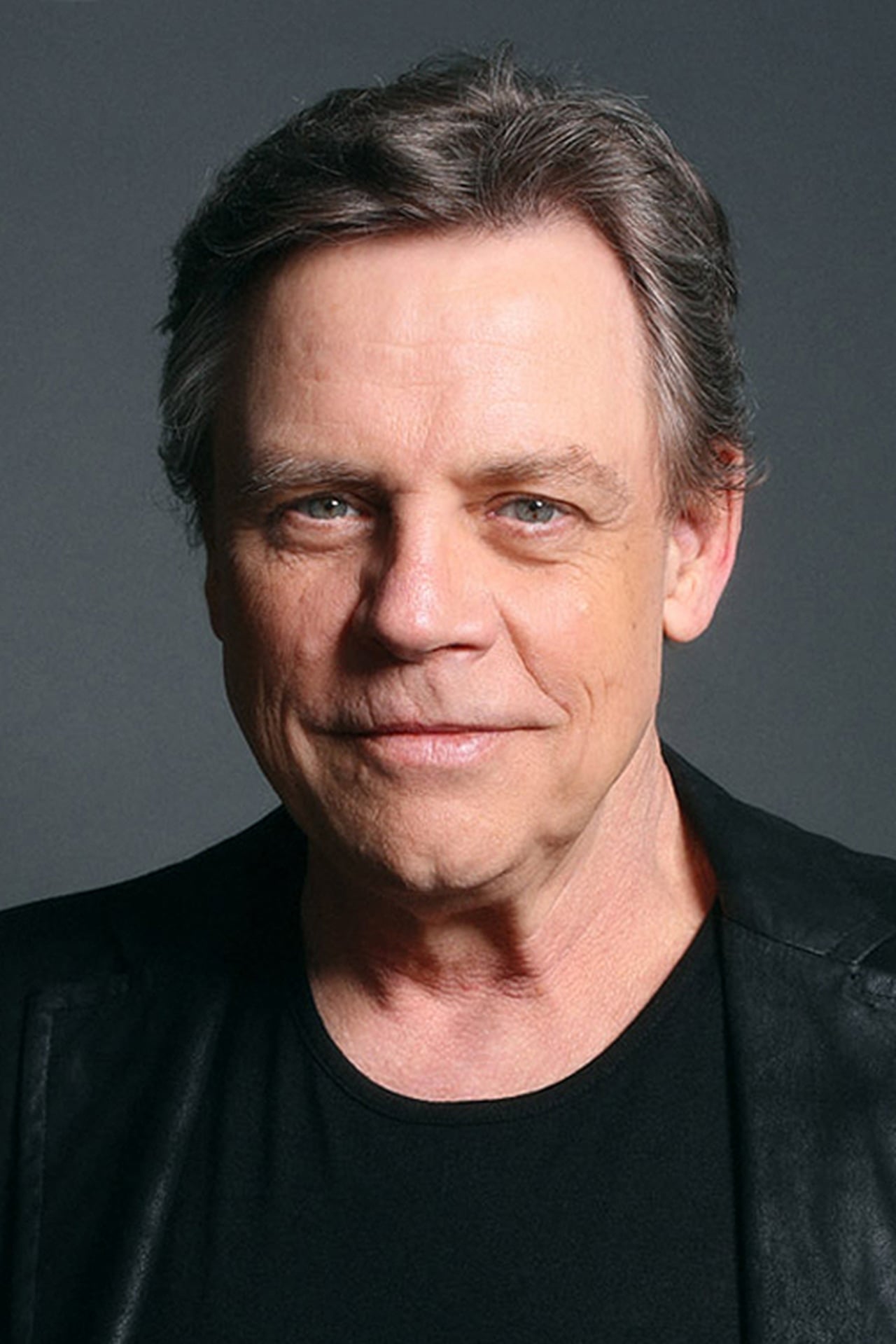
The actor expressed strong opposition to the characterization of Luke Skywalker as a cynical and defeated hermit in ‘Star Wars: The Last Jedi’. Hamill famously told the production team that a Jedi of Luke’s stature would never give up on the fight or his friends, even in the face of great failure. Although he eventually followed the director’s vision, he remained a public advocate for the character’s traditional heroic legacy. His resistance highlighted the tension between maintaining a classic hero’s image and modern narrative deconstruction.
Dwayne Johnson
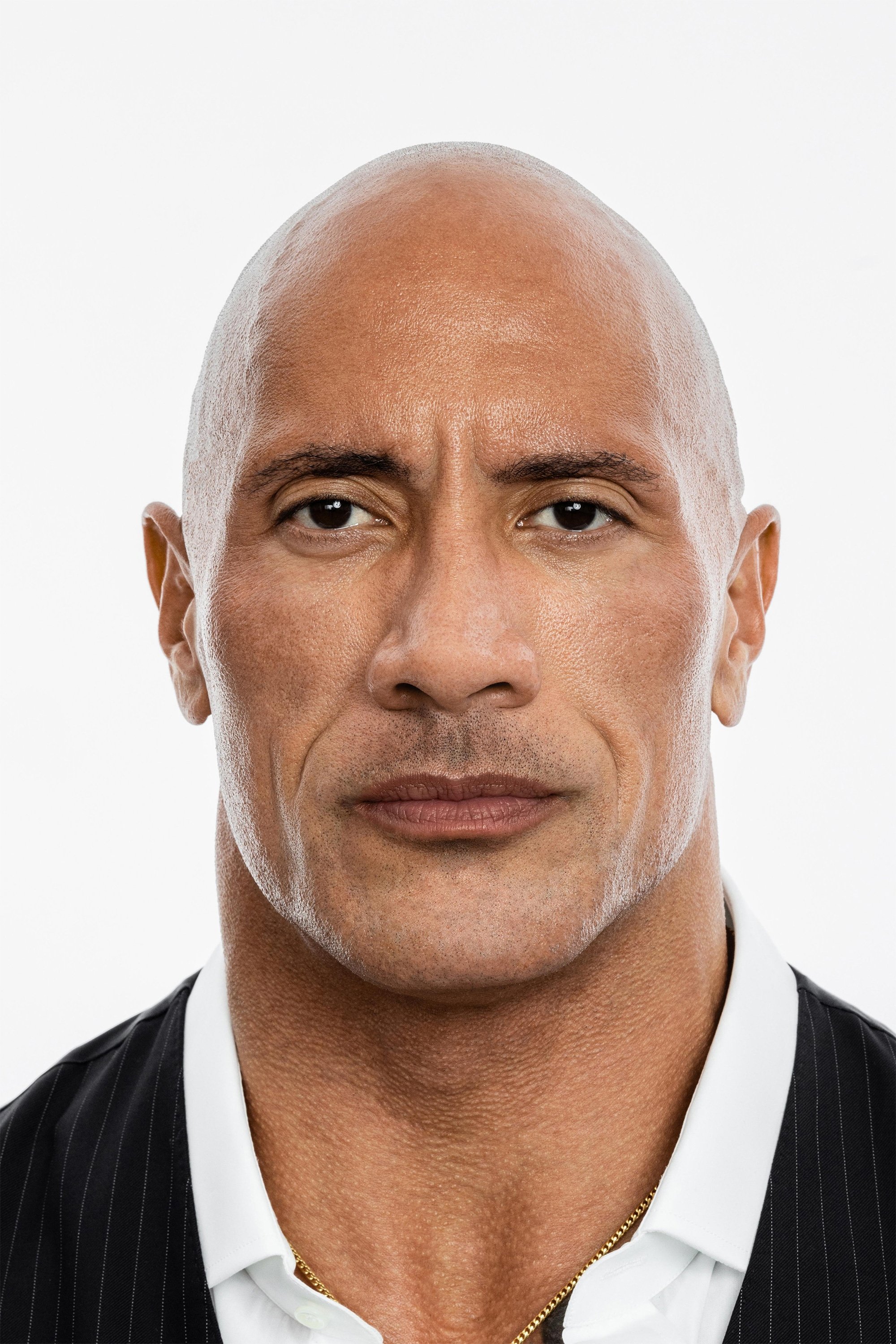
During the development of ‘Black Adam’, Johnson spent years ensuring the character would not be introduced as a secondary villain in a ‘Shazam!’ film. He campaigned for a standalone movie where the character could be portrayed as a complex anti-hero with a heroic sense of justice for his people. Johnson’s influence prevented the character from being a one-dimensional antagonist, instead framing him as a liberator. This effort was driven by his desire to keep the character’s legacy rooted in strength and nobility.
Tom Cruise
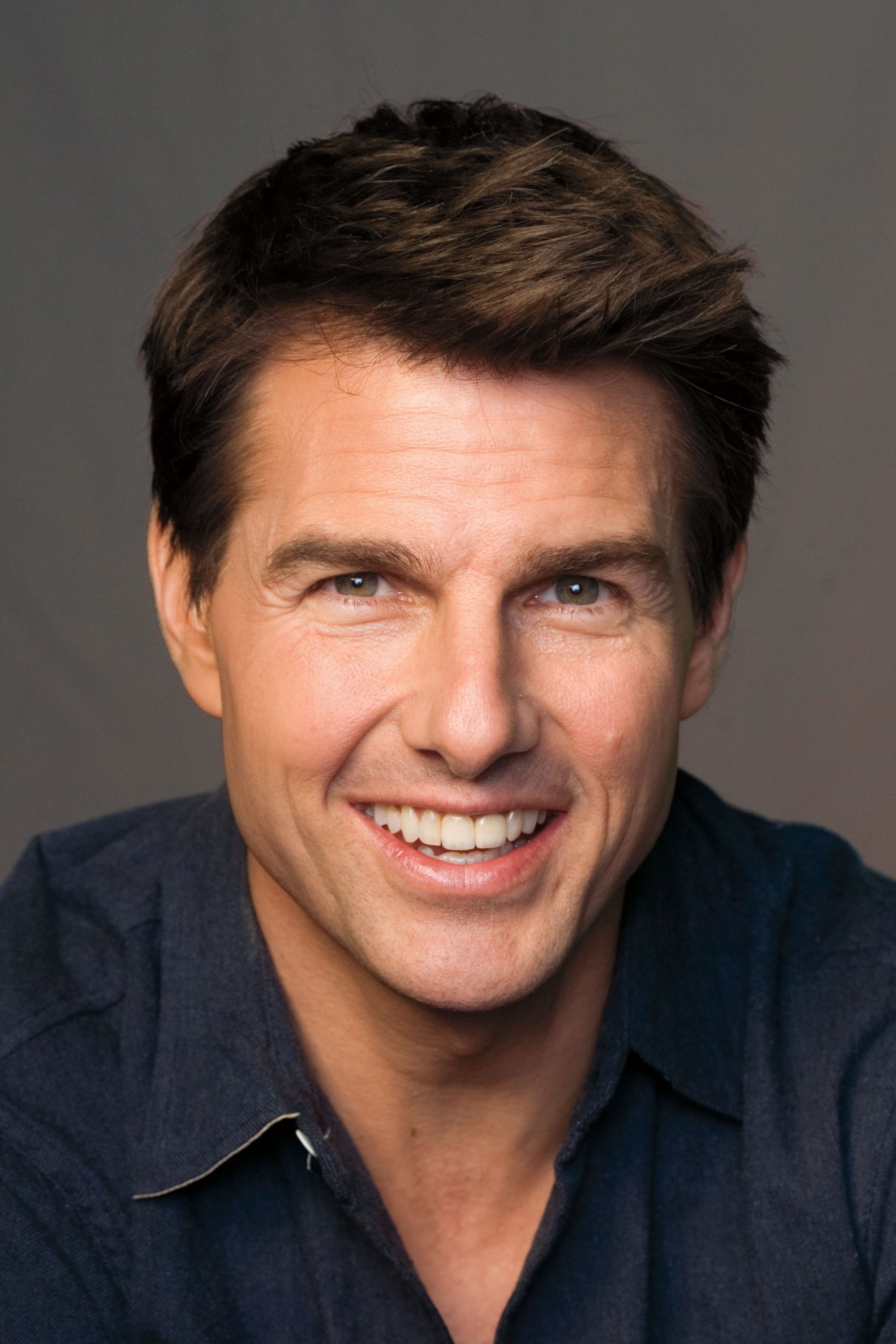
Across several decades of the ‘Mission: Impossible’ series, Cruise has acted as a guardian for the moral character of Ethan Hunt. He has consistently turned down ideas that would involve Hunt betraying his principles or acting as a traditional anti-hero. Cruise views Hunt as a character who must always strive to do the right thing, regardless of the personal or professional consequences. This dedication to a classic heroic archetype has defined the character’s enduring appeal in the action genre.
Will Smith
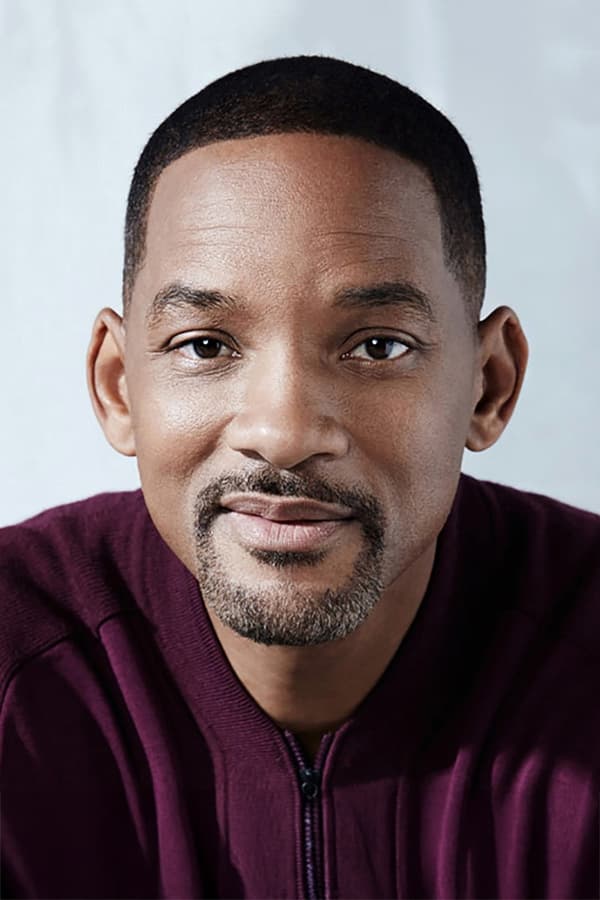
The production of ‘I Am Legend’ originally filmed a climax where Robert Neville discovers he is the villain in the eyes of the infected “darkseekers.” After negative reactions from test audiences, Smith supported the decision to pivot toward a more traditionally heroic ending. In the final version, his character sacrifices himself to save a cure that will ensure the survival of humanity. This change allowed Neville to be remembered as a savior rather than a predator of a new world order.
Christopher Reeve
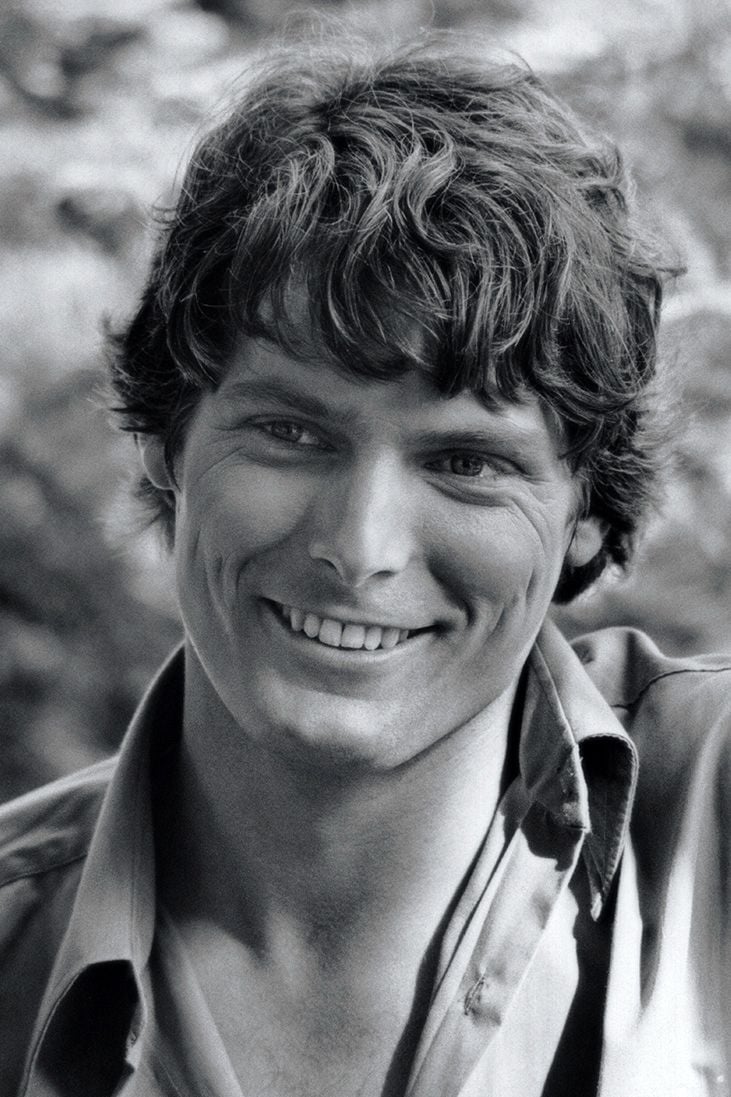
When working on ‘Superman IV: The Quest for Peace’, Reeve used his creative influence to ensure the film carried a message of hope and global unity. He resisted any attempts to make the Man of Steel a darker or more politically aggressive figure during a period of gritty comic book shifts. Reeve insisted that the character’s core morality and commitment to non-violent solutions remain his defining traits. His work on the story helped preserve the character’s status as the ultimate symbol of cinematic heroism.
Patrick Stewart
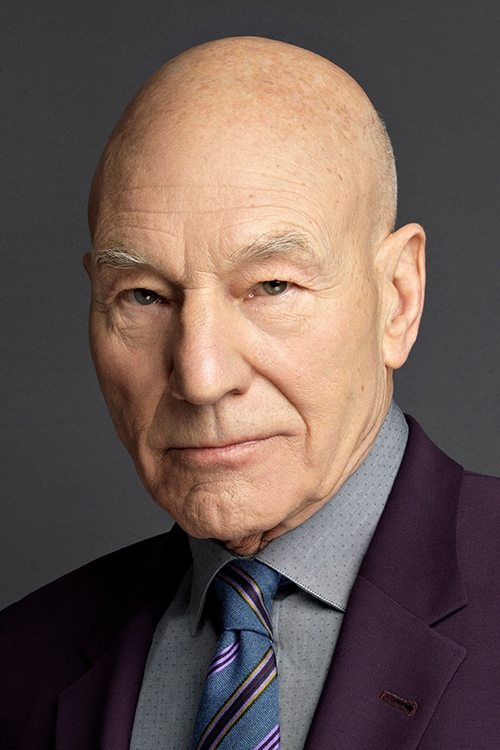
Before agreeing to return for ‘Star Trek: Picard’, Stewart demanded that the character not be portrayed as a broken or cynical shell of his former self. He wanted to ensure that Jean-Luc Picard remained a man of integrity and intellectual curiosity, even in a different stage of his life. Stewart worked with the writers to refine the scripts so that the character’s actions remained consistent with his heroic history in ‘Star Trek: The Next Generation’. His persistence ensured that Picard’s legacy as a moral leader remained untarnished.
Vin Diesel
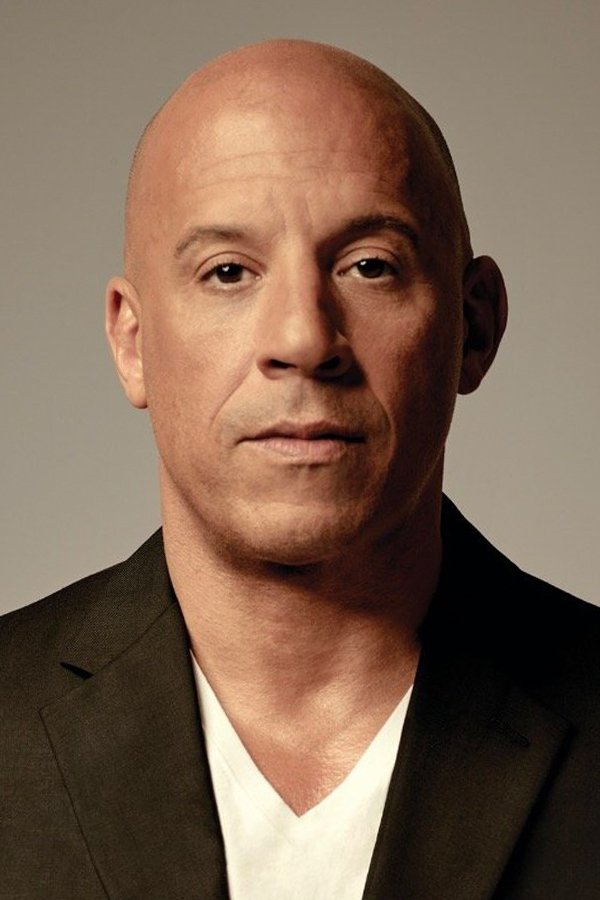
As the creative force behind the ‘Fast & Furious’ franchise, Diesel has strictly enforced a code of honor for the character of Dominic Toretto. He has resisted plot points that would see Toretto become a standard criminal or an irredeemable villain. Even when the narrative places the character in antagonistic roles, Diesel ensures there is always an underlying heroic motive tied to “family.” This insistence on moral consistency has kept the character a hero in the eyes of the global audience.
Harrison Ford
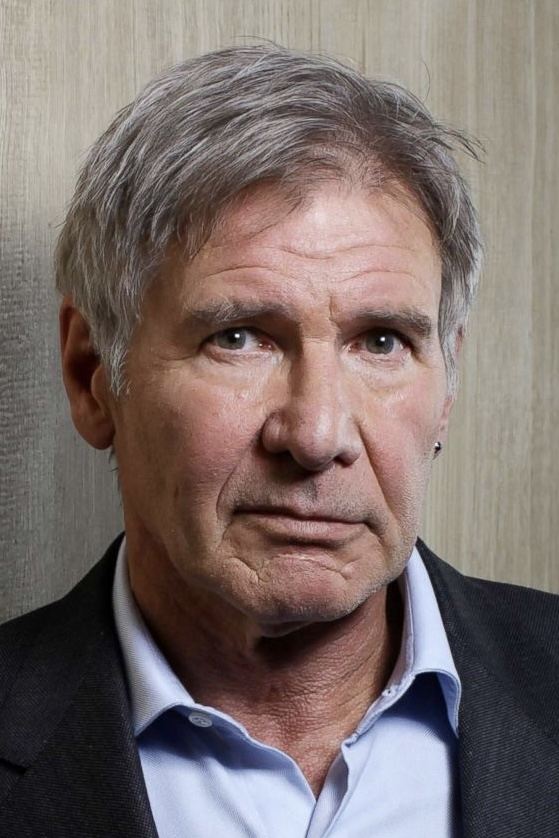
During the development of various ‘Indiana Jones’ projects, Ford has been instrumental in keeping the character’s heroic spirit alive. He has often pushed back against ideas that would make the archaeologist appear too jaded or disconnected from his adventurous roots. Ford insists that while the character can be grumpy or exhausted, his fundamental desire to protect history and do good must remain. This creative oversight has ensured that the character’s portrayal remains consistent and heroic across multiple films.
Chadwick Boseman
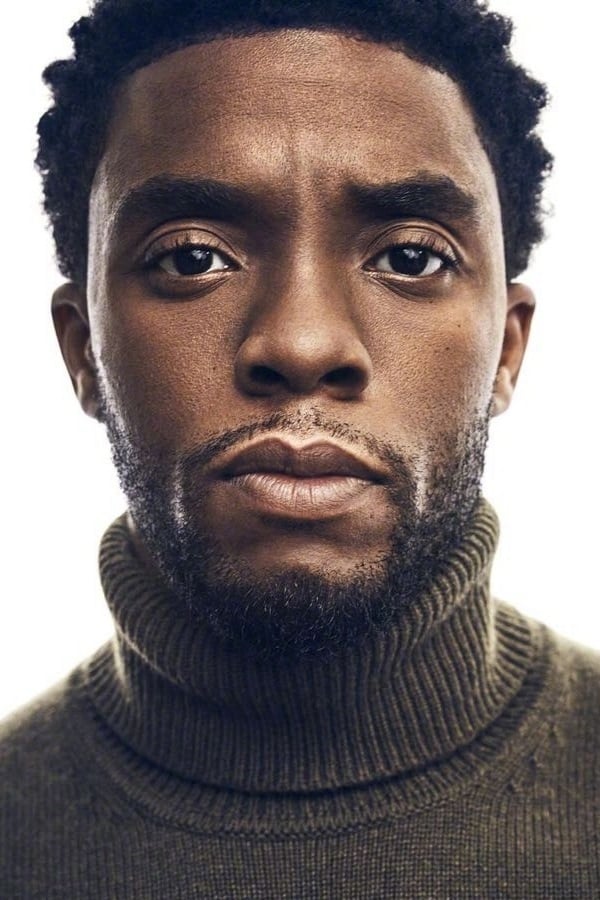
The late actor took great care in how T’Challa was represented in ‘Black Panther’ and the wider Marvel Cinematic Universe. He worked closely with director Ryan Coogler to ensure the King of Wakanda remained a noble and measured leader rather than an aggressive warrior. Boseman was known to challenge script elements that he felt did not align with the dignity and heroic stature of the character. His dedication ensured that T’Challa became a global icon of principled leadership and strength.
Hugh Jackman
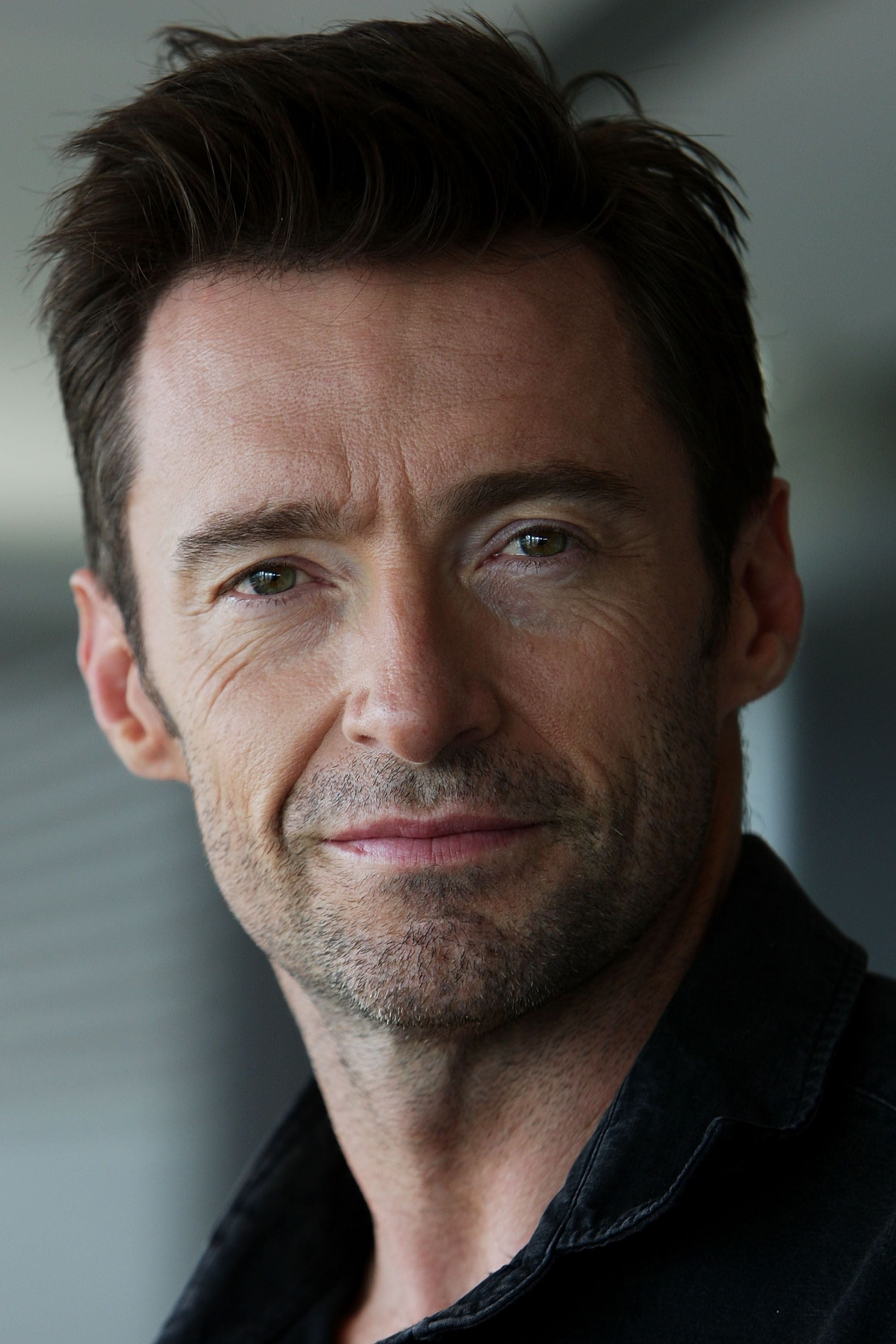
In crafting the final chapter for his character in ‘Logan’, Jackman focused on ensuring the story was one of redemption. While the film explored the darker and more violent aspects of the character, he insisted that the narrative arc conclude with a heroic act of sacrifice. Jackman worked to make sure that Logan’s violence was always framed as a tool for protection rather than a descent into villainy. This approach allowed the character to end his cinematic journey as a definitive hero.
Keanu Reeves
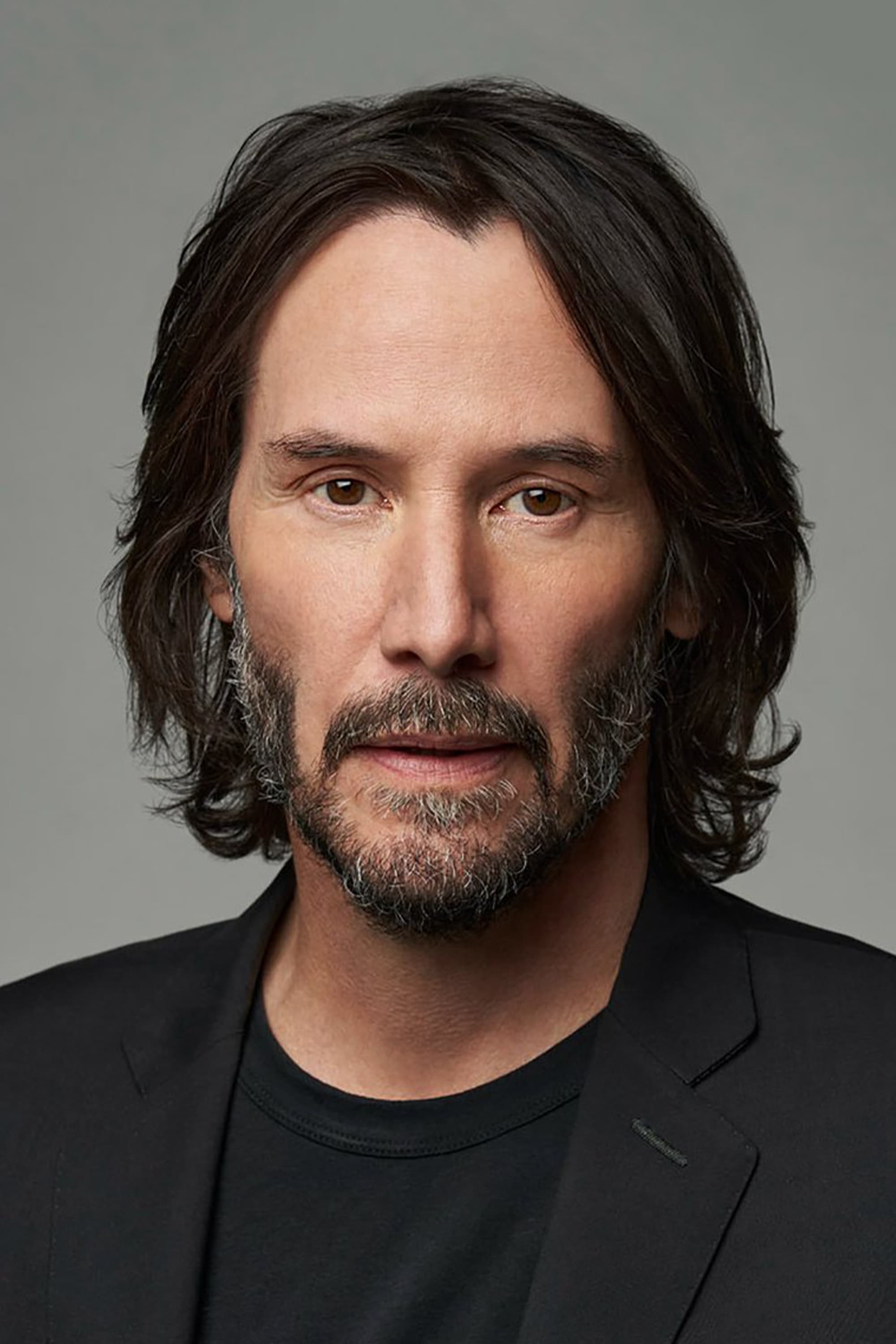
In his portrayal of characters like John Wick and the titular lead in ‘Constantine’, Reeves often insists on a specific moral grounding. For ‘Constantine’, he emphasized the character’s desperate search for redemption and his ultimate choice to sacrifice himself for another. Reeves brings a sense of inherent goodness to roles that could easily be played as purely cynical or dark. His influence ensures that even his most violent characters retain a sympathetic, heroic core.
Bruce Willis
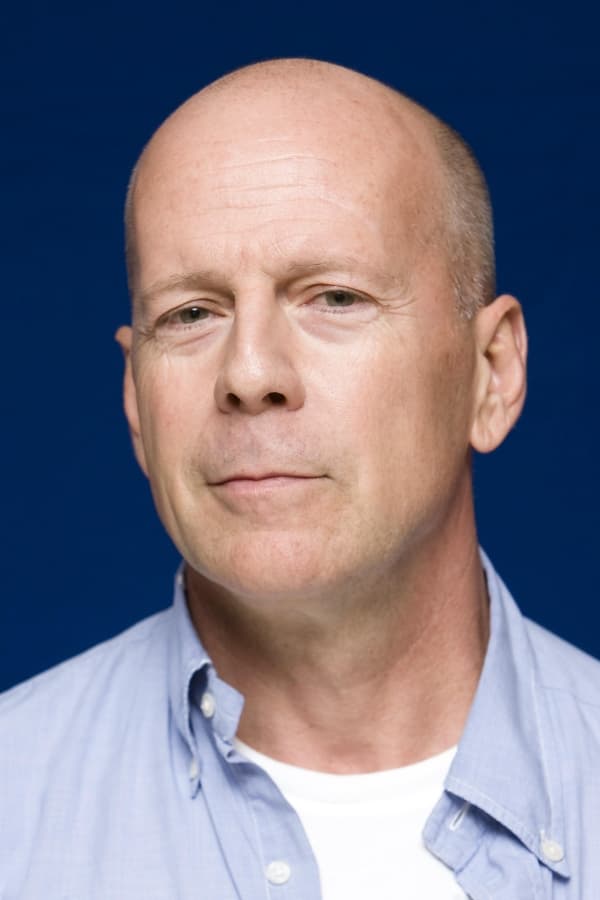
During his long tenure as John McClane in the ‘Die Hard’ series, Willis fought to keep the character’s grounded “everyman” heroism at the forefront. He frequently pushed back against writers who wanted to turn McClane into a cartoonish or overly aggressive action star. Willis wanted to ensure that the character’s motivations were always rooted in his love for his family and his sense of duty. By maintaining this focus, he prevented the character from losing the relatable heroism that made the original film a classic.
Liam Neeson
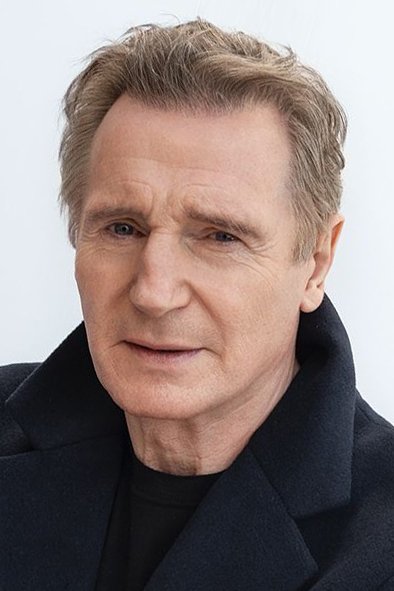
Throughout the ‘Taken’ trilogy, Neeson worked to ensure that Bryan Mills remained a sympathetic father driven by necessity rather than a cold-blooded assassin. He reportedly pushed back against script elements that would have made the character’s violence feel gratuitous or lacking in moral justification. Neeson insisted that the character’s motivations always stem from the protection of his family, keeping him firmly in the role of a hero. This focus on parental devotion helped maintain the character’s appeal even as the action became increasingly intense.
Share which of these heroic stands surprised you the most in the comments.