Actors Who Secretly Hid Their Bisexuality Because Hollywood Deemed It “Too Risky”

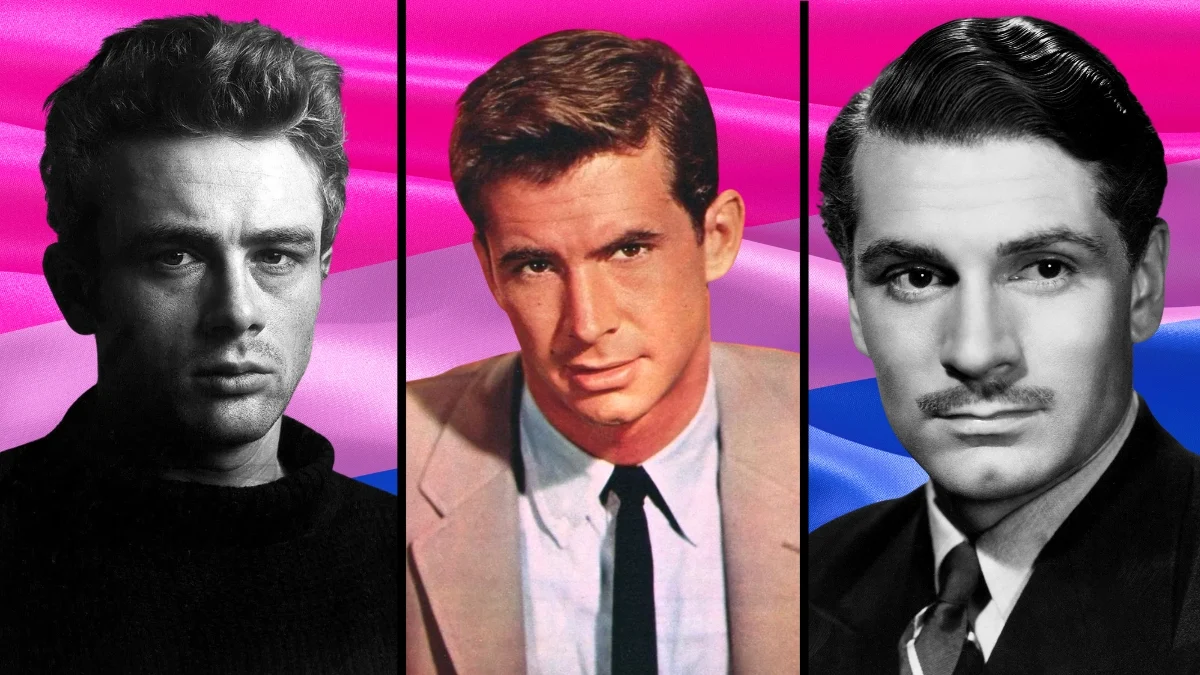

For decades, the Hollywood studio system operated under a strict moral code that prioritized a curated public image over the authentic lives of its stars. Leading men were expected to embody traditional masculine ideals, making any deviation from heterosexuality a perceived threat to their commercial viability. Many actors lived double lives, navigating secret relationships and carefully staged publicity stunts to satisfy the expectations of their fans and employers. This suppression was often a calculated business decision made by studios to protect box office returns and maintain the illusion of the perfect romantic lead. The following actors are recognized for navigating these complex dynamics during an era when being open about bisexuality or fluid identities was considered a career-ending risk.
Cary Grant
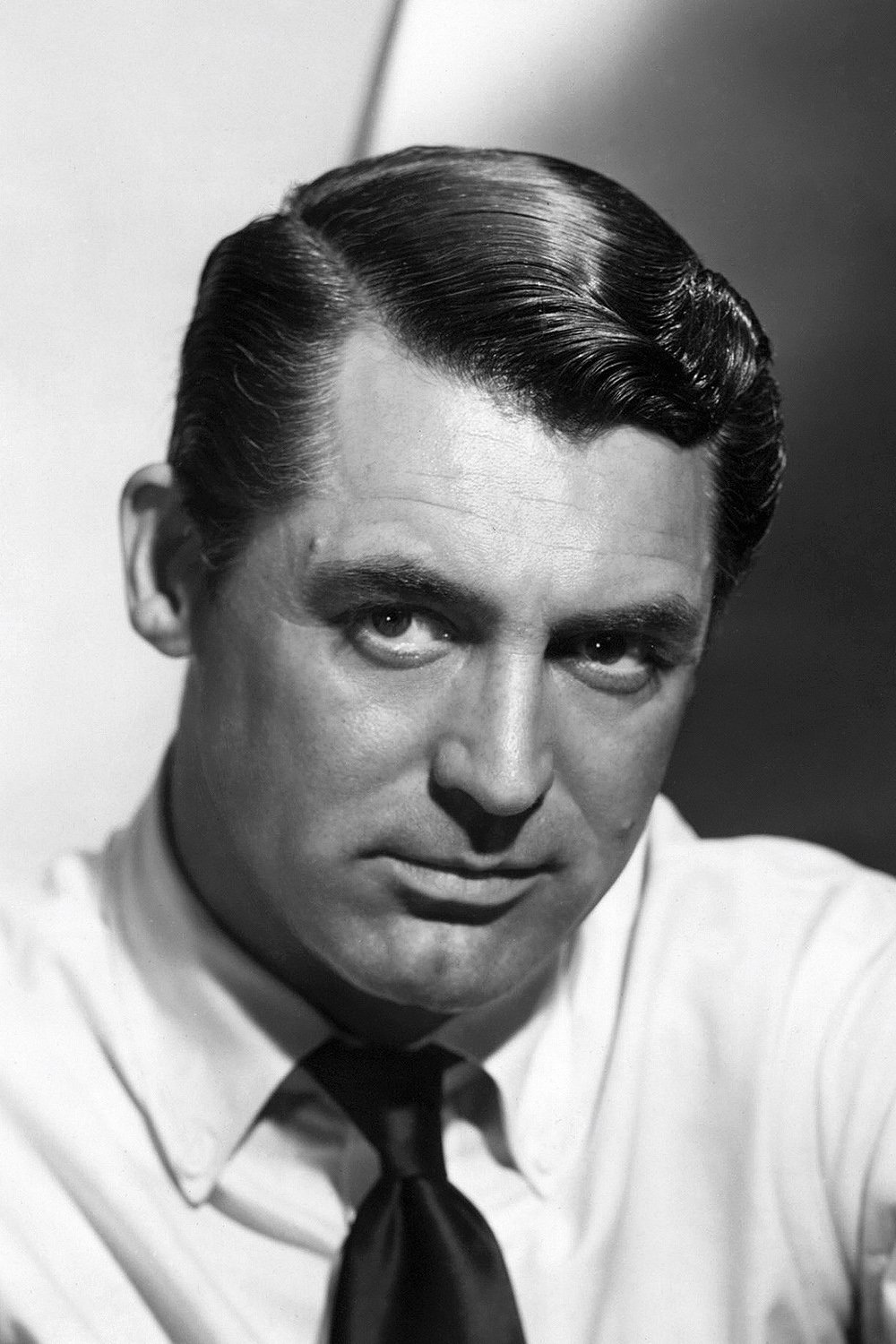
Cary Grant was the epitome of the sophisticated leading man in films like ‘North by Northwest’ and ‘To Catch a Thief’. Despite his image as a suave heterosexual heartthrob, Grant lived for many years with actor Randolph Scott in a relationship that biographers have frequently scrutinized. While he was married five times to women, numerous accounts and biographies like ‘Cary Grant: A Brilliant Disguise’ suggest he maintained a fluid sexuality throughout his life. The studio system worked tirelessly to frame his domestic arrangements as mere “bachelor” living to preserve his appeal to female audiences. Grant himself remained largely private about his personal life, maintaining the polished veneer that Hollywood demanded of its greatest stars.
James Dean
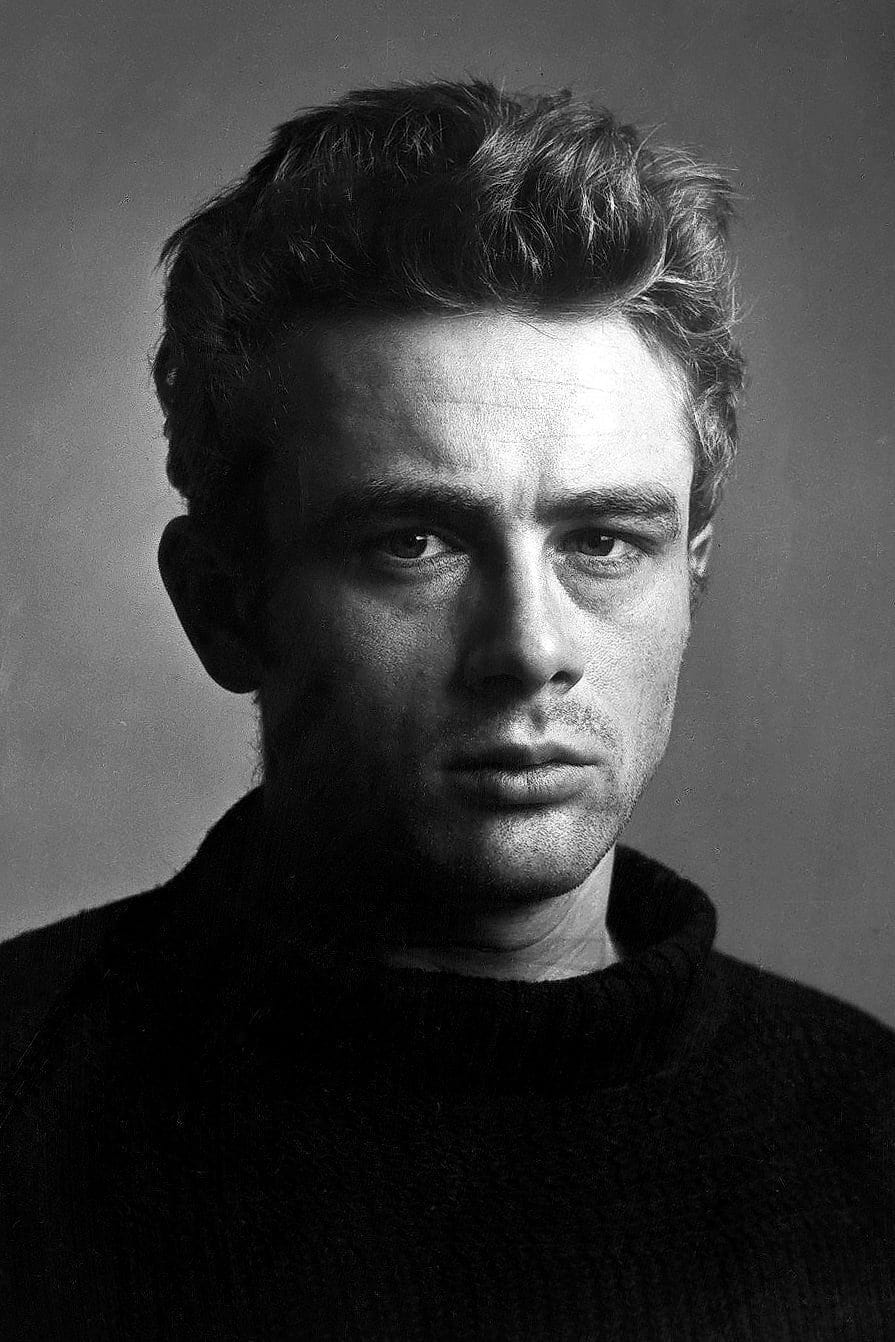
James Dean became a symbol of teenage disillusionment and cool through his role in ‘Rebel Without a Cause’. While his public persona was that of a misunderstood loner, biographers like Darwin Porter have documented his various relationships with both men and women. In ‘James Dean: Tomorrow Never Comes’, accounts suggest that Dean explored his sexuality quite freely within the artistic circles of New York and Los Angeles. However, the studios carefully managed his image, promoting his brief romances with actresses to ensure he remained a viable romantic icon. Dean’s untimely death at age 24 solidified his legend, but much of his personal reality remained obscured by the promotional machinery of the time.
Marlon Brando
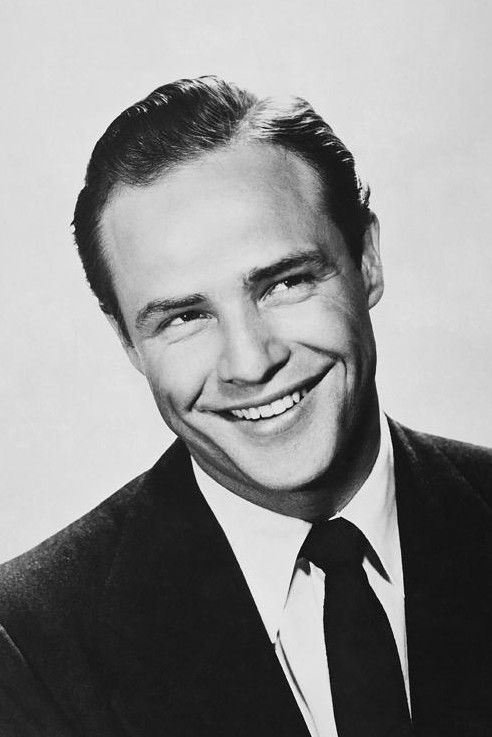
Marlon Brando redefined screen acting with his raw, masculine performances in ‘A Streetcar Named Desire’ and ‘On the Waterfront’. In a 1976 interview, Brando candidly admitted to having had homosexual experiences, stating that he was not ashamed of his past. Despite this later transparency, his earlier career was heavily marketed around his hyper-masculine and rebellious heterosexual image. He had several marriages and many high-profile relationships with women, which the media prioritized over his fluid attractions. Brando’s openness was rare for his generation, even if the industry initially preferred to ignore that aspect of his identity.
Sal Mineo
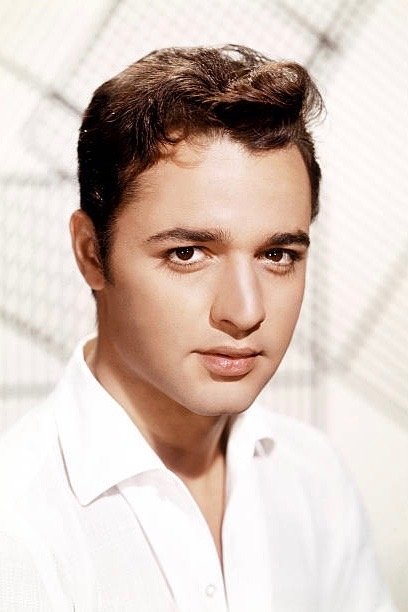
Sal Mineo gained fame as a young star in ‘Rebel Without a Cause’ and ‘Exodus’, earning two Academy Award nominations. By the early 1970s, Mineo became one of the first major Hollywood actors to speak openly about his bisexuality in interviews. He noted that the industry’s perception of his sexuality had a significant negative impact on the roles he was offered as he aged. Before his public disclosure, he had been marketed as a teen idol, with his personal life carefully monitored by studio representatives. His tragic death in 1976 cut short a career that he had hoped to revitalize through more authentic storytelling.
Burt Lancaster
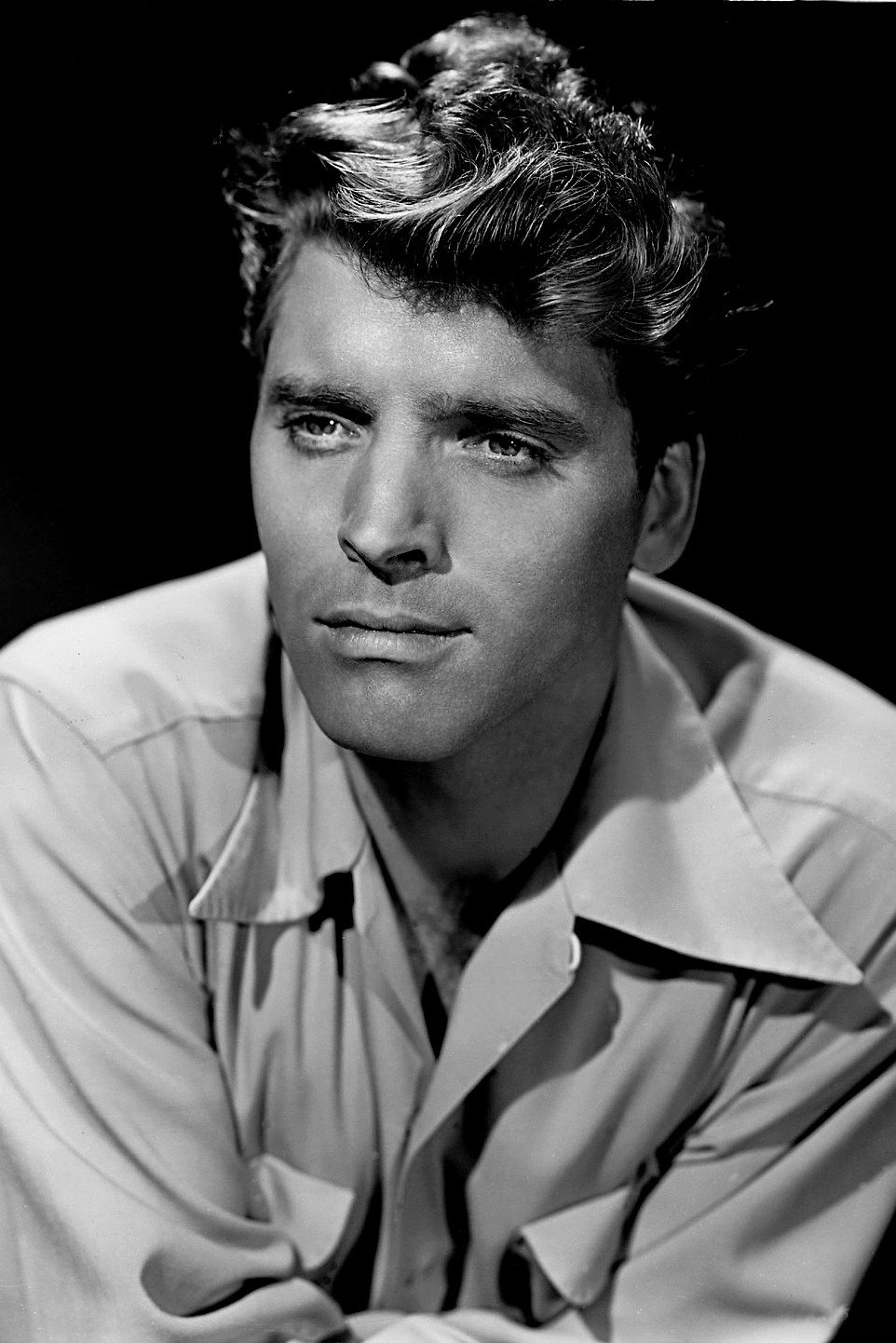
Burt Lancaster was known for his athletic physique and tough-guy roles in classics such as ‘From Here to Eternity’. While he was married three times and presented a traditional image of American manliness, his private life involved a degree of fluidity that was hidden from the public. Biographer Kate Buford detailed in ‘Burt Lancaster: An American Life’ that the actor had several long-term relationships with men. The FBI even maintained a file on him, partly due to his progressive politics and rumors surrounding his private conduct. Lancaster managed to keep these details away from the mainstream press to maintain his status as a top-tier box office draw.
Laurence Olivier
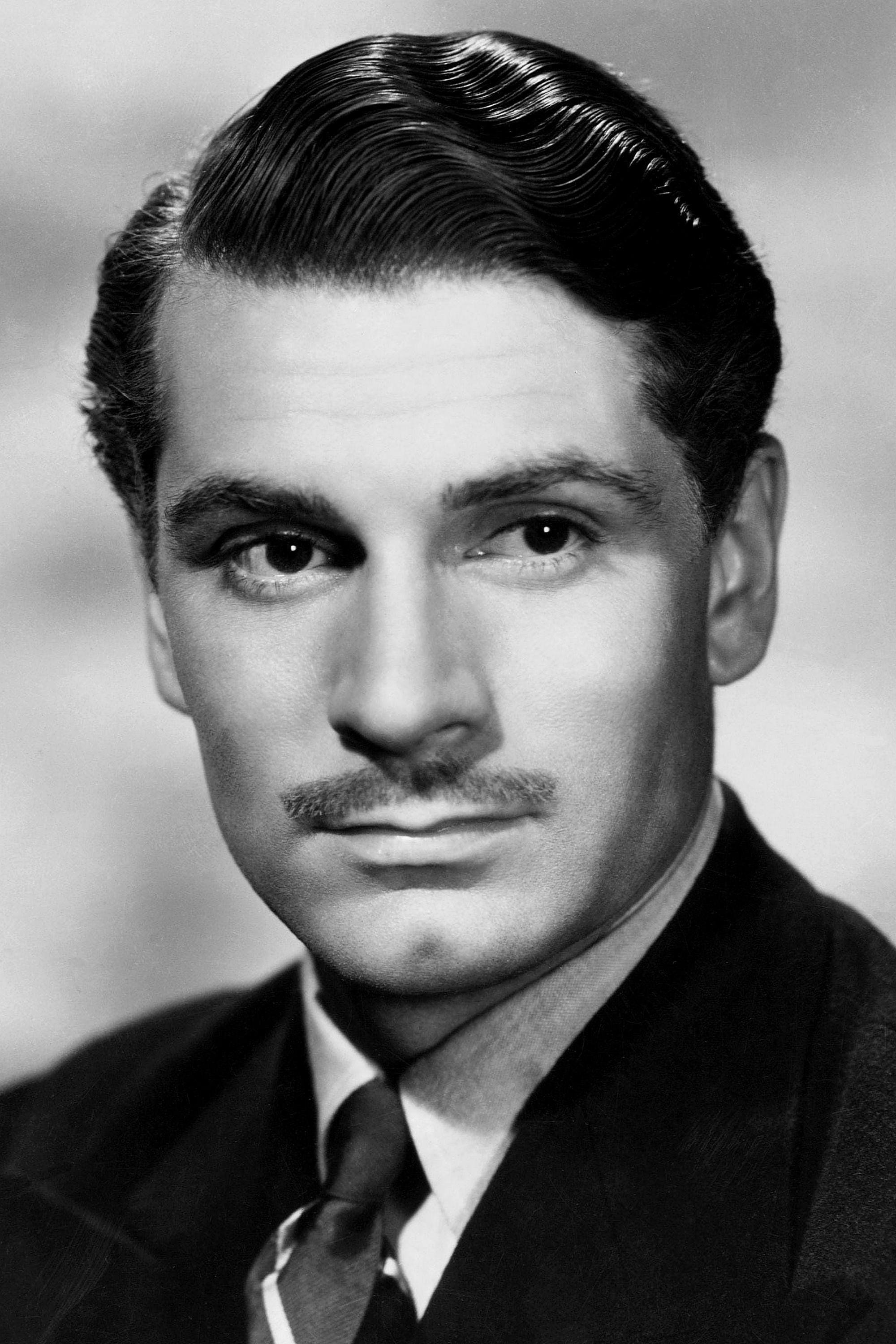
Widely considered one of the greatest actors of the 20th century, Laurence Olivier was a titan of both stage and screen in ‘Hamlet’ and ‘Wuthering Heights’. Although he was famously married to actress Vivien Leigh, biographies such as the one written by Terry Coleman suggest he had a significant affair with actor Danny Kaye. Olivier’s public image was that of a distinguished, classically trained British gentleman, a persona that left little room for public discussions of bisexuality. He remained a respected public figure until his death, with most details of his fluid attractions emerging only in posthumous accounts. The pressure to maintain his status as a cultural icon meant his private complexities remained largely behind the scenes.
Montgomery Clift
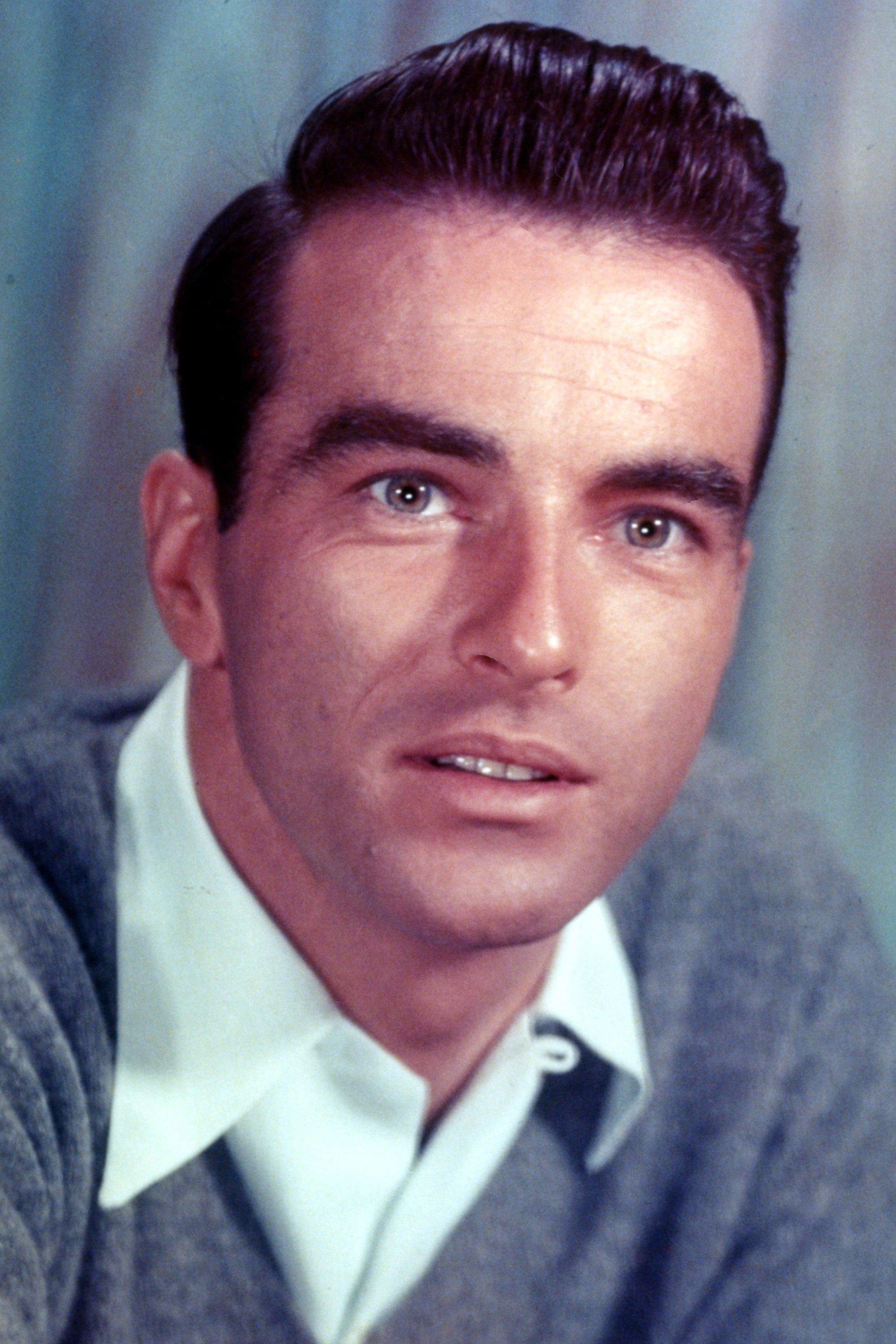
Montgomery Clift was a pioneer of method acting and a beloved leading man in ‘From Here to Eternity’ and ‘A Place in the Sun’. Throughout his career, Clift struggled with the intense pressure to hide his attraction to men while being promoted as a romantic foil for Hollywood’s top actresses. His close relationship with Elizabeth Taylor was often used by the media to hint at a romance that did not exist in a traditional sense. The internal conflict between his private self and his public brand is often cited as a contributing factor to his health struggles and eventual decline. Clift died at the age of 45, having never been able to live openly in the industry he helped transform.
Tyrone Power
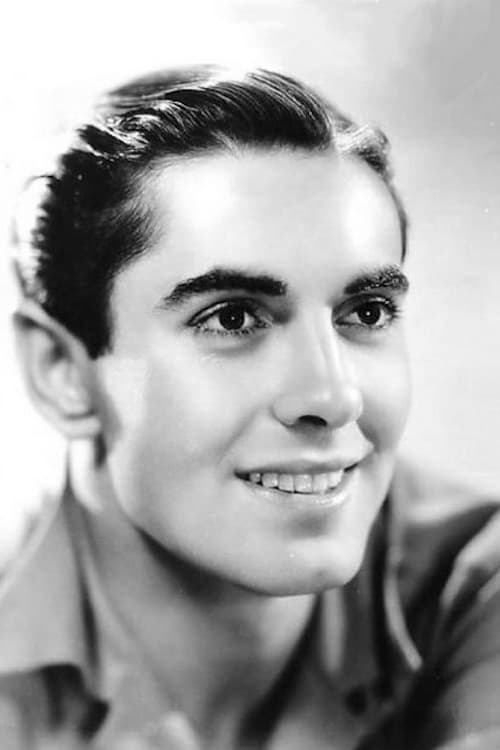
Tyrone Power was one of the most successful stars of the 1930s and 40s, known for swashbuckling roles in ‘The Mark of Zorro’ and ‘Blood and Sand’. Despite his marriages to prominent women and his reputation as a “matinee idol,” Power’s private life included numerous affairs with men. These relationships were well-known within Hollywood’s inner circles but were strictly shielded from the general public by 20th Century Fox. The studio recognized that any confirmation of his bisexuality would likely destroy his image as the ultimate romantic lead. Power continued to work under this cloak of secrecy until his sudden death on a film set in 1958.
Danny Kaye
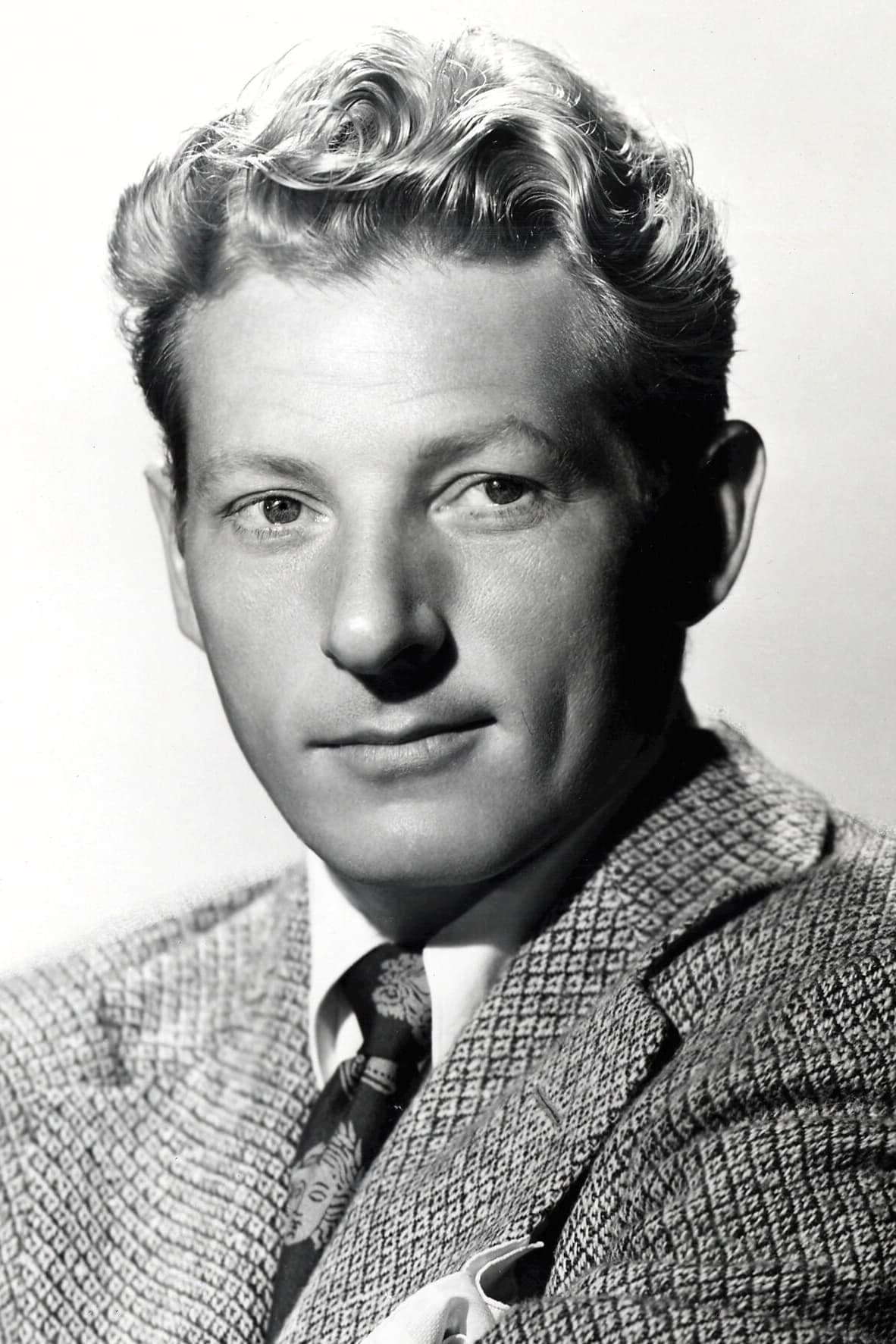
Danny Kaye was a versatile performer known for his comedy, singing, and roles in family favorites like ‘White Christmas’. His public persona was wholesome and energetic, making him a beloved figure in mid-century American entertainment. However, memoirs and biographies have frequently detailed a long and intense relationship with actor Laurence Olivier. Because Kaye’s career was built on a family-friendly image, any revelation regarding his sexuality would have been viewed as a catastrophic risk by his management. He remained married to songwriter Sylvia Fine for decades, a partnership that also served to protect his public standing.
Anthony Perkins
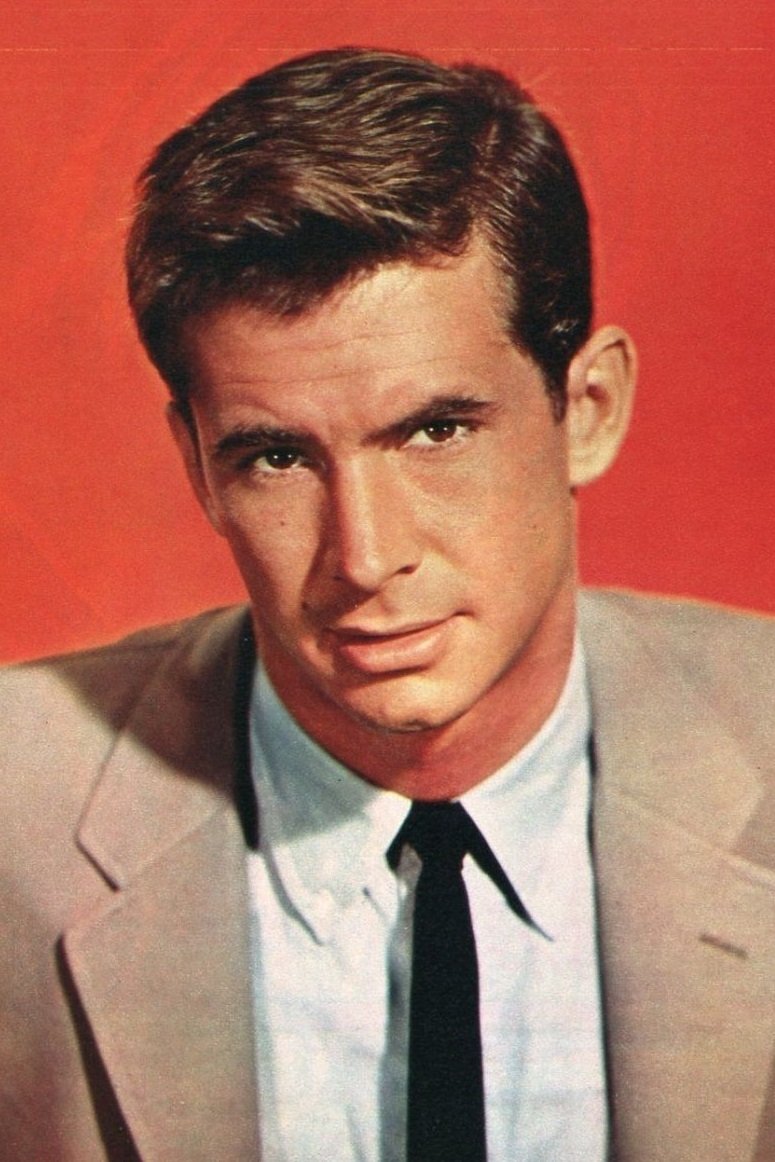
Anthony Perkins became a household name for his chilling portrayal of Norman Bates in ‘Psycho’. For much of his early career, he was positioned as a sensitive leading man, often appearing in romantic roles opposite popular actresses. Perkins reportedly underwent conversion therapy in an attempt to conform to the industry’s heterosexual expectations before marrying Berry Berenson. He maintained several private relationships with men, including a well-documented romance with actor Tab Hunter. Perkins’ life was a constant negotiation between his private reality and the rigid demands of a Hollywood that feared anything outside the norm.
Robert Reed
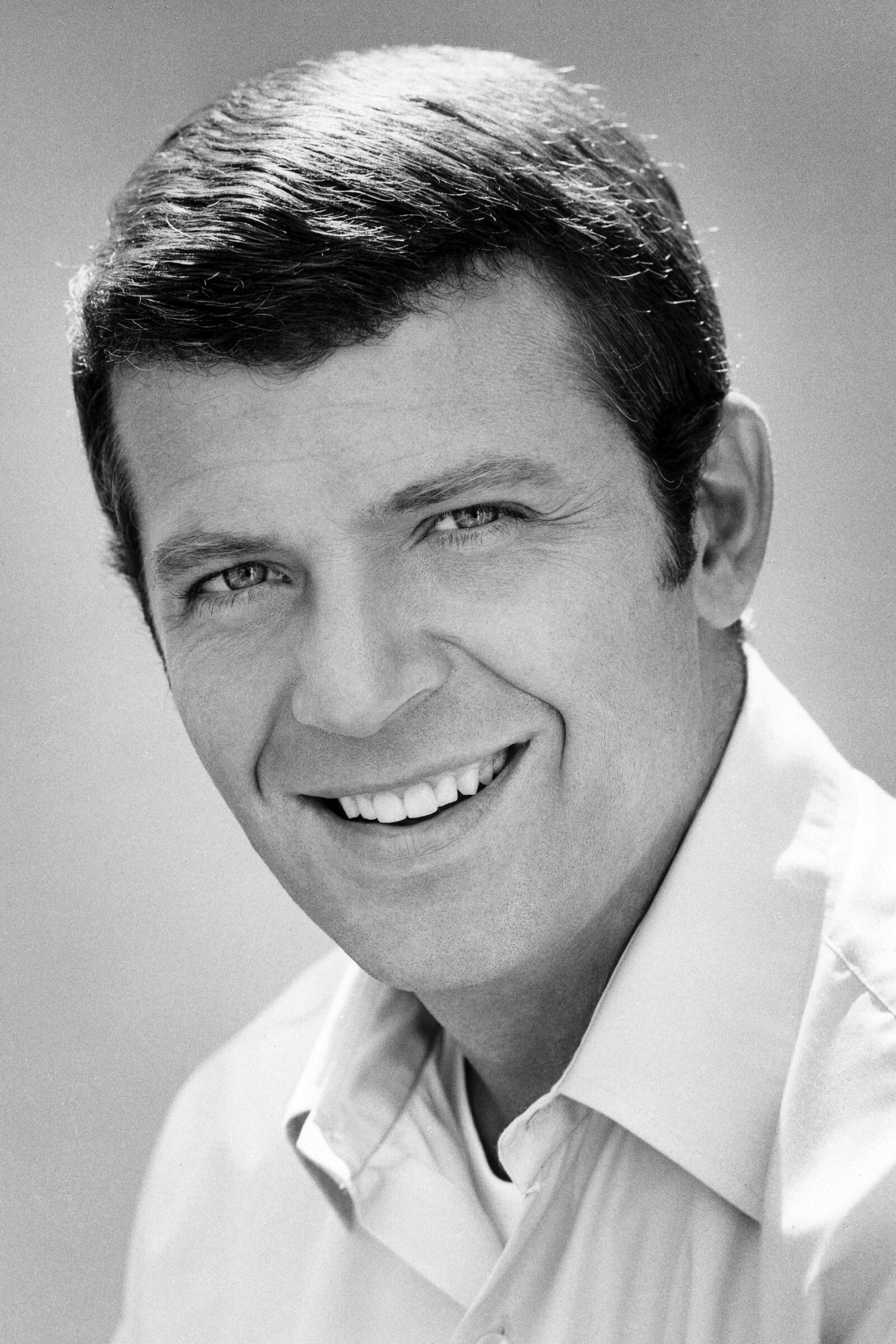
Robert Reed is best remembered as the quintessential American father, Mike Brady, in the hit series ‘The Brady Bunch’. While he played the head of a traditional nuclear family on television, Reed was a gay man who kept his orientation a secret to protect his career. He had been married to a woman and had a daughter, which helped maintain the public image required for his role. Reed feared that if his sexuality were revealed, he would lose his ability to work in the industry, particularly in family-oriented programming. He remained closeted until his death in 1992, with the truth only becoming widely known afterward.
Raymond Burr
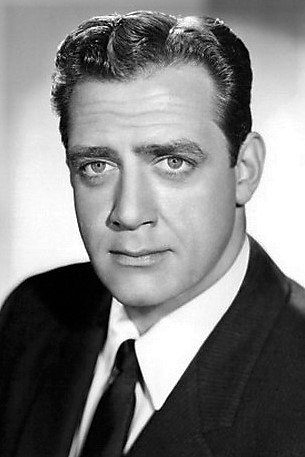
Raymond Burr achieved massive success as the star of ‘Perry Mason’ and ‘Ironside’, embodying authority and justice on screen. To hide his long-term relationship with partner Robert Benevides, Burr and his publicity team fabricated an elaborate history. This included invented stories of a deceased wife and a son who had tragically died of leukemia. The deception was so thorough that it was accepted as fact by the press and fans for decades. Burr recognized that a leading man in a popular legal drama could not afford to be anything other than a traditional widower in the eyes of the public.
Tab Hunter
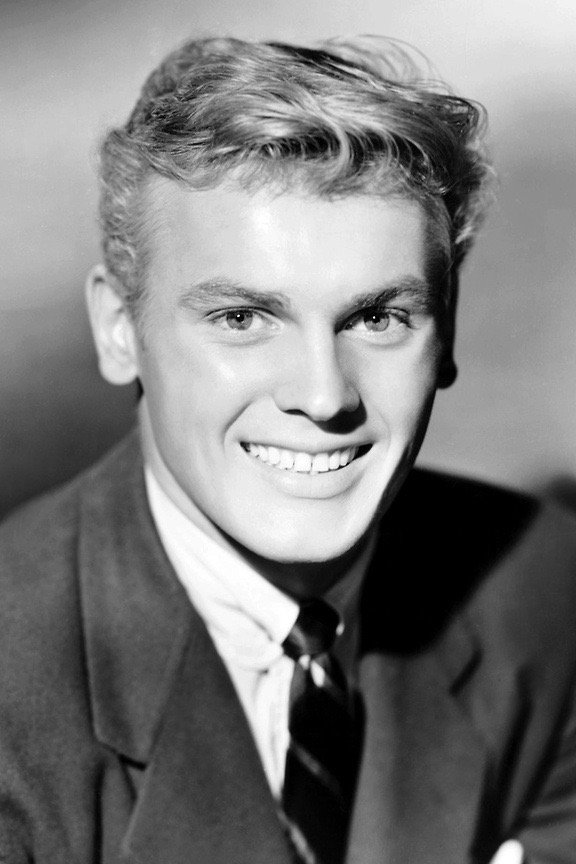
Tab Hunter was a major heartthrob in the 1950s, starring in films like ‘Battle Cry’ and ‘Damn Yankees’. His studio, Warner Bros., went to great lengths to manufacture a heterosexual image for him, frequently arranging “dates” with stars like Natalie Wood and Debbie Reynolds. Hunter was actually involved in a secret relationship with Anthony Perkins during the height of his fame. In his later autobiography, ‘Tab Hunter Confidential: The Making of a Movie Star’, he detailed the immense pressure he felt to live a lie. He eventually walked away from the studio system to find more personal freedom, but the risk of being outed remained a constant threat during his peak.
Rock Hudson
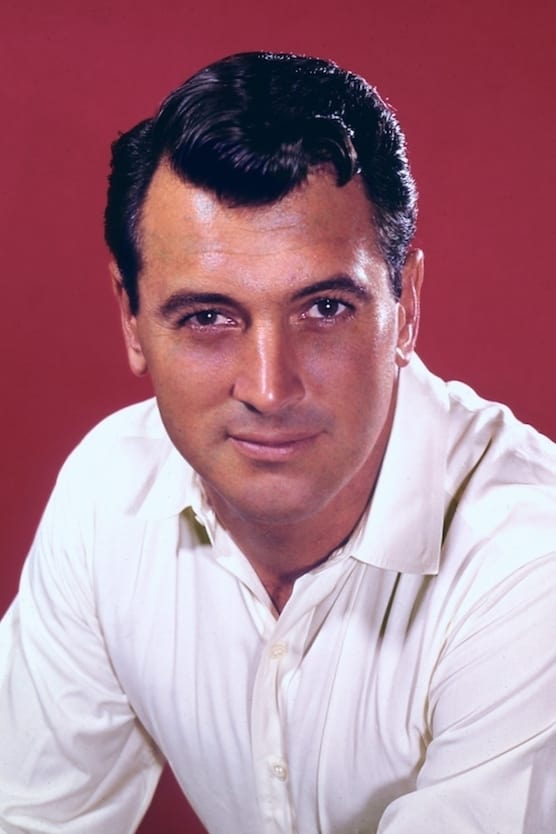
Rock Hudson was the ultimate symbol of masculine grace and romantic charm in films like ‘Pillow Talk’ and ‘Giant’. His career was managed with extreme precision by agent Henry Willson, who even arranged Hudson’s marriage to Phyllis Gates to dispel rumors about his sexuality. While Hudson is often remembered as a gay icon today, he spent his entire professional life hiding his attractions to men to satisfy Hollywood’s leading-man criteria. It was only when he was diagnosed with AIDS in the 1980s that his private life became public knowledge. His story remains the most prominent example of the lengths to which the industry would go to protect its investments.
Richard Chamberlain
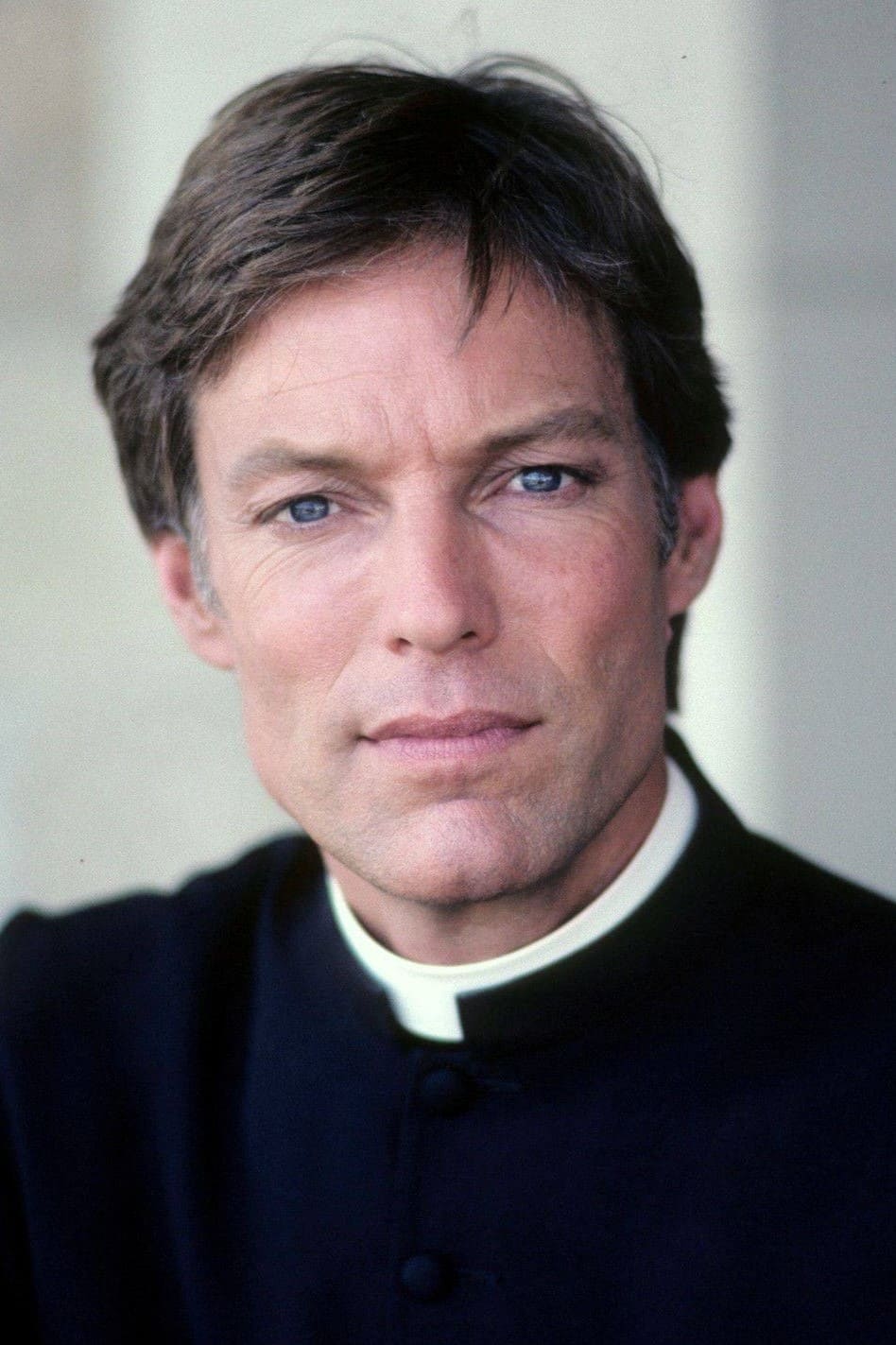
Richard Chamberlain became a superstar through the television series ‘Dr. Kildare’ and later in epic miniseries like ‘The Thorn Birds’. For decades, he was one of the most sought-after leading men in Hollywood, often playing intense romantic roles that endeared him to millions of female viewers. Chamberlain chose to remain closeted for the majority of his career, finally coming out in his 2003 memoir, ‘Shattered Love’. He explicitly stated that at the height of his fame, being open about his sexuality would have been “disastrous” for his career. His decision to hide his identity was a direct response to the “too risky” environment of the industry during his prime.
Please share your thoughts on these legendary actors and their impact on Hollywood history in the comments.