Comedians and Musicians Who Walked Away From Millions Rather Than Censor Their Art


The entertainment industry often demands a certain level of conformity to maintain high earnings and broad appeal. While many performers adjust their output to satisfy corporate interests, a notable few have chosen to sacrifice financial security for creative freedom. These artists faced censorship or pressure to change their work and decided that their integrity was not for sale. From walkouts on major television networks to legal battles with massive record labels, their stories highlight the conflict between commercial success and artistic vision. This list explores the comedians and musicians who prioritized their art over millions of dollars.
Dave Chappelle
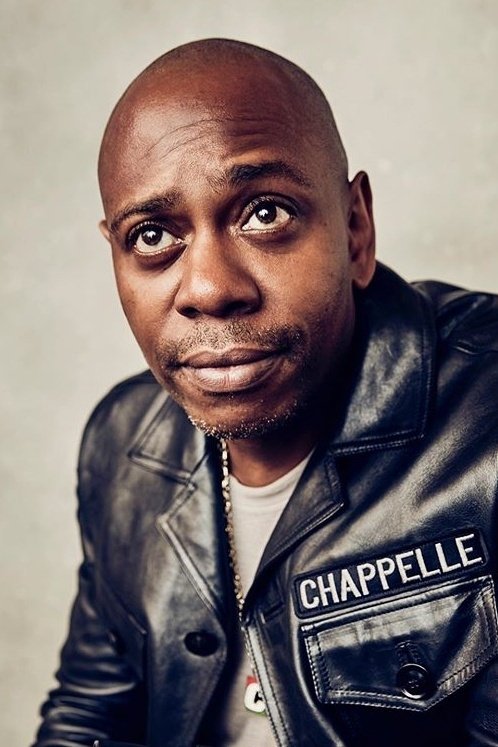
Dave Chappelle famously walked away from a contract worth fifty million dollars for the third season of ‘Chappelle’s Show’. He felt that the creative direction was being compromised and that the sketches were being misinterpreted by the audience. Chappelle traveled to South Africa to escape the pressure and regain his artistic integrity. He chose to live on his own terms rather than satisfy the demands of network executives. This decision remains a significant example of a performer prioritizing vision over wealth.
Sinéad O’Connor

The singer faced immense backlash after ripping up a photo of the Pope during a performance on ‘Saturday Night Live’. This act was an intentional protest against the Catholic Church and its history of cover ups. The incident effectively stalled her mainstream commercial career in the United States and led to massive boycotts. O’Connor refused to apologize for her actions and maintained that her message was more important than record sales. She spent the rest of her career focusing on music that aligned with her personal and spiritual beliefs.
Prince
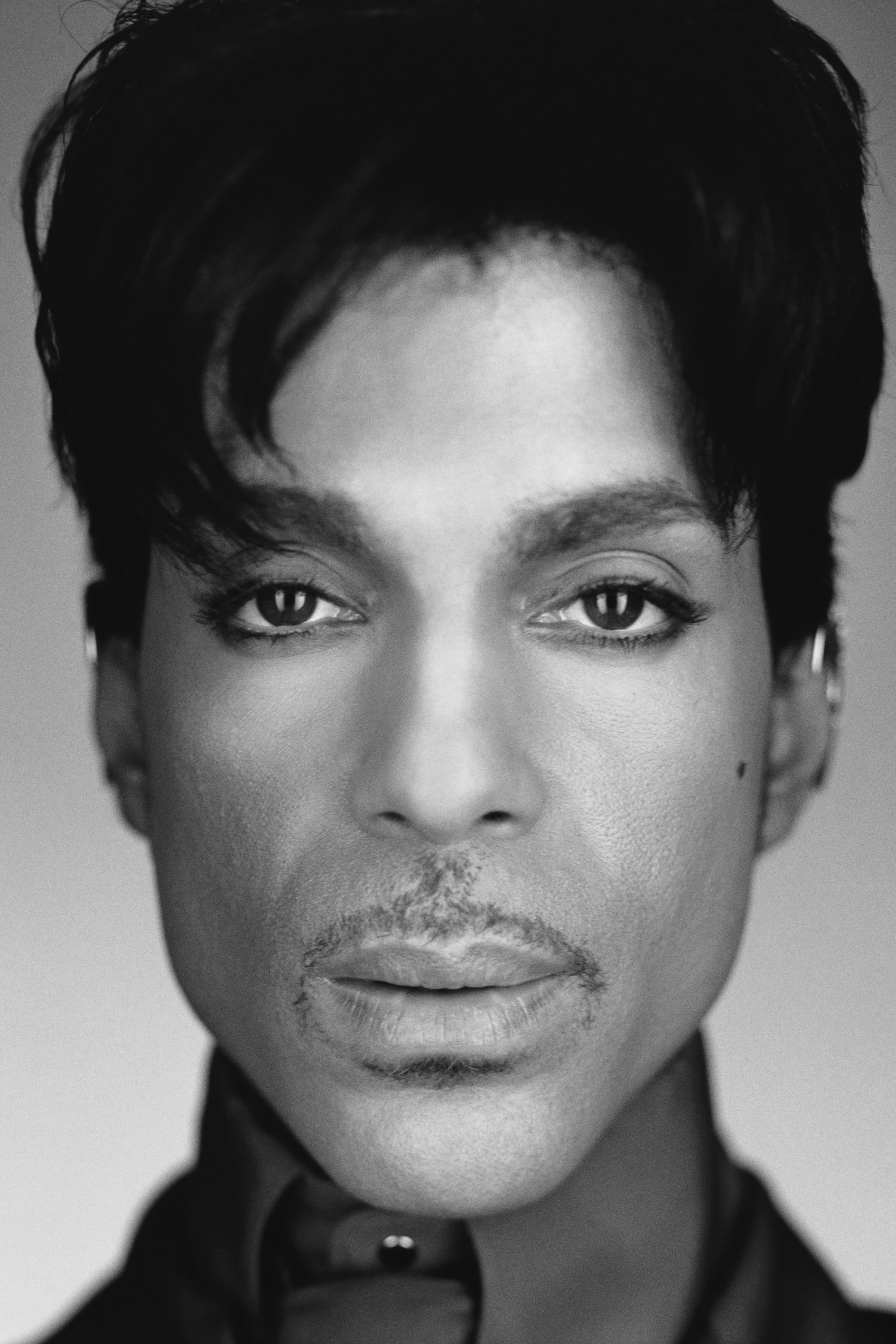
Prince famously fought his record label for control over his master recordings and his creative output. He appeared in public with the word slave written on his face to protest the terms of his contract with Warner Bros. To bypass legal restrictions he changed his name to an unpronounceable symbol for several years. This move cost him significant mainstream marketing support and potential revenue from his established brand. He eventually regained his independence and continued to release music according to his own schedule.
George Michael
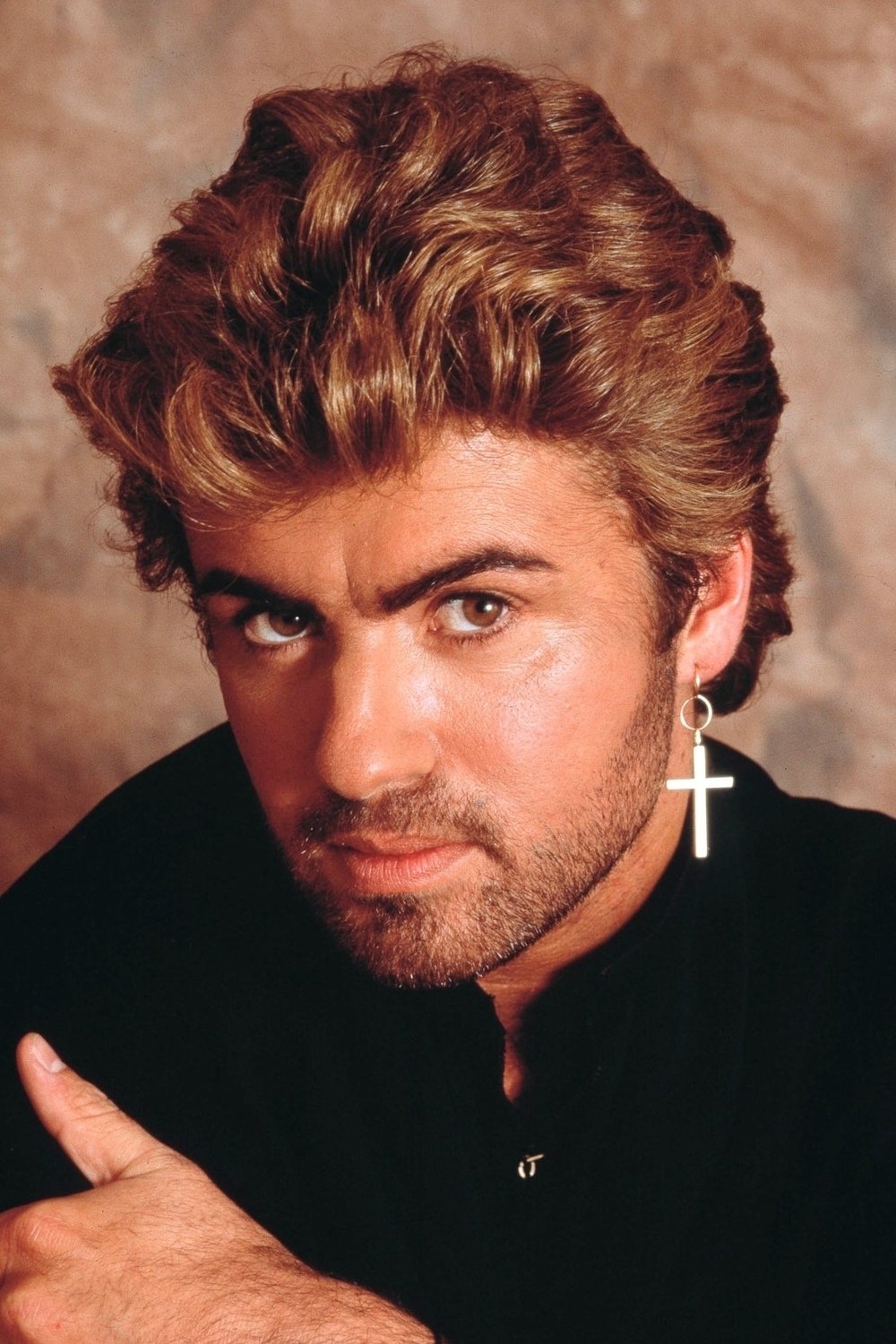
In 1992 the pop star entered a grueling legal battle with Sony Music to terminate his contract. He argued that the label was treating him as a piece of software and restricting his artistic growth. Michael refused to appear in music videos for his album ‘Listen Without Prejudice Vol. 1’ as part of his creative rebellion. The lawsuit was unsuccessful but it highlighted the artist willingness to risk his stardom for professional freedom. He later signed with other labels on his own terms after a lengthy professional hiatus.
Bill Hicks
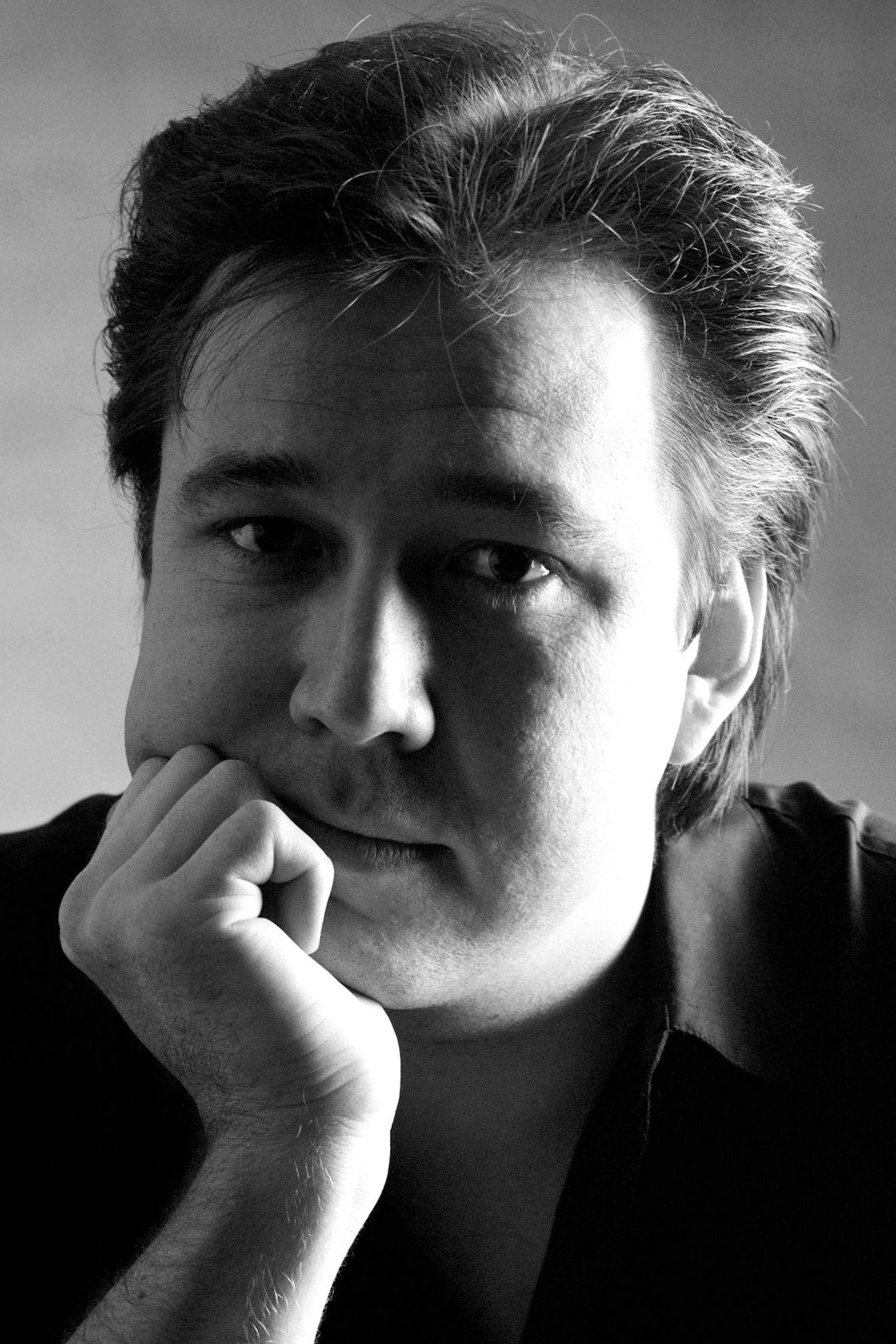
Bill Hicks was known for his uncompromising stand up routines that often targeted religion and politics. In 1993 his entire performance was cut from ‘The Late Show with David Letterman’ because the network feared his material was too controversial. Hicks refused to tone down his message or edit his act to suit corporate standards for television audiences. He continued to perform his raw and philosophical comedy in clubs and theaters until his death. His refusal to censor his art turned him into a legendary figure for future generations of comedians.
Norm Macdonald
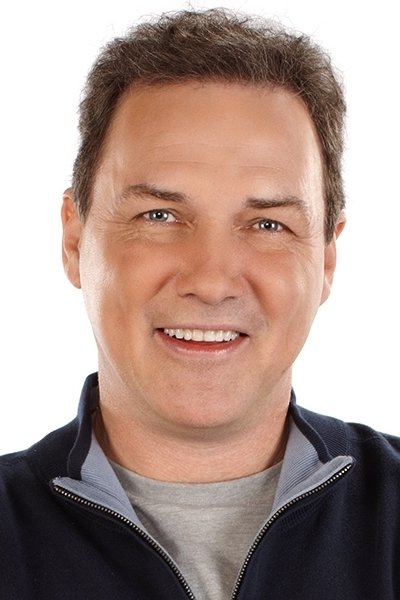
The comedian was fired from his position as the anchor of Weekend Update on ‘Saturday Night Live’. Network executive Don Ohlmeyer reportedly removed him because Macdonald refused to stop making jokes about O.J. Simpson. Despite constant warnings from leadership the comedian continued to deliver the material he found funny. He prioritized his comedic instincts over the job security of a major network role. Macdonald maintained his unique voice throughout his career and never compromised his style for popularity.
Cat Stevens
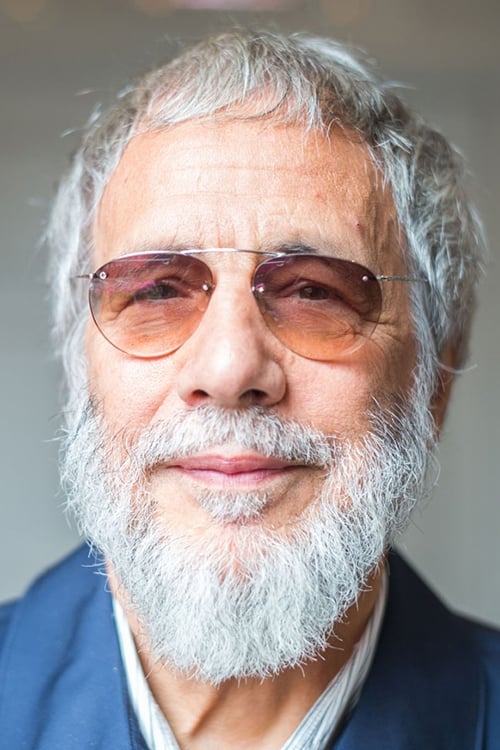
At the height of his fame the musician decided to leave the music industry entirely to follow his faith. He changed his name to Yusuf Islam and walked away from the massive earnings generated by his folk rock hits. For several decades he avoided the spotlight and focused on community work and education. He occasionally faced criticism and lost business opportunities due to his outspoken religious views. His departure remains one of the most radical examples of an artist choosing a personal path over commercial success.
Frank Zappa
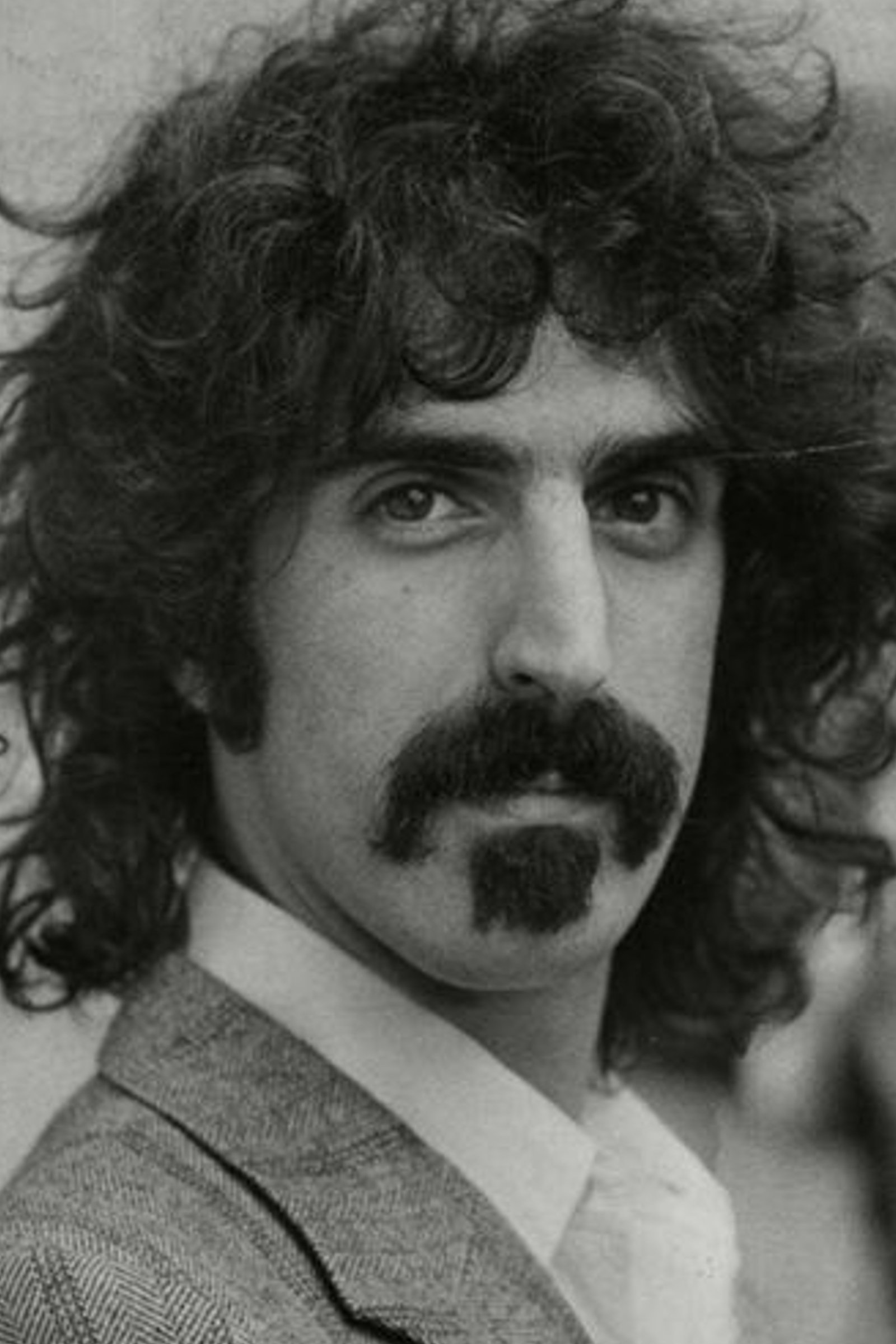
Frank Zappa became a leading voice against the censorship efforts of the Parents Music Resource Center in the nineteen eighties. He testified before the Senate to argue that labeling records with advisory stickers violated free speech. Zappa refused to change his lyrics or the content of his albums to avoid the controversial labels. He often financed his own recordings to ensure that no corporate entity could dictate his creative process. His commitment to artistic liberty made him a hero to musicians across all genres.
Neil Young
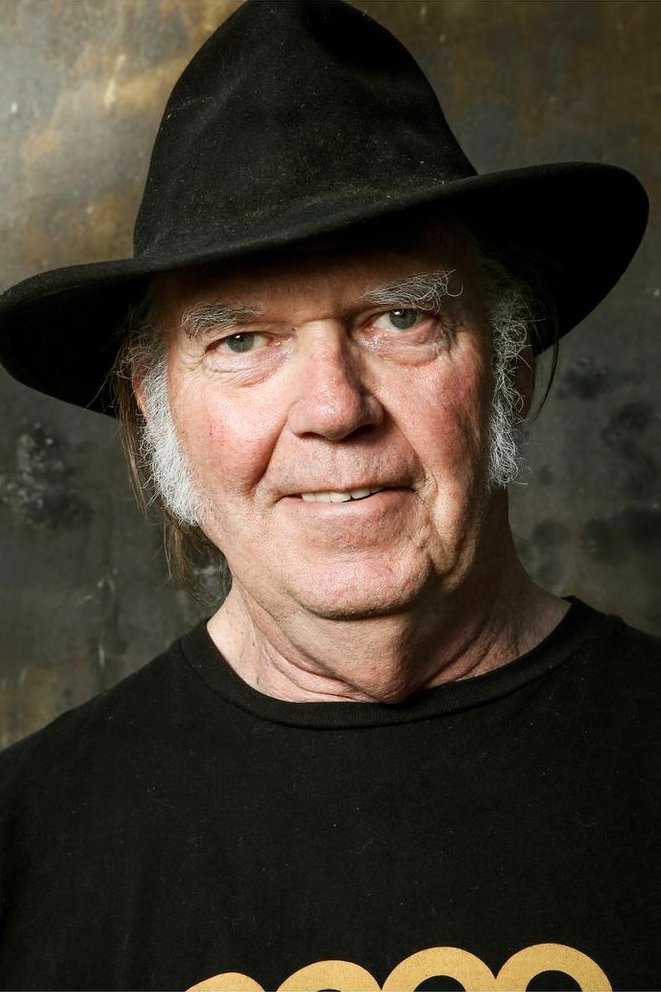
Neil Young made headlines when he demanded that his music be removed from the streaming platform Spotify. He took this stand to protest the spread of misinformation regarding health on the platform top podcast. This decision resulted in the loss of a significant portion of his annual streaming royalties. Young stated that he could not support a company that prioritized profits over public safety. Several other artists followed his lead in a show of solidarity for his principles.
Jim Morrison
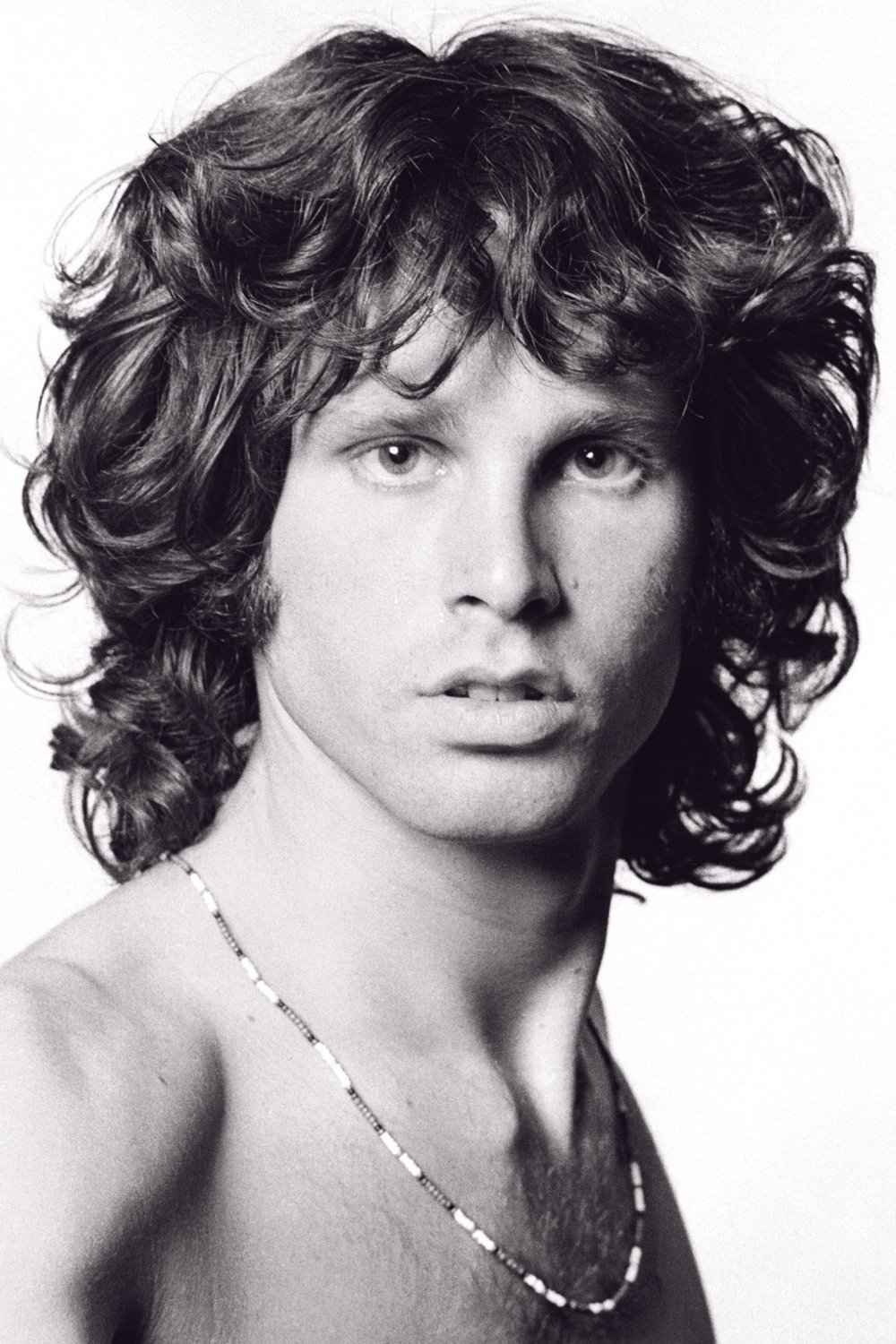
The frontman of The Doors famously ignored a request from the producers of ‘The Ed Sullivan Show’ to change a lyric. He was asked to replace the word higher in the song ‘Light My Fire’ to avoid drug connotations. Morrison sang the original lyric anyway during the live broadcast which led to the band being banned from the show forever. He consistently challenged authority and social norms through his provocative performances and poetry. This refusal to comply with network standards defined his persona as a rebellious artist.
Elvis Costello
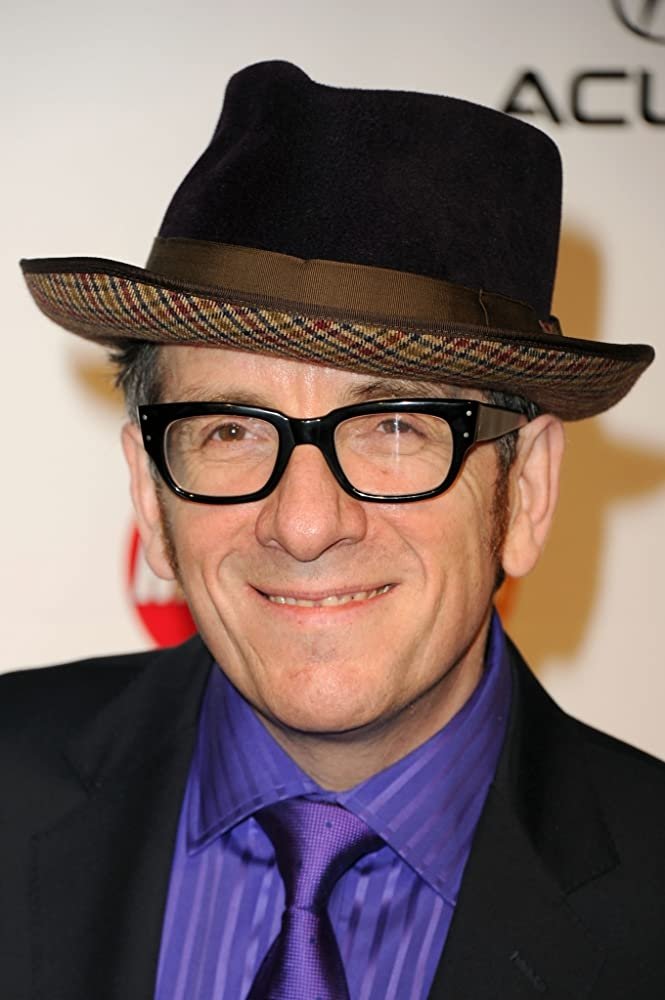
During a live performance on ‘Saturday Night Live’ in 1977 the musician stopped his band in the middle of a song. He ignored the planned setlist and launched into the track ‘Radio Radio’ which criticized the commercialization of the airwaves. This act of defiance resulted in a ban from the show that lasted for over a decade. Costello chose to make a statement about the music industry rather than play it safe for the national audience. His career continued to thrive as he became known for his eclectic and uncompromising style.
Joan Rivers
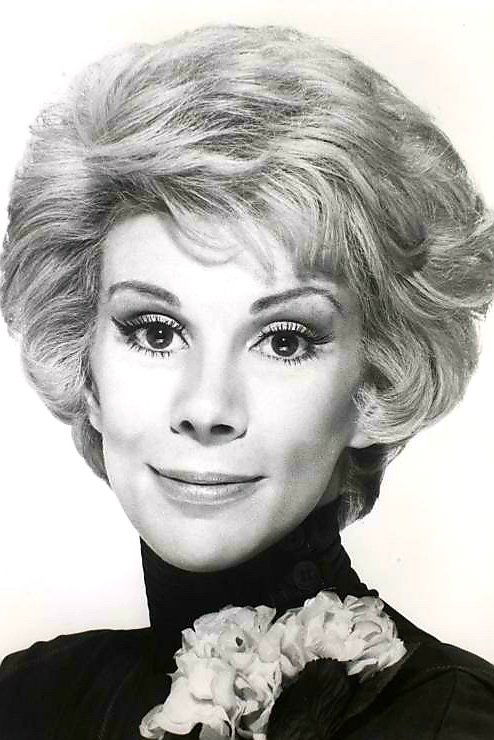
Joan Rivers was banned from ‘The Tonight Show’ for over twenty years after she decided to host her own late night program. Johnny Carson viewed her move to a rival network as a personal betrayal and never spoke to her again. Rivers lost the massive platform of the most popular show in late night but gained the freedom to lead her own production. She continued to work in the industry despite being blacklisted by many mainstream outlets. Her persistence paved the way for future female comedians to control their own careers.
George Carlin
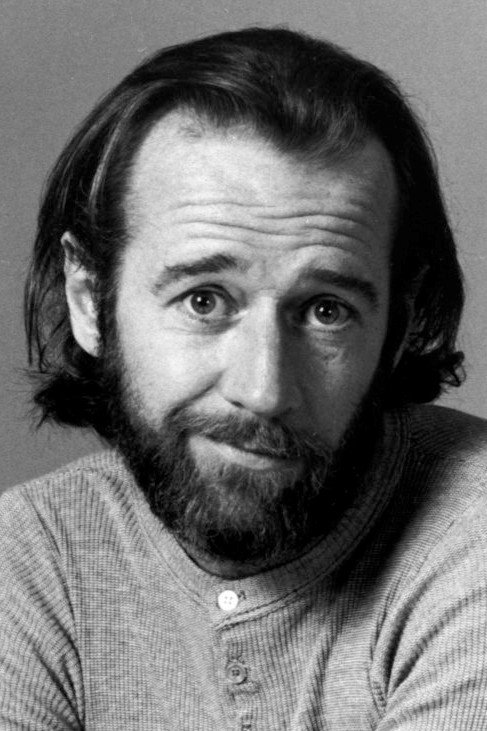
George Carlin was arrested in 1972 for performing his Seven Dirty Words routine at a music festival. He refused to remove the words from his act despite the threat of further legal action and professional blacklisting. The controversy eventually reached the Supreme Court which established the power of the government to regulate indecent broadcasts. Carlin used the experience to further refine his social commentary and critique of language. He remained a fierce advocate for free speech throughout his entire life.
Ice-T
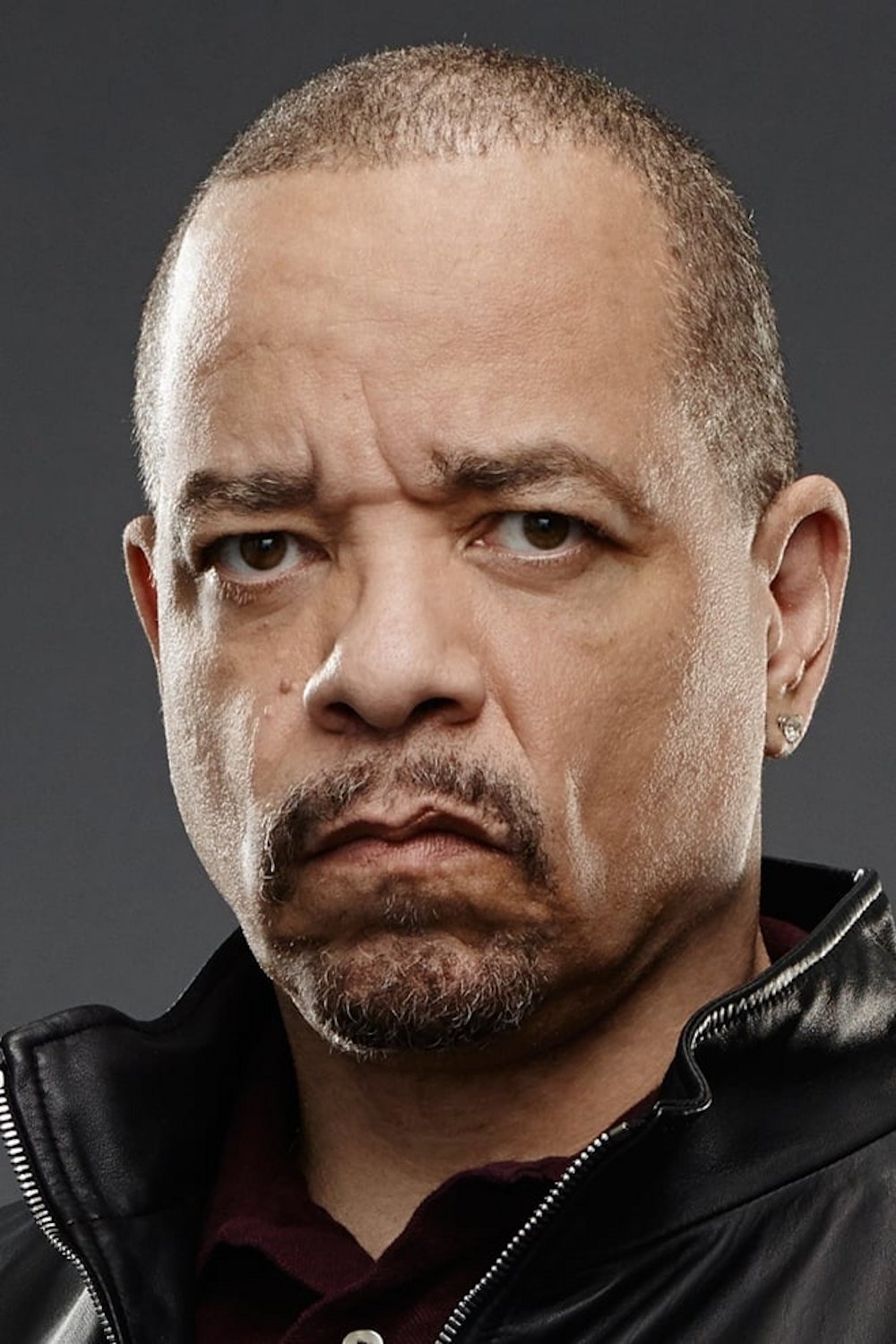
The rapper and his band Body Count released the song ‘Cop Killer’ which sparked a massive national controversy. He faced pressure from senior politicians and police organizations who wanted the track removed from the album. Warner Bros faced threats of boycotts and internal pressure from shareholders to drop the artist. Ice-T eventually chose to remove the song from subsequent pressings to protect the label from further damage. He maintained his creative edge and later found success in both music and television without compromising his persona.
Shane Gillis

The comedian was hired as a cast member for ‘Saturday Night Live’ but was fired just days later due to previous podcast comments. He refused to issue a standard corporate apology that would have altered his comedic identity to fit the show requirements. Gillis instead leaned into his independent career and built a massive following through his own specials and podcasts. His success outside of the traditional network system demonstrated that artists can thrive without mainstream approval. He eventually returned to host the show on his own terms years later.
Andrew Dice Clay
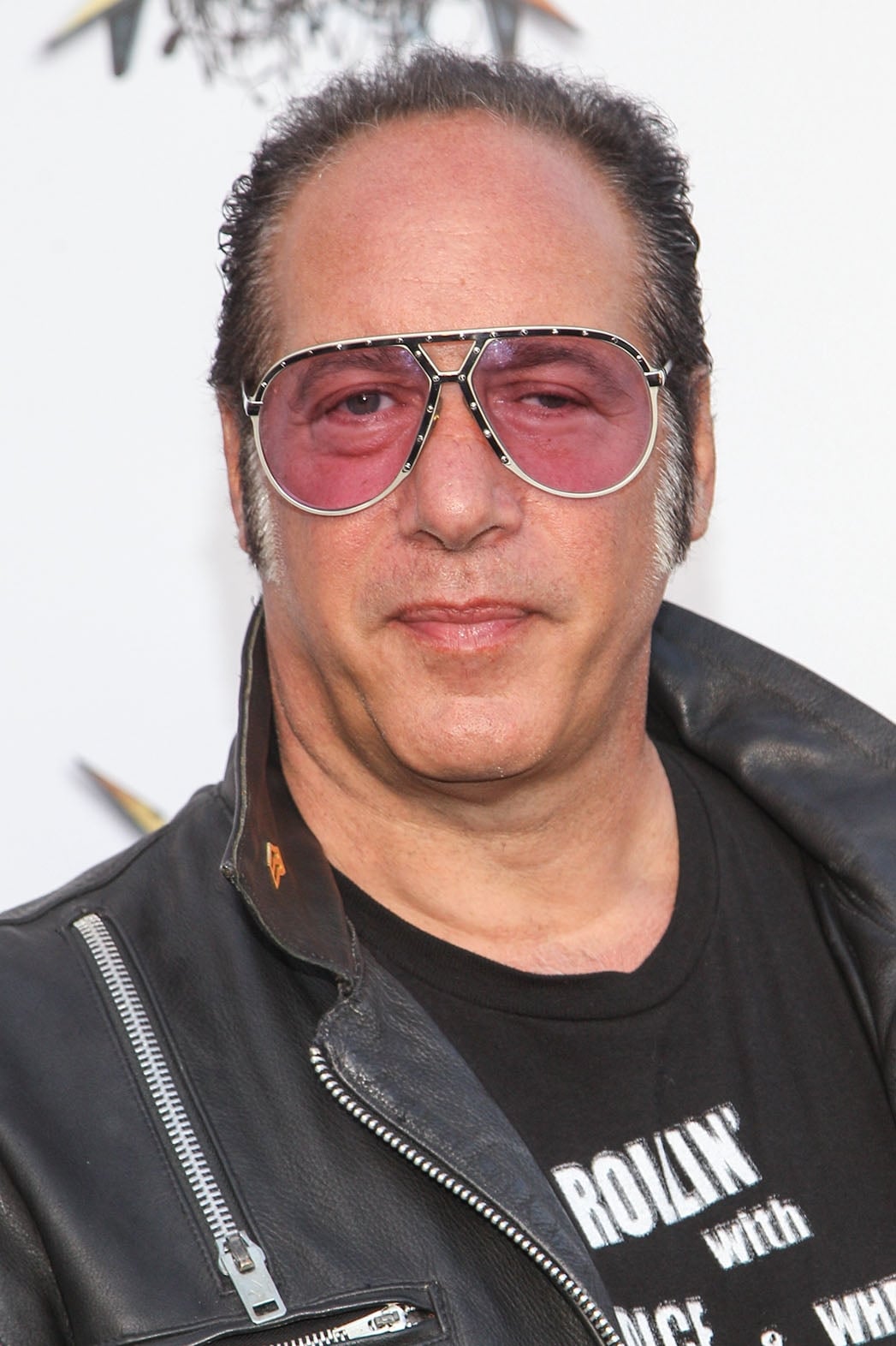
At the peak of his popularity the comedian was banned from MTV for life following an unscripted performance at an awards show. He refused to moderate his nursery rhymes or his aggressive stage persona for the television network. The ban significantly limited his exposure during the height of the music video era. Clay continued to sell out arenas and maintain his fan base without the support of major media outlets. He remained committed to the character that made him a household name.
Joni Mitchell
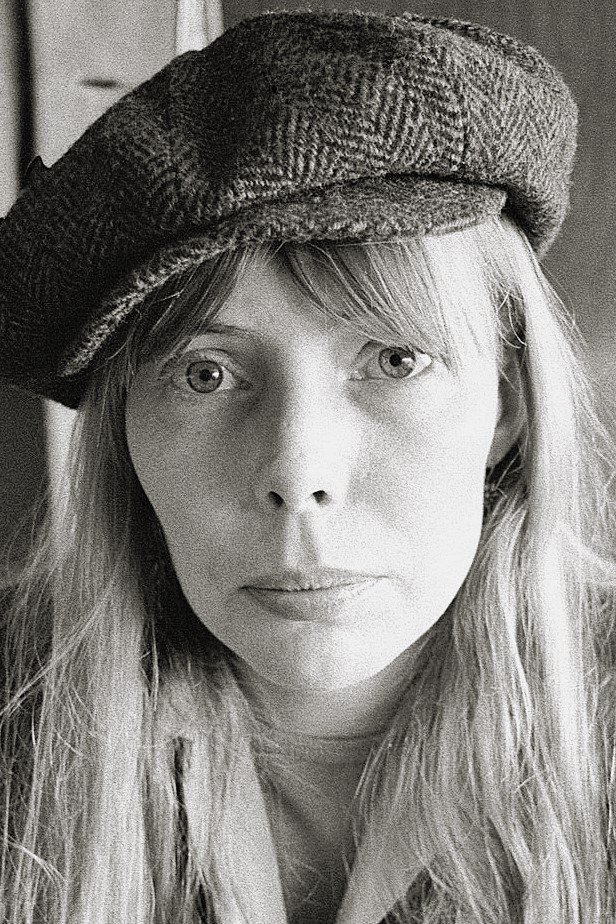
Following the lead of Neil Young the legendary singer and songwriter pulled her entire catalog from Spotify. She stood in solidarity with those criticizing the platform for hosting content she deemed harmful to public health. This move removed her iconic albums from millions of listeners and reduced her digital income significantly. Mitchell stated that irresponsible people were spreading lies that were costing lives. She chose to protect her legacy and values over the convenience of modern streaming.
Eartha Kitt
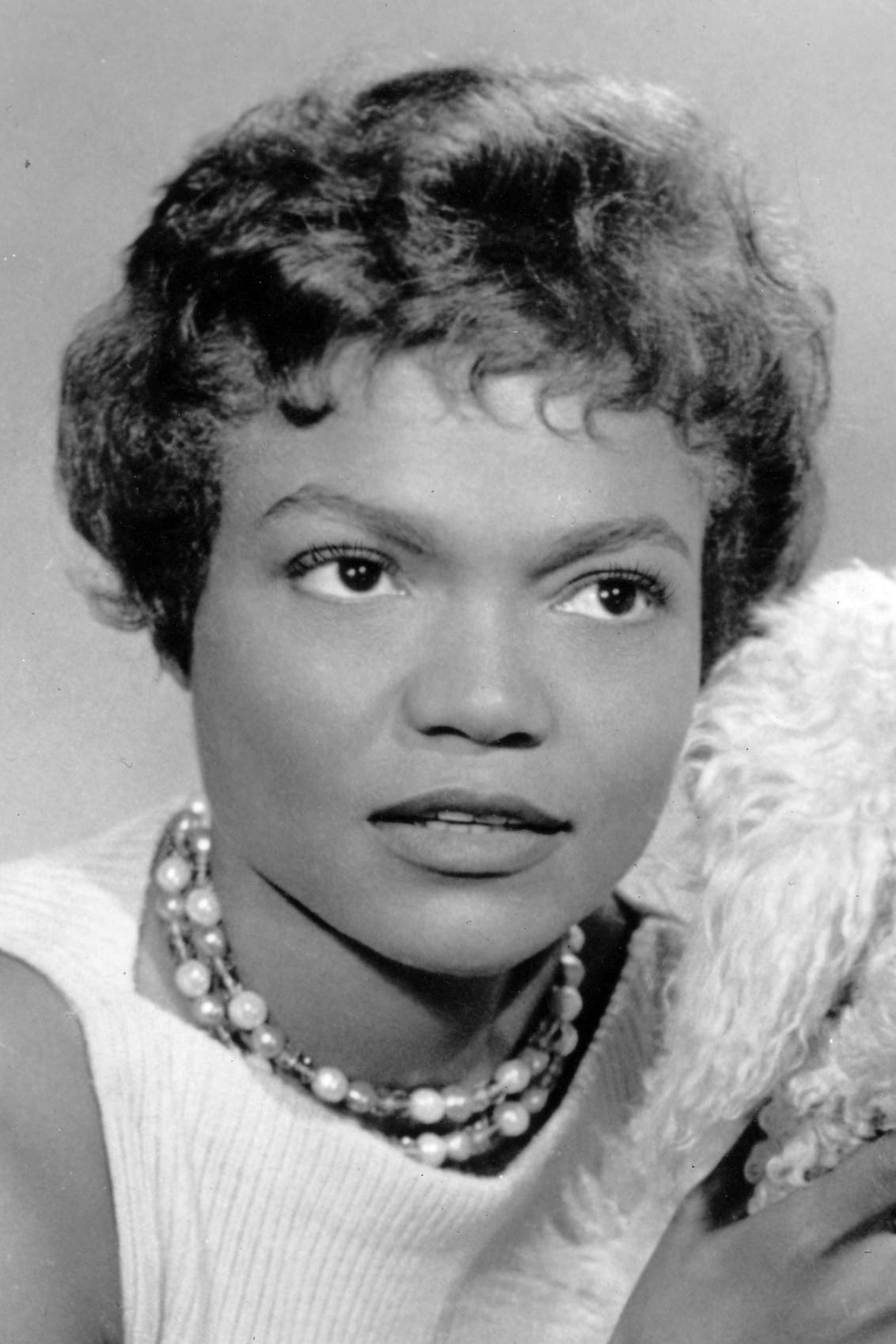
The singer and actress was blacklisted in the United States after speaking out against the Vietnam War at a White House luncheon. Her comments were deemed disrespectful to the President and she faced immediate professional repercussions. Kitt was unable to find work in America for over a decade and was forced to move to Europe to continue her career. She refused to take back her words or apologize for her stance against the war. She eventually returned to Broadway and television late in her life with her reputation for integrity intact.
Jerry Seinfeld
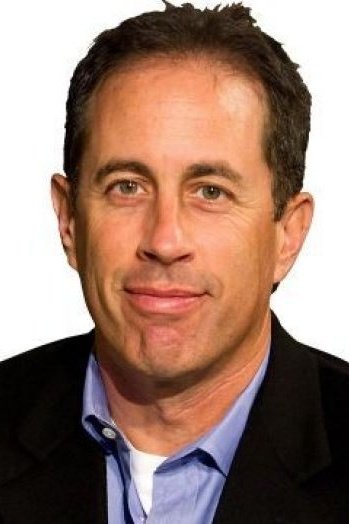
Jerry Seinfeld publicly announced that he would no longer perform on college campuses because of the restrictive environment. He felt that the emphasis on political correctness was stifling the ability of comedians to be funny and creative. By walking away from the college circuit he sacrificed a lucrative market that many other performers rely on for income. Seinfeld maintained that comedy requires the freedom to be awkward or offensive to some degree. He continues to prioritize his artistic philosophy over the potential earnings of those venues.
Bill Maher
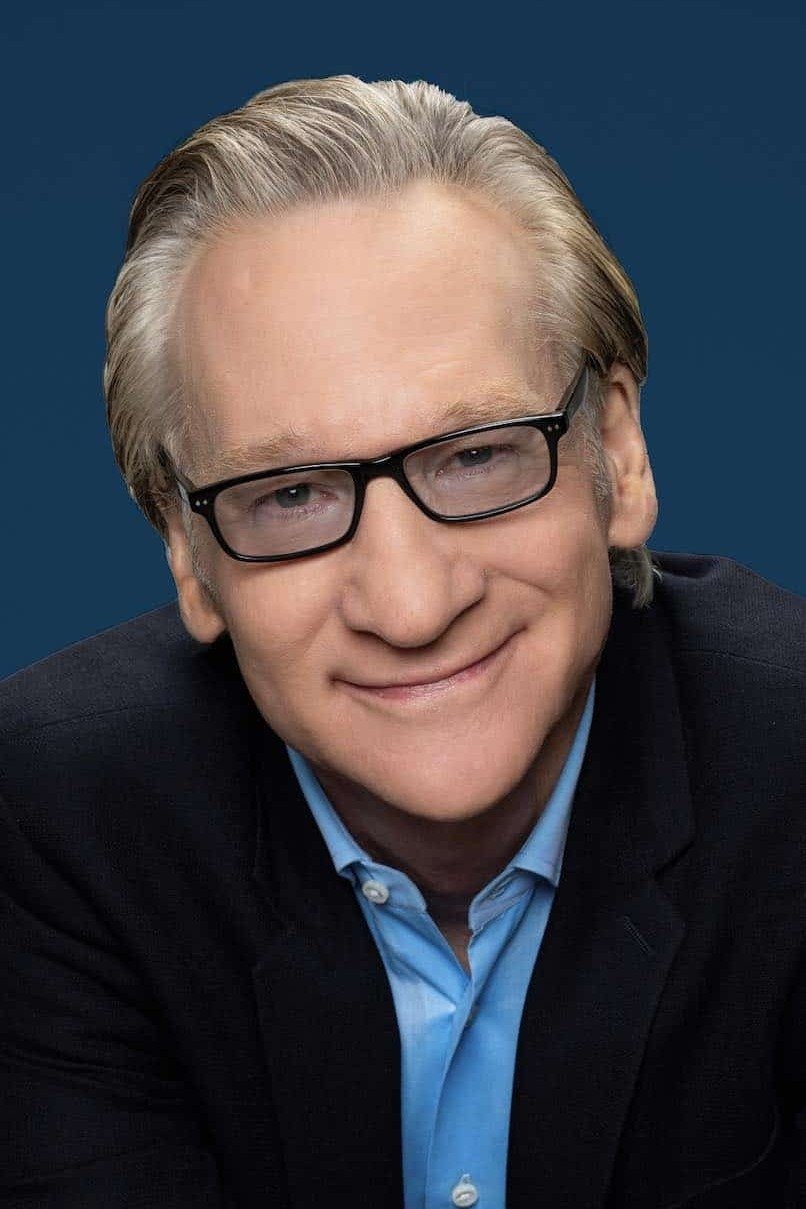
The host of ‘Politically Incorrect’ saw his show canceled by ABC following comments he made about the September 11 attacks. He refused to retract his statement or provide a scripted apology that satisfied network advertisers and executives. Maher argued that his job was to provide honest social commentary regardless of how it was received during a national crisis. He eventually moved to HBO where he was given more creative freedom without the oversight of broadcast censors. This transition allowed him to continue his career without compromising his provocative style.
Sinbad
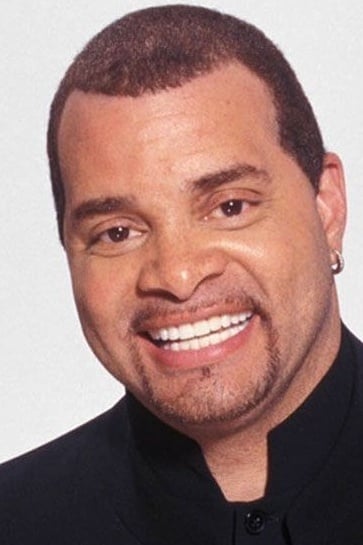
Sinbad is a comedian who has consistently refused to use profanity or adult themes in his stand up routines. During the era when edgy comedy was the most profitable trend he stayed true to his clean style. He turned down various roles and projects that would have required him to change his personal standards for a paycheck. His commitment to his values limited his participation in some parts of the industry but built a loyal family friendly audience. He proved that an artist can maintain a long career without conforming to market trends.
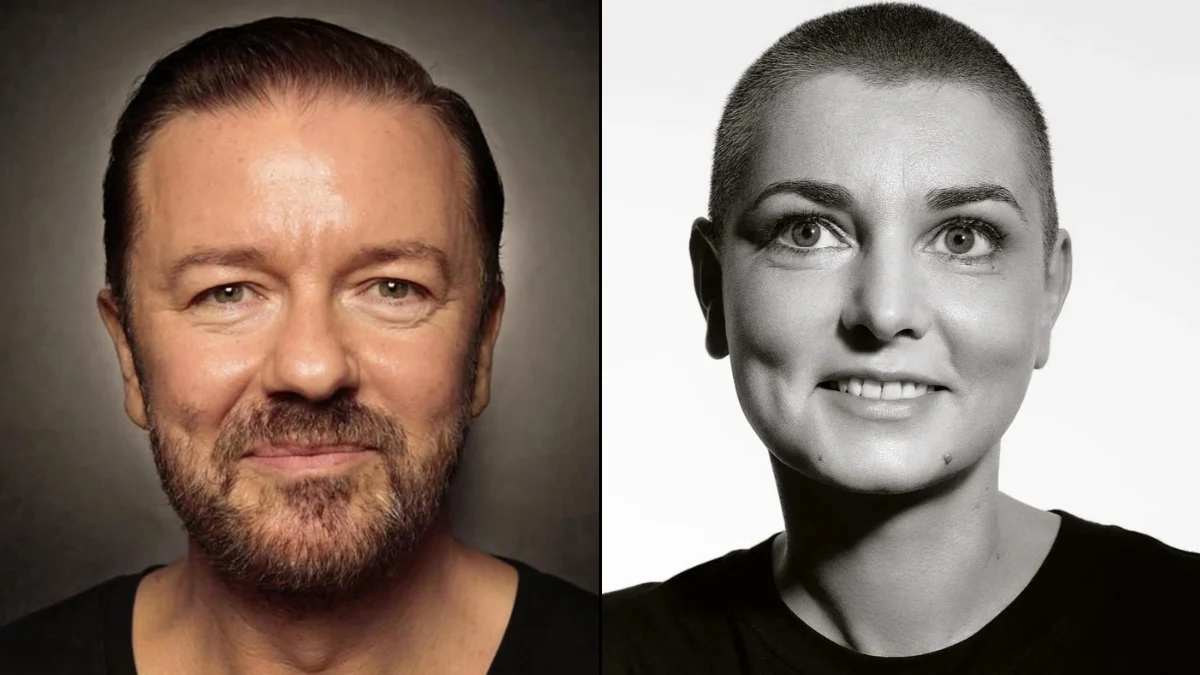
Ricky Gervais
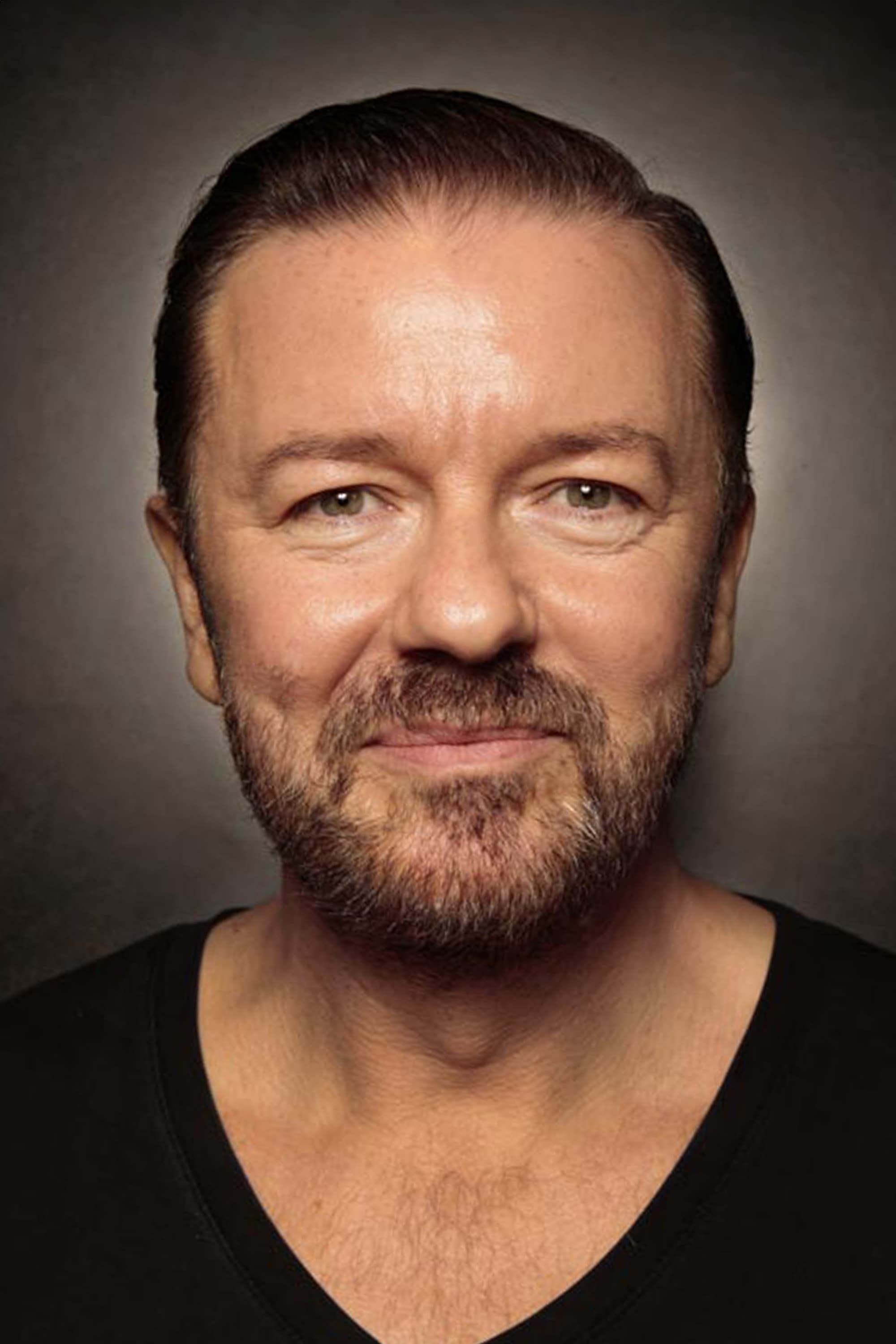
As the host of the Golden Globes the comedian repeatedly ignored the instructions of the organizers to keep his jokes light. He delivered blistering monologues that targeted the powerful figures in the room and the hypocrisy of the film industry. Despite the threat of never being invited back or facing industry backlash he continued to double down on his sharp satire. Gervais maintained that the role of a comedian is to speak truth to power. His refusal to censor his material made his hosting stints some of the most talked about moments in television history.
Tell us which of these artistic stands surprised you the most in the comments.