Actors Who Claimed Modern Hollywood Standards Are Killing Their Industry

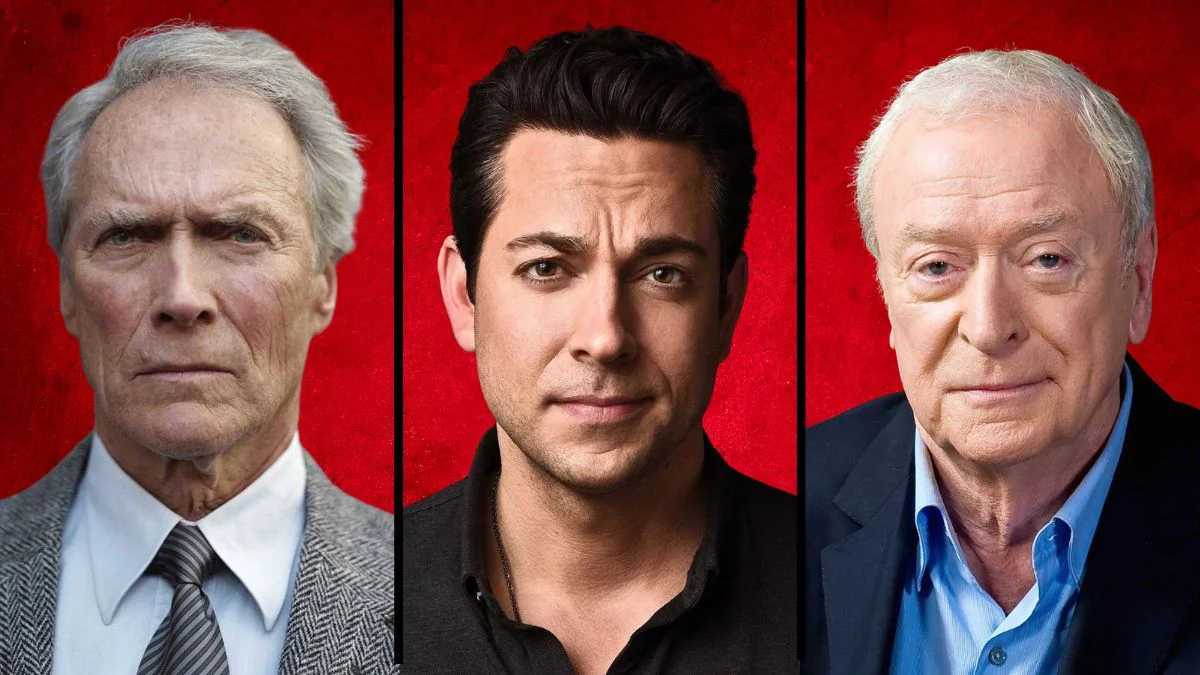

This acclaimed filmmaker has often spoken about how the current focus on franchises and superhero movies is damaging the industry. He argues that the Marvelization of Hollywood has led to a decline in original storytelling and unique cinematic voices. Tarantino believes that characters have become more famous than the actors which diminishes the traditional power of the movie star. He suggests that this era will be remembered as a particularly uninspired period in film history. The artist continues to advocate for the preservation of film as a distinct art form rather than a mere commercial product.
Sean Penn
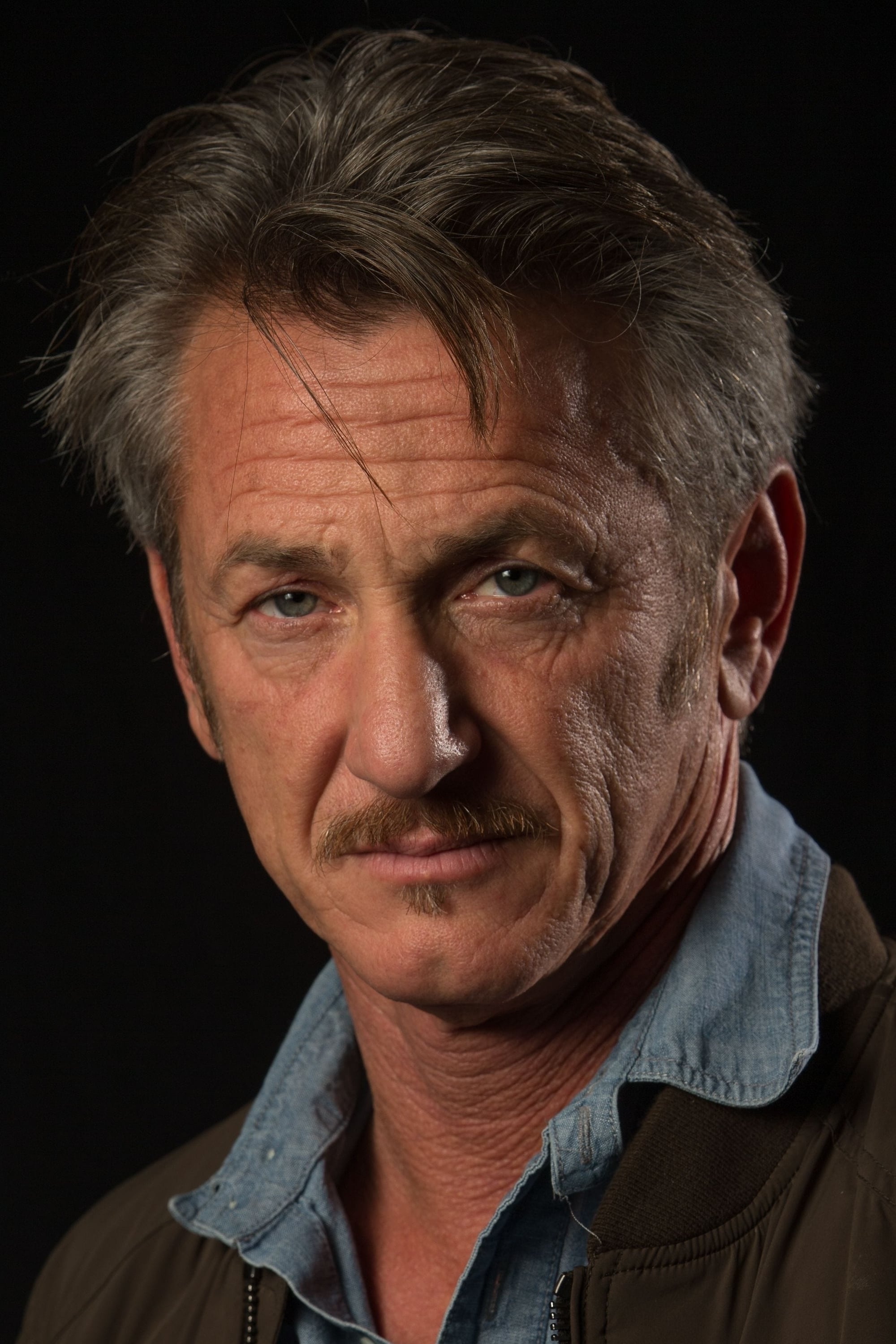
This veteran performer has expressed significant frustration with modern sensitivity training and political correctness in the film world. He believes these standards are limiting the range of human experience that can be depicted on screen safely. Penn argues that the fear of offending certain groups prevents filmmakers from exploring complex and controversial themes that defined classic cinema. He maintains that art should be challenging and at times uncomfortable for the audience to experience. The actor suggests that the current environment fosters a culture of self censorship among performers and writers alike.
Zachary Levi
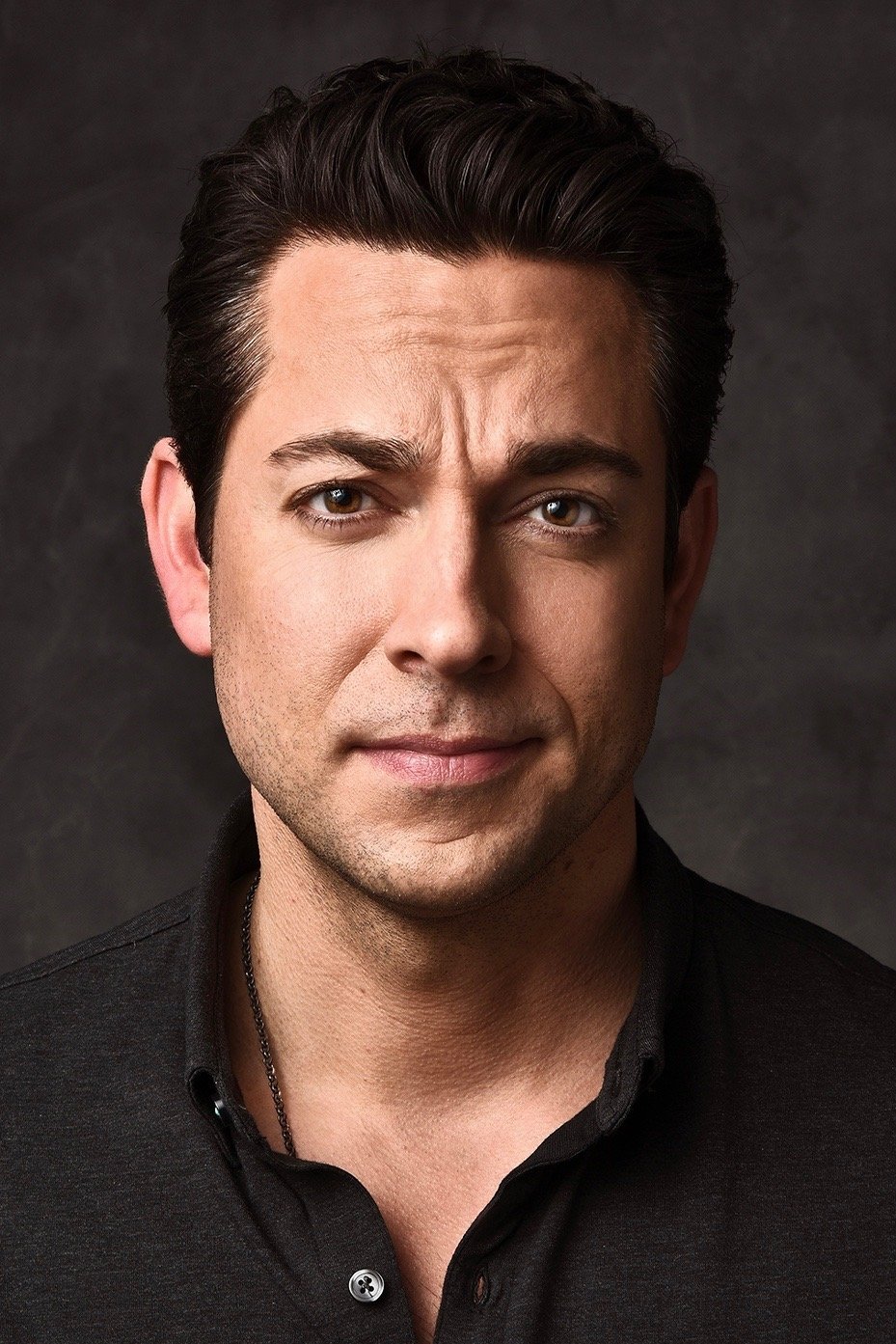
This actor has been vocal about the declining quality of content being produced by the major Hollywood studios. He claims that many films are garbage and that studios often do not care enough to make projects great for the audience. Levi encourages fans to stop supporting mediocre content to force the industry to raise its standards once again. He believes that the focus has shifted too far toward profit margins rather than creative excellence. This stance has made him a prominent voice among those calling for a return to quality filmmaking.
John Cleese

This legendary comedian and actor has frequently criticized the impact of cancel culture on the creative industry. He argues that the modern obsession with avoiding offense has stifled the ability of comedians and writers to be truly creative. Cleese believes that the pressure to conform to specific social standards is killing the spirit of artistic exploration. He suggests that the current atmosphere makes it nearly impossible to produce the kind of boundary pushing comedy that he was known for in the past. The actor continues to speak out against what he perceives as a restrictive and humorless modern environment.
Michael Caine
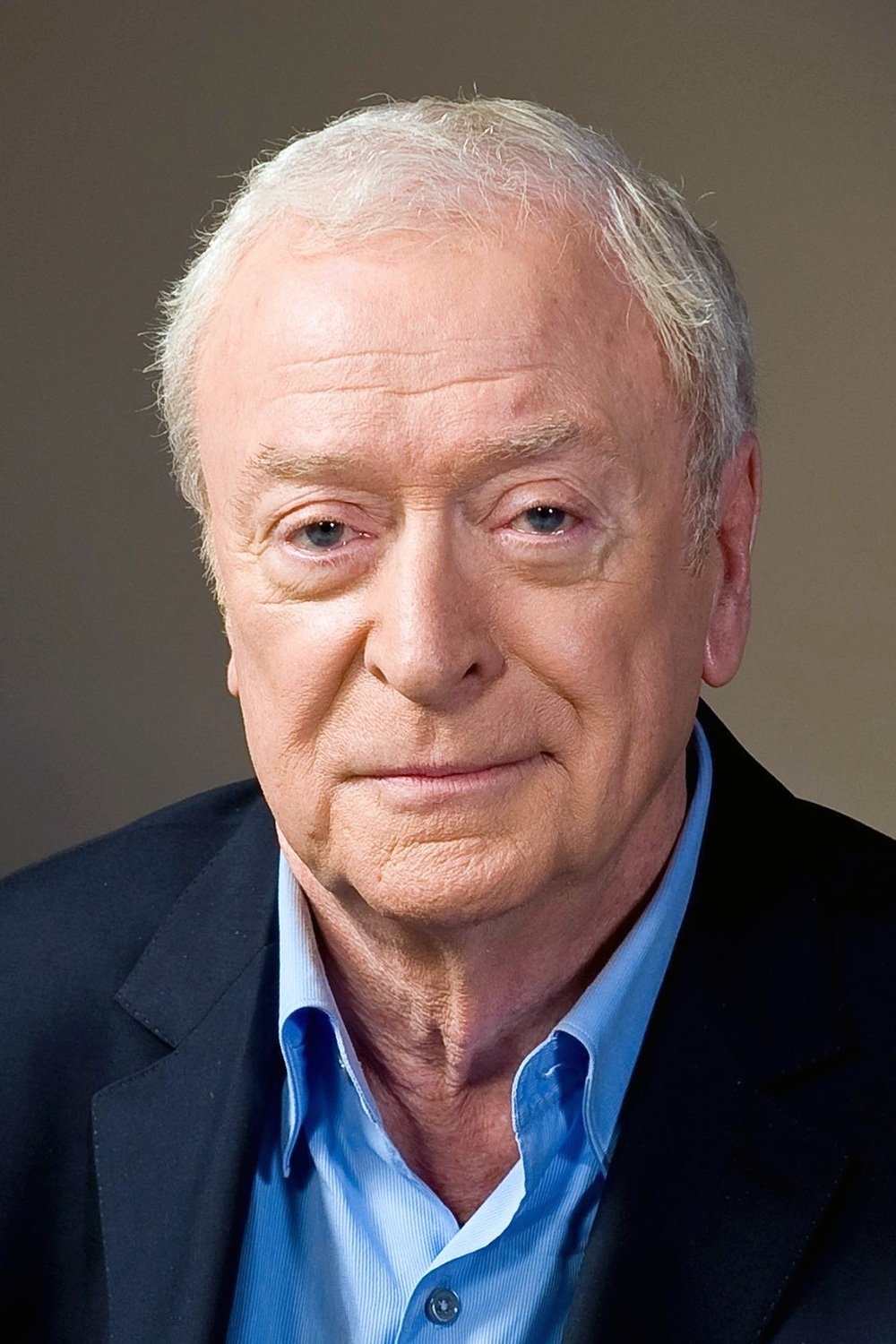
This iconic British actor has commented on the shift in Hollywood standards regarding political correctness on film sets. He claims that the modern industry has become overly sensitive which can hinder the natural flow of creativity during production. Caine expresses a preference for the older ways of filmmaking where the focus remained strictly on the craft of acting. He believes that some of the new requirements and protocols are unnecessary distractions for veteran performers. The actor maintains a nostalgic view of a time when the industry felt more focused on the work itself.
Anthony Hopkins
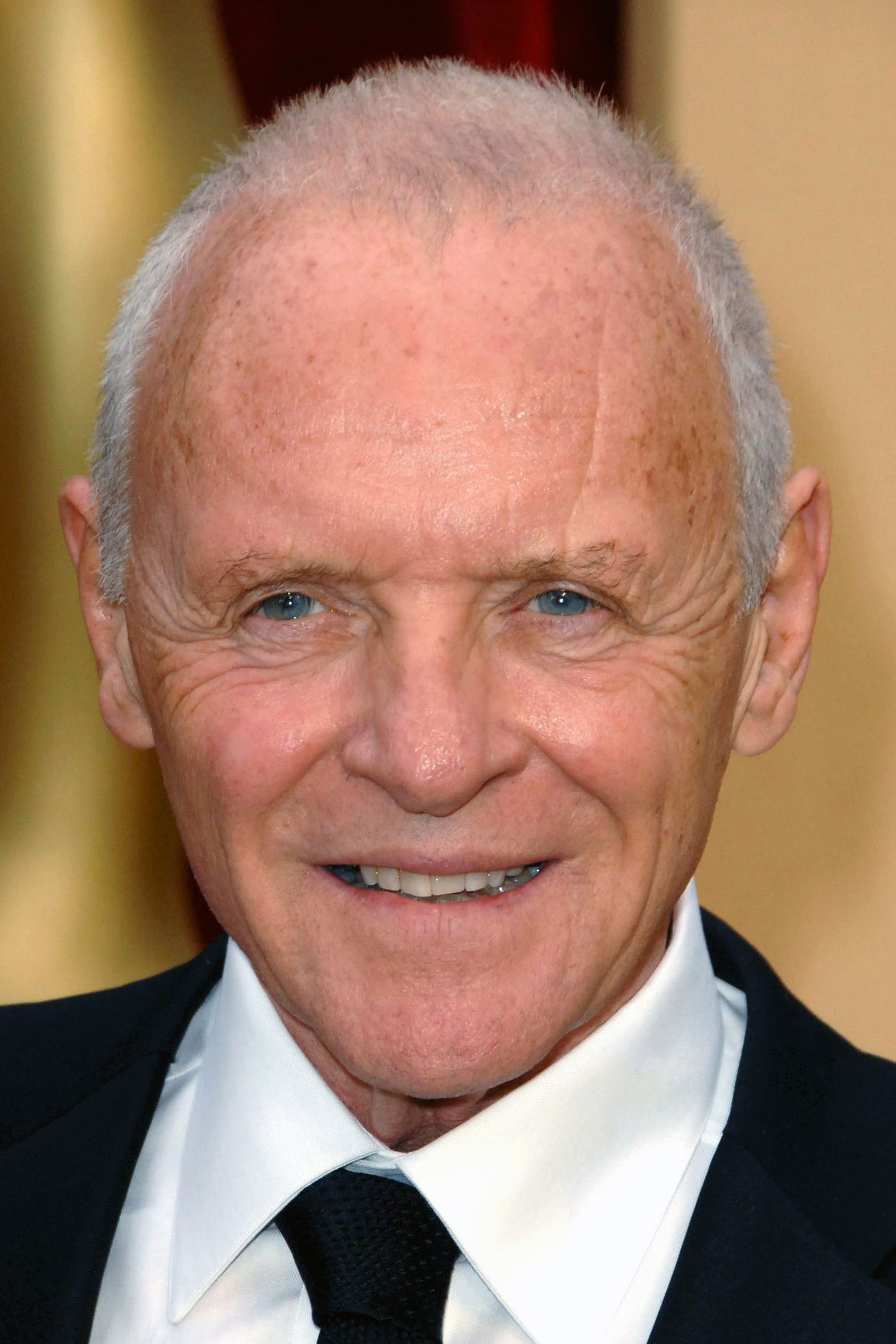
This Oscar winning actor has expressed his distaste for the modern reliance on green screens and digital effects over traditional acting. He has noted that performing in front of a green screen is tedious and removes the soul from the acting process. Hopkins believes that the emphasis on big budget spectacles has marginalized the importance of character driven performances. He suggests that the industry is moving away from the human elements that make cinema truly impactful. The actor often emphasizes his preference for projects that prioritize performance over visual gimmicks.
Liam Neeson
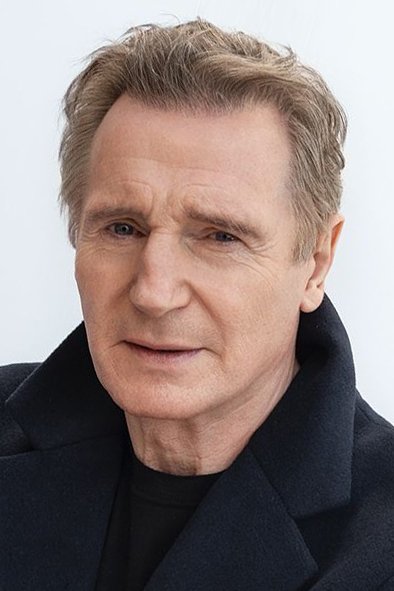
This action star has voiced his concerns about the saturation of the market with franchise films and spin offs. He specifically mentioned that the constant expansion of series like ‘Star Wars’ has taken away the mystery and magic of the original movies. Neeson believes that the industry is overproducing content which leads to audience fatigue and lower creative standards. He argues that the focus on quantity over quality is detrimental to the long term health of the cinematic experience. The actor remains skeptical of the endless cycle of sequels and prequels dominating the box office.
Clint Eastwood
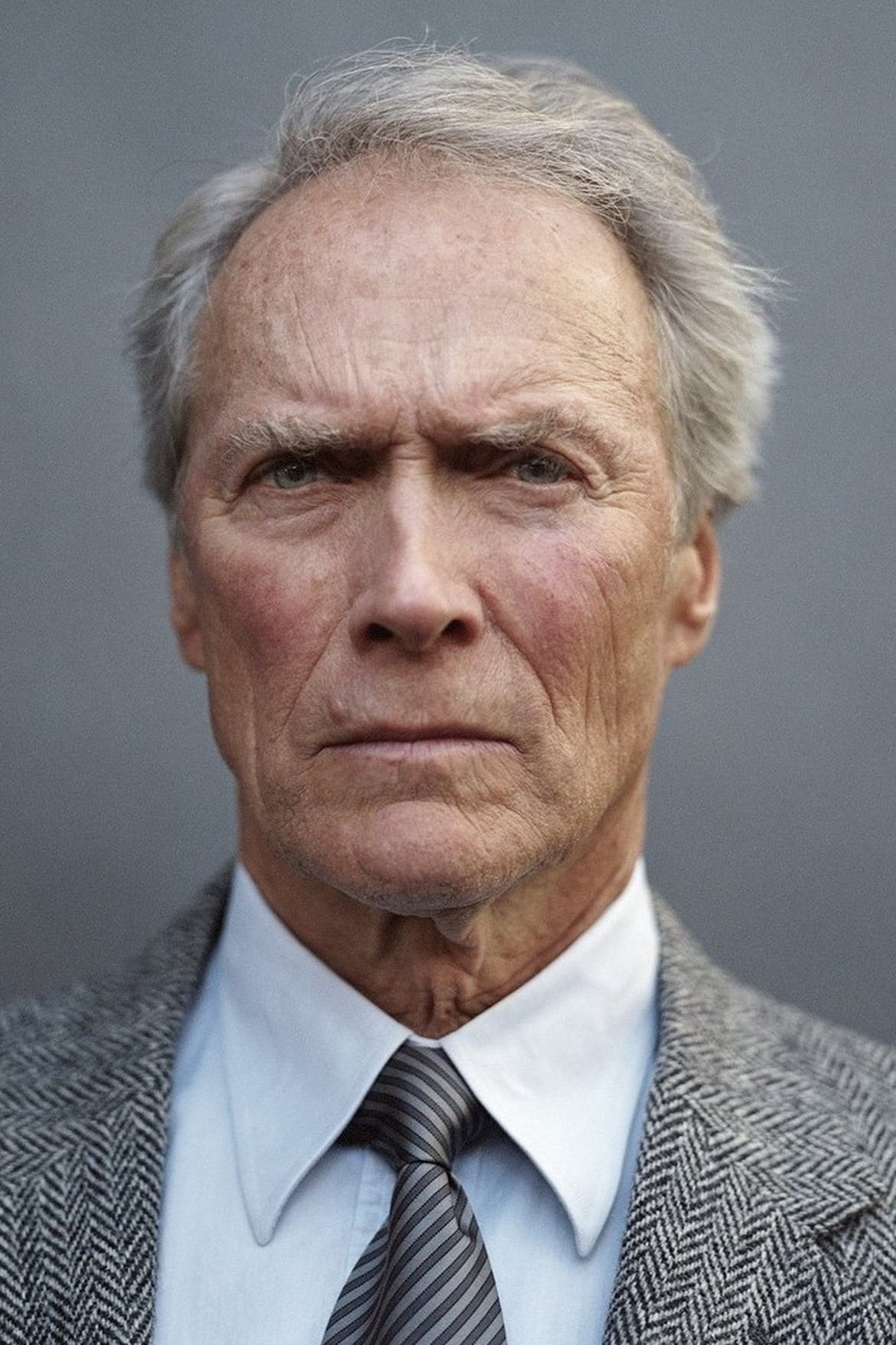
This legendary actor and director has criticized the modern sensitivity of the industry which he often refers to as a pussy generation. He believes that the current standards of political correctness have made people too eager to take offense at creative work. Eastwood argues that this shift has made it harder to produce gritty and honest films that reflect reality. He suggests that the industry was more robust when filmmakers were allowed to tell stories without constant scrutiny of their social messaging. The filmmaker continues to produce work that often defies modern Hollywood expectations.
Mickey Rourke
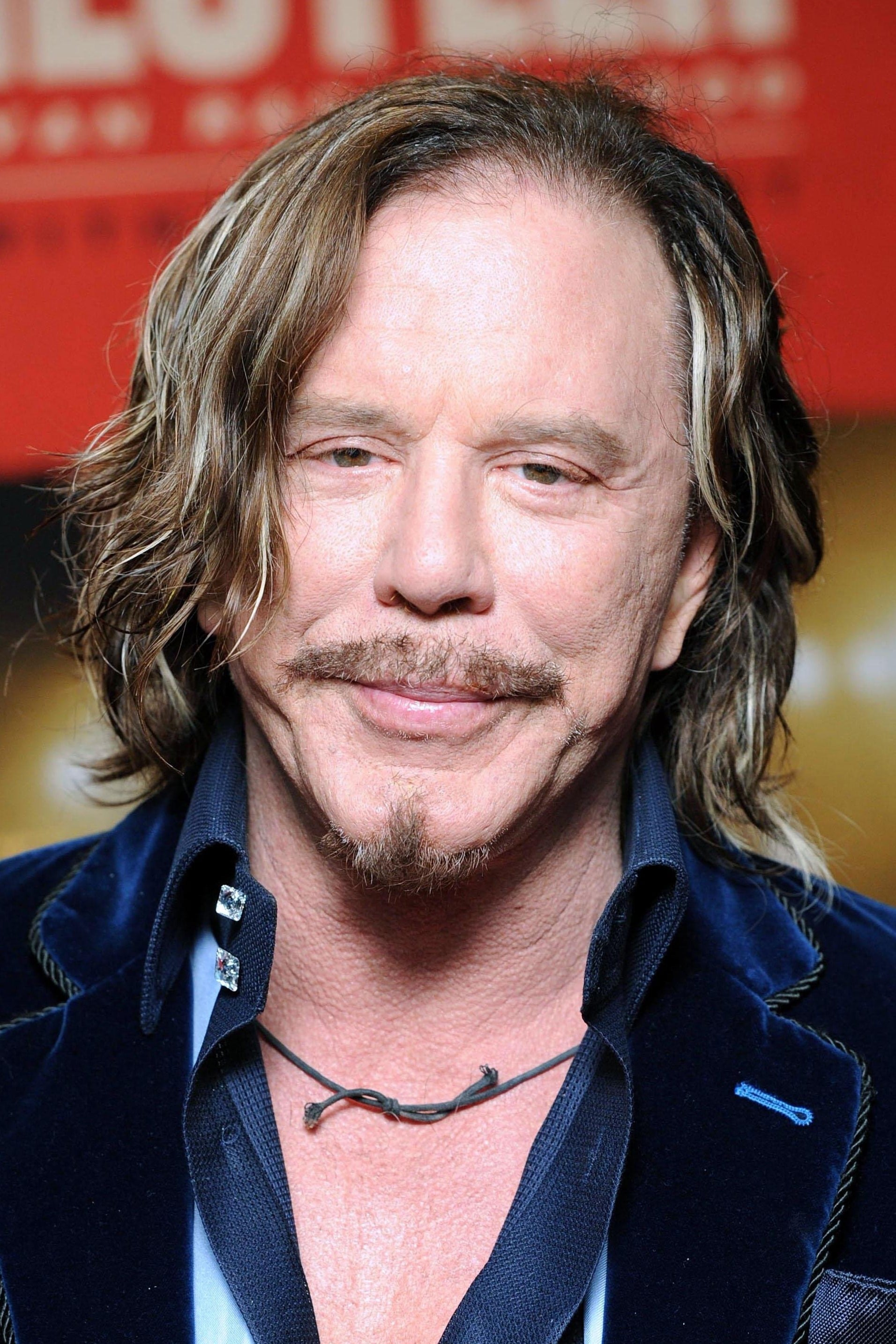
This veteran actor has been highly critical of the quality of acting found in modern big budget superhero movies. He claims that these films prioritize visual effects and commercial appeal over the actual craft of performance. Rourke has expressed his respect for actors who still follow the method and take their roles seriously despite industry shifts. He believes that the standards for what constitutes a great performance have been lowered by the franchise system. The actor often contrasts the current state of the industry with the high standards of the past.
Gary Oldman

This versatile performer has spoken about the changing nature of professionalism and standards within the studio system. He believes that the industry has lost some of its magic and discipline due to the shift toward digital production and rapid turnaround times. Oldman suggests that the focus on commercial viability often overshadows the artistic integrity of a project. He has expressed nostalgia for a period when filmmaking felt more like a collaborative art and less like a corporate machine. The actor remains committed to his craft while acknowledging the difficulties of the modern landscape.
Adam Driver
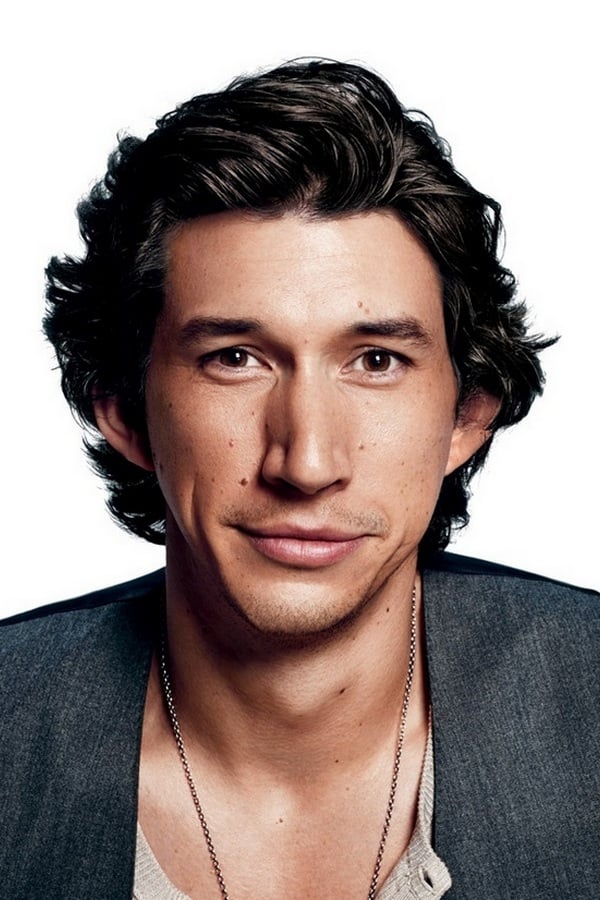
This acclaimed actor has criticized the business models of modern streaming services and their impact on the industry. He believes that large studios and streamers are not fairly distributing the wealth created by the performers and crew. Driver has pointed out the disparity between the massive budgets of these projects and the treatment of the people who make them. He argues that the focus on data and algorithms is killing the creative risks that lead to great cinema. The actor has used his platform to advocate for better standards for everyone involved in the filmmaking process.
Christian Bale
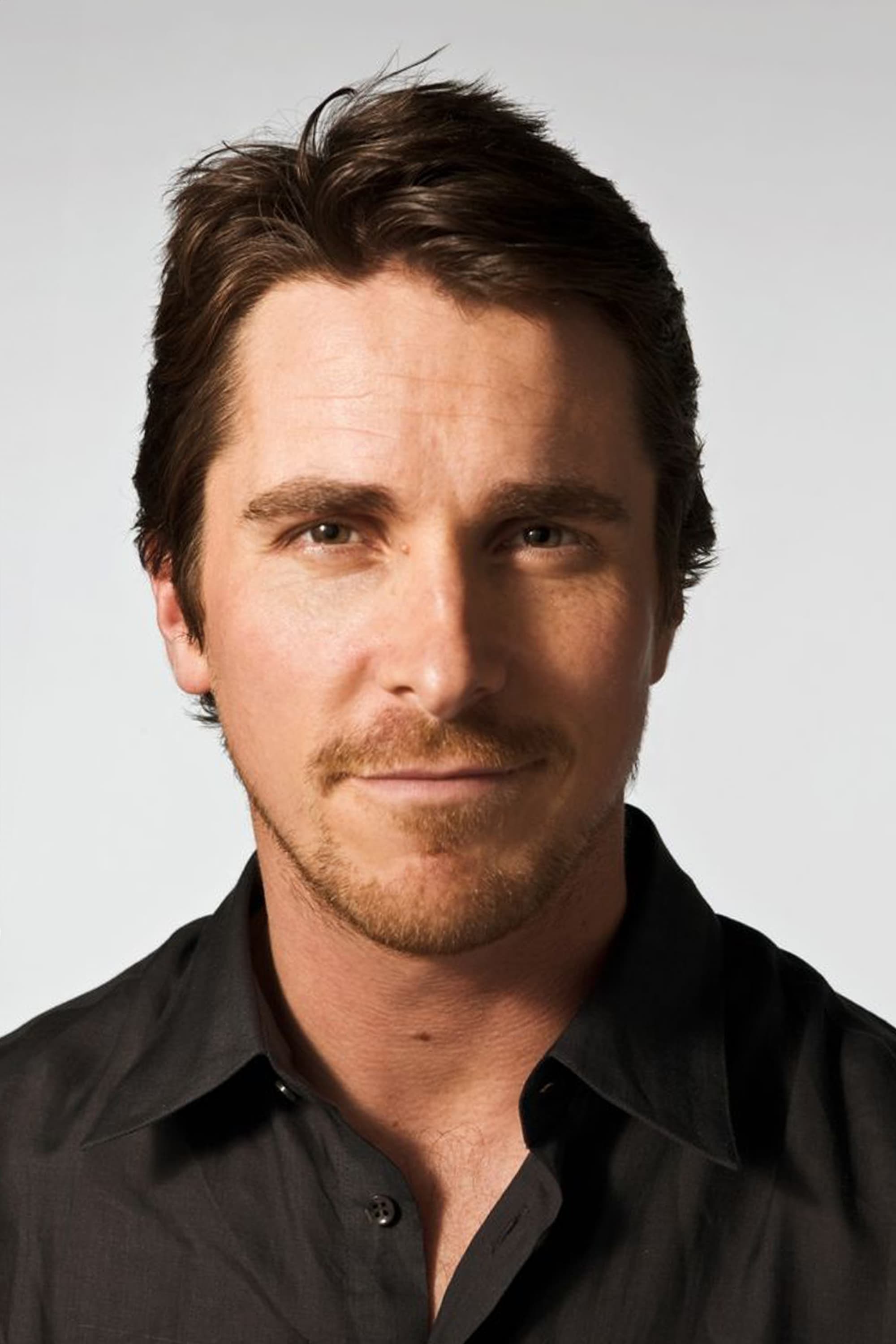
This dedicated actor has expressed his concerns about the dominance of franchises and the loss of smaller independent films. He believes that the middle budget movie is disappearing because studios are only interested in massive blockbusters. Bale suggests that this trend limits the variety of stories that can be told and the types of roles available to actors. He argues that the industry needs to find a better balance between commercial success and artistic diversity. The actor continues to seek out unique projects that challenge the prevailing standards of modern Hollywood.
Tom Cruise
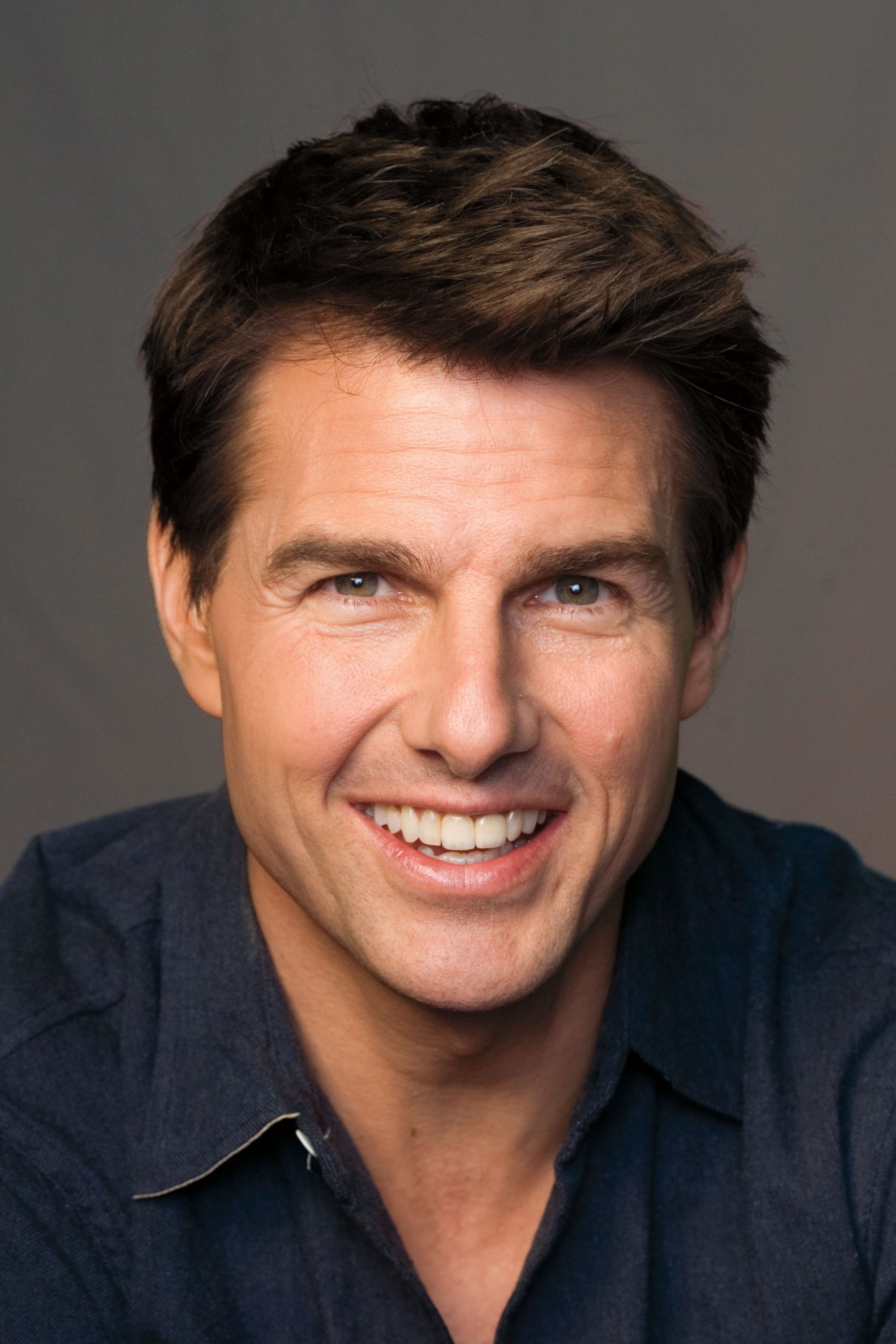
This global superstar has become a champion for the traditional theatrical experience in the face of the streaming revolution. He believes that the industry is being damaged by the rush to release films on home platforms rather than in cinemas. Cruise argues that the scale and communal experience of a movie theater are essential to the art of filmmaking. He has fought to maintain high production standards and insists on performing his own stunts to ensure authenticity. The actor remains one of the most vocal supporters of maintaining the classic cinematic model.
Harrison Ford
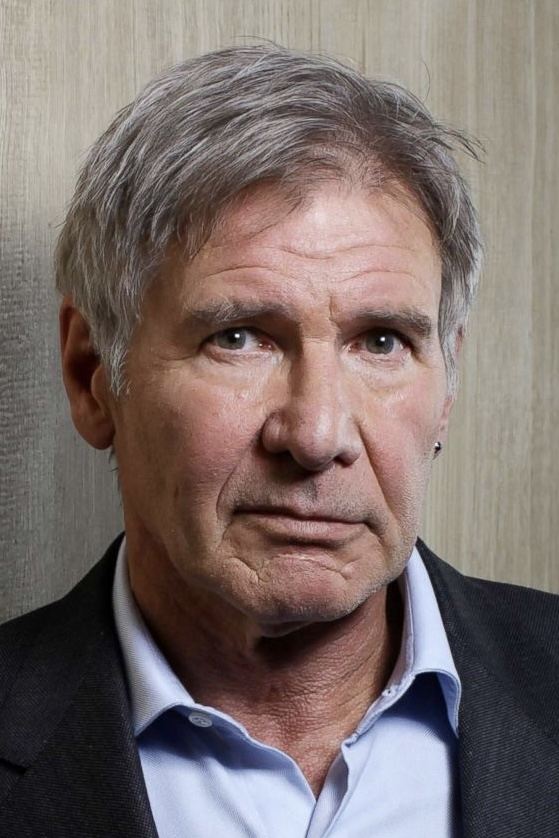
This iconic actor has expressed his thoughts on how modern technology and CGI have changed the nature of storytelling. He believes that while visual effects are impressive they often lack the emotional weight of practical filmmaking. Ford argues that the focus should always remain on the story and the characters rather than the spectacle. He has noted that the industry sometimes uses technology as a crutch instead of a tool to enhance the narrative. The actor prefers the tangible elements of filmmaking that were more common earlier in his career.
Dustin Hoffman
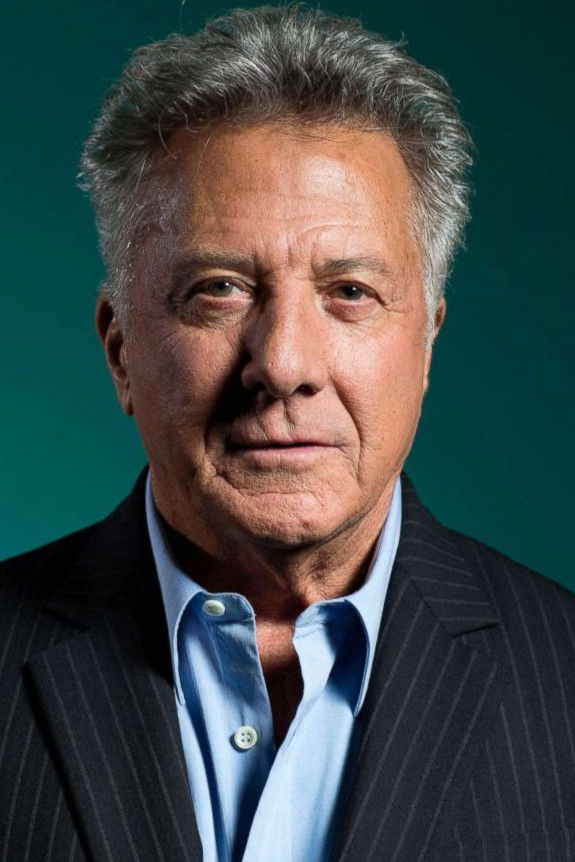
This veteran actor has stated that the current era is the worst he has seen in the history of the film industry. He believes that the focus on the opening weekend box office has led to a decline in the quality of scripts and direction. Hoffman argues that the industry is no longer interested in the small human stories that used to be the backbone of cinema. He suggests that the pressure to appeal to a global market has sanitized filmmaking and removed its local heart. The actor remains critical of the corporate nature of modern movie production.
Jeremy Irons
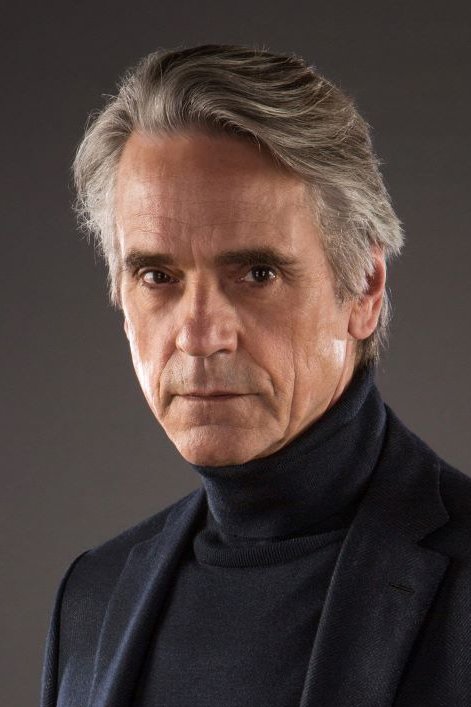
This distinguished performer has voiced his concerns about the formulaic nature of modern blockbuster films. He believes that the industry has become too reliant on a specific structure that limits creative freedom and surprise. Irons argues that the focus on massive budgets often results in a lack of depth and nuance in the final product. He suggests that the current standards prioritize safety and predictability over genuine artistic risk. The actor continues to advocate for movies that challenge the audience and offer something beyond standard entertainment.
Ralph Fiennes
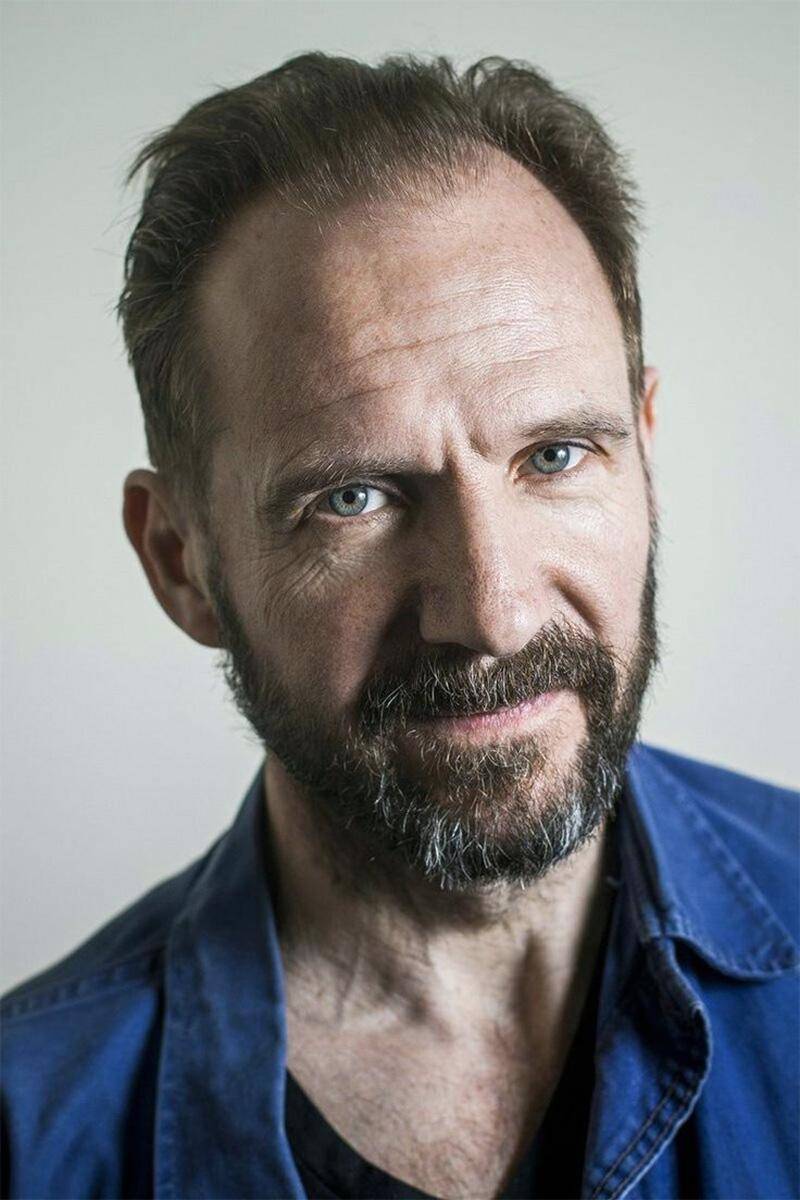
This respected actor has spoken about the modern tendency to sanitize characters and stories for contemporary audiences. He believes that the pressure to make characters likeable or morally perfect is damaging to the craft of acting. Fiennes argues that art should be allowed to explore the darker and more complex sides of humanity without judgment. He expresses concern that modern social standards are leading to a homogenization of storytelling. The actor maintains that the industry should protect the right of artists to depict the world as it is.
Mads Mikkelsen
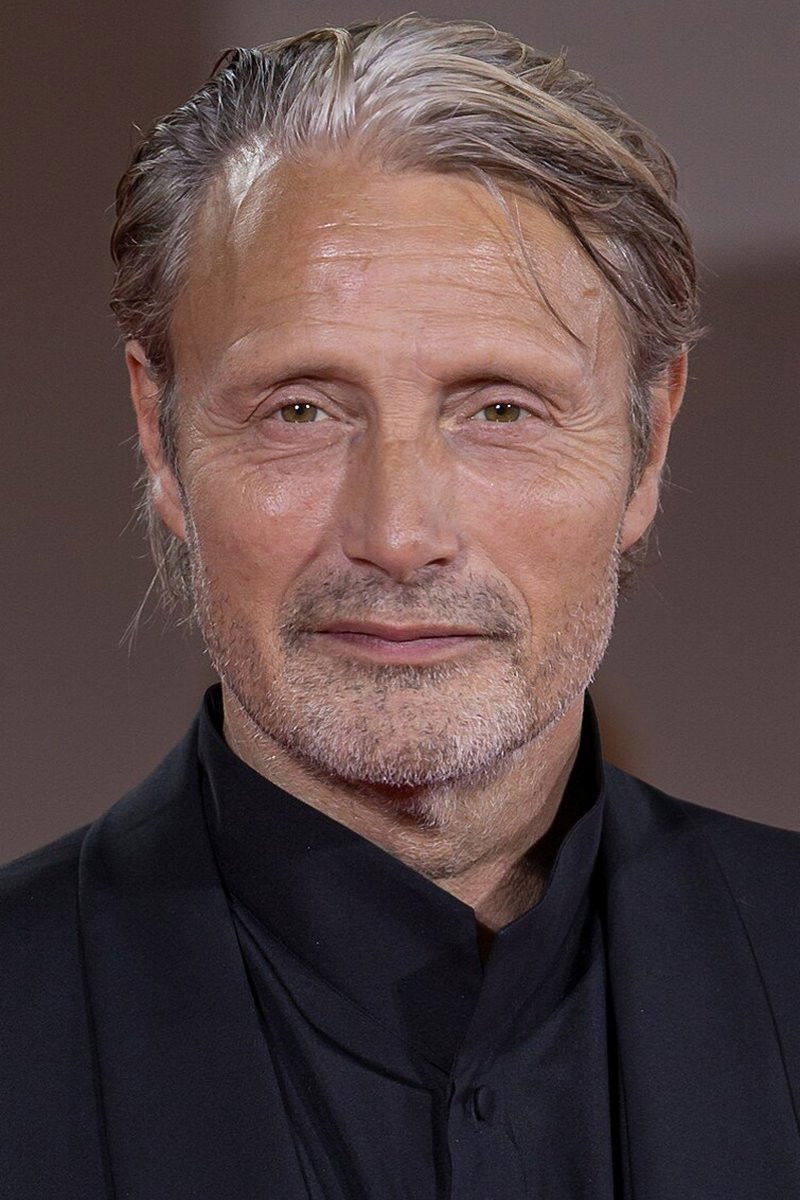
This Danish actor has shared his thoughts on the modern requirements for casting and how they can impact artistic integrity. He believes that the focus on specific background requirements can sometimes get in the way of finding the best person for a role. Mikkelsen argues that the primary goal of any production should be to tell a compelling story with the most capable performers. He suggests that the industry is currently navigating a difficult balance between social goals and creative needs. The actor continues to work internationally while observing these shifts in Hollywood standards.
Vincent Cassel
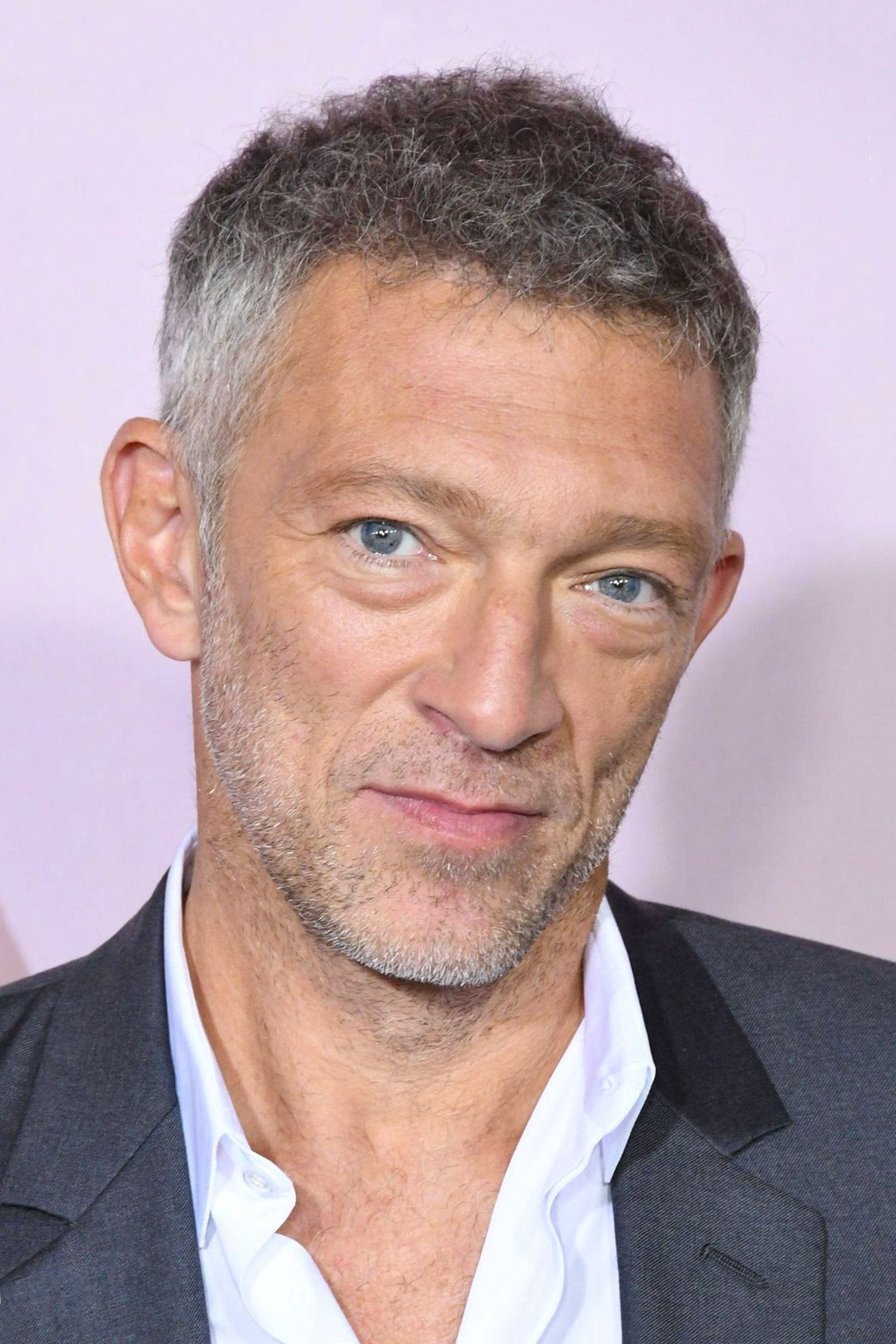
This French actor has criticized the modern industry for its perceived loss of masculinity and traditional character archetypes. He believes that social media and modern standards have created a sanitized version of manhood on screen. Cassel argues that movies have become less dangerous and visceral than they were in previous decades. He suggests that the focus on being politically correct has removed the edge from many modern performances. The actor remains an advocate for a more raw and unfiltered approach to cinematic storytelling.
Idris Elba
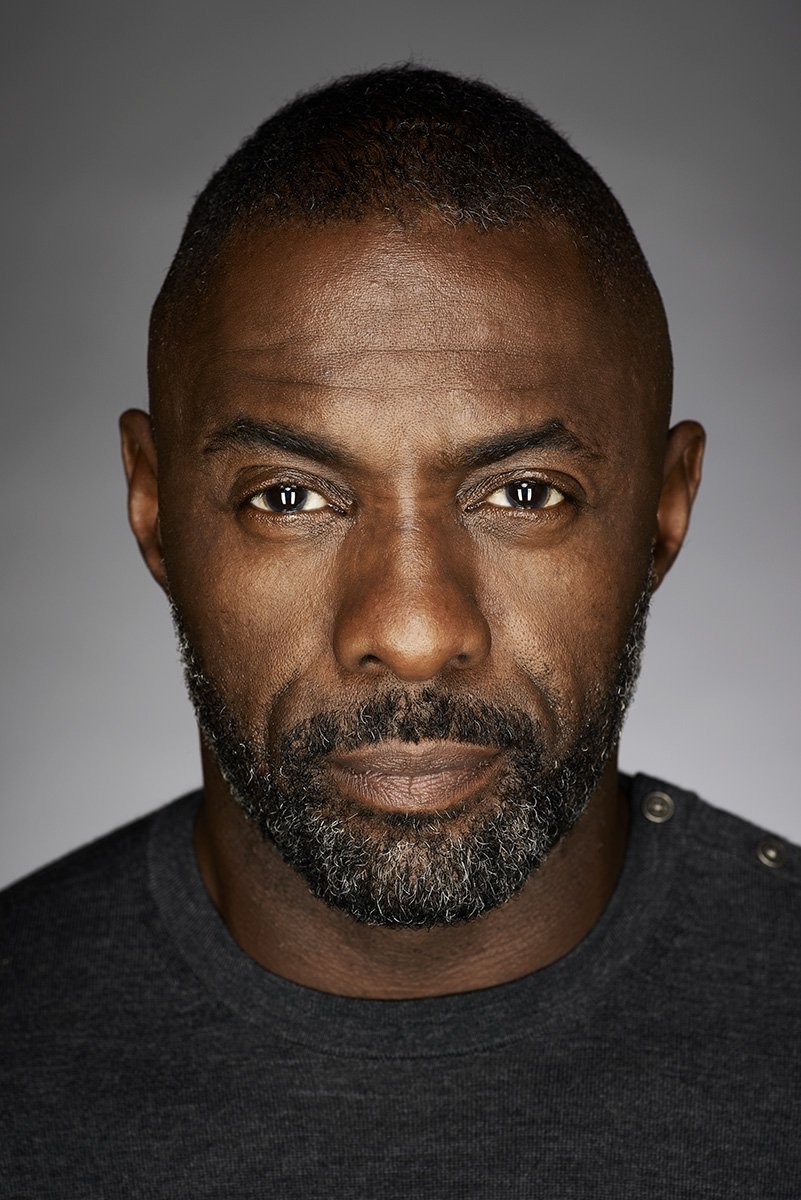
This versatile actor has spoken out against the industry standard of labeling performers by their race rather than their talent. He believes that these labels are restrictive and prevent actors from being seen for their full range of abilities. Elba argues that the obsession with identity politics in Hollywood can actually hinder progress toward true equality. He suggests that the industry should move toward a post racial approach where the work speaks for itself. The actor has expressed his desire to be known simply as an actor without any qualifiers.
Robert Downey Jr.
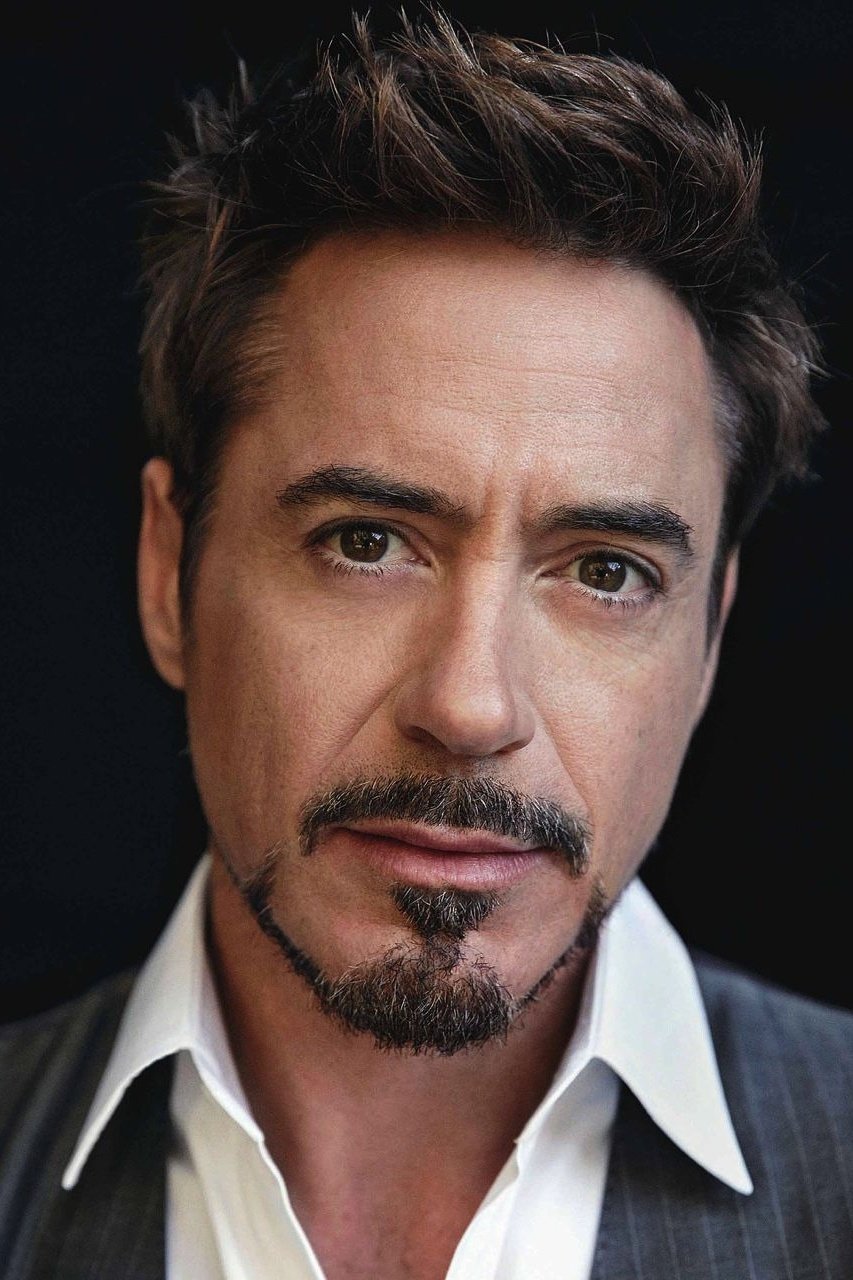
This influential star has reflected on how the saturation of the superhero genre has impacted the landscape of filmmaking. He acknowledges that while these films have been successful they have also crowded out other types of stories. Downey suggests that the industry needs to evolve beyond the current reliance on comic book properties to stay healthy. He believes that the high stakes of modern blockbusters can sometimes stifle the creative spontaneity found in smaller projects. The actor has recently focused on diverse roles that contrast with his long tenure in the Marvel Cinematic Universe.
Ben Affleck
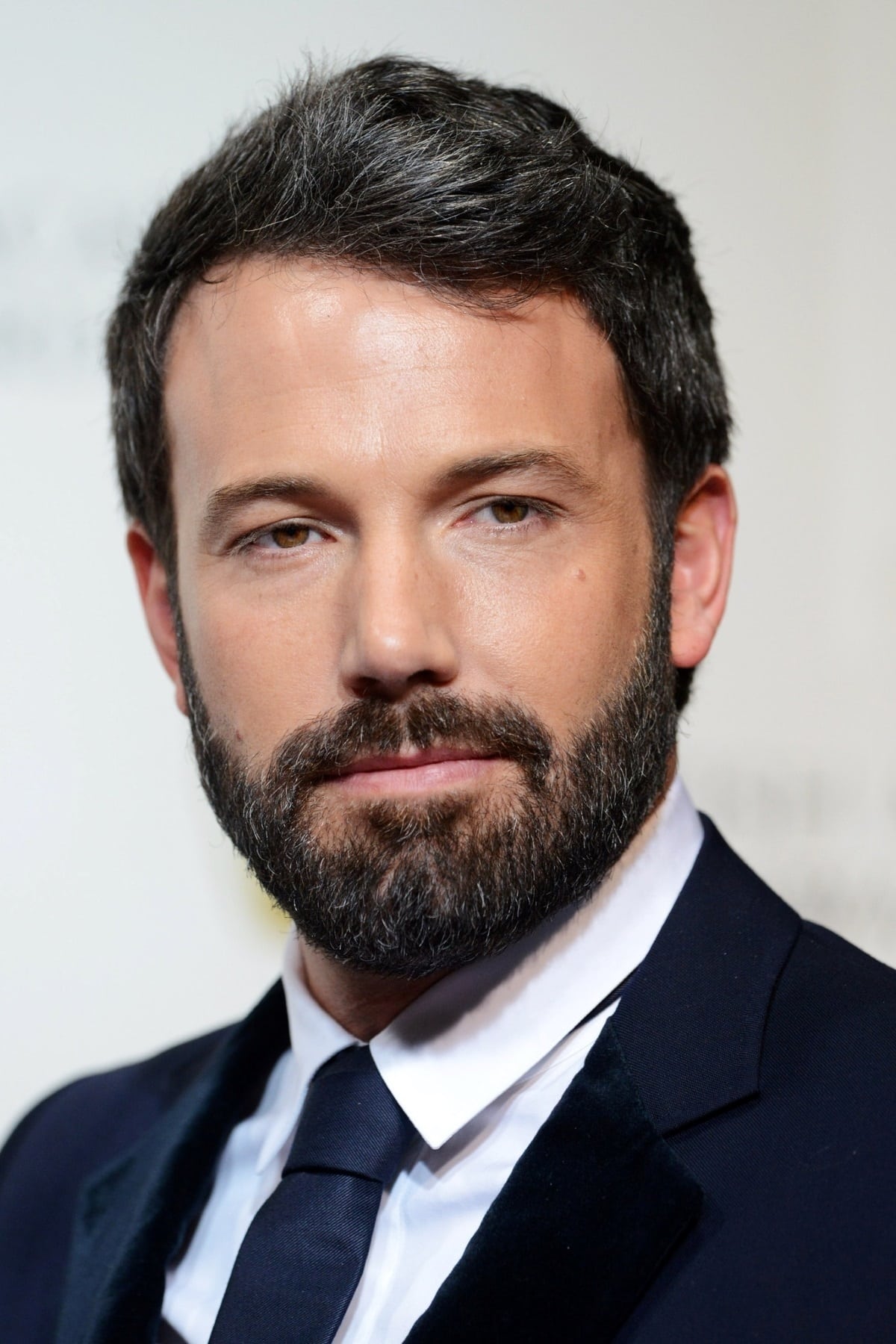
This actor and director has expressed deep concern about the disappearance of the mid budget movie due to the rise of streaming. He believes that the industry is becoming divided between massive blockbusters and low budget indie films with nothing in between. Affleck argues that this shift is killing the types of dramas and character studies that once defined Hollywood. He suggests that the current economics of the business make it difficult to get serious and thoughtful projects into theaters. The filmmaker remains a critic of how the theatrical model is being reshaped by corporate interests.
Matt Damon
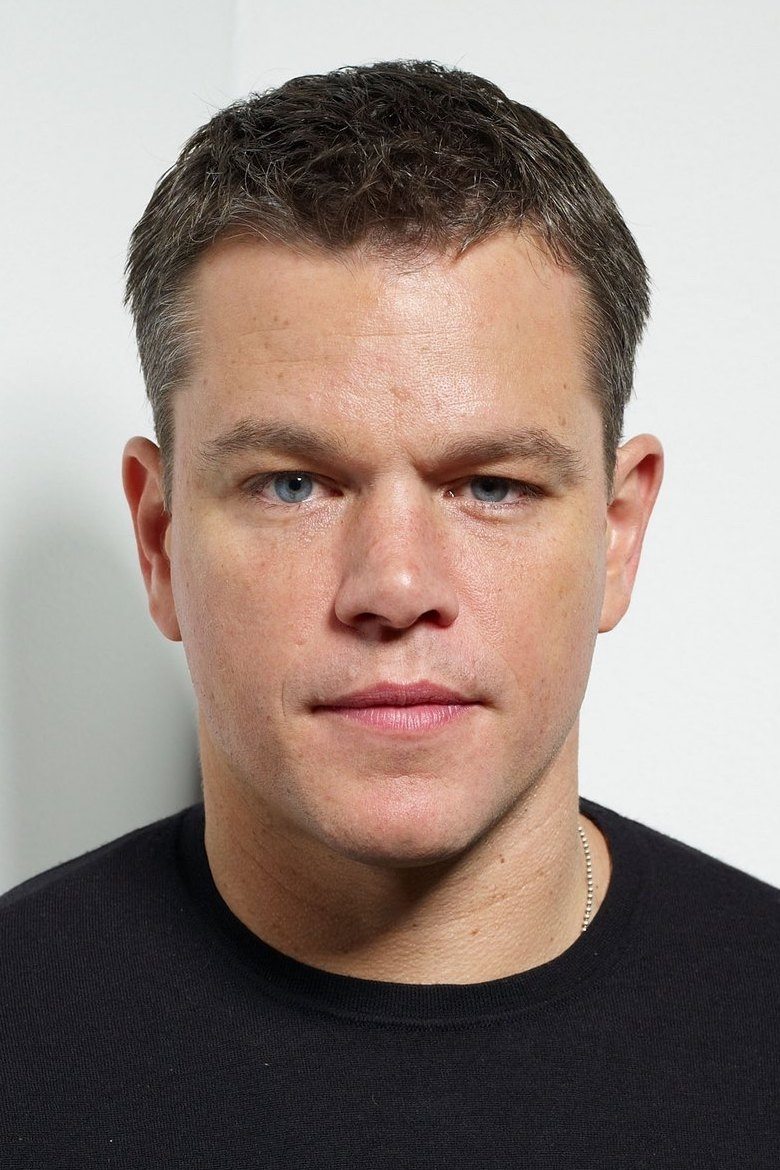
This prominent actor has explained how the loss of the DVD market has fundamentally changed the types of movies that get made. He argues that the industry can no longer take risks on original stories because the secondary revenue stream has vanished. Damon believes that this economic reality forces studios to rely on established intellectual property and international blockbusters. He suggests that many of the classic films of the past would never be produced under today’s financial standards. The actor has been vocal about how these changes have narrowed the creative scope of the industry.
Samuel L. Jackson
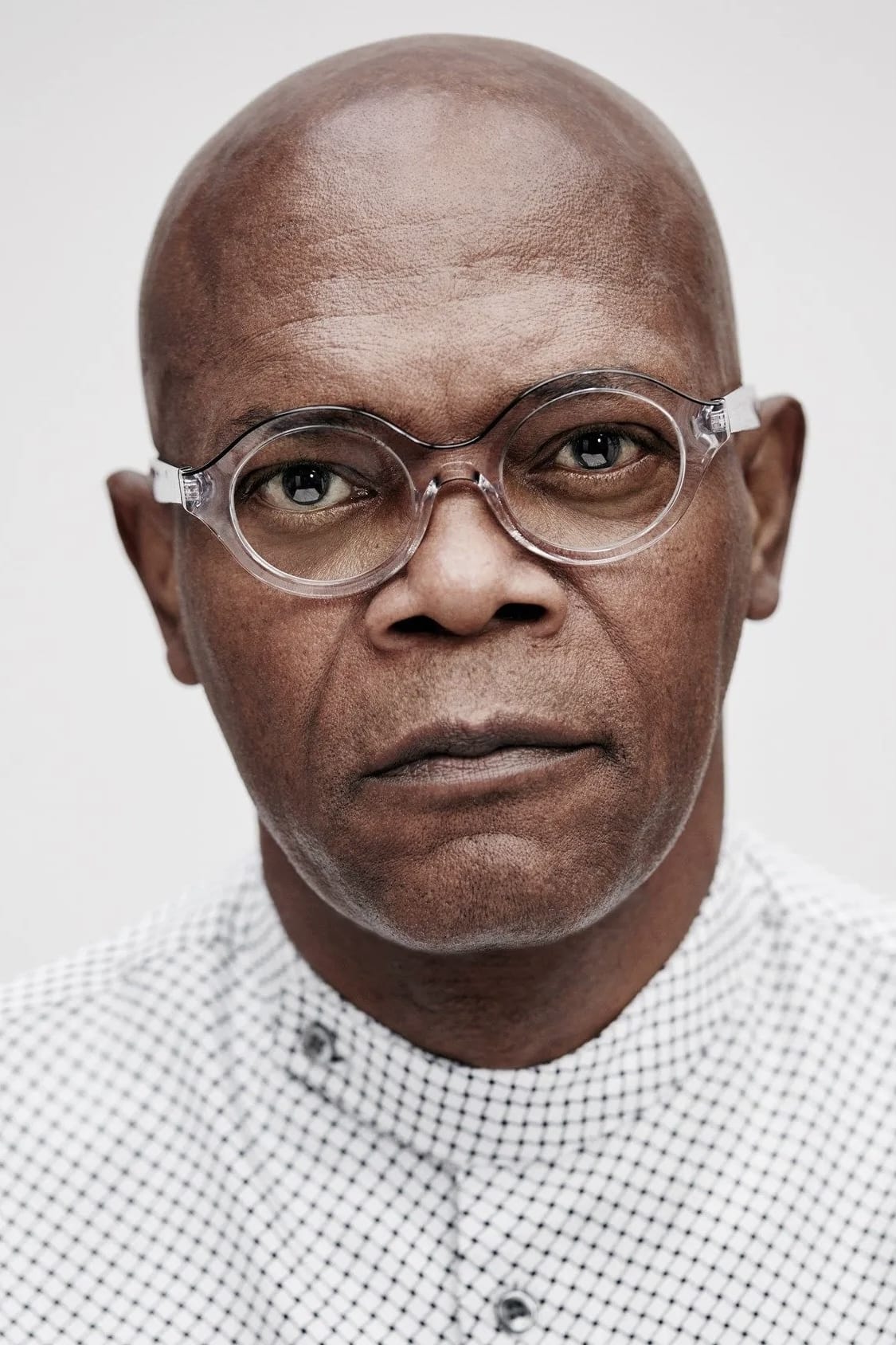
This iconic performer has weighed in on the debate regarding the artistic value of modern franchise films versus traditional cinema. He believes that the industry should be broad enough to include all types of movies without elitism. However Jackson also acknowledges that the focus on big spectacles can make it harder for smaller films to find an audience. He suggests that the modern way of measuring success through box office numbers alone is detrimental to the craft. The actor continues to work across all genres while advocating for the importance of the theatrical experience.
Morgan Freeman
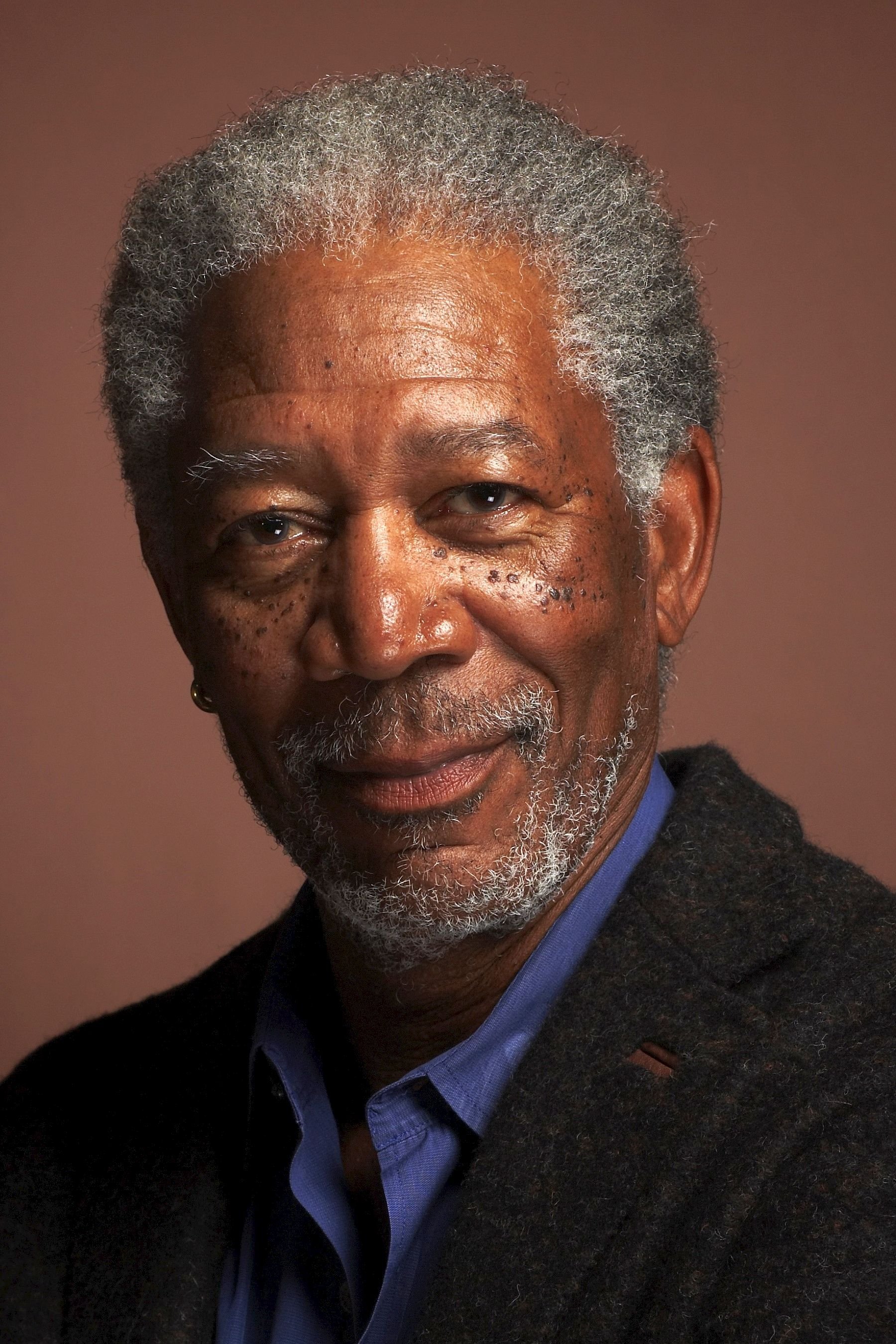
This legendary actor has criticized the modern industry for its continued reliance on labels and specific months to celebrate history. He believes that these standards actually encourage division rather than unity within the professional world. Freeman argues that the best way to handle diversity in Hollywood is to treat everyone as an individual and focus on their work. He suggests that the current standards of political correctness can sometimes be counterproductive to true progress. The actor remains a respected voice who often challenges the prevailing social narratives of the industry.
Nicolas Cage
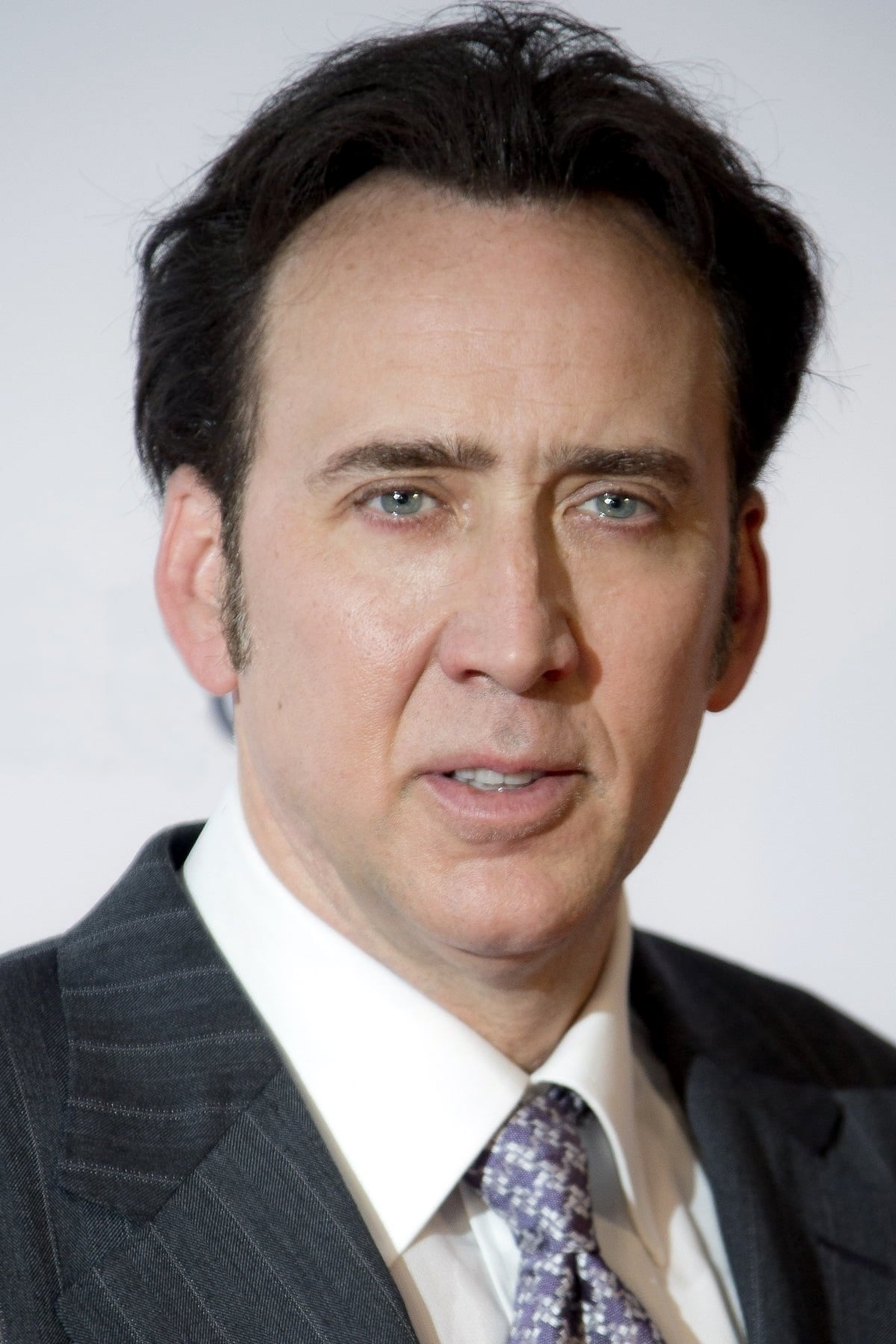
This eccentric and talented actor has voiced his concerns regarding the potential use of artificial intelligence to replicate performances. He believes that the human spirit and spontaneity are essential to the craft of acting and cannot be replaced by machines. Cage argues that the industry’s interest in digital replicas is a threat to the livelihoods and integrity of performers. He suggests that the focus on technology over humanity is a dangerous path for the future of cinema. The actor continues to champion the importance of physical and emotional presence in every role.
Shia LaBeouf
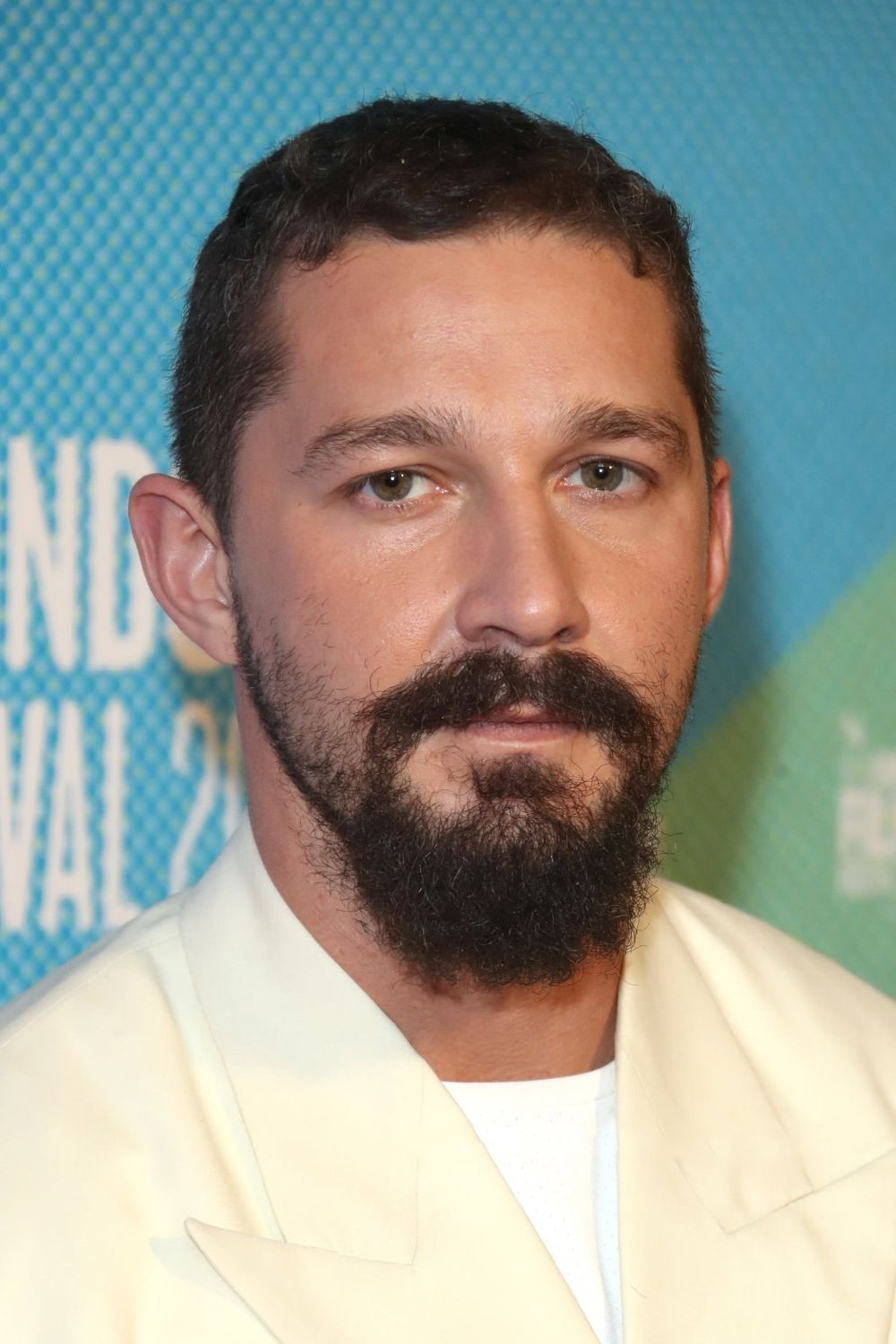
This intense performer has been a vocal critic of the studio system and its impact on the individual artist. He believes that the corporate nature of modern Hollywood treats actors like products rather than creators. LaBeouf argues that the pressure to conform to a specific public image is killing the authenticity of the craft. He has often sought out independent projects to escape the constraints of big studio standards. The actor remains a controversial figure who prioritizes artistic truth over commercial success.
Jim Carrey

This comedic genius has spoken about the soullessness he perceives in the modern corporate entertainment industry. He believes that the focus on branding and marketing has overshadowed the pursuit of genuine creative expression. Carrey suggests that the industry is often more interested in what can be sold than what can be felt. He has taken several breaks from the spotlight to focus on his own artistic pursuits away from Hollywood standards. The actor remains critical of the commercial machinery that drives much of modern filmmaking.
Jon Voight
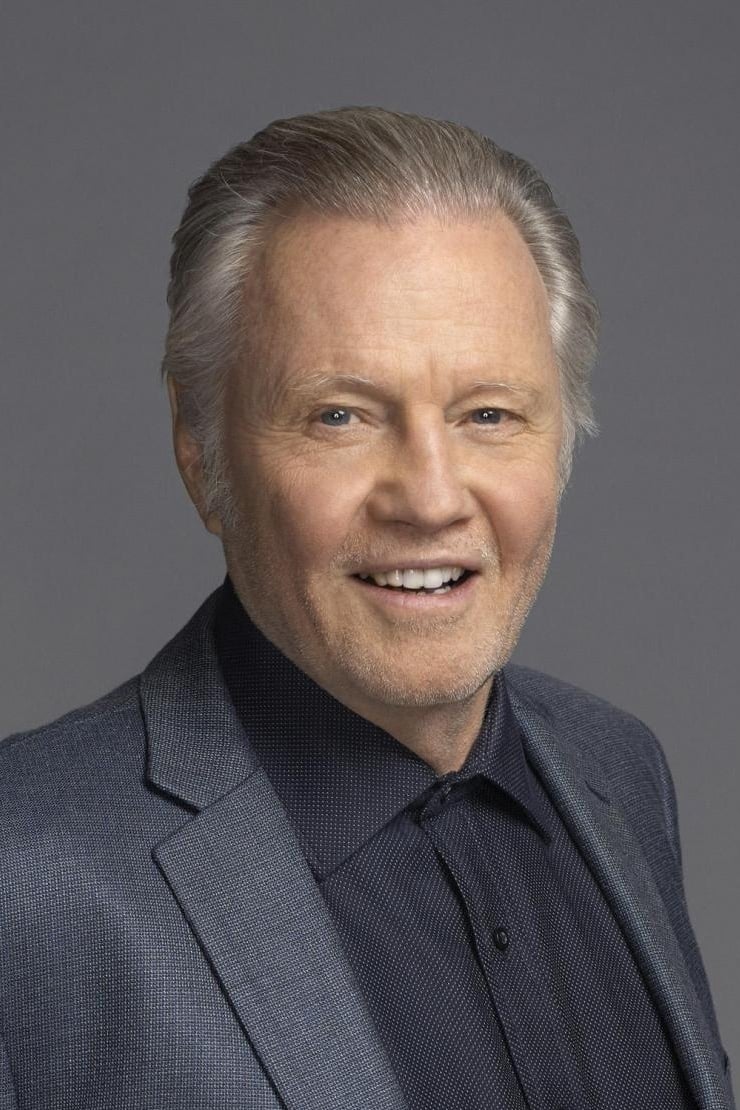
This veteran actor has expressed his concerns about the political bias he perceives within the modern film industry. He believes that the current standards of Hollywood often exclude those who hold traditional or conservative values. Voight argues that this bias is killing the diversity of thought that is necessary for a healthy creative environment. He suggests that the industry has become a place where political messaging is often prioritized over artistic quality. The actor continues to speak his mind despite the potential professional consequences.
Kelsey Grammer
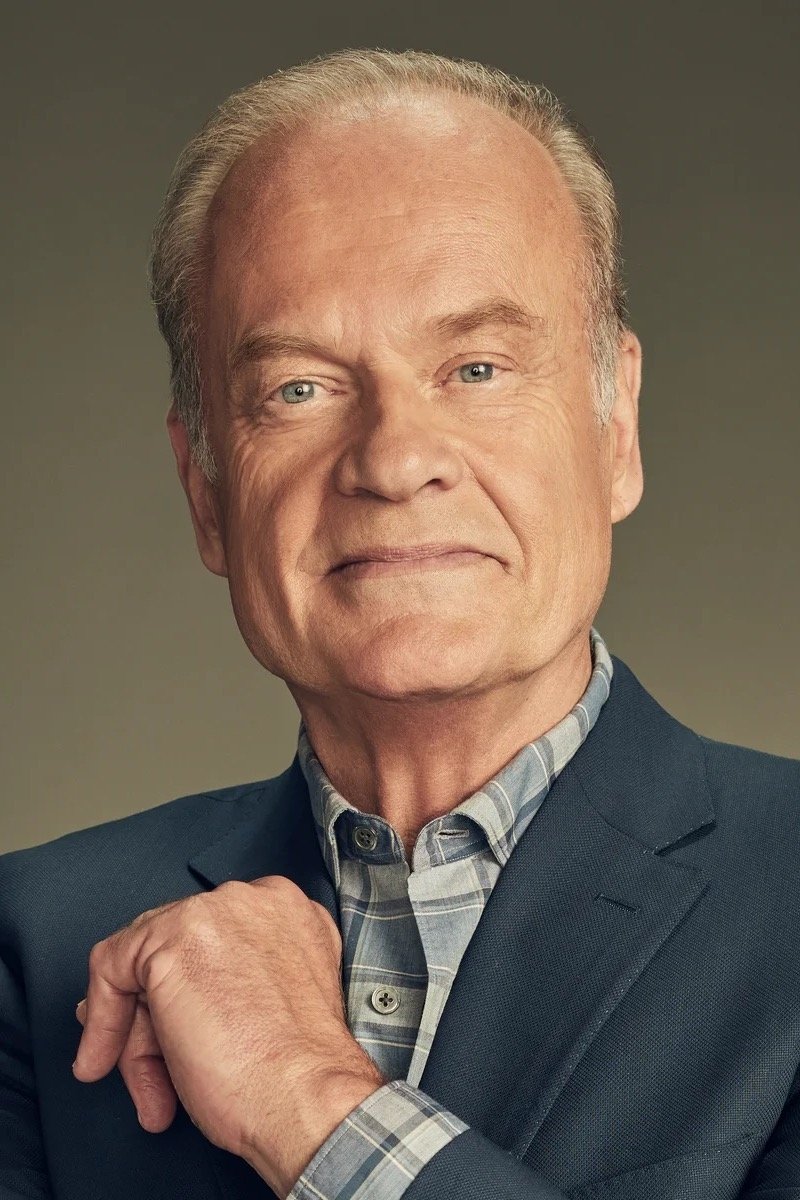
This celebrated television and film star has noted the difficulties of working in an industry that he feels is increasingly partisan. He believes that modern Hollywood standards often require a specific political alignment to remain successful. Grammer argues that this environment is detrimental to the storytelling process because it narrows the perspective of the work. He suggests that the industry was more open to different viewpoints in previous decades. The actor continues to work on projects that reflect his own values while critiquing the current status quo.
Richard Dreyfuss
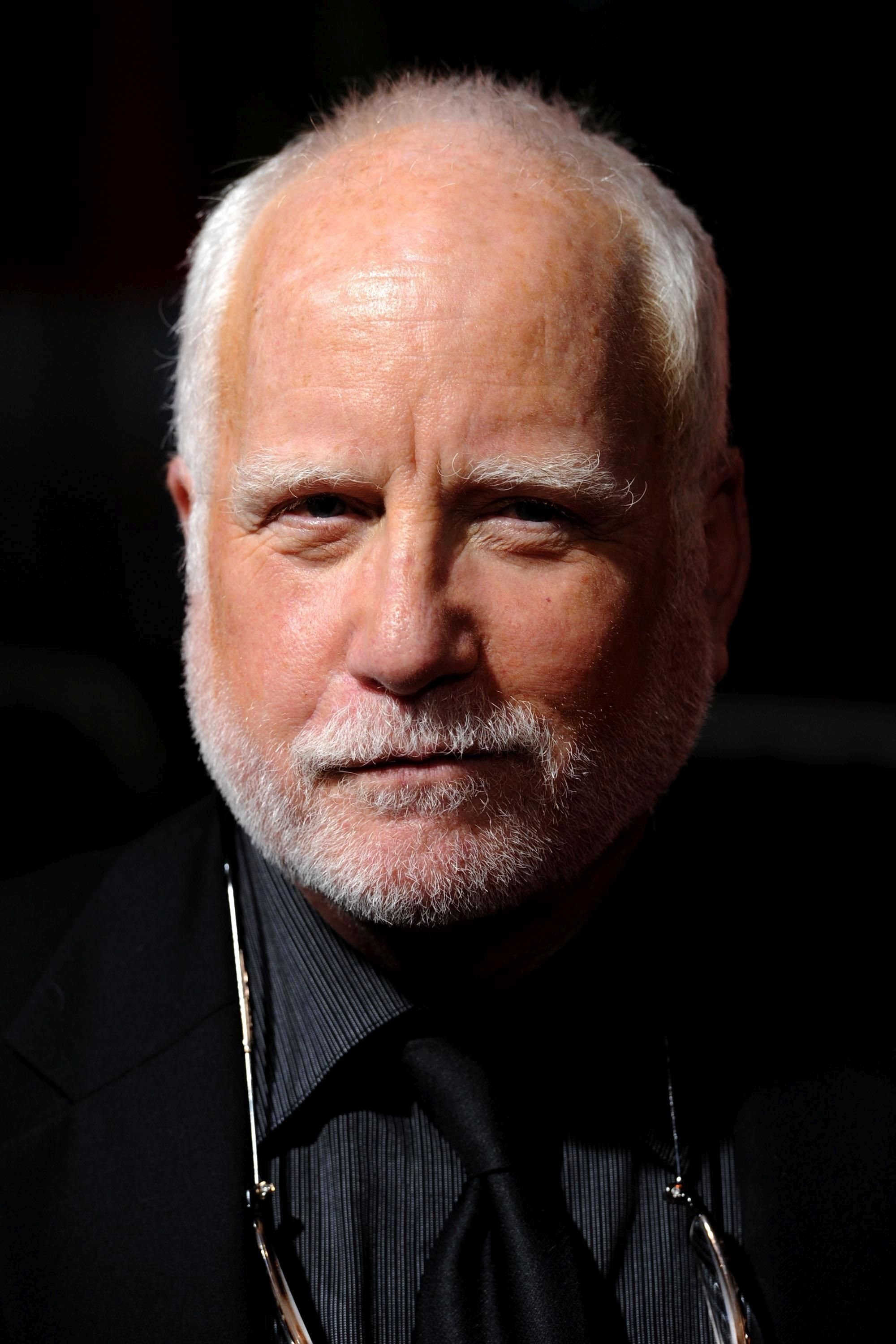
This Oscar winning actor has been highly critical of the new diversity and inclusion requirements for film eligibility. He believes that these standards are an insult to the artistic process and infringe upon creative freedom. Dreyfuss argues that art should be judged on its merits rather than its adherence to social mandates. He suggests that the industry is making a mistake by trying to legislate morality through artistic standards. The actor remains a vocal opponent of any rules that he perceives as limiting the vision of the filmmaker.
Rob Lowe
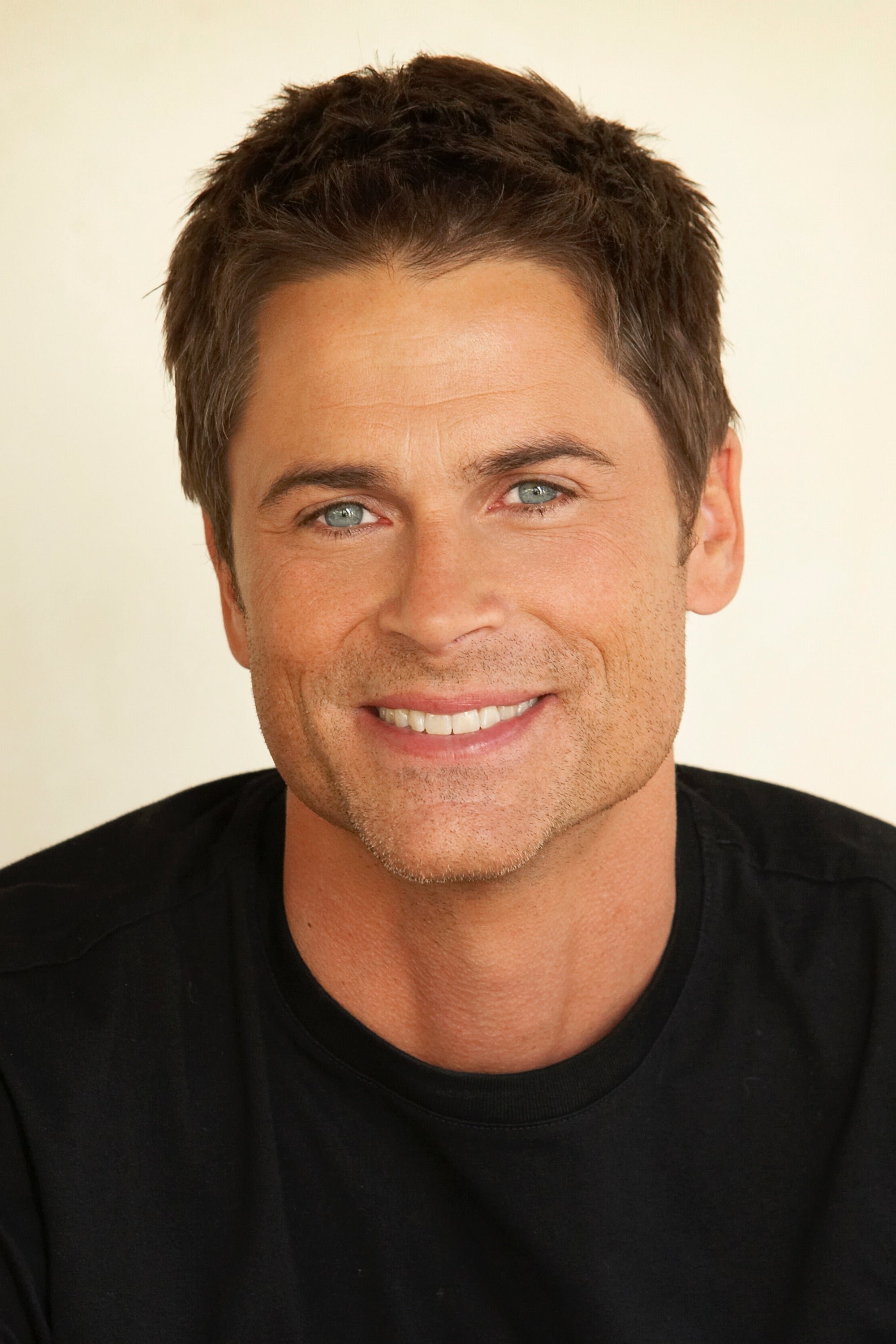
This long time star has commented on the decline of the traditional movie star system in the wake of the digital age. He believes that the mystery and glamour of the industry have been lost due to the constant access provided by social media. Lowe suggests that the modern standard of being perpetually available and relatable is killing the allure of the cinema. He argues that the industry was more exciting when there was a clear distinction between the screen and reality. The actor remains nostalgic for the more structured and prestigious Hollywood of his early career.
Matthew McConaughey
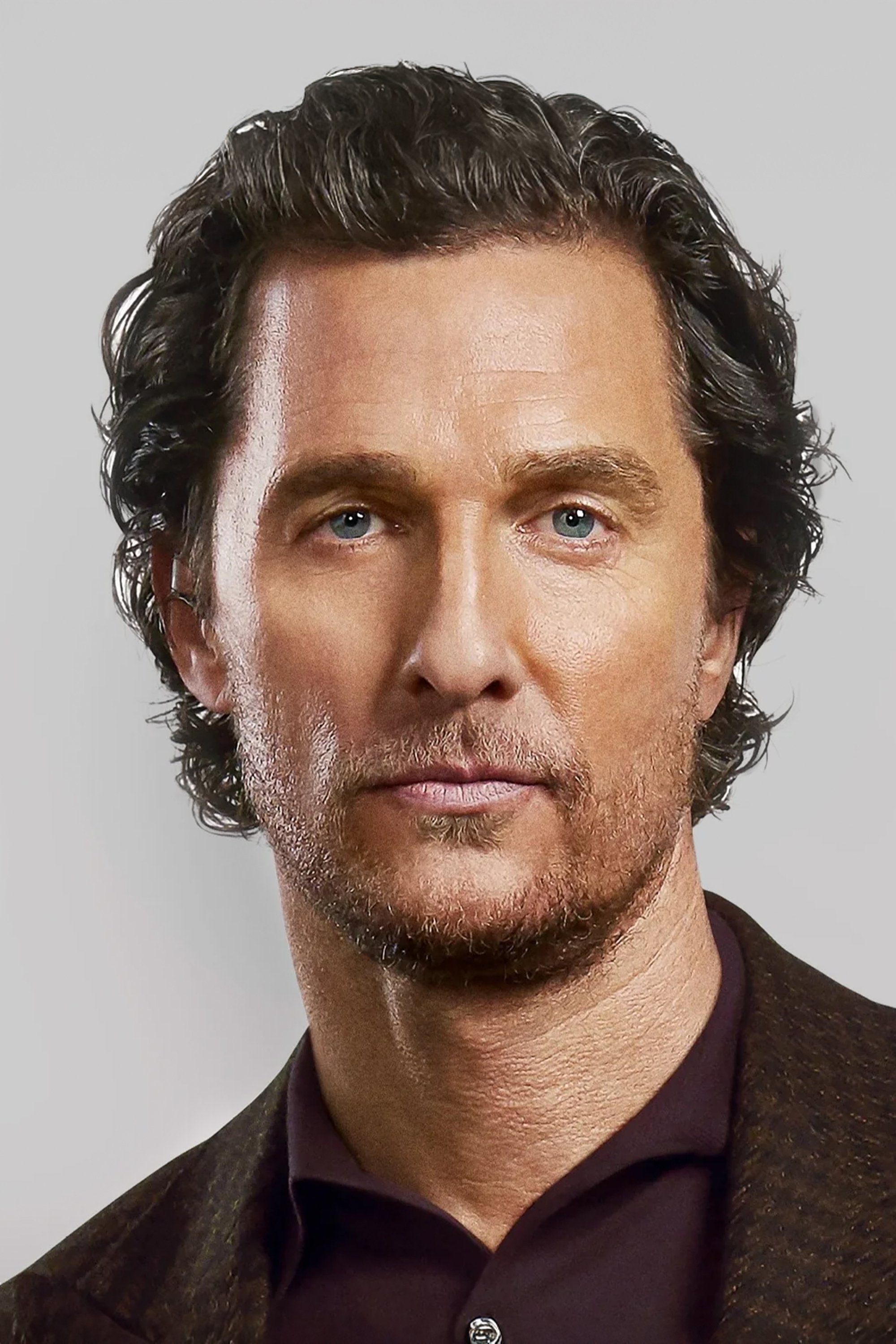
This talented actor has spoken about the impact of the illiberal left and political correctness on the entertainment industry. He believes that the current standards create a culture of judgment that can stifle honest conversation and creativity. McConaughey argues that the industry should be a place where all ideas can be explored without fear of immediate cancellation. He suggests that the focus on being right has replaced the focus on being human in many modern stories. The actor continues to advocate for a more balanced and open approach to filmmaking.
Kevin Sorbo
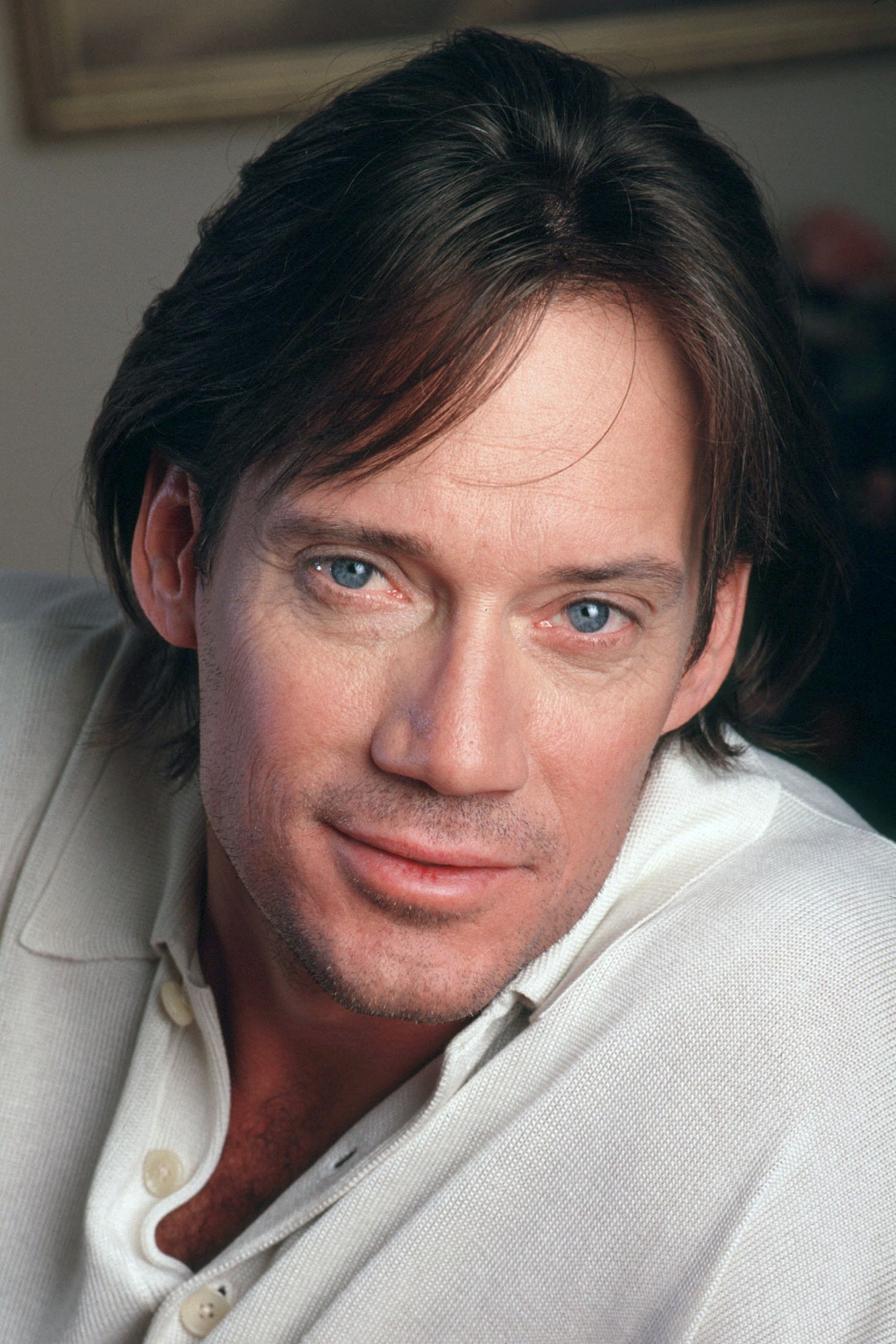
This actor has claimed that he was blacklisted by the modern industry because of his conservative and Christian beliefs. He believes that the standards of Hollywood have become increasingly hostile toward traditional values. Sorbo argues that this exclusion is killing the industry by alienating a large portion of the potential audience. He suggests that the lack of diversity in thought is leading to a decline in the relevance of mainstream film. The actor has since moved into independent production to create content that aligns with his perspective.
James Woods
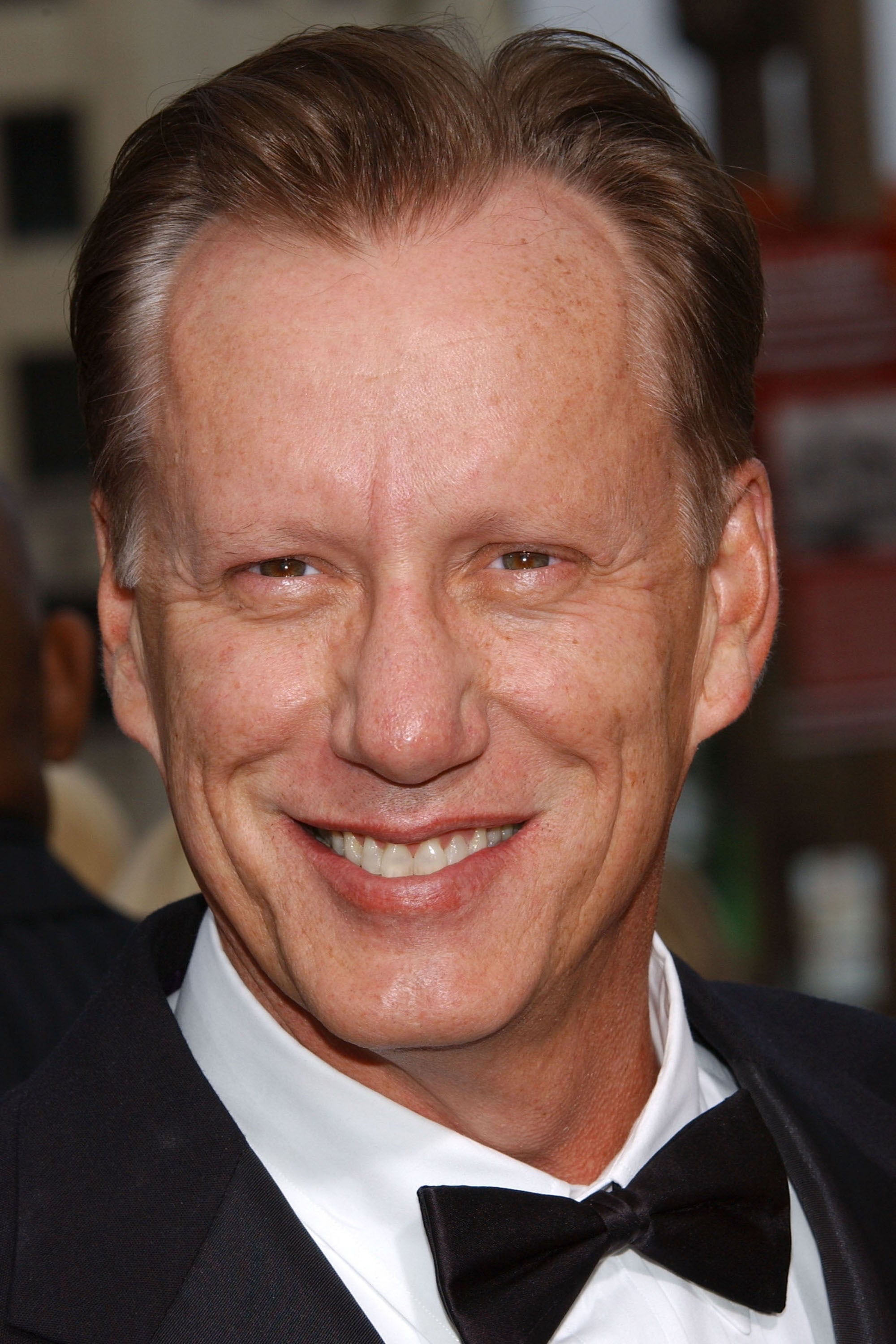
This veteran performer has been a vocal critic of the perceived ideological conformity required by the modern film industry. He believes that his political views have led to a significant decrease in his professional opportunities in Hollywood. Woods argues that the industry is harming itself by prioritizing political agendas over talent and story. He suggests that the current atmosphere of intolerance is a threat to the fundamental principles of creative expression. The actor often uses social media to highlight what he sees as the flaws in the modern studio system.
Tim Allen
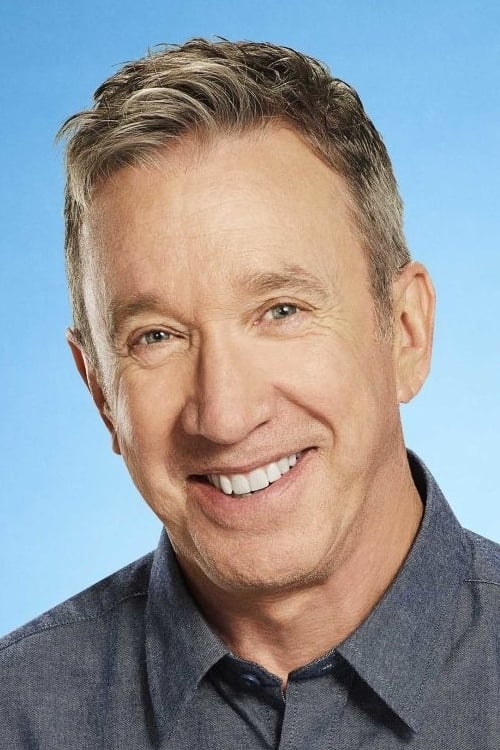
This popular comedian and actor has expressed his thoughts on the challenges of doing comedy in the current social climate. He believes that modern Hollywood standards regarding offense have made it difficult to be truly funny or provocative. Allen argues that the industry is becoming too restrictive and that this is damaging the quality of television and film. He suggests that the best comedy comes from exploring the things we are not supposed to say. The actor remains a critic of the ways in which modern norms are impacting the entertainment landscape.
Mel Gibson
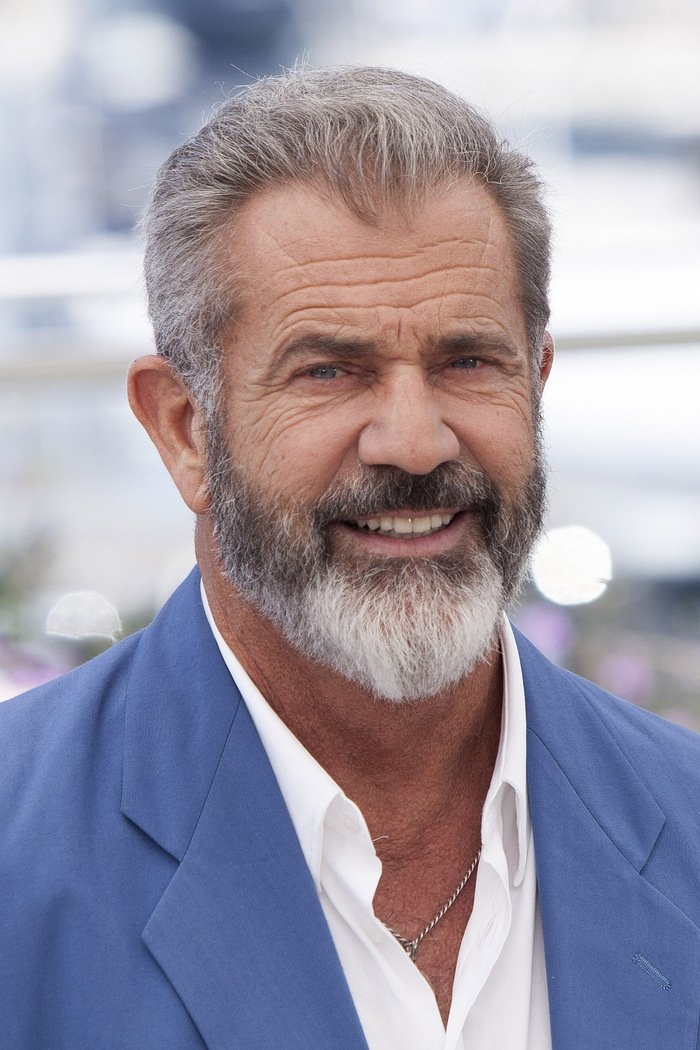
This influential filmmaker and actor has often clashed with the standards and politics of the Hollywood establishment. He believes that the industry is driven by agendas that often get in the way of powerful and honest storytelling. Gibson argues that the modern studio system is more interested in control than in supporting the vision of the artist. He suggests that the current environment makes it difficult for filmmakers to work outside of the mainstream expectations. The actor has frequently sought independent financing to maintain his creative independence.
Antonio Banderas
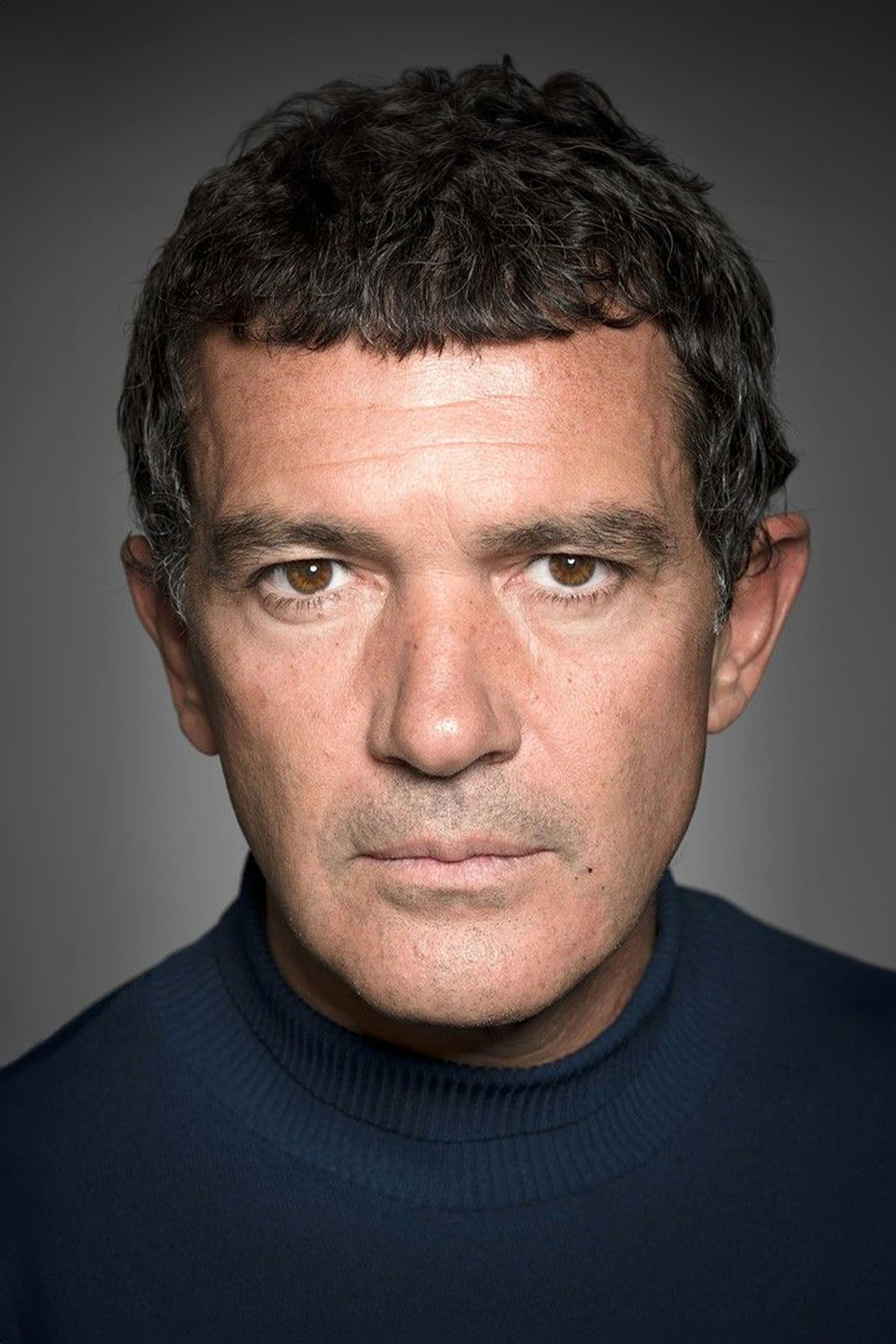
This international star has shared his observations on the shifting standards of Hollywood regarding international talent and storytelling. He believes that while the industry has become more global it has also lost some of its local character and charm. Banderas argues that the focus on making films that appeal to everyone can lead to a lack of specific cultural identity. He suggests that the modern industry should do more to protect the unique voices of filmmakers from around the world. The actor continues to work in both Hollywood and his native Spain while advocating for artistic diversity.
Javier Bardem
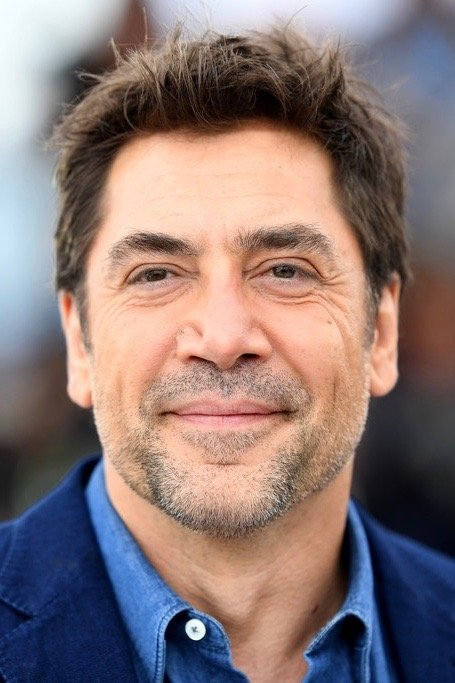
This acclaimed Spanish actor has spoken about the pressures of modern celebrity culture and its impact on the acting profession. He believes that the focus on image and public perception can be a distraction from the actual work of performance. Bardem argues that the industry should prioritize the art of acting over the demands of the modern media machine. He suggests that the constant scrutiny of actors’ lives is detrimental to their ability to disappear into a role. The actor remains focused on his craft while critiquing the superficial aspects of the modern industry.
Tony Leung Chiu-wai
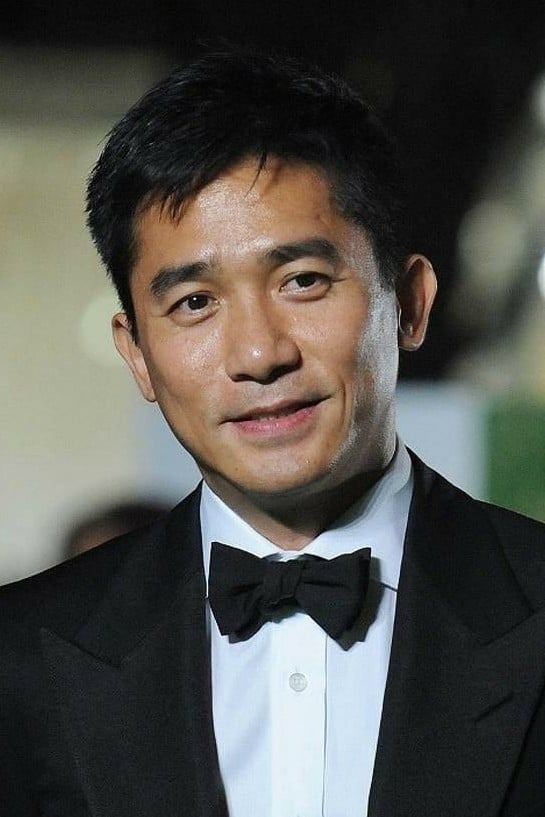
This legendary Asian actor has reflected on the differences between traditional filmmaking and the modern globalized industry. He believes that the rapid pace and high pressure of contemporary productions can sometimes sacrifice the depth of a performance. Leung suggests that the industry should allow more time for actors to fully explore their characters and the story. He argues that the focus on efficiency and commercial results is a challenge for those who value a more deliberate creative process. The actor continues to be a major force in cinema while observing the changing standards of the global market.
Share your thoughts on which actor’s perspective resonates most with you in the comments.