Actors Who Begged Writers to Brutally Kill Off Their Characters


Many actors find themselves tied to long running television shows or film franchises and eventually seek a definitive conclusion for their characters. Whether they are looking for a dramatic exit or simply want to move on to new projects they often plead with writers to orchestrate a gruesome end. These requests can lead to some of the most memorable and shocking moments in entertainment history. Here are several actors who successfully convinced creators to write their characters out for good.
Harrison Ford
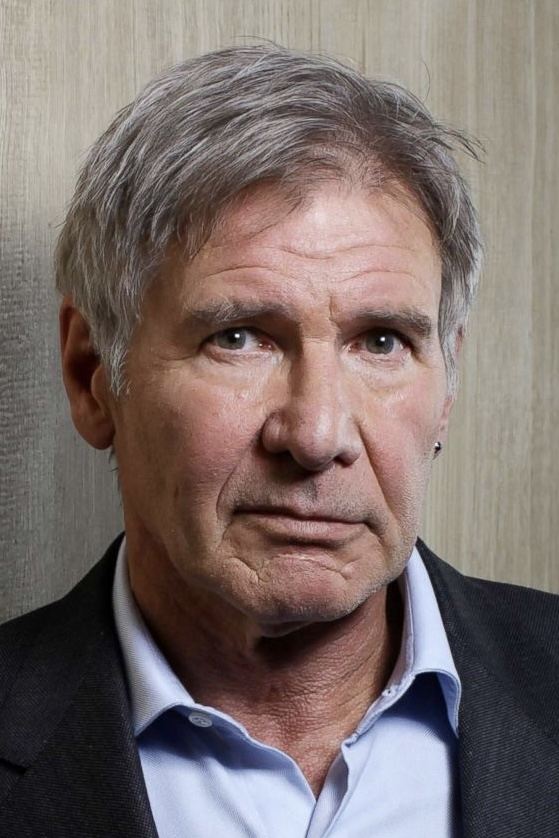
Harrison Ford spent years advocating for the demise of Han Solo in the ‘Star Wars’ universe. He believed that the character had served his purpose after the original trilogy and needed a heroic sacrifice to provide emotional weight. The actor eventually saw his wish fulfilled when the smuggler met his end in ‘The Force Awakens’. This creative decision provided a definitive conclusion to one of the most beloved figures in cinema history. Ford has often expressed his satisfaction with how the story finally concluded for his iconic character.
Leonard Nimoy
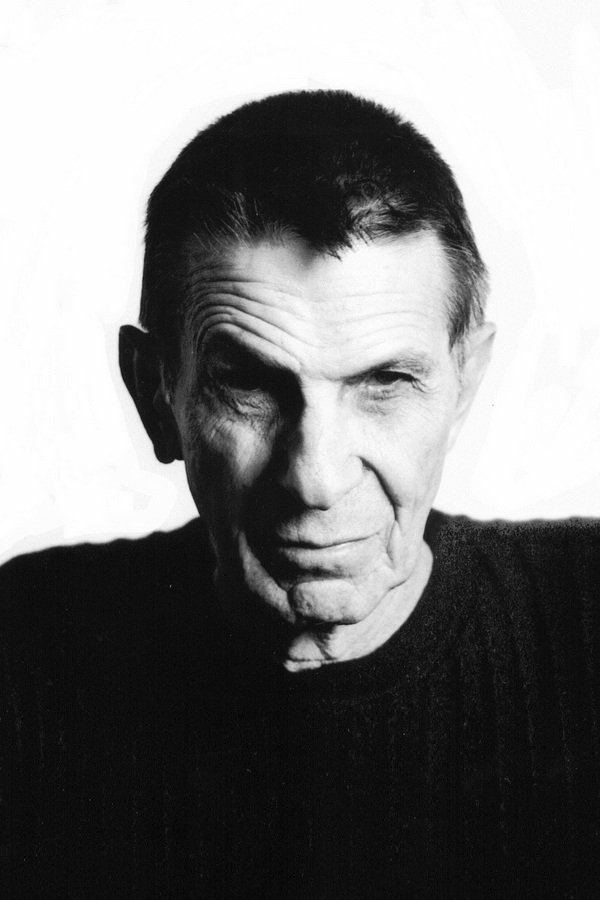
Leonard Nimoy initially wanted to move away from his famous role as Spock during the production of ‘Star Trek II The Wrath of Khan’. He agreed to return for the sequel on the condition that his character would be killed off in a meaningful way. The resulting scene became one of the most emotional moments in science fiction as Spock sacrificed himself to save the crew. However the actor later changed his mind and returned for subsequent films after the success of the movie. This temporary exit remains a highlight of the original film series.
Daniel Craig
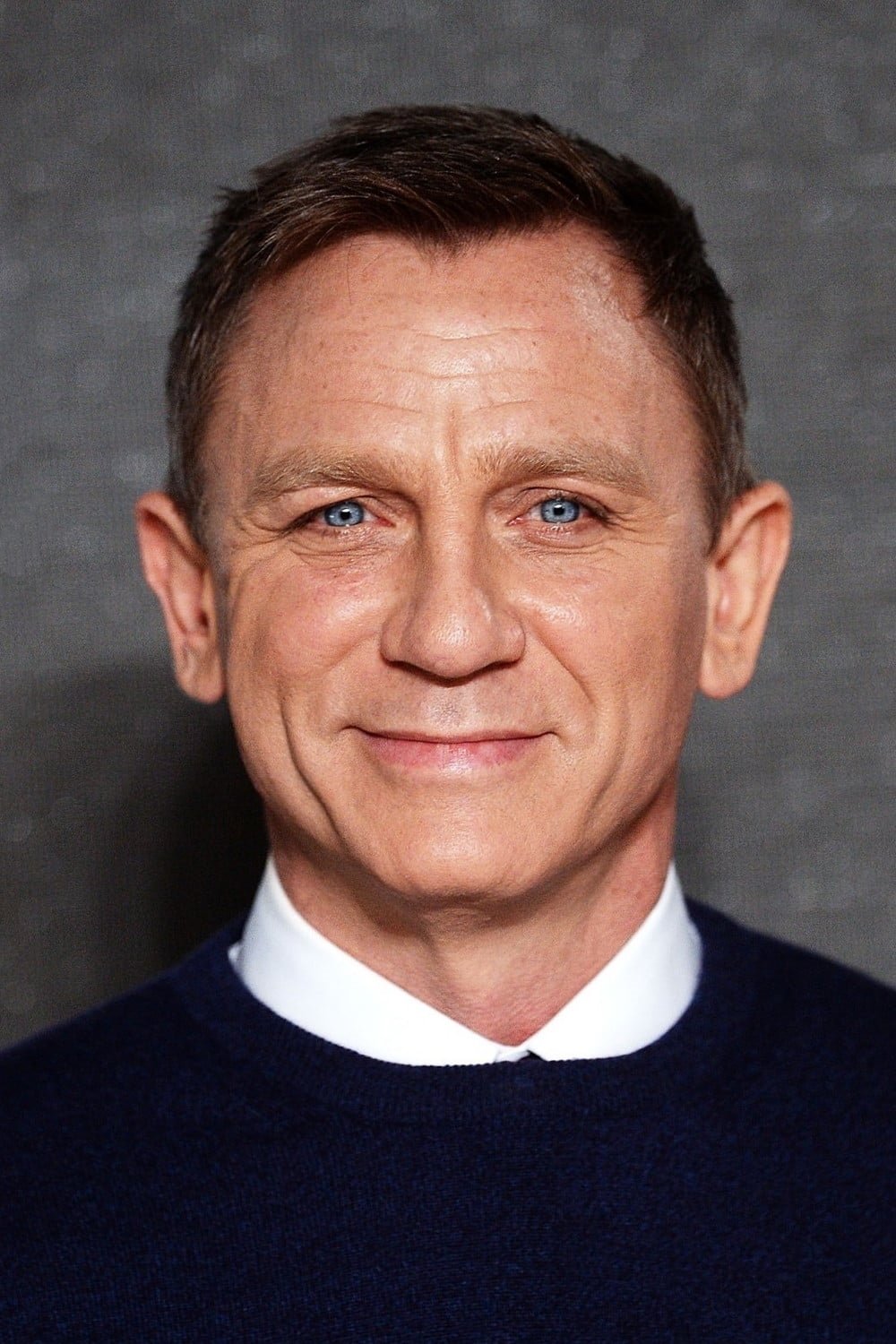
Daniel Craig requested that James Bond be killed off at the end of his tenure in the franchise. He wanted to ensure that his version of the character had a definitive ending that could not be easily undone by future installments. The writers granted his wish in ‘No Time To Die’ marking the first time the character has ever died on screen. Craig felt that this conclusion was necessary to complete the emotional journey he started in ‘Casino Royale’. This choice allowed the actor to leave the legendary role with a sense of closure.
Robert Downey Jr.
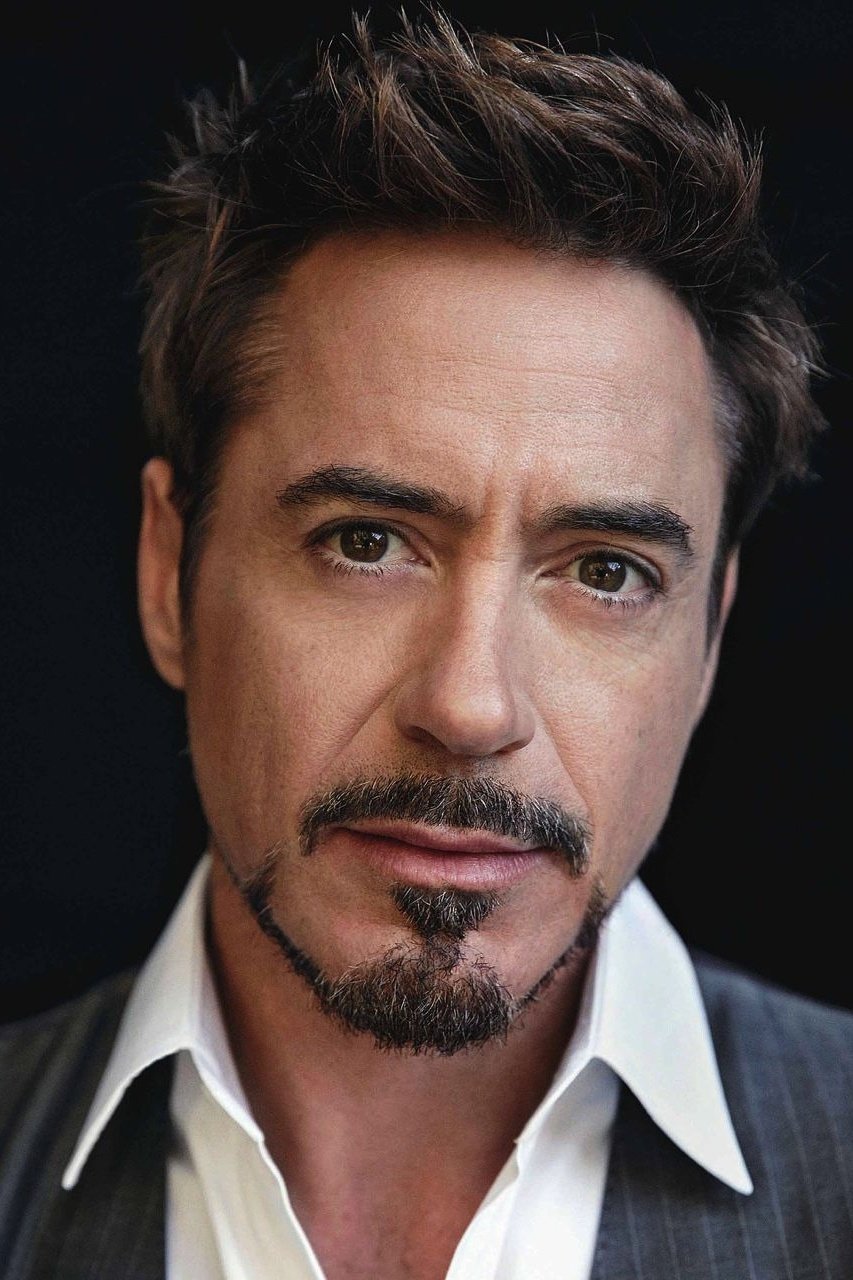
Robert Downey Jr. was instrumental in deciding the fate of Tony Stark in the Marvel Cinematic Universe. He worked closely with the writers of ‘Avengers Endgame’ to craft a heroic and final sacrifice for Iron Man. The actor felt that the character had completed his arc from a selfish billionaire to a selfless savior. This emotional death served as the cornerstone of the film and a farewell to the first era of Marvel movies. Downey Jr. believed that staying on too long would diminish the impact of the story.
Hugh Jackman
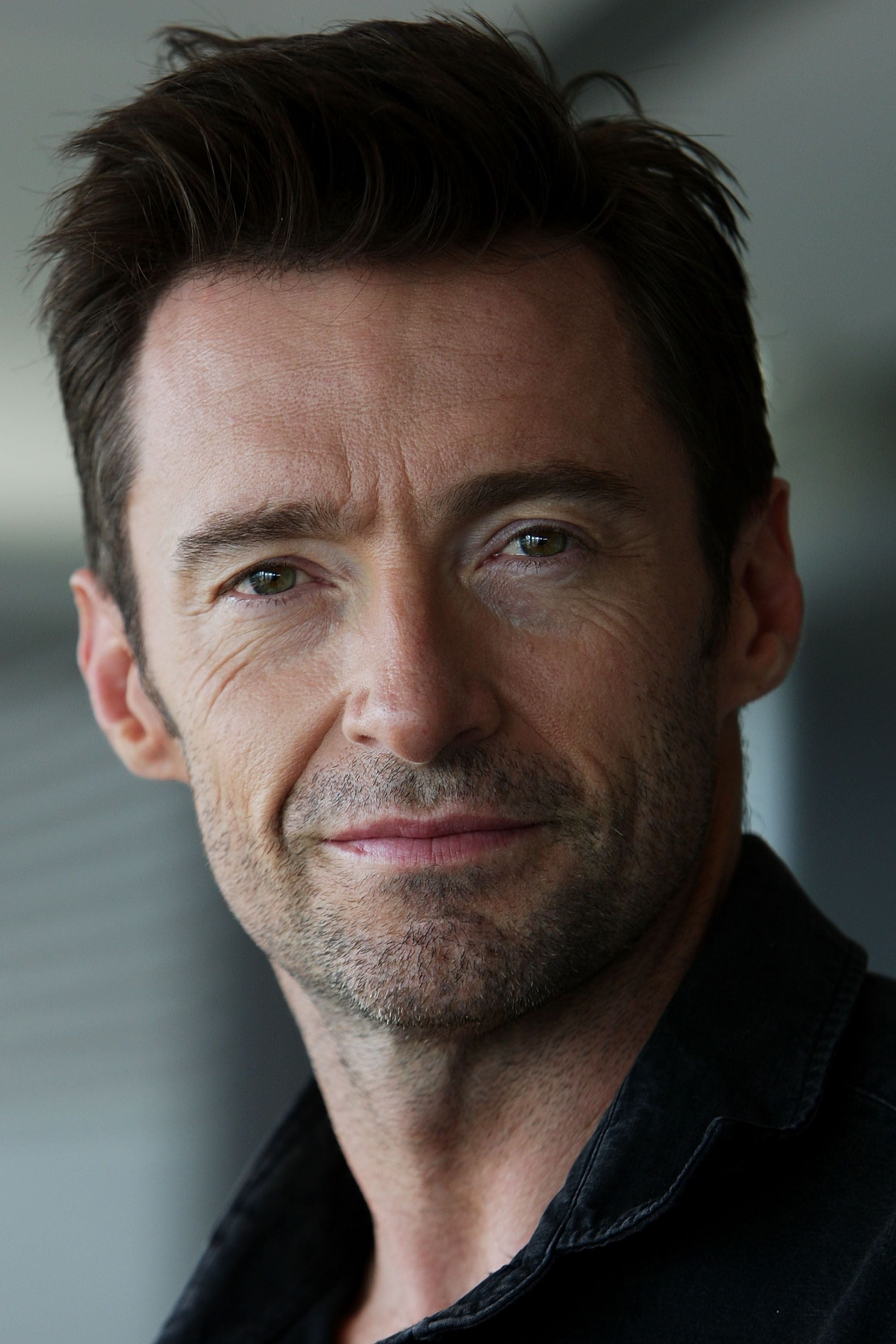
Hugh Jackman wanted a gritty and final end for his long running portrayal of Wolverine. He collaborated with the director of ‘Logan’ to ensure the character would not survive the events of the movie. The actor felt that after nearly two decades of playing the mutant he deserved a human and vulnerable ending. The brutal and emotional conclusion allowed Jackman to retire from the role on a high note. Fans and critics praised the decision for its raw intensity and narrative satisfaction.
Raymond Cruz
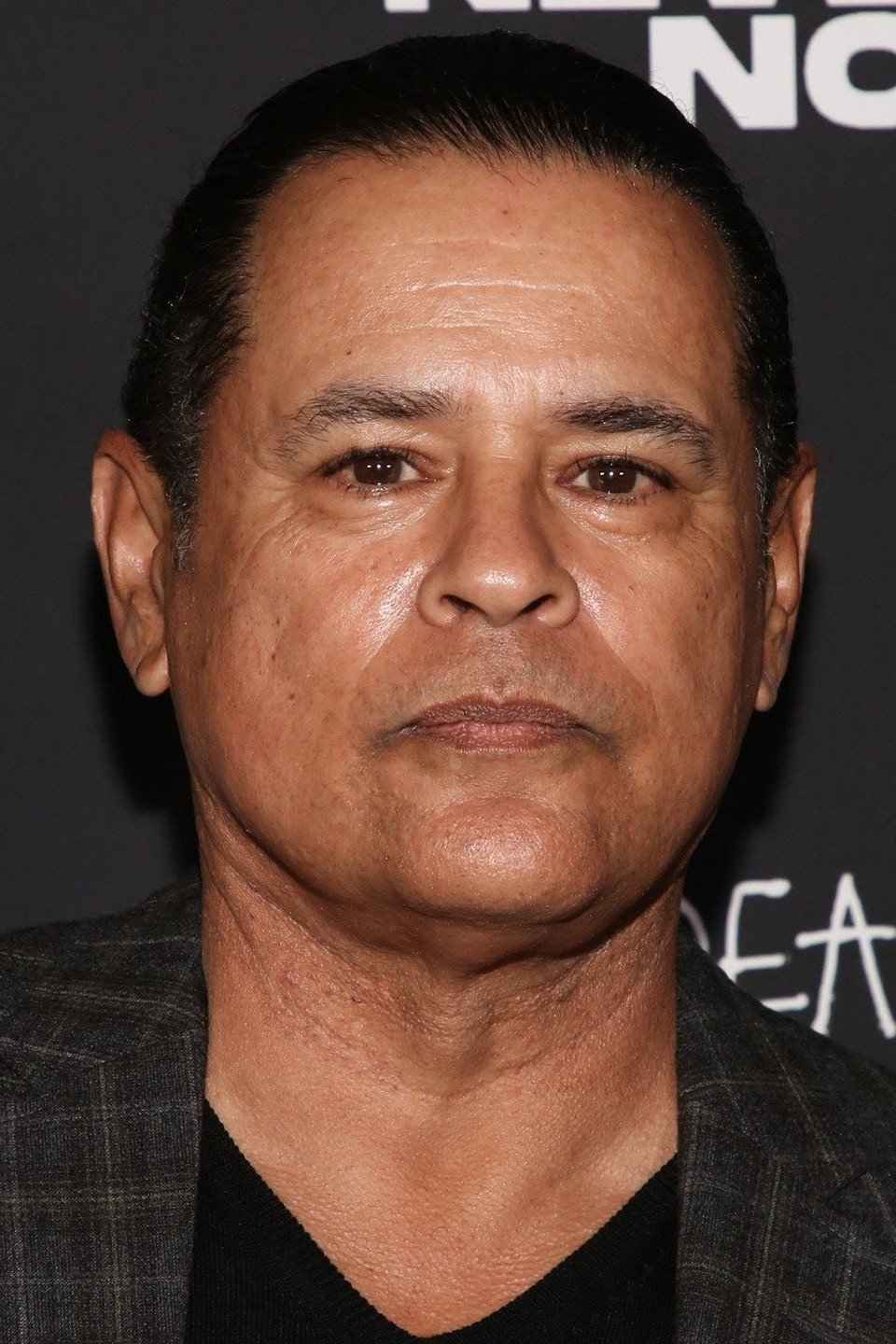
Raymond Cruz found the role of Tuco Salamanca in ‘Breaking Bad’ physically and emotionally exhausting. He asked the writers to kill the character off earlier than planned because the intense energy required for the performance was too much to sustain. The creators complied and gave Tuco a violent end during a shootout with the law. Cruz was relieved to move on from the demanding role after his character was removed from the show. This sudden departure created a power vacuum that shifted the entire direction of the series.
Jeffrey DeMunn
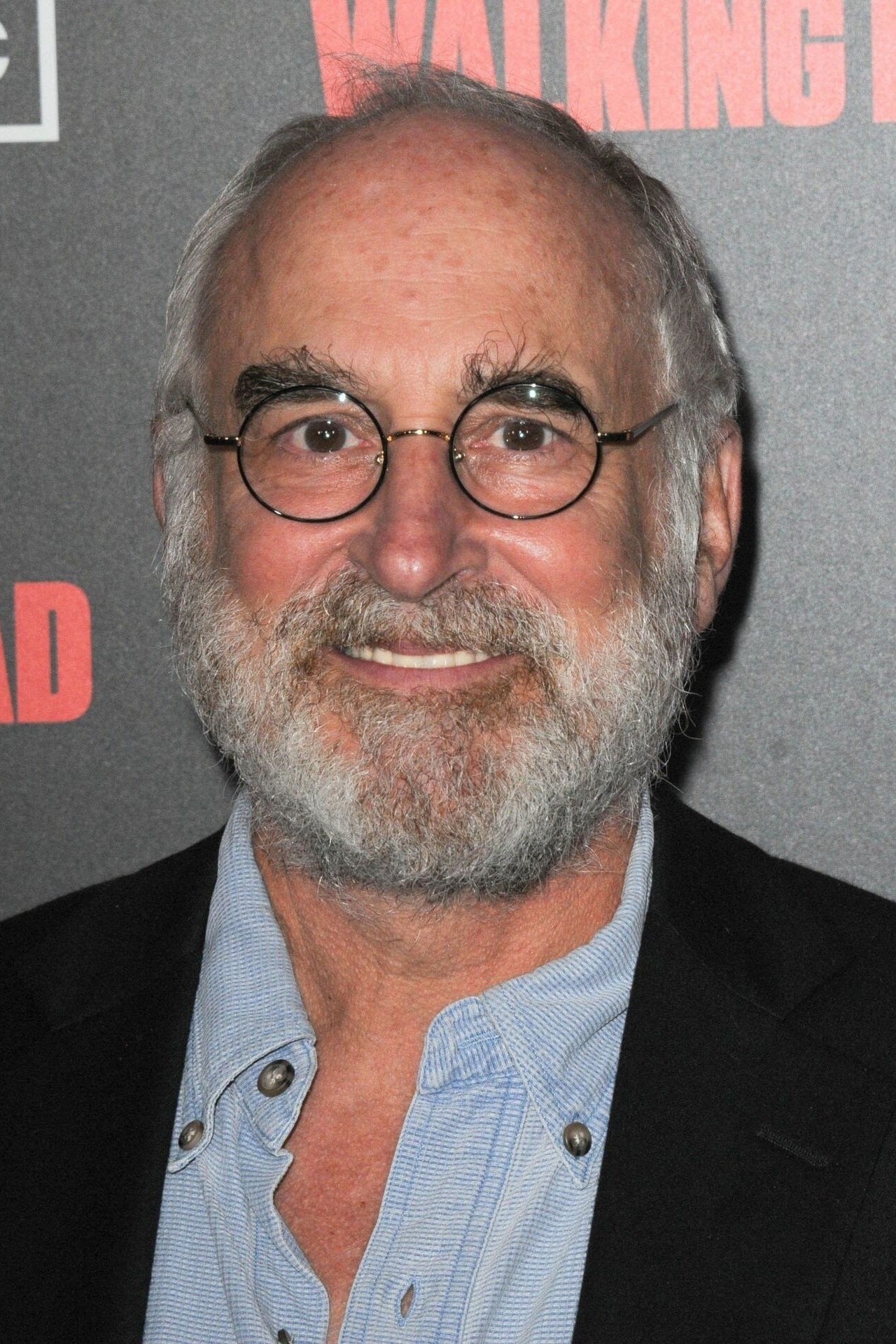
Jeffrey DeMunn requested to be written out of ‘The Walking Dead’ after the show fired the original developer Frank Darabont. The actor was a close friend of Darabont and did not wish to continue without him on the project. His character Dale was subsequently given a gruesome death that deviated from the source material in the comics. DeMunn has stated that he felt much better after leaving the production under those circumstances. The character remains one of the most missed figures from the early seasons of the horror drama.
Adewale Akinnuoye-Agbaje
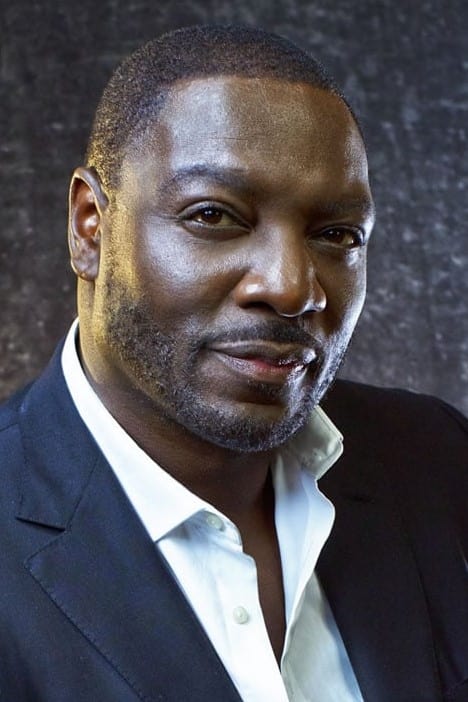
Adewale Akinnuoye-Agbaje played the mysterious Mr. Eko on ‘Lost’ but grew unhappy living in Hawaii during the production. He asked the writers to kill his character off so he could return home to London. The creators initially had long term plans for the character but respected his wishes and wrote a brutal death involving the smoke monster. This exit remains one of the most shocking departures in the history of the series. The actor was grateful to the showrunners for allowing him to leave the production early.
John Rhys-Davies

John Rhys-Davies was famously unhappy with the writing on the science fiction series ‘Sliders’. He felt the stories had become too ridiculous and requested that his character Professor Maximilian Arturo be killed off. The writers obliged by having the character shot during a high stakes episode. The actor later expressed that he had no regrets about leaving the show at that time. His departure marked a significant turning point in the quality and tone of the series.
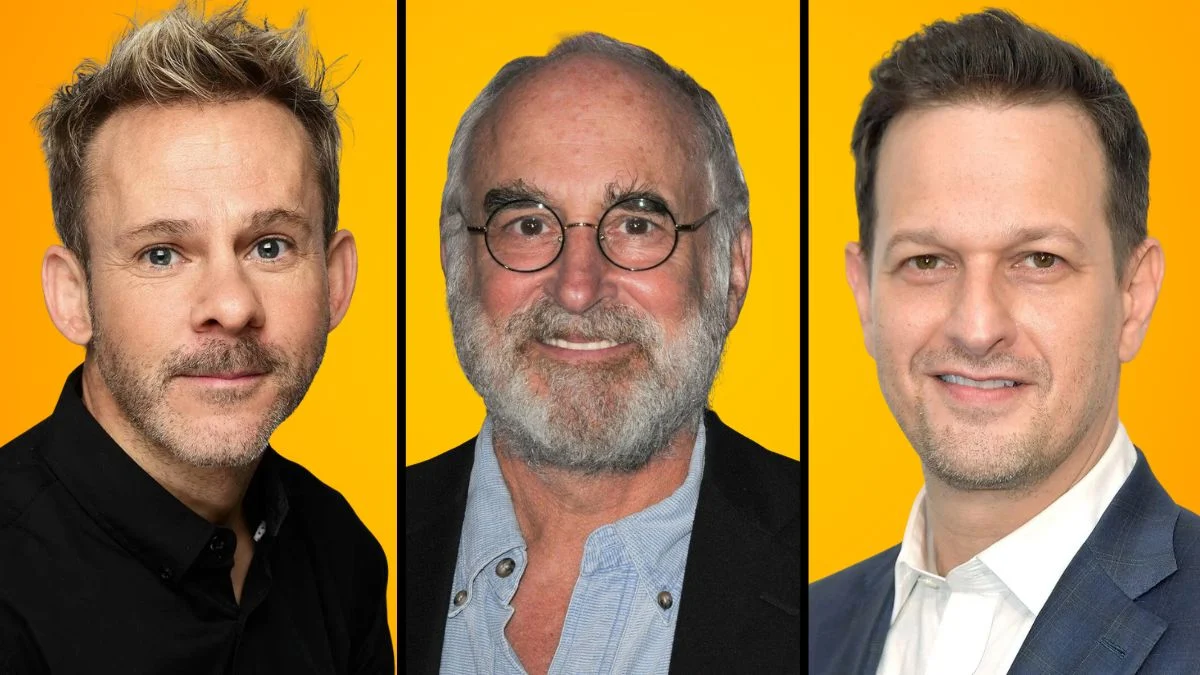
Dominic Monaghan
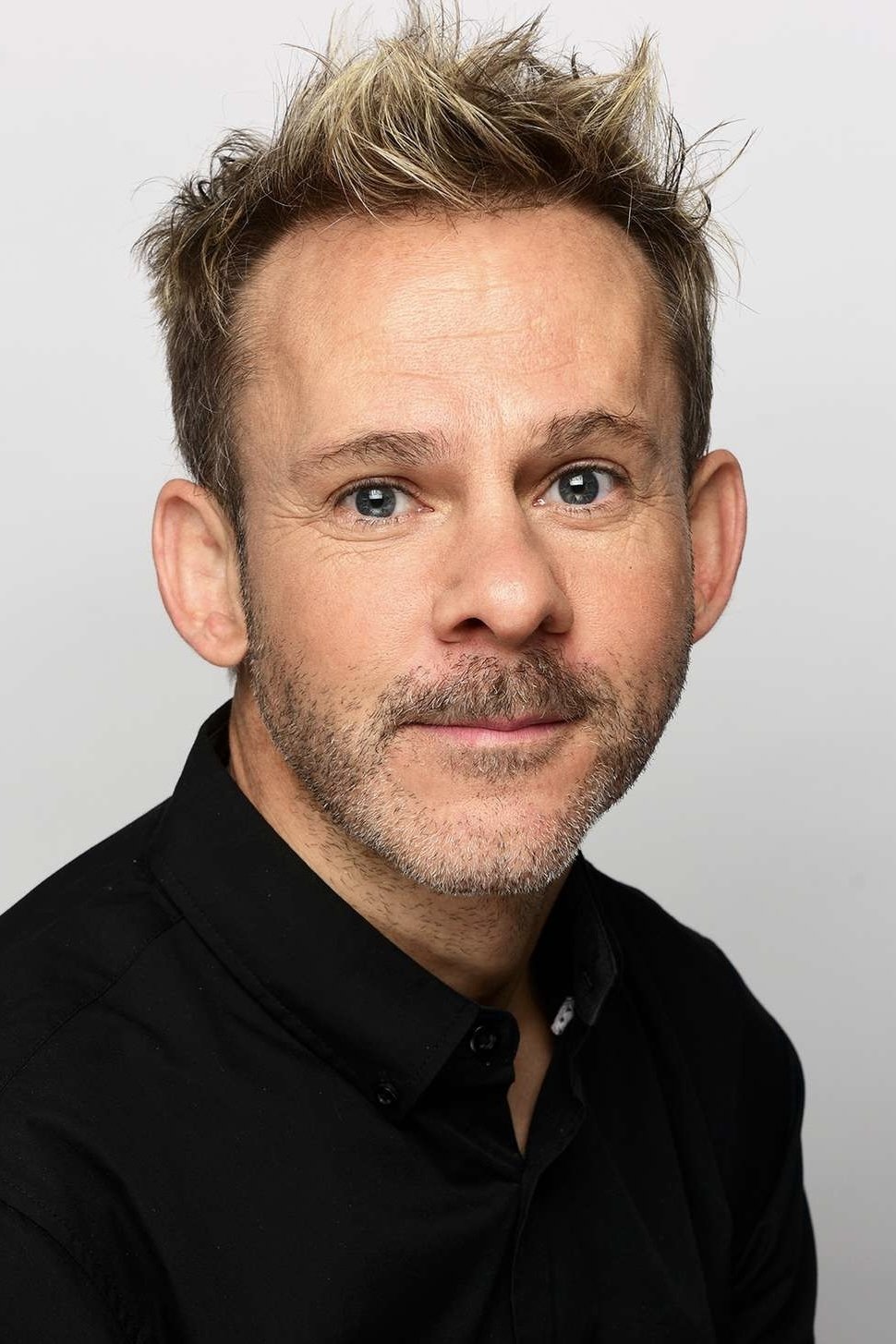
Dominic Monaghan felt that his character Charlie Pace on ‘Lost’ had run out of story potential. He approached the writers and suggested that Charlie should die in a way that served the greater narrative. This led to the iconic scene where the character sacrifices himself in an underwater station while warning his friends. Monaghan believed that a heroic death was better for the character than simply lingering in the background. The moment is widely considered one of the most moving scenes in the entire show.
Josh Charles
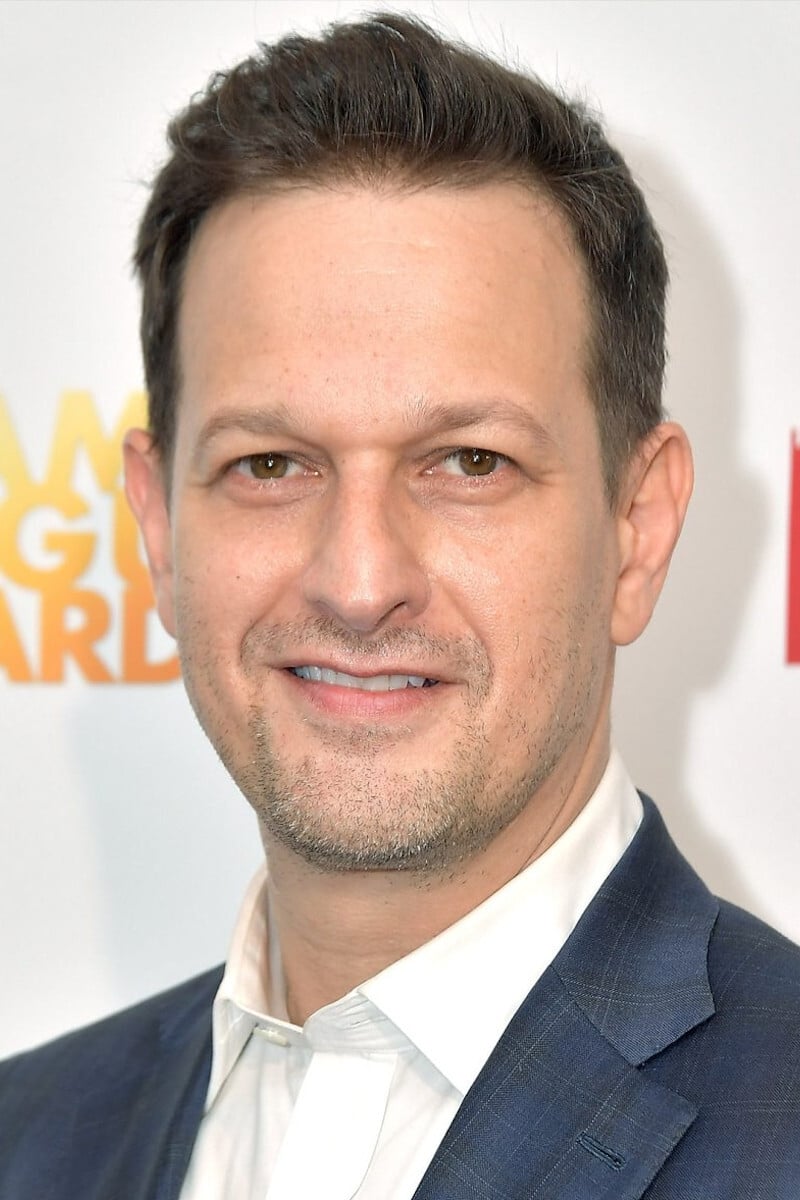
Josh Charles decided not to renew his contract on ‘The Good Wife’ after several successful seasons. He requested that his character Will Gardner be killed off to provide a dramatic and irreversible exit. The writers chose to have the character shot in a courtroom in an episode that stunned the audience. Charles felt that this was the best way to honor the character and give the show a creative jolt. The aftermath of his death became a central theme for the remaining seasons of the legal drama.
Frank Dillane
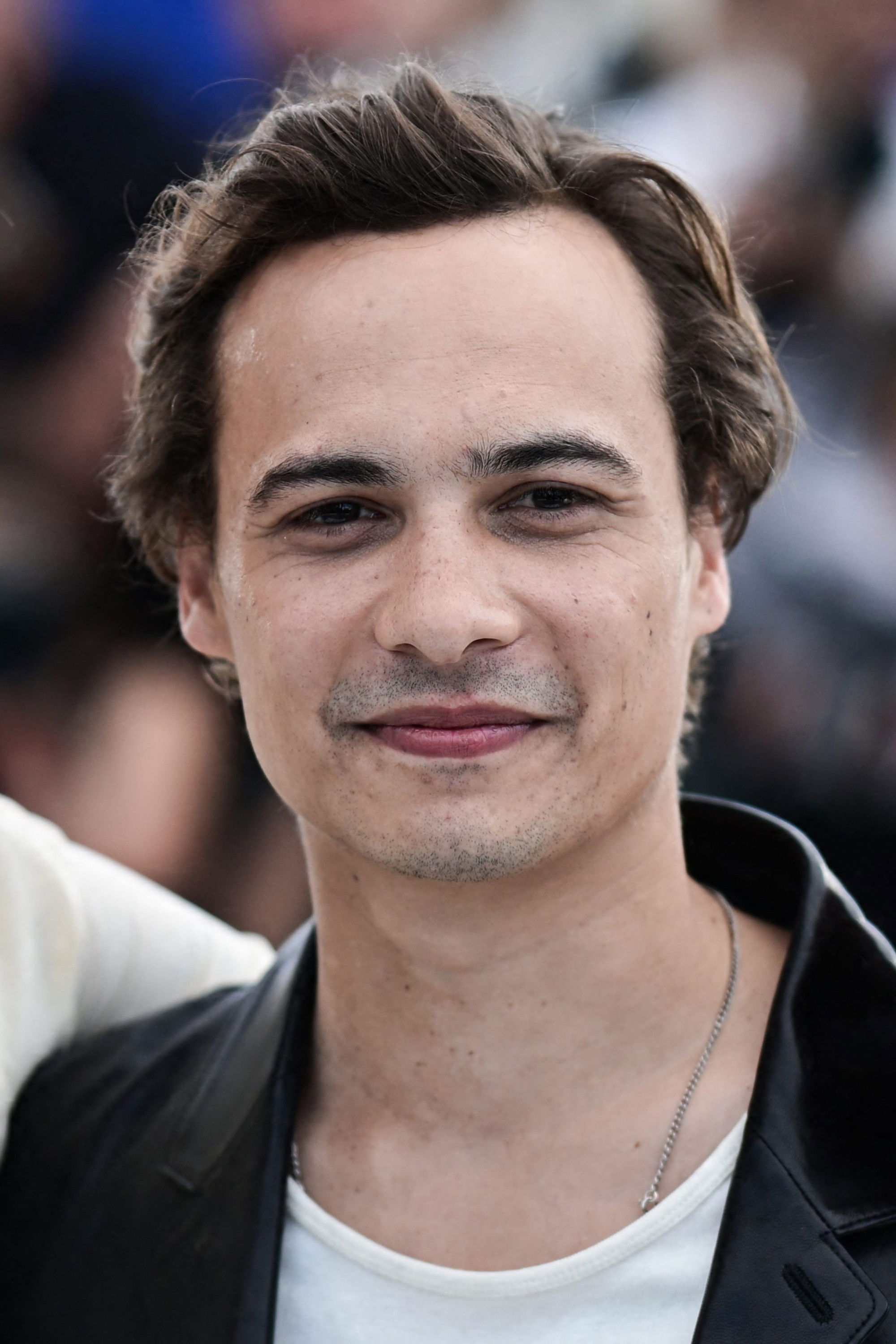
Frank Dillane requested to leave the series ‘Fear the Walking Dead’ during its fourth season. The actor wanted to pursue other opportunities and felt that he had been away from his home for too long. His character Nick Clark was given a shocking and sudden death that devastated the fan base. Dillane expressed his gratitude for the experience but felt it was the right time to move on to different projects. The loss of his character significantly altered the dynamic of the surviving group.
Justin Prentice

Justin Prentice played the villainous Bryce Walker in ’13 Reasons Why’ and felt that the character needed to face ultimate consequences. He spoke with the showrunners about the necessity of his character dying to conclude the narrative properly. The writers agreed and centered an entire season around the mystery of his death. Prentice believed that this was the only way to provide closure for the heavy themes explored in the show. The definitive end of his character allowed the other protagonists to move forward.
Dean Norris
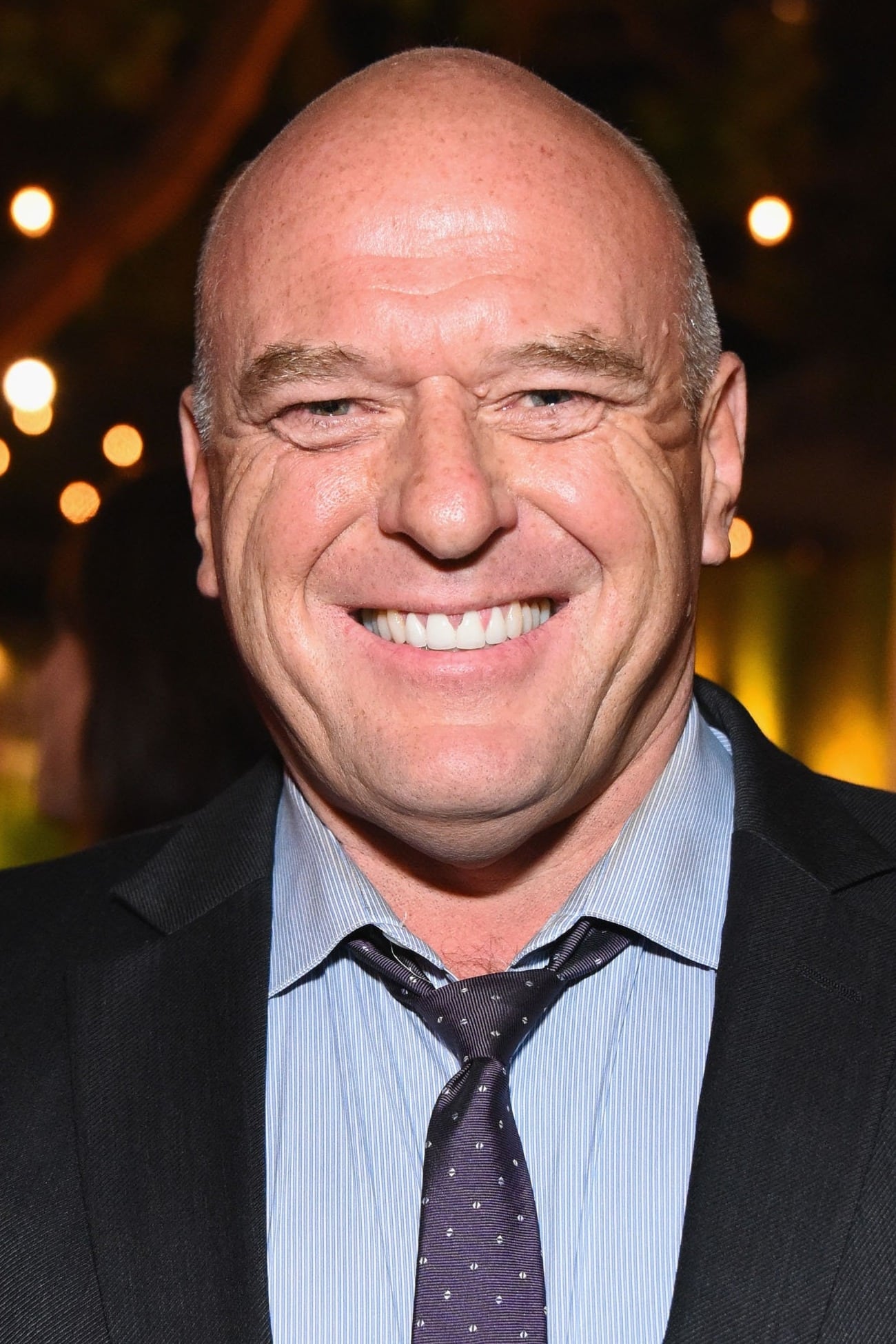
Dean Norris asked the creators of ‘Breaking Bad’ to kill off his character Hank Schrader in the middle of the final season. He had been cast in a pilot for another series and wanted to ensure he was available for the new project. While the writers refused his request for an early exit they eventually gave the character a legendary and brutal death at the end of the series. Norris was satisfied with the final result despite not getting the timing he originally wanted. The scene remains one of the most impactful moments in television history.
Dan Stevens
Dan Stevens chose to leave ‘Downton Abbey’ at the height of its popularity to pursue a career in film. He requested that his character Matthew Crawley be written out in a way that would prevent a future return. The writers decided to kill him in a sudden car accident during a holiday special episode. This decision shocked viewers who had just celebrated the birth of the character’s child. Stevens has since gone on to have a successful career in various movie and television roles.
Kal Penn
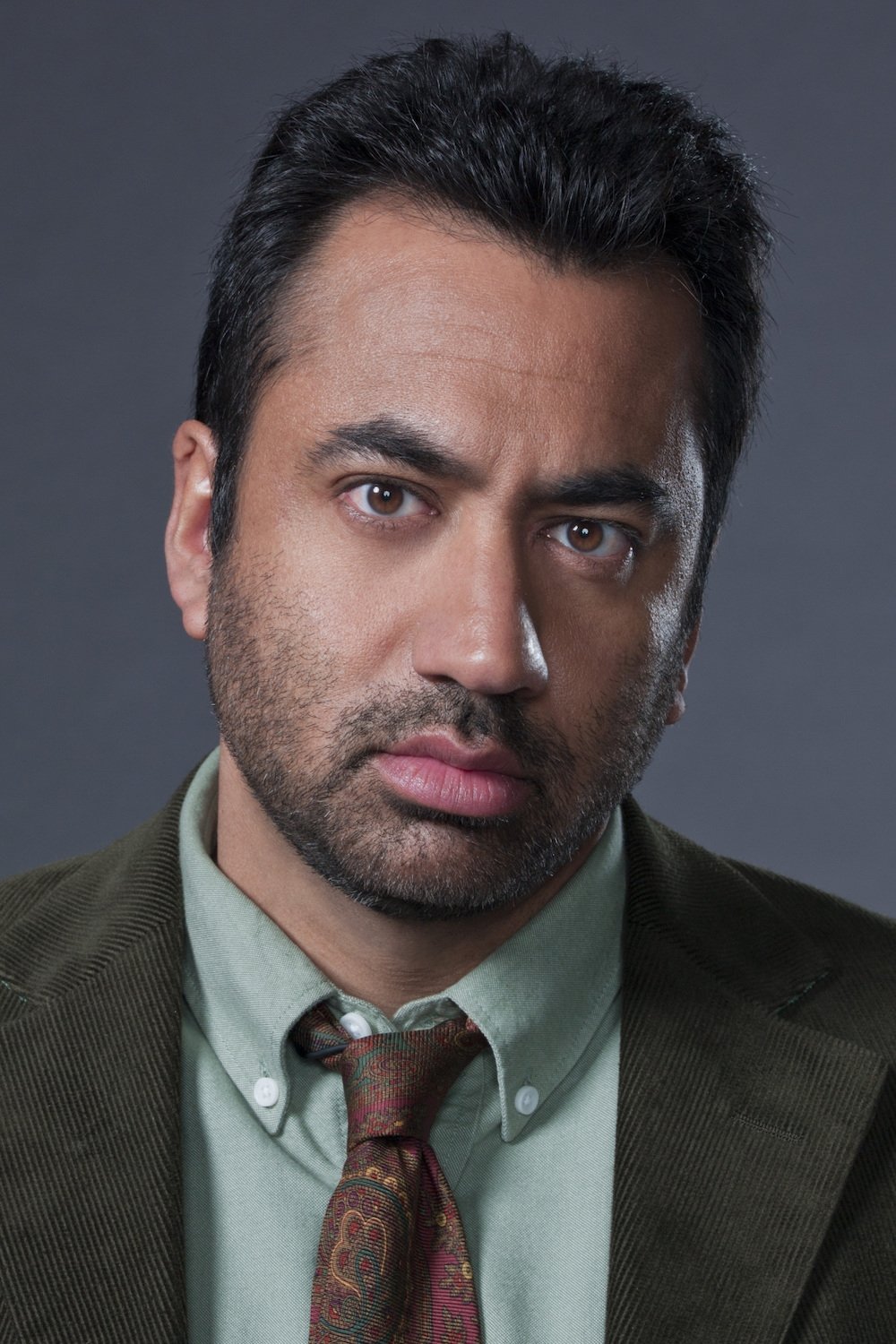
Kal Penn requested a quick exit from the medical drama ‘House’ so he could accept a job at the White House. He was offered a position in the Office of Public Engagement under the Obama administration. The writers handled his departure by having his character Lawrence Kutner commit suicide in a sudden and unexplained manner. This creative choice reflected the reality that such tragedies often happen without warning. Penn later returned to acting after his time in public service concluded.
Isaac Hayes
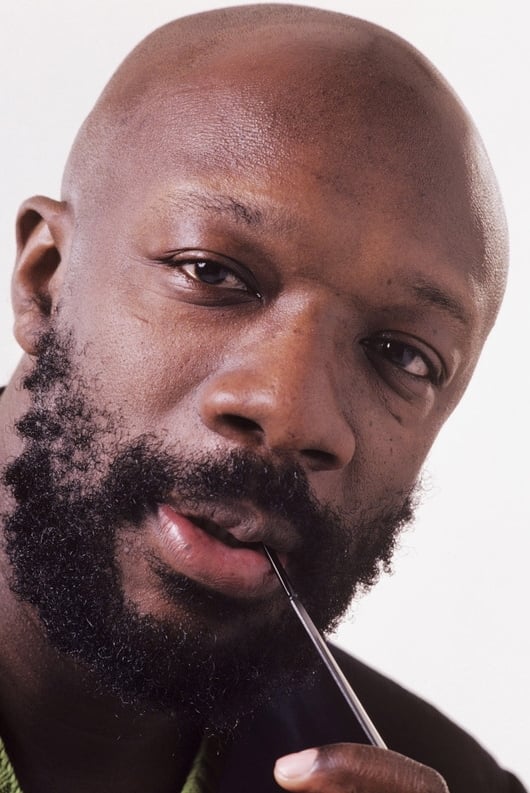
Isaac Hayes famously left ‘South Park’ after a long tenure voicing the character Chef. He requested to be released from his contract following an episode that satirized his religious beliefs. The creators of the show responded by using archival recordings to kill the character off in an incredibly brutal and graphic way. This exit became a major entertainment news story at the time. The character has not appeared in the series since his controversial departure.
Balthazar Getty
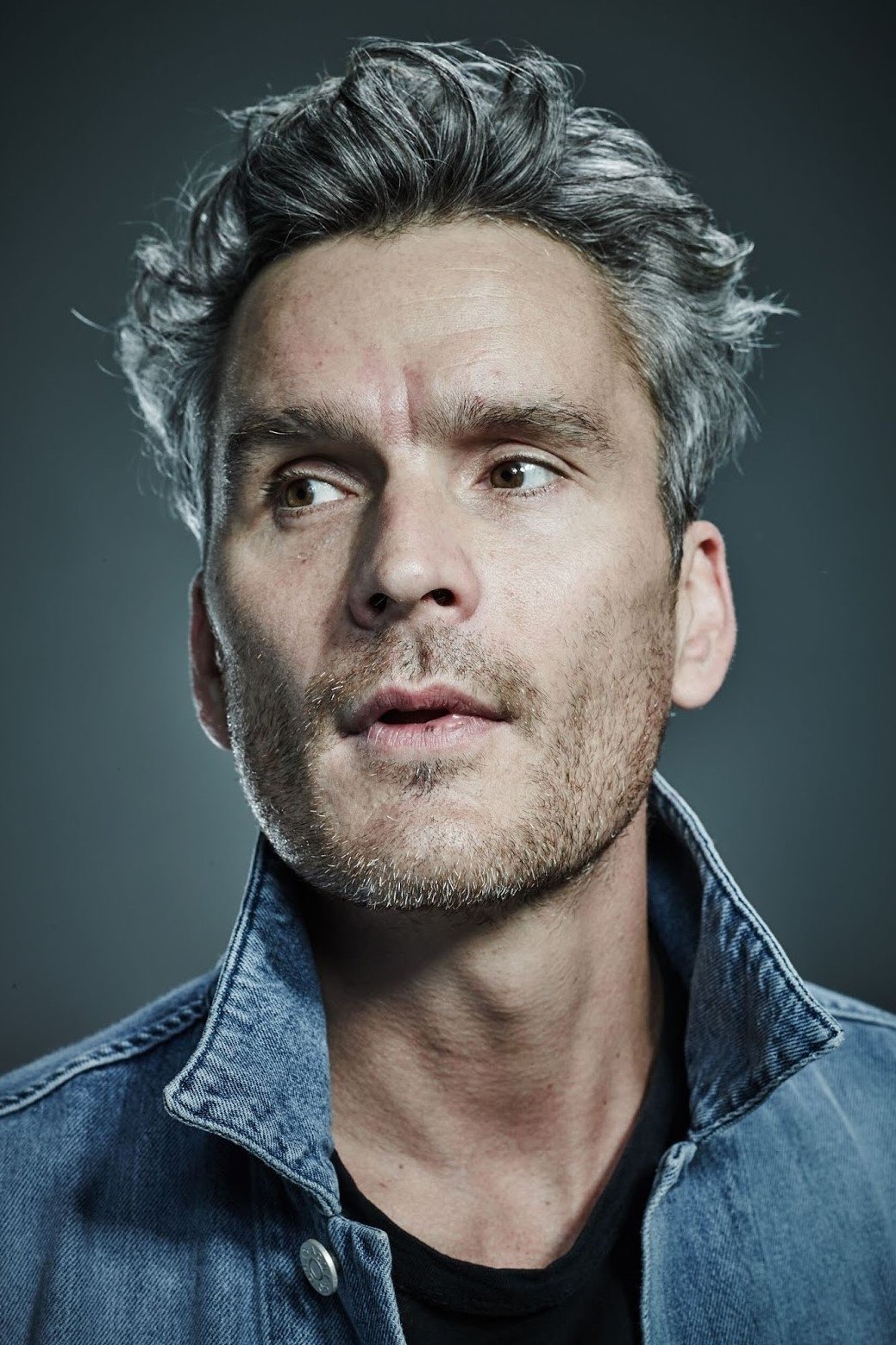
Balthazar Getty requested to be written out of ‘Brothers and Sisters’ during a period of personal and professional transition. He wanted a break from the demanding schedule of a network television drama. The writers initially moved his character to another city before ultimately deciding on a permanent exit. Getty was happy to step away from the limelight for a time after his departure from the show. The character of Tommy Walker remains a notable part of the early years of the series.
Christopher Abbott
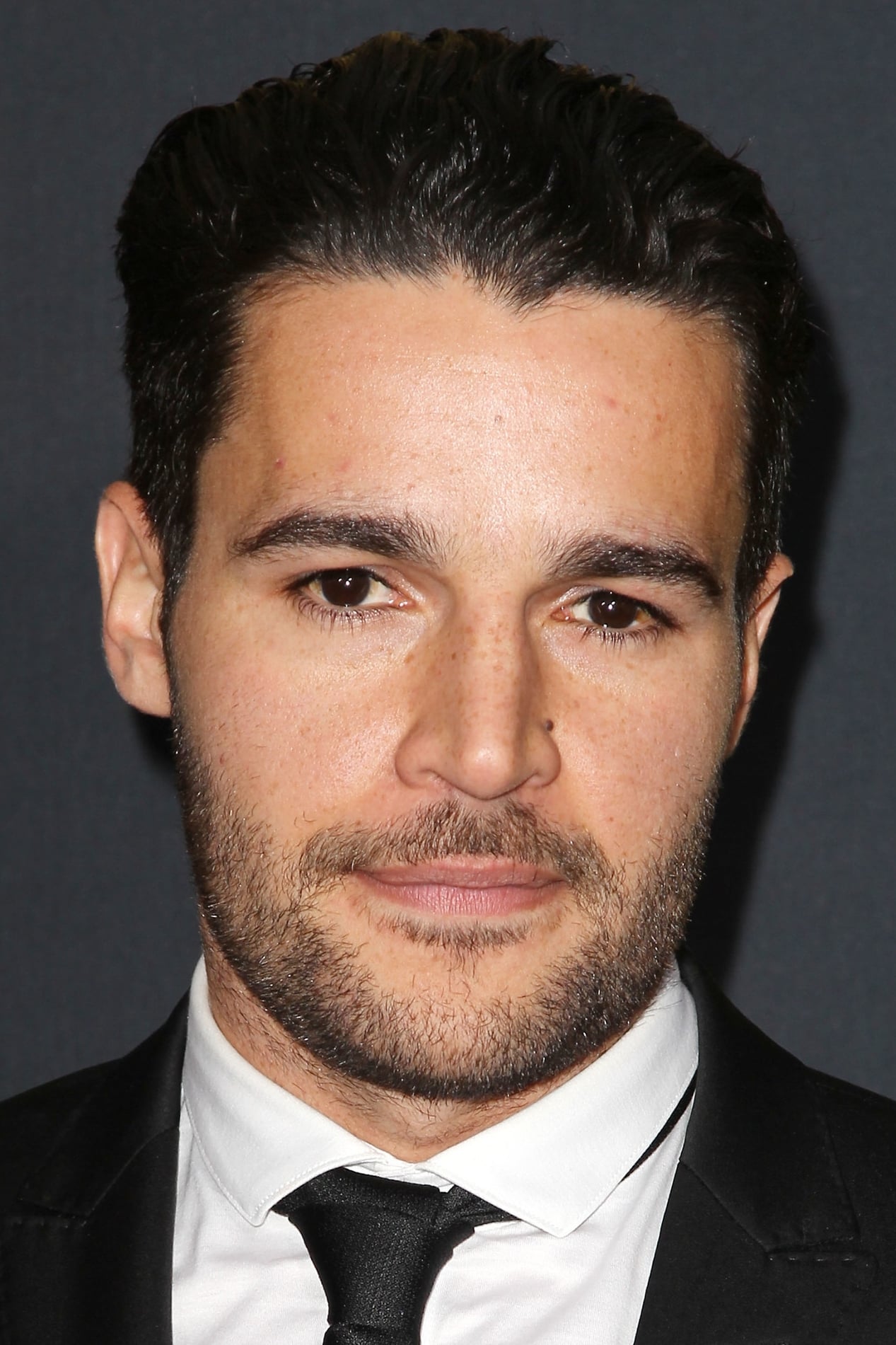
Christopher Abbott chose to leave the comedy series ‘Girls’ because he felt he could no longer relate to his character. He requested an exit during the hiatus between seasons which forced the writers to address his absence quickly. His character Charlie was eventually given a dark and unexpected resolution in a later season. Abbott has since stated that he prefers working on smaller and more independent film projects. The departure allowed him to focus on the type of work he finds most fulfilling.
Michael Pitt
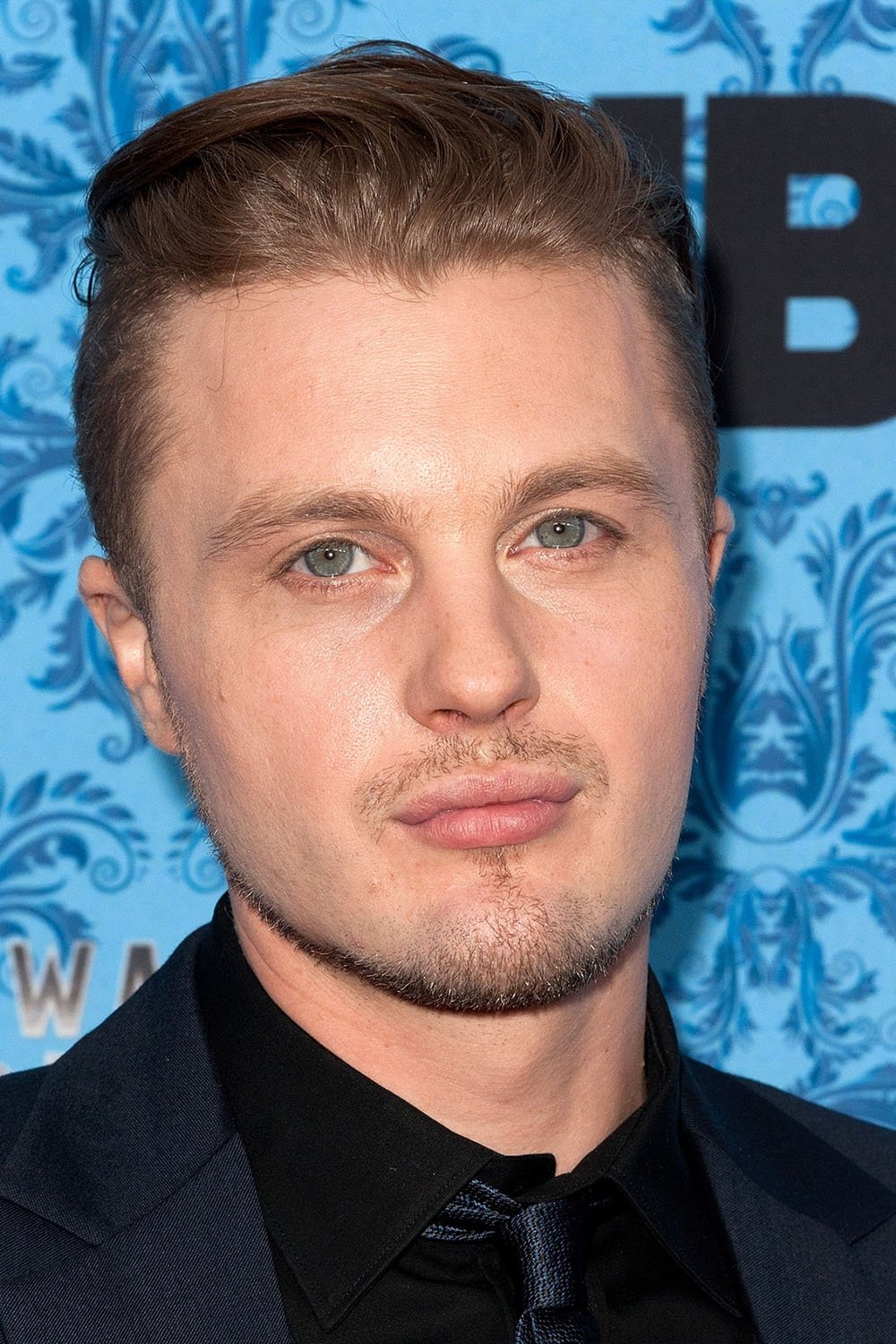
Michael Pitt reportedly had creative differences with the producers of ‘Boardwalk Empire’ and wanted to leave the show. His character Jimmy Darmody was a central figure and his death at the end of the second season was a major shock to viewers. The actor was interested in pursuing other artistic ventures and was ready to move on from the series. The writers obliged by giving him a tragic and poignant final scene. This exit remains one of the most talked about moments in the history of the prestige drama.
Michael Imperioli
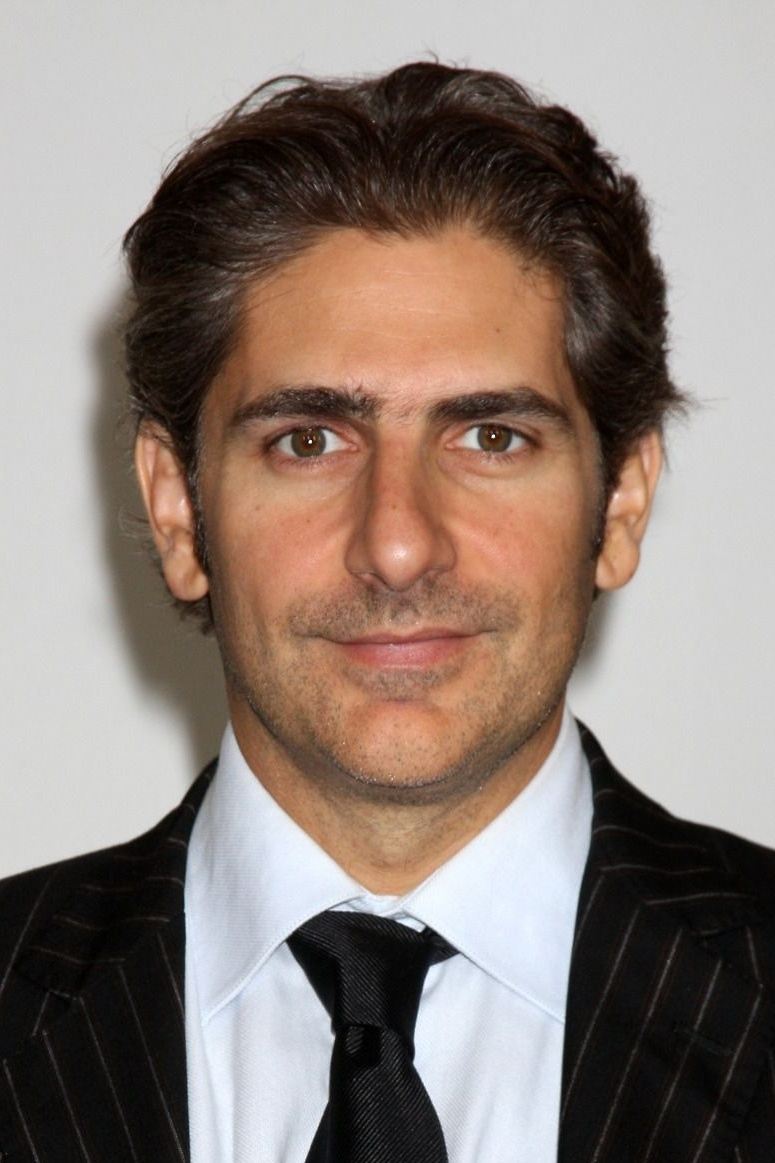
Michael Imperioli suggested to the writers of ‘The Sopranos’ that his character Christopher Moltisanti should eventually meet a tragic end. He believed that the character’s downward spiral into addiction and betrayal could only lead to a violent conclusion. The showrunner eventually crafted a shocking death scene where the character is killed by his own mentor. Imperioli felt that this was the most realistic and powerful way to end the character’s journey. The scene is considered a masterpiece of dramatic tension and narrative inevitability.
Steve Buscemi
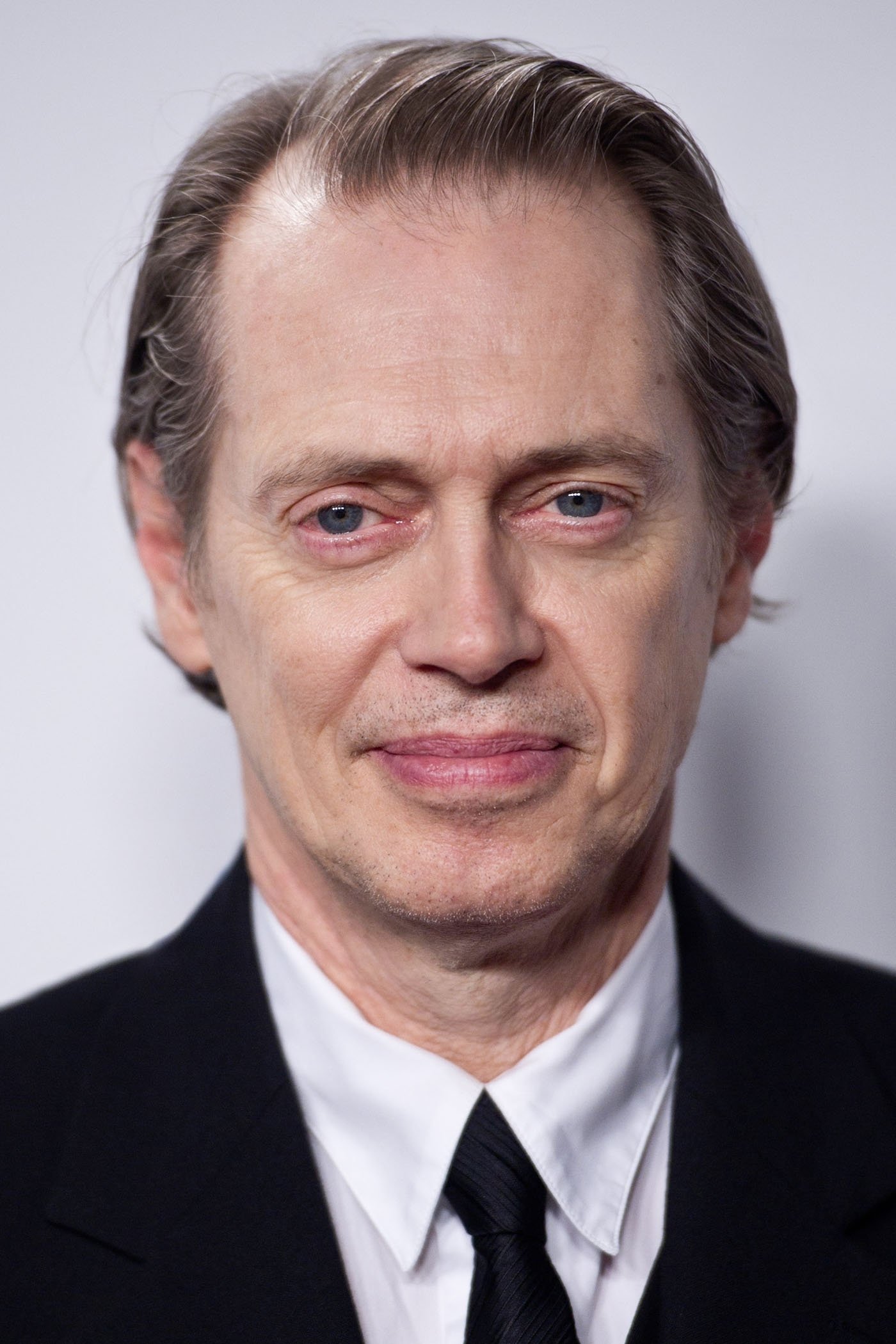
Steve Buscemi joined ‘The Sopranos’ for a limited arc and knew from the beginning that his character Tony Blundetto would die. He actively participated in the discussion of how the character should go out to make the most impact. The actor wanted the death to serve the larger story of the conflict between the New Jersey and New York crime families. His wish was granted in a memorable scene that forced the lead character to make a difficult choice. Buscemi was satisfied with the short but significant contribution he made to the legendary series.
Alec Guinness
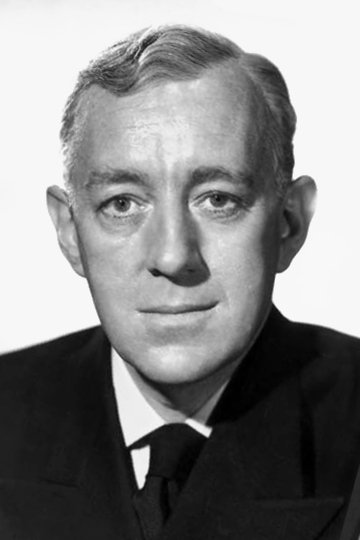
Alec Guinness was famously critical of the dialogue in ‘Star Wars’ and wanted his character Obi-Wan Kenobi to die early in the film. He believed that the character would be more powerful as a spiritual presence than as a living mentor. The actor successfully convinced George Lucas that the death was necessary to raise the stakes for the hero. This decision led to the iconic sacrifice on the Death Star that defined the character for generations. Guinness remained associated with the role through voiceovers and ghostly appearances in the sequels.
Bill Murray
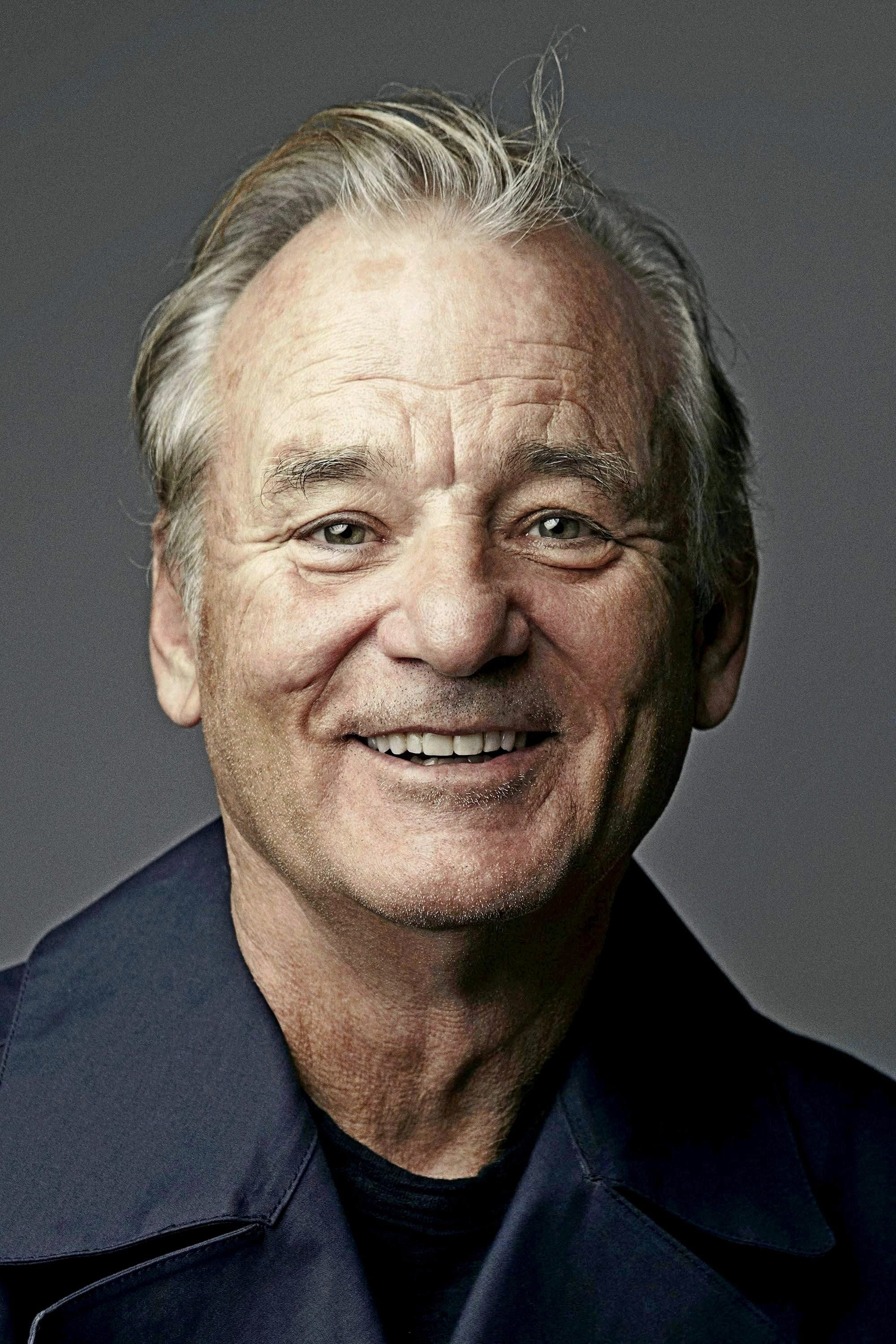
Bill Murray agreed to a cameo in the horror comedy ‘Zombieland’ on the condition that his character would die. He thought it would be humorous to play a fictionalized version of himself who gets accidentally shot. The writers created a memorable sequence where he is mistaken for a real zombie by the protagonists. Murray enjoyed the absurdity of the scene and the chance to parody his own celebrity status. The moment became one of the most famous and beloved cameos in modern cinema history.
William Shatner
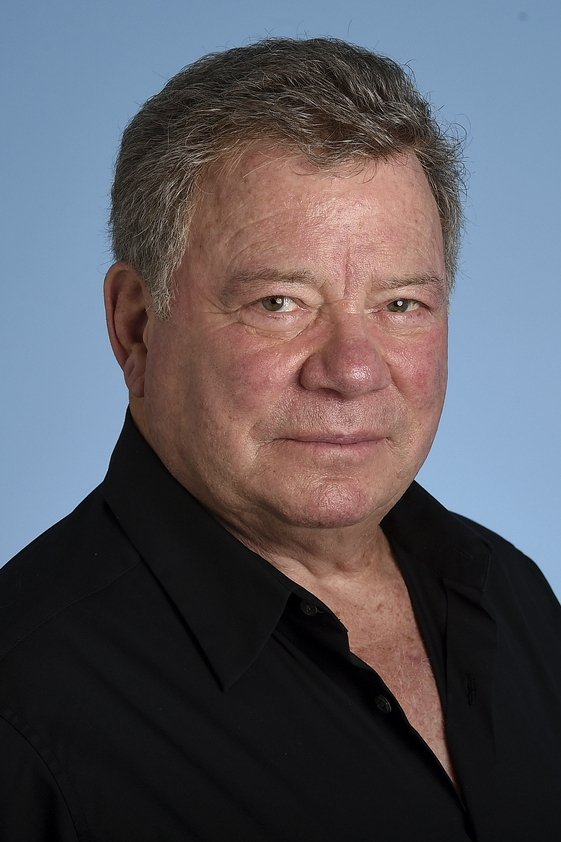
William Shatner advocated for the death of Captain James T. Kirk in the film ‘Star Trek Generations’. He felt that after decades of adventures the character deserved a definitive and heroic end. The actor worked with the writers to ensure that Kirk passed the torch to the new generation before his demise. While the death was controversial among some fans Shatner believed it provided a sense of completion to the role. The character’s final words emphasized the sense of adventure that defined his entire life.
Patrick Dempsey
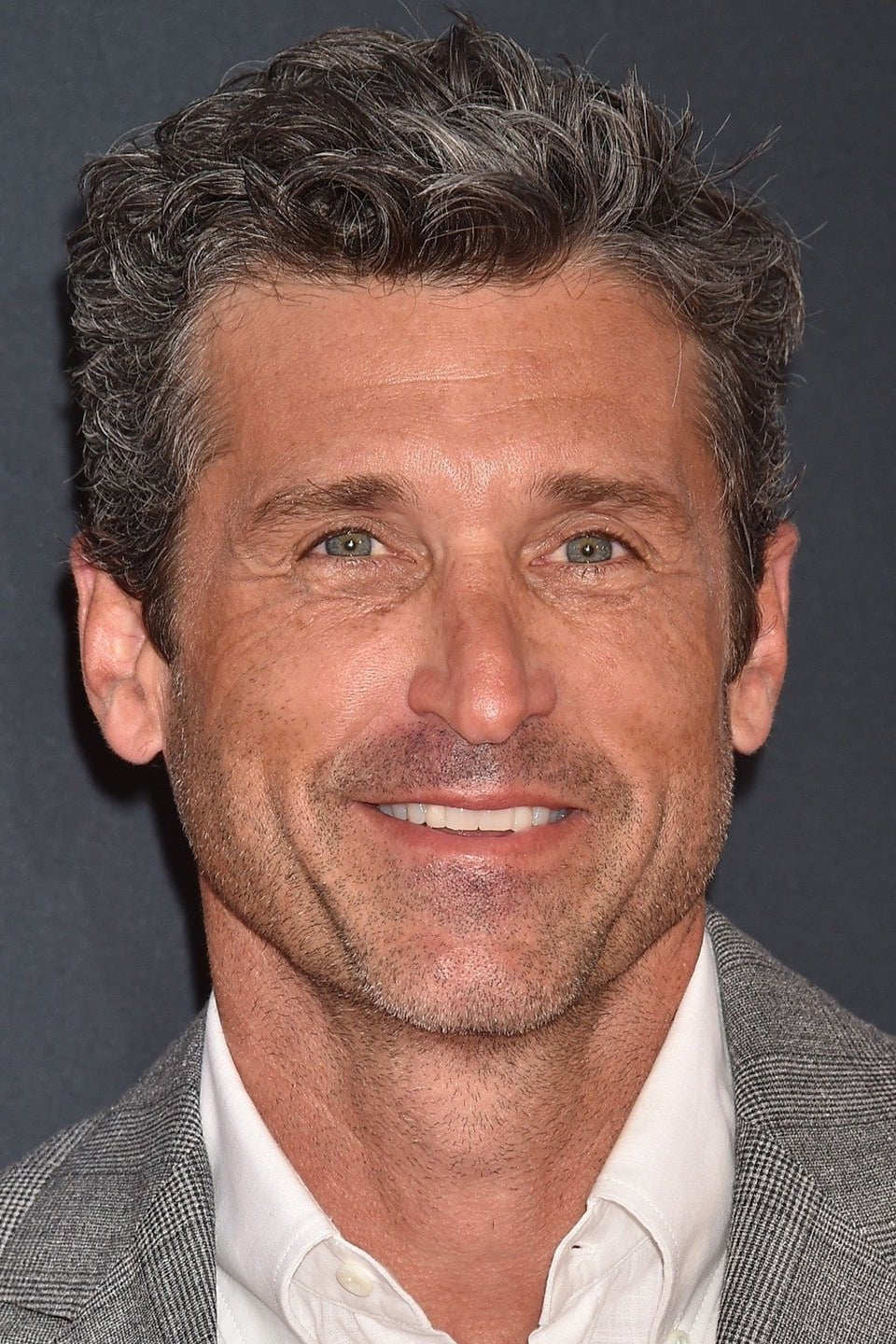
Patrick Dempsey decided to leave ‘Grey’s Anatomy’ after more than a decade to focus on his racing career and other projects. He requested that his character Derek Shepherd be written out in a way that would leave a lasting impact on the show. The writers chose a tragic accident that allowed the character to die a hero while saving others. Dempsey was satisfied with the emotional weight of the departure and the closure it provided. The loss of the character was a major turning point for the long running medical drama.
Wentworth Miller
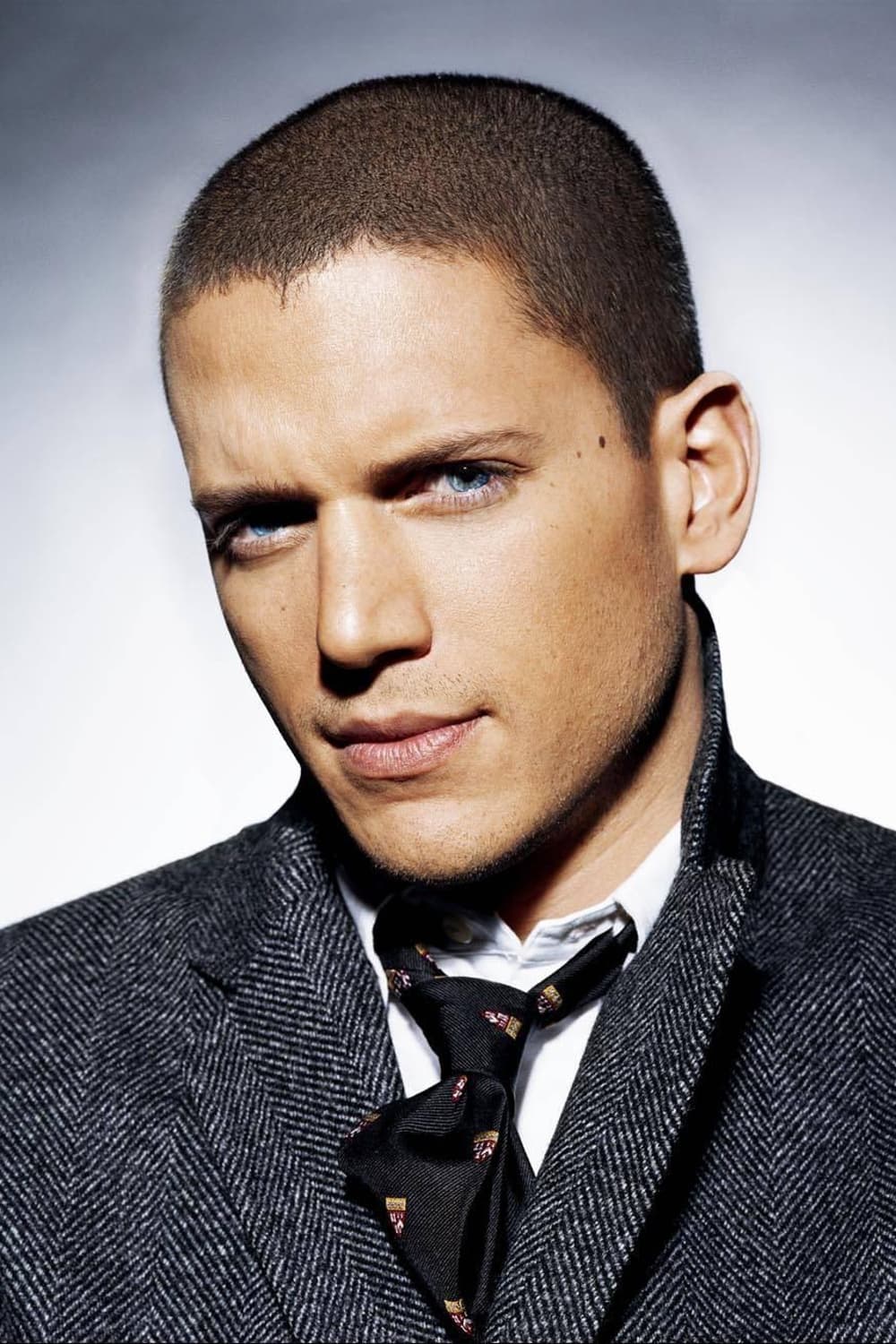
Wentworth Miller requested that the character Michael Scofield die at the end of the original run of ‘Prison Break’. He felt that the character’s journey of sacrifice should conclude with the ultimate price to save his loved ones. The writers complied in the television movie that served as the initial series finale. Although the character was later brought back for a revival years later Miller originally pushed for a definitive end. The actor has since moved on from the role to focus on other creative and personal goals.
Charlie Sheen
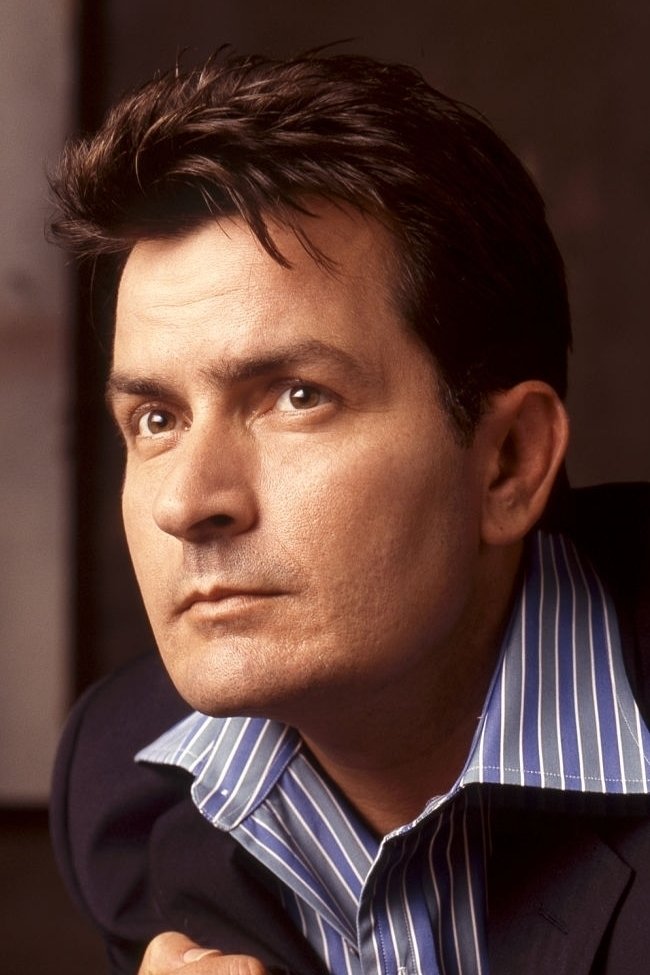
Charlie Sheen had a very public falling out with the creator of ‘Two and a Half Men’ and wanted a definitive end for his character. He requested a dramatic and even gruesome exit from the series following his termination. The writers obliged by revealing that the character had been killed off screen in a bizarre accident. They later featured a more graphic and comedic death for the character in the final episode of the show. This remains one of the most contentious and widely discussed exits in television history.
John Glover
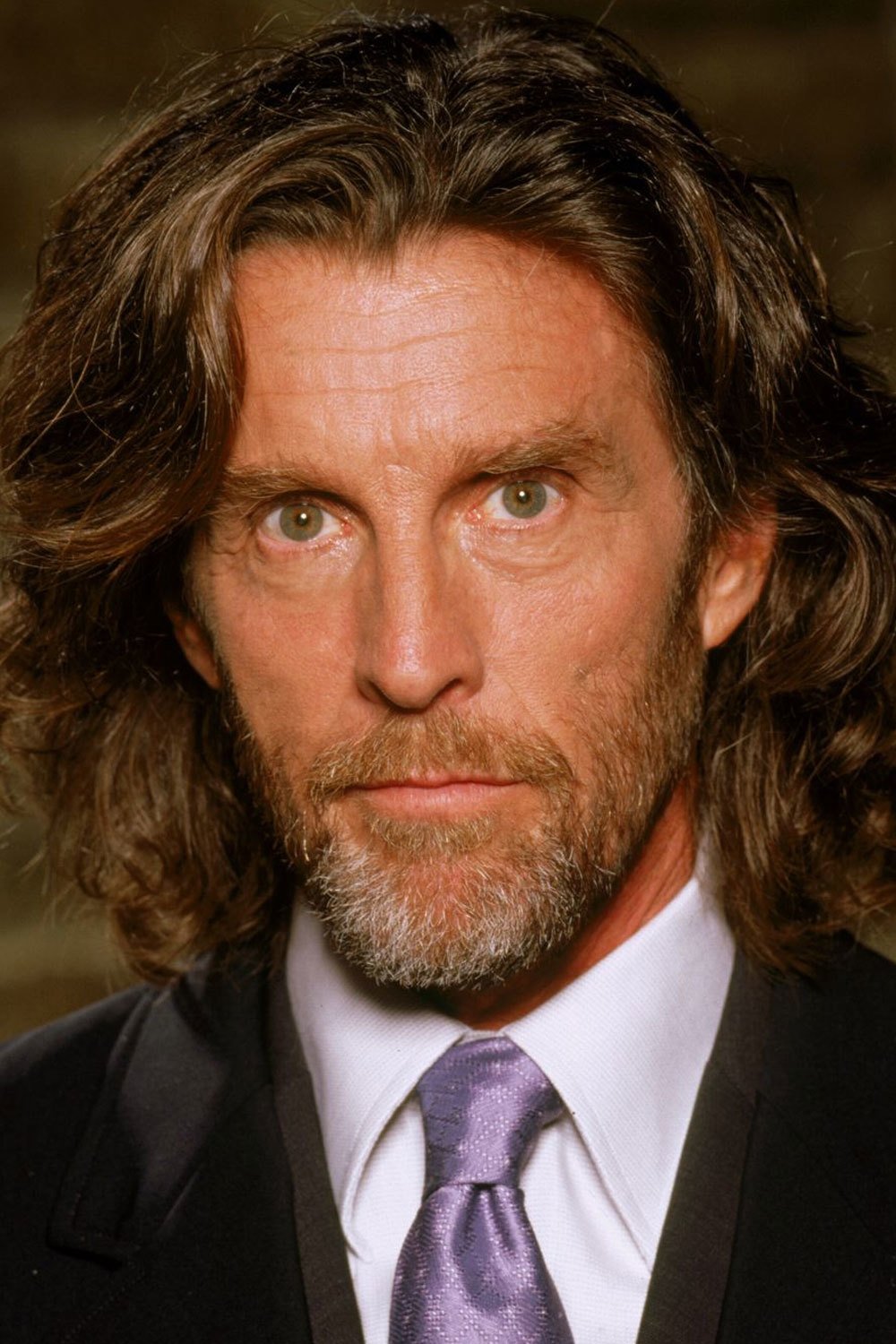
John Glover spent several seasons playing the villainous Lionel Luthor on ‘Smallville’ and eventually requested an exit. He felt that the character had reached the end of his usefulness in the story of Clark Kent. The actor wanted a death that would propel the character of Lex Luthor into full villainy. The writers granted his wish with a dramatic fall from a skyscraper at the hands of his own son. Glover was pleased with the impact his departure had on the development of the other characters.
Milo Ventimiglia
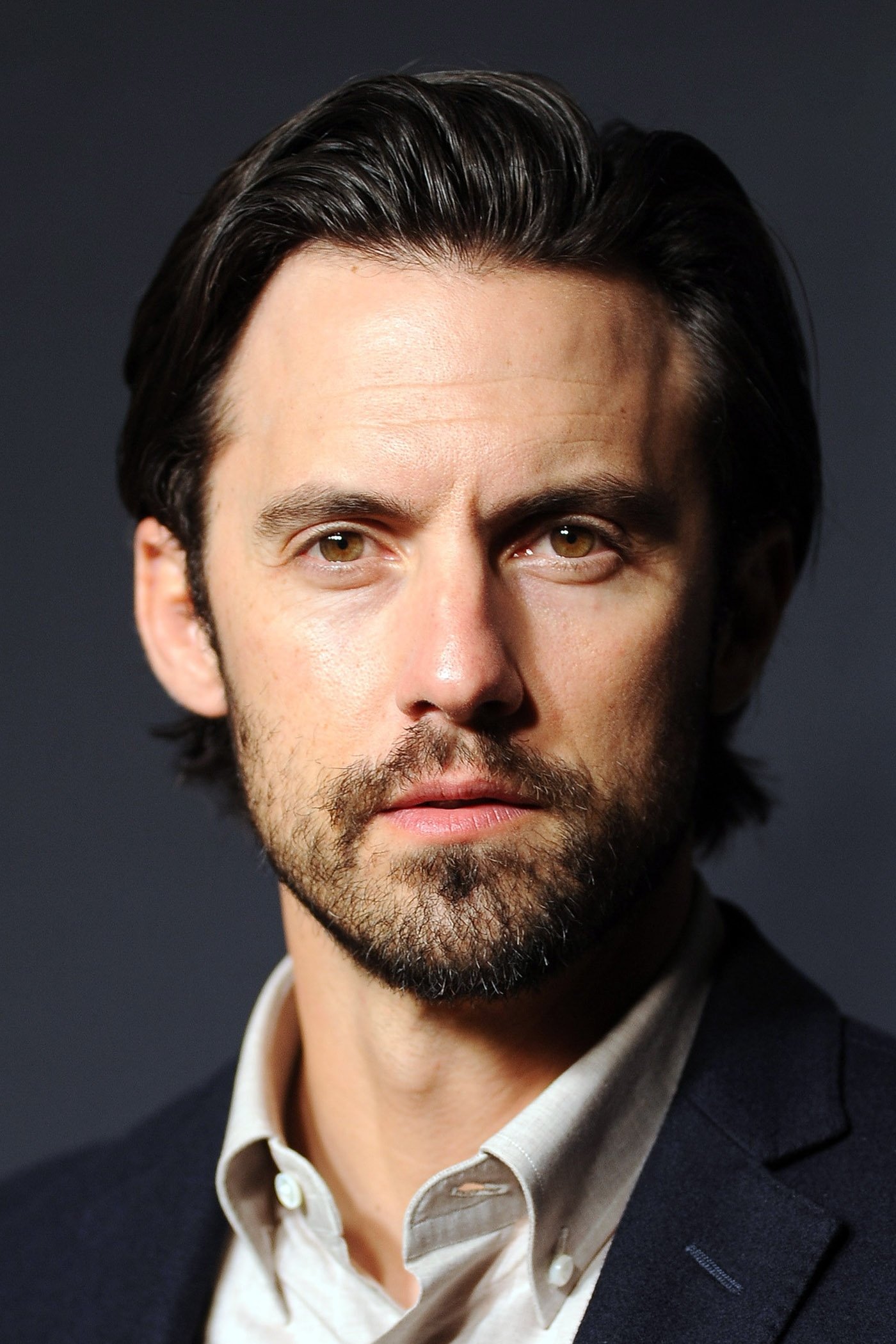
Milo Ventimiglia requested that his character Peter Petrelli be killed off during the second season of ‘Heroes’. He felt that the character had become too powerful and that his death would create more interesting stakes for the rest of the cast. The writers ultimately decided to keep him around but the actor continued to advocate for high stakes for his role. Ventimiglia believed that characters in such a dangerous world should face real and permanent consequences. He eventually moved on to other major television successes after the show concluded.
Joaquin Phoenix
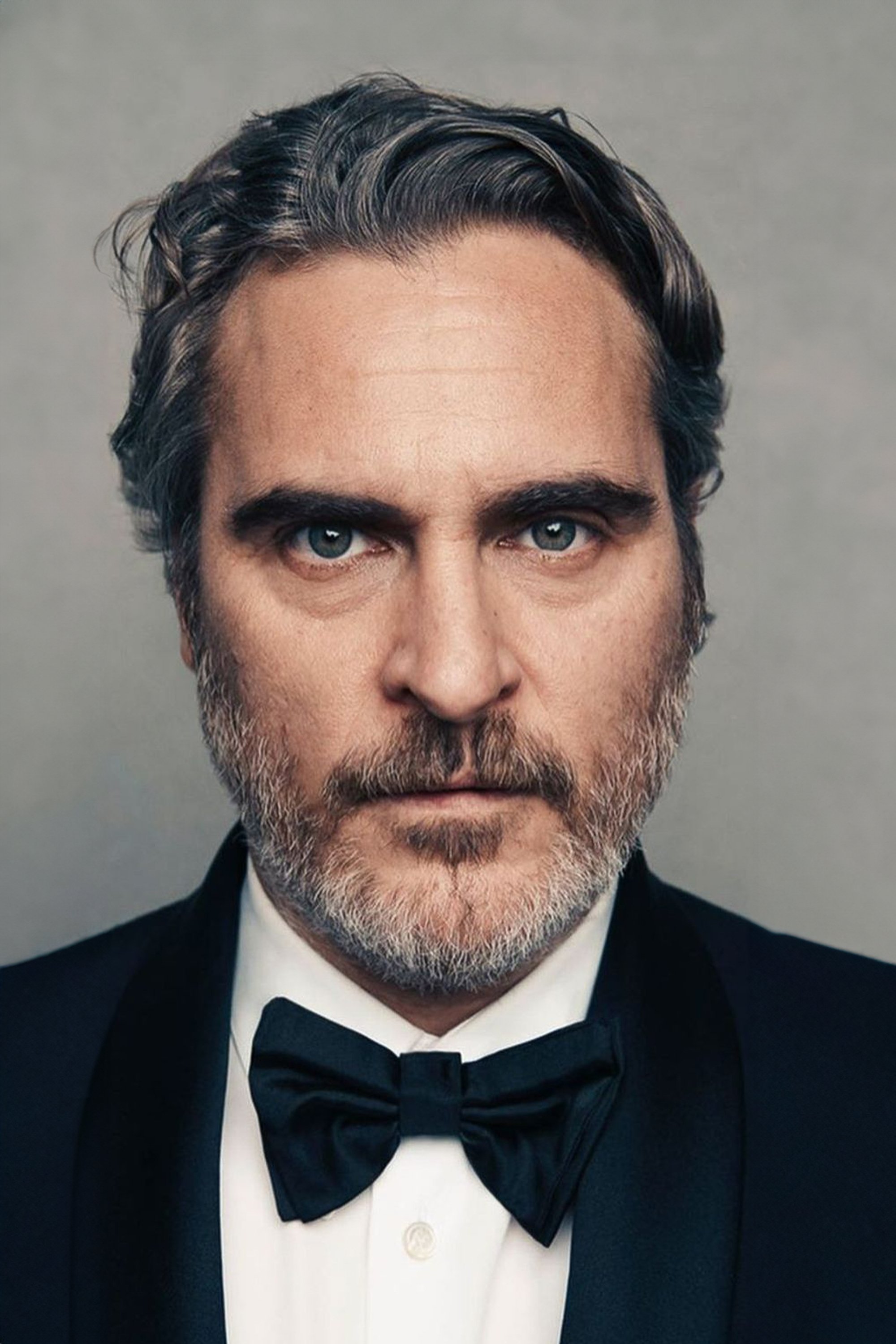
Joaquin Phoenix requested that the villainous Commodus meet a particularly brutal end in the film ‘Gladiator’. He wanted the character’s death to be a moment of total defeat and humiliation at the hands of the hero. The actor worked with the director to ensure the final confrontation was intense and visually striking. The resulting death scene in the arena is considered one of the most satisfying villain demises in movie history. Phoenix felt that the character’s ego and cruelty demanded such a definitive conclusion.
John Krasinski
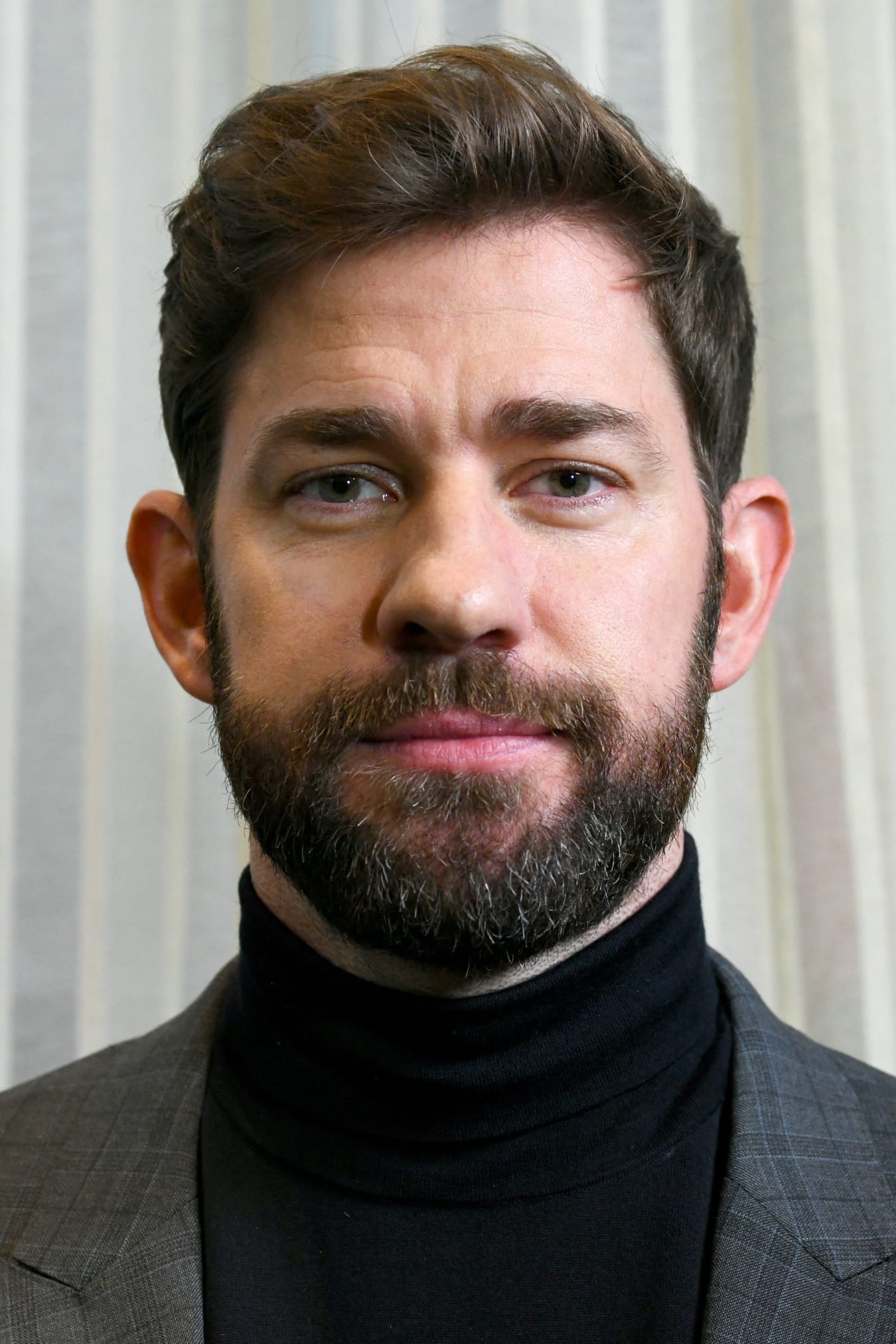
John Krasinski wrote and directed ‘A Quiet Place’ and decided early on that his character Lee Abbott should die. He felt that the story about parental protection needed the ultimate sacrifice to resonate emotionally. The actor believed that his death would provide the necessary motivation for the surviving characters to fight back. This creative choice helped turn the film into a massive critical and commercial success. Krasinski returned for the sequel only in flashback sequences to maintain the finality of the character’s fate.
Will Smith
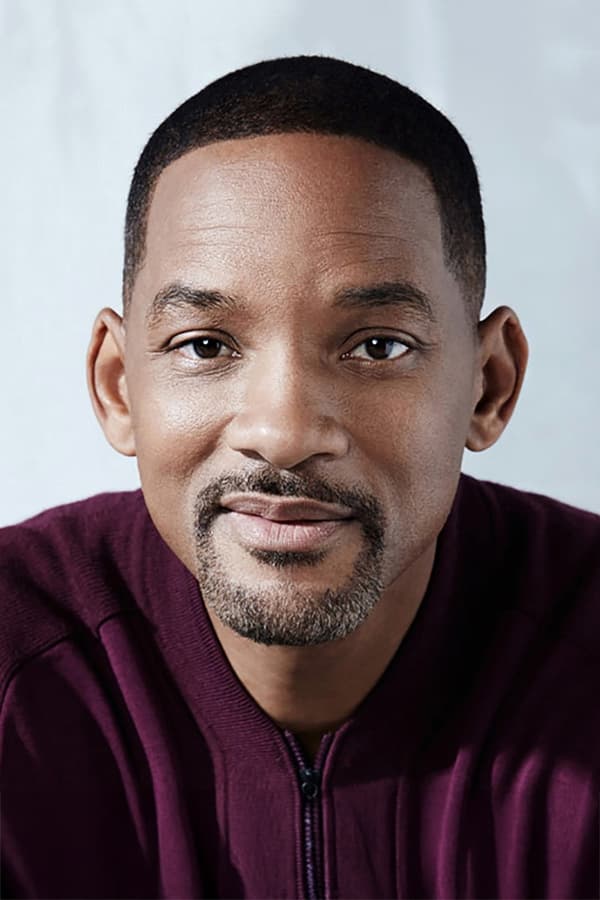
Will Smith requested that the original ending of ‘I Am Legend’ be changed to include his character’s death. He felt that the hero sacrificing himself to protect the cure was a more powerful and meaningful conclusion. The theatrical version of the film followed this request showing the character blowing himself up with a grenade. An alternative ending where he survives was also filmed but Smith pushed for the more tragic version for the wide release. This decision provided the film with a sense of gravity and emotional closure.
Nicolas Cage
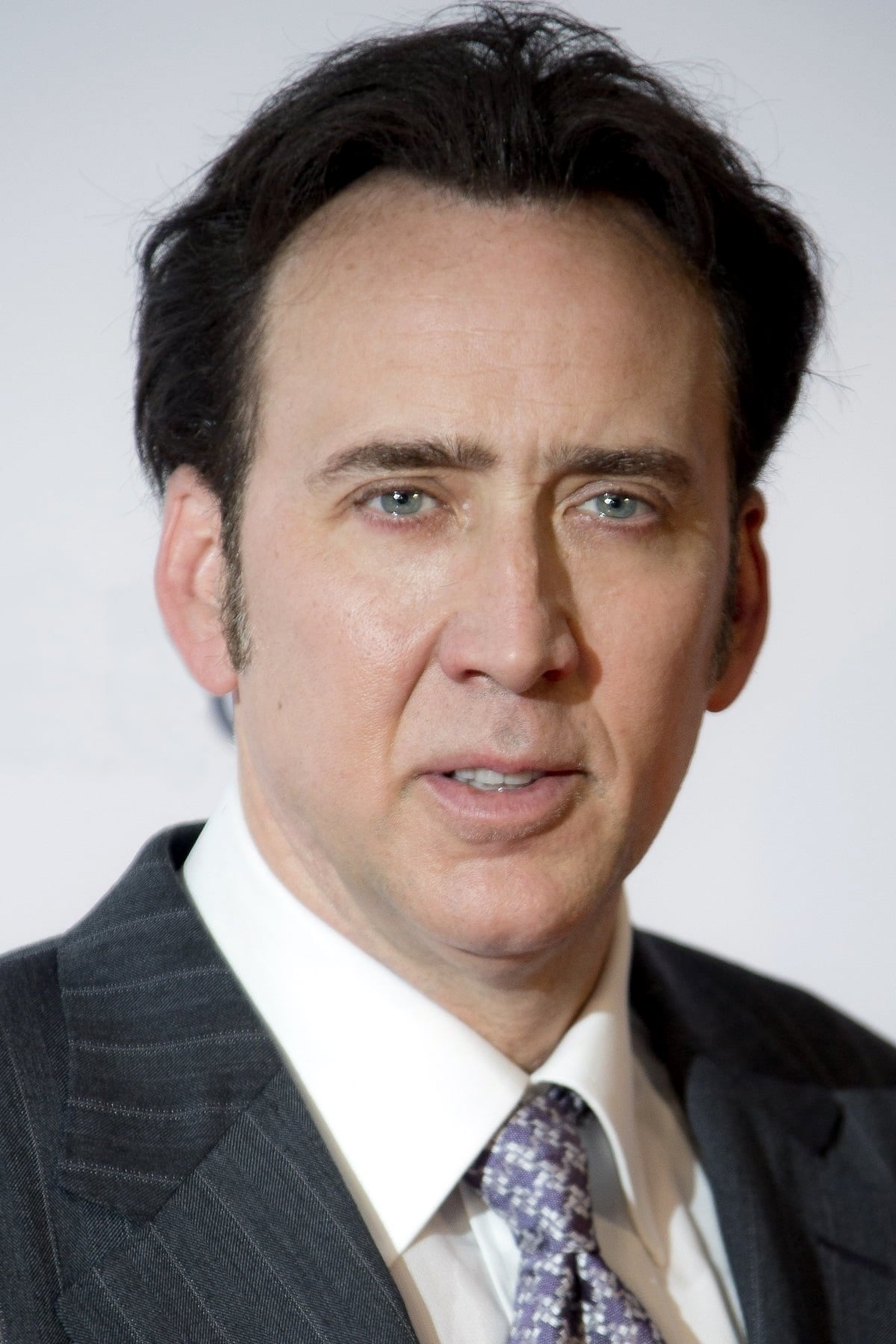
Nicolas Cage took on the role of Big Daddy in ‘Kick-Ass’ and requested that the character die a heroic and brutal death. He felt that the character’s obsession with justice should lead to a dramatic final stand. The writers crafted a scene where the character is burned alive while still coaching his daughter through a fight. Cage was thrilled with the intensity of the scene and the impact it had on the audience. The death served as a major turning point for the plot of the film.
Bryan Cranston
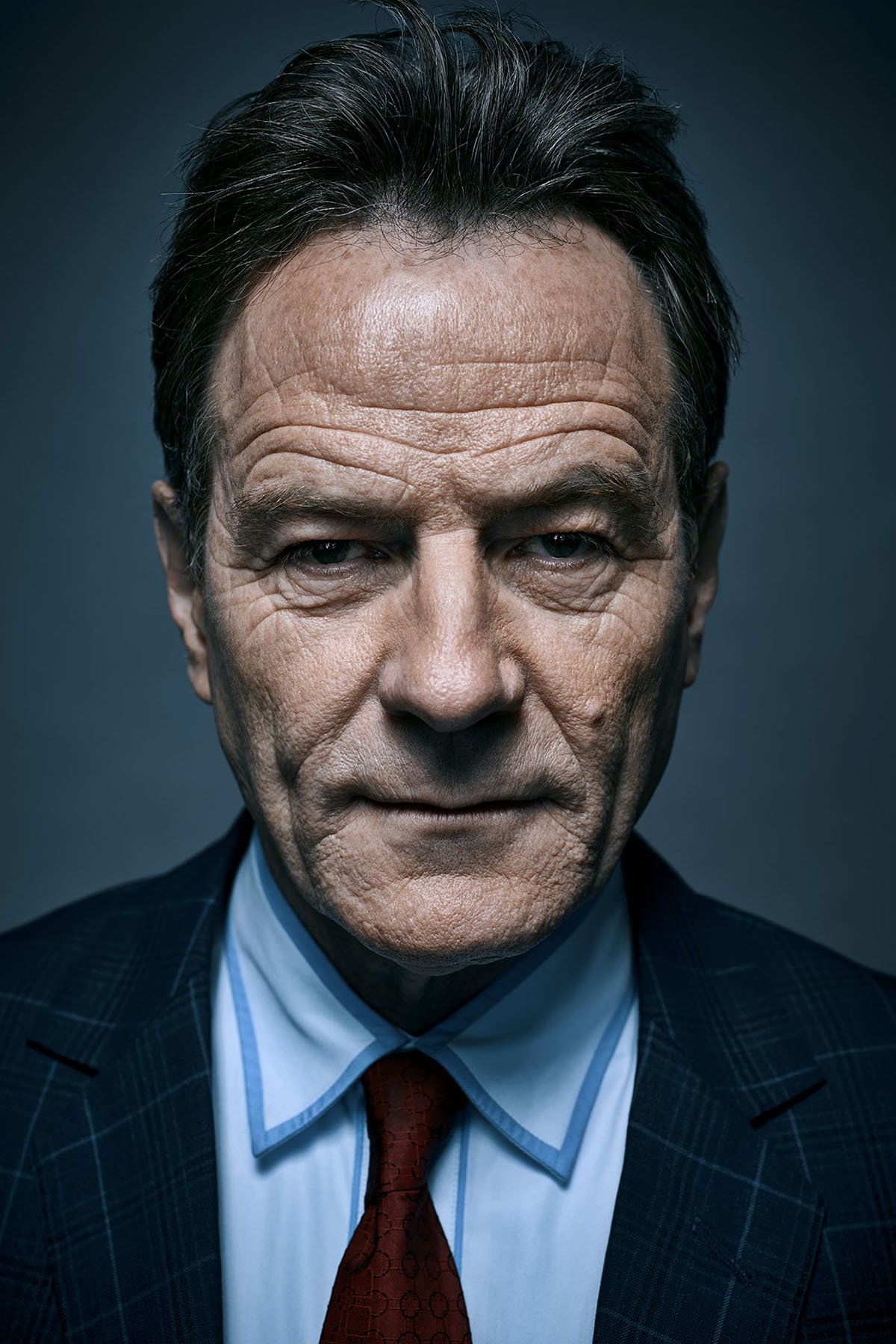
Bryan Cranston advocated for the death of Walter White from the very beginning of ‘Breaking Bad’. He believed that the character was a monster who could not and should not be allowed to survive his crimes. The actor worked with the creator to ensure that the finale provided a definitive and appropriate end to the character’s descent. The final scene showed the character dying in a laboratory surrounded by the tools of his trade. Cranston felt that this was the only logical and satisfying conclusion for such a dark story.
Donald Sutherland
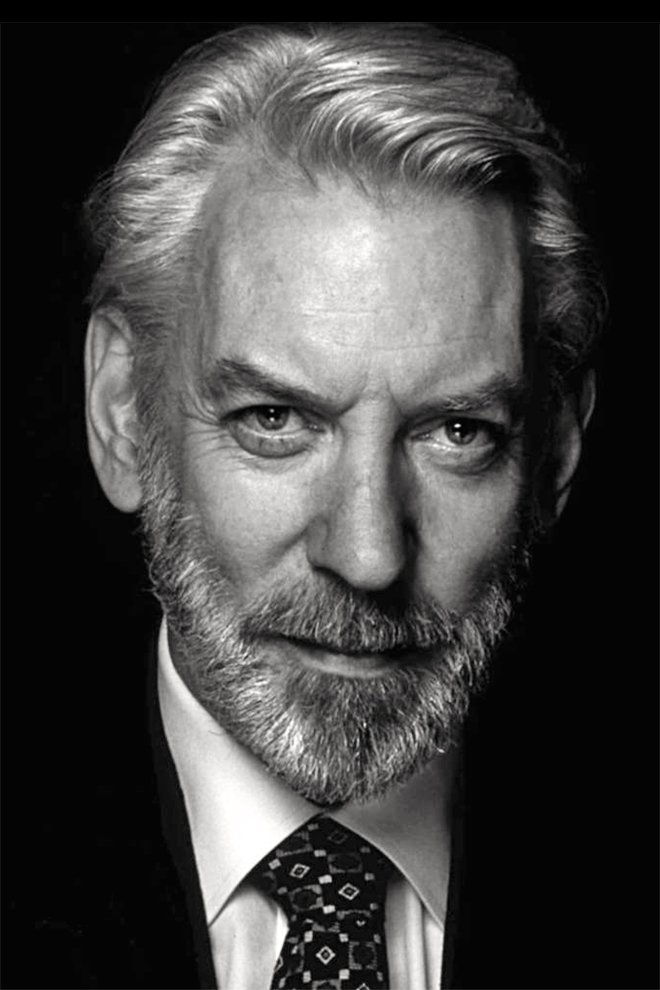
Donald Sutherland requested that the writers of ‘The Hunger Games’ franchise give President Snow a more significant and symbolic death. He wanted the character to face the consequences of his tyranny in a way that reflected the themes of the books. The writers obliged by having the character die during a chaotic and ironic execution scene. Sutherland believed that the character’s end should represent the collapse of the oppressive system he built. His performance and the character’s exit were highly praised by fans of the series.
Jason Segel
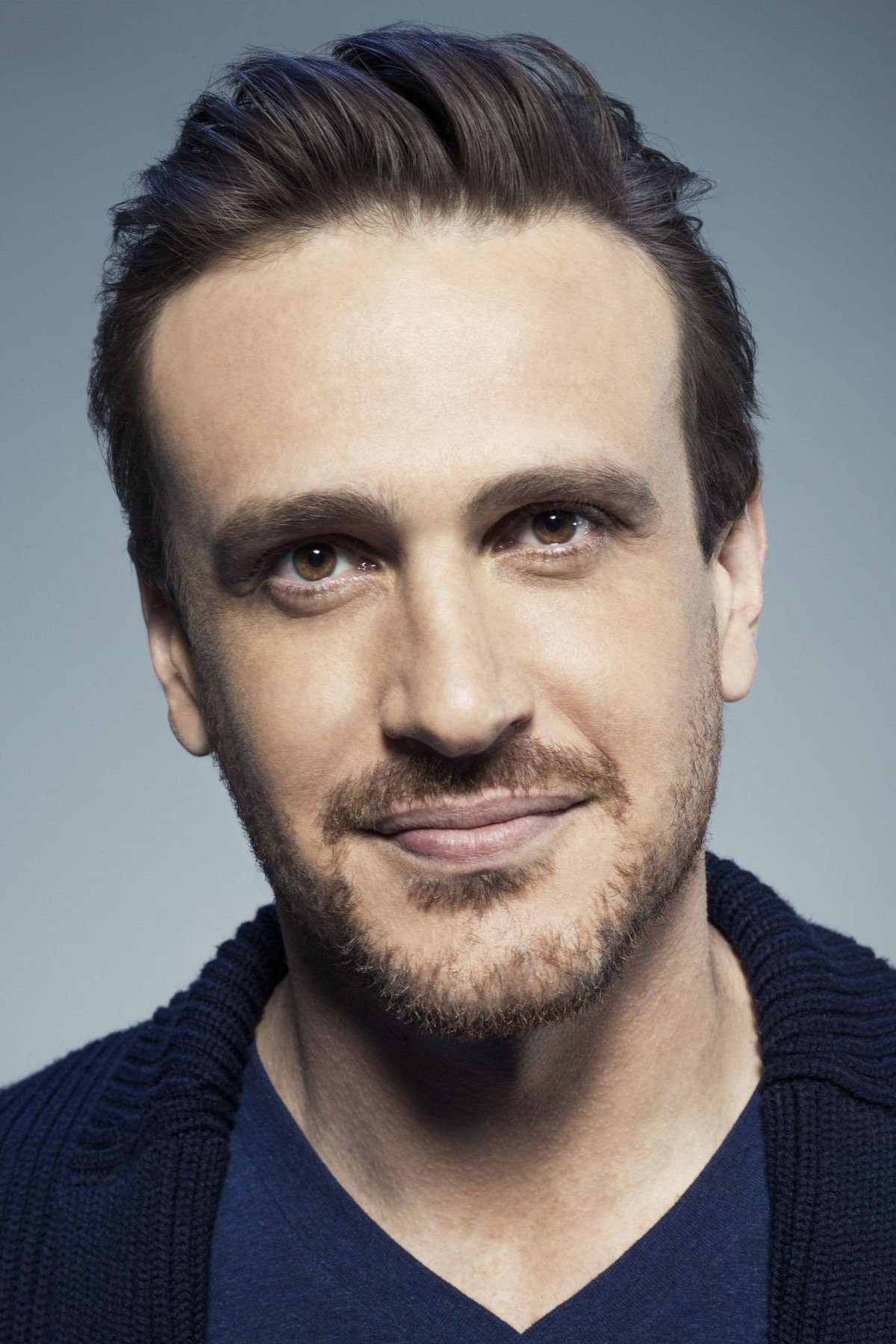
Jason Segel expressed his desire for the series ‘How I Met Your Mother’ to end with a major character death. He felt that adding a tragic element to the sitcom would give it more depth and realism. While his own character survived he was a strong supporter of the controversial decision to have the mother character pass away. The actor believed that the story was ultimately about the lessons learned through love and loss. Segel was ready to move on to film work as the long running show reached its conclusion.
Johnny Depp
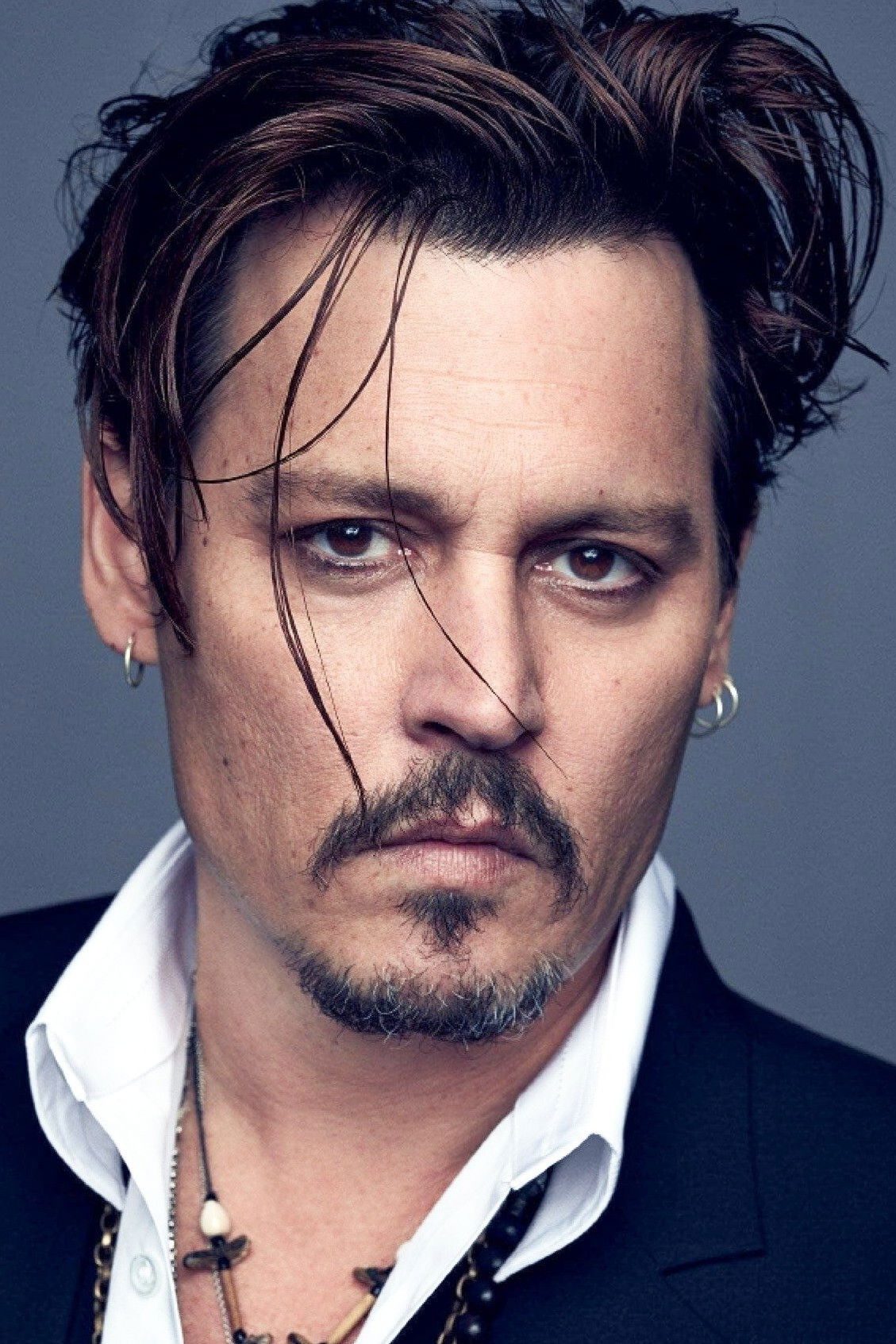
Johnny Depp agreed to a cameo in the ’21 Jump Street’ movie on the condition that his character was killed off. He had starred in the original television series and wanted to provide a funny and definitive end for his old character. The writers created a scene where he is unmasked as an undercover officer and immediately shot. Depp enjoyed the chance to poke fun at his own career and give the fans a surprising moment. This cameo became one of the most celebrated parts of the successful reboot.
Samuel L. Jackson
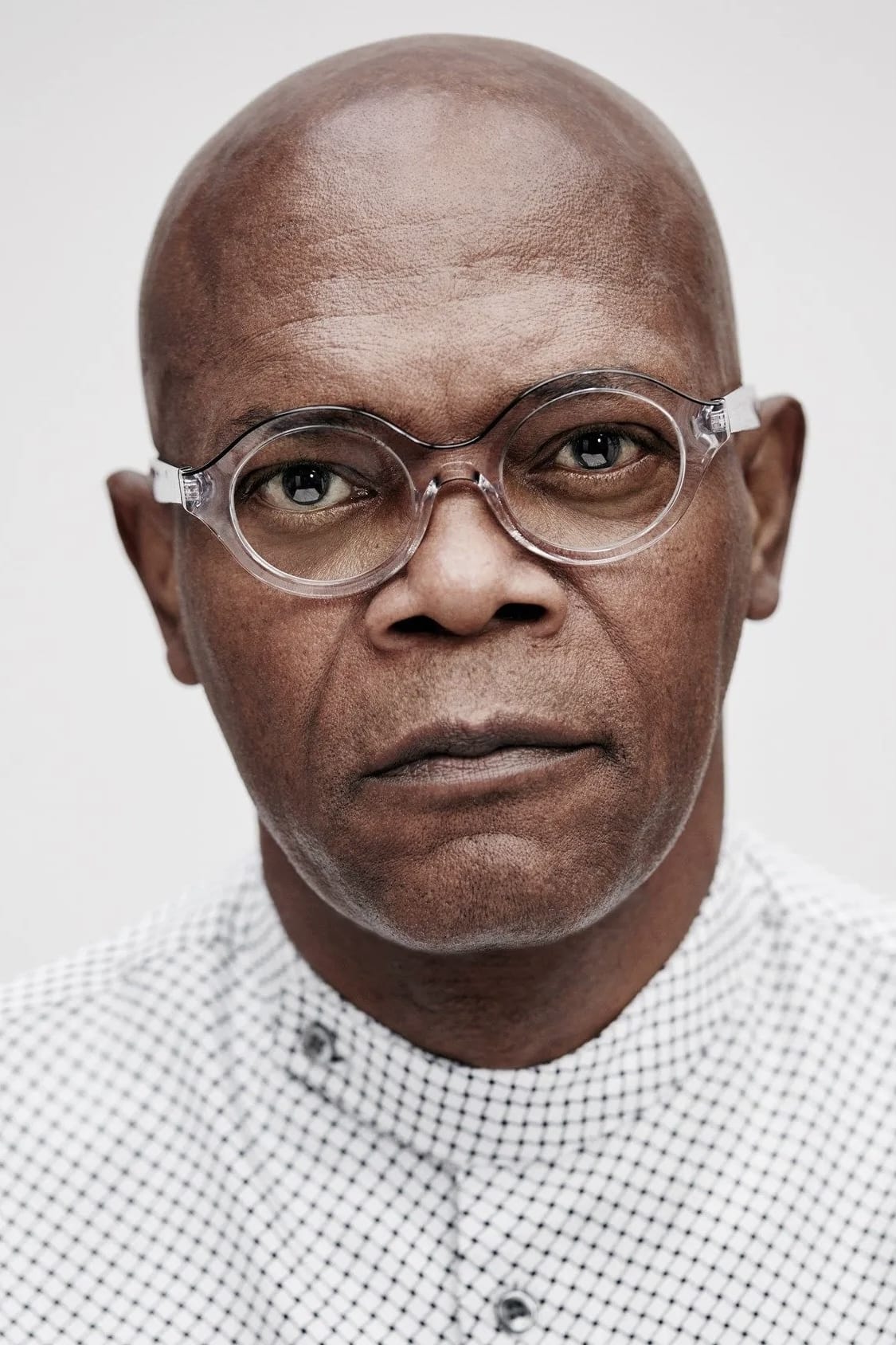
Samuel L. Jackson requested a shorter role in ‘Deep Blue Sea’ so he could go and film ‘Star Wars’. He asked the writers to kill his character off in an unexpected and shocking way mid way through the film. This led to the famous scene where his character is suddenly eaten by a shark while giving an inspirational speech. The actor was delighted with how the scene turned out and the reaction it got from audiences. It remains one of the most famous jump scares and character deaths in modern horror.
Mel Gibson
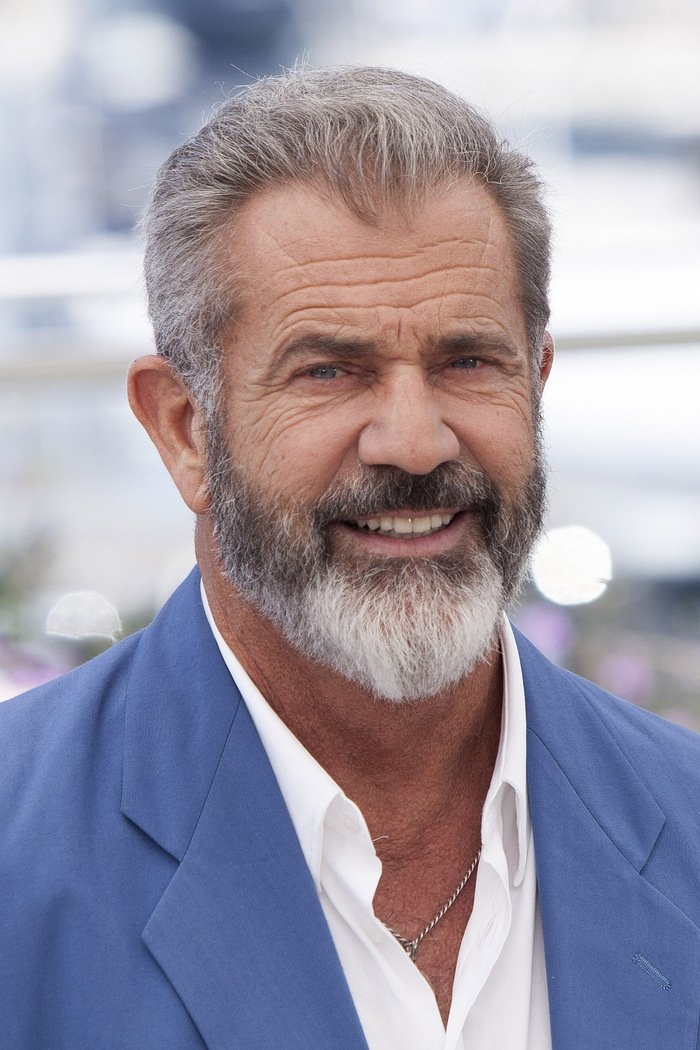
Mel Gibson reportedly asked the writers of the ‘Lethal Weapon’ sequels to kill off his character Martin Riggs. He felt that the character’s death would be a fitting end for a man who started the series with a death wish. The writers however chose to keep the character alive to maintain the possibility of more sequels. Gibson continued to play the role for four films but remained open to a dramatic conclusion for the character. The actor eventually moved on to directing and other major film projects.
Willem Dafoe
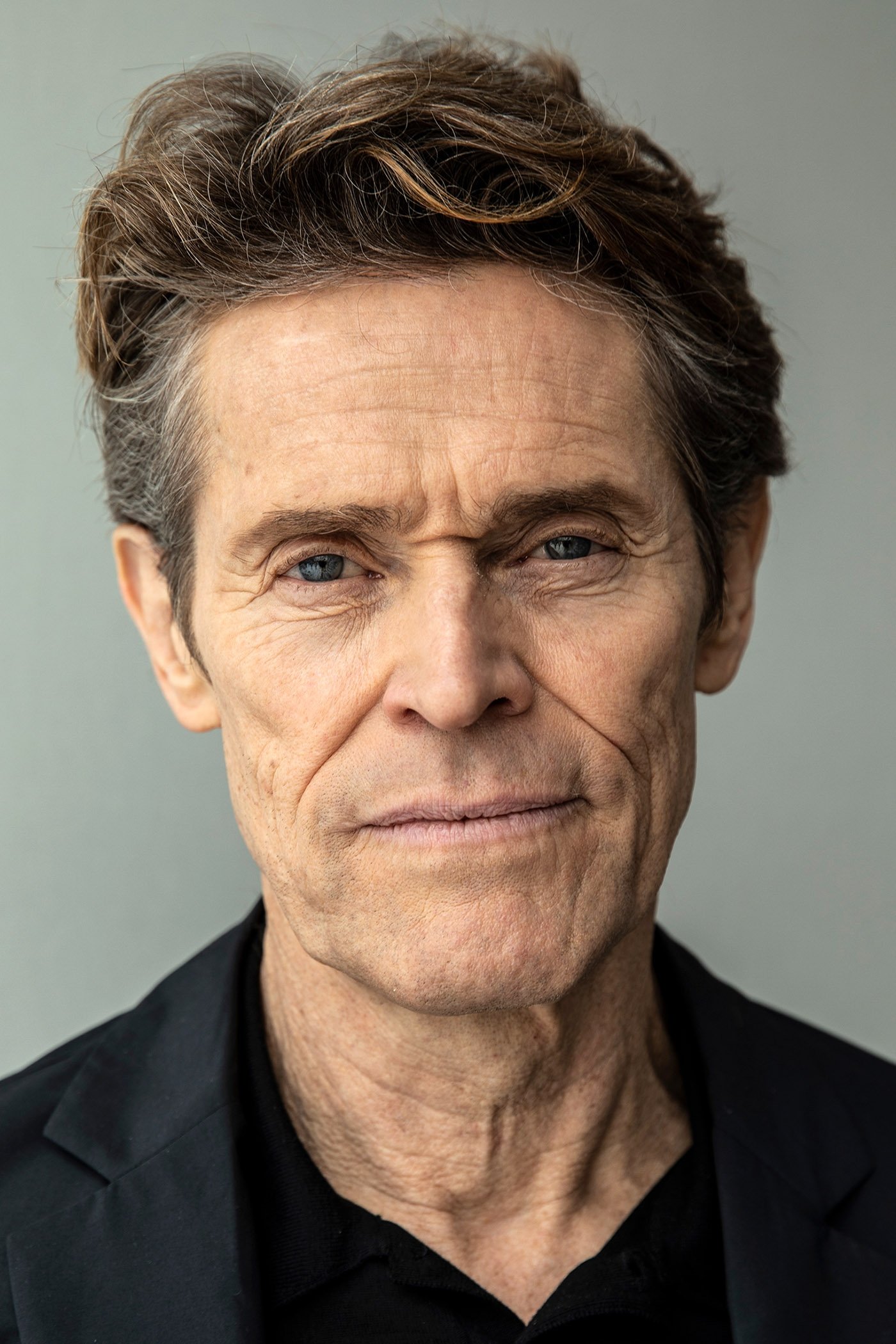
Willem Dafoe requested that his character Sergeant Elias die a heroic and visually iconic death in ‘Platoon’. He worked with director Oliver Stone to create the famous scene where he is gunned down while reaching toward the sky. The actor felt that the death should represent the loss of morality and hope in the midst of war. The resulting image became one of the most famous shots in cinematic history. Dafoe’s performance earned him an Academy Award nomination and solidified his status as a top tier actor.
Al Pacino
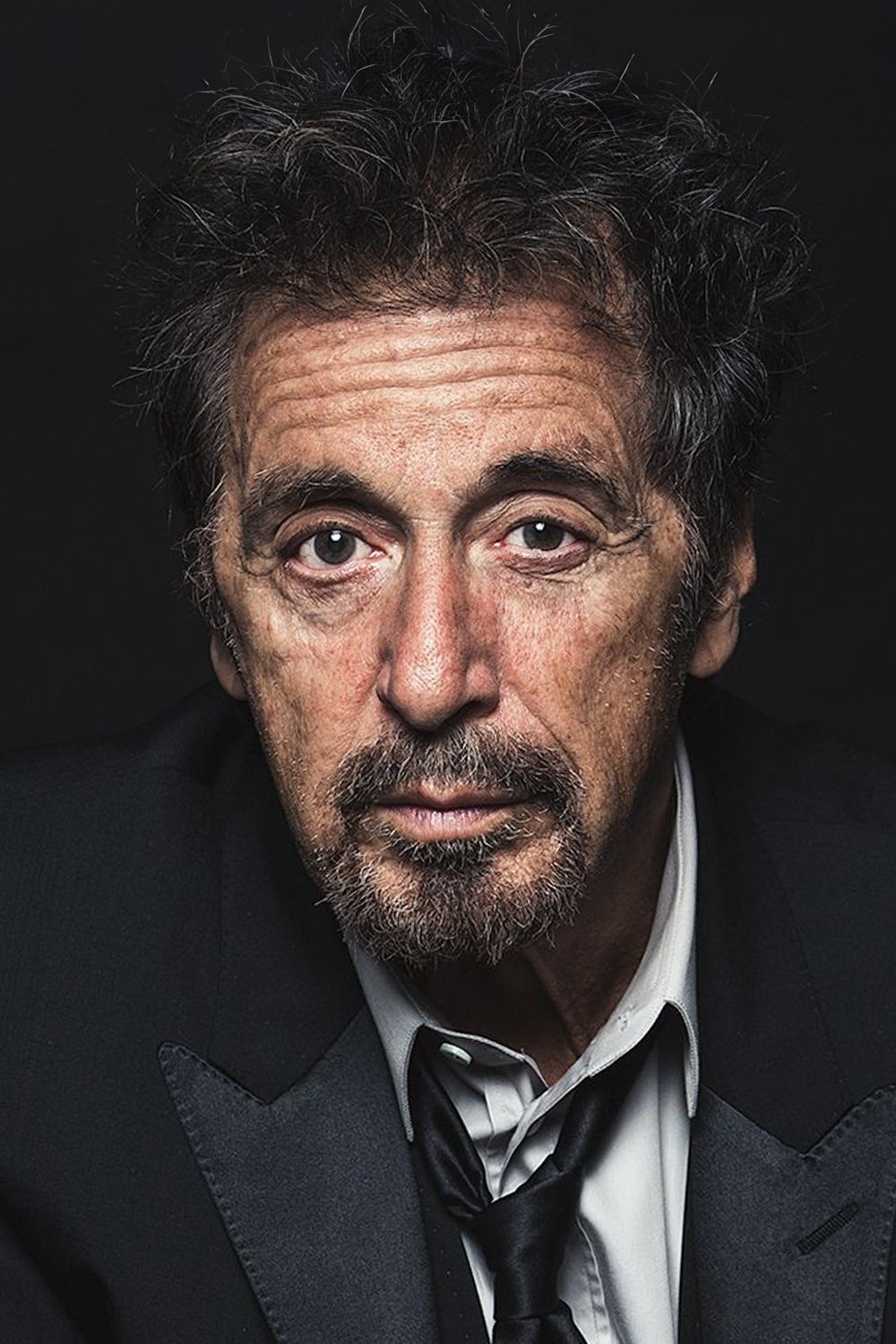
Al Pacino requested that Michael Corleone die at the end of ‘The Godfather Part III’. He felt that after a life of crime and loss the character should be seen dying alone and full of regret. The actor wanted to emphasize the tragedy of the character’s journey rather than his power. The final scene showing an elderly Michael falling over in a chair was a direct result of this creative desire. Pacino believed that this provided the necessary moral weight to the epic trilogy.
Share your favorite character death from this list in the comments.