The Only Director Who Admitted Regret Working With Tom Hanks

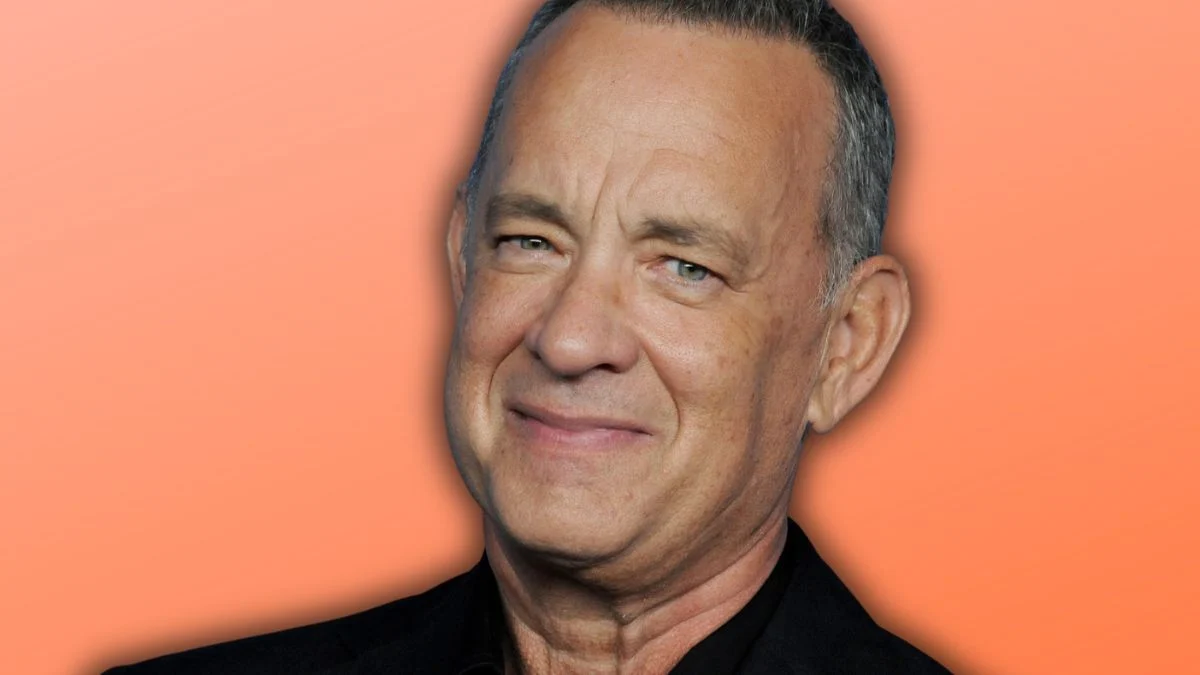

Even a figure as widely adored as Tom Hanks has encountered moments in his career where things did not go according to plan. While he is often celebrated as the ultimate nice guy of Hollywood, some of his peers have held long-standing grievances.
Henry Winkler, for instance, famously pointed to the actor as the reason he was dismissed as the director of Turner & Hooch after only thirteen days of production. Hanks has also faced unexpected backlash from the public, particularly when he was cast in the early 1990s as the lead in Philadelphia.
Despite the film eventually winning him an Oscar, he was initially the target of intense hate mail from those who doubted his dramatic range. These rare instances of friction prove that even a global icon is not entirely immune to controversy or personal criticism.
Perhaps the most famous failure in his filmography is the 1990 adaptation of The Bonfire of the Vanities, a movie the actor himself has described as one of the worst ever produced.
Director Brian De Palma has since admitted that the project was doomed by its own massive budget and the attempt to make a cynical story more palatable. “The initial concept of it was incorrect; if you’re going to do The Bonfire of the Vanities, you would have to make it a lot darker and more cynical,” De Palma later explained.
The director acknowledged that the film’s biggest mistake was trying to soften a character that was fundamentally unlikable in the original novel. Because the studio had invested so much money, there was pressure to make the protagonist more sympathetic to fit the leading man’s public image.
“But because it was such an expensive movie, we tried to humanise the Sherman McCoy character, a very unlikeable character, much like the character in The Magnificent Ambersons,” the filmmaker conceded.
De Palma also admitted that casting Hanks was a strategic move for a big-budget studio picture, even if it wasn’t the right creative choice. He believed that an actor with a different kind of screen presence might have been able to capture the elitist nature of the role.
“I think John Lithgow would have been a better choice for Sherman McCoy, because he would have got the blue-blood arrogance of the character,” he noted while reflecting on the production’s struggles.
Despite those early setbacks, the actor remains one of the most productive stars in the industry. In late 2024, he reunited with director Robert Zemeckis for the experimental drama Here, which utilized advanced de-aging technology.
While the film struggled at the box office, it found a second life on streaming platforms throughout 2025 and this year, reaching a wider audience than its theatrical run. Looking ahead, Hanks is set to reprise his legendary role as Woody in Toy Story 5, which is scheduled for a June release.
He is also currently working on a sequel to his 2020 naval thriller Greyhound, which began filming in January. This new installment, which he also wrote, follows his character through the Pacific Theater and is expected to debut on Apple TV+ in 2027.
The actor’s collaboration with Wes Anderson in The Phoenician Scheme also hit theaters in May 2025, further diversifying his already massive body of work. Between revisiting his most famous roles and producing high-end historical dramas, his influence on the entertainment landscape remains as potent as ever.
Have something to add? Share your thoughts in the comments.