Celebrities Who Blamed Their PR Teams After Getting Caught Saying Horrible Things


Celebrity public relations is a complex machine designed to maintain a polished image, but that machine often breaks down when the stars themselves go off-script. When offensive comments, racial slurs, or insensitive posts go viral, the first line of defense is frequently to point the finger at a management team, an assistant, or a mysterious hacker. This phenomenon has created a recurring cycle of “team-based” apologies and clarifications that attempt to distance the individual from their own words. The following list examines notable instances where celebrities or their representatives blamed their staff or digital security for controversial and offensive behavior.
Ashton Kutcher
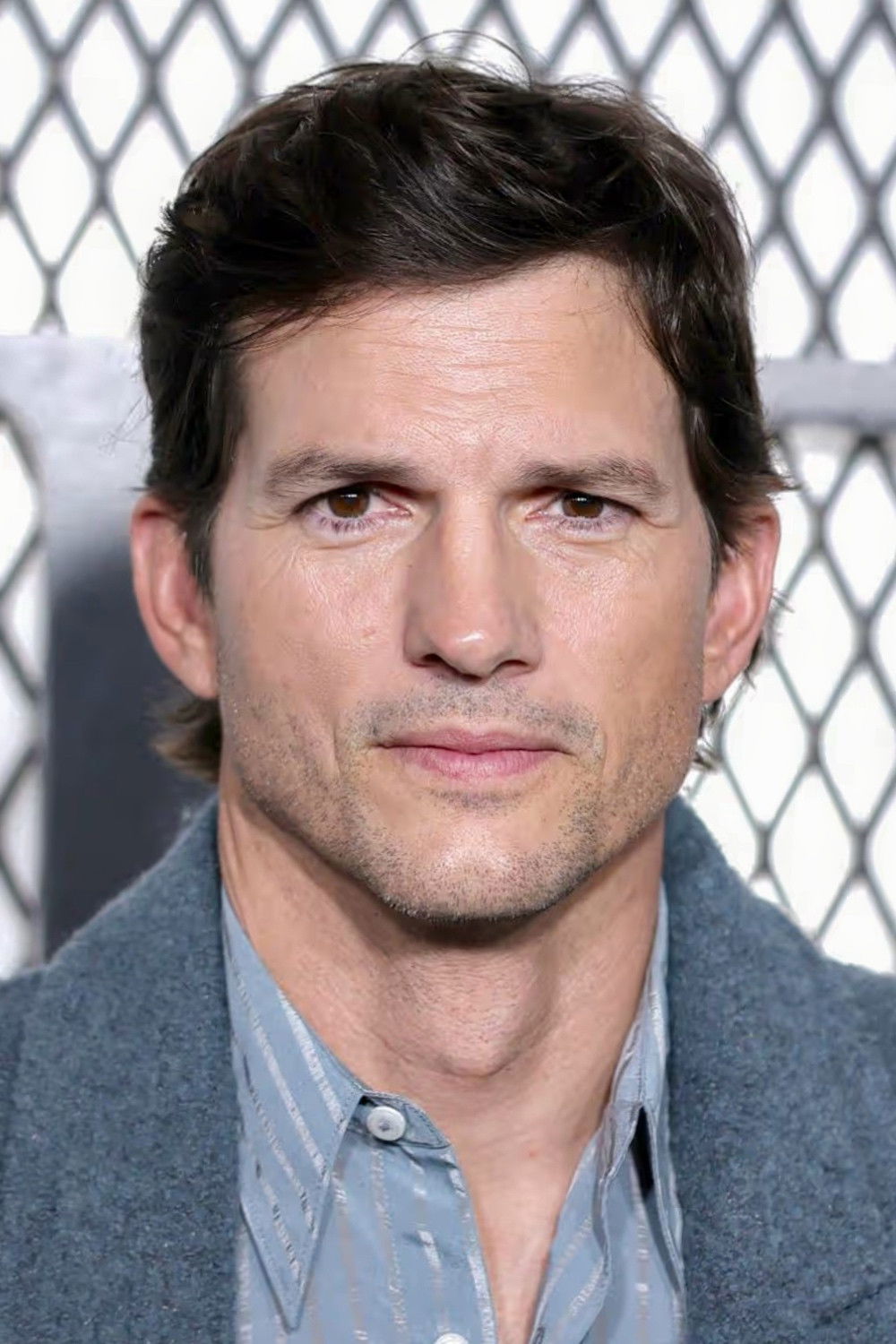
In 2011, Ashton Kutcher faced intense backlash after tweeting support for football coach Joe Paterno following his firing amidst a sexual abuse scandal. The actor claimed he was unaware of the specific allegations at the time and quickly deleted the post. He subsequently announced he would be turning over management of his Twitter account to a professional team to prevent future errors. This move was framed as a way to ensure his platform was used responsibly while he focused on his work, effectively blaming his lack of a PR filter for the error.
Anthony Weiner
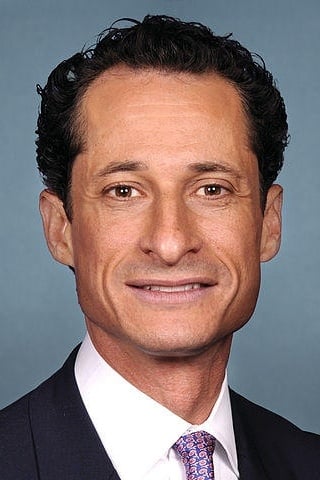
Former Congressman Anthony Weiner initially claimed his Twitter account had been hacked after a lewd photograph was posted to his public profile. He spent several days maintaining that a prankster or a sophisticated hacker was responsible for the incident. His PR strategy involved multiple interviews where he suggested his team was investigating the security breach. Eventually, he admitted that he had sent the photo himself, leading to a significant political and public downfall that could not be saved by the hacking excuse.
Donald Trump
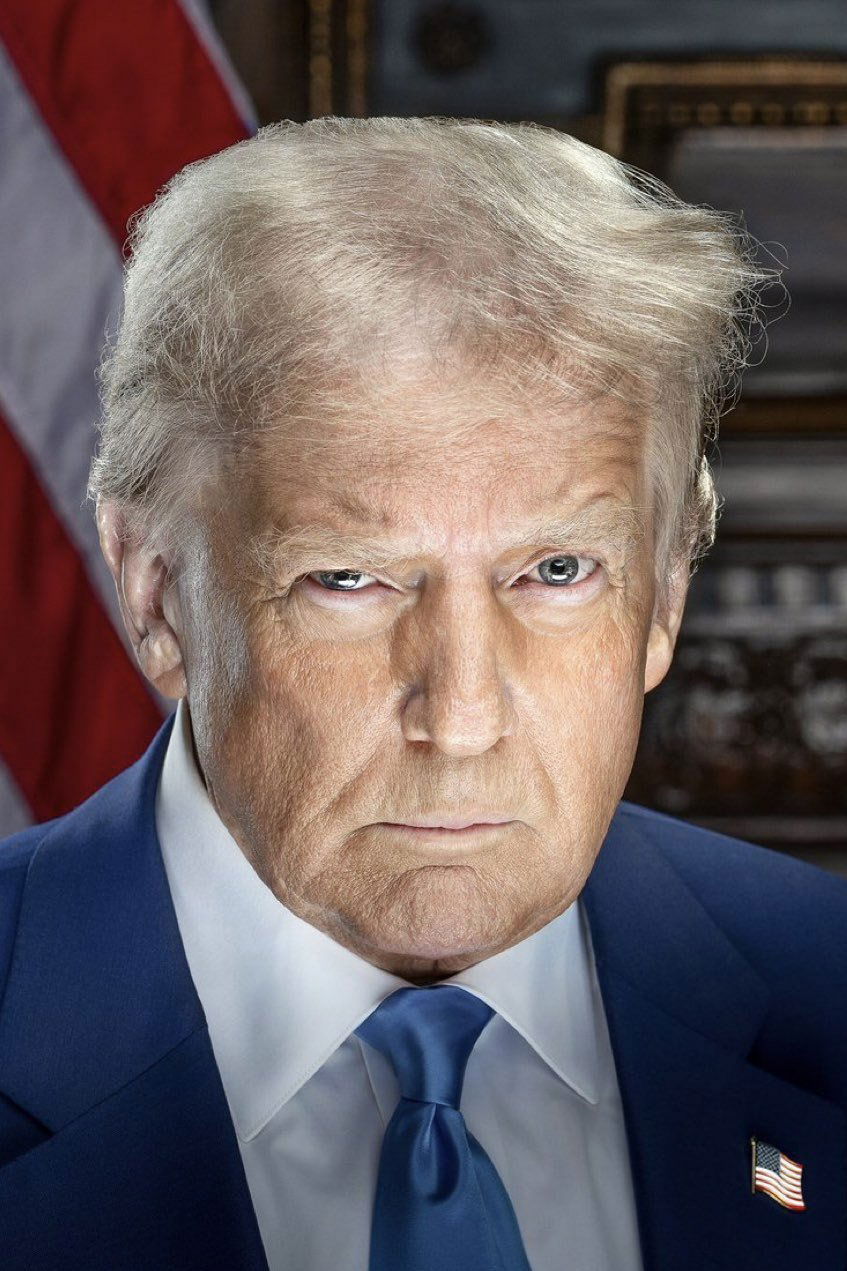
During his political campaigns and presidency, Donald Trump’s social media accounts frequently shared controversial content, including imagery linked to white nationalist groups. When questioned about a specific tweet featuring a Star of David over a pile of cash, his campaign staff took the blame. They described the incident as an internal error made by a social media manager rather than a deliberate choice by Trump himself. This became a recurring pattern where assistants were cited as the source of problematic retweets or posts to shield the candidate from direct accountability.
Gwyneth Paltrow
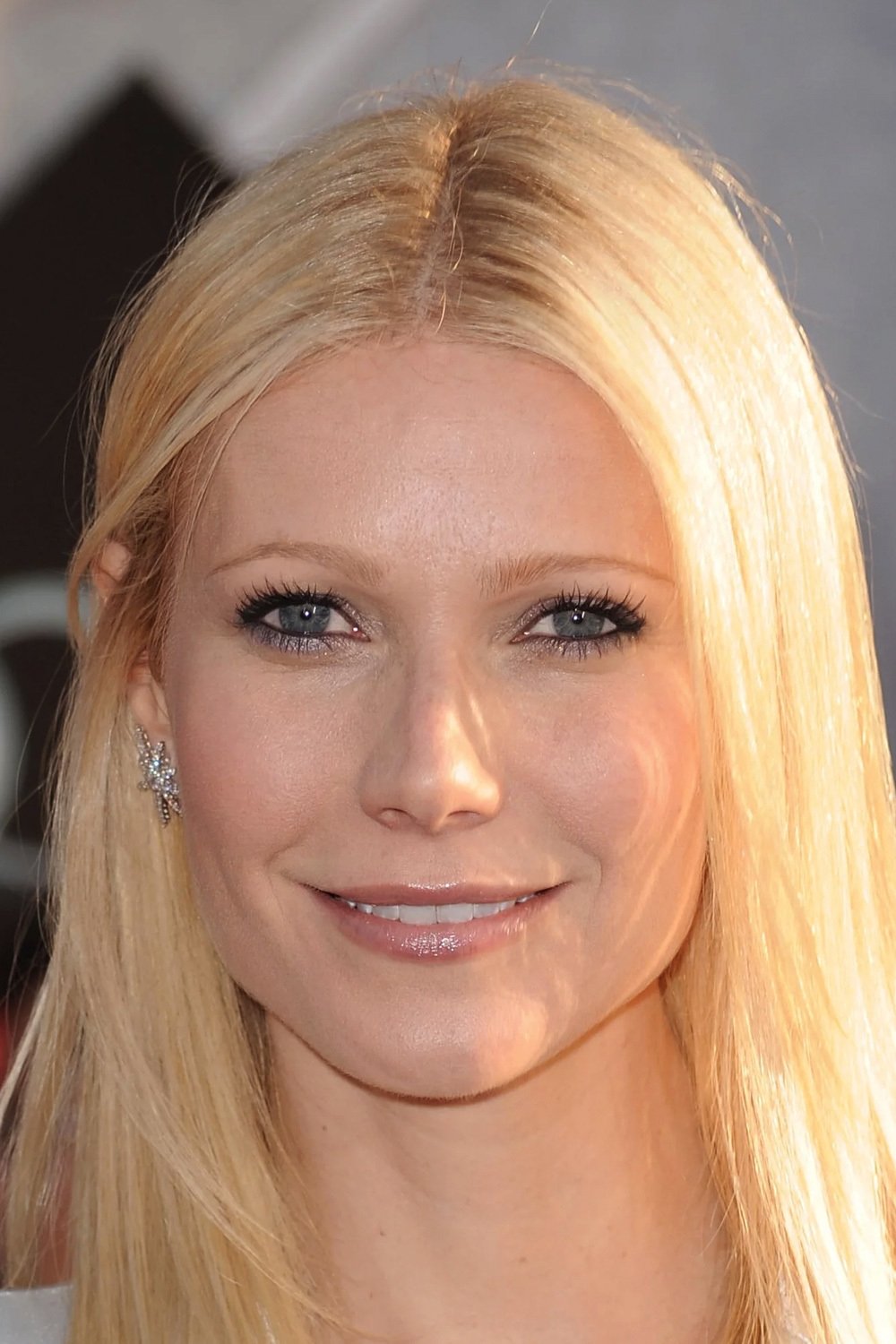
After a tweet containing the N-word was posted from Gwyneth Paltrow’s account during a Jay-Z and Kanye West concert, the actress faced immediate condemnation. Her close friend and collaborator Terius Nash, known as The-Dream, later claimed responsibility for the post to protect her reputation. He stated that he had taken her phone and sent the message himself, acting as an unofficial extension of her PR team. Paltrow’s representatives worked to reinforce this narrative to the media to distance her from the slur.
Justin Bieber
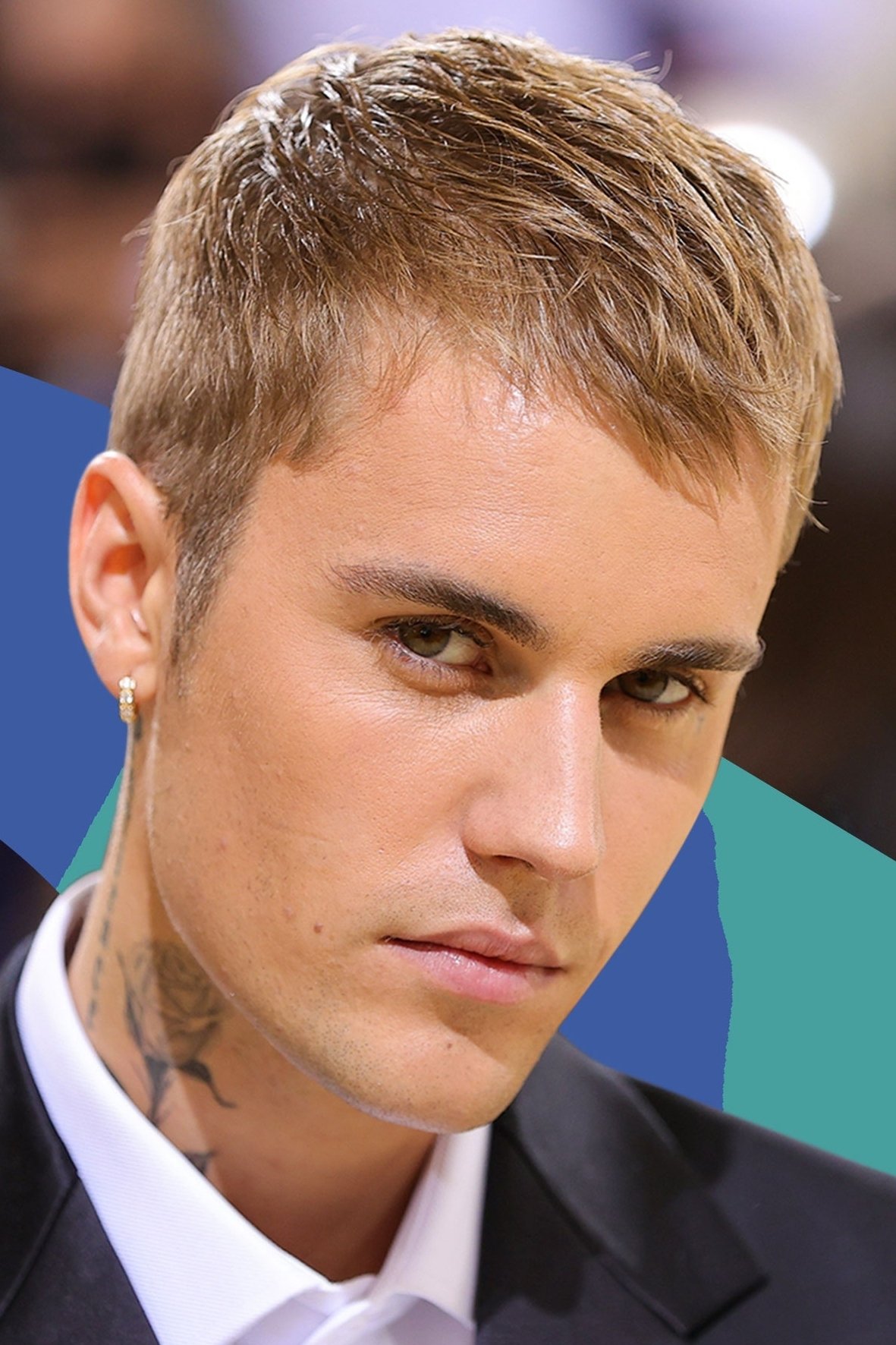
When videos surfaced showing a teenage Justin Bieber using racial slurs and making highly offensive jokes, his management team stepped in to handle the crisis. They released statements emphasizing his youth and lack of maturity at the time the footage was recorded. The PR strategy focused on his growth and the influence of a misguided environment rather than the content of his words. This approach sought to protect his massive commercial brand by framing the behavior as a past mistake corrected by better professional guidance.
Roseanne Barr
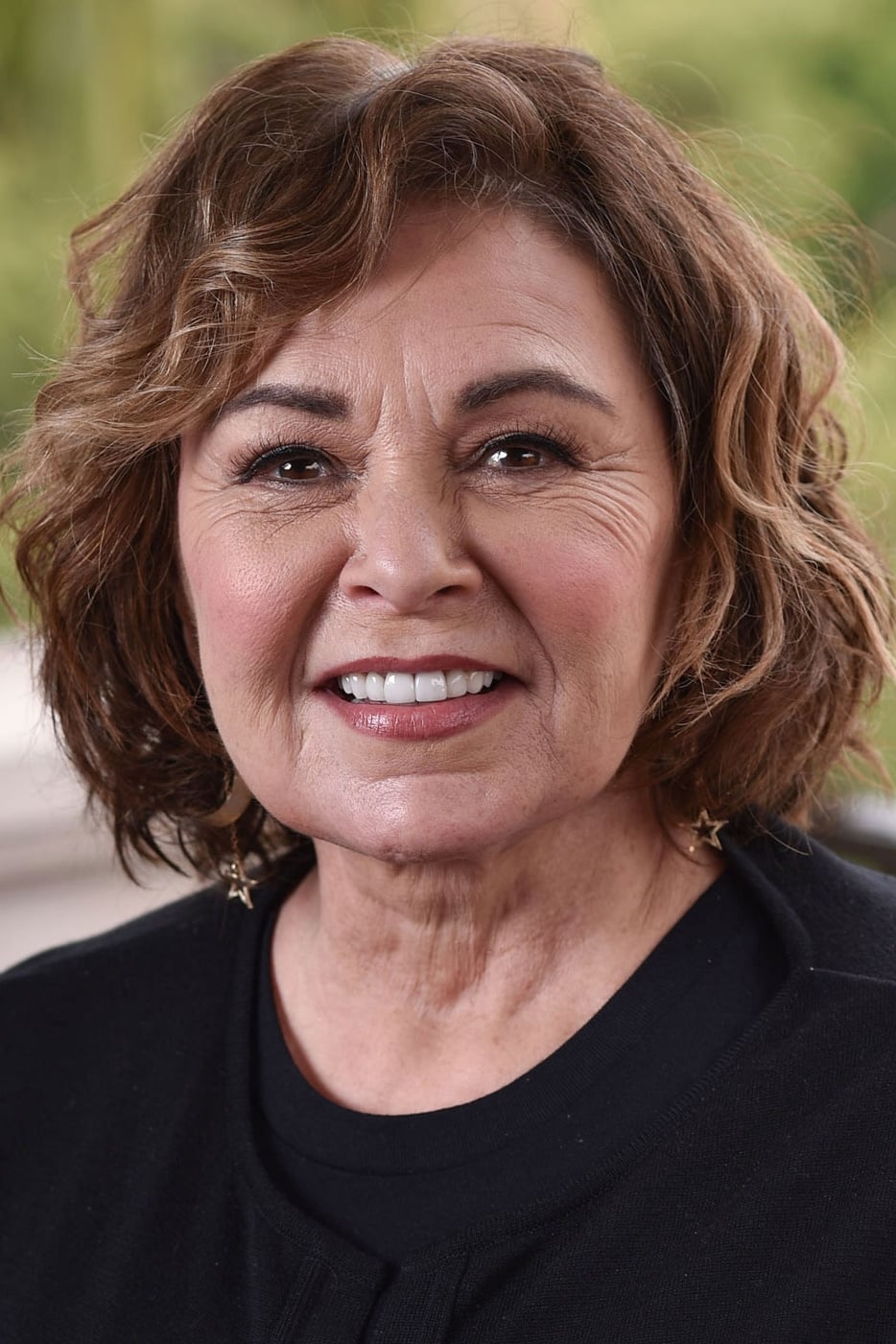
Roseanne Barr faced the cancellation of her show ‘Roseanne’ after she posted a racist tweet about former government official Valerie Jarrett. While she famously blamed the sedative Ambien for her behavior, she also alluded to the complexities of her social media management. She suggested that her interactions on the platform were sometimes influenced by the digital environment she occupied or misinterpreted by those viewing her feed. Despite her attempts to explain the post through various lenses, the network and the public remained largely unforgiving of the rhetoric.
Mary J. Blige
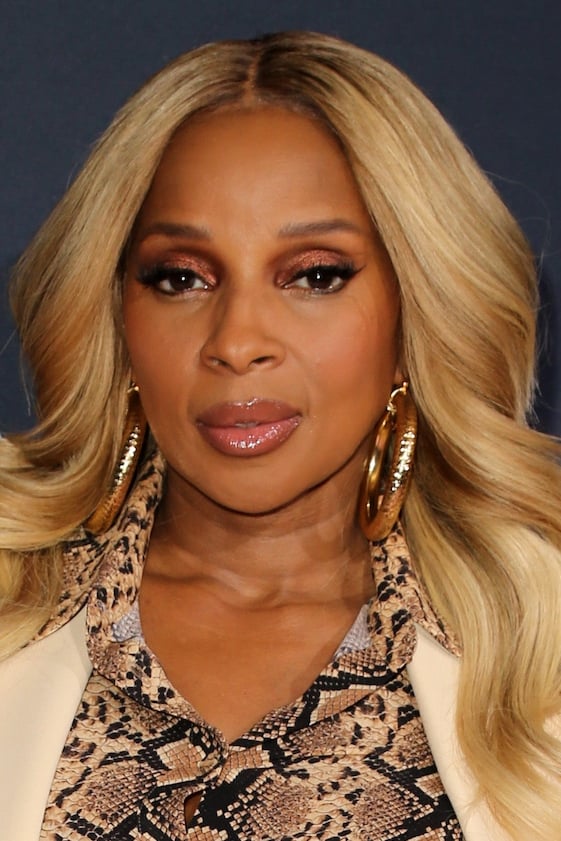
Mary J. Blige once went viral for a tweet that contained significant grammatical errors and a confusing message about the word “intelligence.” Following the mockery that ensued, the singer claimed that her account had been hacked or misused. Her PR team supported this claim to mitigate the damage to her public image as a polished and professional artist. This defense is a common tactic used by celebrities to distance themselves from embarrassing or nonsensical social media output that could impact their credibility.
Rita Ora
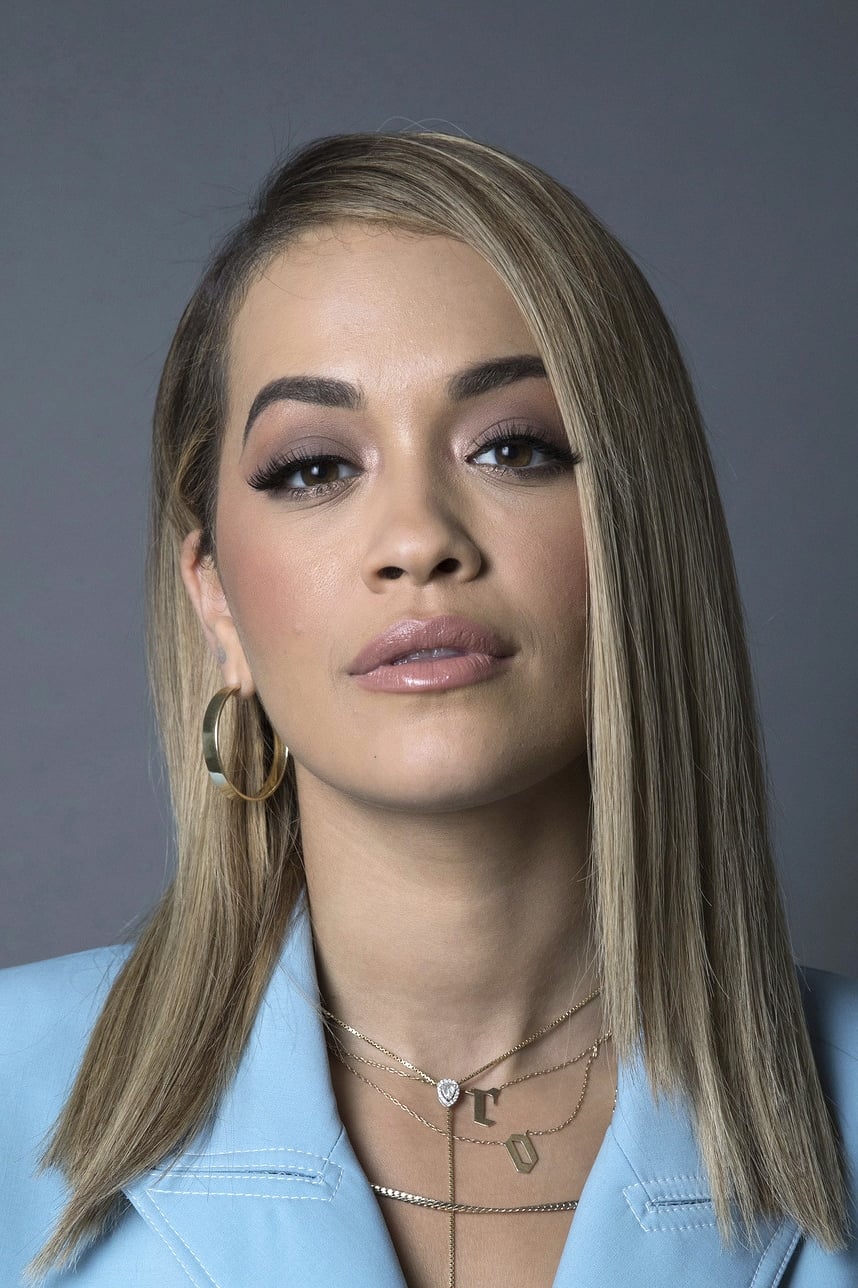
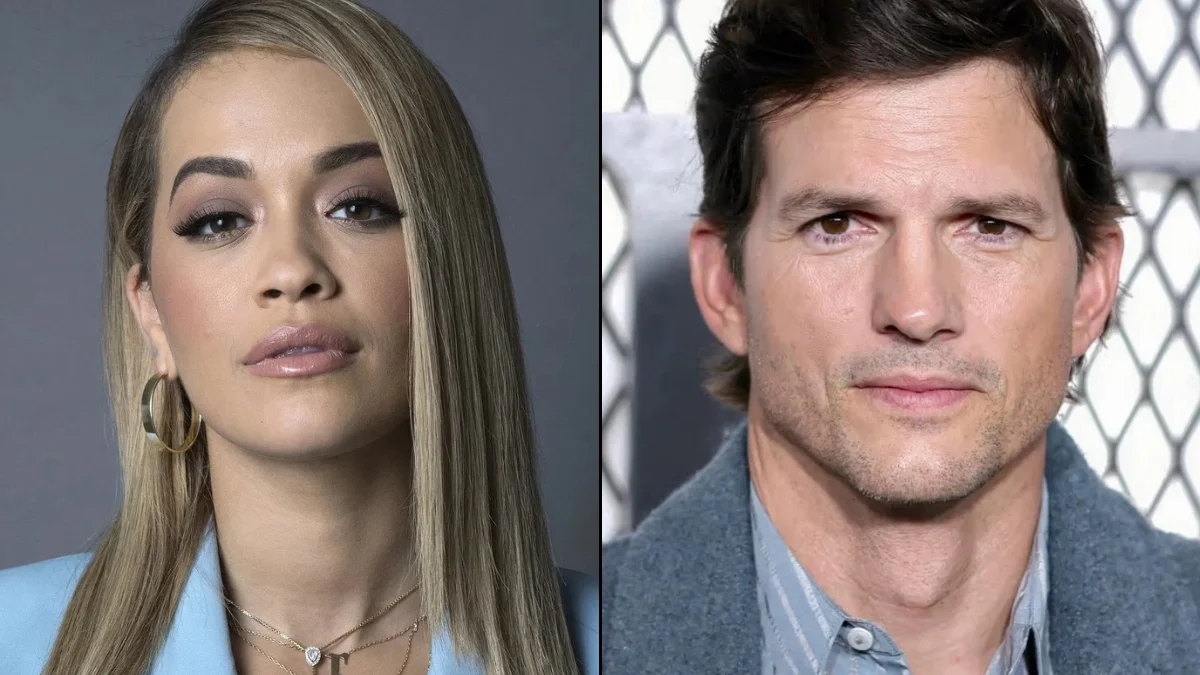
In 2014, Rita Ora told her followers she would release a new song if her tweet reached 100,000 retweets, but the post only garnered a few thousand. She quickly deleted the tweet and claimed that her account had been hacked by someone trying to release her music prematurely. Many fans and critics were skeptical of the excuse, viewing it as a PR save for a failed marketing campaign. The incident remains a well-known example of using a “hack” to cover up a lack of genuine social media engagement.
Scott Disick
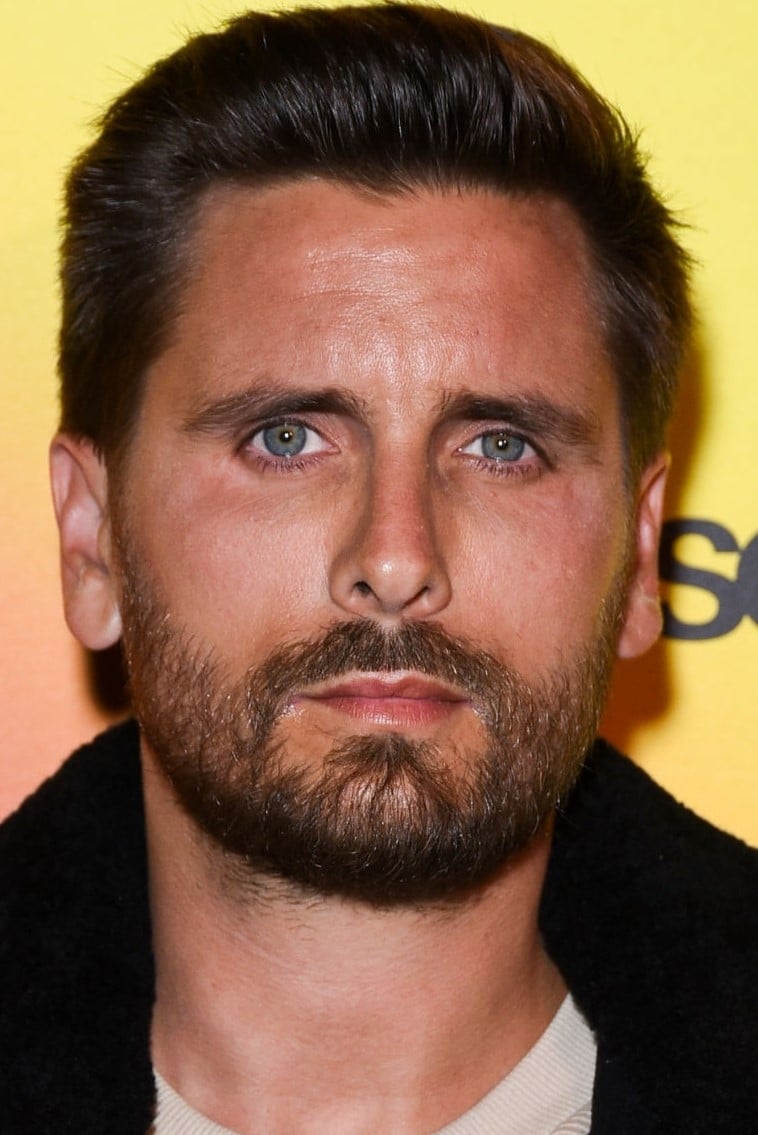
Scott Disick famously exposed the inner workings of celebrity endorsements when he accidentally copy-pasted his PR team’s instructions into an Instagram caption. The post for a protein shake included the directive to post the image at 4:00 PM along with a specific caption. This blunder revealed the lack of personal involvement in his sponsored content and caused a wave of online ridicule. While he did not explicitly blame the team for the content, the error itself proved that his social media was managed by external parties rather than the celebrity himself.
Naomi Campbell
Supermodel Naomi Campbell made a similar mistake when she posted an Instagram tribute to a human rights milestone. Her caption began with the words “Could you put something like…” followed by the intended message from her PR team. This gaffe showed that the supposedly heartfelt message was actually a scripted piece of content provided by her representatives. The post was quickly edited, but the original version highlighted the role of PR staff in crafting her public persona and the occasional failure of that system.
Lorde
The singer Lorde faced backlash after posting a photo of a bathtub with a caption referencing a Whitney Houston song, shortly after the legendary singer’s accidental drowning. Lorde deleted the post and issued an apology, while her management team helped clarify that she had not made the connection between the image and the tragedy. The PR response focused on her genuine remorse and the unintended nature of the post. This was seen as a way to protect her reputation as a thoughtful artist by framing the incident as a naive mistake.
Lindsay Lohan
After Lindsay Lohan made several comments appearing to defend Harvey Weinstein during the height of the Me Too movement, her team issued a swift clarification. They stated that her words were taken out of context and did not reflect her true feelings regarding the allegations. The PR intervention was necessary to distance the actress from the toxic associations surrounding the disgraced producer. By reframing her comments through a professional statement, her representatives sought to prevent further damage to her career opportunities.
Paula Deen
Celebrity chef Paula Deen saw her empire crumble after she admitted to using racial slurs in the past during a legal deposition. Her initial video apologies were widely panned by the public and PR experts for appearing insincere and focusing on external factors. Her team was heavily criticized for their poor handling of the crisis, leading to several changes in her representation. The fallout resulted in the loss of major endorsements and the cancellation of her show on the ‘Food Network’ as her team struggled to manage the damage.
Ariana Grande
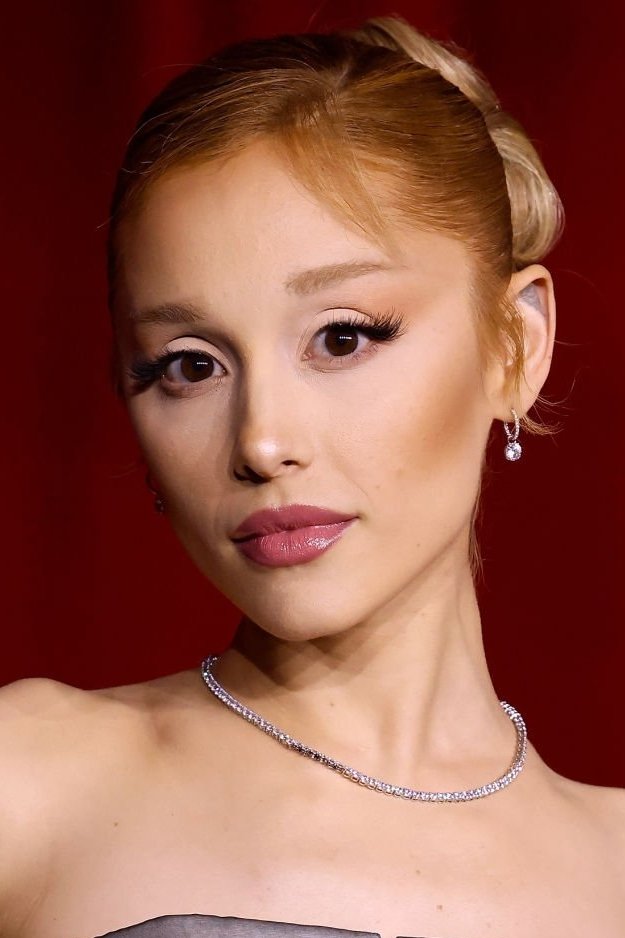
Following the infamous “donut-licking” incident at a California bakery, Ariana Grande’s PR team released a statement that many found baffling. Instead of focusing on the act of defacing food, the statement pivoted to a lecture on the dangers of childhood obesity in America. This attempt to intellectualize a controversial moment was seen as a way to distract from her recorded comments expressing hatred for the country. She eventually released a more direct video apology after the initial PR strategy failed to appease the public.
Mel Gibson
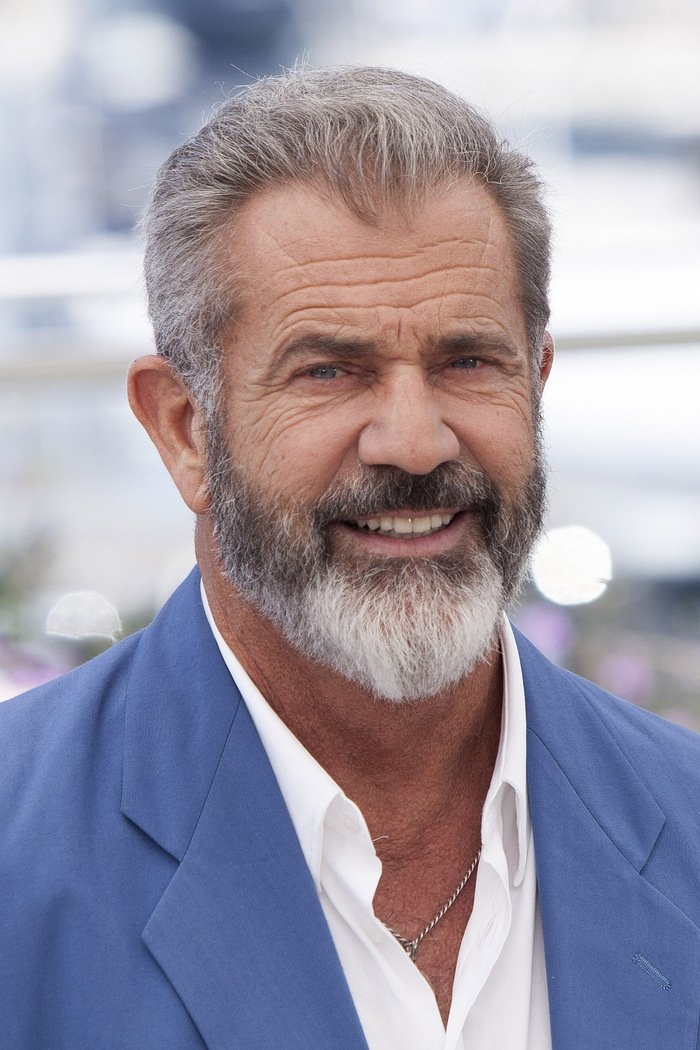
Mel Gibson’s career was severely impacted by a series of leaked recordings and public rants containing anti-Semitic and racist language. His PR representatives frequently attributed these outbursts to his struggles with alcoholism and his mental state at the time. By framing the things he said as symptoms of a medical issue, they attempted to create a path for his eventual return to the film industry. These explanations were often met with skepticism by those who viewed the comments as reflective of his true beliefs.
Alec Baldwin
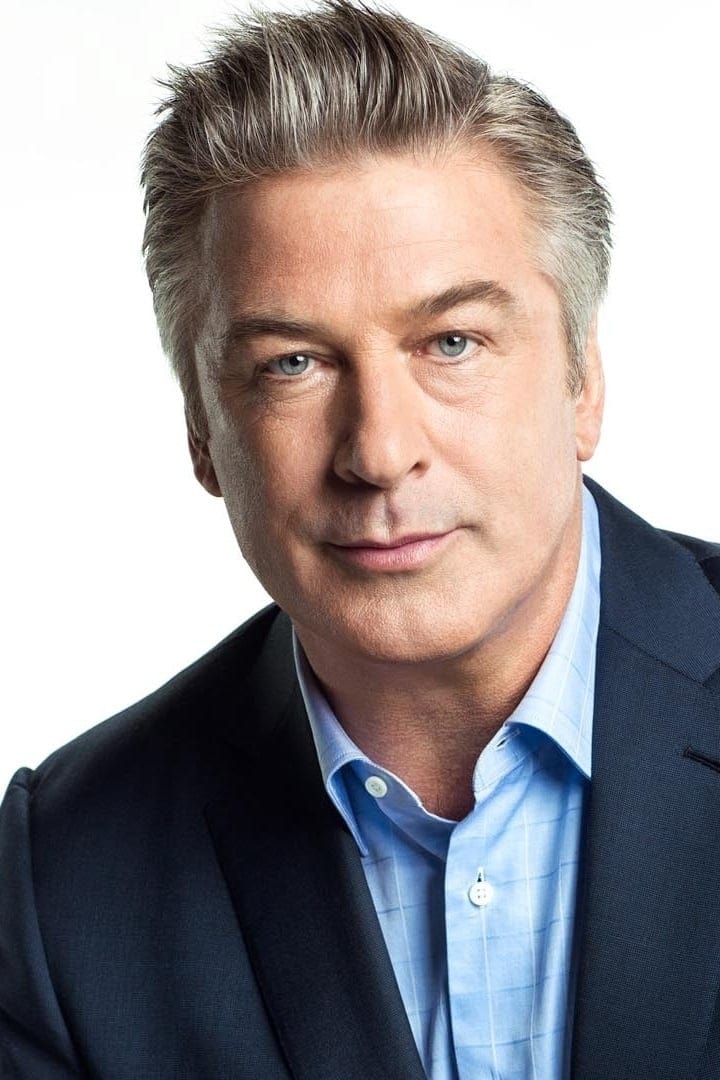
Alec Baldwin has been involved in multiple public altercations where he was accused of using homophobic slurs toward photographers. In these instances, his PR team and the actor himself often argued that the words used were misheard or misinterpreted by those present. They frequently issued statements clarifying that Baldwin is a supporter of LGBTQ+ rights and that the outbursts were a result of being provoked by aggressive paparazzi. This recurring defense relies on the idea that the public’s perception of his words is consistently flawed.
Iggy Azalea
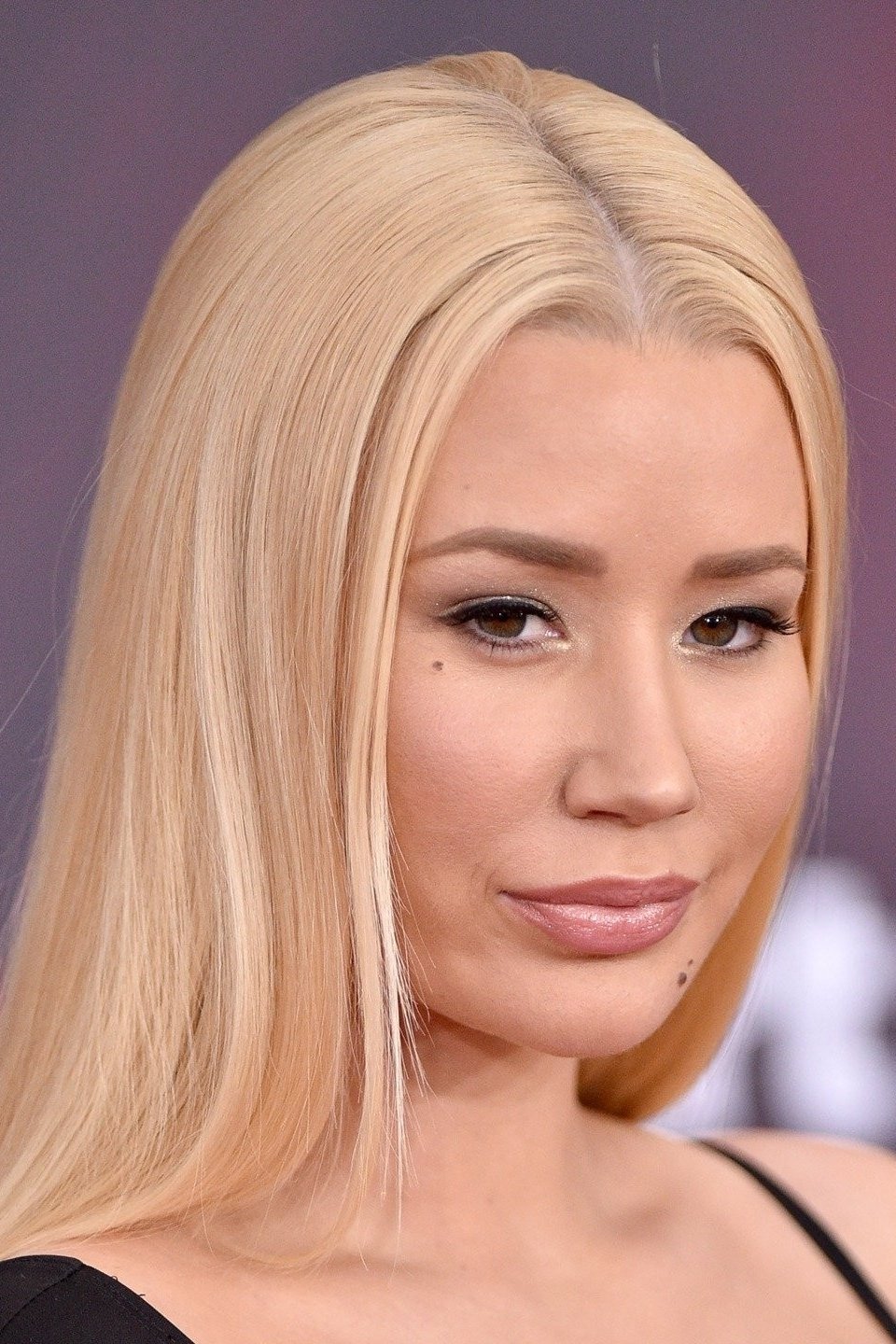
Rapper Iggy Azalea faced significant backlash when several offensive tweets from her past resurfaced early in her career. She later blamed her management and PR team for not being more thorough in cleaning up her social media history before she became famous. She argued that the tweets were from a different time in her life and did not represent her current values. This shift of responsibility suggested that her team failed in their professional duty to protect her brand from her own past comments.
Camila Cabello
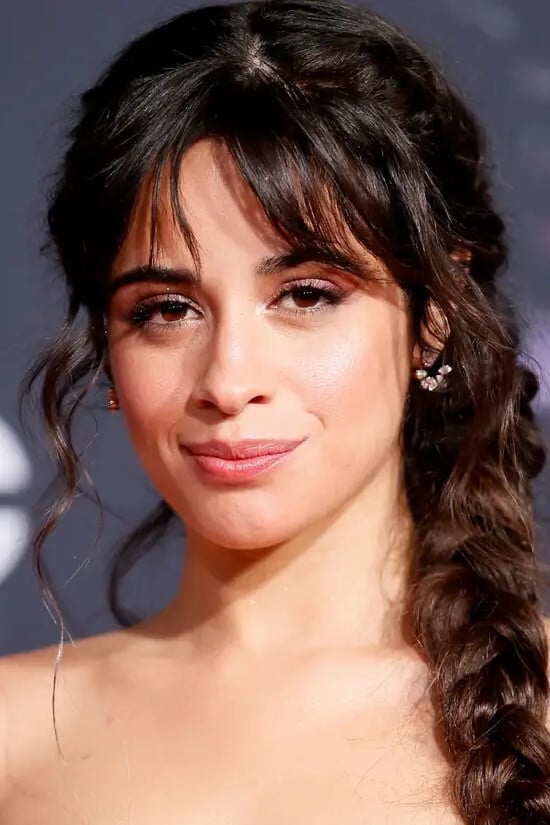
When racist and xenophobic posts from Camila Cabello’s teenage Tumblr account were uncovered, she embarked on a coordinated apology tour. Her PR team facilitated her involvement in racial sensitivity training and public statements expressing her deep regret. The narrative focused on her youth and ignorance at the time the posts were made, aiming to show she had since evolved through better education. This structured response was designed to save her solo career after the controversy threatened to derail her mainstream success.
Ellen DeGeneres
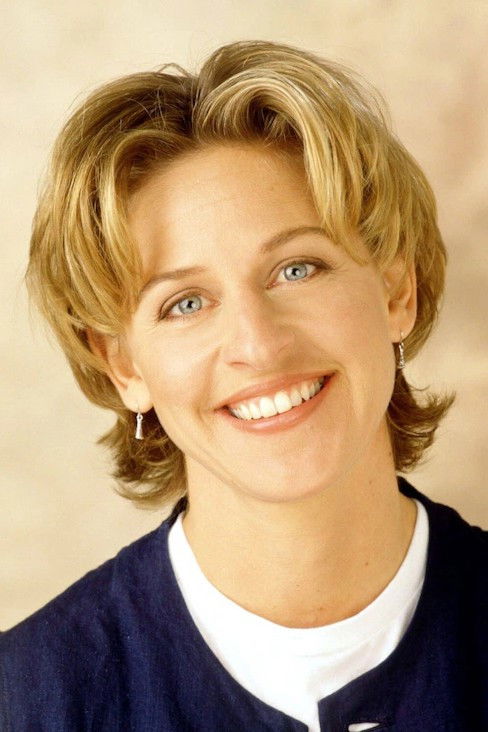
Following allegations of a toxic work environment on ‘The Ellen DeGeneres Show’, the host addressed her staff and the public by placing much of the blame on executive producers. She claimed that she was unaware of the extent of the issues and that the culture of the show had shifted away from her original vision. This strategy was seen as a way to distance her personal brand from the reported behavior of those in management positions. Critics, however, pointed out that as the primary face of the show, she ultimately held responsibility for the environment.
Lea Michele
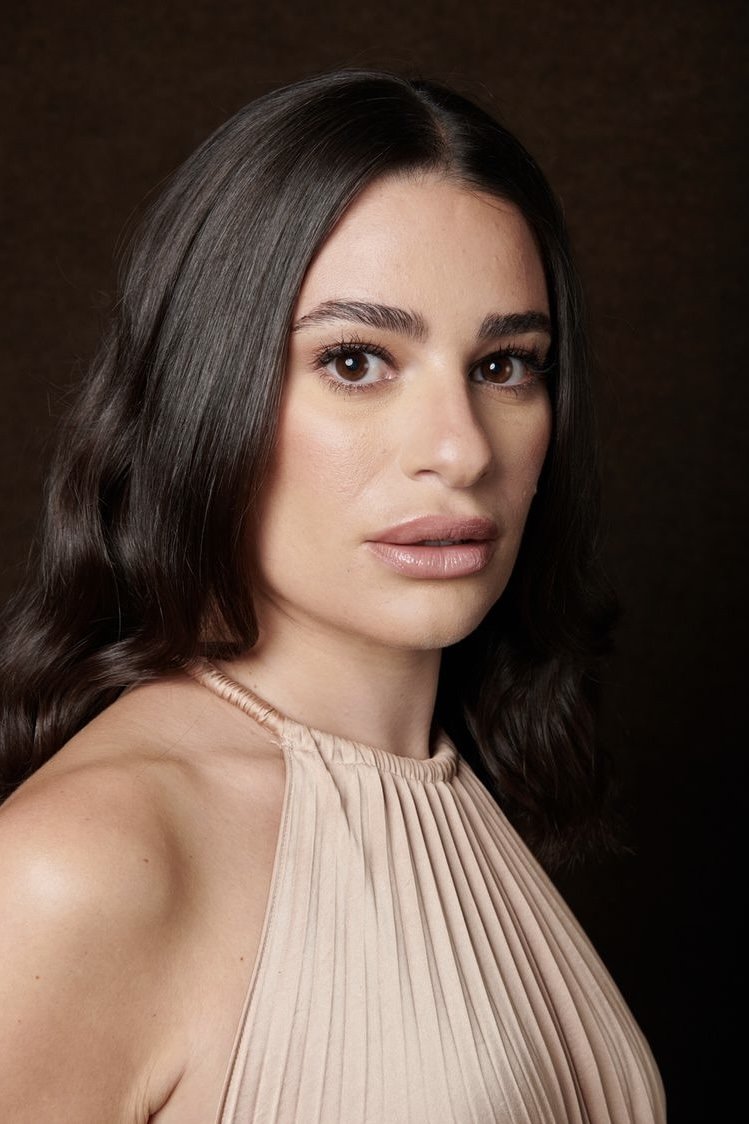
Actress Lea Michele was accused by former ‘Glee’ co-stars of bullying and creating an unpleasant working environment on set. Her PR team issued a carefully worded apology on her behalf, which focused on how her behavior was “perceived” by others rather than the actions themselves. The statement sought to minimize the severity of the claims by suggesting a lack of awareness rather than intentional malice. This defensive posture was criticized for failing to take full accountability for the specific actions described by her peers.
Cee Lo Green
After CeeLo Green posted a series of controversial tweets regarding the definition of sexual assault, he faced immediate backlash and the cancellation of his show. He later deleted his Twitter account and claimed that he had been hacked, suggesting the offensive comments were not his own. His PR team worked to distance the singer from the statements, though the public remained skeptical of the sudden security breach excuse. The incident significantly tarnished his reputation and led to a temporary withdrawal from the public spotlight.
Azealia Banks
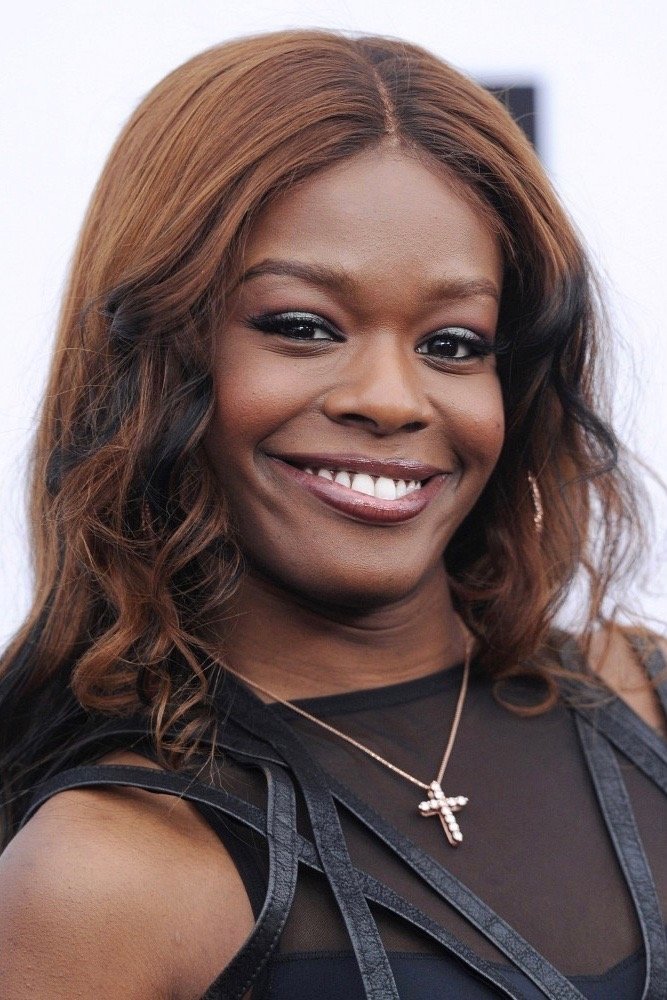
Azealia Banks has a long history of making offensive and homophobic remarks on social media, often followed by claims of being hacked. On several occasions, her management team has had to step in to deactivate her accounts or issue apologies for her volatile outbursts. These excuses are frequently met with derision from followers who note the consistency of the tone in her various posts. Despite the intervention of various PR professionals over the years, her digital presence remains highly controversial and often leads to platform bans.
Blake Shelton
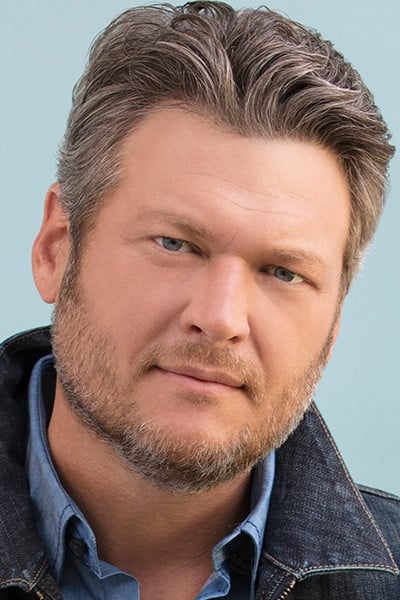
In 2016, old tweets from country star Blake Shelton resurfaced, containing what many considered to be racist and homophobic sentiments. His PR team quickly issued a statement on his behalf, framing the posts as attempts at humor that were poorly executed and immature. They emphasized that the tweets did not reflect his current character or his role as a coach on ‘The Voice’. This proactive management helped him navigate the controversy without losing his prominent television position or his core fanbase.
Share your thoughts on these celebrity excuses in the comments.