Black Public Figures Who Are Refusing to Support Projects That Erase Their Voices

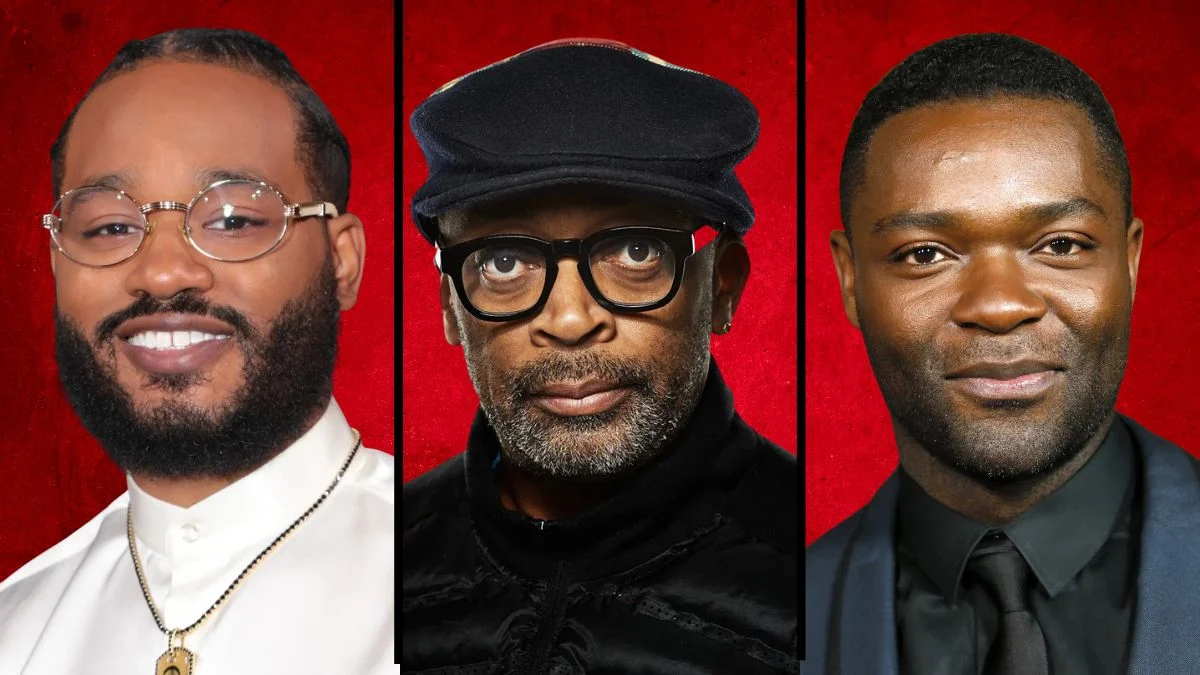

Representation in the global entertainment industry involves more than just physical presence on a screen or stage. Many Black male public figures have taken firm stands against productions and systems that attempt to minimize their creative contributions or alter their cultural narratives. These individuals advocate for storytelling that accurately reflects their lived experiences and historical truths while resisting industry standards that favor erasure. By demanding creative control and authentic characterization they are reshaping the future of media. Their collective efforts ensure that Black voices remain a central and respected part of the narrative landscape.
John Boyega
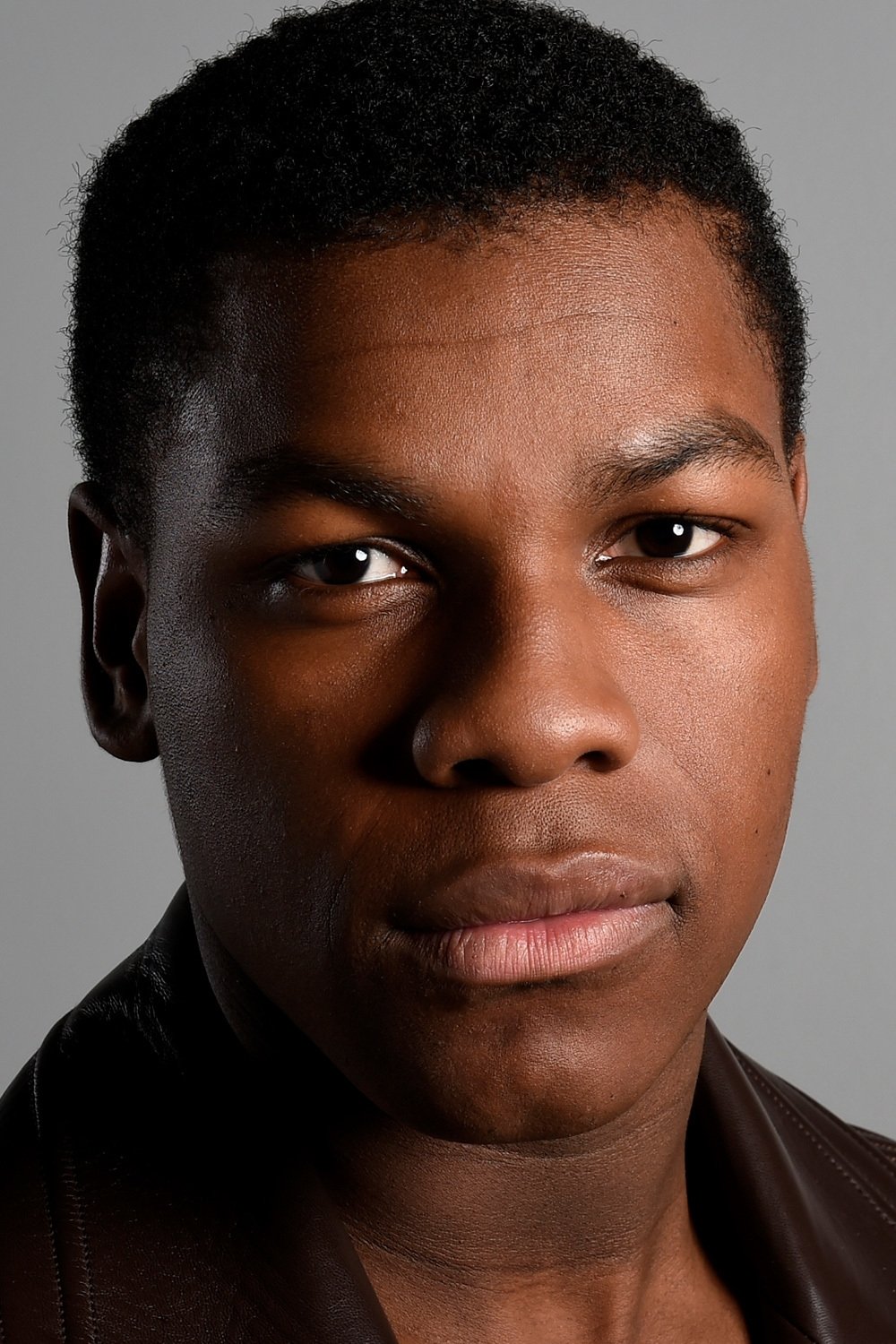
John Boyega famously spoke out against the way his character was sidelined in the ‘Star Wars’ sequel trilogy. He highlighted how the marketing focused heavily on his involvement while the scripts lacked a meaningful narrative arc for him. The actor emphasized that diverse talent should not be used as props without being given significant roles. His public stance led to important discussions regarding the treatment of non-white actors in major blockbuster franchises. Boyega continues to prioritize projects that center Black voices through his own production house.
Ray Fisher
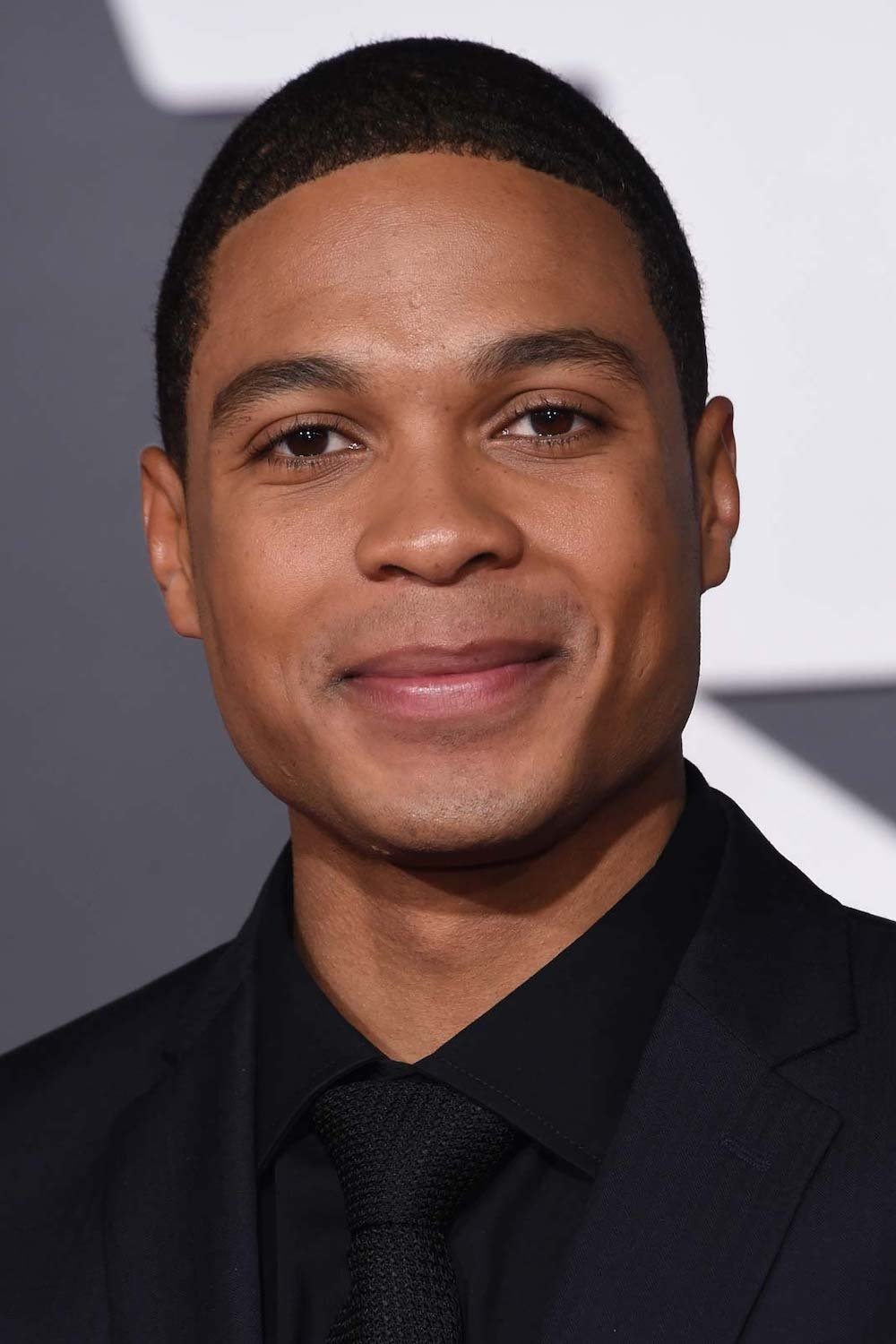
Ray Fisher took a significant professional risk by calling out the treatment he experienced during the filming of ‘Justice League’. He accused leadership of enabling toxic behavior and diminishing the role of his character in the final cut. Fisher has consistently demanded accountability from major studios to ensure that Black actors are treated with respect on set. His refusal to remain silent about the erasure of his character’s backstory became a catalyst for industry change. He continues to advocate for transparency and fair treatment in high budget productions.
David Oyelowo
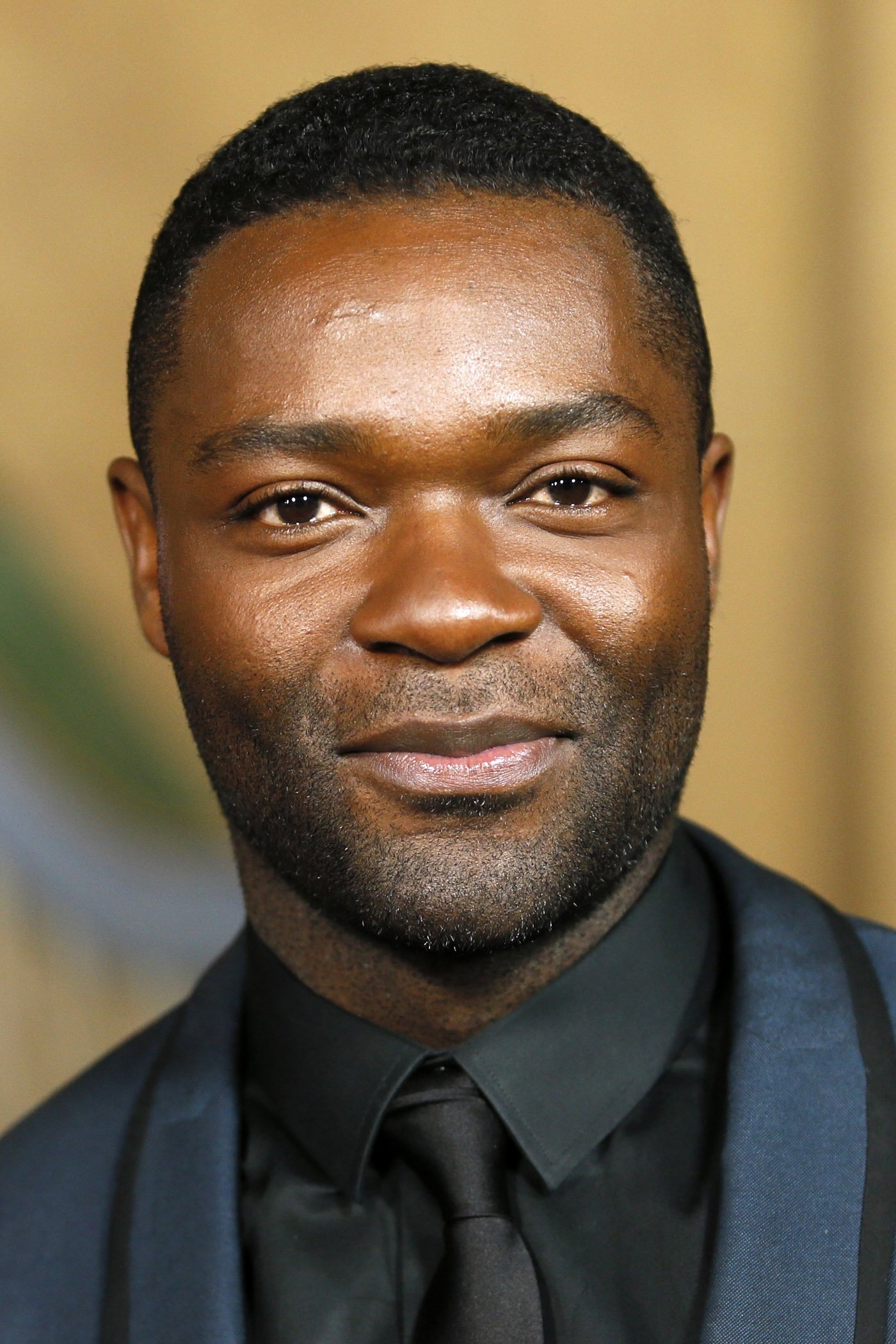
David Oyelowo criticized the lack of recognition for the film ‘Selma’ during award season and pointed to systemic biases in the industry. He argued that projects presenting Black historical figures with full agency are often overlooked by traditional institutions. The actor has since committed to producing and starring in films that rectify the erasure of Black history. Through his production company he ensures that the voices of underrepresented people remain at the center of the narrative. Oyelowo continues to speak out against biases that limit the types of stories Black creators are allowed to tell.
Lakeith Stanfield
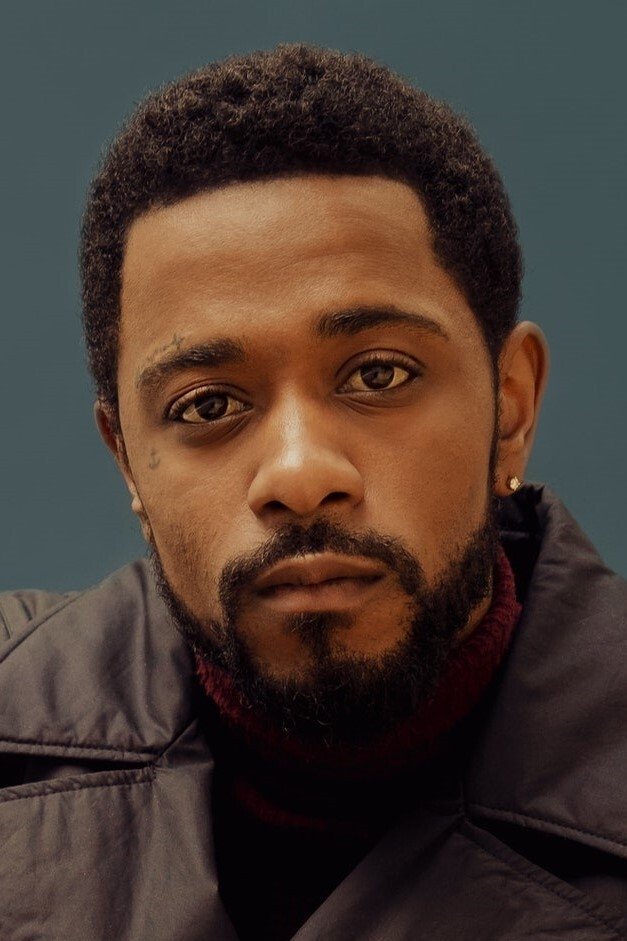
Lakeith Stanfield has been vocal about the limitations placed on Black actors within specific film genres. He often challenges the industry to move beyond stereotypical roles and embrace more experimental storytelling. The actor advocates for the inclusion of diverse perspectives in every stage of the creative process to prevent cultural erasure. He has used his platform to question why certain Black narratives are prioritized over others in Hollywood. Stanfield remains a champion for authentic and unconventional representation in modern cinema.
Dave Chappelle
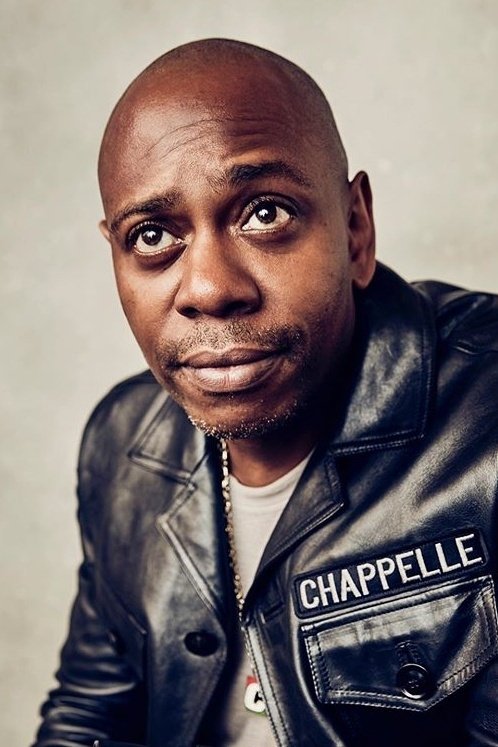
Dave Chappelle took a legendary stand for creative ownership when he walked away from ‘Chappelle’s Show’ at the height of its popularity. He later revealed that his decision was based on the pressure to compromise his vision and the commercialization of his voice. Years later he successfully lobbied for the return of his licensing rights and urged fans to boycott the show until he was fairly compensated. His actions highlighted the importance of Black creators maintaining control over their intellectual property. Chappelle continues to prioritize artistic integrity over corporate interests.
Orlando Jones
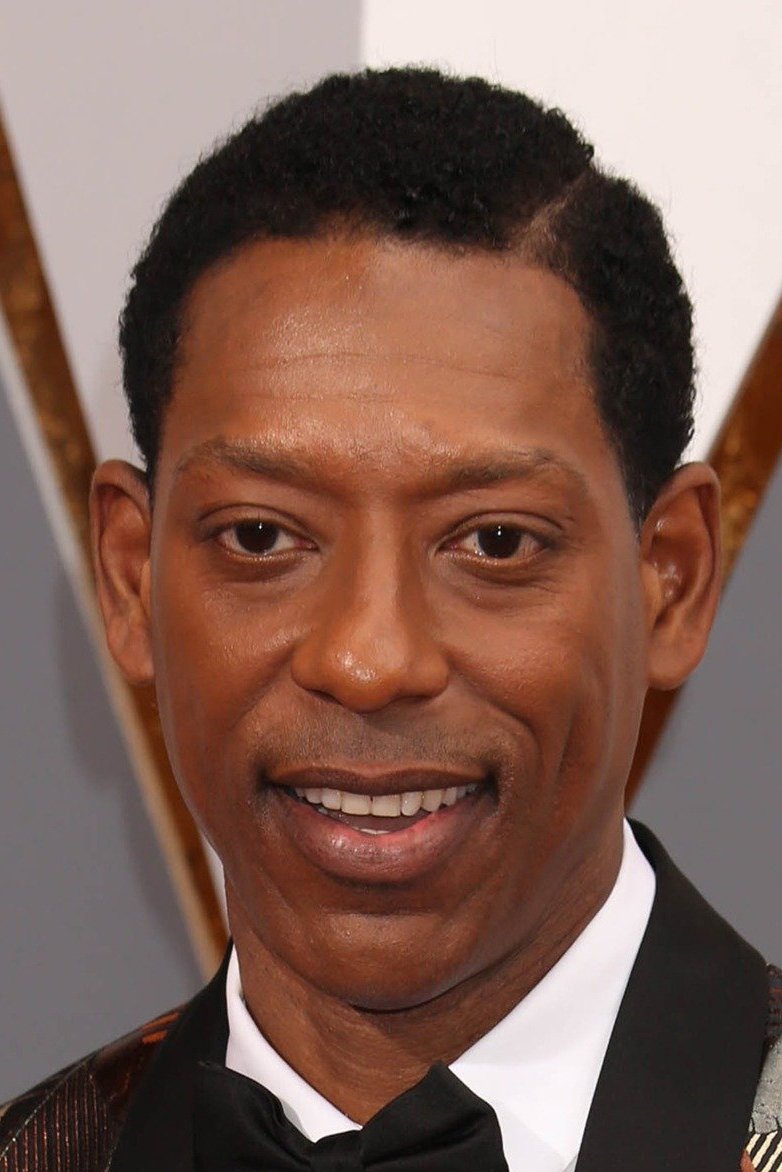
Orlando Jones spoke openly about his dismissal from the series ‘American Gods’ and claimed his character’s perspective was deemed a wrong message for Black America. He argued that the writing team failed to understand the cultural nuances required for his role. Jones has since become a vocal advocate for the importance of Black writers in the writers’ room to prevent the erasure of authentic voices. He emphasizes that representation must exist behind the camera as much as it does in front of it. His experience serves as a cautionary tale about the dangers of excluding diverse creative input.
John Amos
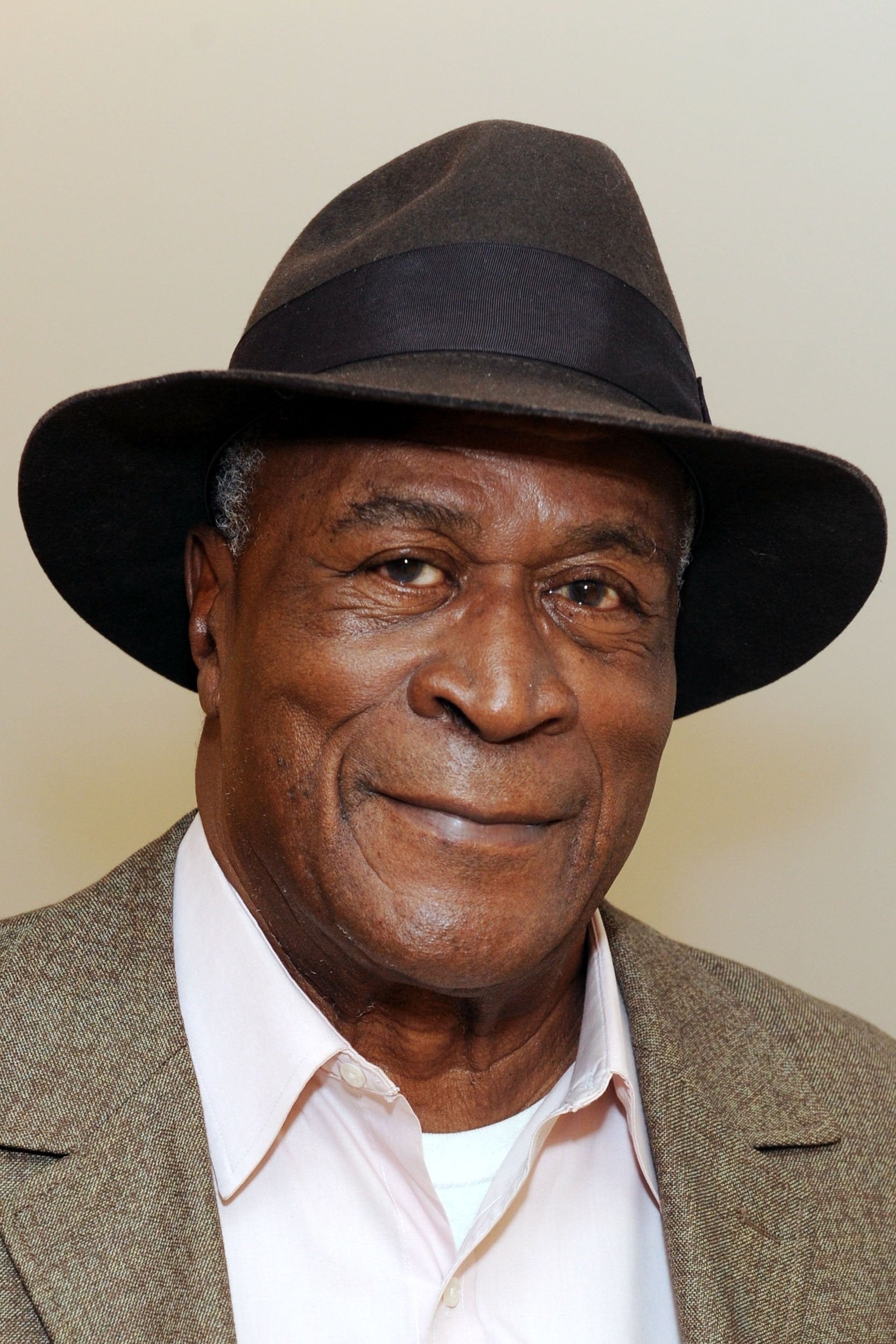
John Amos famously clashed with the producers of the sitcom ‘Good Times’ over the direction of the show. He felt the scripts were leaning into caricatures and losing the grounded perspective of a Black nuclear family. His refusal to support the shift in tone led to his departure from the series. Amos argued that Black characters deserved to be portrayed with dignity and depth rather than being reduced to punchlines. His legacy remains a testament to the importance of standing up for the integrity of Black storytelling.
Spike Lee
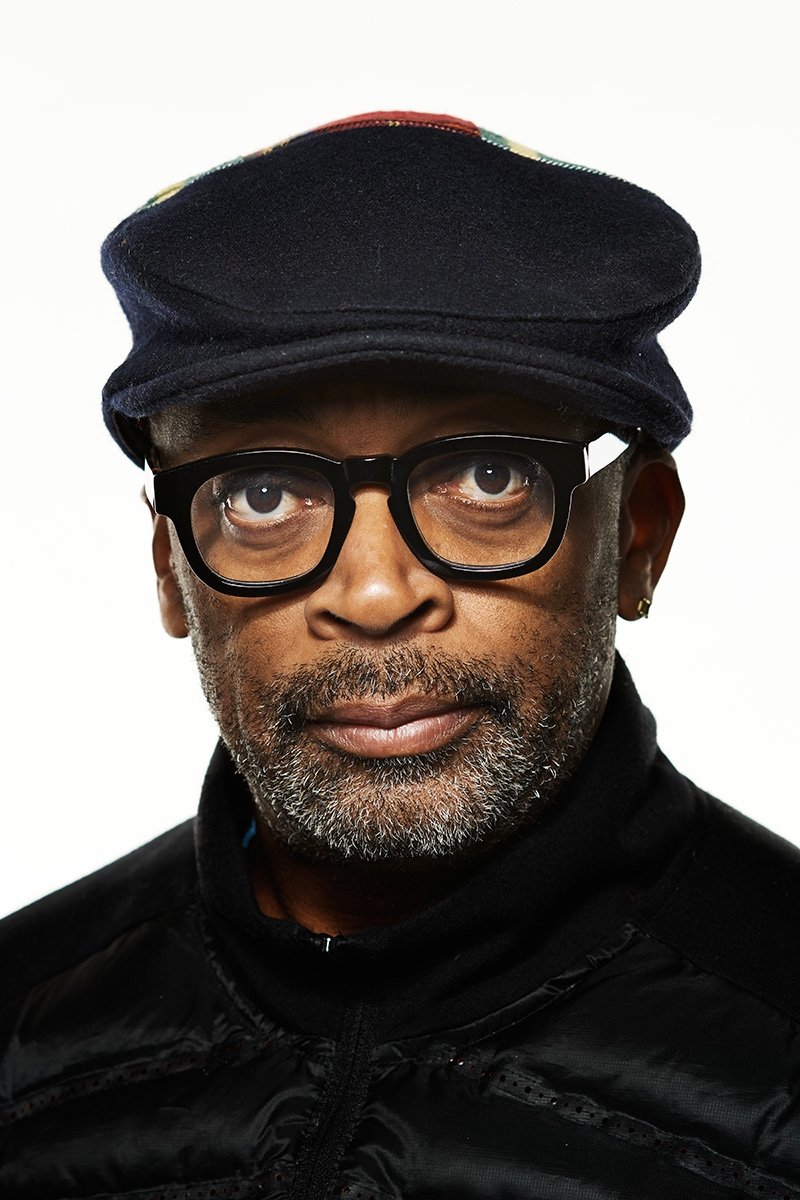
Spike Lee has spent decades calling out the erasure of Black contributions to history and the film industry. He frequently critiques how major studios handle Black narratives and has often funded his own projects to maintain his creative voice. Through films like ‘Malcolm X’ and ‘Da 5 Bloods’ he forces audiences to confront historical truths that are often omitted from mainstream education. Lee remains a vocal critic of award shows and institutions that fail to recognize Black talent. He continues to mentor the next generation of filmmakers to ensure their voices are not silenced.
Steve McQueen
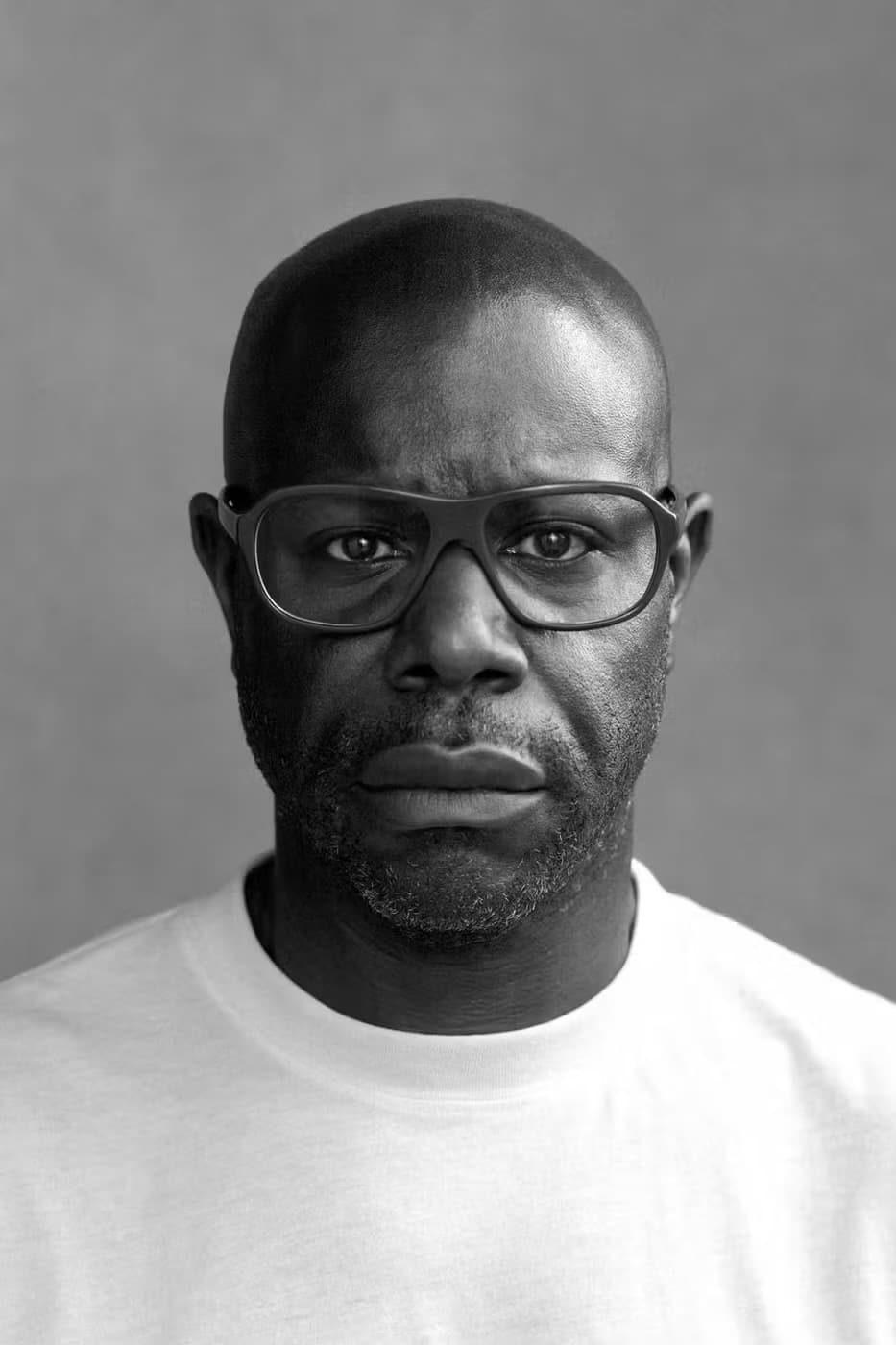
Steve McQueen uses his platform as a director to bring overlooked Black histories to the global stage. With his anthology series ‘Small Axe’ he focused on the West Indian community in London and their struggles against systemic racism. He refuses to simplify complex narratives to make them more palatable for general audiences. McQueen advocates for the preservation of cultural memory through meticulous and uncompromising storytelling. His work ensures that the specific experiences of the Black diaspora are recorded and celebrated.
Barry Jenkins
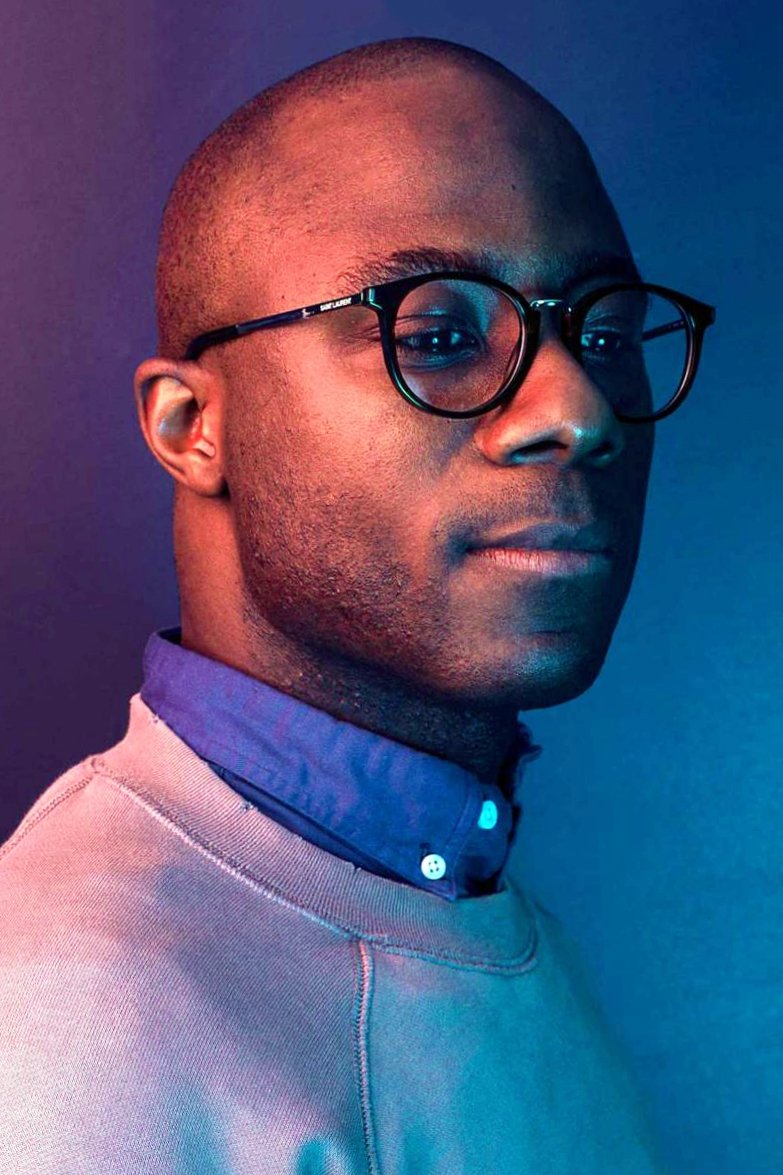
Barry Jenkins focuses on the interior lives of Black characters and refuses to let their emotional depth be erased by industry tropes. His direction in ‘Moonlight’ and ‘If Beale Street Could Talk’ showcases a commitment to nuanced and lyrical storytelling. He advocates for the space to tell quiet and intimate Black stories that do not rely on trauma for impact. Jenkins emphasizes that the erasure of Black vulnerability in media is a disservice to the community. He continues to push for a broader range of emotional expression in Black cinema.
Ryan Coogler
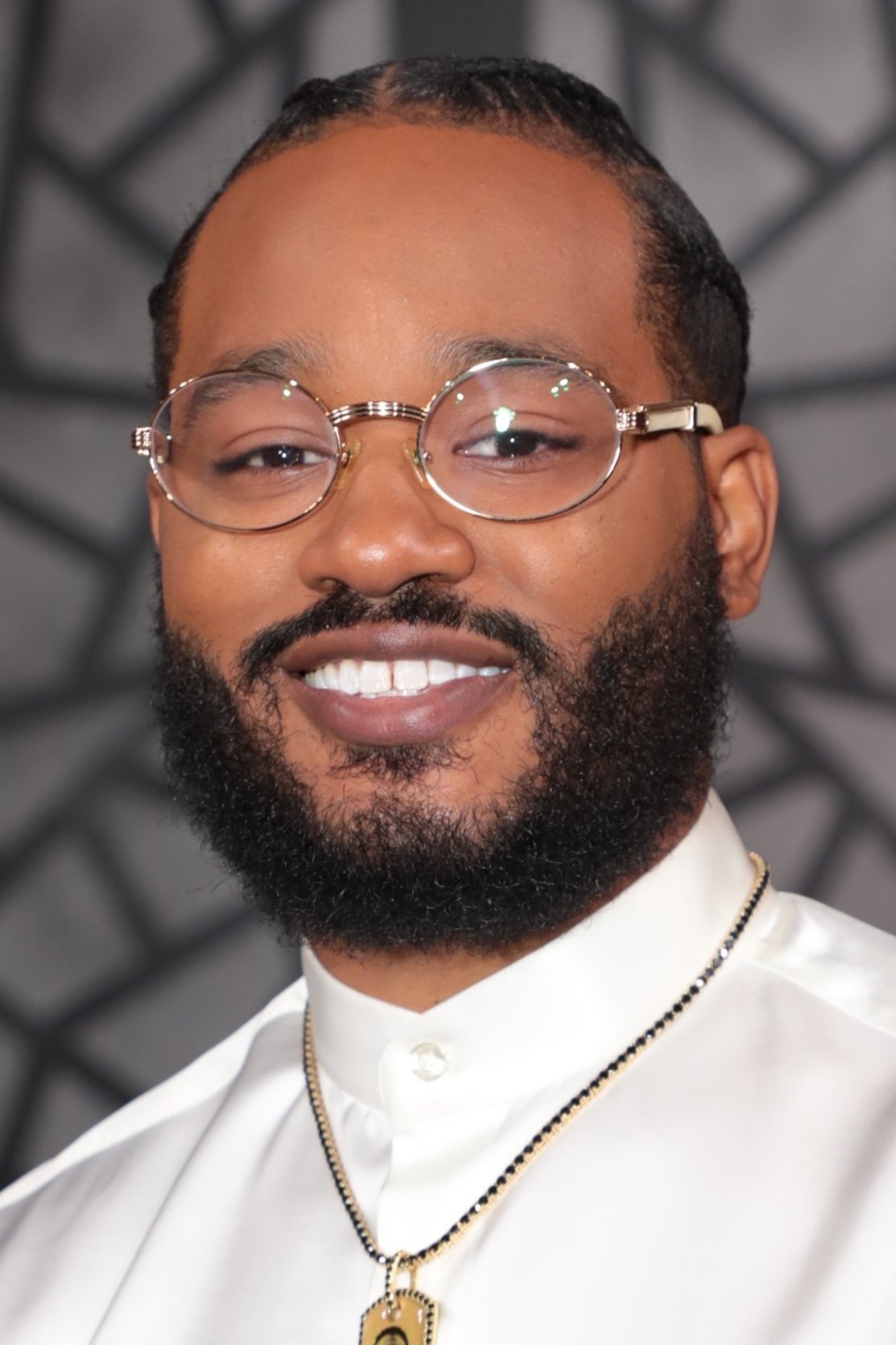
Ryan Coogler has transformed the blockbuster landscape by insisting on the inclusion of authentic cultural elements in his films. During the production of ‘Black Panther’ he ensured that African cultures were represented with respect and accuracy. He uses his success to create opportunities for Black professionals in every department of filmmaking. Coogler refuses to let corporate interests dilute the cultural significance of the stories he tells. His work proves that centering Black identity can lead to global commercial and critical success.
Jordan Peele
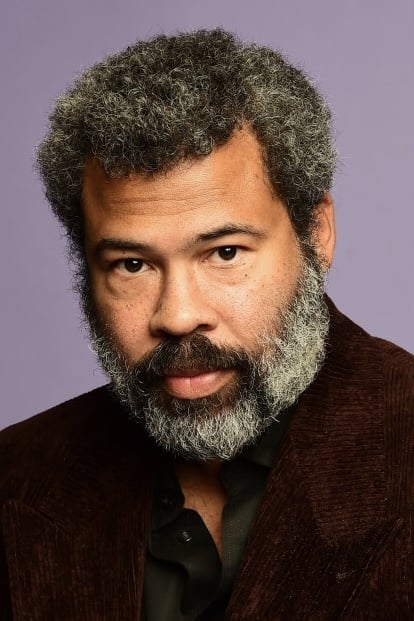
Jordan Peele has redefined the horror genre by using it to explore the anxieties of the Black experience. He famously stated that he is not interested in casting white leads because he has seen that story many times before. By centering Black protagonists in films like ‘Get Out’ and ‘Us’ he challenges the historical erasure of Black characters in the genre. Peele advocates for Black creators to take up space in genres where they have traditionally been excluded. His production company focuses on elevating original voices that challenge the status quo.
Donald Glover
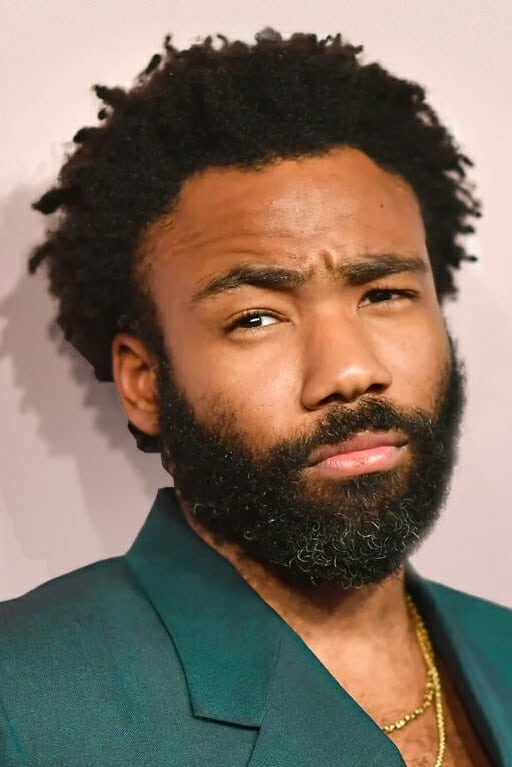
Donald Glover maintains strict creative control over his projects to ensure his unique perspective is never compromised. In his series ‘Atlanta’ he subverted television conventions to provide a surreal and honest look at Black life. He has often spoken about the need for Black creators to have the freedom to experiment and fail. Glover refuses to adhere to the expectations of how Black media should look or feel. His multifaceted career is built on the principle of staying true to his own artistic voice.
Billy Porter
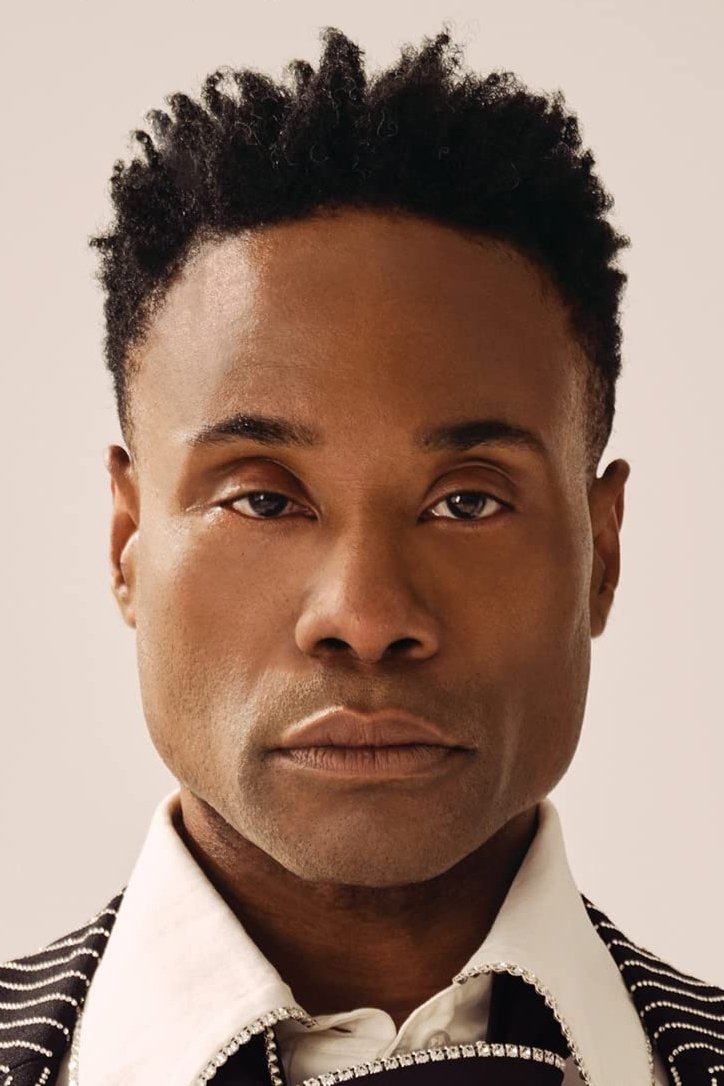
Billy Porter has become a leading advocate for the visibility of Black queer voices in the entertainment industry. He refuses to support projects that attempt to sanitize his identity or relegate him to a supporting archetype. Porter uses his red carpet appearances and acting roles to challenge traditional notions of masculinity and race. He argues that the erasure of intersectional identities limits the potential of storytelling. His work on ‘Pose’ helped bring the history of the ballroom community to a mainstream audience.
Tyler Perry
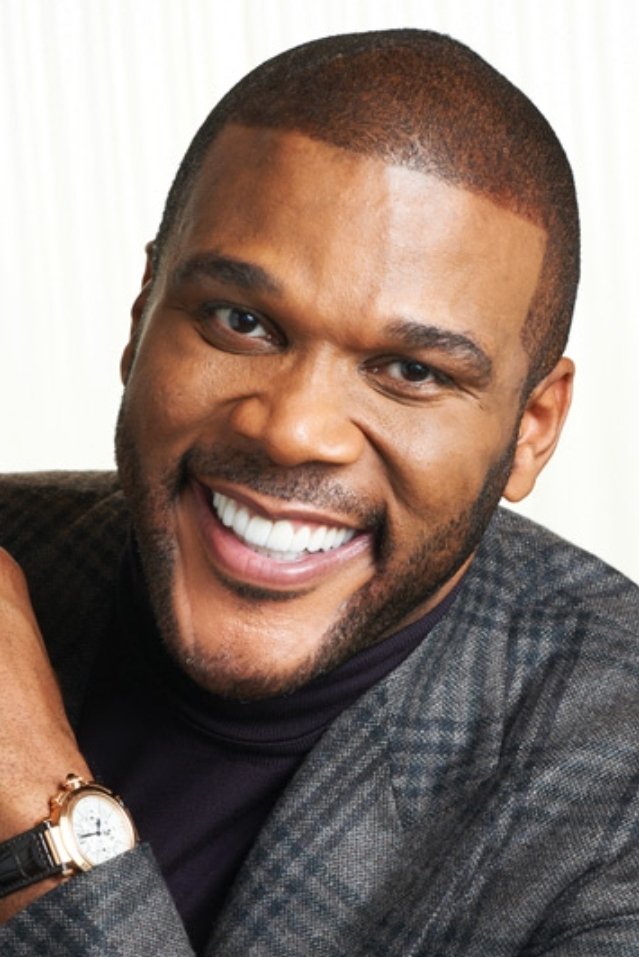
Tyler Perry built his own studio infrastructure to ensure he would never have to ask for permission to tell his stories. He recognized early in his career that the industry was not interested in the specific narratives of his community. By owning his production facility he maintains complete authority over his content and casting. Perry advocates for financial independence as a tool to fight the erasure of Black voices in Hollywood. He continues to provide a platform for Black actors who are often overlooked by major studios.
Michael B. Jordan
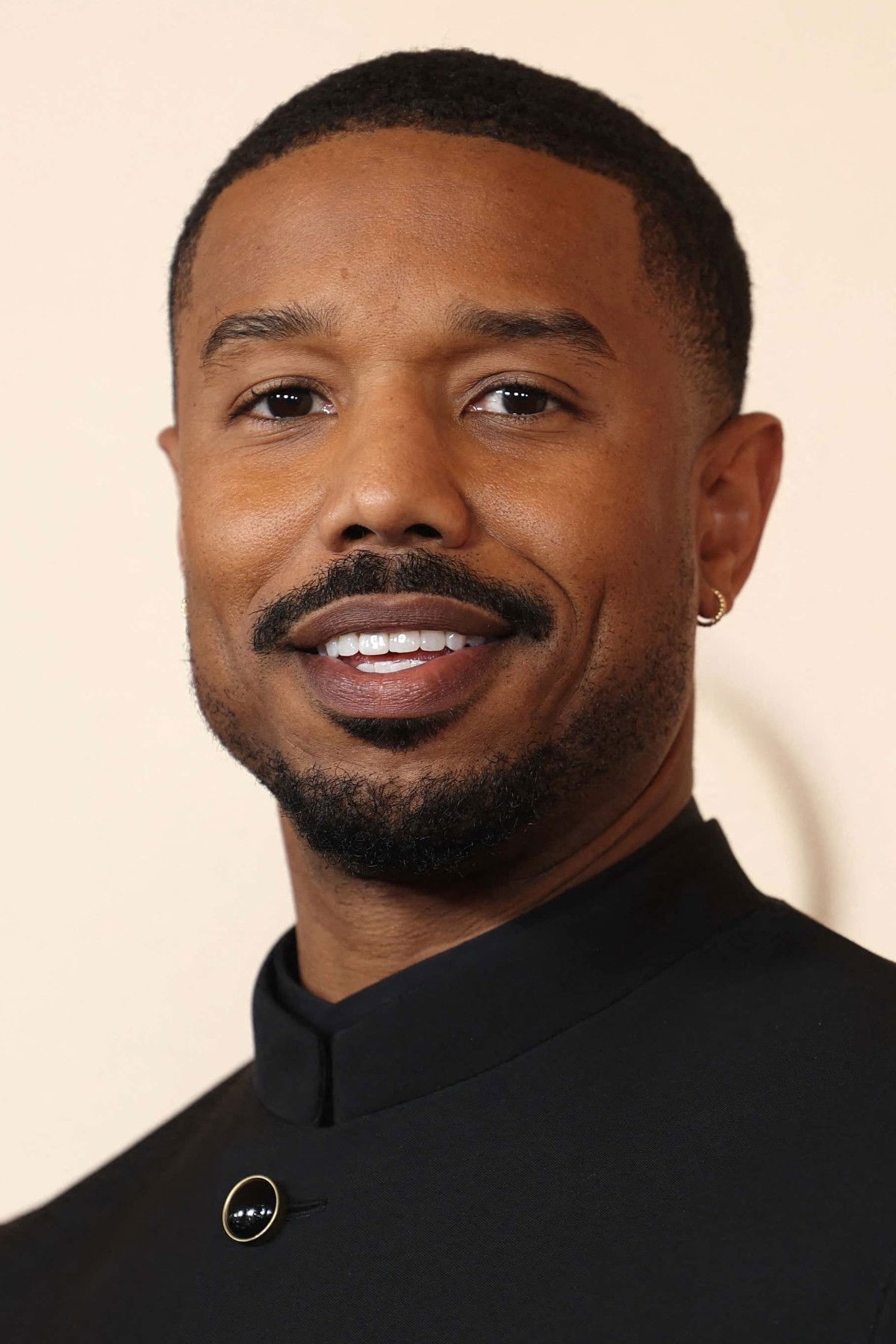
Michael B. Jordan was one of the first major stars to adopt an inclusion rider for his production company. This contractual requirement ensures that a diverse range of people are interviewed for roles both on and off camera. He is committed to increasing the visibility of Black professionals in technical roles that are often dominated by a single demographic. Jordan refuses to support a status quo that excludes qualified talent based on race. His leadership sets a standard for how established stars can use their power to drive systemic change.
Idris Elba
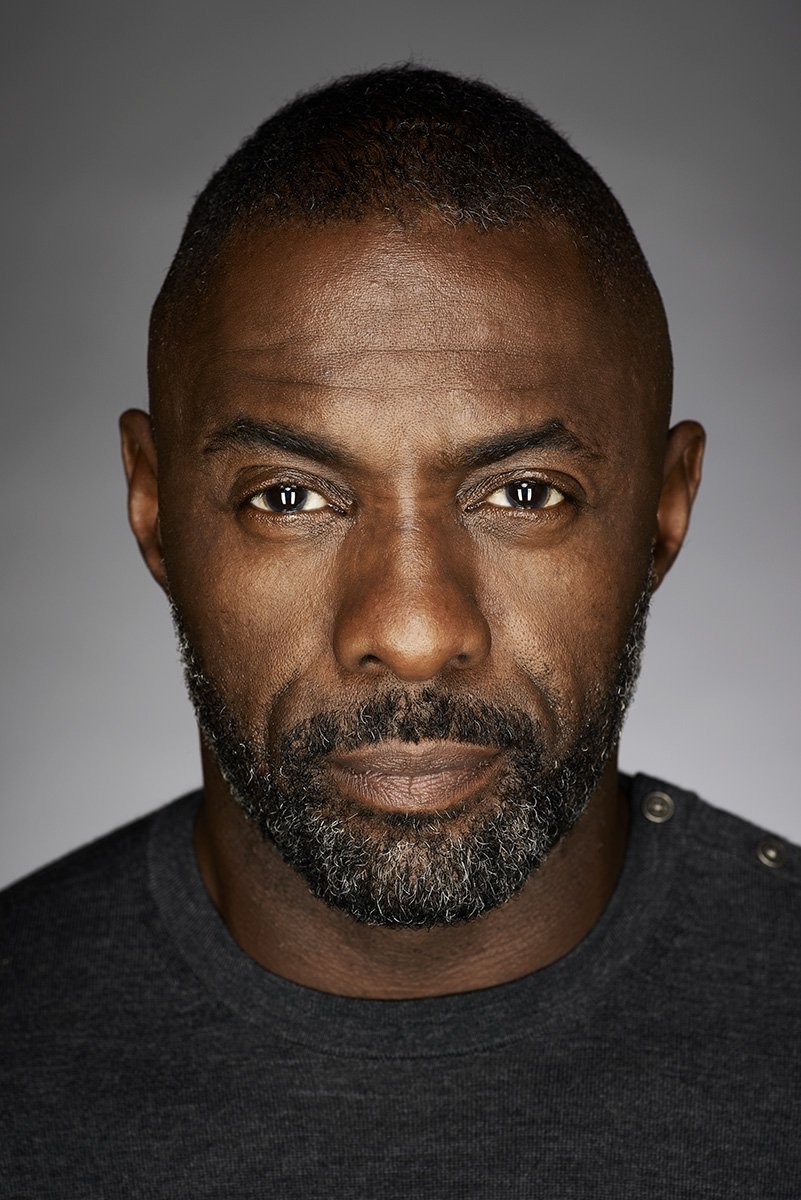
Idris Elba has spoken about the challenges of being a Black actor in the United Kingdom and the limited roles available there. He moved to the United States to find opportunities that did not erase his potential as a leading man. Elba advocates for casting directors to look past race for roles that are not culturally specific. He also produces content that highlights the diverse experiences of the Black diaspora globally. His career path highlights the need for international industries to broaden their understanding of Black talent.
Daniel Kaluuya
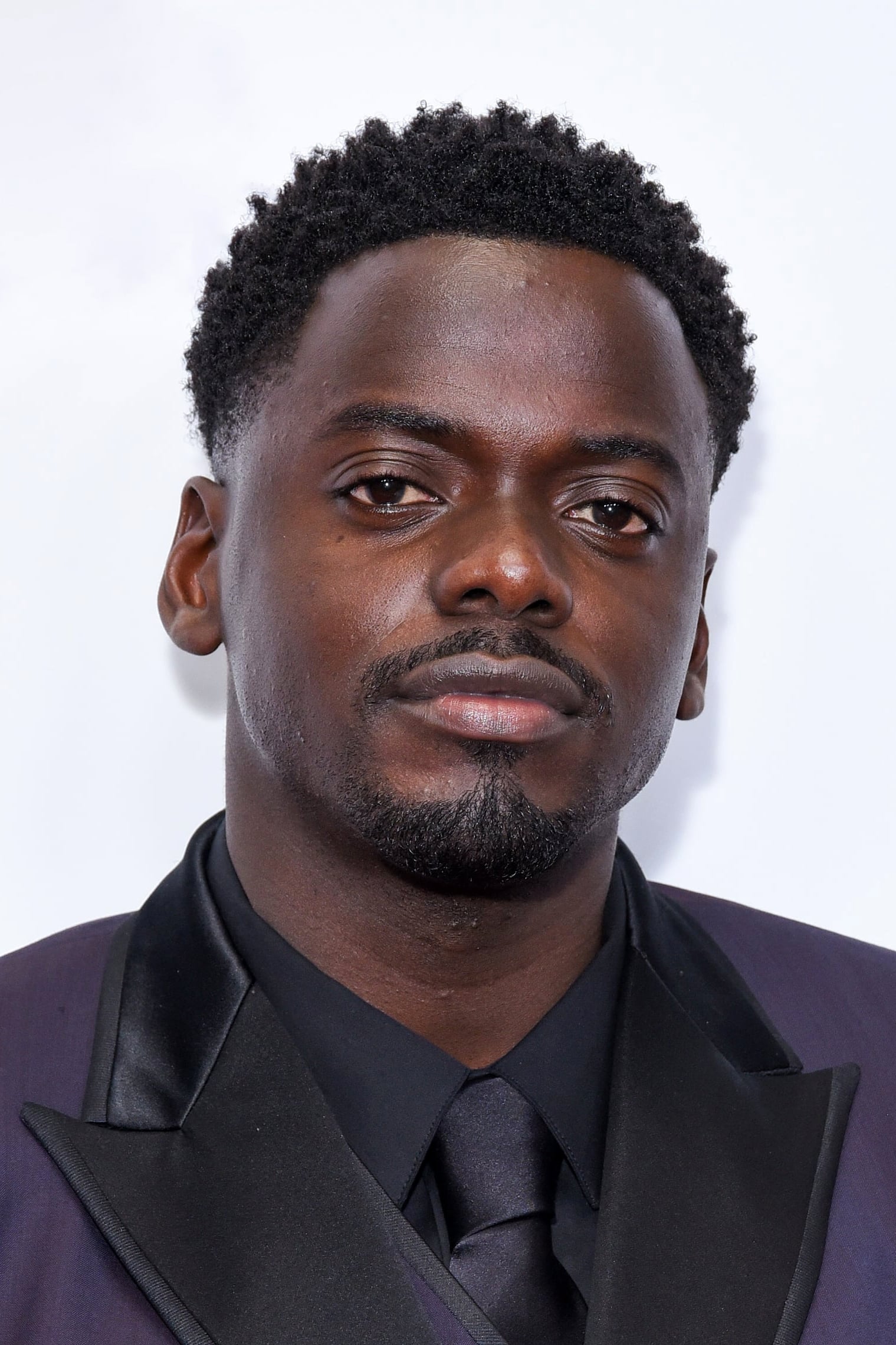
Daniel Kaluuya chooses roles that challenge the audience and provide a complex look at Black identity. He has been vocal about the differences in how Black stories are told in the United Kingdom versus America. The actor avoids projects that rely on shallow stereotypes or erase the intellectual agency of his characters. Kaluuya also supports independent Black filmmakers who are working to tell original stories. His performances in ‘Judas and the Black Messiah’ and ‘Get Out’ demonstrate his commitment to impactful storytelling.
Winston Duke
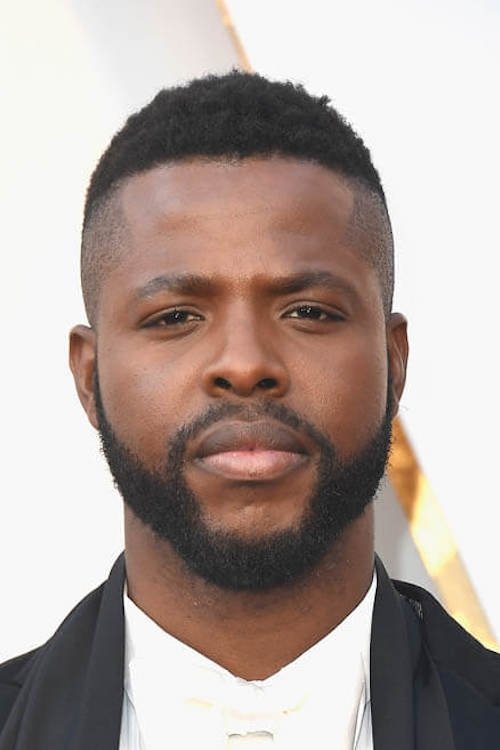
Winston Duke has advocated for the representation of diverse body types and skin tones in major films. He emphasizes that Blackness is not a monolith and should be portrayed with all its inherent variety. The actor refuses to accept roles that diminish the power and presence of Black men. During the promotion of ‘Black Panther’ he spoke about the importance of seeing Black characters in positions of strength and sovereignty. Duke continues to use his platform to push for more inclusive casting practices in Hollywood.
Chiwetel Ejiofor
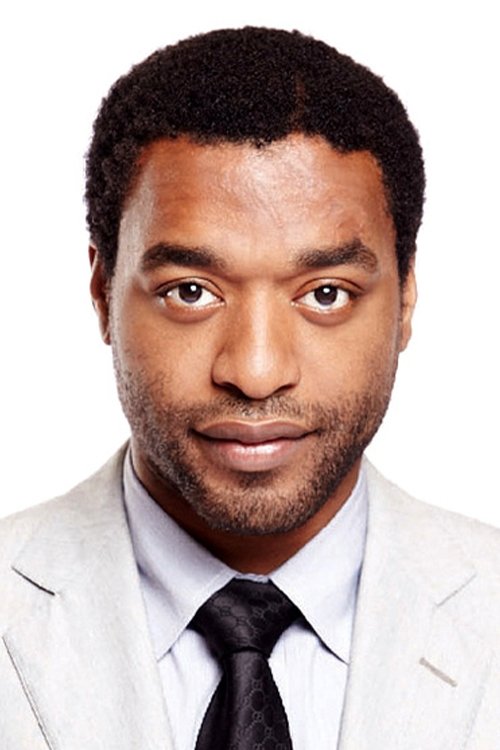
Chiwetel Ejiofor is known for his dedication to historical accuracy and depth in his performances. He has taken on roles that highlight the resilience and complexity of Black individuals throughout history. The actor avoids projects that attempt to rewrite or soften the harsh realities of the Black experience. He also transitioned into directing to have more influence over the narratives being produced. Ejiofor believes that protecting the truth of a story is the best way to honor those who lived it.
David Harewood
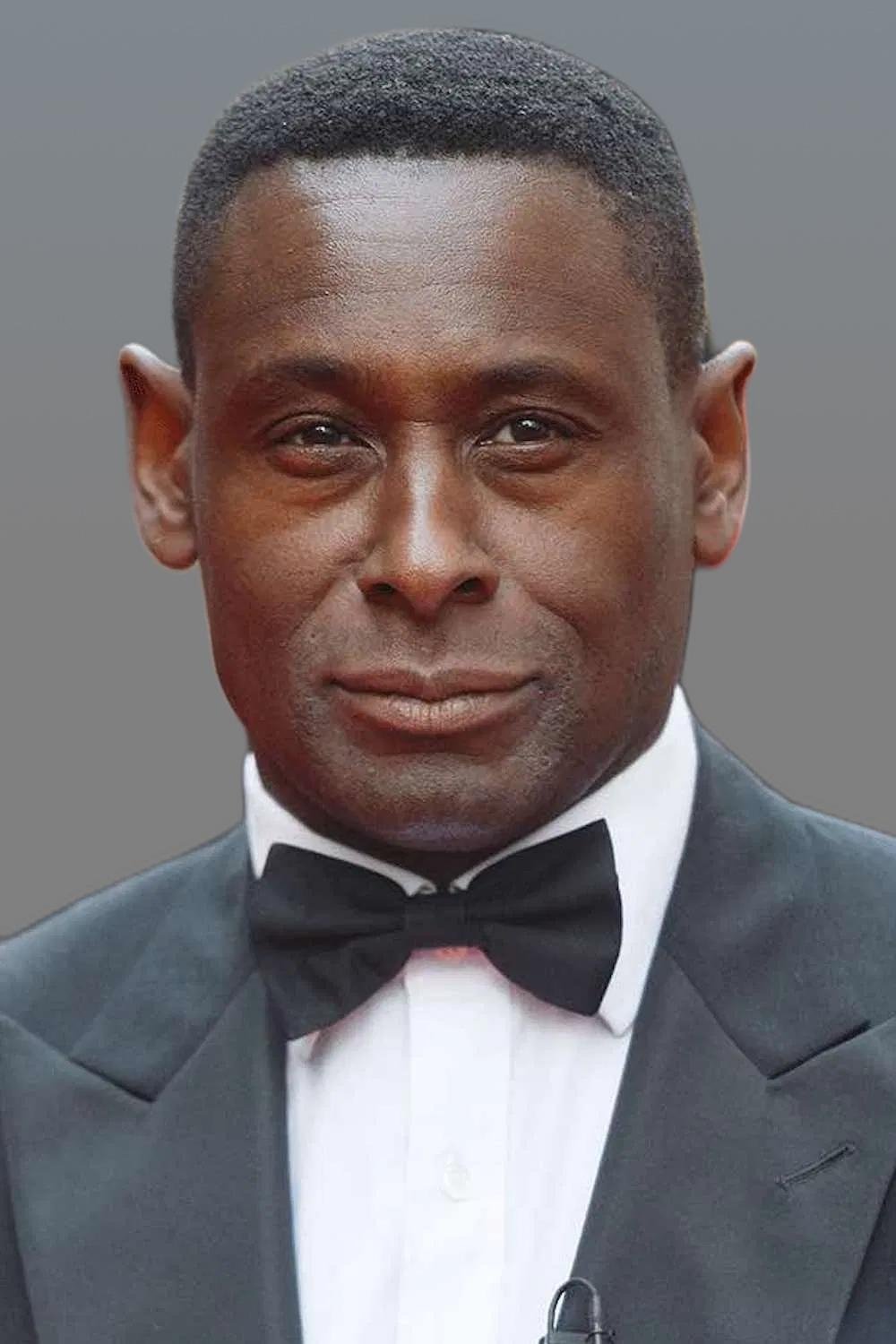
David Harewood has written and spoken extensively about the mental health impact of racial erasure in the acting profession. He documented his experiences as a Black actor in the British industry and the lack of substantial roles available to him. Harewood advocates for a more inclusive curriculum in drama schools to prepare diverse students for the realities of the industry. He refuses to stay silent about the systemic barriers that prevent Black talent from reaching their full potential. His documentary work continues to shine a light on these important social issues.
Lennie James
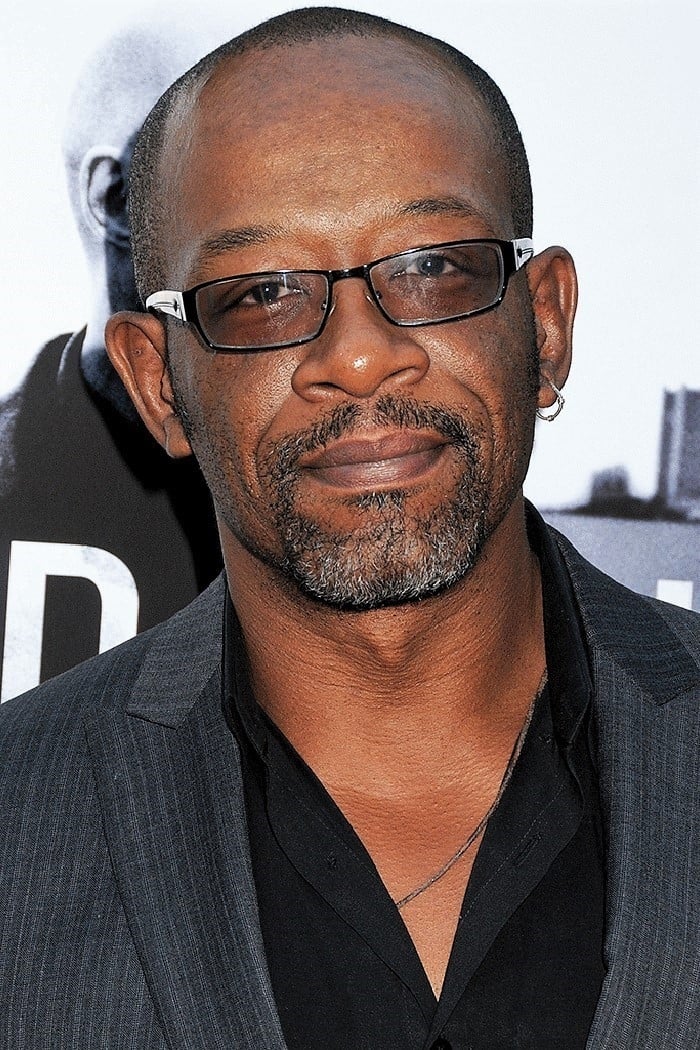
Lennie James has used his long career to advocate for better writing for Black characters in television. He often collaborates with showrunners to ensure his characters have motivations that are grounded in reality. The actor transitioned into writing and creating his own series like ‘Save Me’ to ensure his voice was heard. James emphasizes that Black actors must be proactive in protecting the integrity of their roles. He continues to be a respected voice for quality and authenticity in modern drama.
Clarke Peters
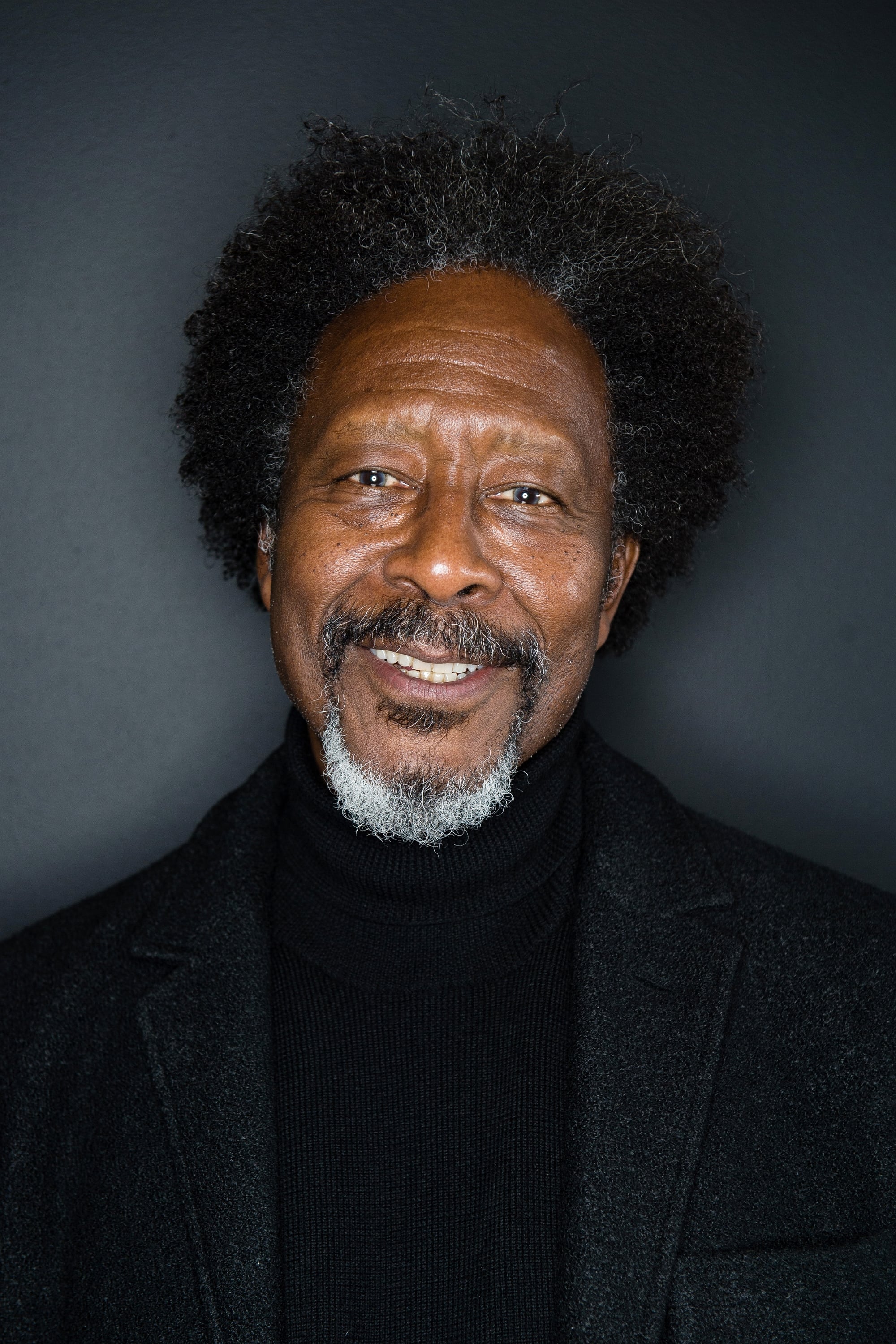
Clarke Peters is known for bringing a sense of gravitas and cultural depth to his roles in series like ‘The Wire’ and ‘Treme’. He has often spoken about the need for scripts to acknowledge the cultural heritage of the characters. The actor refuses to participate in projects that treat Black communities as background scenery. Peters advocates for the inclusion of Black music and art as essential components of storytelling. His work reflects a deep commitment to honoring the lived experiences of the African diaspora.
Wendell Pierce
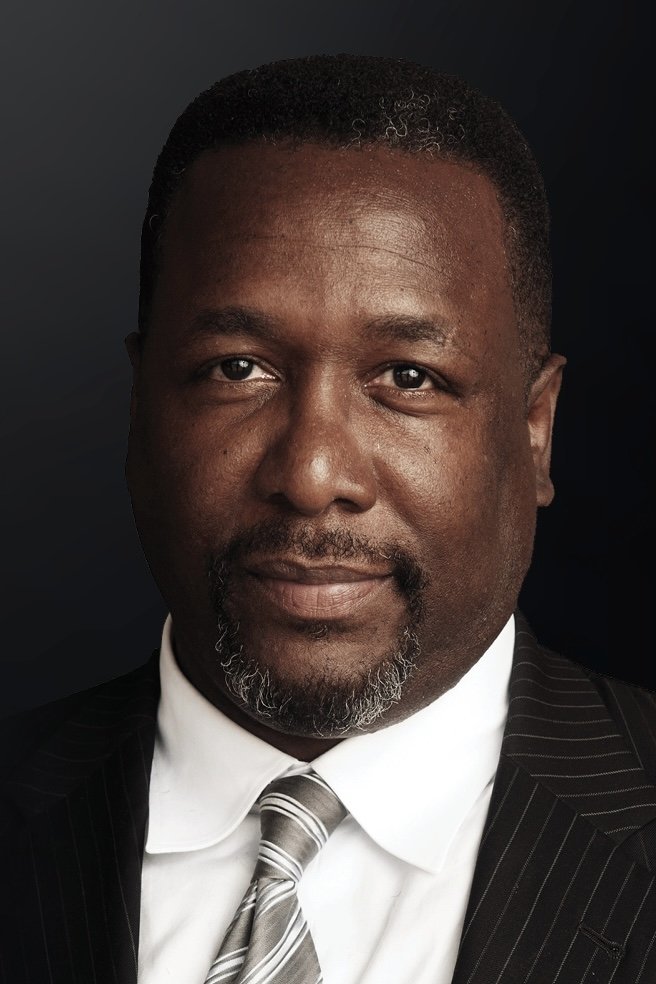
Wendell Pierce uses his acting career and personal activism to support the preservation of Black communities and their stories. He has been a vocal critic of projects that exploit Black struggle without offering any real depth or solutions. The actor emphasizes the importance of art as a tool for social change and community empowerment. Pierce often takes on roles that highlight the intellectual and civic contributions of Black men. He remains dedicated to ensuring that the history of places like New Orleans is accurately represented in media.
Andre Braugher
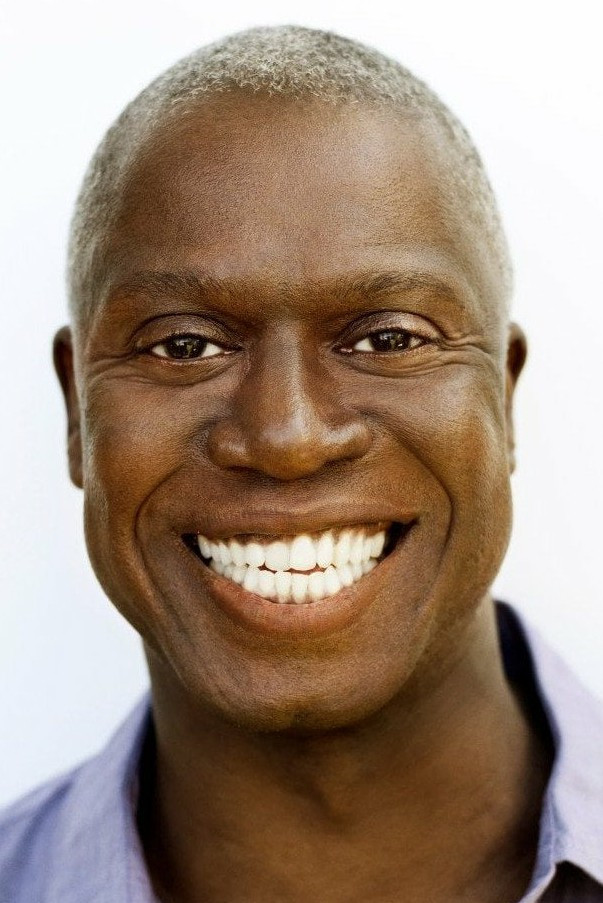
The late Andre Braugher was celebrated for his refusal to accept roles that relied on Black stereotypes. He consistently sought out characters who were defined by their intellect and professional excellence. By portraying complex figures in series like ‘Homicide Life on the Street’ and ‘Brooklyn Nine-Nine’ he challenged industry norms. Braugher advocated for Black actors to be given the same range of roles as their white counterparts. His legacy continues to inspire actors to demand more from the scripts they are offered.
Giancarlo Esposito
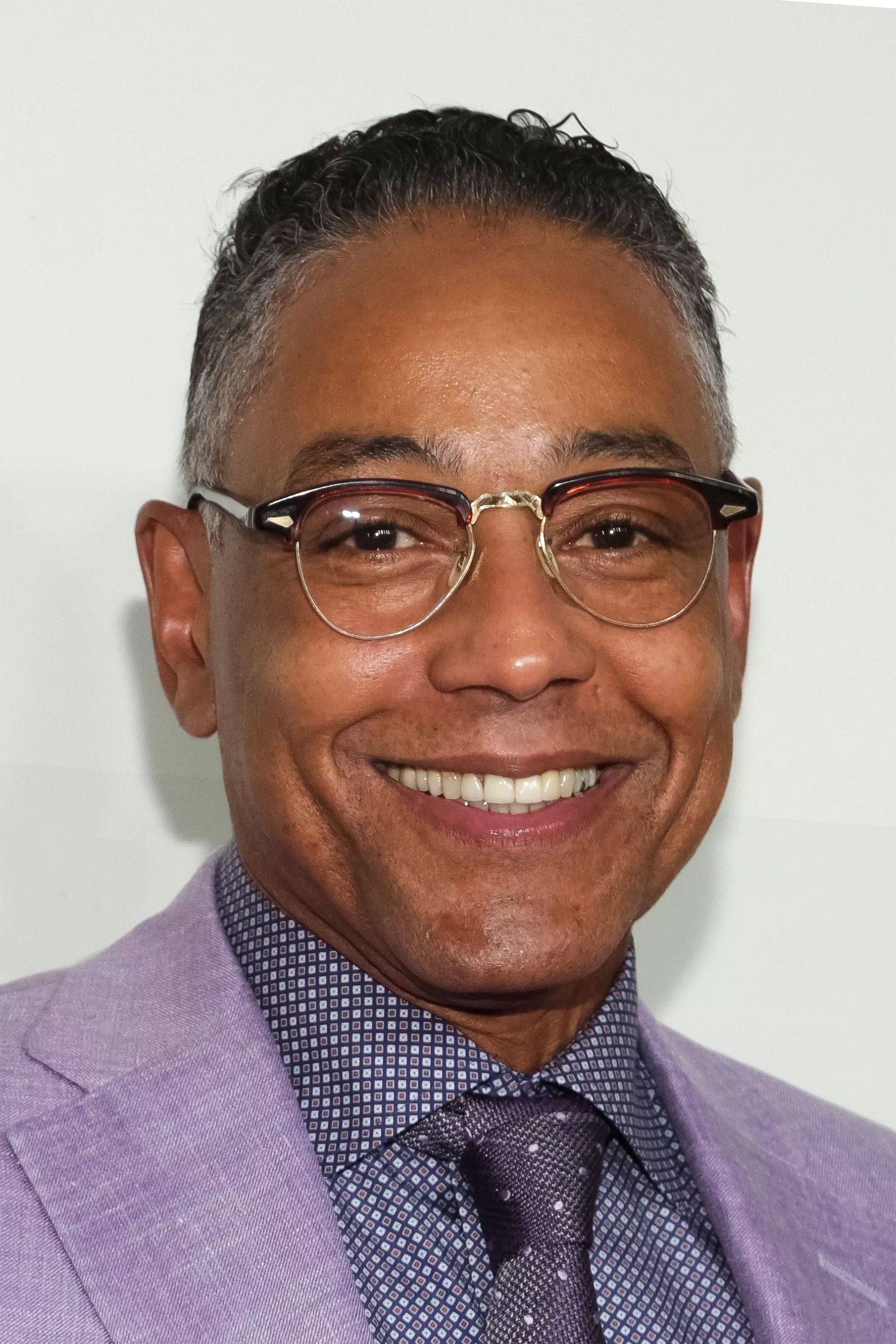
Giancarlo Esposito has built a career on transforming characters into iconic and multifaceted figures. He often works with writers to add layers of complexity to his roles that might not have been in the original script. The actor refuses to let his characters be reduced to simple villains or supporting archetypes. Esposito advocates for a global perspective in storytelling that reflects his own diverse heritage. He remains a powerful example of how an actor can command respect and authority on screen.
Courtney B. Vance
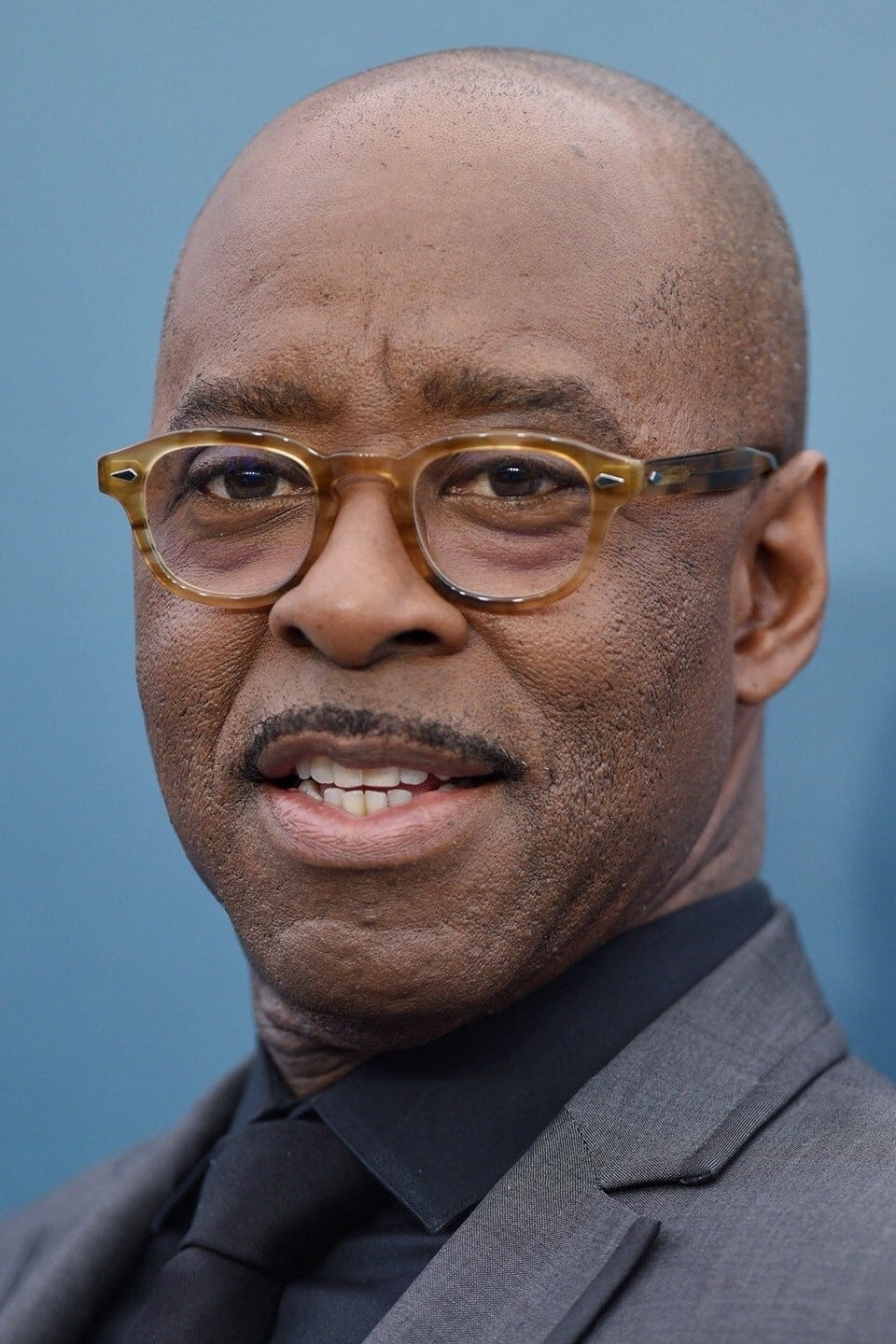
Courtney B. Vance is a strong advocate for the recognition of Black talent in both theater and film. He has used his leadership roles in professional organizations to push for more inclusive industry standards. The actor chooses projects that highlight the strength and resilience of the Black family unit. He refuses to support narratives that erase the historical achievements of Black professionals. Vance continues to work toward creating a more equitable environment for future generations of Black performers.
Colman Domingo
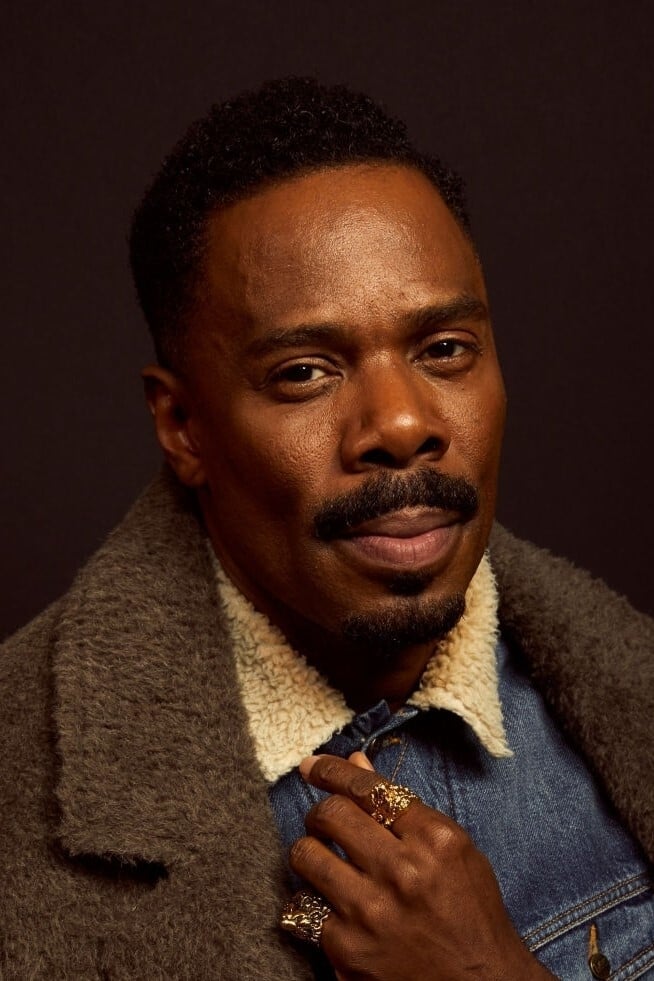
Colman Domingo is a multifaceted creator who centers Black and queer narratives in his work. He refuses to participate in projects that sideline the experiences of marginalized individuals within the Black community. As a writer and director he creates spaces for authentic storytelling that defies traditional expectations. Domingo emphasizes the importance of joy and complexity in Black narratives. He continues to be a leading voice for the expansion of Black representation in all forms of media.
Glynn Turman
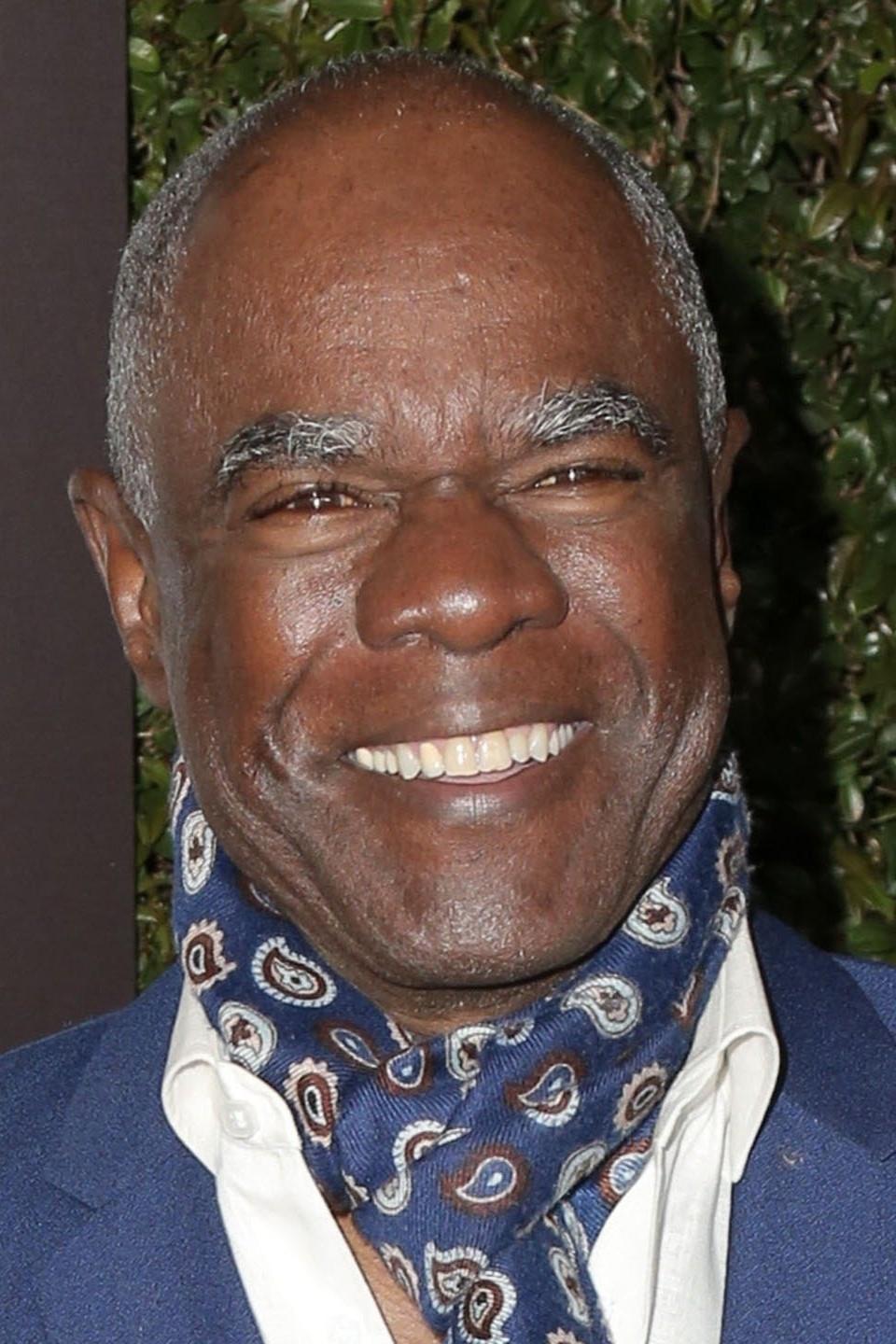
Glynn Turman has maintained a career spanning several decades by focusing on the authenticity of his performances. He has seen the evolution of Black representation and continues to advocate for higher standards in the industry. The actor refuses to support projects that ignore the historical context of the Black experience. He mentors younger actors on the importance of maintaining their integrity and voice in a competitive field. Turman remains a legendary figure whose work bridges the gap between different eras of Black cinema.
Laurence Fishburne
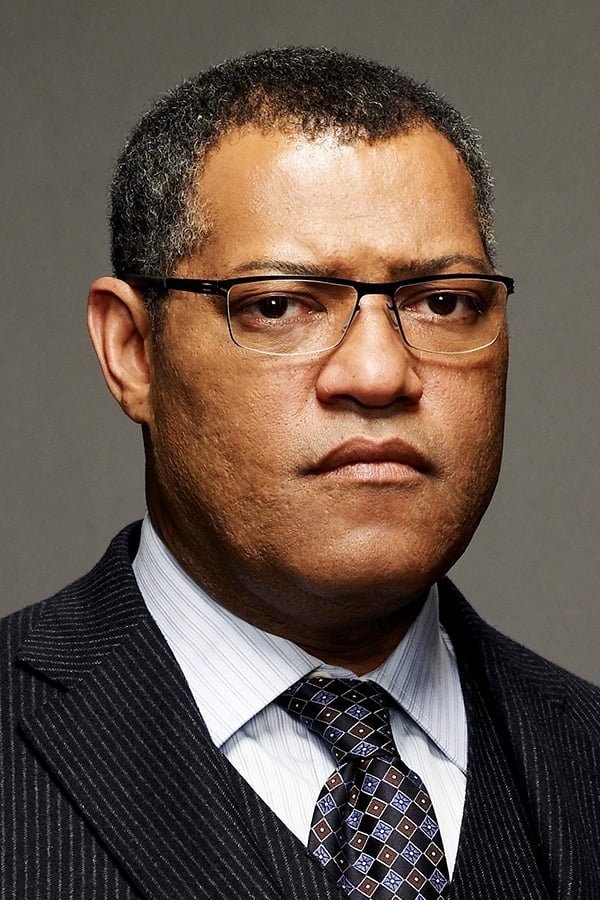
Laurence Fishburne famously turned down a lead role in ‘Pulp Fiction’ because of the film’s depiction of drug use. He argued that the portrayal of the character did not align with his values regarding the representation of Black men. The actor has consistently chosen roles that offer a sense of authority and wisdom. He also produces content that explores the history and culture of the African diaspora. Fishburne remains a staunch defender of the dignity of Black characters in Hollywood.
Samuel L. Jackson
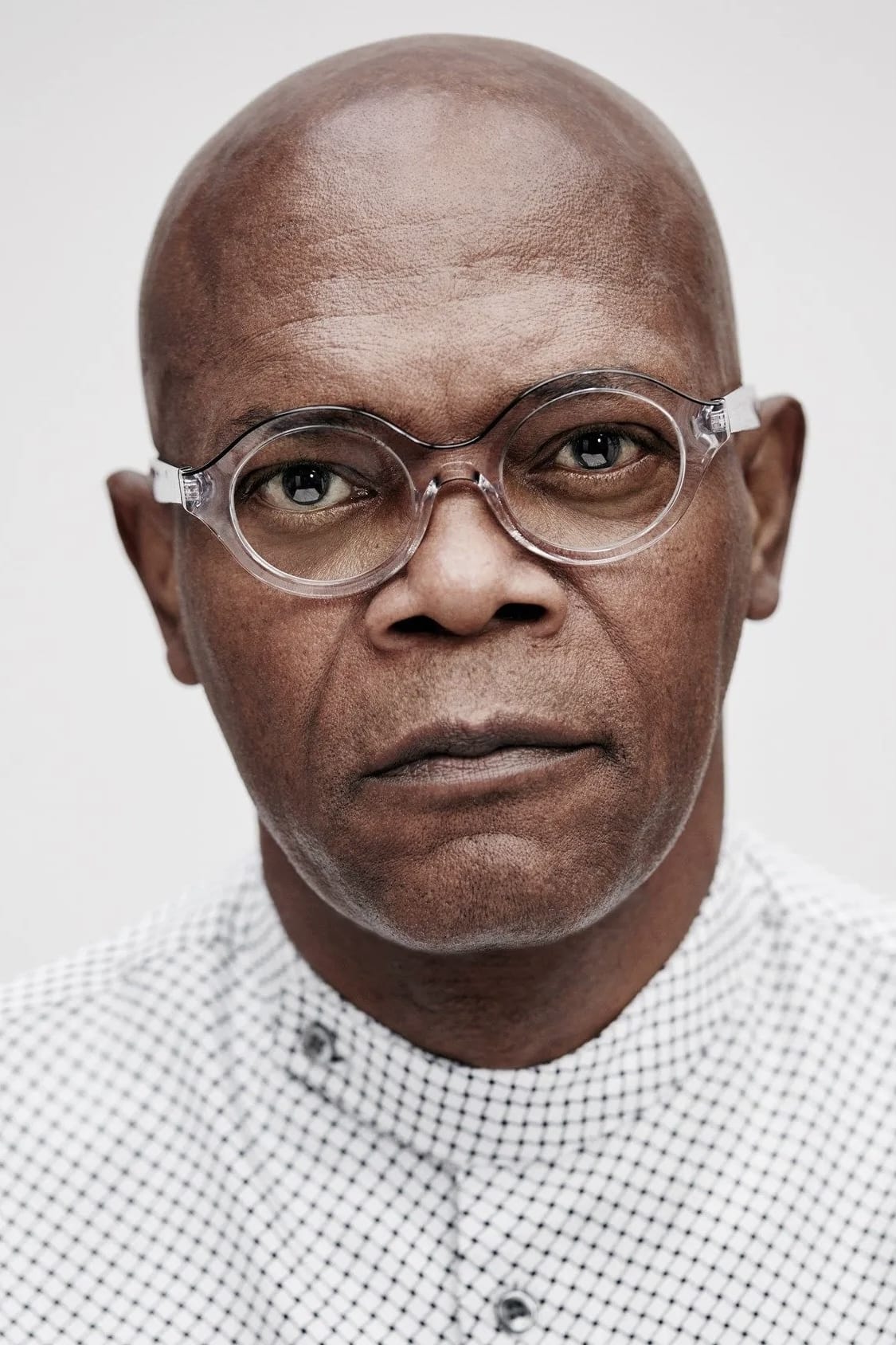
Samuel L. Jackson uses his immense star power to ensure that his characters are never diminished on screen. He often negotiates for script changes to ensure his voice and persona are accurately reflected. The actor is a vocal supporter of Black filmmakers and often collaborates with them to bring their visions to life. He refuses to support industry practices that undervalue the contributions of veteran Black actors. Jackson remains one of the most influential figures in the industry by staying true to his own brand of authenticity.
Denzel Washington
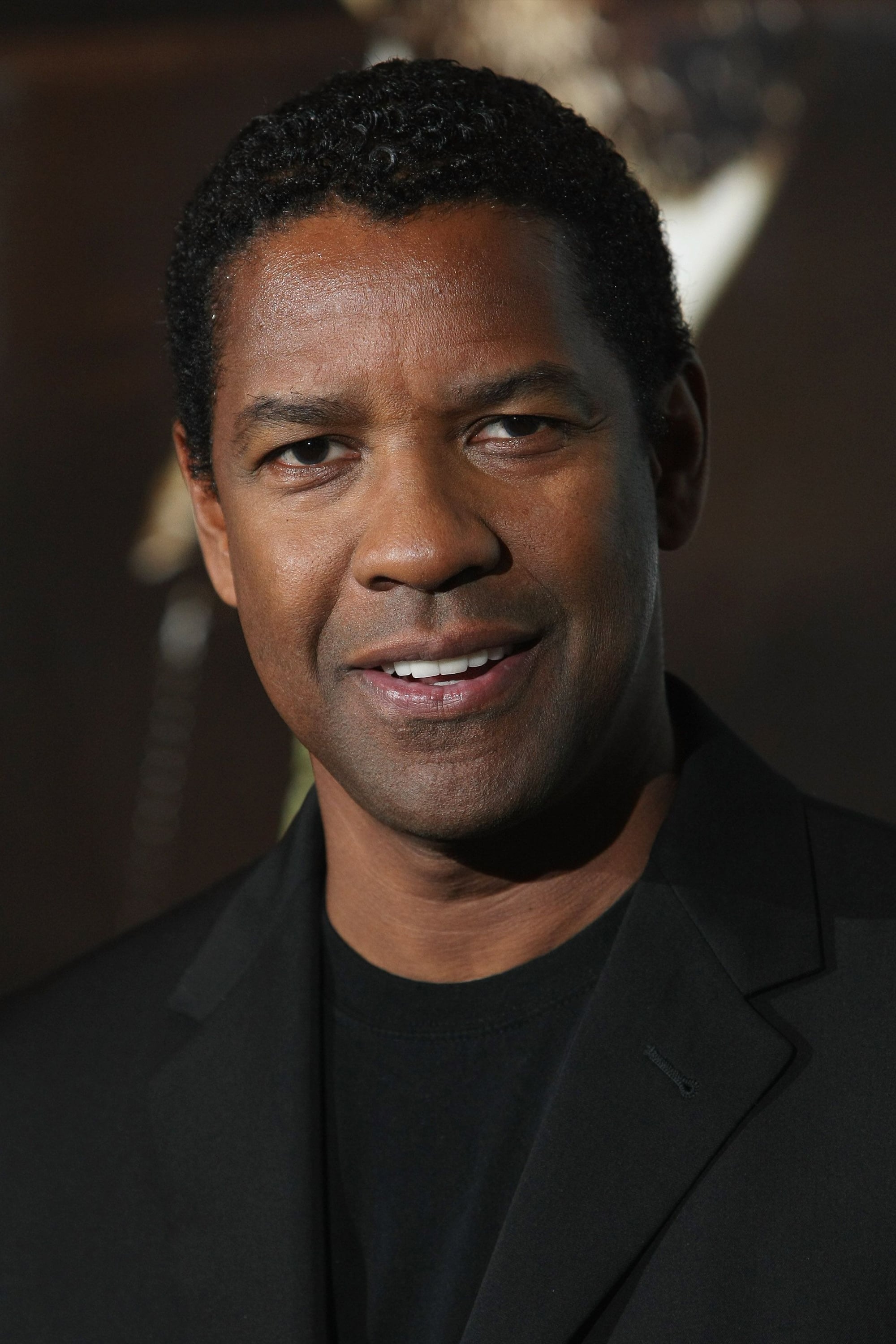
Denzel Washington has long been a proponent of creative control and the importance of Black directors. He has often stepped into the director’s chair himself to ensure that Black stories are handled with the necessary care. The actor chooses roles that challenge the audience and avoid common cinematic tropes. He also funds scholarships and programs to support the next generation of Black talent. Washington believes that the best way to fight erasure is to produce work of undeniable quality.
Morgan Freeman
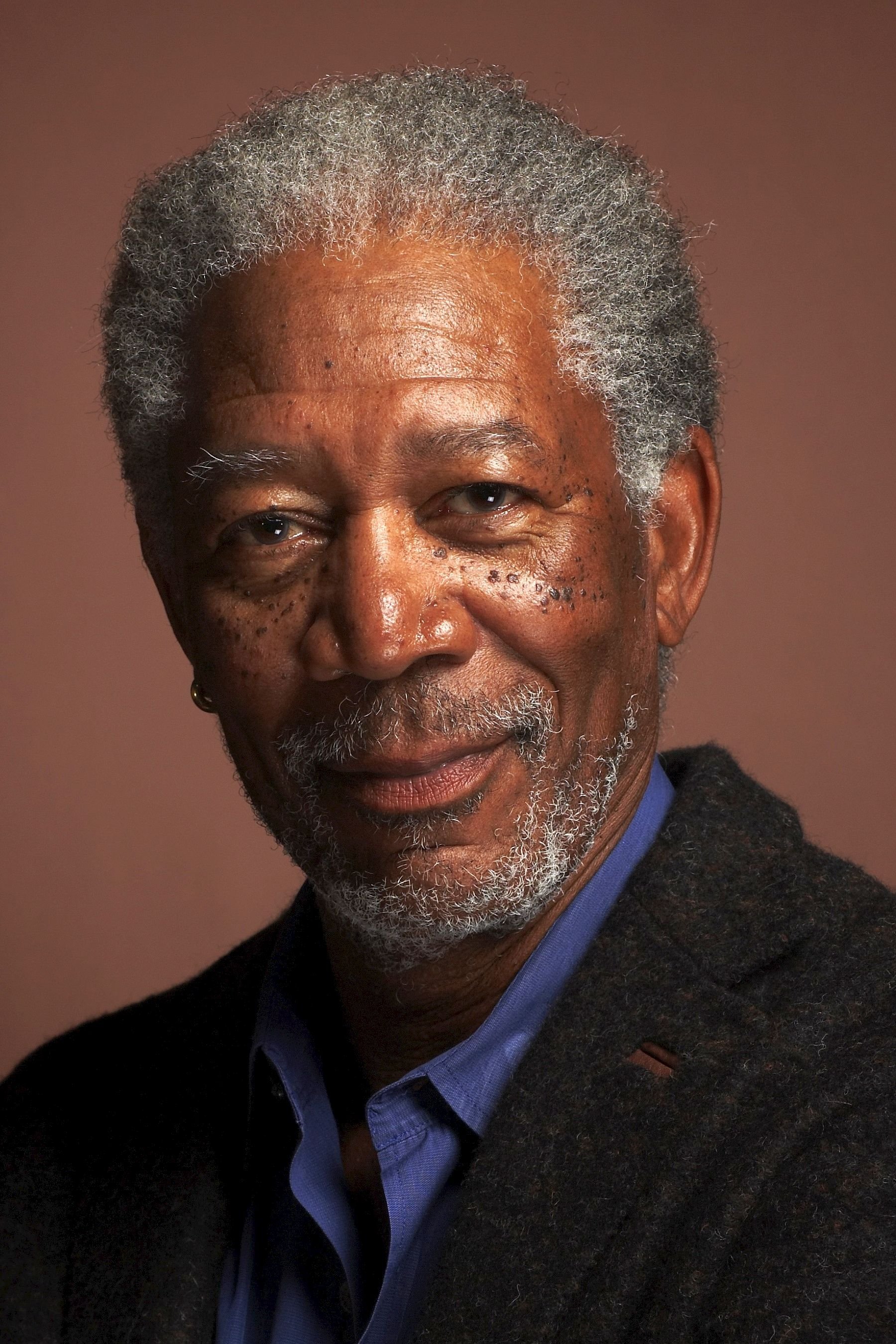
Morgan Freeman has spoken about the need to stop referring to Black history as something separate from American history. He advocates for the integration of Black narratives into the broader historical record to prevent their erasure. The actor often takes on roles that portray Black men in positions of high authority and moral clarity. He uses his production company to develop projects that highlight overlooked historical figures. Freeman continues to be a powerful voice for the universal relevance of Black stories.
Forest Whitaker
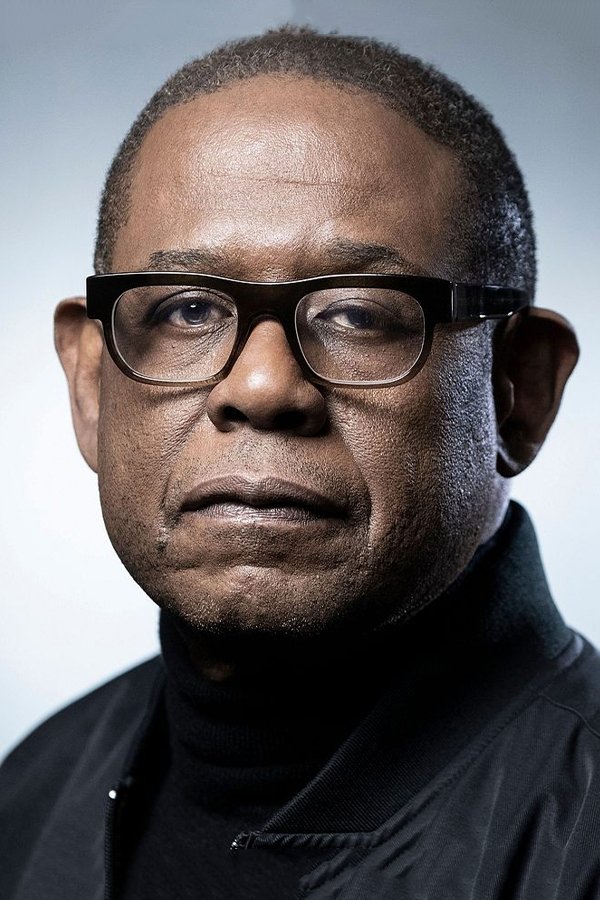
Forest Whitaker is known for his commitment to roles that require deep research and emotional honesty. He often portrays characters who are caught in complex social and political situations. The actor founded a production company that focuses on storytelling as a means of social impact. He refuses to support projects that simplify the struggles of the African continent or the diaspora. Whitaker continues to advocate for the power of cinema to foster empathy and understanding.
Don Cheadle
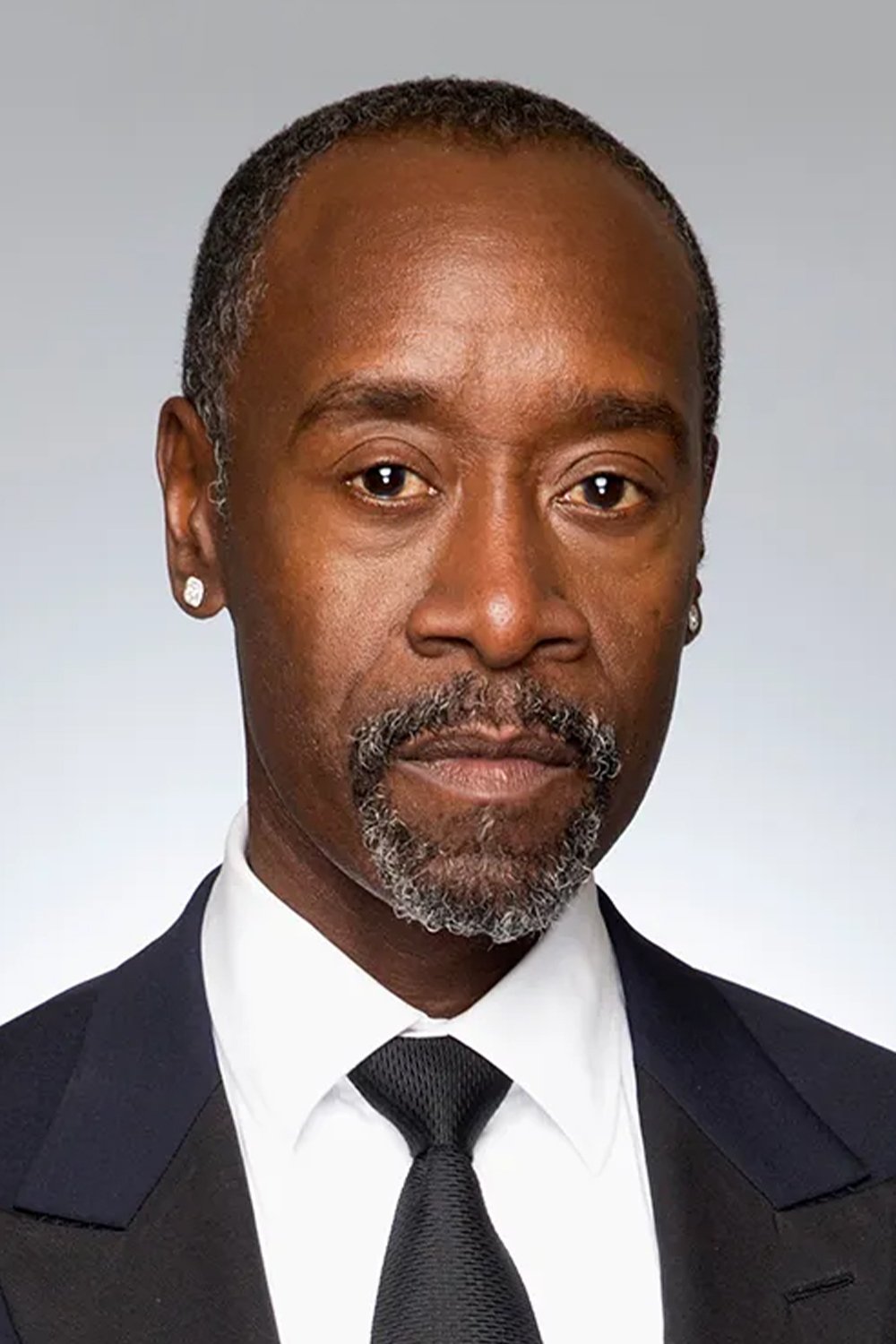
Don Cheadle has used his career to bring attention to global issues and the erasure of marginalized voices. He took a significant role in producing ‘Hotel Rwanda’ to ensure that the story reached a worldwide audience. The actor often works on independent projects that challenge the status quo of Hollywood storytelling. He is a vocal advocate for environmental justice and the ways it disproportionately affects Black communities. Cheadle remains a key figure in the fight for more responsible and inclusive filmmaking.
Jeffrey Wright
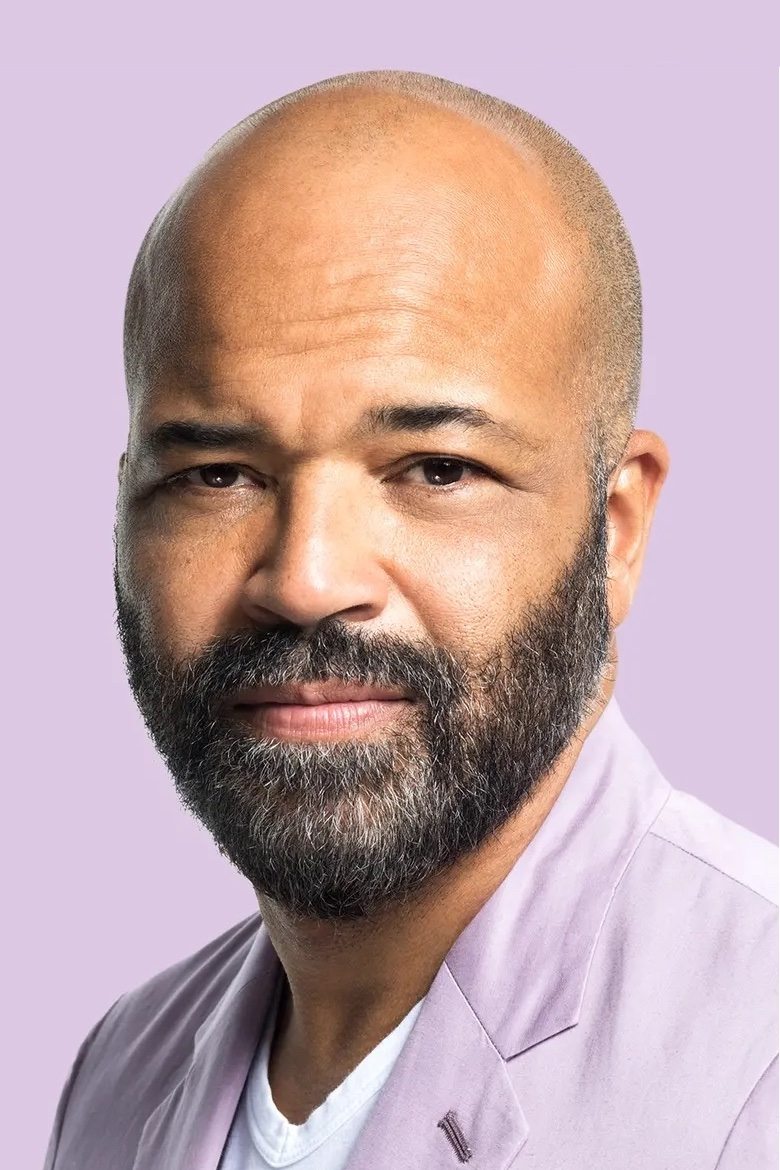
Jeffrey Wright is celebrated for his ability to disappear into complex and intellectually driven roles. He has been a vocal critic of the lack of diversity in the tech and entertainment industries. The actor refuses to accept roles that are based on shallow racial stereotypes. He advocates for the inclusion of Black voices in the development of new media and technologies. Wright continues to push for a more nuanced understanding of identity in all his creative endeavors.
Anthony Mackie
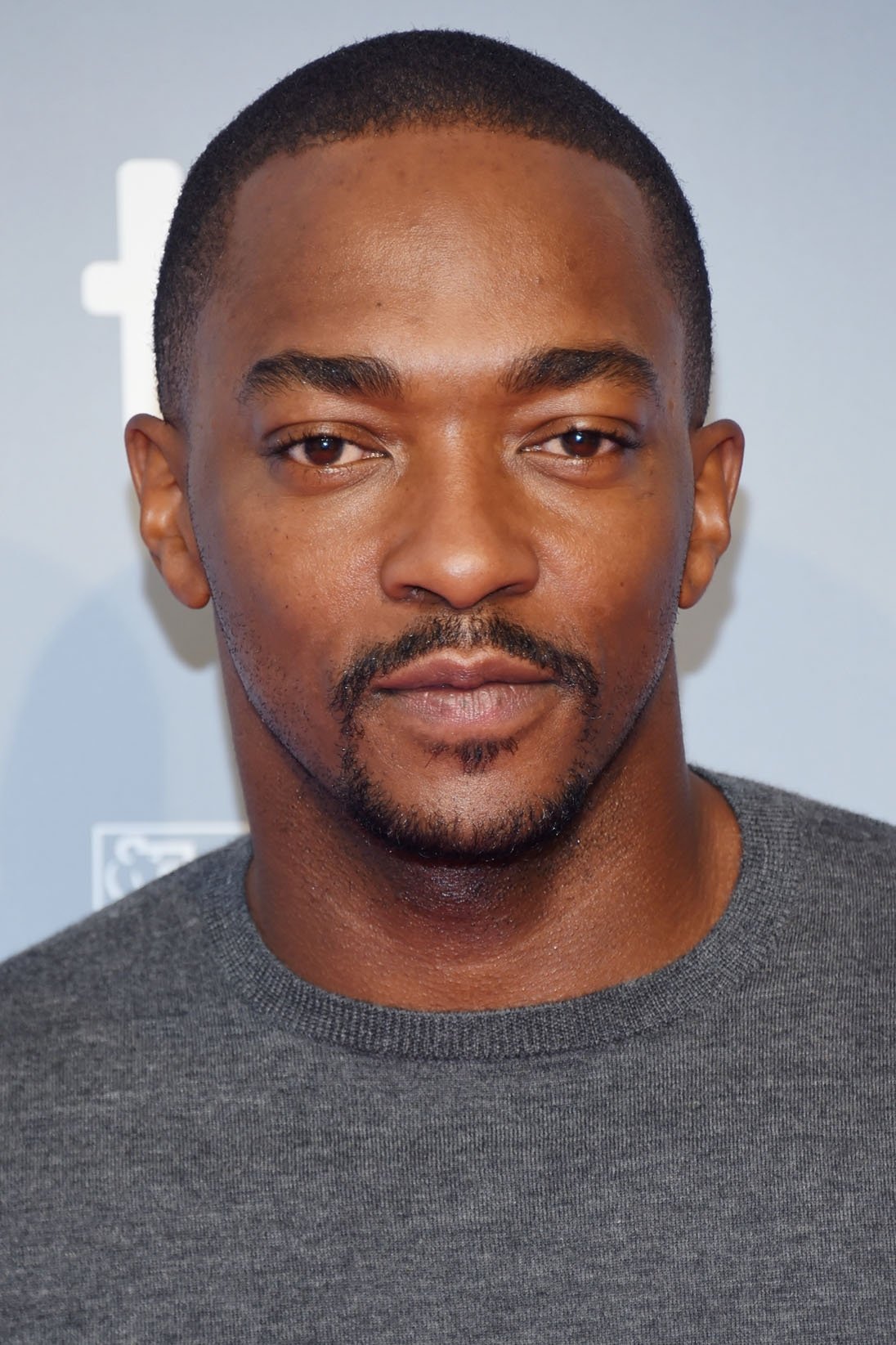
Anthony Mackie has spoken about the need for more Black professionals in the technical and craft unions of Hollywood. He emphasizes that the erasure of Black voices often happens behind the scenes in departments like hair and makeup. The actor advocates for the industry to invest in the training and hiring of diverse crews. He refuses to stay silent about the challenges faced by Black actors in maintaining their appearance on set. Mackie remains a practical advocate for systemic change within the production process.
Chadwick Boseman
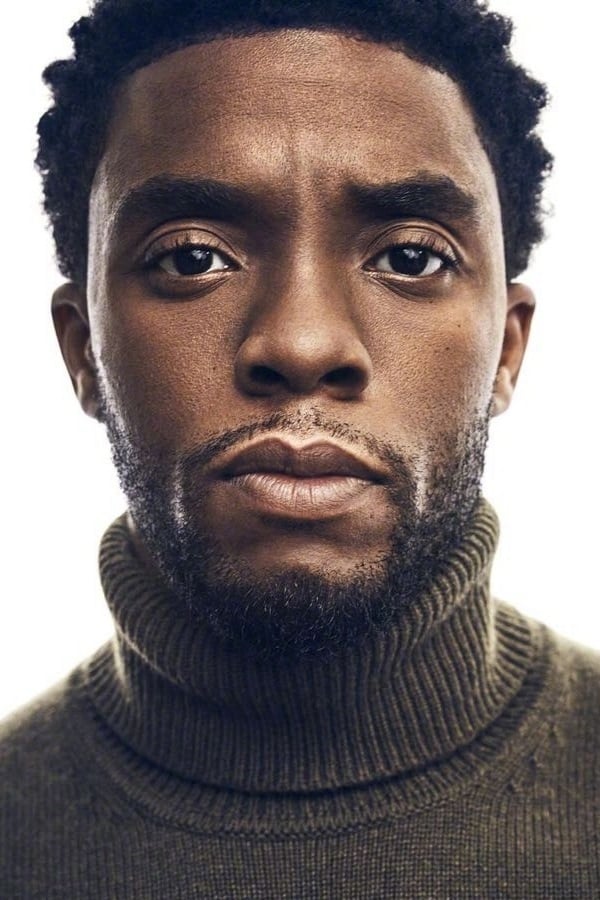
The late Chadwick Boseman dedicated his career to portraying Black icons with dignity and grace. He famously fought for his character in ‘Black Panther’ to have an African accent to honor the character’s heritage. The actor refused roles that he felt were demeaning or lacked a positive message for the Black community. By playing figures like Jackie Robinson and James Brown he ensured their legacies were preserved for future generations. Boseman’s commitment to purposeful storytelling left a lasting impact on the industry.
Mahershala Ali
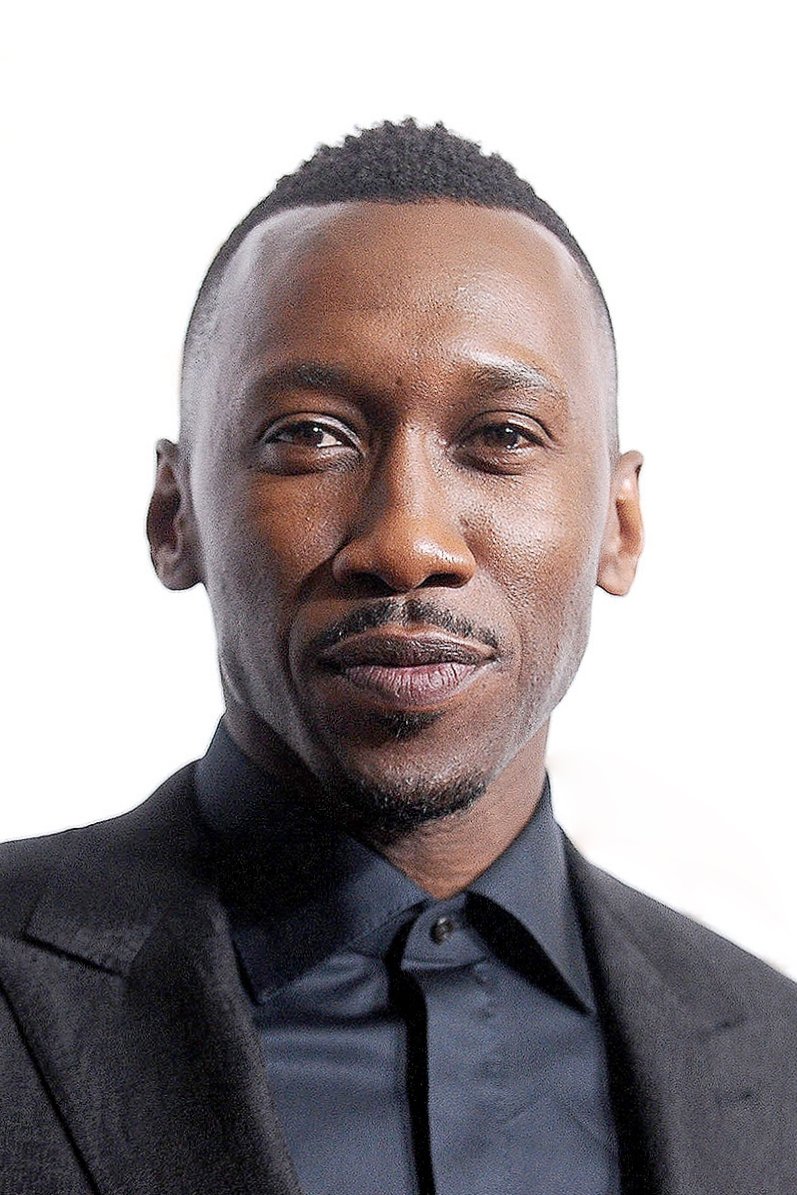
Mahershala Ali is known for his selective approach to roles and his insistence on character depth. He has often spoken about the importance of being able to see oneself reflected in a variety of narratives. The actor avoids projects that attempt to relegate his characters to the background. He advocates for the inclusion of Muslim perspectives within the Black experience to fight multi layered erasure. Ali remains a leading figure in the movement for more thoughtful and inclusive representation.
Sterling K. Brown
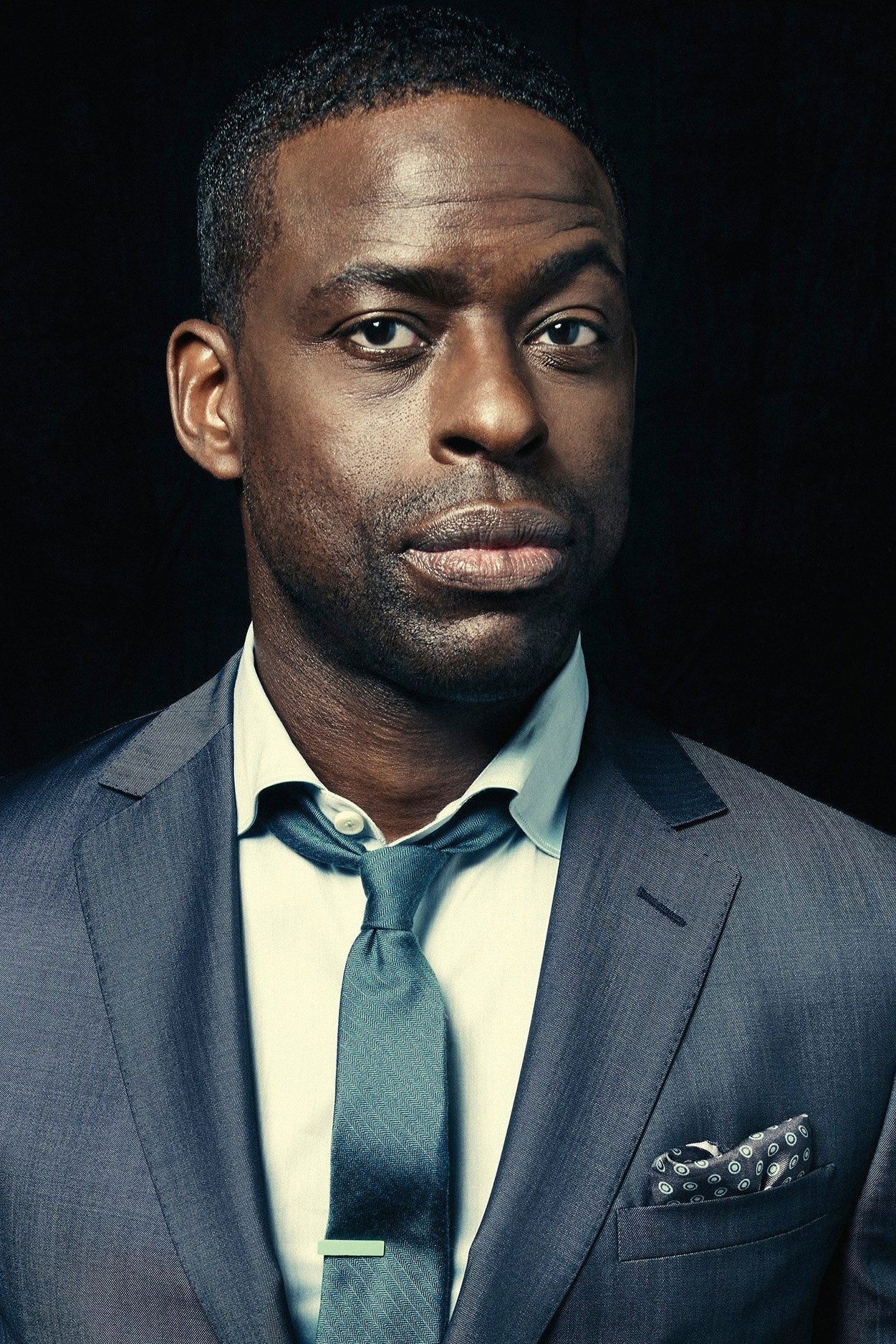
Sterling K. Brown has used his success in television to advocate for more authentic portrayals of Black fatherhood and family life. In his work on ‘This Is Us’ he ensured that his character’s racial identity was a central and meaningful part of the story. The actor refuses to support narratives that treat race as an incidental detail. He advocates for scripts that acknowledge the specific challenges and joys of being Black in America. Brown continues to be a respected voice for the importance of cultural specificity in drama.
Yahya Abdul-Mateen II
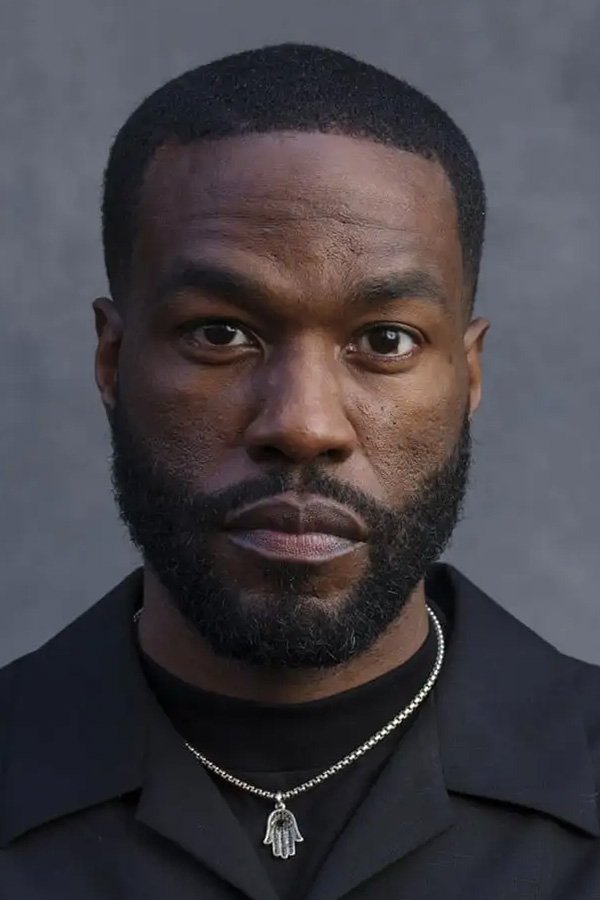
Yahya Abdul-Mateen II has quickly become a prominent figure by choosing roles that subvert expectations. He has portrayed a wide range of characters from superheroes to historical figures with a focus on their humanity. The actor emphasizes the need for Black performers to be seen as versatile and capable of leading any type of project. He refuses to be put into a creative box and continues to seek out unconventional stories. His work reflects a commitment to expanding the boundaries of Black representation.
Brian Tyree Henry
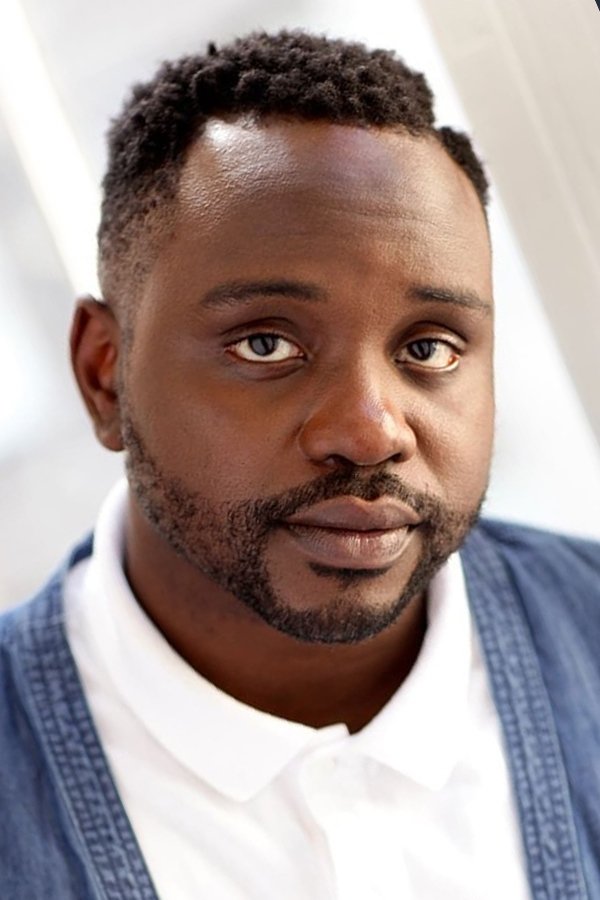
Brian Tyree Henry is known for bringing a unique sense of vulnerability and humor to his roles. He often advocates for the representation of Black men who do not fit traditional archetypes. The actor refuses to participate in projects that erase the emotional complexity of his characters. He has spoken about the importance of being able to play roles that are not strictly defined by race. Henry remains a powerful advocate for the freedom of Black actors to explore all aspects of the human condition.
Stephan James
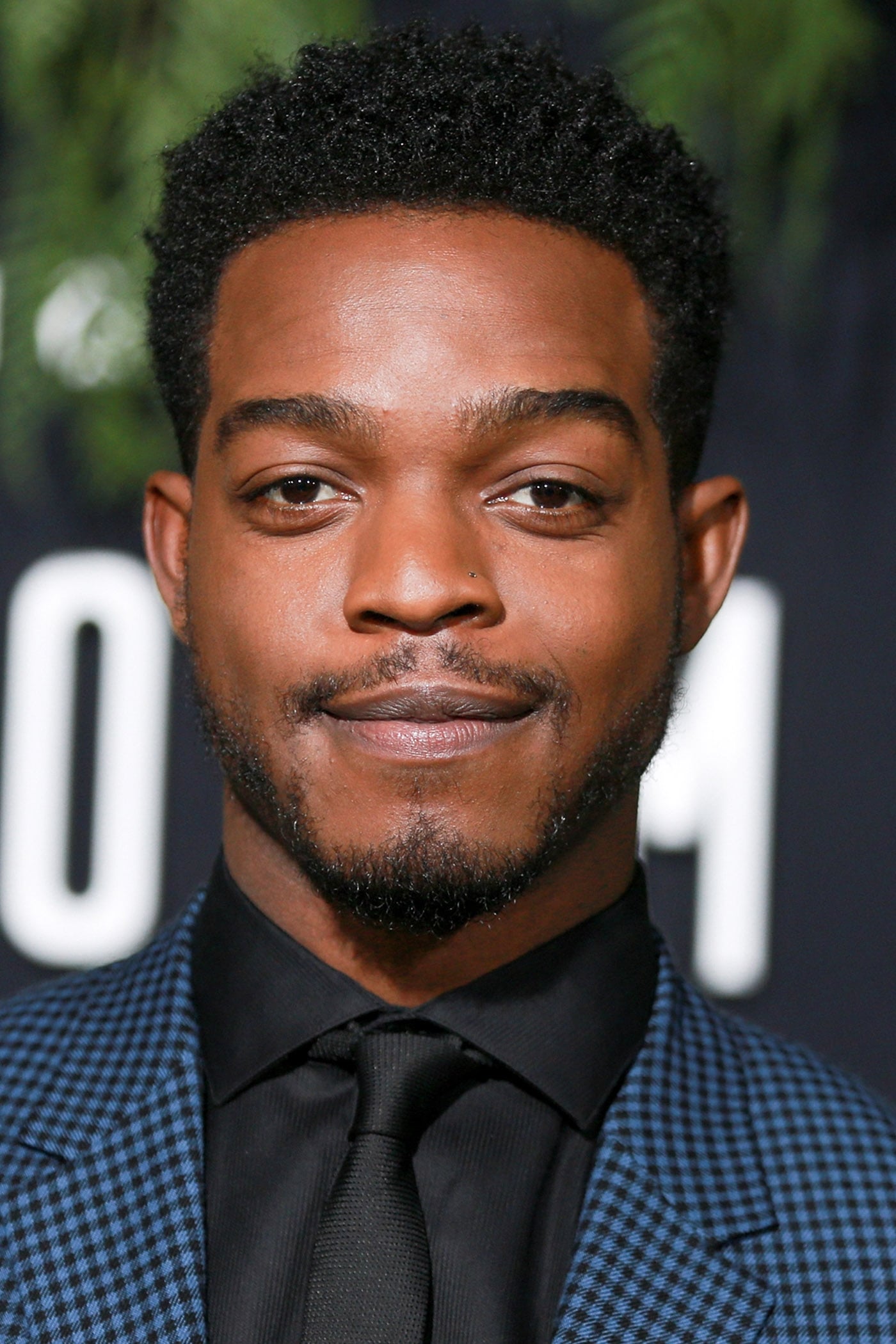
Stephan James has focused his career on telling the stories of significant Black historical figures. By starring in films like ‘Race’ and ‘If Beale Street Could Talk’ he has highlighted the resilience of the Black spirit. The actor advocates for the industry to tell more stories that are rooted in the reality of the Black experience. He refuses to support projects that gloss over the historical injustices faced by the community. James continues to be a rising force in the movement for historical truth in cinema.
Leslie Odom Jr.
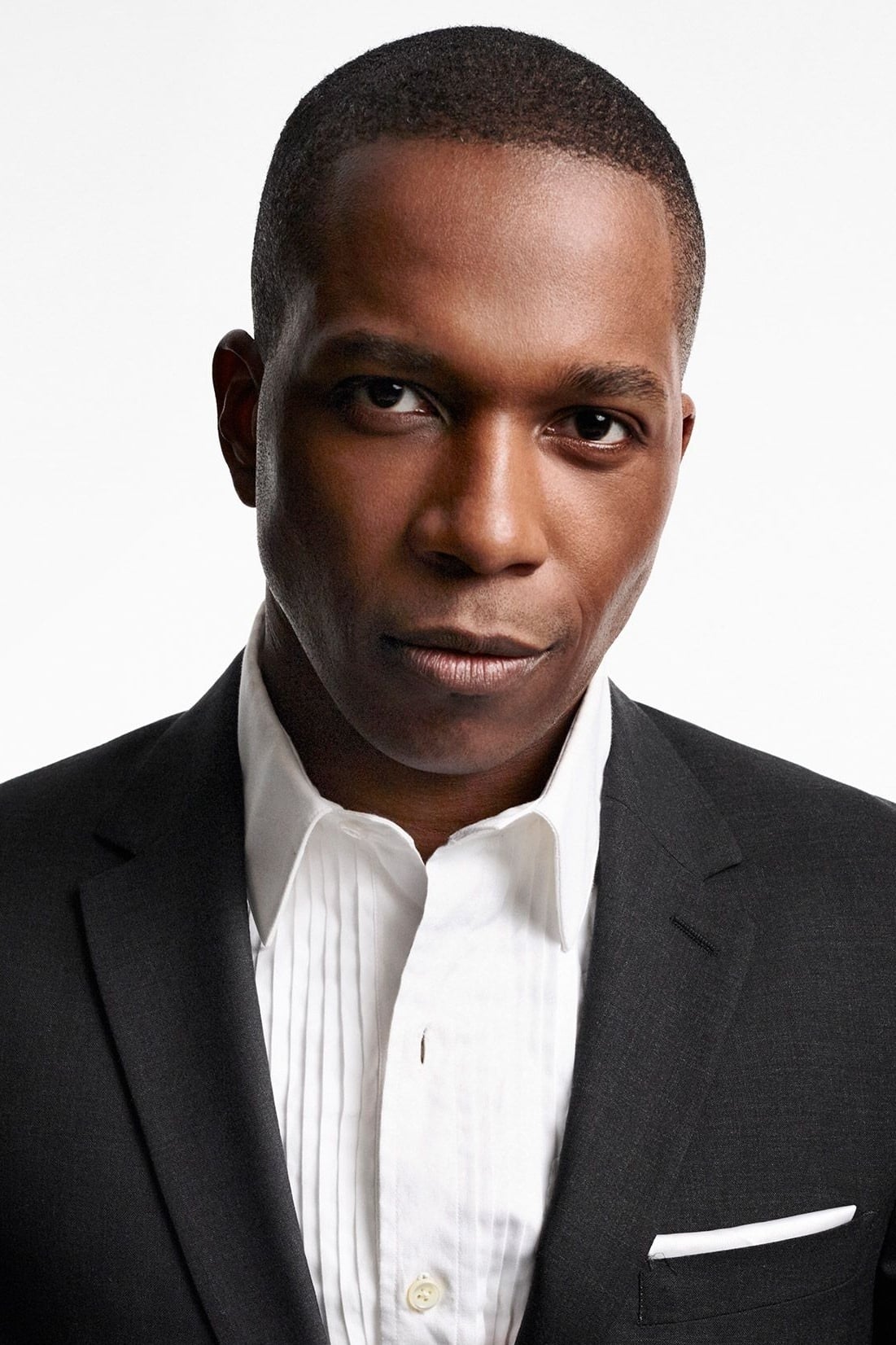
Leslie Odom Jr. gained international fame in ‘Hamilton’ and has used his platform to advocate for equal pay and representation. He famously negotiated for his fair share of royalties to set a precedent for other diverse performers. The actor chooses projects that celebrate Black excellence and artistic achievement. He refuses to support systems that undervalue the labor of Black creators. Odom Jr. remains a vocal champion for the financial and creative empowerment of artists of color.
Daveed Diggs
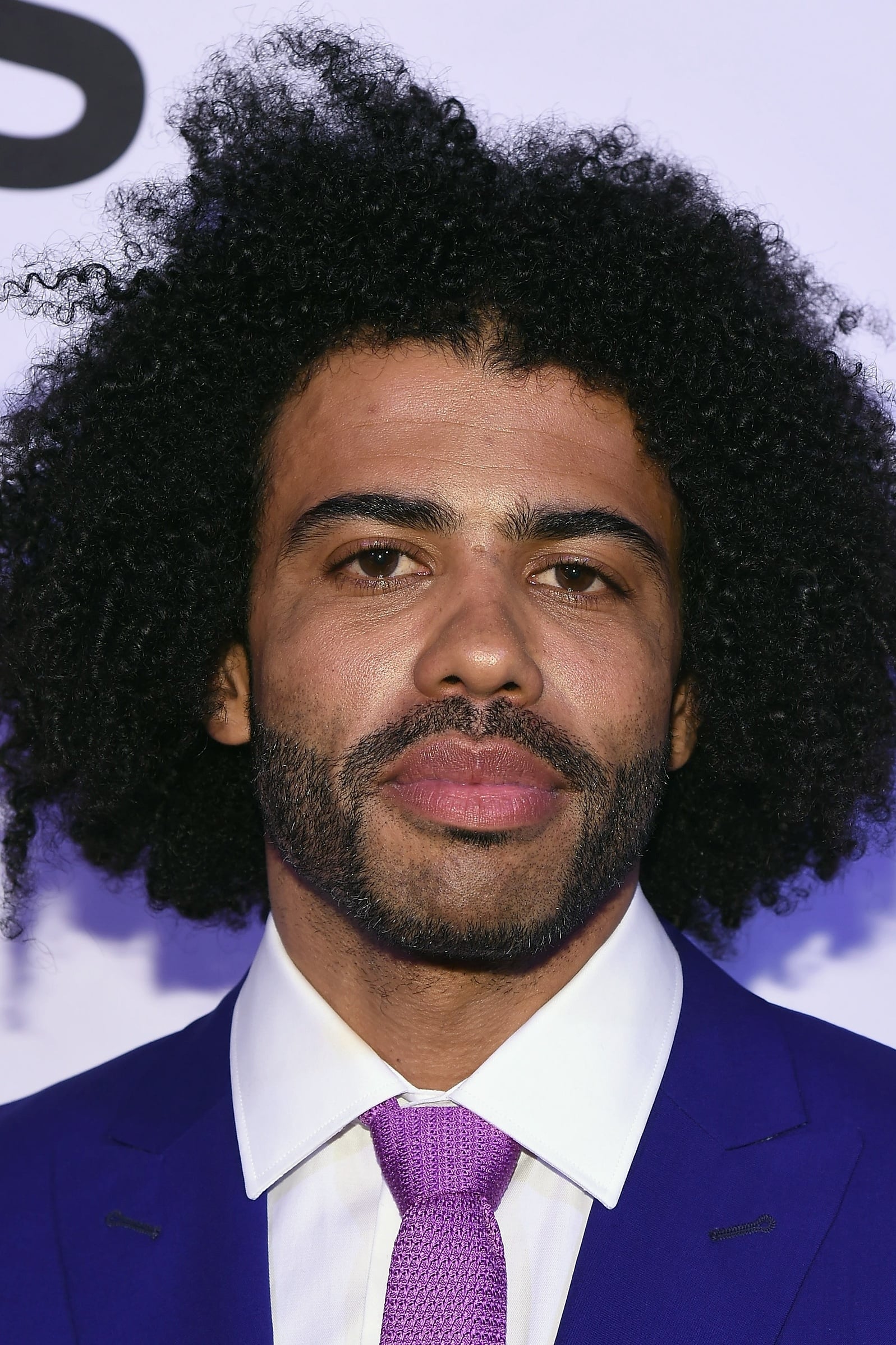
Daveed Diggs uses his background in theater and music to create boundary pushing content. In his film ‘Blindspotting’ he explored the effects of gentrification and systemic racism on his community. The actor advocates for the use of art to spark difficult but necessary conversations about race. He refuses to let his voice be sanitized for mainstream consumption and maintains a high level of creative integrity. Diggs continues to be a leading figure in the development of original and socially conscious media.
Jabari Banks
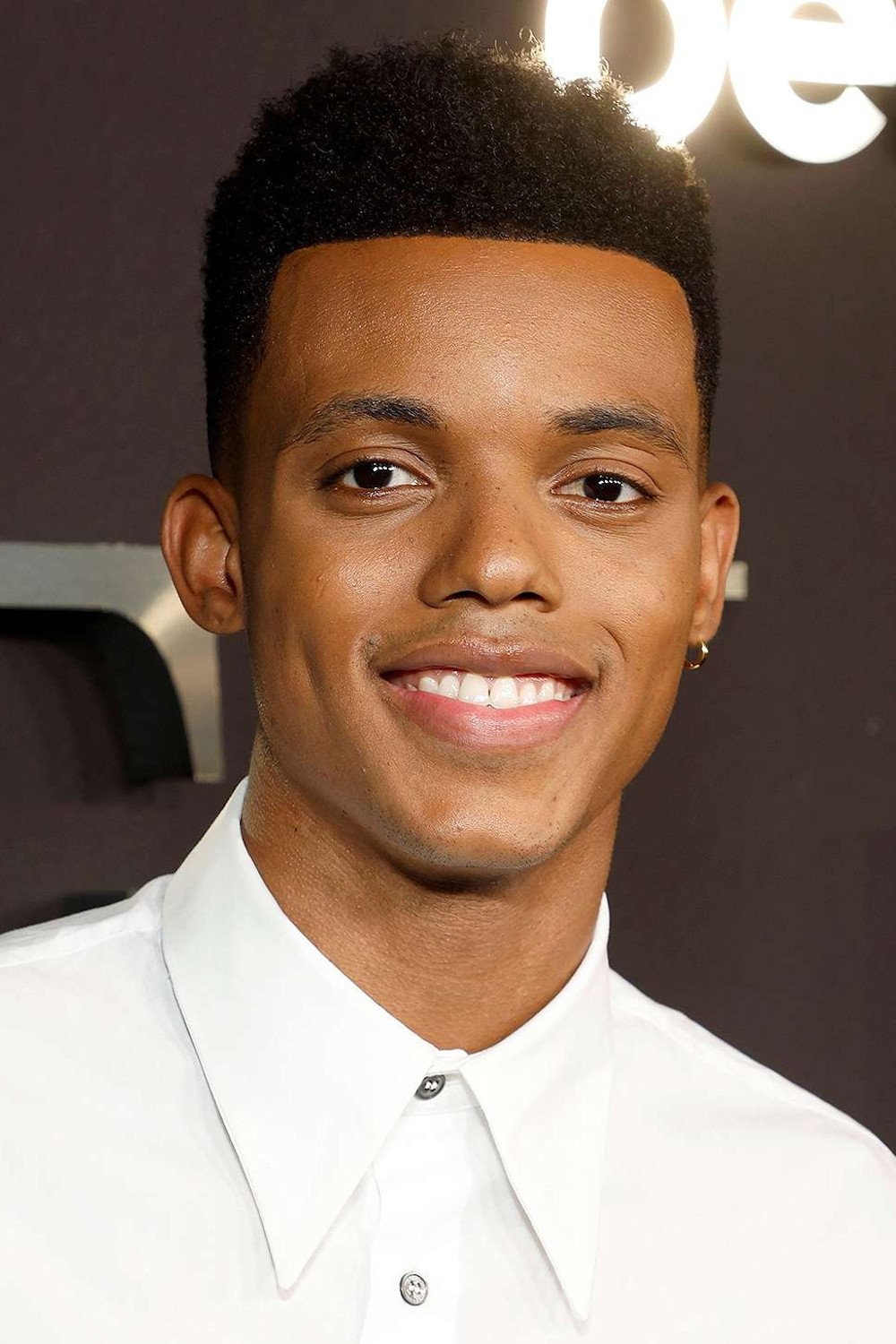
Jabari Banks took on the challenge of reimagining an iconic character in the series ‘Bel-Air’. He has spoken about the importance of updating classic narratives to reflect the modern Black experience. The actor advocates for the inclusion of young Black voices in the decision making process for teen dramas. He refuses to accept roles that lean into negative stereotypes about Black youth. Banks remains a fresh and influential voice for the next generation of Black performers.
Kingsley Ben-Adir
Kingsley Ben-Adir is known for his meticulous portrayals of historical leaders like Malcolm X and Bob Marley. He emphasizes the importance of getting the details right to prevent the erasure of their true legacies. The actor avoids projects that attempt to simplify or misrepresent the political views of the people he portrays. He advocates for a more rigorous approach to biographical storytelling in Hollywood. Ben-Adir continues to receive critical acclaim for his dedication to historical authenticity.
Aldis Hodge
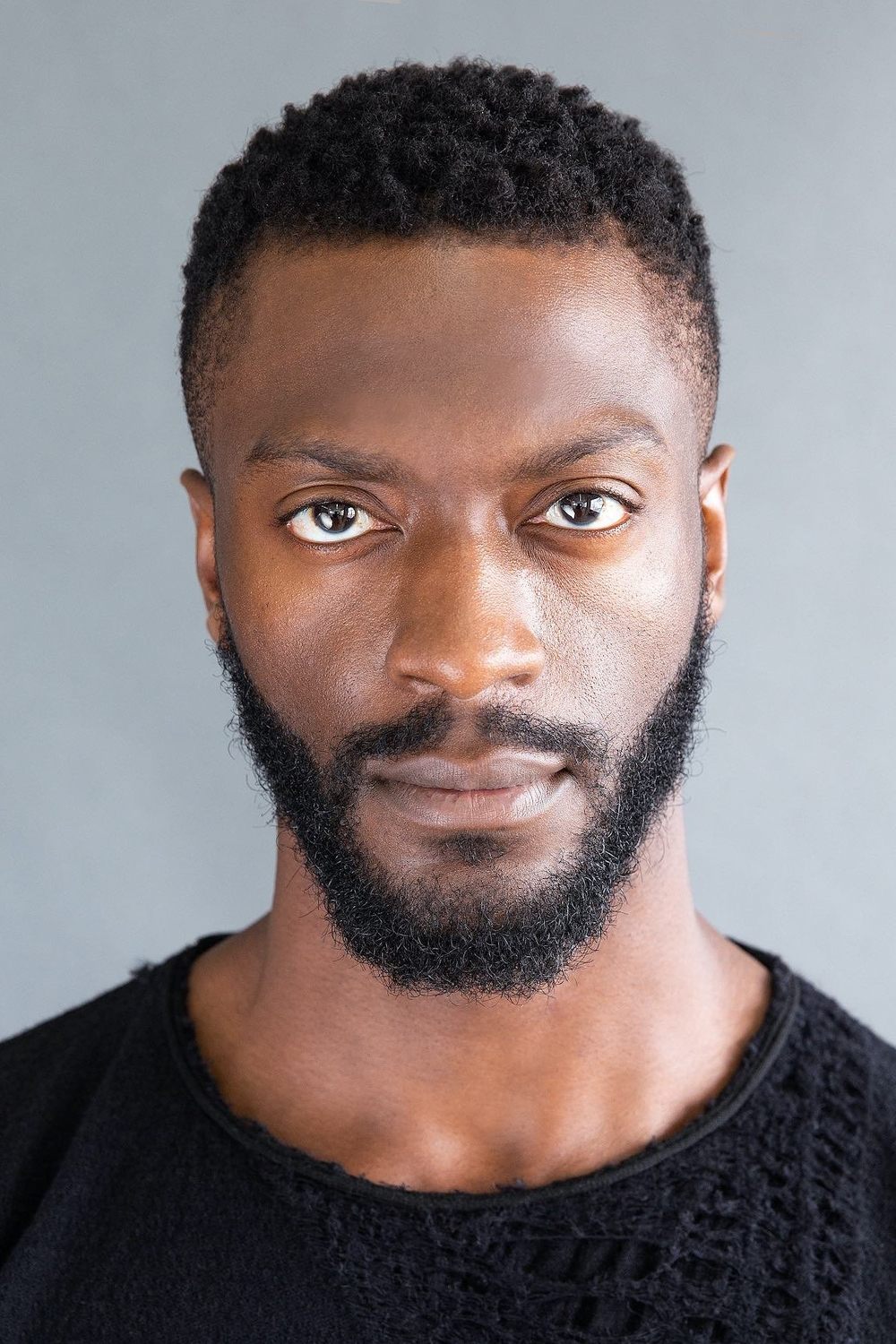
Aldis Hodge has been a vocal advocate for the inclusion of Black creators in the sci-fi and superhero genres. He uses his platform to highlight the importance of diverse perspectives in imaginative storytelling. The actor often works behind the scenes to develop projects that center Black protagonists in futuristic settings. He refuses to support the idea that Black characters only belong in certain types of stories. Hodge remains a key figure in the push for more inclusive genre fiction.
Damson Idris
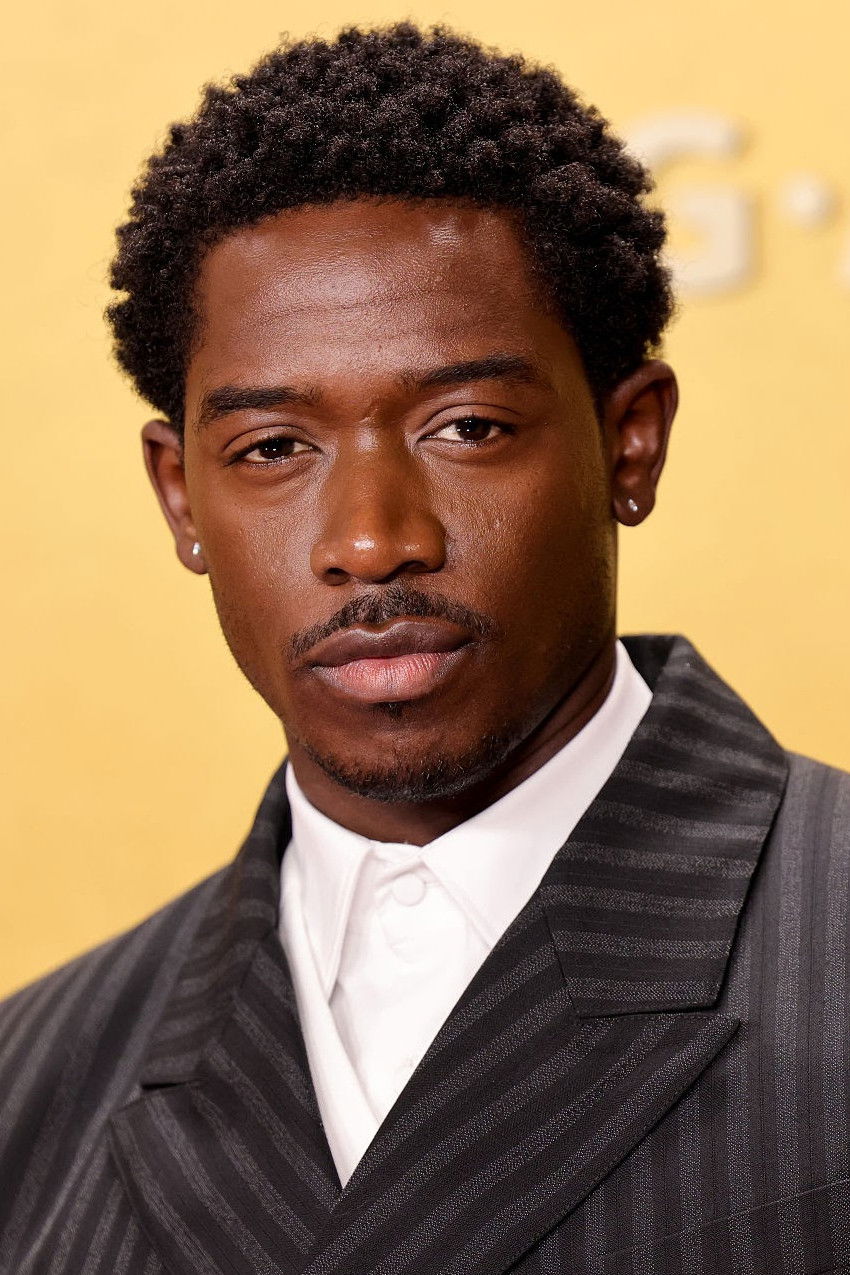
Damson Idris has spoken about the differences between the British and American industries and the need for more global opportunities. He gained recognition for his role in ‘Snowfall’ and has used his success to highlight the talent of the Black British community. The actor advocates for a more unified approach to supporting Black talent across the diaspora. He refuses to support projects that rely on shallow depictions of urban life. Idris continues to be a prominent voice for the international reach of Black storytelling.
Djimon Hounsou
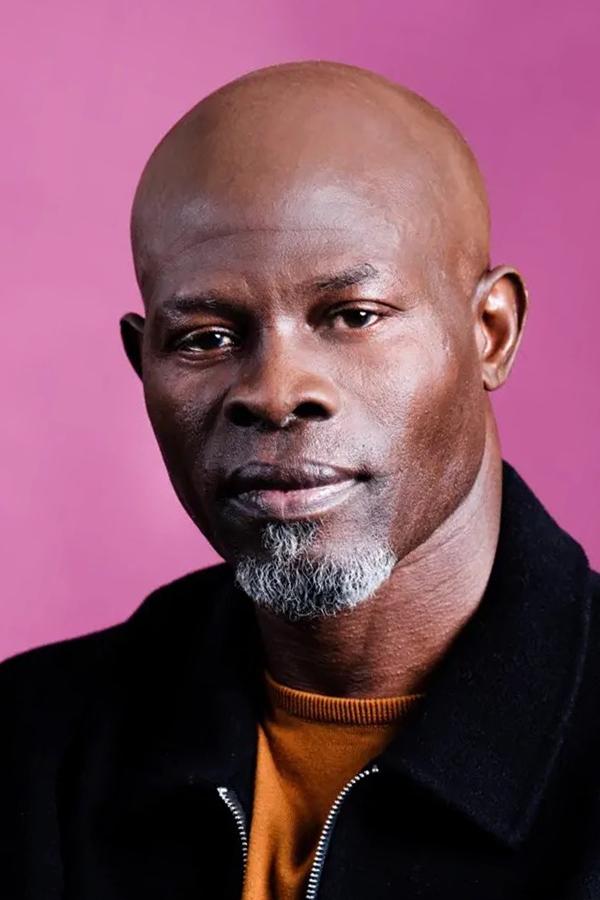
Djimon Hounsou has spent decades advocating for the respectful portrayal of African people and cultures in Hollywood. He has often spoken about the challenges of being a Black actor from the continent and the limited roles available. The actor refuses to participate in projects that treat Africa as a monolith or erase its diverse histories. He uses his platform to support philanthropic efforts and cultural preservation across the continent. Hounsou remains a legendary figure whose work has paved the way for many international Black actors.
Share your thoughts on which of these advocates has made the most significant impact in the comments.