Legendary Clint Eastwood Admits He Never Liked This Famous Western

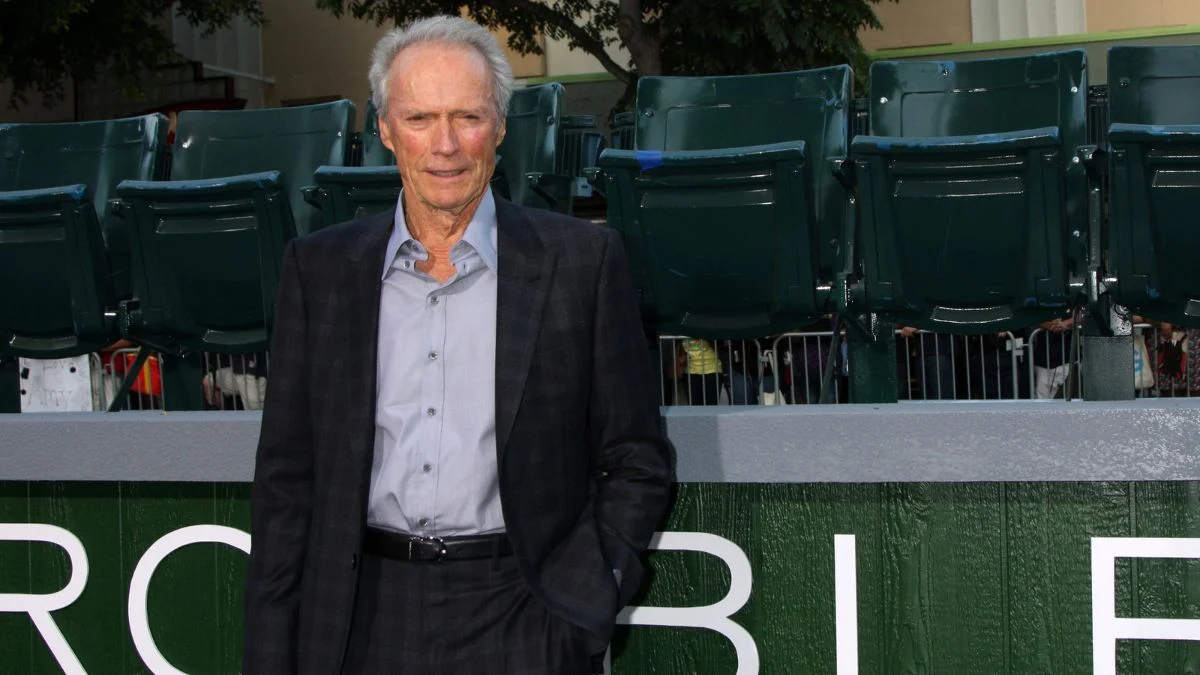

John Wayne and Clint Eastwood are undoubtedly the two most iconic figures associated with the cinematic American West, yet their careers followed vastly different ideological paths. While Wayne represented the classic, moralistic era of the frontier, Eastwood’s rise was defined by a grittier, more nihilistic revisionism that his predecessor found deeply off-putting.
Despite their shared status as legends, the two never appeared together on screen, a fact that stemmed largely from the older actor’s distaste for the evolving nature of the genre. Eastwood reportedly made several attempts to bridge the gap and collaborate with “The Duke,” but Wayne was consistently repelled by the increasing levels of graphic violence and narrative bleakness in modern films.
The most famous missed opportunity occurred when a script intended for the two heavyweights failed to materialize with them in the lead roles. Instead, the story was eventually adapted for a Hallmark Channel production starring Dean Cain and James Tupper, a development that stands as a stark contrast to what might have been a monumental cinematic event.
The divide between the two stars was perhaps most evident in their reactions to the shifting aesthetics of action and conflict. While Eastwood became a master of the “ballet of violence” in films like The Outlaw Josey Wales and Unforgiven, even he had reservations about the techniques pioneered by his contemporaries.
Specifically, Eastwood has been candid about his lack of enthusiasm for Sam Peckinpah’s 1969 masterpiece, The Wild Bunch, despite its status as a revolutionary piece of filmmaking.
Peckinpah’s film is celebrated for its use of slow-motion and intricate editing to aestheticize gunfights, a style that many critics consider a high-water mark for the genre. Eastwood, however, remained unimpressed by the stylistic flourishes that made the film famous.
“It was a good movie,” the director admitted before critiquing its core contribution. “But I’ve never been one for the slow-motion technique, the ballet of violence. It was very effective, and the predecessor to a lot of people trying to do the same thing, but I never liked it.”
For Eastwood, the true power of a western lies in the tension and the psychological weight that precedes the eruption of physical conflict. He argued that the most impactful moments are found in the quiet anticipation rather than the stylized depiction of the battle itself.
“I’ve always thought that drama is really the anticipation before the action happens, the build-up to it,” he explained, comparing the actual shooting to a rapid and almost surreal shuffle of a deck of cards.
This philosophical difference explains why Eastwood’s own directorial efforts often lean into the consequences of violence rather than its spectacle. Even as he nears his 96th birthday in May, he continues to be a vocal critic of how modern Hollywood prioritizes style over substance.
He recently completed what many believe to be his final directorial effort, the legal thriller Juror No. 2, which arrived on streaming platforms earlier this year after a limited theatrical run.
The film stars Nicholas Hoult as a juror facing a profound moral crisis and features veteran performances from J.K. Simmons and Toni Collette. While it is a departure from the dusty plains of his youth, the project maintains his career-long fascination with ethical dilemmas and the heavy burden of past choices.
Although Eastwood has hinted at retirement, his recent success on streaming platforms like Max and Netflix proves that his storytelling still resonates with a global audience. As for the legacy of John Wayne, his family continues to honor his memory through the John Wayne Cancer Foundation and the permanent exhibit John Wayne: An American Experience in Fort Worth, Texas.
Even decades after his passing, his classic films like The Searchers and True Grit remain cornerstones of American film history. The clash of styles between him and Eastwood serves as a fascinating reminder of how the Western genre evolved from a mythic ideal into a complex reflection of human nature.
Have something to add? Share your thoughts in the comments.