Anime Series That Ignited Vicious Culture Wars Between Western Fans and Japanese Creators

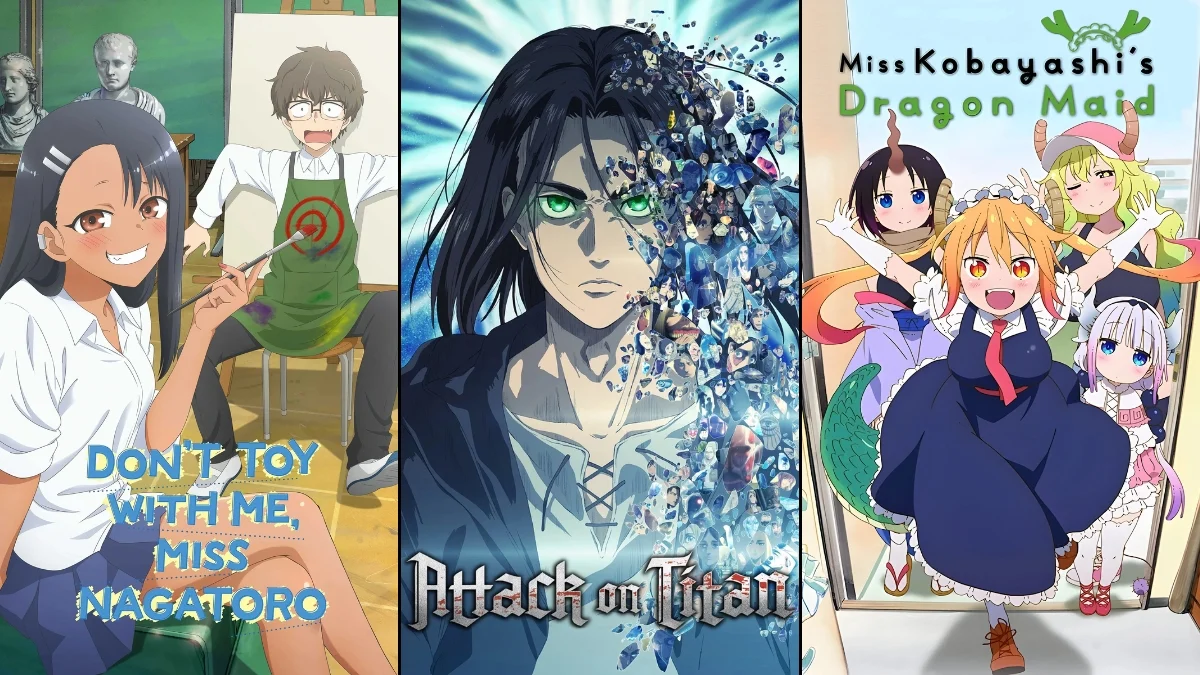

The global expansion of Japanese animation has led to an unprecedented overlap between disparate cultural standards and creative philosophies. While anime has found a massive audience in the West, this intersection often results in intense friction regarding localization, character design, and thematic content. These culture wars highlight the gap between the original intentions of Japanese creators and the evolving social expectations of international viewers. The following series represent some of the most significant instances where Western discourse and Japanese production have come into direct conflict.
‘Uzaki-chan Wants to Hang Out!’ (2020)
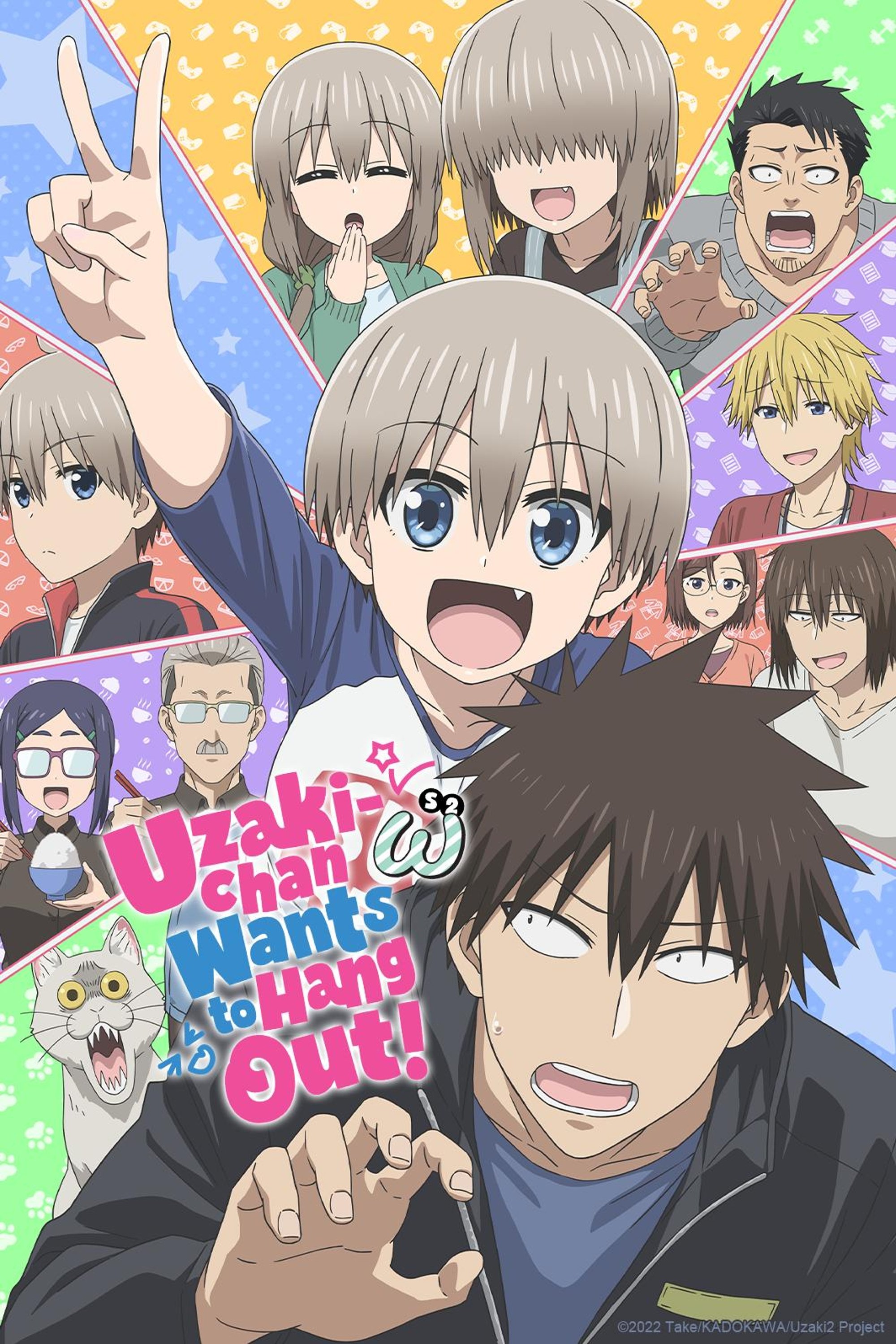
The series ‘Uzaki-chan Wants to Hang Out!’ became the center of a major controversy when a collaboration poster with the Japanese Red Cross featured the titular character. Western critics argued that the character’s design was overly sexualized and inappropriate for a public health campaign. In response, Japanese fans and the Red Cross defended the use of the character, noting that the campaign successfully increased blood donations. This incident highlighted a fundamental disagreement between Western social standards and Japanese promotional culture. The creator, Take, continued the series without making changes to the character’s design despite the international outcry.
‘Miss Kobayashi’s Dragon Maid’ (2017–2021)
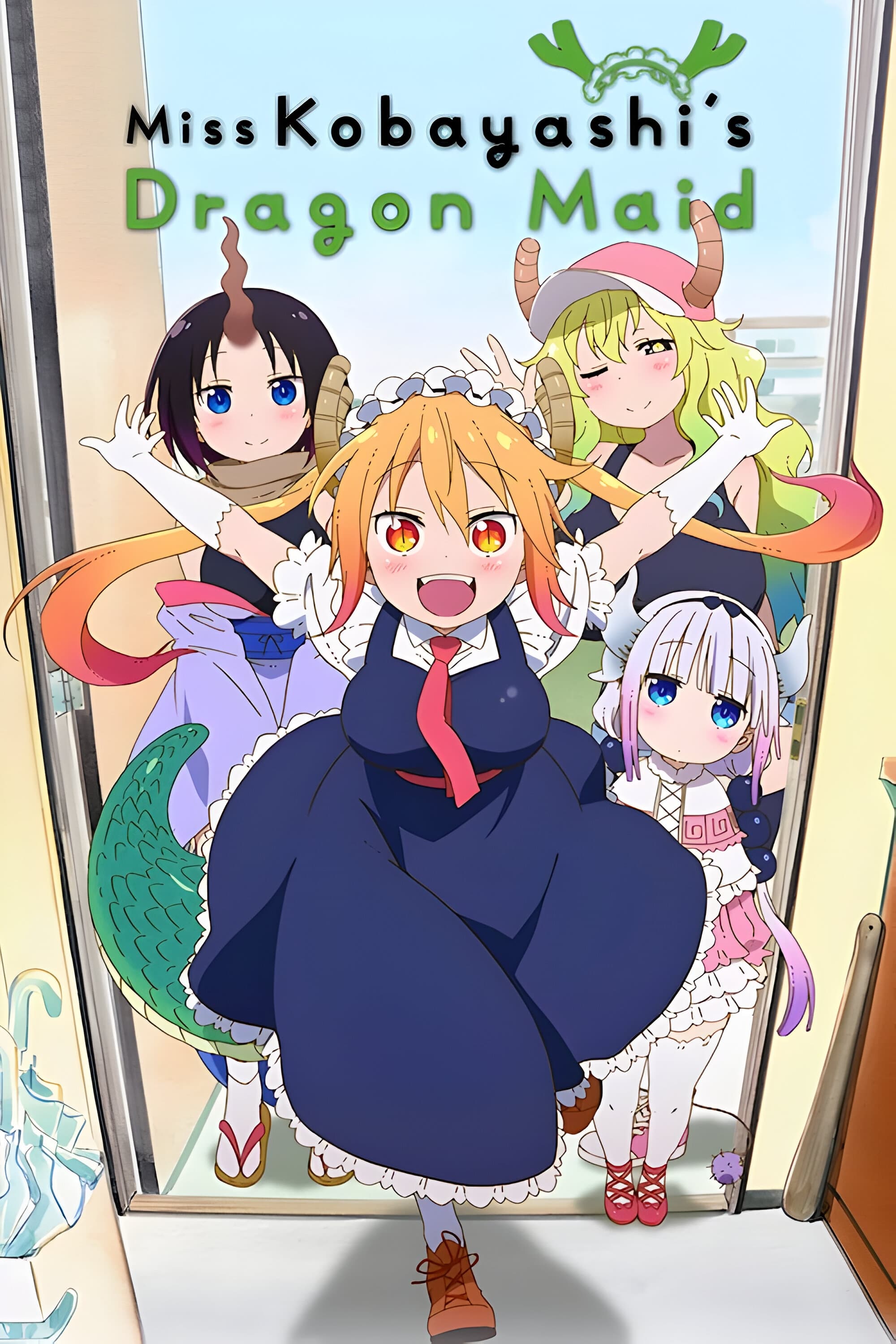
The English dub of ‘Miss Kobayashi’s Dragon Maid’ ignited a firestorm when localizers altered a line of dialogue to reference “patriarchal societal demands.” Fans of the original ‘Miss Kobayashi’s Dragon Maid’ script argued that this was an unnecessary political insertion that changed the character’s intent. The controversy led to a wider discussion about the role of localizers in bridging cultural gaps versus maintaining the creator’s voice. Many Japanese fans expressed confusion over the change, while the Western localization team defended the adaptation as a way to make the humor more relevant to an English-speaking audience.
‘The Rising of the Shield Hero’ (2019–Present)
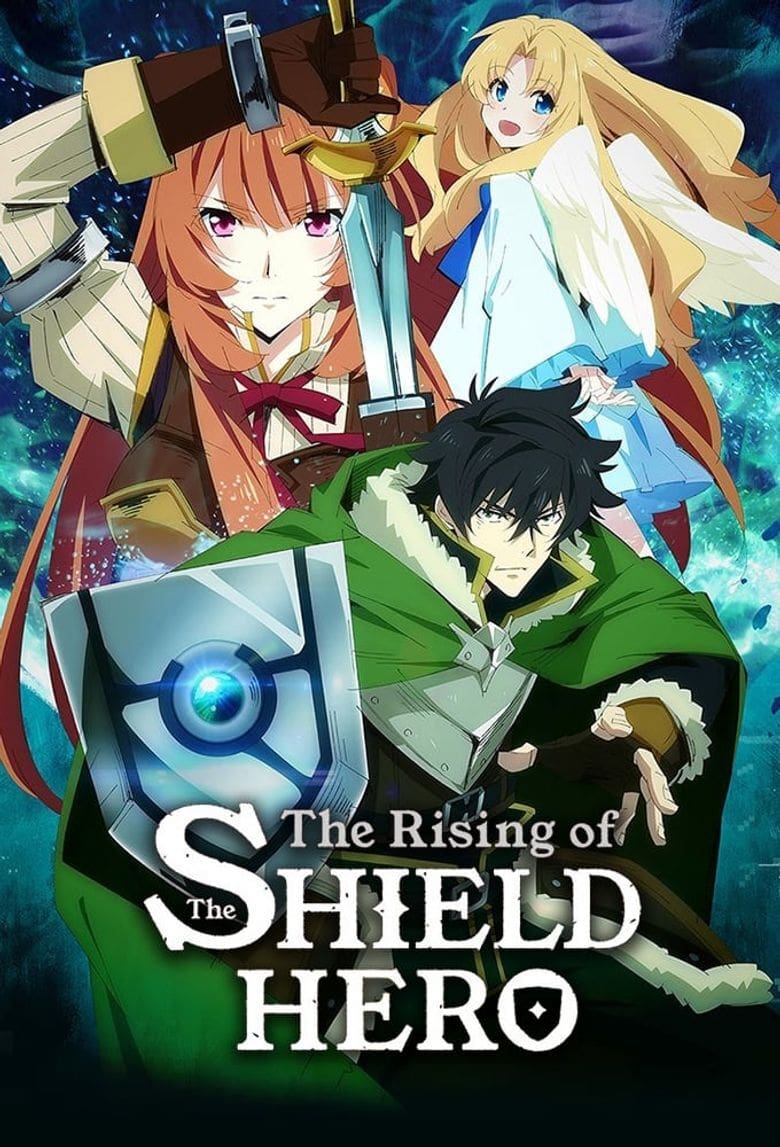
The premiere of ‘The Rising of the Shield Hero’ coincided with the global height of the Me Too movement, leading to criticism over its central plot point involving a false sexual assault accusation. Western critics argued that the narrative of ‘The Rising of the Shield Hero’ was tone-deaf and promoted harmful tropes during a sensitive social period. However, the creator and Japanese fans defended the story as a standard “revenge fantasy” common in the isekai genre. This ideological divide resulted in ‘The Rising of the Shield Hero’ becoming one of the most polarizing series of its year, with the creators ultimately standing by the original source material.
‘Goblin Slayer’ (2018–2023)
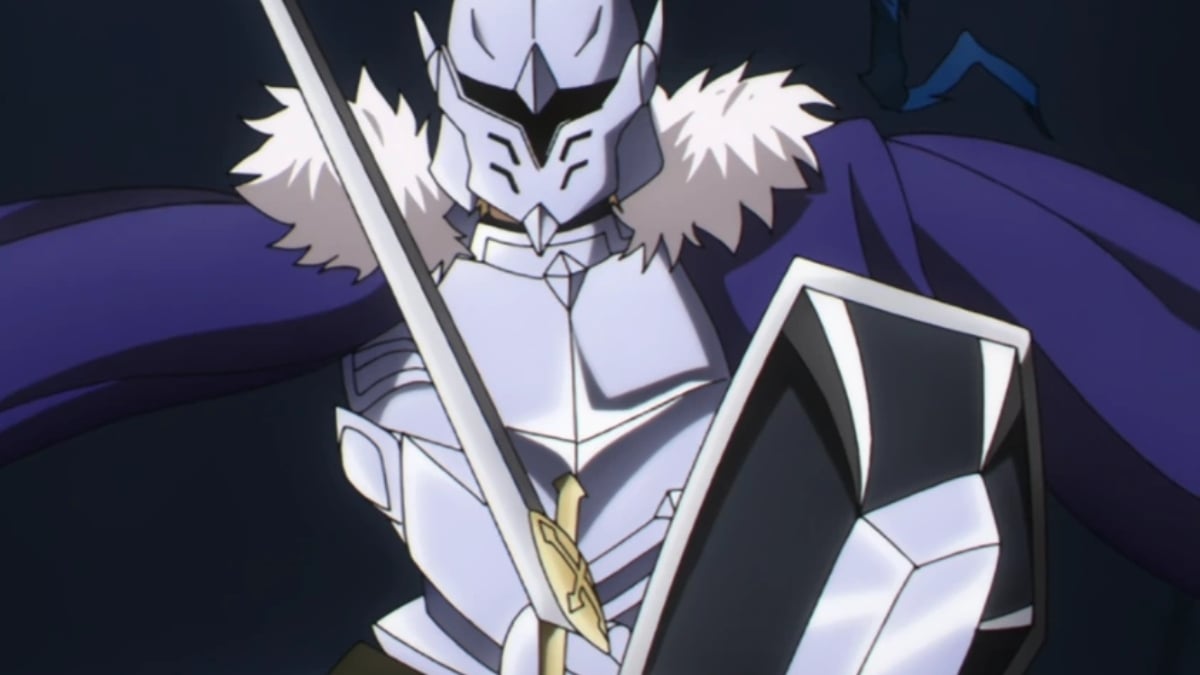
The premiere of ‘Goblin Slayer’ on the streaming service Crunchyroll sparked immediate backlash due to a graphic scene of sexual violence in the first episode. Western viewers criticized the platform for failing to provide adequate content warnings, leading to a public apology and the retrospective addition of a mature content tag to ‘Goblin Slayer’. This event initiated a larger industry-wide debate about the necessity of trigger warnings in anime simulcasts. Japanese producers were reportedly surprised by the intensity of the reaction, as the ‘Goblin Slayer’ light novels and manga were already known for such content.
‘Mushoku Tensei: Jobless Reincarnation’ (2021–Present)

‘Mushoku Tensei: Jobless Reincarnation’ faced significant backlash in the West and a full ban in China due to the predatory behavior of its protagonist, Rudeus Greyrat. Critics argued that the series glorified harassment, while the creator, Rifujin na Magonote, defended the character as an intentionally flawed individual on a long journey of redemption. This sparked a culture war over whether “problematic” characters should be allowed to exist without immediate condemnation. Fans of the show argued that the Western audience was ignoring the character’s growth, whereas detractors insisted the ‘Mushoku Tensei: Jobless Reincarnation’ content crossed ethical boundaries.
‘Redo of Healer’ (2021)

The series ‘Redo of Healer’ was largely blacklisted by Western streaming sites due to its extreme depictions of revenge and sexual violence. This sparked a massive debate among the anime community regarding censorship and the right of creators to produce controversial art. While some fans argued that ‘Redo of Healer’ should be treated like any other dark fantasy, others claimed it was inherently harmful and should not be promoted. The refusal of mainstream Western platforms to host the show highlighted a growing divide in what is considered acceptable entertainment between Eastern and Western markets.
‘Interspecies Reviewers’ (2020)
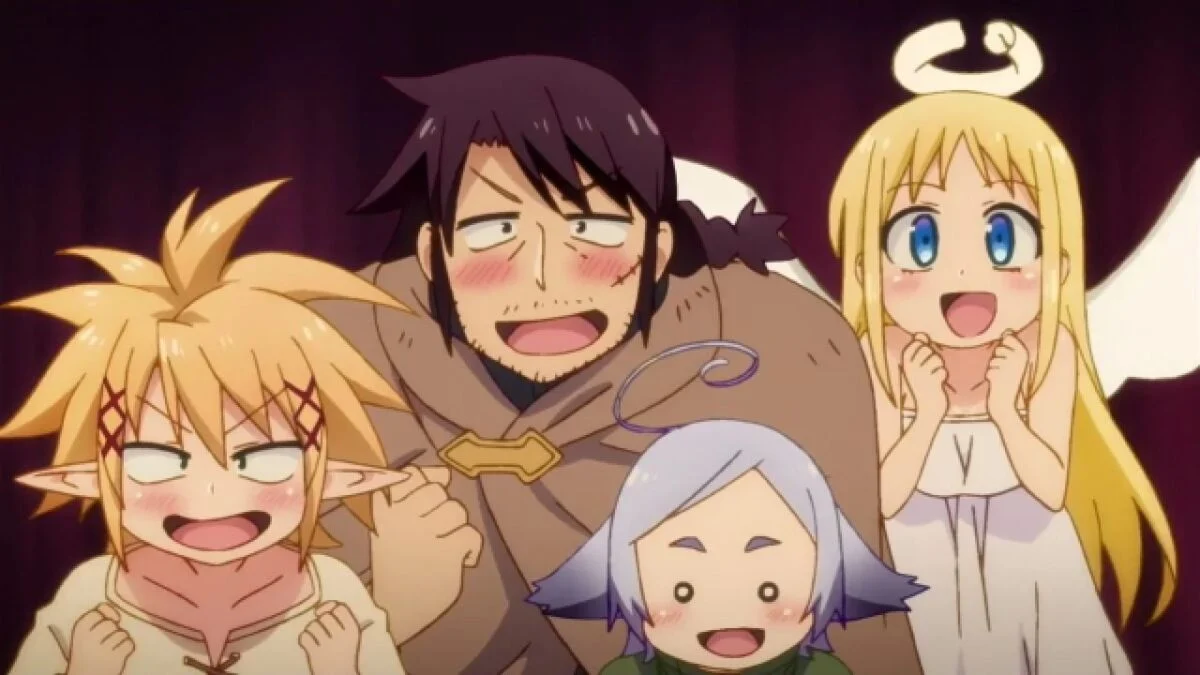
After being initially licensed, ‘Interspecies Reviewers’ was pulled from Funimation and Amazon Prime Video due to its explicit content crossing the line into pornography. This led to a fierce debate about the boundaries of anime and the standards of Western streaming platforms. Fans of ‘Interspecies Reviewers’ argued that the sudden removal was a form of censorship, especially since the show was marketed as an adult comedy. The incident forced Japanese broadcasters to reconsider how they license “borderline” content to international partners who have different legal and social guidelines.
‘Don’t Toy with Me, Miss Nagatoro’ (2021–2023)
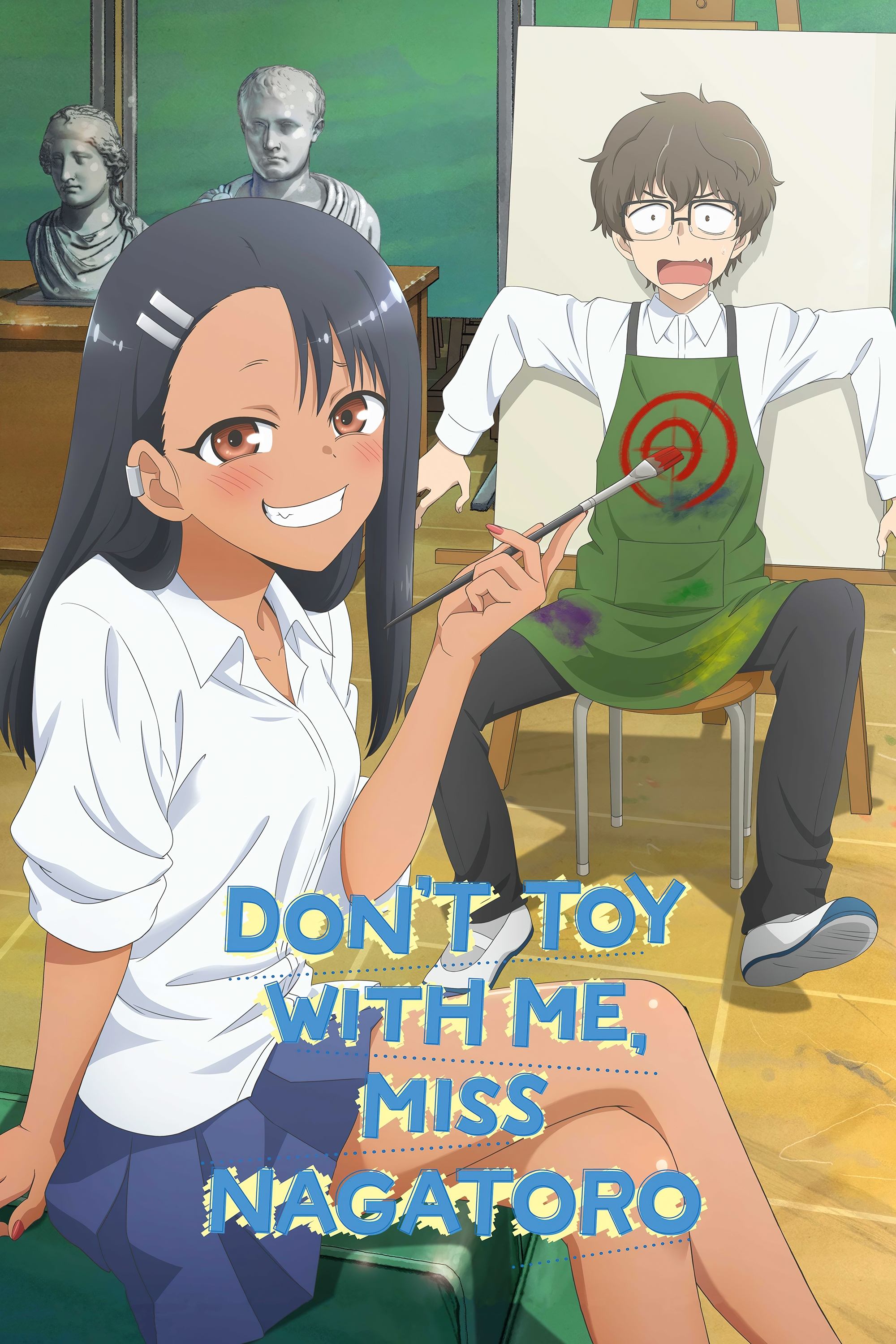
The series ‘Don’t Toy with Me, Miss Nagatoro’ faced scrutiny even before its anime adaptation due to the protagonist’s skin tone, leading to accusations of colorism from some Western observers. When the ‘Don’t Toy with Me, Miss Nagatoro’ anime aired, the use of modern internet slang like “sus” in the English subtitles sparked a secondary conflict over localization accuracy. Japanese fans and traditionalists argued that these changes distorted the character’s original personality to cater to a specific Western demographic. These debates often overshadowed the romantic comedy elements of the story, turning the show into a focal point for arguments about linguistic translation.
‘【OSHI NO KO】’ (2023–Present)
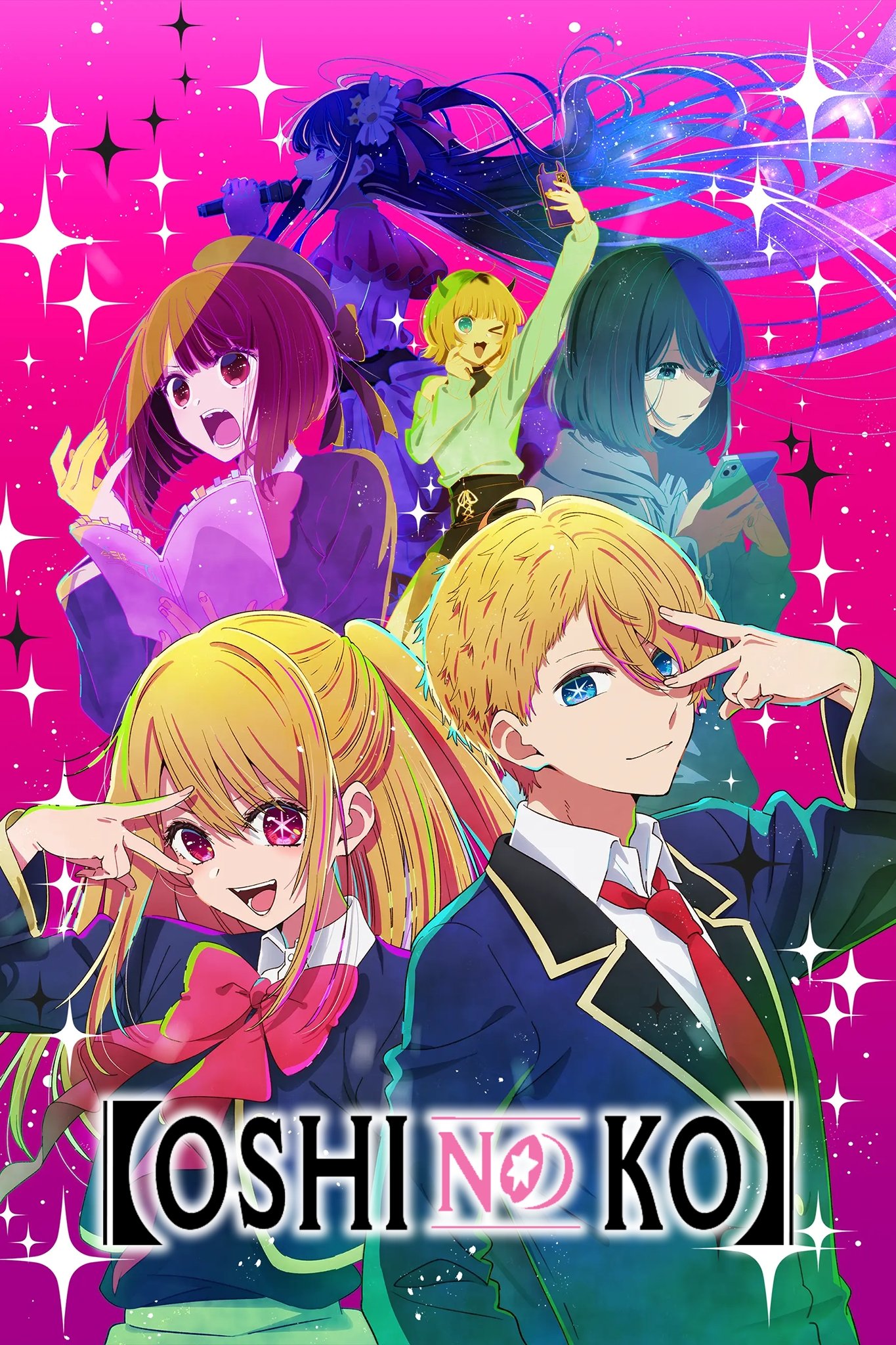
The Akane Kurokawa arc in ‘Oshi no Ko’ drew heavy criticism from the family of the late Hana Kimura, a professional wrestler who died by suicide following reality TV bullying. The mother of Kimura accused the ‘Oshi no Ko’ production team of using her daughter’s tragedy for profit without permission. Western fans were split between defending the series as a critique of the entertainment industry and condemning it for its perceived insensitivity. The producers of ‘Oshi no Ko’ maintained that the story was a fictionalized account of general industry issues, highlighting the ethical boundaries of meta-commentary in anime.
‘Attack on Titan’ (2013–2023)
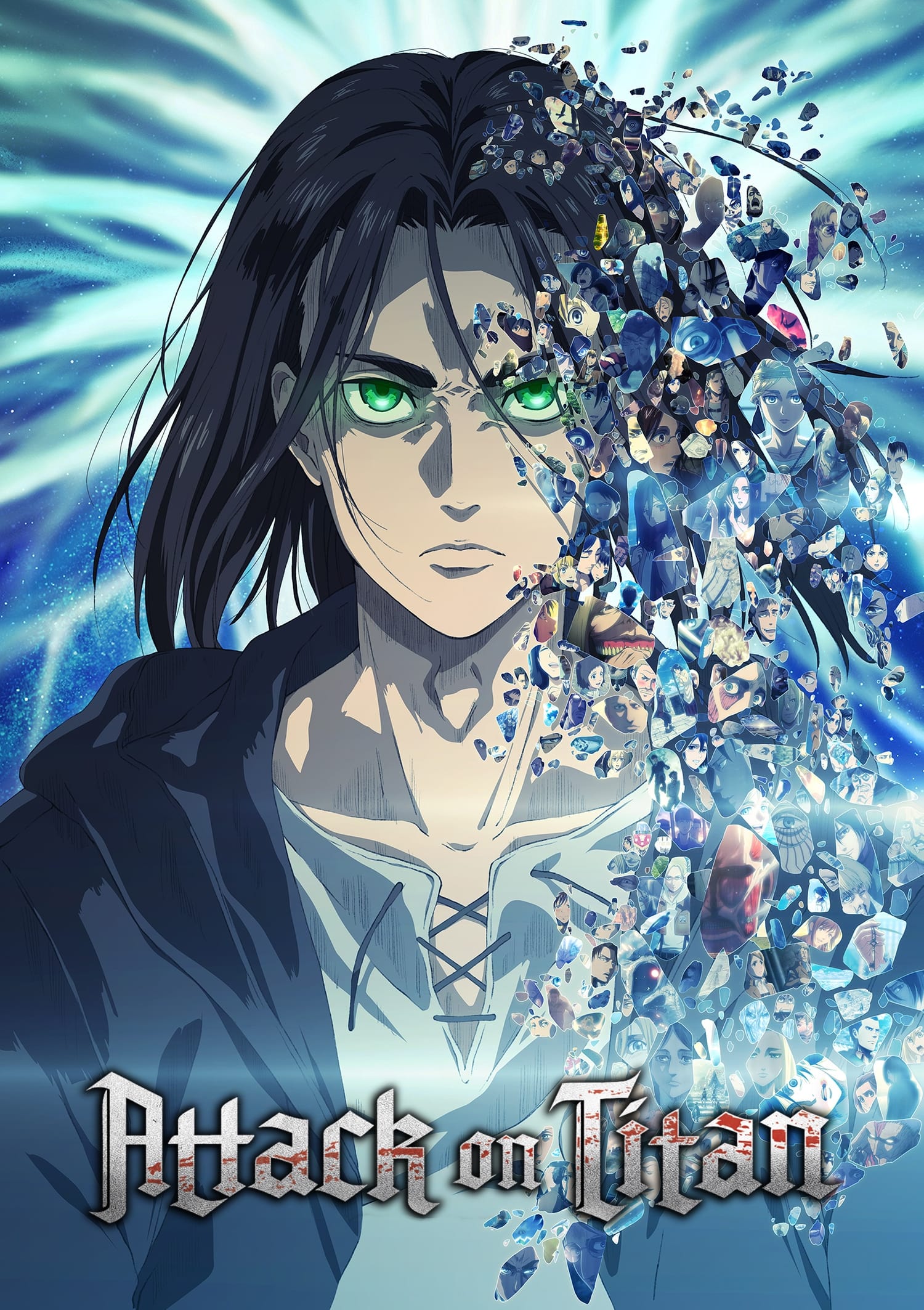
‘Attack on Titan’ has faced recurring allegations from Western critics regarding perceived pro-military and nationalistic themes. Some viewers argued that the story of ‘Attack on Titan’ mirrored controversial Japanese historical narratives or fascist ideologies. Creator Hajime Isayama has consistently addressed these themes within the narrative, portraying the cycle of hatred and the horrors of war as universal tragedies. Despite these explanations, the series remains a focal point for debates on how political history influences modern Japanese media.
‘Neon Genesis Evangelion’ (1995–1996)
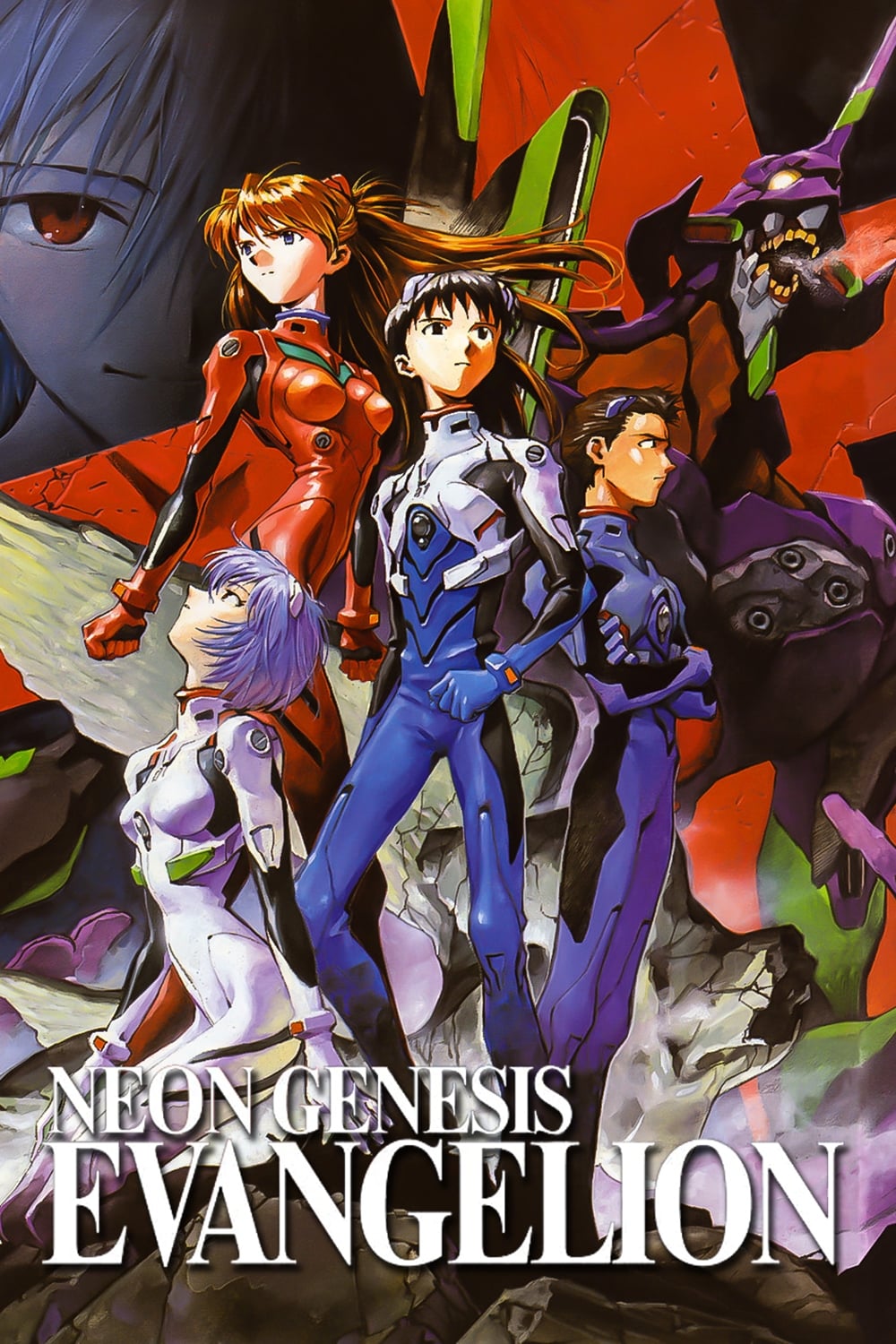
When ‘Neon Genesis Evangelion’ debuted on Netflix with a brand-new English translation, it sparked a massive debate over the relationship between characters Shinji Ikari and Kaworu Nagisa. The new translation changed a key declaration of affection from “love” to “like,” which many Western fans viewed as an erasure of the show’s queer subtext. The translation was defended by the studio Khara, which reportedly sought a more literal interpretation of the original Japanese text. This clash between literal translation and the preservation of established fan interpretation highlighted the difficulties of re-localizing classic ‘Neon Genesis Evangelion’ content.
‘Spy x Family’ (2022–Present)
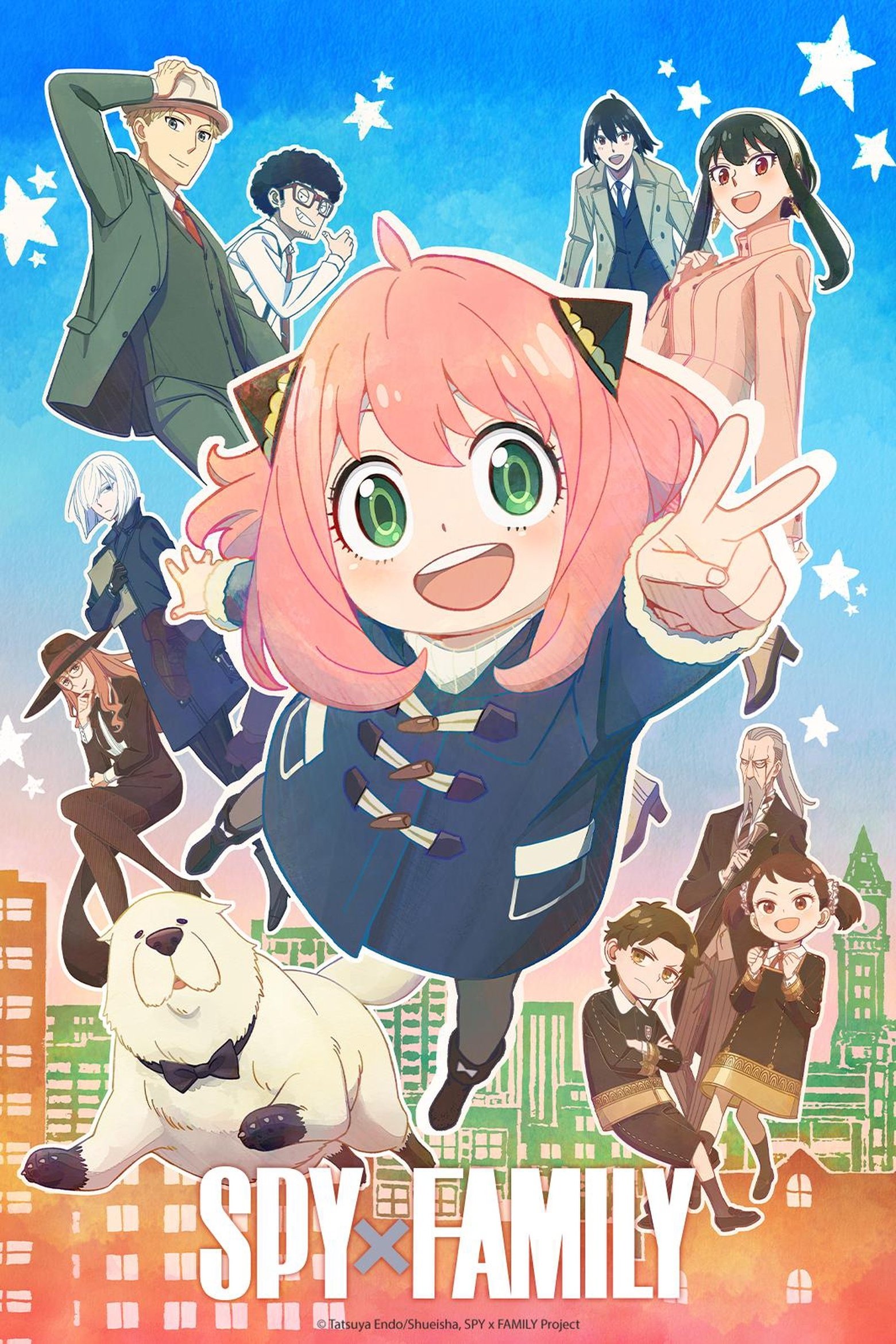
The “fixing art” trend on social media involved Western fans editing the designs of characters in ‘Spy x Family’ to increase diversity, which led to a massive backlash from Japanese fans. Many Japanese creators viewed these edits as a form of cultural vandalism and a lack of respect for the original ‘Spy x Family’ aesthetic. This conflict sparked discussions about the ethics of fan art and the boundaries of creative interpretation across different cultures. The debate became so intense that several Japanese artists published statements regarding the ownership and integrity of their work against Western “correction.”
‘Sailor Moon’ (1992–1997)
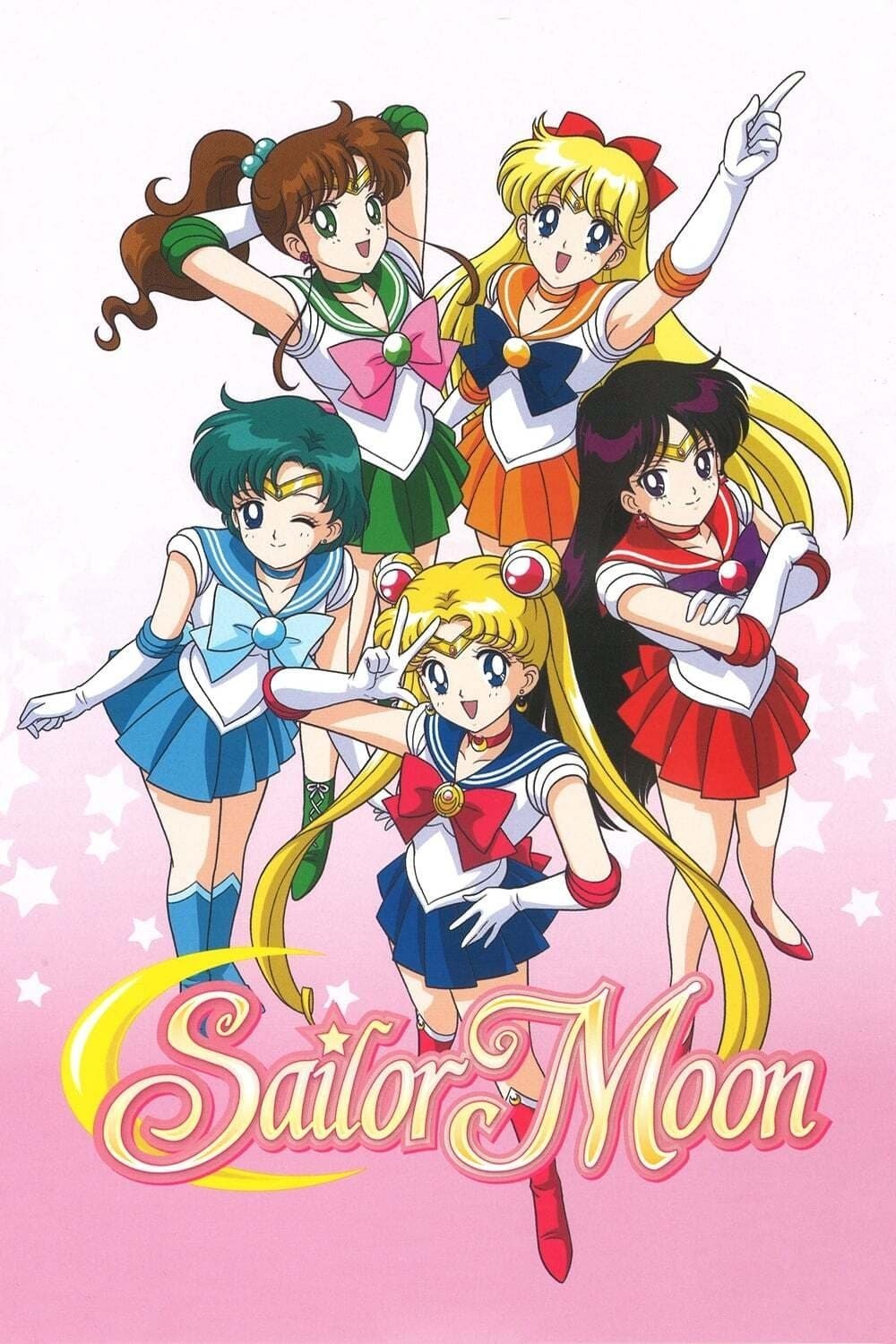
When ‘Sailor Moon’ was first brought to North America, the relationship between Sailor Uranus and Sailor Neptune was altered to depict them as cousins to avoid showing a same-sex couple. This localization choice sparked a decades-long debate between fans who wanted faithful representation and broadcast standards of the time. Original creator Naoko Takeuchi has always been clear about the characters’ romantic bond, which was finally restored in later redubs and ‘Sailor Moon Crystal’. The conflict highlights the historical gap between Japanese creative freedom and Western broadcast censorship in the 1990s.
‘Dragon Ball Z’ (1989–1996)

The character Mr. Popo has been at the center of a long-standing culture war regarding the use of blackface-style imagery in Japanese media. In ‘Dragon Ball Z’, the character’s design led to significant edits in Western broadcasts, including changing his skin color to bright blue in certain versions to avoid controversy. Western fans and advocacy groups argued the design was offensive, while many Japanese fans viewed the character as a fantasy entity without racial connotations. These differing perspectives continue to surface whenever ‘Dragon Ball Z’ is discussed in a global context.
‘Pokémon’ (1997–Present)
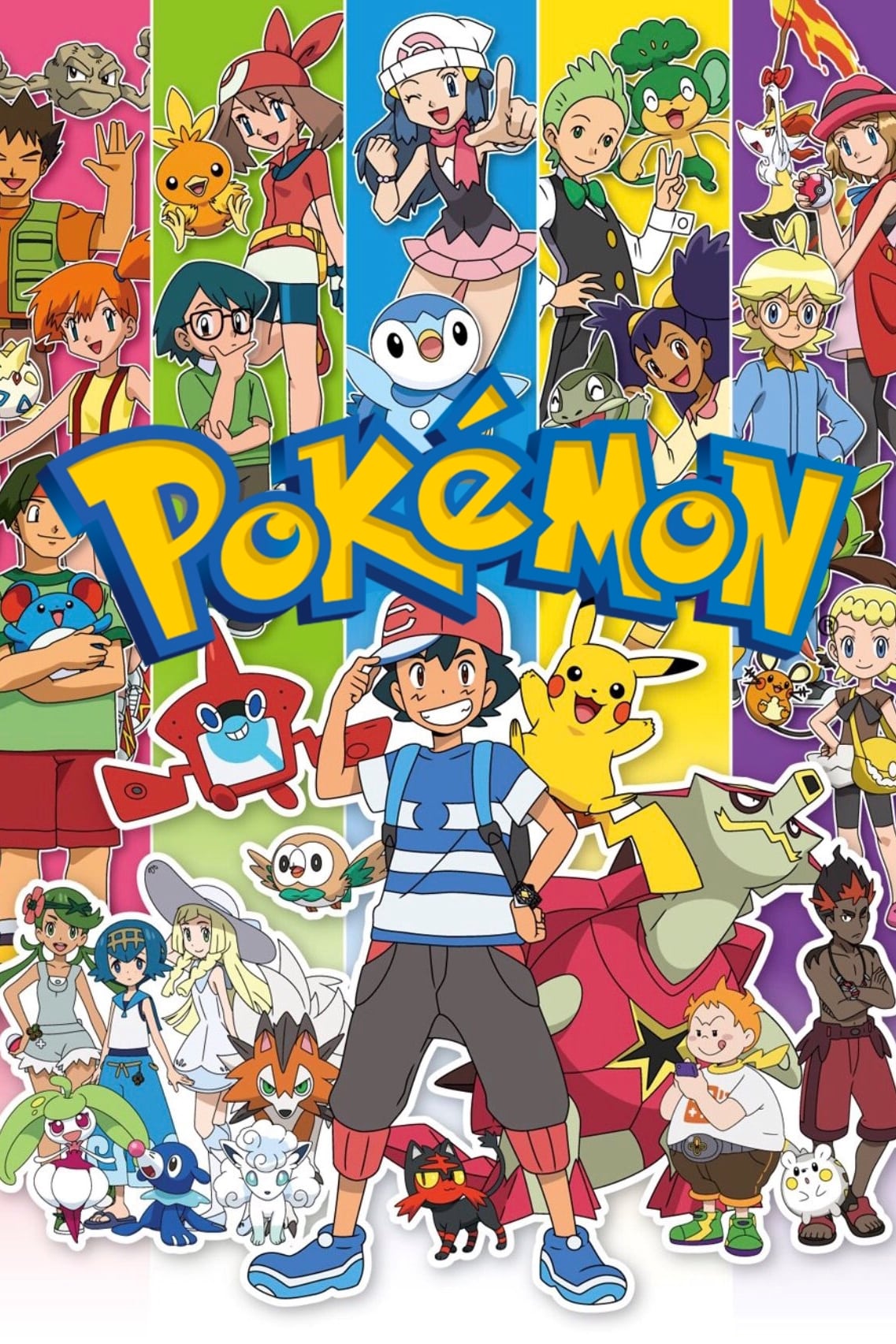
The Western culture war regarding ‘Pokémon’ famously centered on the character Jynx, whose original design featured black skin and large lips. Western critics argued the design was based on racial stereotypes, leading to ‘Pokémon’ episodes being banned or edited for international release. Japanese creators maintained the design was based on the yama-uba or ganguro fashion trends popular in Japan at the time. This disagreement eventually forced a permanent color change for the character to purple in all future ‘Pokémon’ media worldwide.
Share your thoughts on how cultural differences impact the global anime community in the comments.