Anime Series That Were Labeled “Misogynistic” by Western Critics


Anime has long been a subject of cultural debate, particularly as it reaches a global audience with differing social standards. Western critics frequently analyze these series through the lens of gender dynamics, leading to labels of misogyny or sexism based on specific narrative choices. These critiques often focus on tropes such as the objectification of female characters, the use of sexual violence as a plot device, and the marginalization of women in narrative roles. The following list highlights anime series that have faced significant pushback from Western commentators for their portrayal of women.
‘Goblin Slayer’ (2018–Present)
The premiere of ‘Goblin Slayer’ sparked immediate controversy due to a graphic scene involving sexual violence against female characters. Critics argued that the series utilized gendered trauma primarily for shock value rather than meaningful character development. Many Western outlets questioned the necessity of such depictions in a fantasy setting, labeling the narrative choice as exploitative. The backlash led some streaming platforms to include content warnings for subsequent episodes of the series.
‘The Rising of the Shield Hero’ (2019–Present)
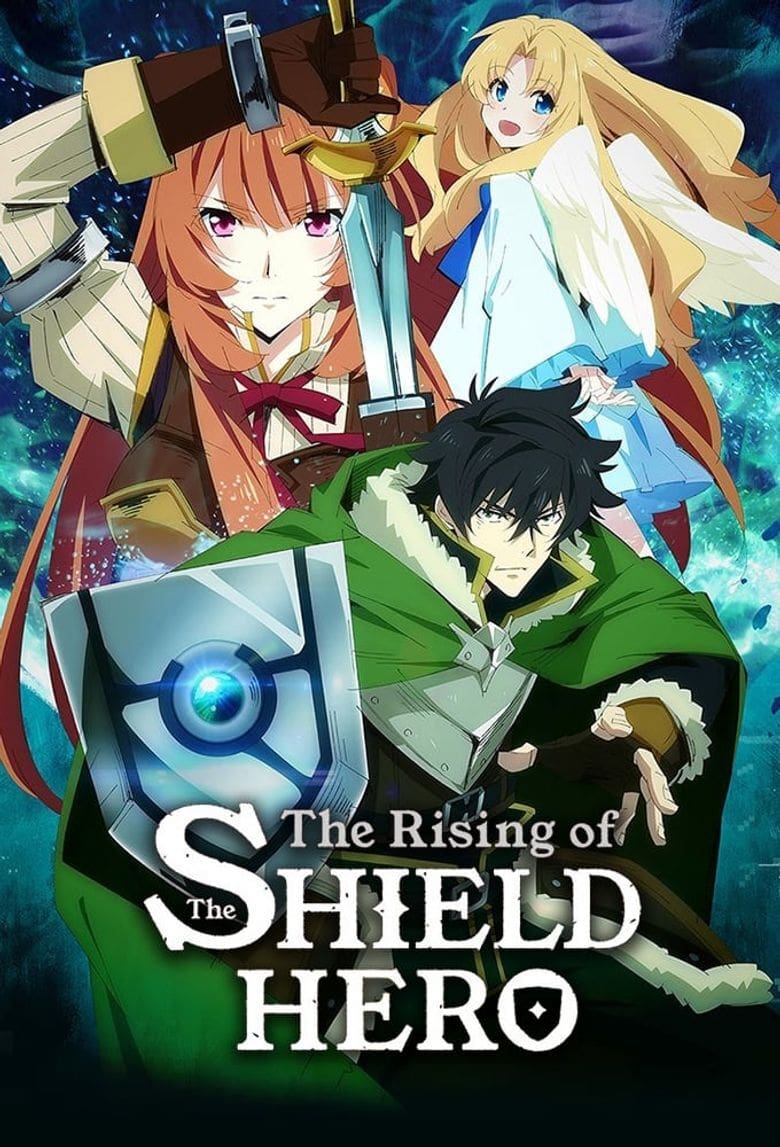
This series faced intense scrutiny from Western critics for its central plot point involving a false rape accusation against the protagonist. Commentators suggested that the narrative reinforced harmful stereotypes about women weaponizing sexual assault claims to ruin men’s lives. Additionally, the protagonist’s decision to purchase a female slave for his party drew further criticism regarding the power dynamics and dehumanization of women. The show became a flashpoint for discussions about the influence of specific online subcultures on modern anime themes.
‘Mushoku Tensei: Jobless Reincarnation’ (2021–Present)

Despite its high production values, ‘Mushoku Tensei: Jobless Reincarnation’ has been a frequent target of criticism for its protagonist’s predatory behavior. Critics pointed to scenes where the main character harasses female family members and staff, which are often framed for comedic effect. Many reviews noted that the narrative seems to excuse or minimize these actions as part of his journey toward self-improvement. This led to widespread labeling of the series as misogynistic within Western media discourse surrounding the “isekai” genre.
‘Redo of Healer’ (2021)

This series is often cited as one of the most extreme examples of gendered violence in modern anime history. Western critics condemned the show for its central theme of revenge achieved through the sexual assault and psychological torture of female characters. The narrative framing was widely seen as a celebration of toxic masculinity and the exercise of absolute sexual dominance. Consequently, the show was heavily censored or outright rejected by many mainstream Western distributors due to its controversial content.
‘No Game No Life’ (2014)
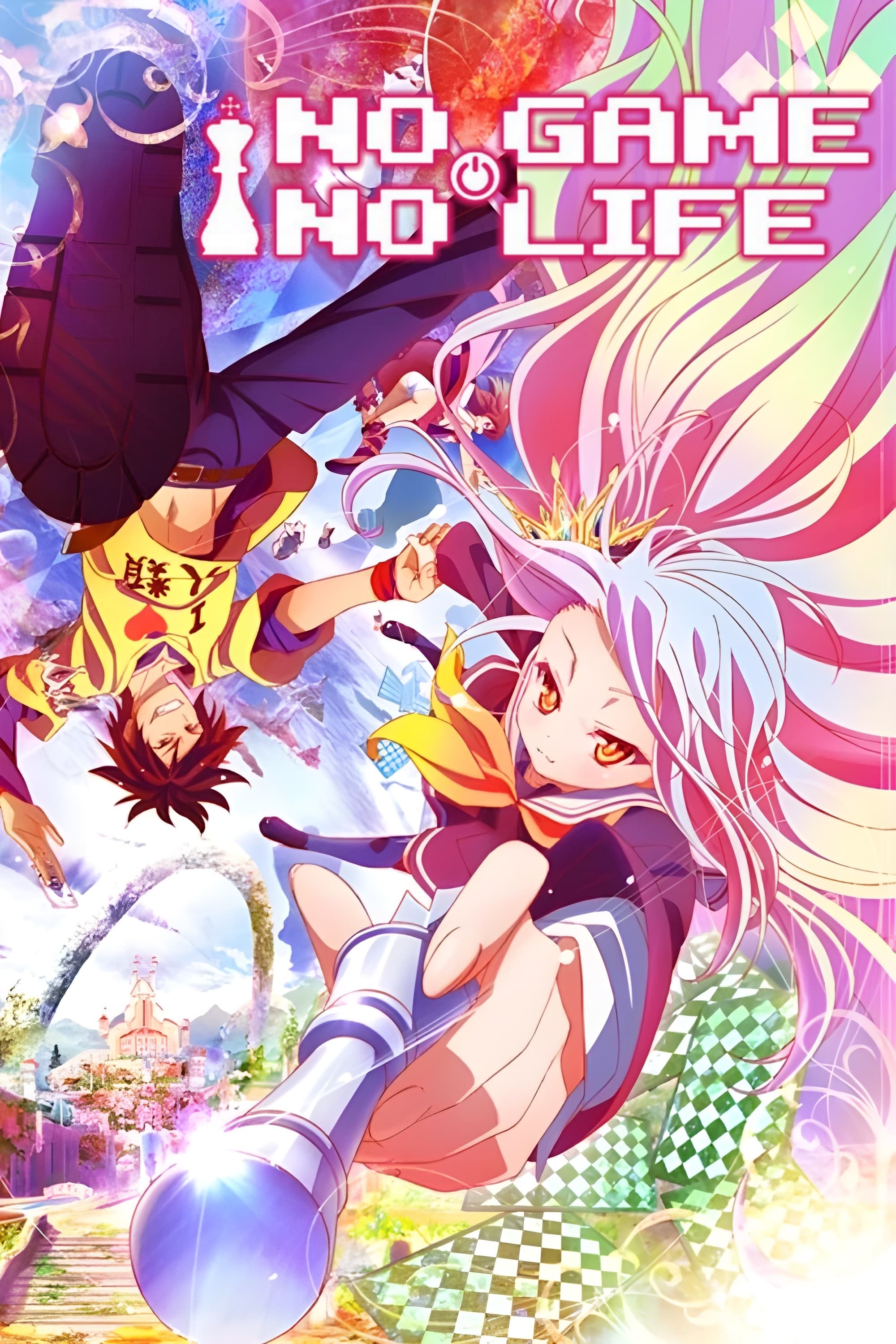
Critics have frequently highlighted ‘No Game No Life’ for its pervasive sexualization of female characters, including those portrayed as minors. The show’s “fan service” often involves non-consensual situations and the objectification of the protagonist’s younger sister for visual appeal. Western commentators argued that these elements undermine the cleverness of the show’s strategic gameplay premise and world-building. The series remains a primary example in debates regarding the prevalence of the “loli” trope in Japanese media.
‘Fire Force’ (2019–2020)
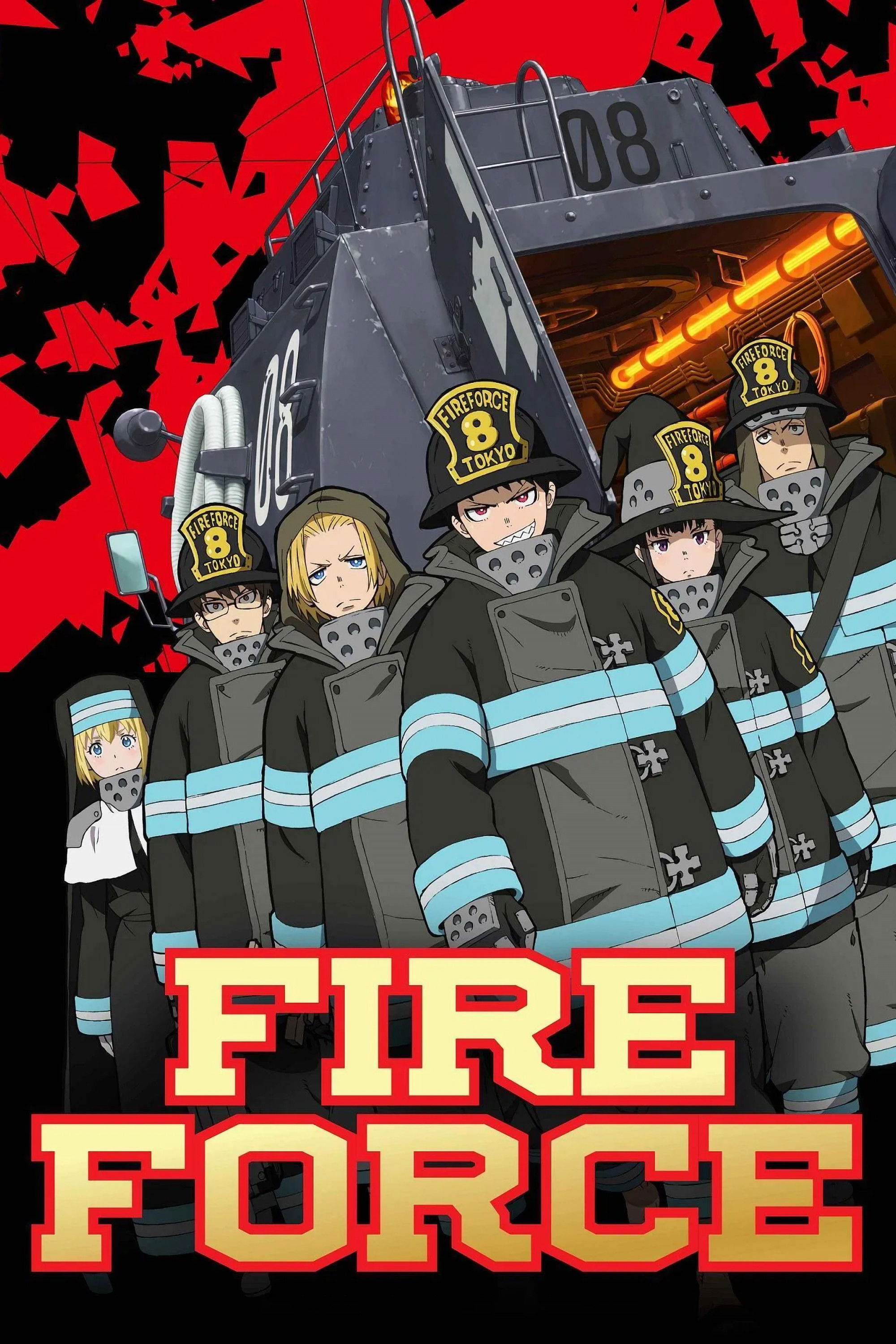
While praised for its animation and action, ‘Fire Force’ received significant criticism for the character Tamaki Kotatsu and her recurring “Lucky Lecher” trope. This trope causes her clothes to fall off or places her in compromising positions accidentally, often during serious or high-stakes battle sequences. Critics argued that this gimmick serves as a blatant tool for objectification that disrupts the story’s tone and character growth. Many Western reviews labeled these specific segments as regressive and disrespectful to the female cast members.
‘Sword Art Online’ (2012–Present)

The “Fairy Dance” arc of ‘Sword Art Online’ is frequently criticized by Western journalists for its treatment of Asuna Yuuki. After serving as a highly capable warrior in the first arc, her character is relegated to a “damsel in distress” who is imprisoned and sexually harassed by a male antagonist. Critics pointed out that this shift stripped the character of her agency and used her vulnerability as a primary motivator for the male hero. This specific narrative choice has been a recurring point of contention in feminist critiques of the franchise.
‘Uzaki-chan Wants to Hang Out!’ (2020–2022)
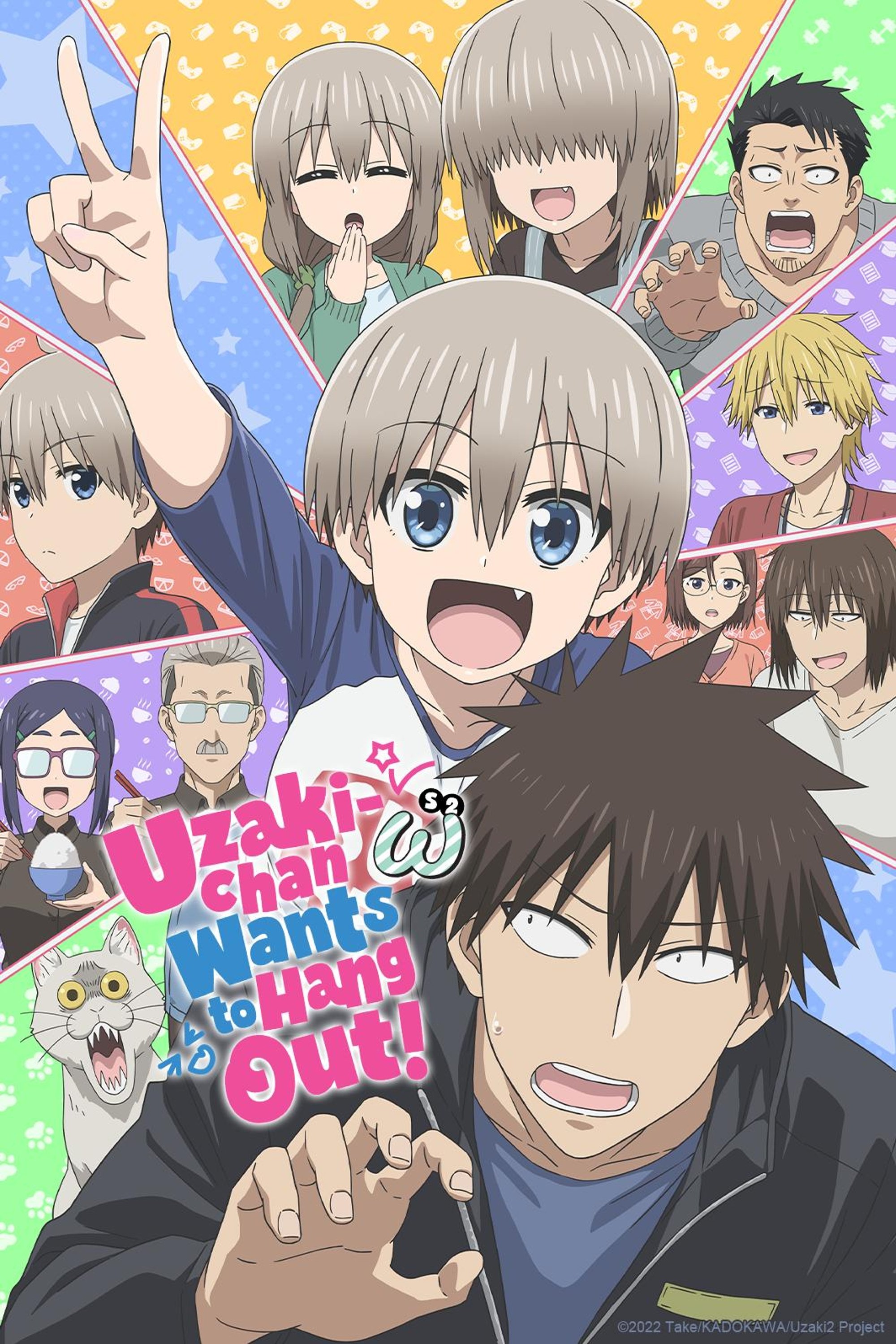
This series became the center of a heated debate over character design and the “shortstack” trope used for its female lead. Western critics argued that the character’s exaggerated physical proportions and infantile behavior were designed specifically to cater to a problematic male gaze. The controversy extended to a blood drive collaboration in Japan, which Western observers cited as an example of inappropriate sexualization in public health messaging. The discourse focused on whether the series relied on misogynistic physical stereotypes to drive its situational comedy.
‘Harem in the Labyrinth of Another World’ (2022)
Like several other “isekai” series, this show was criticized for its normalization of slavery as a means of building a female harem. Critics noted that the protagonist specifically selects and purchases female companions based on their physical attributes and their utility in combat. The narrative’s focus on the transactional nature of these relationships was labeled as dehumanizing and misogynistic by various Western outlets. Commentary emphasized that the show presents female subservience as a fantasy reward for the male lead’s progress.
‘Dragon Ball’ (1986–1989)
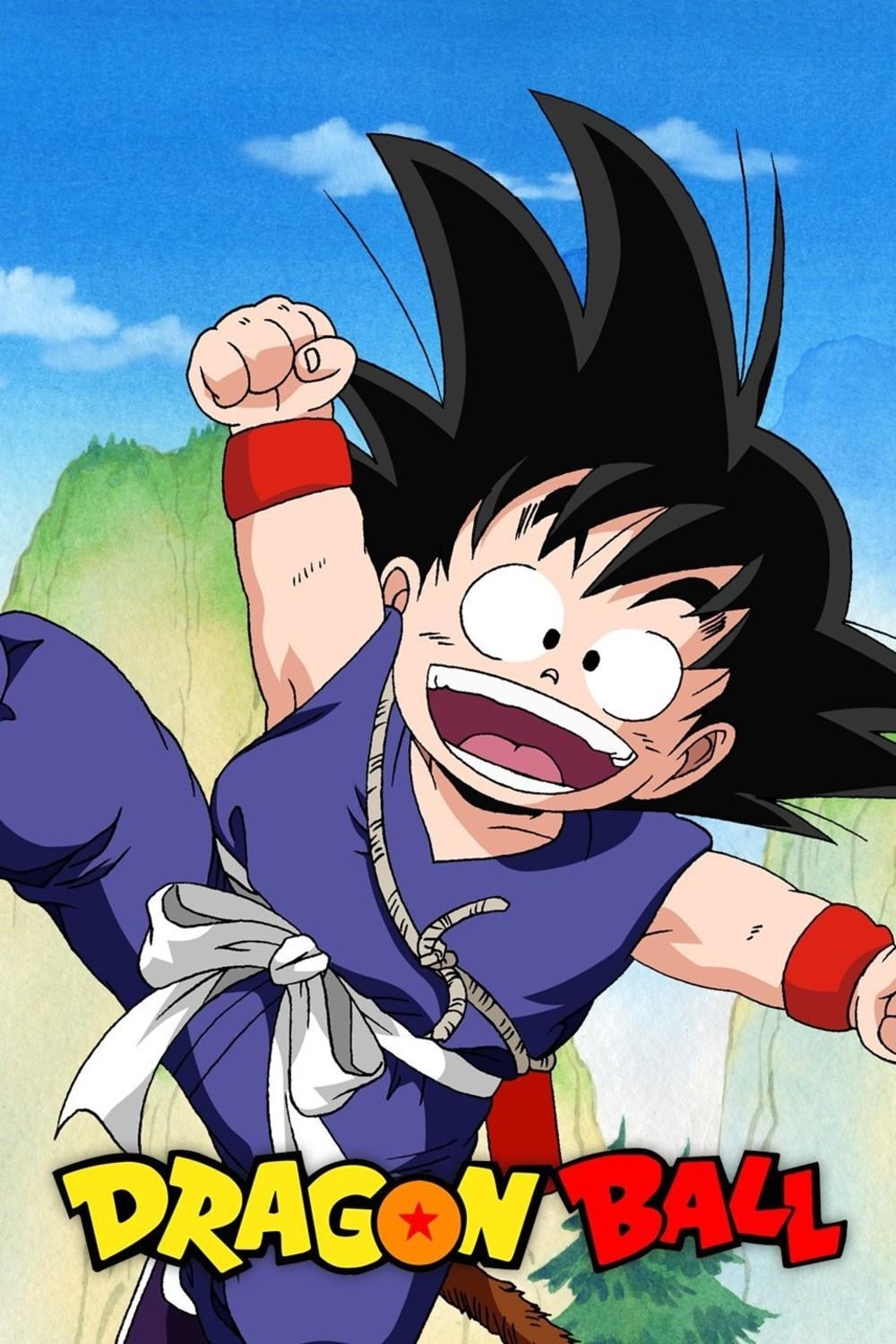
Retrospective reviews of the original ‘Dragon Ball’ series often highlight the character Master Roshi and his persistent sexual harassment of Bulma. Critics have pointed out that early episodes frequently feature non-consensual touching and voyeurism presented as harmless slapstick humor. While often defended as a product of its time, modern Western critics argue that these elements set a precedent for the normalization of sexism in the shonen genre. The series is frequently cited in discussions about how legacy anime titles handle gender-based interactions in their early iterations.
‘Interspecies Reviewers’ (2020)
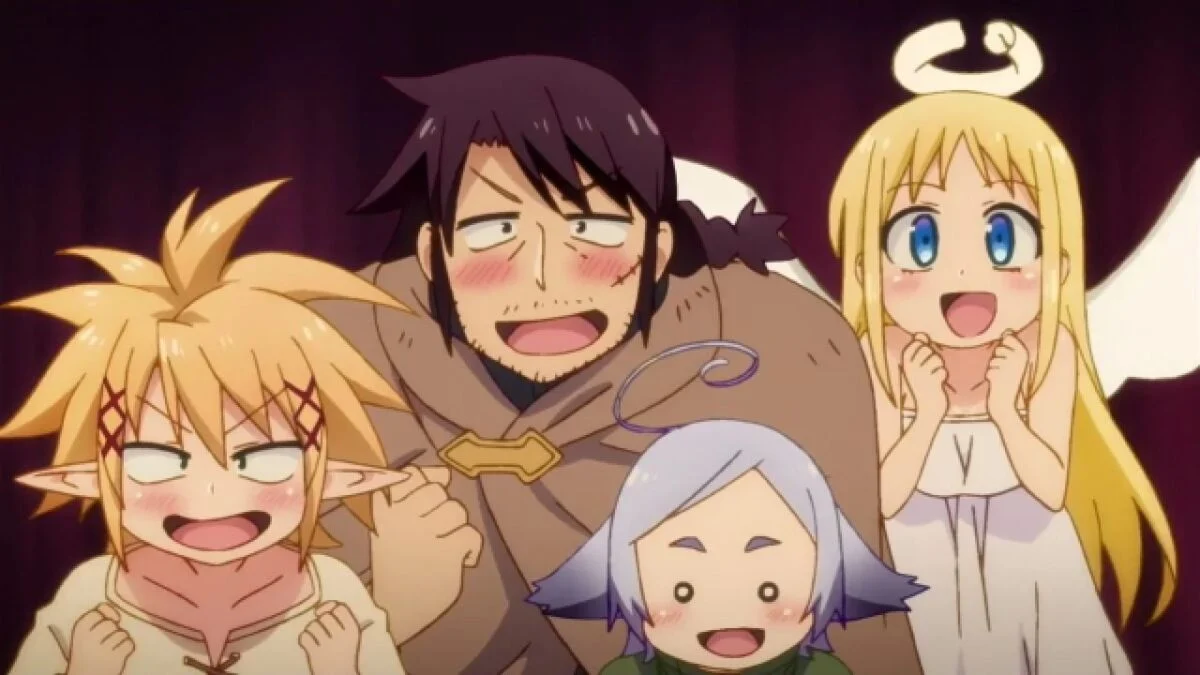
This series faced nearly universal labeling as misogynistic by Western critics for its premise centered on the “rating” of female sex workers. The show depicts various fantasy races through a lens that focuses almost entirely on their sexual availability and fetishization. Critics argued that the series reduces women to biological functions and commodities intended for male consumption and evaluation. Due to the explicit nature of the content and its themes, it was pulled from several Western streaming platforms shortly after its debut.
‘Rent-a-Girlfriend’ (2020–Present)
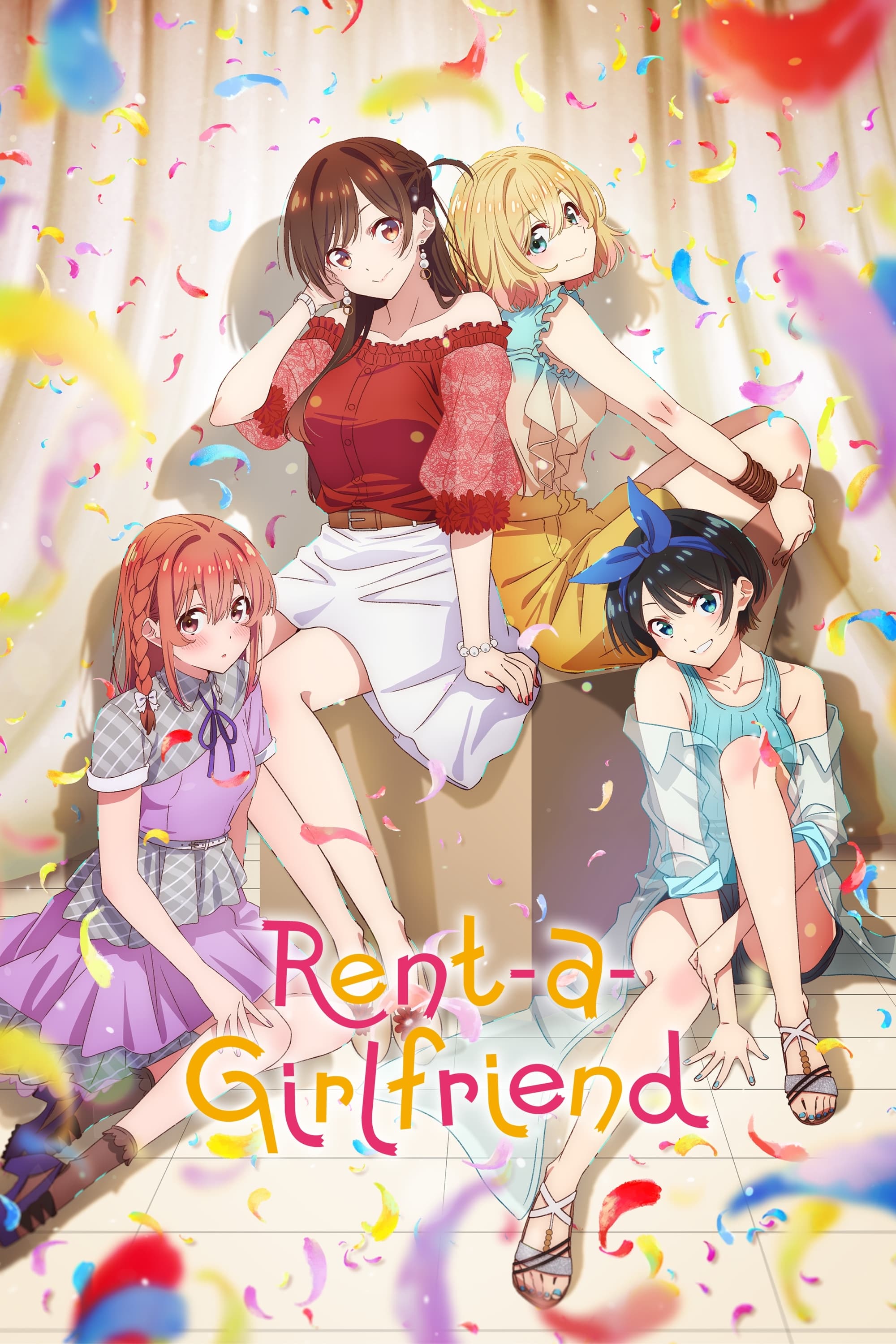
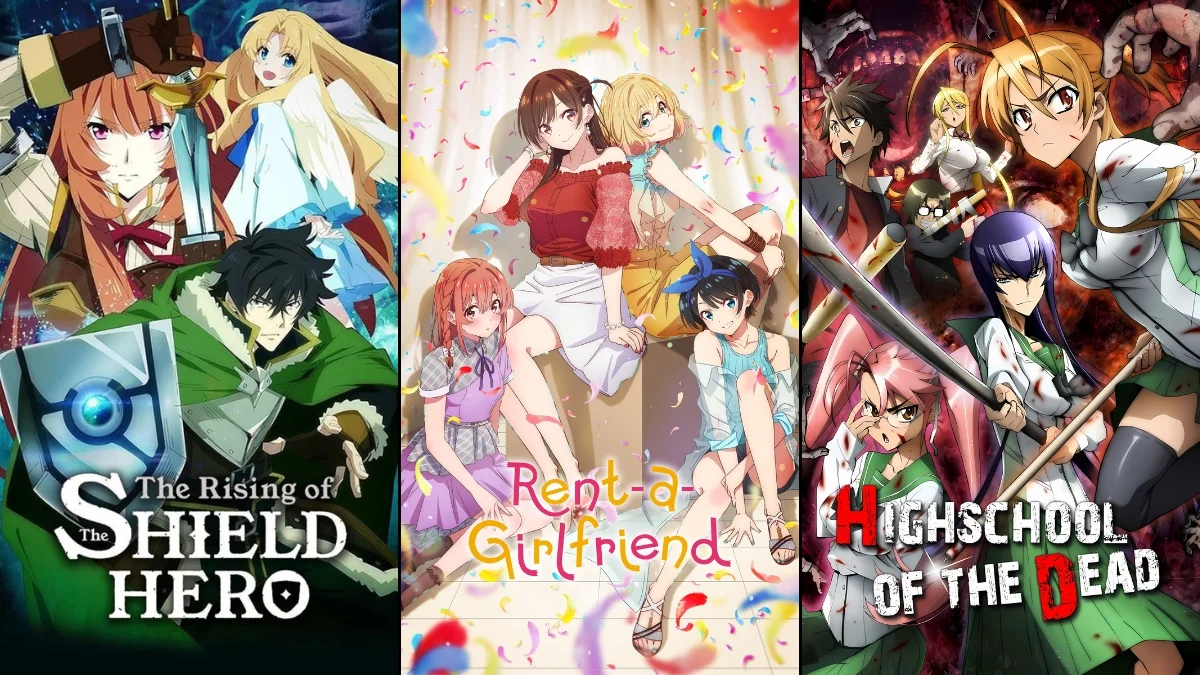
The protagonist of ‘Rent-a-Girlfriend’ has been widely criticized for his obsessive and transactional view of the women around him. Western critics have argued that the show’s premise reinforces the idea that female companionship and emotional labor can be purchased and controlled. The narrative often places the female characters in positions where they must accommodate the protagonist’s insecurities and poor behavior to maintain their professional standing. This dynamic has led to the series being labeled as an example of toxic gender relations in the romantic comedy genre.
‘High School of the Dead’ (2010)
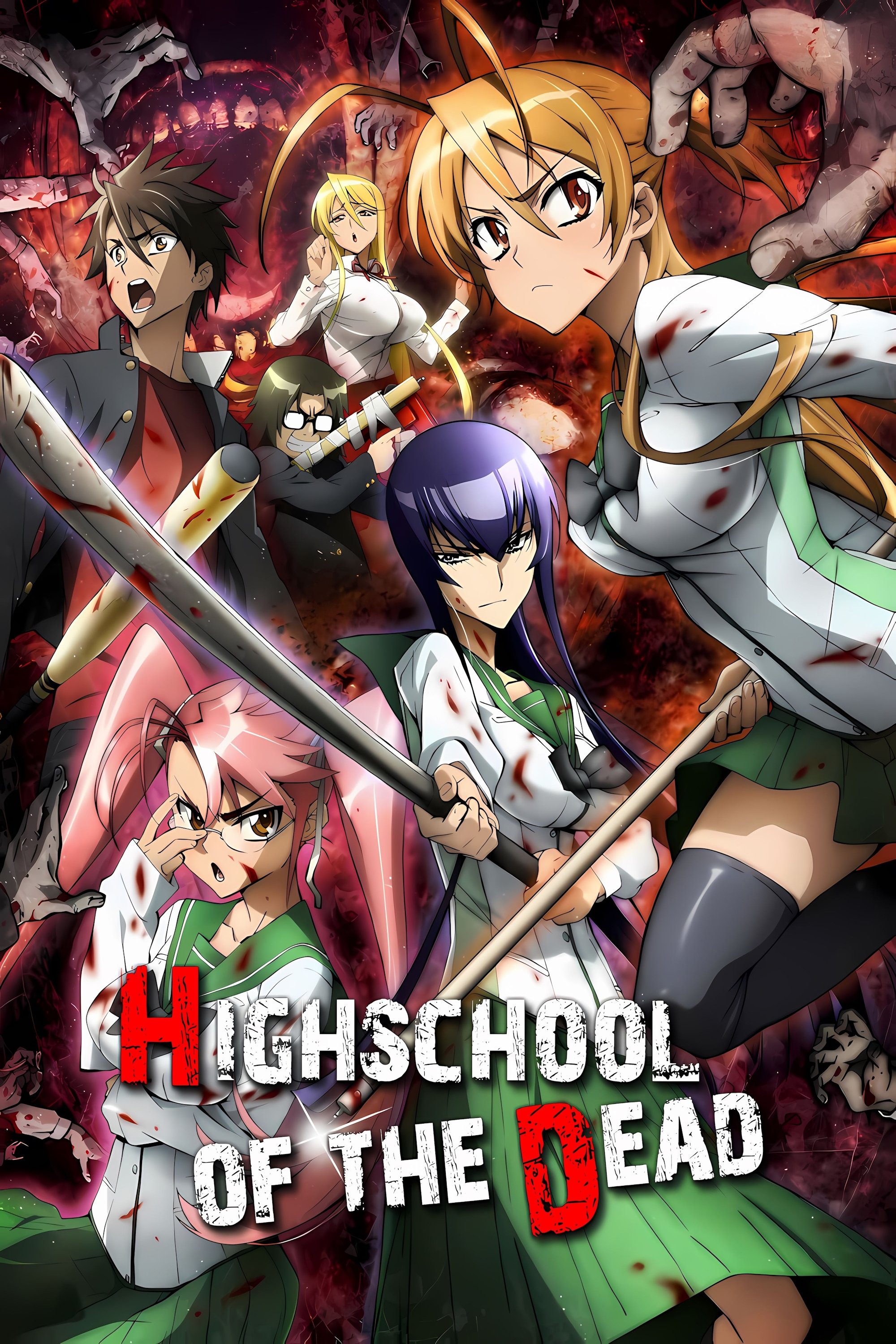
This action-horror series is frequently cited for its extreme use of the “male gaze” and gratuitous fan service during life-threatening scenarios. Critics pointed to the camera angles and physics-defying scenes that prioritize female anatomy over the survival stakes of the zombie apocalypse plot. The portrayal of female characters primarily as objects of sexual interest during a violent crisis was labeled as inherently misogynistic by Western reviewers. Commentary often uses this series as a quintessential example of how over-sexualization can detract from a narrative’s intended tension.
‘Bakemonogatari’ (2009–2010)
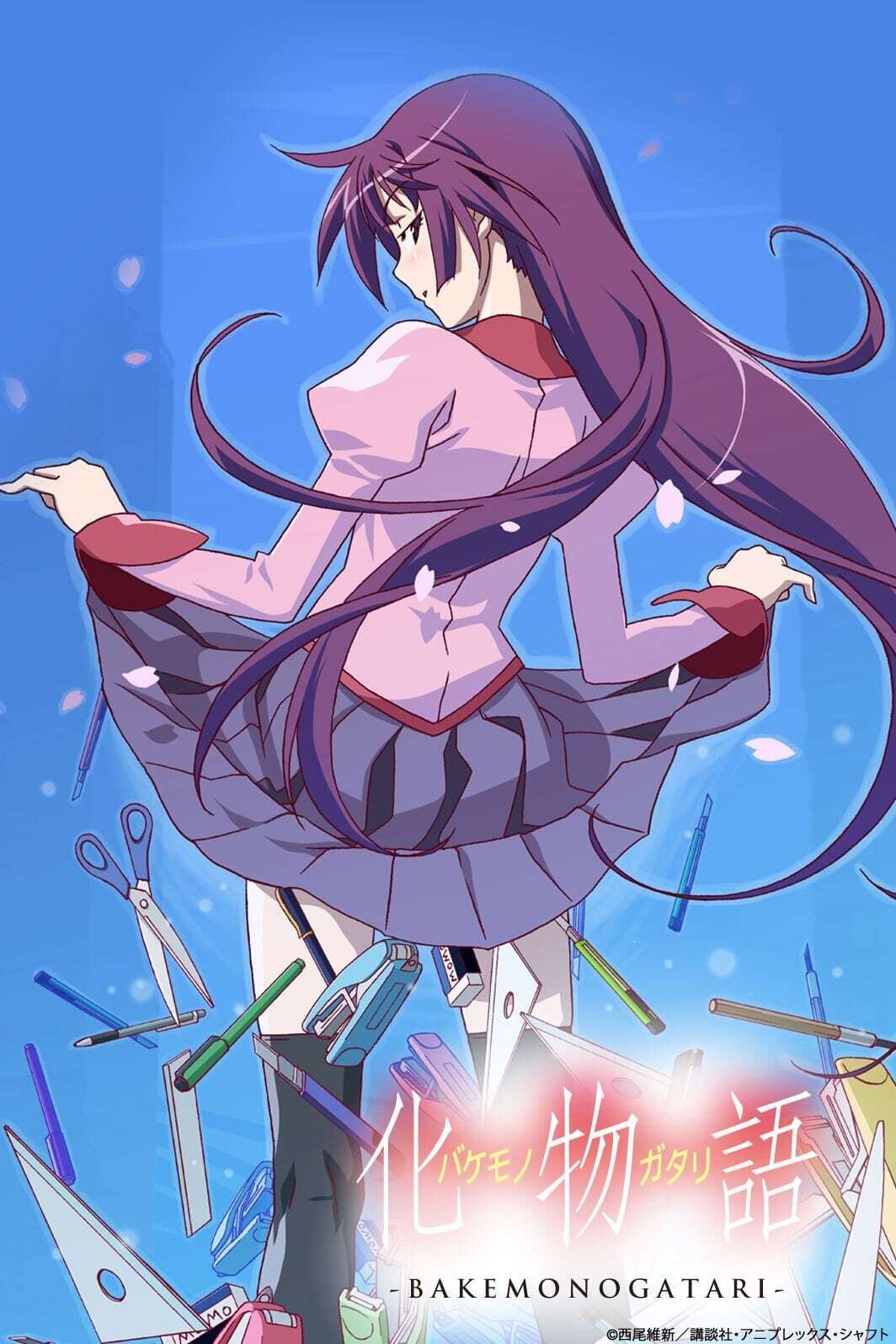
While acclaimed for its unique visual style, ‘Bakemonogatari’ has faced criticism for its handling of female trauma and frequent fan service. Critics have noted that the series often frames its female characters’ personal struggles and past abuse through a lens of sexual vulnerability. The interactions between the protagonist and his younger sisters have also been a major point of contention regarding the sexualization of family dynamics. Many Western critics argue that the artistic direction often serves to objectify the characters rather than genuinely supporting the complex narrative themes.
Share your thoughts on how Western critical standards have influenced the discussion of these anime series in the comments.