Anime Series That Sparked Outrage for Their Portrayal of Western Politics

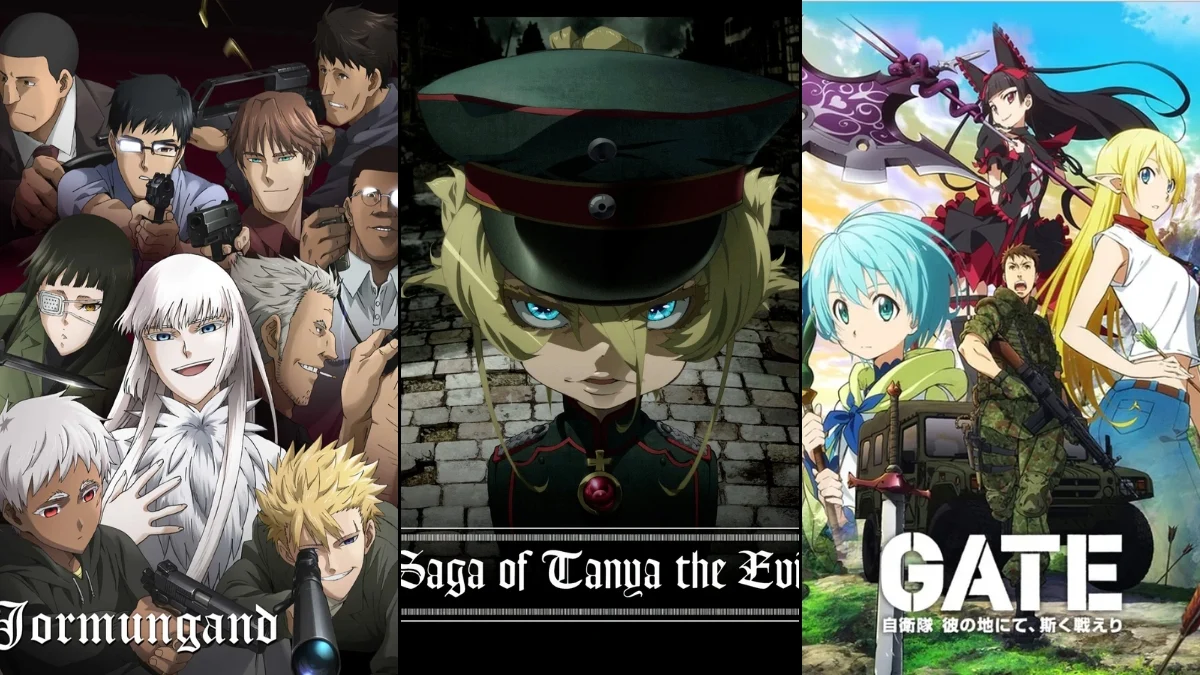

The intersection of anime and global geopolitics often results in provocative narratives that challenge international audiences. While many series use fictional settings to explore social issues, others directly reference real-world nations, historical events, and political systems. These portrayals frequently lead to significant controversy, ranging from televised bans in specific countries to heated debates regarding historical revisionism and propaganda. The following series are noted for their specific and often inflammatory depictions of Western-style politics and international relations.
‘Hetalia’ (2009–2010)
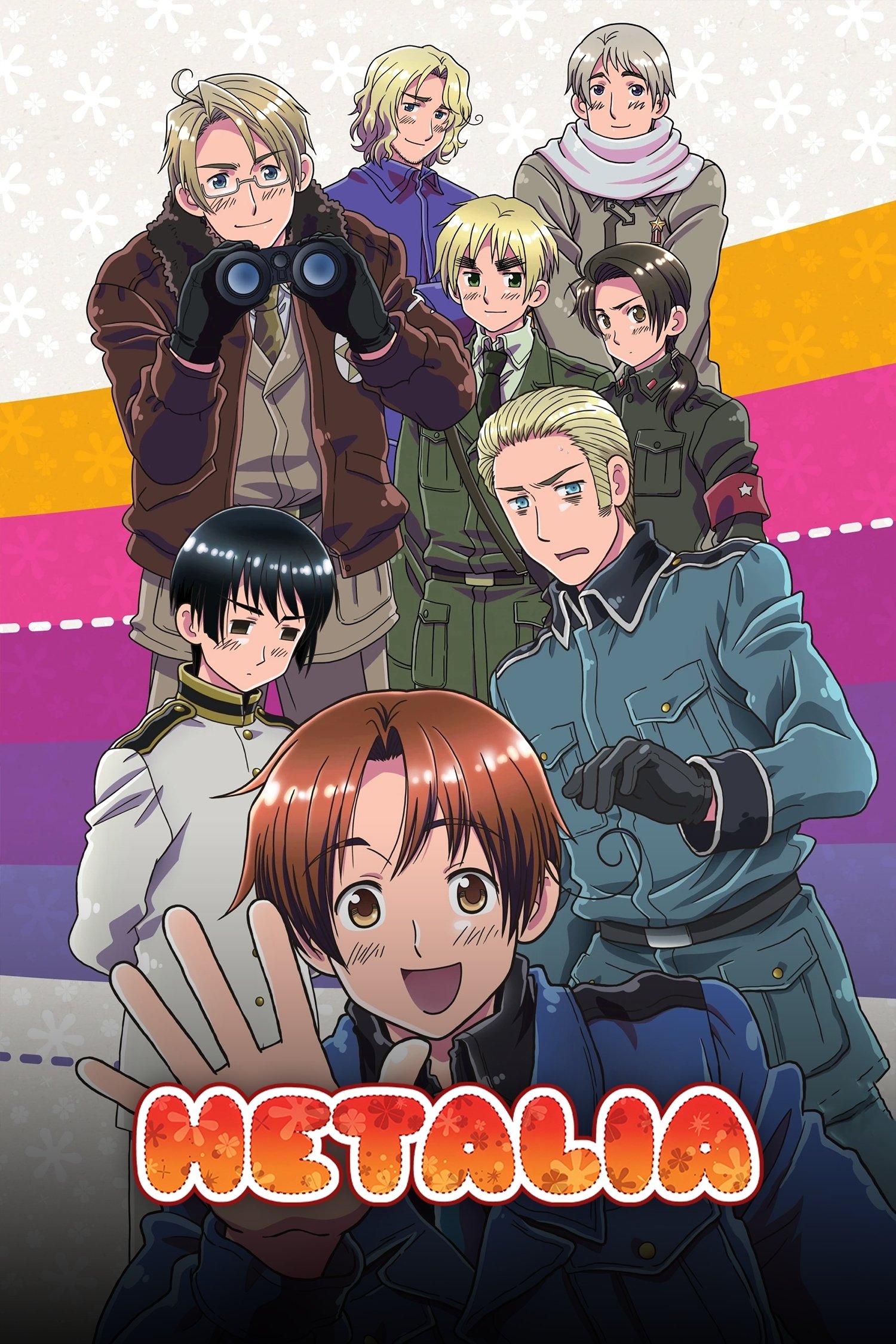
This series personifies various nations as comedic characters, focusing primarily on the events surrounding the World Wars. It faced significant backlash in South Korea due to its portrayal of the Korean character, which critics labeled as offensive and inaccurate. Protests from South Korean citizens led to the cancellation of the series on the television channel Kids Station before it could air. The show’s use of national stereotypes remains a point of contention for viewers sensitive to historical political tensions and wartime grievances. It continues to be cited as a prime example of how political personification can lead to international friction.
‘Gate’ (2015–2016)
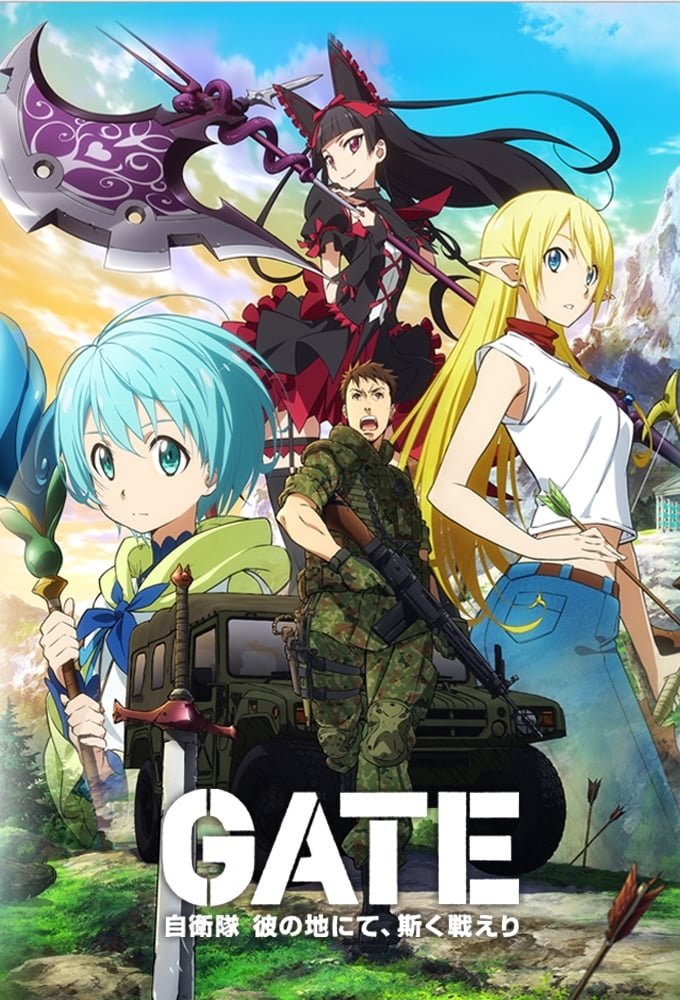
This series follows the Japanese Self-Defense Forces as they enter a fantasy world to repel invaders and establish diplomatic ties. The show drew criticism for its overtly nationalistic tone and its depiction of Western powers like the United States. In the narrative, the U.S. government is often portrayed as an aggressive entity attempting to exploit foreign resources through clandestine operations and political pressure. Critics argued the series served as propaganda for the JSDF while painting international allies in a negative light to suit a specific domestic agenda. The political tension stems from the show’s stance on Article 9 of the Japanese Constitution and its critique of foreign intervention.
‘Saga of Tanya the Evil’ (2017)
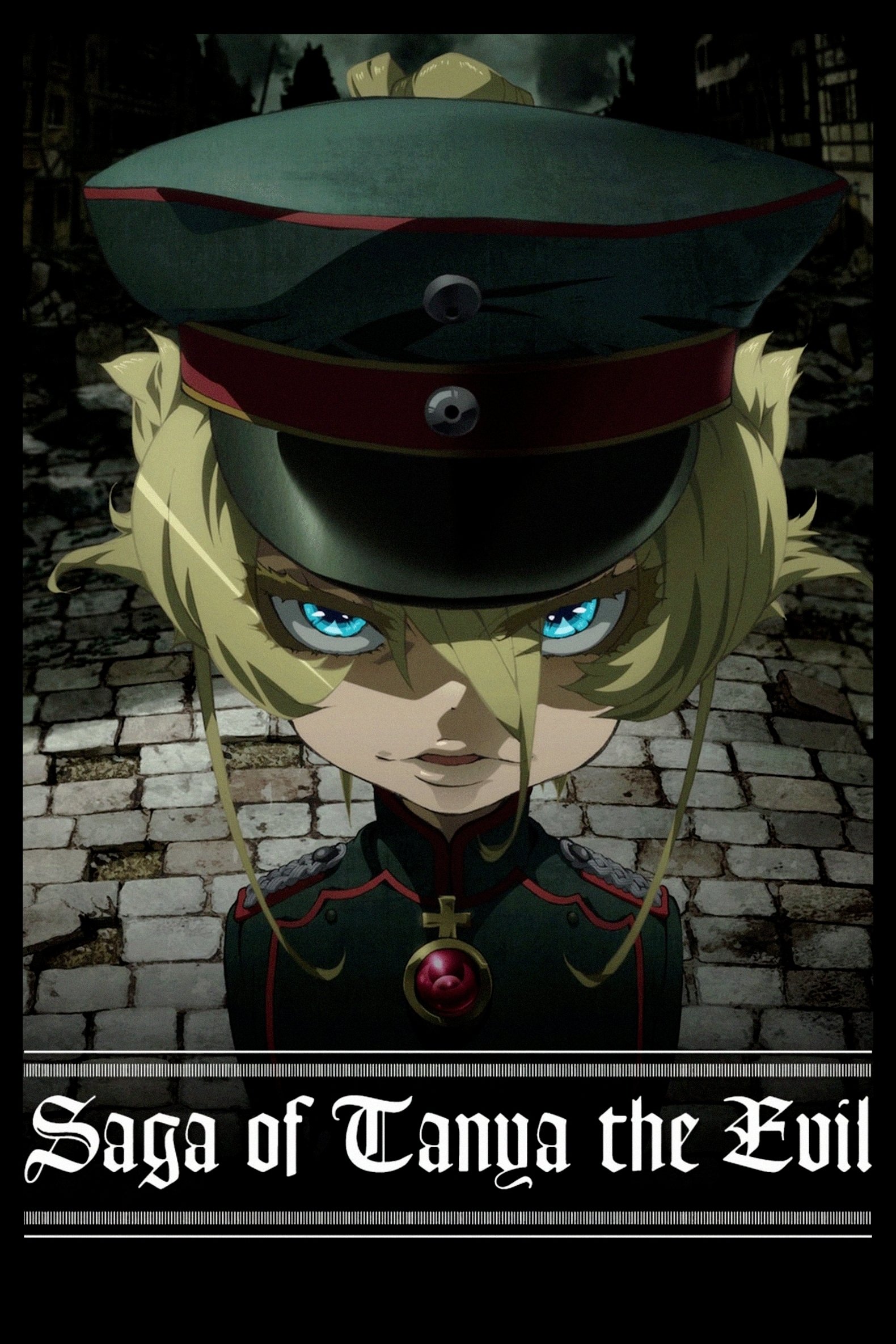
Set in an alternate version of early 20th-century Europe, this series follows a ruthless salaryman reincarnated as a young girl in a magical military unit. The story incorporates themes of total war, international law, and the ideological divide between liberalism and authoritarianism. Outrage often centers on the show’s perceived glorification of militarism and its parallels to real-world German military history during the World Wars. The protagonist’s disregard for humanitarian ethics and the depiction of war crimes spark debates regarding the narrative’s moral compass. It remains a controversial piece for its brutal analysis of Western-style geopolitical strategy and historical power struggles.
‘Code Geass: Lelouch of the Rebellion’ (2006–2008)
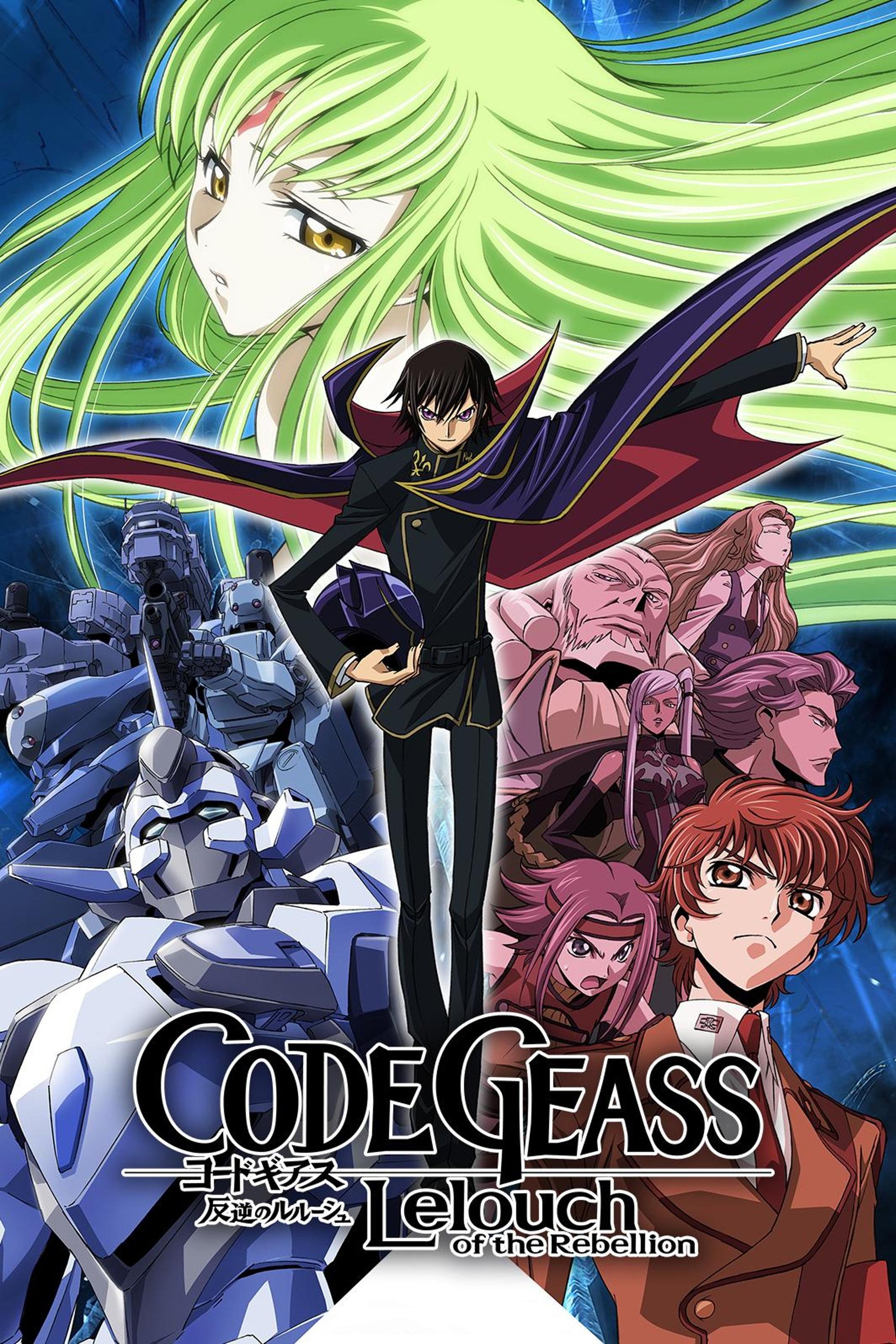
The story takes place in an alternate history where the Holy Empire of Britannia has conquered Japan and renamed it Area 11. Britannia serves as a direct parallel to Western imperial powers, specifically the British Empire and the United States, emphasizing social Darwinism. The series explores themes of colonial oppression, racial segregation, and the ethics of revolutionary terrorism against a global superpower. Some viewers were troubled by the show’s depiction of a rigid political structure and its critique of Western democratic ideals through the lens of a monarchy. The narrative’s focus on geopolitical maneuvering and social stratification continues to provoke discussion about historical Western imperialism.
‘Attack on Titan’ (2013–2023)
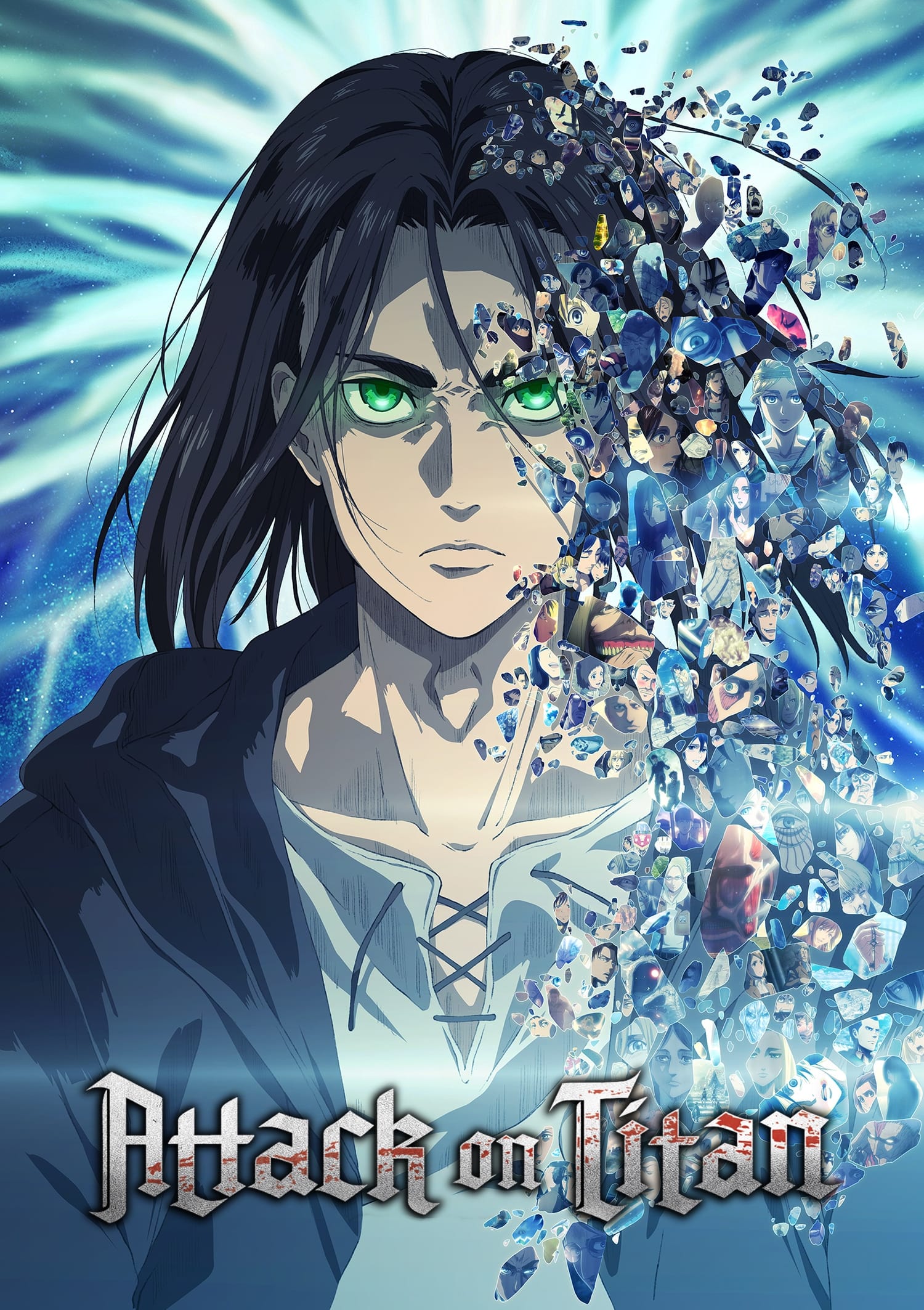
This series examines a world where humanity is trapped within walls to escape man-eating giants, eventually evolving into a complex political drama. As the truth of the world is revealed, the plot introduces themes of ethnic cleansing, ancestral guilt, and fascist ideologies. The show sparked international controversy for its use of visual imagery and plot points reminiscent of the Holocaust and 19th-century European politics. Critics have debated whether the series critiques or promotes ultranationalist sentiments and military expansionism. Its portrayal of a cycle of hatred between different ethnic groups remains one of the most polarizing topics in modern anime history.
‘Ghost in the Shell: Stand Alone Complex’ (2002–2005)
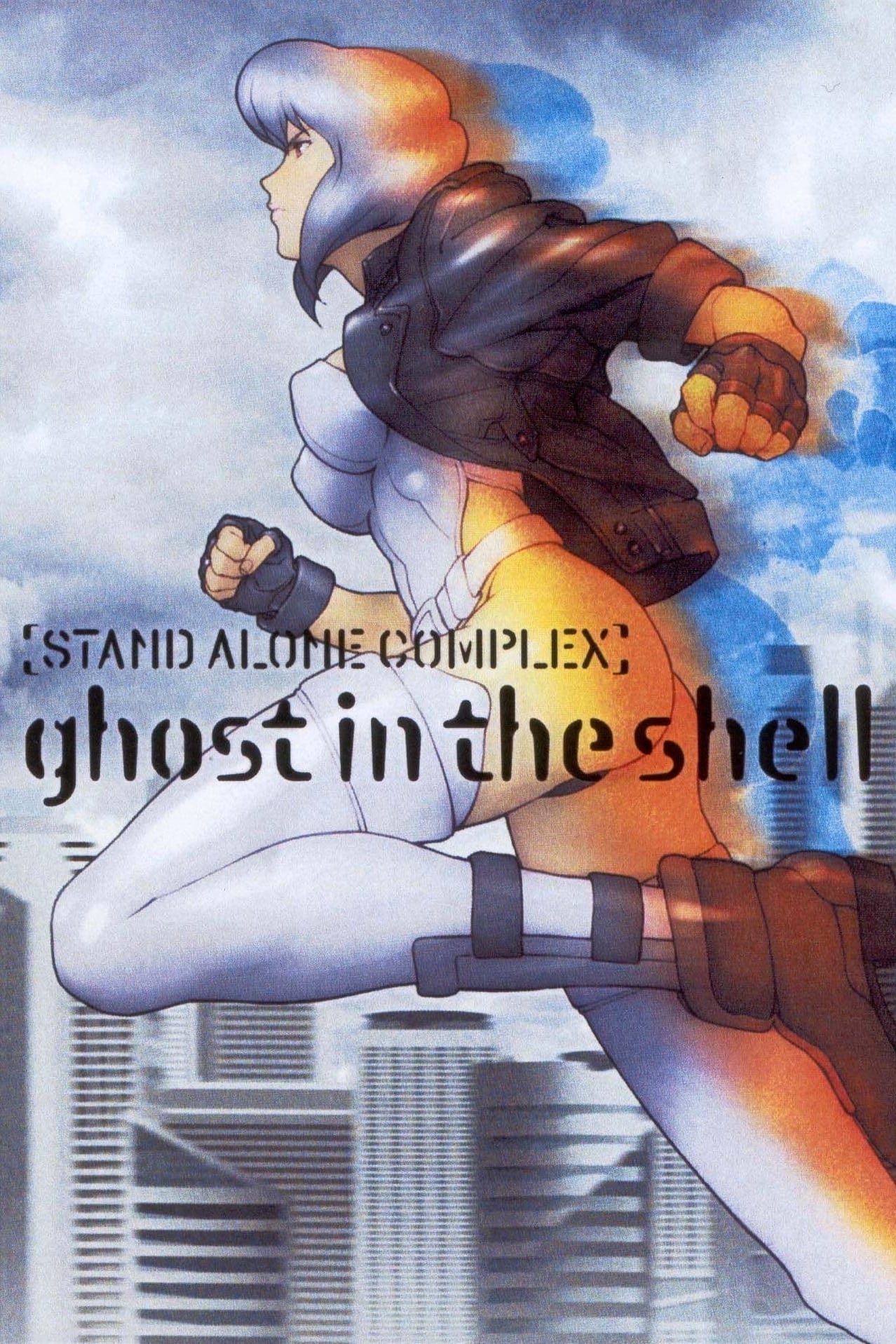
Set in a futuristic Japan, this series deals with cyber-terrorism and high-level political corruption within a globalized society. A recurring subplot involves the “American Empire,” a successor state to the United States that exerts heavy pressure on Japanese domestic policy. The show critiques American interventionism and the manipulation of international refugee crises for political and economic gain. It features complex discussions on the Cold War legacy and the role of Western intelligence agencies in Asian affairs. many viewers found the cynical portrayal of Western diplomatic motives to be a sharp and uncomfortable commentary on real-world global relations.
‘Legend of the Galactic Heroes’ (1988–1997)
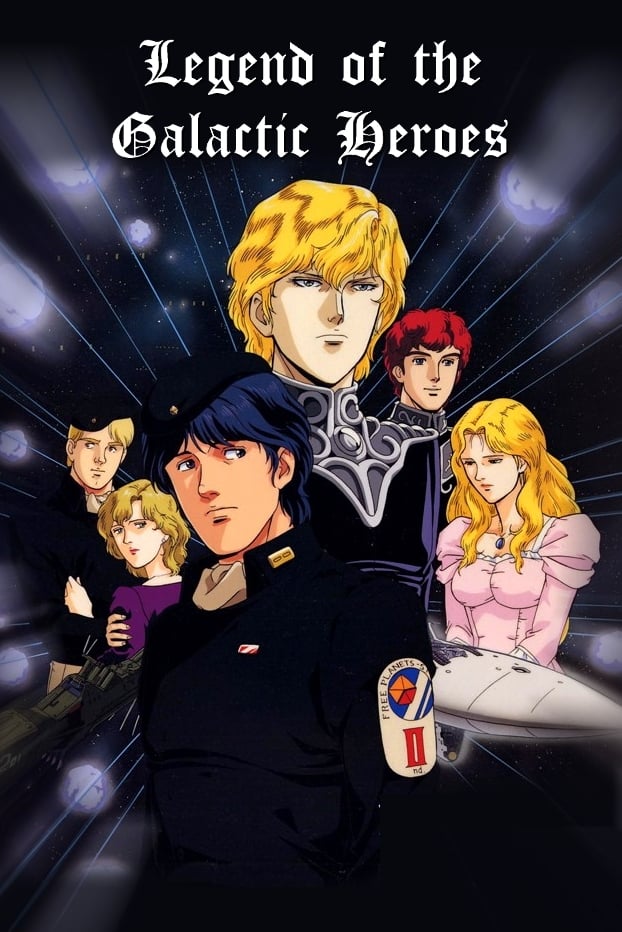
This epic space opera pits the Galactic Empire against the Free Planets Alliance in a centuries-long war. The series is known for its deep dive into political philosophy, comparing a benevolent autocracy with a corrupt and failing democracy. The Free Planets Alliance often mirrors the perceived shortcomings of Western democratic systems, including populism, corruption, and the industrial-military complex. Outrage and debate typically stem from the show’s nuanced argument that an efficient autocracy might be preferable to a dysfunctional democracy. Its dense political commentary has made it a staple for those studying the intersection of media and Western political theory.
‘Monster’ (2004–2005)

The plot follows a Japanese surgeon in Germany who saves a young boy, only to discover later that the child has become a sociopathic killer. The series is set against the backdrop of post-Cold War Europe and explores the political fallout of the division between East and West. It touches upon sensitive topics such as neo-Nazi movements, secret Soviet-era experiments, and the trauma of German reunification. The gritty realism and historical accuracy in its portrayal of European sociopolitics have made it both acclaimed and controversial. It forces viewers to confront the darker aspects of Western history and the lingering effects of 20th-century totalitarian ideologies.
‘Terror in Resonance’ (2014)
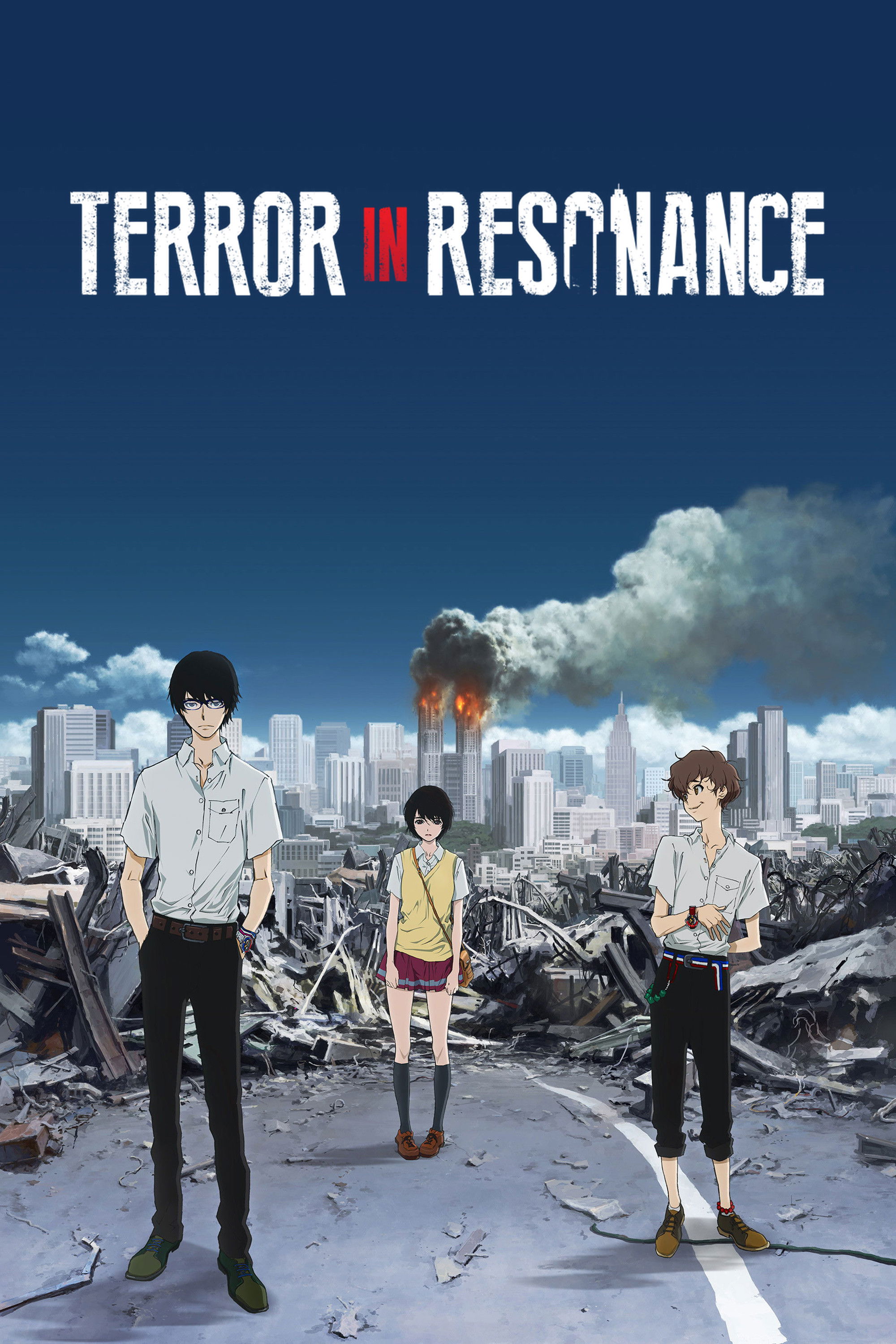
Two teenagers commit a series of bombings in Tokyo to expose a government conspiracy involving illegal nuclear weapon development. The narrative heavily involves the United States’ influence over Japanese internal security and its historical nuclear policy. It portrays American intelligence agents as aggressive antagonists willing to bypass international law and sacrifice civilians to maintain their interests. The show sparked debate for its depiction of domestic terrorism and its critique of the U.S.-Japan security alliance. By framing the protagonists as victims of a Western-influenced shadow program, the series challenges traditional views on national security and sovereignty.
‘Jormungand’ (2012)

This series centers on an illegal arms dealer and her team of mercenaries as they navigate various global conflict zones. It frequently depicts the Central Intelligence Agency (CIA) as a manipulative force that orchestrates local wars to maintain Western hegemony. The show highlights the dark side of international diplomacy and the ethics of the global arms trade in the modern era. Some viewers were bothered by the cynical portrayal of American foreign policy and the suggestion that global stability is managed through controlled chaos. It serves as a stark critique of the military-industrial complex and Western intervention in the Middle East and Africa.
‘Mobile Suit Gundam 00’ (2007–2009)
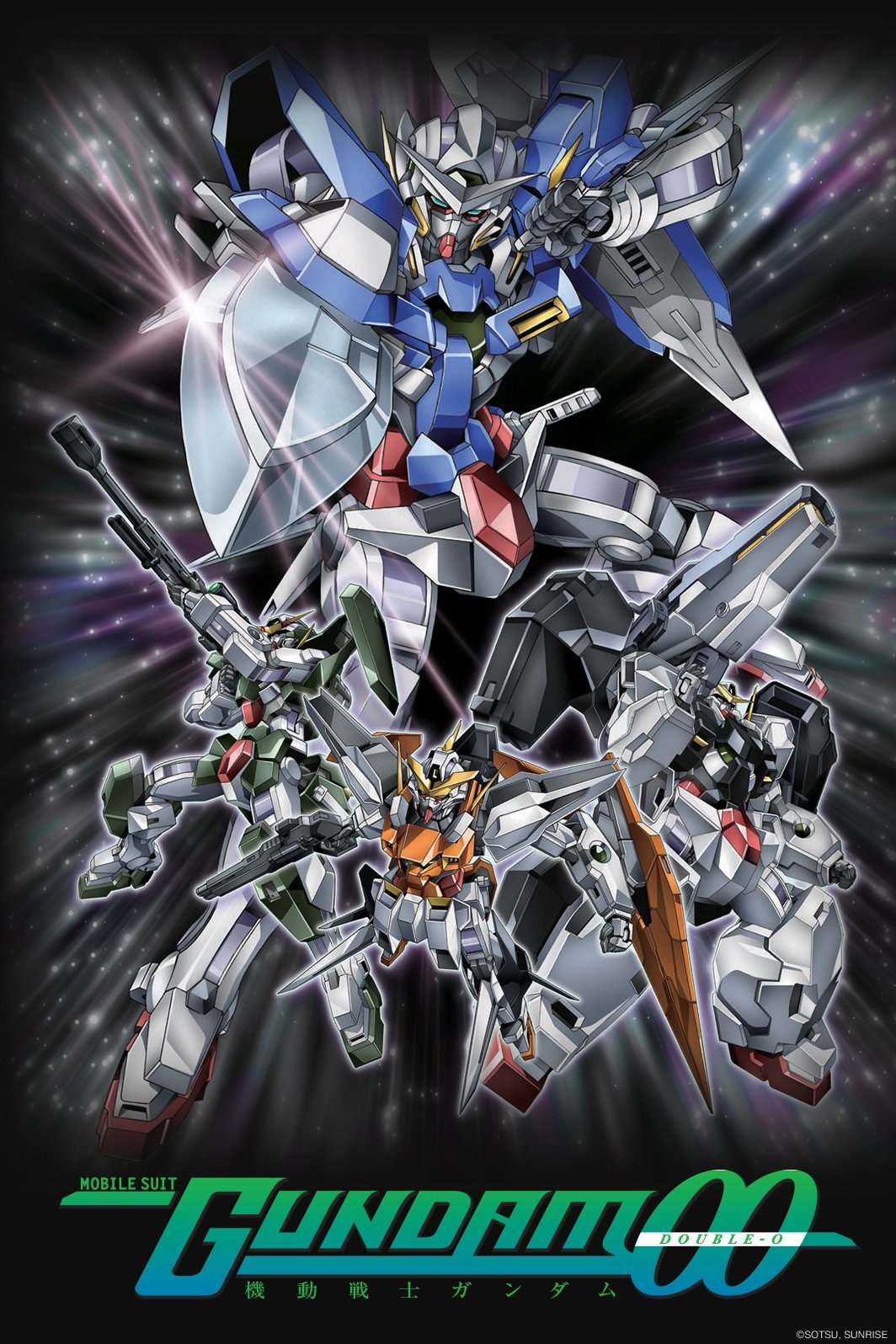
In a future where fossil fuels are depleted, three major power blocs control the world’s energy supply through orbital elevators. One of these blocs, the Union of Solar Energy and Free Nations, is led by the United States and emphasizes a policy of global dominance. The series explores themes of terrorism, religious conflict, and the consequences of Western-led military interventions in developing nations. It was particularly controversial for its parallels to the real-world “War on Terror” and its depiction of non-state actors using force to achieve peace. The political commentary on American unilateralism remains a core element of the show’s identity and international reception.
‘Black Lagoon’ (2006)
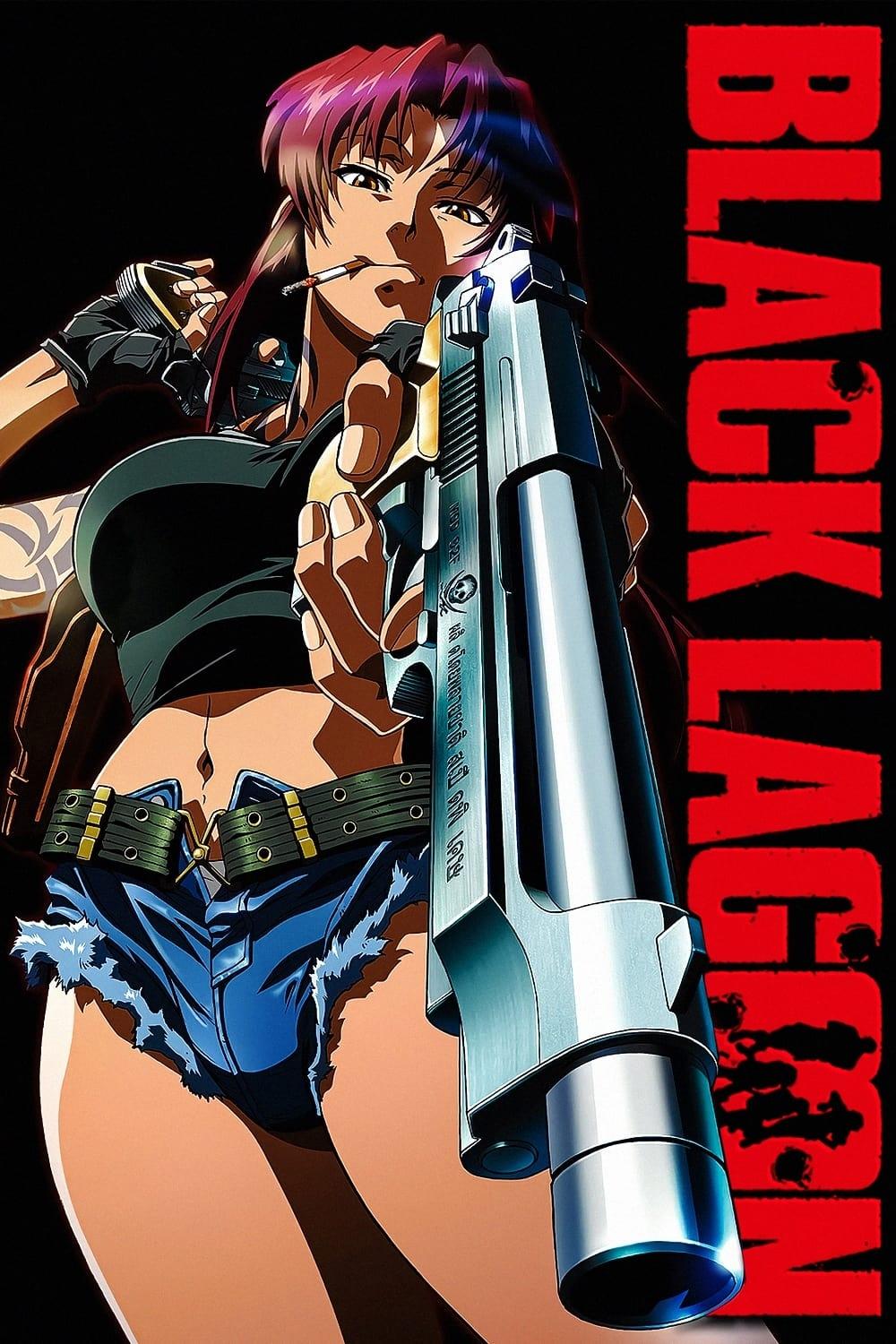
The story follows a group of mercenaries based in the fictional Thai city of Roanapur, a hub for international criminal syndicates. The series explores the political vacuum left after the Cold War and the involvement of former Soviet soldiers and CIA operatives in organized crime. It features a cynical view of Western capitalism and the exploitative nature of global trade routes in lawless regions. The portrayal of American “cowboy diplomacy” and the moral ambiguity of Western intelligence agencies are recurring themes throughout the narrative. Its raw depiction of the criminal underworld highlights the messy intersection of Western politics and global lawlessness.
Share your thoughts on these controversial political portrayals in the comments.