Anime Series That Were Rewritten for the West to Fit Political Correctness


The history of anime localization in the West is filled with instances where original content was significantly altered to meet different cultural standards and broadcast regulations. For decades, production companies have rewritten scripts and edited visuals to ensure that Japanese series aligned with Western perceptions of what is appropriate for younger audiences. These changes often target themes such as romance, violence, and cultural identity, reflecting the evolving landscape of political correctness in media. By examining these transformations, we can see how the process of translation often involves a complete reimagining of a show’s narrative core.
‘Sailor Moon’ (1992–1997)
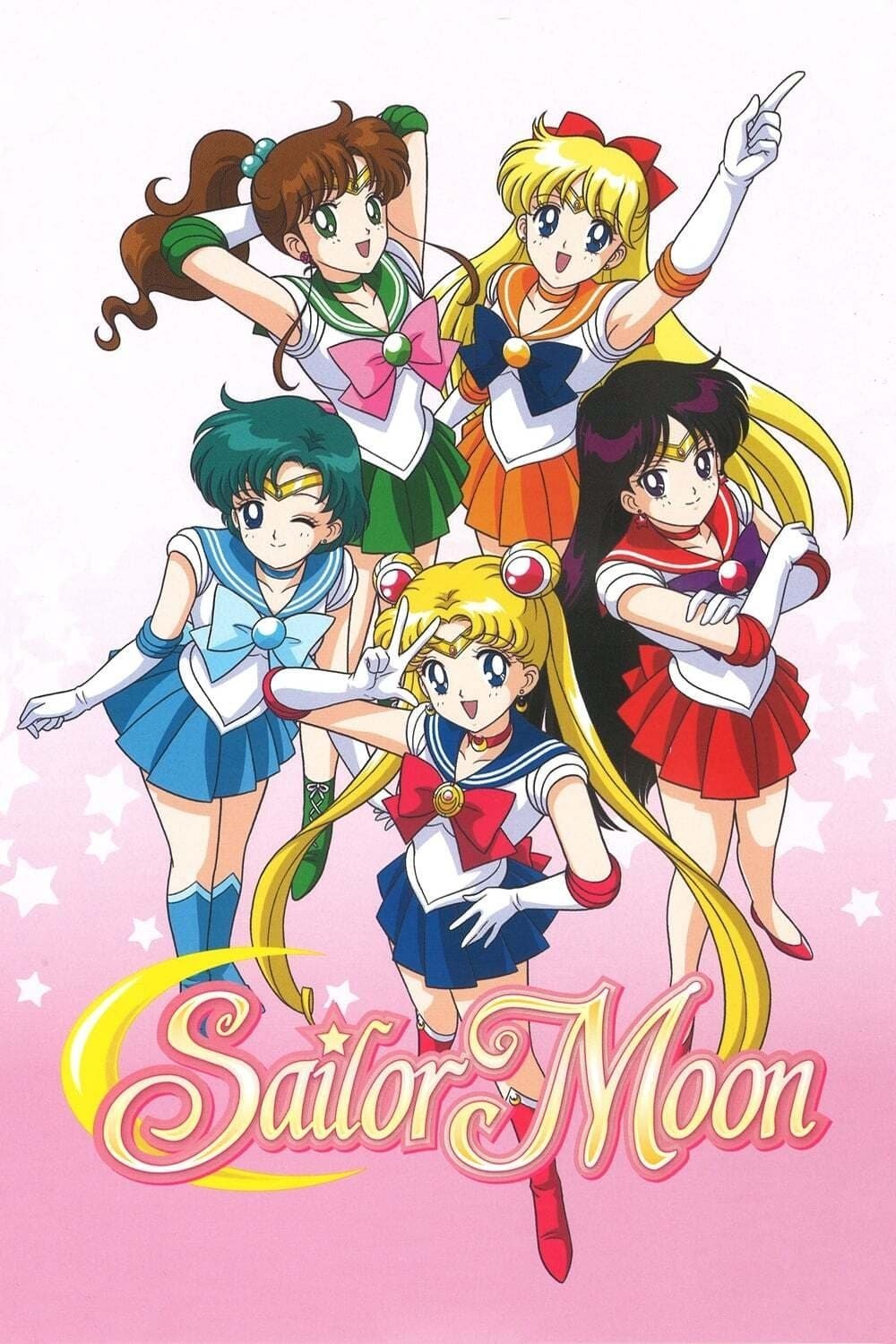
The original English localization by DiC Entertainment notably altered the relationship between Sailor Uranus and Sailor Neptune. To avoid portraying a same-sex couple to Western children, the dub scripted the two characters as cousins. This change created significant narrative confusion, as the original romantic chemistry between the pair remained visible in the animation. Additionally, several episodes were removed entirely to speed up the plot and remove elements deemed too mature for the time. These edits served as a primary example of heteronormative rewriting in 1990s anime syndication.
‘Cardcaptor Sakura’ (1998–2000)
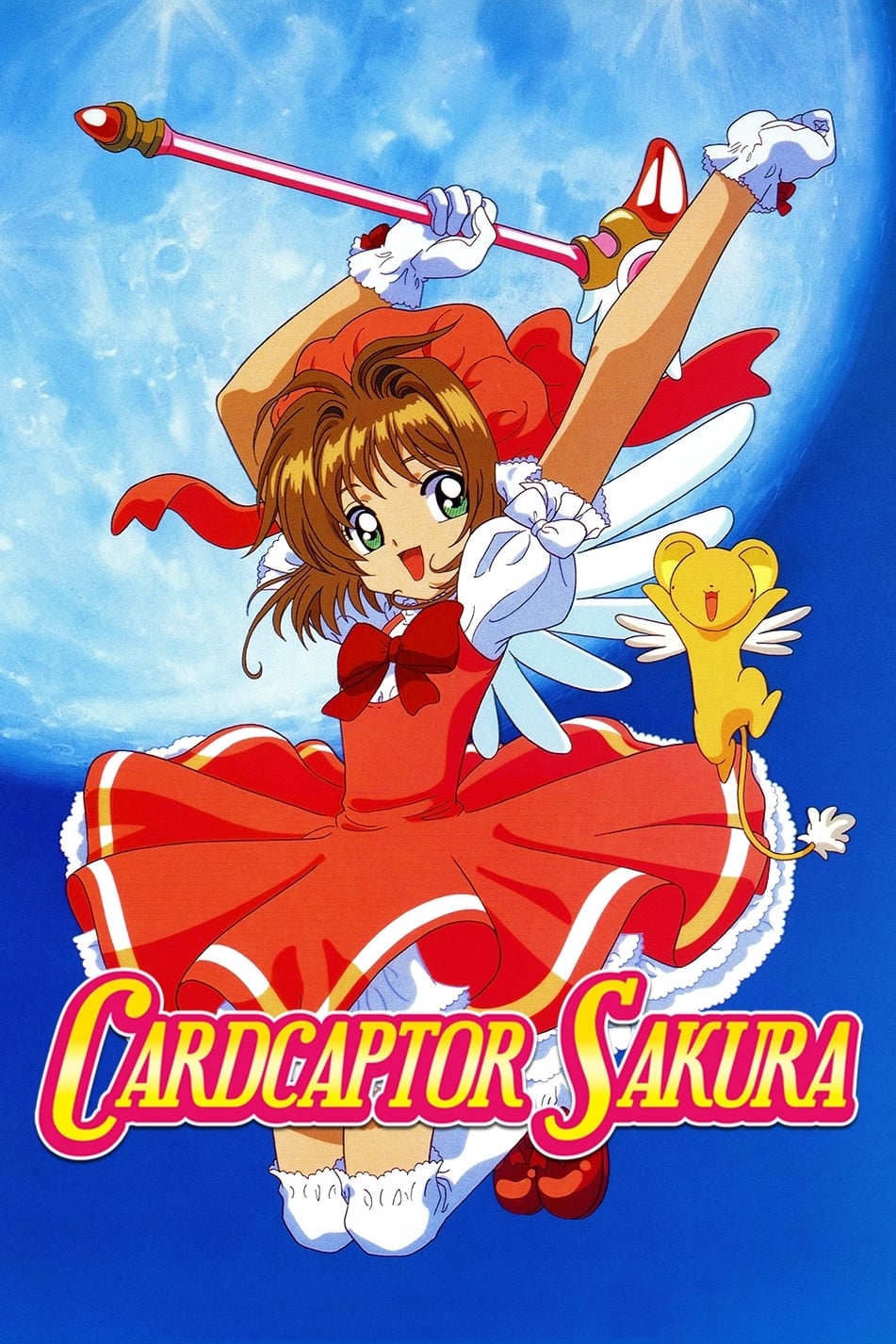
Rebranded as ‘Cardcaptors’ for North American audiences, this series underwent massive structural changes to appeal to a male demographic. The localization team at Nelvana removed the romantic feelings that Tomoyo Daidouji had for the protagonist to fit Western standards for children’s programming. Furthermore, the crush that Li Syaoran held for Yukito Tsukishiro was completely erased from the script. These changes effectively stripped the series of its original themes regarding the various forms of love. The order of episodes was also shuffled to prioritize action sequences over character development.
‘One Piece’ (1999–Present)
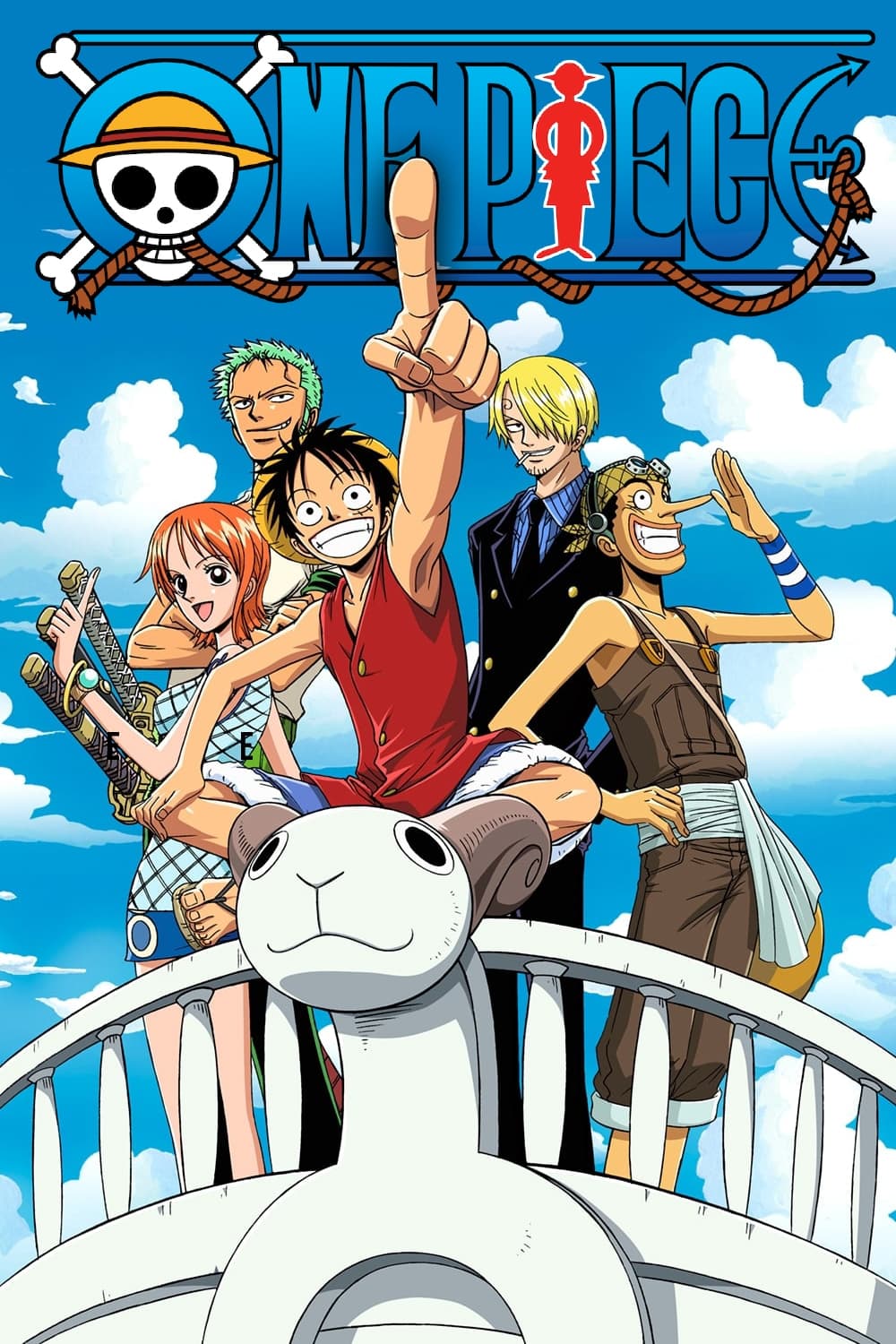
The 4Kids Entertainment dub of ‘One Piece’ is famous for its extensive censorship aimed at making the series appropriate for young viewers. Sanji’s signature cigarette was digitally replaced with a lollipop, and the dialogue was rewritten to omit any mention of smoking. Violent scenes were heavily edited, with realistic guns being replaced by “spring-loaded” hammers or water pistols. Characters who died in the original Japanese version were rewritten as having been “captured” or “sent to a dungeon.” These adjustments significantly altered the tone of the high-stakes pirate adventure.
‘Yu-Gi-Oh! Duel Monsters’ (2000–2004)
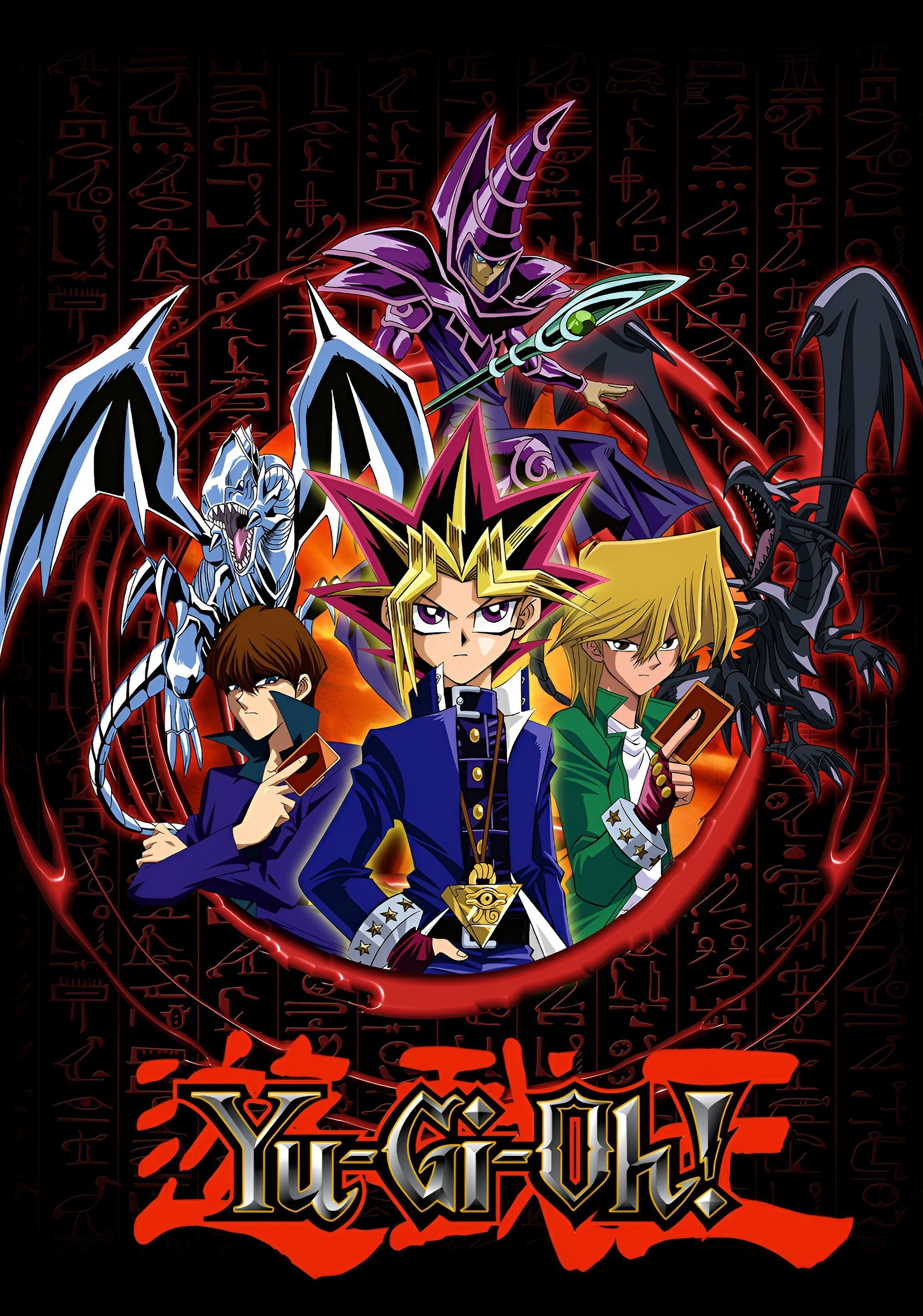
In order to comply with Western broadcast standards regarding violence and religious imagery, 4Kids Entertainment introduced the concept of the “Shadow Realm.” Instead of characters dying or losing their souls, the English script stated they were being sent to this alternate dimension. Visual edits were also common, such as the removal of crosses from gravestones and the erasure of realistic-looking firearms. Pentagrams and other mystical symbols were often replaced with generic shapes to avoid religious controversy. These rewrites allowed the show to air in a morning time slot designated for younger children.
‘Pokémon’ (1997–Present)
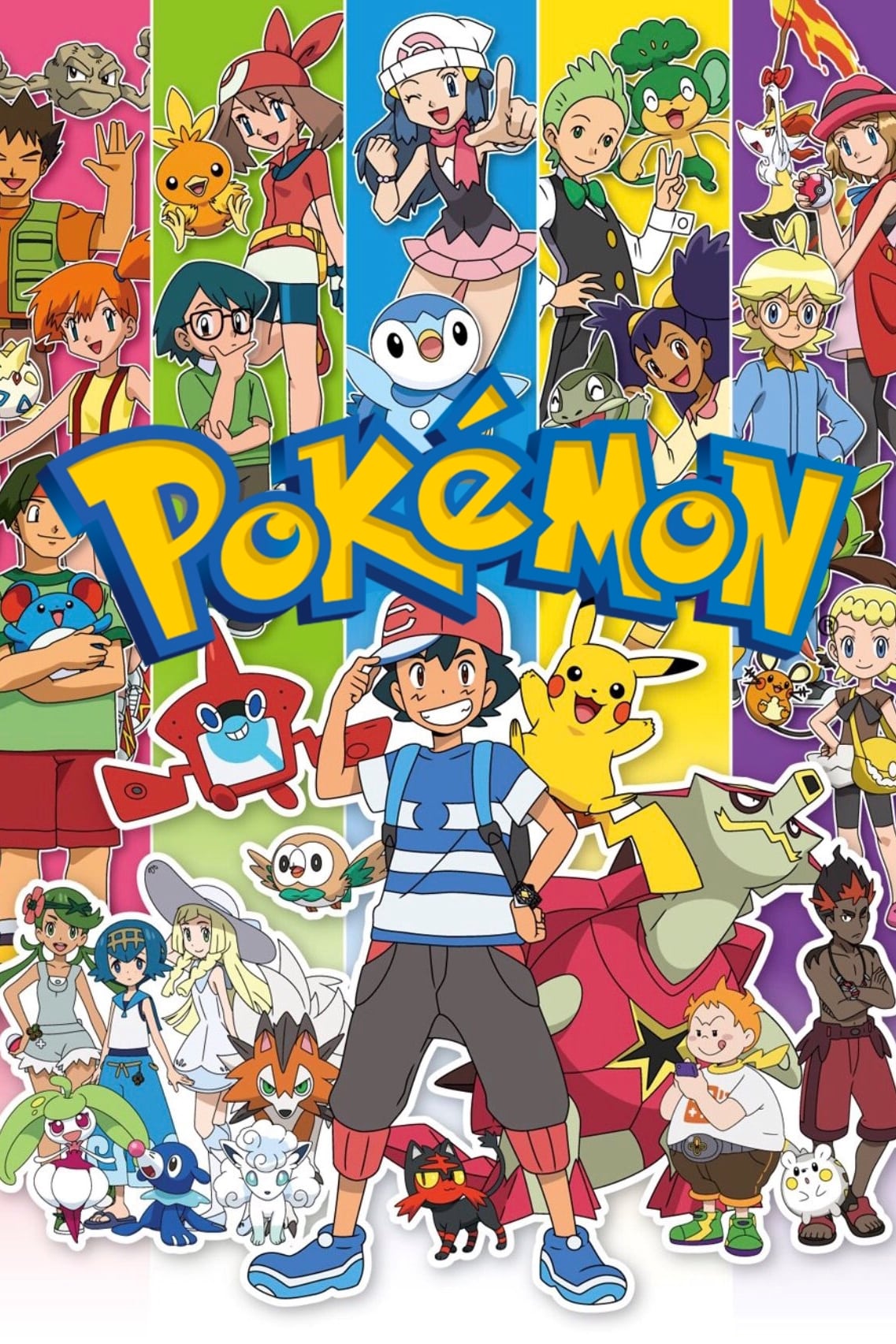
The English dub produced by 4Kids and later The Pokémon Company often altered cultural references to make the show feel more “American.” One of the most famous instances involved calling Japanese rice balls “jelly donuts” or “popcorn balls” in the dialogue. Beyond food, the character Jynx was redesigned in the West after her appearance sparked accusations of promoting racial stereotypes. Episodes featuring firearms or excessive physical comedy were frequently banned or heavily edited before being broadcast. These changes were implemented to ensure the brand remained universally accessible and politically uncontroversial.
‘Dragon Ball Z’ (1989–1996)

During its run on the CW Network’s 4Kids block, ‘Dragon Ball Z’ featured a significant visual change to the character Mr. Popo. The character’s skin color was changed from black to bright blue to avoid potential associations with blackface minstrelsy. Dialogue in various dubs also frequently replaced the word “death” with phrases like “another dimension” or “the next world.” This was a standard practice for the time to soften the stakes for a younger television audience. The removal of blood and the editing of certain battle wounds further sanitized the series for Western consumption.
‘Initial D’ (1998–2014)
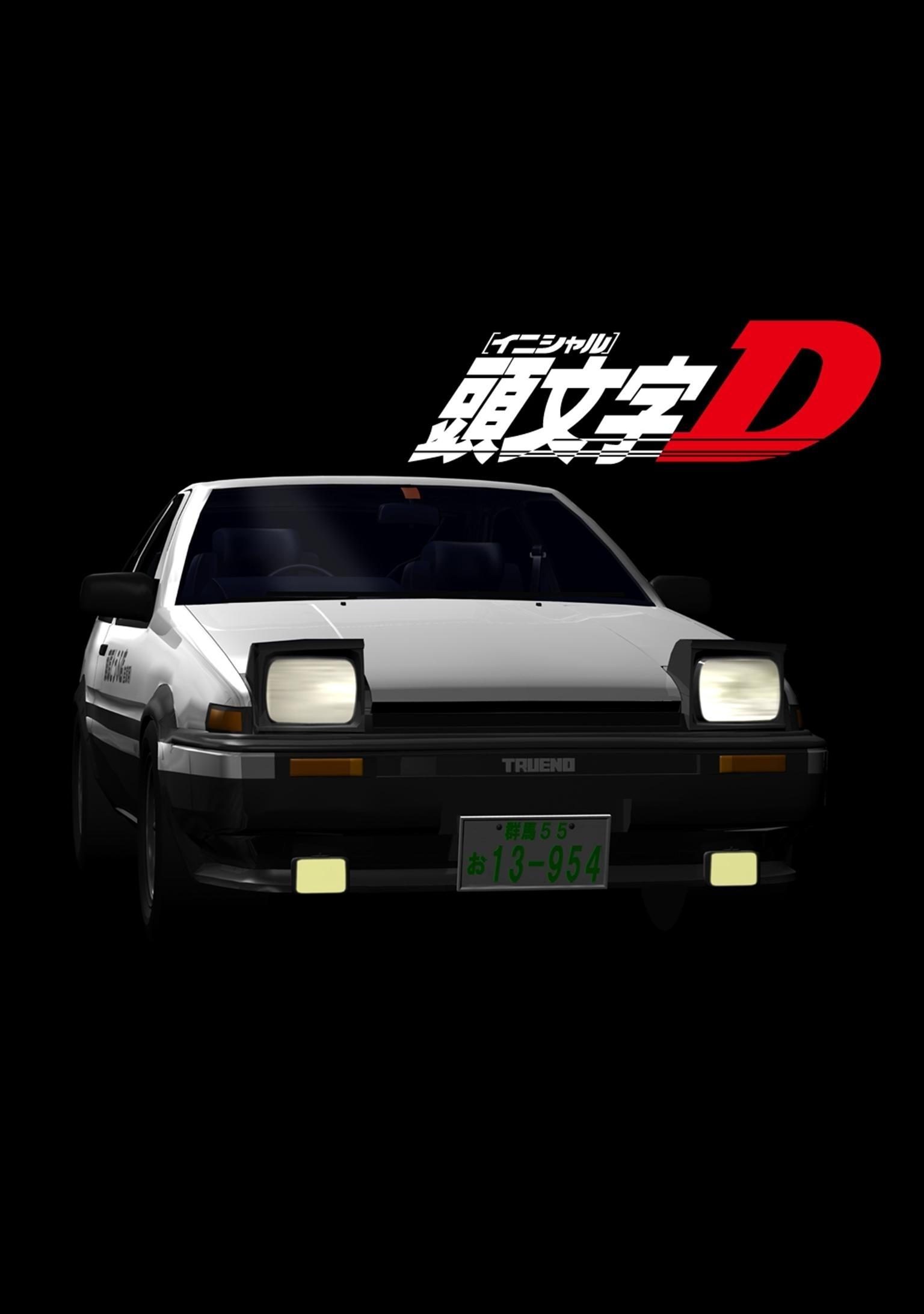
When Tokyopop localized ‘Initial D’, they made substantial changes to the plot to fit a more “family-friendly” or simplified Western narrative. The most significant rewrite involved the removal of the “compensated dating” subplot involving the character Natsuki Mogi. In the original version, Mogi’s relationship with an older man is a central conflict, but the English version characterized him simply as her “papa.” Many characters also received “Americanized” names to make them more relatable to Western teenagers. This localization approach sought to move the focus entirely onto the street racing aspects of the show.
‘Revolutionary Girl Utena’ (1997)
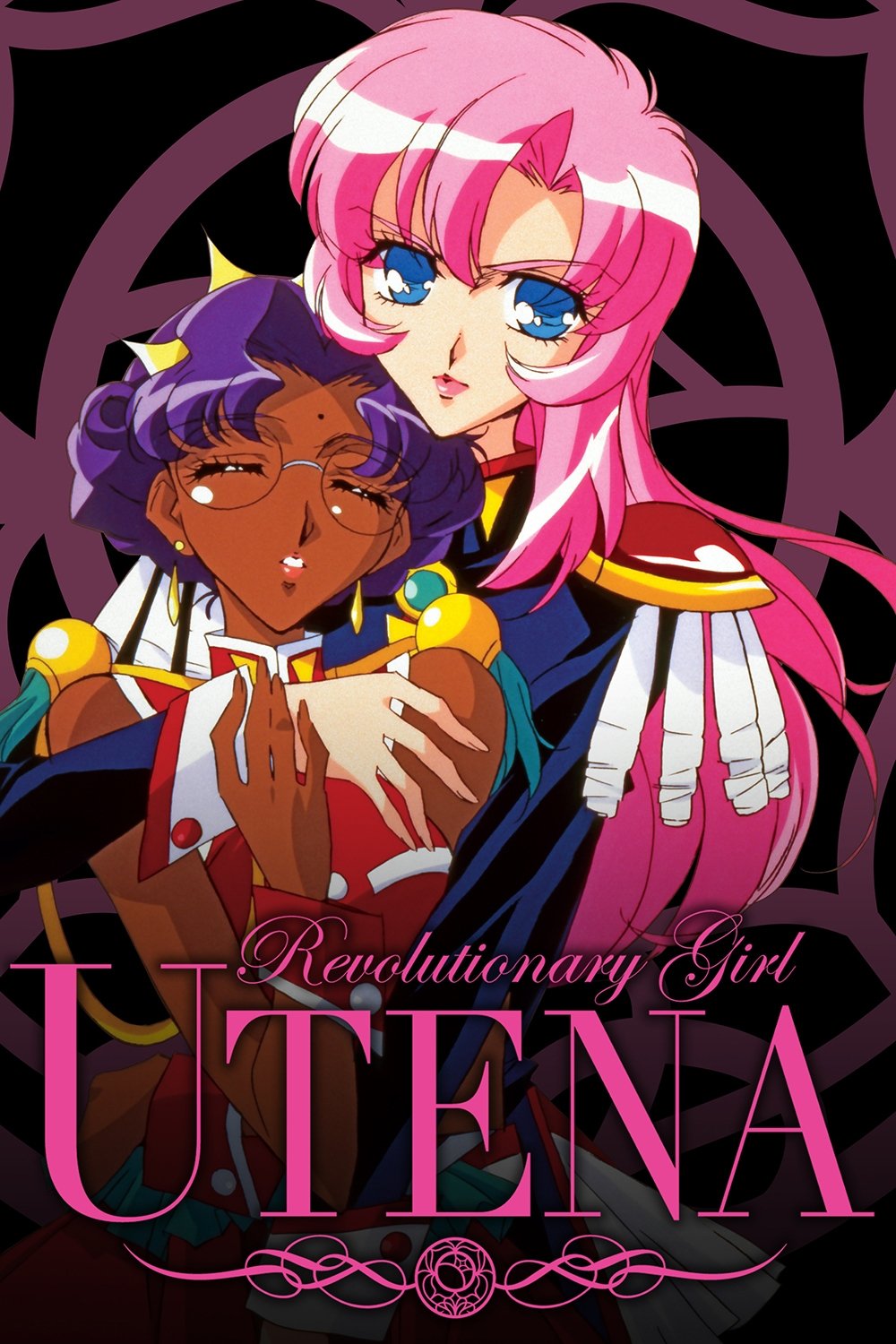
Early Western localizations of ‘Revolutionary Girl Utena’ struggled with the show’s overt queer themes and deconstruction of gender roles. Some English adaptations attempted to frame the relationship between Utena and Anthy as a deep platonic friendship rather than a romantic bond. The script often softened the edges of the show’s critique of traditional patriarchal structures to avoid offending conservative audiences. While later uncut releases restored these elements, the initial presentation was far more guarded. This reflected the era’s hesitation to broadcast complex LGBTQ+ narratives in mainstream animation.
‘Glitter Force’ (2012–2013)
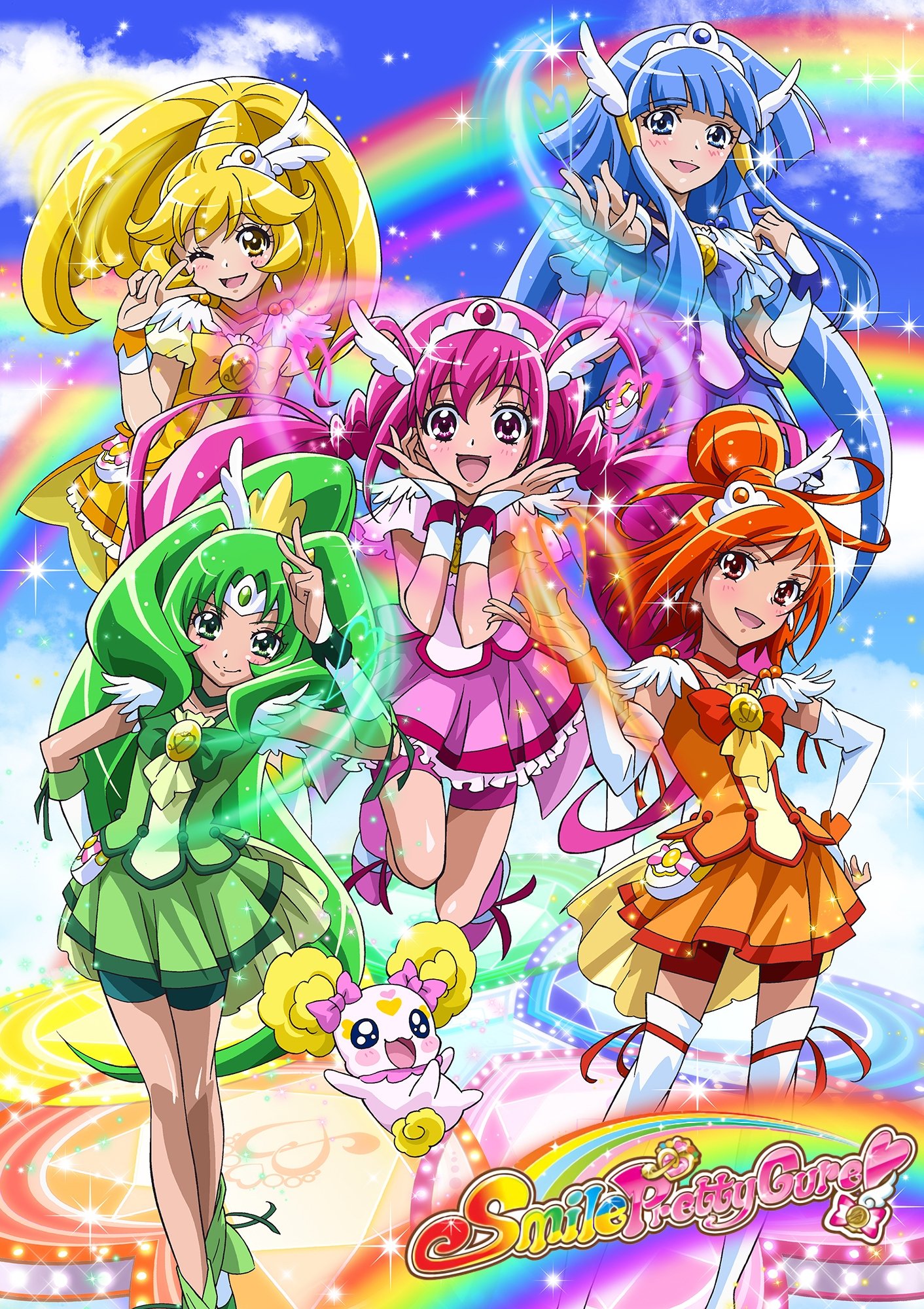
‘Glitter Force’ is the Westernized version of the Japanese series ‘Smile PreCure!’, which saw extensive changes to its cultural identity. The setting was moved from Japan to a generic Western location, and all Japanese text on screen was digitally erased or translated. References to traditional Japanese festivals and foods were rewritten to reflect American equivalents, such as turning okonomiyaki into pizza. The localization also removed several episodes that were deemed too emotional or sad for children. These efforts were intended to make the series feel like a domestic product rather than an import.
‘Tokyo Mew Mew’ (2002–2003)
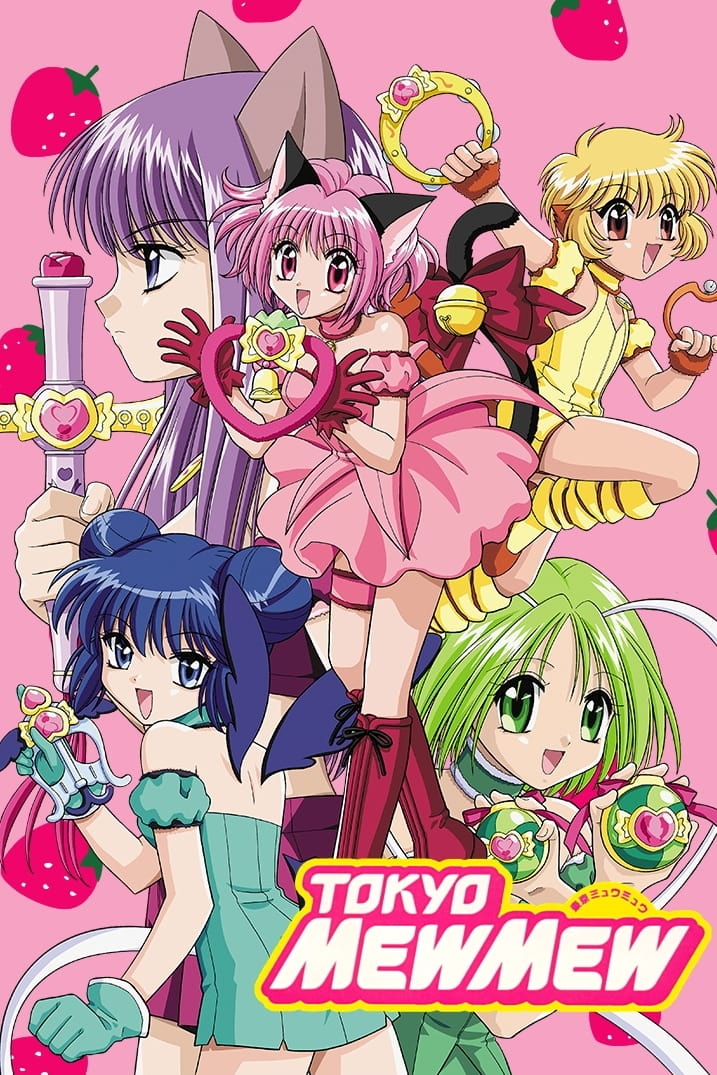
The adaptation of ‘Tokyo Mew Mew’ into ‘Mew Mew Power’ by 4Kids Entertainment involved significant script rewrites that altered the show’s core message. The original Japanese version focused heavily on environmentalism and the protection of endangered species. Much of this commentary was removed or simplified in the English version to focus on standard superhero tropes. Character names were changed to “Zoey,” “Corina,” and “Bridget” to fit a Western aesthetic. The removal of these environmental themes changed the tone from a social commentary to a generic magical girl story.
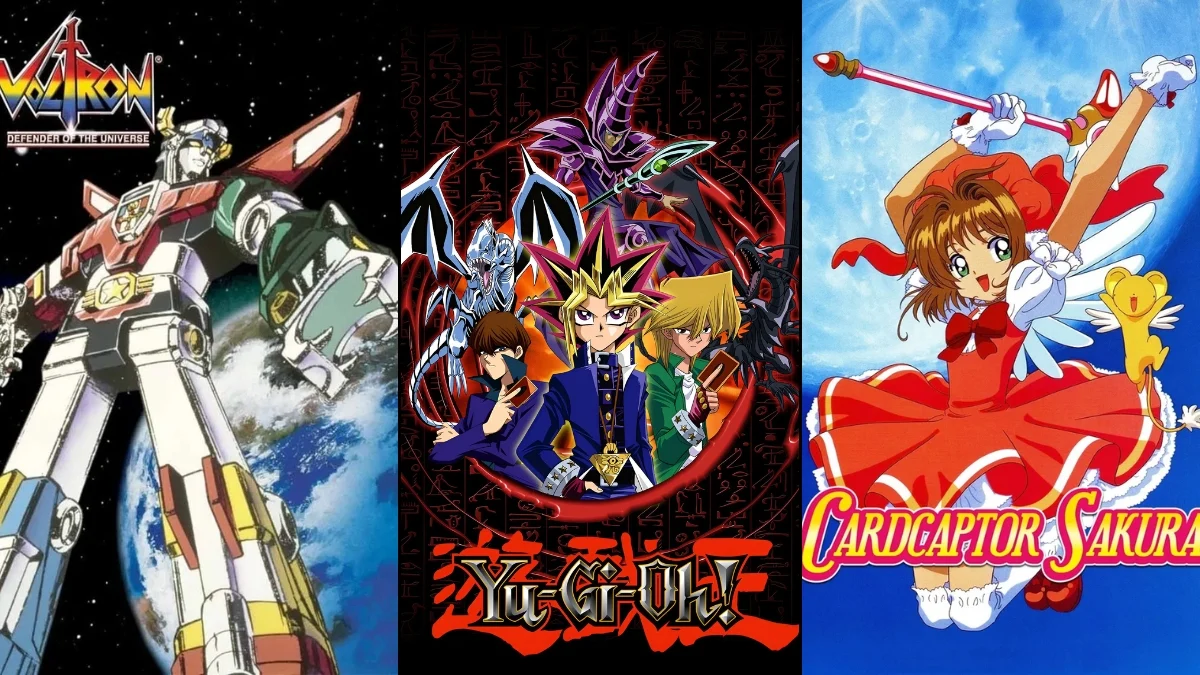
‘Voltron: Defender of the Universe’ (1984–1985)

Constructed from the Japanese series ‘Beast King GoLion’, ‘Voltron’ required extensive rewriting to pass Western television standards of the 1980s. The original Japanese footage featured a high level of violence and several character deaths that were deemed too dark. To fix this, the English script stated that characters who died were simply “sent to another planet” or “captured.” This rewrite forced the editors to cut or loop footage to match the new, less lethal narrative. It transformed a grim war story into a more traditional hero-driven space adventure.
‘Battle of the Planets’ (1978–1985)
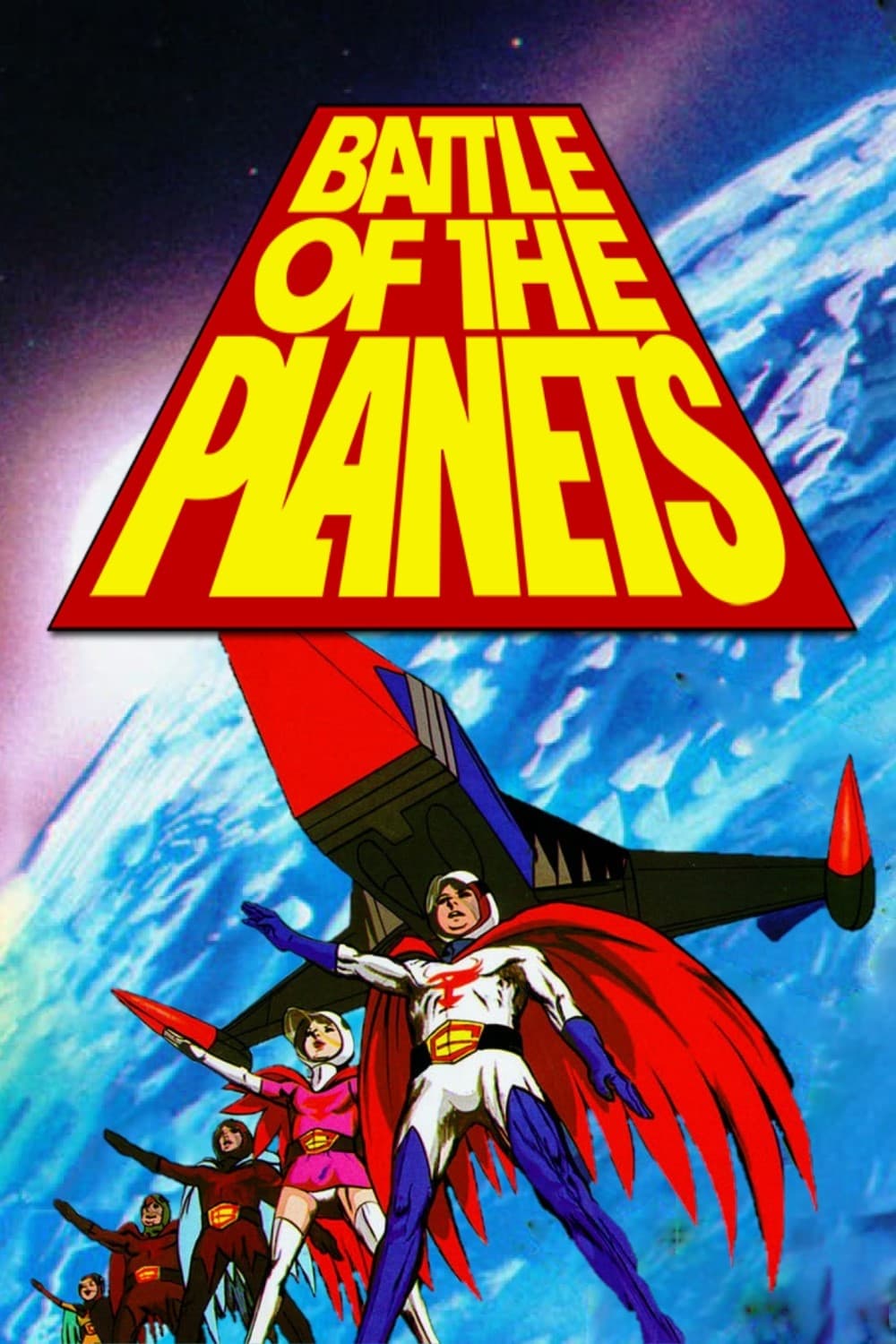
To bring ‘Science Ninja Team Gatchaman’ to American television, producers created ‘Battle of the Planets’ with significant content alterations. Large amounts of graphic violence and mature themes were cut from the original footage. To fill the gaps left by these removals, the producers added new animation featuring a robot named 7-Zark-7. This robot served as a narrator who assured the audience that the heroes were always safe and that the violence happened elsewhere. This creative rewrite allowed the show to meet the strict broadcast standards of the late 1970s.
‘Sonic X’ (2003–2005)
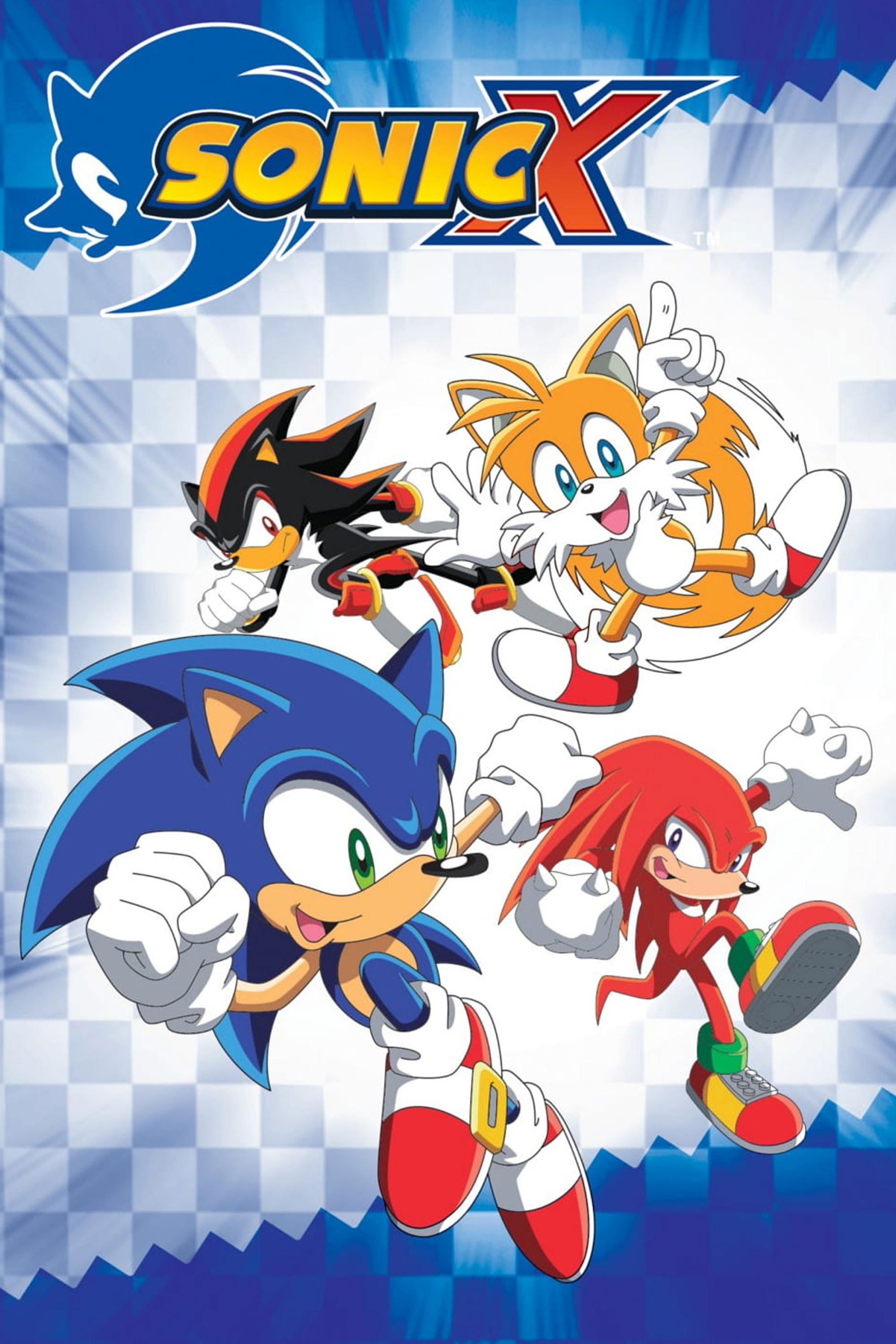
The 4Kids localization of ‘Sonic X’ followed the company’s strict guidelines for content deemed inappropriate for children. Scenes featuring alcoholic beverages were rewritten or edited; for example, a glass of wine was recolored to look like orange juice. Realistic firearms were often replaced with laser blasters or completely removed from the frame. The English script also added more humor and puns to lighten the mood of several dramatic arcs. These changes were aimed at aligning the show with the “E for Everyone” branding of the ‘Sonic the Hedgehog’ video game franchise.
‘Digimon Adventure’ (1999–2000)
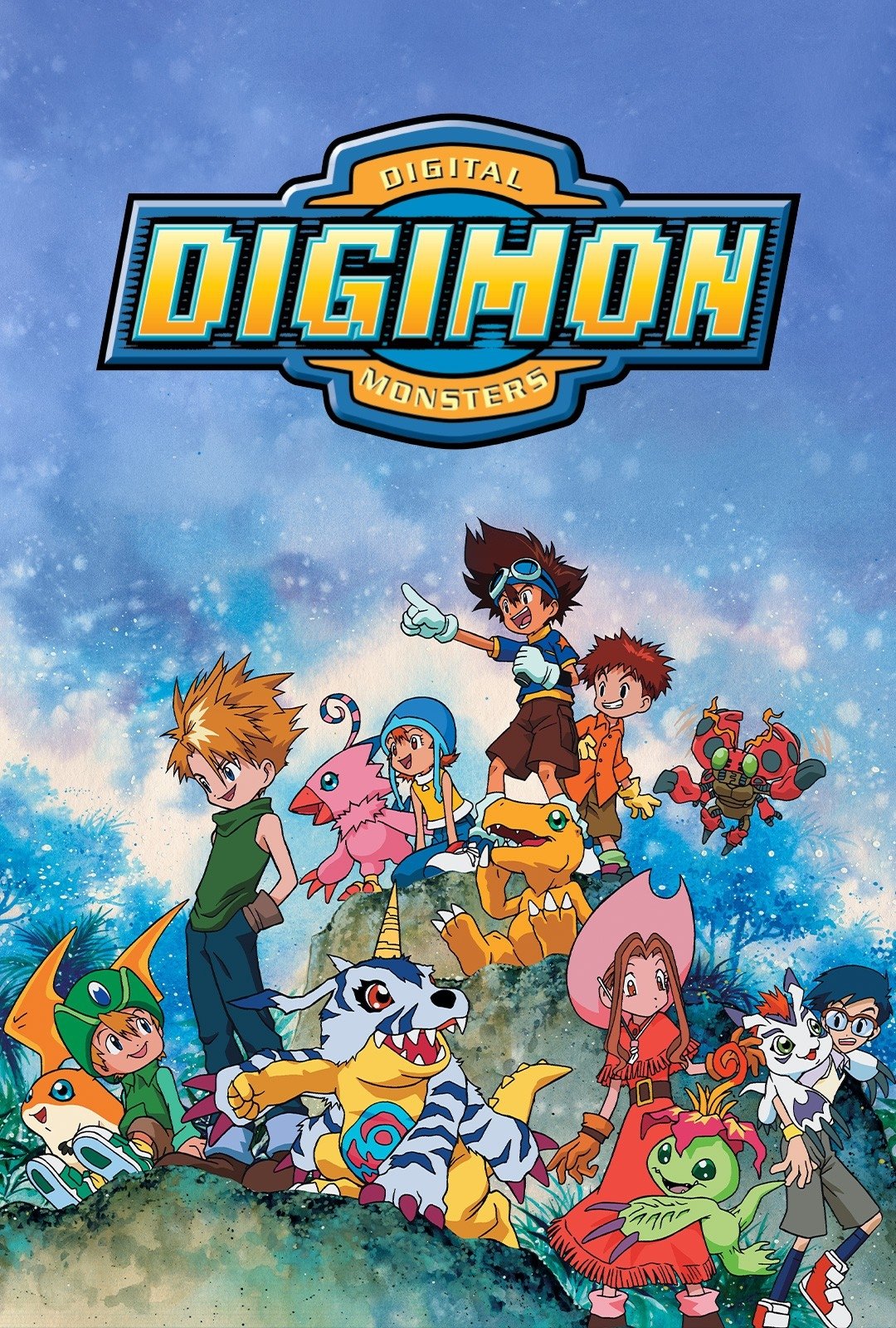
The English dub of ‘Digimon Adventure’ was rewritten to include a high volume of jokes and pop-culture references that were not in the original script. Producers felt that the Japanese version was too serious and dramatic for American children, so they used dialogue to lighten the tension. Several references to Japanese mythology and Shintoism were omitted or replaced with more secular explanations. Even the musical score was replaced with upbeat techno-rock to better fit the “cool” aesthetic of the late 90s. This helped the series compete with other high-energy children’s shows in the West.
‘Naruto’ (2002–2007)

When ‘Naruto’ first aired on Cartoon Network, it underwent several edits to reduce the level of visible violence. Blood was frequently removed from the animation, and the intensity of certain combat scenes was dialed back. The script was also adjusted to soften the impact of the Uchiha clan massacre, a pivotal but dark part of the backstory. Terms related to death were sometimes replaced with “taking someone out” or “defeating” them to comply with standard television ratings. These rewrites allowed the series to bridge the gap between young audiences and its more mature source material.
Tell us which of these anime dub changes surprised you the most in the comments.