Anime Series That Were Banned From Television for Their Religious Imagery

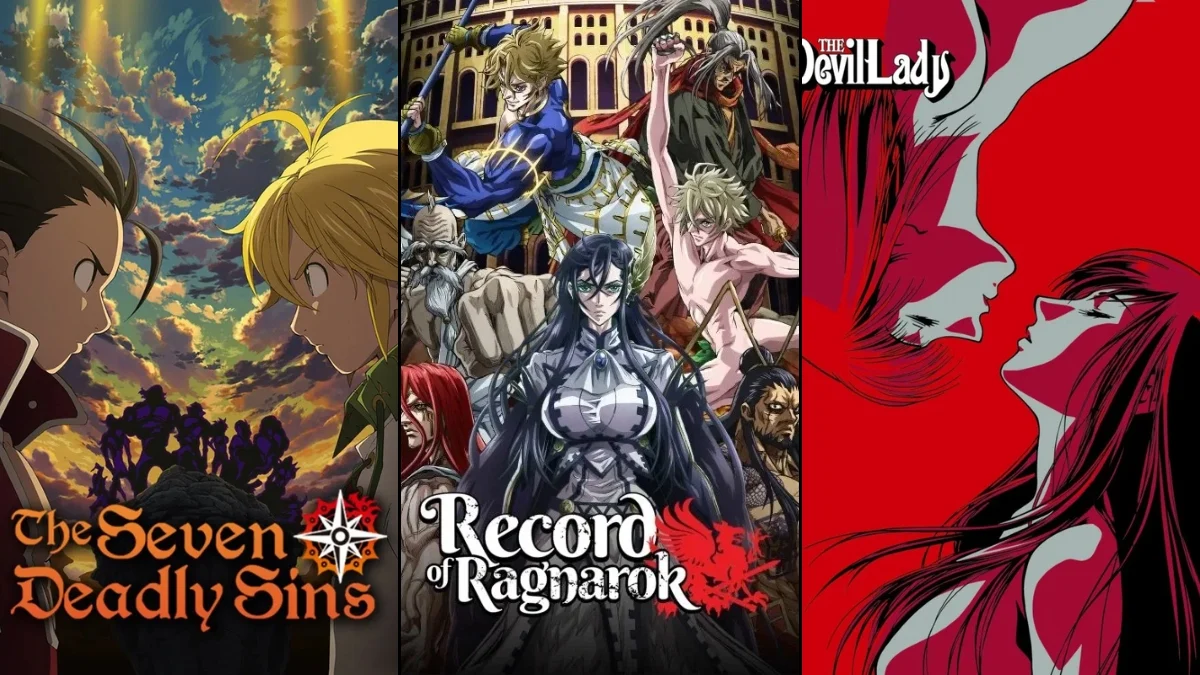

The intersection of Japanese animation and global religious sensitivities has often led to significant broadcast controversies and outright bans. While many anime series incorporate religious motifs for aesthetic or narrative depth, international audiences and regulatory bodies sometimes view these depictions as blasphemous or socially damaging. From the use of sacred texts to the reimagining of divine figures, these creative choices have resulted in series being pulled from airwaves or restricted in various territories. The following list examines confirmed instances where anime series faced television bans or severe distribution halts due to their religious content.
‘Record of Ragnarok’ (2021)
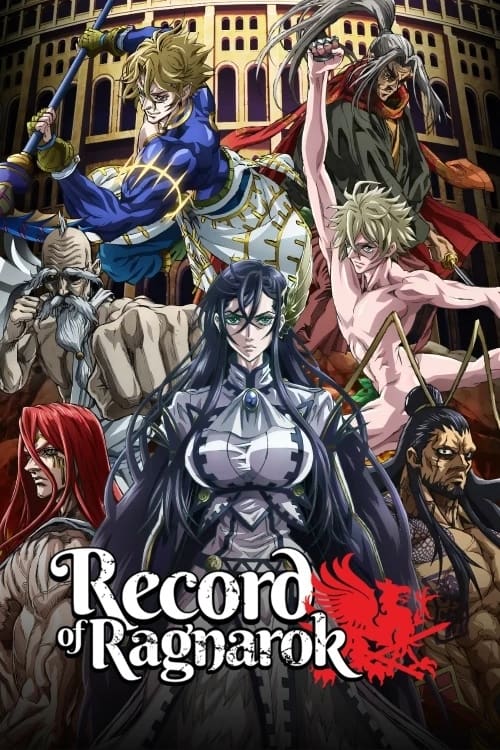
‘Record of Ragnarok’ faced a high-profile ban in India due to its portrayal of the Hindu deity Shiva. The series depicts a grand tournament where gods from various mythologies battle humans to decide the fate of humanity. Religious leaders and organizations in India argued that the depiction of Shiva as a competitive fighter was disrespectful to the faith. Consequently, Netflix pulled the title from its Indian library to avoid legal repercussions and further public outcry.
‘JoJo’s Bizarre Adventure’ (1993–1994)
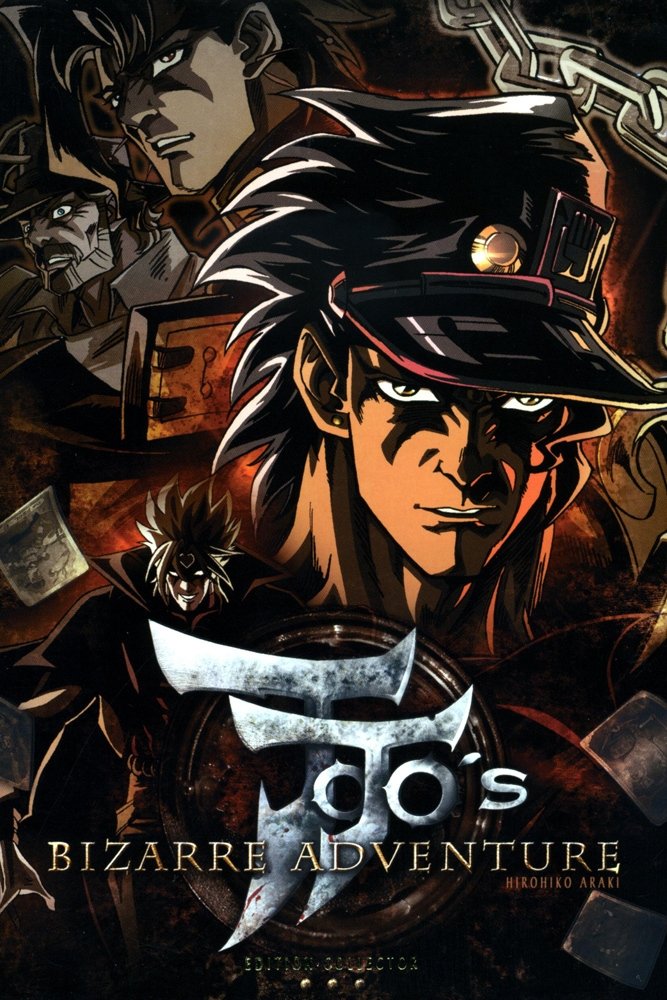
The 1993 OVA adaptation of ‘JoJo’s Bizarre Adventure’ sparked international outrage due to a specific scene involving the antagonist, Dio Brando. In the footage, Dio is seen reading a book that clearly features text from the Holy Quran while commanding the execution of the protagonists. This led to massive protests across the Arab world, resulting in the series being pulled from global distribution for a significant period. The production studio, APPP, eventually issued a formal apology and edited the imagery for all subsequent releases.
‘Pokémon’ (1997–Present)
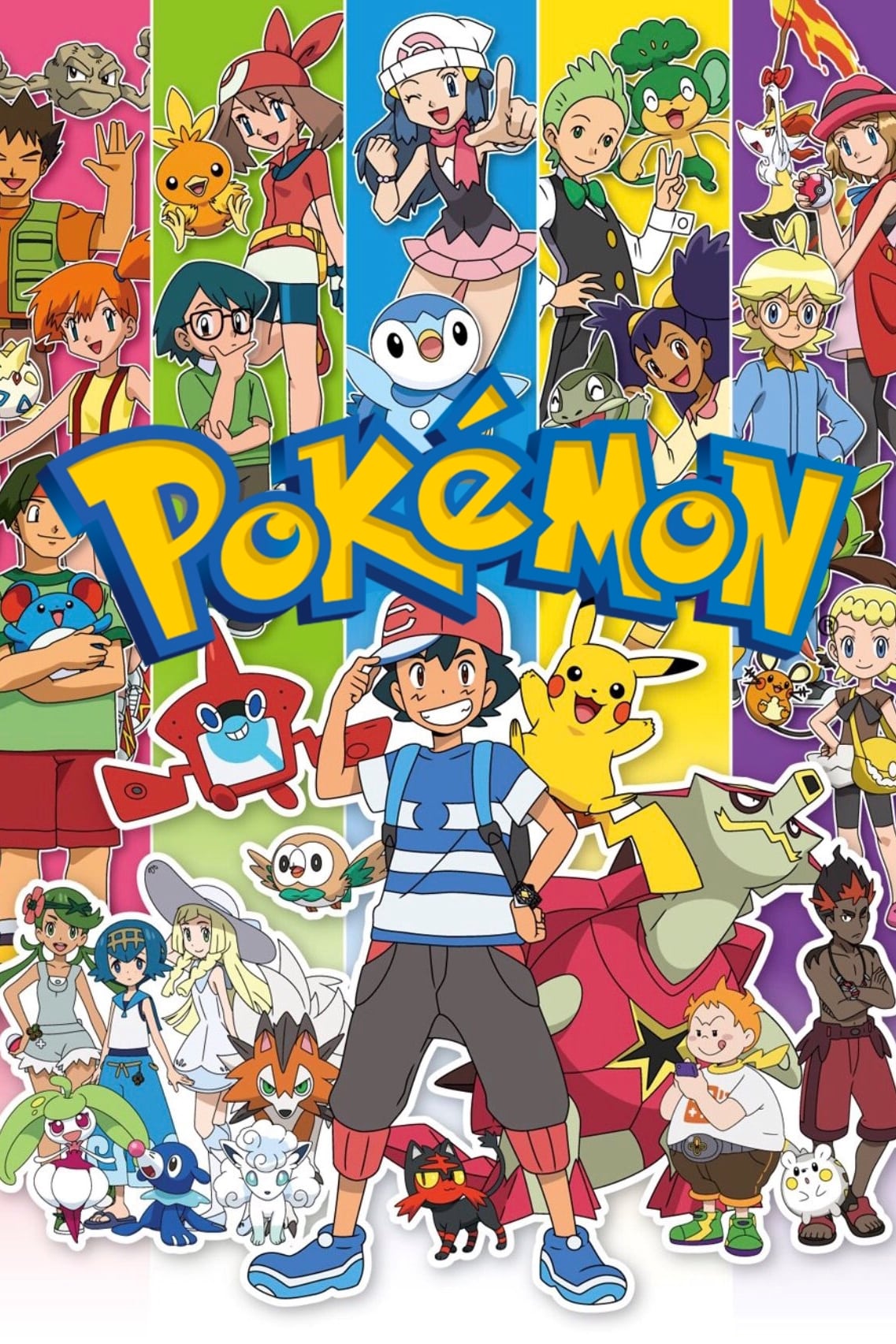
In 2001, ‘Pokémon’ was banned from television and commercial sale in several Middle Eastern countries, including Saudi Arabia and the United Arab Emirates. Religious authorities issued fatwas claiming the series promoted Zionism and evolutionary theories that contradicted Islamic teachings. Additionally, the associated trading card game was accused of encouraging gambling, which is strictly prohibited in these regions. While the franchise has seen a gradual return to some of these markets, the initial religious bans remain a major part of its broadcasting history.
‘Death Note’ (2006–2007)
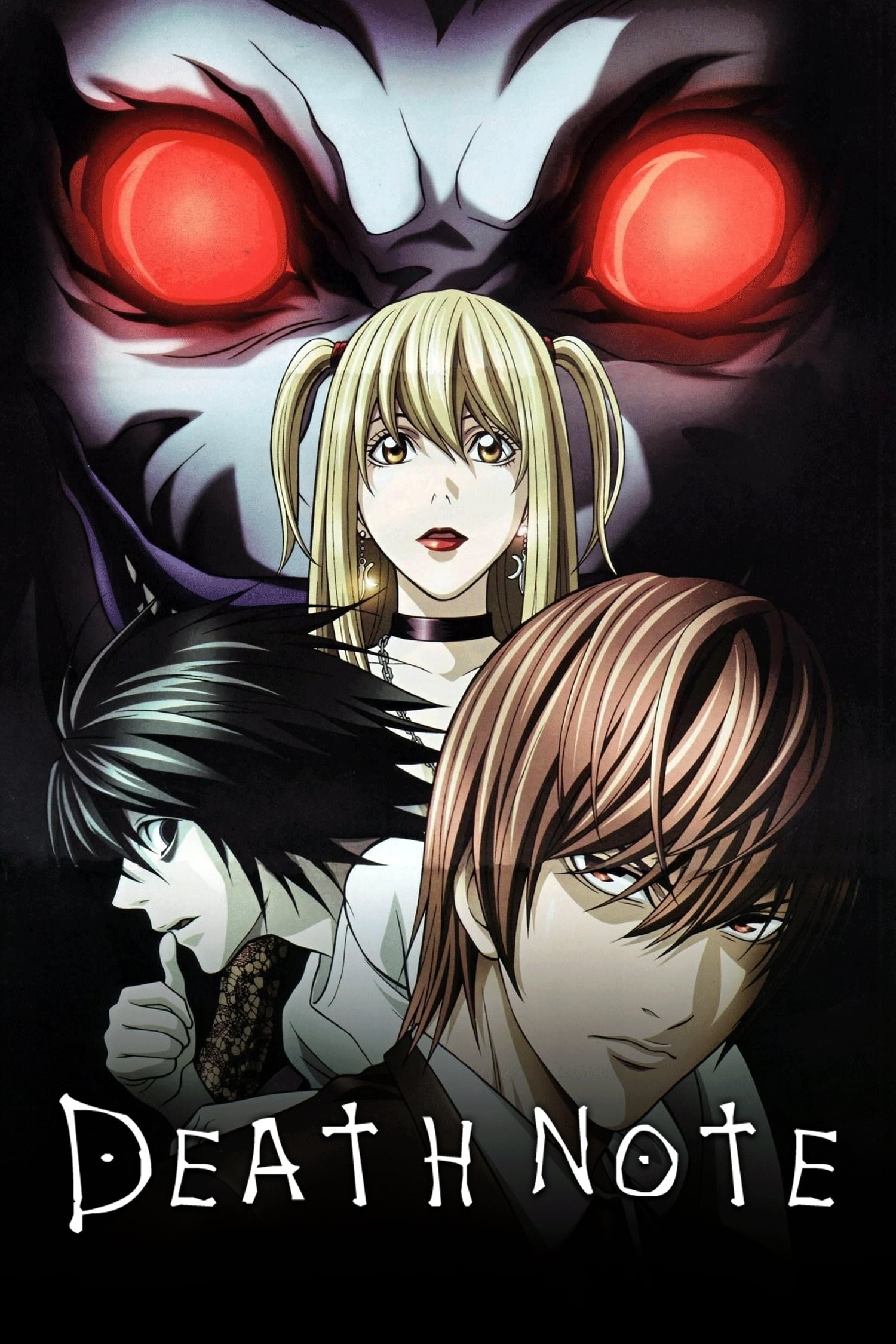
‘Death Note’ was famously banned in several major cities across China, including Beijing, due to its focus on the occult and religious themes of life and death. Authorities were concerned that the depiction of the Shinigami, or death spirits, and the central killing notebook would negatively influence the spiritual health of students. The ban was enacted after reports surfaced of children creating their own “Death Notes” to write down the names of their teachers and peers. This led to a total prohibition of the series on television and in print within those jurisdictions to protect public morality.
‘Dragon Ball Z’ (1989–1996)

While globally successful, ‘Dragon Ball Z’ faced numerous restrictions and local bans on television stations in the United States and other conservative regions during the “Satanic Panic” era. The character Mr. Satan was a primary point of contention, leading to his name being changed to “Hercule” in various dubs to avoid demonic associations. Furthermore, the depiction of the afterlife, originally called “Hell,” was renamed “HFIL” or removed entirely to satisfy religious broadcasting standards. Some religious organizations successfully lobbied to have the show removed from specific local networks due to its portrayal of god-like powers.
‘High School DxD’ (2012–2018)

‘High School DxD’ is strictly prohibited from television broadcast in many Middle Eastern and Southeast Asian countries due to its reimagining of religious hierarchies. The series features an ongoing war between angels, fallen angels, and demons, often placing these figures in provocative or irreverent contexts. Because the show incorporates names and iconography from Abrahamic religions into a supernatural harem setting, it was deemed blasphemous by multiple censorship boards. As a result, the series is unavailable on traditional television networks in territories with strict religious governance.
‘Hellsing’ (2001–2002)

The original ‘Hellsing’ series and its subsequent iterations faced broadcast restrictions in several Catholic-majority nations due to its portrayal of the Vatican. The story features the Iscariot Organization, a secret, militaristic unit of the Catholic Church that uses extreme violence to hunt supernatural threats. This depiction was viewed as an attack on the integrity of the Church, leading to significant pushback from religious advocacy groups. Some networks chose to skip episodes or pull the series entirely rather than risk offending their religious demographics.
‘Neon Genesis Evangelion’ (1995–1996)
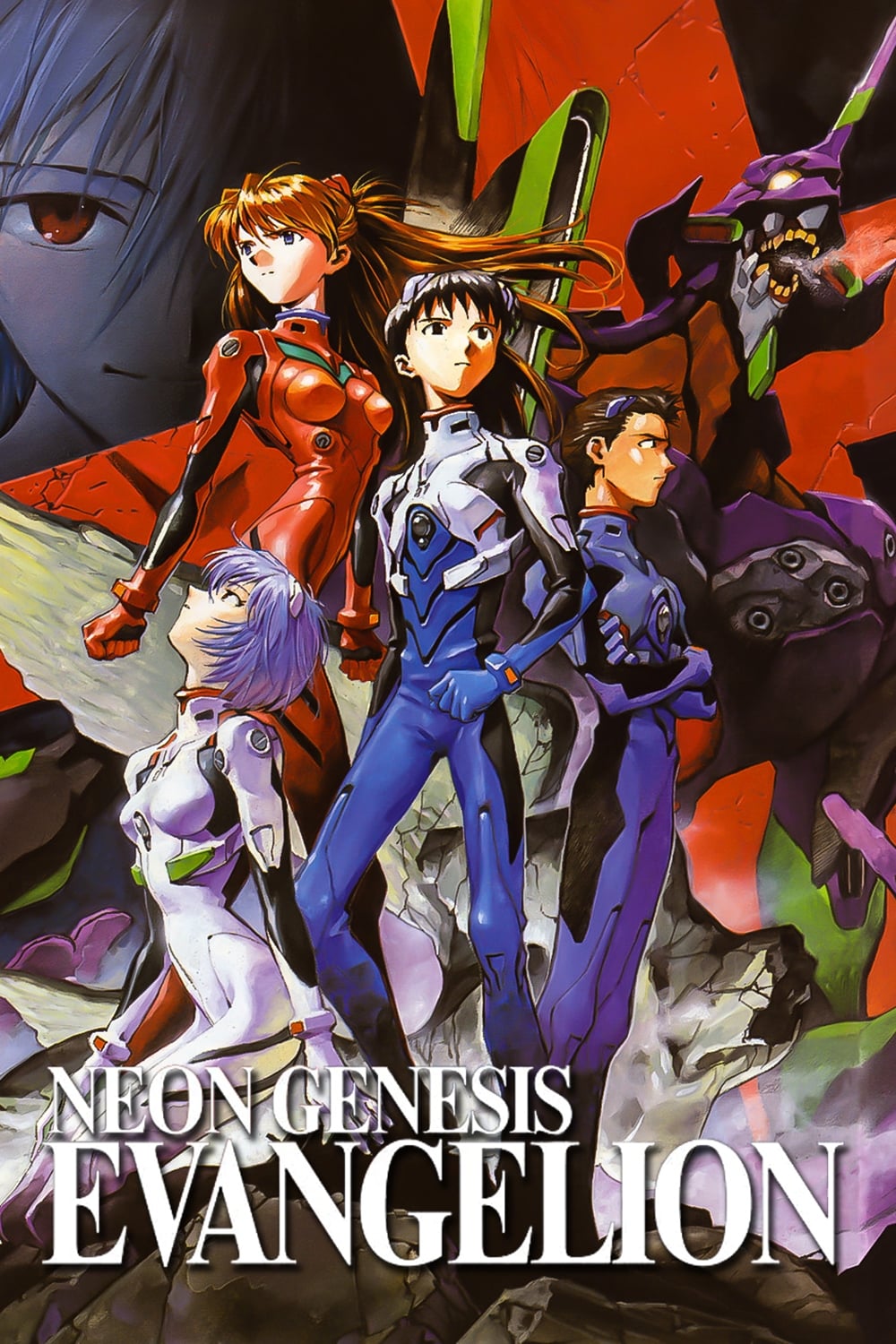
‘Neon Genesis Evangelion’ is renowned for its heavy use of Judeo-Christian symbolism, including the Kabbalah, the Spear of Longinus, and beings known as Angels. While these elements were primarily used for aesthetic reasons in Japan, they caused substantial friction for international broadcasters who found the imagery provocative or sacrilegious. Certain scenes involving crosses and crucifixion-style imagery were edited or omitted in some countries to comply with local religious sensitivities. The series remains a target for religious critics who find its fusion of giant robots and biblical mythology to be inappropriate for general audiences.
‘The Seven Deadly Sins’ (2014–2021)
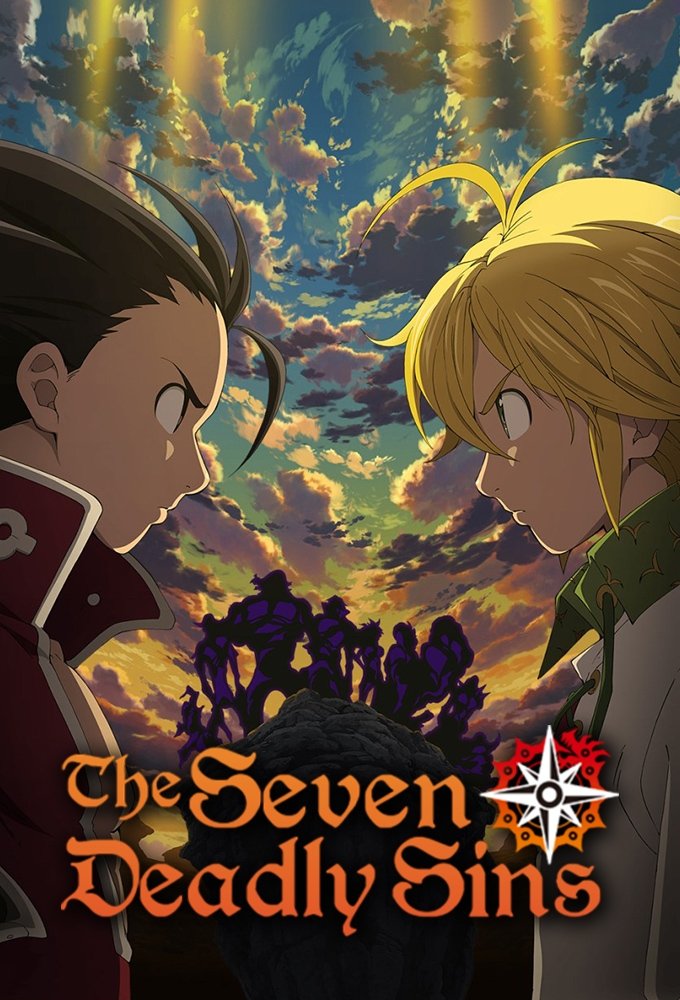
In 2015, the Chinese Ministry of Culture included ‘Seven Deadly Sins’ on a list of anime titles that were banned from all domestic streaming and television platforms. The ban was partly motivated by the series’ use of religious nomenclature and its portrayal of characters who represent the cardinal sins in a heroic light. Authorities argued that the series promoted themes that were incompatible with the spiritual and moral values of the region. This resulted in the immediate removal of the show from all legal broadcast channels in mainland China.
‘Devil Lady’ (1998–1999)
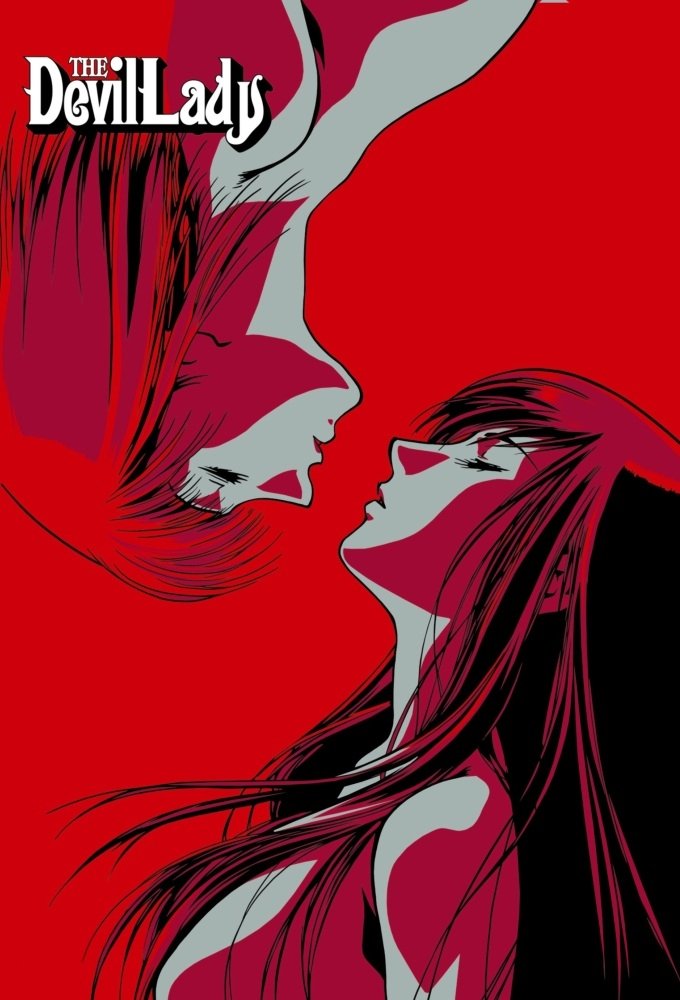
‘Devilman Lady’ encountered significant resistance in Western markets and was banned or heavily edited on several television networks for its dark religious content. The series explores themes of demonic possession and the subversion of biblical prophecy through a gritty, supernatural lens. Its graphic depiction of Satanic rituals and the transformation of humans into monstrous entities was considered too extreme for television broadcast standards in many conservative regions. Consequently, the show was often restricted to late-night slots or completely prohibited in markets with strict religious oversight.
‘Panty & Stocking with Garterbelt’ (2010)
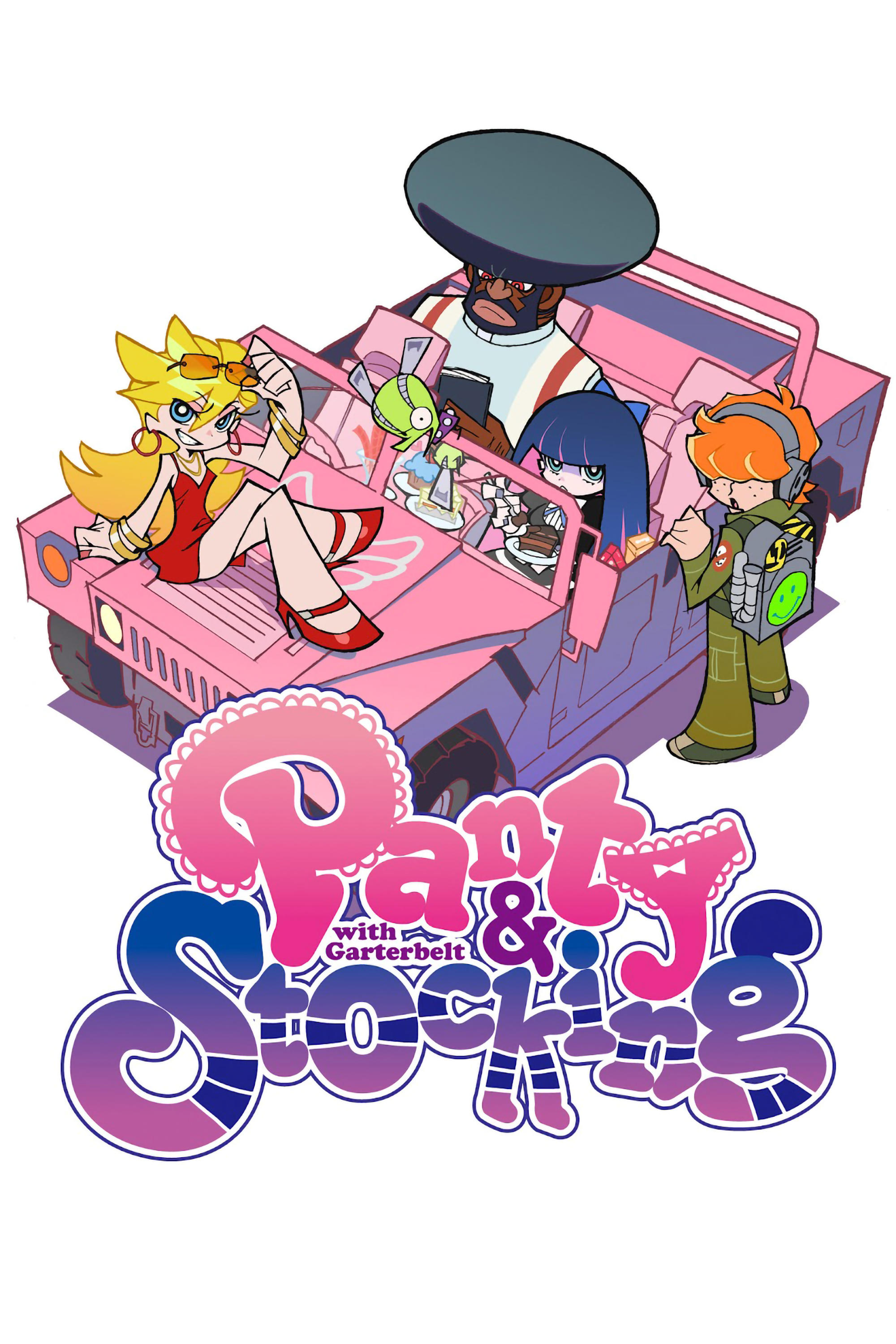
Due to its crude humor and irreverent portrayal of heavenly beings, ‘Panty & Stocking with Garterbelt’ has been restricted from television in various conservative countries. The series follows two angels who are expelled from heaven for bad behavior and must earn their way back by hunting ghosts. The frequent use of religious icons in a vulgar and hyper-stylized context was seen as offensive by several religious organizations. This led to the series being banned from daytime and early-evening television slots in multiple territories to prevent exposure to younger viewers.
‘Blue Exorcist’ (2011–2024)

‘Blue Exorcist’ has faced hurdles in countries with strict religious censorship because of its focus on the son of Satan attending a Vatican-linked academy for exorcists. The series depicts a complex world that mirrors Catholic traditions, hierarchies, and rituals, which some find to be an uncomfortable appropriation of faith. Some television networks in South Asia and the Middle East have pulled the show or refused to air it to avoid controversy regarding the depiction of the devil and holy institutions. The central theme of a demonic protagonist fighting against his biological father remains a point of contention in traditional religious circles.
Tell us in the comments which of these anime bans based on religious imagery surprised you the most.