Anime Plots That Were Completely Censored for American Television


The American localization of anime during the 1990s and early 2000s often involved significant changes to ensure content met strict broadcast standards. Network executives frequently altered character relationships, removed references to death, and digitally edited visuals to make series more accessible to younger Western audiences. These modifications often resulted in entirely different plot structures compared to the original Japanese versions. The following list highlights several prominent anime series that underwent extensive censorship for their American television debuts.
‘Sailor Moon’ (1992–1997)
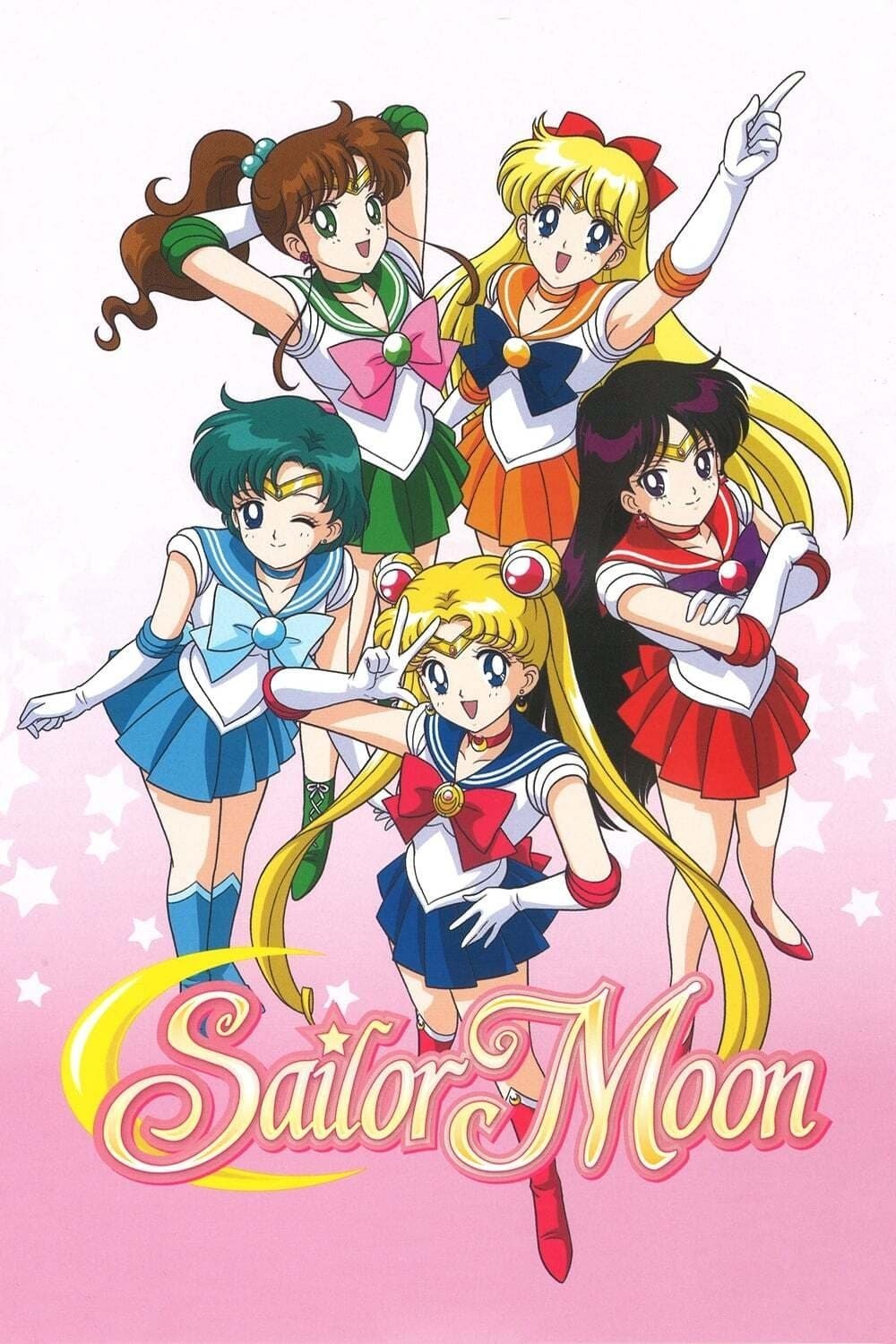
In the original North American broadcast of ‘Sailor Moon’, the romantic relationship between Sailor Uranus and Sailor Neptune was completely rewritten. The localizing team changed the two characters into cousins to avoid depicting a same-sex couple on a children’s network. This decision led to awkward dialogue and confusing plot points, as the romantic chemistry between them remained visible in the animation. Additionally, several episodes featuring gender-fluid characters or mature themes were skipped or heavily edited. These modifications were standard practice for the DiC and Cloverway dubs during the 1990s.
‘One Piece’ (1999–Present)
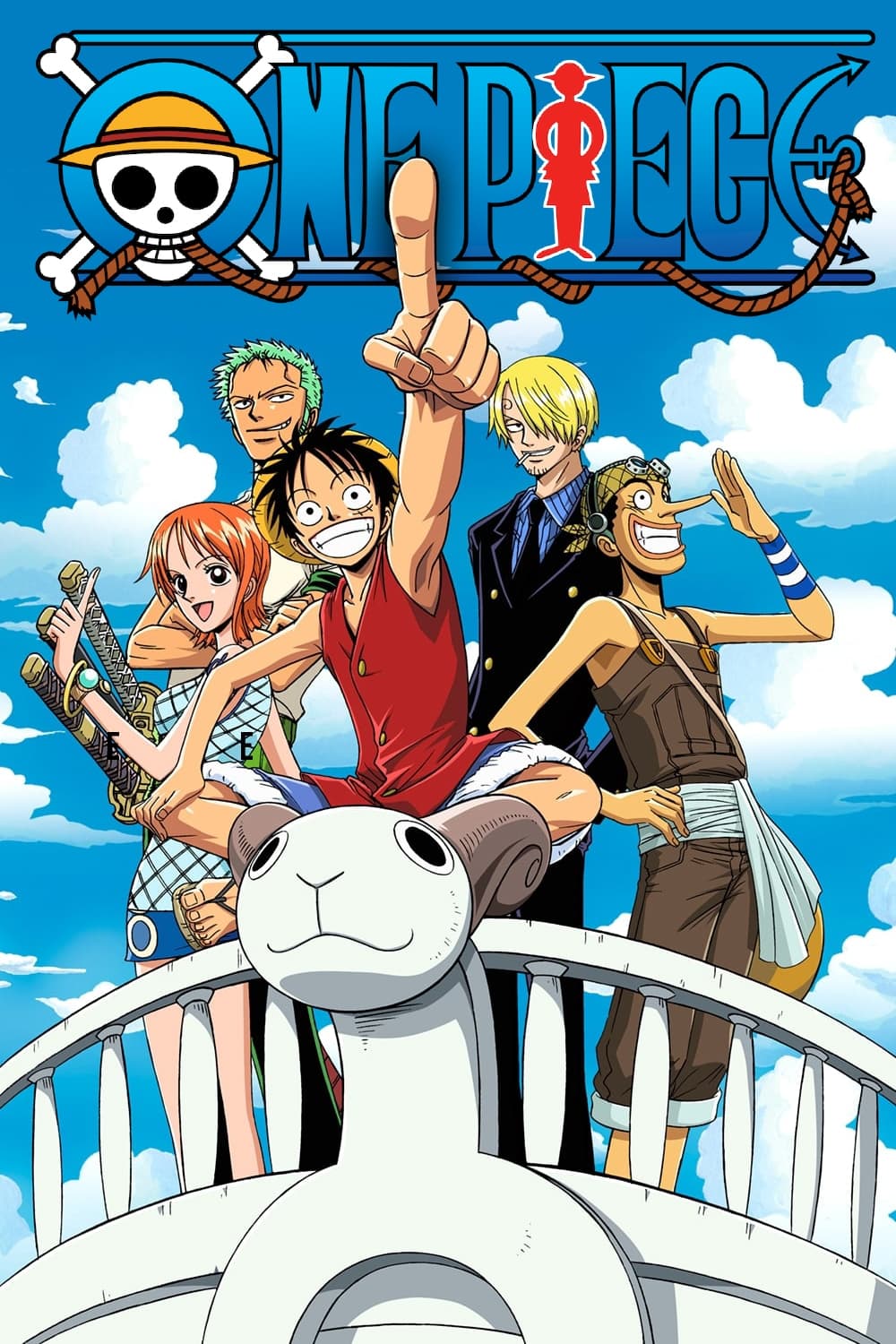
The 4Kids Entertainment dub of ‘One Piece’ famously altered the plot by removing several story arcs entirely to speed up the narrative. The character Sanji had his signature cigarette replaced with a lollipop, which fundamentally changed his tough-guy persona. An entire subplot involving the whale Laboon was excised, creating significant continuity issues for later seasons of the show. Violent scenes were heavily edited, often replacing realistic weapons with toy-like water guns or suction-cup projectiles. These changes were intended to make the pirate-themed series suitable for Saturday morning television.
‘Yu-Gi-Oh! Duel Monsters’ (2000–2004)
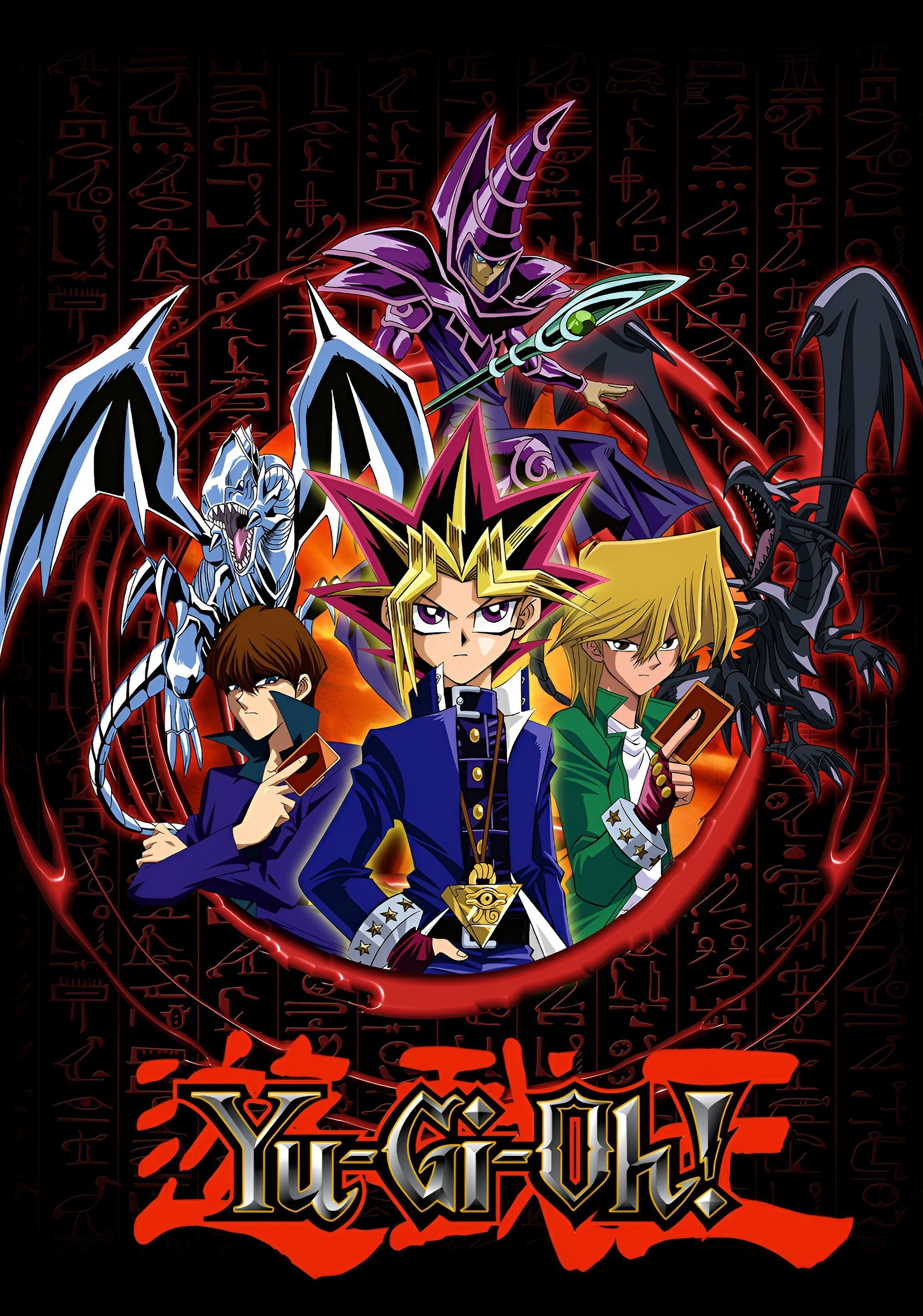
The concept of the Shadow Realm was invented specifically for the American localization of ‘Yu-Gi-Oh! Duel Monsters’. In the original Japanese version, characters faced the threat of actual death or permanent physical harm during high-stakes games. The dub introduced the Shadow Realm as a mystical dimension where souls were trapped, effectively sanitizing the lethal stakes of the plot. Visual edits also removed depictions of guns, blood, and occult symbols from the playing cards. This allowed the show to maintain its dramatic tension while meeting strict broadcast standards for children.
‘Cardcaptor Sakura’ (1998–2000)
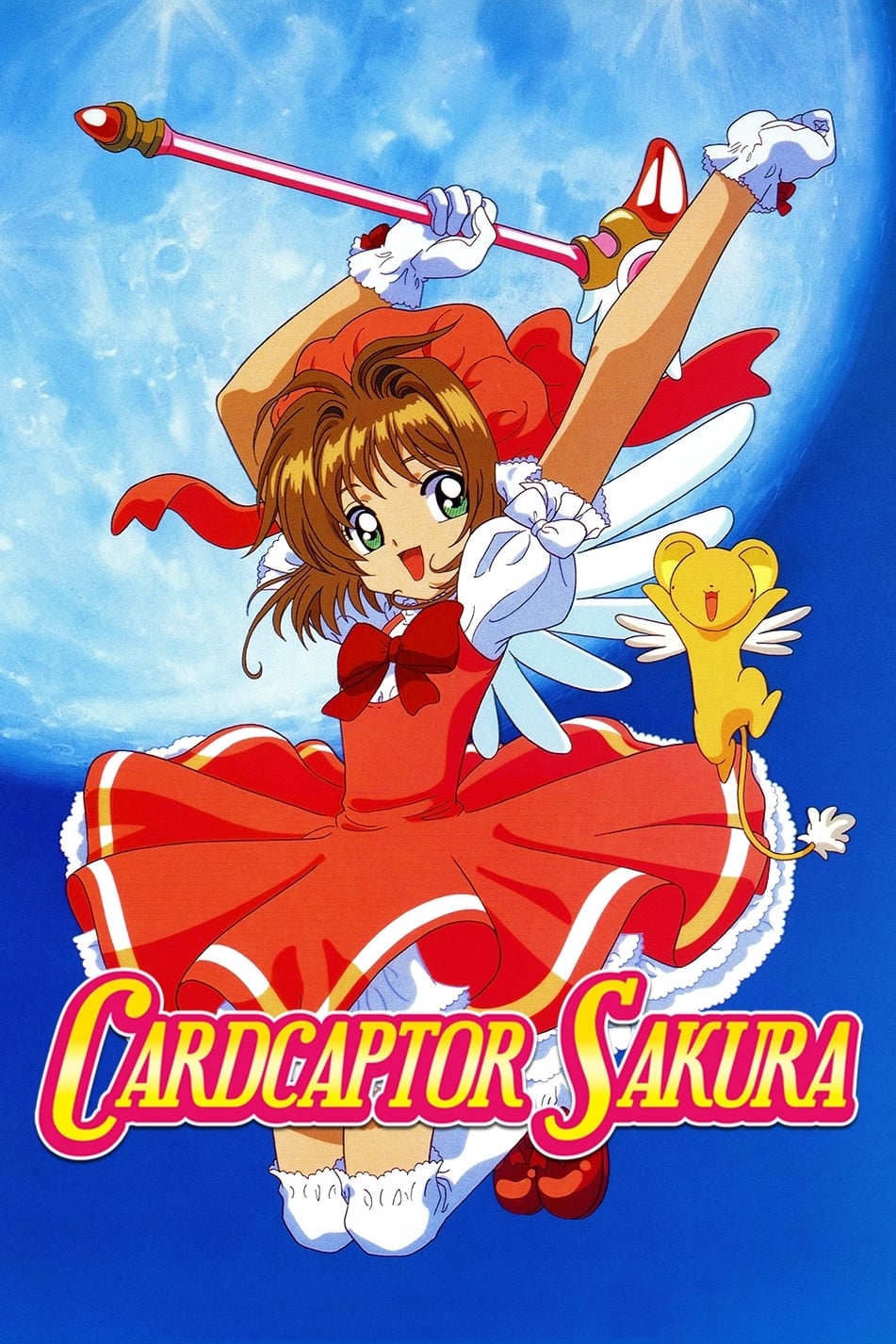
When ‘Cardcaptor Sakura’ was localized as ‘Cardcaptors’ for American television, the narrative focus was shifted to appeal to a different demographic. The romantic feelings between Sakura and her rival Syaoran were largely downplayed or removed to emphasize the action elements. Supporting plotlines involving the crush between Tomoyo and Sakura were also edited out to comply with domestic television standards. Furthermore, several episodes were reordered or omitted to make Syaoran appear as a co-protagonist rather than a supporting character. This restructuring fundamentally changed the tone of the original coming-of-age story.
‘Dragon Ball Z’ (1989–1996)

‘Dragon Ball Z’ underwent extensive censorship during its initial run on American television, particularly regarding depictions of the afterlife. The concept of Hell was renamed the Home For Infinite Losers, or HFIL, to avoid religious connotations. References to characters dying were frequently replaced with dialogue stating they had been sent to a “next dimension.” Blood was digitally removed from fight scenes, and several instances of intense violence were shortened or deleted. These changes were implemented by various production companies to ensure the series could air on broadcast networks.
‘Pokémon’ (1997–Present)
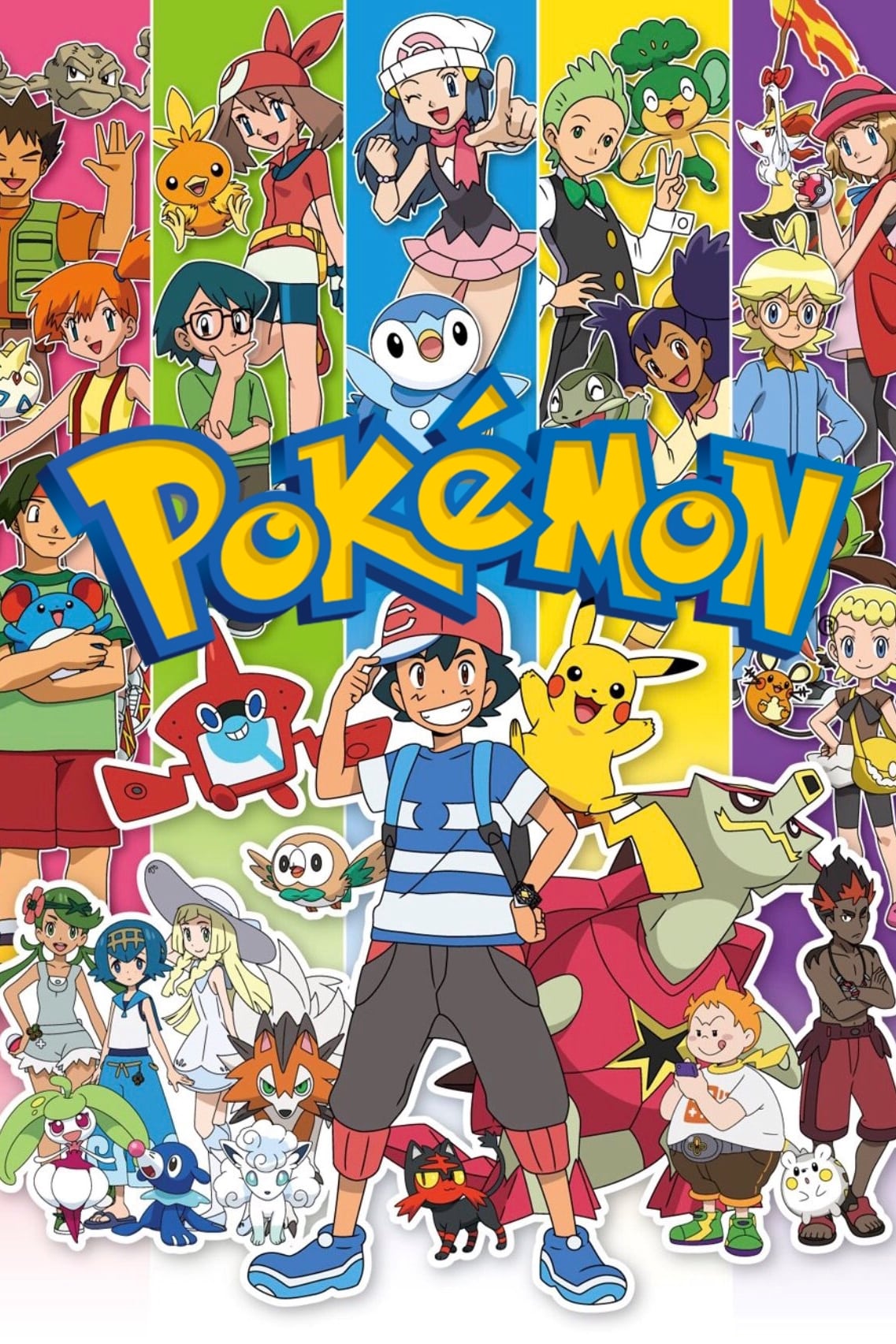
Multiple episodes of ‘Pokémon’ were entirely banned from airing in the United States due to controversial content. The episode titled “The Legend of Dratini” was censored because it featured characters pointing firearms at the protagonists. Another episode, “The Ice Cave,” was removed from rotation to avoid potential concerns regarding the design of the Pokémon Jynx. Plots involving Japanese cultural holidays or specific food items were often rewritten to fit an American context. These omissions occasionally created gaps in the narrative, such as the sudden appearance of items caught in deleted scenes.
‘Tokyo Mew Mew’ (2002–2003)
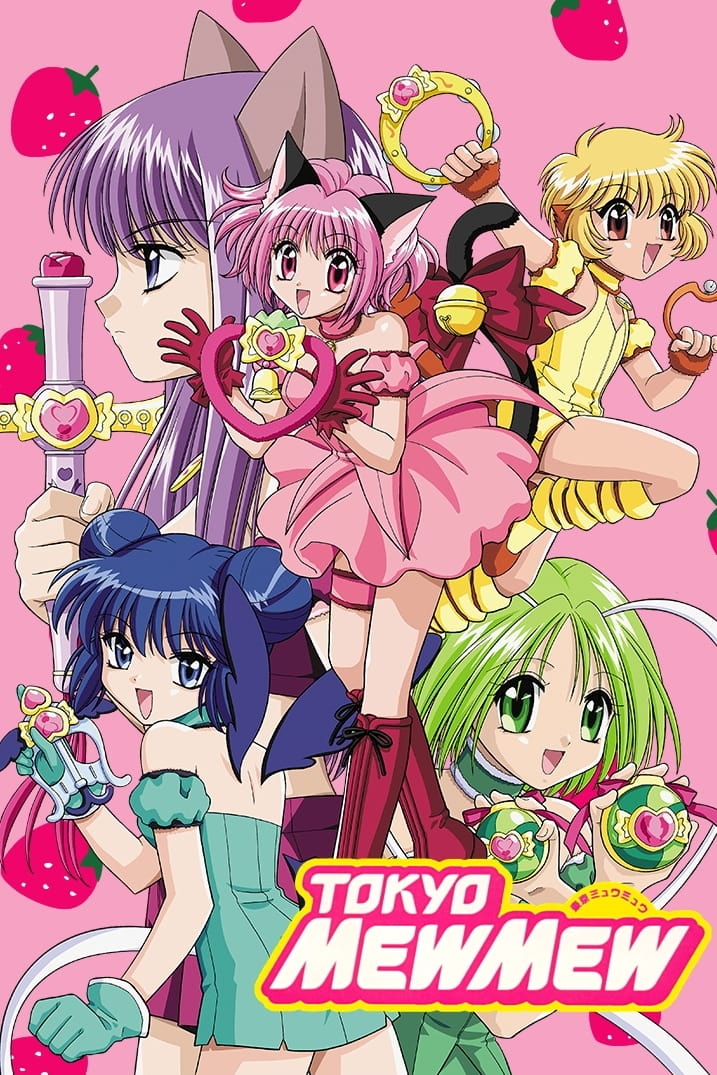
The American version of ‘Tokyo Mew Mew’, titled ‘Mew Mew Power’, underwent significant cultural and thematic changes. The setting was moved from Tokyo to an unnamed American city, and all Japanese names were replaced with Western ones. Romantic subplots and character motivations were simplified to better fit the target demographic of young children. Entire episodes were omitted from the broadcast run, leaving the story unfinished in its televised format. These edits were part of a broader strategy to market the series as a local brand rather than an imported anime.
‘Sonic X’ (2003–2005)
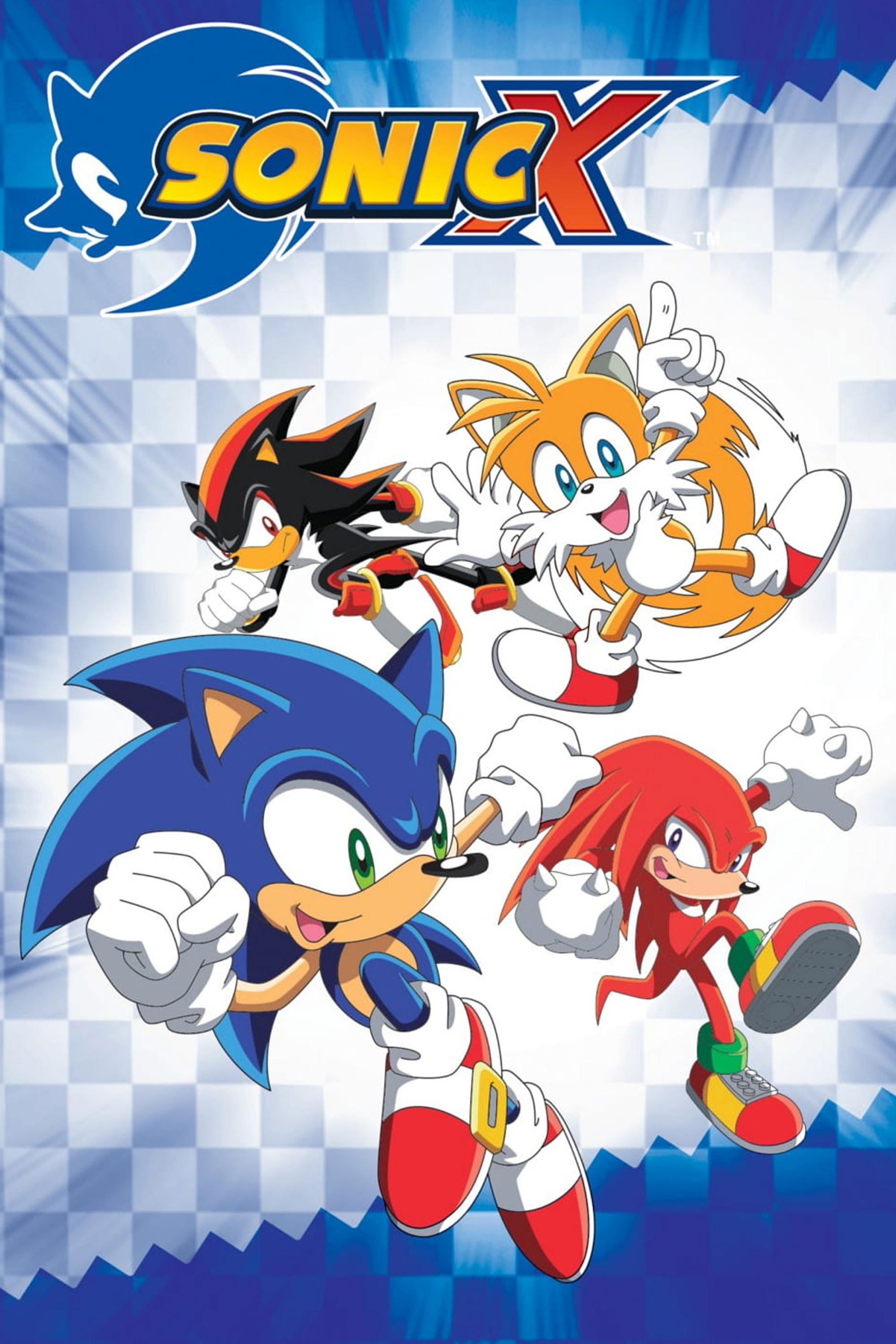
The English dub of ‘Sonic X’ produced by 4Kids Entertainment removed several dark and mature plot elements. One major change involved the death of Maria Robotnik, whose tragic backstory was sanitized to remove depictions of gun violence. Scenes showing blood or intense physical trauma during battles were digitally altered or cut entirely. Dialogue was also rewritten to be more lighthearted, often removing the existential stakes found in the original Japanese script. These modifications ensured the show met the safety requirements for major children’s cable networks.
‘Yu Yu Hakusho’ (1992–1994)
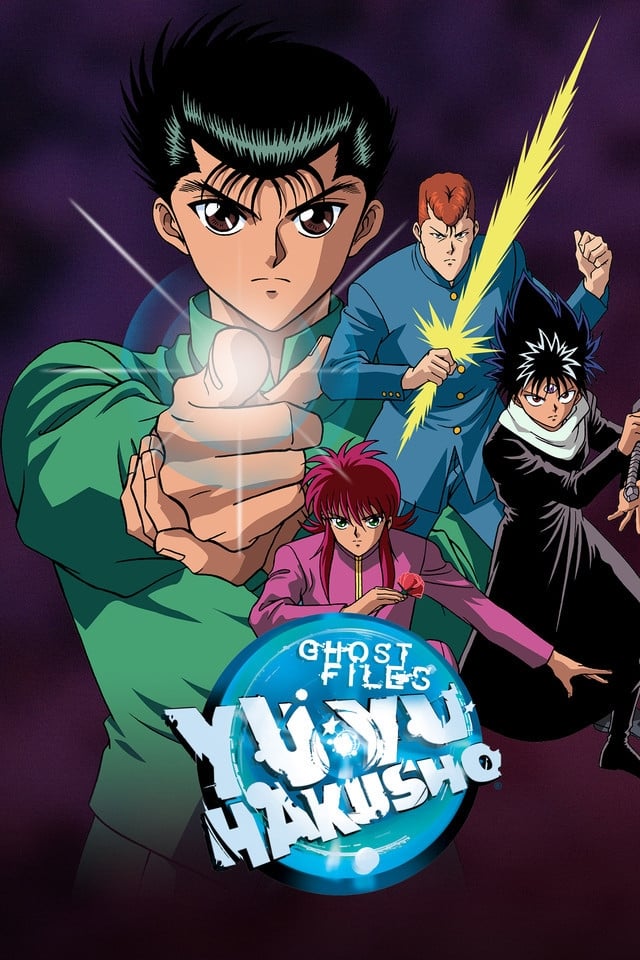
While ‘YuYu Hakusho’ is known for its supernatural action, the American television broadcast saw numerous edits to character behavior. Scenes involving the protagonist Yusuke Urameshi smoking or consuming alcohol were either cut or digitally altered. The dialogue was softened to remove profanity and direct references to death, often using euphemisms instead. Violent impacts in combat were frequently obscured by bright flashes or strategic camera crops. These changes were necessary for the series to air during daytime blocks on mainstream networks.
‘Voltron: Defender of the Universe’ (1984–1985)

‘Voltron: Defender of the Universe’ was created by heavily editing the Japanese series ‘Beast King GoLion’. The American adaptation removed several graphic scenes where characters were killed or mutilated during enemy invasions. Major plot points involving the deaths of key protagonists were rewritten so that the characters were merely injured or sent away. The religious and mythological elements of the original story were also simplified for a Western audience. These edits transformed a dark, wartime narrative into a heroic adventure for children.
‘Battle of the Planets’ (1978–1980)
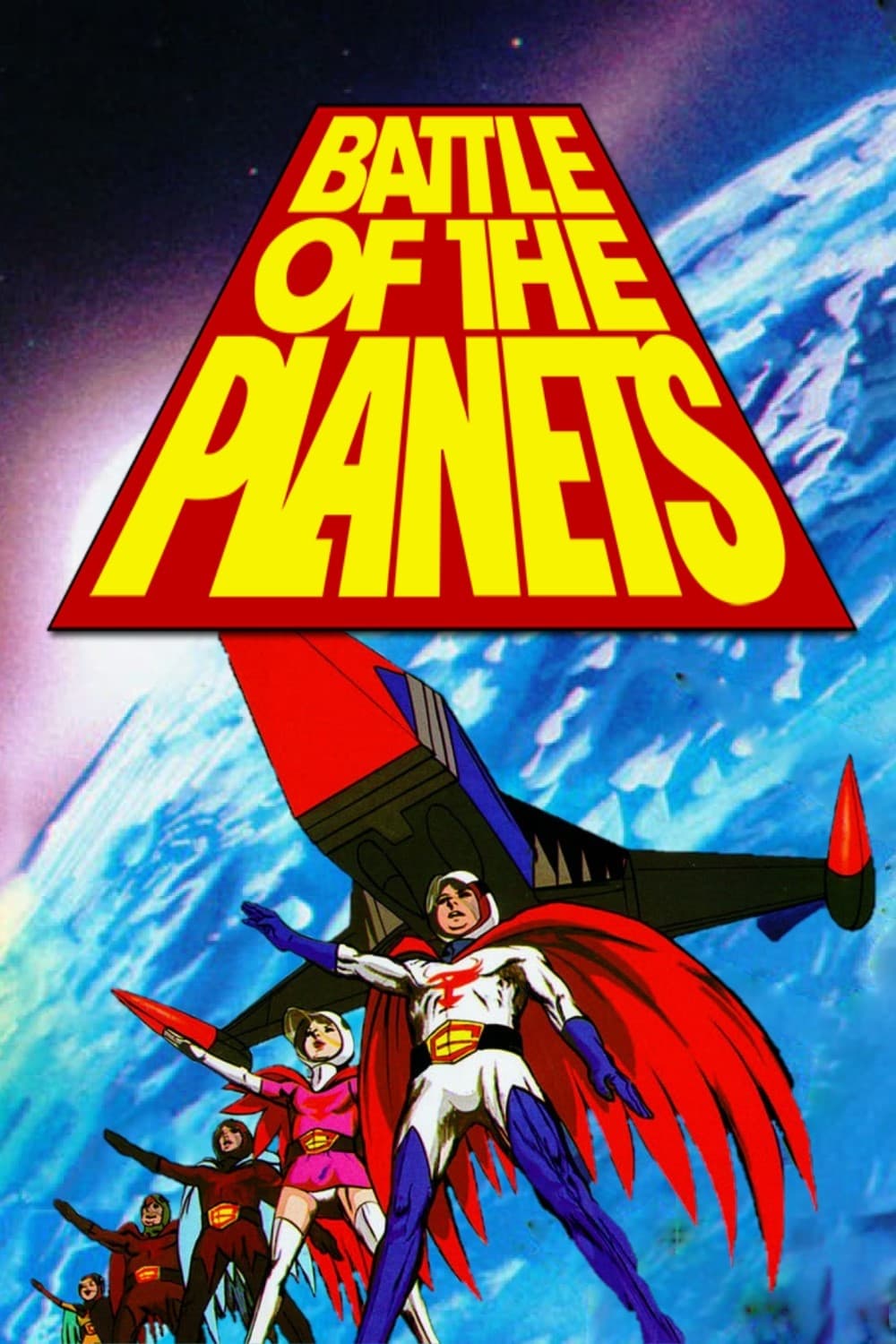
The series ‘Battle of the Planets’ was a highly censored version of the Japanese anime ‘Science Ninja Team Gatchaman’. To reduce the violence of the original show, an animated robot character named 7-Zark-7 was added to provide exposition and comic relief. Many fight scenes were shortened, and the plot was adjusted to suggest that cities were evacuated before being destroyed. These changes removed the darker consequences of war that were central to the original Japanese narrative. The result was a significantly different viewing experience that focused on space exploration.
‘Robotech’ (1985)
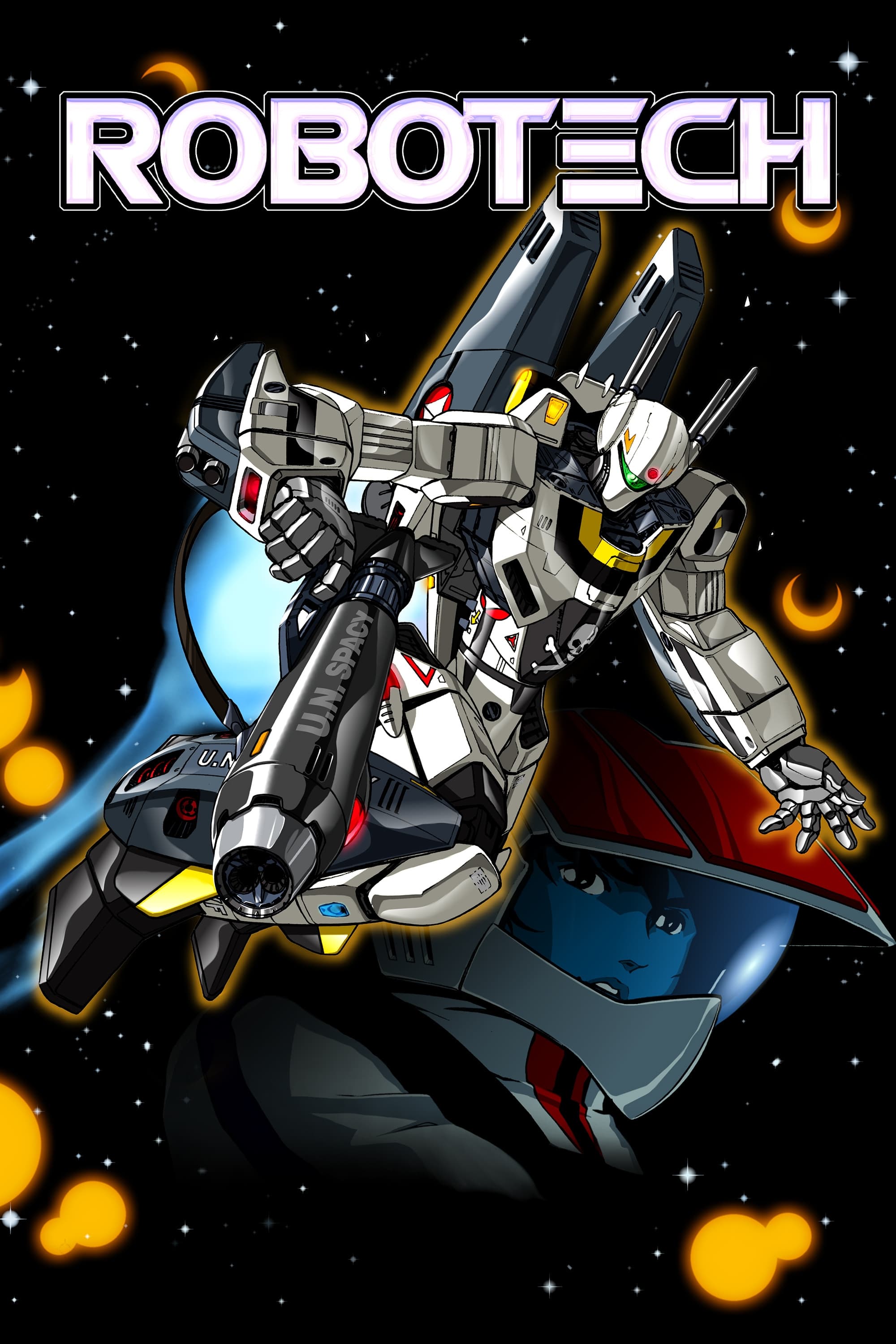
‘Robotech’ was formed by merging three unrelated Japanese anime series into a single cohesive narrative for American viewers. This required extensive rewriting of the original plots of ‘The Super Dimension Fortress Macross’, ‘The Super Dimension Cavalry Southern Cross’, and ‘Genesis Climber MOSPEADA’. Characters were given new names and backstories to link the three different generations together. Dialogue was altered to remove adult themes, and violent scenes were trimmed to satisfy broadcast standards. This synthesis created a unique storyline that differed significantly from its source materials.
‘Tenchi Muyo!’ (1992–1995)
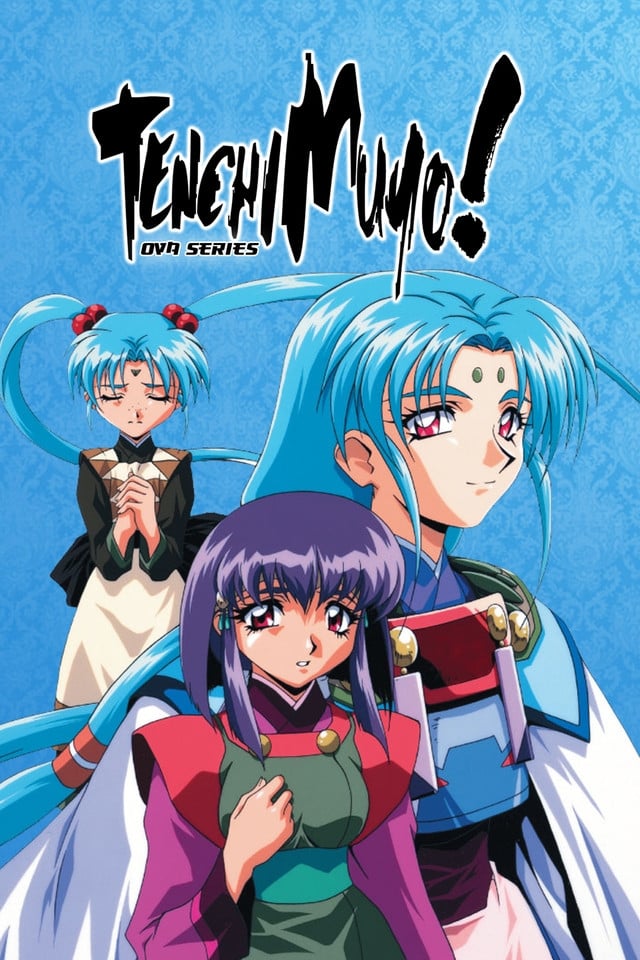
When ‘Tenchi Muyo! Ryo-Ohki’ aired on television in the United States, several romantic and adult-oriented subplots were censored. Scenes featuring nudity or suggestive situations were cut entirely to comply with broadcast regulations. The complicated relationships between the protagonist and the female leads were simplified to focus more on the sci-fi action elements. Many cultural references and jokes specific to Japanese customs were replaced with Western equivalents. These edits were designed to make the series more accessible to a general cable audience.
‘Glitter Force’ (2012–2013)
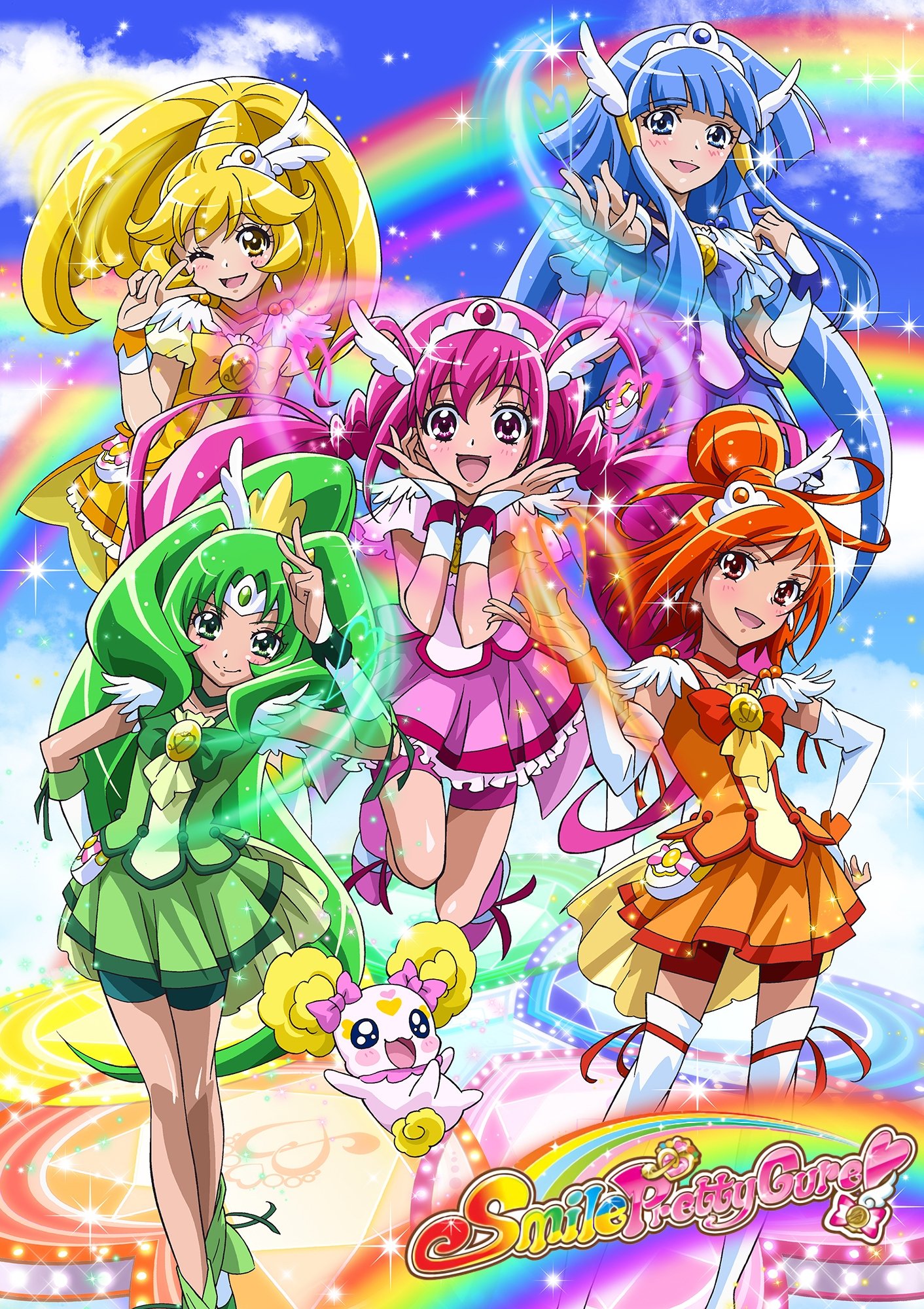
The American localization of ‘Smile PreCure!’, titled ‘Glitter Force’, removed eight entire episodes from the original storyline. These omissions included plots that were deemed too culturally specific to Japan or too emotionally heavy for young viewers. The names of all characters and locations were changed, and the original Japanese soundtrack was replaced with pop-inspired Western music. References to Japanese folklore and traditional holidays were completely erased from the dialogue. These changes resulted in a faster-paced narrative that skipped over significant character development.
‘Digimon Adventure’ (1999–2000)
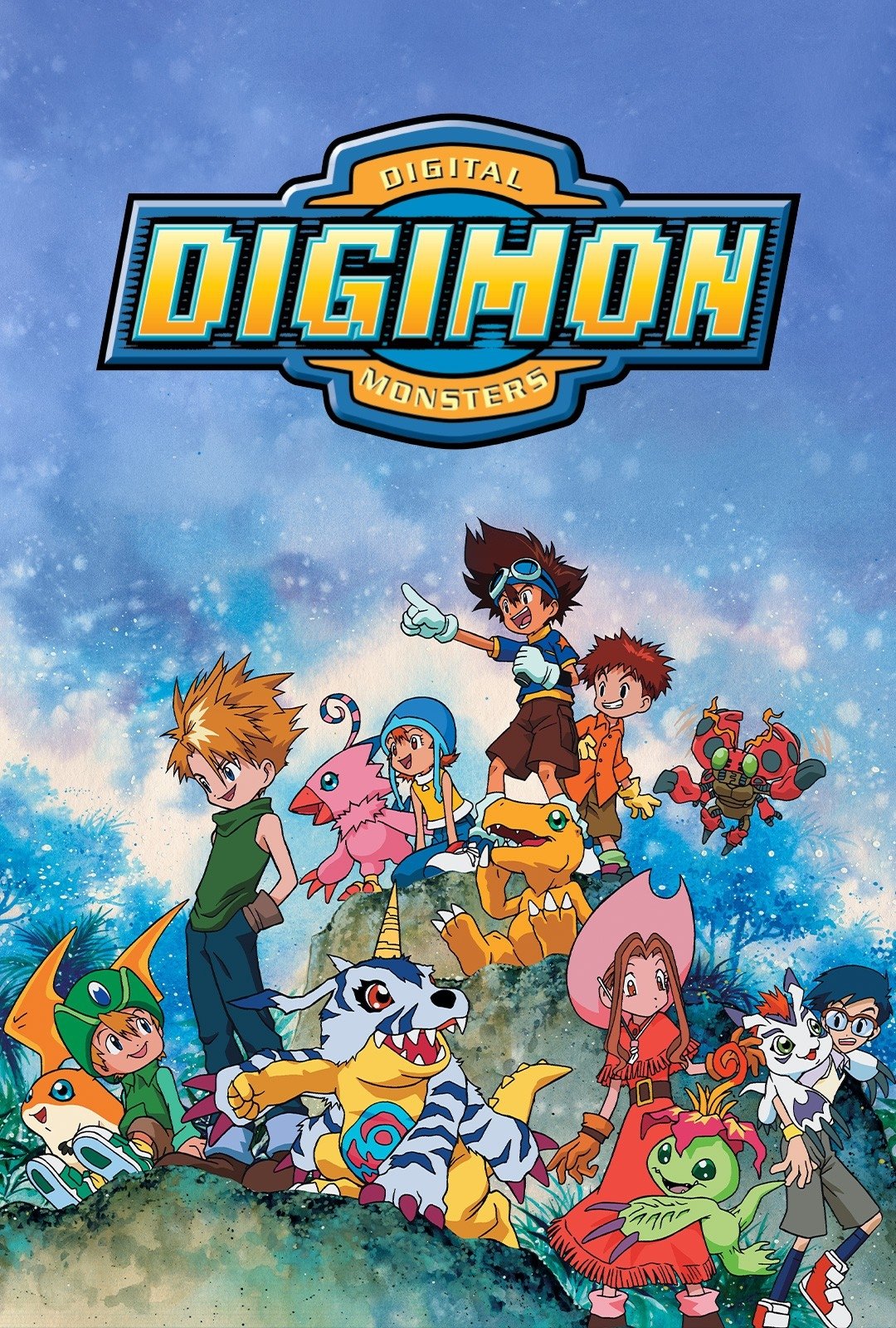
The English dub of ‘Digimon Adventure’ introduced several changes to the script to lighten the tone of the series. References to death were often replaced with the concept of “deletion” or being sent to a different dimension. Scenes involving characters being physically struck by adults or other children were sometimes edited to minimize the impact. The dialogue was also filled with puns and jokes that were not present in the more serious Japanese original. These alterations were intended to align the show with the lighthearted adventure style popular in American children’s programming.
Tell us which of these anime censorship changes surprised you the most in the comments.