Anime Plots That Were Altered to Avoid Offending Religious Groups


The global distribution of anime often requires studios and localization teams to navigate complex cultural and religious landscapes. To ensure that content remains accessible and respectful to diverse audiences, many series have undergone significant plot or visual alterations before their international release. These changes range from the removal of specific religious scriptures to the total redesign of character iconography associated with real-world faiths. Understanding these modifications provides insight into how the industry balances creative expression with the need to avoid religious controversy in different global markets.
‘JoJo’s Bizarre Adventure’ (2000)
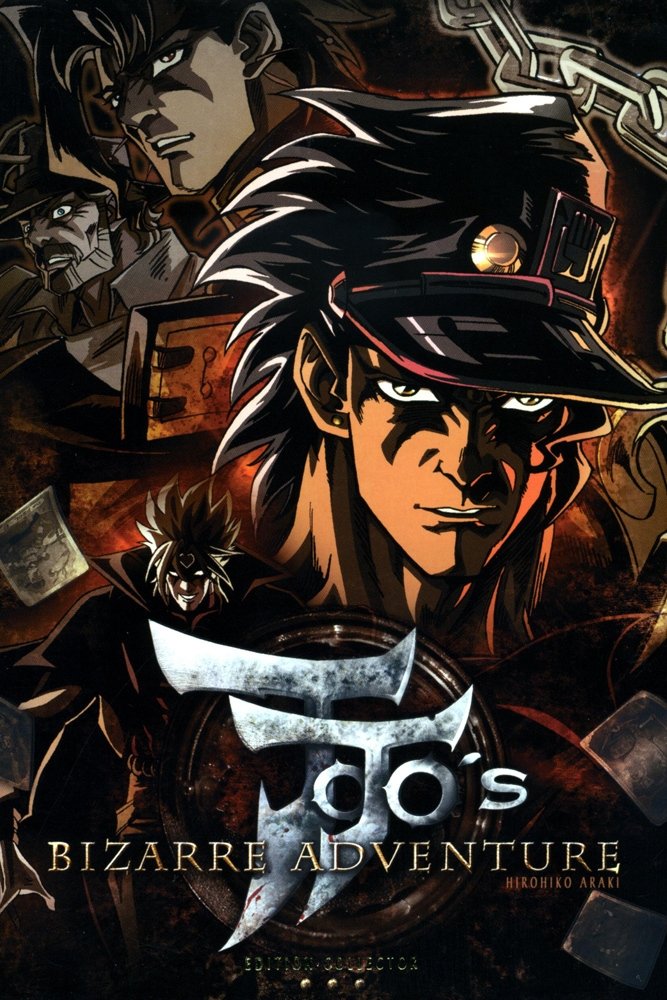
The 2000 OVA adaptation of ‘JoJo’s Bizarre Adventure’ faced significant controversy due to a scene involving the character Dio Brando. In the original animation, Dio is shown reading a book that clearly displays verses from the Quran while ordering the death of the protagonists. This led to a massive protest from various religious groups and a temporary halt in the distribution of both the series and the manga. Consequently, the producers edited the footage to remove the religious text and issued a formal apology to the Muslim community. This incident remains one of the most famous examples of religious-based content revision in anime history.
‘One Piece’ (1999–Present)
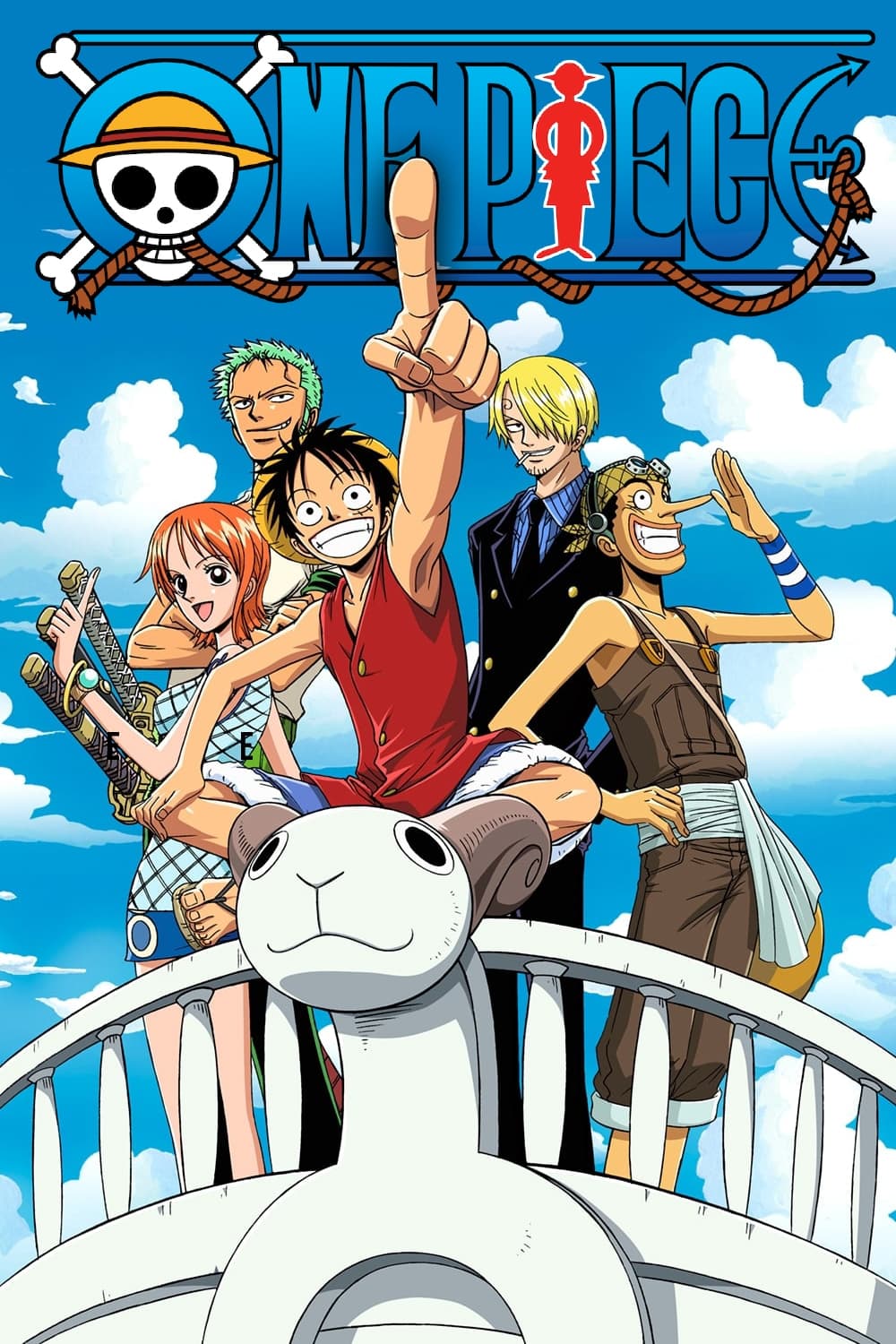
In the original Japanese version of ‘One Piece’, the pirate Whitebeard’s jolly roger featured a manji symbol, which is a traditional Buddhist sign for peace and prosperity. To avoid confusion with the Nazi swastika and potential offense in Western markets, the symbol was changed to a generic cross for international distribution. This alteration extended to characters’ tattoos and flags throughout the series to maintain visual consistency across all versions. The change ensured the series could be broadcast globally without attracting controversy regarding historical political or religious symbols. This proactive adjustment helped the franchise maintain its massive international popularity.
‘Noragami’ (2014)
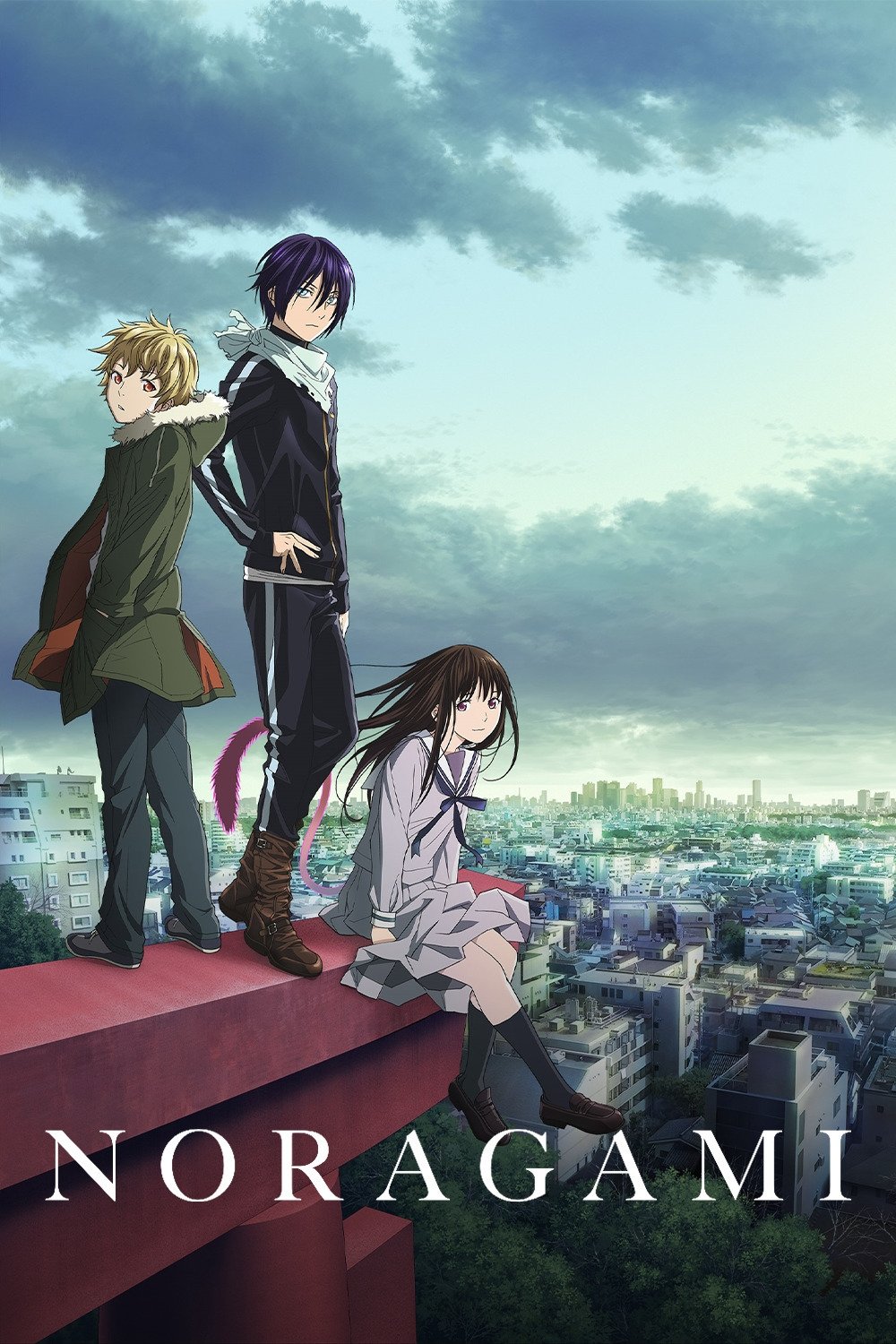
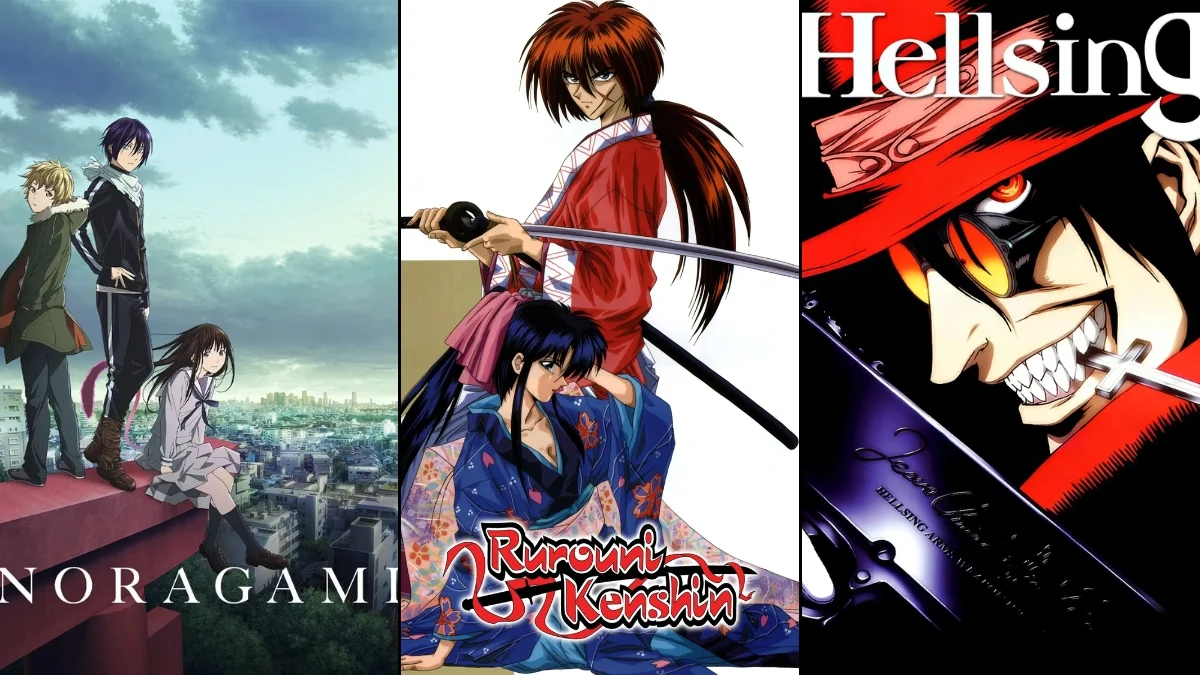
During the broadcast of ‘Noragami Aragoto’, a specific track in the background music titled “Push Buttons” drew sharp criticism for including a remix of the Islamic call to prayer, the Adhan. Religious groups found the use of a sacred prayer in a commercial entertainment context to be highly disrespectful and offensive. The producers quickly reacted by recalling the soundtrack and postponing the release of future home video editions to replace the music entirely. The plot’s audio atmosphere was permanently altered to remove any reference to the religious chant in all subsequent releases. This incident highlighted the sensitivity required when incorporating real-world religious elements into fictional scores.
‘Yu-Gi-Oh! Duel Monsters’ (2000–2004)
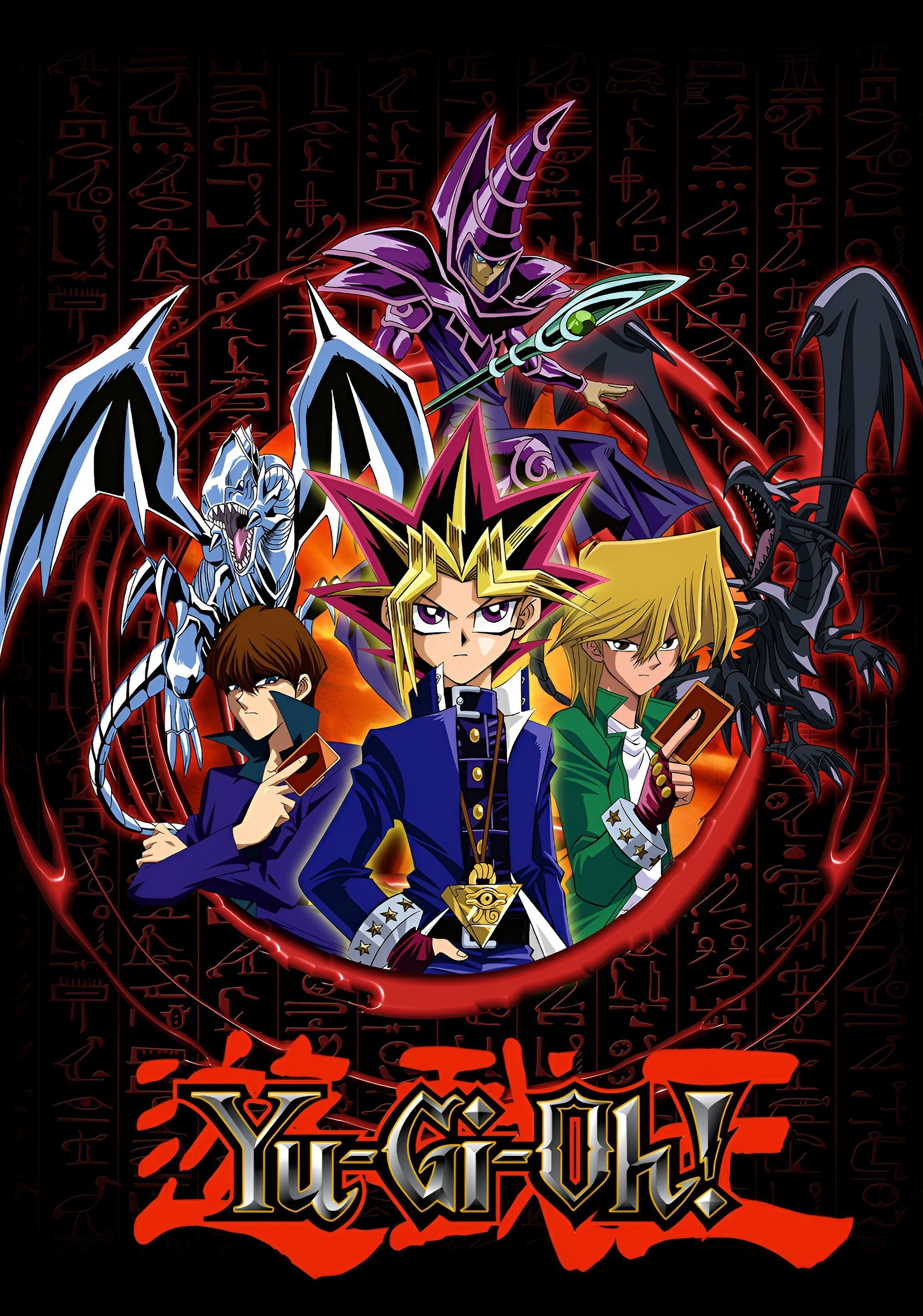
The international version of ‘Yu-Gi-Oh! Duel Monsters’ underwent extensive edits to remove religious iconography that might offend Western viewers. Symbols such as the Ankh, which has deep ties to ancient Egyptian religion and the concept of life, were systematically replaced with stylized circular designs. Characters like Marik Ishtar had their backstory visuals modified to exclude crosses or altars that resembled traditional religious shrines. These changes were part of a broader effort to distance the show’s lore from real-world spiritual practices and avoid complaints from religious organizations. The resulting version emphasized the mystical “Shadow Realm” rather than overt religious or afterlife concepts.
‘Dragon Ball Z’ (1989–1996)

In the English localization of ‘Dragon Ball Z’, the character originally known as Mr. Satan was renamed Hercule to avoid offending Christian audiences in North America. This name change necessitated redubbing significant portions of the Cell Games and Majin Buu arcs, where the character plays a prominent role in the narrative. While his daughter’s name, Videl, is an anagram of “Devil,” the connection was largely downplayed in promotional materials to maintain a family-friendly image. These alterations allowed the show to air on major television networks without being flagged for perceived satanic references. The change remains one of the most notable naming alterations in anime localization.
‘Saint Seiya’ (1986–1989)
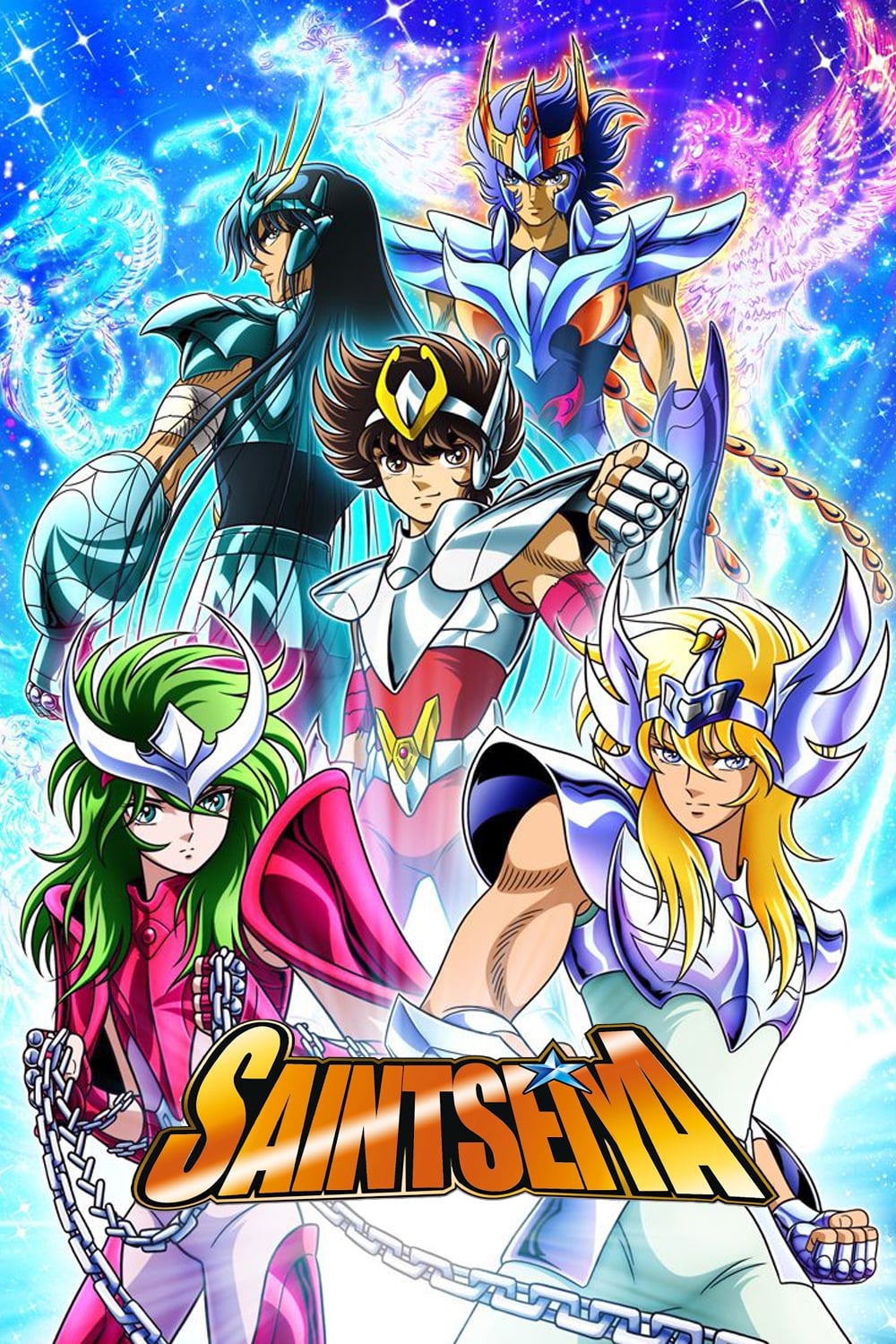
In the original ‘Saint Seiya’ series, the character Hyoga frequently displays a cross-shaped rosary, which serves as a spiritual anchor and a link to his mother’s faith. For several international broadcasts, particularly in the United States and France, these religious symbols were airbrushed out or turned into generic stars. The narrative importance of the cross as a symbol of protection and hope was diminished to avoid potential backlash from conservative religious groups. These visual alterations were standard practice during the era’s localization of Japanese media to ensure broad appeal. This change significantly altered the visual characterization of one of the show’s main protagonists.
‘Digimon Adventure’ (1999–2000)
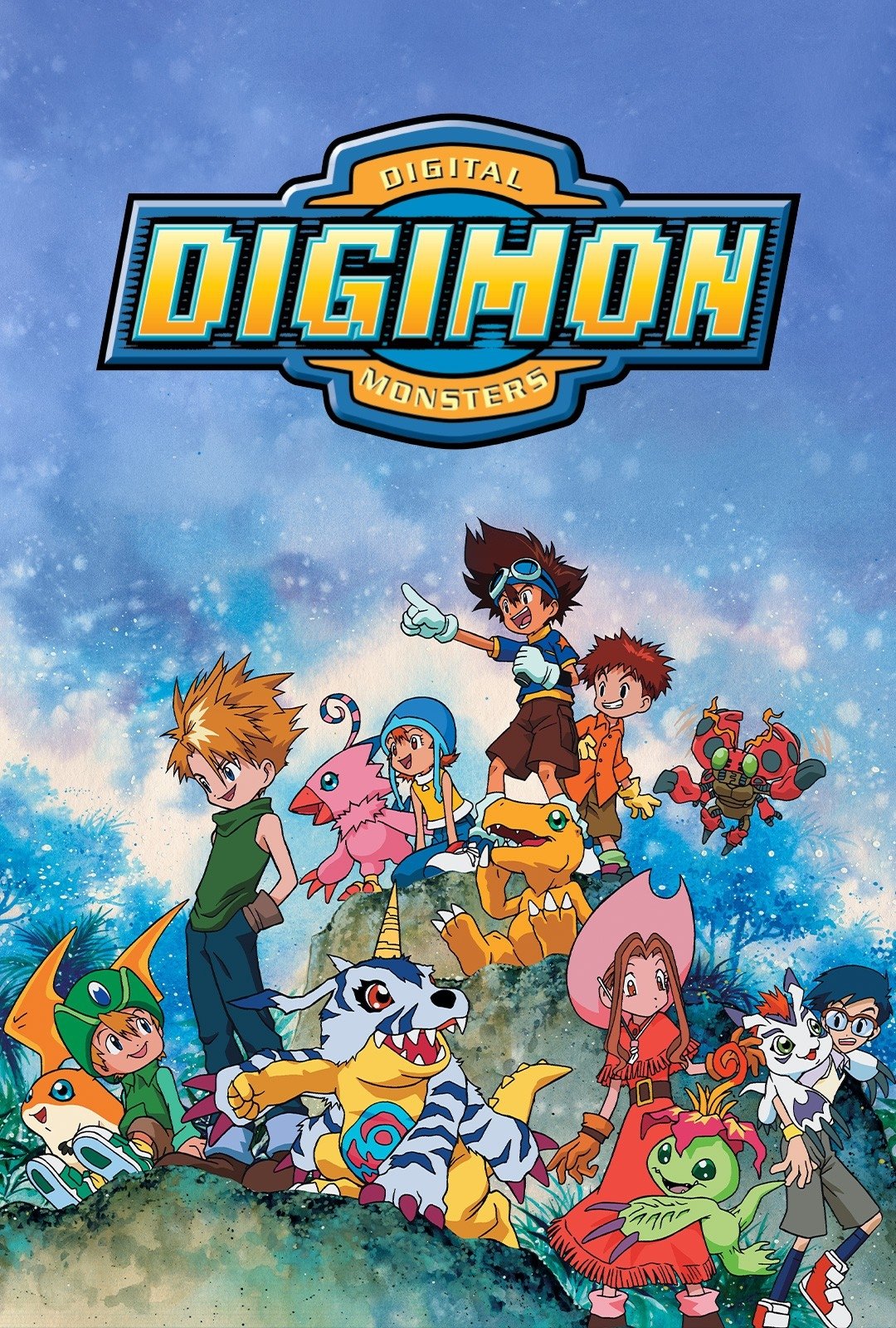
The English localization of ‘Digimon Adventure’ saw numerous changes to mitigate religious references that were present in the Japanese original. For example, the character Angewomon originally featured several crosses on her outfit, which were removed or altered to look like simple metal studs in the broadcast version. Additionally, certain attacks with names like “Holy Arrow” or “Heaven’s Gate” were renamed to more neutral terms in various dubs to avoid religious connotations. These changes were implemented to ensure the series remained accessible to young audiences without sparking complaints from religious parents. This systematic removal of icons helped the series fit within strict international broadcast guidelines.
‘Bleach’ (2004–2012)
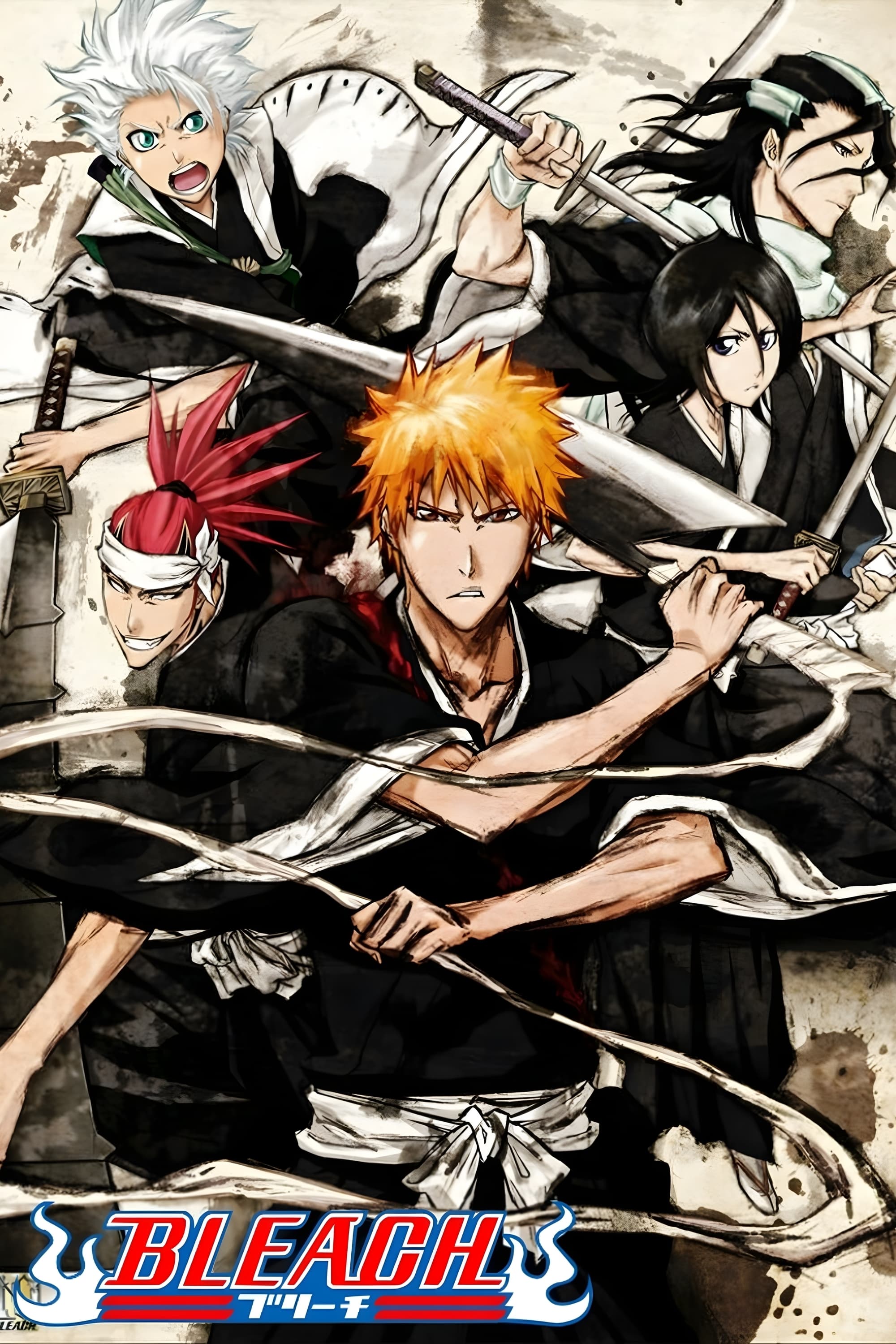
The Quincy characters in ‘Bleach’ utilize a symbol known as the “Quincy Cross,” which originally bore a strong resemblance to a traditional Christian cross. In the anime adaptation and various international releases, the design was changed to a five-pointed star or a pentacle-like shape to avoid direct religious associations. This change was meant to separate the fictional group’s powers and ideology from real-world Christianity while maintaining their unique identity. By altering the visual representation of their weapons and symbols, the producers avoided potential controversy regarding the use of sacred icons in a battle-centric story. This adjustment allowed the series to explore the Quincy lore without religious interference.
‘Shaman King’ (2001–2002)
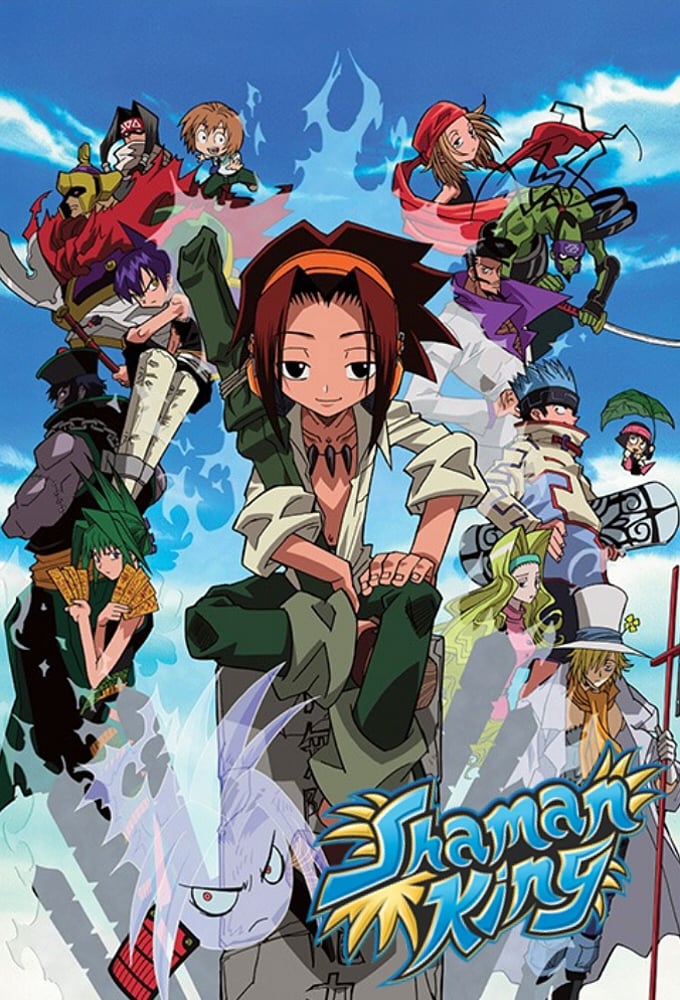
In the first anime adaptation of ‘Shaman King’, the character Iron Maiden Jeanne is depicted as a messianic figure who is frequently shown inside an iron maiden shaped like a sarcophagus with religious motifs. International distributors removed many of the overtly Christian visuals, such as blood dripping from cross-shaped wounds, to avoid offending religious viewers. The plot points regarding her “divine” mission were also reworded in the English dub to sound more like general spiritualism rather than specific religious prophecy. These edits were designed to protect the show’s rating and marketability in regions with high religious sensitivity. The changes significantly softened the darker, more sacrificial elements of her character arc.
‘Hellsing’ (2001–2002)
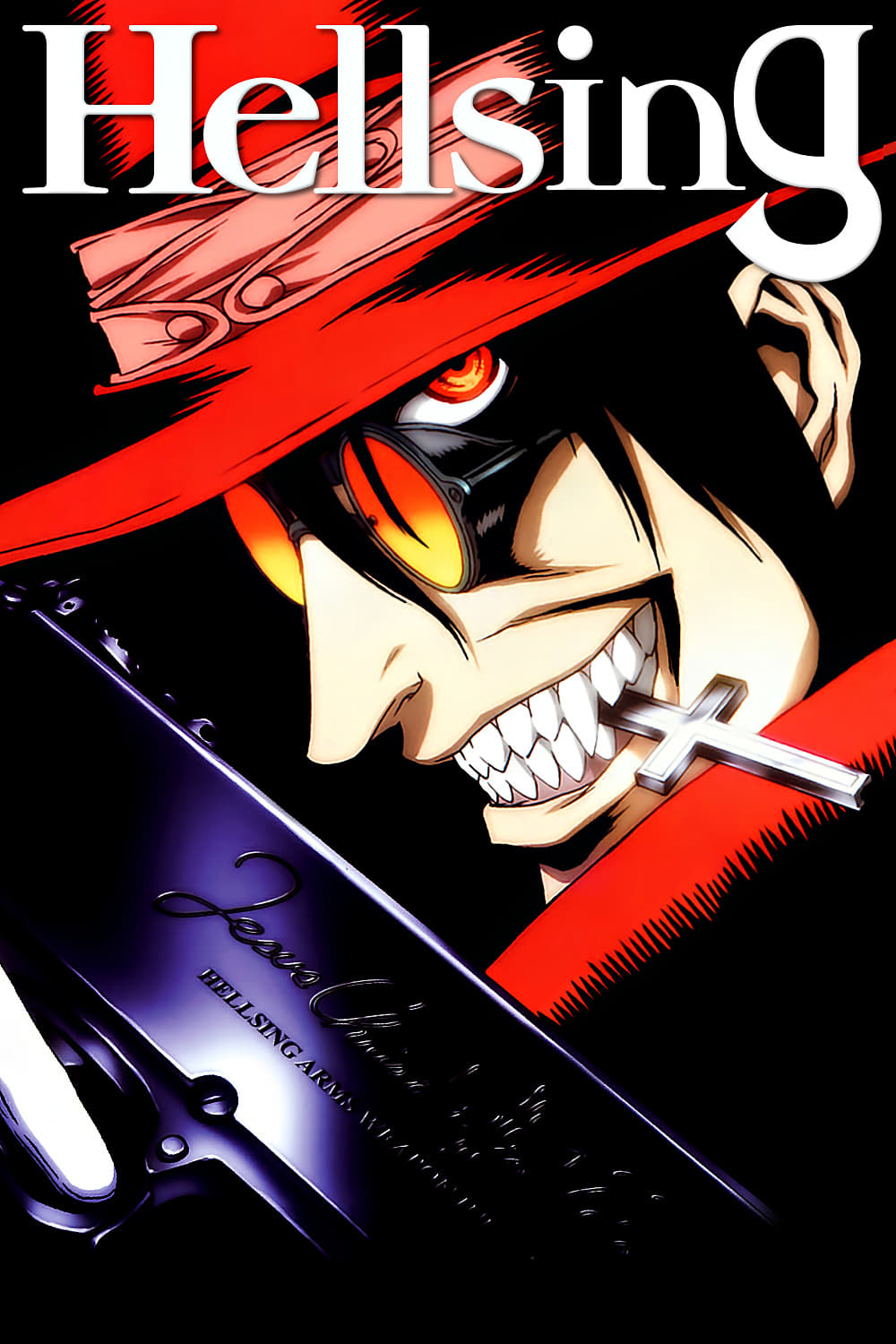
The series ‘Hellsing’ focuses heavily on the conflict between the Hellsing Organization and the Vatican’s secret branch, Section XIII, Iscariot. In certain localizations and broadcasts, references to the Catholic Church were softened or replaced with more generic religious terminology to avoid a direct critique of the institution. Visual symbols, such as specific styles of crosses and clerical vestments, were occasionally altered or obscured to distance the fictional conflict from real-world Catholic history. These modifications were intended to prevent viewers from interpreting the show’s dark themes as a direct attack on established religious groups. By generalizing the religious elements, the series was able to air in markets that might otherwise have banned it.
‘Sailor Moon S’ (1994–1995)
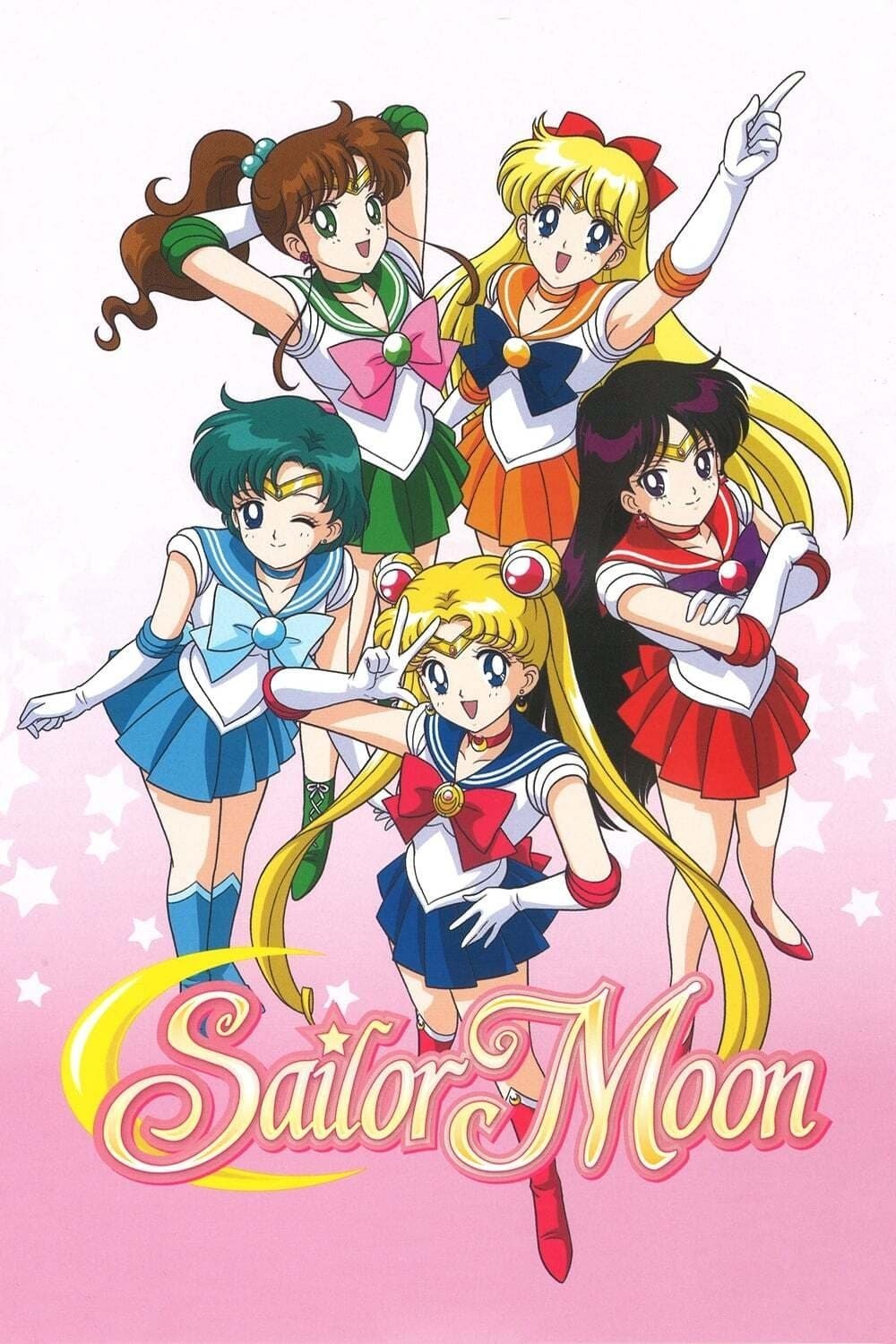
In the third season of ‘Sailor Moon S’, a powerful magical artifact is introduced as the Holy Grail, which plays a central role in the search for the Messiah. For the English-language broadcast, the item was renamed the “Purity Chalice” to avoid potential backlash from religious groups regarding the use of a sacred Christian relic. The visual design of the artifact remained largely the same, but the dialogue was carefully rewritten to emphasize its mystical properties rather than its religious nomenclature. This change allowed the series to maintain its high-stakes plot while navigating the sensitivities of international television standards during the 1990s. The alteration helped the show avoid being labeled as sacrilegious by conservative audiences.
‘Rurouni Kenshin’ (1996–1998)
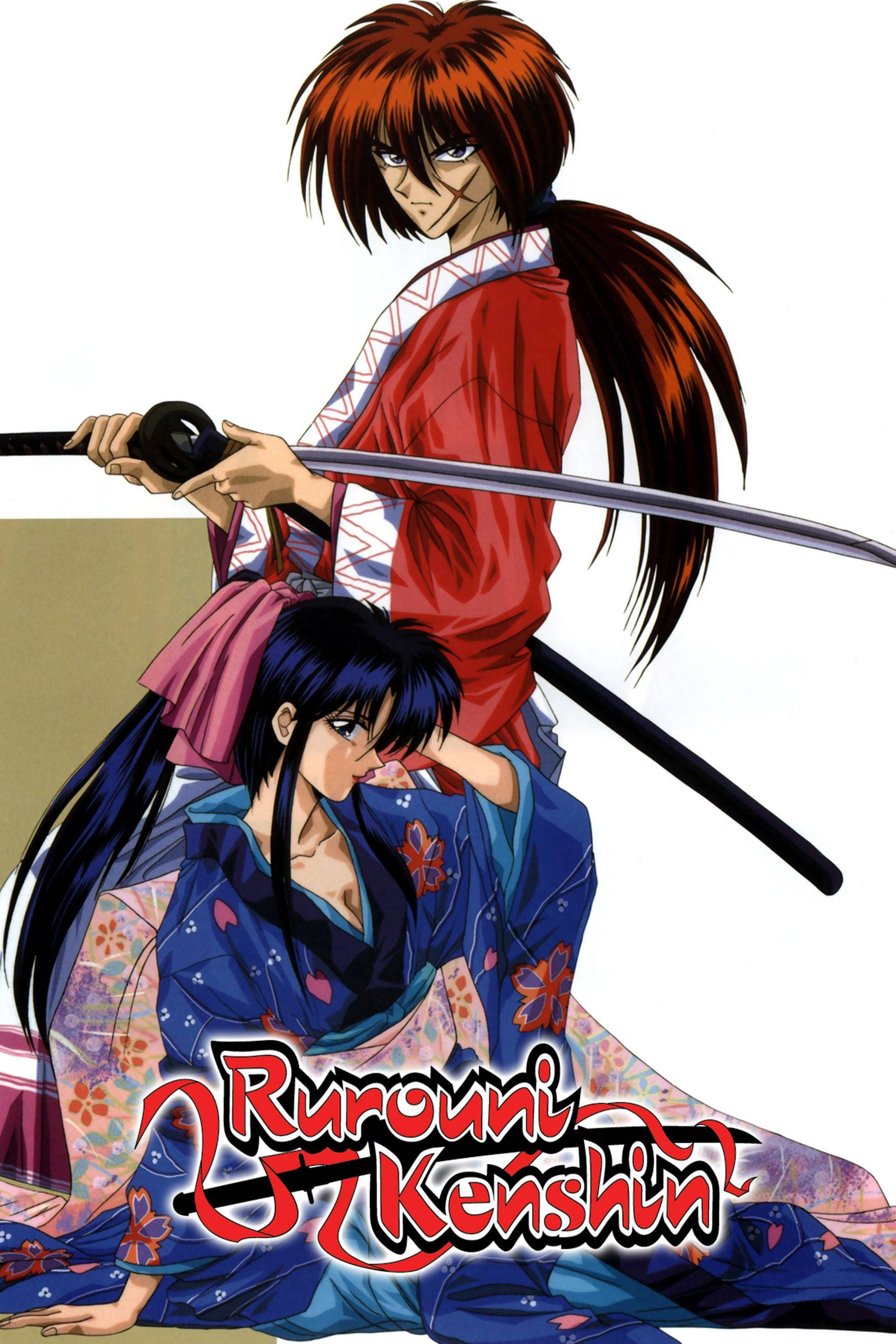
The ‘Rurouni Kenshin’ anime features an anime-exclusive arc centered on Shogo Amakusa, a master of the Hiten Mitsurugi style who claims to be a messianic figure for hidden Christians. When this arc was localized for certain international markets, the explicitly Christian terminology and references to the Bible were often generalized or softened. This was done to avoid potential backlash regarding the portrayal of a “Christian” antagonist who utilized violence to achieve his goals. By modifying the religious context of Shogo’s rebellion, distributors sought to present the conflict as a secular struggle for power and justice. This enabled the series to explore historical themes without offending contemporary religious viewers.
Please share your thoughts on these anime alterations in the comments.