Anime Plot Twists That Caused Massive Outrage Among Manga Purists

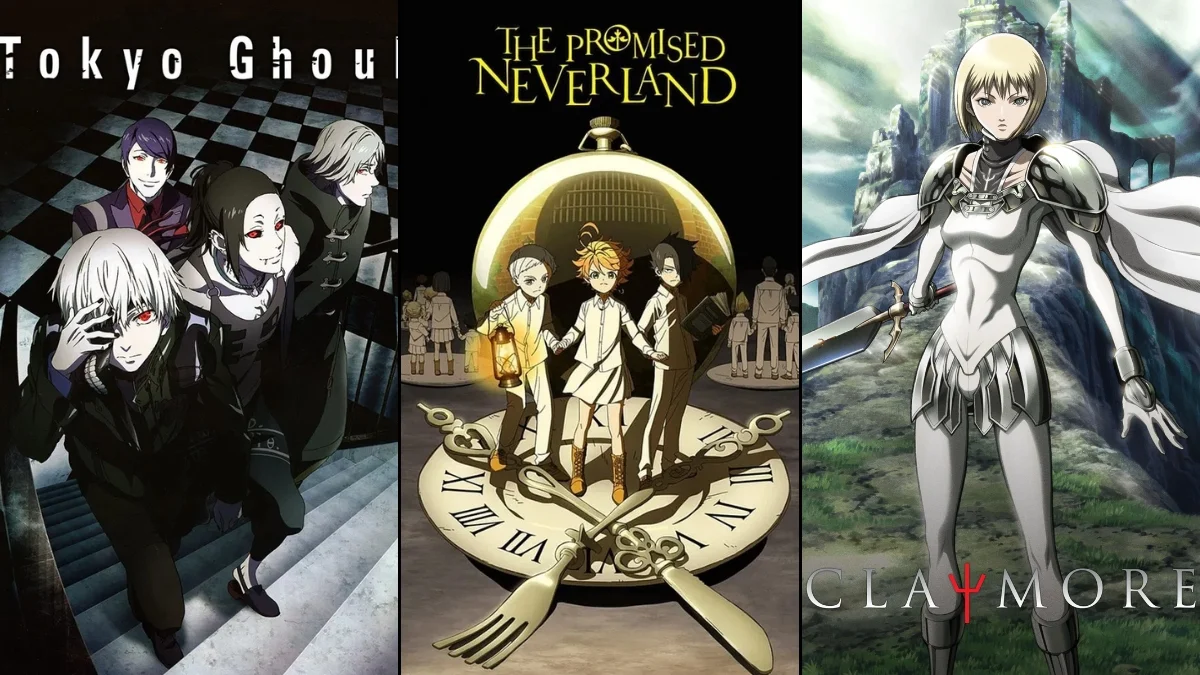

Anime adaptations frequently take creative liberties when the source material is still ongoing or when production schedules demand a different direction. While some changes are welcomed, others deviate so sharply from the manga that they spark intense debate and frustration within the fandom. From skipped story arcs to entirely original endings, these plot twists often fundamentally alter the characters and themes established by the original authors. This list explores the most controversial narrative shifts that left manga purists feeling betrayed by the screen versions of their favorite stories.
‘The Promised Neverland’ (2019–2021)
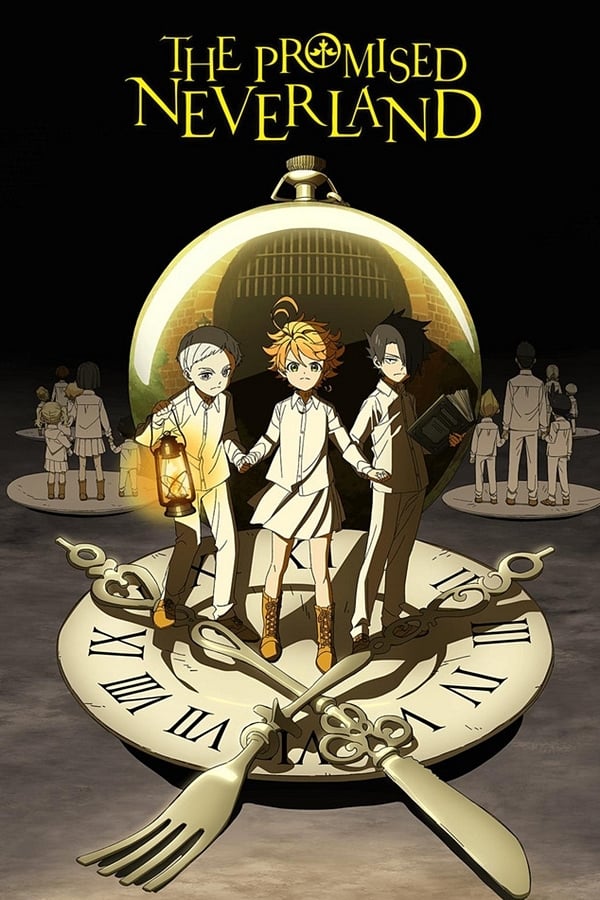
The second season of ‘The Promised Neverland’ caused significant backlash by skipping the Goldy Pond Battle arc entirely. This decision removed a fan-favorite antagonist and essential character growth for Emma and her siblings that was central to the manga’s middle act. Purists were further incensed by the use of a rapid slideshow montage to wrap up several volumes of the source material in the final episode. The sudden divergence turned a high-stakes survival story into a rushed conclusion that ignored critical plot points and world-building.
‘Tokyo Ghoul √A’ (2015)
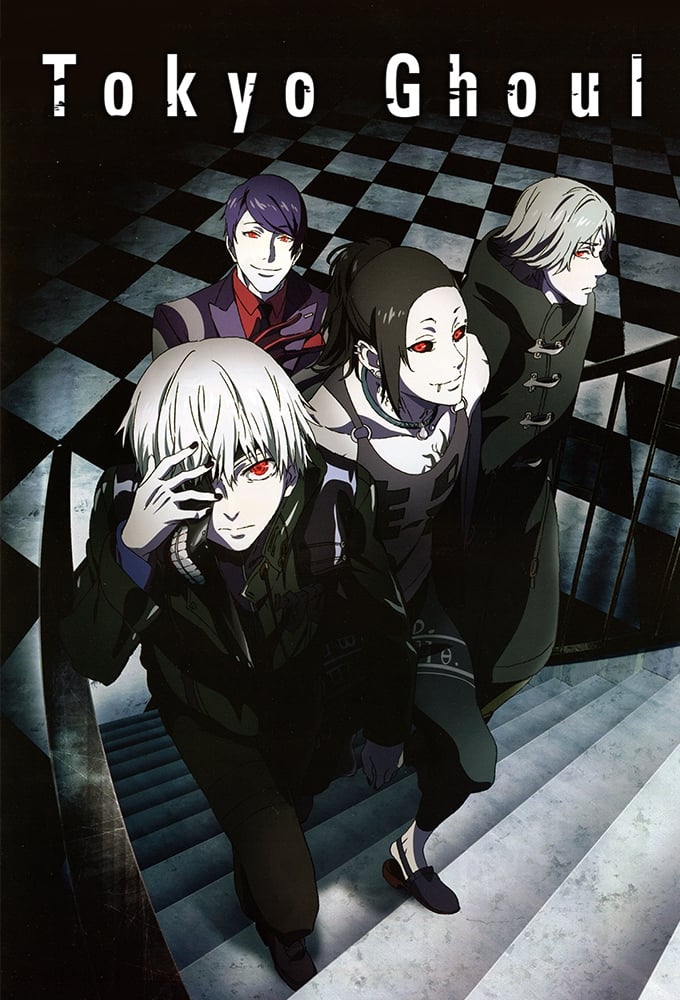
In ‘Tokyo Ghoul √A’, the protagonist Kaneki Ken makes the surprising decision to join the Aogiri Tree organization after the battle at the 11th Ward. This plot twist directly contradicted the manga, where Kaneki creates his own independent group to oppose Aogiri and protect his friends from afar. Fans criticized this change for undermining the character’s core motivations and the psychological depth found in Sui Ishida’s original work. The resulting narrative lacked the strategic complexity and character development that made the manga a best-seller.
‘Fullmetal Alchemist’ (2003–2004)
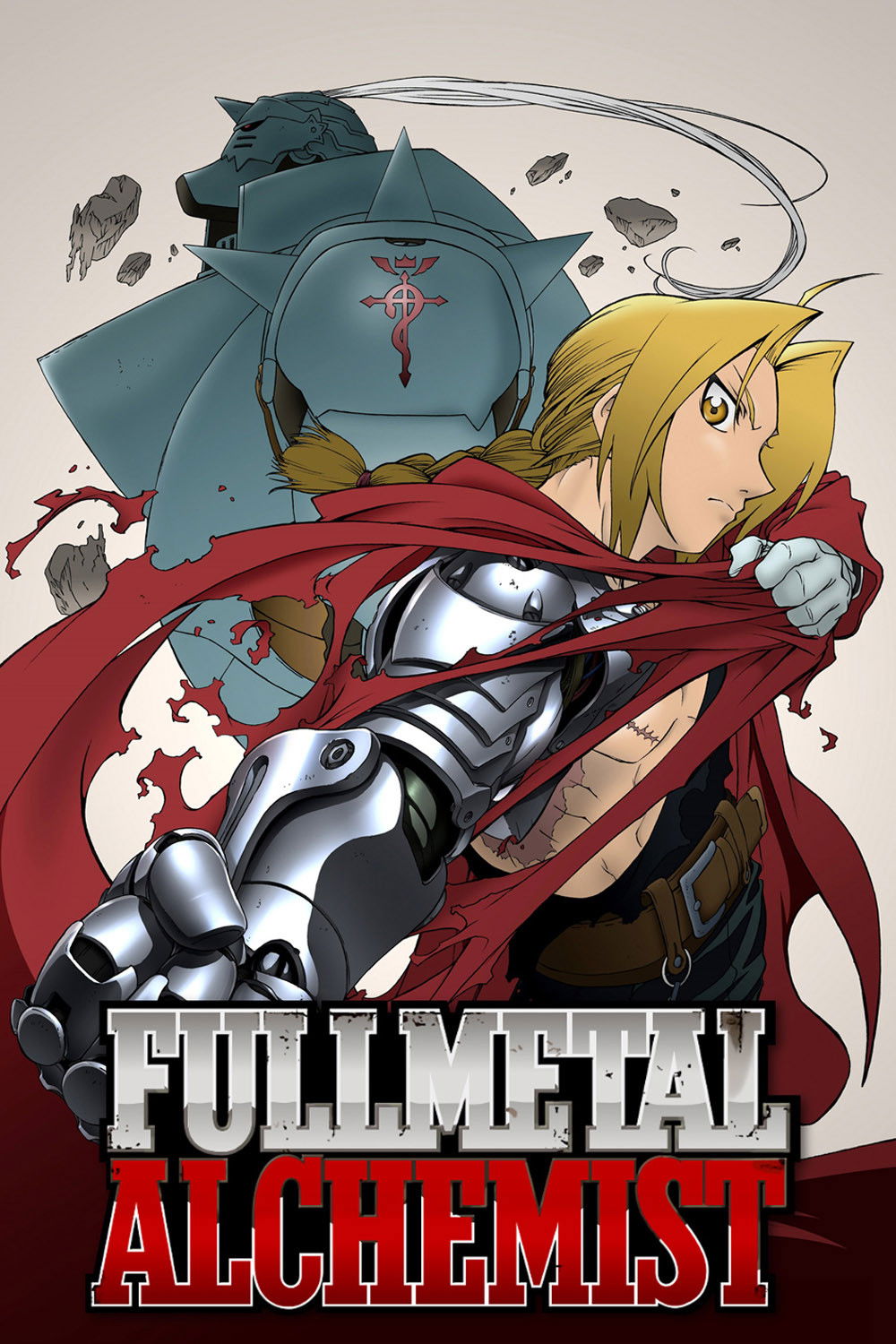
The 2003 adaptation of ‘Fullmetal Alchemist’ introduced an anime-original antagonist named Dante instead of the manga’s primary villain, Father. Because the manga was still in production at the time, the series moved toward a completely different origin and set of rules for the Homunculi. Purists often cite the conclusion, which sees Edward Elric transported to a version of Earth during World War I, as a jarring departure from the high-fantasy setting. While the series is praised for its production quality, the narrative divergence remains a point of contention for long-time readers.
‘Akame ga Kill!’ (2014)

‘Akame ga Kill!’ began deviating from its source material during the final quarter of its run, resulting in the early deaths of several main characters. While the manga was still being written, the anime staff decided to kill off characters like Tatsumi and Mine, both of whom survived in the original story’s conclusion. This twist frustrated fans who felt the emotional weight of the ending was sacrificed for shock value and a definitive ending. The final confrontation also differed significantly in scale and resolution from the epic chapters later depicted in the manga.
‘Soul Eater’ (2008–2009)
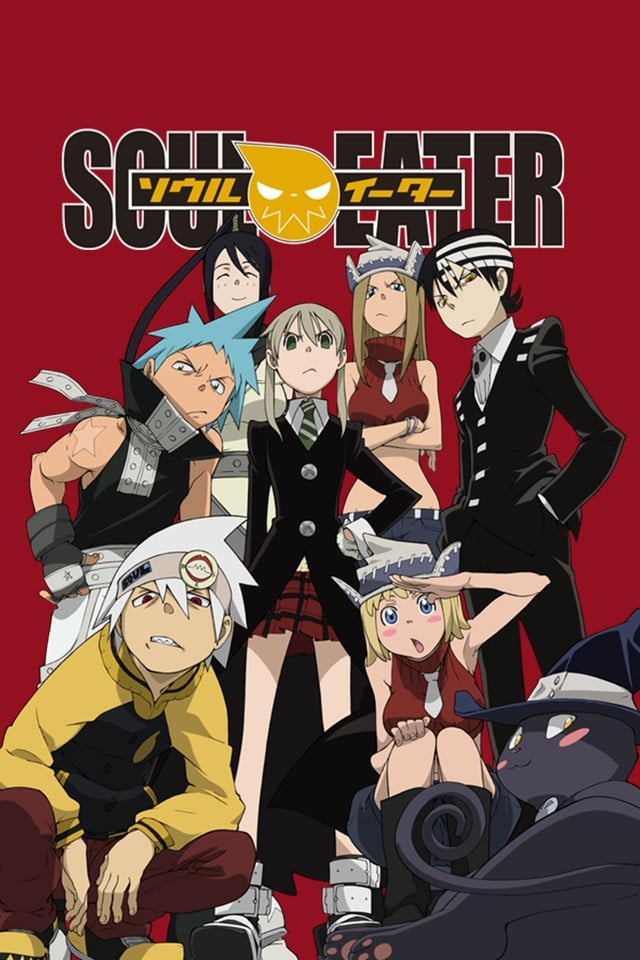
The finale of ‘Soul Eater’ saw the main protagonist, Maka Albarn, defeating the powerful Kishin Asura with a single punch fueled by “courage.” This climax replaced the complex battle found in the manga, which involved a much larger cast and deeper lore regarding the nature of madness. Manga purists criticized this ending for its simplistic resolution and for making Maka’s physical abilities inconsistent with the established power system. The shift occurred because the anime caught up to the manga’s publication before the true conclusion was written.
‘Blue Exorcist’ (2011)
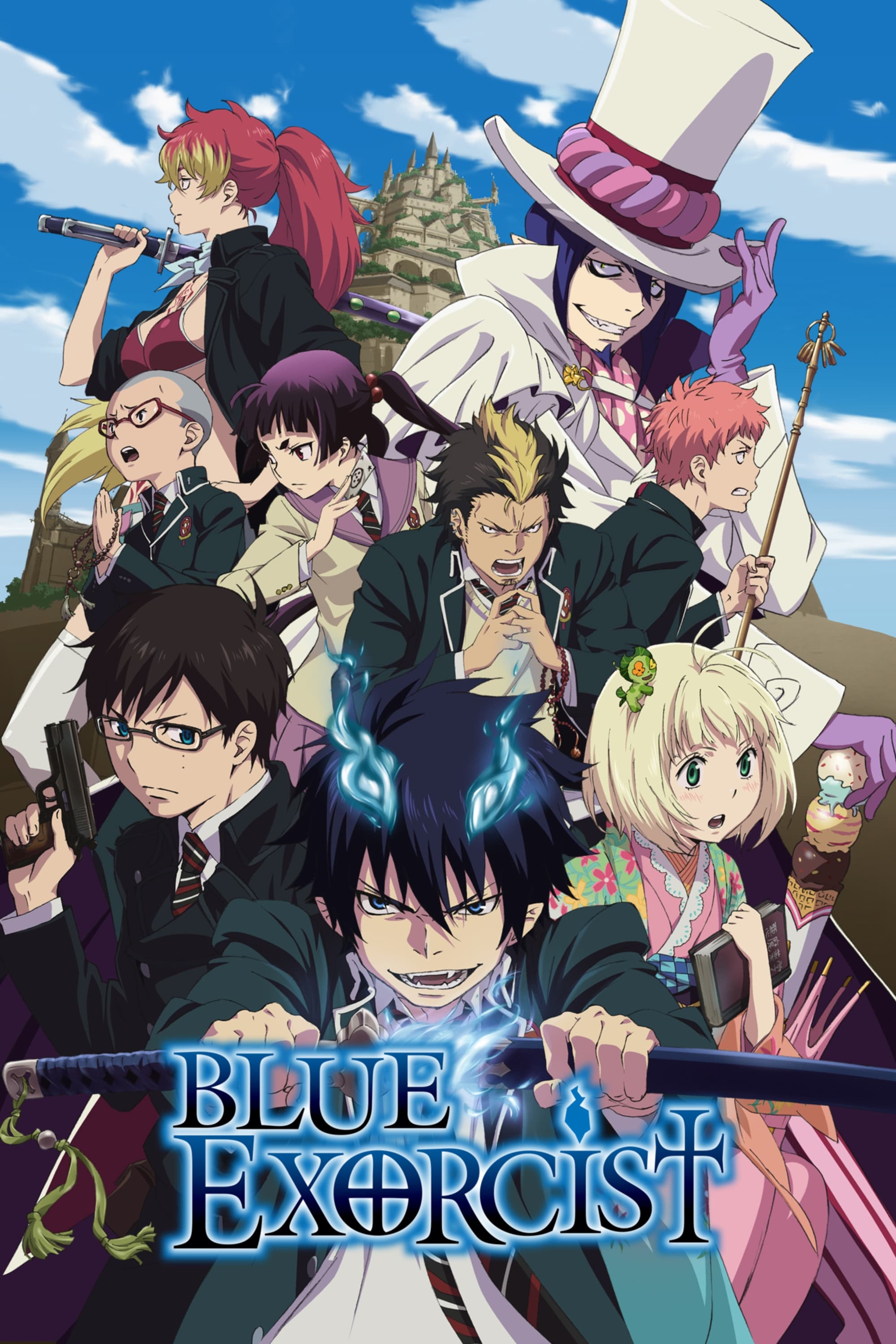
Halfway through the first season of ‘Blue Exorcist’, the narrative diverged into an anime-original arc involving Rin and Yukio’s grandfather and a plot by Satan to merge two worlds. This twist effectively ignored the manga’s progression and forced the characters into roles that did not align with their established development. The fallout was significant enough that the second season, ‘Blue Exorcist: Kyoto Saga’, had to retcon the final episodes of the first season to return to the manga’s canon. Fans found the original deviation confusing and detrimental to the long-term pacing of the show.
‘Black Butler’ (2008)
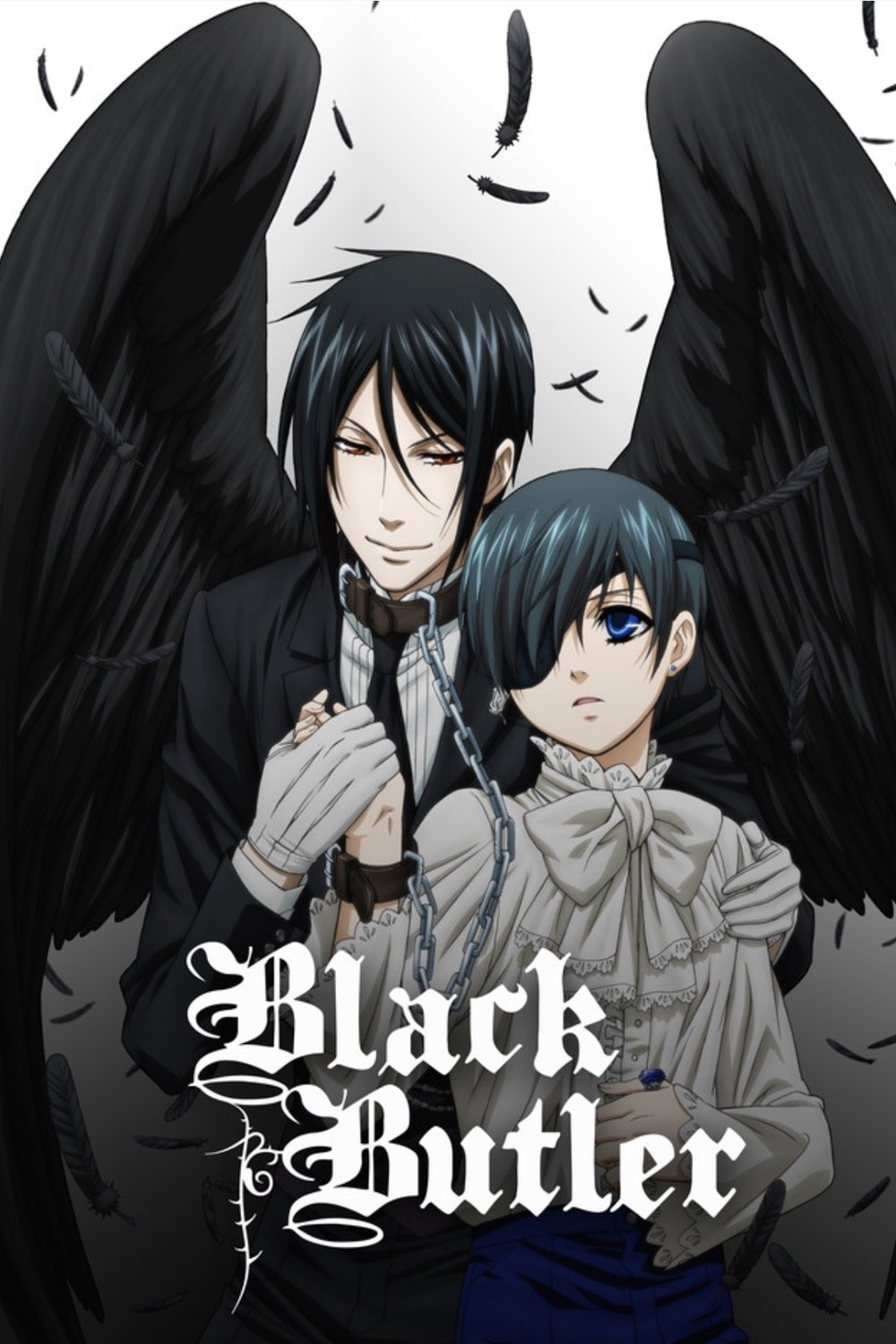
The second season of ‘Black Butler’ introduced entirely new characters, Alois Trancy and Claude Faustus, and concluded with Ciel Phantomhive turning into a demon. This twist was a total departure from the ongoing manga, where Ciel remains a human navigating various dark mysteries for the Queen. Purists were outraged by this change as it effectively ended the story’s central tension regarding the eventual harvest of Ciel’s soul. Subsequent anime entries had to ignore this season entirely to align back with the original narrative provided by Yana Toboso.
‘Claymore’ (2007)
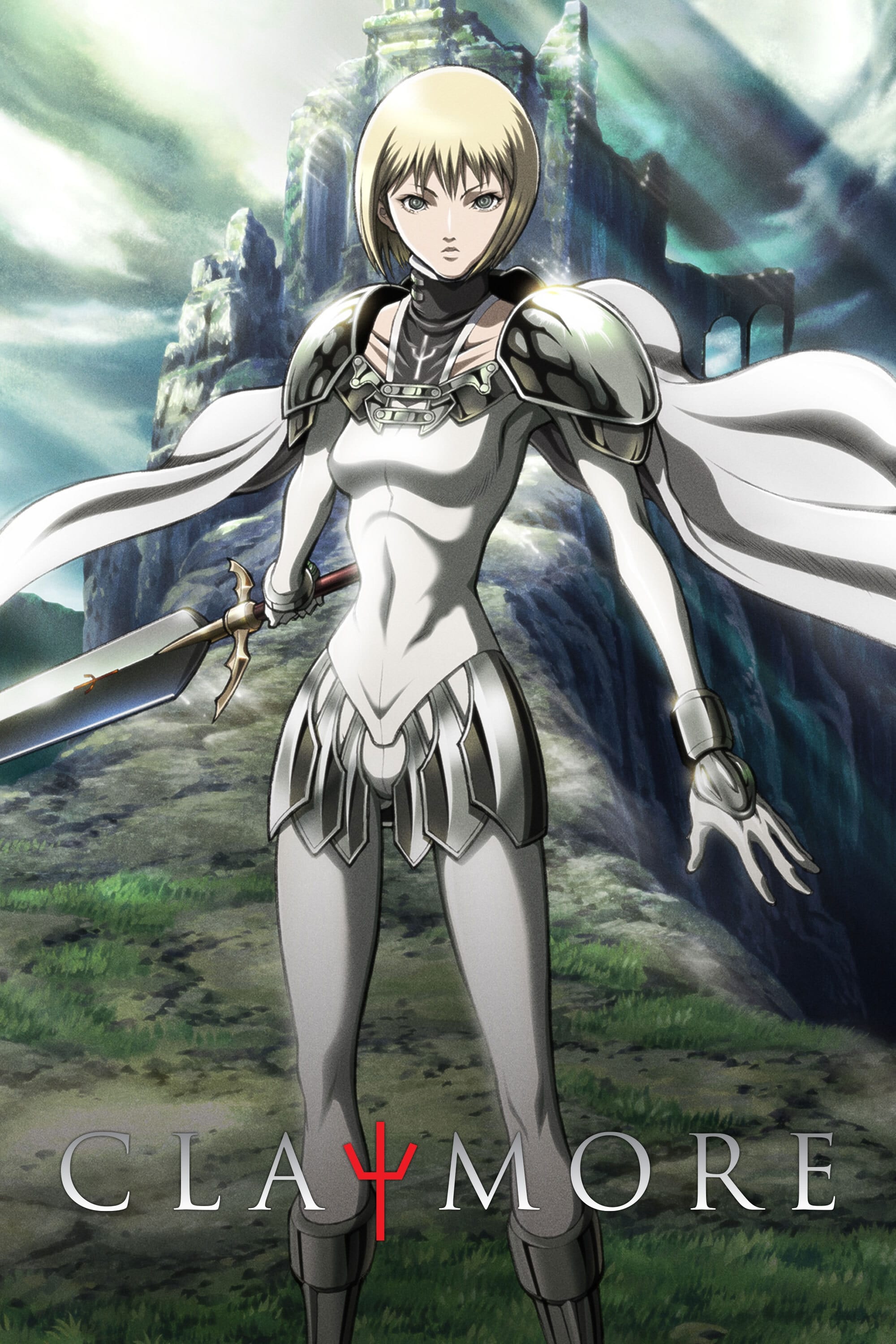
The ‘Claymore’ anime concluded with a premature battle against Priscilla at Pieta that differed wildly from the manga’s chronological timeline. In the anime version, the character Raki intervenes in the fight, leading to an indecisive ending that left many character arcs completely unresolved. Manga fans were particularly upset because this change omitted several years of character growth and the introduction of “The Seven Ghosts.” The deviation meant that many of the series’ biggest mysteries and high-level battles were never properly animated.
‘Shaman King’ (2001–2002)
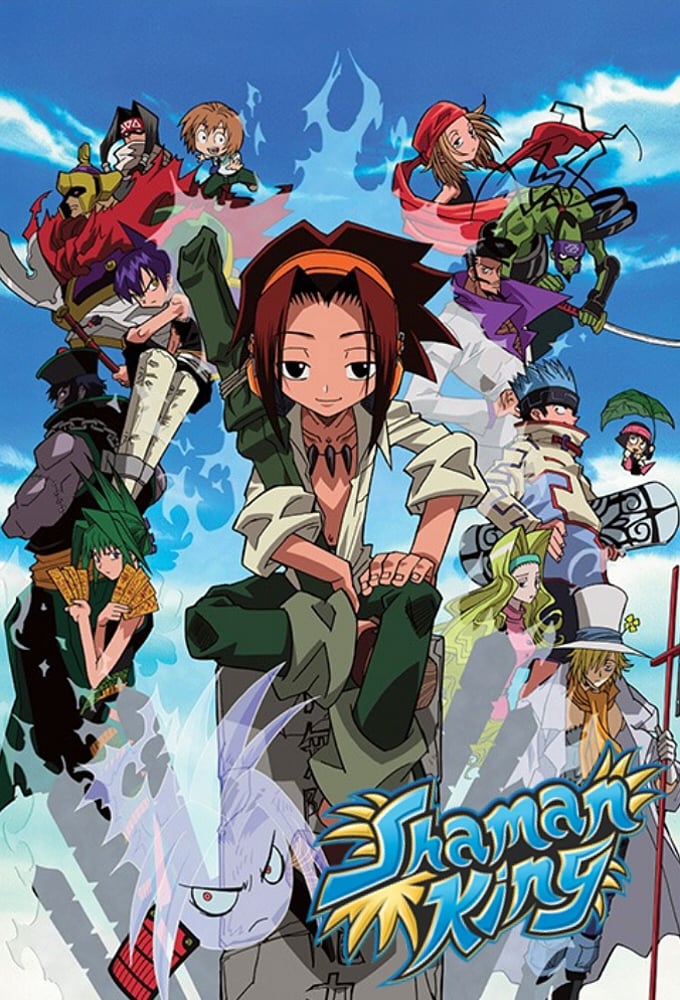
The original 2001 adaptation of ‘Shaman King’ ended with Yoh Asakura defeating the antagonist Hao through a concentrated burst of energy. This was a stark contrast to the manga, where Hao’s power level is depicted as insurmountable and the resolution is far more philosophical. Purists felt the anime twist simplified the complex themes of the series into a standard shonen trope of winning through sheer willpower. The disappointment among fans was a primary driver for the 2021 reboot, which aimed to provide a more faithful adaptation of the original ending.
‘Hellsing’ (2001–2002)
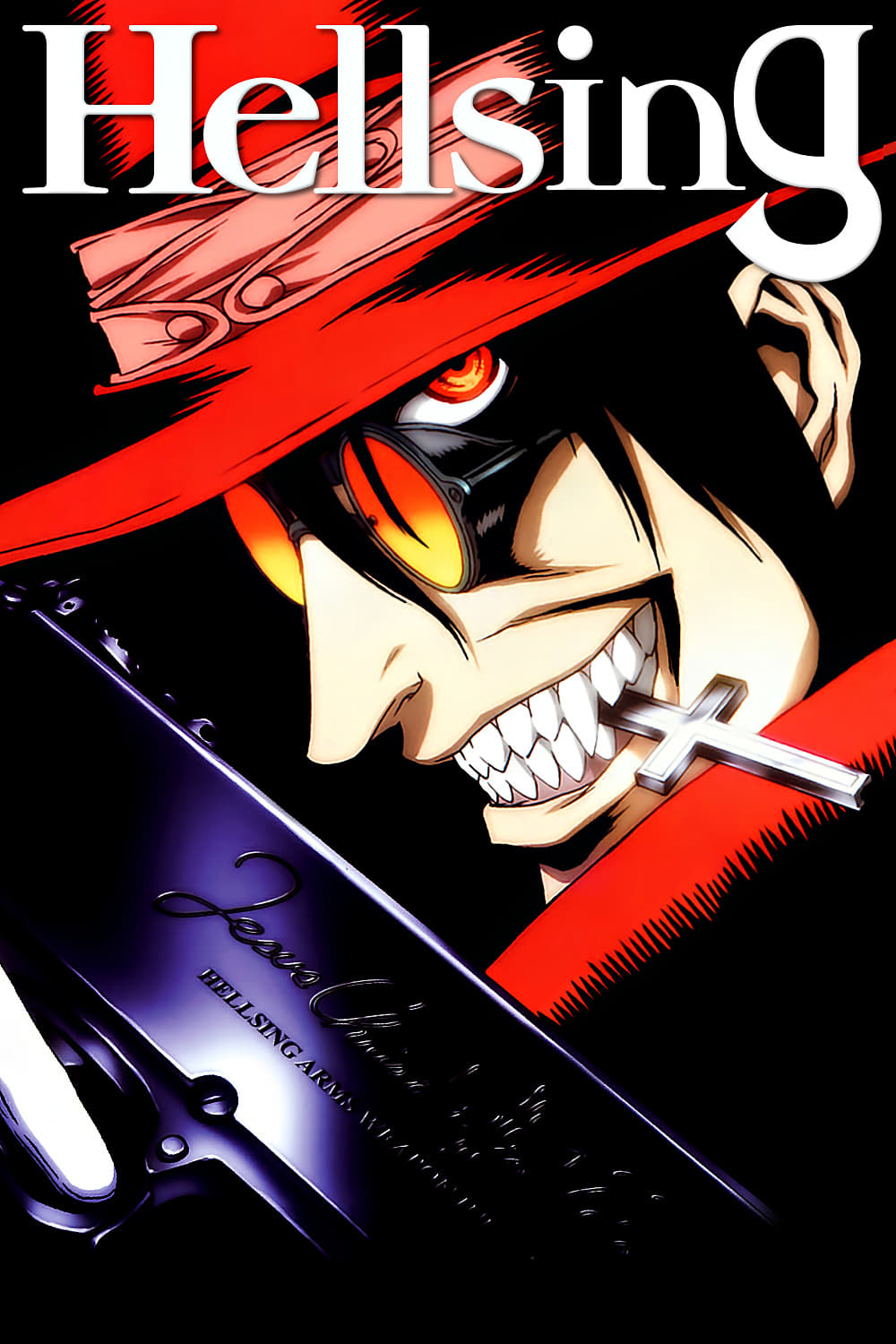
The first ‘Hellsing’ series departed from the manga early in its run, replacing the primary antagonist organization, Millennium, with an original vampire named Incognito. This change removed the historical and ideological weight of the Nazi vampire arc that fans appreciated in the source material. The climax felt disconnected from the dark, tactical nature of Kouta Hirano’s original work, leading to a much different tone. Eventually, ‘Hellsing Ultimate’ was produced as a series of OVAs specifically to rectify these changes and provide a faithful adaptation.
‘Rosario + Vampire’ (2008)
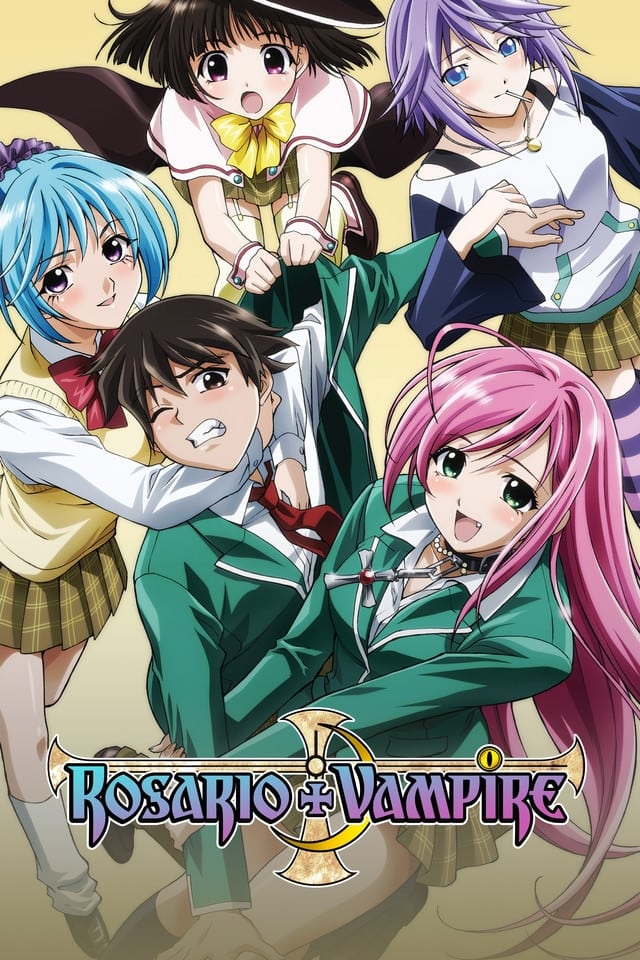
The second season of ‘Rosario + Vampire’ focused almost exclusively on fanservice and slapstick comedy, largely ignoring the manga’s shift into dark fantasy and serious action. Purists were outraged by the omission of the “Fairy Tale” organization and the serious development of Tsukune’s physical transformation. By turning a high-stakes supernatural battle manga into a generic harem anime, the adaptation alienated much of its core readership. This deviation resulted in a plot that felt stagnant and repetitive compared to the escalating tension of the source material.
‘Gantz’ (2004)
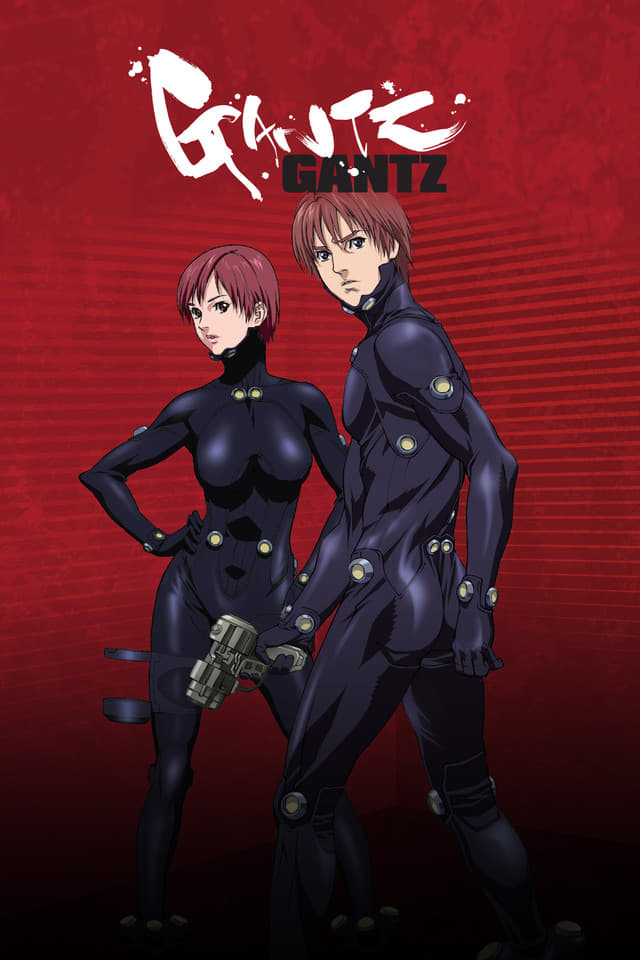
The ‘Gantz’ anime concludes with an original story arc titled the “Temple Siege” followed by a final mission where the protagonist, Kurono, must fight for his life alone. This twist ignored the much larger scope of the manga’s alien invasion plot and the evolution of the Gantz game’s international players. Fans found the ending to be anticlimactic and inconsistent with the bleak, hyper-violent reality established by Hiroya Oku. The decision to create a self-contained ending prevented many of the manga’s most iconic and world-altering moments from appearing on screen.
Please share which of these anime changes you found the most frustrating in the comments.