African American Actors Who Called Out Systemic Racism on Big Movie Sets

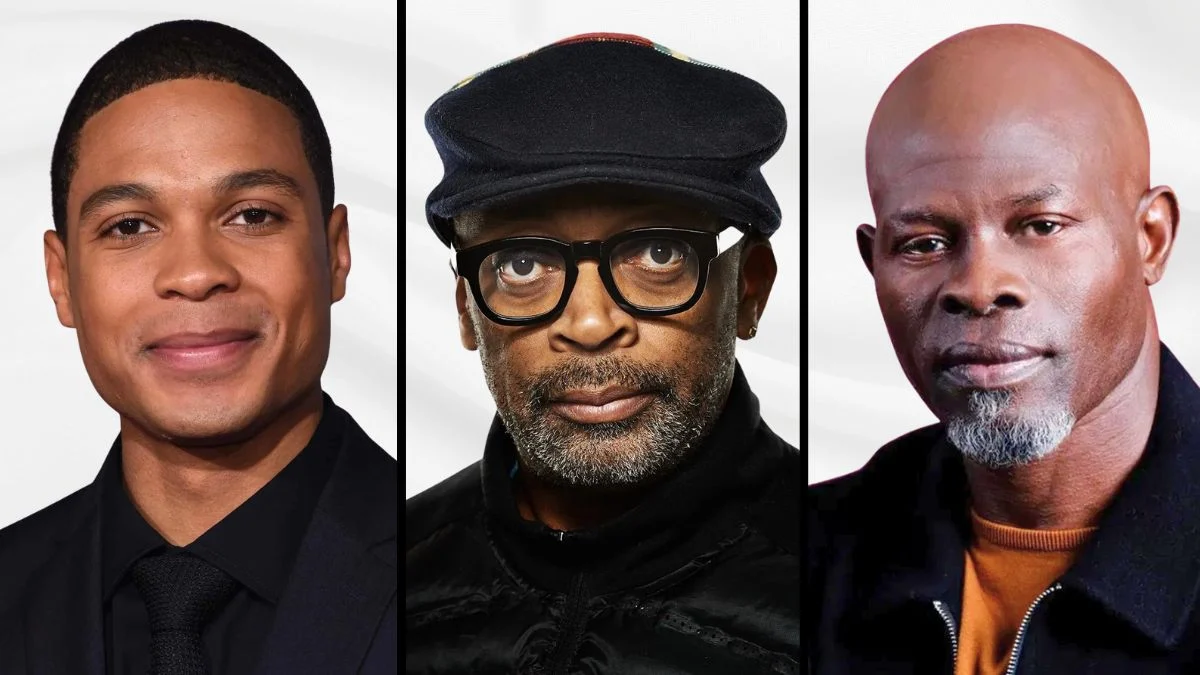

The film industry has long been a place of both immense creativity and significant systemic barriers. Many African American actors have used their platforms to address the deep-seated issues of racial bias and inequality that persist on major movie sets. These performers have spoken out about everything from pay disparities and casting limitations to toxic work environments. Their courage in calling out these systemic problems has helped to initiate important conversations about the need for lasting change in Hollywood. By sharing their experiences they continue to push for a more inclusive and equitable future for all artists in the entertainment world.
John Boyega
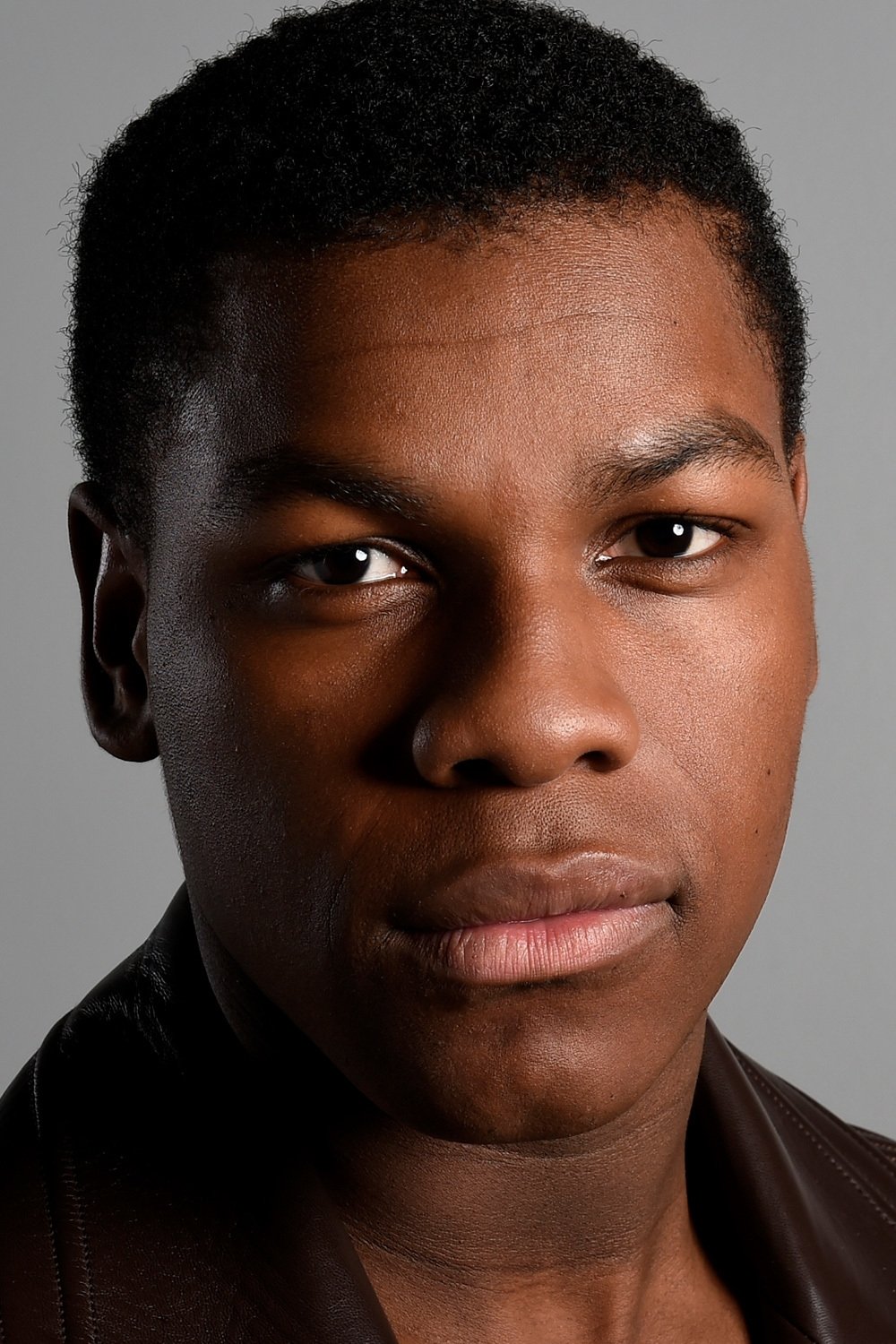
The actor spoke out about his experience while filming the ‘Star Wars’ sequel trilogy. He noted that the marketing prominently featured him but the narrative often sidelined his character as the series progressed. Boyega highlighted how the industry sometimes pushes Black characters to the periphery of major franchises. His public statements sparked a widespread conversation about racial bias in blockbuster production and marketing. He continues to advocate for more respectful and substantial roles for diverse actors in large scale projects.
Ray Fisher
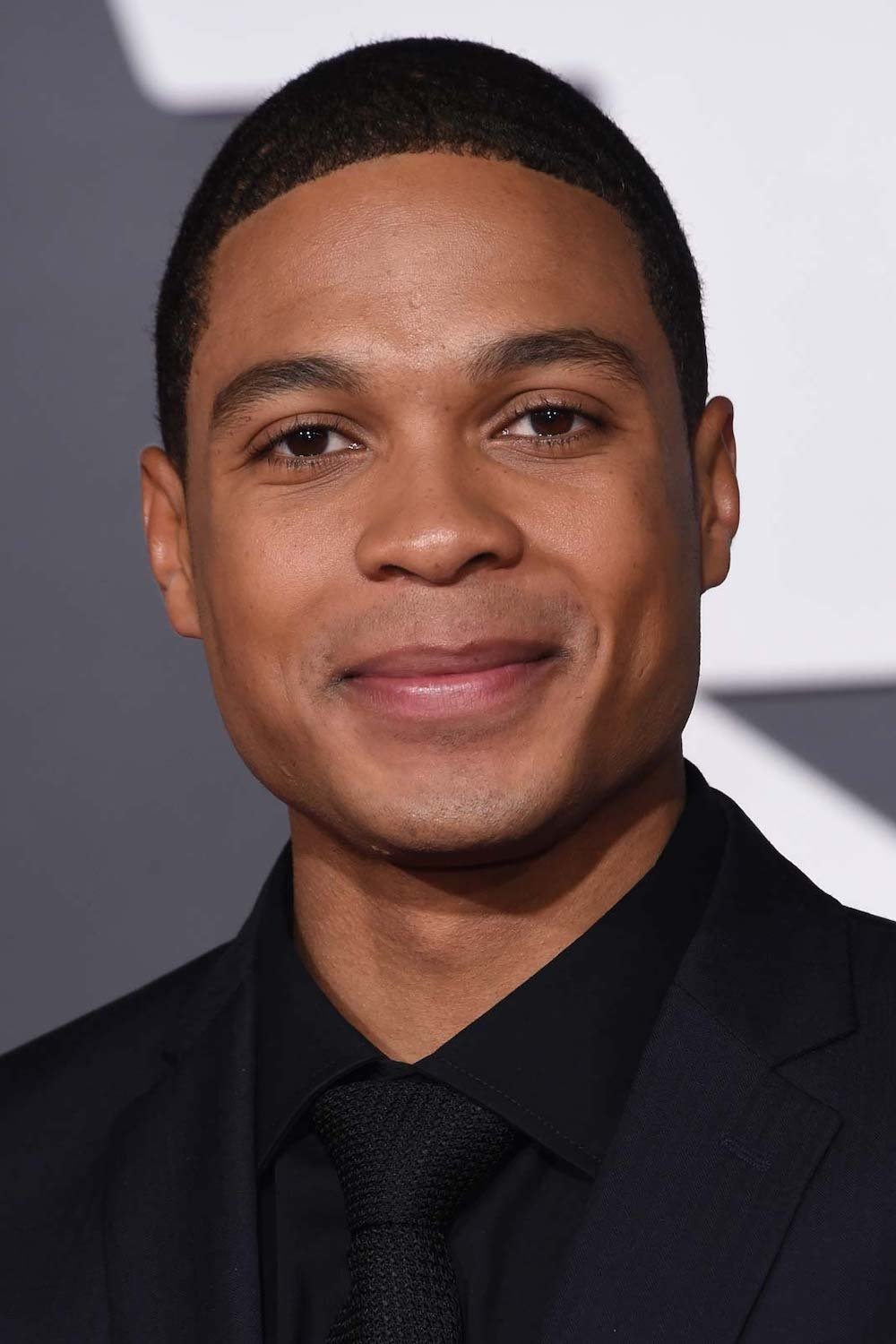
He raised serious concerns regarding the working environment on the set of ‘Justice League’. Fisher accused leadership of enabling a toxic culture and discriminatory behavior during the film reshoots. He sacrificed future opportunities within a major studio to ensure these issues were addressed publicly. His actions led to an official investigation into the production practices of the film. He remains a vocal proponent for accountability and transparency within the entertainment industry.
Anthony Mackie
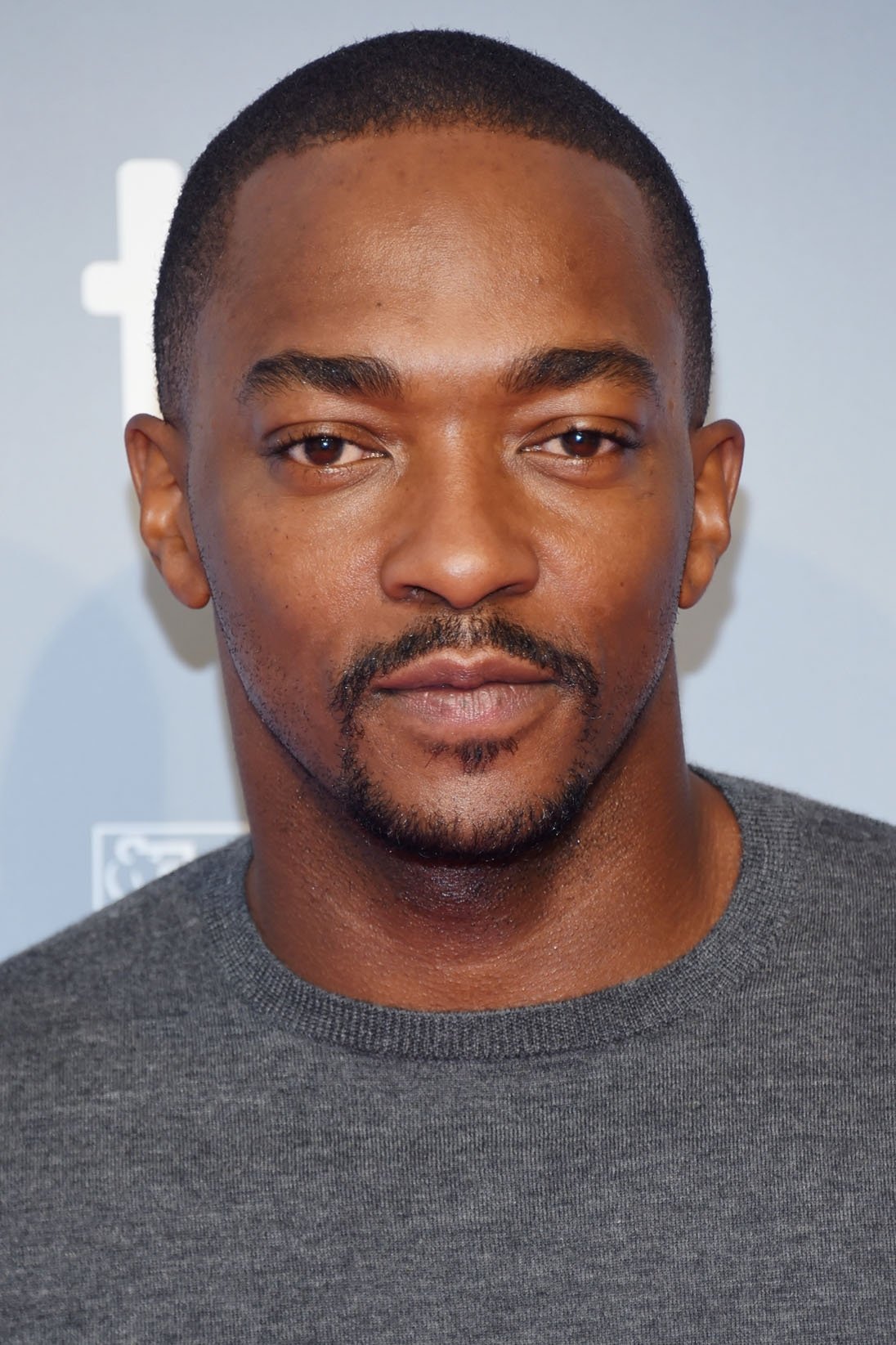
During a high profile interview he pointed out the lack of diversity among the production crews of major superhero films. He noted that even when a film has a Black lead and director the majority of the staff remains white. Mackie suggested that studios should implement better hiring practices to reflect the diversity of the audience. He believes that true change must happen behind the camera to ensure an equitable workplace. He continues to push for systemic shifts in how big budget films are staffed.
David Oyelowo
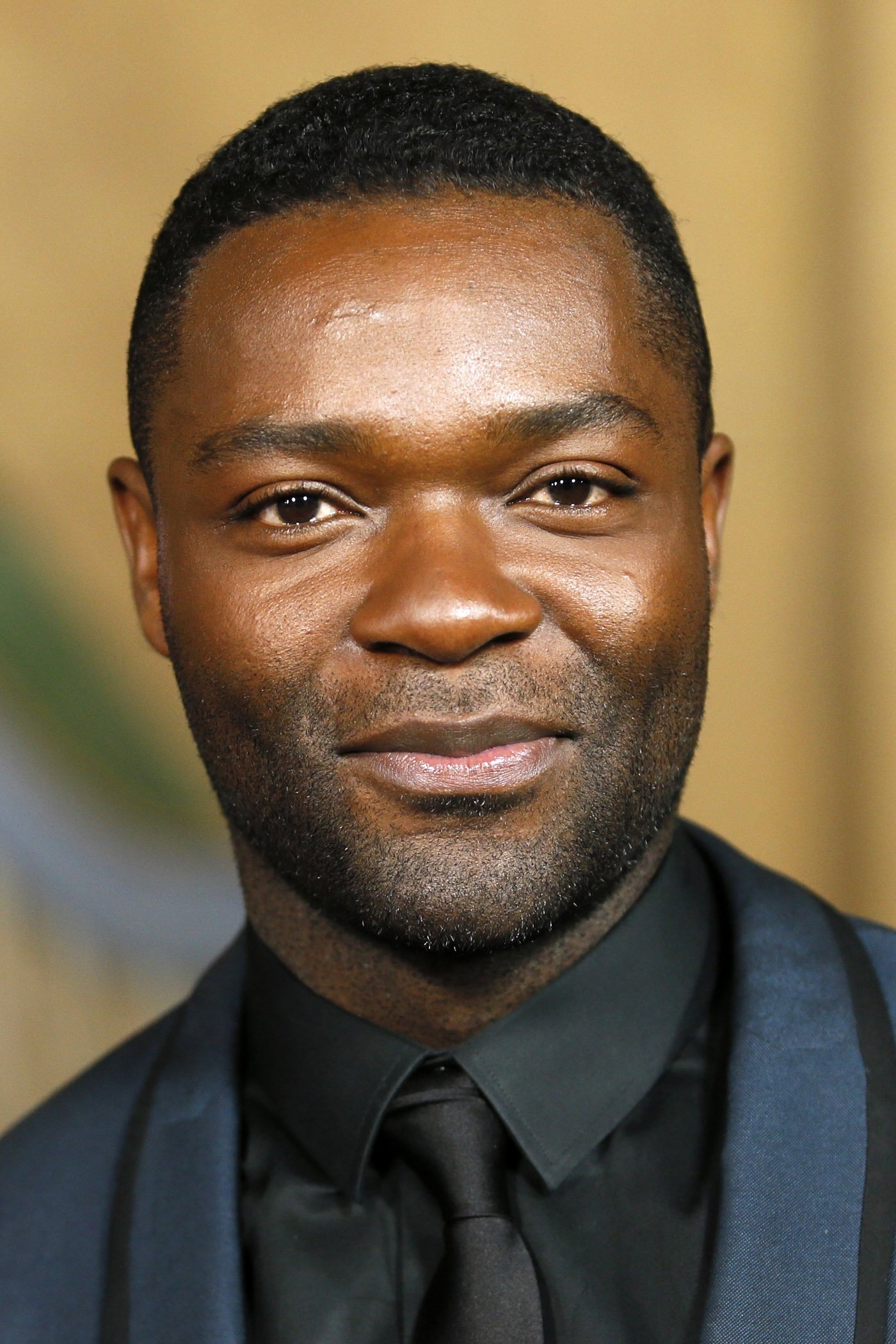
After the release of ‘Selma’ the actor discussed the lack of recognition for the film during the major awards season. He noted that certain members of the industry expressed discomfort with the cast wearing shirts that supported social justice movements. This experience highlighted the professional risks Black actors face when engaging in activism or historical truth telling. Oyelowo remains vocal about the need for more inclusive voting bodies in Hollywood. He advocates for a system where diverse stories are valued equally regardless of their political themes.
Djimon Hounsou
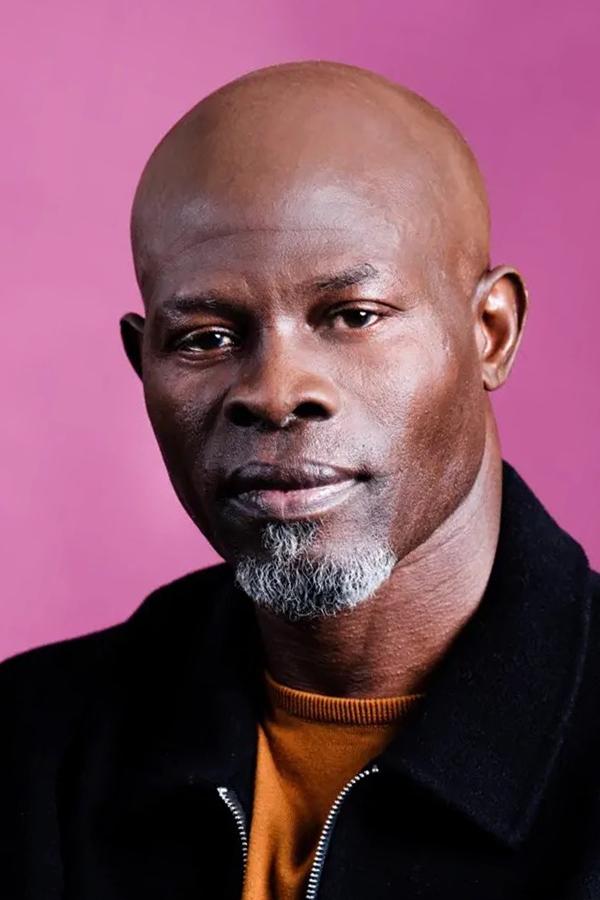
The Academy Award nominee has spoken candidly about feeling underpaid and undervalued by the film industry throughout his career. He mentioned that he still struggles to receive the same financial compensation as his white peers despite his critical success. Hounsou expressed frustration over the limited range of roles offered to African actors in major Hollywood productions. He believes that systemic bias prevents many talented performers from achieving true financial parity. His comments have shed light on the ongoing struggle for equity in actor salaries.
Leslie Odom Jr.
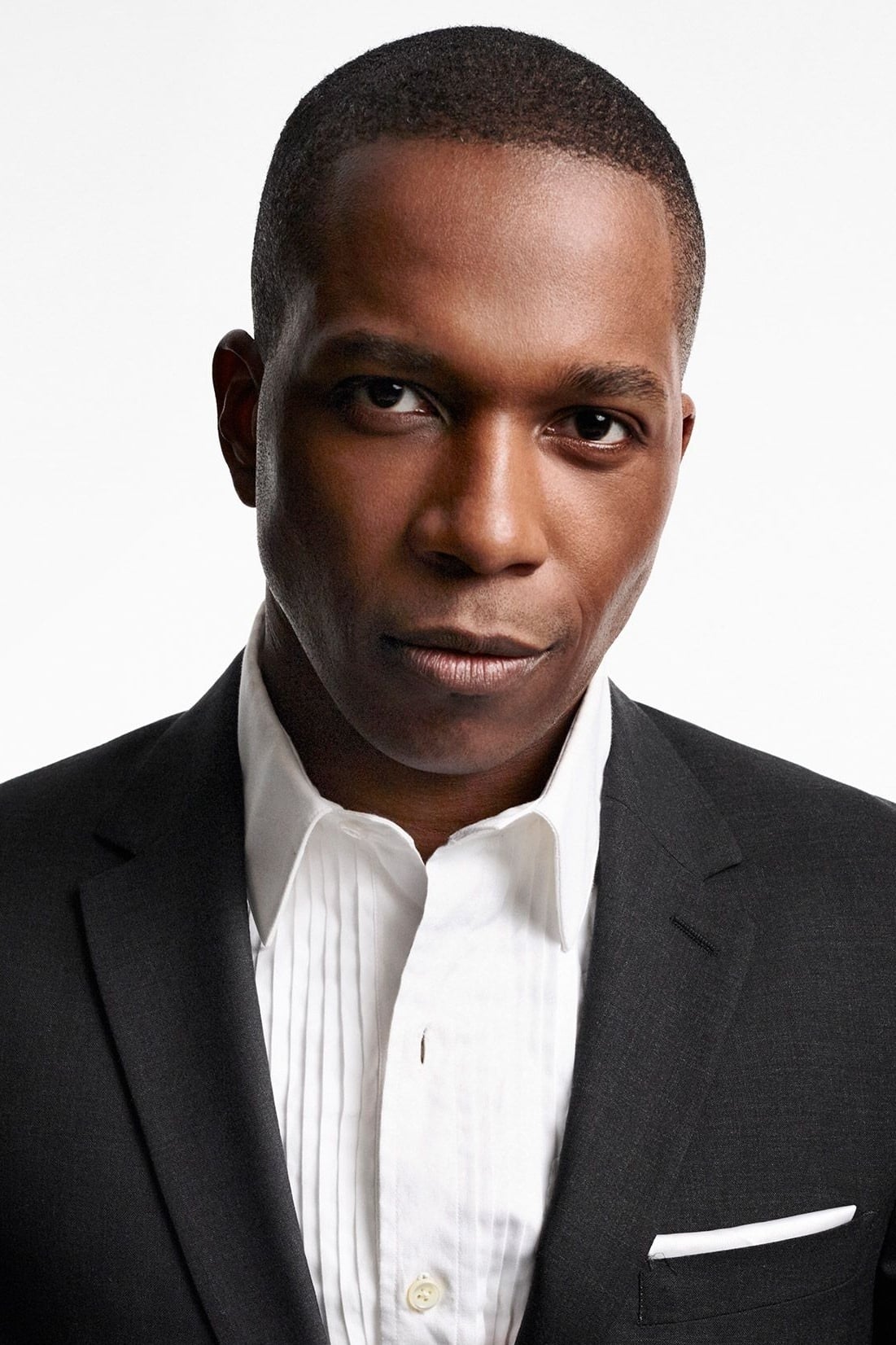
He famously questioned the pay disparity while negotiating his role for ‘The Many Saints of Newark’. The actor insisted on receiving a salary that reflected his status as a decorated performer with multiple major awards. He noted that the initial offer was significantly lower than what a white actor of his caliber would typically receive. Odom eventually walked away from the project to take a firm stand against unfair compensation practices. His decision served as a powerful statement against the systemic devaluation of Black talent.
Daniel Kaluuya
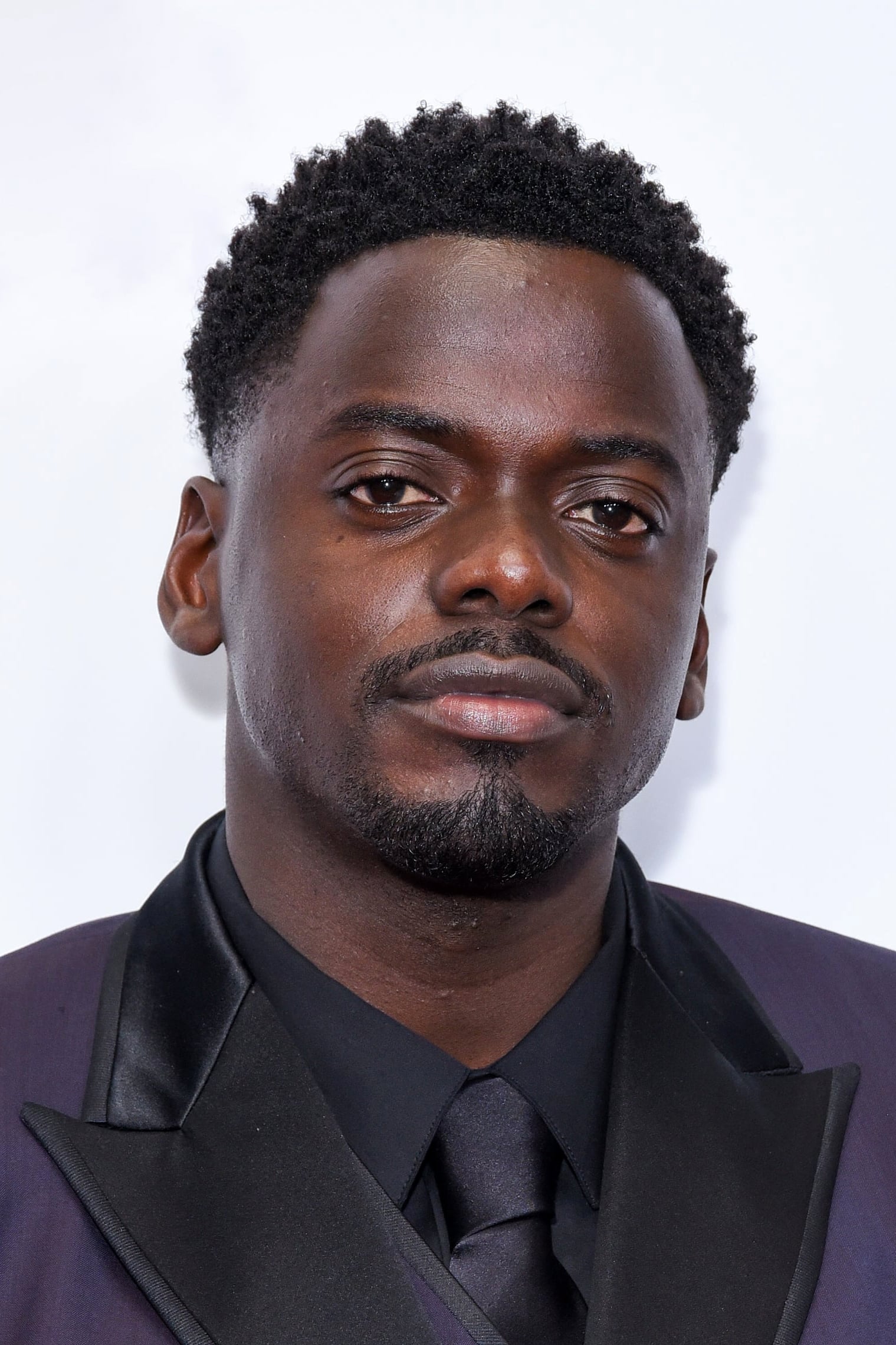
The actor has addressed the significant differences between the film industries in the United States and the United Kingdom. He explained that he felt compelled to move to America to find roles that were not limited by his race. Kaluuya noted that the British industry often fails to provide leading opportunities for Black performers in a variety of genres. He continues to advocate for more diverse storytelling and better representation on a global scale. His success highlights the need for systemic reform in international casting practices.
Samuel L. Jackson
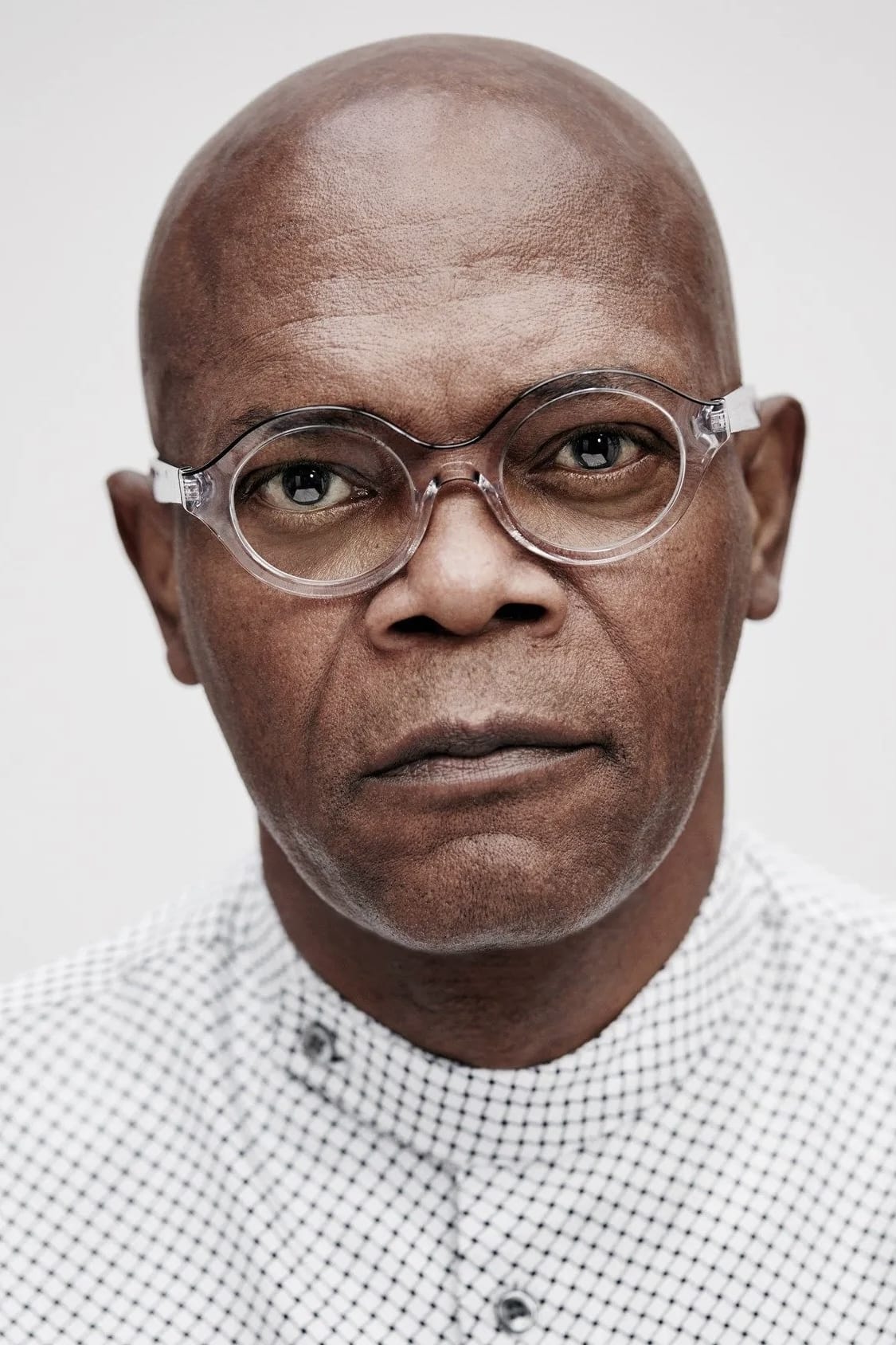
He has frequently discussed the limitations placed on Black actors regarding their roles and global marketability. Jackson criticized how the industry often perceives Black led films as less profitable in international markets. He uses his platform to challenge these outdated notions and promote the consistent success of diverse projects. His long career provides him with a unique perspective on the slow pace of systemic change in Hollywood. He remains one of the most vocal critics of how the industry labels and limits Black talent.
Michael B. Jordan
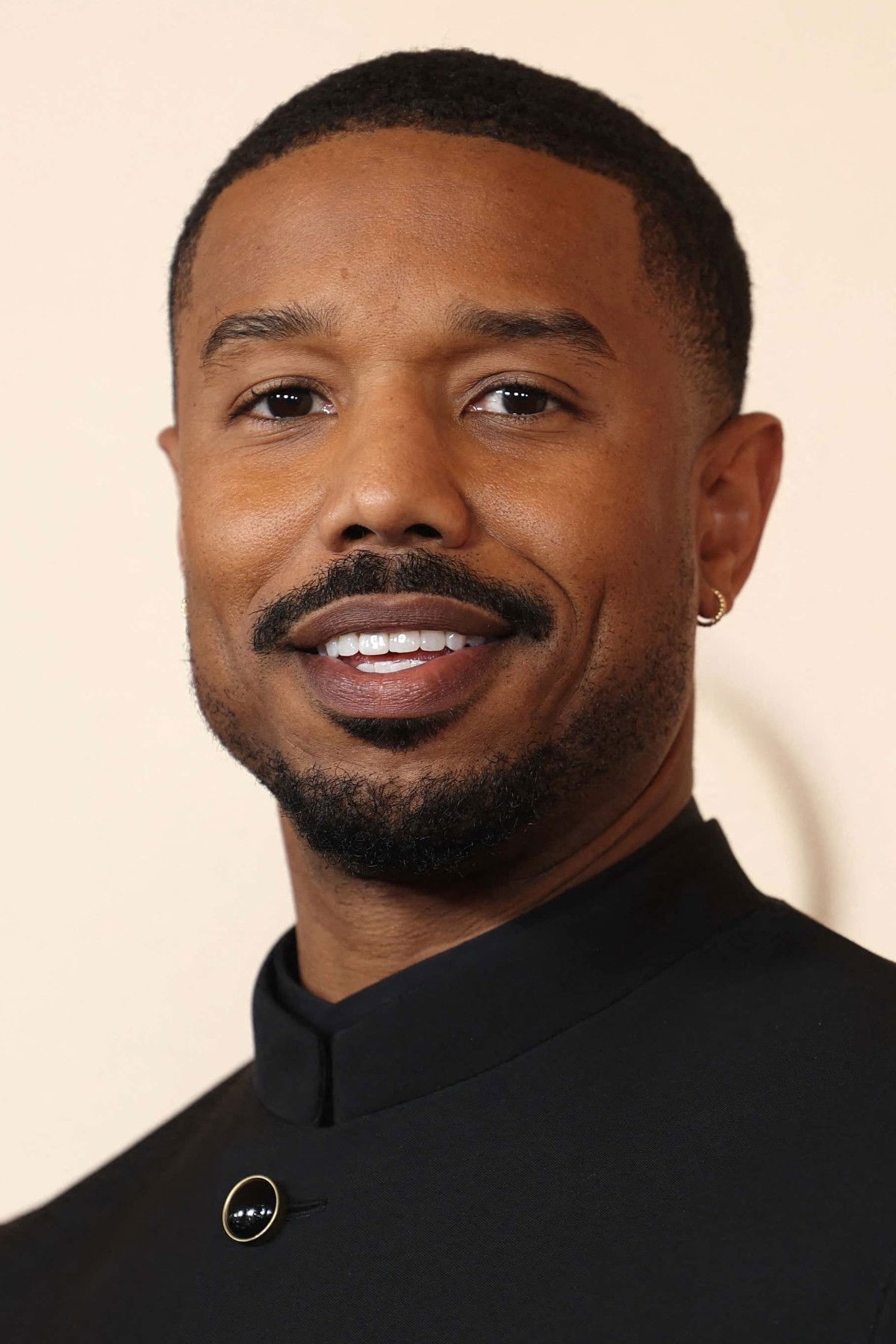
He was one of the first major stars to adopt inclusion riders for his production company to ensure diverse hiring. This contractual requirement mandates that a film cast and crew meet specific diversity benchmarks during production. Jordan implemented this to address the systemic lack of opportunity for marginalized groups on big movie sets. He believes that structural changes in contracts are necessary to create a more equitable film environment. His leadership has inspired other creators to take similar steps toward industry reform.
Kendrick Sampson
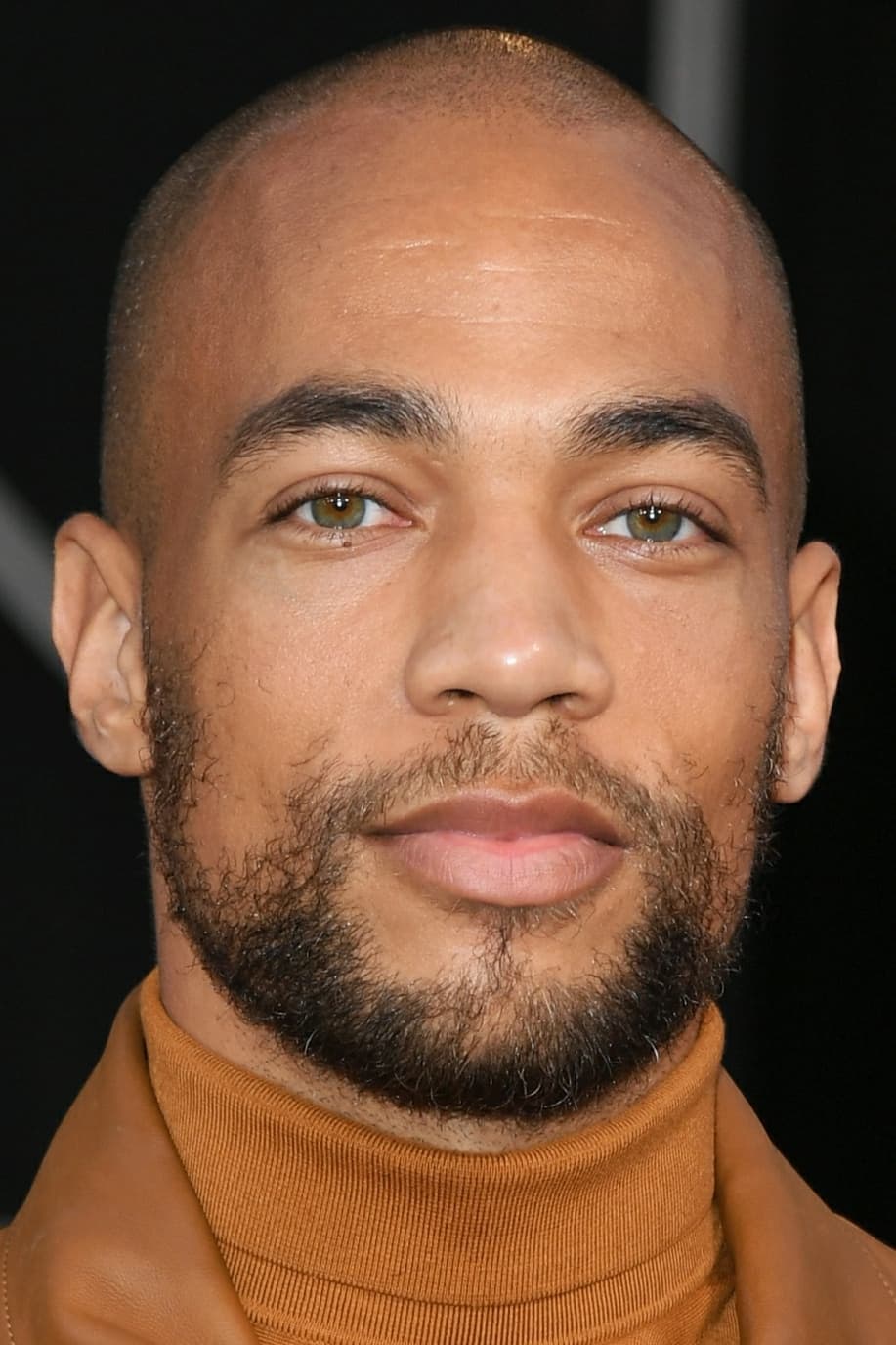
He penned an open letter to Hollywood calling for an end to the glamorization of police and the systemic exclusion of Black creators. Sampson urged studios to divest from traditional law enforcement consultants and instead invest in Black communities. He remains a prominent voice in the fight for social justice within the entertainment world. His work focuses on how media representations influence real world systemic issues and public perception. He advocates for a complete overhaul of how Hollywood portrays systemic power structures.
Spike Lee
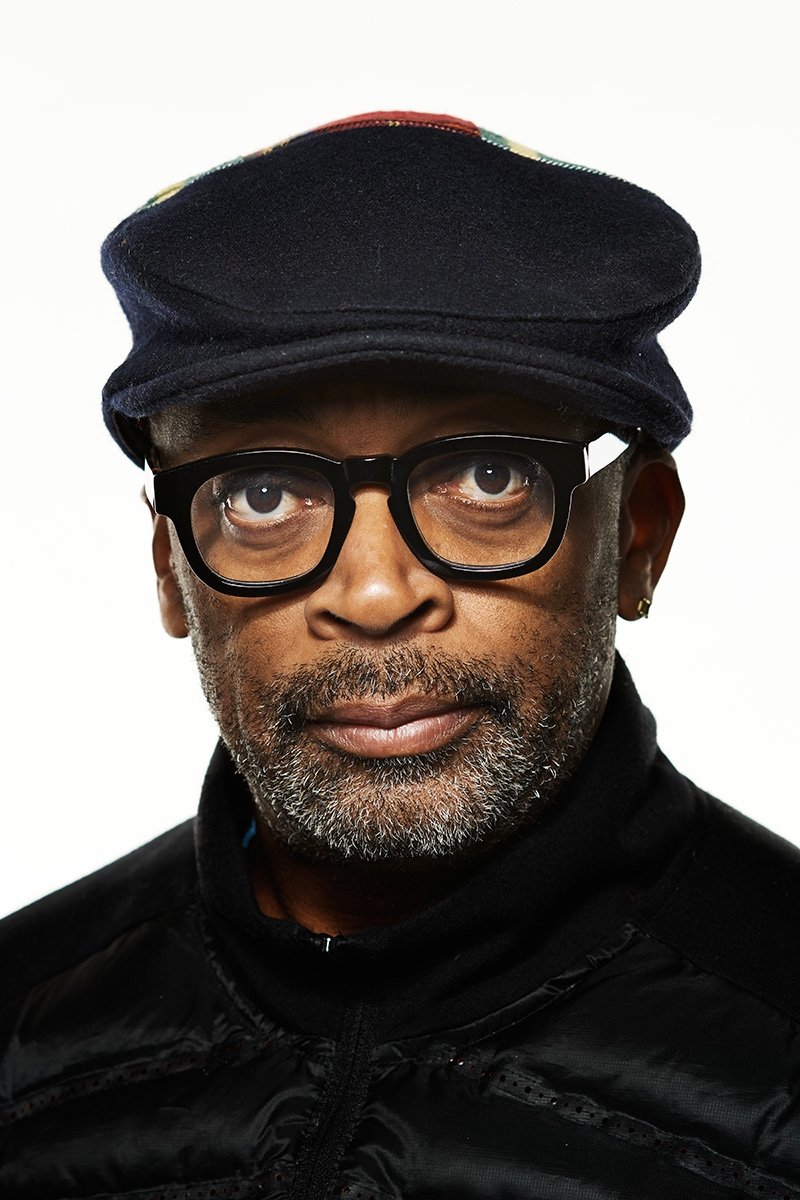
The filmmaker and actor has spent decades critiquing the lack of Black executives in positions of power within the studio system. He argues that true change cannot happen until Black people have the authority to greenlight major projects. Lee often speaks about the difficulties he faced when trying to secure funding for his early films despite their clear potential. He continues to mentor young artists and provide them with the tools to navigate a biased industry. His career is defined by a consistent challenge to the gatekeepers of the film world.
Billy Porter
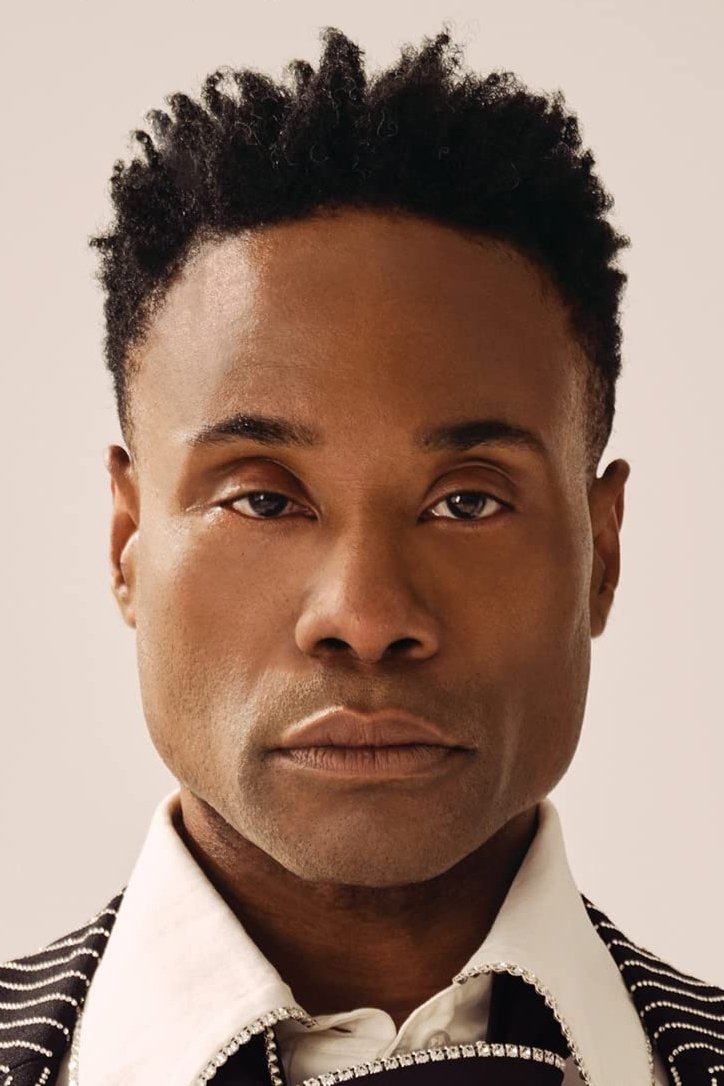
He has been vocal about the systemic barriers that prevent Black performers from accessing a wide range of diverse roles. Porter highlighted the challenges of being a Black man in an industry that often demands traditional and narrow forms of masculinity. He advocates for a broader definition of identity and more inclusive casting practices across all genres. His success serves as a direct challenge to the historical gatekeepers of the entertainment world. He continues to use his platform to demand more space for authentic and diverse expression.
Sterling K. Brown
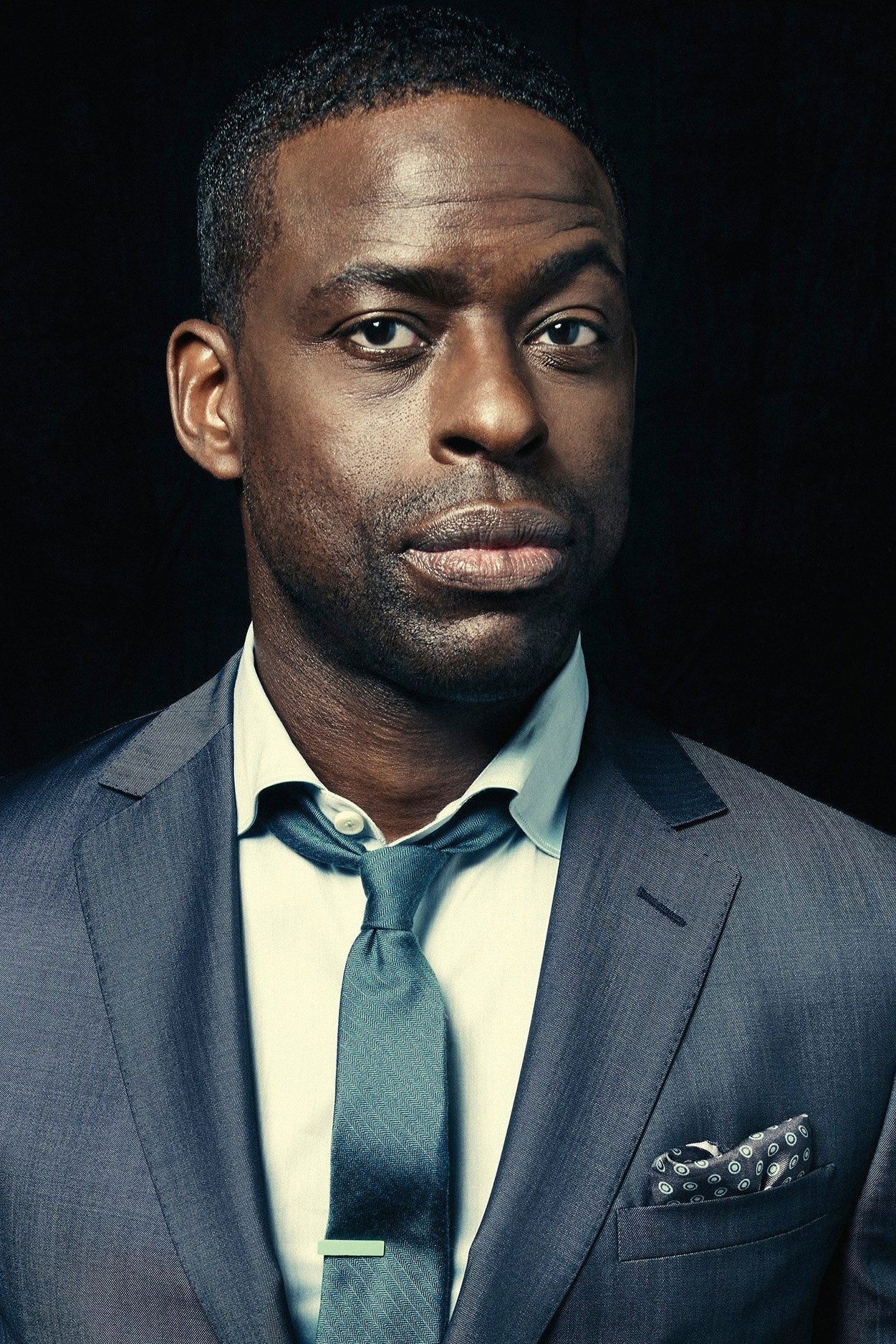
During various acceptance speeches he has touched upon the importance of being truly seen and heard in the industry. He noted the historical scarcity of complex and nuanced roles available for Black men in television and film. Brown emphasizes that representation is about more than just numbers and must include the depth of the characters portrayed. He actively supports projects that showcase the full spectrum of the human experience through a Black lens. His advocacy highlights the need for more sophisticated storytelling in mainstream media.
Idris Elba
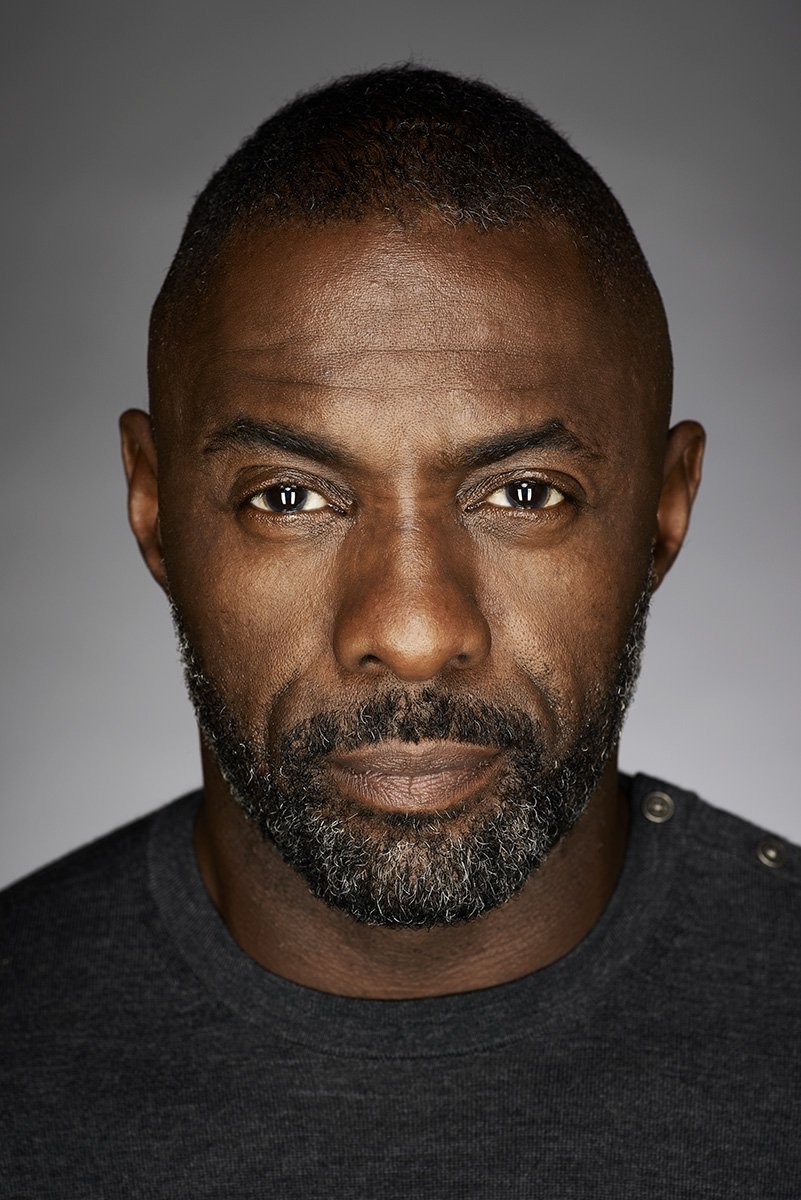
He moved to the United States because he felt his career options were becoming too narrow in the United Kingdom. Elba explained that he was often cast in the same types of roles due to systemic perceptions of Black actors in his home country. He has spoken about the need for the industry to move past race blind casting and embrace authentic diversity. His international success has allowed him to highlight these discrepancies on a larger stage for a global audience. He remains a key figure in the discussion about international representation in film.
Don Cheadle
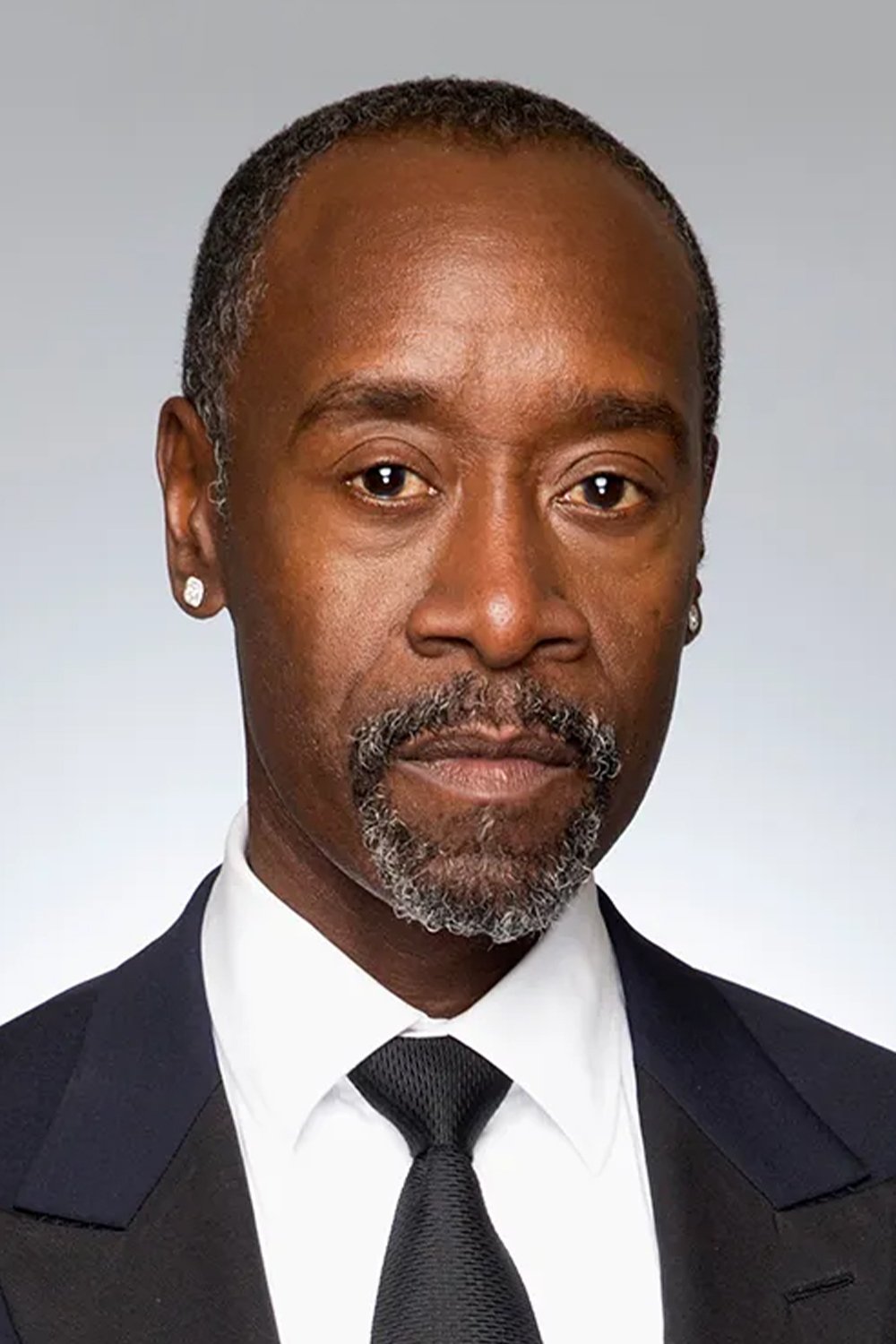
He recounted the immense difficulty he faced while trying to fund the film ‘Miles Ahead’ several years ago. Cheadle noted that investors were hesitant to support a project about a Black icon without the addition of a white co lead. This experience demonstrated the systemic financial hurdles that Black filmmakers must overcome to tell their own stories. He continues to speak out against the commercial biases that dictate which stories are deemed worthy of investment. His work as a producer aims to create more pathways for diverse narratives.
Will Smith
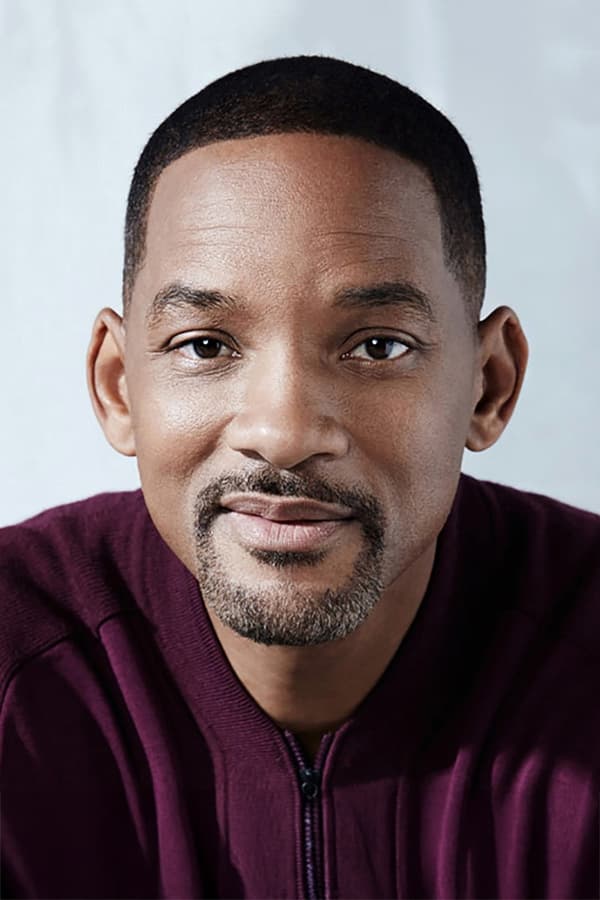
He participated in a high profile boycott of the Academy Awards to protest the lack of diverse nominees in major categories. Smith stated that the industry should more accurately reflect the diversity of the audience it serves every day. He noted that the consistent exclusion of Black artists from major awards is a symptom of deeper systemic issues. His stance encouraged other prominent figures to demand more inclusive industry standards and voting practices. He continues to advocate for a more representative and fair entertainment landscape.
Denzel Washington
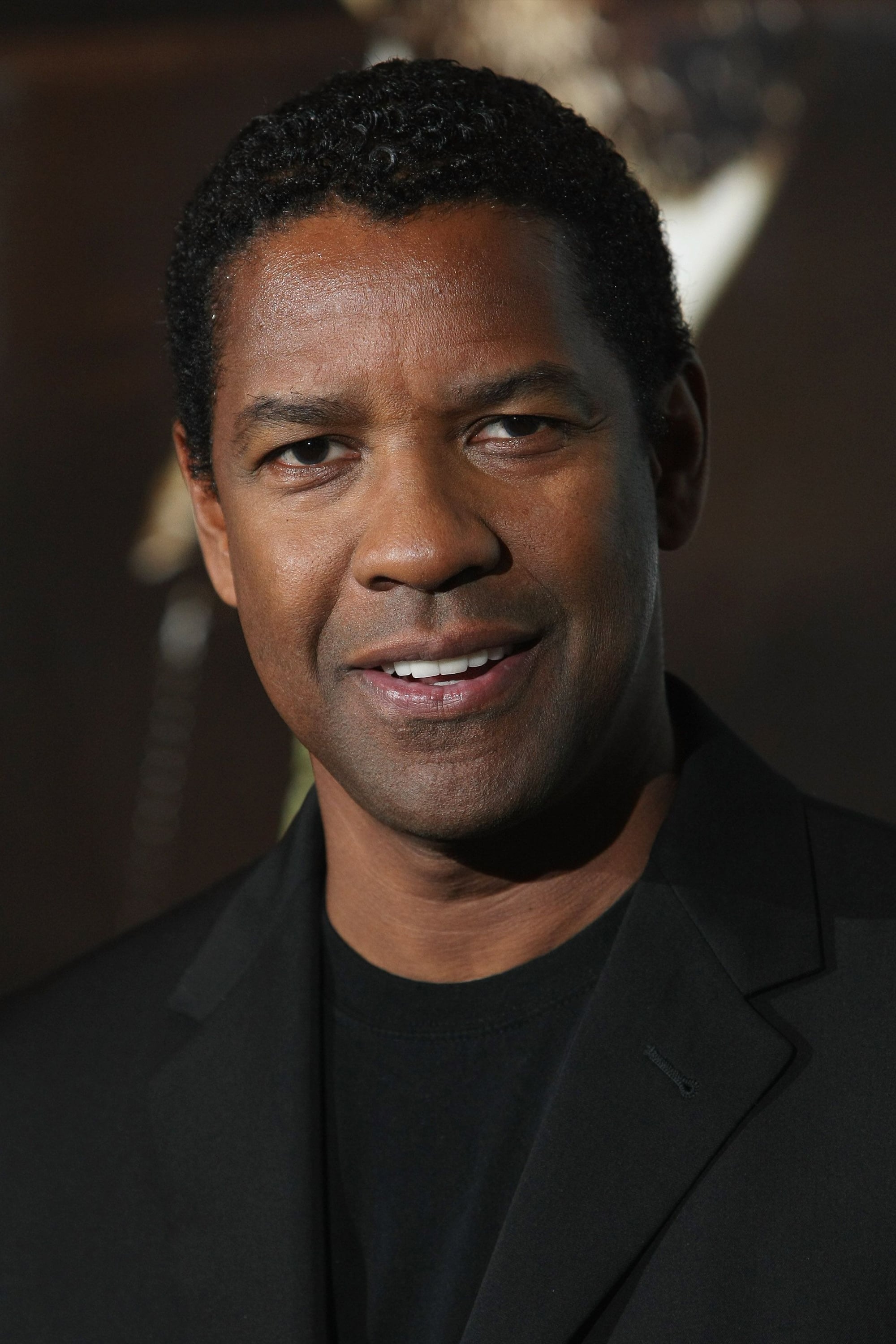
He has emphasized the importance of having Black directors at the helm of films that center on Black stories. Washington argued that cultural perspective is essential for the authenticity and success of any given production. He pointed out that systemic racism often prevents minority filmmakers from accessing the large budgets required for major films. His advocacy focuses on empowering the next generation of diverse storytellers to take control of their own narratives. He remains a steadfast supporter of institutional change within Hollywood.
Mahershala Ali
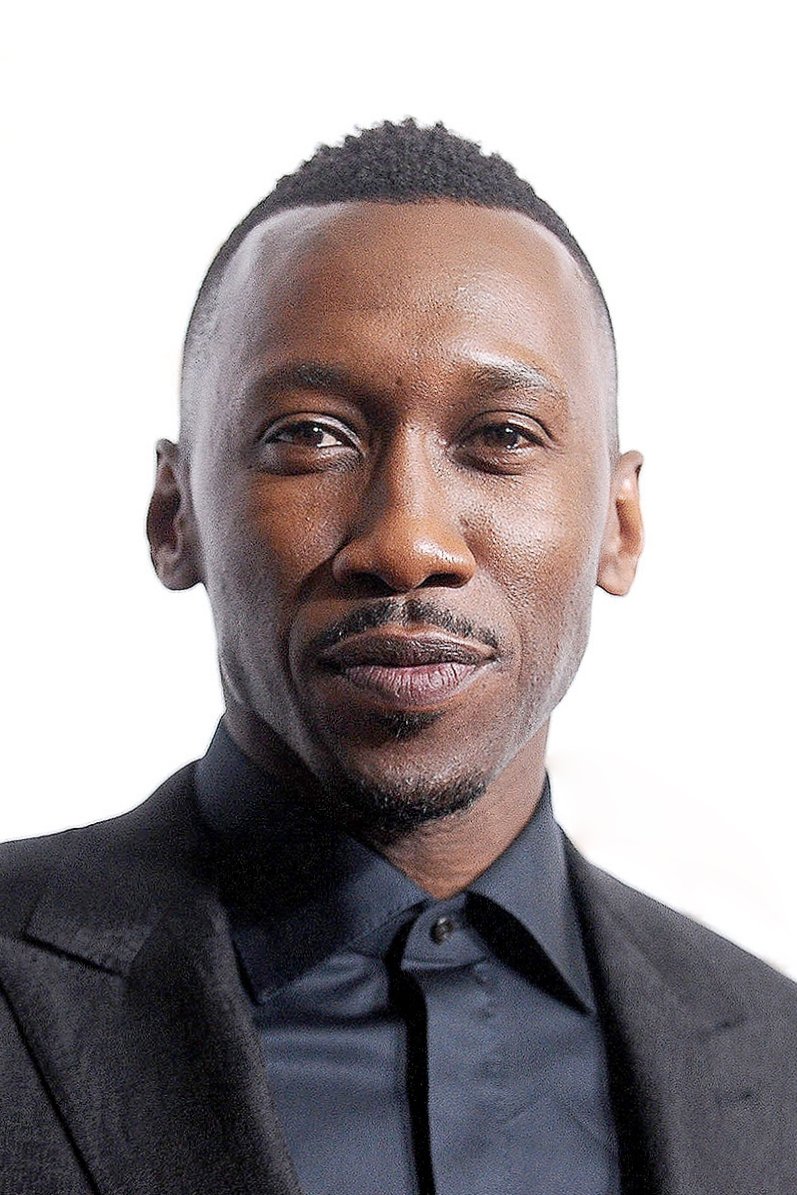
The actor has discussed the psychological pressure of being one of the few Black men in high profile awards spaces. He noted that systemic issues often force Black actors to represent an entire community rather than just their own individual craft. Ali advocates for a wider variety of narratives that allow Black performers to explore many different characters and genres. He believes that the industry must work harder to normalize diverse excellence in every type of story. His career choices reflect a commitment to expanding the boundaries of Black representation.
Lakeith Stanfield
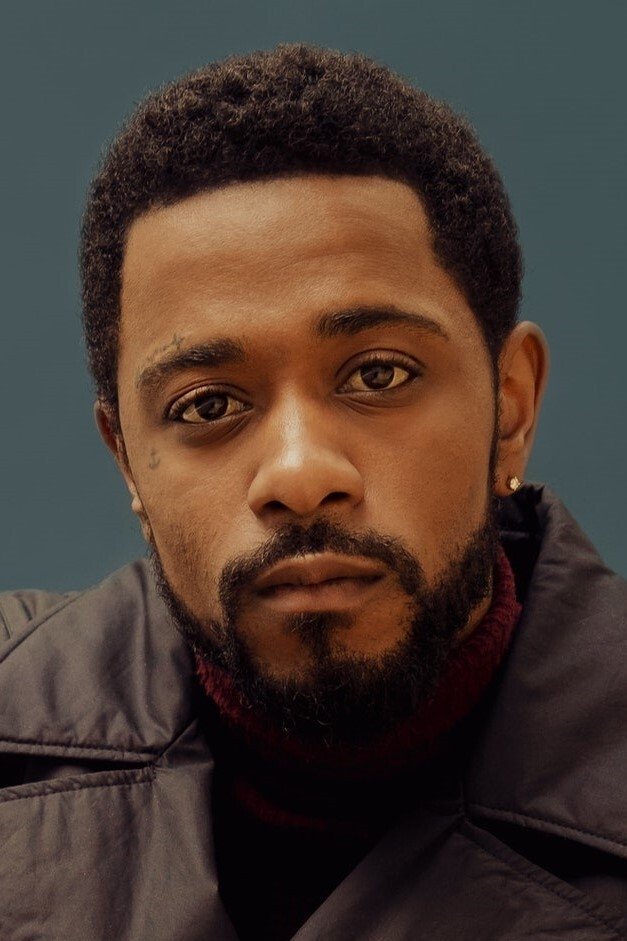
He has shared his frustrations with how the industry handles the promotion and recognition of films featuring Black casts. Stanfield noted that Black artists are often grouped together in marketing rather than being judged on their individual merits. He highlighted the systemic tendency to overlook nuanced and experimental performances in favor of traditional tropes. His public comments invite a deeper look at how the industry values and critiques Black art. He continues to push for a more sophisticated and less biased approach to film criticism.
Tyler Perry
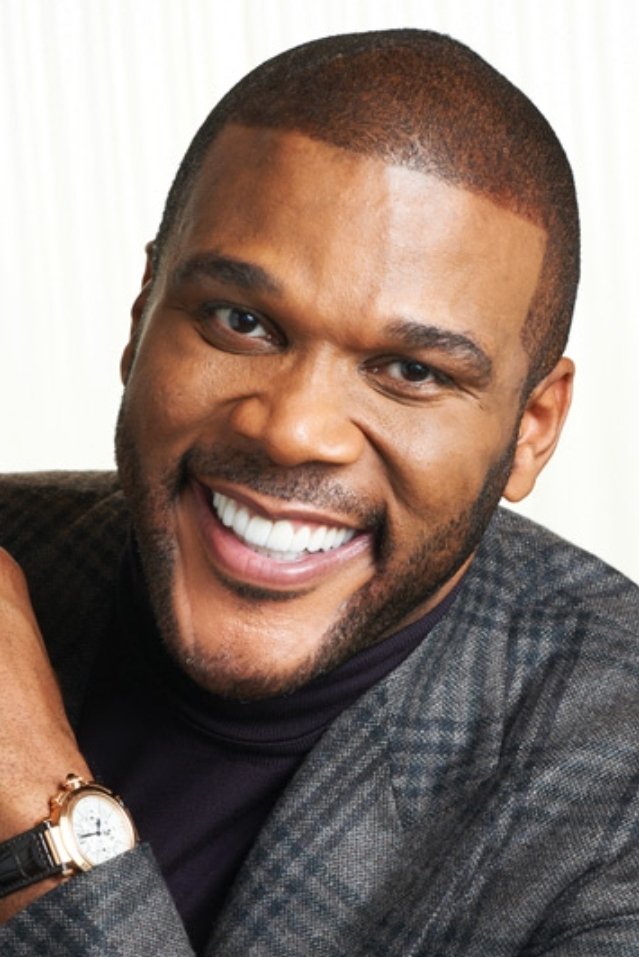
He famously built his own massive studio complex in Atlanta as a direct response to being excluded by traditional Hollywood. Perry explained that he realized he would never get a fair seat at the table if he did not build his own. This move allowed him to provide consistent opportunities for countless Black actors and crew members who were often overlooked. He remains a vocal critic of the traditional studio system and its historical biases against independent Black creators. His success has redefined what is possible for minority ownership in the industry.
Jesse Williams
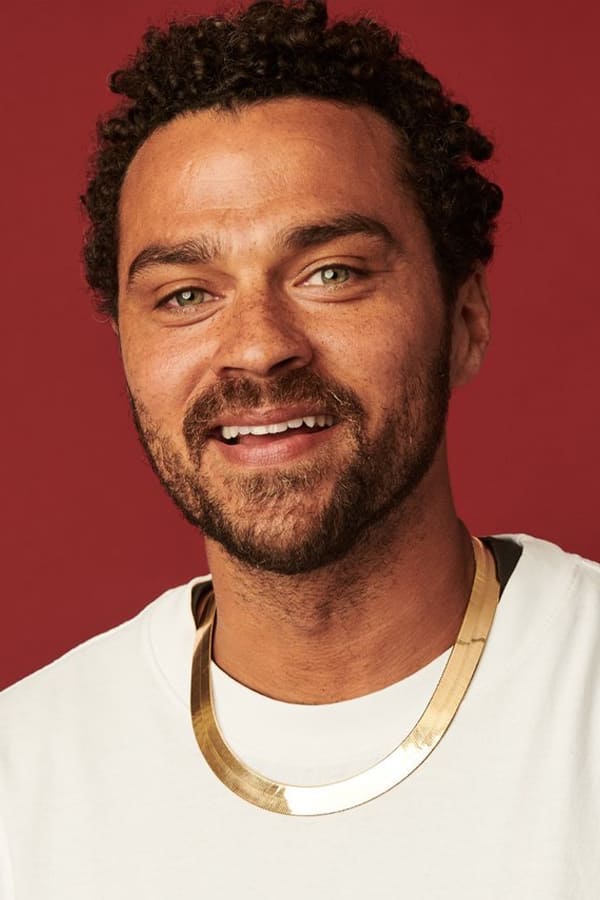
His speech at the BET Awards addressed the systemic appropriation of Black culture by the entertainment industry over many decades. He called for a fundamental shift in how Black labor and creativity are compensated and respected by major studios. Williams highlighted the sharp disparity between the popularity of Black art and the treatment of Black people in society. He continues to use his platform to advocate for civil rights and comprehensive industry reform. His activism focuses on the intersection of media representation and social justice.
Courtney B. Vance
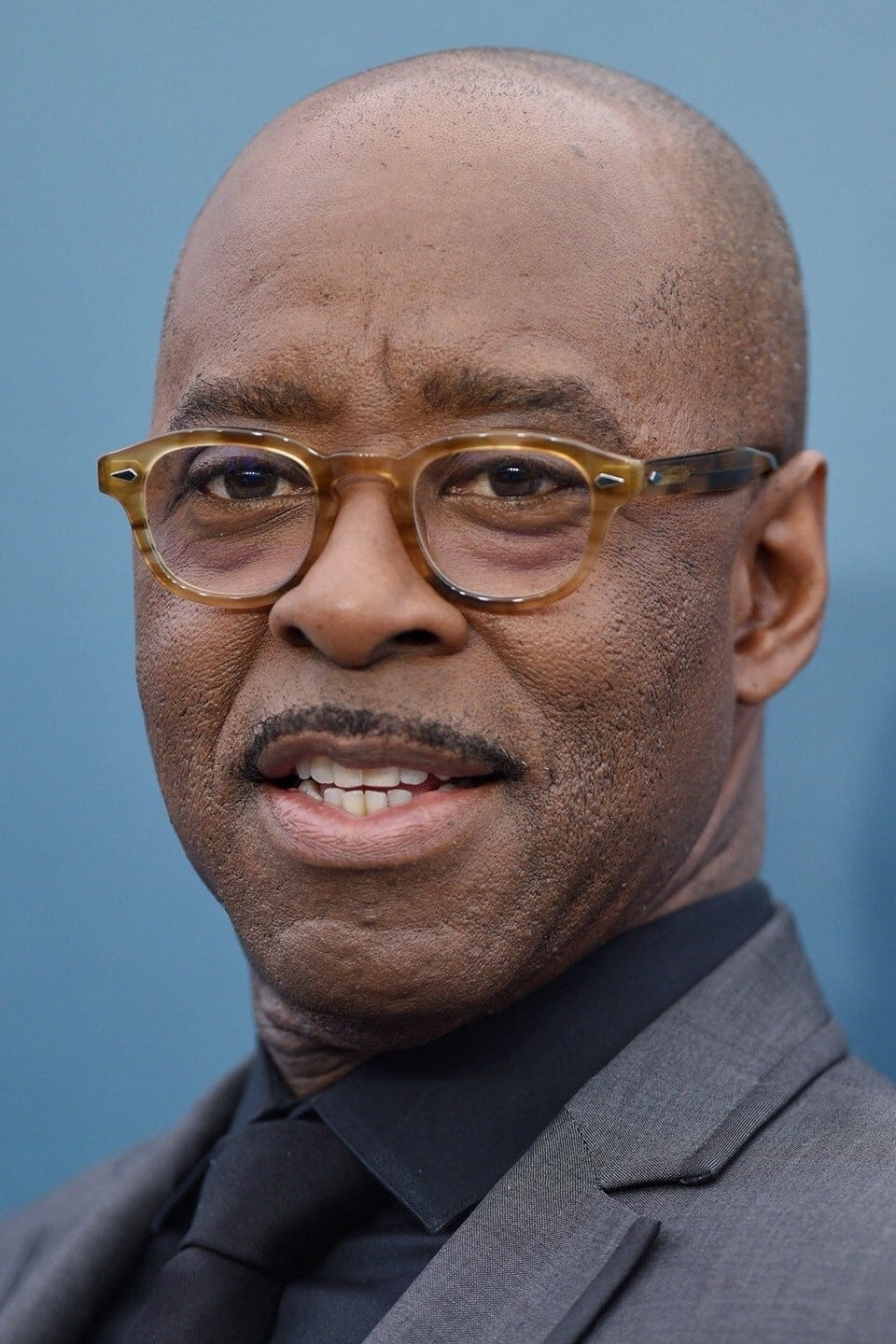
As a veteran actor he has seen the slow and often difficult progression of diversity within the industry first hand. He has spoken about the systemic lack of support for Black lead productions in terms of marketing and distribution. Vance believes that true equity requires a long term commitment from the highest levels of studio management. He remains an active mentor for young performers navigating these institutional challenges today. His leadership in actors organizations highlights his commitment to improving working conditions for all.
Wendell Pierce
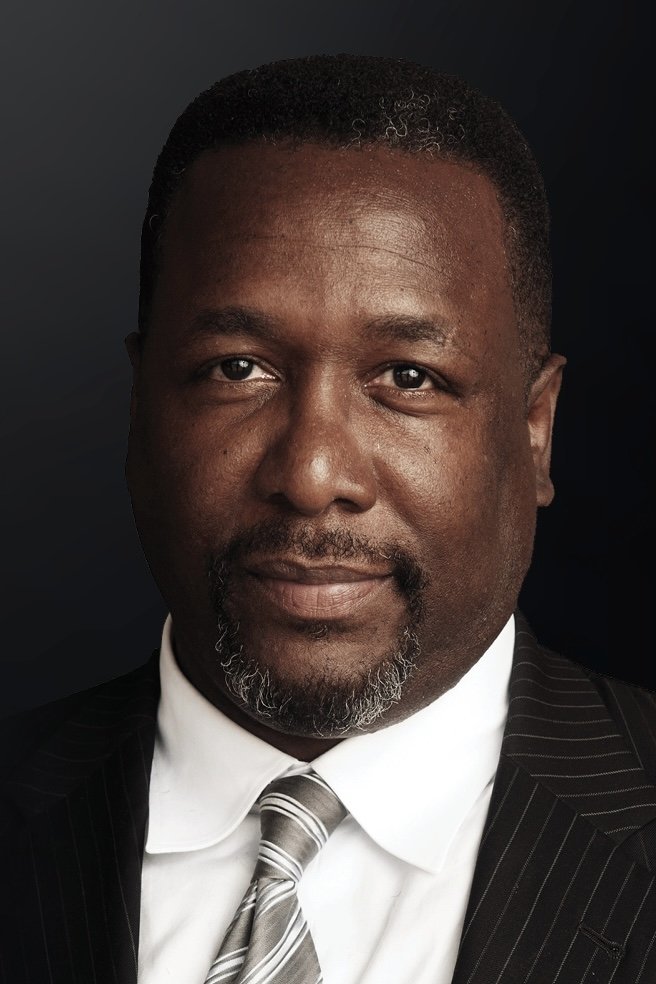
He has discussed the systemic barriers that prevent Black actors from being cast in a variety of classical and contemporary genres. Pierce noted that he was often told that certain roles were not intended for Black performers regardless of their talent. He advocates for the industry to move beyond its rigid and often biased casting categories that limit opportunity. His long career serves as a testament to the importance of challenging these traditional boundaries. He continues to push for a more expansive view of who can play what role.
Winston Duke
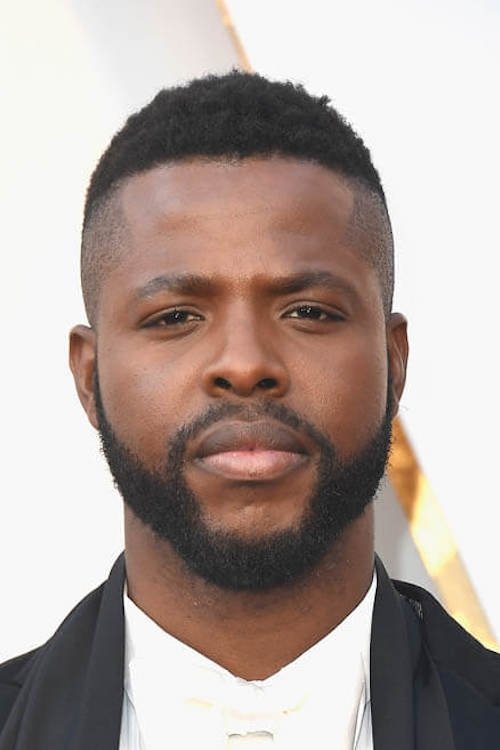
The actor has commented on the pay gaps that persist even for stars in major blockbuster hits and franchises. He highlighted the need for more transparency in how salaries are determined for Black performers across the board. Duke believes that systemic change must include financial equity to be truly effective for future generations. He continues to push for a more inclusive environment where all talent is valued equally for their contributions. His advocacy is part of a larger movement toward salary transparency in Hollywood.
Jharrel Jerome
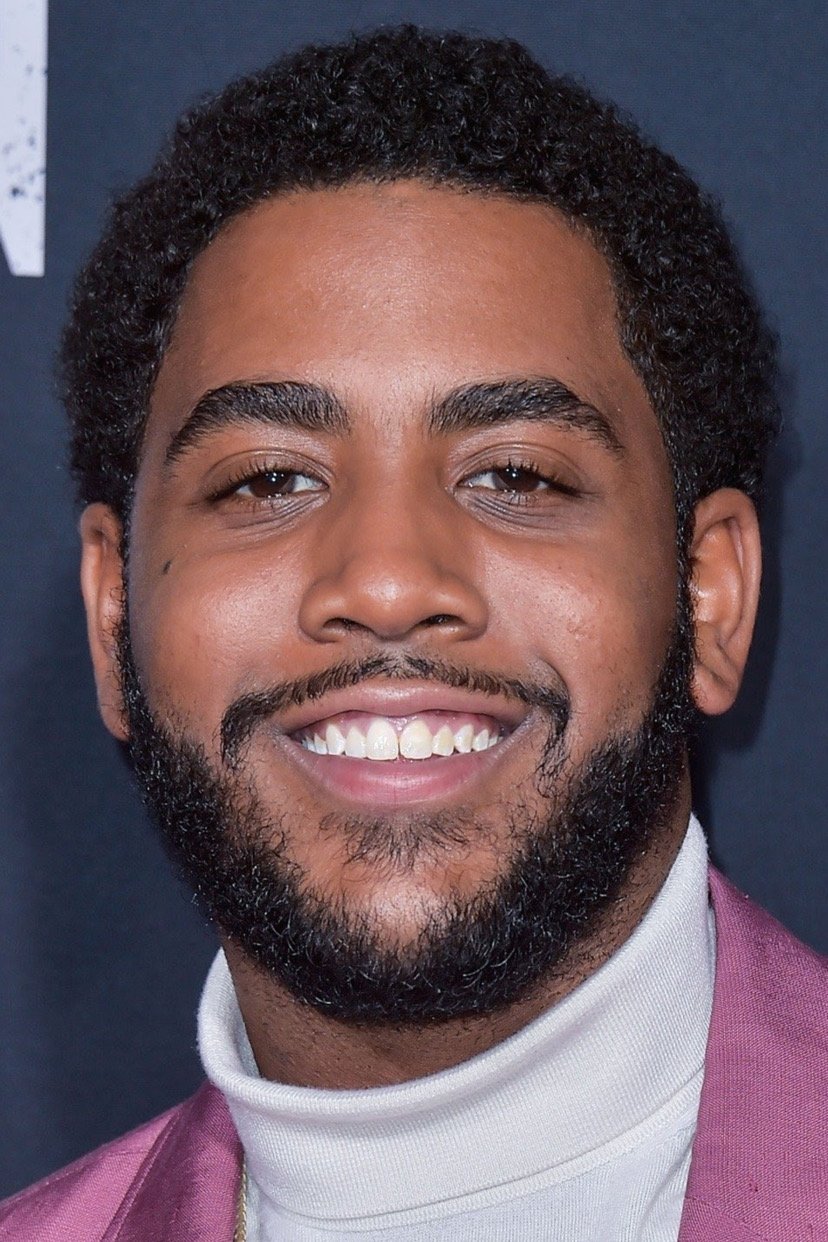
After winning an Emmy for ‘When They See Us’ he spoke about the importance of telling stories that address systemic injustice. He noted that the industry often shies away from difficult narratives that reflect real world struggles for marginalized communities. Jerome believes that film and television have a responsibility to highlight these issues through authentic storytelling. He hopes his work will inspire more projects that challenge the status quo and spark social change. He remains committed to roles that have a significant cultural and social impact.
Stephan James
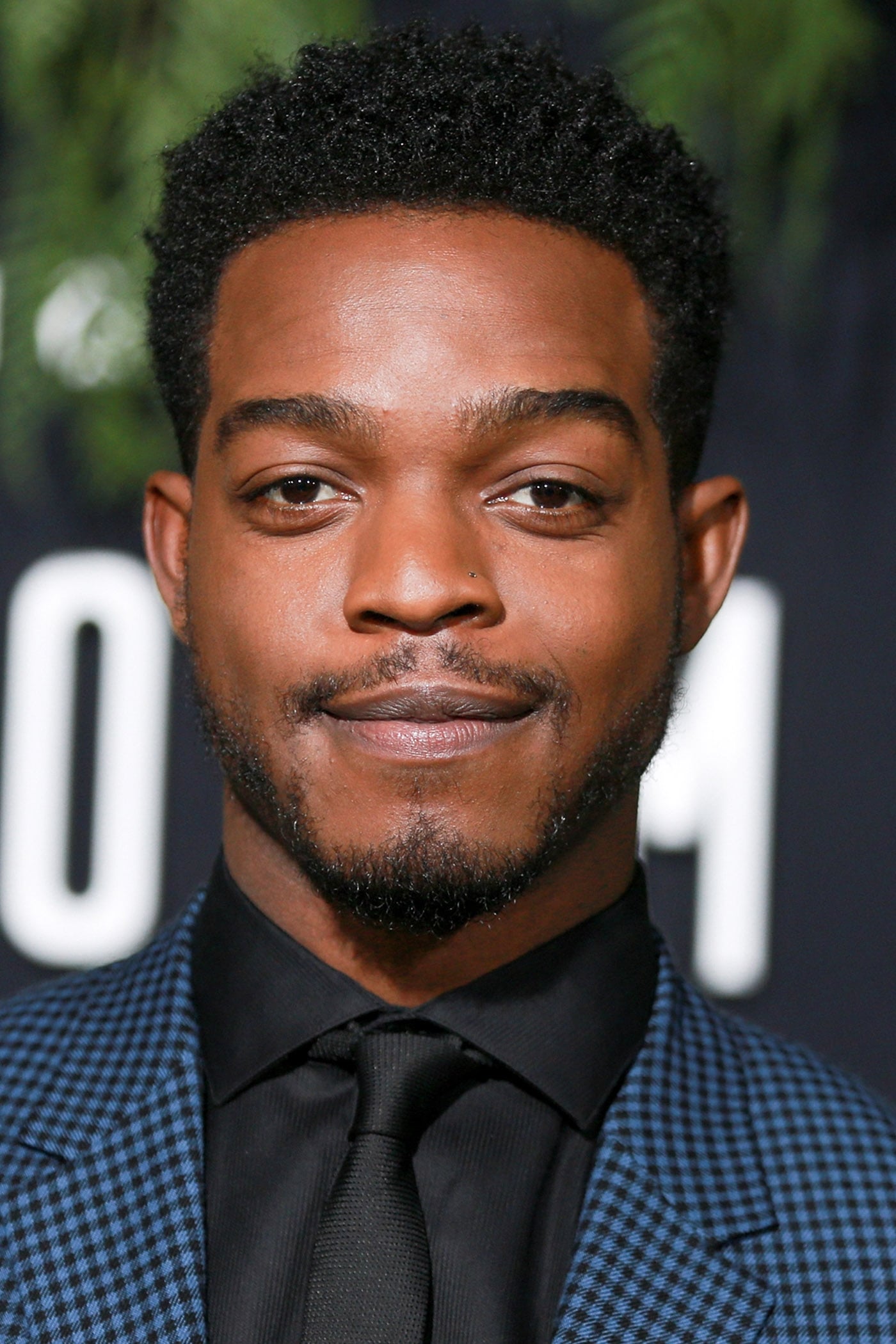
He has addressed the lack of roles available for young Black leading men in major Hollywood productions. James noted that he often has to fight harder to be considered for projects that are not specifically written for a Black actor. He advocates for more imaginative and inclusive casting that reflects the actual diversity of the real world. His performances often challenge the systemic limitations placed on minority performers in the industry. He continues to seek out roles that allow him to showcase his range as a leading man.
Colman Domingo
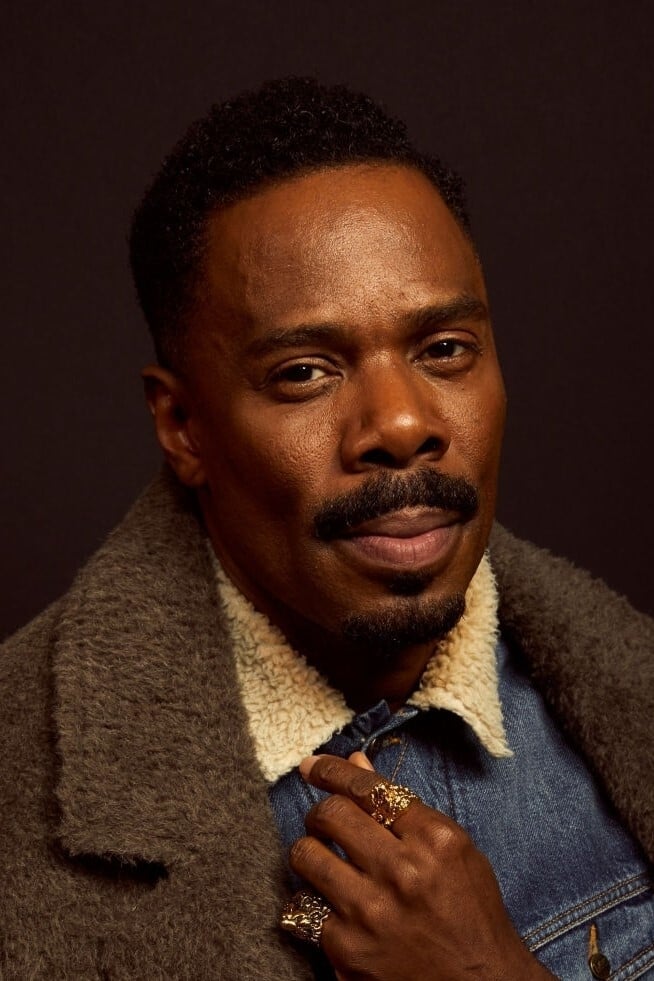
The actor has spoken about the systemic tendency to pigeonhole Black actors into specific and often stereotypical types of roles. He expressed a desire to see more characters that are defined by their complex humanity rather than just their race. Domingo believes that the industry needs to significantly broaden its understanding of what a Black story can be. He remains a strong advocate for creative freedom and diverse representation in every genre of film. His work across theater and cinema highlights the need for more versatile casting.
Brian Tyree Henry
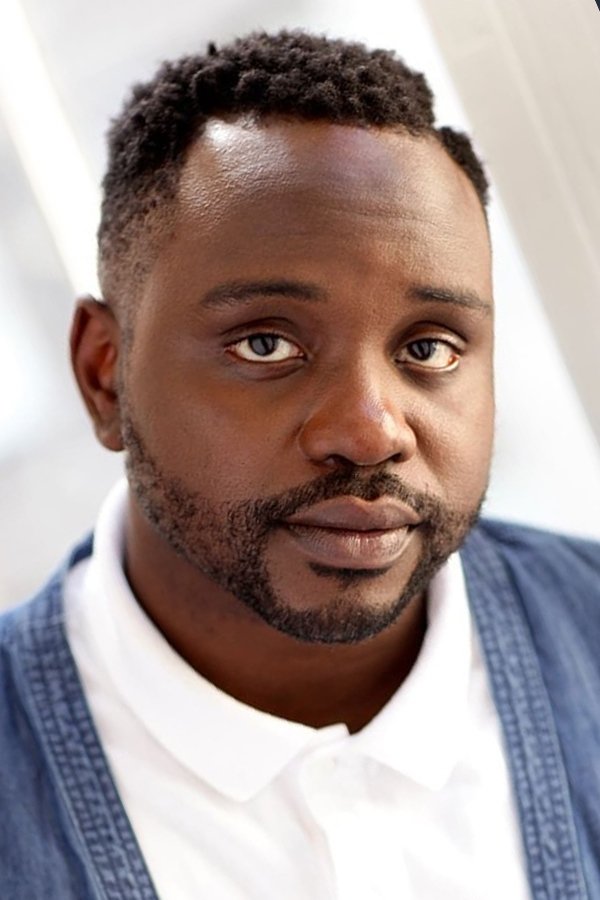
He has highlighted the narrative limitations that systemic bias often imposes on Black characters in mainstream scripts. Henry noted that these characters are frequently relegated to being the sidekick or the comic relief in major films. He strives to take on roles that offer more complexity and emotional depth to challenge these norms. His work is a direct challenge to the historical tropes that have defined Black men in cinema for decades. He continues to advocate for scripts that treat Black characters as fully realized individuals.
Aldis Hodge
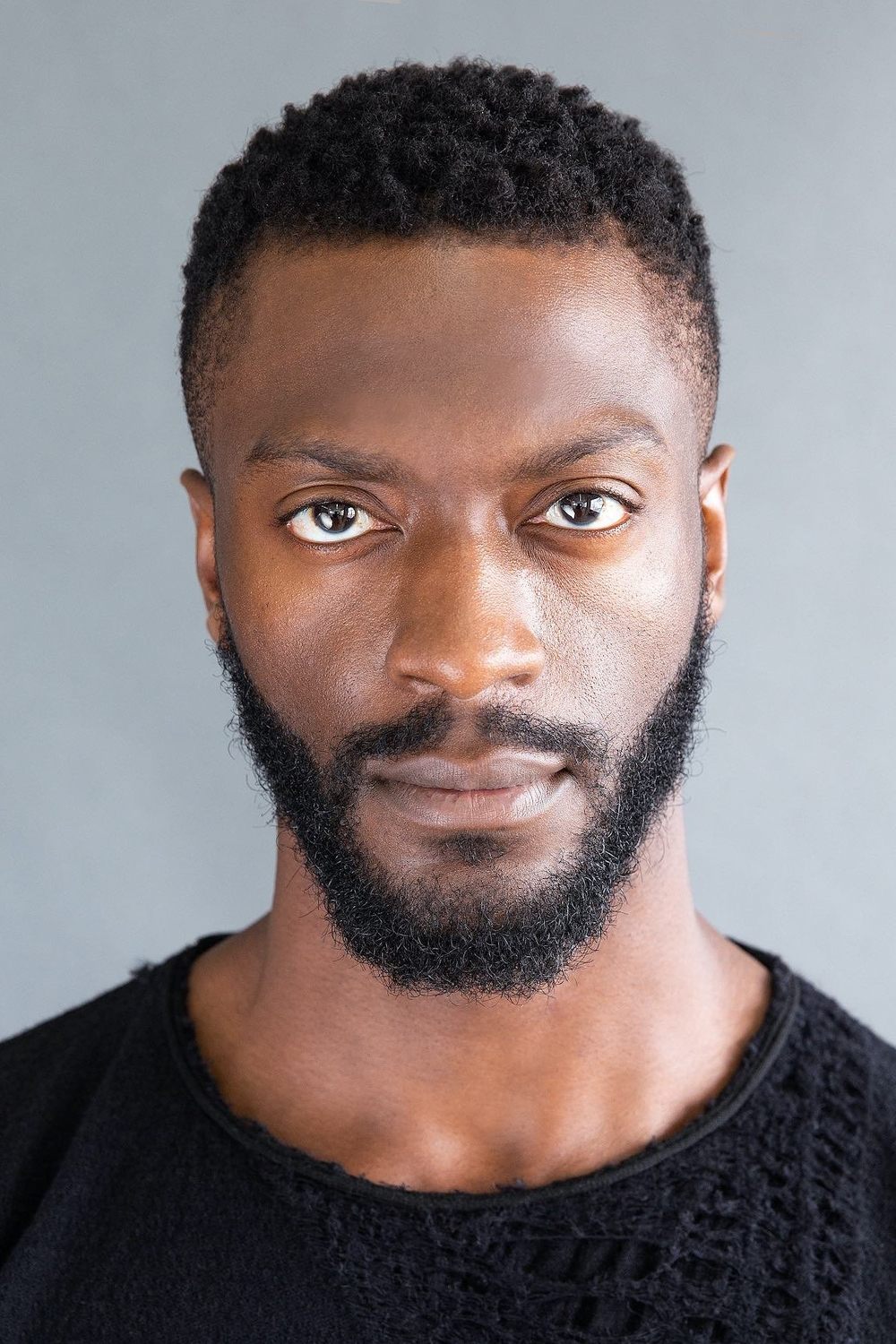
He has discussed the systemic lack of representation for Black men in the superhero genre and other high budget action films. Hodge noted that his role in ‘Black Adam’ was a significant step toward changing this dynamic for the better. He believes that seeing Black heroes on screen is essential for the next generation of viewers. Hodge continues to advocate for more diverse casting in all areas of the industry from blockbusters to indies. He remains a vocal supporter of increasing visibility for Black talent in genre films.
Corey Hawkins
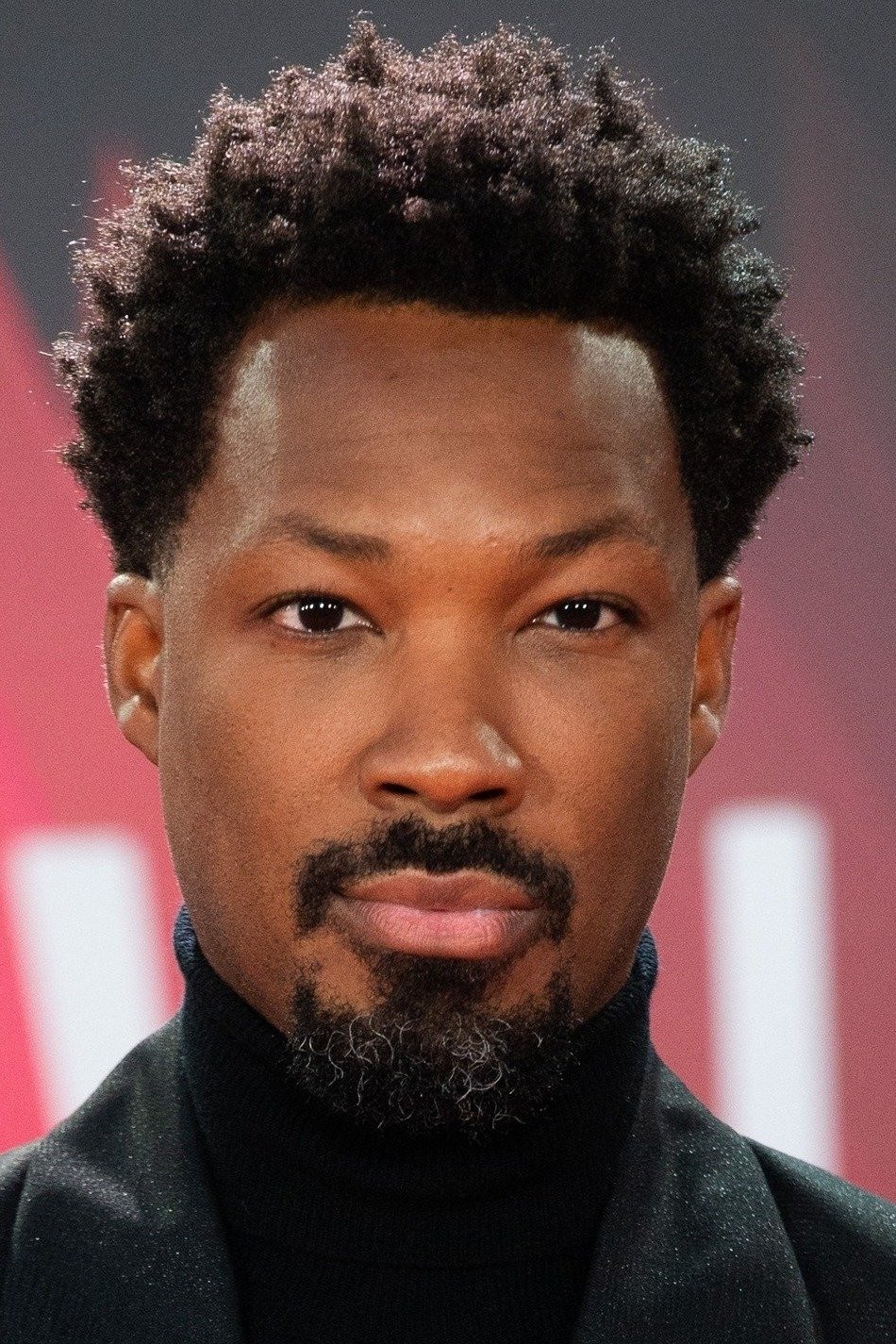
The actor has spoken about the immense expectations and pressures placed on Black performers to represent their entire community. He noted that systemic issues often make it difficult for Black actors to experiment with different genres and characters. Hawkins believes that the industry should provide more space for diverse artists to take creative risks without fear of failure. He remains committed to projects that push the boundaries of traditional storytelling and representation. His advocacy focuses on the need for creative equity in Hollywood.
Daveed Diggs
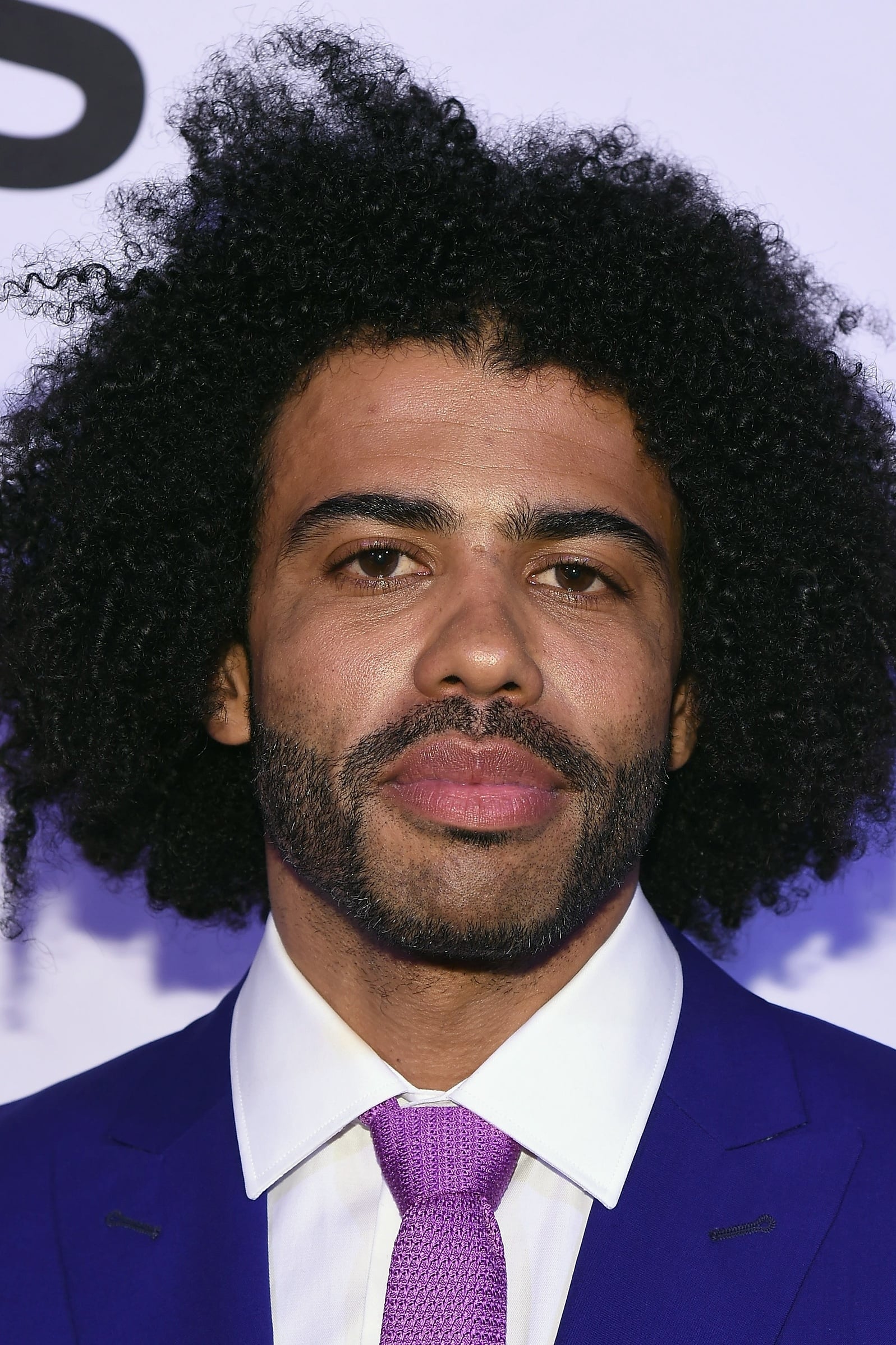
He has addressed the systemic constraints that influence how Black stories are developed and marketed by major studios. Diggs noted that the industry often favors a very narrow set of Black narratives over more diverse and experimental ones. He advocates for a more expansive approach to storytelling that includes a wide range of Black experiences and perspectives. His work in theater and film highlights the importance of creative autonomy for artists of color. He continues to push for a more inclusive landscape in the performing arts.
Jonathan Majors
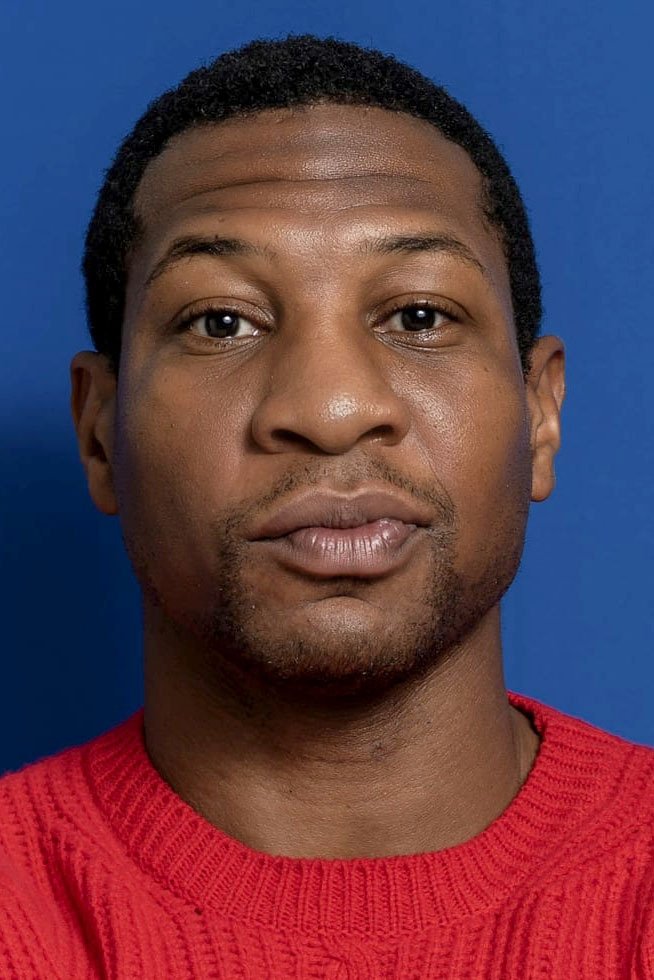
The actor has discussed the need for more diverse narratives that allow Black men to be vulnerable and complex on screen. He noted that systemic perceptions of masculinity often limit the types of roles available to Black performers in the industry. Majors strives to bring a unique and authentic perspective to every character he portrays regardless of the genre. He believes that the industry must move beyond its traditional and often biased depictions of Black identity. His career is focused on expanding the emotional range of Black male characters.
Laurence Fishburne
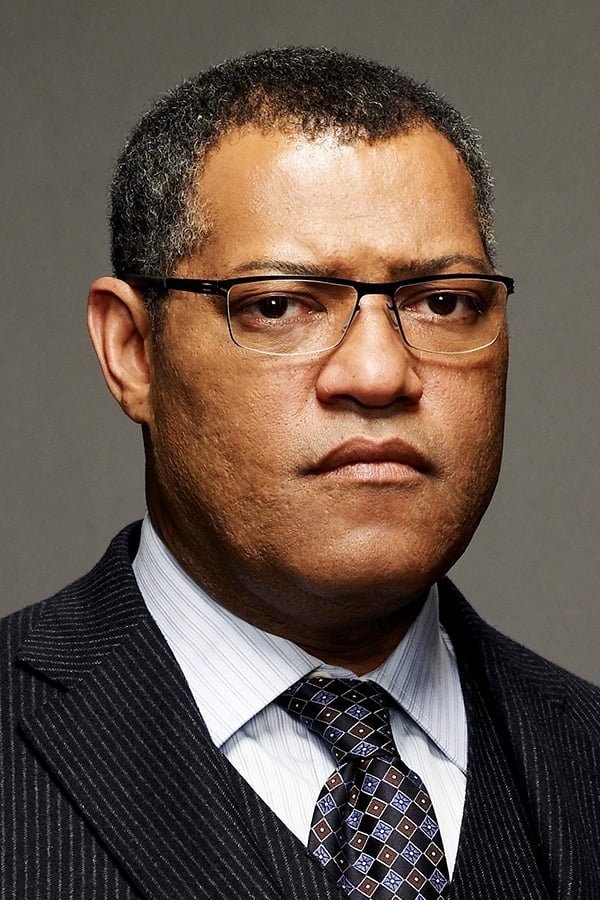
He has reflected on the historical struggles that Black actors faced when trying to secure leading roles in Hollywood during the early stages of his career. Fishburne noted that systemic racism was a constant and significant obstacle that he had to navigate repeatedly. He continues to advocate for more opportunities for minority performers in both film and television today. His longevity in the industry provides valuable insight into the ongoing and difficult fight for true equity. He remains a respected voice on the evolution of representation in cinema.
Forest Whitaker
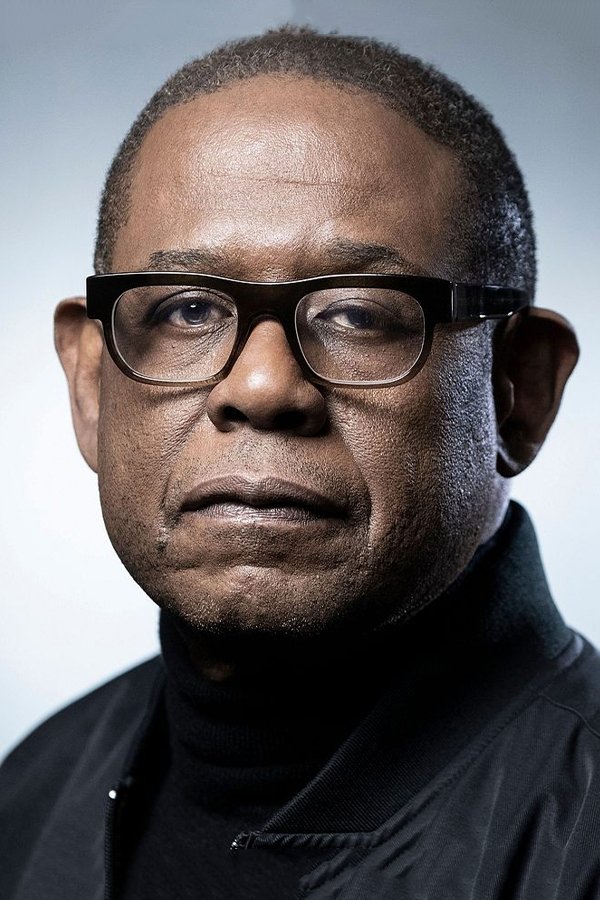
He has been a vocal proponent of increasing the funding and institutional support for minority led film projects. Whitaker noted that systemic financial barriers often prevent important and diverse stories from reaching a wide global audience. He believes that the industry must invest more heavily in diverse creators to ensure a representative cultural landscape. His work as an actor and producer aims to address these long standing inequities in the film world. He continues to advocate for a more balanced and fair distribution of resources in Hollywood.
Chadwick Boseman
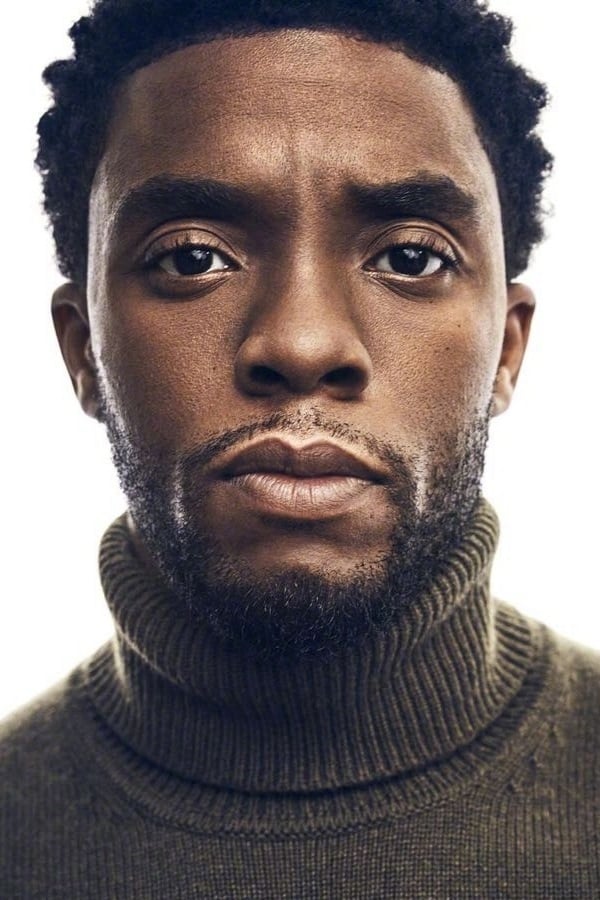
Before his passing the actor spoke about being fired from ‘All My Children’ after expressing concerns about his character. He felt the role was a stereotypical portrayal of a young Black man that lacked depth and humanity. This early experience shaped his future approach to choosing roles that offered more dignity and complexity. He advocated for better representation throughout his career in major films like ‘Black Panther’. His legacy remains a powerful reminder of the importance of standing up for authentic representation.
Chiwetel Ejiofor
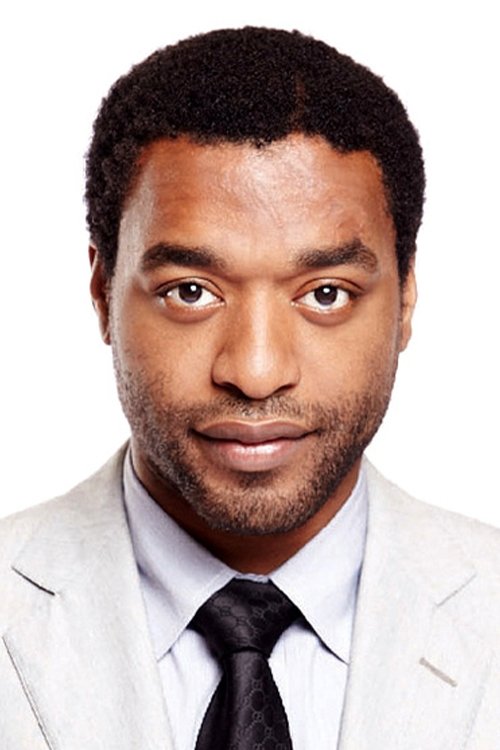
The actor has frequently compared the opportunities for Black actors in America to those in his native Britain. He noted that systemic issues in the UK often lead to a lack of substantial and varied roles for minority performers. Ejiofor believes that the industry must address its historical biases to foster a truly global and inclusive talent pool. He continues to advocate for more diverse representation across all levels of film production and casting. His work on both sides of the Atlantic highlights the need for international industry reform.
Yahya Abdul-Mateen II
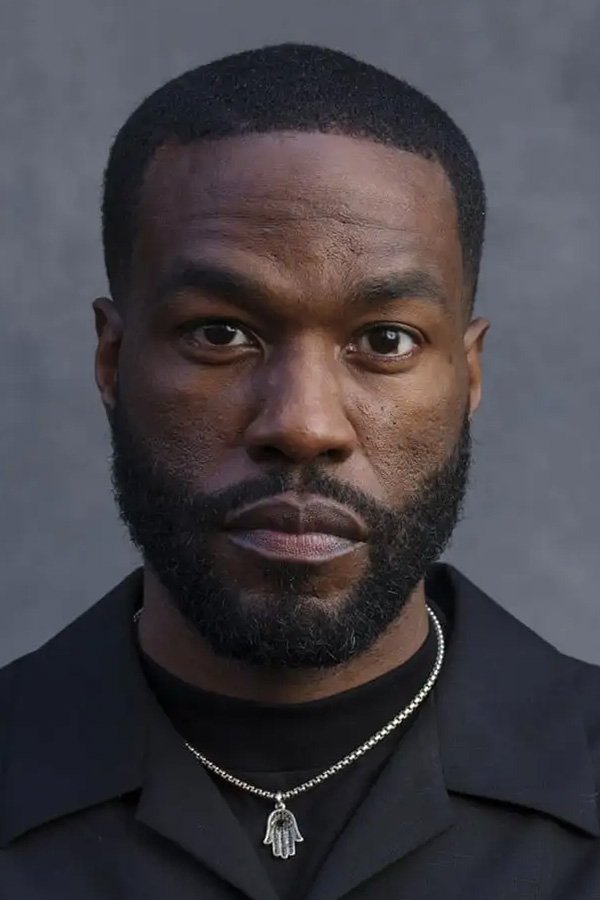
He has spoken about the importance of Black actors taking up space in genres where they have historically been excluded or marginalized. The actor noted that systemic racism often dictates the types of stories that are considered commercially viable by studios. He strives to choose roles that challenge these preconceived notions and showcase his versatility as a performer. Abdul Mateen believes that the industry is currently in a period of necessary and long overdue transformation. He remains a strong advocate for diverse representation in high budget cinema.
Giancarlo Esposito
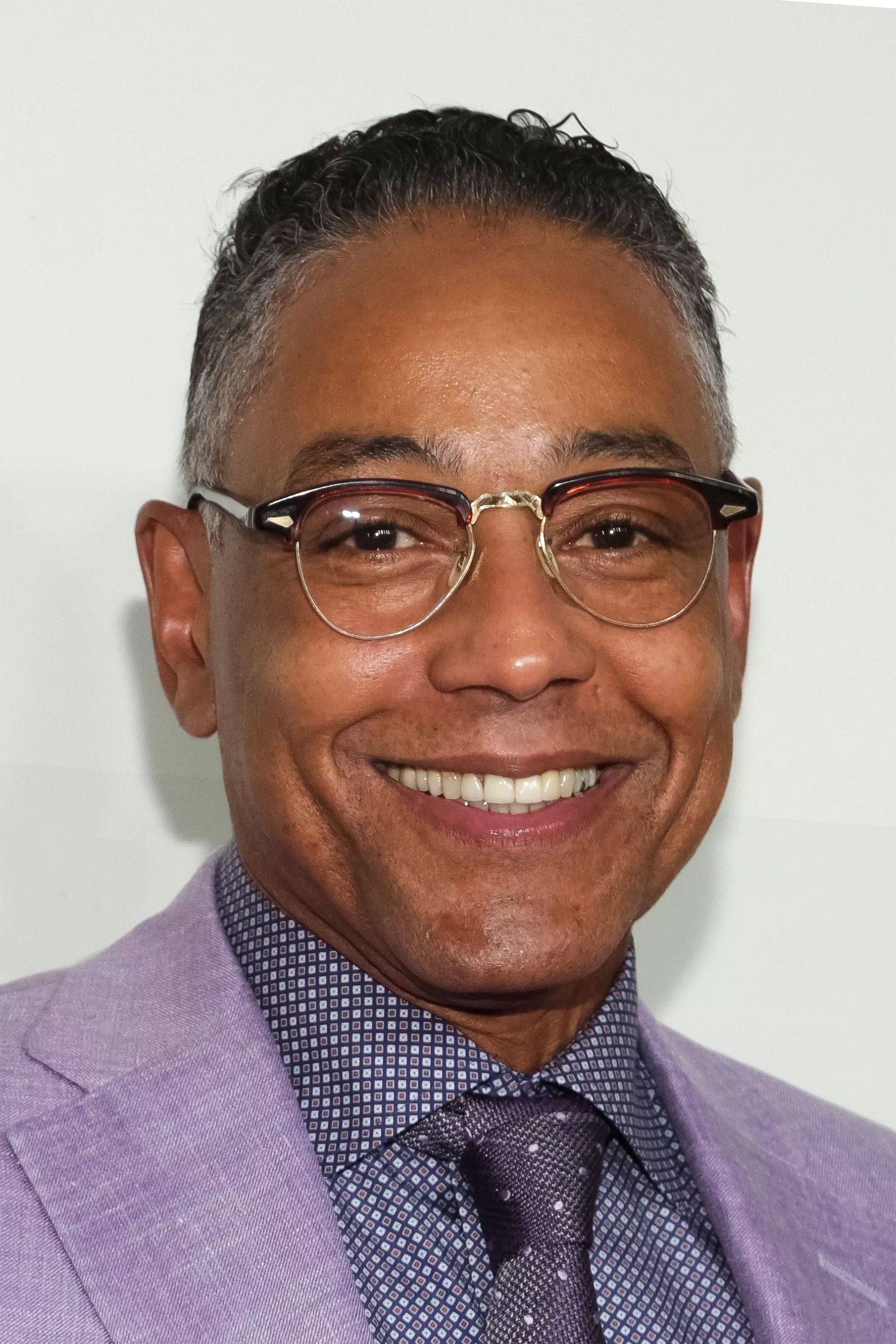
He has discussed the challenges of being a multi racial actor in an industry that often prefers clear cut and limited ethnic categories. Esposito noted that he had to fight against systemic typecasting for many years to land the diverse roles he is known for today. He advocates for a more nuanced approach to casting that reflects the true complexity of individual identities. His long career serves as an example of how to navigate and eventually overcome institutional barriers. He continues to push for a more sophisticated understanding of identity in Hollywood.
Morgan Freeman
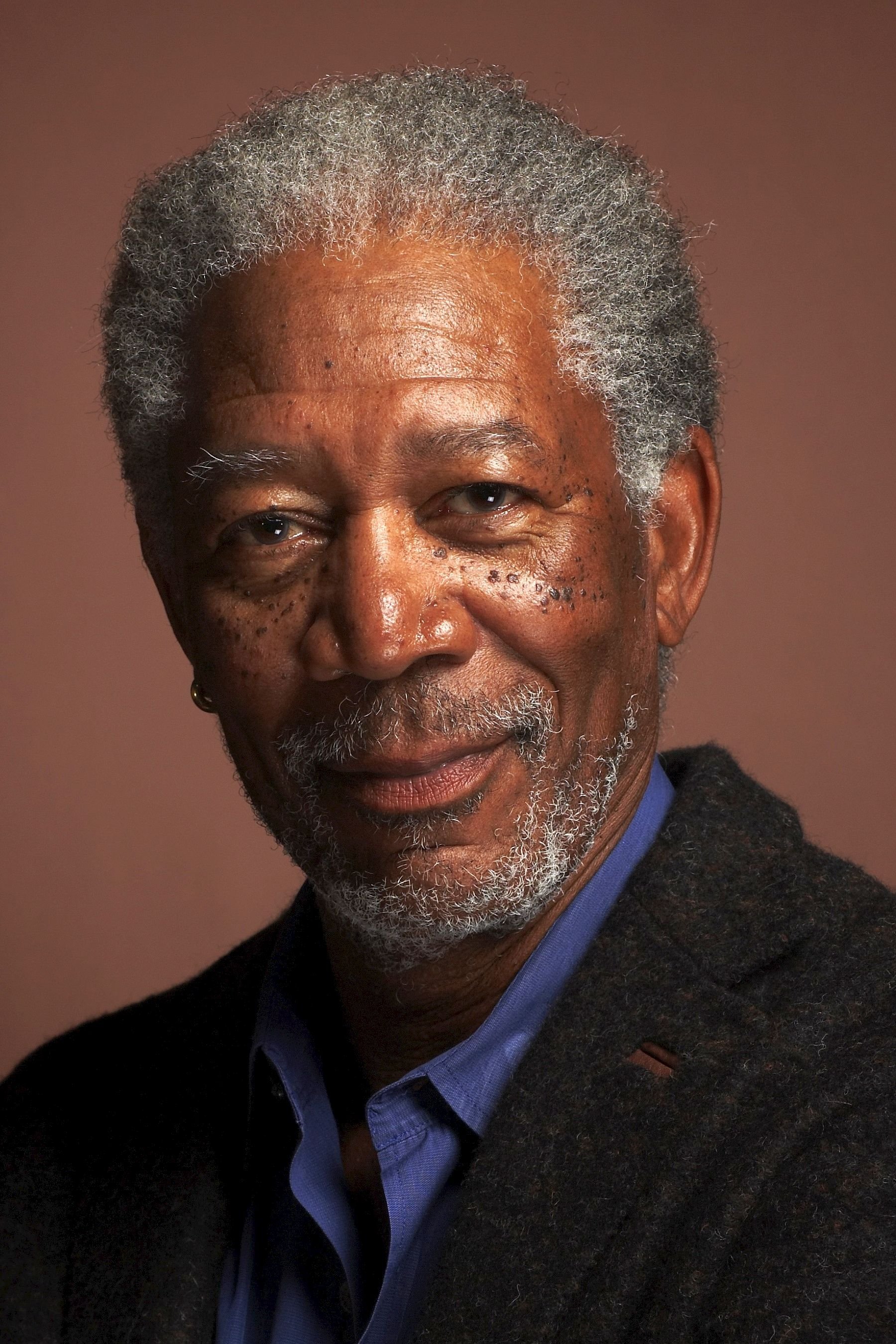
Although he has sometimes expressed controversial views he has clearly called out the systemic lack of Black stories in historical narratives. He argued that Black history is American history and should not be relegated to a single month of the year. Freeman has used his production company to highlight narratives that the mainstream industry often overlooks or ignores. He continues to push for a more integrated and honest portrayal of the American experience in film. His advocacy focuses on the need for more comprehensive historical storytelling.
Michael Kenneth Williams
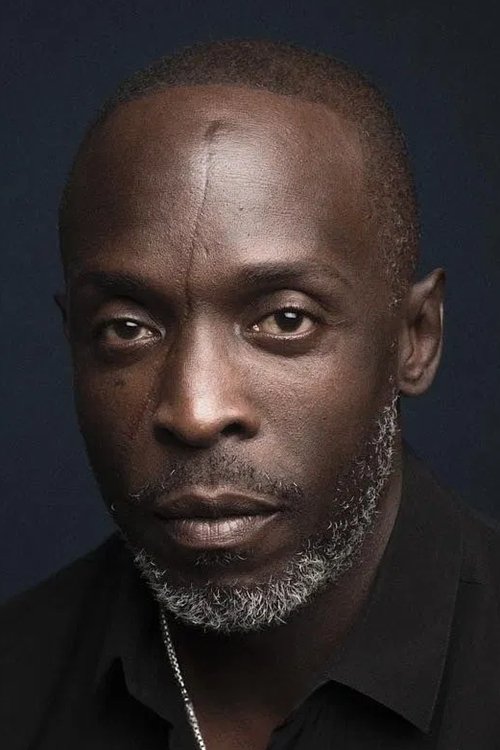
Before his passing the actor spoke out about the systemic issues that lead to the frequent typecasting of Black men as criminals. He noted that these roles can often reinforce negative stereotypes if they are not written with significant depth and humanity. Williams worked hard to bring complexity to every character he portrayed to challenge these limited industry norms. He was a vocal advocate for more authentic and varied representations of the Black experience on screen. His performances remain a standard for how to bring humanity to marginalized characters.
Jamie Foxx
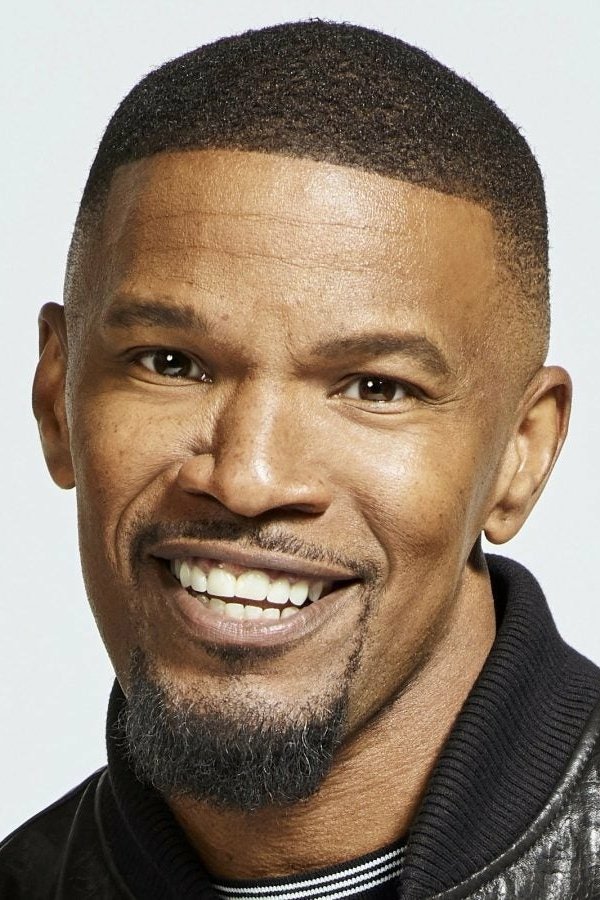
The Academy Award winner has often spoken about the barriers he faced as a Black comedian transitioning into serious acting roles. He noted that the industry had very specific and narrow expectations for his career path early on. Foxx has used his success to produce projects that provide more varied opportunities for other minority performers and creators. He believes that systemic change requires both increased visibility and true ownership within the production process. He remains a key figure in the push for more diverse leadership in Hollywood.
Terrence Howard
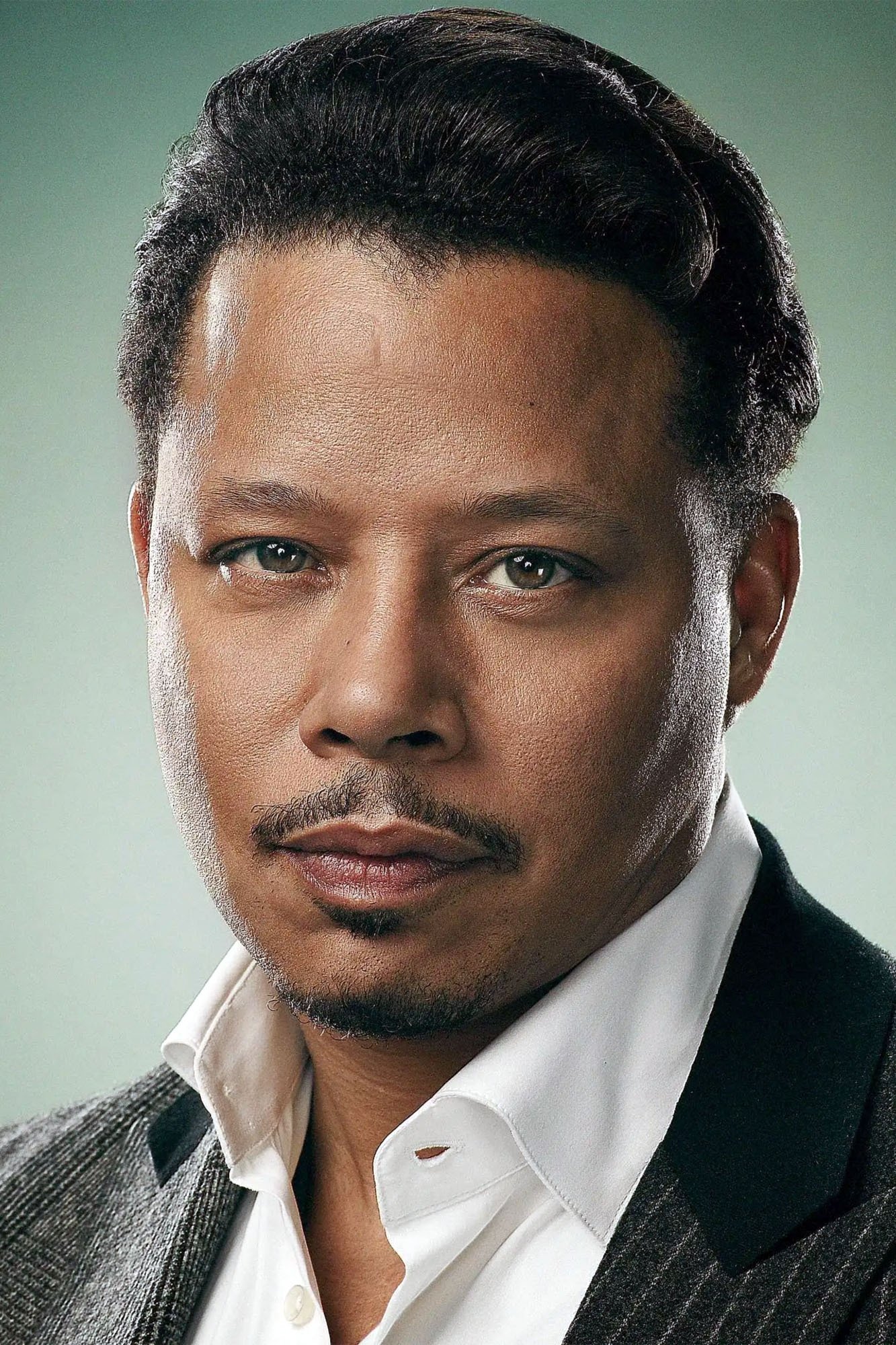
He has been vocal about the pay disparities he experienced during the production of major franchise films several years ago. Howard noted that he was offered significantly less money for a sequel despite the immense success of the first movie. He argued that these financial decisions are often rooted in systemic biases regarding the perceived value of Black stars. His experience remains a frequently cited example of the challenges Black actors face in fair contract negotiations. He continues to advocate for more transparency and equity in actor compensation.
Omari Hardwick
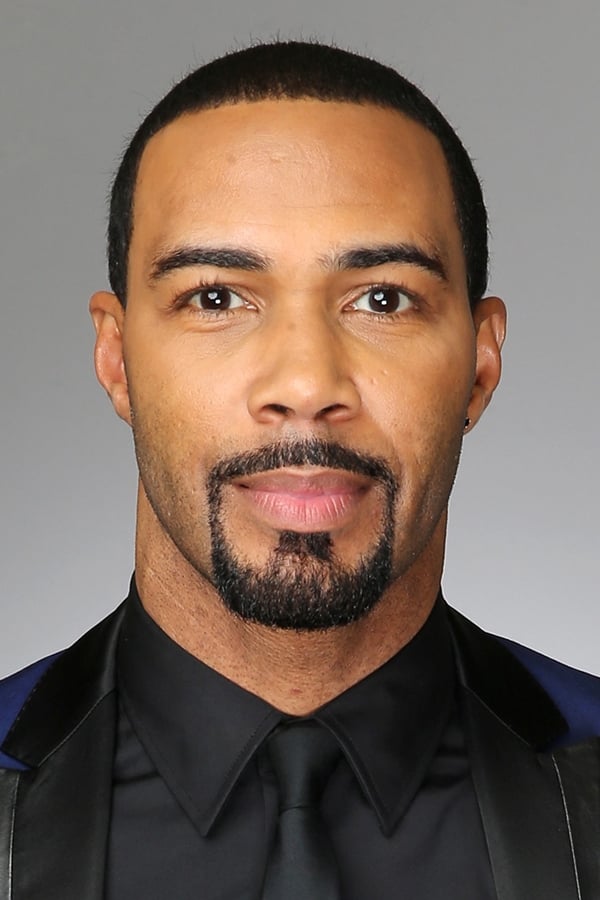
The star of ‘Power’ has discussed the differences in how Black led shows are compensated compared to their white counterparts in the industry. He noted that he felt his pay did not always reflect the immense commercial success and global impact of his series. Hardwick has called for more equity in how studios value and invest in Black talent and diverse stories. He believes that the industry must recognize the true profitability of diverse storytelling on a global scale. His comments highlight the ongoing struggle for financial recognition in television.
Morris Chestnut

Throughout his career he has observed the systemic limitations on the types of leading roles available to Black men in cinema. He noted that there were periods where the industry only seemed interested in a very small number of Black actors at any given time. Chestnut advocates for a more open and consistent environment for all minority performers to succeed and grow. He continues to support initiatives that increase representation both in front of and behind the camera. His longevity in the industry has given him a unique perspective on these persistent barriers.
Derek Luke
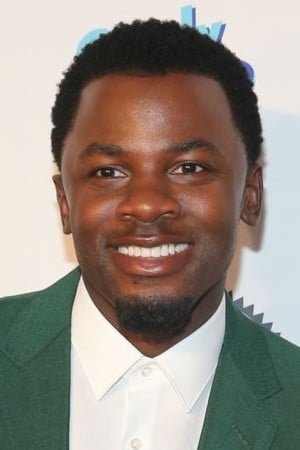
The actor has spoken about the challenges of maintaining a consistent career in an industry that often overlooks Black talent for major roles. He noted that he often feels the need to work twice as hard to receive the same level of recognition as his peers. Luke believes that systemic change is necessary to ensure that opportunities are based on talent and merit rather than race. He remains dedicated to telling stories that highlight the diverse and rich experiences of the Black community. His work continues to advocate for a more equitable and fair casting process.
Nate Parker
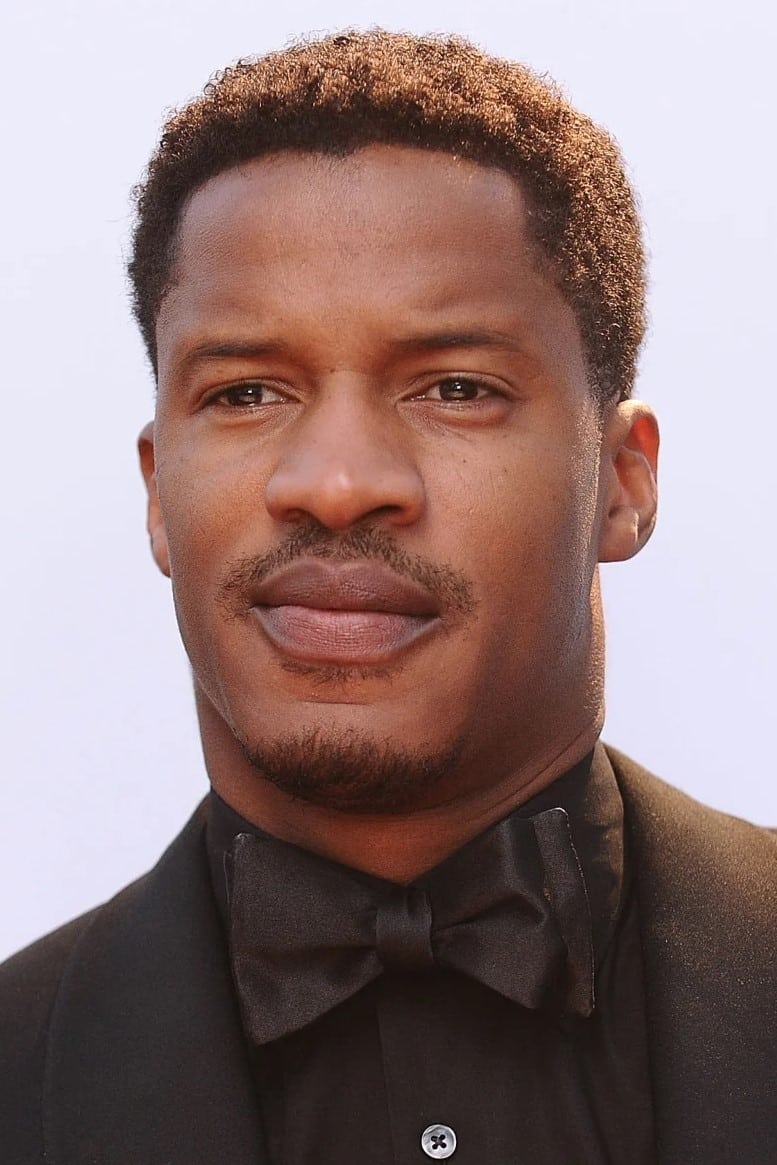
He has discussed the systemic difficulties he faced while trying to secure funding for his historical drama ‘The Birth of a Nation’. Parker noted that many traditional investors were hesitant to support a film that dealt so directly with the reality of slavery and rebellion. This experience highlighted the professional and financial risks involved in telling challenging and historical Black stories. He continues to advocate for more independent avenues for Black filmmakers to share their work with the world. His advocacy focuses on the need for financial independence in Black cinema.
O’Shea Jackson Jr.

The actor has addressed the systemic issues within the industry regarding nepotism and how they often intersect with race. He noted that while he had a famous father he still faced many of the same biases as other Black performers starting out. Jackson believes that the industry needs to be more transparent about its hiring and casting practices to ensure fairness. He uses his platform to encourage a more honest and open dialogue about the realities of working in Hollywood today. He remains committed to challenging the institutional status quo.
Jason Mitchell
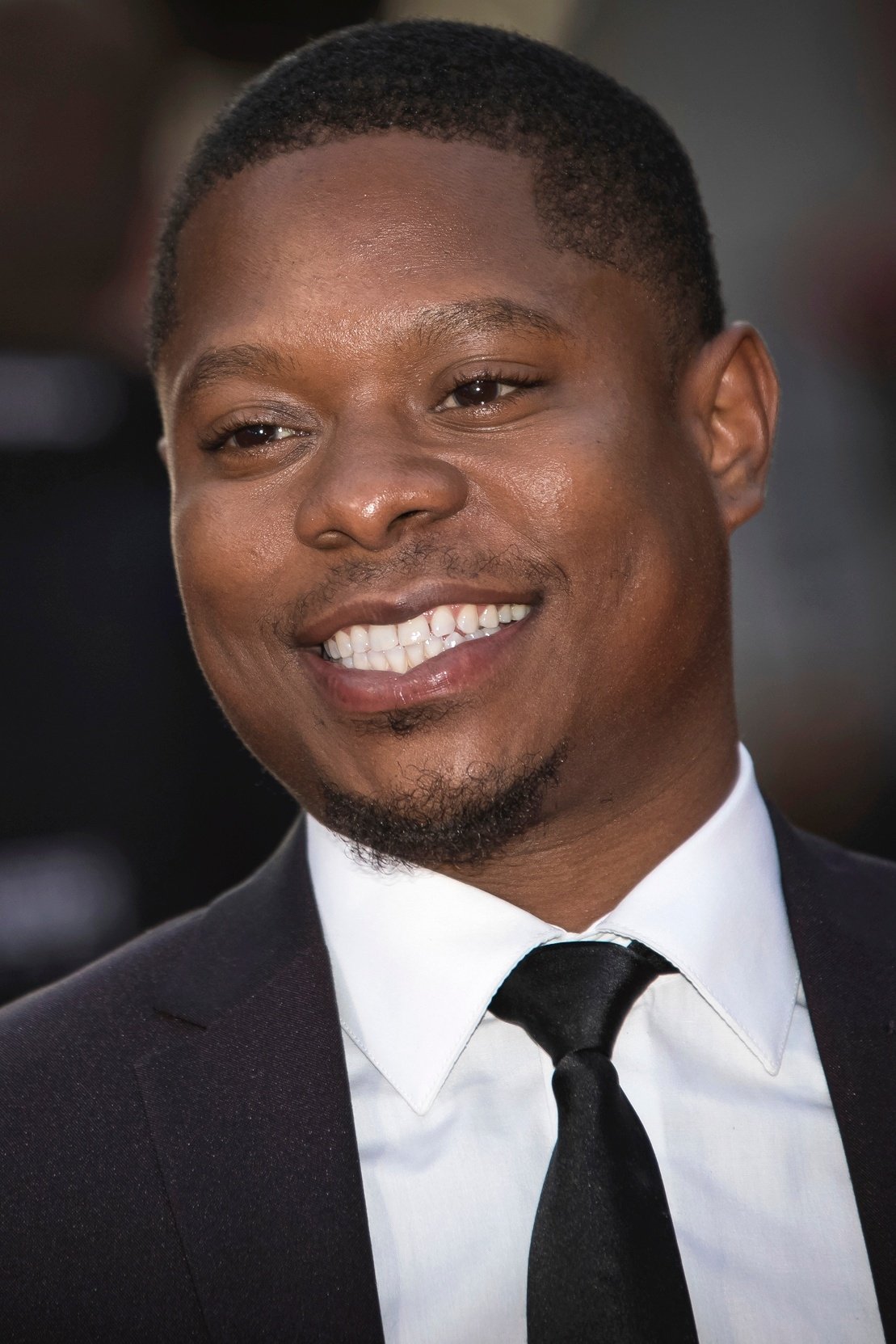
He has spoken out about the treatment of Black actors on set and the lack of support systems available to them during production. Mitchell noted that systemic issues often leave minority performers feeling isolated or unsupported during large scale productions. He advocates for more inclusive and respectful environments where all cast members feel valued for their contributions. His comments reflect a growing demand for structural change in the way film sets are managed and operated. He continues to push for better working conditions for diverse talent.
Terrence J
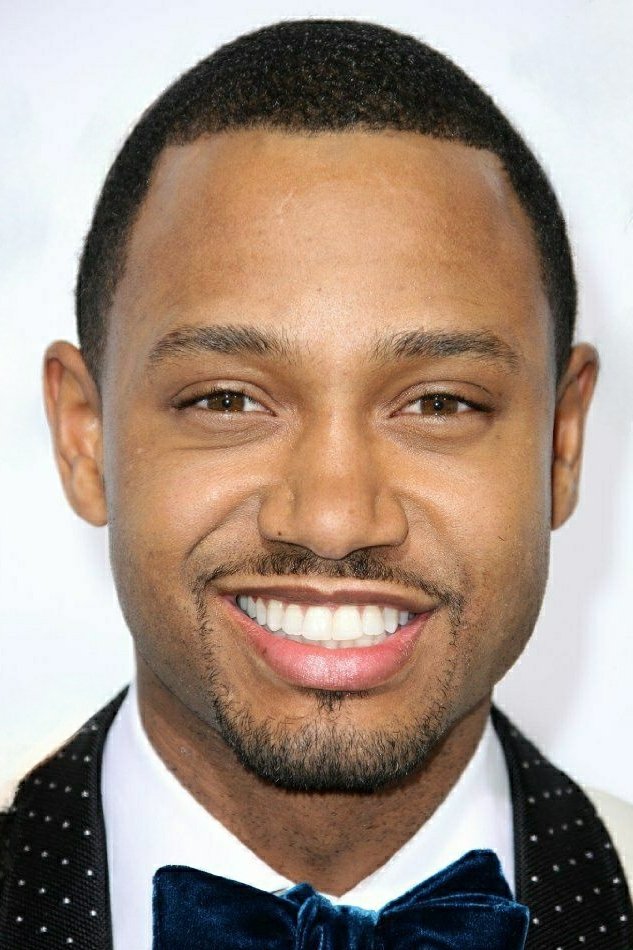
As both a host and an actor he has seen the systemic barriers that exist in many different areas of the entertainment world. He has spoken about the critical importance of Black ownership and the need for more Black executives in decision making roles. Terrence J believes that true progress requires a significant change in who holds the power to make major industry decisions. He remains an active voice in promoting diversity and inclusion across all media platforms and sectors. His work focuses on empowering the next generation of Black media professionals.
Blair Underwood

He has spent decades advocating for better representation and more complex roles for Black actors in television and film. Underwood noted that the industry often struggles to move past its historical reliance on stereotypes and narrow narratives. He believes that systemic racism is built into the very structure of Hollywood and requires a conscious and consistent effort to dismantle. His work continues to inspire a new generation of performers to fight for their rightful place in the industry. He remains a steadfast advocate for institutional change and creative equity.
Share your thoughts on these impactful statements and the importance of representation in the comments.