Movies That Triggered Aggressive Anti-Woke Boycotts Before the First Trailer Even Dropped

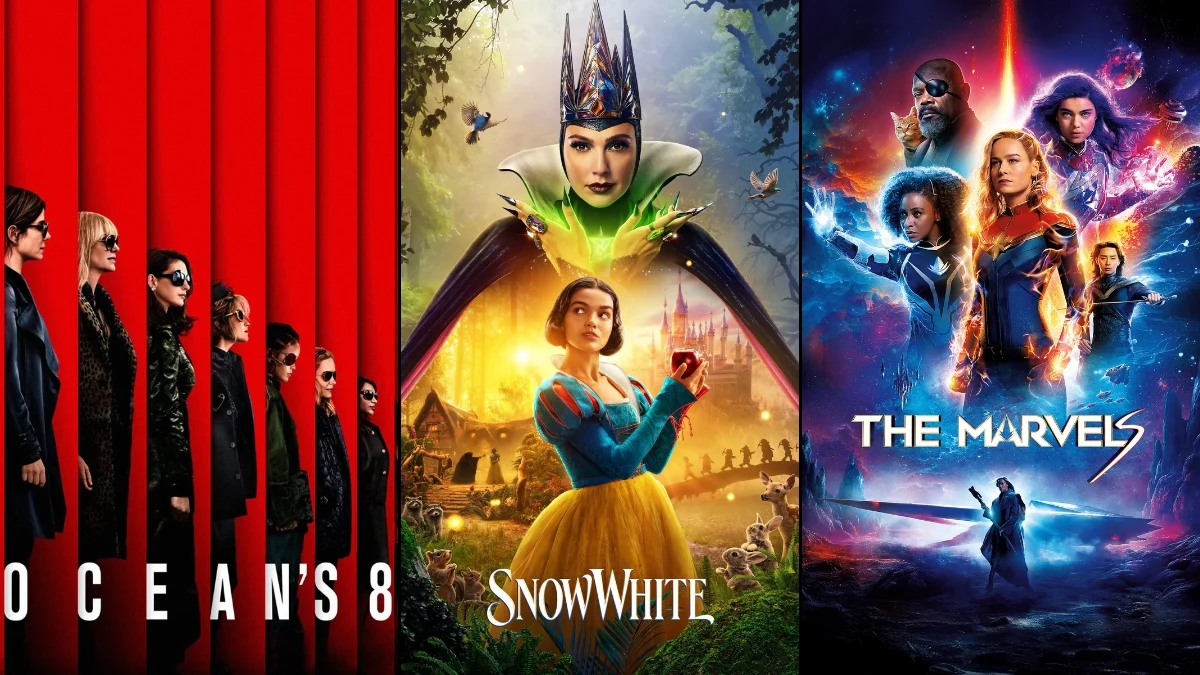

In the age of social media, film discourse often begins years before a movie actually reaches theaters. Casting announcements and production leaks frequently serve as the catalyst for intense online debates and coordinated boycott efforts. For many major productions, the “anti-woke” movement has targeted projects based on perceived political agendas or casting choices long before a single frame of footage is available. These pre-emptive boycotts highlight a growing divide between studio diversity initiatives and vocal segments of the online audience.
‘Snow White’ (2025)
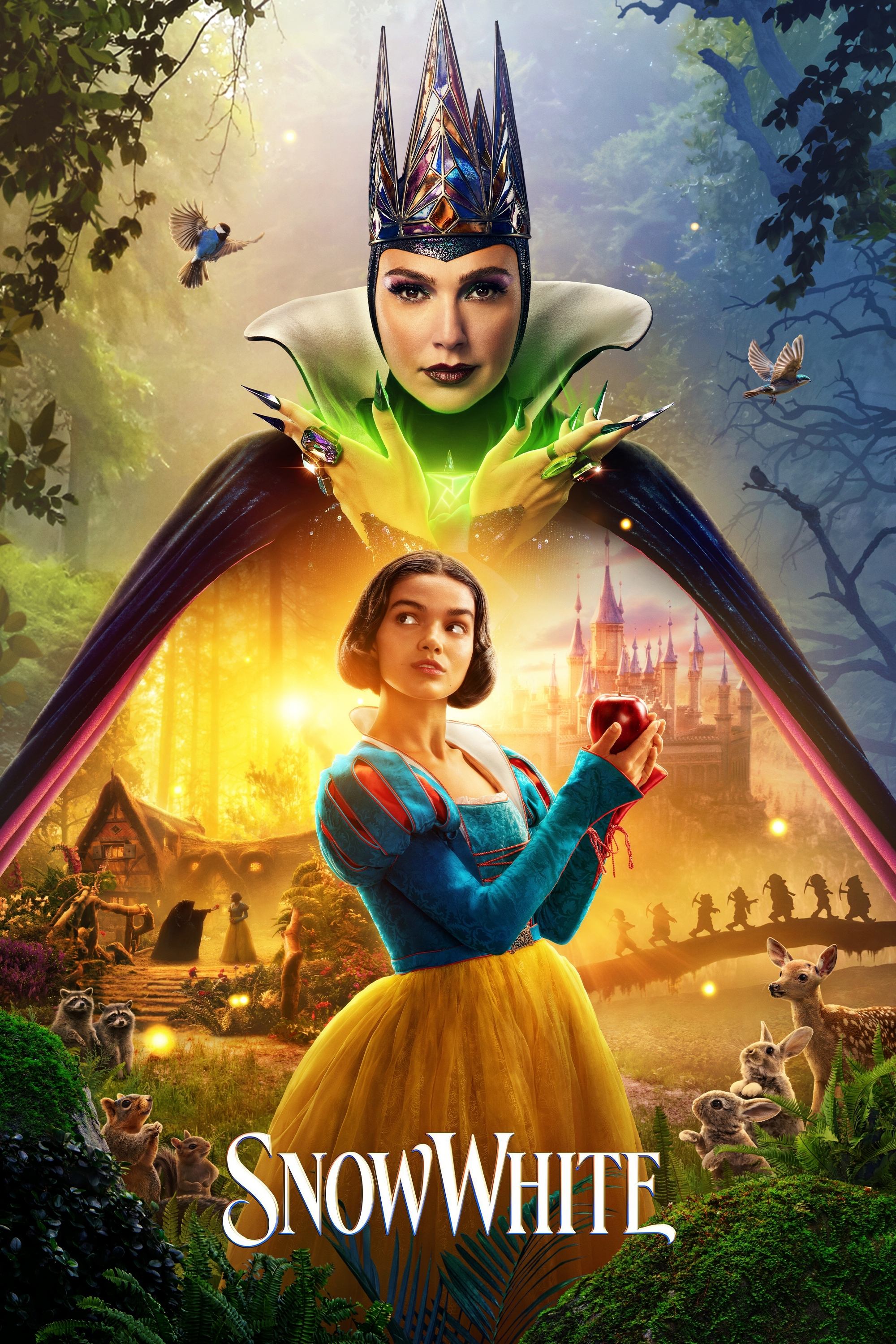
The live-action adaptation of the Disney classic faced significant backlash immediately following the announcement of Rachel Zegler in the title role. Critics targeted the casting choice due to Zegler’s heritage and her subsequent public comments regarding the original 1937 film’s narrative. Social media campaigns called for a boycott years before any official footage was released to the public. The production also drew criticism for its initial plan to replace the traditional seven dwarfs with a group of diverse magical creatures.
‘The Little Mermaid’ (2023)

When Halle Bailey was cast as Ariel in 2019, the news triggered a massive wave of online opposition under the hashtag #NotMyAriel. This movement focused on the departure from the character’s appearance in the 1989 animated original. Organized groups argued that the change was an example of “forced diversity” and pledged to skip the film well before the marketing campaign began. Despite the pre-emptive boycott, the film eventually moved forward with a full theatrical release and substantial promotional push.
‘Ghostbusters’ (2016)
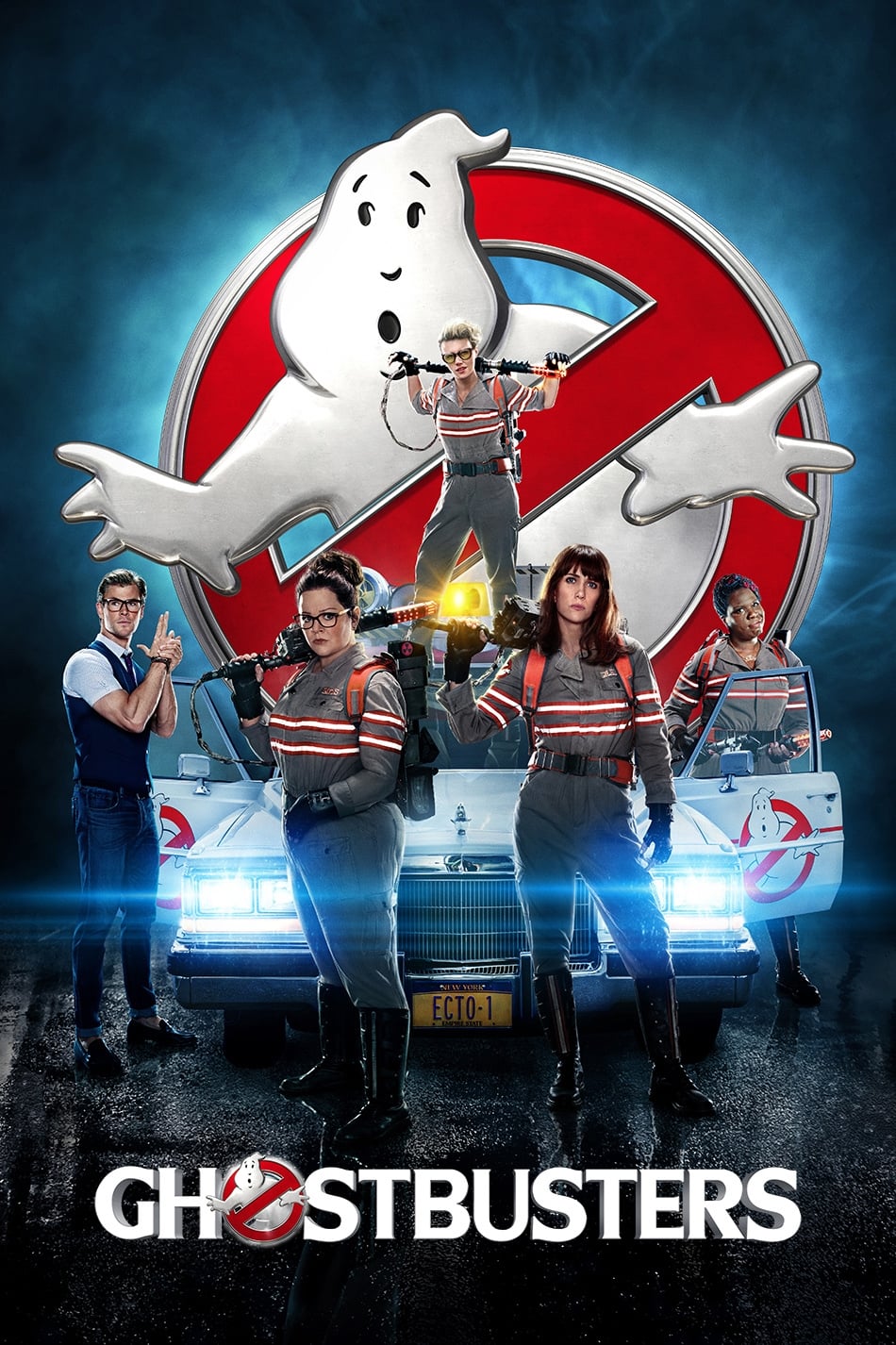
The decision to reboot the ‘Ghostbusters’ franchise with an all-female lead cast sparked immediate vitriol across fan forums and social media platforms. News of the casting of Melissa McCarthy, Kristen Wiig, Kate McKinnon, and Leslie Jones led to calls for a total boycott of the project in 2015. Detractors claimed the gender-swapped cast was a political statement rather than a creative choice. This early hostility set the stage for the film’s first trailer to become one of the most disliked videos in the history of YouTube.
‘Captain Marvel’ (2019)
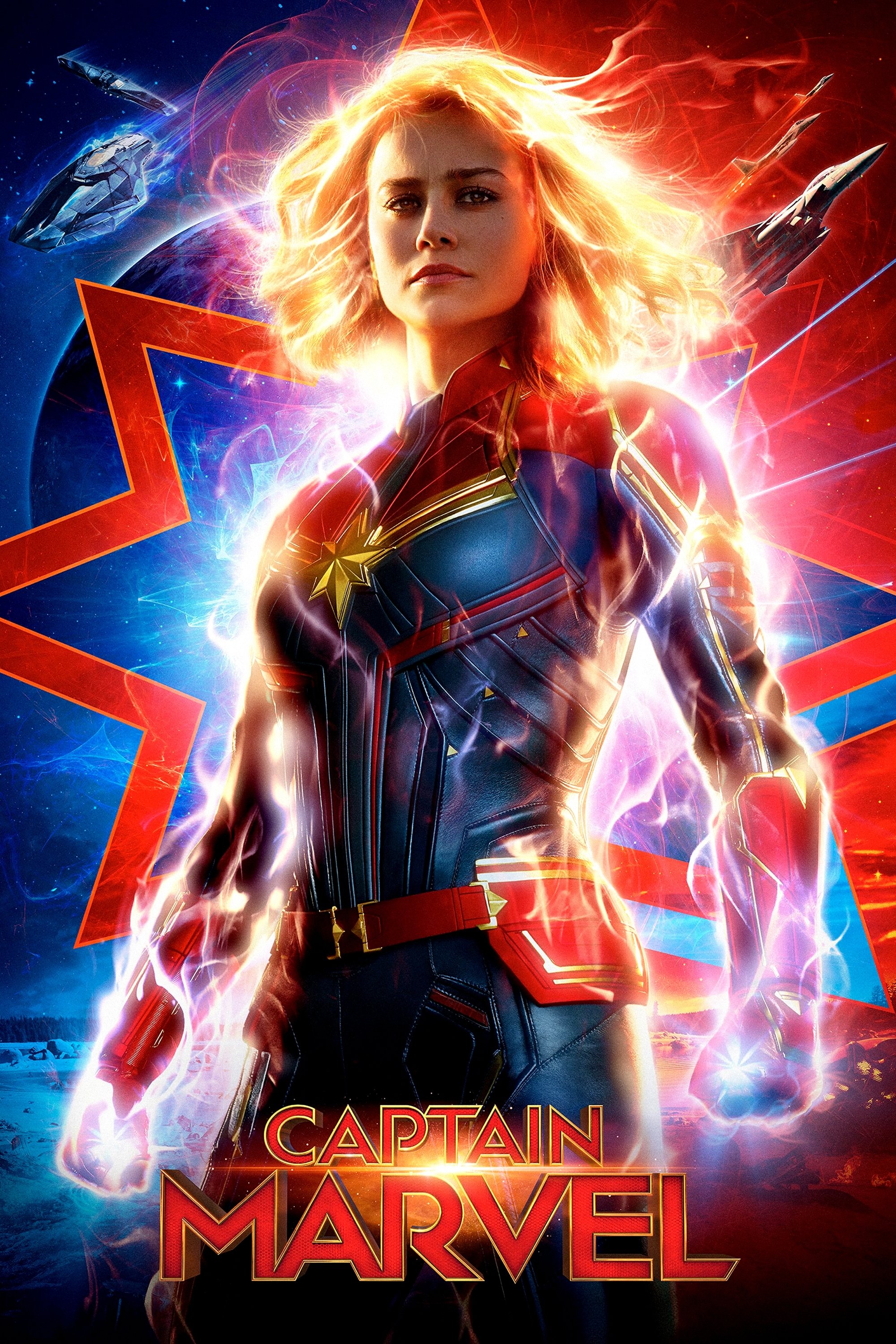
Brie Larson’s casting and her advocacy for more diversity in film journalism led to a pre-emptive boycott campaign by segments of the Marvel fanbase. Even before the first teaser was released, online forums were filled with vows to avoid the movie due to its perceived “feminist agenda.” Many critics targeted Larson’s personal comments, interpreting them as an attack on the traditional male demographic of superhero films. This sentiment resulted in coordinated efforts to lower the film’s “want to see” score on audience aggregate sites.
‘The Marvels’ (2023)
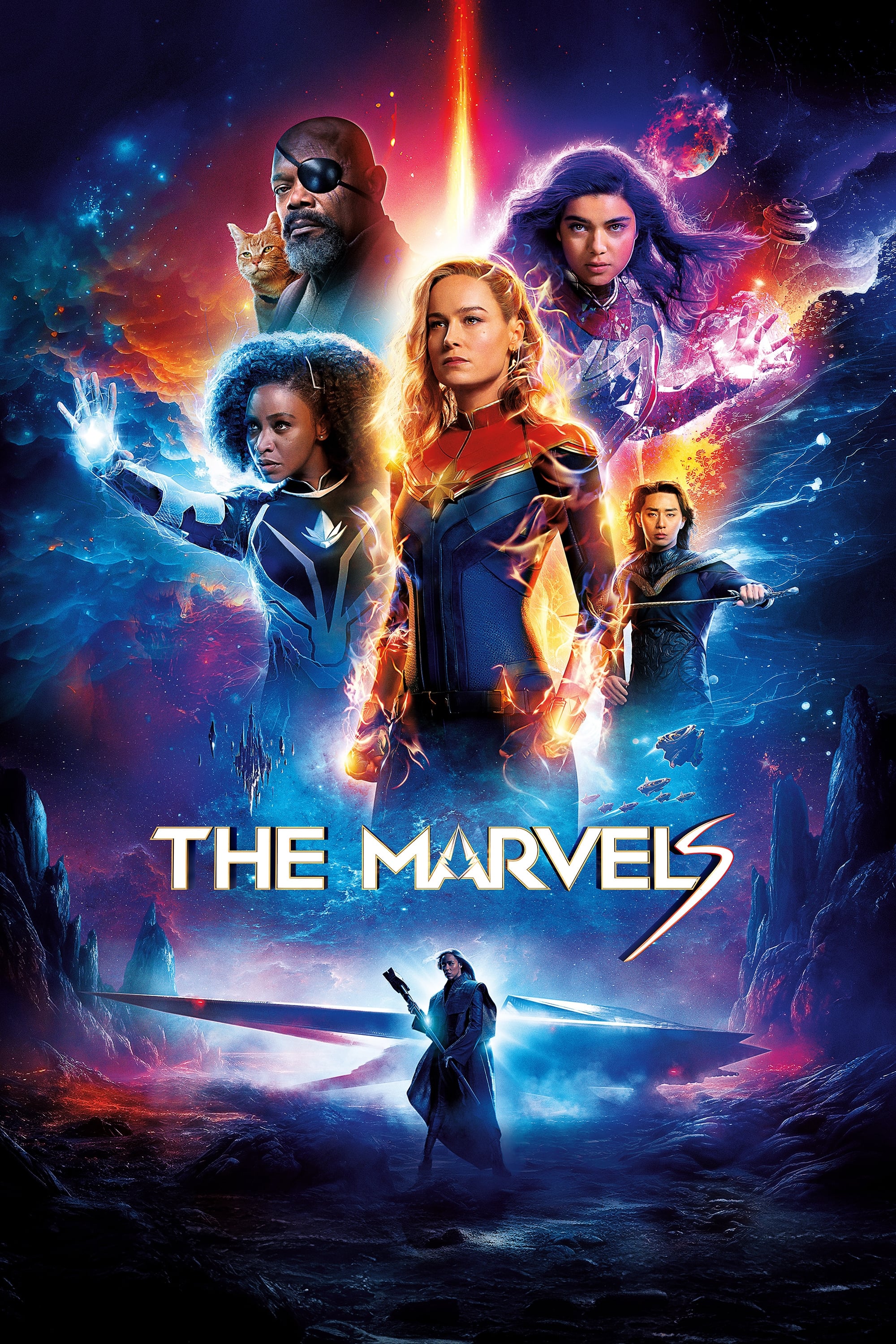
Following the controversies surrounding ‘Captain Marvel’, the sequel faced an even more intense wave of pre-release scrutiny. The announcement that the film would feature three female leads, including Teyonah Parris and Iman Vellani, fueled “M-She-U” narratives among certain online commentators. Boycott calls began as soon as the project was confirmed to be a team-up movie focusing on female empowerment. These critics argued that the film prioritized representation over character development before any plot details were officially known.
‘Star Wars: The Force Awakens’ (2015)
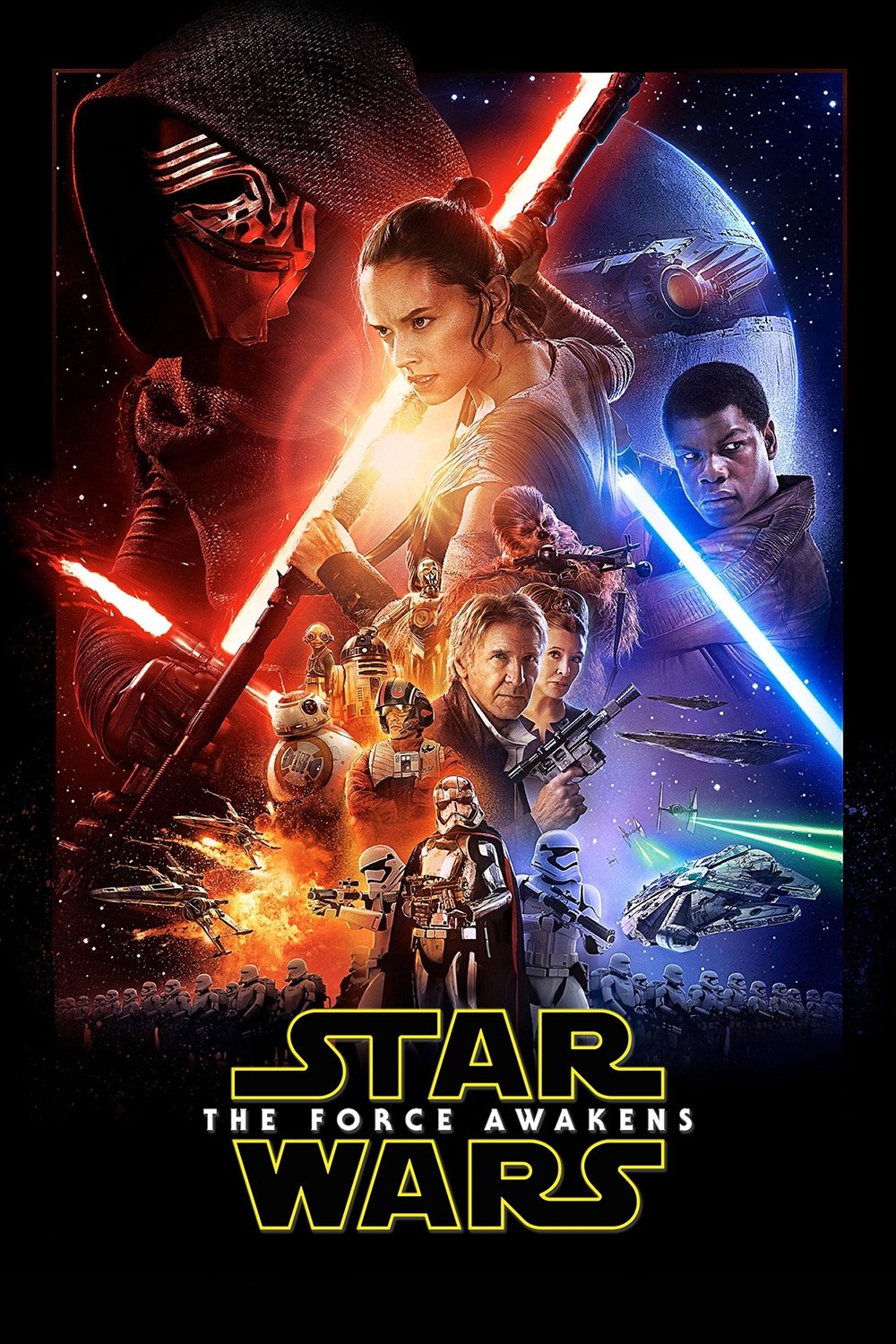
The casting of John Boyega as a Stormtrooper sparked a racist boycott campaign long before the full trailer arrived. When the 15-second teaser first hinted at a Black lead character, the hashtag #BoycottStarWarsVII began trending on social media. Proponents of the boycott claimed the film was “anti-white propaganda” because it featured a diverse cast in central roles. This early pushback was one of the first major examples of modern “anti-woke” sentiment targeting a massive blockbuster franchise.
‘Peter Pan & Wendy’ (2023)
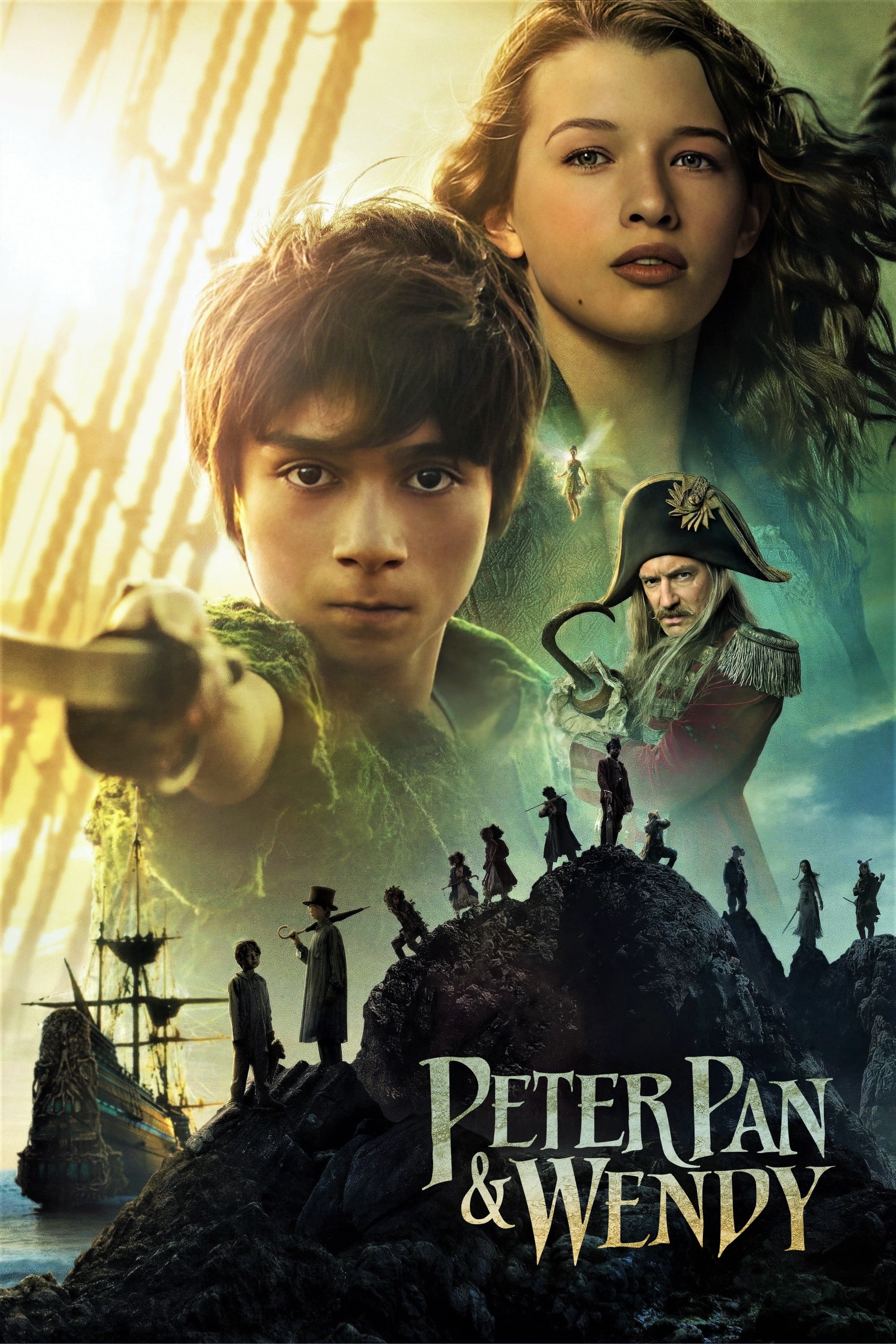
The announcement of Yara Shahidi as the first Black actress to play Tinker Bell led to immediate calls for a boycott of the Disney+ original. Similar to the backlash against ‘The Little Mermaid’, critics argued that the reimagining of a traditionally white character was unnecessary. This opposition formed purely based on casting news and character descriptions released during the production phase. The discourse focused on the idea that Disney was prioritizing modern social standards over historical accuracy in its fairy tales.
‘Lightyear’ (2022)
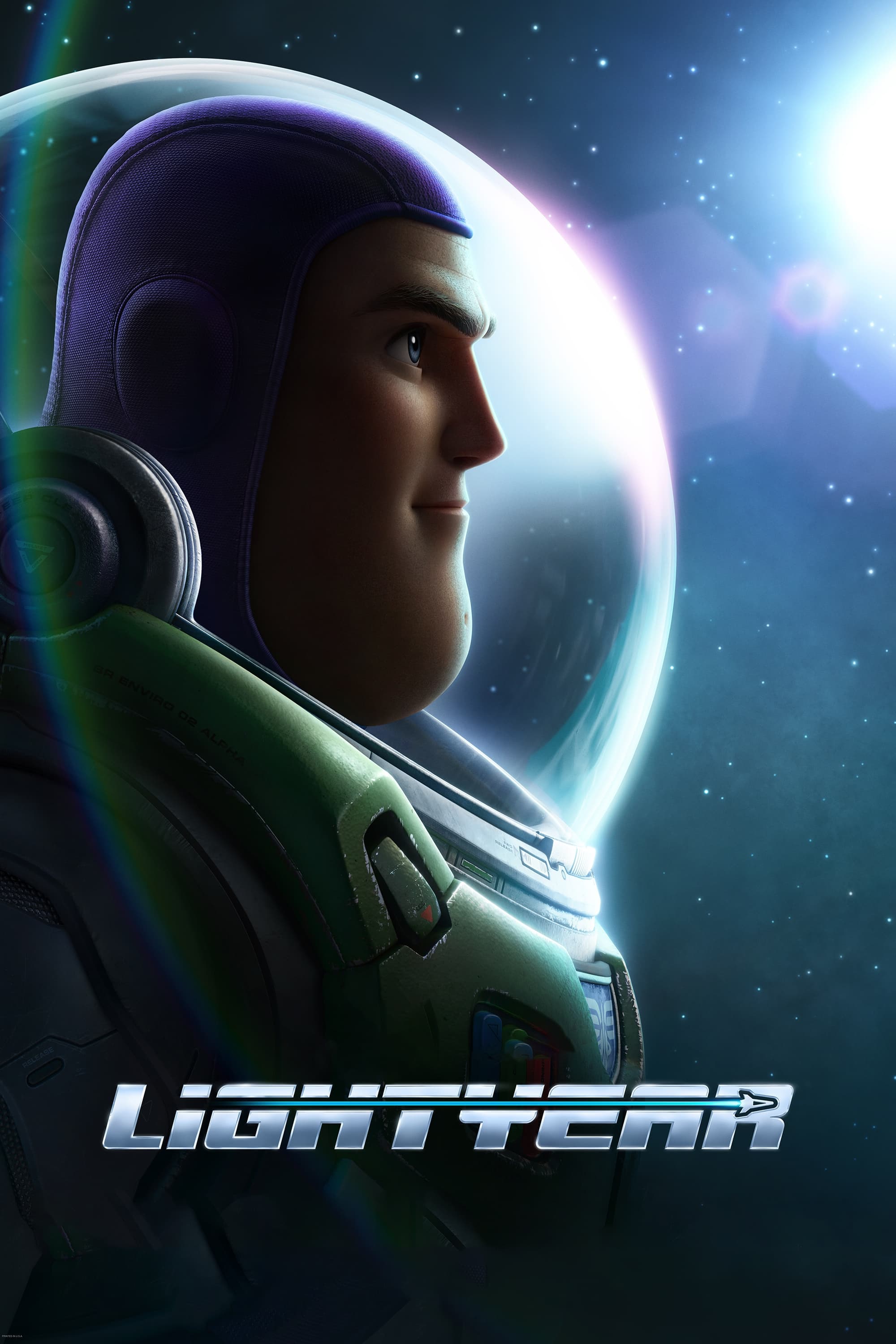
News that Pixar had restored a brief same-sex kiss in ‘Lightyear’ leaked during the film’s production, sparking immediate controversy. This report surfaced during the “Don’t Say Gay” bill debate in Florida, leading several organizations to call for a boycott before a trailer was even completed. Critics labeled the inclusion of the scene as “grooming” and an attempt to indoctrinate young audiences. The film became a central target for “anti-woke” commentary throughout its entire development cycle.
‘No Time to Die’ (2021)
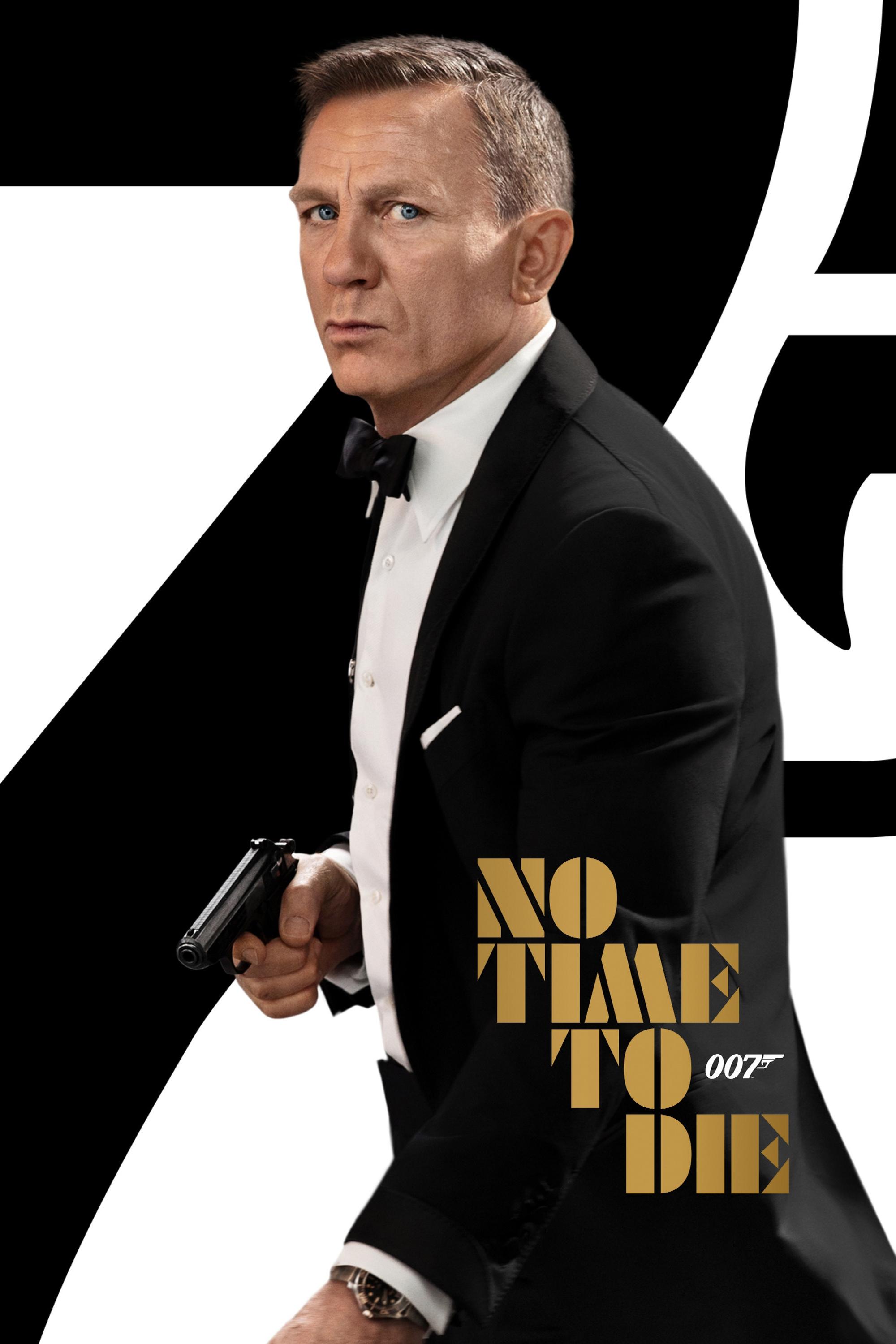
Reports that Lashana Lynch would take over the 007 codename in the twenty-fifth James Bond film caused an immediate uproar in 2019. While Daniel Craig remained the lead character of the film, the idea of a Black woman holding the iconic number led to widespread boycott threats. Critics claimed that the franchise was succumbing to political correctness by disrupting the traditional image of the British spy. This backlash persisted for years as the film faced multiple delays due to the global pandemic.
‘Fantastic Four’ (2015)
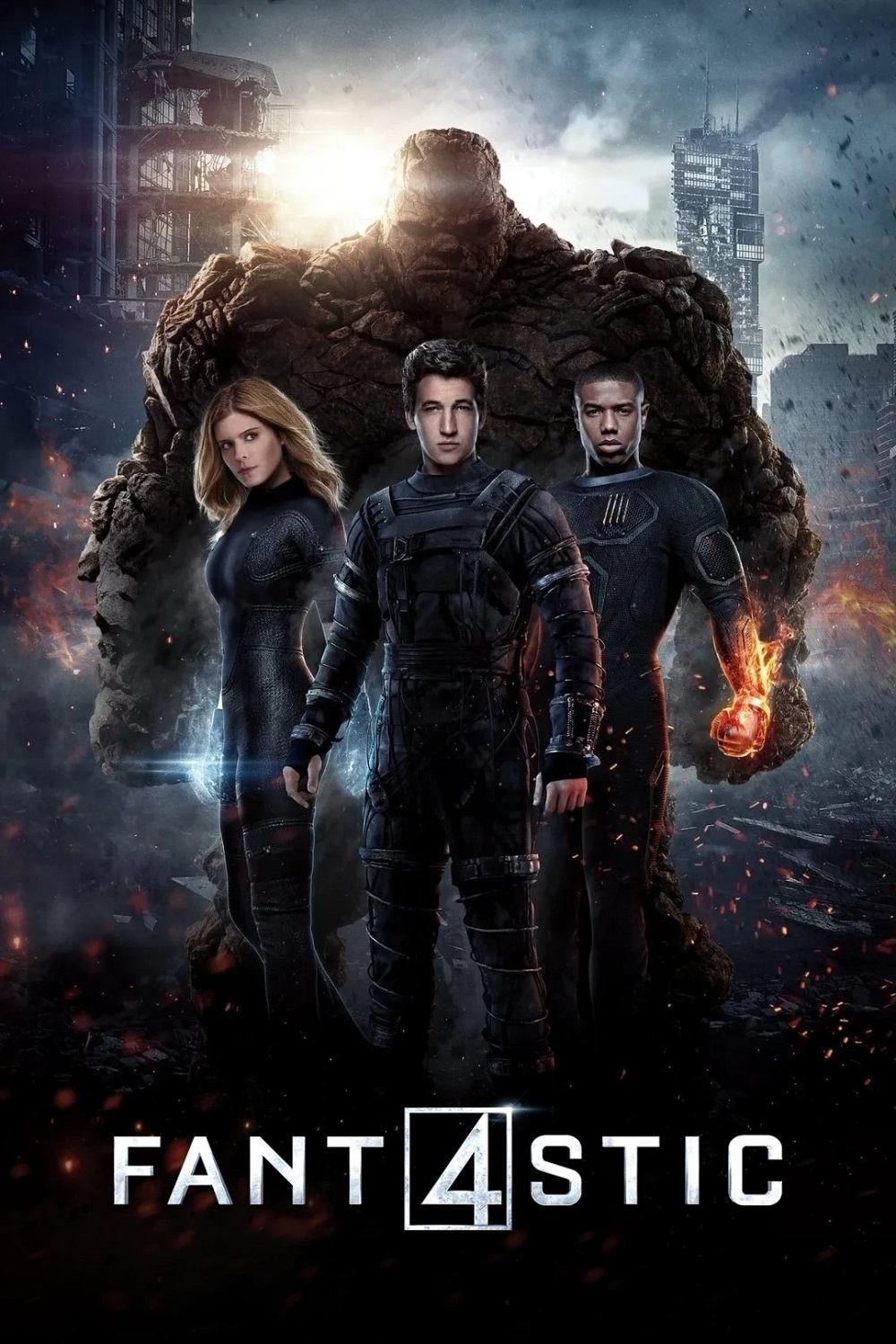
The decision to cast Michael B. Jordan as Johnny Storm, a character traditionally depicted as white in the comics, led to a pre-emptive boycott campaign. Fans of the source material argued that the casting was a “diversity hire” that ignored the established lore of the Storm family. This hostility began as soon as the casting was confirmed and persisted through the entire production of the movie. The online discourse surrounding the film remained toxic well before the first official images were revealed.
‘Cinderella’ (2021)
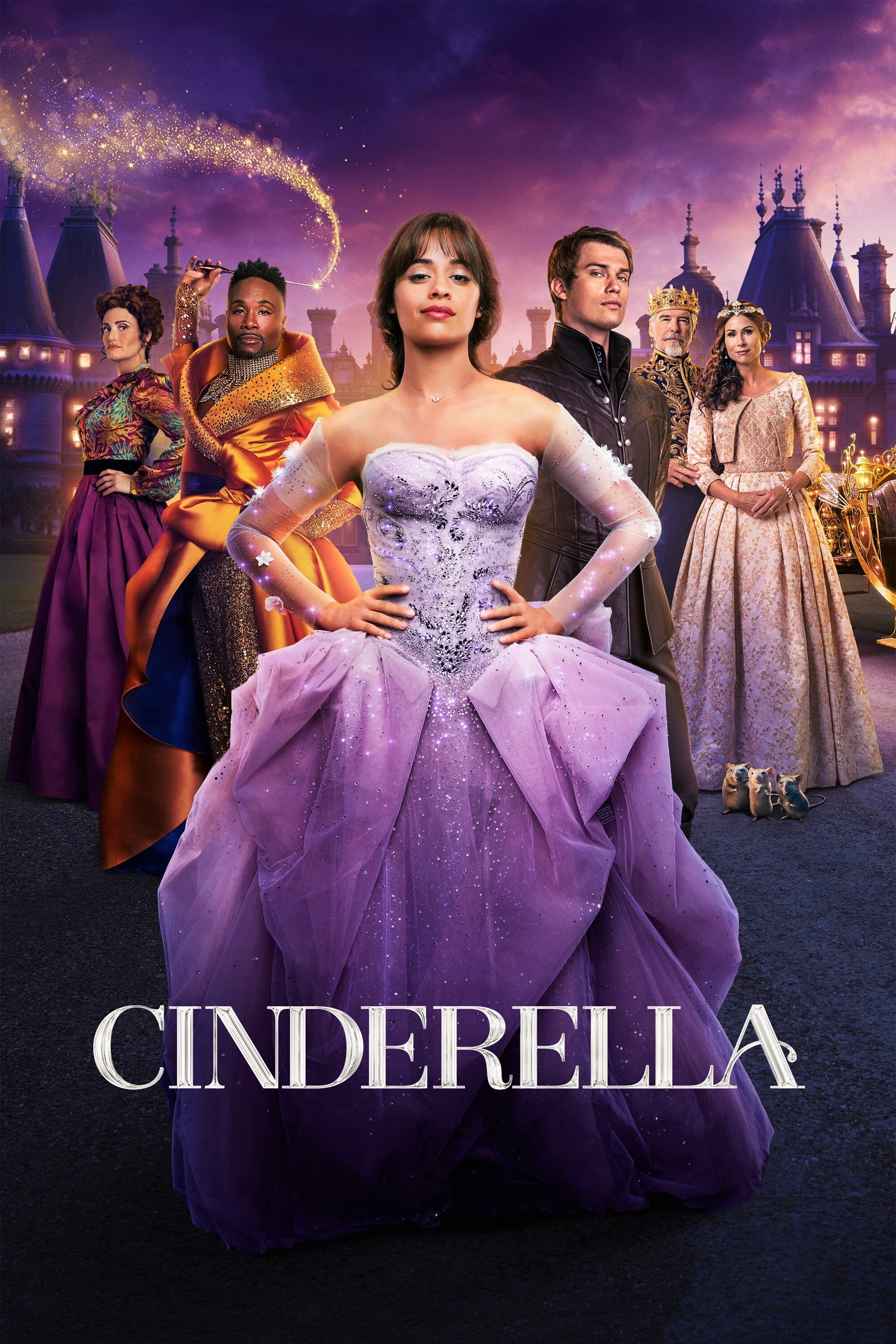
The casting of Billy Porter as the “Fab G,” a genderless version of the Fairy Godmother, triggered an immediate boycott from conservative groups. News of Porter’s involvement in the Amazon Studios production led to accusations that the film was pushing an LGBTQ+ agenda on children. Many critics argued that the reimagining of the character was a disrespectful departure from the original fairy tale. These sentiments were voiced purely based on production announcements and interview clips with the cast.
‘Strange World’ (2022)
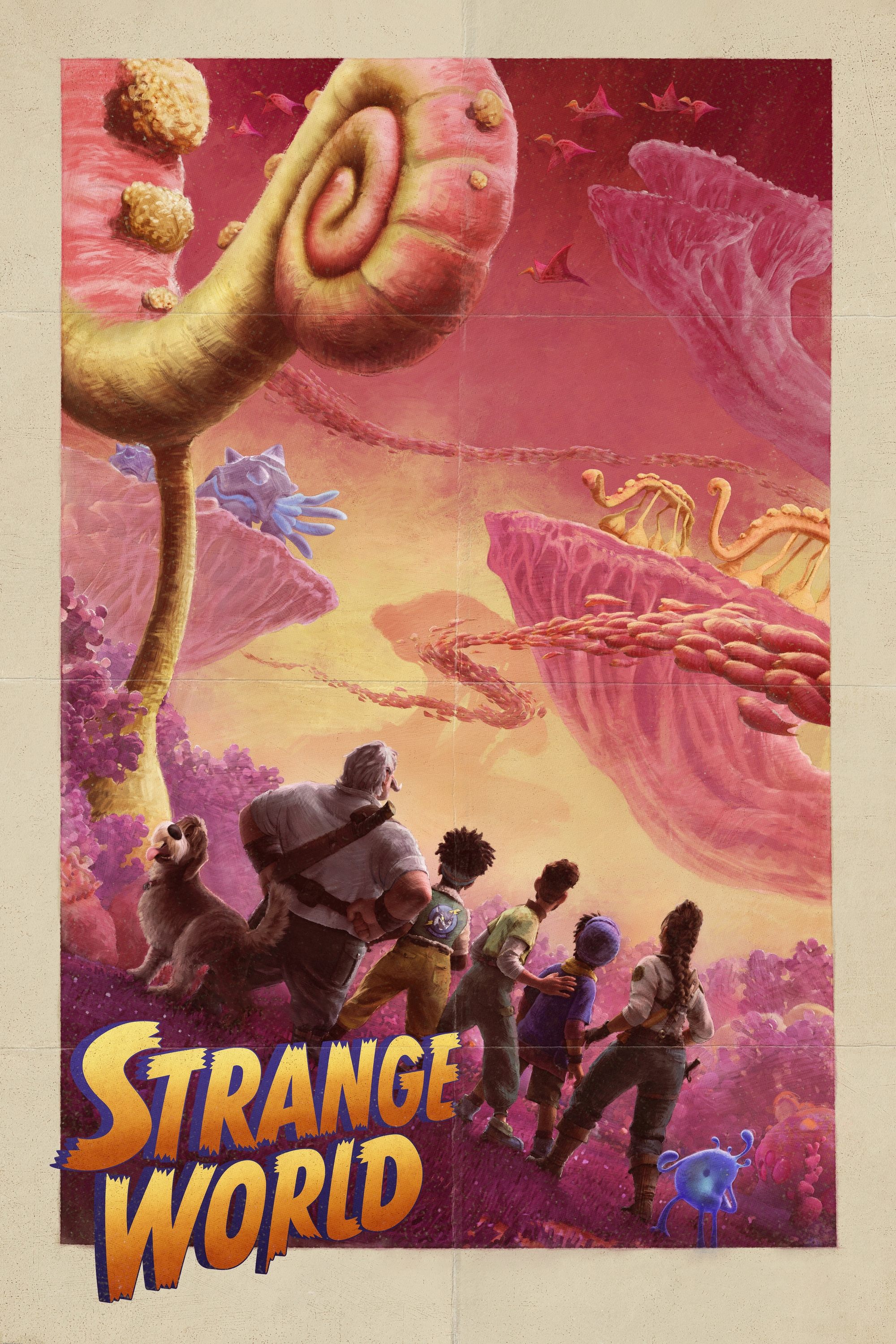
When Disney announced that ‘Strange World’ would feature the studio’s first openly gay teenage lead character, the film became an immediate target for boycotts. Critics and parental advocacy groups voiced their opposition months before the first trailer highlighted the character’s crush. The boycott was organized around the belief that Disney was inserting adult themes into animation intended for general audiences. This pre-release narrative contributed to a significant lack of awareness and interest among the film’s target demographic.
‘Barbie’ (2023)
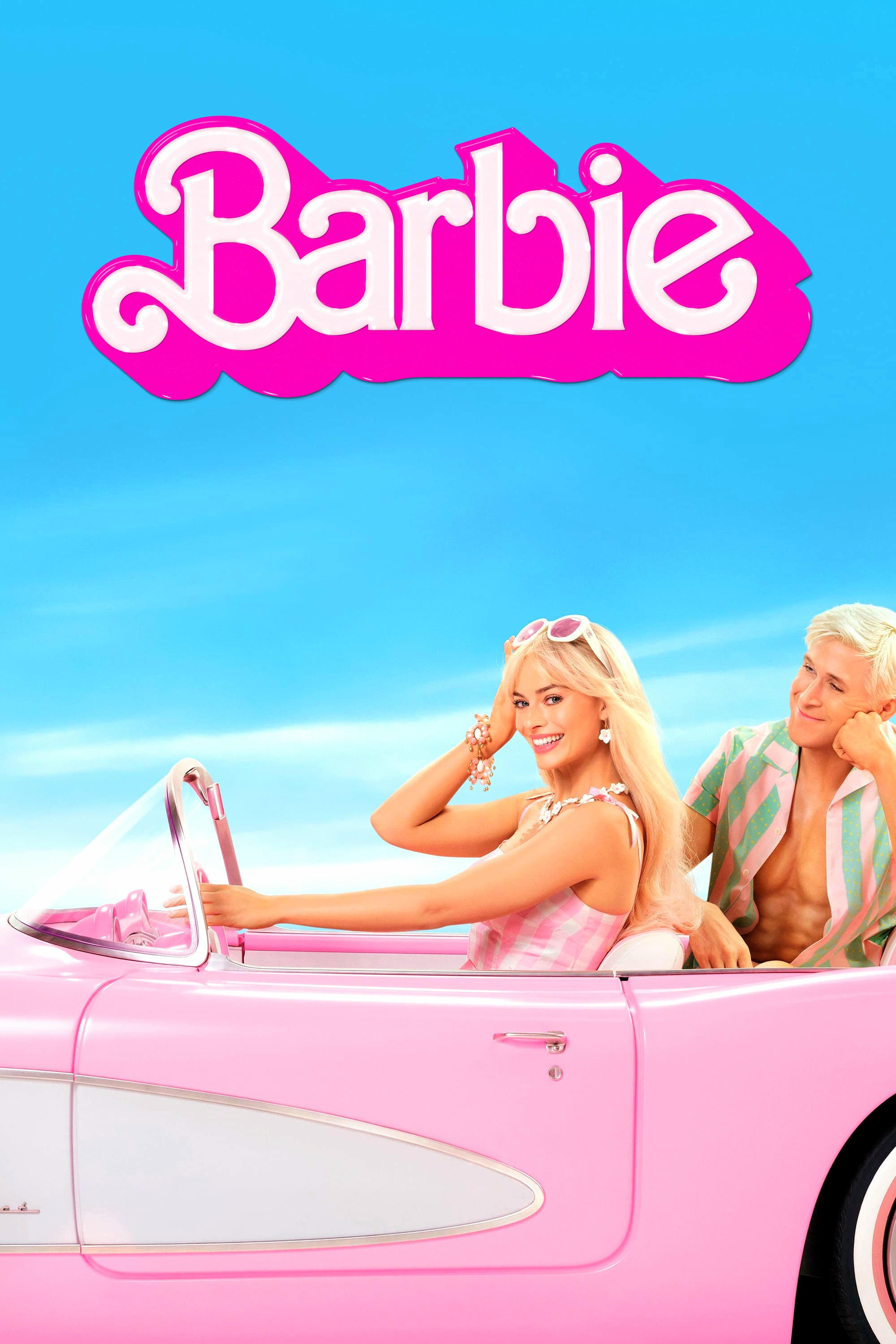
Despite its eventual massive box office success, ‘Barbie’ faced early boycott calls based on set photos and casting announcements. Critics labeled the film as “woke” and “anti-man” long before the full plot was revealed to the public. The inclusion of a diverse range of Barbies and Kens, as well as the involvement of director Greta Gerwig, led some to believe the film would be a feminist critique of traditional masculinity. This pre-emptive narrative sought to discourage the core audience from attending the theatrical release.
‘The Woman King’ (2022)
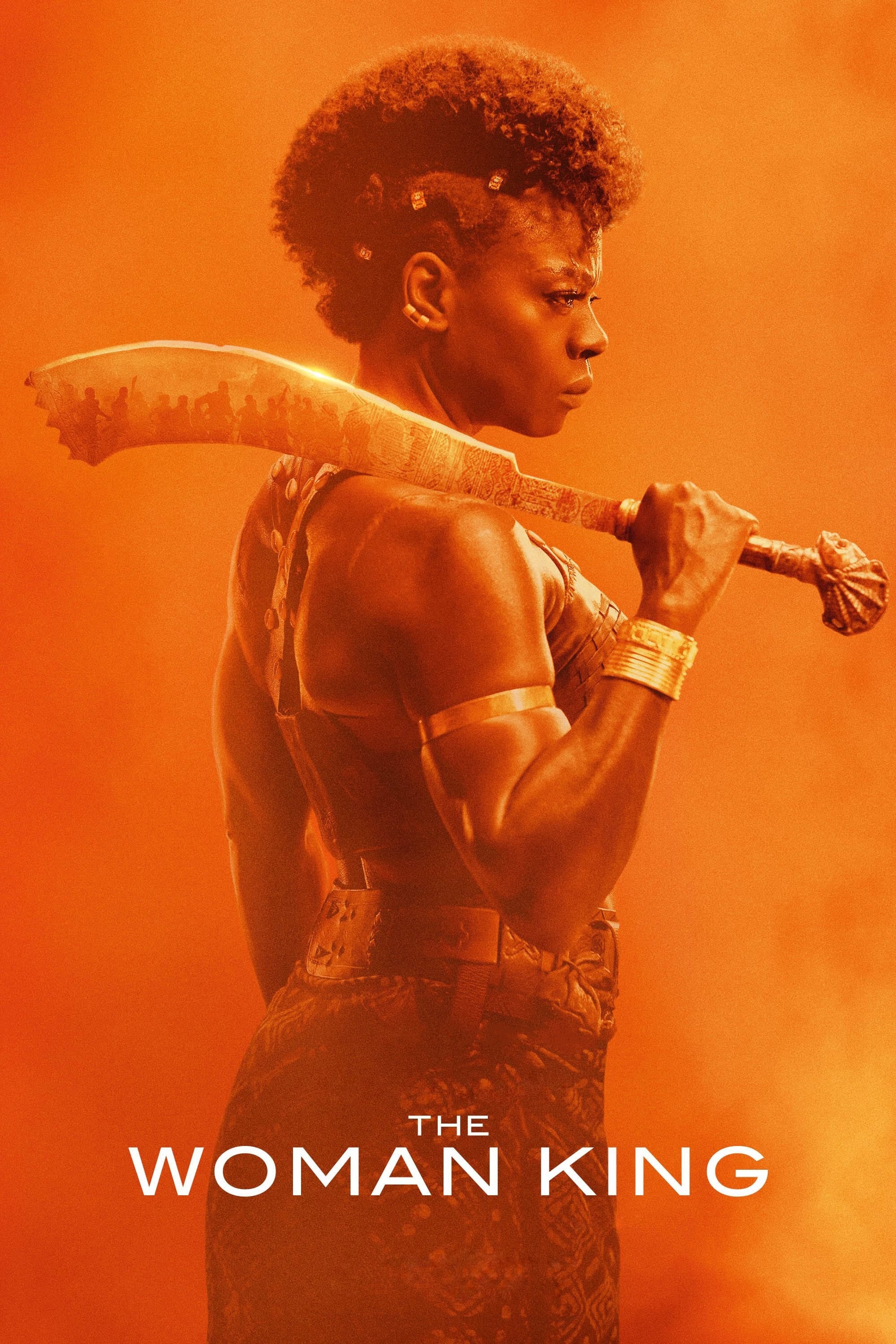
The historical epic starring Viola Davis was the subject of a #BoycottTheWomanKing campaign before most people had seen a single frame of the film. The backlash was centered on the portrayal of the Dahomey Kingdom and its historical involvement in the Atlantic slave trade. Critics argued that the film would “glorify” a group that had committed atrocities, labeling the production as “woke revisionist history.” This controversy began purely based on the film’s premise and the historical context of its setting.
‘Bros’ (2022)
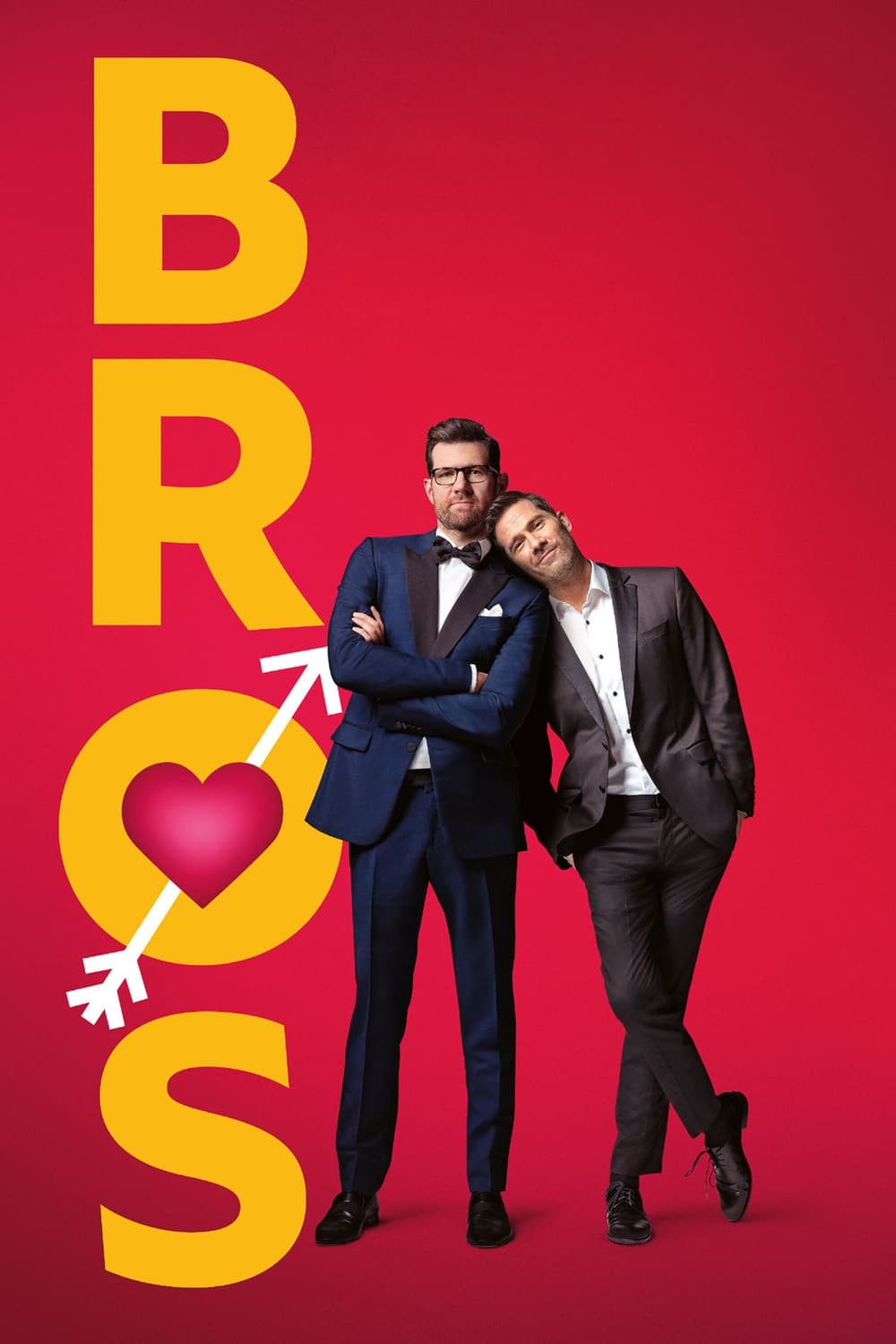
The marketing campaign for ‘Bros’, which emphasized its status as the first gay romantic comedy from a major studio with an all-LGBTQ+ principal cast, triggered pre-emptive hostility. Many online commentators criticized Billy Eichner’s vocal promotion of the film’s importance, calling it “performative wokeness.” Boycott calls were common in the months leading up to the film’s release, with detractors claiming they were tired of “identity politics” in entertainment. This sentiment was established well before the public had access to the film’s trailers or reviews.
‘Black Panther’ (2018)
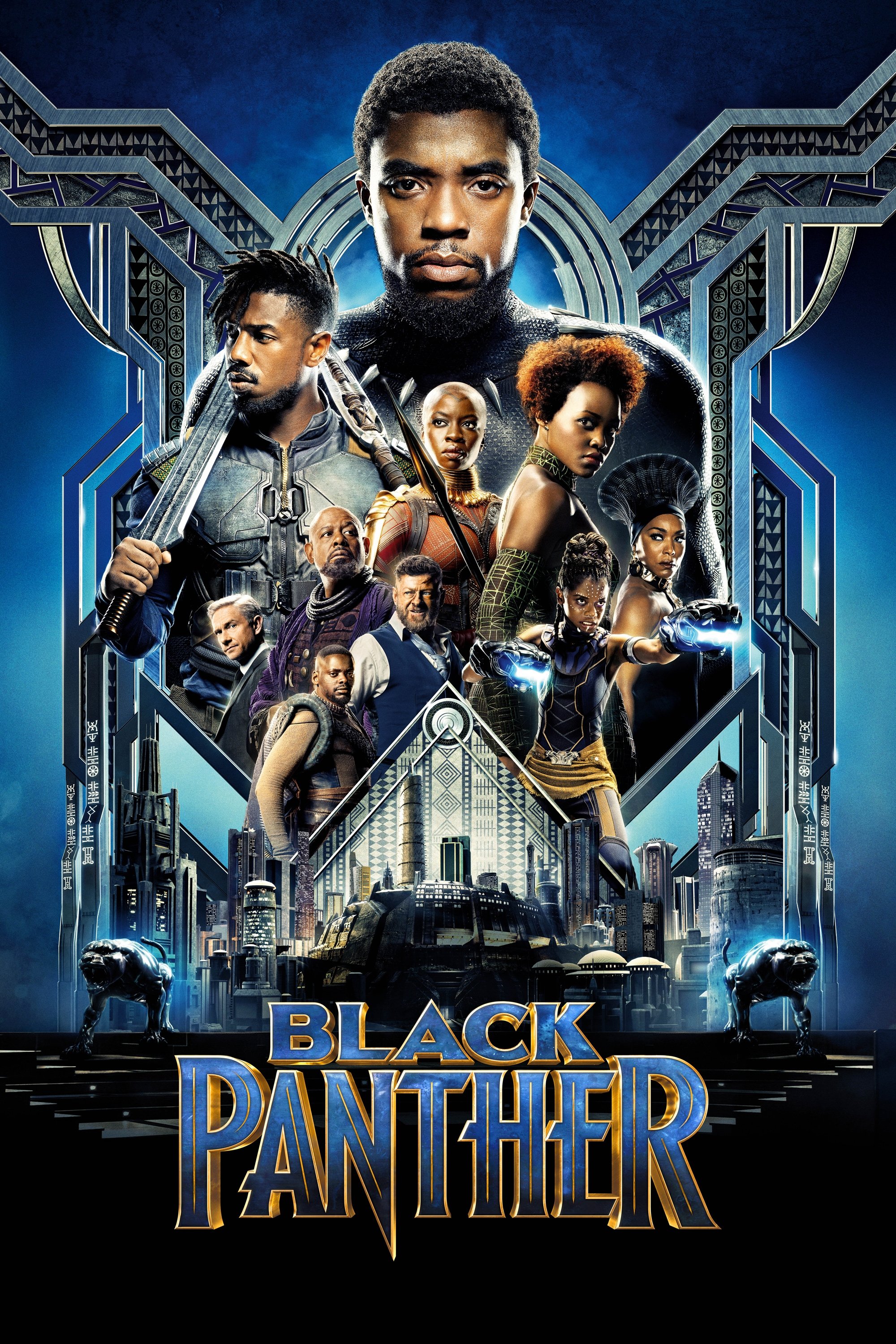
Before the first trailer for ‘Black Panther’ was released, certain Facebook groups were formed with the explicit goal of review-bombing the movie. These groups argued that the film was a tool for “anti-white” sentiment and “forced diversity” within the Marvel Cinematic Universe. The organizers encouraged followers to skip the film and spread negative word-of-mouth as soon as the project was announced. Despite these efforts, the film went on to become a cultural phenomenon and a major commercial success.
‘The Batman’ (2022)
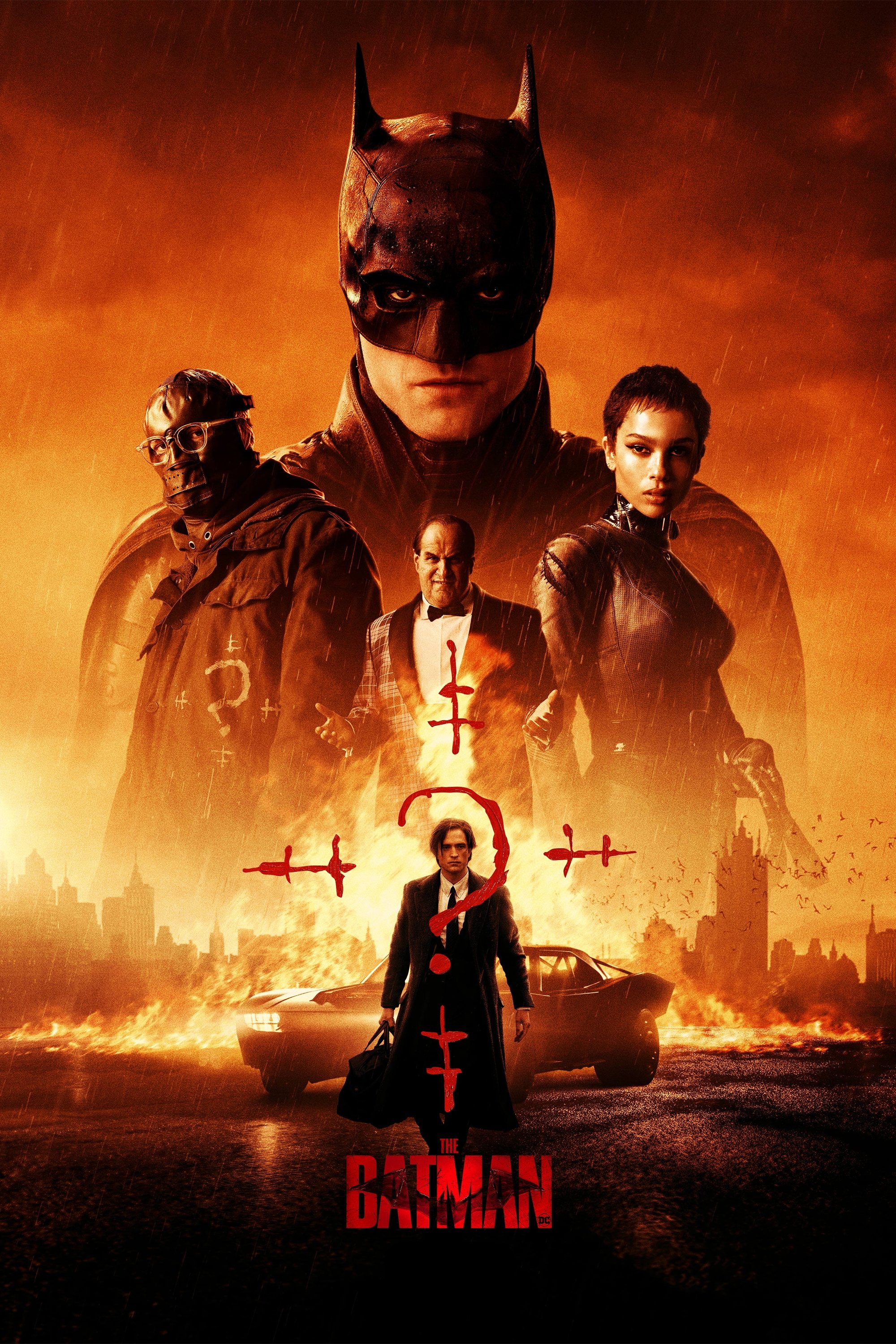
The announcement of Jeffrey Wright as Commissioner Jim Gordon and Zoë Kravitz as Catwoman sparked a “woke” backlash among a segment of the DC fanbase. Critics pointed to the race-swapping of characters who were traditionally white in the comic books as evidence of a political agenda. This opposition began as soon as the casting news broke and continued through the early stages of production. Boycott threats were frequent on fan forums, claiming that the film was prioritizing representation over the source material.
‘Turning Red’ (2022)
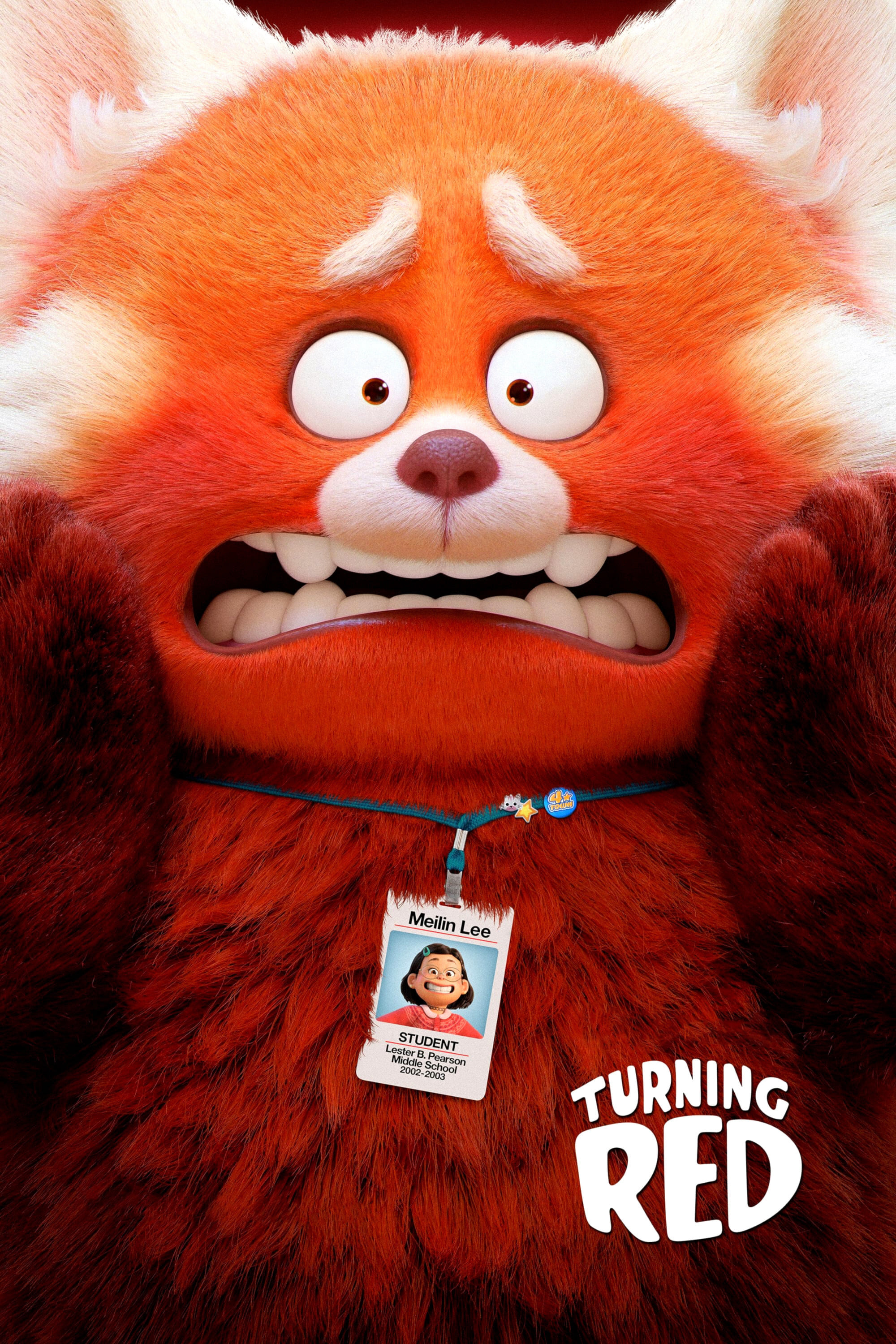
The Pixar film ‘Turning Red’ faced an unusual pre-emptive backlash regarding its themes of puberty and female friendship. When the creative team was announced as being primarily female, some critics pre-emptively labeled the movie as “narrow” and “unrelatable” to a general audience. Reports on the film’s inclusion of menstruation products and coming-of-age metaphors led to boycott calls from parental groups. These concerns were raised based on early production descriptions rather than the final execution of the story.
‘Annie’ (2014)
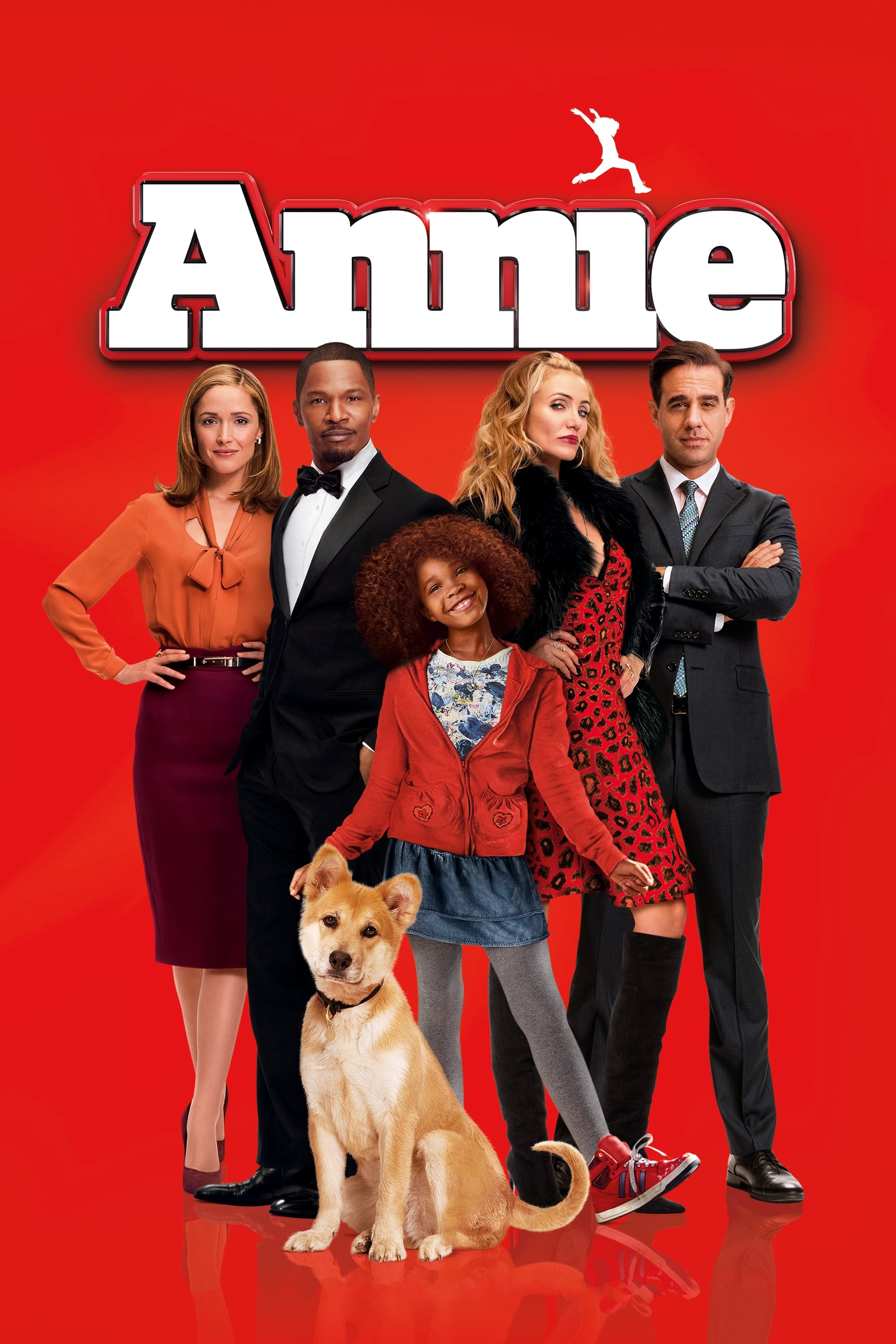
The 2014 remake of the classic musical ‘Annie’ faced a storm of online criticism when Quvenzhané Wallis was cast as the lead character. Social media was flooded with racist remarks and calls to boycott the film because Annie was traditionally portrayed with red hair and pale skin. The backlash was immediate and persisted throughout the film’s development cycle. Many critics argued that the modernization of the story was an unnecessary attempt to be “politically correct.”
‘Beauty and the Beast’ (2017)
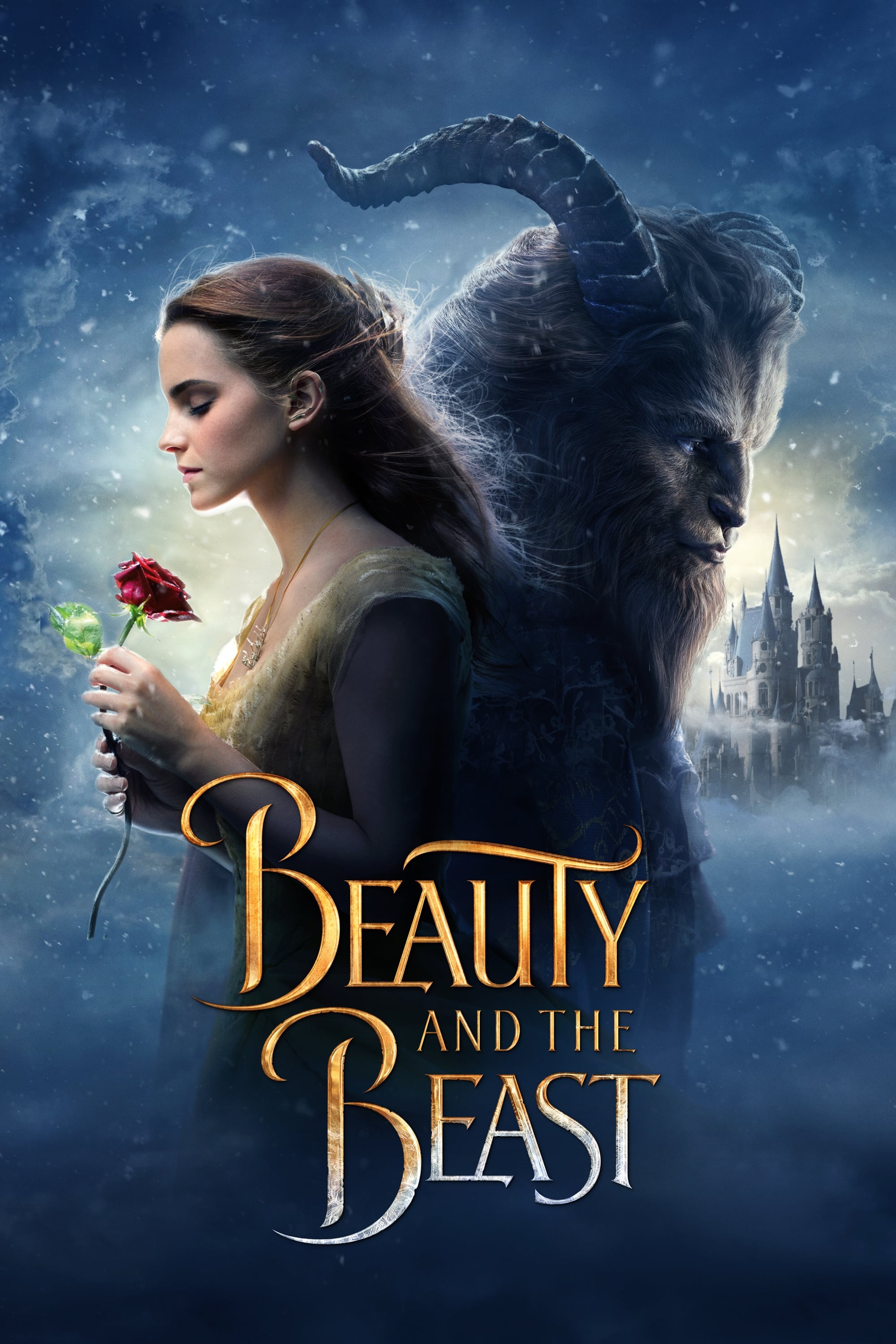
Disney’s live-action ‘Beauty and the Beast’ was targeted by boycotts after director Bill Condon announced the film would feature an “exclusively gay moment” involving the character LeFou. This announcement, made during the press cycle before the first full trailer, led to theaters in some regions refusing to show the film. Conservative groups organized online to discourage families from attending, citing concerns over “the LGBTQ agenda.” The boycott remained a major talking point in the months leading up to the film’s premiere.
‘Birds of Prey’ (2020)

News that ‘Birds of Prey’ would feature a “feminist perspective” and a cast of female anti-heroes led to early boycott calls from sections of the DC audience. The director’s comments about the “male gaze” and the redesign of Harley Quinn’s costume were used as evidence that the film was “anti-male.” This sentiment was established in fan communities long before the first trailer showcased the film’s tone or action sequences. Detractors vowed to avoid the film to send a message to the studio about “woke” reboots.
‘Ocean’s Eight’ (2018)
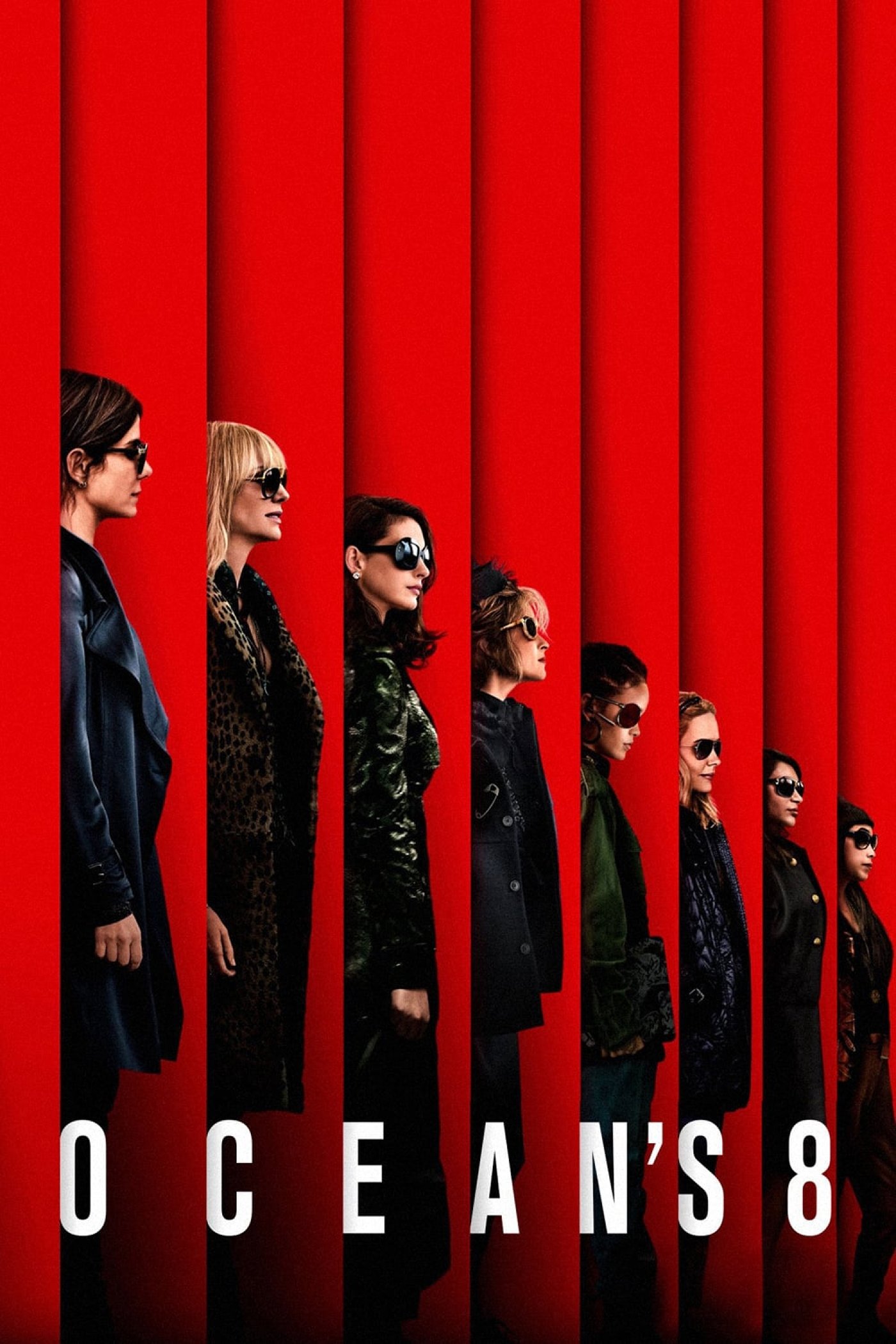
The announcement of an all-female spinoff of the ‘Ocean’s Eleven’ franchise was met with immediate hostility and boycott threats. Similar to the ‘Ghostbusters’ reboot, critics labeled the project as a “lazy gender-swap” and a product of “identity politics.” These arguments were widely circulated in online forums as soon as the cast, which included Sandra Bullock and Cate Blanchett, was revealed. The movement against the film focused on the perceived exclusion of male leads from a traditionally masculine franchise.
Share your thoughts on these pre-release controversies in the comments.