Movies That Were Ruthlessly Torn Apart by Internet Trolls for Forced Diversity Casting


The phenomenon of online backlash against diverse casting has become a recurring theme in contemporary cinema. As major studios update classic stories or introduce new characters, vocal internet communities frequently mobilize to criticize these creative decisions. These reactions often take the form of review bombing on aggregator sites or coordinated social media campaigns against specific actors. Proponents of these updates argue for the importance of representation, while critics often label such moves as “forced diversity.” This cultural friction has significantly impacted the marketing and public perception of several high-profile releases.
‘Ghostbusters’ (2016)
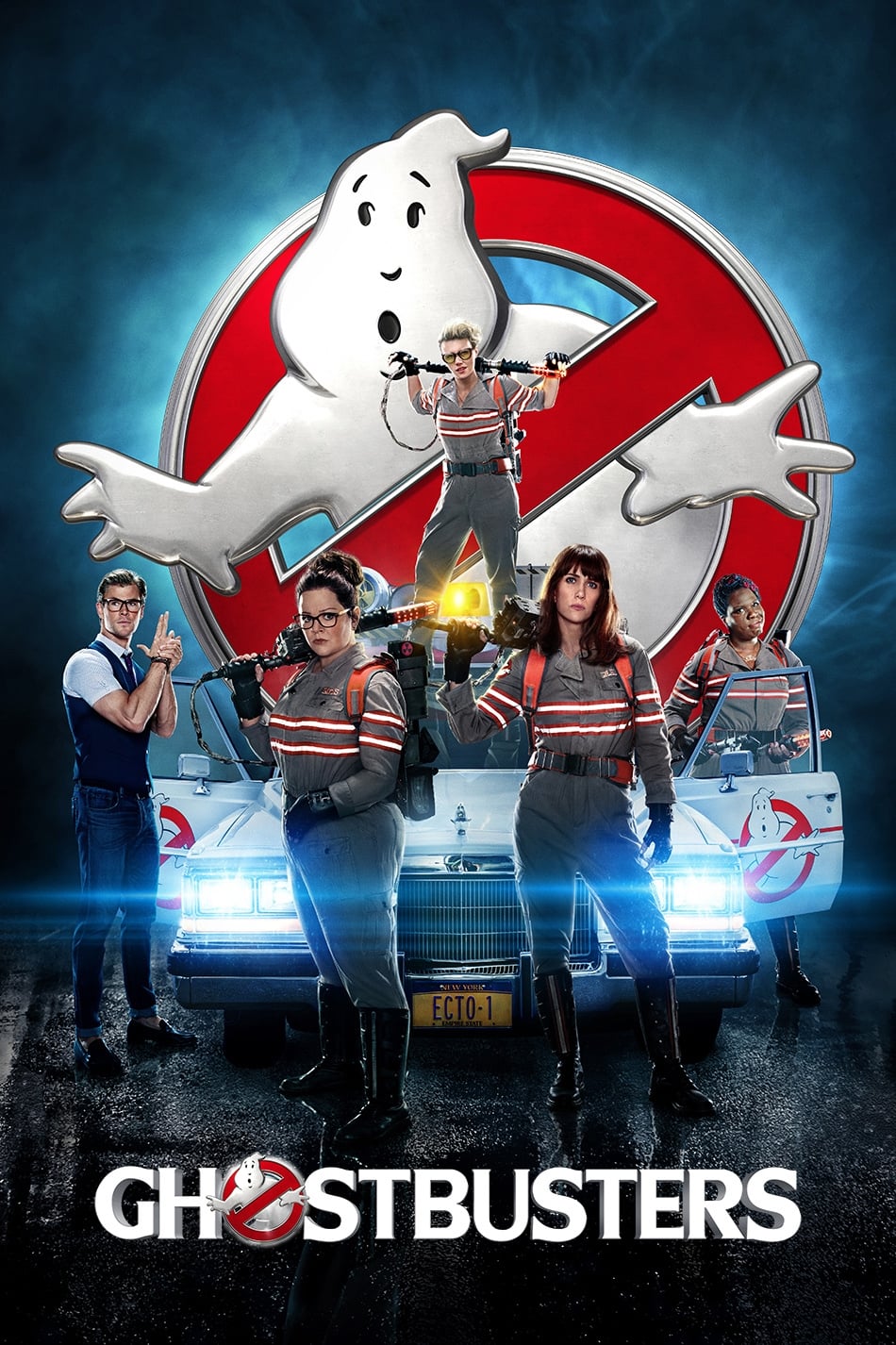
The 2016 reboot of ‘Ghostbusters’ faced massive backlash for swapping the original male cast for female leads. The trailer became one of the most disliked in YouTube history as trolls targeted the production months before its release. Some actors, specifically Leslie Jones, were subjected to intense racial and sexist abuse on social media platforms. Director Paul Feig defended the production against what he termed “misogynistic” vitriol from a vocal minority of fans. This film is often cited as a primary example of the modern culture war in cinema.
‘The Little Mermaid’ (2023)

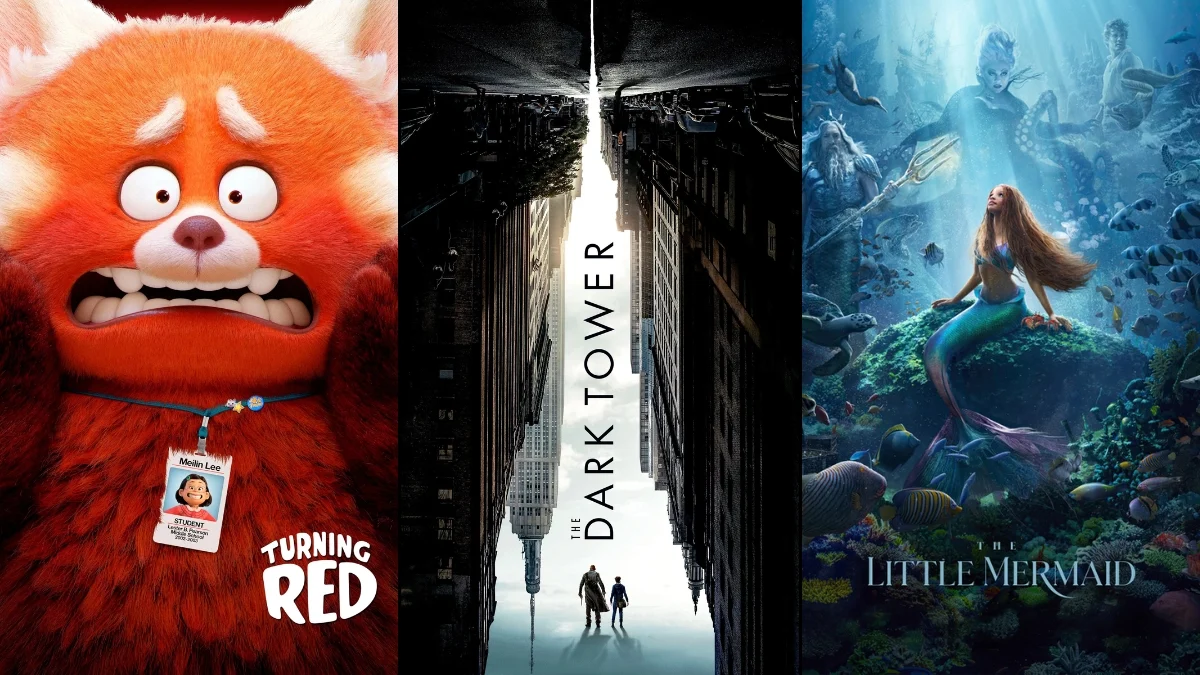
The casting of Halle Bailey as Ariel sparked a “NotMyAriel” hashtag campaign across various social media platforms. Critics argued that the character, originally based on a Danish fairy tale, should remain white to match the 1989 animated version. Disney and Bailey maintained that the story’s themes of belonging and discovery are universal and transcend race. The film faced significant review bombing on major platforms upon its release, prompting some sites to adjust their rating systems. Despite the noise, Bailey’s vocal performance was widely praised by professional critics.
‘Captain Marvel’ (2019)
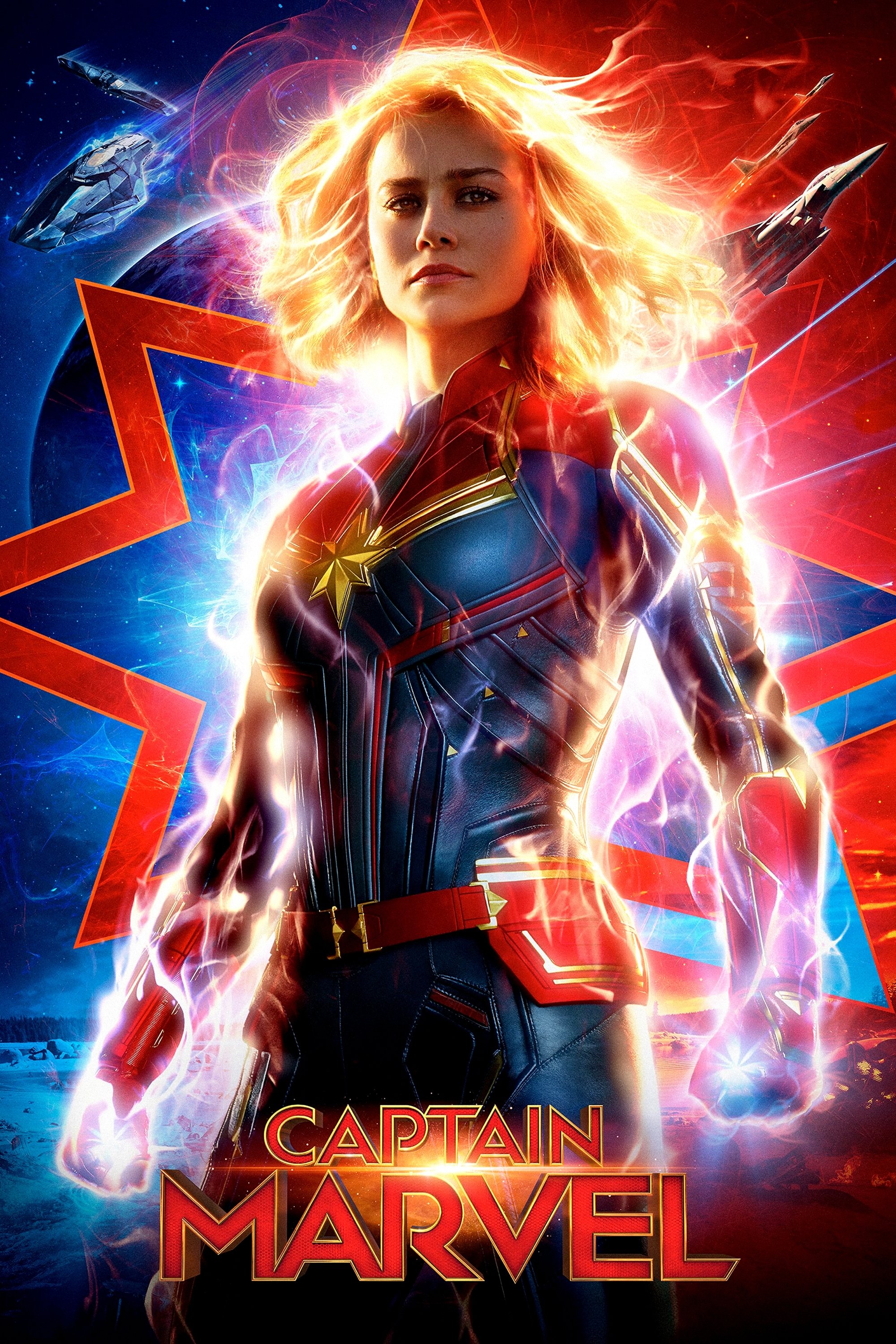
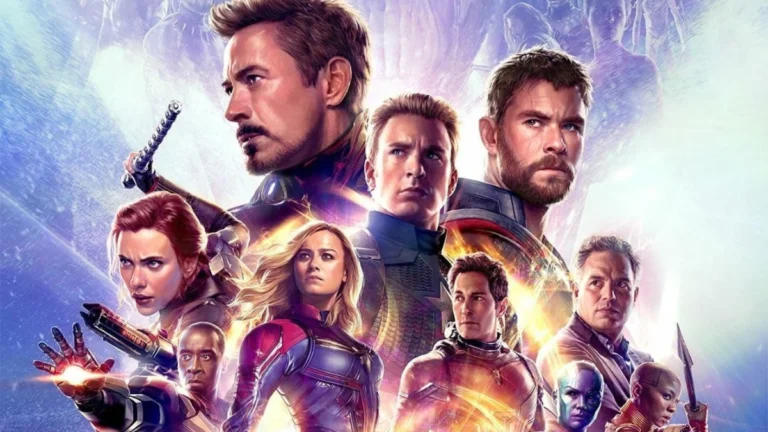
Online campaigns targeted ‘Captain Marvel’ before its release due to Brie Larson’s public comments regarding the need for more inclusivity in film criticism. Rotten Tomatoes was forced to change its “Want to See” feature after trolls flooded the movie’s page with negative ratings. The film was frequently labeled as “agenda-driven” by certain online communities that objected to its feminist themes. Critics of the casting claimed that Larson was a poor fit for the role of Carol Danvers. Regardless of the controversy, the film grossed over one billion dollars at the global box office.
‘Peter Pan & Wendy’ (2023)
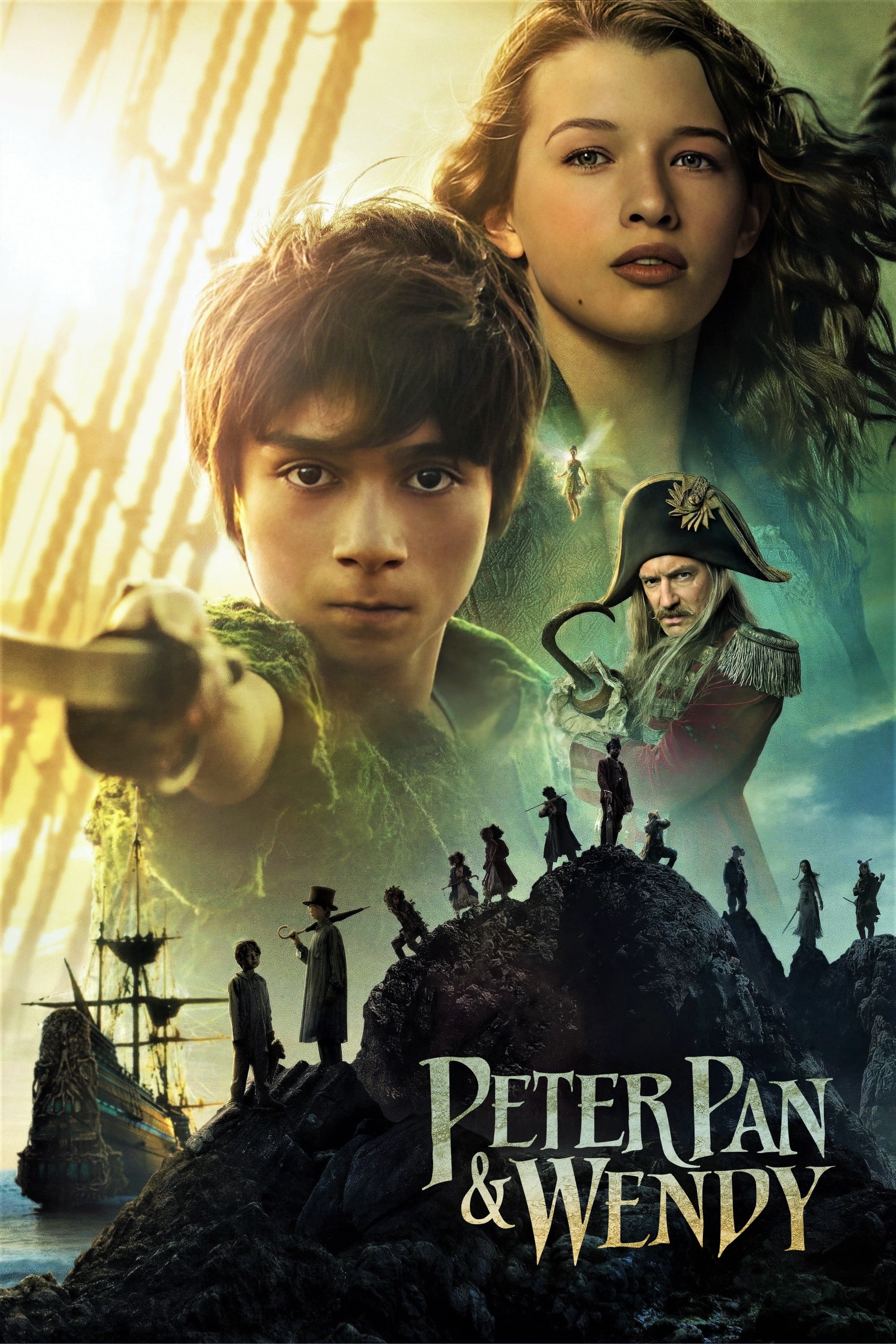
Yara Shahidi’s casting as Tinker Bell prompted accusations of “race-swapping” from internet commentators. Critics compared her appearance to the 1953 animated version, claiming the change was an unnecessary departure from the source material. The film’s inclusion of girls in the “Lost Boys” group also drew significant negative attention from vocal trolls. Disney emphasized that the updates reflected a more modern and inclusive world for contemporary audiences. This entry in the Disney live-action catalog faced a notable divide in its audience and critic scores.
‘Snow White’ (2025)
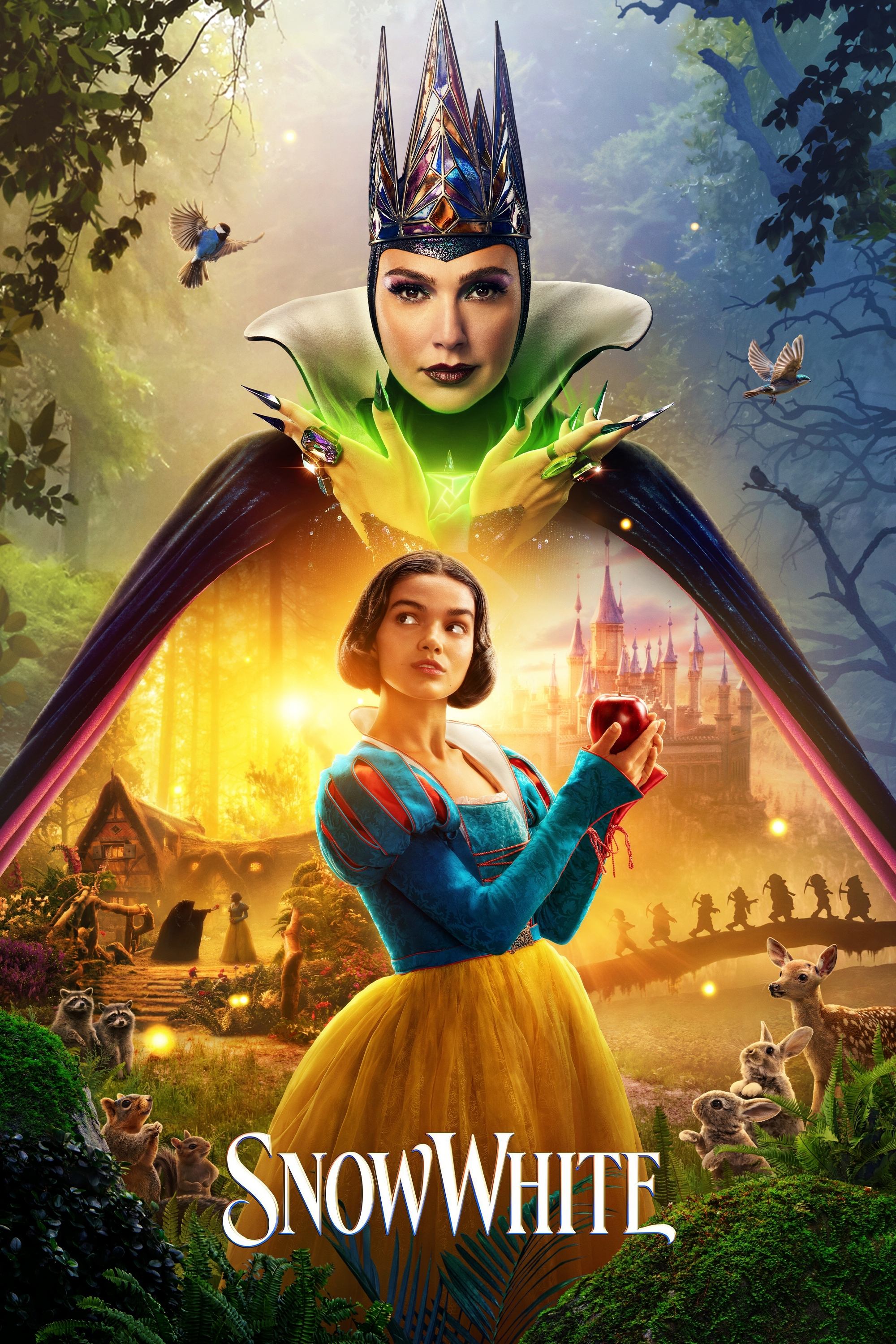
Rachel Zegler has been the subject of intense scrutiny and online harassment since being cast as the titular princess. Trolls criticized the move because the character’s name is traditionally associated with having “skin white as snow.” Zegler’s comments regarding the outdated nature of the original 1937 film’s romance further fueled the controversy. The production also faced backlash regarding the initial depiction of the companions replacing the Seven Dwarfs. The film’s release was eventually delayed amidst the ongoing discourse and production adjustments.
‘Fantastic Four’ (2015)
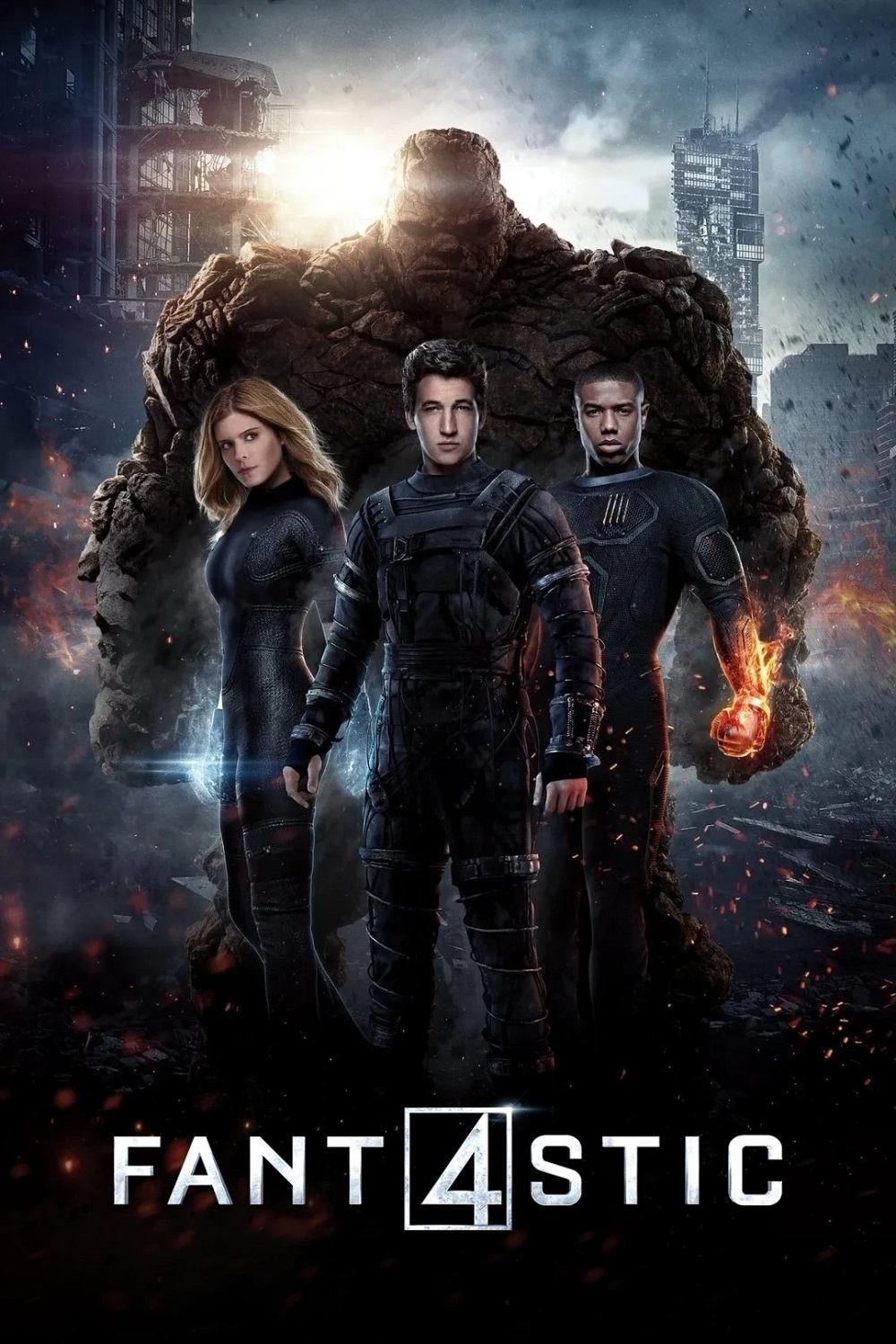
Michael B. Jordan’s casting as Johnny Storm was met with hostility from fans who insisted the character must remain white. Critics argued that because the character is Susan Storm’s brother, the casting choices created an unnecessary distraction for the plot. Jordan addressed the controversy in an op-ed, stating that he wanted to take the responsibility of modernizing the role for a new generation. The film ultimately underperformed at the box office and was panned by both fans and critics. This reaction highlighted the intense pressure placed on actors of color in traditionally white roles.
‘Annie’ (2014)
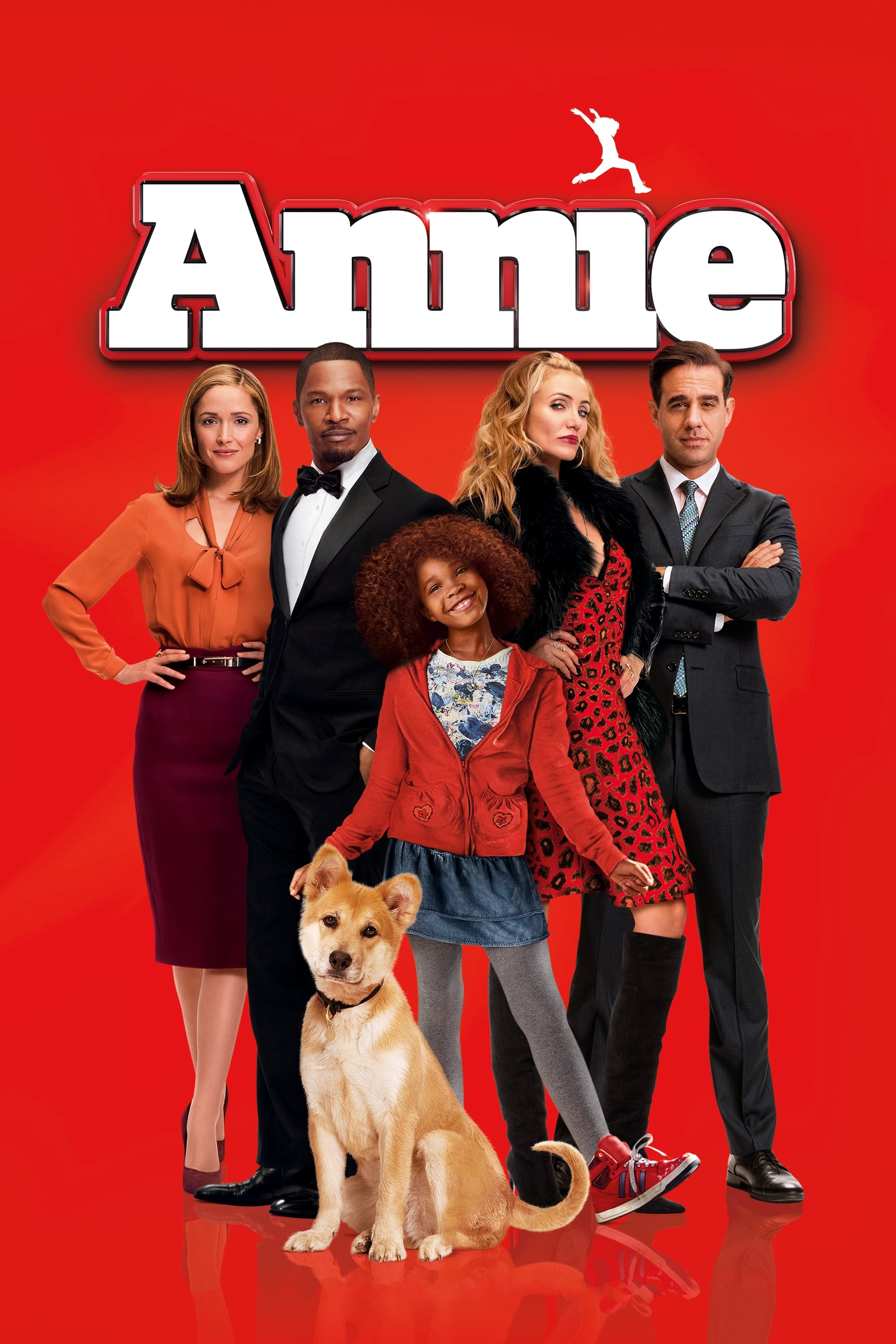
The modern retelling featuring Quvenzhané Wallis as the title character was criticized for moving away from the red-haired comic strip look. Internet trolls claimed the casting was a form of political correctness rather than a creative choice. Supporters of the film noted that the story of an orphan seeking a home is applicable to any background or ethnicity. The movie featured a diverse cast including Jamie Foxx and Cameron Diaz to update the setting to modern-day New York. It remains a frequently cited example of early “race-swapping” controversies on the internet.
‘The Marvels’ (2023)
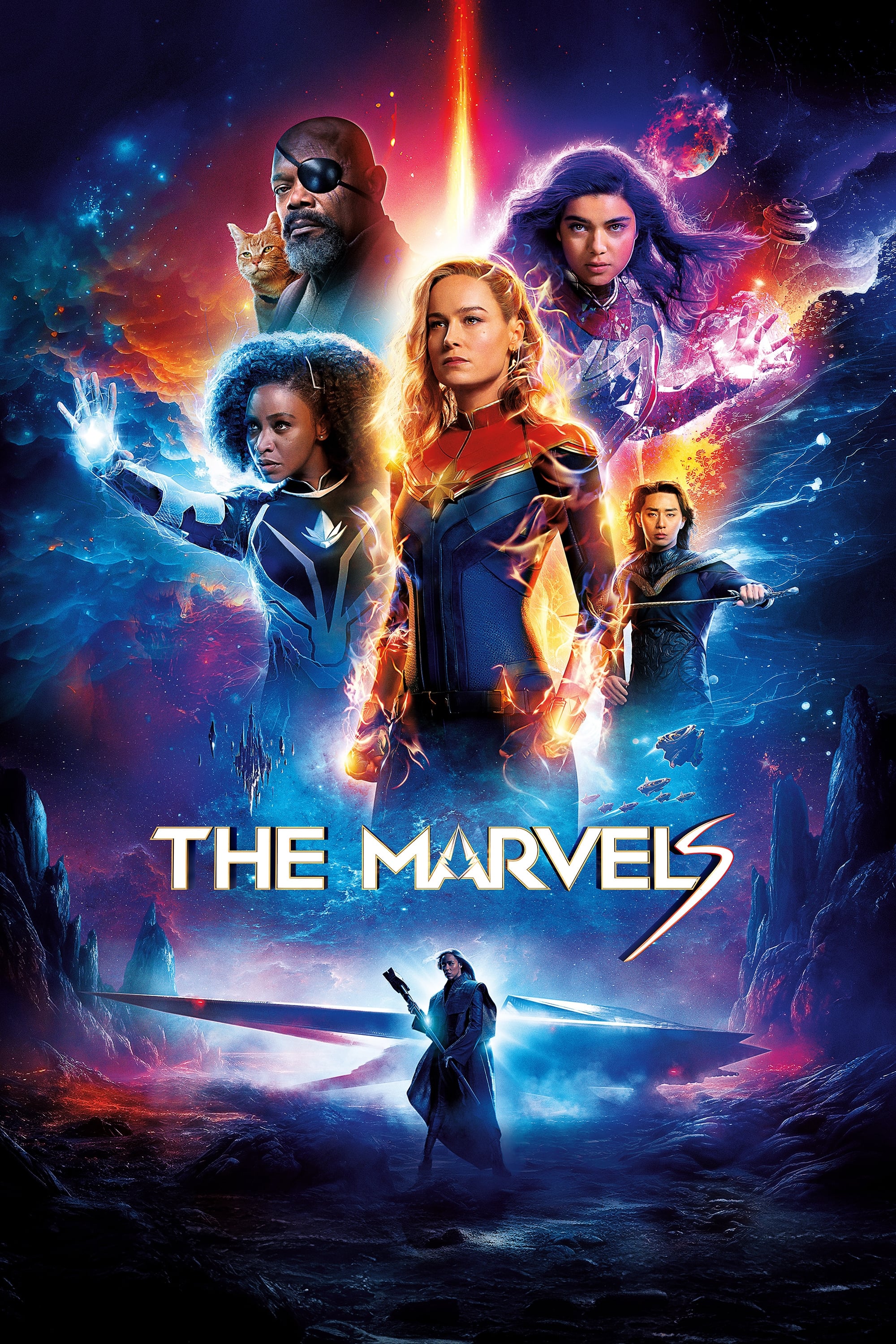
This sequel faced a concentrated effort of review bombing on platforms like IMDb before its official wide release. Trolls targeted the production for featuring three female leads of different ethnic and cultural backgrounds. Arguments often centered on the idea that Marvel was prioritizing a “woke agenda” over quality storytelling. Despite the online vitriol, the film was praised by some for the chemistry between its three lead actresses. The movie’s box office performance was heavily analyzed in the context of this intense online friction.
‘Star Wars: The Last Jedi’ (2017)
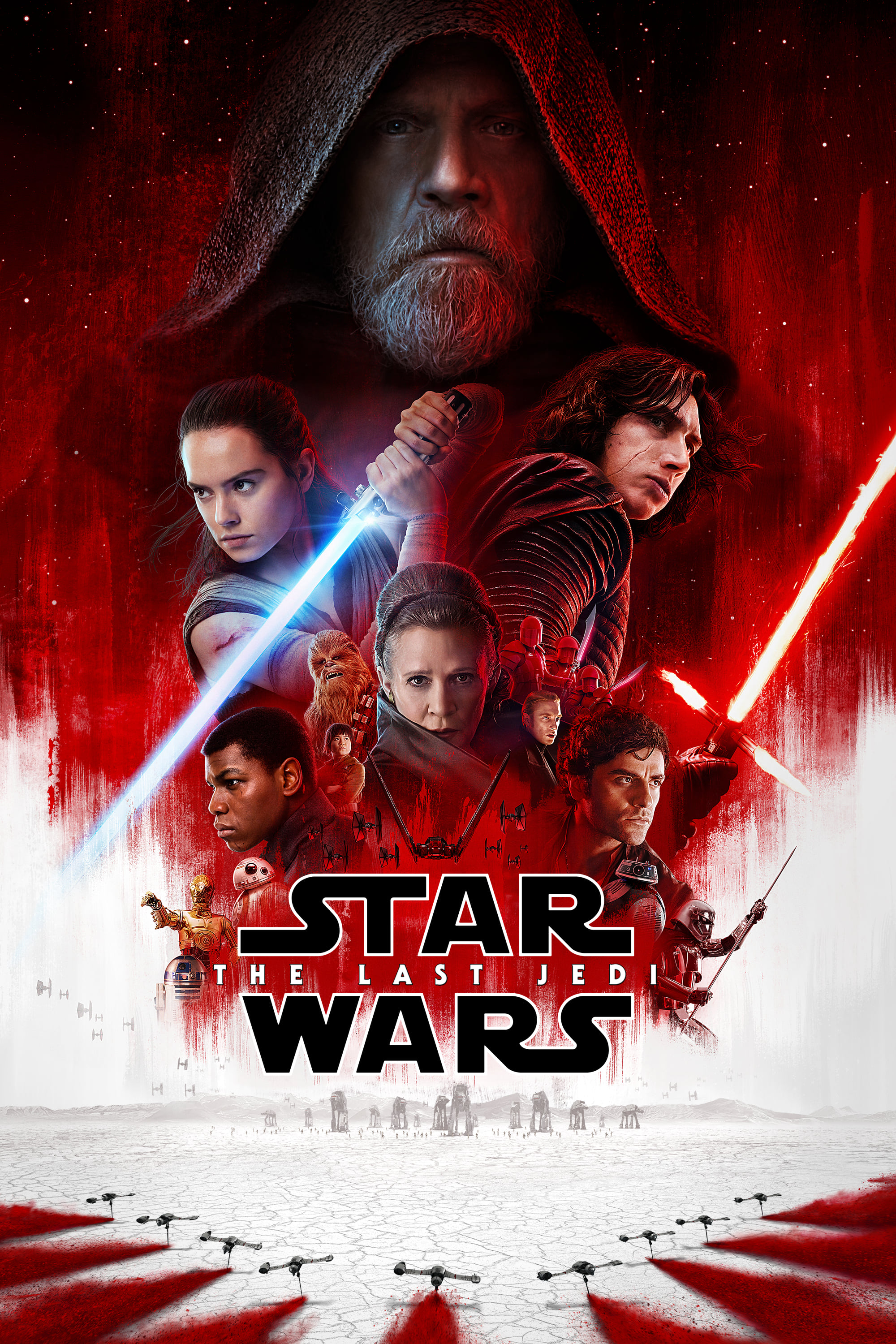
Kelly Marie Tran, who played Rose Tico, was forced off social media due to relentless harassment from internet trolls. The backlash focused on her character’s relevance to the plot and the perceived “woke” direction of the legendary franchise. Director Rian Johnson stood by the casting and the character’s journey throughout the film. This installment remains one of the most divisive entries in the ‘Star Wars’ saga history. The harassment of the cast led to wider discussions regarding toxicity within various online fandoms.
‘Lightyear’ (2022)
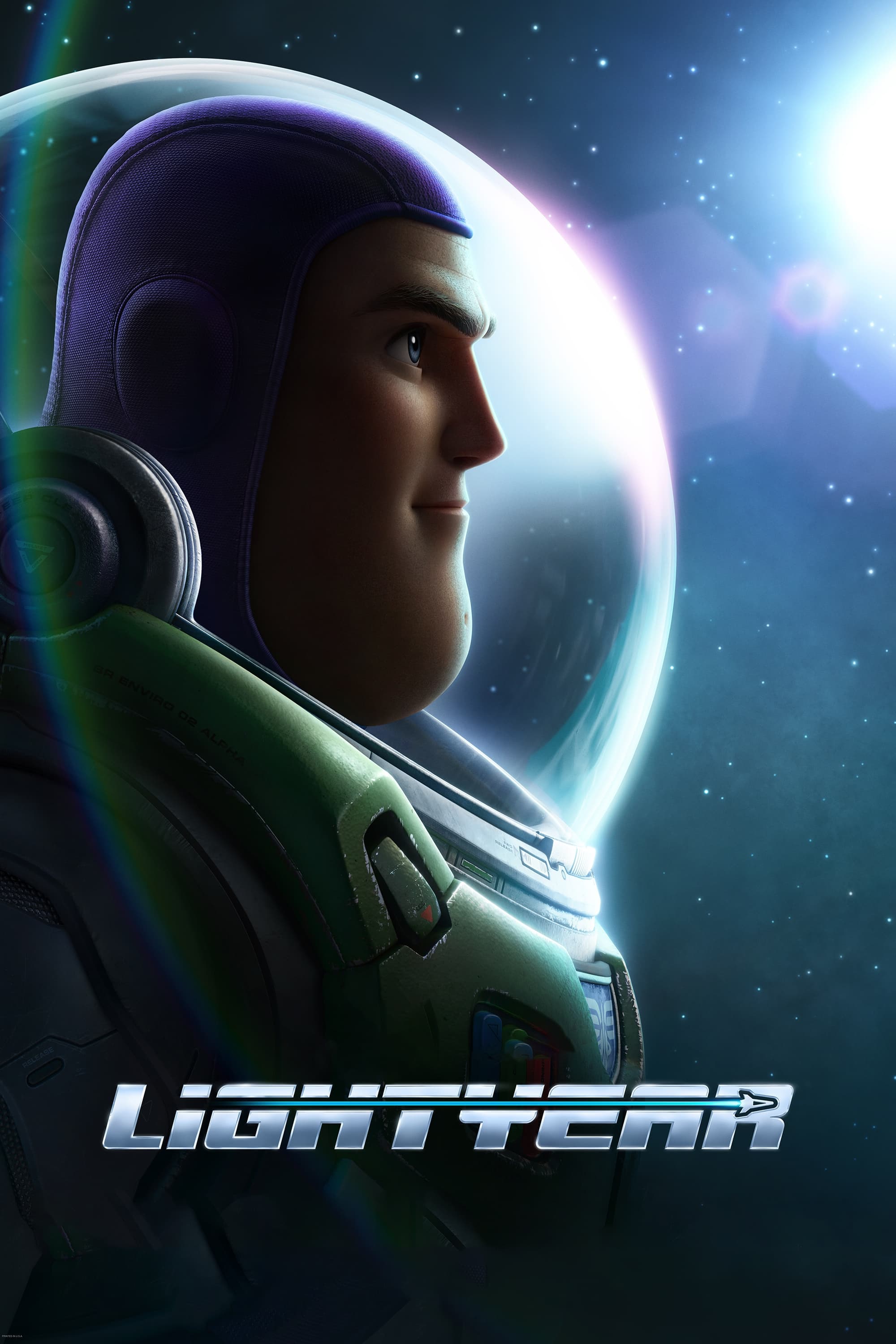
A brief scene showing a same-sex kiss between two female characters led to a coordinated campaign against ‘Lightyear’. Trolls argued that Pixar was pushing an adult political agenda into a movie designed for children. The film was eventually banned in several countries, which amplified the online discussion regarding its content. Filmmakers defended the scene as a natural and brief depiction of the character’s life and relationships. The film’s lower-than-expected box office returns were frequently blamed on this controversy by online detractors.
‘Strange World’ (2022)
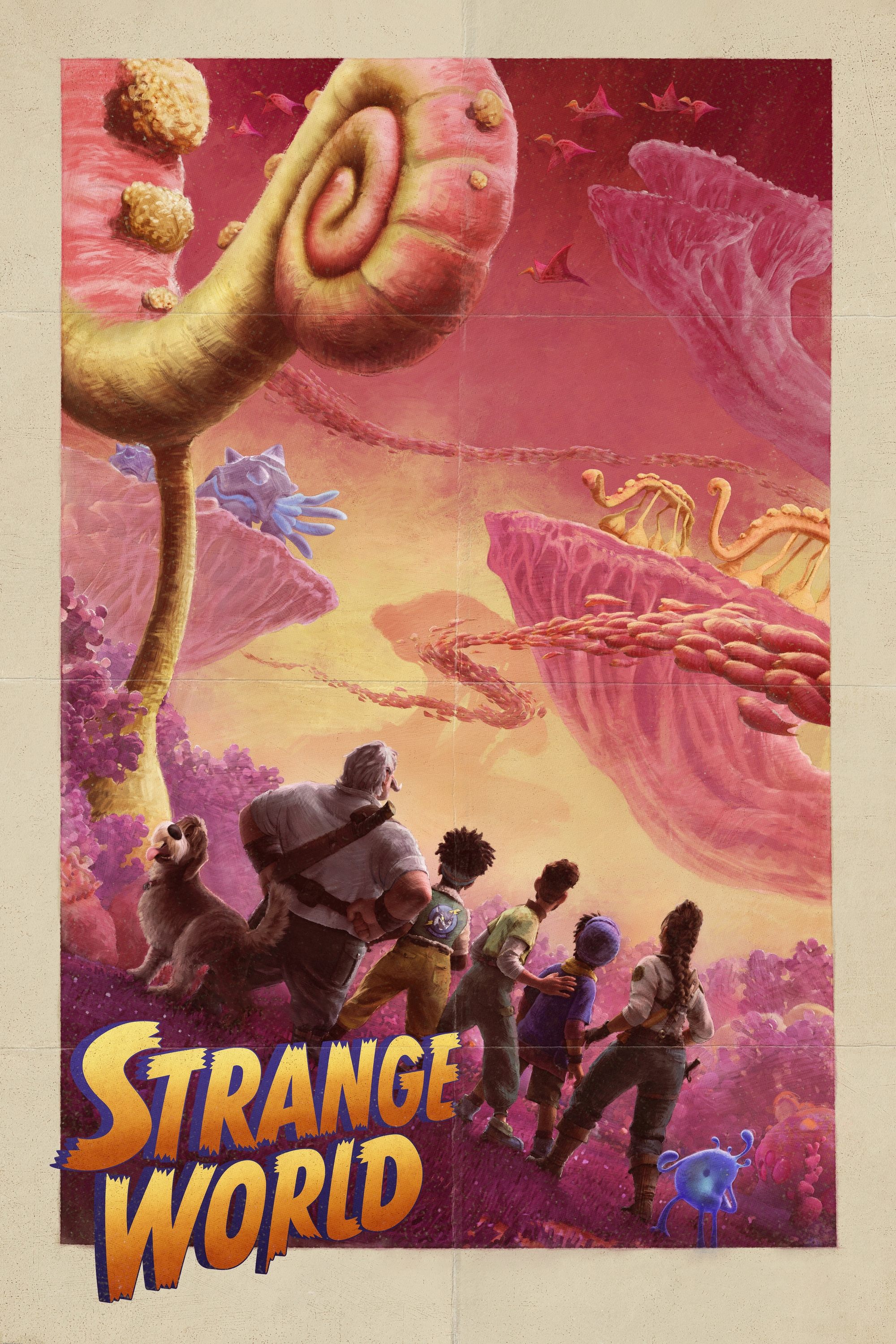
Disney’s ‘Strange World’ featured the studio’s first openly gay teenage lead character, which sparked immediate online pushback. Critics claimed the inclusion of a queer romance was “forced diversity” that alienated traditional family audiences. The film suffered significantly at the box office, a fact that trolls used as evidence that audiences reject such inclusive themes. The creators maintained that the character’s identity was just one facet of the larger adventure story. It has since become a focal point in debates regarding Disney’s creative direction.
‘Eternals’ (2021)
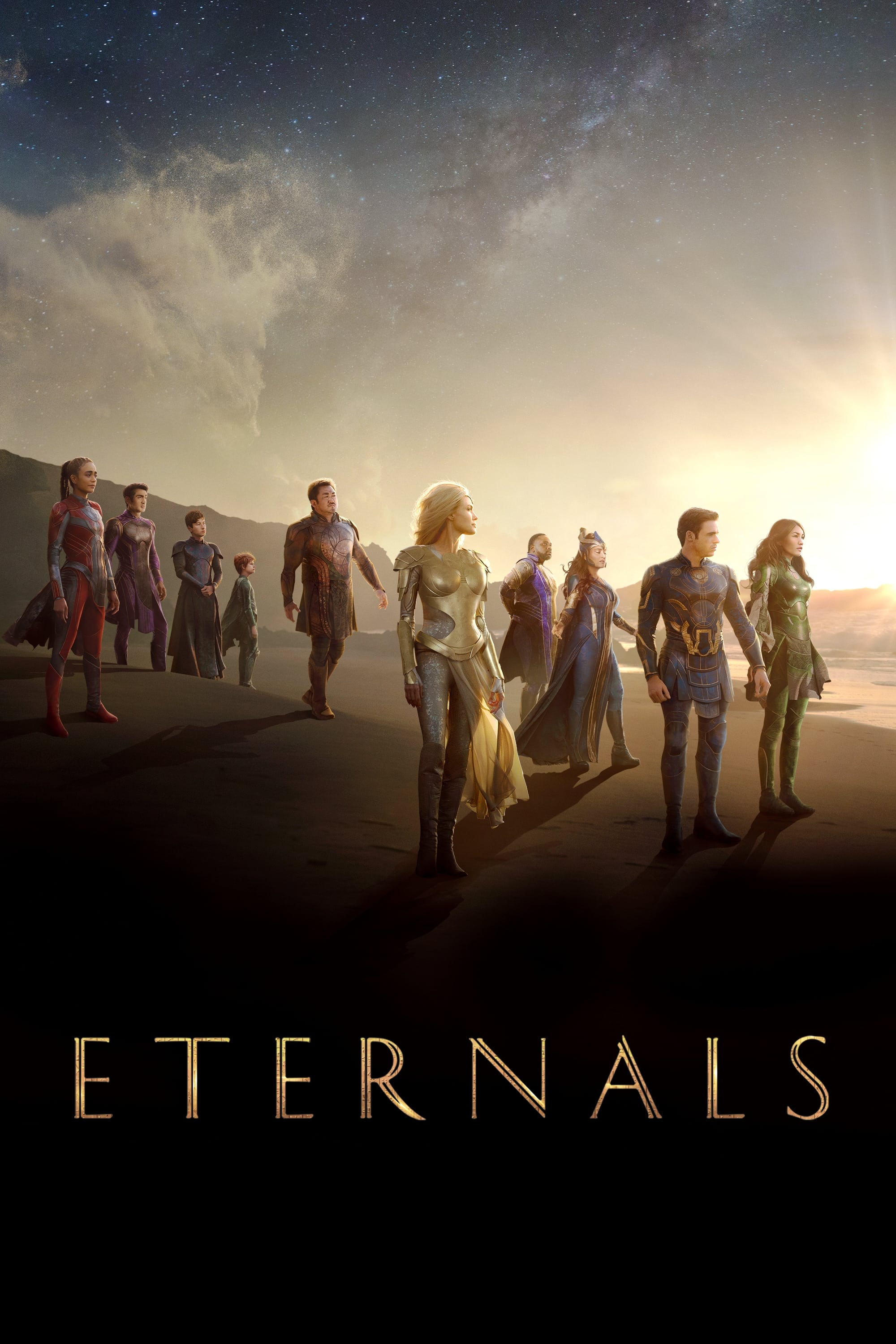
‘Eternals’ introduced a diverse ensemble that included the MCU’s first deaf superhero and first gay superhero. It was review-bombed on IMDb prior to release by users complaining about “forced representation” and “woke” themes. Director Chloé Zhao aimed to create a cast that looked like the real world to reflect the characters’ long history on Earth. While some fans appreciated the inclusivity, a vocal minority claimed the diversity distracted from the narrative. The film remains one of the more polarizing entries in the Marvel Cinematic Universe.
‘The Dark Tower’ (2017)
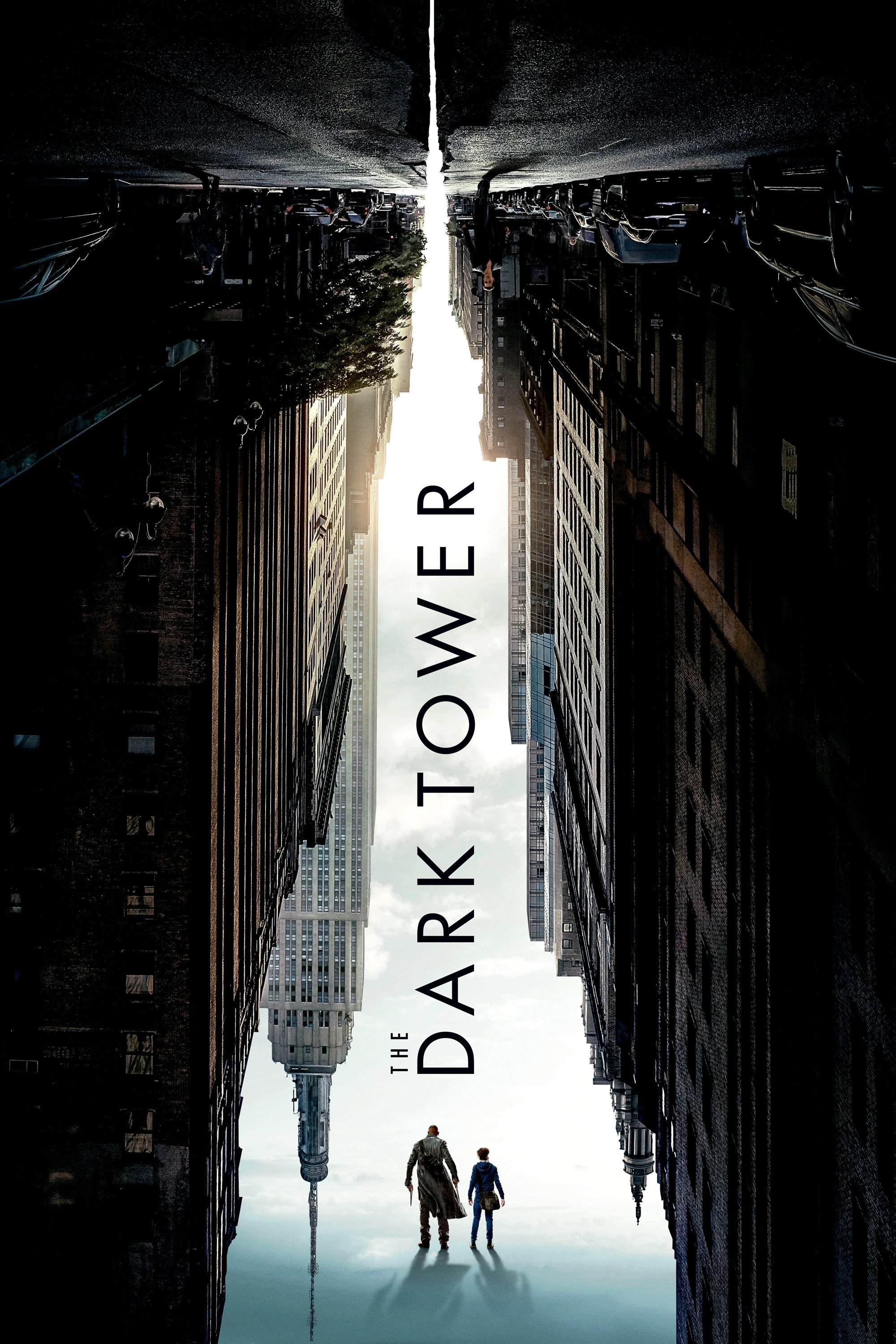
When Idris Elba was cast as Roland Deschain, some fans of the original Stephen King novels voiced strong opposition. They argued that the character’s physical appearance was integral to his relationship with other characters in the book series. Stephen King publicly endorsed the casting, noting that the character’s skill and temperament were more important than race. Trolls frequently cited the change as evidence of Hollywood prioritizing diversity over source material fidelity. The film’s reception was further hampered by script and pacing issues unrelated to the cast.
‘Cinderella’ (2021)
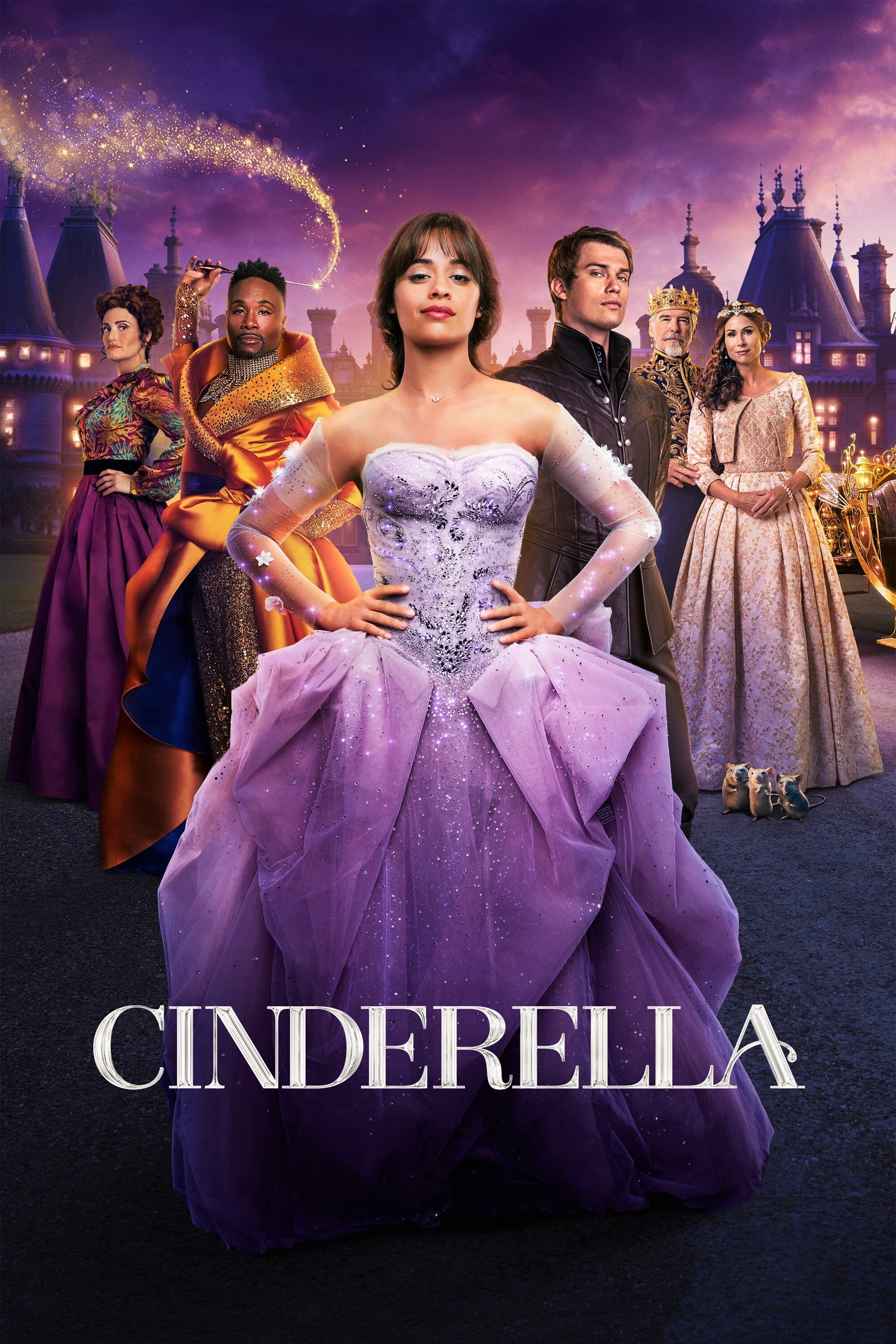
Billy Porter’s portrayal of the “Fab G,” a genderless fairy godparent, was a major point of contention for internet trolls. Detractors labeled the casting as “woke” and unnecessary for a classic fairy tale adaptation. Porter defended the role as a way to show children that magic has no gender and that everyone is represented. The film, released on Amazon Prime, featured a modern pop-soundtrack and a diverse ensemble cast. It remains a polarizing modern take on the classic ‘Cinderella’ story.
‘Ocean’s Eight’ (2018)
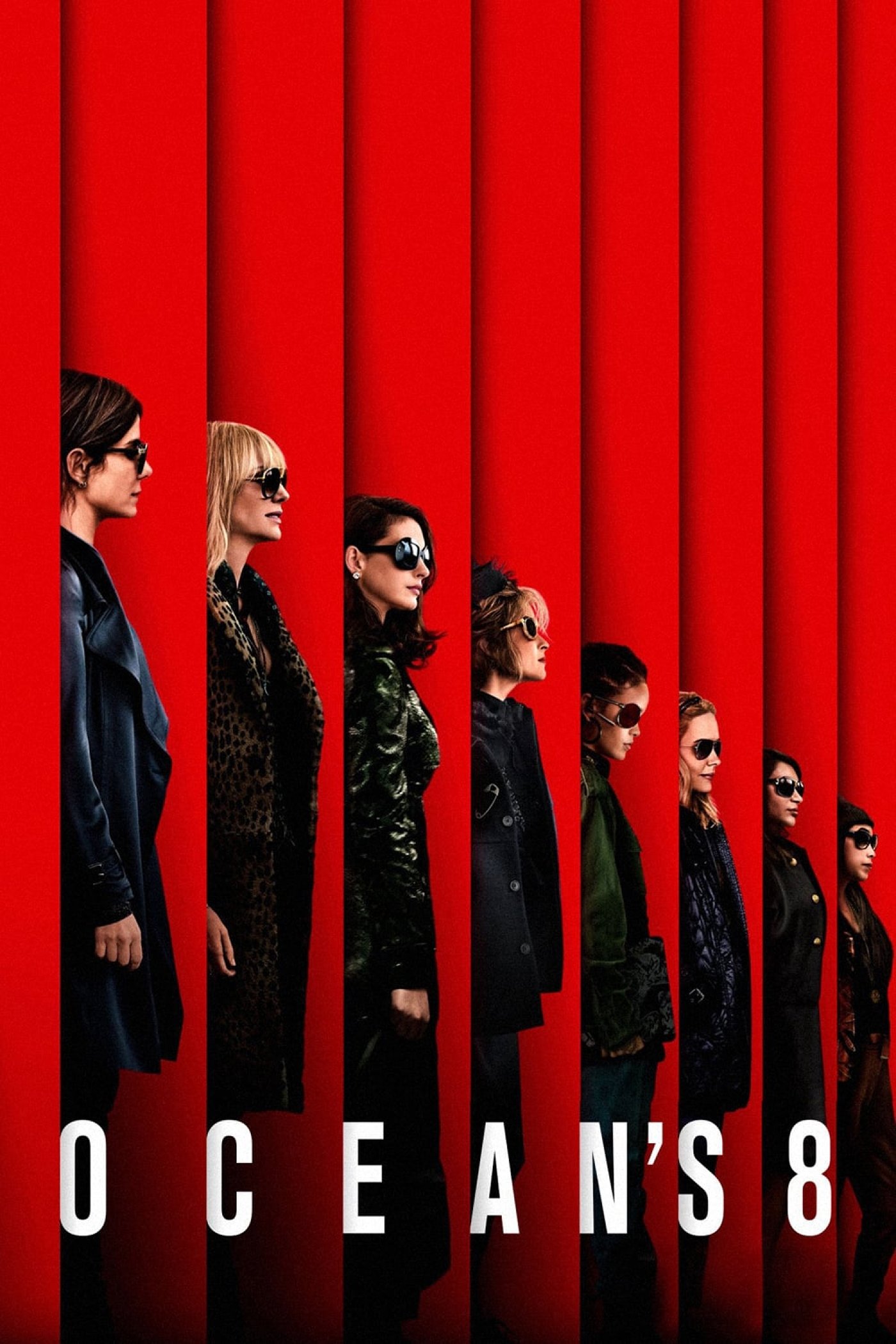
Like the 2016 ‘Ghostbusters’, this film was criticized for replacing an established male-led franchise with an all-female team. Online critics argued that the “gender-flip” was a lazy Hollywood trend rather than an inspired creative choice. The cast, led by Sandra Bullock and Cate Blanchett, largely ignored the trolls to focus on the heist genre elements. While it faced negativity during production, the film was a commercial success and found a substantial audience. It highlighted the ongoing debate regarding female-led reboots of existing properties.
‘Beauty and the Beast’ (2017)
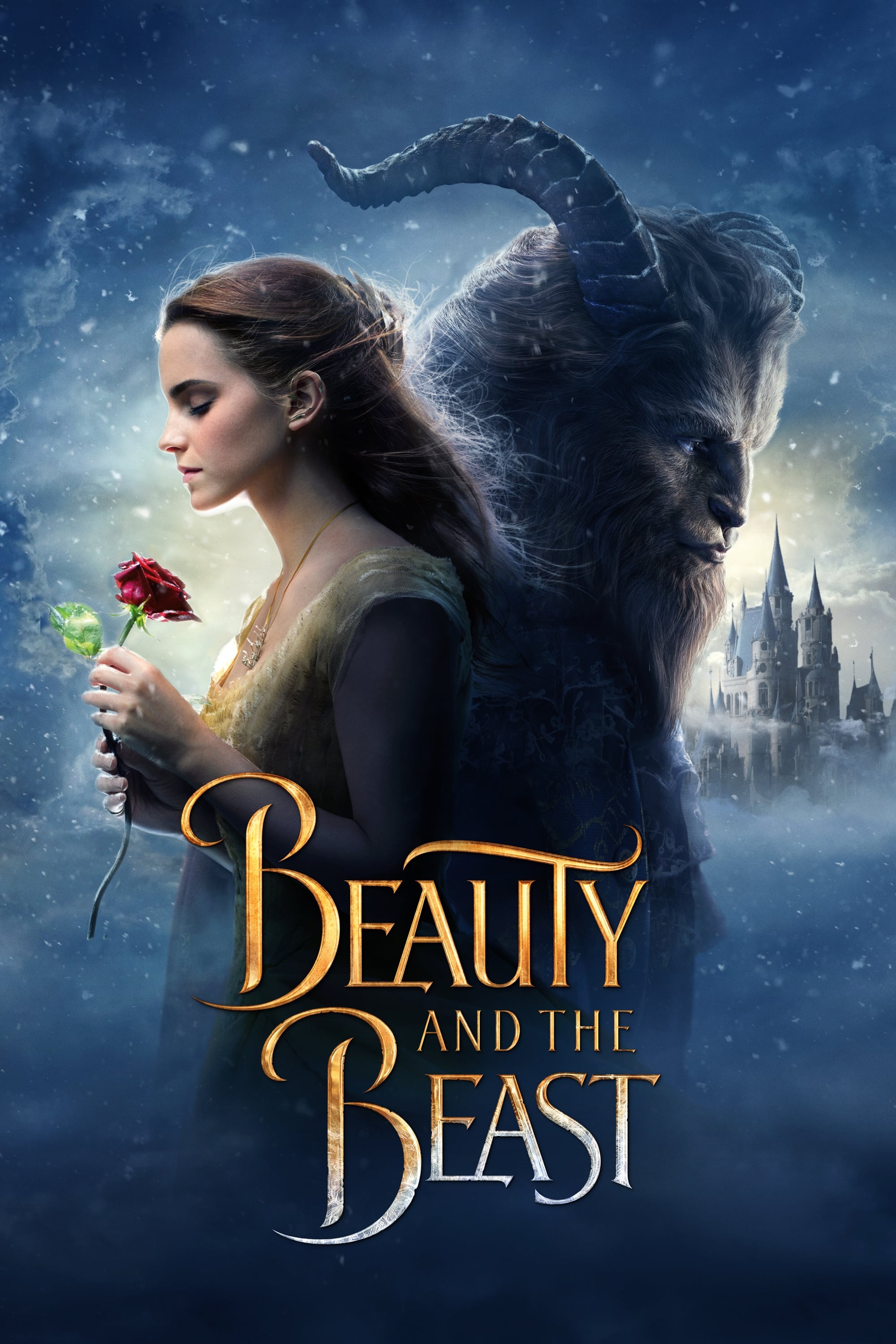
Director Bill Condon’s reveal of an “exclusively gay moment” for the character LeFou caused a massive online uproar. Internet trolls and certain activist groups called for a boycott of the live-action remake before it even debuted. The scene in question was relatively brief, yet it sparked weeks of international headlines and debate. Disney stood by the creative choice, and the film eventually surpassed one billion dollars worldwide. This incident showed how even minor inclusive details could trigger significant online backlash.
‘Turning Red’ (2022)
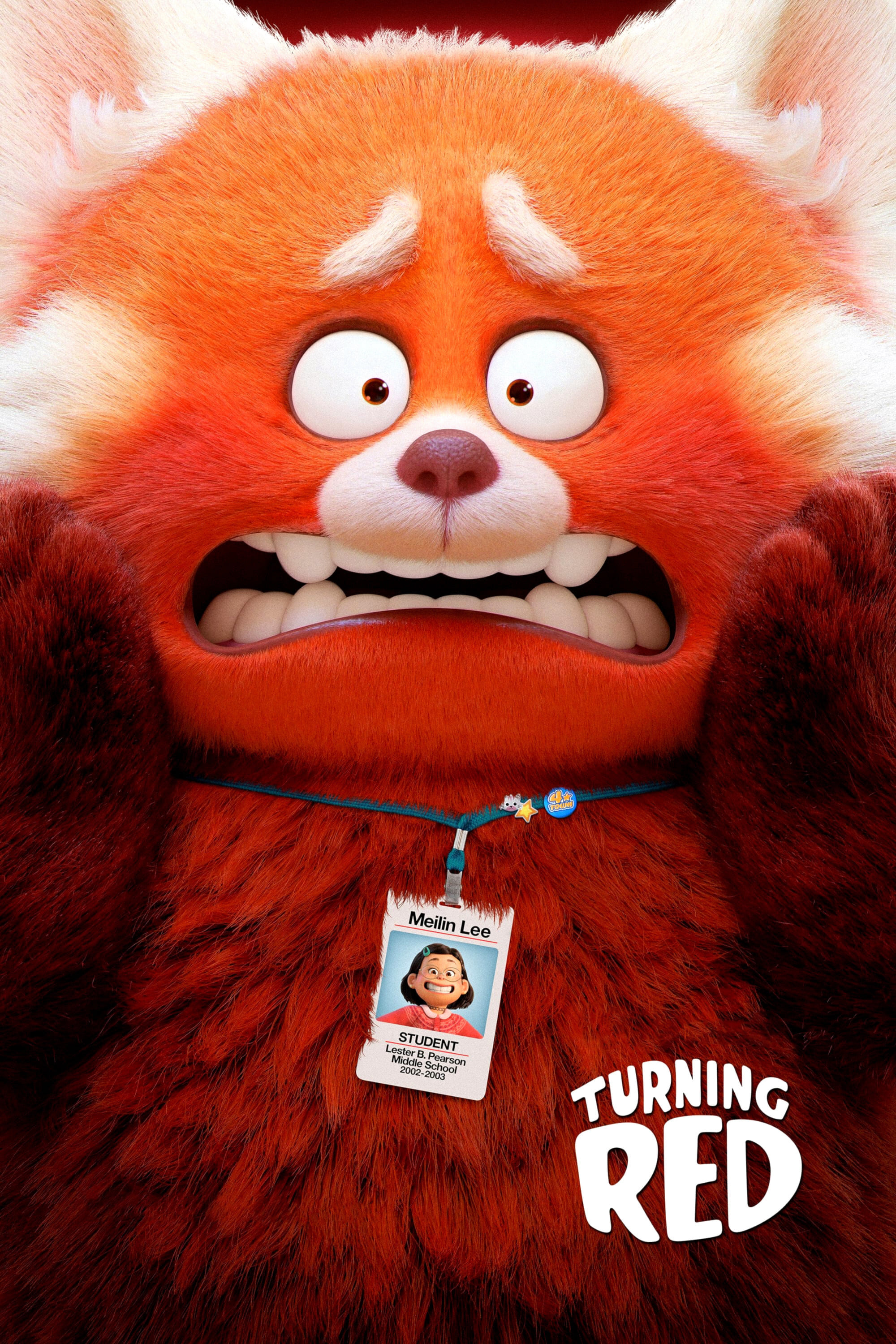
While not solely about casting, the film’s focus on a young Chinese-Canadian girl’s experience was met with hostility from some online reviewers. One controversial review claimed the film was “unrelatable” because of its specific cultural and biological focus on puberty. Trolls picked up on this sentiment, attacking the film for being part of an “inclusive agenda” at Pixar. Despite this, ‘Turning Red’ was a massive hit on Disney+ and was praised for its authentic storytelling. It remains a beloved film among its target demographic despite the initial noise.
‘Black Panther’ (2018)
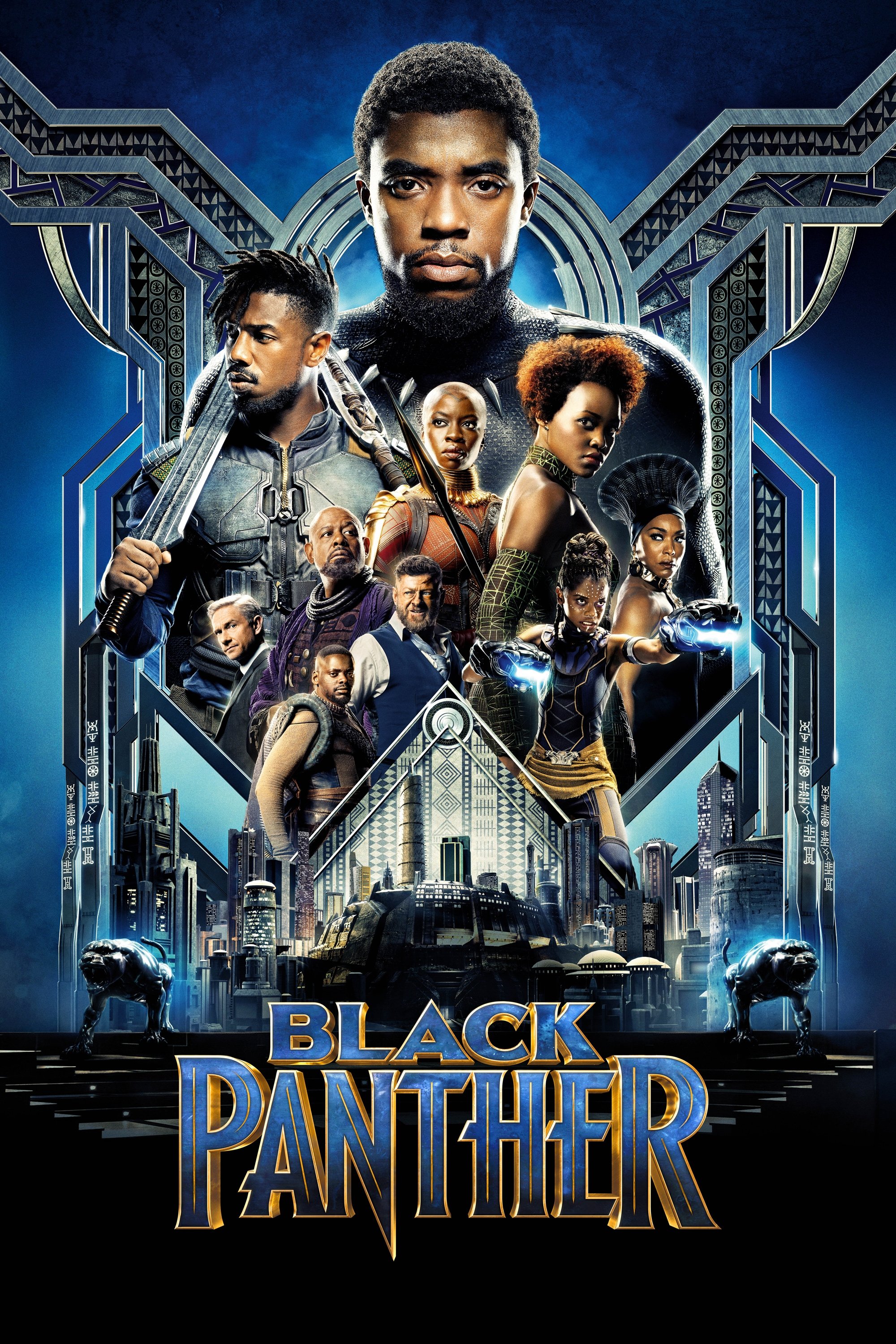
Before its release, certain groups on social media attempted to organize campaigns to lower the film’s audience score on Rotten Tomatoes. Trolls argued that ‘Black Panther’ was being unfairly elevated by the media because of its predominantly Black cast. Marvel fans and critics responded by giving the film overwhelming praise for its cultural significance and world-building. It became a cultural phenomenon and was the first superhero movie to be nominated for Best Picture. The film’s success served as a major counter-argument to the “get woke, go broke” narrative.
‘Bros’ (2022)
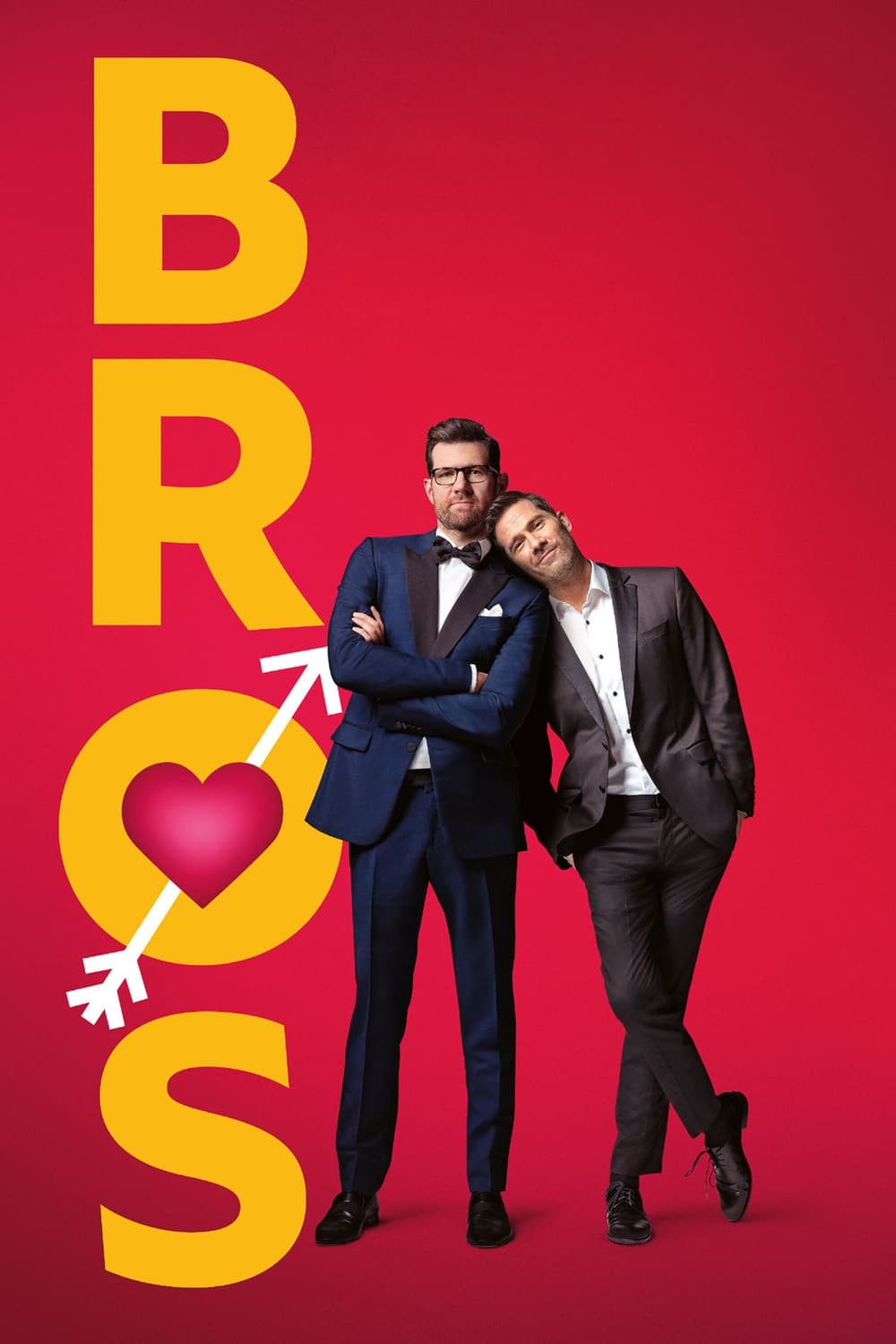
As the first gay romantic comedy from a major studio with an all-LGBTQ+ principal cast, ‘Bros’ became an easy target for trolls. Critics online labeled it as “niche” and argued that the marketing was too focused on the cast’s identity. When the film underperformed at the box office, star Billy Eichner noted that straight audiences in certain regions were not showing up. Trolls used these box office numbers to mock the film’s inclusive strategy and thematic focus. The film has since been discussed as a case study in marketing diverse content to broad audiences.
‘The Woman King’ (2022)
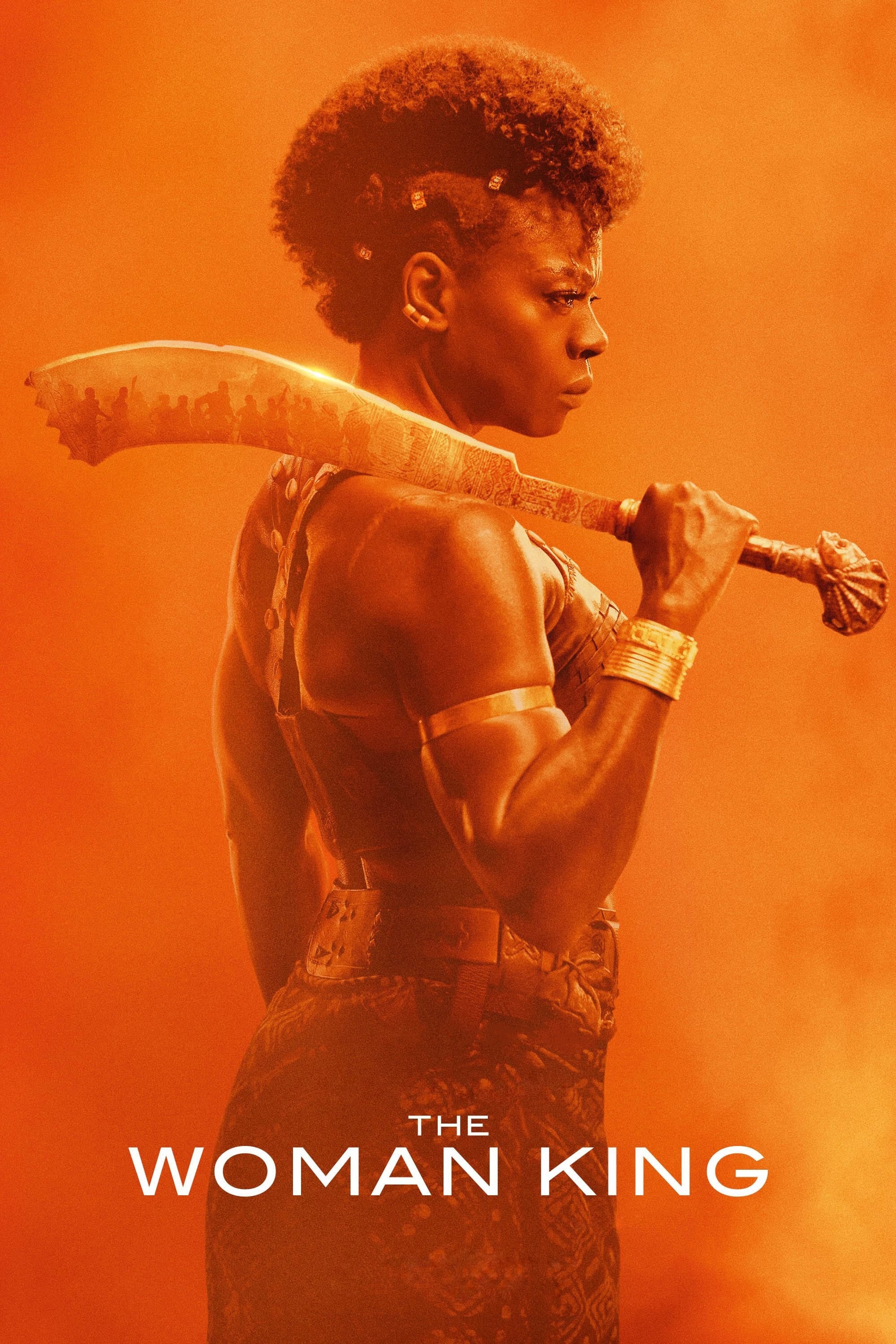
The film faced a boycott campaign on social media platforms due to its casting and portrayal of the Agojie warriors. Critics argued that the production glossed over the Dahomey kingdom’s historical involvement in the transatlantic slave trade. While some concerns were raised by historians, internet trolls used the discourse to attack the film’s focus on Black female empowerment. Director Gina Prince-Bythewood defended the project as a necessary exploration of a complex and heroic history. The movie ultimately received critical acclaim for its performances and direction.
‘Men in Black: International’ (2019)
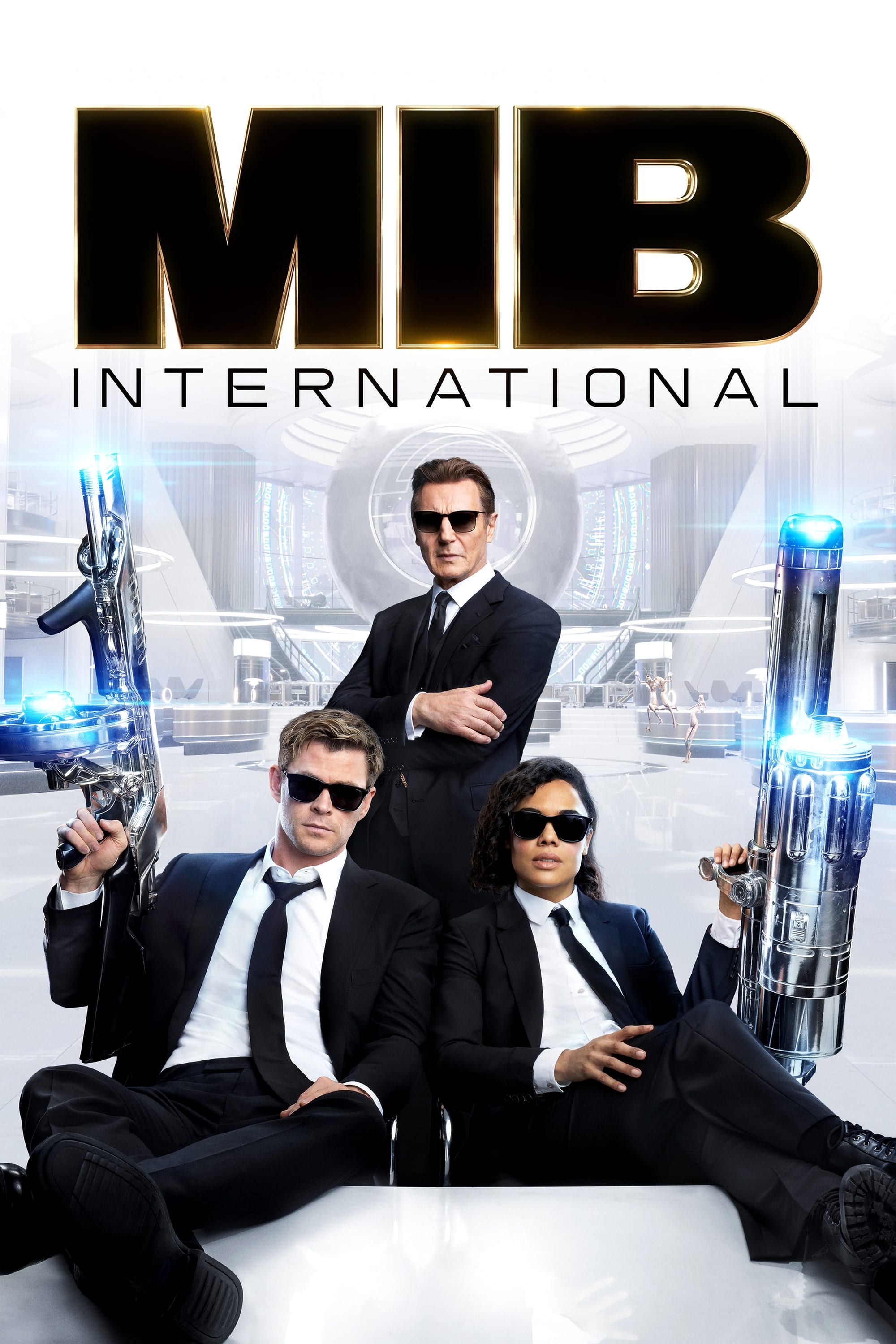
This soft reboot introduced Tessa Thompson as the first female lead in the franchise’s cinematic history. Online commentators labeled the film as an example of “forced diversity” and criticized the shift away from the original Will Smith and Tommy Lee Jones duo. Trolls argued that the “Men” in the title made a female lead conceptually inconsistent with the brand. The production attempted to modernize the brand while maintaining the established sci-fi aesthetic of the previous films. Despite the inclusion of Chris Hemsworth, the film struggled to replicate the success of the original trilogy.
‘The Craft: Legacy’ (2020)
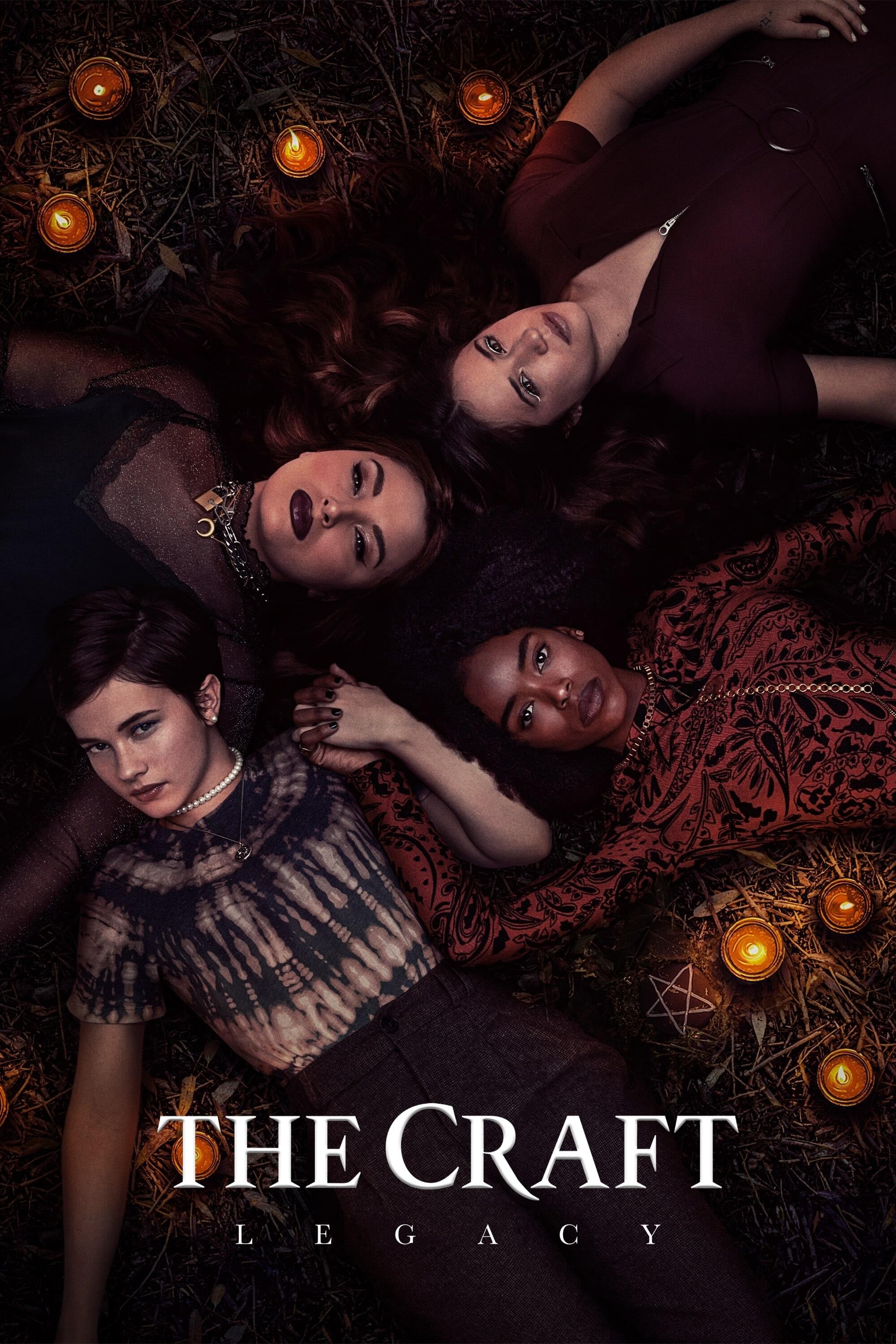
This continuation of the 1996 cult classic features a diverse group of four young witches, including a transgender character played by Zoey Luna. Internet trolls targeted the film for its inclusive approach, claiming it strayed too far from the original’s specific aesthetic. Critics online often dismissed the movie as “performative” or overly focused on modern social justice themes. The production sought to update the themes of female empowerment and sisterhood for a new generation of viewers. Despite the controversy, the film was noted for its attempt to broaden the scope of the supernatural genre.
‘Snake Eyes: G.I. Joe Origins’ (2021)
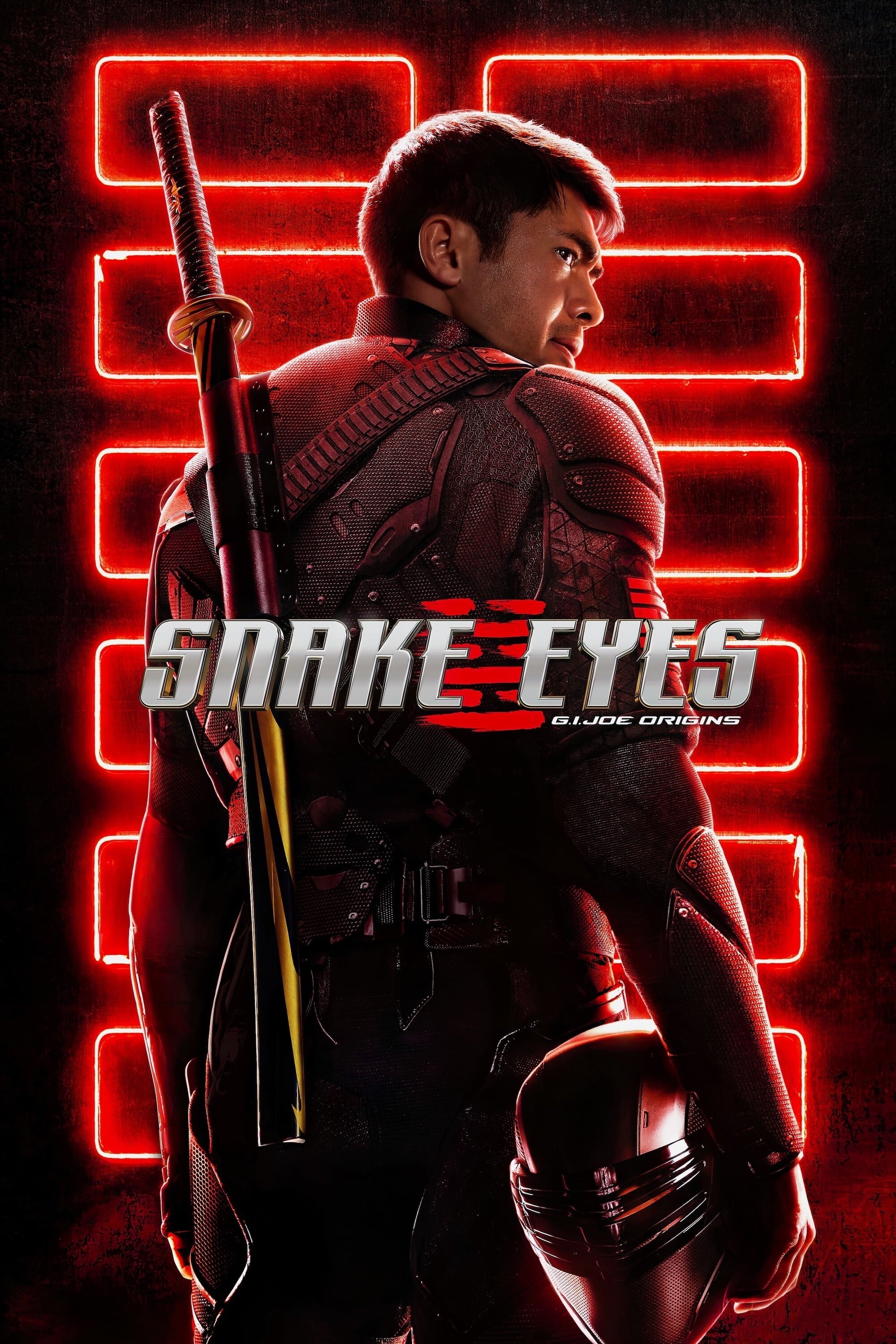
The casting of Henry Golding as the titular G.I. Joe character sparked debate among certain segments of the vocal fanbase. While many celebrated the casting of an actor of Asian descent, others argued the character was traditionally depicted as white in the comics. Trolls used the casting to criticize the film’s departure from established lore, labeling the change as unnecessary. The filmmakers argued that Golding’s heritage brought a new layer of depth to the character’s origins and training in Japan. The movie failed to spark a franchise revival amid the surrounding online discourse and mixed reviews.
Tell us which of these casting choices you think caused the most unnecessary controversy in the comments.