Hollywood Actresses Who Challenged Unrealistic Beauty Standards and Lost Roles


The entertainment industry has long been criticized for enforcing narrow and often unattainable beauty standards on women. Many talented actresses have faced direct rejection or lost significant opportunities because they did not fit a specific physical mold regarding weight, age, or facial features. By speaking out against these experiences, these women have highlighted the systemic pressures that prioritize appearance over acting ability. The following list features actresses who stood their ground against these standards, often at the cost of their roles.
Meryl Streep
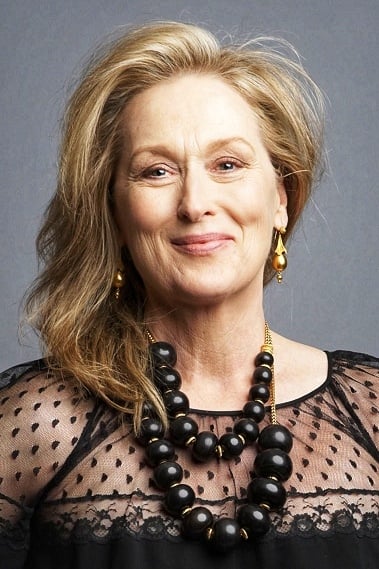
During an audition for the 1976 film ‘King Kong’, producer Dino De Laurentiis commented in Italian that the actress was too ugly for the part. Streep, who understood the language, responded by telling him she was sorry she was not beautiful enough to be in his film. This early rejection did not deter her from pursuing a career that eventually earned her three Academy Awards. She has since become a vocal advocate against the industry’s narrow focus on physical appearance.
Mindy Kaling

The creator and star of ‘The Mindy Project’ was once told by a production company that she was not attractive enough to play herself in a sketch show she had written. Despite the rejection of the pilot based on her looks, she continued to develop her own content and unique voice in Hollywood. Kaling has often spoken about the pressures of fitting into a specific body type while working in a competitive industry. Her success as a writer and actress serves as a direct challenge to the feedback she received early in her career.
Winona Ryder
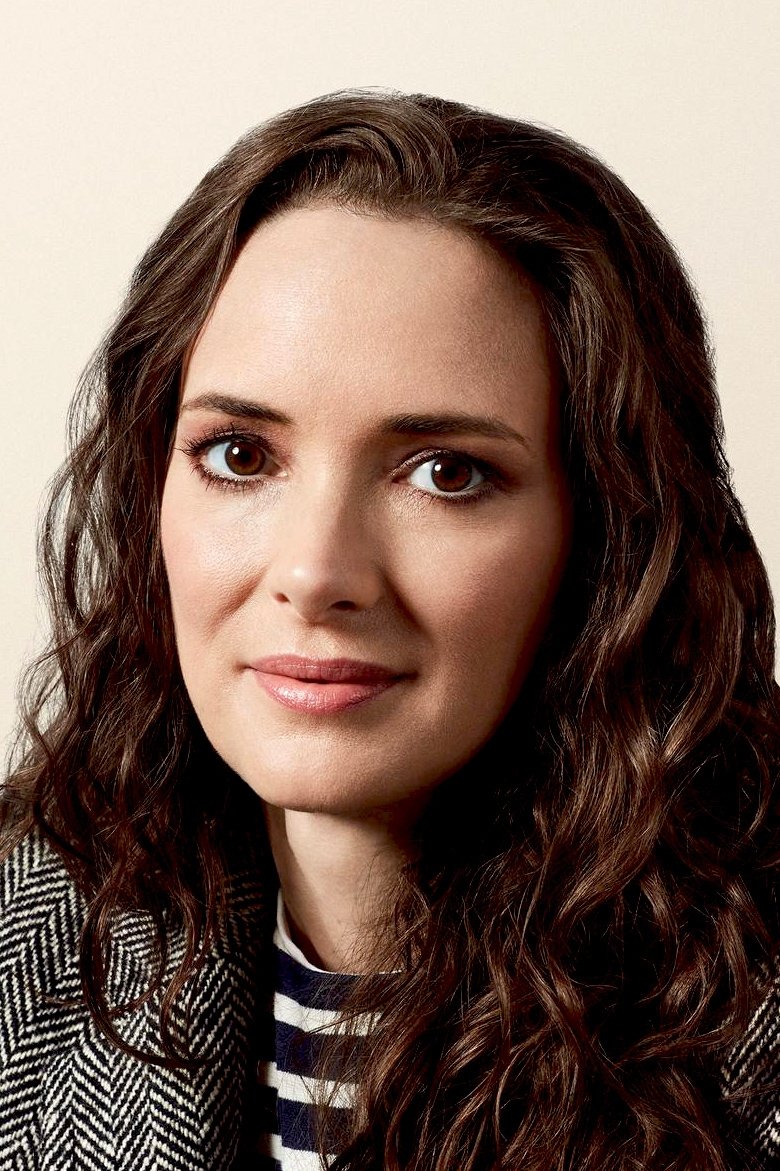
In the early stages of her career, a casting director stopped the actress mid-sentence during an audition to tell her she should not be an actress. The director advised her to go back to where she came from and attend school because she lacked the necessary beauty for the screen. Ryder ignored this advice and went on to star in iconic films such as ‘Beetlejuice’ and ‘Edward Scissorhands’. She has frequently discussed how these early comments influenced her perception of the industry’s beauty standards.
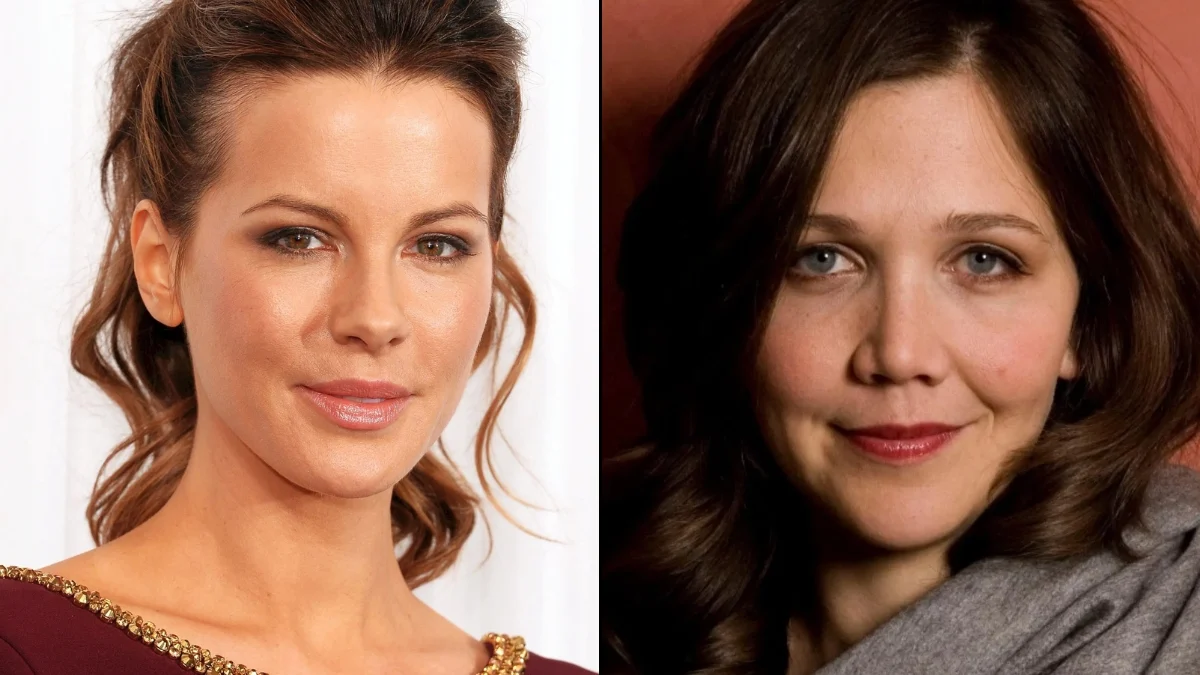
Maggie Gyllenhaal
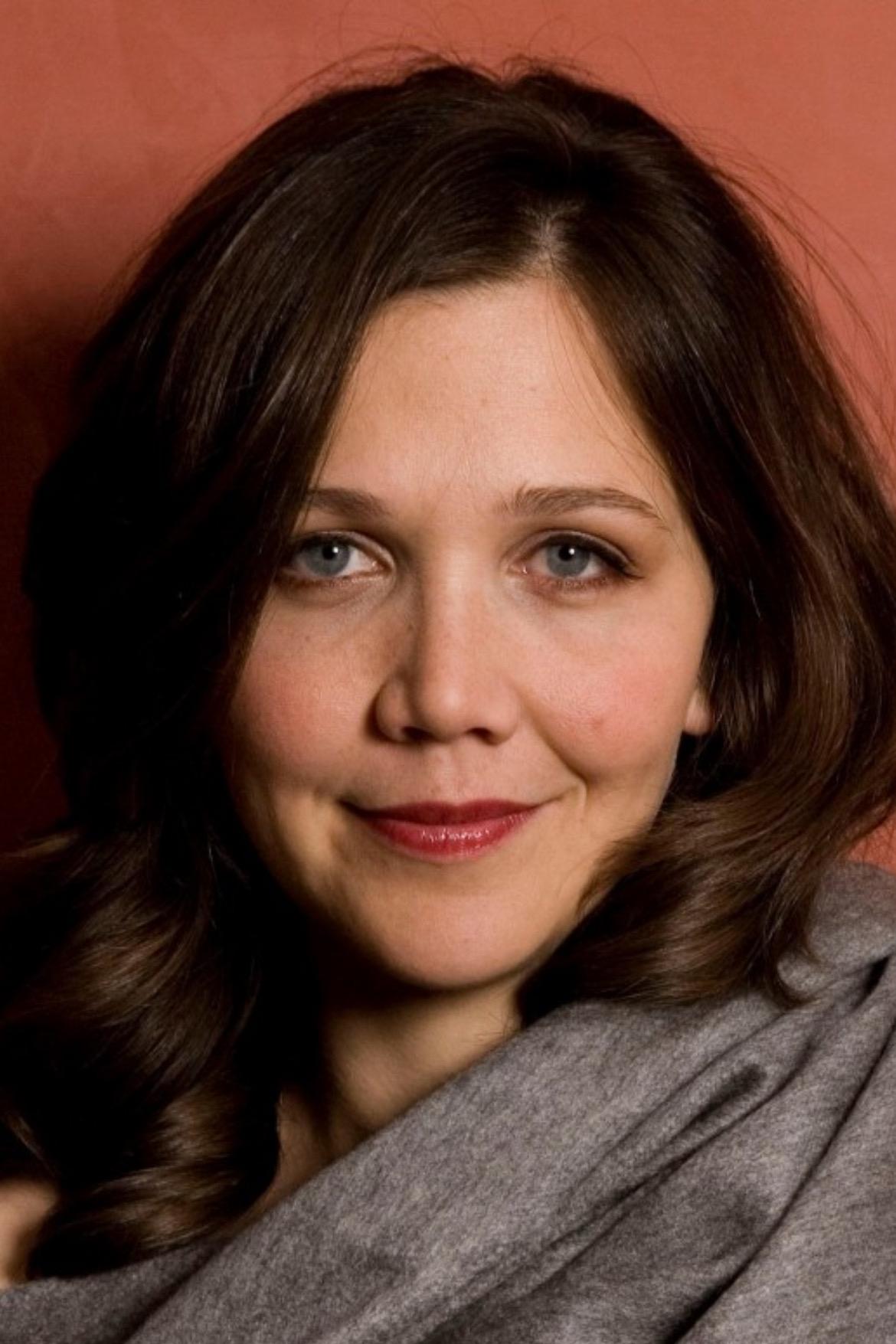
At the age of 37, the actress was informed by a producer that she was considered too old to play the love interest of a 55-year-old male character. This incident highlighted the significant age gap discrepancies and double standards prevalent in film casting processes. Gyllenhaal chose to speak publicly about the experience to bring awareness to how Hollywood treats aging women differently than men. She continues to advocate for more realistic and diverse representations of women of all ages in cinema.
Florence Pugh
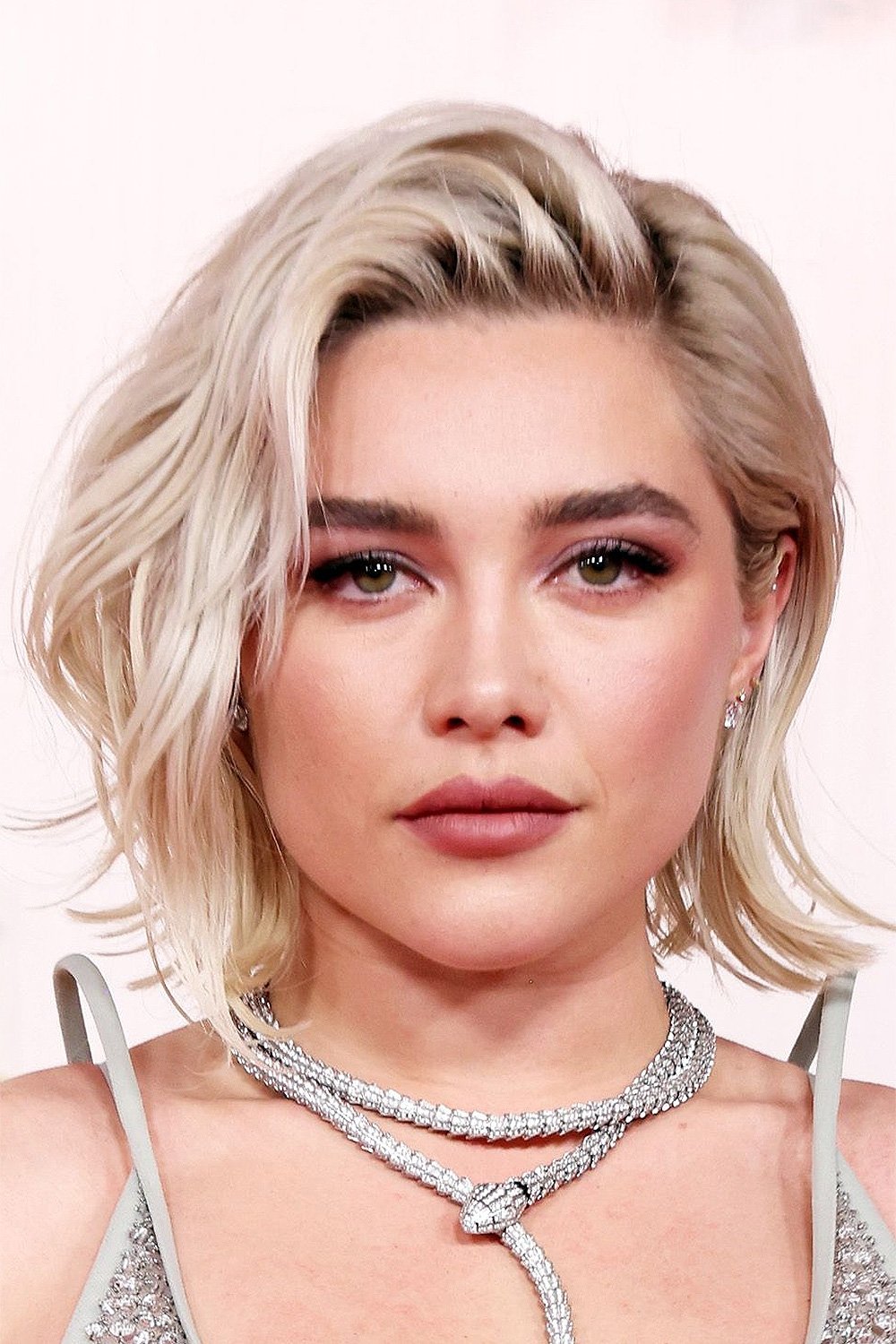
When she moved to Los Angeles for a television pilot, the actress was told she needed to change the shape of her face and lose weight to be successful. She resisted these demands, feeling that the version of herself they wanted was not authentic to who she was as a performer. After the project fell through, she returned to the United Kingdom and focused on roles that celebrated her natural appearance. Pugh has since gained international acclaim for her work in ‘Little Women’ and ‘Don’t Worry Darling’.
Jennifer Lawrence
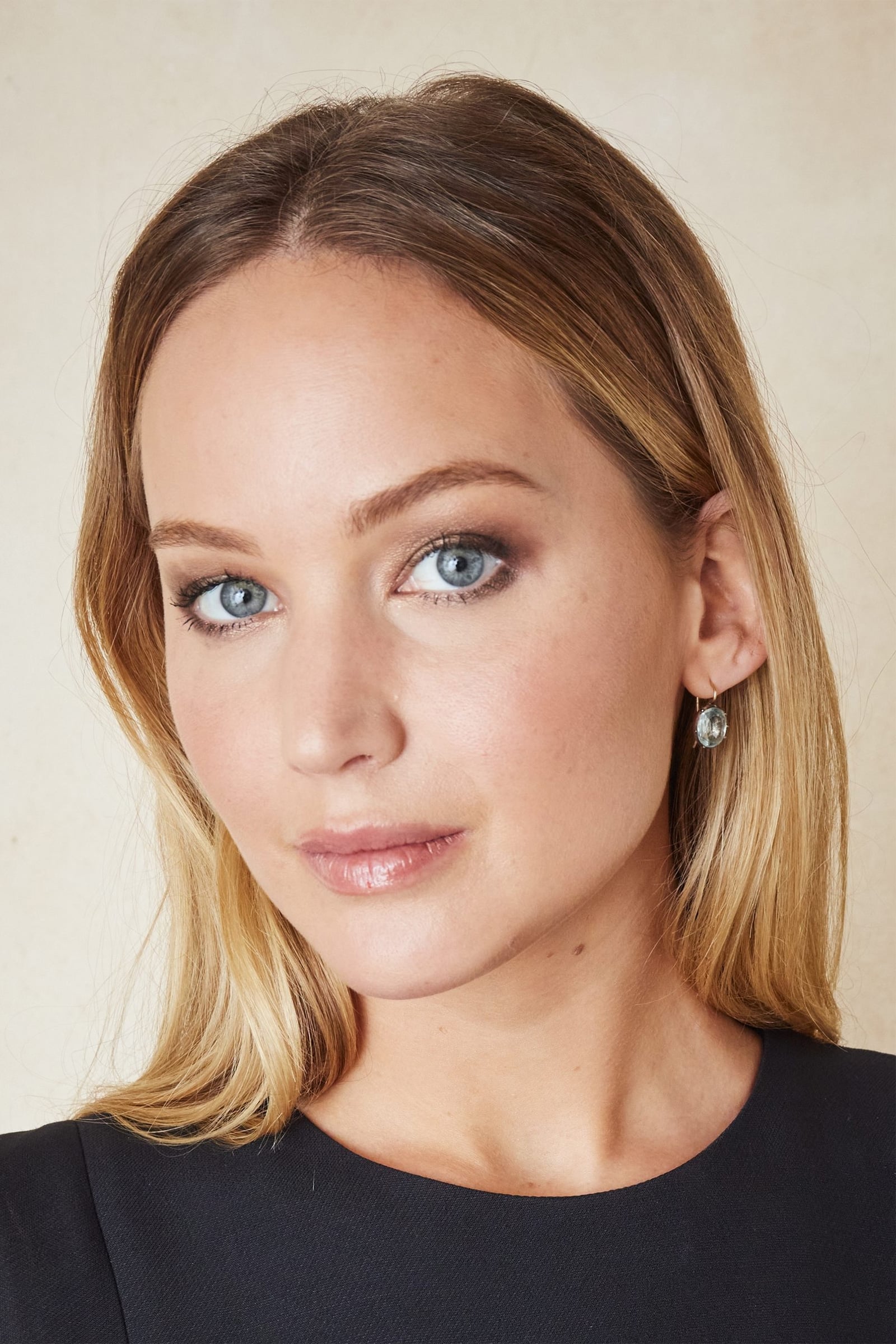
Early in her career, the actress was told she was too fat for Hollywood and was threatened with being fired if she did not lose weight. She famously resisted pressure to slim down for her role as Katniss Everdeen in ‘The Hunger Games’ to avoid setting a poor example for young fans. Lawrence argued that a character living in a survivalist setting should look healthy and strong rather than frail. She has remained firm in her stance against the industry’s diet culture and continues to prioritize her health over aesthetic demands.
Bryce Dallas Howard
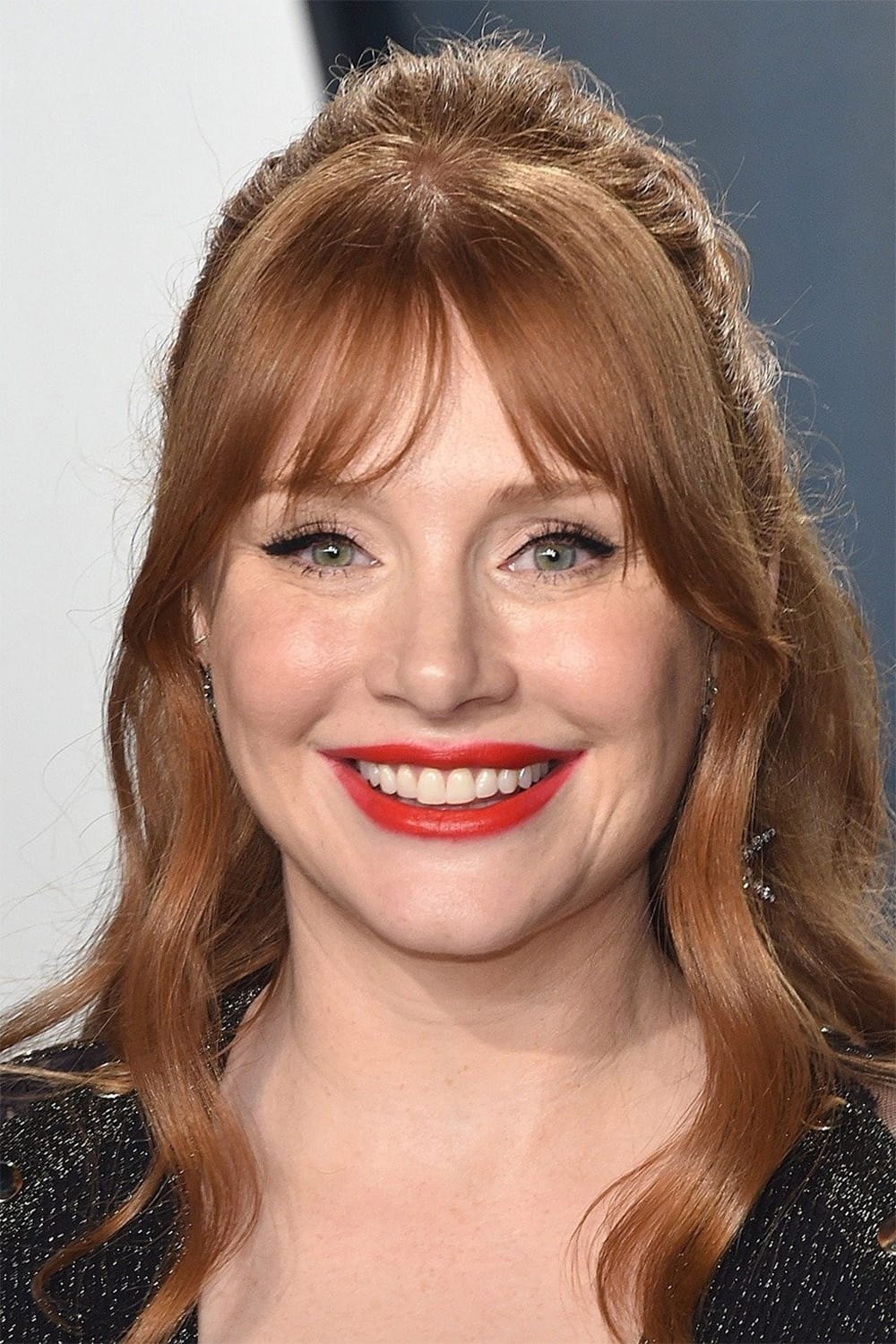
While preparing for ‘Jurassic World Dominion’, the actress faced pressure from executives to lose weight before filming began. Director Colin Trevorrow eventually stepped in to defend her, arguing that there are many different types of women in the world. Howard has expressed gratitude for the support, noting that she has often been asked to use her natural body as a tool for her performances. Her experience sheds light on the ongoing struggles even established stars face regarding body image.
Ashley Benson
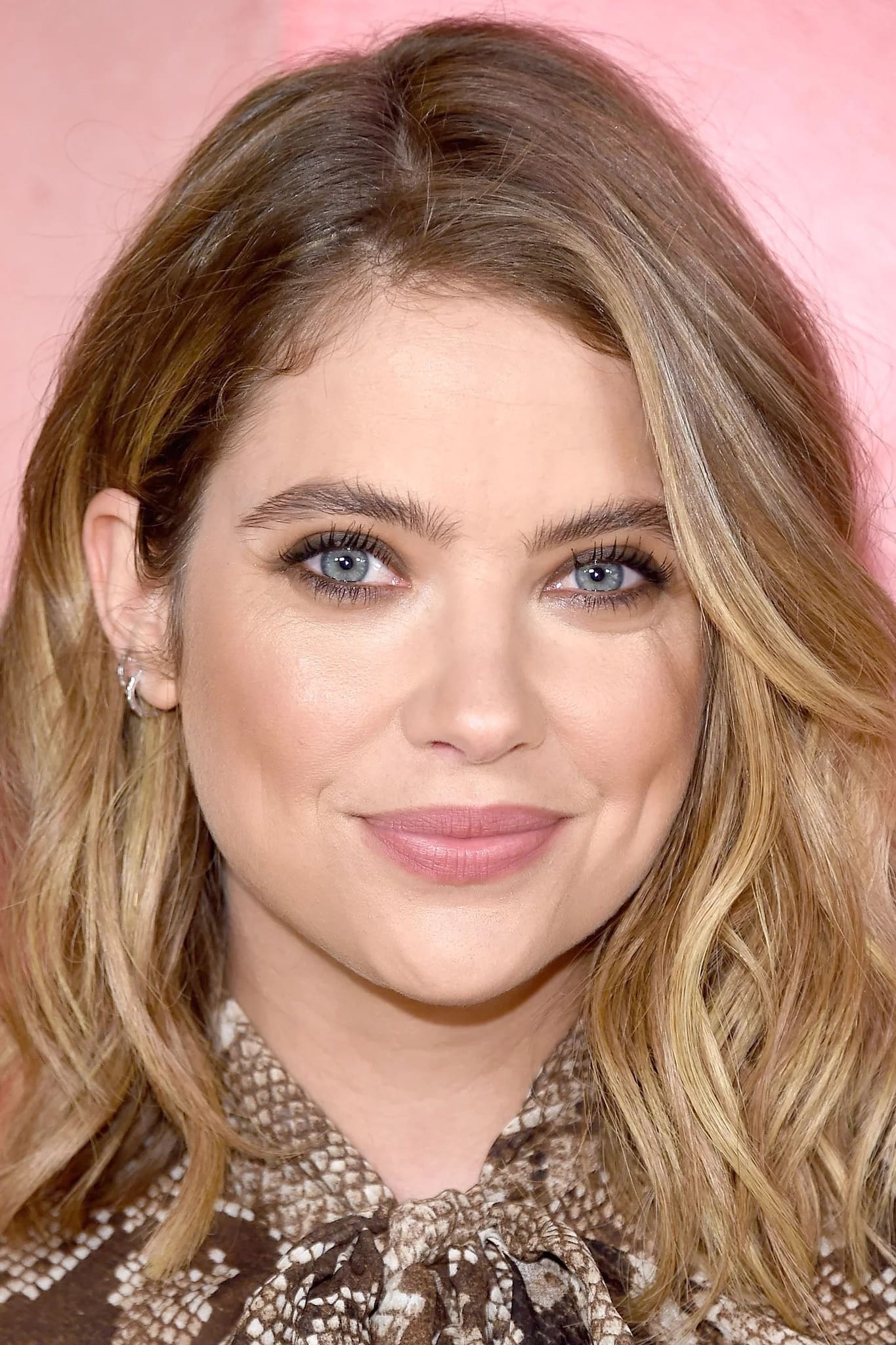
Known for her role in ‘Pretty Little Liars’, the actress revealed she was once told she was too fat for a specific role despite being a U.S. size 2. She described the experience as hurtful, explaining how such comments can lead to serious self-esteem issues in the industry. Benson chose not to conform to the unrealistic expectations and instead focused on maintaining a healthy lifestyle. She has since used her platform to speak out against the toxic nature of body shaming in Hollywood.
Chloë Grace Moretz
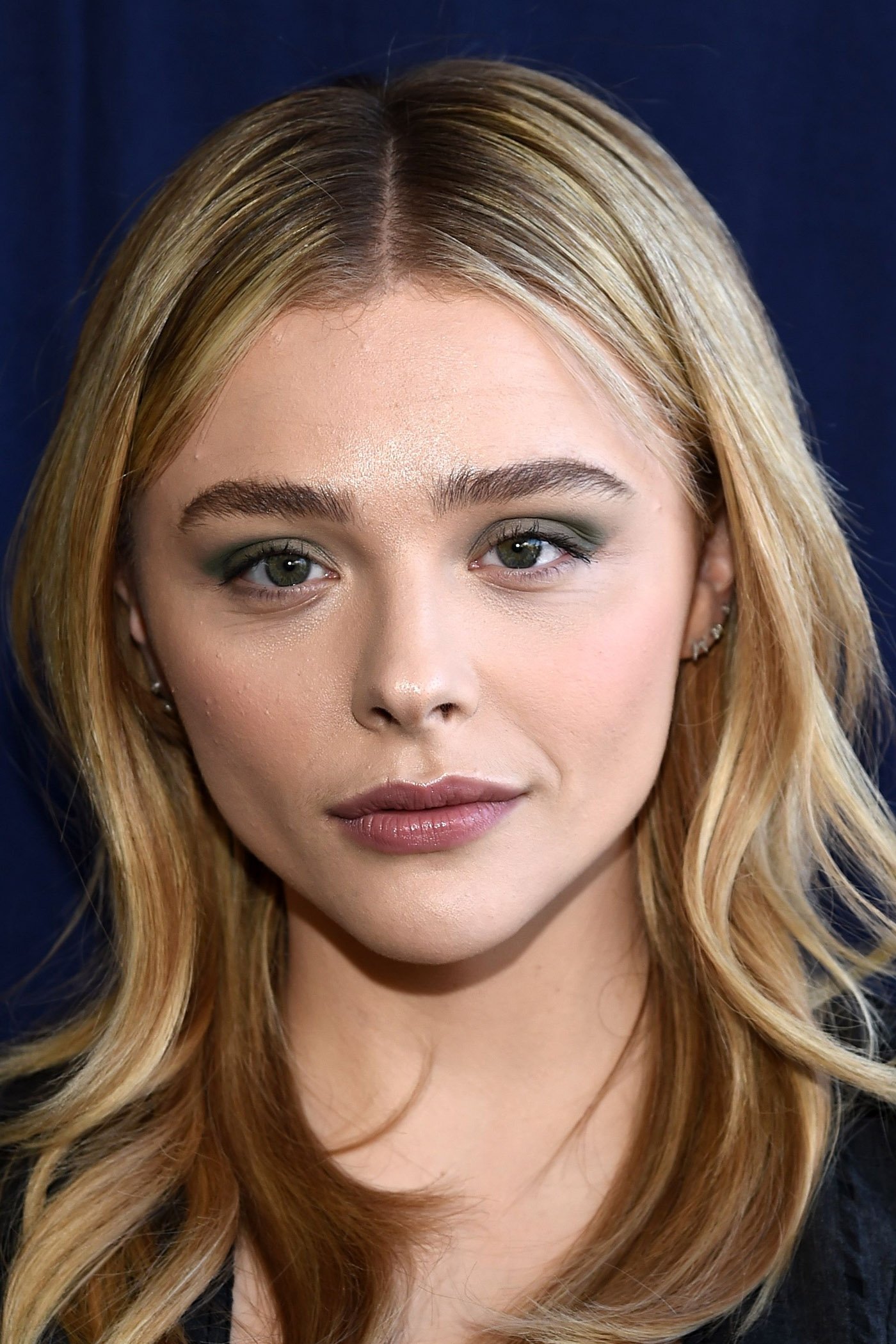
At the age of 15, the actress was told by a male co-star that she was too big for him to date in real life. The comment occurred on the set of a film where they played love interests, leading to a difficult working environment for the young star. Moretz has since spoken about the psychological impact of being body-shamed at such a formative age. She continues to advocate for body positivity and the protection of young actors in the entertainment industry.
Jessica Chastain
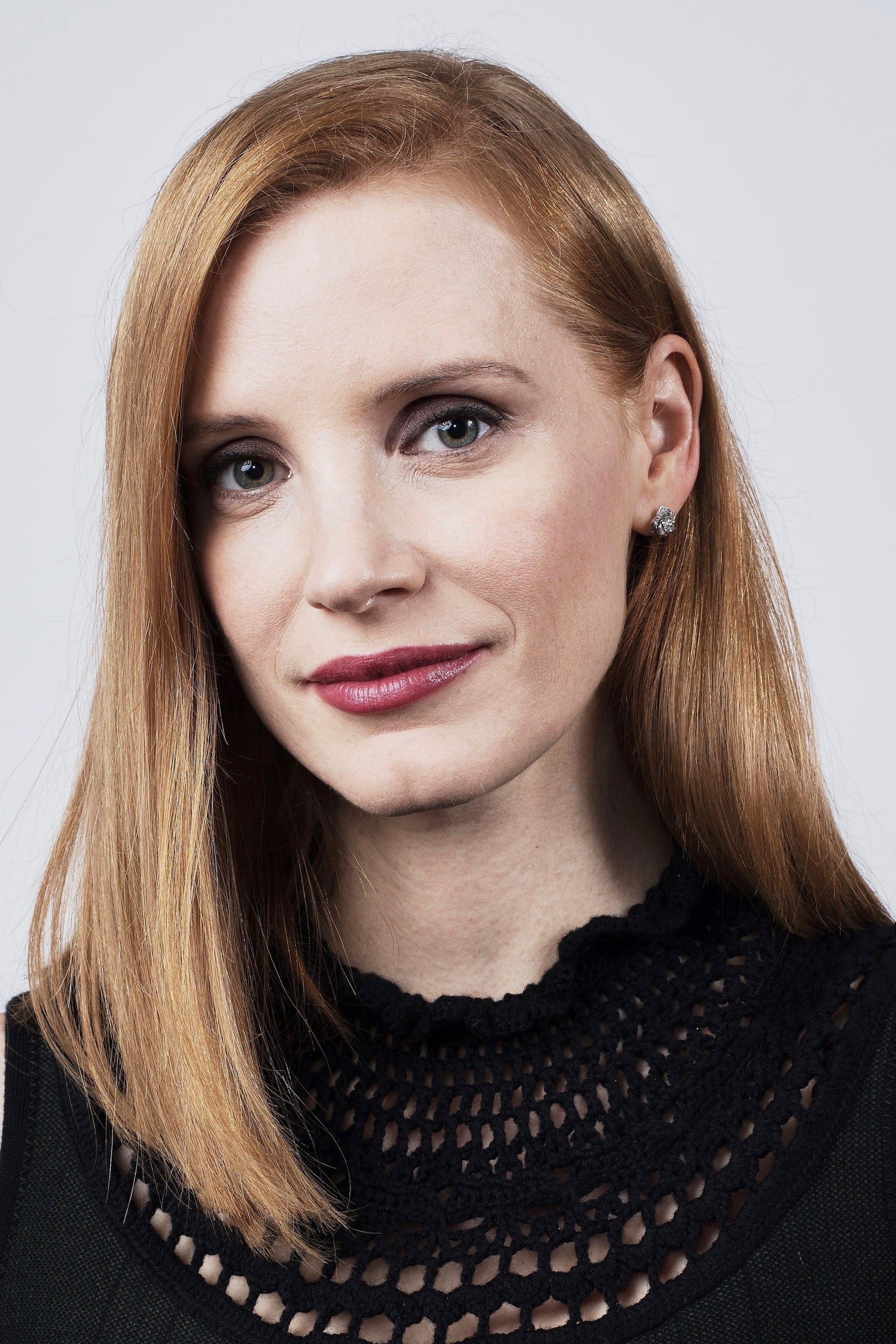
The Oscar-winning actress spent years being told by casting directors that she was not pretty enough to land leading roles. Many suggested she should dye her red hair a more conventional color like blonde to increase her chances of success. Chastain refused to change her appearance, believing that her unique look was part of her identity as an artist. Eventually, her talent led to a breakout year with multiple films that showcased her range and natural beauty.
Kat Dennings
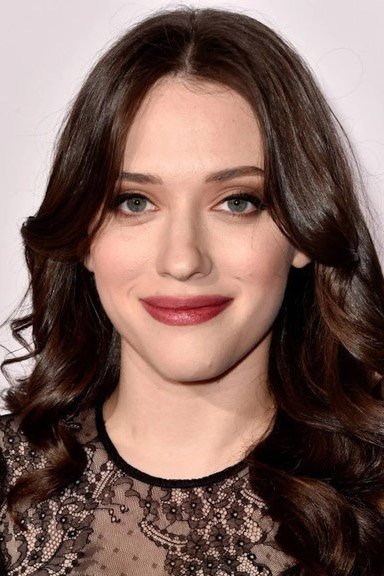
Before her success in ‘2 Broke Girls’, the actress was frequently told by casting agents to fix her teeth and tan her skin. She was also advised to lose weight to fit the stereotypical image of a leading lady in Hollywood. Dennings chose to ignore these suggestions, opting to keep her pale complexion and natural features intact. Her decision to remain authentic helped her land roles that required her specific, quirky energy and look.
Jamie Lee Curtis
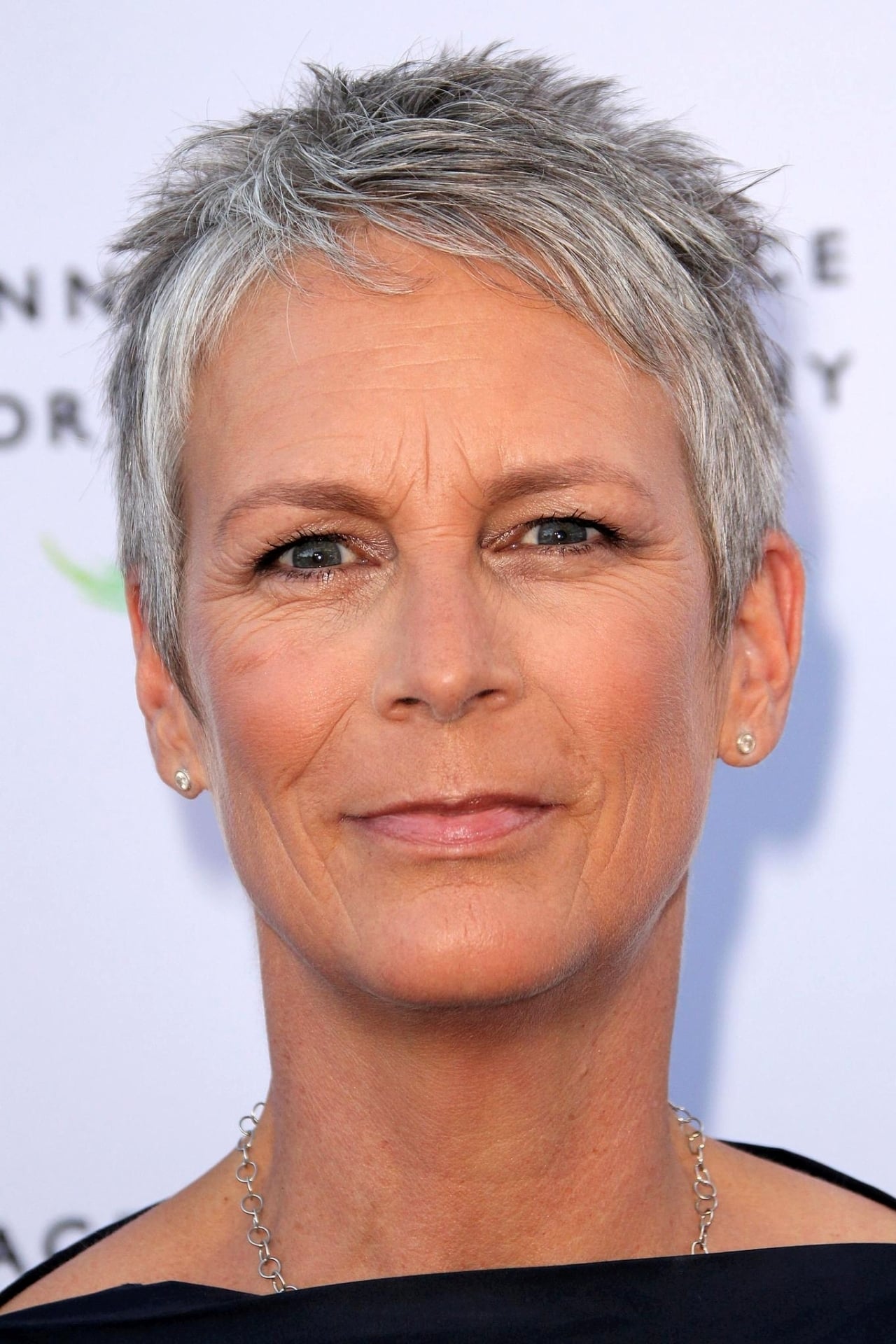
The veteran actress has been a vocal critic of Hollywood’s obsession with youth and has openly regretted past cosmetic procedures. She decided to stop dyeing her hair and embracing her natural gray look to challenge the industry’s ageist standards. Curtis has often spoken about how the pro-aging movement is more sustainable and honest than chasing perfection. Her commitment to authenticity has not hindered her career, as seen in her recent Academy Award win for ‘Everything Everywhere All at Once’.
Rebel Wilson
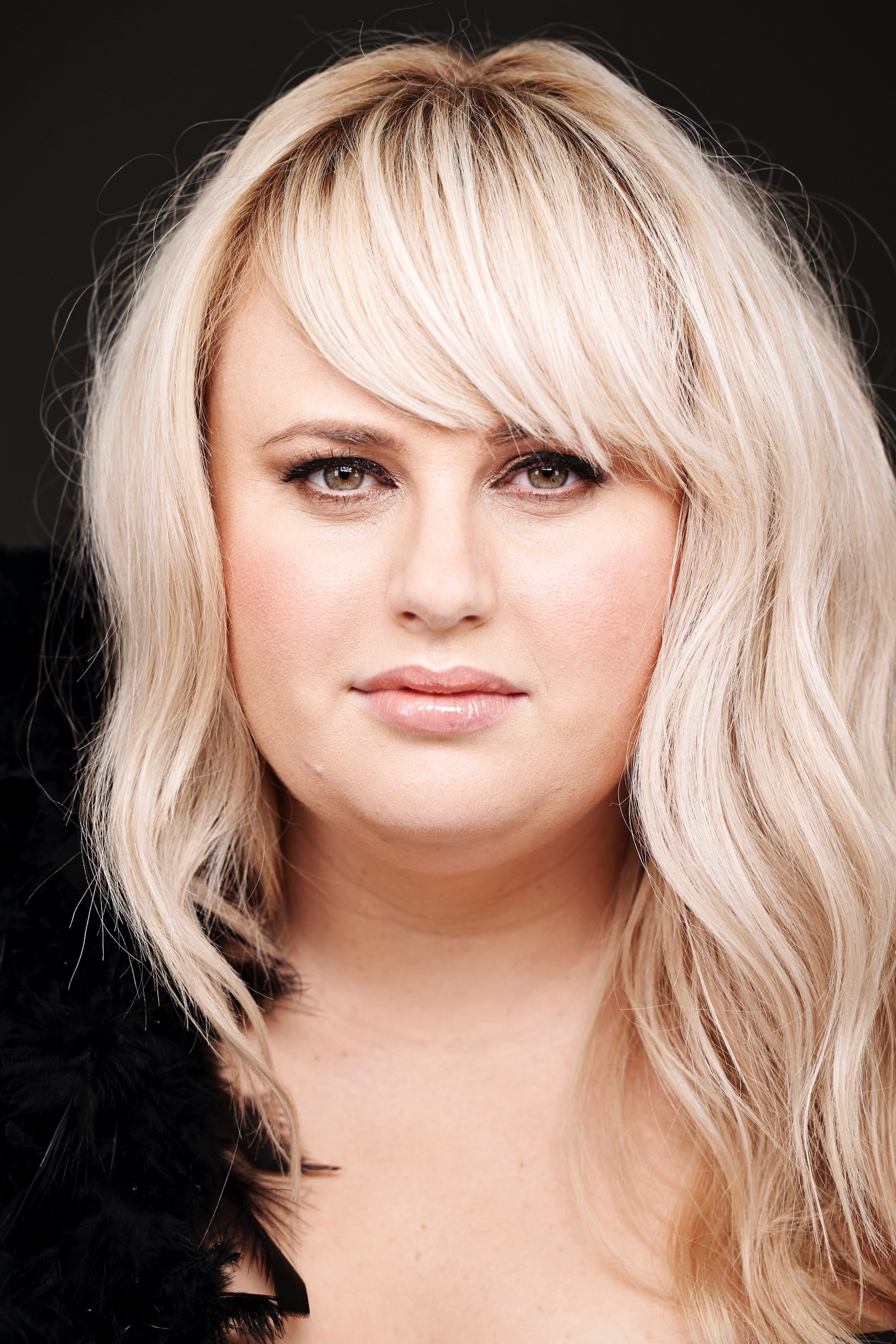
The actress revealed that her management team initially discouraged her from losing weight because her “funny fat girl” persona was lucrative. She felt trapped by the industry’s expectation that she remain a certain size to maintain her career as a comedic lead. Despite the pushback, she embarked on a “year of health” to prioritize her personal well-being over her professional branding. Her journey has sparked conversations about how actors’ bodies are often commodified by studios and talent agencies.
Christina Hendricks
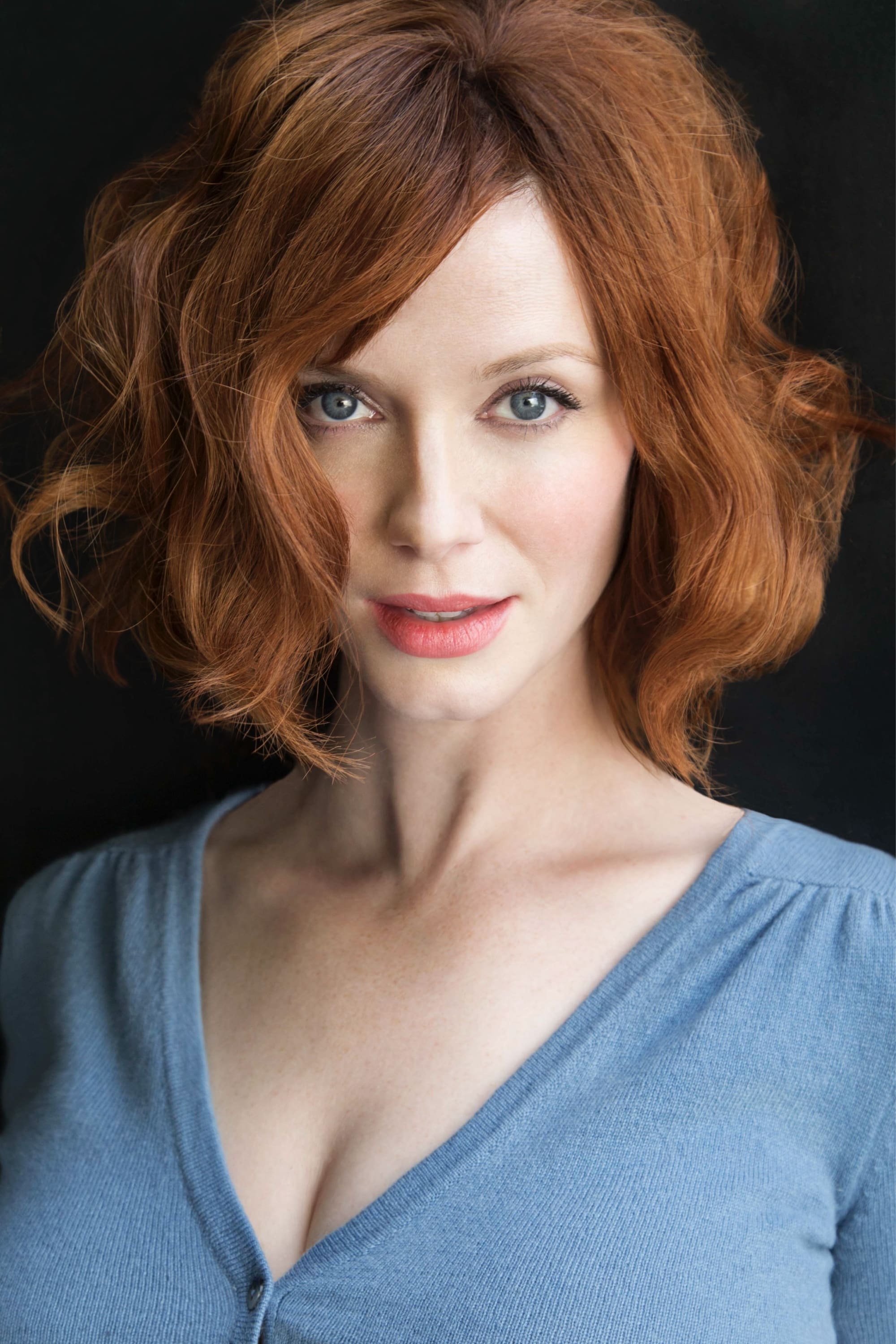
Before landing her breakout role in ‘Mad Men’, the actress was told by her agency that her body type was a hindrance to her career. They suggested that her curves would prevent her from getting the kind of roles usually reserved for thinner actresses. She eventually left the agency and found success by embracing her natural shape, which became an iconic part of her character Joan Holloway. Hendricks has since become a symbol for body diversity and confidence in the entertainment world.
Gabourey Sidibe
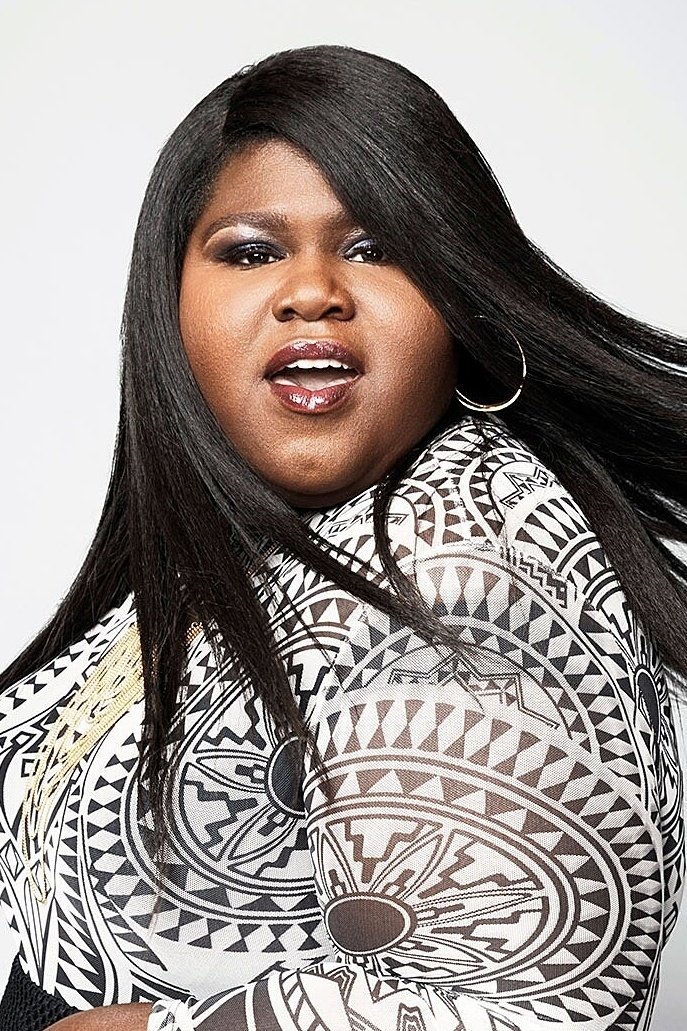
After her Academy Award-nominated performance in ‘Precious’, the actress faced criticism regarding her weight and long-term viability in the industry. She has spoken about the difficulty of finding diverse roles that do not revolve solely around her physical size. Sidibe has consistently challenged these narrow perceptions by taking on complex characters in shows like ‘Empire’ and ‘American Horror Story’. Her presence in Hollywood continues to push for greater inclusivity and representation of different body types.
Olivia Wilde
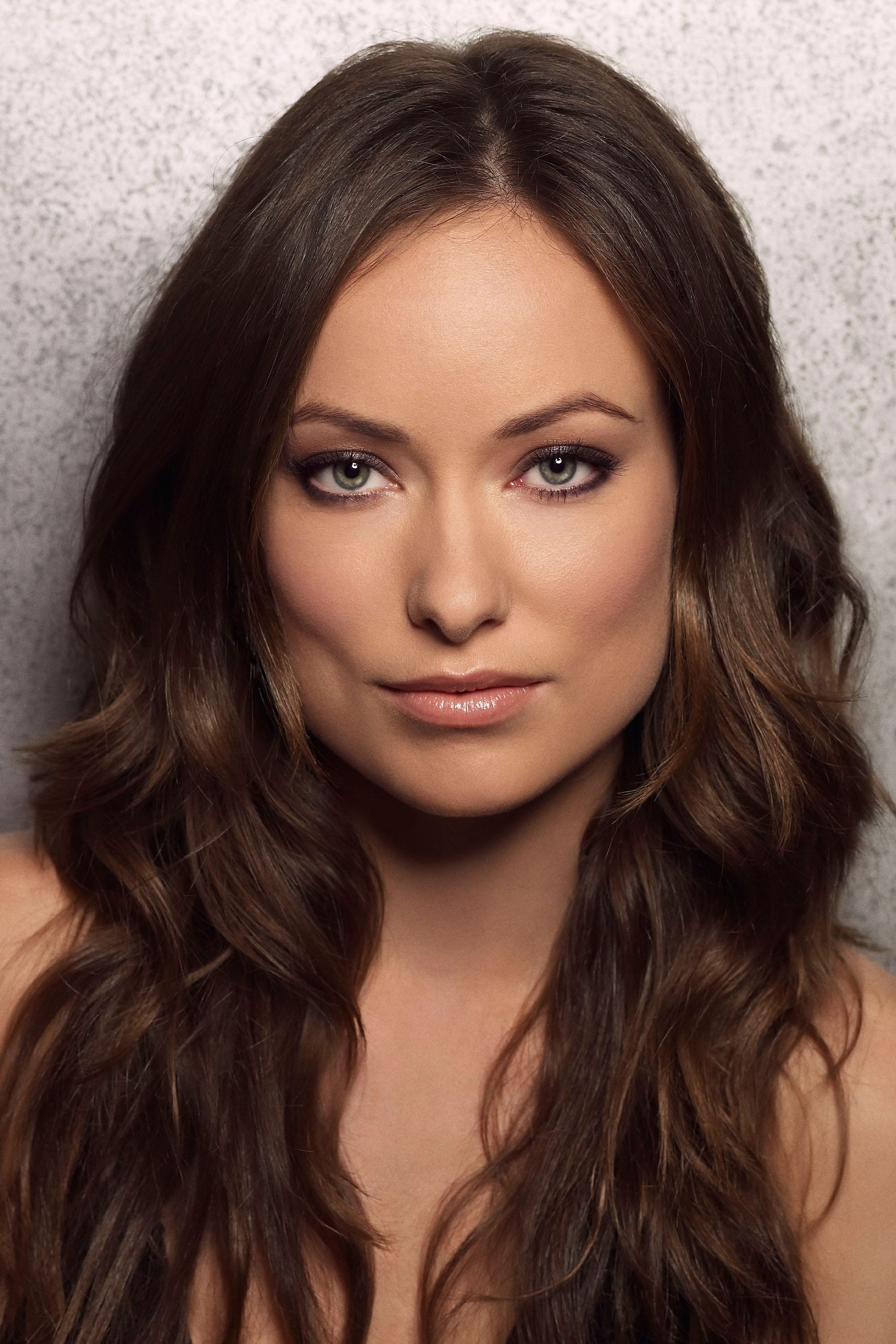
The actress was famously told she was too sophisticated for a role in ‘The Wolf of Wall Street’, which she later learned was industry code for being too old. At the time, she was 28, while the male lead, Leonardo DiCaprio, was nearly a decade older. This incident highlighted the pervasive ageism faced by women in Hollywood, where they are often deemed unsuitable for roles once they reach their 30s. Wilde has since transitioned into directing, where she exerts more control over casting and representation.
Amy Schumer
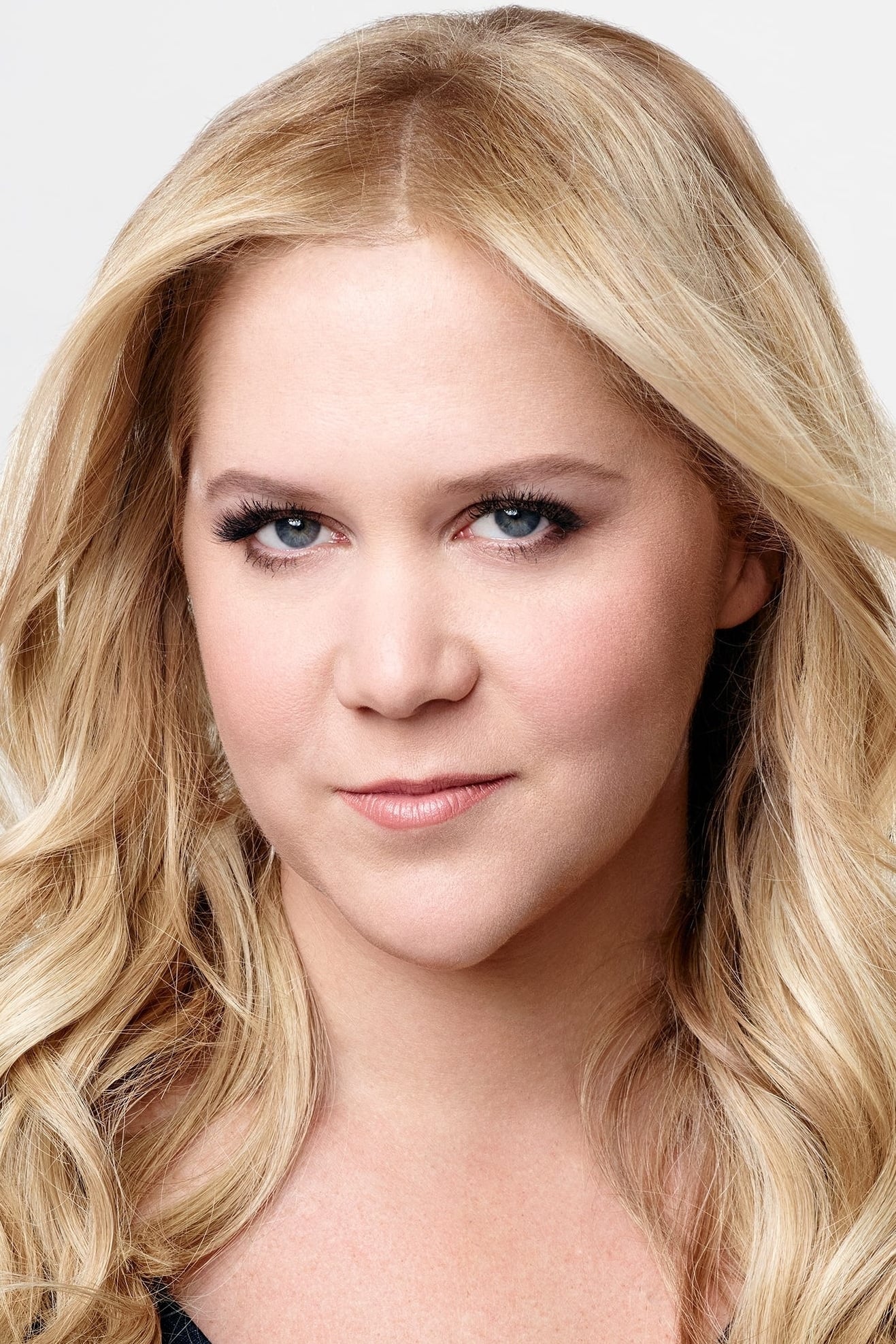
While filming the movie ‘Trainwreck’, the comedian was told by studio executives that she needed to lose weight to be palatable for audiences. She initially followed the advice but later expressed regret, stating that the pressure to be thin was exhausting and unnecessary. Schumer has since used her stand-up and films to satirize the unrealistic beauty standards imposed on women. She continues to promote body neutrality and self-acceptance through her creative work.
Kate Beckinsale
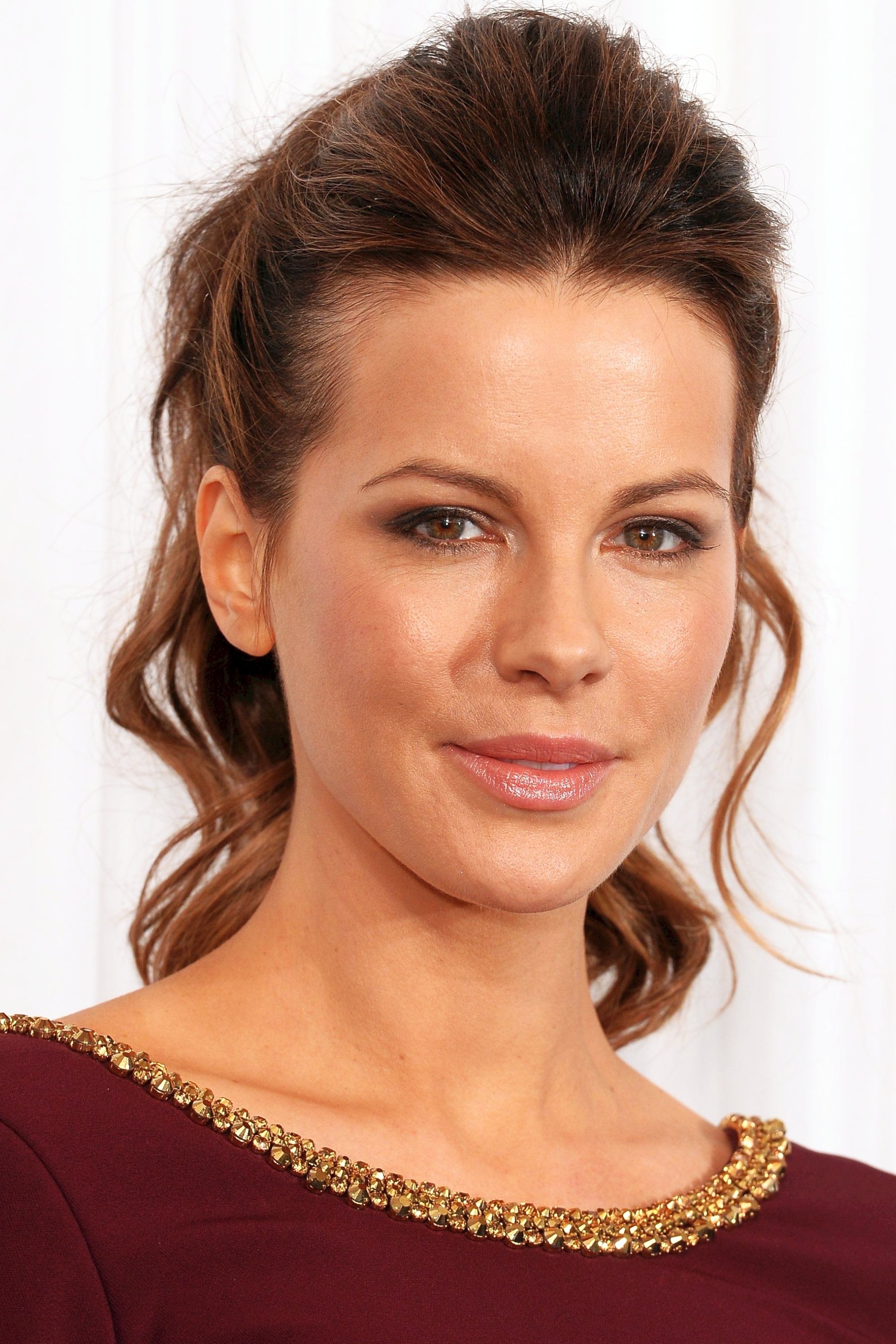
The actress revealed that the director of ‘Pearl Harbor’ asked her to work out and lose weight because he was concerned she didn’t look like a traditional nurse. She felt the request was unnecessary and reflected a lack of understanding of the historical period the film represented. Despite the pressure, she maintained her health and went on to have a successful career in both action and dramatic films. Beckinsale has since spoken out about the absurdity of being told to change her body for roles.
Emma Thompson
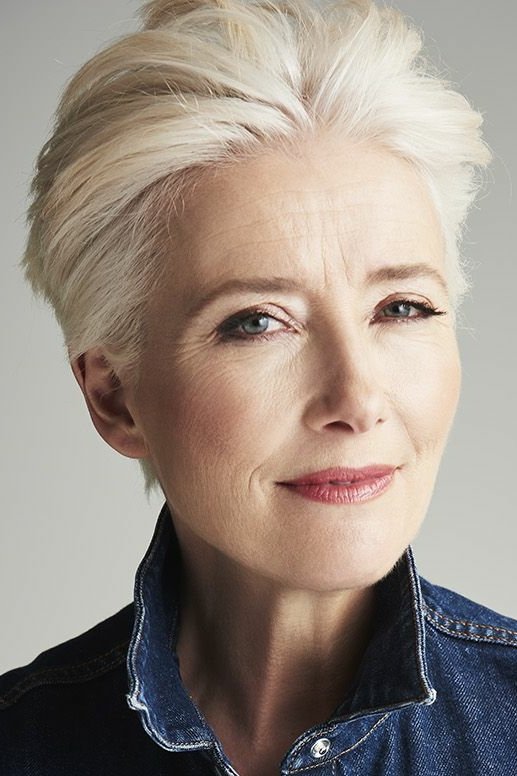
While filming ‘Brideshead Revisited’, the actress threatened to quit the production after a producer told a younger co-star to lose weight. She confronted the executives, stating that if they mentioned the co-star’s weight again, she would leave the project entirely. Thompson has been a long-time advocate against the evil of body shaming and the pressure on actresses to be thin. Her actions on set demonstrated her commitment to protecting her colleagues from unrealistic industry demands.
America Ferrera
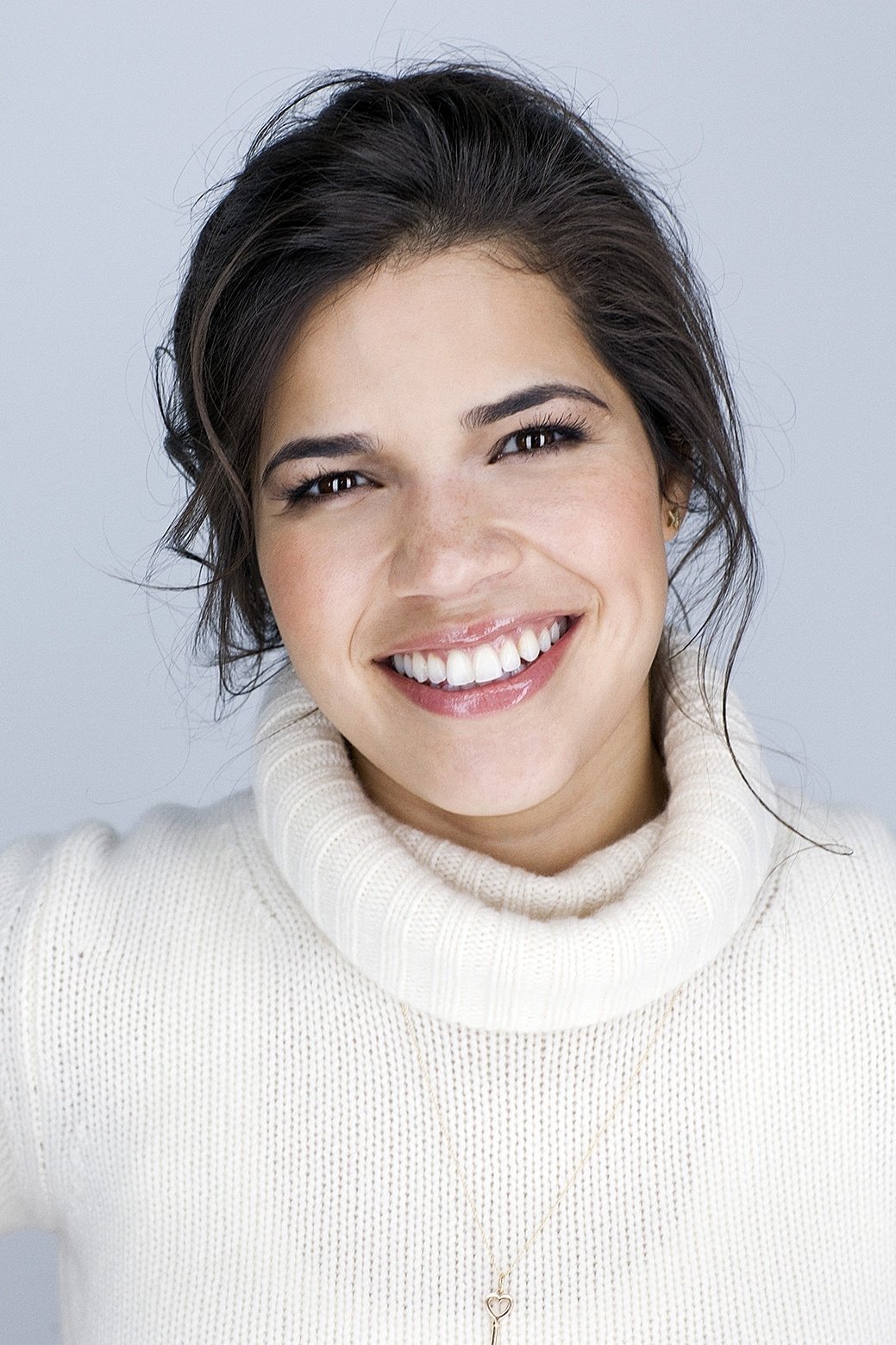
Early in her career, the actress was frequently told by casting directors that she was not thin enough or too ethnic for mainstream roles. She struggled to find parts that didn’t rely on stereotypes or require her to change her physical appearance. Her role in ‘Ugly Betty’ allowed her to directly address and subvert these beauty standards on a global platform. Ferrera has since become a powerful voice for Latina representation and body positivity in Hollywood.
Nia Vardalos
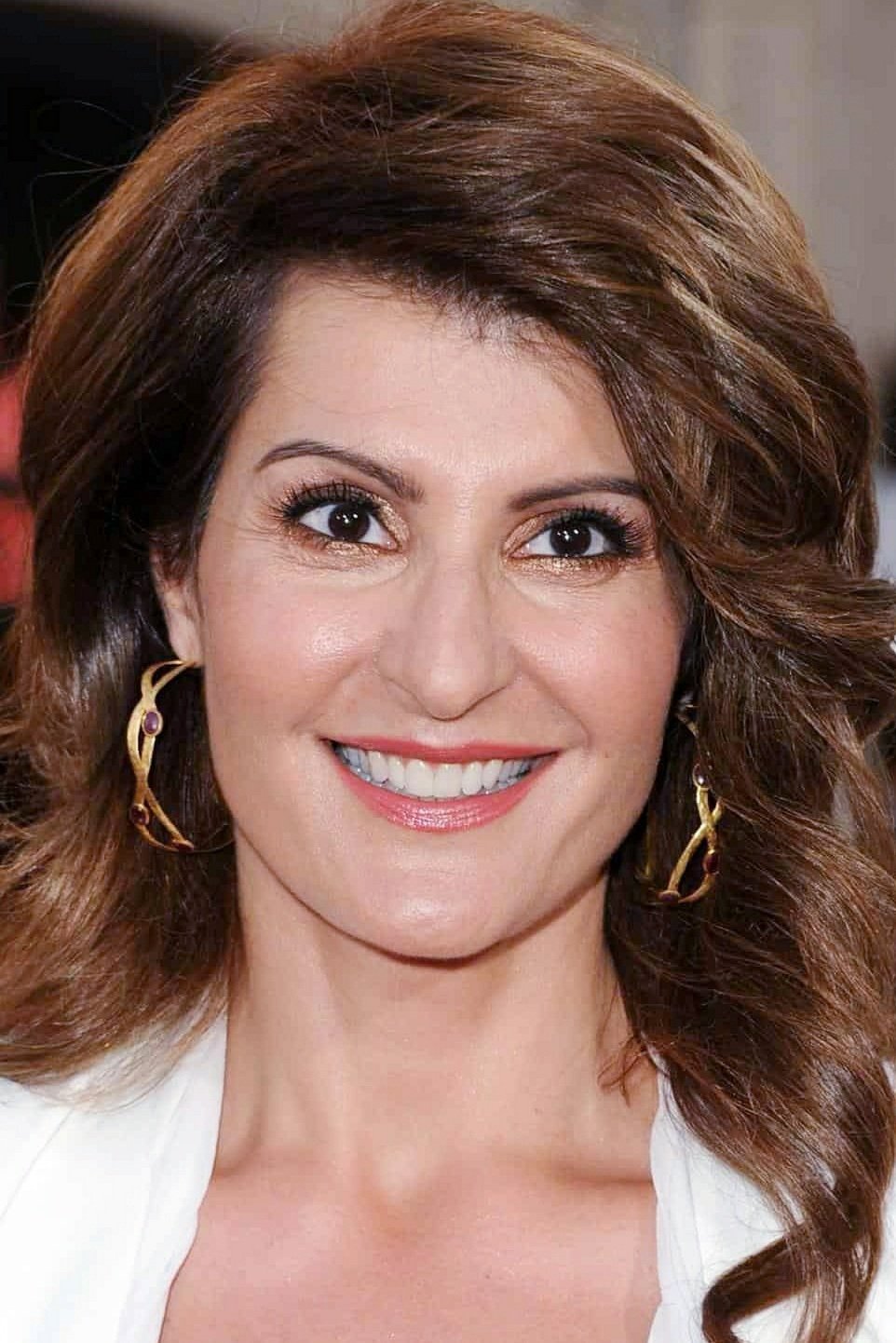
Before her breakout success, the actress was told by her agents that she was not pretty enough to be a leading lady and not fat enough to be a character actress. She was repeatedly passed over for roles because she did not fit into a specific physical category defined by the industry. In response to these rejections, she decided to write her own screenplay for ‘My Big Fat Greek Wedding’ to create a space for herself. The film became one of the highest-grossing romantic comedies of all time, proving the marketability of diverse stories.
Amanda Seyfried

The actress revealed that she almost lost out on several roles early in her career because she was considered too overweight by industry standards. She has spoken about the immense pressure to stay thin and how she had to work out intensely to maintain a specific look. Seyfried eventually decided to prioritize her health over these unrealistic demands, even if it meant risking certain opportunities. She continues to be open about the mental health struggles associated with body image in the public eye.
Please share your thoughts on these actresses and the industry’s beauty standards in the comments.