Musicians Who Completely Rebranded Their Image to Escape Past Controversies


Public perception in the music industry can be incredibly volatile, often forcing artists to undergo radical transformations to sustain their careers. When faced with legal issues, public scandals, or professional stagnation, many musicians choose to shed their former identities in favor of entirely new personas. This process of rebranding can involve a change in musical genre, a shift in visual aesthetics, or even a legal name change to distance themselves from a troubled past. These shifts are often strategic, aimed at appealing to a new demographic while minimizing the impact of previous controversies. By examining these transformations, one can see how artists navigate the complex intersection of personal crisis and public relations.
Justin Bieber

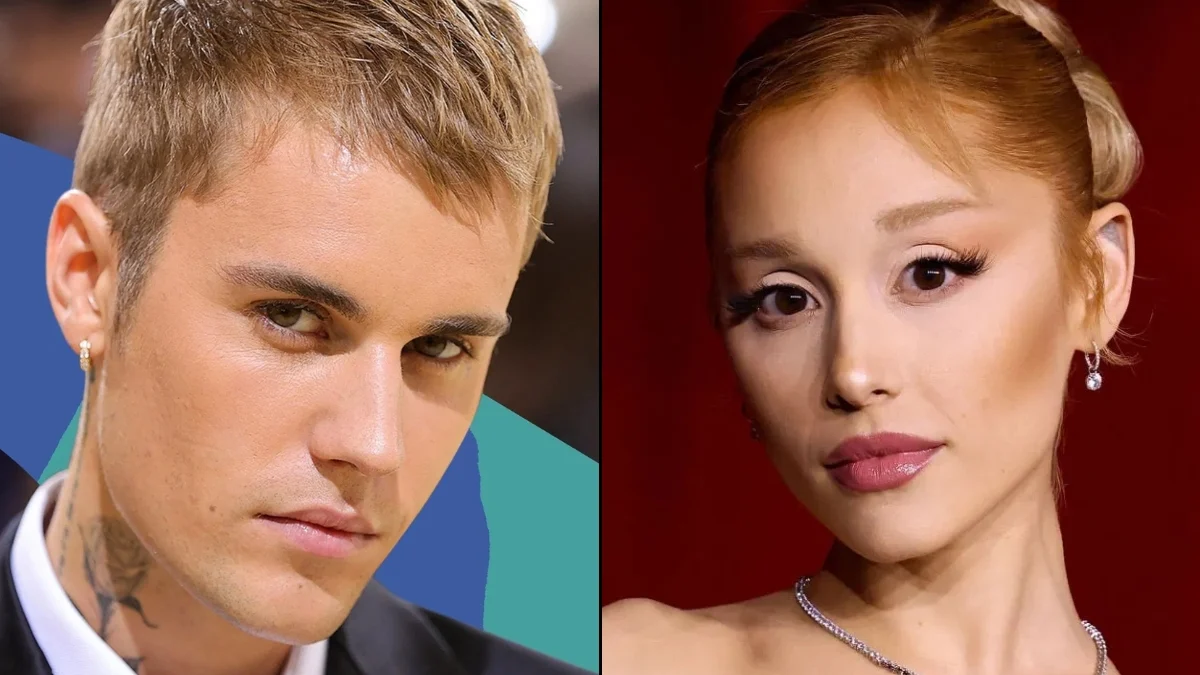
Justin Bieber transitioned from a teen heartthrob to a mature artist with the release of ‘Purpose’ to shed an image defined by legal troubles and public arrogance. After a string of high-profile arrests and clashes with the paparazzi, he focused on a more humble, religious-inspired persona. This shift helped him regain public favor and secure massive commercial success with hit singles like ‘Sorry’ and ‘Love Yourself.’ The rebranding effectively moved the conversation away from his personal misconduct and back toward his musical capabilities. He continues to project a family-man image today, often referencing his faith as a cornerstone of his evolution.
Miley Cyrus

Miley Cyrus famously pivoted from the wholesome Disney persona of ‘Hannah Montana’ to a highly provocative figure during the ‘Bangerz’ era. This drastic change was an attempt to distance herself from a controlled child-star image that felt restrictive and outdated. While she faced intense criticism for cultural appropriation and her hyper-sexualized performances, she eventually pivoted again to a grounded rock-inspired sound with ‘Plastic Hearts.’ This latest transition moved her past the controversies of her early twenties and established her as a serious rock vocalist. Her various stylistic shifts demonstrate a consistent desire for autonomy over her public narrative.
Snoop Dogg
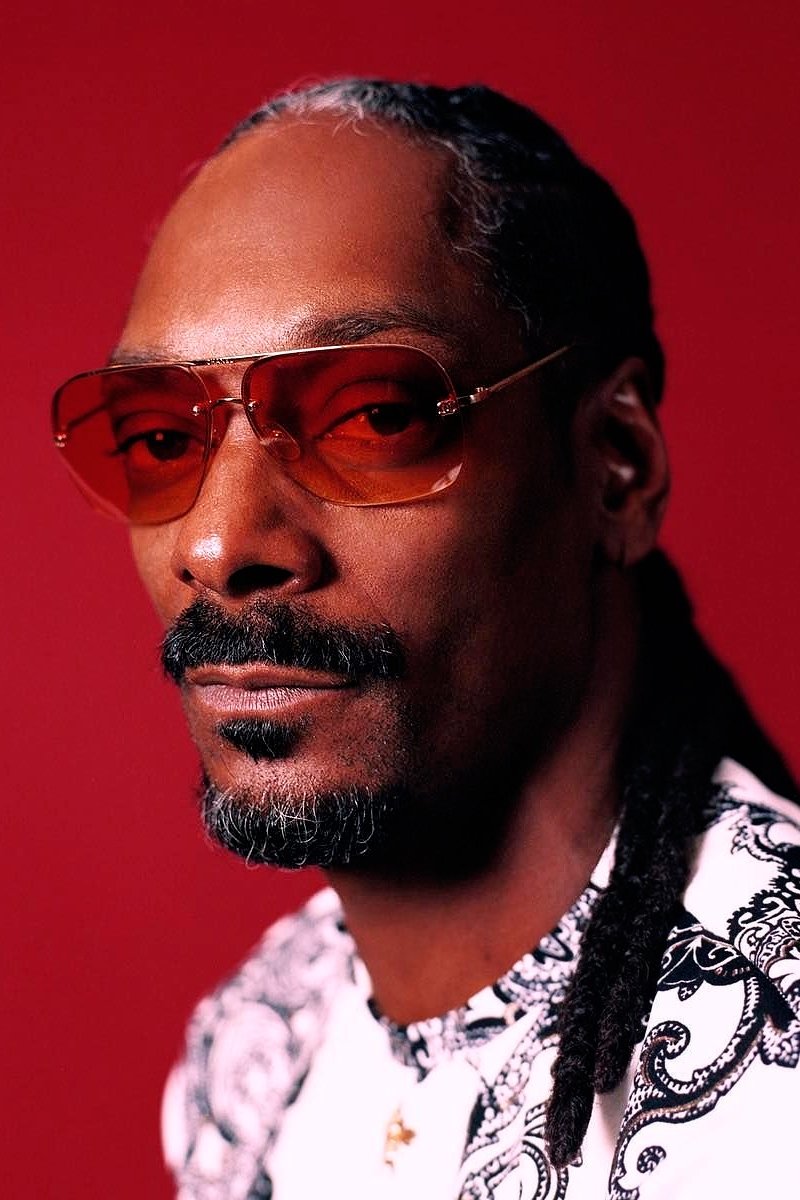
Snoop Dogg shifted his public image from a controversial figure associated with the 1990s gangsta rap scene to a beloved mainstream icon. After facing murder charges—of which he was acquitted—and criticism for his lyrical content, he transitioned into reggae under the name ‘Snoop Lion’ for the ‘Reincarnated’ project. This spiritual rebranding allowed him to distance himself from the legal issues and street persona that defined his early career. He eventually settled into a persona as a lifestyle personality, appearing in lighthearted television shows and advertisements. He is now viewed as an elder statesman of entertainment rather than a polarizing figure.
Taylor Swift

Taylor Swift launched a massive rebranding effort with the album ‘Reputation’ following highly public feuds with other celebrities. After being characterized as “a snake” in social media campaigns, she embraced the imagery to reclaim the narrative from her detractors. This dark, synth-pop era signaled a departure from her previous “America’s Sweetheart” image that had been tarnished by the controversy. She later pivoted again to an indie-folk aesthetic with ‘Folklore’ to shift the focus entirely to her songwriting craft. This constant evolution has allowed her to survive multiple cycles of public scrutiny.
Machine Gun Kelly
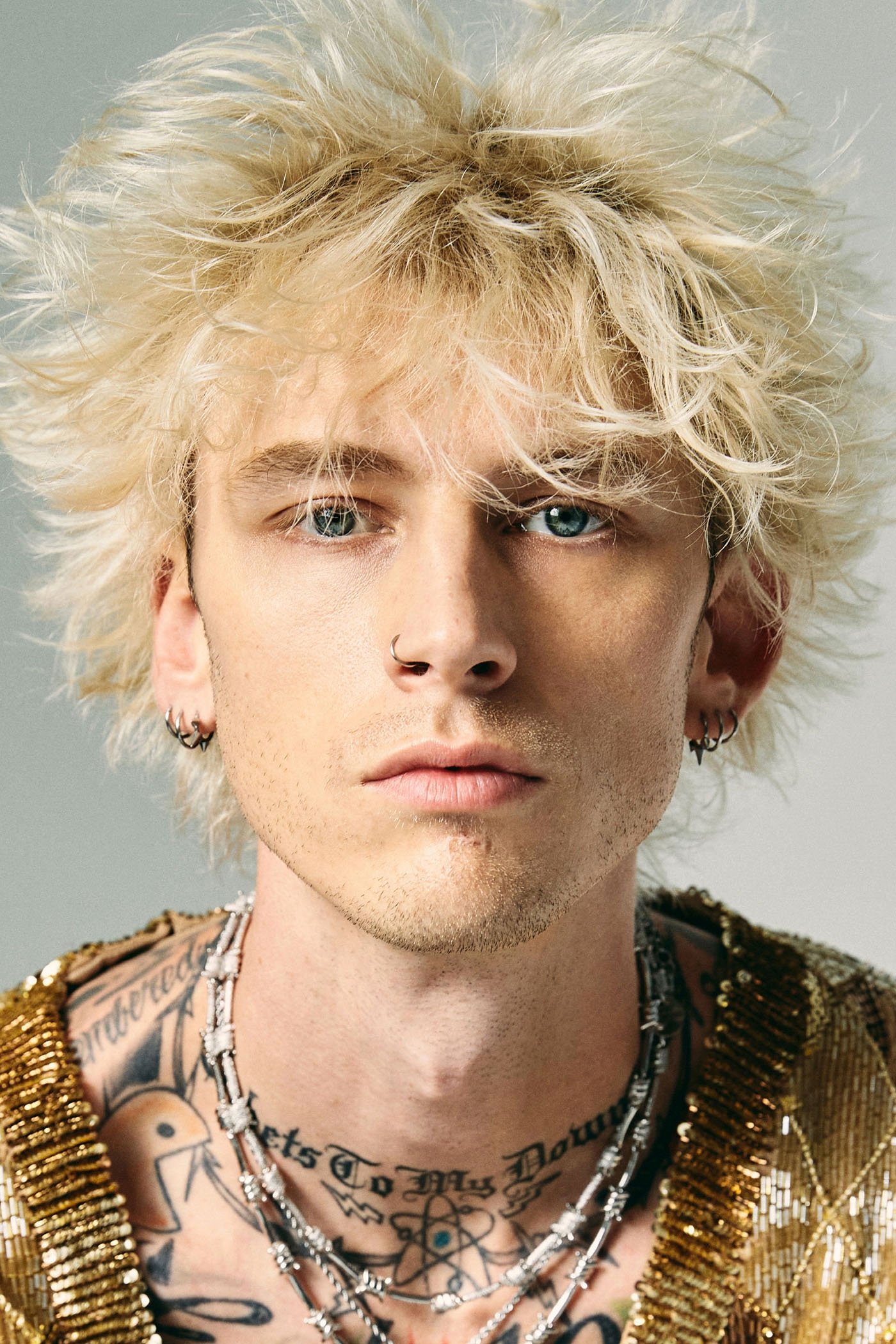
Machine Gun Kelly pivoted from a moderately successful rap career to a pop-punk superstar after a public feud with Eminem and stalling sales. The critical reception of his rap album ‘Hotel Diablo’ led him to collaborate with Travis Barker on the ‘Tickets to My Downfall’ record. This genre switch allowed him to escape the “failed rapper” label and find a massive new audience in the alternative music scene. His visual style changed completely from street-style attire to a flamboyant, glitter-punk aesthetic. This rebranding was so successful that he became one of the leading faces of the pop-punk revival.
Eminem
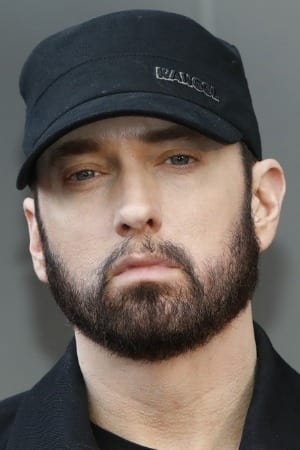
Eminem attempted to move away from the hyper-violent and controversial ‘Slim Shady’ persona with his album ‘Recovery.’ After years of drug addiction and intense criticism regarding offensive lyrics, this era presented him as a sober, more reflective veteran of the industry. The lead single ‘Not Afraid’ served as a public declaration of his new, healthier path and a rejection of his past vices. This rebranding helped him maintain longevity and respect in a changing cultural landscape that was becoming less tolerant of his earlier shock-rap style. He has since balanced his legacy as a provocateur with his new role as a technical master of the craft.
Mark Wahlberg
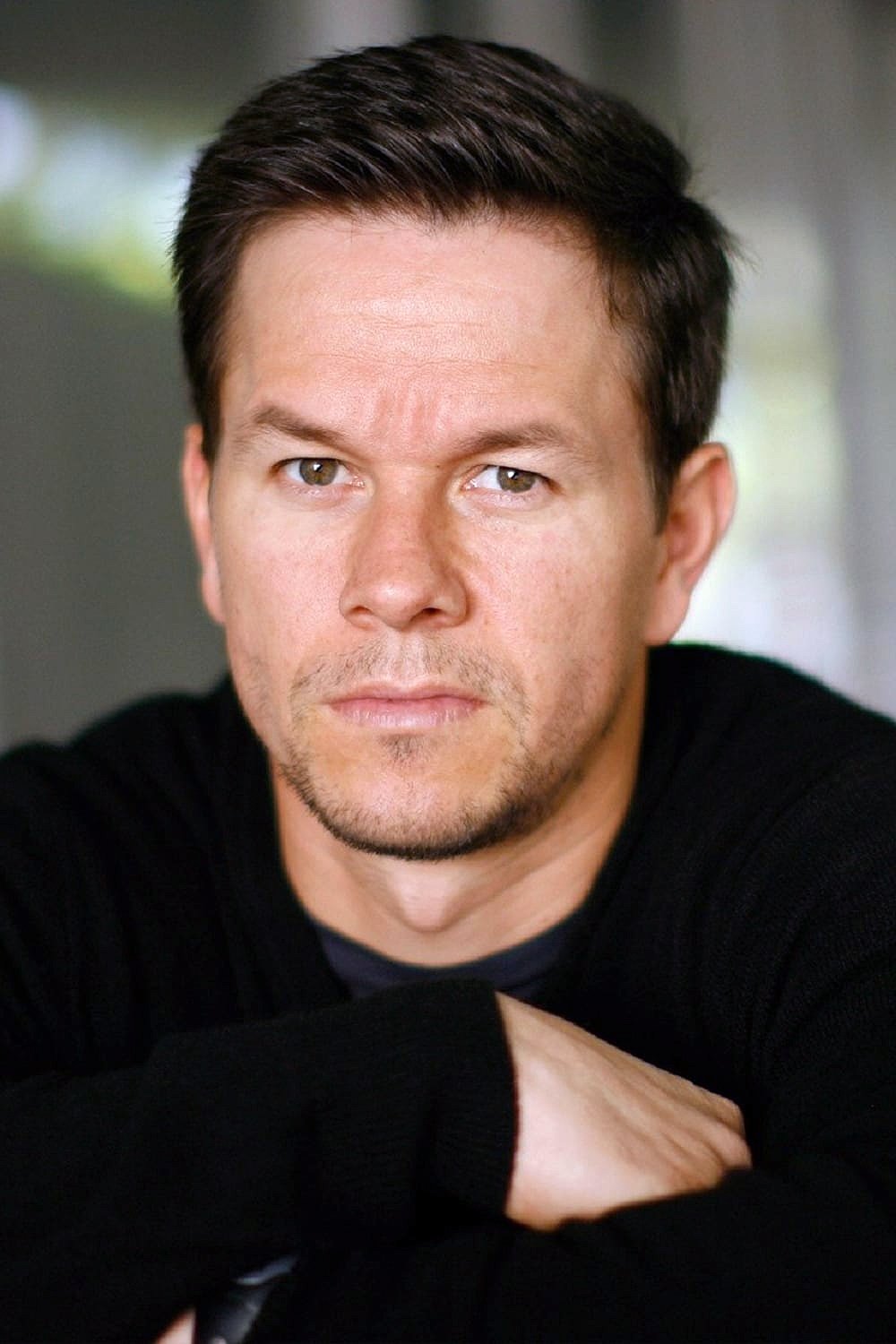
Originally known as the rapper Marky Mark, he faced intense scrutiny for several violent incidents in his youth, including racially motivated assaults. To escape the reputation of a troubled street tough and a fleeting pop star, he transitioned into serious acting and dropped his musical moniker. His performance in the film ‘Boogie Nights’ helped the public view him as a legitimate talent rather than a “one-hit wonder.” He eventually became one of the most bankable actors in Hollywood, effectively burying his controversial musical past. Today, his early career is often treated as a footnote in a successful acting and business career.
Chris Brown
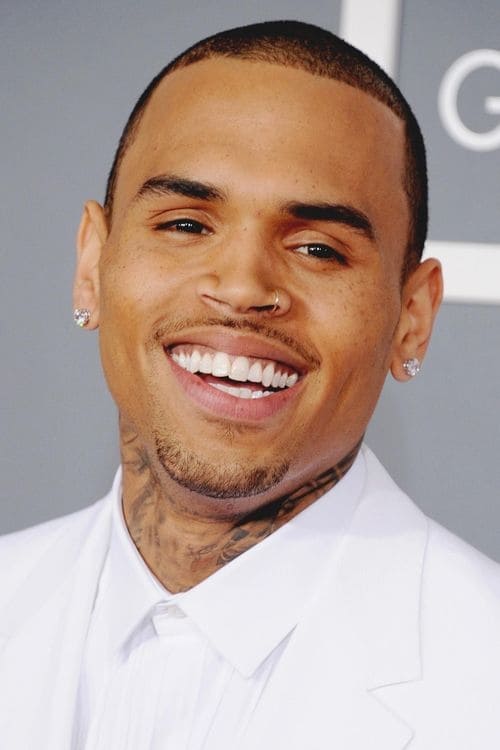
Chris Brown has attempted several image rehabilitations following his 2009 assault of Rihanna and subsequent legal issues. After a period of intense public backlash, he shifted his focus toward a high volume of output in the R&B and pop genres with albums like ‘Indigo.’ He frequently attempts to rebrand through his choreography-heavy performances and high-profile collaborations with respected artists. While his career remains controversial due to ongoing legal disputes, his branding efforts have focused on his versatility as an entertainer. He maintains a dedicated fanbase despite the shadow of his past actions.
Ariana Grande

Ariana Grande navigated a significant public relations crisis following the “Donutgate” scandal by leaning into a more mature musical direction. Previously seen as a young Nickelodeon star with a clean image, the controversy threatened her burgeoning reputation as a pop diva. She issued several public apologies and shifted her visual branding to be more sophisticated with the album ‘Dangerous Woman.’ This transition helped the public move past the incident and focus on her vocal range and artistic growth. She has since cultivated an image of resilience and emotional depth following various personal tragedies.
Demi Lovato

Demi Lovato has frequently rebranded throughout their career to address public struggles with substance abuse and mental health. After multiple stints in rehabilitation, Lovato moved away from their Disney Channel roots to a more gritty, rock-infused sound with the album ‘Holy Fvck.’ This artistic shift was designed to align their public image with their personal journey of recovery and self-discovery. Each era of their music serves as a document of their evolving identity and battles with the industry’s expectations. This transparency has allowed them to maintain a strong connection with a fanbase that values authenticity.
Lana Del Rey
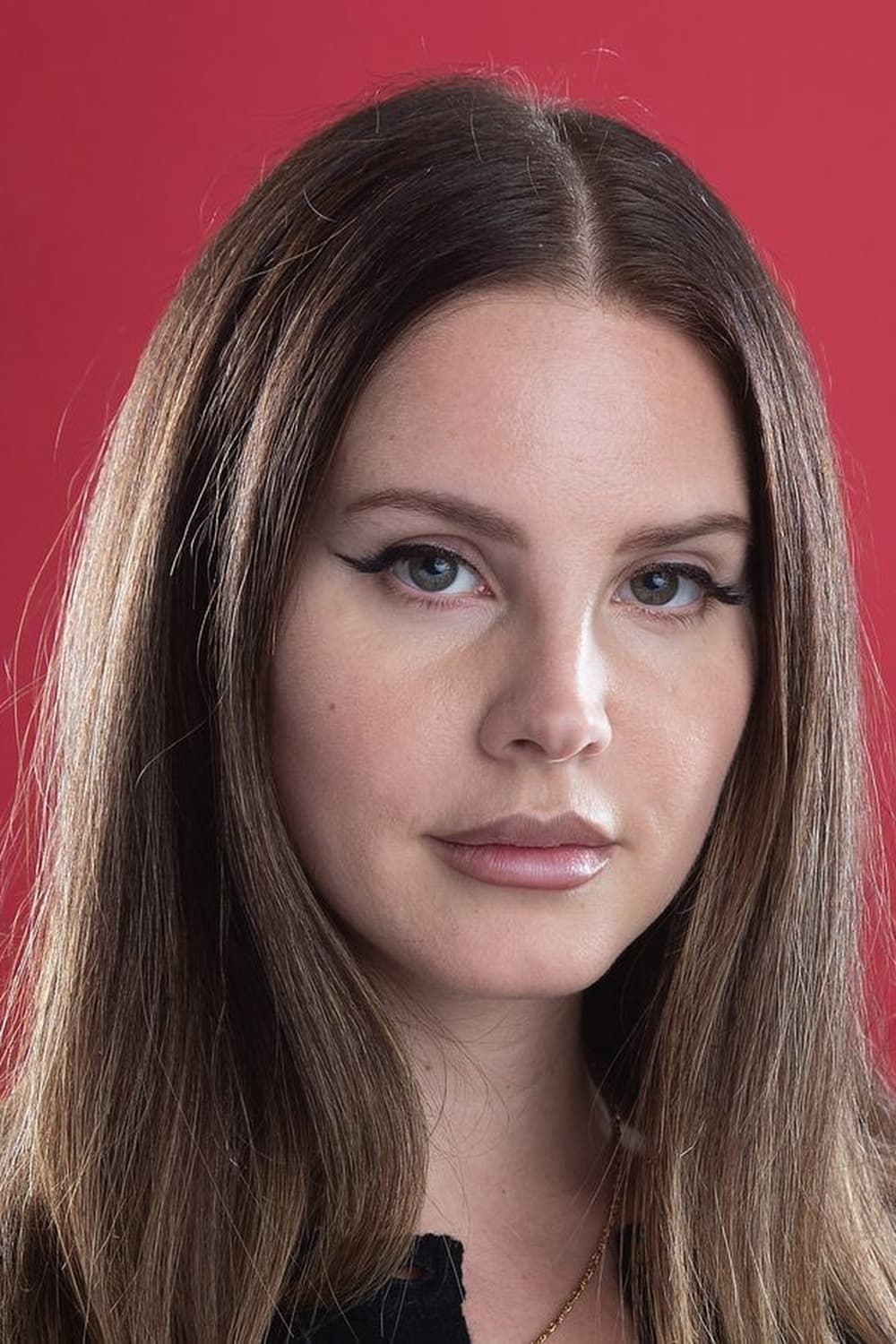
Lana Del Rey faced significant criticism early in her career regarding her authenticity and a widely panned ‘Saturday Night Live’ performance. She responded by leaning harder into a cinematic, “sad girl” aesthetic with the ‘Born to Die’ album, creating a distinct alter ego. By embracing a persona inspired by Americana and tragic Hollywood glamour, she turned her perceived weaknesses into a recognizable brand. This rebranding helped her become one of the most influential alternative artists of the 2010s. She successfully moved from a target of internet ridicule to a critically acclaimed songwriter.
Kanye West
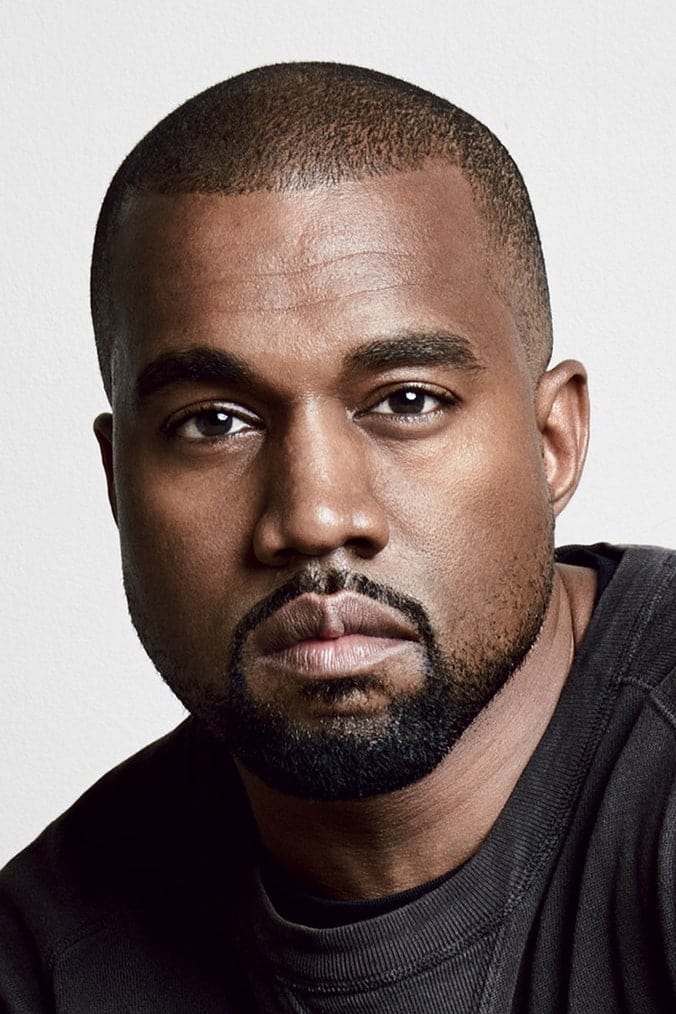
Kanye West rebranded his name to ‘Ye’ and moved his operations to Wyoming during a period of intense political and personal controversy. Following public outbursts and polarizing statements, he shifted his focus toward gospel music and the ‘Sunday Service’ performances. The release of ‘Jesus is King’ marked a total departure from his previous secular hip-hop sound to a more religious-focused image. This pivot was seen as an attempt to find redemption and peace amidst constant media scrutiny. His branding now often centers on his identity as a visionary artist operating outside the traditional music industry.
Kesha
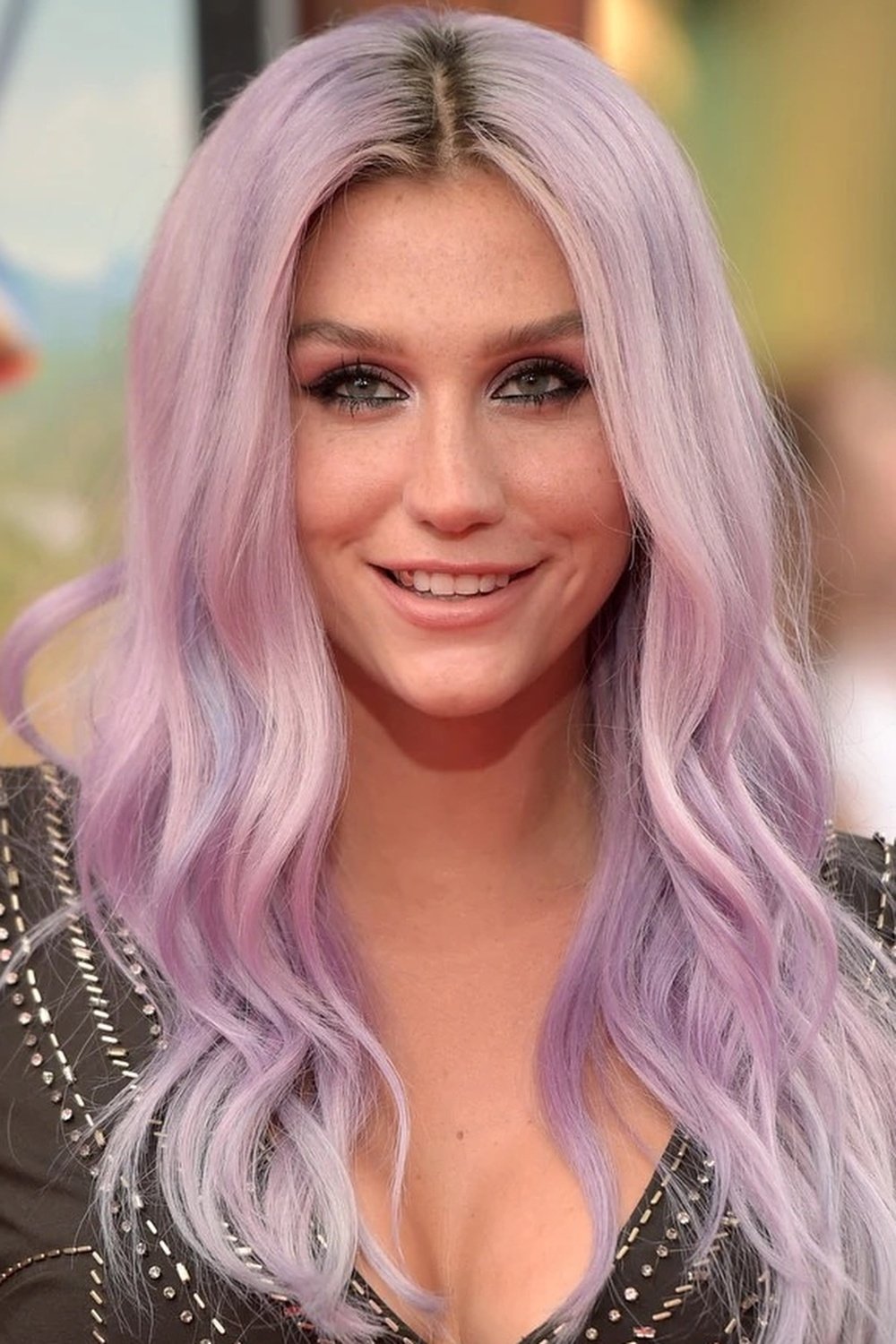
Kesha dropped the dollar sign from her name and transitioned from party-pop to a soulful, rock-inspired sound with the album ‘Rainbow.’ This rebranding followed a lengthy and public legal battle with her former producer, which had effectively stalled her career for years. The new image focused on themes of resilience, healing, and vocal power rather than the “party girl” persona of her early years. This shift was widely praised by critics and allowed her to reclaim her artistic agency. She has since used her platform to advocate for other artists facing similar industry struggles.
Madonna
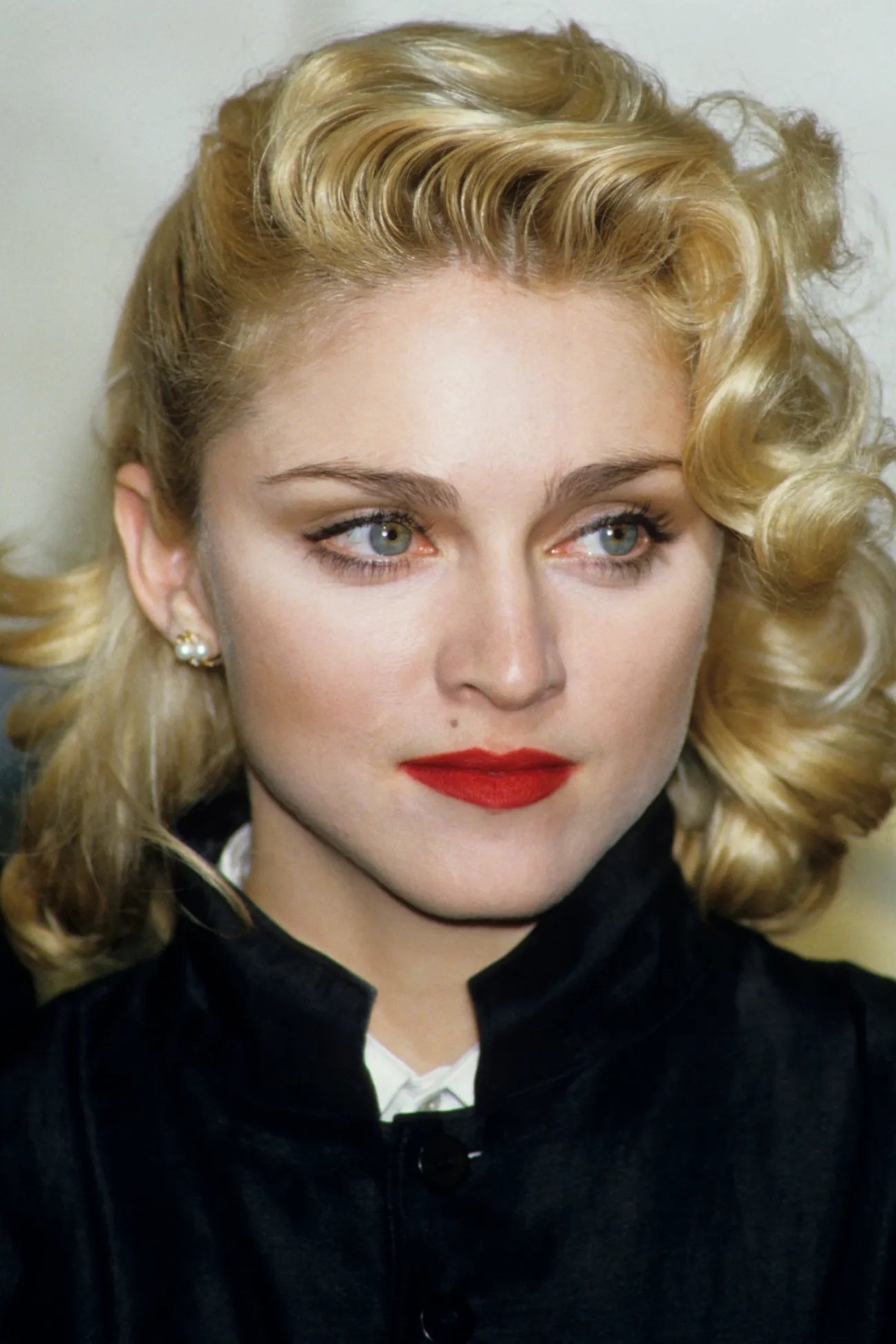
Madonna is famously known as the “Queen of Reinvention,” a strategy she used to pivot after the backlash of her ‘Erotica’ era. Following intense public scrutiny for her provocative book ‘Sex’ and various film roles, she embraced Eastern philosophy and electronic music for ‘Ray of Light.’ This shift presented her as a more spiritual and mature artist, earning her some of the best reviews of her long career. She has used this strategy of total aesthetic overhaul throughout several decades to stay relevant and move past controversies. Each new “era” serves as a way to reset her public identity.
Yusuf Islam

Formerly known as Cat Stevens, the singer-songwriter completely walked away from his career as a folk-pop superstar following a spiritual conversion. After a near-death experience, he changed his name and withdrew from the music industry for over two decades. His return to music was marked by a new focus on humanitarian work and religious themes, moving far away from his 1970s pop persona. This radical rebranding was a response to his desire for a more meaningful life away from the trappings of fame. He now balances his musical legacy with his work as a prominent religious and social activist.
Ozzy Osbourne
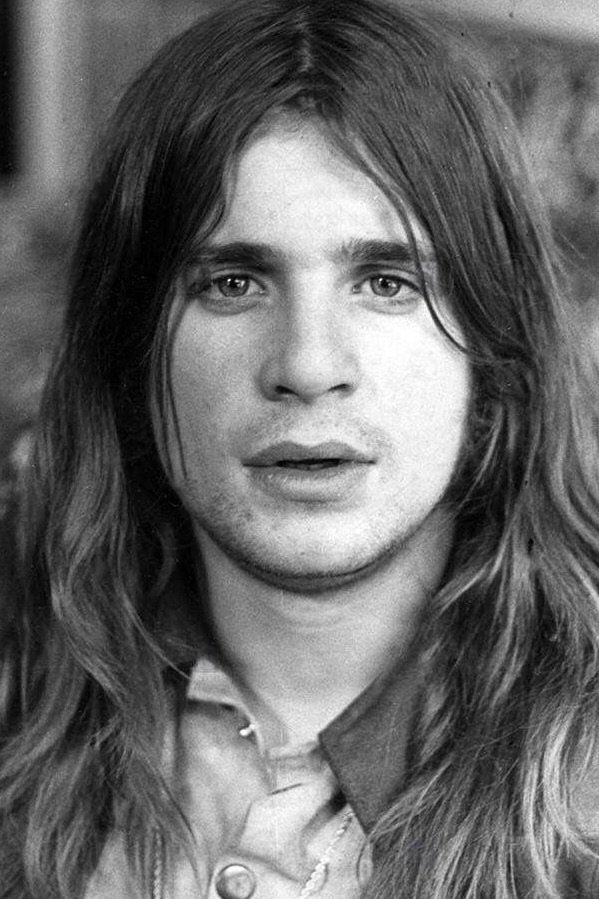
Ozzy Osbourne transformed from the “Prince of Darkness,” associated with Satanic imagery and drug-fueled antics, to a lovable father figure. This rebranding was largely facilitated by the reality TV show ‘The Osbournes,’ which humanized him for a mainstream global audience. It allowed him to move past decades of controversies involving animal cruelty stunts and public intoxication. By leaning into his domestic life, he became a household name for a demographic that had previously feared his music. He is now viewed as an elder statesman of rock music rather than a dangerous cultural threat.
Will Smith
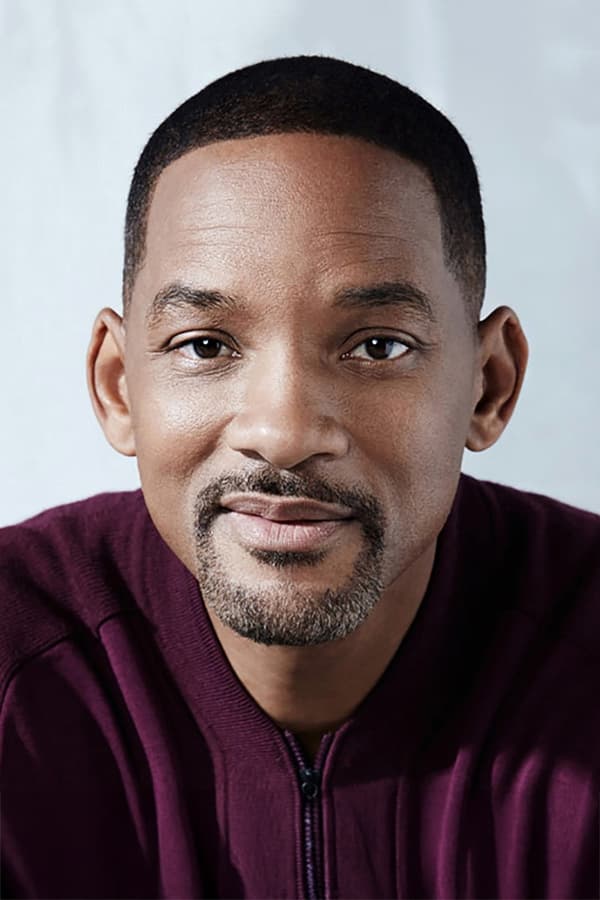
Will Smith initially gained fame as the “Fresh Prince,” maintaining a clean, “no-cussing” rap image to distinguish himself from the violent trends of early 90s hip-hop. This strategic branding allowed him to appeal to a wider demographic and eventually transition into a dominant Hollywood movie star. After facing a massive backlash following the 2022 Oscars, he has attempted to rebrand again through vulnerable social media content and prestigious film roles like ‘Emancipation.’ His career has been defined by his ability to pivot his persona to suit the current cultural climate. He consistently uses personal narrative to manage the public’s perception of his character.
Sinéad O’Connor

Sinéad O’Connor underwent several public rebrandings, including changing her name to Magda Davitt and later Shuhada’ Sadaqat. These shifts often followed intense public controversies, such as her 1992 protest against the Catholic Church on ‘Saturday Night Live.’ Her career was defined by her refusal to adhere to the industry’s standards for female pop stars, often using her image to spark political debate. Each name and image change represented a new chapter in her personal and spiritual journey away from the mainstream spotlight. Despite the controversies, she remained a highly respected vocal talent until her passing.
Courtney Love

Courtney Love attempted several times to pivot from her “grunge queen” persona to a high-fashion Hollywood actress and solo artist. Following the death of Kurt Cobain and her own struggles with addiction, she sought roles that showcased her dramatic range, such as in ‘The People vs. Larry Flynt.’ These efforts were deliberate attempts to be taken seriously by the industry and move past her reputation for chaos. While her career continued to be marked by public outbursts, her fashion-forward rebranding in the late 90s was highly influential. She remains a polarizing but undeniable figure in the history of alternative rock.
Prince
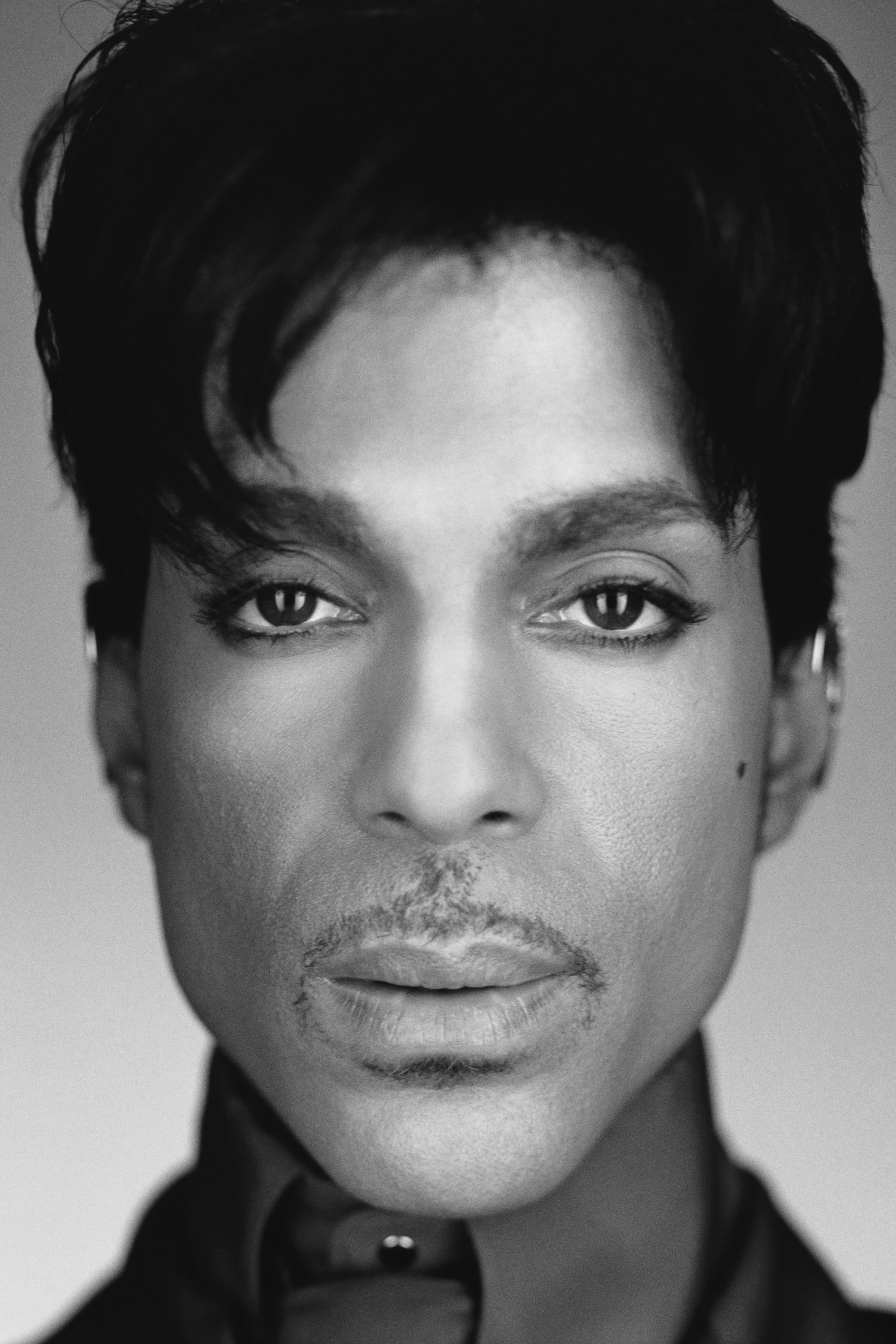
Prince famously changed his name to an unpronounceable symbol in a protest against his record label, Warner Bros. This rebranding was a strategic move to regain control over his artistic output and escape what he described as an unfair contract. He often performed with the word “slave” written on his face during this period to highlight the legal controversy. The shift allowed him to release music on his own terms and eventually reclaim his original name once the legal battle concluded. This period remains one of the most famous examples of an artist using their image to fight for professional autonomy.
Share your thoughts on which artist had the most successful image overhaul in the comments.