Black Celebrities Who Were Accused of “Selling Out” for Their Brand Partnerships

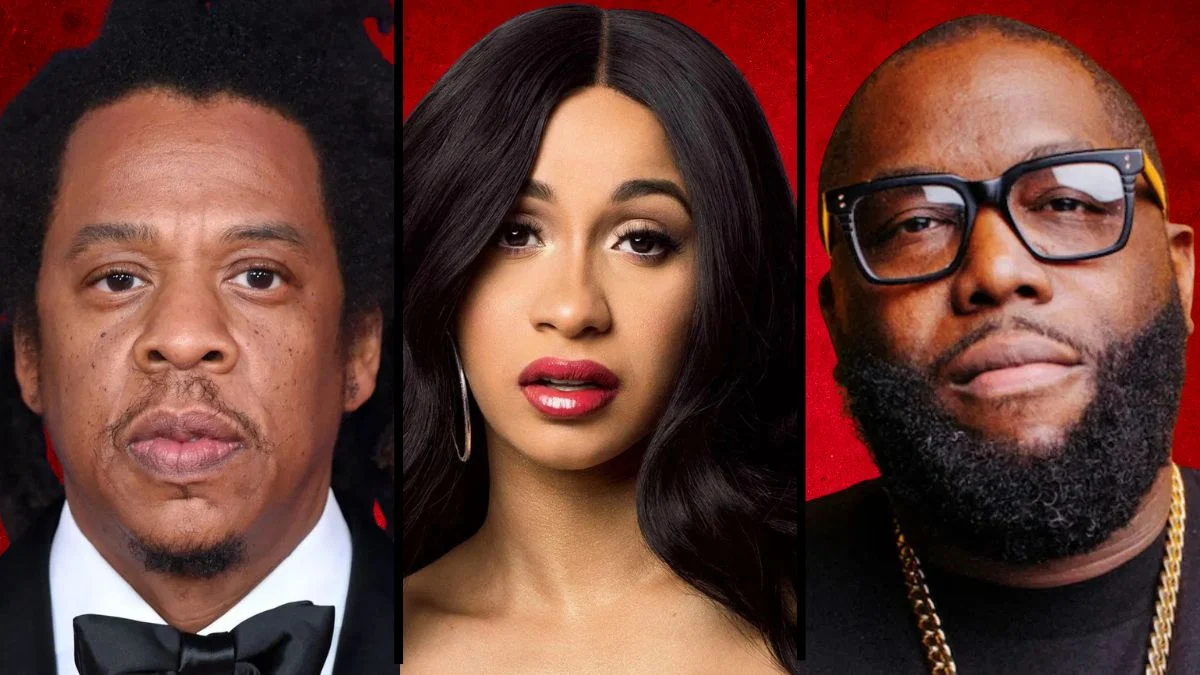

The intersection of celebrity culture and corporate branding often leads to significant public scrutiny especially when an artist’s image is built on authenticity or activism. Many Black celebrities have faced accusations of abandoning their core values or communities in favor of lucrative financial agreements. These partnerships range from fast food endorsements and luxury fashion collaborations to high profile political associations. While some view these deals as necessary steps for building generational wealth others see them as a dilution of artistic and social integrity. This list explores several notable figures who sparked intense debate through their business ventures and marketing choices.
Jay-Z

The rapper faced significant criticism when he announced a multiyear partnership with the National Football League in 2019. Many fans and activists viewed this move as a betrayal of Colin Kaepernick and the movement against police brutality. The artist argued that his collaboration would allow him to influence the organization from the inside through social justice initiatives. Public debate intensified because he previously supported the boycott of the league in his music and public statements. The partnership continues to be a point of contention among those who value his earlier political stances.
Mary J. Blige
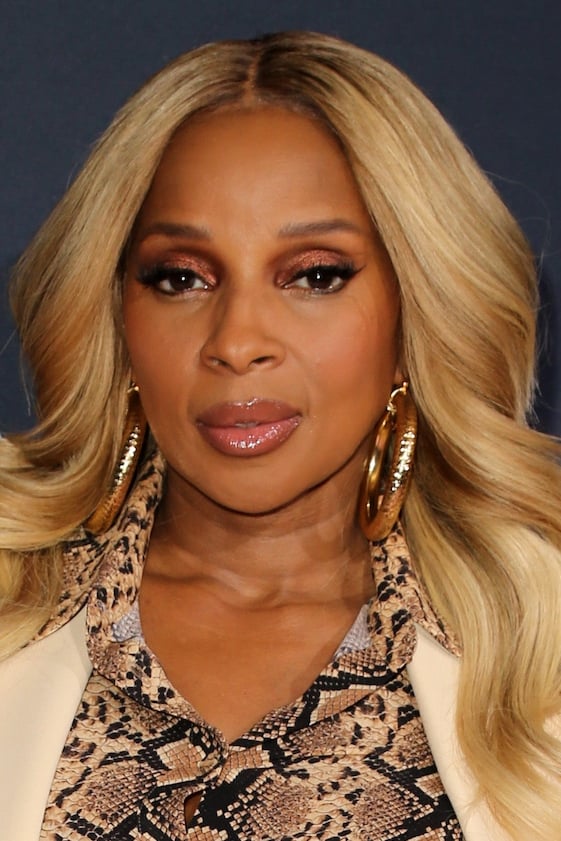
The singer appeared in a Burger King commercial to promote a crispy chicken wrap in 2012. Many viewers found the advertisement offensive because it relied on tropes that were perceived as racially insensitive. The intense negative reaction led the fast food chain to pull the commercial from the air. She later expressed regret over the situation and explained that she did not see the final edit before it was released. The incident served as a cautionary tale for celebrities navigating corporate endorsements in the digital age.
Ice Cube
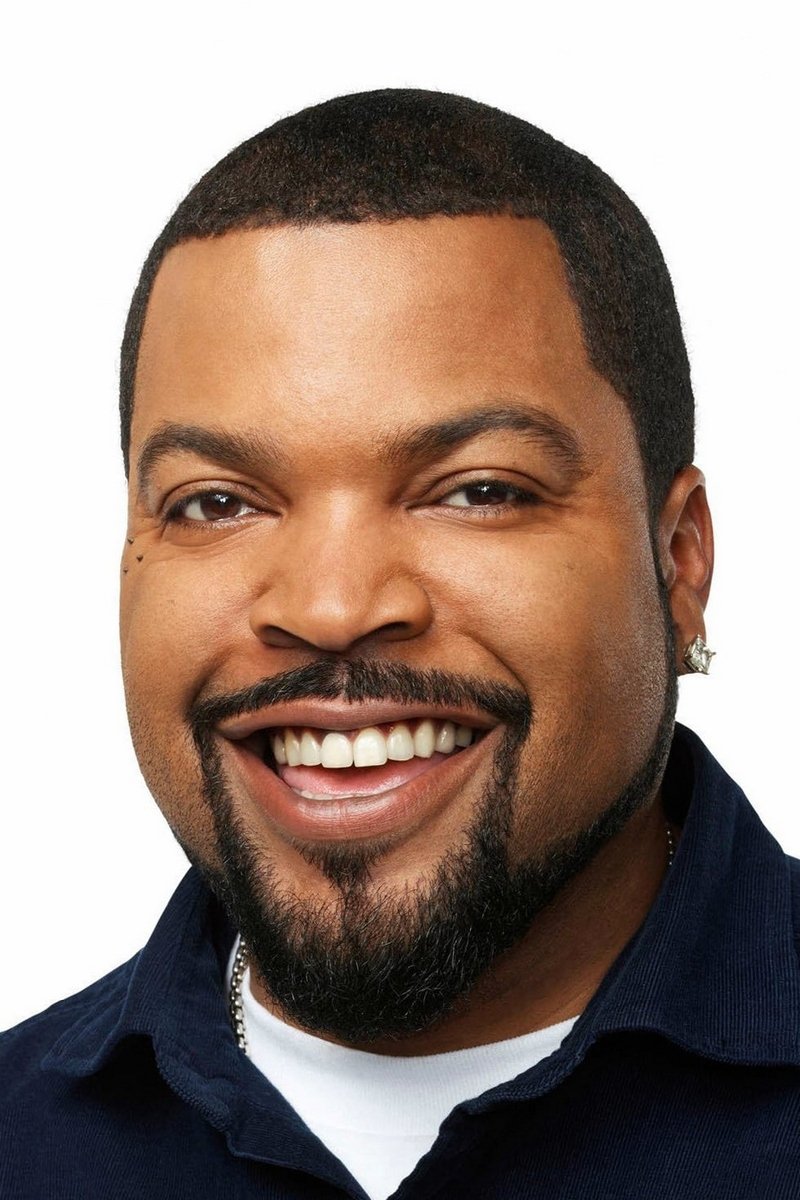
The legendary rapper and actor received backlash for discussing his ‘Contract with Black America’ with the Trump administration during the 2020 election cycle. Critics argued that his willingness to engage with the sitting president at that time was a departure from his revolutionary roots in N.W.A. and his solo career. He maintained that he was willing to talk to any political party to secure better outcomes for the community. Despite his explanations many fans felt the association was a form of political selling out. The controversy highlighted the complexities of navigating political influence as a public figure.
Snoop Dogg
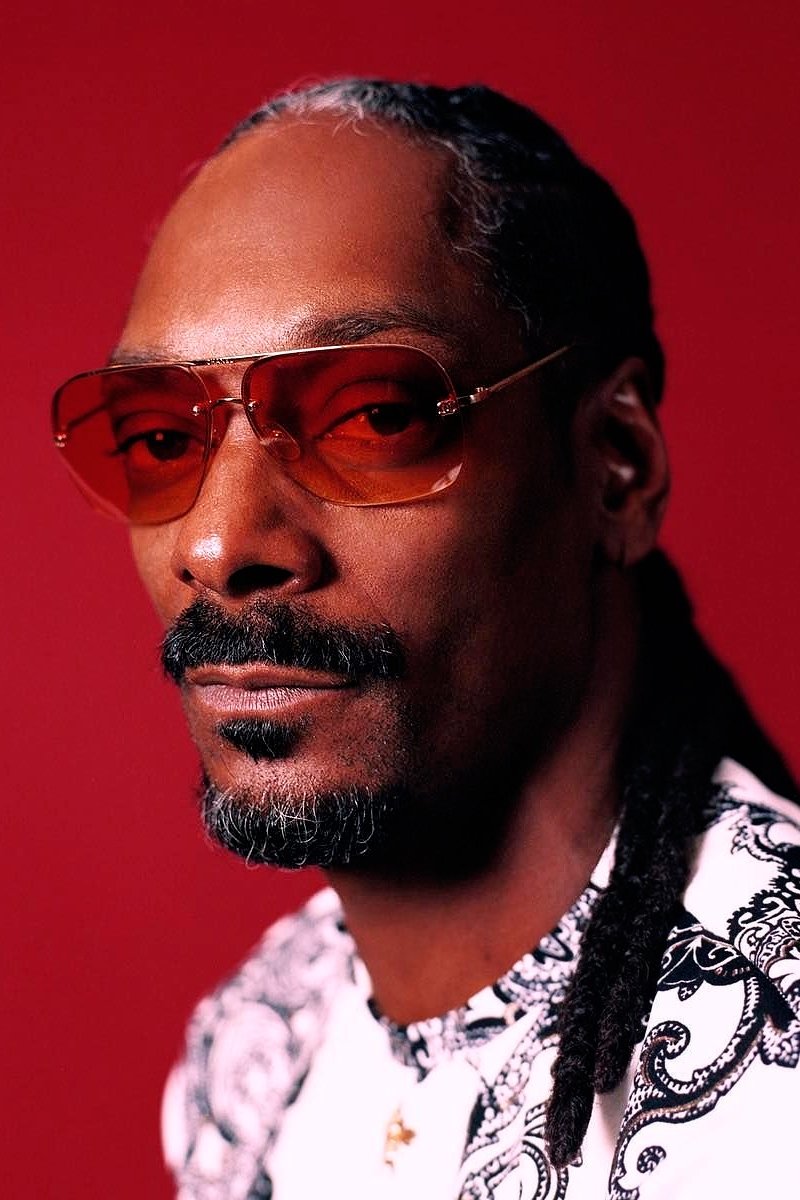
Once known for his gritty gangsta rap persona this artist has become a ubiquitous face in corporate advertising for brands like The General and Corona. Some fans have accused him of Diluting his legendary status by appearing in commercials that contrast sharply with his early music. His transition into a family friendly media personality has been highly profitable but remains a point of critique for rap purists. He often defends these choices as a natural evolution of his career and personal brand. The rapper continues to secure diverse endorsements while maintaining his status as a global icon.
Beyoncé
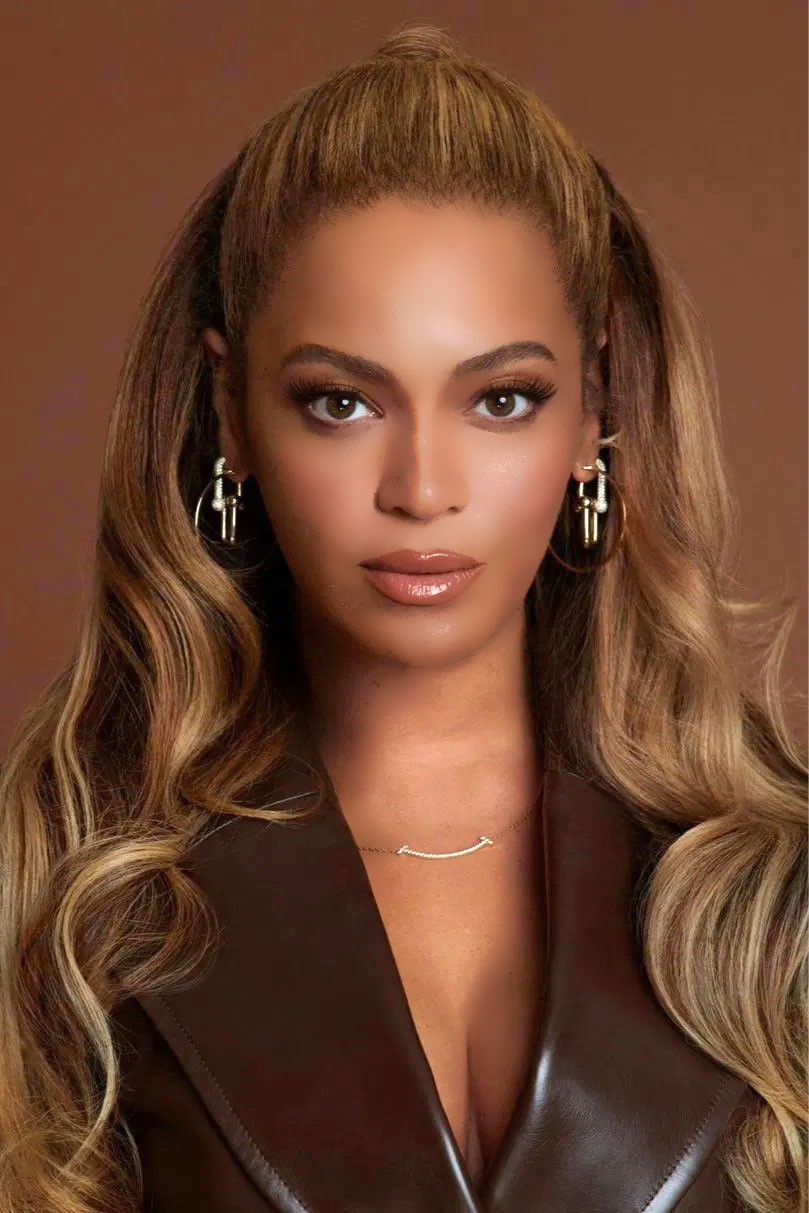
The global superstar faced criticism for performing a private concert at the opening of a luxury hotel in Dubai. Activists and fans pointed out that the performance occurred in a country with strict laws against the LGBTQ community. Many felt the decision contradicted the themes of empowerment and inclusivity present in her album ‘Renaissance’. While the performance was reportedly worth millions of dollars it sparked a heated debate about the ethics of high paying corporate gigs. She has generally remained silent on the specific criticisms regarding the event.
Travis Scott
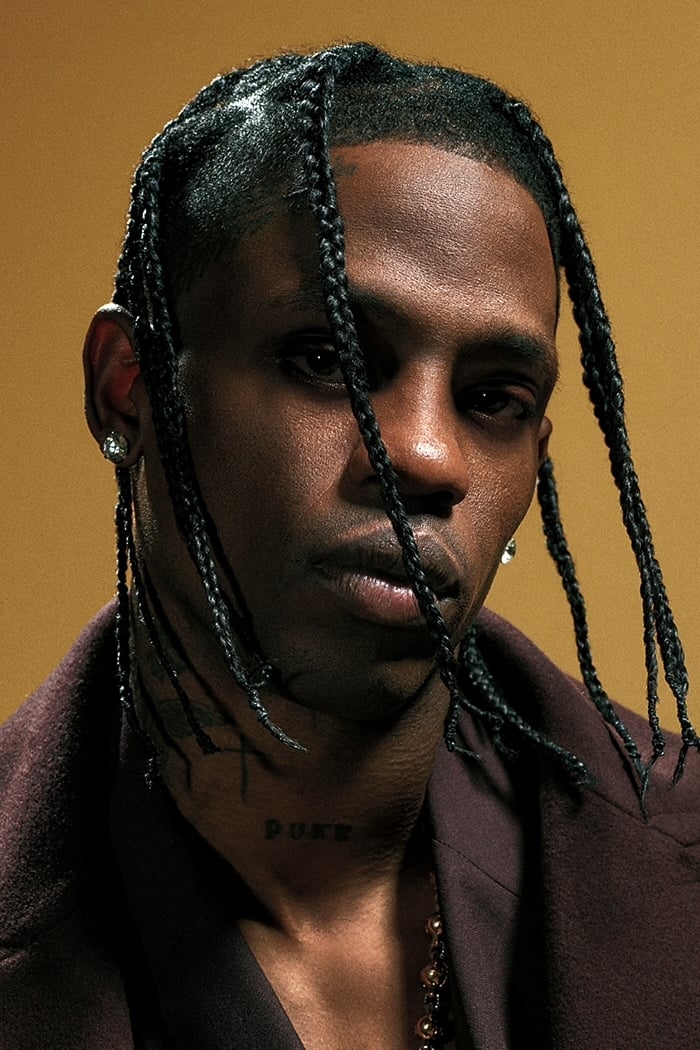
This artist collaborated with McDonald’s to launch a signature meal that became a massive cultural phenomenon. While the partnership was a financial success some critics argued that he was using his influence to market unhealthy food to a young audience. The commercialization of his brand through various merchandise and fast food deals led some to question his artistic integrity. Critics often point to this deal as a moment where corporate interests fully merged with the hype machine of modern hip hop. He has since continued to pursue large scale corporate partnerships across different industries.
Ye
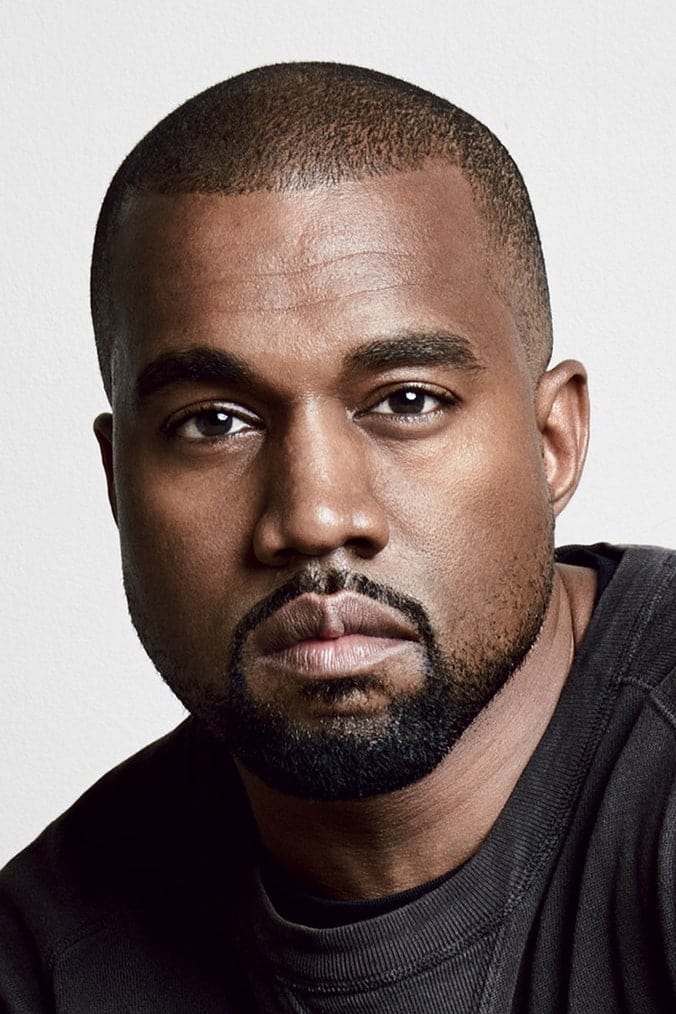
Before his major public controversies the artist faced accusations of selling out through his extensive deals with Adidas and Gap. Many fans felt his focus on high fashion and corporate growth distanced him from the musical innovation of his early career. His pursuit of billionaire status was often seen as a shift toward capitalist values that contradicted his previous social commentary. The eventual collapse of these deals due to his personal conduct added another layer to the discussion of his corporate legacy. His business moves remain a central part of his complex public narrative.
Common
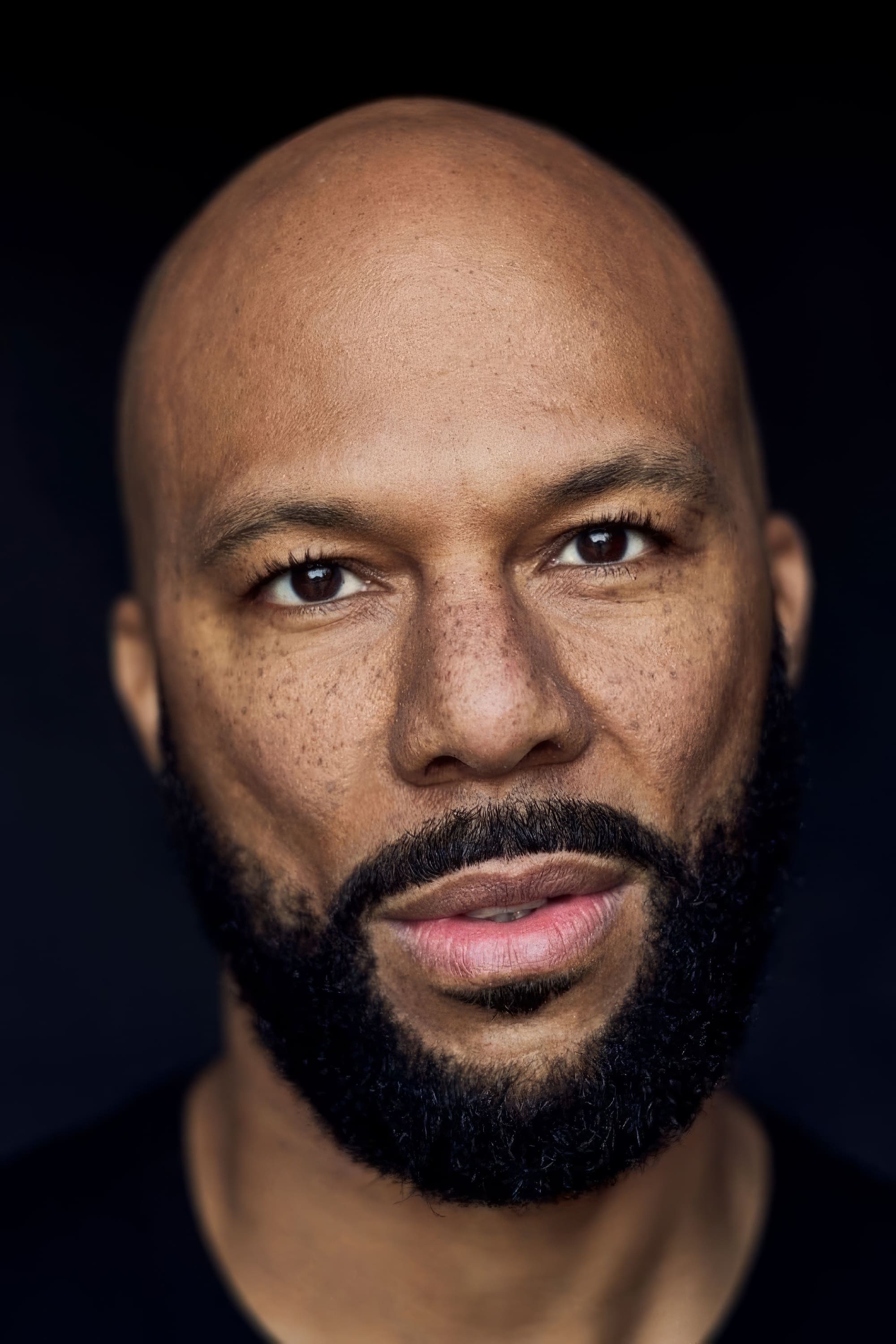
The rapper known for his conscious and poetic lyrics faced scrutiny for appearing in commercials for Microsoft and other large corporations. Some fans believed that his participation in mainstream advertising sanitized his message of social justice. The contrast between his revolutionary music and his corporate spokesperson roles became a frequent topic of discussion on social media. He has often emphasized that these deals provide a platform to reach a wider audience with positive messages. Nevertheless the label of selling out has persisted among certain segments of his original fan base.
Killer Mike
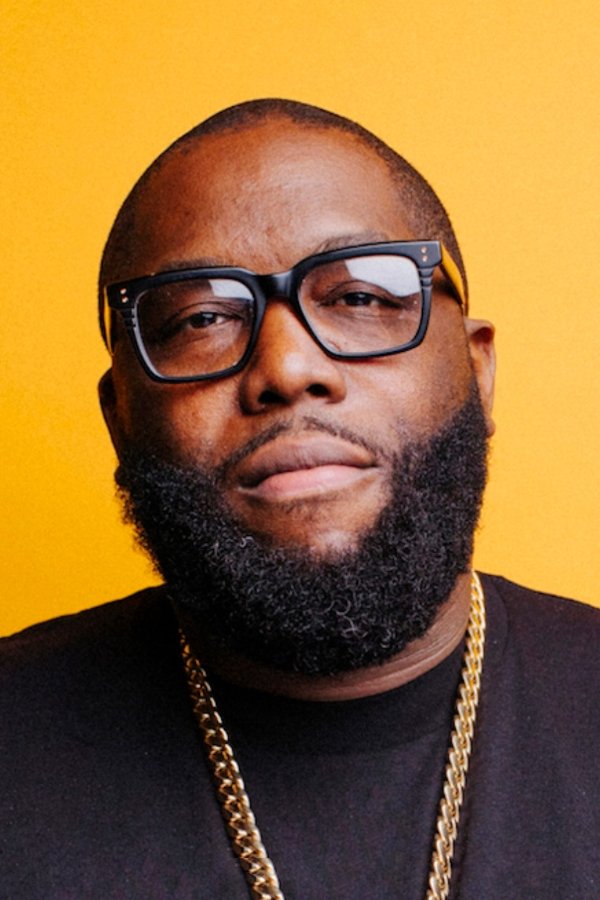
As a rapper known for his political activism he faced significant backlash for his involvement with the digital bank Greenwood. Some critics argued that promoting a private financial institution contradicted his frequent critiques of capitalism and systemic inequality. Further controversy arose from his meetings with political figures and his show ‘Trigger Warning with Killer Mike’ on Netflix. He has consistently defended his actions as practical steps toward building Black wealth and independence. The debate highlights the tension between radical politics and the realities of modern business.
Pharrell Williams
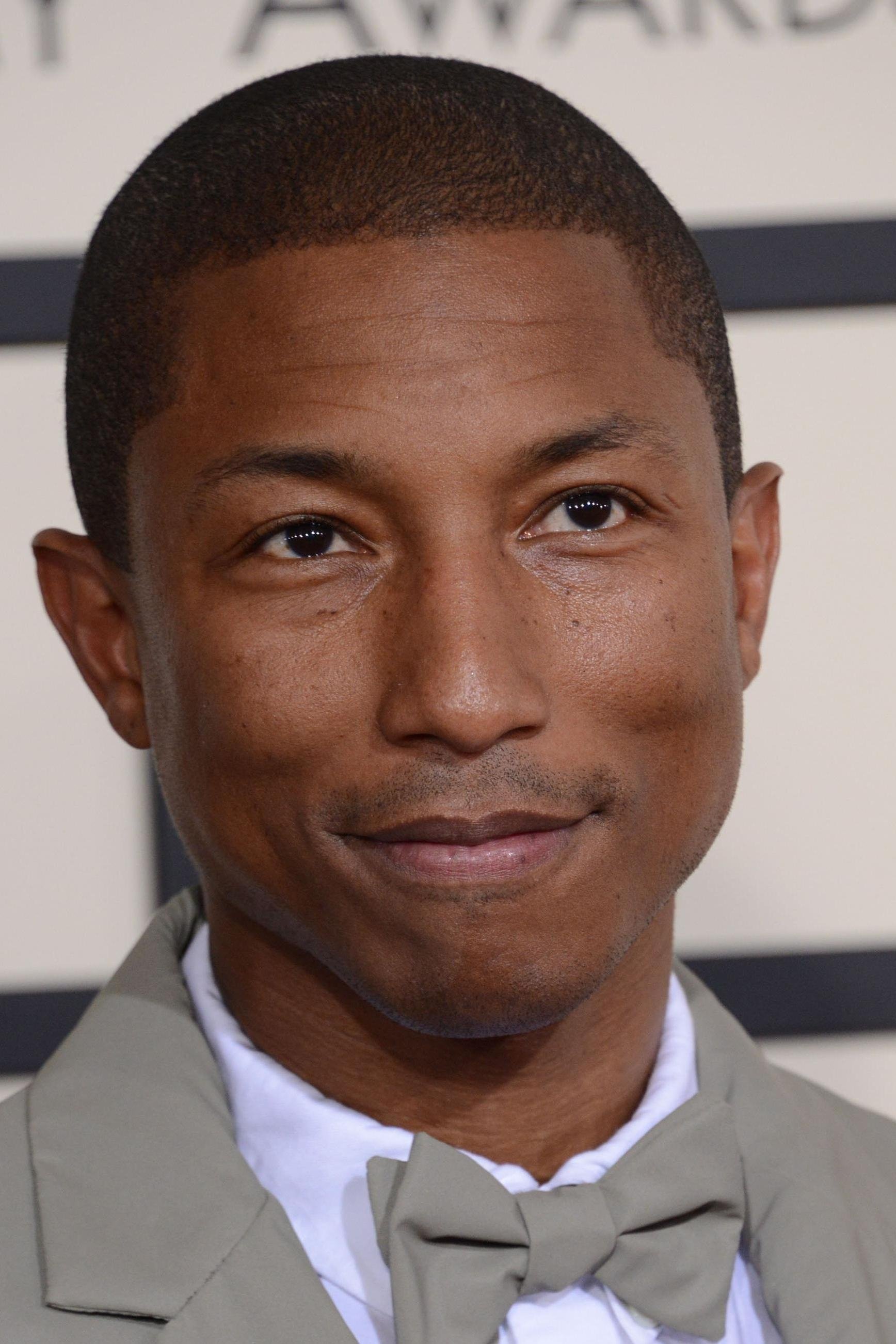
The musician and producer was criticized by some when he accepted the role of Men’s Creative Director at Louis Vuitton. Critics suggested that his full immersion into the world of luxury fashion was a move away from his musical roots and toward corporate elitism. While many celebrated the achievement as a win for Black designers others felt it represented a focus on extreme wealth. His work with the luxury house continues to influence global trends while sparking conversations about the intersection of art and commerce. He views his position as a way to open doors for future generations of creators.
LeBron James
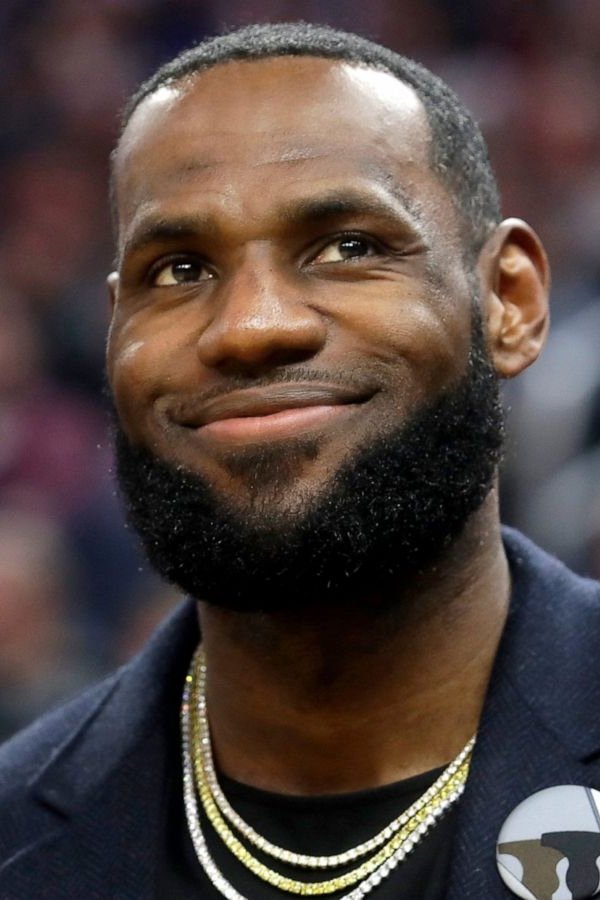
The basketball icon has been accused of prioritizing business interests over social causes in relation to his long standing partnership with Nike. Specifically critics pointed to his comments regarding the political situation in China as evidence of corporate influence. Many felt he was hesitant to speak out because of the financial stakes involved for his brand and the league. While he has been a vocal advocate for many domestic social issues the international business aspect remains a sensitive topic. This scrutiny demonstrates the high expectations placed on athletes with global corporate ties.
Michael Jordan
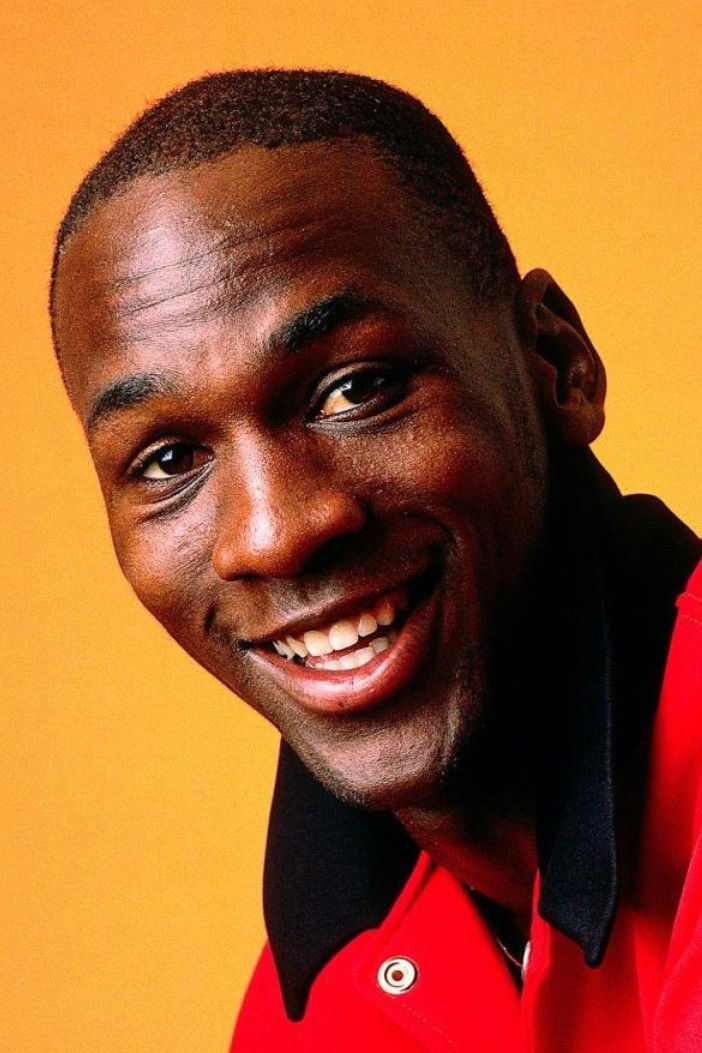
Throughout his career the basketball legend was often criticized for maintaining a neutral stance on social and political issues to protect his brand. His relationship with Nike and the success of the Jordan Brand made him a pioneer in athlete endorsements but also a target for those seeking more activism. The phrase often attributed to him about Republicans buying sneakers too was frequently cited by critics. Although he has become more philanthropic in recent years the early accusations of corporate compliance still follow his legacy. He remains the standard for how athletes build massive corporate empires.
MC Hammer
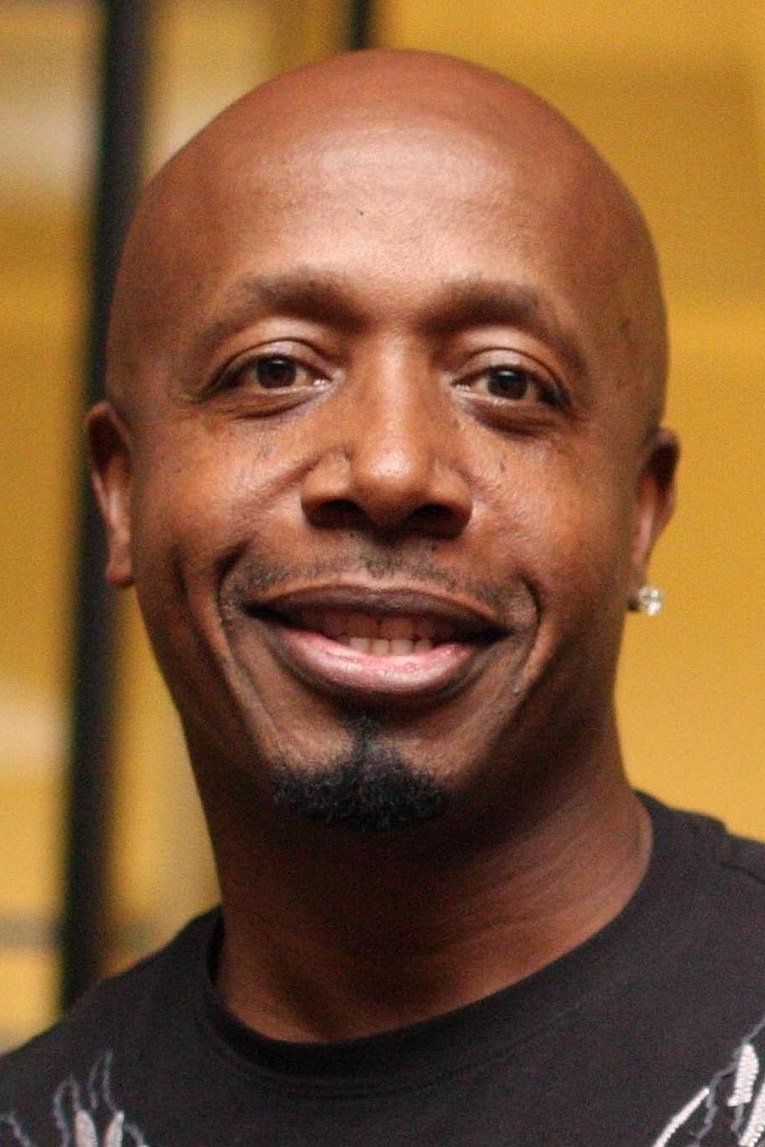
In the early nineties this rapper became one of the first major hip hop stars to fully embrace corporate endorsements with brands like Taco Bell and Pepsi. At the time the hip hop community was much more critical of artists who collaborated with mainstream brands. Many fans felt he had abandoned the roots of the genre to become a pop star and commercial pitchman. The rapid rise and fall of his career is often used as a historical example of the risks associated with commercial overexposure. His influence on the business side of the industry is now viewed with more nuance by historians.
Nicki Minaj

The rapper has frequently partnered with brands like Pepsi and Myx Fusions to expand her commercial reach beyond music. Some critics argued that these moves were part of a shift toward a more pop oriented sound that alienated her core hip hop audience. Her branding efforts have been extremely successful in making her a household name but have also led to accusations of commercialism. She has consistently pushed back against these claims by highlighting her business acumen and success as a female artist. The debate reflects the gendered double standards often applied to women in the music industry.
Cardi B
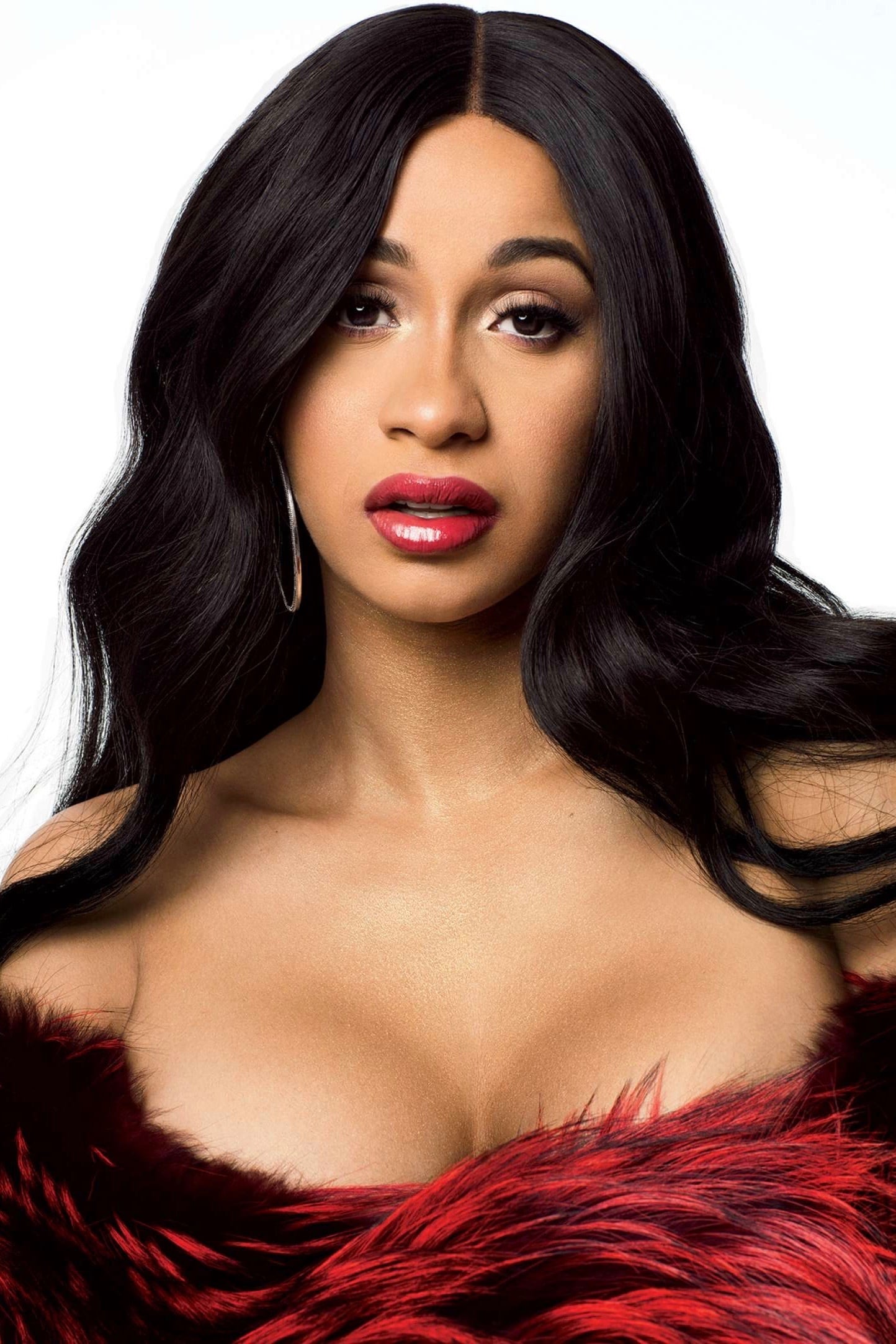
Her partnership with McDonald’s for a celebrity meal sparked discussions about her brand evolution from a raw underground artist to a corporate spokesperson. Some fans felt that the sanitized nature of the commercials did not align with her authentic and unfiltered personality. Critics also raised concerns about the health implications of the fast food she was promoting to her massive following. She has used her platform to defend her business decisions as a way to provide for her family and secure her future. Her ability to navigate corporate spaces while maintaining her persona remains a central part of her career.
Megan Thee Stallion
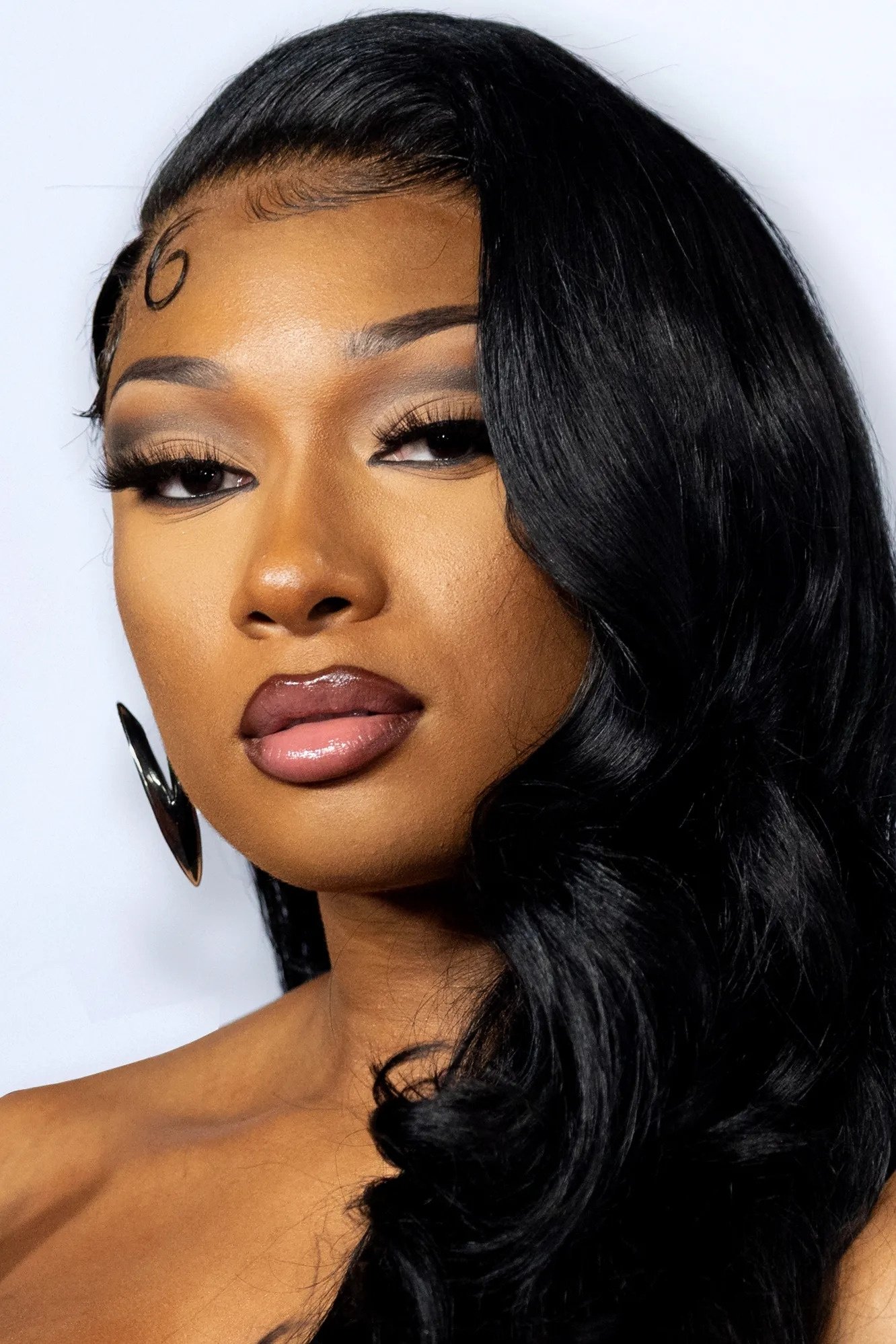
The artist faced criticism from some fans after partnering with Popeyes to launch her own Hottie Sauce and a line of merchandise. The backlash centered on the idea that such a corporate deal was a distraction from her musical career and social advocacy. Some critics viewed the partnership as an example of large corporations using hip hop culture to sell products to Black consumers. She celebrated the deal as a milestone in her career and an opportunity to explore her interests in the food industry. The collaboration was a commercial success despite the minor pushback from certain online communities.
Saweetie
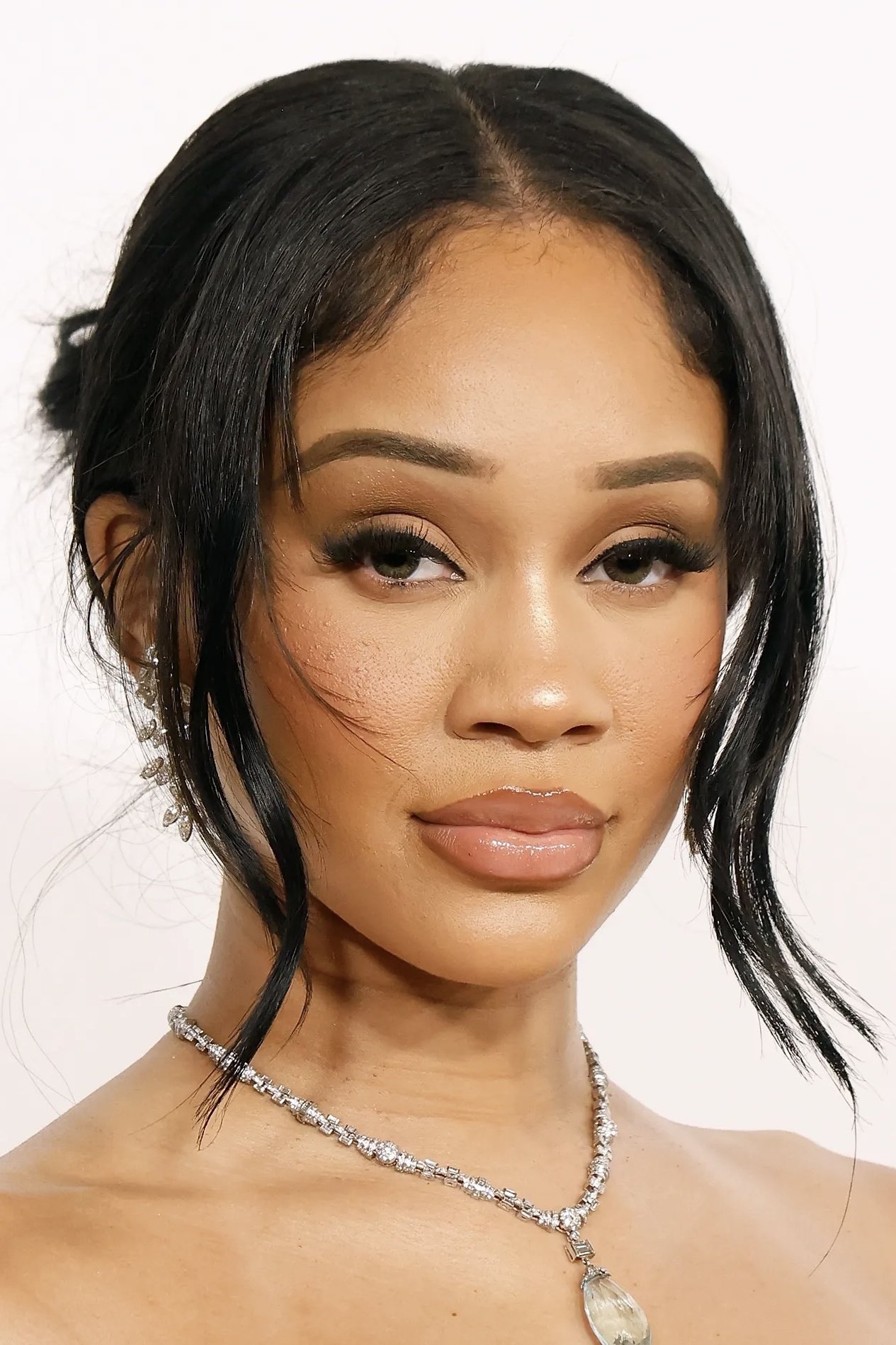
Known for her frequent brand collaborations this rapper faced significant online mockery and accusations of selling out for her McDonald’s meal deal. Critics argued that her branding was becoming more prominent than her music career. The focus on her icy persona in advertisements for various products led some to believe she was prioritizing corporate checks over artistic growth. She has ignored much of the criticism and continued to land major deals with beauty and fashion brands. Her career trajectory illustrates the modern trend of artists acting as lifestyle brands.
Pusha T
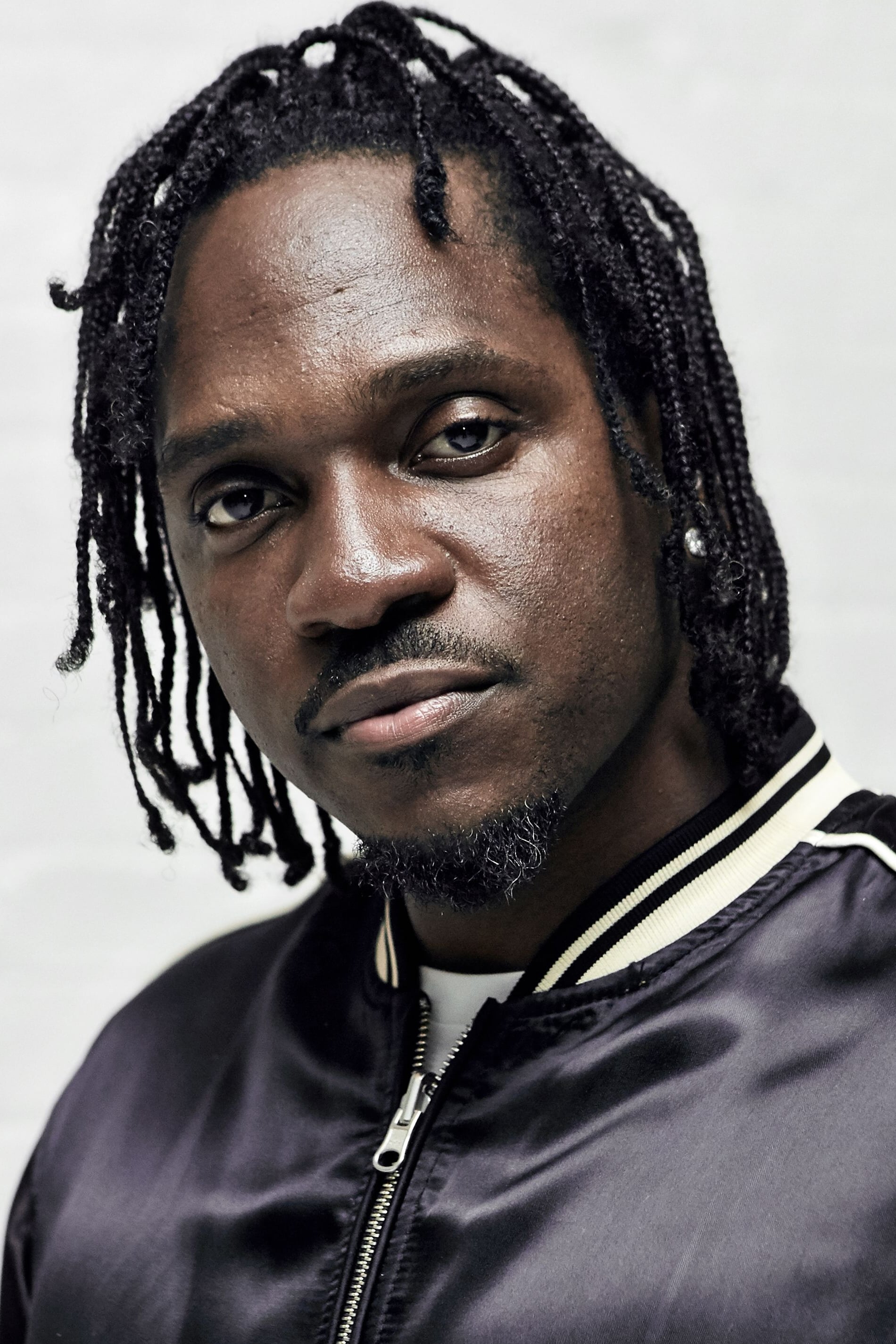
The rapper known for his consistent focus on street culture and drug related themes surprised many when he partnered with Arby’s for a diss track against a competitor. While many fans found the marketing campaign clever and entertaining others felt it was a strange corporate pivot for a serious lyricist. The deal highlighted how even the most niche rappers are now sought after by major corporations for viral marketing. He defended the move by pointing out the financial benefits and the creative control he maintained during the process. It remains one of the more unique examples of corporate branding in recent years.
Dr. Dre
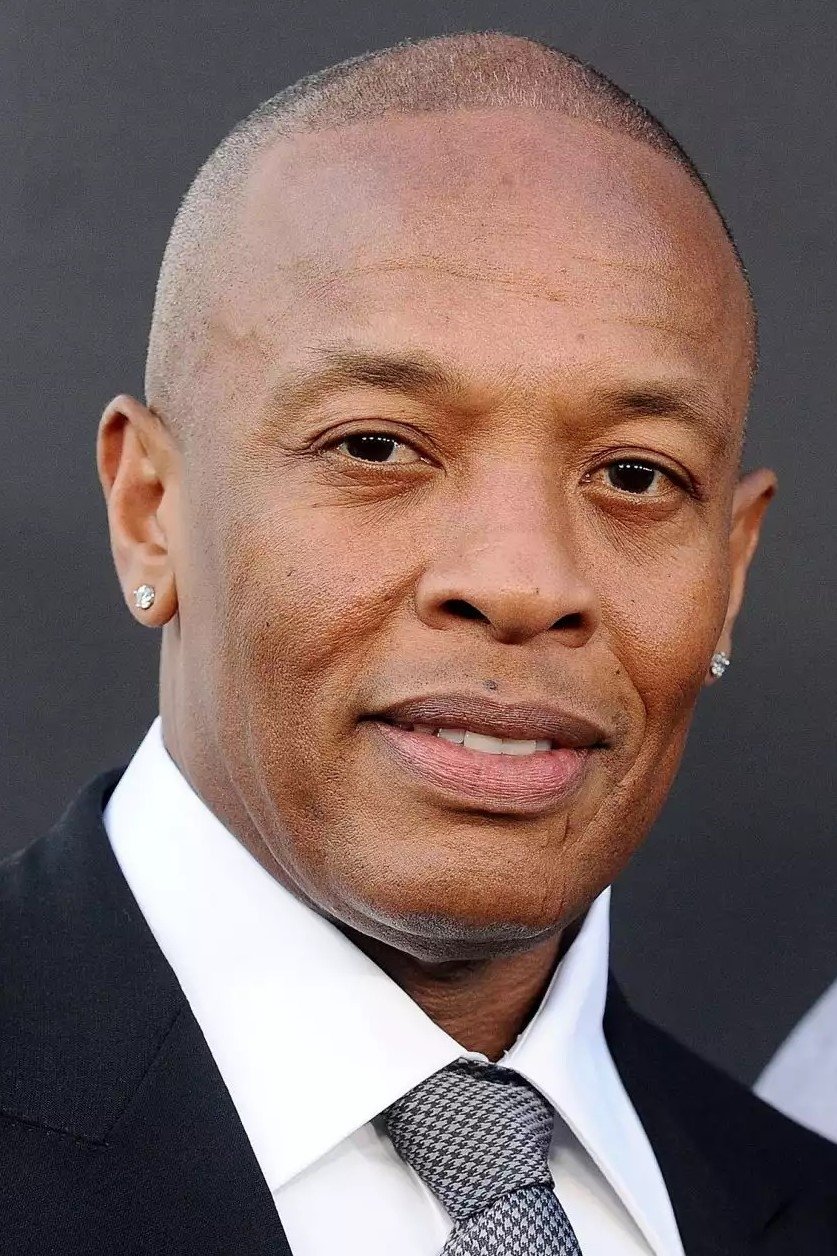
The legendary producer faced accusations of selling out when he sold his Beats by Dre brand to Apple for billions of dollars. Some fans felt that the move into the corporate tech world was a departure from his role as a hip hop pioneer. Critics also pointed out that the high price of the headphones made them a luxury item that was out of reach for many in his original community. The success of the deal made him one of the wealthiest figures in the industry but changed the public perception of his brand. He has since focused heavily on philanthropy and education initiatives.
Alicia Keys
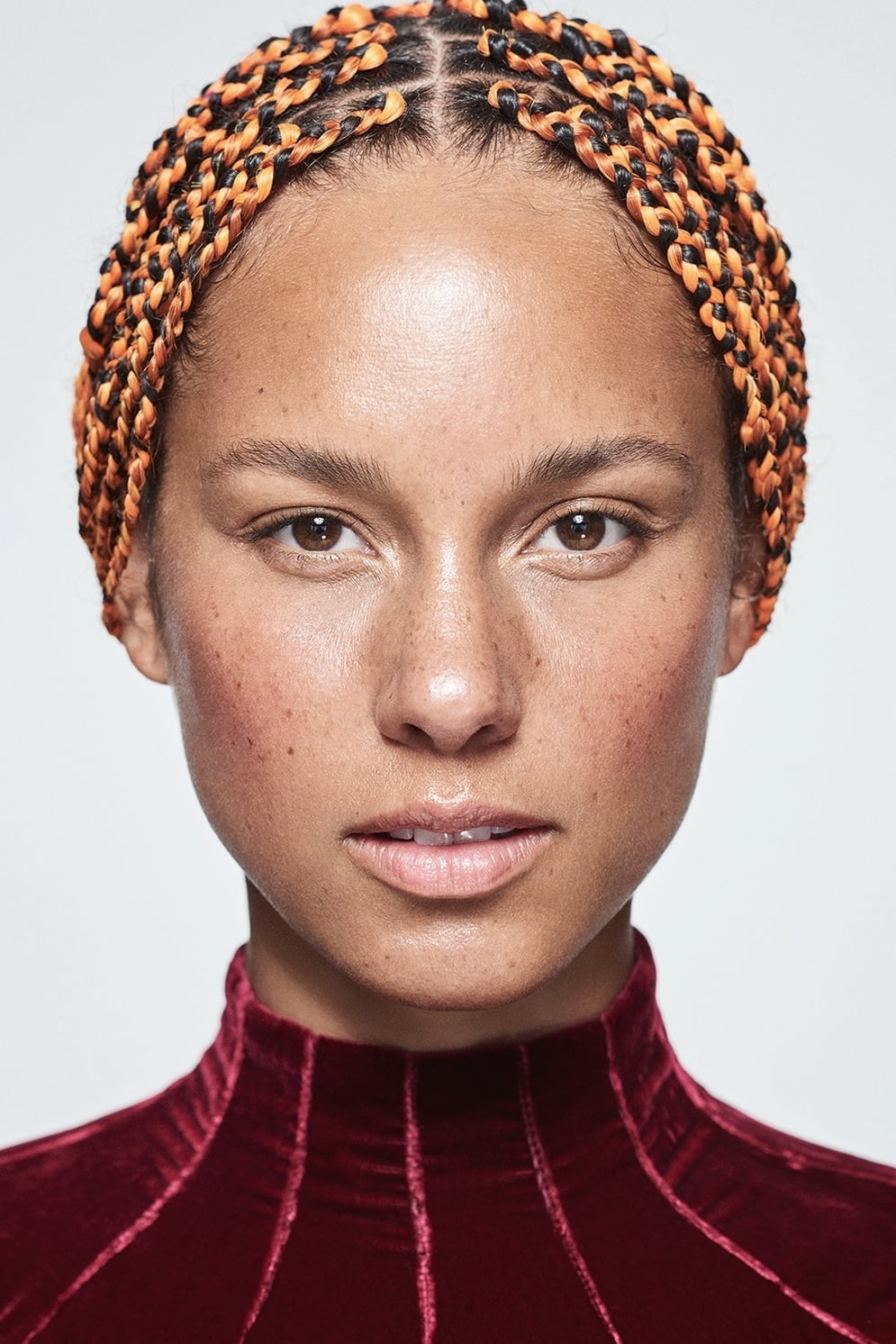
When the singer became a creative director for Blackberry many fans were confused by the partnership and questioned its authenticity. Critics pointed out that she was often seen using other smartphone brands in public which led to accusations of a purely financial motivation. The deal was seen by many as a failed attempt to bridge the gap between celebrity influence and the tech industry. It lasted only a short time before both parties moved on from the arrangement. This incident is frequently cited as an example of a corporate partnership that felt forced to the public.
Spike Lee
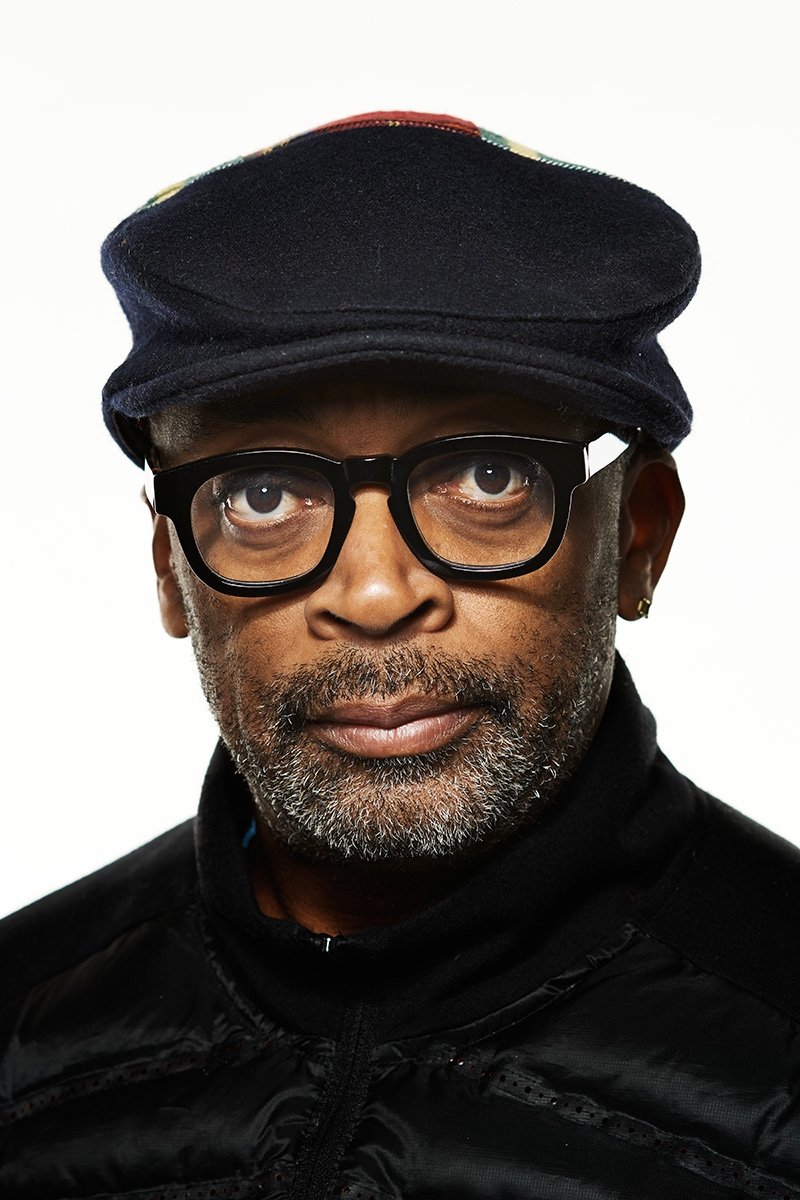
The acclaimed filmmaker was criticized for his associations with Absolut Vodka and Capital One in various advertising campaigns. Some fans felt that his work as a corporate pitchman conflicted with his status as an independent and politically vocal artist. His commercials for the credit card company were particularly scrutinized because they utilized his signature style to promote financial products. He has consistently defended his right to earn a living and fund his film projects through diverse income streams. The controversy reflects the challenges faced by directors who balance artistic vision with commercial viability.
Steve Harvey
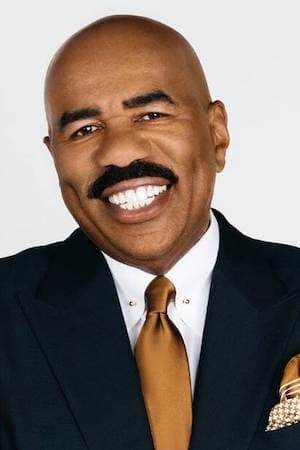
This entertainer has faced criticism for his transition from a stand up comedian to a host of multiple television shows and a spokesperson for numerous brands. Some fans believe that his focus on building a massive corporate media empire has led him to abandon the edgy humor that made him famous. His advice books and daytime television appearances have also been labeled as overly commercial by some critics. He often speaks about the importance of work ethic and building a legacy for his family as the driving force behind his business moves. His brand continues to be one of the most successful and recognizable in entertainment.
50 Cent
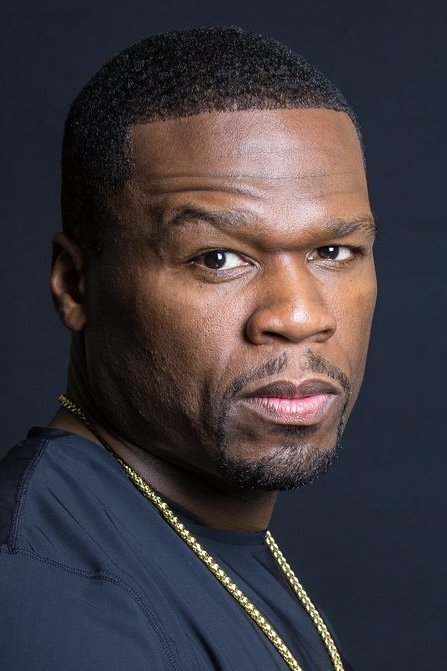
The rapper became a symbol of corporate success after his massive payout from the sale of Vitamin Water to Coca-Cola. While many praised his business brilliance others felt that his focus on becoming a corporate mogul detracted from his music. His public support for certain political figures based on tax policies further fueled accusations that he had prioritized wealth over community interests. He has never shied away from his desire to be a billionaire and often mocks the idea of selling out. His career has become a blueprint for artists looking to diversify their income beyond entertainment.
Sean Combs
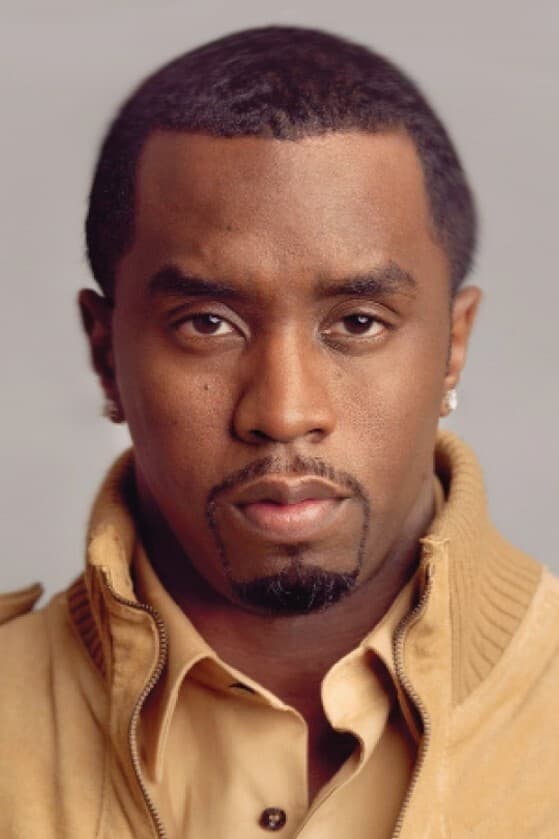
Under various names this mogul has built an empire through partnerships with brands like Ciroc and DeLeon. Critics have sometimes argued that his focus on luxury and lifestyle branding has overshadowed his contributions to the music industry. The aggressive marketing of his spirits brands has been a central part of his public image for over a decade. While he has been credited with revolutionizing the way celebrities partner with alcohol companies he still faces critiques about the commercial nature of his brand. He views his business success as a form of empowerment and a way to create opportunities for others.
Tyler, The Creator

The artist who started as an anti establishment rebel with the collective Odd Future eventually began collaborating with high fashion brands like Louis Vuitton and Gucci. Some early fans felt that his shift into the world of luxury fashion was a betrayal of his original DIY and skate culture roots. His work as a designer and creative director has been widely praised by the fashion industry but remains a point of debate for those who preferred his early persona. He has addressed these critiques by stating that his tastes have naturally evolved as he matured. His brand now bridges the gap between alternative culture and high end luxury.
Lil Wayne
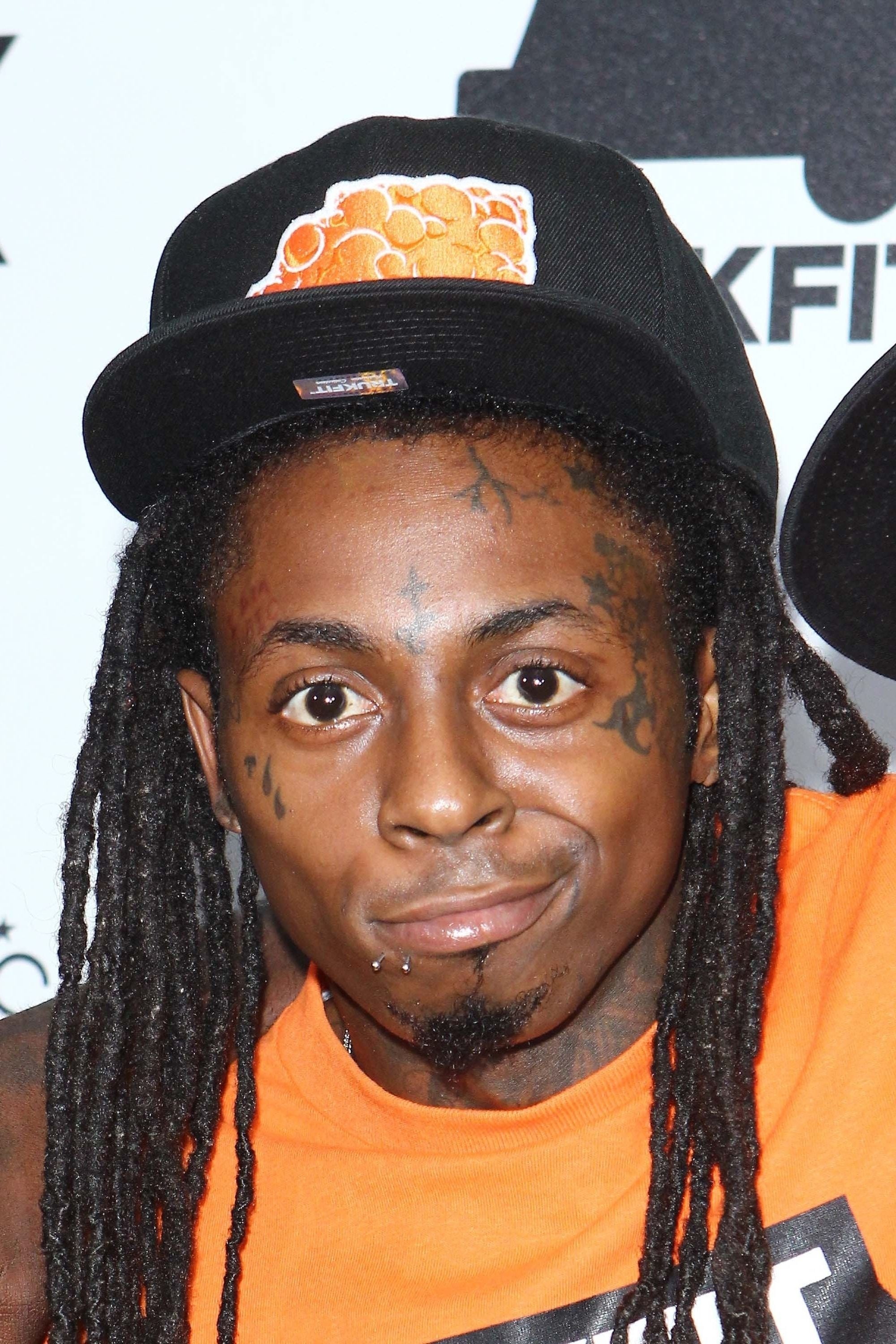
The influential rapper faced backlash for appearing in commercials for Samsung and other major brands during a time when his music career was in a transition phase. Some fans felt that these corporate appearances were a sign that he was becoming more interested in commercial deals than maintaining his lyrical dominance. His participation in a Super Bowl commercial for Apartments.com also sparked debate about the types of products he was choosing to endorse. Despite the criticism he remains one of the most respected figures in the genre. He continues to balance his legendary status with various business ventures.
A$AP Rocky
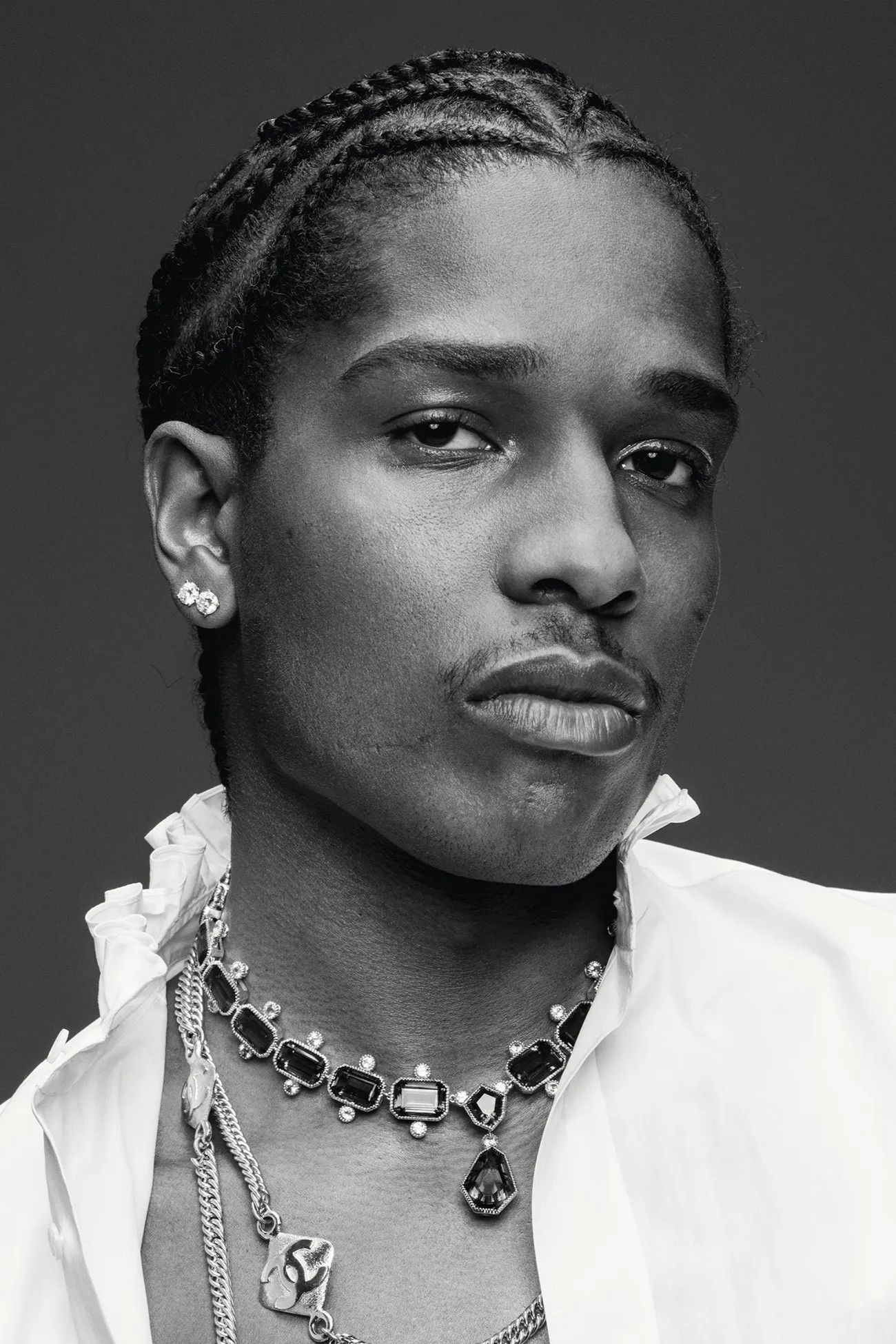
Known for his deep ties to the fashion world this rapper has been accused of prioritizing his relationships with luxury brands over his music. His partnerships with companies like Puma and Dior have made him a style icon but have led to long gaps between his album releases. Some critics argue that he has become more of a fashion influencer than a dedicated recording artist. He has consistently maintained that fashion is a natural extension of his creative expression. The overlap between his music and his brand deals is a defining feature of his career.
Kendrick Lamar
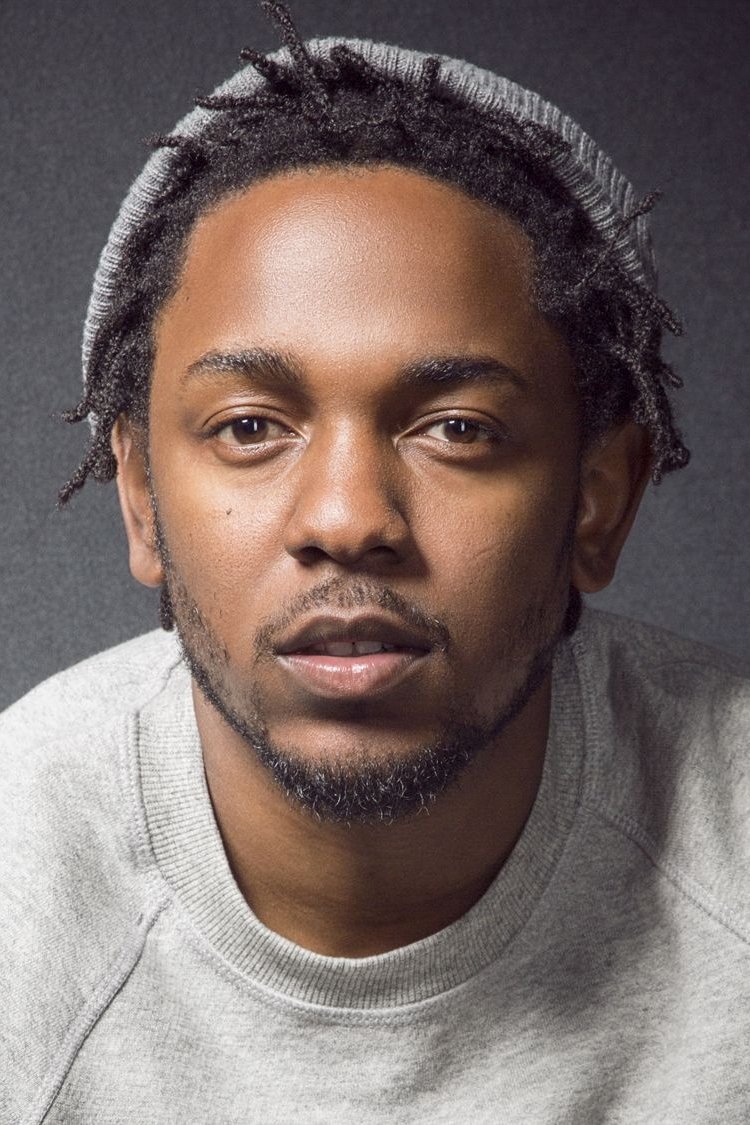
Even a rapper widely respected for his artistic integrity has faced minor accusations of selling out for his sneaker deals with Reebok and Nike. Some fans felt that the commercialization of his image through footwear contradicted the humble and anti materialistic themes in his music. The high demand and limited release of his sneakers also drew criticism from those who felt they were becoming exclusive luxury items. He has used these partnerships to promote messages of unity and community through specific designs. This shows that even the most acclaimed artists are not immune to corporate scrutiny.
Chance the Rapper
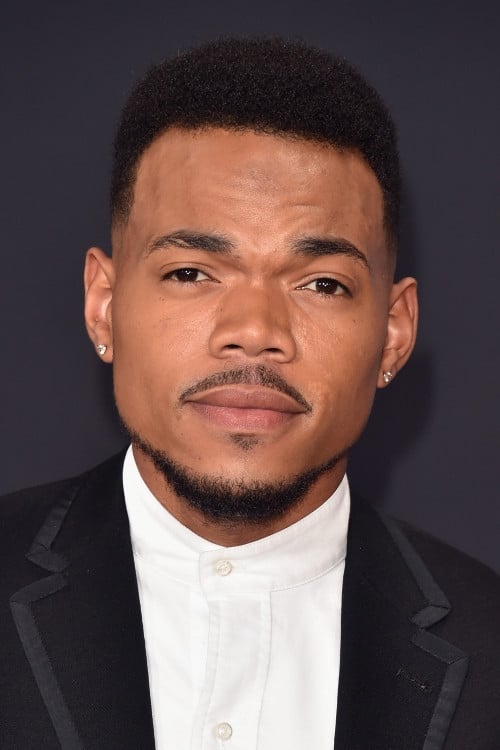
The Chicago artist faced criticism when he appeared in a high profile Doritos commercial and other mainstream advertising campaigns. Fans who supported his rise as an independent artist felt that these corporate deals were a departure from his grassroots image. The perceived change in his musical direction following these deals added to the narrative that he had lost his way. He has often defended his independence while explaining that brand deals help fund his philanthropic efforts. The transition from local hero to national spokesperson is a common point of friction for fans.
Questlove
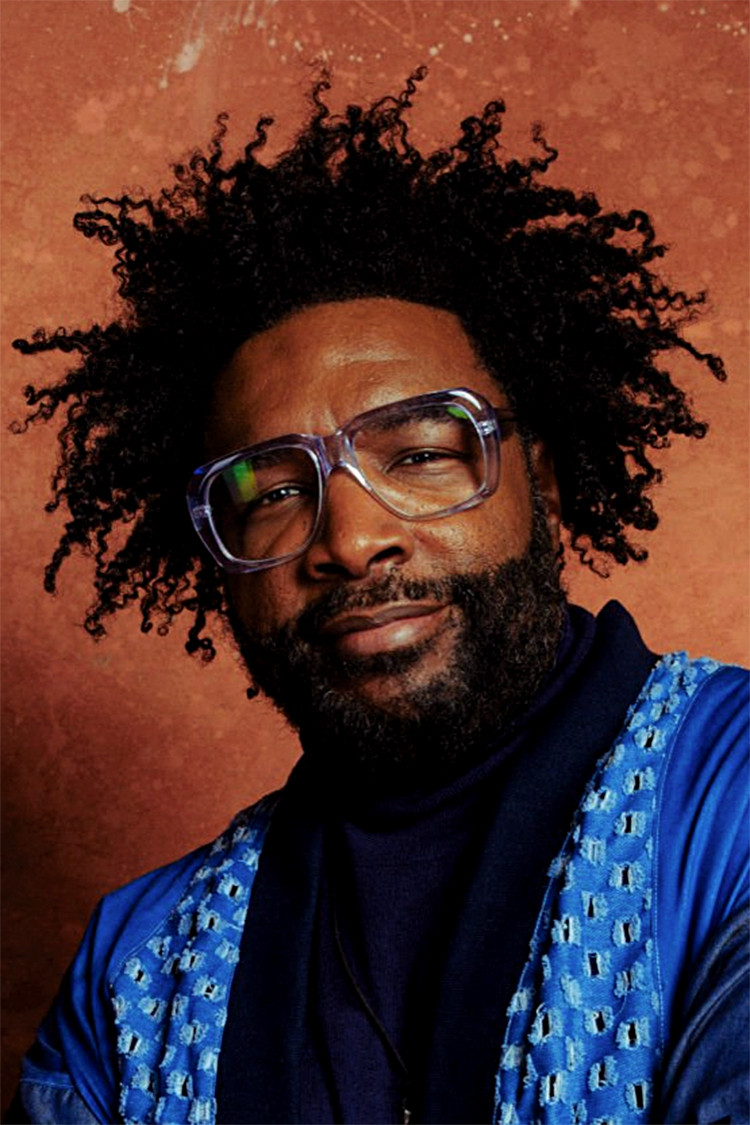
The multi talented musician and drummer for The Roots faced some pushback for his extensive corporate work as a DJ and spokesperson for brands like Pandora. Critics suggested that his presence in so many commercial spaces was a move away from the authentic jazz and hip hop roots of his band. His role on a late night talk show also contributed to the perception of him as a safe and corporate friendly figure. He has argued that his diverse career allows him to preserve and promote musical history on a massive scale. He remains a respected authority on music despite the commercial critiques.
Ludacris
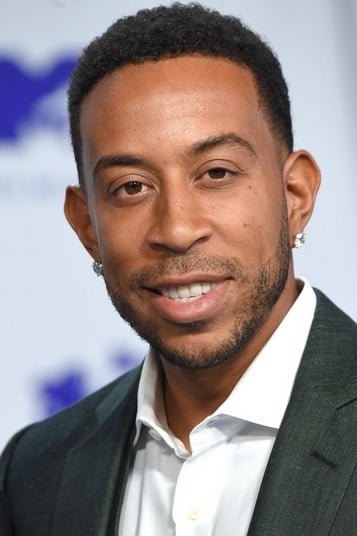
This rapper and actor transitioned from being a major force in Southern hip hop to a corporate brand ambassador and star of a massive film franchise. Some fans believe that his move into family friendly commercials and mainstream movies has softened his image too much. His early music was known for its humor and energy which some feel is missing from his modern corporate persona. He has successfully leveraged his fame to build a lasting career that extends far beyond the music industry. The debate over his evolution is a common theme among fans of early two thousands rap.
Magic Johnson
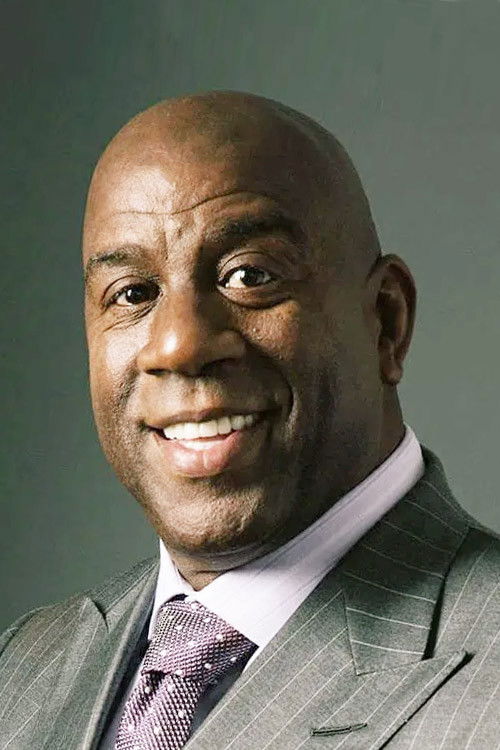
The basketball legend transformed into a business mogul through his numerous partnerships and ownership stakes in major franchises like Starbucks and Sony Retail. While he was celebrated for bringing business to underserved communities he was also accused of being a corporate face for gentrification. Some critics felt his focus on big business deals distanced him from the grassroots activism of his peers. He has consistently pointed to the jobs and economic growth his ventures have created as his primary defense. His business model has been studied and emulated by many athletes who followed him.
Shaquille O’Neal
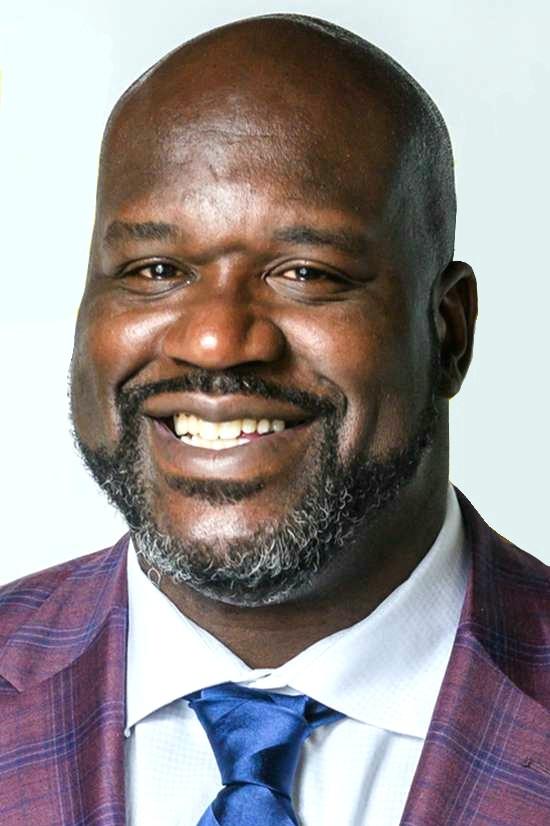
Known for his larger than life personality he has become one of the most active celebrity pitchmen in history with deals for everything from The General insurance to Papa John’s. Some fans have criticized the sheer volume of his endorsements suggesting that he will promote almost any product for a check. This saturation has led to accusations that he has prioritized quantity over the quality or ethics of the brands he represents. He often uses humor to deflect these criticisms and emphasizes his desire to stay busy and productive. He remains one of the most likable and recognizable figures in American media.
Kevin Hart
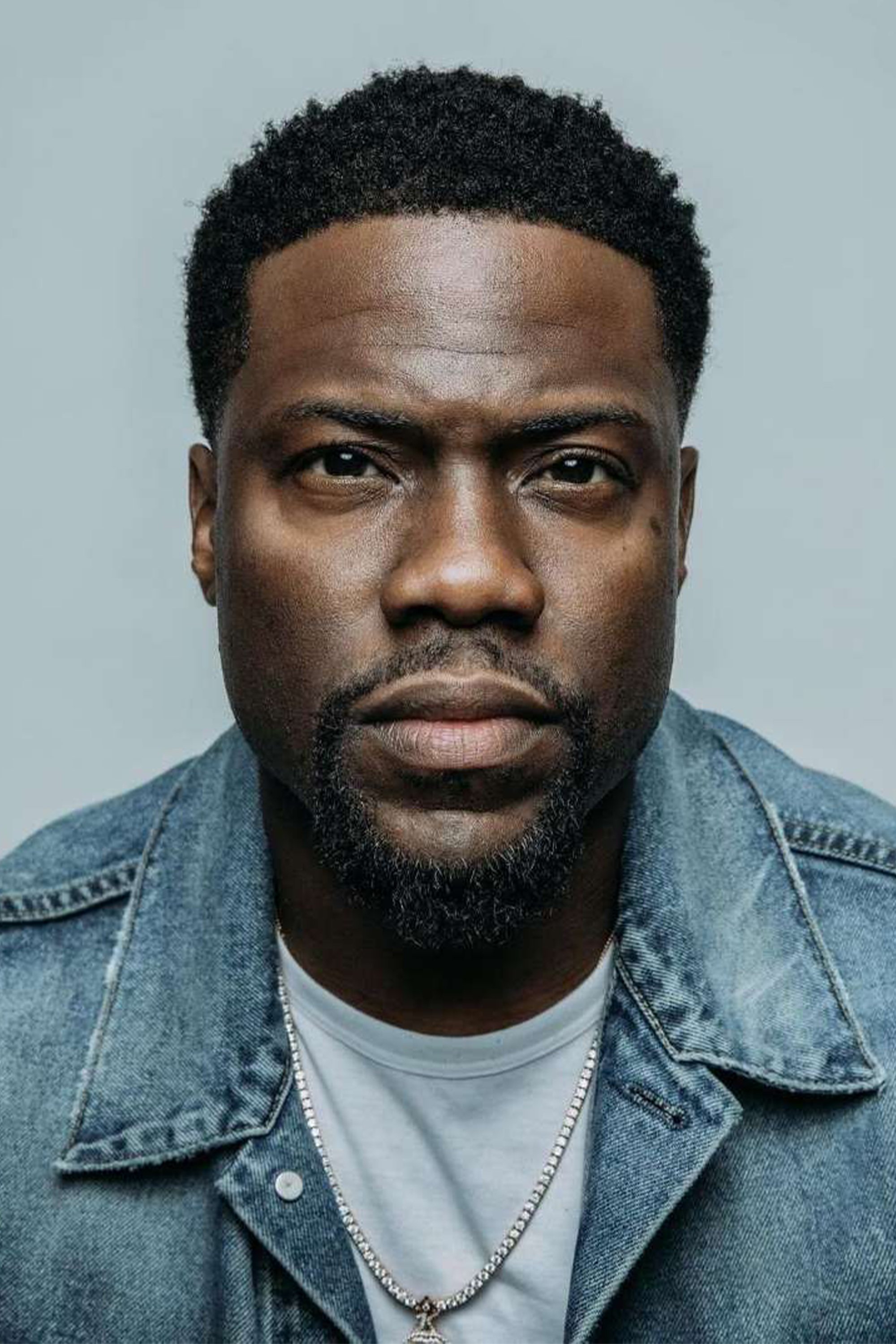
The comedian and actor has faced accusations of selling out for his extensive deals with brands like DraftKings and Chase Bank. Some critics believe that his constant presence in commercials has made his comedy feel like a secondary focus to his business interests. His work as a corporate spokesperson is often seen as a move to maintain his status as one of the highest earning entertainers in the world. He frequently speaks about his goal of becoming a mogul and his pride in his work ethic. The volume of his corporate appearances continues to be a point of discussion among his audience.
Venus Williams
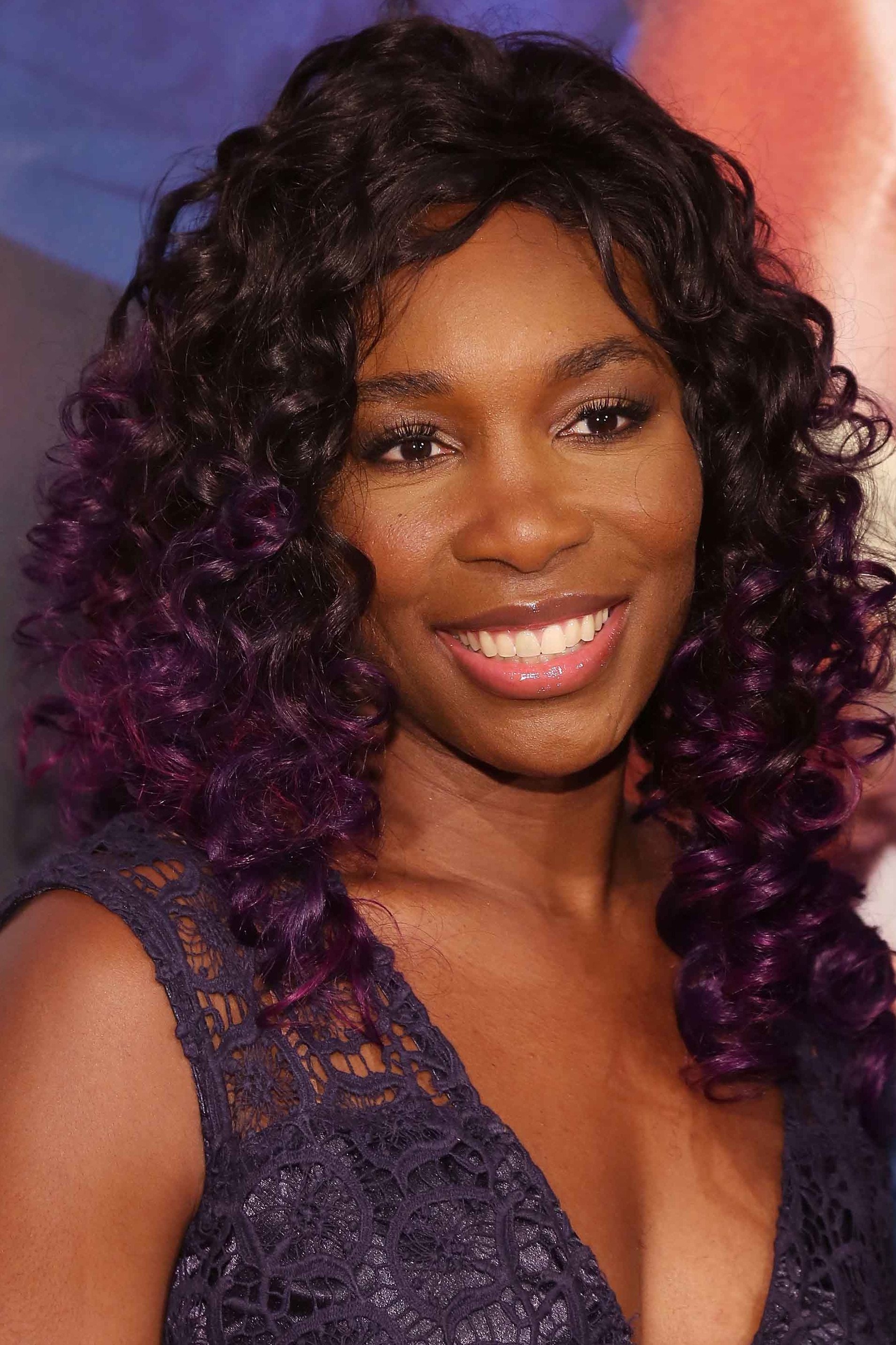
The tennis champion has faced some criticism as she transitioned into the world of design and corporate branding with her own lifestyle labels. Some fans felt that her focus on building a business empire took away from her performance and commitment to the sport during the latter part of her career. Her appearances in various corporate advertisements have also been scrutinized by those who preferred her earlier focus on athletics. She has used her platform to advocate for gender pay equity and other important issues alongside her business ventures. Her career represents the modern athlete’s path to long term financial security.
Serena Williams
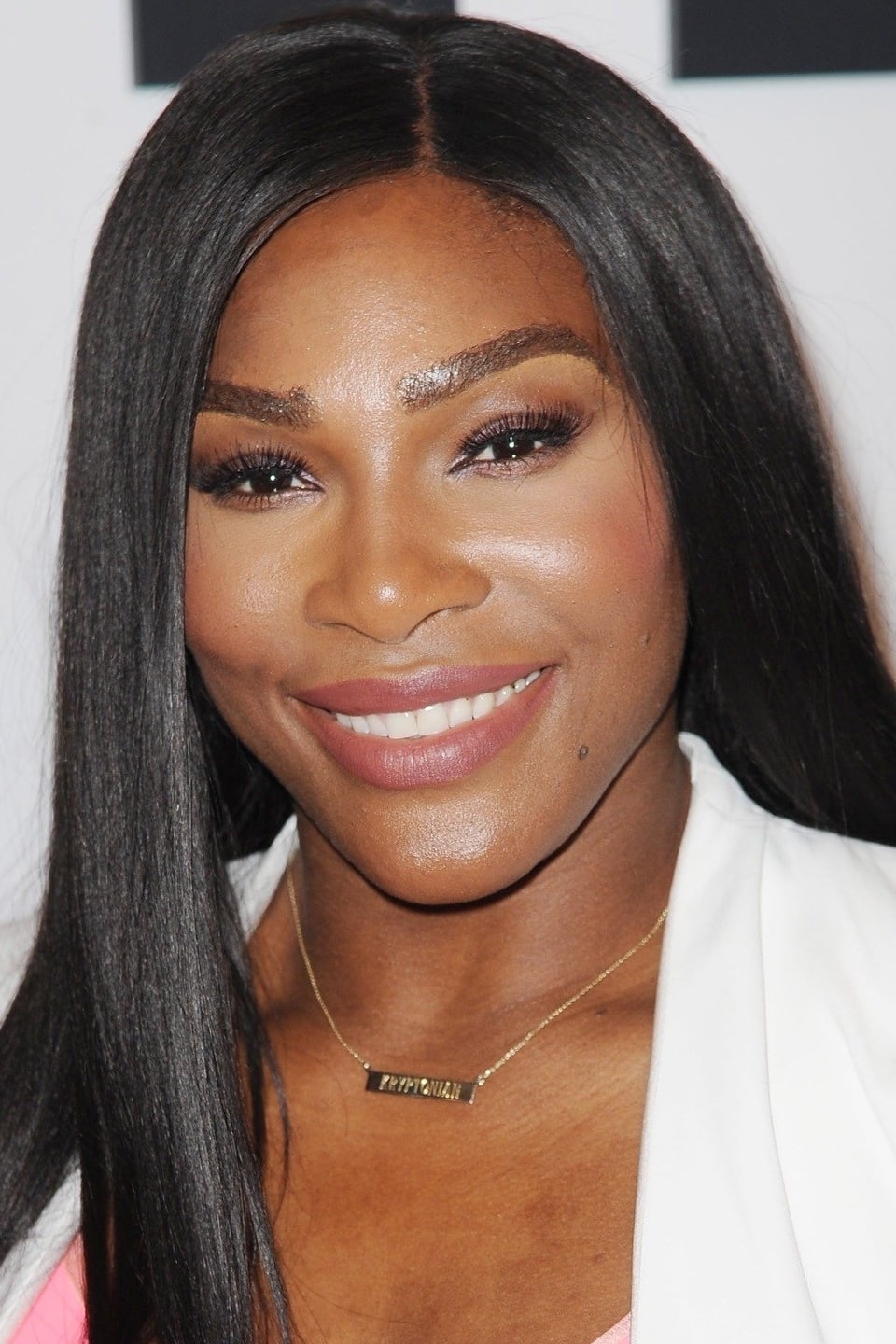
Like her sister the legendary athlete has been accused of becoming overly corporate through her many brand deals and venture capital firm. Critics have argued that the focus on her personal brand and commercial interests sometimes overshadowed her tennis legacy. Her appearances in a wide range of advertisements from luxury cars to tech products have made her a staple of corporate marketing. She has maintained that these ventures are part of her evolution as a woman and a mother looking toward the future. The pressure to balance a GOAT status with business interests is a recurring theme in her public life.
Will Smith
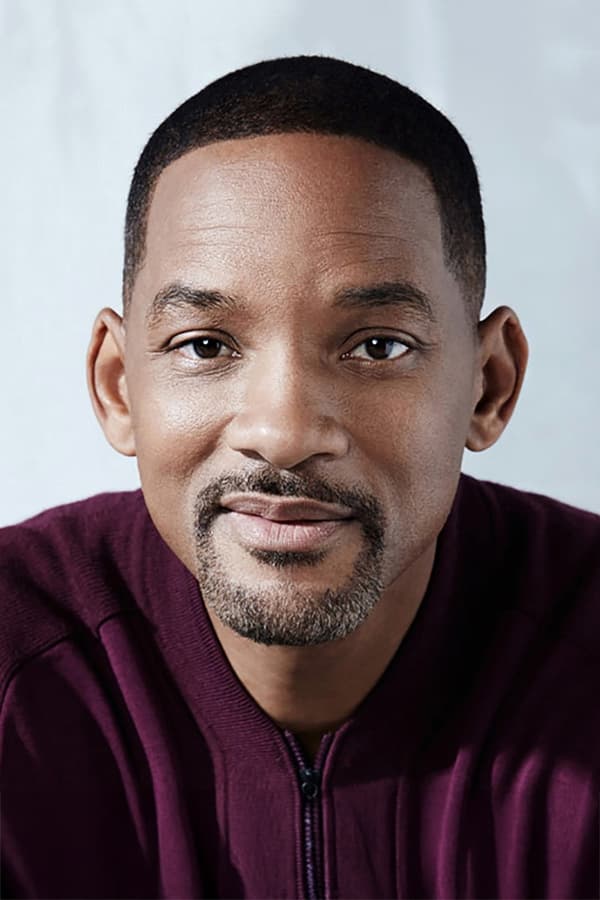
For decades this actor and former rapper was seen as the ultimate example of a sanitized and corporate friendly Black celebrity. Some critics argued that he purposely moved away from any controversial or overtly political stances to maintain his global box office appeal. This careful curation of his image was often labeled as a form of selling out to Hollywood standards. The recent shifts in his public persona and the controversies surrounding him have complicated this long standing narrative. He remains one of the most successful entertainers to ever bridge the gap between hip hop and global stardom.
Oprah Winfrey
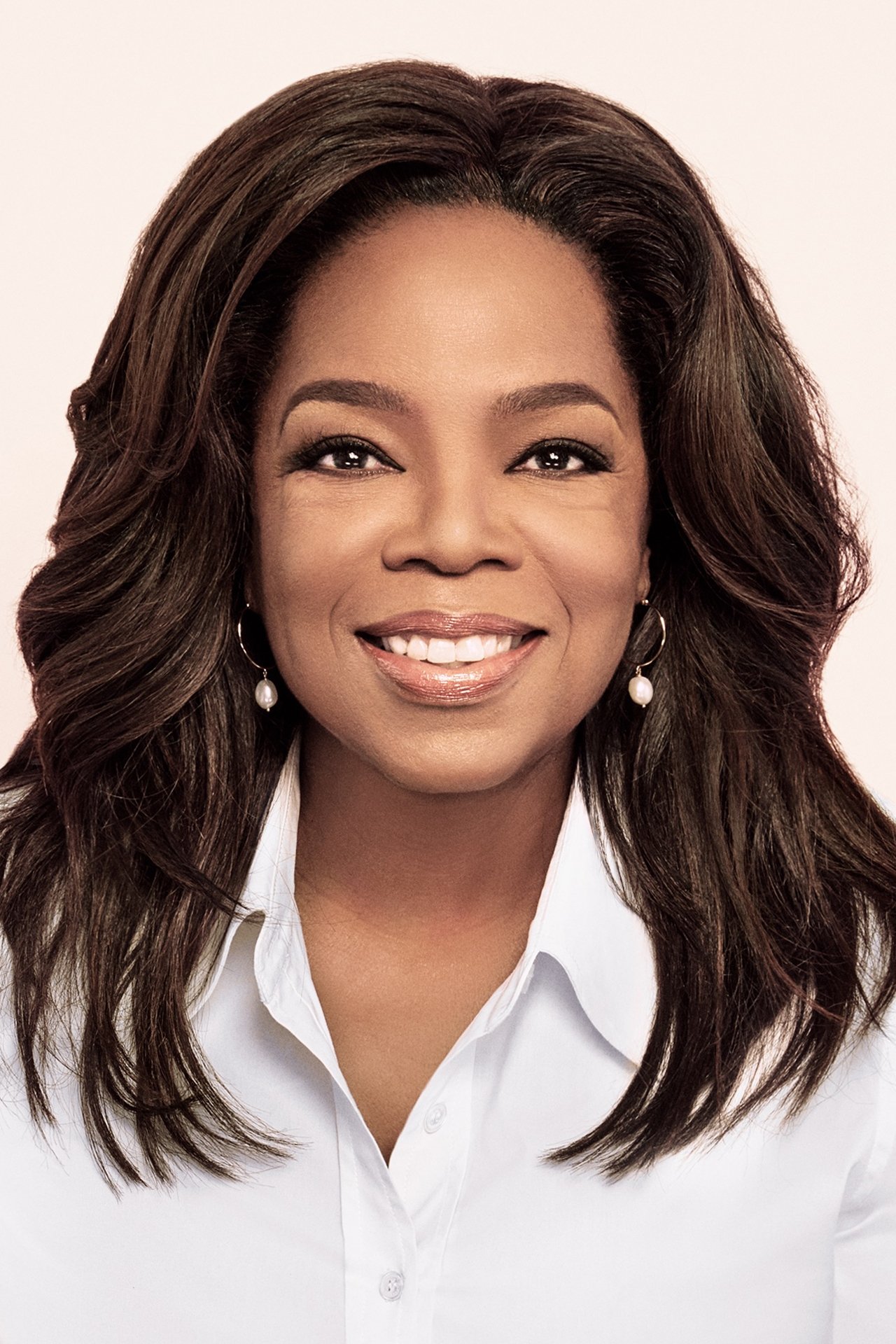
Despite her status as a cultural icon she faced backlash when she became a spokesperson and significant investor in Weight Watchers. Critics argued that her promotion of a weight loss company contradicted her previous messages of self acceptance and body positivity. Some felt the move was a purely financial decision designed to boost the company’s stock while profiting from the insecurities of her audience. She defended the partnership as a personal journey toward health and a way to help others achieve their goals. The controversy highlighted the power and responsibility that comes with her immense influence.
Janelle Monáe
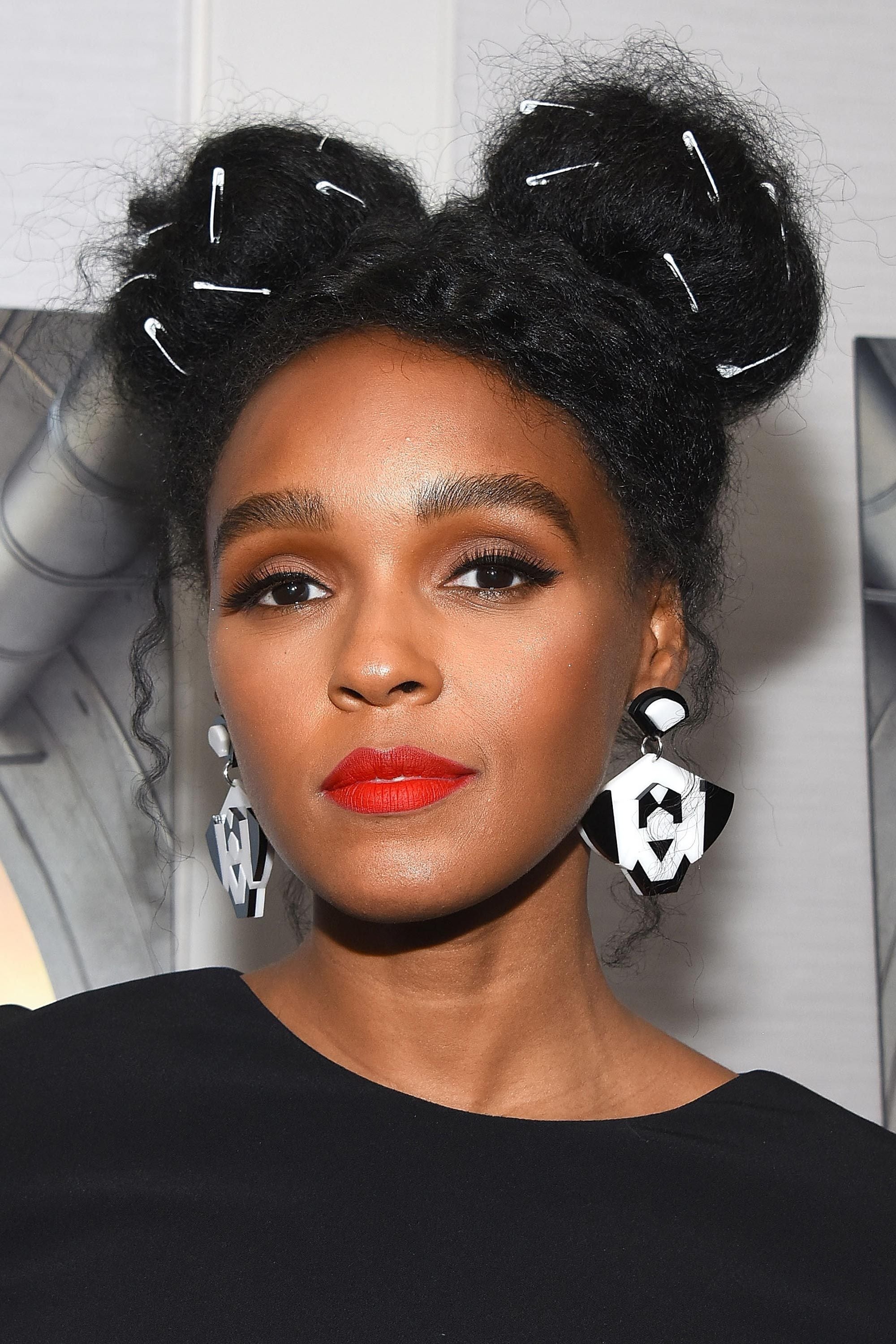
Early in her career she was known for a very specific and rebellious artistic identity that utilized science fiction themes to explore identity. When she began partnering with major brands like CoverGirl some fans felt she was abandoning her alternative roots for a more mainstream and commercial beauty standard. The transition from her signature black and white suits to a more colorful and conventional fashion sense was seen by some as a corporate makeover. She has explained that her evolution is about freedom and the ability to express all sides of herself. She continues to be a unique voice in both music and film.
Solange
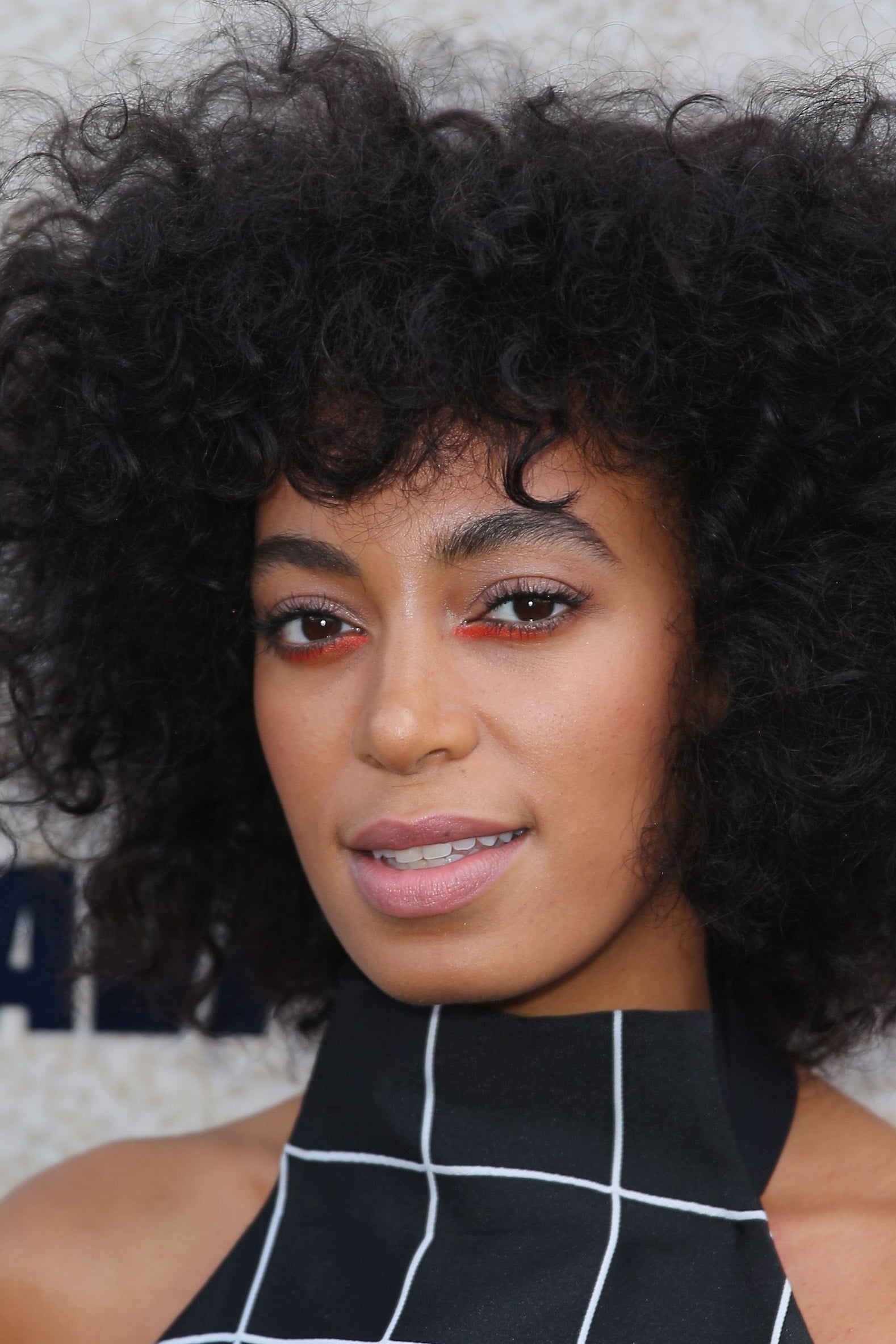
Known for her avant garde style and independent spirit she surprised some fans by taking on creative roles and partnerships with major brands like Puma. While the collaborations were artistically driven some critics felt they were still a move toward the corporate world she previously seemed to avoid. Her work was seen as a way for brands to buy cool points by associating with her highly respected aesthetic. She has maintained a high level of creative control over all her business ventures to ensure they align with her vision. The intersection of indie credibility and corporate funding is a delicate balance she navigates frequently.
Samuel L. Jackson
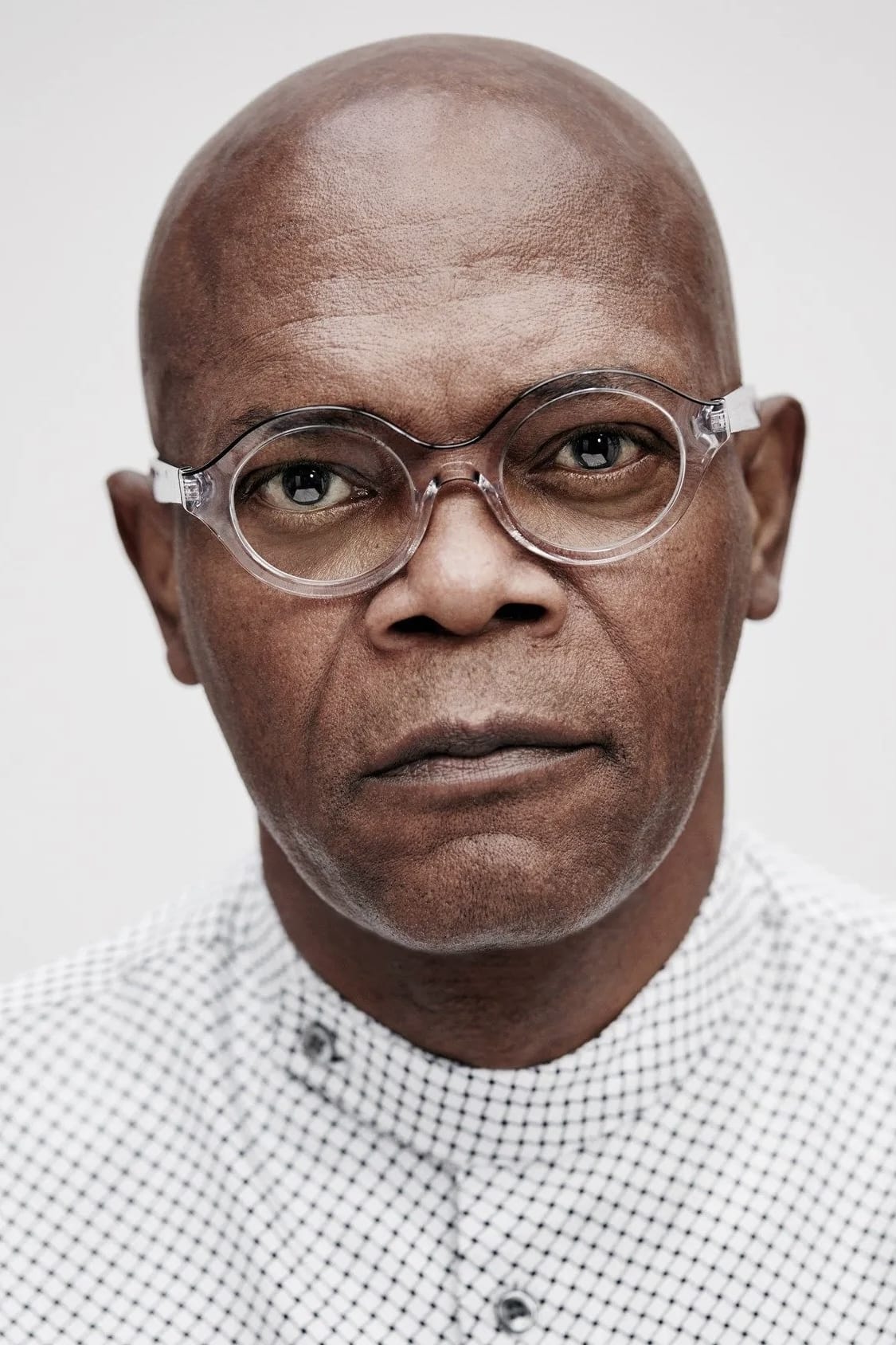
The prolific actor has been mocked and criticized by some for his long standing presence as the face of Capital One credit cards. Some fans feel that an actor of his stature and talent should not be spending so much time in repetitive television commercials. The catchphrases used in the advertisements have become a meme that some feel diminishes his serious film legacy. He has often responded to these critiques with his trademark humor and a clear statement that he enjoys the work and the pay. He remains one of the most bankable and hardworking actors in the industry.
Morgan Freeman
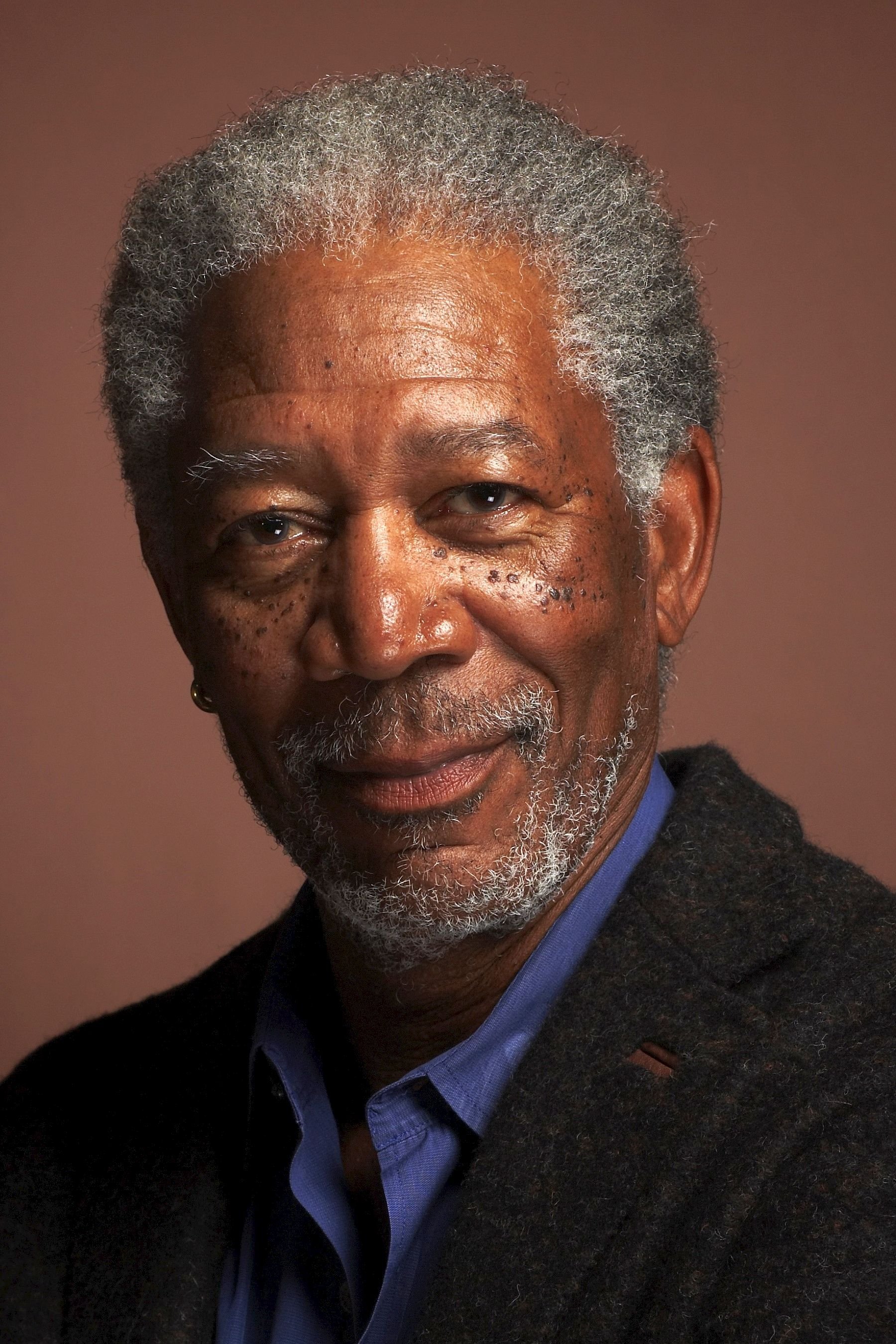
His iconic voice has been utilized in numerous corporate advertisements and voiceovers for everything from Visa to television networks. Some critics believe that the overuse of his voice in commercial spaces has diluted the gravitas he brings to his film roles. The accusations of selling out usually center on the idea that he is willing to lend his prestige to any high paying corporate project. Despite this he remains one of the most beloved figures in cinema with a legendary body of work. His voice remains one of the most valuable assets in the advertising world.
Idris Elba
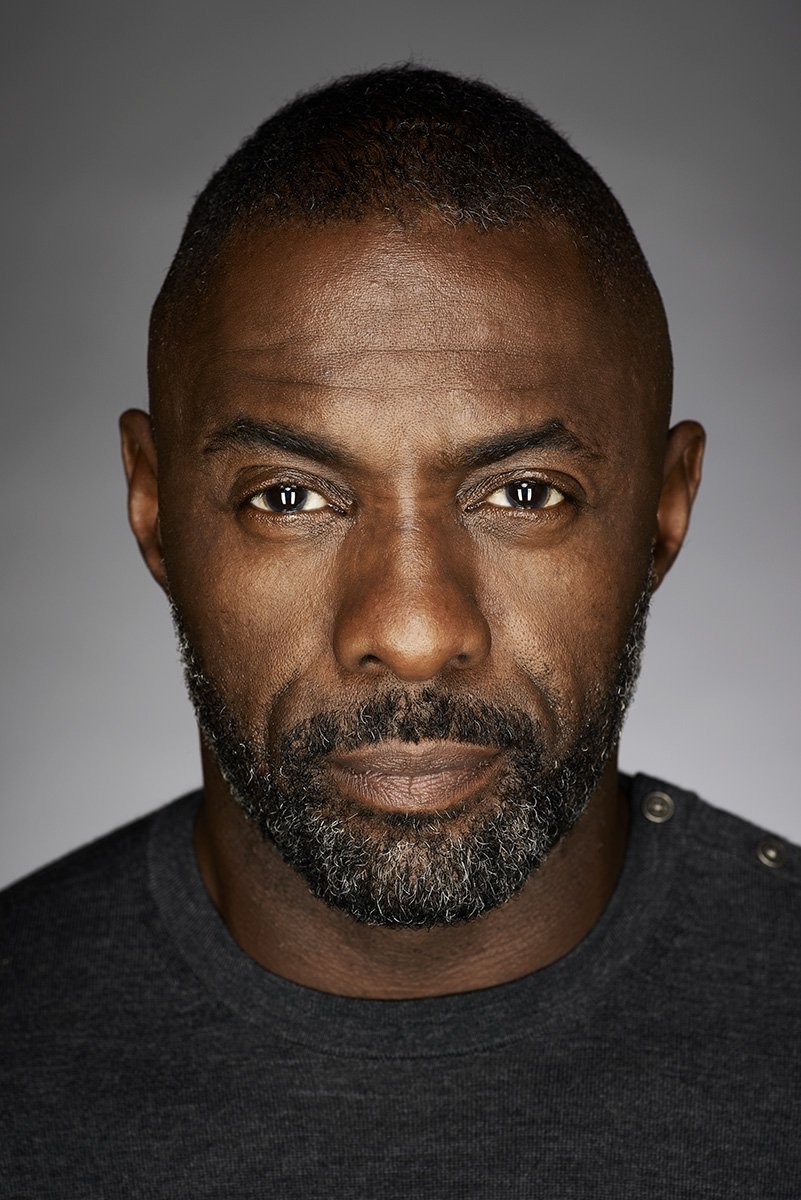
This actor faced some backlash from fans in his home country and abroad for appearing in commercials for Sky and other major corporate entities. Critics argued that his move into these types of advertisements felt like a step down from his acclaimed work in serious dramas. Some fans also expressed disappointment that he was becoming a ubiquitous face for corporate marketing campaigns. He has continued to pursue a diverse range of projects including music and directing alongside his acting career. His success in both the UK and Hollywood makes him a frequent target for commercial scrutiny.
Tiffany Haddish
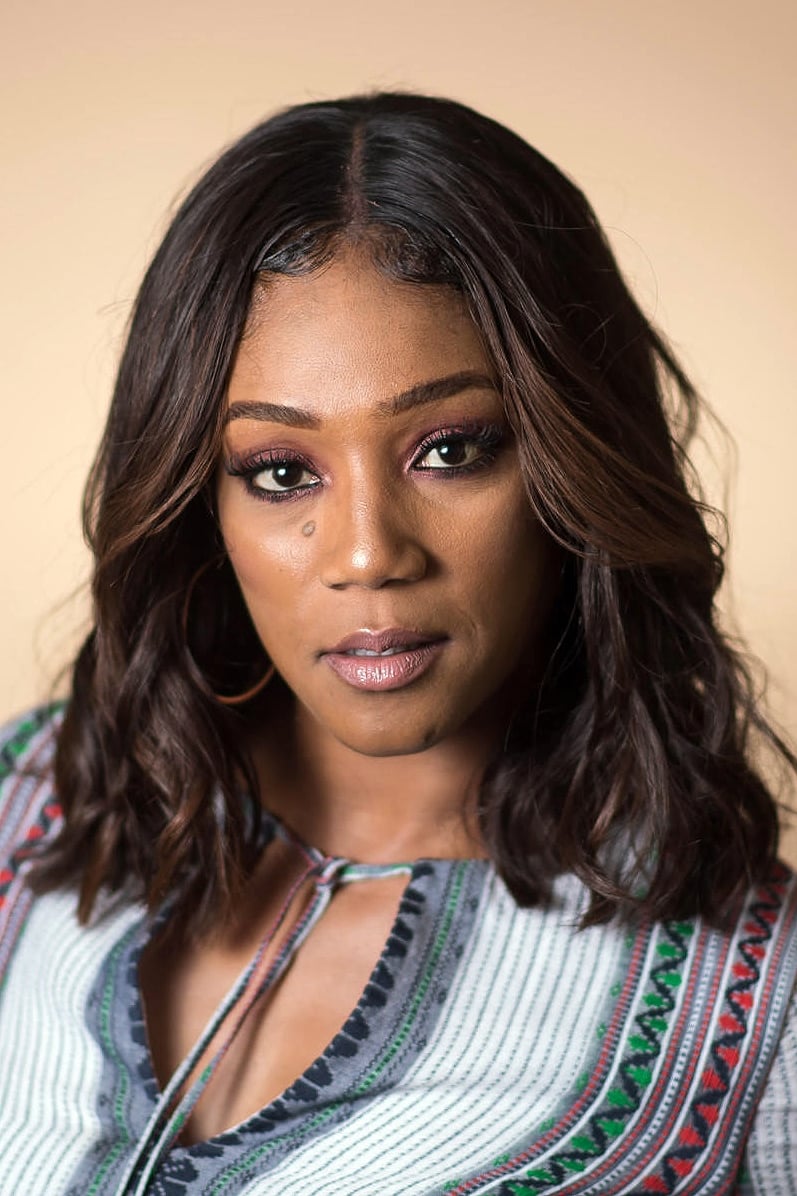
Following her breakout success she faced criticism for her partnership with Groupon and her frequent appearances in various corporate marketing campaigns. Some fans felt that her humor was being used to sell products in a way that felt forced or overly commercial. The rapid transition from an up and coming comedian to a corporate spokesperson led to accusations that she was taking every deal offered to her. She has been open about her past struggles with poverty and her desire to secure her financial future. Her work ethic and business choices are often discussed in the context of her personal history.
Anthony Anderson
Known for his work in both comedy and drama he has become a frequent face in commercials for brands like T-Mobile. Some critics have pointed out that his corporate persona is quite different from the roles that first made him famous. The transition to a more family friendly and commercial image has been very successful for his career longevity but has drawn some skepticism from long time fans. He has hosted numerous shows and events that further cement his status as a corporate media staple. He continues to be a prominent figure in the entertainment industry with a wide range of projects.
Cedric the Entertainer
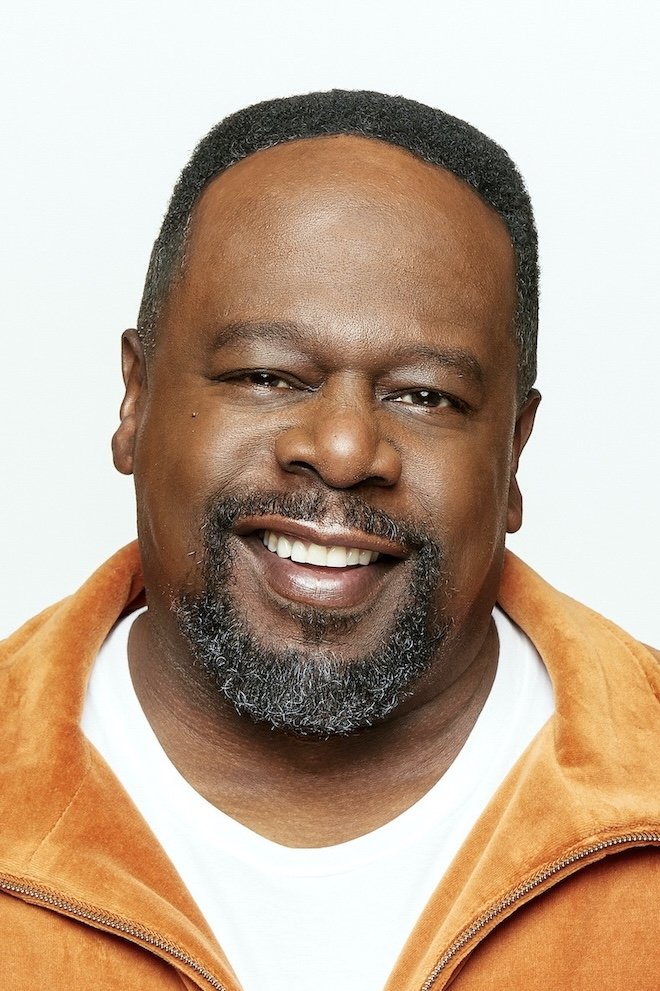
This veteran comedian has faced some criticism for his long running association with brands like State Farm and other major corporations. Some fans feel that his participation in these commercials has sanitized his brand of humor for a mainstream audience. The accusations of selling out are often tied to the idea that he has chosen safe and profitable corporate work over more challenging artistic projects. He has maintained a successful career in television and film while continuing to perform stand up comedy. His influence on the comedy world remains significant despite the commercial critiques.
Meghan, Duchess of Sussex
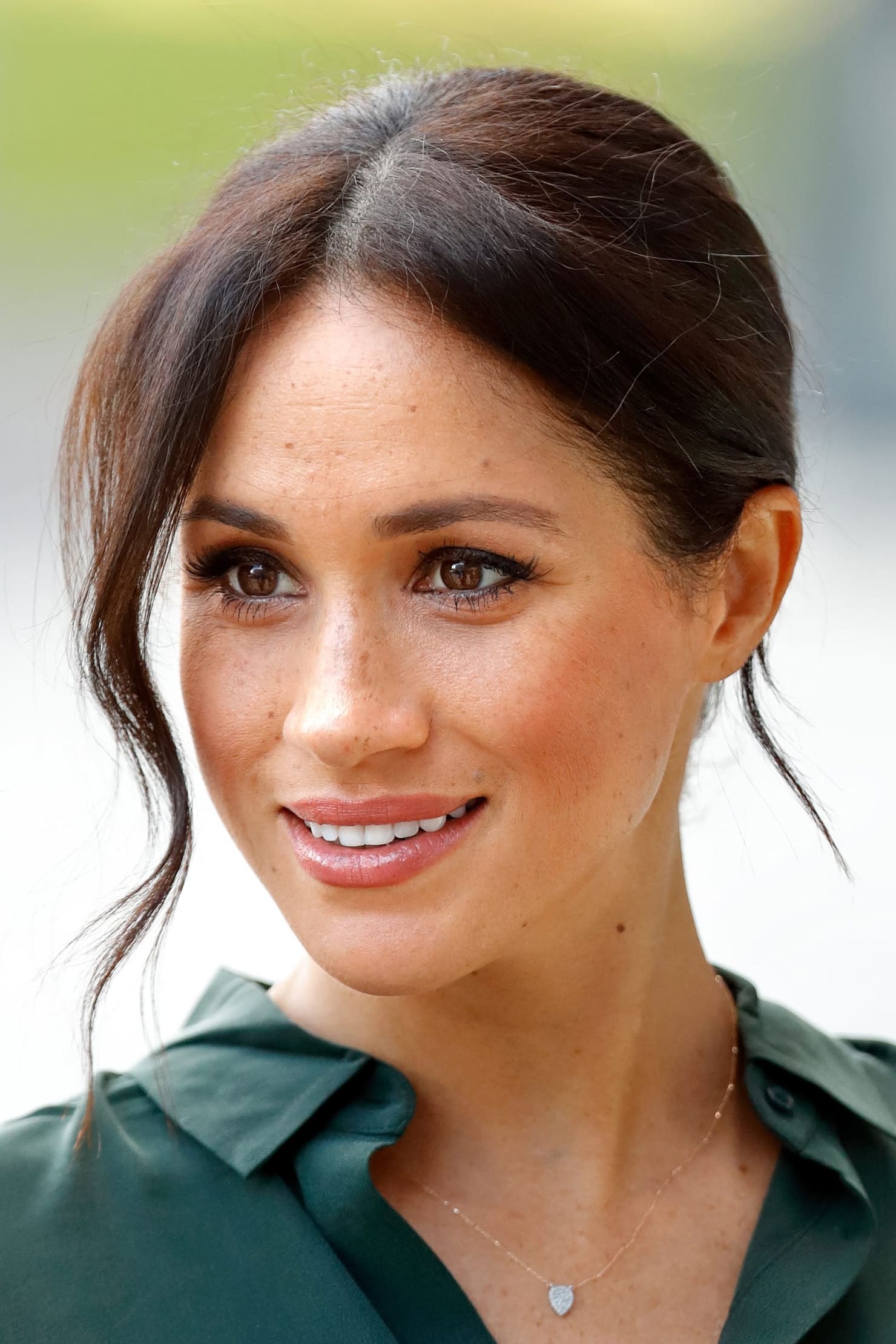
After stepping back from official royal duties she faced intense global criticism for signing massive deals with Netflix and Spotify. Many critics accused her of selling out her royal connections for hundreds of millions of dollars in corporate contracts. The move sparked a massive debate about the ethics of using a public title for private commercial gain. The eventual end of the Spotify deal led to further scrutiny regarding the success and authenticity of her brand. She remains one of the most talked about figures at the intersection of celebrity and corporate media.
Erykah Badu
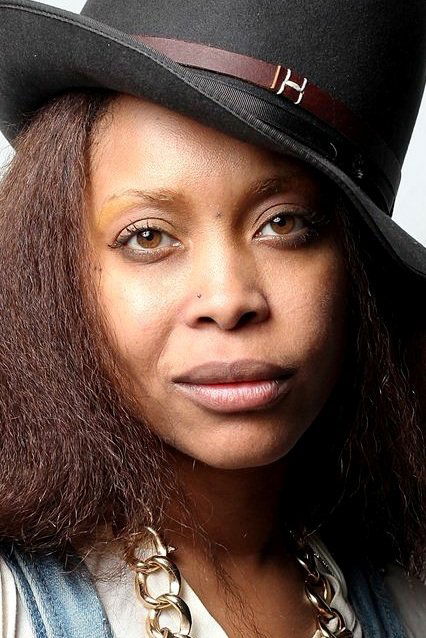
Even an artist known for being deeply spiritual and anti establishment faced some criticism for her collaboration with luxury fashion house Givenchy. Some fans felt that her participation in a high end fashion campaign was a contradiction of the grounded and afrocentric values she promotes. The move was seen by some as a way for the luxury industry to co opt her unique aesthetic for profit. She has consistently maintained that her art and her style are for her to define and explore as she chooses. The incident highlighted the tension between personal expression and corporate representation.
DJ Khaled
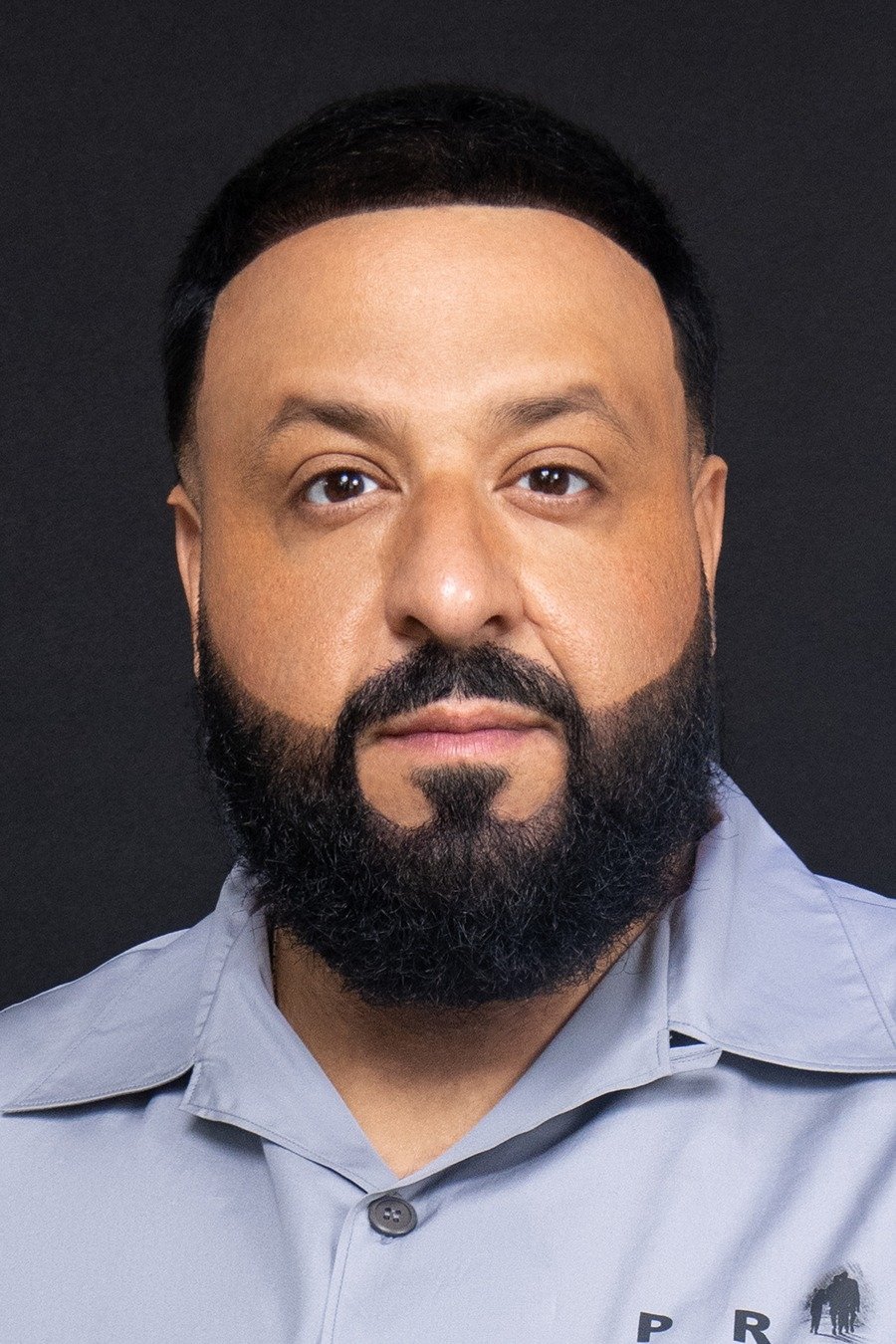
This producer and media personality is frequently mocked for his overt and constant promotion of various brands across his social media and music. From Weight Watchers to luxury alcohol his brand is built almost entirely on the idea of success and commercial partnerships. Some critics argue that he has completely blurred the line between entertainment and advertising. His catchphrases and public persona are often viewed as a living commercial for his own business interests. He continues to achieve massive commercial success while leaning into his role as a ultimate brand ambassador.
Rick Ross
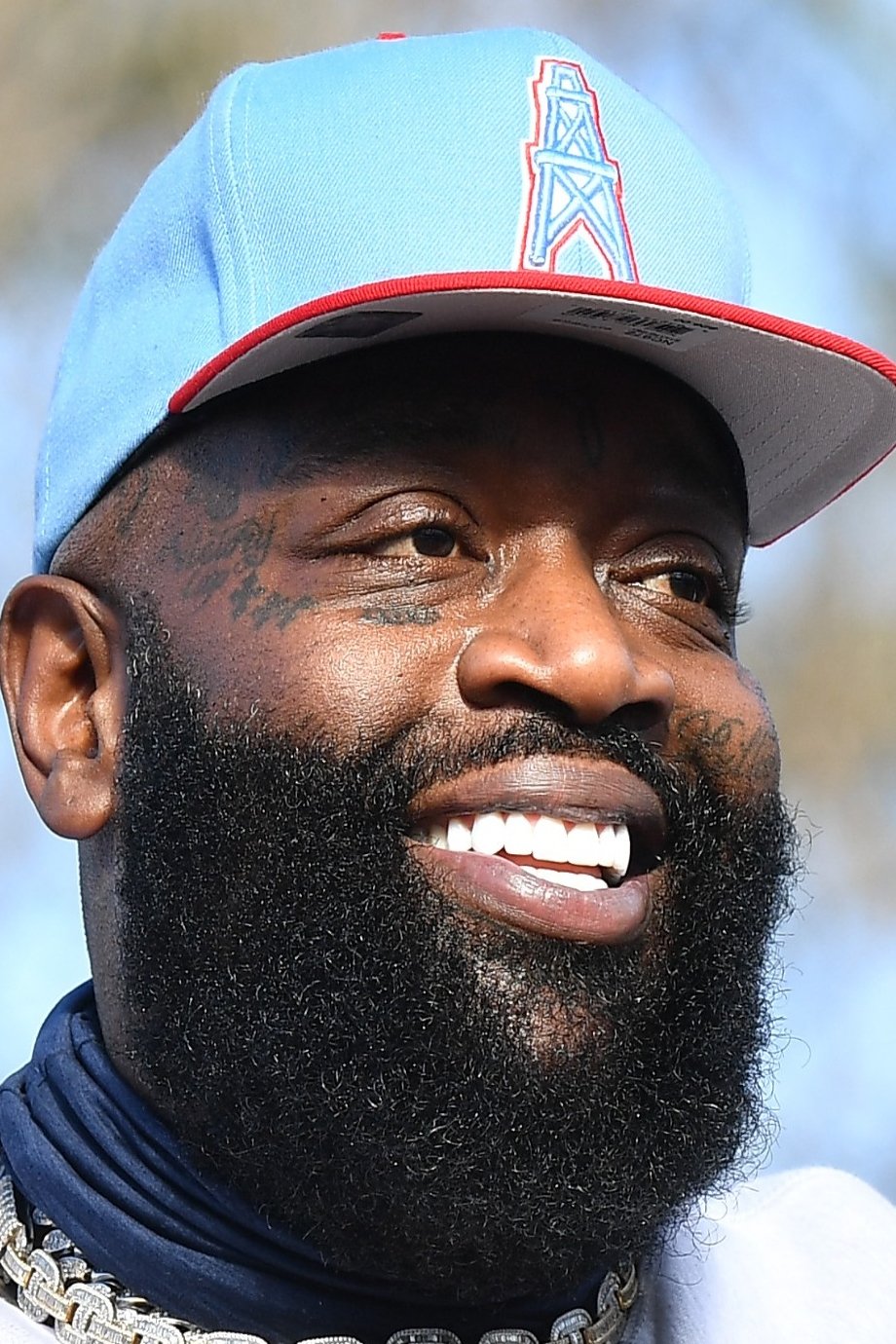
The rapper has built a massive business empire through his ownership of numerous Wingstop franchises and his promotion of luxury spirits. Some critics argue that his focus on these corporate ventures has made his music feel like an advertisement for his lifestyle. The constant mentions of his businesses in his lyrics have led to accusations that he is more of a corporate executive than a creative artist. He takes great pride in his business acumen and often uses his platform to encourage others to pursue entrepreneurship. His brand is a primary example of the modern rapper mogul.
Tell us which of these brand partnerships surprised you the most by sharing your thoughts in the comments.