Celebrities Who Publicly Criticized the Me Too Movement

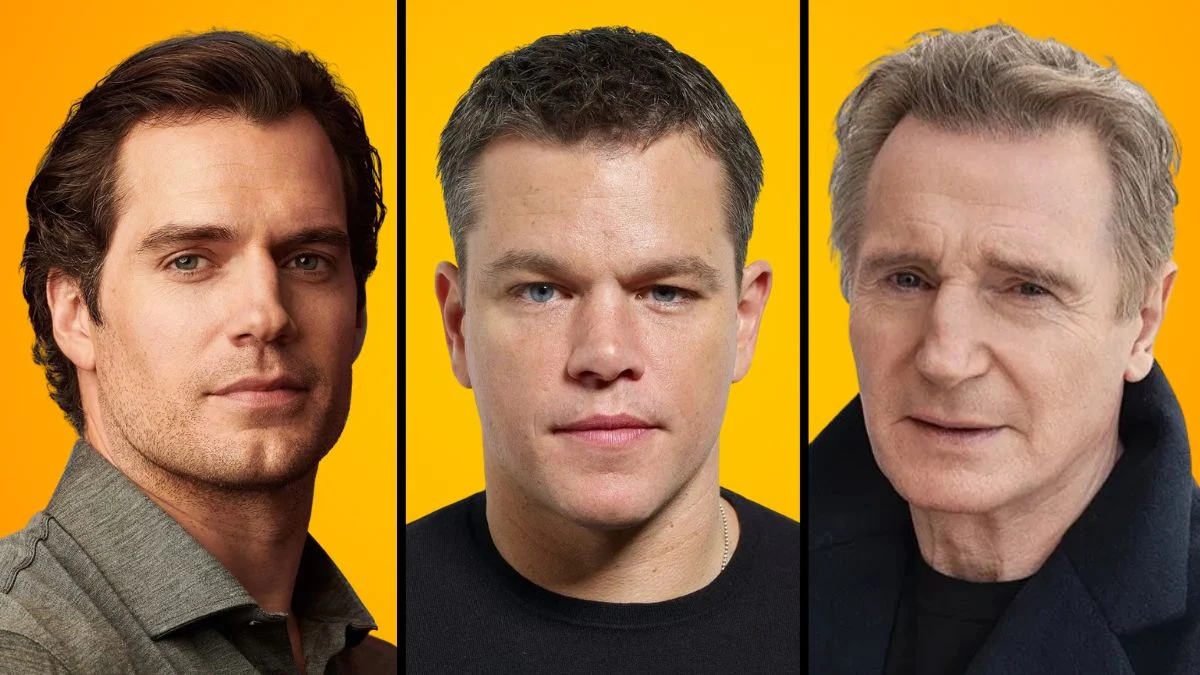

The Me Too movement transformed the cultural landscape by encouraging survivors of sexual misconduct to share their stories publicly. While the movement received widespread acclaim for its role in holding powerful figures accountable many celebrities expressed concerns or outright criticism regarding its methods. These public figures often cited issues such as the loss of due process and the creation of a judgmental atmosphere within the industry. Their comments sparked significant debate and highlighted the complex various perspectives held by those in the spotlight.
Catherine Deneuve
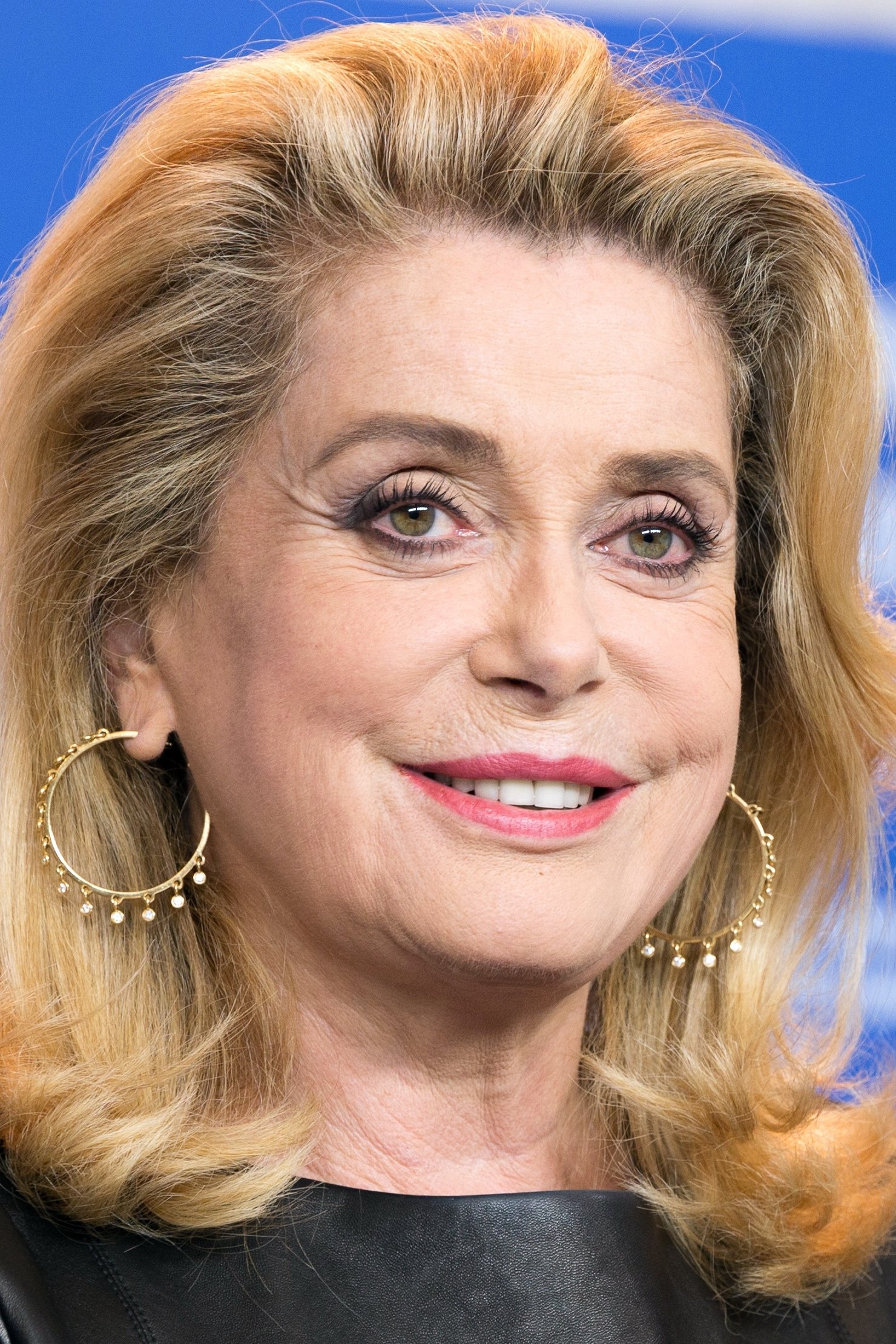
The legendary actress joined dozens of other French women in signing an open letter that criticized the movement for its puritanical streak. She expressed concern that the public shaming of men had gone too far and threatened sexual freedom. The letter argued that men should be free to pester women as part of the landscape of sexual liberty. She later apologized to victims of sexual assault but maintained her stance on the dangers of a witch hunt environment.
Brigitte Bardot
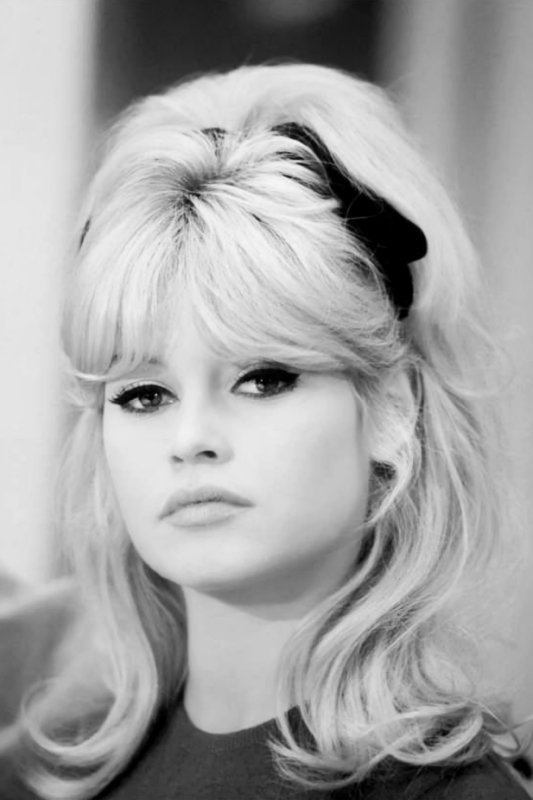
This iconic star made headlines when she called many actresses hypocritical and ridiculous for their participation in the movement. She claimed that many performers flirted with producers to get roles and then complained of harassment years later. Her comments suggested that the movement was taking away from more serious issues facing women globally. She stated that she never felt like a victim of sexual harassment during her peak years in the film industry.
Liam Neeson
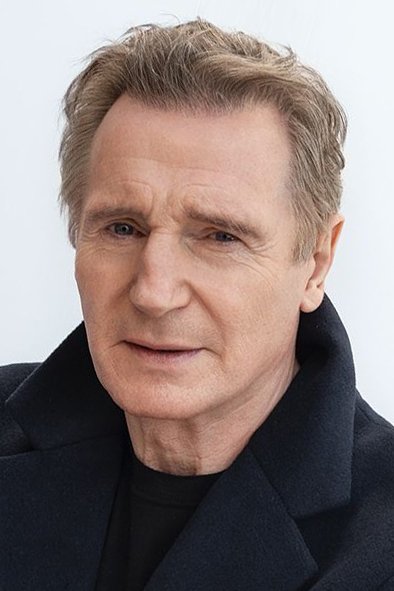
During an interview on a television show the actor described the movement as a bit of a witch hunt. He expressed concern that famous men were being dropped from projects based on accusations that had not been proven in court. While he acknowledged that there was a healthy side to the movement he felt the pendulum had swung too far. His comments focused on the importance of maintaining the rule of law even in the face of public outcry.
Sean Penn
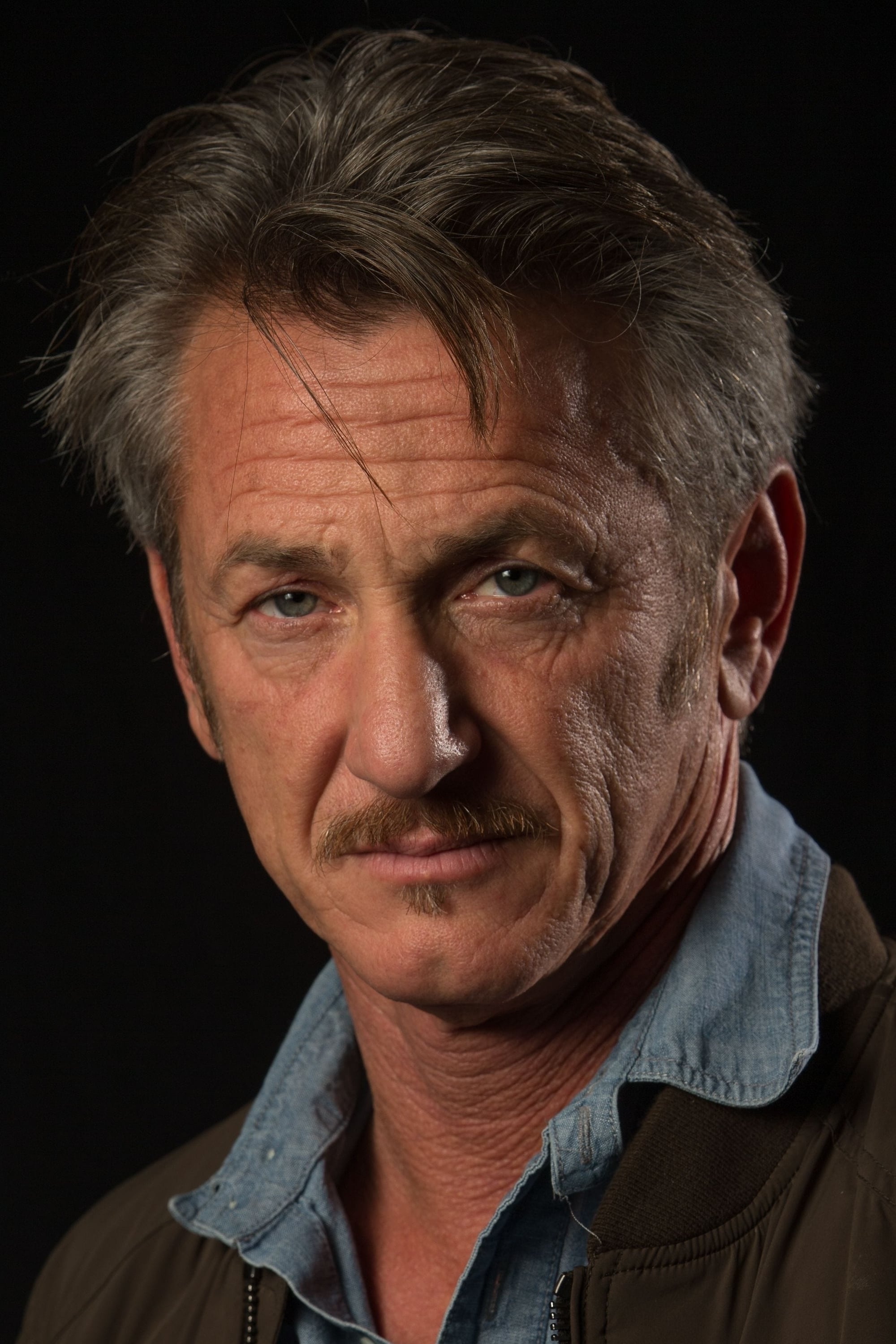
The veteran actor voiced his skepticism by stating that the movement was largely about dividing men and women. He suggested that the campaign lacked nuance and often relied on salaciousness rather than substantive change. In several interviews he argued that the movement was too black and white in its assessment of human behavior. He expressed a desire for a more balanced conversation that did not involve immediate public condemnation.
Matt Damon
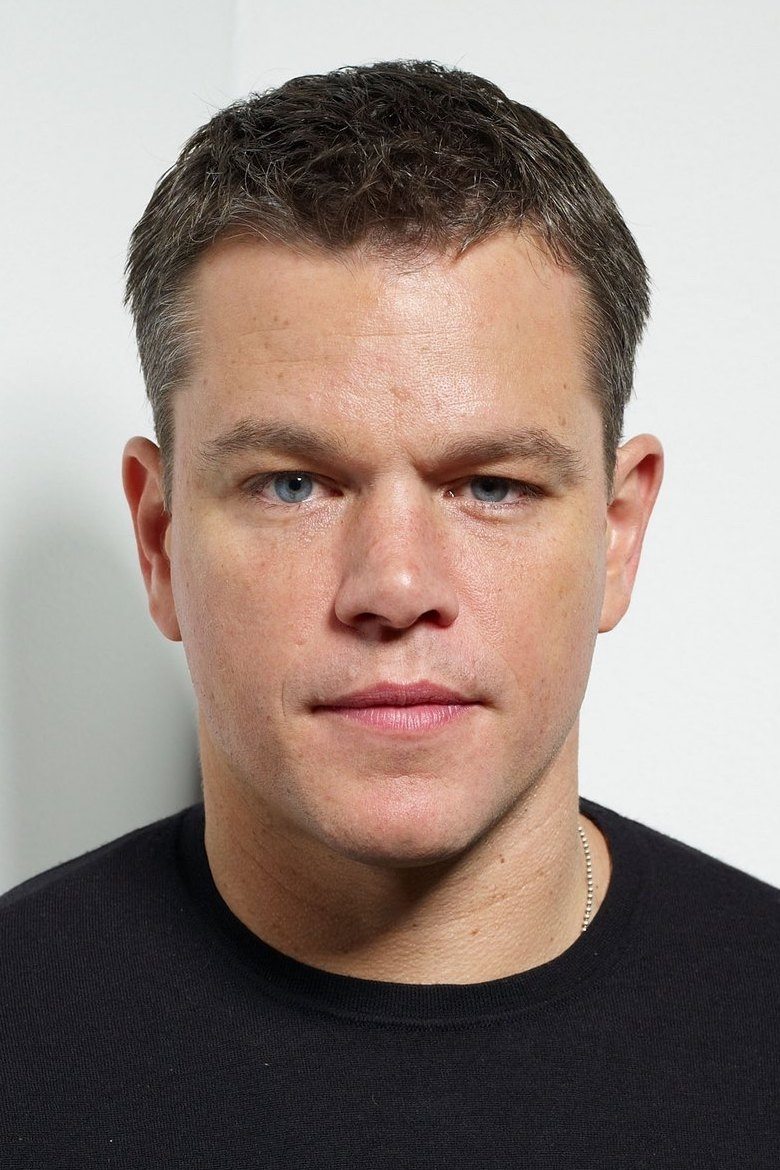
The performer faced backlash after suggesting that there is a spectrum of behavior that needs to be acknowledged within the movement. He argued that there is a difference between patting someone on the butt and rape or child molestation. These comments were seen by some as an attempt to minimize certain types of misconduct. He later clarified his remarks but continued to emphasize the need for a more nuanced approach to different allegations.
Henry Cavill
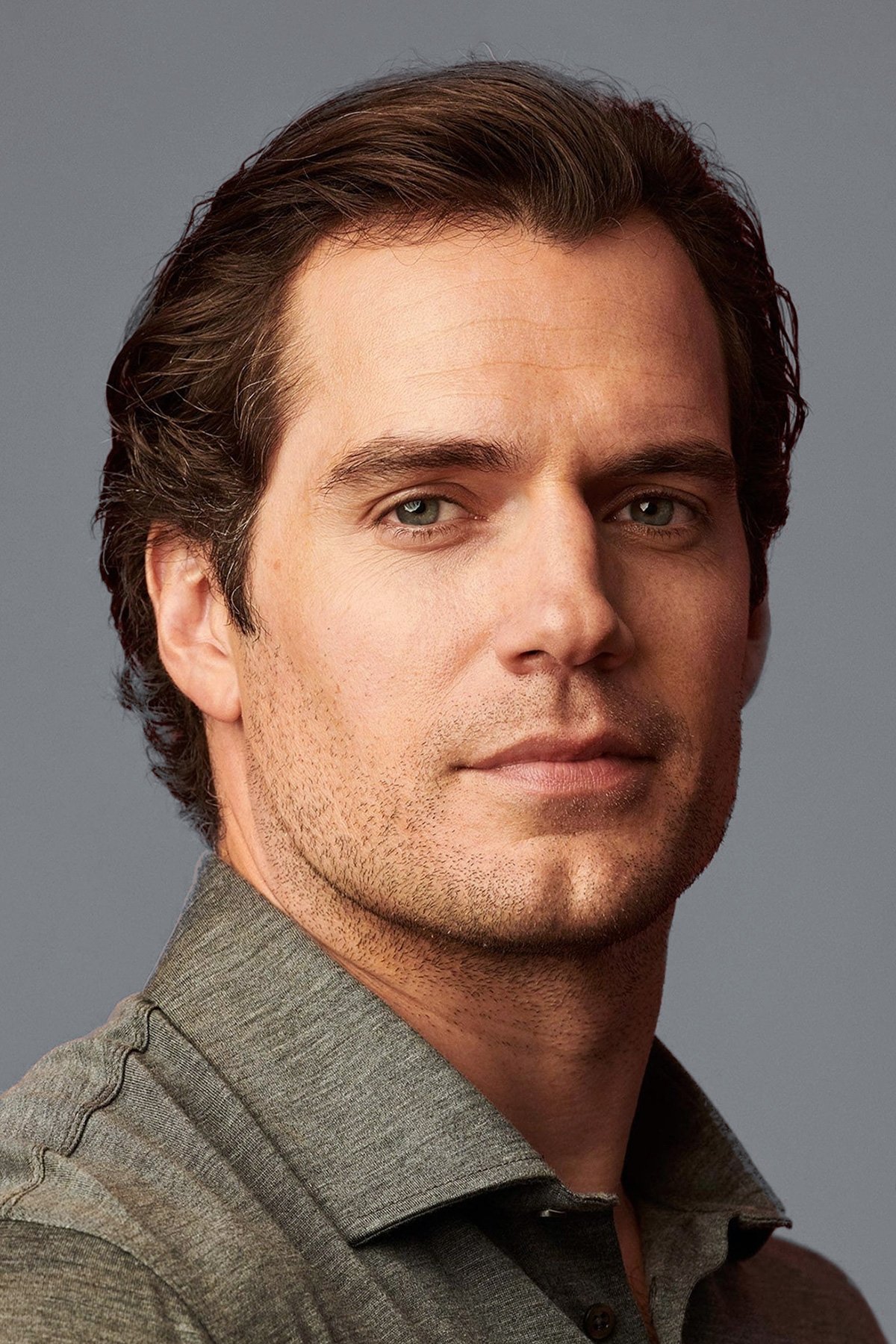
This actor expressed a personal fear that the new social climate made it difficult to flirt without being viewed as a criminal. He noted that he would rather not pursue a woman if it meant being called a rapist or something similar. His remarks centered on the idea that traditional dating dynamics had been negatively impacted by the movement. He later apologized for any offense caused by his perspective on modern romance.
Lindsay Lohan
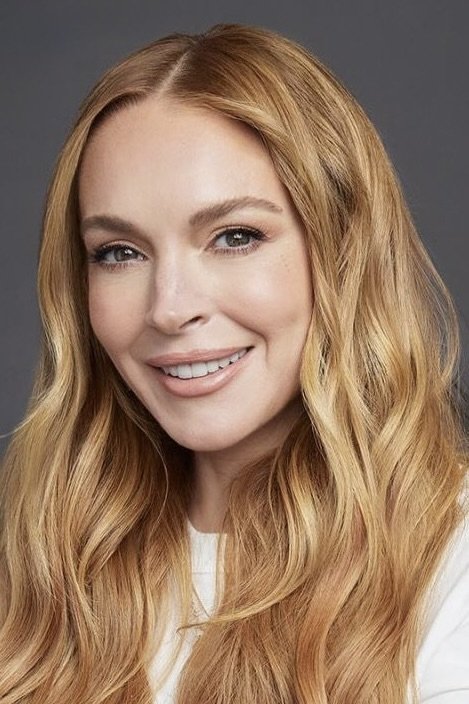
The actress criticized the movement by stating that it makes women look weak when they should be strong. She suggested that women should handle these situations in the moment rather than coming forward years later. Her comments were viewed as controversial because they appeared to question the validity of delayed reporting. She also expressed concern that some individuals were using the movement purely for attention.
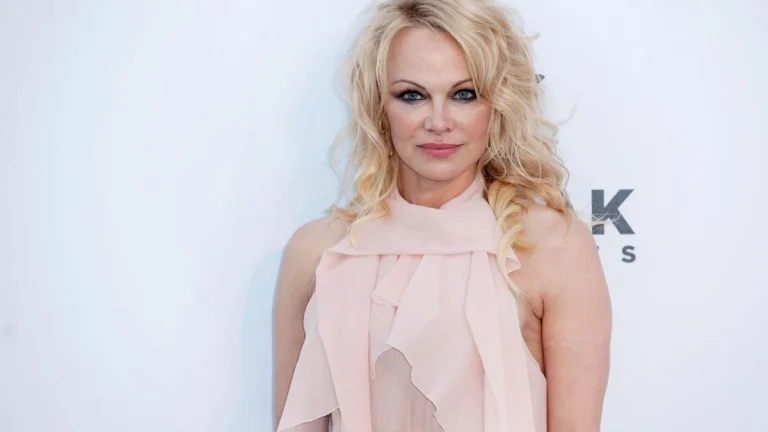
Pamela Anderson
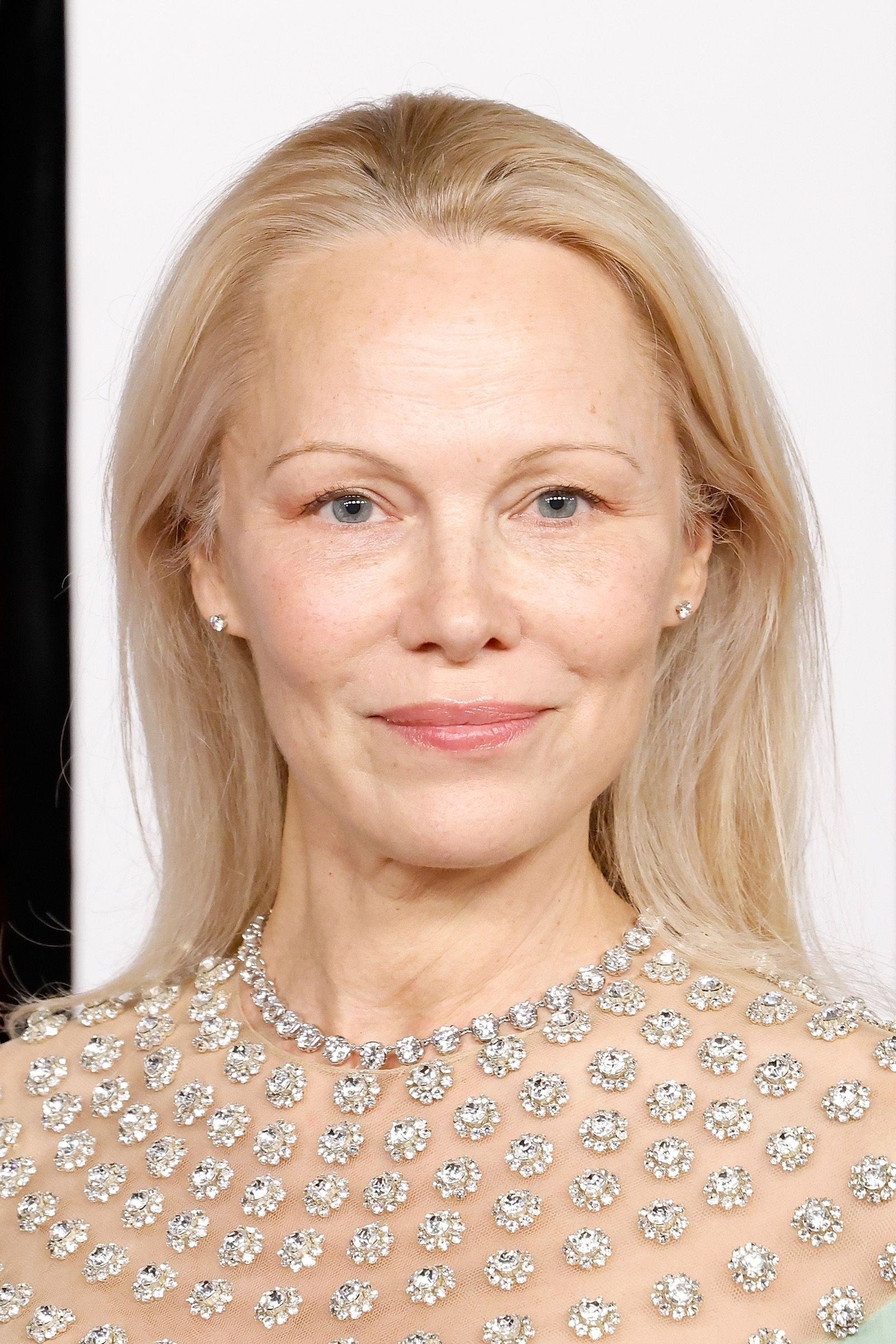
The former ‘Baywatch’ star suggested that women should know what they are getting into when they go to private meetings with producers. She stated that it was common knowledge that certain individuals in Hollywood were dangerous. Her perspective emphasized personal responsibility and being smart about professional interactions. These statements drew criticism for appearing to shift the blame away from the alleged perpetrators.
Michael Haneke
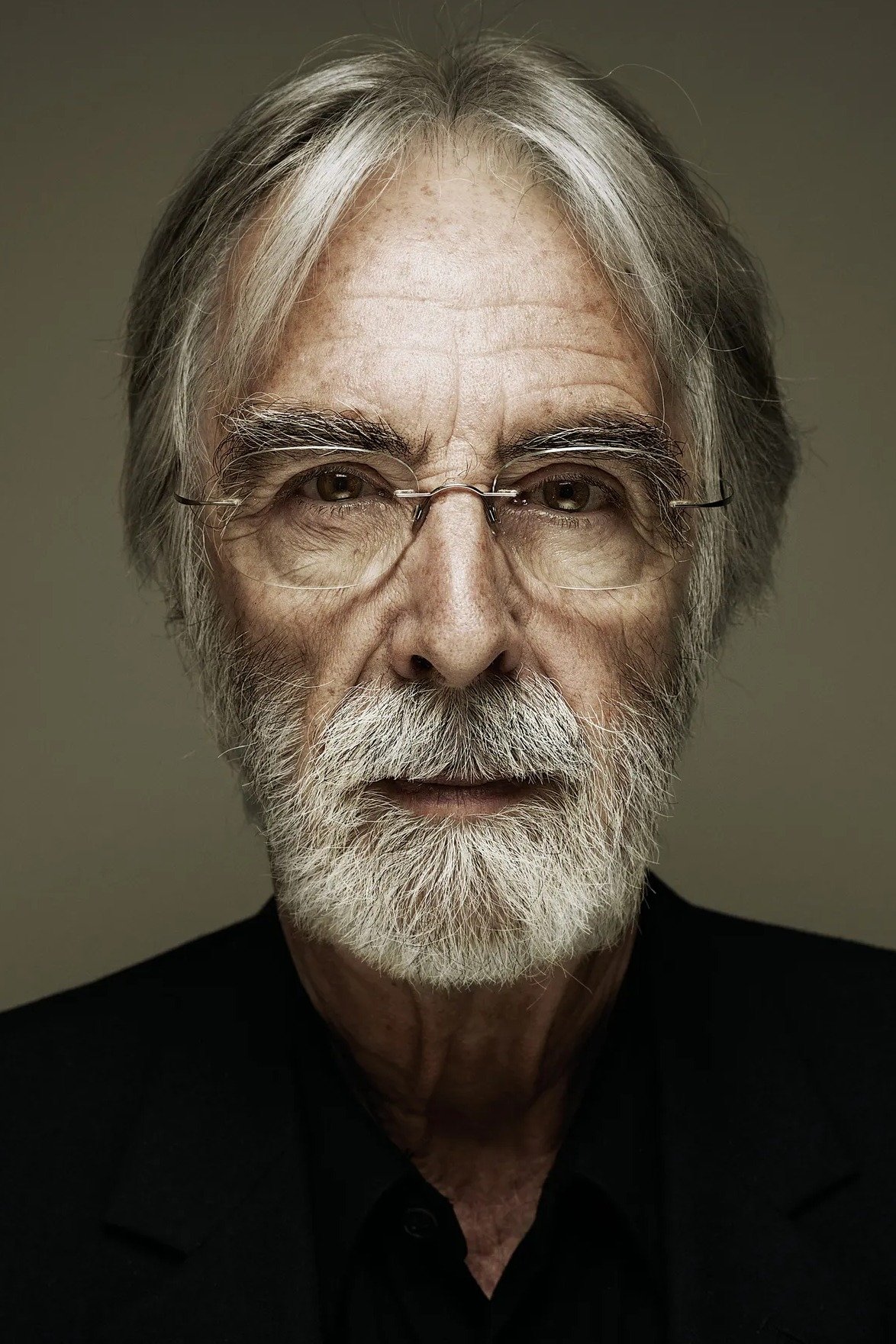
The acclaimed director described the movement as a new form of puritanism that is colored by a loathing of men. He argued that the climate of fear was damaging to the creative arts and the freedom of expression. In his view the movement has created a situation where artists are afraid to explore complex themes. He likened the social pressure of the movement to a crusade against male sexuality.
Terry Gilliam
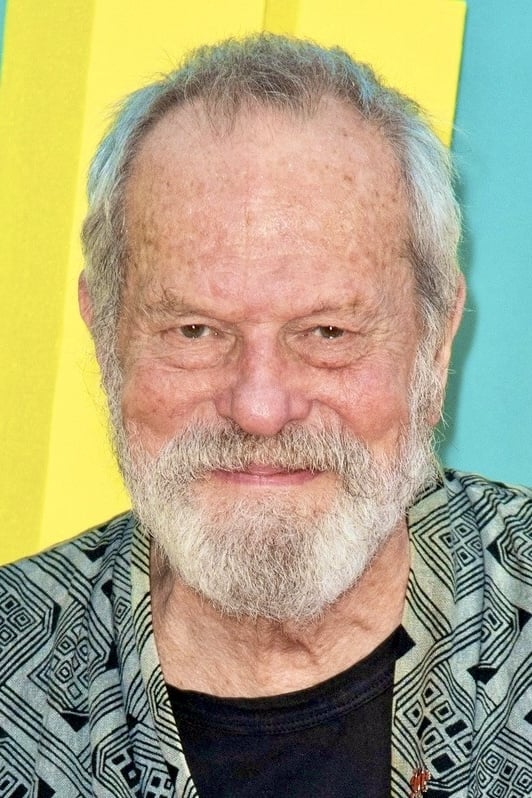
The director and former Monty Python member referred to the movement as mob rule during several press tours. He expressed his belief that the movement had become a simplified version of reality that ignored human complexity. He specifically defended certain individuals and argued that the rush to judgment was a dangerous social trend. His comments focused on the lack of due process in the court of public opinion.
Roseanne Barr
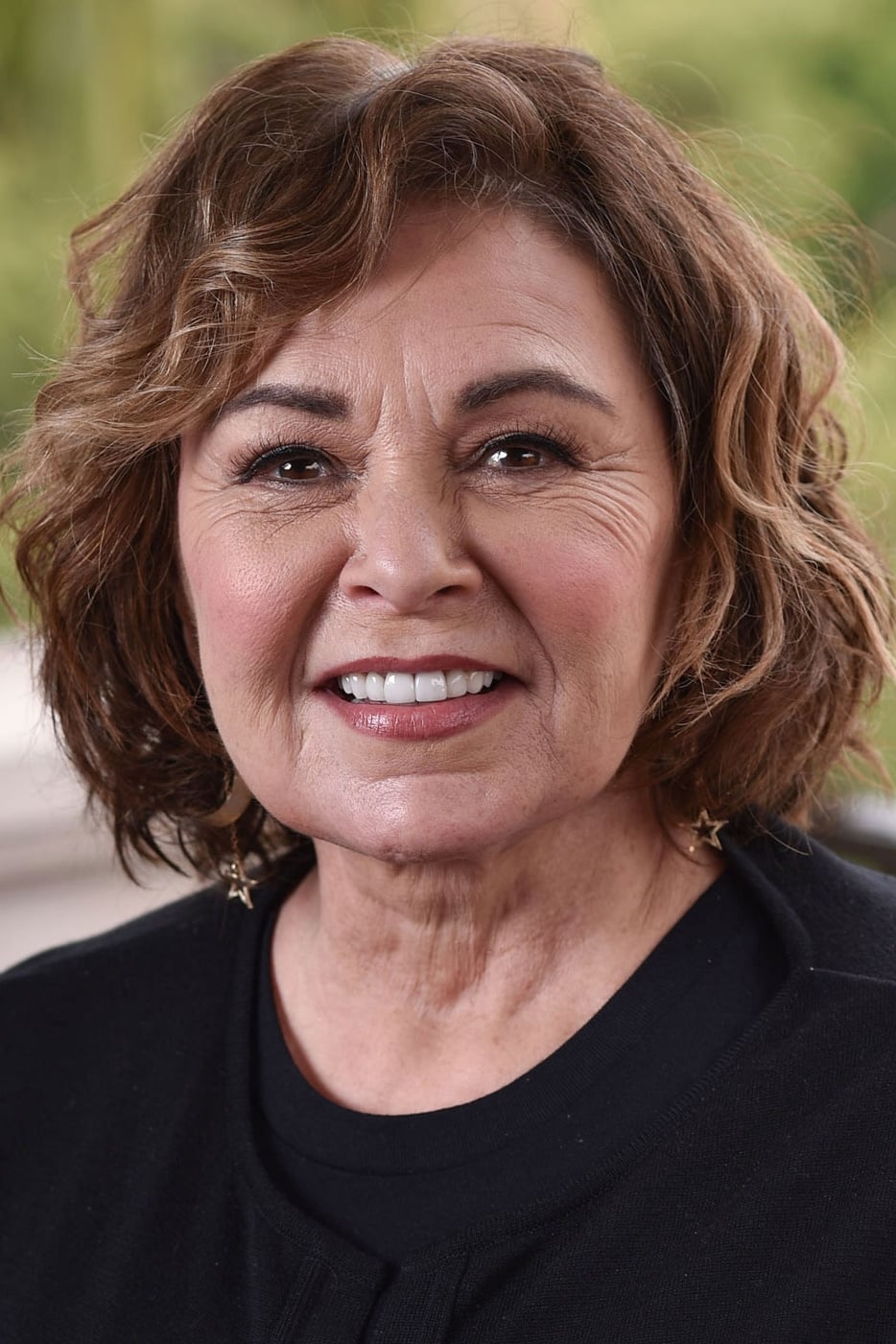
The comedian has been a vocal critic of the movement by labeling it as a political tool. She argued that the movement was selective in its targets and ignored misconduct within certain political circles. Her critiques often centered on the idea that the movement was more about power than actual justice for women. She has frequently used her platform to question the motives of the movement leaders.
James Woods
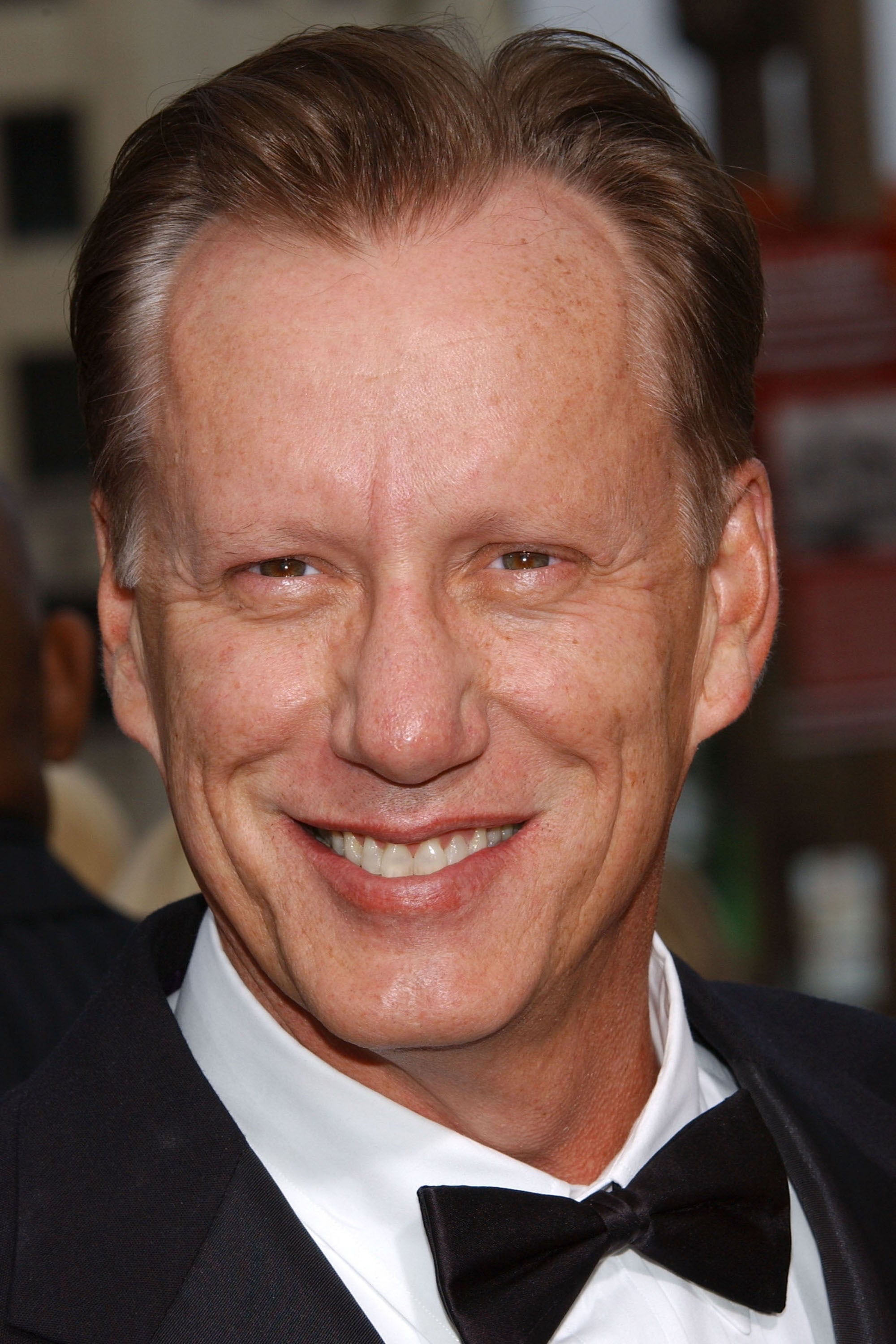
The actor has utilized social media to frequently bash the movement and its perceived impact on the legal system. He often highlights cases where he believes men have been unfairly accused or silenced. His commentary focuses on the constitutional right to due process and the dangers of social media trials. He views the movement as an erosion of traditional American values and legal protections.
Bill Maher
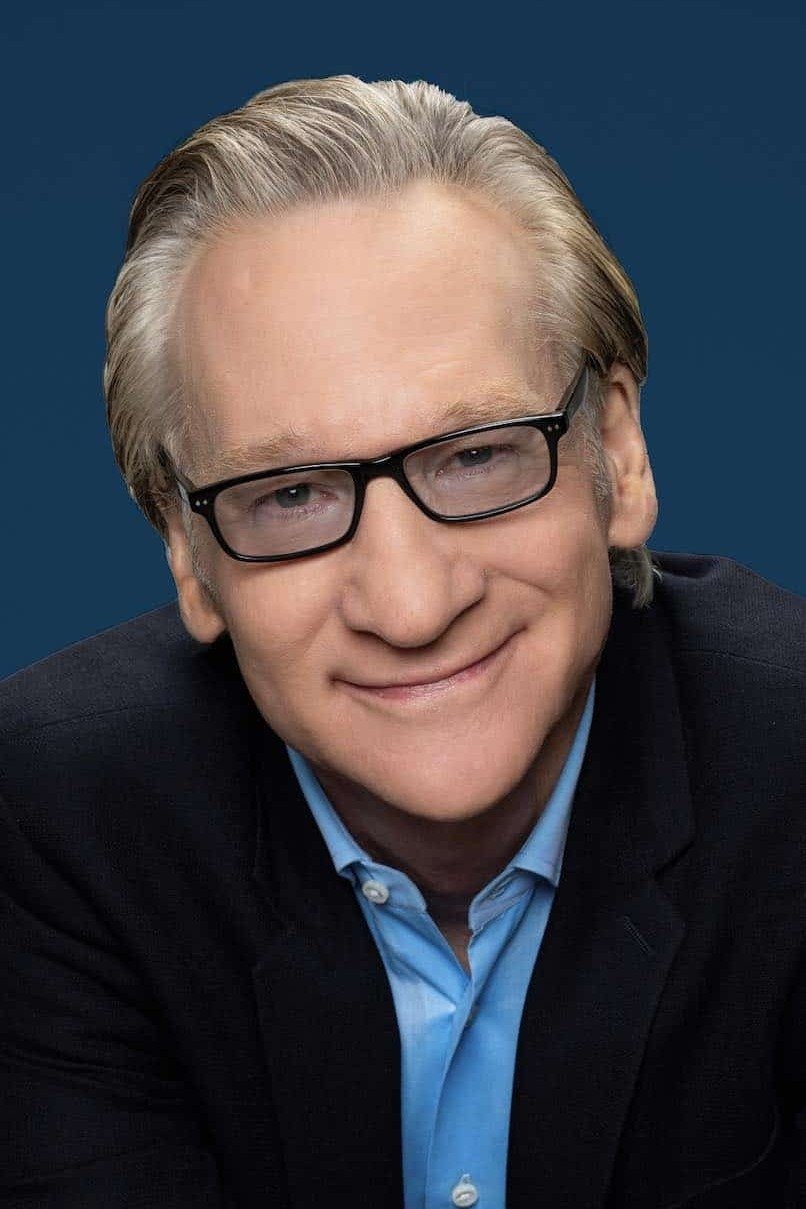
The television host has regularly used his program ‘Real Time with Bill Maher’ to critique the excesses of the movement. He often points out what he considers to be instances of oversensitivity or unnecessary cancellations. While he agrees with the core mission of ending abuse he argues that the movement has strayed into ridiculous territory. He frequently mocks the idea that all accusations should be treated with the same level of severity.
Piers Morgan
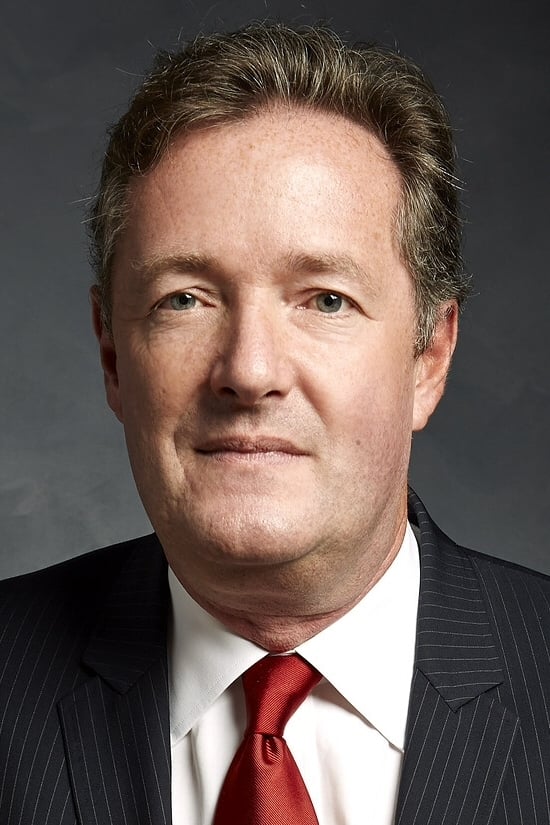
The journalist and broadcaster has been a persistent critic of how the movement handles historical allegations. He has argued that the movement often lacks a sense of proportion and ruins lives without sufficient evidence. His columns and television appearances frequently tackle the subject of cancel culture as a byproduct of the movement. He maintains that the movement has created a culture of fear that stifles honest conversation.
Margaret Atwood

The author of ‘The Handmaid’s Tale’ faced internal criticism after she questioned the movement’s lack of due process in an op-ed. She warned that bypassing the legal system could lead to a different kind of injustice. Her comments focused on the importance of maintaining institutional fairness even when emotions are high. She argued that a movement without clear rules can eventually turn on the people it aims to protect.
Germaine Greer
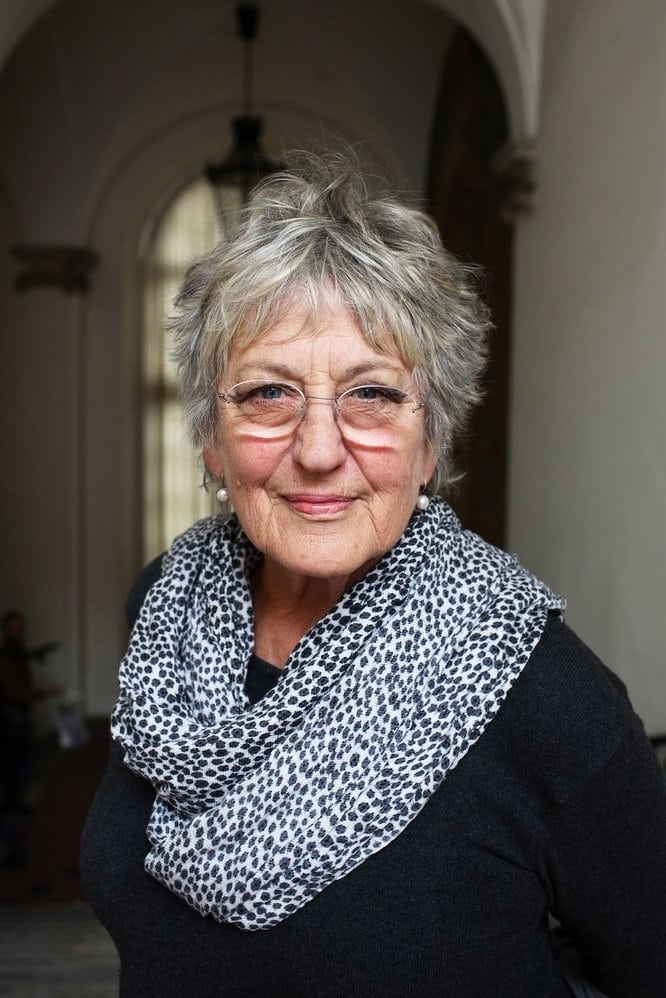
The feminist academic sparked controversy by suggesting that the movement was full of whining women. She questioned why some accusers waited decades to come forward with their stories. Her perspective was that the movement focused too much on past grievances rather than current structural changes. She argued that the focus on individual celebrities was a distraction from the broader goals of feminism.
Isabelle Huppert
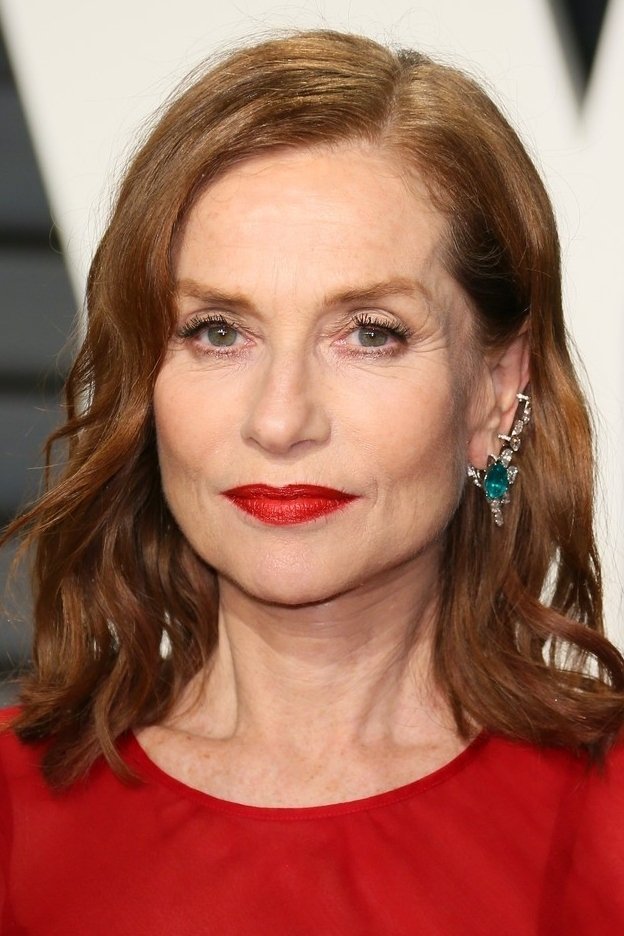
The French actress supported the views of her peers who felt the movement was becoming too restrictive. She argued that the movement should not result in a censorship of art or a fear of sexual expression. Her comments emphasized the difference between criminal behavior and the natural complexities of human interaction. She remains an advocate for the freedom of artists to work without the threat of retroactive moral judgment.
Laetitia Casta
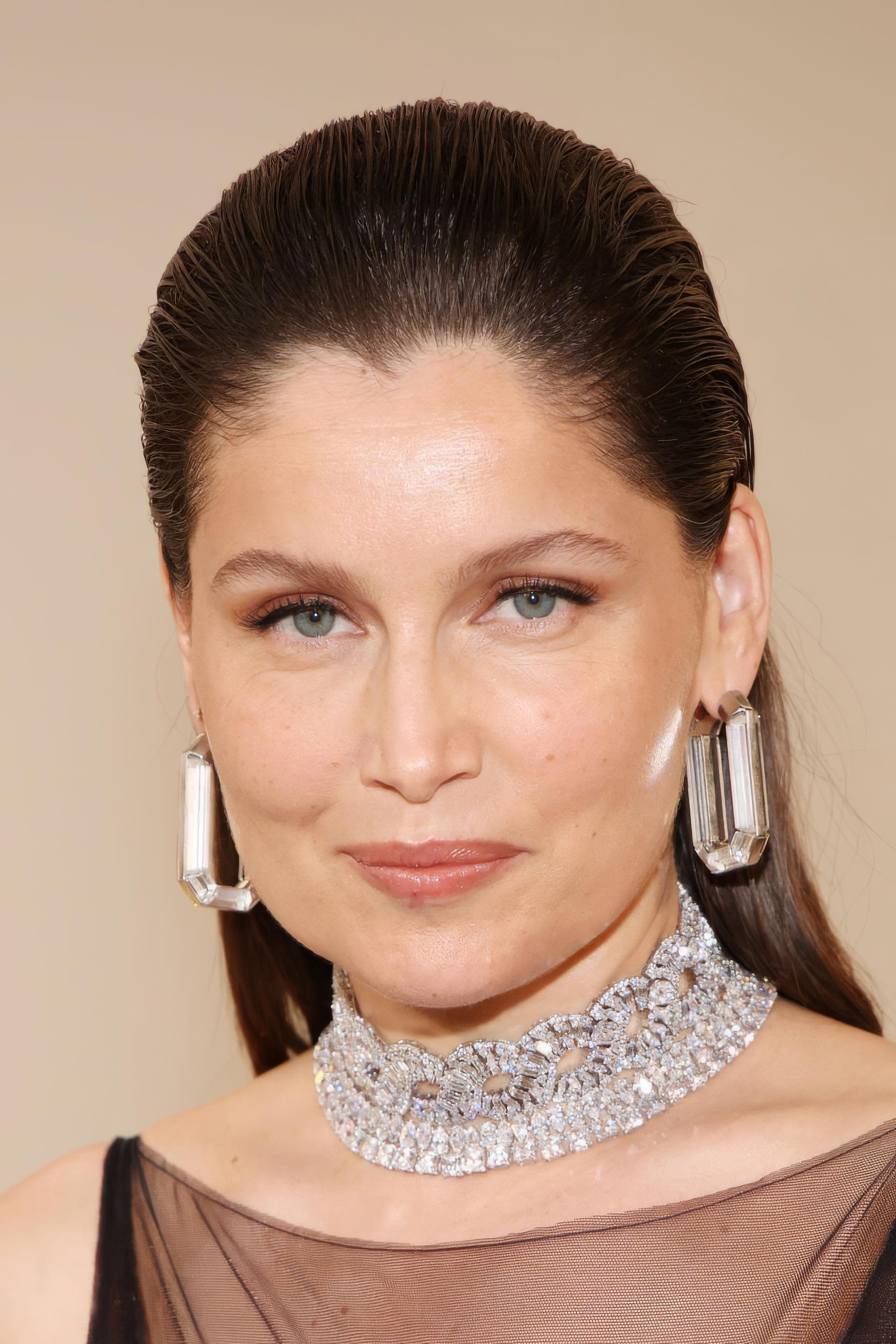
The model and actress expressed that she does not agree with the victim narrative that she believes the movement promotes. She stated that women should take pride in their power and not always view themselves as targets. Her comments suggested that the movement could inadvertently strip women of their agency. She believes that the focus should be on mutual respect rather than a constant state of conflict between the sexes.
Luc Besson
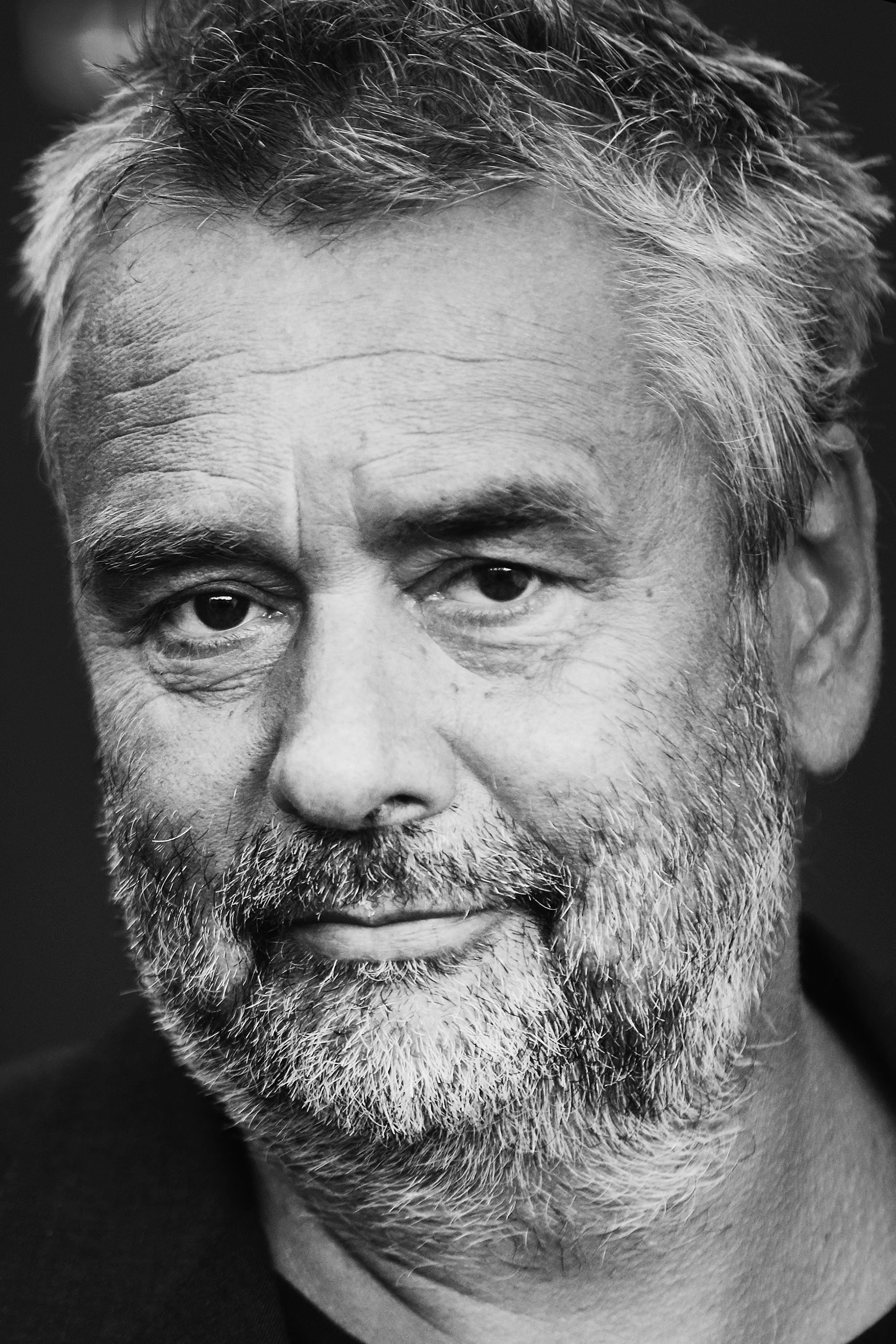
The director has spoken out against the movement by highlighting the dangers of a media-led trial. He argued that the reputation of an individual can be destroyed instantly before they have a chance to defend themselves. His comments focused on the irreversible damage caused by public accusations that may not be backed by evidence. He believes the movement has created a climate where suspicion is valued over truth.
50 Cent
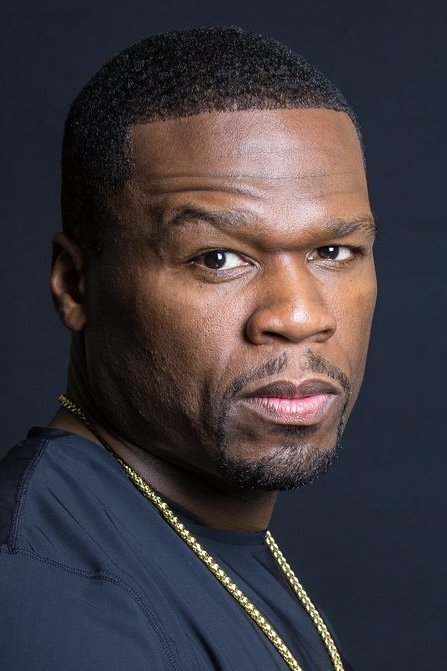
The rapper made headlines when he mocked the idea of men coming forward with their stories of harassment. He specifically targeted other celebrities who shared their experiences by suggesting their claims were not believable. His public comments were seen as insensitive to the broader goals of the movement. He has often used humor to deflect from the serious nature of the allegations being discussed.
Morrissey

The singer and former frontman of The Smiths described the movement as a bit of a play-acting session for many people. He argued that some individuals were using the movement to gain relevance or to settle old scores. He also defended certain high-profile figures who were ousted during the height of the movement. His remarks focused on the idea that the movement lacked sincerity and was driven by a desire for social control.
John Cleese
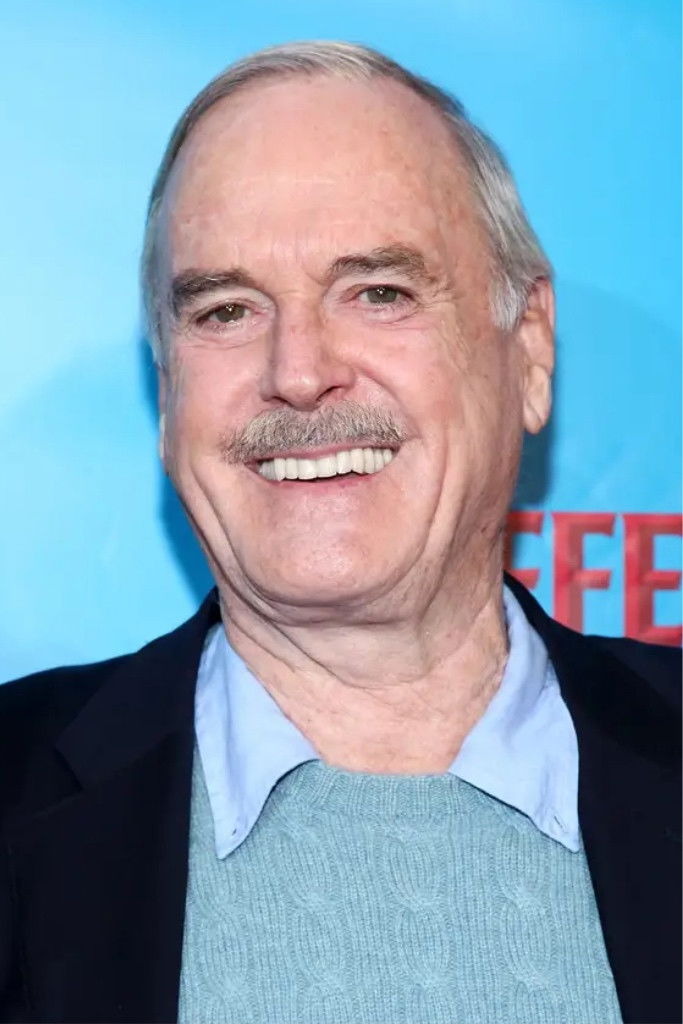
The veteran comedian has frequently complained about how the movement has affected the world of comedy. He argues that the movement has made people too sensitive to jokes and has stifled creative risks. In his view the movement is part of a larger trend of political correctness that is harming the arts. He maintains that comedians should be free to explore any topic without fear of being cancelled by a social movement.
Jeremy Clarkson
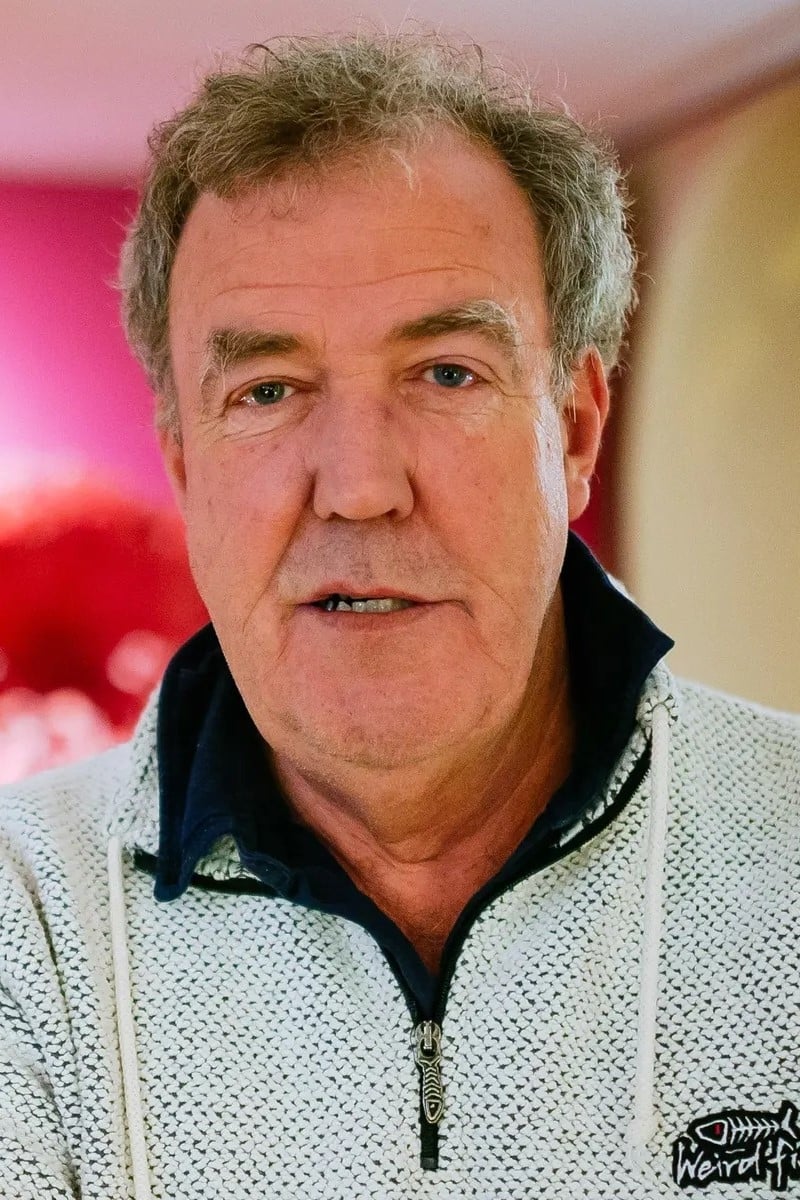
The television presenter has used his newspaper columns to mock the seriousness and the reach of the movement. He has often suggested that the movement has gone beyond its original intent and is now looking for things to be offended by. His critiques are typically framed within his broader disdain for modern social activism. He argues that the movement has made normal social interactions unnecessarily complicated and tense.
Scott Baio
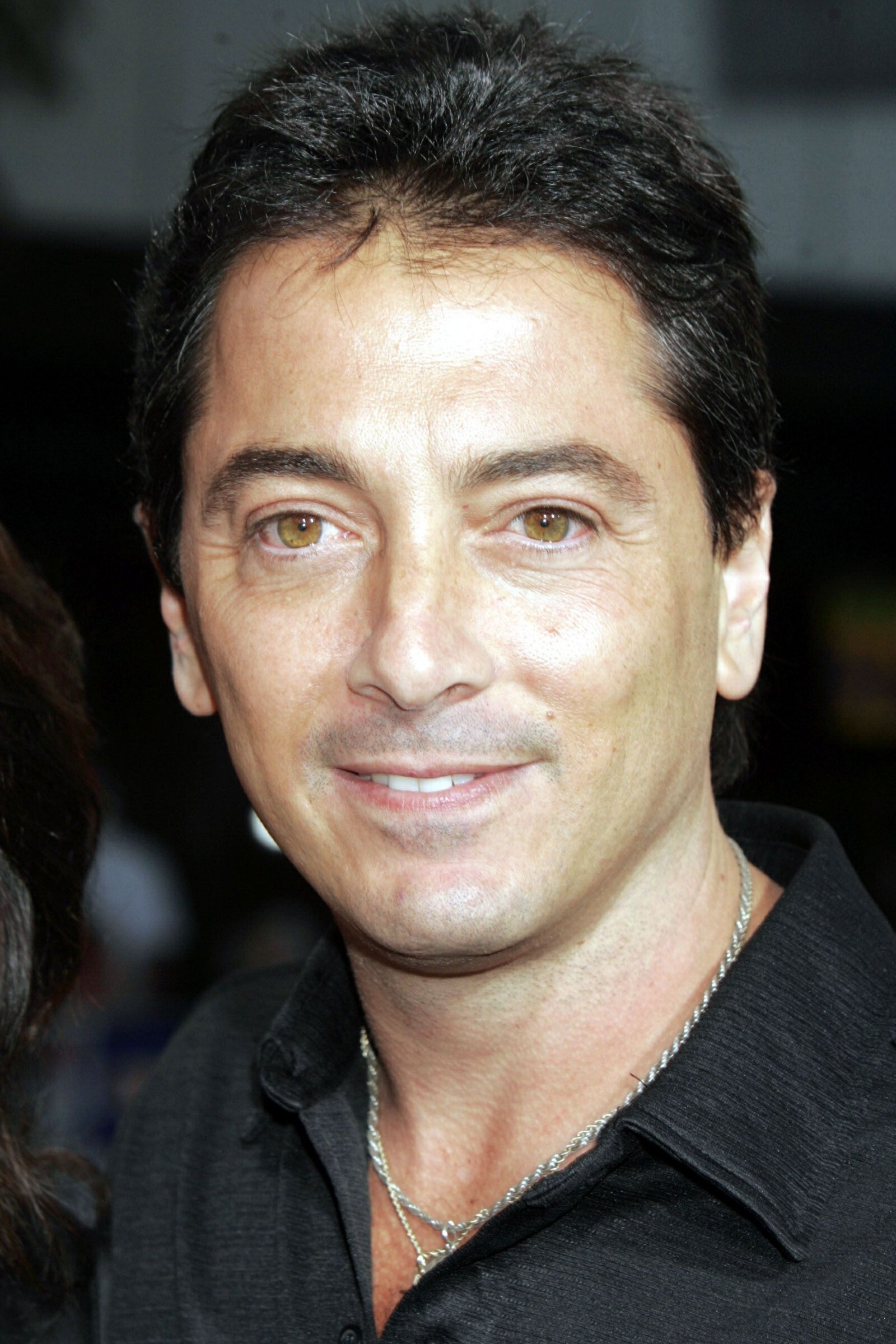
The actor has been a vocal opponent of the movement and has questioned the timing of many high-profile allegations. He suggests that the movement is being weaponized by individuals with political or personal agendas. He often shares content on social media that challenges the narrative presented by movement leaders. His stance is rooted in a belief that the movement has abandoned the principle of being innocent until proven guilty.
Dean Cain
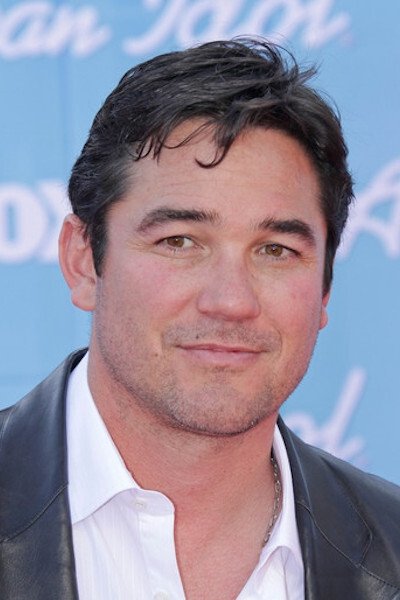
The actor known for his role as Superman has spoken about the movement as a scary development for men in the industry. He believes that the movement has created an environment where a single unproven word can end a career. He argues for a return to a more traditional legal approach where evidence is required for public condemnation. His comments reflect a concern for the stability of professional relationships in a post-Me Too world.
Kristy Swanson
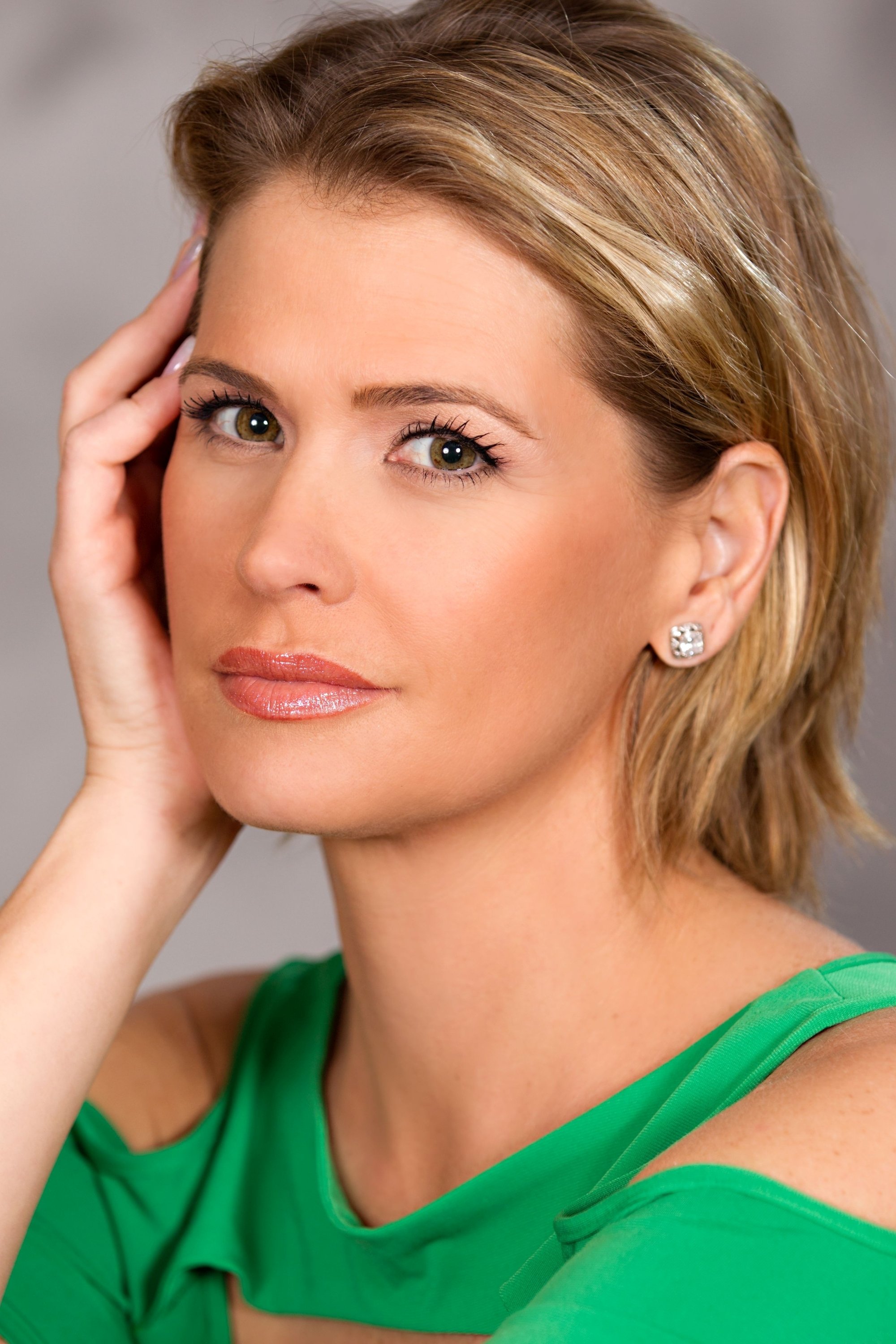
The actress has publicly questioned the motives and the honesty of various figures who became faces of the movement. She often uses social media to highlight inconsistencies in the stories shared by accusers. Her critiques focus on the idea that the movement has been used to target specific individuals for ideological reasons. She remains a firm believer that the movement has done more harm than good to the social fabric.
Mayim Bialik
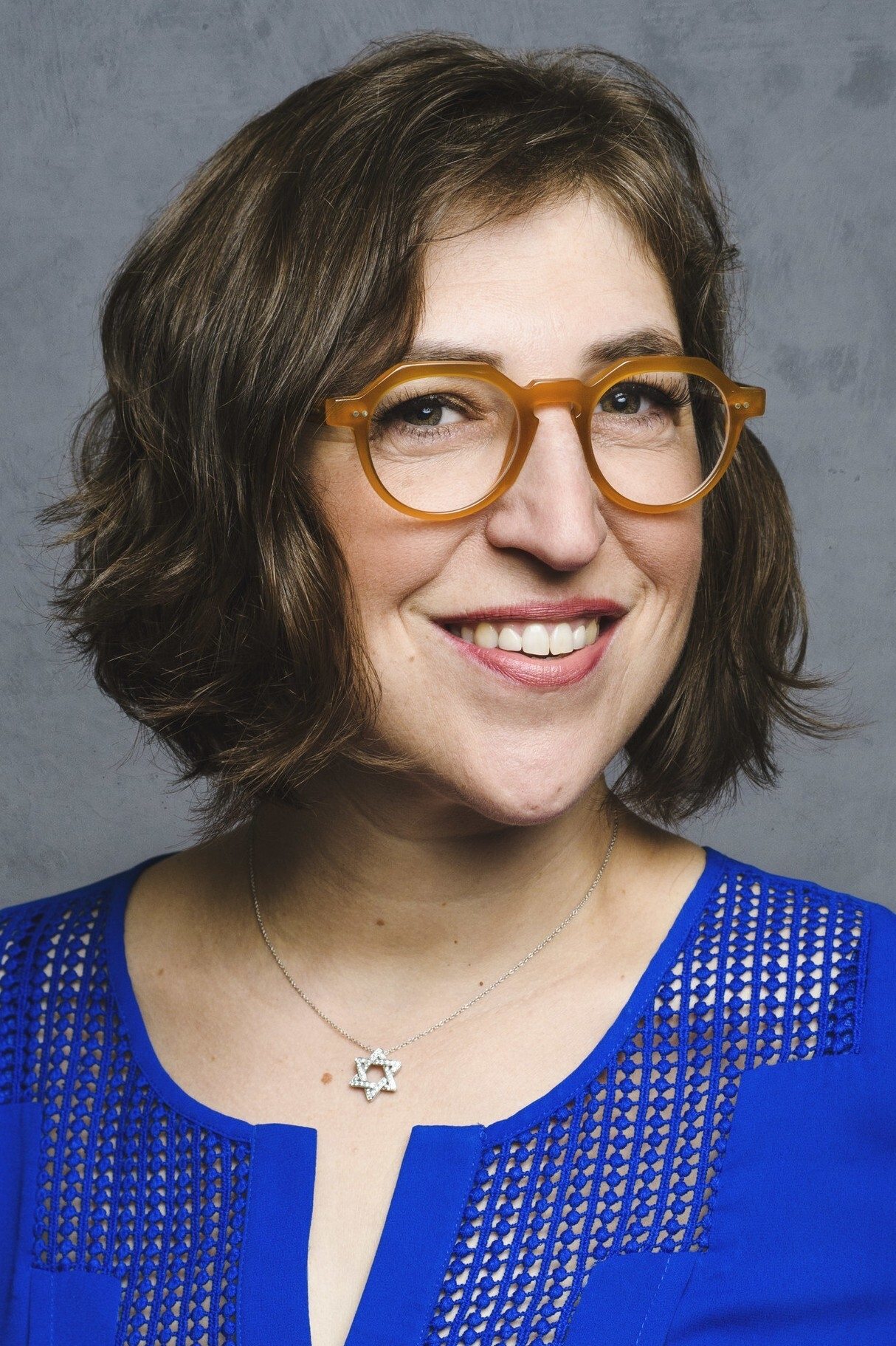
The actress and neuroscientist wrote an op-ed that some interpreted as critical of the movement’s focus. She suggested that making modest choices and avoiding certain social situations could help women avoid unwanted attention. While she later clarified her comments she was criticized for appearing to place the burden of safety on the victims. Her perspective highlighted a traditional approach to personal conduct that many found at odds with the movement’s goals.
Frank Langella
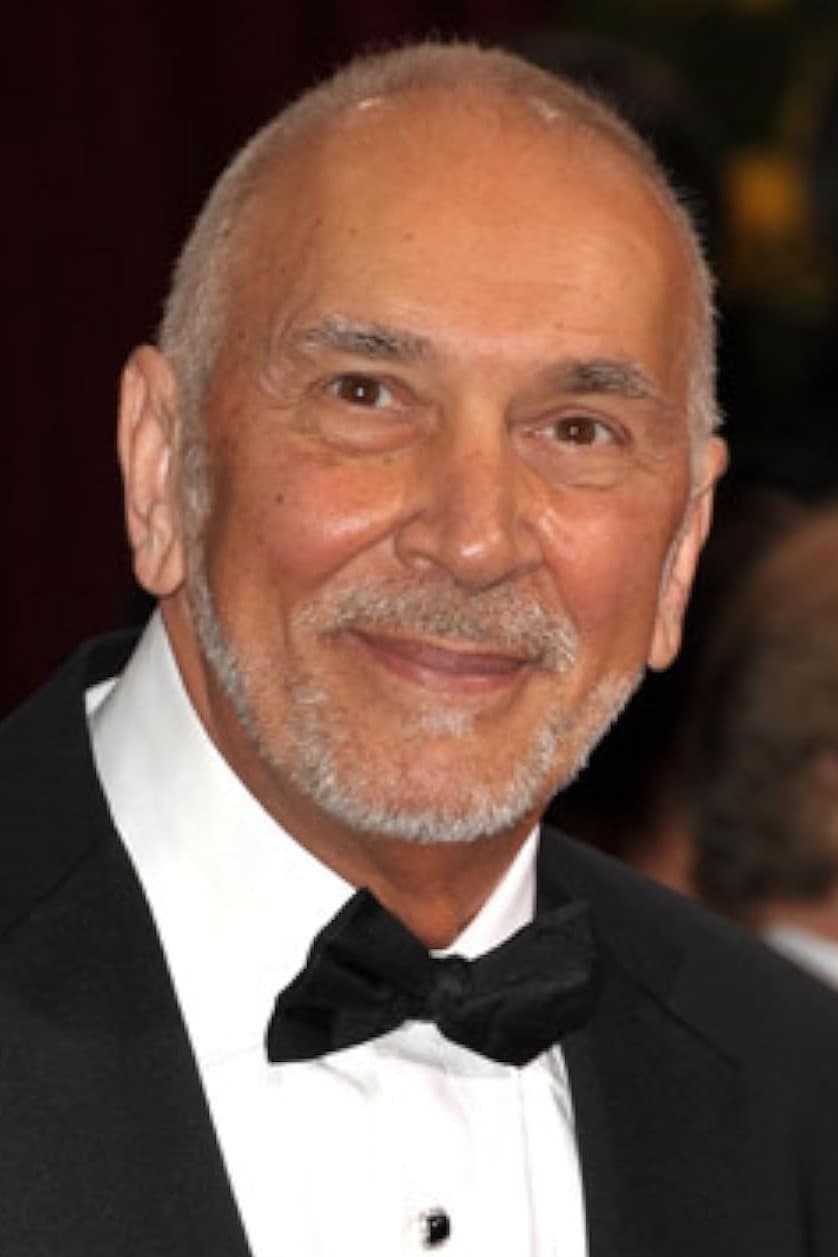
The veteran actor wrote a detailed piece criticizing the way he was removed from a project following allegations of misconduct. He argued that the movement had created a culture where one is guilty upon accusation and has no right to a fair hearing. His writing focused on the loss of nuance in human interactions and the cold nature of corporate responses to the movement. He believes that the movement has led to a loss of humanity in the entertainment industry.
Woody Allen
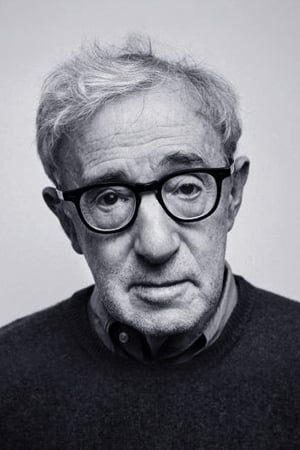
The director expressed his concern early on that the movement could lead to a witch hunt atmosphere in Hollywood. He warned that the climate would make it difficult for people to work together without fear of being misunderstood. His comments were seen as a defense of his own history and a critique of the changing social standards. He argued that the movement’s approach could end up hurting innocent people while trying to find the guilty.
Sharon Osbourne
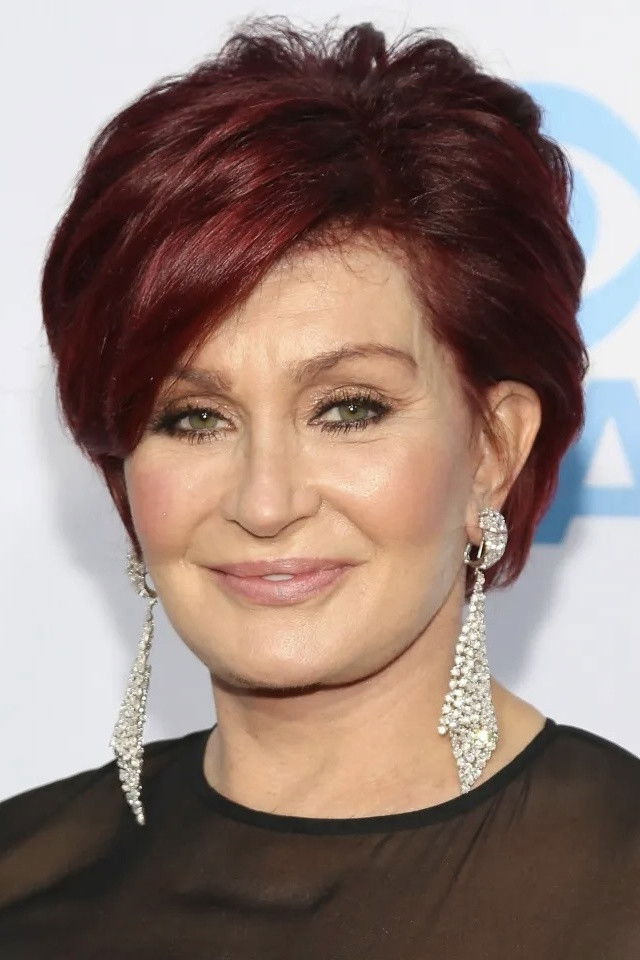
The television personality has defended several of her friends and peers from the repercussions of the movement. She has argued that the movement often results in a guilty by association mentality that is unfair. Her critiques often focus on the lack of room for forgiveness or growth in the current social climate. She maintains that the movement has become too focused on destruction rather than constructive change.
Stacey Dash
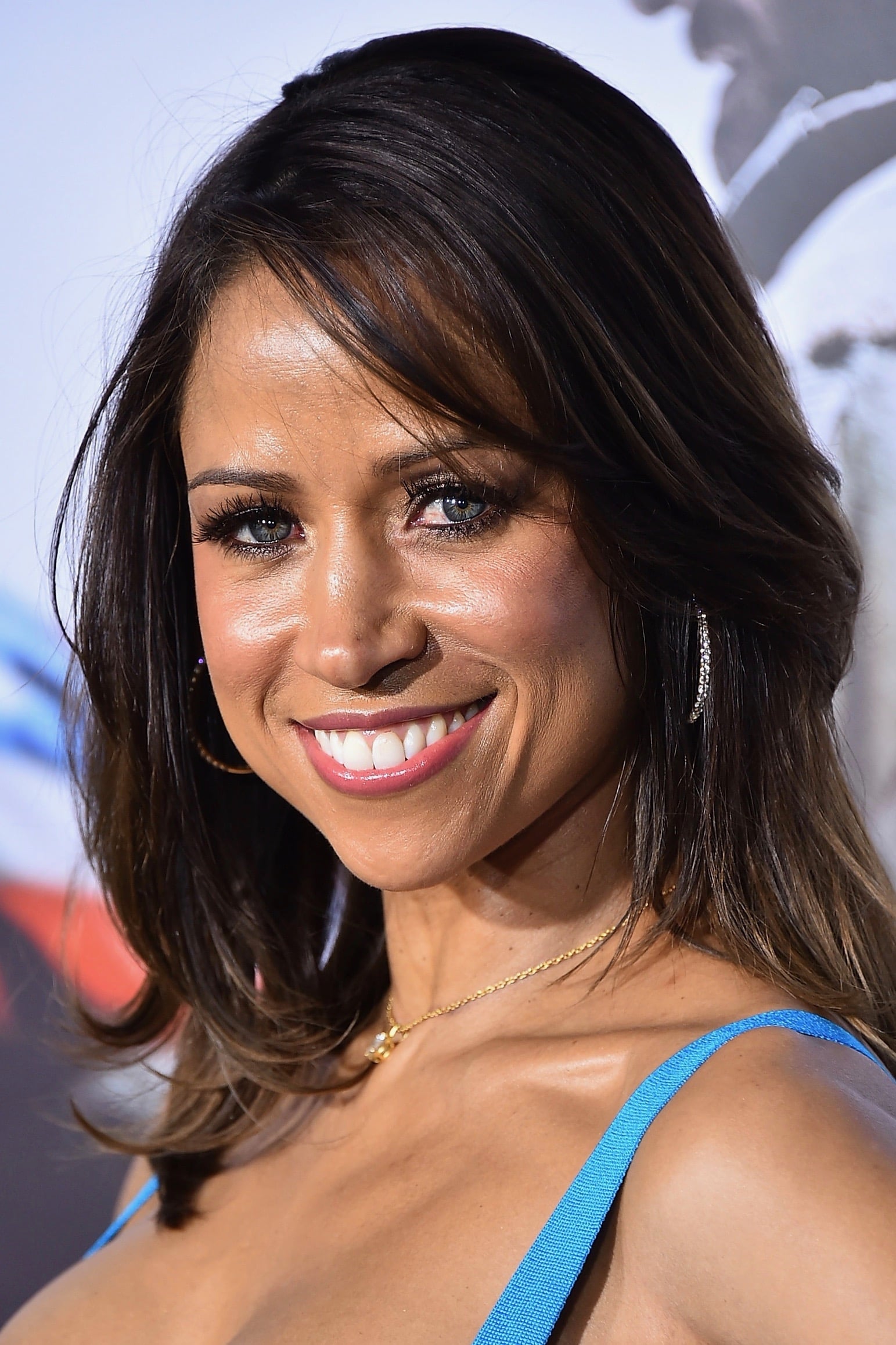
The actress and former political commentator has argued that the movement victimizes women instead of empowering them. She believes that the movement encourages women to see themselves as fragile and in constant need of protection. Her perspective is that the movement is a regression from the progress made by previous generations of feminists. She has often spoken out against the movement as a form of collective hysteria.
Candace Owens

The political commentator has been a fierce critic of the movement and its impact on the relationship between men and women. She argues that the movement relies on false victimhood and promotes a culture of grievance. Her critiques often involve challenging the statistics and the logic used by movement activists. She believes the movement is part of a broader effort to undermine traditional family structures and social stability.
Kid Rock
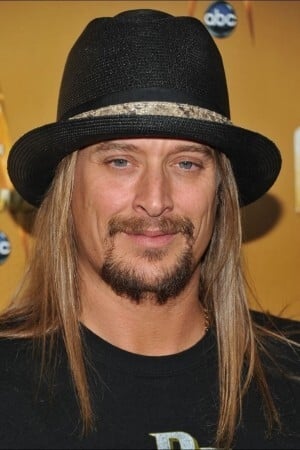
The musician has expressed his disdain for the movement through his public persona and lyrics. He views the movement as an extension of a political correctness culture that he actively rebels against. His comments often involve crude humor intended to mock the sensitivities of those involved in the movement. He argues that the movement is a distraction from the real issues facing the country and the working class.
Erykah Badu
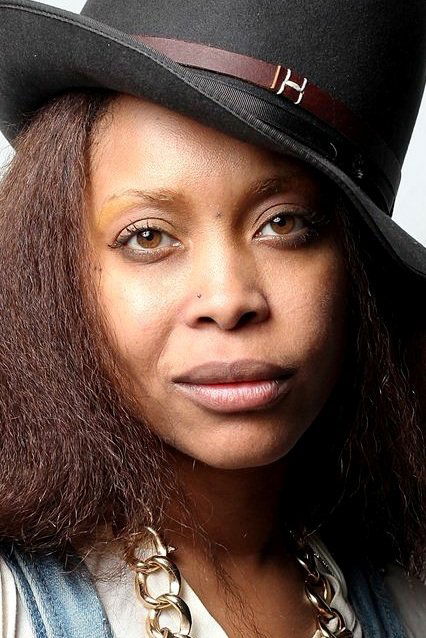
The singer drew criticism for defending artists regardless of the allegations made against them during the height of the movement. She suggested that the movement was creating a lynch mob mentality that was dangerous and unfair. Her comments focused on the need for compassion and understanding for all parties involved in a conflict. She argued that the movement’s focus on punishment was not the right way to achieve true healing.
Vanessa Paradis
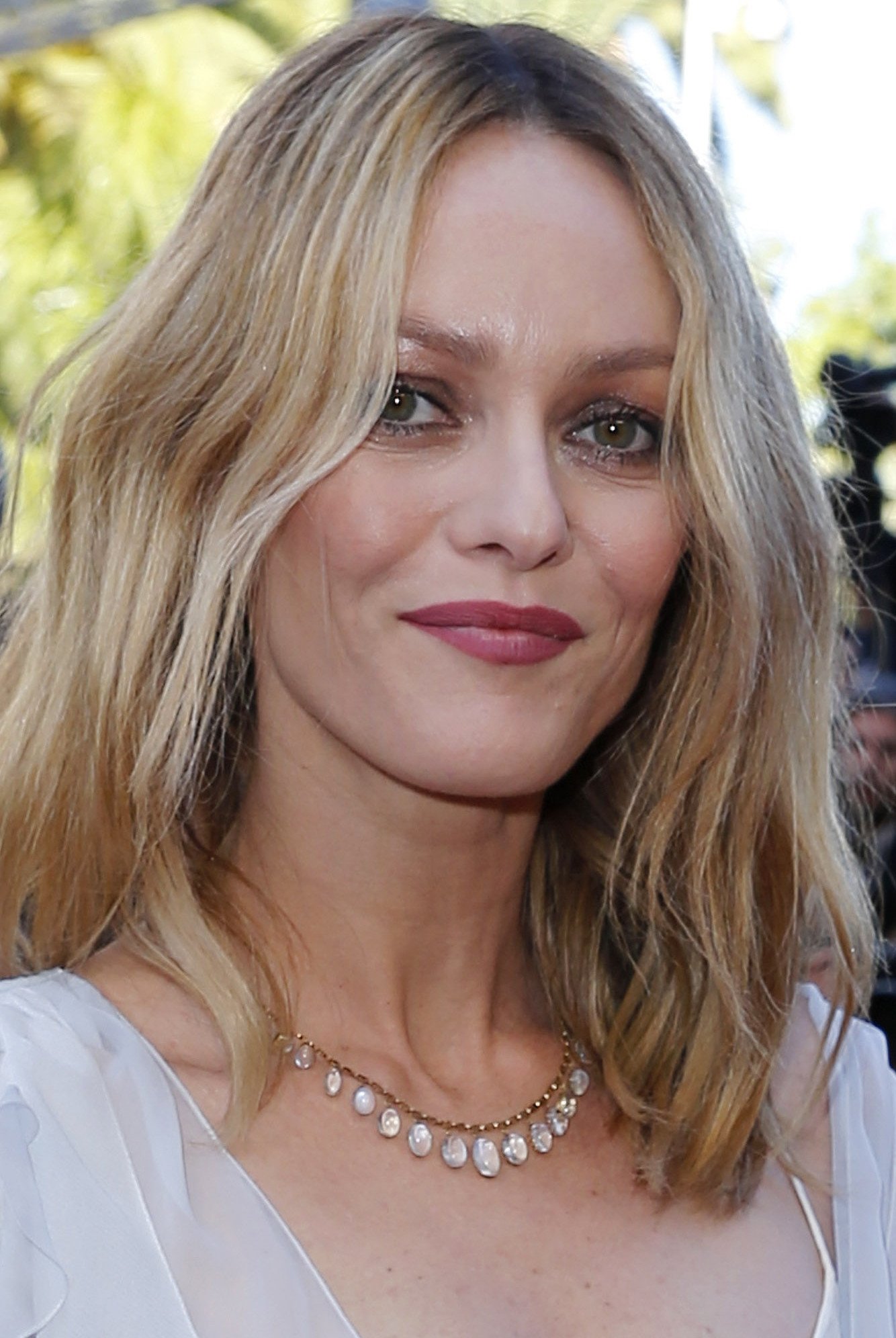
The French singer and actress expressed concern that the movement was making broad generalizations about men. She defended her friends who were accused and questioned the validity of using social media to settle legal disputes. Her perspective emphasized the importance of individual character over collective accusations. She believes that the movement has created a divide that makes it harder for men and women to trust each other.
Fanny Ardant
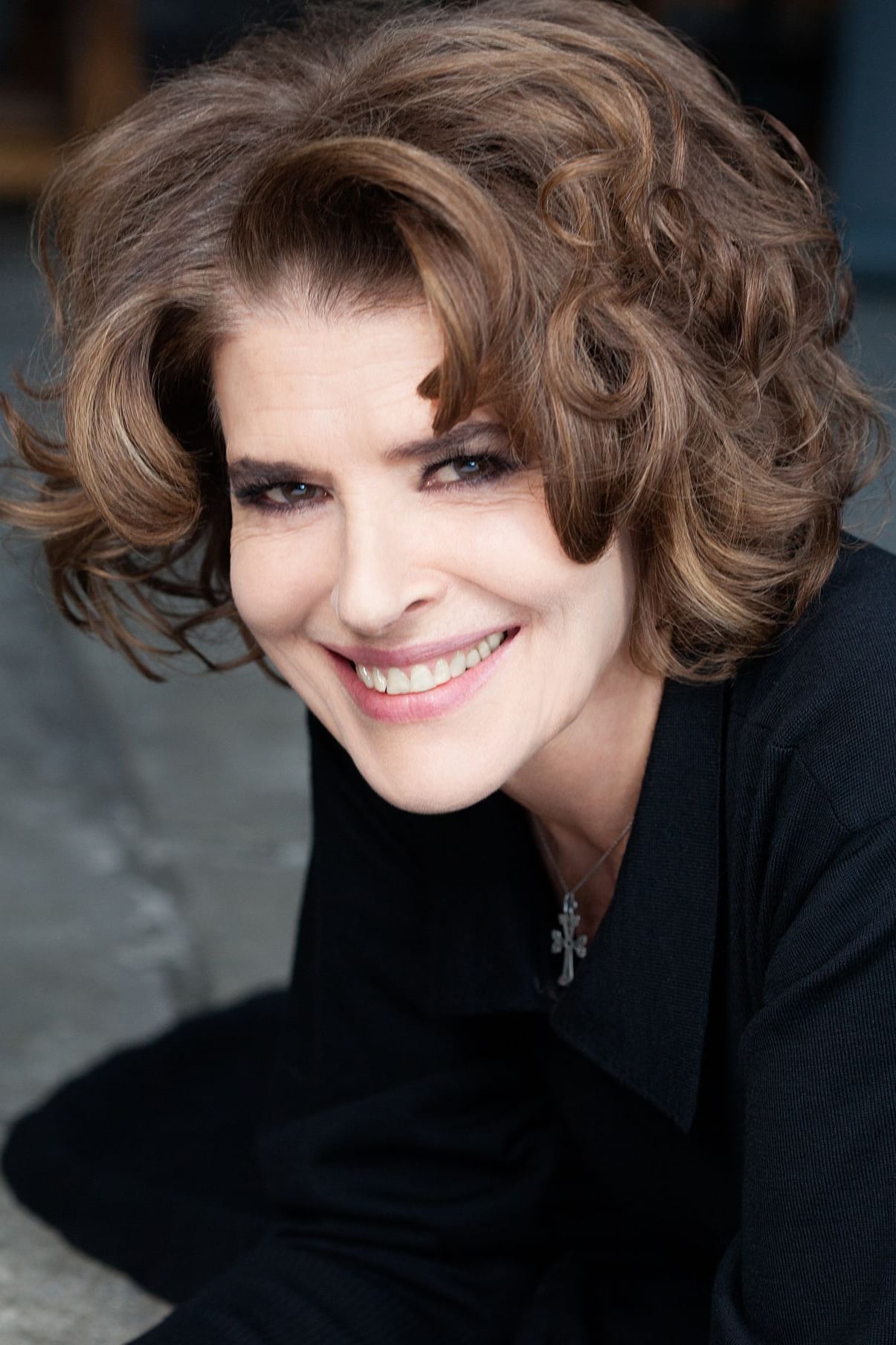
The French actress called the movement detestable and spoke out in defense of controversial directors. She argued that the movement was a form of moralizing that had no place in the world of art. Her critiques centered on the idea that the movement was trying to cleanse history and culture of complex individuals. She remains a vocal advocate for the separation of an artist’s personal life from their professional work.
Emmanuelle Seigner
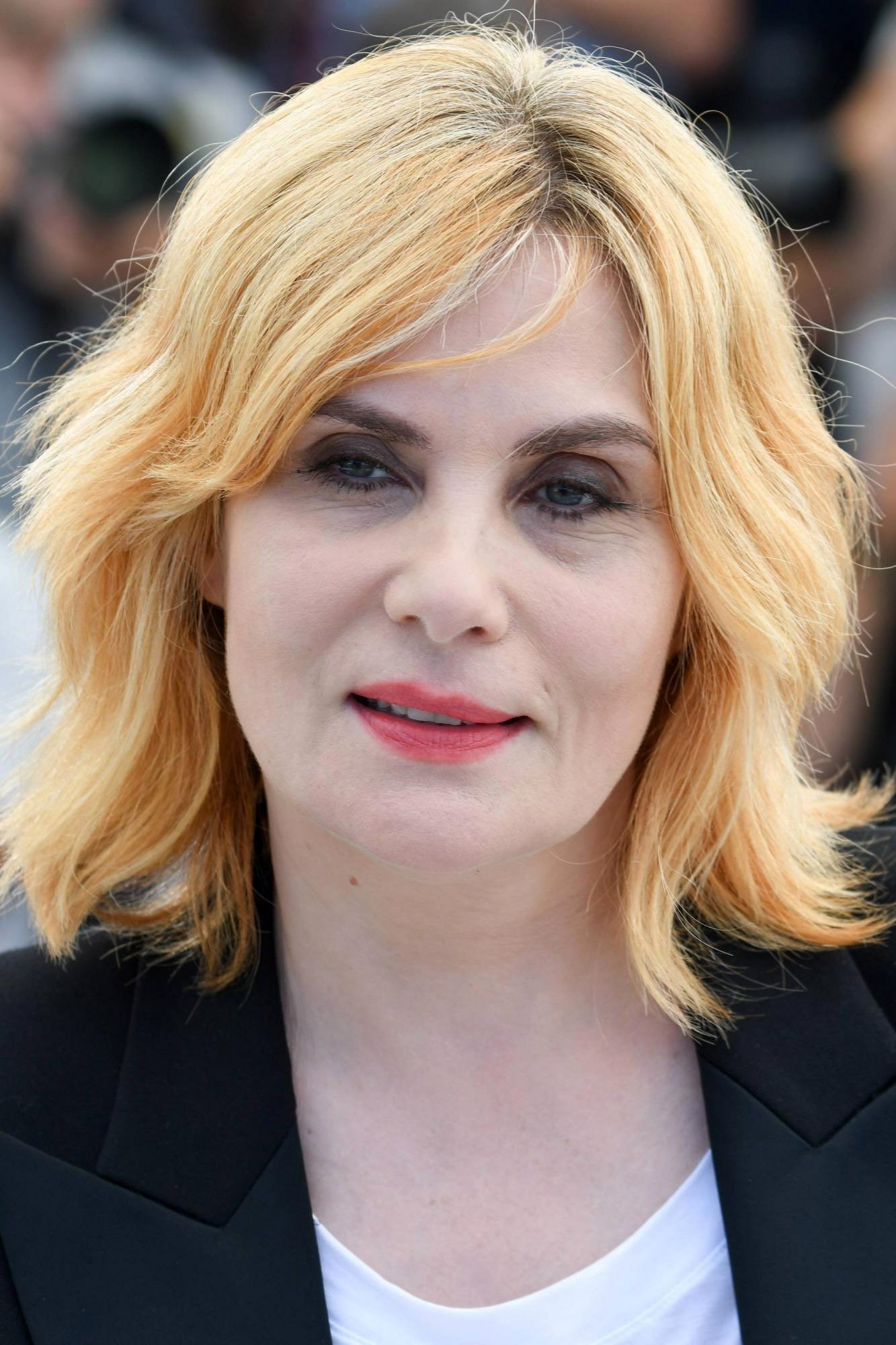
The actress and wife of a controversial director has been a sharp critic of the Academy and the movement’s tactics. She argued that the movement was using her family as a scapegoat to appear morally superior. Her comments focused on the hypocrisy of the film industry and its sudden change in standards. She believes the movement is driven by a desire for public relations victories rather than actual justice.
Carla Bruni
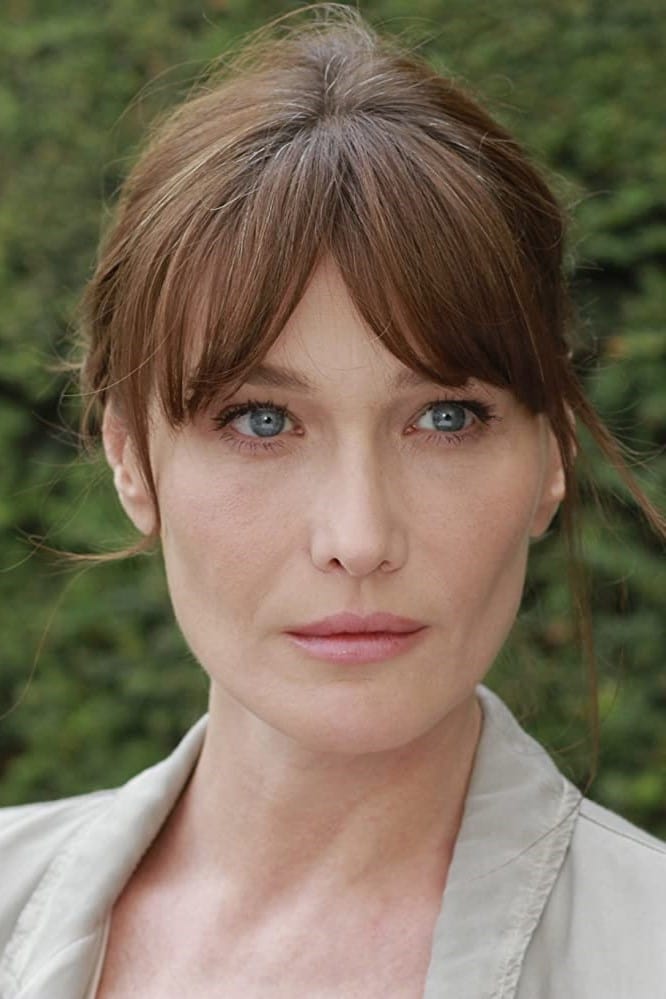
The singer and former First Lady of France supported the letter that defended the right of men to be persistent in their pursuit of women. She expressed a belief that the movement was becoming too puritanical and was threatening the natural dance of seduction. Her perspective was that the movement was trying to regulate human emotions and interactions in an unnatural way. She argued for a more relaxed and less judgmental approach to social relationships.
Salma Hayek Pinault
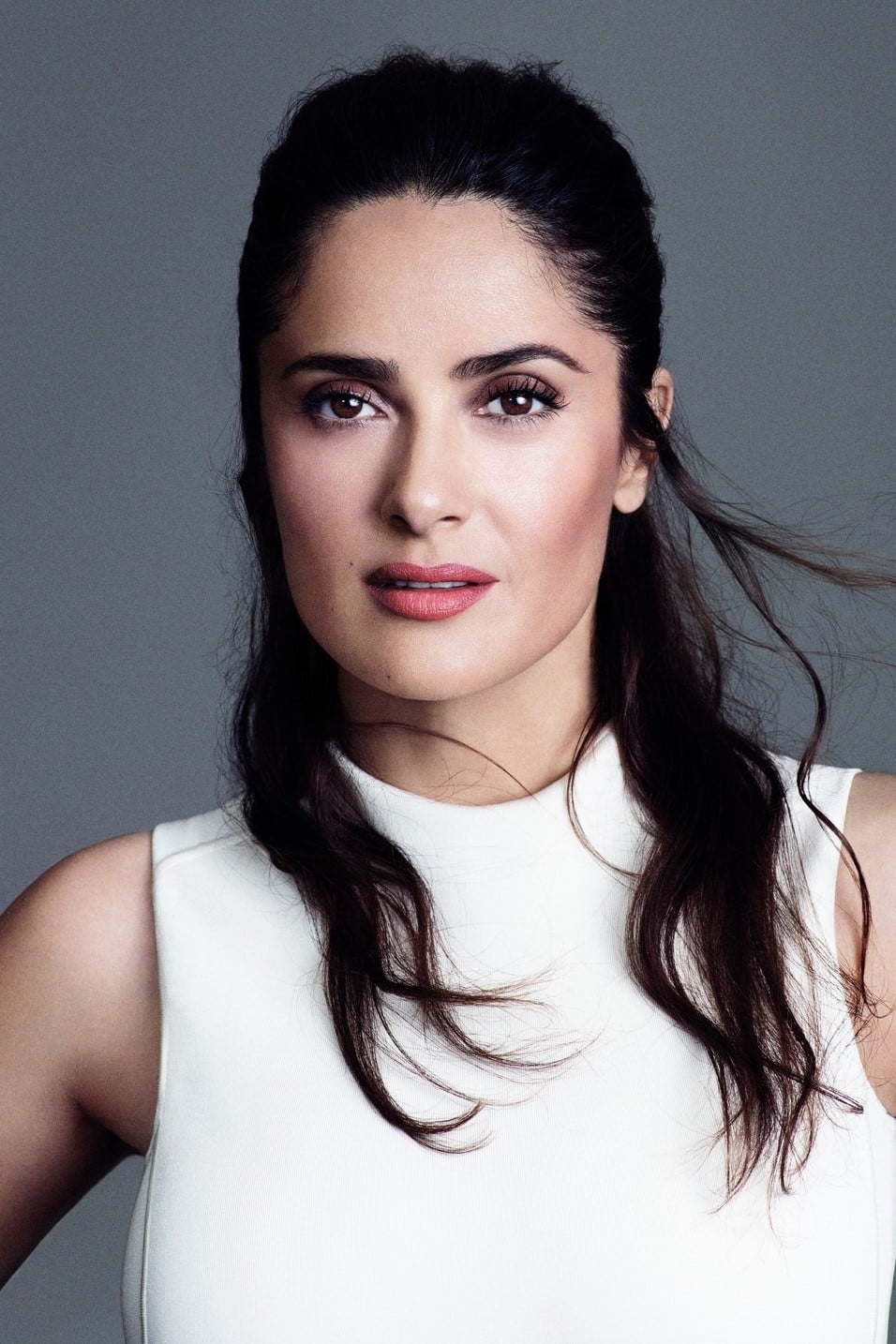
While a prominent voice for change the actress has also criticized the movement for its elitism and its focus on a specific demographic. She argued that the movement often ignores the struggles of women who do not work in high-profile industries like Hollywood. Her comments pointed out that the movement could be hypocritical when it failed to address systemic issues beyond individual scandals. She remains a complex figure who supports the goal but critiques the execution and scope of the campaign.
Rose McGowan
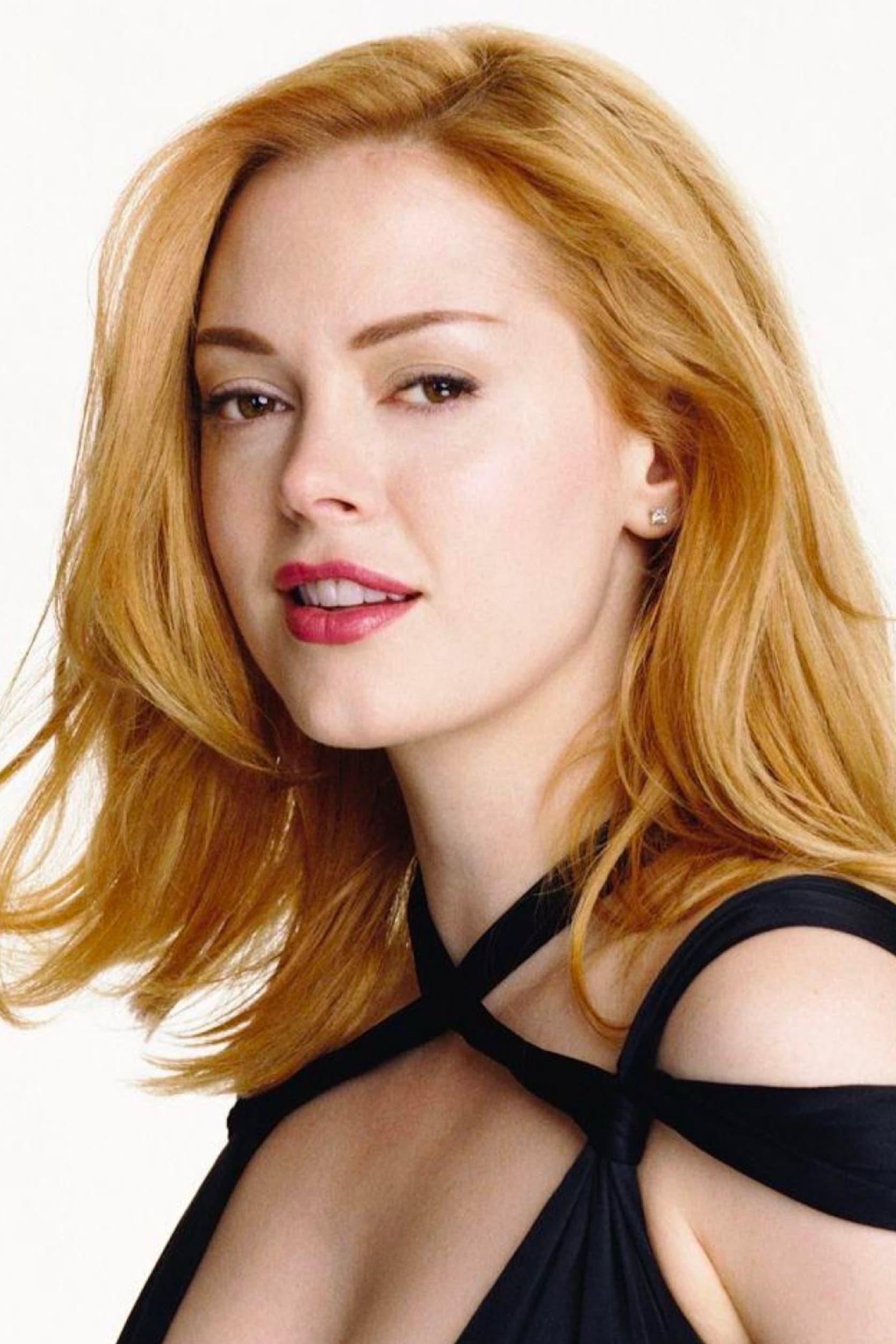
Despite being a pioneer of the movement she later became one of its harshest critics by attacking the leaders of the campaign. She labeled the Time’s Up organization as a fraud and criticized the celebrities involved for being performative. Her critiques focused on the idea that the movement had been co-opted by the same corporate interests it was supposed to fight. She continues to speak out against what she views as the sanitization of the movement by Hollywood elites.
Courtney Love
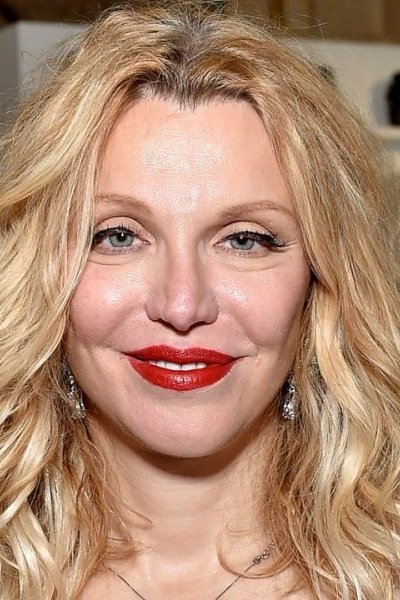
The musician and actress warned people about certain industry figures years ago and later criticized the movement for being late to the party. She suggested that many of the stars wearing black on red carpets were doing so for appearances rather than conviction. Her comments highlighted the gap between the public display of support and the reality of the industry’s inner workings. She remains skeptical of the corporate-backed versions of the movement that emerged after the initial wave.
Dita Von Teese
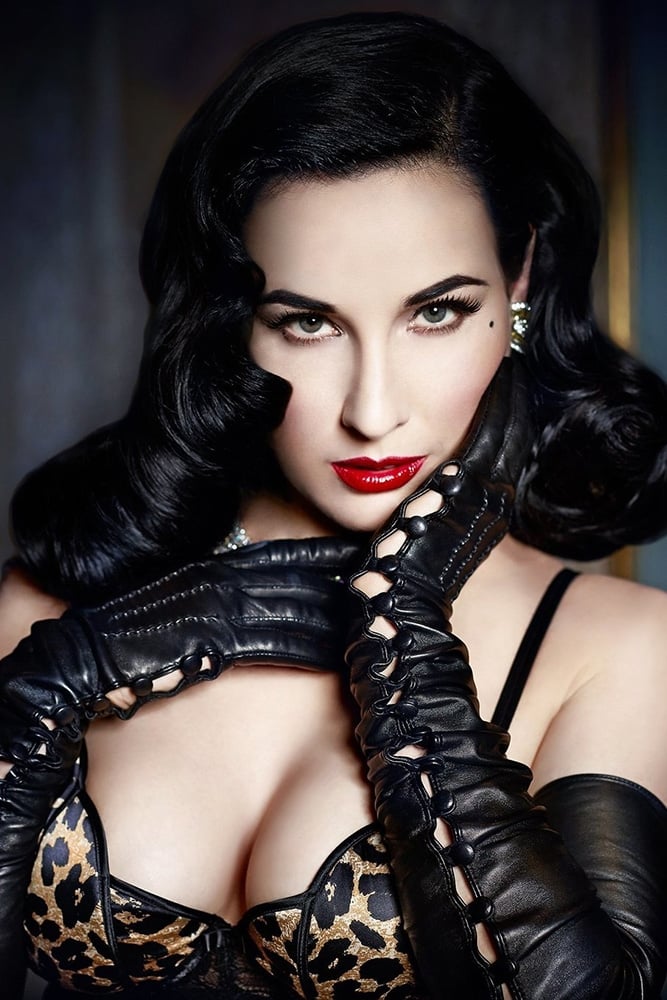
The burlesque performer and model expressed that she did not identify with the movement’s framing of power dynamics. She argued that her own career was built on her terms and that the movement’s focus on victimization did not resonate with her. Her comments suggested that the movement could inadvertently overlook the agency of women who work in sexualized industries. She believes that the conversation should focus more on professional boundaries and less on moral judgment.
Boy George

The singer criticized the movement for what he called its judgmental and unforgiving nature. He argued that the movement does not allow for people to make mistakes or to evolve from their past behaviors. His comments focused on the importance of redemption and the danger of permanently branding individuals based on social media trends. He believes the movement has contributed to a culture that values punishment over reconciliation.
Viggo Mortensen
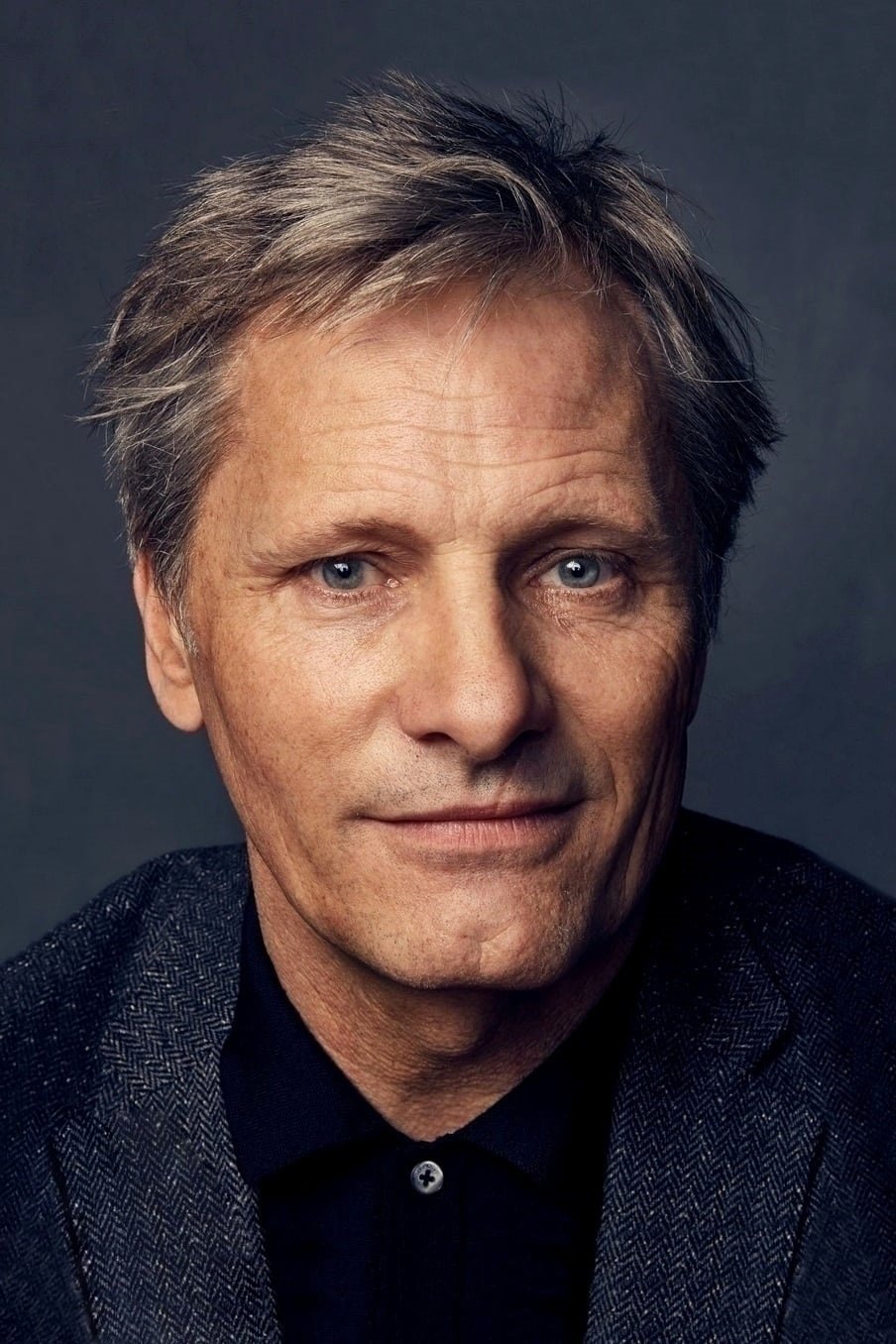
The actor has argued that the movement often leads to a terrifying lack of nuance in public discussions. He expressed concern that the movement’s methods could lead to the suppression of creative voices who do not conform to the new social standards. His critiques center on the idea that the rush to condemn individuals prevents a deeper understanding of human nature. He maintains that the movement should be more careful about the long-term impact of its actions on the arts.
Gary Oldman
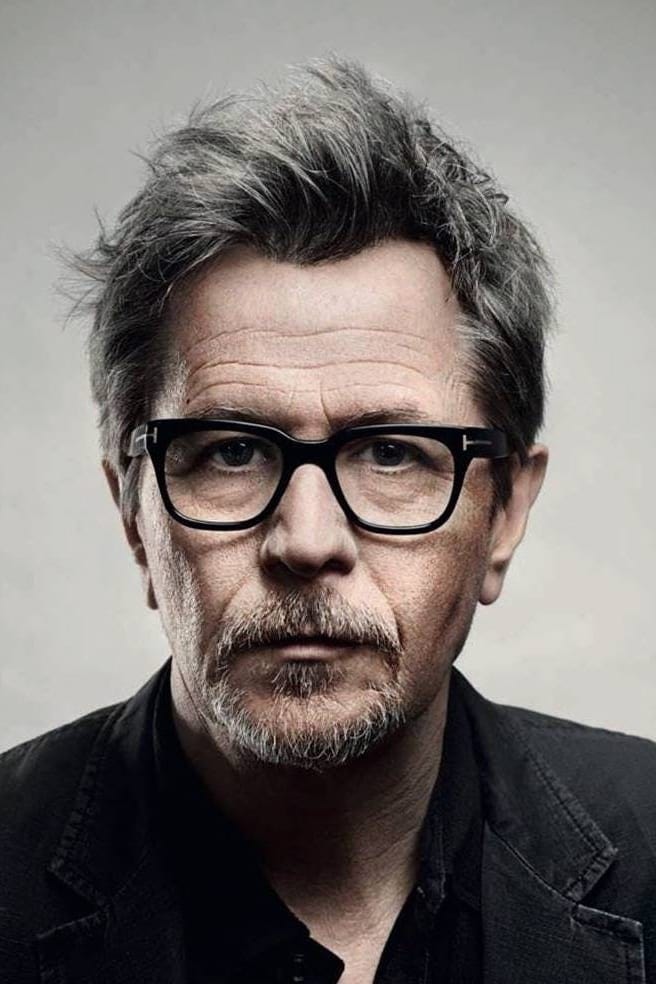
The Academy Award winner has defended his peers and criticized the mob mentality that he believes the movement encourages. He argued that the climate of the movement makes it difficult for a person to clear their name once an accusation is made. His comments focused on the importance of facts and evidence in a world increasingly dominated by social media opinions. He believes the movement has shifted the focus from justice to public perception.
Ian McKellen
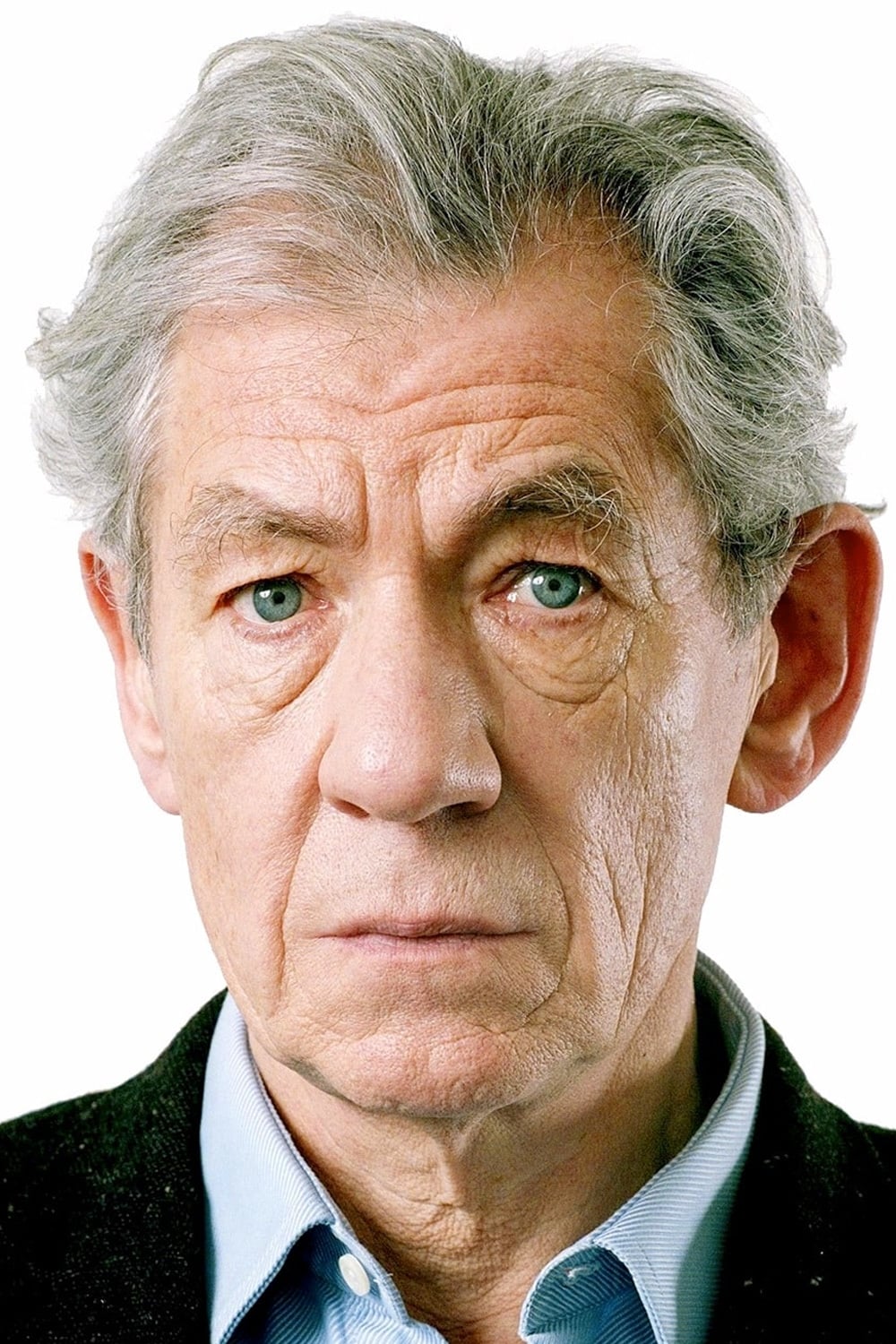
The veteran actor suggested that the movement has made some people in the industry overly cautious in a way that harms collaboration. He argued that the fear of being misunderstood has changed the atmosphere on film sets and in theaters. While he supports the protection of individuals he expressed concern that the movement could lead to a loss of the intimacy required for acting. He believes the movement’s impact on social norms needs to be balanced with the needs of the creative process.
James Franco
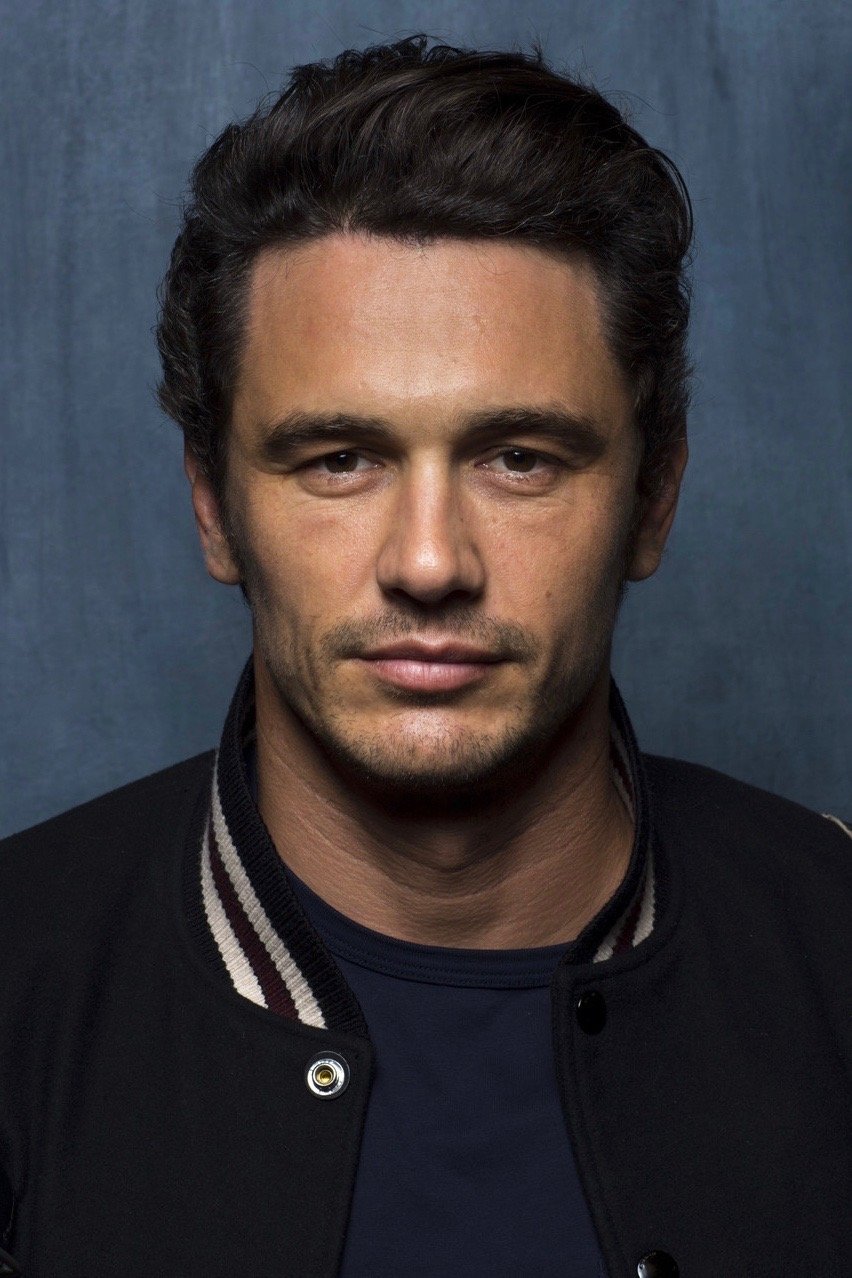
The actor and director questioned the accuracy of various social media trials that emerged as part of the movement. He argued that some of the claims made against him and others were not accurate and were being handled unfairly by the press. His comments focused on the difficulty of responding to public allegations that do not go through a formal legal process. He believes that the movement has created a situation where the truth is often secondary to the narrative.
Louis C.K.
The comedian made light of the movement and its impact on his life during his return to the stand-up stage. His routines often mocked the idea of the new social rules and the way the movement had affected his personal and professional standing. His critiques are largely delivered through his comedy which challenges the boundaries of what is acceptable to discuss. He remains a figure who uses humor to address the complexities and the perceived absurdities of the movement.
Aziz Ansari
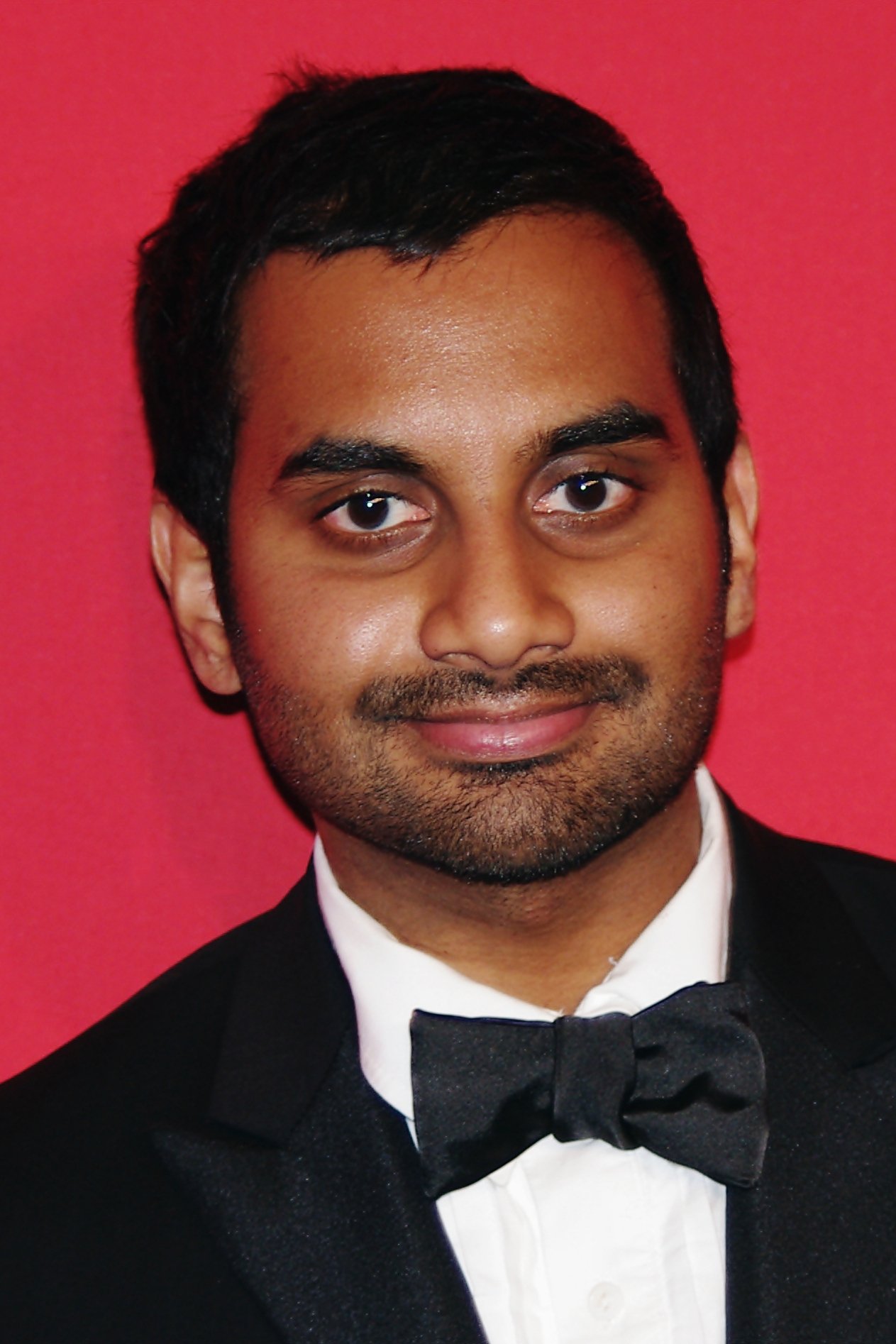
The actor and comedian addressed the movement’s impact on modern dating during his stand-up specials. He explored the gray areas of consent and communication that he believes the movement often ignores. His comments were seen as a nuanced critique of how the movement’s principles are applied in real-world social situations. He argued for a more thoughtful approach to the way men and women interact in the post-Me Too era.
Bill Cosby
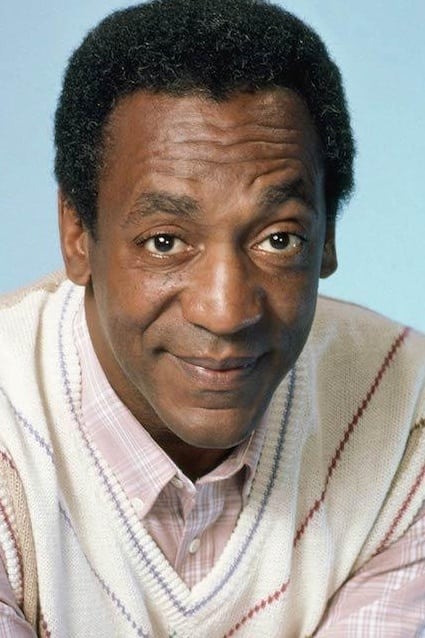
Through his legal and public relations teams the comedian has repeatedly attacked the movement as an unfair and biased campaign. His statements have characterized the movement as a tool used to bypass the legal system and secure convictions in the court of public opinion. He maintains that the movement has ignored the rights of the accused in favor of a popular narrative. His perspective represents the most direct and adversarial critique of the movement’s foundations.
Share your thoughts on these celebrity perspectives in the comments.