Musicians Labeled Not Hot Enough Despite Chart Success



The music industry has long been criticized for prioritizing aesthetic appeal over vocal talent, leading many successful artists to face scrutiny regarding their appearance. Despite achieving multi-platinum sales and topping global charts, several musicians have been told they do not fit the conventional “pop star” mold. These artists have often spoken out about the pressure to conform to specific beauty standards imposed by labels, media, and audiences. This list examines musicians who faced criticism about their looks while dominating the airwaves.
Ed Sheeran

Ed Sheeran faced significant skepticism from record executives early in his career due to his unconventional look and red hair. Labels expressed concern that his image would not appeal to a mainstream audience, suggesting he might need to change his style or dye his hair. Despite these doubts, he achieved global stardom with hits like ‘Shape of You’ and ‘Thinking Out Loud’. Sheeran has frequently discussed how he prioritized his songwriting and performance over industry beauty standards. He eventually became one of the highest-selling artists of the decade, proving his marketability.
Lizzo
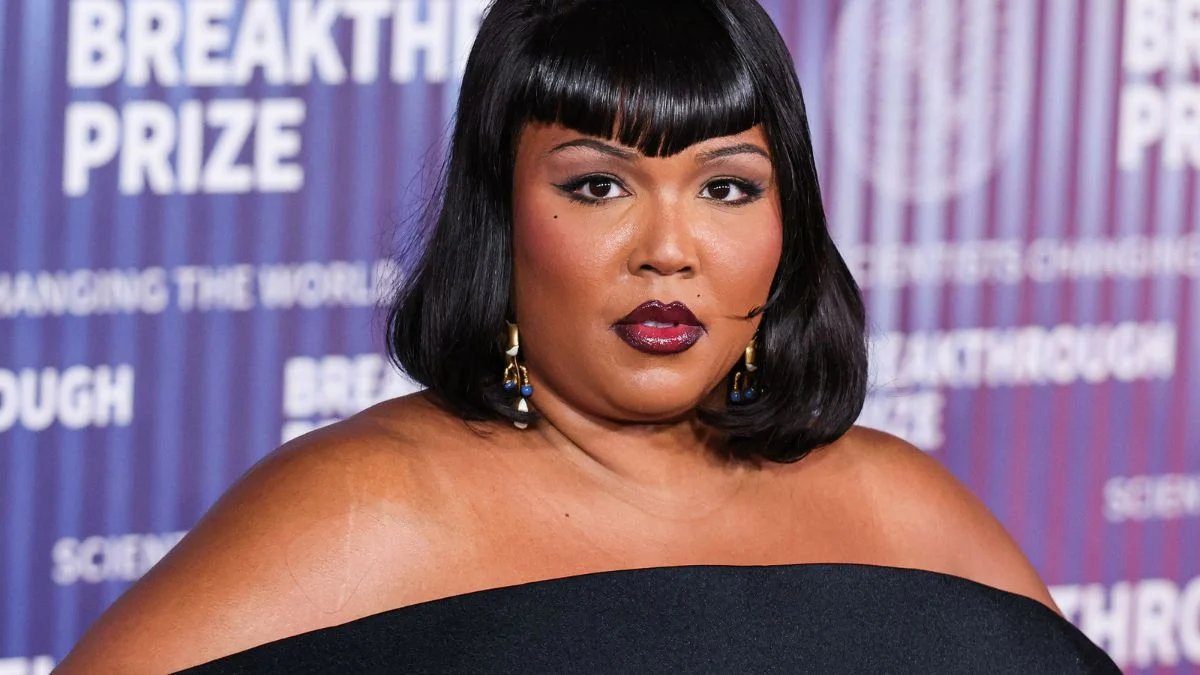
Lizzo has been a prominent figure in the conversation regarding body image and the music industry’s narrow standards. Despite her massive success with singles like ‘Truth Hurts’ and ‘About Damn Time’, she consistently faces public scrutiny and social media trolling about her weight. Critics and online commentators have often focused on her physical appearance rather than her flute proficiency or vocal range. Lizzo has utilized her platform to advocate for body positivity and self-love in response to these labels. Her commercial success includes multiple Grammy Awards and sold-out arena tours worldwide.
Adele
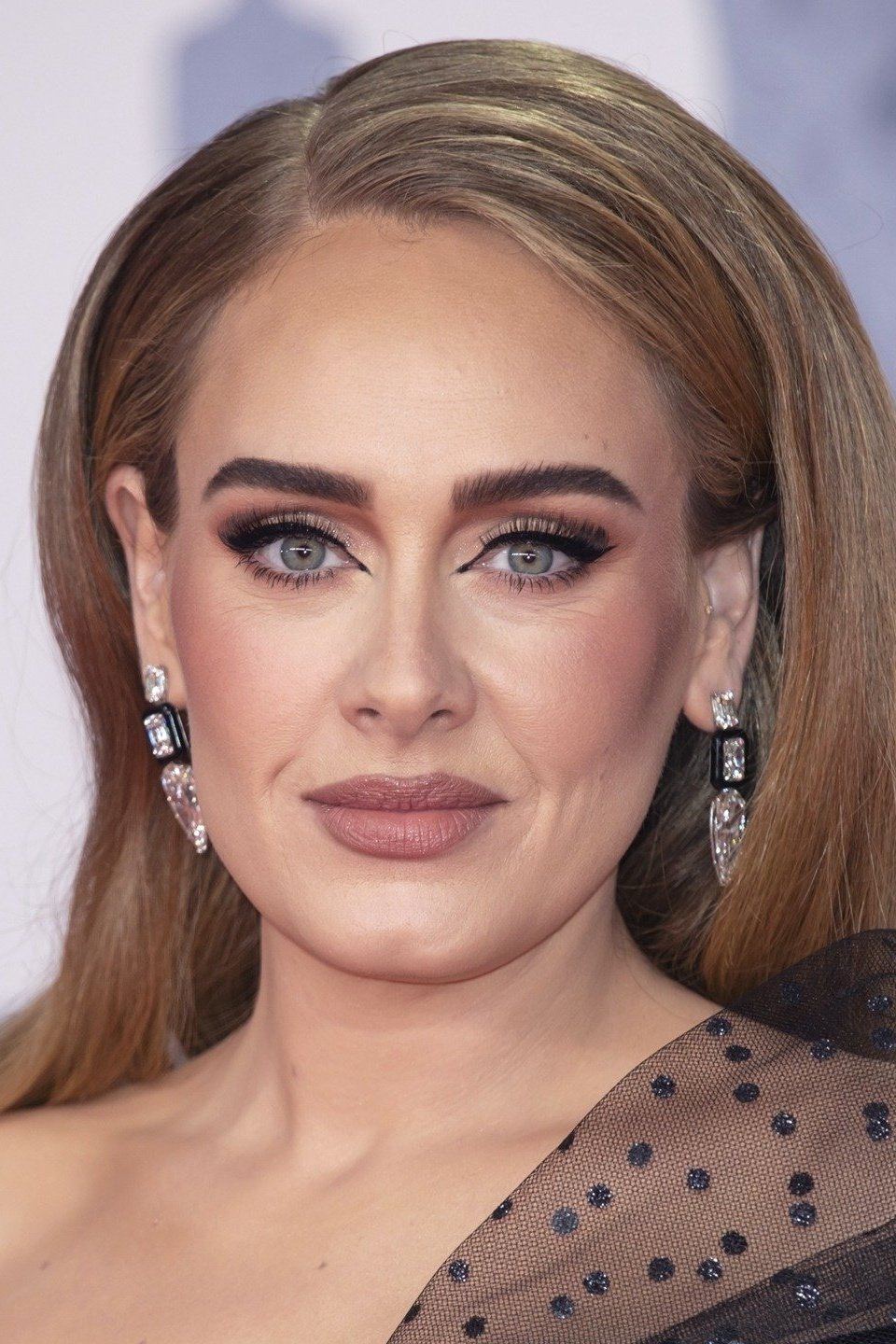
Adele encountered comments about her weight from high-profile figures, including the late designer Karl Lagerfeld, during her rise to fame. Despite the critical acclaim of her album ’21’, some media outlets focused heavily on her physical frame rather than her record-breaking sales. Adele consistently maintained that she makes music for the ears, not the eyes, and refused to change for the industry. Her follow-up album ’25’ became one of the fastest-selling records in history, further cementing her status. She remains one of the most successful vocalists of the 21st century regardless of external commentary.
P!nk
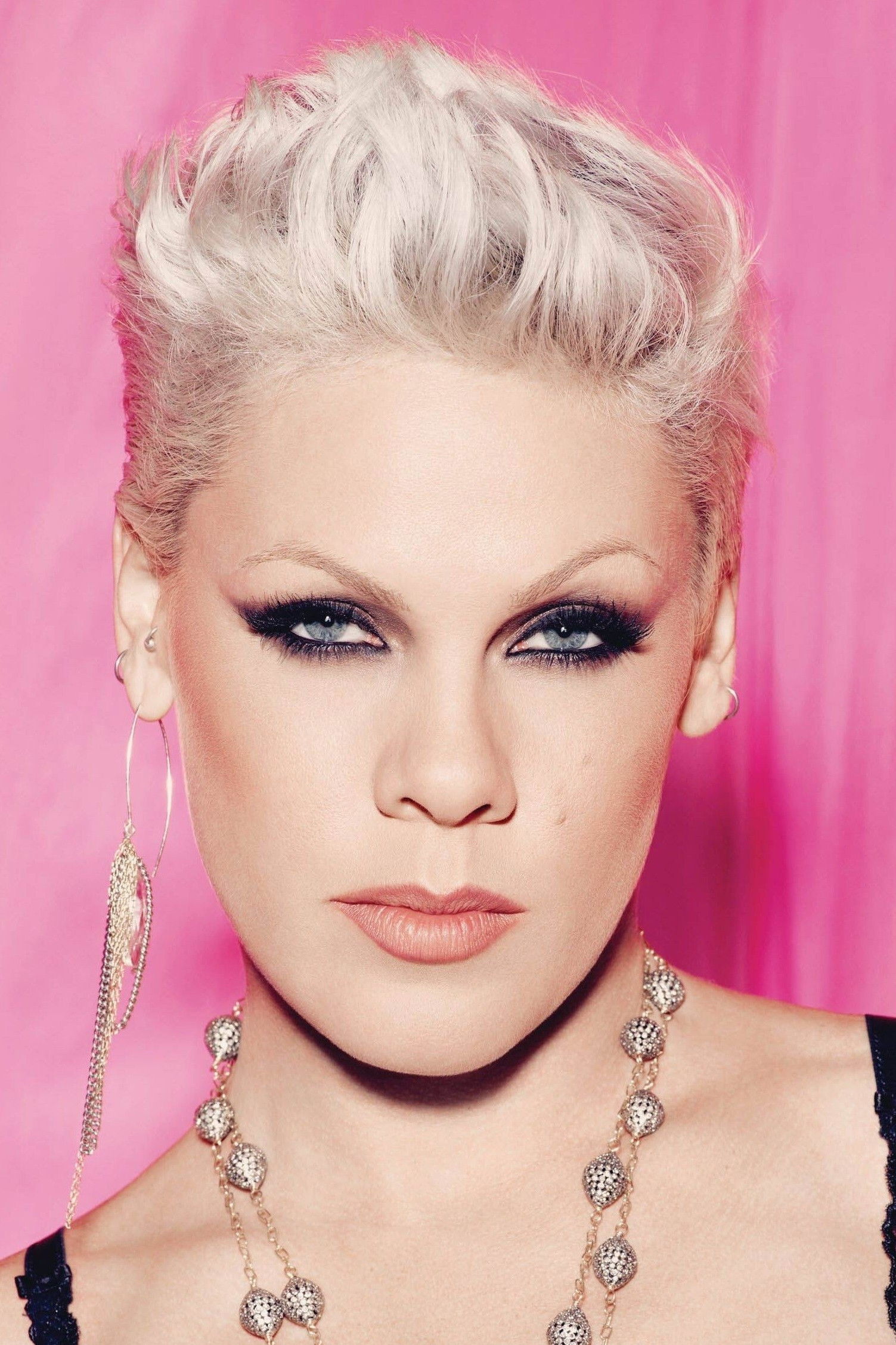
Pink revealed early in her career that record executives told her she was not “pretty enough” to be a successful pop star. She was often compared to her more traditionally feminine peers in the late 1990s and early 2000s. In response, she leaned into her athletic build and rebellious image, which became her signature brand. Her hit song ‘Don’t Let Me Get Me’ explicitly addresses these industry pressures and her refusal to conform. Pink has since achieved numerous number-one hits and is celebrated for her highly physical live performances.
Kelly Clarkson
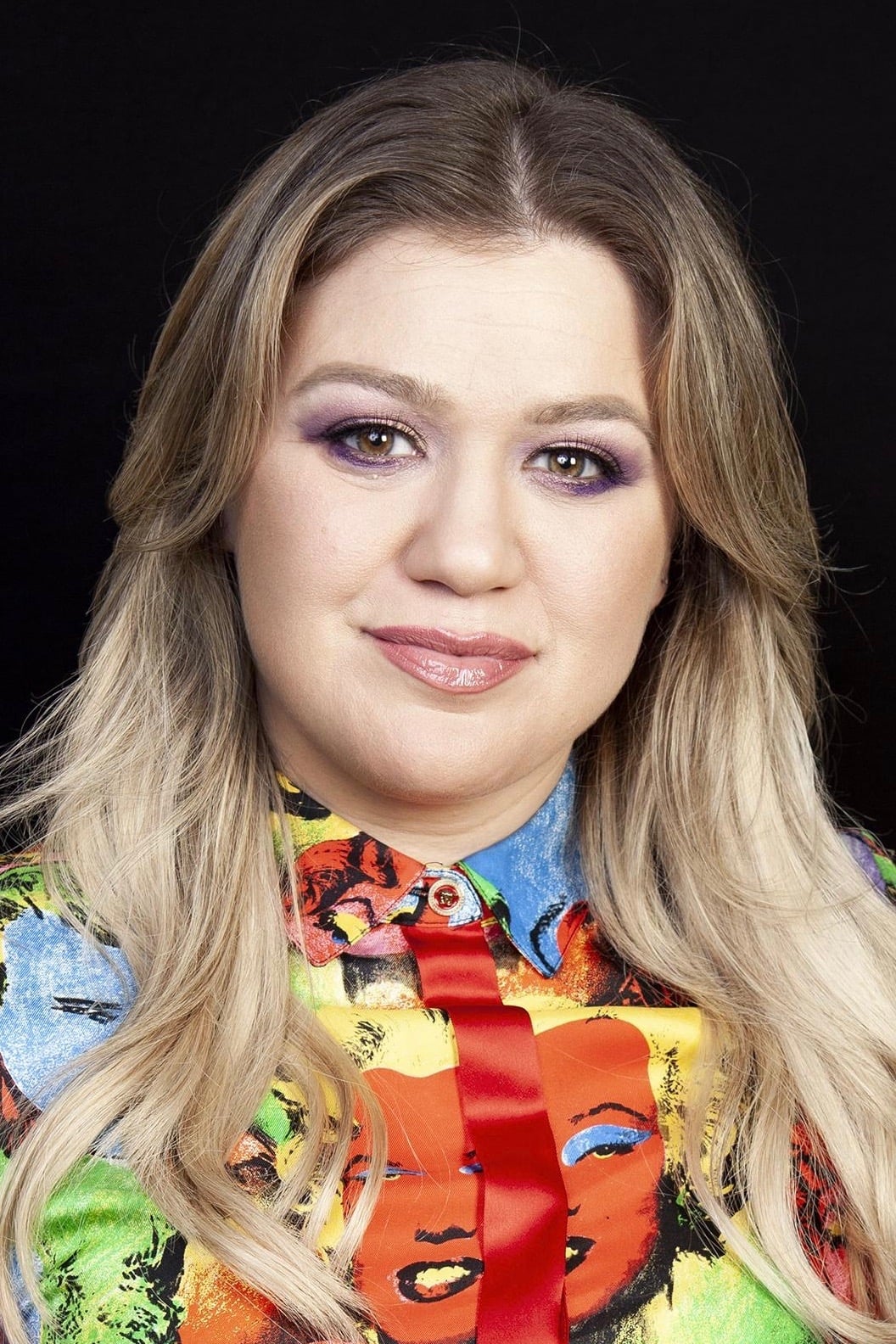
Kelly Clarkson has faced public commentary regarding her weight since winning the first season of ‘American Idol’. Despite her immediate chart success with ‘A Moment Like This’, the media frequently focused on her fluctuating size. Clarkson has stated in interviews that she felt immense pressure to stay thin during the peak of her ‘Since U Been Gone’ era. She eventually chose to prioritize her mental health and happiness over industry expectations of thinness. Her enduring career spans across music, film, and a successful daytime talk show.
Lady Gaga
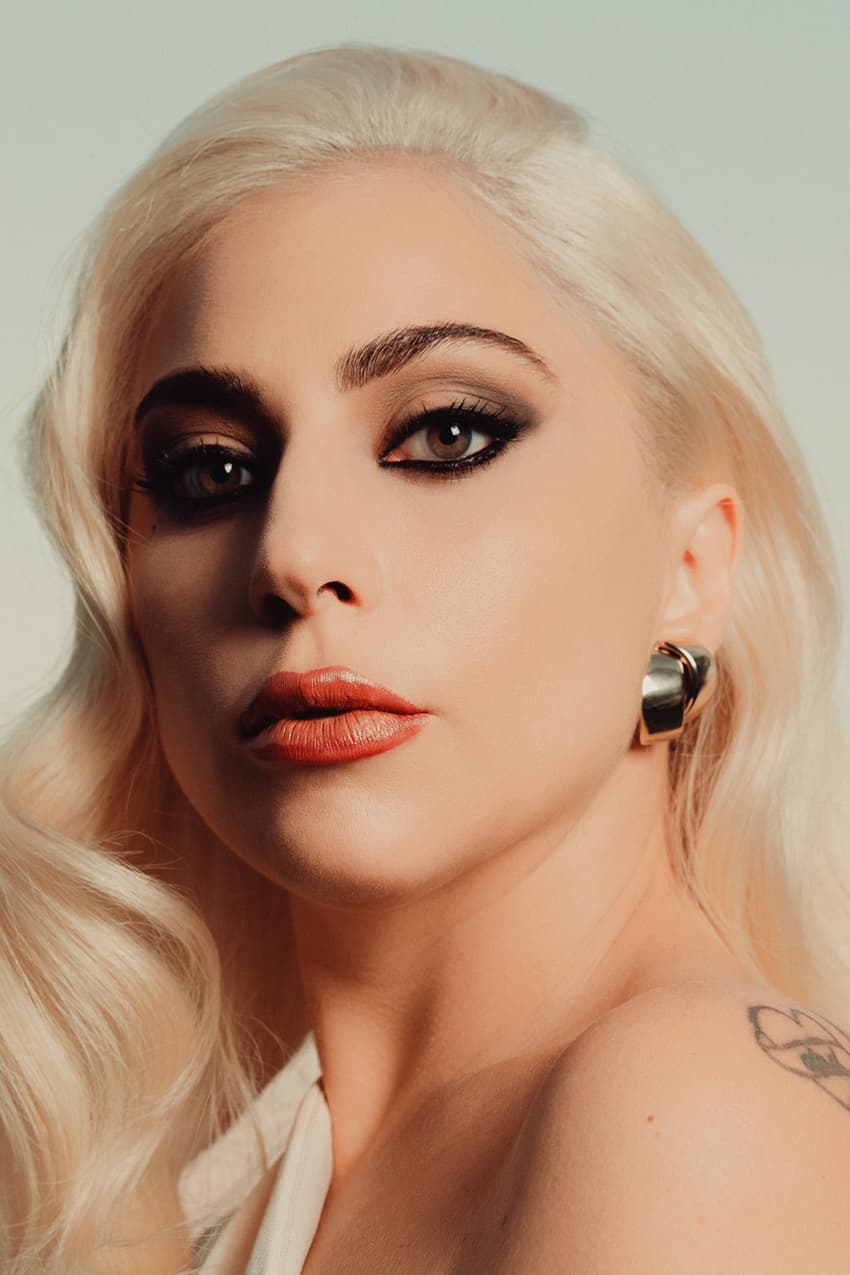
Lady Gaga faced intense scrutiny regarding her facial features and overall look during the ‘The Fame’ era. Critics often questioned her gender or labeled her as “unconventional” compared to the pop stars of the time. Gaga used elaborate costumes and performance art to deflect from these critiques and control her own narrative. Her debut album produced multiple chart-topping singles, proving that her talent transcended traditional beauty norms. She has since won an Academy Award and multiple Grammys, solidifying her place as a cultural icon.
Billie Eilish

Billie Eilish intentionally wore baggy clothing during her rise to fame to prevent the public from commenting on her body. Despite the success of ‘Bad Guy’, she faced criticism when she eventually chose to show more skin or change her style. Commentators often labeled her look as “too messy” or “unappealing” compared to polished pop star aesthetics. Eilish has been vocal about the “lose-lose” situation women face regarding their bodies in the public eye. Her music has earned her seven Grammy Awards before the age of 22.
Kesha
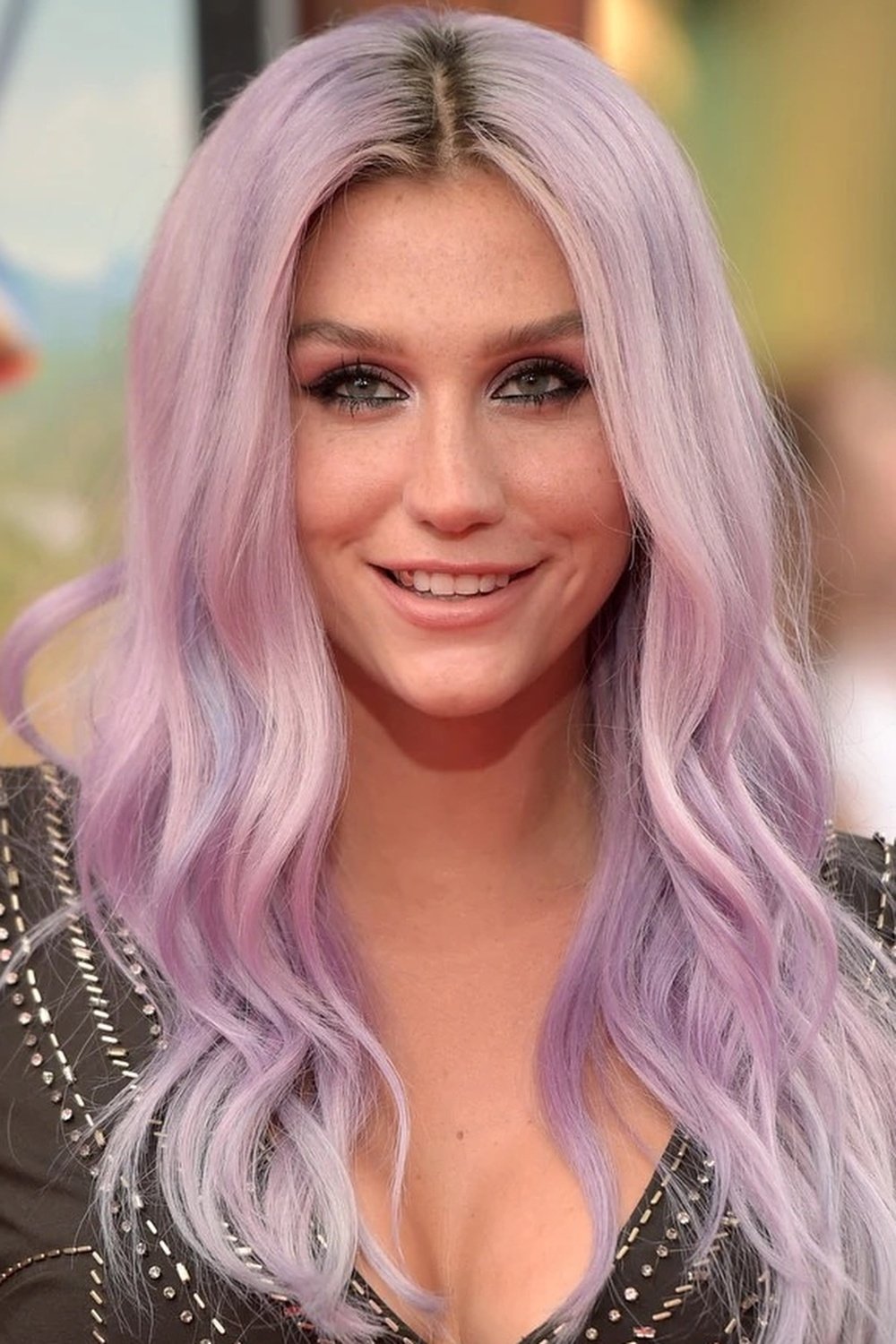
Kesha was reportedly pressured by industry professionals to lose weight during the height of her ‘Tik Tok’ success. Her former management allegedly made derogatory comments about her physical appearance, leading to significant personal struggles. Despite these internal pressures, she remained a dominant force on the Billboard charts for years. Kesha eventually sought treatment and returned with the critically acclaimed album ‘Rainbow’. Her journey highlights the dark side of image-focused demands within the recording industry.
Meghan Trainor

Meghan Trainor launched her career with ‘All About That Bass’, a song specifically addressing body image and the pressure to be thin. Despite the track’s global success, she still faced critiques from those who felt she didn’t fit the typical pop star image. Some media outlets questioned whether her “girl next door” look would have longevity in a hyper-sexualized industry. Trainor continued to land hits like ‘Lips Are Movin’ and ‘No’, proving her staying power. She has consistently advocated for realistic body representations in music videos.
Mary J. Blige
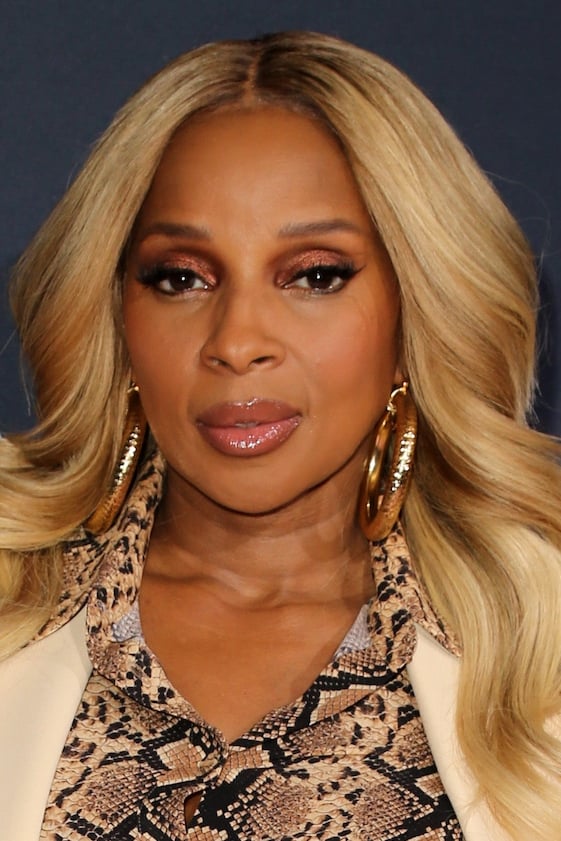
Mary J. Blige was often criticized early in her career for her “tough” aesthetic and hip-hop influenced style. Critics suggested she lacked the polished glamour typically associated with R&B divas of the 1990s. Blige resisted these labels, maintaining her signature look which resonated deeply with her fanbase. Her album ‘My Life’ is considered a masterpiece of the genre, despite early doubts about her image. She eventually became a fashion icon while maintaining her “Queen of Hip-Hop Soul” status.
Lorde
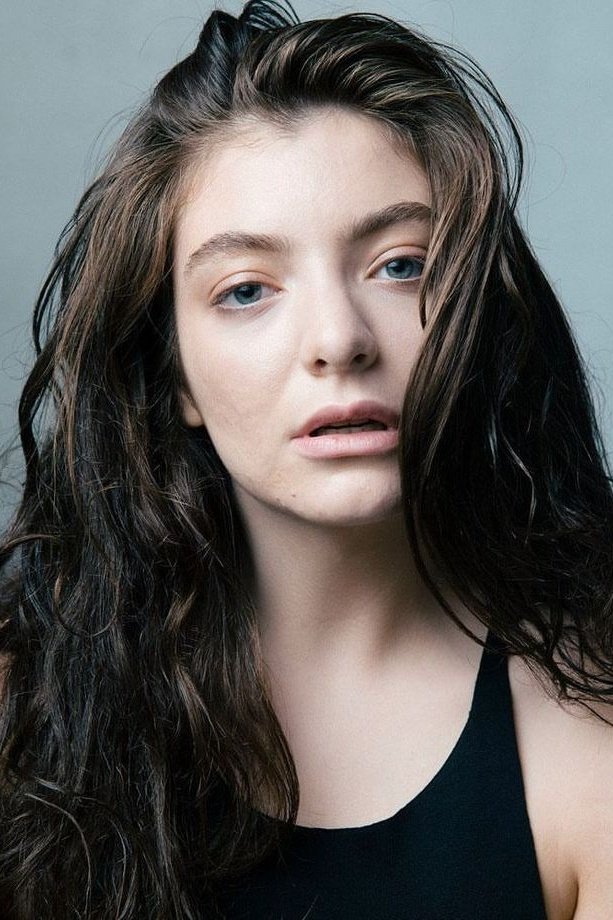
Lorde faced significant online bullying regarding her appearance after ‘Royals’ became a global sensation. At just 16 years old, she was subjected to comments calling her “ugly” or “old-looking” by social media users. The singer-songwriter often addressed these critiques by posting unedited photos to highlight the reality of teenage skin and features. Her album ‘Pure Heroine’ was a massive commercial success regardless of the negative commentary. She has since become known for her artistic integrity and refusal to follow standard pop tropes.
Lewis Capaldi

Lewis Capaldi has frequently used humor to address media comments about his everyday appearance. The Scottish singer, known for the hit ‘Someone You Loved’, often refers to himself as “not a typical heartthrob.” Despite not fitting the curated look of many male soloists, his debut album spent more weeks in the UK Top 10 than any other debut. Capaldi has joked that his success is purely based on his songs rather than his “ugly” face. His massive chart success across the globe suggests that audiences prioritize his vocal talent and personality.
Post Malone
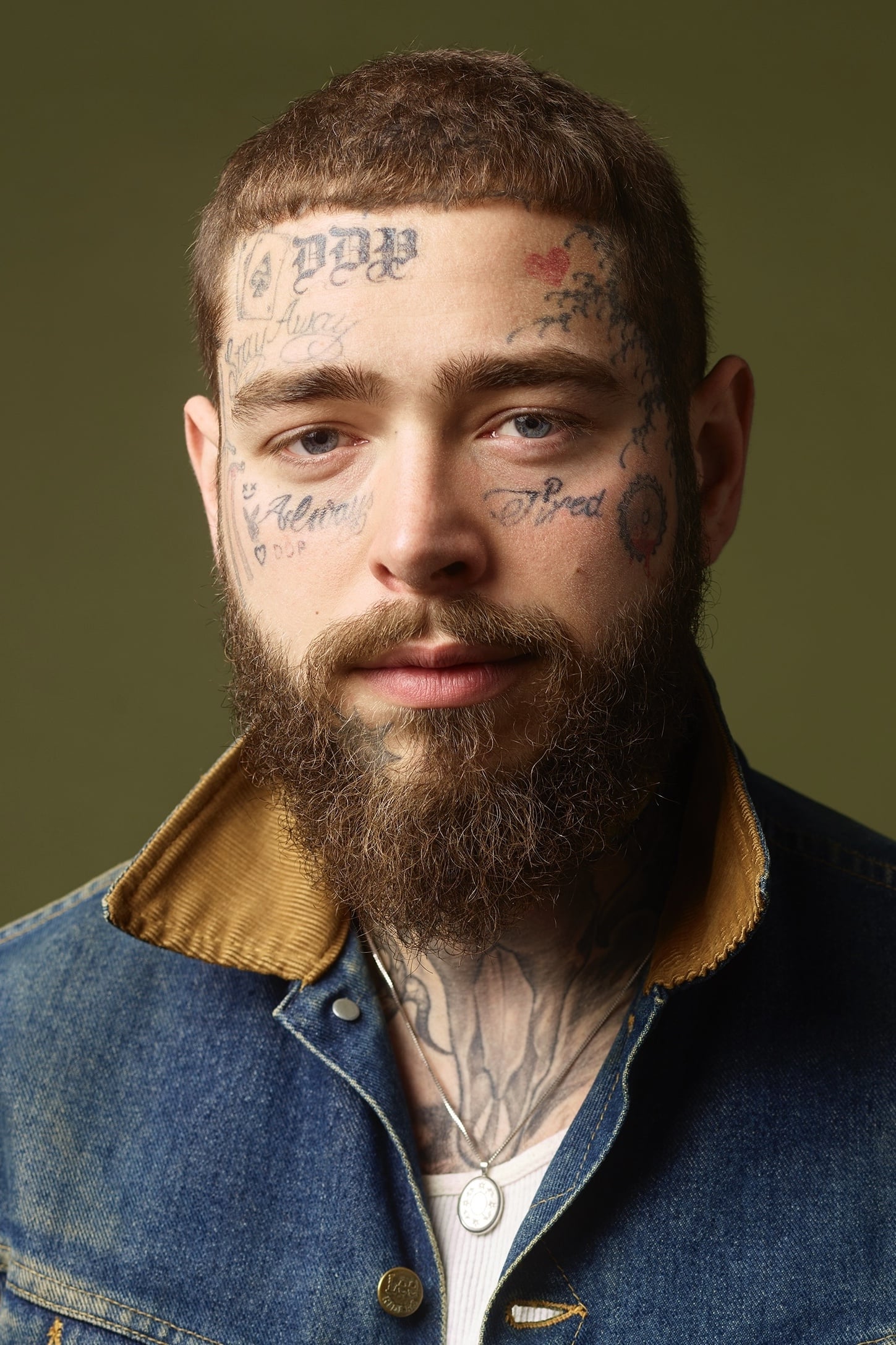
Post Malone has been a frequent target of criticism for his aesthetic, specifically his numerous face tattoos and unkempt style. Some industry critics initially argued that his look would limit his commercial appeal and prevent him from becoming a true pop star. However, ‘Rockstar’ and ‘Sunflower’ became some of the most-streamed songs in history. Malone has ignored the “not hot enough” labels, leaning further into his unique personal style. His ability to blend genres has made him one of the most successful artists of the streaming era.
Selena Gomez
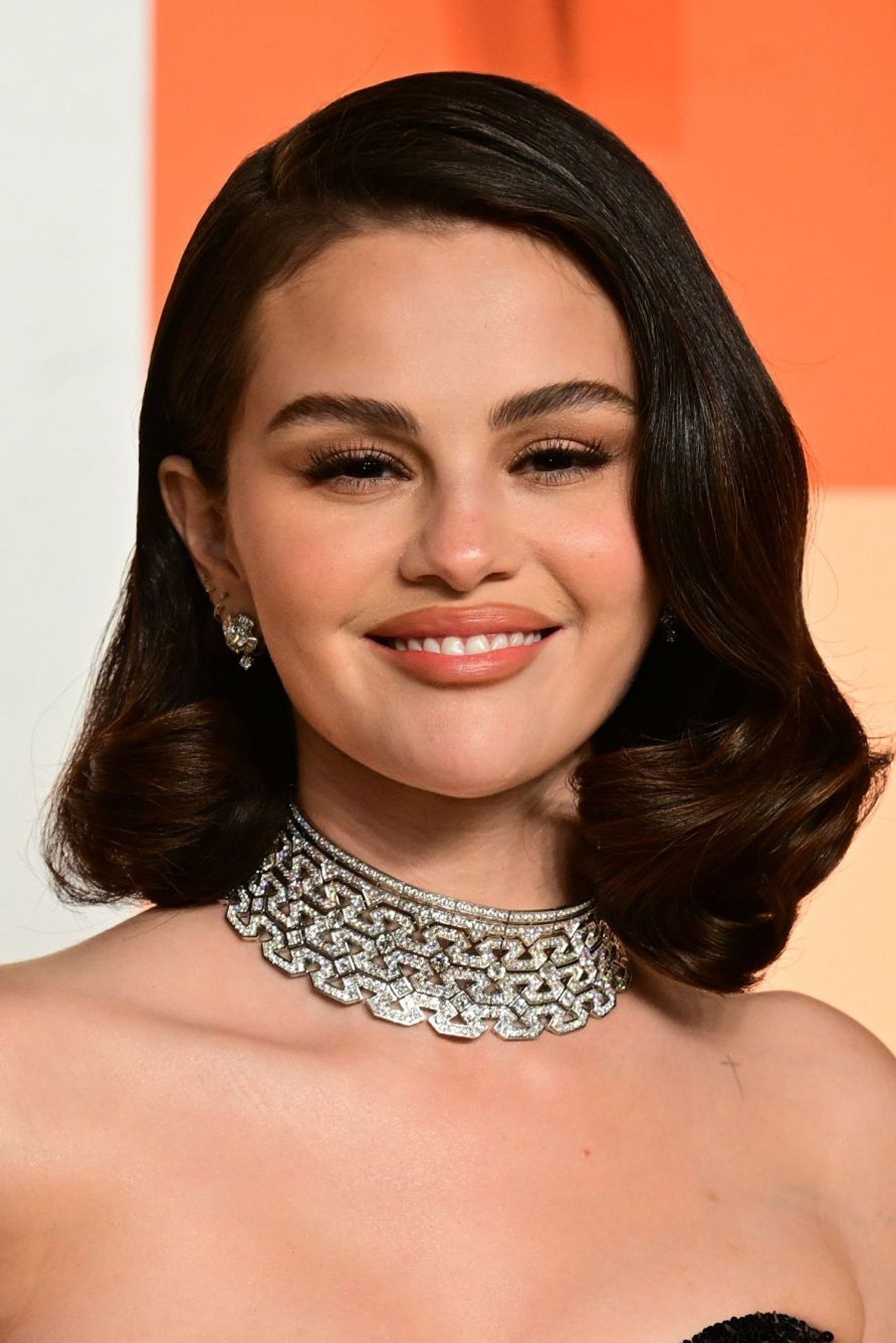
Selena Gomez has been candid about the body-shaming she experienced while dealing with health issues like lupus. Despite her consistent presence on the charts with songs like ‘Good for You’, the media often highlighted her weight fluctuations. Gomez noted that the criticism affected her mental health, leading her to take breaks from social media. She used these experiences to fuel her ‘Rare’ album and her beauty brand, which focuses on mental well-being. Her chart success remains strong, proving that her fan base supports her regardless of physical changes.
Jennifer Hudson
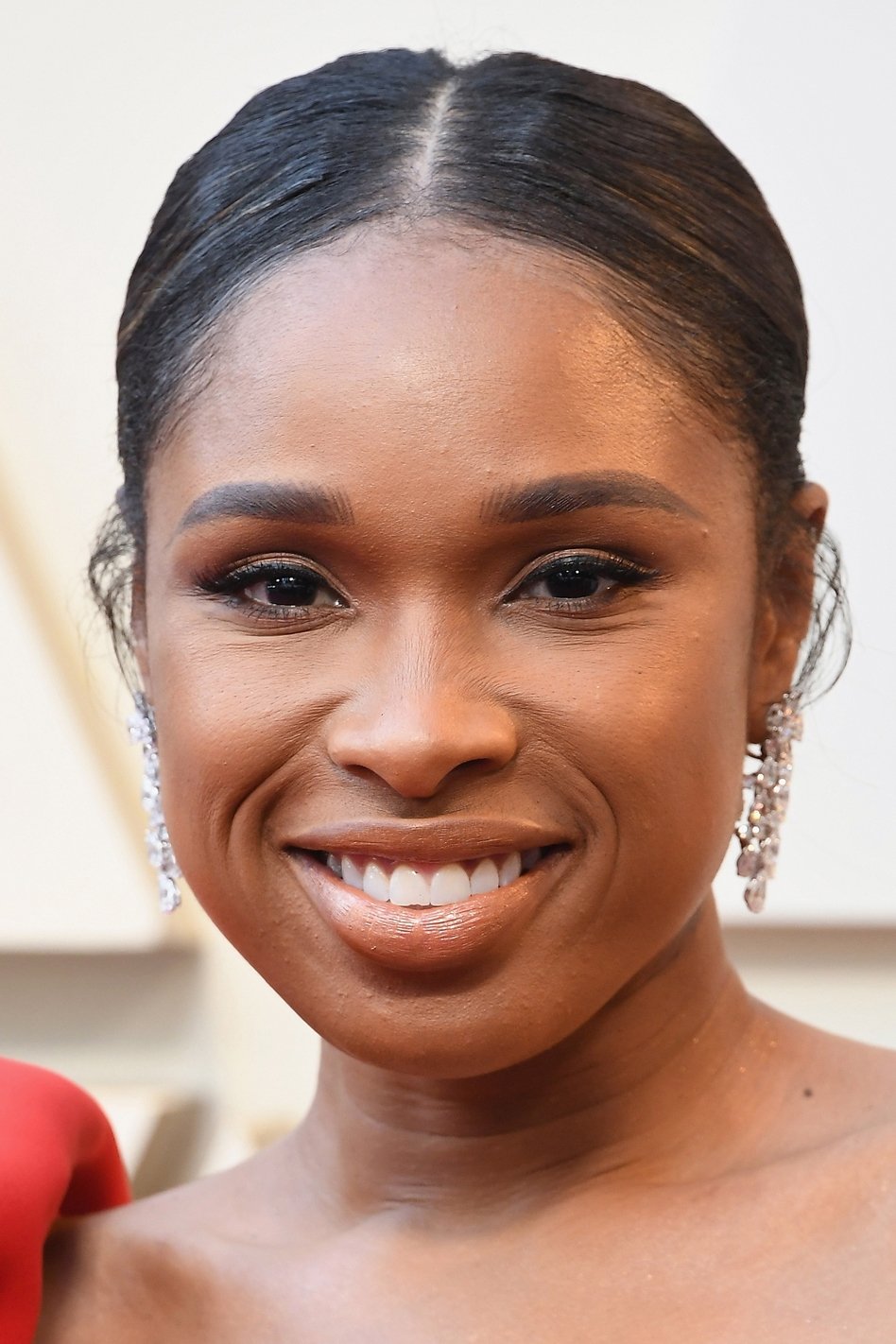
Jennifer Hudson faced pressure to conform to a specific body type after her appearance on ‘American Idol’. Despite her powerhouse vocals, she was often told she was too large for certain roles or to be a leading pop star. She eventually won an Academy Award for ‘Dreamgirls’ and achieved chart success with her self-titled debut album. Hudson later became a spokesperson for Weight Watchers, though she emphasized that the change was for herself rather than the industry. She remains one of the few artists to achieve EGOT status.
Demi Lovato

Demi Lovato has been open about the immense pressure they felt to maintain a certain image while working for Disney and as a pop star. This pressure led to well-documented struggles with eating disorders and body dysmorphia. Hits like ‘Cool for the Summer’ topped the charts, but Lovato often felt they had to hide their true self to be considered “marketable.” They have since become a vocal advocate for mental health and body acceptance. Their career continues to thrive as they embrace a more authentic and less curated image.
Bebe Rexha

Bebe Rexha made headlines when she revealed that several designers refused to dress her for the 2019 Grammy Awards because she was “too big.” Despite being a nominated artist with hits like ‘Meant to Be’, she was labeled as not having the “right” body for high fashion. Rexha took to social media to call out the hypocrisy, stating that her size eight body is beautiful. She has since received immense support from fans and other designers who appreciate her honesty. Her chart success continues with frequent collaborations and solo hits.
Christina Aguilera

Christina Aguilera faced intense backlash during her ‘Stripped’ era for her changing image and provocative style. Critics who had embraced her “clean” image as a teenager suddenly labeled her look as “distasteful” or “dirty.” Despite the scrutiny, the album produced hits like ‘Beautiful’, which became an anthem for self-acceptance. Aguilera was often criticized for her weight in later years, which she addressed by stating she was tired of being a “skinny girl.” Her vocal ability remains one of the most respected in the industry.
Mariah Carey
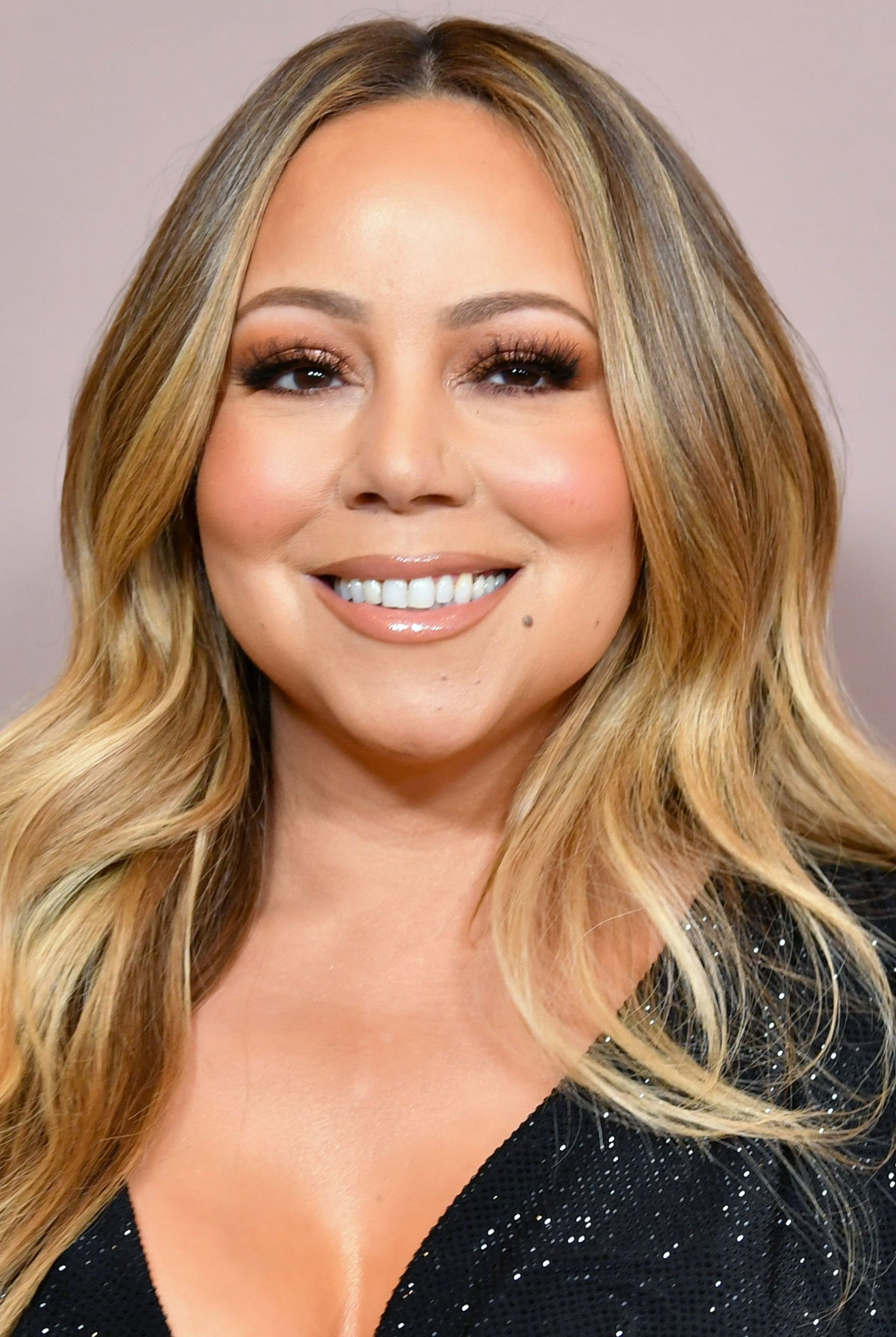
Mariah Carey has been subjected to constant media scrutiny regarding her weight and age throughout her multi-decade career. Despite being one of the best-selling female artists of all time, tabloids frequently focus on “unflattering” photos. Carey has often used her music and public persona to deflect these critiques with humor and “diva” antics. Her annual success with ‘All I Want for Christmas Is You’ proves that her brand transcends temporary physical critiques. She continues to be a dominant force in the music industry regardless of tabloid narratives.
Missy Elliott
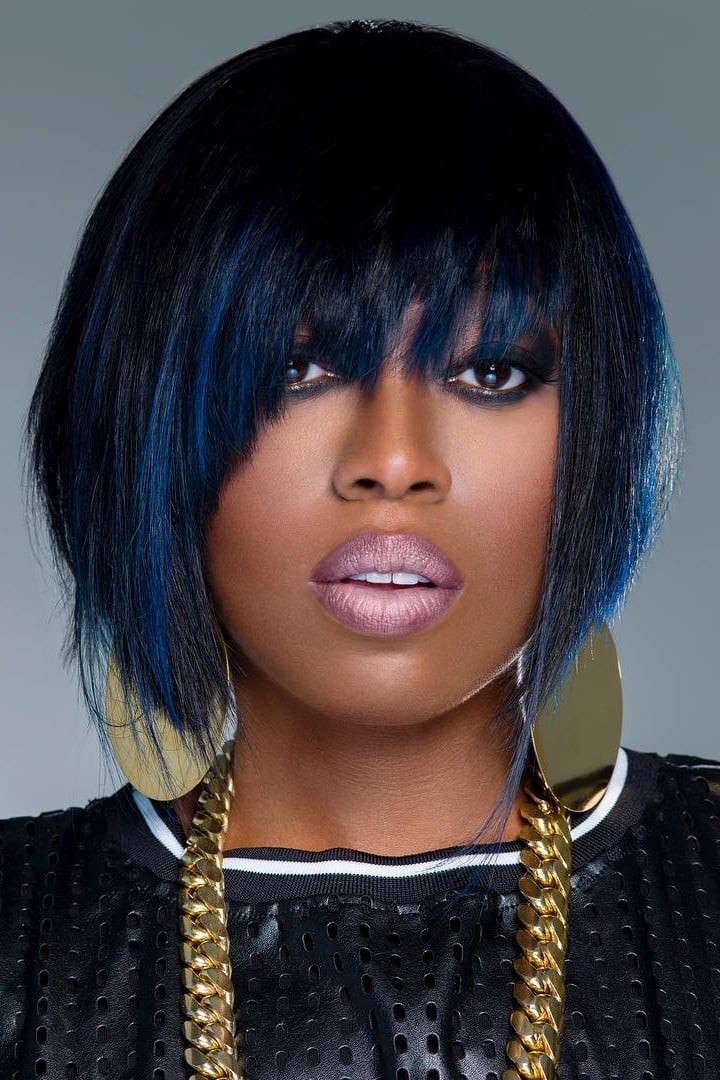
Missy Elliott broke the mold for female rappers in the late 1990s by refusing to adopt the “video vixen” aesthetic. Early in her career, she was told she didn’t have the “look” to be a frontwoman and should stay behind the scenes as a songwriter. She famously wore an inflatable trash bag suit in the ‘The Rain (Supa Dupa Fly)’ video to mock these expectations. Her innovative videos and chart-topping hits redefined what a female star could look like. She has since been inducted into the Songwriters Hall of Fame.
Cyndi Lauper
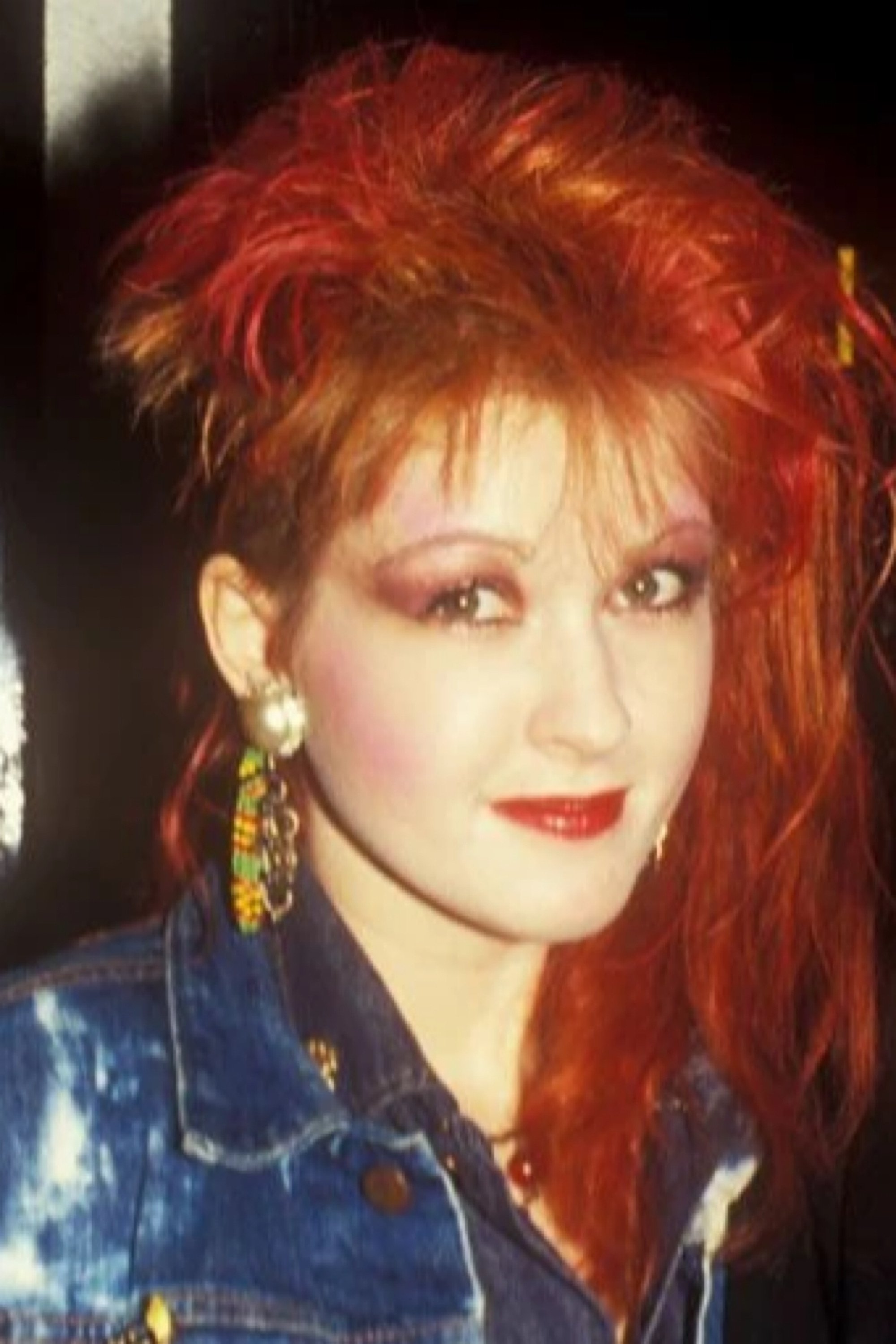
Cyndi Lauper was initially viewed as too “eccentric” and “wacky” for mainstream success in the early 1980s. Her colorful hair and thrift-store fashion were a stark contrast to the polished pop stars of the era. Critics doubted her longevity, yet ‘Girls Just Want to Have Fun’ became a definitive anthem of the decade. Lauper’s unique look actually helped define the MTV era and influenced countless future artists. She proved that a strong visual identity, even if “unconventional,” can lead to massive commercial success.
Sia
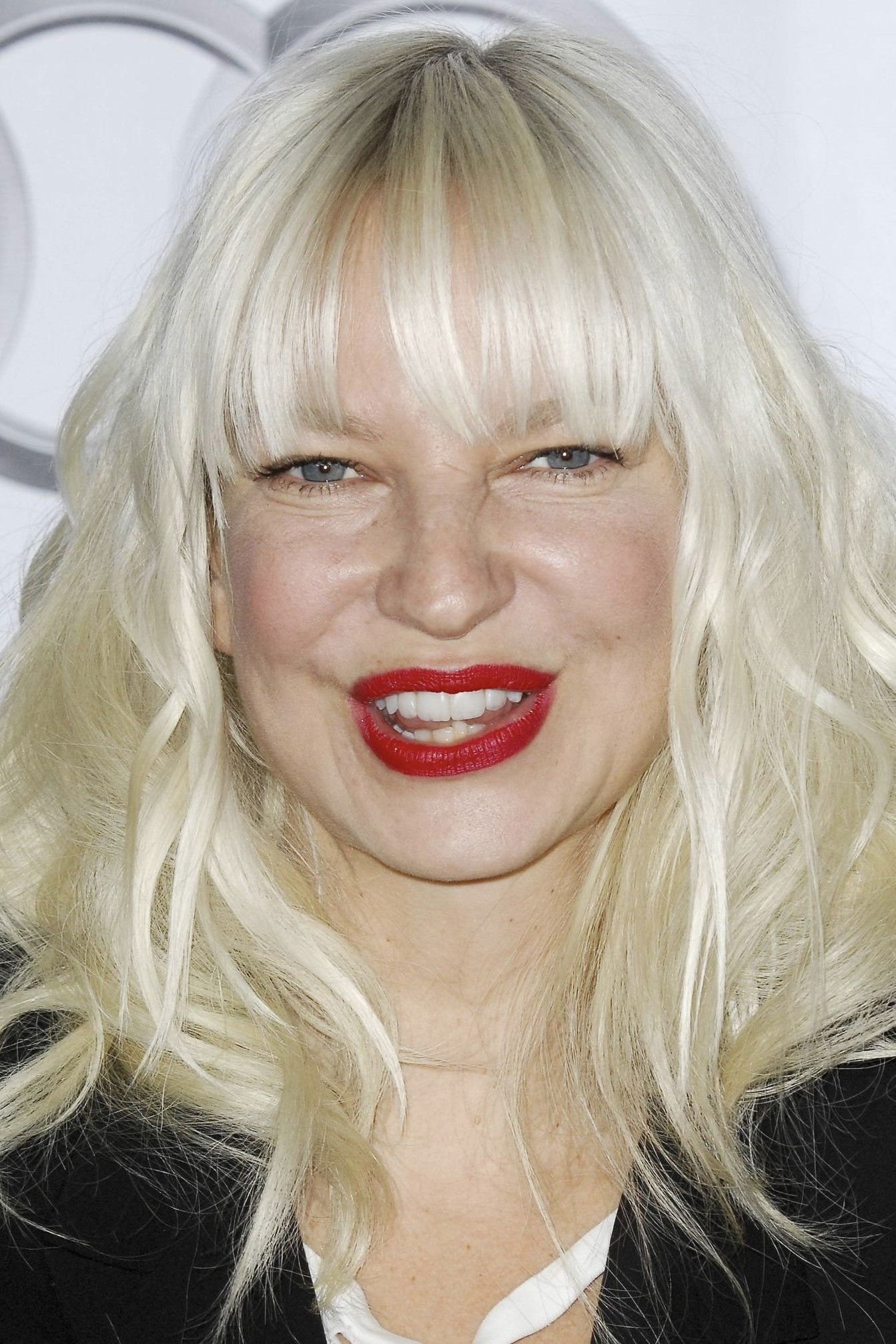
Sia famously began wearing oversized wigs to hide her face after her song ‘Titanium’ brought her unexpected global fame. She explained that she did not want to be “critiqued” for her appearance or have her image used to sell records. By choosing to remain anonymous, she highlighted the industry’s unhealthy obsession with a performer’s looks. Despite her face being hidden, her albums like ‘1000 Forms of Fear’ achieved massive commercial and critical success. Her choice remains one of the most significant protests against beauty standards in modern music.
Susan Boyle
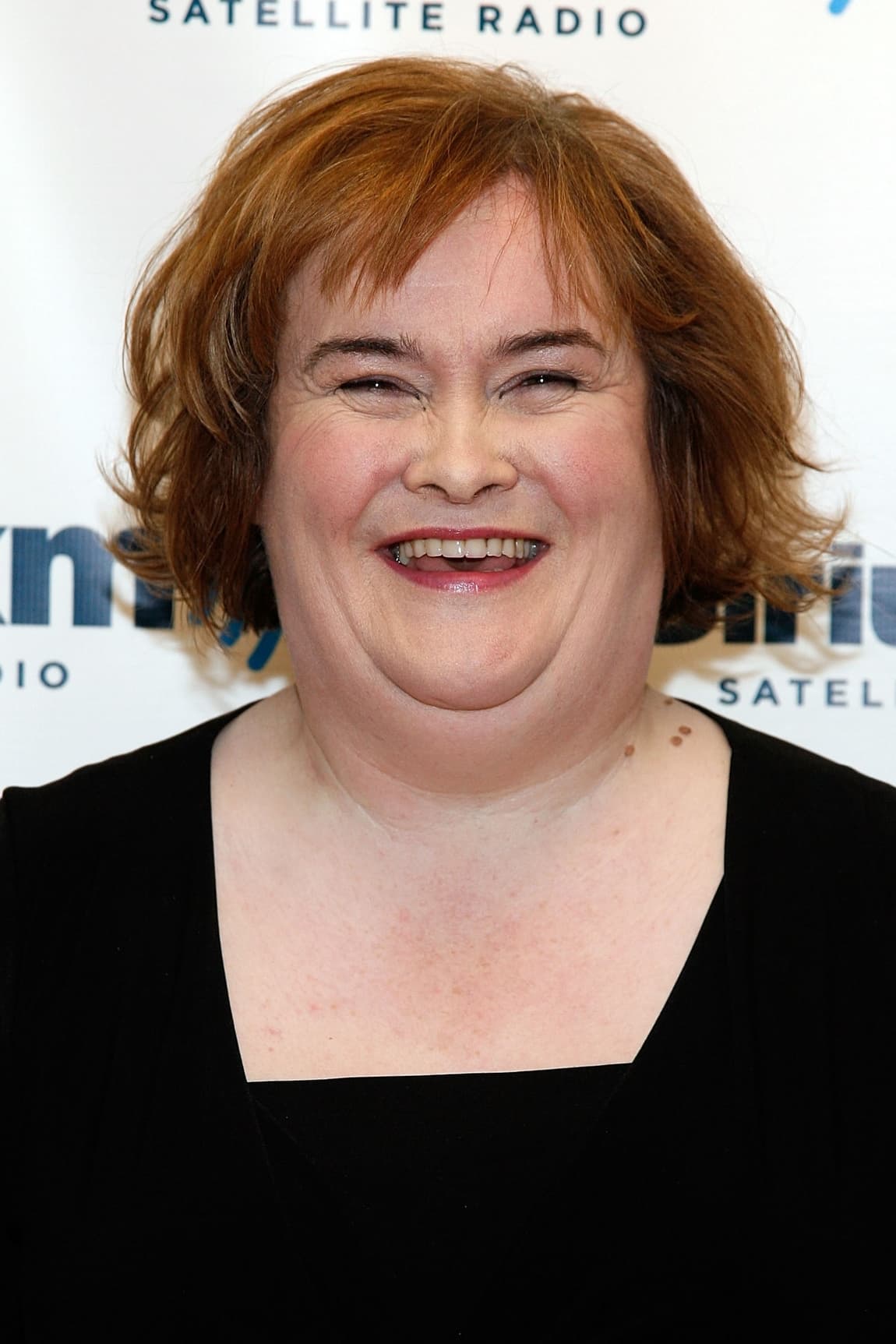
Susan Boyle became a global symbol for the “don’t judge a book by its cover” sentiment after her audition on ‘Britain’s Got Talent’. Before she sang a single note, the audience and judges mocked her unassuming appearance. Her performance of ‘I Dreamed a Dream’ went viral, and her debut album became the fastest-selling debut in UK history. Boyle’s success forced the industry and the public to confront their biases regarding age and beauty. She has since sold millions of albums and performed for royalty.
Hozier

Hozier was often described by early critics as having a “disheveled” or “scruffy” appearance when ‘Take Me to Church’ became a hit. Some media outlets suggested he lacked the polished “pop star” look required for long-term success in the United States. Hozier ignored these comments, maintaining his signature long hair and casual style while focusing on his blues-influenced music. His debut album went multi-platinum, proving that his soulful voice was his primary asset. He continues to sell out tours and maintain a dedicated global following.
Rag’n’Bone Man
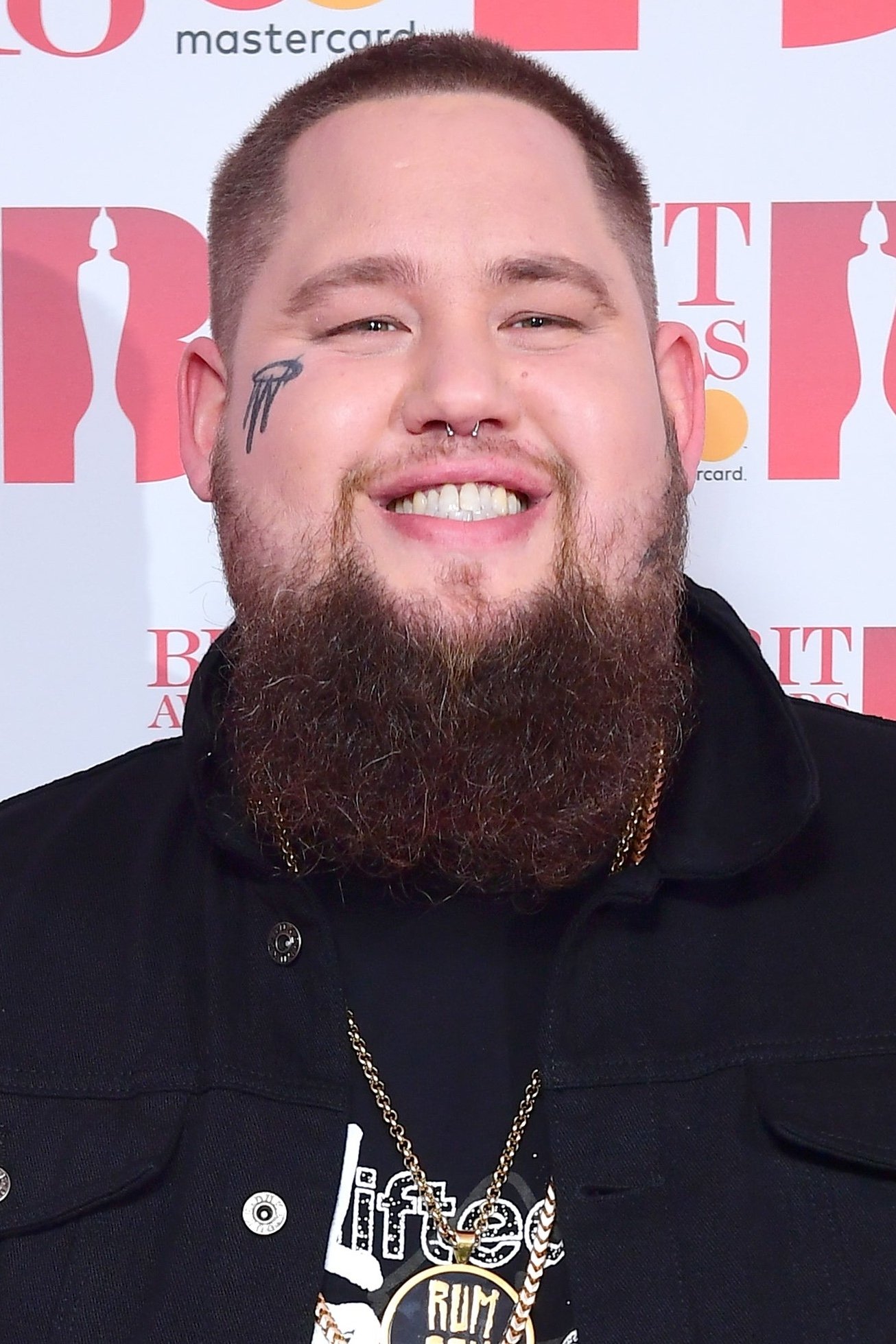
Rag’n’Bone Man, born Rory Graham, does not fit the traditional aesthetic of a British pop soloist. With his large stature and numerous tattoos, he was viewed by some as an unlikely candidate for mainstream success. However, his single ‘Human’ became a massive international hit, topping charts across Europe. His powerful baritone voice resonated with audiences, proving that vocal talent can outweigh industry-standard looks. He has since won multiple BRIT Awards and remains a respected figure in the industry.
Sam Smith

Sam Smith has been very public about their journey with body image and the scrutiny they faced while topping the charts. Early in their career, they felt pressured to lose weight to fit the image of a “soulful crooner.” After achieving massive success with ‘Stay with Me’, Smith began to speak out against these pressures. They have since embraced their body and gender identity, often using fashion to challenge traditional norms. Their chart success has remained consistent throughout these personal and aesthetic transitions.
Beth Ditto
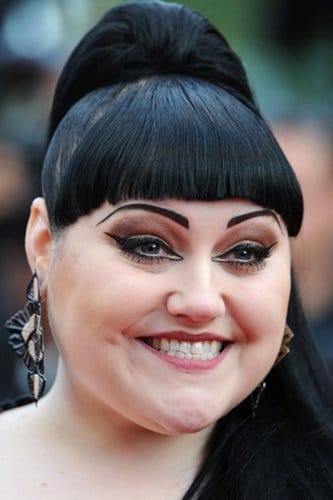
Beth Ditto, lead singer of the band Gossip, was frequently labeled “too large” for the mainstream music scene. Despite this, her hit ‘Standing in the Way of Control’ became a massive success and a staple of the indie-sleaze era. Ditto used her platform to challenge the fashion industry, eventually walking for designers like Jean Paul Gaultier. She became a style icon for the body-positive movement long before it was mainstream. Her career proved that confidence and talent could bypass the industry’s gatekeepers.
Shania Twain
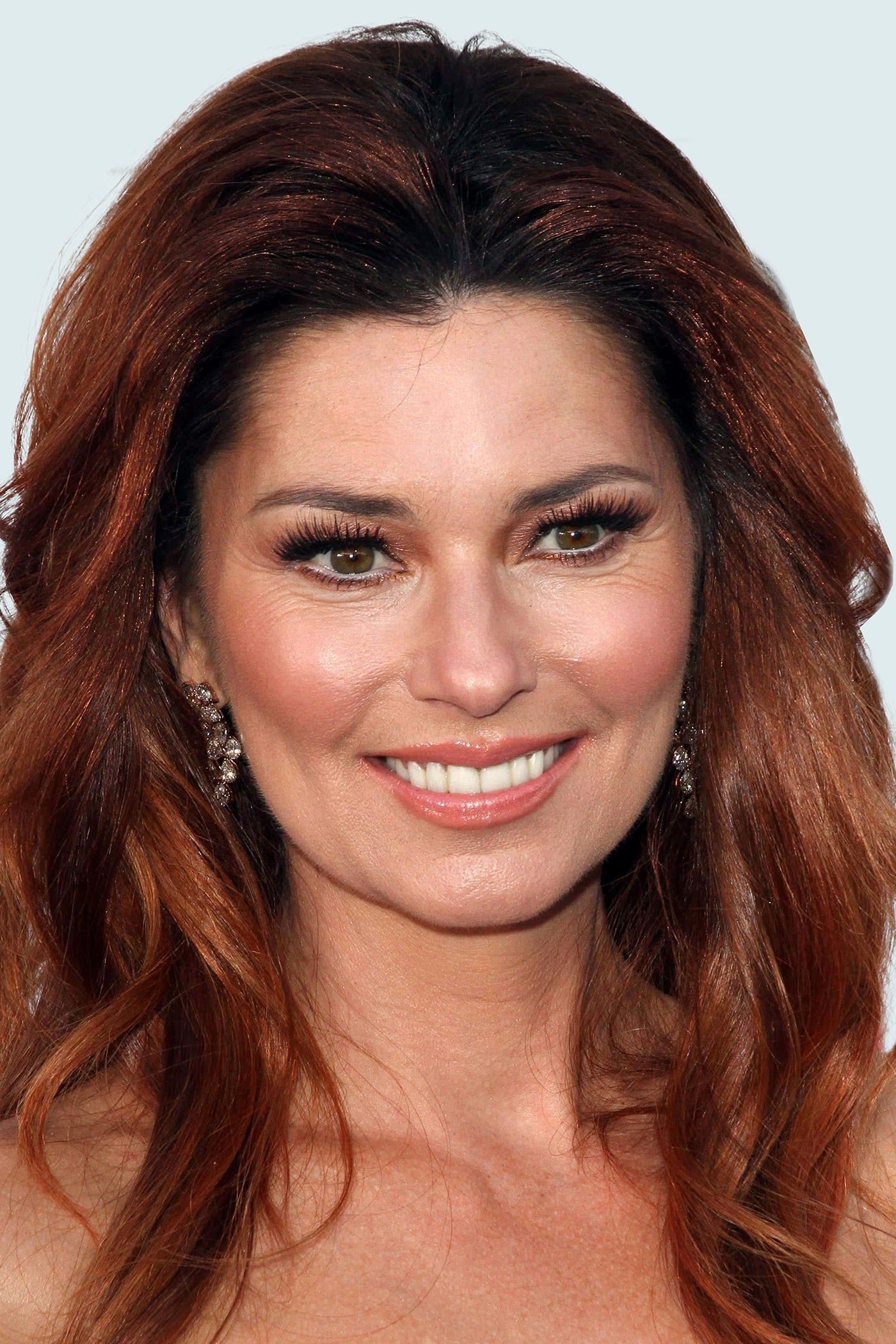
Shania Twain faced significant pushback early in her career for her unconventional approach to country music and her appearance. Some critics argued she was “too sexy” for country, while others claimed she was using her looks to hide a lack of talent. She famously bared her midriff in music videos, which was considered scandalous by Nashville standards at the time. Twain eventually became the best-selling female artist in country music history with the album ‘Come On Over’. Her success redefined the boundaries of both country and pop music.
Janis Joplin
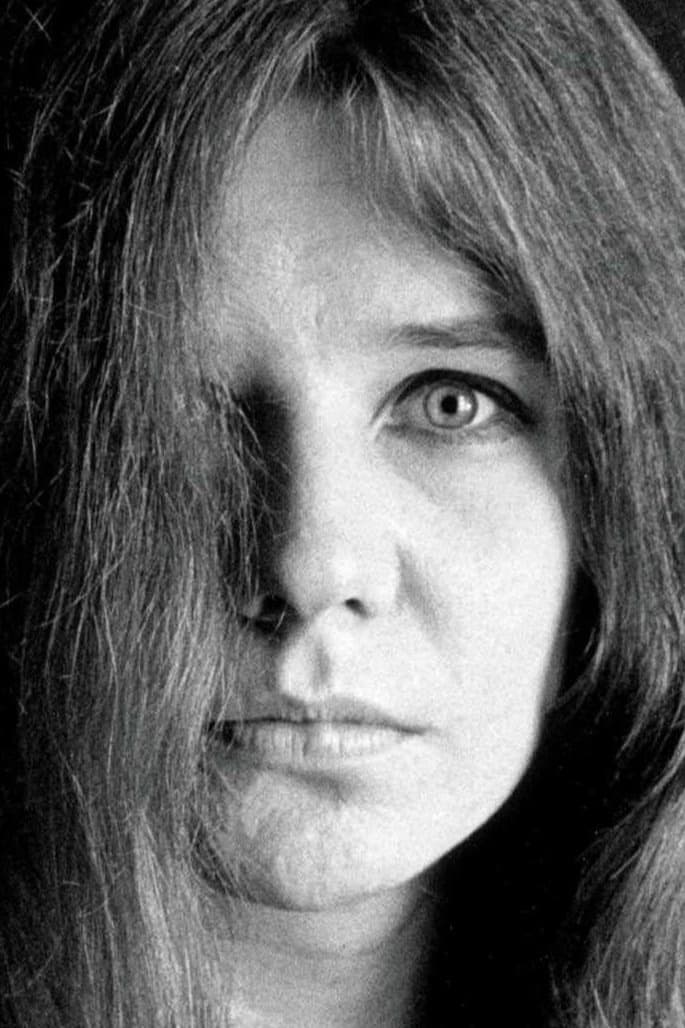
Janis Joplin was historically criticized for her rugged appearance and raspy voice during the 1960s. At a time when female singers were expected to be demure and “pretty,” Joplin was unapologetically herself. She was often mocked by the media for her unconventional features, yet she became the premier white blues singer of her generation. Her performance at Woodstock and hits like ‘Piece of My Heart’ solidified her legendary status. She remains a symbol of raw talent and authenticity over manufactured beauty.
Tell us what you think about these artists and their impact on the industry in the comments.