Celebs Who Were Called Out for Aggressively Photoshopping Already Flawless Magazine Covers

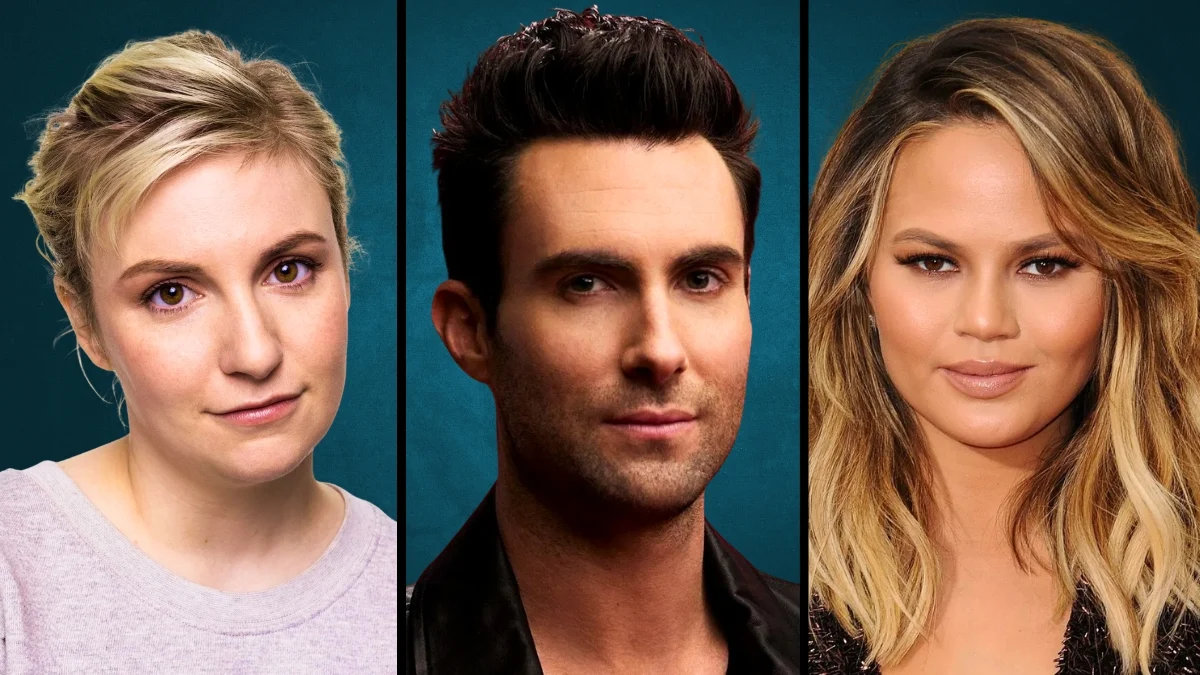

The practice of retouching photographs is a long-standing tradition in the publishing industry, yet the extent of these digital alterations often sparks significant public debate. Many high-profile celebrities have expressed frustration when their natural features are obscured or drastically changed to fit narrow beauty standards. From slimming waists to smoothing skin textures, these edits frequently transform already striking individuals into unrecognizable versions of themselves. In several instances, the stars themselves have taken to social media to call out the publications for these excessive changes. The following list highlights instances where digital manipulation on magazine covers became a focal point of cultural conversation.
Zendaya

In 2015, the actress took to Instagram to criticize ‘Modeliste’ magazine for significantly retouching her torso and hips. She shared the original image alongside the edited version to highlight how her “19-year-old hips and torso” had been slimmed down. Zendaya expressed that such manipulations contribute to the unrealistic beauty standards that many women face. The magazine eventually pulled the images and released the unedited versions following her public statement.
Lupita Nyong’o
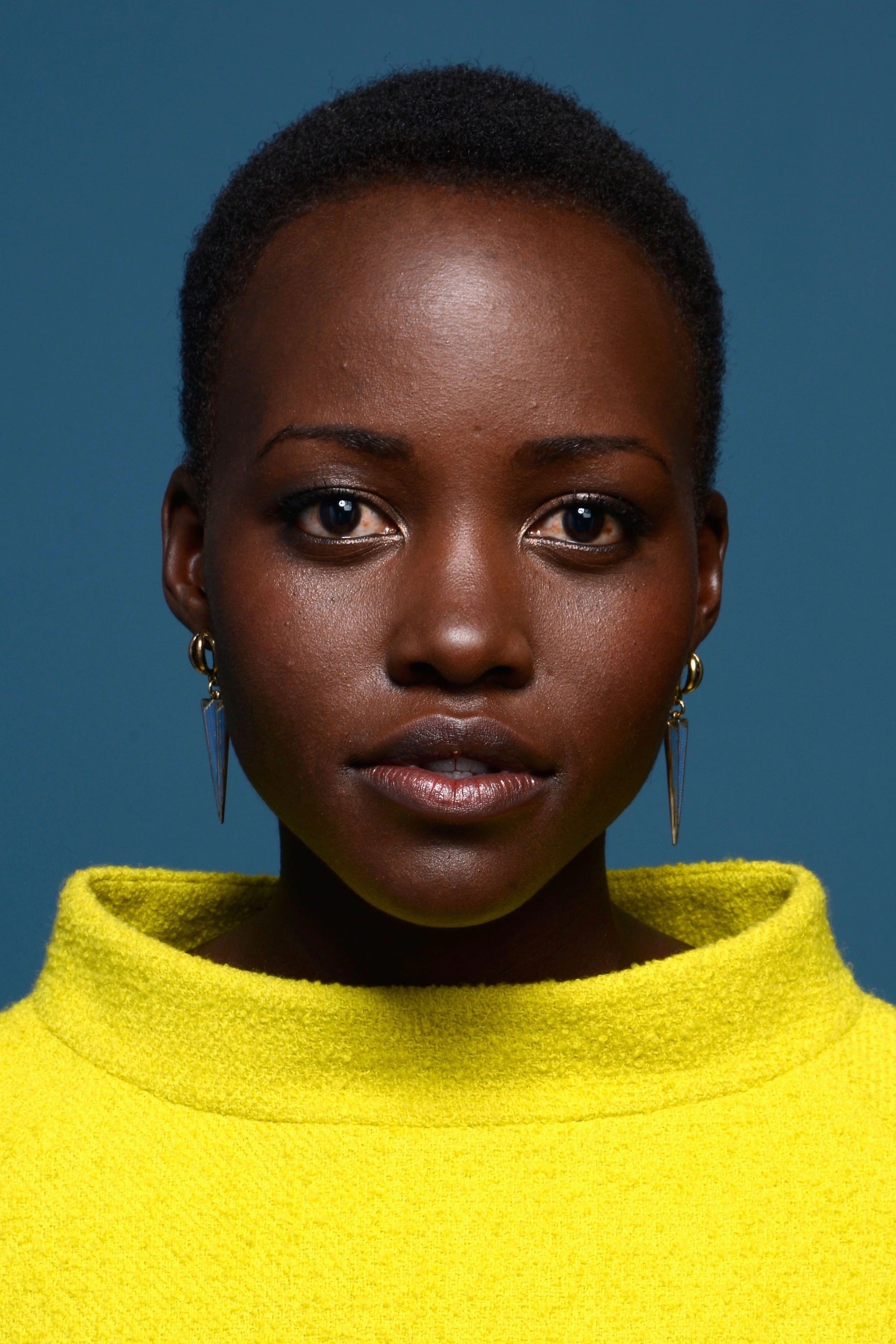
The Oscar winner called out ‘Grazia UK’ in 2017 for digitally removing her ponytail and smoothing her hair texture on their cover. Nyong’o stated that the publication had edited her hair to fit a more Eurocentric notion of what beautiful hair looks like. She shared the original photos on social media to express her disappointment in the lack of representation for her natural features. The magazine later apologized, stating that the editorial decision was not a request made by the actress.
Kerry Washington
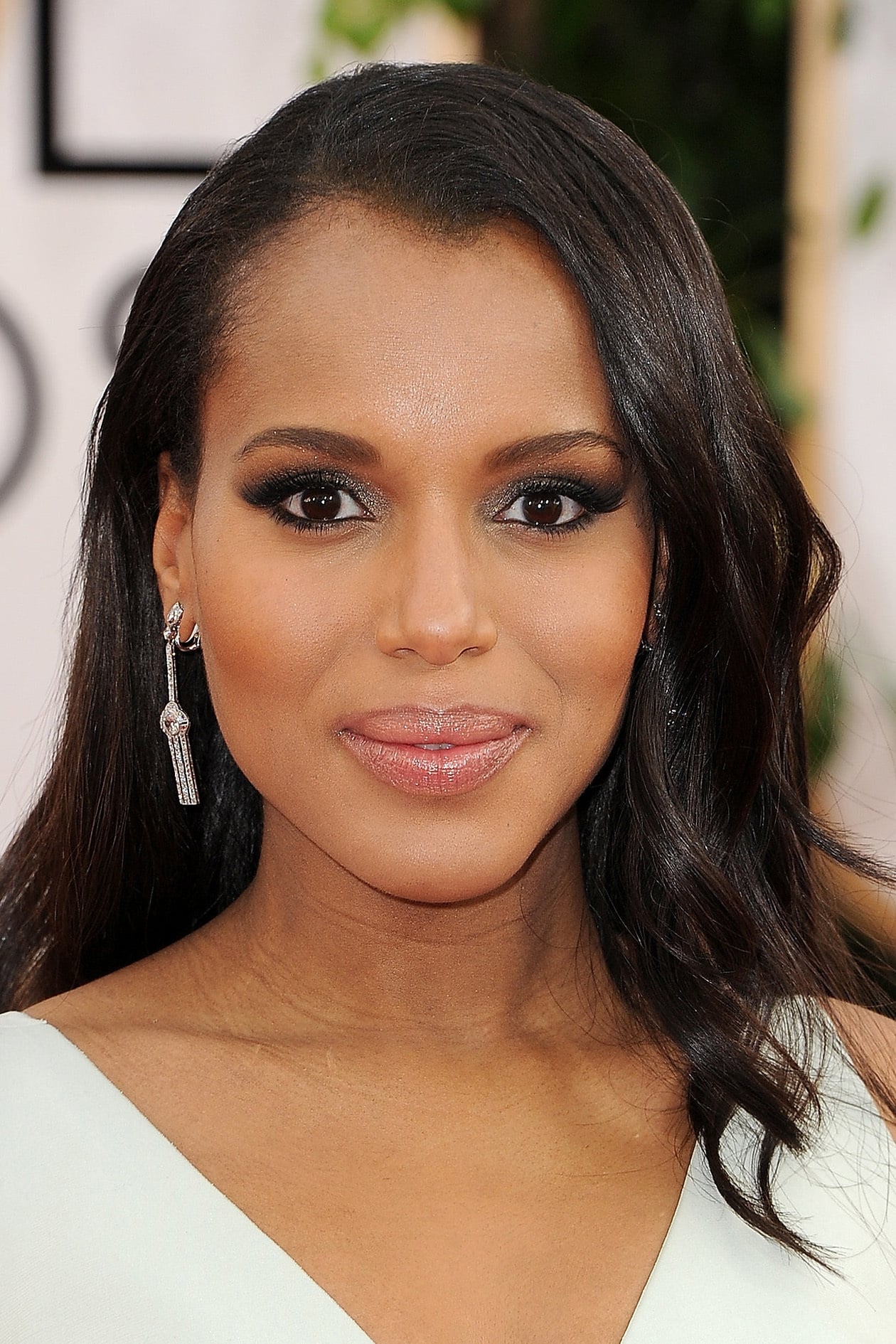
After appearing on the cover of ‘AdWeek’ in 2016, Washington posted a lengthy message explaining that she was taken-aback by her own image. She noted that while she is no stranger to the “Photoshop cycle,” she felt the edits made her look entirely different from how she appears in the mirror. The actress emphasized that she was proud of the article but felt the visual representation did not reflect her true self. Fans also noted that her skin tone appeared lightened and her facial features were significantly altered.
Priyanka Chopra Jonas
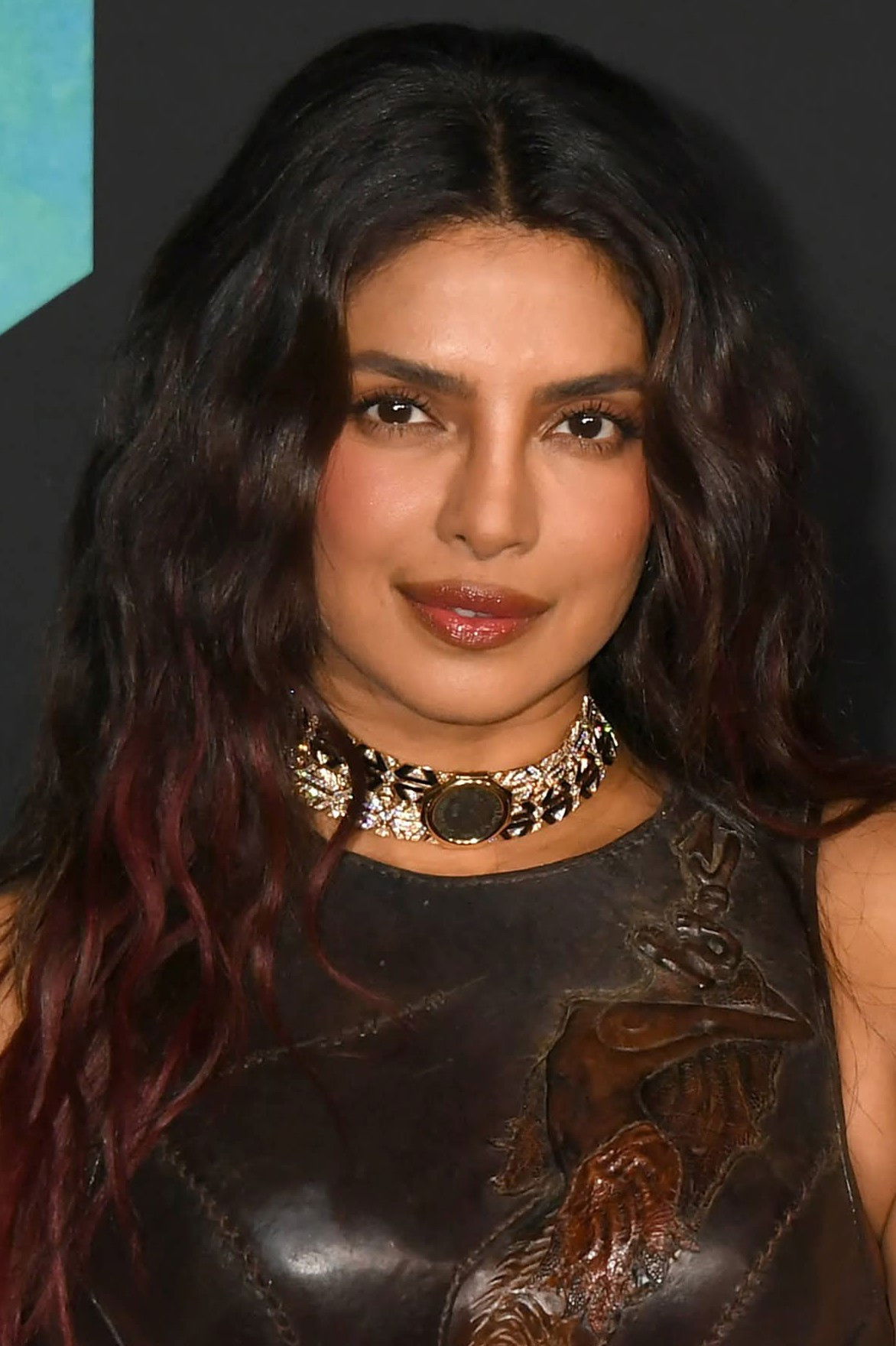
The actress faced backlash and viral memes after appearing on the cover of ‘Maxim India’ in 2016. Readers quickly noticed that her armpits had been edited to look unnaturally smooth and void of any texture. Chopra responded to the controversy by posting a “no-filter” photo of her armpits on her own social media accounts. The incident became a widely cited example of unnecessary retouching on an already successful global star.
Lena Dunham
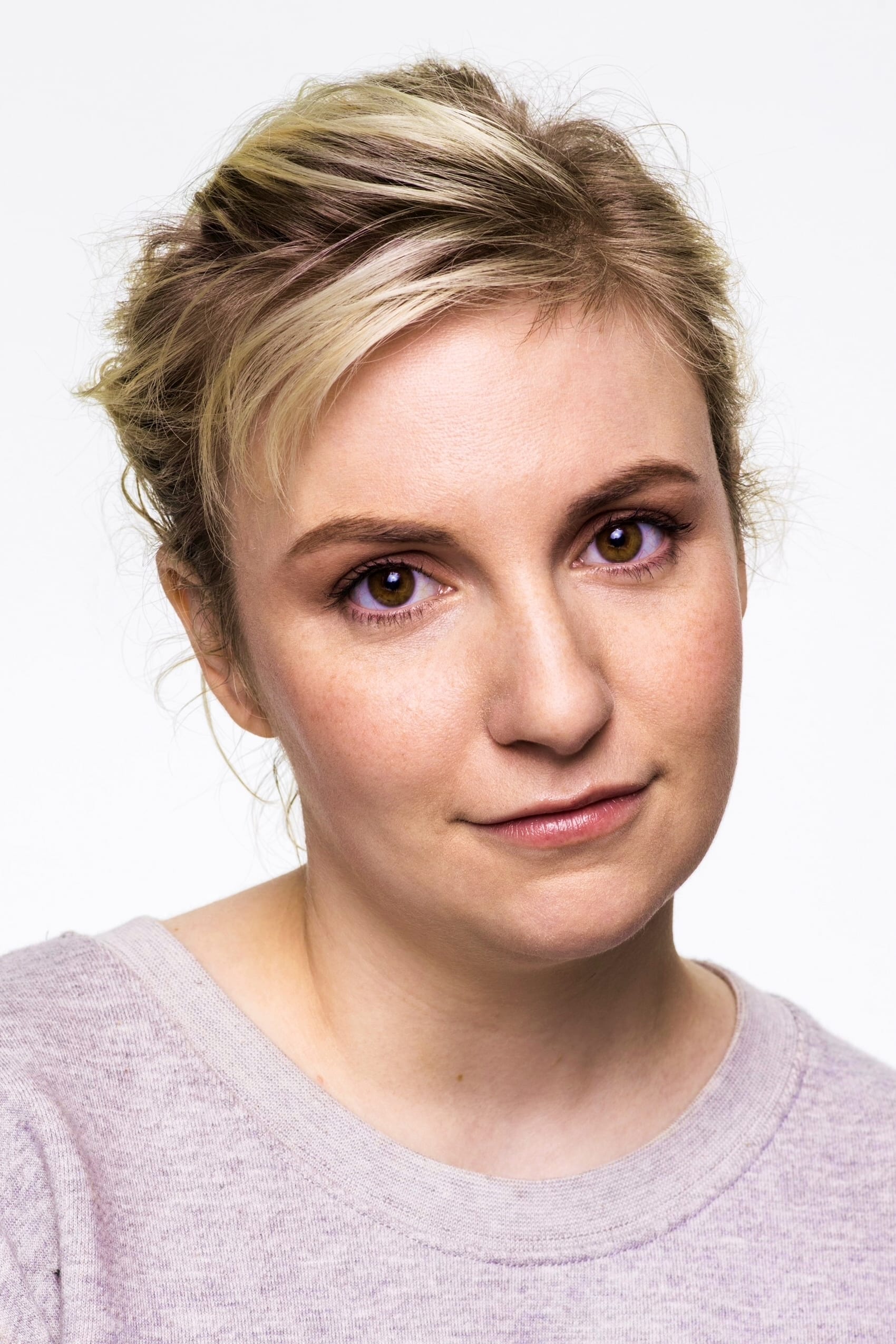
In 2014, ‘Vogue’ released a cover featuring Dunham that became the subject of intense scrutiny regarding digital manipulation. The website Jezebel eventually offered a bounty for the unretouched images and published them to show the extent of the alterations. The edits included narrowing her jawline, adjusting her neckline, and slimming her arms. Dunham defended the shoot, stating that she felt the images captured a stylized version of herself that she enjoyed.
Jennifer Lawrence
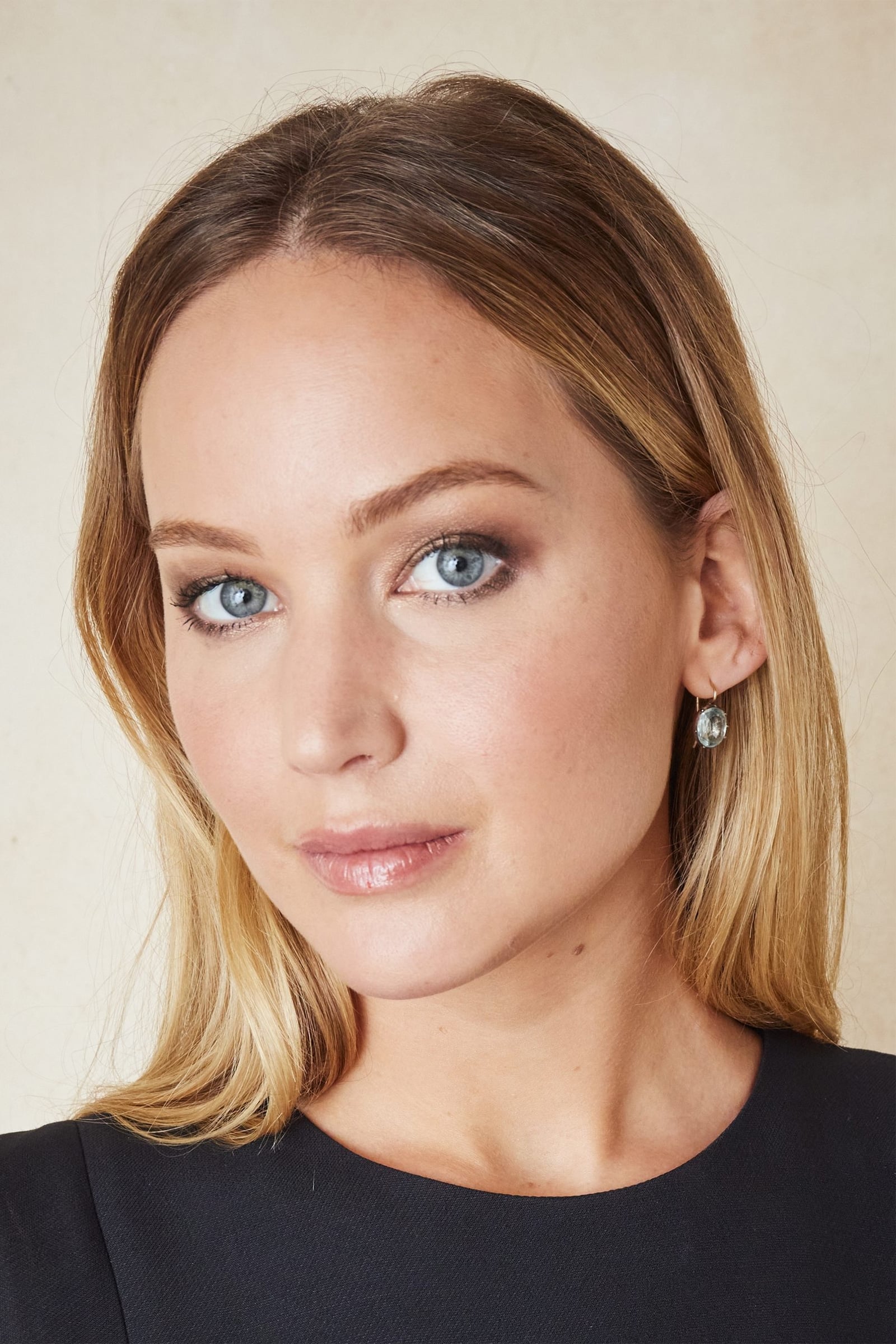
A cover for ‘Flare’ magazine in 2011 showcased Lawrence with a significantly narrowed waist and more pronounced collarbones. When a GIF comparing the original image to the final cover went viral years later, it revealed the dramatic extent of the digital slimming. Despite the actress’s vocal stance on body positivity and her refusal to diet for roles, the publication had opted for a more traditional editorial look. The comparison served as a stark reminder of the invisible edits performed on even the most fit Hollywood stars.
Kate Winslet
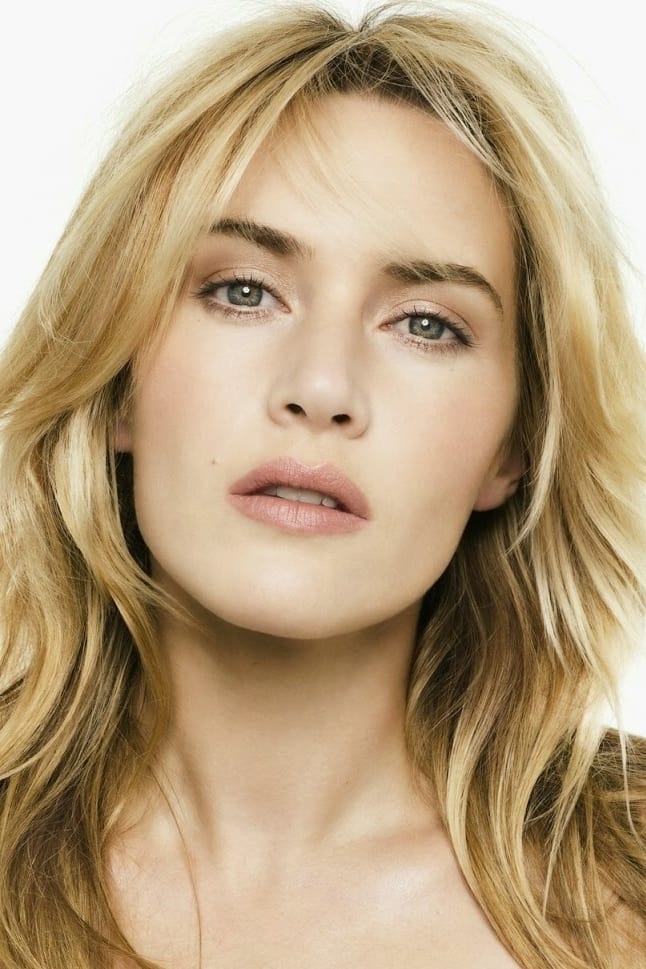
Following her 2003 ‘GQ’ cover, Winslet famously spoke out against the “excessive” retouching of her body. She stated that the editors had reduced her legs by about a third and that she did not look like the person depicted on the magazine. Winslet has since been an advocate for natural aging and has reportedly included “no-retouching” clauses in her contracts. She remains one of the most prominent voices in the industry calling for more honesty in fashion photography.
Nicki Minaj

When Minaj appeared on the cover of ‘ESPN The Magazine’ alongside Kobe Bryant, she expressed dissatisfaction with the final result. She pointed out on Instagram that her forehead had been elongated and her hairline appeared to have been moved. The rapper shared behind-the-scenes photos to show fans what she actually looked like during the shoot. Her comments highlighted how even minor adjustments to facial proportions can frustrate the subjects of high-profile shoots.
Gigi Hadid
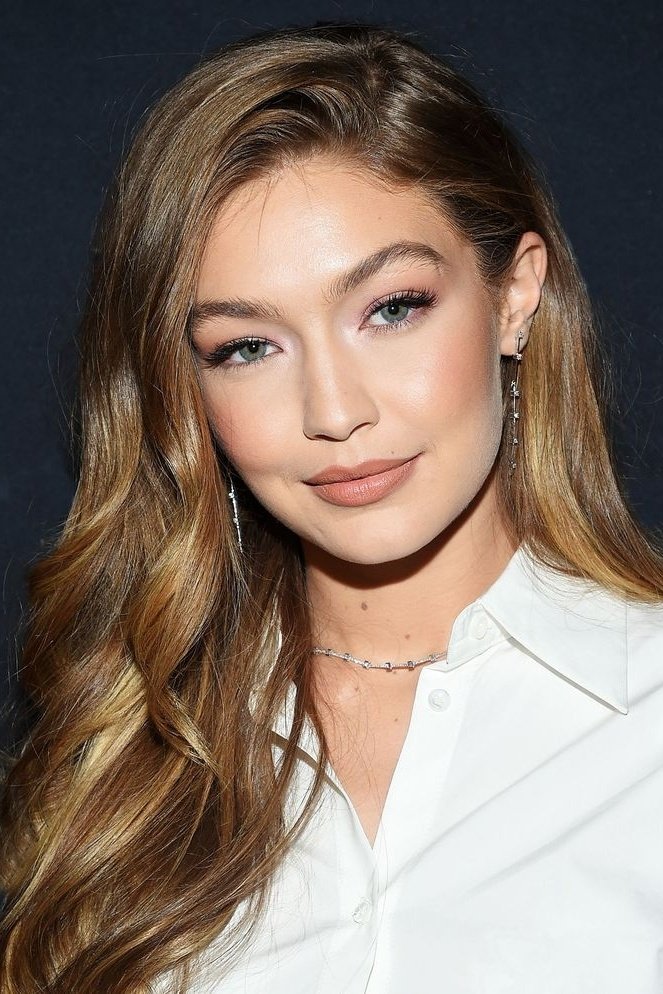
In 2016, ‘Vogue China’ faced criticism for digitally removing the moles on Hadid’s stomach for their cover story. Fans were quick to point out the missing beauty marks, which are a signature part of the model’s look. Many argued that removing such natural features creates an unattainable standard of “perfect” skin. Hadid did not personally comment on the specific edit, but the incident remains a frequently discussed example of unnecessary skin smoothing.
Emily Ratajkowski
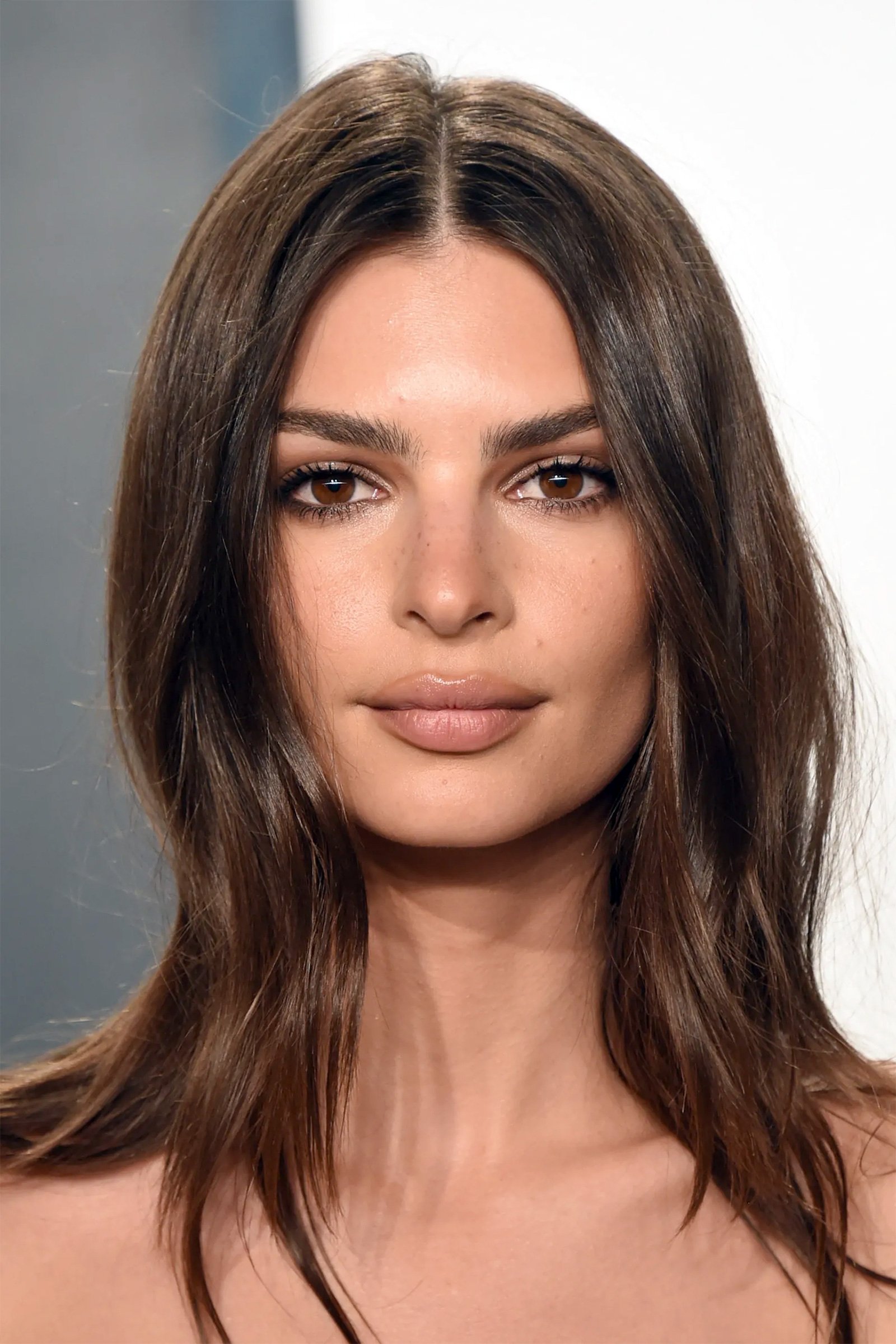
The model and actress called out ‘Madame Figaro’ in 2017 for altering her lips and breasts on their cover. Ratajkowski expressed her disappointment on Instagram, stating that everyone has their own individualities that make them unique. She argued that the industry should stop trying to change the things that make people different. The publication’s edits were seen as particularly ironic given Ratajkowski’s frequent advocacy for body autonomy and self-acceptance.
Lorde
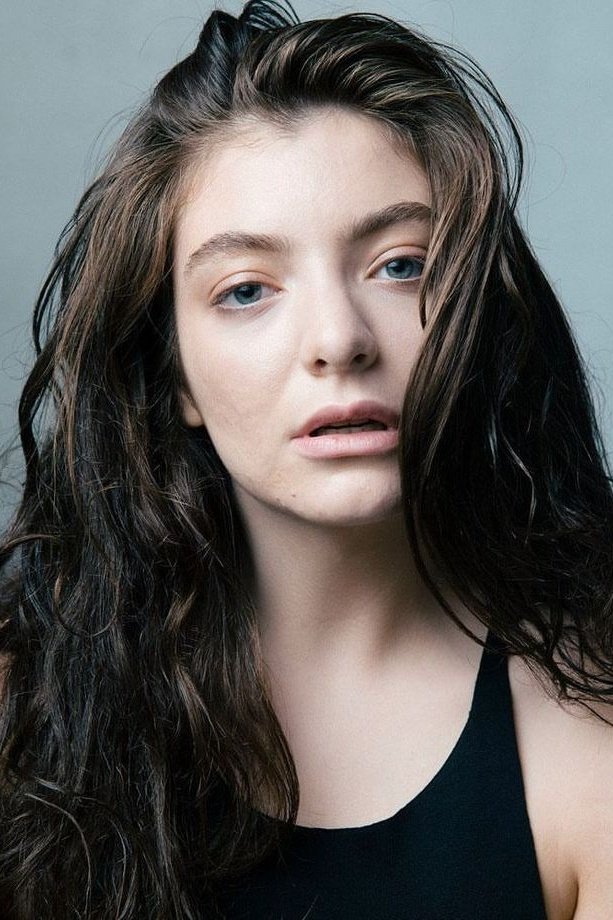
In 2014, the singer shared two photos of herself from a performance on social media to make a point about skin texture. One photo had been edited to remove her acne, while the other was the original, unedited version. She encouraged her followers to remember that “flaws are okay” and that digital perfection is often a lie. While not a magazine cover specifically, her public stance influenced how fans viewed her subsequent appearances in publications like ‘Teen Vogue’.
Kim Kardashian
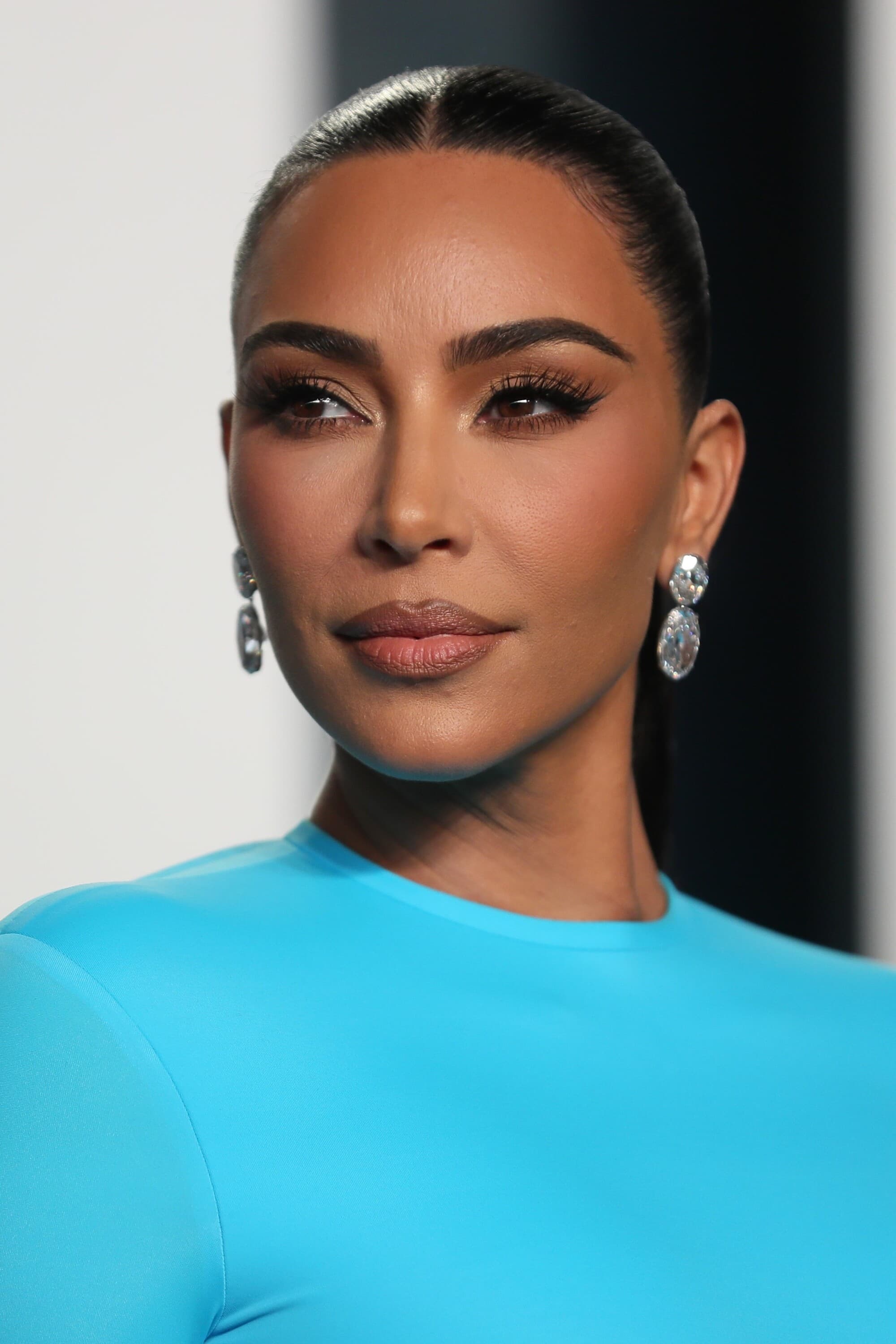
An unretouched photo from Kardashian’s 2009 ‘Complex’ shoot was accidentally posted to the magazine’s website before being replaced by the edited version. The original image showed natural skin texture and minor cellulite, which were completely smoothed out in the final cover. Kardashian addressed the leak on her blog, stating that she wasn’t perfect and had no problem with the unedited photo being seen. The incident provided a rare look at the heavy lifting performed by professional retouchers for major lifestyle magazines.
Khloé Kardashian
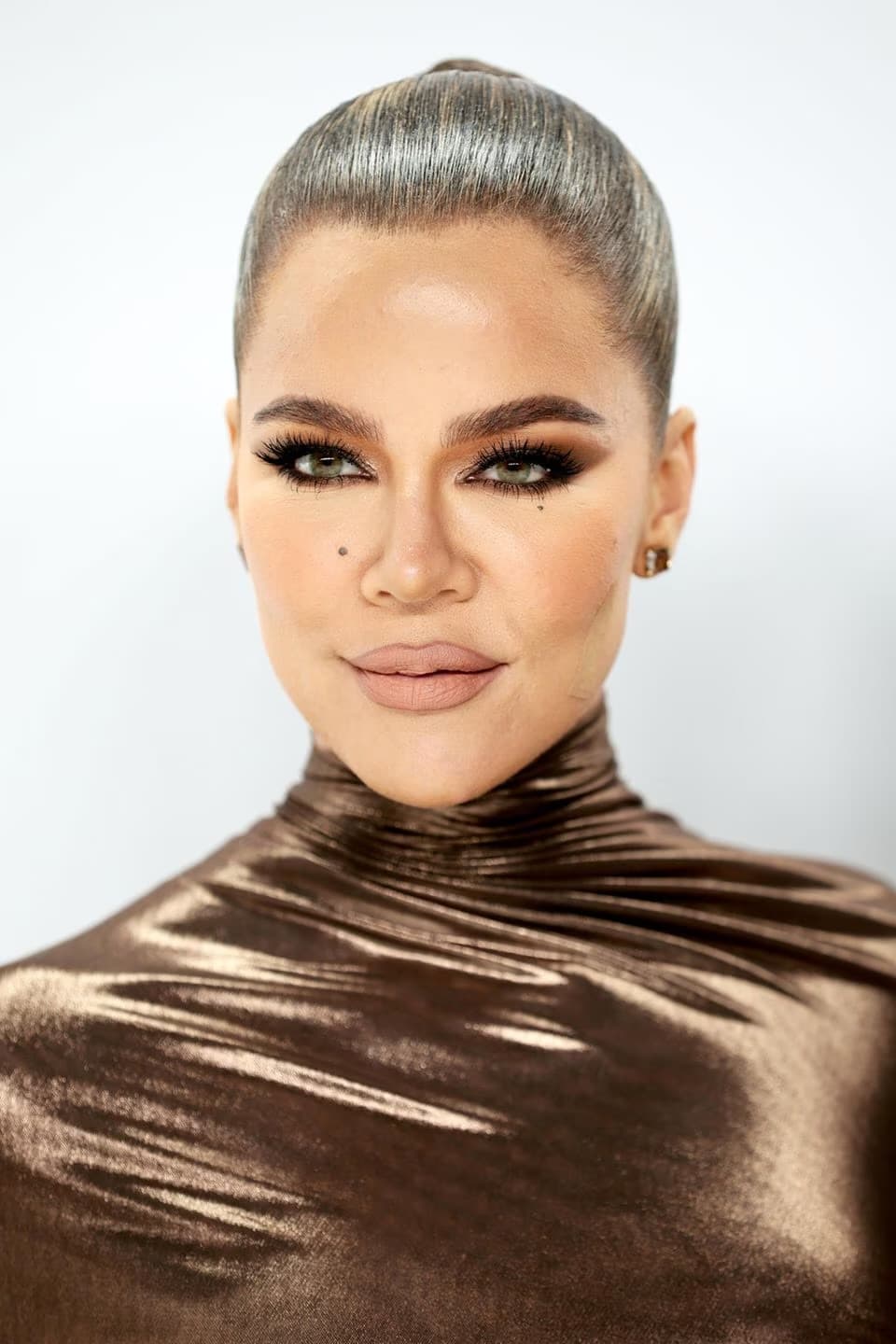
Following her cover shoot for ‘Complex’ in 2015, the reality star posted an unretouched side-by-side comparison to address critics. She wanted to show that while some editing was done, she had worked hard on her physique. The final magazine cover featured significant contouring and smoothing of her waist and legs. By sharing the original, she aimed to prove that her fitness journey was real despite the editorial enhancements.
Meghan Trainor
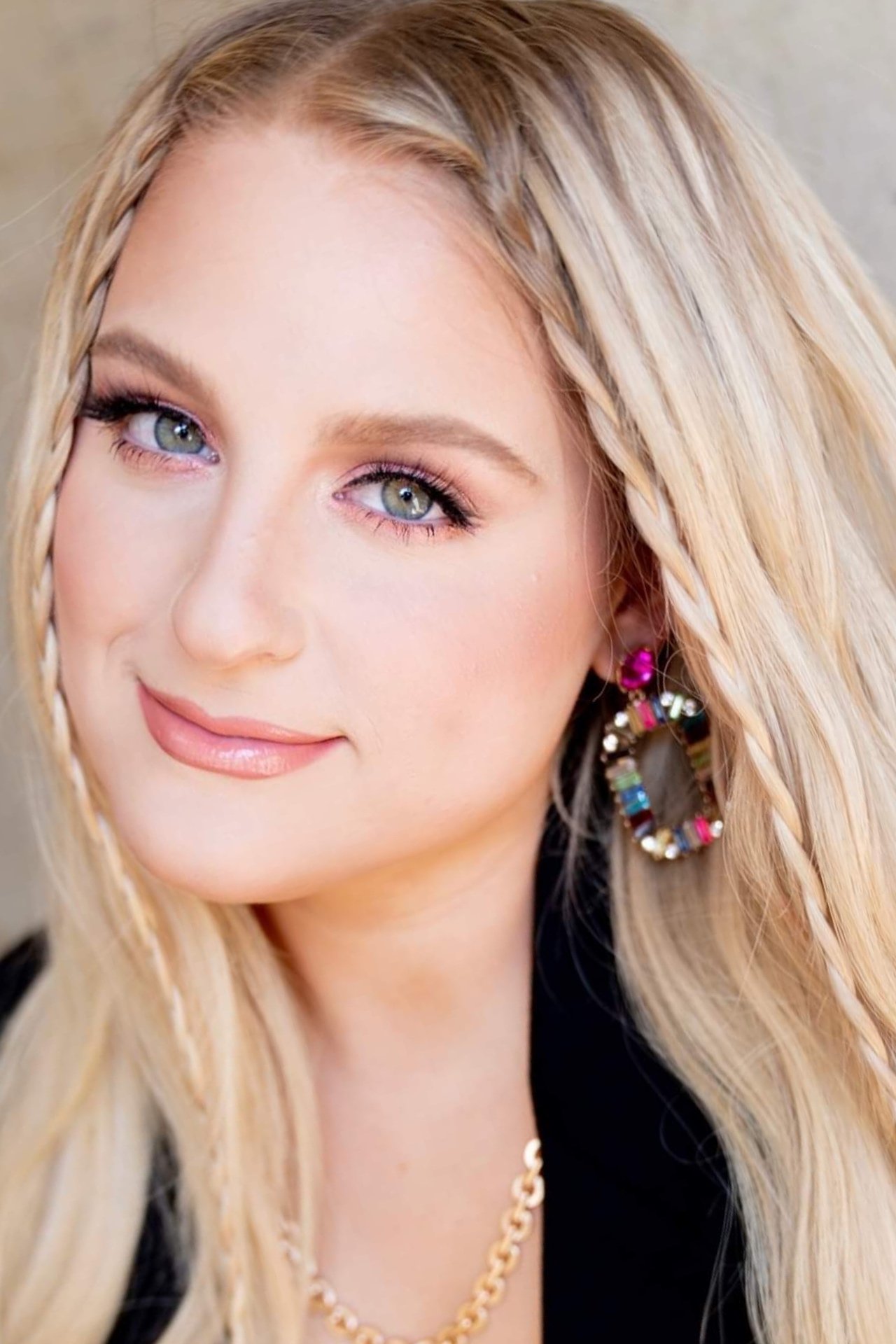
Trainor was vocal about her dissatisfaction with ‘Seventeen’ magazine in 2016 after they slimmed her waist on the cover. The singer, who rose to fame with the body-positive anthem ‘All About That Bass’, felt the edits contradicted her message. She stated in interviews that she was shocked to see a version of herself that didn’t match her actual body. This led to a wider conversation about how even “body-positive” issues of magazines still lean on Photoshop.
Katy Perry
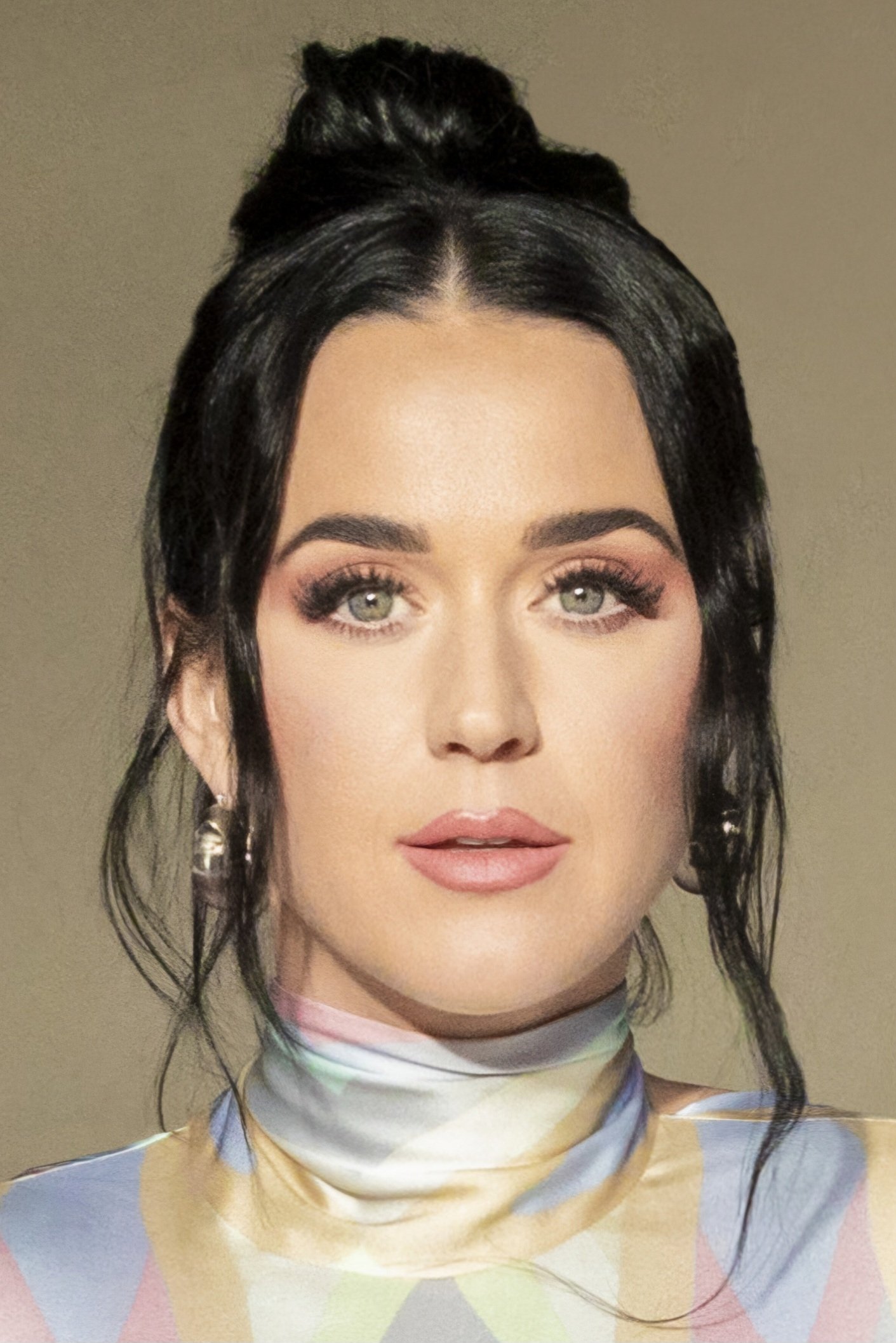
A 2010 ‘Rolling Stone’ cover featuring Perry was later revealed to have undergone significant digital alterations. Leaked unretouched photos showed that her skin was smoothed, her chest was enhanced, and her waist was narrowed. The side-by-side comparison went viral, illustrating the standard “polish” applied to pop stars in the late 2000s. Despite the edits, Perry’s fans remained supportive, though the images became a textbook case for media literacy studies.
Britney Spears
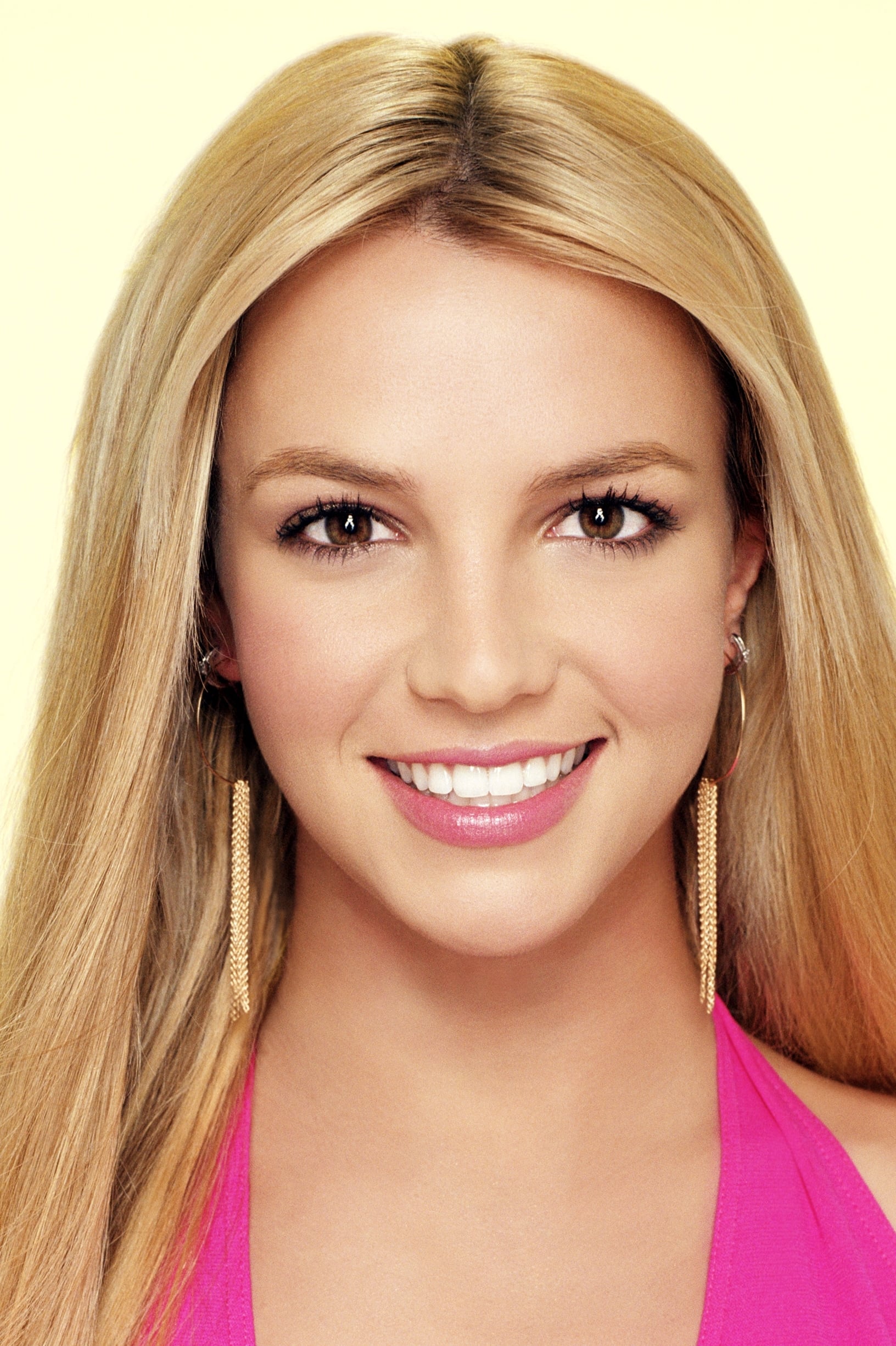
The 2012 cover of ‘Lucky’ magazine featuring Spears was widely criticized for making the singer look “unrecognizable.” Critics and fans pointed out that the heavy airbrushing and a poorly placed wig gave her a digital, doll-like appearance. The backlash was so significant that the magazine eventually issued an apology on social media. The incident is often cited as a failure in retouching where the subject’s natural charm was lost in the editing process.
Lady Gaga
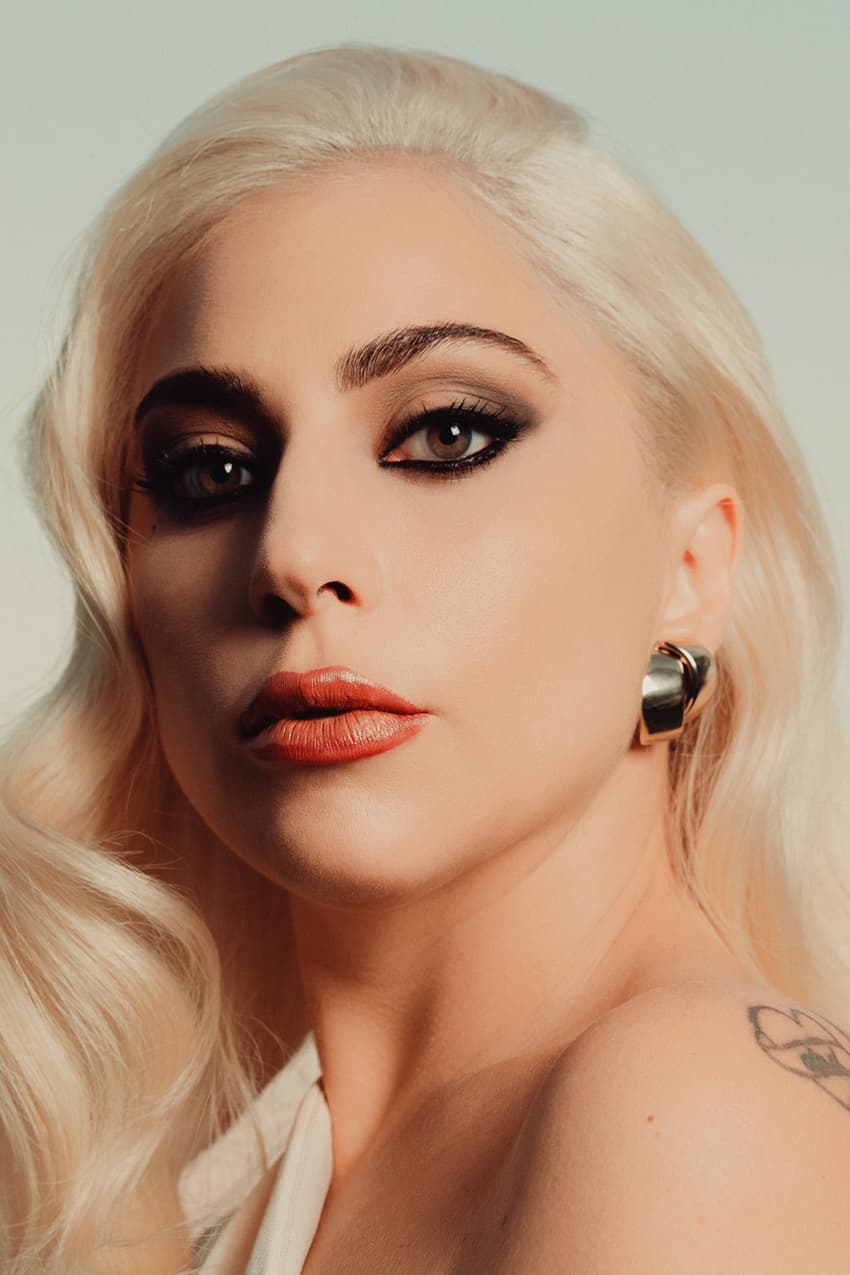
Gaga used her acceptance speech at the 2013 ‘Glamour’ Women of the Year awards to criticize her own cover for the magazine. She told the audience that her skin looked “too perfect” and that her face appeared different than it did in reality. She urged the industry to change the way they portray women to help young people feel more confident. The singer’s blunt honesty about her own “malfunctioning” image was seen as a bold move against editorial norms.
Sarah Jessica Parker
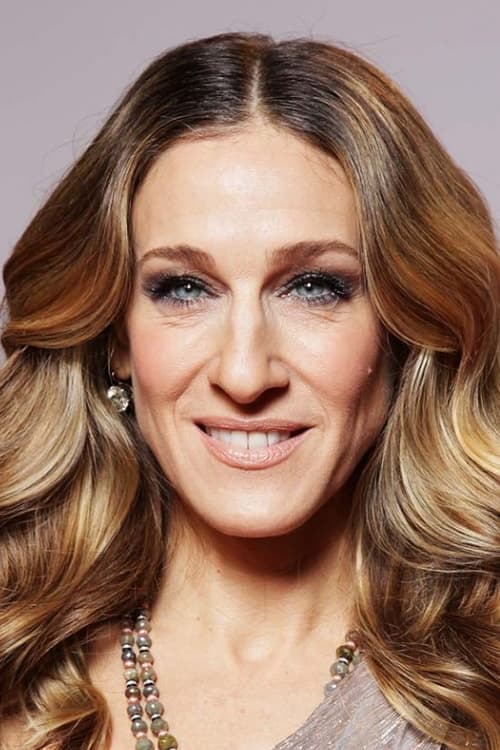
The actress’s cover for ‘Harper’s Bazaar China’ in 2013 was labeled by many critics as an “editing disaster.” Her face was so heavily smoothed and her eyes so drastically brightened that she took on an almost ethereal, non-human appearance. The contrast between her natural, well-known aging process and the porcelain-doll edit was jarring to many readers. This remains one of the most cited examples of international magazines applying extreme beauty standards to Hollywood veterans.
Faith Hill
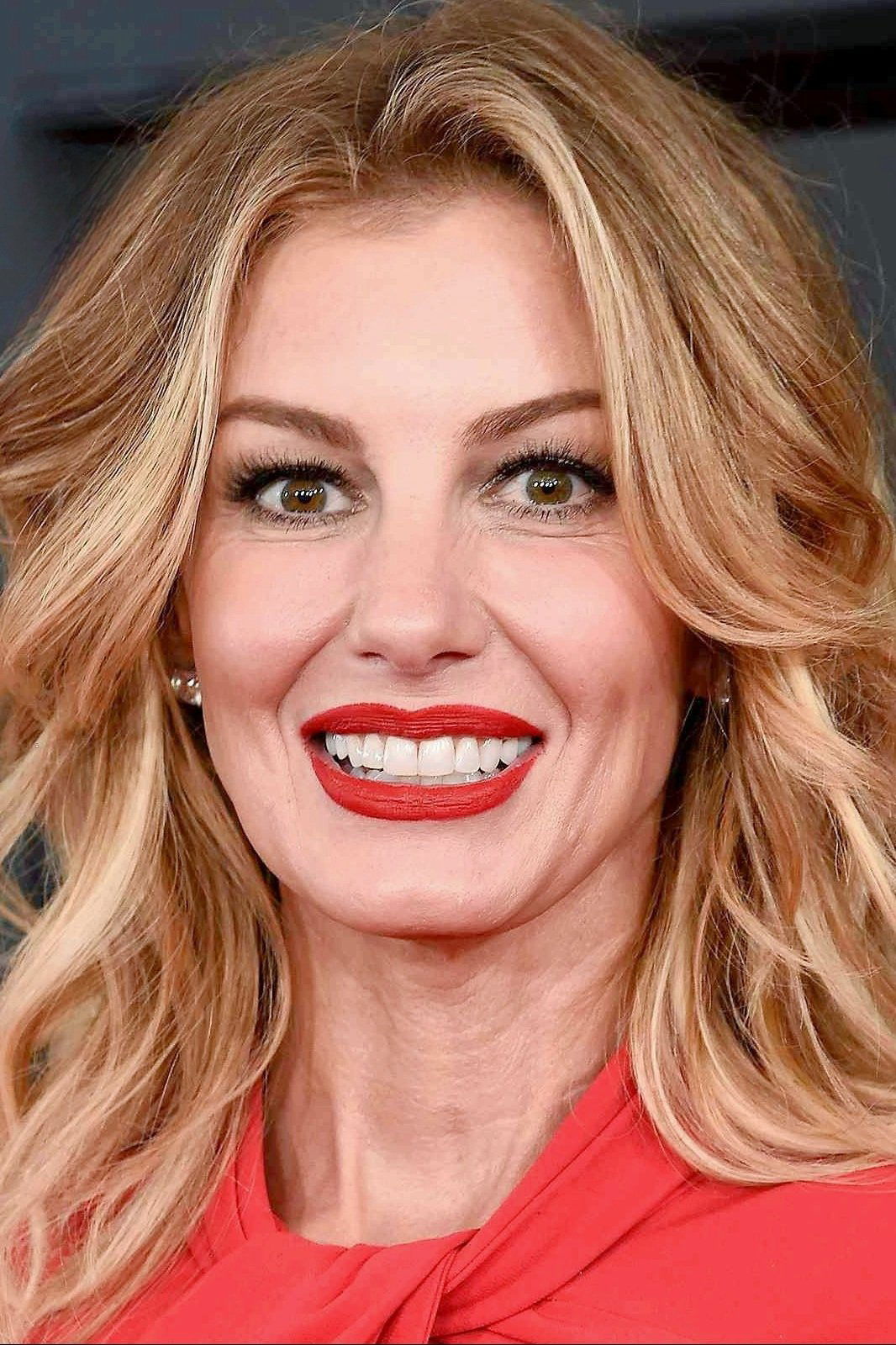
In 2007, ‘Redbook’ magazine faced a major scandal after the unretouched photos of Faith Hill’s cover were leaked. The edits included drastically thinning her left arm, removing back fat, and smoothing her neck. The “before and after” images became a viral sensation, leading to a public discussion about the ethics of women’s magazines. ‘Redbook’ defended the practice, claiming that retouching was standard procedure to create an “aspirational” image.
Andy Roddick

The tennis star was surprised to see his own physique on the cover of ‘Men’s Fitness’ in 2007. Roddick noted that his arms had been digitally enlarged to a comical degree, giving him “22-inch guns” he didn’t actually possess. He poked fun at the edit on his blog, stating that he didn’t realize he had spent that much time in the gym. The incident highlighted that male celebrities are also subjected to body-warping edits to fit hyper-masculine ideals.
Adam Levine
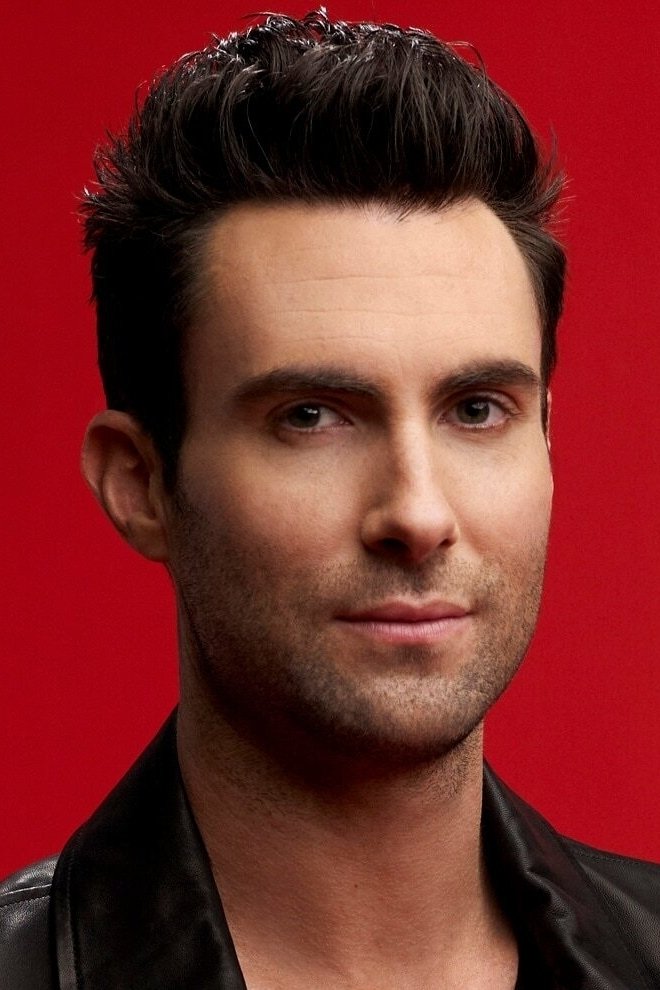
In 2011, ‘Vogue Russia’ released a spread featuring the Maroon 5 frontman that contained a glaring Photoshop error. A large chunk of Levine’s torso was missing where his body met his girlfriend’s, Anne Vyalitsyna. The botched edit made it appear as though a section of his side had been erased from existence. This “Photoshop fail” became a widely shared meme, demonstrating how rush jobs in editing can lead to anatomical impossibilities.
Ariana Grande
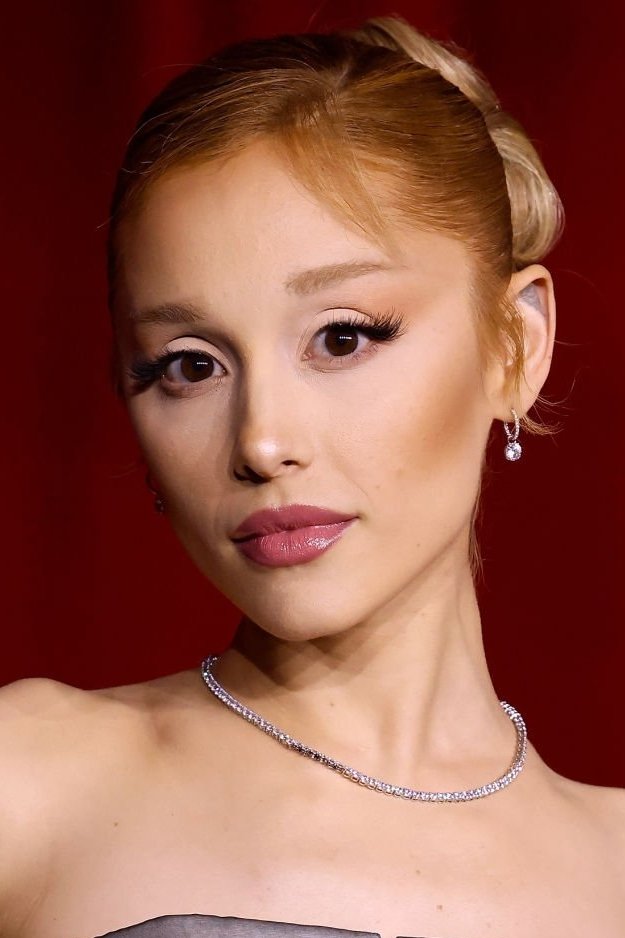
The ‘British Vogue’ cover in 2018 featured a blonde Grande with her signature ponytail removed and her freckles on full display. However, some fans argued that the face shape and skin texture still felt overly manipulated to the point of looking like a different person. The debate centered on whether the “natural” look was actually just a different style of heavy retouching. Despite the mixed reactions, the cover was a significant departure from her usual aesthetic.
Kourtney Kardashian
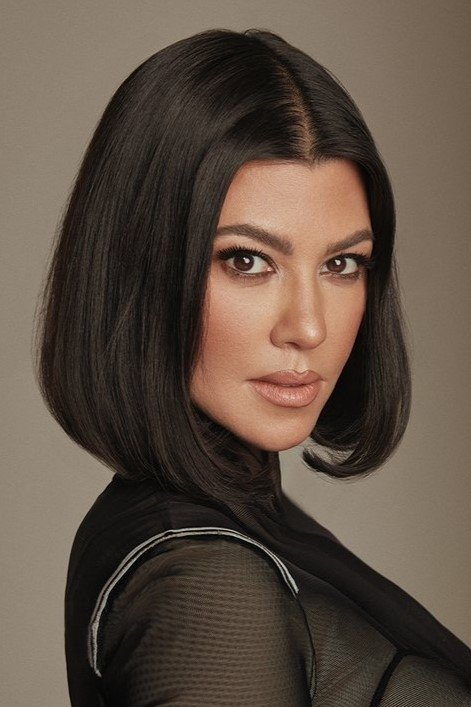
In 2010, Kardashian appeared on the cover of ‘Life & Style’ shortly after giving birth, appearing to have lost all her pregnancy weight instantly. It was later revealed that the magazine had pasted her head onto a different body from a previous shoot. The reality star was open about the fact that she had not achieved that level of fitness yet. This instance exposed the lengths tabloids would go to to sell “miracle” post-baby body stories.
Taylor Swift
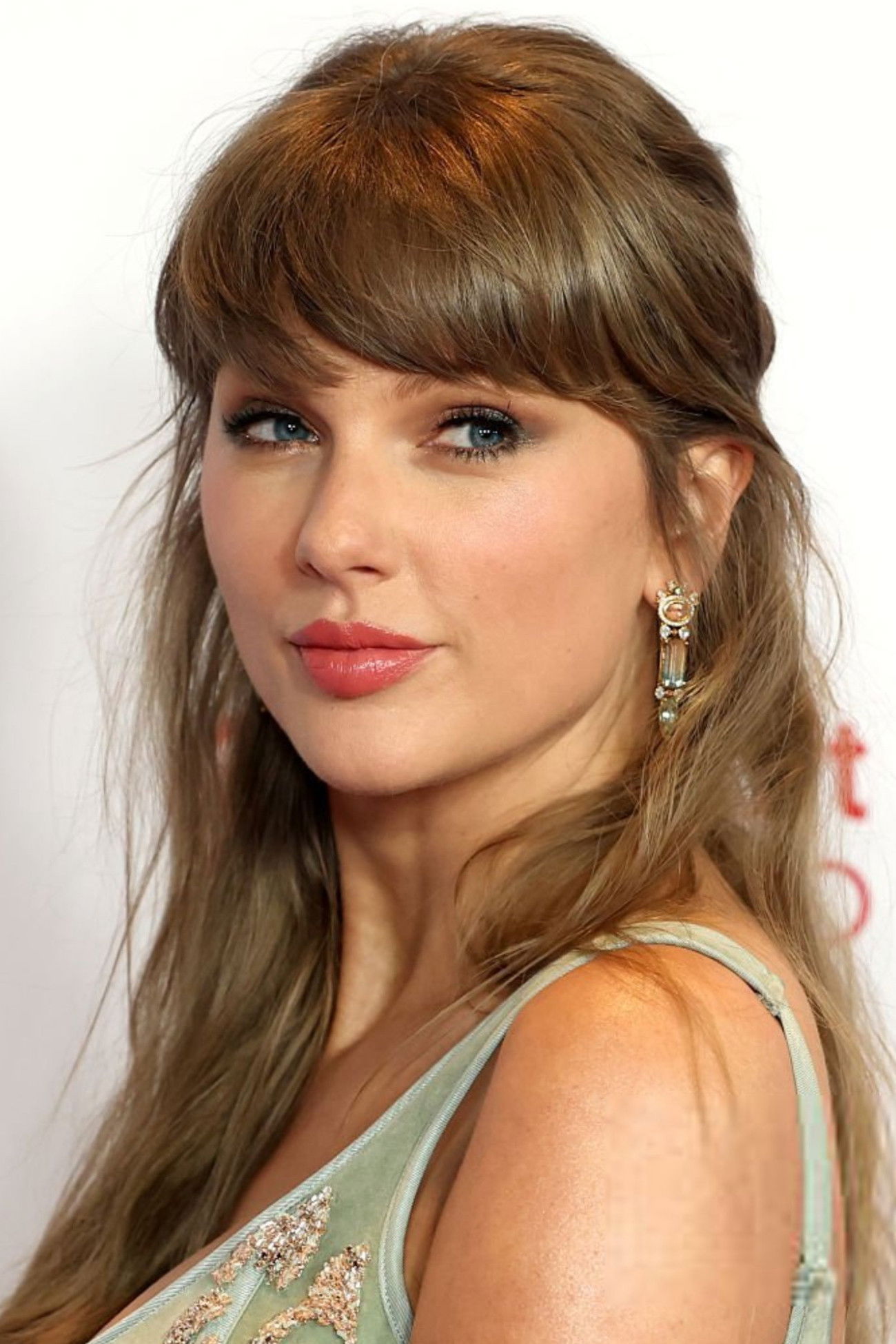
Swift’s 2013 ‘ELLE’ cover was frequently criticized for its “porcelain” finish, which many felt erased all human character from her face. Her skin appeared so uniform in color and texture that it resembled a digital painting rather than a photograph. While the shoot was aesthetically pleasing, critics argued it contributed to the “Instagram face” trend before it even had a name. The singer has since moved toward more naturalistic photography in her more recent album cycles.
Bella Hadid
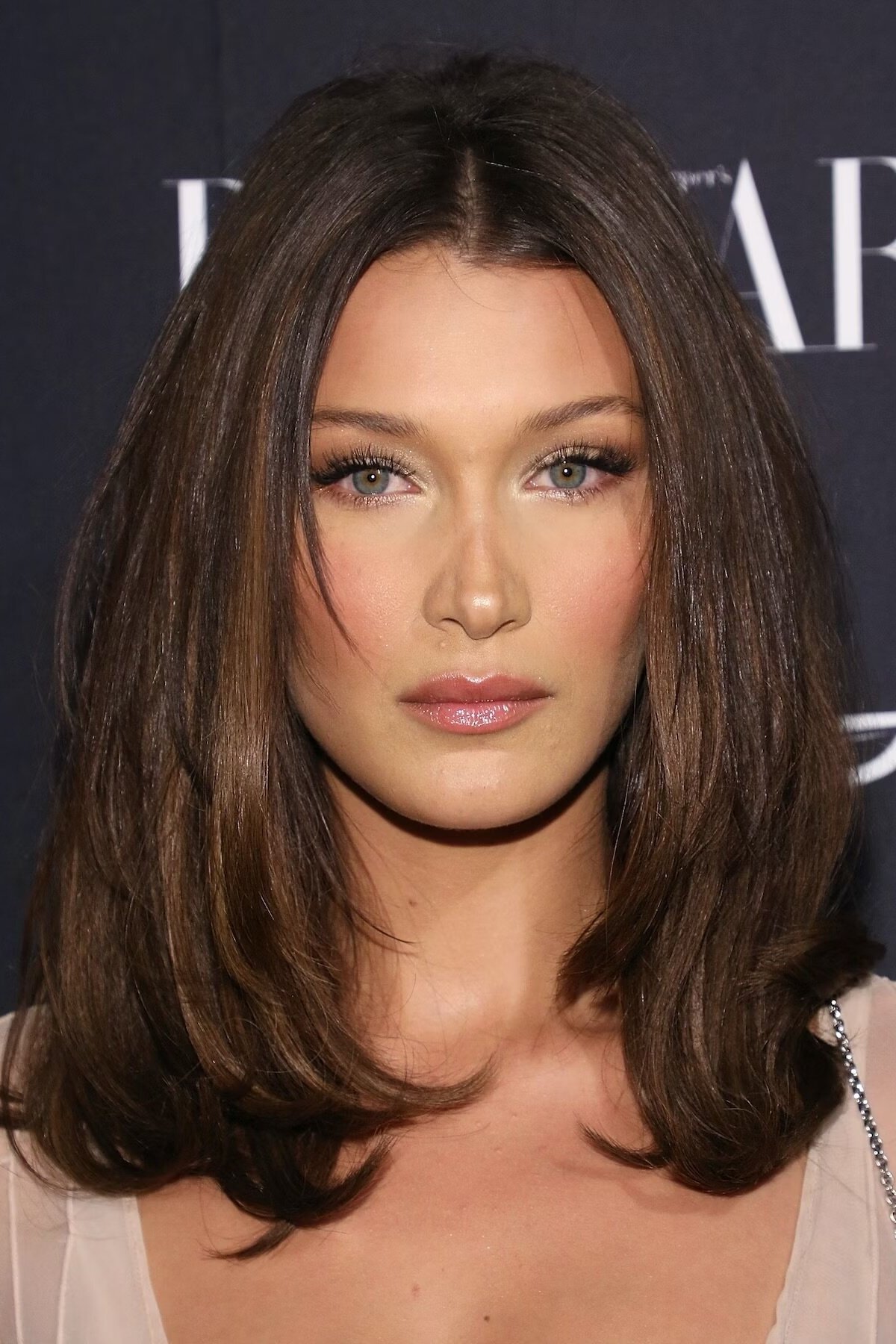
A 2017 ‘Vogue’ cover featuring Hadid and Kendall Jenner sparked a social media frenzy due to an anatomical anomaly. Fans pointed out that Hadid’s arm and hand appeared strangely elongated and positioned in a way that defied physics. Additionally, some versions of the spread appeared to show her with a missing or warped foot. These “distorted limb” errors are common side effects of trying to slim the subjects while maintaining a specific artistic composition.
Ashley Graham
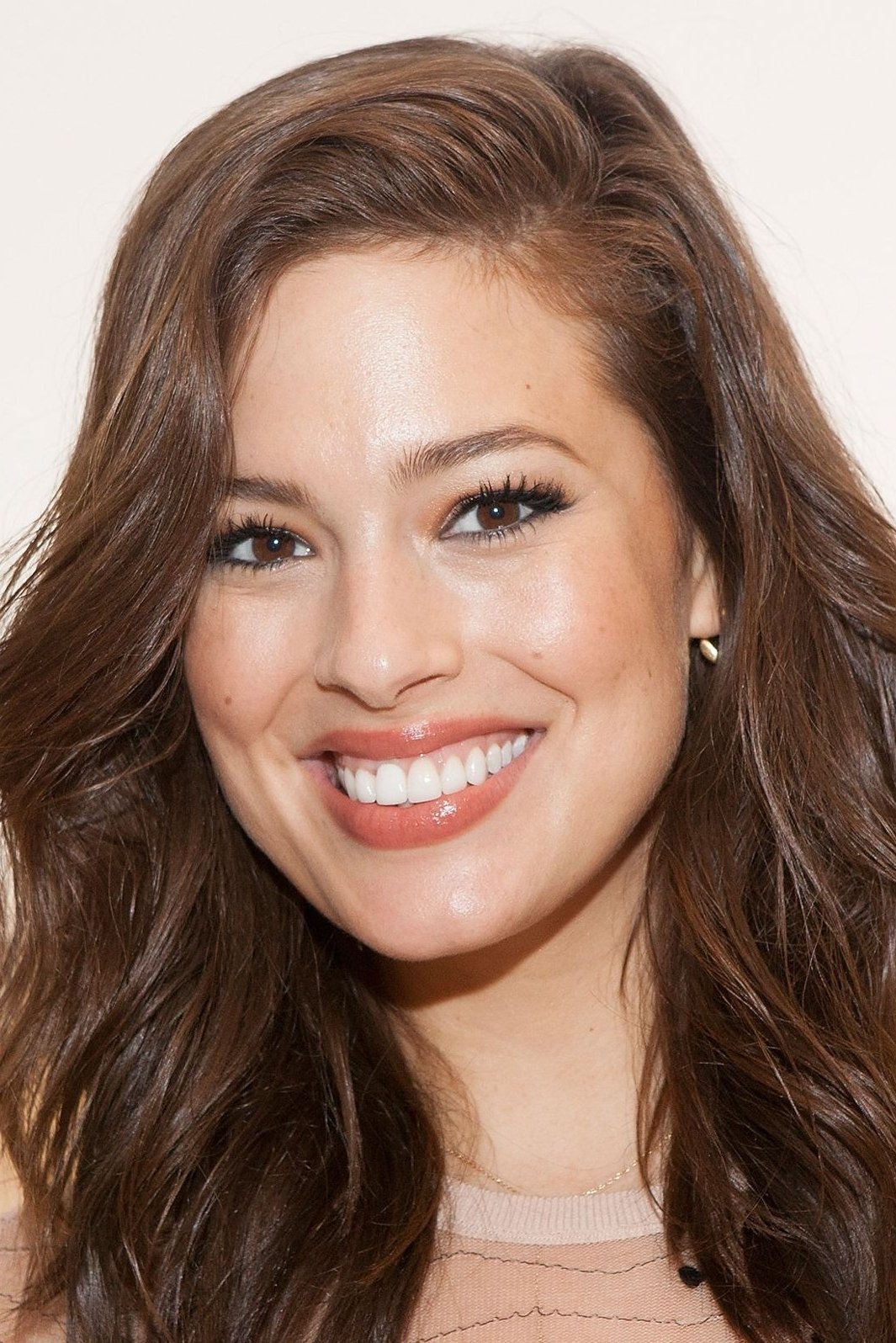
The 2017 ‘Vogue’ cover featuring several top models was intended to celebrate diversity, but it quickly drew fire for its editing of Graham. Readers noticed that Graham was the only model with her arm resting on her thigh, which some felt was an attempt to hide her curves. Furthermore, many pointed out that Gigi Hadid’s arm looked unnaturally long, seemingly to cover more of Graham’s waist. The controversy suggested that even when magazines aim for inclusivity, they often revert to old retouching habits.
Justin Bieber

Bieber’s 2015 ‘Men’s Health’ cover was met with skepticism regarding the authenticity of his muscular build. Critics compared the magazine images to paparazzi photos of the singer, suggesting his chest and arms had been digitally enhanced. The magazine released a behind-the-scenes video to prove the singer was in good shape, but the debate persisted. This instance highlighted the pressure on male pop stars to project a rugged, muscular image.
Chrissy Teigen
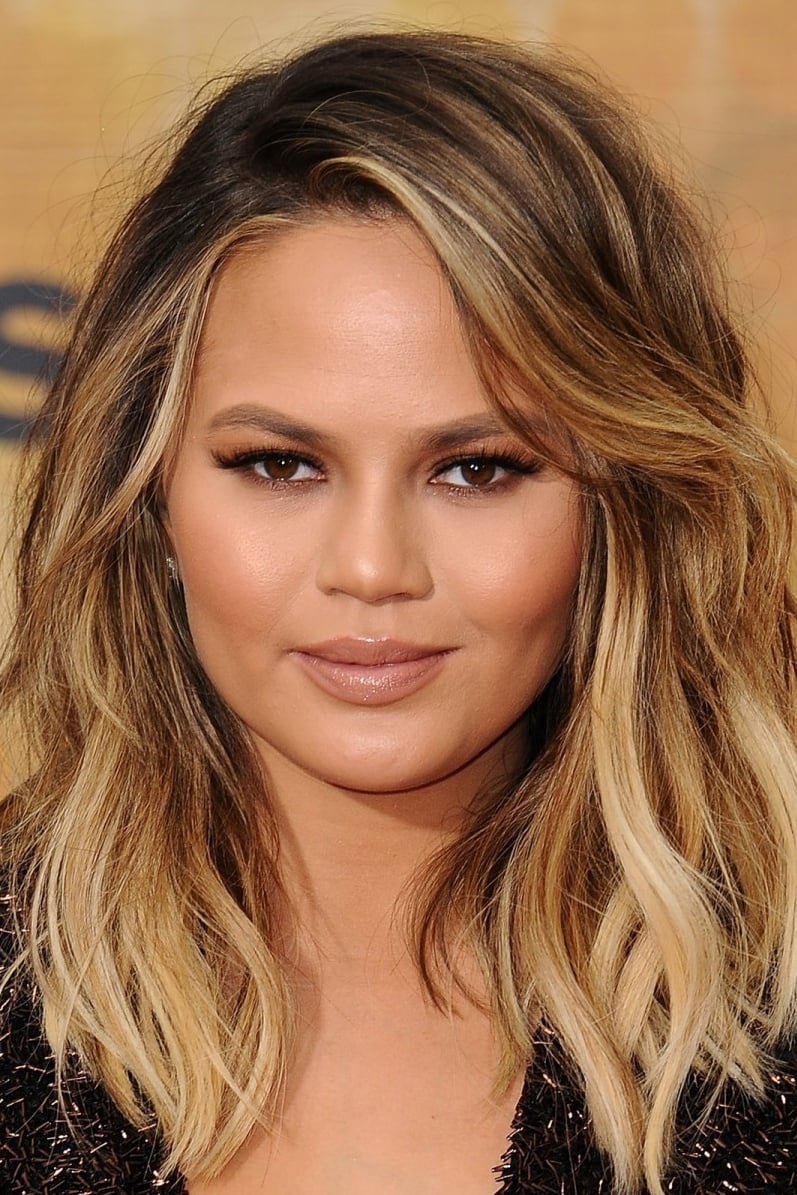
The model and TV personality was missing a belly button on the cover of ‘GQ Mexico’ in 2014. Teigen, known for her candid and humorous social media presence, has often joked about how her body is edited in professional shoots. The missing navel was a clear oversight in the post-production process, where skin smoothing was applied too broadly. It remains a classic example of how aggressive airbrushing can lead to the removal of essential human features.
Demi Lovato

In 2013, ‘Cosmopolitan’ was accused of slimming Lovato’s body to fit a specific cover mold. The singer, who has been open about her struggles with eating disorders, appeared noticeably smaller than she did in unedited press photos from the same week. Fans expressed concern that such edits could be triggering for someone so vocal about their recovery journey. The incident emphasized the responsibility publications have when working with stars who promote body positivity.
Selena Gomez
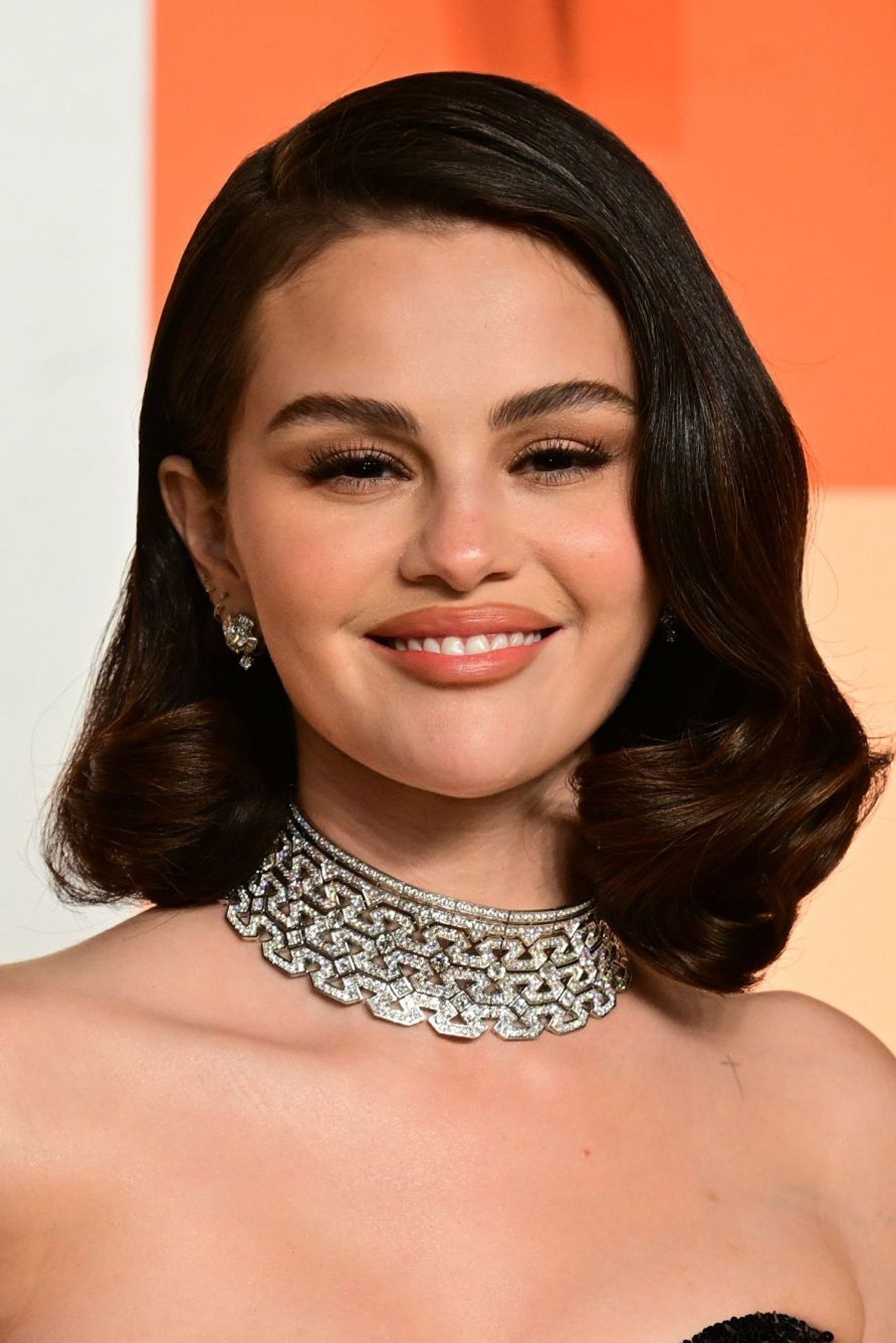
Gomez appeared on the cover of ‘InStyle’ in 2017, but the image was criticized for making her look “stiff” and “over-processed.” Specifically, critics pointed out that her neck and jawline appeared to have been narrowed to the point of looking unnatural. The heavy retouching seemed to clash with the article’s focus on her personal growth and vulnerability. Many fans commented that her natural beauty didn’t need the digital “corrections” applied by the editors.
Rihanna
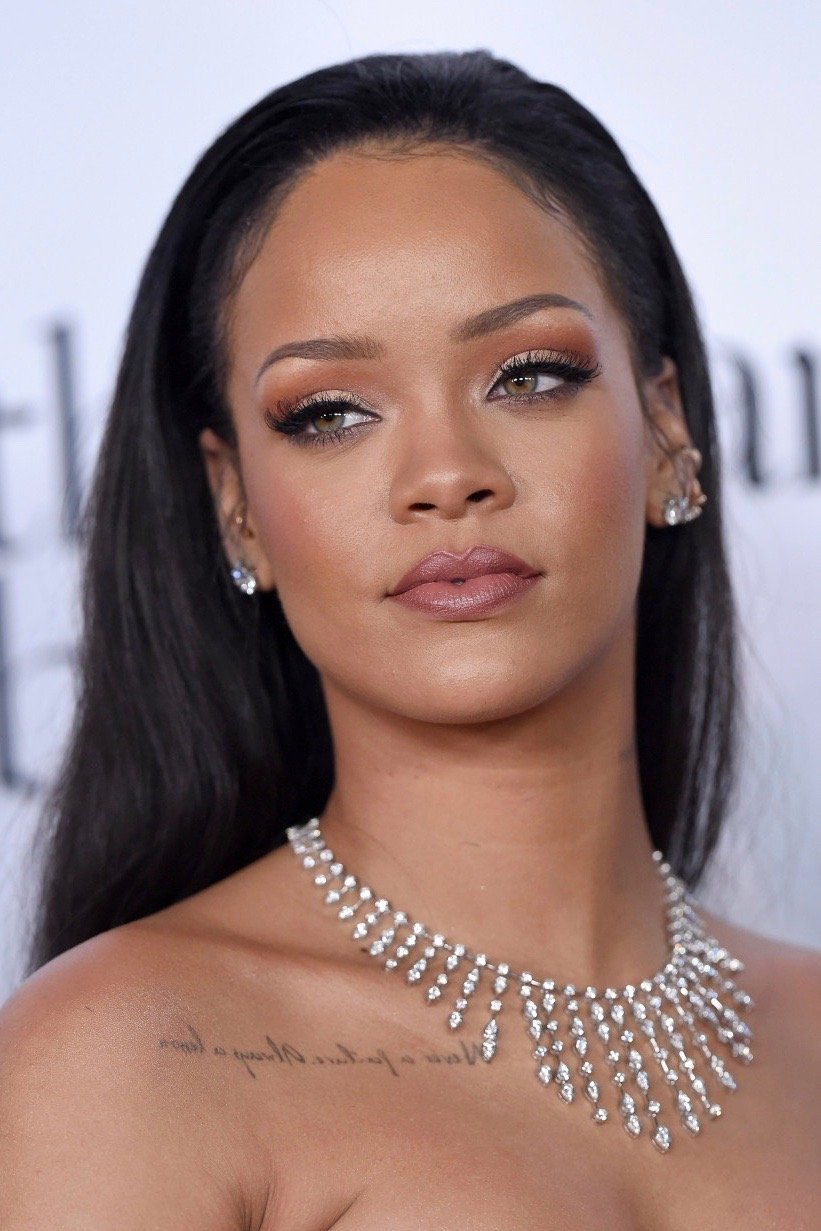
The 2014 ‘Vogue Brazil’ cover featuring Rihanna was criticized for significantly lightening her skin tone and smoothing her features. Fans were disappointed that the publication chose to alter the natural complexion of one of the world’s most famous Black women. While the shoot was inspired by a specific high-fashion aesthetic, the digital “whitewashing” became a point of contention. Rihanna herself did not publicly bash the cover, but the visual discrepancy was noted by media critics globally.
Melissa McCarthy
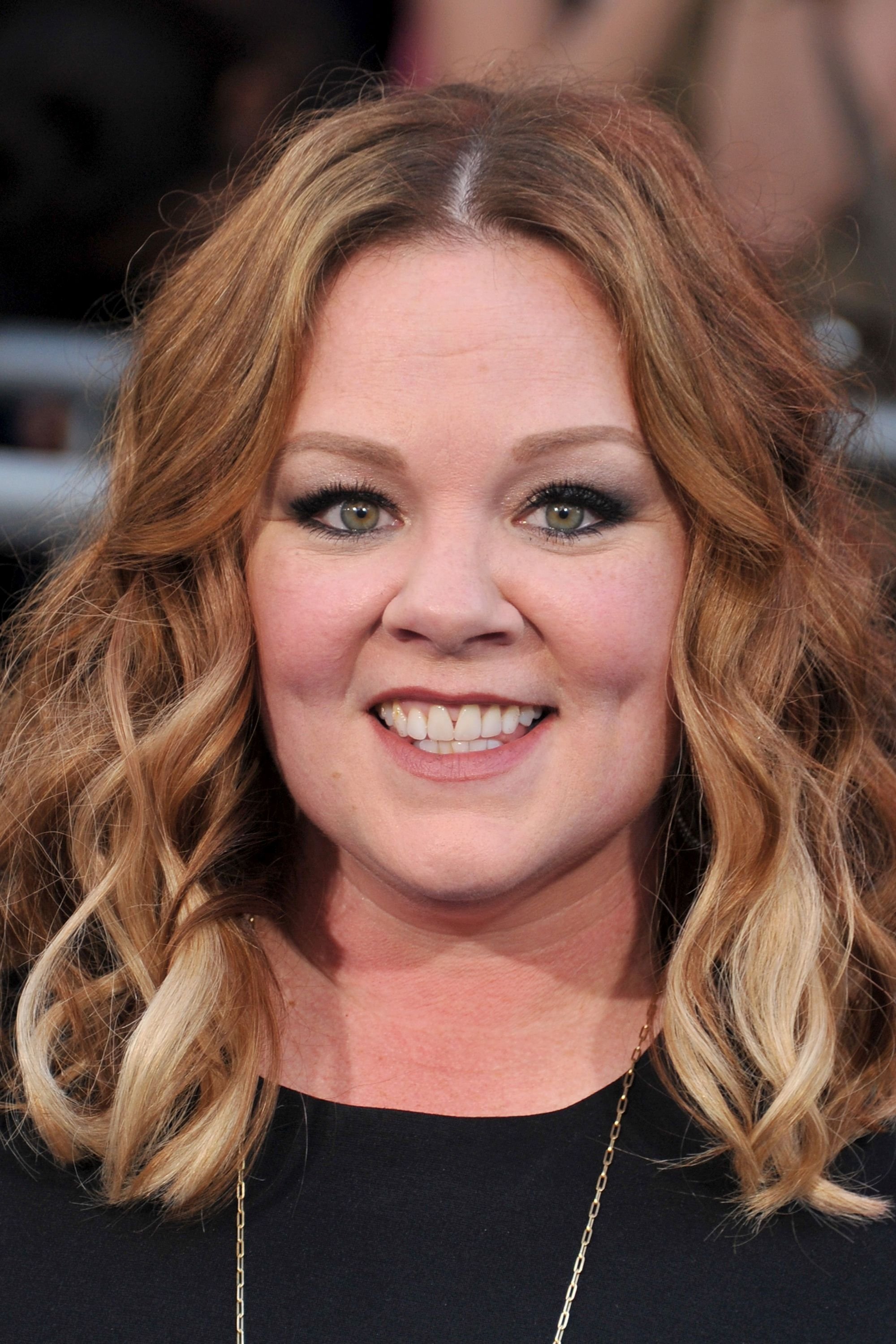
For the promotional material and ‘ELLE’ cover related to the film ‘The Heat’, McCarthy was noticeably slimmed and smoothed. On the film poster in particular, her face was edited so heavily that she was barely recognizable to her fan base. Critics pointed out that the magazine cover opted to hide her body under a very large, oversized coat while her smaller co-stars were more visible. McCarthy later stated she loved the coat, but the editorial choices sparked a debate about how plus-size women are styled and edited.
Tyra Banks
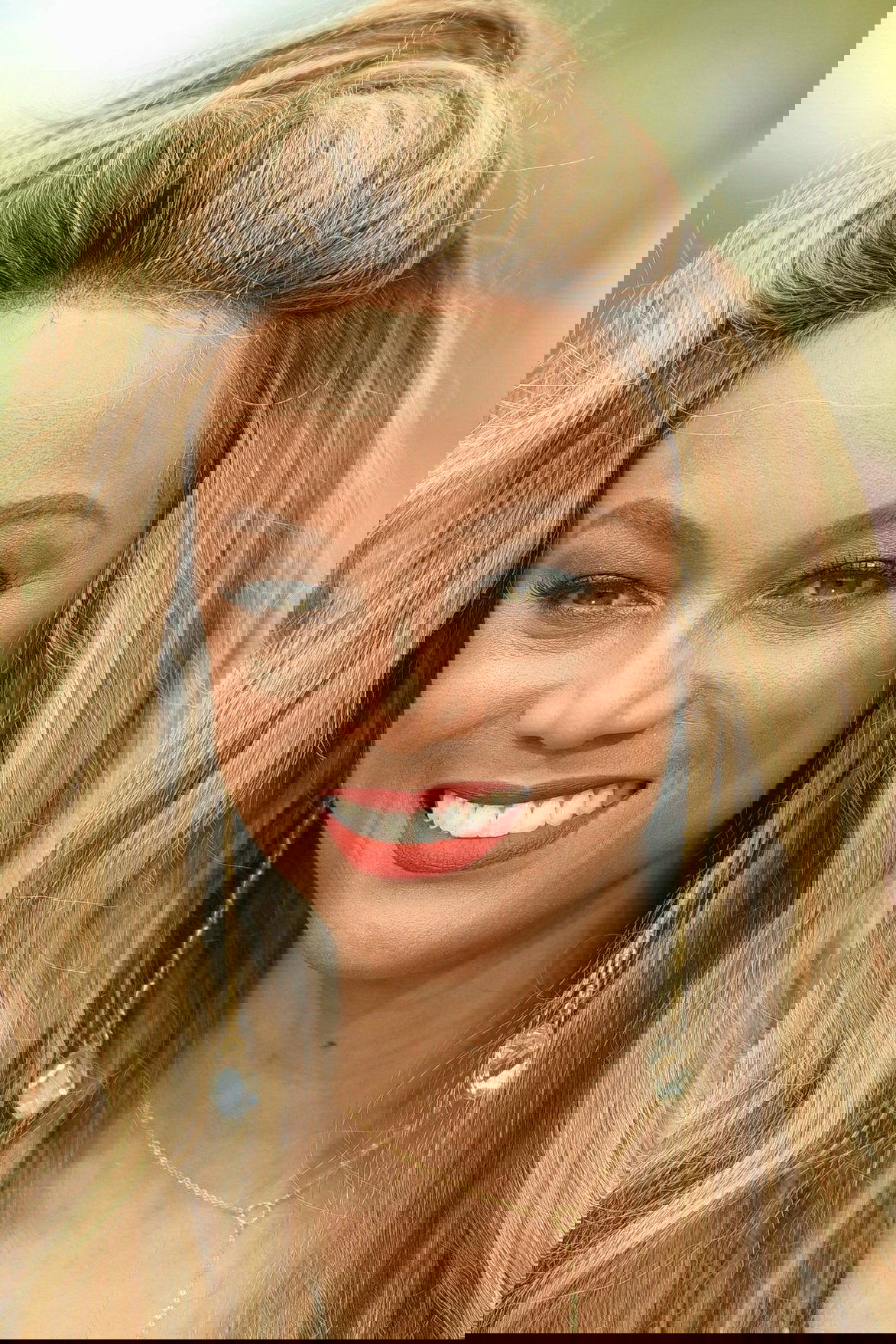
The supermodel and ‘America’s Next Top Model’ creator was herself the subject of a Photoshop controversy in ‘Harper’s Bazaar’. Despite being a pioneer for diversity in the modeling world, her waist and hips were digitally narrowed to fit a sample-size silhouette. Banks has often spoken about being “too curvy” for the high-fashion world at the start of her career. Seeing her natural shape altered by digital tools felt like a step backward to many of her followers.
Mariah Carey
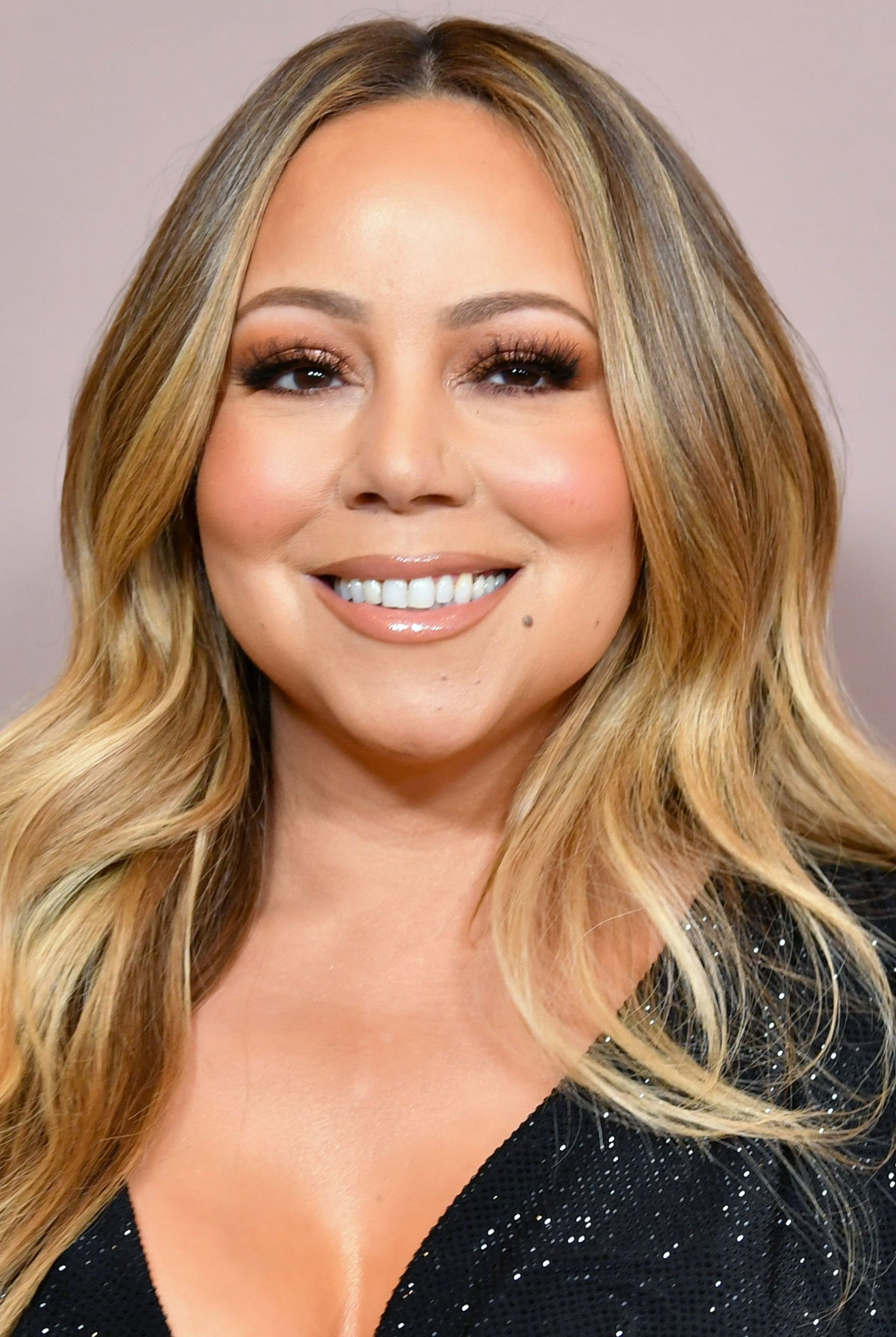
The singer’s 2017 ‘Paper’ magazine cover featured her in a pose that many felt was heavily manipulated to slim her silhouette. The contrast between the cover image and unedited fan photos from her residency at the time led to accusations of “dishonest” editing. Carey is known for her glamorous image, but the extreme body contouring on this specific cover was seen as particularly aggressive. The backlash served as a conversation starter about the intersection of celebrity branding and aging in the public eye.
Tell us which of these transformations surprised you the most by sharing your thoughts in the comments.