Black Celebrities Who Claim the Industry Only Values Specific Racial Tropes


The film and television industry has a long history of relying on a narrow set of archetypes when portraying the Black experience. Many prominent actors and creators have expressed their concerns regarding the lack of variety in the roles they are offered. These celebrities often call for narratives that go beyond trauma or supporting roles and instead focus on multifaceted human experiences. Their public statements aim to challenge Hollywood to move toward a more inclusive and imaginative future for Black performers.
Viola Davis
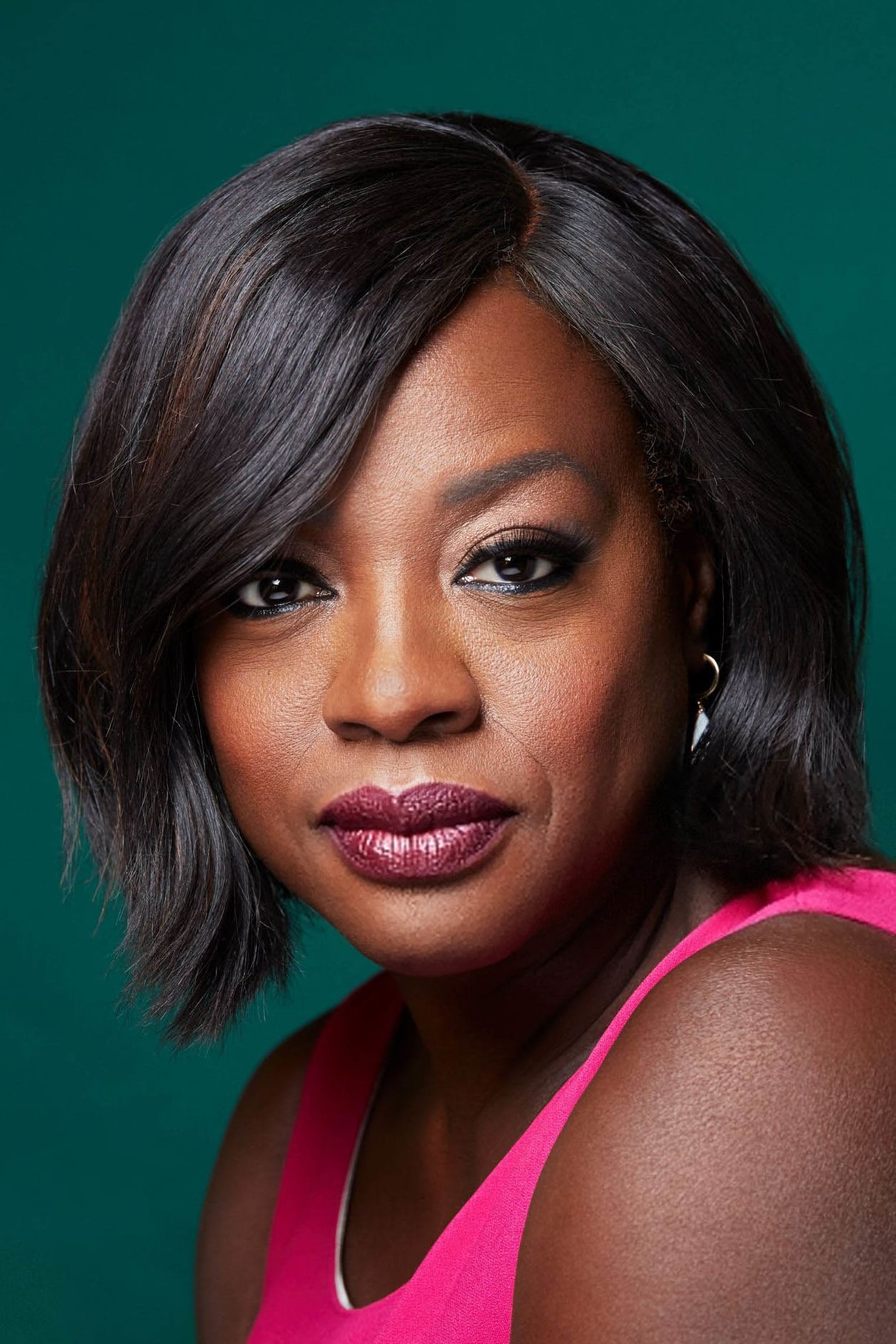
Viola Davis has frequently addressed the lack of complexity in roles offered to Black women in Hollywood. She often points to the historical reliance on the mammy trope which simplifies Black female characters into caretakers for others. Davis emphasized that Black actors are often expected to bring an inherent nobility to their characters rather than being allowed to be messy or flawed. Her career reflects a conscious effort to challenge these limitations through projects like ‘How to Get Away with Murder’.
Idris Elba
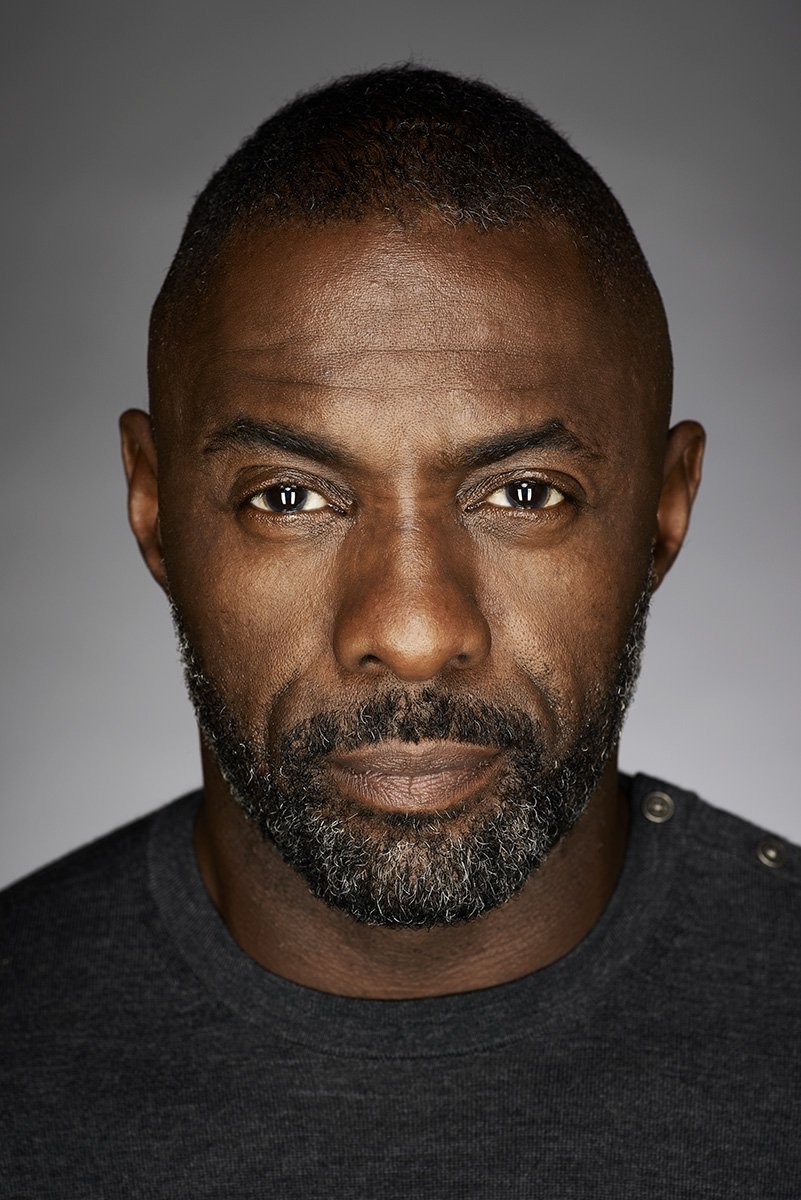
Idris Elba has spoken out about the tendency to pigeonhole Black actors into roles defined exclusively by their race. He famously stated that he stopped describing himself as a Black actor because he felt it put him in a box. Elba believes that the industry focuses too much on racial identity rather than the skill and versatility of the performer. He continues to advocate for roles where the character’s race is not the central plot point or a defining stereotype.
John Boyega
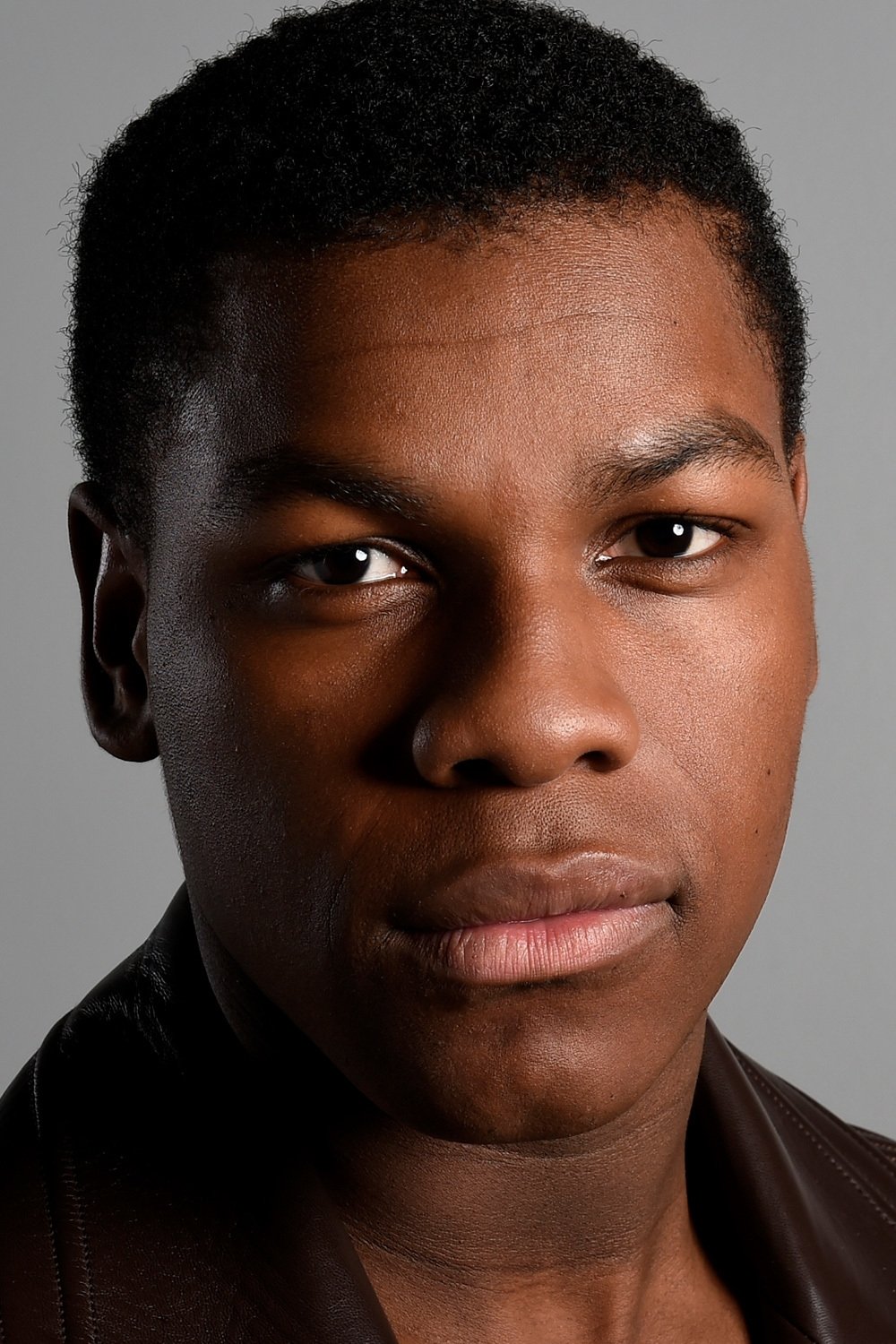
John Boyega has been vocal about his experiences with major franchises and the treatment of Black characters. He criticized the way his character was sidelined in later ‘Star Wars’ films after being introduced as a lead. Boyega pointed out that the industry often uses diverse actors for marketing without giving them meaningful narrative arcs. He remains a strong advocate for equitable character development for all actors regardless of their background.
Thandiwe Newton

Thandiwe Newton has discussed the challenges of navigating an industry that often favors specific complexions and hair textures. She noted that the types of roles available to her frequently relied on her looking a certain way to fit into pre-existing tropes. Newton has called for a more inclusive approach to casting that does not rely on outdated European beauty standards. Her work in ‘Westworld’ allowed her to explore a character with significant power and autonomy far removed from typical stereotypes.
Daniel Kaluuya
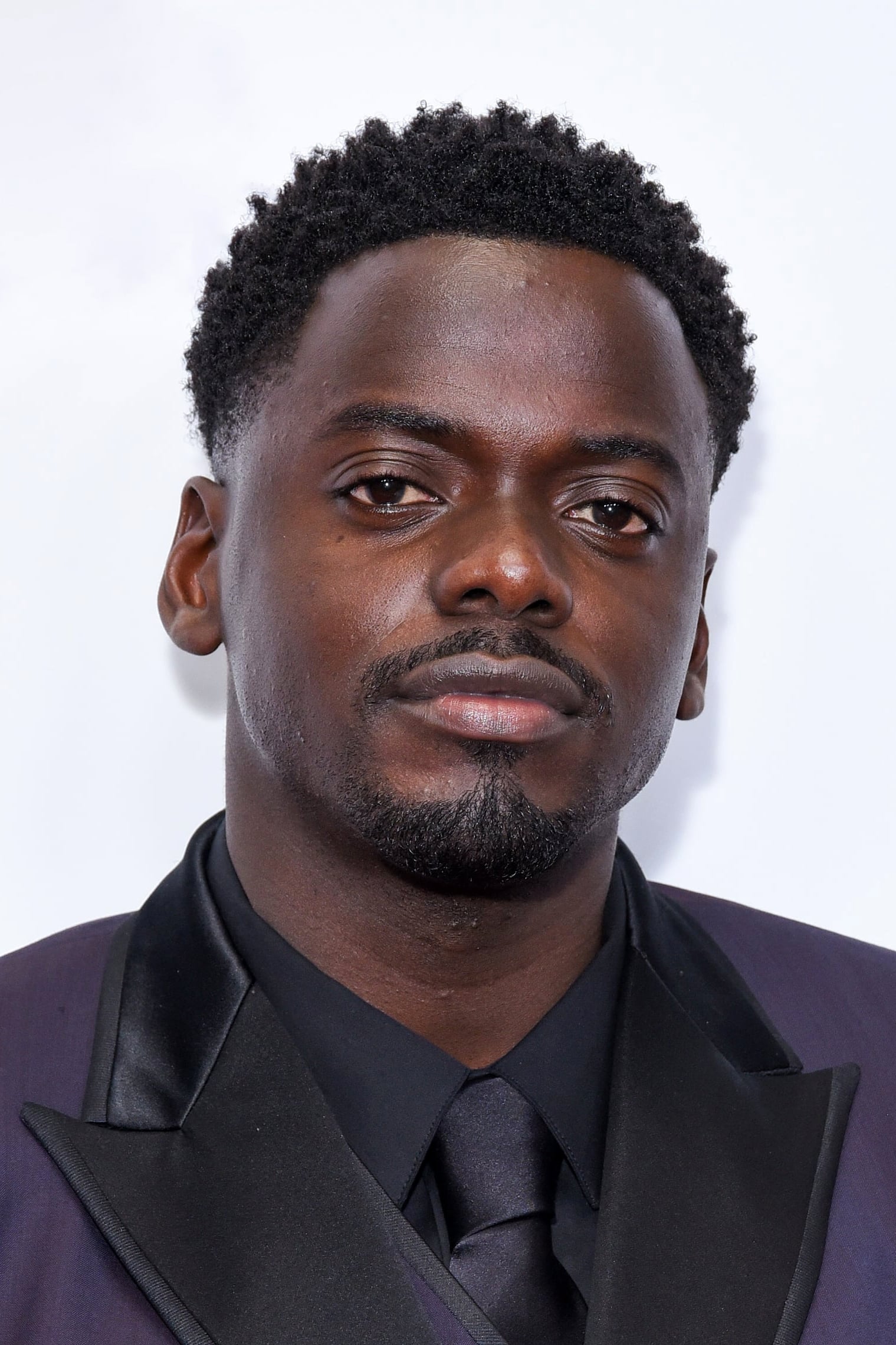
Daniel Kaluuya has addressed the exhaustion that comes from being constantly asked about the struggle and trauma associated with Black life. He expressed a desire to move beyond narratives that focus exclusively on racism or hardship. Kaluuya seeks out projects like ‘Get Out’ and ‘Nope’ that use genre to explore deeper social themes without falling into traditional traps. He believes that the industry should value Black joy and imagination as much as it values stories of pain.
Taraji P. Henson
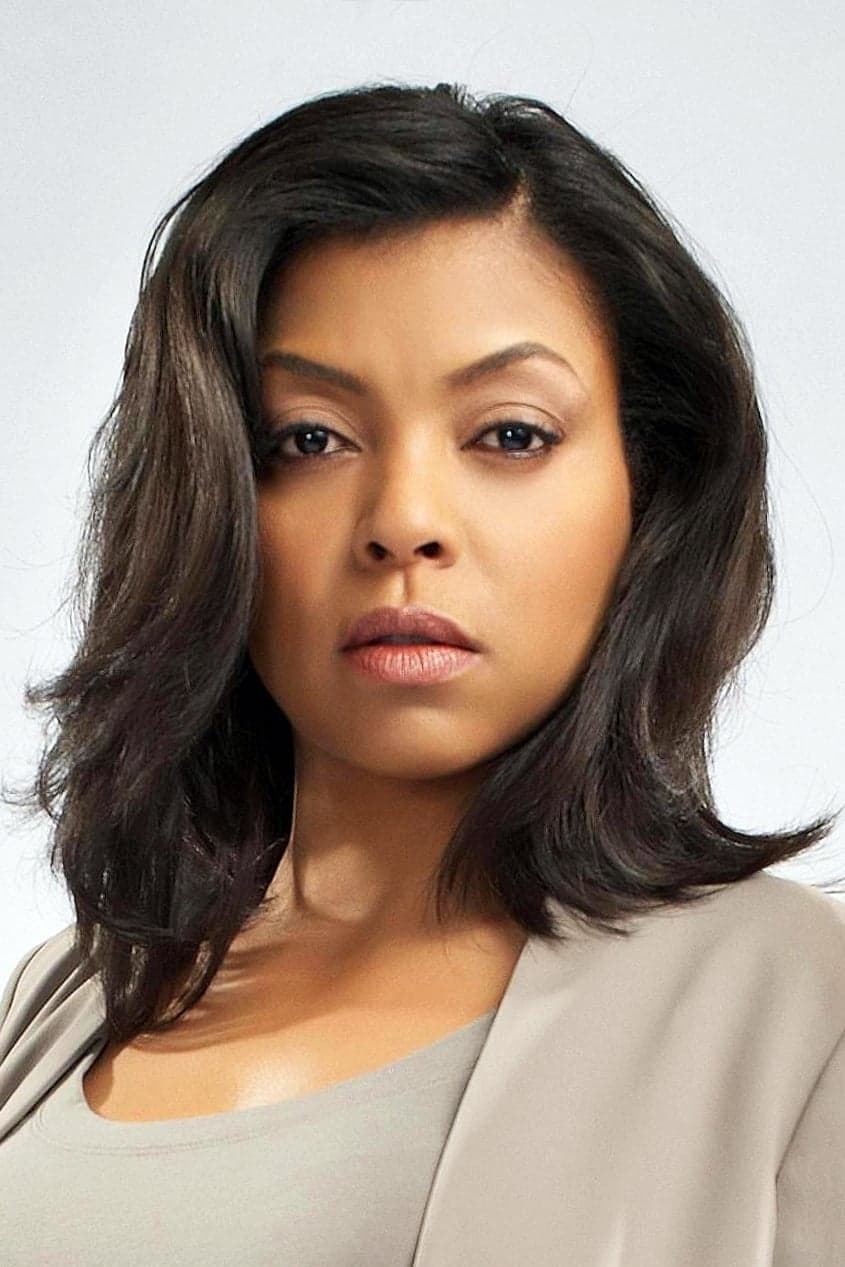
Taraji P. Henson has highlighted the economic disparities and limited opportunities for Black actresses in leading roles. She often discusses how she had to fight for fair pay even after being nominated for an Academy Award for ‘The Curious Case of Benjamin Button’. Henson noted that the industry often views Black-led films as niche or risky which limits the types of stories that get funded. She continues to use her platform to push for better representation and financial equity for her peers.
Gabrielle Union
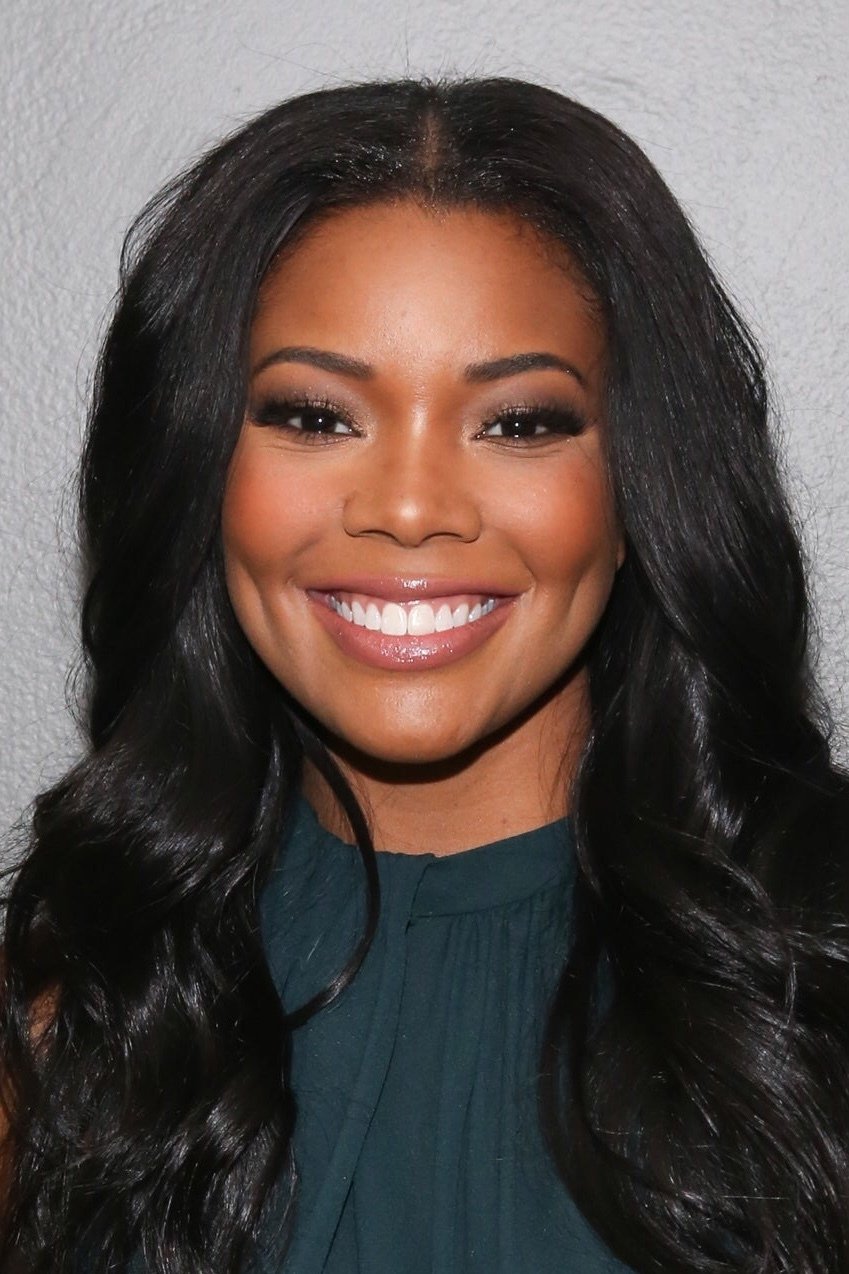
Gabrielle Union has been a consistent critic of the sassy Black friend trope that dominated much of her early career. She expressed how these roles often lacked backstories or personal lives and served only to support the white lead. Union has spoken about the mental toll of playing characters that feel like caricatures rather than real people. Through her production company she aims to create more authentic and multifaceted roles for Black women.
Damson Idris
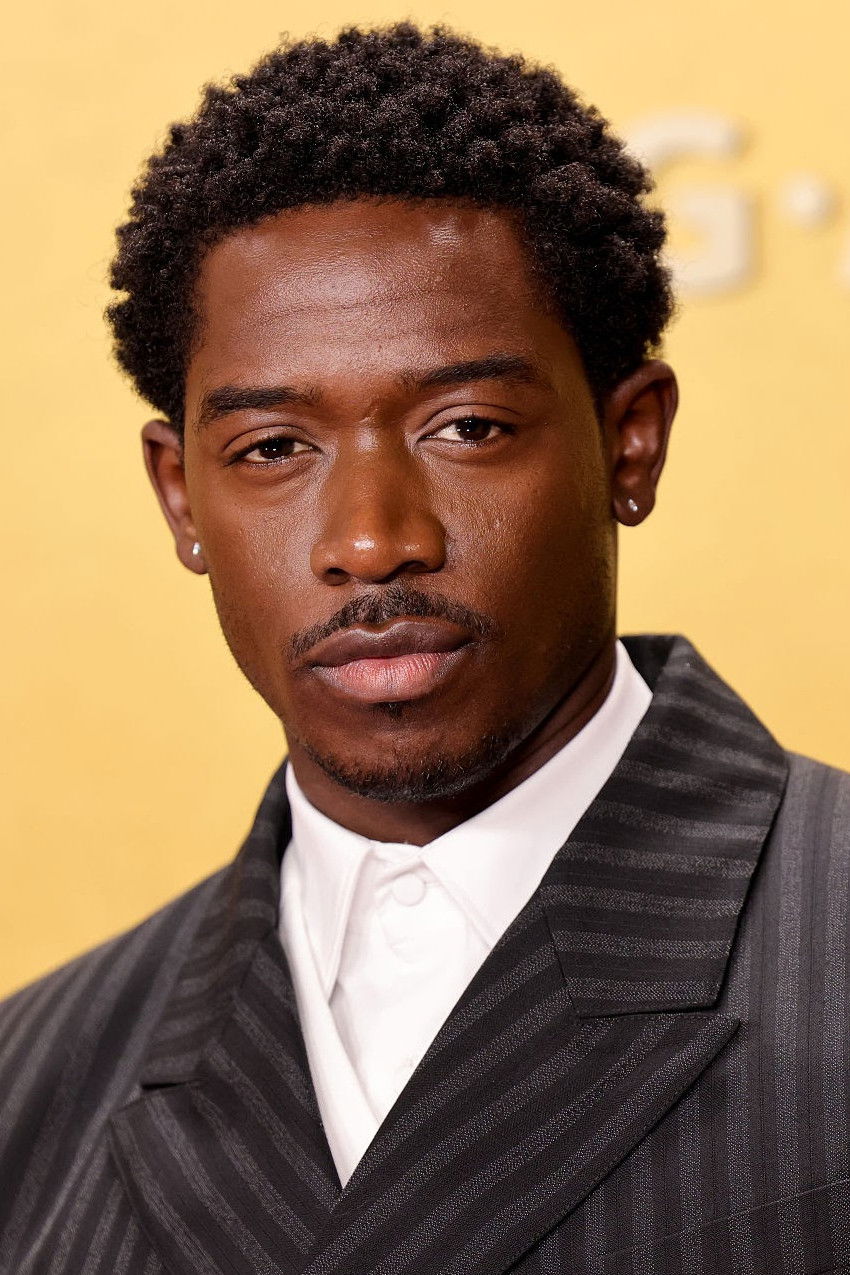
Damson Idris has reflected on the differences between the British and American entertainment industries regarding racial tropes. He observed that while the United States offers more opportunities for Black leads they often come with specific expectations of urban trauma. Idris has expressed a desire to play roles that showcase a broader range of the Black experience including vulnerable and intellectual characters. His performance in ‘Snowfall’ demonstrates his commitment to bringing depth to complex figures.
Michael B. Jordan
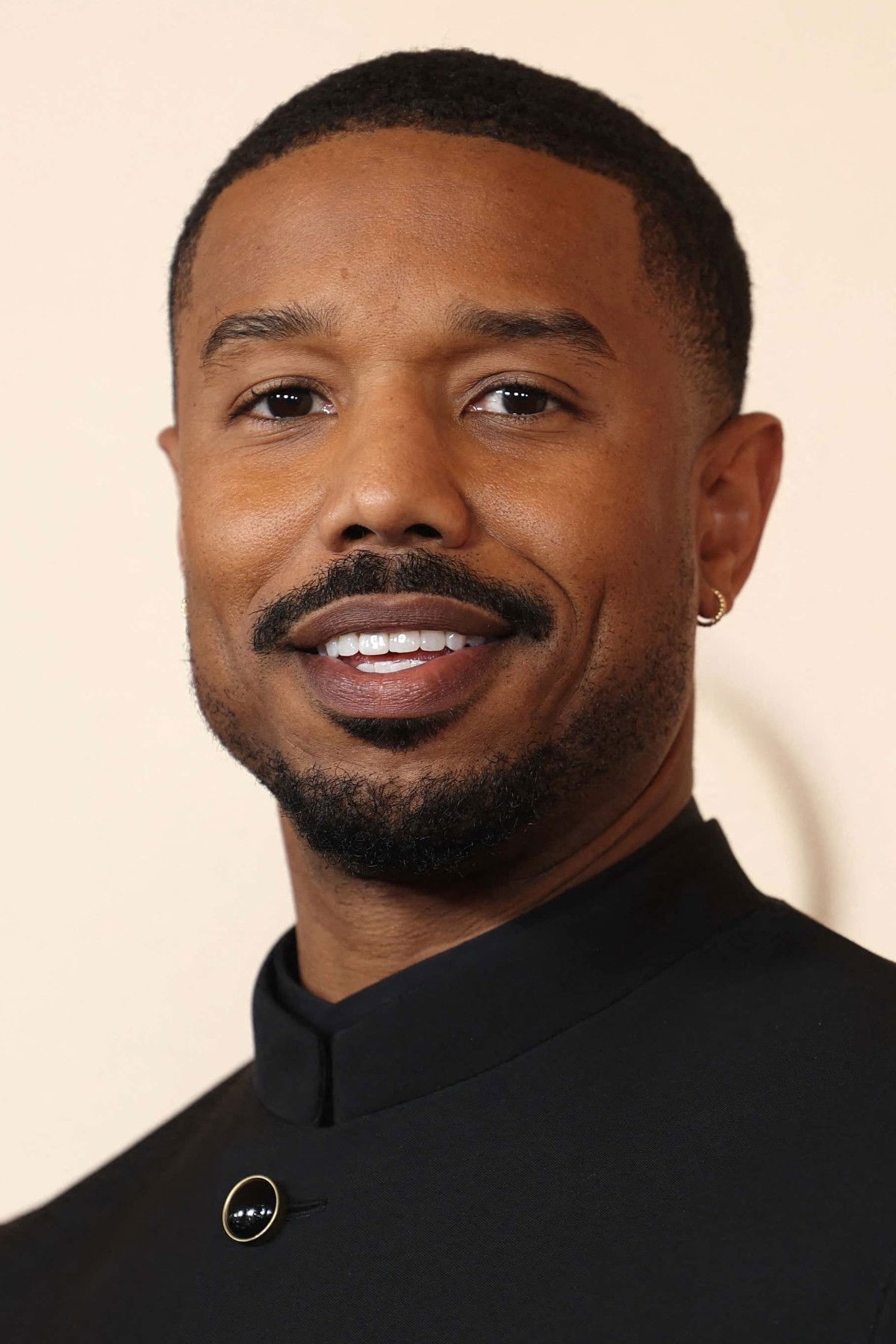
Michael B. Jordan has used his influence to implement inclusion riders and ensure more diverse voices are heard behind the scenes. He has spoken about his early career struggles where he was often offered roles that relied on urban stereotypes. Jordan intentionally chose roles in ‘Creed’ and ‘Black Panther’ to redefine what a Black protagonist can look like on the global stage. He believes that true change comes from having Black people in positions of power who can greenlight new stories.
Lupita Nyong’o
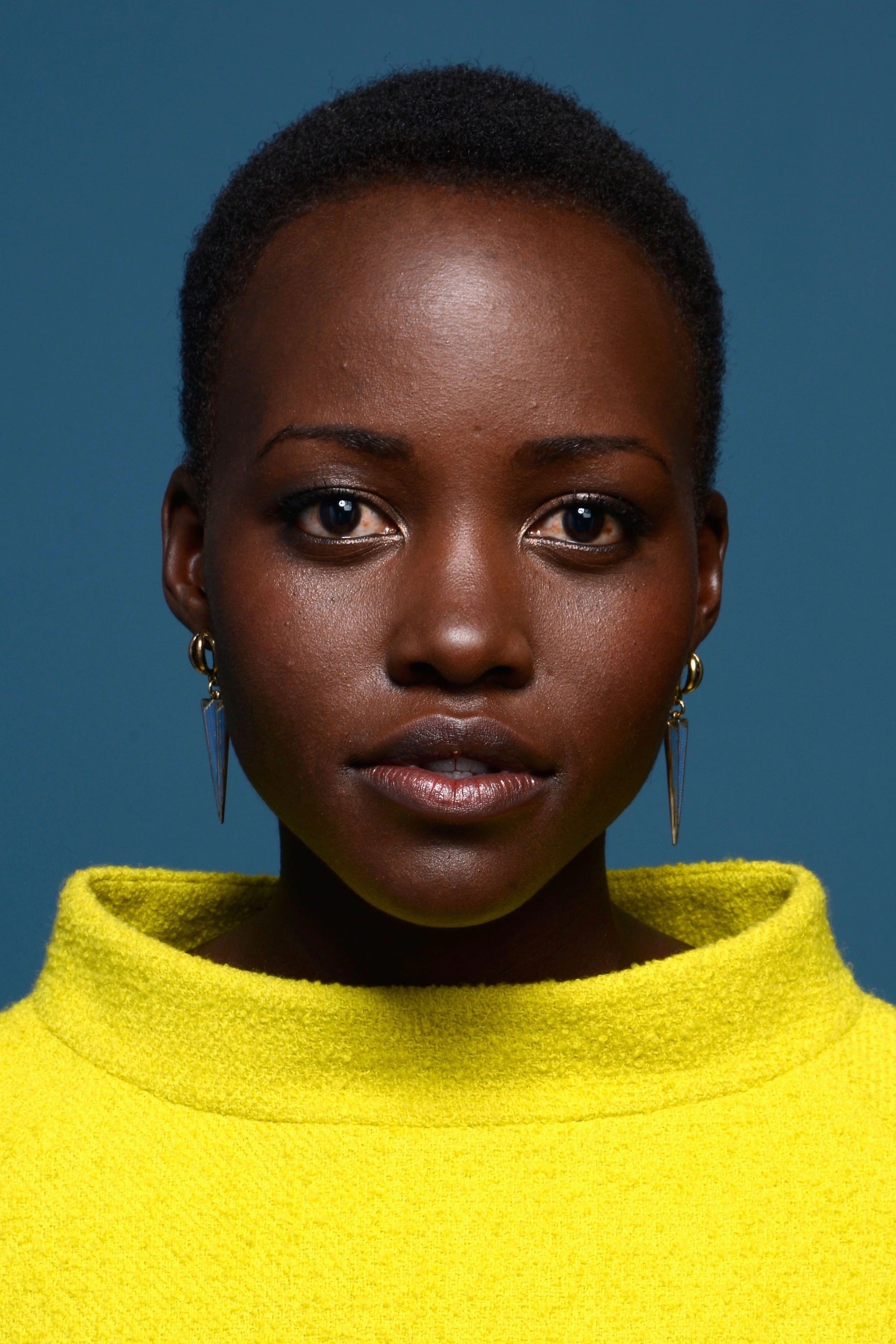
Lupita Nyong’o has addressed colorism and how the industry often values a very narrow range of Black beauty. She shared how she struggled to see herself represented in films that did not rely on tropes of servitude or tragedy. Nyong’o advocates for stories that celebrate African culture and heritage without framing them through a Western or colonial lens. Her role in ‘Us’ showcased her ability to lead a major horror film as a complex and layered character.
Cynthia Erivo
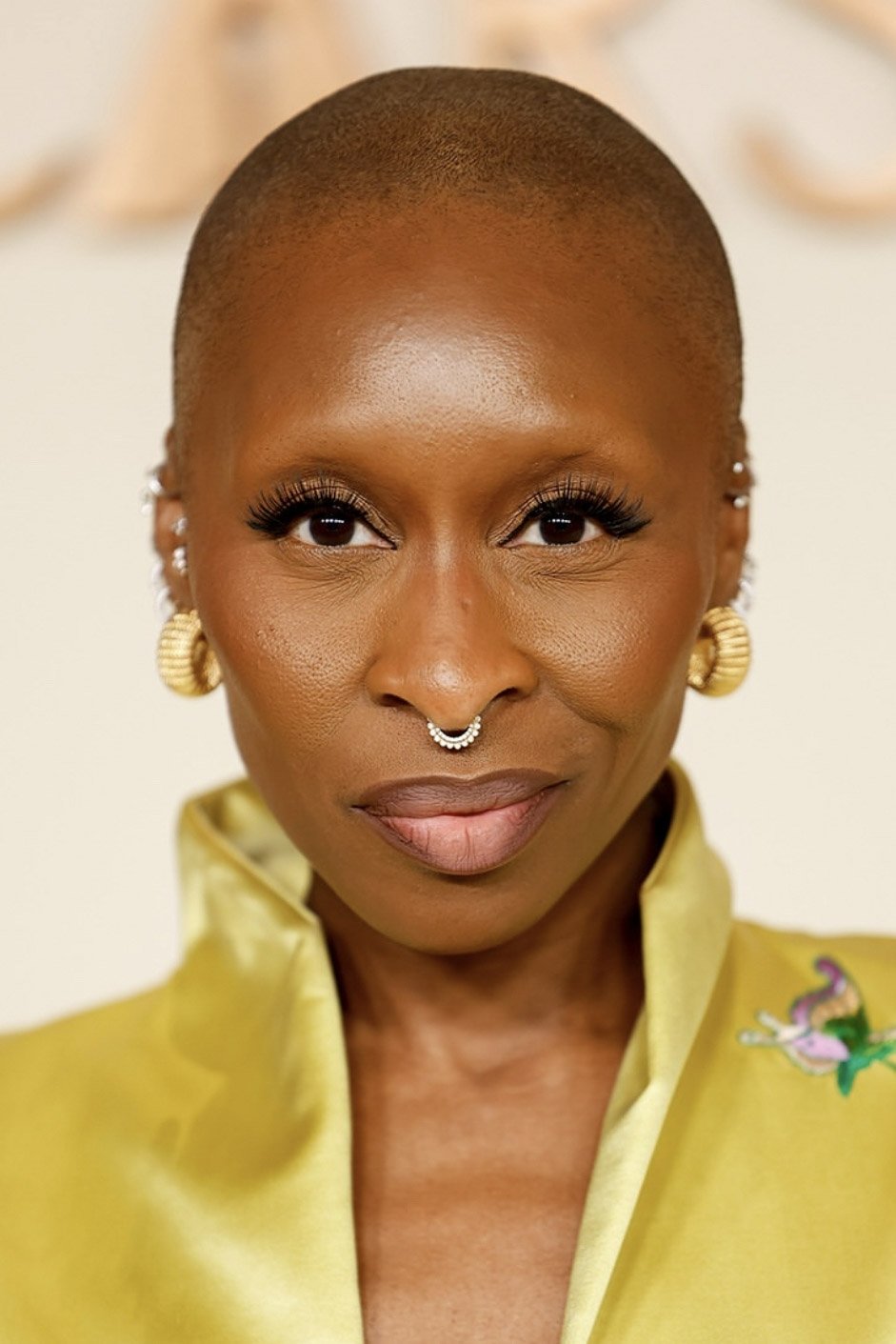
Cynthia Erivo has spoken about the pressure on Black actors to constantly portray historical figures or symbols of resilience. She noted that while these stories are important they can sometimes overshadow the need for contemporary and fictional narratives. Erivo highlighted that the industry often feels more comfortable with Black history than with Black futures or fantasies. She continues to seek out roles that challenge these conventions across film and stage.
Ruth Negga
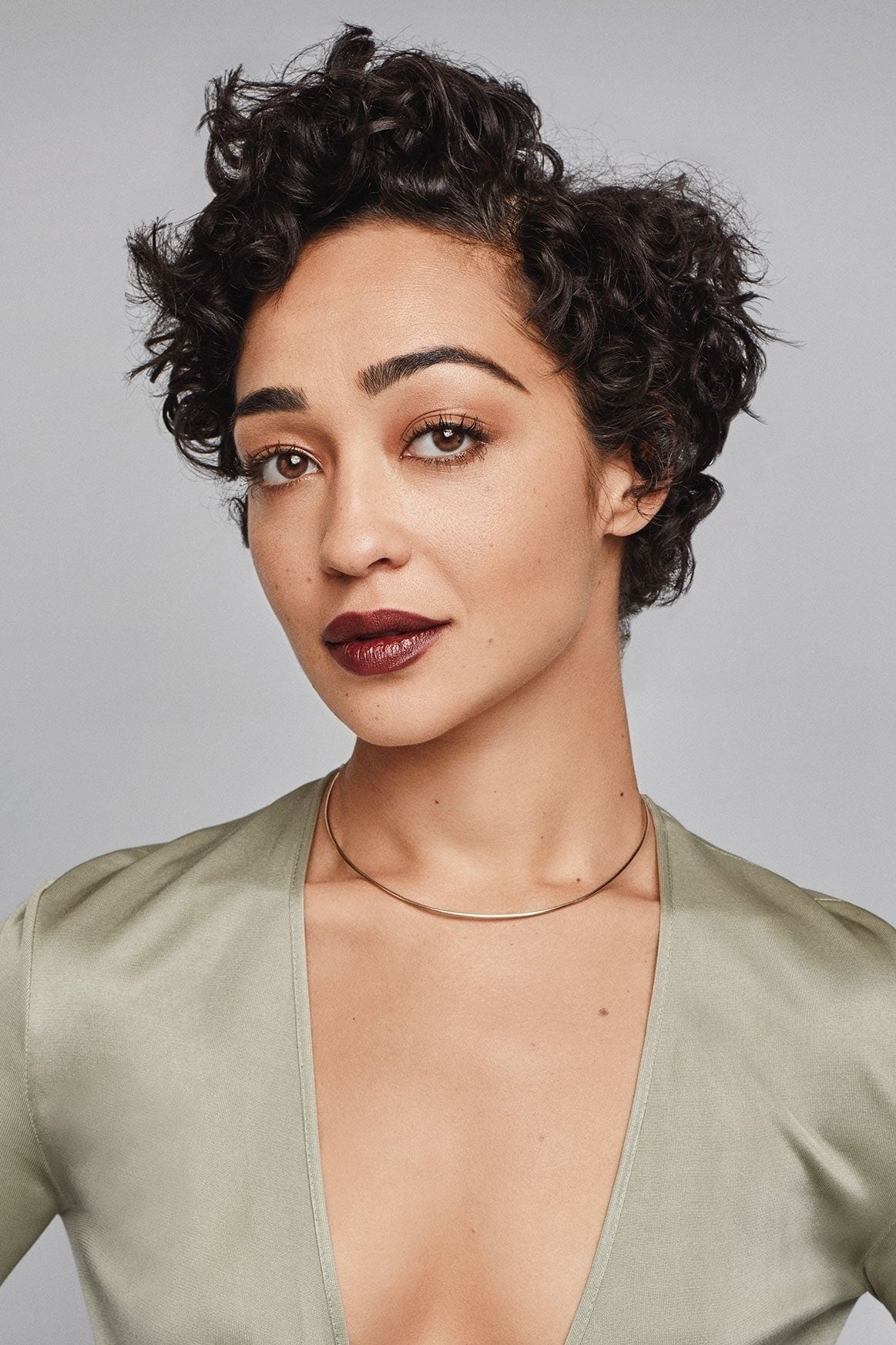
Ruth Negga has discussed the invisibility that can come with being a Black actress who does not fit into specific loud or aggressive tropes. She often portrays characters with a quiet intensity that defies common expectations of how Black women should behave on screen. Negga believes that the industry needs to recognize the value of subtlety and nuance in performances by actors of color. Her role in ‘Loving’ highlighted the power of an understated performance in a historical context.
Regina King
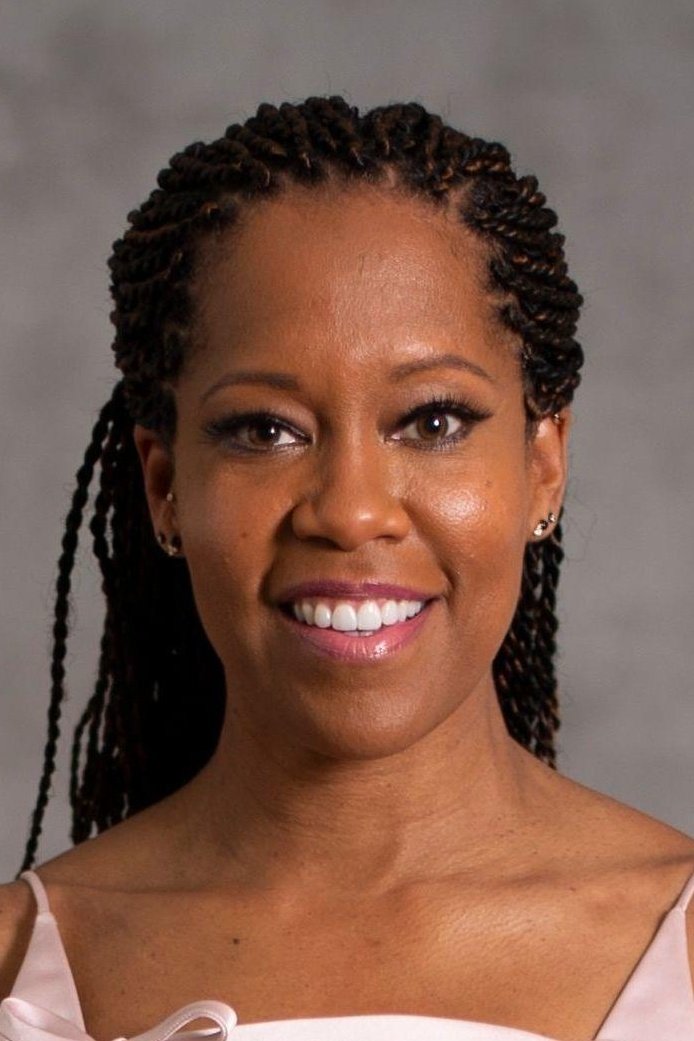
Regina King has transitioned into directing to have more control over the narratives being told about Black people. She has criticized the industry for often relegating Black talent to the background of white-led stories. King emphasized that she wants to see Black characters who are allowed to exist in every genre from period pieces to science fiction. Her directorial debut ‘One Night in Miami’ showcased the intellectual and personal lives of Black icons away from the public eye.
Tessa Thompson
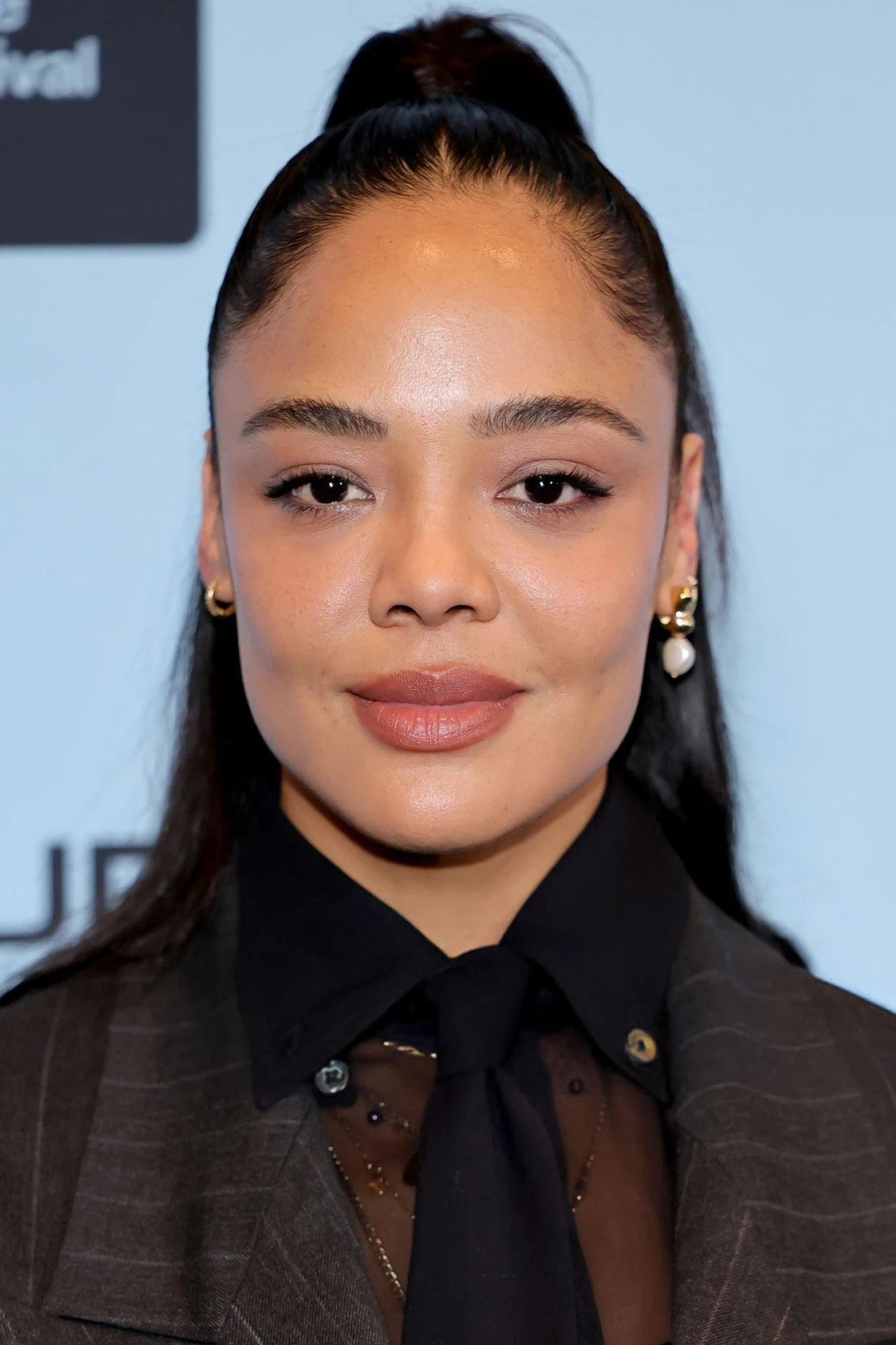
Tessa Thompson has voiced her concerns about the strong Black woman trope which can be just as limiting as more negative stereotypes. She argued that this archetype often denies Black female characters the right to be vulnerable or soft. Thompson aims to play roles that explore a wide spectrum of emotions and identities as seen in her work in ‘Passing’. She believes that representation is not just about being present but about having the freedom to be complex.
Samuel L. Jackson
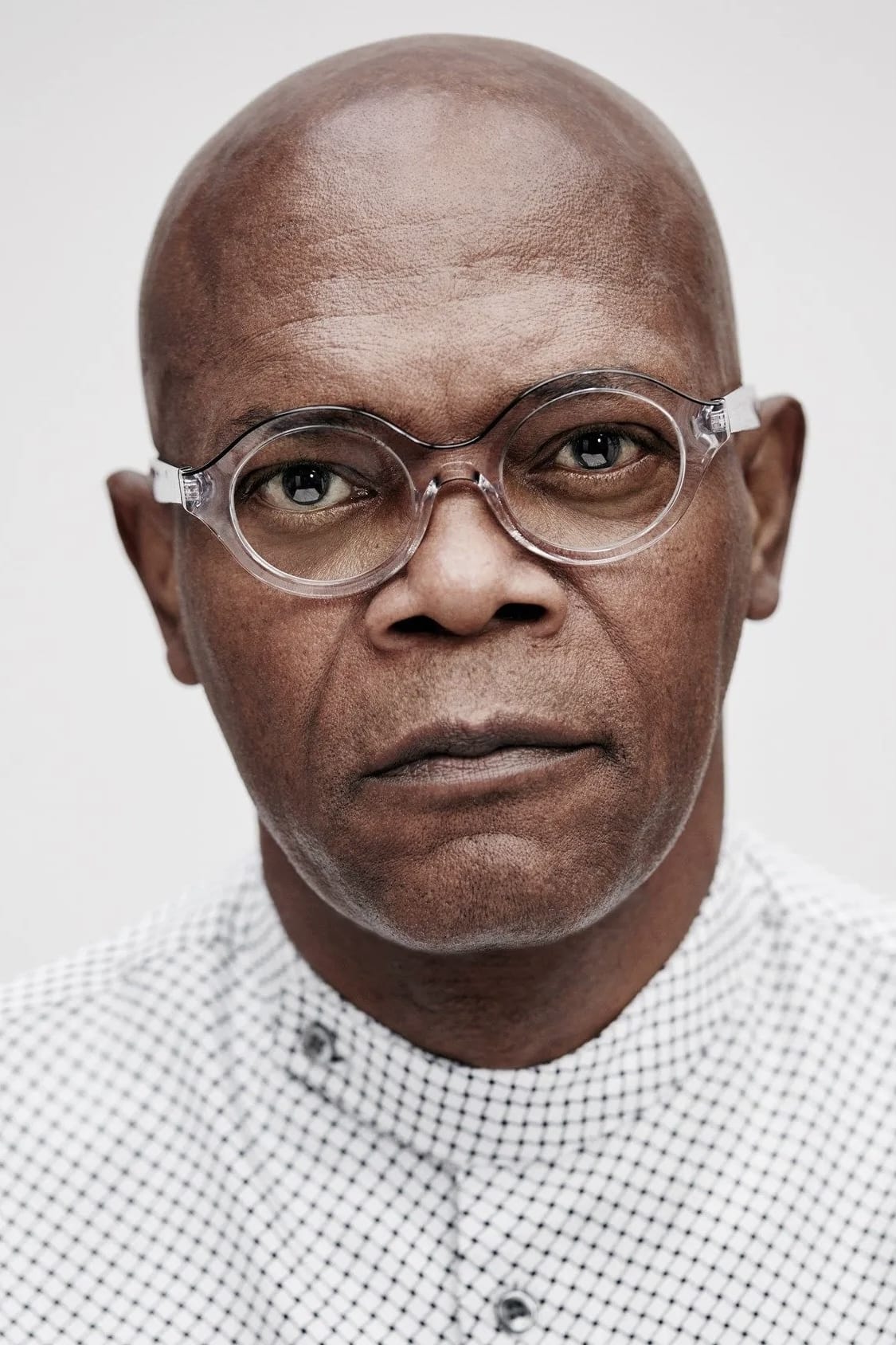
Samuel L. Jackson has been vocal about the way the industry uses certain tropes to define Black masculinity. He has spoken about the transition from the blaxploitation era to the modern day and how some themes have remained stagnant. Jackson often critiques the lack of leading roles for Black actors in high-budget films that do not focus on race. He has used his long career to demonstrate that Black actors can be bankable stars in any type of movie.
Octavia Spencer
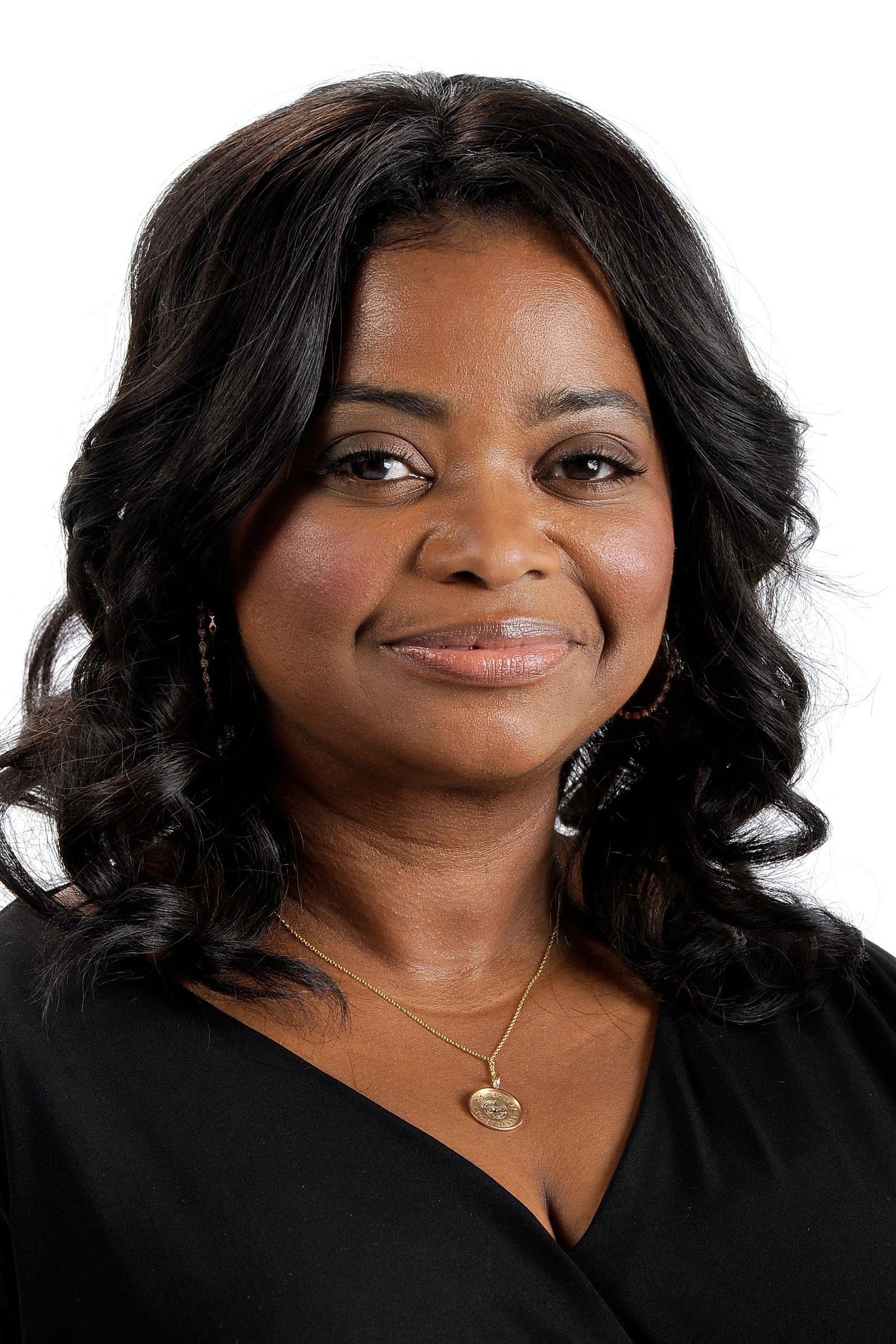
Octavia Spencer has discussed the difficulty of moving beyond the roles of domestic workers and helpers. Despite her success she noted that she is still frequently offered characters that are extensions of the mammy archetype. Spencer has emphasized the importance of Black actors having the chance to play scientists and other professional roles. She actively looks for projects that allow her to break out of the box that Hollywood has built for her.
Sterling K. Brown
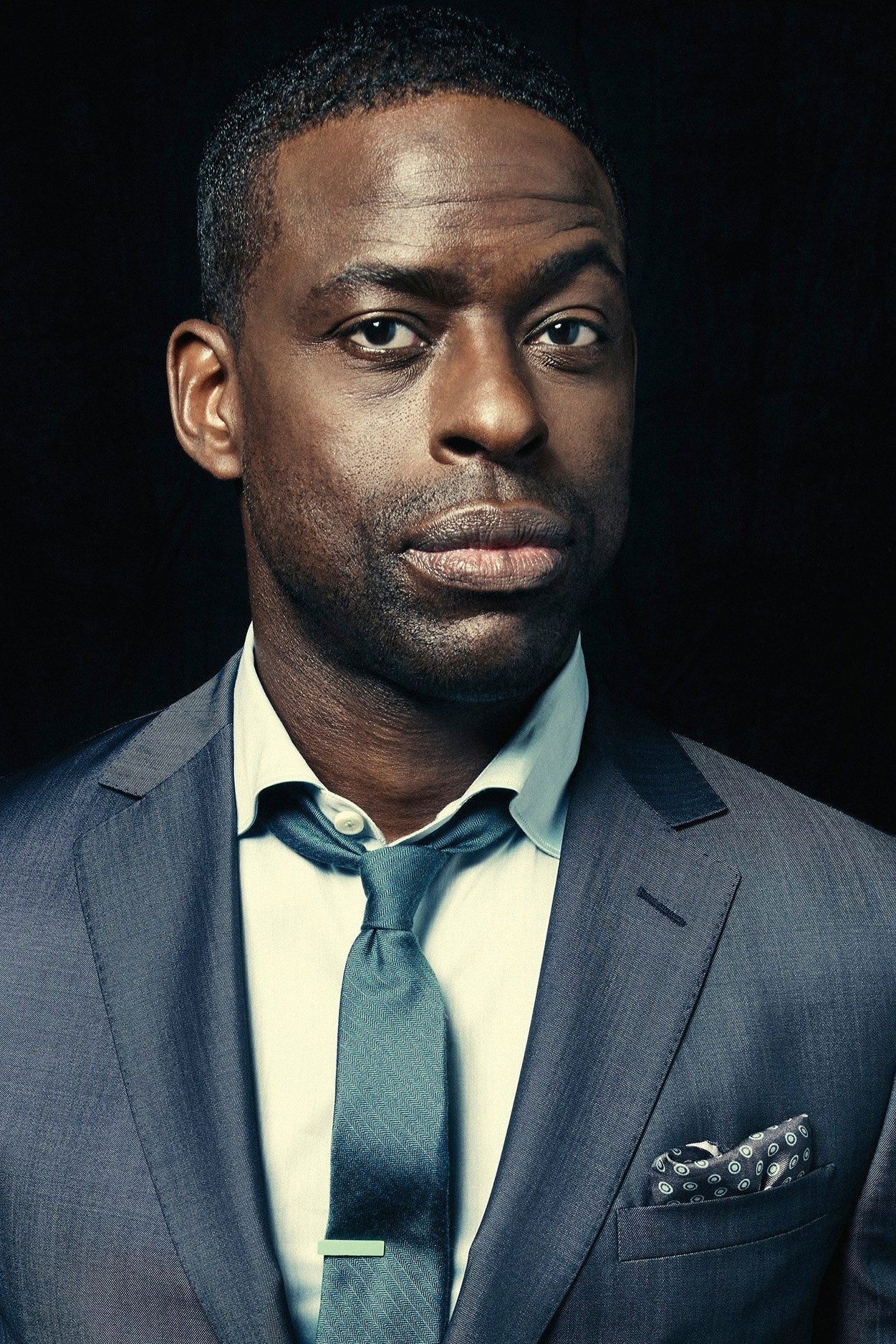
Sterling K. Brown has reflected on the importance of seeing Black families portrayed with love and normalcy on television. He noted that for a long time the industry focused primarily on Black struggle or broken homes. Brown believes that showing the everyday lives and emotional complexities of Black people is a form of activism. His work on ‘This Is Us’ has been a significant part of changing the narrative around Black fatherhood and family life.
Zendaya

Zendaya has been open about her privilege as a light-skinned Black woman and how she uses her platform to advocate for others. She has acknowledged that the industry often uses her as a safe version of diversity while ignoring darker-skinned actresses. Zendaya has spoken about her refusal to accept roles that she feels are one-dimensional or rely on racial clichés. She aims to play characters that are defined by their actions and personality rather than their appearance.
Anthony Mackie
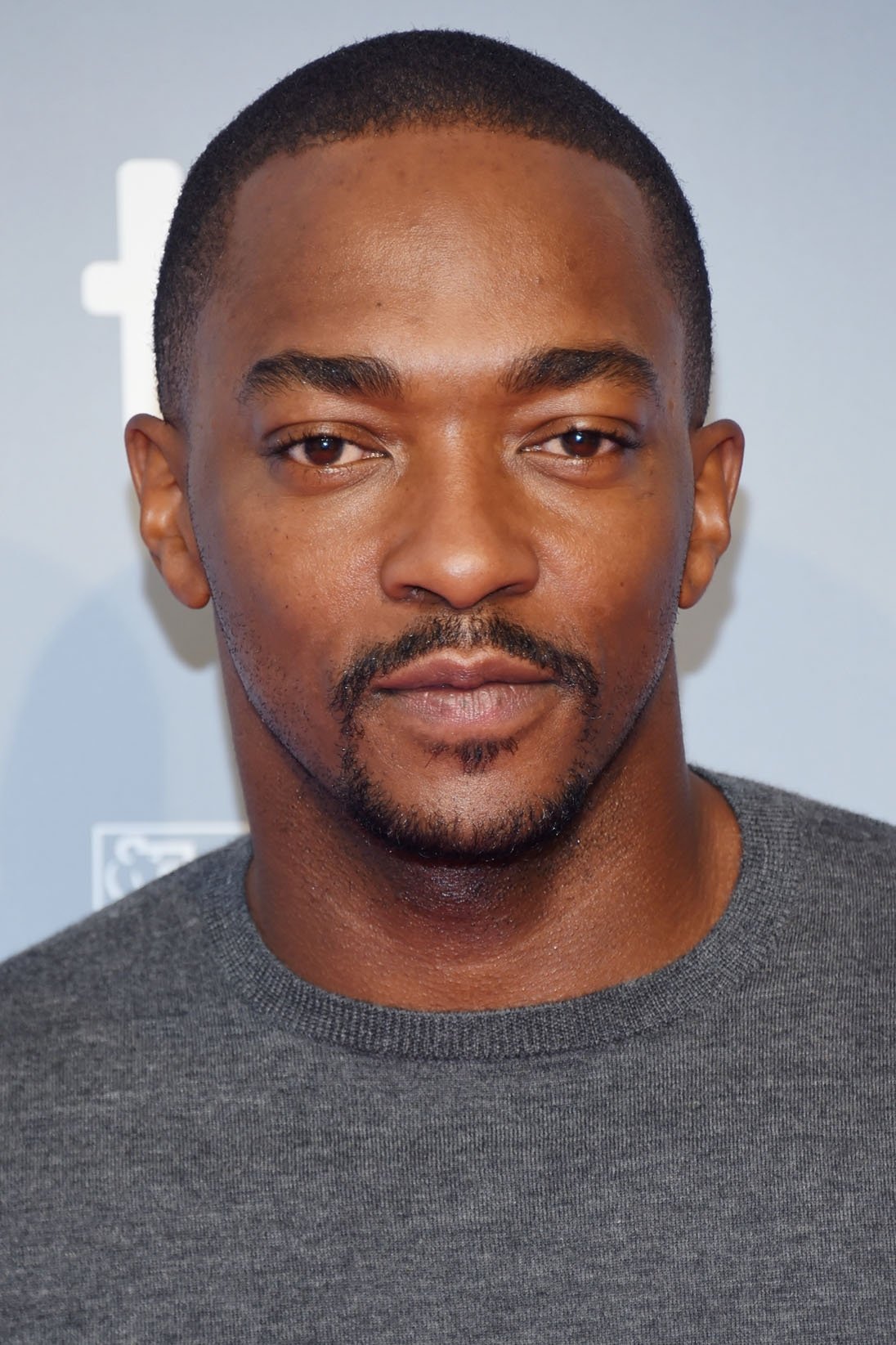
Anthony Mackie has criticized the lack of diversity in the production teams behind major motion pictures. He argued that when the people making the movies do not understand the culture they often fall back on tired tropes. Mackie has expressed a desire for more stories that show Black people simply living their lives without the burden of representing an entire race. He believes that the industry needs to move toward a more organic form of representation.
Issa Rae
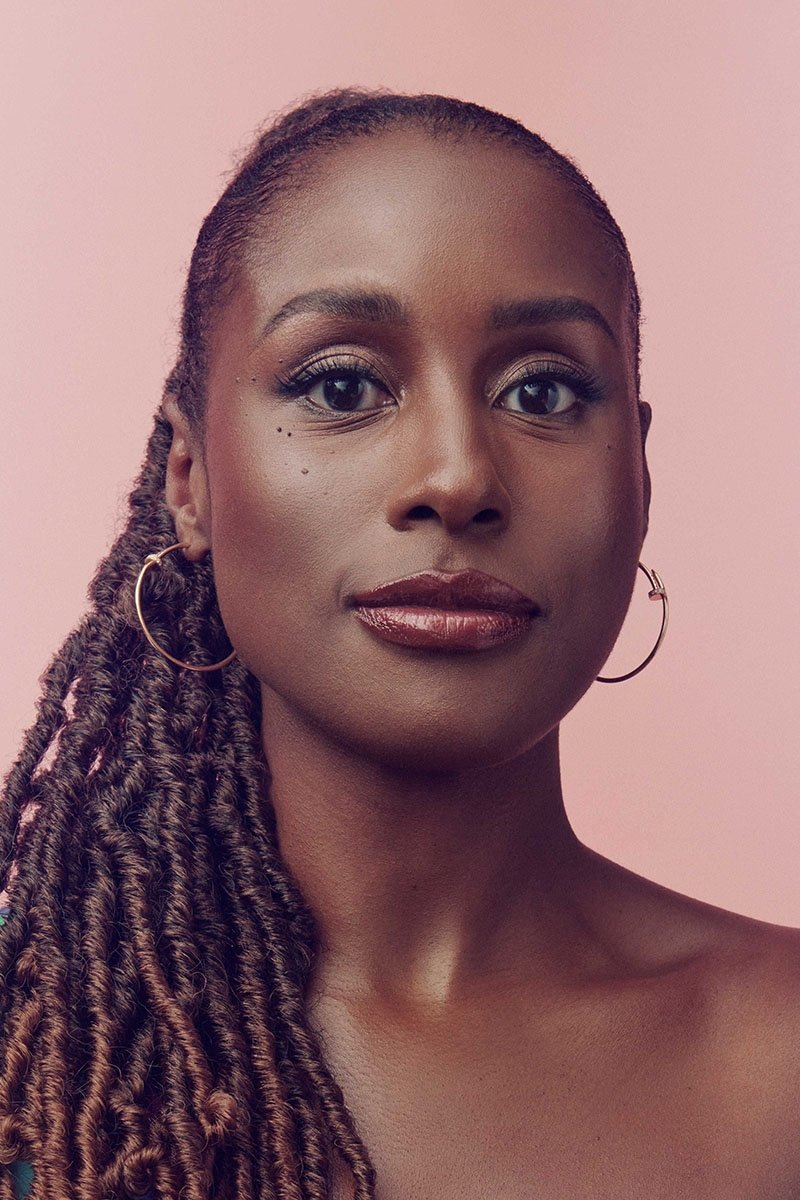
Issa Rae rose to fame by creating her own content that intentionally avoided Hollywood tropes. She felt that mainstream television did not represent the awkward and mundane experiences of Black women she knew. Rae has spoken about the industry’s tendency to want the Black version of existing shows rather than original ideas. Through her work she has opened doors for more authentic and relatable stories that bypass traditional stereotypes.
Donald Glover
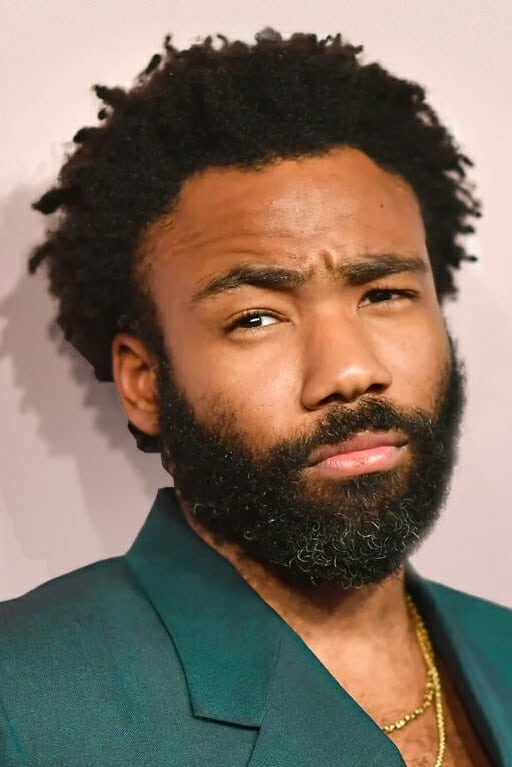
Donald Glover has used his series ‘Atlanta’ to subvert the expectations that viewers and the industry have for Black-led shows. He frequently uses surrealism and humor to highlight the absurdity of the racial tropes often forced upon Black creators. Glover has stated that he wants to create work that is unapologetically Black but also weird and unexpected. He believes that Black artists should not be restricted to any particular style or subject matter.
Lena Waithe
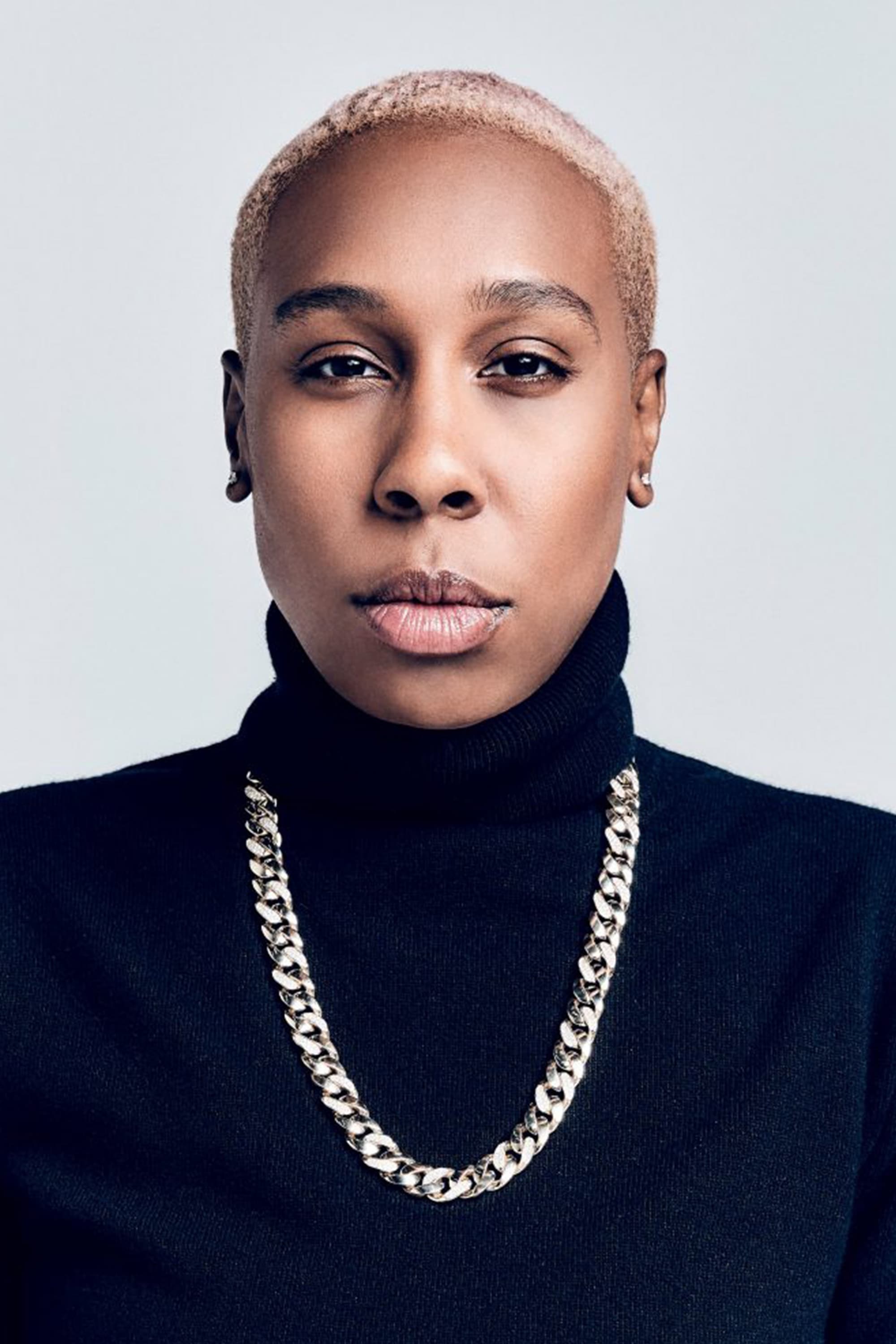
Lena Waithe has discussed the challenges of being a Black queer woman in an industry that often overlooks intersectional identities. She has noted that when the industry does include Black queer characters they are often defined by their pain or trauma. Waithe strives to create stories that celebrate Black joy and the mundane aspects of queer life. She believes that the key to better representation is having more diverse voices in the writers’ room.
David Oyelowo
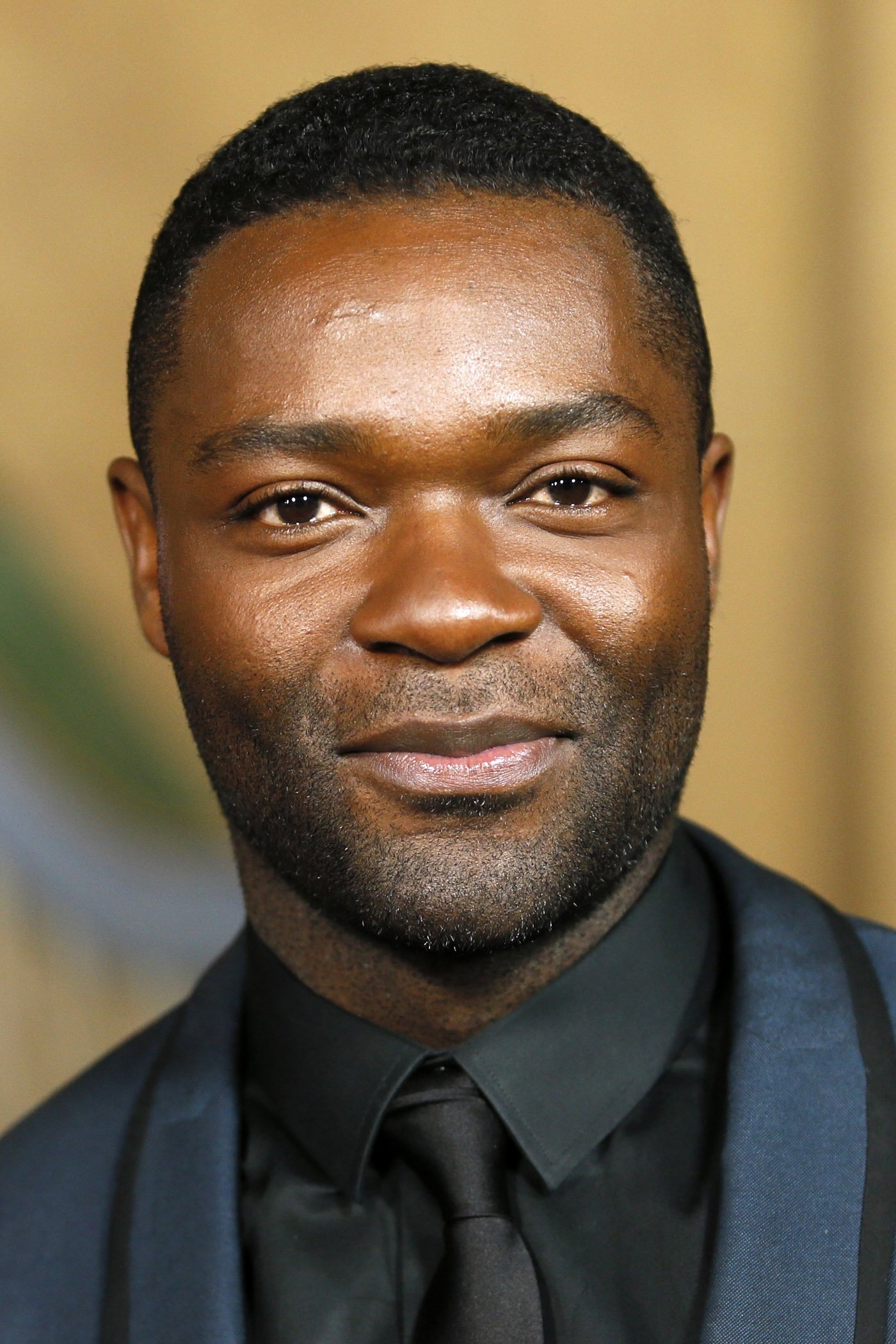
David Oyelowo has criticized the fact that many of the best roles for Black actors are found in films about the Civil Rights movement. While he acknowledges the importance of this history he feels that it should not be the only way Black actors gain recognition. Oyelowo has called for more roles in fantasy and period dramas where race is not the primary focus of the character. He continues to work toward expanding the types of stories that are considered prestigious in Hollywood.
Gugu Mbatha-Raw
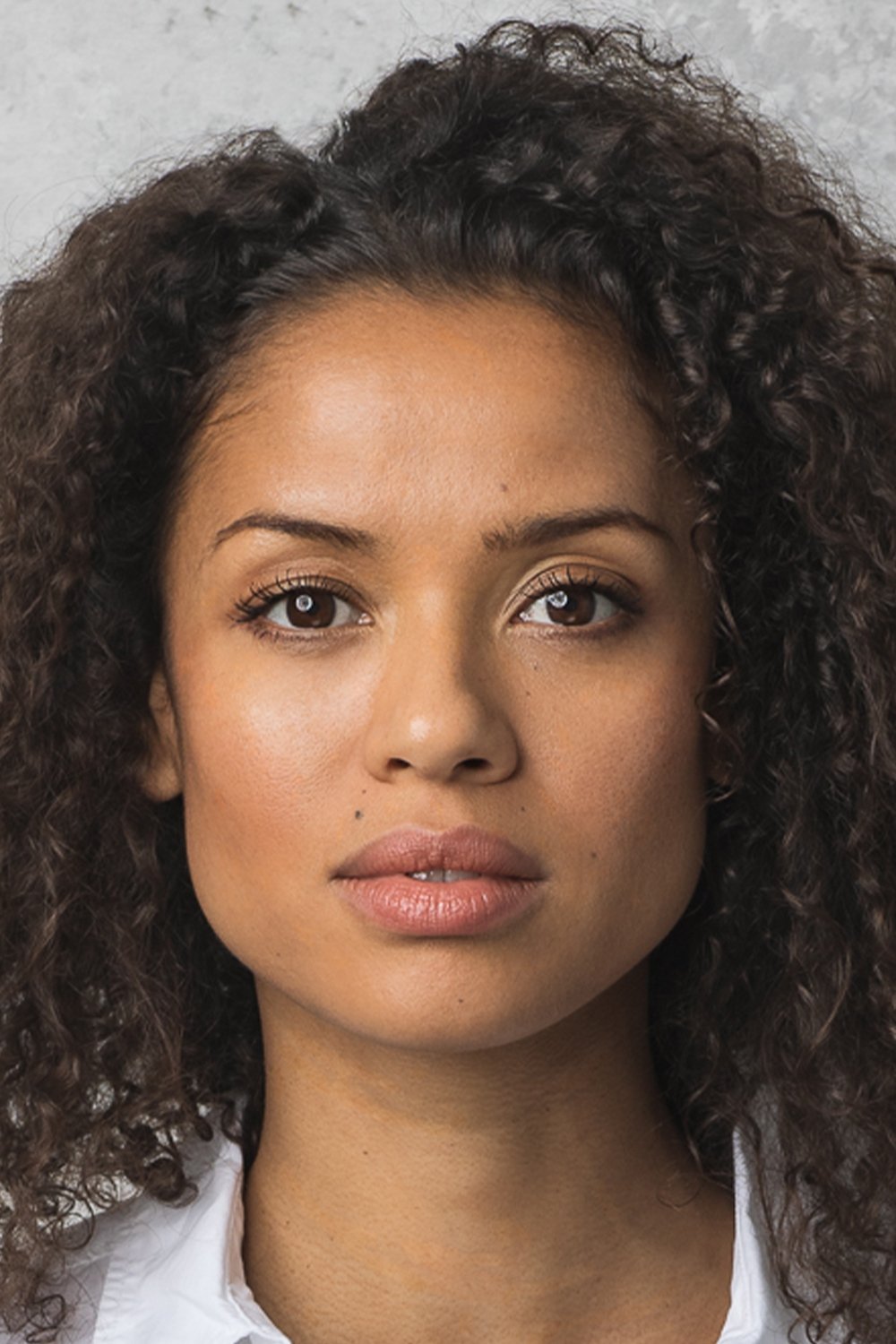
Gugu Mbatha-Raw has talked about the rarity of seeing Black women in period pieces that do not involve slavery. She pointed out that historical narratives often erase the presence of people of color in diverse social roles. Her performance in ‘Belle’ was a significant moment in showing a different side of history through a Black lens. She remains committed to projects that challenge the visual landscape of historical and contemporary cinema.
Keke Palmer

Keke Palmer has been in the industry since she was a child and has seen how tropes evolve for Black performers. She has spoken about the pressure to fit into specific boxes as she transitioned into adult roles. Palmer notes that Black actresses are often expected to be the cool girl or the strong leader without much room for vulnerability. She uses her social media and career choices to demonstrate a multifaceted personality that refuses to be labeled.
Michaela Coel
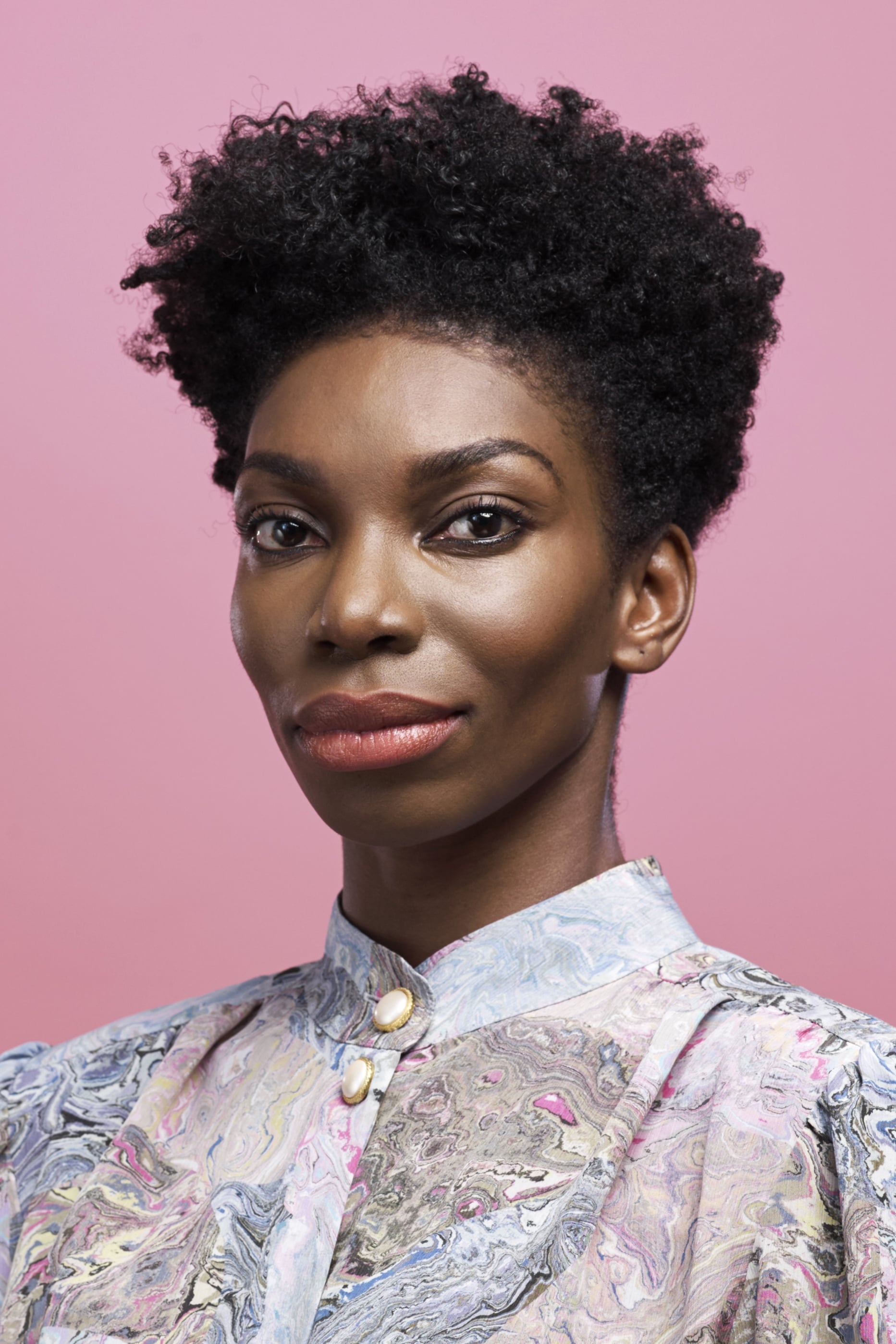
Michaela Coel has famously turned down massive deals to maintain creative control over her work and avoid industry tropes. She felt that some mainstream platforms wanted to soften her narratives to make them more palatable for a wider audience. Coel’s work in ‘I May Destroy You’ explored complex themes of trauma and healing without following traditional television structures. She believes that Black creators must be the ones to define their own stories and boundaries.
Sophie Okonedo
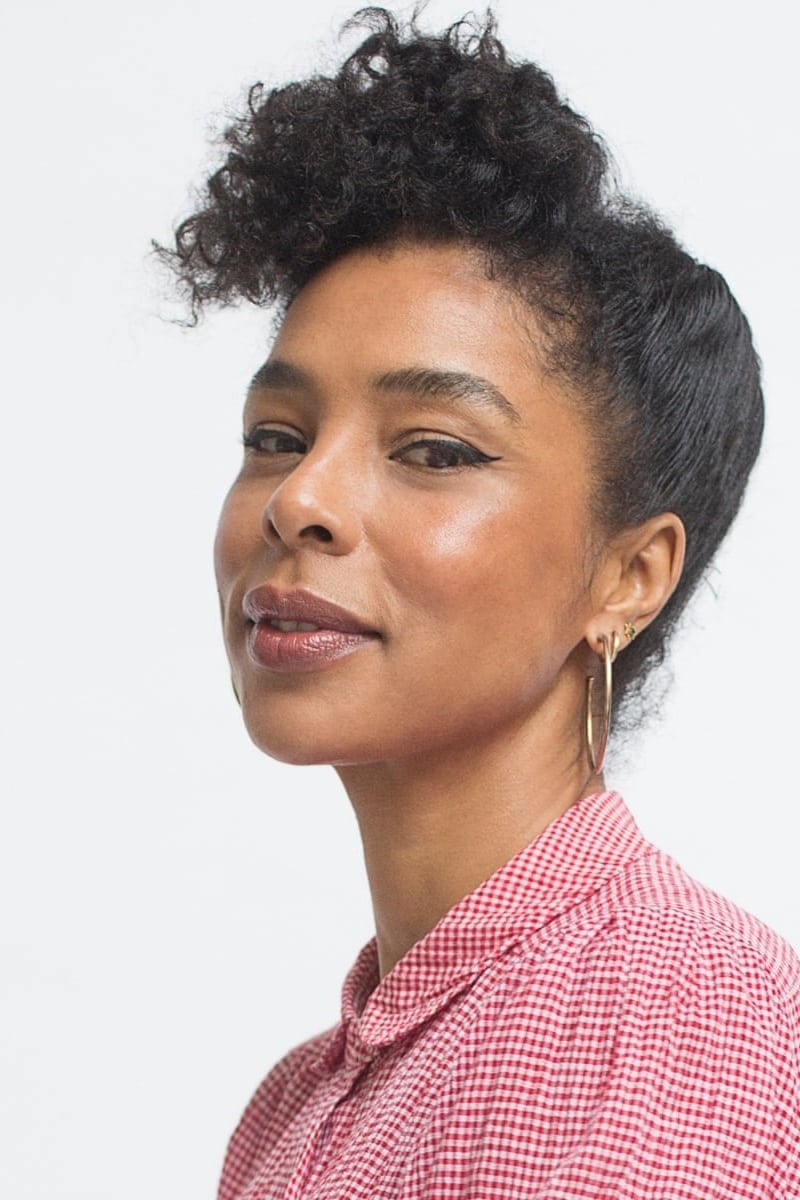
Sophie Okonedo has discussed the limited opportunities for Black actors in the United Kingdom which often leads them to seek work in America. She noted that casting directors frequently have a very narrow idea of what a Black character can be in British drama. Okonedo has faced challenges in finding lead roles that are not defined by race or specific historical contexts. She remains an advocate for color-blind casting that allows for more artistic freedom.
Winston Duke
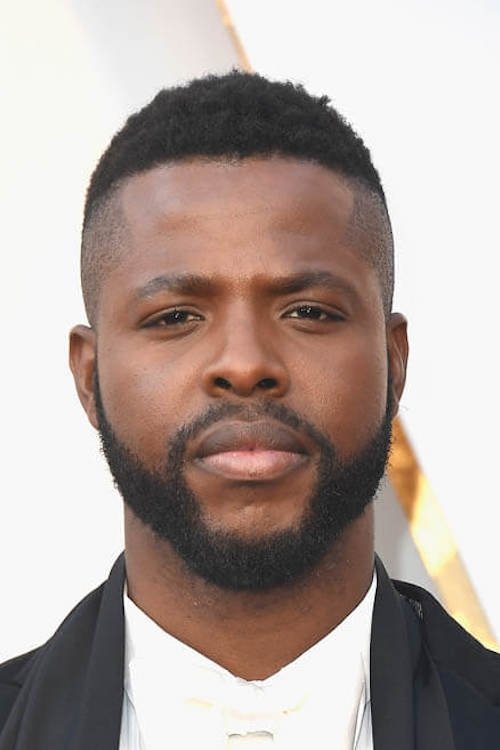
Winston Duke has spoken about the impact of seeing a dark-skinned man portrayed as a king and a hero in ‘Black Panther’. He noted that for a long time the industry relegated dark-skinned actors to roles as villains or muscle. Duke wants to continue playing characters that have intellectual depth and emotional complexity. He believes that the industry is slowly starting to see the value in diverse physical representations of Blackness.
Yahya Abdul-Mateen II
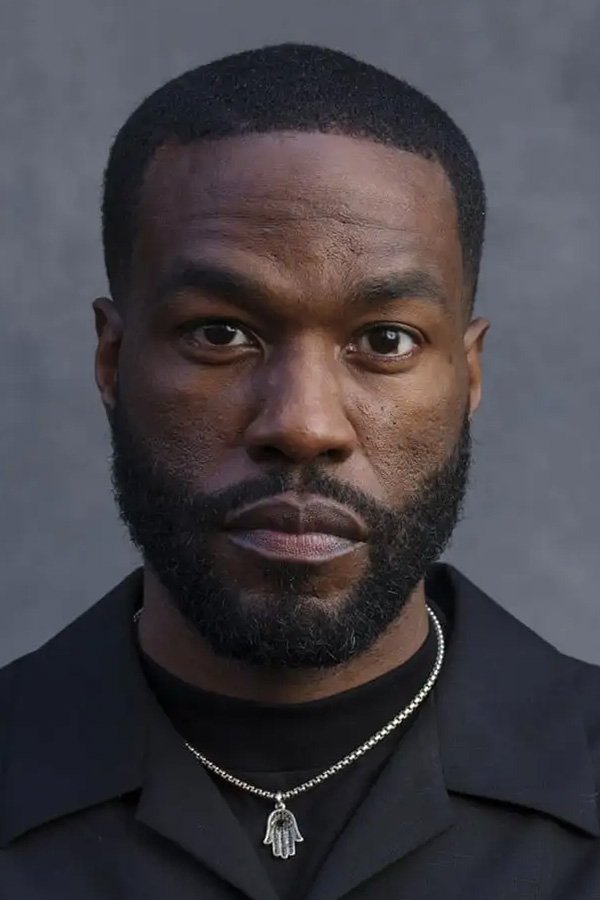
Yahya Abdul-Mateen II has addressed the importance of Black actors being allowed to play roles that are traditionally reserved for white actors. He has sought out projects that allow him to explore different genres from superhero movies to historical dramas. Abdul-Mateen believes that the industry should focus on the humanity of Black characters rather than their utility in a plot. He aims to bring a sense of grace and complexity to every role he takes on.
Kerry Washington
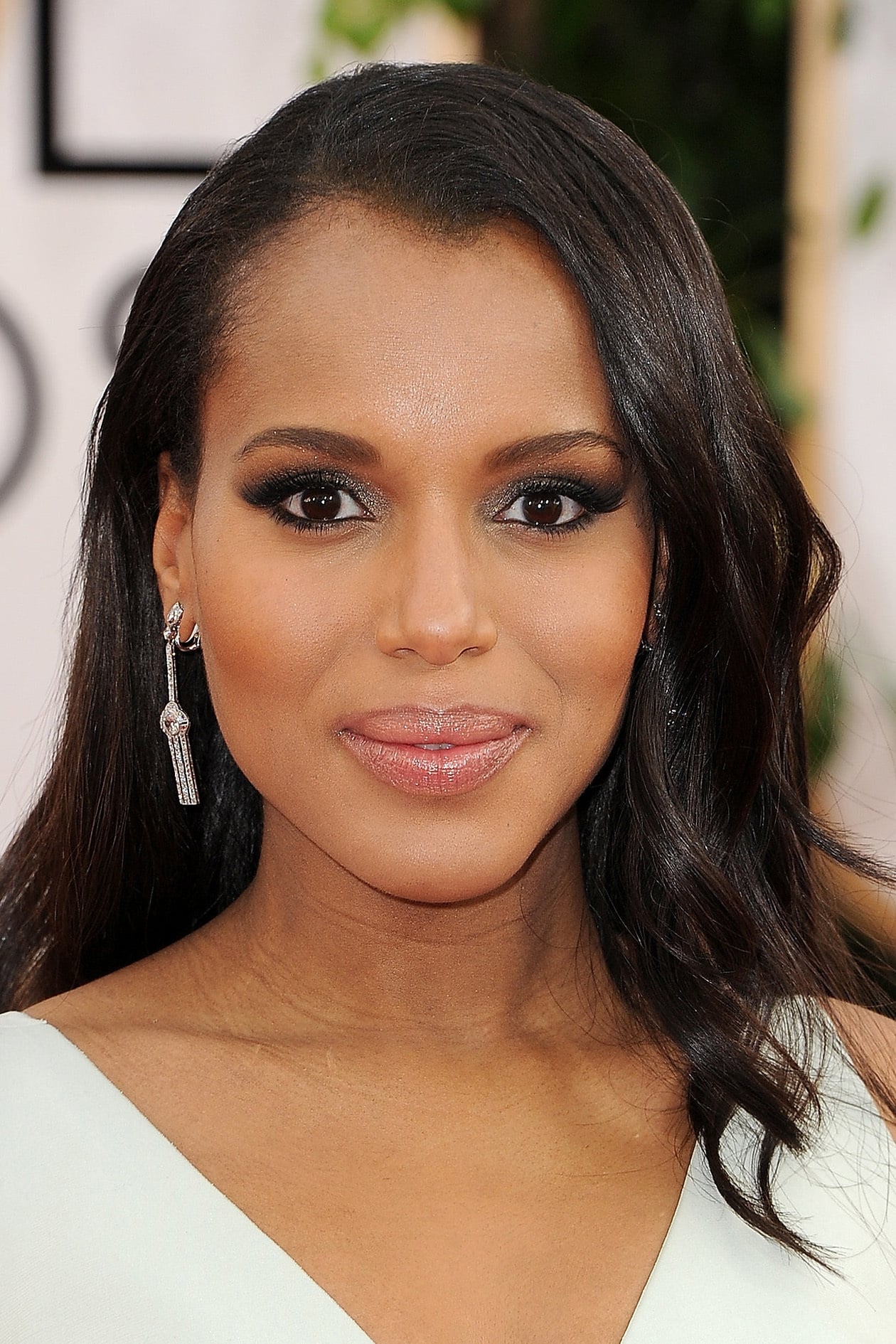
Kerry Washington has discussed the best friend trope and how it often limits the agency of Black female characters. She noted that early in her career she was often the only person of color on set which created a heavy burden of representation. Washington has used her success to produce content that centers Black women as the leads of their own stories. She believes that seeing Black women in positions of power on screen can change real-world perceptions.
Teyonah Parris
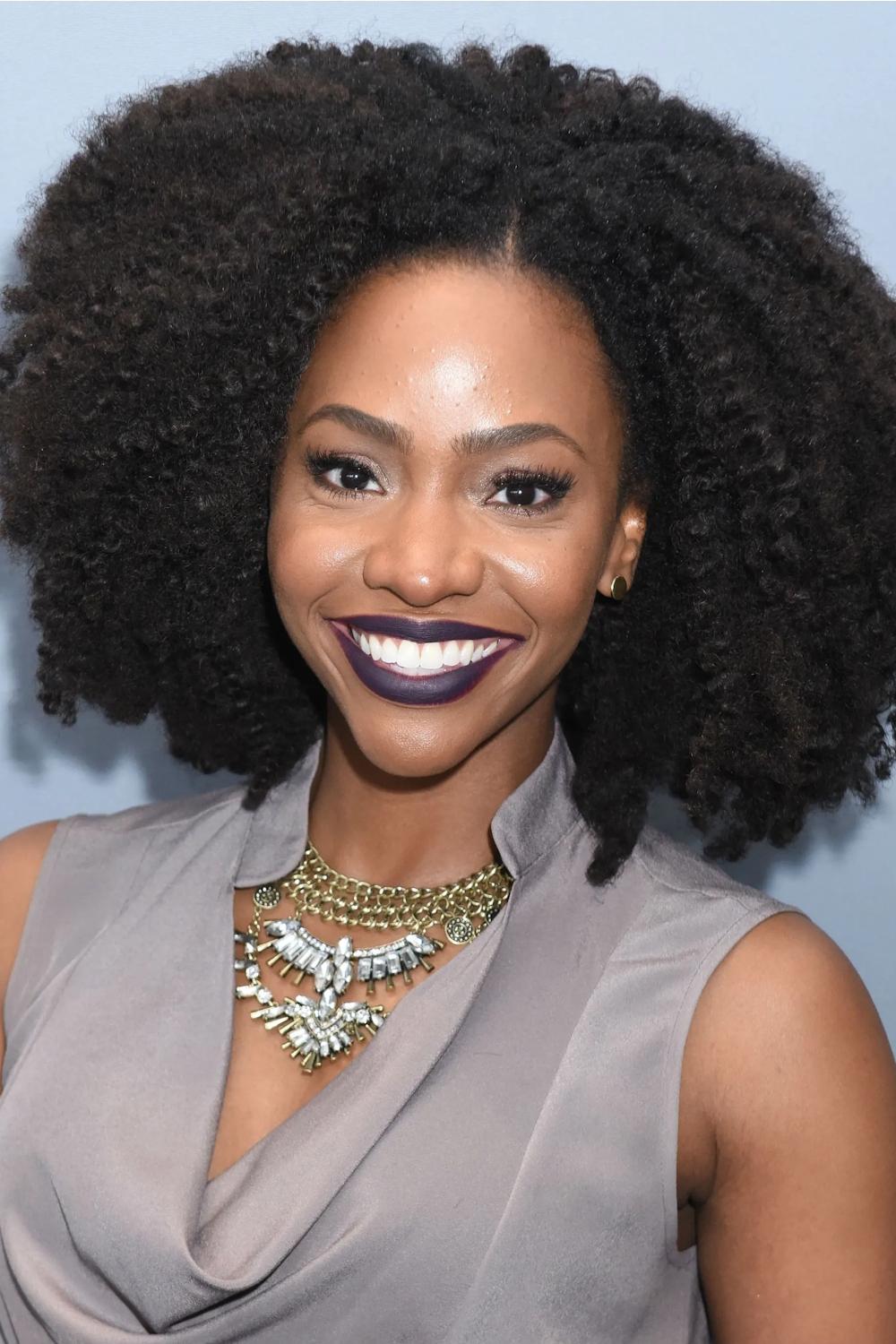
Teyonah Parris has been vocal about the importance of authentic hair and beauty representation for Black women in film. She noted that the industry often expects Black women to conform to Eurocentric standards to be considered professional or beautiful. Parris has made a point of wearing her natural hair in various roles to challenge these narrow tropes. She believes that true representation includes the physical details that make Black people unique.
Jurnee Smollett

Jurnee Smollett has spoken about the historical exclusion of Black actors from certain genres like horror and fantasy. She expressed her excitement at being part of projects that allow Black characters to be the heroes of supernatural stories. Smollett believes that the industry is finally realizing that Black-led genre films have a massive global appeal. She continues to push for roles that allow her to showcase her range and physical capabilities.
Daveed Diggs
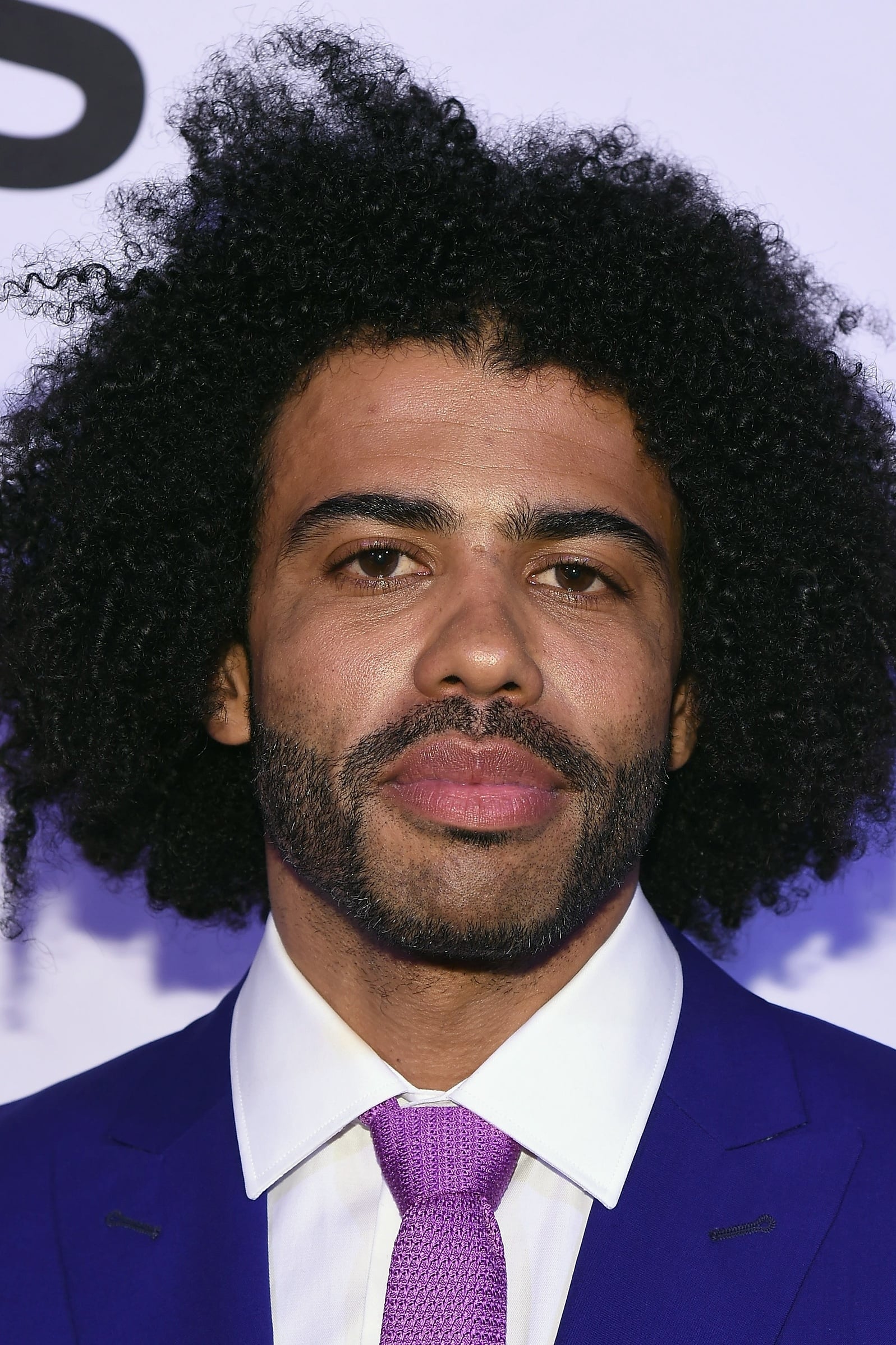
Daveed Diggs has explored the intersection of race and performance through his work in theater and film. He has discussed how the industry often wants a specific type of Black performance that fits into a comfortable box. Diggs seeks out experimental and unconventional projects that challenge these expectations. He believes that Black artists should have the freedom to be as avant-garde or abstract as they wish.
Dominique Fishback
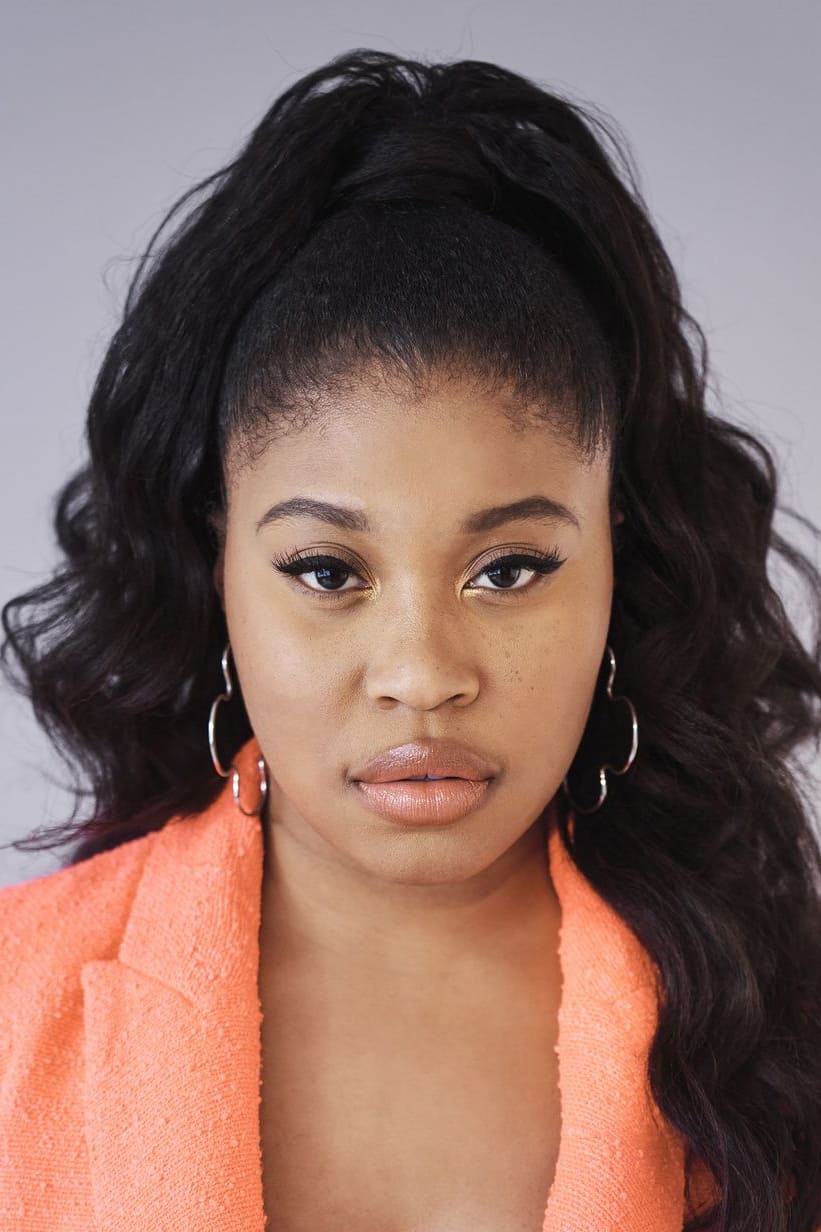
Dominique Fishback has reflected on the emotional labor that is often expected of Black actresses in dramatic roles. She noted that characters are frequently written to be the emotional anchor for others without having their own needs addressed. Fishback aims to bring a sense of internal life and poetry to her characters to move beyond these tropes. Her work in ‘Judas and the Black Messiah’ showcased her ability to find the humanity in a historical figure.
Brian Tyree Henry
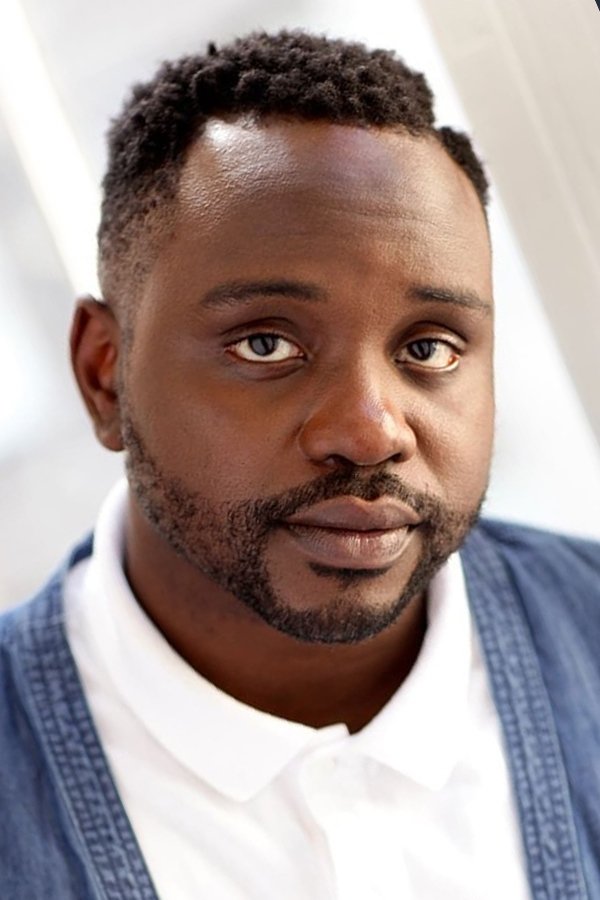
Brian Tyree Henry has spoken about the industry’s tendency to cast him in roles based on his physical stature. He has worked hard to show that he can play characters who are sensitive and intellectual and deeply human. Henry believes that Black men are often denied the right to be vulnerable on screen. He continues to choose roles that subvert these expectations and allow for a broader range of masculinity.
LaKeith Stanfield
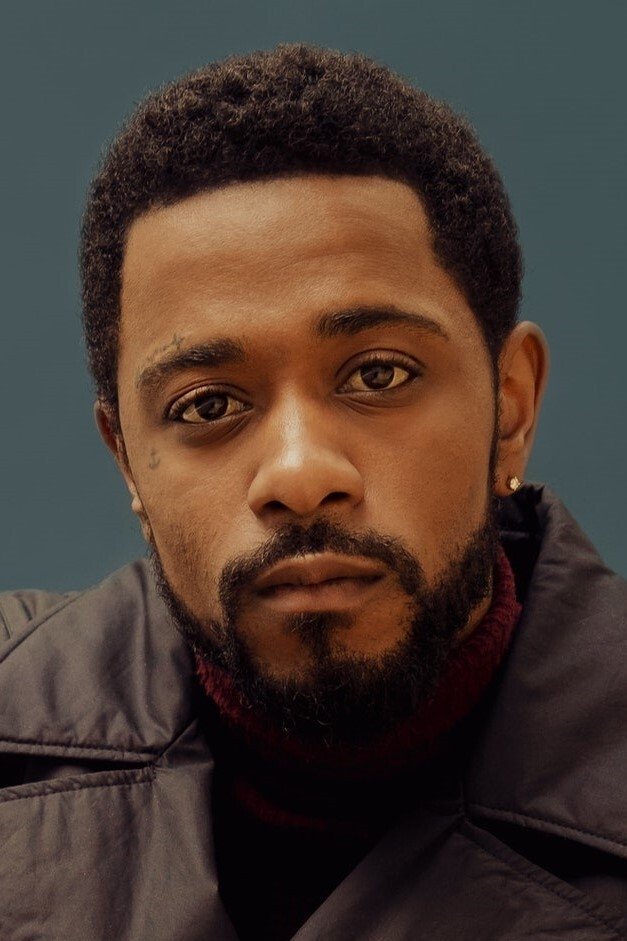
LaKeith Stanfield has used his career to portray a wide variety of idiosyncratic and unconventional Black characters. He has often spoken about his desire to avoid the cool or tough tropes that are typically assigned to Black actors. Stanfield believes that there is a lack of representation for Black people who are socially awkward or eccentric. His performances often challenge the audience to see Blackness in a more diverse and unexpected light.
Danai Gurira
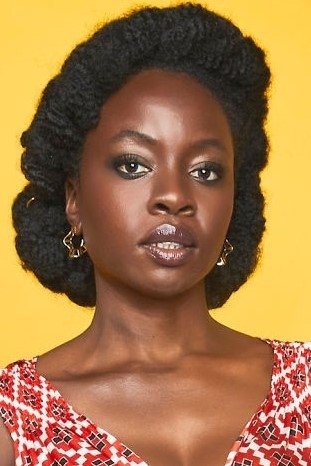
Danai Gurira has used her platform as both an actress and a playwright to challenge stereotypes about African people. She has spoken about how the industry often presents Africa as a monolith of struggle or exoticism. Gurira wants to show the vibrancy and diversity of the continent through complex and empowered characters. Her role as Okoye in the Marvel Cinematic Universe was a major step in redefining the image of African warriors.
Alfre Woodard
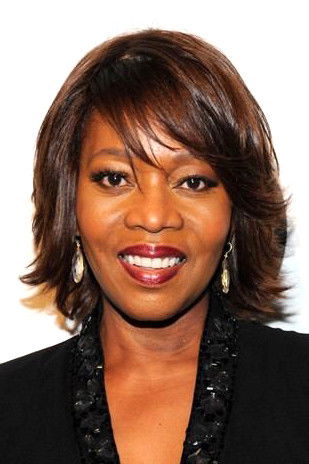
Alfre Woodard has been a mainstay in the industry for decades and has seen the slow pace of change regarding racial tropes. She has discussed the importance of longevity for Black actors who are often treated as temporary trends. Woodard believes that the industry needs to invest in Black talent for the long term rather than just during specific cultural moments. She continues to advocate for scripts that respect the depth and wisdom of Black characters of all ages.
Don Cheadle
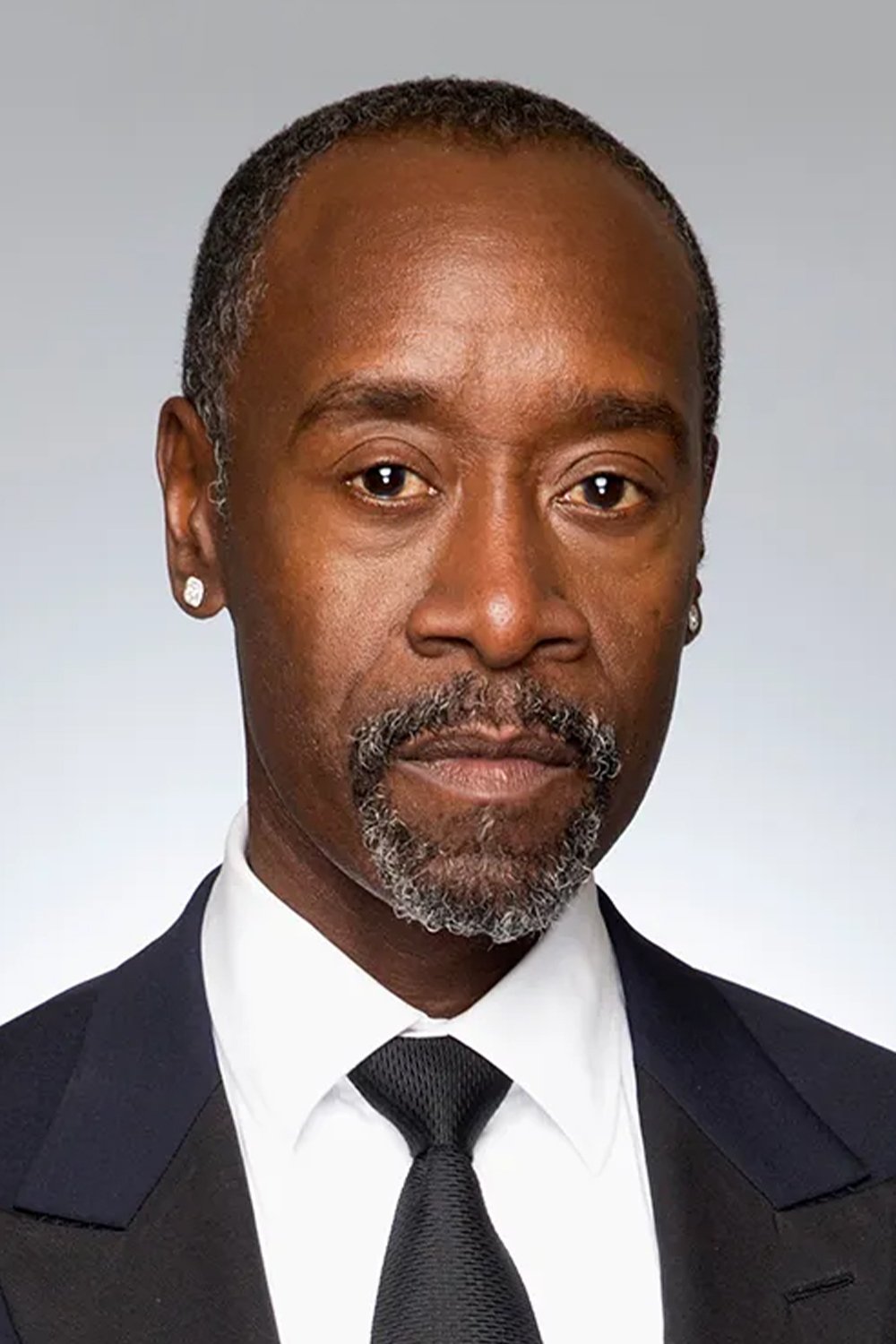
Don Cheadle has reflected on the burden of prestige roles that often focus on the darkest moments of Black history. He noted that while these films are valuable they should not be the only way for Black actors to win awards. Cheadle has branched out into different genres and roles to prove his versatility beyond historical drama. He believes that the industry is moving toward a place where Black actors can simply be seen as actors.
Angela Bassett
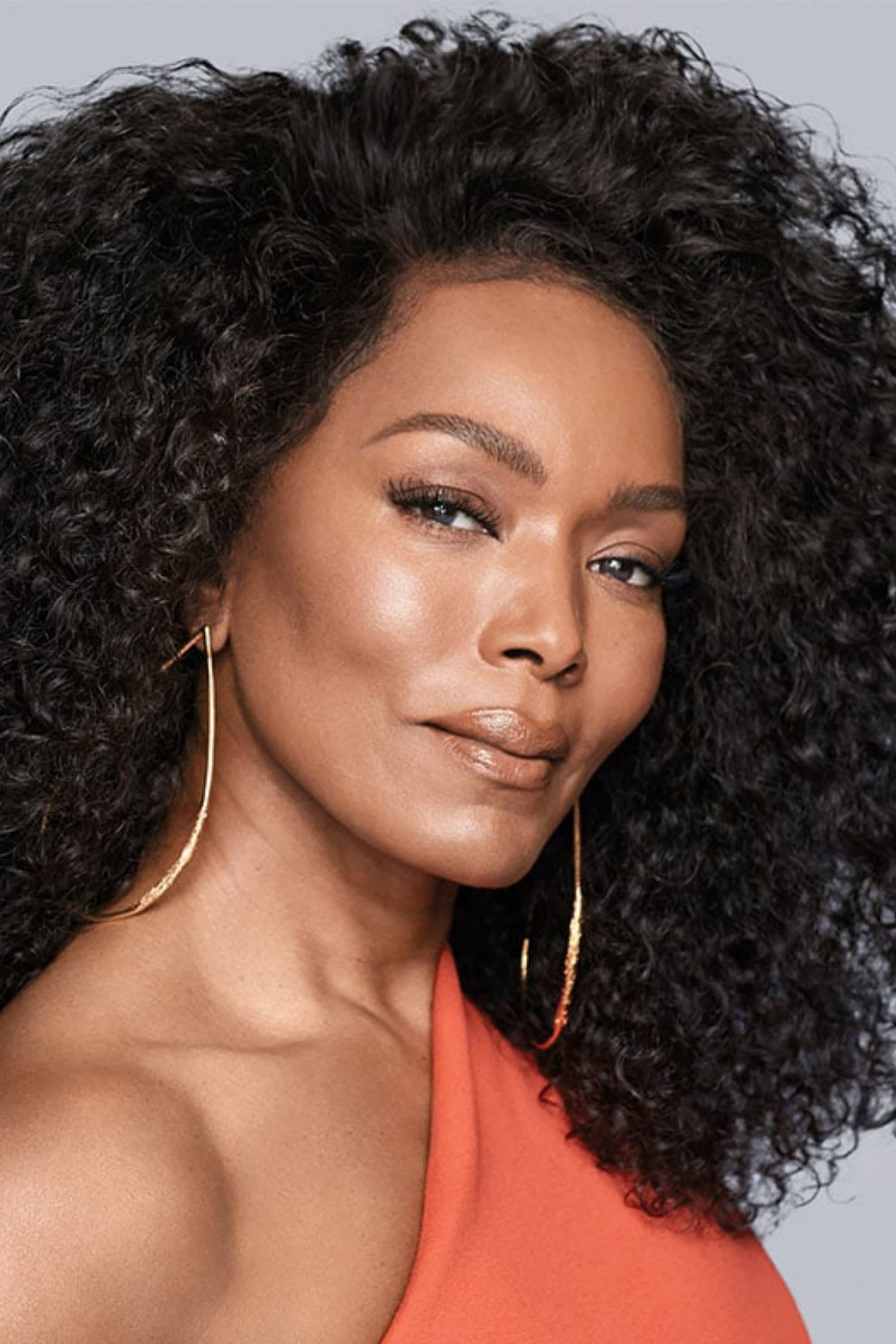
Angela Bassett has often been cast as historical figures which she acknowledges as an honor but also a limitation. She has spoken about the need for more original roles that allow her to showcase her range as a contemporary performer. Bassett noted that the industry often has a specific image of Black excellence that can feel restrictive. She continues to seek out roles that allow her to be both powerful and human in a variety of settings.
Mahershala Ali
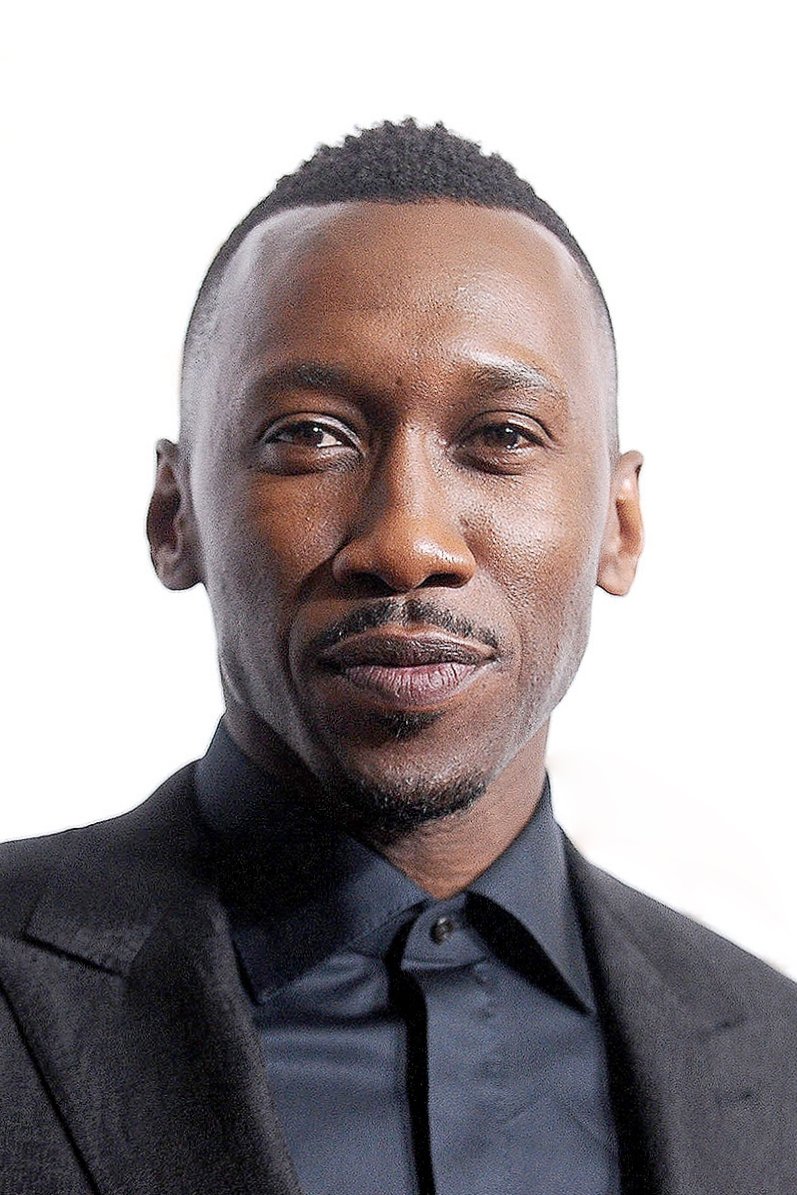
Mahershala Ali has been careful to choose roles that allow him to explore the interior lives of his characters. He has spoken about the importance of dignity and silence in his performances which often contradicts the loud tropes of Black masculinity. Ali believes that the industry should value the quiet moments as much as the dramatic ones. His Academy Award winning roles have shown that there is a hunger for more nuanced portrayals of Black men.
Tracee Ellis Ross
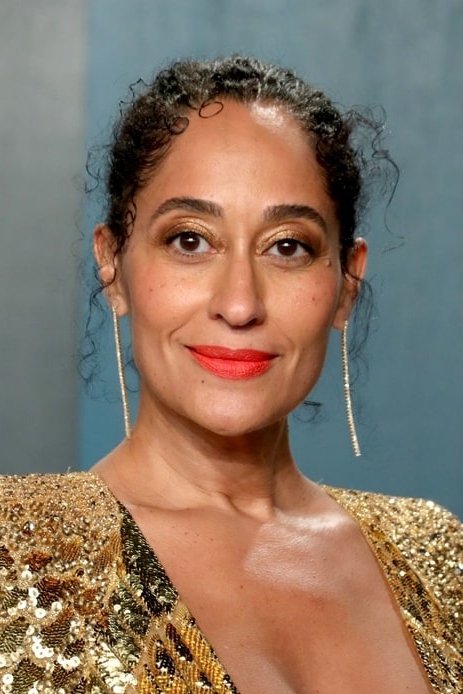
Tracee Ellis Ross has discussed the tropes of Black motherhood and how they are often depicted as either overbearing or perfect. She aimed to bring a sense of realism and humor to her roles to show a more balanced view of family life. Ross believes that the industry often struggles to portray Black joy and success without making it look effortless or unearned. She continues to advocate for stories that reflect the diverse reality of Black women’s lives.
Erika Alexander
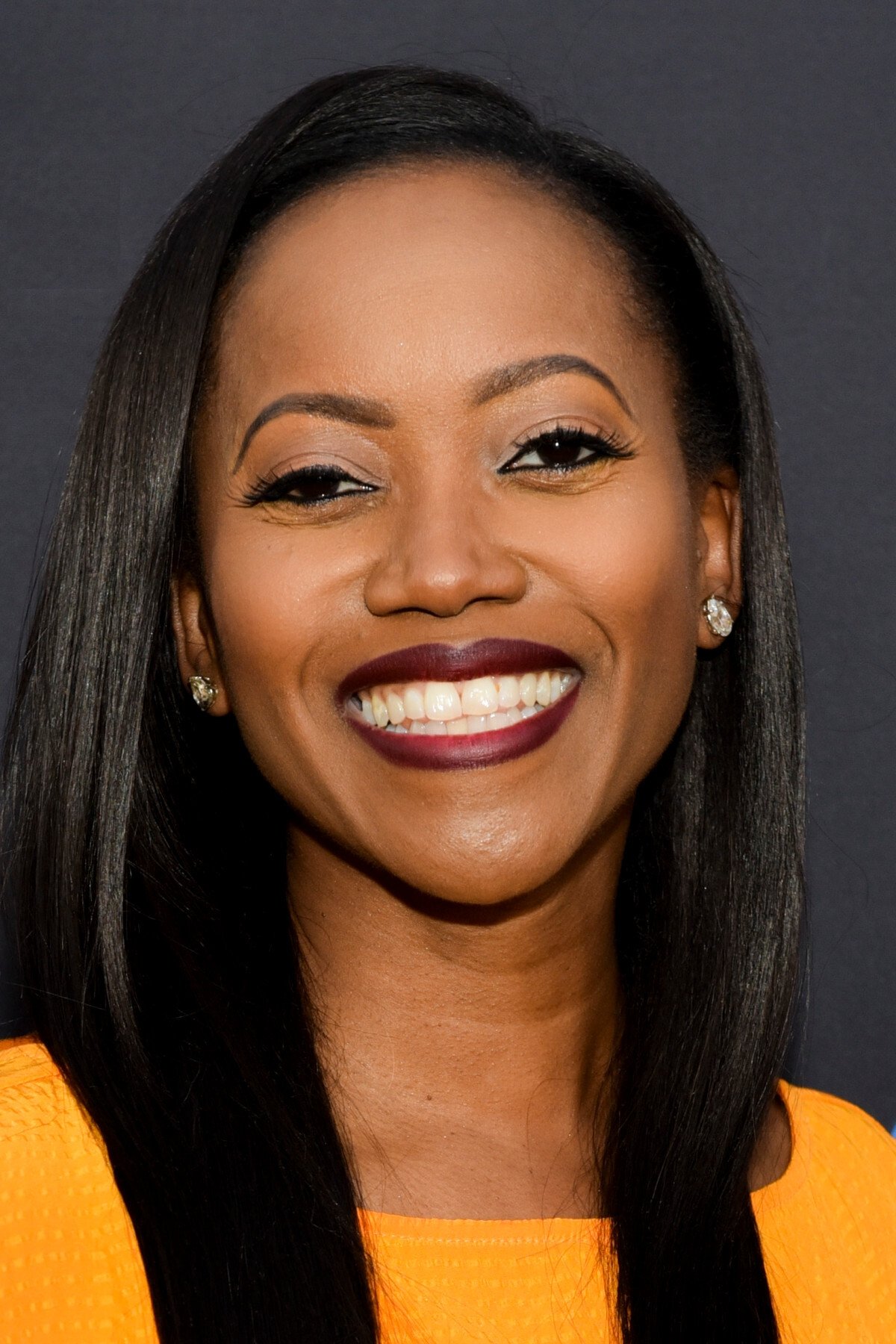
Erika Alexander has been a vocal advocate for more representation in the science fiction and fantasy genres. She noted that Black people are often excluded from visions of the future in mainstream media. Alexander believes that the magical Negro trope is still prevalent and needs to be replaced with characters who have their own agency. She works to create and support content that puts Black characters at the center of imaginative worlds.
Billy Porter
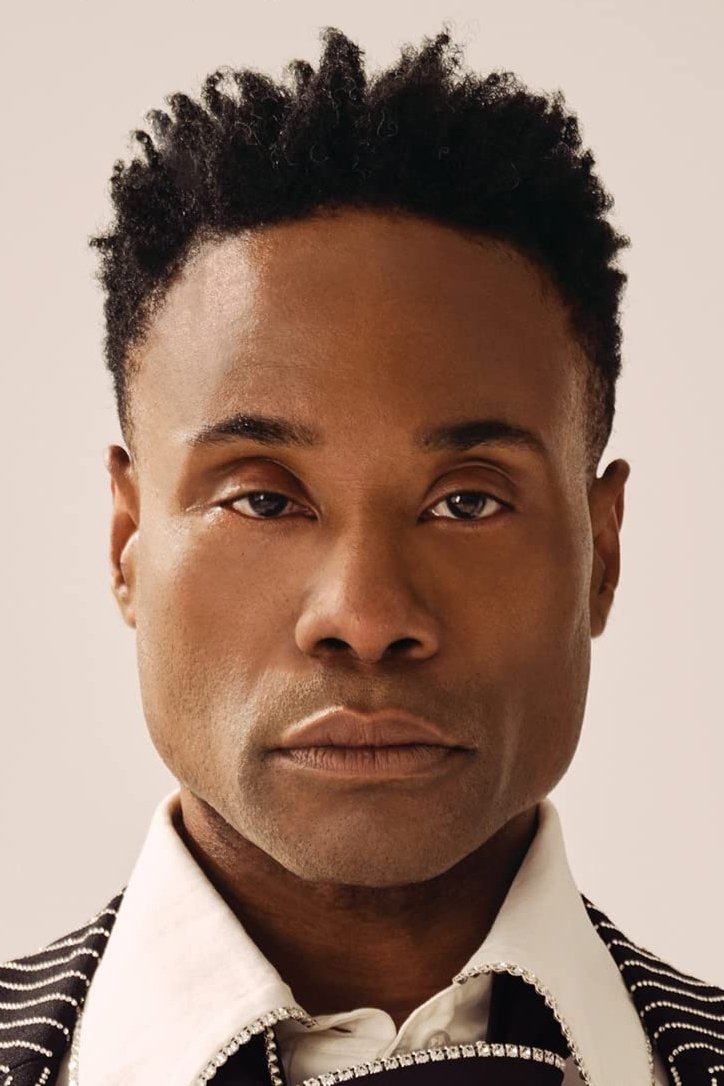
Billy Porter has spoken extensively about the limitations placed on Black queer men in the entertainment industry. He noted that for a long time the only roles available were as the sassy best friend or as victims of tragedy. Porter has used his role in ‘Pose’ to show the resilience and beauty of the Black queer community. He believes that true inclusion means allowing marginalized people to be the stars of their own stories.
Omar Sy
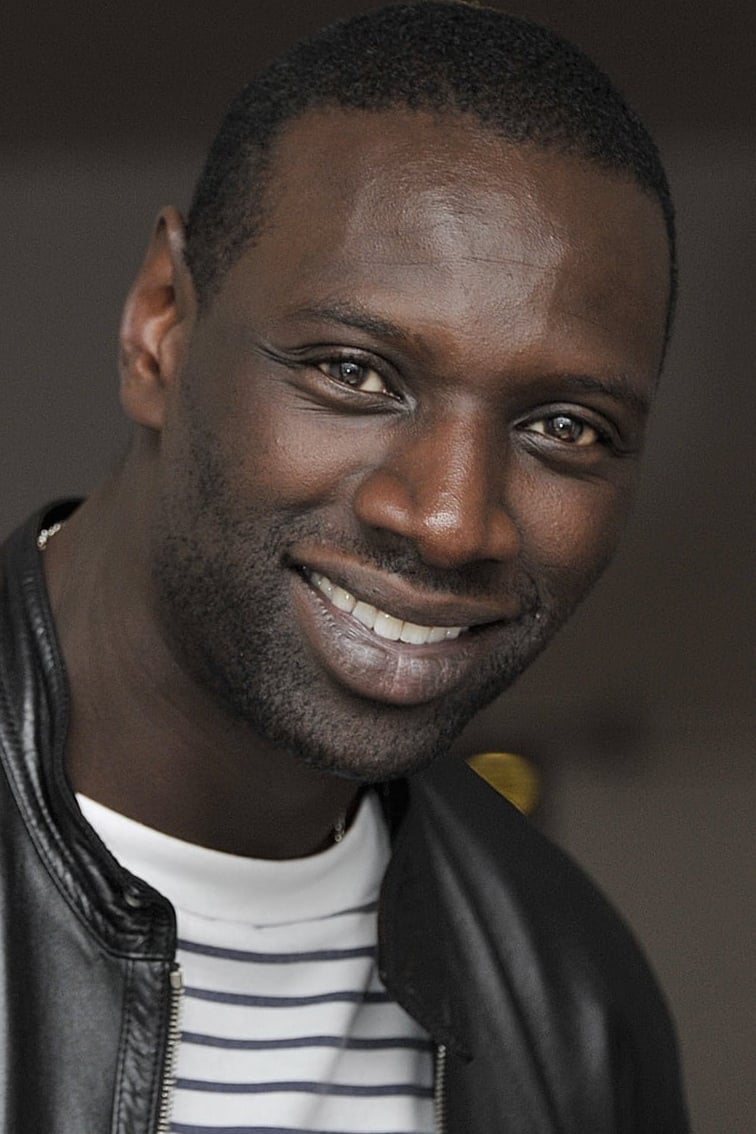
Omar Sy has discussed the challenges of being a Black actor in France where the industry often relies on immigrant stereotypes. He rose to international fame with ‘The Intouchables’ but has been careful to avoid being typecast in similar roles. Sy believes that the European film industry needs to catch up to the US in terms of diverse representation. He continues to seek out global projects that allow him to play a wide variety of characters from across the social spectrum.
Karidja Touré
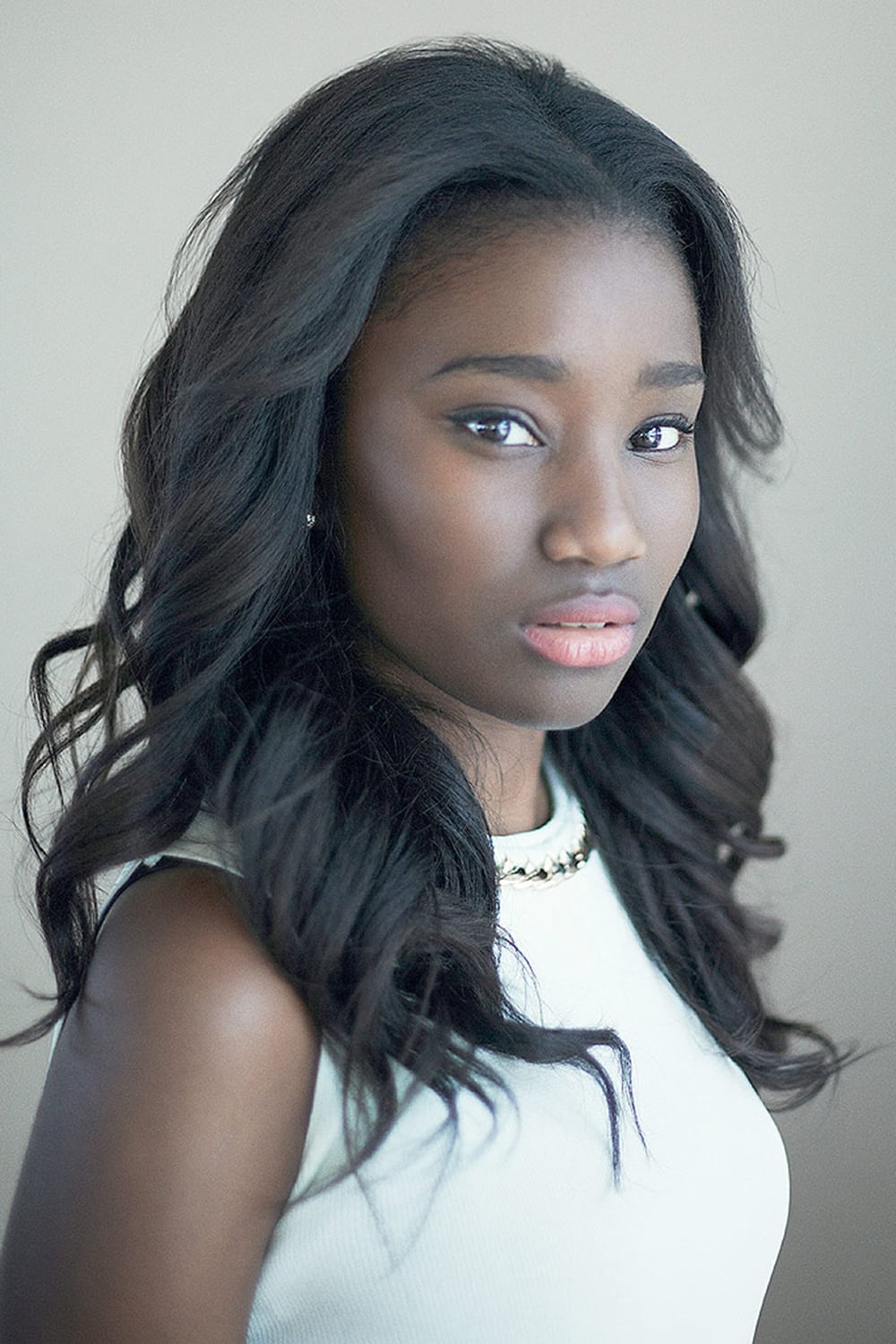
Karidja Touré has spoken about the lack of lead roles for Black women in French cinema that do not involve social struggle. She gained prominence in ‘Girlhood’ but noted that the French industry often views Black stories as a niche category. Touré advocates for more diverse casting in mainstream French productions that reflects the actual population of the country. She believes that the industry must move beyond its current limitations to include more varied narratives.
John David Washington
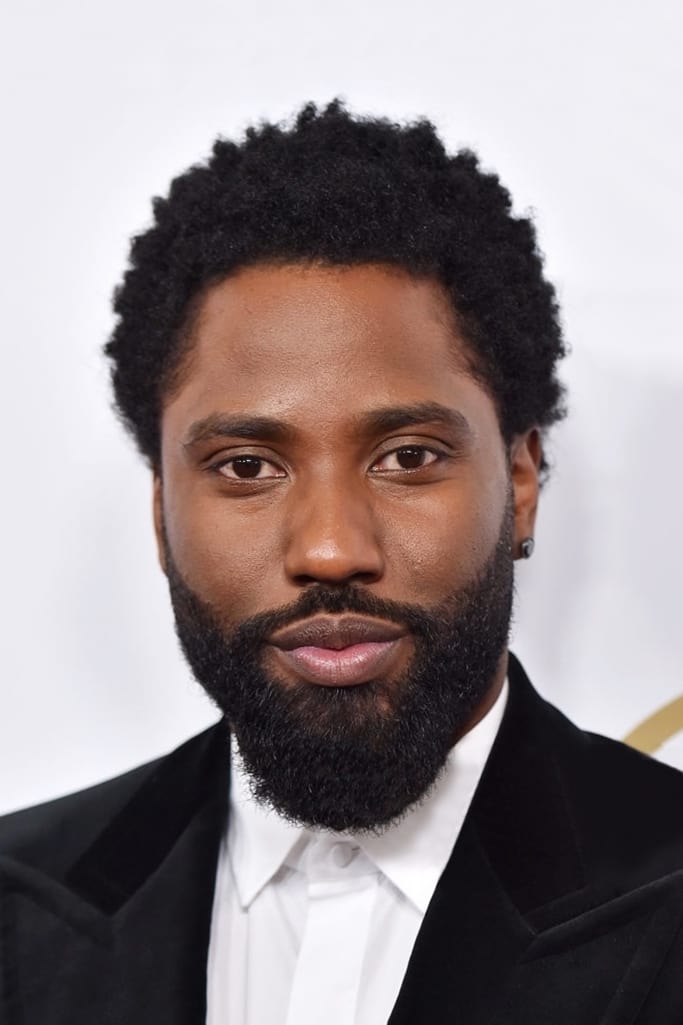
John David Washington has addressed the expectations placed on Black actors when they take on lead roles in major action films. He noted that there is often an added pressure to represent the entire Black community in every performance. Washington seeks out roles that allow him to be a person first and an actor second rather than a racial symbol. He believes that the industry is starting to allow for more nuanced portrayals of Black men in high stakes environments.
Aldis Hodge
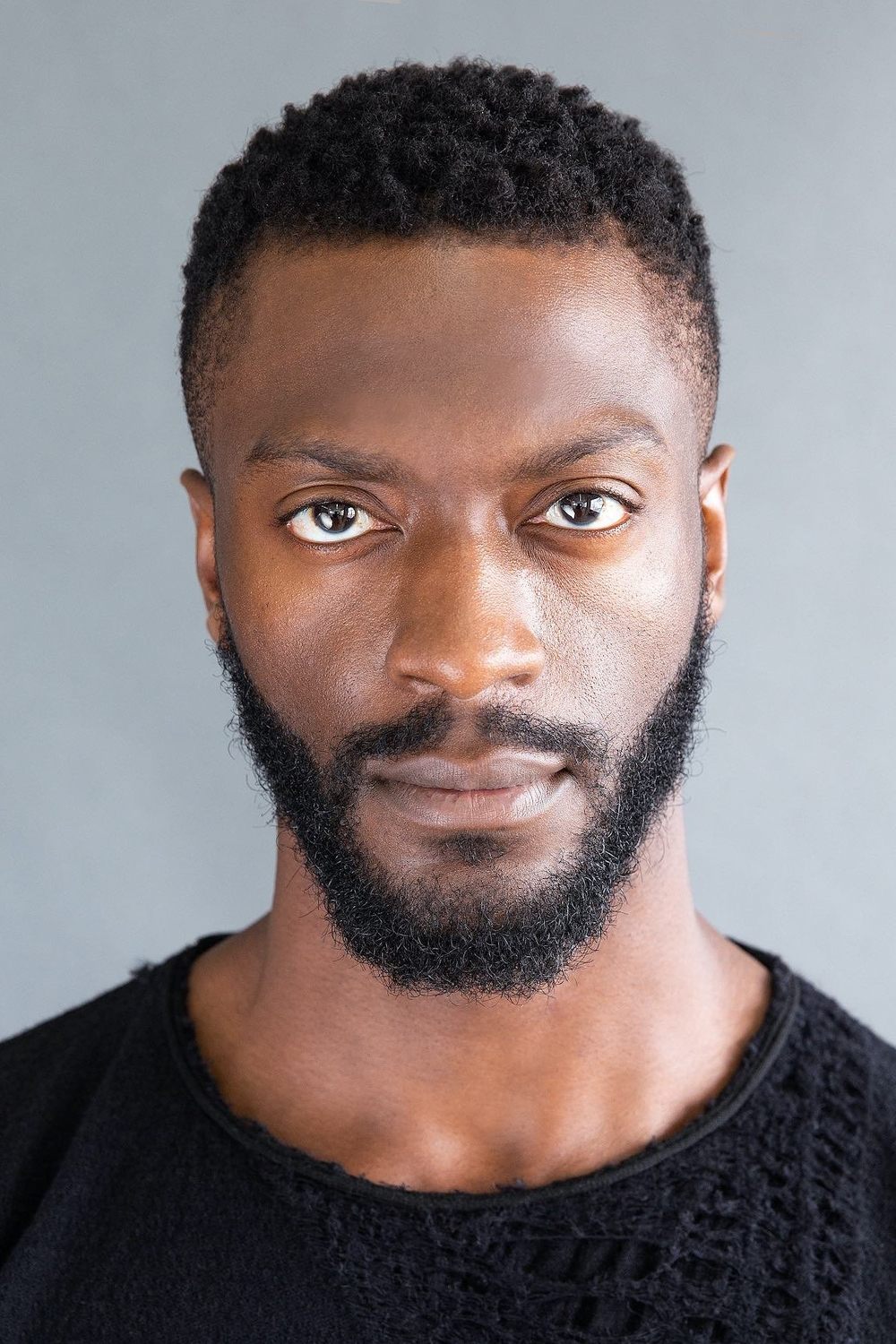
Aldis Hodge has discussed the historical exclusion of Black actors from intellectual and engineering roles in film. He noted that his role in ‘Hidden Figures’ was important for showing a different side of the Black experience. Hodge continues to push for roles that highlight the contributions of Black people in science and technology. He believes that representation in these fields is vital for inspiring the next generation of Black professionals.
Meghan, Duchess of Sussex
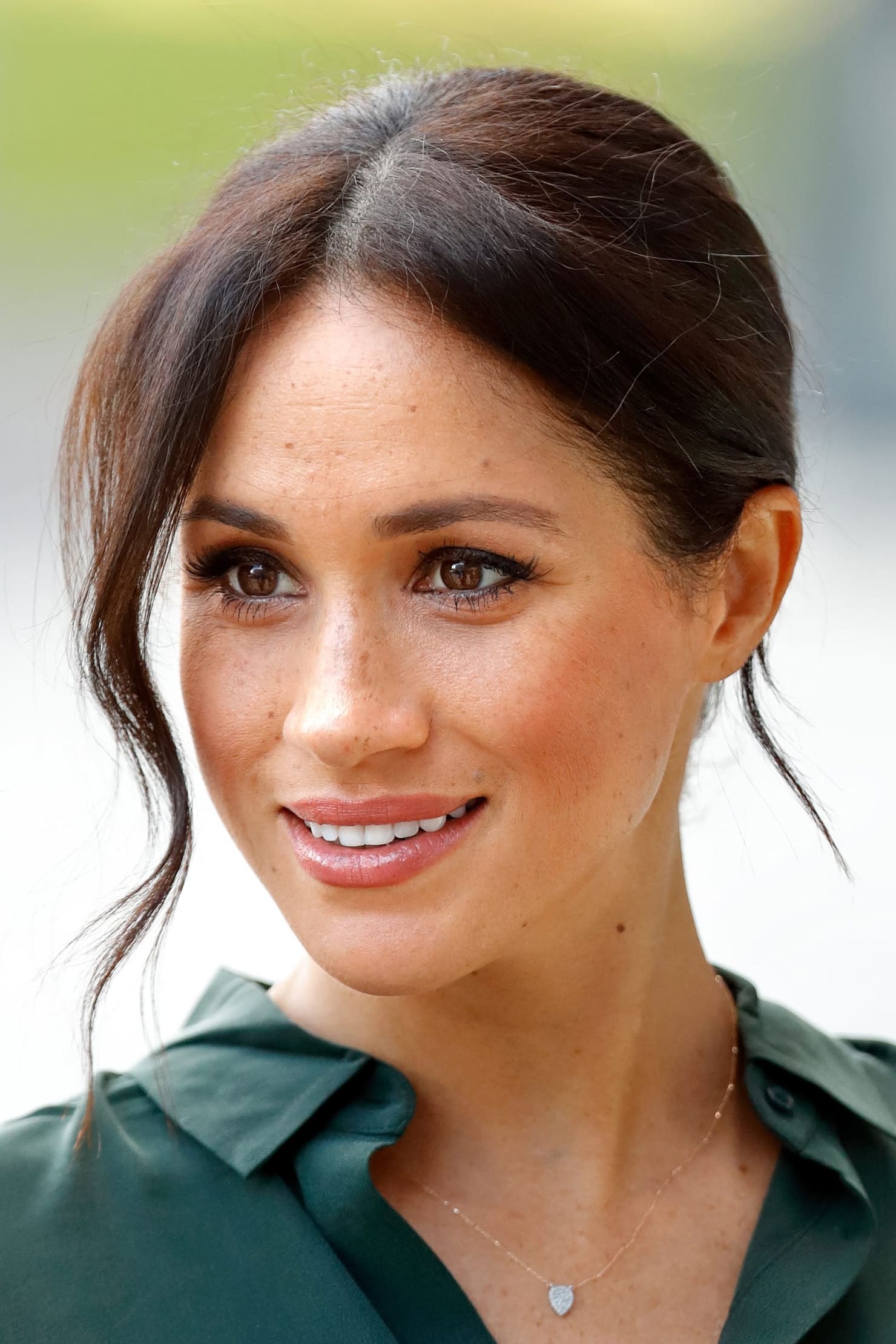
Meghan, Duchess of Sussex has shared her experiences navigating Hollywood as a biracial actress before her marriage into the royal family. She noted that she was often caught between tropes because she was considered not Black enough for some roles and not white enough for others. This ambiguity led to a career of challenging the industry’s rigid racial categories. She has since used her global platform to discuss the importance of diverse and authentic representation in all forms of media.
Forest Whitaker
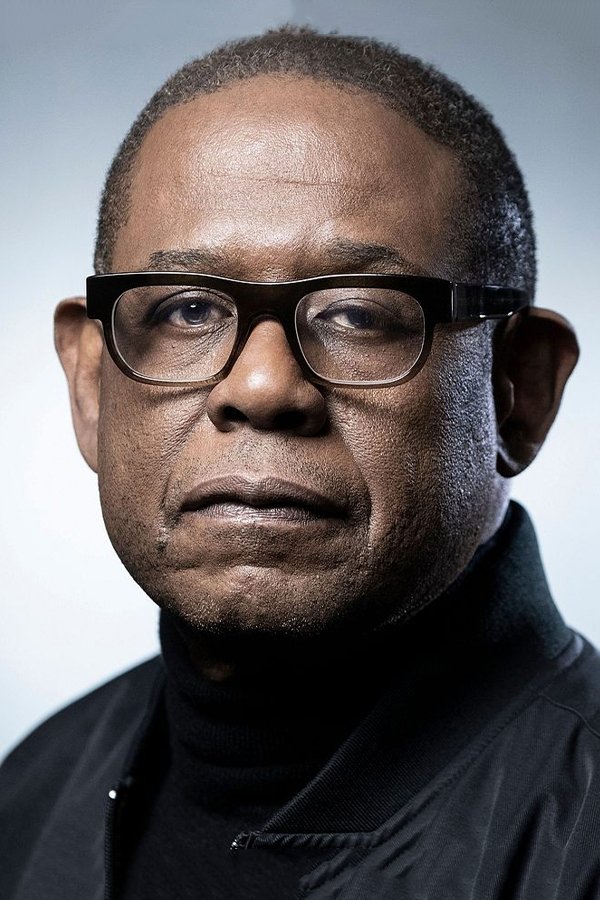
Forest Whitaker has used his long and distinguished career to challenge the industry’s perceptions of Black talent. He has often taken on roles that are morally ambiguous and deeply philosophical. Whitaker believes that Black actors should have the opportunity to explore the full range of human experience. He continues to mentor younger actors to help them navigate an industry that can still be very limiting.
Share your thoughts on which Black celebrities you think have most effectively challenged industry tropes in the comments.