Actresses Who Spoke Out Against Toxic Lesbian Tropes and Were Blacklisted by Directors

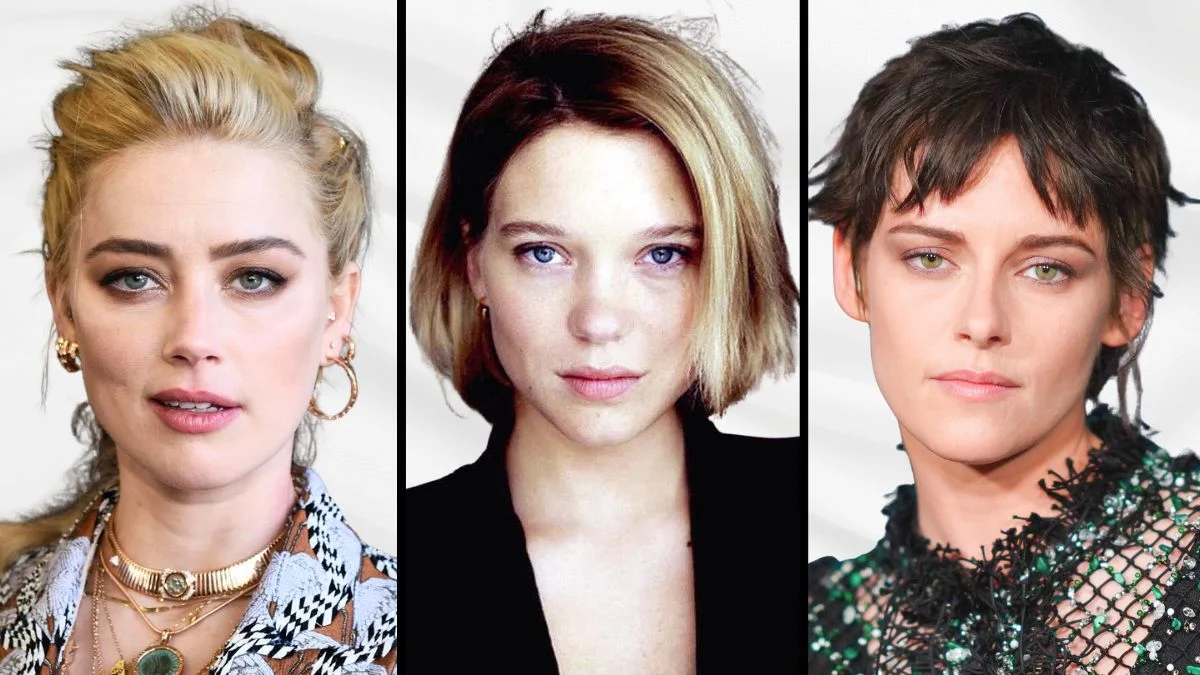

The entertainment industry has a long history of utilizing harmful stereotypes that limit the complexity of queer female characters on screen. Many actresses have faced severe professional repercussions after they publicly challenged these narrow representations or refused to participate in toxic storylines. These performers often speak out against the hyper sexualization of their identities and the lack of authentic storytelling in major studio productions. Their bravery has frequently resulted in lost roles and strained relationships with powerful directors who prioritized traditional tropes over realistic diversity. This collection highlights women who stood up for better representation and faced the consequences of their convictions.
Ellen DeGeneres
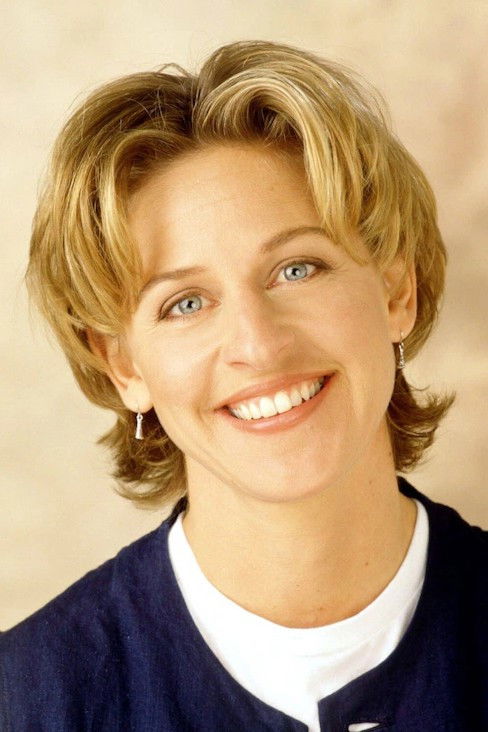
The actress famously came out as a lesbian on her sitcom ‘Ellen’ during the landmark episode titled ‘The Puppy Episode’ in 1997. Following this revelation the show faced immediate cancellation and she reported being blacklisted from major acting roles for several years. She criticized how the industry relied on outdated stereotypes and punished performers for being authentic. Her career eventually rebounded through voice acting and hosting but her time as a leading television actress was severely impacted.
Anne Heche
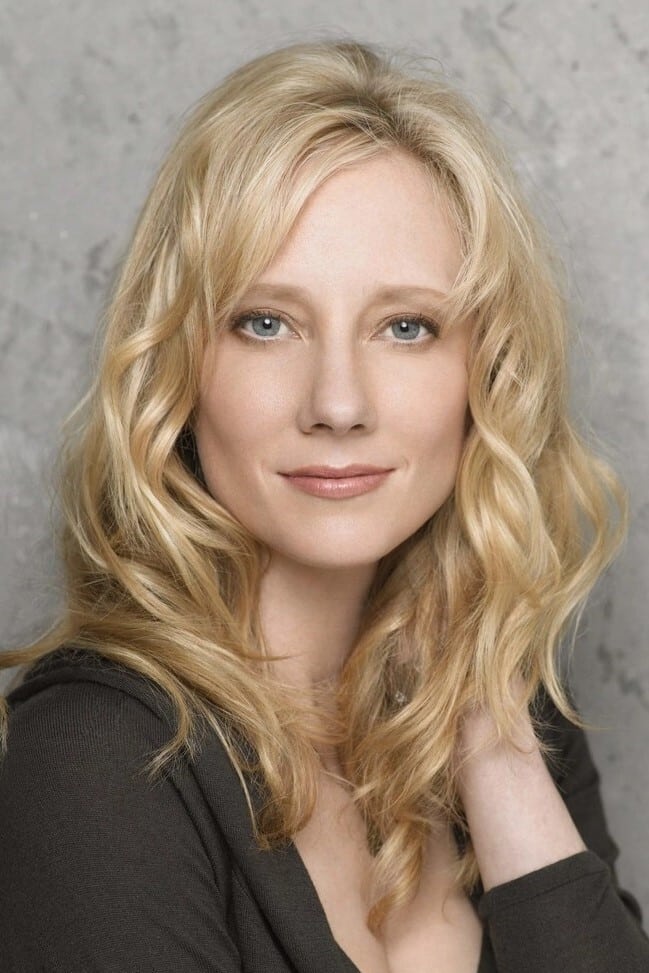
After going public with her relationship with Ellen DeGeneres she claimed that she was immediately blacklisted by major film studios. She lost a multimillion dollar film deal and was told that her sexuality would prevent her from being cast as a romantic lead. She spoke out against the narrow tropes that limited queer women to supporting or tragic roles. Her career in blockbuster films effectively ended following her decision to live openly.
Salma Hayek Pinault
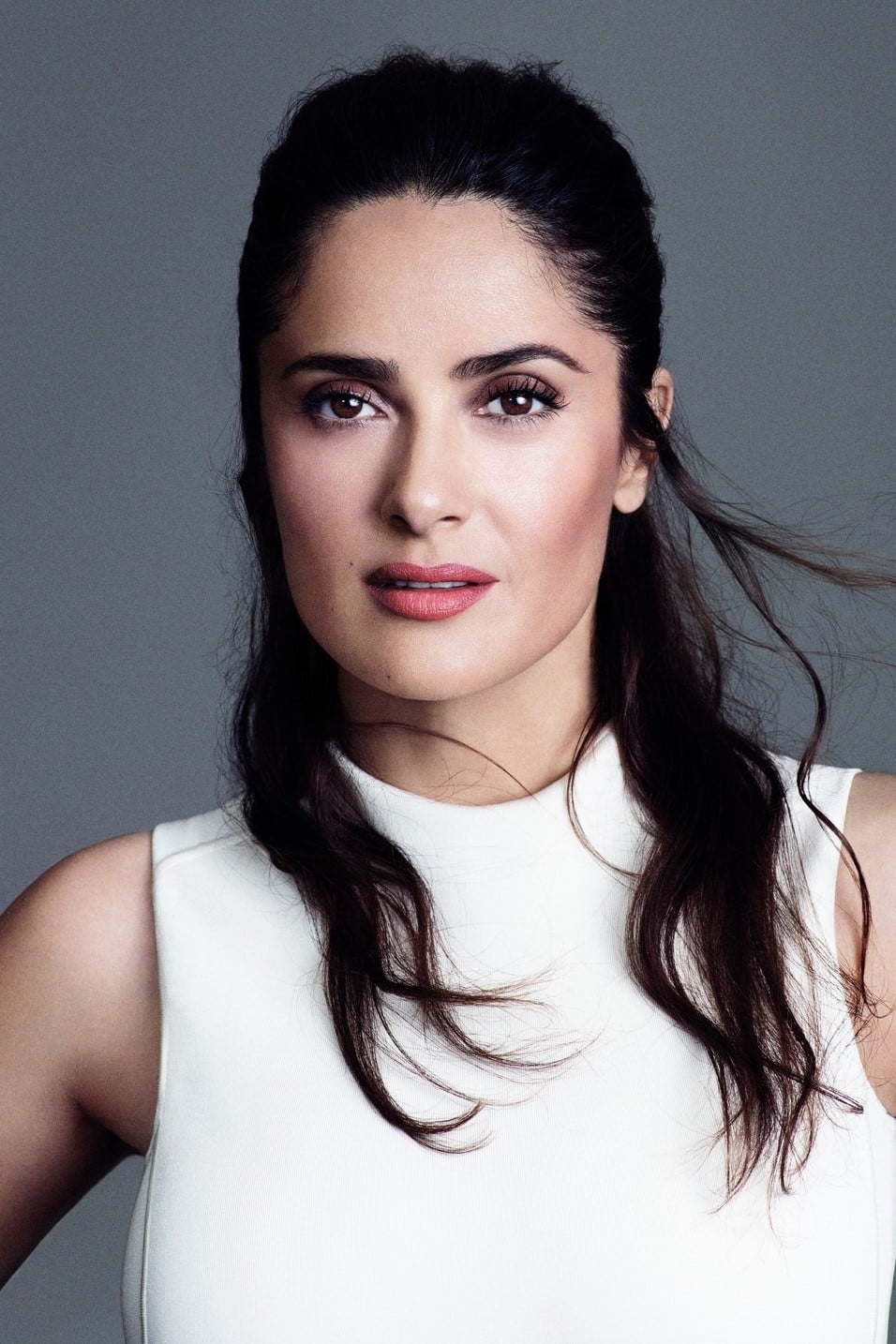
The actress struggled for years to bring the life of Frida Kahlo to the screen while resisting demands to sexualize the character for a male audience. She eventually spoke out against the abusive environment on the set of ‘Frida’ and the pressure to include gratuitous scenes. Her refusal to comply with certain industry expectations led to professional friction with powerful studio heads. She has since been vocal about the need for better representation of complex women in cinema.
Adèle Exarchopoulos
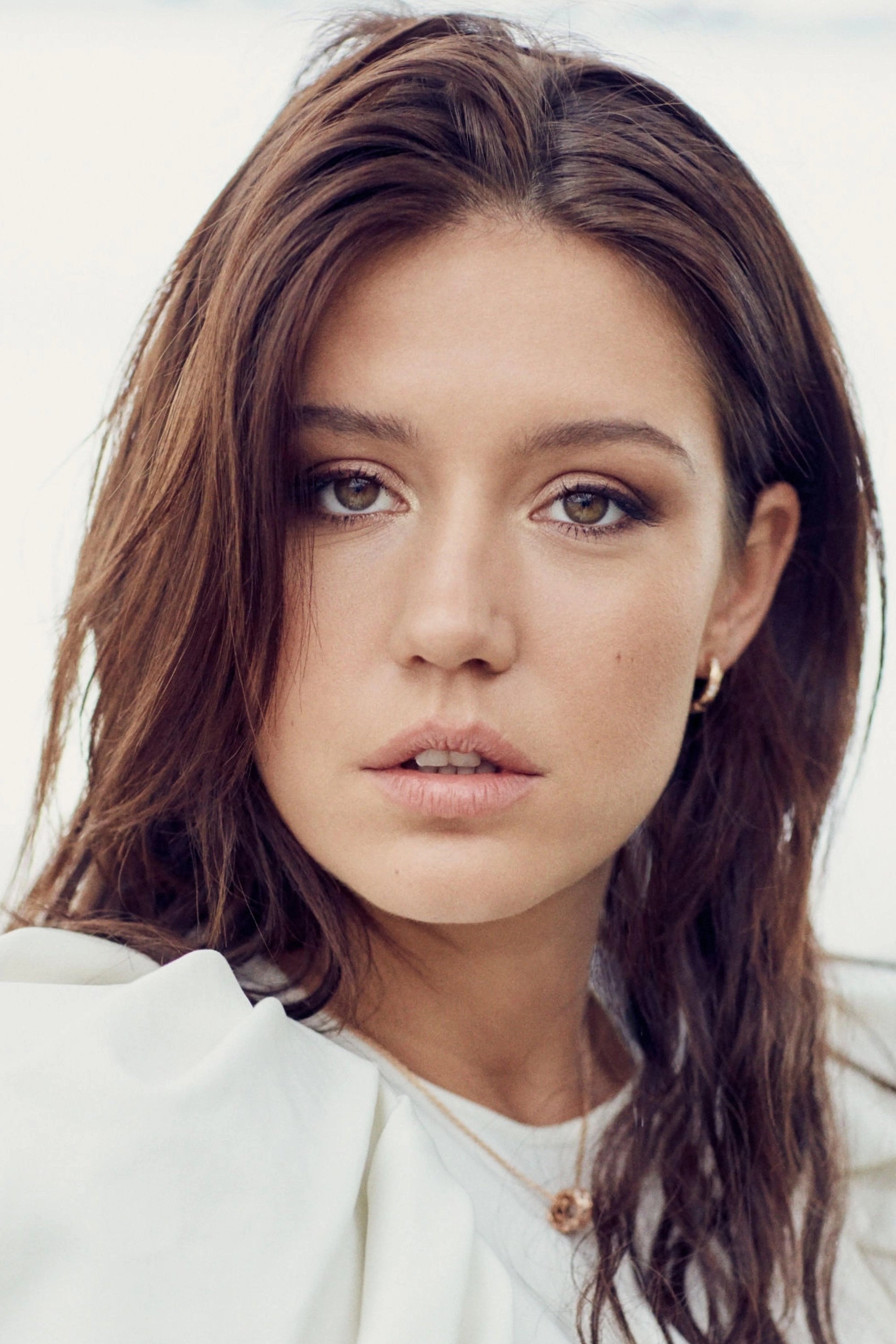
The French star gained international fame for her role in ‘Blue is the Warmest Color’ which won the Palme d’Or. She later criticized the filming process and the male gaze that dominated the intimate scenes in the movie. She felt the depiction of the relationship leaned into tropes that did not reflect the reality of lesbian experiences. These public comments created a rift with the director and sparked a wider conversation about ethics on film sets.
Léa Seydoux
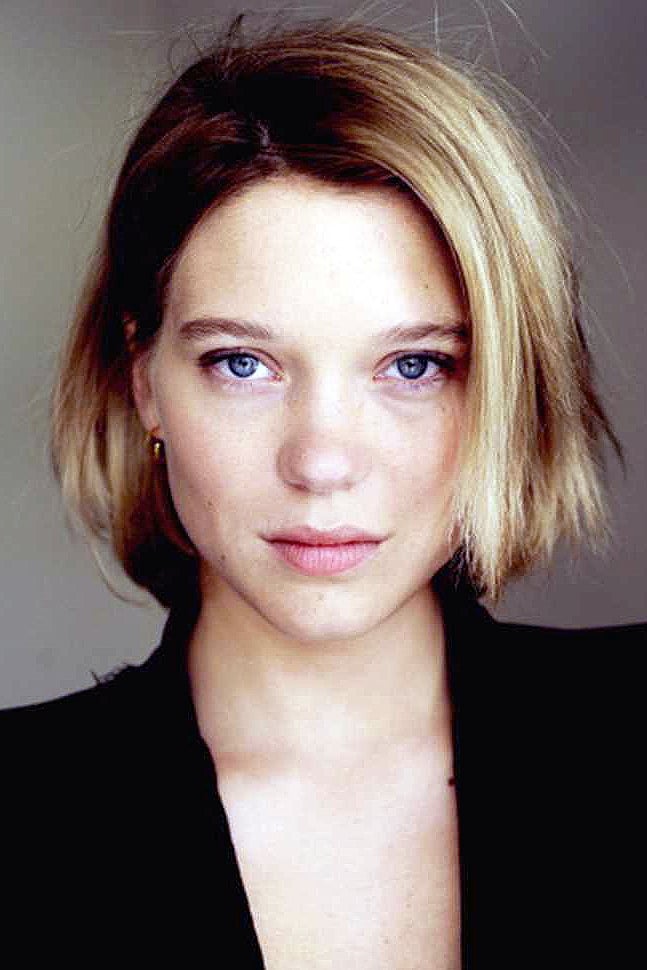
Alongside her co star she spoke openly about the difficult working conditions and the voyeuristic nature of her most famous film. She highlighted how the production prioritized artistic vision over the comfort and authentic representation of the female characters. Her willingness to challenge the director led to a public dispute that highlighted the power imbalance in the industry. She continues to advocate for better treatment of actresses and more nuanced storytelling in French cinema.
Kristen Stewart
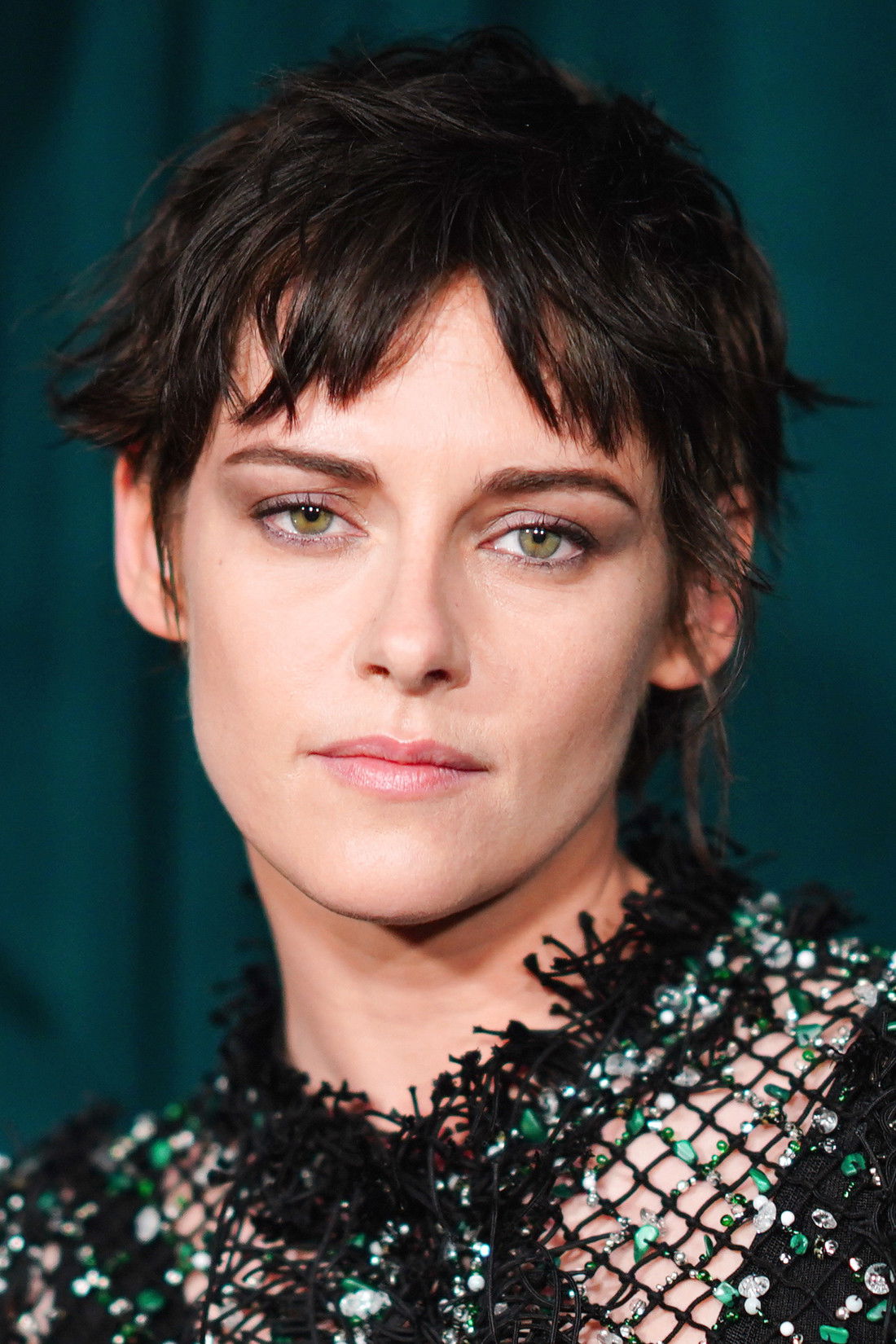
The actress has spoken frequently about being advised to hide her sexuality to maintain her status as a mainstream star. She criticized the trope that queer actors cannot play straight roles or that they must be labeled to be marketable. Her decision to embrace her identity led to a shift in the types of projects she was offered by large studios. She now focuses on independent films that allow for more authentic and diverse portrayals of human relationships.
Amber Heard
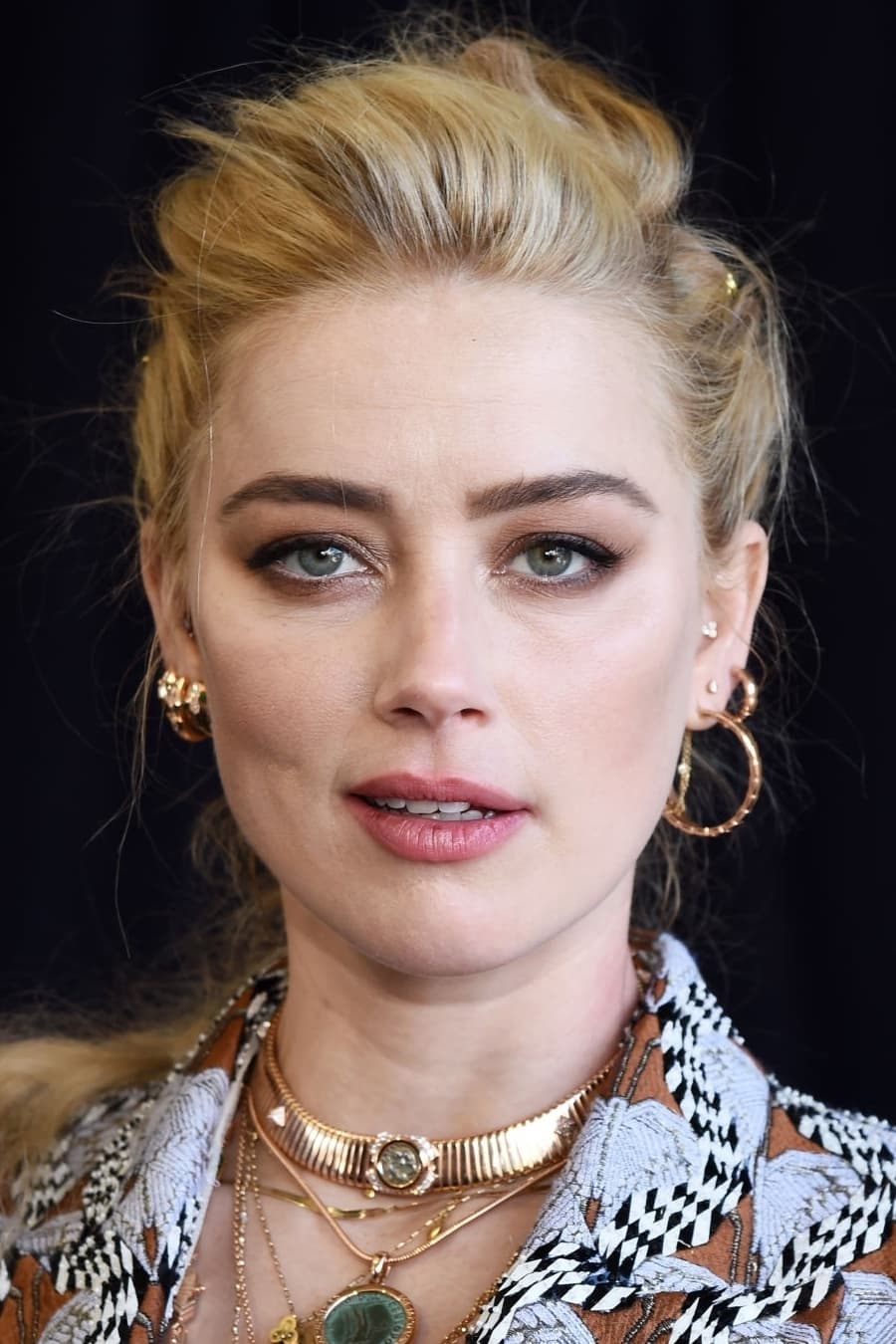
Early in her career she was warned that coming out as bisexual would lead to her being blacklisted from leading roles. She spoke out against the predatory tropes often associated with queer women in thriller and horror genres. Despite the warnings she chose to be open about her life and faced significant professional hurdles as a result. She has remained a vocal critic of the way the media and the industry treat women who challenge conventional norms.
Evan Rachel Wood
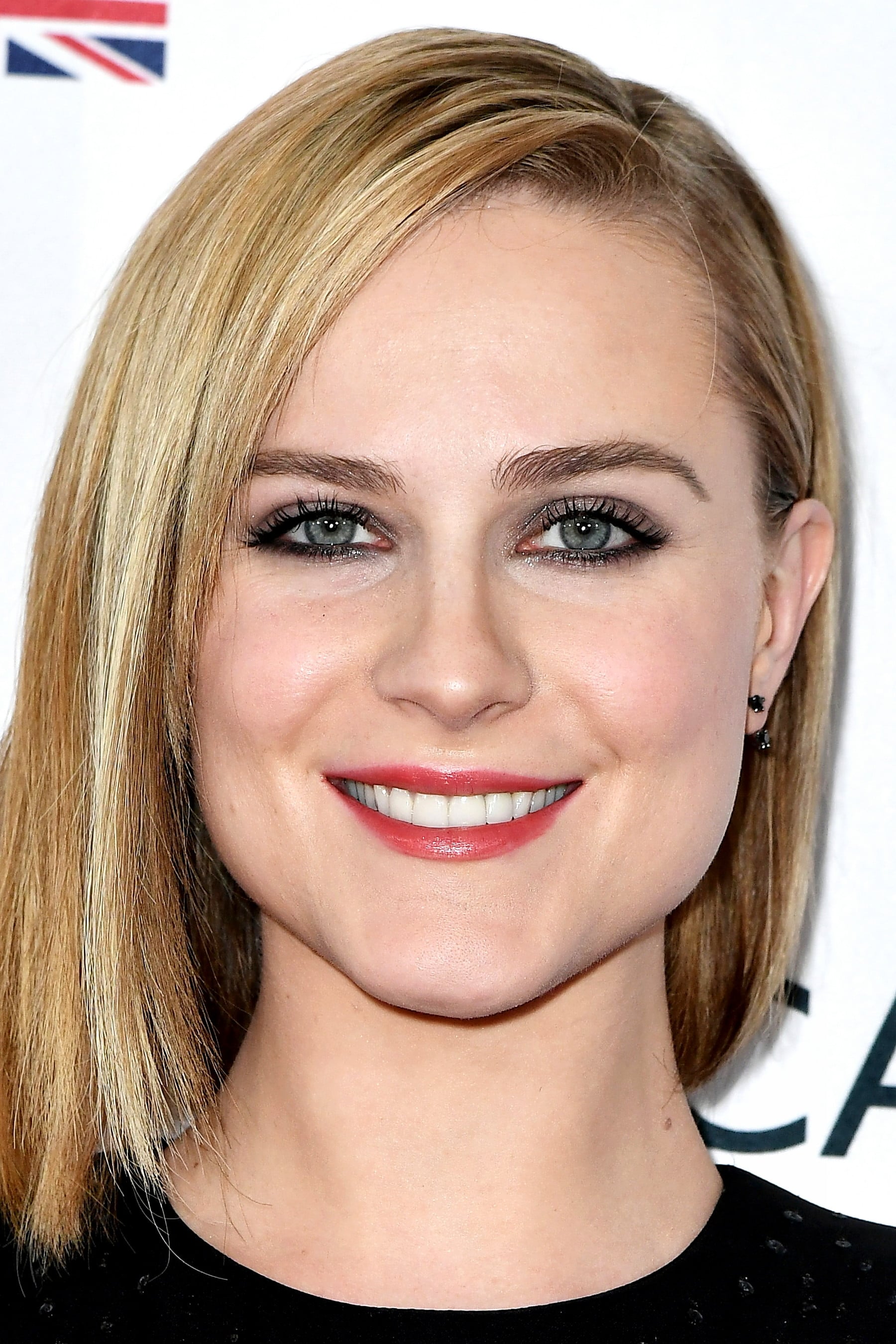
The actress has been a vocal critic of the MPAA for giving harsher ratings to films depicting lesbian intimacy compared to heterosexual scenes. She argued that this practice perpetuates a toxic trope that queer sexuality is inherently more graphic or shameful. Her advocacy for fair representation has sometimes put her at odds with traditional industry structures. She continues to use her platform to demand a more equitable approach to storytelling and film classification.
Ruby Rose
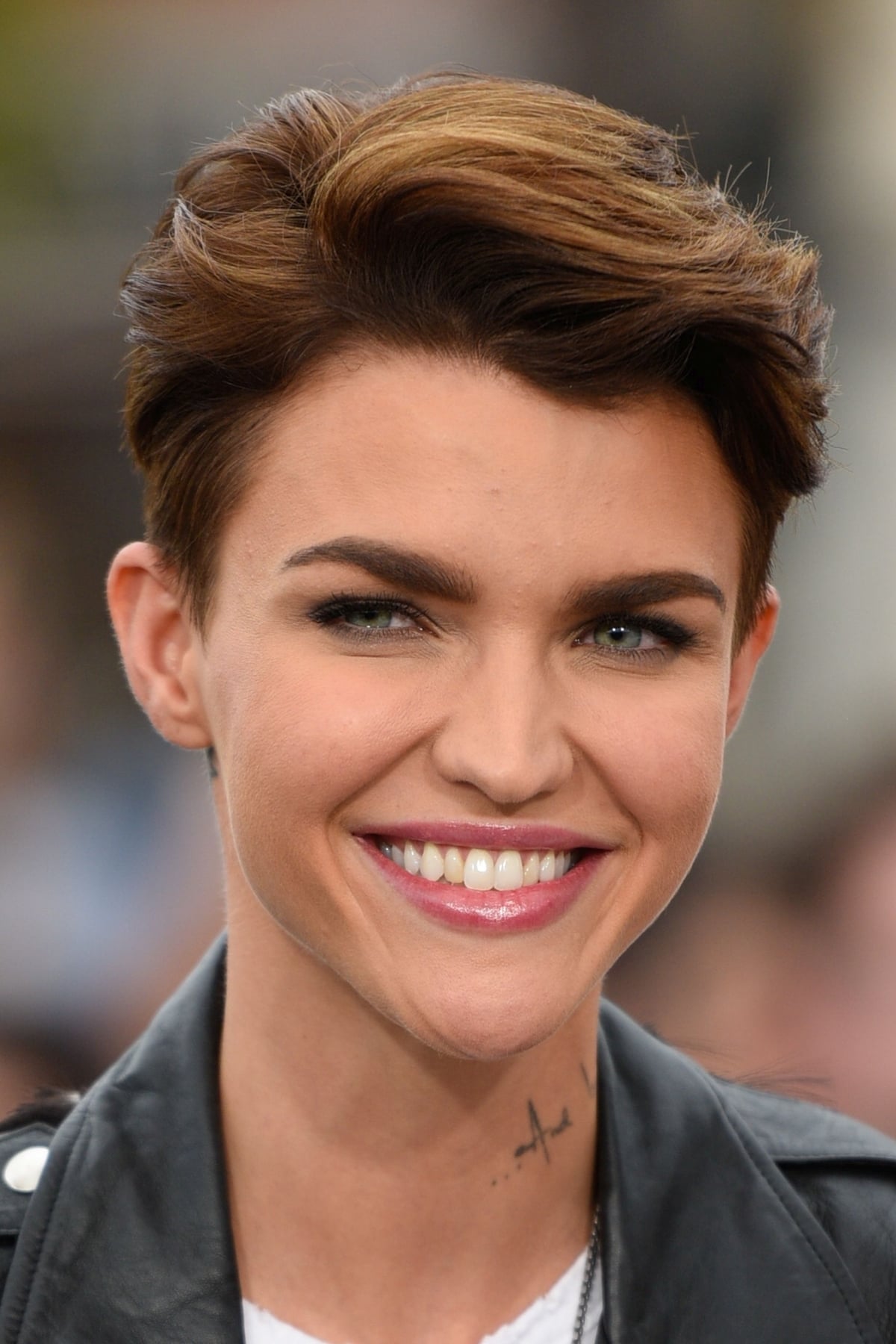
After being cast as the lead in ‘Batwoman’ she eventually left the series and detailed a variety of issues regarding the production environment. She spoke out against the physical and emotional toll of the role and the way the character was handled. Her public comments led to a significant backlash from the studio and rumors of professional difficulties. She remains an advocate for safe working conditions and better representation for LGBTQ performers in the superhero genre.
Kelly McGillis
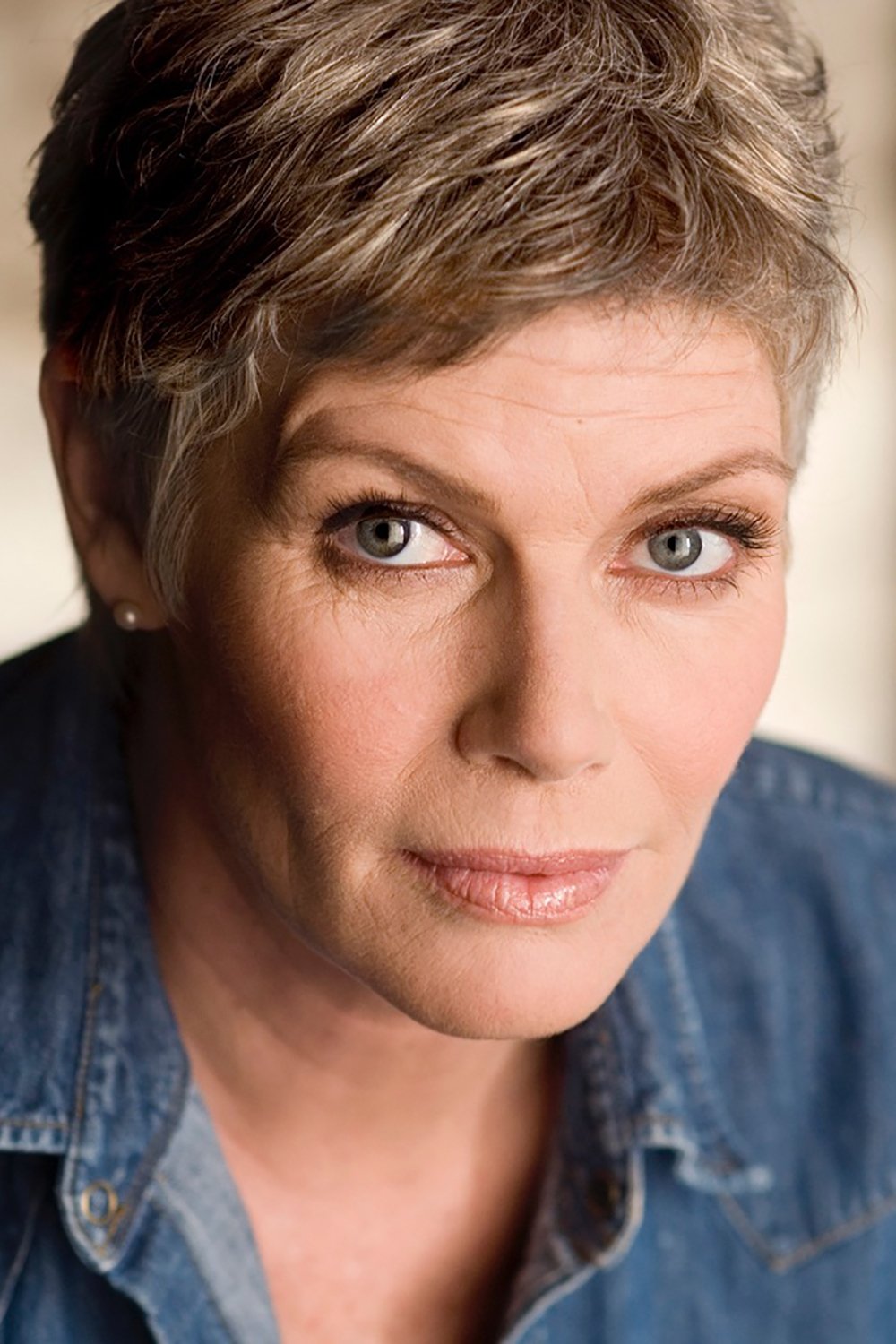
The star of ‘Top Gun’ and ‘Witness’ saw her career trajectory change significantly after she stopped conforming to Hollywood beauty standards and spoke about her identity. She criticized the industry for its lack of interesting roles for older women and its reliance on tired romantic tropes. She noted that once she was no longer seen as the traditional ingenue the offers for major studio projects disappeared. Her experiences highlighted the intersection of ageism and the marginalization of queer voices in media.
Amanda Bearse
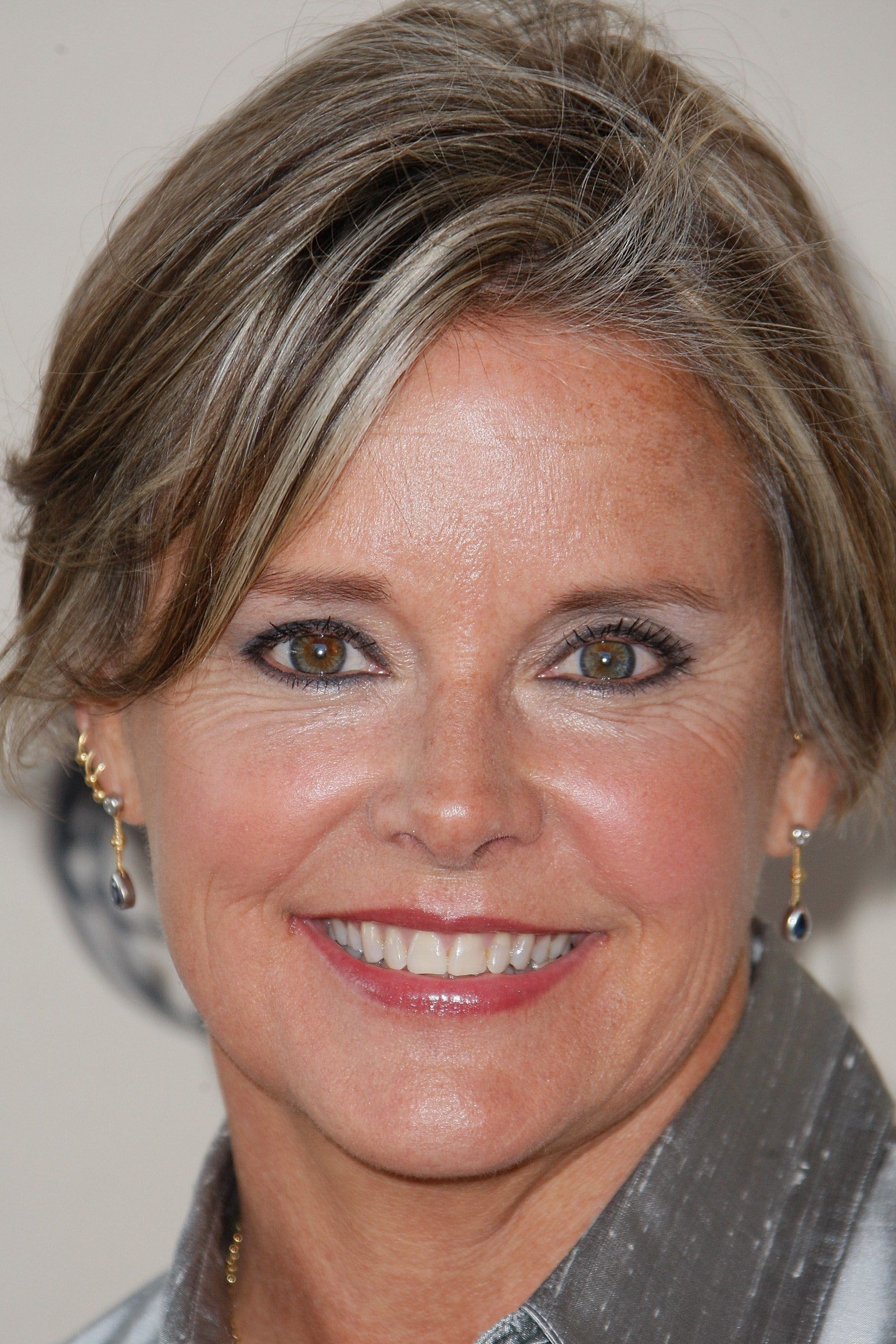
Known for her role on ‘Married with Children’ she was one of the first sitcom stars to come out publicly during the show run. She faced challenges behind the scenes and noticed a shift in how she was perceived by directors and casting agents. She spoke out against the lack of depth in lesbian characters and the tendency to treat them as punchlines. Her career shifted toward directing as she sought to create the representation she found missing in the industry.
Heather Matarazzo
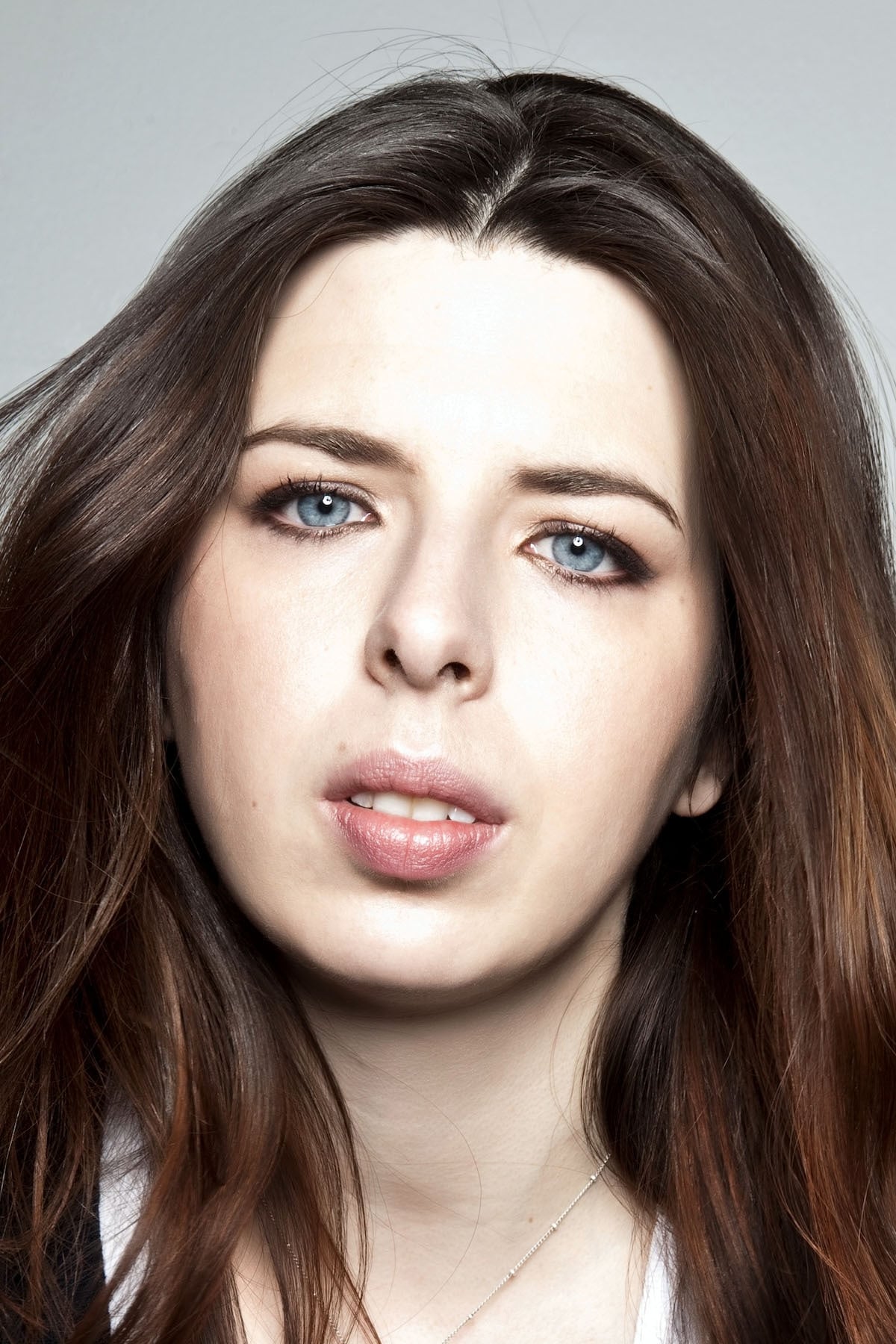
The ‘Welcome to the Dollhouse’ star has spoken candidly about the difficulty of finding work after coming out in Hollywood. She criticized the industry for casting queer women only in specific stereotypical roles that lacked complexity. She felt that her career was stifled by directors who could not see past her identity to her talent as an actress. She continues to be a vocal proponent for systemic change in how LGBTQ stories are told on screen.
Kristy McNichol

As a former child star she eventually walked away from the industry to focus on her personal well being and live authentically. She later spoke about the pressure to maintain a certain image and the lack of support for queer performers at the height of her fame. She criticized the limited and often tragic tropes that defined queer characters in the twentieth century. Her departure from acting was a direct result of the toxic environment and the narrow expectations of Hollywood.
Meredith Baxter

The ‘Family Ties’ actress came out later in life and reflected on the years she spent hiding her identity to protect her career. She spoke out against the pervasive tropes that made queer women invisible or portrayed them as unhappy. She noted that the fear of being blacklisted kept many performers in the closet for decades. Her story highlights the long term impact of industry wide homophobia on the lives and careers of established stars.
Portia de Rossi
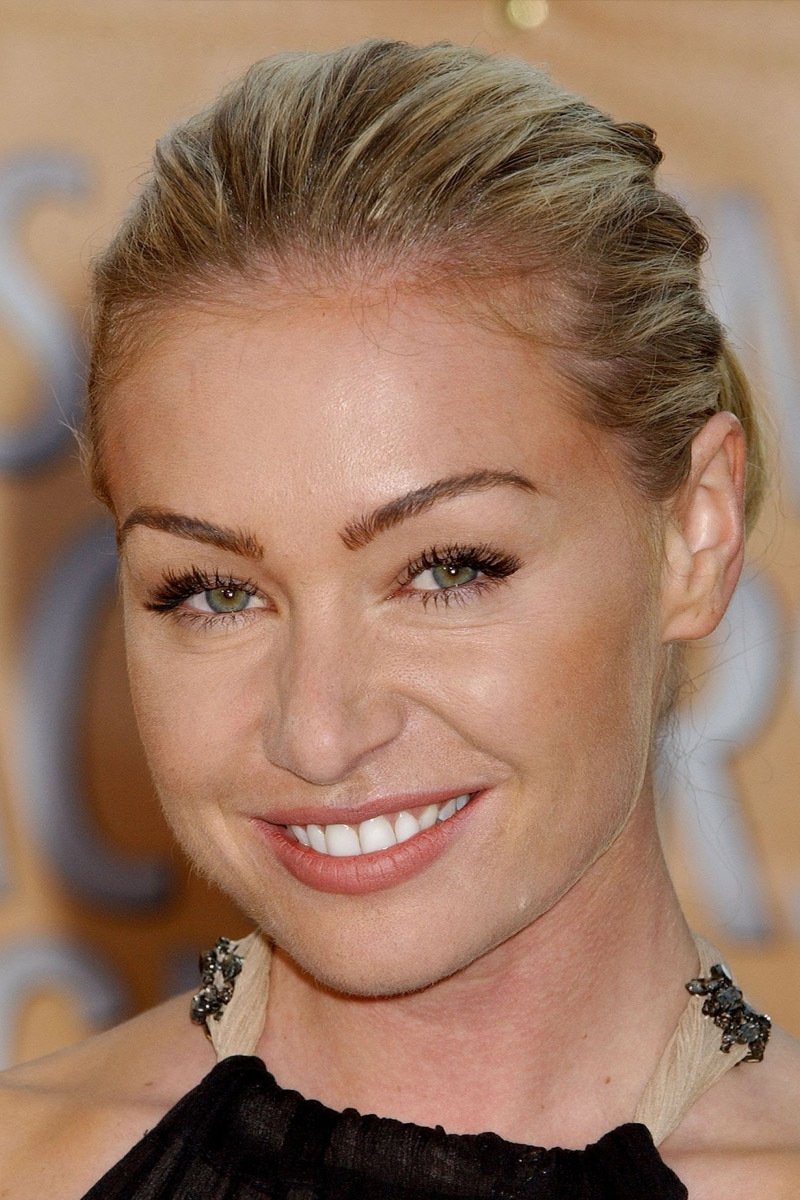
The actress detailed her struggles with industry beauty standards and the pressure to hide her sexuality while starring on ‘Ally McBeal’. She criticized the toxic tropes that equated thinness and heterosexuality with success in Hollywood. Her decision to speak out about these pressures and her own health struggles initially led to concerns about her future in the business. She has since used her experiences to advocate for more realistic and healthy portrayals of women.
Cynthia Nixon
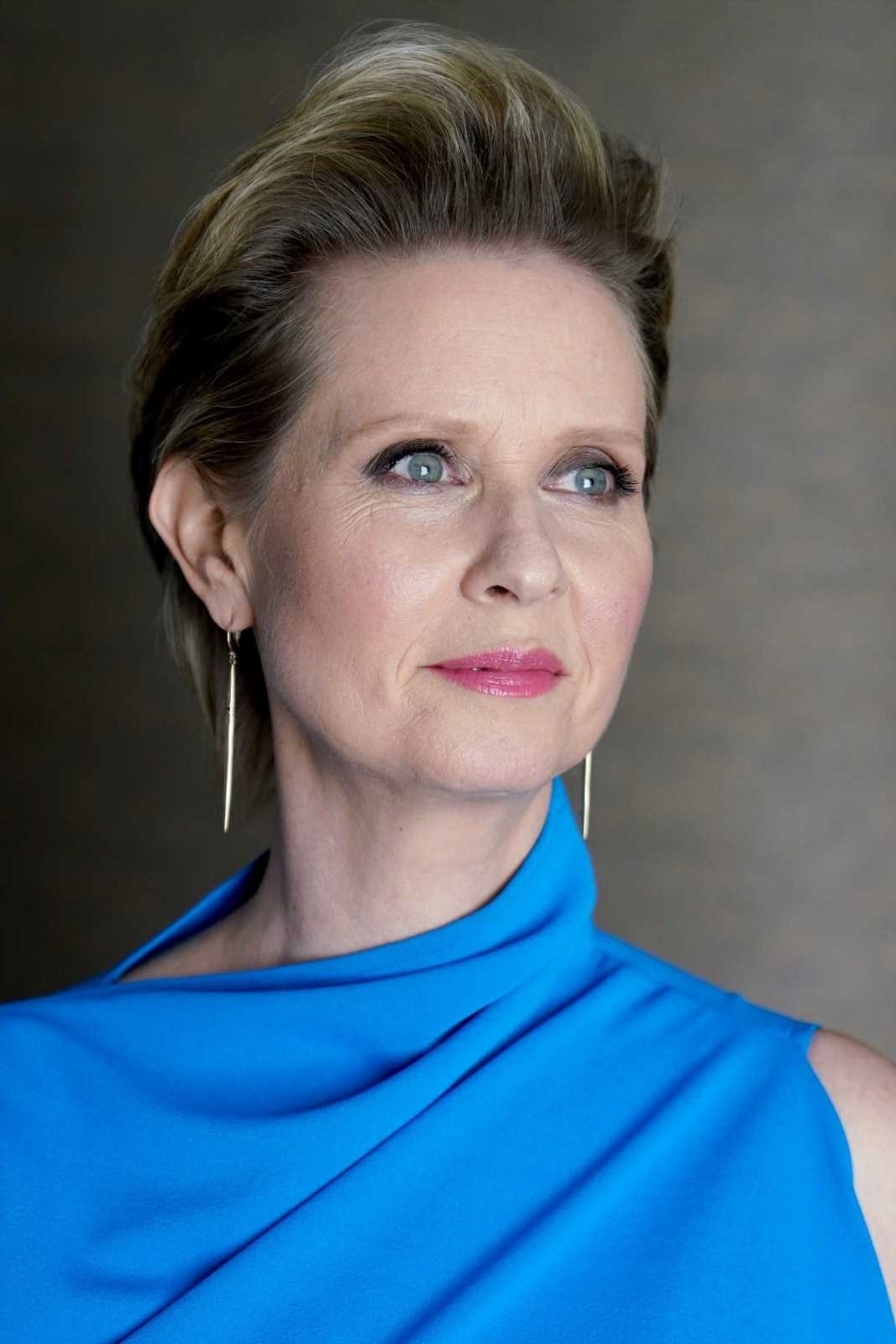
While she found great success on ‘Sex and the City’ she has since used her platform to criticize the limited scope of queer stories in mainstream media. She spoke out against the trope that queer characters must always be defined by their trauma or struggle. Her transition into politics and activism was driven by a desire to challenge these systemic issues. She remains a powerful voice for the inclusion of diverse and nuanced LGBTQ perspectives in all forms of storytelling.
Sarah Paulson
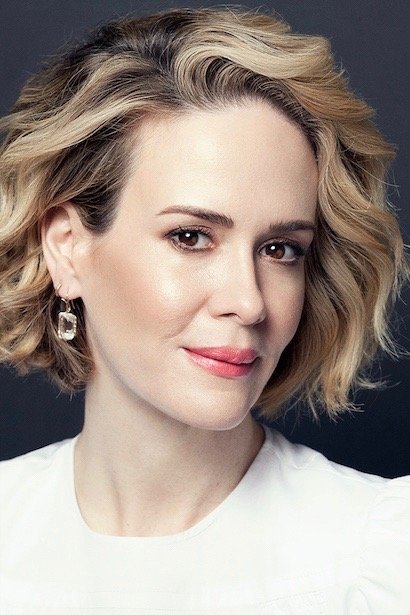
Early in her career she was warned that her public relationship with an older woman would negatively impact her casting opportunities. She spoke out against the ageist and homophobic tropes that often marginalize queer women in the industry. Despite these warnings she has become a celebrated actress known for taking on complex and varied roles. She continues to advocate for the right of all performers to live openly without fear of professional consequences.
Jane Lynch
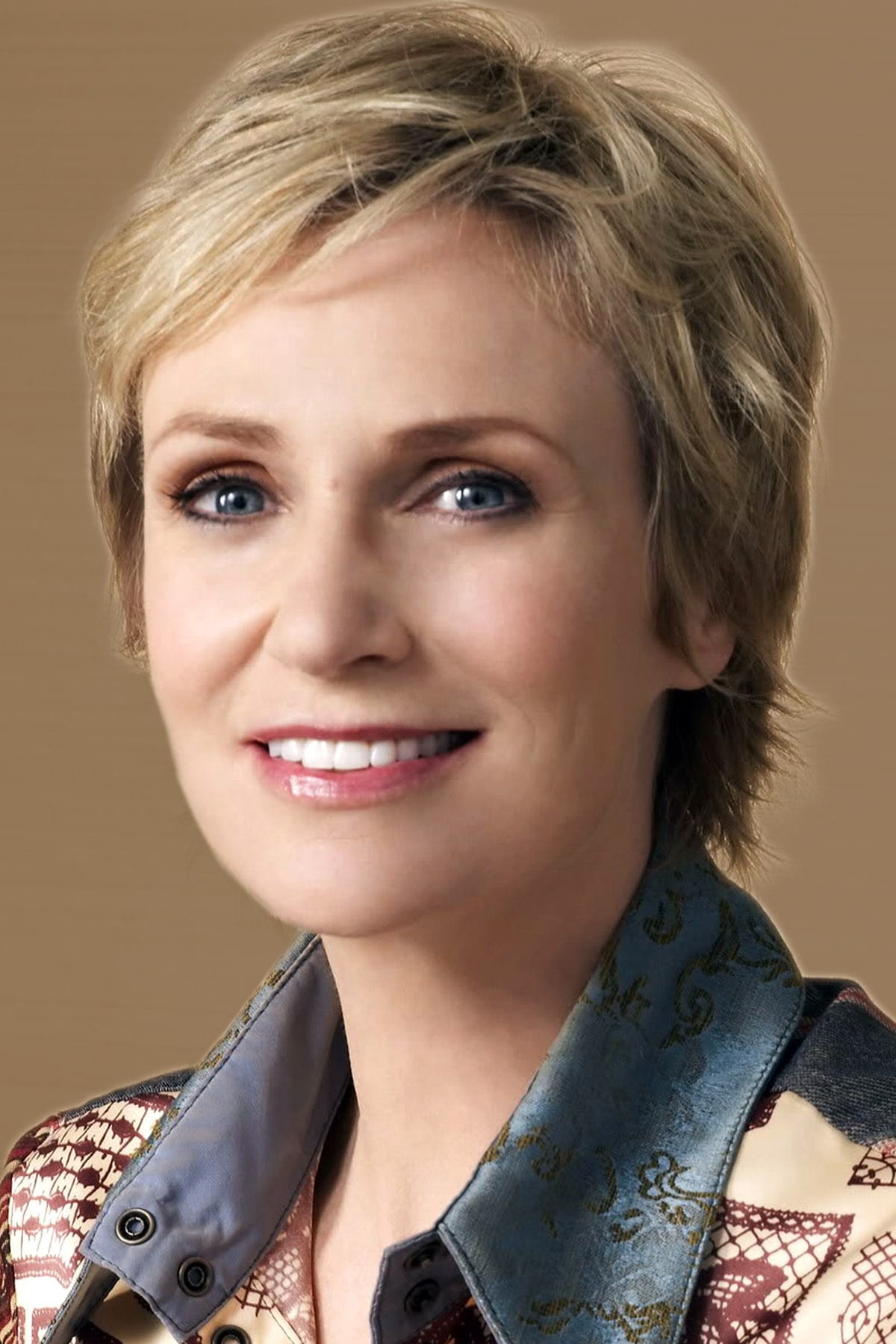
The ‘Glee’ star has often spoken about the narrow roles available to queer women before the recent shift in television representation. She criticized the trope of the predatory or humorless lesbian that dominated scripts for many years. Her success in character acting allowed her to break some of these molds but she remains vocal about the work still needed. She encourages directors to cast queer actors in a wider variety of roles that go beyond their identity.
Lily Tomlin
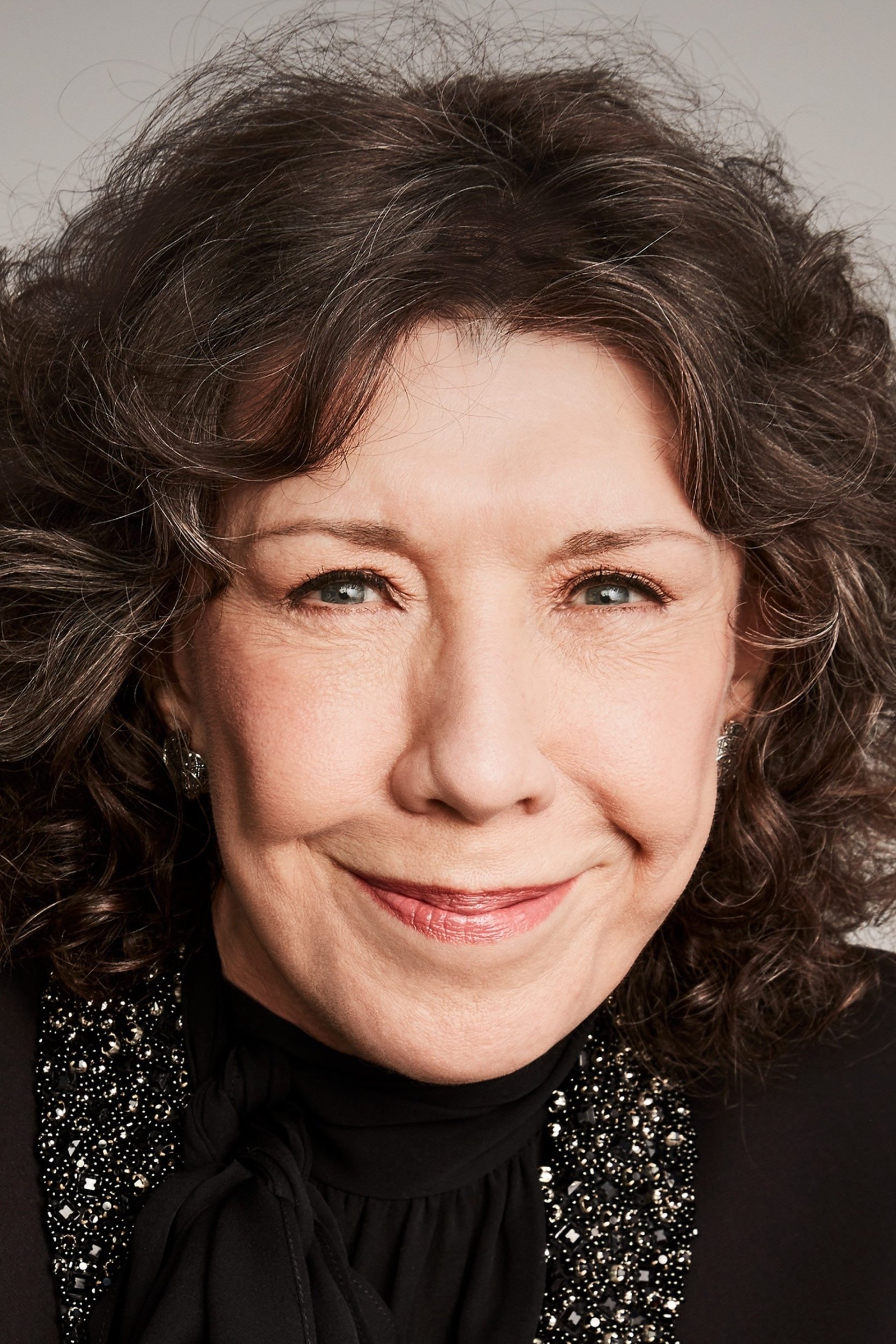
Throughout her long and storied career she has witnessed the evolution of LGBTQ representation and the many tropes that have persisted. She has spoken out about the importance of queer artists controlling their own narratives to avoid being reduced to caricatures. Her refusal to conform to traditional Hollywood expectations occasionally led to friction with industry gatekeepers. She remains a pioneer who paved the way for future generations of queer performers.
Michelle Rodriguez
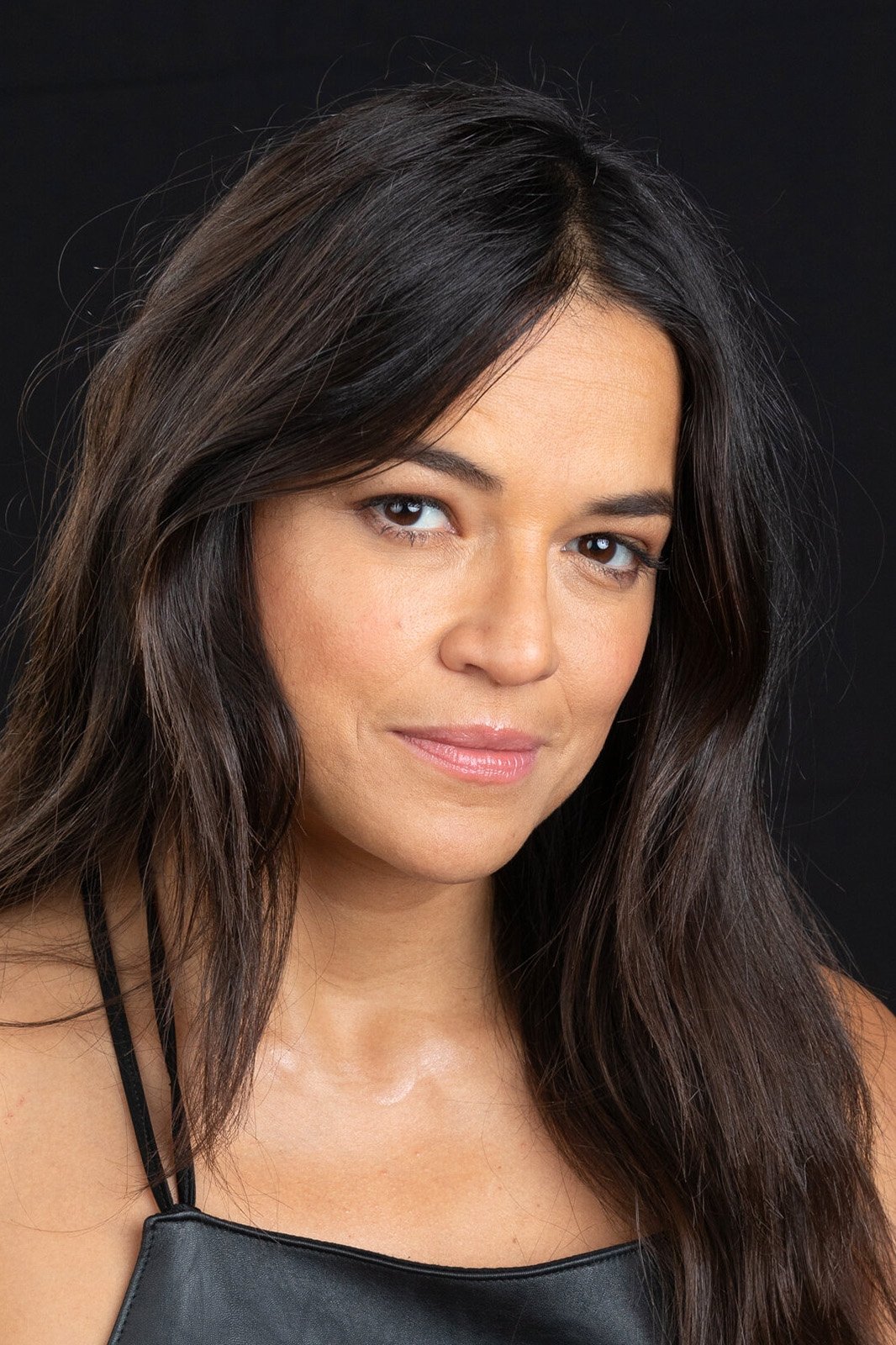
The actress has famously threatened to leave the ‘Fast and Furious’ franchise if the female characters were not given more agency and better storylines. She spoke out against the trope of women being used solely as props or love interests in action cinema. Her vocal criticism of the scripts led to significant changes in how her character and others were portrayed. She continues to push for more diverse and powerful roles for women in big budget films.
Asia Argento
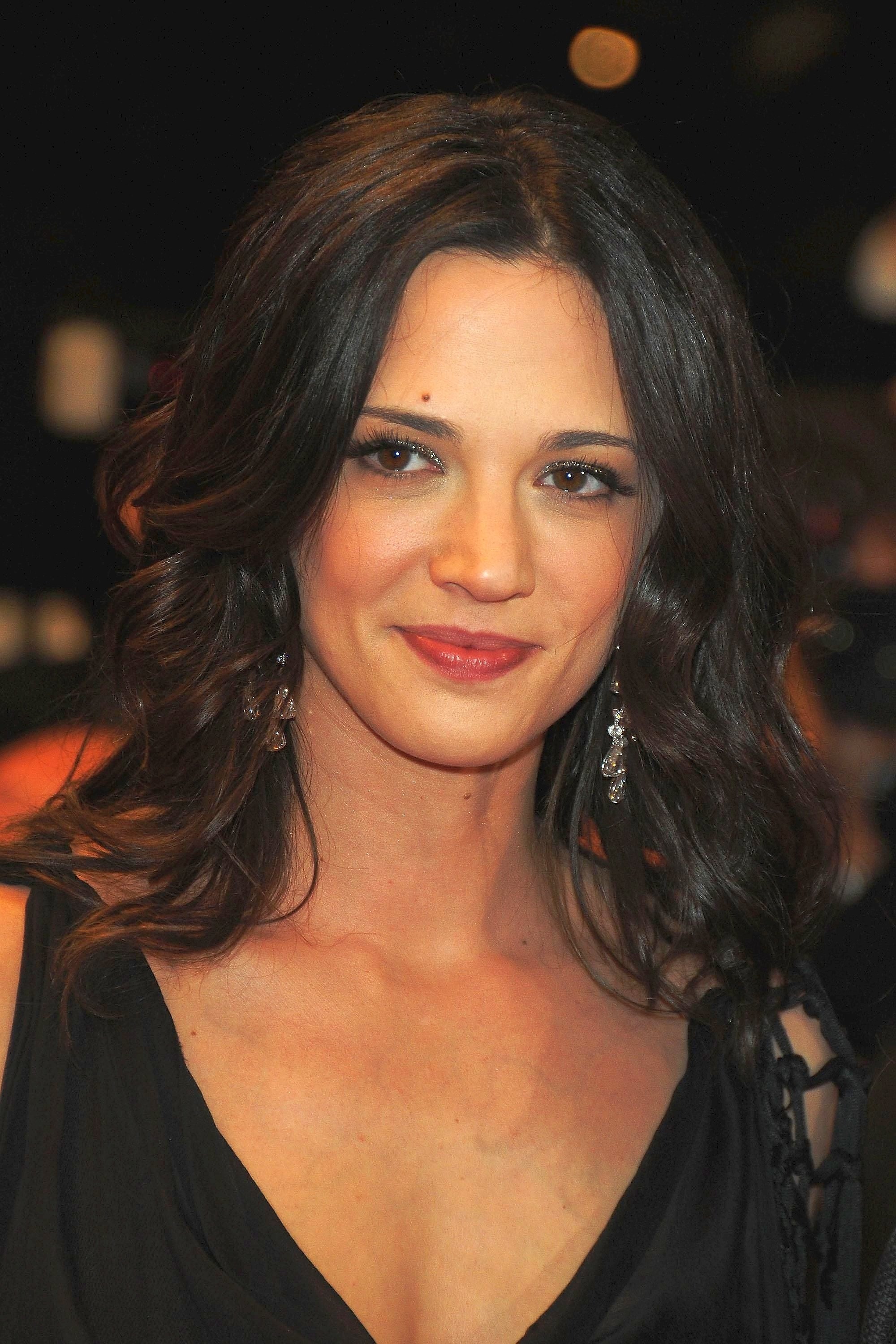
She was one of the leading voices in the movement to expose systemic abuse and the casting couch culture in the film industry. She spoke out against the toxic tropes that hyper sexualized women and punished those who refused to comply. Her bravery in naming powerful figures led to significant backlash and attempts to discredit her career. She has remained a steadfast advocate for the protection of performers and the dismantling of toxic power structures.
Rose McGowan
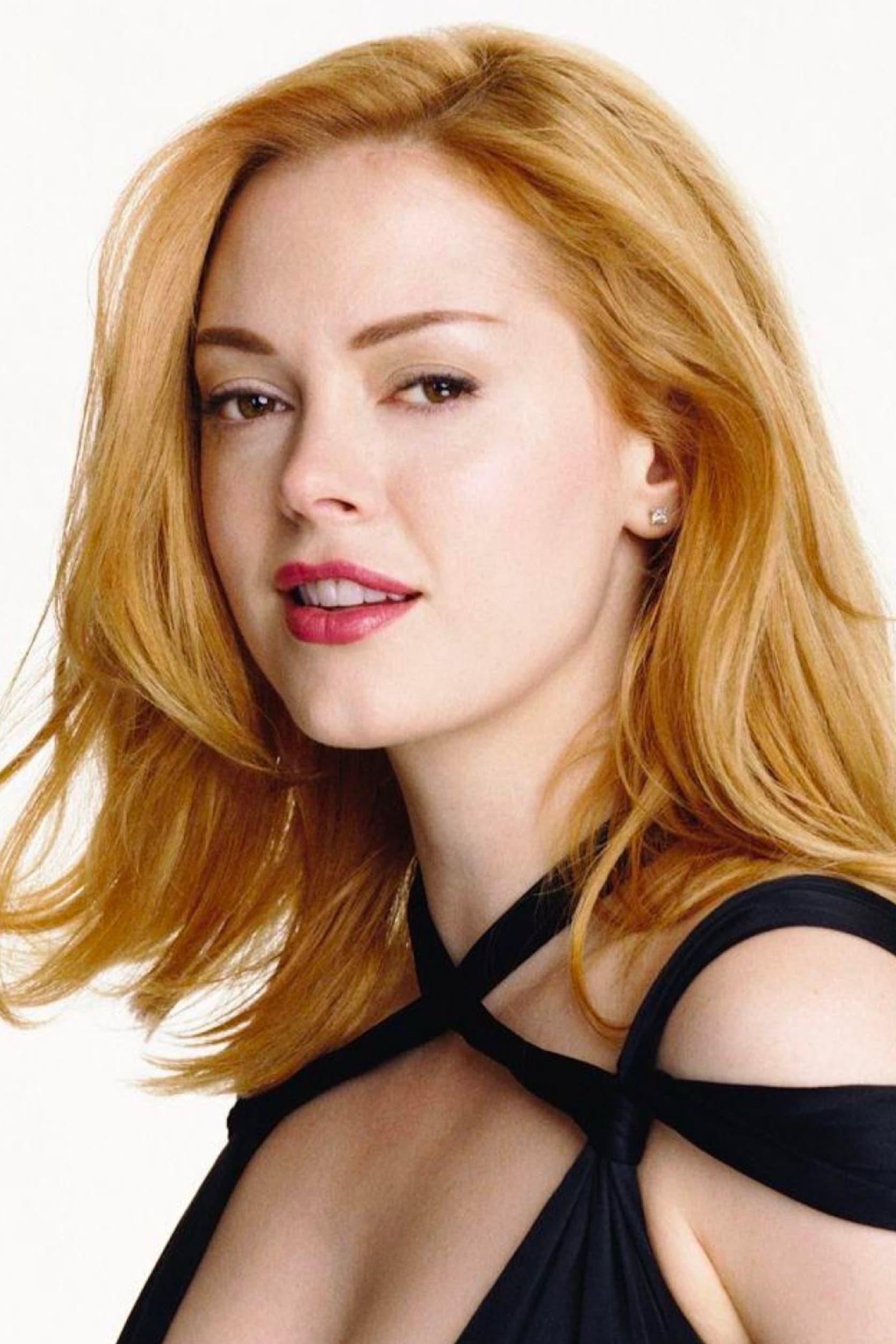
The actress became a central figure in challenging the predatory environment of Hollywood and the tropes that silenced survivors. She spoke out against the way the industry commodifies female sexuality while blacklisting those who speak the truth. Her career faced immense challenges after she began to publicly criticize powerful directors and studio heads. She continues to fight for a more transparent and ethical industry for all performers.
Thandiwe Newton

She has spoken candidly about the racial and gender based tropes that have limited her career and the industry as a whole. She criticized the way queer characters of color are often sidelined or depicted through a lens of exoticism. Her decision to speak out about her negative experiences with certain directors led to a period where she felt alienated from major studios. She remains a vocal advocate for authentic representation and the inclusion of marginalized voices.
Leisha Hailey
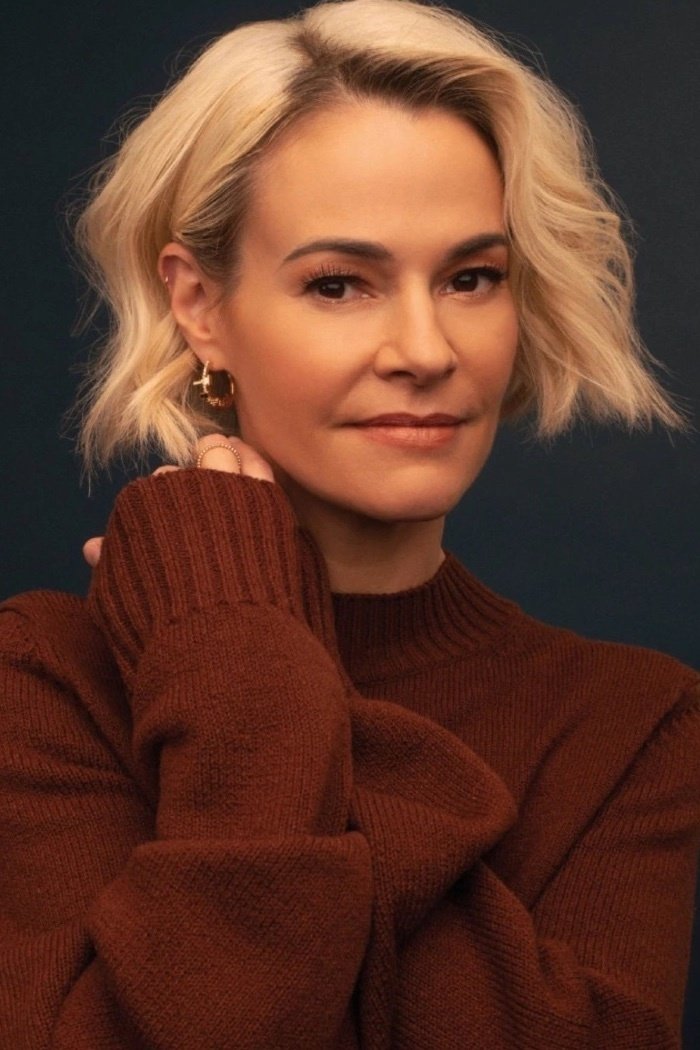
The actress and musician faced a public incident where she was removed from a flight for showing affection to her partner which she vocally criticized. This event sparked a broader discussion about the double standards faced by queer women in the public eye. She has spoken out against the trope that LGBTQ affection is inherently inappropriate or offensive. Her advocacy has made her a prominent figure in the fight for equal treatment in both her professional and personal life.
Laurel Holloman
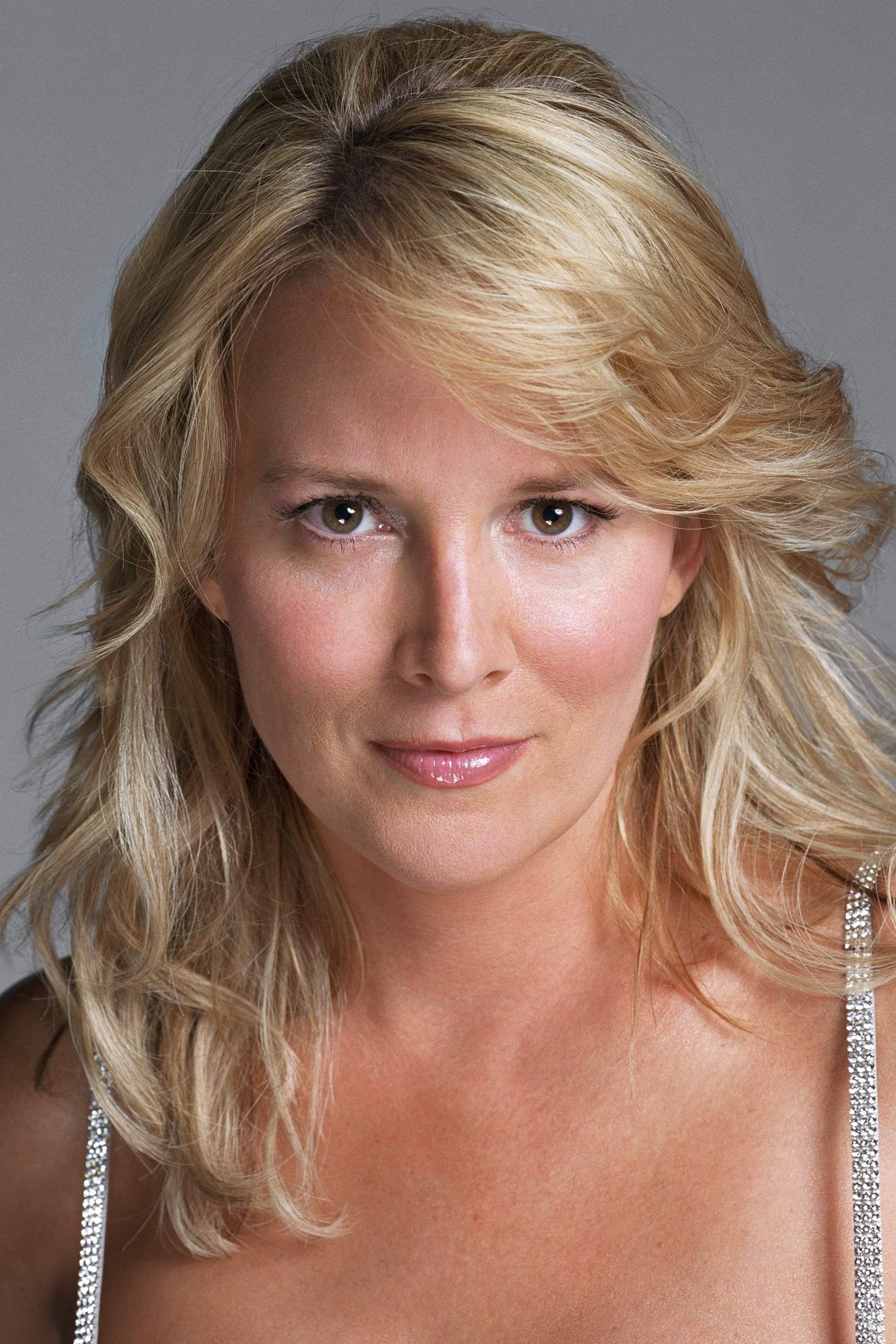
After her breakout role in ‘The Incredibly True Adventure of Two Girls in Love’ she became a recognizable face for queer cinema. She spoke out against the industry tendency to pigeonhole actresses who play lesbian roles and the lack of diverse scripts. Her transition into the fine arts was partly driven by a desire for more creative freedom outside the constraints of Hollywood. She remains an important figure for her early contributions to positive lesbian representation.
Mia Kirshner
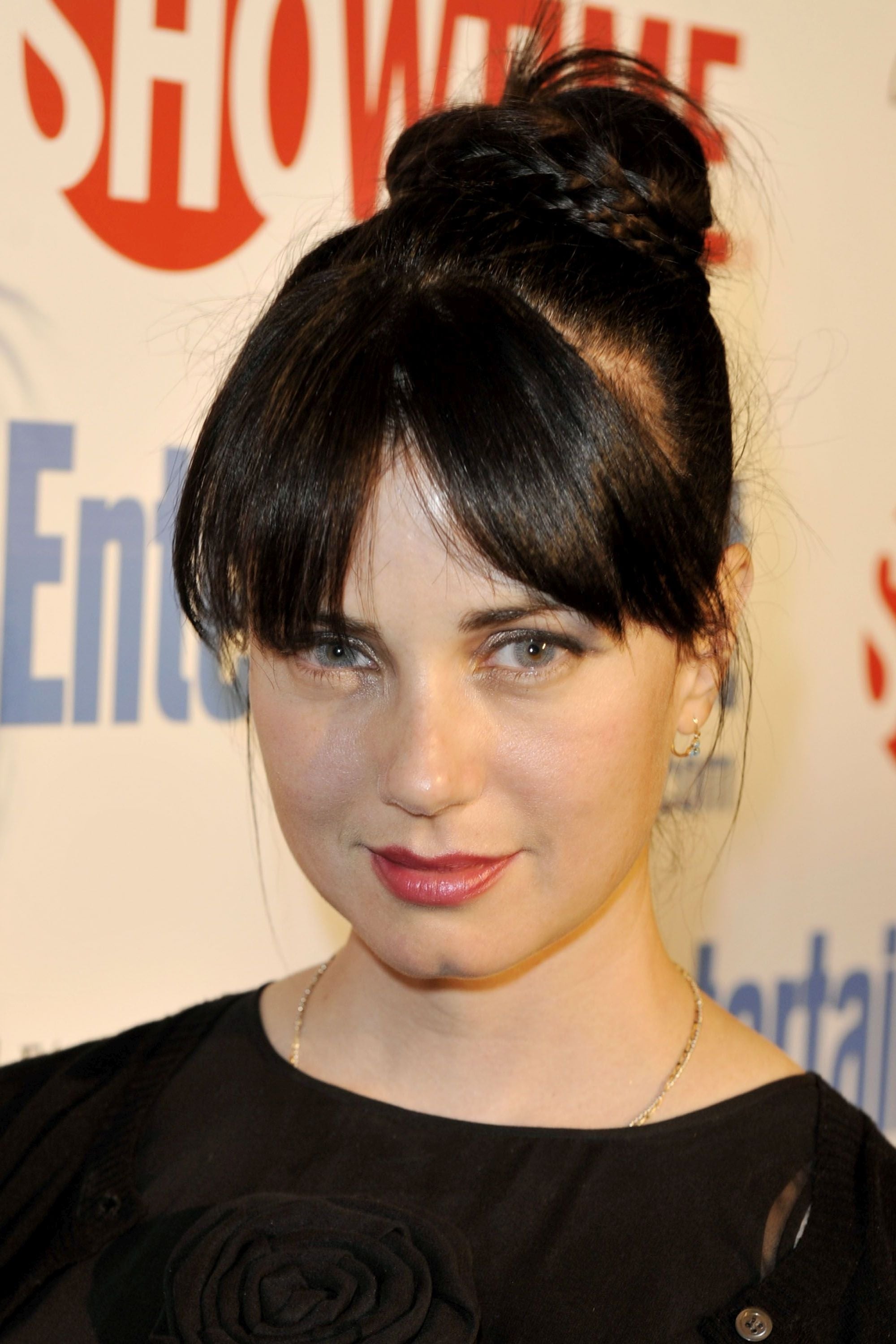
The actress has spoken out about the lack of safety and the prevalence of sexual harassment on film sets throughout her career. She criticized the tropes that normalize the mistreatment of women under the guise of artistic expression. Her advocacy for the creation of a centralized reporting system for abuse led to some friction with industry established norms. She continues to push for systemic changes that protect performers from toxic environments.
Guinevere Turner
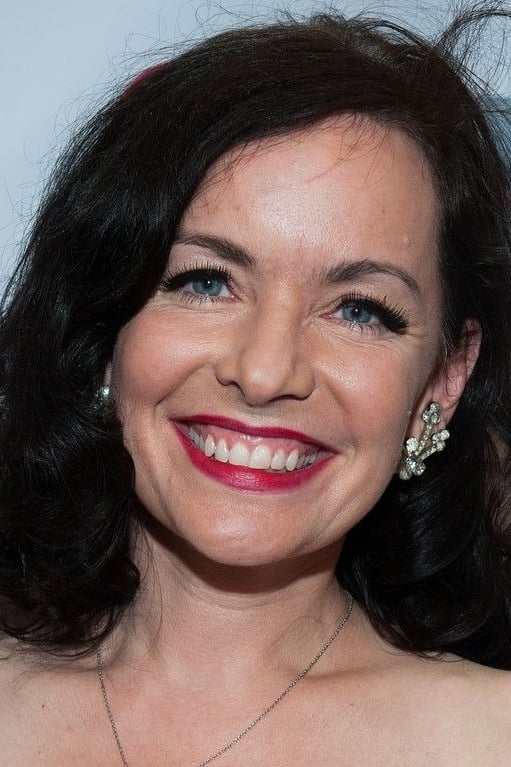
As both an actress and a screenwriter she has been instrumental in creating more nuanced lesbian characters and stories. She spoke out against the bury your gays trope and the lack of happy endings for queer women in film. Her work on projects like ‘Go Fish’ challenged the industry to look beyond stereotypical portrayals. She has often faced difficulties securing funding for projects that do not adhere to traditional or commercial tropes.
Chyler Leigh
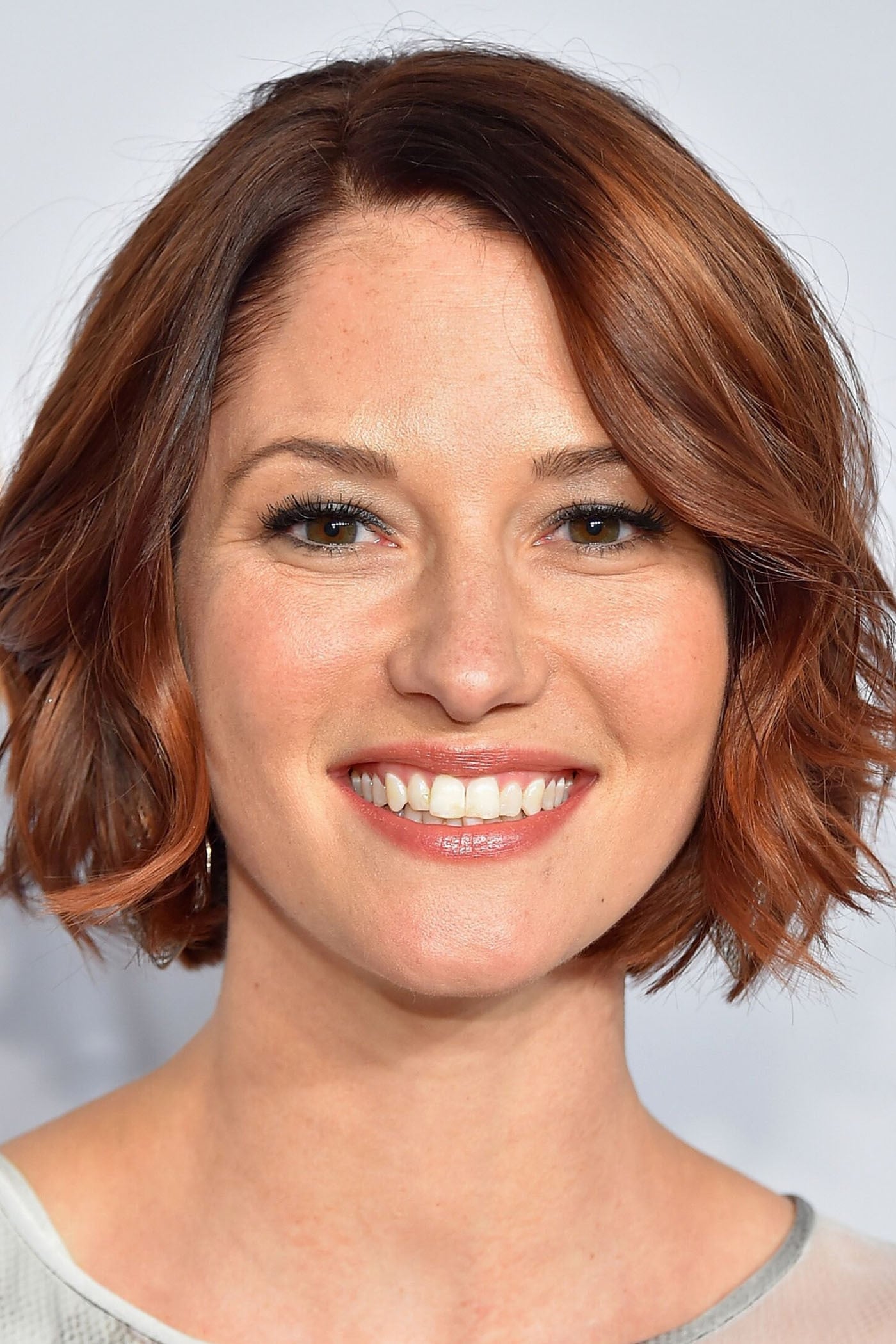
After her character on ‘Supergirl’ came out she became a vocal advocate for the importance of queer representation in the superhero genre. She spoke out against the trope of the tragic queer character and pushed for a more hopeful and grounded storyline. Her personal connection to the journey of her character resonated with many fans but also brought increased scrutiny. She continues to support LGBTQ youth and advocate for more inclusive storytelling in television.
Sara Ramirez
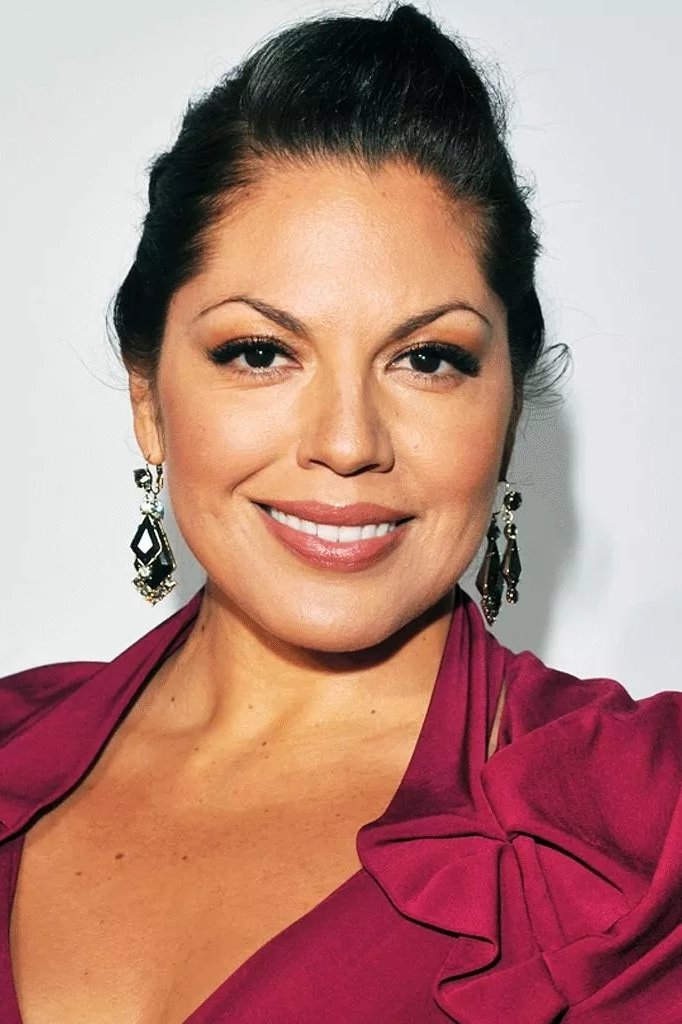
The ‘Grey’s Anatomy’ star has been a powerful voice for bisexual and nonbinary representation in mainstream media. They spoke out against the erasure of bisexual identities and the toxic tropes that portray them as confused or untrustworthy. Their advocacy led to significant changes in their character arc and opened the door for more diverse stories on the show. They remain a leading figure in the fight for visibility and authentic portrayals of all gender identities.
Asia Kate Dillon

As a nonbinary performer they have challenged the industry to move beyond the gender binary in casting and award categories. They spoke out against the limited tropes available for gender nonconforming characters and the lack of understanding from directors. Their role on ‘Billions’ was a milestone for representation but they continue to face hurdles in an industry built on traditional gender norms. They are a tireless advocate for the inclusion and respect of all performers.
Tessa Thompson
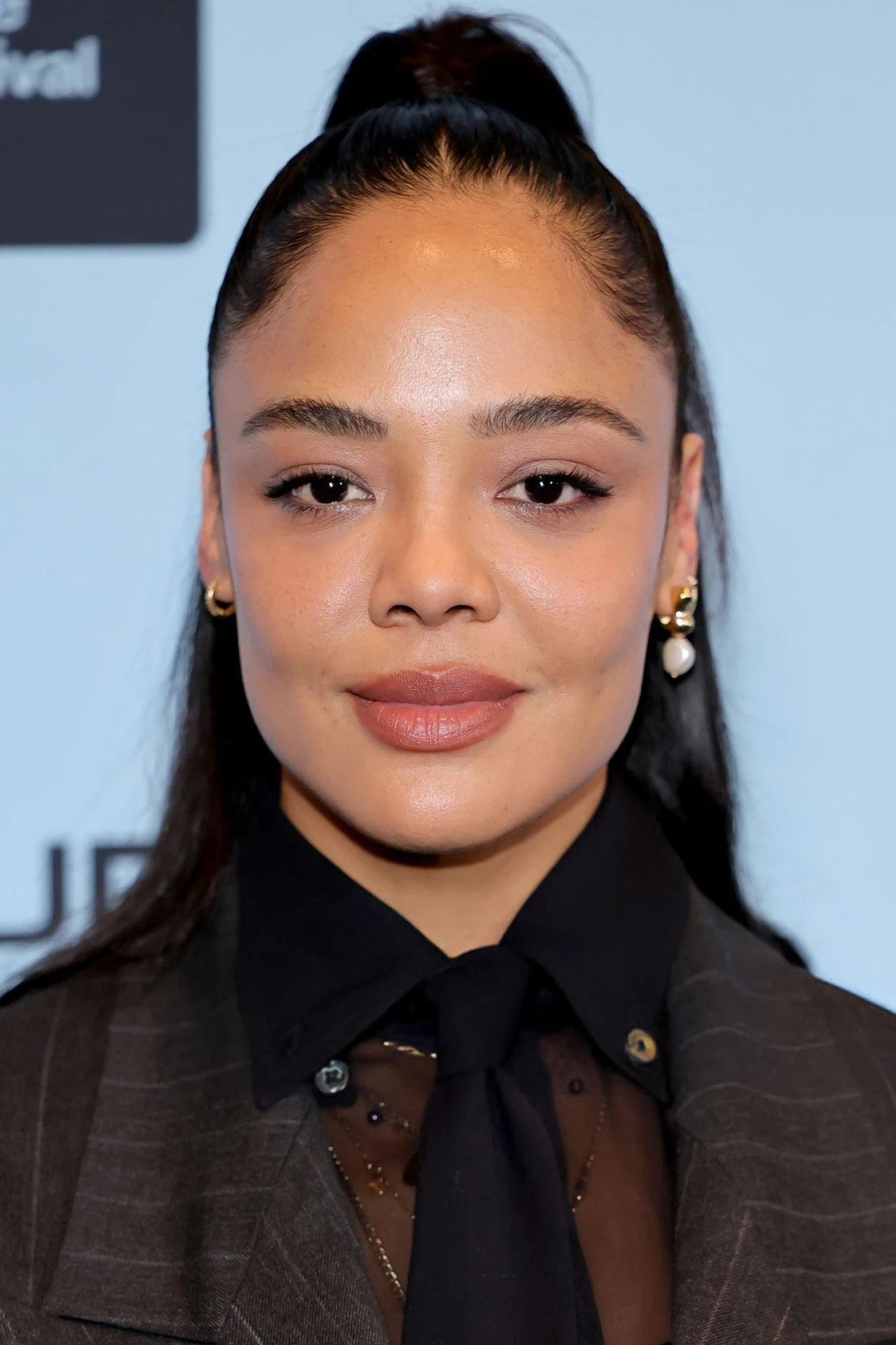
The actress has been vocal about the need for more queer representation in the Marvel Cinematic Universe and beyond. She spoke out against the trope of the invisible queer character where identity is hinted at but never confirmed. Her efforts to bring more depth and authenticity to her roles have sometimes been met with resistance from studio marketing departments. She continues to use her influence to champion diverse voices and push for more inclusive blockbusters.
Janelle Monáe
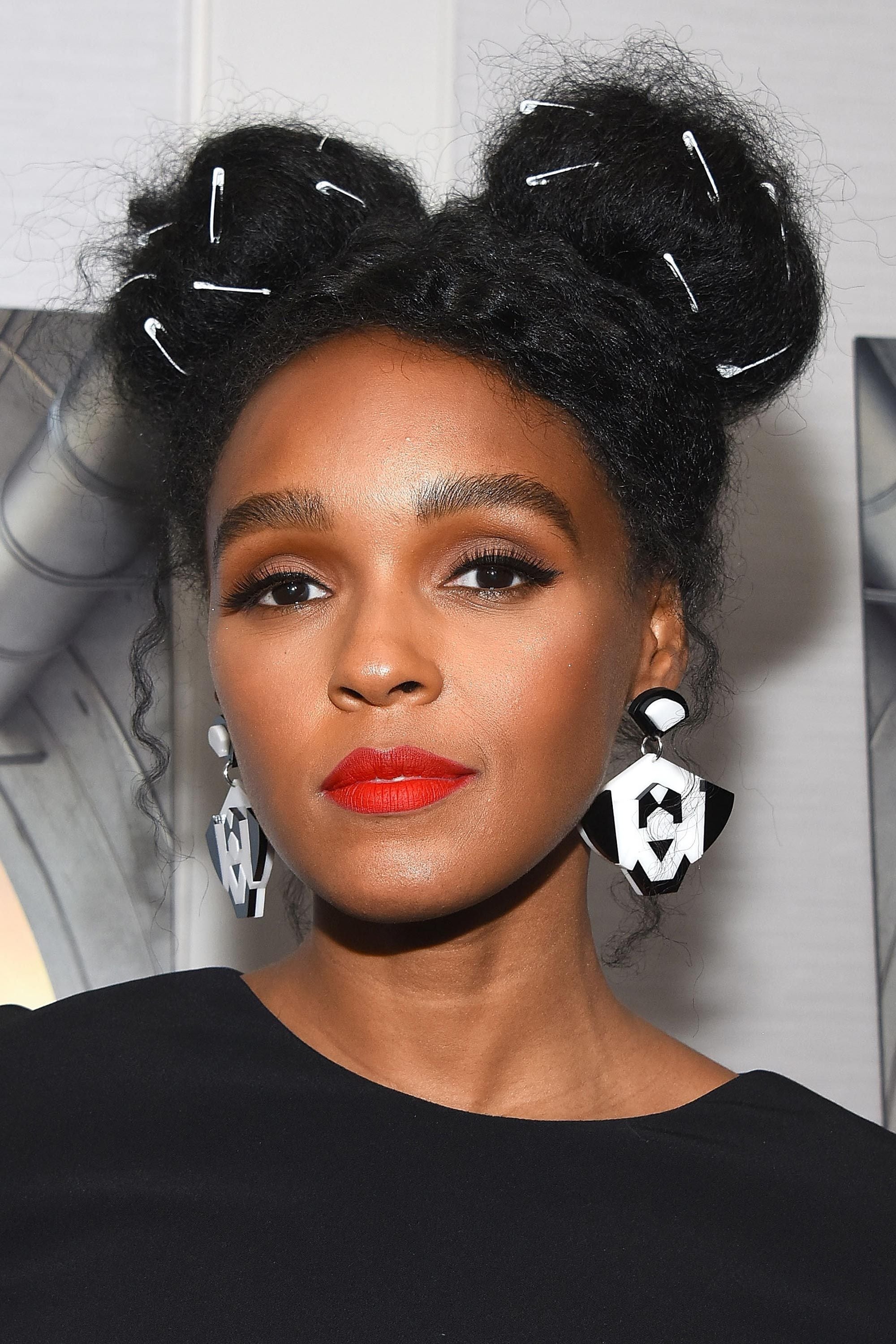
The singer and actress has used her art to explore themes of identity and queer love while challenging traditional tropes. She spoke out against the pressure to conform to a specific image and the lack of representation for queer Black women. Her work in films like ‘Moonlight’ and ‘Hidden Figures’ has allowed her to showcase a wide range of talent and perspectives. She remains a vocal critic of the industry historical exclusion of marginalized voices.
Aubrey Plaza
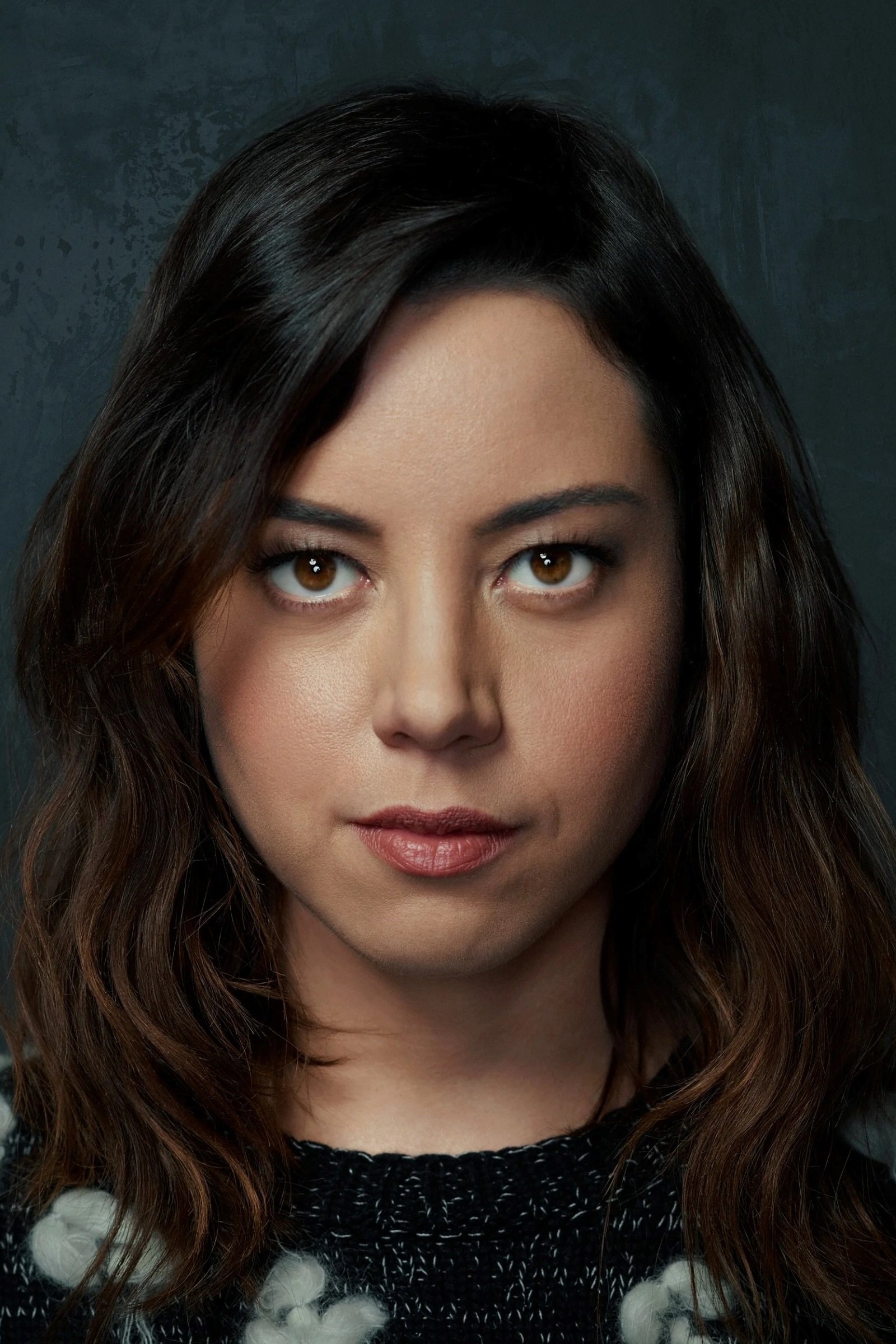
Known for her unique comedic style she has often spoken about her own identity and the lack of interesting roles for queer women in comedy. She criticized the trope of the quirky best friend and pushed for more complex and lead driven queer stories. Her work as a producer allows her to have more control over the narratives and ensure they avoid tired stereotypes. She continues to be a prominent voice for authenticity and creative risk taking in Hollywood.
Daniela Vega
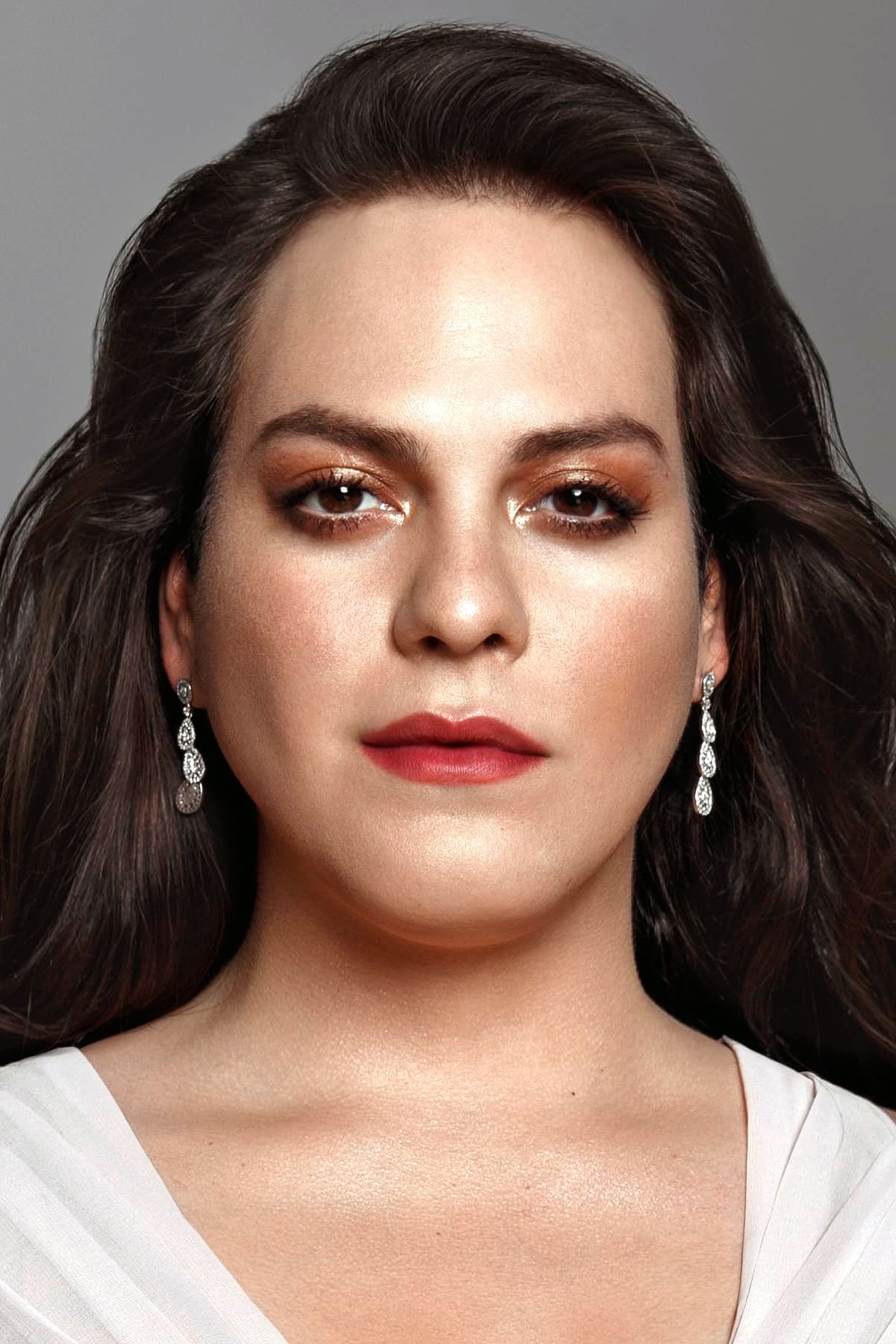
The Chilean actress made history with ‘A Fantastic Woman’ and has since been a global advocate for trans and queer rights. She spoke out against the tropes that define trans lives solely by their suffering or their transition process. Her presence on the international stage has challenged directors to think more deeply about casting and representation. She remains a powerful symbol of resilience and the importance of telling diverse stories.
Alexandra Billings
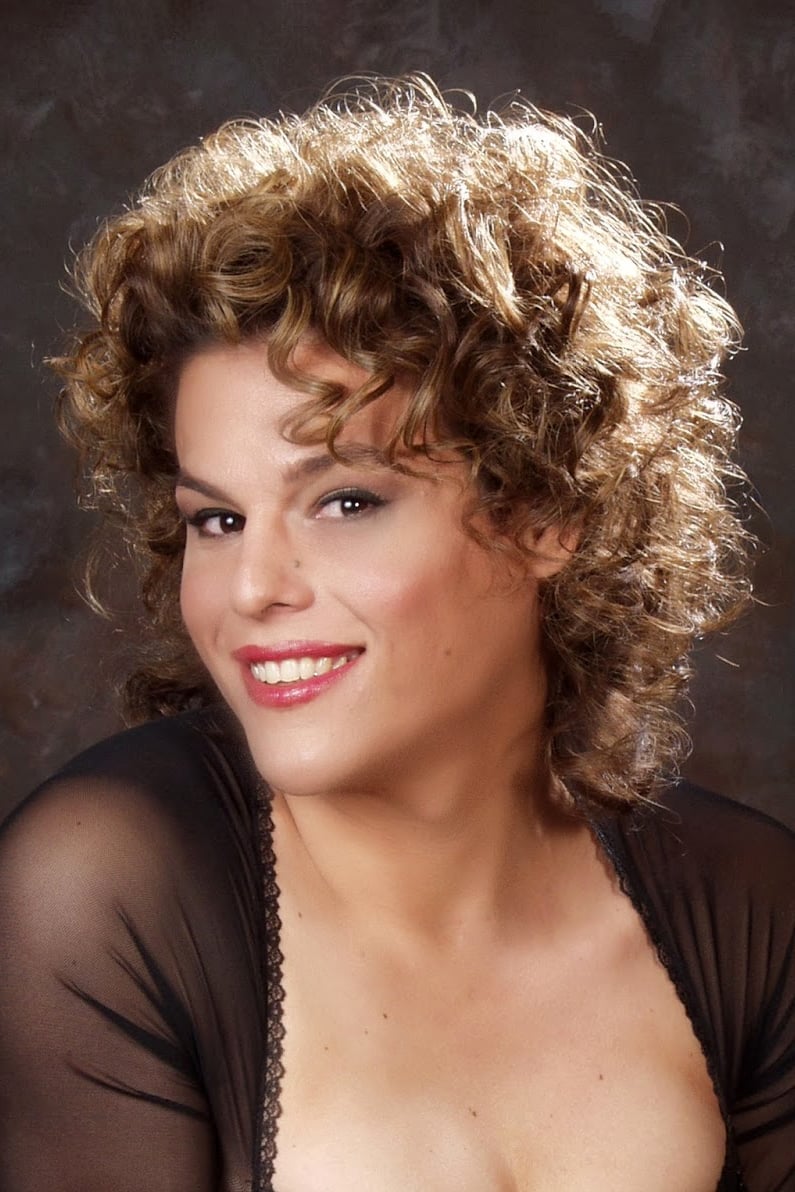
As a veteran actress and activist she has long spoken out against the industry practice of casting cisgender actors in trans roles. She criticized the toxic tropes that portray trans women as deceptive or as objects of pity. Her work on ‘Transparent’ and other projects has helped to shift the conversation toward more authentic and respectful representation. She continues to mentor younger performers and demand systemic change in Hollywood.
Angelica Ross
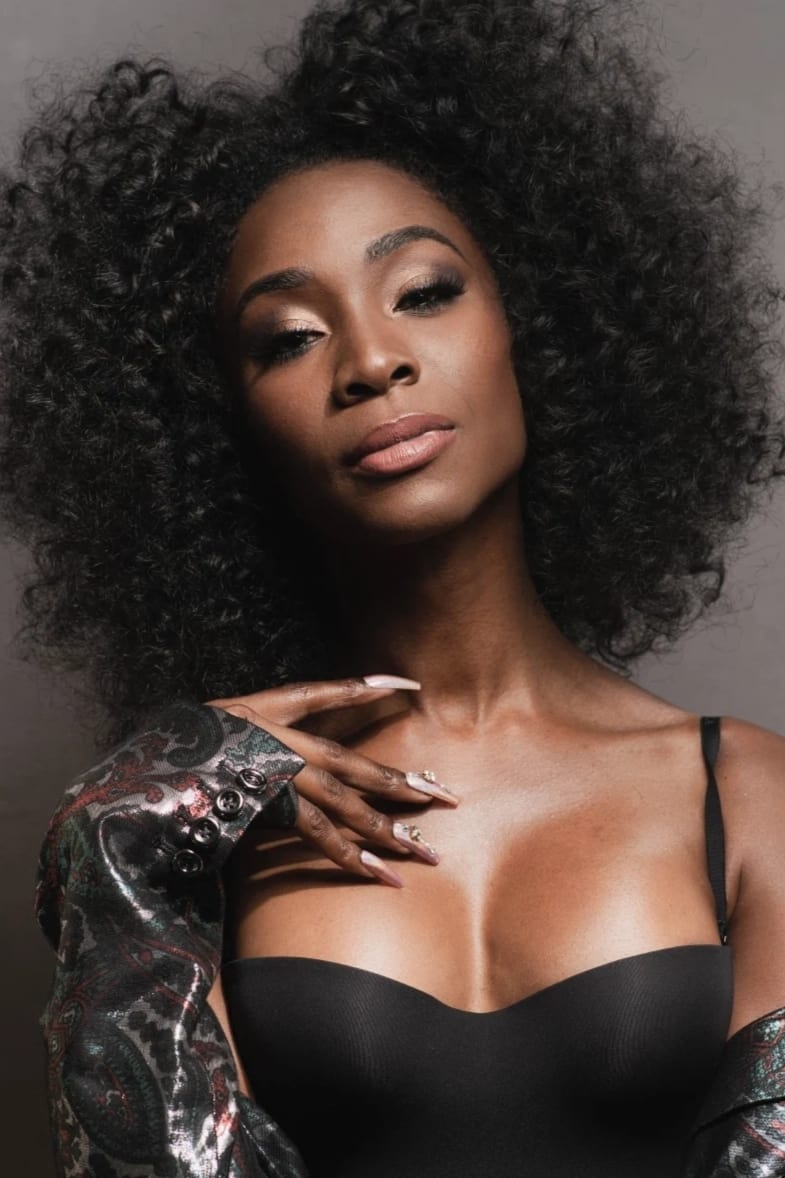
After her roles on ‘Pose’ and ‘American Horror Story’ she became a vocal critic of the treatment of Black trans women in the industry. She spoke out against the lack of support and the toxic environments that can exist on major television sets. Her decision to publicly share her experiences led to a significant conversation about the need for better protection and opportunities for marginalized actors. She continues to lead through her work and her advocacy for economic empowerment.
Trace Lysette
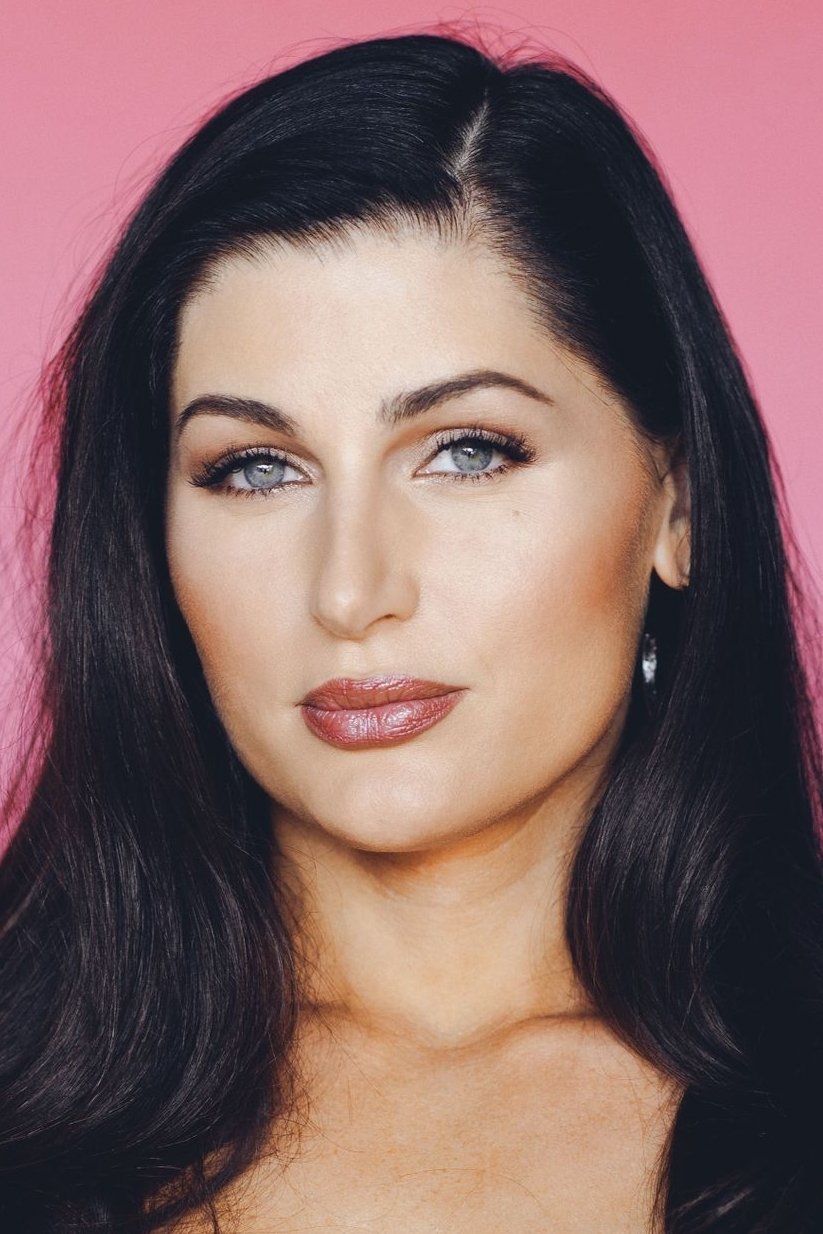
The actress was a key figure in bringing attention to the issues of harassment and the exclusion of trans performers from mainstream stories. She spoke out against the trope of trans women being limited to sex worker roles or being treated as plot devices. Her bravery in coming forward about her experiences on set helped to spark major changes in the industry approach to diversity and safety. She continues to advocate for more leading roles and nuanced scripts for trans actors.
Laverne Cox
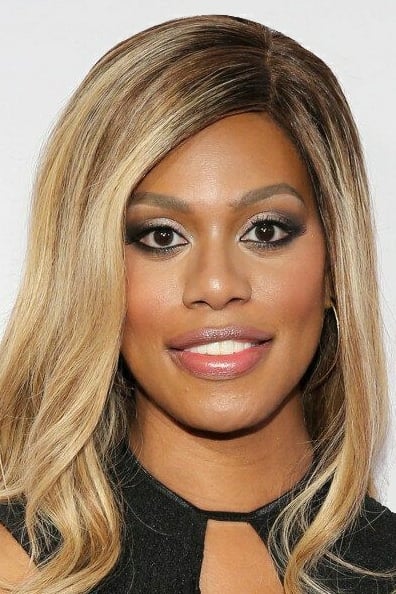
Through her role on ‘Orange Is the New Black’ and her extensive advocacy work she has highlighted the many tropes that have harmed the trans community. She spoke out against the hyper sexualization and the violent depictions of trans women in media. Her success has opened many doors but she remains a vocal critic of the systemic barriers that still exist. She continues to use her platform to educate the public and the industry on the importance of humanizing queer stories.
Dominique Jackson

The actress and model has been a powerful voice for the importance of self advocacy and the rejection of limiting tropes. She spoke out against the industry tendency to fetishize trans women of color while denying them substantial roles. Her work has centered on reclaiming narratives and ensuring that queer stories are told with dignity and power. She remains a prominent figure in the fashion and entertainment worlds who continues to challenge the status quo.
Sophie Ward
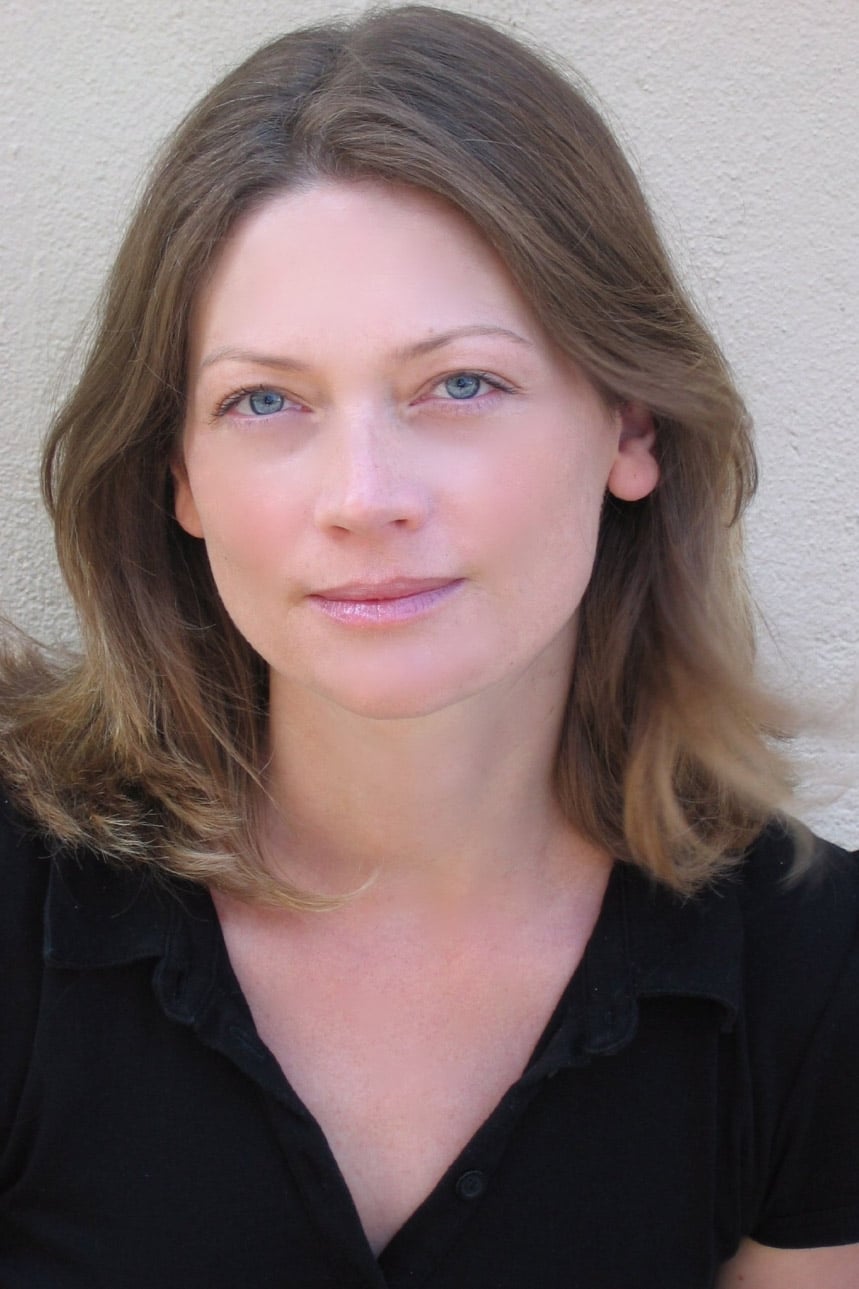
The British actress saw a change in her career opportunities after coming out in the mid nineties and becoming a visible advocate for lesbian rights. She spoke out against the lack of complex roles for queer women in period dramas and mainstream television. Her experiences with directors and casting agents highlighted the subtle ways that queer performers were sidelined. She has since balanced her acting career with writing and academic work while remaining a vocal advocate for equality.
Fiona Shaw
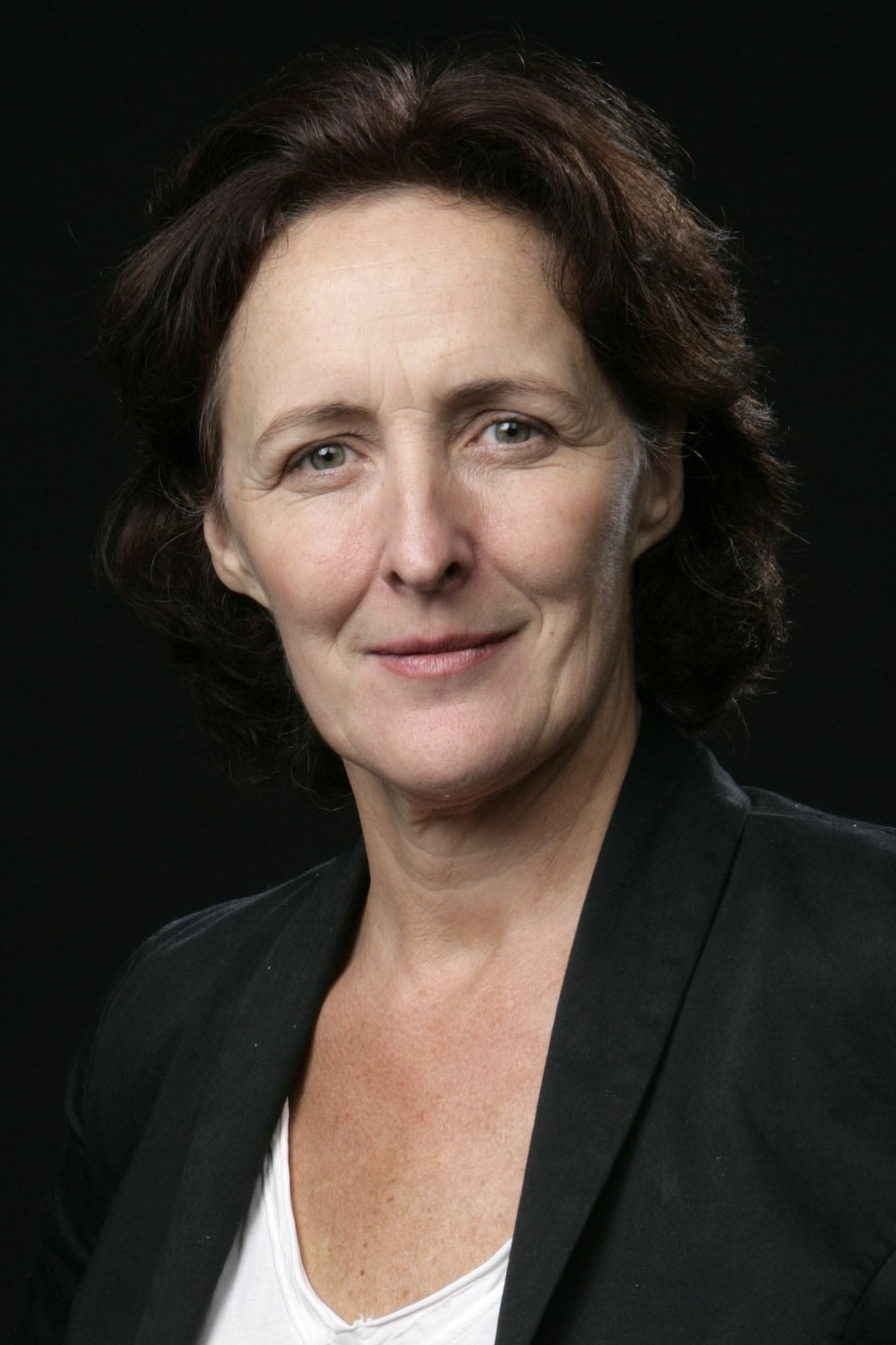
The acclaimed actress has spoken about the challenges of being an out performer in the theater and film worlds of the past. She criticized the tropes that limited queer women to eccentric or villainous roles. Her career has spanned decades of immense change and she has often noted the shift in how directors approach queer identities. She continues to be a respected figure who advocates for more imaginative and inclusive storytelling.
Cherry Jones
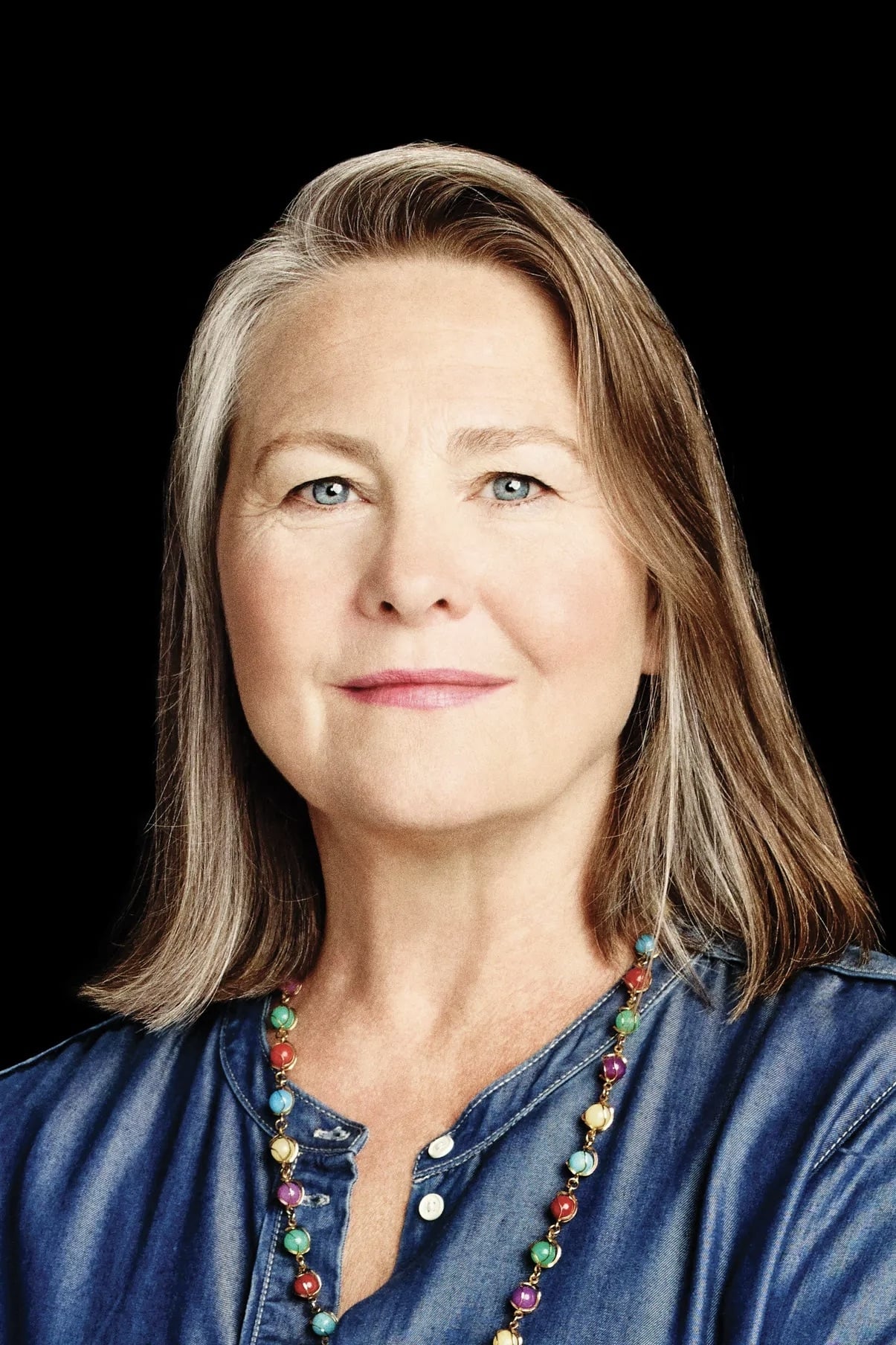
The award winning actress has been a steady voice for the importance of being authentic in a demanding industry. She spoke out against the tropes that suggested queer performers could not lead major productions or appeal to wide audiences. Her consistent success on stage and screen has challenged these outdated notions and provided a model for others. She remains a powerful advocate for the right of all artists to live and work with integrity.
Holland Taylor
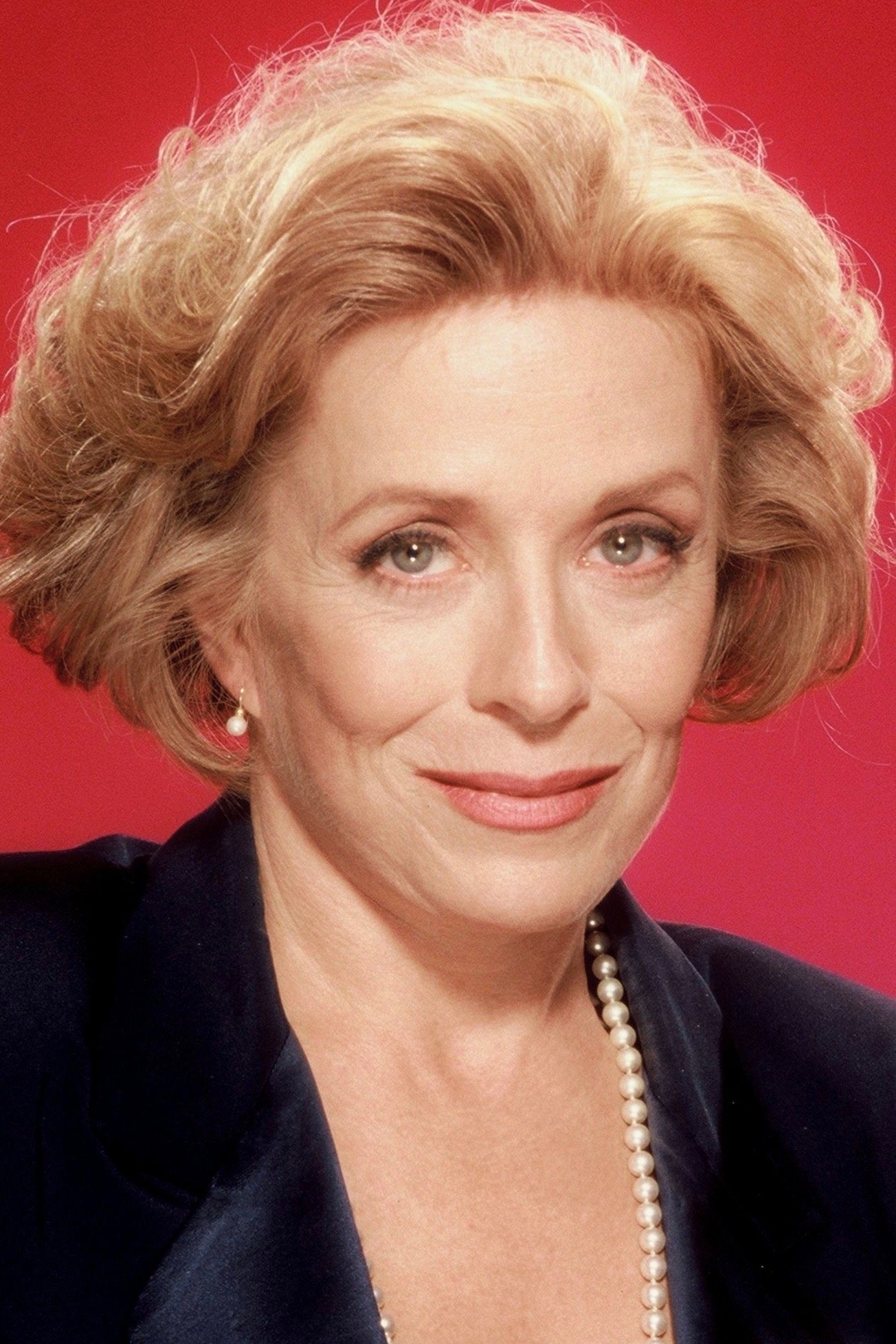
The legendary actress has spoken about the evolution of her career and the freedom she found after being open about her life later in her journey. She criticized the industry history of silencing queer voices and the narrow tropes that characterized older women. Her continued success in prominent roles demonstrates the power of talent over restrictive industry expectations. She remains a beloved figure who advocates for a more open and accepting Hollywood.
Miriam Margolyes
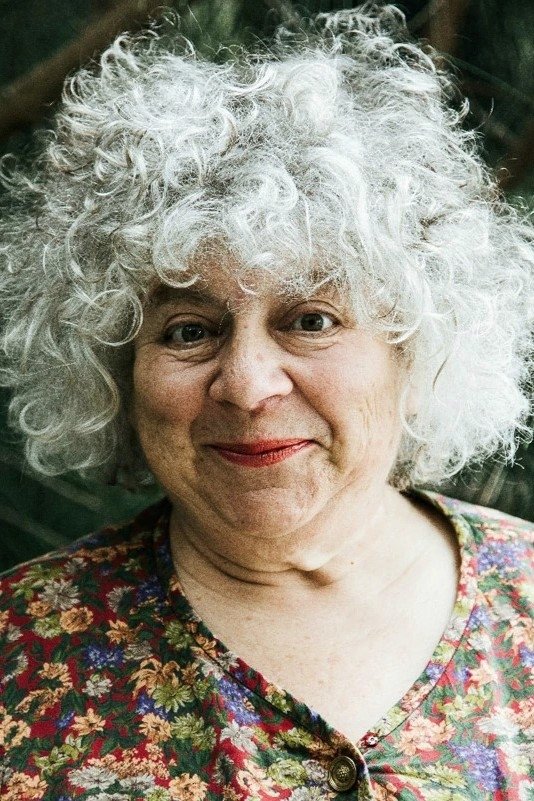
Known for her directness and wit she has long been open about her life and the challenges she faced in a conservative industry. She spoke out against the tropes that made queer women invisible or treated them as oddities. Her career has been defined by her refusal to conform to anyone else expectations and her demand for respect. She remains a vocal critic of the industry shortcomings and a champion for authentic queer expression.
Clea DuVall
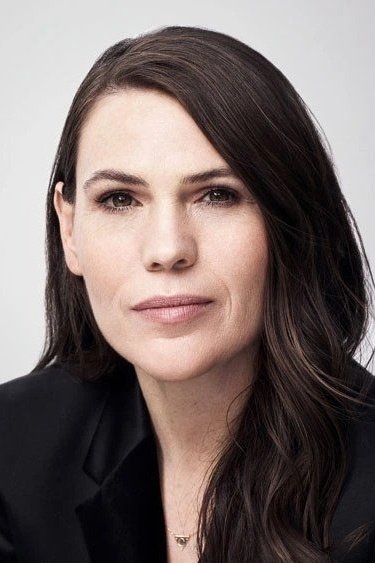
The actress has often played queer roles and eventually transitioned into directing to ensure these stories were told authentically. She spoke out against the tropes that relied on tragedy or the male gaze in lesbian cinema. Her work as a director on films like ‘Happiest Season’ sought to bring queer stories into the mainstream holiday genre. She continues to challenge the industry to broaden its scope and provide more varied opportunities for LGBTQ performers.
Natasha Lyonne
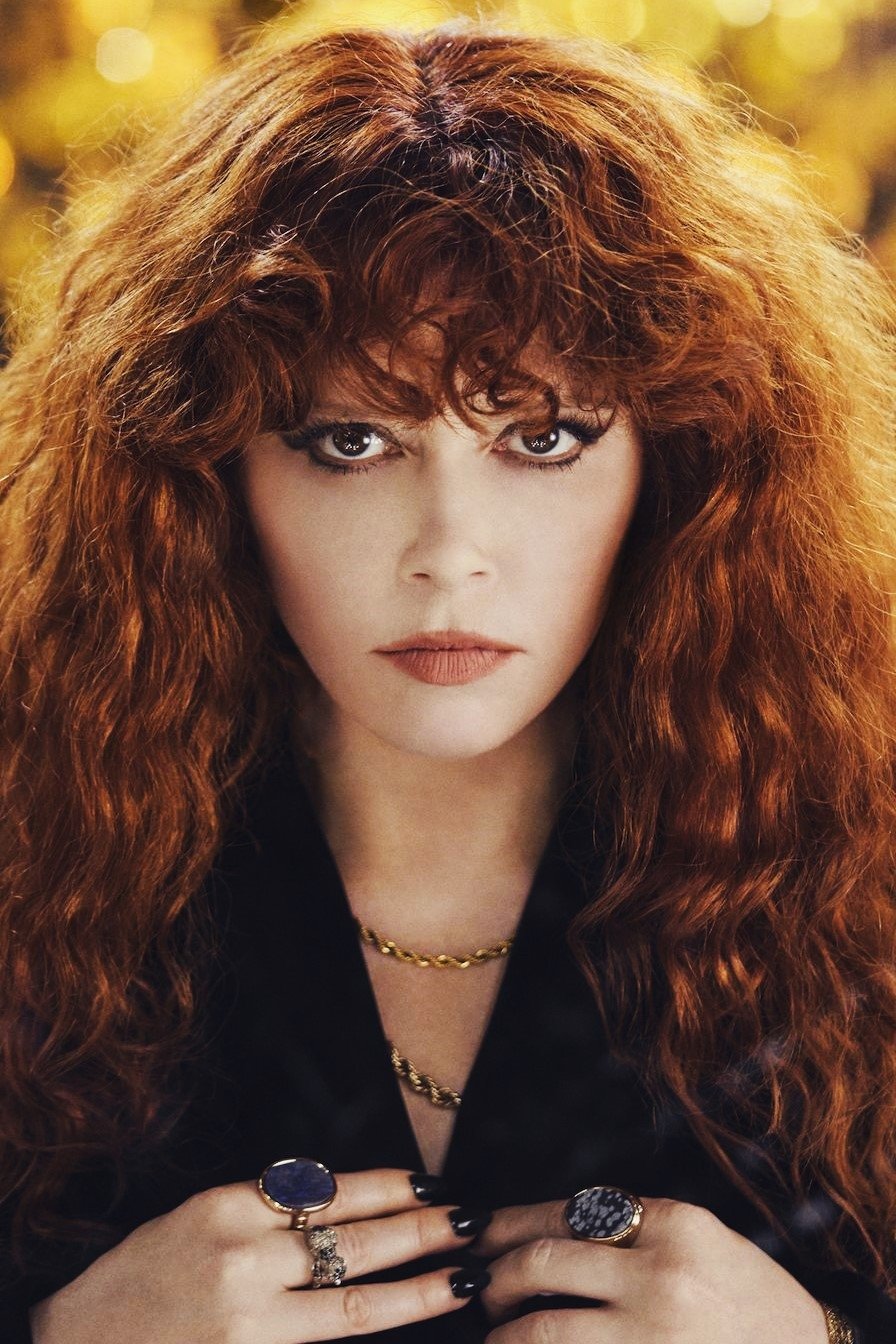
The ‘But I’m a Cheerleader’ star has long been associated with queer inclusive projects that challenge traditional norms. She spoke out against the tropes that sanitized or mocked queer identities for the benefit of a straight audience. Her work as a creator and actress on ‘Russian Doll’ and other series showcases a commitment to complex and unconventional storytelling. She remains a prominent figure who pushes the boundaries of what is expected in mainstream entertainment.
Jodie Foster
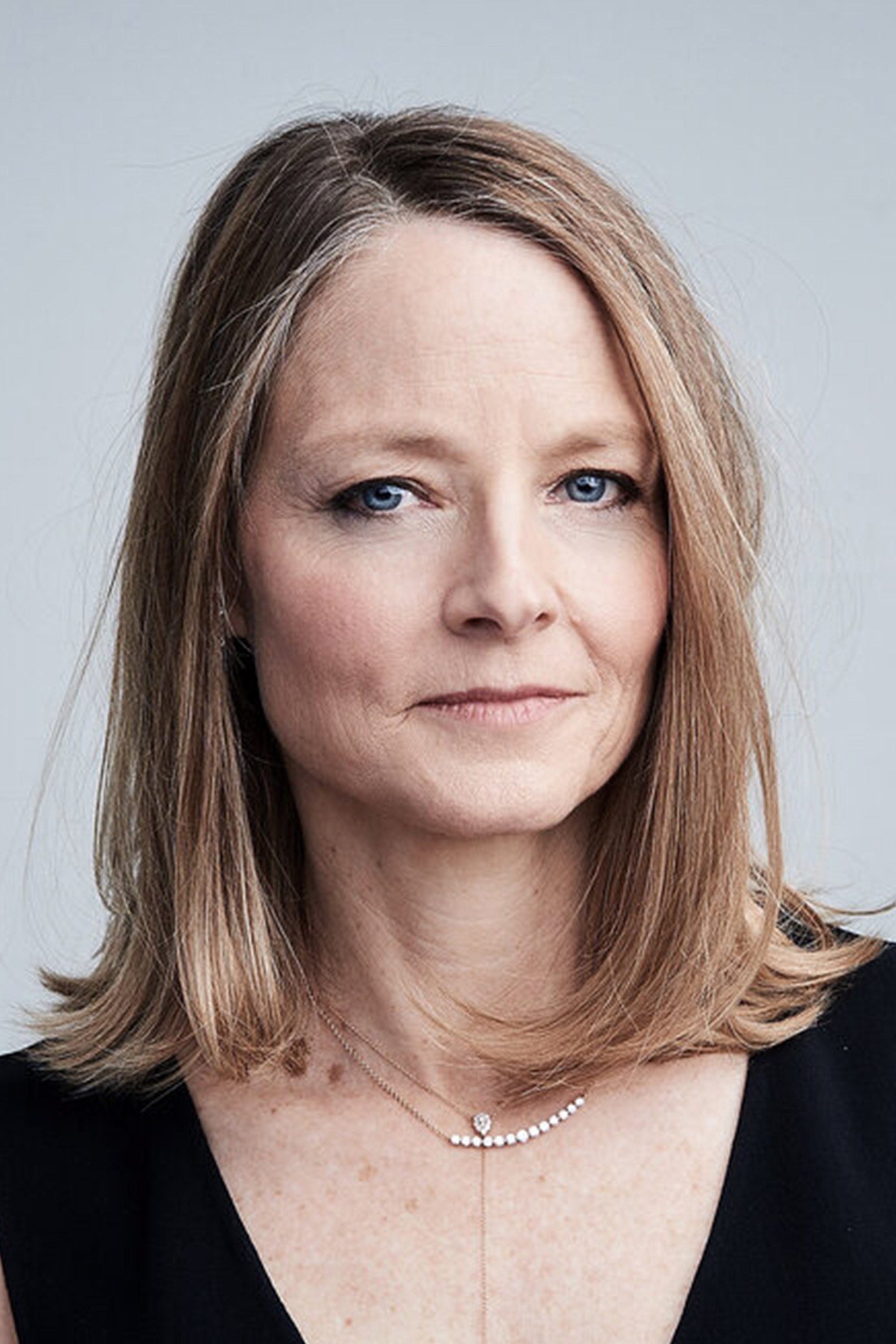
The iconic actress and director has navigated a long career while being a private but eventually open member of the LGBTQ community. She has spoken about the challenges of representation and the tropes that dominated her early years in the industry. Her work as a director has often focused on complex female characters who defy traditional expectations. She remains one of the most powerful figures in Hollywood who has successfully challenged the limitations once placed on queer performers.
Please share which of these stories about industry representation surprised you the most in the comments.