Celebs Who Weaponized Their Gay Fandoms to Win Meaningless Internet Feuds

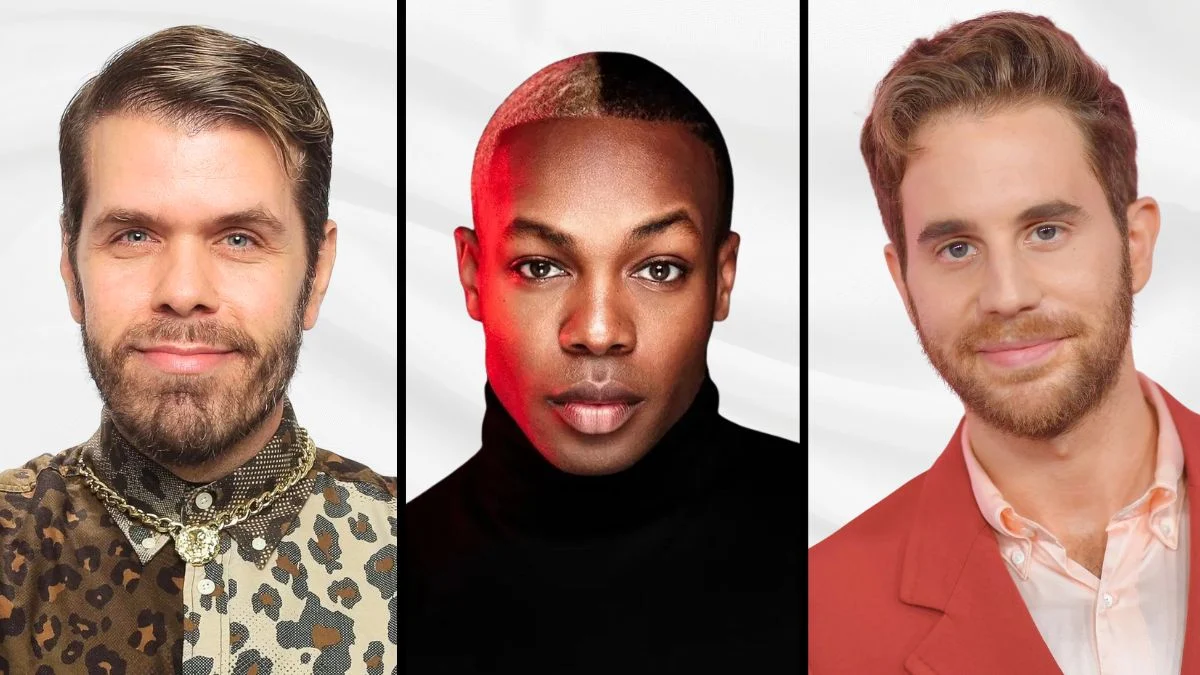

The intersection of celebrity culture and digital fandom has created a unique environment where social media stars and traditional actors can mobilize their supporters in an instant. This phenomenon is particularly evident when high-profile figures use their dedicated queer fanbases to navigate minor public disagreements or defend their reputations online. While these internet feuds are often short-lived and inconsequential they demonstrate the immense power that community-led digital movements can wield. By appealing to the loyalty of their gay fans these celebrities can effectively control the narrative and silence their detractors during heated exchanges. This dynamic has reshaped how public figures interact with their audiences and how they handle criticism in the modern era.
Lil Nas X
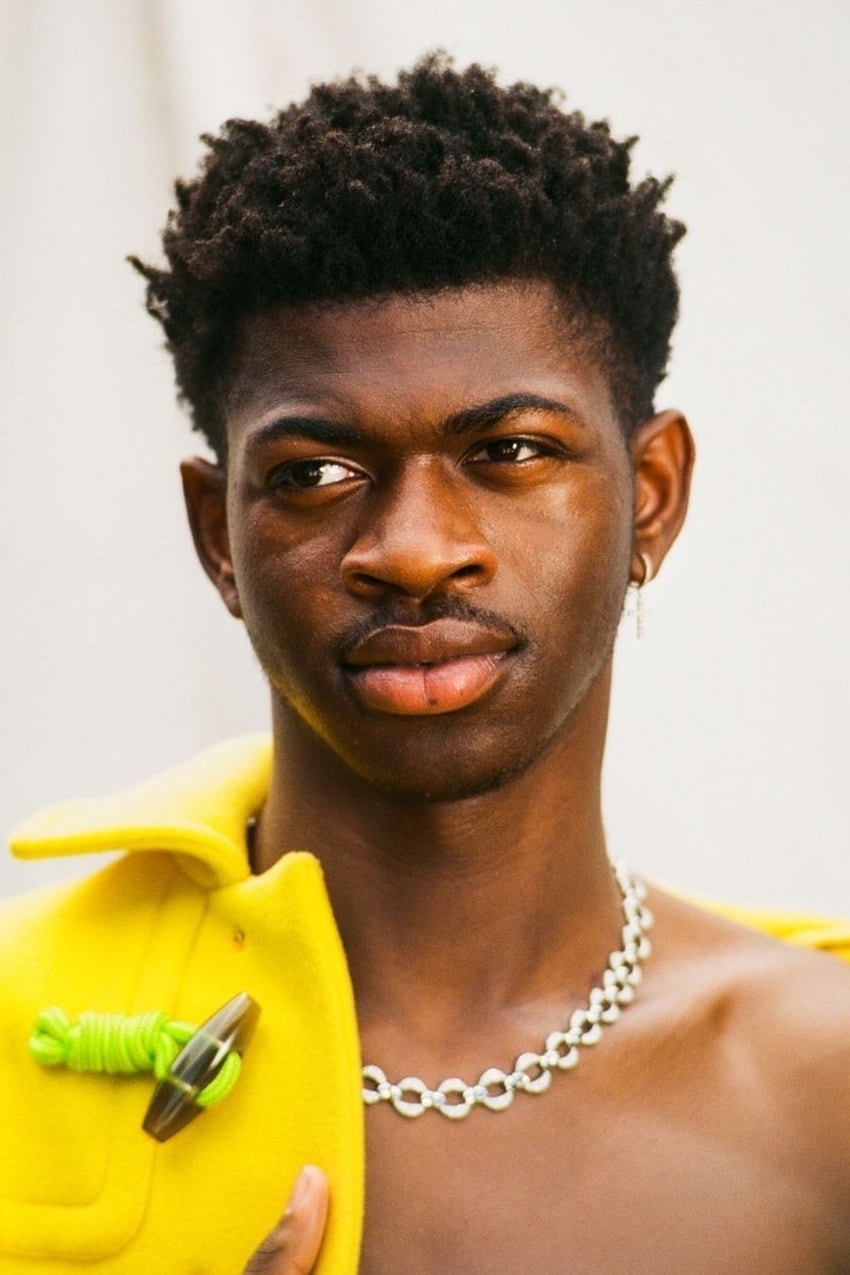
Lil Nas X has mastered the art of using social media to turn every criticism into a viral marketing moment. He frequently engages with detractors on Twitter by mobilizing his loyal followers to drown out negative comments with humor and memes. When facing backlash for his music videos or public appearances he relies on the unwavering support of the queer community to validate his artistic choices. This strategy often transforms a small internet disagreement into a global conversation that keeps his name in the headlines. His ability to navigate digital conflicts has made him a central figure in modern celebrity culture.
Billy Eichner
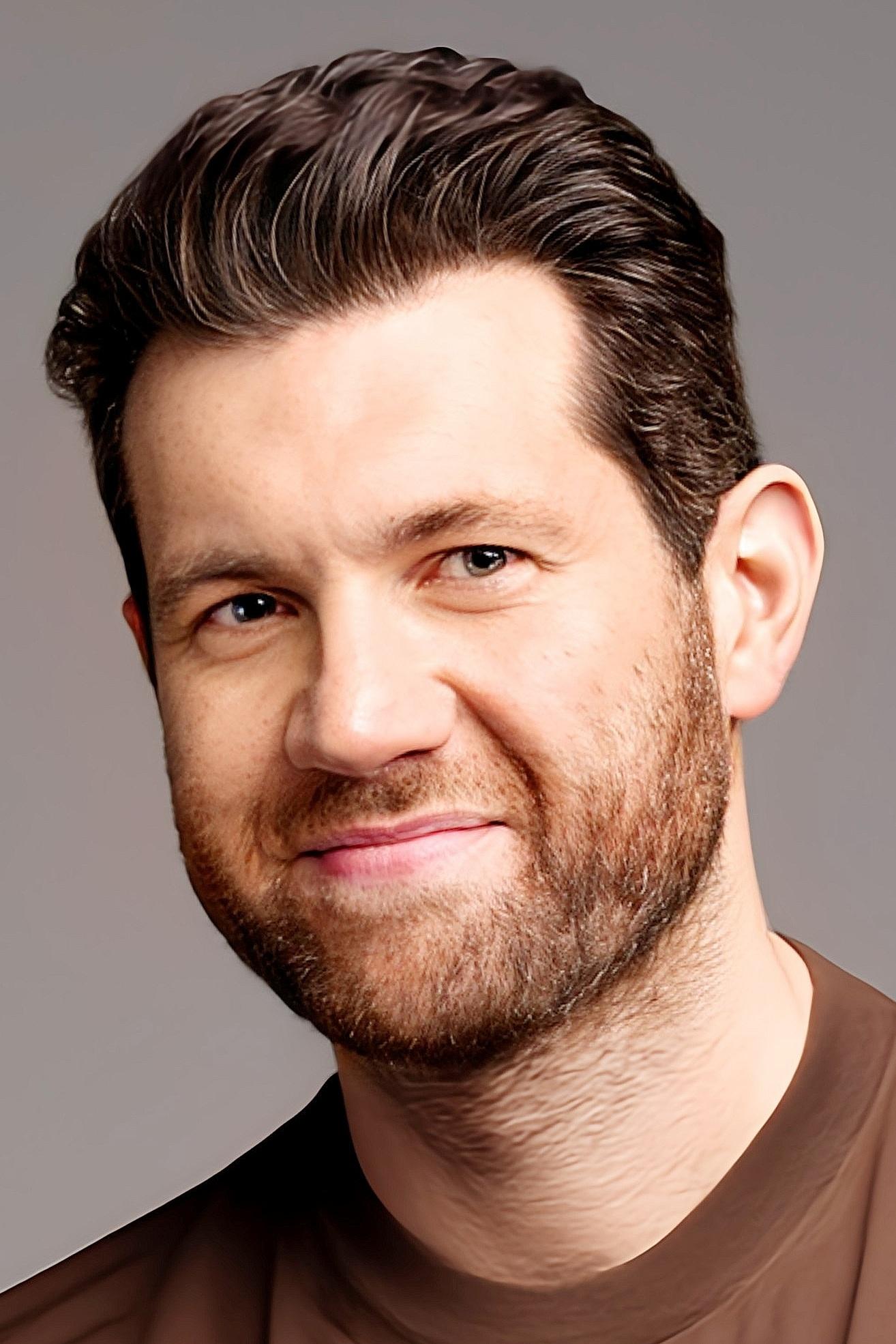
Billy Eichner sparked a significant online debate when he addressed the box office performance of his film ‘Bros’ on social media. He called out straight audiences in certain regions for not supporting the movie and encouraged his LGBTQ+ fans to prove the critics wrong. This direct appeal to his core demographic created a wave of digital advocacy and heated arguments across various platforms. Many users felt that his approach was an attempt to weaponize identity politics to shield the project from financial criticism. The resulting discourse lasted for weeks and highlighted the tension between artistic merit and community representation.
James Charles
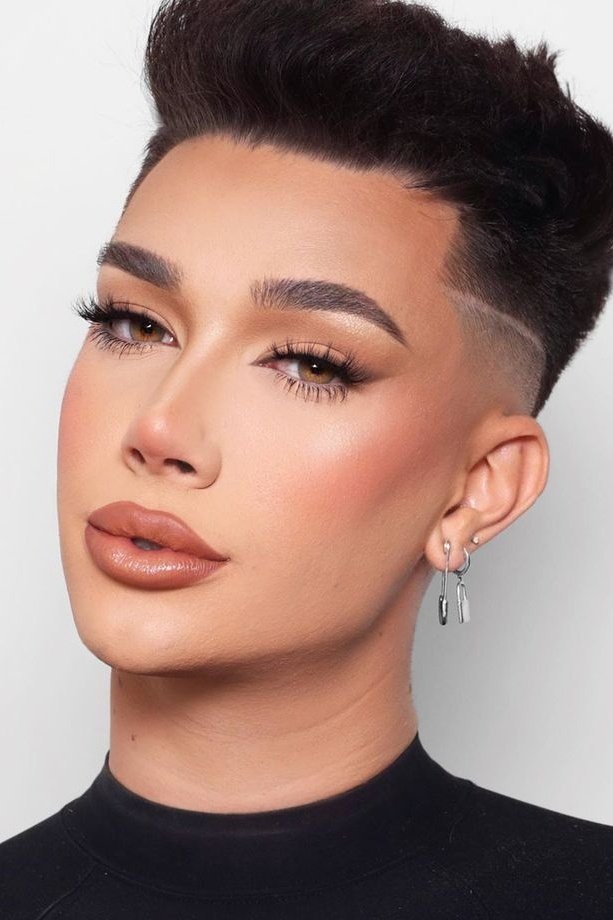
James Charles has been at the center of numerous digital scandals that required him to lean heavily on his massive following. During his public falling out with other beauty influencers he often posted lengthy videos and social media updates to rally his fans against his former friends. These conflicts frequently turned into massive internet events where millions of people took sides based on the information he provided. By framing himself as a victim of industry jealousy he ensured that his supporters would defend his brand during the most critical moments of his career. His digital presence remains a powerful tool for navigating the volatile world of influencer drama.
Jeffree Star
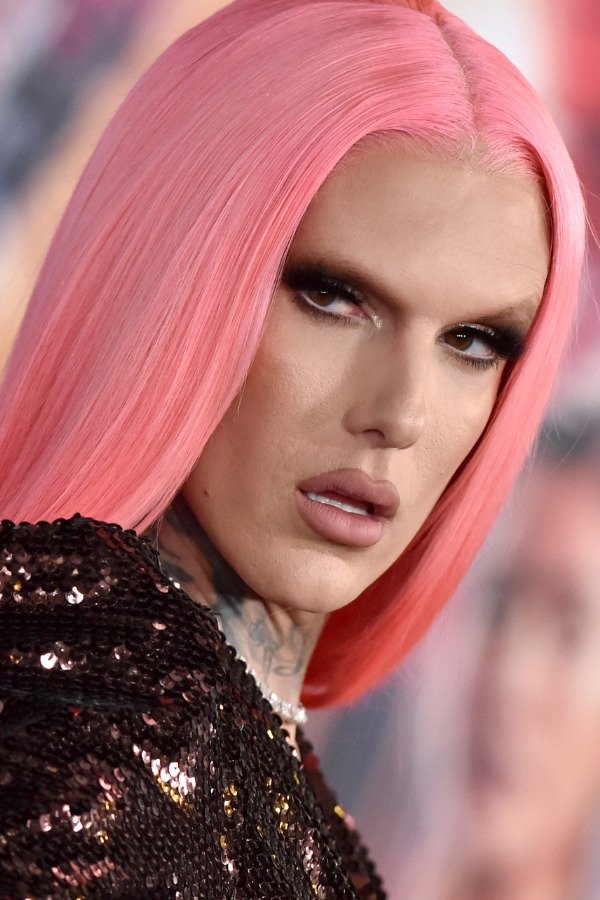
Jeffree Star has a long history of engaging in public feuds with other celebrities and influencers across social media. He often utilizes his platform to release private information or screenshots that spark intense debates among his followers. By fostering a fiercely loyal community he can effectively launch counterattacks against anyone who criticizes his business practices or personal life. These digital battles often involve his fans dogpiling on his opponents to protect his reputation and brand. His strategy demonstrates the power of a dedicated audience in sustaining a career through constant controversy.
Todrick Hall
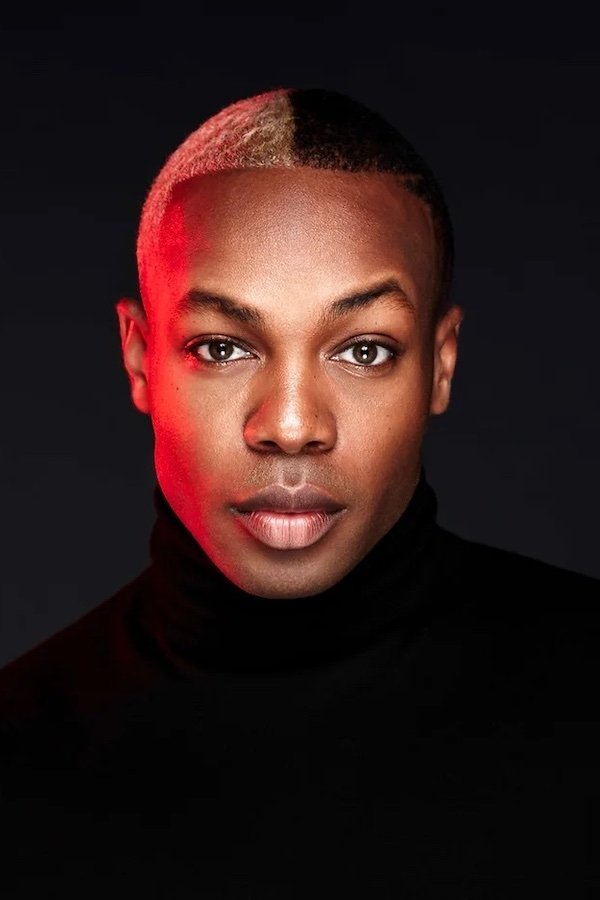
Todrick Hall has frequently used his social media presence to address criticisms regarding his professional projects and personal conduct. When faced with allegations from former employees or collaborators he often appeals to his fanbase to maintain his public standing. His followers often respond by flooding comment sections with messages of support and dismissing any negative claims as targeted harassment. This cycle of conflict and community defense has become a recurring theme in his career as he navigates the complexities of internet fame. He continues to rely on his core audience to amplify his perspective during public disagreements.
Noah Schnapp
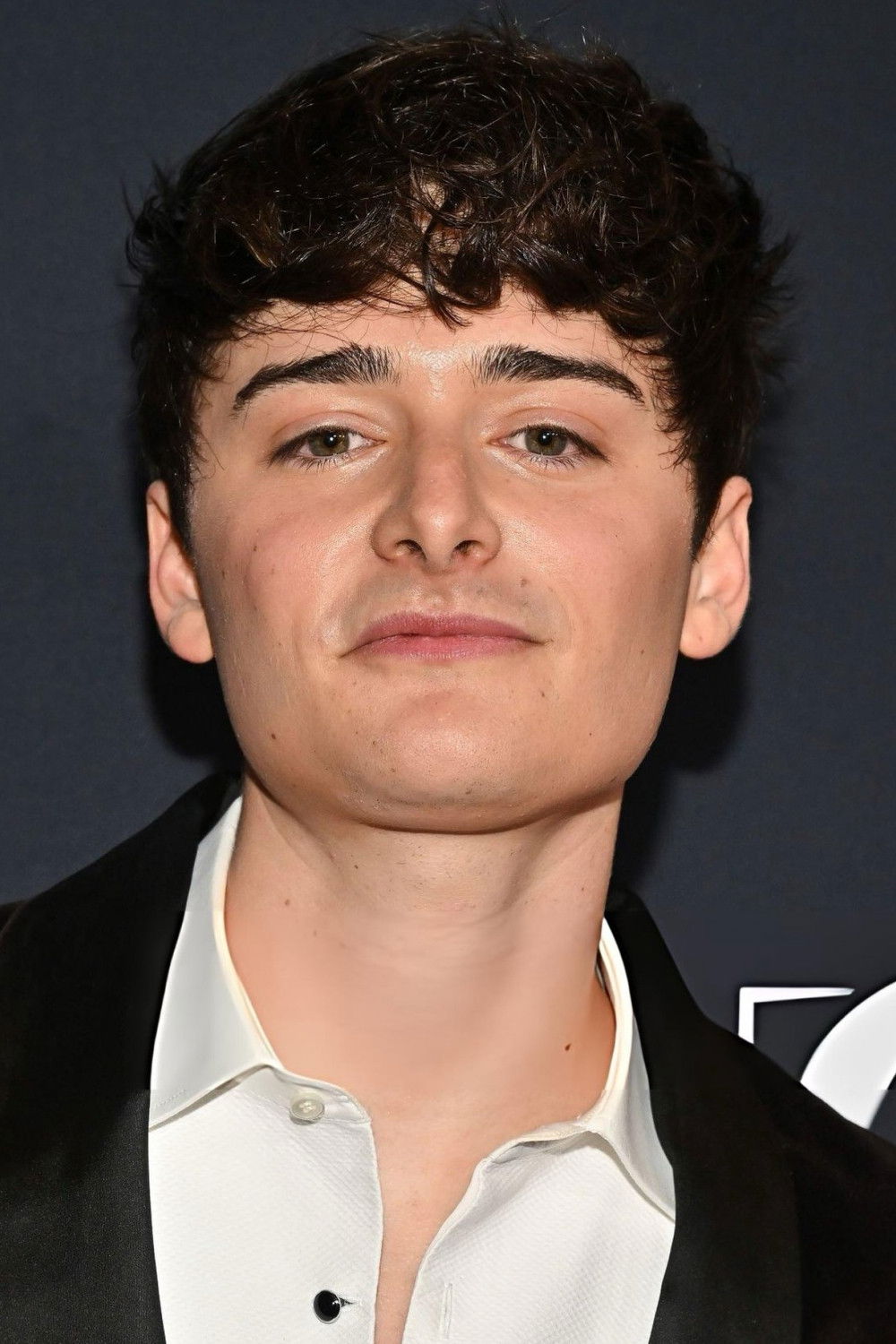
Noah Schnapp found himself in a digital controversy after sharing private messages from musician Doja Cat regarding his ‘Stranger Things’ co-star. The situation quickly escalated as fans of the show and the actor took to social media to defend his actions. This conflict highlighted how a young star can inadvertently or intentionally trigger a massive wave of fan support to counter a larger celebrity. The interaction resulted in a flurry of memes and social media commentary that largely favored the actor over the singer. It served as a clear example of how digital fandoms can influence the outcome of a personal disagreement played out in public.
Ben Platt
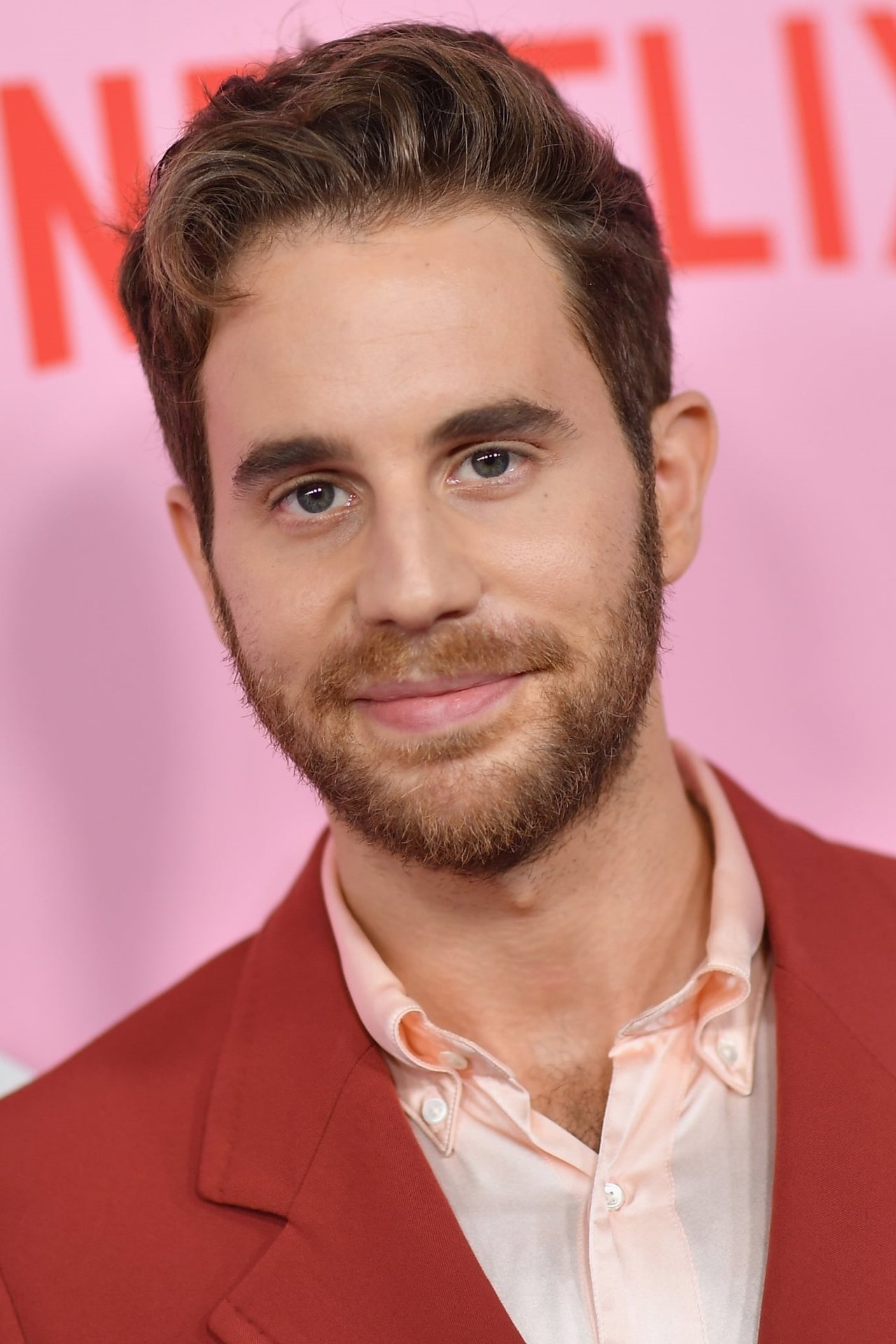
Ben Platt faced significant online criticism following the release of the film adaptation of ‘Dear Evan Hansen’ regarding his age and casting. He and his supporters frequently addressed these critiques by emphasizing the emotional impact of his performance on the LGBTQ+ community. This defensive stance led to heated exchanges between critics and fans who felt the actor was being unfairly targeted. By leaning into the loyalty of those who connected with the story he was able to maintain a platform despite the mixed reception of the project. The debate showcased the divide between critical analysis and fan-driven advocacy.
Billy Porter
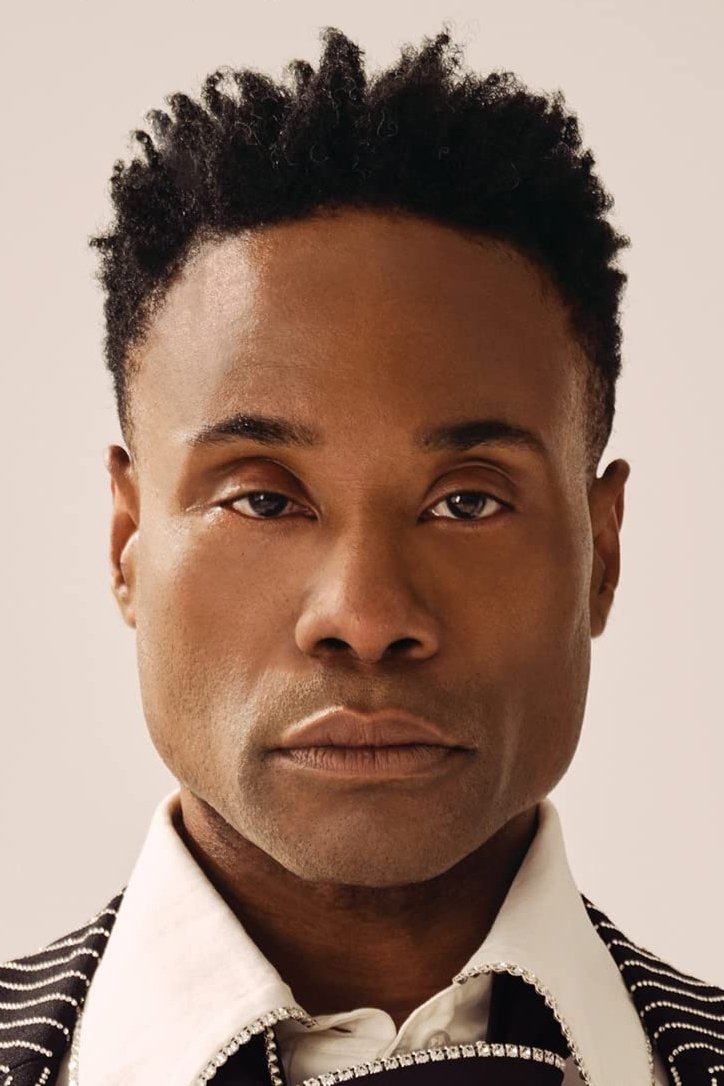
Billy Porter made headlines when he publicly criticized the choice of a specific celebrity for a major fashion magazine cover. He used his platform to highlight the importance of queer representation and the history of non-binary fashion. This sparked an intense debate where his followers rallied to support his views on cultural appropriation and visibility. While the feud was largely centered on fashion it mobilized a significant portion of his fanbase to challenge industry norms. His vocal stance ensured that the conversation remained focused on the themes he considers vital to his identity.
Tituss Burgess
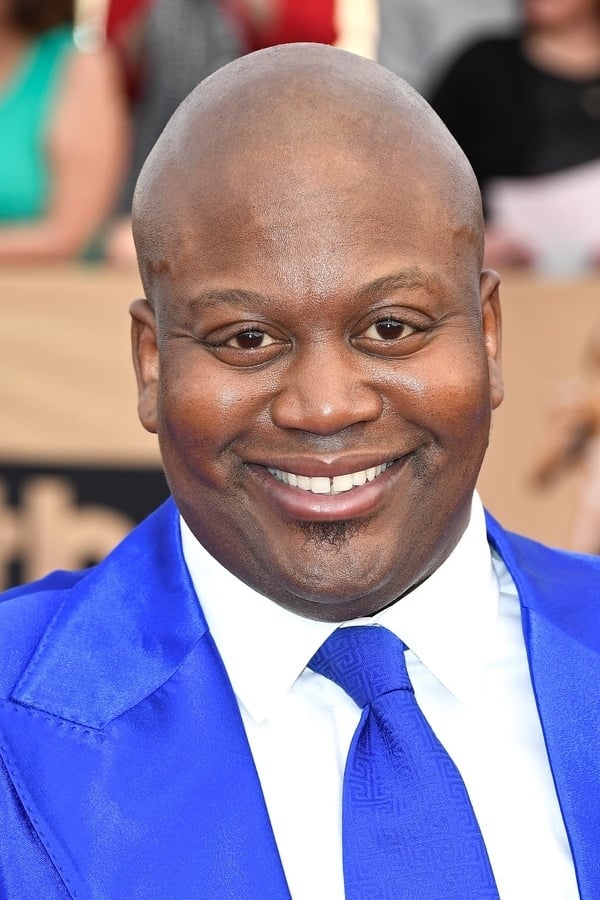
Tituss Burgess famously used his social media platforms to call out a moving company and a prominent talk show host over personal grievances. He leveraged his popularity from ‘Unbreakable Kimmy Schmidt’ to bring international attention to these relatively minor disputes. His fans quickly joined the fray by leaving negative reviews and comments on the platforms of those he criticized. This mobilization of a digital audience turned a personal complaint into a widely reported entertainment news story. It demonstrated how a celebrity can use their specific influence to settle scores in the public eye.
Jussie Smollett
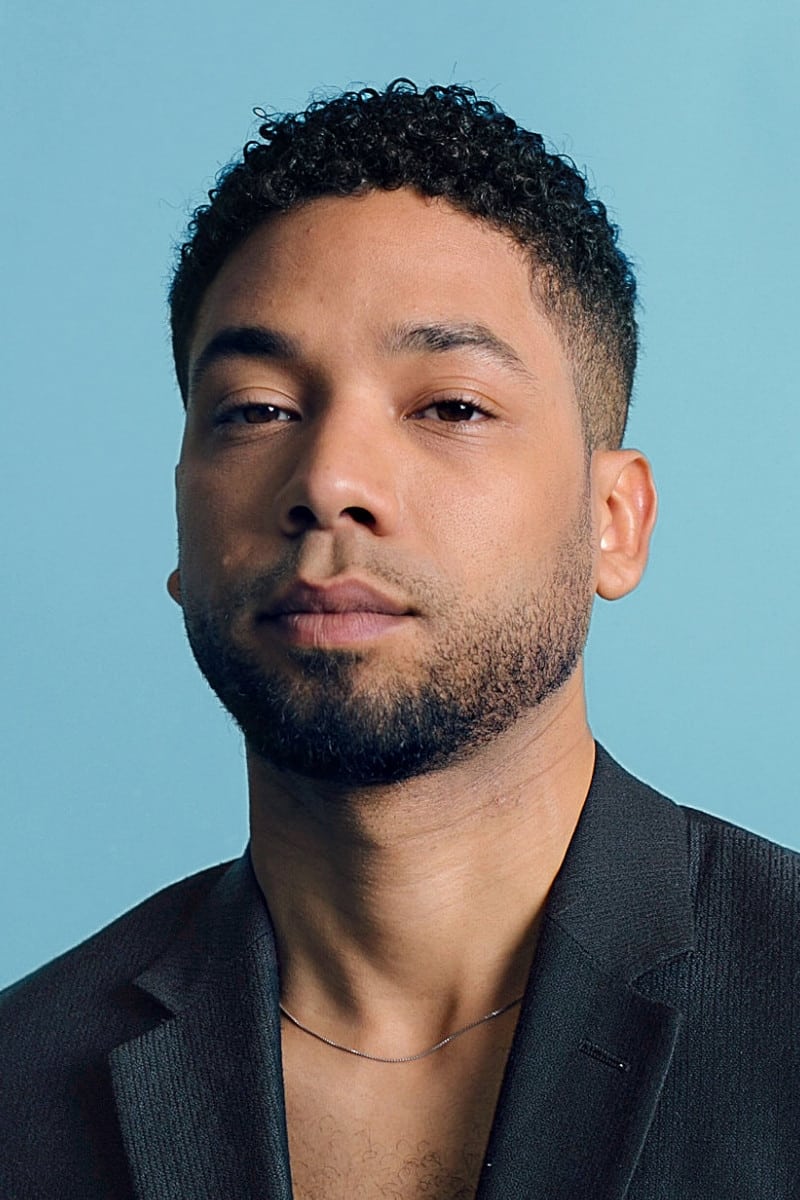
Jussie Smollett was at the center of a massive legal and media firestorm that heavily involved his digital support base. During the height of the controversy he and his legal team utilized social media to maintain support among his fans and the broader community. This strategy aimed to counter the narrative being presented by law enforcement and the traditional media. The resulting internet debates were highly polarized and saw his followers defending his character against a wave of skepticism. This situation remains a prominent example of how a celebrity can appeal to their fandom during a high-stakes public crisis.
George Takei
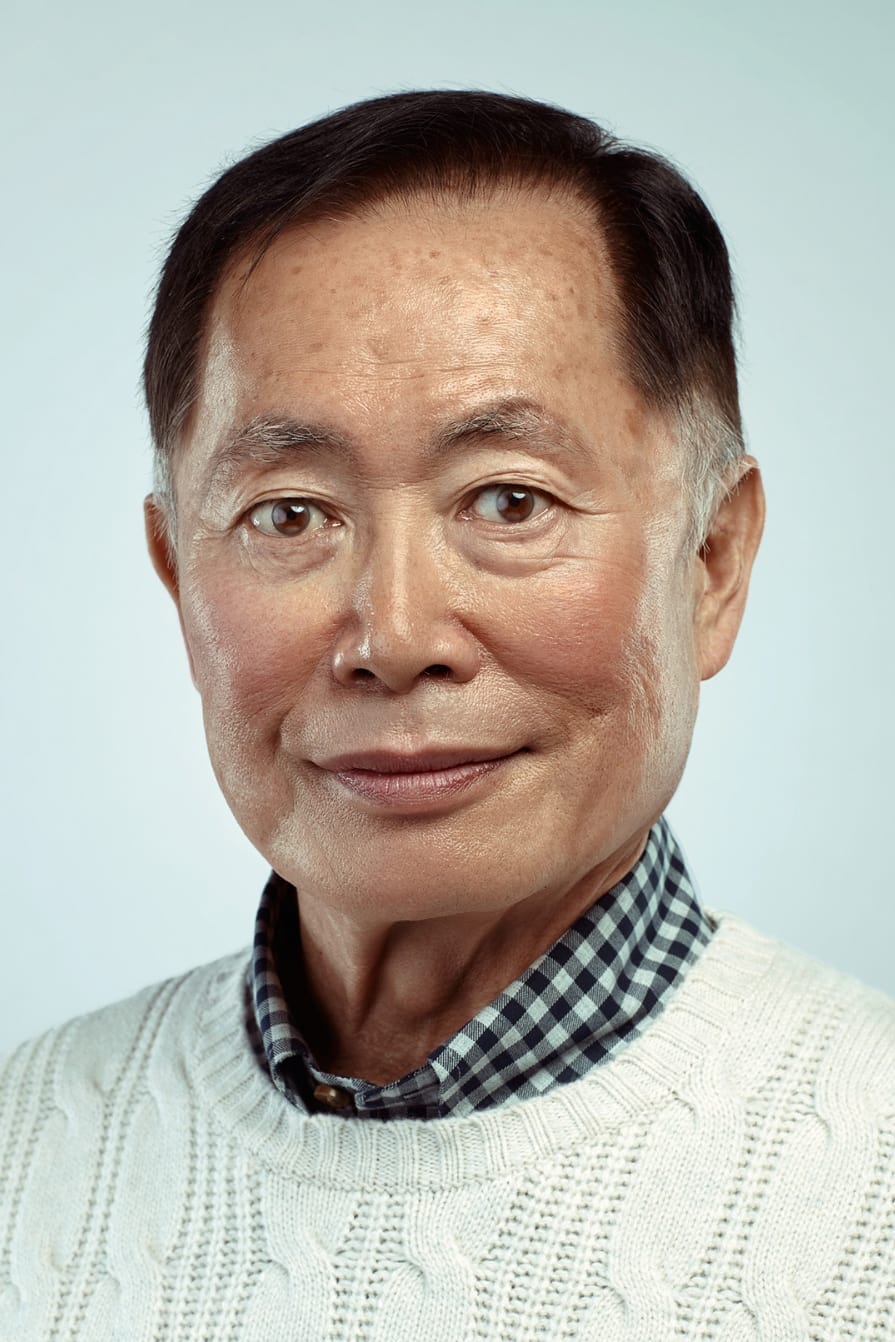
George Takei has built a massive social media following that he frequently uses to engage in political and social debates. He often targets public figures who hold opposing views and encourages his followers to join the conversation with humor and activism. These interactions often turn into large scale internet feuds where his fans provide a constant stream of support for his positions. By framing his arguments through the lens of his personal history and identity he creates a strong bond with his audience. His digital influence has made him a formidable presence in online discourse.
Andy Cohen
Andy Cohen often finds himself at the center of drama involving the cast members of his various ‘The Real Housewives’ franchises. He uses his social media accounts and late night talk show to address these conflicts and mobilize fan opinions. By engaging directly with viewers he can influence which side of a feud the audience supports during a television season. This ability to steer the conversation makes him a powerful figure in the world of reality television and digital media. His fans often act as an extension of his own voice during heated public exchanges.
Perez Hilton
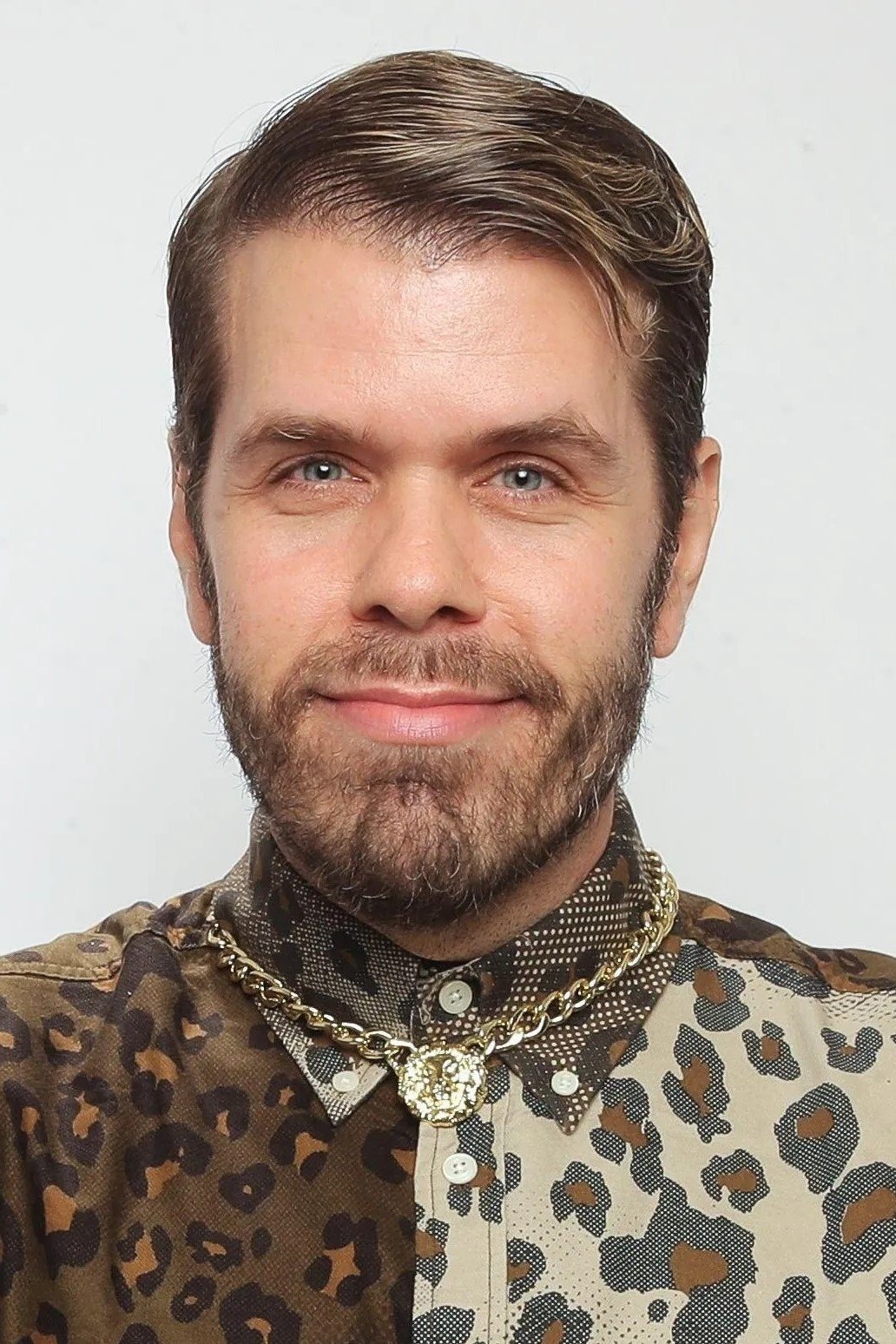
Perez Hilton has spent decades at the forefront of celebrity gossip and internet feuds using his blog and social media to influence public opinion. He frequently engages in direct conflict with stars and encourages his readers to participate in the commentary. While his approach has changed over the years he still relies on a core group of followers to amplify his stories and opinions. These digital interactions often result in long-running disputes that are fueled by the participation of his audience. His career is a testament to the longevity of internet-based celebrity conflict.
Sam Smith
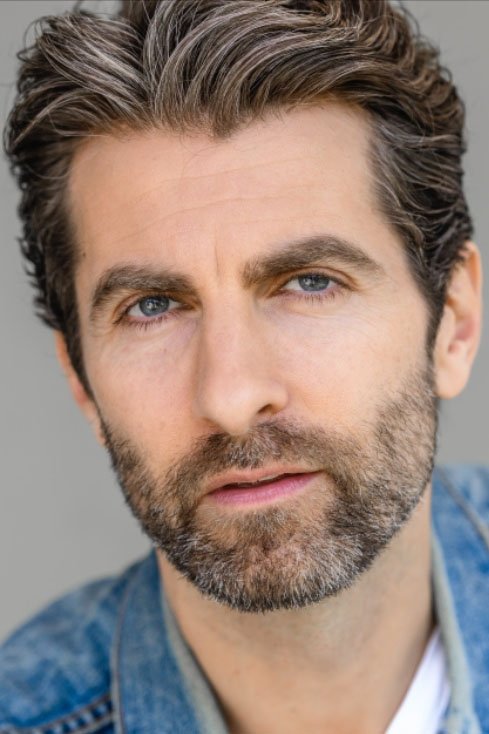
Sam Smith has frequently addressed online criticism regarding their public image and musical direction through social media posts. They often appeal to their fans to foster a space of inclusivity and defense against body shaming or homophobic comments. This mobilization of the queer community helps to counter the negative narratives that often follow their high-profile performances. By sharing personal reflections they create a narrative that their followers are eager to defend and promote. This relationship ensures that they remain a prominent and protected figure in the music industry.
Troye Sivan
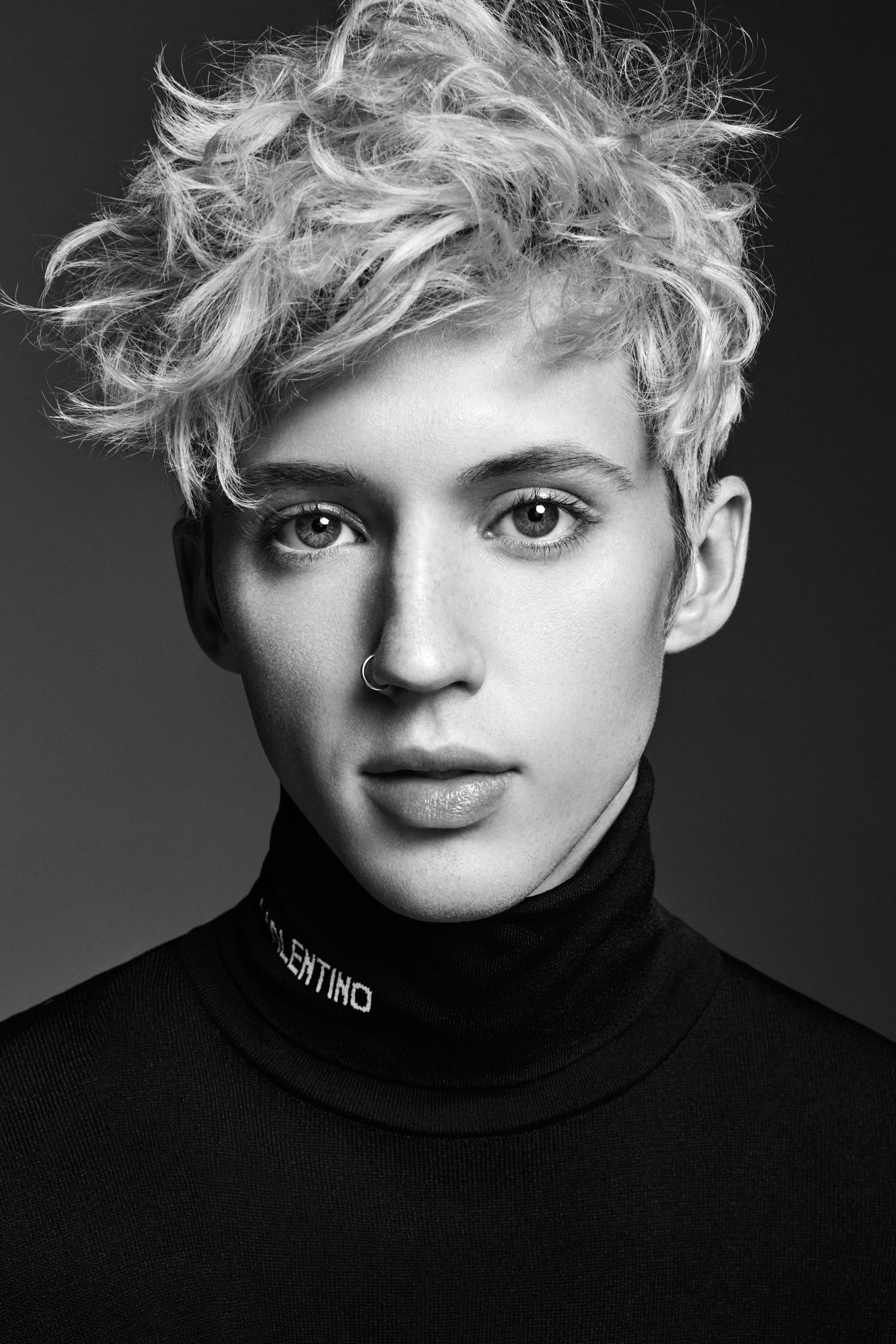
Troye Sivan has a very close relationship with his digital audience which he often utilizes during times of online conflict. When his music or personal choices are criticized he frequently explains his perspective directly to his fans to gain their support. This direct communication line allows him to bypass traditional media and speak to those who are most likely to defend him. His followers often organize to support his projects and protect him from internet trolls. This dynamic has helped him maintain a consistent and supportive public image throughout his career.
Adam Lambert
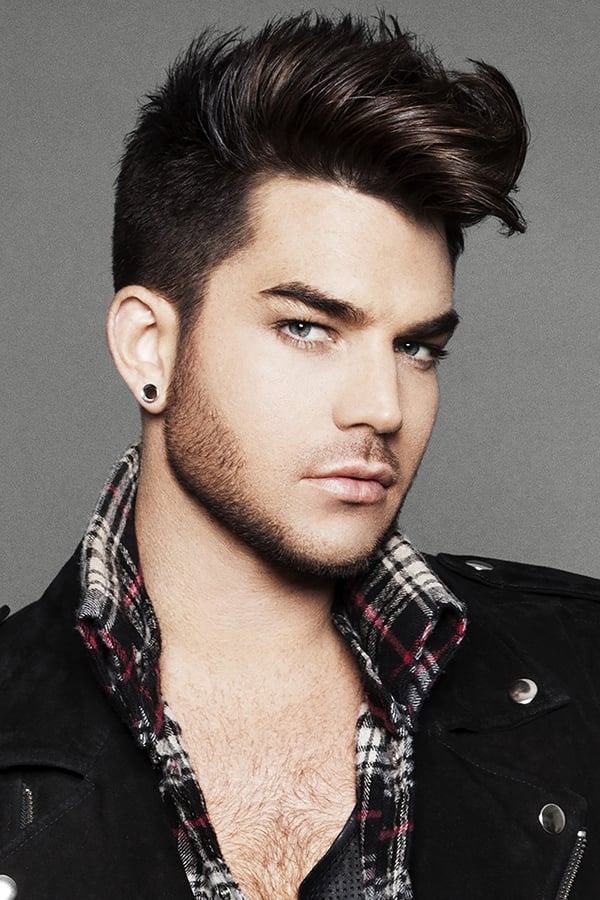
Adam Lambert rose to fame in a digital era and has often used social media to defend his artistic choices and personal identity. He has faced numerous internet feuds regarding his performances and his role as the frontman for Queen. His fans are known for their intense loyalty and their willingness to engage in digital battles to support him. By maintaining an active presence online he ensures that his perspective is always represented in any public debate. This strong connection with his audience has been a key factor in his sustained success.
Kit Connor
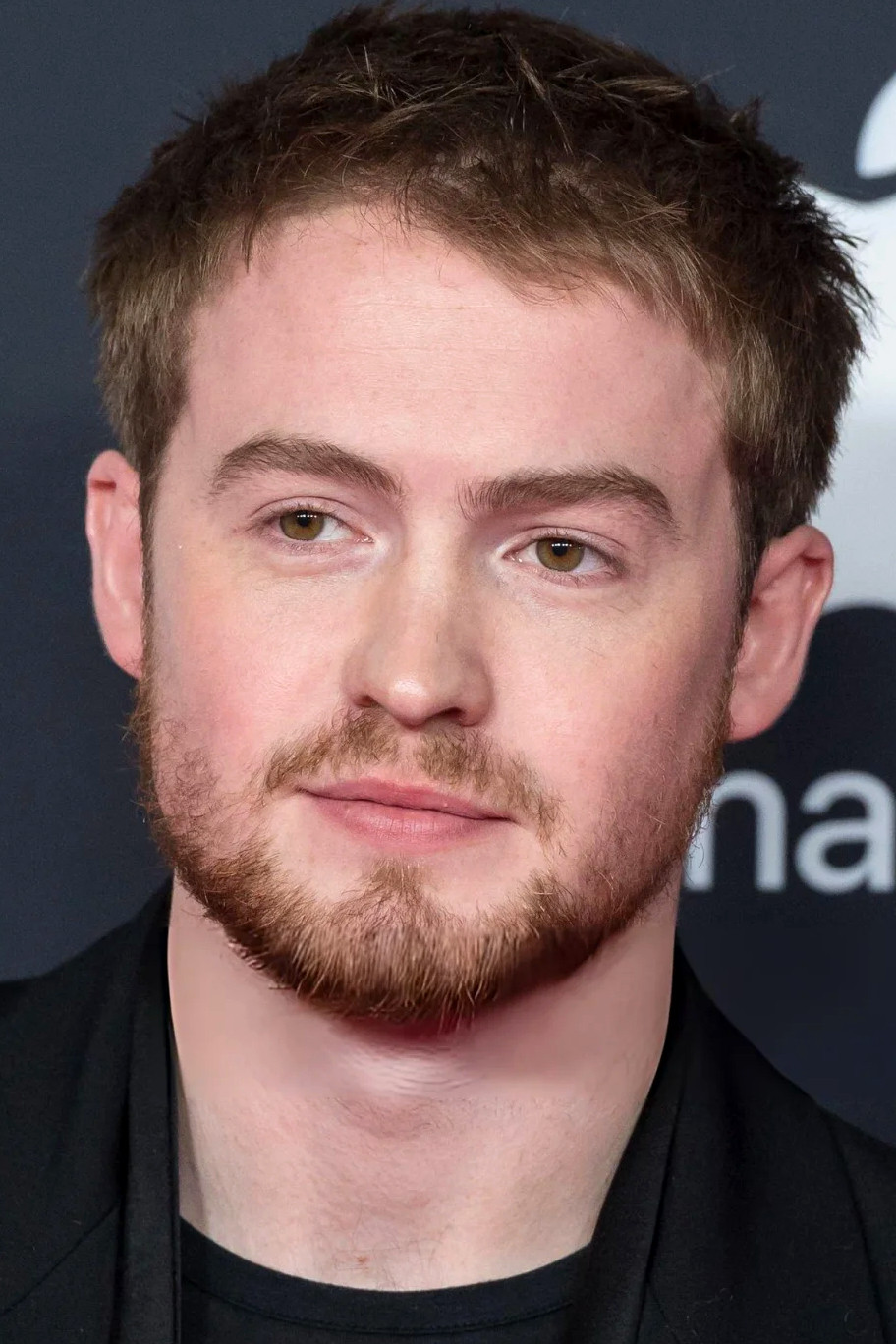
Kit Connor was forced to address his personal identity on social media following intense pressure and accusations of queerbaiting from the internet. The young star of ‘Heartstopper’ expressed his frustration with the digital discourse before receiving a massive wave of support from fans and co-stars. This event highlighted the darker side of digital fandom and the pressure it can place on young actors. The subsequent mobilization of his followers was aimed at protecting him from further harassment and celebrating his courage. It remains a significant moment in the discussion of celebrity privacy and online behavior.
Harry Styles
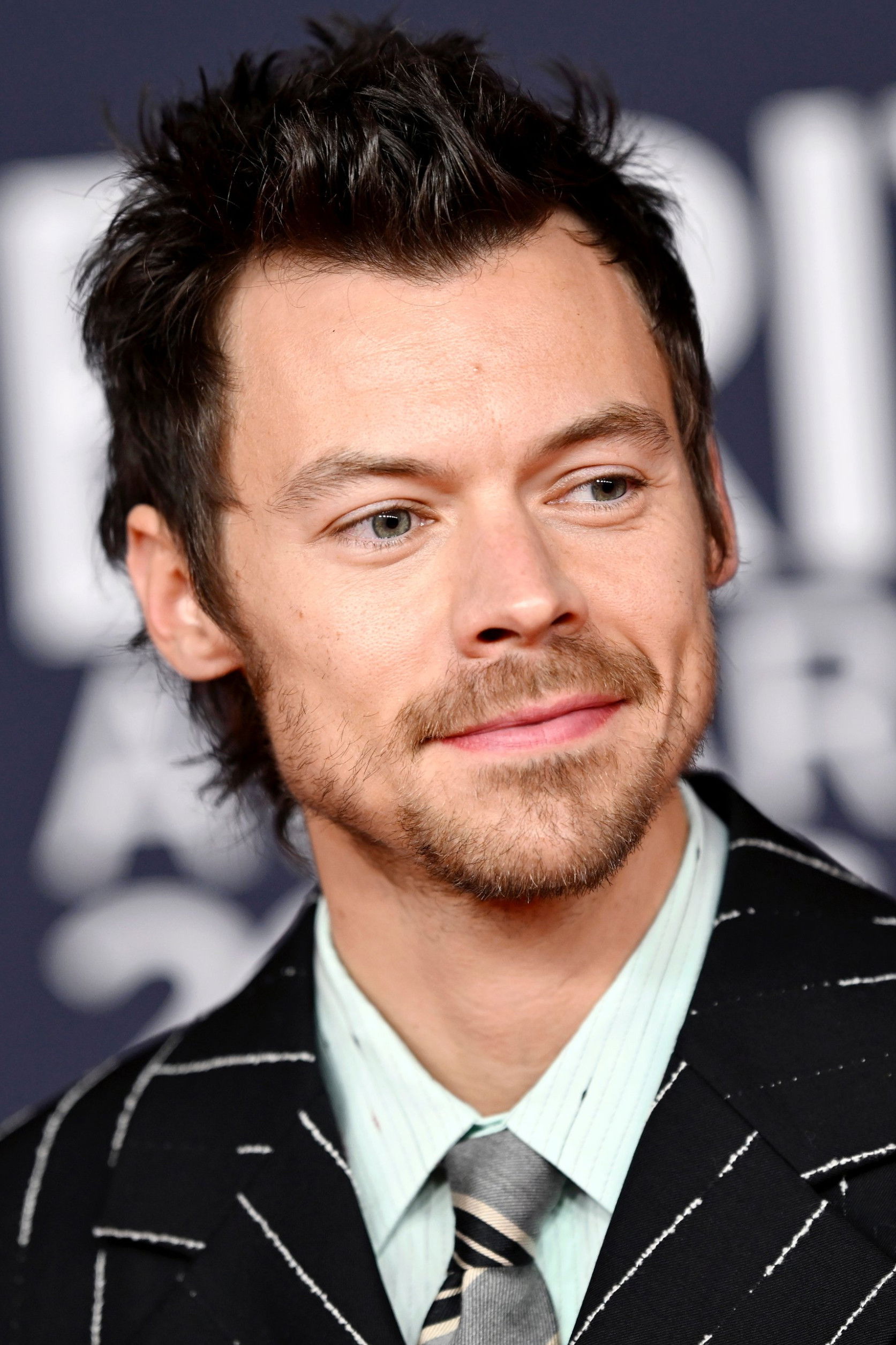
Harry Styles has often faced questions about his aesthetic and whether it constitutes queerbaiting in the media. His massive following frequently enters digital spaces to defend his right to artistic expression without labels. This protection from his fanbase allows him to maintain his public image while ignoring traditional critiques of his fashion choices. The resulting online debates often pit long time supporters against those who demand more transparency regarding his identity. These interactions demonstrate how a large and diverse audience can act as a shield for a global superstar.
Nick Jonas
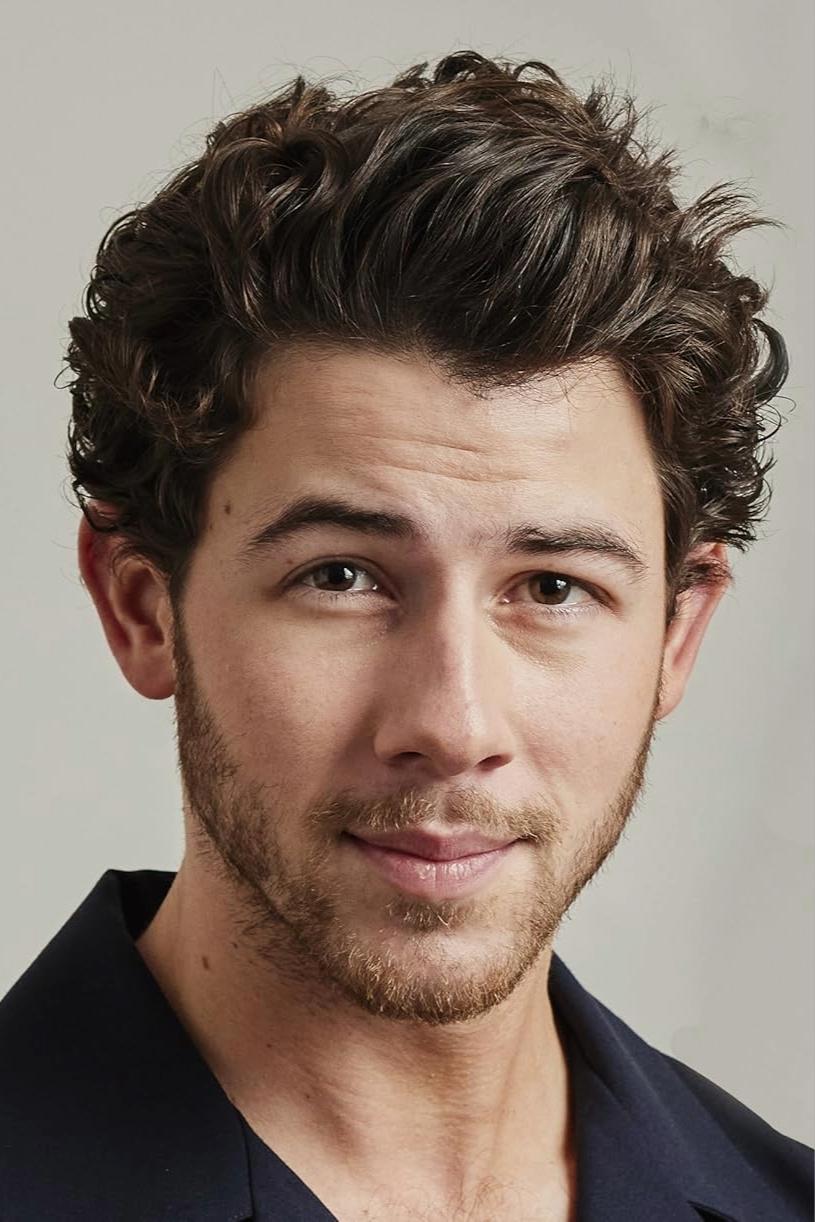
Nick Jonas has frequently engaged with the queer community through his acting roles and public appearances which has led to accusations of pandering. During these digital feuds his fans often step in to defend his intentions and highlight his support for LGBTQ+ causes. He has used his social media to address these criticisms directly and rally his followers to maintain his status as a supportive ally. These interactions often spark broader conversations about the role of straight celebrities in queer spaces. His ability to navigate these debates is bolstered by the consistent defense from his fanbase.
Shawn Mendes
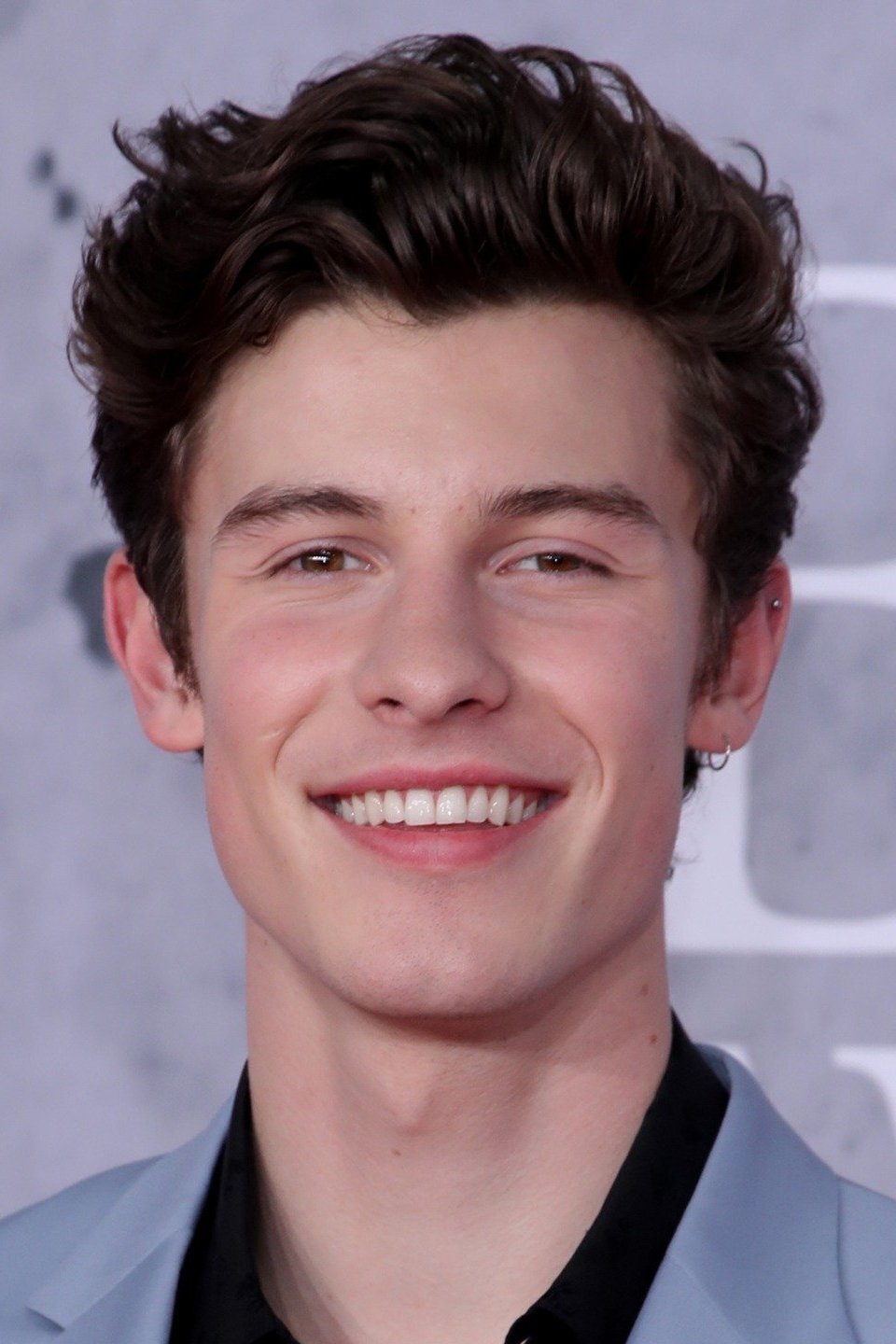
Shawn Mendes has spent a significant portion of his career addressing internet rumors and speculation regarding his personal life. He frequently uses his social media platforms to set the record studio and appeal for privacy and understanding from his followers. His fans often respond by launching campaigns to support his mental health and protect him from intrusive media coverage. This defensive posture helps him manage his public narrative while dealing with the pressures of global fame. The relationship he shares with his audience is built on mutual support and digital advocacy.
Charlie Puth
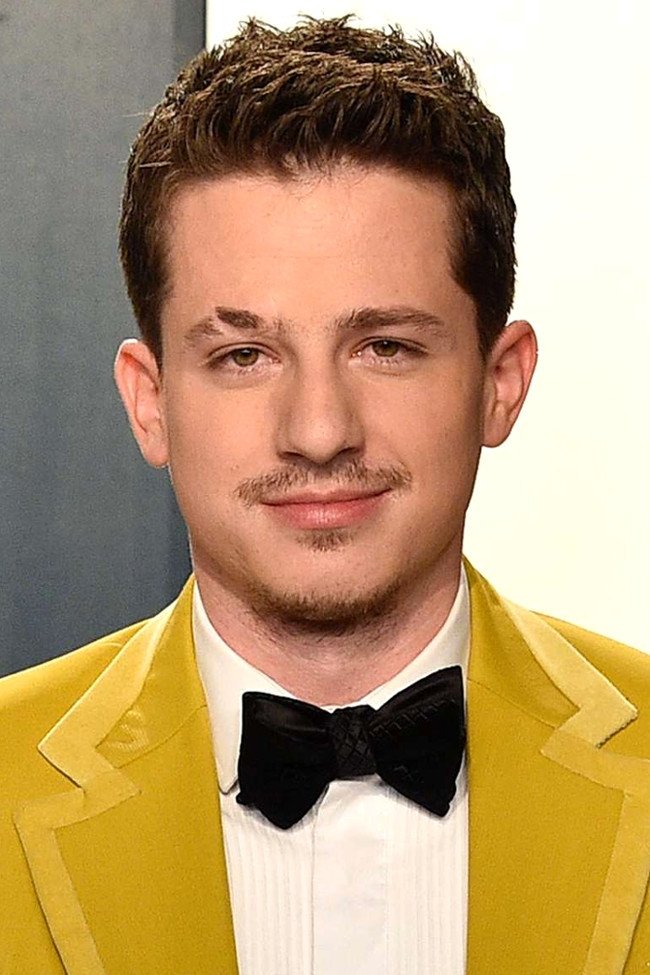
Charlie Puth has been involved in several minor internet spats where he used his social media presence to address detractors. He often shares his creative process and personal thoughts which invites a high level of engagement and defense from his followers. During public disagreements with other artists or critics his fans are quick to provide vocal support and drown out the opposition. This digital ecosystem allows him to move past controversies quickly and focus on his music. His use of social media is a key part of his strategy for maintaining a positive relationship with his audience.
Drake
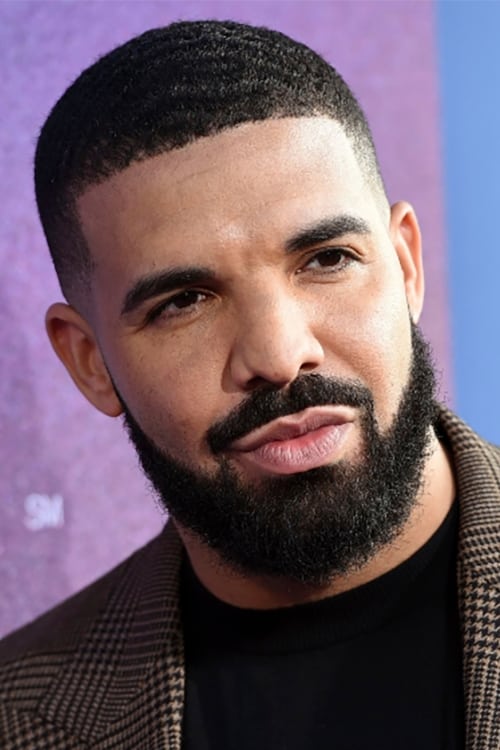
Drake is known for his strategic use of social media to address rivals and manage his public image during high-profile feuds. He often posts cryptic messages or direct call-outs that mobilize his massive fanbase to defend his legacy and success. These digital conflicts often spill over into meme culture and viral trends that favor his perspective. By leveraging his influence he can effectively control the narrative surrounding his music and personal life. His followers play a crucial role in maintaining his dominance in the music industry during internet-based disputes.
Lil Uzi Vert
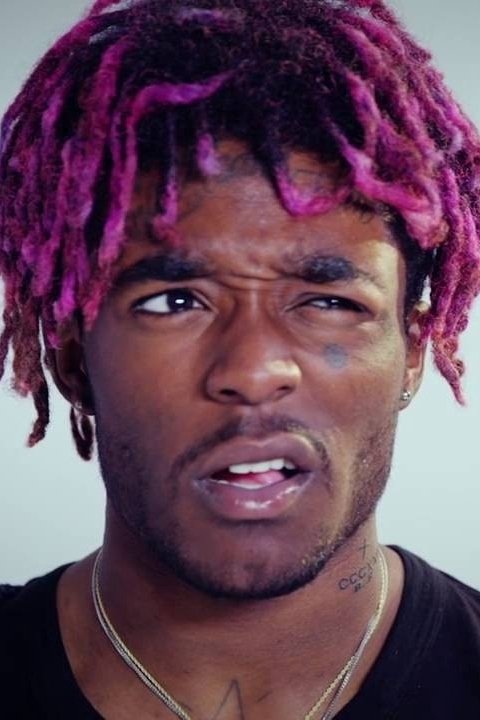
Lil Uzi Vert has a dedicated following that frequently supports his experimental fashion and public persona during online debates. He often uses social media to share his personal evolution and respond to those who criticize his aesthetic choices. His fans are known for their intense loyalty and their willingness to defend him against any perceived slights from the music industry. This digital support system allows him to remain true to his artistic vision despite mainstream skepticism. His relationship with his audience is a central component of his public identity.
Frank Ocean
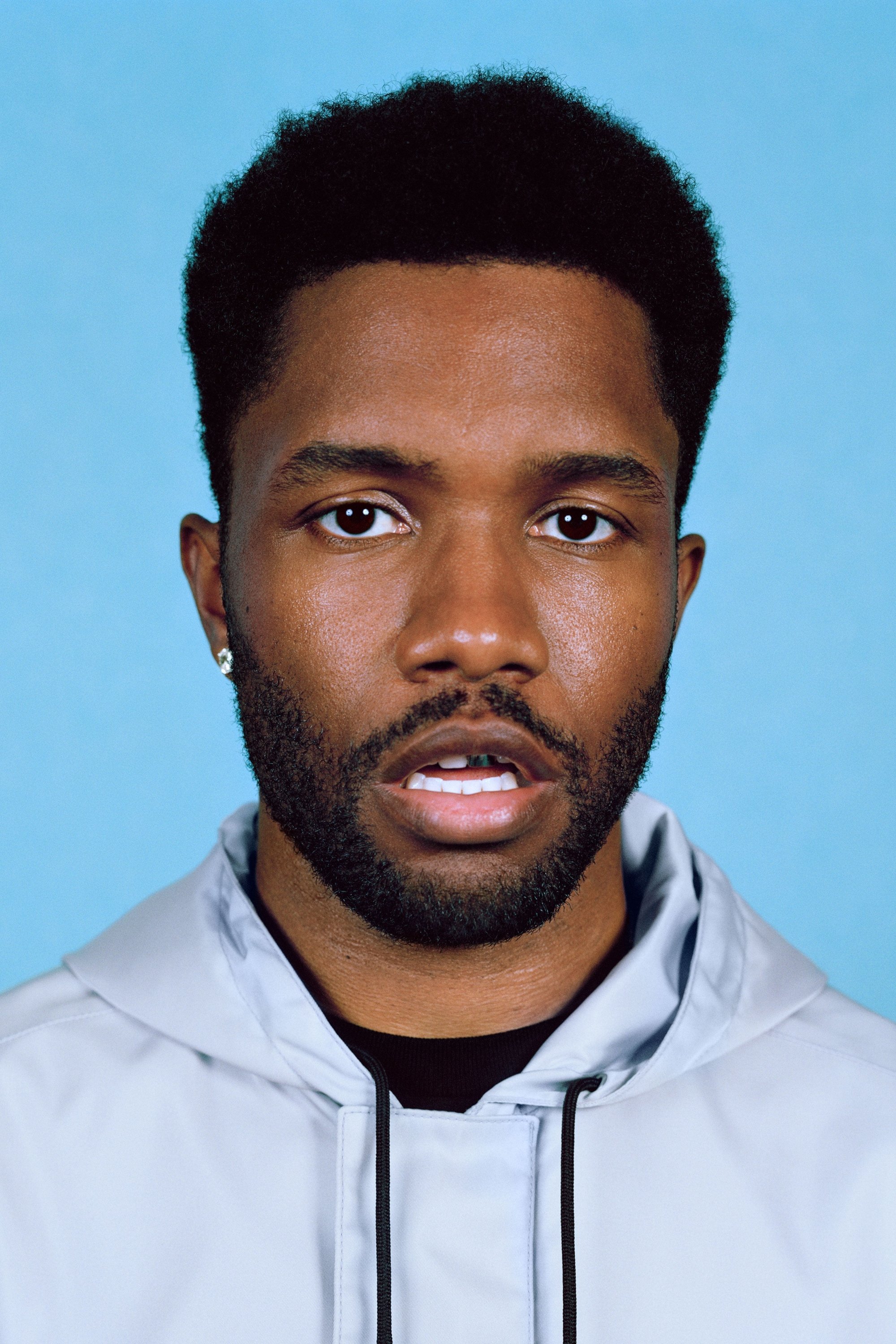
Frank Ocean maintains a relatively private public life but his rare social media interactions often trigger massive responses from his fans. When he does choose to address a conflict or share a personal statement his followers mobilize to spread his message and defend his privacy. This intense loyalty is a result of the deep emotional connection his audience feels with his music and personal journey. His fans often act as a protective barrier against media intrusion and public speculation. This dynamic allows him to control his narrative even while remaining largely out of the spotlight.
Tyler, The Creator

Tyler, The Creator has transitioned from a controversial figure to a respected artist while maintaining a strong digital connection with his fans. He often uses social media to address his past and present while defending his creative growth and personal identity. His followers are quick to support his projects and defend him against critics who focus on his earlier work. This mobilization of his audience has been key to his successful rebranding and continued influence in the fashion and music industries. He continues to use his platform to challenge expectations and engage with his loyal community.
Jonathan Van Ness
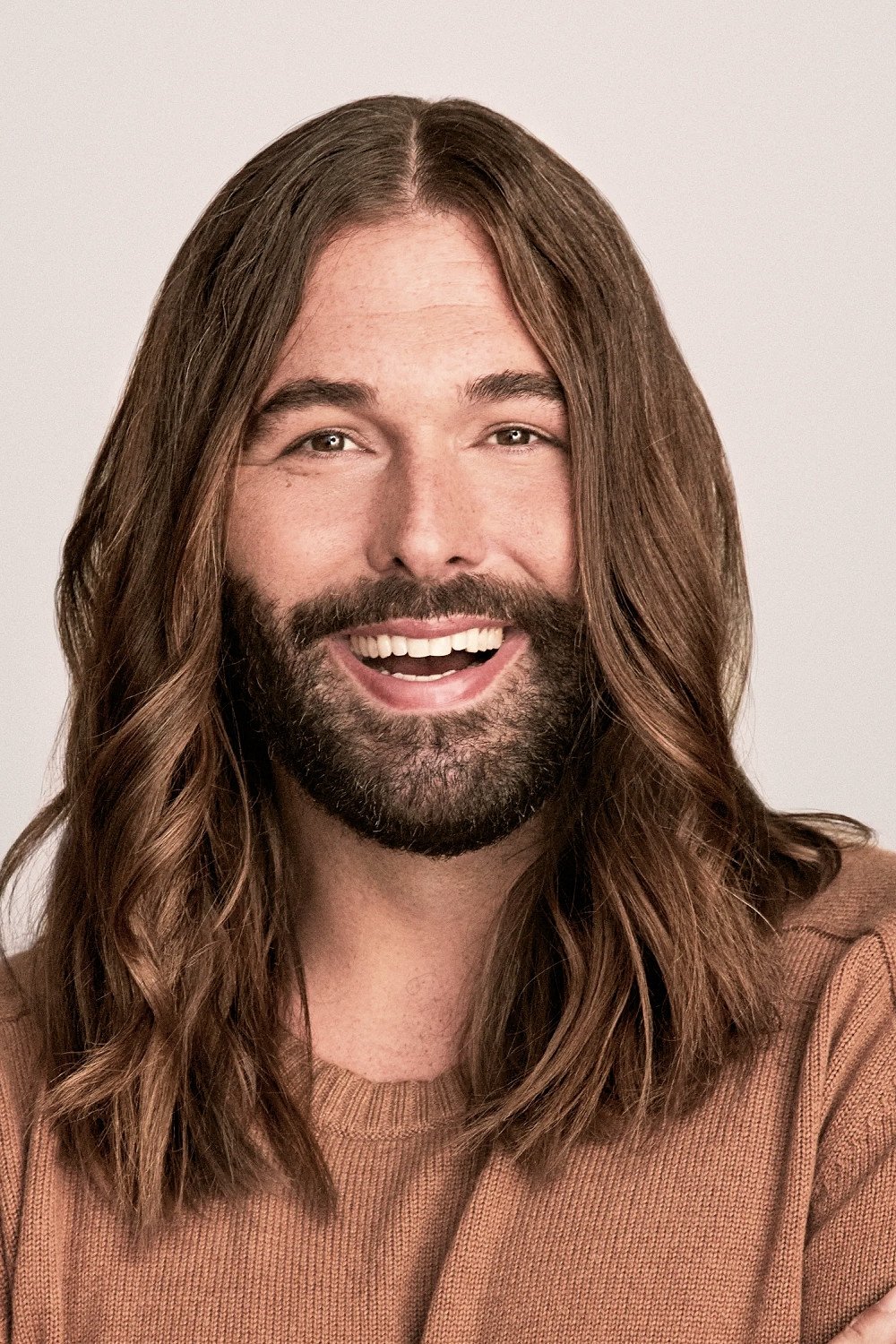
Jonathan Van Ness frequently uses his social media presence to advocate for social issues and defend his personal choices against internet trolls. He often shares educational content and personal reflections to build a strong bond with his followers. When faced with criticism he relies on the positive energy and defensive comments of his fanbase to maintain his platform. This digital community provides a safe space for him to express his identity and navigate the complexities of fame. His ability to turn negative interactions into learning moments is a hallmark of his online presence.
Antoni Porowski
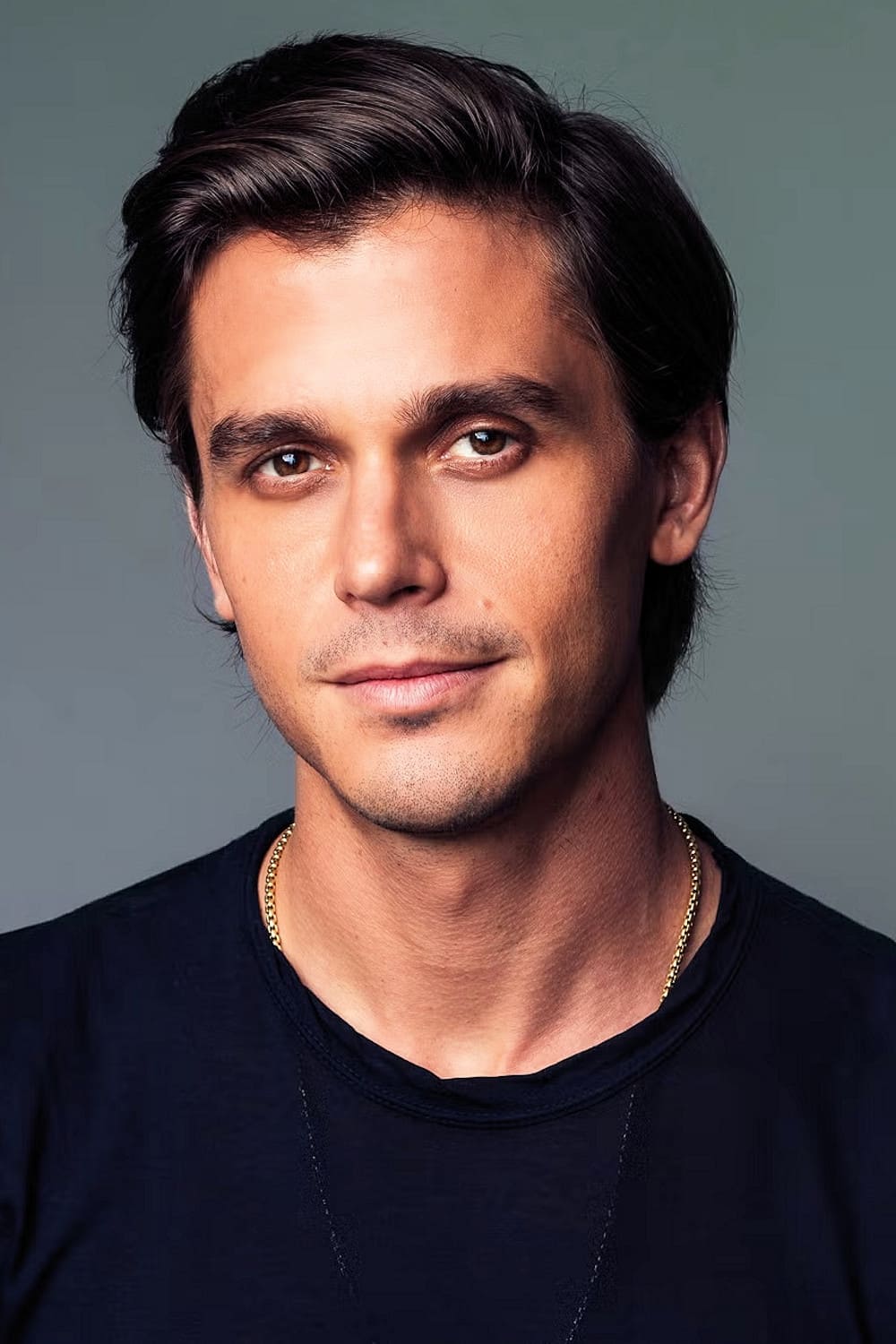
Antoni Porowski has faced internet scrutiny regarding his culinary skills and his role on ‘Queer Eye’ since the show premiered. He often addresses these critiques with humor and relies on his fans to provide a supportive counter-narrative. His followers frequently celebrate his contributions to the show and defend him against those who question his expertise. This digital support allows him to expand his brand into cookbooks and restaurants with a solid base of community approval. His online interactions are characterized by a focus on positivity and fan engagement.
Karamo Brown
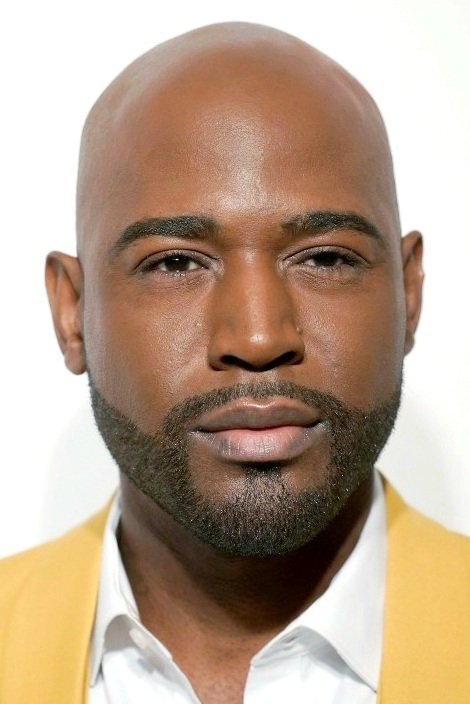
Karamo Brown faced a significant wave of internet backlash following his comments about a controversial political figure on a reality show. He used his social media platforms to explain his perspective and appeal to his fans for understanding and dialogue. While the situation sparked a heated debate his followers remained divided but vocal in their defense of his character. This event highlighted the challenges of navigating political discourse as a public figure in the digital age. He continues to use his platform to promote conversation and manage his public image.
Tan France
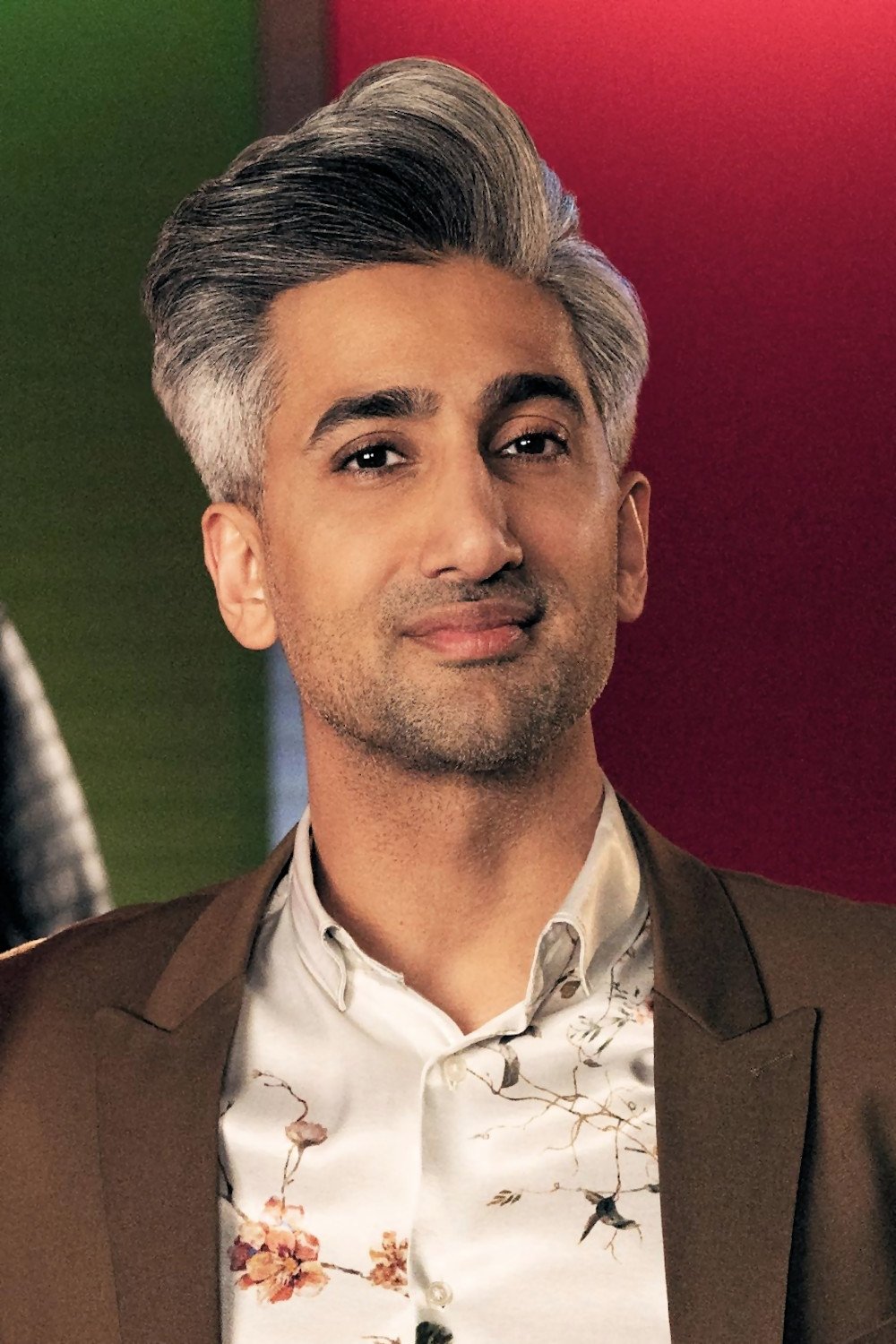
Tan France often uses his social media to address misconceptions about his identity and his work as a fashion expert. He frequently engages with fans to provide advice and defend his perspective on representation in the media. When faced with online trolls he relies on the swift defense of his followers to shut down negative commentary. This mobilization of his audience helps him maintain a professional and influential presence across various platforms. His digital strategy is focused on building a global community that supports his vision of inclusivity.
Bobby Berk
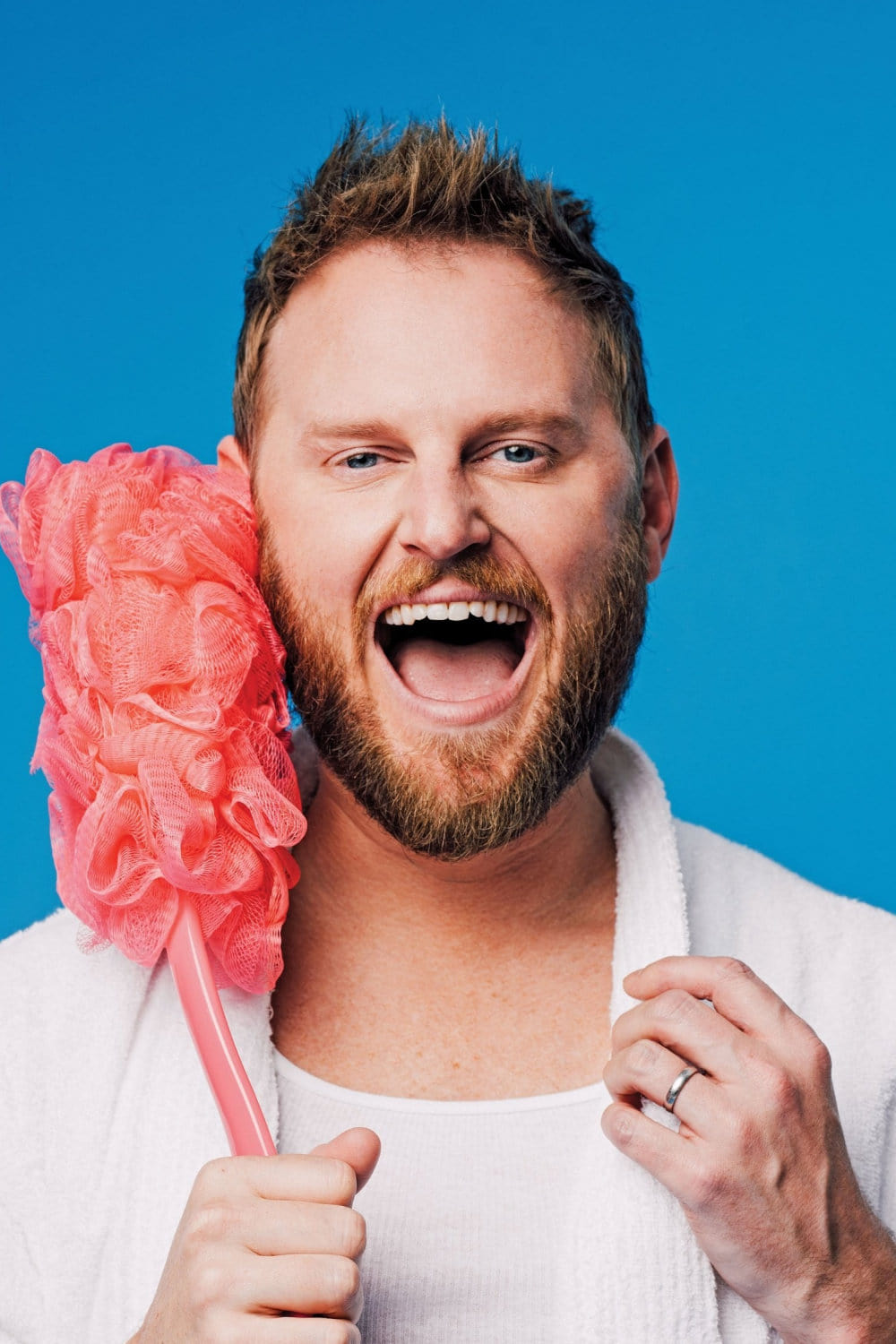
Bobby Berk has utilized his social media presence to address both professional projects and internal dynamics within his television cast. He often shares behind the scenes insights and personal updates that foster a deep connection with his audience. When internet rumors arise he is quick to address them directly and lean on his fans for support and validation. This direct communication helps him navigate the pressures of being in the public eye while maintaining his personal brand. His followers are a key part of his strategy for managing public relations in the digital space.
Elton John
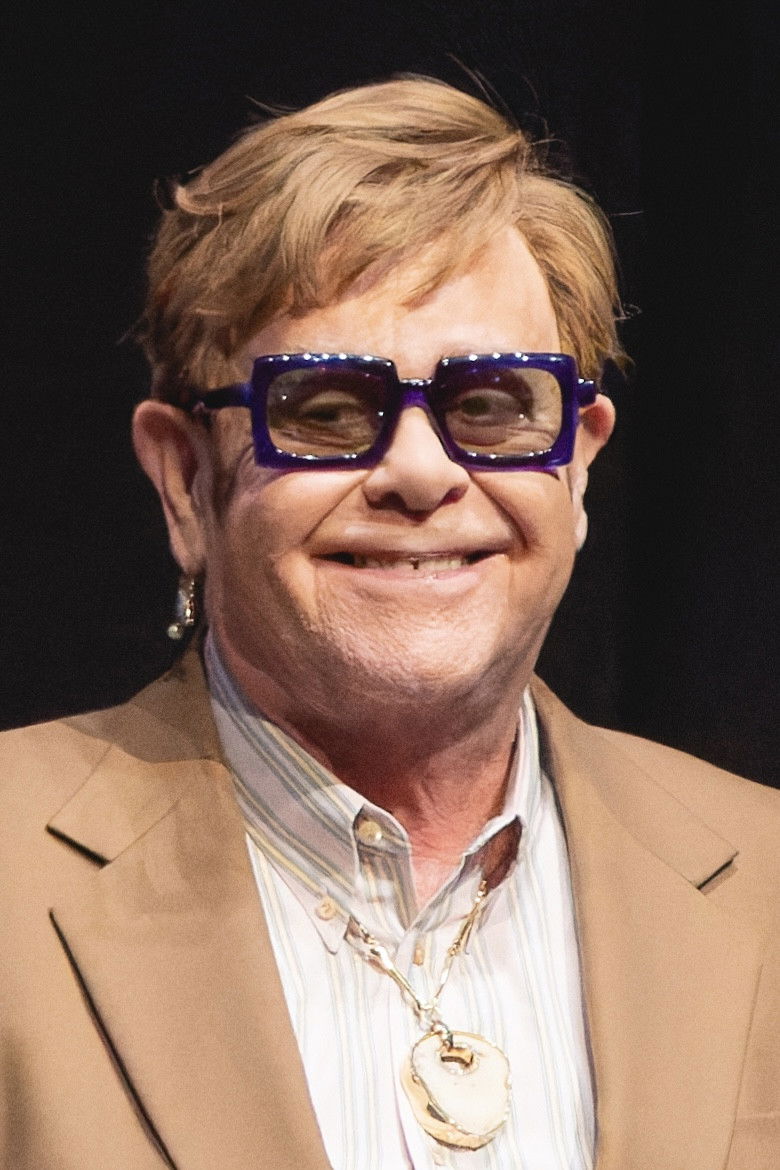
Elton John has a long history of using his platform to engage in public feuds for social and political causes. He famously organized a boycott of a major fashion brand and used his social media to rally global support for the movement. His fans and the broader LGBTQ+ community quickly joined the cause creating a massive public relations challenge for the company. This ability to weaponize his influence for a specific goal demonstrates the enduring power of his celebrity. He continues to use his digital presence to champion the causes he believes in.
Anderson Cooper

Anderson Cooper occasionally finds himself in internet feuds with political figures and media personalities during his news coverage. His followers often take to social media to defend his journalistic integrity and personal character against these attacks. While he maintains a professional demeanor his digital presence allows his fans to act as a vocal support system. This mobilization helps to counter the negative narratives often found in highly polarized political environments. His audience plays a vital role in reinforcing his status as a trusted news anchor.
Luke Evans
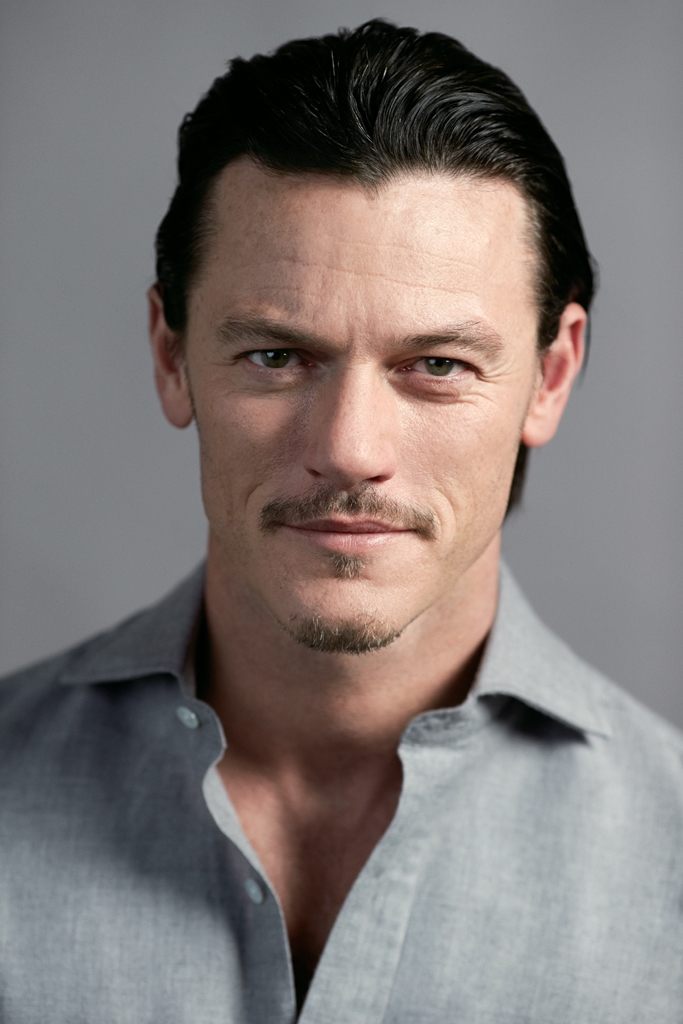
Luke Evans has frequently used social media to manage his public image and address speculation regarding his personal life. He shares glimpses of his professional work and personal fitness to build a strong and loyal following. When faced with intrusive questions or internet rumors he relies on his fans to provide a protective layer of support. This digital relationship allows him to maintain a level of privacy while remaining an active and visible figure in Hollywood. His followers are known for their respectful and consistent defense of his career choices.
Matt Bomer
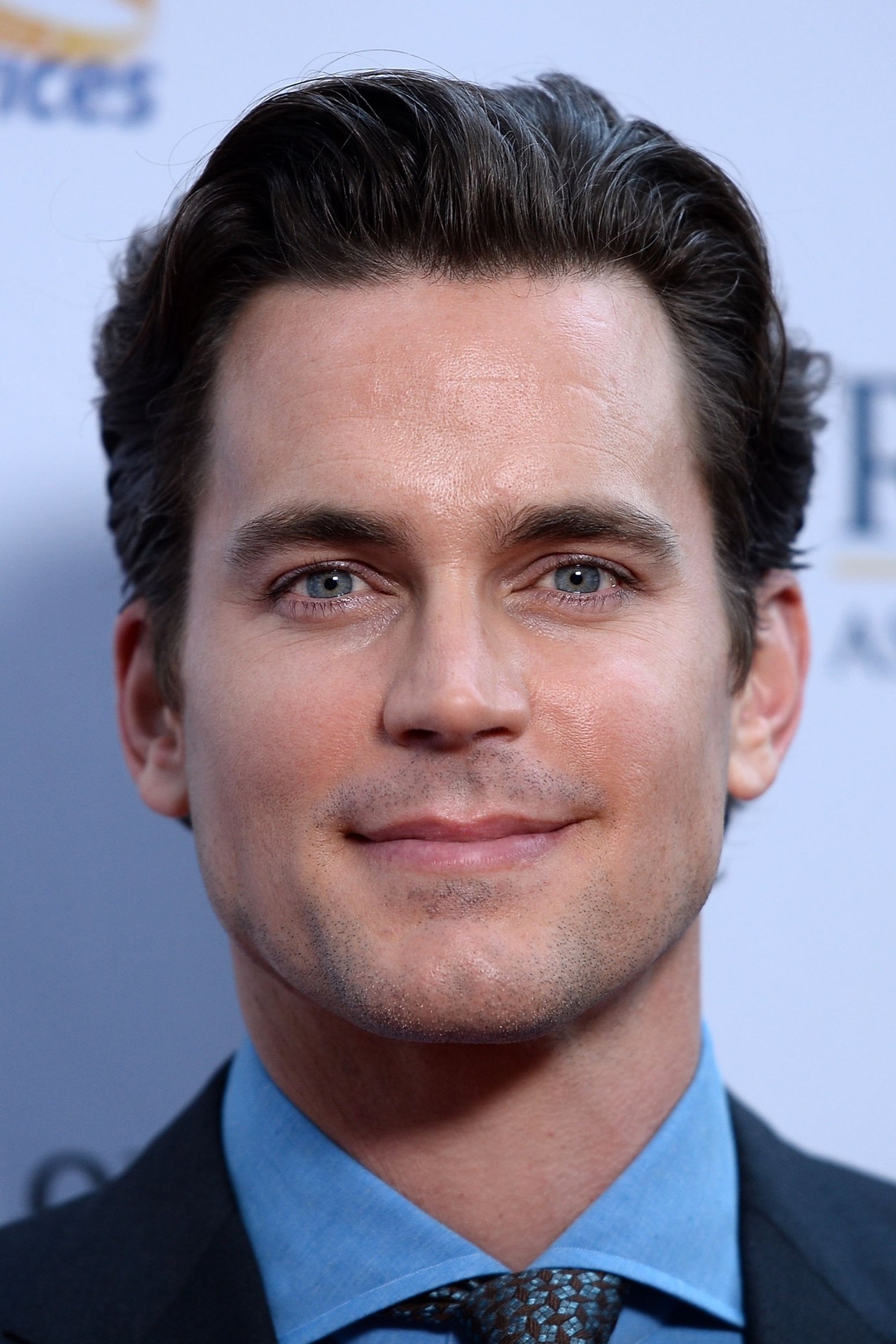
Matt Bomer has a dedicated fanbase that frequently supports his diverse acting roles and public advocacy for the LGBTQ+ community. He uses his social media platforms to promote his projects and share personal milestones which invites a high level of fan engagement. During public debates regarding casting or industry representation his followers are quick to champion his work and perspective. This digital backing helps him navigate the competitive landscape of the entertainment industry with a solid foundation of community support. His online presence is characterized by professional success and personal authenticity.
Neil Patrick Harris
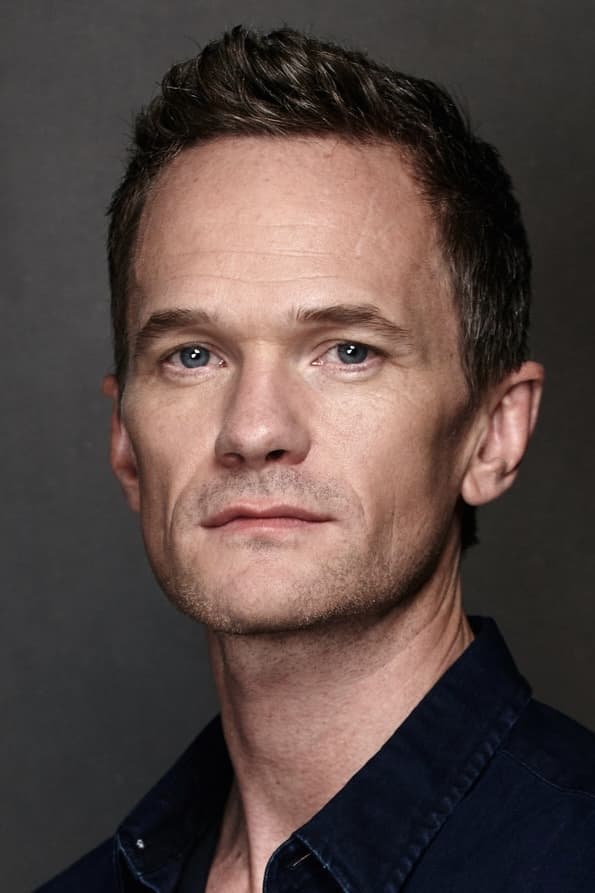
Neil Patrick Harris has been involved in several internet controversies regarding his humor and public comments over the years. He often uses social media to apologize or clarify his intentions while relying on his fans to help move the conversation forward. His followers are generally quick to forgive and defend his long career in theater and television. This mobilization of his audience allows him to maintain his status as a beloved entertainer despite occasional digital missteps. His strategy involves a mix of direct engagement and community-led defense.
Zachary Quinto
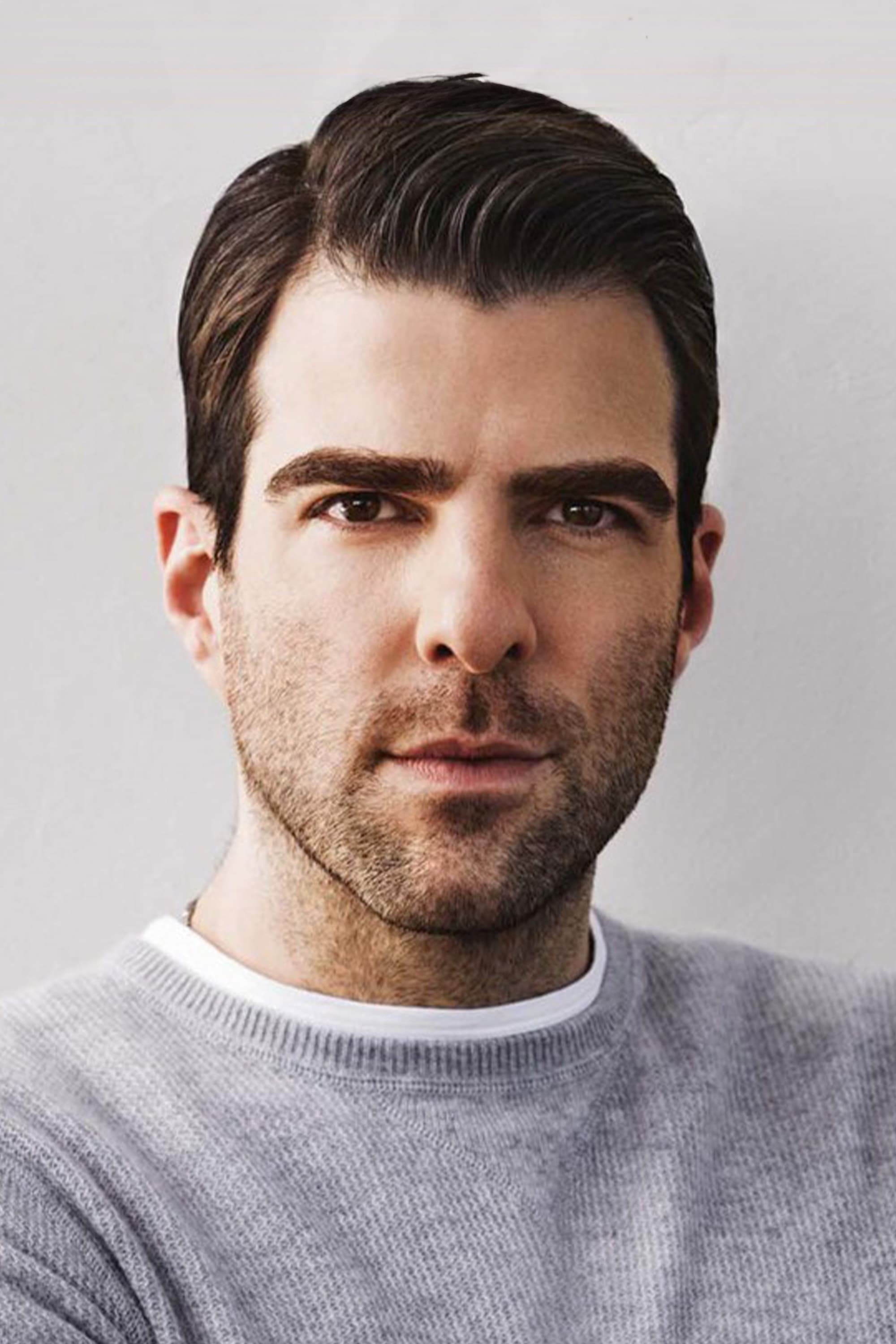
Zachary Quinto frequently uses his platform to engage in political activism and discuss the importance of queer visibility in Hollywood. He often faces pushback for his outspoken views but his fans consistently provide a strong and vocal support system. By sharing his perspectives on social media he encourages his followers to participate in the broader cultural conversation. These interactions often turn into digital movements that support the causes he champions. His ability to mobilize his audience makes him a significant voice in modern celebrity activism.
Jim Parsons

Jim Parsons has a massive following from his time on ‘The Big Theory’ and his various theater projects. He uses his social media to share his personal interests and professional updates which creates a loyal and engaged audience. When faced with criticism or internet rumors his fans are quick to provide support and highlight his contributions to the arts. This digital relationship helps him manage his public image while transitioning between different types of acting roles. His followers act as a consistent and positive presence in his online life.
Jesse Tyler Ferguson

Jesse Tyler Ferguson frequently uses humor and personal anecdotes on social media to build a strong connection with his fans. He often addresses public issues and personal grievances with a lighthearted approach that invites his audience to join the fun. During minor internet feuds his followers are quick to take his side and use humor to drown out any negativity. This strategy has made him a popular and relatable figure in the digital space. His ability to mobilize his fans through laughter is a key part of his public persona.
Andrew Rannells
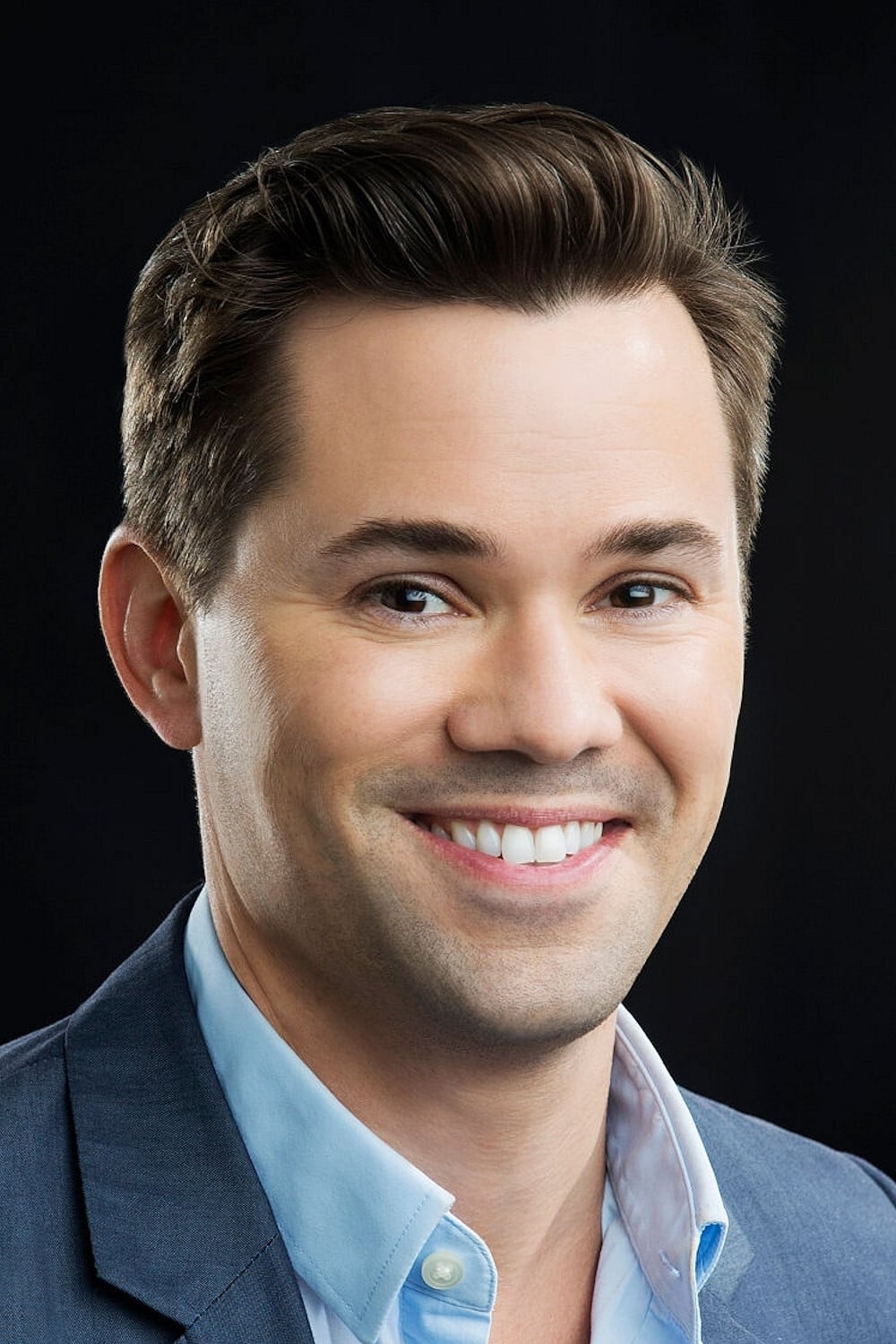
Andrew Rannells uses his social media to promote his work in theater and television while sharing his unique perspective on the industry. He frequently engages with fans through his writing and public appearances which has built a dedicated support base. When his roles or performances are criticized his followers are quick to defend his talent and importance as a queer performer. This digital advocacy helps him maintain a strong professional reputation and personal brand. His relationship with his audience is built on mutual respect and artistic appreciation.
Brian Jordan Alvarez
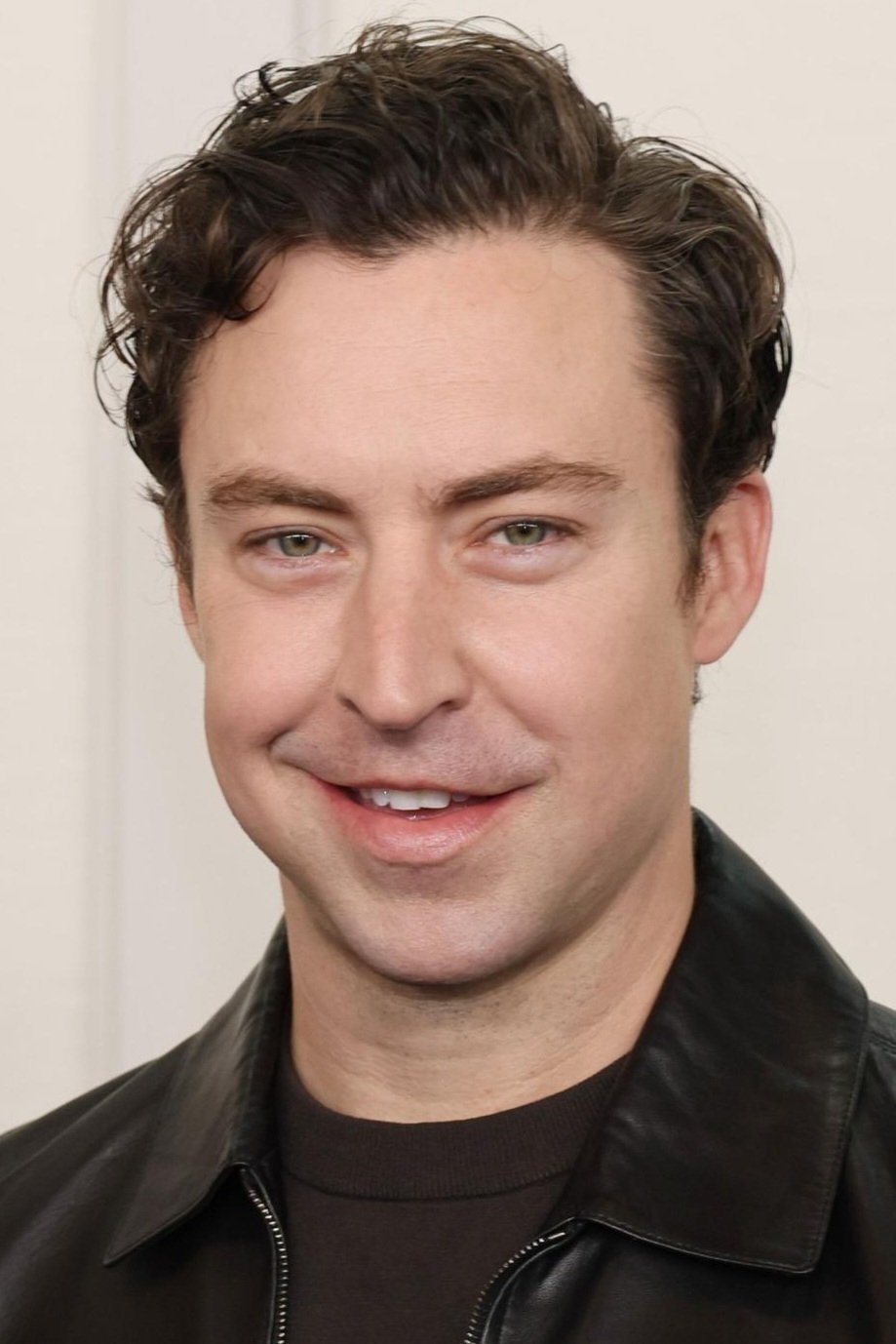
Brian Jordan Alvarez gained fame through his viral videos and digital series where he often addresses contemporary social dynamics. He has a very active online following that frequently engages with his characters and shares his content across platforms. When he faces criticism or enters minor internet debates his fans are quick to support his creative vision and humor. This digital mobilization has been essential to his success as an independent creator and mainstream actor. He continues to use his platform to explore new ways of connecting with his audience.
Bowen Yang

Bowen Yang has a significant digital presence that he uses to engage with fans of ‘Saturday Night Live’ and his podcast. He often addresses internet culture and the pressures of being a prominent queer Asian-American performer. His followers are known for their intense loyalty and their willingness to defend him against any online harassment. This support system allows him to take creative risks and maintain his unique voice in the comedy world. His ability to navigate digital spaces with the backing of his fans has made him a standout star.
Joel Kim Booster
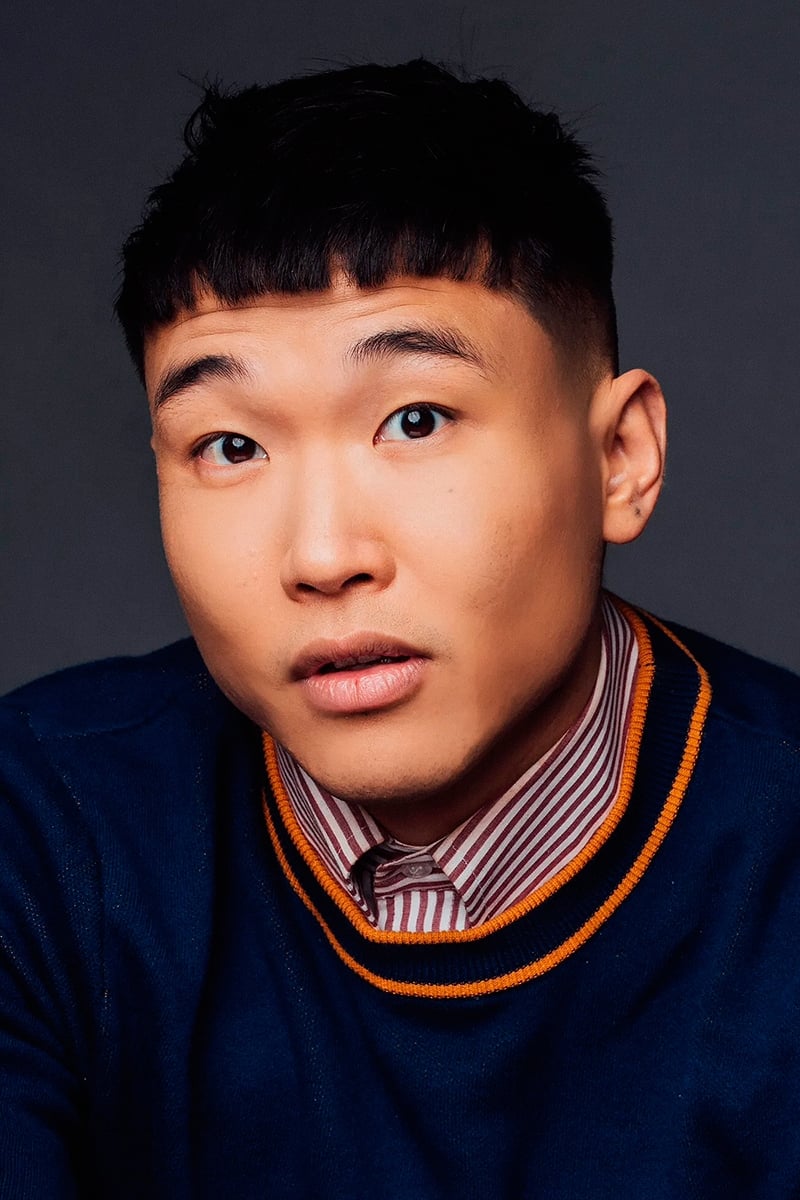
Joel Kim Booster frequently uses social media to promote his work and address the complexities of being a queer comedian today. He often engages in witty banter and minor internet feuds that highlight his unique perspective on celebrity culture. His fans are quick to join these conversations and provide a vocal defense of his humor and artistic choices. This mobilization of his audience was particularly evident during the release of his film ‘Fire Island’ where fans defended the project against various critiques. He remains a powerful and vocal figure in the digital comedy space.
Gus Kenworthy
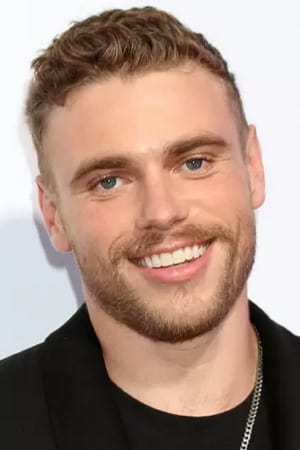
Gus Kenworthy has used his social media to document his transition from professional athlete to actor and public advocate. He often engages in digital debates regarding sports culture and LGBTQ+ rights which mobilizes his large following. His fans are quick to support his advocacy and defend him against any homophobic comments or criticism of his career choices. This strong connection with his audience has allowed him to maintain a visible and influential platform. His digital presence is a mix of personal storytelling and community activism.
Tom Daley
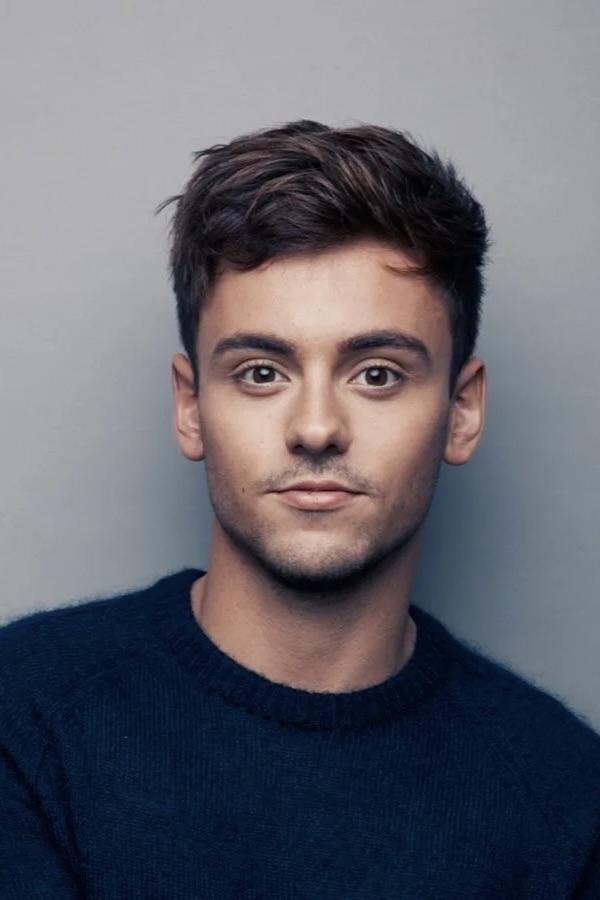
Tom Daley has a massive international following that he frequently engages with through his social media and YouTube channel. He has faced internet scrutiny over his personal life and sporting career but his fans consistently provide a supportive environment. During public disagreements with commentators or critics his followers often organize to drown out the negativity with positive messages. This mobilization is a testament to the deep bond he has built with his audience over many years. He continues to use his platform to promote visibility and share his journey.
Wentworth Miller
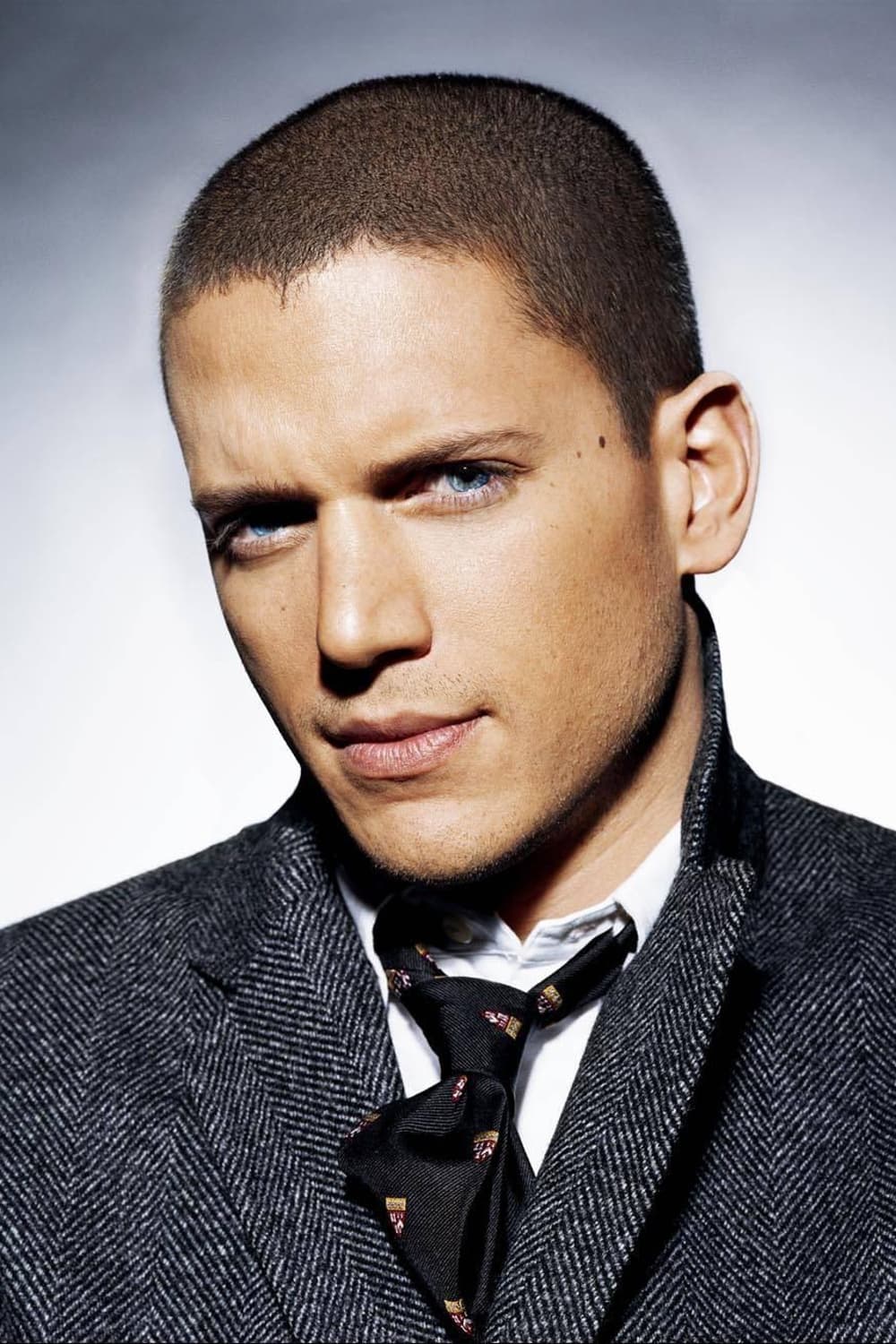
Wentworth Miller famously used his social media presence to address a viral meme that mocked his physical appearance. He shared a powerful message about mental health and personal struggles which triggered a massive wave of support from his fans. This mobilization not only silenced the trolls but also sparked a global conversation about the impact of internet bullying. His ability to turn a negative digital experience into a platform for advocacy is a prominent example of fan mobilization. He continues to use his voice to support mental health awareness and queer visibility.
Elliot Page
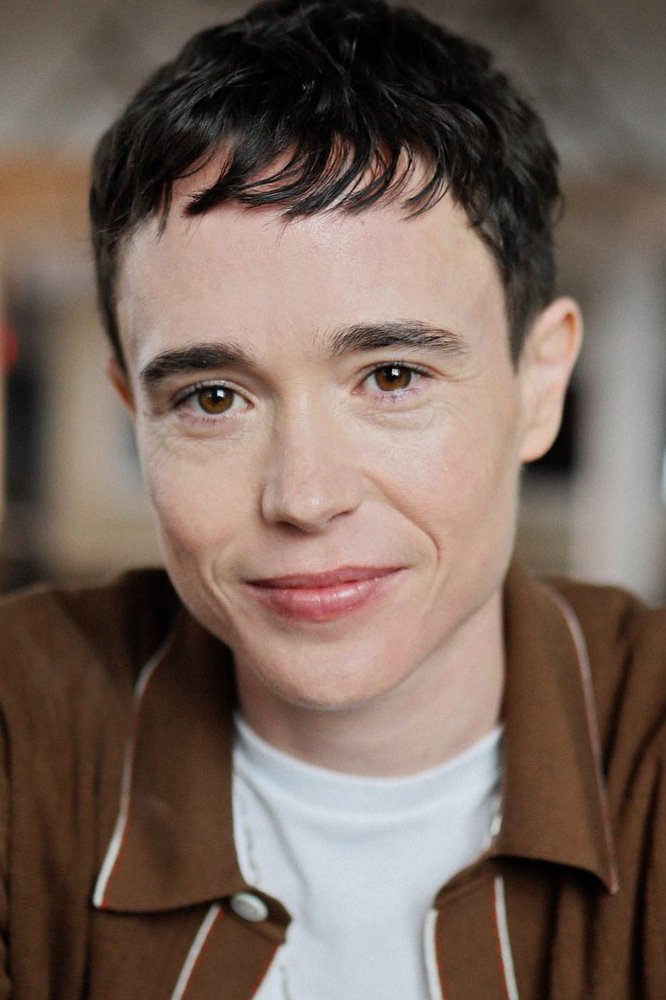
Elliot Page has utilized his social media platforms to document his personal journey and advocate for transgender rights globally. He often addresses political legislation and social issues which encourages his followers to take action and provide support. When faced with online harassment his fans are quick to form a digital shield and amplify his message of equality. This mobilization of his audience has been a crucial part of his public transition and continued career as an actor. His digital presence is characterized by bravery and community-led advocacy.
Colton Haynes

Colton Haynes has often used his social media to be transparent about his struggles with mental health and his experience in Hollywood. He frequently addresses internet rumors directly and leans on his fans for emotional support and validation. His followers are known for their intense loyalty and their willingness to defend him during his most vulnerable moments. This digital connection has helped him navigate the ups and downs of his career while maintaining a supportive community. He remains a prominent figure who values the direct relationship he shares with his fans.
Dan Levy
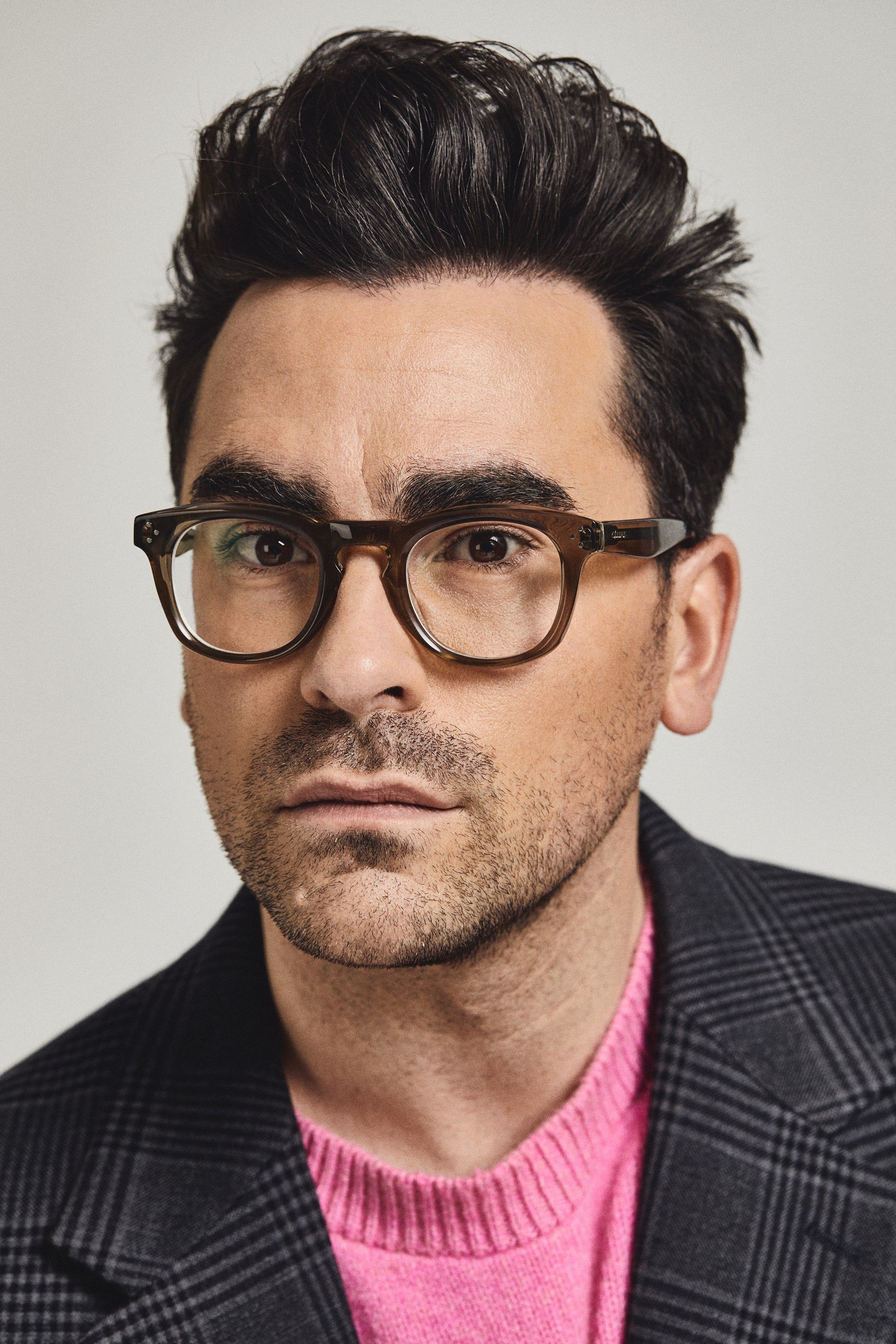
Dan Levy used his social media presence and the success of ‘Schitt’s Creek’ to advocate for better representation in the media. He famously called out a television station for censoring a gay kiss in his show which mobilized his fans to demand an apology. The resulting digital pressure was successful and highlighted the power of a dedicated audience in holding media outlets accountable. His followers continue to support his projects and champion his vision of inclusive storytelling. This relationship demonstrates the positive impact that celebrity-led digital movements can achieve.
Share your thoughts on these digital celebrity interactions in the comments.