Actresses Who Successfully Sued Major Studios Over Discriminatory Casting Practices



The entertainment industry has long faced scrutiny regarding its casting processes and the fair treatment of talent on set. While many performers choose to handle disputes privately several high profile actresses have taken legal action against major studios to challenge discriminatory practices. These lawsuits often address issues ranging from gender and racial bias to ageism and retaliation for reporting misconduct. Through these legal battles these women have not only sought personal justice but have also paved the way for systemic changes in Hollywood. Their efforts highlight the importance of transparency and accountability in a historically opaque industry.
Mo’Nique
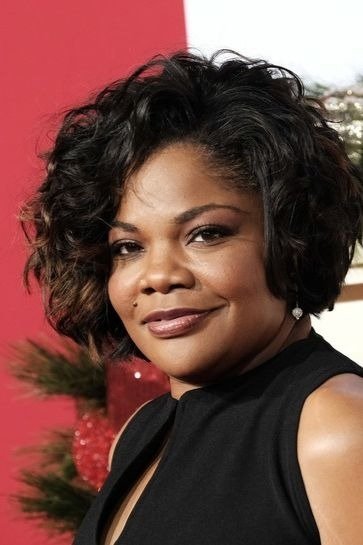
The comedian and actress filed a lawsuit against Netflix for racial and gender discrimination following a low salary offer for a stand up special. She argued that the offer was significantly lower than those given to white and male performers in similar positions. A federal judge eventually ruled that the lawsuit could move forward despite the attempt by the streaming service to dismiss it. The case was settled out of court and brought significant attention to pay disparities in the industry. Her persistence influenced how other performers negotiate for fair market value in their contracts.
Eliza Dushku

The actress sued CBS after experiencing sexual harassment and subsequent retaliation on the set of the show ‘Bull’. She was written off the series after complaining about the behavior of a costar which she found unprofessional and demeaning. The network eventually paid a settlement of nearly ten million dollars to resolve her claims of wrongful termination and discrimination. This case became a major point of discussion regarding the safety and protection of performers on television sets. It demonstrated the high cost studios face when they fail to address toxic work environments.
Hunter Tylo

She won a landmark lawsuit against Spelling Entertainment for pregnancy discrimination during the production of ‘Melrose Place’. The actress was fired from the show before filming her first scenes because the producers believed her pregnancy made her unsuitable for the role. A jury awarded her nearly five million dollars in damages for the loss of the opportunity and emotional distress. This legal victory established a strong precedent for protecting pregnant actresses from being unfairly removed from projects. It remains one of the most famous examples of a performer successfully challenging discriminatory casting decisions.
Gabrielle Union
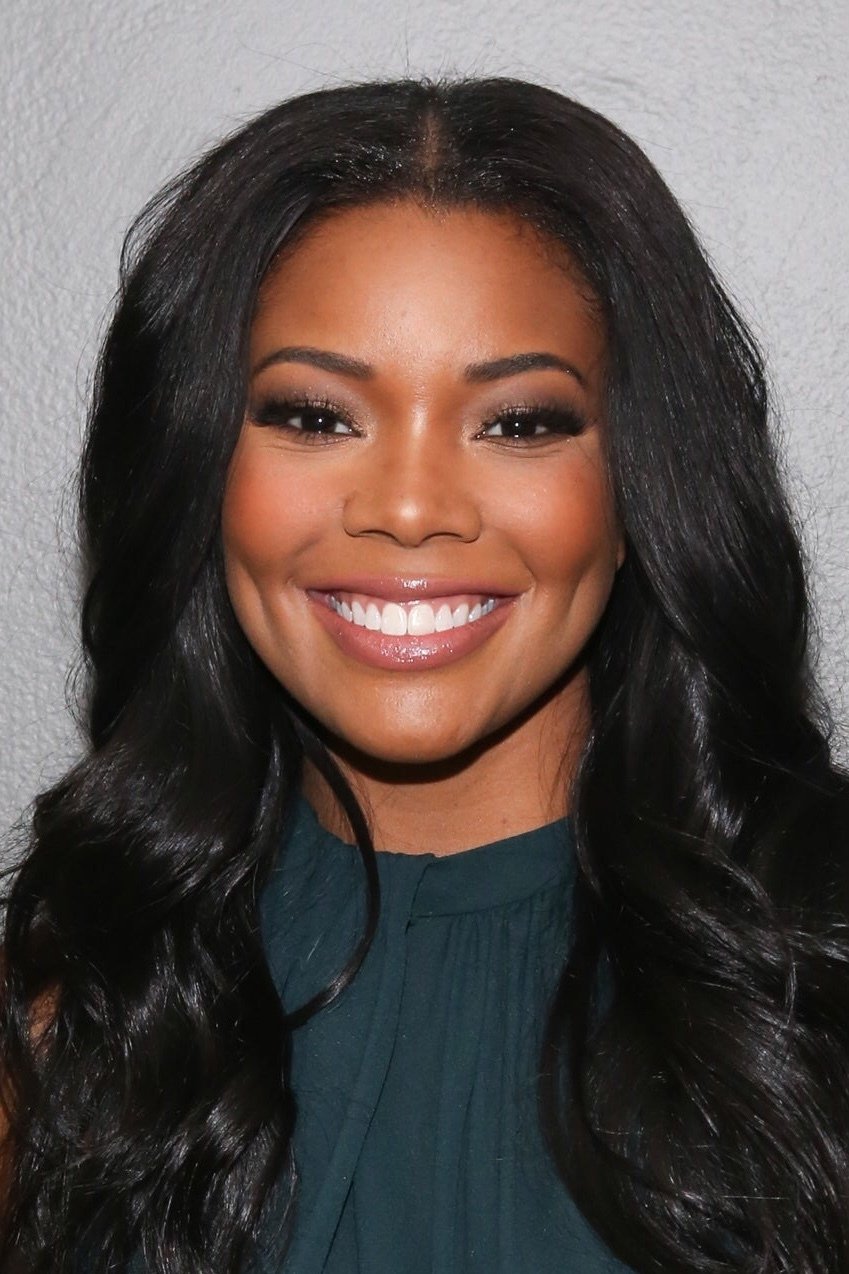
The star filed a legal complaint against NBC and the production companies behind ‘America’s Got Talent’ for racial discrimination. She alleged that she was terminated as a judge after reporting offensive incidents and criticizing the toxic culture on set. The dispute was eventually resolved through a private settlement that included commitments to improve the working environment. Her public stance encouraged other entertainers to speak out about their experiences with systemic bias at major networks. This case highlighted the need for greater diversity and inclusion in high stakes television productions.
Ashley Judd

She filed a lawsuit against Harvey Weinstein for defamation and sexual harassment that allegedly impacted her career for decades. The actress claimed that the producer sabotaged her chances of being cast in ‘The Lord of the Rings’ by spreading false rumors about her. A court ruling later allowed her to pursue her claims by acknowledging the power dynamic inherent in professional casting environments. This legal action was instrumental in exposing how influential figures can use professional retaliation to maintain control. Her bravery helped ignite the movement to hold powerful studio executives accountable for their actions.
Salma Hayek Pinault

The actress joined a group of women in taking legal and public action against Miramax and its leadership for years of professional abuse. She detailed how her refusal of certain demands led to threats against her career and the production of her passion project ‘Frida’. The resulting legal and social pressure contributed to a massive settlement for victims of the studio’s discriminatory and predatory culture. Her testimony provided a clear look at the obstacles female performers face when attempting to maintain creative control. This case remains a cornerstone in the ongoing fight for gender equality in film production.
Mira Sorvino

She was one of many actresses who sought justice after discovering her career had been professionally hindered by a major studio head. The actress filed claims regarding how she was blacklisted from major roles despite her status as an Academy Award winner. Evidence later surfaced that she was intentionally passed over for casting in high profile films due to her rejection of inappropriate advances. Her involvement in the legal efforts against the studio helped secure a multi million dollar fund for affected performers. This victory underscored the long term damage that discriminatory casting barriers can inflict on a career.
Rose McGowan

The actress took a prominent legal stand against the studio system for its role in enabling and concealing professional misconduct. She alleged that her career was systematically targeted and suppressed after she attempted to report abuse within the industry. Her lawsuit targeted the infrastructure that allowed discriminatory practices to flourish while silencing those who spoke up. The legal resolution of her claims served as a catalyst for broader industry reforms and legal changes in California. She continues to be a vocal advocate for transparency and the total dismantling of predatory casting power structures.
Annabella Sciorra

The actress pursued legal avenues after revealing how professional retaliation and harassment stalled her once flourishing career. She testified about the ways a major producer influenced casting directors to avoid hiring her following a traumatic incident. Her participation in the collective legal action against the studio resulted in significant compensation and public acknowledgement of the harm done. This case illustrated the profound impact that a single powerful executive can have on an actor’s professional livelihood. It served as a warning that discriminatory blacklisting would no longer be tolerated by the judicial system.
Paz de la Huerta

She filed a lawsuit against a major production entity for the trauma and career loss she experienced during her time in the industry. The actress claimed that her professional opportunities were curtailed by the very people who were supposed to protect her on set. Her legal challenge addressed the intersection of workplace safety and discriminatory hiring practices that favor certain individuals over others. The settlement of her claims added to the growing list of successful legal actions against the former leadership of Miramax. Her case highlighted the physical and emotional toll that a hostile casting environment can take on performers.
Sondra Locke

The actress and director sued Warner Bros for fraud and breach of contract in a high profile case during the nineteen nineties. She alleged that the studio entered into a sham directing deal with her as part of a settlement with her former partner Clint Eastwood. She argued that the studio never intended to develop her projects and effectively blacklisted her from the industry. The case was settled mid trial for an undisclosed amount after significant evidence of the studio’s bad faith was presented. This legal battle is still cited as a major victory against the practice of fake deals used to suppress female talent.
Olivia de Havilland

She famously sued Warner Bros in the nineteenforties to challenge the restrictive contract system that governed Hollywood at the time. The studio attempted to extend her contract indefinitely by adding suspension periods to the end of her term. She won the case in a landmark decision that limited the power of studios to bind actors to long term agreements against their will. This ruling became known as the De Havilland Law and fundamentally changed the relationship between talent and major studios. Her courage allowed future generations of actors to have greater control over their professional choices and casting.
Bette Davis

The legendary actress took Warner Bros to court in an attempt to gain more freedom over the roles she was offered. She felt the studio was forcing her to appear in mediocre films and sought the right to work on projects that better suited her talent. While she technically lost the initial case in England the publicity surrounding the trial forced the studio to provide her with better scripts. This legal challenge was a precursor to modern efforts by actresses to demand high quality and non discriminatory roles. Her fight against the studio system remains a significant chapter in the history of performers’ rights.
Nicollette Sheridan
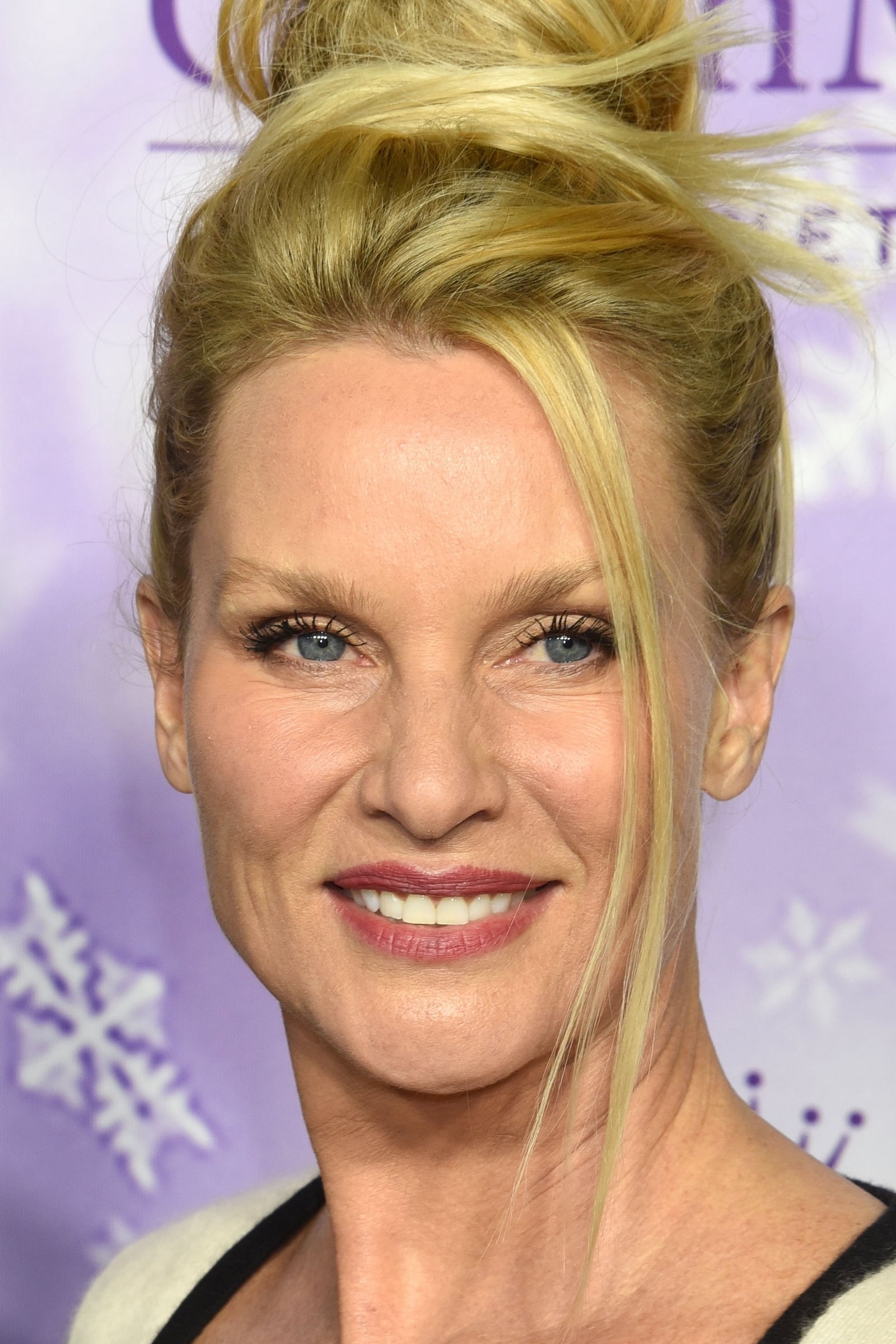
The actress filed a multi million dollar lawsuit against Touchstone Television and ABC for wrongful termination and gender discrimination. She alleged that she was written off the hit show ‘Desperate Housewives’ after reporting an incident with the series creator. While the legal proceedings were lengthy and complex the case brought significant attention to the treatment of seasoned actresses on television sets. The dispute eventually led to discussions about the rights of performers to work in environments free from hostility and retaliation. Her willingness to take a major network to court highlighted the risks actresses take to defend their professional integrity.
Charisma Carpenter

She sought legal and professional resolution after experiencing what she described as discriminatory treatment on the sets of ‘Buffy the Vampire Slayer’ and ‘Angel’. The actress alleged that her pregnancy led to her being mistreated by production leadership and eventually written out of her series. Her public claims and subsequent legal discussions contributed to a broader movement of performers demanding better protection during pregnancy. The resolution of these issues helped establish clearer guidelines for how studios must accommodate and respect the rights of expectant mothers. Her story remains a powerful example of the need for empathy and legal compliance in casting decisions.
Betty Thomas
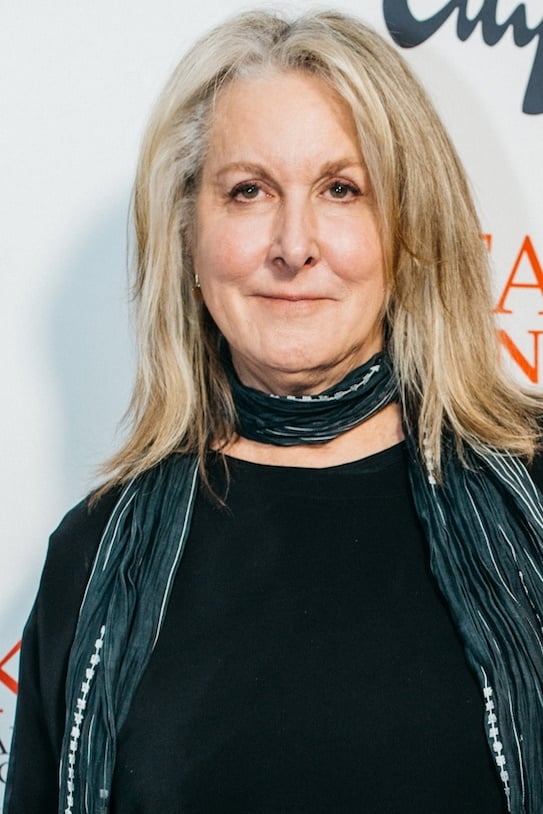
The actress and director was a key figure in a major legal action against the Screen Actors Guild regarding age discrimination in the industry. The lawsuit challenged the way the union handled pension and health benefits for older performers which she argued was inherently discriminatory. By taking a stand against the established system she helped bring attention to the systemic ageism that many actresses face as they grow older. The legal pressure resulted in changes to how performers are treated during the later stages of their careers. Her efforts were instrumental in advocating for the dignity and fair treatment of veteran actors.
Sarah Scott

She reached a settlement with HBO after reporting an incident of professional misconduct on the set of the drama ‘The Deuce’. The actress took legal steps to address the lack of protections for performers during the filming of sensitive or intimate scenes. Her case was a significant factor in the industry wide adoption of intimacy coordinators to ensure the safety and comfort of all actors. The settlement acknowledged the need for better protocols and training to prevent discriminatory or abusive behavior during production. This outcome demonstrated how individual legal actions can lead to positive systemic changes across the entire entertainment landscape.
Dominique Provost-Chalkley

The performer took a stand against the production environment of the series ‘Wynonna Earp’ after experiencing what was described as a lack of professional support and discrimination. Legal discussions and public advocacy surrounding the situation led to improvements in set safety and talent relations. The resolution of these concerns highlighted the importance of listening to the voices of actors who feel marginalized by traditional production structures. This case served as a reminder that even popular shows must adhere to high standards of professional conduct and inclusivity. Her actions helped foster a more transparent and respectful relationship between the cast and the studio.
Kim Basinger

The actress was involved in a massive legal battle with Main Line Pictures over her withdrawal from the film ‘Boxing Helena’. While she was initially ordered to pay millions in damages she successfully appealed the decision and eventually settled the case for a much smaller amount. The legal dispute centered on the validity of oral contracts and the pressure studios place on actresses to accept certain roles. Her successful appeal protected the rights of all performers to have clear and written agreements before being legally bound to a project. This case remains a warning to studios about the importance of fair and transparent casting negotiations.
Victoria Principal
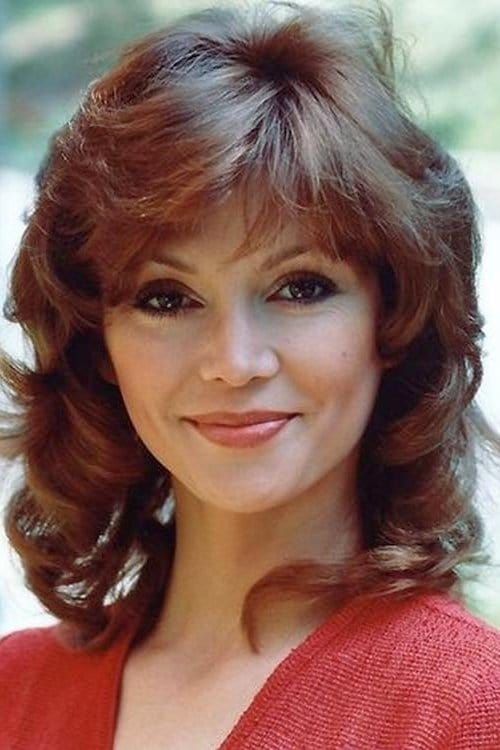
She took legal action against the producers of the show ‘Dallas’ during a contract dispute that involved her right to pursue other professional opportunities. The actress fought for the ability to expand her career beyond the confines of a single long running television series. Her successful negotiation and legal standing allowed her to depart the show on her own terms and build a successful business empire. This case demonstrated that actresses could challenge the restrictive casting and contract practices of major networks and win. Her victory served as an inspiration for other television stars seeking professional independence and fair treatment.
Tippi Hedren
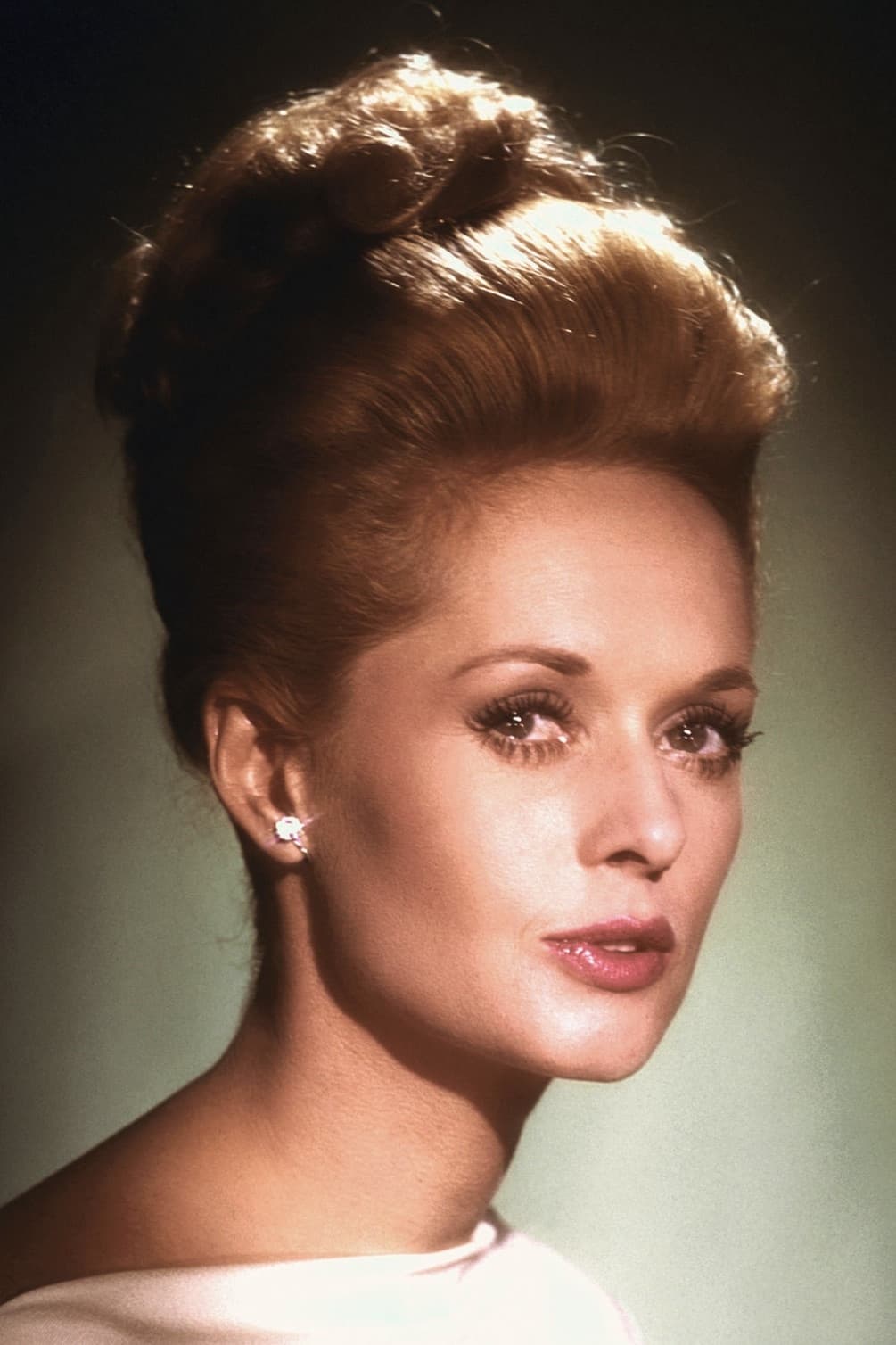
The actress famously stood up to Alfred Hitchcock and Universal Pictures after experiencing years of professional harassment and psychological abuse. While the legal landscape of the nineteen sixties offered fewer protections her refusal to continue under discriminatory conditions effectively ended her contract with the studio. Her experiences were later documented and used as evidence in broader discussions about the need for legal reforms to protect performers. She has spent decades advocating for the rights of actors to work without fear of exploitation or professional sabotage. Her legacy is one of resilience against the absolute power once held by studio heads and directors.
Arleen Sorkin

The actress filed a lawsuit against the producers of ‘Days of Our Lives’ alleging that she was fired from the show based on her age and gender. She claimed that the studio sought to replace her with a younger performer despite her long history and popularity with audiences. The legal challenge highlighted the precarious nature of employment for actresses in the daytime television industry. Her case was settled out of court providing her with a measure of justice for the abrupt end to her tenure on the series. This legal action brought necessary attention to the persistent issue of ageism in television casting.
Kirstie Alley
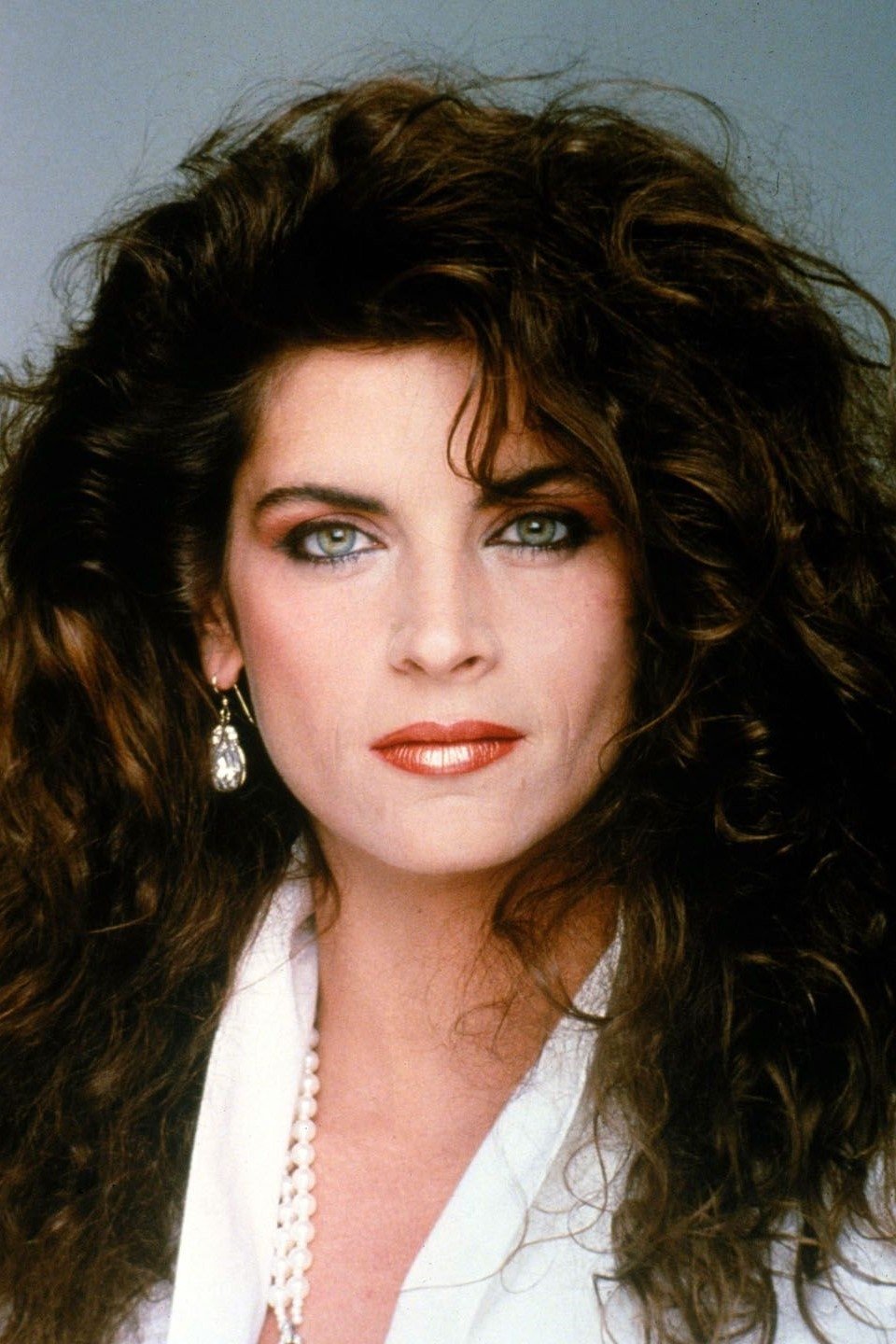
She was involved in legal and professional disputes that challenged the way mature actresses are perceived and cast in Hollywood. Her efforts included addressing the discriminatory nature of weight and age requirements that are often imposed on female performers but not their male counterparts. By using her public platform and legal representation she advocated for a more diverse representation of women on screen. The resolution of her various professional conflicts helped open doors for other actresses to pursue a wider variety of roles. Her career serves as a testament to the importance of challenging narrow casting standards.
Julianna Margulies

The actress has been vocal about her legal and professional battles regarding fair pay and the right to reject roles that did not meet her standards. She famously turned down a massive salary offer to continue on ‘ER’ in favor of pursuing more diverse and artistically fulfilling projects. Her stance against the traditional studio pressure to remain in a successful role helped redefine the power dynamics between talent and networks. She has consistently advocated for the legal protection of an actor’s right to control their own career path. Her success in both television and film demonstrates the benefits of resisting discriminatory or limiting casting practices.
Thandiwe Newton

The actress has addressed the discriminatory casting practices she encountered early in her career through legal advocacy and public discourse. She detailed an incident where a studio executive made highly inappropriate and racially insensitive comments during a screen test. Her willingness to name those involved and challenge the culture of silence led to a broader conversation about racial bias in Hollywood. The resulting industry pressure helped implement new standards for how auditions and casting sessions are conducted. Her actions have contributed to a more inclusive and respectful environment for actors of color.
Lucy Liu

The actress took a significant stand against professional mistreatment and discrimination during the production of the film ‘Charlie’s Angels’. She addressed an incident involving a costar and the studio’s initial failure to provide a supportive working environment. Her firm stance and subsequent legal discussions helped ensure that her professional rights were respected on future projects. This case became a well known example of an actress refusing to accept discriminatory treatment or verbal abuse on set. Her actions empowered other performers to speak up when they are treated with less than full professional respect.
Jessica Barth

The actress worked alongside legal teams to challenge the culture of silence and professional retaliation within the film industry. She detailed her own experiences with a major producer and how it affected her casting opportunities in high profile projects. Her legal advocacy was instrumental in the creation of new support systems for performers who face discrimination or harassment. The successful resolution of her claims added to the momentum of the movement to reform Hollywood’s hiring practices. She continues to be a leader in the effort to ensure that all actors can work in a safe and equitable environment.
Emma de Caunes

The French actress was a key participant in the international legal efforts to hold major Hollywood production companies accountable for discriminatory practices. She provided critical testimony regarding the professional obstacles and harassment she faced while working on international projects. Her involvement helped demonstrate that the issues of discrimination and power abuse were not limited to a single country or studio. The legal outcomes of these cases have led to improved international standards for the treatment of talent in global co productions. Her contribution was vital in building a worldwide coalition for the protection of actors’ rights.
Heather Graham

She used her legal and public platform to address the discriminatory nature of the studio system and its impact on female careers. The actress detailed her own experiences with influential figures who used their casting power to exert undue influence over performers. Her participation in legal actions against predatory studio practices helped secure significant changes in how talent is managed and protected. The resolution of these cases provided a roadmap for how the industry can move toward a more transparent and fair future. Her story highlights the importance of collective action in dismantling long standing barriers to equality in entertainment.
Share your thoughts on these landmark legal battles in the comments.