Celebs Who Sparked Intense Outrage With Culturally Appropriative Outfits


Celebrity fashion often pushes boundaries but sometimes crosses into the territory of cultural appropriation. These instances occur when public figures adopt elements of a culture that is not their own without proper understanding or respect. Many stars have faced significant backlash for wearing traditional garments or hairstyles that carry deep meaning for marginalized groups. This list explores various celebrities whose fashion choices ignited intense public debate and accusations of cultural insensitivity.
Kim Kardashian
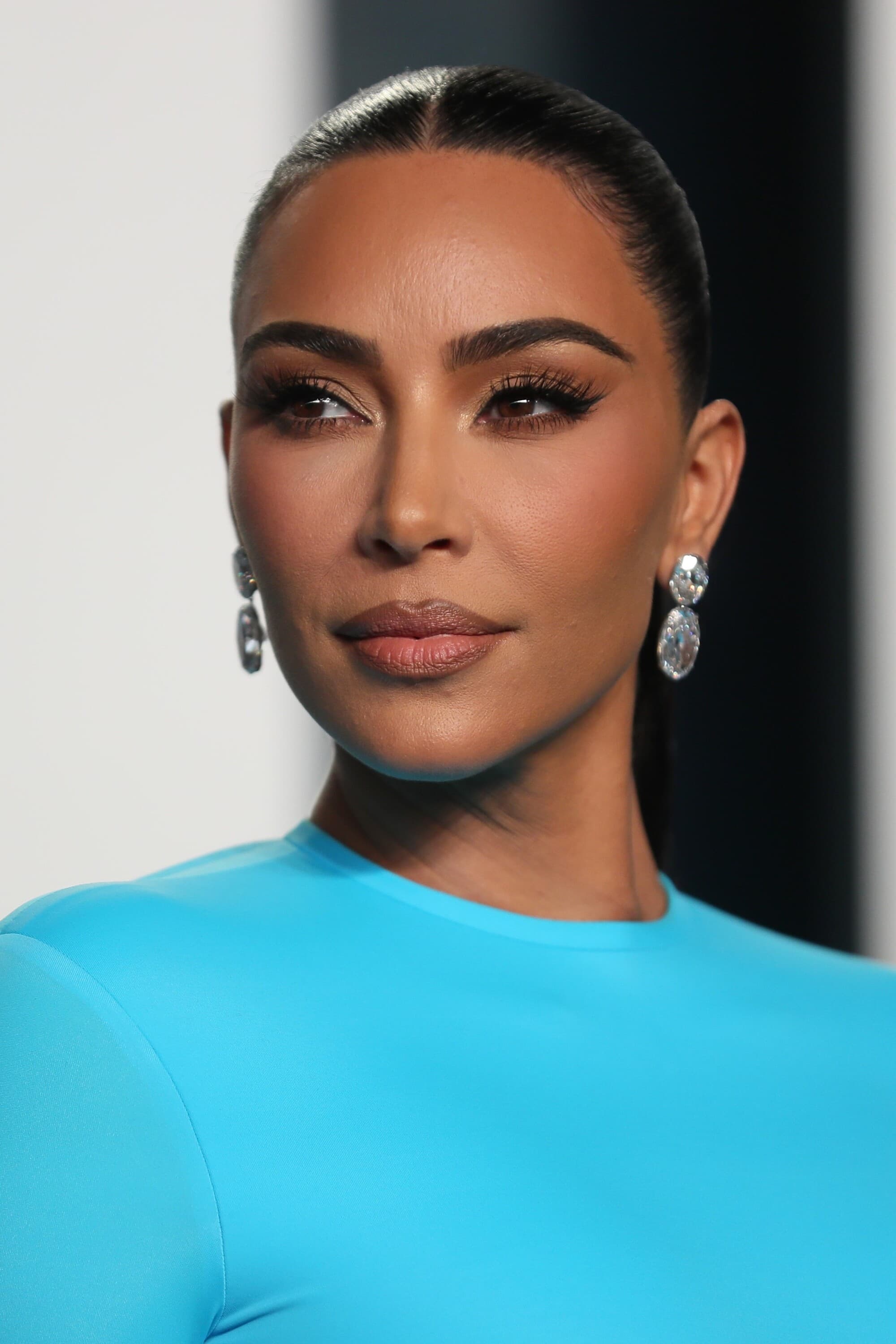
The reality star faced significant criticism after wearing braids that she labeled as Boxer braids. Many observers pointed out that the style is historically known as Fulani braids and originates from African culture. She also drew backlash for wearing a traditional Indian headpiece called a Maang Tikka for a social media post. These choices led to accusations that she treats cultural symbols as mere fashion accessories. The public reaction highlighted a long history of Black women being penalized for styles that Kim Kardashian was praised for adopting.
Katy Perry
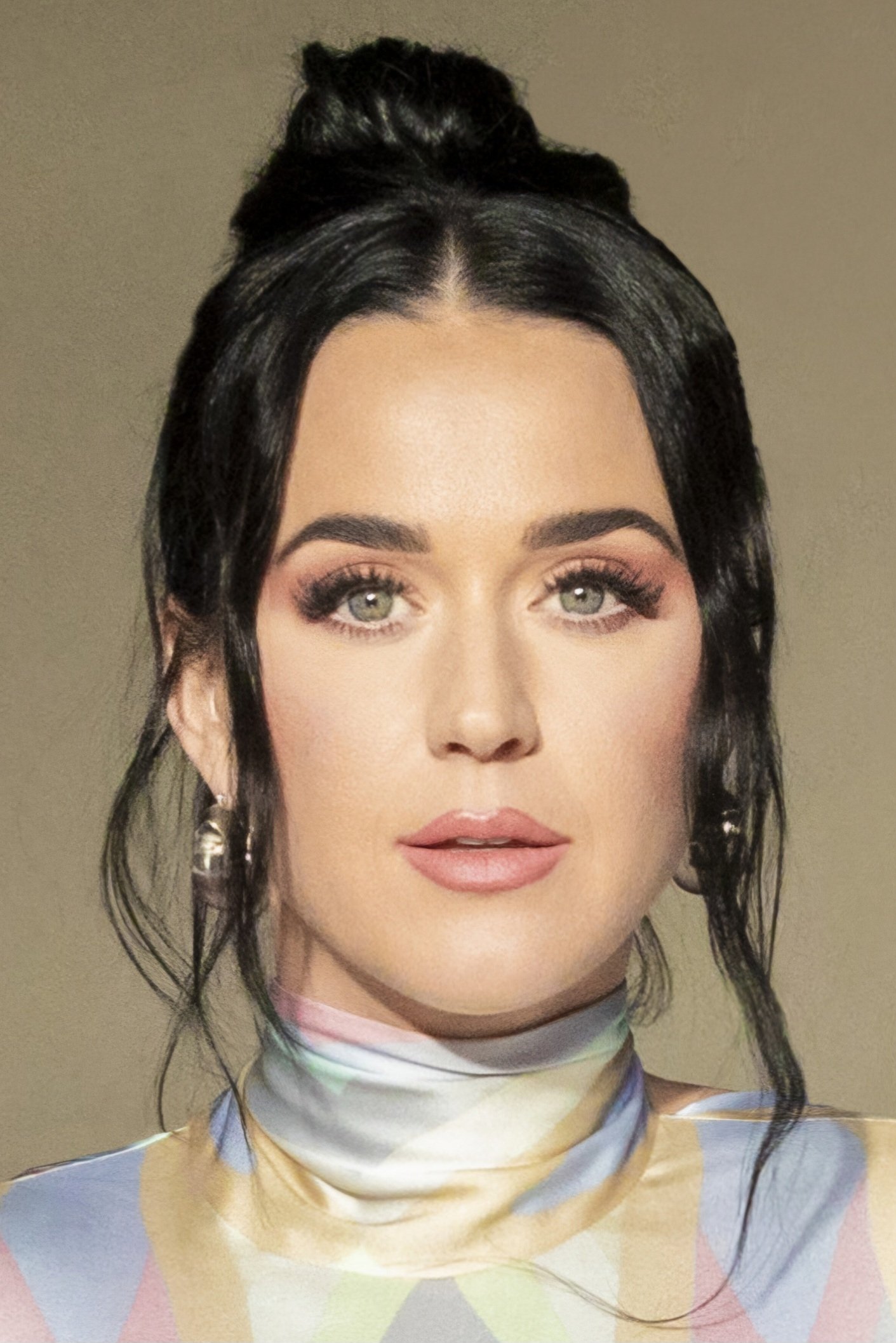
The singer sparked a major controversy during her performance at the American Music Awards. She appeared on stage dressed as a geisha while surrounded by Japanese inspired decor and cherry blossoms. Critics argued that the performance relied on harmful stereotypes and reduced a rich culture to a costume. She later addressed the incident by stating that she did not understand the implications of her creative choices at the time. This event remains one of the most cited examples of cultural appropriation in modern pop music.
Justin Bieber

The pop star received widespread condemnation when he posted photos of himself sporting dreadlocks on social media. Critics explained that the hairstyle is a symbol of Black identity and resistance that should not be used as a trend. This was not the first time he faced such accusations as he had previously worn similar styles. Many fans felt he ignored the cultural significance and the history of discrimination associated with the look. He eventually addressed the situation but the move left many feeling that he was insensitive to racial dynamics.
Adele
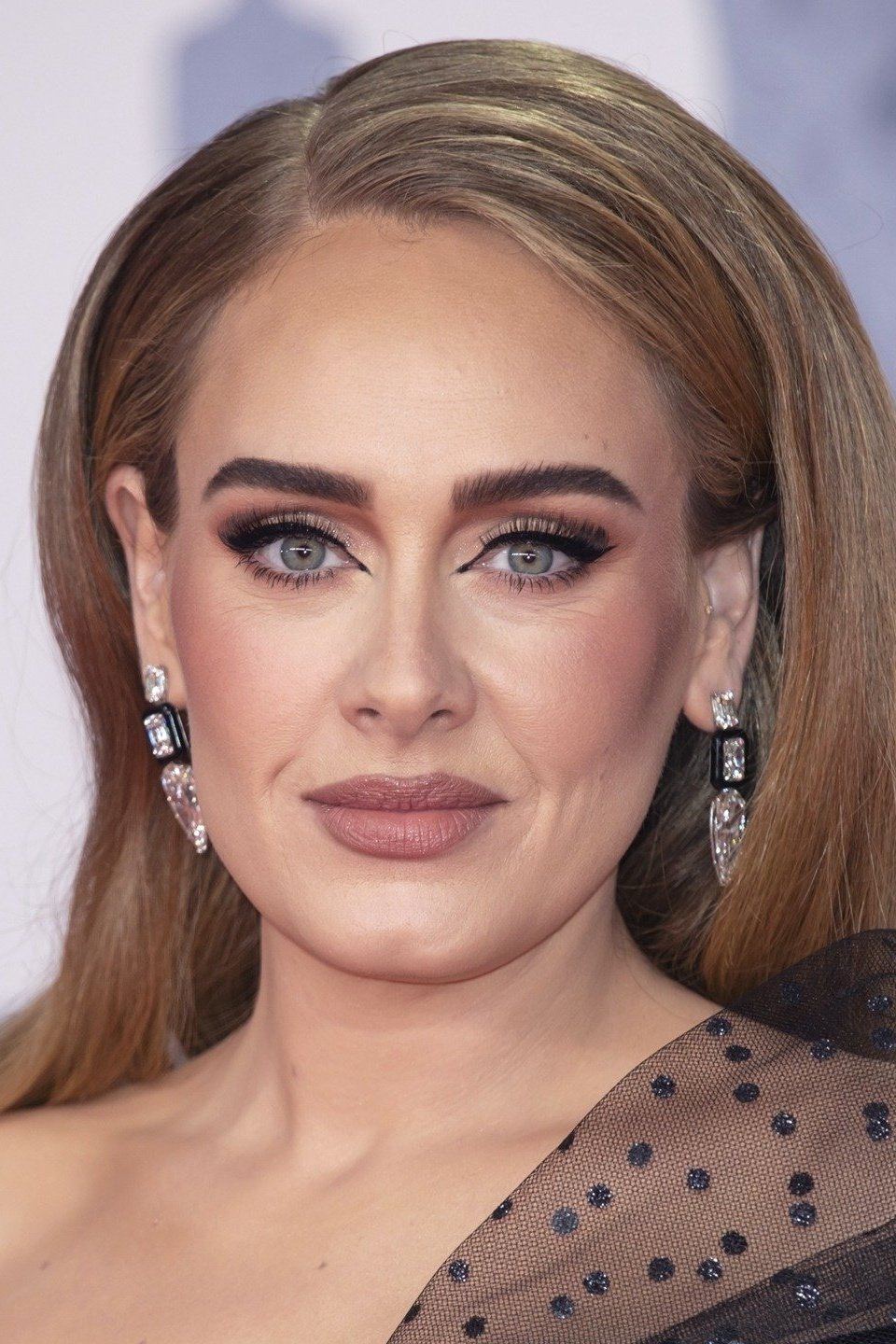
The acclaimed singer surprised fans when she posted a photo wearing Bantu knots and a Jamaican flag bikini top. This outfit was intended for the Notting Hill Carnival which celebrates Caribbean culture in London. While some defended her for participating in the festivities others found the use of the traditional hairstyle inappropriate for a white woman. The image went viral and sparked a massive global conversation about the line between appreciation and appropriation. She later acknowledged the mistake and expressed her desire to learn more about the cultures she admires.
Ye
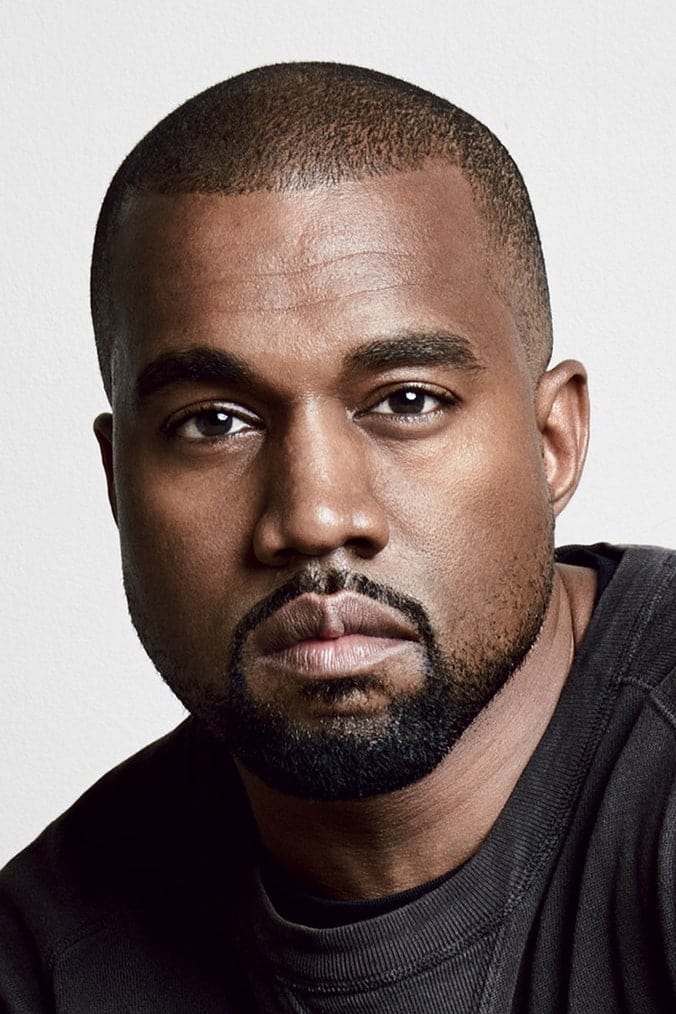
The artist formerly known as Kanye West caused an uproar when he wore a shirt featuring a Confederate flag on the sleeve. This symbol is widely associated with white supremacy and the history of slavery in the United States. He defended the choice by claiming he was reclaiming the symbol but many people found the statement deeply offensive. The backlash was immediate and came from fans and activists alike who felt the move was dangerous. This incident added to a series of controversial fashion choices that have alienated large portions of his audience.
Miley Cyrus
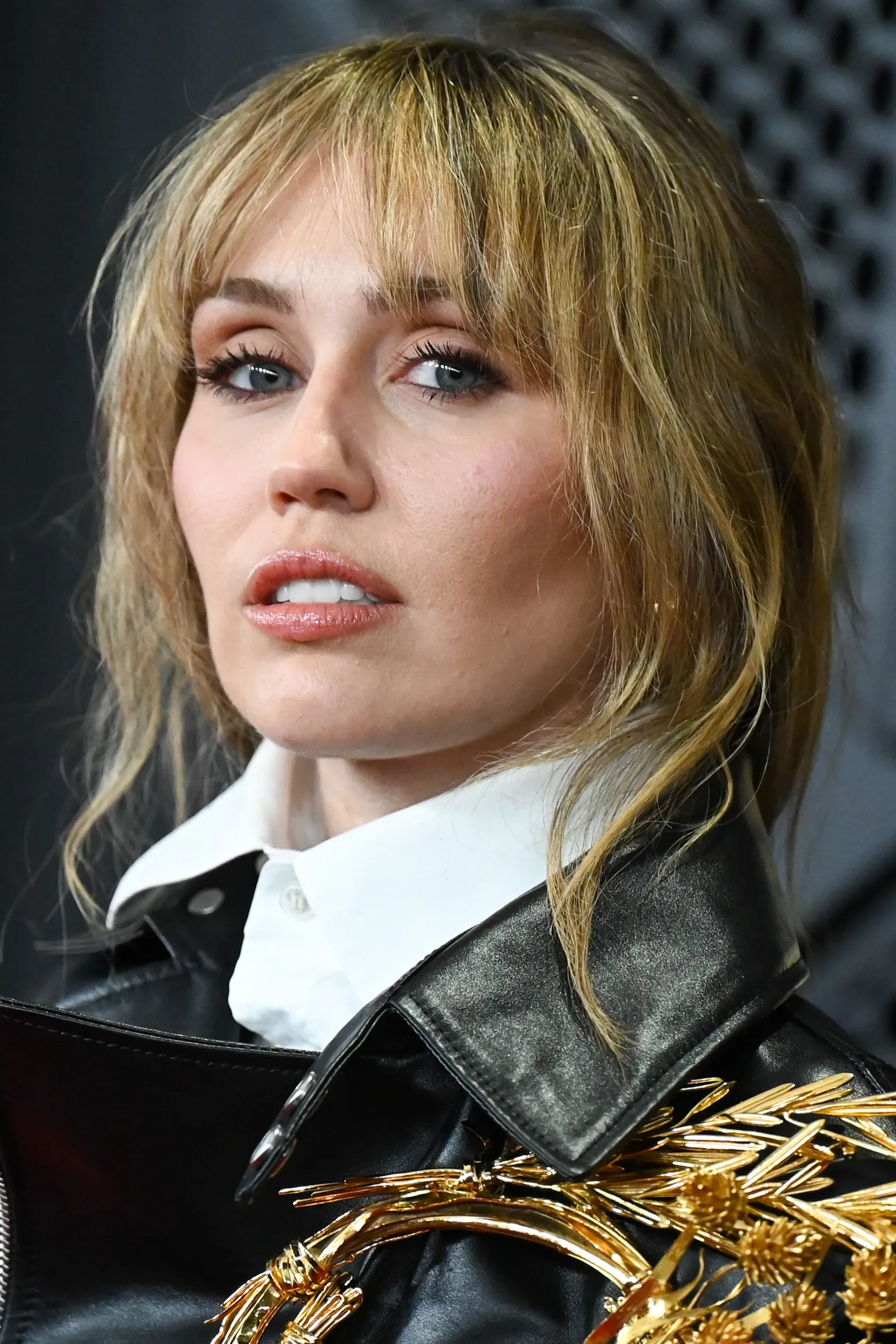
The singer faced intense scrutiny during her music career for her use of Black culture in performances and music videos. She frequently wore Bantu knots and utilized dance styles like twerking while featuring Black backup dancers as props. Critics argued that she was using Black aesthetics to shed her innocent image without respecting the people behind the culture. This period of her career is often discussed in academic circles as a prime example of cultural poaching. She eventually moved away from this style but the impact of those choices continues to follow her legacy.
Gwen Stefani
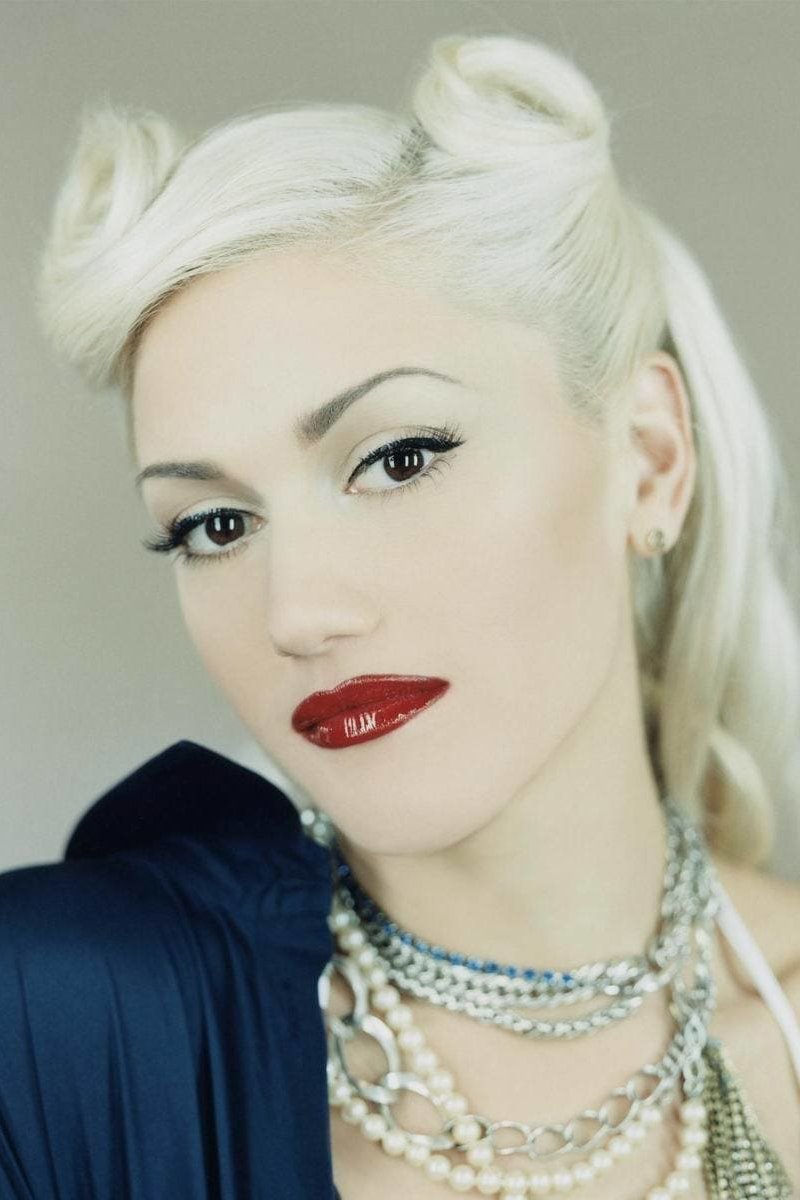
The pop icon has faced long standing accusations of appropriation throughout her solo career. She famously utilized a group of Japanese backup dancers known as the Harajuku Girls for her branding and fashion line. Critics noted that the women were often treated more like accessories than individuals during public appearances. She also faced backlash for wearing a Native American headdress in a music video. Many people feel that her career has consistently relied on borrowing from other cultures for commercial gain.
Heidi Klum
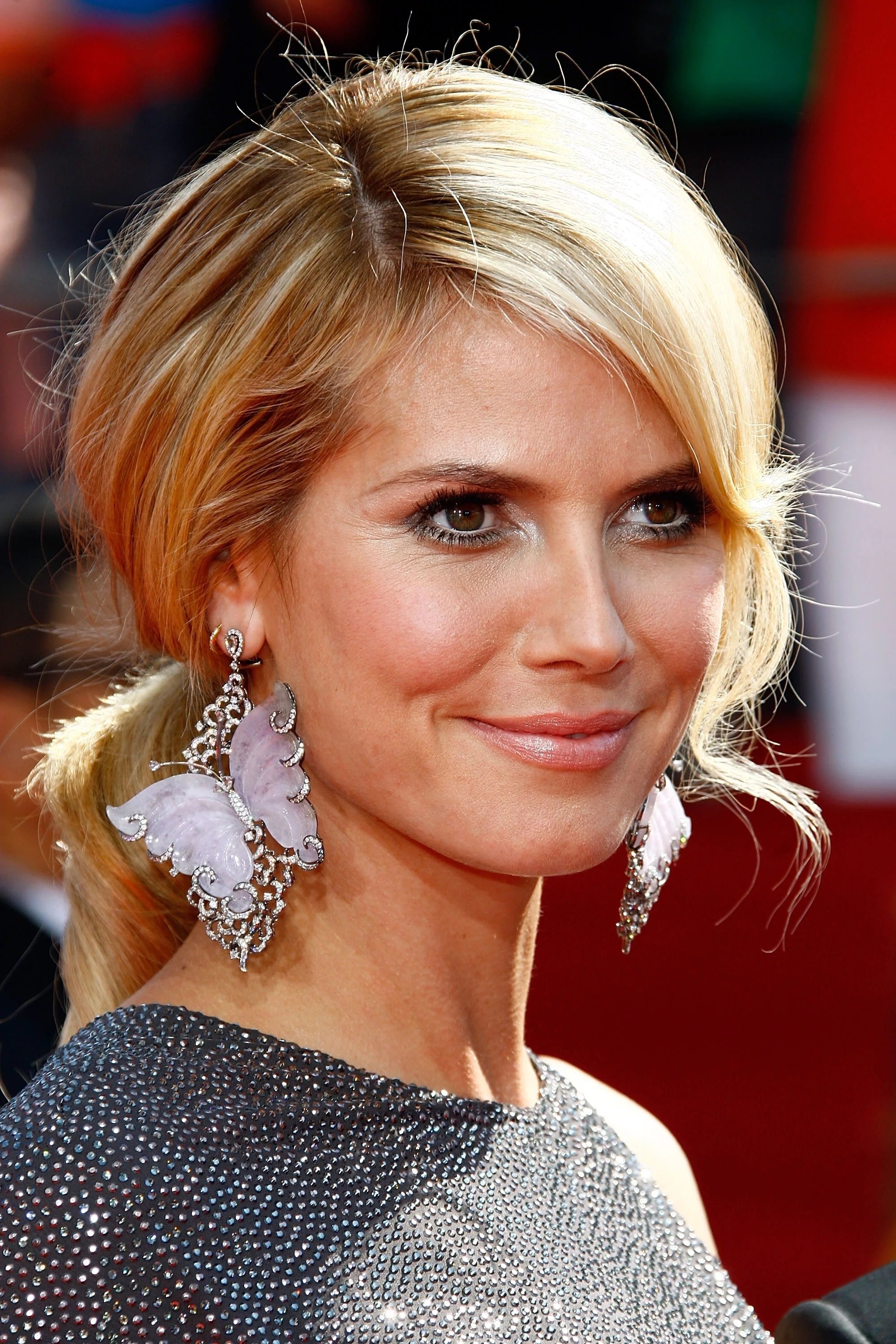
The supermodel caused a stir with her elaborate costume for a high profile Halloween party. She arrived dressed as the Hindu goddess Kali which featured blue skin and multiple arms. Hindu leaders and community members expressed their disappointment and called the costume disrespectful to their religion. They argued that a sacred deity should not be used for a secular holiday celebration or as a fashion statement. She eventually apologized for the offense caused by the outfit but the incident remains a major point of criticism.
Pharrell Williams
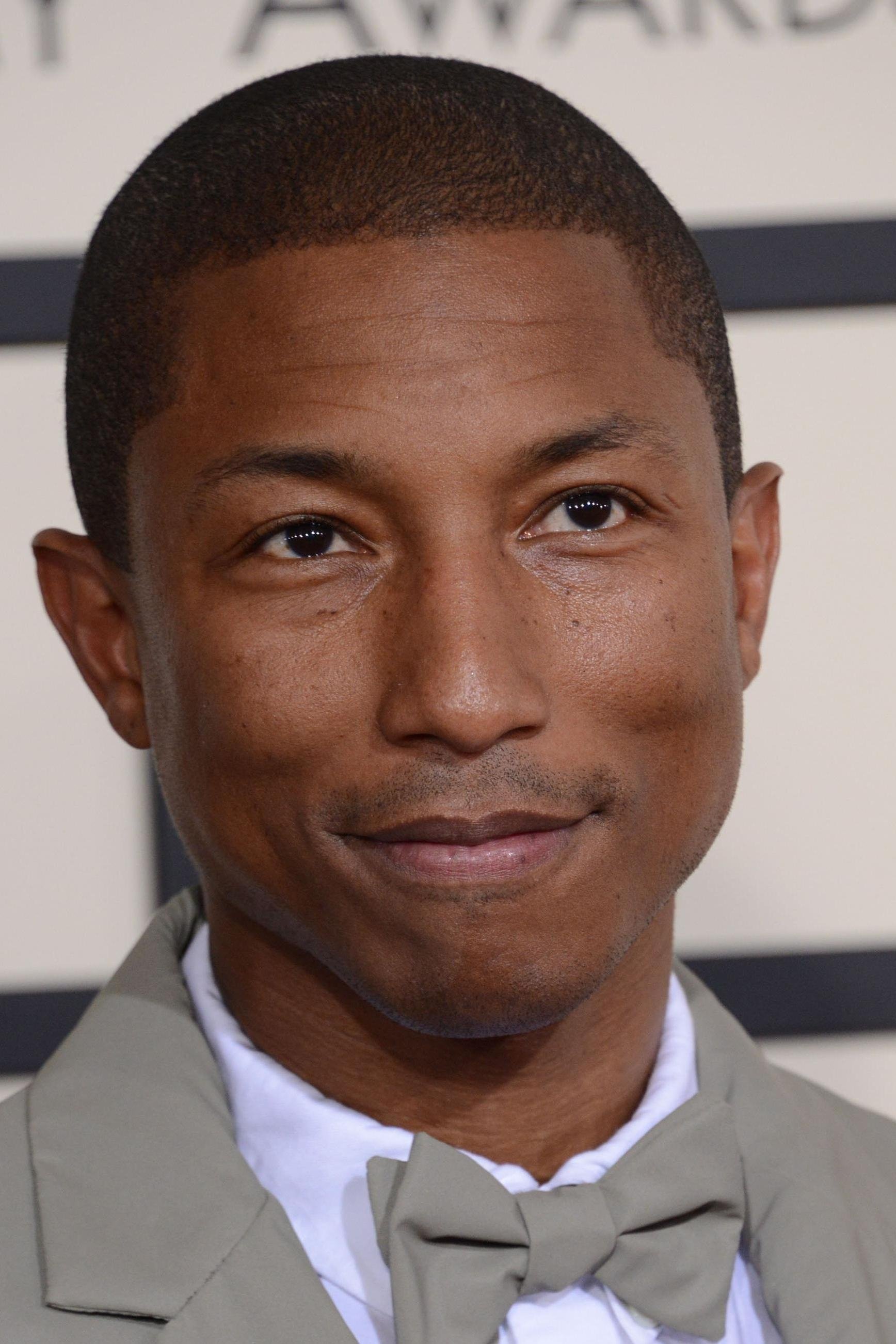
The musician and designer appeared on the cover of the magazine Elle wearing a traditional Native American war bonnet. This headpiece is a symbol of bravery and leadership that must be earned within Indigenous communities. The public response was swift with many people using social media to educate the star on why the item is not a fashion accessory. He issued a formal apology shortly after the cover was released and stated that he respected all cultures. This moment helped raise awareness about the specific issues surrounding the appropriation of Indigenous regalia.
Selena Gomez
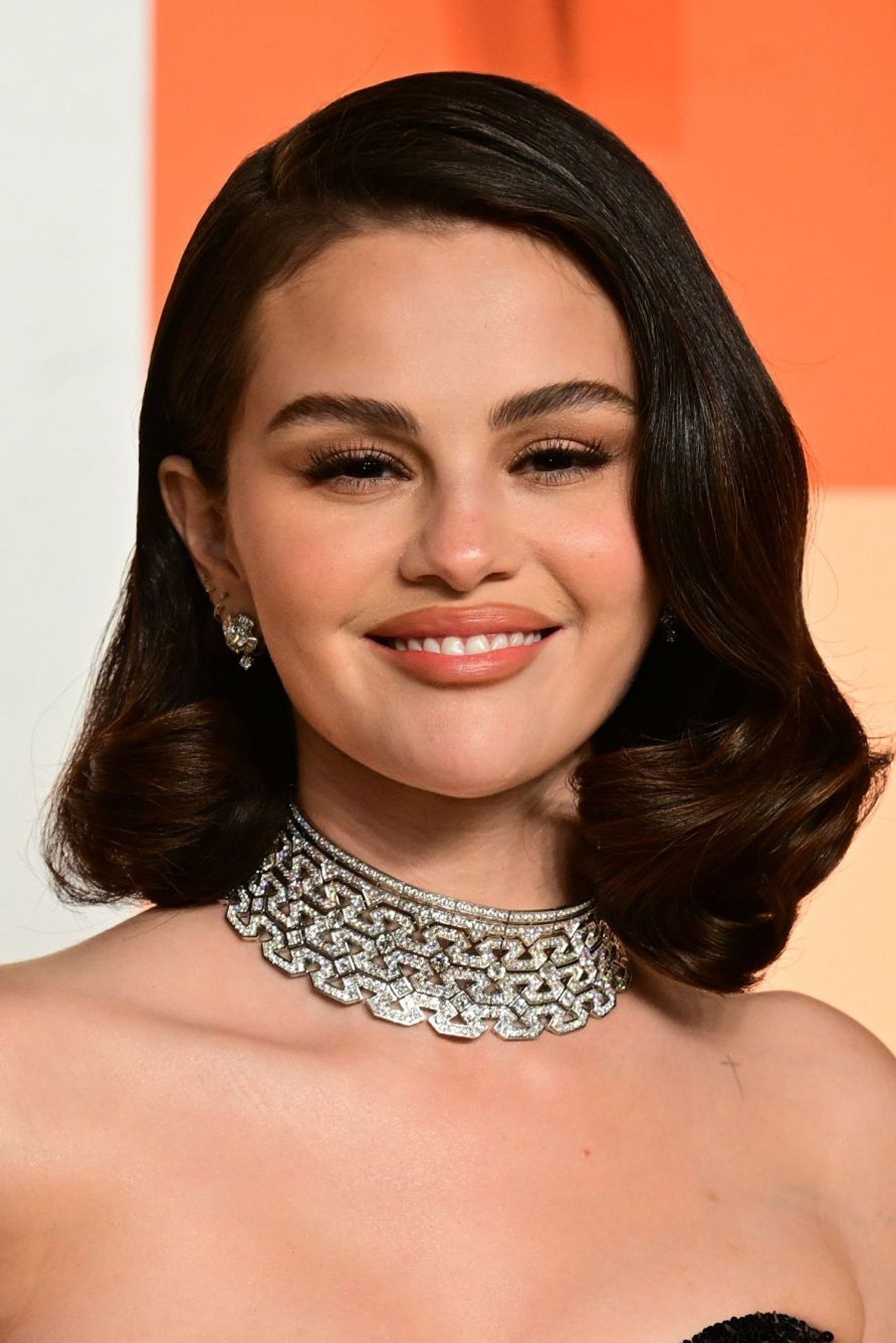
The actress and singer drew criticism when she wore a bindi during a performance at the MTV Movie Awards. She integrated the sacred South Asian symbol into several of her outfits while promoting her music. Leaders of the Hindu community requested an apology and explained that the bindi is a religious item with deep spiritual meaning. They argued that using it as a prop for a dance routine was insensitive to their faith. Despite the backlash she continued to wear the item for several more performances during that tour.
Vanessa Hudgens
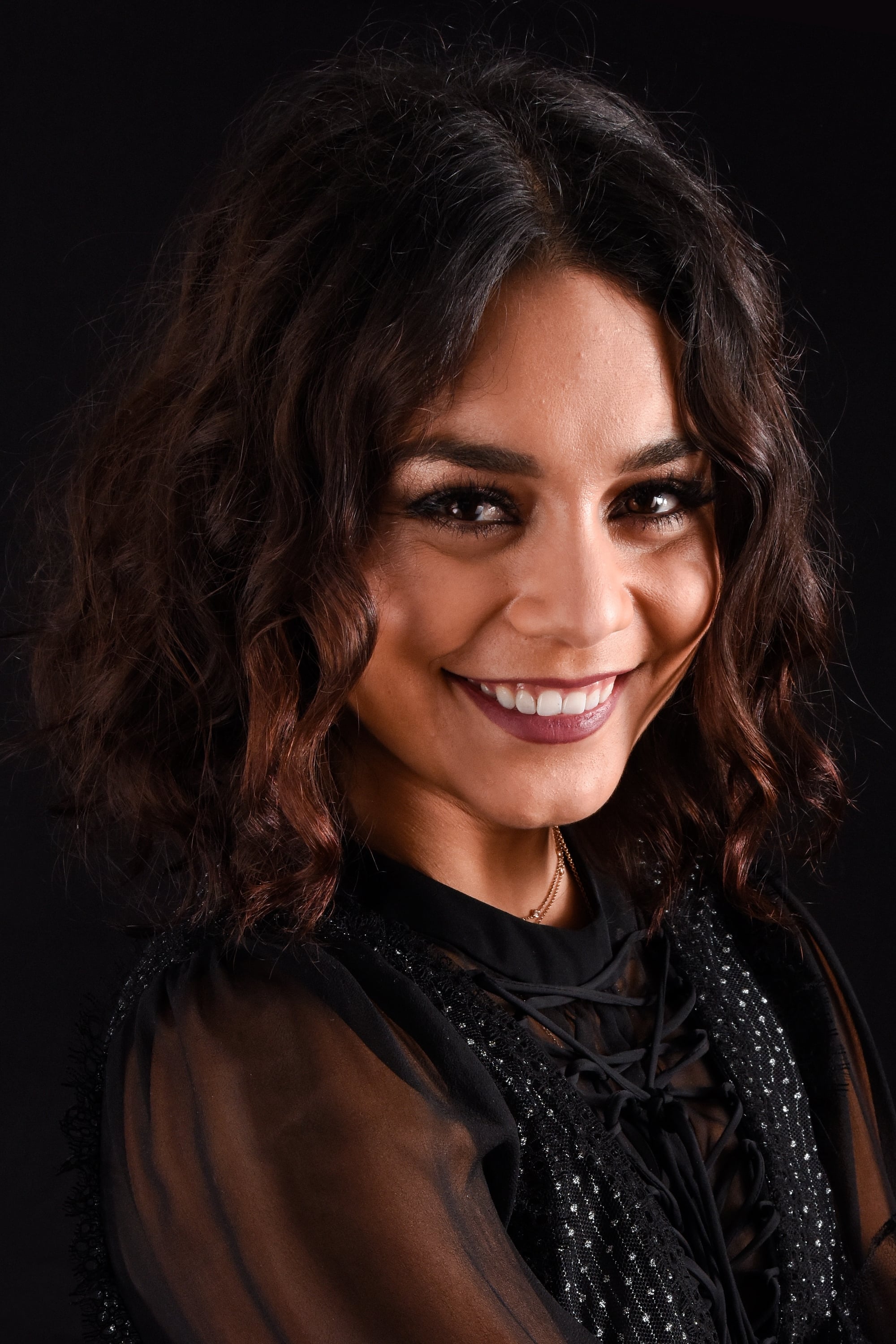
The ‘High School Musical’ star has been a frequent subject of controversy due to her outfits at music festivals. She has been seen wearing bindis and dreamcatchers as hair accessories which many viewed as culturally insensitive. Critics pointed out that these items are sacred symbols and should not be used as bohemian fashion trends. Her recurring use of these elements led to a wider discussion about festival culture and the common practice of appropriation. Many fans have urged her to be more mindful of the origins of her style choices.
Zac Efron
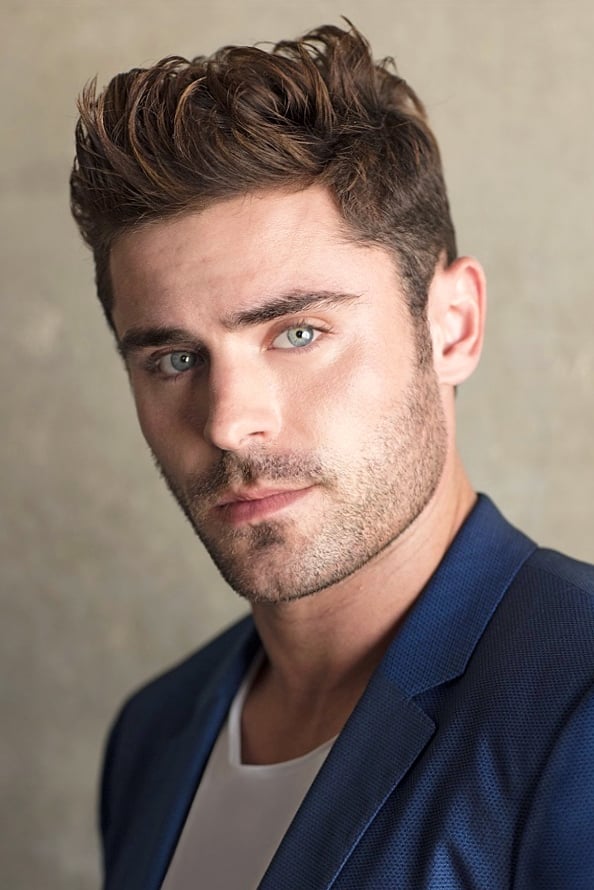
The actor surprised his followers when he posted a picture on Instagram showing his hair styled in dreadlocks. He captioned the image by saying it was just for fun which further angered many of his critics. They argued that he was treating a significant cultural hairstyle as a temporary costume without facing the prejudice that Black individuals experience. The backlash was intense enough that the photo became a major talking point in entertainment news for several days. He did not issue a formal apology but the incident served as a reminder of the sensitivities surrounding hair and identity.
Hilary Duff
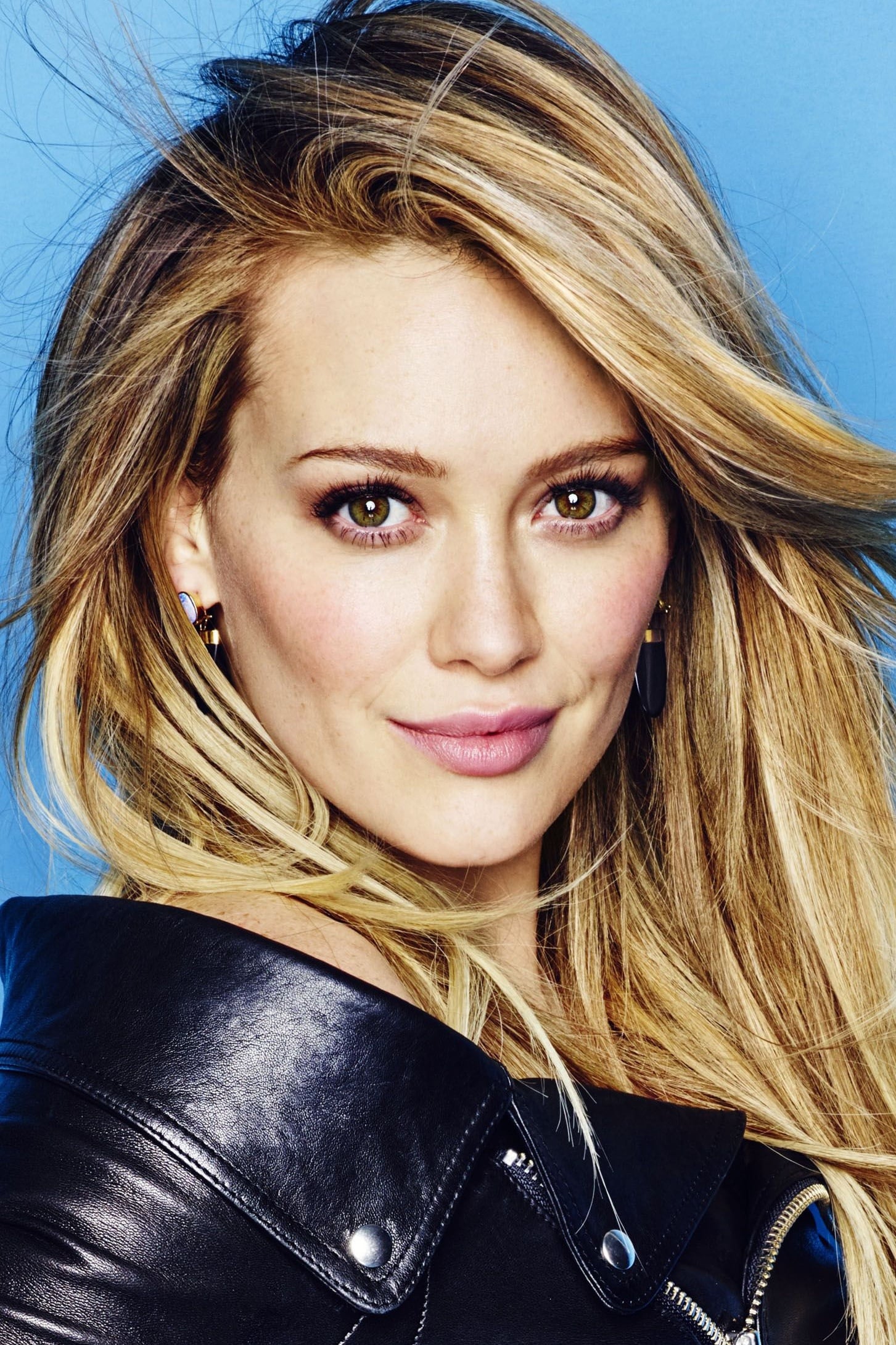
The actress and her partner caused a scandal when they attended a Halloween party in matching costumes. She dressed as a pilgrim while her partner wore a Native American headdress and face paint. The choice was widely condemned for its insensitivity toward the history of colonization and the treatment of Indigenous peoples. Many people found the costumes particularly offensive given the ongoing struggles of Native American communities. She later apologized on social media and admitted that she had not properly considered the impact of her actions.
Julianne Hough
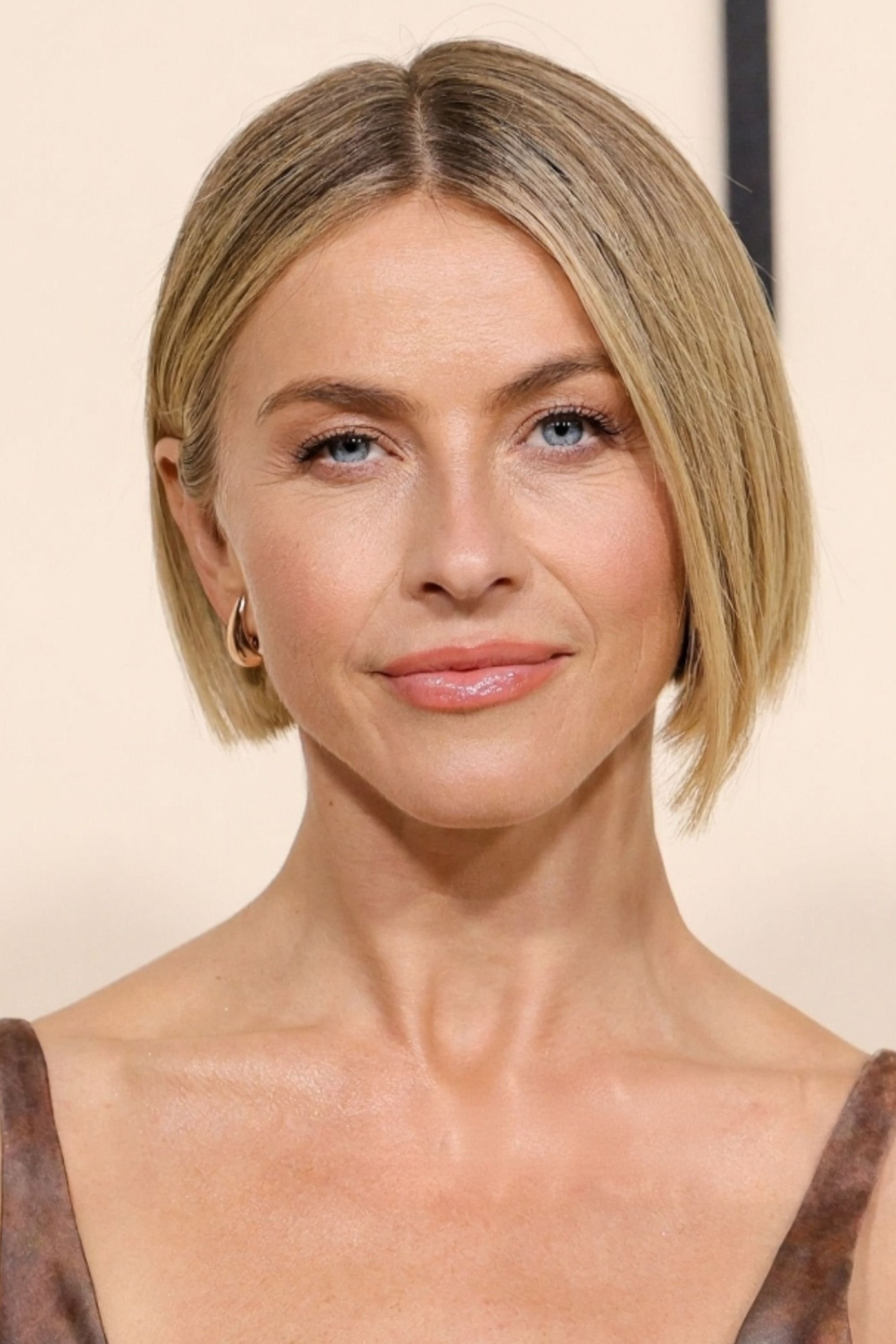
The professional dancer and actress faced a massive wave of outrage when she darkened her skin for a Halloween costume. She was attempting to portray a character from the show ‘Orange is the New Black’ for a party. Public reaction was immediate and harsh as the use of blackface is a deeply offensive practice with a racist history. She quickly issued an apology and stated that she never intended to be disrespectful to anyone. This incident is frequently cited as a warning about the dangers of using makeup to alter one’s race for a costume.
Luann de Lesseps
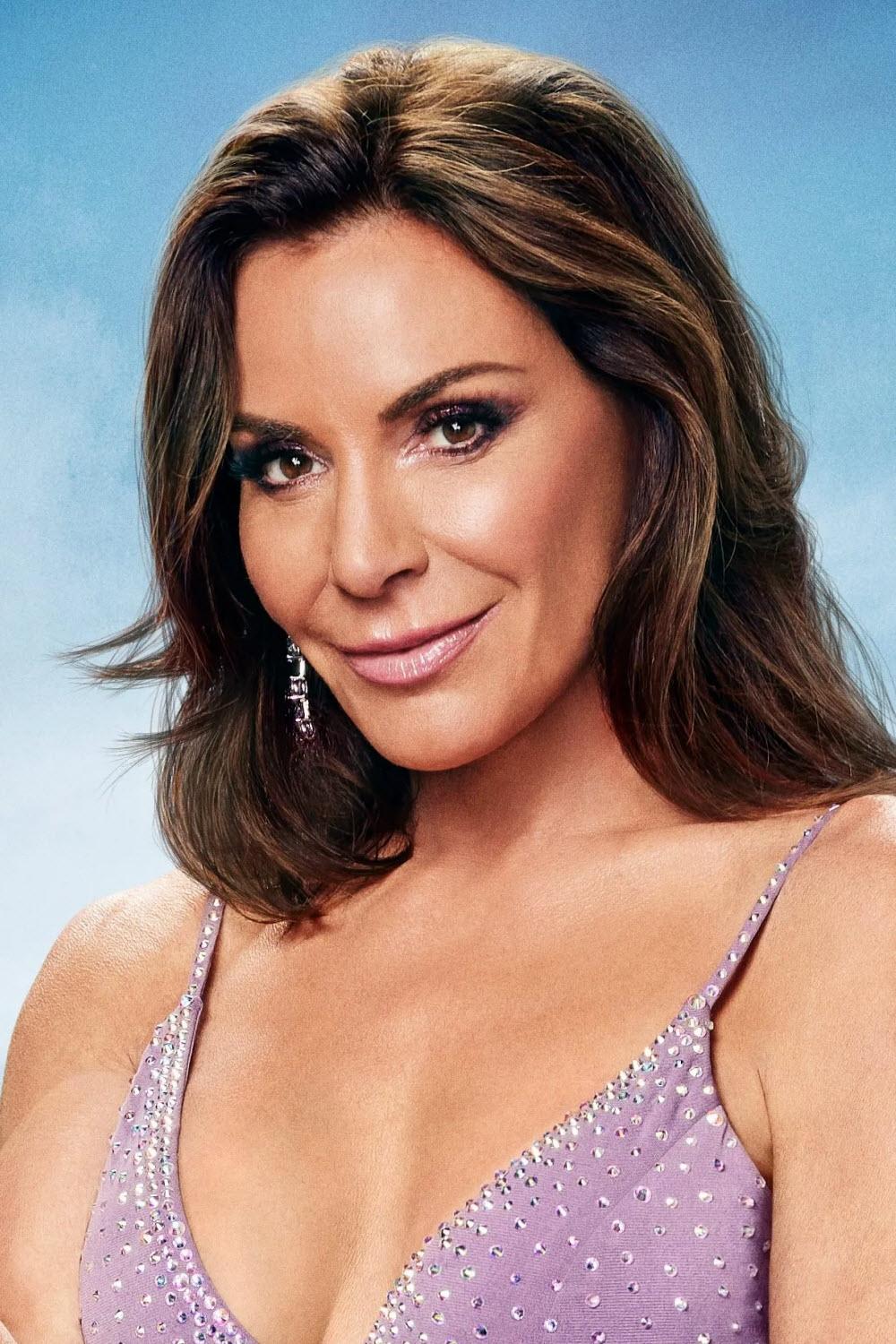
The star of ‘The Real Housewives of New York City’ sparked controversy during a costume party shown on the series. She chose to dress as the legendary singer Diana Ross and appeared with a large afro wig and noticeably darkened skin. Fellow cast members and viewers alike criticized her for what they perceived as a modern form of blackface. She defended her choice by stating she was simply honoring a hero but many felt the execution was insensitive. The backlash highlighted the ongoing tension regarding how celebrities choose to pay tribute to icons from different backgrounds.
Lana Del Rey
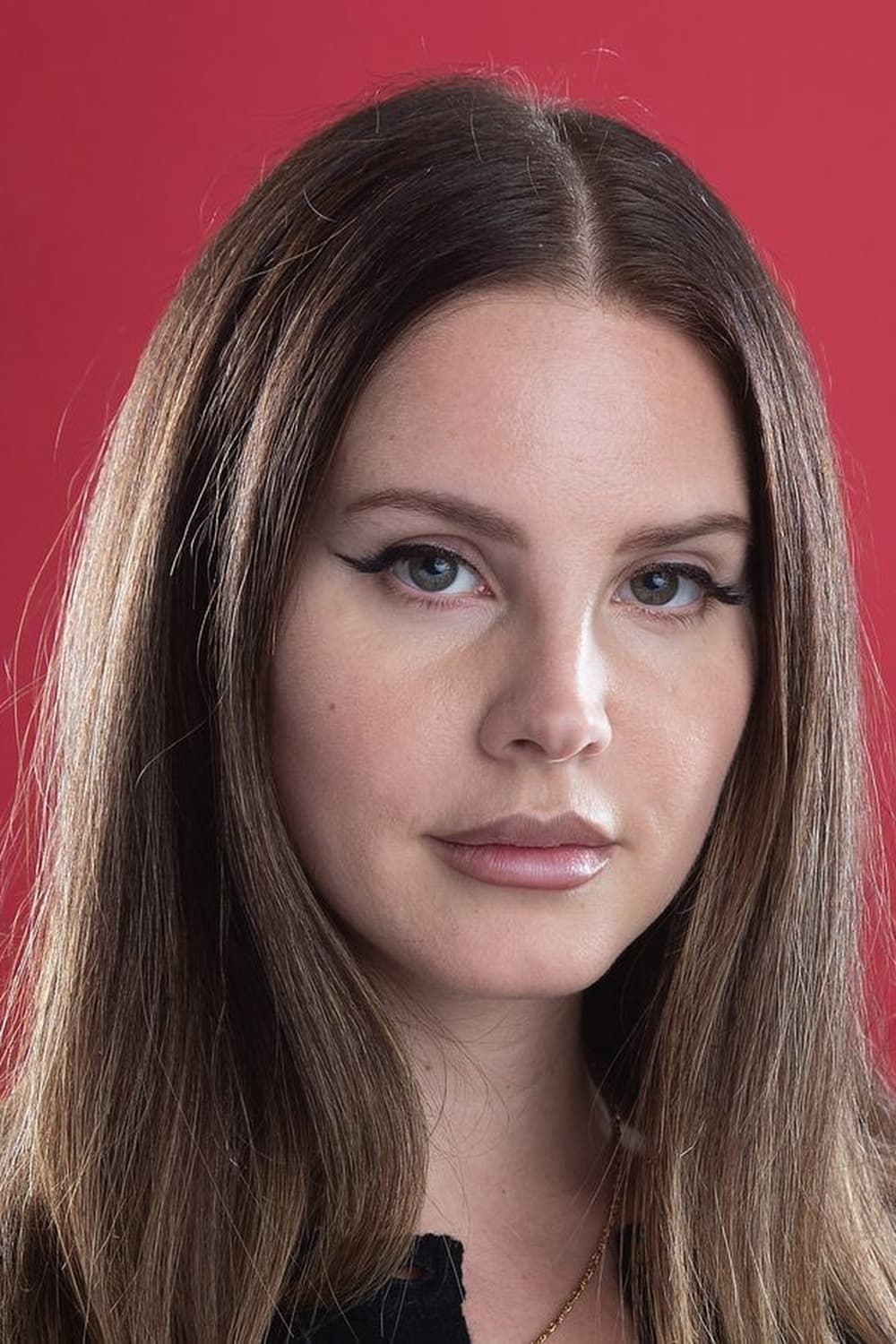
The singer faced backlash for her aesthetic choices in the music video for her song Ride. She appeared wearing a full Native American headdress while performing on stage in the video. Critics argued that she was using a sacred symbol of Indigenous power and history as a stylistic prop for her Americana persona. The controversy grew as many pointed out the long history of the fashion industry trivializing Native American culture. This incident contributed to a larger movement calling for an end to the use of headdresses in music videos and at festivals.
Ariana Grande
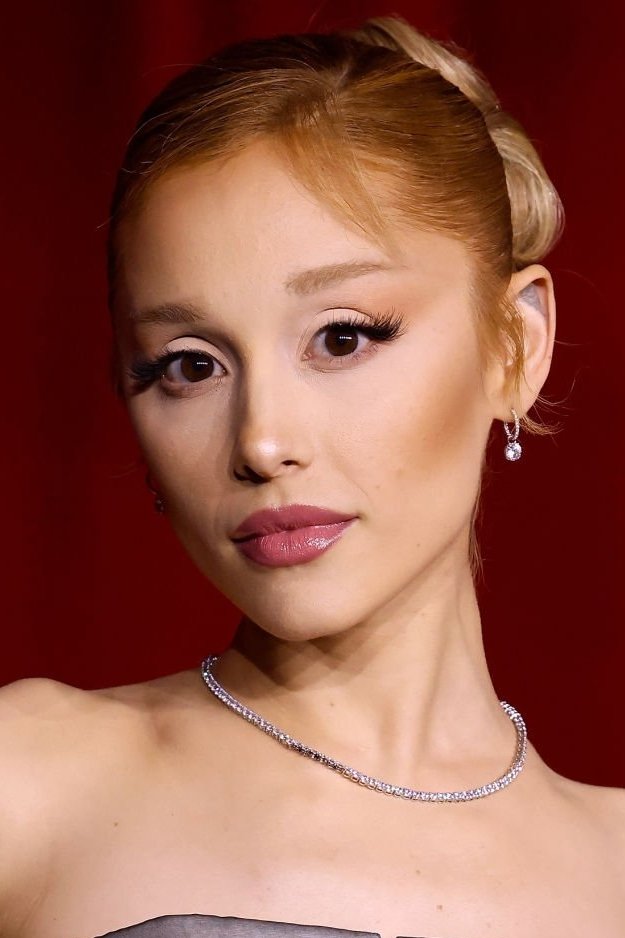
The pop star has been the subject of ongoing debates regarding her changing appearance and style. Critics have accused her of tan fishing or blackfishing due to her use of very dark spray tans and certain linguistic patterns. She also faced a wave of criticism for a music video that some felt borrowed heavily from Japanese culture without proper context. Some people argue that her brand relies on a racially ambiguous aesthetic that benefits from Black and Asian cultures. These discussions often focus on the power dynamics of a white artist adopting elements of marginalized identities.
Rosalía
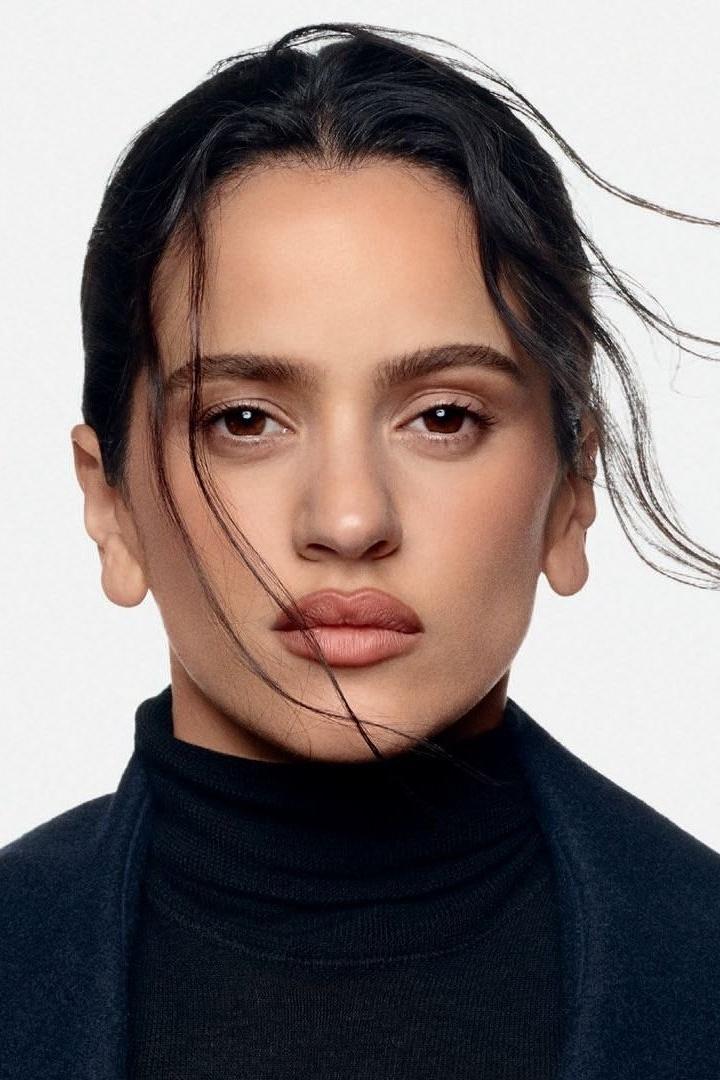
The Spanish singer has faced significant criticism from the Romani community in Spain for her use of flamenco aesthetics. Flamenco is deeply rooted in the history and struggles of the Spanish Romani people. Critics argue that she profits from a culture that has historically been marginalized and persecuted while she does not belong to that community. Her use of certain accents and visual symbols in her music videos has sparked a national debate about cultural ownership. While she has many fans her rise to global fame remains a point of contention for those protective of flamenco traditions.
Kacey Musgraves
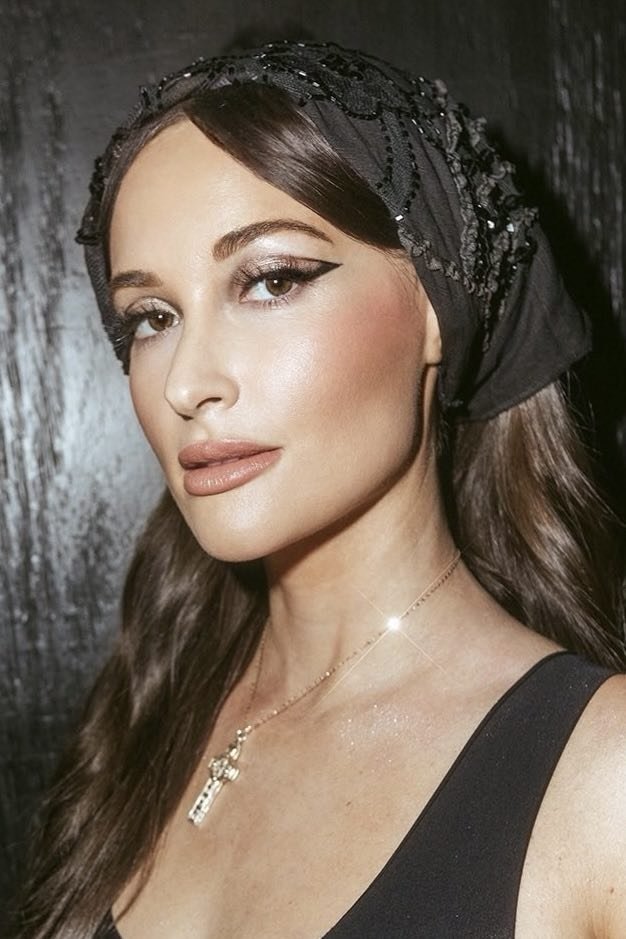
The country singer sparked an international controversy after wearing a traditional Vietnamese garment known as an ao dai. She wore the dress during a performance but omitted the trousers that are a required part of the attire. Many people in Vietnam and within the Vietnamese diaspora found the look to be sexualized and disrespectful. They explained that the garment is a symbol of national pride and should be worn with modesty and respect. She did not provide a direct apology at the time but the incident led to a wider conversation about the proper way to wear traditional clothing.
Nicki Minaj

The rapper faced backlash for the visual presentation of her song Chun-Li which featured numerous East Asian elements. She appeared in outfits that referenced traditional Chinese and Japanese styles during her performances and in the music video. Critics felt that she was conflating different cultures and using them as a caricature for a fighter persona. While some defended her as an artist paying homage others saw it as a form of orientalism. The debate highlighted how often Asian cultures are used in the music industry as exotic backdrops.
Iggy Azalea
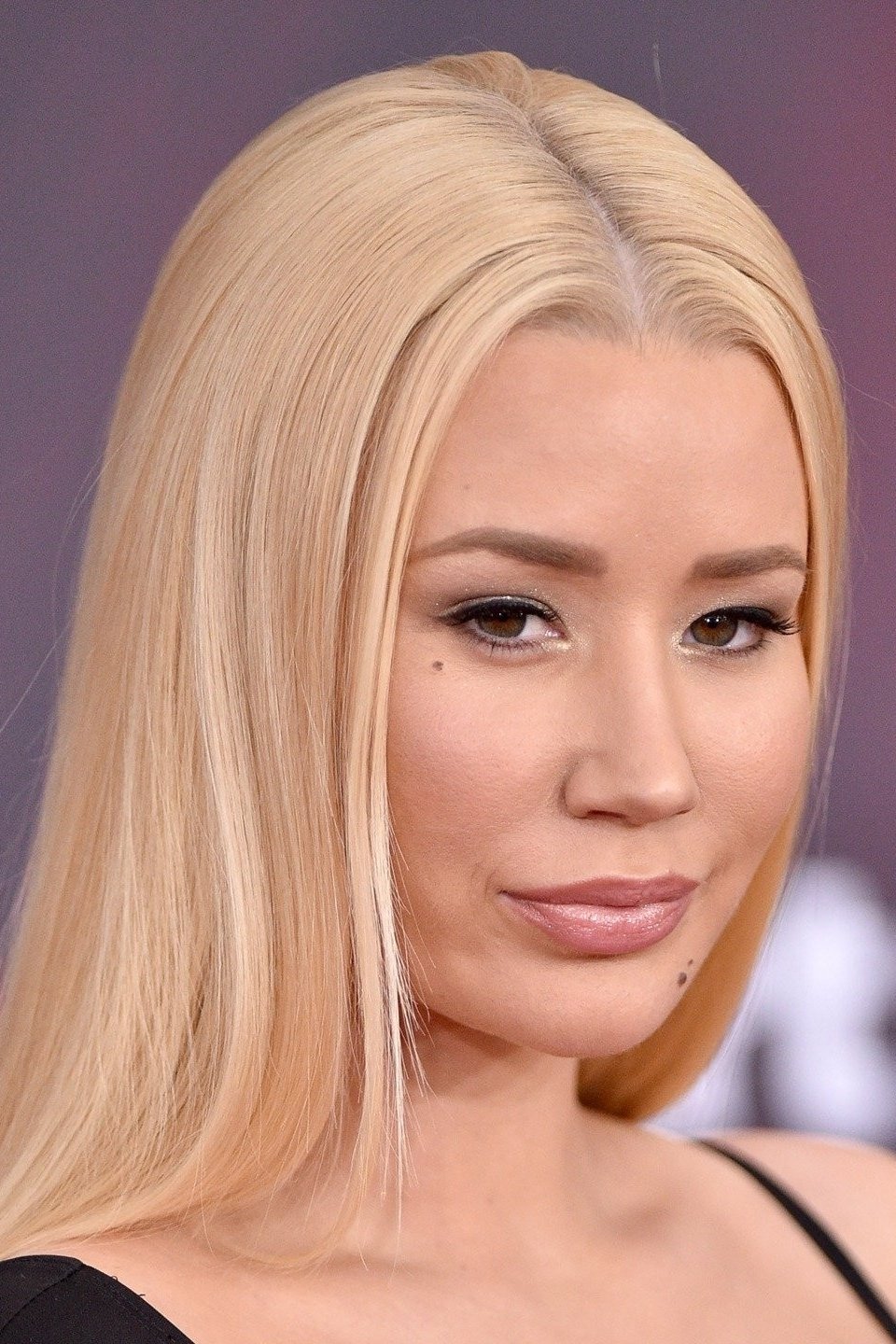
The Australian rapper was frequently criticized for her use of South Asian culture in the music video for her song Bounce. She appeared in traditional Indian clothing including a sari and a bindi while performing Bollywood inspired dance moves. Many viewers felt that the use of these symbols was purely for aesthetic value and lacked any real connection to the culture. This was one of several instances where she was accused of using different cultural identities to enhance her career. The controversy contributed to the broader discussion about the ethics of white artists in the hip hop industry.
Kylie Jenner
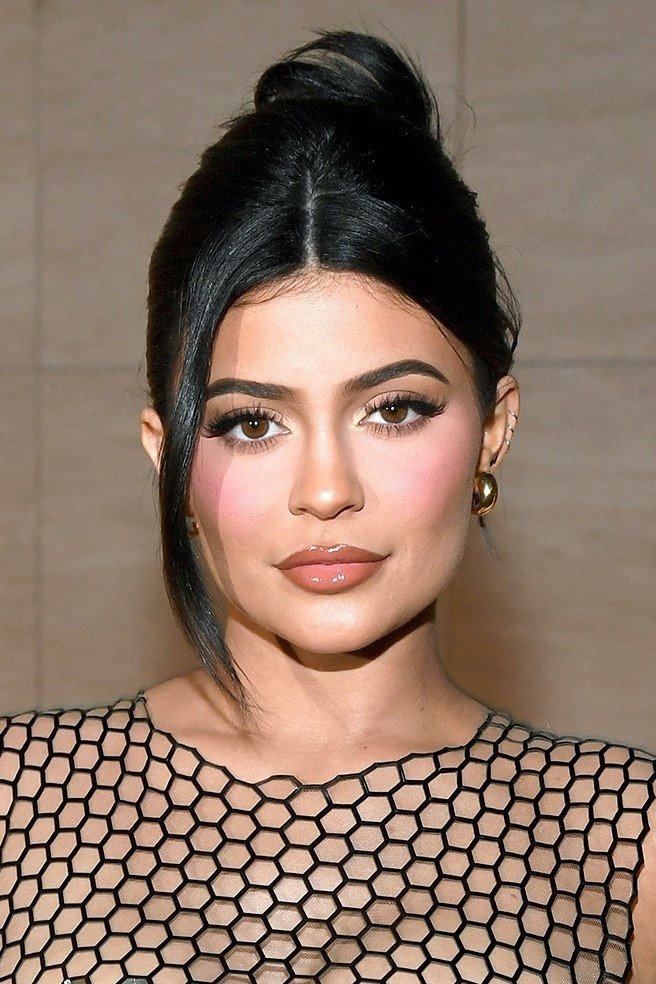
The entrepreneur and social media star has been called out multiple times for adopting Black hairstyles and aesthetics. One notable instance involved her posting a photo with her hair in cornrows which prompted a public response from other stars. Critics pointed out that she was adopting Black features without using her platform to help the community. She has also faced accusations of blackfishing due to her tanned skin and stylized appearance in various promotional shoots. These incidents have made her a central figure in discussions about the commodification of Black culture by celebrities.
Khloé Kardashian
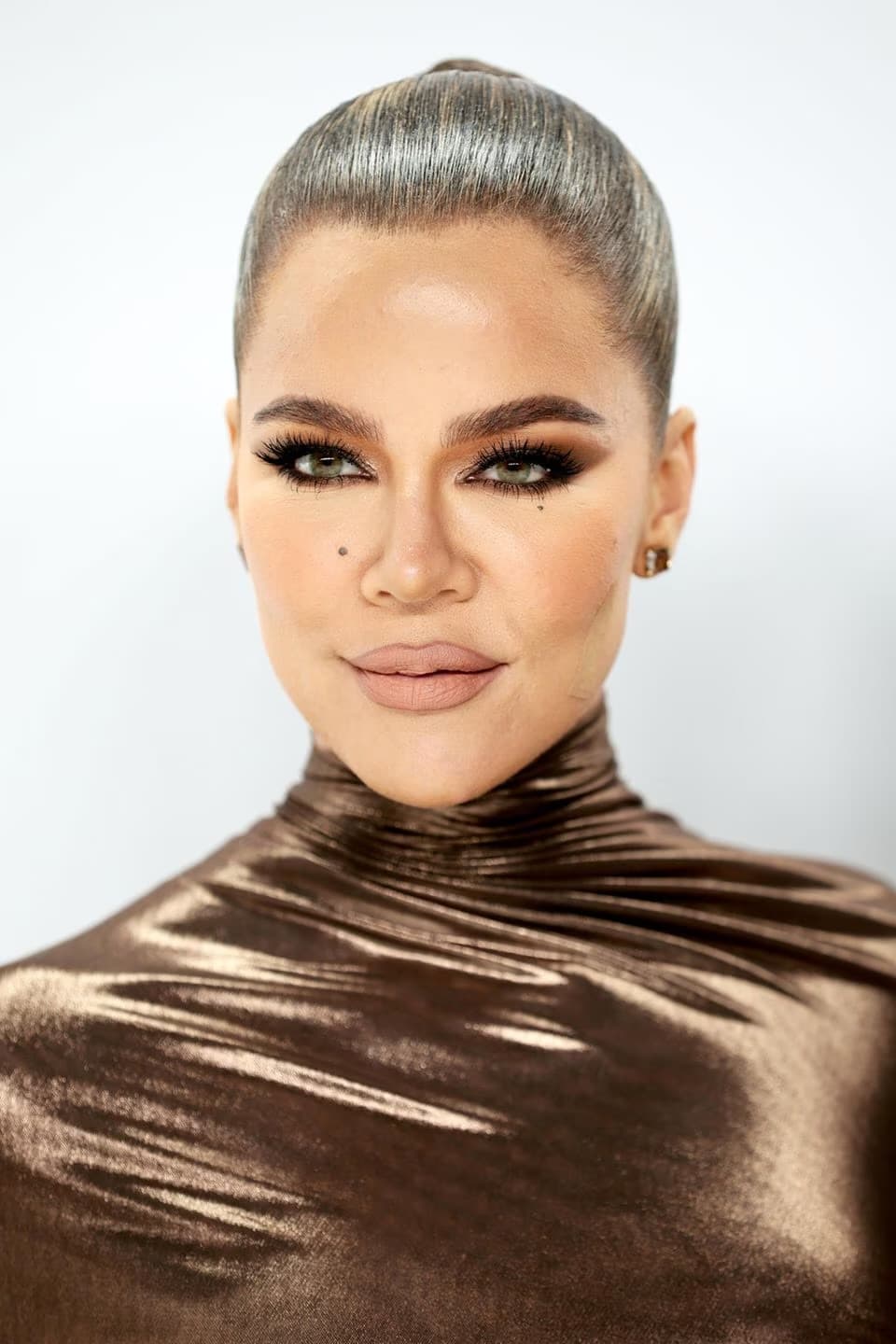
The reality television star sparked outrage when she posted a photo of herself wearing a large Native American headdress. She was sitting in a tent at the time which many felt leaned into tired and offensive stereotypes. Indigenous activists were quick to point out that the headdress is a sacred item and not a costume for social media. The post was eventually deleted after a wave of negative comments from the public. This event served as another example of celebrities being criticized for a lack of cultural awareness in their fashion choices.
Kendall Jenner
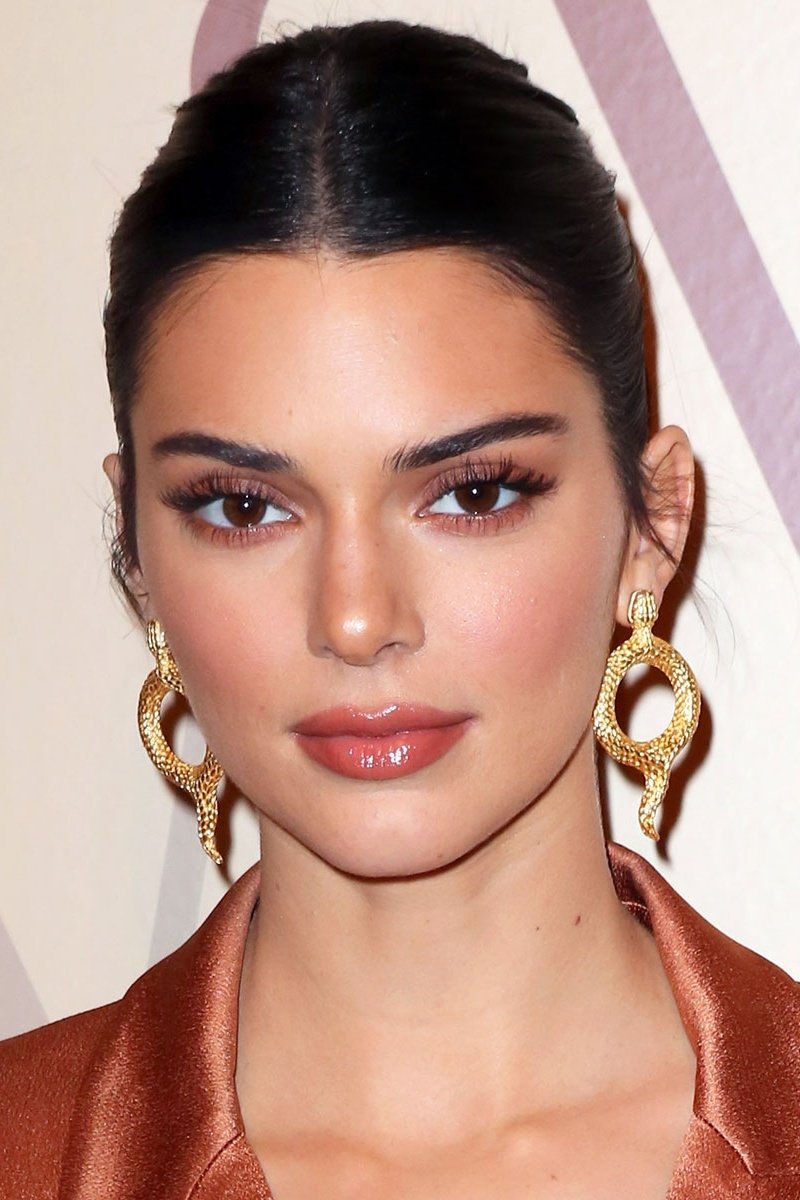
The model faced a backlash when she walked the runway for a major fashion brand wearing dreadlocks. While the choice was made by the designer the model became the face of the controversy for her participation. Critics argued that the use of the hairstyle on a mostly white cast of models was a clear case of cultural appropriation. She later faced further criticism for a magazine shoot where her hair was styled in an afro. Many people felt that these moments demonstrated a recurring problem within the high fashion industry regarding the use of Black culture.
Gigi Hadid
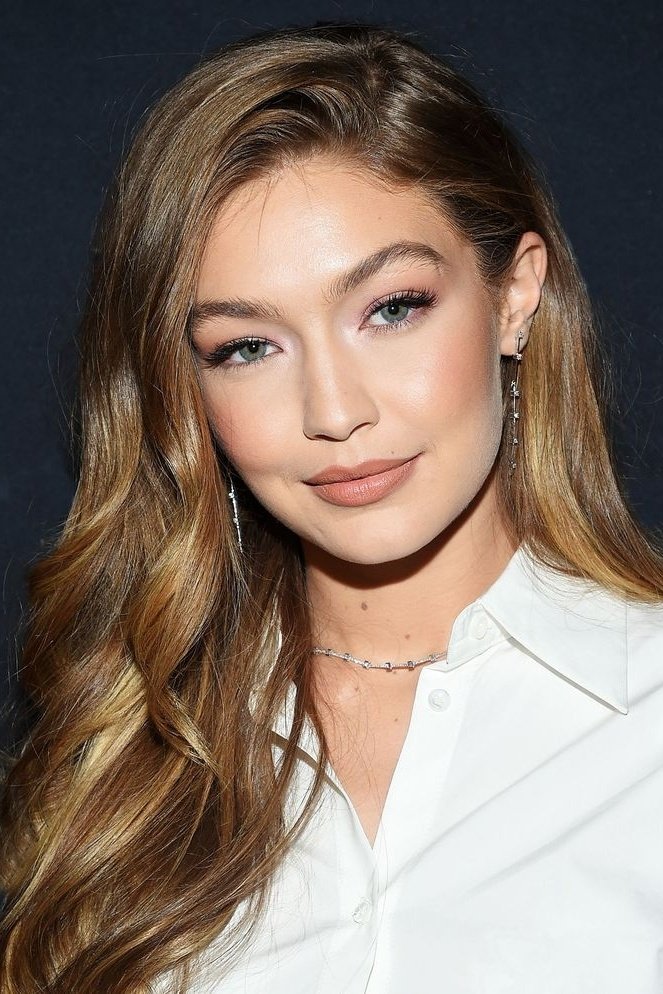
The supermodel found herself at the center of a controversy following a cover shoot for the magazine Vogue Italia. She appeared in the images with significantly darkened skin and hair styled in a large afro. Many people criticized the magazine and the model for using tan and styling to make her look like a person of a different race. She eventually issued an apology and explained that her intention was never to diminish any community. The incident sparked a larger debate about why the fashion industry does not simply hire models of color for such concepts.
Karlie Kloss
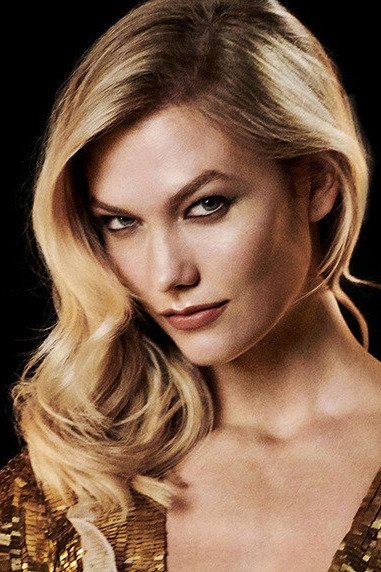
The model received criticism for a photo shoot in Vogue that featured her dressed as a geisha. The images showed her wearing a kimono and a wig while posing in a Japanese setting. Many readers were disappointed that the magazine chose a white model to portray a Japanese cultural icon. She later apologized on social media and stated that she was truly sorry for participating in a shoot that was not culturally sensitive. This moment is often cited as a clear example of how traditional Asian garments are misused in Western media.
Rihanna
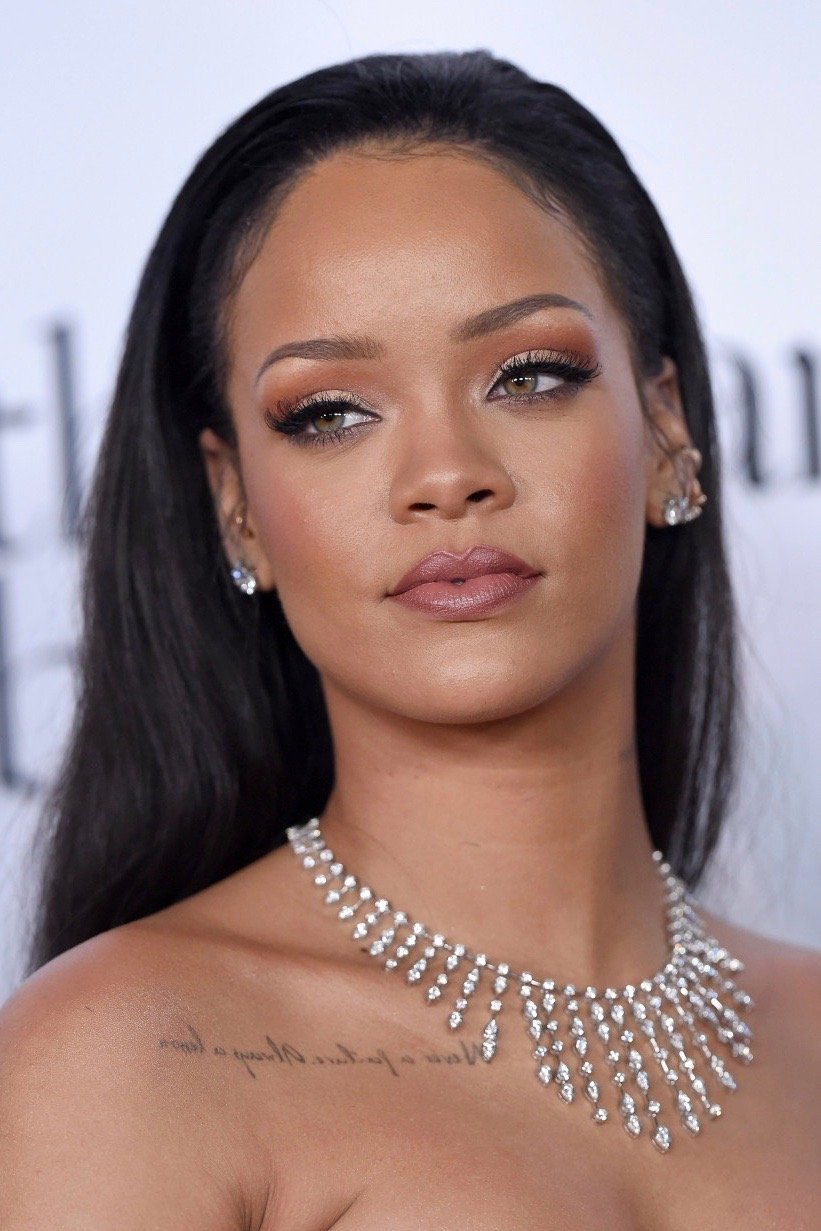
The singer and fashion mogul faced backlash after posing for a promotional photo while wearing a pendant of a Hindu deity. She was topless in the image which many practitioners of Hinduism found to be deeply disrespectful and sacrilegious. This was not the first time she faced such accusations as she had previously used a durag in a high fashion context. Critics argued that using a sacred religious figure as jewelry in a sexualized photo was a major oversight. The incident led to a formal complaint from a Hindu advocacy group in the United States.
Beyoncé
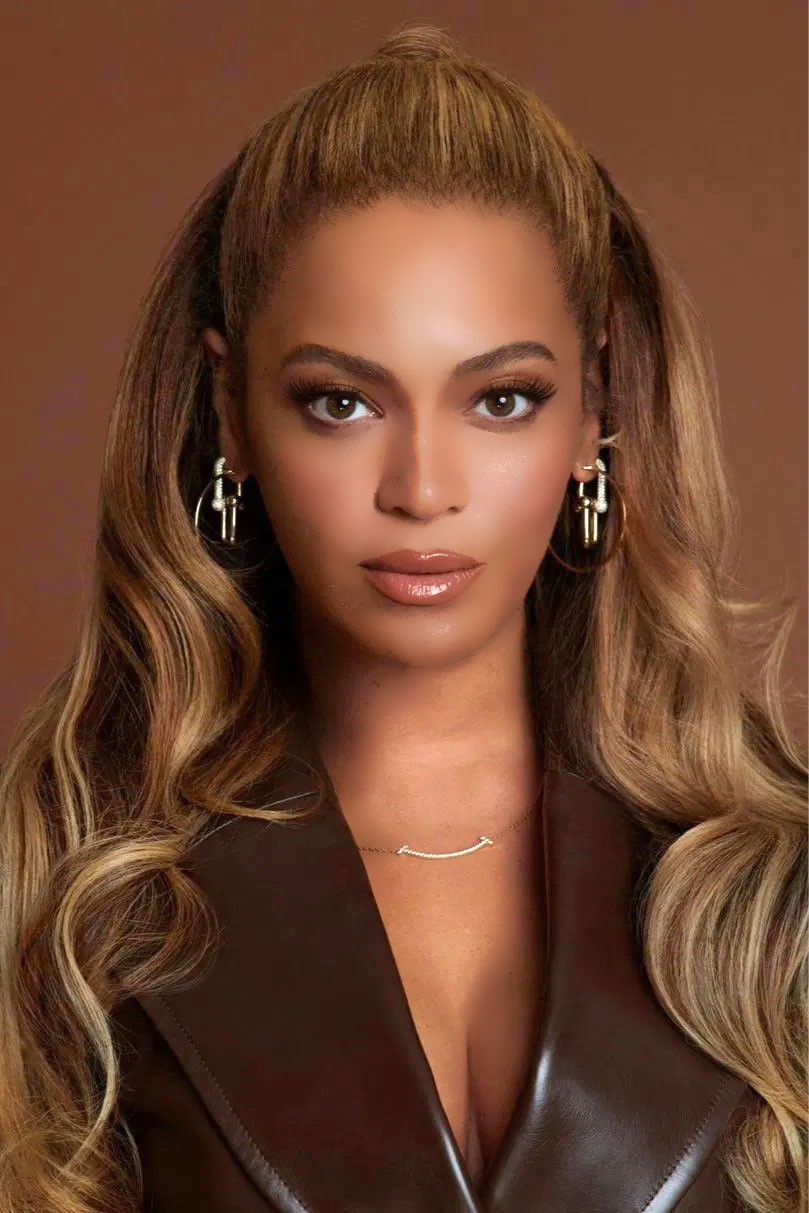
The global superstar sparked a debate after her appearance in the music video for the song Hymn for the Weekend. She wore traditional Indian bridal attire including a sari and henna on her hands while playing a film star. Some fans praised the visual beauty of the video while others accused her of appropriating Indian culture for a guest appearance. Critics pointed out that her role in the video was based on an idealized and stereotypical version of the country. This conversation highlighted the complexities of how even the most respected artists can face scrutiny for their fashion choices.
Madonna
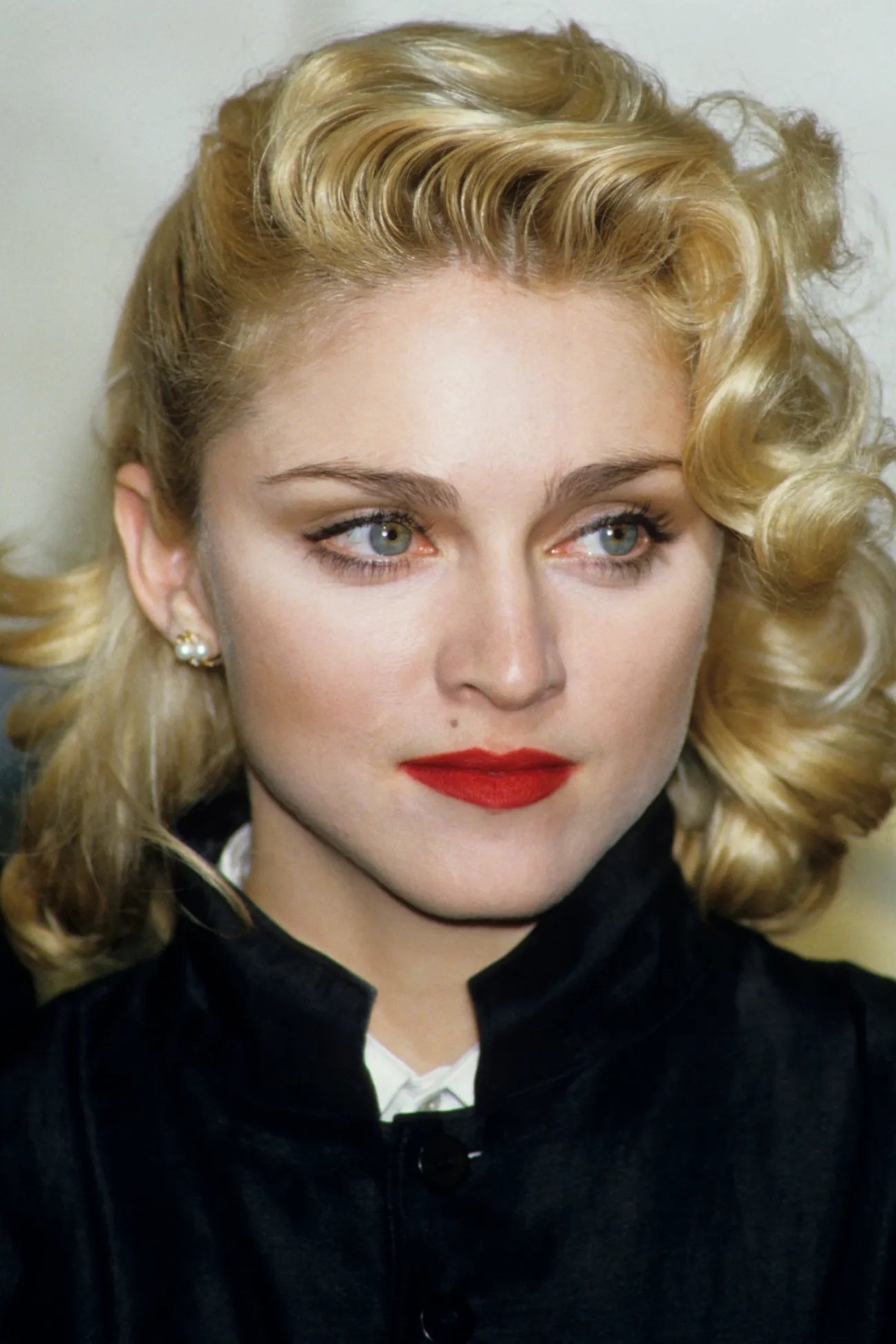
The legendary pop star was criticized for her choice of attire at an awards show. She appeared on stage wearing traditional Berber jewelry and garments from North Africa while paying tribute to another artist. Many viewers felt that the outfit was an odd choice for the occasion and accused her of using another culture to stay relevant. She has a long history of adopting different cultural aesthetics throughout her career including East Asian and South Asian styles. Critics argue that these choices often come across as self serving rather than a genuine appreciation for the cultures involved.
Jesy Nelson
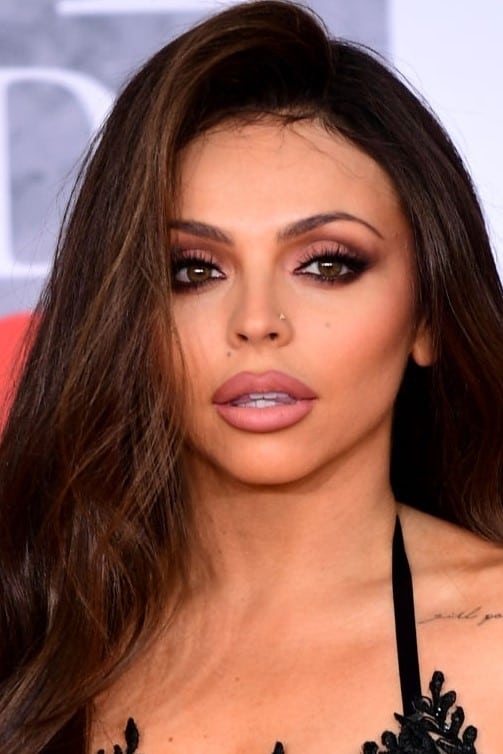
The singer faced intense backlash for her debut solo music video which sparked discussions about her appearance. She appeared with a very dark tan and wore her hair in styles that many viewers felt were an attempt to look Black. This led to a widespread discussion about blackfishing and the pressures on female artists to adopt certain aesthetics. She defended her look by saying she loves Black culture but many remained unconvinced by her explanation. The controversy resulted in significant public fallout and a debate about the ethics of racial ambiguity in pop music.
Rita Ora
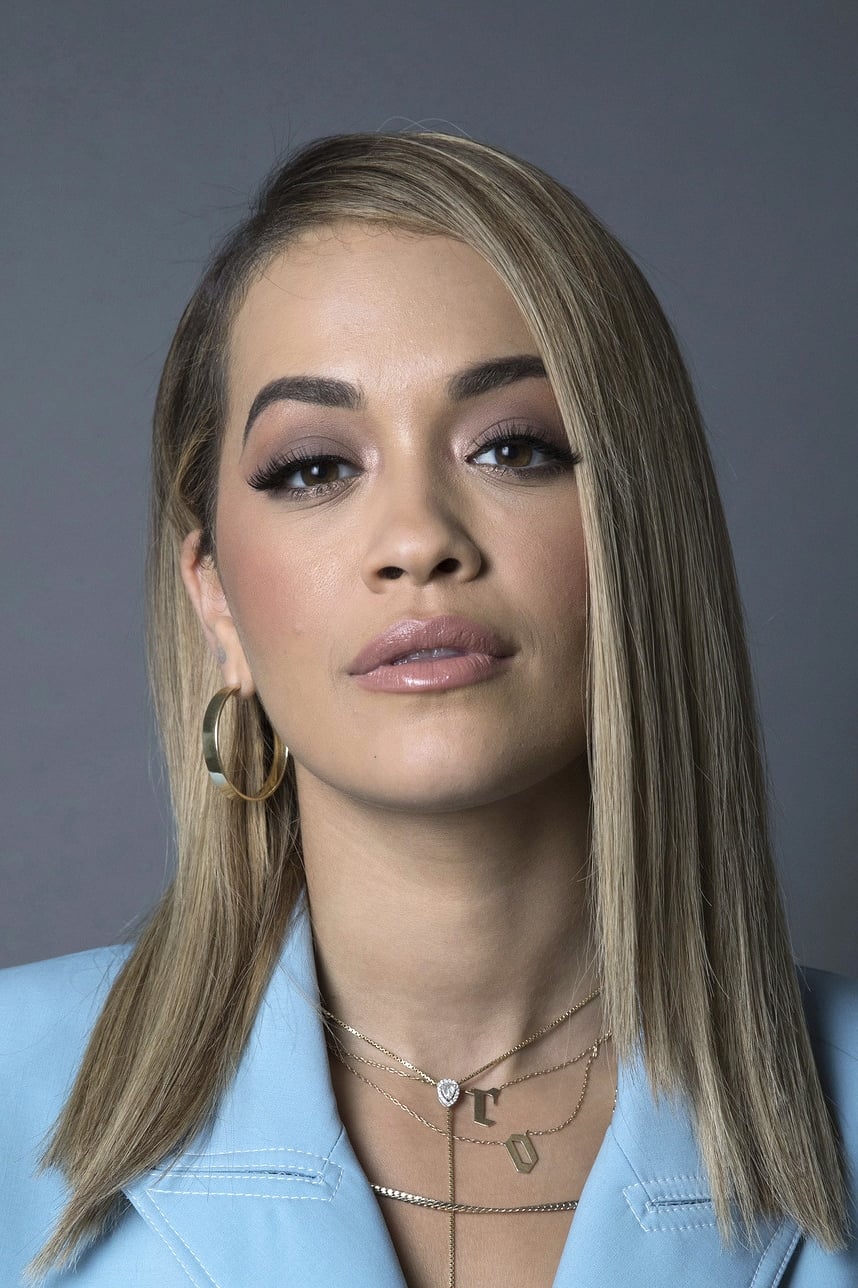
The singer has been a frequent subject of the blackfishing debate due to her frequent use of Black hairstyles and fashion. She has appeared in public wearing box braids and an afro which led many to believe she was of Black heritage. When it became widely known that her ancestry is Albanian many fans felt misled by her styling choices. Critics argue that she has benefited from a racially ambiguous look that borrows heavily from Black women. These discussions continue to follow her career as people question the ethics of her aesthetic brand.
Chris Hemsworth
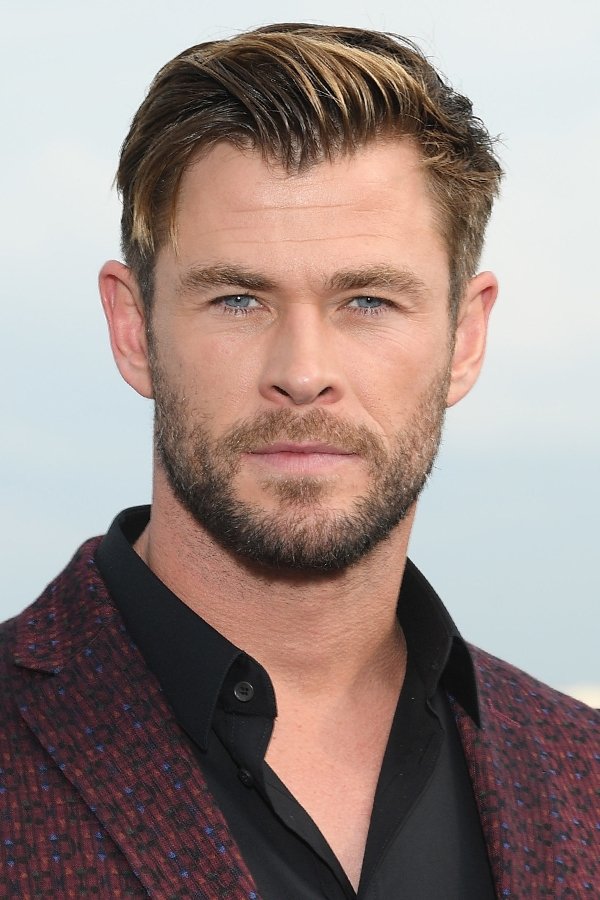
The actor faced criticism after photos surfaced of him attending a party with a Wild West theme. He and several other guests were dressed in traditional Native American attire including headdresses and face paint. After the images were shared online he issued a public apology to the Indigenous community for his lack of judgment. He stated that he was unaware of the offense such costumes caused at the time but had since learned better. This incident showed that even well liked celebrities can make significant mistakes regarding cultural sensitivity.
Harry Styles
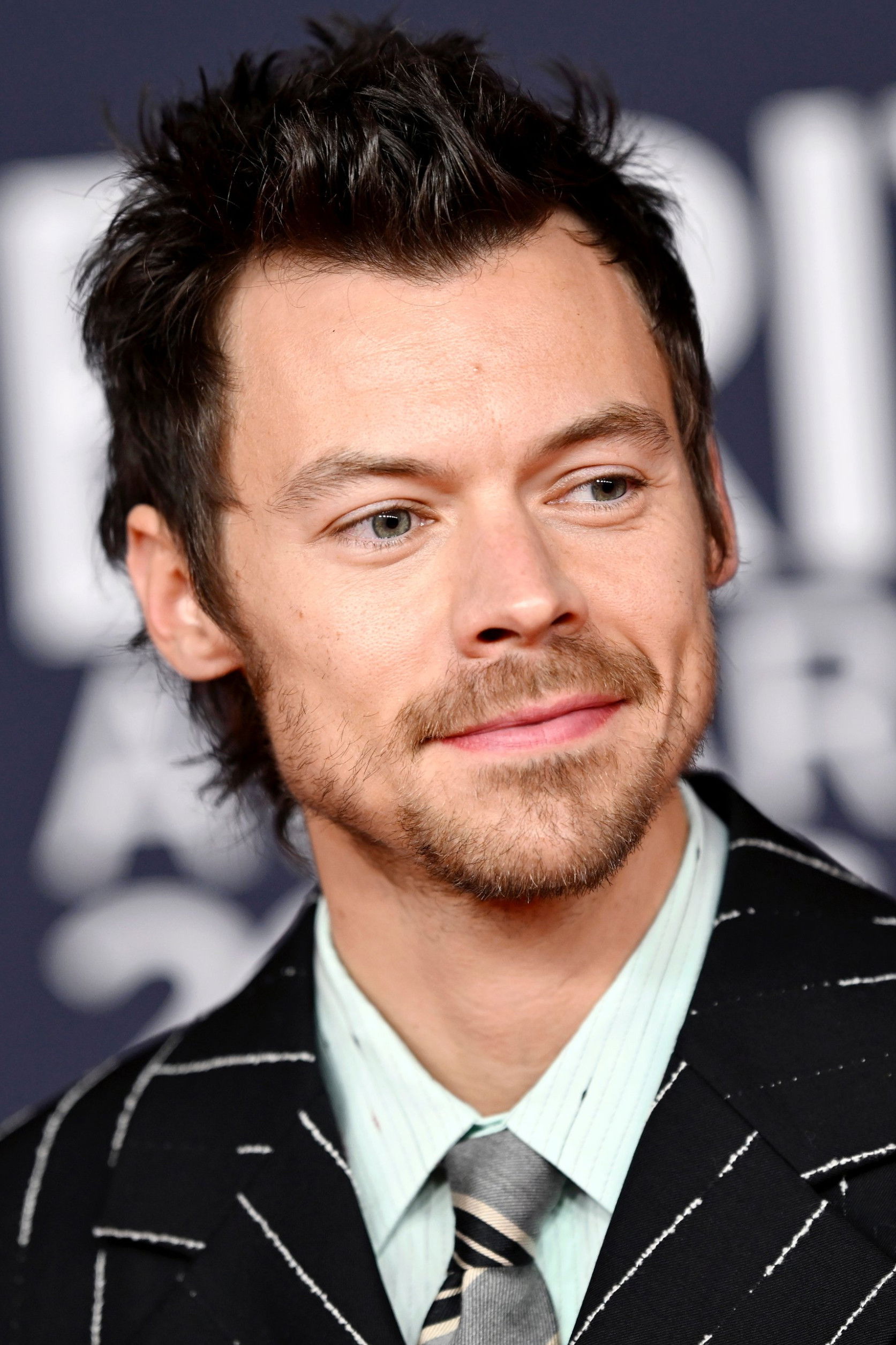
The singer and actor was criticized early in his career after a photo of him wearing a Native American headdress was posted online. Fans and activists pointed out that the item is a sacred symbol of honor and not a fashion statement. The backlash was part of a broader trend of celebrities being called out for using Indigenous regalia as accessories. While he has since become known for his more gender fluid fashion he has not repeated this specific mistake. The incident remains a part of the public record regarding the education of young stars on cultural issues.
Alessandra Ambrosio
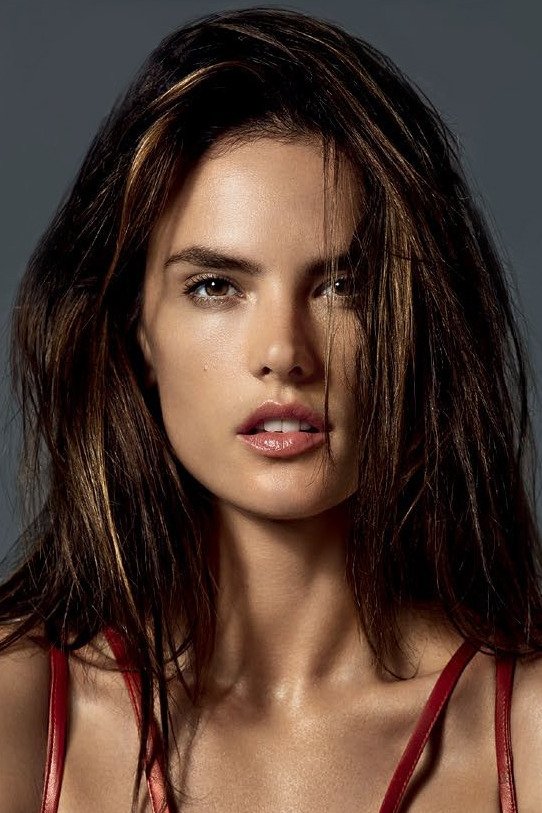
The model sparked a controversy when she wore a Native American headdress for a music festival. She posted photos of the look on her social media accounts which led to a wave of criticism from followers. Many people explained that wearing such items for entertainment purposes is disrespectful to the history and traditions of Indigenous peoples. She eventually removed the images but the event contributed to the growing list of models criticized for festival fashion. This moment emphasized the need for influencers to consider the origins of their accessories.
Paris Hilton
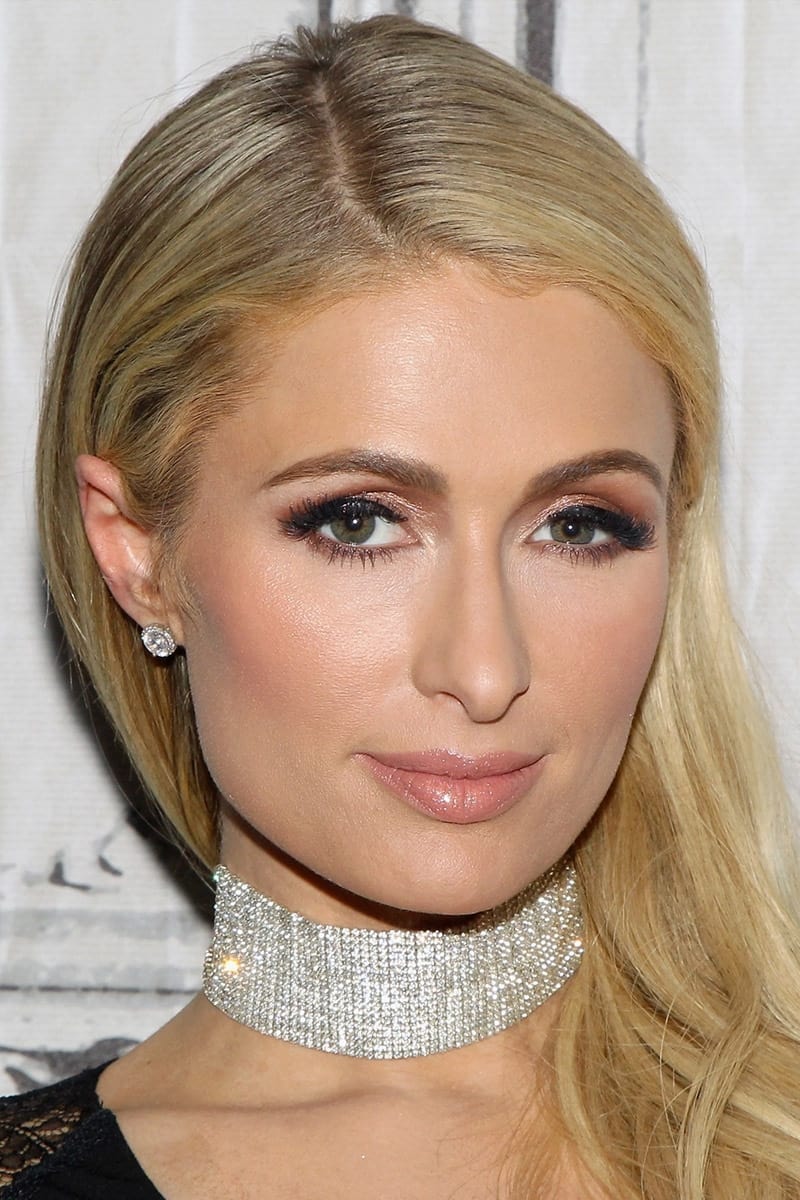
The socialite and entrepreneur has faced backlash for her choice of Halloween costumes on several occasions. One notable instance involved her dressing in a sexualized Native American outfit that many found offensive. Critics argued that the costume reduced a group of people to a stereotype and ignored the reality of their history. She has also been seen wearing other culturally themed outfits that sparked similar debates about appropriation. These incidents are often cited in discussions about the persistence of problematic costumes in celebrity circles.
Nicky Hilton
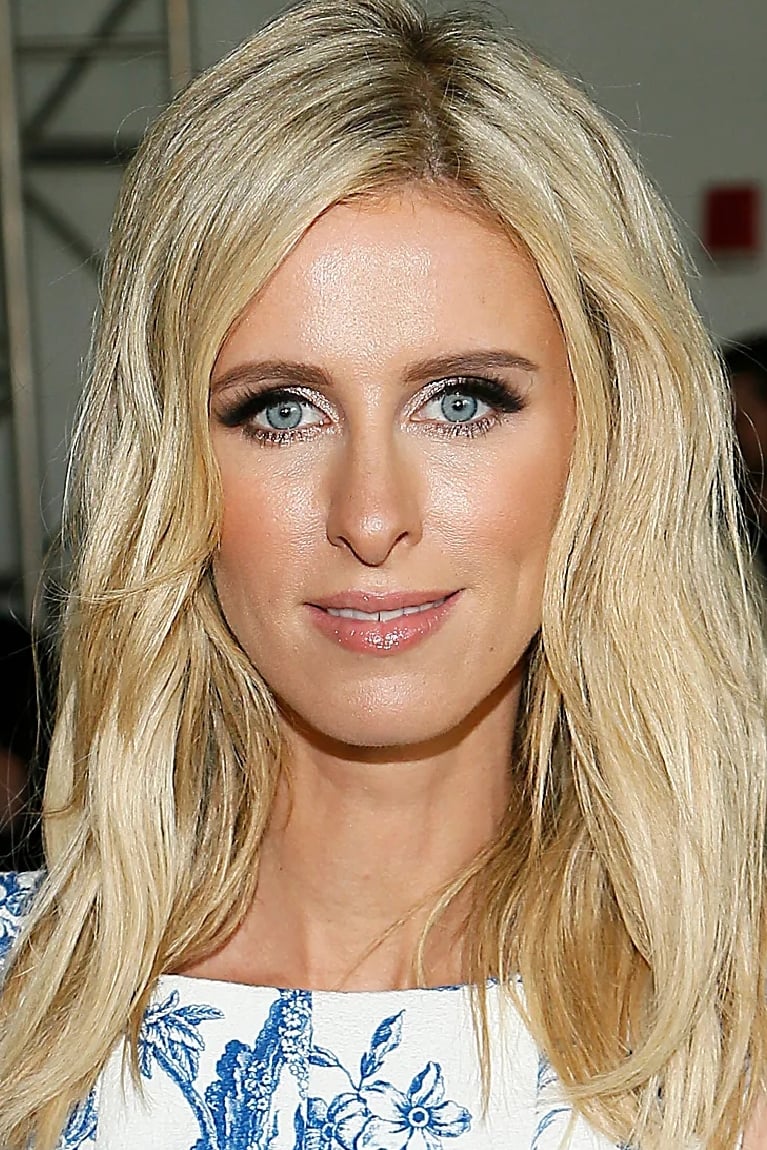
The fashion designer and socialite was seen wearing a Native American themed costume for a high profile party. Like her sister she faced a wave of public criticism for the choice and for its perceived insensitivity. Many people pointed out that these costumes perpetuate harmful myths and show a lack of respect for Indigenous cultures. The backlash was part of a larger movement to discourage the use of ethnic identities as costumes for holiday celebrations. She has generally avoided similar controversies since that time as public awareness has continued to grow.
Scott Disick
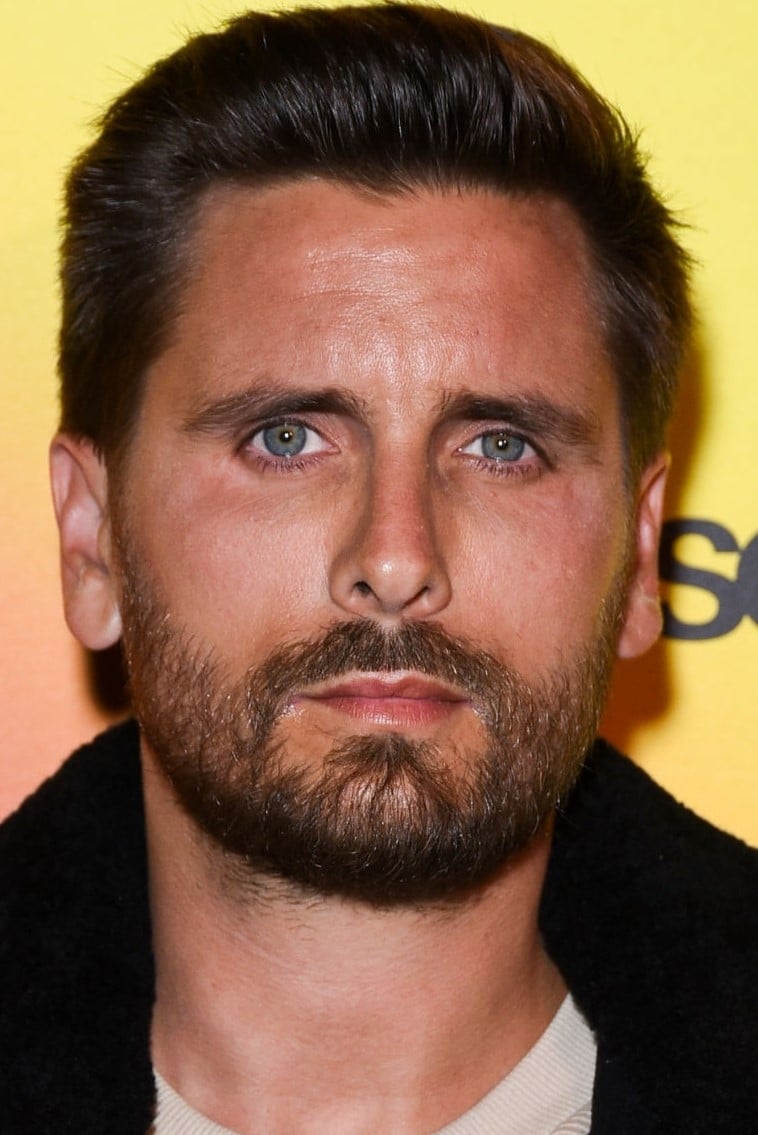
The reality television personality caused an uproar when he posted a photo of himself dressed as an Arabian sheik for Halloween. He wore a traditional robe and headpiece while posing with friends which many found to be a caricature of Middle Eastern culture. Critics labeled the outfit as a form of cultural appropriation that relied on stereotypes rather than respect. He was criticized for using a traditional garment as a joke for a holiday celebration. The incident remains one of his most controversial moments on social media.
Lady Gaga
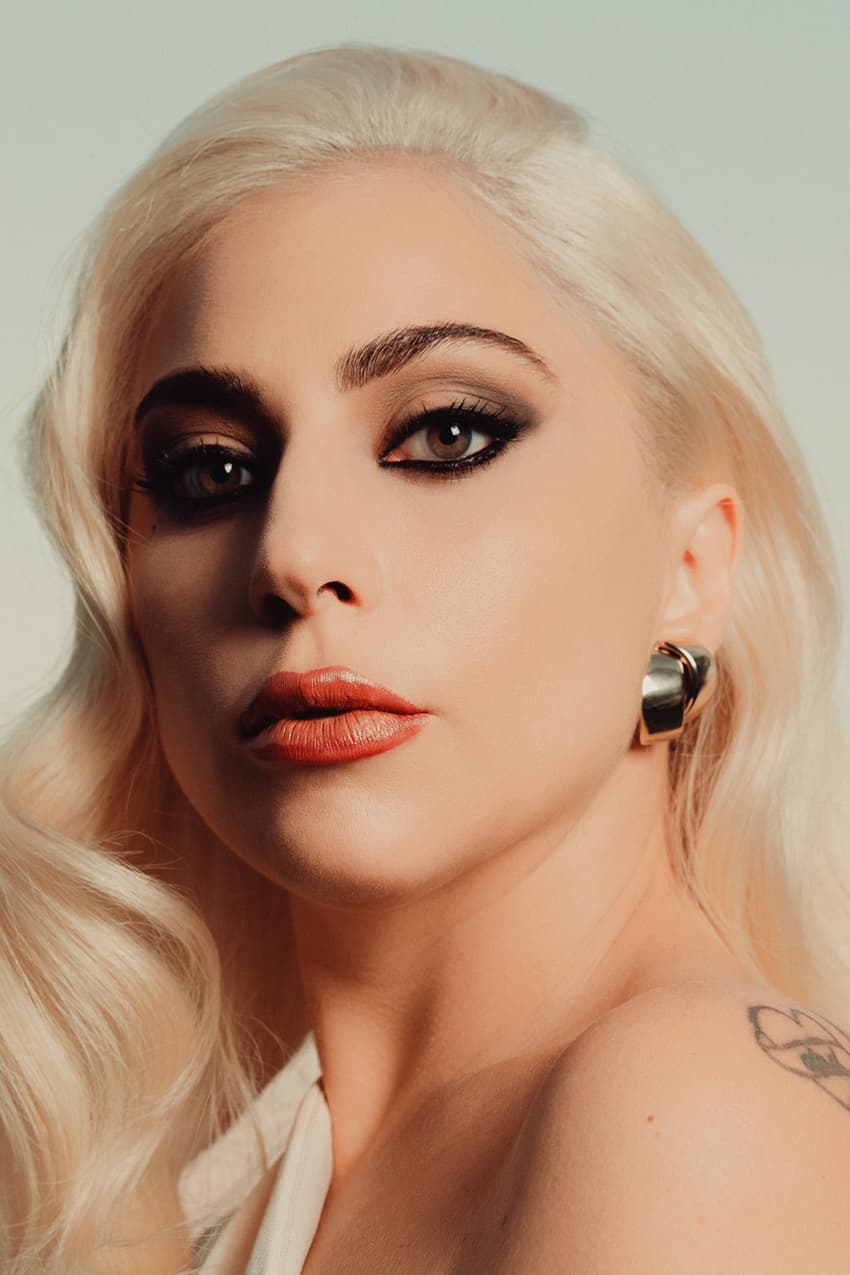
The pop star faced criticism during a fashion show for wearing a sheer pink veil that resembled a religious head covering. She also released a song with a title that many people felt was an inappropriate use of the term burqa. Muslim women and activists argued that she was sexualizing an item that has a complex and personal meaning for many. They felt that her use of the garment as a fashion statement ignored the real world struggles associated with wearing it. This period of her career highlighted the thin line between artistic expression and cultural insensitivity.
Alicia Keys
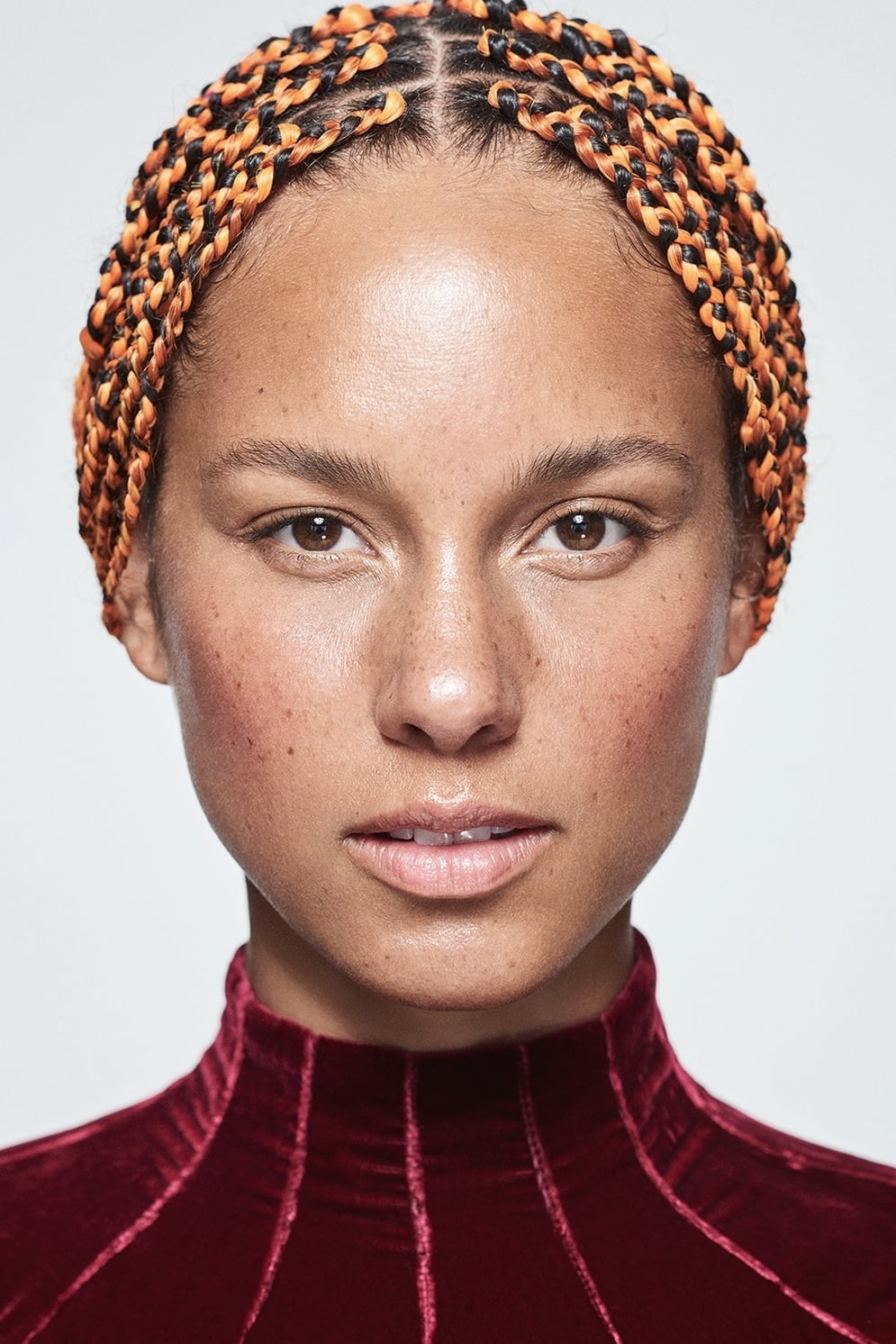
The singer has been criticized for her occasional use of the bindi and other South Asian jewelry during her public appearances. While she has expressed a deep love for various cultures many Hindu and Indian individuals felt she was using the items as mere accessories. They argued that these symbols have a spiritual significance that is lost when used in a pop music context. These critiques were part of a wider conversation about the common practice of Western artists adopting South Asian aesthetics. She has since shifted her focus toward a more natural look but the past choices remain a point of discussion.
Shakira
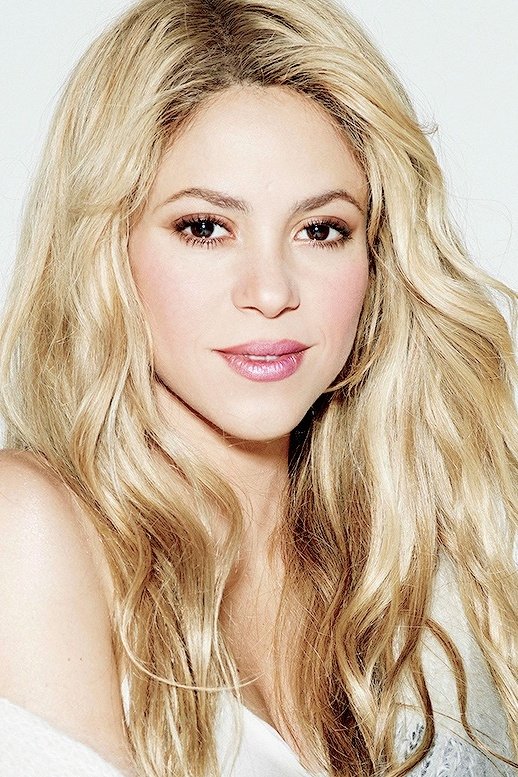
The global icon has faced some criticism for wearing her hair in cornrows and other styles traditionally associated with Black culture. These looks appeared in several of her music videos and promotional materials throughout her career. Some critics argued that as a woman of Lebanese and Colombian descent she was participating in appropriation. Others defended her by pointing to the diverse cultural landscape of Colombia where many styles blend together. The debate showed how regional context can complicate the conversation about what constitutes appropriation.
Jennifer Lopez
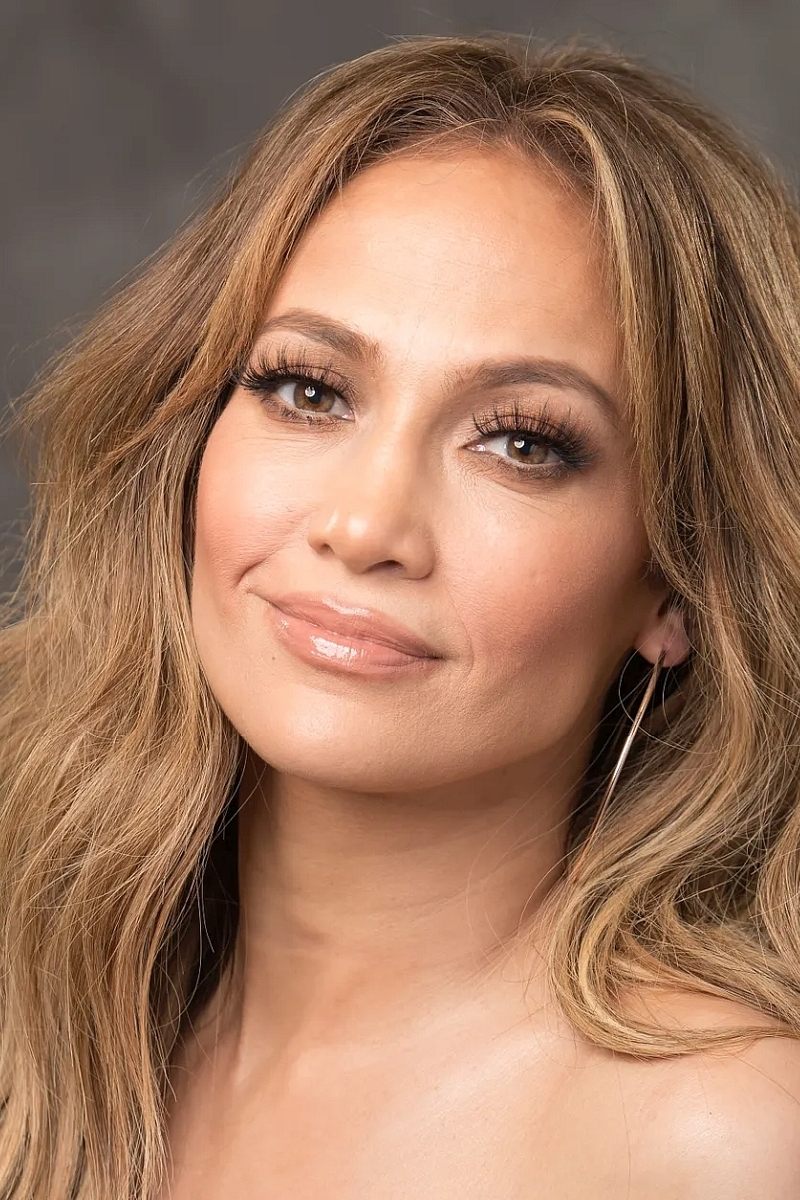
The actress and singer has faced accusations of appropriation for wearing hairstyles like cornrows in her music videos. Critics have argued that she often leans into a specific urban aesthetic that borrows heavily from Black culture for her brand. This has led to long standing debates about her identity and her relationship with the communities she represents. Many people feel that she has used these styles to maintain a certain image without always acknowledging their origins. These discussions are part of a broader critique of how artists navigate the use of Black aesthetics.
Pink
The singer was criticized early in her career for her use of South Asian aesthetics including bindis and traditional jewelry. She often wore these items in her music videos and on red carpets as part of her visual image. Hindu community members pointed out that the bindi is a sacred symbol and not a piece of punk rock jewelry. This controversy occurred at a time when several pop stars were adopting similar looks for their visual branding. Her past style choices are now viewed as part of a trend of appropriation that was common in the early two thousands.
Post Malone
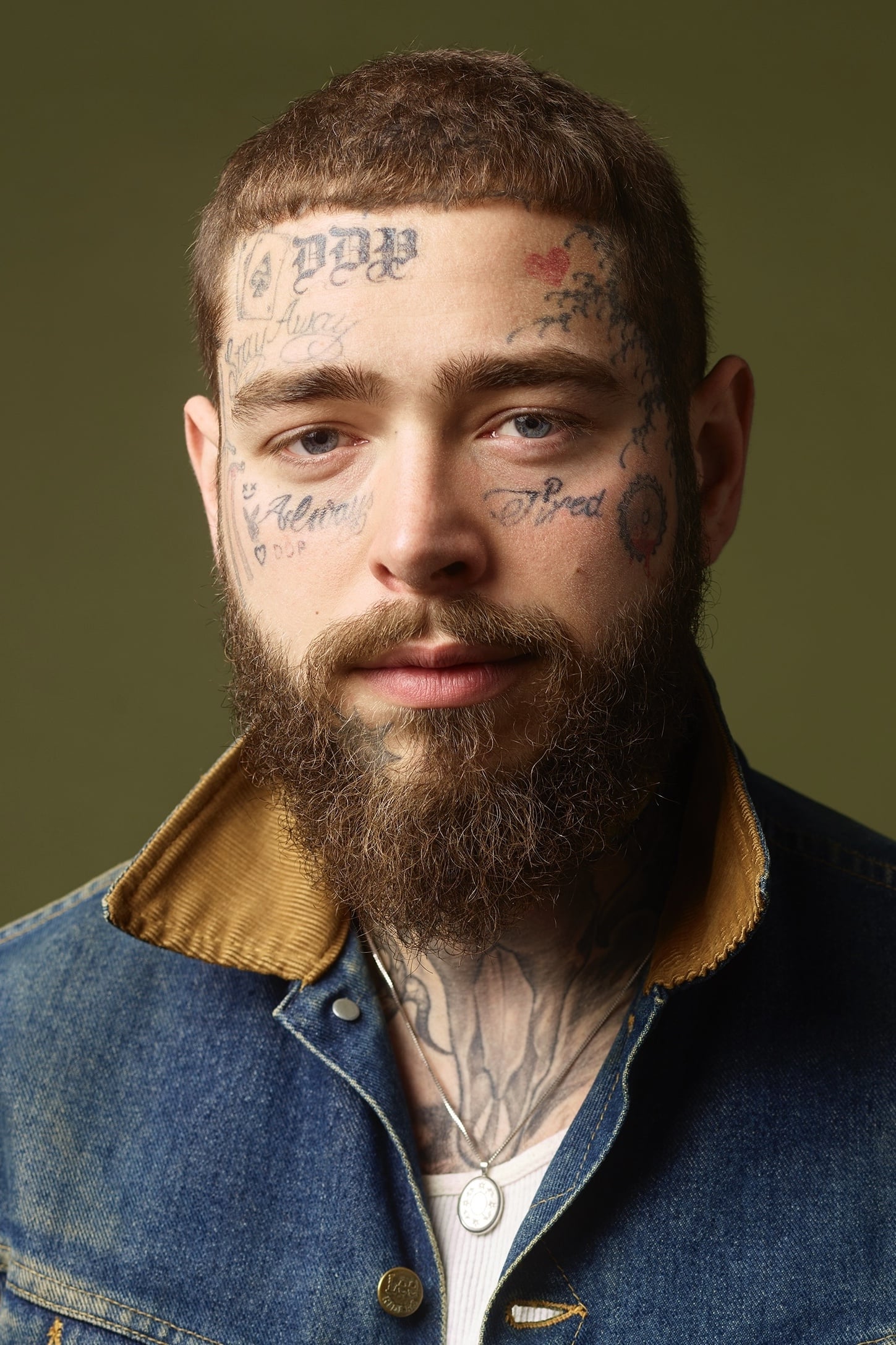
The artist has been a central figure in debates about cultural appropriation in the hip hop industry. He faced significant backlash for wearing dreadlocks which many felt was an inappropriate choice for a white performer in that genre. Critics argued that he benefited from a Black art form while adopting hairstyles that hold a specific meaning for Black people. He has also been criticized for his comments regarding the emotional depth of hip hop music. These incidents have led to ongoing discussions about the responsibilities of white artists who achieve success in traditionally Black spaces.
Chet Hanks
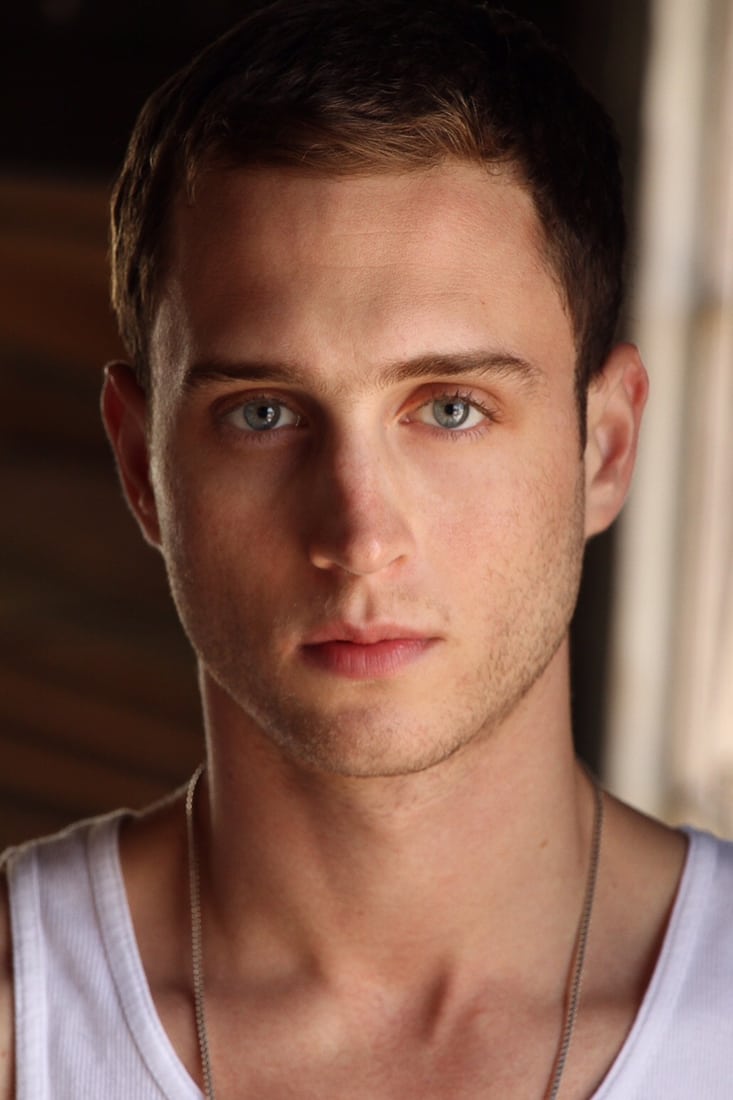
The actor and son of Tom Hanks has frequently gone viral for his use of a Jamaican patois and his adoption of streetwear style. Many people have accused him of cultural appropriation and for using a caricature of Caribbean culture for attention. He has defended his actions by claiming he has a genuine love for the music and the people of Jamaica. Critics feel that his behavior is disrespectful and treats a specific cultural identity as a costume for his public persona. The backlash against him has been consistent as he continues to display these behaviors on social media.
Bhad Bhabie
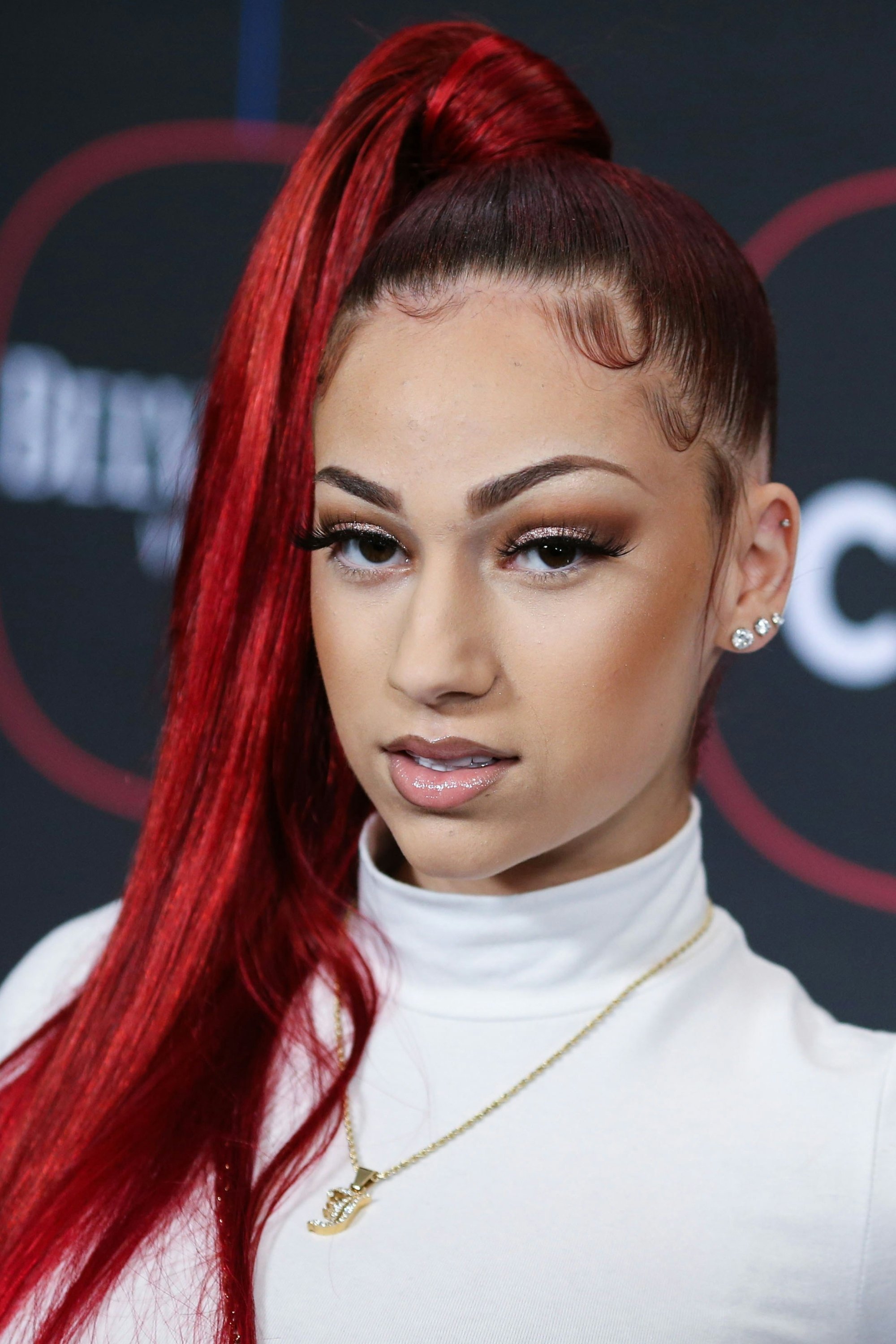
The rapper and internet personality has faced multiple accusations of blackfishing and cultural appropriation. She has frequently appeared on social media wearing box braids and utilizing a very dark tan that many felt was intended to change her race. She has been vocal in defending her choices and often engages in heated arguments with her critics online. Many observers argue that her entire brand is built on adopting a persona that is not her own. These controversies have defined much of her career as she navigates her fame in the music industry.
Halsey
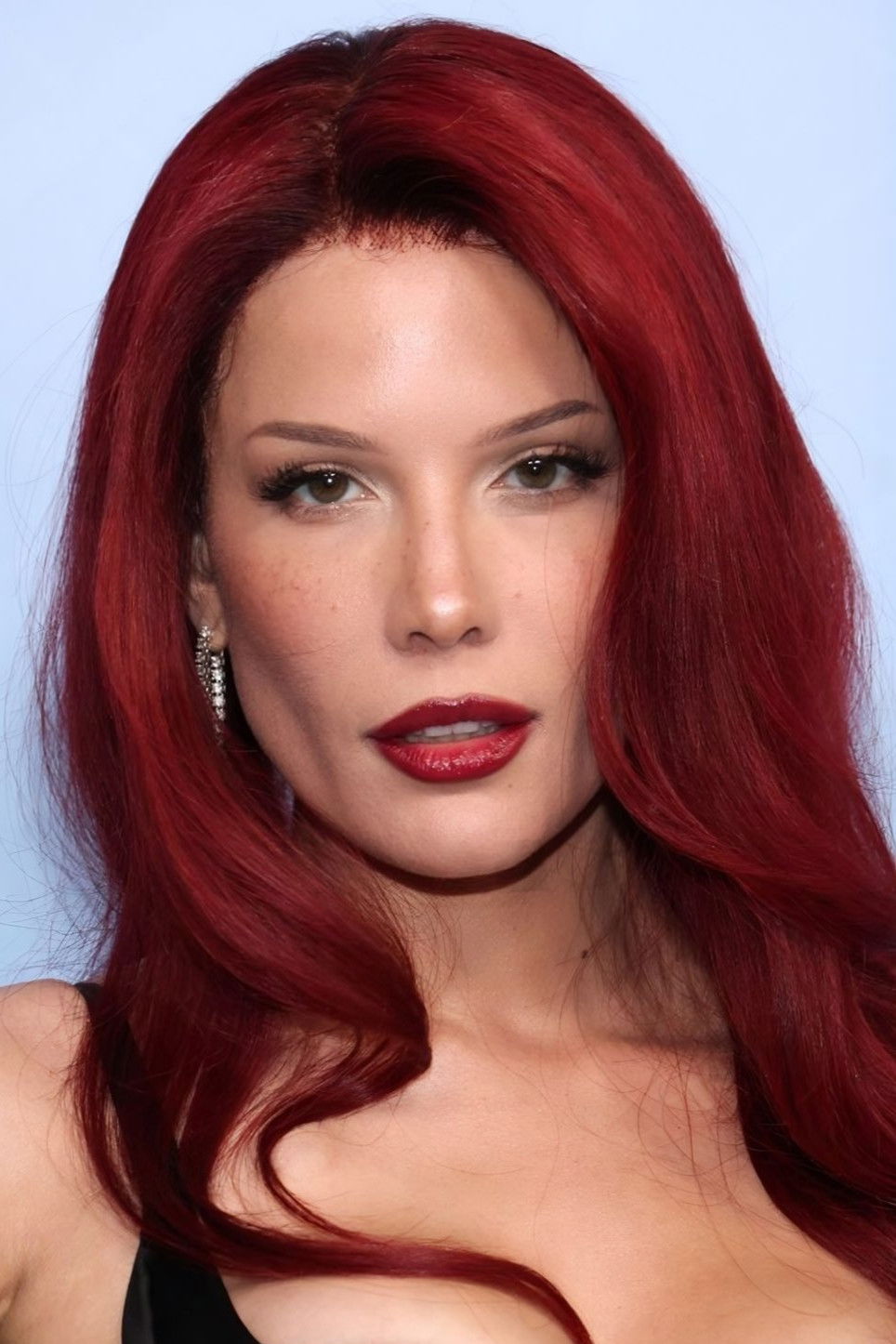
The singer faced backlash from some fans after she was seen wearing her hair in Bantu knots for a social media post. While she is of mixed race heritage many people felt the look was a form of appropriation given her public image. The controversy led to a wider discussion about how people of multiracial backgrounds are perceived when adopting traditional styles. She has often spoken about her identity and the complexities of navigating different cultures as a biracial woman. The incident served as another example of how sensitive the public has become toward specific hairstyles.
Lorde
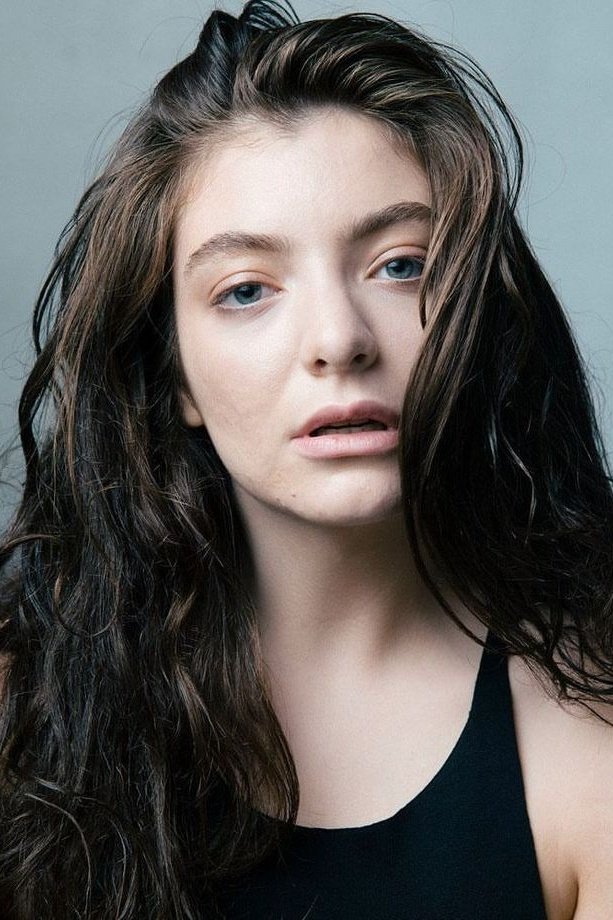
The New Zealand singer sparked a controversy when she posted a photo of herself wearing a bindi. Like other pop stars before her she was criticized for using the Hindu symbol as a fashion accessory. Many people used the opportunity to educate her on the religious significance of the item and why it was not appropriate for her to wear. She did not make a major public statement about the incident but the photo was a point of contention among her fans. This event showed that even artists known for being socially conscious can make mistakes regarding cultural boundaries.
Lily-Rose Depp
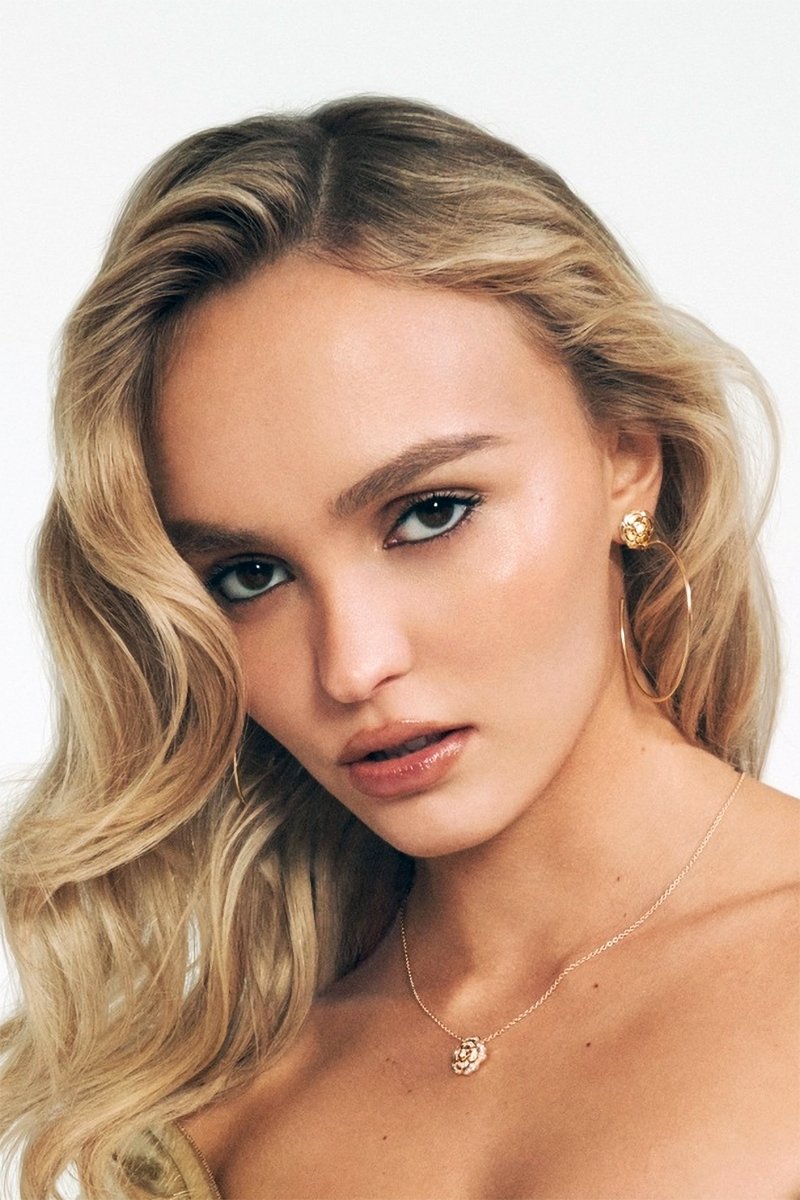
The actress and model faced criticism for a photo shoot where she wore items that many felt were appropriative of Native American culture. The clothing and accessories used in the images were seen as a shallow interpretation of Indigenous styles for a high fashion context. Critics pointed out that the fashion industry has a long history of using Native American aesthetics without involving the communities themselves. The controversy raised questions about the responsibilities of young models when participating in themed shoots. Many people called for more diversity and cultural awareness behind the scenes of such projects.
Adriana Lima
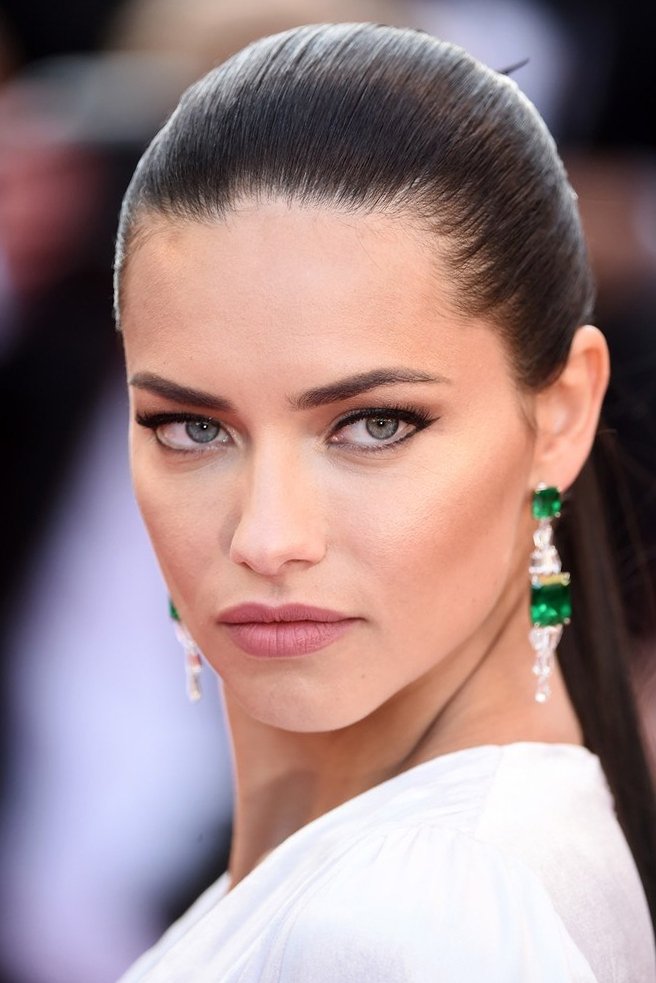
The model was criticized for her part in a fashion show that featured a Native American themed segment. She wore an outfit that included fringes and patterns associated with Indigenous cultures which many viewers found offensive. This segment of the show was one of several that led to accusations of cultural appropriation against the brand. The incident resulted in a formal apology from the company after a massive public outcry from activists and community leaders. It remains a key example of the shift in public tolerance for using cultures as themes for entertainment.
Salma Hayek Pinault
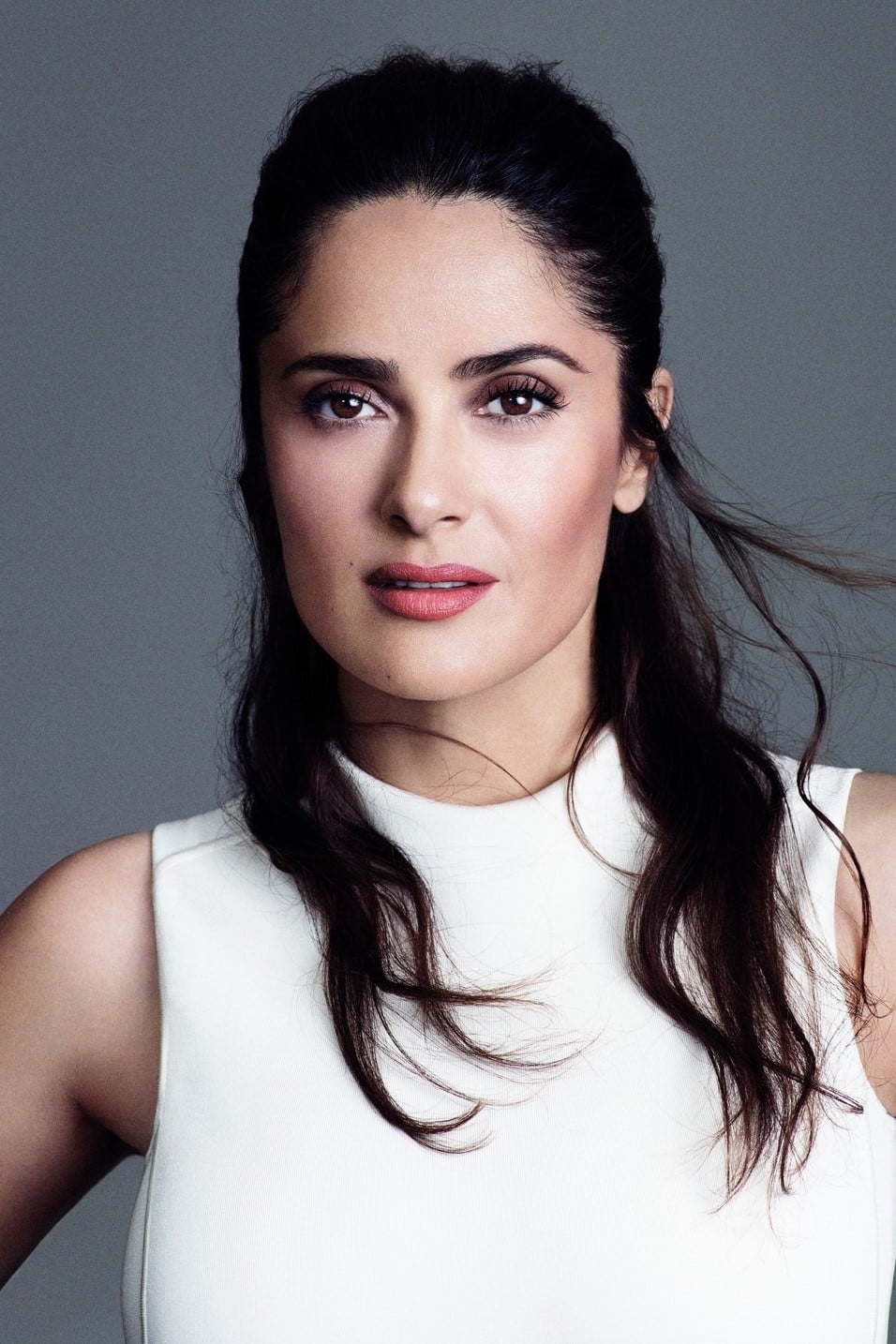
The actress faced some backlash after she shared a photo of herself wearing a shirt that featured a Hindu goddess. While she expressed a deep admiration for the deity many people felt the use of the image was disrespectful. Critics argued that a religious figure should not be used as a print for a casual garment worn by someone outside the faith. This incident highlighted the ongoing tension between personal appreciation and the boundaries of cultural respect. She has continued to be a prominent figure in the industry while occasionally facing scrutiny for her choices.
Please share your thoughts on these celebrity fashion controversies in the comments.