Actresses Who Were Heavily Accused of Queerbaiting Just to Sell Movie Tickets


The concept of queerbaiting has become a significant point of contention in the entertainment industry as audiences demand more authentic representation. Many actresses have faced intense public scrutiny for using queer imagery or hinting at same-sex attraction during promotional campaigns for their movies and music. These accusations often arise when the promised inclusivity fails to manifest in the final product or when the star returns to a heteronormative public image once the marketing cycle ends. While some stars argue they are simply exploring their identities or artistic expressions the conversation regarding the commodification of queer culture continues to grow. Fans remain divided over whether these instances are genuine moments of visibility or strategic maneuvers to increase ticket sales and engagement.
Bella Thorne
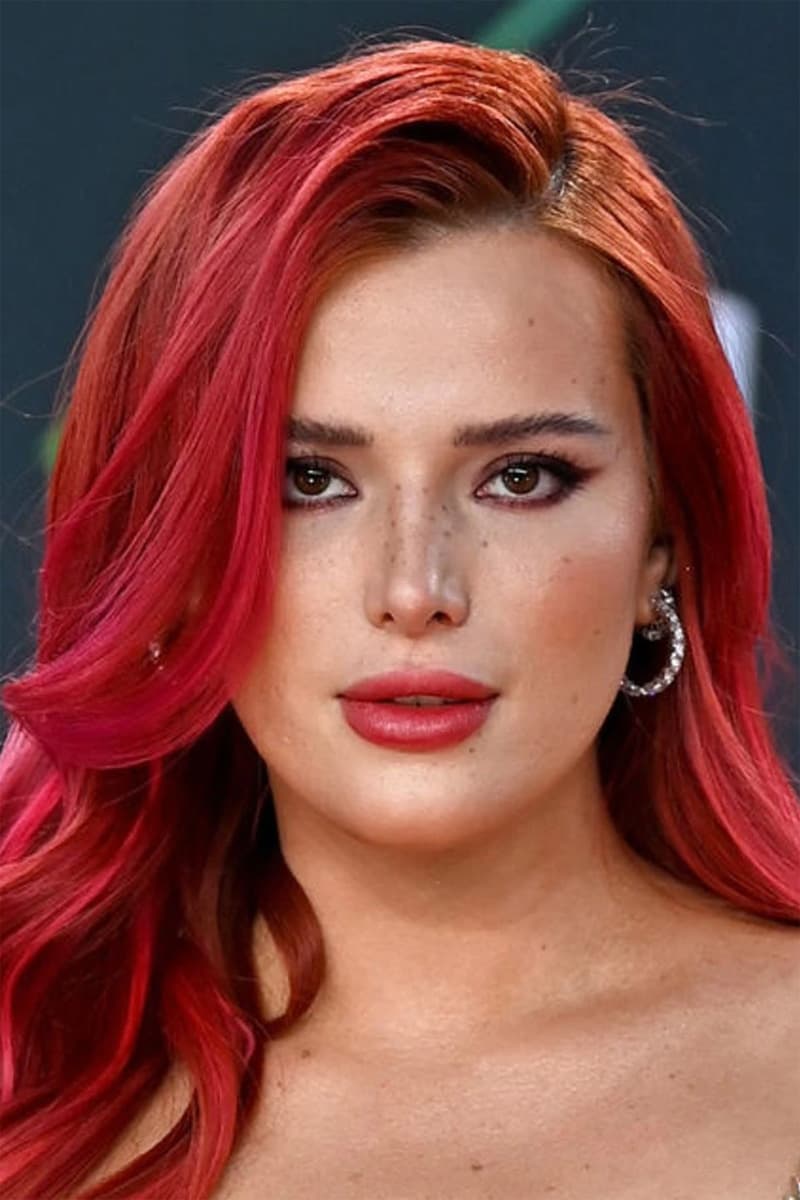
The former Disney star frequently posted social media content that hinted at a fluid sexuality to keep fans engaged during her transition to more mature film roles. Audiences noted that her public persona often relied on the aesthetic of queer culture without a clear commitment to the community. This behavior was particularly prominent during the promotion of her independent projects and her appearance in ‘The Babysitter’. Critics suggested that these actions were calculated to maintain her status as a provocative figure in the industry. Her approach remains a central point of discussion regarding the intersection of personal identity and career branding.
Rita Ora
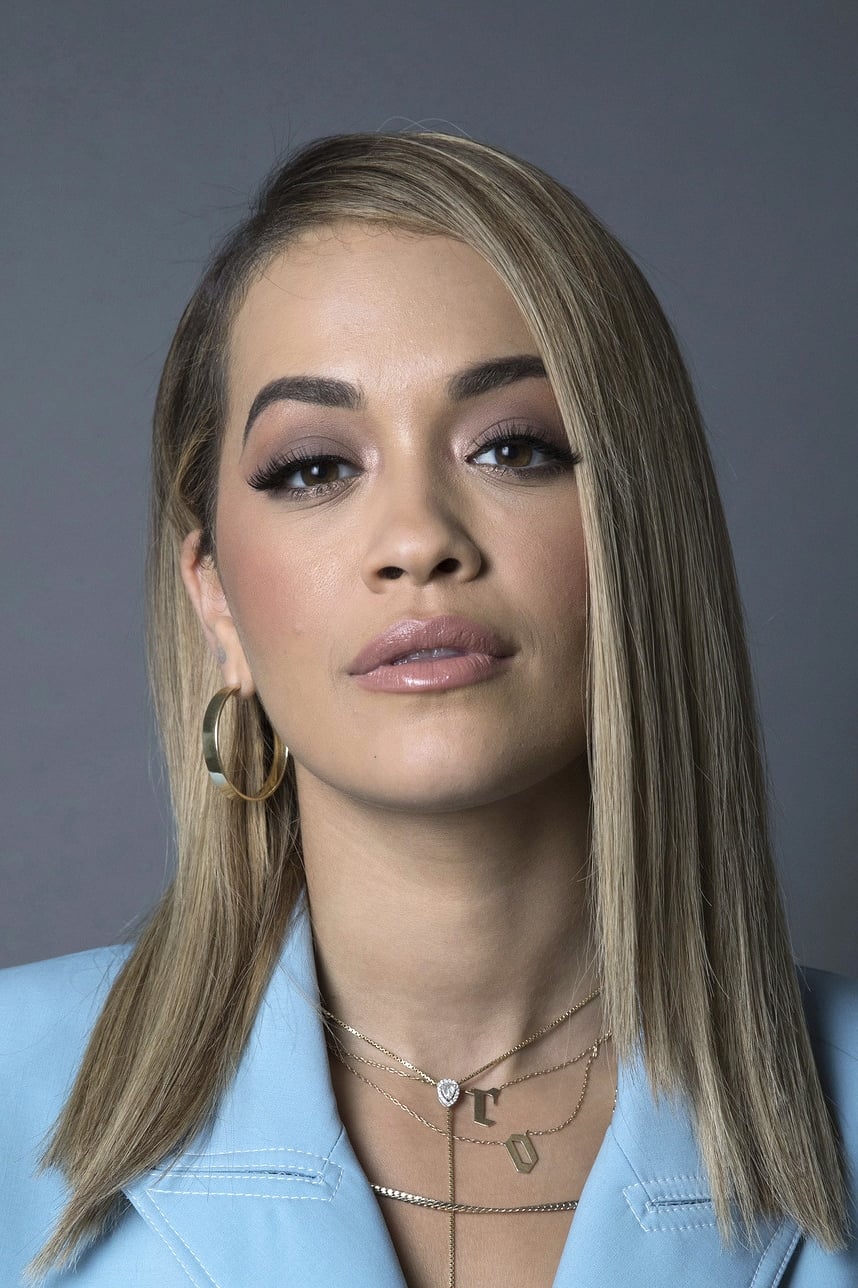
The singer and actress faced intense backlash following the release of her song ‘Girls’ which featured several other prominent female artists. Critics argued that the lyrics and accompanying visuals utilized queer themes as a marketing tool to generate controversy and boost sales. Many listeners felt the song trivialized same-sex relationships by framing them as a fleeting experiment for the male gaze. In response to the outcry she shared personal details about her own journey with her identity to provide context for the artistic choices. Despite this explanation the project remains a prominent example in discussions regarding performative inclusivity in the music and film industries.
Cardi B
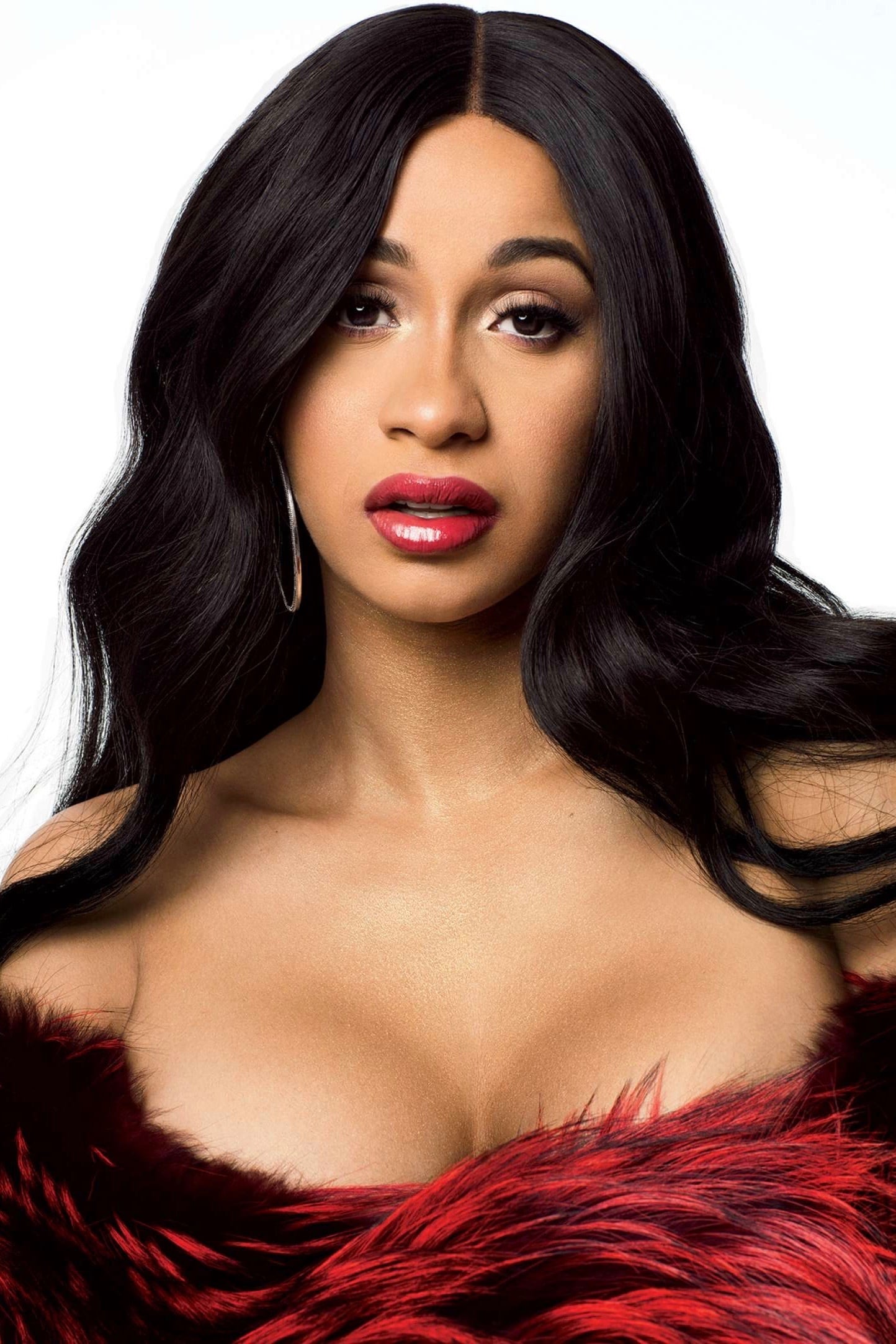
The rapper and actress was accused of utilizing queer themes for profit following the release of the music video for ‘Wild Side’. Fans pointed out that the provocative imagery appeared to cater to a specific audience without offering any real substance or personal connection to the LGBTQ plus experience. This controversy echoed previous criticisms regarding her collaboration on the song ‘Girls’ alongside other stars. While she has defended her artistic vision many critics argue that these moments are often timed to maximize streaming numbers and film promotion. Her presence in films like ‘Hustlers’ has also been analyzed through the lens of how she markets her public image.
Ariana Grande
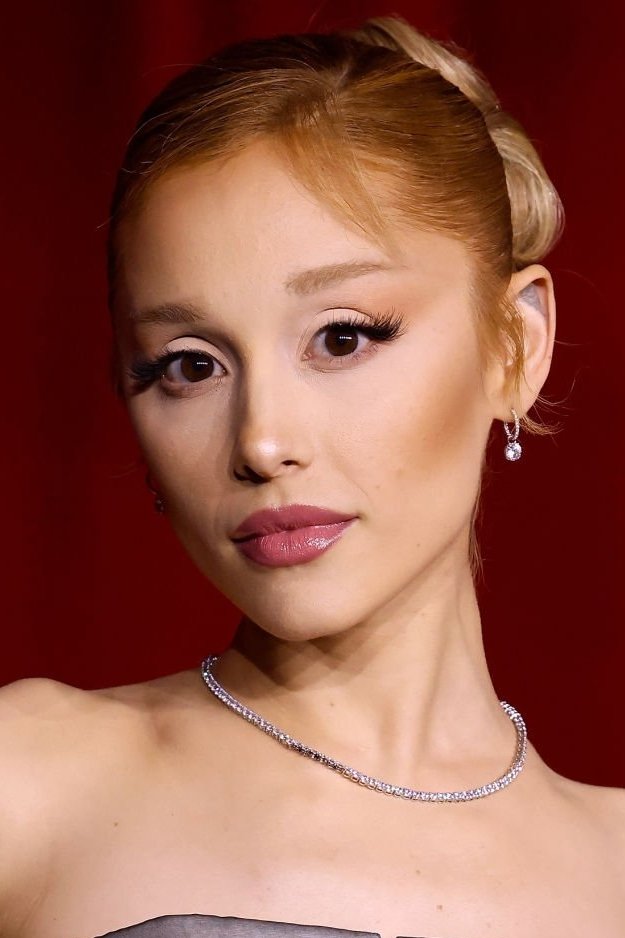
During the promotion of her music and appearances in projects like ‘Don’t Look Up’ the star faced allegations of queerbaiting due to ambiguous lyrics and music video content. The song ‘7 rings’ and the video for ‘break up with your girlfriend i m bored’ were specifically cited by critics as leaning into queer aesthetics for views. Many fans felt that the inclusion of same-sex attraction in her work was a strategic move to remain relevant in queer spaces. While she has consistently supported the community as an ally some argued that the ambiguity served a marketing purpose. The debate surrounding her artistic choices continues to surface whenever she releases new media.
Taylor Swift
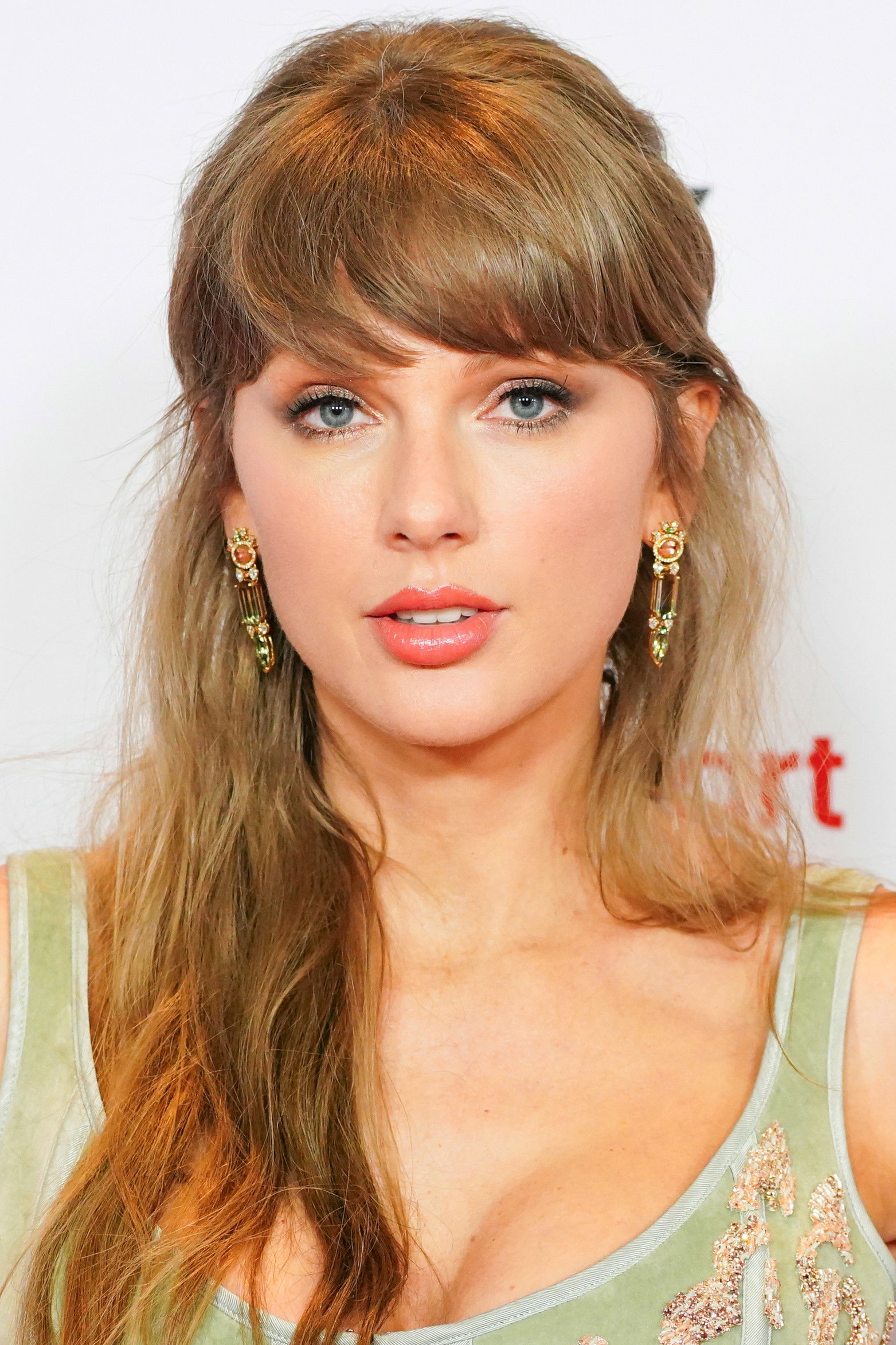
The singer and actress faced significant scrutiny during the marketing cycle for her album ‘Lover’ and her appearance in the film ‘Cats’. Her music video for ‘You Need To Calm Down’ was criticized by some for centering herself within queer aesthetics while maintaining a safe distance from a definitive identity. Fans spent years analyzing her lyrics and promotional materials for hidden messages which some critics viewed as a deliberate strategy to maintain engagement with queer demographics. This phenomenon led to a divide between those who saw her as a dedicated ally and those who felt the marketing was exploitative. Her impact on the industry ensures that her promotional strategies are always under heavy observation.
Billie Eilish
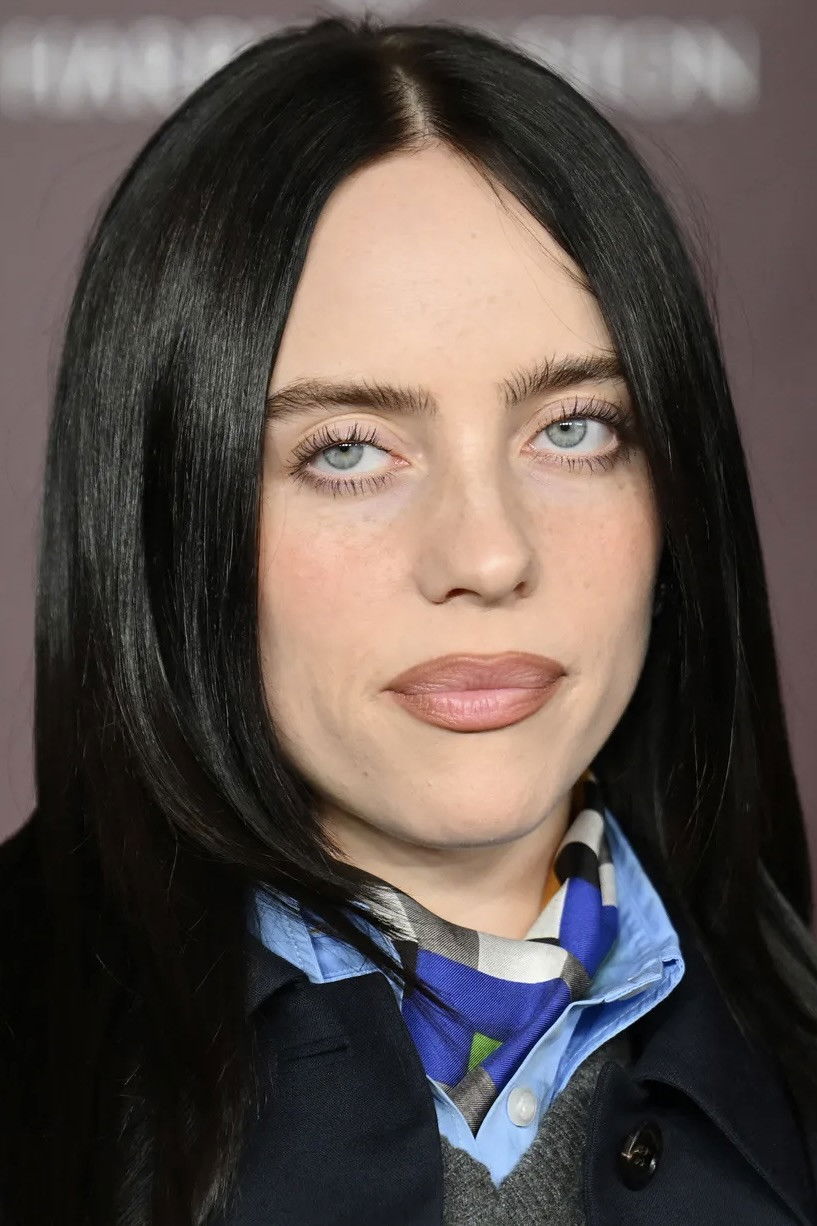
The young star was heavily accused of queerbaiting after she posted a social media caption stating that she loves girls during the promotion of her music video for ‘Lost Cause’. The video featured her in a slumber party setting with several women which many interpreted as a hint toward her sexuality. When she later clarified her perspective in interviews some fans felt that the initial post was a calculated move to generate hype for her new era. This incident sparked a wider conversation about the pressures placed on young celebrities to define themselves for the sake of marketing. Her later projects have continued to be examined for how they navigate these complex public expectations.
Halsey
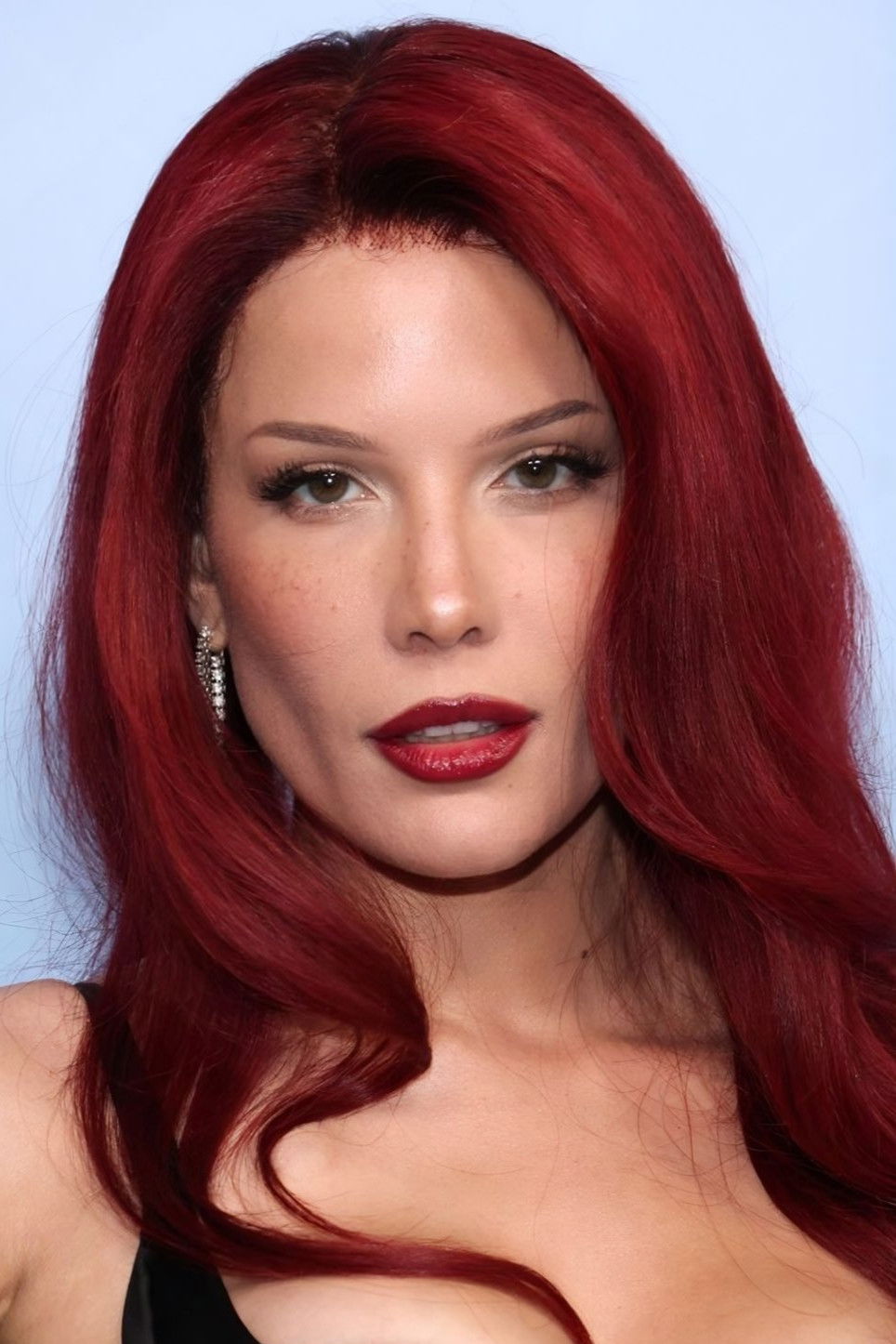
The actress and singer has often been at the center of discussions regarding how she presents her identity to the public during film and music launches. While she identifies as bisexual critics have sometimes accused her of leaning into queer aesthetics more heavily when it coincides with a new release like ‘MaXXXine’. Some fans felt that certain promotional photos and videos were designed to appeal to a queer audience for the sake of engagement. These accusations highlight the difficult balance stars face when their personal lives and professional marketing overlap. Her work remains a significant part of the conversation regarding visibility and commercialization in Hollywood.
Demi Lovato

The actress known for ‘Camp Rock’ and ‘Glee’ has faced accusations of utilizing her personal journey for promotional momentum. Critics pointed out that her public identity seemed to shift significantly during the launch of various documentaries and albums. Some argued that the focus on her sexuality in her marketing materials was a way to maintain public interest in her career. While she has been open about her fluid identity the timing of certain revelations led to skepticism from some parts of the audience. This ongoing discourse illustrates the tension between authentic self-expression and the demands of the entertainment industry.
Tessa Thompson
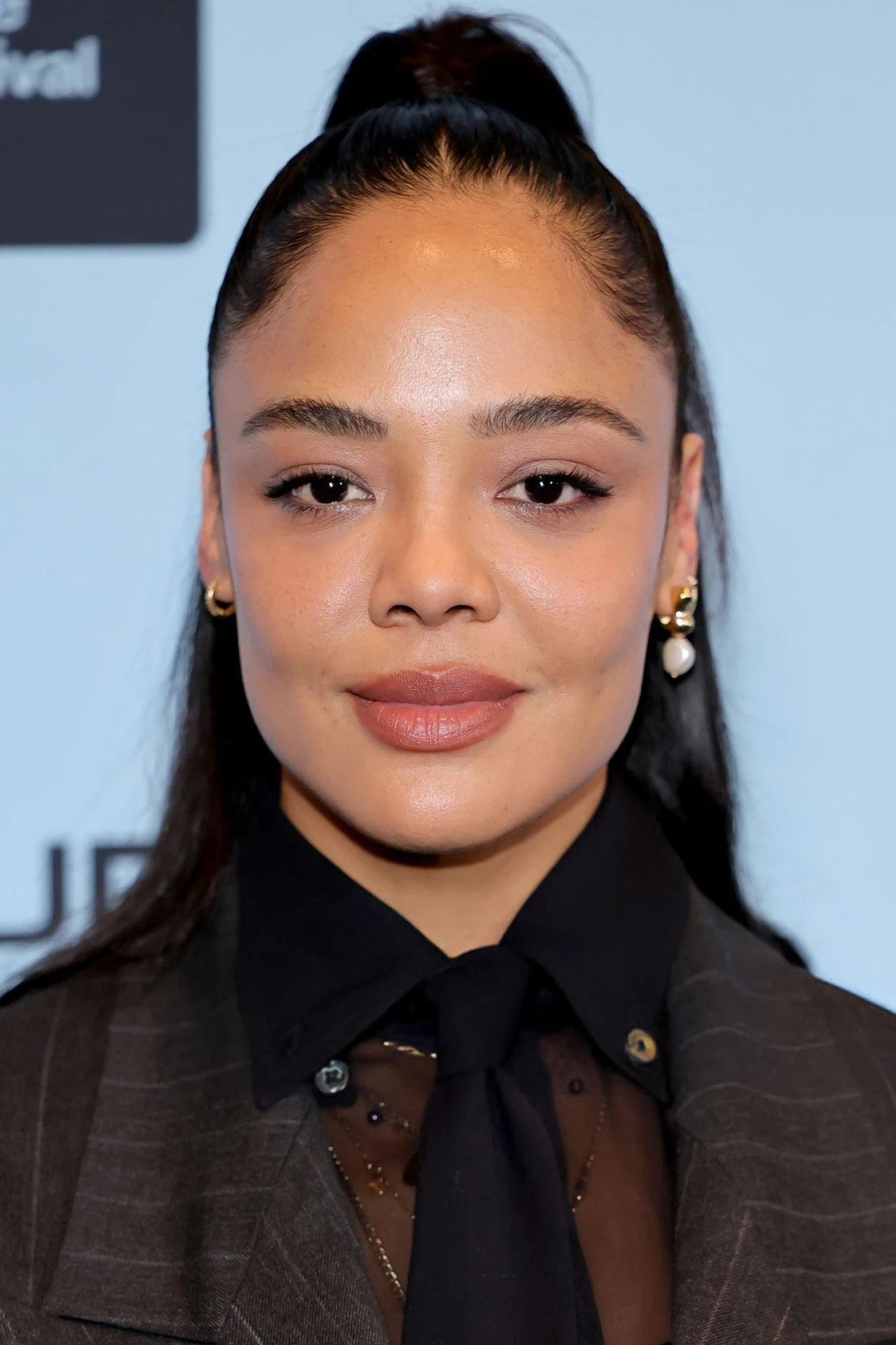
During the press tours for ‘Thor: Love and Thunder’ the actress frequently discussed the queer identity of her character Valkyrie. Fans were excited by the prospect of representation but many felt let down when the final film contained only minimal references to the character’s sexuality. This led to accusations that the actress and the studio used the promise of queer content to sell tickets to a hopeful audience. While she has been a champion for diversity the discrepancy between the marketing and the movie caused significant frustration. The incident remains a primary example of how promotional promises can alienate the communities they aim to attract.
Brie Larson

The ‘Captain Marvel’ star became a central figure in queerbaiting discussions due to her interactions with costars on social media. She frequently shared fan art and jokes that hinted at a romantic connection between her character and Valkyrie which fueled a massive online following. Critics argued that this was a way to keep the queer community invested in the Marvel Cinematic Universe without actually providing on-screen representation. While the actress was praised for her allyship the lack of payoff in the films led to claims of strategic marketing. The situation highlighted the power of social media in shaping audience expectations for blockbuster movies.
Scarlett Johansson

The actress faced backlash when she was cast in ‘Rub & Tug’ as a transgender man which prompted a larger discussion about her history with queer themes in marketing. During the press tours for various action films her characters were often marketed with underlying queer tension that never reached the screen. Fans pointed out that her promotional interviews frequently teased relationships with female costars to generate viral social media moments. These tactics were seen by some as a way to appeal to a broader demographic without providing actual representation. The backlash eventually led to her stepping down from certain projects and a shift in how she discusses inclusivity.
Salma Hayek Pinault

The actress has been accused of utilizing queer tension in her films to attract a wider audience particularly during the promotion of ‘Frida’. While the film depicted the real-life bisexuality of the artist the marketing often focused on the provocative nature of the scenes rather than the historical context. Critics argued that the press coverage leaned into the male gaze to sell tickets to a mainstream demographic. Similar accusations arose during her other projects where female friendships were framed with romantic ambiguity in trailers. Her long career has seen several instances where the marketing strategies were questioned by the queer community.
Penélope Cruz

The star was frequently accused of using queer tension to promote her work in films like ‘Vicky Cristina Barcelona’. The marketing for the movie heavily featured her intimate scenes with her costar to drive interest and ticket sales. Many critics felt that this was a classic example of using same-sex attraction as a spectacle for a heterosexual audience. While the performances were highly acclaimed the way the film was sold to the public remained a point of contention. This pattern has appeared in several of her international projects throughout her successful career.
Madonna
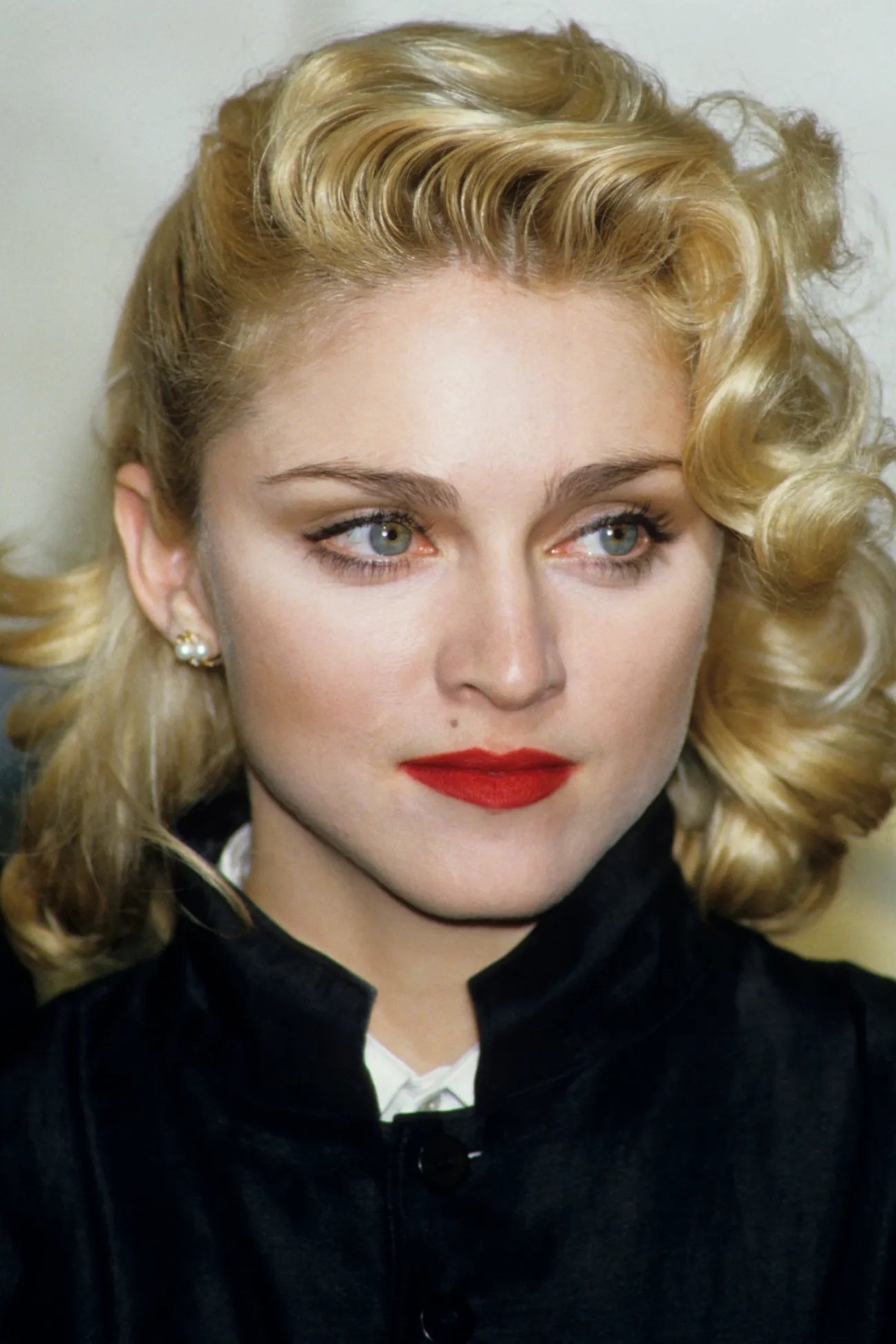
The legendary entertainer has a long history of utilizing queer aesthetics to push boundaries and maintain her status as a cultural icon. During the promotion for her various films and tours she often engaged in public displays of affection with other women to generate media buzz. Critics have argued that these moments were strategic choices designed to keep her at the forefront of the conversation rather than genuine acts of solidarity. While she has been a vocal ally for decades some members of the community felt that her use of queer imagery was occasionally exploitative. Her career serves as a foundation for modern discussions regarding how major stars interact with queer culture.
Britney Spears

The pop icon and actress from ‘Crossroads’ was involved in one of the most famous instances of alleged queerbaiting at the 2003 Video Music Awards. Her televised kiss with Madonna was seen by many as a calculated marketing stunt to promote their respective projects and shock the audience. While the moment became a part of pop culture history critics argued it did little to benefit the actual queer community. This event is often cited in academic discussions about the performance of queerness for the sake of mainstream attention. Her career has since been analyzed for how her public image was managed by outside forces.
Christina Aguilera

Following the same televised event at the 2003 awards show the ‘Burlesque’ star was also accused of using queer imagery for shock value. Her participation in the performance was viewed by some as a way to capitalize on the controversy and boost her edgy public persona. Throughout her career she has incorporated queer themes into her music videos and promotional materials which some felt was performative. While she has a dedicated following within the community the debate over the commercial nature of these choices persists. She remains a prominent figure who frequently navigates the intersection of pop music and queer aesthetics.
Katy Perry
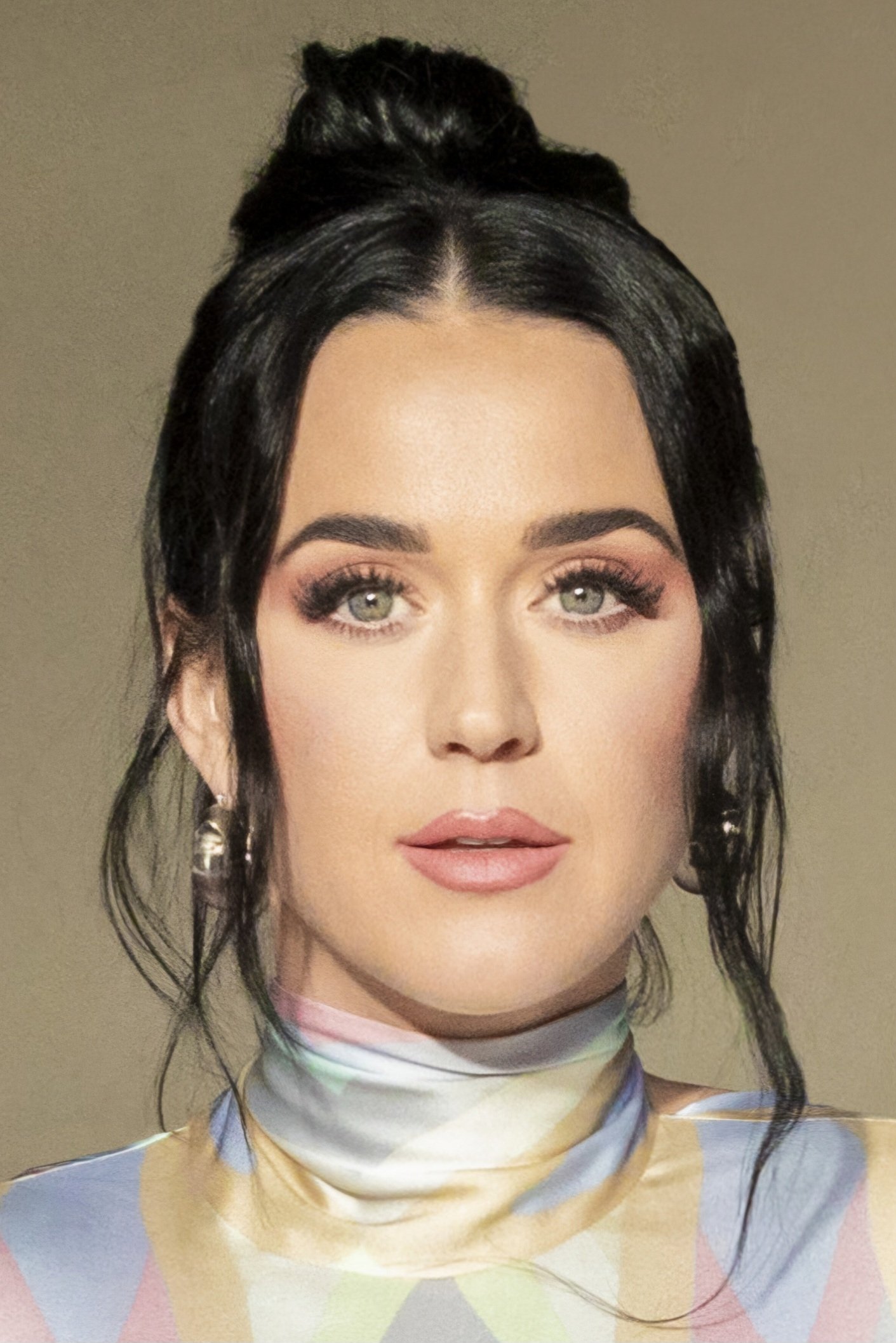
The singer and actress faced early criticism for her hit song ‘I Kissed a Girl’ which many saw as a quintessential example of queerbaiting for the male gaze. Critics argued that the song trivialized same-sex attraction by framing it as a rebellious phase or a way to get attention. This narrative was seen as a way to sell records without supporting the actual struggles of the LGBTQ plus community. Throughout her career the star has been scrutinized for how she uses queer culture in her high-concept music videos and movie appearances. The discourse around her early work continues to influence how new artists are evaluated today.
Miley Cyrus
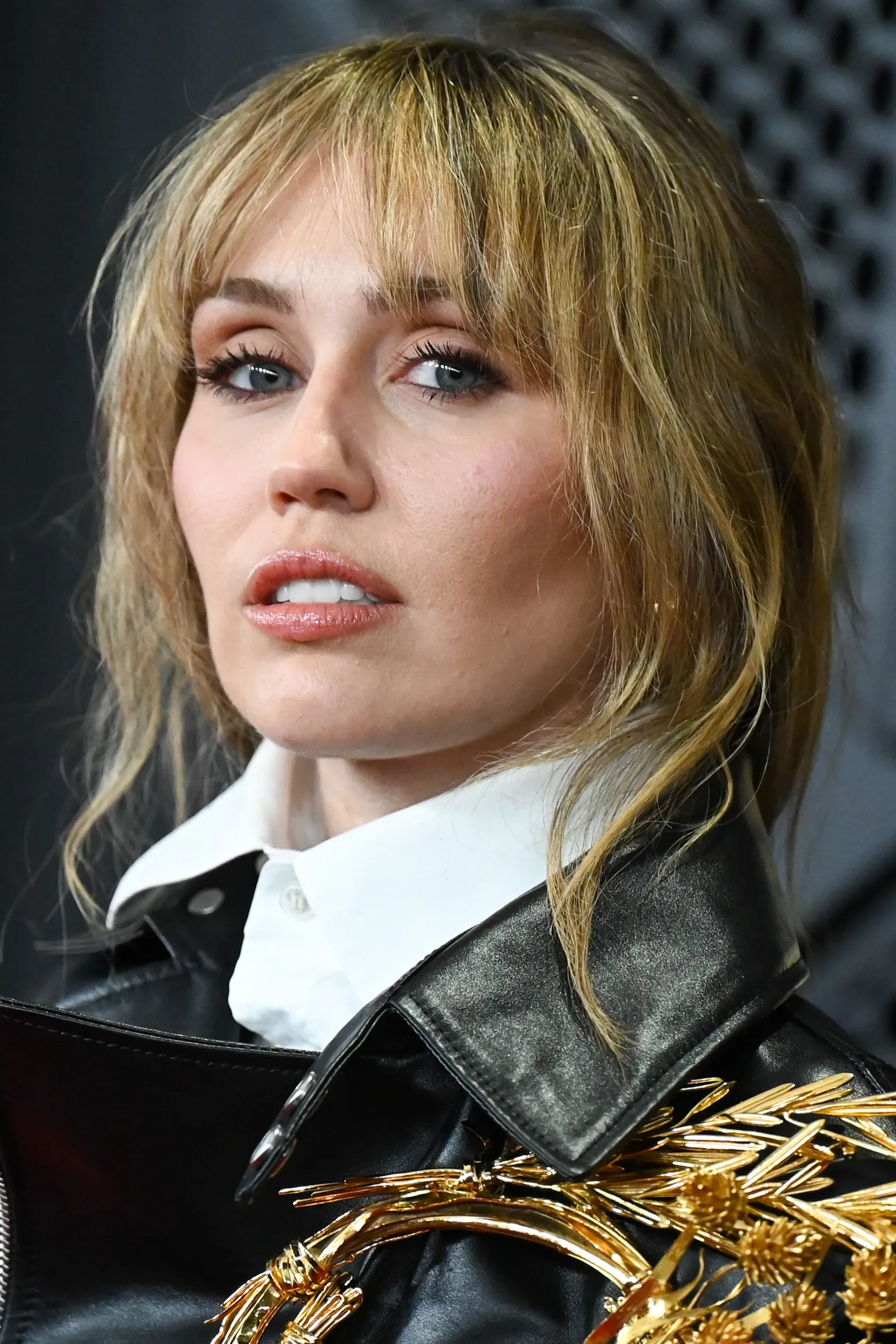
The ‘The Last Song’ actress has frequently been accused of using queer aesthetics to distance herself from her child star image. During her transition to more adult roles she often utilized provocative imagery that hinted at a fluid sexuality to generate press coverage. While she eventually came out as pansexual some critics felt that her early marketing was a strategic use of queer culture to appear more rebellious. This tension between her personal journey and her professional branding has been a constant theme in her career. Her public image remains a complex mix of authentic expression and high-level marketing.
Megan Fox
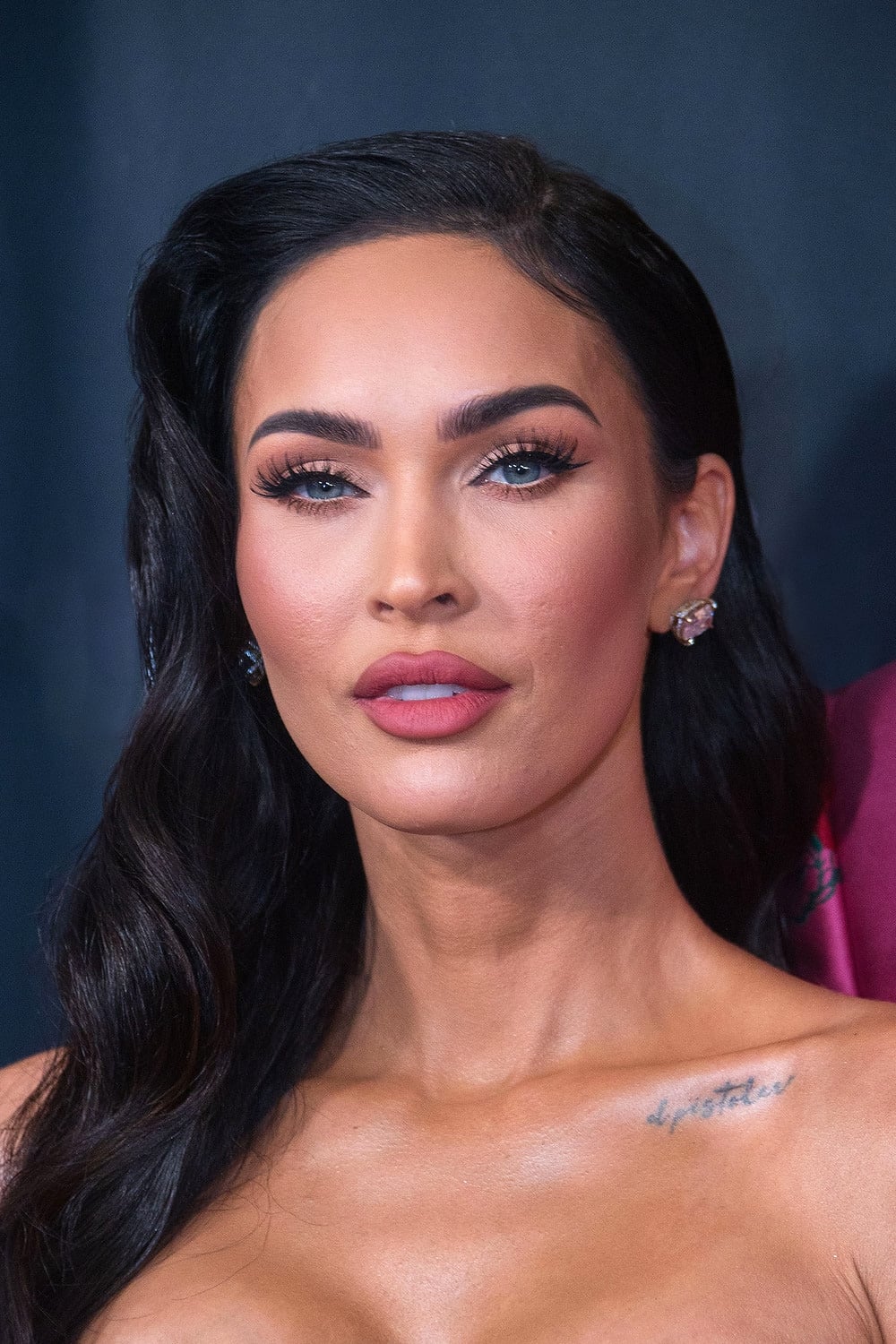
The actress became a focal point of queerbaiting accusations during the promotion of ‘Jennifer’s Body’. The marketing for the film heavily emphasized a same-sex kiss to attract a male audience while ignoring the actual themes of the movie. Fans of the film later argued that the actress and the studio used queer tension as a bait-and-switch tactic to sell tickets. While she has spoken about her own bisexuality the way her roles were marketed often focused on the spectacle rather than the identity. This has led to a long-running discussion about how she was commodified by the industry during the height of her fame.
Amber Heard
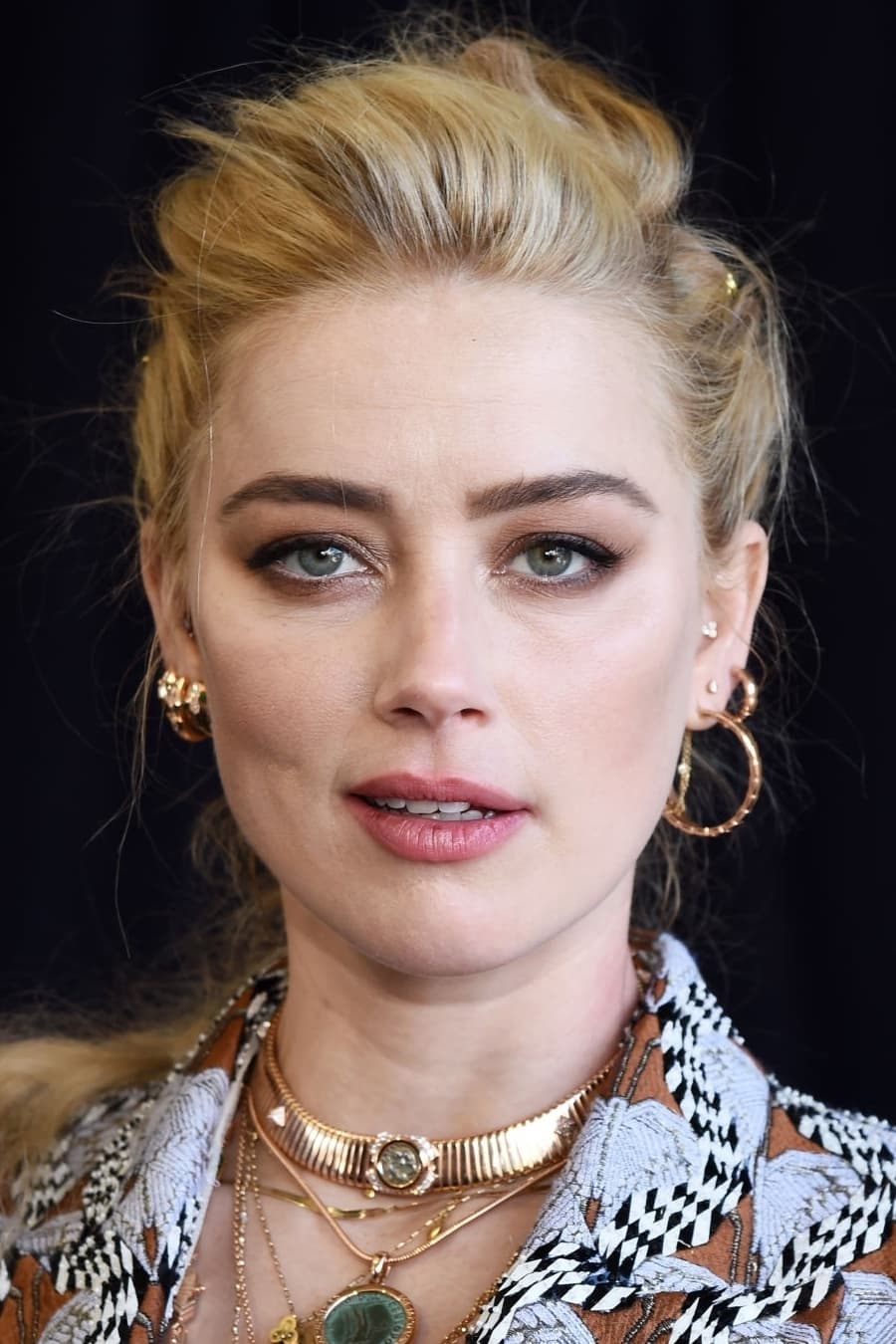
The ‘Aquaman’ actress has faced scrutiny for how her public identity and relationships were managed during the height of her movie career. Some critics argued that her queer identity was occasionally highlighted in press cycles to give her a more modern and edgy appeal. This led to accusations that the timing of certain public appearances was tied to the release of her major studio projects. While she was one of the few out actresses in big-budget films the cynical view of her marketing strategies persisted in some circles. Her legal battles later brought even more focus to how her public image was constructed for the media.
Shay Mitchell

The ‘Pretty Little Liars’ star was often accused of queerbaiting due to her ambiguous comments about her sexuality during the peak of the show’s popularity. Her character on the series was a prominent lesbian figure but the actress frequently teased fans with hints about her own life that never led to a definitive statement. Some viewers felt that she was keeping the queer community engaged with her personal brand for the sake of social media growth. These accusations intensified as she launched various lifestyle and travel projects that utilized a specific aesthetic. She has consistently maintained that she prefers not to use labels which has fueled the ongoing debate among her fans.
Vanessa Hudgens

The ‘Spring Breakers’ actress faced criticism for how the film was marketed to audiences using queer-coded imagery. The promotional materials focused heavily on the physical closeness of the female leads to create a sense of controversy and intrigue. Critics argued that this was a strategic move to reposition the former Disney stars as mature actresses by using queer tension. The actual film did not explore these themes in a substantial way which led to feelings of disappointment from the community. This instance is often cited as a clear example of using queerness as a tool for rebranding.
Selena Gomez
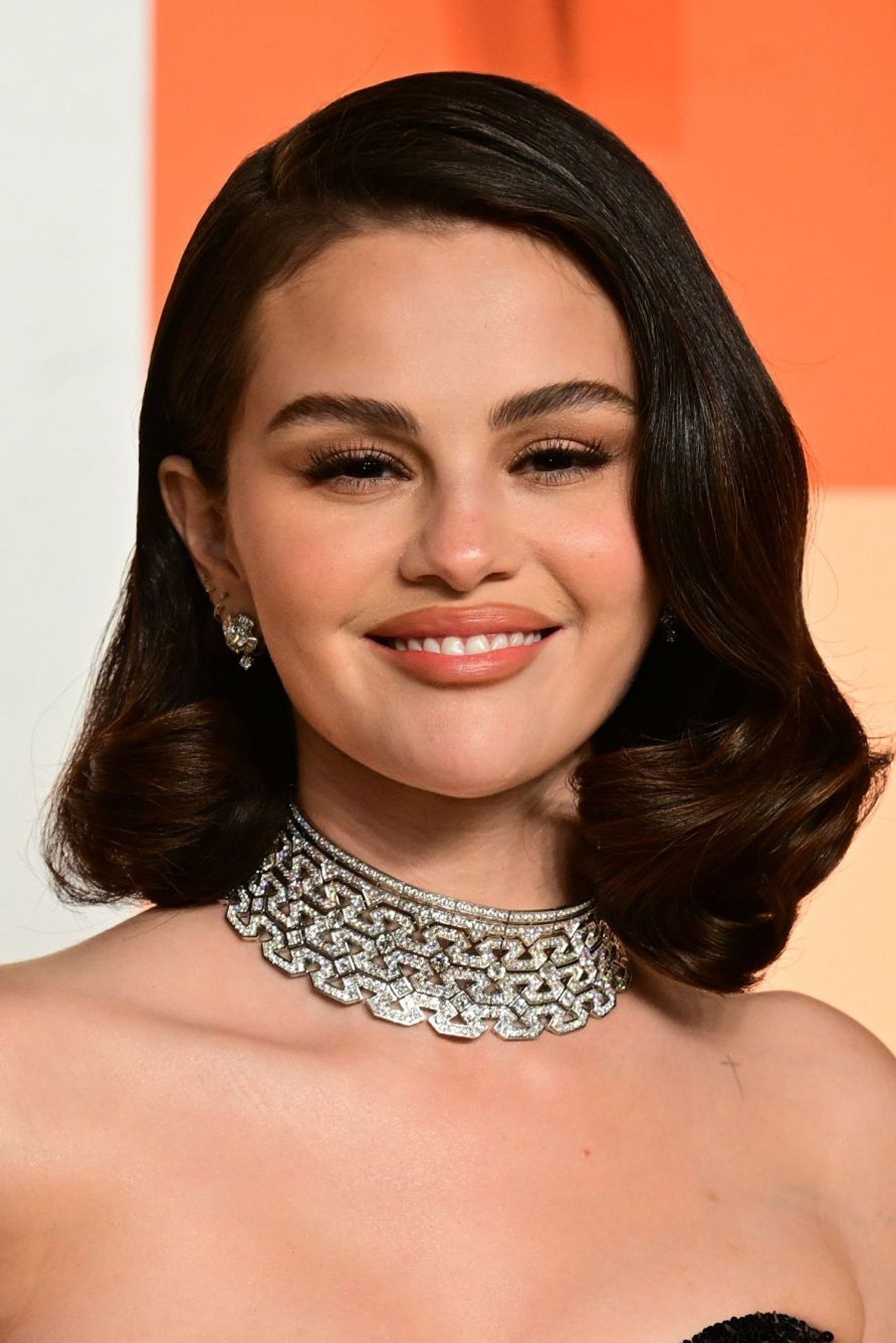
Similar to her costars the actress and singer faced accusations of using queer tension to promote her music and film work. Her music video for ‘Hands to Myself’ and various social media posts were analyzed by fans for hints of same-sex attraction that appeared to be marketing maneuvers. Critics noted that the ambiguity seemed to coincide with periods when she was moving away from her younger image. While she has been a supporter of the community some felt that the aesthetic choices were made to boost engagement numbers. Her long career in the public eye has made her a frequent subject of these types of critiques.
Cate Blanchett

The acclaimed actress faced queerbaiting accusations during the awards season for the film ‘Carol’. During interviews she made ambiguous comments about her own past relationships with women which generated massive headlines and increased interest in the movie. Some critics argued that these statements were timed to build momentum for her Oscar campaign by appealing to the queer community. When the press cycle ended the focus on her personal life shifted back to a more traditional narrative. This led to a discussion about how even high-level dramatic actresses might use identity for professional gain.
Rooney Mara

Alongside her costar the actress was also part of the conversation regarding the marketing of ‘Carol’. The intense focus on the chemistry between the two leads was used to drive the prestige narrative of the film during its release. Some fans felt that the actresses leaned into the shipping culture of the internet to ensure the film remained a topic of conversation. While the movie is considered a masterpiece of queer cinema the way the stars engaged with the audience was seen by some as a calculated move. This illustrates how even authentic stories can be marketed in ways that feel performative to some viewers.
Sandra Oh
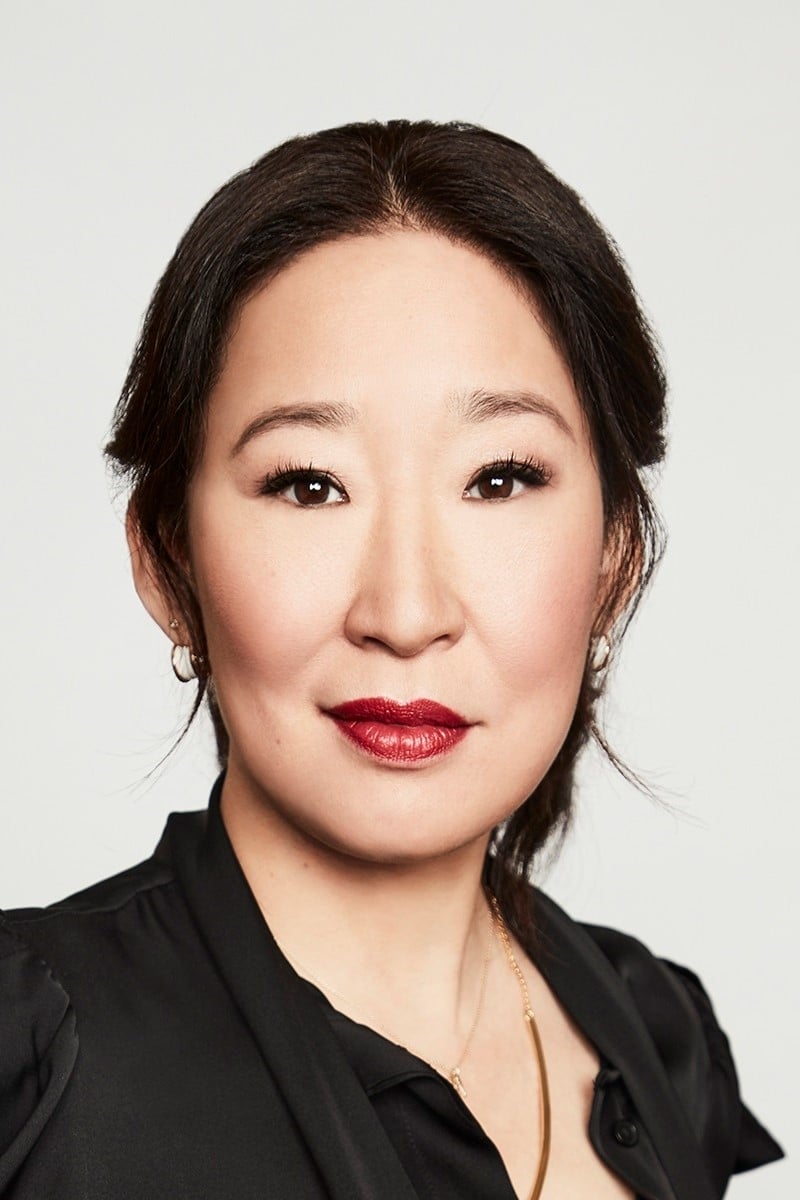
The ‘Killing Eve’ star was frequently accused of queerbaiting alongside the show’s creators due to the way the series was promoted. The marketing heavily focused on the romantic tension between the two female leads but the actual narrative often hesitated to commit to a relationship. Fans felt that the actress participated in press tours that teased a payoff that the writers were not prepared to deliver. This led to a significant amount of frustration within the fan base who felt their support was being exploited for ratings. The show’s conclusion intensified these feelings and sparked a wider debate about representation in television.
Jodie Comer

As the other lead in ‘Killing Eve’ the actress faced similar criticisms for her role in the show’s promotional strategy. Her portrayal of a queer character was highly praised but the way she discussed the character’s motivations in interviews was sometimes seen as evasive. Critics argued that the show used the obsession of the queer community to maintain its cultural relevance while avoiding a definitive romantic arc. The actress was caught in the middle of a divide between fans who wanted more and a production that leaned into ambiguity. This remains a significant case study in how long-running series manage queer expectations.
Jennifer Lawrence

The ‘Hunger Games’ star has been accused of using queer-coded humor and interactions with female costars to appear more relatable and edgy. During various press tours for her films she often made jokes about her relationships with women that some felt were insensitive or performative. Critics argued that this was a way to maintain her “cool girl” persona and generate viral content for the internet. Some members of the community felt that these comments trivialized queer identities for the sake of a laugh during a movie promotion. Her public image has often been a topic of debate regarding its authenticity.
Rihanna
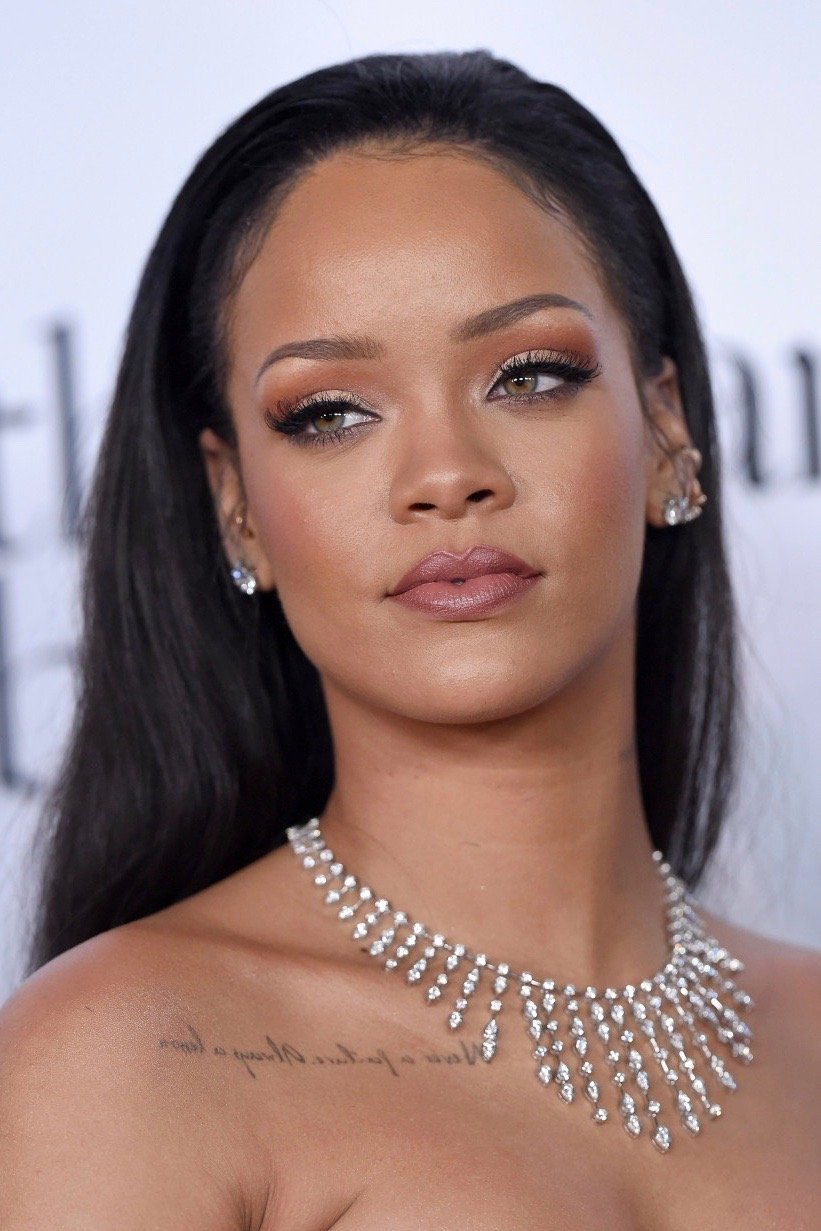
The actress and global icon faced accusations of queerbaiting after the release of her music video for ‘Te Amo’. The video featured a romantic storyline with another woman that many felt was designed to generate controversy and views. Critics pointed out that the themes were not reflected in her public life or other works suggesting it was a one-time marketing tactic. Her role in ‘Ocean’s 8’ also saw some fans hoping for queer representation that was hinted at in the marketing but not fully explored. She remains a figure whose every move is analyzed for its cultural and commercial impact.
Nicki Minaj

The rapper and actress has been accused of using queer aesthetics and lyrics to maintain her dominance in the music and film industries. In several songs and music videos she has referenced same-sex attraction in a way that critics described as performative and designed for shock value. Some fans felt that she was utilizing the language of the queer community without providing genuine support or visibility. This discourse often surfaces when she is promoting a new project or collaboration with other female stars. Her influence on pop culture ensures that these accusations are widely discussed across social media platforms.
Doja Cat
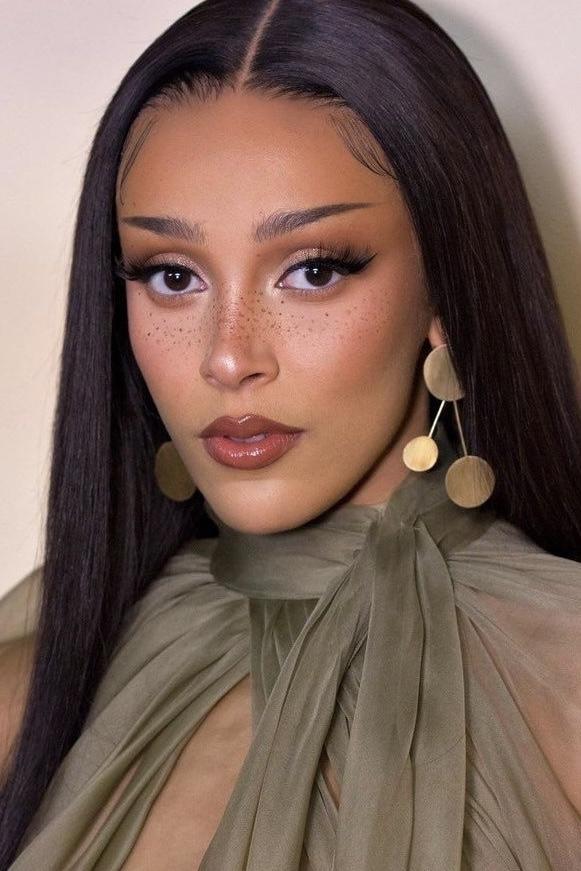
The star has faced significant criticism for her use of queer aesthetics and social media presence to build her brand. Critics have argued that she often utilizes queer-coded language and imagery to appeal to a Gen Z audience while avoiding a clear identity. This has led to accusations that her persona is a strategic construction designed to maximize her appeal in digital spaces. During several movie soundtrack releases and promotional cycles her behavior was scrutinized for being performatively queer. The debate around her authenticity continues to be a major part of her online reputation.
Dua Lipa
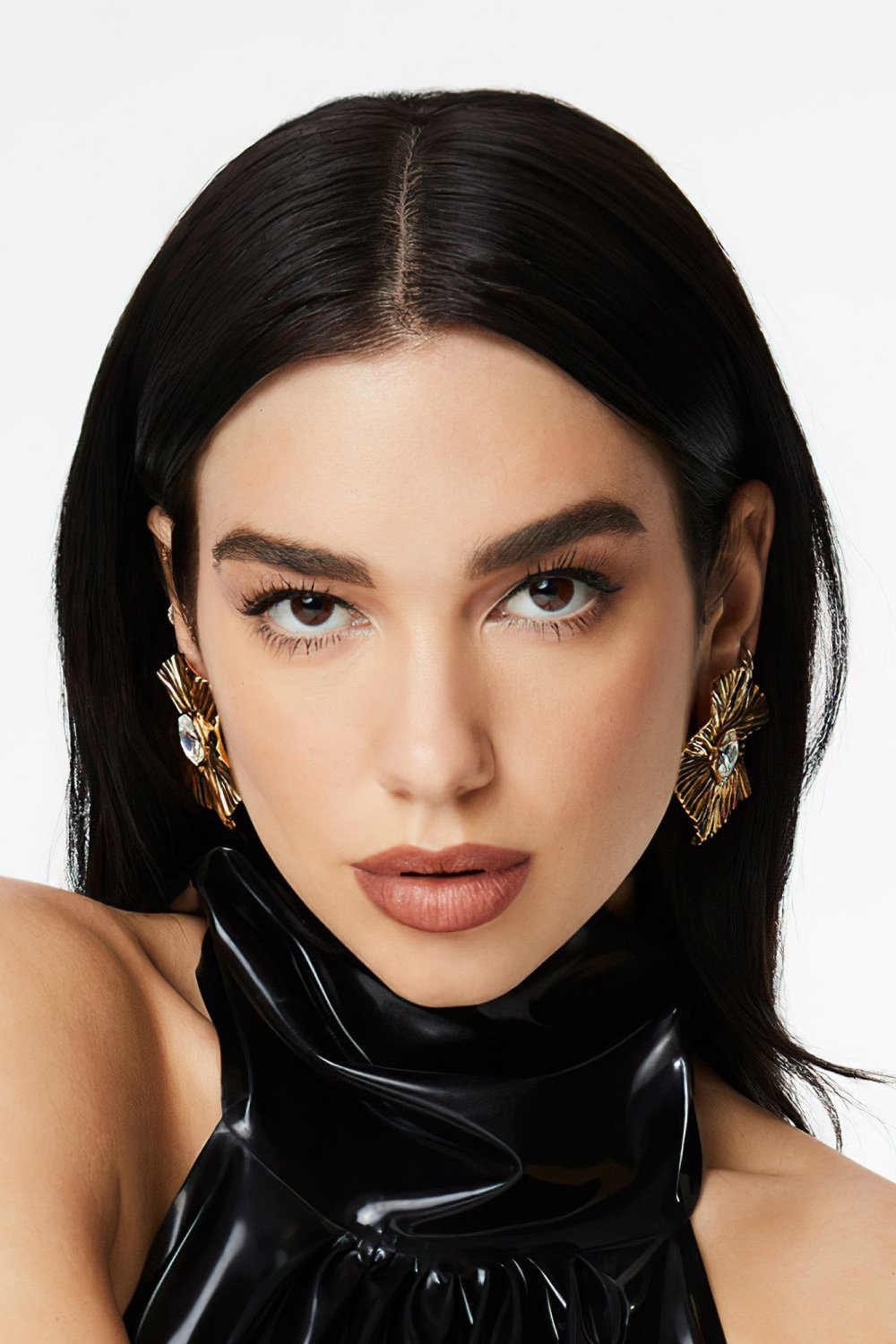
The ‘Argylle’ actress and singer has been accused of queerbaiting due to her frequent use of queer-coded imagery in her music videos and promotional materials. Some fans felt that her proximity to queer culture was a calculated move to secure a loyal following within the community. During her various film and music launches critics pointed out that the visual language she used often suggested a fluid identity that was never explicitly confirmed. While she has been a vocal supporter of LGBTQ plus rights the conversation regarding her marketing strategies persists. She is often cited as an example of the modern pop star navigating queer aesthetics.
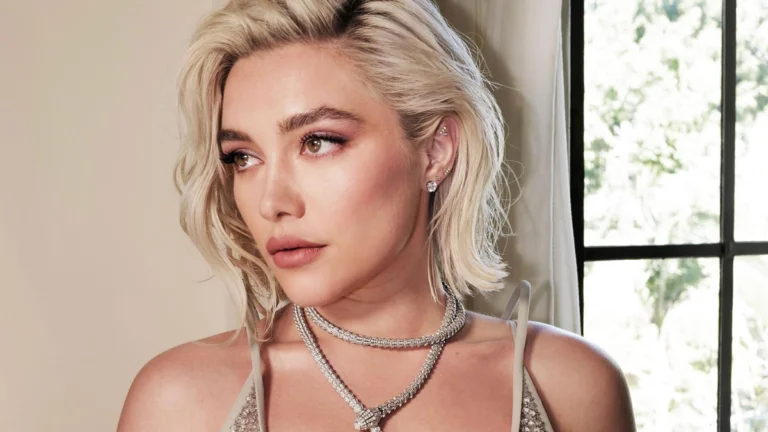
Florence Pugh

The actress was accused of queerbaiting during the promotion of ‘Don’t Worry Darling’ due to her social media interactions and the way the film was teased. Some fans felt that the marketing leaned into the tension between the female characters to distract from behind-the-scenes drama. Critics argued that the actress used the support of the queer community to build hype for a film that did not deliver on those themes. Her public persona which often challenges traditional norms has led some to question if the ambiguity is a deliberate professional choice. She remains one of the most talked-about actresses of her generation regarding these topics.
Olivia Wilde

As the director and costar of ‘Don’t Worry Darling’ she faced intense scrutiny for how the film was marketed to the public. Many critics felt that the promotional campaign utilized queer tension and provocative imagery to sell tickets during a period of high controversy. This led to accusations that she was using the aesthetic of queerness as a shield or a distraction from other issues surrounding the production. The lack of actual queer themes in the movie resulted in a backlash from fans who felt misled by the trailers. This situation highlighted the ethics of film marketing in the modern era.
Eiza González

The actress has been accused of utilizing queer-coded relationships in her film roles and social media posts to maintain public interest. During the promotion of ‘I Care a Lot’ the chemistry between her character and her costar was a major selling point for certain audiences. Some critics felt that the actress leaned into this tension during press tours to appeal to a broader demographic. This pattern of behavior has led to ongoing discussions about how international actresses are marketed when they enter the Hollywood system. Her public image continues to be a subject of analysis for its strategic elements.
Ana de Armas

The star of ‘Blonde’ faced accusations of queerbaiting after several promotional photos and interviews hinted at same-sex attraction in her work. Critics argued that these elements were used to give the film a more provocative and artistic edge during its awards campaign. Some fans felt that the focus on these themes was a way to generate headlines for a movie that was already facing significant criticism. The discrepancy between the marketing and the actual content of the film led to feelings of frustration among some viewers. This remains a notable example of how prestige films are sold to the public.
Sydney Sweeney

The ‘Euphoria’ actress has been accused of using queer tension to boost her profile during the promotion of her various projects. Some fans pointed out that her social media presence and certain roles seem to cater to a specific gaze that utilizes queer aesthetics for engagement. Critics argued that this was a way to maintain her status as a trending topic while avoiding any real commitment to the community. Her work in ‘Anyone But You’ and other films has been analyzed for how the marketing uses her image to appeal to multiple demographics. She is a central figure in the conversation about how young stars manage their public personas.
Hailee Steinfeld

The actress faced queerbaiting allegations during the promotion of the series ‘Dickinson’ and her music releases. Fans were drawn to the queer themes of the show but some felt that the actress was overly ambiguous about her own identity to keep everyone guessing. Critics argued that this was a strategic move to maintain a broad appeal while benefiting from the loyalty of the queer fan base. The tension between her role as a queer icon on screen and her private life became a point of contention for some viewers. This discussion illustrates the complex expectations placed on actors who play iconic queer roles.
Elizabeth Olsen

The ‘Marvel’ star was accused of queerbaiting due to the way her character’s relationships were teased in promotional materials and fan interactions. Many fans felt that she leaned into the shipping culture surrounding her character to keep the audience invested in the franchise. Critics argued that the actress and the studio used this engagement to sell tickets and merchandise without intending to provide representation. This led to a significant divide in the fan base between those who enjoyed the interaction and those who felt it was manipulative. The situation highlighted the power of fan service in modern blockbuster marketing.
Anya Taylor-Joy

The actress has faced scrutiny for using queer-coded aesthetics in her fashion and film promotion for projects like ‘The Menu’. Some critics argued that her public persona is carefully crafted to appeal to a modern and inclusive audience without being definitive. This has led to accusations that her marketing team utilizes queer tension to make her appear more unique in a crowded industry. While she is celebrated for her talent the way her image is managed remains a topic of interest for those studying celebrity branding. Her career continues to grow with a high level of focus on her strategic public appearances.
Share your thoughts in the comments.