Movies That Purposefully Tricked Audiences With Highly Deceptive and Manipulative Trailers

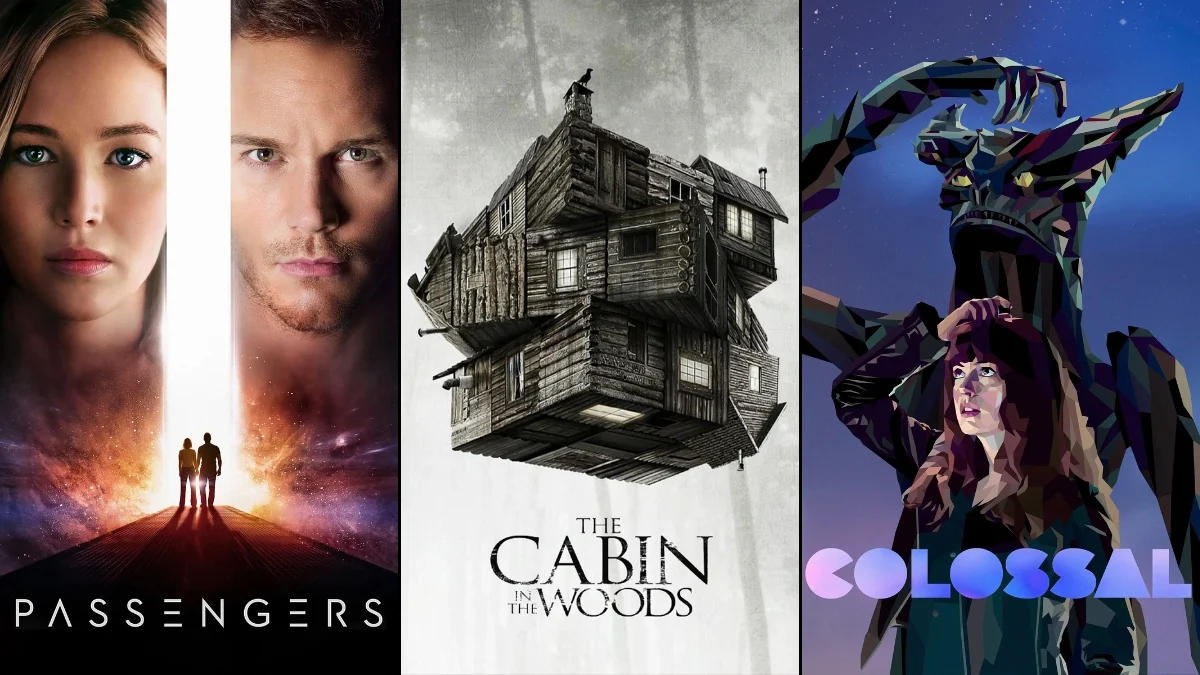

Movie trailers serve as the primary marketing tool for Hollywood studios, but they occasionally function as elaborate bait-and-switch operations. Whether to hide a significant plot twist, mask a genre shift, or capitalize on a popular actor who barely appears in the final cut, these trailers intentionally misdirect the audience. Studios often employ these tactics to ensure a wider box office appeal, even if it leads to polarized reactions from viewers upon the film’s release. Understanding how these marketing campaigns are constructed reveals the calculated strategies used to influence audience expectations through creative editing and selective footage.
‘Hereditary’ (2018)

The promotional campaign for ‘Hereditary’ focused heavily on the character of Charlie, positioning her as the primary source of the film’s supernatural horror. Trailers featured unsettling imagery of the young girl, suggesting a traditional “creepy child” narrative that would span the entire duration of the story. In reality, Charlie is killed off early in the first act, shifting the focus to a much larger and more complex occult conspiracy involving the rest of the family. This redirection was a deliberate attempt by A24 to preserve the shocking impact of the film’s midpoint transition.
‘Drive’ (2011)
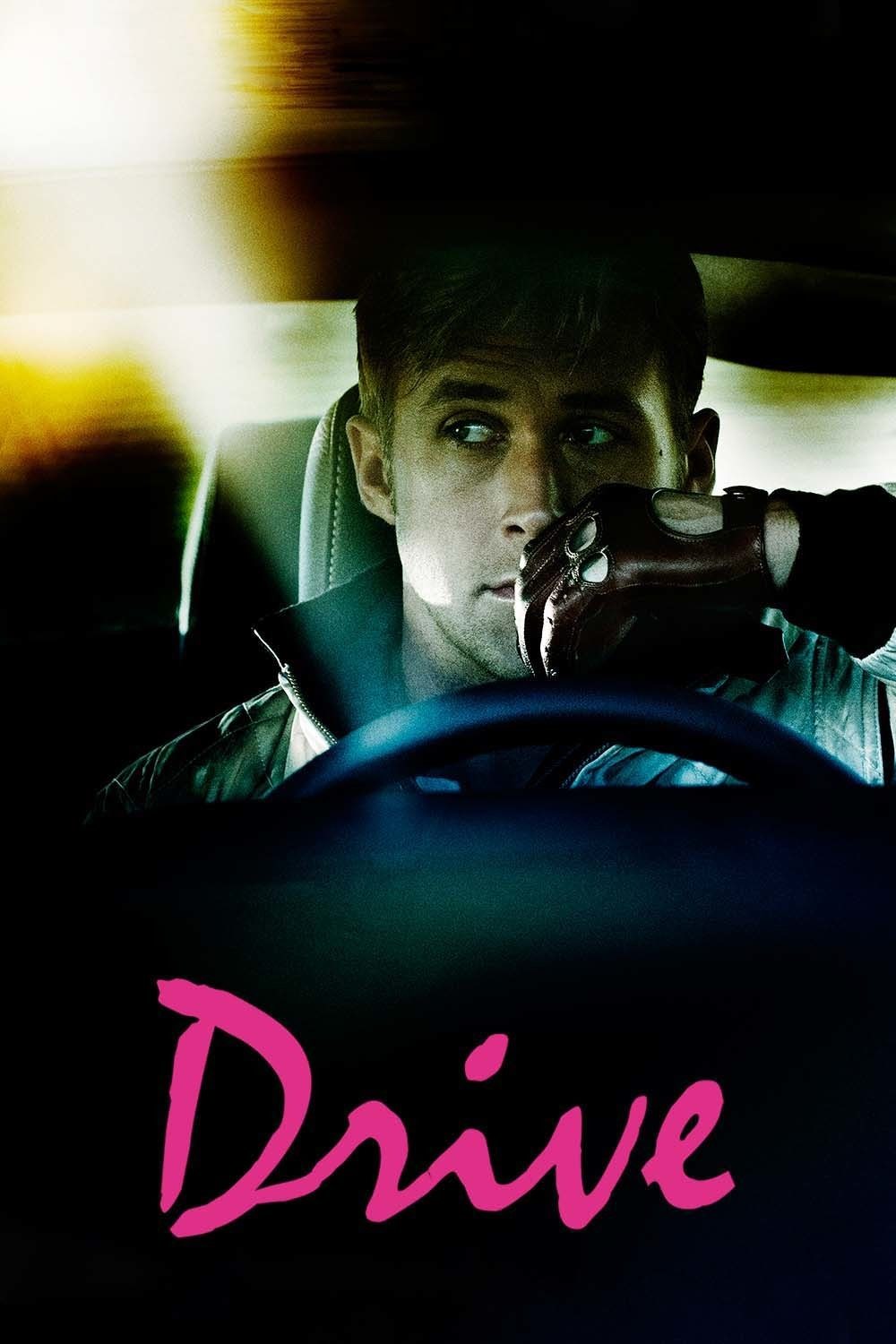
Marketed as a high-octane action film similar to the ‘Fast & Furious’ franchise, ‘Drive’ surprised viewers with its slow-paced, atmospheric, and ultra-violent neo-noir style. The trailers highlighted every car chase and action sequence available in the film to create the illusion of a commercial blockbuster. Consequently, many moviegoers were unprepared for the minimalist dialogue and long, contemplative shots directed by Nicolas Winding Refn. This discrepancy even led to a lawsuit from a Michigan woman who claimed the trailer was misleading about the film’s actual content.
‘Bridge to Terabithia’ (2007)
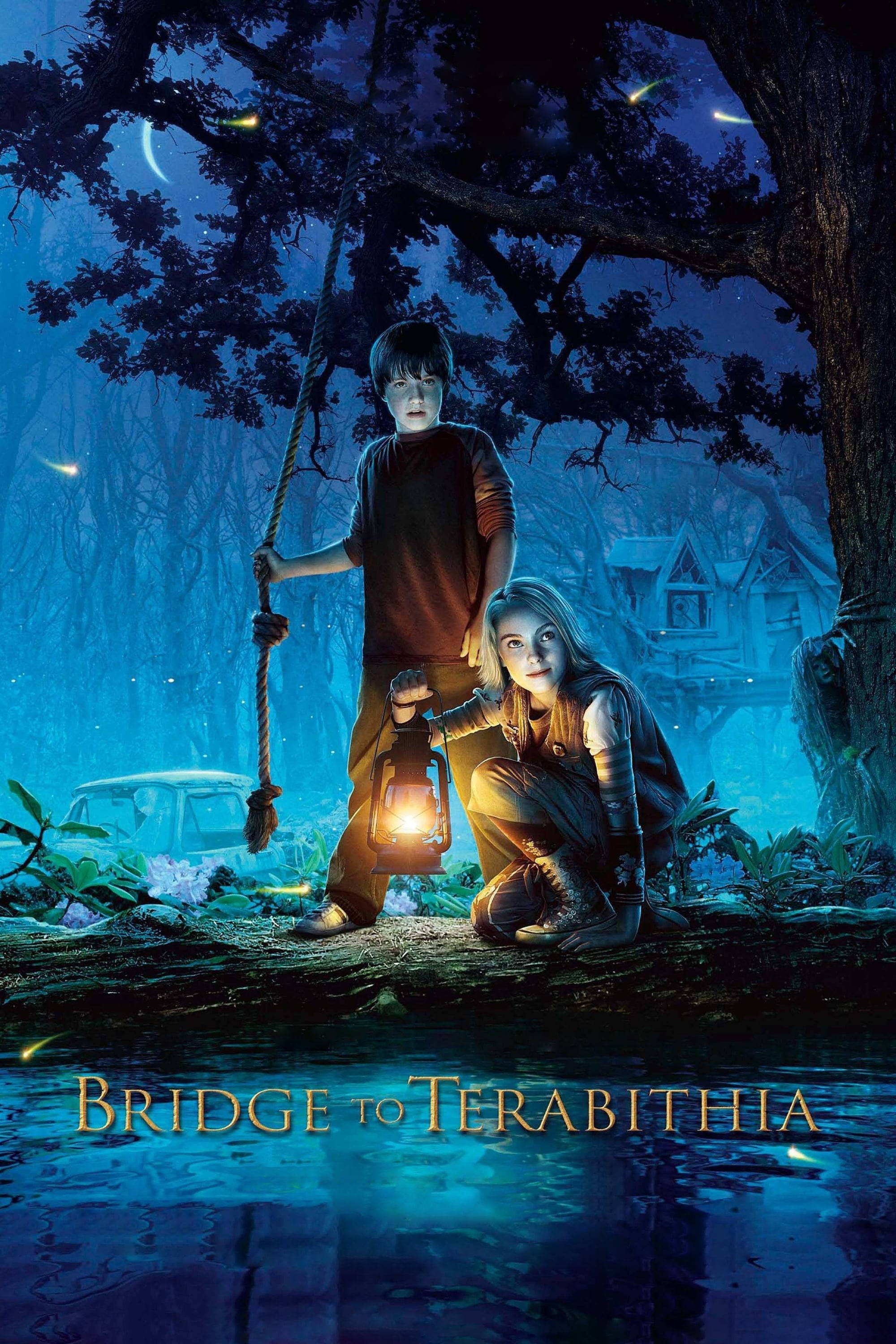
The trailers for ‘Bridge to Terabithia’ utilized heavy CGI and epic music to frame the movie as a high-fantasy adventure in the vein of ‘The Chronicles of Narnia’. It featured the young protagonists battling magical creatures and exploring a mystical kingdom with high-stakes action. However, the film is actually a grounded coming-of-age drama that deals with real-world issues like poverty, social isolation, and the sudden death of a child. The “monsters” and magical elements were revealed to be mere metaphors created by the children’s imaginations to cope with their daily lives.
‘Godzilla’ (2014)
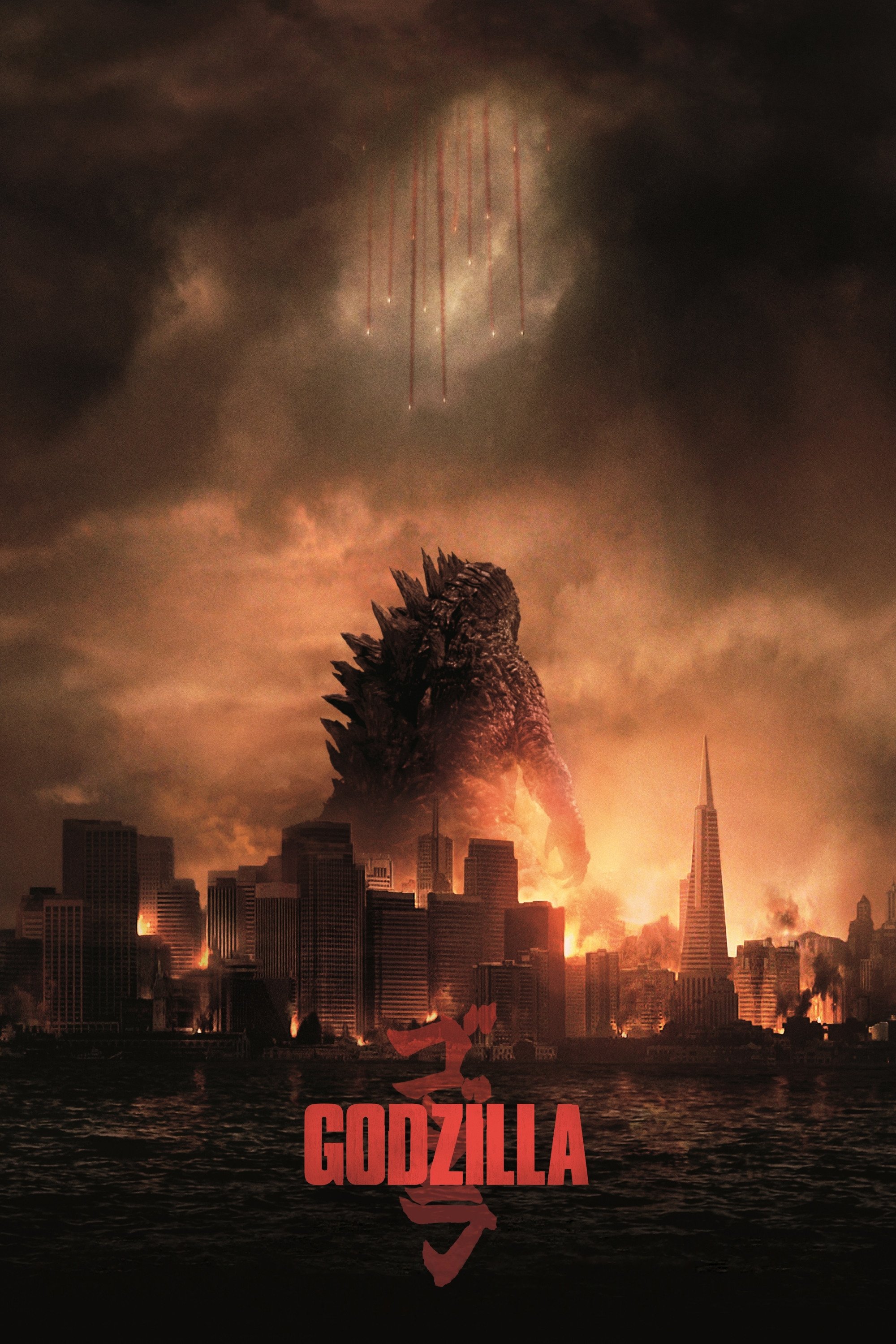
Warner Bros. heavily featured Bryan Cranston in the marketing for ‘Godzilla’, riding the wave of his popularity from the television series ‘Breaking Bad’. The trailers suggested he was the central human protagonist who would lead the investigation into the giant monsters throughout the entire film. Audiences were shocked when his character died during the first thirty minutes of the movie, passing the lead role to Aaron Taylor-Johnson. This marketing strategy successfully built hype by using a bankable star, despite his limited screen time.
‘The Cabin in the Woods’ (2011)
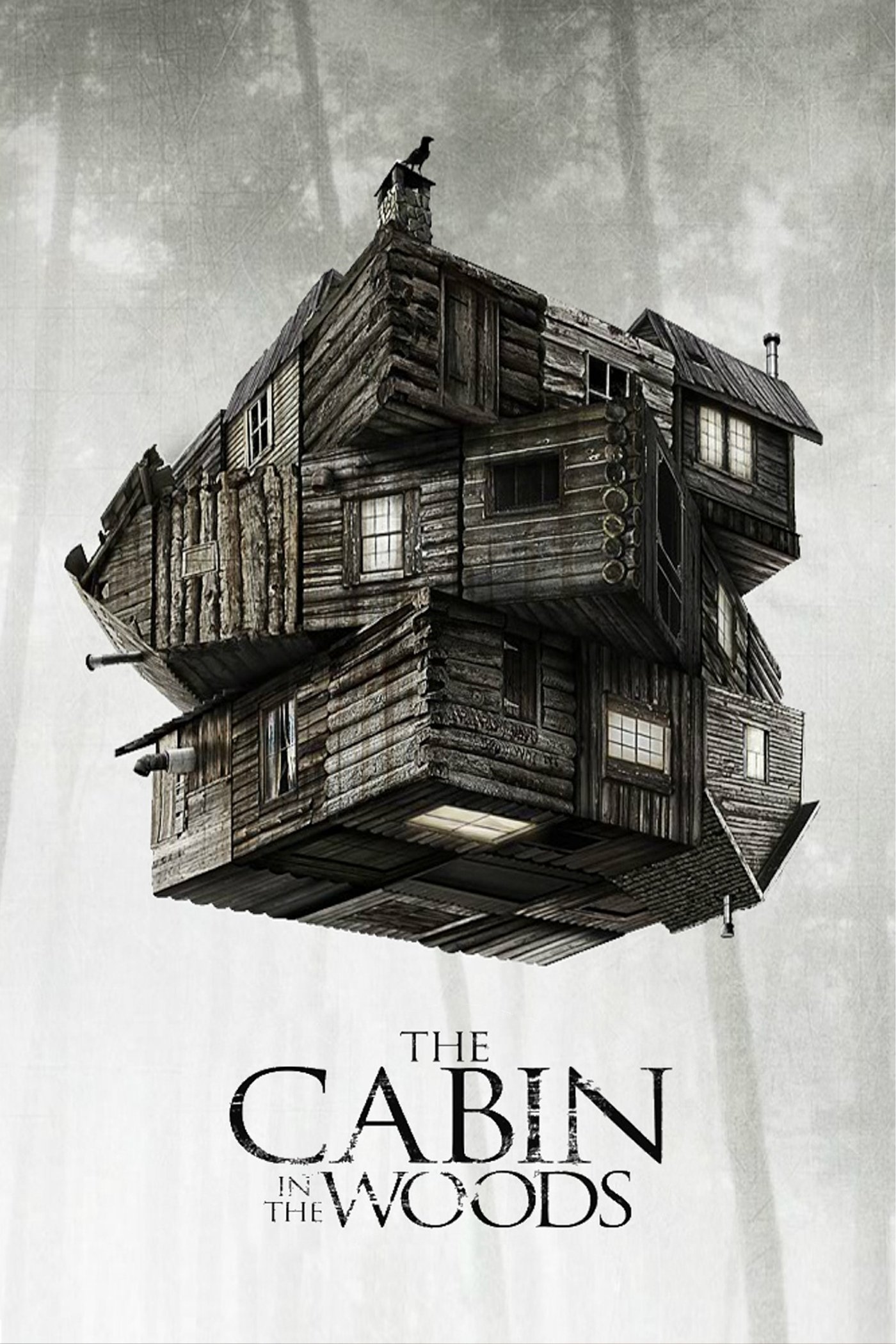
Trailers for ‘The Cabin in the Woods’ presented the film as a formulaic slasher movie about five friends staying at a remote cabin. While it utilized familiar horror tropes, the promotional material carefully edited out any mention of the underground facility monitoring the characters. The marketing team intended to hide the film’s true identity as a meta-commentary on the horror genre and the expectations of the audience. By disguising its subversive nature, the studio ensured the reveals in the second and third acts remained entirely unexpected.
‘It Comes at Night’ (2017)
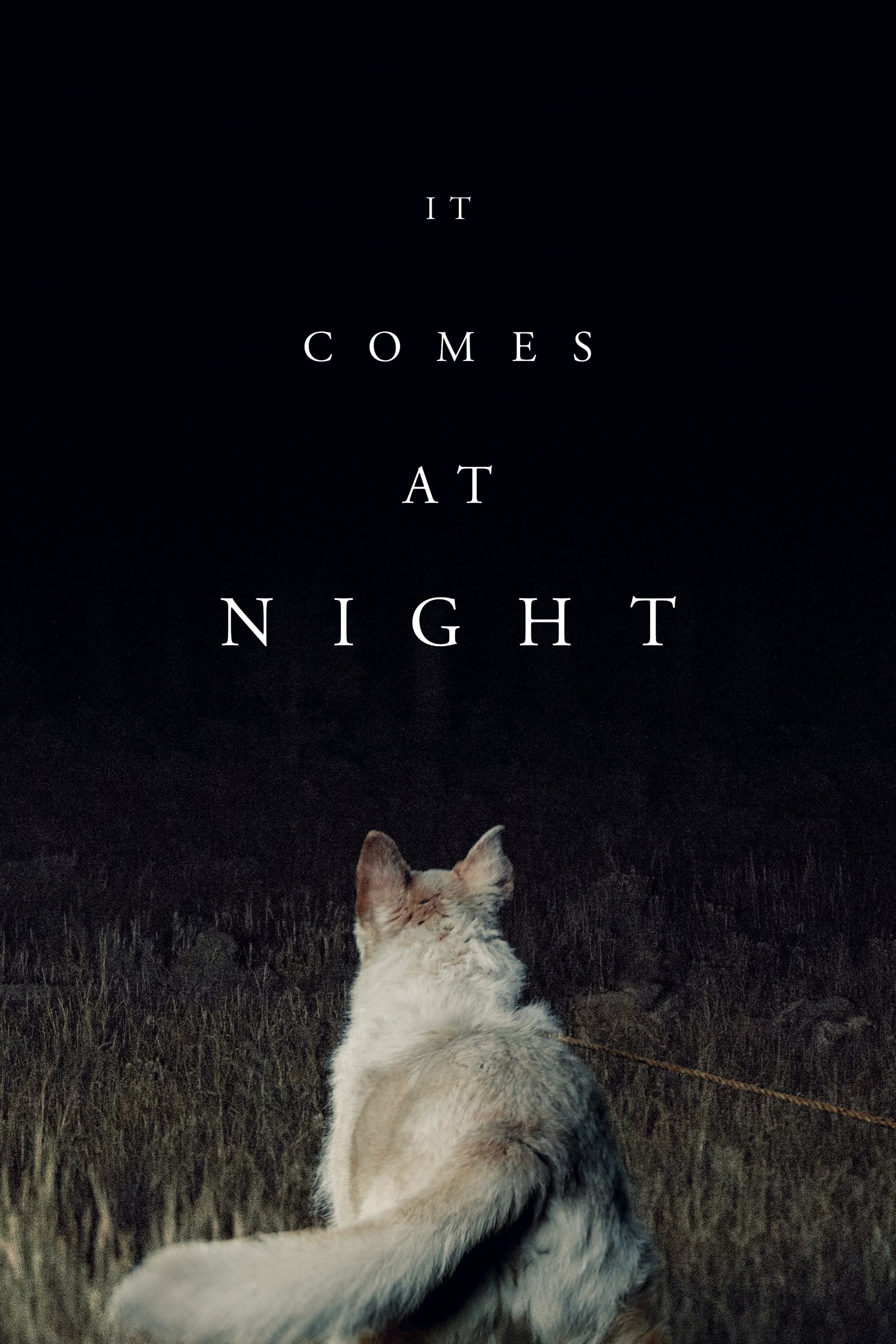
The promotional footage for ‘It Comes at Night’ suggested a creature-feature where a family defends their home against an external, monstrous threat. Dark shots and intense music hinted at a supernatural or physical entity stalking the protagonists through the woods. The actual film focused on the psychological breakdown and paranoia of the characters trapped in a house during a viral pandemic. There were no monsters shown, as the “it” in the title referred to the pervasive sense of fear and distrust among the survivors.
‘Kangaroo Jack’ (2003)
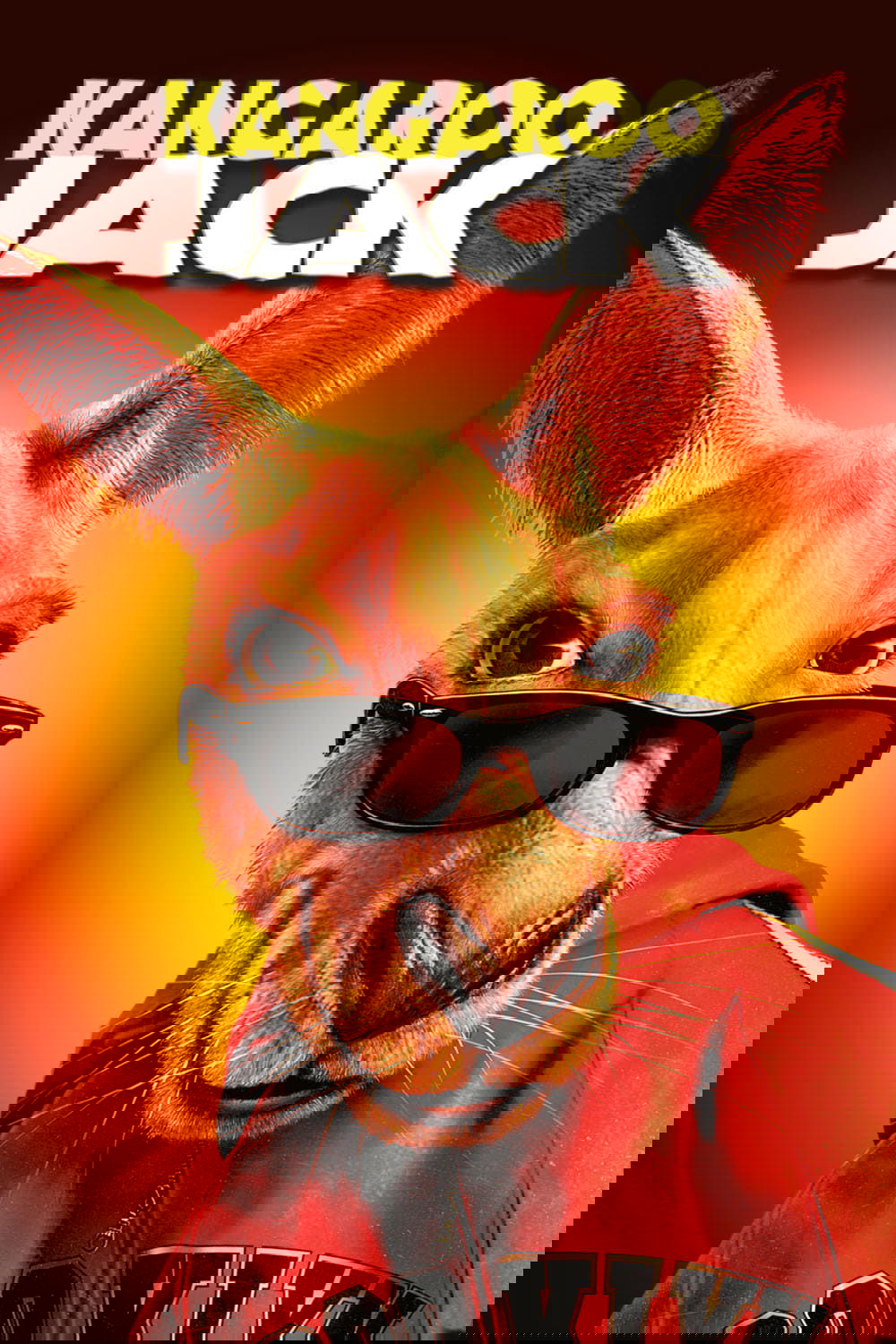
‘Kangaroo Jack’ was marketed primarily to children as a family comedy featuring a wisecracking, CGI-talking kangaroo. The trailers showed the animal wearing a hoodie and rapping, leading parents to believe it was a lighthearted animal adventure. In reality, the film is a PG-13 mob comedy intended for a more mature audience, and the kangaroo only “talks” during a single hallucination sequence. This bait-and-switch left many families frustrated when they realized the titular character was mostly a silent plot device.
‘Suicide Squad’ (2016)
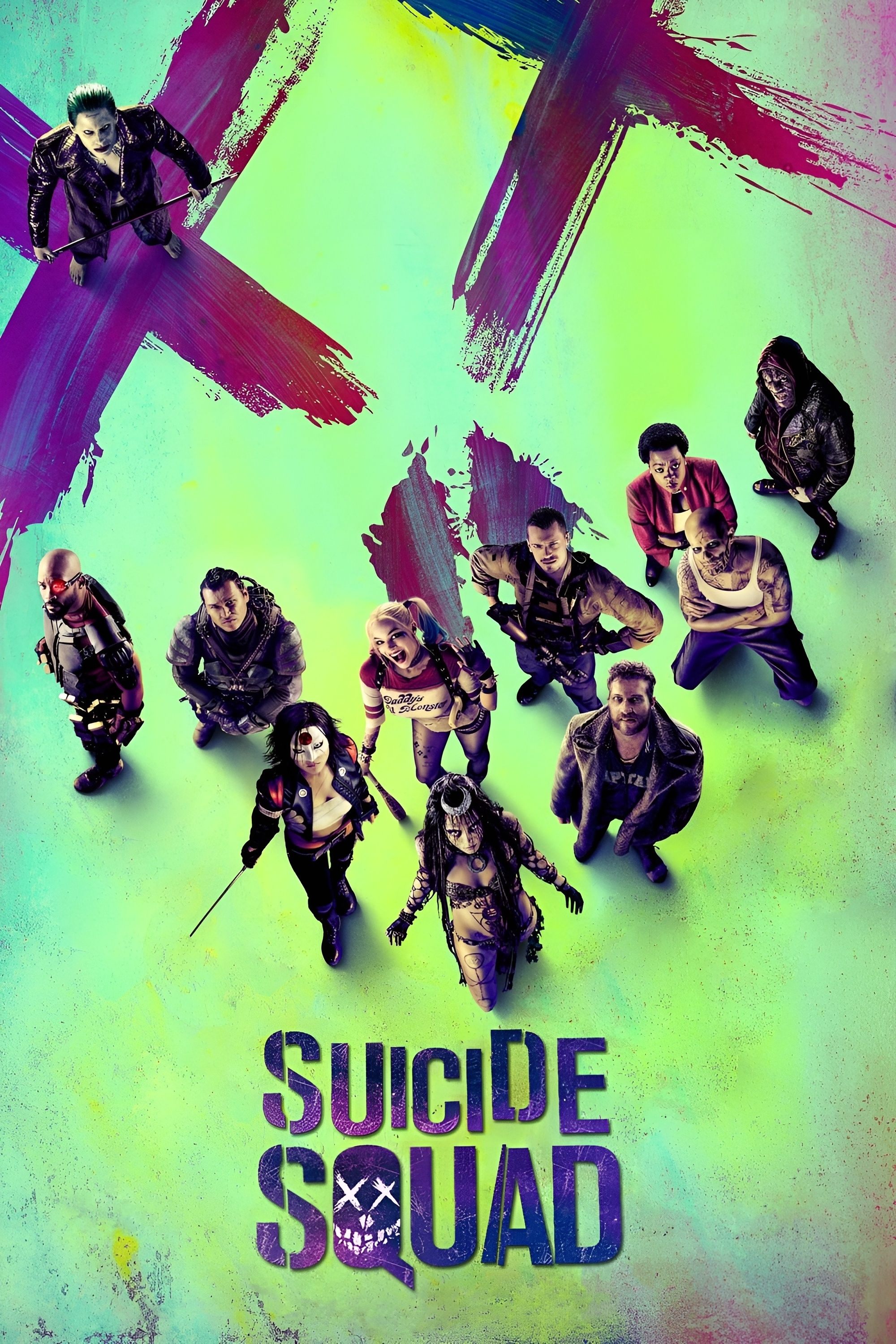
The marketing campaign for ‘Suicide Squad’ prominently featured Jared Leto’s Joker, suggesting he was the primary antagonist or a central member of the cast. He was a focal point of almost every trailer, poster, and promotional interview conducted by the studio during the press circuit. Upon release, viewers discovered that the character had less than ten minutes of total screen time and served only as a secondary figure in Harley Quinn’s backstory. This disconnect between the trailers and the final cut became a major point of contention for fans and critics alike.
‘Pan’s Labyrinth’ (2006)
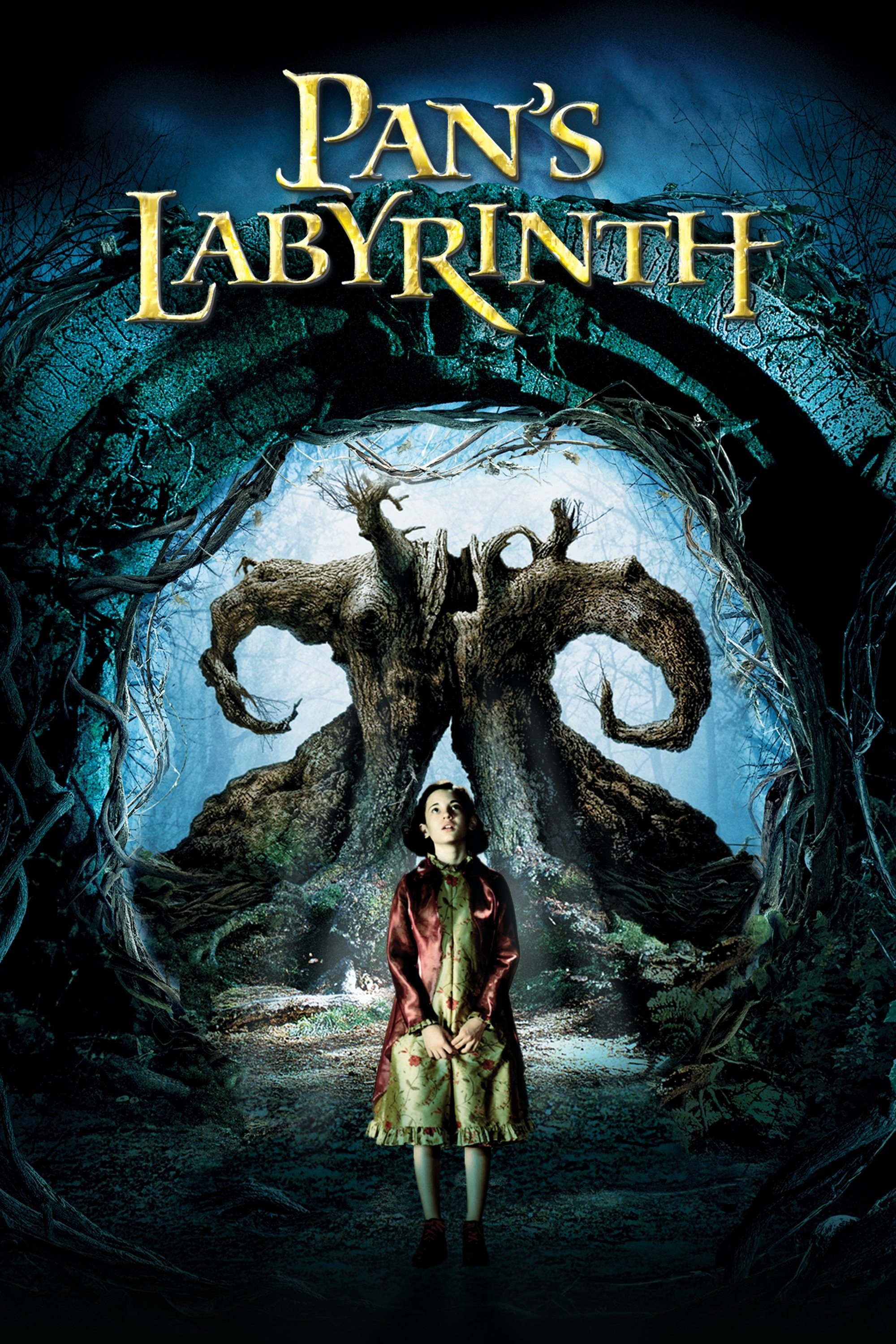
International trailers for ‘Pan’s Labyrinth’ marketed the film as a dark but whimsical fantasy adventure similar to ‘Alice in Wonderland’. The focus was placed on the magical creatures and the young girl’s quest within an enchanted realm to appeal to a broader family audience. However, the film is a brutal and violent historical drama set against the backdrop of post-Civil War Spain. The fantasy elements are used sparingly to contrast with the gruesome reality of fascist oppression and military torture.
‘Spring Breakers’ (2012)
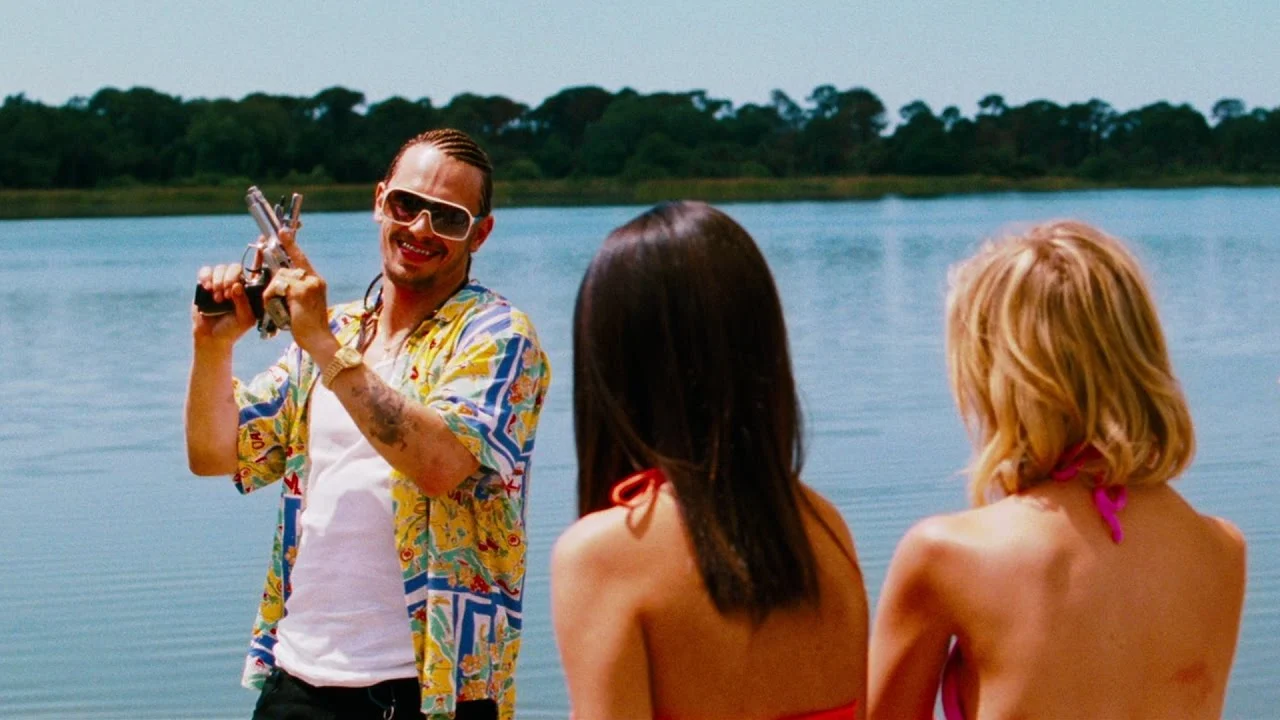
‘Spring Breakers’ utilized a marketing strategy that targeted fans of Disney Channel stars Selena Gomez and Vanessa Hudgens. The trailers featured neon colors, party music, and beach scenes, making it look like a typical teen party movie about vacation high jinks. Audiences were instead met with a dark, experimental, and hyper-stylized crime film directed by Harmony Korine. The narrative explored themes of exploitation and moral decay rather than the lighthearted vacation vibes suggested by the promotional clips.
‘Crimson Peak’ (2015)
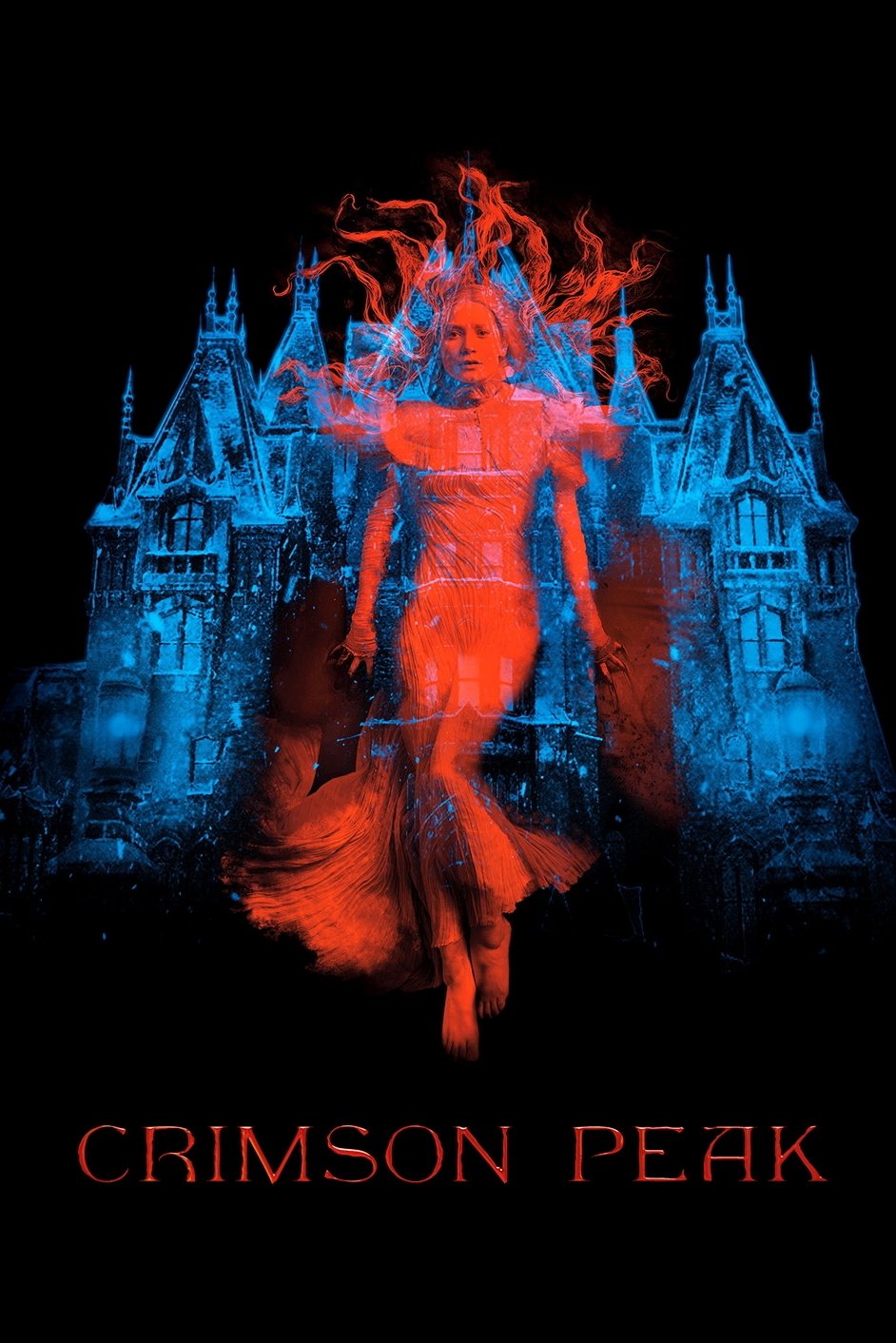
Universal Pictures marketed ‘Crimson Peak’ as a traditional supernatural horror movie filled with jump scares and malevolent spirits. The trailers highlighted the haunting of the mansion to appeal to fans of ‘The Conjuring’ or ‘Insidious’ franchises. Director Guillermo del Toro later clarified that the film was intended to be a gothic romance, where ghosts are metaphors for the past rather than the main source of conflict. Many horror fans felt misled by the trailers when the film turned out to be a slow-burn period drama.
‘Passengers’ (2016)
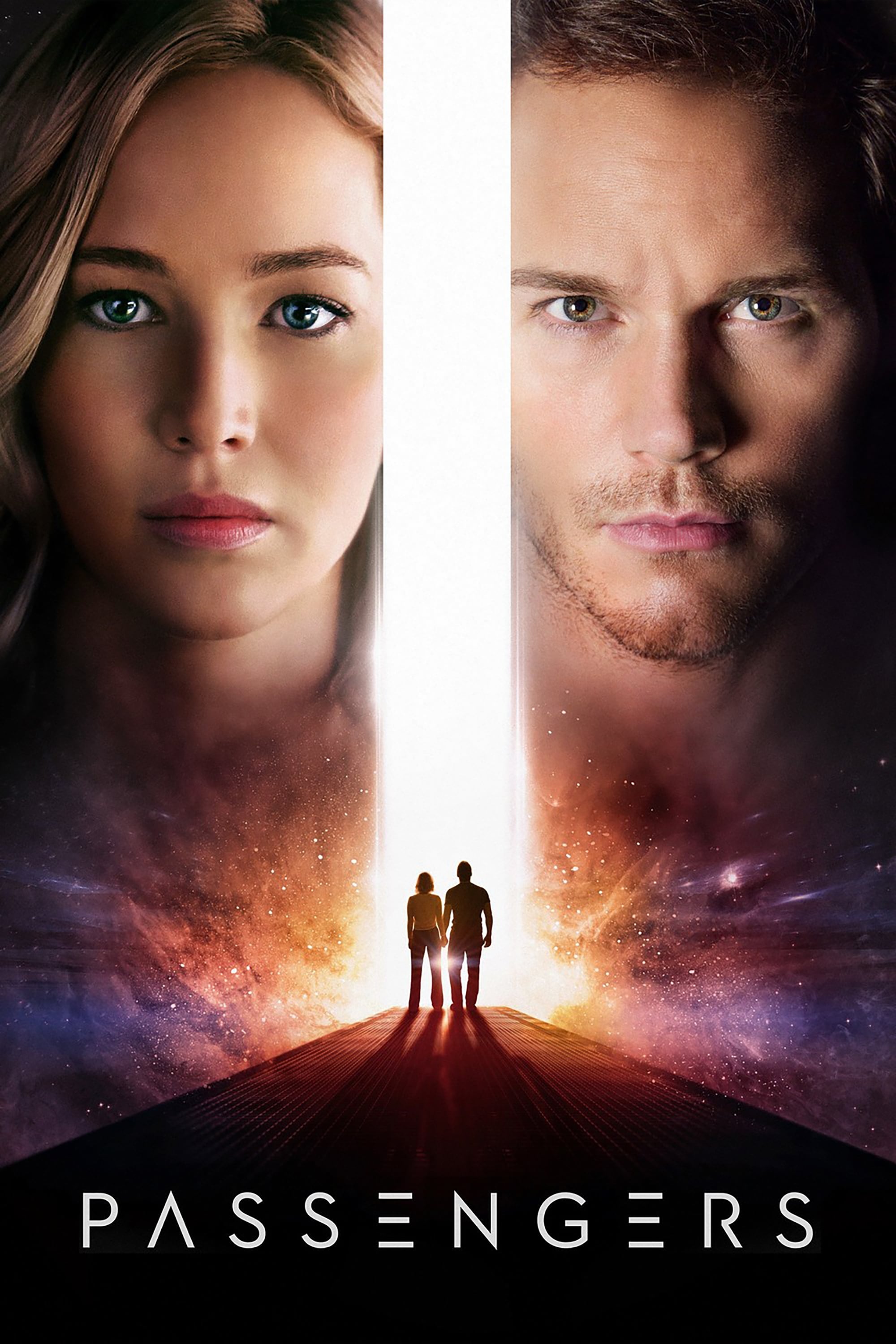
The trailers for ‘Passengers’ depicted a grand, star-crossed romance between Jennifer Lawrence and Chris Pratt on a malfunctioning spaceship. It appeared that both characters woke up simultaneously due to a technical glitch and worked together to save the crew. The actual plot reveals that Chris Pratt’s character intentionally wakes up Lawrence’s character because he is lonely, effectively committing an act of kidnapping. The marketing completely omitted this ethically controversial plot point to present the film as a more traditional love story.
‘Adventureland’ (2009)
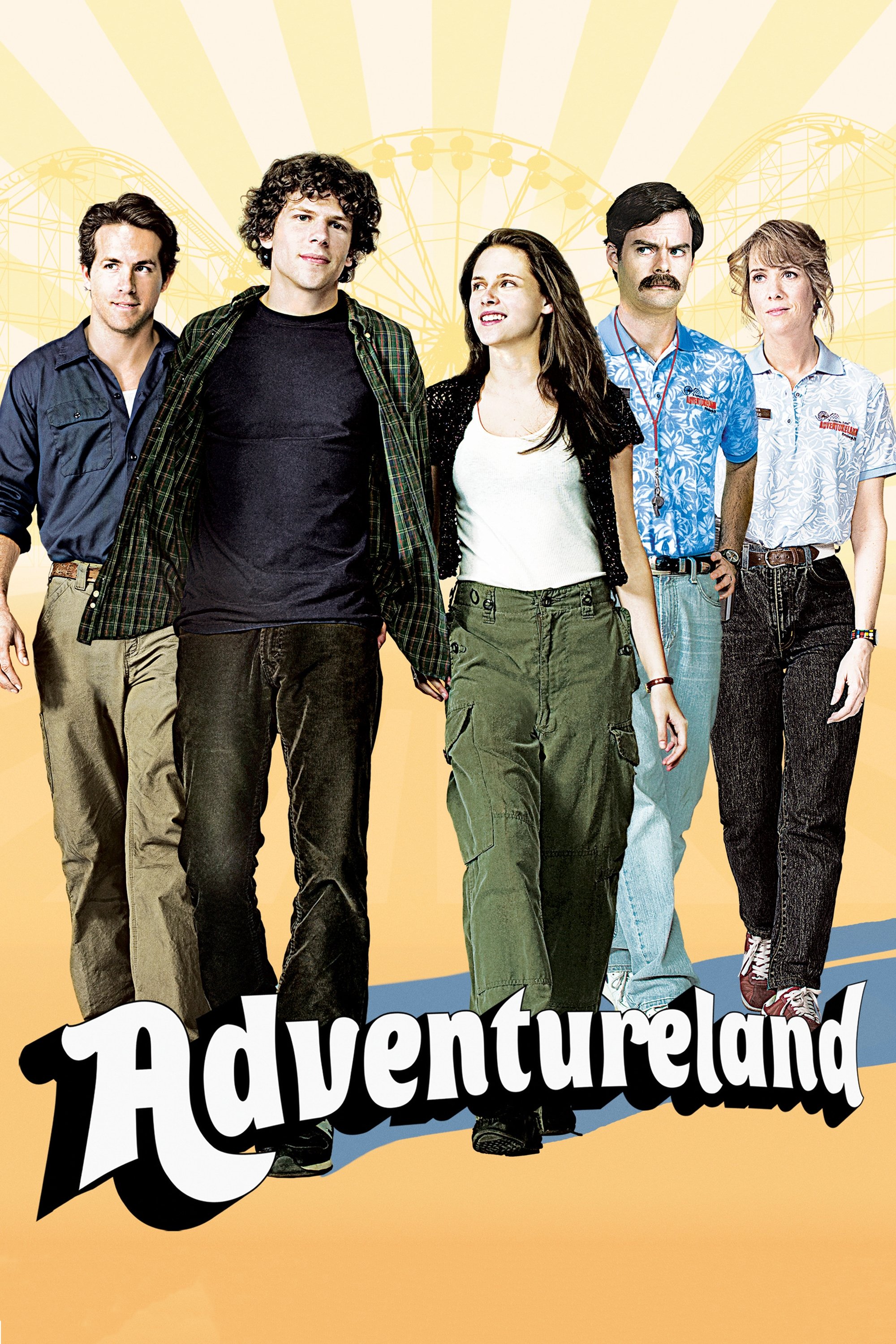
Coming off the success of ‘Superbad’, Miramax marketed ‘Adventureland’ as a raunchy, high-energy comedy about working at a theme park. The trailers highlighted the sight gags and stoner humor to capitalize on the popularity of Jesse Eisenberg and Kristen Stewart. The actual film is a quiet, melancholic indie drama focused on the emotional complexities of young adulthood and failed dreams. It lacked the slapstick energy promised by the marketing, leading to a disconnect with audiences looking for a laugh-out-loud comedy.
‘The Grey’ (2011)
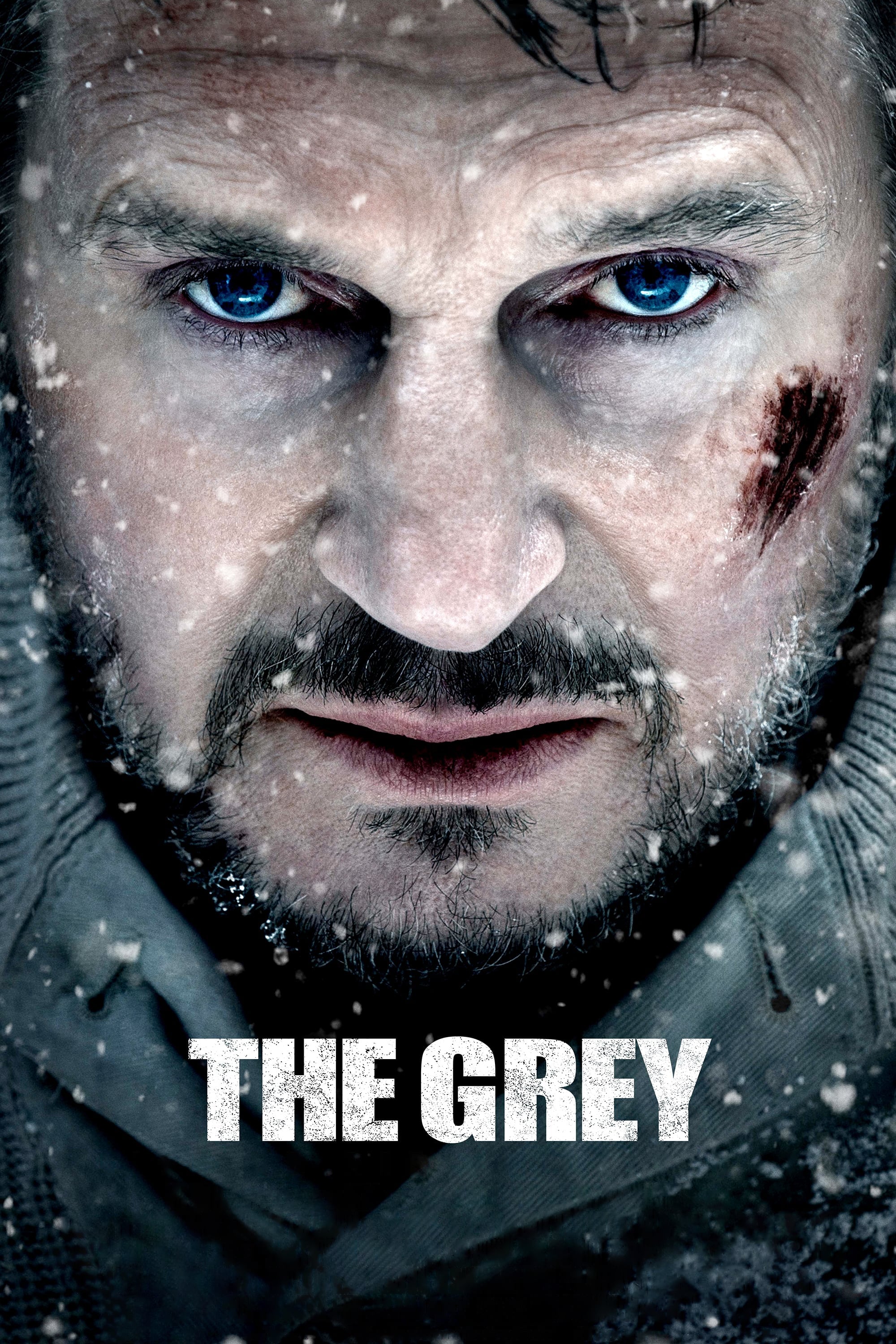
Trailers for ‘The Grey’ were cut to look like an action-packed thriller where Liam Neeson fights a pack of wolves with glass shards taped to his knuckles. The marketing emphasized the physical confrontation and the “man vs. nature” combat elements to attract fans of the lead actor’s previous hits. In contrast, the movie is a philosophical meditation on death, grief, and the will to survive in the face of certain doom. The climactic wolf fight teased in the trailers is never actually shown, as the film ends just as the confrontation begins.
‘Flight’ (2012)
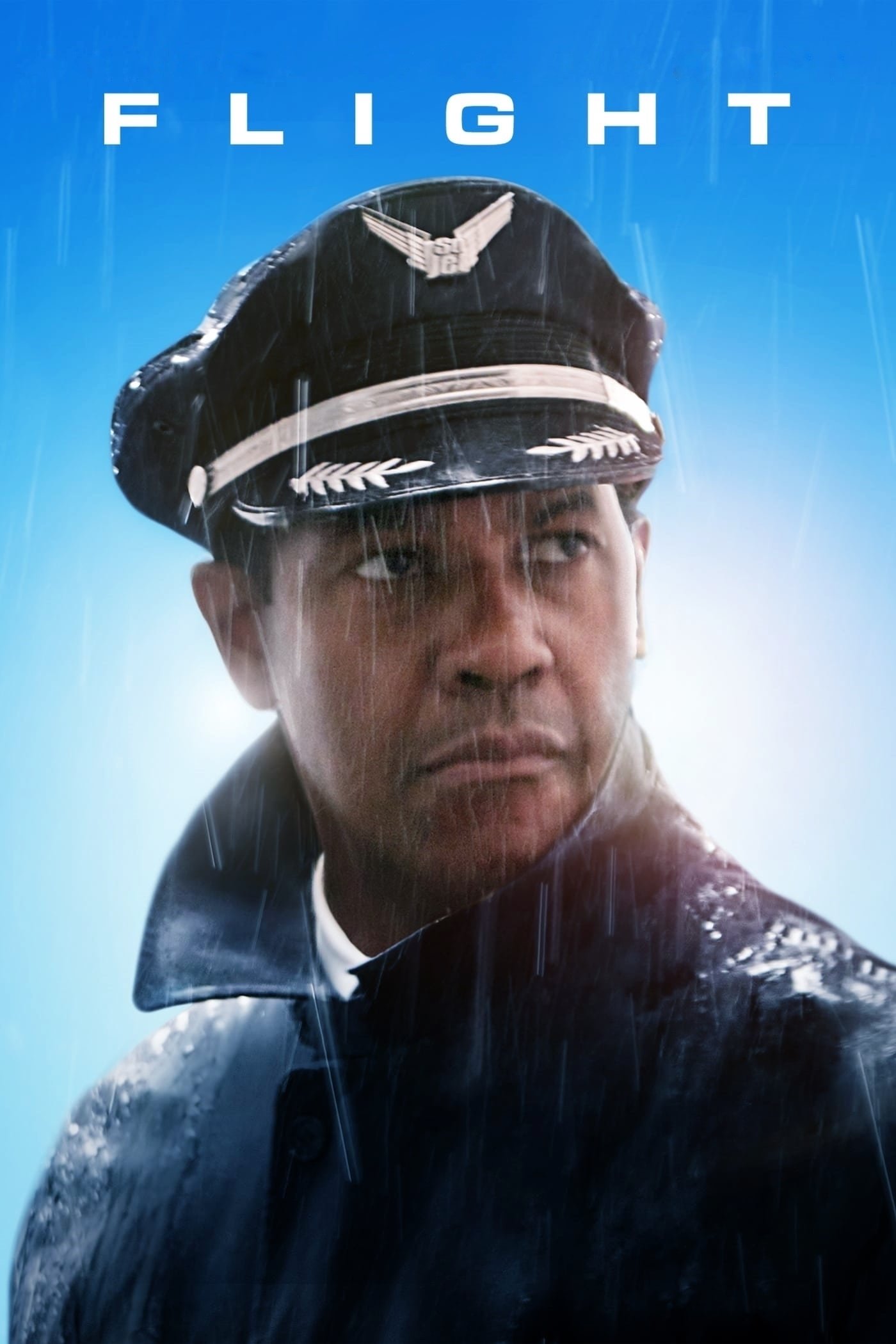
The marketing for ‘Flight’ focused almost exclusively on the spectacular plane crash sequence and the subsequent investigation into the pilot’s heroic actions. It was framed as a high-stakes legal thriller regarding the mechanics of the accident. While the crash is a central event, the film is actually a somber character study about Denzel Washington’s character struggling with severe alcoholism. The trailers downplayed the substance abuse themes to make the film appear more like a traditional blockbuster disaster movie.
‘Jarhead’ (2005)
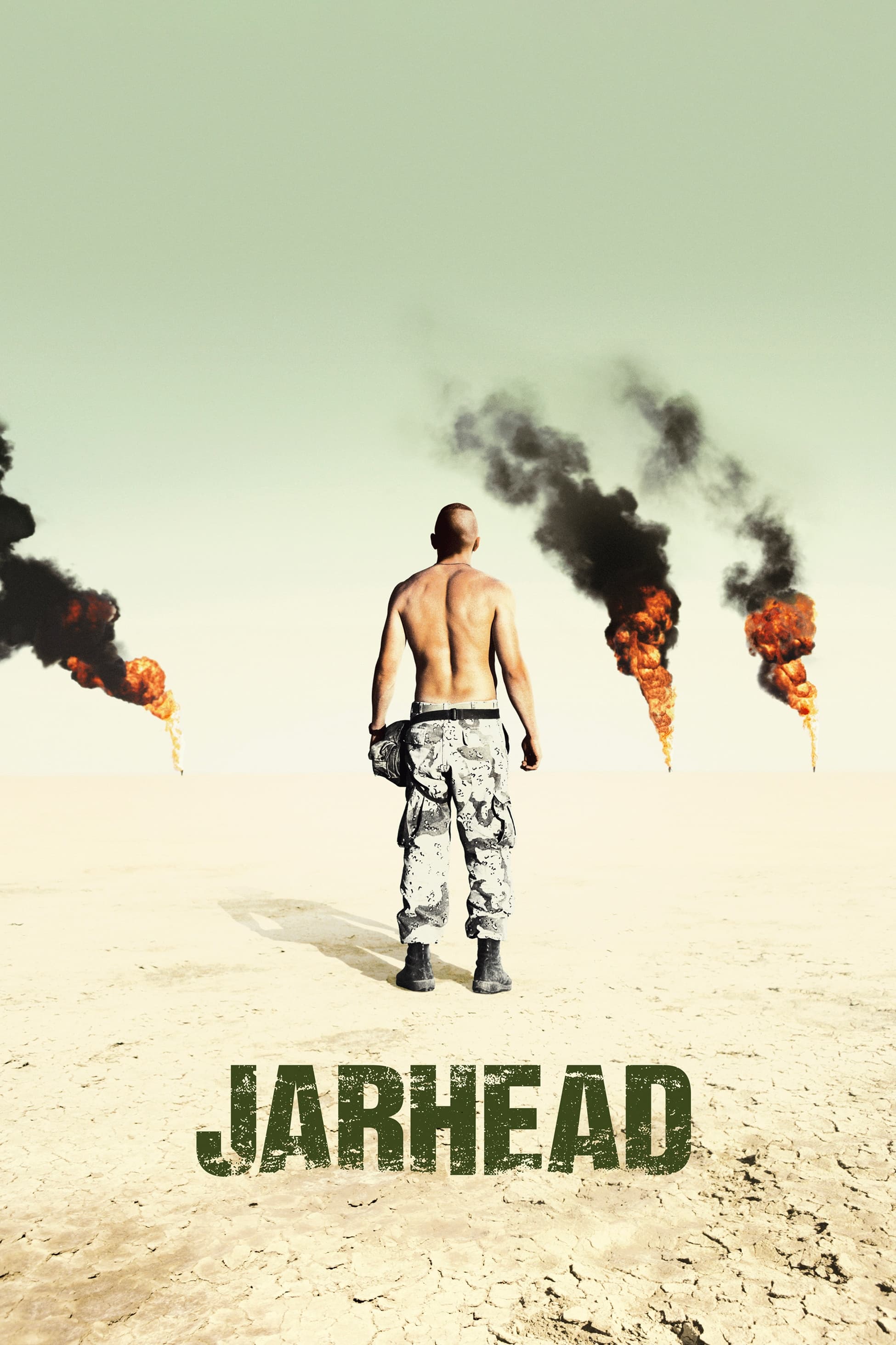
‘Jarhead’ trailers were edited to the song “Jesus Walks,” creating the impression of a fast-paced, action-heavy war movie set during the Gulf War. It promised intense combat sequences and the adrenaline-fueled reality of the front lines. The actual film is about the psychological frustration of soldiers who never get to see combat and spend their time waiting in the desert. It serves as an anti-war statement on the monotony and pointlessness of the conflict, which was the complete opposite of the trailers’ tone.
‘Catfish’ (2010)
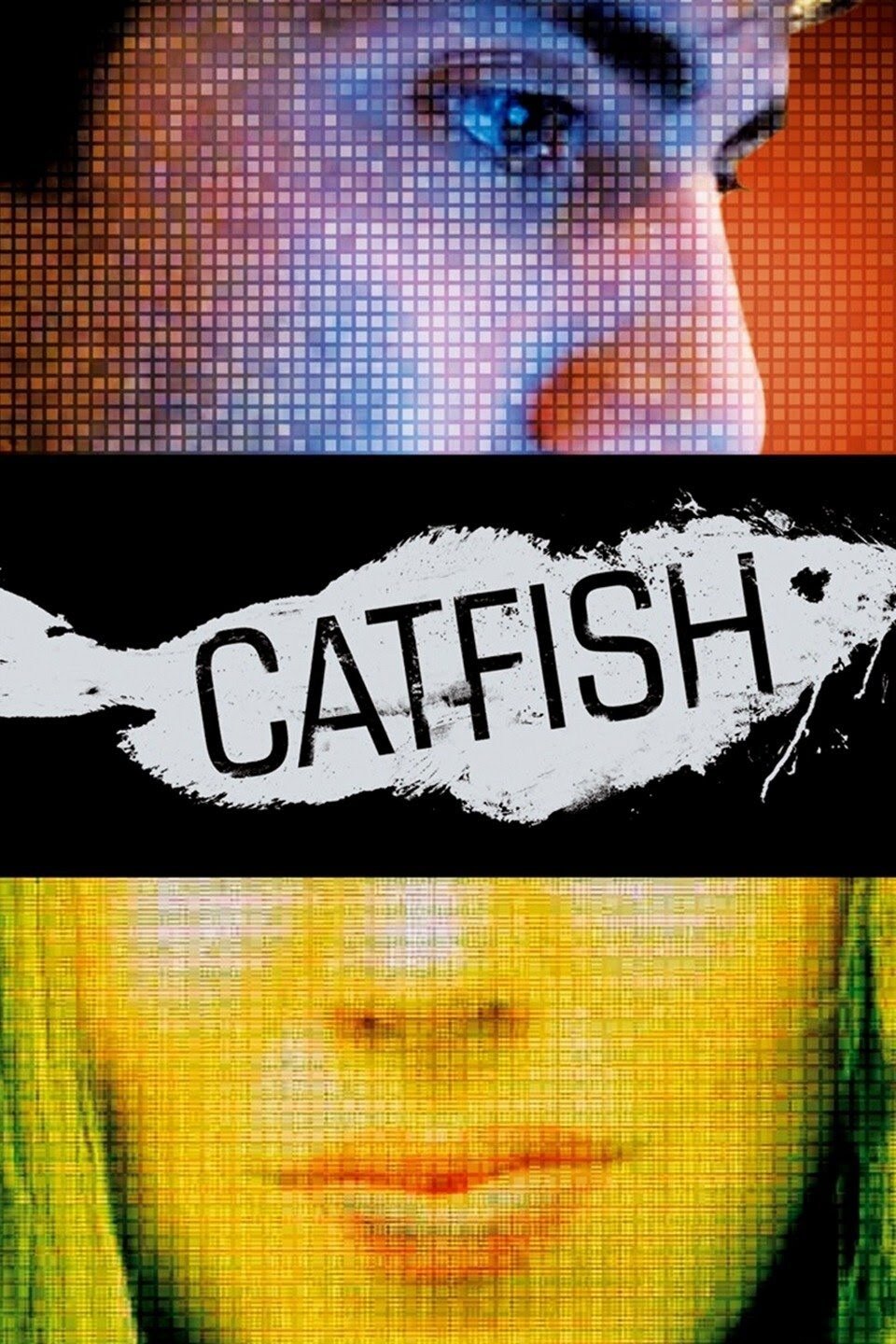
The promotional campaign for the documentary ‘Catfish’ utilized quotes and editing techniques that made it look like a terrifying “found footage” horror film. One tagline even compared the experience to the final forty minutes of ‘Psycho’ to generate intense mystery and dread. Audiences expected a violent or supernatural reveal at the end of the protagonist’s journey to meet his online girlfriend. Instead, the film is a poignant and realistic look at internet deception and the loneliness of the people behind digital personas.
‘The Village’ (2004)
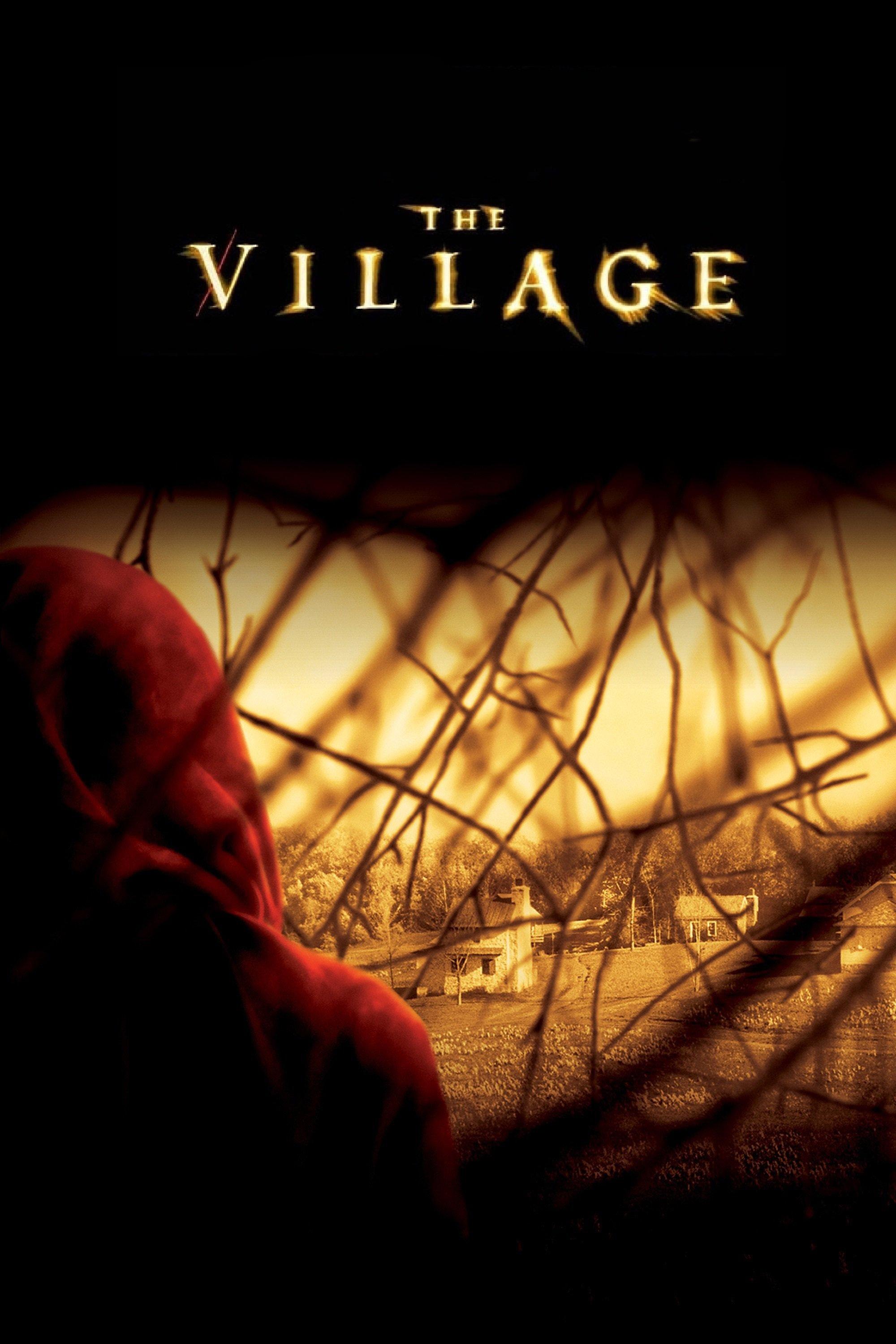
M. Night Shyamalan’s ‘The Village’ was marketed as a creature-feature set in a secluded 19th-century community plagued by “those we do not speak of.” The trailers relied on jump scares and the mystery of the monsters lurking in the woods to attract horror fans. When the film was released, it was revealed that the monsters were costumes worn by the village elders and the setting was actually the modern day. The marketing campaign was designed to protect the signature Shyamalan twist, but it left many viewers feeling cheated.
‘Observe and Report’ (2009)
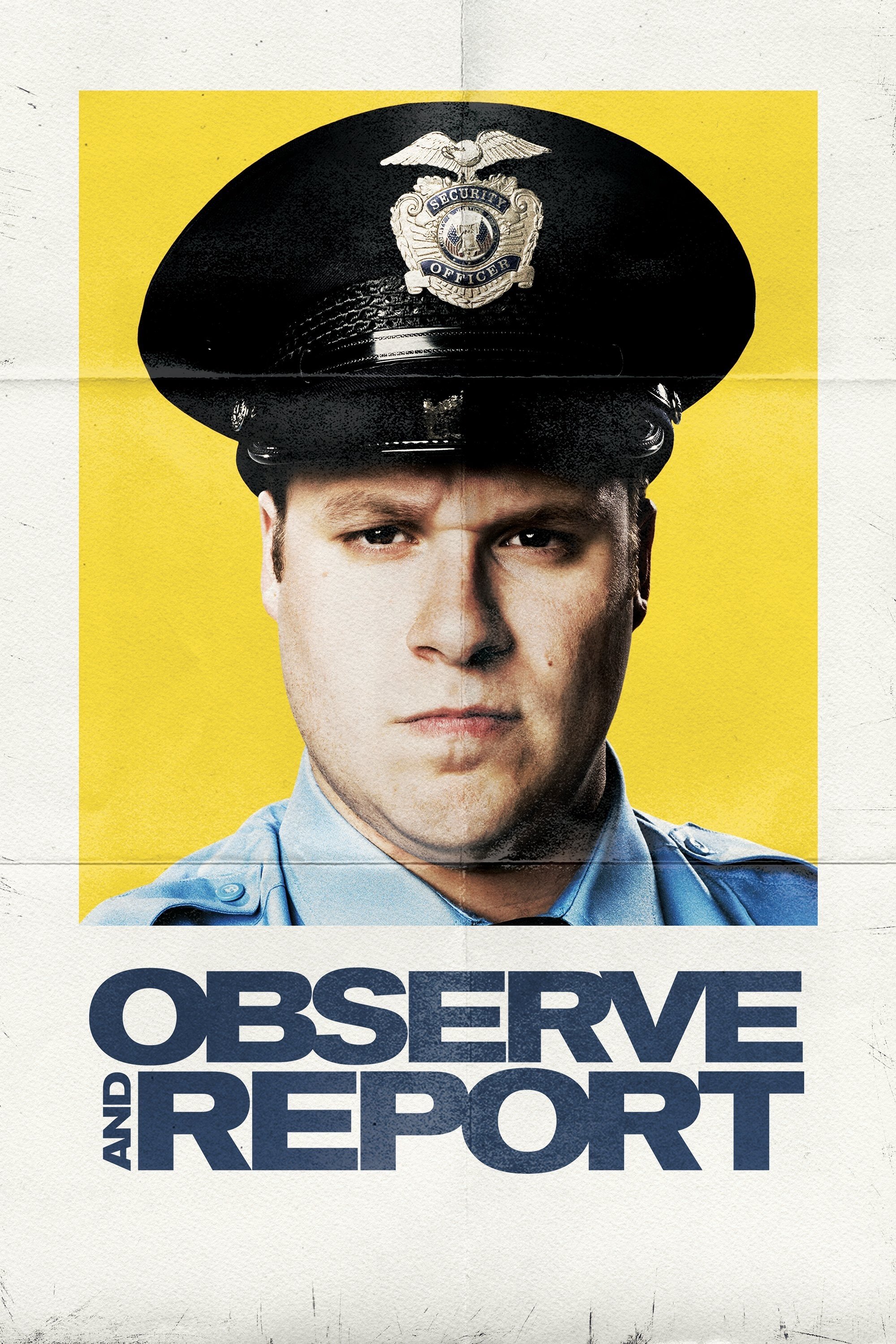
‘Observe and Report’ trailers made the film look like a wacky mall cop comedy in the style of ‘Paul Blart: Mall Cop’, which had been a massive hit earlier that year. It featured Seth Rogen in funny situations, leading audiences to expect a lighthearted romp. The film is actually a very dark, cynical character study about a man with bipolar disorder who exhibits increasingly sociopathic behavior. The humor is abrasive and uncomfortable, which was not conveyed in the mainstream marketing materials.
‘Sweeney Todd: The Demon Barber of Fleet Street’ (2007)

The initial trailers for ‘Sweeney Todd: The Demon Barber of Fleet Street’ were carefully edited to remove almost every instance of singing, making it look like a dark Victorian thriller. Warner Bros. was reportedly concerned that male audiences would be deterred if they knew the film was a musical. Fans of the Broadway show were aware of the format, but many general moviegoers were shocked when the characters began singing within minutes of the opening. This strategy of hiding the musical elements has since been used for several other genre films.
‘Man of the Year’ (2006)
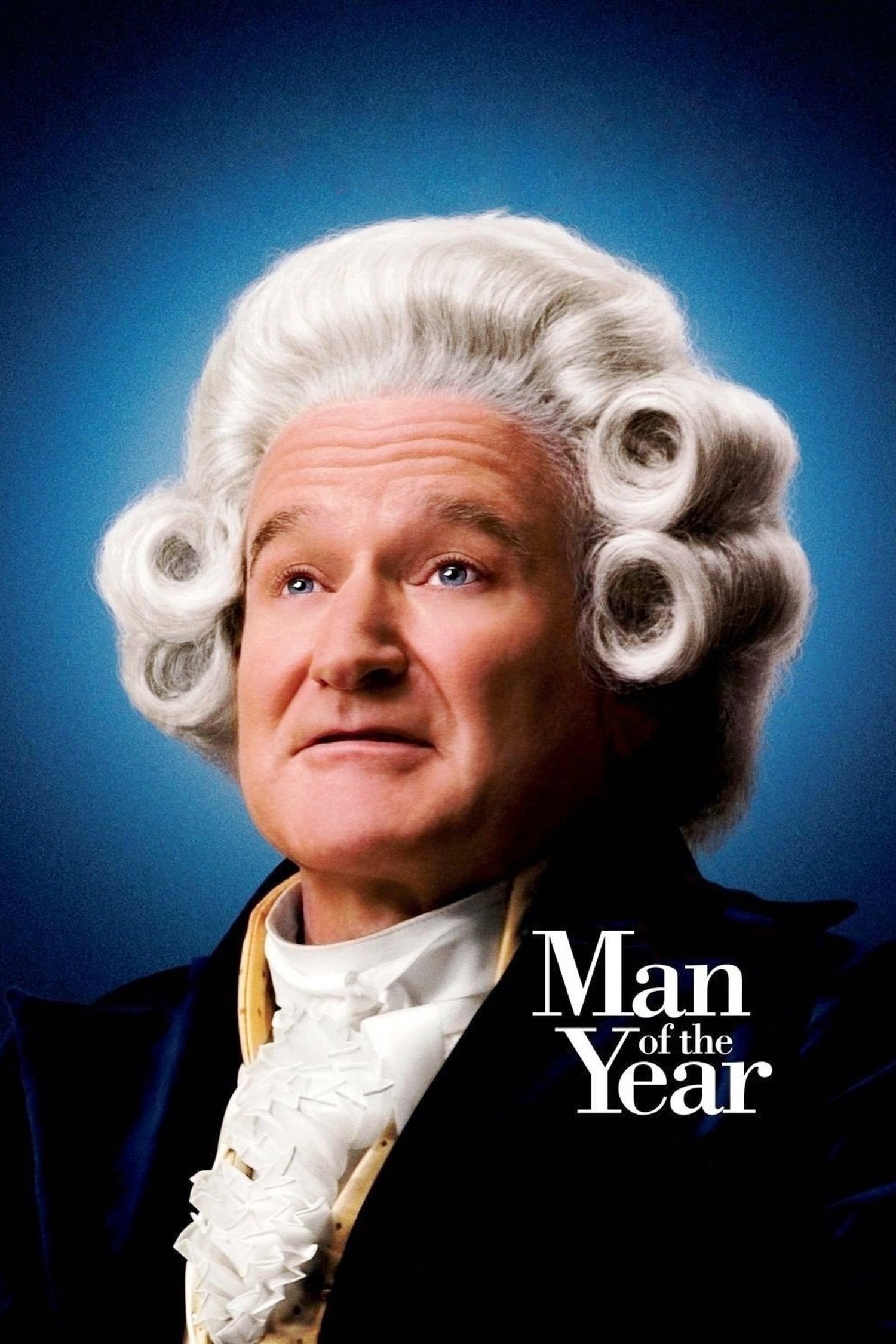
Promotional materials for ‘Man of the Year’ framed it as a standard Robin Williams comedy about a political talk show host who runs for President as a joke. It looked like a satirical follow-up to ‘Good Morning, Vietnam’ based on the trailers’ emphasis on stand-up routines. About halfway through the film, the plot shifts abruptly into a political thriller involving a voting machine conspiracy and a corporate cover-up. The trailers completely ignored the second half of the movie, leading to confusion about the film’s genre.
‘The Rules of Attraction’ (2002)
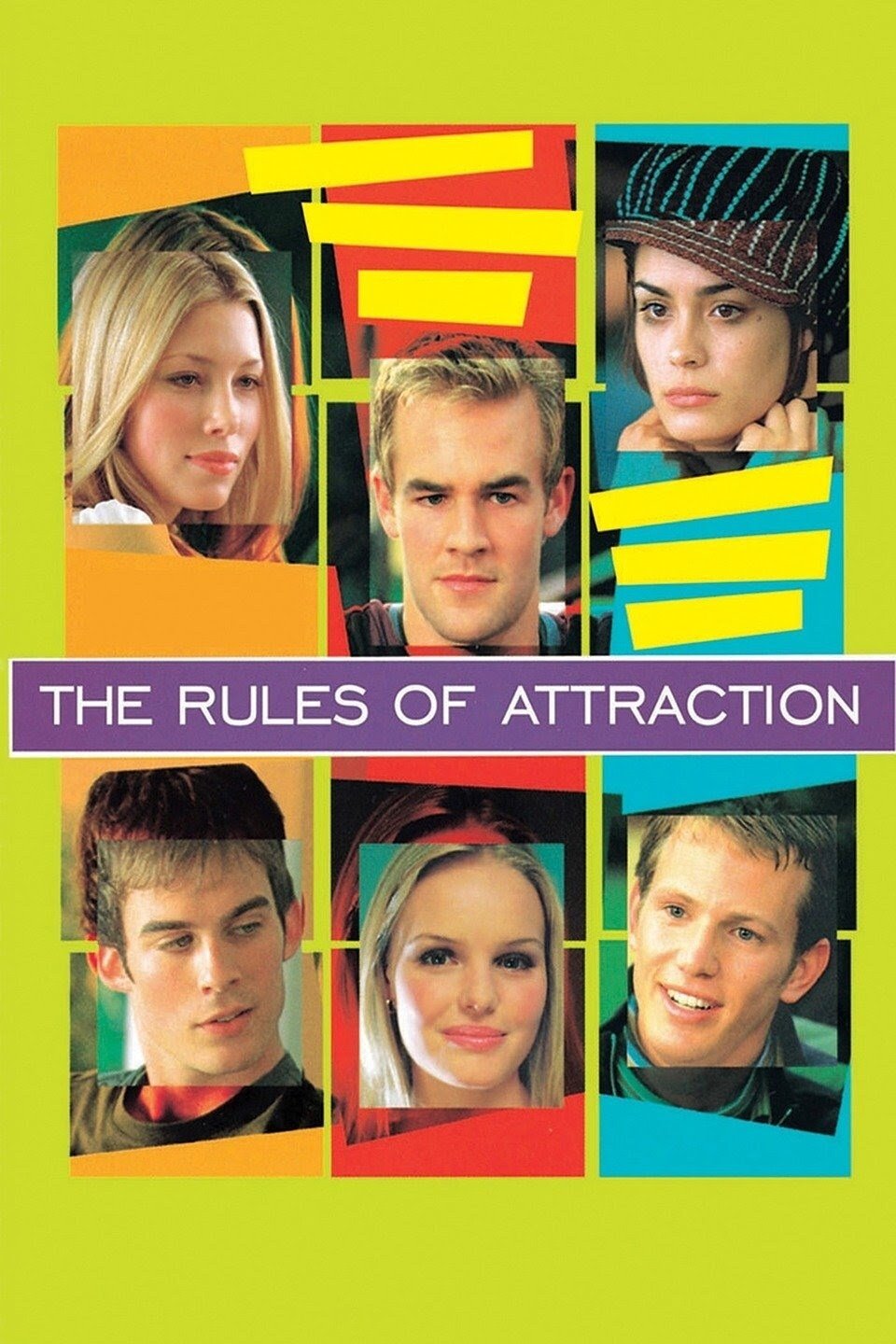
‘Rules of Attraction’ was marketed as a raunchy college rom-com featuring a cast of popular young actors like James Van Der Beek and Jessica Biel. The trailers emphasized the party scenes and romantic entanglements to appeal to the demographic that enjoyed films like ‘American Pie’. In reality, the film is a nihilistic and dark adaptation of a Bret Easton Ellis novel. It features heavy themes of drug abuse, suicide, and sexual assault, which were entirely absent from the upbeat promotional footage.
‘Click’ (2006)
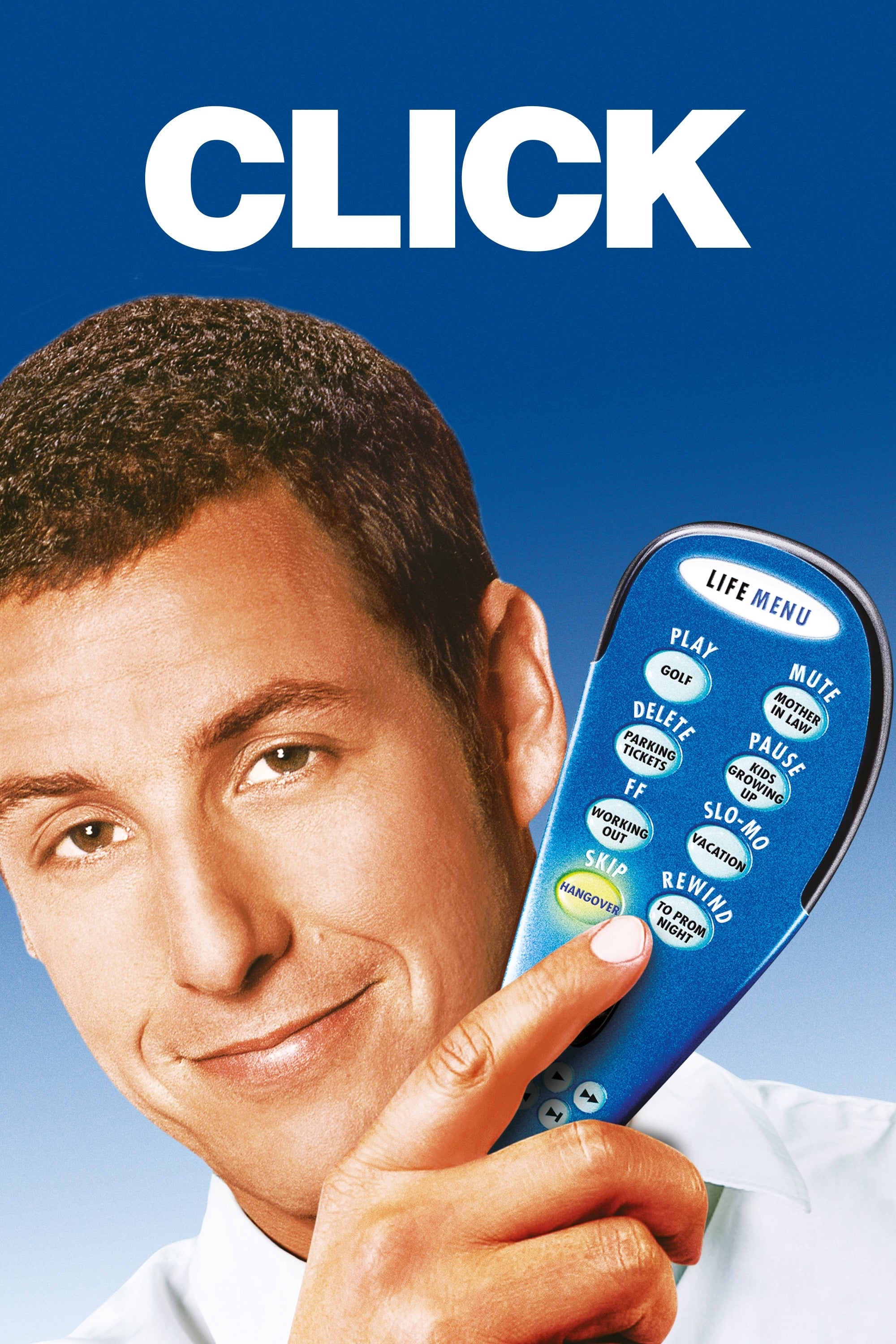
The trailers for ‘Click’ presented the film as a typical Adam Sandler high-concept comedy involving a magical remote control that can skip through life’s annoyances. It featured slapstick gags and fart jokes that suggested a lighthearted experience for the whole family. As the story progresses, the tone shifts into a tragic drama about the protagonist missing his children’s lives and the death of his father. Audiences who went in for a comedy were often left in tears by the film’s unexpectedly somber and emotional conclusion.
‘Executive Decision’ (1996)
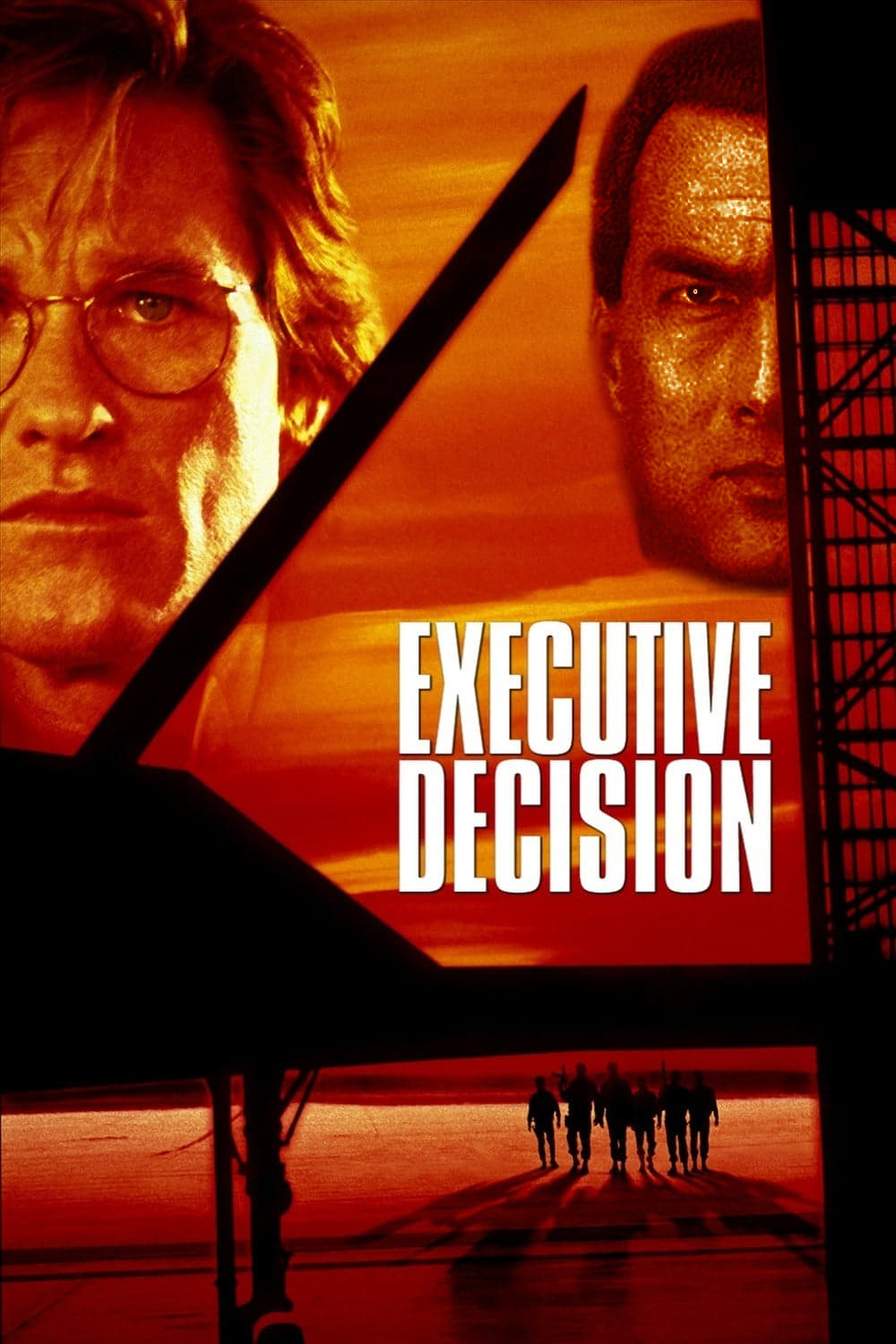
‘Executive Decision’ used Steven Seagal as a major selling point in its marketing, placing him front and center on the posters and in the trailers. At the height of his career, he was expected to be the main action hero who would save the hijacked plane alongside Kurt Russell. Seagal’s character is unexpectedly killed off in the first act during a botched mid-air docking sequence. This was a deliberate choice to shock the audience and raise the stakes by removing the most capable character early in the story.
‘Feast’ (2005)

The marketing for ‘Feast’ leaned into its origins from the ‘Project Greenlight’ series, introducing a group of characters with traditional archetypal names like “The Hero” and “The Heroine.” The trailers made it look like these characters would lead the fight against the invading monsters until the end. When the movie starts, the character designated as “The Hero” is killed almost immediately, followed shortly by “The Heroine.” This subversion of marketing expectations was a core part of the film’s attempt to deconstruct creature-feature clichés.
‘Colossal’ (2016)
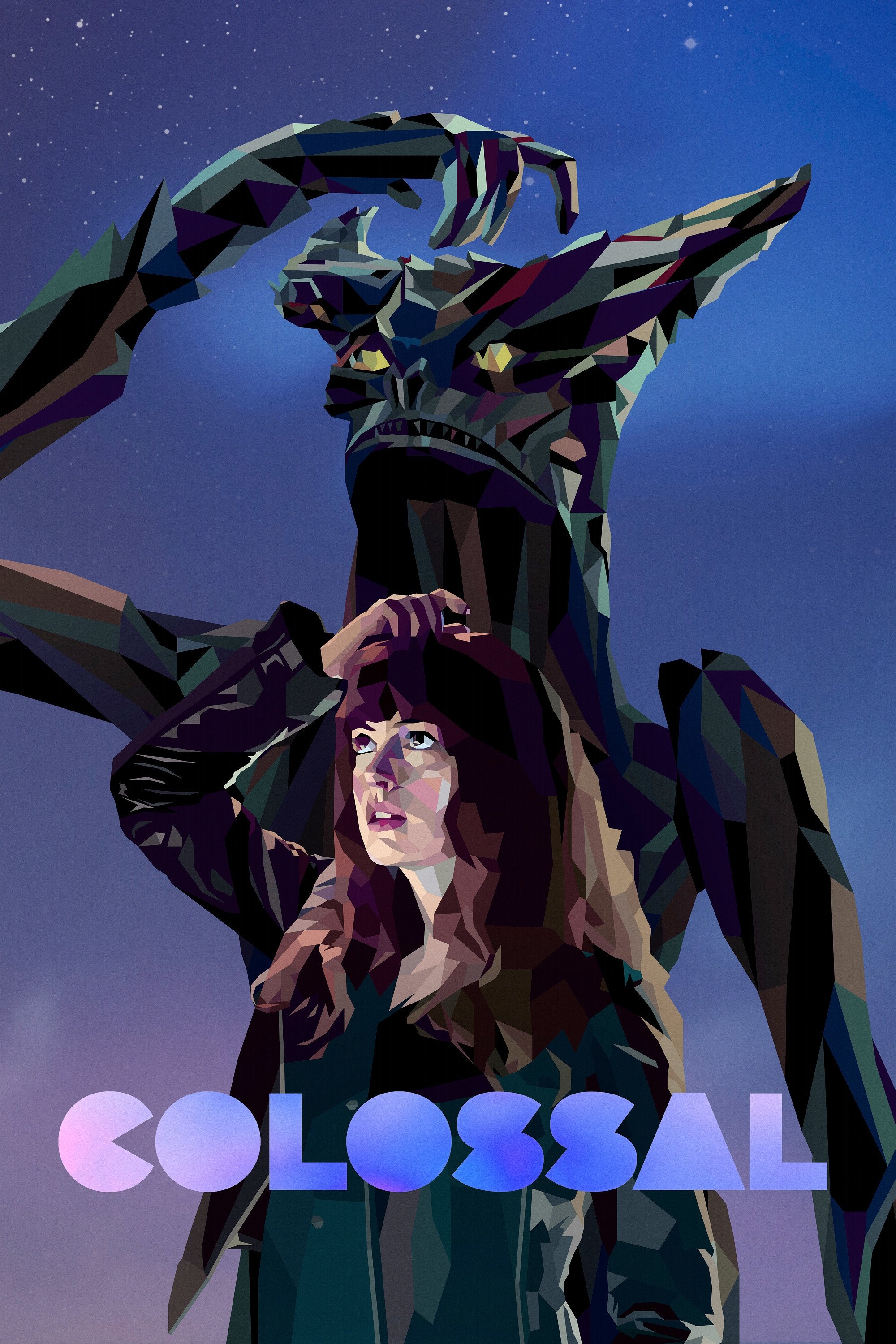
‘Colossal’ was marketed as a quirky sci-fi comedy about a woman who discovers she is mentally linked to a giant monster attacking Seoul. The trailers focused on the humor and the bizarre premise of Anne Hathaway controlling a kaiju with her movements. While the premise is accurate, the film is actually a dark exploration of domestic abuse and toxic masculinity. The second half of the film is much more serious and intense than the whimsical tone of the trailers suggested to viewers.
‘Marley & Me’ (2008)

The trailers for ‘Marley & Me’ focused heavily on the dog’s destructive antics and the comedic struggles of the owners, played by Owen Wilson and Jennifer Aniston. It was marketed as a light family comedy about a “bad dog” doing funny things for a broad holiday audience. The film is actually a chronological look at the entire life of the dog and the family, ending with the pet’s aging and eventual death. Many families were unprepared for the emotional devastation of the final act given the humorous marketing.
‘Funny People’ (2009)
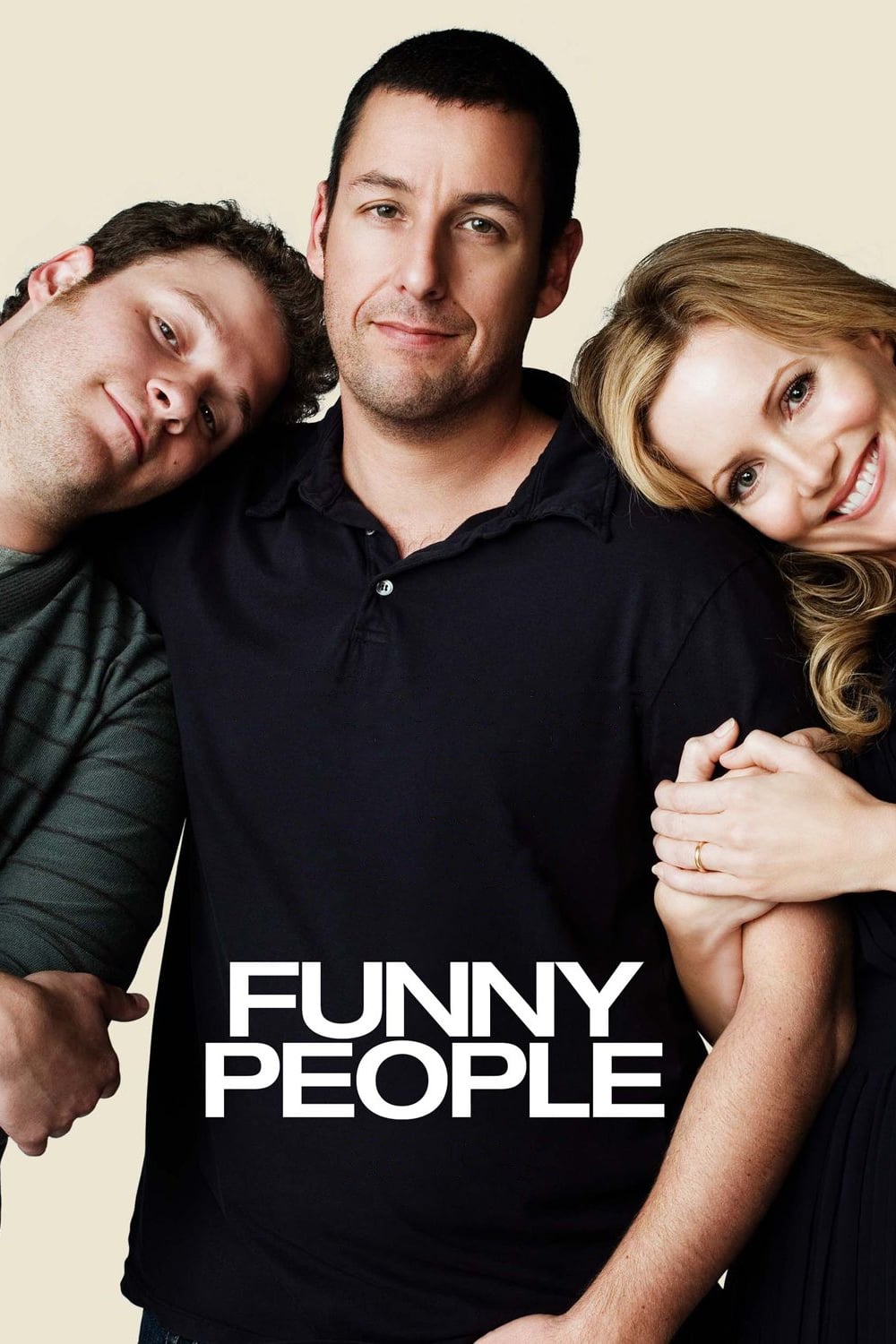
‘Funny People’ was marketed as a standard Judd Apatow comedy starring Adam Sandler and Seth Rogen. The trailers highlighted the stand-up comedy scenes and the banter between the leads, suggesting a film similar to ‘The 40-Year-Old Virgin’. The final product is a nearly three-hour-long drama about a man facing terminal cancer and the loneliness of fame. It is much more contemplative and bitter than the trailers let on, leading to mixed reactions from fans expecting a traditional comedy.
‘Barbarian’ (2022)

The marketing for ‘Barbarian’ was intentionally vague, focusing only on the first thirty minutes of the movie where a woman finds her rental home double-booked. It teased a tense thriller about a potential predator played by Bill Skarsgård in a creepy urban environment. The trailers completely hid the fact that the movie descends into a subterranean horror film with multiple shifts in perspective and time. By keeping the latter two-thirds of the movie out of the trailers, the studio preserved the extreme shocks for the theater.
‘Lost Highway’ (1997)
The trailers for David Lynch’s ‘Lost Highway’ utilized fast cuts, industrial music, and intense imagery to frame the movie as a fast-paced psychological thriller. It promised a noir-inspired mystery about a man accused of murdering his wife and his subsequent escape. While these elements are present, the film is a non-linear, surrealist nightmare that defies traditional narrative logic. The trailers suggested a cohesive plot that the movie deliberately avoids in favor of dream logic and abstract symbolism.
Share your favorite examples of movies that didn’t match their trailers in the comments.