TV Shows That Were Canceled Due to Unresolvable Off-Screen Feuds

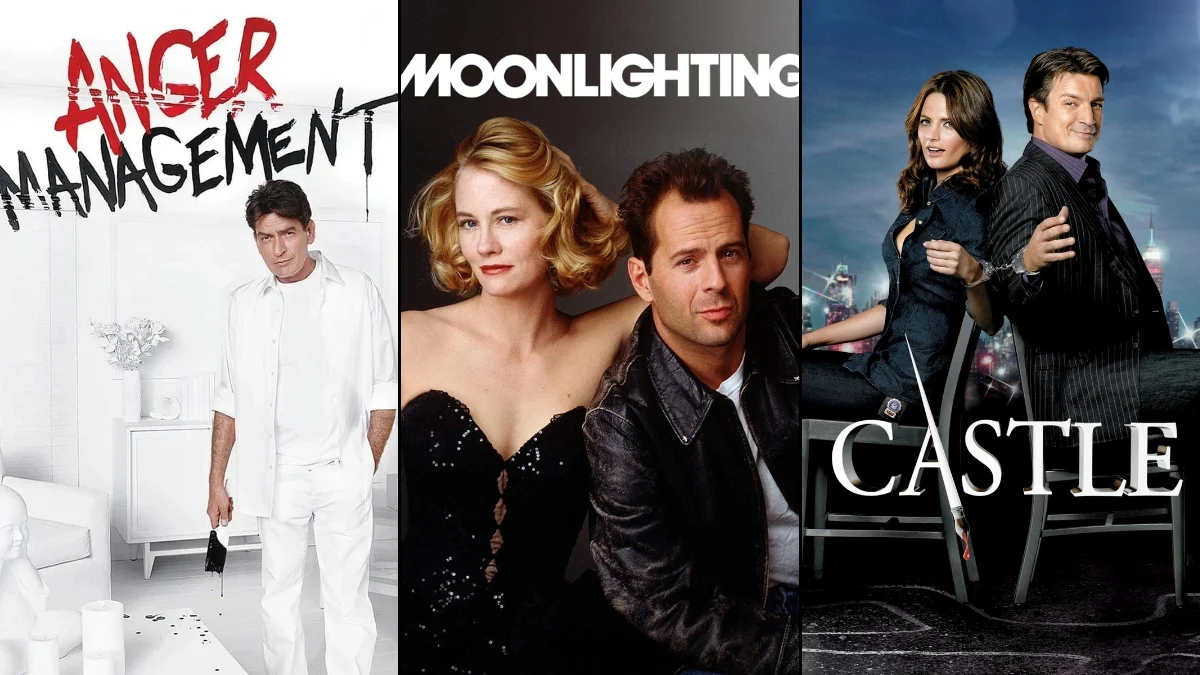

The history of television is filled with beloved series that came to an abrupt end not because of low ratings, but because of the volatile relationships behind the scenes. When actors, producers, and showrunners clash, the resulting environment can become so toxic that networks have no choice but to pull the plug. These off-screen feuds often spill over into the public eye, revealing deep-seated animosity that makes further collaboration impossible. From salary disputes to personality clashes and professional misconduct, the following shows saw their stories cut short by the drama occurring when the cameras weren’t rolling.
‘Roseanne’ (2018)
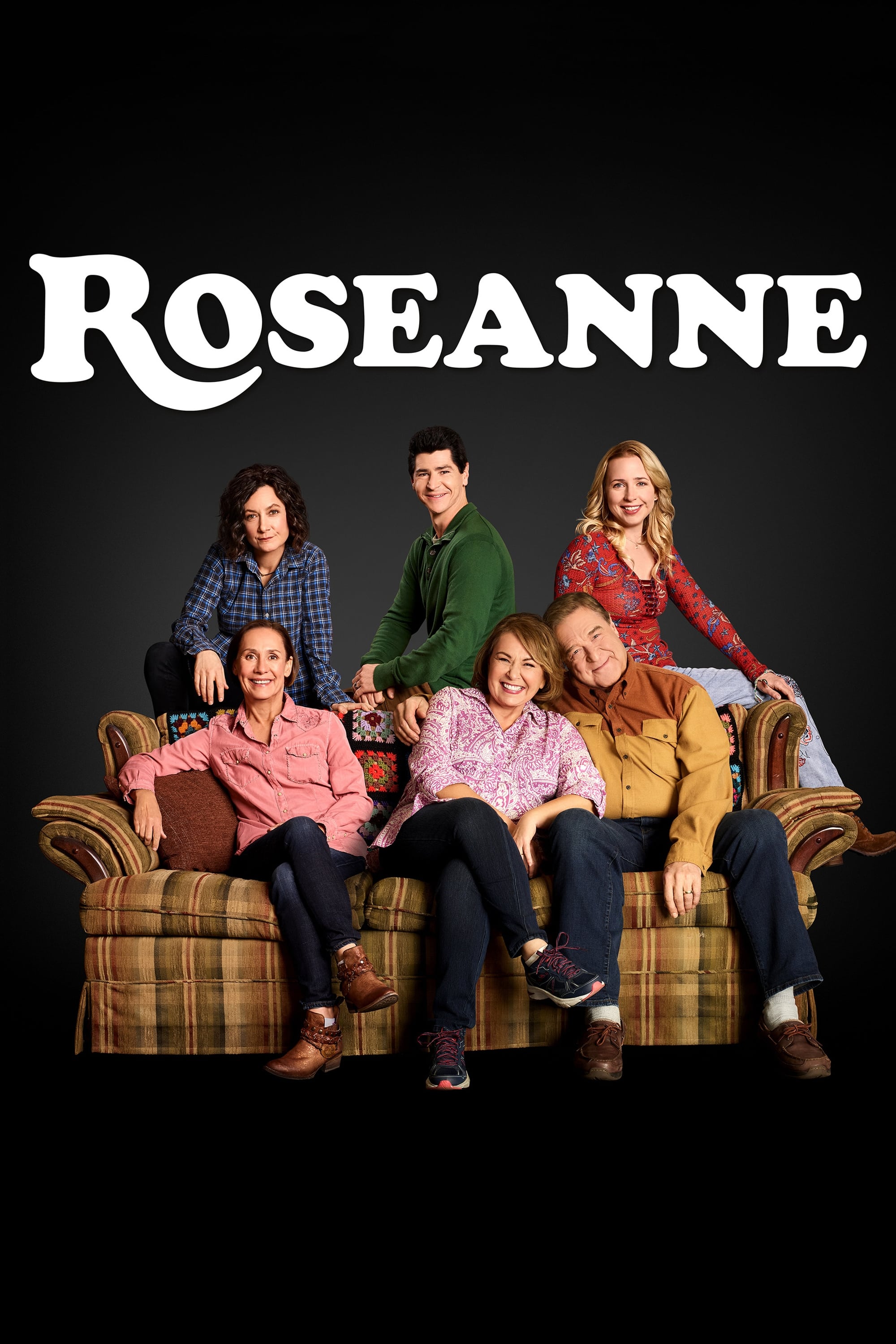
The 2018 revival of ‘Roseanne’ was an immediate ratings success, but it was canceled abruptly after its lead actress posted a controversial statement on social media. The network took swift action, citing that the star’s public comments were inconsistent with their values and made continuing the series impossible. While the show was eventually retooled as ‘The Conners’, the original iteration was terminated within hours of the incident. This sudden cancellation left the cast and crew in a state of shock during the height of the show’s popularity.
‘Lethal Weapon’ (2016–2019)

The television adaptation of the popular film franchise was plagued by a severe rift between lead actors Clayne Crawford and Damon Wayans. Reports of on-set tension and safety concerns led to Crawford’s firing at the end of the second season. Although Seann William Scott was brought in to replace him, the damage to the production’s reputation and the loss of chemistry proved fatal. The series was officially canceled after its third season, as the off-screen drama had alienated both the cast and the audience.
‘Castle’ (2009–2016)
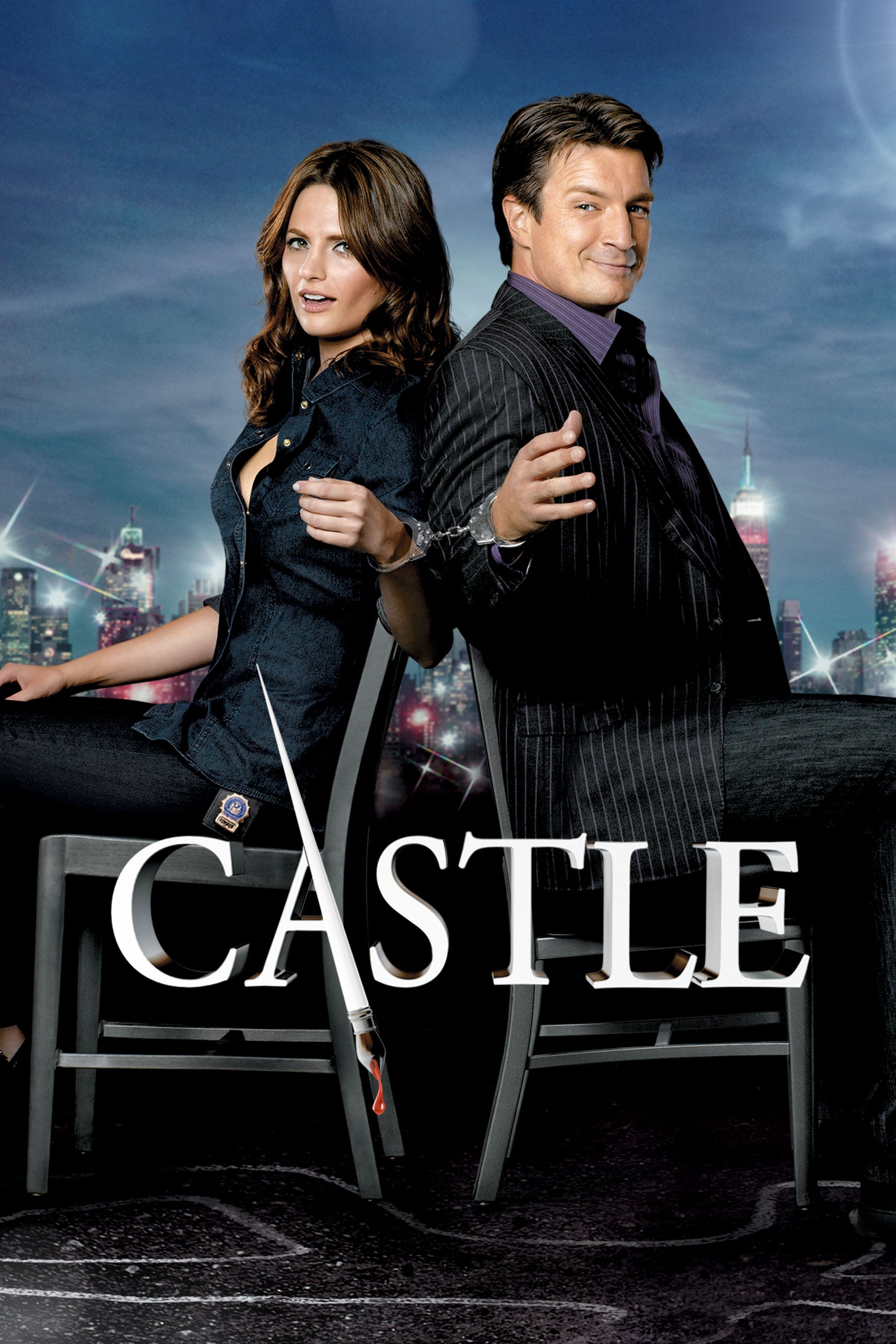
Rumors of a growing animosity between leads Nathan Fillion and Stana Katic persisted for years, with reports suggesting they attended couples therapy to manage their working relationship. The feud eventually led to the shocking announcement that Katic would not return for a ninth season. Following intense fan backlash and the realization that the show’s central dynamic was gone, the network reversed its decision to renew the series. ‘Castle’ was subsequently canceled, ending the procedural on a hurried note.
‘Moonlighting’ (1985–1989)
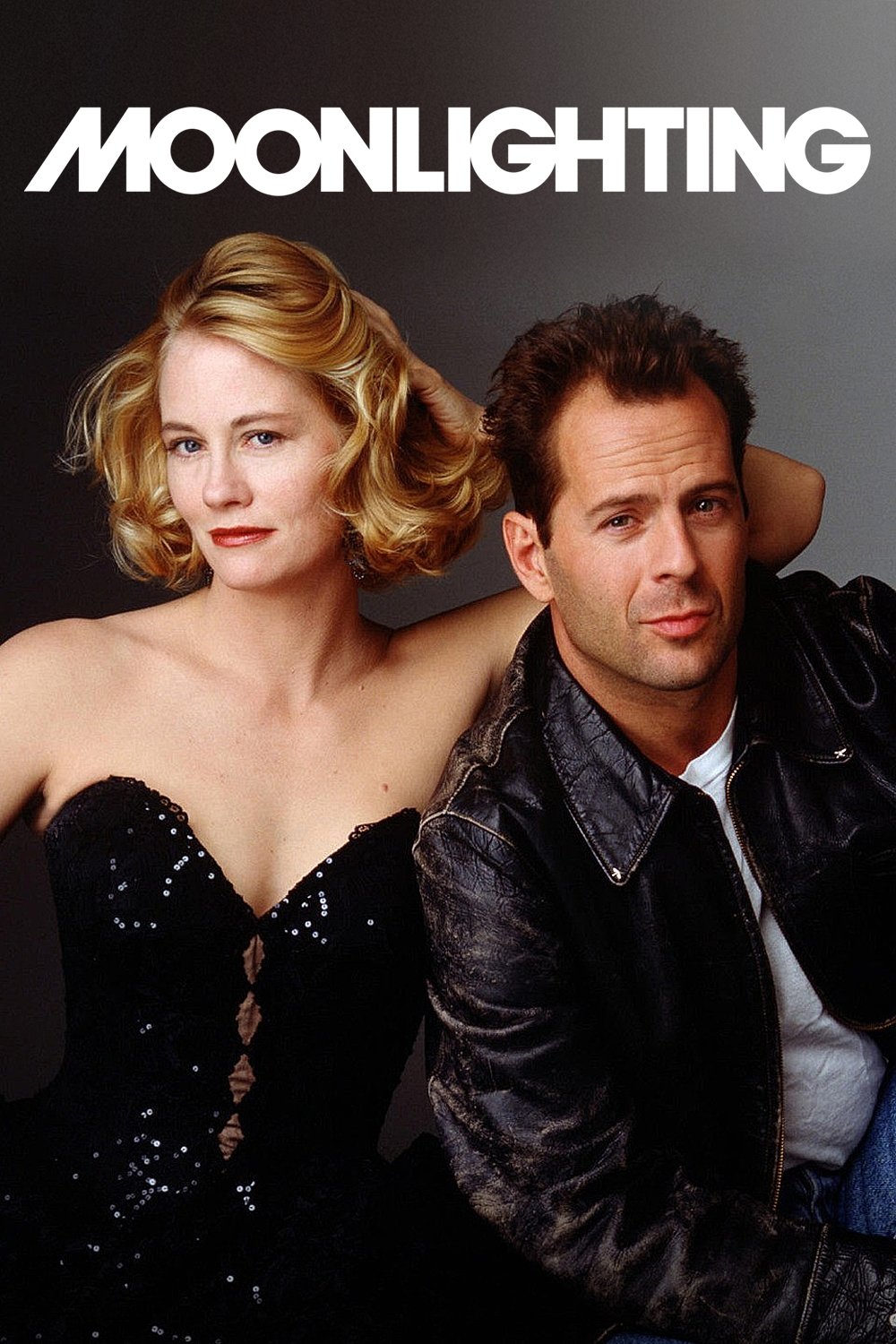
As one of the most famous examples of on-set friction, ‘Moonlighting’ suffered from a legendary feud between Bruce Willis and Cybill Shepherd. Their lack of chemistry behind the scenes led to constant production delays and script rewrites to keep the stars apart. The increasing tension, combined with the stars’ burgeoning film careers, made the show’s production schedule unsustainable. By the fifth season, the creative energy had vanished, and the network opted to cancel the series.
‘The Tonight Show with Conan O’Brien’ (2009–2010)
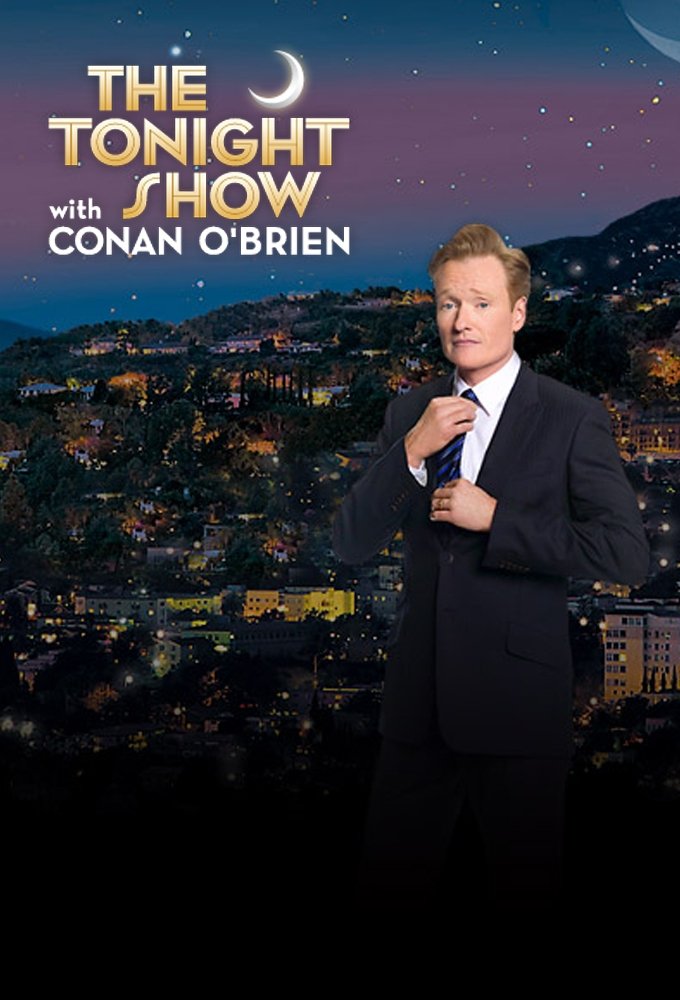
This late-night staple met its end after a highly public and bitter feud between Conan O’Brien, Jay Leno, and NBC executives. When the network attempted to move ‘The Tonight Show’ to a later time slot to accommodate Leno, O’Brien refused to participate in the restructuring. The ensuing media firestorm and public negotiations led to O’Brien’s departure from the network and the cancellation of his version of the show. The conflict fundamentally altered the landscape of late-night television and left a lasting impact on the network’s reputation.
‘Top Gear’ (2002–2015)

The world-renowned motoring show saw its most popular era end following a physical altercation between host Jeremy Clarkson and a producer. The incident, which occurred during a dispute over hot food after a day of filming, led to Clarkson’s suspension and the eventual non-renewal of his contract. Co-hosts Richard Hammond and James May chose to leave the show out of loyalty, effectively canceling the format that had made the series a global phenomenon. While the show continued with new hosts, the original dynamic was permanently lost.
‘Three’s Company’ (1977–1984)

The sitcom faced a major internal crisis when Suzanne Somers entered a bitter salary dispute with the show’s producers. Somers requested a significant pay raise and a percentage of the profits, leading to her role being drastically reduced and her scenes being filmed separately from the rest of the cast. The resulting friction between Somers and her co-stars, John Ritter and Joyce DeWitt, became unresolvable. Although the show attempted to continue with new characters, the original magic was gone, leading to its eventual conclusion.
‘Anger Management’ (2012–2014)
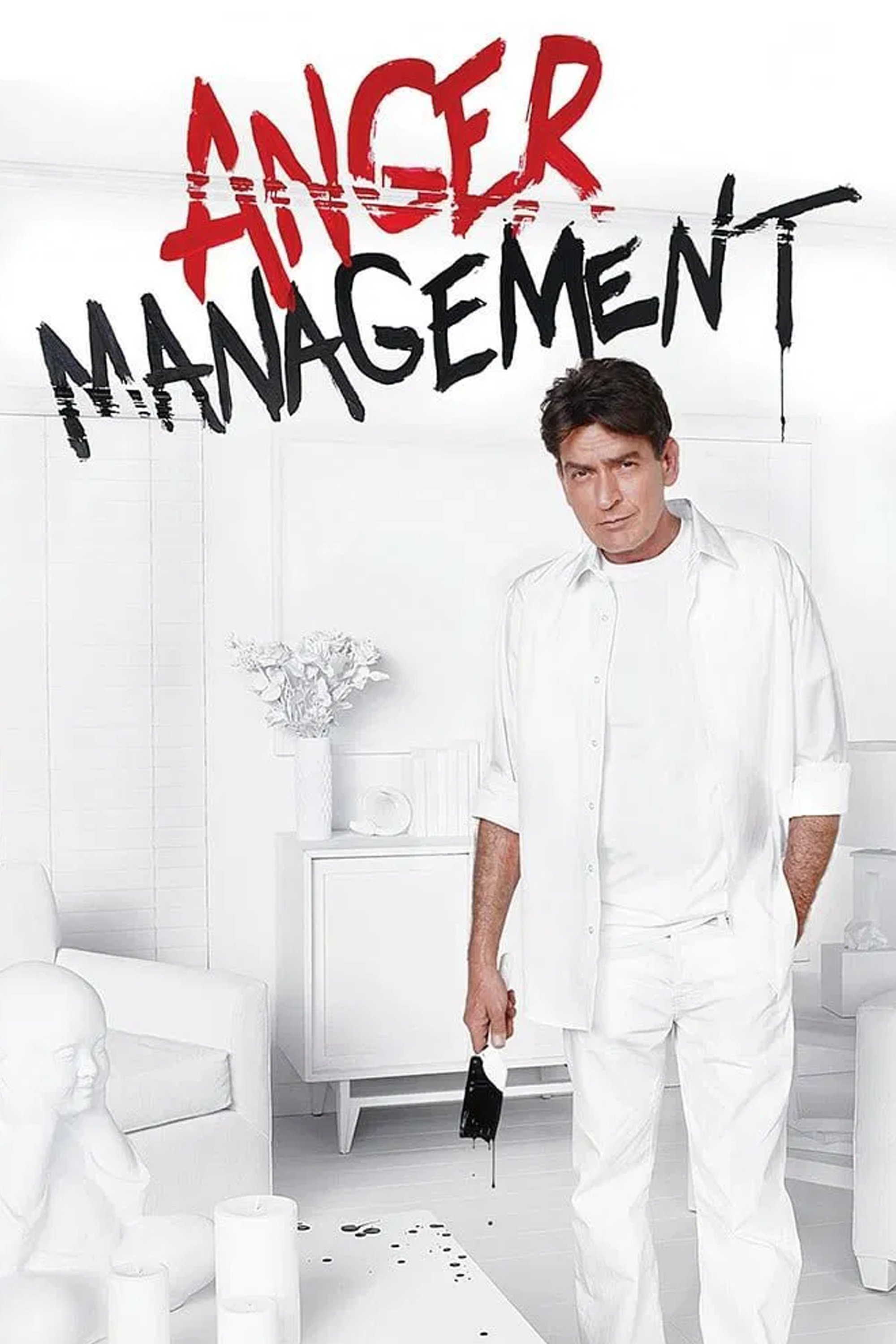
Charlie Sheen’s sitcom hit a major roadblock when a feud erupted between the lead actor and his co-star, Selma Blair. Blair reportedly complained about Sheen’s work ethic and punctuality, which led to Sheen demanding her immediate firing from the series. After Blair was written out of the show, the series struggled to maintain its narrative direction and audience interest. The production eventually reached its 100-episode syndication goal and was promptly canceled amid the lingering negative atmosphere.
‘Valerie’ (1986–1991)
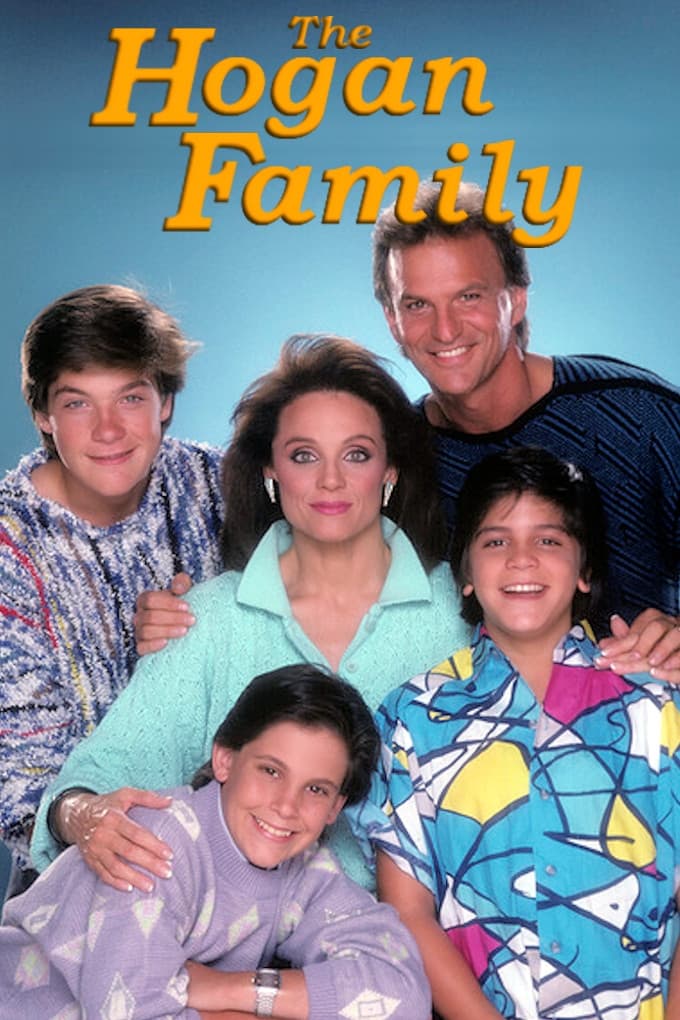
Initially a star vehicle for Valerie Harper, this sitcom was derailed by a contract and creative dispute between Harper and the production company. The feud escalated to a legal battle, resulting in Harper being fired from her own show after the second season. The series was famously renamed ‘Valerie’s Family’ and then ‘The Hogan Family’ after her character was killed off off-screen. While it survived for several more years, the original premise and central relationship were destroyed by the initial conflict.
‘Wiseguy’ (1987–1990)
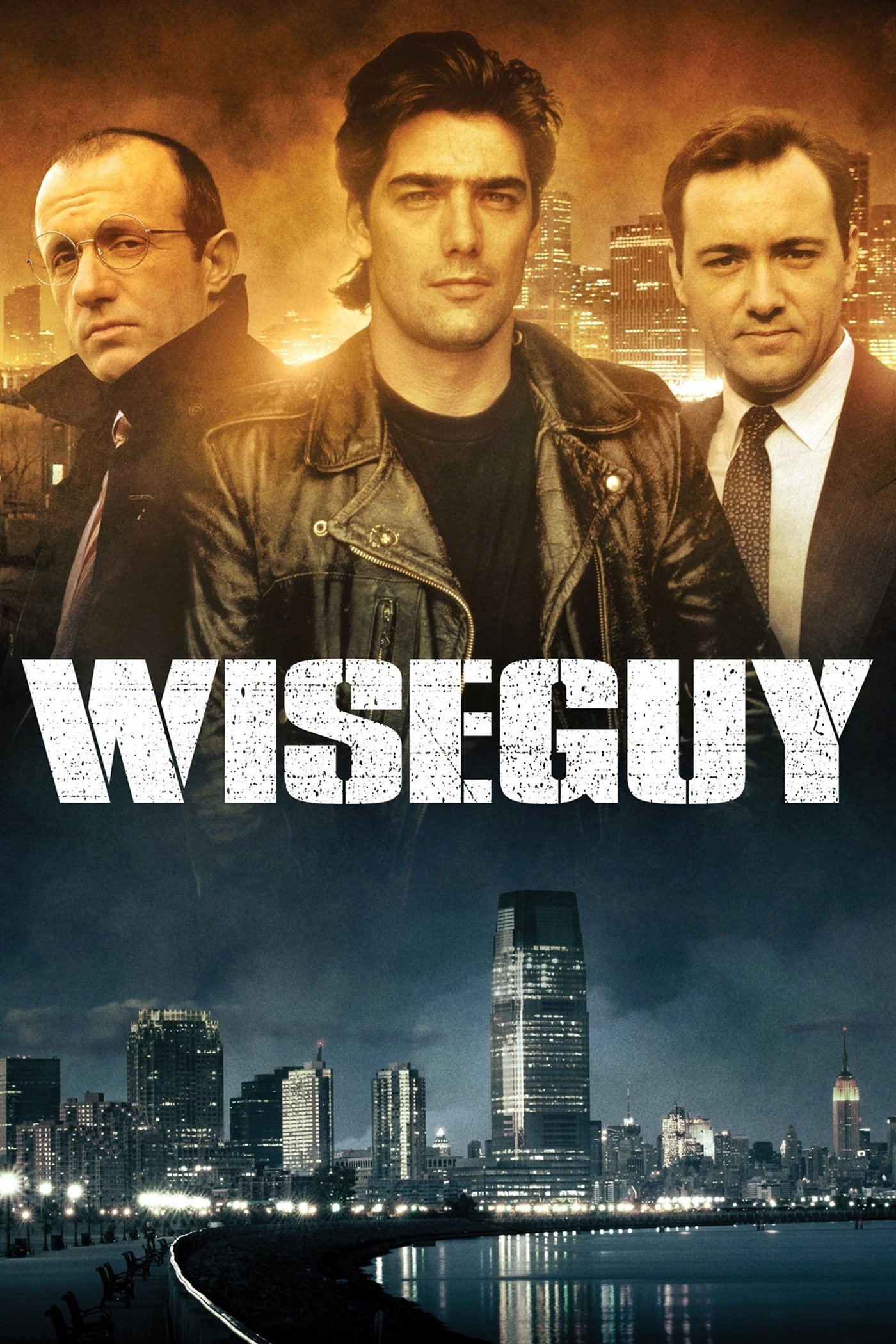
The gritty crime drama ‘Wiseguy’ suffered a fatal blow when lead actor Ken Wahl entered into a heated conflict with the production staff and the network. Wahl was reportedly unhappy with the direction of the series and the physical toll of the role, leading to his departure after the third season. The show attempted to continue with a new lead, but viewers did not embrace the change. The loss of Wahl’s central performance and the internal friction led to a swift cancellation.
‘Northern Exposure’ (1990–1995)

This quirky dramedy was famously hampered by Rob Morrow’s recurring contract disputes and demands for higher pay. The ongoing tension between Morrow and the producers created a difficult environment on set and led to his character being phased out of the series. Fans of ‘Northern Exposure’ found it difficult to connect with the new protagonist introduced in the final season. The show’s ratings plummeted as a result of the cast changes and the loss of its original lead, leading to its cancellation.
‘The Dukes of Hazzard’ (1979–1985)

At the height of its popularity, ‘The Dukes of Hazzard’ faced a major crisis when stars Tom Wopat and John Schneider walked out over a royalty dispute. The producers attempted to replace them with look-alike cousins, but the audience rejected the new leads, and ratings crashed. Although Wopat and Schneider eventually returned, the momentum of the show had been permanently damaged. The friction between the stars and the studio left a lasting mark, and the series was canceled shortly after their return.
‘Two and a Half Men’ (2003–2015)
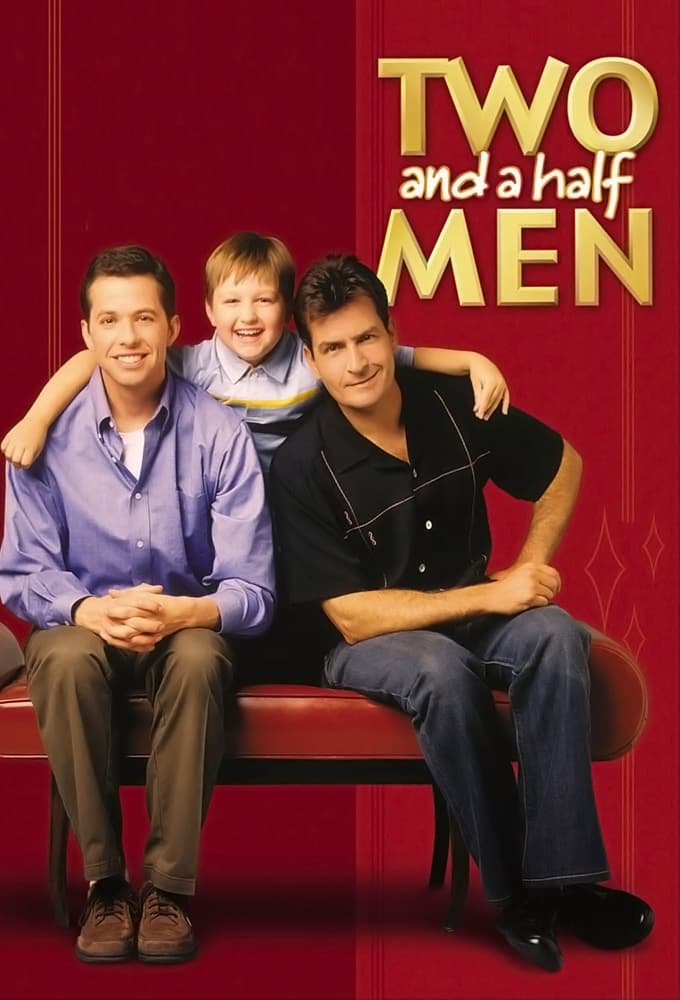
The production of this hit sitcom came to a screeching halt when Charlie Sheen engaged in a very public and vitriolic feud with creator Chuck Lorre. Sheen’s erratic behavior and disparaging comments directed at Lorre led to his firing and the temporary shutdown of the series. While the show was eventually revived with Ashton Kutcher, the original era ended in a storm of controversy. The feud remains one of the most high-profile instances of a star’s exit leading to a major series overhaul.
‘Empire’ (2015–2020)
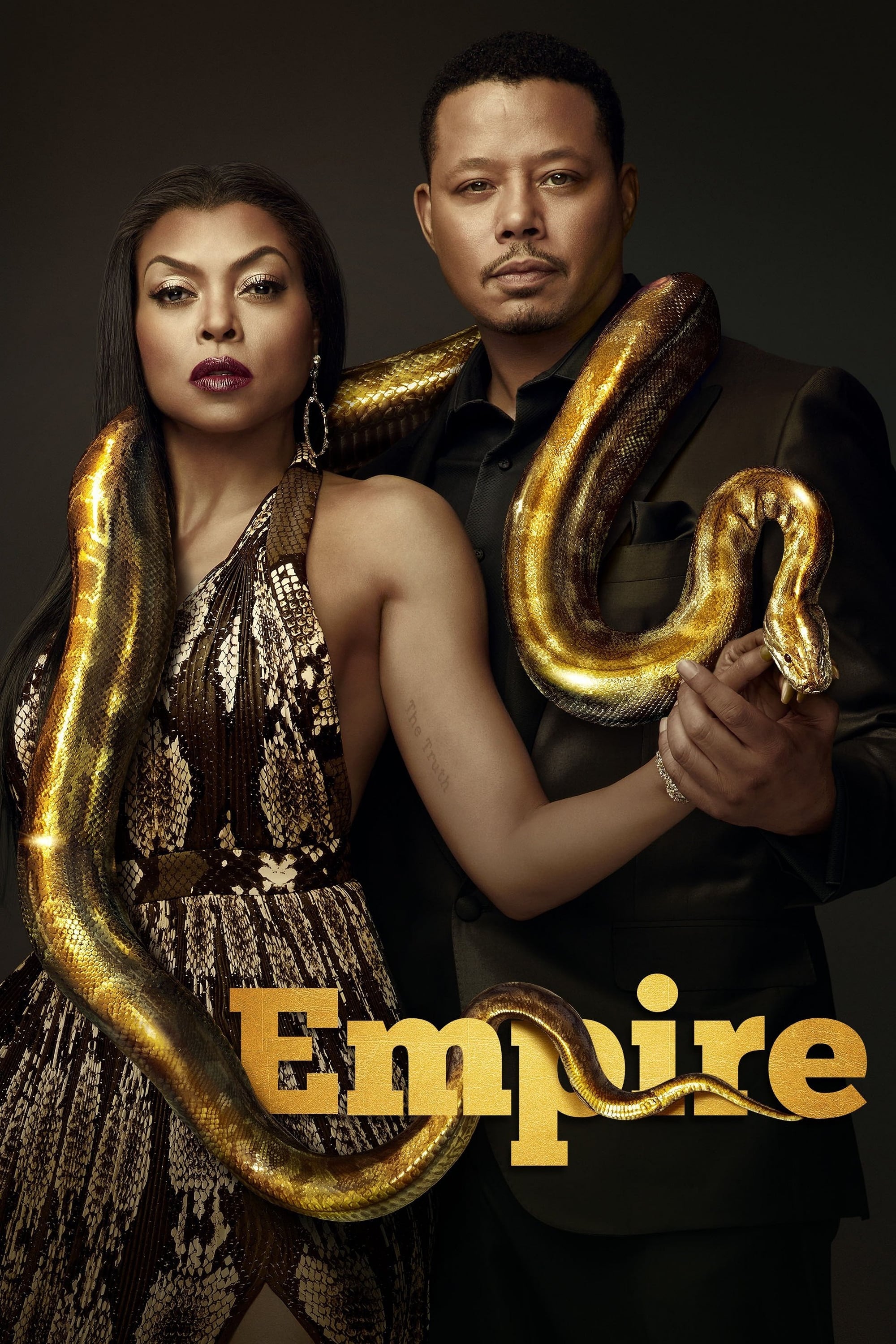
The musical drama ‘Empire’ faced a significant decline in its final years, largely due to the controversy involving cast member Jussie Smollett. The off-screen legal issues and the resulting tension among the cast and crew made it difficult for the production to maintain its creative focus. Though the show was initially a cultural phenomenon, the internal strife contributed to a drop in viewership and an earlier-than-expected conclusion. The series finale was ultimately impacted by both these internal issues and external production challenges.
‘House of Cards’ (2013–2018)
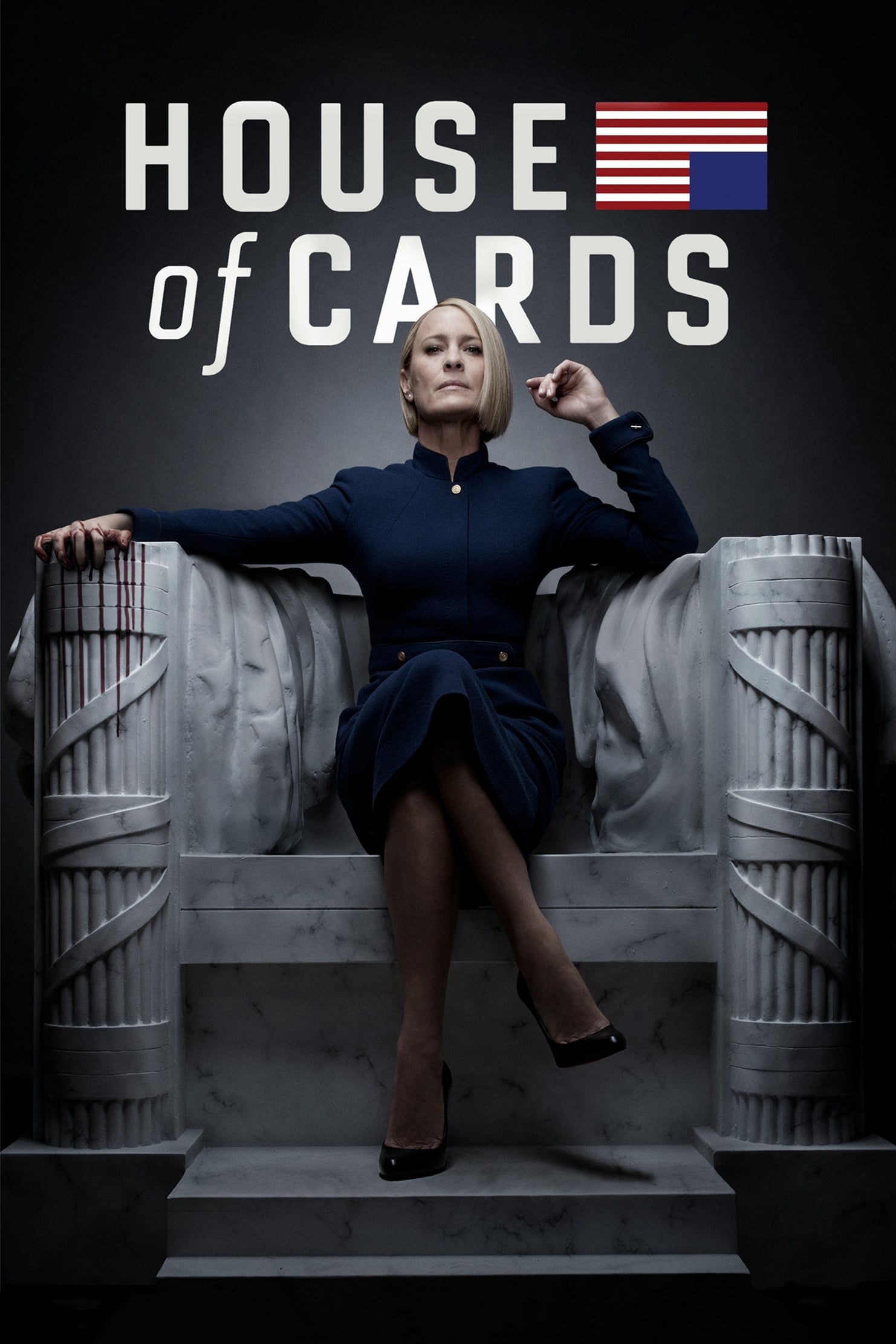
The flagship Netflix series was forced to undergo a radical transformation following serious allegations against lead actor Kevin Spacey. The resulting feud between the production company and Spacey led to his immediate removal from the show’s final season. The writers had to scramble to restructure the entire narrative to focus on Robin Wright’s character. While the series did reach a conclusion, the off-screen scandal and the removal of its main antagonist overshadowed the show’s legacy.
‘The Ranch’ (2016–2020)
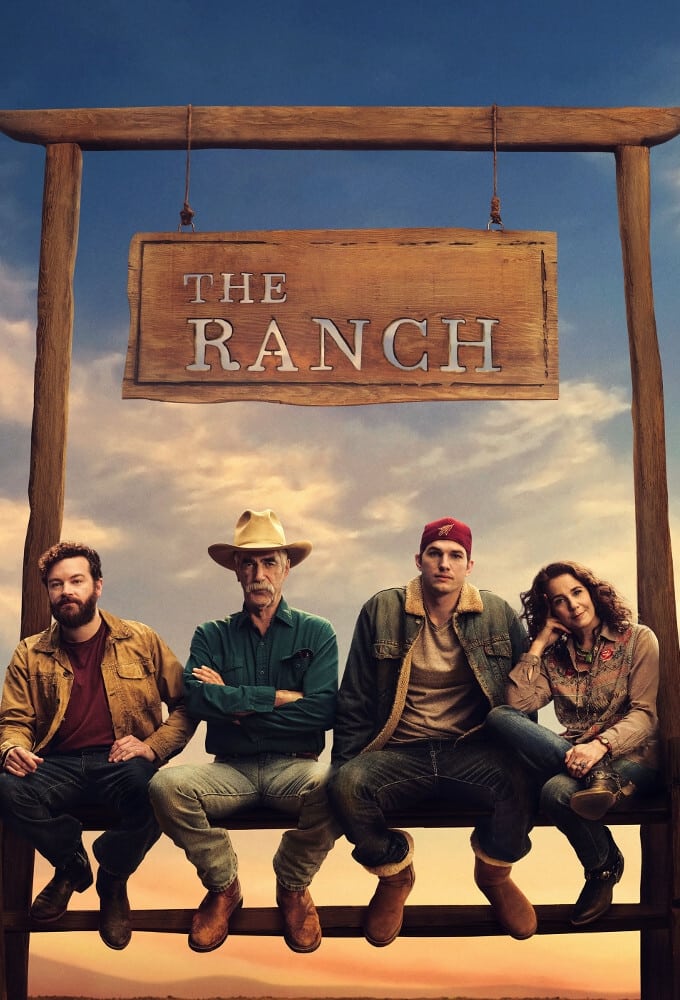
This Netflix sitcom was disrupted when Danny Masterson was fired following serious allegations and subsequent friction with the network’s standards. The removal of a core cast member changed the dynamic of the show and led to significant plot adjustments. Many fans were vocal about their disappointment with the cast change, which affected the show’s reception in its later seasons. The series was eventually brought to a close as the creative team decided the story had run its course without the full original cast.
‘Smash’ (2012–2013)
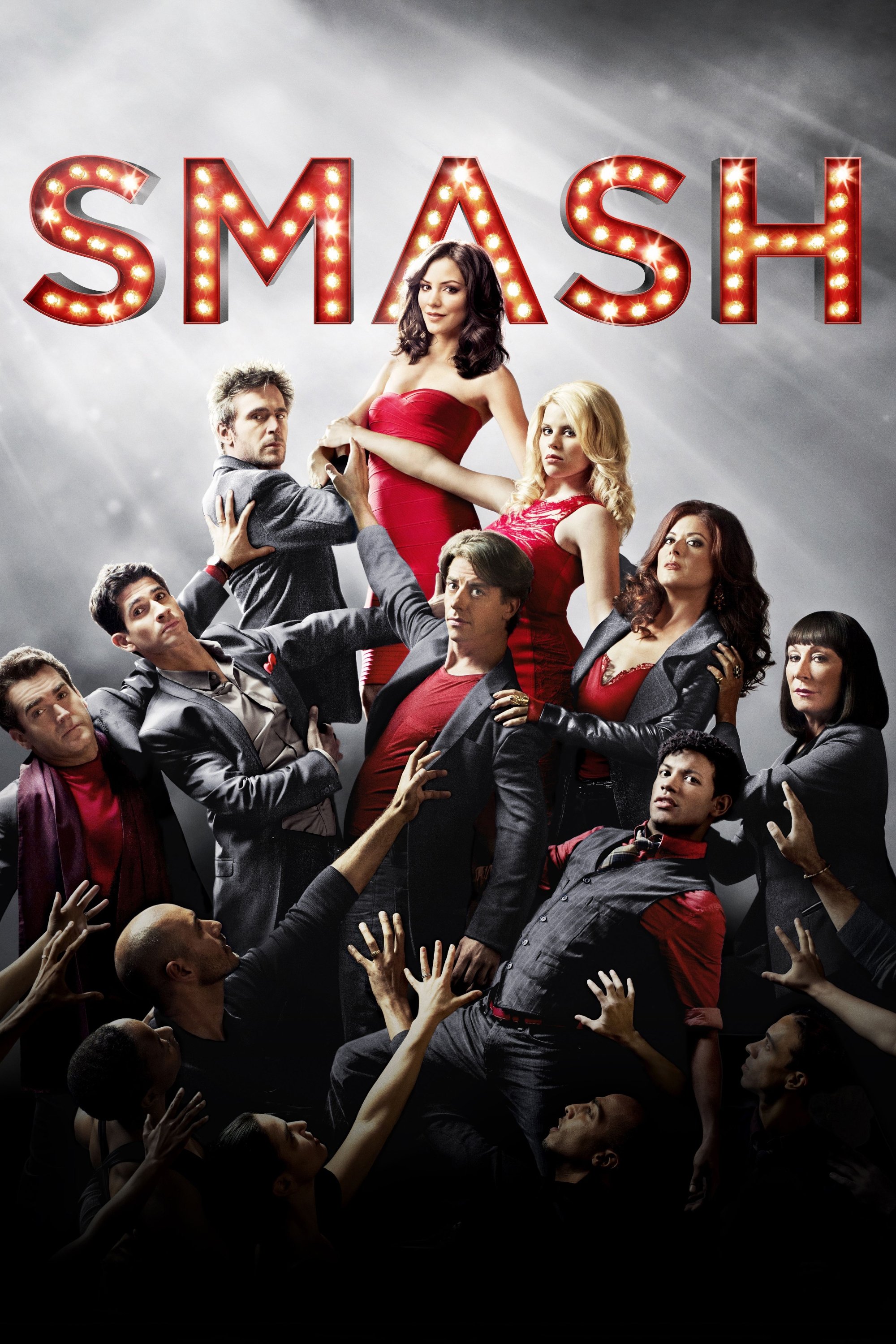
The high-stakes musical drama ‘Smash’ was plagued by internal conflict between showrunner Theresa Rebeck and the network executives. Reported clashes over the show’s creative direction led to Rebeck’s departure after the first season. The second season attempted to course-correct, but the behind-the-scenes drama had already impacted the show’s consistency. Viewers lost interest in the shifting narratives, leading to the show’s cancellation after its second year.
‘Kevin Can Wait’ (2016–2018)

The decision to fire lead actress Erinn Hayes after the first season to make room for Leah Remini sparked a massive controversy. Fans of ‘Kevin Can Wait’ were outraged by the off-screen decision and the disrespectful way Hayes’s character was written out. The creative pivot was intended to recapture the chemistry of ‘The King of Queens’, but it backfired with much of the audience. The negative press and declining ratings led the network to cancel the series after its second season.
‘Criminal Minds’ (2005–2020)
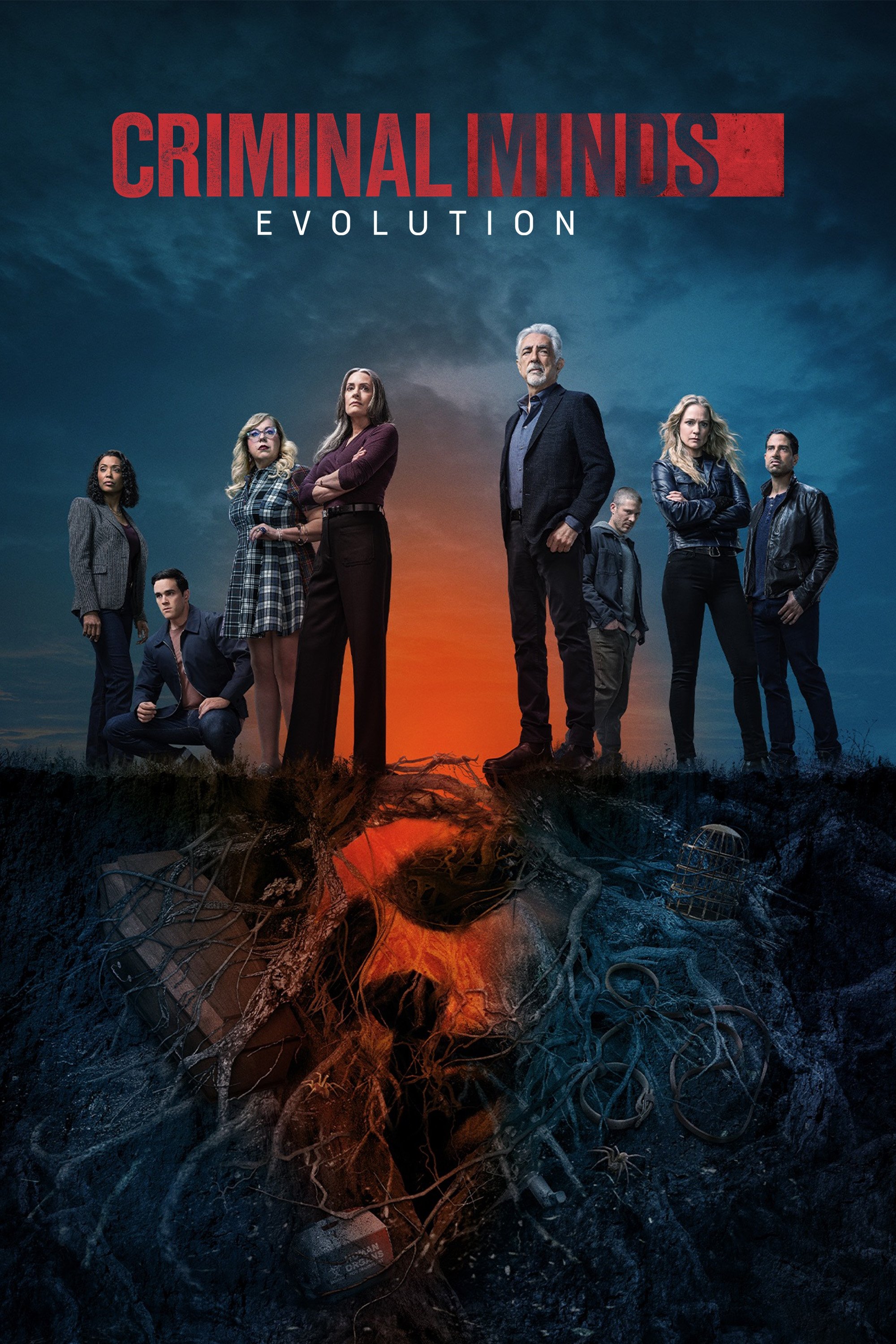
The long-running procedural ‘Criminal Minds’ faced a major internal upheaval when star Thomas Gibson was fired following an on-set altercation. Gibson reportedly kicked a producer during a dispute over a script, leading to an immediate suspension and subsequent dismissal. The loss of a central character who had been with the show since its inception caused a rift among fans and the cast. While the show continued for several more seasons, the incident marked a turning point in the show’s later years.
‘The Good Wife’ (2009–2016)
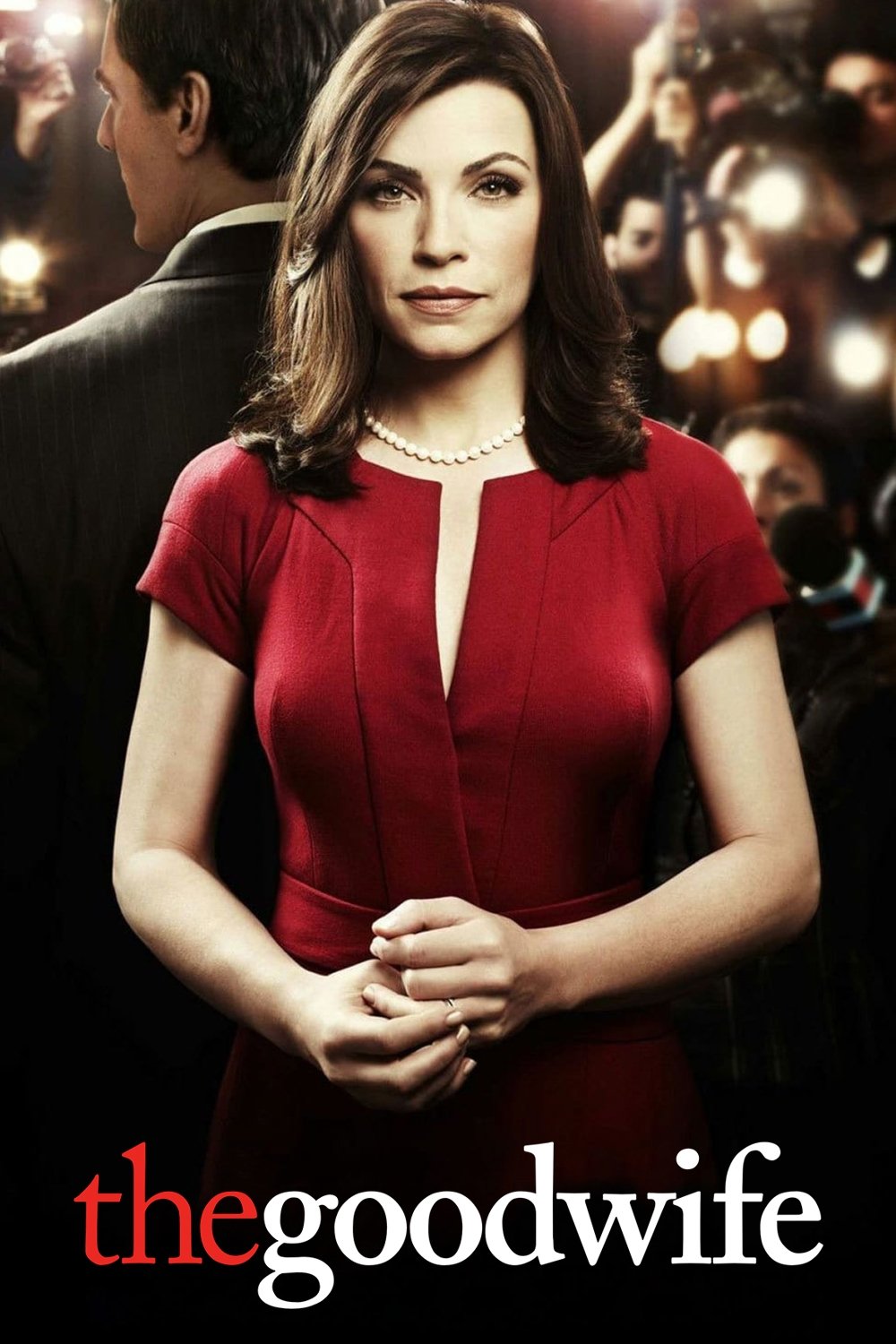
A reported feud between Julianna Margulies and Archie Panjabi became so severe that the two actresses allegedly refused to film scenes together for years. This tension culminated in a final scene for Panjabi’s character that was filmed separately and edited together using green screen technology. The lack of interaction between two of the show’s most important characters became a point of distraction for viewers. The series concluded shortly after Panjabi’s exit, with the off-screen drama casting a shadow over its final seasons.
‘Charmed’ (1998–2006)
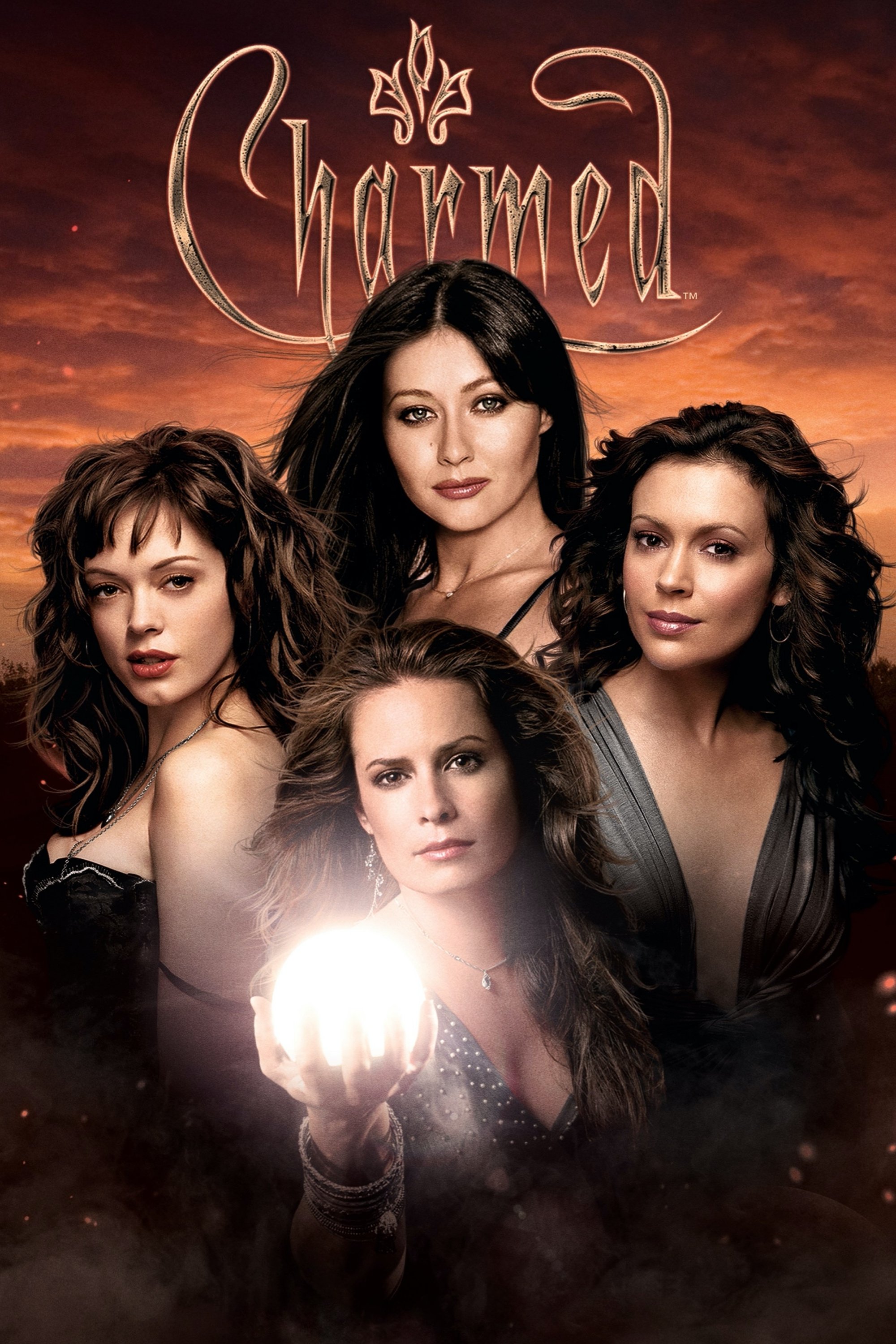
The original ‘Charmed’ series was famously defined by the reported friction between Shannen Doherty and Alyssa Milano. The tension eventually became unmanageable, leading to Doherty’s departure from the series at the end of the third season. While the show successfully introduced Rose McGowan and ran for five more years, the behind-the-scenes drama remained a frequent topic of tabloid discussion. The show eventually ended after eight seasons as the cast expressed a desire to move on from the long-running production.
‘Desperate Housewives’ (2004–2012)
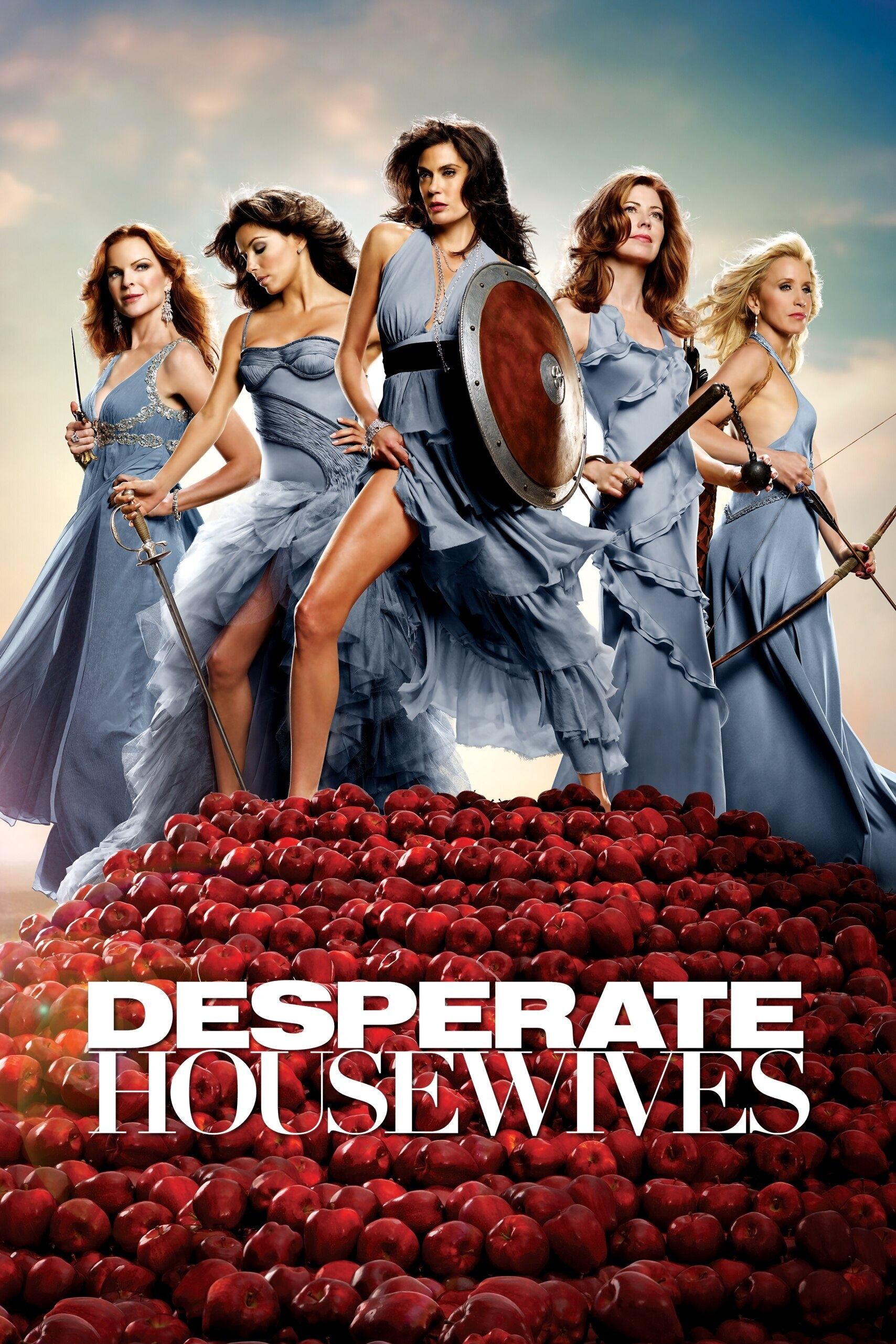
The set of ‘Desperate Housewives’ was notoriously fraught with tension, particularly between Teri Hatcher and the rest of the main cast. This friction was publicly highlighted during various photo shoots and awards ceremonies where Hatcher appeared isolated from her co-stars. The feud reached a legal boiling point when Nicollette Sheridan sued creator Marc Cherry for wrongful termination and assault. These various off-screen conflicts contributed to a difficult working environment that lasted until the show’s conclusion.
‘Community’ (2009–2015)
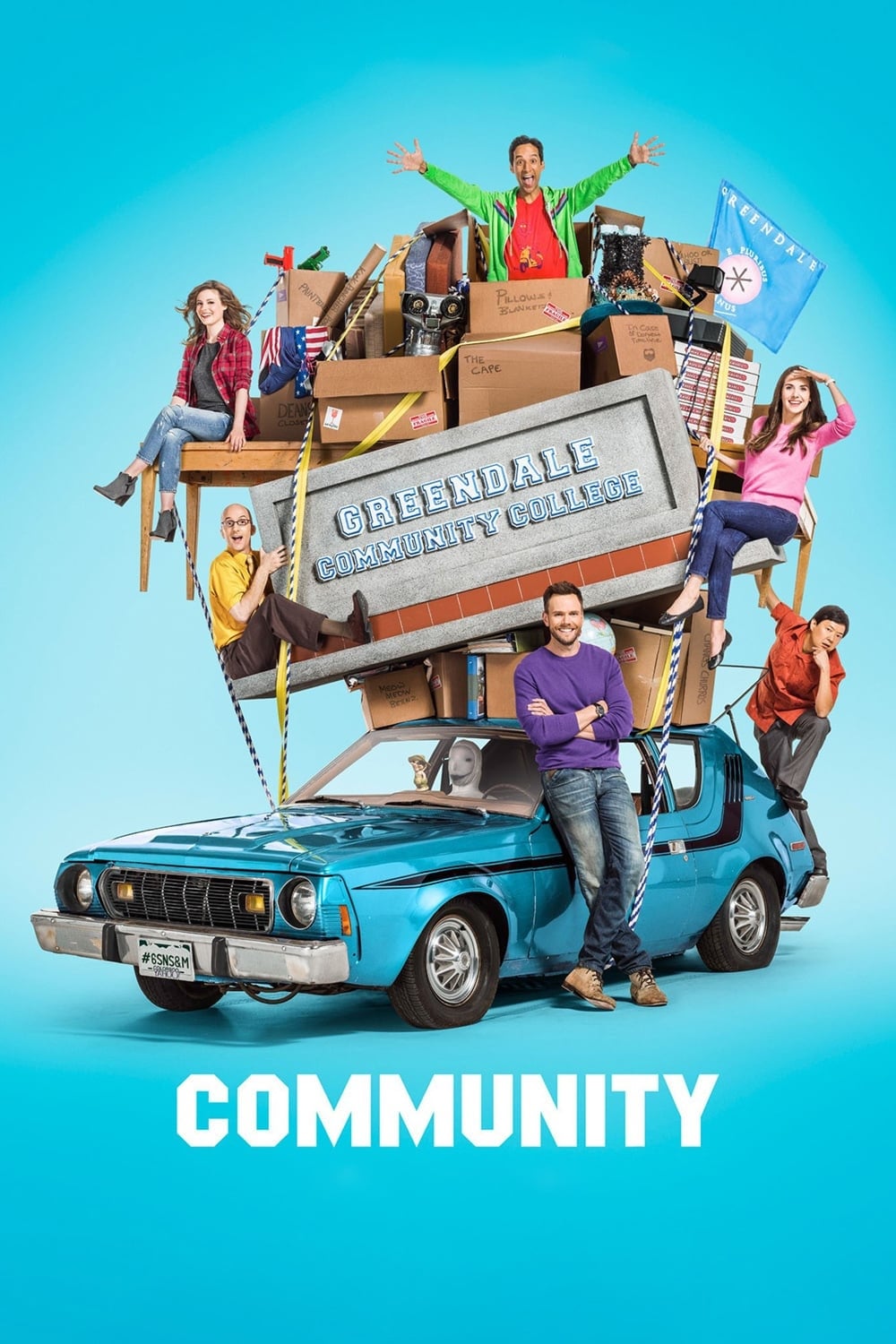
The production of ‘Community’ was marked by a very public feud between showrunner Dan Harmon and star Chevy Chase. Harmon famously played a disparaging voicemail from Chase at a wrap party, leading to a breakdown in their professional relationship. Chase eventually left the series, and Harmon was briefly fired before being rehired for the later seasons. The instability caused by these clashes contributed to the show’s frequent moves between networks and its eventual end on a streaming platform.
‘Sex and the City’ (1998–2004)

While ‘Sex and the City’ was a massive success, the relationship between Kim Cattrall and Sarah Jessica Parker was reportedly strained for much of the run. Cattrall later spoke publicly about the lack of friendship between the cast members and her dissatisfaction with the pay disparity. These feuds became even more apparent when plans for a third feature film were canceled due to Cattrall’s refusal to participate. The animosity eventually led to Cattrall’s absence from the revival series, ‘And Just Like That…’.
‘Batwoman’ (2019–2022)

The departure of Ruby Rose after the first season of ‘Batwoman’ was initially described as a mutual decision but later devolved into a public feud. Rose leveled serious allegations against the production, citing unsafe working conditions and personal conflicts with executives. The network and production company denied the claims, leading to a highly publicized standoff. Although the show was recast and continued for two more seasons, the controversy surrounding its original lead remained a persistent issue until its cancellation.
‘The 100’ (2014–2020)

The sci-fi series ‘The 100’ faced significant backlash after the departure of actor Ricky Whittle, who played Lincoln. Whittle publicly accused showrunner Jason Rothenberg of professionally bullying him and intentionally diminishing his character’s role. This feud led to Whittle’s request to be written off the show, which resulted in a controversial death for his character. The incident caused a permanent rift with a segment of the fanbase and created a tense atmosphere for the remainder of the show’s run.
‘Luck’ (2012)
While ‘Luck’ was officially canceled due to animal safety concerns, reports also indicated deep-seated friction between the creative team and the network. The show was an expensive production with a difficult schedule, and the internal pressure to perform was immense. When a third horse died during production, the existing tensions made the decision to cancel the show much easier for the network. The clash between artistic ambition and the reality of television production led to the show’s swift demise.
‘American Idol’ (2002–2016)

The twelfth season of ‘American Idol’ is often remembered for the toxic relationship between judges Mariah Carey and Nicki Minaj. Their frequent on-air bickering and leaked videos of off-camera arguments made for uncomfortable viewing and drew focus away from the contestants. The feud was widely blamed for a significant drop in ratings and a loss of prestige for the long-running competition. The show underwent a major judging panel overhaul the following year, but the damage contributed to the show’s original cancellation on its first network.
‘Roseanne’ (1988–1997)
During its original nine-season run, ‘Roseanne’ was frequently in the news due to Roseanne Barr’s feuds with writers and producers. Barr famously clashed with series creator Matt Williams, leading to his early exit from the show he helped develop. The constant turnover of showrunners and the star’s demand for creative control created a notoriously difficult environment. While the show was a ratings titan, the internal exhaustion contributed to the uneven quality of its final seasons and its eventual end.
‘Cybill’ (1995–1998)
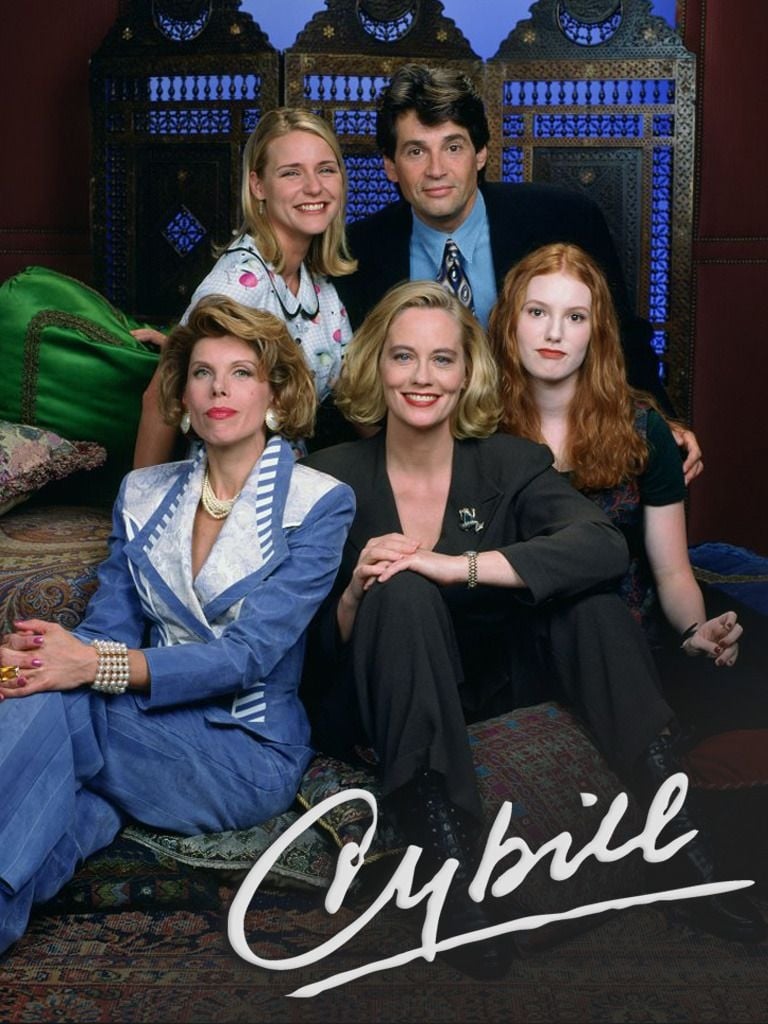
The sitcom ‘Cybill’ came to an end following reports of intense jealousy and friction between star Cybill Shepherd and her co-star Christine Baranski. As Baranski’s character became more popular and began winning awards, Shepherd reportedly demanded that the writers reduce her co-star’s screen time. This internal power struggle made the production environment increasingly difficult for the creative staff. The network eventually canceled the series, despite respectable ratings, citing the high cost and the difficult working relationships.
‘The Fresh Prince of Bel-Air’ (1990–1996)
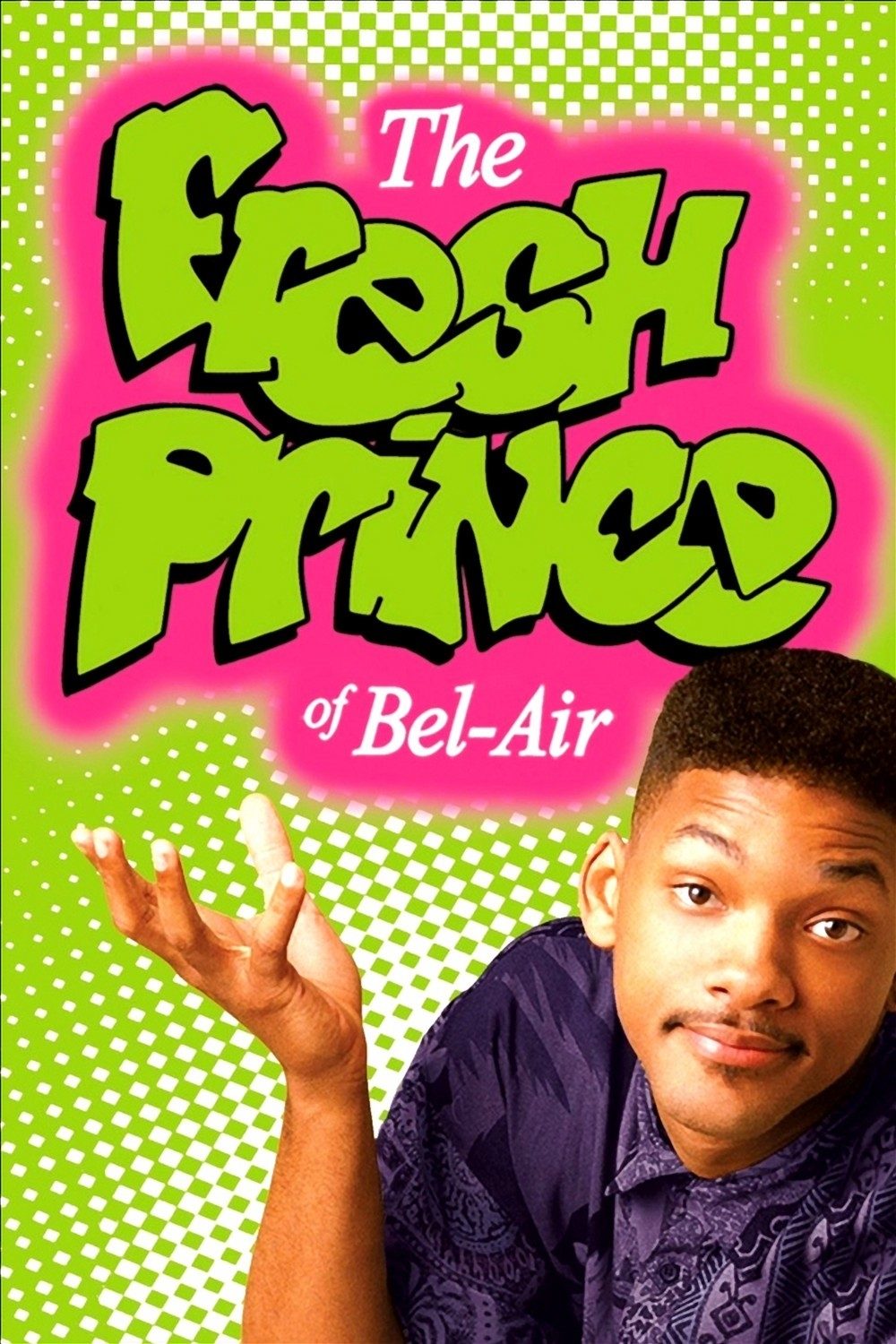
The original Aunt Viv, Janet Hubert, was famously replaced after three seasons due to a long-standing feud with Will Smith. Hubert accused Smith of being difficult and unprofessional, while Smith claimed Hubert wanted the show to revolve around her character. The friction led to her contract not being renewed, and the character was recast with Daphne Maxwell Reid. While the show continued for three more years, the public animosity between the two original stars persisted for decades until a recent televised reunion.
‘Glee’ (2009–2015)
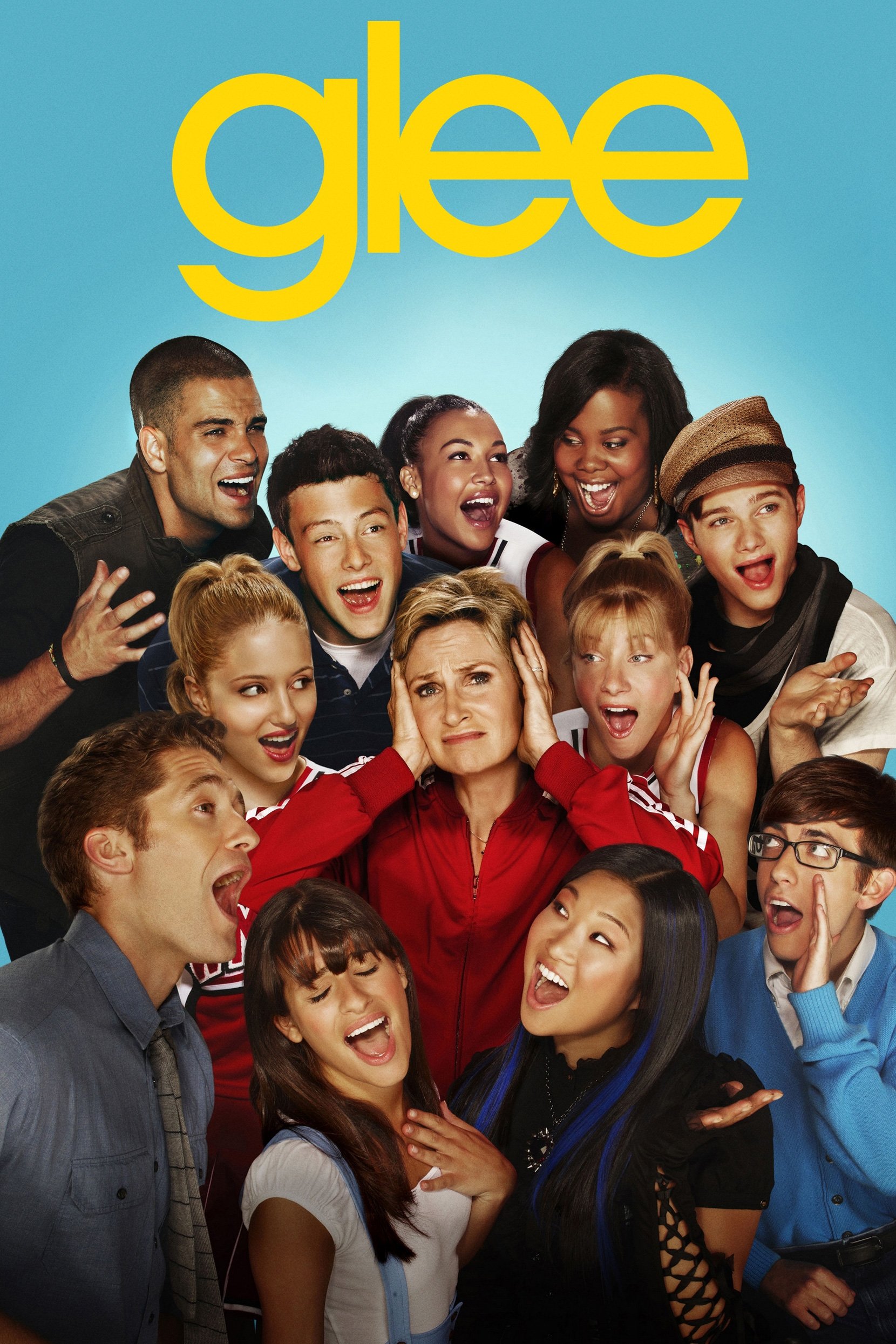
The set of ‘Glee’ was famously home to various feuds, most notably between stars Lea Michele and Naya Rivera. Rivera’s memoir detailed the competitive and often cold relationship between the two actresses as the show progressed. These tensions, combined with other internal conflicts and the tragic loss of lead actor Cory Monteith, made the final seasons difficult to produce. The show’s creative spark faded as the off-screen drama became more prominent than the musical performances, leading to its conclusion.
‘NewsRadio’ (1995–1999)

‘NewsRadio’ faced an impossible situation after the tragic death of Phil Hartman, but internal feuds further complicated its final year. When Jon Lovitz joined the cast to fill the void, he reportedly clashed with Andy Dick, whom Lovitz blamed for contributing to Hartman’s personal struggles. The resulting tension on set was palpable and made the production of the fifth season a somber and difficult experience. The show struggled to maintain its comedic tone amidst the grief and friction, leading to its cancellation.
‘Beverly Hills, 90210’ (1990–2000)
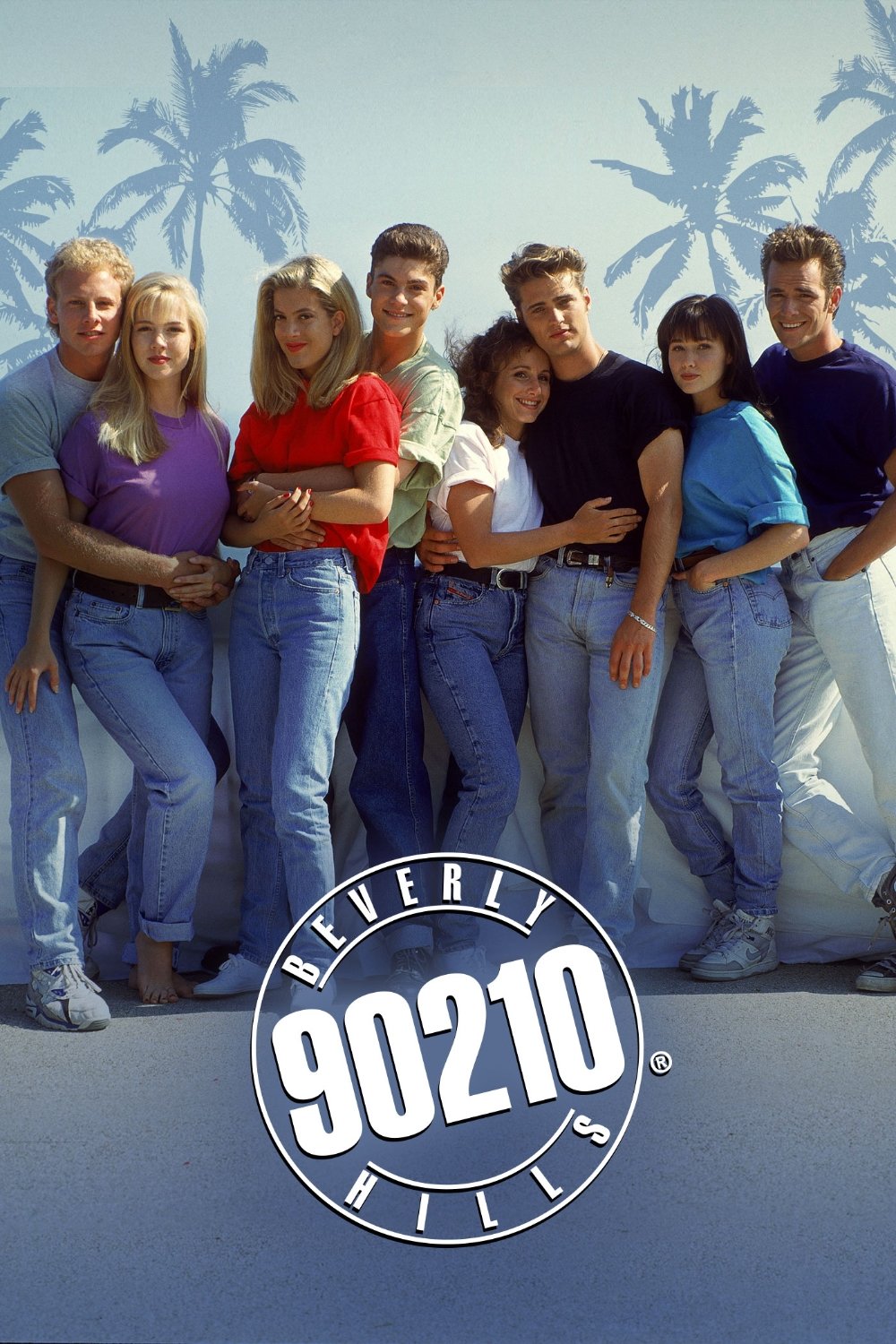
The quintessential teen drama was often overshadowed by the off-screen antics and feuds of its young cast. Shannen Doherty’s departure after the fourth season was the direct result of her friction with co-stars Jennie Garth and Tori Spelling. Reports of physical altercations and constant lateness led to the producers deciding she was no longer worth the trouble. While the show lasted for many more years, the recurring internal conflicts defined the culture of the production until its eventual end.
‘The X-Files’ (1993–2002)
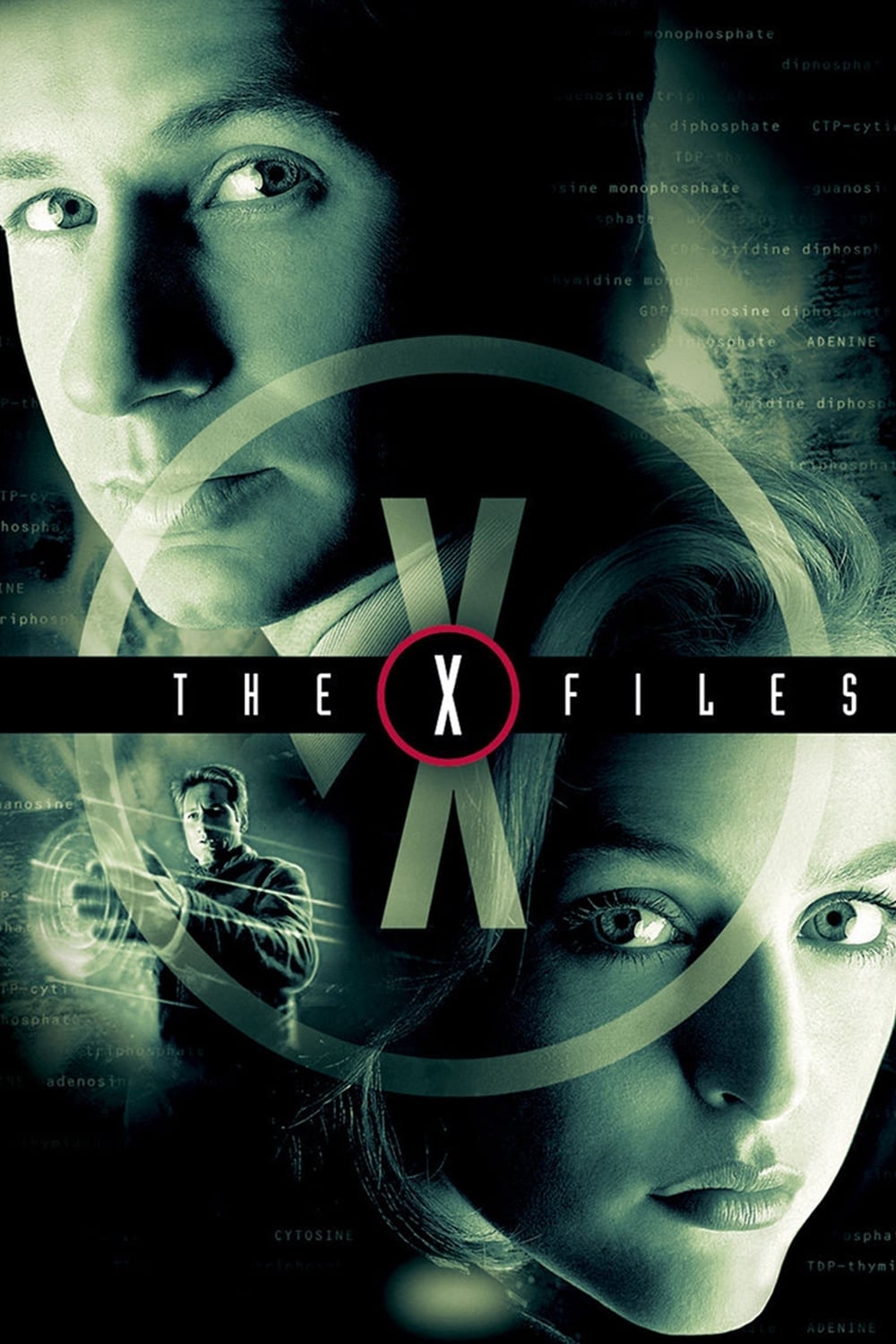
The original run of ‘The X-Files’ was impacted by David Duchovny’s legal battle with the studio over syndication profits and his desire to leave the series. This feud led to a reduced role for his character, Fox Mulder, in the later seasons and his eventual departure as a series regular. The introduction of new leads failed to capture the same magic, and the ratings began to decline significantly. The tension between the star and the studio over financial matters was a primary driver in the show’s original conclusion.
Share your thoughts on these infamous television rivalries in the comments.