Actresses Who Were Excommunicated After Starring in Deeply Blasphemous Horror Movies


Horror cinema has frequently pushed the boundaries of cultural and religious acceptability by exploring themes of faith and sacrilege. Some actresses have faced severe professional and social consequences after appearing in films that religious institutions deemed deeply blasphemous. These performers often dealt with public condemnation and organized boycotts from religious communities that viewed their work as an affront to sacred traditions. While the term excommunication is often used to describe their exclusion from certain circles the impact on their lives and careers remained tangible and long lasting. The following list highlights actresses who experienced significant religious backlash for their roles in controversial movies.
Linda Blair
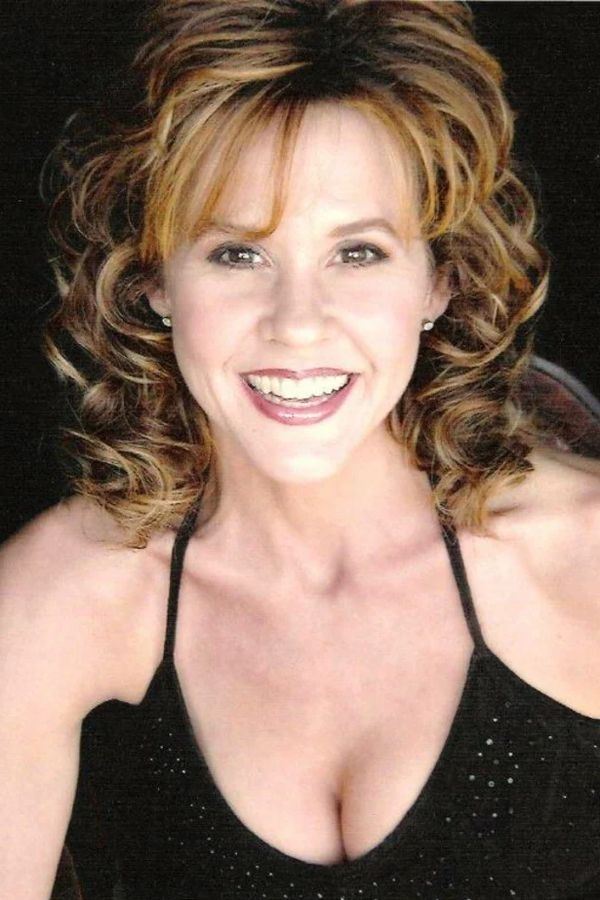
Linda Blair became a household name at a young age for her portrayal of a possessed child in ‘The Exorcist’. The film depicted scenes of extreme religious desecration and demonic possession that shocked the world in 1973. Religious organizations across the globe condemned the production and its young star for what they perceived as an assault on faith. Blair faced intense public scrutiny and death threats from those who believed she had invited evil into the world. The fallout from the role followed her for decades and limited her future opportunities in mainstream cinema.
Vanessa Redgrave
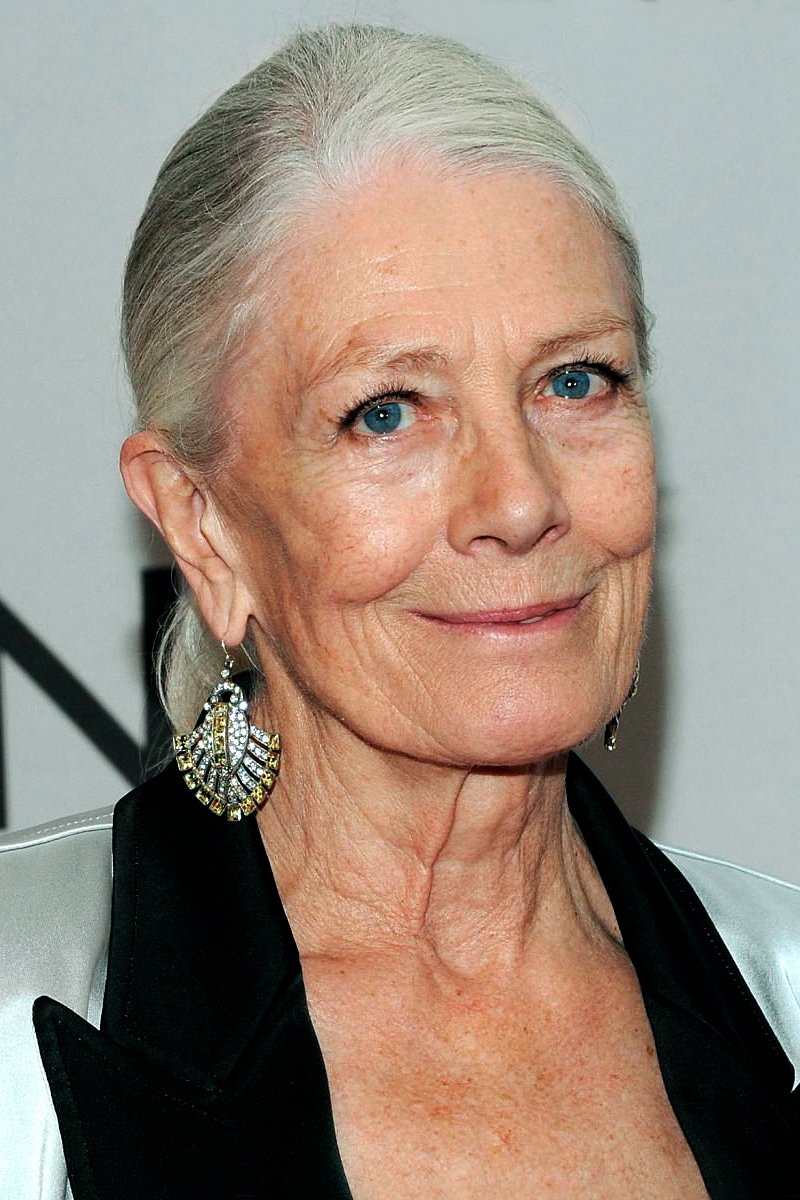
Vanessa Redgrave played a key role in the highly controversial film ‘The Devils’ which was directed by Ken Russell. The movie explored themes of religious hysteria and sexual repression within a convent and featured many scenes considered sacrilegious. The production was banned in several countries and faced extreme condemnation from the Catholic Church. Redgrave was targeted by religious groups for her participation in such a provocative and graphic story. Her involvement in the film led to a lasting reputation for taking on roles that challenged institutional power and religious norms.
Gemma Jones
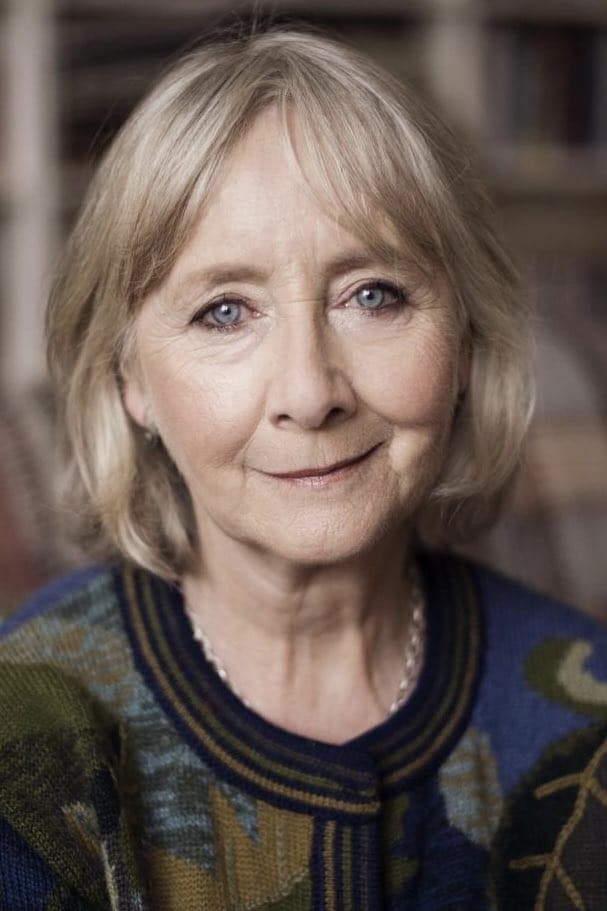
Gemma Jones appeared alongside Vanessa Redgrave in the historical horror film ‘The Devils’. Her performance contributed to a narrative that religious leaders found deeply offensive and dangerous to public morality. The film faced a massive backlash from faith based organizations that labeled the project as blasphemous garbage. Jones found herself at the center of a cultural firestorm that saw the film heavily censored or outright banned in numerous jurisdictions. This experience marked a significant moment in her career where art clashed directly with religious authority.
Carla Gravina
Carla Gravina starred in the 1974 film ‘The Antichrist’ which was also known as ‘L’anticristo’ in Italy. The movie was a response to the success of exorcism films and featured scenes of extreme religious profanity and sexualized demonic behavior. Gravina gave an intense performance that led to swift condemnation from the Vatican and other religious institutions. The film was viewed as a direct attack on the sanctity of the Church and its teachings. Her participation in the production resulted in a period of professional isolation from mainstream Italian media outlets.
Virginie Efira
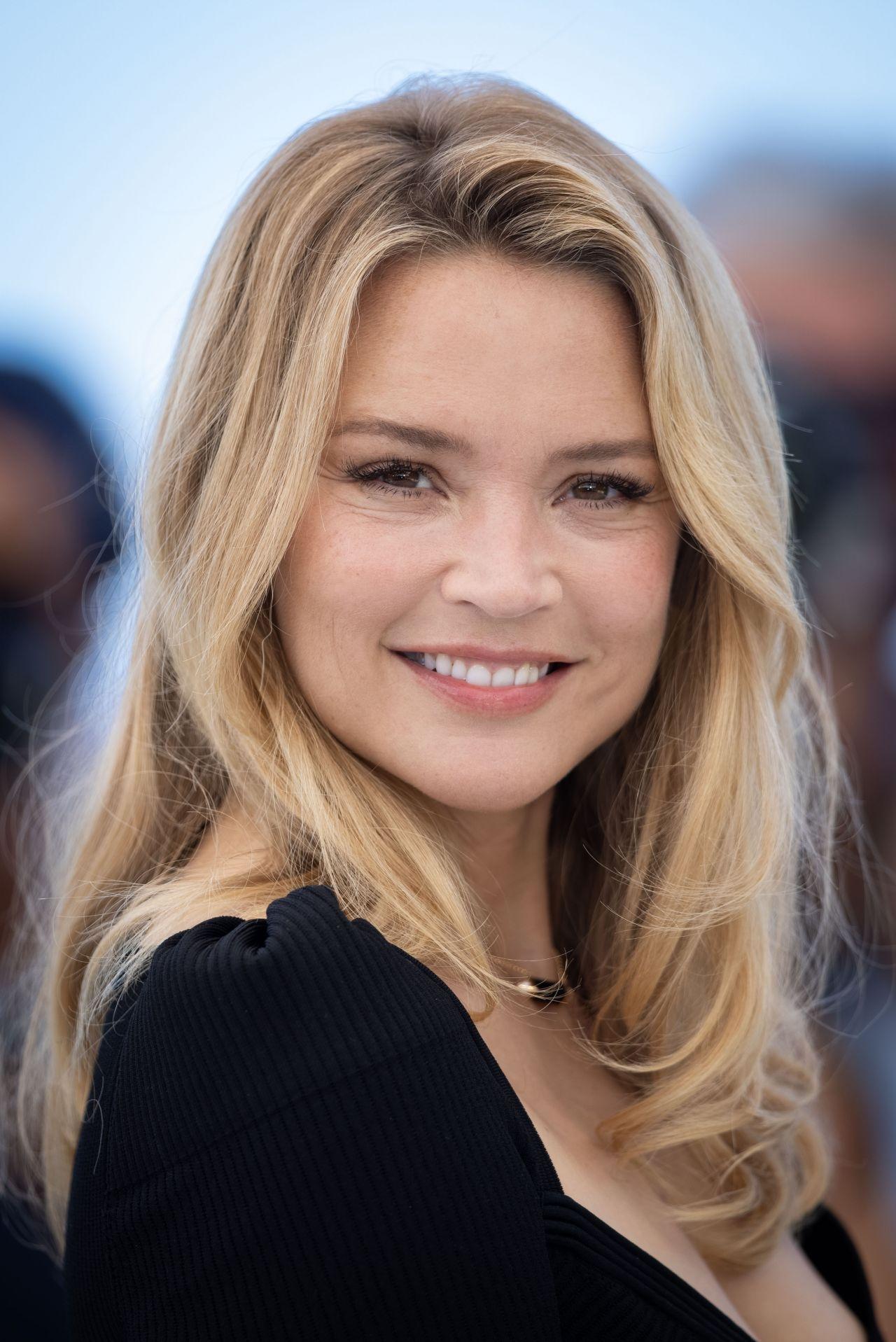
Virginie Efira took the lead role in the 2021 film ‘Benedetta’ which was directed by Paul Verhoeven. The film followed the life of a seventeenth century nun who experienced religious visions and entered into a lesbian affair. Religious groups staged protests outside of screenings and called for the film to be banned for its depiction of sacred objects in a sexual context. Efira was criticized by conservative faith organizations for her portrayal of the controversial historical figure. The actress maintained that the film was an exploration of faith and power rather than a direct insult to religion.
Charlotte Rampling
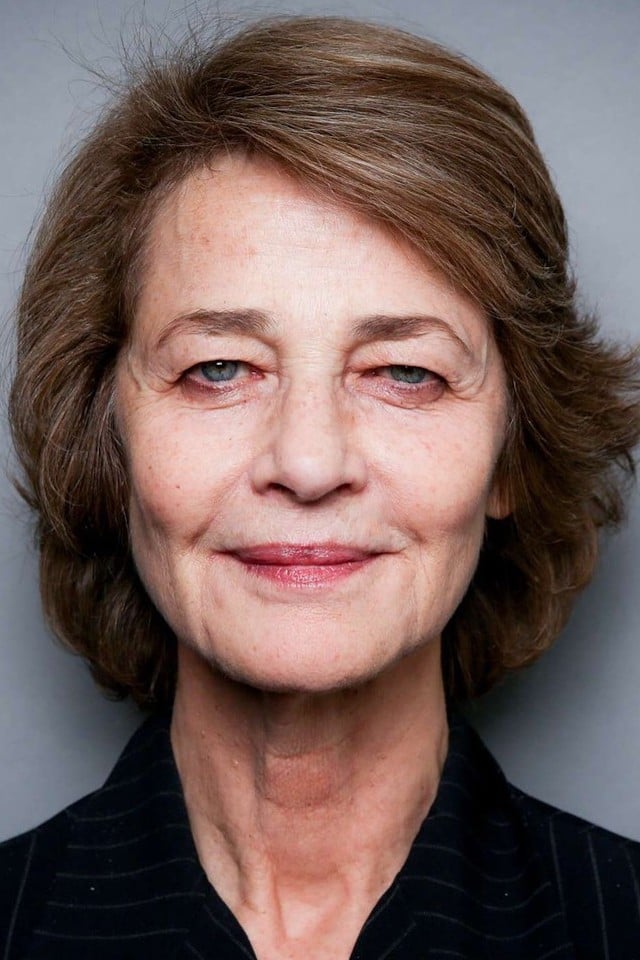
Charlotte Rampling also appeared in ‘Benedetta’ as the mother superior of the convent where the story takes place. Her presence in the film added gravitas to a production that many religious critics labeled as pornographic and blasphemous. Rampling has a long history of starring in provocative films that challenge social and religious conventions. The backlash against ‘Benedetta’ saw various Catholic organizations condemning the entire cast for their participation. This controversy underscored the ongoing tension between European art cinema and traditional religious values.
Isabelle Adjani
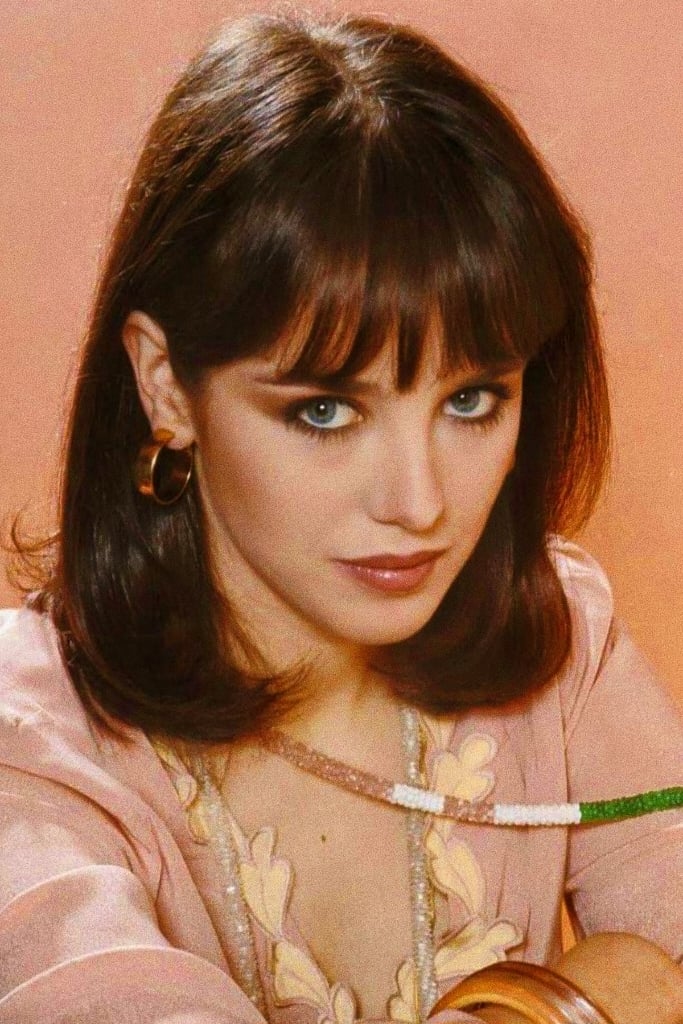
Isabelle Adjani delivered a legendary and harrowing performance in the film ‘Possession’ which was released in 1981. The movie combined elements of body horror and psychological trauma with themes that some critics found religiously disturbing. Adjani won several awards for her role but the film was initially banned in the United Kingdom as a video nasty. Religious critics were particularly unsettled by the graphic nature of the possession scenes and their subversion of traditional exorcism tropes. The actress has often spoken about the physical and emotional toll that the production took on her life.
Anya Taylor-Joy

Anya Taylor-Joy rose to fame for her role in the 2015 period horror film ‘The Witch’. The movie depicted a family in colonial New England dealing with forces of witchcraft and religious paranoia. While the film was critically acclaimed it was also condemned by some religious groups for its sympathetic portrayal of a character joining a satanic coven. Taylor-Joy was associated with a production that the Satanic Temple officially endorsed which further fueled religious controversy. The actress navigated the fallout by focusing on the historical accuracy and atmospheric tension of the story.
Morfydd Clark
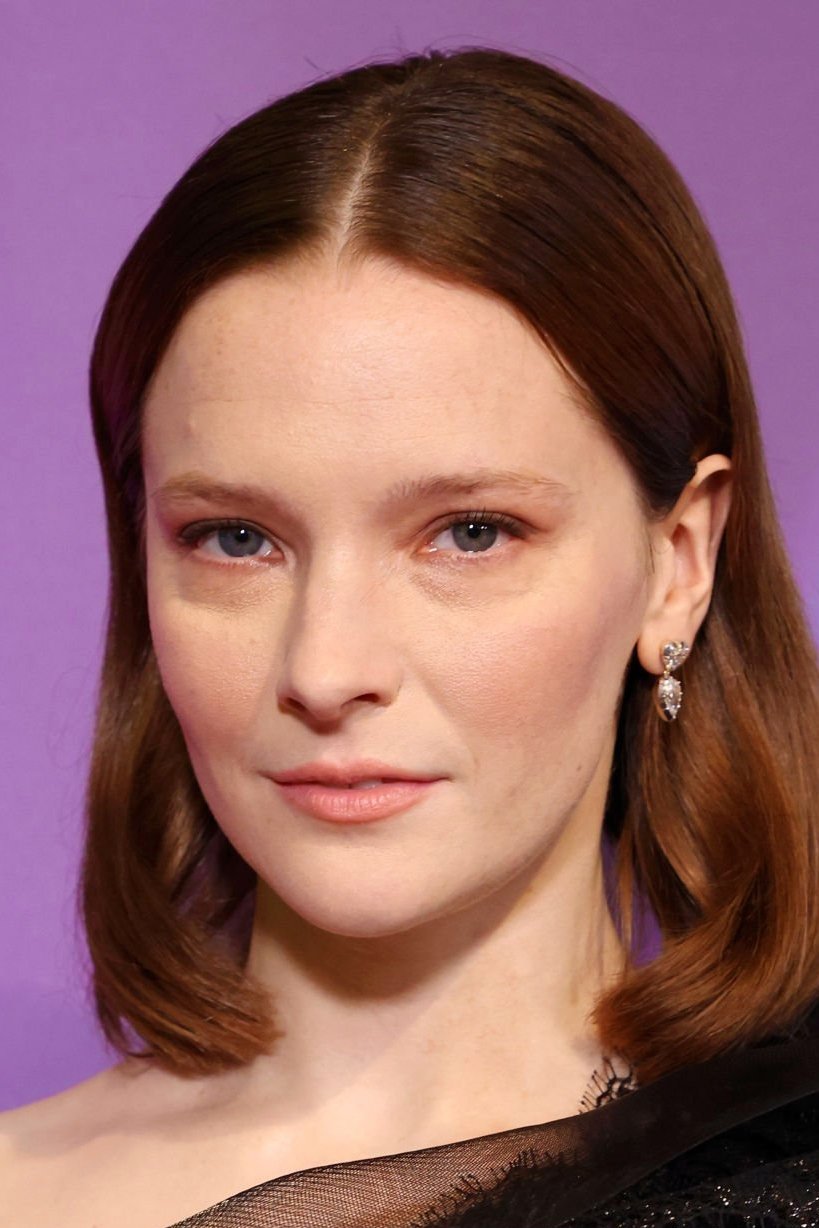
Morfydd Clark starred in the psychological horror film ‘Saint Maud’ as a pious nurse who becomes obsessed with saving the soul of a patient. The film explored the thin line between religious devotion and divine madness with scenes that some viewers found sacrilegious. Clark was praised for her intense performance but the film faced scrutiny from those who felt it mocked religious conviction. The ending of the movie was particularly polarizing for its graphic and unsettling depiction of a misguided spiritual ascension. Clark has noted that the role required a deep dive into the complexities of extreme faith.
Mia Farrow

Mia Farrow starred in the classic horror film ‘Rosemary’s Baby’ which was released in 1968. The film dealt with the birth of the Antichrist and the manipulation of a woman by a satanic cult in New York City. The National Catholic Office for Motion Pictures gave the film a condemned rating for its themes and treatment of religion. Farrow became the face of a movie that many religious families viewed as evil and spiritually dangerous. The controversy surrounding the film was amplified by its association with director Roman Polanski and his personal life.
Piper Laurie
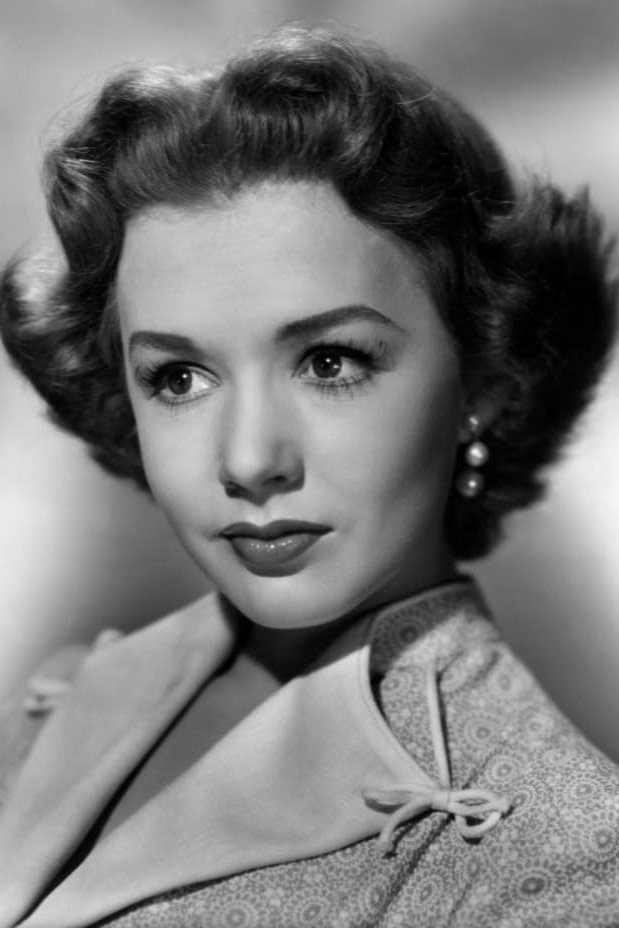
Piper Laurie played the role of Margaret White in the 1976 horror film ‘Carrie’. Her character was a religious extremist whose fanatical beliefs caused great harm to her daughter and the local community. The film used religious iconography in a way that many devout viewers found deeply unsettling and offensive. Laurie received an Academy Award nomination for her performance but she also faced criticism for portraying religious faith in such a negative light. This role defined the archetype of the religious villain in modern horror cinema.
Asia Argento
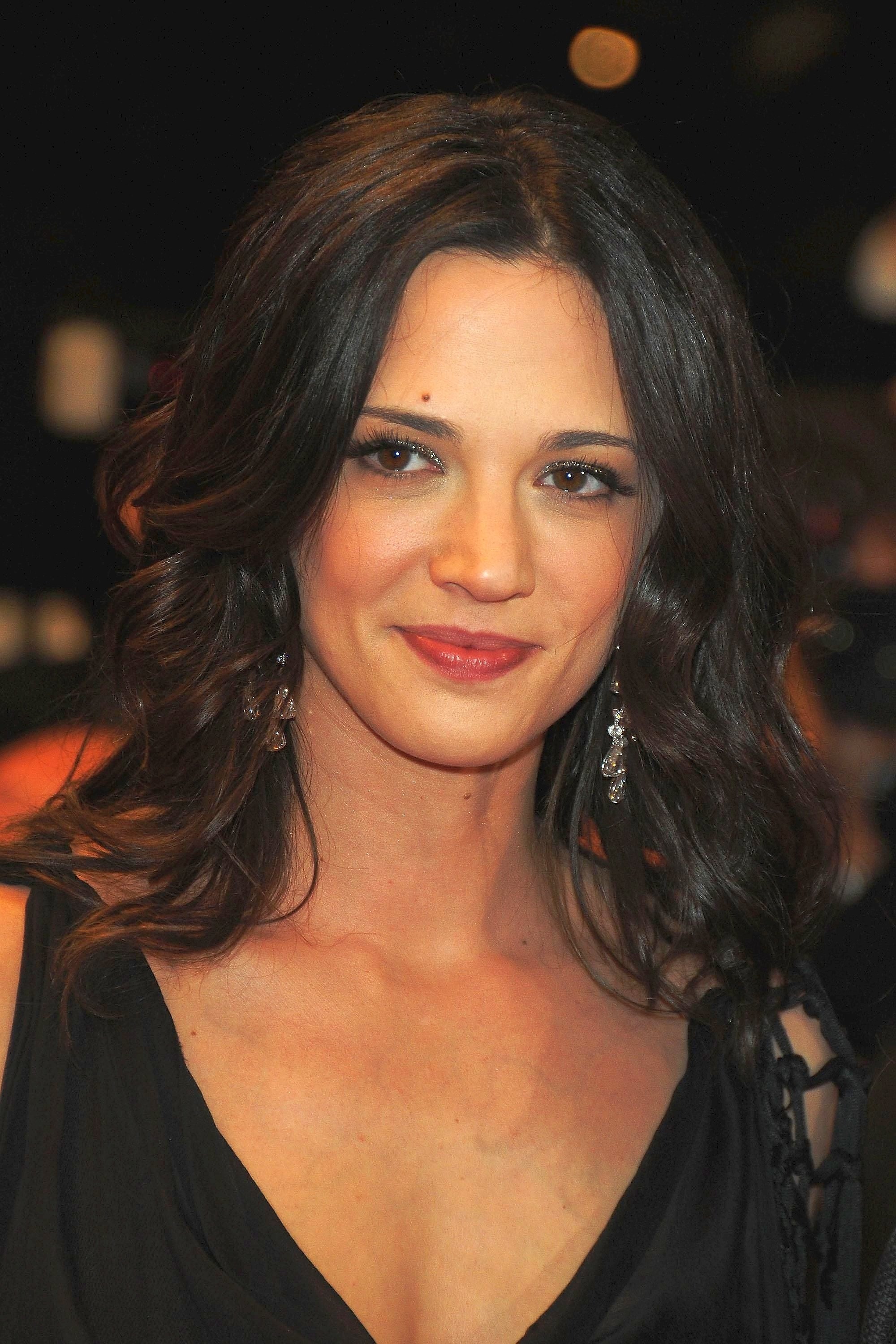
Asia Argento starred in and directed various films that explored occult themes including ‘The Mother of Tears’. Her work often incorporated blasphemous imagery and a direct challenge to the authority of the Catholic Church. The Argento family has a long history of producing horror films that are frequently condemned by religious authorities in Italy. Asia has embraced this controversial reputation and often uses her platform to critique traditional institutions. Her roles in these films have made her a target for religious groups that view her art as spiritually corrosive.
Juliet Mills
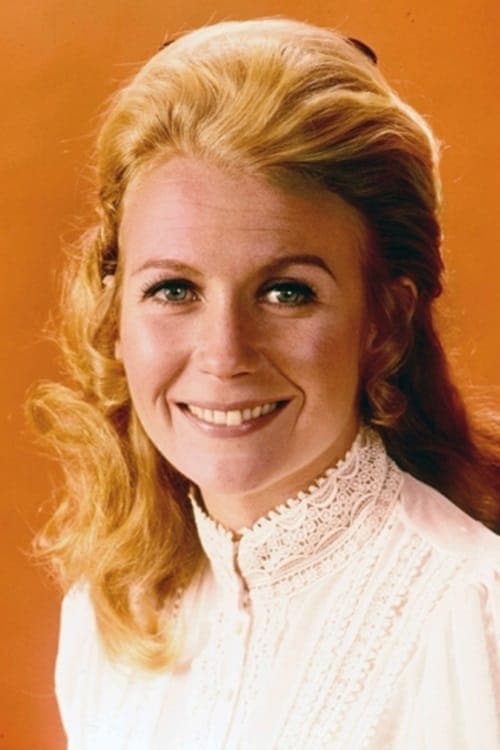
Juliet Mills starred in the 1974 film ‘Beyond the Door’ which was a major commercial success following the trend of possession movies. The film was criticized for being a blatant imitation of ‘The Exorcist’ and for its graphic scenes of a pregnant woman being possessed by a demon. Mills faced a backlash from religious organizations that felt the film was exploiting sacred themes for cheap thrills. The movie was banned in several jurisdictions and led to legal battles over its content and marketing. Mills found herself associated with a project that many considered to be at the forefront of blasphemous cinema.
Lee Remick
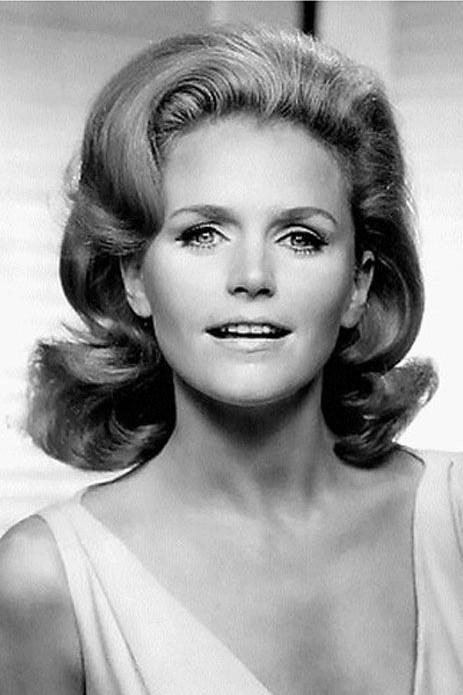
Lee Remick played a central role in the 1976 film ‘The Omen’ as the mother of a child who is revealed to be the Antichrist. The movie utilized biblical prophecy and religious symbols to create a sense of impending doom and supernatural dread. Religious critics were divided on the film with some viewing it as a cautionary tale and others seeing it as a sensationalized take on sacred scripture. Remick was part of a production that grossed millions of dollars while simultaneously attracting protests from faith based groups. The film solidified the Antichrist trope as a staple of blasphemous horror.
Brooke Shields
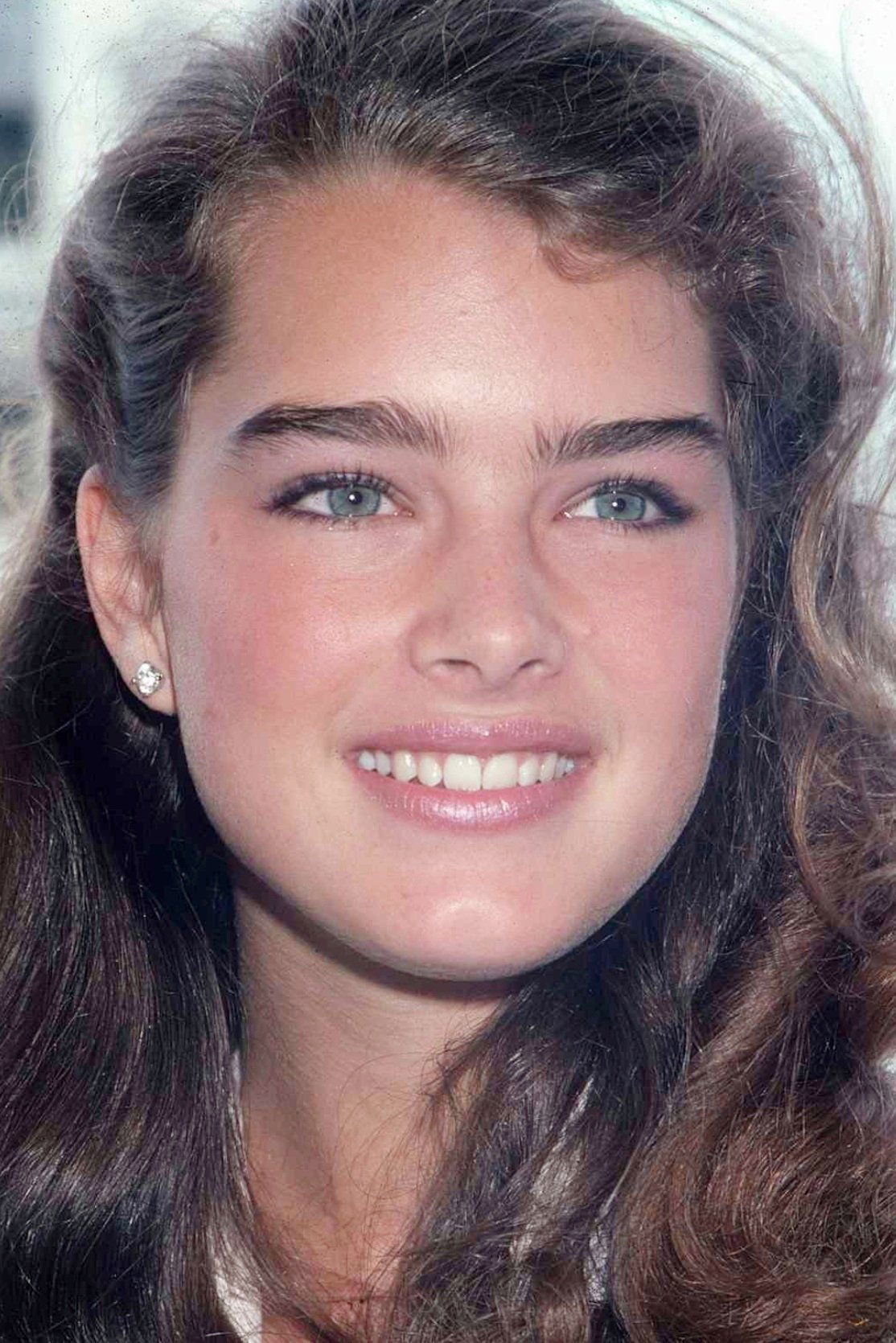
Brooke Shields starred in the 1976 film ‘Alice, Sweet Alice’ which was originally titled ‘Communion’. The movie featured a killer wearing a yellow raincoat and a transparent mask who targeted young children during their First Communion. The use of Catholic rituals as a backdrop for a slasher film was viewed as highly offensive by the Church. Shields was a young child at the time and her involvement in such a controversial production led to significant media attention. The film was eventually re-titled to distance itself from the religious controversy it generated.
Sydney Sweeney

Sydney Sweeney starred in and produced the 2024 horror film ‘Immaculate’ which depicted a dark conspiracy within an Italian convent. The film featured themes of forced pregnancy and the subversion of the immaculate conception which led to immediate religious backlash. Sweeney was criticized by some conservative groups for her role as a nun who discovers the horrifying secrets of her religious order. The marketing for the film even leaned into the controversy by quoting negative reviews from religious critics. The actress has defended the film as a bold entry into the tradition of religious horror.
Nell Tiger Free
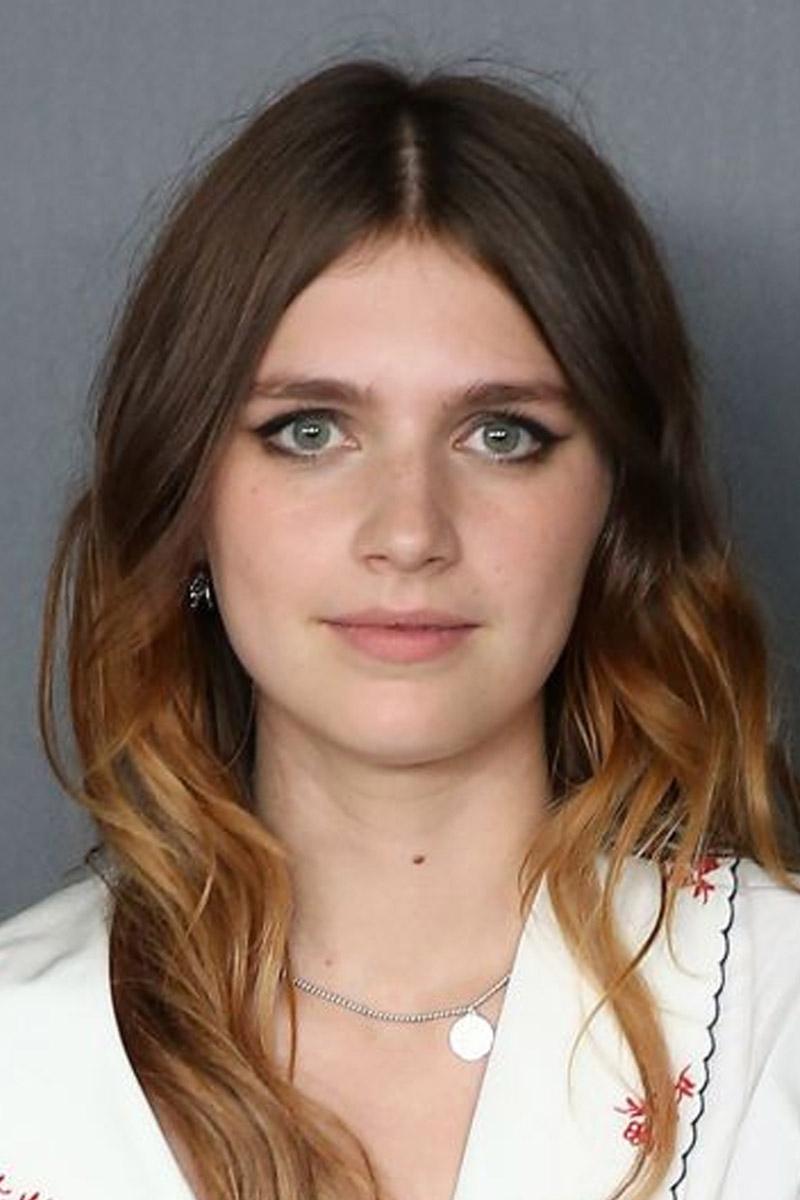
Nell Tiger Free took the lead role in ‘The First Omen’ which served as a prequel to the classic 1976 horror film. The movie explored the origins of the Antichrist and included scenes of graphic body horror set within a religious institution. Free portrayed a young novice who begins to uncover a terrifying conspiracy within the Church that aims to bring about the birth of evil. Religious organizations expressed concern over the film’s depiction of clergy members as villains and its treatment of sacred themes. The actress provided a grounded performance in a story that many found to be deeply sacrilegious.
Taissa Farmiga

Taissa Farmiga starred in ‘The Nun’ which is part of the popular ‘Conjuring’ film universe. The movie focused on a demonic entity that took the form of a nun and terrorized a remote monastery in Romania. While the film was a massive box office hit it was also criticized by some for using religious imagery to generate scares. Farmiga played a young postulant who faced off against the demonic force which some religious viewers felt was a disrespectful use of holy themes. The actress has become a staple of the horror genre and often navigates projects with significant spiritual overtones.
Bonnie Aarons
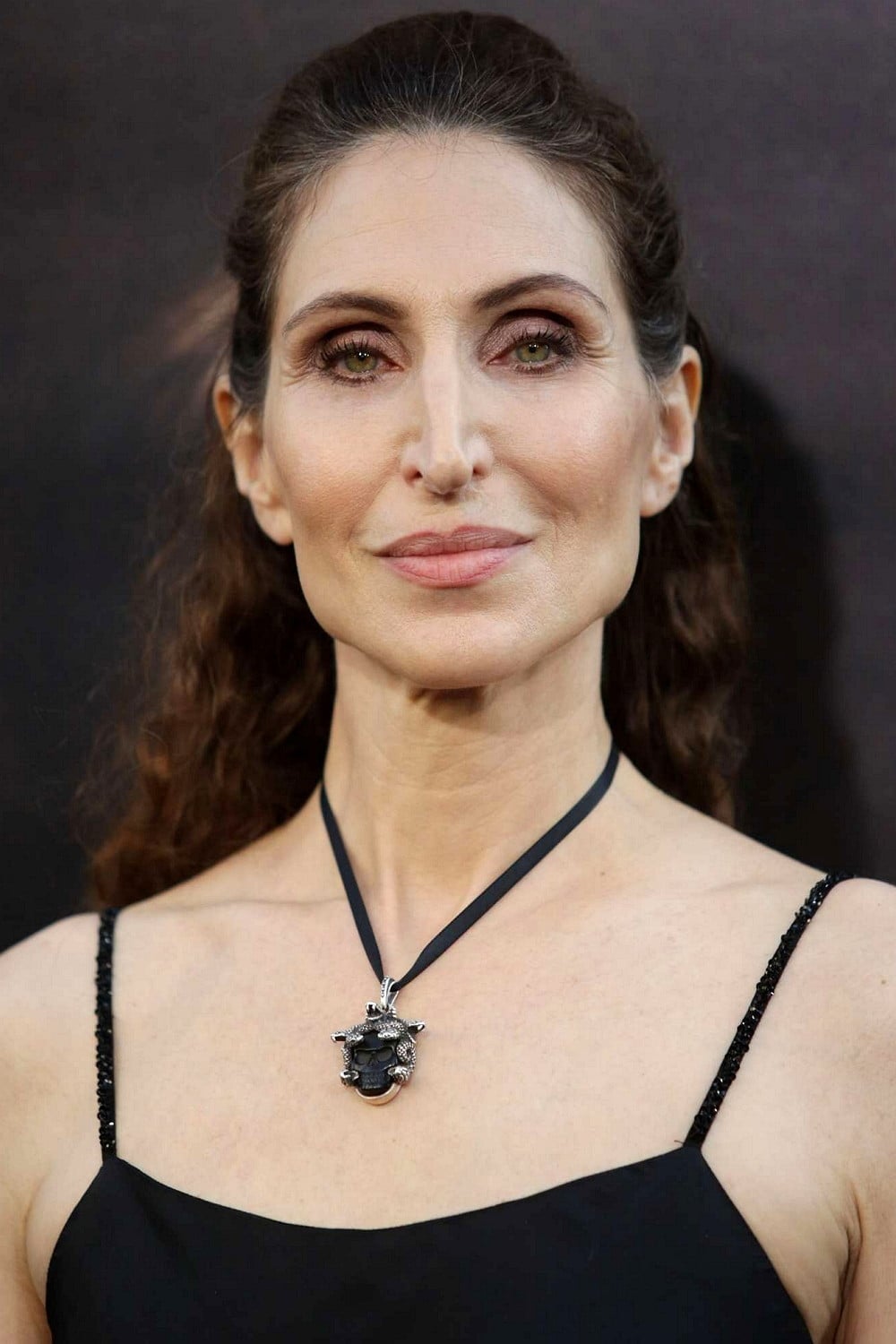
Bonnie Aarons became famous for her portrayal of the demonic entity Valak in ‘The Nun’ and ‘The Conjuring 2’. Her appearance as a terrifying demonic nun created a lasting image that many religious groups found deeply offensive. The character was viewed as a mockery of religious life and a perversion of the sacred habit worn by nuns. Aarons has embraced the role despite the controversy it generated among those who found the imagery blasphemous. Her performance helped make the character one of the most recognizable villains in modern horror history.
Salma Hayek Pinault

Salma Hayek Pinault appeared in the 1999 film ‘Dogma’ which was a satirical take on Catholic theology and religious tradition. The movie featured her as a muse and included various scenes that the Catholic League deemed to be blasphemous. Protestors gathered at theaters across the United States to express their outrage at the film’s irreverent tone and depiction of religious figures. The actress faced personal criticism from religious organizations that felt her participation was a betrayal of her cultural and spiritual background. This experience highlighted the intense scrutiny that public figures face when they engage with sensitive religious topics.
Mia Goth

Mia Goth has appeared in several horror films that have pushed the boundaries of taste and religious sensitivity including ‘Pearl’ and ‘Suspiria’. Her work often involves themes of obsession and violence that some critics have linked to a subversion of traditional moral values. Goth is known for her fearless performances in films that are frequently debated in religious circles for their extreme content. The 2018 remake of ‘Suspiria’ in particular used occult themes and body horror that many found disturbing and sacrilegious. The actress continues to be a prominent figure in provocative independent horror cinema.
Jessica Harper
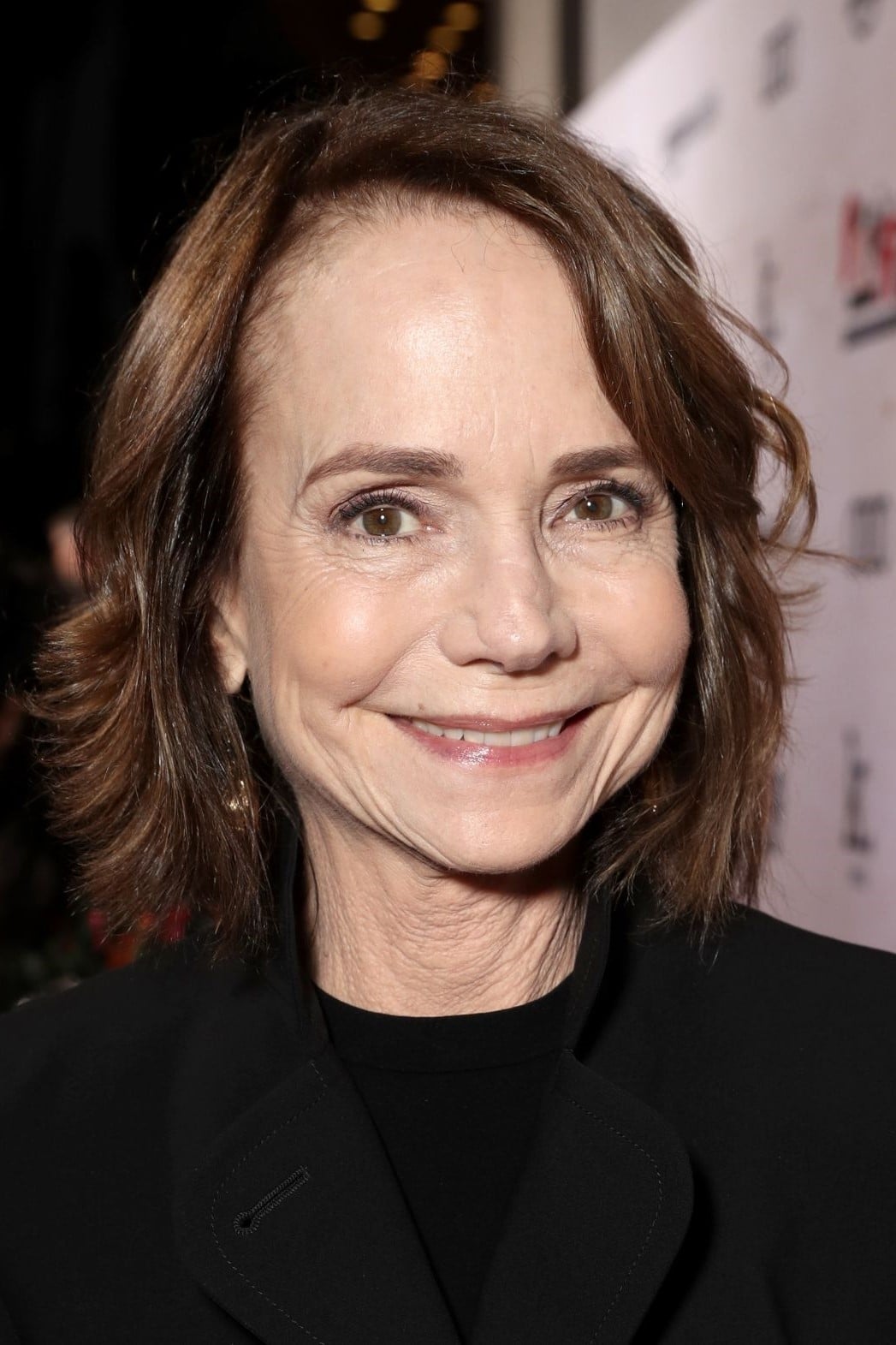
Jessica Harper starred in the original 1977 film ‘Suspiria’ which was directed by Dario Argento. The movie focused on a ballet academy that was secretly a coven for powerful witches and featured many stylized and violent deaths. The film was viewed by some religious critics as a glorification of the occult and a challenge to traditional faith. Harper gave a memorable performance as the protagonist who discovers the dark secrets of the academy. The film’s lasting influence on the horror genre has kept it at the center of discussions about the intersection of art and religious taboo.
Daria Nicolodi
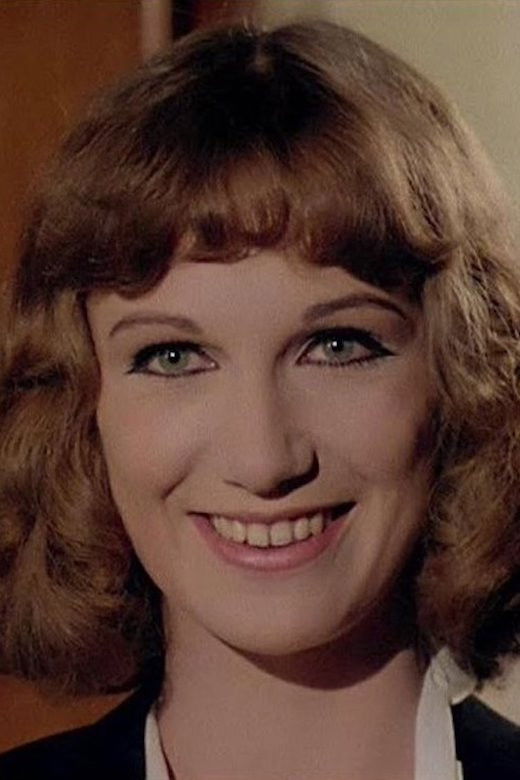
Daria Nicolodi was a frequent collaborator of Dario Argento and appeared in several of his most famous horror films including ‘Inferno’. Her roles often involved facing off against ancient supernatural forces and dealing with occult mysteries. The films she participated in were often condemned by the Church for their use of blasphemous imagery and focus on witchcraft. Nicolodi also co-wrote some of these scripts and contributed to a body of work that was seen as a direct challenge to religious authority. She remained a key figure in the Italian horror scene for many years.
Stefania Casini
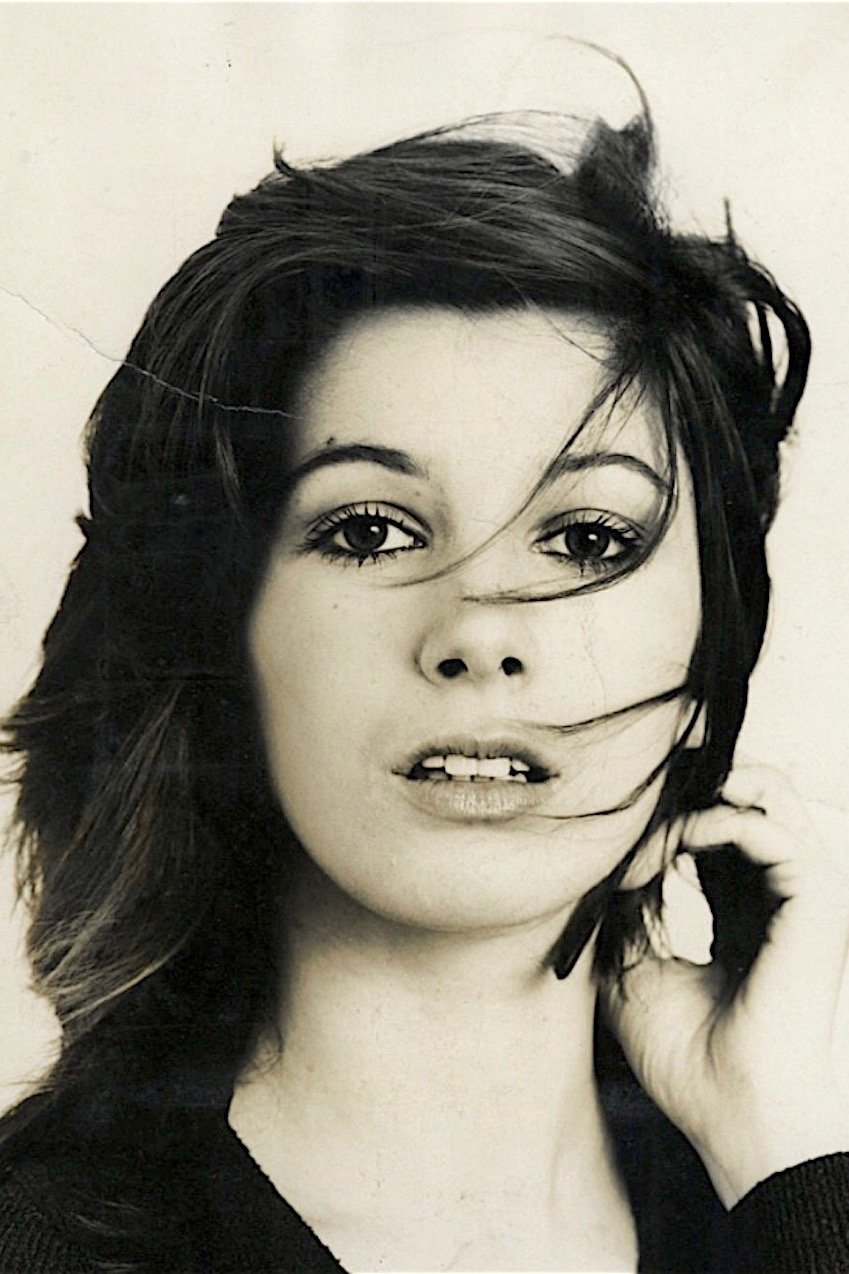
Stefania Casini appeared in ‘Suspiria’ and other Italian horror films that explored themes of the supernatural and the occult. Her roles often put her at the center of narratives that were deemed inappropriate by religious organizations of the time. The graphic nature of Italian horror in the 1970s led to many films being censored or restricted by local authorities under pressure from faith based groups. Casini was part of a generation of actresses who worked in a genre that was frequently under fire for its perceived lack of morality. Her performances contributed to the dark and atmospheric tone of these classic films.
Barbara Steele
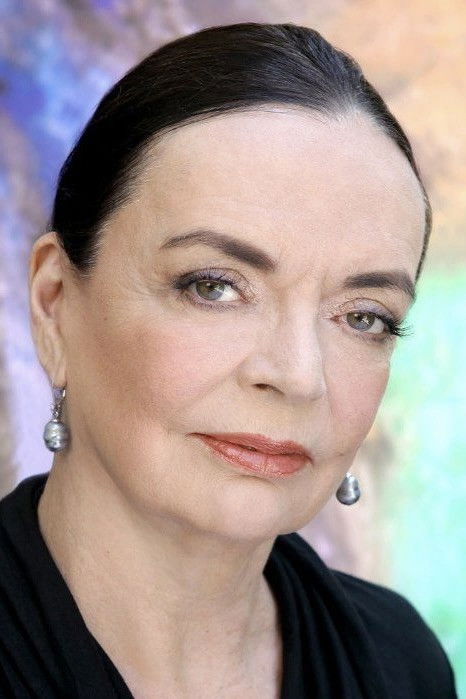
Barbara Steele is often referred to as the Queen of All Scream Queens for her roles in gothic horror films like ‘Black Sunday’. The film featured scenes of witchcraft and resurrection that were viewed as sacrilegious by many religious viewers in 1960. Steele’s striking appearance and intense screen presence made her the face of a new kind of horror that felt dangerous to traditional values. She faced criticism for her association with films that explored the darker side of the human soul and the supernatural. Her work in the genre has since become legendary among horror fans worldwide.
Cristina Galbó

Cristina Galbó starred in the 1974 horror film ‘The Living Dead at Manchester Morgue’ which is also known as ‘Let Sleeping Corpses Lie’. The film used themes of life and death that some religious groups found disturbing and offensive to sacred beliefs. Galbó gave a strong performance in a movie that was noted for its graphic gore and pessimistic tone. The production faced censorship in various countries due to its intense imagery and perceived lack of respect for the dead. The actress was part of a wave of European horror that challenged the boundaries of what could be shown on screen.
Dagmar Lassander
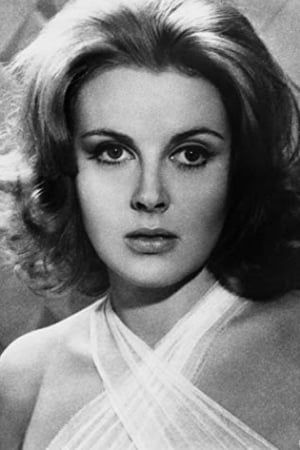
Dagmar Lassander appeared in several Italian horror and giallo films that were frequently the subject of religious controversy. Her work in ‘The House by the Cemetery’ and other similar projects involved themes of death and the macabre that were often condemned. The Church in Italy was particularly vocal about its disapproval of films that utilized religious symbols in a horror context. Lassander continued to work in the genre despite the social and professional pressure from conservative institutions. Her career reflects the resilience of performers who choose to work in transgressive art.
Fairuza Balk
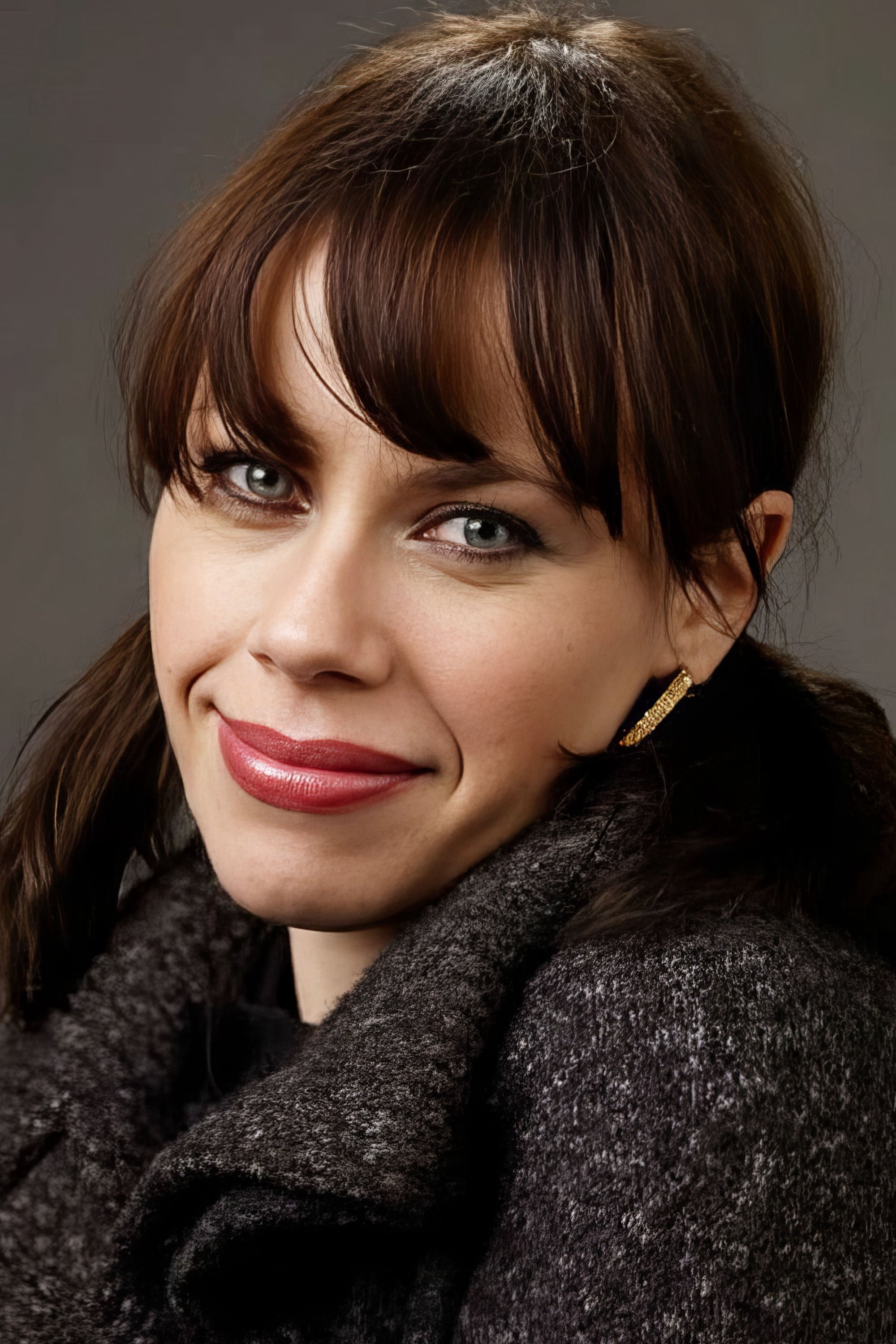
Fairuza Balk starred in the 1996 film ‘The Craft’ which focused on a group of high school students who practiced witchcraft. The film was criticized by some religious organizations for portraying paganism and magic in a positive or appealing light for young audiences. Balk’s performance was particularly intense and she even became involved in the occult community in real life. This association led to a reputation that made her a target for groups concerned about the influence of the film on public morality. The actress has often spoken about her interest in alternative spiritual paths and how it shaped her career.
Patricia Arquette
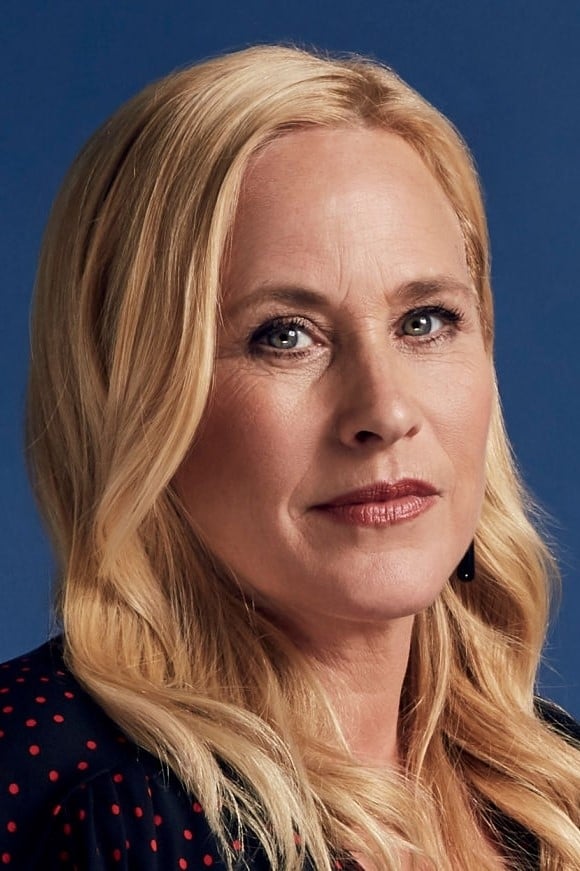
Patricia Arquette took the lead role in the 1999 film ‘Stigmata’ which dealt with a woman who began to experience the wounds of Christ. The film included a plot involving a lost gospel that challenged the foundations of the Catholic Church. The production was condemned by the Vatican and other religious groups for its portrayal of church leadership and sacred phenomena. Arquette played a secular character caught in the middle of a spiritual battle which many found to be a blasphemous premise. The film was a commercial success but remained a point of contention for religious critics.
Please share your thoughts on these controversial roles and their impact in the comments.