Celebrities Who Were Accused of “Blackfishing” and Sparked Global Outrage

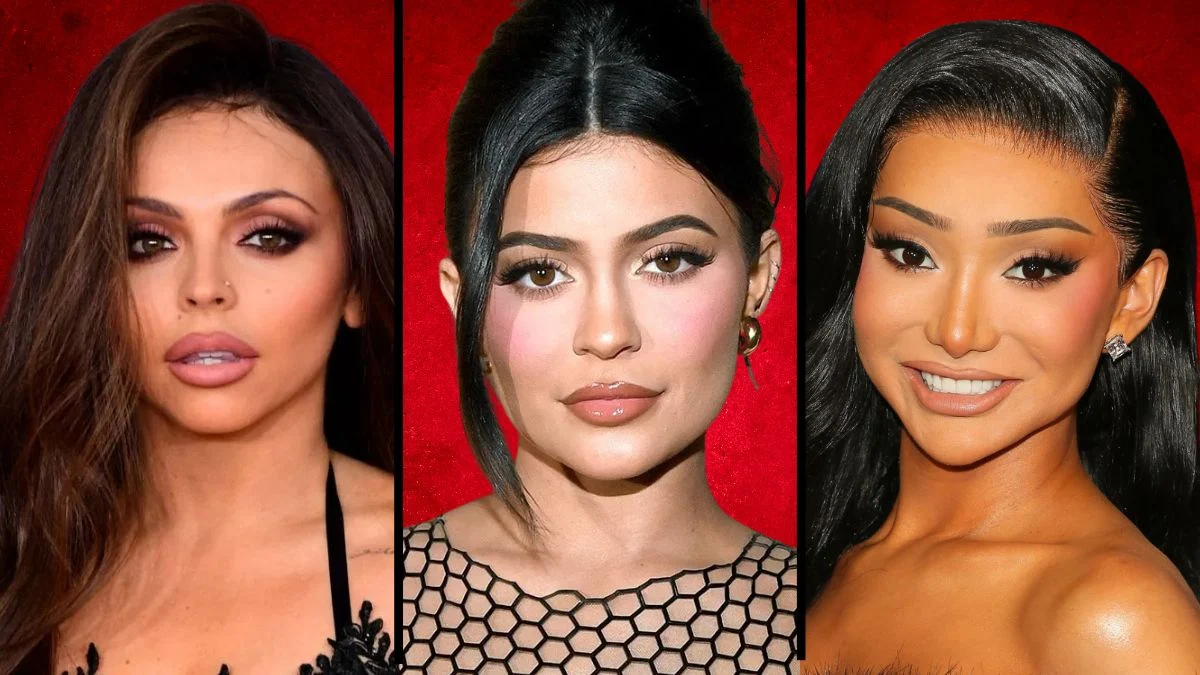

The concept of Blackfishing has become a significant topic of discussion within the entertainment industry and social media platforms. It describes the practice of non Black individuals using styling and makeup to appear of Black or mixed heritage for aesthetic or commercial gain. This behavior often leads to accusations of cultural appropriation and the erasure of Black identities. Many celebrities have faced public backlash for their physical transformations and style choices that critics claim capitalize on Black culture. These controversies spark essential conversations about race and representation in the digital age.
Kim Kardashian
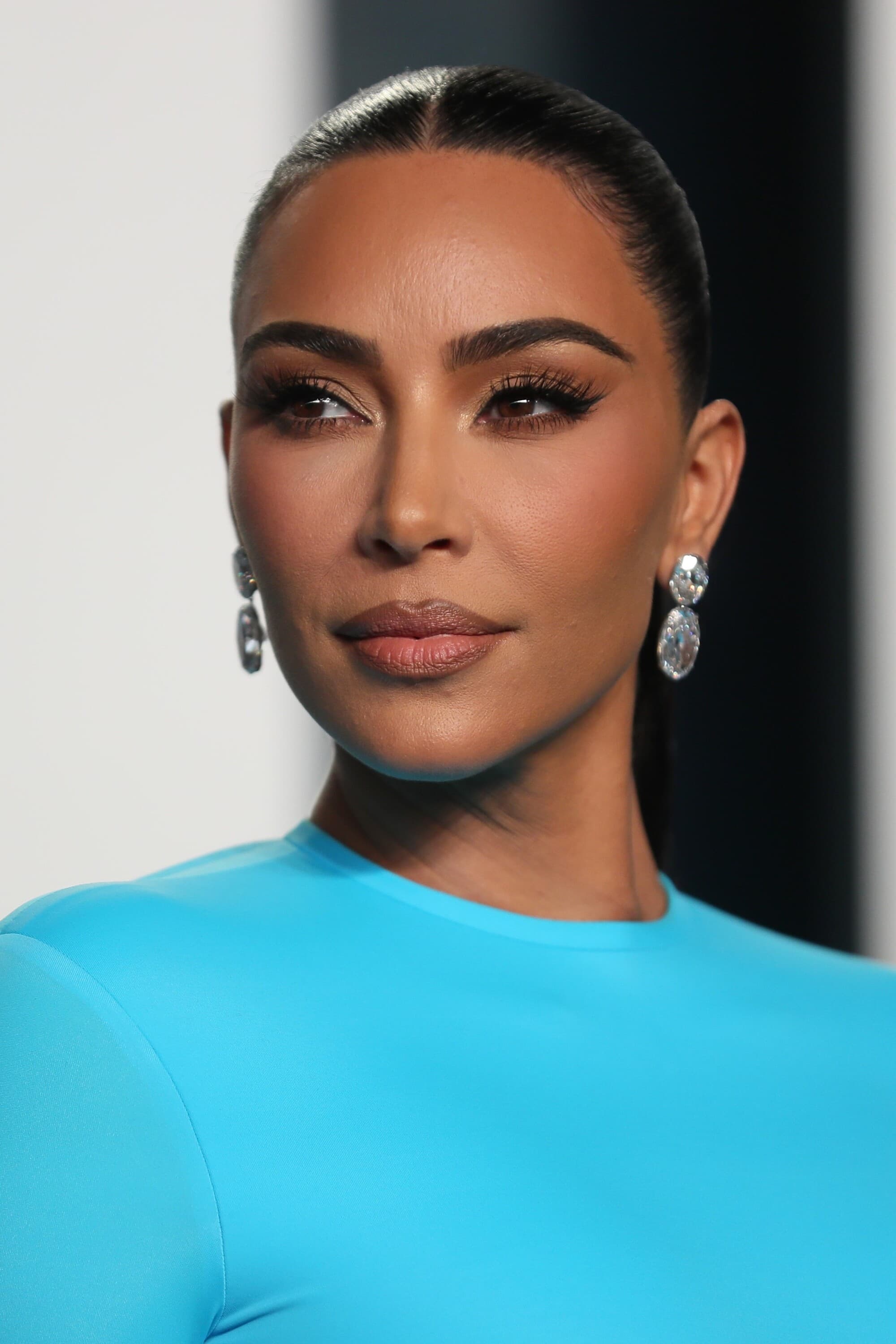
Kim Kardashian has frequently faced criticism for her use of traditional Black hairstyles such as cornrows and Fulani braids. These fashion choices often spark debate about cultural appropriation and the line between appreciation and imitation. Critics point to her heavy tanning and makeup as evidence of attempting to appear more ethnically ambiguous. She has defended her looks by referencing her Armenian roots and her desire to share diverse cultures with her children. The social media backlash often intensifies when she credits these styles to white fashion icons rather than their original sources.
Ariana Grande
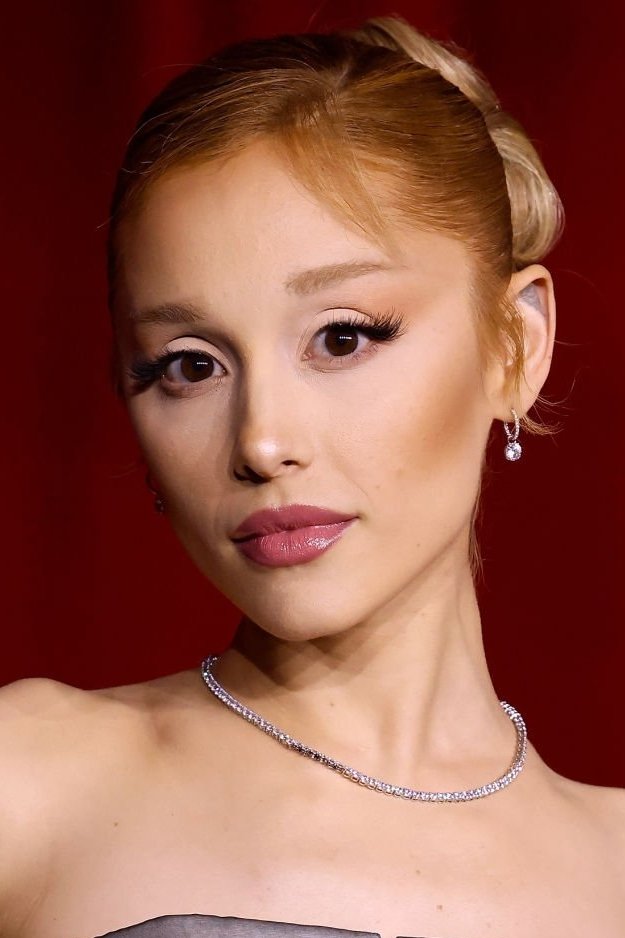
Ariana Grande faced significant scrutiny for her darkening skin tone and the use of certain dialects in her music. Fans noticed a significant change in her appearance from her early television days to her peak pop stardom. Some argue her aesthetic shifts to benefit from R&B and hip hop influences while she maintains the privilege of her heritage. While she has not explicitly commented on the specific term of Blackfishing, the conversation around her racial ambiguity remains a recurring theme among critics. Her visual evolution continues to be a point of analysis in discussions about pop culture and identity.
Jesy Nelson
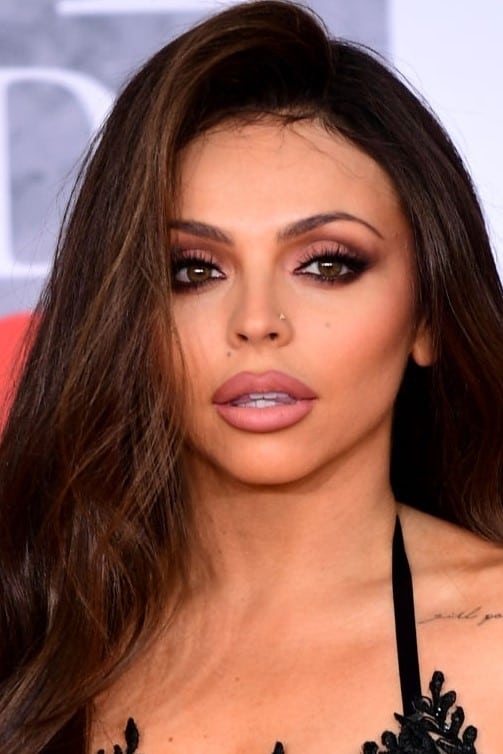
Jesy Nelson was the subject of intense global outrage following the release of her debut solo music video. Critics and fans pointed out that her skin appeared significantly darker and her hair texture was altered to mimic Black aesthetics. The backlash was so substantial that it sparked a wider conversation about the responsibility of white artists in the music industry. She addressed the claims by stating she never intended to offend and was simply a fan of Black culture. This incident remains one of the most cited examples of Blackfishing in recent years.
Rita Ora
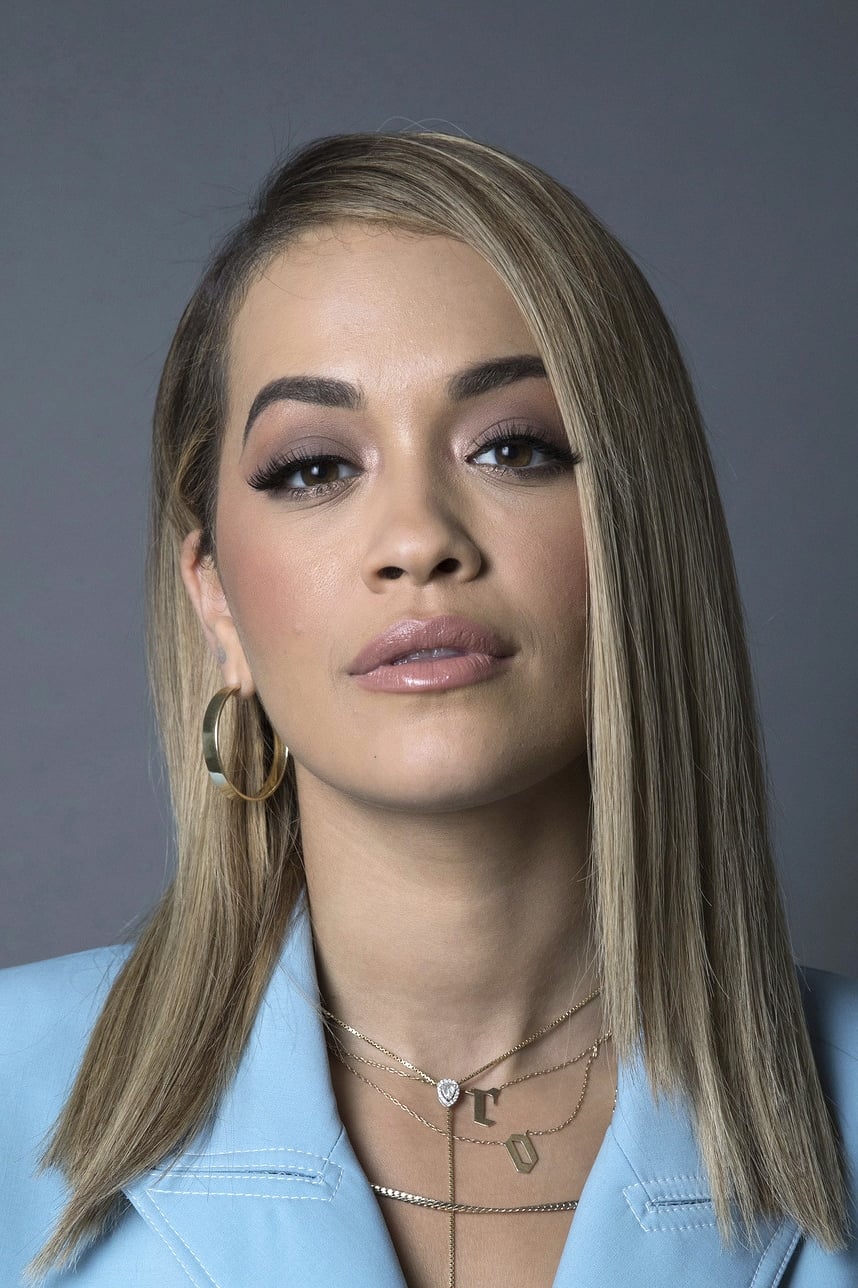
Rita Ora surprised many fans when she revealed her parentage after years of being perceived as mixed race by the public. Many followers expressed shock that both of her parents are Albanian because her styling and hair choices often aligned with Black aesthetics. This revelation led to accusations that she intentionally leaned into a racially ambiguous look to navigate the music industry. Critics argued that her public image benefited from the cultural capital of Blackness without her having the lived experience of that identity. The singer has continued to face these critiques throughout her career.
Iggy Azalea
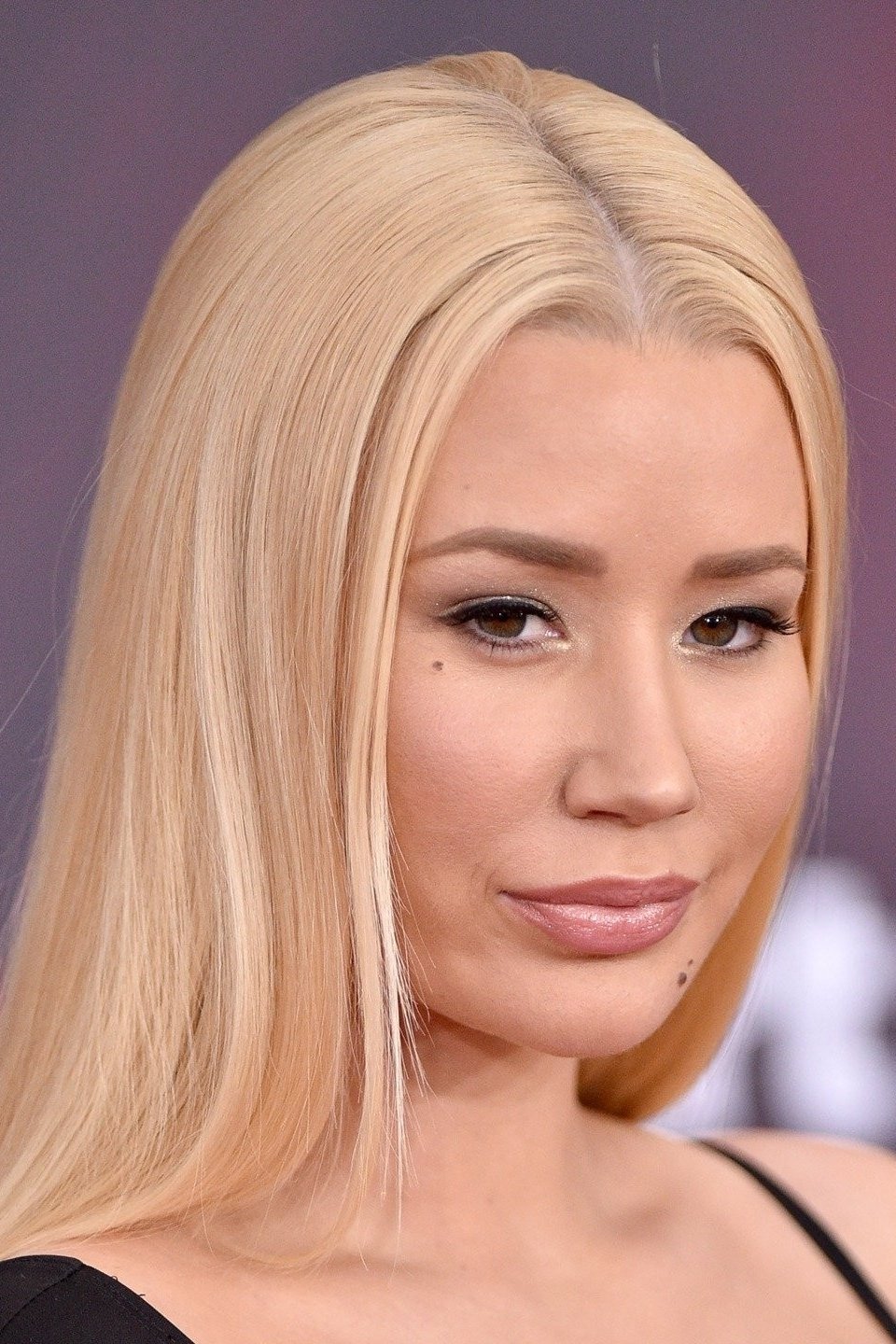
Iggy Azalea has been a central figure in discussions regarding cultural appropriation and the use of a Blaccent in her music. The Australian rapper faced criticism for adopting an American Southern hip hop vocal style that many felt was performative. Beyond her voice, her fashion choices and physical appearance have also been scrutinized for mimicking Black women. These accusations have followed her since her mainstream debut and have sparked countless think pieces about race in hip hop. She has frequently defended her artistry while acknowledging the influence of the genre on her life.
Kylie Jenner
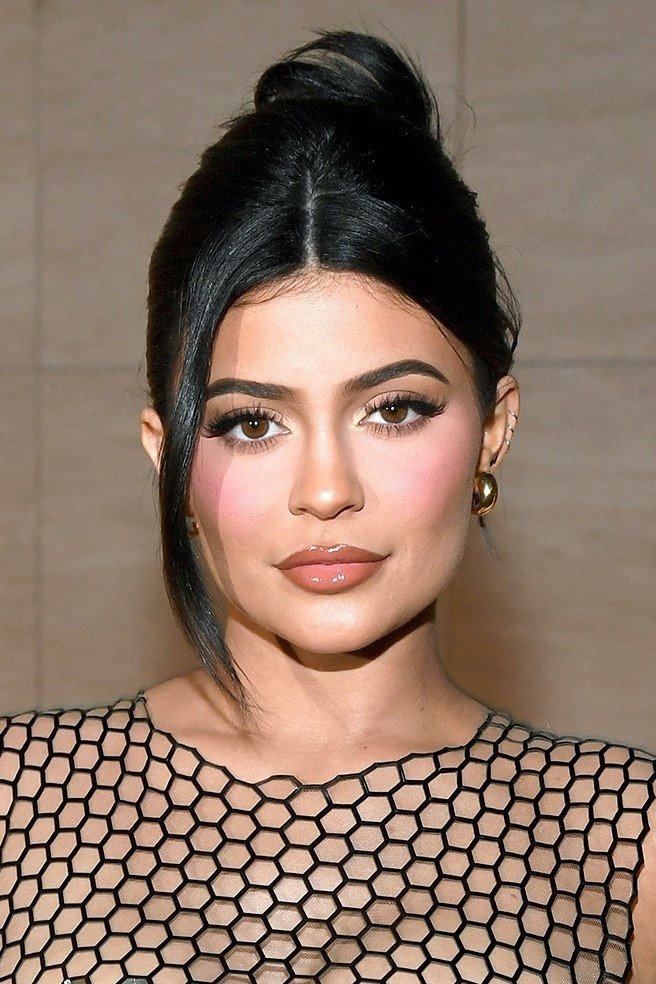
Kylie Jenner has often been accused of Blackfishing due to her physical transformations and style choices on social media. Like her sisters, she has faced backlash for wearing hairstyles like twists and braids that are historically significant to Black culture. Many critics argue that her beauty brand and personal image are built on aesthetics popularized by Black women. The contrast between her natural appearance and her stylized persona often leads to heated debates online. These discussions highlight the tensions between influencer culture and cultural respect.
Bhad Bhabie
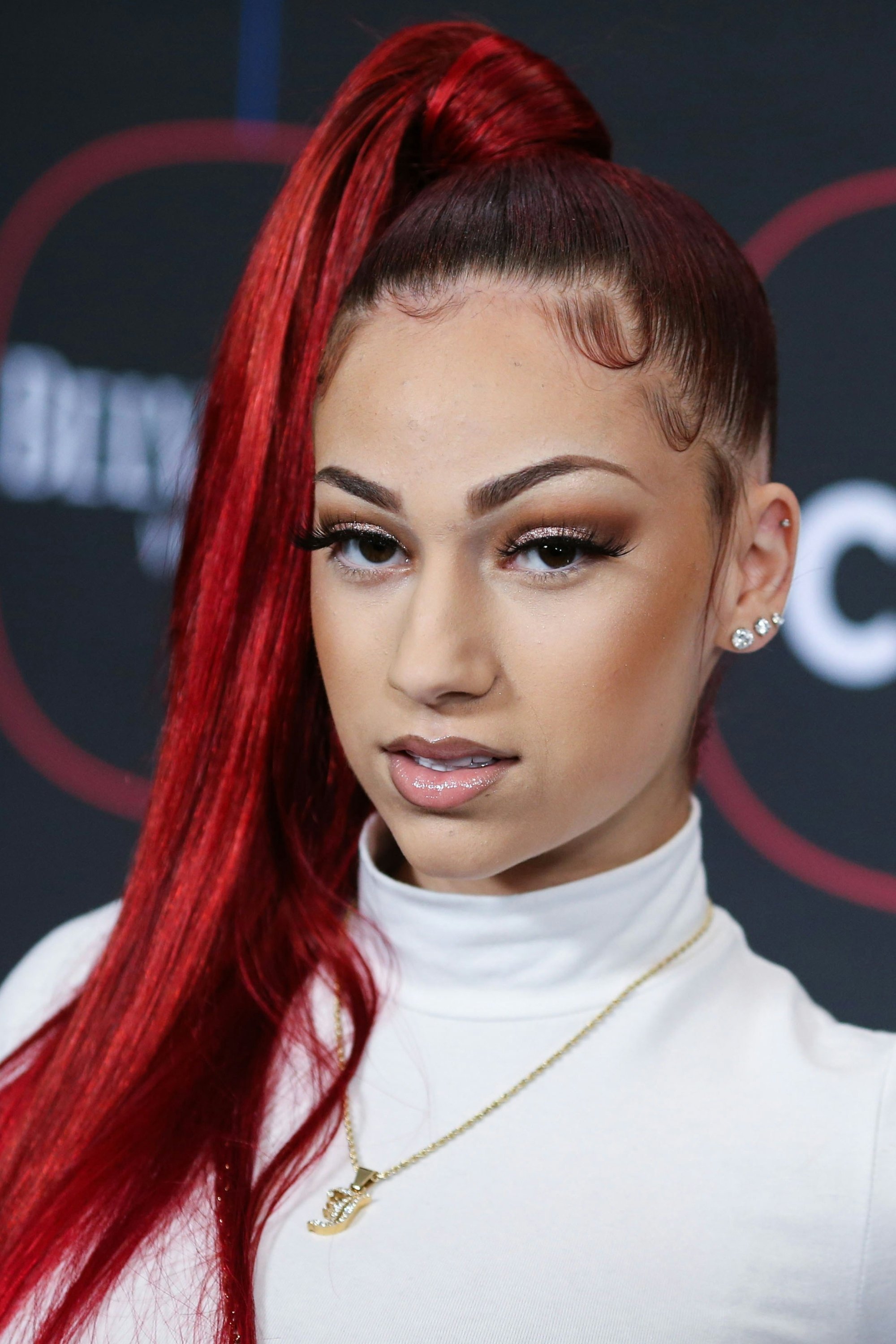
Bhad Bhabie gained fame as a viral internet personality before transitioning into a career as a rapper. She has faced persistent accusations of Blackfishing due to her use of dark foundation and specific hairstyles. Critics have called her out for adopting a persona that leans heavily on Black cultural tropes for a professional advantage. She has been vocal in her defense, often engaging directly with critics on social media platforms. Her career remains a flashpoint for conversations about authenticity and racial performance.
Nikita Dragun
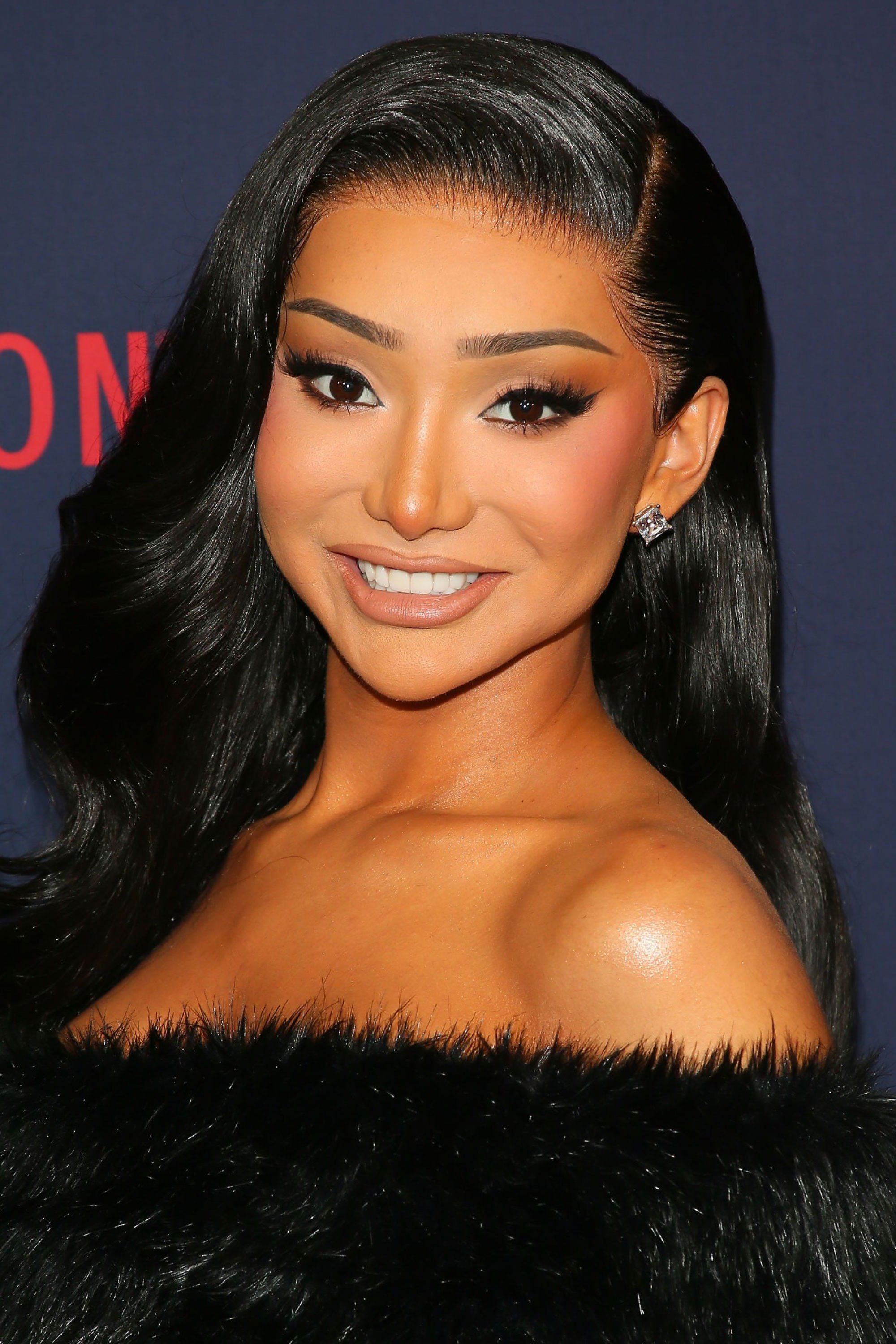
Nikita Dragun is a prominent beauty influencer who has repeatedly faced backlash for her skin tone in promotional photos. Critics have pointed out that her complexion often appears much darker in advertisements than in her candid videos. This has led to accusations that she uses Blackness as a costume to sell products and gain engagement. She has addressed these claims by discussing her multiethnic background, but the explanations have not always satisfied her critics. Her presence in the beauty community is frequently marked by these recurring controversies.
Selena Gomez
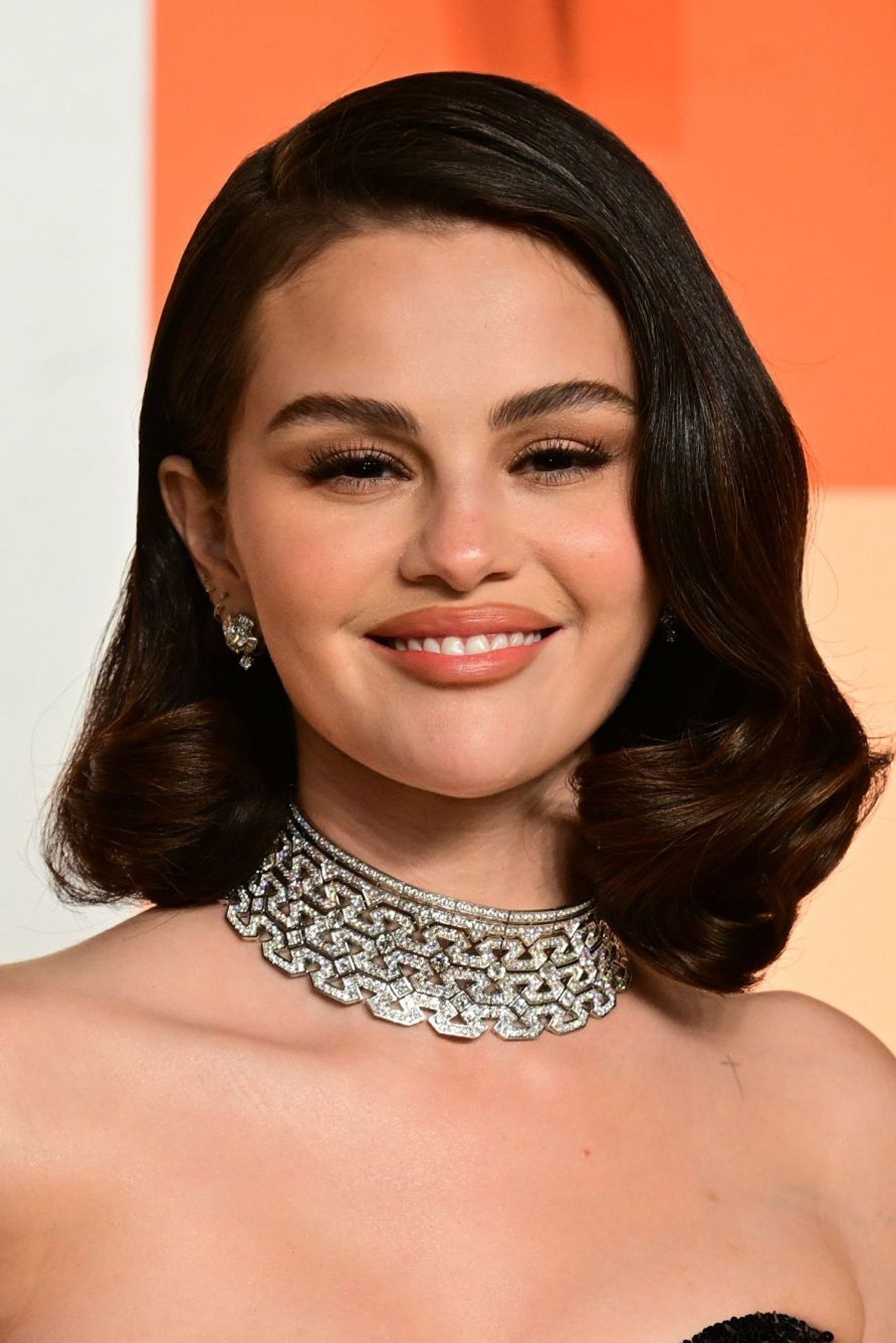
Selena Gomez faced criticism after she appeared in a series of photos where her skin looked significantly darker than usual. While some fans defended her by citing her Latina heritage, others felt the styling was a clear example of Blackfishing. The controversy was fueled by the use of specific lighting and makeup techniques that obscured her natural skin tone. These moments have led to broader discussions about how celebrities of various backgrounds are marketed. Critics argue that even minor shifts in appearance can contribute to the problematic trend of racial ambiguity.
Justin Bieber

Justin Bieber has faced public outcries for cultural appropriation after sporting dreadlocks and braids on multiple occasions. These hair choices were seen by many as insensitive to the cultural and political history of Black hair. While not always labeled with the specific term of Blackfishing, his adoption of Black styles has been a point of contention for years. He has also been criticized for his use of African American Vernacular English in his public persona. The singer has periodically apologized for past behaviors while continuing to evolve his style.
Miley Cyrus
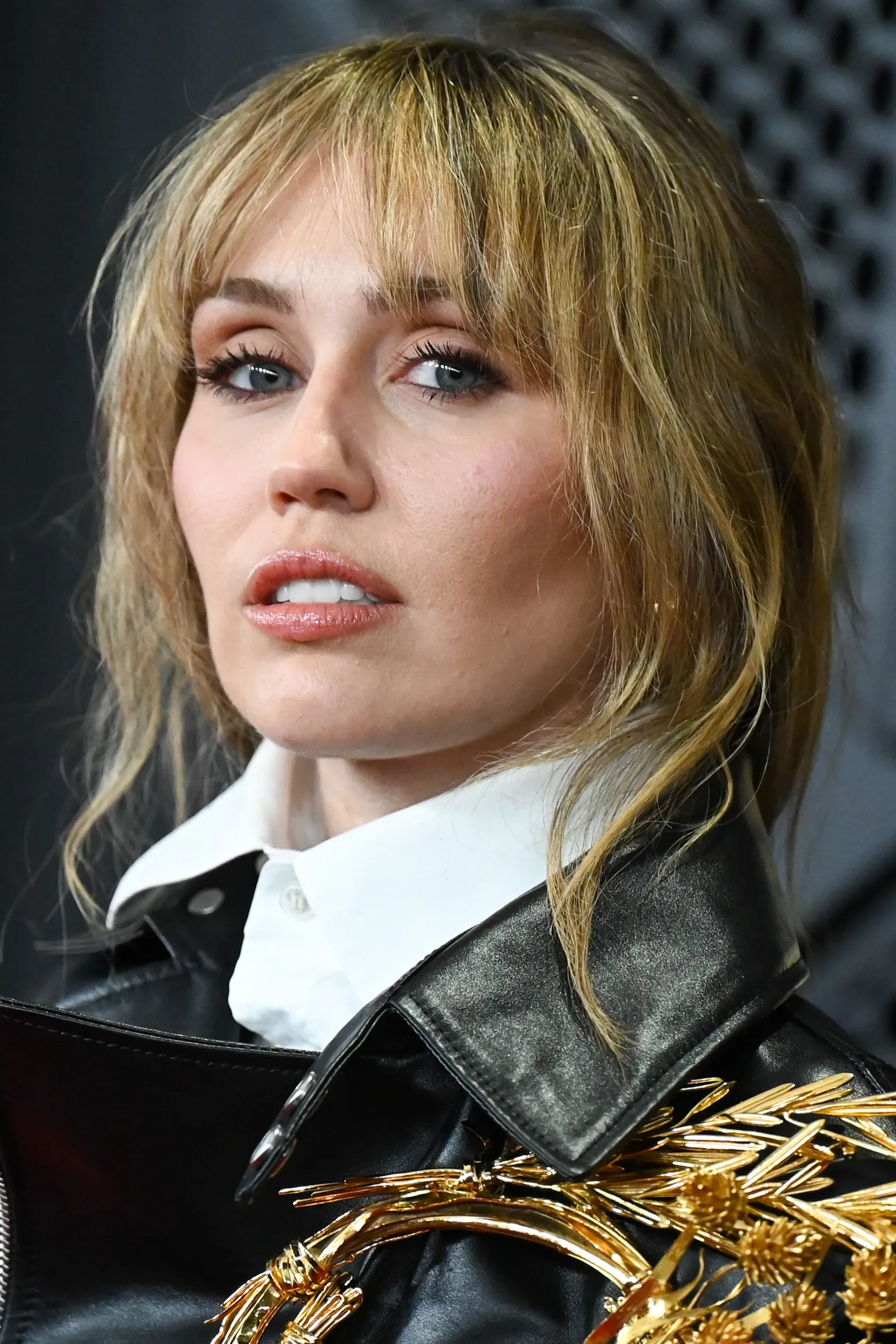
Miley Cyrus entered a period of her career where she heavily utilized hip hop aesthetics and Black dancers as props. This era was widely criticized as a form of cultural tourism and appropriation for the sake of a rebellious image. Critics argued that she adopted Black culture to shed her Disney image before returning to a more traditional country and pop sound. This shift was viewed by many as a textbook example of using Blackness as a temporary costume. The discourse surrounding this phase of her career remains a significant part of her public legacy.
Gwen Stefani
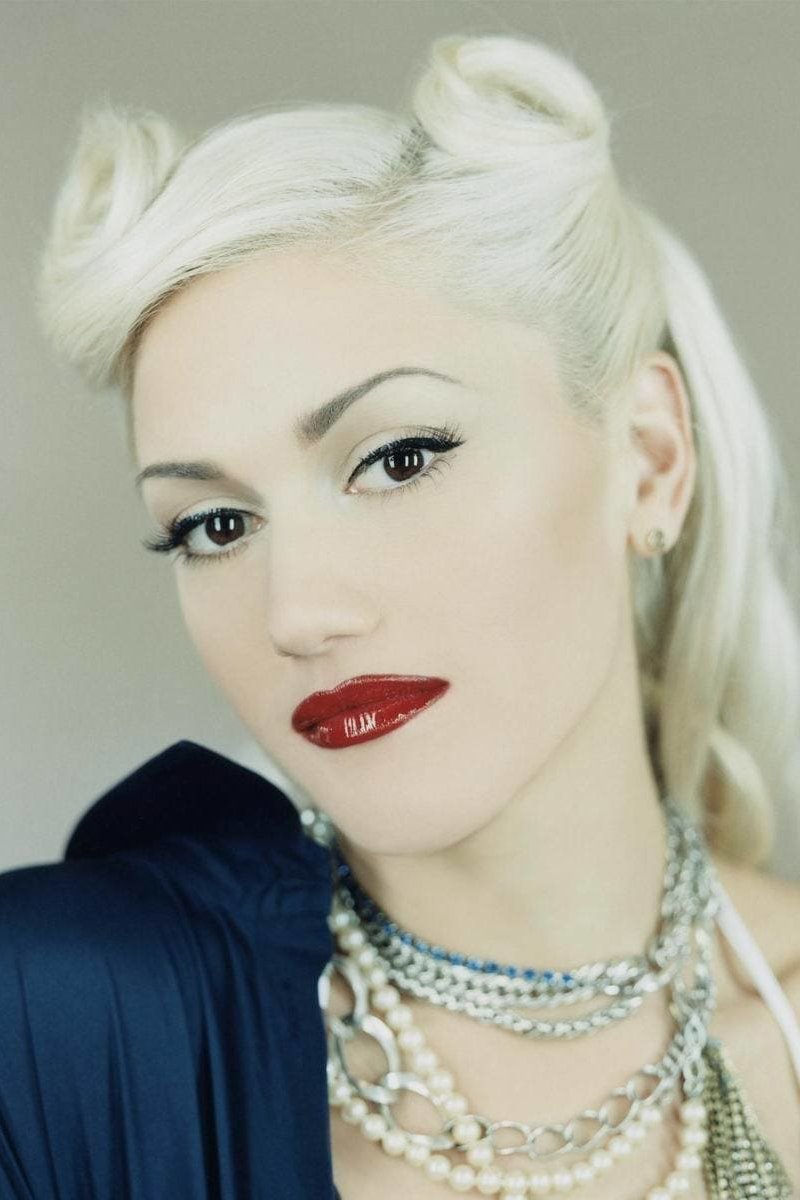
Gwen Stefani has a long history of being accused of cultural appropriation across various cultures. While she is often associated with her Harajuku era, she has also faced criticism for adopting styles rooted in Black and Chicano cultures. Her use of specific hairstyles and fashion elements has frequently sparked debate about where appreciation ends and appropriation begins. Critics point to her long career of rotating through different cultural identities for her music videos and brand. She has generally defended her choices as an expression of her love for diverse cultures.
Bruno Mars
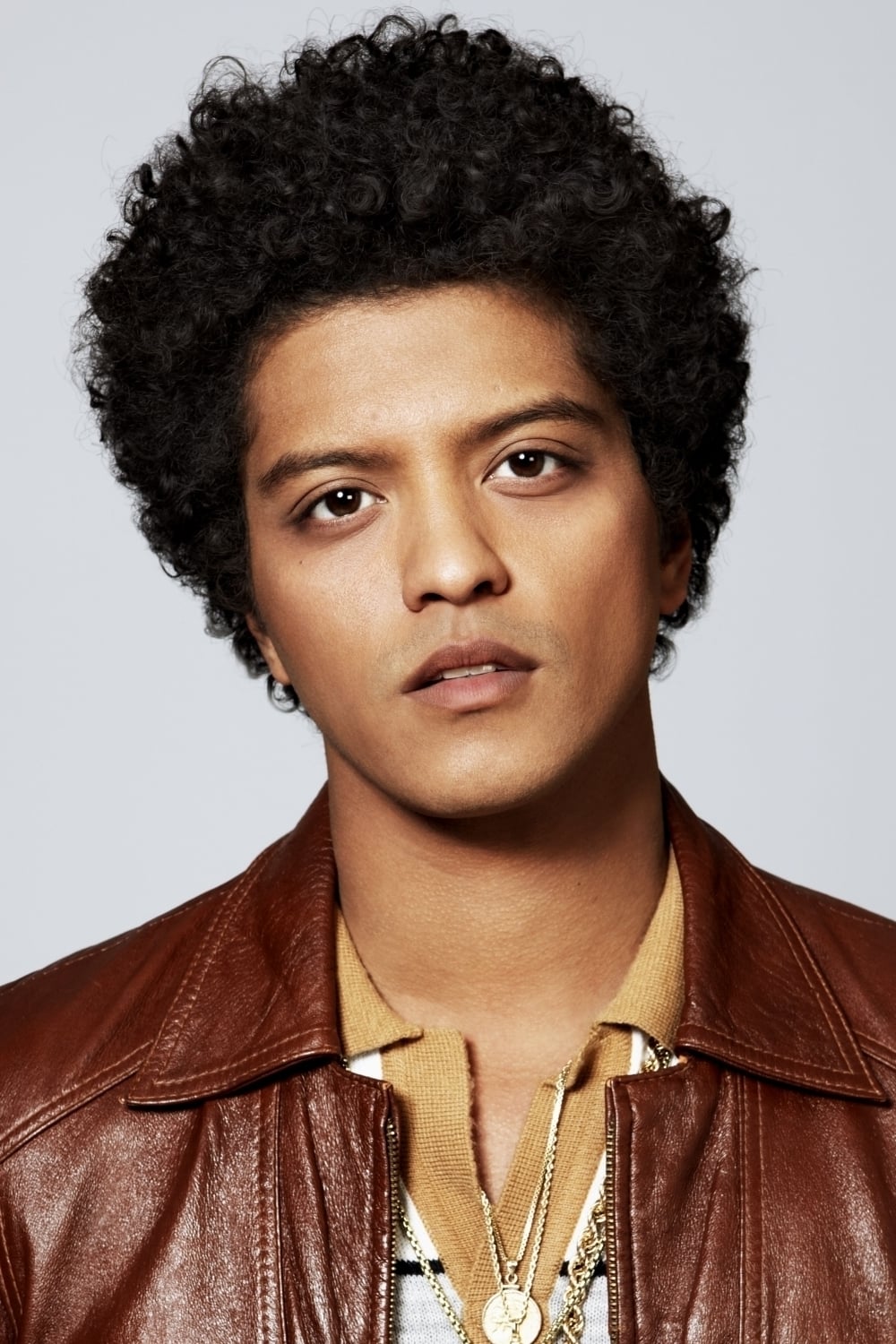
Bruno Mars has been at the center of a complex debate regarding his racial identity and his music style. While he is of Puerto Rican, Jewish, and Filipino descent, he has been accused by some of co-opting Black music and aesthetics. Critics argue that his success is built on a sound that is fundamentally Black, leading to accusations of cultural theft. Others defend him by noting that he has always been transparent about his influences and the history of the genres he performs. This conversation highlights the nuance of racial identity in the music industry.
Awkwafina

Awkwafina faced a wave of criticism regarding her use of a Blaccent during her early career and in various film roles. Many viewers felt that she adopted a caricature of Black speech patterns to provide comedic effect. This led to a wider discussion about the intersection of Asian and Black cultures in the United States and the ethics of linguistic appropriation. She eventually addressed the criticism with a public statement before exiting a major social media platform. The controversy continues to follow her as she takes on more dramatic roles in Hollywood.
Post Malone
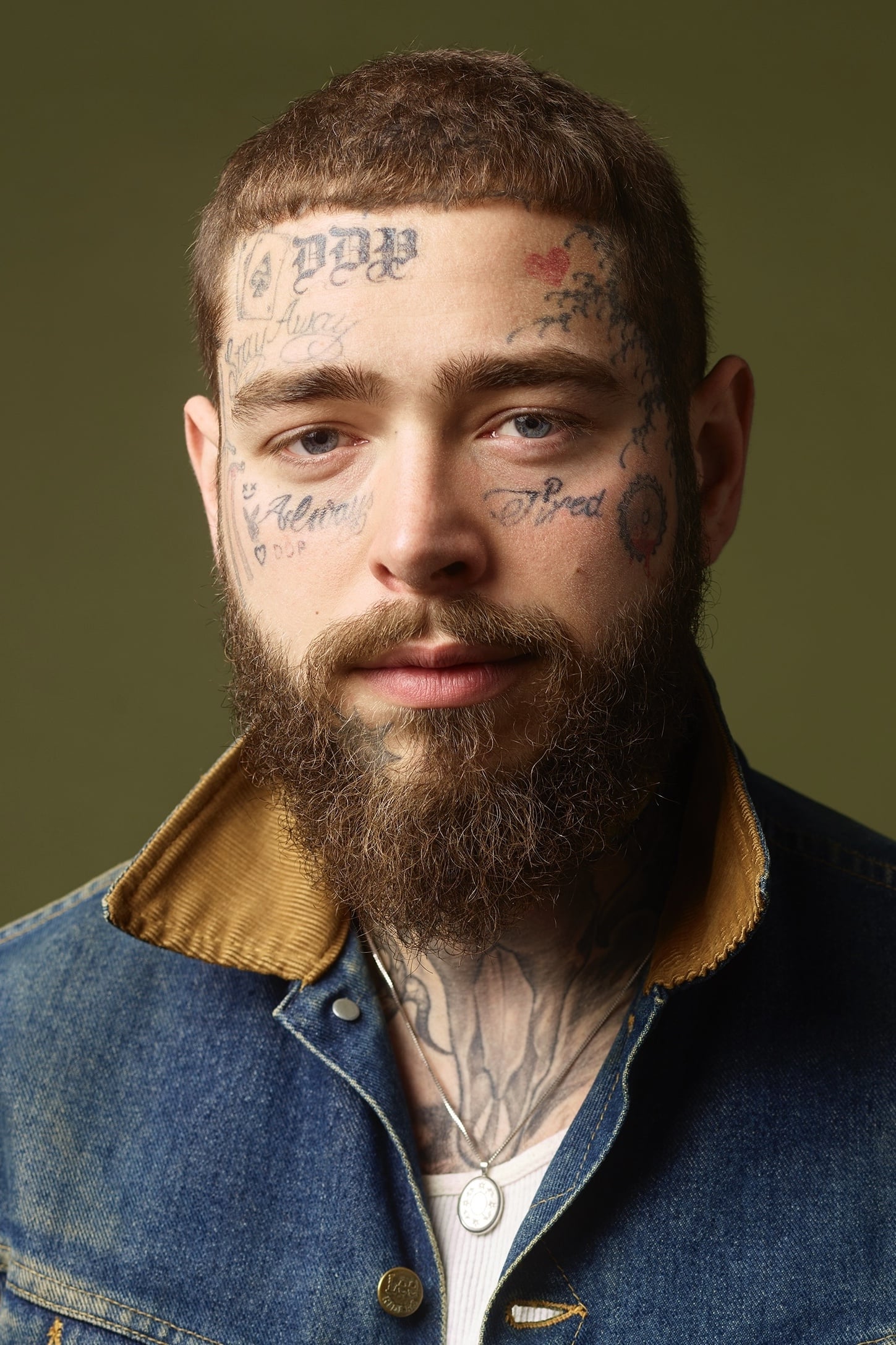
Post Malone has often been criticized for his position in the hip hop community as a white artist. While he has achieved massive commercial success, some critics argue that he benefits from Black culture while distancing himself from its struggles. His physical appearance and musical style have led to accusations that he treats hip hop as a convenient platform. He has responded to these critiques by stating that his music is a reflection of his personal tastes and experiences. The debate over his cultural standing remains a fixture of his career.
Khloé Kardashian
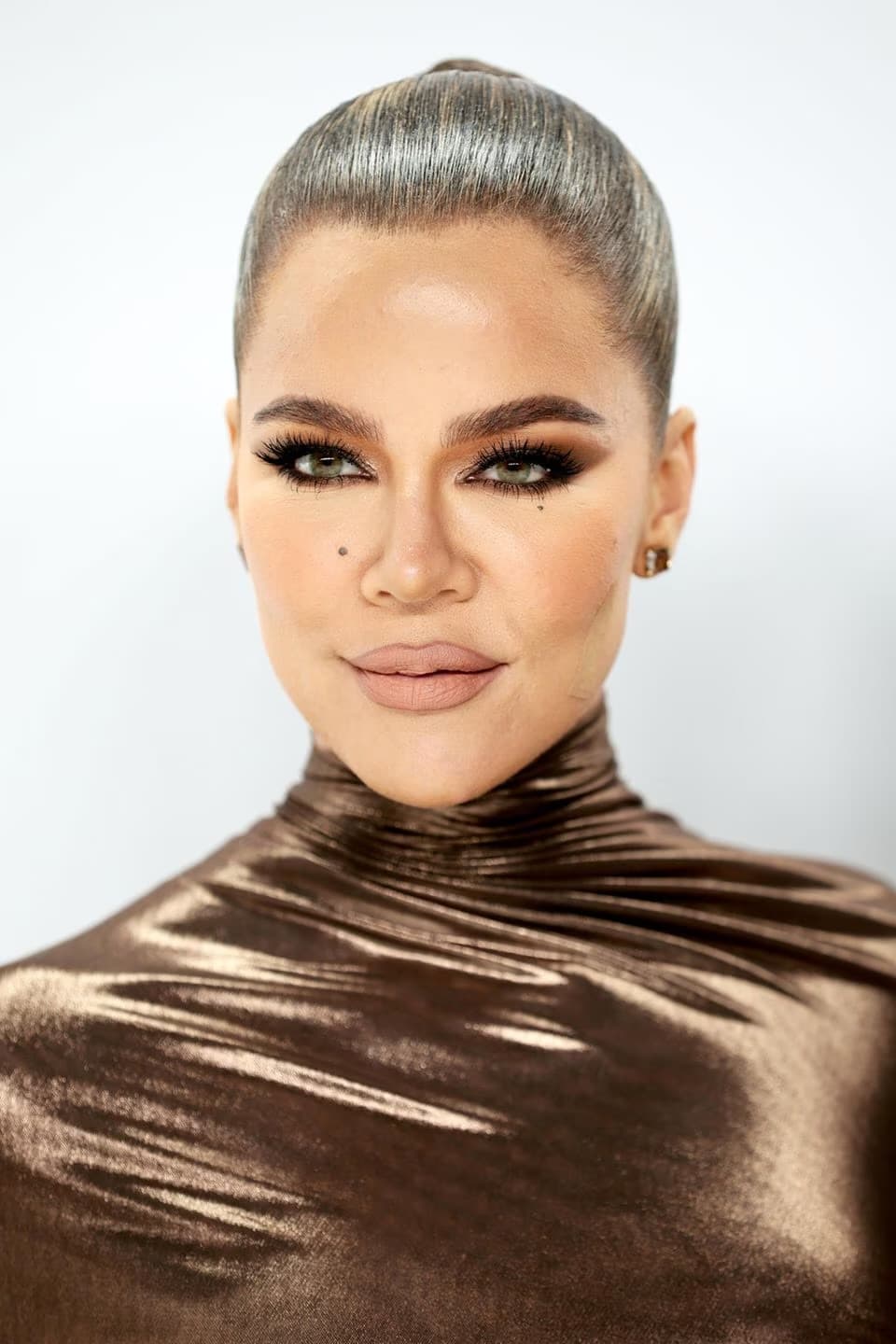
Khloé Kardashian is another member of her famous family who has faced frequent accusations of Blackfishing. She has been criticized for wearing Bantu knots and other protective hairstyles that are culturally significant to Black women. Social media users often point to her changing facial features and skin tone as evidence of a shift toward a more racially ambiguous look. These criticisms are often framed within the larger context of the Kardashian family influence on beauty standards. Despite the backlash, she continues to experiment with various styles that spark public debate.
Kendall Jenner
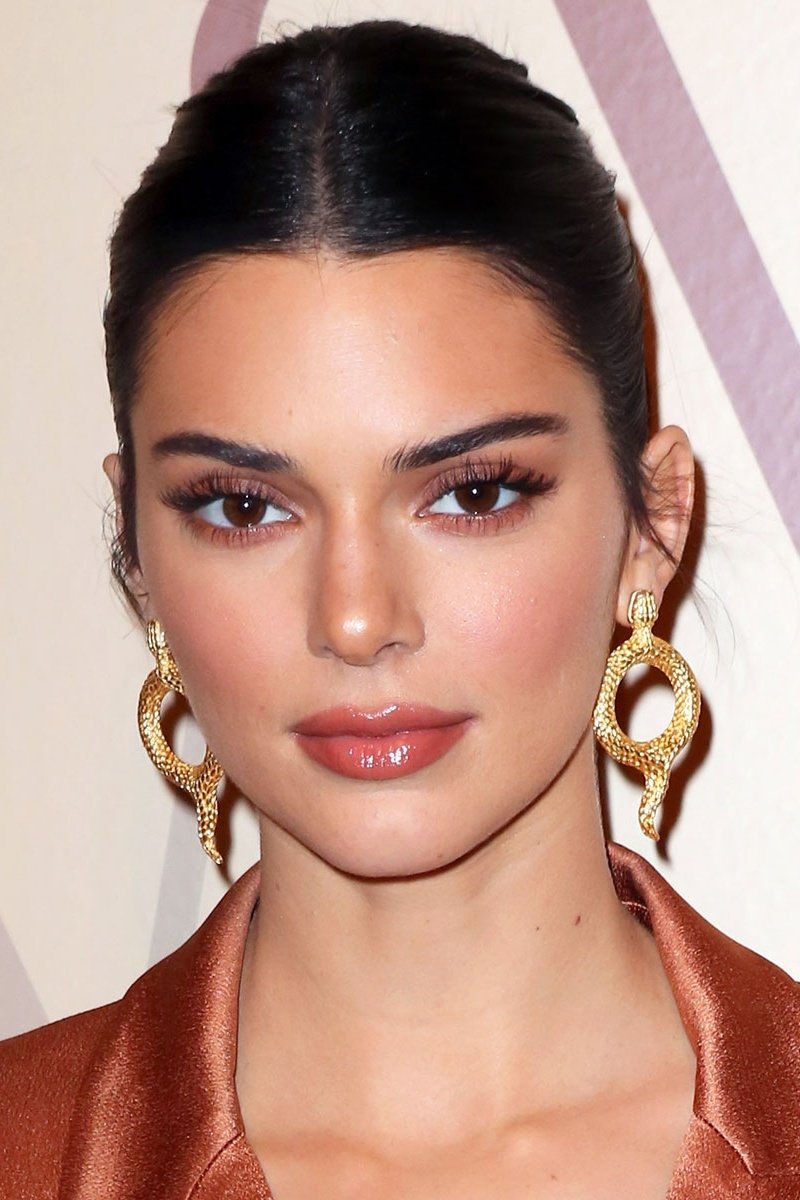
Kendall Jenner was criticized for her appearance in a photoshoot where her hair was styled in an afro like fashion. This image sparked a global conversation about the lack of diversity in the modeling industry and the appropriation of Black features. Many felt that using a white model to portray an aesthetic rooted in Black identity was inherently problematic. This incident added to a list of controversies surrounding her brand and its relationship with cultural sensitivity. The model has generally remained quiet about the specific accusations.
Bebe Rexha
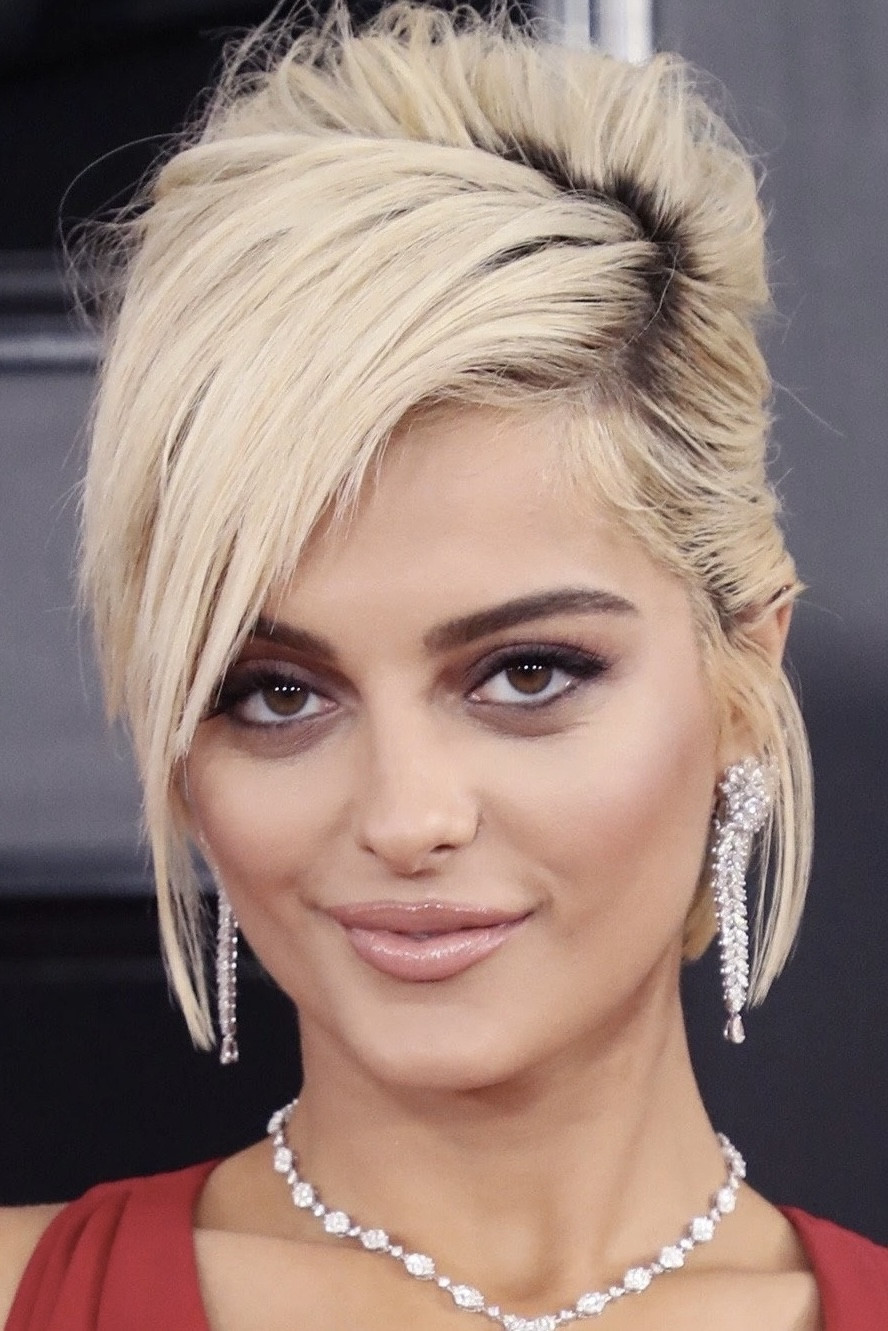
Bebe Rexha faced backlash after a series of photos circulated where her skin appeared many shades darker than her natural complexion. Critics accused her of trying to look Black to fit into the R&B and pop music landscape. The singer defended herself by claiming that she simply tans very easily during the summer months. This explanation did not stop the spread of the accusations across various social media platforms. The incident served as another example of the growing public awareness and rejection of Blackfishing.
Jennifer Lopez
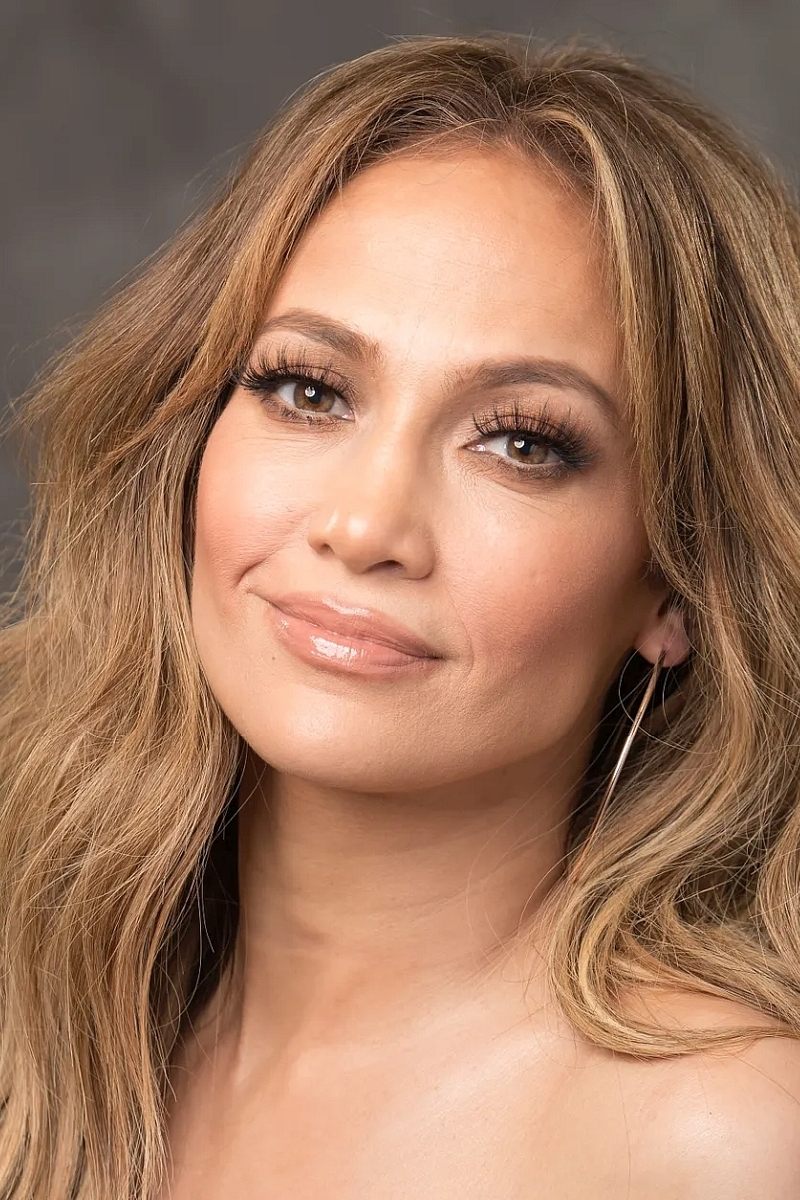
Jennifer Lopez has long been a subject of discussion regarding her proximity to Black culture and her musical influences. Critics have pointed to her use of certain aesthetics and her collaborations as a way of navigating racial boundaries. While she celebrates her Bronx roots and Puerto Rican heritage, some feel her image has occasionally leaned into Blackfishing territory. These accusations often arise during her music video releases or high profile performances. Her career is frequently analyzed through the lens of cultural exchange and appropriation.
Addison Rae
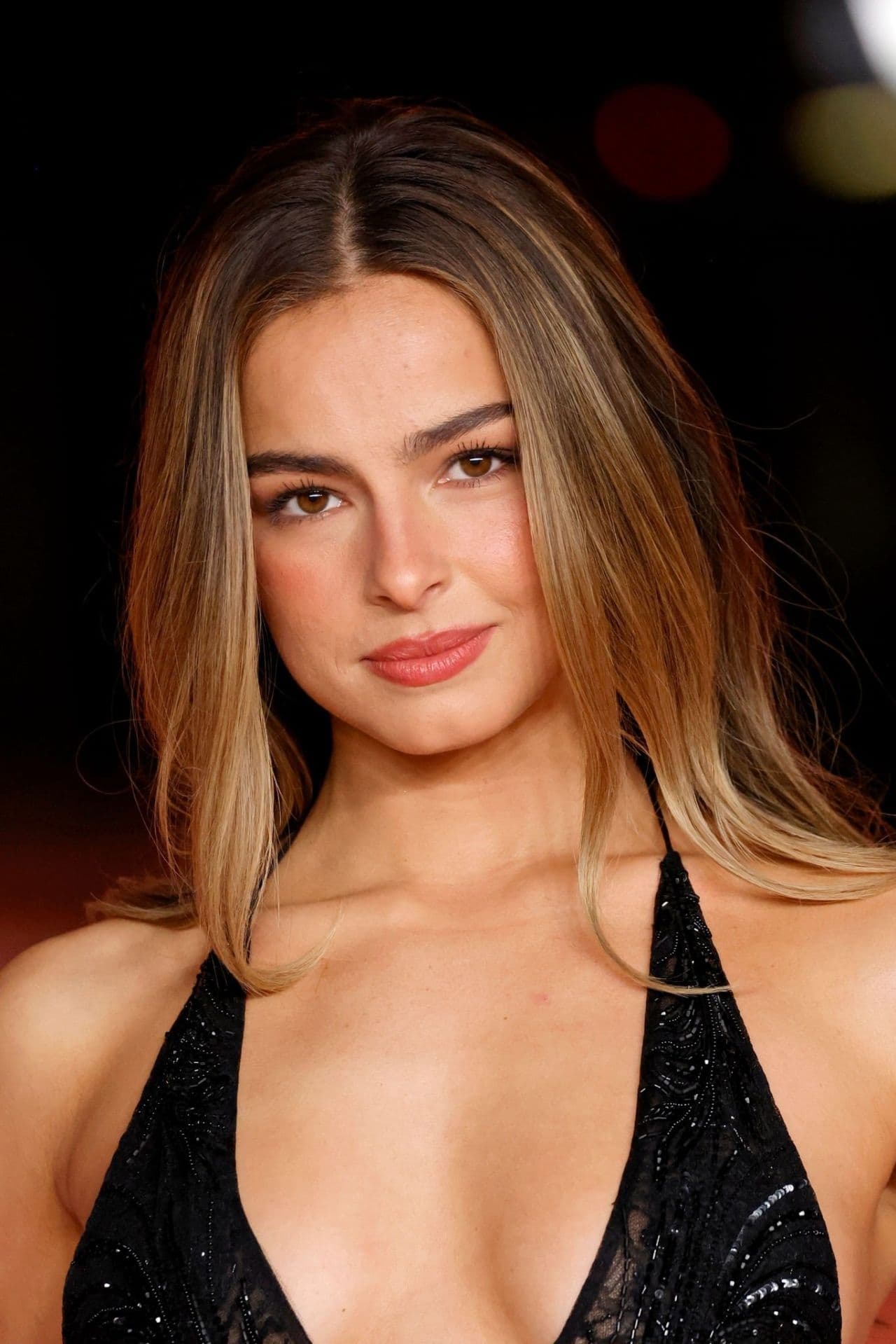
Addison Rae faced a significant amount of criticism after an appearance on a late night talk show where she performed dances created by Black creators. While the focus was initially on credit and compensation, the conversation shifted toward her overall aesthetic and tanning. Some social media users argued that her look was curated to appear more racially ambiguous to appeal to a wider audience. This controversy highlighted the issues of cultural ownership within the world of viral internet trends. She eventually responded by acknowledging the original creators of the dances.
Gigi Hadid
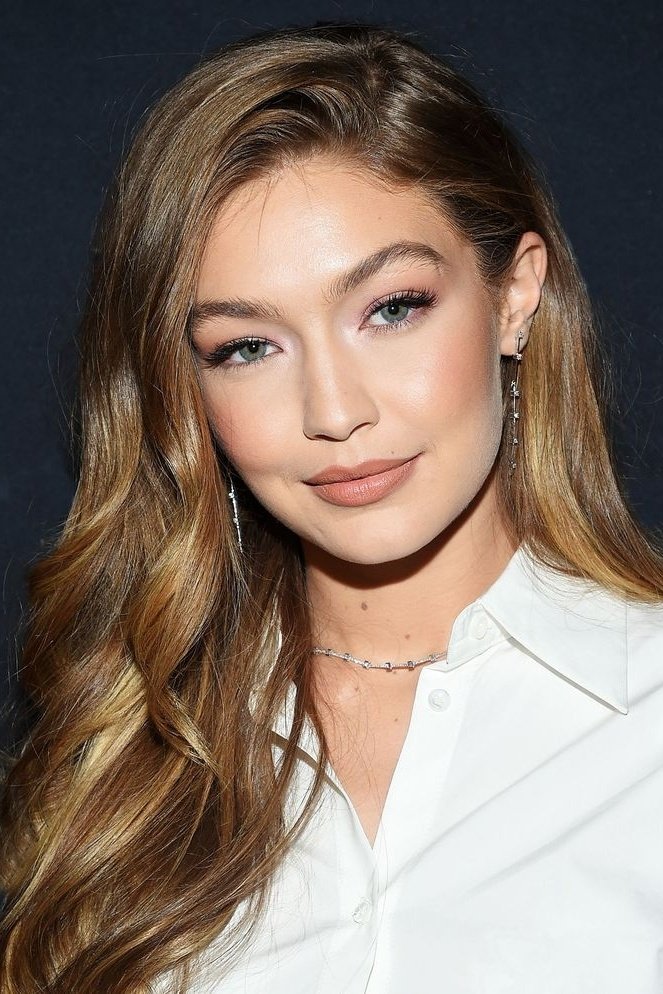
Gigi Hadid was the center of a major controversy when she appeared on the cover of a prominent fashion magazine with heavily bronzed skin. The image was widely condemned as an example of Blackfishing and the use of tan as a costume. Both the model and the magazine eventually issued apologies for the artistic direction of the shoot. This event sparked a larger discussion about the role of creative directors and photographers in perpetuating racial insensitivity. It remains one of the most high profile instances of a fashion house being called out for such practices.
Vanessa Hudgens
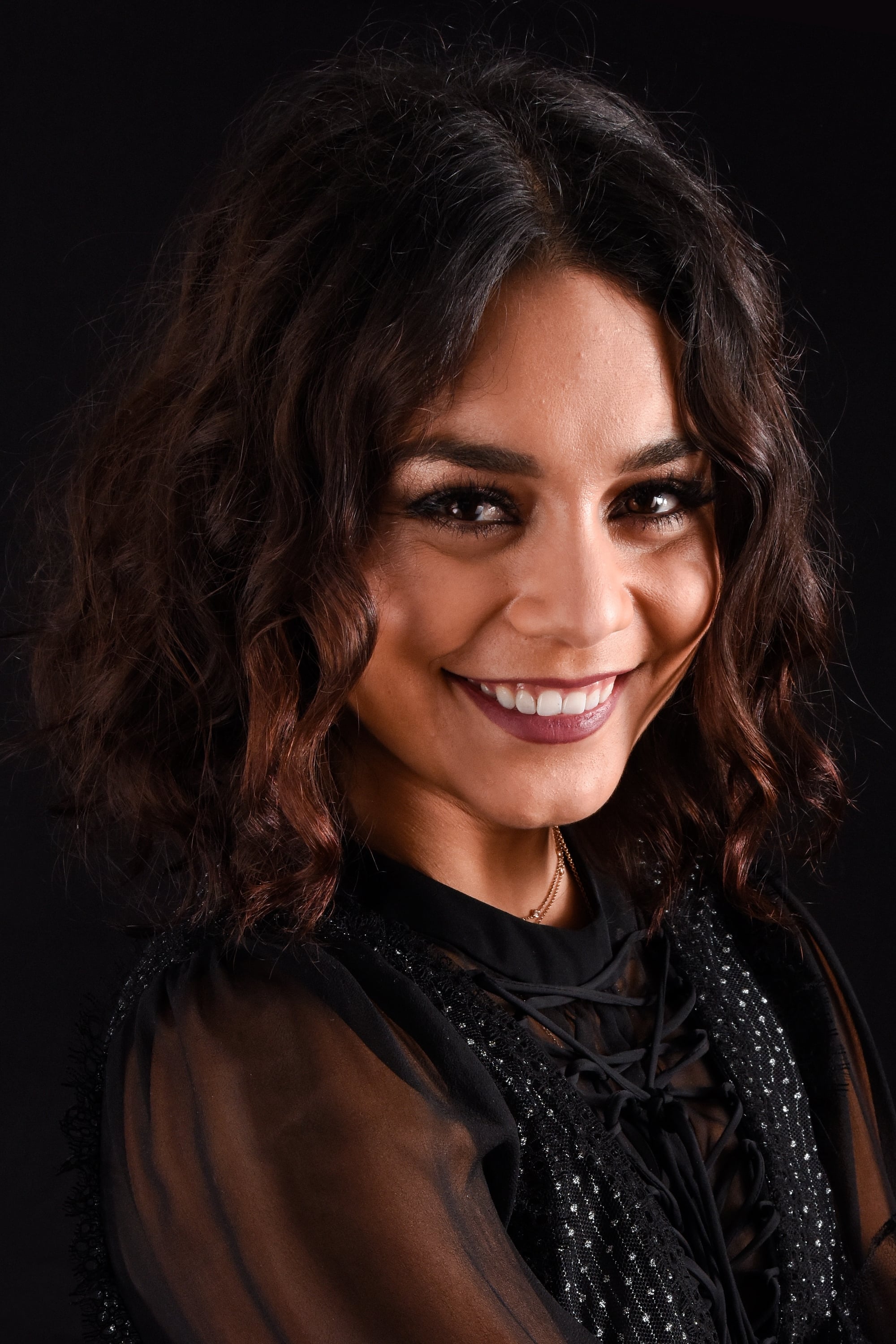
Vanessa Hudgens has faced criticism for her festival fashion choices, which often include elements from various cultures. Specifically, her use of hairstyles and accessories associated with Black and Indigenous cultures has drawn negative attention. Critics argue that her bohemian aesthetic frequently crosses the line into cultural appropriation. These accusations are often renewed every year during the major music festival season. She has generally focused on her personal style without making extensive public comments on the criticism.
Madonna
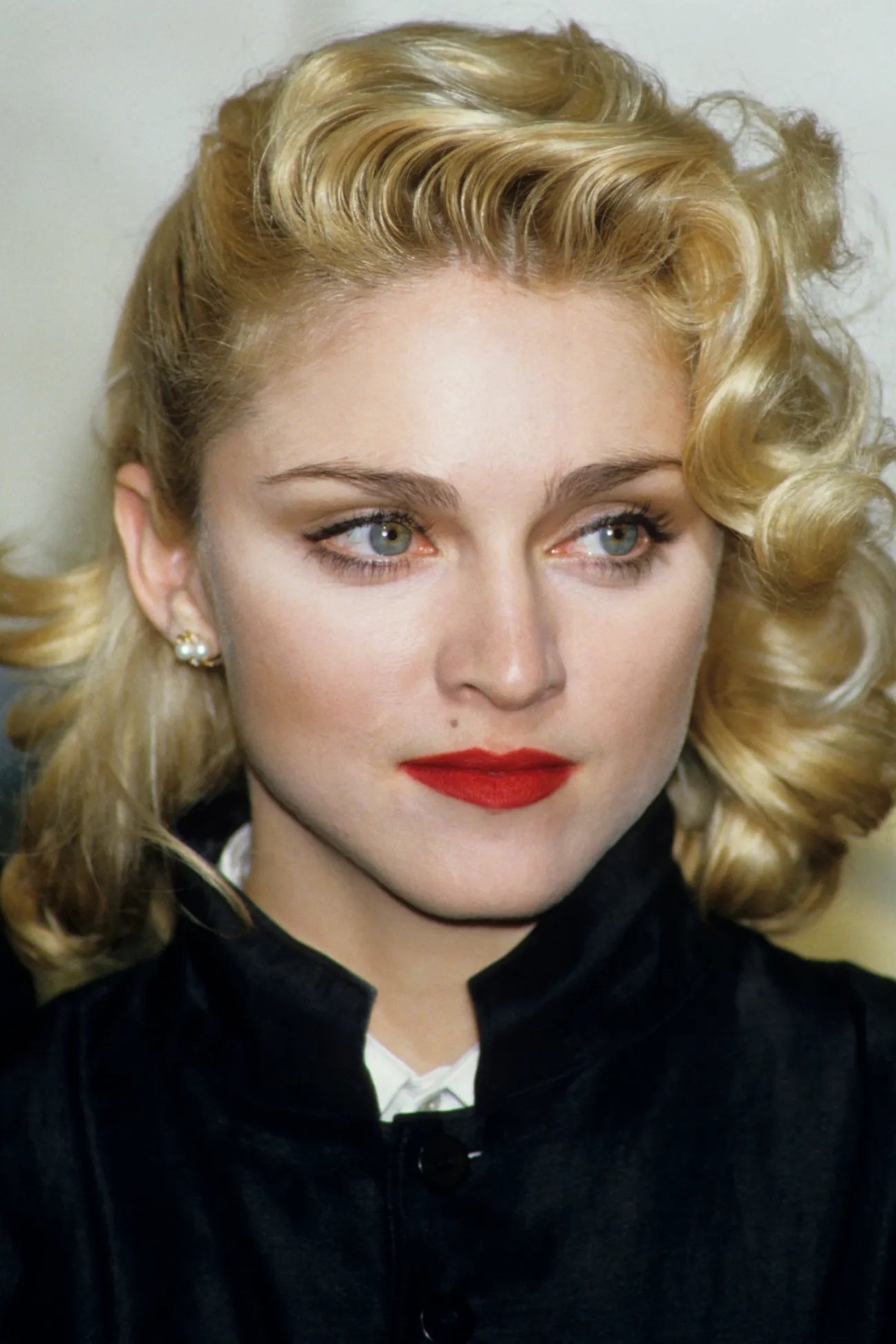
Madonna has a decades long history of incorporating elements from different cultures into her music and image. She has been accused of appropriating everything from voguing to traditional African attire. Critics argue that she uses these cultural symbols as a way to stay relevant and edgy in a changing industry. These choices have sparked global outrage at various points in her career, leading to debates about her legacy as a pop icon. She has consistently defended her work as a tribute to the cultures she finds inspiring.
Katy Perry
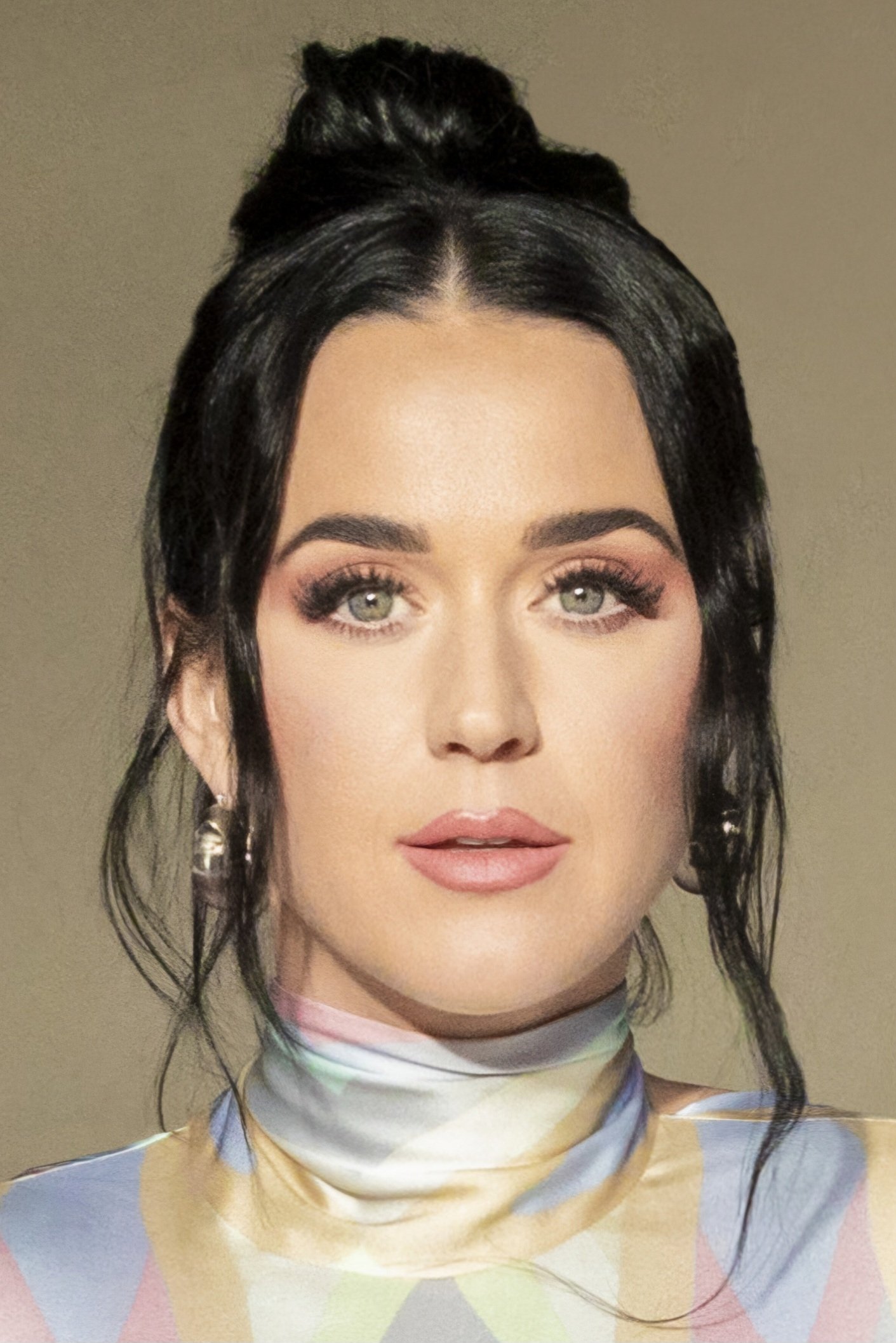
Katy Perry faced intense backlash for her music video for ‘This Is How We Do’ (2014) where she wore her hair in cornrows. This was cited as a primary example of cultural appropriation and a lack of understanding of the significance of the hairstyle. She later acknowledged the mistake in a public interview, stating that she had learned from the experience. The singer has had several other moments where her styling was questioned by the public. Her willingness to discuss the issue was seen by some as a step toward accountability.
Justin Timberlake
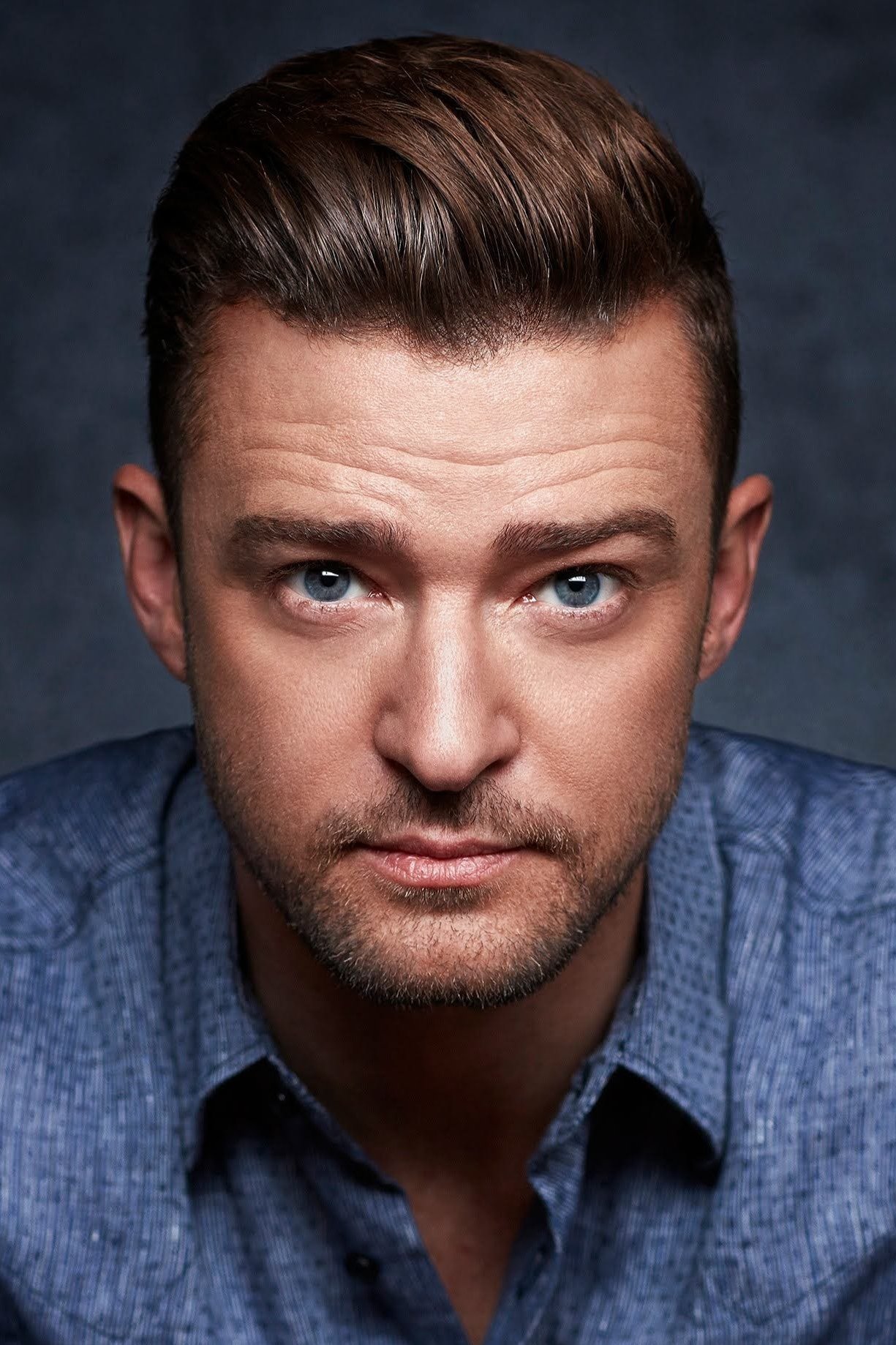
Justin Timberlake has often been scrutinized for his relationship with Black music and culture throughout his solo career. While he has worked closely with Black producers and artists, critics argue that he has benefited from the cool factor of Blackness while avoiding the risks. These accusations often resurface during his major performances or when he comments on social issues. The conversation surrounding his cultural impact is a significant part of his public identity. He has expressed his respect for the roots of his musical style on many occasions.
Adele
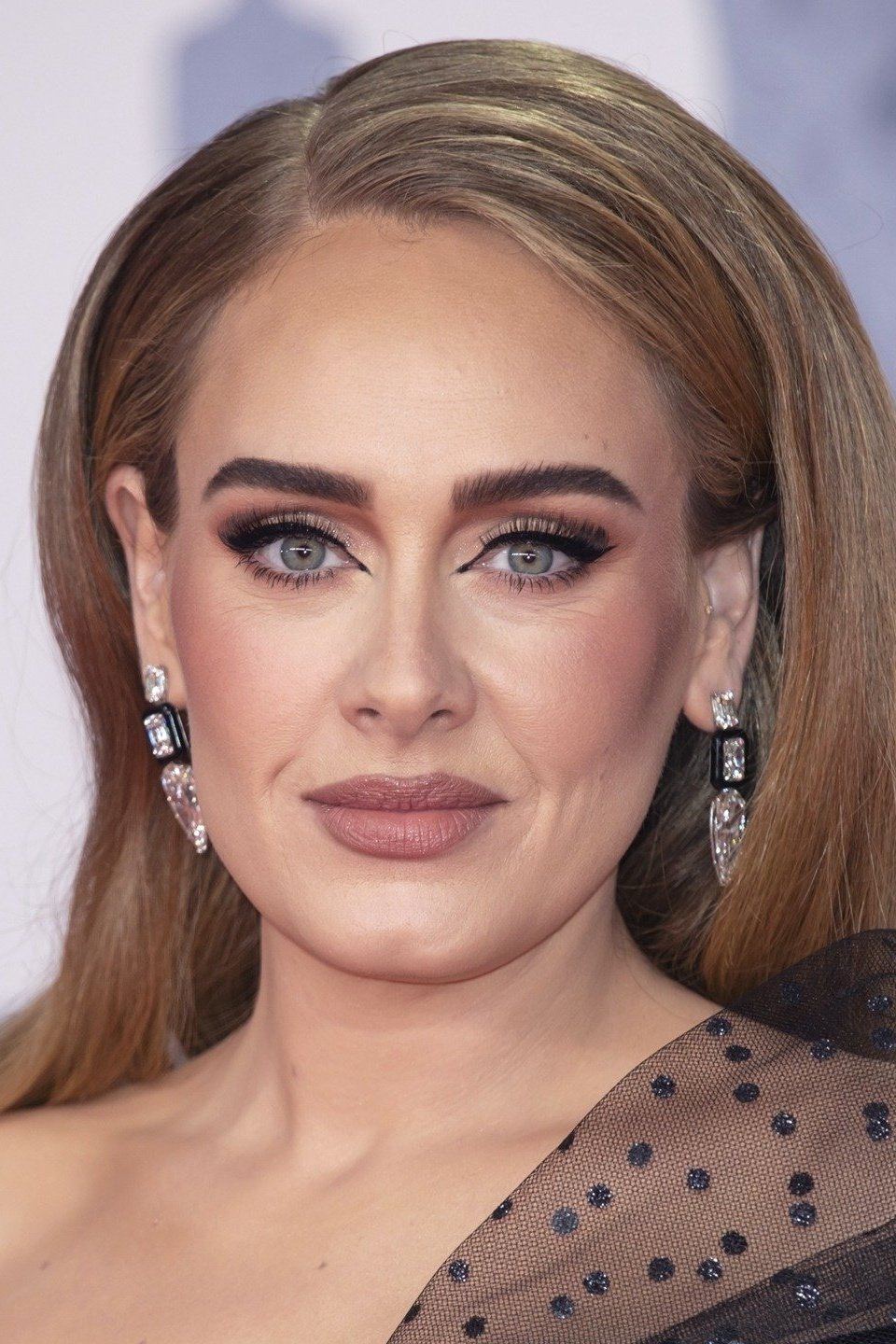
Adele caused a stir on social media when she posted a photo wearing Bantu knots and a Jamaican flag bikini top. The image was meant to celebrate the Notting Hill Carnival but was quickly met with accusations of cultural appropriation. While some fans defended her by noting the cultural context of the event, others felt it was an inappropriate use of a Black hairstyle. The incident sparked a massive global debate about the boundaries of cultural appreciation for white celebrities. She did not remove the photo despite the mixed reactions from the public.
Christina Aguilera
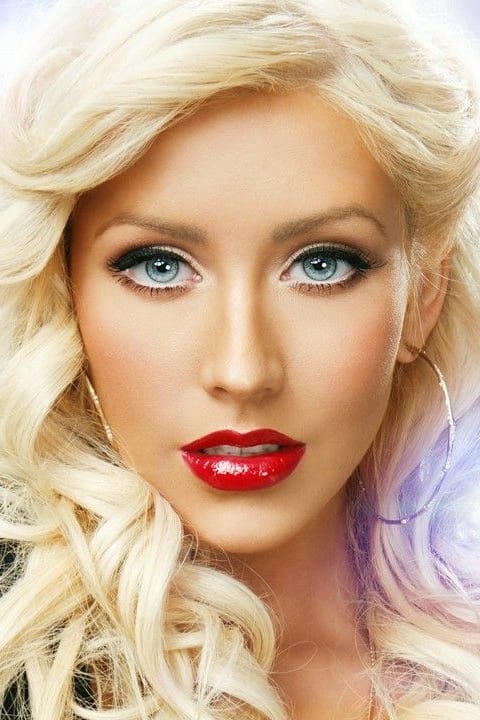
Christina Aguilera faced criticism during her ‘Stripped’ (2002) era for her use of various Black and Latina aesthetics. Her styling included braids and a heavily tanned look that many felt was an attempt to change her racial presentation. This era of her career is often cited in discussions about how pop stars use cultural markers to signify a transition to a more mature image. Critics argue that this transformation was a calculated move to appeal to the R&B market. The singer has since returned to a more traditional pop aesthetic.
Jack Harlow

Jack Harlow has navigated the hip hop world as a white artist while facing questions about his cultural position. While he is often praised for his technical skill, some critics argue that his image leans on Black aesthetics for commercial appeal. He has been careful to credit his influences and speak about his privilege as a white man in a Black dominated genre. Despite this, he is still frequently included in broader conversations about the commodification of Black culture. His career serves as a modern case study in the ethics of crossover success.
Eminem
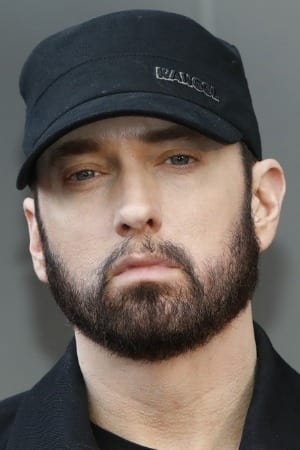
Eminem has spent his entire career at the center of discussions about race and hip hop. While he is widely respected for his lyrical ability, his presence in the genre has always been a point of cultural analysis. Some argue that his early persona and styling were a form of racial performance aimed at gaining credibility. Others see him as a transformative figure who bridged the gap between different audiences. His legacy remains deeply intertwined with the complexities of racial identity in American music.
Chet Hanks
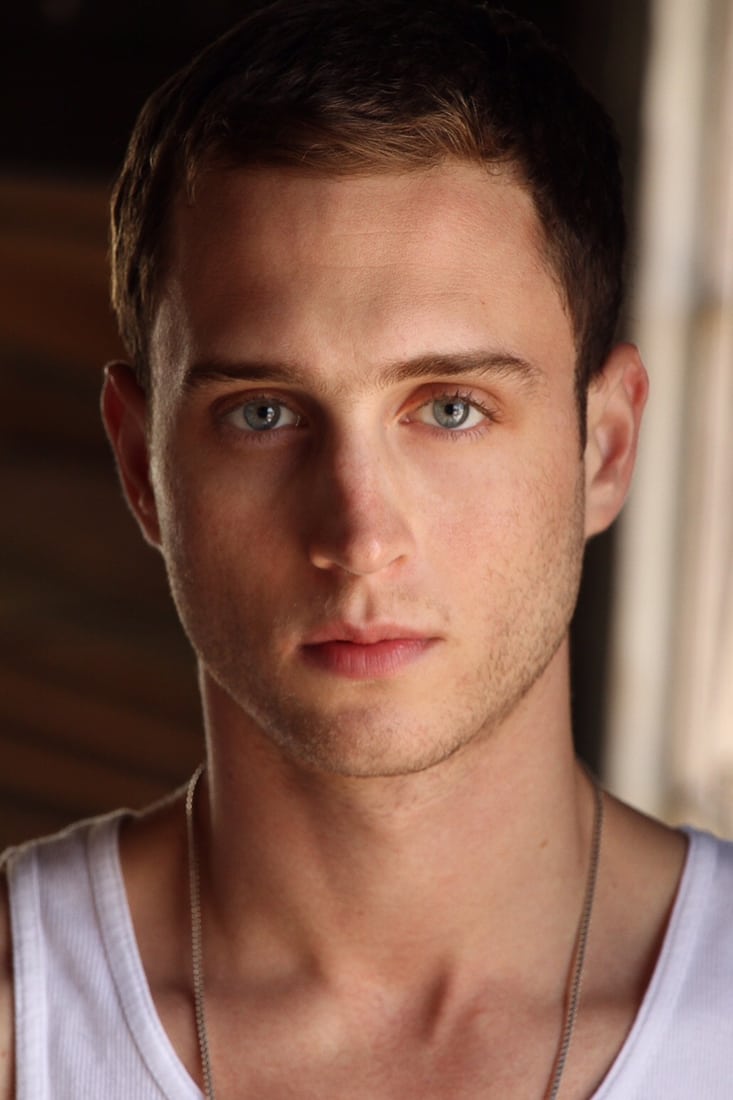
Chet Hanks has repeatedly sparked outrage for his use of a Patois accent and his claims of cultural belonging. The son of famous actors, his public persona has been criticized as a glaring example of cultural appropriation. Many find his adoption of Caribbean and Black American cultural markers to be offensive and performative. He has often doubled down on his behavior in response to public criticism. This has made him a recurring figure in the discourse regarding the misuse of cultural identities.
Victoria Beckham
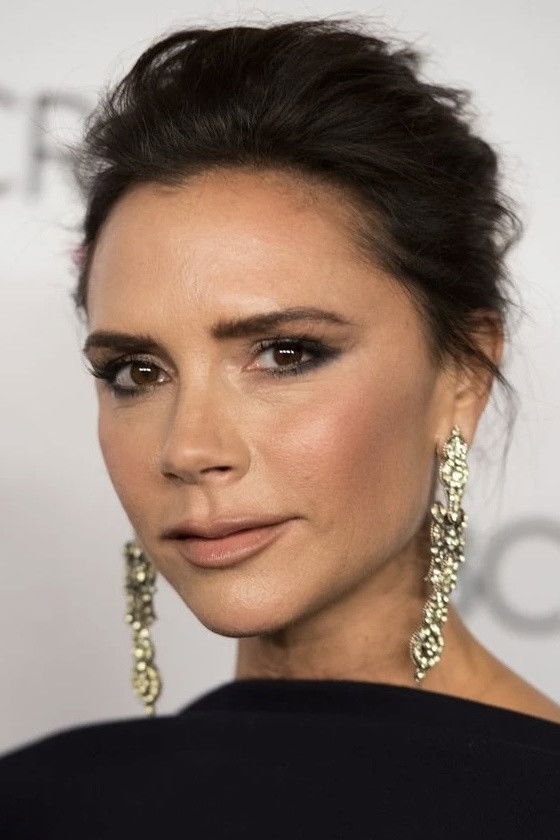
Victoria Beckham was frequently criticized during the early two thousands for her extremely dark tanning habits. Critics argued that her complexion often appeared artificially altered to a degree that was culturally insensitive. While she was not always accused of Blackfishing in the modern sense, her look was often cited as part of a trend of white celebrities darkening their skin. As she transitioned into the fashion industry, her personal style shifted toward a more natural look. These early images remain a point of reference in the history of celebrity tanning trends.
David Beckham
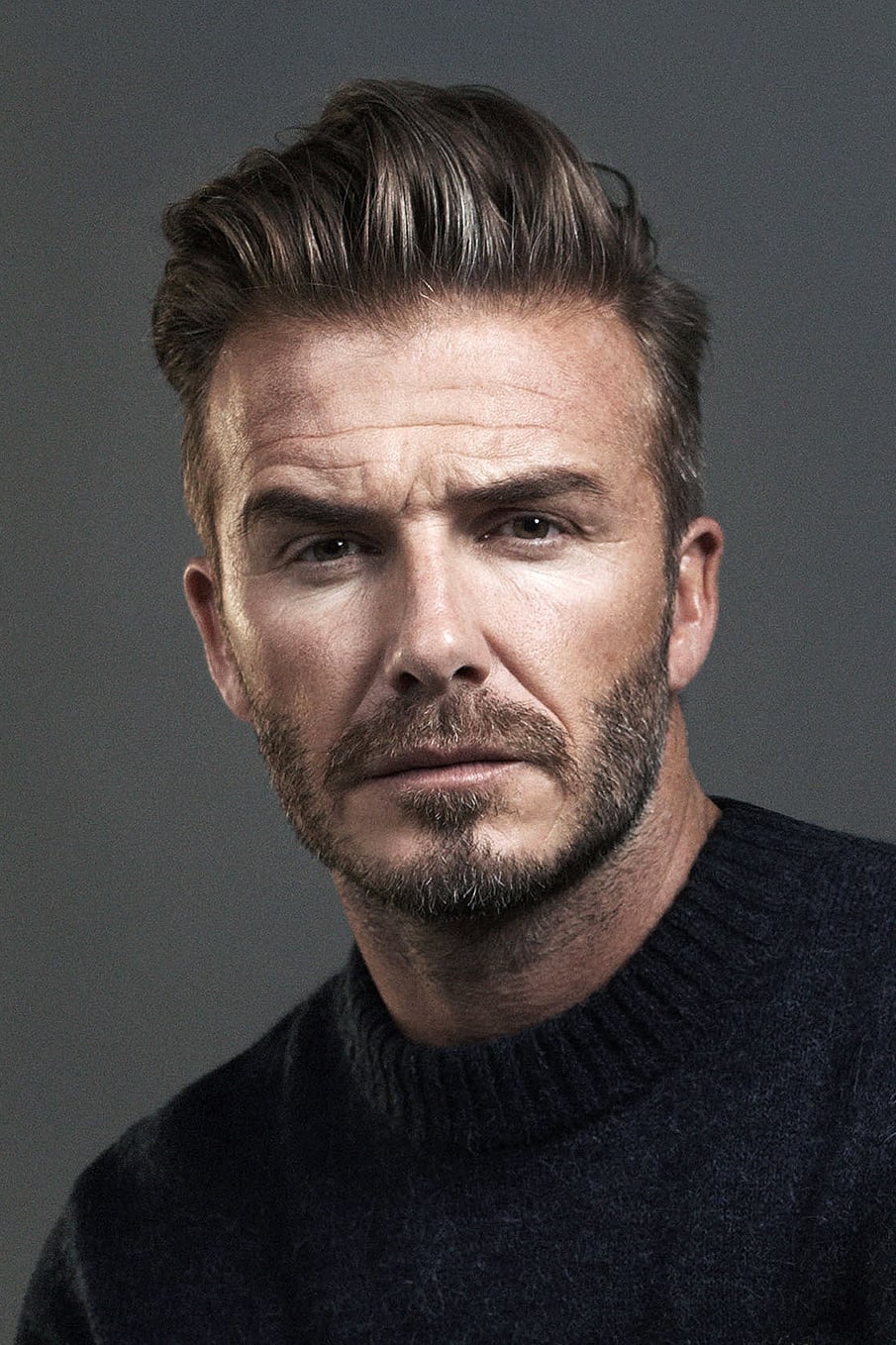
David Beckham faced significant backlash when he decided to wear his hair in cornrows during a high profile sporting era. The choice was widely seen as a misguided attempt to adopt a Black hairstyle for a fashion statement. He later admitted that the decision was a mistake and that he did not understand the cultural implications at the time. This incident is often used as a classic example of how celebrities can unintentionally cause offense through cultural appropriation. It remains one of his most discussed fashion choices from his time as a professional athlete.
Lady Gaga
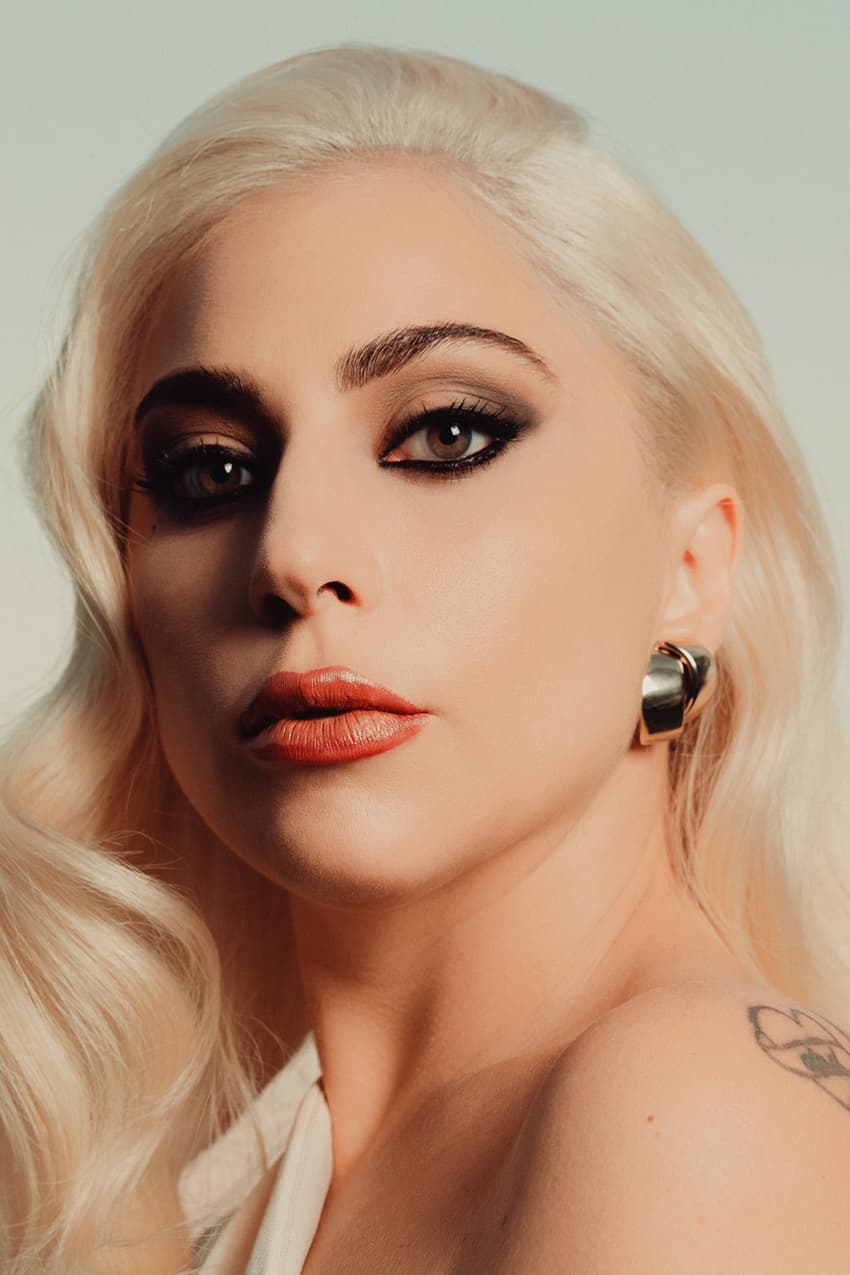
Lady Gaga has been criticized for her use of various cultural symbols and aesthetics throughout her career. While her work is often seen as avant garde, some critics feel she crosses the line into appropriation. Specifically, her use of certain hair textures and styles in her music videos has led to accusations of Blackfishing. These moments are often debated among her fans and cultural critics who weigh her artistic intent against the impact of her choices. She has generally remained focused on her creative vision despite these periodic controversies.
Dua Lipa
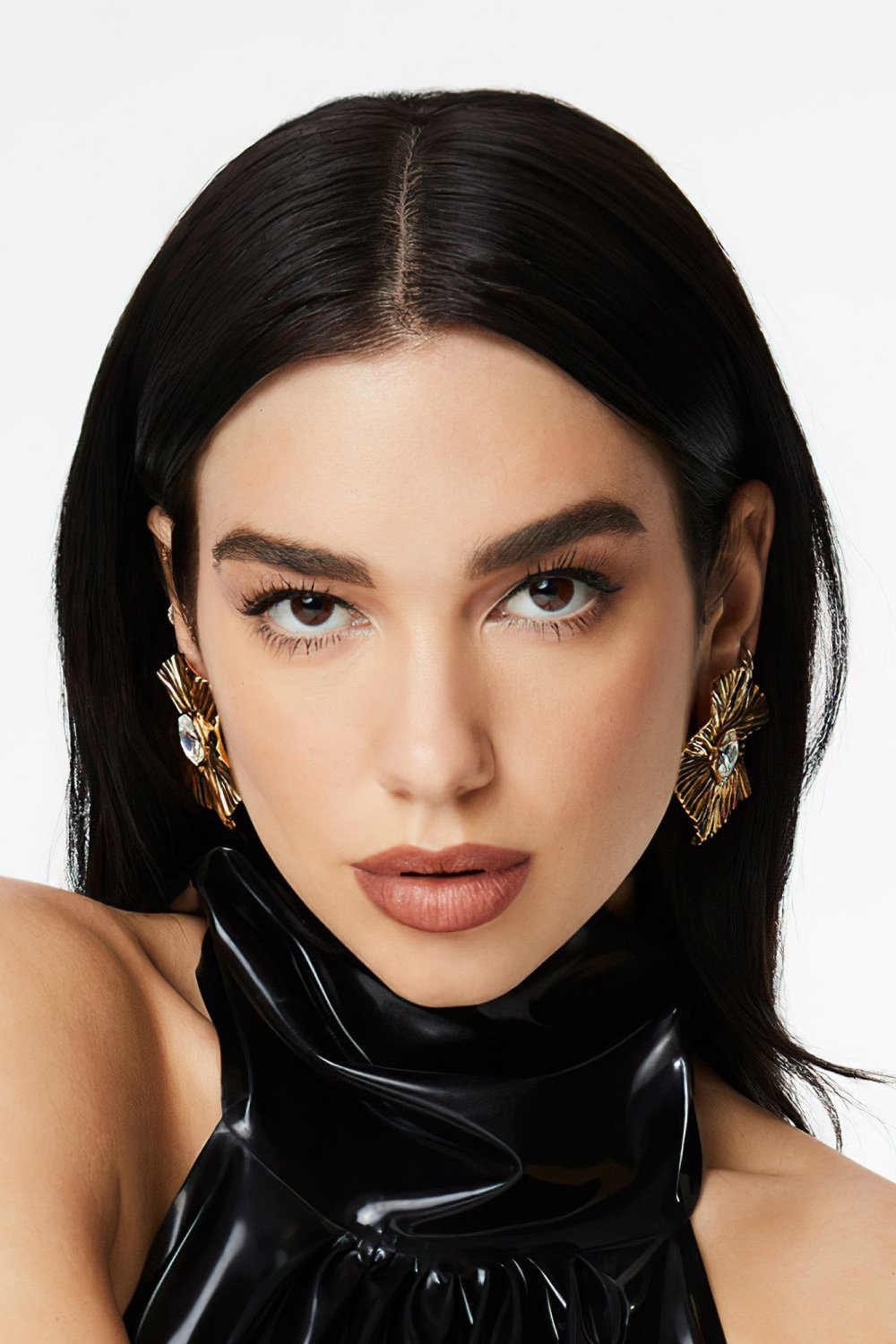
Dua Lipa has faced scrutiny from social media users who have pointed out the significant tanning and darkening of her skin in various promotional materials. Critics have argued that her aesthetic is curated to fit into a modern pop landscape that favors racial ambiguity. These accusations often focus on the contrast between her natural skin tone and her appearance in high budget music videos. While she has a massive global following, these discussions about her image continue to surface. The singer has not made extensive comments on these specific claims.
Zac Efron
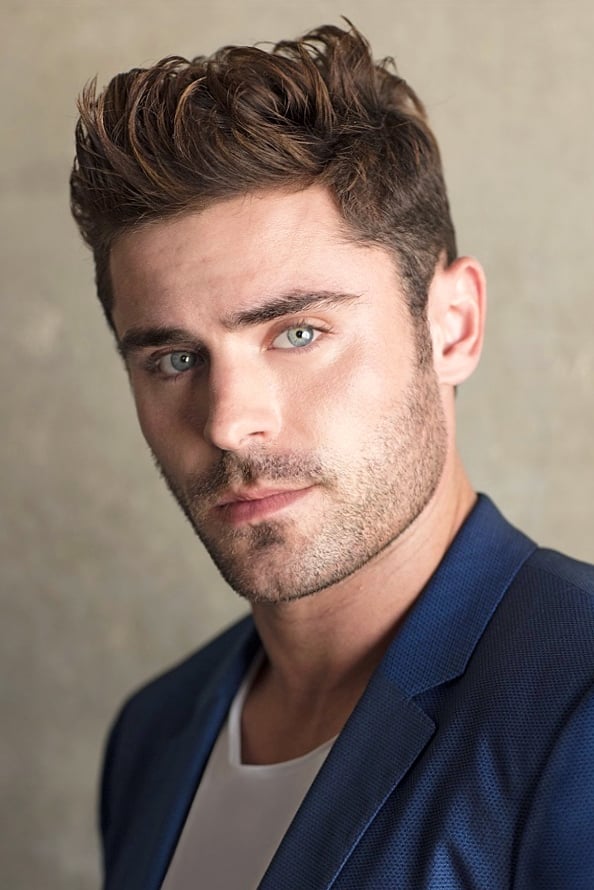
Zac Efron caused a stir on social media when he posted a photo of himself with dreadlocks. The actor claimed he was just doing it for fun, but the reaction from the public was swift and largely negative. Many accused him of being insensitive to the cultural significance of the hairstyle for Black people. The incident was widely covered by entertainment news outlets as a major blunder in cultural awareness. He eventually removed the post but the images continue to circulate as an example of celebrity appropriation.
Hilary Duff
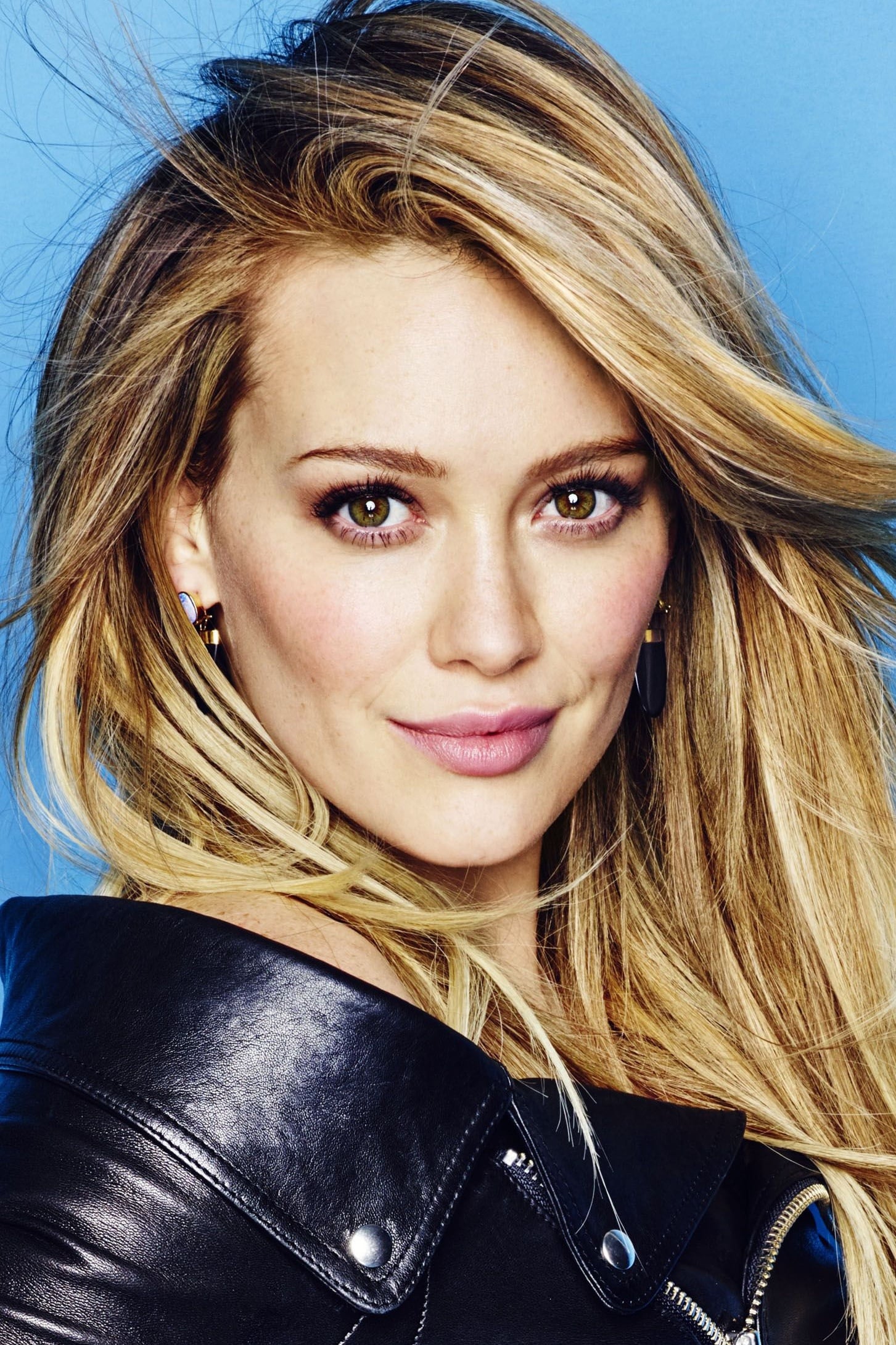
Hilary Duff faced public outrage when she and a former partner dressed up in a culturally insensitive costume for a holiday party. While the costume was not specifically Blackfishing, it contributed to a public perception of her being out of touch with racial sensitivities. This event led to a wider look at her past fashion choices and styling. She issued a formal apology shortly after the photos became public. The incident remains a notable moment of controversy in her otherwise relatively quiet public life.
Heidi Klum
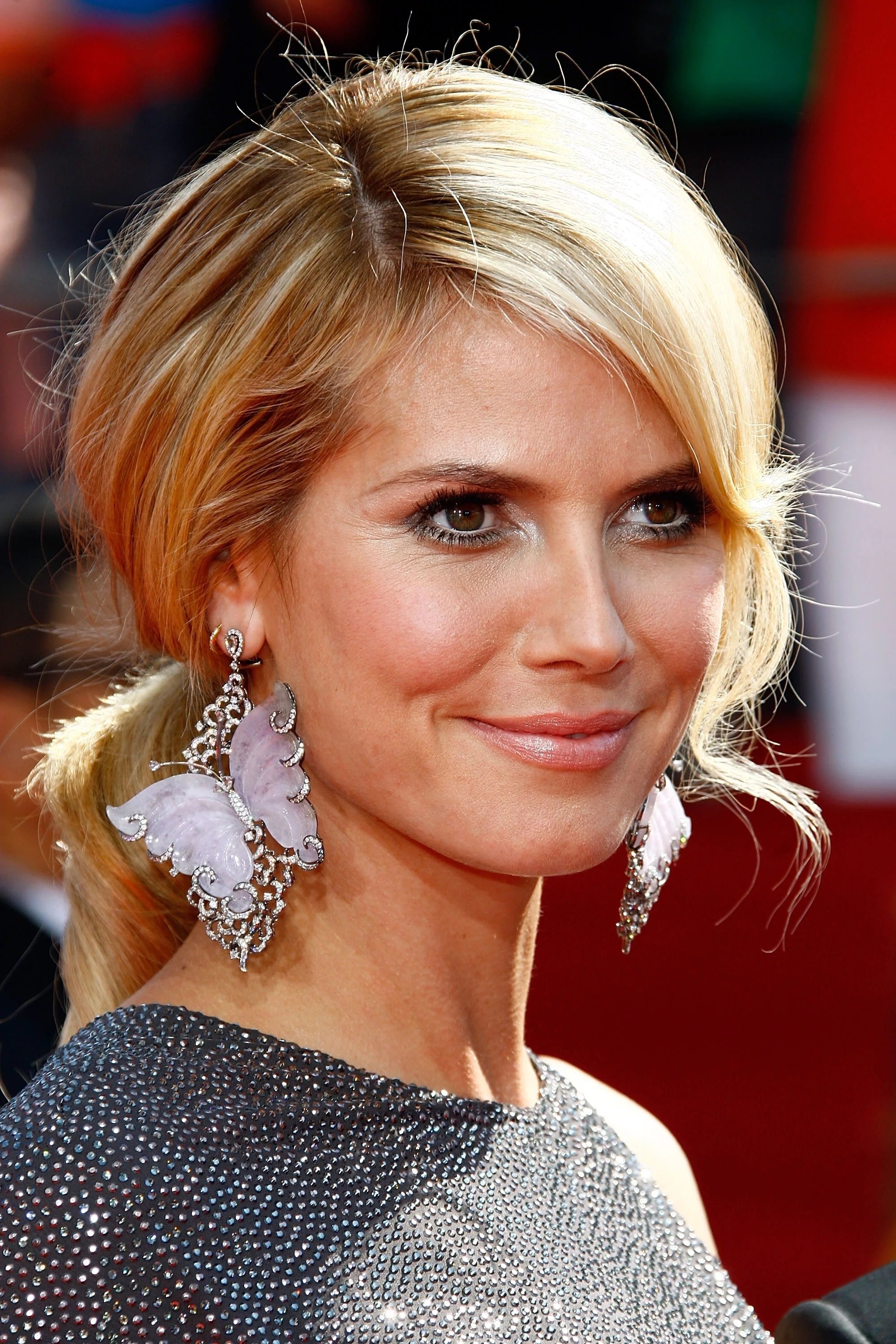
Heidi Klum is famous for her elaborate holiday costumes, but some have crossed the line into cultural insensitivity. She has been criticized for costumes that utilize cultural markers from various ethnic groups in a way that feels like a caricature. Critics argue that her platform as a global supermodel makes these choices particularly problematic. These controversies often spark annual debates about the ethics of celebrity costumes and cultural respect. She has addressed some of these concerns while continuing her tradition of extreme transformations.
Pink

Pink has faced criticism regarding her early career image which leaned heavily into R&B and hip hop aesthetics. Some critics feel that her initial branding was an attempt to capitalize on Black culture before she transitioned into a more rock oriented sound. This shift is often analyzed as a form of cultural tourism that is common in the pop music industry. While she is respected for her vocal talent, the origins of her public persona remain a point of discussion for some. She has consistently maintained that her music is a genuine expression of her life.
Amy Winehouse
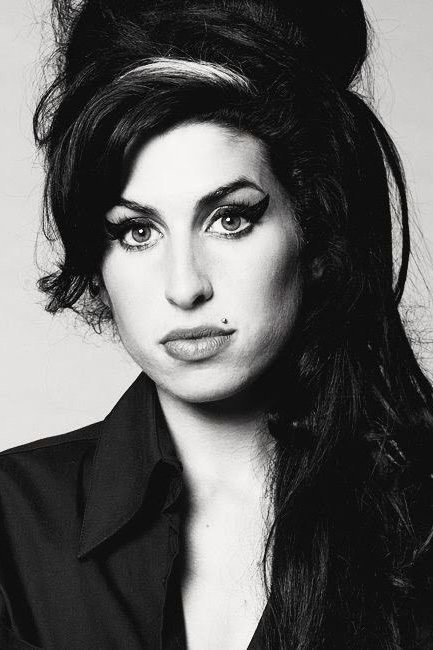
Amy Winehouse was often discussed in the context of her deep appreciation for and adoption of sixties soul and R&B styles. While her talent was undeniable, some critics questioned the ethics of a white British singer becoming the face of a sound rooted in Black American history. Her signature beehive hairstyle and makeup were also seen as an homage to Black girl groups of the past. These discussions often balance her genuine artistry with the broader issues of cultural appropriation in music. Her legacy is still viewed through this complex lens of influence and identity.
Lana Del Rey
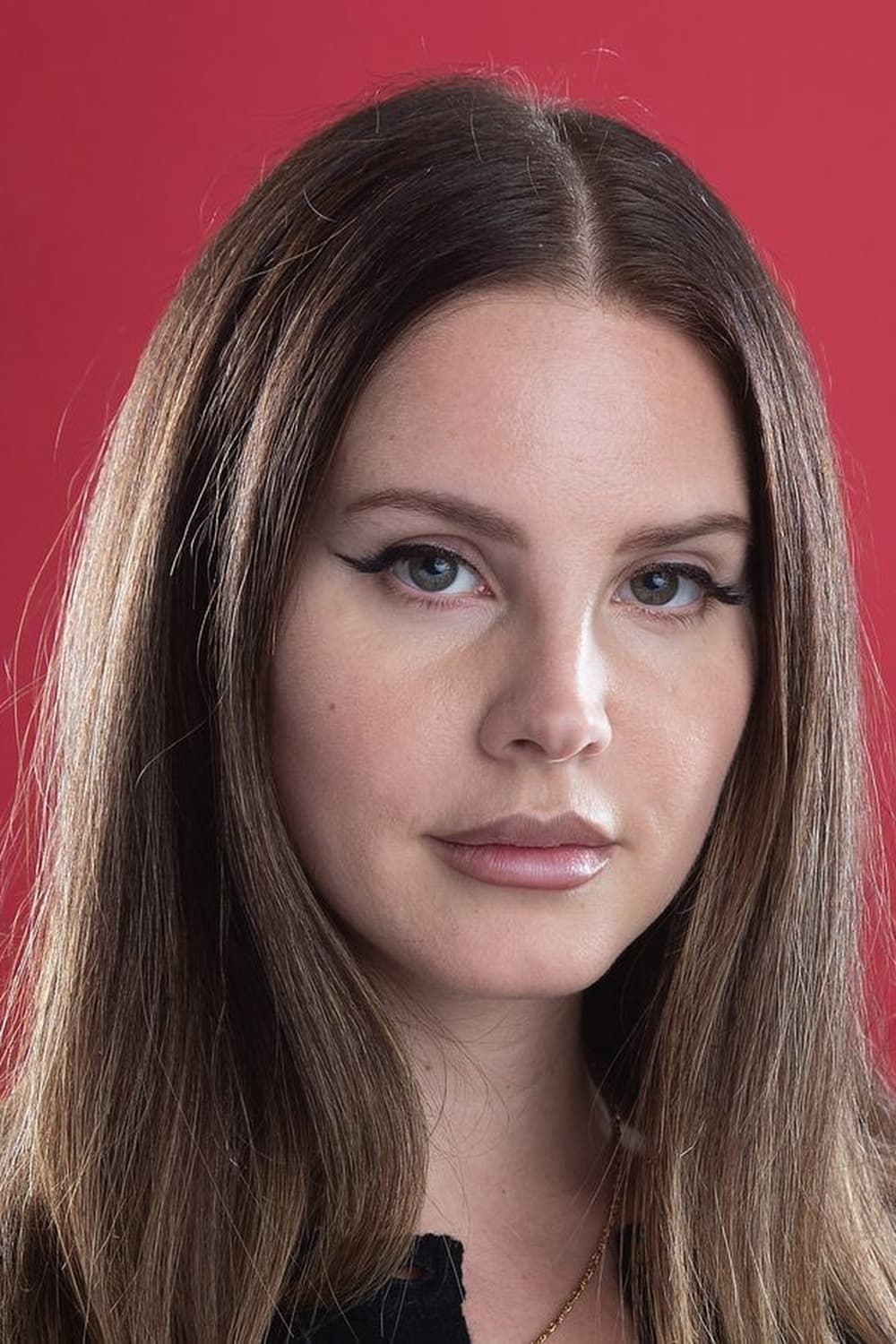
Lana Del Rey has been accused of using various cultural aesthetics to craft her cinematic and nostalgic persona. Critics have pointed to her use of specific jewelry and styling in her early videos as a form of cultural co-opting. These accusations were highlighted during a public feud where she mentioned several Black female artists, leading to a wider discussion about her racial awareness. Many feel her brand of Americana frequently borrows from diverse cultures without proper acknowledgment. She has defended her work as being about her own personal journey and style.
Camila Cabello
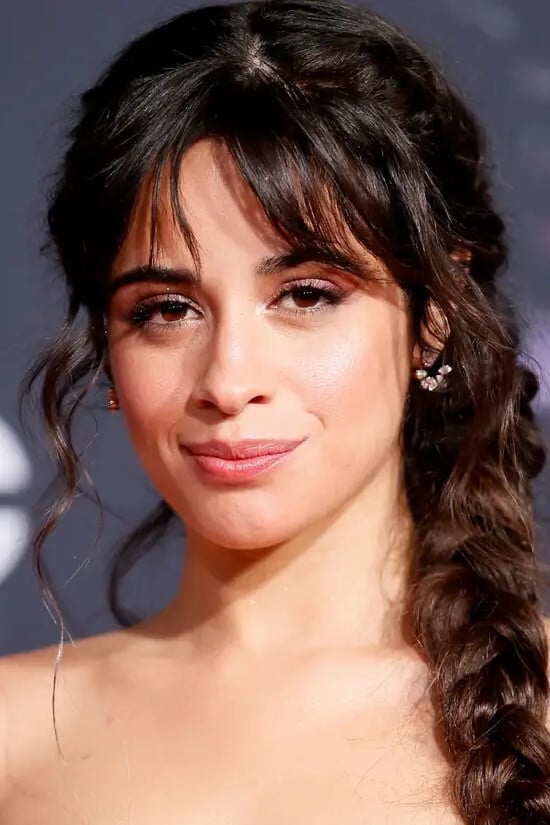
Camila Cabello faced significant backlash when past social media posts containing racial slurs and insensitive language were uncovered. While this was not a direct case of Blackfishing, it led to a deeper scrutiny of her public image and her use of Black cultural influences in her music. Critics argued that her career had benefited from Black aesthetics while her private comments showed a lack of respect for the community. She issued several public apologies and engaged in racial sensitivity training following the revelations. The incident has had a lasting impact on her public perception.
Sofía Vergara
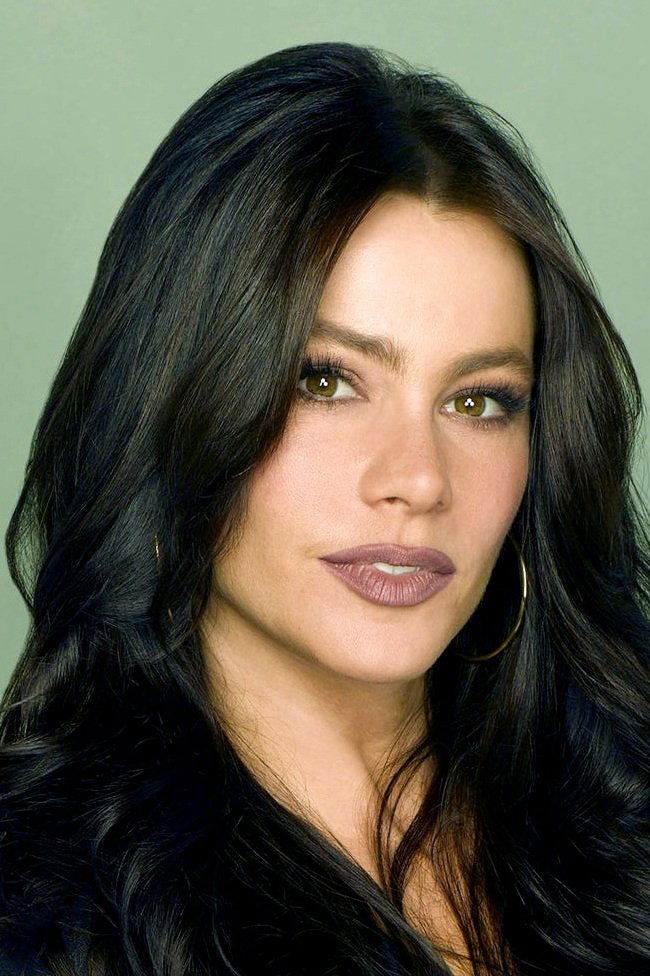
Sofía Vergara has occasionally been the subject of debate regarding the way her Colombian heritage is presented for American audiences. While she is a proud Latina, critics have pointed to instances where her styling or roles seem to play into or move toward racial ambiguity. Some argue that the Hollywood marketing machine pushes her toward a look that fits a specific ethnic trope. These discussions are part of a larger conversation about the limited ways in which Hispanic and Latin stars are portrayed in mainstream media. She remains one of the most successful and visible actresses in the industry.
Penélope Cruz
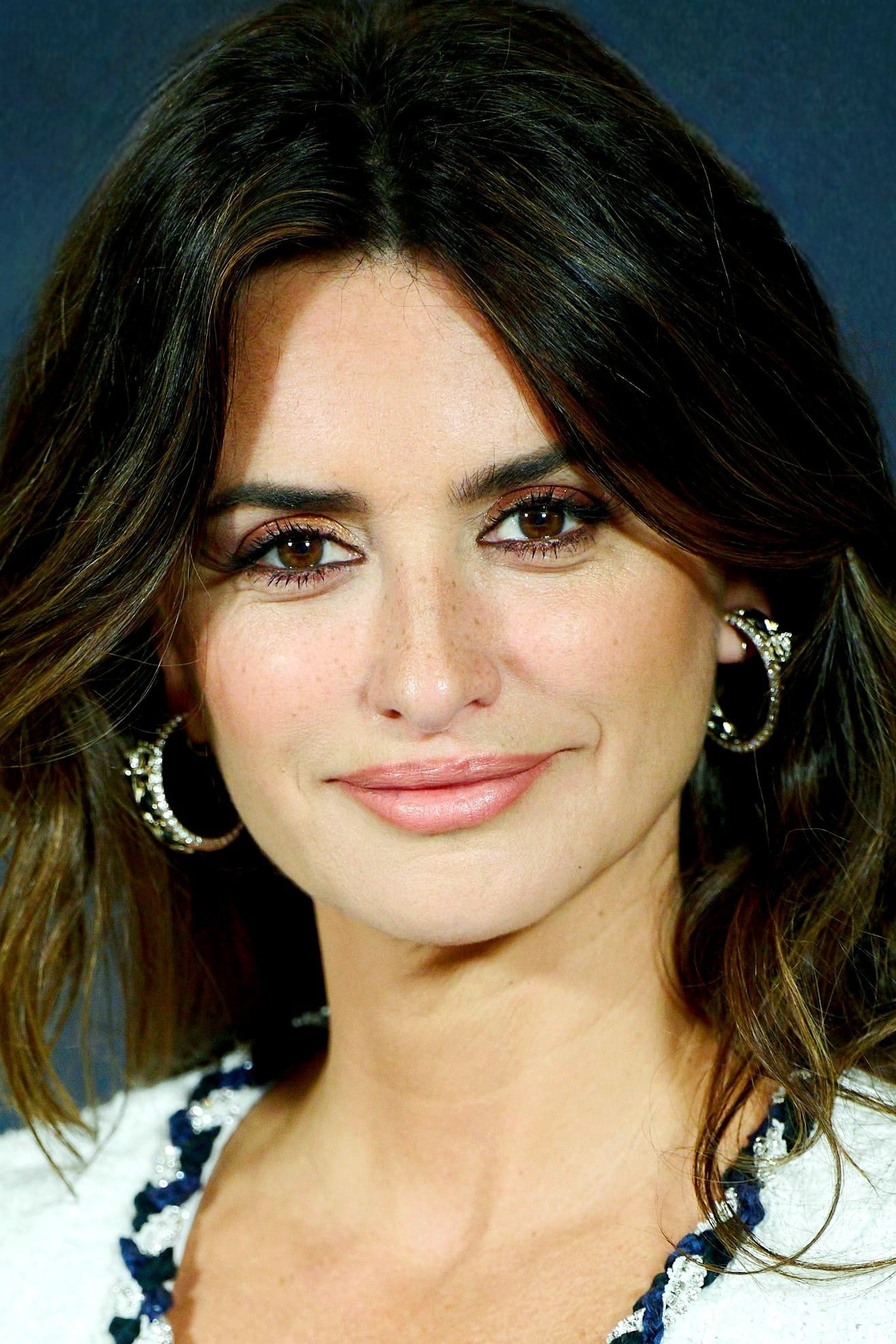
Penélope Cruz was involved in a controversy regarding a film role where her skin was darkened to play a character of a different ethnic background. This led to accusations of colorism and the erasure of actors who naturally possess those features. Critics argued that even an actress of her stature should not participate in projects that utilize these techniques. The incident sparked a global discussion about casting practices and the importance of authentic representation in cinema. She has generally focused on her international film career while navigating these complex industry issues.
Salma Hayek Pinault
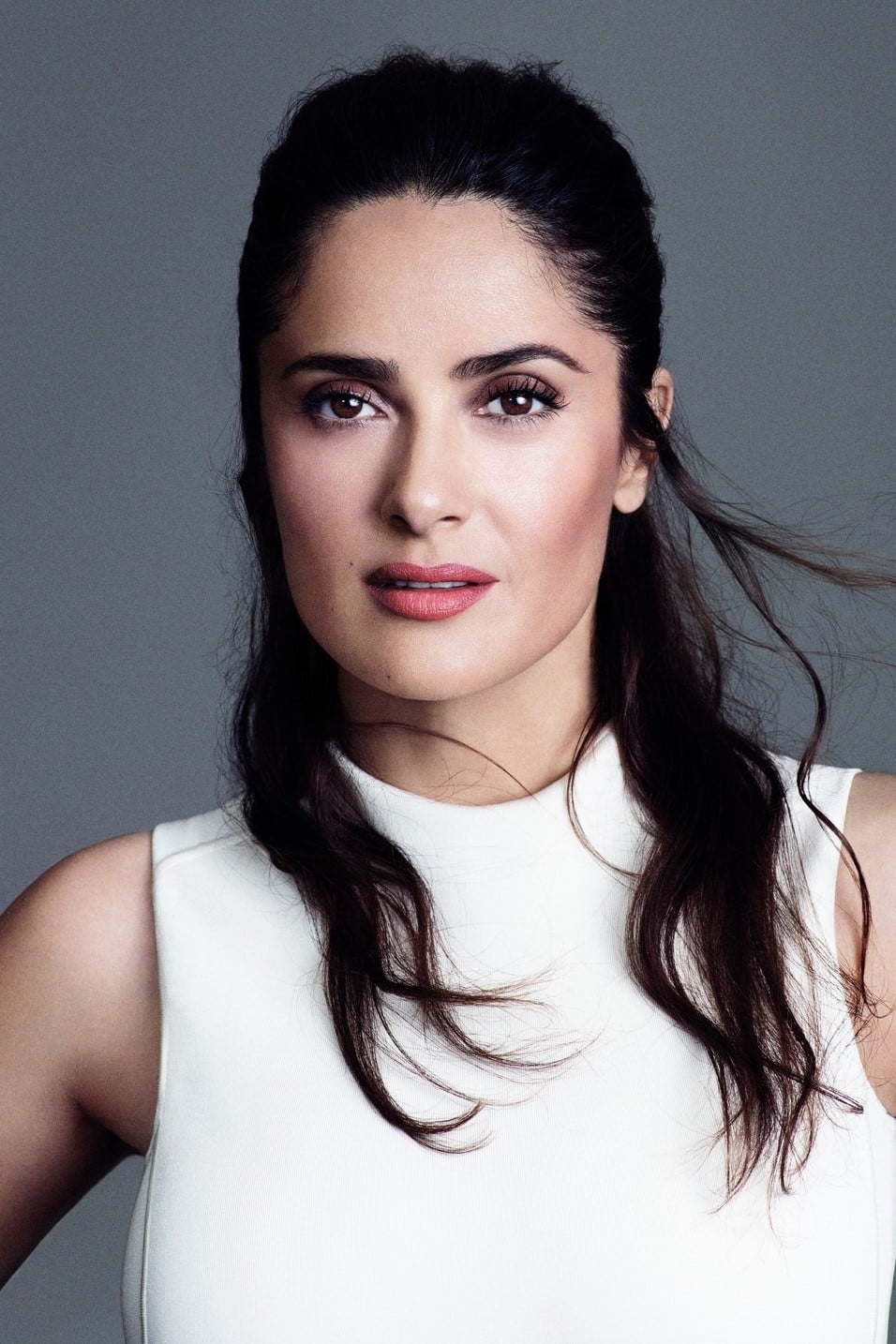
Salma Hayek Pinault has occasionally faced criticism for roles and styling that some feel misrepresent or co-opt specific cultural identities. While she is a vocal advocate for her Mexican heritage, the way her image is used in major advertising campaigns can sometimes spark debate. Critics point to the tension between her real identity and the stylized versions of ethnicity presented by global brands. These moments highlight the difficulties faced by international stars in a globalized media market. She continues to be a leading voice in the industry while managing these recurring critiques.
Ye
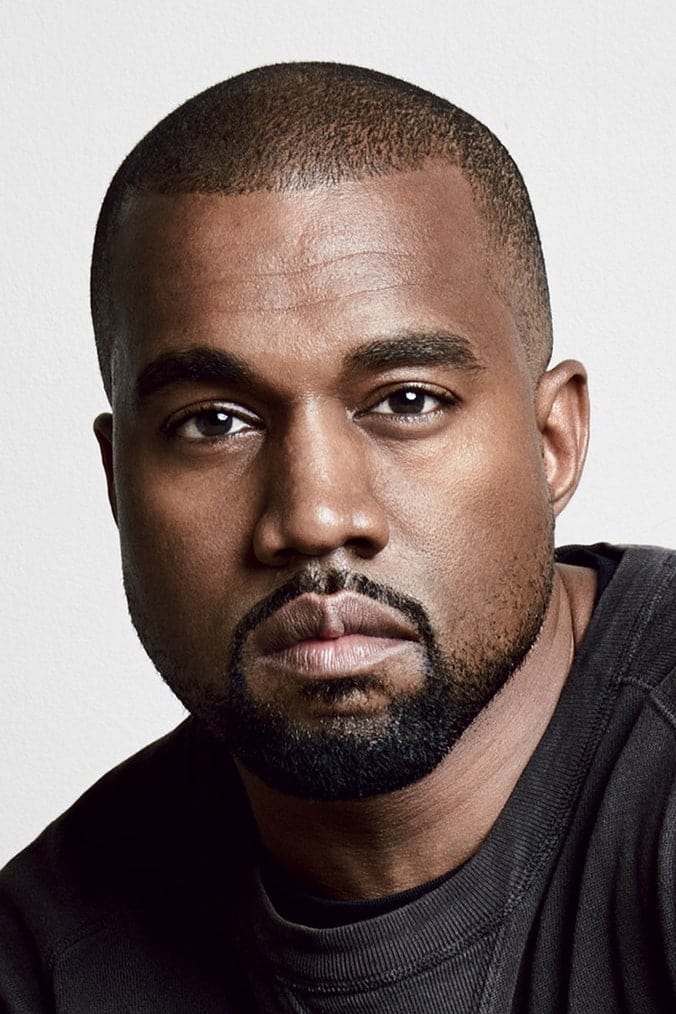
Ye has frequently been at the center of cultural controversies regarding his identity and public statements. While he is a Black man, he has faced unique accusations of distancing himself from his community or misusing cultural symbols in his fashion lines. Some critics argue his aesthetic choices for models and his brand marketing flirt with controversial racial imagery. These moments often lead to intense debates across social media and news outlets about his intentions and impact. His influence on fashion and music continues to spark deep discussions about cultural ownership and the boundaries of art.
Tell us what you think about these celebrity controversies in the comments.