African American Actors Who Publicly Spoke Out Against Racist Tropes In Their Own Blockbuster Movies


The landscape of modern cinema has been shaped by repetitive narratives and stereotypical depictions that often limit the range of Black performers. Many prominent actors have utilized their platforms to challenge these conventions and demand more nuanced representations of the Black experience. By speaking out against the tropes found in their own blockbuster projects, they have influenced industry standards and paved the way for future generations. These men have often risked professional standing to ensure that the stories being told on screen reflect a more authentic and diverse reality. Their contributions go beyond performance as they actively work to dismantle systemic biases within the entertainment world.
Ray Fisher
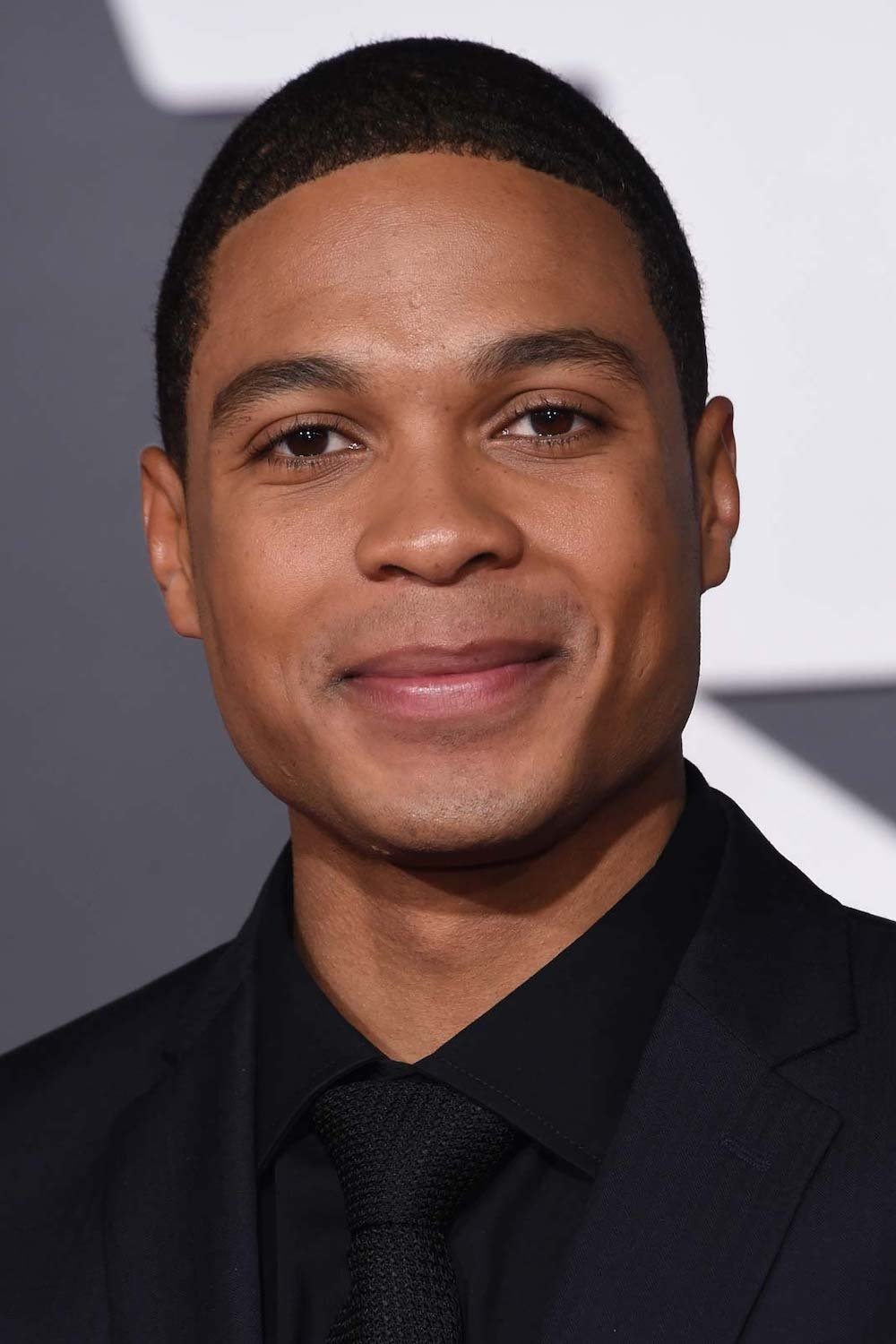
Ray Fisher publicly criticized the treatment of his character during the production of the blockbuster ‘Justice League’. He voiced significant concerns regarding the reduction of his role and the perpetuation of certain tropes under the leadership of the substitute director. Fisher advocated for a more respectful representation of Cyborg as the first major Black superhero in that film universe. His public statements emphasized the need for accountability and better treatment of actors of color on large sets. This stance brought significant attention to the internal culture of major studio productions.
Anthony Mackie
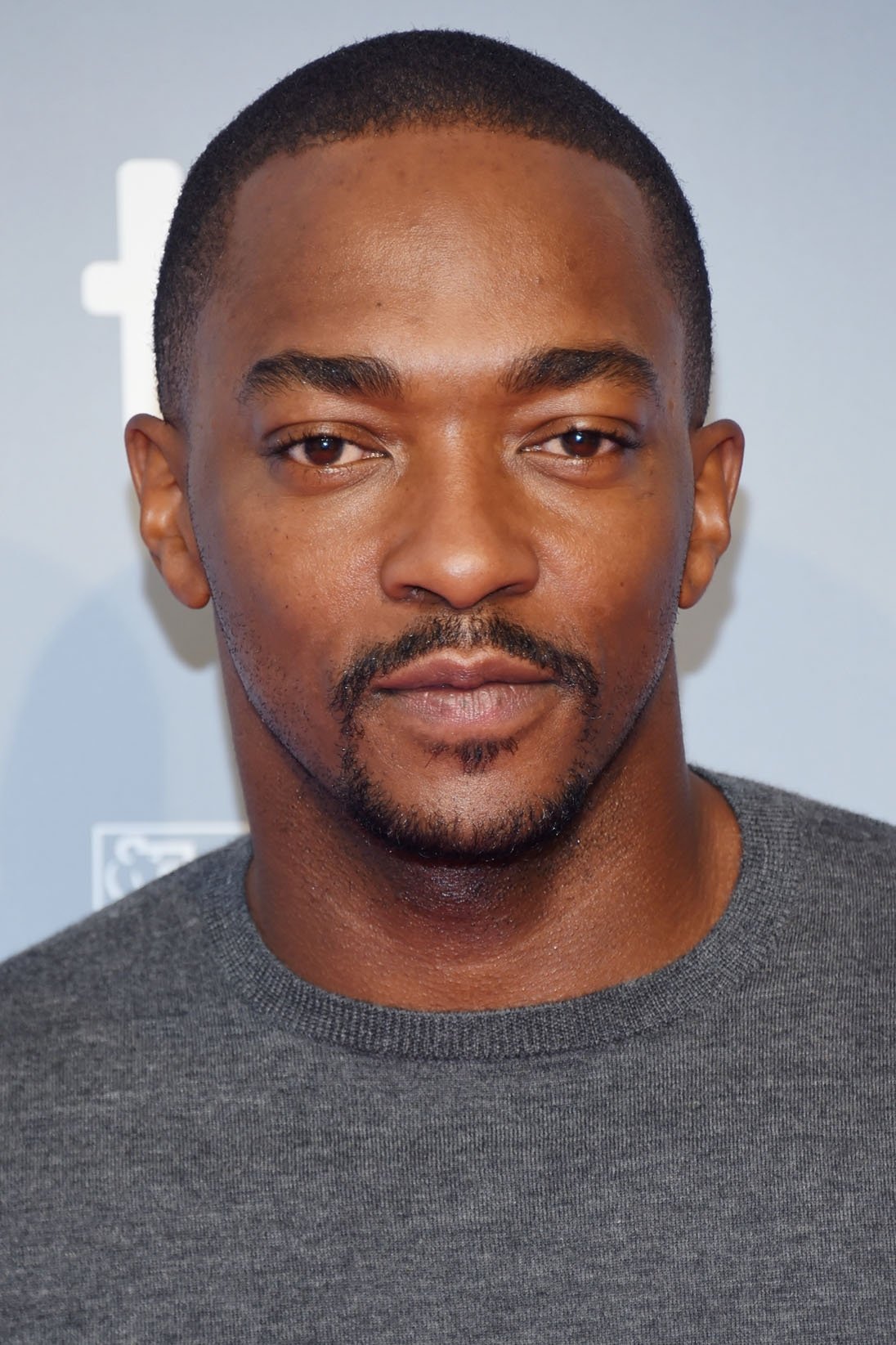
Anthony Mackie has been vocal about the lack of diversity behind the camera in the Marvel Cinematic Universe movies. He specifically pointed out that the production of ‘Captain America: The Winter Soldier’ and other films featured predominantly white crews. Mackie suggested that hiring people of color for all roles and not just those specifically about race is crucial for genuine inclusion. He argued that the industry needs to move past the trope of only hiring diverse staff for diverse stories. His insights have encouraged fans and creators to look closer at the structural makeup of blockbuster film sets.
Chadwick Boseman
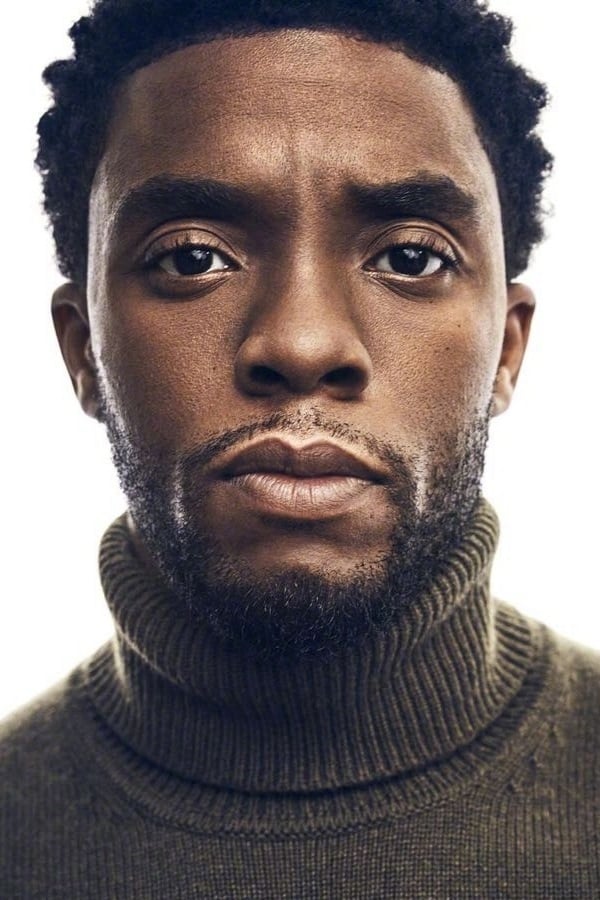
Chadwick Boseman addressed the issues of representation in the film ‘Gods of Egypt’ before its release. He noted that the film relied on white-washing tropes that did not accurately reflect the historical or cultural setting of the story. Boseman expressed that he took the role specifically to bring a sense of authenticity to a project that was facing heavy criticism. He later used the success of ‘Black Panther’ to further advocate for stories that celebrate African heritage without relying on Western stereotypes. His career was marked by a consistent effort to portray Black men with dignity and strength.
Mahershala Ali
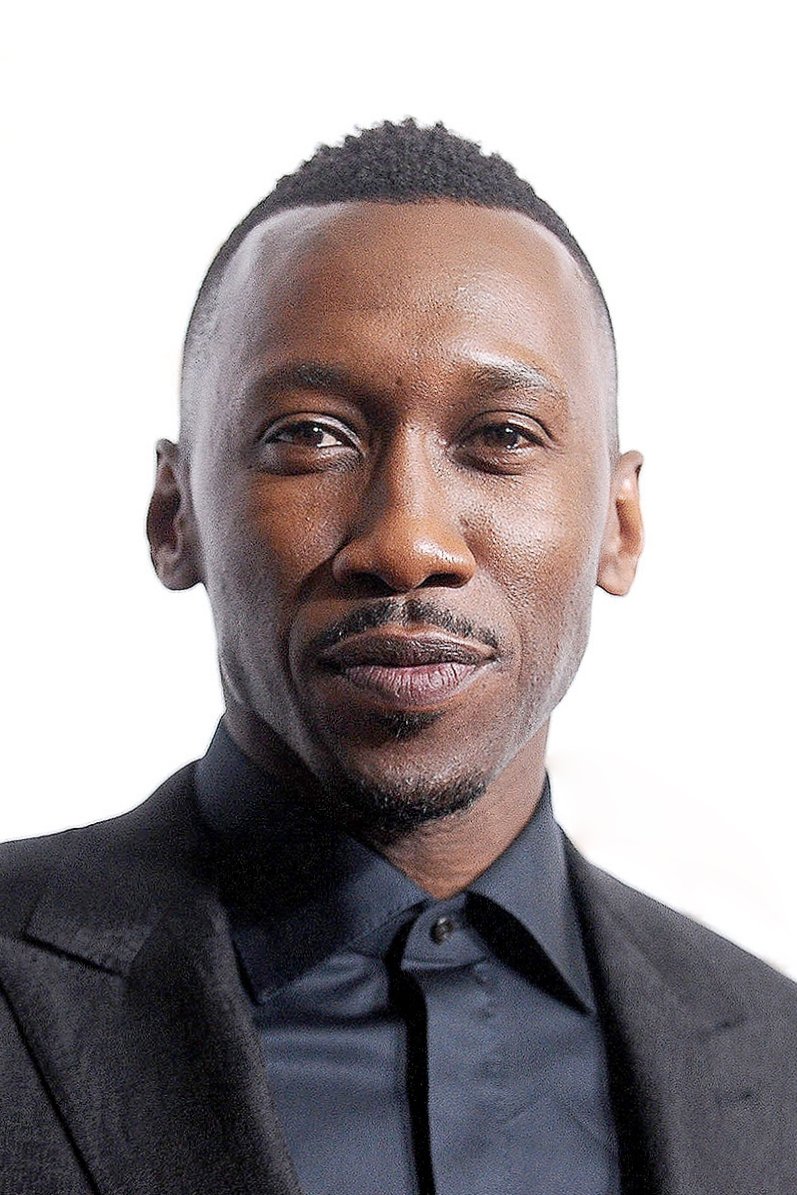
Mahershala Ali has spoken about the complexities of the white savior trope found in the movie ‘Green Book’. While the film won significant awards, Ali acknowledged the concerns regarding how the story centered on the white protagonist over his own character. He worked closely with the production to ensure that his portrayal of Don Shirley remained nuanced and avoided common cinematic cliches. Ali has emphasized the importance of Black characters having their own agency and internal lives in mainstream cinema. He continues to select roles that challenge the traditional boundaries of Black identity on screen.
Samuel L. Jackson
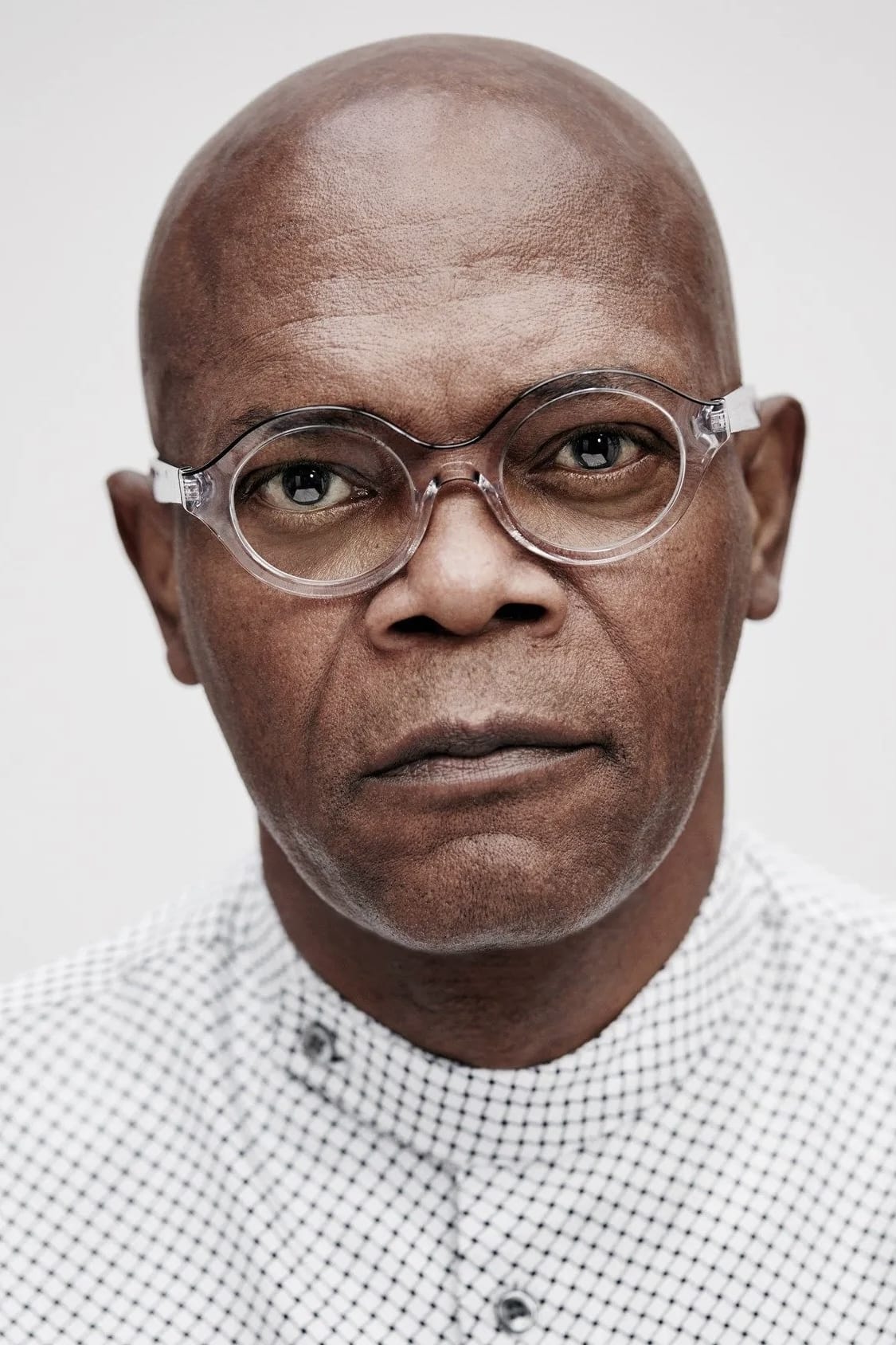
Samuel L. Jackson has often defended and critiqued the use of racial language and tropes in movies like ‘Django Unchained’. He has spoken about the necessity of depicting the harsh realities of history without sugarcoating the experience for modern audiences. Jackson argued that his character represented a specific and painful archetype that needed to be shown to understand the full scope of the narrative. He has been a consistent voice in Hollywood regarding the power of language and the importance of context in storytelling. His collaboration with various directors has often sparked national conversations about race in film.
Michael B. Jordan
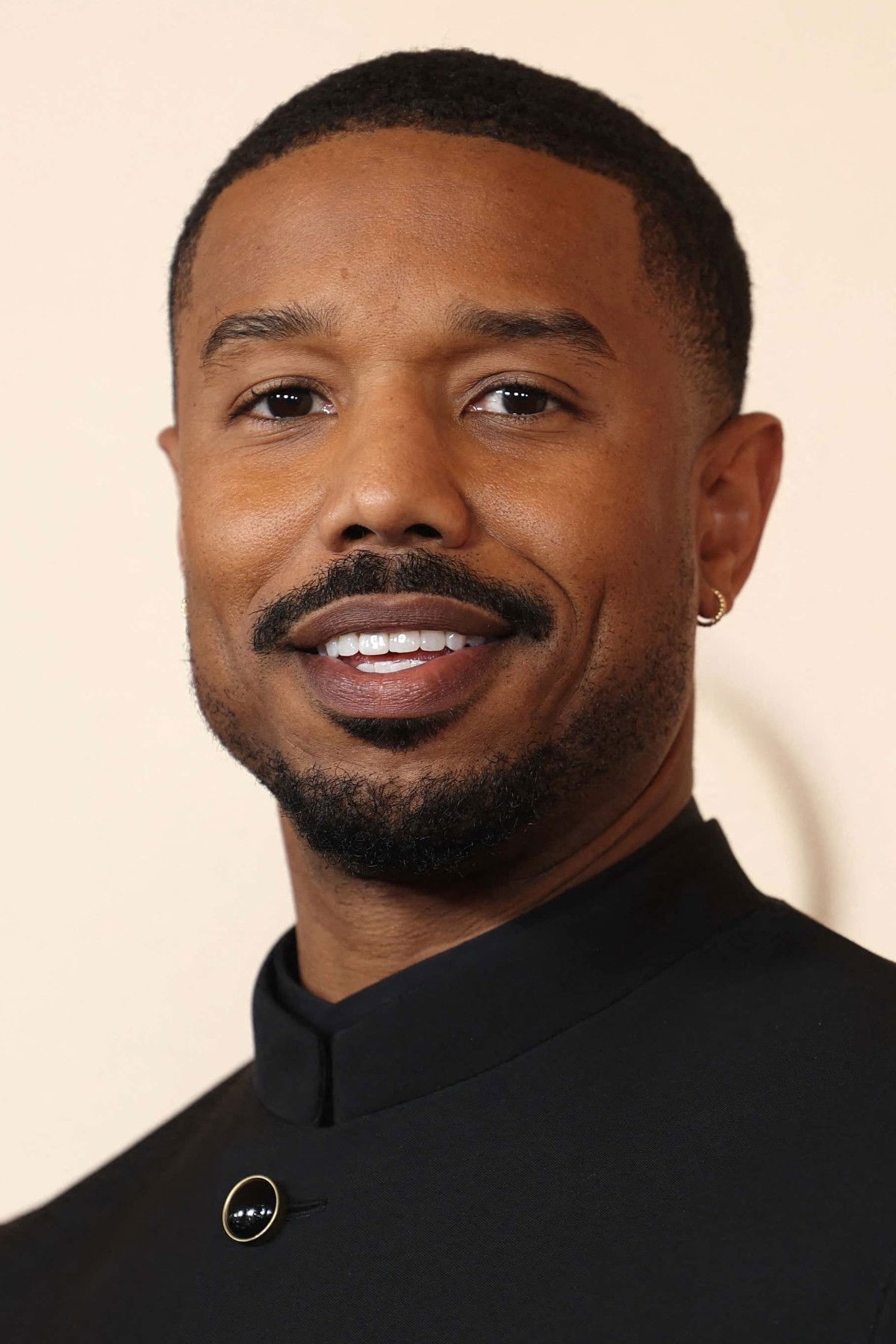
Michael B. Jordan addressed the racist backlash he received after being cast as the Human Torch in ‘Fantastic Four’. He wrote a public essay explaining why it was important to break the trope of keeping comic book characters racially static. Jordan argued that fans should be more open to seeing the world as it actually exists with a diverse range of heroes. He later became a producer to ensure that his projects like ‘Black Panther’ and ‘Creed’ avoided stereotypical pitfalls from the start. His work has been instrumental in shifting how major franchises approach diversity.
Jamie Foxx
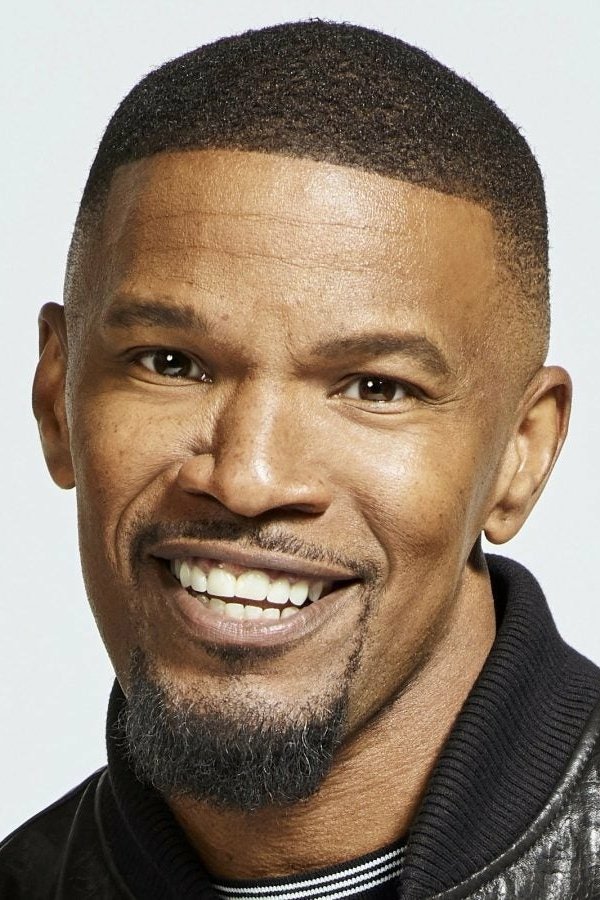
Jamie Foxx discussed the challenges of navigating the intense racial themes and tropes present in ‘Django Unchained’. He spoke about the responsibility of portraying a hero who actively dismantles the systems of oppression shown in the film. Foxx emphasized that the character needed to be more than a trope and instead a fully realized man driven by love and revenge. He has frequently used his platform to highlight the importance of Black lead characters in big budget action movies. His performance helped redefine what a Western hero could look like in a modern blockbuster.
Lakeith Stanfield
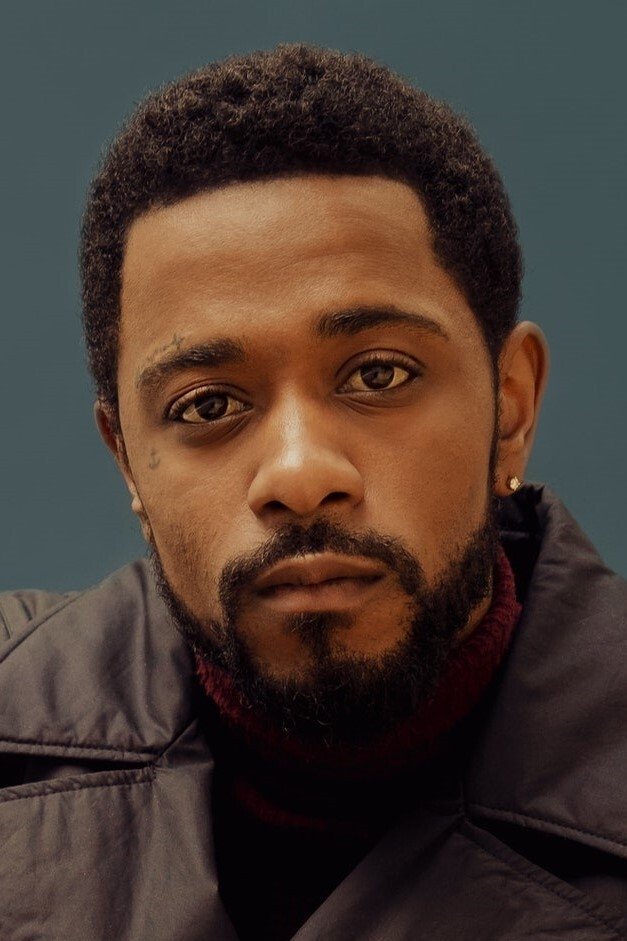
Lakeith Stanfield has been outspoken about the lack of historical accuracy and the use of colorism in films like ‘The Harder They Fall’. He commented on how certain casting choices can perpetuate tropes that favor lighter skin tones over others within the Black community. Stanfield advocated for a more inclusive approach to storytelling that honors the true diversity of the figures being portrayed. He often chooses experimental and independent projects that subvert the expectations placed on Black actors in Hollywood. His career reflects a deep commitment to artistic integrity and social commentary.
Jeffrey Wright
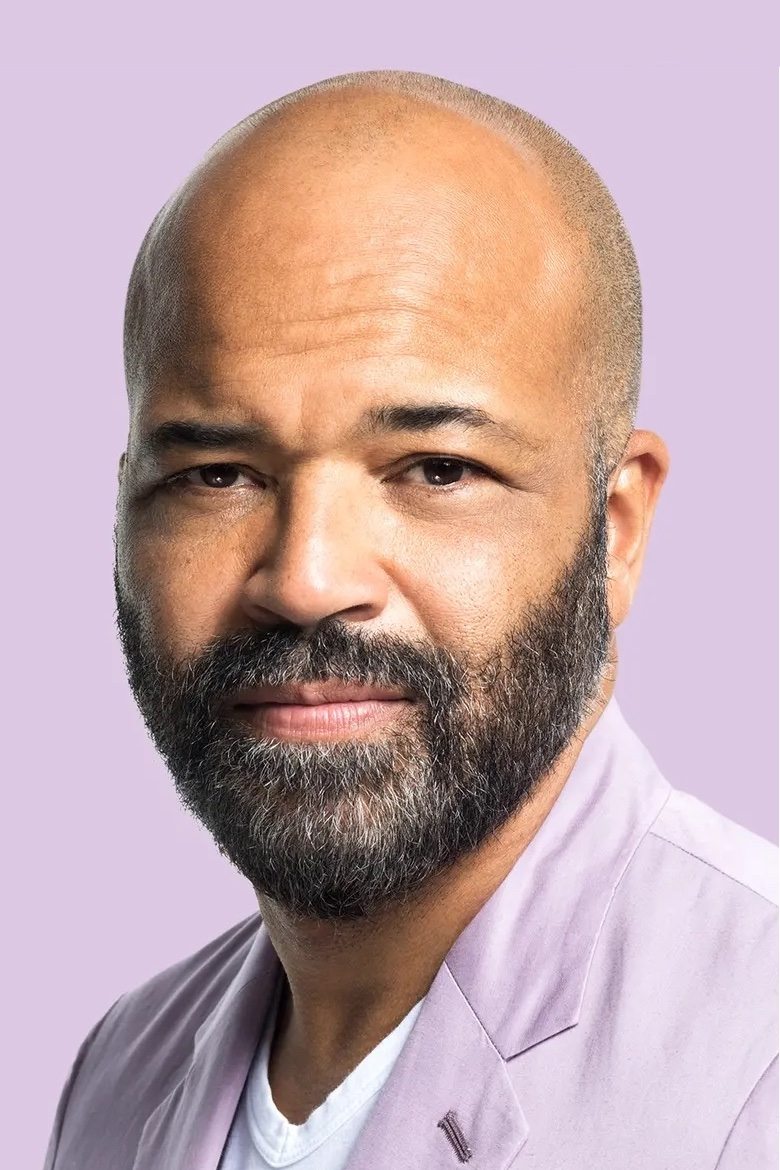
Jeffrey Wright has used his role in ‘American Fiction’ to directly satirize the tropes that the industry often expects from Black writers and actors. He has spoken about the frustration of being pressured to create trauma-centered stories to achieve commercial success. Wright argued that the blockbuster landscape should leave more room for Black intellectualism and mundane human experiences. He has consistently sought out roles in major franchises like ‘James Bond’ and ‘The Batman’ that allow him to play complex characters not defined solely by their race. His insights offer a sharp critique of the current state of representation in media.
John Amos
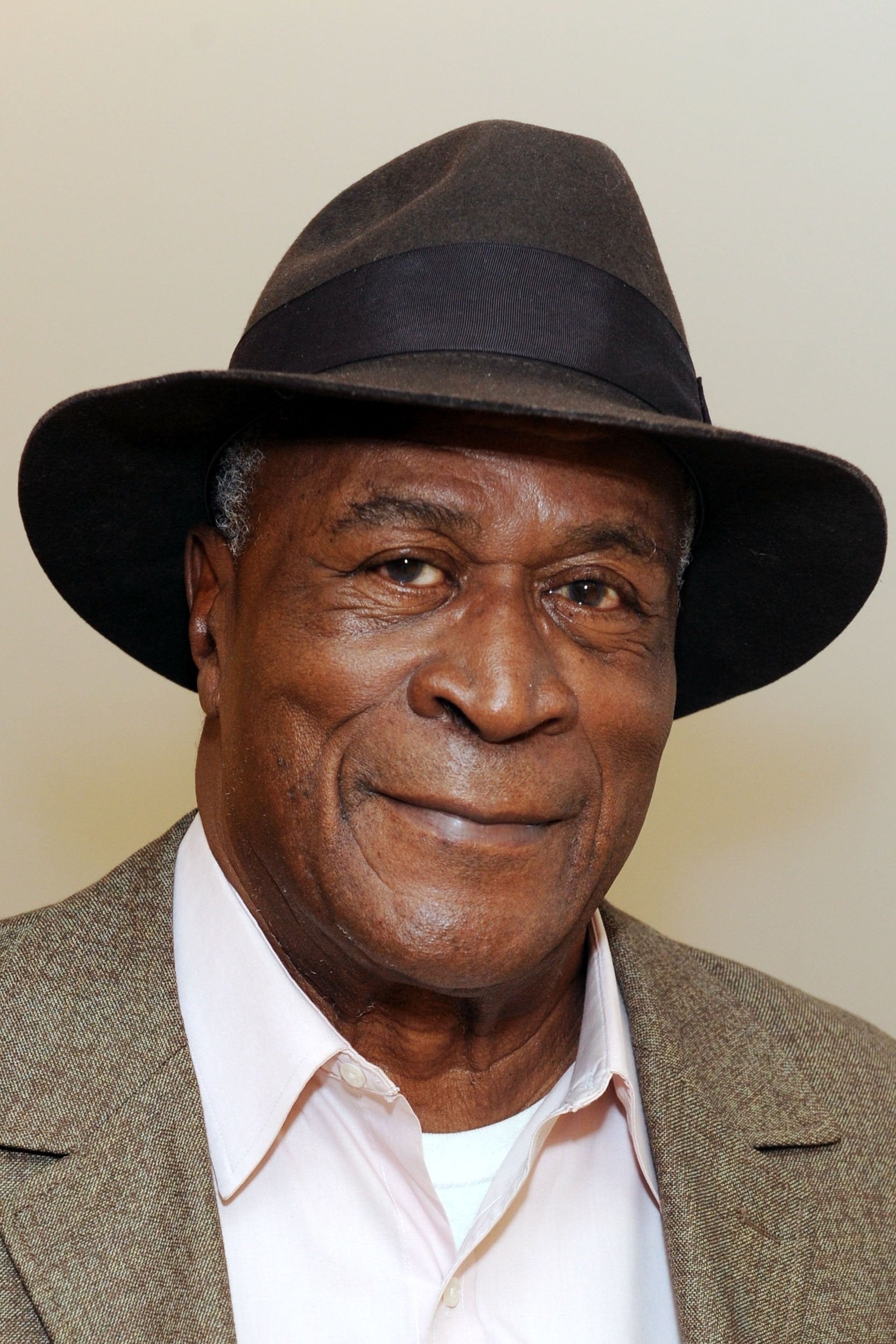
John Amos famously left a major television project to protest the stereotypical tropes that were being introduced to his character. He later discussed how these early experiences influenced his approach to movies like ‘Coming to America’. Amos felt that it was vital to portray Black fathers and business owners with a sense of pride and authority. He has spoken about the long struggle to get Hollywood to see Black families as more than just a source of comedy. His career serves as a foundational example of an actor standing up for character integrity.
Ye
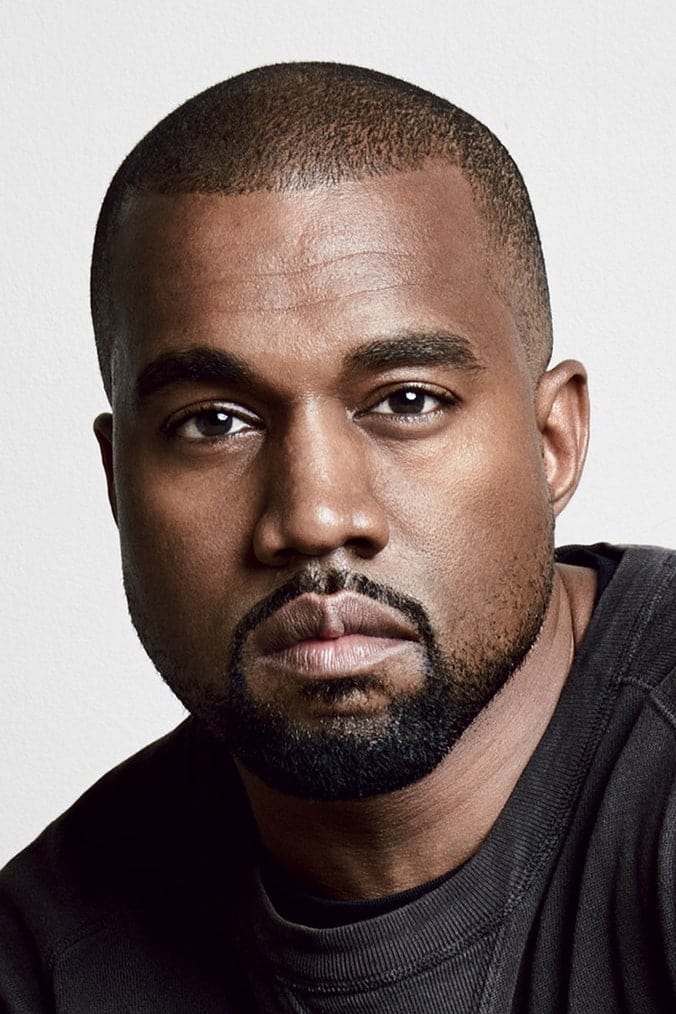
Ye has frequently critiqued the way the media and the film industry portray Black success and struggle. He argued that certain blockbuster narratives trap Black performers in roles that rely on outdated archetypes. Through various public appearances he has pushed for creative autonomy and the ability to define one’s own narrative outside of traditional studio systems. Ye emphasized the need for Black artists to own their creative output to avoid being used as tokens in larger corporate machines. His critiques often target the structural biases that influence which stories get funded and promoted.
Denzel Washington
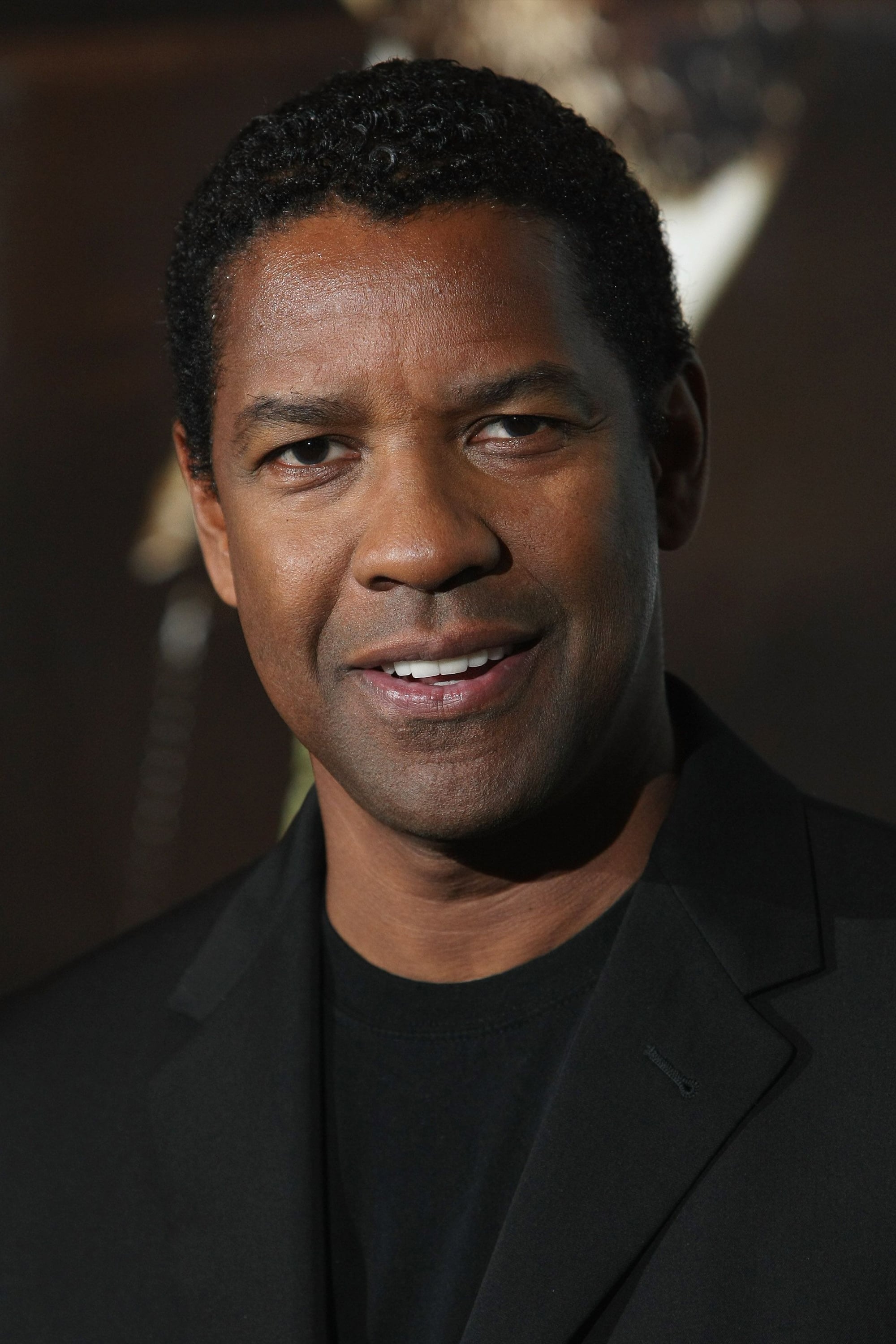
Denzel Washington has often discussed the importance of character integrity over simply filling a role for the sake of diversity. In ‘Training Day’ he pushed for his character to face ultimate consequences to avoid the trope of the untouchable corrupt officer. He has expressed that he chooses roles based on their humanity rather than their adherence to expected Black narratives. Washington continues to mentor younger actors on how to navigate the complexities of typecasting in big budget films. His legacy is built on a series of performances that demand respect and serious consideration.
Will Smith
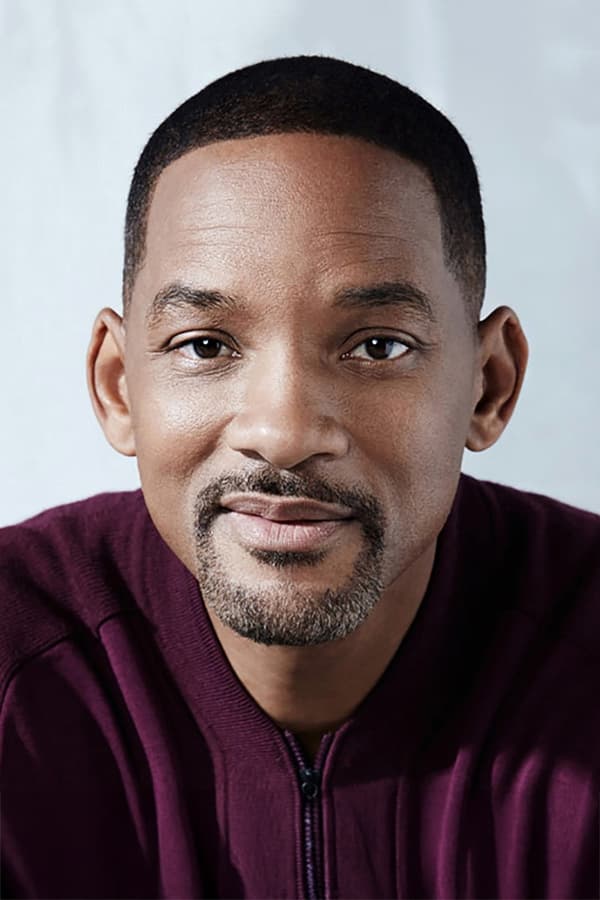
Will Smith has spoken about his decision to avoid certain roles that rely on the trauma of slavery as a primary narrative trope. He explained that he wanted to focus on Black excellence and heroism in films like ‘Independence Day’ and ‘Men in Black’. When he finally took on ‘Emancipation’ he noted that he did so because it focused on the triumph of the human spirit rather than just the suffering. Smith has been a major force in proving that Black actors can lead global blockbusters to record breaking success. He remains a vocal advocate for the power of positive representation in mainstream media.
Morgan Freeman
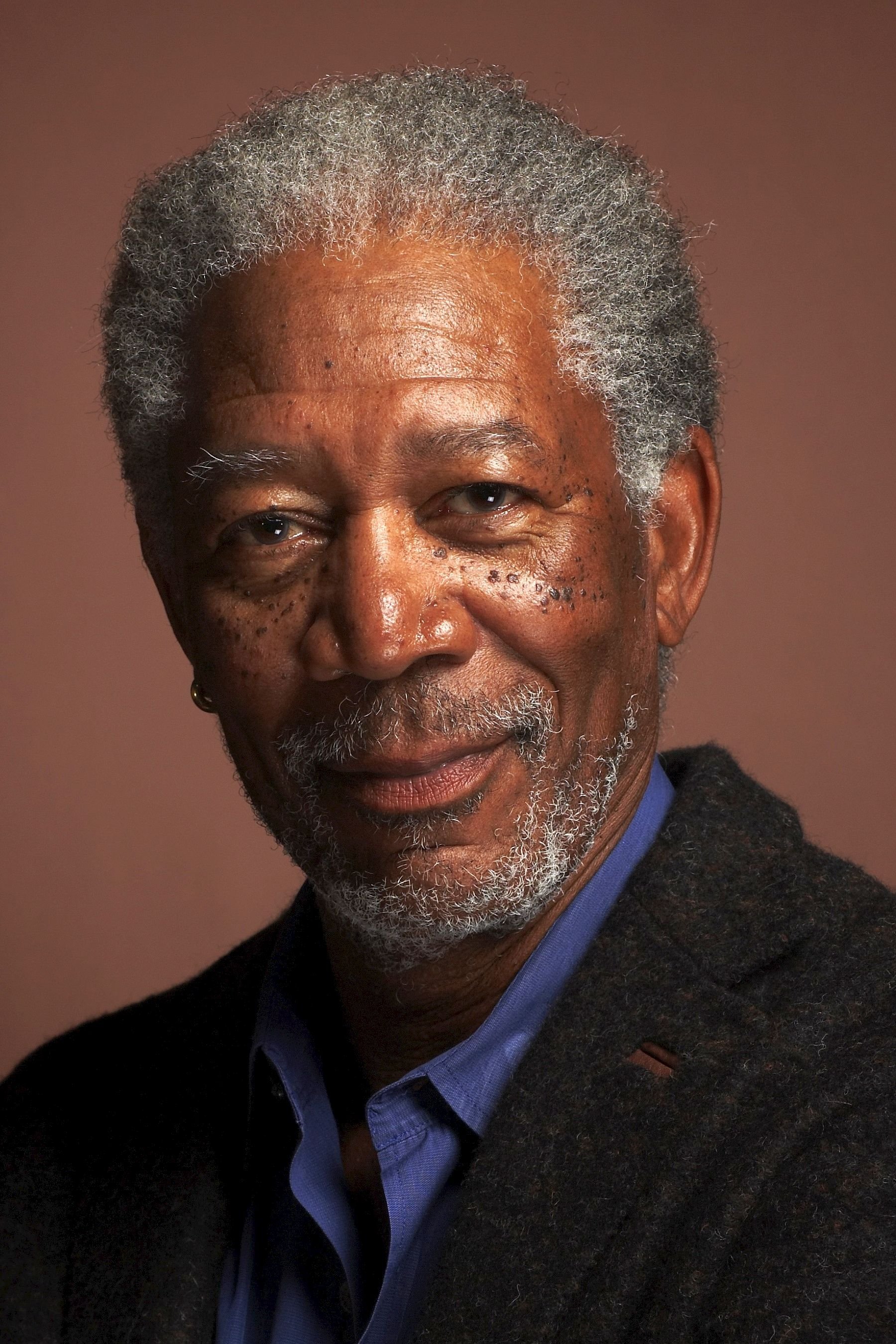
Morgan Freeman has publicly criticized the concept of Black History Month as a way to relegate Black history to a single month. He has often spoken about his desire to be seen as an actor rather than a Black actor in movies like ‘Driving Miss Daisy’. Freeman argues that the constant focus on race in casting creates its own set of restrictive tropes. He believes that the best way to end racism in film is to stop talking about it as a defining characteristic of every role. His perspective has sparked significant debate about the goals of diversity in Hollywood.
Laurence Fishburne
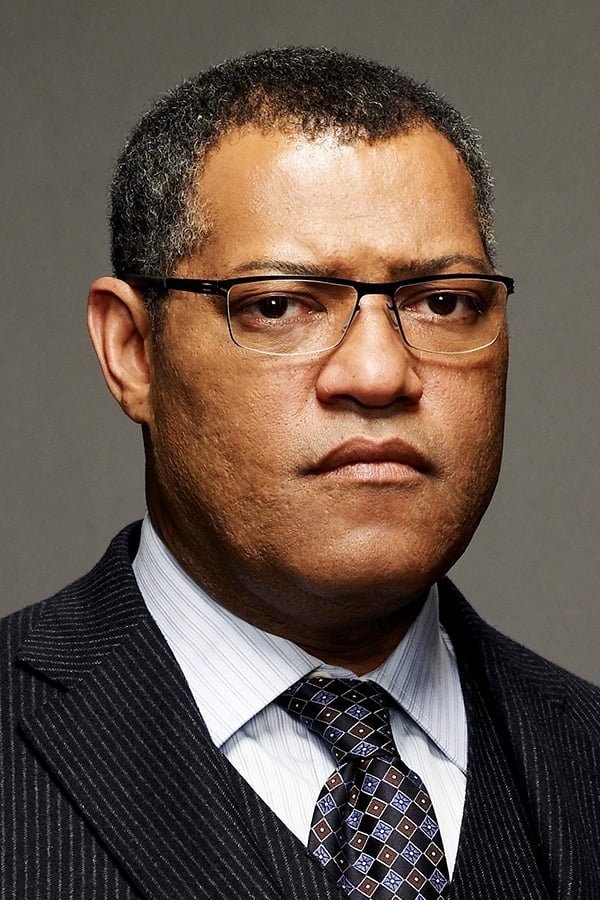
Laurence Fishburne expressed early concerns regarding the tropes found in urban dramas during the nineties. He has spoken about how he sought to bring a sense of wisdom and depth to his role in ‘The Matrix’ to avoid being a simple archetype. Fishburne argued that Black characters in sci-fi and action blockbusters should be given the same level of mystery and gravitas as their peers. He has frequently challenged directors to think more deeply about the motivations of his characters. His presence in major franchises has helped shift the expectations for Black veteran actors.
Don Cheadle
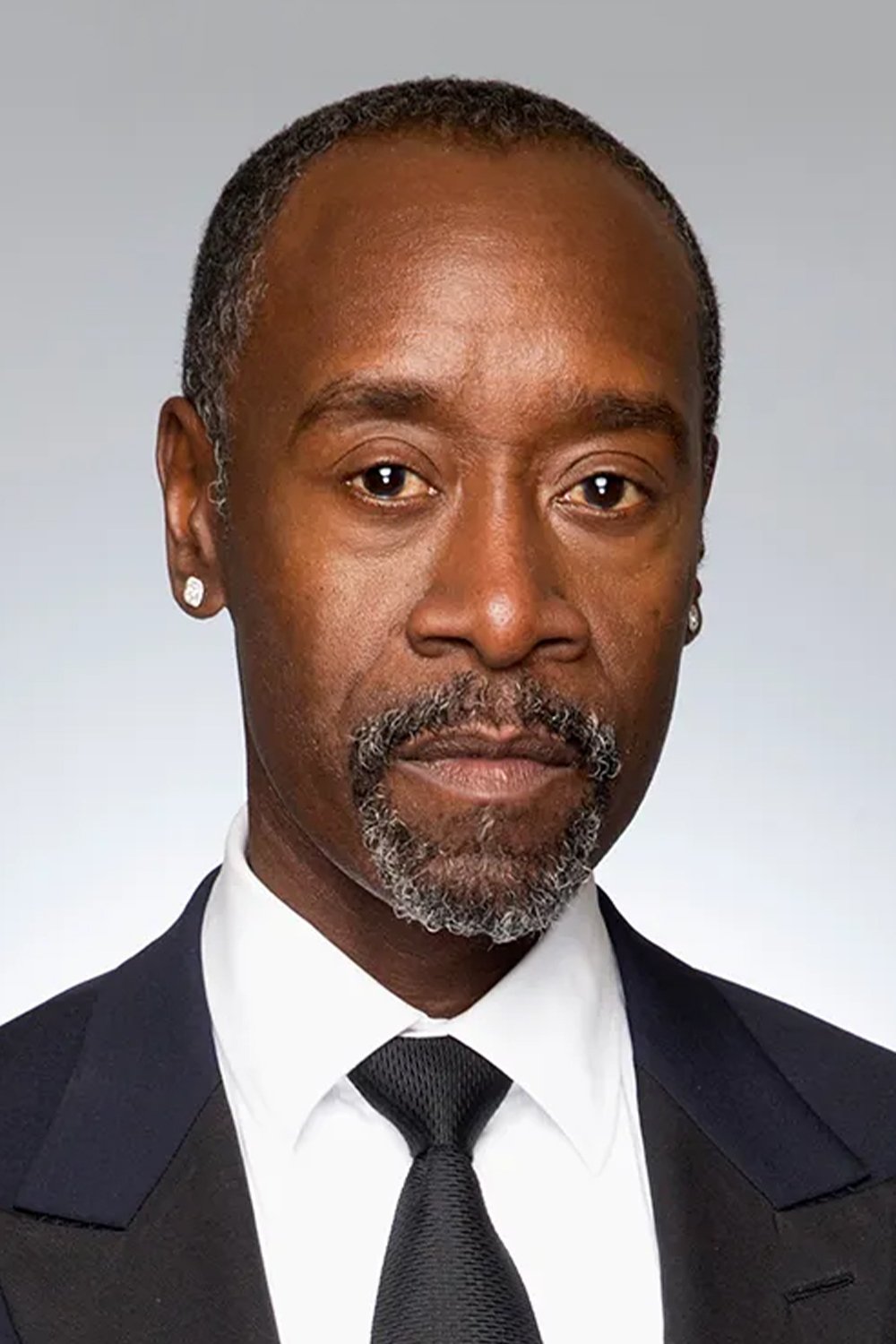
Don Cheadle has addressed the lack of meaningful story arcs for supporting characters of color in large ensemble films. He spoke about his experience in the Marvel Cinematic Universe and the importance of giving War Machine a voice that felt authentic. Cheadle has also been a vocal critic of how international crises in Africa are often depicted through a Western lens in films like ‘Hotel Rwanda’. He has used his production company to develop projects that center on Black history and political activism. His career is a testament to the power of using one’s influence for social change.
Terry Crews
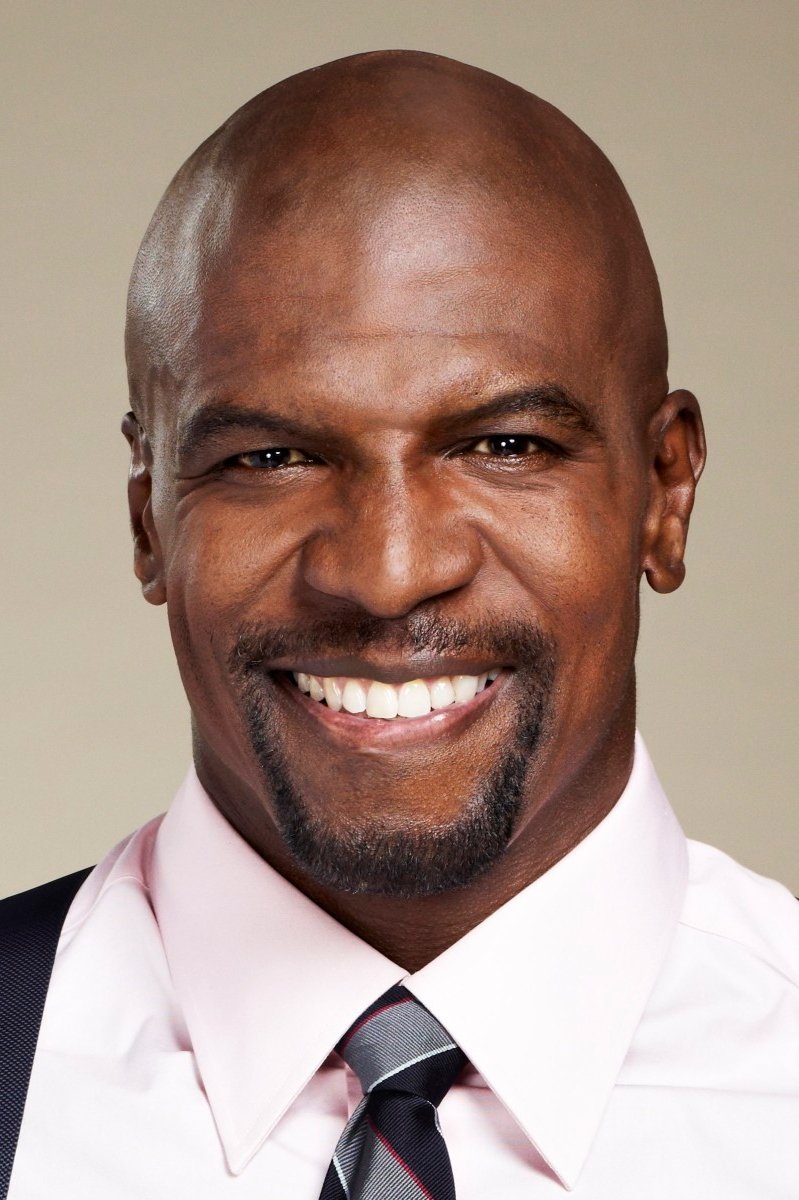
Terry Crews has spoken about the physical tropes that Black men are often expected to fulfill in action movies and comedies. He noted that his role in ‘White Chicks’ and ‘The Expendables’ often required him to play into certain hyper-masculine stereotypes. Crews has been open about his journey to redefine his image and move away from being seen only as muscle. He advocates for more emotional vulnerability and range for Black men on screen. His public discussions about his life and career have made him a leading voice for healthy masculinity in entertainment.
Ice Cube
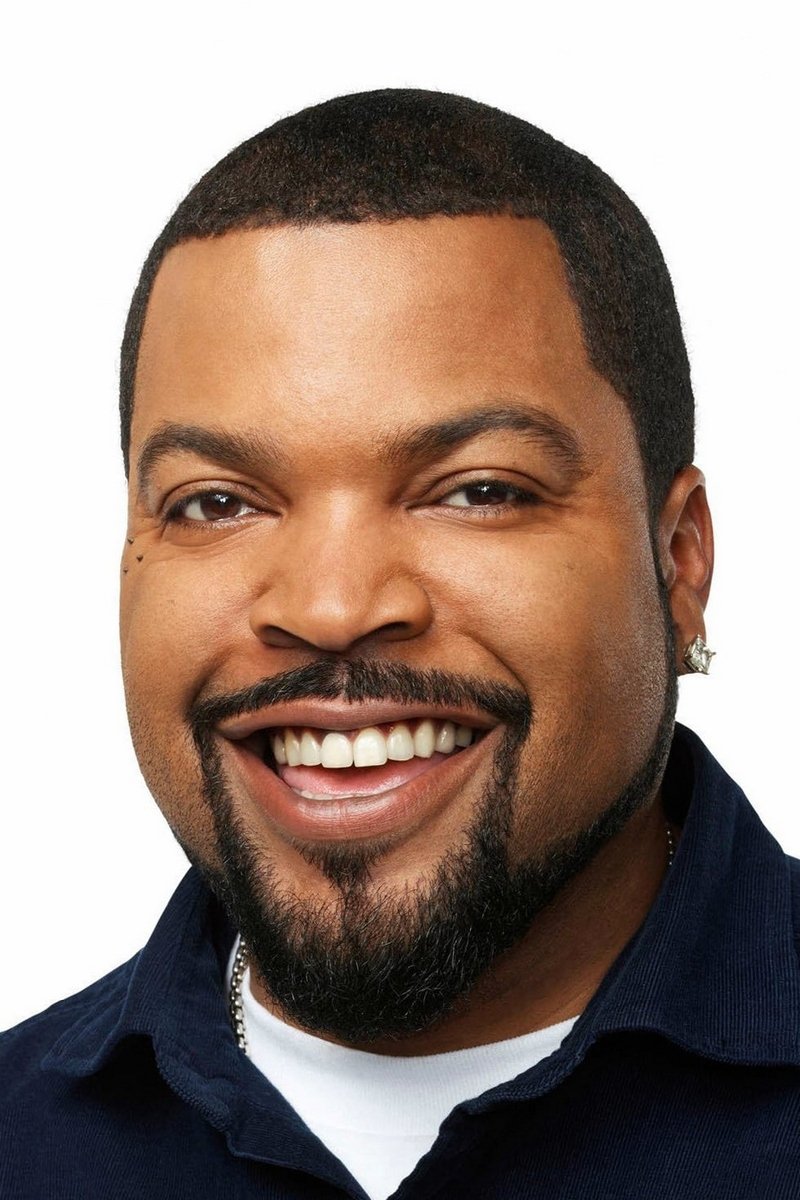
Ice Cube has been a vocal critic of the way the film industry handles Black stories since his transition from music to movies. He spoke about the importance of creating the ‘Friday’ franchise to show a different side of life in the neighborhood that was not focused on violence. Cube argued that the media often relies on negative tropes when depicting Black urban life. He has pushed for more ownership and creative control for Black filmmakers to ensure authentic representation. His work as a producer has paved the way for many successful Black led comedies and dramas.
Ludacris
Ludacris has discussed the evolution of diversity within the ‘Fast and Furious’ franchise over the years. He noted that the series has become a global blockbuster by embracing a cast that looks like the actual world. Ludacris argued that it is important for diverse characters to be shown as tech experts and leaders rather than just muscle or comic relief. He has used his platform to encourage the industry to look beyond the typical casting tropes for action stars. His long tenure in the franchise has made him a staple of modern blockbuster cinema.
Tyrese Gibson
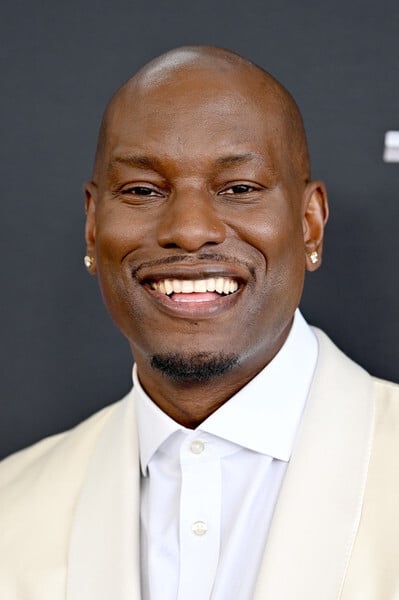
Tyrese Gibson has publicly campaigned for more significant roles for Black actors in major superhero and action franchises. He has spoken about the frustration of seeing diverse talent relegated to the background in many blockbuster productions. Gibson argued that the success of the ‘Fast and Furious’ series proves that global audiences want to see diverse leads. He has often used his social media to call out the lack of representation in major studio casting calls. His vocal nature has kept the conversation about Hollywood diversity at the forefront of the industry.
Forest Whitaker
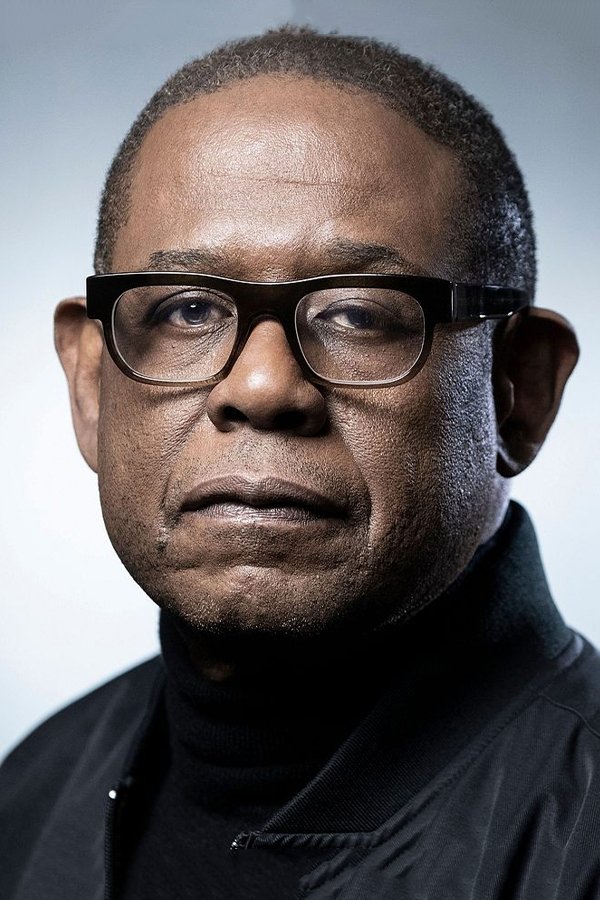
Forest Whitaker has spoken about the responsibility of portraying historical African figures without leaning into the tropes of the African dictator. In ‘The Last King of Scotland’ he worked to show the humanity and complexity of a deeply flawed man. Whitaker has emphasized that Black actors should have the opportunity to play roles that are morally ambiguous and difficult. He has also been a mentor to many young actors entering the industry through his various charitable efforts. His body of work reflects a deep commitment to exploring the human condition through a diverse lens.
Yahya Abdul-Mateen II
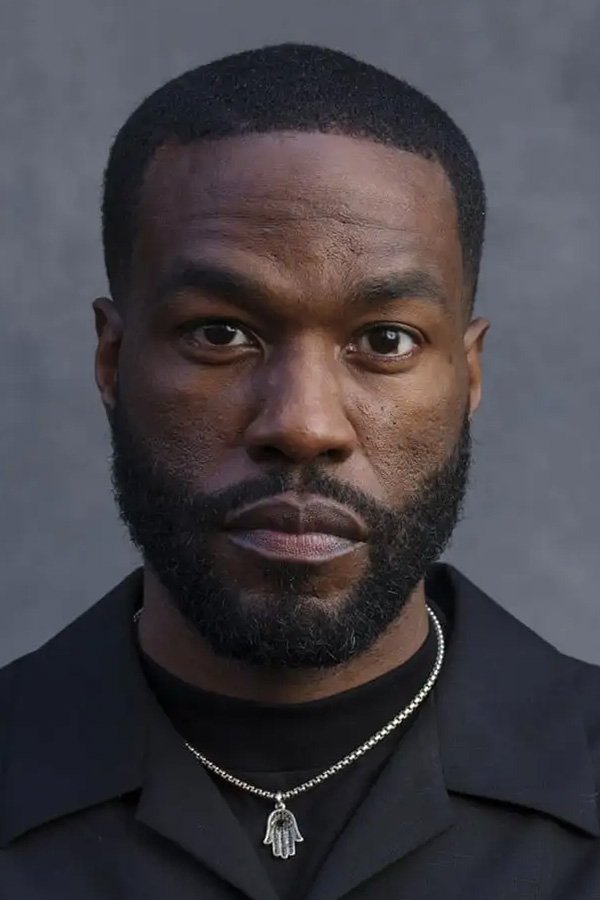
Yahya Abdul-Mateen II has discussed the balance between doing the clown work of big budget blockbusters and more serious artistic endeavors. He spoke about his experience in ‘Aquaman’ and ‘The Matrix Resurrections’ and the importance of bringing depth to those heightened worlds. Abdul-Mateen II argued that Black actors should not be limited to one genre or style of performance. He has been vocal about his desire to play roles that challenge the traditional tropes of the leading man. His rising career is marked by a series of bold and diverse character choices.
Aldis Hodge
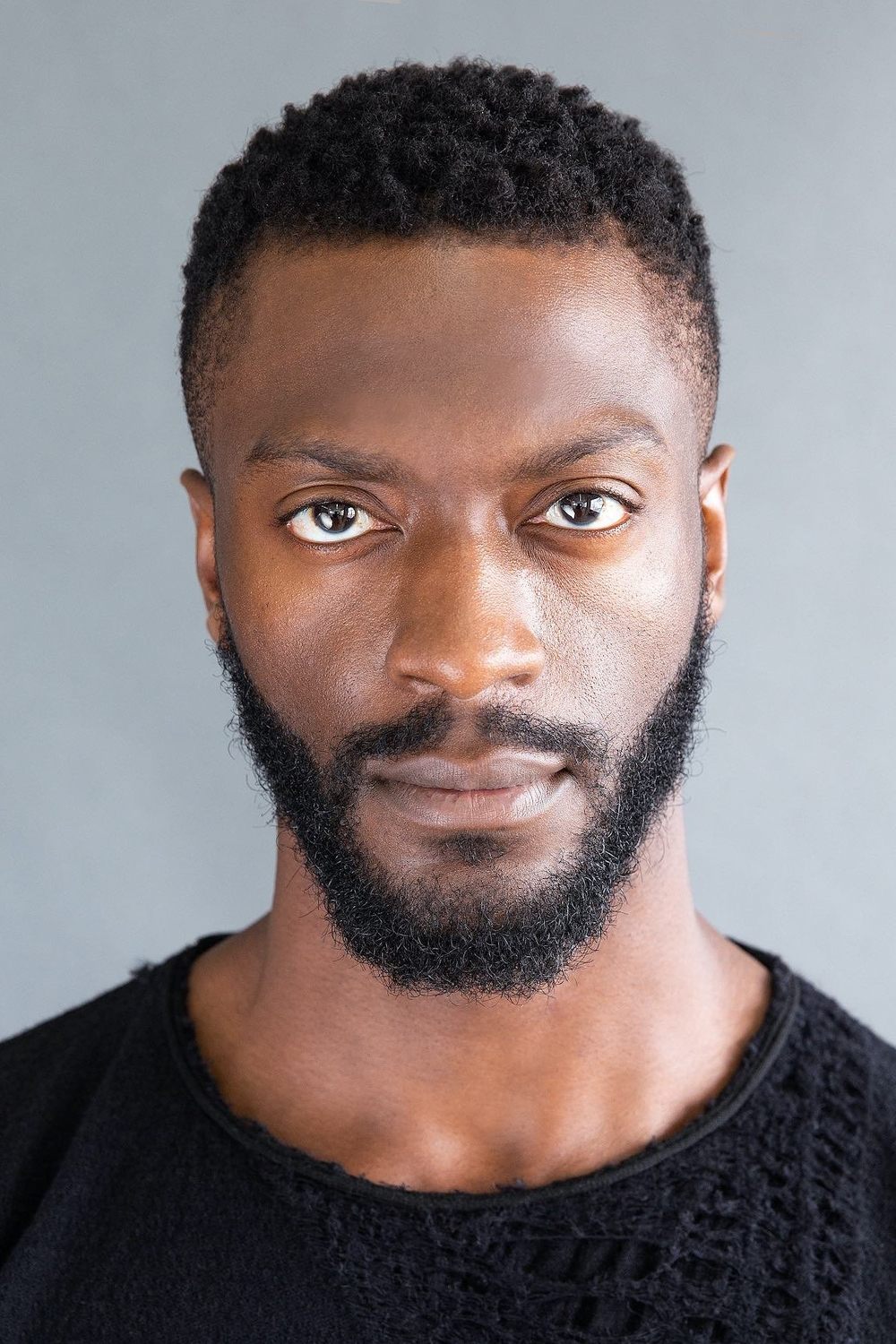
Aldis Hodge has spoken about the importance of representation in the superhero genre during the promotion of ‘Black Adam’. He noted that seeing a Black man in a position of power and leadership is vital for young audiences. Hodge argued that the industry should move away from the trope of the sidekick and allow diverse actors to lead their own franchises. He has consistently sought out roles that highlight Black intellectualism and historical importance. His dedication to his craft has made him a respected figure in both television and film.
Brian Tyree Henry
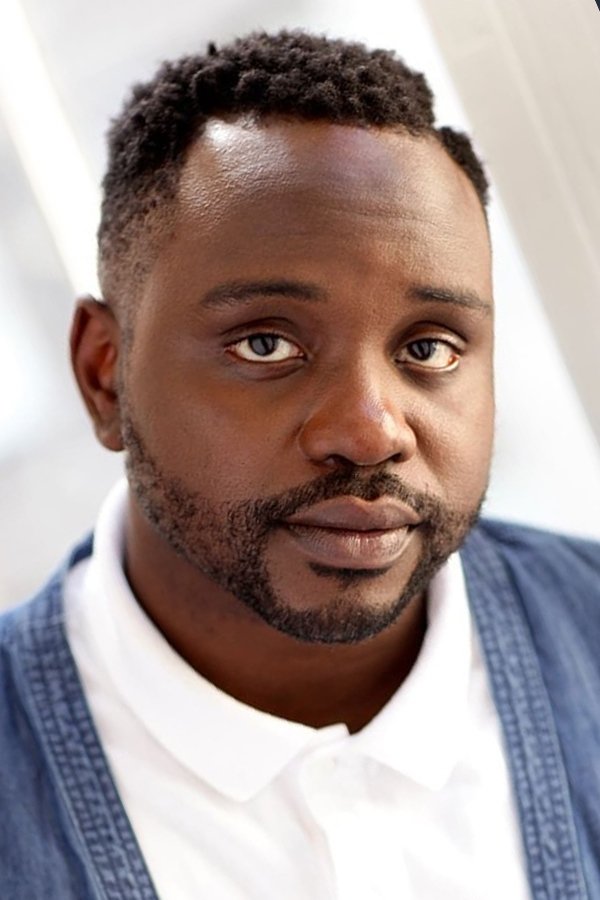
Brian Tyree Henry has addressed the significance of his role in ‘Eternals’ as the first Black queer superhero in a major franchise. He spoke about the importance of breaking multiple tropes at once and showing a character with a loving family life. Henry argued that representation should feel natural and not like a checkbox for a studio. He has often discussed the need for more diverse stories that explore the intersectionality of Black identity. His performances are known for their emotional depth and subversion of typical character archetypes.
Colman Domingo
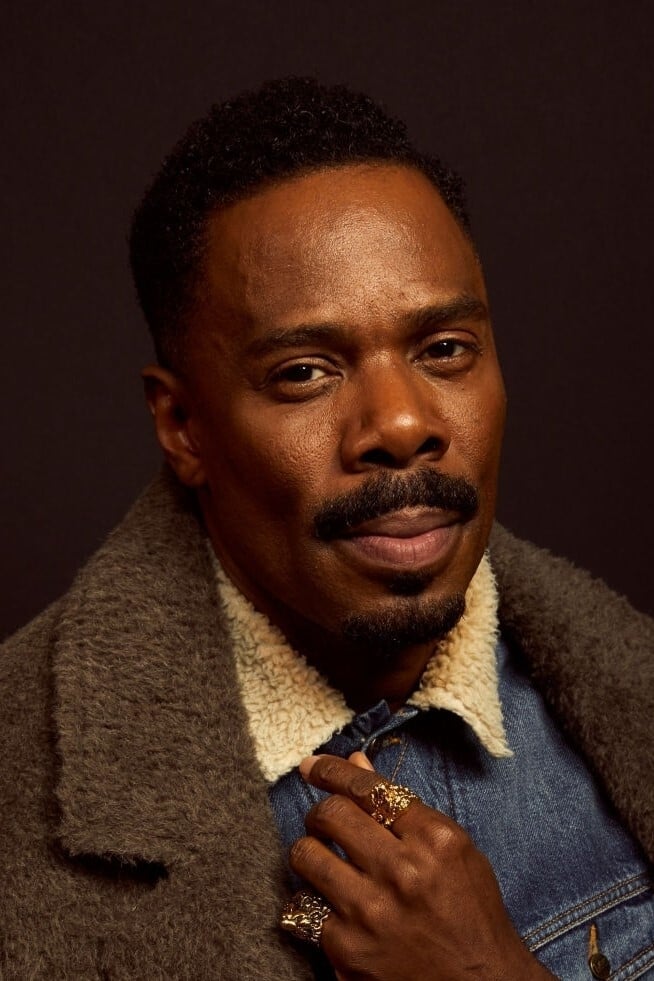
Colman Domingo has been a vocal advocate for the inclusion of more diverse narratives in historical dramas like ‘The Color Purple’. He spoke about the necessity of showing the full range of Black life, including the joy and the struggle. Domingo argued that the industry often relies on trauma tropes when telling Black stories from the past. He has used his success to push for more opportunities for Black creators in both film and theater. His work as an actor and writer continues to challenge the boundaries of contemporary storytelling.
Corey Hawkins
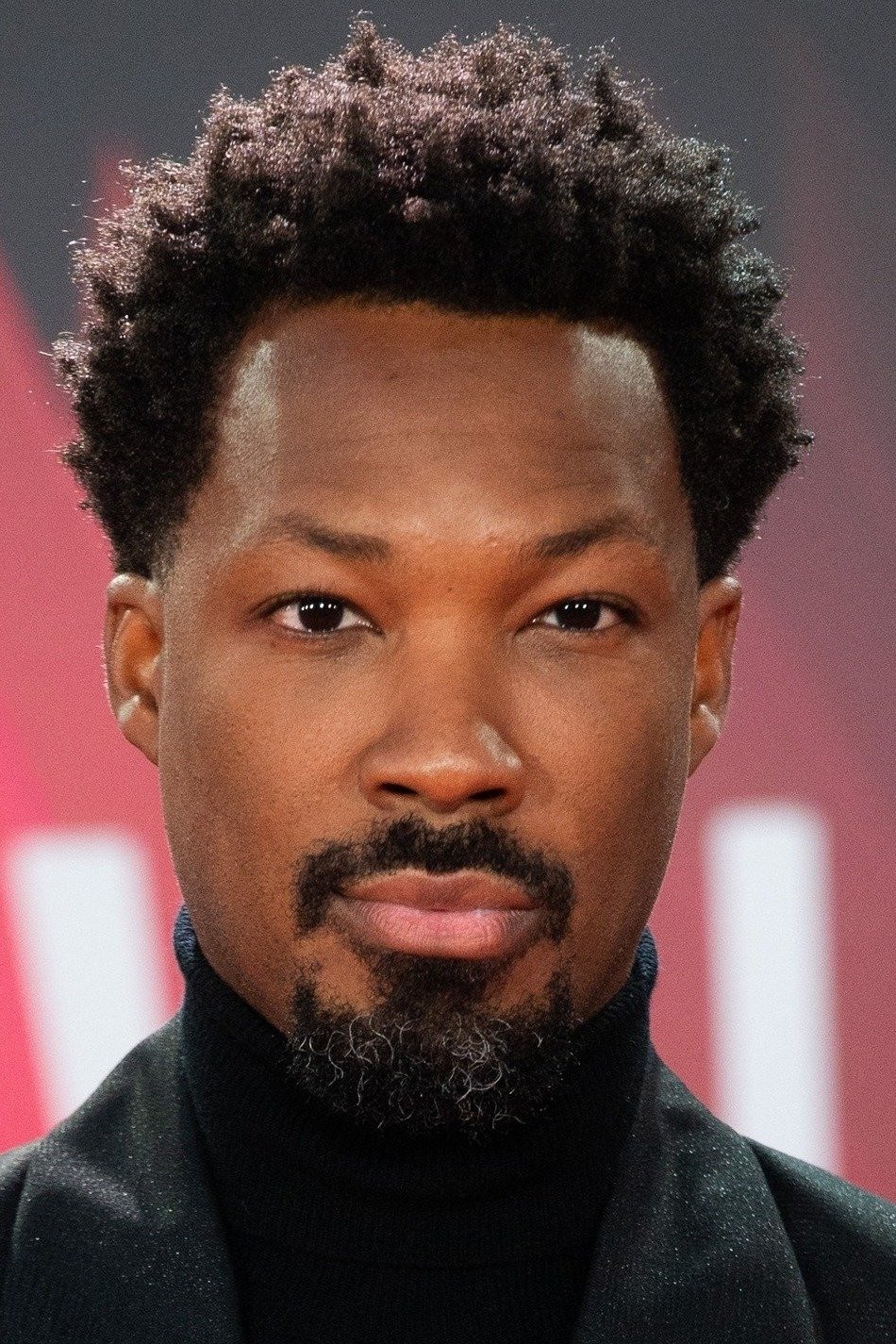
Corey Hawkins discussed the weight of portraying real life figures in films like ‘Straight Outta Compton’ without falling into caricatures. He spoke about the importance of showing the brotherhood and the artistic drive behind the music. Hawkins argued that the media often focuses on the controversy rather than the craft of Black artists. He has since taken on roles in major blockbusters like ‘Kong: Skull Island’ to show his range as an actor. His commitment to authenticity has made him a standout performer of his generation.
Delroy Lindo
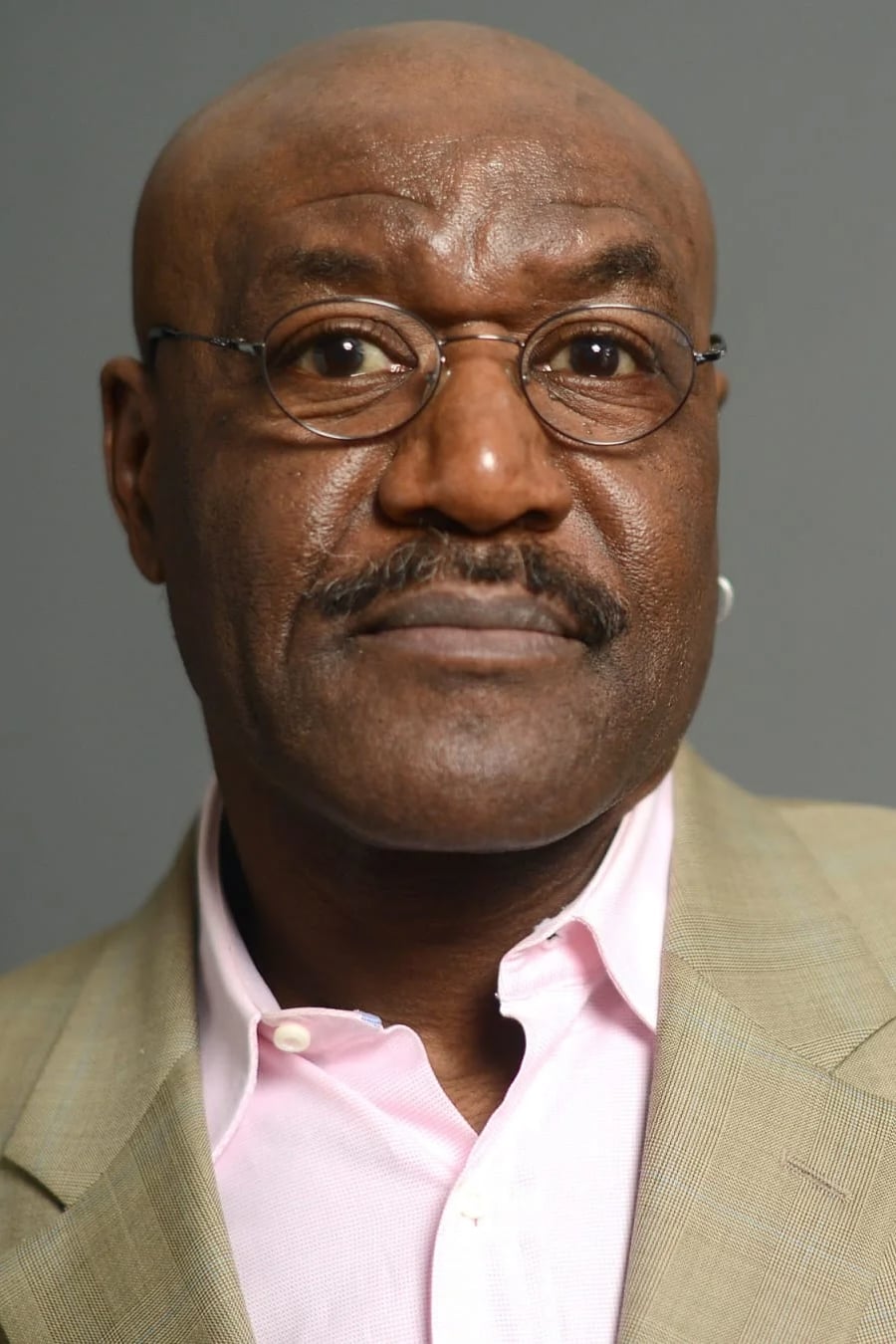
Delroy Lindo has spoken about the complexities of playing a Black supporter of a controversial political movement in ‘Da 5 Bloods’. He worked to ensure that his character did not become a simple trope but instead a man dealing with deep psychological trauma. Lindo has been a vocal critic of the lack of substantial roles for veteran Black actors in Hollywood. He argues that the industry often overlooks the talent of older performers of color. His powerful performance in the film revitalized the conversation about his long and distinguished career.
Giancarlo Esposito
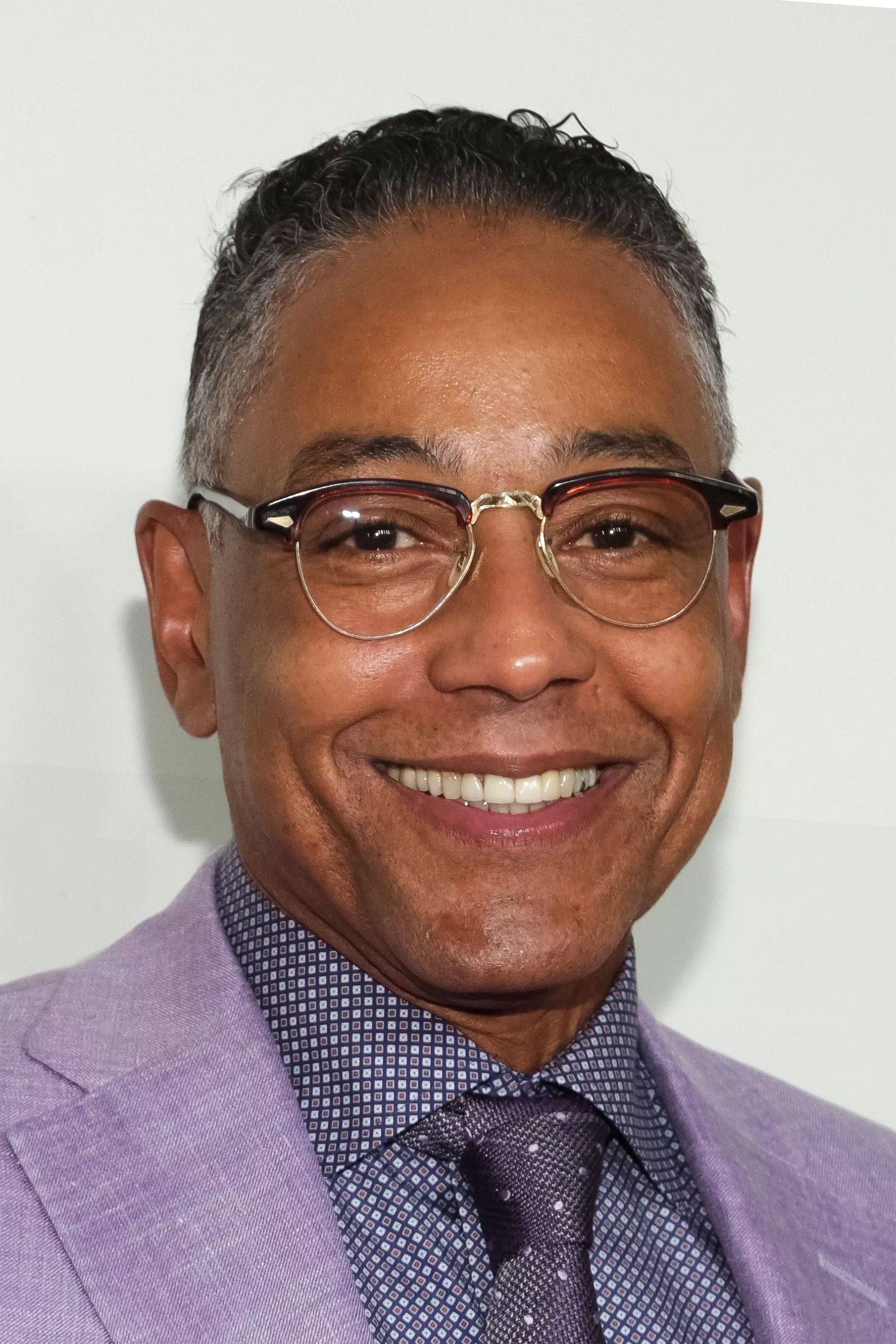
Giancarlo Esposito has often discussed his desire to avoid being typecast in roles that rely on his ethnic background. He has spoken about his experience in the ‘Star Wars’ universe and the importance of playing a character defined by his intellect and power. Esposito argued that the industry should move toward a more colorblind approach to casting for major villain roles. He has been a consistent voice for the importance of craft and preparation in an actor’s life. His career spans decades of subverting expectations in both film and television.
Keith David
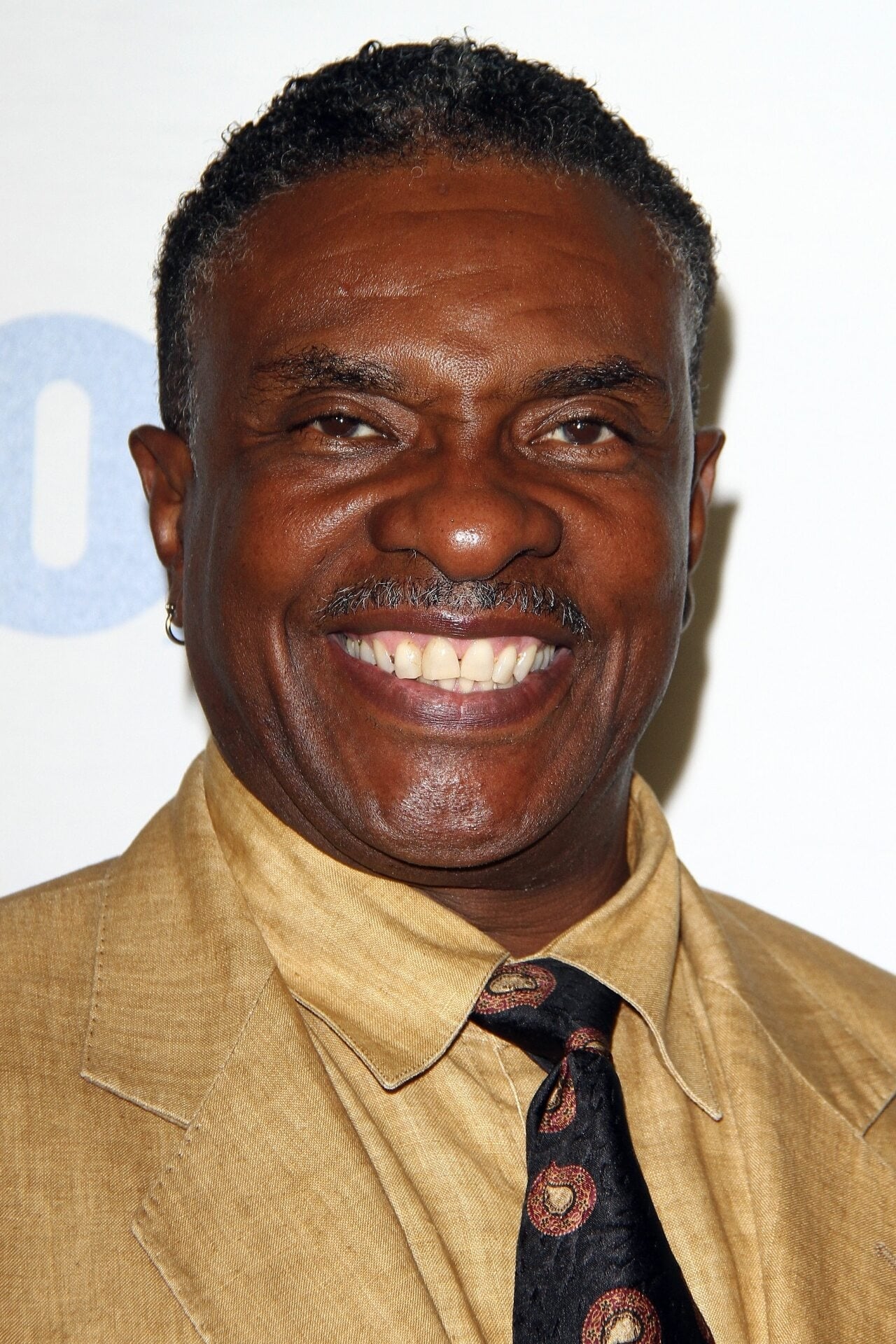
Keith David has spoken about the evolution of the Black character in sci-fi and horror movies from the eighties to the present. He noted that in his early career characters of color were often the first to be sacrificed in films like ‘The Thing’. David has since used his iconic voice and presence to bring authority to a wide range of blockbuster roles. He has been vocal about the importance of Black actors being given the space to be heroically stoic. His long standing career has made him a legendary figure in the world of genre cinema.
Leslie Odom Jr.
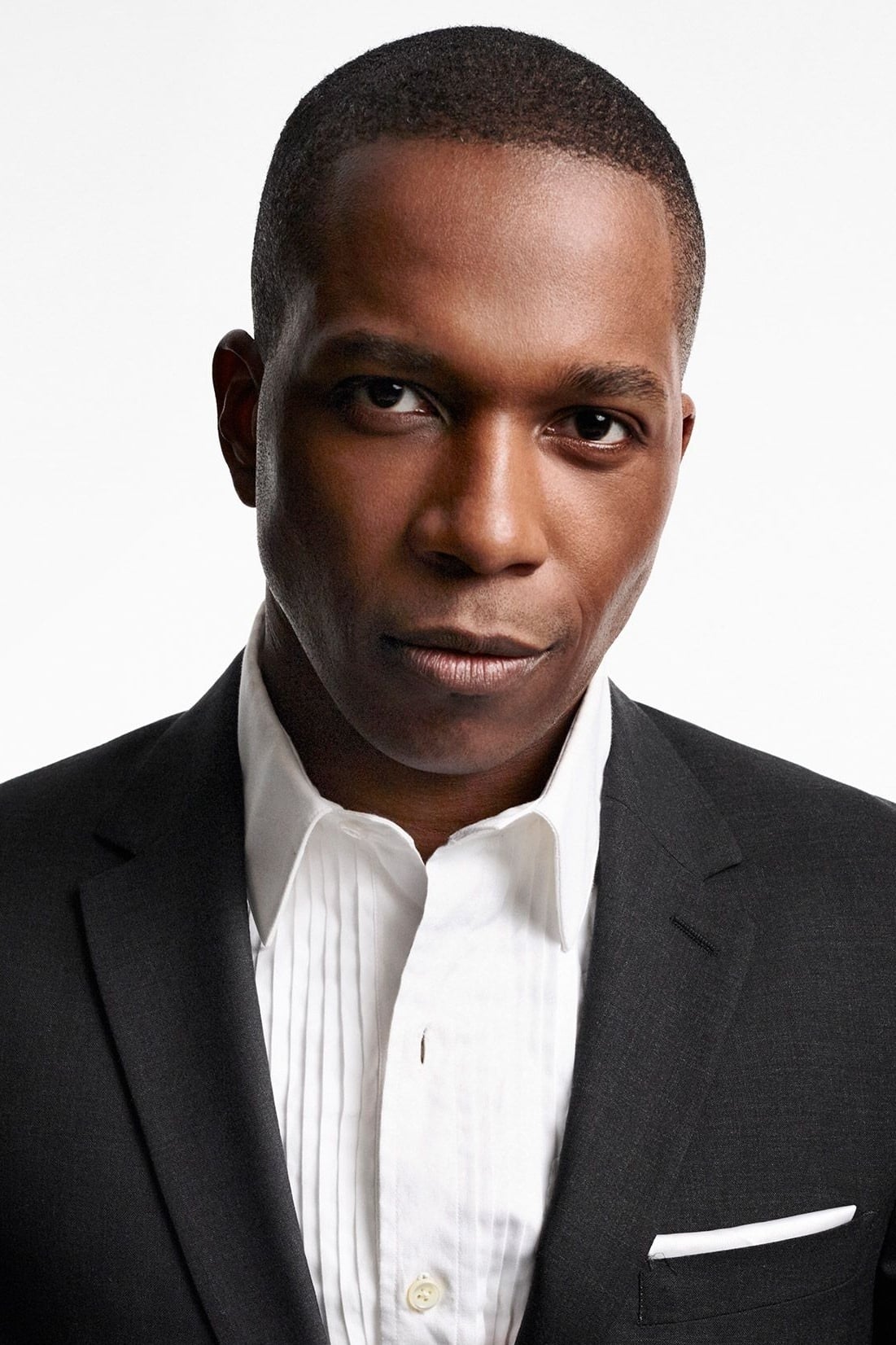
Leslie Odom Jr. has addressed the systemic issues of pay equity and representation for Black performers in major productions. He spoke about his experience in ‘Hamilton’ and ‘Glass Onion’ and the responsibility of being a leader on set. Odom Jr. argued that the industry needs to move past the trope of the grateful actor and demand fair treatment for all. He has been a vocal supporter of movements that seek to increase the visibility of diverse talent in Hollywood. His career reflects a focus on excellence and the empowerment of his peers.
Winston Duke
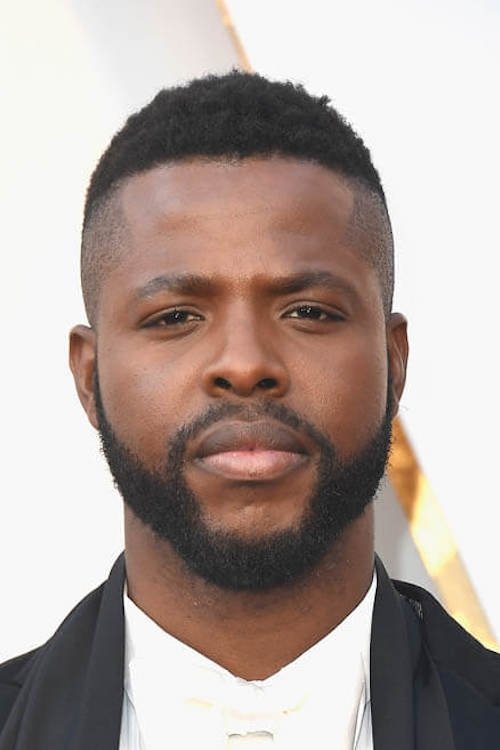
Winston Duke utilized his role in ‘Black Panther’ to challenge the traditional Western perception of African culture. He has spoken about how the film avoided the trope of the impoverished African nation by presenting Wakanda as a technological powerhouse. Duke noted that his character provided a different perspective on masculinity and leadership that is often missing from major blockbusters. He continues to advocate for roles that showcase the vast diversity of the African diaspora. His presence on screen is often a powerful statement on Black identity and strength.
Jesse Williams
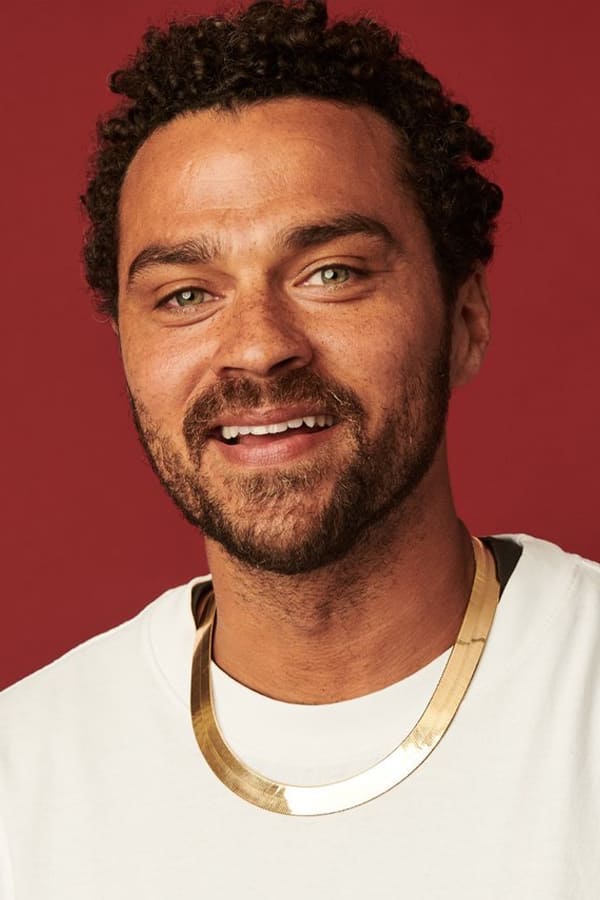
Jesse Williams has been a leading activist within the entertainment industry for over a decade. He has spoken extensively about the tropes and biases that influence casting decisions in big budget films. Williams argued that the media often dehumanizes Black individuals through repetitive and negative storytelling. He has used his acceptance speeches and public appearances to call for a radical shift in how Black stories are told. His work as an actor and producer is deeply connected to his commitment to social justice.
Bokeem Woodbine
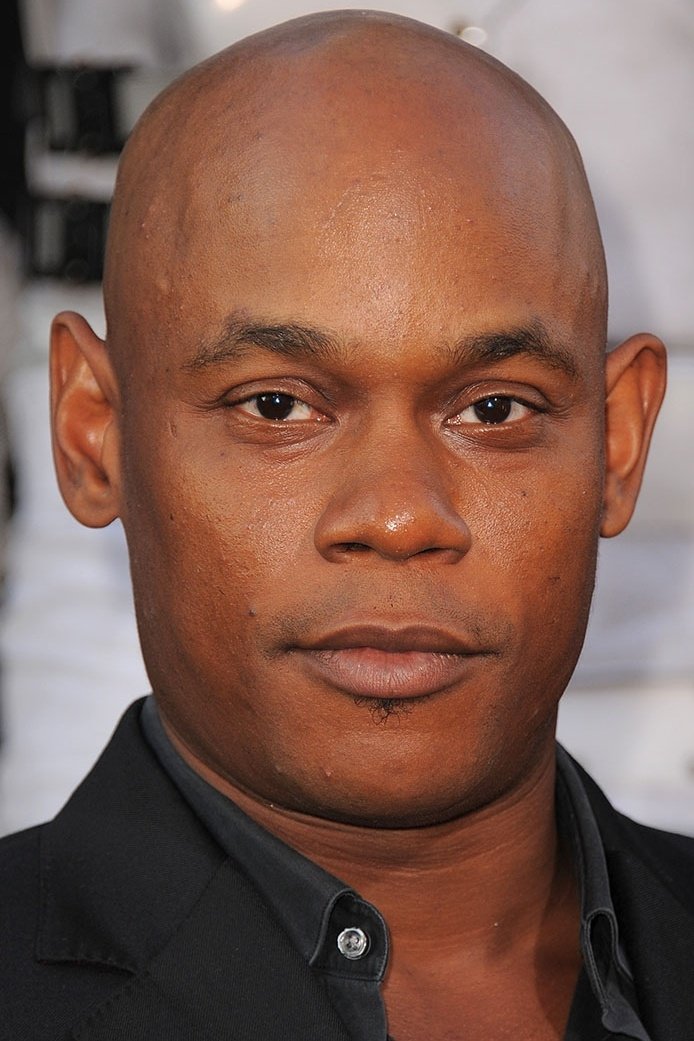
Bokeem Woodbine has discussed the challenges of being a character actor of color in a landscape that often relies on archetypes. He spoke about his role in ‘Spider-Man: Homecoming’ and the importance of bringing a sense of realism to a villainous character. Woodbine argued that Black performers should have the opportunity to play roles that are not strictly defined by their race or social status. He has been a consistent presence in the industry for years, often stealing scenes in major blockbuster films. His career is a masterclass in making the most of every opportunity to subvert expectations.
O’Shea Jackson Jr.

O’Shea Jackson Jr. has addressed the pressures of living up to his father’s legacy while forging his own path in Hollywood. He spoke about the importance of his role in ‘Straight Outta Compton’ and the need to show the human side of a cultural icon. Jackson Jr. has been vocal about the lack of diverse leading roles in major action and sci-fi blockbusters. He argued that the industry should be more willing to take risks on young Black talent. His charismatic performances have made him one of the most promising actors of his generation.
Terrence Howard
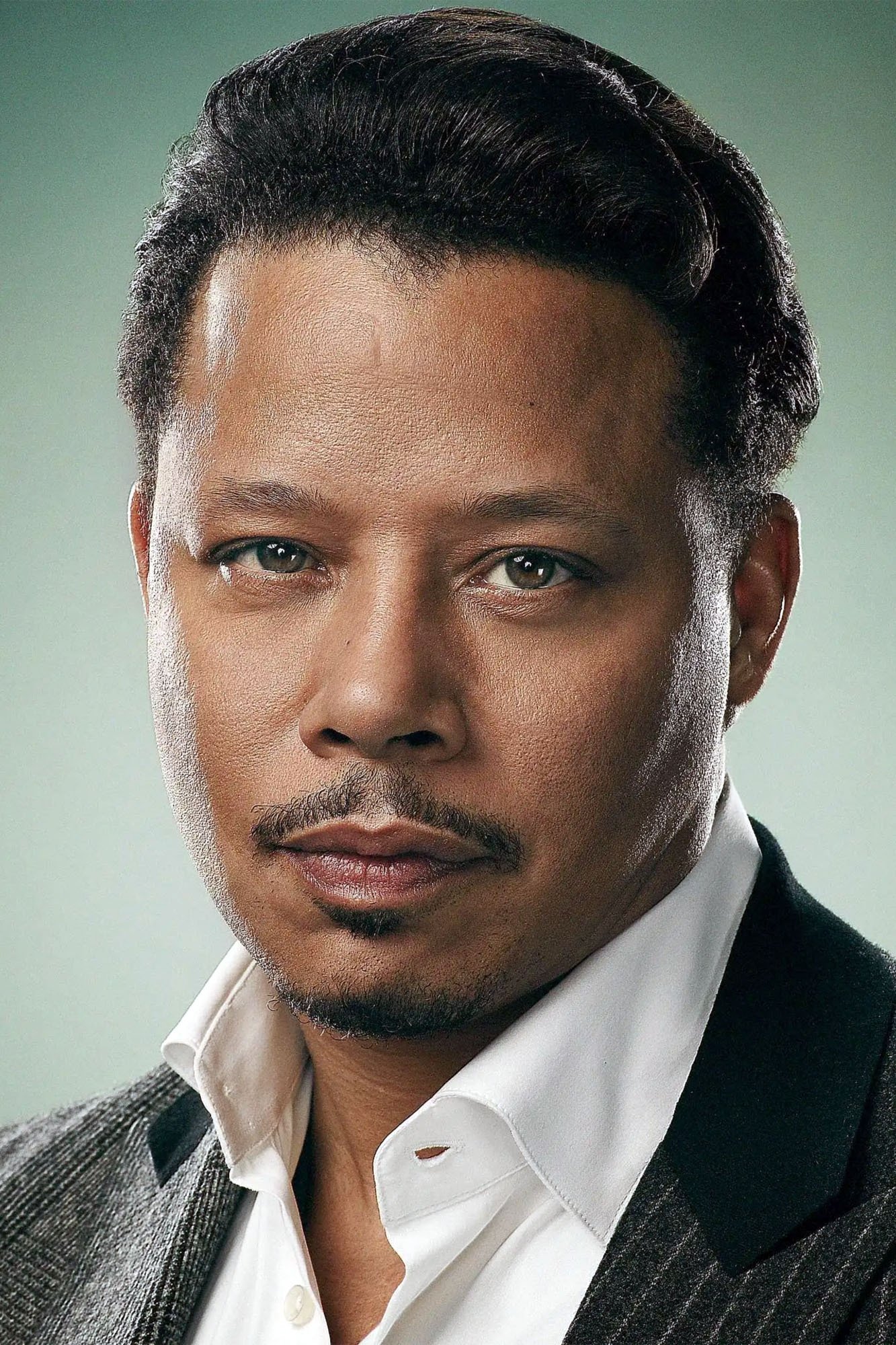
Terrence Howard famously spoke out about the business side of blockbuster filmmaking and the treatment of Black actors in major franchises. He discussed his departure from the ‘Iron Man’ series and the issues he faced regarding his contract and pay. Howard argued that there is often a double standard when it comes to the value placed on diverse talent in successful film series. He has continued to work in high profile roles while remaining vocal about his experiences in the industry. His stance highlighted the importance of financial transparency and fair treatment in Hollywood.
Djimon Hounsou
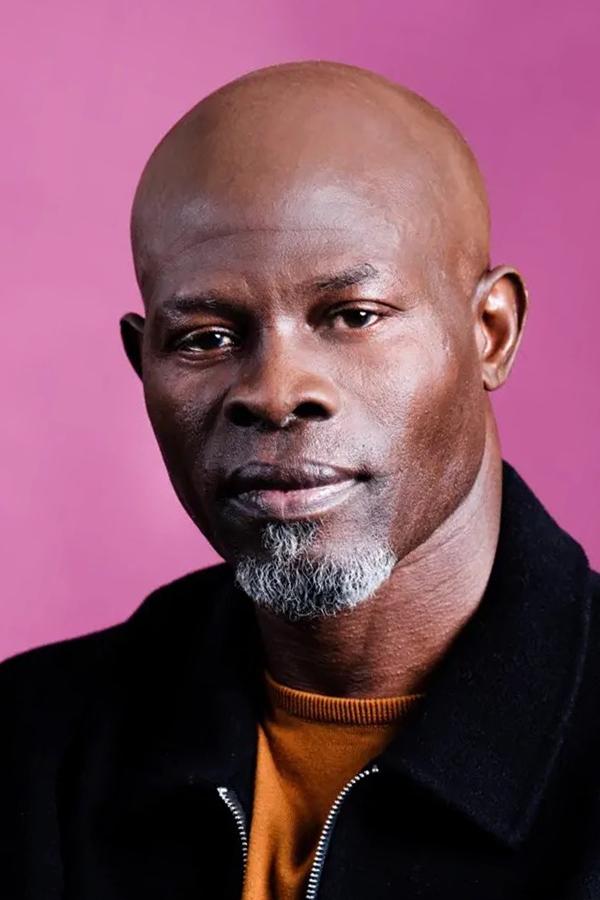
Djimon Hounsou has been very vocal about the lack of fair compensation and recognition he has received despite his roles in massive blockbusters like ‘Gladiator’ and ‘Amistad’. He spoke about the struggle of being a highly respected actor who still has to fight for the same pay as his white counterparts. Hounsou argued that the industry often treats African actors as exotic tokens rather than serious peers. He has pushed for more significant roles that allow him to lead rather than support. His career is marked by a series of powerful performances that demand more from the industry.
Barkhad Abdi
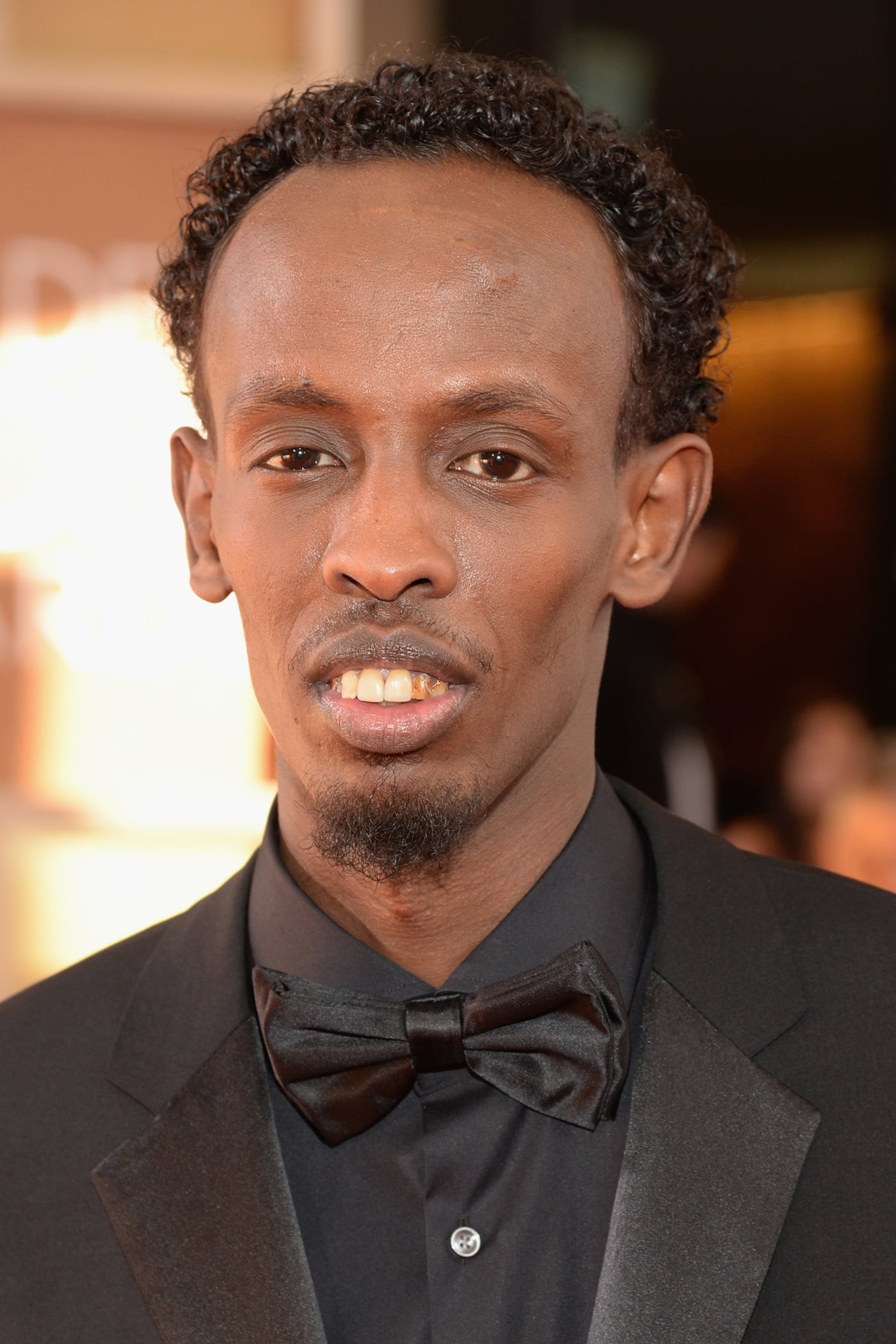
Barkhad Abdi spoke about the danger of being typecast in roles that rely on the trope of the African villain after his breakout in ‘Captain Phillips’. He expressed a desire to show his range as an actor and take on roles that are not defined by his background. Abdi noted that the industry often has a limited imagination when it comes to casting actors from the African diaspora. He has since worked to find diverse projects that allow him to explore different facets of the human experience. His journey highlights the challenges and opportunities for international Black actors in Hollywood.
Sterling K. Brown
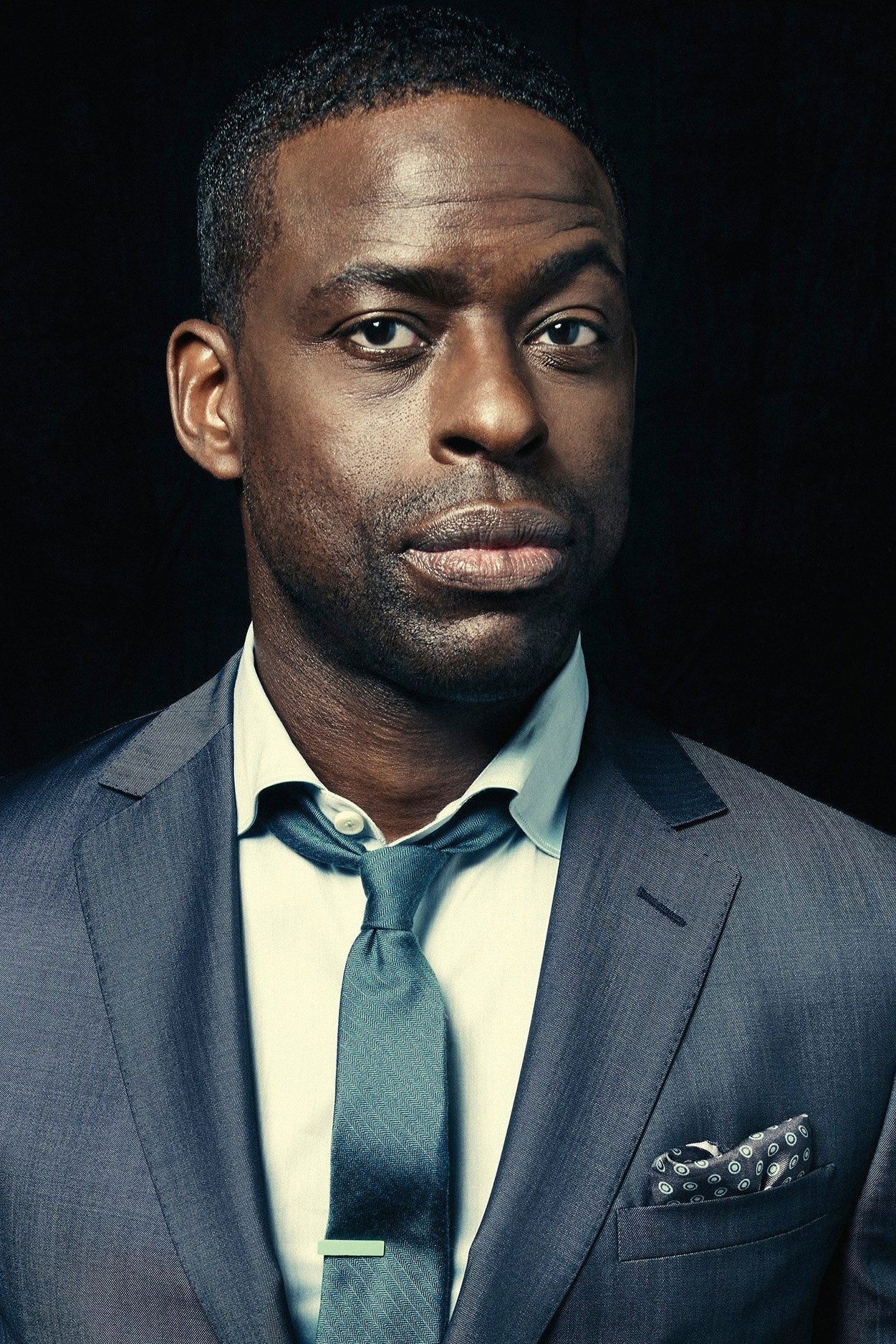
Sterling K. Brown has addressed the necessity of avoiding the magical negro trope in major studio productions. He has expressed a desire to play characters that have their own agency and personal lives separate from the needs of a white protagonist. In films like ‘Black Panther’ and ‘American Fiction’ he has explored the nuances of Black identity and family dynamics. Brown emphasizes that representation is about more than just presence and must include depth and complexity. His thoughtful approach to his roles has made him a critically acclaimed figure in the industry.
Mike Epps
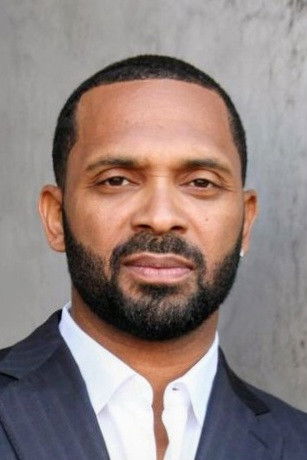
Mike Epps has spoken about the limitations of the comic relief trope for Black actors in large scale comedies and action films. He noted that he often felt pressured to play into certain stereotypes to get laughs in early blockbuster roles. Epps has since advocated for more diverse opportunities for Black comedians to show their dramatic range. He argued that the industry should see Black humor as more than just a tool for broad entertainment. His evolution as an actor shows a commitment to finding more substantial and meaningful work.
Bill Duke
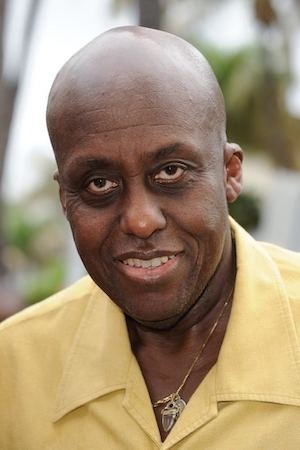
Bill Duke has discussed the difficulty of being a Black actor and director during the action movie boom of the eighties. He observed that characters of color were often relegated to sidekick roles or early deaths in major films like ‘Predator’. Duke has since worked to mentor young filmmakers on how to avoid these common cinematic pitfalls. He advocates for a more nuanced approach to casting that looks beyond physical stereotypes. His long career provides a unique perspective on the evolution of Black representation in genre cinema.
Share your thoughts on these actors and their contributions to the film industry in the comments.